
POPULARITY

3 episodes with fred foy

11 episodes with fred foy

5 episodes with fred foy

2 episodes with fred foy
This episode was originally released on 9/1/2021. While new episodes of Breaking Walls are on hiatus I'll be going back and posting the older episodes. ____________ In Breaking Walls episode 119 we continue our Americana mini-series by bringing our appetites to the diner. We'll hear stories from some of radio's best and center ourselves around shows taking place in establishments. —————————— Highlights: • What Exactly is a Diner? • Lux Presents Hollywood • Suspense At the End of World War II • The Diner After World War II • Bill Conrad, Burt Lancaster, and The Killers • ABC Takes Friday Nights With This Is Your FBI • Frank Sinatra and His Rocky Fortune • Going Back to Gunsmoke • James Earl Jones and Theater Five —————————— The WallBreakers: thewallbreakers.com Subscribe to Breaking Walls everywhere you get your podcasts. To support the show: patreon.com/TheWallBreakers —————————— The reading material used in today's episode was: • On the Air - By John Dunning • Network Radio Ratings — By Jim Ramsburg As well as: • From Hash House to Family Restaurant: The Transformation of the Diner and Post-World War II Consumer Culture — By Andrew Hurley from The March 1997 Journal of American History. And other articles from: • Paste Magazine • Smithsonian Magazine —————————— On the interview front: • Parley Baer, Conrad Binyon, Norman Corwin, and Lurene Tuttle spoke to Chuck Schaden. Hear their full chats at SpeakingOfRadio.com. • Parley Baer, Jerry Devine, Lawrence Dobkin, Fred Foy, and Bob Maxwell, were with SPERDVAC. For more information, go to SPERDVAC.com. • William Spier spoke with Dick Bertel and Ed Corcoran for WTIC's The Golden Age of Radio. Hear this full interview at Goldenage-WTIC.org. • John Dehner was with Neil Ross for KMPC. • Frank Sinatra spoke with Arlene Francis, Walter Cronkite, and Larry King. • William Conrad with Chris Lambesis. • Norman Macdonnell with John Hickman of WAMU for his Gunsmoke documentary. —————————— Selected music featured in today's episode was: • Theme From A Summer Place — By Percy Faith • I've Got The World on a String and Why Try To Change Me Now — By Frank Sinatra • The Venice Dreamer Pt1 and 2 — By George Winston • Across the Alley from the Alamo — By The Mills Brothers

What happens when a childhood dream refuses to let go? In this episode, I sit down with cartoonist and Lum and Abner historian Donnie Pitchford to explore how old-time radio, comic strips, and a love for storytelling shaped his life. Donnie shares how he grew up inspired by classic radio shows like Lum and Abner, pursued art despite setbacks, and eventually brought the beloved Pine Ridge characters back to life through a modern comic strip and audio adaptations. We talk about creativity, persistence, radio history, and why imagination still matters in a visual world. If you care about classic radio, cartooning, or staying true to your calling, I believe you will find this conversation both inspiring and practical. Highlights: 00:10 Discover how a childhood love of Lum and Abner sparked a lifelong dream of becoming a cartoonist. 08:00 Hear how college radio and classic broadcasts deepened a passion for old time radio storytelling. 14:33 Understand how years of teaching broadcast journalism built the skills that later fueled creative success. 23:17 Learn how the Lum and Abner comic strip was revived with family approval and brought to modern audiences. 30:07 Explore how two actors created an entire town through voice and imagination alone. 1:00:16 Hear the vision for keeping Lum and Abner alive for new generations through comics and audio. Top of Form Bottom of Form About the Guest: Donnie Pitchford of Texas is a graduate of Kilgore College, Art Instruction Schools, Stephen F. Austin State University and the University of Texas at Tyler. He has worked in the graphic arts industry and in education, teaching at Hawkins High School, Panola College, and Carthage High School at which he spent 25 years directing CHS-TV, where student teams earned state honors, including state championships, for 20 consecutive years. In 2010, Donnie returned to the endeavor he began at age five: being a cartoonist! The weekly “Lum and Abner" comic strip began in 2011. It is available online and in print and includes an audio production for the blind which features the talents of actors and musicians who donate their time. Donnie has created comic book stories and art for Argo Press of Austin, illustrated children's books, written scripts for the "Dick Tracy" newspaper strip, and produced the science fiction comedy strip "Tib the Rocket Frog." He has collaborated with award-winning writers and cartoonists George Wildman, Nicola Cuti, John Rose, Mike Curtis, Joe Staton, and others. In 2017, Donnie began assisting renowned sculptor Bob Harness and currently sculpts the portraits for the Texas Country Music Hall of Fame plaques. Awards include the 1978 Kilgore College "Who's Who" in Art, an Outstanding Educator Award from the East Texas Chapter of the Texas Society of CPAs in 1993, the CHS "Pine Burr" Dedicatee honor in 2010, and a Distinguished Alumnus Award in 2018 from Spring Hill High School. In 2024, Donnie was inducted into the City of Carthage Main Street Arts Walk of Fame which included the placement of a bronze plaque in the sidewalk and the Key to the City. Donnie and his best friend/wife, Laura, are members of First Methodist Church Carthage, Texas. Donnie is a founding officer of the National Lum and Abner Society and a member of Texas Cartoonists, Ark-La-Tex Cartoonists, Christian Comic Arts Society, and the National Cartoonists Society. Ways to connect with Michaela**:** https://www.facebook.com/groups/220795254627542 https://lumandabnercomics.com/ About the Host: Michael Hingson is a New York Times best-selling author, international lecturer, and Chief Vision Officer for accessiBe. Michael, blind since birth, survived the 9/11 attacks with the help of his guide dog Roselle. This story is the subject of his best-selling book, Thunder Dog. Michael gives over 100 presentations around the world each year speaking to influential groups such as Exxon Mobile, AT&T, Federal Express, Scripps College, Rutgers University, Children's Hospital, and the American Red Cross just to name a few. He is Ambassador for the National Braille Literacy Campaign for the National Federation of the Blind and also serves as Ambassador for the American Humane Association's 2012 Hero Dog Awards. https://michaelhingson.com https://www.facebook.com/michael.hingson.author.speaker/ https://twitter.com/mhingson https://www.youtube.com/user/mhingson https://www.linkedin.com/in/michaelhingson/ accessiBe Links https://accessibe.com/ https://www.youtube.com/c/accessiBe https://www.linkedin.com/company/accessibe/mycompany/ https://www.facebook.com/accessibe/ Thanks for listening! Thanks so much for listening to our podcast! If you enjoyed this episode and think that others could benefit from listening, please share it using the social media buttons on this page. Do you have some feedback or questions about this episode? Leave a comment in the section below! Subscribe to the podcast If you would like to get automatic updates of new podcast episodes, you can subscribe to the podcast on Apple Podcasts or Stitcher. You can subscribe in your favorite podcast app. You can also support our podcast through our tip jar https://tips.pinecast.com/jar/unstoppable-mindset . Leave us an Apple Podcasts review Ratings and reviews from our listeners are extremely valuable to us and greatly appreciated. They help our podcast rank higher on Apple Podcasts, which exposes our show to more awesome listeners like you. If you have a minute, please leave an honest review on Apple Podcasts. Transcription Notes: Michael Hingson 00:00 Access Cast and accessiBe Initiative presents Unstoppable Mindset. The podcast where inclusion, diversity and the unexpected meet. Hi, I'm Michael Hingson, Chief Vision Officer for accessiBe and the author of the number one New York Times bestselling book, Thunder dog, the story of a blind man, his guide dog and the triumph of trust. Thanks for joining me on my podcast as we explore our own blinding fears of inclusion unacceptance and our resistance to change. We will discover the idea that no matter the situation, or the people we encounter, our own fears, and prejudices often are our strongest barriers to moving forward. The unstoppable mindset podcast is sponsored by accessiBe, that's a c c e s s i capital B e. Visit www.accessibe.com to learn how you can make your website accessible for persons with disabilities. And to help make the internet fully inclusive by the year 2025. Glad you dropped by we're happy to meet you and to have you here with us. Michael Hingson 01:21 Well, hi everyone, and welcome to another episode of unstoppable mindset. I've been looking forward to this one for a while. We have Donny Pitchford as our guest today. You're probably going, who's Donnie Pitchford? Well, let me tell you. So years ago, I started collecting old radio shows. And one of the first shows that I got was a half hour episode of a show called Lum and Abner, which is about a couple of characters, if you will, in Pine Ridge, Arkansas. And I had only heard the half hour show sponsored by frigid air. But then in 1971 when ksi, out here in Los Angeles, the 50,000 watt Clear Channel station, started celebrating its 50 year history, they started broadcasting as part of what they did, 15 minute episodes of lemon Abner. And I became very riveted to listening to lemon Abner every night, and that went on for quite a while. And so I've kept up with the boys, as it were. Well, a several years ago, some people formed a new Lum and Abner society, and Donnie Pitchford is part of that. I met Donnie through radio enthusiast of Puget Sound, and yesterday, USA. And so we clearly being interested in old radio and all that, had to have Donnie come on and and talk with us. So Donnie, or whatever character you're representing today, welcome to unstoppable mindset. Donnie Pitchford 02:58 Huh? I'm glad to be here. Michael Hingson 03:00 He does that very well, doesn't he? It's a Donnie Pitchford 03:04 little tough sometimes. Well, I'm really glad to be here. Thank you. Michael Hingson 03:10 Well, I appreciate the audio parts of lemon Abner that you you all create every week, and just the whole society. It's great to keep that whole thing going it's kind of fun. We're glad that that it is. But let's, let's talk about you a little bit. Why don't you start by telling us about the early Donnie, growing up and all that. I'm assuming you were born, and so we won't worry about that. But beyond that, think so, yeah. Well, there you are. Tell us about tell us about you and growing up and all that, and we'll go from there. Donnie Pitchford 03:42 Well, I was born in East Texas and left for a little while. We lived in my family lived in Memphis, Tennessee for about seven years, and then moved back to Texas in 1970 but ever since I was a kid this I hear this from cartoonists everywhere. Most of them say I wanted to be a cartoonist when I was five years old. So that's in fact, I had to do a speech for the Texas cartoonist chapter of the National Cartoonist Society. And that was my start. I was going to say the same thing, and the President said, Whatever you do, don't do that old bit about wanting to be a cartoonist at age five. Everybody does that, so I left that part out, but that's really what I wanted to do as a kid. And I would see animated cartoons. I would read the Sunday comics in the Memphis Commercial Appeal, and then at some point, my dad would talk about radio, and my mother would talk about listening to radio. We would have the reruns of the Lone Ranger television show and things like Sky King and other programs along those lines, and my parents would all. Way say, Well, I used to listen to that on the radio, or I would hear Superman on the radio, or Amos and Andy or whatever was being rerun at that time, and that fascinated me. And I had these vague memories of hearing what I thought were television programs coming over the radio when I was about two years old. I remember gunshots. I remember, you know, like a woman crying and just these little oddball things. I was about two years old, and I kept thinking, Well, why are we picking up television programs on my mother's radio? Turns out it was the dying gasps of what we now call old time radio. And so at least I remembered that. But when I was about, I guess eight or nine we were, my dad took me to lunch at alums restaurant in Memphis, and I saw that name, and I thought, What in the world? So what kind of name is that? And my dad told me about London Abner, and he said it reminds me. It reminded him of the Andy Griffith Show or the Beverly Hillbillies. I said, I'd love to hear that. He said, Ah, you'll never hear it. He said, those were live they don't exist, but years later, I got to hear them. So yeah, but that's how I grew up wanting to be a cartoonist and coming up with my own characters and drawing all the time and writing stories and that sort of thing. Michael Hingson 06:24 So when did you move back from Memphis to Texas? Donnie Pitchford 06:28 July 2, 1970 I just happened to look that up the other day. How old were you then? I was 12 when we came back. All right, so got into, I was in junior high, and trying to, I was trying to find an audience for these comic strips I was drawing on notebook paper. And finally, you know, some of the kids got into them, and I just continued with that goal. And I just, I knew that soon as possible, you know, I was going to start drawing comics professionally. So I thought, but kept, you know, I kept trying. Michael Hingson 07:06 So you, you went on into college. What did you do in college? Donnie Pitchford 07:11 Well, more of the same. I started listening to some old time radio shows even as far back as as high school. And I was interested in that went to college, first at a college called Kill Gore College, here in East Texas, and then to Stephen F Austin State University. And I was majoring in, first commercial art, and then art education. And I thought, well, if I can't go right into comics, you know, maybe I can just teach for a while. I thought I'll do that for a couple of years. I thought it wouldn't be that long. But while I was at Stephen F Austin State University, the campus radio station, I was so pleased to find out ran old time radio shows. This was in 1980 there was a professor named Dr Joe Oliver, who had a nightly program called theater of the air. And I would hear this voice come over the radio. He would run, he Well, one of the first, the very first 15 minute lemon Abner show I ever heard was played by Dr Oliver. He played Jack Benny. He played the whistler suspense, just a variety of them that he got from a syndicated package. And I would hear this voice afterwards, come on and say, It's jazz time. I'm Joe Oliver. And I thought, Where have I heard that voice? It was, it's just a magnificent radio voice. Years later, I found out, well, I heard that voice in Memphis when I was about 10 years old on W, R, E, C, radio and television. He was working there. He lived in Memphis about the same time we did. Heard him on the campus station at Nacogdoches, Texas. Didn't meet him in person until the late 90s, and it was just an amazing collection of coincidences. And now, of course, we're good friends. Now he's now the announcer for our audio comic strip. So it's amazing how all that came about. Well, I Michael Hingson 09:16 I remember listening to sort of the last few years of oval radio. I think it was, I don't remember the date now, whether it's 57 or 50 I think it's 57 the Kingston Trio had come out with the song Tom Dooley, and one day I was listening to K and X radio in Los Angeles. We lived in Palmdale, and I heard something about a show called suspense that was going to play the story of Tom Dooley. And I went, sounds interesting, and I wanted to know more about it, so I listened. And that started a weekly tradition with me every Sunday, listening to yours truly Johnny dollar and suspense, and they had a little bit of the FBI and peace and war. Then it's went into half and that that went off and Have Gun Will Travel came on, and then at 630 was Gun Smoke. So I listened to radio for a couple of hours every week, not every Sunday night, and thoroughly enjoyed it. And so that's how I really started getting interested in it. Then after radio went off the air a few stations out in California and on the LA area started playing old radio shows somebody started doing because they got the syndicated versions of the shadow and Sherlock Holmes with Sir John Gielgud and Sir Ralph Richardson. And I still maintain to this day that John Gielgud is the best Sherlock Holmes. No matter what people say about Basil Rathbone and I still think Sir John Gielgud was the best Sherlock Holmes. He was very, very good. Yeah, he was and so listen to those. But you know, radio offers so much. And even with, with, with what the whole lemon Abner shows today. My only problem with the lemon Abner shows today is they don't last nearly long enough. But that's another story. Donnie Pitchford 11:11 Are you talking about the comic strip adaptation? Okay, you know how long, how much art I would have to 11:21 do every week. Michael Hingson 11:25 Oh, I know, but they're, they're fun, and, you know, we, we enjoy them, but so you So you met Joe, and as you said, He's the announcer. Now, which is, which is great, but what were you doing then when you met him? What kind of work were you doing at the time? Donnie Pitchford 11:45 Well, of course, there was a gap there of about, I guess, 15 years after college, before I met him. And what ended up happening my first teaching job was an art job, a teaching art and graphic arts at a small high school in Hawkins, Texas, and that was a disaster. Wasn't a wasn't a very good year for me. And so I left that, and I had worked in the printing industry, I went back to that, and that was all during the time that the National London Abner society was being formed. And so I printed their earliest newsletters, which came out every other month. And we started having conventions in MENA, Arkansas and in the real Pine Ridge and the my fellow ossifers As we we call ourselves, and you hear these guys every week on the lemon Abner comic strip. Sam Brown, who lives in Illinois, Tim Hollis, from Alabama. Tim is now quite a published author who would might be a good guest for you one day, sure. And just two great guys. We had a third officer early on named Rex riffle, who had to leave due to various illnesses about 1991 but we started having our conventions every year, starting in 1985 we had some great guests. We brought in everybody we could find who worked with lemon Abner or who knew lemon Abner. We had their their head writer, Roswell Rogers. We had actors, I'm sure you've heard of Clarence Hartzell. He was Ben withers, of course, on the Old Vic and Sade show. He was Uncle Fletcher. We had Willard Waterman, parley Bayer, some of their announcers, Wendell Niles. And my memory is going to start failing me, because there were so many, but we had Bob's, Watson, Louise curry, who were in their first two movies. We had Kay Lineker, who was in their third movie. The list goes on and on, but we had some amazing when did Chester lock pass away? He passed away? Well, Tuffy passed away first, 1978, 78 and Chet died in 1980 sad. Neither of them, yeah, we didn't get to media. Yeah, we didn't meet either one of them. I've met Mrs. Lock I've met all of chet's children, several grandchildren. We spoke to Mrs. Goff on the phone a time or two, and also, tuffy's got toughie's daughter didn't get to meet them in person, but we met as many of the family as we could. Michael Hingson 14:32 Still quite an accomplishment all the way around. And so you you taught. You didn't have success. You felt really much at first, but then what you taught for quite a while, though, Donnie Pitchford 14:45 didn't you? Yes, I went back to the printing industry for about a year, and in the summer of 85 about two weeks before school started, I had got a call that they needed someone to teach Broadcast Journalism at. Carthage High School, and we had a department called CHS TV. I ran that for 25 years. I taught classes. We produced a weekly television program, weekly radio program. We did all kinds of broadcasts for the school district and promotional video. And then in the last I think it was the last 10 years or so that I worked there, we started an old time radio show, and we were trying to come up with a title for it, and just as a temporary placeholder, we called it the golden age of radio. Finally, we said, well, let's just use that, and I think it's been used by other people since, but, but that was the title we came up with. I think in 19 I think it was in 93 or 9495 somewhere in there. We started out. We just ran Old Time Radio, and the students, I would have them research and introduce, like, maybe 45 minutes of songs, of music, you know, from the 30s, 40s, maybe early 50s, big band and Sinatra and Judy Garland and you name it. Then, when the classes would change, we would always start some type of radio program that was pre recorded that would fill that time, so the next class could come in and get in place and and everybody participated, and they went out live over our cable television channel, and we would just run a graphic of a radio and maybe have some announcements or listing of what we were playing. And we did that for several years, usually maybe two or three times a year. And then in I think it was 2004 or so, we had an offer from a low power FM station, which was another another county over, and we started doing a Sunday night, one hour program each week. And I think we ended up doing close to 300 of those before I left. And so we got old time radio in there, one way or the other. Michael Hingson 17:03 Well, I remember. I remember, for me, I went to UC Irvine in the fall of 1968 and by the spring the last quarter of my freshman year, I had started getting some old radio shows. So started playing shows, and then in the fall, I started doing a three hour show on Sunday night called the Radio Hall of Fame, and we did radio every night. And what I didn't know until, actually, fairly recently, was our mutual friend Walden Hughes actually listened to my show on Sunday, and so did the gas means actually, but, but we had a low power station as well, but it made it up, and so people listened to it. And I've always been proud of the fact that during the fact that during the time I ran the Radio Hall of Fame, I'd heard of this show called 60 minutes with a guy named Mike Wallace, but never got to see it. And then it was only much later that I actually ended up starting to watch 60 Minutes. Course, I always loved to say I would have loved to have met, met Mike Wallace and never got to do it, but I always said he had criminal tendencies. I mean, my gosh, what do you think he was the announcer on radio for the Green Hornet, a criminal show, right? Sky King, a lot of criminals. Clearly the guy. Anyway, I would have been fun to meet him, but, Donnie Pitchford 18:31 and his name was Myron. Myron Wallach at the time. Wallach, you're right. I think that's right. Michael Hingson 18:37 But it was, it was fun and and so I've actually got some Sky King shows and green Hornets with him. So it's, it's kind of cool, but Right? You know, I still really do believe that the value of radio is it makes you imagine more. I've seen some movies that I really like for that the original Invasion of the Body Snatchers with Kevin McCarthy back in 1955 I thought was such a good movie because they didn't show the plants taking over the humans. It was all left to your imagination, which was so cool, and they changed all that in the later remake of it with Leonard Nimoy, which I didn't think was nearly as good, not nearly as suspenseful. But anyway, that's just my opinion. But radio, for me was always a and continues to be a part of what I like to do. And so I've been collecting shows and and enjoying and, of course, listening to lemon Abner, So what made you decide to finally end teaching? Donnie Pitchford 19:38 Well, you know, I could only do that so long. I was getting I was getting very tired, getting kind of burned out, and I had to have a change. There's something had to change. And I was able to take a few years early and retire, and I still the whole time I had a. That it was like a haunting feeling. I, you know, I wanted to be a cartoonist. I would pray, you know, you know, Lord, is there some way can I, can I get out of this? And can I do what I really want to do? And I had some mentors that was finally able to meet people that I would write letters to as a kid, a cartoonist and comic book editor named George Wildman was one of them. He was nice enough to answer my letters when I was a kid, and I'd send him drawings, and he would encourage me, or he would send little corrections on there, you know. And another one was a gentleman named high Eisemann, who passed away recently at age 98 on his birthday, but men like this inspired me, and that it kept at me through the years. I finally met George in 1994 at a convention of the the international Popeye fan club. And I'm I'm at high the same way, and also a writer named Nicola Cuddy, who wrote some Popeye comics. I met him the same way, same event, we all became friends, and I had a good friend named Michael Ambrose of Austin, Texas, who published a magazine devoted to the Charlton Comics company. Sadly, he's deceased now, but Mike and I were talking before I retired, and finally I got out of it. And he said, now that you're out of that job, how would you like to do some art? I said, That's what I want to do. So he gave me the opportunity to do my first published work, which was a portrait of artist George Wildman. It was on the cover of a magazine called Charlton spotlight, then I did some work for Ben Omar, who is bear Manor media publisher for some books that he was doing. One was Mel Blanc biography that Noel blank wrote, did some illustrations for that. This was all happening in 2010 and after that. So I was getting it was getting rolling, doing the kind of work I really wanted to do. And there's a gentleman named Ethan nobles in Benton, Arkansas, who wanted to interview me. I'd gotten, I don't know how he I forgot how he got in touch with me. Maybe he heard me on yesterday USA could be wanted to interview me about London Abner. And so he was starting a website called first Arkansas news. And somewhere in early 2011 we were talking, and I said, you know, you want this to be an online newspaper, right? He said, Yes. I said, What about comics? He said, I hadn't thought about that. So I said, Well, you know, you're a big Lum and Abner fan. What if we could we do a Lum and Abner comic strip? He said, Well, who would Where would I get? Who would do? And I said, Me. So I drew up some proposals, I drew some model sheets, and we did about four weeks of strips, and got approval from Chester lock Jr, and he suggested there's some things he didn't like. He said, The lum looks too sinister. He looks mean. Well, he's mad. He said he's mad at Abner. This won't happen every week. He said, Okay, I don't want LOM to be I said, Well, you know, they get mad at each other. That's part of the that's the conflict and the comedy Michael Hingson 23:30 at each other. Yeah. Donnie Pitchford 23:33 So we, we ironed it all out, and we came up with a financial agreement, and had to pay royalties and one thing and another, and we started publishing online in June 2011, and about six weeks later, the MENA newspaper, the MENA star in MENA, Arkansas, which was the birthplace of Lyman, Abner, Chet Locke and Norris Goff, they picked it up, and then we had a few other newspapers pick it up. And you know, we're not, we're not worldwide, syndicated in print, but we're getting it out there. And of course, we're always online, but and the first Arkansas news went under three or four years later, and so now we have our own website, which is Lum and Abner comics.com so that's where you can find us Michael Hingson 24:24 online. So where's Pine Ridge? Donnie Pitchford 24:28 Pine Ridge is about 18 miles from Mena, Arkansas. MENA is in western Arkansas, and Pine Ridge is about 18 miles east, I believe I'm trying to picture it in my mind, but it's it's down the road, and it actually exists. It was a little community originally named for a postmaster. It was named waters, waters, Arkansas, and in 1936 the real. At cuddleston. He was a real person who owned a store there in waters, and was friends with the locks and the golfs with their parents, as well as Chet and Tuffy. But he proposed a publicity stunt and an actual change of name to name the community Pine Ridge. So that's how that happened. Michael Hingson 25:24 Now, in the original 15 minute episodes, who is the narrator? Donnie Pitchford 25:28 Well, it depends what era their first one trying to remember. Now, Gene Hamilton was an early announcer in the Ford days, which was the early 30s. We don't have anything recorded before that. Charles Lyon was one of the early announcers, possibly for for Quaker Oats. I don't have any notes on this in front of me. I'm just going on memory here. Memory at the end of a long week. Gene Hamilton was their Ford announcer. Carlton brickert announced the Horlicks malt and milk did the commercials when they 1934 to 38 or so. Lou Crosby took over when they were sponsored by General Foods, by post them, the post them commercials, and Lou stayed with them on into the Alka Seltzer era. And his daughter, the celebrity daughter, is Kathie Lee Crosby, you may remember, right, and she and her sister Linda, Lou were a couple of our guests at the National lemon Avenue society convention in 1996 I think let's see. Crosby was Gene Baker came after Crosby, and then in the 30 minute days, was Wendell Niles. Wendell Niles, yeah, in the CBS the 30 minute series and Wendell. We also had him in Mina, super nice guy when it came, when it got into the later ones, 1953 54 I don't remember that announcer's name. That's when they got into the habit of having Dick Huddleston do the opening narration, which is why we now have Sam Brown as Dick Huddleston doing that every week. Michael Hingson 27:27 So was it actually Dick Huddleston? No, it Donnie Pitchford 27:30 was North golf, tough. He always played the part of Dick Huddleston. Okay, the only, the only time that, as far as I know, the only time the real dick Huddleston was on network radio, was at that ceremony in Little Rock Arkansas, when they changed the name of the town that the real dick Huddleston spoke at that event. And we actually, we discovered a recording of that. I was just gonna ask if there's a recording of that there is. Yeah, it's on 12 inch, 78 RPM discs. Wow. And they were probably the personal discs of lock and golf, and they weren't even labeled. And I remember spinning that thing when Sam Brown and I after we found it, it was down in Houston, and we brought them a batch of discs back, and I remember spinning that thing and hearing the theme song being played, I said, this sounds like a high school band. And suddenly we both got chills because we had heard that. I don't know if it was the Little Rock High School band or something, but it's like, Can this be? Yes, it was. It was. We thought it was long lost, but it was that ceremony. Wow. So that was a great find. Michael Hingson 28:45 Well, hopefully you'll, you'll play that sometime, or love to get a copy, but, Donnie Pitchford 28:50 yeah, we've, we have we played it on yesterday, USA. Oh, okay, so it's out there. Michael Hingson 28:57 Well, that's cool. Well, yeah, I wondered if Dick Huddleston actually ever was directly involved, but, but I can, can appreciate that. As you said, Tuffy Goff was the person who played him, which was, that's still that was pretty cool. They were very talented. Go ahead, Donnie Pitchford 29:19 I was gonna say that's basically tough. He's natural speaking voice, yeah, when you hear him as Dick Huddleston, Michael Hingson 29:24 they're very talented people. They played so many characters on the show. They did and and if you really listen, you could tell, but mostly the voices sounded enough different that they really sounded like different people all the time. Donnie Pitchford 29:41 Well, the fun thing are the episodes where, and it's carefully written, but they will, they will do an episode where there may be seven or eight people in the room and they get into an argument, or they're trying to all talk at the same time, and you completely forget that it's only two guys, because they will overlap. Those voices are just so perfectly overlapped and so different, and then you stop and you listen. So wait a minute, I'm only hearing two people at a time, but the effect is tremendous, the fact that they were able to pull that off and fool the audience. Michael Hingson 30:15 I don't know whether I'd say fool, but certainly entertained. Well, yeah, but they also did have other characters come on the show. I remember, yes, Diogenes was that was a lot of fun listening to those. Oh yeah, yeah, that was Frank Graham. Frank Graham, right, right, but, but definitely a lot of fun. So you eventually left teaching. You decided you accepted jobs, starting to do cartoons. What were some of the other or what, well, what were some of the first and early characters that you cartooned, or cartoons that you created, Donnie Pitchford 30:50 just, you mean, by myself or Well, or with people, either way, I did some things that were not published, you know, just just personal characters that I came up with it would mean nothing to anybody, but a little bit later on, I did a little bit of I did a cover for a Popeye comic book. Maybe 10 years ago, I finally got a chance to work with George Wildman, who was the fellow I talked about earlier, and it was some of the last work he did, and this was with Michael Ambrose of Argo press out of Austin, Texas. And we did some early characters that had been published by Charlton Comics. They had, they had characters, they were, they were rip offs. Let's be honest. You know Harvey had Casper the Friendly Ghost. Well, Charlton had Timmy, the timid ghost. There, there was Mighty Mouse. Well, Charlton Comics had atomic mouse, so and there was an atomic rabbit. And Warner Brothers had Porky Pig. Charlton had pudgy pig, but that was some of George's earliest work in the 1950s was drawing these characters, and George was just he was a master Bigfoot cartoonist. I mean, he was outstanding. And so Mike said, let's bring those characters back. They're public domain. We can use them. So I wrote the scripts. George did the pencil art. Well, he inked the first few, but Mike had me do hand lettering, which I don't do that much. So it was that was a challenge. And my friend high Iseman taught lettering for years and years, and so I was thinking, high is going to see this? This has to be good. So I probably re lettered it three times to get it right, but we did the very last story we did was atomic rabbit and pudgy pig was a guest star, and then George's character named brother George, who was a little monk who didn't speak, who lived, lived in a monastery, and did good deeds and all that sort of thing. He was in there, and this was the last thing we did together. And George said, you know, since I've got these other projects, he said, Do you think you can, you can ink this? So that was a great honor to actually apply the inks over George's pencil work. And I also did digital color, but those were some things I worked on, and, oh, at one point we even had Lum and Abner in the Dick Tracy Sunday comic strip, and that was because of a gentleman named Mike Curtis, who was the writer who lived in Arkansas, was very familiar with Lum and Abner, and he got in touch with me and asked, this was in 2014 said, Would it be possible for me to use Lum and Abner in a Sunday cameo? So I contacted the locks. First thing they first thing Chet said was how much I said, I don't think they're going to pay us. I felt like, Cedric, we hunt, no mom, you know. And I felt like he was squire skimp at the time, yeah, but I said, it's just going to be really good publicity. So he finally went for it, and Lum and Abner had a cameo in a Sunday Dick Tracy comic strip, and about four years later, they honored me. This was Mike Curtis, the writer, and Joe Staton, the artist, who was another guy that I grew up reading from as a teenager, just a tremendous artist, asked if they could base a character on me. And I thought, what kind of murderer is he going to be? You know, it was going to be idiot face or what's his name, you know. So no, he was going to be a cartoonist, and the name was Peter pitchblende. Off, and he was, he said his job was to illustrate a comic strip about a pair of old comedians. So, I mean, who couldn't be honored by that? Yeah, so I don't remember how long that story lasted, but it was an honor. I mean, it was just great fun. And then then I had a chance to write two weeks of Dick Tracy, which was fun. I wrote the scripts for it and and then there's some other things. I was able to work with John rose, a tremendously nice guy who is the current artist on Barney Google and Snuffy Smith. We did a story, a comic book story, on Barney Google on Snuffy Smith in a magazine called Charleton spotlight, and I did the colors, digital coloring for that. So just these are just great honors to me to get to work with people like that. And Nick Cuddy, I did some inking, lettering coloring on some of his work. So just great experience, and Michael Hingson 36:02 great people, going back to atomic rabbit and pudgy pig, no one ever got in trouble with, from Warner Brothers with that, huh? Donnie Pitchford 36:09 Well, not, not on atomic rabbit, however, pudgy pig created a problem because George was doing some art, and I think somebody from Warner Brothers said he looks too much like Porky, so the editor at the time said, make one of his ears hang down, make him look a little different. But pudgy didn't last long. Pudgy was only around maybe two or three issues of the comic book, so, but yeah, that's George. Said they did have some trouble with that. Michael Hingson 36:44 Oh, people, what do you do? Yeah, well, I know you sent us a bunch of photos, and we have some of the Dick Tracy ones and others that people can go see. But what? What finally got you all to start the whole lemon Abner society. Donnie Pitchford 37:07 Oh, well, that goes back to 1983 right, and I'll go back even farther than that. I told you that my dad had mentioned lemon Abner to me as a kid. Dr Joe Oliver played a 15 minute lemon Abner show on KSA you at Stephen F Austin State University. That got me. I was already into old time radio, but it was the next summer 1981 there's a radio station, an am station in Gilmer, Texas Christian radio station that started running Lum and Abner every day. First it was 530 in the evening, and then I think they switched it to 1215 or so. And I started listening, started setting up my recorder, recording it every day. And a friend of mine named David Miller, who was also a radio show collector, lived in the Dallas area, I would send them to him, and at first he wasn't impressed, but then suddenly he got hooked. And when he got hooked, he got enthusiastic. He started making phone calls. He called Mrs. Lock chet's widow and talked to her. He spoke to a fellow who had written a number of articles, George Lily, who was an early proponent or an early promoter of lemon Abner, as far as reruns in the 1960s and it was through George Lilly that I was put in touch with Sam Brown in Dongola, Illinois, and because he had contacted Mr. Lilly as well. And before long, we were talking, heard about this guy named Tim Hollis. Sam and I met in Pine Ridge for lemon Abner day in 1982 for the first time, and hit it off like long lost friends and became very good friends. And then in 84 I believe it was Sam and Tim and Rex riffle met again, or met for the first time together, I guess in Pine Ridge. And I wasn't there that time. But somehow, in all of that confusion, it was proposed to start the national lemon Abner society, and we started publishing the Jot them down journal in the summer of 1984 Michael Hingson 39:43 and for those who don't know the Jotham down journal, because the store that lemon Abner ran was the Jotham down store anyway, right? Donnie Pitchford 39:50 Go ahead, yes. And that was Tim's title. Tim created the title The Jotham down journal, and we started publishing and started seeking information. And it started as just a simple photocopy on paper publication. It became a very slick publication. In 1990 or 91 Sam started recording cassettes, reading the journals, because we were hearing from Blind fans that said, you know, I enjoy the journal. I have to have somebody read it to me. This is before screen readers. And of course, you know this technology better than I do, but before any type of technology was available, and Sam said, Well, I'll tell you. I'll just start reading it on tape and I'll make copies. Just started very simply, and from then on, until the last issue in in 2007 Sam would record a cassette every other month, or when we went quarterly, four times a year, and he would mail those to the the blind members, who would listen to those. And sometimes they would keep them, and sometimes they would return them for Sam to recycle. But incidentally, those are all online now, Michael Hingson 41:03 yeah, I've actually looked at a few of those. Those are kind of fun. So the London Avenue society got formed, and then you started having conventions. Donnie Pitchford 41:14 Yes, yes. First convention was in 1985 and we did a lot of things with we would do recreations. We would do a lot of new scripts, where, if we had someone that we got to the point where we would have people that hadn't worked with lemon Abner. So we would have lemon Abner meet the great Gildersleeve. Actually, Willard had worked on the lumen Abner half hour show at some point. I believe les Tremain had never worked directly with them, but he was well, he was in some Horlicks malted milk commercials in the 1930s and of course, the Lone Ranger was never on the London Abner show and vice versa, until we got hold of it. So we had Fred Foy in 1999 and he agreed to be the announcer, narrator and play the part of the Lone Ranger. So we did Lum and Abner meet the Lone Ranger, which was a lot of fun. We had parley bear, so Lum and Abner met Chester of Gun Smoke. And those were just a lot of fun to do. And Tim, Tim would write some of them, I would write some of them, or we would collaborate back and forth to come up with these scripts. Did love and amner, ever meet Superman? No, we never got to that. That would have been great. Yeah, if we could have come up with somebody who had played Superman, that would have been a lot of fun. We had lemon Abner meet Kathie Lee Crosby as herself. Yeah, they met Frank brazzi One time. That must be fun. It was a lot of fun. We had some people would recreate the characters. We had the lady who had played Abner's daughter, Mary Lee Rob replay. She played that character again, 50 years later, coming back home to see, you know, to see family. Several other things, we had London Abner meet Gumby one time. Of all things, we had Dow McKinnon as a guest. And we had Kay Lineker come back and reprise one of her roles, the role she played in the London Abner movie. Bob's Watson did that as well. Some years we didn't have a script, which I regret, but we had other things going on. We had anniversaries of London Abner movies that we would play. So whatever we did, we tailored it around our guest stars, like Dick Beals, Sam Edwards, Roby Lester, gee whiz. I know I'm leaving people out. Michael Hingson 43:52 Well, that's okay, but, but certainly a lot of fun. What? Yes, what? Cartoonist really influenced you as a child? Donnie Pitchford 44:01 Oh, wow. I would say the first thing I saw that got my attention was the Flintstones on on prime time television, you know, the Hanna Barbera prime time things certainly Walt Disney, the animation that they would run, that he would show, and the behind the scenes, things that would be on the Disney show, things like almost almost anything animated as a kid, got my attention. But Walter Lance, you know, on the Woody Woodpecker show used to have, he'd have little features about how animation was done, and that that inspired me, that that just thrilled me. And I read Fred lachel's Snuffy Smith Chester Gould's Dick Tracy. Tracy, which that was a that's why the Dick Tracy connection, later was such a big deal for me. Almost anything in the Sunday comics that was big. Foot. In other words, the cartoony, exaggerated characters are called, sometimes called Bigfoot, Bigfoot cartooning, or Bigfoot characters. Those were always the things I looked for, Bugs Bunny, any of the people that worked on those some were anonymous. And years later, I started learning the names of who drew Popeye, you know, like LZ seagar, the originator, or bud sagendorf or George Wildman, and later high eysman. But people like that were my heroes. Later on, I was interested in I would read the Batman comics, or I would see Tarzan in the newspaper. I admired the work of Russ Manning. Michael Hingson 45:49 Do you know the name Tom Hatton? Yes, I do. Yeah. Yes. Tom did Popeye shows on KTLA Channel Five when I was growing up, and he was famous for, as he described it, squiggles. He would make a squiggle and he would turn it into something. And he was right on TV, which was so much fun. Donnie Pitchford 46:09 We had a guy in Memphis who did the same thing. His name was, he's known as Captain Bill, C, A, P, you know, Captain Bill. And he did very much the same thing. He'd have a child come up, I think some, in some cases, they're called drools. Is one word for them. There was a yeah, in Tim hollis's area, there was cousin Cliff Holman who did that. And would he might have a kid draw a squiggle, and then he would create something from it right there on the spot, a very similar type of thing, or a letter of the alphabet, or your initials, that sort Michael Hingson 46:43 of thing. Yeah. Tom did that for years. It was fun. Of course, I couldn't see them, but he talked enough that I knew what was going on. It's kind of fun. My brother loved them, yeah? So later on, when you got to be a teenager and beyond what cartoonist maybe influenced you more? Donnie Pitchford 47:03 Well, I would have to say George, probably because I was corresponding with him, right? Also, I would see the work of Carl Barks, who created Uncle Scrooge McDuck and the Donald Duck comics and all that. His stuff was all in reprint at that time, he was still living, but I didn't know he could be contacted. I didn't try to write to it, right? Years later, years later, I did get an autograph, which was, was very nice. But those people, a lot of people, Neil Adams, who did Batman, the guys at Charlton Comics, Steve Ditko, who was the CO creator of spider man, but he had a disagreement with Stan Lee, and went back to Charlton Comics and just turned out 1000s of pages, but his work was was inspirational. Another was Joe Staton, who was working at Charleton comics, who I got to work with on several projects later on, and I would say just all of those guys that I was reading at the time. Pat Boyette was another Charlton artist. I tend to gravitate toward the Charlton company because their artists weren't contained in a house style. They were allowed to do their own style. They didn't pay as much. But a lot of them were either older guys that said, I'm tired of this, of the DC Marvel system. I want to just, you know, have creative freedom. Charlton said, come on. And so they would work there and less stress, less money, probably one guy named Don Newton started there and became a legend in the industry at other companies. So I found all of those guys inspiring, and I felt I could learn from all of them. Michael Hingson 48:59 Well, you always wanted to be a cartoonist. Did you have any other real career goals, like, was teaching a goal that you wanted to do, or was it just cartooning it? Donnie Pitchford 49:07 Well, it was just a secondary, you know, as I said, when I started, I thought, I'll just do that for a few years. You know, I didn't know it was going to be like 27 but I we had a lot of success. We had, I had some student groups that would enter video competitions. And for 20 straight years, we placed either first, second or third in state competition with one Summit, one entry, another or another every year. And that was notable. I mean, I give the kids the credit for that. But then about five or six of those years, we had what we call state championship wins, you know, we were like the number one project in the state of Texas. So, you know, we had some great success, I think, in that so a lot of years there, I really, you know, that was a blessing to me. Was that career, you. Well, it just, it just got to be too much time for change. After a while, Michael Hingson 50:05 was art just a talent that you had, and cartoon drawing a talent you had, or, I don't remember how much you said about did you have any real special training as such? Donnie Pitchford 50:14 Well, all of my training was, I just couldn't afford to go to a specialized school. You know, at one time, the Joe Kubert School opened just about the time I graduated high school, it was in New Jersey. I just couldn't make that happen, so I went to state colleges and universities and did the best I could. I took commercial art classes, drawing classes, design classes, even ceramics, which came in very handy when I did some sculpting here in the last eight or nine years and worked as an assistant to a sculptor named Bob harness who lives here in Carthage, but I never had any actual comic strip slash comic book training, so I learned as much of that as I could from guys like George wild. And then after I started the lemon Avenue comic strip, an artist named Joe, named Jim Amish, who worked for Marvel, did a lot of work for the Archie Comics. And tremendous anchor is his. He's really a tremendous anchor, and does a lot of ink work over other artists pencils. Jim would call and say, he said, I want to give you some advice. I'm like, okay, at 3am he's still giving me advice. So I'd go around for two or three days feeling like a failure, but then I would, I would think about all the lessons, you know, that he had told me. And so I learned a lot from Jim and tremendous, tremendous guy. And I would listen to what high, sometimes high would call up and say, Why did you use that purple beg your pardon. So it was fun. I mean, those fellows would share with me, and I learned a great deal from those guys. Michael Hingson 52:11 Are you in any way passing that knowledge on to others today? Donnie Pitchford 52:16 I don't know that I am. I've had an offer or two to do some teaching. I just don't know if I'm if I'm going to get back into that or not. Yeah, I'm so at this point, focused on, quote, unquote, being a cartoonist and trying to make that, that age five dream, a reality, that I'm not sure I'm ready to do that again. And you know, I'm not, I'm not 21 anymore. Michael Hingson 52:45 I didn't know whether you were giving advice to people and just sort of informally doing it, as opposed to doing formal teaching. Donnie Pitchford 52:51 Well, informally, yes, I mean, if anybody asks, you know, I'll be glad to share whatever I can. But yeah, I'm not teaching any classes at this point. Michael Hingson 53:01 Well, you have certainly taken lemon Abner to interesting places in New Heights. One, one thing that attracted me and we talked about it before, was in 2019, lemon Abner in Oz. That was fun. Donnie Pitchford 53:17 Well, the credit for that goes to Tim Hollis. Tim wrote that as a short story years ago when he was first interested in lemon Abner. And I don't know if he ever had that published through the International oz society or not. I don't remember, but Tim later turned that into a radio script when we had a batch of guests. This was in 2001 we had, let's see Sam Edwards, Dick Beals, Roby Lester and Rhoda Williams. And each of them had done something related to Oz, either the children's records or storybook records or animation or something. They were involved somewhere in some type of Oz adaptation. So Tim turned his short story into a radio script that we performed there at the convention. So that was a lot of fun. And then he suggested, Why don't I turn that into a comic strip story? So that's what we did. But that was fun, yeah, and we used the recordings of those people because they had given us permission, you know, to use a recording however we saw fit. The only problem is we had a mistake. The fellow that was running the sound had a dead mic and didn't know it. Oh, gosh. So some of them are bit Off mic in that audio, but we did the best. I did the best I could Michael Hingson 54:40 with it's it sounded good. I certainly have no complaints. 54:45 Thank you for that. Michael Hingson 54:47 I I said no complaints at all. I think it was really fun and very creative. And it's kind of really neat to see so much creativity in terms of all the stuff that that you do. As a cartoonist, me having never seen cartoons, but I learned intellectually to appreciate the talent that goes into it. And of course, you guys do put the scripts together every week, which is a lot of fun to be able to listen to them well. Donnie Pitchford 55:17 And that's what that was, the audience I hoped that we would would tap into right there and it, it was guys like you that would would talk to me and say, What am I going to do? You know, I can't see it. So that's why the audio idea came about. And it's taken on a life of its own, really. And we've got Mark Ridgway, who has created a lot of musical cues for us that we use and Michael Hingson 55:45 who plays the organ? Donnie Pitchford 55:47 That's Mark Ridgway. It is Mark, okay, yes, yes. And it's actually digital, I'm sure. I think it's a digital keyboard, Michael Hingson 55:55 yeah, but it is. It's a, it's a really good sounding one, though. Donnie Pitchford 55:59 Yes, yes. There are a few cues that I did, which probably are the ones that don't sound so good, like if we ever need really bad music. If you remember the story we did, and I don't remember the name of it, what do we call it anyway? Lum tries to start a soap opera. Think this was about a year ago. Yeah, and Cedric is going to play, I don't remember it was an organ or a piano, and I don't remember what he played, but whatever it was, I think was Mary Had Michael Hingson 56:32 a Little Lamb, Mary's, Mary Had a Little Lamb on the piano. Sort of kind played. Donnie Pitchford 56:35 It was played very badly, well that, yes, it was on purpose. When mom plays lum tries to play the saxophone. That was me, and I hadn't played this. I used to play the sax. In fact, I played in a swing orchestra here in Carthage, Texas for about five years back in from the early 90s. And so I had this idea, and I hadn't played the horn probably since, probably in 20 years, and his. So I got it out, and I thought, you know, it's gonna sound terrible because it needs maintenance, but it doesn't matter. It's lump playing it, so I got to play really badly. Michael Hingson 57:14 It was perfect. It was perfect, Donnie Pitchford 57:16 yeah, because it had to sound bad. Michael Hingson 57:19 How do y'all create all these different plots. I remember so many, like the buzzard, you know, and, oh yeah, that was fun. And so many. How do you come up with those? Donnie Pitchford 57:28 Well, I used to get some really good ideas while mowing the yard. Don't ask me, why? Or I get ideas. I get ideas in the weirdest thing, weirdest places. Sometimes I have ideas in the shower. You know, I said, I better write this down. Sometimes I'll wake up in the middle of the night with an idea, but there the ideas just come to me. Yeah? The buzzard was fun. I'd had that one. Pretty creative. Yeah, the one about, the one about, let me see. Oh, there was one we did, where wasn't the buzzard? What was that other one? I called the Whisper? Yeah, there was a strange voice that was coming lum thought it was coming from his radio. And he turns his radio off, and He still hears it, and it was a villain who had somehow hypnotized everyone so that they wouldn't see him and he would use his voice only. And then there's a character I came up with, and let me see Larry Gasman played it, and I called him Larry John Walden, and he was the only guy he was blind. He was the only guy that wasn't hypnotized because he couldn't see the you know, I use the old thing about the watch in front of the eyes. I mean, he was the only guy that wasn't hypnotized, so he wasn't fooled by the whisper, and he could track him, because his hearing was so acute that he was able to find him. In fact, I think he could hear his watch ticking or something like that. So he was the hero of that piece. But, well, I just, I just think up ideas and write them down. Tim Hollis has written some of the scripts, maybe three or four for me, I've adapted some scripts that London Abner did that were never broadcast or that were never recorded. Rather, I've adapted a few, written several, and I keep saying, Well, when I completely run out of ideas, I'll just have to quit. Michael Hingson 59:32 Well, hopefully that never happens. What? What are your future plans? Donnie Pitchford 59:38 Well, right now, there's nothing major in the works other than just maintaining the strip, trying to continue it, trying to make it entertaining, and hopefully doing a little work on the website and getting it into the hands of more people. And I'd like to increase. Least newspaper coverage, if at all possible. And because this thing doesn't, you know, it's got to pay for itself somehow. So you know, I'm not getting rich by any means. But you know, I want to keep it fun. I want to keep having fun with it. Hopefully people will enjoy it. Hopefully we can reach younger readers, listeners, and hopefully lemon Abner can appeal to even younger audiences yet, so that we can keep those characters going. Michael Hingson 1:00:29 Yeah, there's so much entertainment there. I hope that happens now in the the life of Donnie Pitchford. Is there a wife and kids? Donnie Pitchford 1:00:40 Yes, there's a wife of almost 40 years. We unfortunately don't have any children. We've almost feel like we adopted several children all the years we were teaching. We we've adopted several cats along the way. And so, you know, we've had cats as pets for almost ever, since we were married. But that's she's, she's great, you know, she's, she's been my best friend and supporter all these years. And we were members of first Methodist Church here in Carthage, Texas, and doing some volunteer work there, and helping to teach Sunday school, and very involved and active in that church. Michael Hingson 1:01:19 So I have a cat, and I hear her outside, not outside the house, but outside the the office here, she wants me to go feed her, and we, we shaved her yesterday because her hair gets long and Matt's very easily. So she got shaved yesterday. So she's probably seeking a little vengeance from that too, but, but my wife and I were married 40 years. She passed away in November of 2022 so it's me and stitch the cat and Alamo the dog, and Karen is monitoring us somewhere. And as I tell everyone, I've got to continue to be a good kid, because if I'm not, I'm going to hear about it. So I got to be good. But it's a lot of fun. Well, I want to thank you for being with us today. This has been a lot of fun. I've learned a lot, but it's just been great to have another podcast talking about old radio shows. And you said again, if people want to reach out, they can go to lemon Abner comics.com if people want to talk to you about doing any kind of cartooning or anything like that. What's the best way they can do that? Donnie Pitchford 1:02:24 Well, they can go to the London Abner dot lumen, Abner comics.com website, and there's a contact a link right there at the top of the page. So yeah, they can contact me through that. Probably that's the easiest way to do it. Michael Hingson 1:02:37 Okay, well, I want to thank you again for being here, and I want to thank all y'all out there. That's how they talk in Texas, right? It's all y'all for everybody. Donnie Pitchford 1:02:46 Well, some of them do, and some of them in Arkansas do too. Well, yeah. Michael Hingson 1:02:49 And then there's some who don't, yeah, y'all means everything, and it Speaker 1 1:02:54 don't, yeah, I don't think squire skimp says it that way. Michael Hingson 1:02:58 Well, Squire, you know, whatever it takes. But I want to thank you all for being here, and please give us a five star rating wherever you're listening or watching the podcast. Donnie would appreciate it. I would appreciate it, and also give us a review. We'd love to get your reviews, so please do that. If you can think of anyone else who ought to be a guest, and I think Donnie has already suggested a few. So Donnie as well, anyone else who ought to come on the podcast, we'd love it. Appreciate you introducing us, and you know, we'll go from there. And I know at some point in the future, the Michael hingson Group Inc is going to be a sponsor, because we've started that process for lemon. Abner, yes, thank you. Thank you. So I want to, I want to thank love and Squire for that 1:03:45 years. Well, it's been my pleasure. Michael Hingson 1:03:50 Well, thank you all and again, really, seriously, Donnie, I really appreciate you being here. This has been a lot of fun. So thank you for coming. Donnie Pitchford 1:03:58 Thank you. It's been a great honor. I've appreciated it very much. Michael Hingson 1:04:06 You have been listening to the Unstoppable Mindset podcast. Thanks for dropping by. I hope that you'll join us again next week, and in future weeks for upcoming episodes. To subscribe to our podcast and to learn about upcoming episodes, please visit www dot Michael hingson.com slash podcast. Michael Hingson is spelled m i c h a e l h i n g s o n. While you're on the site., please use the form there to recommend people who we ought to interview in upcoming editions of the show. And also, we ask you and urge you to invite your friends to join us in the future. If you know of any one or any organization needing a speaker for an event, please email me at speaker at Michael hingson.com. I appreciate it very much. To learn more about the concept of blinded by fear, please visit www dot Michael hingson.com forward slash blinded by fear and while you're there, feel free to pick up a copy of my free eBook entitled blinded by fear. The unstoppable mindset podcast is provided by access cast an initiative of accessiBe and is sponsored by accessiBe. Please visit www.accessibe.com . AccessiBe is spelled a c c e s s i b e. There you can learn all about how you can make your website inclusive for all persons with disabilities and how you can help make the internet fully inclusive by 2025. Thanks again for Listening. Please come back and visit us again next week.
PCH 2023-CD009 The OTRNow RadioProgram - Christmas 09The Phil Harris-Alice Faye Show. December 25, 1953. NBC net. Sponsored by: RCA Victor. A flashback visit to Christmas eve at the Harris'. Phil promises the kids a visit from Santa. Phil sings, "Jingle Bells.". Phil Harris, Alice Faye, Walter Tetley, Jeanine Roos, Anne Whitfield, John Hubbard, Elliott Lewis, Ray Singer (writer), Dick Chevillat (writer), Paul Phillips (producer, director), Walter Scharf and His Orchestra, Bill Forman (announcer), Jack Douglas (writer), Marvin Fisher (writer), Andy Devine (guest). Casey, Crime Photographer. December 25, 1947. CBS net. "The Santa Claus Of Bum Boulevard". Sponsored by: Anchor Hocking Glass. It's Christmas Day, and the guy who gives away money on skid row is robbed of his $300. A good Christmas story. Alonzo Deen Cole (writer), Archie Bleyer (music), Herman Chittison (piano), Jan Miner, John Dietz (director), John Gibson, Staats Cotsworth, Tony Marvin (announcer), George Harmon Coxe (creator). The Life Of Riley. December 23, 1949. NBC net. Sponsored by: Pabst Beer. Riley has embezzled the money in the family's Christmas Club account. John Brown, Irving Brecher (creator, producer), Reuben Ship (writer), Bobby Ellis, Barbara Eiler, Alan Reed, Jimmy Wallington (announcer), William Bendix, Paula Winslowe, Mitch Lindeman (director). The Lone Ranger. December 24, 1948. Program #2486/1711. Syndicated. "Mr. Upton"/"Christmas Comes To Sandy". Sponsored by: Music fill for local commercial insert. A Christmas story about a poor mining cashier framed for robbery. A melodrama with a very heavy hand. The story was rebroadcast on December 25, 1950 (see cat. #78458). Brace Beemer, John Todd, Fred Foy (announcer), Jay Michael, Bill Saunders, Harry Goldstein, Elaine Alpert, George W. Trendle (writer, creator, producer), Dan Beattie (writer). Exploring The Unknown. December 21, 1947. ABC net. "Chuckle Charlie and The Christmas Cloud". Sustaining. An unusual Christmas story on a program not known for drama nor comedy. Morey Amsterdam portrays a nightclub comedian (with lots of corny jokes) who goes out West to Arizona for Christmas. Strangely enough, there are significant science lessons mixed in with the jokes. It's a humorous exploration of rain-making and weather control. Good radio!. John Grinnell; Charles Irving (narrator, performer); Ralph Norman (composer, conductor); Frank Behrens; Stan Burns (comedy continuity); Ray Allen (comedy continuity); Morey Amsterdam ; Leo Cherne (Research Institute of America); Sherman H. Dreyer (writer, producer); Andre Baruch (announcer);. The Mysterious Traveler. December 25, 1951. Mutual net. "Christmas Story". Sustaining. A man driving across the country with a stranger decides to impersonate him to collect his inheritance after the stranger dies suddenly. David Kogan (writer, producer, director), Maurice Tarplin (as "The Traveler"), Robert A. Arthur (writer).HOST:RosieTIME: 02:59:39.137
Theater Five aired on ABC Radio (USA) August 3, 1954. THEATER FIVE..... Was a radio drama series, presented by ABC, between 1964 and 1965. The series used an anthology format, presented a number of short twenty minute radio plays, across a number of genres, a number of which reflected topical issues contemporary with its airing. Writers for the show varied, as did actors, although a principal cast included George O. Petrie, Brett Morrison, Jackson Beck, Robert Dryden, Elliott Reid, Court Benson, Cliff Carpenter, and Bryna Raeburn. The show's 1965 run featured several well known actors, including an early role for James Earl Jones (Incident on US 1), a pre M*A*S*H Alan Alda (A Bad Day's Work), and Ed Begley (The Pigeon) three years after his Academy Award win. The primary announcer for the series was FRED FOY.
This episode 2587 in syndication August 13, 1954. Brace Beemer as The Lone Ranger (Photo). Fred Foy announcer-narrator.
The OTRNow Radio Program Thanksgiving Show-02The Abbott and Costello Show. November 23, 1944. NBC net. Camels. Lou goes over to Bud's house for Thanksgiving dinner. The cook is none other than Mr. Kitzel! Someone seems to have stolen Lady Jennifer's pearls. Bud Abbott, Lou Costello, Ken Niles (announcer), Freddie Rich and His Orchestra, Connie Haines (vocal), Artie Auerbach, Virginia Gordon (?). The Lone Ranger. November 25, 1953. Program #3256/2477. Syndicated. "Bob Haliday"/"Thanksgiving In Modoc City". Music fill for local commercial insert. Dan Reid appears in the story. He wants to travel west and spend Thanksgiving with his uncle John and Tonto. This program was rebroadcast on August 3, 1955. Brace Beemer, Fred Foy (announcer), George W. Trendle (creator, producer), Charles D. Livingstone (director), Betty Joyce (writer), Fran Striker (editor), John Todd. Father Knows Best. November 23, 1950. NBC net. Maxwell House Coffee, Post Wheat Meal. Thanksgiving without the kids is not much of a celebration. Robert Young, June Whitley, Rhoda Williams, Ted Donaldson, Ed James (writer), Bill Forman (announcer), Roy Bargy and His Orchestra.Anthology. November 21, 1954. WRCA, New York. Sustaining. A program in honor of Thanksgiving Day. Harry Fleetwood (host), Agnes Moorehead (recording), Steve White (producer), Draper Lewis (writer, director), The Fred Waring Glee Club (recording), The New England Conservatory Alumni Chorus (recording), James Pease (baritone, recording).Fibber McGee and Molly. November 19, 1940. NBC net. Johnson's Wax. Fibber and Molly take the train to visit Uncle Dennis. Jim Jordan, Marian Jordan, Harlow Wilcox, Billy Mills and His Orchestra, The King's Men, Don Quinn (writer), Bill Thompson, Harold Peary, Isabel Randolph. The Adventures Of Sam Spade; Detective. November 24, 1950. NBC net. "The Terrified Turkey Caper". Sustaining. Who's trying to kill Thom Turkey...on Thanksgiving Day?. Steve Dunne, William Conrad, Lurene Tuttle, William Spier (producer, editor, director), Lud Gluskin (music), Robert Armbruster (conductor), Dashiell Hammett (creator). The Great Gildersleeve. November 16, 1941. NBC net. Kraft Parkay. It's Thanksgiving, and Gildersleeve is trying to invite some soldiers to share his turkey. Earle Ross, Hans Conried, Harold Peary, Jim Bannon (announcer), Lillian Randolph, Lurene Tuttle, Walter Tetley, Billy Mills (composer, conductor, billed as "William Randolph")SOURCES: Wikipedia and The RadioGoldindex.com
Transcription released August 9, 1954 Episode 2585. Brace Beemer is The Lone Ranger. Your announcer, Fred Foy.
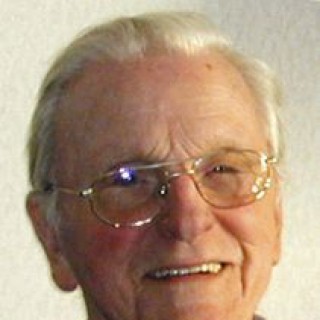
FRED FOY reflects on his days as the announcer-narrator of The Lone Ranger radio series.
Aired July 5, 1954. From 1933 to 1956 the Lone Ranger rode the radio waves. One of the most successful radio programs in history, the Lone Ranger produced over 3,000 broadcasts. Few things are more iconic in American popular culture than announcer Fred Foy reciting those lines against the opening strains of the William Tell Overture. The Lone Ranger was a western adventure show that premiered in January of 1933 on radio station WXYZ in Detroit. The show, which was aimed primarily at children, had a strong adult following as well and continued for 2,956 episodes on WXYZ, the Mutual Network and the NBC Blue/ABC networks until September 3, 1954. Repeat broadcasts continued, many in syndication by General Mills provided to select stations on electrical transcription discs, until May 25, 1956.
This is a snipper from Breaking Walls Episode 119: Radio and The Diner (1937 - 1965) ___________ The American Broadcasting Company never overtook NBC or CBS in ratings or revenue during the Golden Age of Radio. But by 1964, the only network drama airing was part of vignettes on NBC's Monitor. That spring, ABC announced they were launching a new show. They hired former NBC writer Jack Wilson as story editor and assigned the series to directors Warren Sommerville and Frederick Bell. Edward Byron, creator of Mr. District Attorney was brought in to advise. Fred Foy, longtime Lone Ranger announcer, joined the production. The new series would be a weekday half-hour anthology called Theater Five in honor of its broadcast time in the New York market. Theater Five premiered on August 3rd with a play called “Hit and Run.” A month after its launch, sixty-one stations were carrying the transcribed series. ABC President Robert Pauley announced they were hiring a dedicated salesman to pitch Theater Five in the country's top markets. The kinds of stories produced ran the gamut. Many plots were taken from contemporary newspapers. A funny thing happened along the way: As young actors turned to TV in the 1950s, radio child actors became extinct. In November of 1964, Broadcasting Magazine announced that ABC Radio was setting up a Children's Acting Workshop to teach kids how to perform for radio. Classes were ninety minutes long and students would work with director Ted Bell. In January of 1965 ABC's radio department reported a sixteen percent gross billing increase. That same month actor Lee Bowman joined the team as an executive producer. On May 4th, Theater Five broadcast “Incident on U.S. One.” It guest-starred James Earl Jones.
In Breaking Walls episode 119 we continue our Americana mini-series by bringing our appetites to the diner. We'll hear stories from some of radio's best and center ourselves around shows taking place in establishments. —————————— Highlights: • What Exactly is a Diner? • Lux Presents Hollywood • Suspense At the End of World War II • The Diner After World War II • Bill Conrad, Burt Lancaster, and The Killers • ABC Takes Friday Nights With This Is Your FBI • Frank Sinatra and His Rocky Fortune • Going Back to Gunsmoke • James Earl Jones and Theater Five —————————— The WallBreakers: http://thewallbreakers.com Subscribe to Breaking Walls everywhere you get your podcasts. To support the show: http://patreon.com/TheWallBreakers —————————— The reading material used in today's episode was: • On the Air - By John Dunning • Network Radio Ratings — By Jim Ramsburg As well as: • From Hash House to Family Restaurant: The Transformation of the Diner and Post-World War II Consumer Culture — By Andrew Hurley from The March 1997 Journal of American History. And other articles from: • Paste Magazine • Smithsonian Magazine —————————— On the interview front: • Parley Baer, Conrad Binyon, Norman Corwin, and Lurene Tuttle spoke to Chuck Schaden. Hear their full chats at SpeakingOfRadio.com. • Parley Baer, Jerry Devine, Lawrence Dobkin, Fred Foy, and Bob Maxwell, were with SPERDVAC. For more information, go to SPERDVAC.com. • William Spier spoke with Dick Bertel and Ed Corcoran for WTIC's The Golden Age of Radio. Hear this full interview at Goldenage-WTIC.org. • John Dehner was with Neil Ross for KMPC. • Frank Sinatra spoke with Arlene Francis, Walter Cronkite, and Larry King. • William Conrad with Chris Lambesis. • Norman Macdonnell with John Hickman of WAMU for his Gunsmoke documentary. —————————— Selected music featured in today's episode was: • Theme From A Summer Place — By Percy Faith • I've Got The World on a String and Why Try To Change Me Now — By Frank Sinatra • The Venice Dreamer Pt1 and 2 — By George Winston • Across the Alley from the Alamo — By The Mills Brothers —————————— Special thanks to: Terror on the Air https://www.youtube.com/channel/UCUbviBTC1CamzamykVCqN0A https://soundcloud.com/terrorontheair https://podcasts.apple.com/us/podcast/terror-on-the-air/id1477581905 https://open.spotify.com/show/63o0AY4Zhv5hQsjGVbMbLk?si=YN_vUk3yTgqvOw73u59BtQ The Mysterious Old Radio Listening Society https://www.ghoulishdelights.com/ Twelve Chimes, It's Midnight https://www.twelvechimesradio.com/ —————————— Subscribe to Burning Gotham—the new audio drama set in 1835 New York City. It's available everywhere you get your podcasts and at BurningGotham.com. —————————— A special thank you to Ted Davenport, Jerry Haendiges, and Gordon Skene. For Ted go to RadioMemories.com, for Jerry, visit OTRSite.com, and for Gordon, please go to PastDaily.com. —————————— Thank you to: Tony Adams Steven Allmon Orson Orsen Chandler Phil Erickson Briana Isaac Thomas M. Joyce Ryan Kramer Gary Mollica Barry Nadler Christian Neuhaus Aimee Pavy Chris Pilkington —————————— WallBreakers Links: Patreon - patreon.com/thewallbreakers Social Media - @TheWallBreakers
Episode 2562 June 16, 1954. A town character aids in the capture of an under-sized outlaw, "Shrimp Butler". Brace Beemer as The Lone Ranger and John Todd as Tonto. Your announcer and narrator...Fred Foy. (Photo)
Episode 2558 June 7, 1954. Jim Andrews holds up the Wells Fargo office and steals a specific amount of money (5,000.00). He needs the money to enter "Outlaw Town" a safe haven for outlaws who can pay the equivalent of the price on their head. The Lone Ranger decides to infiltrate the town and find out who is behind the operation. Along the way the Lone Ranger discovers Jim Andrews's real motives for his actions. Brace Beamer is The Lone Ranger. John Todd as Tonto. Your announcer, Fred Foy.
In 1933, producer George W. Trendle and writer Fran Striker had the Lone Ranger ride out of the western sky, and it was "Hi Oh Silver, Away!" from then on via Mutual nationally. Later on ABC Radio and syndication until 1954! Always at his side was his faithful indian companion, Tonto, portrayed by John Todd, who was a loyal, intelligent and resourceful indian - very different from the way indians usually were portrayed on the silver screen. Brace Beemer began as an announcer on Trendle's WXYZ, but after the tragic auto death of Earle Graser in 1941, Beemer took the role of The Lone Ranger. He could be tough as nails with the outlaw types, but gentle and understanding with the honest town people. In the last decade of the series with announcer-narrator Fred Foy (photo) announcing..."With his faithful Indian friend Tonto the masked rider of the plains led the fight for law and order in the early Western United States. The stories of his strength and courage, his daring and resourcefulness have come down to us through the generations and nowhere in the pages of history can one find a greater champion of justice. Return with us now to those thrilling days of yesteryear. From out of the past come the thundering hoof beats of Silver, the Lone Ranger rides again."
This episode was aired September 19, 1954. Brace Beemer as The Masked Man. The announcer-narrator was Fred Foy. The Lone Ranger finally captures a laughing psychopath.
"The Lone Ranger" radio program was created by George W. Trendle (photo insert) and Fran Striker. First aired on Trendle's radio station WXYZ in Detroit, Michigan, in 1933. The radio series was carried by more than 400 American stations by the end of the decade. The Michigan Radio Network then the original Mutual Radio Network. Later on the ABC Radio Network and lastly in syndication by the ad agency representing General Mills, the sponsor. Cheerios, Wheaties and Betty Crocker products. The Lone Ranger’s theme song, Gioachino Rossini’s William Tell overture, became a familiar piece of music in every child’s repertoire, and it was radio that made “Hi-yo, Silver, away!” a familiar exclamation. The most familiar voice of The Lone Ranger was that of Brace Beemer. The familiar opening announcement and narrations in the later series were by Fred Foy.

The story of radio's original masked man, who became an icon saving the old West from outlaws and a radio station from bankruptcy
Jonathan Weldon is an author who doesn’t want to live anymore. His whole world has disintegrated, the bank, his publisher, and his fiancé. Although the critics liked his books he didn’t cater to the crowds and had to turn to his father for a job and even he let him down. Now Johnny was on top of a hotel and was threatening to jump. The American Broadcasting Company was never able to overtake NBC or CBS in ratings or revenue during the Golden Age of Radio. But by 1964, the only network dramatic radio airing was part of vignettes on NBC’s Monitor. That spring, ABC announced they were launching a new show. They hired former NBC writer Jack Wilson as story editor and assigned the series to directors Warren Sommerville and Frederick Bell. Edward Byron, creator of Mr. District Attorney was brought in to advise. The new series would be a weekday half-hour anthology called Theater Five. It debuted on August 3rd, 1964. The following week on August 12th, "Jump, Jump" aired. Featured in this cast were: Ian Martin, Ralph Bell, Jack Manning, Jean Gillespie, Sam Ruskin. The announcer and series host was the legendary Fred Foy
FRED FOY best known Lone Ranger announcer and narrator.

Podcast Episode 5 Summary In M4M episode 5, we have a special treat as I am interviewing a good friend in East Africa, Benjamin Turarri. Recently, Benjamin discussed with me what he calls his “Vision.” He has some helpful perspective for our discussion on Moment for Mission. If you give 10 minutes to listen Episode 5, you will hear a determined man share how he is overcoming many hurdles to begin realizing his mission and vision. I think you will find his story inspiring and the ‘on location’ recording is just fun! Quotable and Notable I summarize 6 important ‘take-aways’ from my interview with Benjamin: Moment for Mission 1: Do what you know, are good at, and enjoy. Moment for Mission 2: Don't grow weary; accomplishing our Mission will take time. Moment for Mission 3: It is OK to start small. The important thing is to start. Moment for Mission 4: “But People…” there will always be naysayers and criticizers. Don’t listen to them or be beat down by their negativity. Press on! Moment for Mission 5: When opportunities come, take a risk, step out in faith, be excited the chance to augment your mission. Moment for Mission 6: As we pursue our mission, take every chance to help others along the way. Recommended Resources In Episode 5— Kili Springs Camp If you would like an authentic experience far from the hype of the typical tourist lodges, stay with Benjamin at Kili Springs Camp! In addition to accommodation and meals, he offers expert game drives, transportation arrangements to/from Nairobi or Mombasa, Maasai cultural experiences, and service learning projects. You can find him on AirBNB. https://www.airbnb.com/rooms/18045865?location=Kimana%2C%20Kenya&adults=1&guests=1&s=a6Ibm2PE Photo: Benjamin is an expert safari guide. Photo: Kili Springs Camp is serene and peaceful. Africa Untamed Wilderness Adventures We have known and worked with another dear friend, Elphas Ongongo, for over20 years. He is not only an expert and handling any type of travel arrangement, he has a heart for what I call “travel with a purpose.” Elphas can, of course, get you to awesome locations and adventures, but he can also plug you into some meaningful and helpful community projects where you can lend an hand and your expertise to assist an East African community. Mention you heard about them from Fred Foy! http://africauntamedwilderness.com/ info@africauntamedwilderness.com Kenya P.O. Box 70778 – 00400, Nairobi, Kenya +254 20 2350005/2339920 +254 722 279056 Tanzania P.O. Box 10267, Arusha, Tanzania +255 786 786 409 +255 755 900 345 Subscribe To SUBSCRIBE to Moment for Mission Podcast: Itunes, Spotify, Google, etc. and my website https://momentformission.com Contact To Contact Dr. Fred Foy Strang with your comments and feedback: email: fredfoystrang@momentformission.com message line: (+1) 772-882-7200 Tag Lines: Mission, vision, goal, purpose, goal-setting, lead, leader, leadership, serve, service, impact. Acknowledgements & Legalities Music contained within this podcast has been purchased, played by permission, in the public domain, or used under the “fair use” of the Creative Commons Licensure. Every reasonable attempt has been made to follow legal and ethical protocols in the production of this podcast series. Information and action follows the Podcasting Legal Guide. Acknowledgement: http://wiki.creativecommons.org/Podcasting_Legal_Guide © 2006 Colette Vogele of Vogele & Associates, Mia Garlick of Creative Commons and the Berkman Center Clinical Program in Cyberlaw. Moment For Mission by Fred Foy Strang is licensed under a Creative Commons Attribution-NonCommercial-NoDerivatives 4.0 International License. Moment for Mission Podcast @ 2019 Fred Foy Strang, All Rights Reserved.
Sears Radio Theatre. February 5, 1979. Nelson Riddle (composer, conductor), Fred Foy (announcer), Ted Sherdeman (writer), Elliott Lewis (director, producer), John McIntire, Jeanette Nolan, Lorne Greene (host) audiblepodcast.com/rnn 1 Free Audiobook oldtimeradionetwork.com oldtimeradiodvd.com Great Deals on DVDs

The Lone Ranger. May 13, 1955. ABC net. " "/"Stolen Money". Sustaining. Ozark Riley is murdered by two thieves who take the moeny that Ozark himself has taken. The program was originally broadcast September 4, 1953 (this may be the 1953 broadcast). Brace Beemer, John Todd, Fred Foy (announcer), George W. Trendle (creator), Charles D. Livingstone (director), Fran Striker (editor), Betty Joyce (wrtier).
Theater Five was ABC's attempt to revive radio drama during the early 1960s. The series name was derived from its time slot, 5:00 PM. Running Monday through Friday, it was an anthology of short stories, each about 20 minutes long. News programs and commercials filled out the full 30 minutes. There was a good bit of science fiction and some of the plots seem to have been taken from the daily newspaper. Fred Foy, of The Lone Ranger fame, was an ABC staff announcer in the early 60s, who, among other duties, did Theater Five. THIS EPISODE: August 25, 1964. Program #20. ABC network origination, AFRTS rebroadcast. "Dream Of Death". A suspense filled episode observing the reactions of a volunteer experimenting with hallucinogenic drugs. William N. Robson (writer), Ralph Camargo, Fred Foy (announcer), Ted Bell (director), George Petrie, Joan Shea, Cliff Carpenter, Richard Hurd, Jack Manning, Bill Sandreuter (audio engineer), Ed Blainey (sound technician), Jack C. Wilson (script editor), Alexander Vlas Datsenko (composer), Glenn Osser (conductor), Edward A. Byron (execuitve producer). 26:34.

This week we talk to sound effects guru Tony Palermo, creator of the excellent radio drama resource RuyaSonic and professional sound-man. He's worked on a mind-boggling large number of productions, and with no shortage of audio celebrities — Norman Corwin, Peggy Webber, Art Gilmore, Janet Waldo, Fred Foy, Yuri Rasovsky, Roger Gregg, Sue Zizza, Barbara […] The post Episode 118: Tony Palermo Talks Sound Effects and New Media appeared first on Radio Drama Revival.
Theater Five was ABC's attempt to revive radio drama during the early 1960s. The series name was derived from its time slot, 5:00 PM. Running Monday through Friday, it was an anthology of short stories, each about 20 minutes long. News programs and commercials filled out the full 30 minutes. There was a good bit of science fiction and some of the plots seem to have been taken from the daily newspaper. Fred Foy, of The Lone Ranger fame, was an ABC staff announcer in the early 60s, who, among other duties, did Theater Five.
Theater Five was ABC's attempt to revive radio drama during the early 1960s. The series name was derived from its time slot, 5:00 PM. Running Monday through Friday, it was an anthology of short stories, each about 20 minutes long. News programs and commercials filled out the full 30 minutes. There was a good bit of science fiction and some of the plots seem to have been taken from the daily newspaper. Fred Foy, of The Lone Ranger fame, was an ABC staff announcer in the early 60s, who, among other duties, did Theater Five.
Theater Five was ABC's attempt to revive radio drama during the early 1960s. The series name was derived from its time slot, 5:00 PM. Running Monday through Friday, it was an anthology of short stories, each about 20 minutes long. News programs and commercials filled out the full 30 minutes. There was a good bit of science fiction and some of the plots seem to have been taken from the daily newspaper. Fred Foy, of The Lone Ranger fame, was an ABC staff announcer in the early 60s, who, among other duties, did Theater Five.
Theater Five was ABC's attempt to revive radio drama during the early 1960s. The series name was derived from its time slot, 5:00 PM. Running Monday through Friday, it was an anthology of short stories, each about 20 minutes long. News programs and commercials filled out the full 30 minutes. There was a good bit of science fiction and some of the plots seem to have been taken from the daily newspaper. Fred Foy, of The Lone Ranger fame, was an ABC staff announcer in the early 60s, who, among other duties, did Theater Five. Go To GoDaddy, use the promo code blu19 and save 10%
© 2020-2026 Ivy Podcast Discovery LLC
