
POPULARITY
Categories

2,461 episodes with All Saints

644 episodes with All Saints

569 episodes with All Saints

284 episodes with All Saints

285 episodes with All Saints

148 episodes with All Saints
191 episodes with All Saints

190 episodes with All Saints

90 episodes with All Saints

31 episodes with All Saints

80 episodes with All Saints

20 episodes with All Saints

33 episodes with All Saints

53 episodes with All Saints

25 episodes with All Saints

23 episodes with All Saints

49 episodes with All Saints

35 episodes with All Saints

31 episodes with All Saints

10 episodes with All Saints

12 episodes with All Saints

11 episodes with All Saints

5 episodes with All Saints

12 episodes with All Saints

19 episodes with All Saints

8 episodes with All Saints

9 episodes with All Saints

6 episodes with All Saints

14 episodes with All Saints

7 episodes with All Saints

7 episodes with All Saints

8 episodes with All Saints

8 episodes with All Saints

6 episodes with All Saints

16 episodes with All Saints

8 episodes with All Saints

5 episodes with All Saints

4 episodes with All Saints

8 episodes with All Saints

8 episodes with All Saints

6 episodes with All Saints

7 episodes with All Saints

9 episodes with All Saints

6 episodes with All Saints

5 episodes with All Saints

8 episodes with All Saints

8 episodes with All Saints

9 episodes with All Saints

9 episodes with All Saints

9 episodes with All Saints

5 episodes with All Saints

7 episodes with All Saints

6 episodes with All Saints

16 episodes with All Saints

7 episodes with All Saints

3 episodes with All Saints

6 episodes with All Saints

4 episodes with All Saints

4 episodes with All Saints

8 episodes with All Saints

8 episodes with All Saints

5 episodes with All Saints

3 episodes with All Saints

7 episodes with All Saints

4 episodes with All Saints

4 episodes with All Saints

4 episodes with All Saints

4 episodes with All Saints

5 episodes with All Saints

4 episodes with All Saints

10 episodes with All Saints

5 episodes with All Saints

6 episodes with All Saints

8 episodes with All Saints

5 episodes with All Saints

6 episodes with All Saints

10 episodes with All Saints

3 episodes with All Saints

4 episodes with All Saints

4 episodes with All Saints

5 episodes with All Saints

3 episodes with All Saints

4 episodes with All Saints

4 episodes with All Saints

4 episodes with All Saints

5 episodes with All Saints

6 episodes with All Saints

4 episodes with All Saints

3 episodes with All Saints

8 episodes with All Saints

4 episodes with All Saints

6 episodes with All Saints

3 episodes with All Saints

4 episodes with All Saints

6 episodes with All Saints

4 episodes with All Saints

4 episodes with All Saints

4 episodes with All Saints

4 episodes with All Saints

3 episodes with All Saints

4 episodes with All Saints

4 episodes with All Saints

3 episodes with All Saints

4 episodes with All Saints

4 episodes with All Saints

2 episodes with All Saints

4 episodes with All Saints

4 episodes with All Saints

5 episodes with All Saints

5 episodes with All Saints

3 episodes with All Saints

6 episodes with All Saints

5 episodes with All Saints

4 episodes with All Saints

4 episodes with All Saints

4 episodes with All Saints

4 episodes with All Saints

3 episodes with All Saints

4 episodes with All Saints

4 episodes with All Saints

4 episodes with All Saints

4 episodes with All Saints

3 episodes with All Saints

6 episodes with All Saints

6 episodes with All Saints

2 episodes with All Saints

6 episodes with All Saints

3 episodes with All Saints

3 episodes with All Saints

3 episodes with All Saints

4 episodes with All Saints

4 episodes with All Saints

3 episodes with All Saints

3 episodes with All Saints

5 episodes with All Saints
Tell us what you think about our podcast!We begin Evening Prayer on page 63 of the Book of Common Prayer.To learn more about All Saints' Episcopal Church, visit our website: www.asecfw.orgVisiting us online? We'd love to connect with you more personally. Please fill out our online visitor's card, and we'll be in touch soon: https://www.asecfw.org/visitorcard
Tell us what you think about our podcast!We begin Morning Prayer on page 42 of the Book of Common Prayer.To learn more about All Saints' Episcopal Church, visit our website: www.asecfw.orgVisiting us online? We'd love to connect with you more personally. Please fill out our online visitor's card, and we'll be in touch soon: https://www.asecfw.org/visitorcard
Tell us what you think about our podcast!We begin Morning Prayer on page 42 of the Book of Common Prayer.To learn more about All Saints' Episcopal Church, visit our website: www.asecfw.orgVisiting us online? We'd love to connect with you more personally. Please fill out our online visitor's card, and we'll be in touch soon: https://www.asecfw.org/visitorcard
Tell us what you think about our podcast!We begin Evening Prayer on page 63 of the Book of Common Prayer.To learn more about All Saints' Episcopal Church, visit our website: www.asecfw.orgVisiting us online? We'd love to connect with you more personally. Please fill out our online visitor's card, and we'll be in touch soon: https://www.asecfw.org/visitorcard
Tell us what you think about our podcast!We begin Morning Prayer on page 42 of the Book of Common Prayer.To learn more about All Saints' Episcopal Church, visit our website: www.asecfw.orgVisiting us online? We'd love to connect with you more personally. Please fill out our online visitor's card, and we'll be in touch soon: https://www.asecfw.org/visitorcard
Tell us what you think about our podcast!We begin Evening Prayer on page 63 of the Book of Common Prayer.To learn more about All Saints' Episcopal Church, visit our website: www.asecfw.orgVisiting us online? We'd love to connect with you more personally. Please fill out our online visitor's card, and we'll be in touch soon: https://www.asecfw.org/visitorcard
Sermon delivered on the Eighteenth Sunday After Pentecost, 2026, at Queen of All Saints chapel in Pottstown, Pennsylvania, by Rev. Tobias Bayer Epistle: I Cor. 1, 4-8 | Gospel: Matt. 9, 1-8
Dear friends in Christ, welcome to this podcast from All Saints Episcopal Church in Portland. All Saints is a loving, welcoming parish serving Southeast Portland for over a century. Our purpose is to celebrate God's love, seek and serve Christ in all persons, and go forth into the world rejoicing in the power of the Spirit!Today, we invite you to join parishioner Alan Murray - licensed lay preacher in the Diocese of Oregon - as he preaches the gospel, and explores the mysteries of God in our modern world.
Tell us what you think about our podcast!We begin Morning Prayer on page 42 of the Book of Common Prayer.To learn more about All Saints' Episcopal Church, visit our website: www.asecfw.orgVisiting us online? We'd love to connect with you more personally. Please fill out our online visitor's card, and we'll be in touch soon: https://www.asecfw.org/visitorcard
Tell us what you think about our podcast!We begin Evening Prayer on page 63 of the Book of Common Prayer.To learn more about All Saints' Episcopal Church, visit our website: www.asecfw.orgVisiting us online? We'd love to connect with you more personally. Please fill out our online visitor's card, and we'll be in touch soon: https://www.asecfw.org/visitorcard
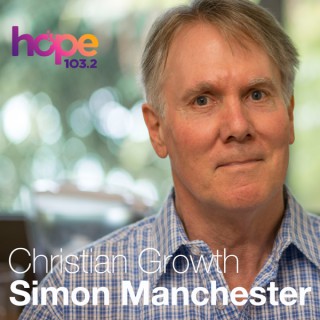
A series about holding onto Faith when things are hard, by Simon Manchester of Hope 103.2's Christian Growth podcast and pastor at All Saints in Woollahra, Sydney. Listen to more from our Hope Podcasts collection at hopepodcasts.com.au. And send the team a message via Hope 103.2’s app, Facebook or Instagram.Support the show, a product of Hope Media: https://hope1032.com.au/donate/2211A-pod/See omnystudio.com/listener for privacy information.
Tell us what you think about our podcast!We begin Evening Prayer on page 63 of the Book of Common Prayer.To learn more about All Saints' Episcopal Church, visit our website: www.asecfw.orgVisiting us online? We'd love to connect with you more personally. Please fill out our online visitor's card, and we'll be in touch soon: https://www.asecfw.org/visitorcard
Tell us what you think about our podcast!We begin Morning Prayer on page 42 of the Book of Common Prayer.To learn more about All Saints' Episcopal Church, visit our website: www.asecfw.orgVisiting us online? We'd love to connect with you more personally. Please fill out our online visitor's card, and we'll be in touch soon: https://www.asecfw.org/visitorcard
Tell us what you think about our podcast!We begin Morning Prayer on page 42 of the Book of Common Prayer.To learn more about All Saints' Episcopal Church, visit our website: www.asecfw.orgVisiting us online? We'd love to connect with you more personally. Please fill out our online visitor's card, and we'll be in touch soon: https://www.asecfw.org/visitorcard
Tell us what you think about our podcast!We begin Evening Prayer on page 63 of the Book of Common Prayer.To learn more about All Saints' Episcopal Church, visit our website: www.asecfw.orgVisiting us online? We'd love to connect with you more personally. Please fill out our online visitor's card, and we'll be in touch soon: https://www.asecfw.org/visitorcard
Tell us what you think about our podcast!We begin Evening Prayer on page 63 of the Book of Common Prayer.To learn more about All Saints' Episcopal Church, visit our website: www.asecfw.orgVisiting us online? We'd love to connect with you more personally. Please fill out our online visitor's card, and we'll be in touch soon: https://www.asecfw.org/visitorcard
Tell us what you think about our podcast!We begin Morning Prayer on page 42 of the Book of Common Prayer.To learn more about All Saints' Episcopal Church, visit our website: www.asecfw.orgVisiting us online? We'd love to connect with you more personally. Please fill out our online visitor's card, and we'll be in touch soon: https://www.asecfw.org/visitorcard
St. Alphonsus Liguori (1696 - 1787) is one of the most popular and widely-read spiritual writers of all time, and yet his most significant contribution to the Church was his moral theology, including the guidance he gave to clergy for hearing confessions. Links AUDIO BOOK - Liguori's Uniformity With God's Will - https://www.catholicculture.org/commentary/st-alphonsus-liguori-uniformity-with-gods-will/?repos=6&subrepos=0&searchid=2680738 Classics of Western Spirituality, Alphonsus Liguori: Selected Writings - https://www.paulistpress.com/Products/3771-2/alphonsus-de-liguori.aspx Liguori's Duetto - https://www.youtube.com/watch?v=CYyHfHbHRxc Pope St. John Paul II Apostolic Letter Spiritus Domini on St. Alphonsus Liguori (1987) - https://www.ewtn.com/catholicism/library/spiritus-domini-8413 SIGN UP for Catholic Culture's Newsletter: https://www.catholicculture.org/newsletters/ DONATE at: http://www.catholicculture.org/donate/audio Dr. Papandrea's Homepage: https://jimpapandrea.wordpress.com/ Dr. Papandrea's latest book - Praying the Wisdom: Inspired Prayers for Lectio Divina and Contemplative Prayer: https://sophiainstitute.com/product/praying-the-wisdom/ Dr. Papandrea's YouTube channel, The Original Church: https://www.youtube.com/@TheOriginalChurch Theme Music: Gaudeamus (Introit for the Feast of All Saints), sung by Jeff Ostrowski. Courtesy of Corpus Christi Watershed: https://www.ccwatershed.org/
Tell us what you think about our podcast!We begin Evening Prayer on page 63 of the Book of Common Prayer.To learn more about All Saints' Episcopal Church, visit our website: www.asecfw.orgVisiting us online? We'd love to connect with you more personally. Please fill out our online visitor's card, and we'll be in touch soon: https://www.asecfw.org/visitorcard
Tell us what you think about our podcast!We begin Morning Prayer on page 42 of the Book of Common Prayer.To learn more about All Saints' Episcopal Church, visit our website: www.asecfw.orgVisiting us online? We'd love to connect with you more personally. Please fill out our online visitor's card, and we'll be in touch soon: https://www.asecfw.org/visitorcard
Today is day 264 and we are studying The Ten Commandments. 264. How should you understand the Ten Commandments? I should understand them as God's righteous rules for life in his kingdom: basic standards for loving God and my neighbor. In upholding them, I bear witness with the Church to God's righteousness and his will for a just society. (Deuteronomy 4:1–8; Psalm 119:137–44, 160; Matthew 5:17–48; Romans 7:7–12; 13:8–10) We will conclude today by praying the Collect for All Saints' Day found on page 633 of the Book of Common Prayer (2019). If you would like to buy or download To Be a Christian, head to anglicanchurch.net/catechism. Produced by Holy Trinity Anglican Church in Madison, MS. Original music from Matthew Clark. Daily collects and Psalms are taken from Book of Common Prayer (2019), created by the Anglican Church in North America and published by the Anglican Liturgical Press. Used by permission. All rights reserved. Scripture quotations are from The ESV® Bible (The Holy Bible, English Standard Version®), copyright © 2001 by Crossway, a publishing ministry of Good News Publishers. Used by permission. All rights reserved. Catechism readings are taken from To Be a Christian - An Anglican Catechism Approved Edition, copyright © 2020 by The Anglican Church in North America by Crossway a publishing ministry of Good News Publishers. Used by permission. All rights reserved.
Tell us what you think about our podcast!We begin Evening Prayer on page 63 of the Book of Common Prayer.To learn more about All Saints' Episcopal Church, visit our website: www.asecfw.orgVisiting us online? We'd love to connect with you more personally. Please fill out our online visitor's card, and we'll be in touch soon: https://www.asecfw.org/visitorcard
Tell us what you think about our podcast!We begin Morning Prayer on page 42 of the Book of Common Prayer.To learn more about All Saints' Episcopal Church, visit our website: www.asecfw.orgVisiting us online? We'd love to connect with you more personally. Please fill out our online visitor's card, and we'll be in touch soon: https://www.asecfw.org/visitorcard
Dear friends in Christ, welcome to this podcast from All Saints Episcopal Church in Portland. All Saints is a loving, welcoming parish serving Southeast Portland for over a century. Our purpose is to celebrate God's love, seek and serve Christ in all persons, and go forth into the world rejoicing in the power of the Spirit!Today, we invite you to join the Rev. Andria Skornik as she preaches the gospel, and explores the mysteries of God in our modern world.
Tell us what you think about our podcast!We begin Evening Prayer on page 63 of the Book of Common Prayer.To learn more about All Saints' Episcopal Church, visit our website: www.asecfw.orgVisiting us online? We'd love to connect with you more personally. Please fill out our online visitor's card, and we'll be in touch soon: https://www.asecfw.org/visitorcard
Tell us what you think about our podcast!We begin Morning Prayer on page 42 of the Book of Common Prayer.To learn more about All Saints' Episcopal Church, visit our website: www.asecfw.orgVisiting us online? We'd love to connect with you more personally. Please fill out our online visitor's card, and we'll be in touch soon: https://www.asecfw.org/visitorcard
A series about holding onto Faith when things are hard, by Simon Manchester of Hope 103.2's Christian Growth podcast and pastor at All Saints in Woollahra, Sydney. Listen to more from our Hope Podcasts collection at hopepodcasts.com.au. And send the team a message via Hope 103.2’s app, Facebook or Instagram.Support the show, a product of Hope Media: https://hope1032.com.au/donate/2211A-pod/See omnystudio.com/listener for privacy information.
Tell us what you think about our podcast!We begin Evening Prayer on page 63 of the Book of Common Prayer.To learn more about All Saints' Episcopal Church, visit our website: www.asecfw.orgVisiting us online? We'd love to connect with you more personally. Please fill out our online visitor's card, and we'll be in touch soon: https://www.asecfw.org/visitorcard
Tell us what you think about our podcast!We begin Morning Prayer on page 42 of the Book of Common Prayer.To learn more about All Saints' Episcopal Church, visit our website: www.asecfw.orgVisiting us online? We'd love to connect with you more personally. Please fill out our online visitor's card, and we'll be in touch soon: https://www.asecfw.org/visitorcard
Tell us what you think about our podcast!We begin Evening Prayer on page 63 of the Book of Common Prayer.To learn more about All Saints' Episcopal Church, visit our website: www.asecfw.orgVisiting us online? We'd love to connect with you more personally. Please fill out our online visitor's card, and we'll be in touch soon: https://www.asecfw.org/visitorcard
Tell us what you think about our podcast!We begin Morning Prayer on page 42 of the Book of Common Prayer.To learn more about All Saints' Episcopal Church, visit our website: www.asecfw.orgVisiting us online? We'd love to connect with you more personally. Please fill out our online visitor's card, and we'll be in touch soon: https://www.asecfw.org/visitorcard
Tell us what you think about our podcast!We begin Evening Prayer on page 63 of the Book of Common Prayer.To learn more about All Saints' Episcopal Church, visit our website: www.asecfw.orgVisiting us online? We'd love to connect with you more personally. Please fill out our online visitor's card, and we'll be in touch soon: https://www.asecfw.org/visitorcard
Tell us what you think about our podcast!We begin Morning Prayer on page 42 of the Book of Common Prayer.To learn more about All Saints' Episcopal Church, visit our website: www.asecfw.orgVisiting us online? We'd love to connect with you more personally. Please fill out our online visitor's card, and we'll be in touch soon: https://www.asecfw.org/visitorcard
Tell us what you think about our podcast!We begin Evening Prayer on page 63 of the Book of Common Prayer.To learn more about All Saints' Episcopal Church, visit our website: www.asecfw.orgVisiting us online? We'd love to connect with you more personally. Please fill out our online visitor's card, and we'll be in touch soon: https://www.asecfw.org/visitorcard
Tell us what you think about our podcast!We begin Morning Prayer on page 42 of the Book of Common Prayer.To learn more about All Saints' Episcopal Church, visit our website: www.asecfw.orgVisiting us online? We'd love to connect with you more personally. Please fill out our online visitor's card, and we'll be in touch soon: https://www.asecfw.org/visitorcard
Tell us what you think about our podcast!We begin Evening Prayer on page 63 of the Book of Common Prayer.To learn more about All Saints' Episcopal Church, visit our website: www.asecfw.orgVisiting us online? We'd love to connect with you more personally. Please fill out our online visitor's card, and we'll be in touch soon: https://www.asecfw.org/visitorcard
Tell us what you think about our podcast!We begin Morning Prayer on page 42 of the Book of Common Prayer.To learn more about All Saints' Episcopal Church, visit our website: www.asecfw.orgVisiting us online? We'd love to connect with you more personally. Please fill out our online visitor's card, and we'll be in touch soon: https://www.asecfw.org/visitorcard
Dear friends in Christ, welcome to this podcast from All Saints Episcopal Church in Portland. All Saints is a loving, welcoming parish serving Southeast Portland for over a century. Our purpose is to celebrate God's love, seek and serve Christ in all persons, and go forth into the world rejoicing in the power of the Spirit!Today, we invite you to join the Rev. Andria Skornik as she preaches the gospel, and explores the mysteries of God in our modern world.
Tell us what you think about our podcast!We begin Morning Prayer on page 42 of the Book of Common Prayer.To learn more about All Saints' Episcopal Church, visit our website: www.asecfw.orgVisiting us online? We'd love to connect with you more personally. Please fill out our online visitor's card, and we'll be in touch soon: https://www.asecfw.org/visitorcard
Tell us what you think about our podcast!We begin Evening Prayer on page 63 of the Book of Common Prayer.To learn more about All Saints' Episcopal Church, visit our website: www.asecfw.orgVisiting us online? We'd love to connect with you more personally. Please fill out our online visitor's card, and we'll be in touch soon: https://www.asecfw.org/visitorcard
A series about some important Biblical figures, by Simon Manchester of Hope 103.2's Christian Growth podcast and pastor at All Saints in Woollahra, Sydney. Listen to more from our Hope Podcasts collection at hopepodcasts.com.au. And send the team a message via Hope 103.2’s app, Facebook or Instagram.Support the show, a product of Hope Media: https://hope1032.com.au/donate/2211A-pod/See omnystudio.com/listener for privacy information.
Tell us what you think about our podcast!We begin Evening Prayer on page 63 of the Book of Common Prayer.To learn more about All Saints' Episcopal Church, visit our website: www.asecfw.orgVisiting us online? We'd love to connect with you more personally. Please fill out our online visitor's card, and we'll be in touch soon: https://www.asecfw.org/visitorcard
Tell us what you think about our podcast!We begin Morning Prayer on page 42 of the Book of Common Prayer.To learn more about All Saints' Episcopal Church, visit our website: www.asecfw.orgVisiting us online? We'd love to connect with you more personally. Please fill out our online visitor's card, and we'll be in touch soon: https://www.asecfw.org/visitorcard
Tell us what you think about our podcast!We begin Evening Prayer on page 63 of the Book of Common Prayer.To learn more about All Saints' Episcopal Church, visit our website: www.asecfw.orgVisiting us online? We'd love to connect with you more personally. Please fill out our online visitor's card, and we'll be in touch soon: https://www.asecfw.org/visitorcard
Tell us what you think about our podcast!We begin Morning Prayer on page 42 of the Book of Common Prayer.To learn more about All Saints' Episcopal Church, visit our website: www.asecfw.orgVisiting us online? We'd love to connect with you more personally. Please fill out our online visitor's card, and we'll be in touch soon: https://www.asecfw.org/visitorcard
St. Alphonsus Liguori (1696 - 1787) was a priest, bishop, spiritual director, retreat leader, musician and composer. Co-founder of the Redemptorists, he was a teacher of prayer, and a very popular confessor, who knew how to bring people to repentance. Links Liguori's Duetto - https://www.youtube.com/watch?v=CYyHfHbHRxc Pope St. John Paul II Apostolic Letter Spiritus Domini on St. Alphonsus Liguori (1987) - https://www.ewtn.com/catholicism/library/spiritus-domini-8413 SIGN UP for Catholic Culture's Newsletter: https://www.catholicculture.org/newsletters/ DONATE at: http://www.catholicculture.org/donate/audio Dr. Papandrea's Homepage: https://jimpapandrea.wordpress.com/ Dr. Papandrea's latest book - Praying the Wisdom: Inspired Prayers for Lectio Divina and Contemplative Prayer: https://sophiainstitute.com/product/praying-the-wisdom/ Dr. Papandrea's YouTube channel, The Original Church: https://www.youtube.com/@TheOriginalChurch Theme Music: Gaudeamus (Introit for the Feast of All Saints), sung by Jeff Ostrowski. Courtesy of Corpus Christi Watershed: https://www.ccwatershed.org/
Tell us what you think about our podcast!We begin Evening Prayer on page 63 of the Book of Common Prayer.To learn more about All Saints' Episcopal Church, visit our website: www.asecfw.orgVisiting us online? We'd love to connect with you more personally. Please fill out our online visitor's card, and we'll be in touch soon: https://www.asecfw.org/visitorcard
Tell us what you think about our podcast!We begin Morning Prayer on page 42 of the Book of Common Prayer.To learn more about All Saints' Episcopal Church, visit our website: www.asecfw.orgVisiting us online? We'd love to connect with you more personally. Please fill out our online visitor's card, and we'll be in touch soon: https://www.asecfw.org/visitorcard
Tell us what you think about our podcast!We begin Evening Prayer on page 63 of the Book of Common Prayer.To learn more about All Saints' Episcopal Church, visit our website: www.asecfw.orgVisiting us online? We'd love to connect with you more personally. Please fill out our online visitor's card, and we'll be in touch soon: https://www.asecfw.org/visitorcard
Tell us what you think about our podcast!We begin Morning Prayer on page 42 of the Book of Common Prayer.To learn more about All Saints' Episcopal Church, visit our website: www.asecfw.orgVisiting us online? We'd love to connect with you more personally. Please fill out our online visitor's card, and we'll be in touch soon: https://www.asecfw.org/visitorcard
© 2020-2026 Ivy Podcast Discovery LLC
