
Philosophical and theological term

POPULARITY

Join Chad Connelly, E. W. Jackson, and Alex McFarland as they explore America's Christian heritage and the history you may not have learned in public school. Hosea 4:6 warns that God's people are destroyed for a lack of knowledge. When we don't know the true history of our nation, we can be deceived by lies that lead us into bondage. Learn how God's Word and faith in Jesus Christ helped shape America as the land of the free and the home of the brave!

You've been lit, so don't hide the light. This week on The Connecting Podcast, Paul and Shelby unpack Jesus' call for believers to be the light of the world, exploring what it means to let our good works point others to God.For more from The Connecting Podcast, visit PaulTripp.com/Connecting.

EVEN MORE about this episode!What actually happens inside the brain when someone channels—and who, or what, are they communicating with? Julie Ryan sits down with Darryl Anka, who has spent more than 40 years channeling the entity he calls Bashar, for a fascinating conversation about altered states, consciousness, UFO encounters, spirit guides, belief systems, soul purpose, and the nature of reality itself.Darryl's extraordinary journey began after two close-range UFO sightings in 1973. Years later, he attended a channeling class and began experiencing an intense altered state that eventually developed into his decades-long work with Bashar.But what happens to Darryl while he's channeling?Darryl discusses EEG testing conducted during the making of his documentary First Contact and what he was told about changes in his brain activity while entering the channeling state. Julie shares her own experience having her brain scanned while communicating with Spirit, and together they explore whether channeling may involve measurable changes in consciousness.Then comes an even bigger question:Who are we actually communicating with when we channel?Darryl shares his understanding of Bashar and describes channeling as potentially connecting with information beyond ordinary conscious awareness. Julie and Darryl compare their experiences with spirit guides, soul families, angelic beings, intuition, imagination, and altered states of consciousness.Darryl also explains why he believes everyone experiences forms of channeling when deeply immersed in creativity or doing something they love.The conversation then turns toward one of Bashar's best-known teachings: following your highest excitement. Darryl explains a five-step framework for identifying what excites you, acting on it to the best of your ability, releasing attachment to the outcome, maintaining a constructive state, and examining beliefs that arise along the way.Julie and Darryl explore how beliefs may shape perception and behavior, why people remain stuck in circumstances they consciously say they don't want, and how identifying underlying beliefs can help change recurring patterns.They also venture into provocative questions about physical reality, imagination, soul roles, extraterrestrial intelligence, spiritual guidance, and whether our earthly lives may have a much larger purpose than we realize.And finally, Julie asks her signature question:Why do we incarnate?Darryl's answer brings the entire conversation full circle—from knowing something intellectually to experiencing it through physical life.Whether you believe channeling represents communication with another intelligence, spiritual guidance, or an unusual state of consciousness, this conversation offers a fascinating look at what happens when we explore the boundaries of the mind.Guest Biography:Darryl Anka is an internationally known speaker, author, filmmaker, and channel who has spent more than 40 years exploring metaphysics and consciousness through his work with Bashar Communications. His seminars have inspired more than 20 books published in the U.S. and Japan. Darryl also has an extensive career in film, contributing visual effects, storyboards, sets, and designs to major productions including Star Trek, Iron Man, The Aviator, and Pirates of the Caribbean. He has written, directed, and produced three internationally distributed films and is the author of the sci-fi novel series Shards of a Shattered Mirror.Episode Chapters:(0:00:00) He's Been Channeling Bashar for 40 Years(0:02:00) Two Close-Range UFO Encounters Changed Everything(0:09:55) What Did It Feel Like When Bashar First Appeared?(0:17:57) What Happens to the Brain During Channeling?(0:26:03) Who Are You Actually Talking to When You Channel?(0:35:02) Is It Intuition, Imagination—or Something Else?(0:42:00) Bashar's 5-Step Formula for Following Your Soul Path(0:47:46) Are Hidden Beliefs Controlling Your Reality?(0:54:30) What If Physical Reality Isn't What We Think?(0:58:14) Following Your Passion in the Real World(1:04:21) Why Do Our Souls Choose to Incarnate?➡️Subscribe to Ask Julie Ryan YouTube➡️Download the Ask Julie Ryan® App➡️ Julie's Intuitive Trainings✏️Ask Julie a Question!

How do you find genuine gratitude and trust God when you're grieving, relationships are broken, your health is failing, and life gives you very little to feel grateful for?Can you still experience gratitude, joy, peace, and faith in God when your life is falling apart?In this deeply motivational and inspirational episode, Reginald D sits down with Wendy Bower, author of the inspiring Christian book Gratitude Attack, for a powerful conversation about gratitude, grief, breast cancer, broken relationships, faith, healing, trusting God, personal growth, and finding God's presence during life's hardest seasons. Wendy describes gratitude not simply as maintaining a positive attitude, but as something that can flow from an authentic relationship with God. Pasted markdownWendy shares the inspirational story behind what she calls a “gratitude attack.” While walking through grief, she stopped during a walk and noticed the beauty of a bright pink bougainvillea. That simple moment became deeply meaningful to her, shifting her attention from grief toward peace, joy, gratitude, and a sense of God's love and presence. Pasted markdownBut Wendy's message isn't about pretending everything is okay.She explains why simply making gratitude lists wasn't always enough during periods of deep sadness. Instead, she found that focusing on her relationship with God helped her experience what she describes as more authentic gratitude rather than performing gratitude because she thought she was supposed to feel it. Pasted markdownThat distinction makes this more than another conversation about positive thinking or self-improvement.It's an inspirational story of faith and motivation through suffering.Wendy opens up about divorce, estranged family relationships, rebuilding her life, receiving a breast cancer diagnosis and enduring an extremely difficult chemotherapy experience. During one of her lowest seasons, she had to wrestle with a deeper question: Could she still believe that God was good and loving when her circumstances were painful? Pasted markdownIf you're grieving, hurting, disappointed, waiting on God, struggling with unanswered prayers, or simply trying to find something good in a difficult season, this motivational and inspirational conversation offers encouragement to look for God's presence even before your circumstances change.• Discover how gratitude and grief can coexist, and why genuine gratitude doesn't require you to deny sadness, loss, disappointment, broken relationships, or difficult circumstances in order to recognize God's presence and goodness.• Gain faith and motivation from Wendy's inspirational journey through divorce, family estrangement, breast cancer, difficult treatment and rebuilding her life, and hear how she continued pursuing a deeper relationship with God even when the answers she wanted hadn't arrived.• Learn how slowing down, becoming more present, noticing life's overlooked moments, practicing authenticity with God and shifting your focus toward His love can support personal growth, spiritual growth, healing, hope, peace, and a more authentic sense of gratitude.Press play now and let Wendy Bower's motivational and inspirational story encourage you to find gratitude in hard times, strengthen your faith through grief, recognize God's presence in the details, and rediscover hope even before your circumstances change.Wendy's Contact InformationBook: Gratitude Attack - Amazon.com: Gratitude Attack: Gaining Gratitude Momentum While Waiting For Redemption: 9781646459827: Bower, Wendy: BooksWebsite: https://www.authorwendybower.comInstagram: https://www.instagram.com/wendy_bower_azFacebook: https://www.facebook.com/wendy.bower.5Send us Fan MailSupport the showFor daily motivation and inspiration, subscribe and follow Real Talk With Reginald D on social media:Instagram: realtalkwithreginaldd TikTok: @realtalkregd Youtube: @realtalkwithreginald Website: https://www.realtalkwithreginaldd.com Real Talk With Reginald D - MerchandiseReal Talk With Reginald D is a faith-based globally ranked inspirational and motivational podcast designed to motivate, empower & transform lives through powerful motivational speeches, authentic conversations, and real-life inspirational stories. Each episode delivers motivational and inspirational coaching focused on self improvement, leadership, healing, resilience & purpose. Rooted in faith and motivation, this Christian-based platform blends practical growth strategies with biblical wisdom, helping listeners strengthen their mindset, deepen their faith, and walk boldly in their calling. Check out Reginald D's powerful motivational speeches today!`

You've been lit, so don't hide the light. This week on The Connecting Podcast, Paul and Shelby unpack Jesus' call for believers to be the light of the world, exploring what it means to let our good works point others to God.For more from The Connecting Podcast, visit PaulTripp.com/Connecting.

My website My Instagram

We had a great conversation with Philly guy and Sixers icon Pat Croce about his new book Enjoy Your Self, working out with Shawn Bradley, his time with Allen Iverson, and so much more. Thanks Pat!You can pre-order Enjoy Your Self here: https://www.patcroce.com/buy-the-book. The Rights To Ricky Sanchez is presented by Draft Kings. Adam Ksebe is the official Realtor of the Ricky, text or call him at 302-864-8643 or go to buyindelaware.com.Dr John Masterson is the official urologist of the Ricky. Make an appointment at brandywineuc.com/ricky. Briggs Auction Is the official auction of the Ricky at briggsauction.com. Surfside Iced Tea and Vodka is the official canned cocktail of the Ricky.
Join Chad Connelly, E. W. Jackson, and Alex McFarland as they explore America's Christian heritage and the history you may not have learned in public school. Hosea 4:6 warns that God's people are destroyed for a lack of knowledge. When we don't know the true history of our nation, we can be deceived by lies that lead us into bondage. Learn how God's Word and faith in Jesus Christ helped shape America as the land of the free and the home of the brave!
On the first day of each month, we release Grace & Knowledge, a more in-depth article from Paul that allows him to expand on biblical truths beyond his weekly Wednesday's Word.Our prayer is that this resource helps you “grow in the grace and knowledge of our Lord and Savior Jesus Christ. To him be the glory both now and to the day of eternity. Amen” (2 Peter 3:18).In this month's Grace & Knowledge, Paul shares 20 Scripture passages he frequently returns to, offering brief reflections on how they bring conviction, comfort, hope, and practical gospel wisdom to everyday life.Watch Mercy Triumphs Over Judgment this weekend!

October is here, which means Halloween is just around the corner and this month we're talking about money fears. The scary ones and the ones that feel more like guilt or discomfort than outright terror. And one of the most common ones I see, especially in caring, spiritual, purpose-driven people, is this: the belief that wanting money is somehow unspiritual. That charging for your gifts is wrong. That good people shouldn't care about wealth. This week's episode of Chill & Prosper is all about spirituality and money, and how to embrace both without the guilt.

Krishna Das reflects on the enduring presence of Maharaj-ji, the medicine of devotion, and finding our own way into the practice of love.This week on Pilgrim Heart, Krishna Das chats about:Accomplishing all through the name of GodEntering the presence of Maharaj-ji, the presence of real loveFinding your own way to practiceThe medicine of love and devotionThe Ramcharitmanas, an epic retelling of the Ramayana by the saint-poet Goswami TulsidasHumbling our hearts with gratitude for what we do haveMemories of arti practice with Maharaj-ji“We're always here and where we are, Mahraj-ji is. He said, ‘once I take your hand, I never let go, even when you let go of mine'. If we know about Maharaj-ji, if we've even heard of him, it means he has already taken our hand and we probably already let go a thousand times. He never lets go—life after life after life.” –Krishna DasAbout Krishna Das:Layering traditional Hindu kirtan with instantly accessible melodies and modern instrumentation, Grammy nominee Krishna Das has been called yoga's “rock star.” With a remarkably soulful voice that touches the deepest chord in even the most casual listener, Krishna Das – known to friends, family, and fans as simply KD – has taken the call-and-response chanting out of yoga centers and into concert halls, becoming a worldwide icon and the best-selling chant artist of all time. His album ‘Live Ananda' (released January 2012) was nominated for a Grammy in the Best New Age album category.KD spent the late '60s traveling across the country as a student of Ram Dass, and in August 1970, he finally made the journey to India, which led him to Ram Dass' own beloved guru, Neem Karoli Baba, known to most as Maharaj-ji. Krishna Das now travels the world sharing his kirtan practice and wonderful stories of his life, of Maharaji-ji, of his life on the Path and discusses bringing chanting into our lives through retreats and workshops. To date, KD has released 15 well-received albums, most recently Trust in the Heart released in October 2017.MORE INFORMATION and OFFERINGS VISIT: https://krishnadas.com/ KRISHNA DAS ON SOCIAL: FACEBOOK: facebook.com/KrishnaDasMusic INSTAGRAM: instagram.com/krishnadasmusic YOUTUBE: / krishnadasmusic X: @krishnadas #KrishnaDasSee Privacy Policy at https://art19.com/privacy and California Privacy Notice at https://art19.com/privacy#do-not-sell-my-info.

To have your question featured in a future video, please visit: DrMorses.TV/ask Buy herbs: https://jo.my/handcrafted-formulas Getting Started Guide: https://jo.my/start-here-hbf
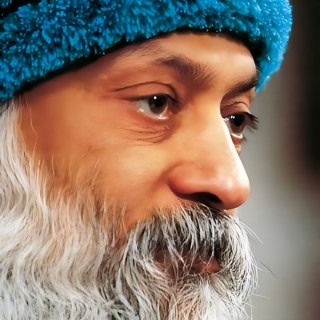
Listen maro he jogi maro fifteenth episode by osho in hindi.Follow our whatsapp channel and get osho inspirational quotes everyday to stay inspired.

James seems to say that making plans is sinful. Is that really what he's saying? Let's find out together as we read James 4:13-17 and Psalm 39.

Welcome to the September 26, 2026, Saturday Morning Movie Session from "The Way" Online Weekend Retreat, hosted by Peter Kirk. Centered on the weekend's theme, "True Service, I Need Do Nothing but Follow You," Peter uses a classic 1989 Steven Spielberg film about daredevil aerial firefighters to explore the profound shift from ego-driven specialness to Spirit-led service. Through the movie's compelling character dynamics, the session illuminates how our attempts to control and restrict love only lead to isolation, and how true helpfulness—our authentic purpose—arises effortlessly when we lay down our personal plans and open our minds to the gentle, expansive guidance of the Holy Spirit. The session ends with a Mystical Music Lounge. These gatherings take place every weekend and include comedy, teachings, films, music, panel discussions, and live Q&A sessions with David Hoffmeister and members of the Living Miracles Community.Register for The Way for free here: https://programs.the-christ.net/courses/the-way-of-the-mysticIf you want to learn more about David Hoffmeister and Living Miracles events, visit https://circle.livingmiraclescenter.org/events Recording Date: Online, Saturday, September 26, 2026Follow us on:YouTube:https://www.youtube.com/DavidHoffmeister https://www.youtube.com/@LivingMiraclesFacebook:https://www.facebook.com/ACIM.ACourseInMiracles Learn more about David & Living Miracles:https://circle.livingmiraclescenter.org/eventsLearn more about A Course in Miracles:https://ACIM.bizDavid's Spanish YouTube Channel is: https://www.youtube.com/channel/UCP9Gw00CldPUmiu43y7fdWwDavid's Portuguese YouTube Channel is:https://www.youtube.com/@davidhoffmeisterucem
Join Chad Connelly, E. W. Jackson, and Alex McFarland as they explore America's Christian heritage and the history you may not have learned in public school. Hosea 4:6 warns that God's people are destroyed for a lack of knowledge. When we don't know the true history of our nation, we can be deceived by lies that lead us into bondage. Learn how God's Word and faith in Jesus Christ helped shape America as the land of the free and the home of the brave!
This week, Paul explores the breathtaking truth that God's mercy triumphs over judgment, showing how Christ secures our rescue from the devastating power of sin and gives us every reason to rejoice.Join us for a weekly narration of Paul Tripp's popular devotional. You can subscribe to our email list to receive this devotional straight to your inbox each week, or read online at PaulTripp.com/Wednesday or on Facebook, Instagram, and the Paul Tripp App.Watch Mercy Triumphs Over Judgment live this weekend!If you've been enjoying the Wednesday's Word podcast, please leave us a review! Each review helps us reach more people with the transforming power of Jesus Christ.

Ryan and Alex welcome voice actress Mela Lee back to the show for a conversation exploring heart-centered Christ consciousness and the awakening of psychic perception. Together, they dive into mindsight abilities, angelic entities, connecting with God, and the ways spiritual awakening can expand our perception of the world around us. They also explore goddess and Rose Cross symbolism, hybrid spiritual entities, and the deeper connections between ancient spiritual traditions, modern imagery and the mysteries of consciousness.

Send us Fan MailWhat happens when determination takes you up the wrong mountain?Robin Harris—technologist, certified hypnotherapist, interfaith minister, storyteller, and advocate for human potential—joins Joey Pinz to explore how social conditioning, fear, technology, and spiritual disconnection can pull people away from the lives they were meant to create.Robin explains how an unexpected layoff ended a decades-long chapter in technology and forced her to reconsider her path. She shares how evolutionary astrology helped her recognize patterns she wishes she had understood 20 years earlier—and why hard work alone cannot save us when it is directed toward the wrong destination.The conversation also examines artificial intelligence and the growing risk of allowing technological capability to outpace human wisdom. Robin argues that AI computes but does not possess conscience, making critical thinking, discernment, self-awareness, and human oversight more important than ever.From anime's “I must get stronger” mindset to hypnotherapy, sacred intelligence, spiritual wounds, creative storytelling, and the courage to activate our potential, this episode asks a powerful question: Are you consciously designing your life—or living a story chosen by someone else?

Ask Me How I Know: Multifamily Investor Stories of Struggle to Success
Is It Wrong to Read Your Bible Out of Habit? Religion vs. Relationship With GodSeason 5, Episode 4 | Faith, Spirituality & Religiosity Series (2 of 6)Have you ever skipped your Bible reading or meditation and spent the rest of the day waiting for something to go wrong? Or maybe you're not sure about God at all, and the reason has more to do with a person than with God. In part two of the faith series, Julie explores what it means to know God secondhand, through a habit, a feeling, or someone else's story, and walks through Recognition and Release using her own story, from a fourth-grade devotional to raising her own kids.Is it wrong to read my Bible out of habit?No. Habits aren't the problem. The question is what the habit is doing for you. If it's how you stay close to God, that's relationship. If it's how you stay safe from God, or prove something to the people around you, that's religiosity dressed up as relationship.Why do I feel so resistant to God?Sometimes it's because of something God did. But often, if we're honest, it's because of something a person did, or something we heard happened to someone else. The anger may be completely right. The question is whether it's aimed at the right one.How can I tell if my faith practice is religion or relationship?Notice what you feel when you miss it. If it feels like you broke a rule, that's religiosity. If it feels like you miss Him, that's relationship. A second test comes from Matthew 6: would you still do it if no one ever knew?Key takeaways from this episode:A spiritual practice is only as healthy as the reason behind it. Reading your Bible, meditating, or going to church isn't the problem. What matters is whether you're doing it to be close to God or to stay safe from Him.You can know God secondhand in three ways. Through the doing (religiosity), through the feeling (spirituality), and through hearsay (someone else's story). None of them is the same as knowing Him yourself.Your practice may be driven by more than one motive. Finish the sentence "I read my Bible because..." Is it to stay safe, to belong, to be right, to feel covered, or to be with Him? Most people find a mix, and noticing it is the first step, not a verdict.What you feel when you miss it tells you what's driving it. "I broke a rule" points to religiosity. "I miss Him" points to relationship. And if you'd stop the practice once no one could see it, that's worth noticing too.Long relationships drift quietly, including with God. Drift hides inside routine, so showing up isn't the same as connecting.We often judge God on gossip. Many beliefs about God come from what a person did, what happened to someone we love, or what we absorbed in childhood. Knowing the stories isn't the same as knowing Him.Your anger may be right, and still be aimed at the wrong one. Holding people accountable for harm done in God's name is different from holding God responsible for it.Release doesn't mean giving up your practice or your discernment. You can set down the fear-based contract and keep the reading. You can set down a secondhand verdict and still stay wise about what hurt you.Scripture referencedMatthew 6:5-6 (NLT)Proverbs 4:23 (NLT and The Message)Reflection question for the weekIs what I believe about God something I've experienced, or something I've heard?Explore Identity-Level Recalibration→ One link to all things → Schedule a conversation with Julie to see if The Recalibration is a fit for you→ Learn about The Recalibration Cohort→ Books to read (Tidy categories on Amazon- I've read/listened to each recommended title.)

Christopher Noël holds a Master's degree in philosophy from Yale University and a Master's in Fine Arts from Vermont College of Fine Arts where he taught writing for 20 years. He also researches the phenomenon of Sasquatch. He is author of several books, including There is No Veil: At Play in the Vast Here and Now, UAPs and the Afterlife: How New Disclosures Support Centuries of Psychic and Spiritual Research, and The Anatomy of Thin Air: Practical Solutions to Paranormal Mysteries. His website is thenearnessofyou.net. Christopher proposes a theory of consciousness that may account for the nature of existence and parapsychological phenomena, such as psychokinesis, remote viewing, and mediumship. He suggests it as a nested field that is co-located and moves within quantum fields. Bridging science and spirituality, he includes physical matter within his theory. Here is how the Nested Field Theory applies to object levitation, aka anti-gravity without technology: https://www.dropbox.com/scl/fi/zcdmeho5ypsh5x7f1v93x/An-Attempt-to-Solve-an-Age-Old-Mystery-4.pdf?rlkey=2196clut8p8xa2lld39ylcmfd&st=iv68mkxh&dl=0 00:00:00 Introduction 00:02:35 Camps of consciousness theories 00:09:14 Consciousness and fields of information 00:18:51 The Nested Field Theory 00:35:27 The soul, UAP, and psychokinesis 00:52:41 Near-death experiences, mediumship, and the afterlife 00:59:05 Electromagnetic fields and light 01:00:14 Who or what drives the quantum fields? 01:06:13 Bridging science and spirituality 01:13:45 Conclusion New Thinking Allowed CoHost, Emmy Vadnais, OTR/L, is a licensed occupational therapist, intuitive healer and coach, and spiritual guide based in St. Paul, Minnesota. Emmy is the founder of the Intuitive Connections and Holistic OT communities. She is the author of Intuitive Development: How to Trust Your Inner Knowing for Guidance With Relationships, Health, and Spirituality. She offers intuitive coaching to help individuals access their inner guidance for clarity, healing, and meaningful decision-making. Her website is https://emmyvadnais.com (Recorded on August 27, 2026) For a short video on How to Get the Most From New Thinking Allowed, go to https://youtu.be/aVbfPFGxv9o Check out our new website for the New Thinking Allowed Foundation at http://www.newthinkingallowed.org. There you will find our incredible, searchable database as well as our new, FREE QUARTERLY MAGAZINE. Also, opportunities to shop and to support our video productions. There, you can also subscribe to our FREE, WEEKLY NEWSLETTER! For a complete, updated list with links to all of our videos, see https://www.newthinkingallowed.com/Listings.html Check out New Thinking Allowed's AI chatbot. You can create a free account at https://ai.servicespace.org When you enter the space, you will see that our chatbot is one of several you can interact with. While it is still a work in progress, it has been trained on 1,600 NTA transcripts. It can provide intelligent answers about the contents of our interviews. It's almost like having a conversation with Jeffrey Mishlove. To buy a high-quality, printed version of the New Thinking Allowed Magazine, go to nta-magazine.magcloud.com. To join the NTA Psi Experience Community on Facebook, see: https://www.facebook.com/groups/1953031791426543 To download and listen to audio versions of the New Thinking Allowed videos, visit our podcast at https://podcasts.apple.com/us/podcast/new-thinking-allowed-audio-podcast/id1435178031 Download and read Jeffrey Mishlove's Grand Prize essay in the Bigelow Institute competition, Beyond the Brain: The Survival of Human Consciousness After Permanent Bodily Death. https://www.bigelowinstitute.org/docs/1st.pdf If you would like to join our team of volunteers, helping to promote the New Thinking Allowed YouTube channel on social media, editing and translating videos, creating short video trailers based on our interviews, helping to upgrade our website, or contributing in other ways (we may not even have thought of), please send an email to friends@newthinkingallowed.com. To order Intuitive Development by Emmy Vadnais, click here: https://amzn.to/35sbLIA. To order There Is No Veil by Christopher Noël, go to https://amzn.to/3KneQgm To order New Thinking Allowed Dialogues: Is There Life After Death? click on https://amzn.to/3LzLA7Y To order Russell Targ: Ninety Years of ESP, Remote Viewing, and Timeless Awareness, go to https://amzn.to/4aw2iyr To order UFOs and UAP – Are We Really Alone?, go to https://amzn.to/3Y0VOVh To order a copy of Charles T. Tart: Seventy Years of Exploring Consciousness and Parapsychology, go to https://amzn.to/4oOUJLn

From the Hostage Nation paper: " The first and most fundamental duty of a civilised state is the safety of its people. Not just safety from overseas adversaries, or crime in the street. Economic security. A bill you can pay without going overdrawn. A house you can afford before your children have children of their own. A job that lasts long enough to plan around. Britain guarantees none of these. Not for want of money, or land, or people who know how to build. Our nation has all of that. For forty years we have outsourced that security to the global marketplace. We locked ourselves in a room and posted the key to a trading desk in New York. British government policy subservient to global winds. They call it living within our means. We call it Hostage Nation."This is the second part of our conversation with Jamie Driscoll, former Mayor of Newcastle city region, founder of Majority and now Green Council for his old Monument ward. He's also one of the authors of the Hostage Nation paper quoted above that lays out how we can shift our current economy from one that's in hock to the Vigilante Bond Markets to one that supports people and planet. Jamie's website Majority Hostage Nation—About Accidental Gods—We offer three strands all rooted in the same soil, drawing from the same river: Accidental Gods, Dreaming Awake and the Thrutopia Writing Masterclass Our next Open Gathering offered as part of our Accidental Gods Programme is 'DREAMING YOUR DEATH AWAKE' which will run on Sunday 1st November 2026 from 16:00 - 20:00 GMT (NOTE THE TIME! - We'll be out of summertime then) - details are here. You don't have to be a member of Accidental Gods to come along, but if you are, all Gatherings are half price.If you'd like to join us at Accidental Gods, this is the membership where we endeavour to help you to connect fully with the living web of life. If you'd like to train more deeply in the contemporary shamanic work at Dreaming Awake, you'll find us here. If you'd like to explore the recordings from our last Thrutopia Writing Masterclass, the details are hereManda and Louise both offer one-to-one Mentoring Calls. Manda is writing a book just now, but if you'd like to contact Louise, details are here.

The realization of a decade passed sparks a good conversation.Learn more at Larksite.com ______________________________________________________________________Helping You Learn To Live Loved...Become a Lark Supporter: https://larksite.com/donateWeb: https://larksite.comLarkcast: https://larksite.com/larkcastBook: Reclaim (Available on Amazon) https://larksite.com/reclaimInstagram: https://www.instagram.com/lark_social/

✨ Live Breathwork with Masako: Join me Sunday, October 4th at 10 AM Eastern for a 45-minute guided session. More info here: https://www.masakozawa.com/breathwork-registration-7 ✨ What if that feeling that there must be more to life is actually an invitation to follow your intuition?In this episode, I am joined by Lauri Sophia Rose, a certified hypnotist, spiritual teacher, counselor, and ascension guide. What intrigued me most about Lauri is that she has spent many years navigating both the corporate world and the spiritual realm. In our conversation, we explore what it can look like to bring spirituality, intuition, and deeper self-awareness into our very human, everyday lives.If you've ever felt that quiet knowing that there is more for you, this conversation is an invitation to listen inward, follow the nudge, and explore where it might lead.About Lauri:Website: https://theheartofsophia.com/Email: theheartofsophia@gmail.comLauri also offers a free meditation designed to help you connect with and balance the different parts of yourself. Email her directly to receive it.Ways to connect with Masako:Let's meditate together on InsightTimer!whynotmeditate.podcast IGmasakozawa_coaching IGWebsiteSupport the show

Send us a Question!PATREON MOVIE DISCUSSION: This movie was selected by our Patreon Supporters over at the Cinematic Doctrine Patreon. Support as little as $3 a month and have your voice heard! Kathryn joins Melvin to discuss Nine to Five, a much-loved 1980's office-comedy! The two discuss the incredible performances, clever situational humor, its myriad of feminist ideas, and so much more. Tune in now!Topics:(PATREON EXCLUSIVE) 20-minutes discussing Universal Studios being the first studio to hit $5 billion at the Box-Office in 2026, what's setting them apart from the competition, and why Disney didn't reach this milestone despite Spider-Man: Brand New Day's incredible success. (PATREON EXCLUSIVE)It's a comedy film, but it also has these little details that speak to a heavier topic.The main performances from Jane Fonda, Lily Tomlin, Dolly Parton, and Dabney Coleman are incredibly charismatic.Kathryn, "The fact that Dolly Parton herself was so forward in saying, "I'm not a feminist" and it's like, "Okay, but, look at the art you just made!"."Why Doralee's fantasy of Mr. Hart is a clever inversion.Kathryn noticed that aspects of Judy, Violet, and Doralee's fantasies end up happening in one way or another.Applying "fight, flight, or fawn" to the leading ladies at the start of the film.The ending has a soft call-to-action, and Kathryn makes note of a costume detail that motivates this idea.Recommendations:Day of the Dead (1985) (Movie)Ginger Snaps (2000) (Movie) Support the showSupport on Patreon for Unique Perks! Early access to uncut episodes Vote on a movie/show we review One-time reward of two Cinematic Doctrine Stickers & PinsSocial Links: ThreadsWebsiteInstagramLetterboxdFacebook Group

Hello listeners! Thank for joining me here at Sphere HQ for another episode of the podcast. My guest for this episode is Sian Sibley. Sian is a writer, witchcraft practitioner, and ecologist from Wales. She holds master's degrees in Biological Science and Ecology and Spirituality and has over thirty years of experience in plant spirit magic. Her writing explores the intersection of plant and tree spirit work, ecological philosophy, and magical practice. She joined me to talk about her book Black Paths and Green Cathedrals: A Guide to Ecological Paganism, whose second edition was published earlier this year. In it, Sian writes about the damage human separation from nature has wrought on the planet in the Anthropocene age, and how practices such as animism and paganism offer both a way to improve that relationship but can present challenges in terms of sustainability and impact on local environments. The latter part of the book is focused on working with tree spirts, inspired by the work of the Welsh mystic Charubel. Sian's book can be purchased from Aeon Books and her Ecological Paganism Patreon can be found here. If you enjoy what I do with Some Other Sphere and would like to support its upkeep, you can make a donation via Ko-fi. To buy the podcast a coffee go to https://ko-fi.com/someotherspherepodcast. Thank you! The podcast theme music is by The Night Monitor, from his album, ‘Close Encounters of the Pennine Kind'. You can find out more about The Night Monitor's music at https://thenightmonitor.bandcamp.com/.

I traveled to Nashville to attend Peter Thiel's Antichrist lecture, only to be told at the door that his security team had instructed staff not to admit me under any circumstances. In this stream, I'll explain exactly what happened, discuss what I learned about the lecture from those who attended, and break down Thiel's larger Christian and eschatological framework—especially his use of The Lord of the Rings, Palantir, technology, transhumanism, and the Antichrist. Make sure to check it out and let me know what you think. God bless

Bṛhad-bhāgavatāmṛta Part 2 Chapter 5 Texts 35-36 vicitraṁ tasya kāruṇya- bharaṁ santatam āpnuvan vasaṁs tatra mahānanda- pūrān anubhavāmi yān teṣāṁ nirūpaṇaṁ kartuṁ vācā cittena vā janaḥ brahmāyuṣāpi kaḥ śakto bhagavad-bhaktimān api TRANSLATION While residing there in Dvārakā I constantly, abundantly received Lord Kṛṣṇa's wonderful mercy. I tasted such a flood of supreme ecstasy that no one could tell of it in words, or even think of it within the mind, not even a pure devotee of the Lord with a lifetime of Brahmā.

Welcome to episode #285!

Pastor Jeff Vines explores Jesus' challenge to the rich young ruler in Matthew 19. Discover why true holiness begins by admitting our need for Christ, surrendering our dreams to Him, and finding our lasting treasure not in wealth or achievement, but in Jesus.Support the show: https://www.oneandall.church/See omnystudio.com/listener for privacy information.
Listen maro he jogi maro fourteenth episode by osho in hindi.Follow our whatsapp channel and get osho inspirational quotes everyday to stay inspired.

In Episode #119 of The Executive Commute, Jayson Krause is joined by educator and human flourishing advocate Steve Rice to explore what it means to live, work, and lead from the inside out. Steve shares how his own path moved from achievement, external validation, and a career that did not feel like an authentic fit toward a life centred on calling, purpose, and work as an expression of who he is. He describes the difference between living from the outside in and the inside out, and why fear often remains present when people move toward meaningful growth. The conversation explores Steve's faith-informed view of human flourishing, including the shift from achieving to receiving, the role of spirituality and historical wisdom traditions, and his distinction between positional and possessional leadership. Jayson and Steve also examine how those ideas translate into organizations through human empowerment, spaces for ideas, and cultures that help people become more fully themselves. They discuss the Office of Possibilities, Humanitas, disruptive innovation, and why new ideas may need to be built separately but in service to the larger organization. Steve also explains why human flourishing is not simply self-improvement, using the transformation from caterpillar to butterfly as a metaphor for becoming something fundamentally different rather than polishing the current version of yourself. The episode closes by connecting human flourishing to AI and the future of work. Steve argues that technological progress should be paired with an equally intentional effort to rediscover what it means to be human, framing this moment as the beginning of a possible human revolution. Episode timestamps: 00:02 Human flourishing, innovation, and humanpreneurship 00:31 Steve Rice's path to human flourishing 03:16 Learning to listen to your life 04:41 When work becomes joy 05:35 Is your work an expression of who you are? 07:59 Saying yes to a calling 09:58 Making fear your ally 12:39 Preparing people for an unknown future 14:00 Drawing out what is already inside people 16:14 Vertical versus horizontal living 17:49 Spirituality beyond religious language 20:13 The Office of Possibilities 22:47 Rediscovering desires beneath obligation 23:10 A practical 10-minute reflection practice 24:59 Achieving versus receiving 30:15 Agency, participation, and relationship 35:53 Positional versus possessional leadership 37:42 The personal and societal cost of outside-in living 39:25 When the vertical informs the horizontal 43:53 Human empowerment versus exploitation 45:40 Building an expression-driven culture 48:10 An Office of Possibilities inside an organization 49:16 Building a human flourishing academy 51:49 Why the work of flourishing is messy 54:53 Building innovation on the edge 57:35 Separate, but in service to the organization 59:16 What human flourishing actually means 1:03:46 Why a better version of yourself is not enough 1:07:03 Human flourishing and organizational flourishing 1:09:52 Will AI help or hinder human flourishing? 1:11:45 The business case for human flourishing 1:16:38 Exploitation versus expression 1:17:06 The human revolution 1:20:29 Where to learn more about Steve Rice 1:21:29 Leadership through the lens of human flourishing Prefer to watch? Find the full video episode of The Executive Commute on the Level 52 Inc. YouTube channel. Subscribe to Level 52 Inc. on YouTube for full conversations, clips, and more leadership content. Follow Jayson Krause LinkedIn: https://www.linkedin.com/in/jayson-krause/

Bishop Bryan, Jamie Wolfe, and Father Chris Yates will be available to you for three hours, taking your most pressing paranormal, metaphysical, esoteric, religious and spiritual questions. To call into the show with your questions, comments, or stories, dial: (207) 544-1983. They will also be taking your questions from the YouTube chatroom, Facebook, Instagram, and TikTok.Music Credits (for full list click here: https://esotericcatholic.org/vestiges...) Inukshuk - Too Far Gone [NCS Release] Crowd Hammer Kevin MacLeod (incompetech.com) Licensed under Creative Commons: By Attribution 3.0 License http://creativecommons.org/licenses/b... Bumper Music: NoCopyrightSounds Marin Hoxha & Chris Linton - With You [NCS Release] Tobu & Syndec - Dusk [NCS Release] Codeko - Crest [NCS Release] Syn Cole - Feel Good [NCS Release] Floatinurboat - Limbo (feat. ELIØTT) [NCS Release] Going Back Home (Vestiges After Dark Cover) by Bishop Bryan Ouellette, SOSM Guiding My Way (Vestiges After Dark, Epic Choir, Extreme Cover) by Bishop Bryan Ouellette, SOSM We Say Goodbye (Vestiges After Dark Cover) by Bishop Bryan Ouellette, SOSM Before the Dark by Bishop Bryan Ouellette, SOSM The Last Door by Bishop Bryan Ouellette, SOSM Back to the Willow Tree by Bishop Bryan Ouellette, SOSM • Mendum & Abandoned - Voyage (Feat. DN... Song: Unknown Brain & Hoober - Phenomenon (ft. Dax & VinDon) [NCS Release] Music provided by NoCopyrightSounds Free Download/Stream: http://ncs.io/Phenomenon Watch: • Unknown Brain & Hoober - Phenomenon (... Song: Robin Hustin & Jessica Chertock - Burn it Down [NCS Release] Music provided by NoCopyrightSounds Free Download/Stream: http://ncs.io/BurnItDown Watch: • Robin Hustin & Jessica Chertock - Bur... Song: Kozah - Nobody [NCS Release] Music provided by NoCopyrightSounds Free Download/Stream: http://NCS.io/Nobody Watch: • Kozah - Nobody [NCS Release] Song: NIVIRO - Demons [NCS Release] Music provided by NoCopyrightSounds Free Download/Stream: http://ncs.io/NDemons Watch: • NIVIRO - Demons | Electronic | NCS - ... Song: Unknown Brain - Childhood Dreams [NCS Release] Music provided by NoCopyrightSounds Free Download/Stream: http://ncs.io/ChildHoodDreams Watch: • Unknown Brain - Faceless (Album MIX) ... Song: Syn Cole - Time [NCS Release] Music provided by NoCopyrightSounds Free Download/Stream: http://ncs.io/Time Watch: • Syn Cole - Time [NCS Release] Song: Jim Yosef - Fall With Me [NCS Release] Music provided by NoCopyrightSounds Free Download/Stream: http://ncs.io/FallWithMe Watch: • Unknown Brain - Waiting (feat. Lox Ch... Song: Mike Vallas, Jagsy & quaggin. - Left My Heart In Pain [NCS Release] Music provided by NoCopyrightSounds Free Download/Stream: http://ncs.io/LMHIP Watch: • Mike Vallas, Jagsy & quaggin. - Left ... Song: Barren Gates - Devil [NCS Release] Music provided by NoCopyrightSounds Free Download/Stream: http://ncs.io/Devil Watch: • Barren Gates - Devil | Trap | NCS - C... Song: Inukshuk - The Long Road Home [NCS Release] Music provided by NoCopyrightSounds Free Download/Stream: http://ncs.io/TLRH Watch: • Inukshuk - The Long Road Home [NCS Re... Song: Inukshuk - Too Far Gone [NCS Release] Music provided by NoCopyrightSounds Free Download/Stream: http://ncs.io/TooFarGone Watch: • Inukshuk - Too Far Gone [NCS Release] Song: Inukshuk - A World Away [NCS Release] Music provided by NoCopyrightSounds Free Download/Stream: http://ncs.io/aworldaway Watch: • Inukshuk - A World Away [NCS Release] Song: Voicians - Seconds [NCS Release] Music provided by NoCopyrightSounds Free Download/Stream: http://ncs.io/seconds Watch: Download/Stream: http://ncs.io/NeedYou Watch: • Lost Sky - Need You | Electronic | NC...Become a supporter of this podcast: https://www.spreaker.com/podcast/vestiges-after-dark--3076216/support.

Tucked into 400 acres in the Pocono Mountains is a place where tens of thousands of people have come simply to sit quietly.The Himalayan Institute has called Honesdale, Pennsylvania, home for almost 50 years. What began with yoga and meditation has grown into a global nonprofit devoted to wellness, education, humanitarian service and the belief that people can reach their fullest potential.But what are all those people looking for?On this episode of HarmonyTALK, host Lisa Champeau talks with Retreat Center Director Brian Fulp about the enduring appeal of a place that has spent decades inviting people to slow down and look inward.Brian takes us inside the Institute's Sri Vidya Shrine, a meditation hall intentionally left open for visitors to bring their own beliefs and practices. He talks about the Institute's roots, its humanitarian work around the world and the surprisingly entrepreneurial history that helped introduce the Neti Pot to millions of Americans.But Brian's own journey may say the most about the place.He discovered yoga as an 11-year-old Boy Scout in Indiana. As a teenager without money for classes, he asked if he could work in exchange for them. His teacher told him to take the classes and promise to pay the Institute back someday.Twenty-nine years later, Brian jokes that he is still working on it.What began as an interest in yoga became a life built around service, community and a place he says gave him something he had been missing: purpose.It is a conversation about what happens when we make room for stillness, what service can give back to the person doing it and why, after more than half a century, people continue to find their way to a quiet corner of the Poconos looking for something more.
James says the Holy Spirit desires us. Where does the Old Testament say that? Let's find out together as we read James 4:1-12 and Ezekiel 37:15-28.

A fifth September message for the month of Within-ness.There is a future version of us already standing in the higher frequencies — clearer, more embodied, more freely creative. It is reaching back into this Now, saying: you do not have to become someone else. You only have to make room for who you already are becoming.At the same time, a gentle life review is underway. Some of what we find is rubble, ready to be released. Some of what we find is treasure — aspects set aside because they were not sustainable then. The artist. The brightness. The good heart that got dusty or weary. These were not false. They arrived before the conditions were ready.The sacred work of this season is discernment.Not everything from the past comes with us.Not everything from the past is meant to be thrown away.We breathe. We let Ruach help us feel the difference between grime and gold. Nothing True is lost. It only waits for the right polish — and that partnership is available now.If this message resonates, please like, subscribe, comment, and share.Support this work:https://buy.stripe.com/3csbIU4v8a52eR2aEEExplore more:https://www.frequencywriter.com/https://frequencywriter.substack.com/Connect:X: https://x.com/marie_mohlerYouTube: https://www.youtube.com/@colorthemagicRumble: https://rumble.com/c/c-353585Instagram: https://www.instagram.com/frequencywriterTruth Social: https://truthsocial.com/@frequencywriterDisclaimer: These videos are for educational and inspirational purposes only.Support the show

There´s a difference between watching what God does and knowing how He walks. Anchored in Psalm 103:7 - He made known His ways to Moses and His acts to the children of Israel - this Gateway Church message calls us past spectator faith into a living pursuit of God´s ways. Through fasting and spiritual discipline, praise as warfare, and a fresh look at Jesus as Wonderful Counselor and Helper, we´re invited to stop living off yesterday´s museum-piece miracles and draw near now. From Exodus´ trembling crowd to Joshua´s reckless climb up the mountain, the invitation is clear: don´t settle for the acts - hunger for His ways, resist pride, and let the Spirit counsel you into freedom.

Bishop Bryan, Jamie Wolfe, and Father Chris Yates will be available to you for three hours, taking your most pressing paranormal, metaphysical, esoteric, religious and spiritual questions. To call into the show with your questions, comments, or stories, dial: (207) 544-1983. They will also be taking your questions from the YouTube chatroom, Facebook, Instagram, and TikTok.Music Credits (for full list click here: https://esotericcatholic.org/vestiges...) Inukshuk - Too Far Gone [NCS Release] Crowd Hammer Kevin MacLeod (incompetech.com) Licensed under Creative Commons: By Attribution 3.0 License http://creativecommons.org/licenses/b... Bumper Music: NoCopyrightSounds Marin Hoxha & Chris Linton - With You [NCS Release] Tobu & Syndec - Dusk [NCS Release] Codeko - Crest [NCS Release] Syn Cole - Feel Good [NCS Release] Floatinurboat - Limbo (feat. ELIØTT) [NCS Release] Going Back Home (Vestiges After Dark Cover) by Bishop Bryan Ouellette, SOSM Guiding My Way (Vestiges After Dark, Epic Choir, Extreme Cover) by Bishop Bryan Ouellette, SOSM We Say Goodbye (Vestiges After Dark Cover) by Bishop Bryan Ouellette, SOSM Before the Dark by Bishop Bryan Ouellette, SOSM The Last Door by Bishop Bryan Ouellette, SOSM Back to the Willow Tree by Bishop Bryan Ouellette, SOSM • Mendum & Abandoned - Voyage (Feat. DN... Song: Unknown Brain & Hoober - Phenomenon (ft. Dax & VinDon) [NCS Release] Music provided by NoCopyrightSounds Free Download/Stream: http://ncs.io/Phenomenon Watch: • Unknown Brain & Hoober - Phenomenon (... Song: Robin Hustin & Jessica Chertock - Burn it Down [NCS Release] Music provided by NoCopyrightSounds Free Download/Stream: http://ncs.io/BurnItDown Watch: • Robin Hustin & Jessica Chertock - Bur... Song: Kozah - Nobody [NCS Release] Music provided by NoCopyrightSounds Free Download/Stream: http://NCS.io/Nobody Watch: • Kozah - Nobody [NCS Release] Song: NIVIRO - Demons [NCS Release] Music provided by NoCopyrightSounds Free Download/Stream: http://ncs.io/NDemons Watch: • NIVIRO - Demons | Electronic | NCS - ... Song: Unknown Brain - Childhood Dreams [NCS Release] Music provided by NoCopyrightSounds Free Download/Stream: http://ncs.io/ChildHoodDreams Watch: • Unknown Brain - Faceless (Album MIX) ... Song: Syn Cole - Time [NCS Release] Music provided by NoCopyrightSounds Free Download/Stream: http://ncs.io/Time Watch: • Syn Cole - Time [NCS Release] Song: Jim Yosef - Fall With Me [NCS Release] Music provided by NoCopyrightSounds Free Download/Stream: http://ncs.io/FallWithMe Watch: • Unknown Brain - Waiting (feat. Lox Ch... Song: Mike Vallas, Jagsy & quaggin. - Left My Heart In Pain [NCS Release] Music provided by NoCopyrightSounds Free Download/Stream: http://ncs.io/LMHIP Watch: • Mike Vallas, Jagsy & quaggin. - Left ... Song: Barren Gates - Devil [NCS Release] Music provided by NoCopyrightSounds Free Download/Stream: http://ncs.io/Devil Watch: • Barren Gates - Devil | Trap | NCS - C... Song: Inukshuk - The Long Road Home [NCS Release] Music provided by NoCopyrightSounds Free Download/Stream: http://ncs.io/TLRH Watch: • Inukshuk - The Long Road Home [NCS Re... Song: Inukshuk - Too Far Gone [NCS Release] Music provided by NoCopyrightSounds Free Download/Stream: http://ncs.io/TooFarGone Watch: • Inukshuk - Too Far Gone [NCS Release] Song: Inukshuk - A World Away [NCS Release] Music provided by NoCopyrightSounds Free Download/Stream: http://ncs.io/aworldaway Watch: • Inukshuk - A World Away [NCS Release] Song: Voicians - Seconds [NCS Release] Music provided by NoCopyrightSounds Free Download/Stream: http://ncs.io/seconds Watch: Download/Stream: http://ncs.io/NeedYou Watch: • Lost Sky - Need You | Electronic | NC...Become a supporter of this podcast: https://www.spreaker.com/podcast/vestiges-after-dark--3076216/support.

Send us Fan MailEpisode 323 Speaker James Finley Topic: Spiritual Guidance in the Contemplative Tradition Part 4 Unless you change and become like a little child........Enjoy Archie and Cathy
Join Chad Connelly, E. W. Jackson, and Alex McFarland as they explore America's Christian heritage and the history you may not have learned in public school. Hosea 4:6 warns that God's people are destroyed for a lack of knowledge. When we don't know the true history of our nation, we can be deceived by lies that lead us into bondage. Learn how God's Word and faith in Jesus Christ helped shape America as the land of the free and the home of the brave!

It's rapid-fire question time! Kaitlyn and Producer Mike work through some of the funniest, strangest, and surprisingly deep questions kids have sent in, covering everything from Genesis and heaven to free will, other religions, and the afterlife. Make sure to come back next week for our last episode! 0:00 - Theme Song 2:18 - Adam, Eve, and Their Belly Buttons 5:08 - Will There Be Birthdays in Heaven? 11:52 - Can You See Your Soul Drift to Heaven? 16:13 - Why'd God Make the Forbidden Fruit? 20:15 - Sponsor - With & For: Psychology and Spirituality for Thriving Podcast. Check it out now! https://pod.link/1712333330 21:17 - Sponsor - World Relief - Help walk alongside refugees by donating now at with https://worldrelief.org/KAITLYN 22:40 - Sponsor - With God Daily - Get the daily devotional for people who hate daily devotionals in your inbox every day by signing up at: https://holypost.com/plus 24:00 - Will We Be Naked in Heaven 29:02 - Does God Love People Who Worship Other gods? 32:33 - Who Did Cain Marry? 35:20 - End Credits
What do you think your faith guarantees you—and what doesn't it? Today, we continue our sermon series from the archives on Hebrews 11, the Bible's great “Hall of Faith,” as Paul explores how faith doesn't guarantee a life of comfort and success, nor does it exclude suffering and pain.To hear more sermons from Paul, visit PaulTripp.com/Sermons.
EVEN MORE about this episode!Have you ever experienced a coincidence so perfectly timed that you wondered if it was really a coincidence at all? Julie Ryan welcomes historian and author Dr. Gerry Bowler back to the show for a fascinating exploration of synchronicity, intuition, collective consciousness, prediction, and whether we may sometimes know things before we consciously understand how.Julie and Gerry examine extraordinary examples of ideas and events appearing independently at nearly the same time. Gerry shares his own experiences of researchers becoming interested in the same obscure centuries-old material and separate authors creating remarkably similar projects without knowing what the other was doing.So where do ideas actually come from?Could some of what we call coincidence be synchronicity? Can multiple people somehow access similar ideas independently? And could intuition occasionally allow us to recognize patterns before our conscious minds catch up?Julie and Gerry explore theories involving collective consciousness, intuition, creativity, channeling, synchronicity, imagination, and the mysterious relationship between thought and reality.They also discuss examples from popular culture that seem to anticipate later events, why authors sometimes say their characters appear to take over their stories, and whether creative inspiration can feel as though it comes from somewhere beyond the conscious mind.The conversation ventures even deeper into ancient history, pyramids, hidden knowledge, spirituality, religion, prophecy, and the mysteries of human consciousness before arriving at the ultimate question:Why do we incarnate?If you've ever received a sign at exactly the right moment, known something without understanding why, experienced an impossible coincidence, or wondered whether the universe might be communicating with you, this conversation will give you plenty to consider.Guest Biography:Dr. Gerry Bowler, a historian from Saskatoon with degrees from the University of Saskatchewan and a Ph.D. from King's College London, has spent his career exploring the intersection of religion and popular culture after beginning as a scholar of Medieval and Early-Modern Europe. His wide-ranging work spans studies on The Simpsons, Aristotle and professional wrestling, Wayne Gretzky, and Bloody Mary, though he is best known for his extensive research on the history of Christmas. The author of numerous books—including The World Encyclopedia of Christmas, Santa Claus: A Biography, God and The Simpsons, and Christmas in the Crosshairs—Gerry has also contributed countless articles, encyclopedia entries, op-eds, and edited volumes, with his works translated into multiple languages worldwide. When not writing or teaching, he serves as a Senior Fellow at the Frontier Centre for Public Policy, where he humorously “shakes a fist at modern society and tells it to get off his lawn.”Episode Chapters:(0:00:00) Can We Know Something Before It Happens?(0:10:00) Are We Tapping Into a Collective Consciousness?(0:24:00) When Is a Coincidence Actually a Sign?(0:38:00) Ancient Mysteries, Pyramids & Hidden Knowledge(0:51:00) Can Our Thoughts Influence What Becomes Reality?➡️Subscribe to Ask Julie Ryan YouTube➡️Download the Ask Julie Ryan® App➡️ Julie's Intuitive Trainings✏️Ask Julie a Question!
Are you waiting for the right opportunity, the right circumstances, or someone else to help you succeed—when the biggest thing standing between you and success may be you?In this powerful motivational speech, Reginald D delivers a direct message about success, personal responsibility, self-discipline, accountability, self-improvement, personal growth, commitment, and taking control of your life.The truth is simple:Success isn't something you wait for. Success is something you create.Every morning you're given another opportunity to work toward the life you want. But nobody else can carry your vision, overcome your challenges, develop your discipline, or do the work necessary to become the person you're capable of becoming.In this motivational and inspirational episode of Real Talk With Reginald D, you'll discover why taking full ownership of your life can become the beginning of real transformation.If you're looking for motivation, inspirational stories, self-improvement, personal growth, success motivation, discipline, accountability, resilience, or the motivation to change your life, this episode will challenge you to stop waiting and start moving.• Learn why taking greater personal responsibility and ownership can transform your approach to success, help you stop making excuses, and move your attention toward the decisions and actions you can actually control.• Discover why motivation alone isn't enough and how commitment, self-discipline, consistency, hard work, focus and personal growth can help you keep making progress even when you don't feel motivated.• Gain the motivational and inspirational push to invest in yourself, confront fear, move through setbacks, stop waiting for perfect circumstances, raise your standards and start living closer to the potential you know is inside you.Press play now and let this powerful motivational speech motivate you to stop making excuses, take ownership of your future, strengthen your discipline and start doing the work necessary to create the successful life you want.Send us Fan MailSupport the showFor daily motivation and inspiration, subscribe and follow Real Talk With Reginald D on social media:Instagram: realtalkwithreginaldd TikTok: @realtalkregd Youtube: @realtalkwithreginald Website: https://www.realtalkwithreginaldd.com Real Talk With Reginald D - MerchandiseReal Talk With Reginald D is a faith-based globally ranked inspirational and motivational podcast designed to motivate, empower & transform lives through powerful motivational speeches, authentic conversations, and real-life inspirational stories. Each episode delivers motivational and inspirational coaching focused on self improvement, leadership, healing, resilience & purpose. Rooted in faith and motivation, this Christian-based platform blends practical growth strategies with biblical wisdom, helping listeners strengthen their mindset, deepen their faith, and walk boldly in their calling. Check out Reginald D's powerful motivational speeches today!`
My website My Instagram

Martha Wright is a medicine woman, healer, coach, and guide whose work brings together Celtic spirituality, shamanic energy healing, psychology, somatic awareness, executive coaching, and grief tending. Known for blending deep compassion with a grounded, empowering approach, she helps people reclaim their agency, strengthen their self-awareness, and move through life with greater presence, confidence, and connection.Her work supports individuals in transforming experiences of abuse, assault, trauma, grief, and ancestral patterns into greater joy, gratitude, self-trust, and love. Martha believes that healing can take many forms, and that meaningful change begins when people are willing to turn inward, reconnect with their own inner wisdom, and create space for new possibilities.At the heart of Martha's work is the belief that personal healing has the power to create change far beyond the individual. She envisions a world where people live in greater harmony with nature, one another, and the cycles of the Earth. Through intentional presence, courageous self-exploration, and connection to the divine, she encourages others to rediscover their own power, creativity, and sense of sacred belonging.For more, visit: www.marthamw.com Send us Fan MailSupport the showContact me at: postcardstotheuniverse@gmail.comShout out and follow on IG - @postcardstotheuniversehttps://linktr.ee/postcardstotheuniverseThank you and keep listening for more great shows!

Dr. Zelana Montminy is a behavioral scientist, bestselling author, keynote speaker, and trusted advisor to Fortune 500 companies, schools, healthcare systems, and leadership organizations. Her work explores one of the defining questions of our time: how do we remain deeply human in a world increasingly designed for distraction, speed, and certainty?
Join Chad Connelly, E. W. Jackson, and Alex McFarland as they explore America's Christian heritage and the history you may not have learned in public school. Hosea 4:6 warns that God's people are destroyed for a lack of knowledge. When we don't know the true history of our nation, we can be deceived by lies that lead us into bondage. Learn how God's Word and faith in Jesus Christ helped shape America as the land of the free and the home of the brave!
Join Chad Connelly, E. W. Jackson, and Alex McFarland as they explore America's Christian heritage and the history you may not have learned in public school. Hosea 4:6 warns that God's people are destroyed for a lack of knowledge. When we don't know the true history of our nation, we can be deceived by lies that lead us into bondage. Learn how God's Word and faith in Jesus Christ helped shape America as the land of the free and the home of the brave!
© 2020-2026 Ivy Podcast Discovery LLC

