
POPULARITY

104 episodes with Impurity

112 episodes with Impurity

19 episodes with Impurity

4 episodes with Impurity

10 episodes with Impurity

8 episodes with Impurity

5 episodes with Impurity

4 episodes with Impurity

10 episodes with Impurity

4 episodes with Impurity

4 episodes with Impurity

3 episodes with Impurity

7 episodes with Impurity

8 episodes with Impurity

3 episodes with Impurity

3 episodes with Impurity

2 episodes with Impurity

3 episodes with Impurity

4 episodes with Impurity

4 episodes with Impurity

2 episodes with Impurity

4 episodes with Impurity

4 episodes with Impurity
3 episodes with Impurity

4 episodes with Impurity

3 episodes with Impurity

2 episodes with Impurity
Study the daily lesson of Sefer HaMitzvos for day 227 with Rabbi Mendel Kaplan, where he teaches the mitzvah in-depth with added insight and detail.
Study the daily lesson of Sefer HaMitzvos for day 226 with Rabbi Mendel Kaplan, where he teaches the mitzvah in-depth with added insight and detail.
Study the daily lesson of Sefer HaMitzvos for day 225 with Rabbi Mendel Kaplan, where he teaches the mitzvah in-depth with added insight and detail.
Study the daily lesson of Sefer HaMitzvos for day 224 with Rabbi Mendel Kaplan, where he teaches the mitzvah in-depth with added insight and detail.
Study the daily lesson of Sefer HaMitzvos for day 223 with Rabbi Mendel Kaplan, where he teaches the mitzvah in-depth with added insight and detail.
Study the daily lesson of Sefer HaMitzvos for day 222 with Rabbi Mendel Kaplan, where he teaches the mitzvah in-depth with added insight and detail.
Study the daily lesson of Sefer HaMitzvos for day 221 with Rabbi Mendel Kaplan, where he teaches the mitzvah in-depth with added insight and detail.
Study the daily lesson of Sefer HaMitzvos for day 220 with Rabbi Mendel Kaplan, where he teaches the mitzvah in-depth with added insight and detail.

Study the daily lesson of Sefer HaMitzvos for day 219 with Rabbi Mendel Kaplan, where he teaches the mitzvah in-depth with added insight and detail.
Study the daily lesson of Sefer HaMitzvos for day 218 with Rabbi Mendel Kaplan, where he teaches the mitzvah in-depth with added insight and detail.

Guided Question Have you merely acknowledged Jesus as Savior, or have you truly received Him as King—and what would change in your life if He were fully reigning? Summary This episode explores the significance of the genealogy in Matthew 1, revealing that the long list of names is far more than a record of ancestry. In Jewish culture, genealogy carried tremendous power. A person's ancestry could determine his eligibility for the priesthood, his rights within the covenant community, and his claim to Israel's throne. Matthew therefore begins his Gospel by identifying Jesus as “the son of David and the son of Abraham,” establishing both His Jewish heritage and His royal credentials. The sermon examines Matthew's genealogy alongside Luke's, showing how the two genealogies emphasize different aspects of Jesus' lineage. Matthew traces the royal line through David and Solomon, while Luke traces another branch of David's family through Nathan. The discussion then addresses the curse placed on Jeconiah, whose descendants were disqualified from sitting on David's throne. Through the virgin birth and Joseph's legal adoption of Jesus, Christ receives the legal rights of the royal line without inheriting Jeconiah's cursed bloodline. Luke's genealogy is then understood as tracing Jesus' physical lineage through Mary, establishing that Jesus is both legally and naturally connected to David. Matthew's genealogy contains another striking feature: the inclusion of four women—Tamar, Rahab, Ruth, and Bathsheba. Their stories include immorality, foreign ancestry, and complicated family histories. Rather than presenting Israel's history as a story of flawless people and glorious kings, Matthew exposes the sin running throughout the royal lineage. Matthew also organizes the genealogy into three groups of fourteen generations. The first period, from Abraham to David, can be characterized by impurity; the second, from David to the Babylonian deportation, by idolatry; and the final period, from the deportation to Christ, by obscurity and bondage. Israel's history reveals a people who repeatedly failed to live out God's purposes and ultimately needed salvation from their sins. The sermon then turns the genealogy toward the listener. Beneath the appearance of successful and respectable lives can lie the same patterns of impurity, idolatry, and bondage. People may appear successful on the outside while privately struggling with sin, pursuing status, worshiping possessions or accomplishments, and eventually becoming controlled by the very things they once thought they controlled. Without Jesus Christ, humanity follows a similar trajectory to Israel. Jesus came not merely to be acknowledged as Savior but to reign as King. True transformation occurs when a person receives Christ, bows to His authority, and allows Him to take the throne of his or her life. The invitation of Jesus is not simply to wear the label of Christian but to become a child of God through genuine surrender and faith. The episode concludes with the picture of believers being brought into Christ's royal family. Those who truly receive Jesus become heirs and offspring of Abraham, part of His royal lineage, and children of the living God. The genealogy that begins Matthew's Gospel ultimately becomes an invitation: Jesus is the King—receive Him, submit to Him, and let Him reign. Episode Outline 1. Why Matthew Begins With a Genealogy Genealogy carried enormous significance in Jewish culture. Ancestry could determine priesthood, covenant privileges, and royal legitimacy. Matthew uses Jesus' genealogy to establish His identity as King. 2. Jesus' Royal Credentials Jesus is the Son of Abraham and Son of David. The Davidic covenant promised an enduring throne. Jesus is presented as the legitimate Messianic King. 3. Matthew and Luke's Genealogies Matthew emphasizes the royal line through Solomon. Luke traces another branch of David's family through Nathan. Together they demonstrate Jesus' legal and physical connection to David. The curse of Jeconiah makes Jesus' virgin birth and adoption especially significant. 4. The Unexpected People in Jesus' Lineage Matthew includes Tamar, Rahab, Ruth, and Bathsheba. Their stories expose immorality, foreign ancestry, and human failure. The genealogy challenges pride in Israel's supposedly glorious heritage. 5. Israel's Threefold Pattern Abraham to David — Impurity David to the Deportation — Idolatry Deportation to Christ — Obscurity and Bondage Israel's history demonstrates its need for salvation from sin. 6. Our Own Spiritual Genealogy Outward success can hide inward sin. Impurity can lead to idolatry and eventually bondage. Without Christ, people can become controlled by the things they once sought to control. 7. Jesus Came to Be King Jesus offers more than forgiveness or religious identification. Receiving Christ means embracing His authority. Genuine Christianity produces a changed lifestyle, not merely Christian rhetoric. 8. The Invitation of Royalty Those who receive Christ become children of God. Believers become heirs and offspring of Abraham. The King who fulfills David's promise invites us to let Him reign in our lives. Key Takeaways The genealogy establishes Jesus' royal credentials. Matthew identifies Him as the Son of David and Son of Abraham. Jesus is uniquely qualified to be the promised King. His legal and physical connections to David establish His claim to the throne. Israel's pedigree did not make them righteous. Ancestral privilege became distorted when people relied on heritage rather than faithful obedience. The genealogy exposes Israel's sin. Impurity, idolatry, and bondage characterize much of Israel's history. The genealogy includes unlikely people. Tamar, Rahab, Ruth, and Bathsheba demonstrate that God's purposes operate through imperfect and unexpected people. Respectability can hide spiritual bondage. A life that looks successful outwardly may contain hidden impurity, misplaced worship, and growing enslavement. Jesus came to restore and liberate. He came to save His people from their sins and bring them into genuine freedom. Christianity is more than acknowledgment. Receiving Christ means embracing Him, submitting to Him, and recognizing His authority. Jesus must occupy the throne. A transformed Christian life comes when Christ becomes King rather than simply being an acknowledged religious figure. Believers become part of God's royal family. Those who receive Christ become children of God and heirs of the promises associated with Abraham and David. Scripture References Matthew 1:1–17 — Jesus' genealogy establishes His Davidic and Abrahamic heritage. Genesis 12:1–3 — God's promise to Abraham includes blessing the nations. 2 Samuel 7:12–16 — God promises David an enduring throne. Jeremiah 22:24–30 — Jeconiah's descendants are excluded from David's throne. Matthew 1:16, 18–25 — Joseph's legal relationship to Jesus and the virgin birth. Luke 3:23–38 — Jesus' lineage traces back through David to Adam. Matthew 3:7–10 — John the Baptist warns against relying on ancestry without repentance. John 8:37–44 — Jesus teaches that true children of Abraham should reflect Abraham's deeds. John 1:12 — Those who receive Christ are given authority to become children of God. Galatians 3:7–9 — Those who have faith are identified as children of Abraham. 1 Peter 2:9 — Believers are described as a royal priesthood. Matthew 1:21 — Jesus comes to save His people from their sins. Recorded 1.2.83
Study the daily lesson of Sefer HaMitzvos for day 217 with Rabbi Mendel Kaplan, where he teaches the mitzvah in-depth with added insight and detail.
Study the daily lesson of Sefer HaMitzvos for day 216 with Rabbi Mendel Kaplan, where he teaches the mitzvah in-depth with added insight and detail.

Ephesians: Live in the Light continues our journey through Paul's letter to the Ephesians.Jonathan Eddie explores what it means to imitate Christ and live as children of light in a world that often pulls us in the opposite direction. Rather than simply avoiding darkness, believers are called to reflect God's character through love, wisdom, and lives that honour Him.As we continue through Ephesians, we're reminded that our faith is not just something we believe, it's something we live every day.Sermon Notes -Scripture: Ephesians 5:1 to 20Imitate GodPaul begins with a simple but challenging instruction:"Imitate God... because you are His dear children."As children naturally imitate their parents, followers of Jesus are called to reflect God's character in the way they live.Live a Life of LoveJesus demonstrated perfect love by giving Himself for us.Our lives should be marked by:- Sacrificial love.- Kindness.- Forgiveness.- A desire to honour God in everything we do.Leave the Old Life BehindPaul contrasts the life of Christ with the patterns of the world.Followers of Jesus are called to turn away from:- Sexual immorality.- Greed.- Impurity.- Coarse language.- Foolish talk.Instead, our speech should be filled with thankfulness and encouragement.Live as Children of LightLight exposes darkness and reveals truth.Living in the light means:- Pursuing what pleases God.- Walking in integrity.- Choosing righteousness.- Allowing Christ to shape every area of our lives.Walk in WisdomPaul encourages believers to make the most of every opportunity.Wise living includes:- Seeking God's will.- Being filled with the Holy Spirit.- Encouraging one another.- Worshipping with thankful hearts.Key TakeawayFollowing Jesus is more than changing our behaviour. It is allowing God to transform who we are so that our lives increasingly reflect His love, holiness, and light.Find out more about Jesushttps://hillschurch.org.au/JesusFind the answers to life's biggest questions. Try Alpha.https://hillschurch.org.au/alphaCan we pray for you? Request prayer.https://hillschurch.org.au/ and click 'Prayer Request' Button.To give/tithe to the work of Hills Church, follow the link belowhttps://hillschurch.org.au/give#hillschurch #thegospelofjohn #evertonhills #brisbanechurch #brisbane #wesleyanmethodistchurch #hillschurchsermon
Study the daily lesson of Sefer HaMitzvos for day 215 with Rabbi Mendel Kaplan, where he teaches the mitzvah in-depth with added insight and detail.
Study the daily lesson of Sefer HaMitzvos for day 214 with Rabbi Mendel Kaplan, where he teaches the mitzvah in-depth with added insight and detail.
Study the daily lesson of Sefer HaMitzvos for day 213 with Rabbi Mendel Kaplan, where he teaches the mitzvah in-depth with added insight and detail.
Study the daily lesson of Sefer HaMitzvos for day 213 with Rabbi Mendel Kaplan, where he teaches the mitzvah in-depth with added insight and detail.
The marrow of a bone - in a sacrificial offering, that was then leftover - leads to impurity, as do the bones themselves. But that can depend on whether they are opened or closed. Also, touching impurity turns out to have the same status as one would have after carrying impurity. And raises the question of the "ohel," tent, for when impurity is transferred as a matter of being there, as per all of the different categories. Also, the "list' of the Mishnah plays out in the Gemara. Plus, defining the impurity of the tent ("ohel").

Chullin 125 : Marc Chipkin : 2026-09-02 Impurity from a sealed marrow bone. Impurity via a tent. Hidden tumah.
A new mishnah! But a difficult one. Specifically about skin and when it conveys impurity -- with specific reference to creepie-crawlies, but there is also discussion about the skin of other animals, and even of a dead body (human). And the gruesome discussion of skin being used functionally. With a different level of impurity for human skin -- from a Torah level and from a rabbinic level, which is more cautious and stringent than the Torah level (including the question of tanning). Also, a review of different statuses of different kinds of skin, and the potential of imparting impurity.
Study the daily lesson of Sefer HaMitzvos for day 209 with Rabbi Mendel Kaplan, where he teaches the mitzvah in-depth with added insight and detail.
Study the daily lesson of Sefer HaMitzvos for day 209 with Rabbi Mendel Kaplan, where he teaches the mitzvah in-depth with added insight and detail.

Romans 1:18–32 reveals that humanity's deepest problem is rejecting what we know about God. Creation points to His power and truth, yet people suppress that truth and exchange the Creator for created things. This idolatry turns good things into ultimate things, producing desires that never satisfy and leading to greater sin. God's wrath is seen in His “giving them over,” allowing people to pursue what they have chosen and experience the destructive consequences. Paul's list of sins is meant to be a mirror for everyone, exposing the universal tendency to replace God with something else. The answer is not better arguments, culture, or human effort, but repentance and Christ. When we turn back to God, the Holy Spirit begins replacing the fruit of selfishness and sin with love, joy, peace, and self-control. Romans 1 shows the downward path of sin: reject God → replace God → distorted desires → distorted thinking → destructive living. The Gospel reverses that path by bringing us back to the Creator, restoring our hearts and transforming how we live.
Study the daily lesson of Sefer HaMitzvos for day 174 with Rabbi Mendel Kaplan, where he teaches the mitzvah in-depth with added insight and detail.
Study the daily lesson of Sefer HaMitzvos for day 174 with Rabbi Mendel Kaplan, where he teaches the mitzvah in-depth with added insight and detail.

Message from Oliver Vierhaus on July 19, 2026
Does a slaughtered animal that is a treyfa transmit impurity? It seems so. For a consecrated animal. At least at the rabbinic level of prohibition. Plus, the difference between a fetus, even with a protruding limb, as compared to other organs of the animal that might be detached from within and would lead to more complex prohibition -- it's a treyfa! Also, in the case of an animal that dies by other causes aside from kosher slaughtering, then what are the implications for the impurity of the animal, for a hanging limb, and more?
NOTE: This episode may be emotionally difficult, including the topic of still-births -- animal and human (not together). On the transfer of impurity from the carcass of a domesticated vs. non-domesticated animal, including that of a fetus. How does each category include the other categories (of domesticated including non-domesticated, pure including impure, etc.). With credit to Rabbi Yishmael and his methodology of learning these halakhot. Also, a new mishnah! On how the midwife becomes impure in removing the fetus. Plus, a question on how something that is fully enclosed and ritually impure can give off impurity, because it should not be able to. Nor to become impure. Plus, the question of impurity of food - as determined by whether it is fit for consumption by a dog.

Saturday July 11“Whatever things are pure." Thisword speaks of that which is morally clean, undefiled, innocent, and holy. Itdescribes a life that has not been contaminated by the pollution of sin. Welive in a world that has almost lost the meaning of purity. Every day we aresurrounded by images, conversations, advertisements, movies, televisionprograms, websites, and social media that appeal to the lust of the flesh, thelust of the eyes, and the pride of life. Impurity has become so common thatmany people no longer blush at what once brought shame. ButGod has never lowered His standard. Jesus said in Matthew 5:8, "Blessedare the pure in heart: for they shall see God." Notice He did notsimply say, "Blessed are the pure in conduct." He said, "Blessedare the pure in heart." God is always interested in the condition of theheart because the heart determines the conduct of the life. That is why Paul istalking about our thinking. Long before sin becomes an action, it usuallybegins as a thought that has been entertained. Someonehas wisely said, "Sow a thought, and you reap an action. Sow an action,and you reap a habit. Sow a habit, and you reap a character. Sow a character,and you reap a destiny." Everything begins with what we allow our minds todwell upon. Job understood this battle. In Job 31:1 he declared, "Imade a covenant with mine eyes; why then should I think upon a maid?"Job recognized that what entered through his eyes could influence what remainedin his mind. How much more important is that principle today? Neverbefore in history have people carried around in their pockets devices that caninstantly expose them to almost every form of impurity imaginable. That is whywe must be more intentional than ever about guarding our minds. David prayed inPsalm 101:3, "I will set no wicked thing before mine eyes." Whata wonderful commitment! Imagine how different our lives would be if everybeliever prayed that prayer each morning. Paulgives similar instruction in Romans 13:14, "But put ye on the LordJesus Christ, and make not provision for the flesh, to fulfil the luststhereof." Notice he doesn't simply say, "Don't sin." Hesays, "Don't make provision for it." Don't feed it. Don't encourageit. Don't place yourself where temptation is invited to stay. Instead, fillyour mind with Christ. The wonderful truth is this: The more room God's Wordoccupies in your mind, the less room sinful thoughts have to remain. Lightalways drives out darkness. Truth always exposes lies. Purity always overcomescorruption. This does not mean that believers will never experience temptation.Even our Lord was tempted. But temptation is not sin. Sin begins when we chooseto entertain what God tells us to reject. Every time an impure thought entersyour mind, immediately bring it before the Lord. Replace it with Scripture.Turn your attention to Christ. Sing a hymn. Quote a Bible verse. Begin thankingGod for His goodness. The battle is won not merely by resisting evil but byfilling our minds with something far better. Perhapsthe greatest motivation for purity is not fear. It is love. When we truly lovethe Lord Jesus Christ, we want our thoughts to be pleasing to Him. David prayedin Psalm 19:14, "Let the words of my mouth, and the meditation of myheart, be acceptable in Thy sight, O LORD, my strength, and my redeemer." Whata wonderful prayer for each of us. May the meditation of our hearts bring joyto the heart of our Savior. Today, ask yourself this question: "Would I becomfortable if the Lord Jesus could visibly read every thought that passesthrough my mind today?" The wonderful news is that He already does. Andyet He loves us enough to forgive us, cleanse us, and transform us. As we yieldour minds to Him, He continues making us more like Himself. Remember, God'sdesire is not merely clean hands. He desires clean hearts, pure minds, and holylives.

There is something directing your life. You’re not doing this on your own. You’re either under the influence of the world and the flesh, or you’re under the influence of the Holy Spirit. One of these guides your thoughts, your attitude, your perspective and your actions – and your life looks radically different depending on your influencing factors. Look around my friend – if you aren’t pleased with what’s growing in your life, it may be a result of what you’re attached to – because whatever you’re attached to is drastically influencing every area of your life. Paul writes in Galatians and tells us of what is naturally produced in our lives when we’re attached to Jesus. Growing in Jesus means God’s Holy Spirit is influencing you. Under the influence of the Holy Spirit, you are different than you would be on your own. Different things grow in your life. You are given a different perspective with different priorities. And the beautiful thing is, it happens so naturally. This isn’t something you will or force, it just grows. We’re given a list of 9 fruits that grow in our lives as a result of the direction of the Holy Spirit and it’s inner influence: Love, Joy, Peace, Patience, Kindness, Goodness, Faithfulness, Gentleness, Self-Control. These are the fruits of the Holy Spirit, meaning what grows from connection. And really think about the real life circumstances and struggles you woke up to today – what you need to face this is right here within the list of things that grow from within you when you’re connected to Jesus. Your answer … CONNECT TO JESUS! You don’t have to force this. You don’t have to pretend to be someone you’re not. The Holy Spirit will work within you to produce precisely what is needed and it will come from inside you, naturally producing in your life. Now maybe you’ve heard of the Fruits of the Spirit before. Maybe you even have them memorized and can ramble them off. Maybe this is brand new to you. Awesome. This is for you. Exactly where you are, in this season of life, with what you’re facing. Love for you. Joy for you. Peace for you. Patience for you. Kindness for you. Goodness for you. Faithfulness for you. Gentleness for you. Self-Control for you. I bet you can identify someone in your life who needs this too, huh? Someone who is lacking joy. Someone lacking peace. Someone living without kindness or faithfulness or self-control. What is happening in their life? Maybe that was you at one time. Or maybe that is a current struggle. Why is that? Scripture is actually quite clear. We don’t have to guess and wonder. When you lack the things that grow in our lives under the direction of the Holy Spirit it’s because you’re NOT under the direction of the Holy Spirit. You’re not connected to Jesus. You’re connected to the world and you’re under the influence of your flesh. We don’t have to hate the person who is without kindness and goodness, we have to see it for what it is. This is a hurting soul who either has never connected to Jesus or has become disconnected. We must love them enough to point them back to Jesus and back to his life-giving connection. Back to the direction of the Holy Spirit. It’s not our responsibility to change them. That’s the job of God’s Holy Spirit. YOU ARE NOT THEIR HOLY SPIRIT. Before we jump into the Fruits of the Spirit and this list of beauty that naturally begins to grow in our lives through connection with Jesus, we have to know about the other side of the list. You see there are two very clear lists. A list of what your life looks like WITHOUT the direction of the Holy Spirit and WITH the direction of the Holy Spirit. If you were to take a piece of paper and draw a line down the center, you would have two columns. On the left you could label that column “Without the Holy Spirit”. On the right you could label that column “With the Holy Spirit”. The column on the left is described in Galatians 5: 19-21. The column on the right is described in Galatians 5: 22-23. Let’s begin with making the list in the left column. Galatians 5: 19-21, When you follow the desires of your sinful nature, the results are very clear: • Sexual immorality • Impurity • Lustful pleasures • Idolatry • Sorcery • Hostility • Quarreling • Jealousy • Outbursts of Anger • Selfish Ambition • Dissension • Division • Envy • Drunkenness • Wild Parties • Other Sins Like These Well that was yucky, wasn’t it? Yip, that’s what our lives become without the influence of God’s Holy Spirit. This is what we naturally get ourselves into. Our nature is sinful and leads us into some absolutely yucky things in our lives. Look around … there it is. We can see it in our own life or in the life of someone we love. Why has this happened, why do they act that way, why do they continue to do these things … because as verse 19 says, they have “followed the desires of their sinful nature and the results are very clear.” You’ve been asking why. That’s why, my friend. This is a matter of influence. The wrong influence creates the wrong results. The wrong direction grows the wrong fruit. For anyone with the wrong fruit growing in their lives, this is a matter of the wrong influence coming through the wrong connection. Maybe not a bad person, a bad connection. Have you ever traveled internationally and tried to plug your electrical device into a foreign outlet? It doesn’t fit. If you force it, you’ll blow something up. You could burn the whole building down! Some of us have lives burning down around us because we’ve plugged into the wrong thing. We’re connecting to things we simply weren’t created to be connected to. Over the next few weeks we’re going to do a deep dive on the divinely beautiful things that grow in our lives when we’re connected to Jesus and abiding in him. We’re going to grow in this process. It’s going to be so good for us to see the works of the Holy Spirit that happen so naturally in our connection. But first, we’re going to look at the column on the left. The yuck. The consequences. This is where you life will be without Jesus. Very clearly, this is what happens. Verse 19 in the NLT says “When you follow the desires of your sinful nature …” NIV says, “These are the acts of the flesh …” MSG puts it like this, “It’s obvious what type of life develops out of trying to get your own way all the time …” There it is – when we try to do this on our own, when we do what we want, follow our own feelings, focused on self, letting our flesh lead the way, these are the messes we create for ourselves and others. Maybe you’re in one of those messes right now, either self-created or created by someone else. You’re living in that left hand column all while the Holy Spirit is inviting you to jump to the other side of the page and get on the right side. Is that possible? Absolutely! That change can begin today. Looking at our column on the left listed in verses 19-21, there are a few words we may not fully understand. So, let’s not skim over them, let’s understand. The first 3 are all sexual sins: Sexual immorality, Impurity, Lustful pleasures. These are things we all fall into without the direction of God’s Holy Spirit within us. It’s natural. We get all twisted up. We seek love in the wrong places and boy do we find it in all the wrong ways. There, we get stuck in tangled webs and suck others into that web of destruction. The next word on the left side are may be a little more unclear: Idolatry. It’s easy to assume that’s not us, nor is it anyone we love … but often it is. Idolatry is putting anything or anyone above God. Anything that gets God’s place becomes our idol. Anything we value more, anything we trust more, anything we seek first. Our spouses can become our idol. Our jobs can become our idol. Our image, our money, our hobbies can become our idols. And guess what – that happens so naturally in this world. Without the direct influence of the Holy Spirit, we are making stars our guide, we’re allowing horoscopes make our decisions, and putting flawed humans on pedestals thinking they hold our answers. Jesus is calling us back. Back to connection with him. Our lives naturally change when we connect with him. Recognize what is growing in your life – if it’s on the left side realize you’re on the wrong side, connecting to the wrong thing that is threatening to burn your whole life down. Your answer, CONNECT WITH JESUS. Let the Holy Spirit become your guide and influence. Follow Pamela on Instagram – https://instagram.com/headmamapamela Or Facebook – https://www.facebook.com/pamela.crim Find out more about BIG Life – http://biglifehq.com

If you enjoy this episode, we're sure you will enjoy more content like this on The Occult Rejects. In fact, we have curated playlists on occult topics like grimoires, esoteric concepts and phenomena, occult history, analyzing true crime and cults with an occult lens, Para politics, and occultism in music. Whether you enjoy consuming your content visually or via audio, we've got you covered - and it will always be provided free of charge. So, if you enjoy what we do and want to support our work of providing accessible, free content on various platforms, please consider making a donation to the links provided below. Thank you and enjoy the episode!Links For The Occult Rejectshttps://linktr.ee/theoccultrejectsOccult Research Institutehttps://www.occultresearchinstitute.org/Substackhttps://substack.com/@theoccultrejects?r=7auau0&utm_campaign=profile&utm_medium=profile-pageCash Apphttps://cash.app/$theoccultrejectsVenmo@TheOccultRejectsBuy Me A Coffeebuymeacoffee.com/TheOccultRejectsPatreonhttps://www.patreon.com/TheOccultRejectsFull BibliographyAdler, Yonatan. The Archaeology of Purity: Archaeological Evidence for the Observance of Ritual Purity in Ereẓ-Israel from the Hasmonean Period until the End of the Talmudic Era. PhD diss., Bar-Ilan University, 2011.Adler, Yonatan. The Origins of Judaism: An Archaeological-Historical Reappraisal. New Haven: Yale University Press, 2022.Ambrose of Milan. On the Mysteries.Ambrose of Milan. On the Sacraments.Augustine of Hippo. On Baptism, Against the Donatists.Augustine of Hippo. On the Merits and Forgiveness of Sins, and on the Baptism of Infants.Bradshaw, Paul F. The Search for the Origins of Christian Worship: Sources and Methods for the Study of Early Liturgy. 2nd ed. Oxford: Oxford University Press, 2002.Bradshaw, Paul F., Maxwell E. Johnson, and L. Edward Phillips. The Apostolic Tradition: A Commentary. Minneapolis: Fortress Press, 2002.Cyril of Jerusalem. Catechetical Lectures.Davies, J. G. The Architectural Setting of Baptism. London: Barrie and Rockliff, 1962.Dölger, Franz Joseph. The Sun of Justice: The Christian Cult of the Sun and the Baptismal Orientation. Relevant for eastward prayer, solar symbolism, and baptismal orientation.Ferguson, Everett. Baptism in the Early Church: History, Theology, and Liturgy in the First Five Centuries. Grand Rapids: Eerdmans, 2009.Finn, Thomas M. Early Christian Baptism and the Catechumenate: Italy, North Africa, and Egypt. Collegeville: Liturgical Press, 1992.Finn, Thomas M. Early Christian Baptism and the Catechumenate: West and East Syria. Collegeville: Liturgical Press, 1992.Hippolytus. The Apostolic Tradition. Attribution debated, but still important for reconstructing early baptismal practice.Jensen, Robin M. Baptismal Imagery in Early Christianity: Ritual, Visual, and Theological Dimensions. Grand Rapids: Baker Academic, 2012.Johnson, Maxwell E. The Rites of Christian Initiation: Their Evolution and Interpretation. 2nd ed. Collegeville: Liturgical Press, 2007.Josephus. Jewish Antiquities, Book 18.Justin Martyr. First Apology.Kavanagh, Aidan. The Shape of Baptism: The Rite of Christian Initiation. Collegeville: Liturgical Press, 1978.Kazen, Thomas. Studies on John the Baptist, ritual immersion, and purity in early Judaism.Klawans, Jonathan. Impurity and Sin in Ancient Judaism. Oxford: Oxford University Press, 2000.Klawans, Jonathan. Purity, Sacrifice, and the Temple: Symbolism and Supersessionism in the Study of Ancient Judaism. Oxford: Oxford University Press, 2006.Lawrence, Jonathan David. Washing in Water: Trajectories of Ritual Bathing in the Hebrew Bible and Second Temple Literature. Atlanta: Society of Biblical Literature, 2006.Lietzmann, Hans. Mass and Lord's Supper: A Study in the History of the Liturgy. Relevant for early worship, initiation, and Eucharistic entry.Meeks, Wayne A. The First Urban Christians: The Social World of the Apostle Paul. New Haven: Yale University Press, 1983.Regev, Eyal. Studies on Qumran, ritual purity, and Jewish sectarian practice.Riley, Hugh M. Christian Initiation: A Comparative Study of the Interpretation of the Baptismal Liturgy in the Mystagogical Writings of Cyril of Jerusalem, John Chrysostom, Theodore of Mopsuestia, and Ambrose of Milan. Catholic University of America Press, 1974.Schmemann, Alexander. Of Water and the Spirit: A Liturgical Study of Baptism. St. Vladimir's Seminary Press, 1974.Spinks, Bryan D. Early and Medieval Rituals and Theologies of Baptism: From the New Testament to the Council of Trent. Ashgate, 2006.Spinks, Bryan D. Reformation and Modern Rituals and Theologies of Baptism: From Luther to Contemporary Practices. Ashgate, 2006.Tertullian. On Baptism.The Didache.Turner, Victor. The Ritual Process: Structure and Anti-Structure. Useful for liminality and rites of passage, though not baptism-specific.Van Gennep, Arnold. The Rites of Passage. Useful for initiation structure, separation, liminality, and incorporation.Whitaker, E. C. Documents of the Baptismal Liturgy. SPCK, 1970.Yarnold, Edward. The Awe-Inspiring Rites of Initiation: Baptismal Homilies of the Fourth Century. Collegeville: Liturgical Press, 1994.Also want to remind people about the website, if you're into reading we have tons of information by multiple contributors, and we got t-shirts up on the site if you're interested. Fun fact, the art is all based on the eyeball. A
A case of a person who is eating non-sacred food at the level of purity of sacrificial food - which doesn't really give off that impurity to the next level. Plus, the hierarchy of impurity means that something that is pure in and of itself can be regarded as impure in comparison to something that is pure with a higher standard of purity. Also, on the susceptibility of impurity - will shechitah itself render the meat susceptible to impurity? Plus, the impact of how an animal dies, including whether at the hands of the Angel of Death. That is, the blood of the animal should establish susceptibility to impurity -- regardless of how the animal died.
If a neckbone of person were person - in parallel to the bird's neck the other day - the question arises as to whether or when the status of impurity kicks in. With the example of Eli the high priest of the Book of Samuel (I), who fell, whose neckbone broke, and who died, "because he was old." Also, a beraita on the melikah of a bird burnt-offering. And how it's different from a burnt-offering bird's melikah. With physical directions, in its intricacy.

This sicha explores the concept of tumah (impurity) and taharah (purity) in Jewish law, specifically in the context of the laws of the Parah Adumah (Red Heifer). It investigates the paradoxical nature where the same act that purifies an individual can also render another impure, emphasizing deeper spiritual insights. https://www.torahrecordings.com/likutei-sichos/018/008_002

What if almost everything you were taught about Old Testament purity laws was wrong?Most Christians hear "impurity" and immediately think sin. We've been taught that the purity system was about moral failure, that sacrifice was primitive and empty, and that Jesus came to sweep the whole oppressive thing away. Dr. Jonathan Klawans, Professor of Religion and Jewish Studies at Boston University, says we've collapsed two completely different categories into one confused mess, and it's been distorting how we read the Bible for centuries.In this conversation, Dr. Klawans walks us through the critical distinction between ritual impurity and moral impurity, two systems the Hebrew Bible treats as entirely separate. Ritual impurity comes from things like childbirth, menstruation, and touching a corpse. These aren't sins. They're natural, unavoidable, sometimes even commanded. Moral impurity is something else entirely: idolatry, sexual transgression, bloodshed. These defile the land, pollute the Temple, and if left unaddressed, drive out God's presence.We dig into why the prophets weren't rejecting sacrifice but calling out theft and injustice. We explore how sacrifice functioned as imitatio Dei, the imitation of God, from the careful shepherding of unblemished animals to the priest examining the kidneys and heart. We discuss how both Christian and Jewish traditions have imposed later theological frameworks onto ancient texts, and what it costs us when we do. And we ask the hard question: What was Jesus actually doing when he interacted with purity and the Temple?Dr. Klawans is the author of four books with Oxford University Press, including the award-winning Impurity and Sin in Ancient Judaism and Purity, Sacrifice, and the Temple. In this episode, you will learn:- The difference between ritual impurity and moral impurity and why conflating them causes so much confusion- Why becoming ritually impure was sometimes unavoidable and even commanded- How moral impurity defiles the land and the Temple, and what happens when it goes unaddressed- What the prophets were actually criticizing when they seemed to reject sacrifice- How sacrifice functioned as imitatio Dei, imitating God through the entire process- The role of sacrifice in attracting and maintaining God's presence- How supersessionist frameworks (both Christian and Jewish) distort our reading of ancient sources- What really happened to Judaism after the Temple's destruction in 70 AD- How to understand Jesus's interactions with purity and the TempleBOOKS:Purity, Sacrifice, and the Temple: https://a.co/d/0bXkmvkjImpurity and Sin in Ancient Judaism: https://www.amazon.com/Impurity-Ancient-Judaism-Jonathan-Klawans/dp/0195177657Boston University Faculty Page: https://www.bu.edu/religion/faculty/jonathan-klawans/STAY CONNECTED:Website: johnnyova.comSubscribe on Youtube: https://www.youtube.com/@thejohnnyovaThe Revelation Reset: https://www.amazon.com/Revelation-Reset-Reclaiming-Optimistic-Eschatology-ebook/dp/B0D2TXFX3J

Series: Galatians 5Sermon TItle: Sexual Immorality, Impurity, & Lustful PleasuresMain Scripture: Galatians 5:19-21 "When you follow the desires of your sinful nature, the results are very clear: sexual immorality, impurity, lustful pleasures, 20 idolatry, sorcery, hostility, quarreling, jealousy, outbursts of anger, selfish ambition, dissension, division, 21 envy, drunkenness, wild parties, and other sins like these."Synopsis: In a culture that normalizes sexual brokenness, this message calls us to holiness with our bodies and minds, urging us to run from sin, pursue purity, and rely on the transforming power of the Holy Spirit.April 26, 2026 • Kyle Smith• • • • • • • •.• • • • • • • • • • • • • • • • • • • • Join us for service in person and online every Sunday at 10am (MST) at the City Life Community Center in Missoula, MT. We believe that you matter. We would love to connect with you and hear your story! https://www.anchorchurchmissoula.com/contactIf you would like to engage financially with Anchor Church you can give by texting any amount to 84321 or by visiting https://www.anchorchurchmissoula.comNeed prayer or have a praise report? https://www.anchorchurchmissoula.com/prayerpraiseFor more information about Anchor Church or ways to get connected visit us at https://www.www.anchorchurchmissoula.com or follow us on our social media platforms below.Instagram - @anchorchurchmissoula - https://www.instagram.com/anchorchurchmissoulaFacebook - @anchorchurchmissoula - https://www.facebook.com/anchorchurchmissoula

We start with a little review of rasa vada, the theory of aesthetic "flavors of Consciousness" that are very much emphasized in our Tāntrik iconography & poetics before presenting Mātangī Devī as a a radical invitation to reclaim those rasas, or "flavors" which are commonly rejected as impure or unspiritual or unwholesome in the name of a deeper, more inclusive & capacious non-dual understanding. And to discuss the ucchistā approach (the spirituality of impurity/trangression), we need to say more about śānta-bhāva, Abhinavagupta's 9th meta-flavor that imbues all the other flavors (even the "unspiritual" or disturbing ones) with poetic and aesthetic (read also: spiritual) meaning. The discussions around śānta-bhāva which engage Bharata and Anandavardhana, two important aesthetic philosophers that influence Abhinava's Tāntrik exegesis, present a new understanding of "sattva" as that luminosity inherent in consciousness itself and not just a feature of the mind nourished by food purity, yogic disciplines & spiritual practices. The thesis then is as follows: contemplating Mātangī and the spirituality of impurity is contingent upon an understanding of the meta-flavor of Śānta-bhāva which itself present a sort of meta-sattva that does not negate rajas, agitation or tamas, inertia but rather includes them and exalts them! As such, I can say that all spirituality (and Vāmacāra is no exception) is about sattva maxing only in this lecture, I want to refine our understanding of just what it is we mean by "sattva", as per the interpretations of Kaula masters like Somananda, Abhinava & others. Also, we indulge in a long digression at the top of the lecture on the nature of bhoga, enjoyment, the Vedic orientation toward bhoga and the age old question of is bhoga mutually exclusive with yoga, spirituality? Here's a playlist of all our videos on the daśamahavidyās with a Śri Vidyā orientation. Support the showLectures happen live every Monday at 7pm PST and again at Friday 11am PST Use this link and I will see you there:https://www.zoom.us/j/7028380815For more videos, guided meditations and instruction and for access to our lecture library, visit me at:https://www.patreon.com/yogawithnishTo get in on the discussion and access various spiritual materials, join our Discord here: https://discord.gg/U8zKP8yMrM
On consecrated items and ritually impure items -- and how they are not treated the same in halakhah with regard to their prohibited use and their respective liabilities. Plus, the specific properties of food in its capacity to be rendered impure. Plus, the timing of the sprinkling of the blood of an animal sacrifice. Also, the wording of a vow to bring a grain-offering will have significant impact on what the obligation becomes. With examples of how a vow can go unfulfilled when the oath and the offering do not match.

In this episode of Weekend Debrief, Dave, Wes & special guest, David Beeghly, answer questions Jesus' healings of the man with a skin disease and the paralytic. They also talk about something they love or hate. Send questions/comments to (971) 301-2414 or podcast@graceindallas.org. Recommendations: Video: Holiness by The Bible Project Video: The Book of Leviticus Summary by The Bible Project Podcast: Purity and Impurity in Leviticus by The Bible Project Dave's Love It: VidAngel.com Recommended Links: Missions Partner Highlight for April (Harbor Network) https://www.harbornetwork.com/ Spotify Podcast Link - https://creators.spotify.com/pod/show/graceindallas Apple Podcast Link - https://podcasts.apple.com/us/podcast/grace-church-dallas-oregon/id414919476 Podcast Sponsor: Silver Falls Coffee - https://silverfallscoffee.com Christian Online Bookstore: 10 of Those - https://us.10ofthose.com/

Death's Defeat and Impurity's End (Acts 10:33-11:4) | 041926 by One Ancient Hope Presbyterian Church

Life, Loss, and Holiness_ The Torah's Laws of Purity and Impurity

It's more likely than you think! What if you take a Nazirite vow in a spot that is fundamentally incompatible with Naziriteship? Thank GOODNESS the Rabbis thought about this. Catch Liz Furman at Shel Maala: https://bit.ly/sm-sfas To ask us questions, email us at xaihowareyou@gmail.com. Support us on patreon at patreon.com/xaihowareyou. Music by Ben Schreiber.
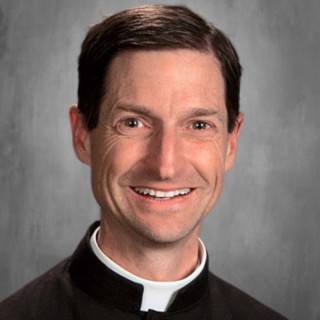
When we read the epistles of St. Paul, we are mainly reading letters written by an Apostle to former pagans. These were people who had grown up in the world of the Roman Empire. It was a world of great military power and of amazing engineering feats, but also one of great decadence.These people were not just used to leading immoral lives; leading such lives was a way of life. In other words, it was considered normal behavior to be immoral. By this, I mean getting drunk, committing fornication, seeking after riches, and so on.Then, this Jewish man named Paul came into their lives, explaining to them that God Himself came down upon this earth and that He taught what we are made for, He redeemed us from our sins, and He showed us how we must live our lives in order to get to Heaven.Many of these pagans converted and, when they did, they completely changed their lives. They stopped living as pagans in the Roman Empire and started living as Catholics.At the same time, they still had to struggle greatly against their old habits, particularly the habit of impurity. It is striking that, in today's epistle and in last Sunday's epistle, the Church wants us to read St. Paul exhorting these former pagans to fight against impurity.We are Catholics living 2,000 years later, we are in the middle of the penitential season of Lent, and the Church wants us to hear these words of the Apostle Paul to help us make that same fight against sins of the flesh that the first Catholics were doing.Today, I would like us to hear some words of these two epistles about impurity, to understand what they mean, and also to understand why it is so important to fight impurity.

Series: 2026 Theme - Evidence of the Spirits GuidanceService: Sun AM WorshipType: SermonSpeaker: Andy Cantrell
If the fistful that the kohen takes from the grain-offering becomes ritually impure, then the tzitz (the frontpiece) of the kohen gadol's garments will function to bring about the acceptance of the offering. Though the very fact of that working is puzzling. But why wouldn't the tzitz accept blemishes in an animal sacrifice? (among other key questions). Also, the question of intent comes into play - and the question of how the tzitz will incorporate those factors is considered seriously, by means of examples - including between shogeg and intentional, as well as an individual's offering and a communal offering. Plus, the concerns that lead to emending a rabbinic text, and the concerns of emending the text.

Read OnlineSuch was his intention when, behold, the angel of the Lord appeared to him in a dream and said, “Joseph, son of David, do not be afraid to take Mary your wife into your home. For it is through the Holy Spirit that this child has been conceived in her.” Matthew 1:20Joseph knew that the penalty for adultery was death by stoning. His heart must have been deeply conflicted. On one hand, the virtues of his betrothed wife, Mary, were abundantly clear. Mary radiated holiness. Impurity was foreign to her Immaculate Heart. Yet she was pregnant, and Joseph was not the father. What should he do?To protect Mary from public shame, Joseph decided to do what he believed was the most merciful thing—he “decided to divorce her quietly. Such was his intention…” Though little is known about Joseph, this Gospel passage identifies him as “a righteous man.” Many saints, popes, and Church documents highlight his unquestionable sanctity. He was not immaculate and free from sin as was his wife, but God the Father would have chosen a righteous and holy man to be the foster father of the Son of God.Joseph's actions reveal his deep faith. As he slept, “the angel of the Lord appeared to him in a dream and said, ‘Joseph, son of David, do not be afraid to take Mary your wife into your home. For it is through the Holy Spirit that this child has been conceived in her.'” The angel explained to him that Isaiah prophesied that the Messiah would be born of a virgin (see Isaiah 7:14) and that Joseph was to take Mary and her unborn Son into his home and care for them. When he awoke, he did as the angel commanded.Joseph's dream was no ordinary dream. The Holy Spirit accompanied the angel and instilled the certitude of faith in Joseph's mind, empowering his will to obey God's will. Joseph became the father and guardian of the Savior of the World. On December 8, 1847, Pope Pius IX declared Saint Joseph to be the Universal Patron and Protector of the Catholic Church. Just as he protected the Son of God, so he intercedes for us who are members of Christ's body, the Church.As our Advent season enters its final week, we are reminded of the role that Jesus' foster father played not only in the life of the Holy Family, but also about the role Saint Joseph continues to play in the life of the Church and in each one of our lives. His intercessory power from Heaven is great, and we should not hesitate to call upon his prayers, especially when we need protection, struggle with fear, or face some grave challenge.Reflect today on your personal devotion to Saint Joseph. Ponder, especially, his deep faith and obedience to the will of God as was communicated to him in a dream. Strive to imitate that obedience in your own life, never hesitating to undertake the mission God has given you. Turn to Saint Joseph in prayer and know that his powerful intercession will help protect you and win God's grace in the areas you need it the most. Saint Joseph, you were a holy and righteous man, entrusted with the guardianship of the Mother of God and the Son of God. You fulfilled your role faithfully and continue that role from Heaven, protecting all of God's children through your intercession. Please pray for me, that I will imitate your obedience and will be protected from all sin so as to fulfill the unique role God has given me. Saint Joseph, pray for me. Jesus, I trust in You.Image: Gerard Seghers, Public domain, via Wikimedia CommonsSource of content: catholic-daily-reflections.comCopyright © 2025 My Catholic Life! Inc. All rights reserved. Used with permission via RSS feed.
© 2020-2026 Ivy Podcast Discovery LLC


