
POPULARITY
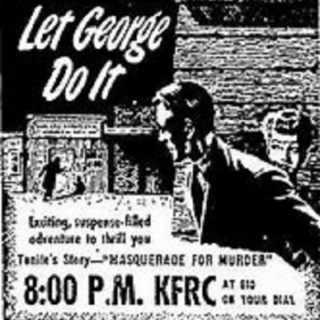
242 episodes with Let George do it

31 episodes with Let George do it

77 episodes with Let George do it

22 episodes with Let George do it

60 episodes with Let George do it

28 episodes with Let George do it

43 episodes with Let George do it

27 episodes with Let George do it

20 episodes with Let George do it

6 episodes with Let George do it

3 episodes with Let George do it

7 episodes with Let George do it

10 episodes with Let George do it

9 episodes with Let George do it

4 episodes with Let George do it

4 episodes with Let George do it

4 episodes with Let George do it

6 episodes with Let George do it
A merchant seaman on his first voyage walks out of a candlelit shop in Libya with a solid gold coin he can't pawn, sell, gamble away, or throw into the sea, and then a shipmate is found dead with the coin missing.Look for this podcast on Apple Podcasts, Spotify, iHeart Radio, Amazon Music, Pandora, TuneIn Radio, and other podcast apps. Get a list of free listening apps here: https://weirddarkness.tiny.us/OTRCHAPTERS & TIME STAMPS (All Times Approximate)…00:00:00.000 = Show Open00:01:30.028 = CBS Radio Mystery Theater, “Devil's Gold” (September 04, 1978) ***WD00:47:43.536 = Barrie Craig, “Death And The Purple Cow” (December 12, 1951) ***WD01:17:08.212 = BBC Radio 4/Radio 7 Ghost Story, “Midnight Express” (December 29, 1986)01:30:06.504 = Night Beat, ‘Death Of Riley” (May 15, 1952) ***WD02:00:25.506 = The Black Book/Man In Black, “The Price Of The Head” (February 02, 1952) ***WD02:15:10.251 = Let George Do It, “Graystone Ghost” (March 24, 1952) ***WD02:45:11.736 = Box 13, “Flash Of Light” (February 20, 1949) ***WD03:12:23.023 = Calling All Cars, “The Chloroform Murders” (March 14, 1934) ***WD03:41:44.552 = Casey Crime Photographer, “Grey Kitten” (February 06, 1947)04:11:11.997 = CBC Mystery Theater, “The Old Nurses Story” (1966-1968) ***WD04:39:49.689 = The Clock, “The Past Or The Present” (February 14, 1956)05:05:27.883 = Show Close(ADU) = Air Date Unknown(LQ) = Low Quality***WD = Remastered, edited, or cleaned up by Weird Darkness to make the episode more listenable. Audio may not be pristine, but it will be better than the original file which may have been unusable or more difficult to hear without editing.CUSTOM WEBPAGE: https://weirddarkness.com/WDRR0767
A gust of wind shuts John Greenwood out of his own Christmas Eve party, and the constable who finds him climbing back in through a broken window says the house has been empty and shut up for years.Look for this podcast on Apple Podcasts, Spotify, iHeart Radio, Amazon Music, Pandora, TuneIn Radio, and other podcast apps. Get a list of free listening apps here: https://weirddarkness.tiny.us/OTRCHAPTERS & TIME STAMPS (All Times Approximate)…00:00:00.000 = Show Open00:01:30.028 = CBS Radio Mystery Theater, “The Vanishing Point” (July 31, 1978) ***WD00:45:34.754 = BBC Radio 4 / Radio 7 Ghost Story, “The White Carnation” (December 16, 1990)01:43:08.351 = Night Beat, “Long Live The Clown” (May 08, 1952)02:11:42.011 = The Black Book, “Vagabond Murder” (March 02, 1952) ***WD02:26:11.875 = Let George Do It, “Ghosts On Bliss Terrace” (August 16, 1948) ***WD02:55:51.297 = Box 13, “Delinquent's Dilemma” (February 13, 1949) ***WD03:22:18.967 = Calling All Cars, “Killer Hudson” (February 28, 1934)03:50:46.096 = Casey Crime Photographer, “Surprising Corpse” (January 16, 1947)04:20:12.992 = CBC Mystery Theater, “The Monkey's Paw” (May 05, 1938) ***WD04:47:24.619 = Incredible But True, “Human Atmosphere” (1950-1951)04:51:16.534 = Strange Adventure, “Oasis of Death” (1945)04:54:29.772 = Tales of the Frightened, “Don't Lose Your Head” (December 17, 1957)04:59:00.479 = Show Close(ADU) = Air Date Unknown(LQ) = Low Quality***WD = Remastered, edited, or cleaned up by Weird Darkness to make the episode more listenable. Audio may not be pristine, but it will be better than the original file which may have been unusable or more difficult to hear without editing.CUSTOM WEBPAGE: https://weirddarkness.com/WDRR0758
Crime on a ThursdayFirst, a look at the events of the day.Then, Boston Blackie starring Dick Kollmar, originally broadcast August 13, 1946, 80 years ago, The Diamond Smuggler. Momma and Poppa Adams are in reality diamond smugglers and perhaps poisoners.Followed by Dangerous Assignment starring Brian Donlevy, originally broadcast August 13, 1949, 77 years ago, Alien Smuggling Ring. Steve's friend and fellow agent Allen Prescott is found hanging in a bell tower in a Portuguese fishing village. Steve is out to break up an alien smuggling racket. Then, Let George Do It starring Bob Bailey, originally broadcast August 13, 1951, 75 years ago, The Fearless Clown. Fofo, The Fearless Clown, has been killed by an elephant. However, the beautiful Relita (the girl, not the elephant) has confessed to the crime...before it happened!Followed by Calling All Cars, originally broadcast August 13, 1936, 90 years ago, The Missing Messenger. A suspicious person has been spotted near Pasadena Avenue and Avenue Forty-Two. An ideal officer solves a brutal crime.Finally, Claudia, originally broadcast August 13, 1948, 78 years ago, Lotte from the Bronx Recognizes the Farmer's Wife Within Claudia. Kathryn Bard and Paul Crabtree star.Thanks to Debbie B. for supporting our podcast by using the Buy Me a Coffee function at http://classicradio.streamIf you like what we do here, visit our friend Jay at http://radio.macinmind.com for great old-time radio shows 24 hours a day
This week on Case Closed, our first story is The Misplaced Laundry Case, from Richard Diamond Private Detective. That episode aired September 6, 1950. (29:55) Then, Let George Do It brings us, Drop Dead. That story aired July 22, 1951. https://traffic.libsyn.com/forcedn/e55e1c7a-e213-4a20-8701-21862bdf1f8a/CaseClosed1011.mp3 Download CaseClosed1011 | Subscribe | Spotify | Support Case Closed
Drama on a ThursdayFirst, a look at the events of the day.Then, Mr. President starring Edward Arnold, originally broadcast July 16, 1950, 76 years ago, Fairly Out, Fairly In. The President is torn about whether to dismiss members of the former president's cabinet, thinking they're working against him. Meanwhile, opposition to a new tax has people up in arms. Followed by Suspense, originally broadcast July 16, 1961, 65 years ago, The Man Who Knew How to Hate starring Joan Lorring and Leon Janney. Two commuters, one of them her husband, strike up a casual acquaintance aboard a train. The relationship of the two men grows less casual and more problematic when the other man finds the wife extremely attractive. Then, Let George Do It, starring Bob Bailey, originally broadcast July 16, 1951, 75 years ago, What Became of Terry Cable? When Mr. Cable's watch is located in a pawn shown, there's no sign of Mr. Cable. George's investigation leads to several warehouse fires. Maybe he could get Johnny Dollar to help?Followed by I Was a Communist for the FBI starring Dana Andrews, originally broadcast July 16, 1952, 74 years ago, Rich Man, Poor Man. The Party plans to bring down a wealthy magazine publisher and take over his publications. Finally, Claudia, originally broadcast July 16, 1948, 78 years ago, That First 2:00 AM Feeding. Kathryn Bard and Paul Crabtree star.Thanks to Debbie B. for supporting our podcast by using the Buy Me a Coffee function at http://classicradio.streamIf you like what we do here, visit our friend Jay at http://radio.macinmind.com for great old-time radio shows 24 hours a day
We wrap up our month of actors who played multiple detectives on the air with Bob Bailey. Bailey played wisecracking gumshoe George Valentine on Let George Do It before he stepped in as Johnny Dollar and made the role of "America's fabulous freelance insurance investigator" his own. We'll hear him as George in "Come and Get Me" (originally aired on Mutual on May 16, 1949) and "The Silent Waterfall" (originally aired on Mutual on January 9, 1950). Then, he's Johnny Dollar in the five part mystery "The Shady Lane Matter" (originally aired on CBS between July 9 and July 13, 1956).
Drama on a ThursdayFirst, a look at this day in History.Then, Jeff Regan Investigator starring Frank Graham with Frank Nelson, originally broadcast June 25, 1950, 76 years ago, No Sad Clowns For Me. A circus story. Mr. Crackly wants to find a man named Bliss. Followed by Suspense, originally broadcast June 25, 1961, 65 years ago, Call Me at Half Past starring Elspeth Eric and Bernie Grant. A man is trapped in a hotel room by his insane wife, who is determined to kill him.Then, Let George Do It starring Bob Bailey, originally broadcast June 25, 1951, 75 years ago, The Man From Jaune Cache. Amnesia, man overboard and a prodigal brother-in-law arriving from South America. Let George do this one!Followed by I Was a Communist for the FBI starring Dana Andrews, originally broadcast June 25, 1952, 74 years ago, A Riot Made to Order. Cvetic uses a sprinkler system to foil the plans of the Party to cause a riot and create sympathy for the Communists.Finally, Claudia, originally broadcast June 25, 1948, 78 years ago, The Mayor Discusses a New School. A meeting with Mayor Reynolds. Kathryn Bard and Paul Crabtree star.Thanks to Bill B for supporting our podcast by using the Buy Me a Coffee function at http://classicradio.streamFind the Family Fallout Shelter Booklet Here: https://www.survivorlibrary.com/library/the_family_fallout_shelter_1959.pdfhttps://wardomatic.blogspot.com/2006/11/fallout-shelter-handbook-1962.html
Let George Do It begins this week's Case Closed with The Marauder, his story from February 12, 1951. (26:45) We close with The Adventures Of Philip Marlowe and his story from September 1, 1950, The Soft Spot. https://traffic.libsyn.com/forcedn/e55e1c7a-e213-4a20-8701-21862bdf1f8a/CaseClosed1004.mp3 Download CaseClosed1004 | Subscribe | Spotify | Support Case Closed Your donation of any amount keeps Case Closed coming every week. [...]
Let George Do It || (055) Forty-Two on a Rope || October 3, 1947A beautiful girl and her beautiful pearls gets George Valentine down into a sewer and up a tree + George's curiosity following his strange encounter with a mysterious girl and a broken string of pearls lands him in a tight spot.: : : : :You can donate to show your support for my podcast and the time I put into creating and posting every week. Donations are through my duane.media PayPal account:https://www.paypal.com/donate/?hosted_button_id=MSL7S8FKCSL94Enjoying my podcast? You can subscribe to receive new post notices.Thank you for your support.https://otr.duane.media | Instagram @duane.otr@duaneOldTimeRadio #duaneOldTimeRadio#mysteryclassics #oldtimeradio #otr #mysteryradio #radioclassics #rodserling #agathachristie #thewhistler #mystery #suspense #oldtimeradioclassics #classicradio #crimeclassics #duaneotr:: :
Drama on a Sunday First, a look at the events of the day.Then, Screen Directors Playhouse, originally broadcast May 31, 1951, 75 years ago, Beyond Glory starring Alan Ladd. An adaptation of the 1948 drama, which also starred Ladd. A former soldier thinks he may have caused the death of his commanding officer in Tunisia. After visiting the officer's widow, they fall in love, and she encourages him to attend the United States Military Academy at West Point.Followed by Dragnet starring Jack Webb, originally broadcast May 31, 1951, 75 years ago, the Big Bindle. Sergeant Friday pretends that he's from Phoenix. He goes undercover to crack a narcotics ring operating out of one of the nicest hotels in Los Angeles. Then, Let George Do It, starring Bob Bailey, originally broadcast May 31, 1948, 78 years ago, The Island in the Lake. George visits the Shelby Friendship Club for a clue to the missing Mrs. Angela Phillistin, a lady with a past from exclusive Tuxedo Lake.Finally, Claudia, originally broadcast May 31, 1948, 78 years ago, Lunch with Victoria Manners. Kathryn Bard and Paul Crabtree star.Thanks to Debbie B. for supporting our podcast by using the Buy Me a Coffee function at http://classicradio.streamCheck out Professor Bees Digestive Aid at profbees.com and use my promo code WYATT to save 10% when you order! If you like what we do here, visit our friend Jay at http://radio.macinmind.com for great old-time radio shows 24 hours a day
Crime on a ThursdayFirst, a look at this day in History.Then, Let George Do It starring Bob Bailey and Virginia Gregg, originally broadcast April 30, 1951, 75 years ago, The Discovery of Ponce the Lion. Ponce is back in town and planning to kill all those who testified against him. Followed by I Was a Communist for the FBI starring Dana Andrews, originally broadcast April 30, 1953, 73 years ago, I Can't Sleep. The Party assigns a room-mate to Cvetic with a tape-recorder when it finds out he's been talking in his sleep. Then, Calling All Cars, originally broadcast April 30, 1935, 91 years ago, The Corpse In The Cellar. A body has been found buried in the basement of a house, wearing a gold ring and wearing a silver belt buckle.Followed by The Whistler, originally broadcast April 30, 1945, 81 years ago, The Master's Tree. Miss Alice returns home after searching for Mr. Phillips for five years. He disappeared off the face of the earth. There are strange things about that tree in the garden. Finally, Claudia, originally broadcast April 30, 1948, 78 years ago, The Happy Woman. David is waiting for dinner; Claudia and Mama are working in the kitchen. Kathryn Bard and Paul Crabtree star. Thanks to Bill B for supporting our podcast by using the Buy Me a Coffee function at http://classicradio.streamCheck out Professor Bees Digestive Aid at profbees.com and use my promo code WYATT to save 10% when you order!
Crime on a ThursdayFirst, a look at this day in History.Then, Boston Blackie starring Dick Kollmar, originally broadcast April 16, 1946, 80 years ago, The Baseball Player Murder. Murder takes place at the baseball game. Clem McCarthy is heard as the announcer broadcasting the game.Followed by Let George Do It starring Bob Bailey and Virginia Gregg, originally broadcast April 16, 1951, 75 years ago, The Noose Hangs High. The Binks brothers are two recluses who start seeing the shadow of a noose! It's all a matter of emeralds! Then, Calling All Cars, originally broadcast April 16, 1935, 91 years ago, The Midnight Phantom. A burglar has been discovered on Hollywood Boulevard. Followed by The Whistler, originally broadcast April 16, 1950, 76 years ago, Murder in Mind. A couple trying to kill a woman is only temporarily foiled by a bodyguard. Blackmail and murder follow. Finally, Claudia, originally broadcast April 16, 1948, 78 years ago, Driving to the New House. En route to the new house. Kathryn Bard and Paul Crabtree star. Thanks to Bill B for supporting our podcast by using the Buy Me a Coffee function at http://classicradio.streamCheck out Professor Bees Digestive Aid at profbees.com and use my promo code WYATT to save 10% when you order! Find the Family Fallout Shelter Booklet Here: https://www.survivorlibrary.com/library/the_family_fallout_shelter_1959.pdfhttps://wardomatic.blogspot.com/2006/11/fallout-shelter-handbook-1962.html
Drama on a ThursdayFirst, a look at this day in History.Then, Let George Do It starring Bob Bailey and Virginia Gregg, originally broadcast April 2, 1951, 75 years ago, The Eight Ball. The mayor and two other respected citizens of Summer Springs has called for George Valentine. George is offered $1000 to not take the case, then finds a dead body named George Valentine has already arrived!Followed by Mr. President starring Edward Arnold, originally broadcast April 2, 1951, 75 years ago, There's Hay in the Barn. He wanted to be Chief Justice. His predecessor wanted him to be his successor. Then, Nick Carter Master Detective starring Lon Clark, originally broadcast April 2, 1946, 80 years ago, Eight Records of Death. A man finds phonograph records in an abandoned trunk that lead Nick Carter to investigate a possible murder.Followed by The New Adventures of Sherlock Holmes starring Basil Rathbone and Nigel Bruce, originally broadcast April 2, 1945, 81 years ago, The Amateur Mendicant Society. A group of "wealthy eccentrics" who enjoy dressing as beggars, hires Sherlock Holmes to solve the murder of one of the members. As a time bomb ticks, Holmes learns of a plot against the Prime Minister! Finally, Claudia, originally broadcast April 2, 1948, 78 years ago, Finding the Stateroom. Claudia at sea! Kathryn Bard and Paul Crabtree star.Thanks to Richard G for supporting our podcast by using the Buy Me a Coffee function at http://classicradio.streamCheck out Professor Bees Digestive Aid at profbees.com and use my promo code WYATT to save 10% when you order! Find the Family Fallout Shelter Booklet Here: https://www.survivorlibrary.com/library/the_family_fallout_shelter_1959.pdfhttps://wardomatic.blogspot.com/2006/11/fallout-shelter-handbook-1962.html
This week on Case Closed, Let George Do It starts us off with The Brothers Macintosh, from April 3, 1950. (30:15) This Is Your FBI follows with The Skid Row Shakedown, its story from January 14, 1949. https://traffic.libsyn.com/forcedn/e55e1c7a-e213-4a20-8701-21862bdf1f8a/CaseClosed994.mp3 Download CaseClosed994 | Subscribe | Spotify | Support Case Closed Your donation of any amount keeps Case Closed coming every week. [...]
“A Stranger Among Us”: A chance encounter at a church social leads a widowed mother down a rabbit hole of missing time, stolen cars, and hypnotic revelations — and what she remembers from that lost night is only the beginning. | #RetroRadio #WeirdDarkness | EP0615CHAPTERS & TIME STAMPS (All Times Approximate)…00:00:00.000 = Show Open00:01:30.028 = CBS Radio Mystery Theater, “A Stranger Among Us” (July 07, 1977)00:45:48.546 = House of Mystery, “Gift From The Dead” (August 03, 1947) ***WD01:15:31.351 = Incredible But True, “Silent As a Tomb” (1949)01:19:00.383 = Inner Sanctum, “The Strange Cat” (July 26, 1942) (Low Quality At End)01:39:58.996 = The Key, “Woman Murdered” (1950s) ***WD02:04:41.421 = Lights Out, “Lord Marley's Ghost” (July 14, 1937)02:34:22.869 = Lux Radio Theater, “The Canterville Ghost” (June 18, 1945)03:33:32.909 = Macabre, “Man In The Mirror” (November 27, 1961) ***WD04:02:35.329 = Philip Marlowe, “Kid On The Corner” (December 03, 1949)04:31:51.019 = Let George Do It, “Ghost of Ireland Betty” (September 27, 1954) ***WD (LQ)05:03:13.611 = Show Close(ADU) = Air Date Unknown(LQ) = Low Quality***WD = Remastered, edited, or cleaned up by Weird Darkness to make the episode more listenable. Audio may not be pristine, but it will be better than the original file which may have been unusable or more difficult to hear without editing.ABOUT WEIRD DARKNESS: Weird Darkness is a true crime and paranormal podcast narrated by professional award-winning voice actor, Darren Marlar. Seven days per week, Weird Darkness focuses on all thing strange and macabre such as haunted locations, unsolved mysteries, true ghost stories, supernatural manifestations, urban legends, unsolved or cold case murders, conspiracy theories, and more. On Thursdays, this scary stories podcast features horror fiction along with the occasional creepypasta. Weird Darkness has been named one of the “Best 20 Storytellers in Podcasting” by Podcast Business Journal. Listeners have described the show as a cross between “Coast to Coast” with Art Bell, “The Twilight Zone” with Rod Serling, “Unsolved Mysteries” with Robert Stack, and “In Search Of” with Leonard Nimoy."I have come into the world as a light, so that no one who believes in me should stay in darkness." — John 12:46WeirdDarkness® is a registered trademark. Copyright ©2026, Weird Darkness.CUSTOM WEBPAGE: https://weirddarkness.com/WDRR0615
A newlywed couple's honeymoon takes a terrifying turn when Roger agrees to be hypnotized and buried alive for $500 — only to discover the carnival showman who put him there is actually an escaped homicidal maniac with no intention of digging him up. | #RetroRadio #WeirdDarkness | EP0598CHAPTERS & TIME STAMPS (All Times Approximate)…00:00:00.000 = Show Open00:01:30.028 = CBS Radio Mystery Theater, “The Blood Red Wine” (June 06, 1977)00:46:18.820 = Macabre, “Final Resting Place” (November 13, 1961) ***WD01:13:50.475 = Philip Marlowe, “Fine Italian Hand” (November 05, 1949)01:43:15.804 = Let George Do It, “Graystone Ghost” (March 24, 1952)02:13:14.277 = The Black Mass, “Diary of a Madman” (December 16, 1964) ***WD02:52:32.936 = Beyond Midnight, “Don't Joke In a Morgue” (1968-1970) ***WD03:20:58.240 = MindWebs, “The End” (March 05, 1983)03:47:19.490 = Starlight Theater, “Man Hires Hit Man To Kill Him” (ADU) ***WD04:14:59.546 = Mystery In The Air, “The Marvelous Barastro” (August 07, 1947)04:44:15.424 = Show Close(ADU) = Air Date Unknown(LQ) = Low Quality***WD = Remastered, edited, or cleaned up by Weird Darkness to make the episode more listenable. Audio may not be pristine, but it will be better than the original file which may have been unusable or more difficult to hear without editing.Weird Darkness theme by Alibi Music LibraryABOUT WEIRD DARKNESS: Weird Darkness is a true crime and paranormal podcast narrated by professional award-winning voice actor, Darren Marlar. Seven days per week, Weird Darkness focuses on all thing strange and macabre such as haunted locations, unsolved mysteries, true ghost stories, supernatural manifestations, urban legends, unsolved or cold case murders, conspiracy theories, and more. On Thursdays, this scary stories podcast features horror fiction along with the occasional creepypasta. Weird Darkness has been named one of the “Best 20 Storytellers in Podcasting” by Podcast Business Journal. Listeners have described the show as a cross between “Coast to Coast” with Art Bell, “The Twilight Zone” with Rod Serling, “Unsolved Mysteries” with Robert Stack, and “In Search Of” with Leonard Nimoy.= = = = ="I have come into the world as a light, so that no one who believes in me should stay in darkness." — John 12:46= = = = =WeirdDarkness® is a registered trademark. Copyright ©2025, Weird Darkness.= = = = =CUSTOM WEBPAGE: https://weirddarkness.com/WDRR0598
A year after her controlling husband's death, a terrified widow watches priceless jewels appear one by one on her dressing table — gifts, she believes, from beyond the grave. | House of Mystery, “Gift From The Dead” | #RetroRadio EP0582CHAPTERS & TIME STAMPS (All Times Approximate)…00:00:00.000 = Show Open00:01:30.028 = CBS Radio Mystery Theater, “The Book of Abaca” (April 19, 1977) ***WD00:46:15.185 = House of Mystery, “Gift From The Dead” (August 03, 1947) ***WD01:15:57.990 = Incredible But True, “The Phantom Army” (1950-1951)01:19:37.419 = Inner Sanctum, “Hell Is Where You Find It” (October 19, 1941)01:44:51.363 = The Key, “What Happens When You Die” (1956) ***WD (LQ)02:09:08.058 = Lights Out, “The Story of Mr. Maggs” (December 01, 1942) ***WD (LQ)02:35:41.620 = Lux Radio Theater, “Strangers On A Train” (December 03, 1951)03:30:29.515 = Philip Marlowe, “Green Witch” (October 29, 1949) ***WD (LQ)03:58:39.598 = Let George Do It, “Voice of the Giant” (July 31, 1950) ***WD04:28:22.011 = Black Mass, “Jolly Corner” (November 28, 1966) ***WD05:06:43.881 = Show Close(ADU) = Air Date Unknown(LQ) = Low Quality***WD = Remastered, edited, or cleaned up by Weird Darkness to make the episode more listenable. Audio may not be pristine, but it will be better than the original file which may have been unusable or more difficult to hear without editing.Weird Darkness theme by Alibi Music LibraryABOUT WEIRD DARKNESS: Weird Darkness is a true crime and paranormal podcast narrated by professional award-winning voice actor, Darren Marlar. Seven days per week, Weird Darkness focuses on all thing strange and macabre such as haunted locations, unsolved mysteries, true ghost stories, supernatural manifestations, urban legends, unsolved or cold case murders, conspiracy theories, and more. On Thursdays, this scary stories podcast features horror fiction along with the occasional creepypasta. Weird Darkness has been named one of the “Best 20 Storytellers in Podcasting” by Podcast Business Journal. Listeners have described the show as a cross between “Coast to Coast” with Art Bell, “The Twilight Zone” with Rod Serling, “Unsolved Mysteries” with Robert Stack, and “In Search Of” with Leonard Nimoy.= = = = ="I have come into the world as a light, so that no one who believes in me should stay in darkness." — John 12:46= = = = =WeirdDarkness® is a registered trademark. Copyright ©2025, Weird Darkness.= = = = =#ParanormalRadio #ScienceFiction #OldTimeRadio #OTR #OTRHorror #ClassicRadioShows #HorrorRadioShows #VintageRadioDramas #WeirdDarknessCUSTOM WEBPAGE: https://weirddarkness.com/WDRR0582
After a week of dealing with a thick coating of ice all over everything, I've got winter weather on the brain. So today, we have three old time radio mysteries where our sleuths have to solve their crimes in the snow. First, Bob Bailey hits the slopes to prevent a murder in "Snow Blind" from Let George Do It (originally aired on Mutual on December 26, 1949). Then, William Gargan suspects a fatal slip on the ice wasn't an accident in "The Girl on the Doorstep" from Barrie Craig, Confidential Investigator (originally aired on NBC on February 16, 1953). Finally, John Lund is "the man with the action-packed expense account" in a snowbound mystery in the Windy City - "The Classified Killer Matter" from Yours Truly, Johnny Dollar (AFRS rebroadcast from February 23, 1954).
Crime on a ThursdayFirst, a look at the events of the day.Then, Casey Crime Photographer starring Staats Cotsworth, originally broadcast January 15, 1948, 78 years ago, The Miracle. A quack doctor claims to be able to cure a millionaire's incurable disease, and indeed, he does perform a miracle!Followed by Let George Do It starring Bob Bailey and Virginia Gregg, originally broadcast January 15, 1951, 75 years ago, Tune on a Triangle. George Valentine is tricked into rescuing a woman on a building ledge...as a publicity stunt. She's a trapeze artist...and there's an insane strongman who has George's gun. Then, Nick Carter Master Detective starring Lon Clark, originally broadcast January 15, 1944, 82 years ago, Nine Hours to Live. A condemned man is scheduled to die in nine hours, but a last-minute mystery raises doubts about whether he is guilty of the crime.Followed by The Whistler, originally broadcast January 15, 1945, 81 years ago, Murder Has a Signature. The servant of a miserly woman who is living otherwise alone revolts and kills her mistress. A distant relative and his money-mad wife try their hand at murder, with predictable results.Finally, Claudia, originally broadcast January 15, 1948, 78 years ago, Today's Upcoming Trip. Off to see the farm. Kathryn Bard and Paul Crabtree star.Thanks to Debbie B. for supporting our podcast by using the Buy Me a Coffee function at http://classicradio.streamCheck out Professor Bees Digestive Aid at profbees.com and use my promo code WYATT to save 10% when you order! If you like what we do here, visit our friend Jay at http://radio.macinmind.com for great old-time radio shows 24 hours a day
When a powerful publisher murders his mistress, he orders his best editor to hunt down the mystery man seen with her that night — not realizing he's just asked the man to lead the investigation against himself. | “The Big Clock” from Lux Radio Theater | #RetroRadio EP0573CHAPTERS & TIME STAMPS (All Times Approximate)…00:00:00.000 = Show Open00:01:30.028 = CBS Radio Mystery Theater, “A Study In Scarlet” (March 25, 1977) ***WD00:45:44.171 = Lux Radio Theater, “The Big Clock” (November 22, 1948)01:45:06.383 = Philip Marlowe, “Strangle Hold” (October 15, 1949) ***WD02:15:09.198 = Let George Do It, “Ghost On Bliss Terrace” (August 16, 1948) ***WD02:44:50.288 = The Black Mass, “An Evening's Entertainment” (October 31, 1964)03:15:53.968 = Beyond Midnight, “Cassius Touch” (December 15, 1948) ***WD04:09:26.043 = Mindwebs, “The Bible After the Apocalypse” (mid 1970s)04:38:33.642 = Somebody Knows, “The Unsolved Murder of Samuel I. Paris” (August 10, 1950)05:07:20.952 = Show Close(ADU) = Air Date Unknown(LQ) = Low Quality***WD = Remastered, edited, or cleaned up by Weird Darkness to make the episode more listenable. Audio may not be pristine, but it will be better than the original file which may have been unusable or more difficult to hear without editing.Weird Darkness theme by Alibi Music LibraryABOUT WEIRD DARKNESS: Weird Darkness is a true crime and paranormal podcast narrated by professional award-winning voice actor, Darren Marlar. Seven days per week, Weird Darkness focuses on all thing strange and macabre such as haunted locations, unsolved mysteries, true ghost stories, supernatural manifestations, urban legends, unsolved or cold case murders, conspiracy theories, and more. On Thursdays, this scary stories podcast features horror fiction along with the occasional creepypasta. Weird Darkness has been named one of the “Best 20 Storytellers in Podcasting” by Podcast Business Journal. Listeners have described the show as a cross between “Coast to Coast” with Art Bell, “The Twilight Zone” with Rod Serling, “Unsolved Mysteries” with Robert Stack, and “In Search Of” with Leonard Nimoy.= = = = ="I have come into the world as a light, so that no one who believes in me should stay in darkness." — John 12:46= = = = =WeirdDarkness® is a registered trademark. Copyright ©2025, Weird Darkness.= = = = =#ParanormalRadio #ScienceFiction #OldTimeRadio #OTR #OTRHorror #ClassicRadioShows #HorrorRadioShows #VintageRadioDramas #WeirdDarknessCUSTOM WEBPAGE: https://weirddarkness.com/WDRR0573
Let George Do It | (009) Snookums || (011) The Investment | November 15, 1946; November 29, 1946: : : : :My other podcast channels include: DRAMA X THEATER -- SCI FI x HORROR -- COMEDY x FUNNY HA HA -- VARIETY X ARMED FORCES -- THE COMPLETE ORSON WELLESEnjoying my podcast? You can subscribe to receive new post notices. Also, if you have a moment, please give a 4-5 star rating and/or write a 1-2 sentence positive review on your preferred service -- that would help me a lot.Thank you for your support.https://otr.duane.media | Instagram @duane.otr@duaneOldTimeRadio #duaneOldTimeRadio#mysteryclassics #oldtimeradio #otr #mysteryradio #radioclassics #rodserling #agathachristie #thewhistler #mystery #suspense #oldtimeradioclassics #classicradio #crimeclassics #duaneotr:::: :
This week on Case Closed, we begin with The Case Of Francesca Nicholson, from WHItehall-1212. That story aired April 27, 1952. (29:53) Then, Let George Do It brings us The Floaters, from January 23, 1950. https://traffic.libsyn.com/forcedn/e55e1c7a-e213-4a20-8701-21862bdf1f8a/CaseClosed979.mp3 Download CaseClosed979 | Subscribe | Spotify | Support Case Closed Your donation of any amount keeps Case Closed coming every week. Visit Donate.RelicRadio.com if you'd [...]
“Jobo” — a big-boned, simple-minded man from Texas – bears a striking resemblance to the mysterious stone figures of Easter Island. When an archaeologist (and later his daughter) catch wind of this uncanny likeness, each sets off on their own journey to uncover what it might mean. Along the way they encounter strange and compelling clues — including shiny silver medallions — that hint at an astonishing connection between Jobo and the ancient gods of that remote Pacific island. | #RetroRadio EP0569CHAPTERS & TIME STAMPS (All Times Approximate)…00:00:00.000 = Show Open00:01:30.028 = CBS Radio Mystery Theater, “Jobo” (March 17, 1977) ***WD00:45:35.995 = The Whistler, “Death Sees Double” (November 20, 1944)01:15:02.317 = Witch's Tale, “The Spirits of the Lake” (January 07, 1936) ***WD01:43:53.184 = X Minus 1, “Student Body” (July 31, 1956)02:11:46.867 = ABC Mystery Time, “Death By Proxy” (June 07, 1956) ***WD02:35:47.833 = Strange Adventure, “The Man From Montmerte” (1945) ***WD02:39:01.667 = Appointment With Fear, “Pit And The Pendulum” (September 18, 1943) ***WD03:06:09.100 = BBC Radio 7 Ghost Stories, “Crewe” (December 2010)03:34:42.568 = Beyond The Green Door, “Matador's Brother Killed” (1966)03:38:21.334 = The Black Book, “On Schedule” (February 17, 1952) ***WD03:52:50.502 = Let George Do It, “Graystone Ghost” (March 24, 1952) ***WD04:22:51.987 = Box 13, “Extra Extra” (September 19, 1948)04:49:27.311 = Show Close(ADU) = Air Date Unknown(LQ) = Low Quality***WD = Remastered, edited, or cleaned up by Weird Darkness to make the episode more listenable. Audio may not be pristine, but it will be better than the original file which may have been unusable or more difficult to hear without editing.Weird Darkness theme by Alibi Music LibraryABOUT WEIRD DARKNESS: Weird Darkness is a true crime and paranormal podcast narrated by professional award-winning voice actor, Darren Marlar. Seven days per week, Weird Darkness focuses on all thing strange and macabre such as haunted locations, unsolved mysteries, true ghost stories, supernatural manifestations, urban legends, unsolved or cold case murders, conspiracy theories, and more. On Thursdays, this scary stories podcast features horror fiction along with the occasional creepypasta. Weird Darkness has been named one of the “Best 20 Storytellers in Podcasting” by Podcast Business Journal. Listeners have described the show as a cross between “Coast to Coast” with Art Bell, “The Twilight Zone” with Rod Serling, “Unsolved Mysteries” with Robert Stack, and “In Search Of” with Leonard Nimoy.= = = = ="I have come into the world as a light, so that no one who believes in me should stay in darkness." — John 12:46= = = = =WeirdDarkness® is a registered trademark. Copyright ©2025, Weird Darkness.= = = = =#ParanormalRadio #ScienceFiction #OldTimeRadio #OTR #OTRHorror #ClassicRadioShows #HorrorRadioShows #VintageRadioDramas #WeirdDarknessCUSTOM WEBPAGE: https://weirddarkness.com/WDRR0569
Let George Do It 51-12-25 Christmas Letter
Let George Do It 50-12-25 Santa Claus on Glass
This week on Tuesday Night Detectives: Celebrate the season with two classic holiday mysteries from radio's golden age. First, Big Town delivers a heartfelt Christmas tale in "Prelude to Christmas" (1948) where a simple assignment leads to an unexpected act of compassion. Then, George Valentine takes on a puzzling holiday case in Let George Do It with "Christmas Letter" (1952). Cozy up for intrigue, nostalgia, and a touch of Christmas magic on Vintage Classic Radio.
“Last Judgement” – A dying man's nightmares reveal a horrifying secret—one his daughter-in-law knows all too well, because he destroyed her family. | #RetroRadio EP0561CHAPTERS & TIME STAMPS (All Times Approximate)…00:00:00.000 = Show Open00:01:30.028 = CBS Radio Mystery Theater, “Last Judgement” (February 24, 1977)00:45:46.928 = ABC Mystery Time, “Sherlock Speckled Band” (May 01, 1956) ***WD01:11:37.777 = Strange Adventure, “Skeleton Gold” (1945)01:14:54.767 = BBC Radio 4, “All Hallows” (May 12, 2020)01:43:30.438 = Beyond The Green Door, “Eye Thief-Letters” (1966)01:46:29.289 = The Black Book, “Different Readings, Part 1” (Audition) ***WD02:03:16.586 = The Black Book, “Different Readings, Part 2” (Audition) ***WD02:11:38.451 = Let George Do It, “Ghost on Bliss Terrace” (August 16, 1948) ***WD02:41:17.873 = Box 13, “Actor's Alibi” (September 12, 1948) 03:07:36.035 = CBC Mystery Theater, “Signal Man” (1968) ***WD03:36:54.385 = Chet Chetter's Tales From The Morgue, “The Bitter Pill” (1992)04:06:31.678 = The Clock, “Bad Dreams” (April 25, 1948)04:34:28.451 = Creeps By Night, “Six Who Did Not Die” (July 11, 1944) ***WD05:02:02.410 = Show Close(ADU) = Air Date Unknown(LQ) = Low Quality***WD = Remastered, edited, or cleaned up by Weird Darkness to make the episode more listenable. Audio may not be pristine, but it will be better than the original file which may have been unusable or more difficult to hear without editing.Weird Darkness theme by Alibi Music LibraryABOUT WEIRD DARKNESS: Weird Darkness is a true crime and paranormal podcast narrated by professional award-winning voice actor, Darren Marlar. Seven days per week, Weird Darkness focuses on all thing strange and macabre such as haunted locations, unsolved mysteries, true ghost stories, supernatural manifestations, urban legends, unsolved or cold case murders, conspiracy theories, and more. On Thursdays, this scary stories podcast features horror fiction along with the occasional creepypasta. Weird Darkness has been named one of the “Best 20 Storytellers in Podcasting” by Podcast Business Journal. Listeners have described the show as a cross between “Coast to Coast” with Art Bell, “The Twilight Zone” with Rod Serling, “Unsolved Mysteries” with Robert Stack, and “In Search Of” with Leonard Nimoy.= = = = ="I have come into the world as a light, so that no one who believes in me should stay in darkness." — John 12:46= = = = =WeirdDarkness® is a registered trademark. Copyright ©2025, Weird Darkness.= = = = =#ParanormalRadio #ScienceFiction #OldTimeRadio #OTR #OTRHorror #ClassicRadioShows #HorrorRadioShows #VintageRadioDramas #WeirdDarknessCUSTOM WEBPAGE: https://weirddarkness.com/WDRR0561
Happy Thanksgiving! As we head into what I hope is a fun and restful weekend for everyone, here's an encore of our annual Turkey Day special - a five-course meal of radio mysteries set around the holiday. Casey, Crime Photographer stars in a pair of stories: "After Turkey, the Bill" (originally aired on CBS on November 27, 1947), and "Holiday" (originally aired on CBS on November 25, 1948). As Jeff Regan, Jack Webb meets modern-day Miles Standish and finds a turkey shoot where it isn't a bird who catches the bullet in "The Pilgrim's Progress" from Jeff Regan, Investigator (originally aired on CBS on November 13, 1948). George Valentine comes to the aid of a boy in trouble in "Cause for Thanksgiving" from Let George Do It (originally aired on Mutual on November 20, 1950), and Steve Dunne stars as Sam Spade, who's hired by a Tom Turkey in "The Terrified Turkey Caper" (originally aired on NBC on November 24, 1950). Plus, keep an ear out for some music and comedy for the holiday from some old time radio favorites!

The OTRNow Radio Program- Thanksgiving-01Tarzan. November 29, 1951. Mutual-Don Lee net origination, Commodore syndication. "African Thanksgiving". Commercials added locally. A beautiful French girl starts a battle of wills between Sheik Hazara and Tarzan. CBS rebroadcast date: November 22, 1952. Lamont Johnson, Walter White Jr. (producer), Bud Lesser (writer), Albert Glaser (original music) The Lucky Strike Program Starring Jack Benny. November 30, 1947. NBC net. Lucky Strike. Phil Harris and The Sportsmen do a clever singing commercial to the tune of, "That's What I Like About The South." Jack dreams that he's being tried for murder for killing a Thanksgiving turkey. Fred Allen (imitated by Ollie O'Toole) appears as a turkey during the trial! A great show!. Artie Auerbach, Basil Ruysdael (commercial spokesman), Dennis Day, Don Wilson, Frank Nelson, Jack Benny, L. A. Speed Riggs (tobacco auctioneer), Mary Livingstone, Mel Blanc (quadruples, one part is a turkey), Phil Harris, Eddie Anderson, The Sportsmen, F. E. Boone (tobacco auctioneer), Bea Benaderet, John Laing (commercial spokesman), Ollie O'Toole, George Balzer (writer), John Tackaberry (writer), Milt Josefsberg (writer), Sam Perrin (writer), Mahlon Merrick (conductor). Doctor Christian. November 22, 1939. CBS net. "Prelude To Thanksgiving". Vaseline. Jean Hersholt, Art Gilmore (announcer), Rosemary De Camp.Speech Winston Churchill 1944-11-23 American Thanksgiving Vic and Sade. November 20, 1941. Red net. Crisco. Nicer Scott has been telling everyone that Rush Gook eats with a baby's knife and fork. Rush is humiliated and angry. Stuff happens! The organ themes, bridges and system cue have been deleted. Paul Rhymer (writer), Art Van Harvey, Bernardine Flynn, Billy Idelson, Ed Herlihy (announcer).Let George Do It. November 20, 1950. Mutual-Don Lee net. "Cause For Thanksgiving". Standard Oil. A Thanksgiving story about a tough ten-year-old boy who refuses to talk. Is it psychic shock?. Bob Bailey, Virginia Gregg, Jackson Gillis (writer), David Victor (writer), Eddie Dunstedter (composer, presenter), Don Clark (director), Bud Hiestand (announcer), Wally Maher, Carl Watson (commercial spokesman), Bob Burchill (commercial spokesman), Alan Reed, Dick Ryan, Tony Barrett, Jeffrey Silver, Steven Chase.Suspense. November 25, 1948. CBS net. "The Screaming Woman". Auto-Lite. A little girl hears a screaming woman who is buried alive. The script was susequently used on "Suspense" on March 1, 1955 (see cat. #7264). Margaret O'Brien, Ray Bradbury (author), Sylvia Richards (adaptor), Ted de Corsia, John McIntire, Lurene Tuttle, Agnes Moorehead, Anton M. Leader (producer, director), Harlow Wilcox (commercial spokesman), William Johnstone (commercial spokesman), Lucien Moraweck (composer), Lud Gluskin (conductor), Paul Frees
Thanksgiving shows on a ThursdayFirst, a look at the events of the day.Then, Amos ‘n' Andy, originally broadcast November 20, 1949, 76 years ago, Thanksgiving Show. Thanksgiving's approaching, and once again Sapphire's relatives are coming to visit. A turkey falls off a truck right in front of the Kingfish, but his conscience bothers him. Will one turkey lead to a life of crime?Followed by Let George Do It starring Bob Bailey, originally broadcast November 20, 1950, 75 years ago, Cause for Thanksgiving. A Thanksgiving story about a tough ten-year-old boy who refuses to talk. Is it psychic shock?Then, The Cavalcade of America, originally broadcast November 20, 1951, 74 years ago, The Path of Praise. The history of Thanksgiving.Followed by Jeff Regan Investigator starring Jack Webb, originally broadcast November 20, 1948, 77 years ago, Pilgrim's Progress. At a Thanksgiving turkey shoot, Regan gets the bird and it's not the turkey that gets shot, it's Miles Standish!Finally, Claudia, originally broadcast November 20, 1947, 78 years ago, A Night at the Opera. It's Donald Duck vs. Tristan and Isolde...and no contest. Kathryn Bard and Paul Crabtree star.Thanks to Laurel for supporting our podcast by using the Buy Me a Coffee function at http://classicradio.streamCheck out Professor Bees Digestive Aid at profbees.com and use my promo code WYATT to save 10% when you order! If you like what we do here, visit our friend Jay at http://radio.macinmind.com for great old-time radio shows 24 hours a day
Drama on a FridayFirst, a look at the events of the day.Then, Quiet Please starring Ernest Chappell, originally broadcast October 31, 1948, 77 years ago,Calling All Souls. A ghost story about a condemned killer who gets a unique chance to talk to his victims before he's executed. Followed by Sherlock Holmes starring John Stanley, originally broadcast October 31, 1948, 77 years ago, The Adventure Of The Uddington Witch. Holmes and Watson are drawn in the mystery of a rumored century-old witch that returned to terrorize the family of Lord Dunbar. Then, Let George Do It starring Bob Bailey and Virginia Gregg, originally broadcast October 31, 1949, 78 years ago, Every Shot Counts. . A movie cowboy asks George to help prevent a murder. George fails, but the prime suspect is blind!Followed by Barrie Craig, Confidential Investigator starring William Gargan, originally broadcast October 31, 1951, 74 years ago, Corpse on Delivery. Joey Florio has jumped bail and Barrie Craig has been hired to find him. A corpse slows down the search.Finally, Claudia, originally broadcast October 31, 1947, 78 years ago, A Beautiful Sunday. It's a beautiful day...and it's Sunday. A visit to Claudia's mother...with presents. Kathryn Bard and Paul Crabtree star.Thanks to Laurel for supporting our podcast by using the Buy Me a Coffee function at http://classicradio.streamCheck out Professor Bees Digestive Aid at profbees.com and use my promo code WYATT to save 10% when you order! If you like what we do here, visit our friend Jay at http://radio.macinmind.com for great old-time radio shows 24 hours a day
This week on Case Closed, The FBI In Peace And War brings us The Gentleman Friend, its broadcast from August 4, 1954. (20:25) Let George Do It follows that with his story from September 12, 1949, Valley Sunset. https://traffic.libsyn.com/forcedn/e55e1c7a-e213-4a20-8701-21862bdf1f8a/CaseClosed971.mp3 Download CaseClosed971 | Subscribe | Spotify | Support Case Closed Your donation of any amount keeps Case Closed coming every [...]
Drama on a WednesdayFirst, a look at this day in History.Then, Let George Do It starring Bob Bailey and Virginia Gregg, originally broadcast September 24, 1951, 74 years ago, Framed for Hanging. A stolen payroll, a murder and a nervous watchman. Even George Valentine can't figure out this plot!Followed by The Whistler, originally broadcast September 24, 1945, 80 years ago, The Man who Died Twice. $400,000 says there's no honor among thieves.Then, The Shadow starring William Johnstone, originally broadcast September 24, 1939, 86 years ago, Dead Men Talk. A gangster seems to have disappeared and is thought dead. Followed by Romance, originally broadcast September 24, 1955, 70 years ago, The Winds of June starring Vic Perrin and Virginia Gregg. A married couple on vacation in Mexico find themselves falling out of love.Finally, Lum and Abner, originally broadcast September 24, 1942, 83 years ago, V for Victory Homes. Cedric gets a painless lesson in credit and patriotism. "V Stands For Victory!" Thanks to Richard G for supporting our podcast by using the Buy Me a Coffee function at http://classicradio.streamFind the Family Fallout Shelter Booklet Here: https://www.survivorlibrary.com/library/the_family_fallout_shelter_1959.pdfhttps://wardomatic.blogspot.com/2006/11/fallout-shelter-handbook-1962.html
Drama on a ThursdayFirst, a look at this day in History.Then, Mystery In The Air starring Peter Lorre, originally broadcast September 18, 1947, 78 years ago, The Black Cat. The Edgar Allen Poe tale about the man who kills his wife and hides her body behind a brick wall. A feline nemesis!Followed by Let George Do It starring Bob Bailey and Virginia Gregg, originally broadcast September 18, 1950, 75 years ago, Cover For An Hour. A messenger boy locks George in the closet, but for what reason? And then there's that dead body found in the closet...named George Valentine! Blackmail of sorts and another murder soon follow. Then, Night Watch with police recorder Donn Reed, originally broadcast September 18, 1954, 71 years ago. The first call is about two suspects caught while stripping a car. Followed by Romance, originally broadcast September 18, 1954, 71 years ago, An Heiress From Red Horse. A young and rich lady arrives in a Cannes hotel and breaks the heart of a bellhop. Joyce McCluskey stars.Finally. The Couple Next Door starring Peg Lynch and Alan Bunce, originally broadcast September 18, 1959, 66 years ago, Fight for Mrs Piper's Honor. Thanks to Richard G for supporting our podcast by using the Buy Me a Coffee function at http://classicradio.streamFind the Family Fallout Shelter Booklet Here: https://www.survivorlibrary.com/library/the_family_fallout_shelter_1959.pdfhttps://wardomatic.blogspot.com/2006/11/fallout-shelter-handbook-1962.htmlAnd more about the Survive-all Fallout Sheltershttps://conelrad.blogspot.com/2010/09/mad-men-meet-mad-survive-all-shelter.html
Crime on a WednesdayFirst, a look at this day in History.Then, The Whistler, originally broadcast August 27, 1945, 80 years ago, I'll Trade You Murder. A meek book salesman is mistaken for a crook marked for death by his accomplices. To save his own life, the salesman agrees to kill the original victim. Followed by Jeff Regan Investigator starring Frank Graham and Frank Nelson, originally broadcast August 27, 1950, 75 years ago, Gentlemen Prefer Horses. Boots Crenshaw is a former jockey who needs help...$100 worth of help. Boots sells tips on the horses that are guaranteed to win. This would be the unexpected last show of the series, as in real life, Frank Graham committed suicide on September 3, 1950. CBS actually had a show recorded to air on September 4, but chose not to broadcast it. Then, The Adventures of Philip Marlowe starring Gerald Mohr, originally broadcast August 27, 1949, 76 years ago, The Eager Witness. Marlowe tracks down the real killer after a witness at a trial seems to be too eager to testify. Followed by Let George Do It starring Bob Bailey and Virginia Gregg, originally broadcast August 27, 1951, 74 years ago, Murder on Vacation. George and Brooksie are relaxing in the small town of Sandy Spit...or trying to. They're not made very welcome, a buried treasure is discovered, and murder follows.Finally, Lum and Abner, originally broadcast August 27, 1942, 83 years ago, Squire Isn't on the Level. Lum suspects that Squire Skimp is up to no good. (Ya think?)Thanks to Richard G for supporting our podcast by using the Buy Me a Coffee function at http://classicradio.streamFind the Family Fallout Shelter Booklet Here: https://www.survivorlibrary.com/library/the_family_fallout_shelter_1959.pdfhttps://wardomatic.blogspot.com/2006/11/fallout-shelter-handbook-1962.htmlAnd more about the Survive-all Fallout Sheltershttps://conelrad.blogspot.com/2010/09/mad-men-meet-mad-survive-all-shelter.html
Drama on a FridayFirst, a look at the events of the dayThen, Let George Do It starring Bob Bailey, originally broadcast August 8, 1949, 76 years ago, One Chance at the World. A guy just out of prison asks George Valentine to investigate the death of his wife, which occurred just a week before he was sprung. Followed by The Adventures of Sam Spade Detective starring Howard Duff, originally broadcast August 8, 1948, 77 years ago, The Bluebeard Caper. Ned Towers needs help with his sister. She's about to marry Jefferson Davis Calhoun, who's been married and widowed three times. Then, Suspense, originally broadcast August 8, 1956, 69 years ago, Double Identity starring Vic Perrin. A man steals $50,000 from the company safe and heads off towards Paris. Who gets on the plane with him...but his boss!Followed by Romance, originally broadcast August 8, 1950, 75 years ago, Offshore Pirate starring Sammie Hill and Donald Woods. A wealthy and headstrong young woman, is aboard her uncle's yacht off the Florida coast when it's hijacked by a group of so-called pirates.Finally, The Couple Next Door starring Peg Lynch and Alan Bunce, originally broadcast August 8, 1960, 65 years ago, Trying to Give Away a Washer. Thanks to Laurel for supporting our podcast by using the Buy Me a Coffee function at http://classicradio.streamIf you like what we do here, visit our friend Jay at http://radio.macinmind.com for great old-time radio shows 24 hours a day
This week on Case Closed, Let George Do It brings us his story from February 6, 1950, titled, The Old Style. (29:36) Our final episode is Investigate Prowler, from Unit 99. That one aired January 31, 1958. https://traffic.libsyn.com/forcedn/e55e1c7a-e213-4a20-8701-21862bdf1f8a/CaseClosed959.mp3 Download CaseClosed959 | Subscribe | Spotify | Support Case Closed
Happy Father's Day! We're celebrating dear old Dad with a collection of radio mysteries featuring fathers. First, Ellery Queen and his police inspector father collaborate on a case of smuggling and murder. Larry Dobkin is Ellery in “Number Thirty-One” (originally aired on NBC on September 7, 1947). Next, George Valentine is hired by a convicted killer's son to clear his father's name. Bob Bailey stars in “The Father Who Had Nothing to Say” from Let George Do It (originally aired on Mutual on September 13, 1948). Then, meet private eye Joshua Sharp - known to his kids as The Big Guy. Henry Calvin plays the shamus and doting dad in "The Unheard Voice" (originally aired on NBC on May 7, 1950). And finally, Philip Marlowe hunts for a missing son for an ailing father. Gerald Mohr plays Marlowe in “The Last Wish” (originally aired on CBS on July 19, 1950).
In this thrilling adventure, George Valentine is drawn into a dangerous rivalry between two businessmen, Gorman and Grandby, while trying to protect a beautiful singer, Lila Parker. As he navigates through deception and danger, Valentine must uncover the truth and save those involved before it's too late.TakeawaysGeorge Valentine is a private investigator who takes on dangerous assignments.The rivalry between Gorman and Grandby sets the stage for conflict.Lila Parker is a key figure in the unfolding drama.Valentine's charm and wit are essential to his character.The story explores themes of love, betrayal, and survival.The nightclub serves as a critical setting for the climax.Valentine's determination to protect Lila drives the narrative.The investigation reveals deeper connections between characters.The tension builds as the plan to confront Grandby unfolds.The conclusion leaves room for future adventures.The "Let George Do It" old time radio series included an episode titled "The Hearse Was Painted Pink," which was part of a larger series known as "Let George Do It." This episode, like others in the series, followed the detective exploits of a character named George, known for his clever deduction and investigation skills. Here's a more detailed breakdown: "Let George Do It":This was a popular old time radio detective series, known for its fast-paced stories and engaging characters."The Hearse Was Painted Pink":This was just one episode within the "Let George Do It" series, where George would typically unravel mysteries and solve crimes.George as the Detective:The series revolved around the character of George, a detective who used his wit and intelligence to solve cases.George Valentine, mystery, crime, rivalry, Lila Parker, Gorman, Grandby, investigation, danger, adventure
"The Father Who Had Nothing to Say" is an episode of the classic radio detective drama "Let George Do It", which aired on September 13, 1948. About the Show:"Let George Do It" was a radio program that aired from 1946 to 1954.The show featured George Valentine, a private investigator played by Bob Bailey. George took on cases advertised through a newspaper ad that read: "Danger is my stock in trade. If the job's too tough for you to handle, you've got a job for me, George Valentine. Write full details!" "The Father Who Had Nothing to Say" Episode Details:Airdate: September 13, 1948.Format: 30-minute episodeThe story revolves around a complex murder case involving a father, Harry Peterson, who was convicted of killing Lillian Wayne ten years ago. His son, Ralph Lochner, seeks to uncover the truth about his father's innocence. The investigation reveals layers of deception, hidden motives, and the impact of the past on the present. As George Valentine delves deeper, he confronts various characters connected to the case, ultimately leading to the revelation of the true murderer and the secrets that have been kept for years.TakeawaysThe impact of a parent's crime can shape a child's life.Seeking the truth often involves confronting uncomfortable realities.Circumstantial evidence can lead to wrongful convictions.The past can haunt individuals, affecting their present and future.Witness testimonies can be unreliable and influenced by personal motives.Redemption and forgiveness are central themes in the pursuit of justice.The importance of evidence in proving innocence cannot be overstated.Family secrets can complicate the quest for truth.The role of a detective is to uncover hidden truths, no matter how painful.Justice is not always served, but the search for it is vital.
They say clothes make the man, but they also make mysteries for this week's roster of radio detectives. George Valentine hunts a killer where the only clue is his distinctive attire in “Death Wears a Gay Sport Jacket” from Let George Do It (originally aired on Mutual on October 18, 1948) and Philo Vance probes the murder of a dress shop owner in the syndicated episode “The Herringbone Murder Case.” Richard Diamond tries to find out why someone keeps stealing blue serge suits (originally aired on ABC on February 9, 1951), and The Saint discovers a bullet hole in the back of his brand-new suit in “Formula for Death” (originally aired on ABC on March 25, 1951). Finally, John Lund stars as Johnny Dollar in “The Rochester Theft Matter,” where a girl is gunned down while wearing a stolen fur coat (originally aired on CBS on May 12, 1953).
In the thrilling episode "A Minor Case Of Murder" from the classic radio program "Let George Do It," proudly sponsored by Standard Oil and Chevron, listeners are drawn into a perplexing mystery. Chuck Wilson, a well-regarded member of the lively "Bearcat Social Club," takes it upon himself to enlist the services of the sharp-witted private investigator, George Valentine. Their urgent mission: to exonerate their fellow club member, Dan Corey, who stands accused of the shocking crime of fatally knifing his own stepfather.The narrative unfolds with the unsettling premise that one of the jovial members of the Bearcat Social Club has unexpectedly landed himself in dire straits. Imprisoned and facing a murder charge, the situation appears grim for Dan Corey. However, his loyal companions within the Bearcat Social Club harbor a steadfast belief in his innocence. Knowing his character and perhaps sensing inconsistencies in the accusations, they pool their resources and decide to bring in the seasoned expertise of George Valentine. Tasked with unraveling the truth, Valentine must delve into the circumstances surrounding the stepfather's death, meticulously examine the evidence, and navigate a web of potential suspects and hidden motives to prove Dan Corey's innocence and restore his freedom. The episode promises a captivating journey filled with twists, turns, and the signature wit and investigative prowess of George Valentine.
This episode revolves around a dramatic narrative involving a potential suicide, an investigation into the circumstances surrounding it, and the unraveling of a complex web of lies and deceit. The characters navigate through despair, fear, and the quest for truth, leading to a confrontation with the real culprit behind the events.TakeawaysIf you think about suicide twice, you won't go through with it.The note sounded hysterical, indicating a state of panic.People's appearances can often hide their true fears.The investigation reveals many unknowns about Marsha Palmer.The gun was still present, raising questions about the suicide.The scrub woman was likely an actress hired for a ruse.The case involved a practical joke that turned deadly.The truth behind the suicide was more complex than it appeared.Jealousy played a significant role in the events that unfolded.The investigation led to a confrontation with the real culprit."Let George Do It" was a compelling American radio drama series broadcast from 1946 to 1954. Created by Owen and Pauline Vinson, it starred Bob Bailey as private investigator George Valentine, later voiced by Olan Soule. The show transitioned from sitcom-style episodes to thrilling private eye stories, directed by Don Clark. George Valentine's services were advertised in the newspaper, and he worked with his secretary Claire Brooks (voiced by various actresses). The show featured recurring characters like Sonny, Caleb, and Lieutenant Riley. John Hiestand announced the episodes, and the music evolved from a full orchestra to an organ.suicide, investigation, mystery, despair, truth, lies, drama, characters, emotions, crime
In this gripping ststory, the characters delve into the mystery surrounding a haunted house linked to an unsolved murder. As they explore the eerie tales and investigate the Mitchell case, they uncover secrets that intertwine the past with the present, leading to shocking revelations about the true nature of the haunting and the events that transpired within the house.TakeawaysThe community's pride in their neighborhood drives the investigation.The Mitchell House is a focal point of local ghost stories.Unsolved murders can cast a long shadow over a community.The characters exhibit a mix of skepticism and curiosity about the supernatural.Personal histories and relationships play a crucial role in the narrative.The investigation reveals deeper emotional scars tied to the past.The concept of ghosts serves as a metaphor for unresolved issues.The characters' interactions highlight the blend of humor and tension in the story.The haunting is not just about fear, but about understanding loss.Ultimately, the truth behind the murder is revealed through careful investigation.Sound Bites"Just pride in our work and a normal amount of curiosity.""Nobody will rent it. Nobody will buy it.""What a way to tell a story.""He used it before.""I think Mrs. Mitchell might be our ghost and murderer."Chapters00:00 The Haunted House Mystery03:13 Unraveling the Mitchell Case05:50 The Ghostly Encounters08:52 The Investigation Deepens12:03 Secrets of the Past15:00 The Truth Behind the Murder17:48 Confronting the Ghosts21:08 The Final Revelationhaunted house, mystery, murder, investigation, ghosts, Mitchell case, paranormal, community project, unsolved murder, neighborhood pride"Let George Do It" was a compelling American radio drama series broadcast from 1946 to 1954. Created by Owen and Pauline Vinson, it starred Bob Bailey as private investigator George Valentine, later voiced by Olan Soule. The show transitioned from sitcom-style episodes to thrilling private eye stories, directed by Don Clark. George Valentine's services were advertised in the newspaper, and he worked with his secretary Claire Brooks (voiced by various actresses). The show featured recurring characters like Sonny, Caleb, and Lieutenant Riley. John Hiestand announced the episodes, and the music evolved from a full orchestra to an organ.
"Let George Do It" was a compelling American radio drama series broadcast from 1946 to 1954. Created by Owen and Pauline Vinson, it starred Bob Bailey as private investigator George Valentine, later voiced by Olan Soule. The show transitioned from sitcom-style episodes to thrilling private eye stories, directed by Don Clark. George Valentine's services were advertised in the newspaper, and he worked with his secretary Claire Brooks (voiced by various actresses). The show featured recurring characters like Sonny, Caleb, and Lieutenant Riley. John Hiestand announced the episodes, and the music evolved from a full orchestra to an organ.
This week's hour of mystery begins with The Jerome J. Jerome Case, from Richard Diamond, Private Detective. That story aired September 17, 1949. (29:42) Let George Do It follows with his story from February 28, 1949, Your Money Or Your Life. https://traffic.libsyn.com/forcedn/e55e1c7a-e213-4a20-8701-21862bdf1f8a/CaseClosed938.mp3 Download CaseClosed938 | Subscribe | Spotify | Support Case Closed
We're decking the halls and looking for clues with three holiday-themed old time radio mysteries. Peter Lorre plans the perfect crime, but he may be undone by a surprise gift from his victim in "Back for Christmas" from Suspense (originally aired on CBS on December 23, 1943). Then, it's a tale from The Damon Runyon Theatre - "Dancing Dan's Christmas," the story of a small-time crook who lands in hot water during the holidays. Finally, Bob Bailey deals with a Santa who gets gifts instead of gives them and who may be marked for death in "Christmas in January" from Let George Do It (originally aired on CBS on January 29, 1951).
This week on Case Closed, Let George Do It starts us off with The Four Seasons, his story from October 6, 1952. (30:13) Our final story is The Kenny Purdue Murder Case, the November 15, 1952, episode of Broadway Is My Beat. https://traffic.libsyn.com/forcedn/e55e1c7a-e213-4a20-8701-21862bdf1f8a/CaseClosed926.mp3 Download CaseClosed926 | Subscribe | Spotify | Support Case Closed Your donation of any amount keeps [...]
Happy Thanksgiving! For your listening pleasure as you travel, prepare the holiday meal, or just enjoy some well-deserved time off, here's an encore presentation of last year's Turkey Day special. It's a collection of Thanksgiving-themed mysteries starring some of my favorite old time radio detectives with a few special guests dropping in for some musical and comedic performances. We've got a pair of adventures of Casey, Crime Photographer - "After Turkey, the Bill" (originally aired on CBS on November 27, 1947), and "Holiday" (originally aired on CBS on November 25, 1948). Jack Webb encounters a modern-day Miles Standish and a turkey shoot more dangerous for man than bird in "The Pilgrim's Progress" from Jeff Regan, Investigator (originally aired on CBS on November 13, 1948). Bob Bailey stars in "Cause for Thanksgiving" from Let George Do It (originally aired on Mutual on November 20, 1950), and Steve Dunne stars as Sam Spade and helps save a Tom Turkey who walks on two legs in "The Terrified Turkey Caper" (originally aired on NBC on November 24, 1950).
Our heroes this week encounter hypnosis and meet those who have fallen under its spell and who have used it to try and conceal their crimes. First, Boston Blackie suspects a woman's murder confession was driven by hypnosis rather than guilt. Then, a woman is hypnotized to help solve a murder in "Cupid Can Be Deadly" from Crime Club (originally aired on Mutual on October 16, 1947). In "The Voice of Darkness," Chandu the Magician investigates a bombing where the eyewitness was hypnotized into losing her memory (originally aired on Mutual on April 14, 1949). And finally, Bob Bailey stars as George Valentine in "Eleven O'Clock" from Let George Do It, where a woman's recent odd behavior may be tied to the experiments of a psychology professor (originally aired on Mutual on July 17, 1950).
© 2020-2026 Ivy Podcast Discovery LLC
