
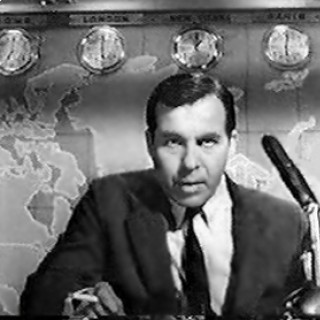
American actor, voice actor, comedian, impressionist and screenwriter
POPULARITY
EPISODE 117 - “STEVE AND NAN DISCUSS: MOVIES ABOUT MOVIES” - 12/08/25 In the latest episode of From Beneath the Hollywood Sign, we pull back the curtain on the cinematic world of making movies about… making movies. We dive deep into the movies that reveal what really happens behind the scenes in Tinseltown—sometimes with affection, sometimes as a cautionary tale to be careful what you wish for. Movies like Sullivan's Travels (1941), Singin' in the Rain (1952), and Sunset Boulevard (1950), all offer a fascinating look at the machinations that go into making films. This week, we'll be discussing six lesser known moves that five us a peak behind the scenes and show us very different sides of the not-always-so-glamorous ways that Hollywood works. Across genres and generations, these films offer an insider's view not just of how Hollywood works, but of the dreams, delusions, and dramas that make moviemaking an art form all its own. SHOW NOTES: Sources: Wikipedia.com; TCM.com; IBDB.com; IMDBPro.com; Movies Mentioned: What Price Hollywood? (1932) starring Constance Bennett, Lowell Sherman, Gregory Ratoff, and Neil Hamilton; Bombshell (1933), starring Jean Harlow, Lee Tracy, Franchot Tone, Frank Morgan, Una Merkel, Louise Beavers, and Pat O'Brien; Stand-In (1937), starring Leslie Howard, Joan Blondell, Humphrey Bogart, Alan Mowbray, Marla Shelton, and Jack Carson; The Cowboy and the Blonde (1941), starring Mary Beth Hughes, George Montgomery, Alan Mowbray, Richard Lane, Robert Conway, and John Miljan; The Star (1952), starring Bette Davis, Sterling Hayden, Natalie Wood, Warner Anderson, Paul Frees, Barbara Lawrence, Fay Baker, and Herb Vigran; The Goddess (1958), starring Kim Stanley, Steven Hill, Lloyd Bridges, Betty Lou Holland, Elizabeth Wilson, Bert Freed, and Louise Beavers; --------------------------------- http://www.airwavemedia.com Please contact sales@advertisecast.com if you would like to advertise on our podcast. Learn more about your ad choices. Visit megaphone.fm/adchoices
Diane and Sean discuss the Rankin and Bass classic, The Last Unicorn. Episode music is, "The Last Unicorn", written and composed by Jimmy Webb, performed by America from the OST.- Our theme song is by Brushy One String- Artwork by Marlaine LePage- Why Do We Own This DVD? Merch available at Teepublic- Follow the show on social media:- BlueSky: WhyDoWeOwnThisDVD- IG: @whydoweownthisdvd- Tumblr: WhyDoWeOwnThisDVD- Follow Sean's Plants on IG: @lookitmahplants- Watch Sean be bad at video games on TwitchSupport the show
To coincide with this week's long-awaited "Fun For All Ages" Jackie Martling-Billy West reunion, GGACP turns back the clock to 2019, when the boys made their first joint appearance on the "Amazing Colossal Podcast." In this episode, Jackie and Billy talk about the cinema of George Pal, the versatility of Paul Frees, the uniqueness of Peter Sellers and the enduring legend of Joe Franklin. Also, Jonathan Winters disses Don Adams, Jack Carter guests on “Ren & Stimpy,” Billy meets The Man from Uncle and Jackie weighs in on the Gilbert-Shecky Greene clash. PLUS: “7 Faces of Dr. Lao”! The Jackie puppet returns! Curly Howard takes a bullet! And George Jessel duets with…George Jessel? Learn more about your ad choices. Visit megaphone.fm/adchoices
The OTRNow Radio Program- Thanksgiving-01Tarzan. November 29, 1951. Mutual-Don Lee net origination, Commodore syndication. "African Thanksgiving". Commercials added locally. A beautiful French girl starts a battle of wills between Sheik Hazara and Tarzan. CBS rebroadcast date: November 22, 1952. Lamont Johnson, Walter White Jr. (producer), Bud Lesser (writer), Albert Glaser (original music) The Lucky Strike Program Starring Jack Benny. November 30, 1947. NBC net. Lucky Strike. Phil Harris and The Sportsmen do a clever singing commercial to the tune of, "That's What I Like About The South." Jack dreams that he's being tried for murder for killing a Thanksgiving turkey. Fred Allen (imitated by Ollie O'Toole) appears as a turkey during the trial! A great show!. Artie Auerbach, Basil Ruysdael (commercial spokesman), Dennis Day, Don Wilson, Frank Nelson, Jack Benny, L. A. Speed Riggs (tobacco auctioneer), Mary Livingstone, Mel Blanc (quadruples, one part is a turkey), Phil Harris, Eddie Anderson, The Sportsmen, F. E. Boone (tobacco auctioneer), Bea Benaderet, John Laing (commercial spokesman), Ollie O'Toole, George Balzer (writer), John Tackaberry (writer), Milt Josefsberg (writer), Sam Perrin (writer), Mahlon Merrick (conductor). Doctor Christian. November 22, 1939. CBS net. "Prelude To Thanksgiving". Vaseline. Jean Hersholt, Art Gilmore (announcer), Rosemary De Camp.Speech Winston Churchill 1944-11-23 American Thanksgiving Vic and Sade. November 20, 1941. Red net. Crisco. Nicer Scott has been telling everyone that Rush Gook eats with a baby's knife and fork. Rush is humiliated and angry. Stuff happens! The organ themes, bridges and system cue have been deleted. Paul Rhymer (writer), Art Van Harvey, Bernardine Flynn, Billy Idelson, Ed Herlihy (announcer).Let George Do It. November 20, 1950. Mutual-Don Lee net. "Cause For Thanksgiving". Standard Oil. A Thanksgiving story about a tough ten-year-old boy who refuses to talk. Is it psychic shock?. Bob Bailey, Virginia Gregg, Jackson Gillis (writer), David Victor (writer), Eddie Dunstedter (composer, presenter), Don Clark (director), Bud Hiestand (announcer), Wally Maher, Carl Watson (commercial spokesman), Bob Burchill (commercial spokesman), Alan Reed, Dick Ryan, Tony Barrett, Jeffrey Silver, Steven Chase.Suspense. November 25, 1948. CBS net. "The Screaming Woman". Auto-Lite. A little girl hears a screaming woman who is buried alive. The script was susequently used on "Suspense" on March 1, 1955 (see cat. #7264). Margaret O'Brien, Ray Bradbury (author), Sylvia Richards (adaptor), Ted de Corsia, John McIntire, Lurene Tuttle, Agnes Moorehead, Anton M. Leader (producer, director), Harlow Wilcox (commercial spokesman), William Johnstone (commercial spokesman), Lucien Moraweck (composer), Lud Gluskin (conductor), Paul Frees
In this festive and flavorful episode of **Remy's Roundtable: The Florida Theme Park Podcast**, your hosts **Remy**, **Jen**, and **Mike** gather around the Roundtable to share stories, laughs, and plenty of Disney magic. As the holidays approach, the crew dives into food, history, and haunted adventures across the Walt Disney World Resort — blending nostalgia, flavor, and fun into one unforgettable show.Remy and Jen start things off by taking listeners to **EPCOT's International Food & Wine Festival**, where they share their culinary discoveries from around the world. The duo recounts their stops at some of the most talked-about booths this season, including *Gyozas of the Galaxy*, *India*, *Greece*, and the perfectly cozy *Milled and Mulled* stand. They discuss the dishes that stood out, the flavors that surprised them the most, and how the festival atmosphere continues to make EPCOT one of the most exciting parks to visit during the holiday season.As they savored delicious bites and drinks, Remy and Jen also caught a high-energy live performance by **Big Bad Voodoo Daddy**, bringing that swingin' holiday flair to the American Gardens Theatre. Between the music, the food, and the festive spirit, their visit to the festival perfectly captured the essence of the season at Walt Disney World.Next, Jen takes the mic for her always-enlightening segment, **This Week in Disney History**. In this week's historical spotlight, Jen dives into a fascinating moment from the 1950s when **Walt Disney appeared as a guest on the popular television game show “What's My Line?”** It's a piece of Disney history that many fans may not know, giving listeners a glimpse into how Walt's charm and humor captivated audiences beyond the theme parks. Jen breaks down how appearances like these helped shape Disney's image as both an innovator and an entertainer during a time when television was still finding its footing.Then, Remy brings on the chills with his segment, **Ride of the Week**, focusing on one of Disney's most beloved and legendary attractions — **The Haunted Mansion**. Remy explores the ride's history, from its early development by Walt Disney and his Imagineers to the timeless storytelling that keeps guests coming back for more. He highlights the unforgettable work of voice actor **Paul Frees**, the “Ghost Host” who gave life (or death!) to the attraction's haunting personality. Remy also shares some eerie fun facts, creative design details, and his personal connection to this classic ride that continues to define Disney's dark side of fun.Finally, **Mike** wraps things up with another mouthwatering edition of **Mike's Munchies**, this time featuring **Jiko – The Cooking Place** at Disney's Animal Kingdom Lodge. Known for its vibrant flavors and elegant atmosphere, Jiko is one of Disney's culinary crown jewels. Mike walks listeners through his perfect meal — from appetizers and entrées to desserts and drinks — breaking down the experience with his signature humor and foodie expertise. Of course, Remy jumps in to calculate **Mike's grand total**, revealing just how much a dream meal at Jiko might set you back.With laughter, storytelling, and plenty of passion for all things Disney, this episode has a little something for everyone — from food lovers to history buffs to thrill ride fans. So pour yourself a festive drink, kick back, and join **Remy, Jen, and Mike** for another magical, delicious, and slightly spooky edition of **Remy's Roundtable: The Florida Theme Park Podcast**.
Drama on a WednesdayFirst, a look at the events of the day.Then, Boston Blackie starring Dick Kollmar, originally broadcast August 20, 1946, 79 years ago, Jealous Partners and Arson. A man burns down his own building, just after allowing the fire insurance to lapse! There's a woman behind the match!Followed by The Whistler, originally broadcast August 20, 1945, 80 years ago, X Marks the Murder. A woman has a theory about a series of murders. Then, The Green Llama starring Paul Frees, originally broadcast August 20, 1949, 76 years ago, The Perfect Prisoner. The last show of the series. A talented sculptor named Frank Cobb is about to be pardoned from a "model prison." However, he's knifed to death before he can be officially told about the pardon. The Green Lama deals with a prison riot and an escape attempt by one hundred armed inmates. Followed by Top Secret starring Illona Massey, originally broadcast August 20, 1950, 75 years ago, The Church Without a Cross. An American intelligence agent investigating suspicious activity in a small Eastern European town behind the Iron Curtain. The town has a peculiar landmark: a church stripped of its cross — a symbolic absence that hints at the repression of religion under the new Communist regime.Finally, Lum and Abner, originally broadcast August 20, 1942, 83 years ago, Squires' $1100 Bill. Lum signs the Squire's promissory note for $1100, that the Squire just happens to have on him!Thanks to Laurel for supporting our podcast by using the Buy Me a Coffee function at http://classicradio.streamIf you like what we do here, visit our friend Jay at http://radio.macinmind.com for great old time radio shows 24 hours a day
Frank welcomes theme park experience designer Dave Cobb ("Men in Black: Alien Attack") and attraction show writer and author Robert Coker ("Roller Coasters: A Thrill Seeker's Guide to the Ultimate Scream Machines") for an in-depth look at the fascinating histories of failed and forgotten amusement parks, including Freedomland USA, The Land of Oz, Pacific Ocean Park, Hanna-Barbera Land and The World of Sid & Marty Krofft, among others. Also in this episode: Soupy Sales hosts a beauty pageant, Grizzly Adams buys a carousel, Dave makes his pitch to Steven Spielberg and Robert reveals his favorite roller coasters. PLUS: The Escalator to Nowhere! The genius of Paul Frees! "Kiss Meets The Phantom of the Park"! All aboard the Banana Train! And the secret origin of Steppenwolf's "Magic Carpet Ride"? Subscribe now on Apple https://podcasts.apple.com/us/podcast/fun-for-all-ages-with-frank-santopadre/id1824012922 Spotify https://open.spotify.com/show/18EQJNDwlYMUSh2uXD6Mu6?si=97966f6f8c474bc9 Amazon https://music.amazon.com/podcasts/13b5ed88-d28d-4f0c-a65e-8b32eecd80f6/fun-for-all-ages-with-frank-santopadre YouTube https://www.youtube.com/playlist?list=PLgvlbF41NLLPvsrcZ9XIsYKkH_HvUXHSG iHeart https://www.iheart.com/podcast/269-fun-for-all-ages-with-fran-283612643/ TuneIn http://tun.in/pxOWO Learn more about your ad choices. Visit megaphone.fm/adchoices
In this episode of Inside the Pages, Kris McGregor speaks with Leila Lawler about the beautifully illustrated book Hildegard's Garden by French author Paul Frees. The conversation centers on the multifaceted life and legacy of St. Hildegard of Bingen, a twelfth-century Benedictine abbess, mystic, and Doctor of the Church. Lawler shares how her appreciation for ... Read more The post ITP#513 – Leila Lawler – St. Hildegard’s Garden on Inside the Pages with Kris McGregor – Discerning Hearts Podcast appeared first on Discerning Hearts Catholic Podcasts.
Discerning Hearts Catholic Podcasts » Inside the Pages with Kris McGregor
In this episode of Inside the Pages, Kris McGregor speaks with Leila Lawler about the beautifully illustrated book Hildegard's Garden by French author Paul Frees. The conversation centers on the multifaceted life and legacy of St. Hildegard of Bingen, a twelfth-century Benedictine abbess, mystic, and Doctor of the Church. Lawler shares how her appreciation for ... Read more The post ITP#513 – Leila Lawler – St. Hildegard’s Garden on Inside the Pages with Kris McGregor – Discerning Hearts Podcast appeared first on Discerning Hearts Catholic Podcasts.
This week we are beginning a new series featuring great monsters on radio. We're kicking off with a 1947 CBS "Escape" episode titled "Taboo," a terrific werewolf story featuring voice actor Paul Frees. The story focuses on a man investigating mysterious disappearances in Eastern Europe, where locals suspect a werewolf. In addition, we have a unique challenge for you in this episode. Visit our website: https://goodolddaysofradio.com/ Subscribe to our Facebook Group for news, discussions, and the latest podcast: https://www.facebook.com/groups/881779245938297 Our theme music is "Why Am I So Romantic?" from Animal Crackers: https://www.amazon.com/dp/B01KHJKAKS/ref=cm_sw_em_r_mt_dp_MK8MVCY4DVBAM8ZK39WD
We are back and so is Steve who has brought another thrilling sci-fi gem. This time it is Joseph Sargent's Colossus: The Forbin Project, a film that wonders what the consqeuences might be if one were to give an AI supercomputer control of the US defense systems. So, join us as we explore this startlingly prescient film and lament our own modern technological hellscape!
What is Zorro doing in Spain, thousands of miles away from home? Why are they called the Three Musketeers when there's actually four of them? Why does the King of Spain sound like he was voiced by Paul Frees? Some of these questions may or may not get answered in this thrilling installment of Wild, Wild Podcast! You can get in touch with us (we love hearing from you!), follow us on social media, buy our merch, and all that stuff, through our Linktree. Learn more about your ad choices. Visit megaphone.fm/adchoices
Crime on a ThursdayFirst a look at the events of the dayThen, Box 13 starring Alan Ladd, originally broadcast July 3, 1949, 76 years ago, House of Darkness. A shot in the dark helps Dan Holiday and a blind man find adventure.Followed by The Green Lama starring Paul Frees, originally broadcast July 3, 1949, 76 years ago, The Last Dinosaur. A woman is killed in a swimming pool...by a baby dinosaur! Anything goes at a Hollywood cocktail partyThen, Broadway is my Beat starring Larry Thor, originally broadcast July 3, 1950, 75 years ago, the Frank Conway Murder. A cowboy named Frank Conroy is found dead in the Olympia Hotel. Where is Eddie Donald?Followed by The Challenge of the Yukon, originally broadcast July 3, 1947, 78 years ago, The Puppy. Sgt. Preston and Yukon King come to the rescue of a wayward puppy lost in the harsh Yukon wilderness. Facing dangers like freezing temperatures, hungry wildlife, and treacherous terrain, they strive to reunite the puppy with its owner.Finally, Lum and Abner, originally broadcast July 3, 1942, 83 years ago, Baby Left in Store. . Lizabeth and Pearl are not in Texas after all. The boys are left with a baby while its mother leaves town!Thanks to Adele for supporting our podcast by using the Buy Me a Coffee function at http://classicradio.streamIf you like what we do here, visit our friend Jay at http://radio.macinmind.com for great old time radio shows 24 hours a day
Hello, I'm Brett and I'll be your host for these amazing Old Time Radio Shows :) Dangerous Assignment was a thrilling NBC radio drama that captivated audiences from 1949 to 1953, starring the dynamic Brian Donlevy as the fearless U.S. special agent Steve Mitchell. It was broadcast across a range of media, including a syndicated TV series in 1951–52, and even inspired a reimagined Australian radio version from 1954 to 1956. Both the radio and TV series kept viewers on the edge of their seats with fast-paced plots filled with espionage, deception, and international intrigue. Series Premise: Each episode followed Steve Mitchell, an American agent dispatched by "The Commissioner," the enigmatic head of an unnamed U.S. State Department division. Steve's mission: to travel to exotic locations around the world to foil nefarious plots and uncover dangerous secrets. The show was designed to keep listeners in suspense, opening with a tantalizing scene before the action unfolded. Mitchell, posing as a suave foreign correspondent for an unspecified publication, navigated a maze of lies, betrayal, and violence—always emerging victorious by the end of the episode. Origins and Evolution: Dangerous Assignment was originally conceived as a summer replacement series for NBC in 1949. It quickly gained popularity, and its success led to a full radio series running until 1953. Brian Donlevy, who also narrated the show, brought an intense realism to his portrayal of Steve Mitchell, which contributed to the show's gripping atmosphere. The only other consistent voice on the radio version was Herb Butterfield, who played "The Commissioner." Guest stars included famous actors like Raymond Burr, William Conrad, and Richard Boone, each lending their talents to create a unique cast of characters across the episodes. After the American radio series concluded, Dangerous Assignment continued its journey abroad with a 1954 Australian radio adaptation. This version used remade American scripts and introduced Lloyd Burrell as Steve Mitchell, broadcasting a total of 39 episodes. The 1949 Summer Series: Dangerous Assignment first aired as a seven-week summer series in the summer of 1949, running on Saturdays from 8:30 to 9:00 PM EST. The character of Ruthie, the Commissioner's secretary, was played by Betty Moran, hinting at a possible romantic backstory with Steve Mitchell. The show's first episodes took listeners on adventures to locations like Messina, Sicily, Saigon, and Paris, where Steve investigated everything from stolen relief supplies to millionaire murder conspiracies. The 1950–1953 Radio Run: The show's popularity ensured its return to the airwaves in February 1950, although it faced some scheduling challenges. Over the next few years, Dangerous Assignment moved through various time slots, ultimately running for over 160 episodes. The radio series also attracted major sponsors, including Ford Motor Company, Wheaties, and Anacin, though it was largely supported by NBC itself. The episodes became more formulaic, often starting with Steve Mitchell being assigned a mission—usually involving espionage, sabotage, or international political conflict—followed by thrilling encounters with dangerous enemies. Syndicated Television Version (1951–1952): In 1951, Donlevy adapted the series into a syndicated television show. Rather than relying on a traditional TV network, Donlevy self-financed the production of 39 episodes, selling them individually to local stations across the country. This approach, aided by NBC's distribution assistance, allowed the show to reach a wide audience despite limited network support. Each episode remained faithful to the original radio scripts, with Donlevy reprising his role as Steve Mitchell and Herb Butterfield again playing "The Commissioner." Production Team and Legacy: The television version of Dangerous Assignment employed a talented team behind the scenes, including assistant director William McGarry, production designer George Van Marter, and film editor Edward Schroeder, A.C.E. The show's episodes were often fast-paced, with each story revolving around Mitchell's covert operations in places as diverse as Paris, Berlin, and the African jungle. Among the famous guest stars featured in the TV series were Hugh Beaumont, Paul Frees, and Michael Ansara, who appeared as a variety of different characters throughout the series. Notable episodes included titles like "The Alien Smuggler Story" and "The Atomic Mine Story," where Steve Mitchell faced off against spies, criminals, and saboteurs in a constant battle to protect U.S. interests overseas. The Man Behind the Character: Brian Donlevy: Brian Donlevy, born in Cleveland, Ohio, on February 9, 1901, was known for his tough, no-nonsense persona, both on screen and on the airwaves. With a career that spanned film, radio, and television, Donlevy brought a unique depth to his portrayal of Steve Mitchell. He was a familiar face in 1940s Hollywood, starring in classic films like Beau Geste (1939) and Wake Island (1942), and even earned an Academy Award nomination for his role in Beau Geste. In addition to his success in film, Donlevy was a major figure in the development of Dangerous Assignment, both as the star and as a key producer for the television adaptation. His tough-guy image made him a natural fit for the role of the action-packed American agent, and he remained a popular figure in postwar television, contributing to numerous anthology series like Kraft Theatre and Lux Video Theatre. Conclusion: Dangerous Assignment remains a notable chapter in both radio and television history. The series was a standout example of 1940s and 1950s action-adventure storytelling, blending espionage, drama, and international intrigue. Thanks to Brian Donlevy's magnetic performance, Dangerous Assignment continues to be remembered as a thrilling and influential series that helped set the stage for future espionage-themed shows and films.
GGACP salutes National Humor Month AND celebrates the birthday of voice actor Billy West (b. April 16) by revisiting this fan favorite interview with Billy and comedian -- and former "Howard Stern Show" colleague -- Jackie Martling. In this episode, the boys discuss the cinema of George Pal, the versatility of Paul Frees, the uniqueness of Peter Sellers and the enduring legend of Joe Franklin. Also, Jonathan Winters disses Don Adams, Jack Carter guests on “Ren & Stimpy,” Billy meets The Man from Uncle and Jackie weighs in on the Gilbert-Shecky Greene clash. PLUS: “Shock Theater”! “7 Faces of Dr. Lao”! The return of the Jackie puppet! Curly Howard takes a bullet! And George Jessel duets with…George Jessel? Learn more about your ad choices. Visit megaphone.fm/adchoices
Hello, I'm Brett and I'll be your host for these amazing Old Time Radio Shows :) Dangerous Assignment was a thrilling NBC radio drama that captivated audiences from 1949 to 1953, starring the dynamic Brian Donlevy as the fearless U.S. special agent Steve Mitchell. It was broadcast across a range of media, including a syndicated TV series in 1951–52, and even inspired a reimagined Australian radio version from 1954 to 1956. Both the radio and TV series kept viewers on the edge of their seats with fast-paced plots filled with espionage, deception, and international intrigue. Series Premise: Each episode followed Steve Mitchell, an American agent dispatched by "The Commissioner," the enigmatic head of an unnamed U.S. State Department division. Steve's mission: to travel to exotic locations around the world to foil nefarious plots and uncover dangerous secrets. The show was designed to keep listeners in suspense, opening with a tantalizing scene before the action unfolded. Mitchell, posing as a suave foreign correspondent for an unspecified publication, navigated a maze of lies, betrayal, and violence—always emerging victorious by the end of the episode. Origins and Evolution: Dangerous Assignment was originally conceived as a summer replacement series for NBC in 1949. It quickly gained popularity, and its success led to a full radio series running until 1953. Brian Donlevy, who also narrated the show, brought an intense realism to his portrayal of Steve Mitchell, which contributed to the show's gripping atmosphere. The only other consistent voice on the radio version was Herb Butterfield, who played "The Commissioner." Guest stars included famous actors like Raymond Burr, William Conrad, and Richard Boone, each lending their talents to create a unique cast of characters across the episodes. After the American radio series concluded, Dangerous Assignment continued its journey abroad with a 1954 Australian radio adaptation. This version used remade American scripts and introduced Lloyd Burrell as Steve Mitchell, broadcasting a total of 39 episodes. The 1949 Summer Series: Dangerous Assignment first aired as a seven-week summer series in the summer of 1949, running on Saturdays from 8:30 to 9:00 PM EST. The character of Ruthie, the Commissioner's secretary, was played by Betty Moran, hinting at a possible romantic backstory with Steve Mitchell. The show's first episodes took listeners on adventures to locations like Messina, Sicily, Saigon, and Paris, where Steve investigated everything from stolen relief supplies to millionaire murder conspiracies. The 1950–1953 Radio Run: The show's popularity ensured its return to the airwaves in February 1950, although it faced some scheduling challenges. Over the next few years, Dangerous Assignment moved through various time slots, ultimately running for over 160 episodes. The radio series also attracted major sponsors, including Ford Motor Company, Wheaties, and Anacin, though it was largely supported by NBC itself. The episodes became more formulaic, often starting with Steve Mitchell being assigned a mission—usually involving espionage, sabotage, or international political conflict—followed by thrilling encounters with dangerous enemies. Syndicated Television Version (1951–1952): In 1951, Donlevy adapted the series into a syndicated television show. Rather than relying on a traditional TV network, Donlevy self-financed the production of 39 episodes, selling them individually to local stations across the country. This approach, aided by NBC's distribution assistance, allowed the show to reach a wide audience despite limited network support. Each episode remained faithful to the original radio scripts, with Donlevy reprising his role as Steve Mitchell and Herb Butterfield again playing "The Commissioner." Production Team and Legacy: The television version of Dangerous Assignment employed a talented team behind the scenes, including assistant director William McGarry, production designer George Van Marter, and film editor Edward Schroeder, A.C.E. The show's episodes were often fast-paced, with each story revolving around Mitchell's covert operations in places as diverse as Paris, Berlin, and the African jungle. Among the famous guest stars featured in the TV series were Hugh Beaumont, Paul Frees, and Michael Ansara, who appeared as a variety of different characters throughout the series. Notable episodes included titles like "The Alien Smuggler Story" and "The Atomic Mine Story," where Steve Mitchell faced off against spies, criminals, and saboteurs in a constant battle to protect U.S. interests overseas. The Man Behind the Character: Brian Donlevy: Brian Donlevy, born in Cleveland, Ohio, on February 9, 1901, was known for his tough, no-nonsense persona, both on screen and on the airwaves. With a career that spanned film, radio, and television, Donlevy brought a unique depth to his portrayal of Steve Mitchell. He was a familiar face in 1940s Hollywood, starring in classic films like Beau Geste (1939) and Wake Island (1942), and even earned an Academy Award nomination for his role in Beau Geste. In addition to his success in film, Donlevy was a major figure in the development of Dangerous Assignment, both as the star and as a key producer for the television adaptation. His tough-guy image made him a natural fit for the role of the action-packed American agent, and he remained a popular figure in postwar television, contributing to numerous anthology series like Kraft Theatre and Lux Video Theatre. Conclusion: Dangerous Assignment remains a notable chapter in both radio and television history. The series was a standout example of 1940s and 1950s action-adventure storytelling, blending espionage, drama, and international intrigue. Thanks to Brian Donlevy's magnetic performance, Dangerous Assignment continues to be remembered as a thrilling and influential series that helped set the stage for future espionage-themed shows and films.
The Whisperer, a 1951 summer replacement radio show on NBC, aired 13 episodes with a tongue-in-cheek take on popular crime dramas. The story, based on works by Dr. Stetson Humphrey and his wife, Irene, centered on lawyer Philip Gault (Carleton G. Young).After a football injury left him with a whispery voice, Gault used this unique trait to infiltrate the criminal syndicate in Central City. Under the alias "The Whisperer," he worked to dismantle the organization from within. Even after surgery restored his normal voice, he continued his double life, strategically passing on instructions from the syndicate's New York bosses to their Central City operatives, ultimately leading to their downfall.The show's final episode revealed Gault's backstory, detailing his journey from football player to double agent. His girlfriend, Ellen Norris (Betty Moran), and Dr. Lee were the only individuals aware of his dual identity. The cast also included Paul Frees as Lt. Charles Denvers and William Conrad, using the pseudonym Julius Krelboyne, in various supporting roles.Bill Karn served as producer, director, and occasional writer, with Johnny Duffy contributing the background music. Notably, radio actor Carleton G. Young is sometimes mistakenly identified as film actor Carleton Scott Young.
Hello, I'm Brett and I'll be your host for these amazing Old Time Radio Shows :) Dangerous Assignment was a thrilling NBC radio drama that captivated audiences from 1949 to 1953, starring the dynamic Brian Donlevy as the fearless U.S. special agent Steve Mitchell. It was broadcast across a range of media, including a syndicated TV series in 1951–52, and even inspired a reimagined Australian radio version from 1954 to 1956. Both the radio and TV series kept viewers on the edge of their seats with fast-paced plots filled with espionage, deception, and international intrigue. Series Premise: Each episode followed Steve Mitchell, an American agent dispatched by "The Commissioner," the enigmatic head of an unnamed U.S. State Department division. Steve's mission: to travel to exotic locations around the world to foil nefarious plots and uncover dangerous secrets. The show was designed to keep listeners in suspense, opening with a tantalizing scene before the action unfolded. Mitchell, posing as a suave foreign correspondent for an unspecified publication, navigated a maze of lies, betrayal, and violence—always emerging victorious by the end of the episode. Origins and Evolution: Dangerous Assignment was originally conceived as a summer replacement series for NBC in 1949. It quickly gained popularity, and its success led to a full radio series running until 1953. Brian Donlevy, who also narrated the show, brought an intense realism to his portrayal of Steve Mitchell, which contributed to the show's gripping atmosphere. The only other consistent voice on the radio version was Herb Butterfield, who played "The Commissioner." Guest stars included famous actors like Raymond Burr, William Conrad, and Richard Boone, each lending their talents to create a unique cast of characters across the episodes. After the American radio series concluded, Dangerous Assignment continued its journey abroad with a 1954 Australian radio adaptation. This version used remade American scripts and introduced Lloyd Burrell as Steve Mitchell, broadcasting a total of 39 episodes. The 1949 Summer Series: Dangerous Assignment first aired as a seven-week summer series in the summer of 1949, running on Saturdays from 8:30 to 9:00 PM EST. The character of Ruthie, the Commissioner's secretary, was played by Betty Moran, hinting at a possible romantic backstory with Steve Mitchell. The show's first episodes took listeners on adventures to locations like Messina, Sicily, Saigon, and Paris, where Steve investigated everything from stolen relief supplies to millionaire murder conspiracies. The 1950–1953 Radio Run: The show's popularity ensured its return to the airwaves in February 1950, although it faced some scheduling challenges. Over the next few years, Dangerous Assignment moved through various time slots, ultimately running for over 160 episodes. The radio series also attracted major sponsors, including Ford Motor Company, Wheaties, and Anacin, though it was largely supported by NBC itself. The episodes became more formulaic, often starting with Steve Mitchell being assigned a mission—usually involving espionage, sabotage, or international political conflict—followed by thrilling encounters with dangerous enemies. Syndicated Television Version (1951–1952): In 1951, Donlevy adapted the series into a syndicated television show. Rather than relying on a traditional TV network, Donlevy self-financed the production of 39 episodes, selling them individually to local stations across the country. This approach, aided by NBC's distribution assistance, allowed the show to reach a wide audience despite limited network support. Each episode remained faithful to the original radio scripts, with Donlevy reprising his role as Steve Mitchell and Herb Butterfield again playing "The Commissioner." Production Team and Legacy: The television version of Dangerous Assignment employed a talented team behind the scenes, including assistant director William McGarry, production designer George Van Marter, and film editor Edward Schroeder, A.C.E. The show's episodes were often fast-paced, with each story revolving around Mitchell's covert operations in places as diverse as Paris, Berlin, and the African jungle. Among the famous guest stars featured in the TV series were Hugh Beaumont, Paul Frees, and Michael Ansara, who appeared as a variety of different characters throughout the series. Notable episodes included titles like "The Alien Smuggler Story" and "The Atomic Mine Story," where Steve Mitchell faced off against spies, criminals, and saboteurs in a constant battle to protect U.S. interests overseas. The Man Behind the Character: Brian Donlevy: Brian Donlevy, born in Cleveland, Ohio, on February 9, 1901, was known for his tough, no-nonsense persona, both on screen and on the airwaves. With a career that spanned film, radio, and television, Donlevy brought a unique depth to his portrayal of Steve Mitchell. He was a familiar face in 1940s Hollywood, starring in classic films like Beau Geste (1939) and Wake Island (1942), and even earned an Academy Award nomination for his role in Beau Geste. In addition to his success in film, Donlevy was a major figure in the development of Dangerous Assignment, both as the star and as a key producer for the television adaptation. His tough-guy image made him a natural fit for the role of the action-packed American agent, and he remained a popular figure in postwar television, contributing to numerous anthology series like Kraft Theatre and Lux Video Theatre. Conclusion: Dangerous Assignment remains a notable chapter in both radio and television history. The series was a standout example of 1940s and 1950s action-adventure storytelling, blending espionage, drama, and international intrigue. Thanks to Brian Donlevy's magnetic performance, Dangerous Assignment continues to be remembered as a thrilling and influential series that helped set the stage for future espionage-themed shows and films.
LET'S PRETEND- Let's Pretend started radio life as The Adventures of Helen and Mary in 1934 when it was transformed by Nila Mack into the show that would last for two decades until 1954. Mack believed that, if the stories were for children, then children should tell the story. On July 12, 1947, they told the tale of "The Brave Little Tailor" for sponsor, Cream of Wheat. A meek little man has "killed seven with one blow" and has everyone terrified. ROMANCE - Actor Henry Fonda stars in "Casanova Brown" on ROMANCE from November 13, 1945.Romance_1945-11-13_Casanova_Brown_wHenryFonda 24:45 People are Funny - was a long-running American radio and television game show, created by John Guedel that remained popular throughout the 1940s. The program ran from 1942 to 1960. The program's stunts and audience participation were calculated to reveal the humorous side of human nature. After contestants were sent from the studio to perform a task in public, the audience was told how the contestant was being double-crossed. Hosted by Art Linkletter, here is a show from January 17, 1956 Whisperer. July 08, 1951. NBC net. Sustaining. The first show of the series. "The Whisperer" is a brilliant young attorney with a secret identity. He tackles the plans of Scurelli to sell marijuana to the unsuspecting youth of the city. Alice Backes, Ann Gill (writer), Betty Moran, Bill Cairn (director), Carleton Young, Eddie Firestone, Jerry Farber, John Duffy (original music), Julius Crowlbein, Paul Frees, Ruth Perrin, Stetson Humphrey (creator). Unit 99. September 06, 1957. Program #3. ABC net origination, AFRTS rebroadcast. The first call: a woman has a gun. James B. Hicks (host, Chief of Sacramento Police), Dan Meredith (Sergeant on duty), Tony Kester (director). Treasury Star Parade. September 10, 1943. Program #253. Treasury Department syndication. Molly and Doc Gamble try to convince Fibber to water the lawn. Jim Jordan, Marian Jordan, Billy Mills and His Orchestra, The King's Men, Harlow Wilcox (announcer), Don Quinn (writer), Thelma Ritter (writer). The Weird Circle. January 08, 1944. Program #26. RCA/NBC syndication. "Frankenstein". Sponsored by: Commercials added locally. Many, many liberties taken with the original story, but still a classic. Mary Shelley (author). TOTAL TIME: 2:55:34.599SOURCES: Wikipedia and The RadioGoldindex.com
Hello, I'm Brett and I'll be your host for these amazing Old Time Radio Shows :) Dangerous Assignment was a thrilling NBC radio drama that captivated audiences from 1949 to 1953, starring the dynamic Brian Donlevy as the fearless U.S. special agent Steve Mitchell. It was broadcast across a range of media, including a syndicated TV series in 1951–52, and even inspired a reimagined Australian radio version from 1954 to 1956. Both the radio and TV series kept viewers on the edge of their seats with fast-paced plots filled with espionage, deception, and international intrigue. Series Premise: Each episode followed Steve Mitchell, an American agent dispatched by "The Commissioner," the enigmatic head of an unnamed U.S. State Department division. Steve's mission: to travel to exotic locations around the world to foil nefarious plots and uncover dangerous secrets. The show was designed to keep listeners in suspense, opening with a tantalizing scene before the action unfolded. Mitchell, posing as a suave foreign correspondent for an unspecified publication, navigated a maze of lies, betrayal, and violence—always emerging victorious by the end of the episode. Origins and Evolution: Dangerous Assignment was originally conceived as a summer replacement series for NBC in 1949. It quickly gained popularity, and its success led to a full radio series running until 1953. Brian Donlevy, who also narrated the show, brought an intense realism to his portrayal of Steve Mitchell, which contributed to the show's gripping atmosphere. The only other consistent voice on the radio version was Herb Butterfield, who played "The Commissioner." Guest stars included famous actors like Raymond Burr, William Conrad, and Richard Boone, each lending their talents to create a unique cast of characters across the episodes. After the American radio series concluded, Dangerous Assignment continued its journey abroad with a 1954 Australian radio adaptation. This version used remade American scripts and introduced Lloyd Burrell as Steve Mitchell, broadcasting a total of 39 episodes. The 1949 Summer Series: Dangerous Assignment first aired as a seven-week summer series in the summer of 1949, running on Saturdays from 8:30 to 9:00 PM EST. The character of Ruthie, the Commissioner's secretary, was played by Betty Moran, hinting at a possible romantic backstory with Steve Mitchell. The show's first episodes took listeners on adventures to locations like Messina, Sicily, Saigon, and Paris, where Steve investigated everything from stolen relief supplies to millionaire murder conspiracies. The 1950–1953 Radio Run: The show's popularity ensured its return to the airwaves in February 1950, although it faced some scheduling challenges. Over the next few years, Dangerous Assignment moved through various time slots, ultimately running for over 160 episodes. The radio series also attracted major sponsors, including Ford Motor Company, Wheaties, and Anacin, though it was largely supported by NBC itself. The episodes became more formulaic, often starting with Steve Mitchell being assigned a mission—usually involving espionage, sabotage, or international political conflict—followed by thrilling encounters with dangerous enemies. Syndicated Television Version (1951–1952): In 1951, Donlevy adapted the series into a syndicated television show. Rather than relying on a traditional TV network, Donlevy self-financed the production of 39 episodes, selling them individually to local stations across the country. This approach, aided by NBC's distribution assistance, allowed the show to reach a wide audience despite limited network support. Each episode remained faithful to the original radio scripts, with Donlevy reprising his role as Steve Mitchell and Herb Butterfield again playing "The Commissioner." Production Team and Legacy: The television version of Dangerous Assignment employed a talented team behind the scenes, including assistant director William McGarry, production designer George Van Marter, and film editor Edward Schroeder, A.C.E. The show's episodes were often fast-paced, with each story revolving around Mitchell's covert operations in places as diverse as Paris, Berlin, and the African jungle. Among the famous guest stars featured in the TV series were Hugh Beaumont, Paul Frees, and Michael Ansara, who appeared as a variety of different characters throughout the series. Notable episodes included titles like "The Alien Smuggler Story" and "The Atomic Mine Story," where Steve Mitchell faced off against spies, criminals, and saboteurs in a constant battle to protect U.S. interests overseas. The Man Behind the Character: Brian Donlevy: Brian Donlevy, born in Cleveland, Ohio, on February 9, 1901, was known for his tough, no-nonsense persona, both on screen and on the airwaves. With a career that spanned film, radio, and television, Donlevy brought a unique depth to his portrayal of Steve Mitchell. He was a familiar face in 1940s Hollywood, starring in classic films like Beau Geste (1939) and Wake Island (1942), and even earned an Academy Award nomination for his role in Beau Geste. In addition to his success in film, Donlevy was a major figure in the development of Dangerous Assignment, both as the star and as a key producer for the television adaptation. His tough-guy image made him a natural fit for the role of the action-packed American agent, and he remained a popular figure in postwar television, contributing to numerous anthology series like Kraft Theatre and Lux Video Theatre. Conclusion: Dangerous Assignment remains a notable chapter in both radio and television history. The series was a standout example of 1940s and 1950s action-adventure storytelling, blending espionage, drama, and international intrigue. Thanks to Brian Donlevy's magnetic performance, Dangerous Assignment continues to be remembered as a thrilling and influential series that helped set the stage for future espionage-themed shows and films.
"I am your host; your Ghost Host" After a needed break, Robert finally returns with a look at the Haunted Mansion attraction at Disneyland. Paul Frees, who played a lot of roles in Frosty the Snowman, was also a major voice at Disney, but many know him as the ghost host of the classic ride. Join Robert as he dwells into the tomb of how the attraction came to be, how the attraction's story showcased a spirited atmosphere, how the other version differ, and he even goes into the adaptations of The Haunted Mansion. This includes the 2003, 2023, and the Muppets Haunted Mansion special from Disney+. Music by Purple Planet and Musicloops Website Facebook Instagram Patreon *Podcast is for educational purpose only. Copyright Disclaimer Under Section 107 of the Copyright Act 1976, allowance is made for "fair use" for purposes such as criticism, comment, news reporting, teaching, scholarship, and research. Fair use is a use permitted by copyright statute that might otherwise be infringing. Non-profit, educational or personal use tips the balance in favor of fair use.*
Hello, I'm Brett and I'll be your host for these amazing Old Time Radio Shows :) Dangerous Assignment was a thrilling NBC radio drama that captivated audiences from 1949 to 1953, starring the dynamic Brian Donlevy as the fearless U.S. special agent Steve Mitchell. It was broadcast across a range of media, including a syndicated TV series in 1951–52, and even inspired a reimagined Australian radio version from 1954 to 1956. Both the radio and TV series kept viewers on the edge of their seats with fast-paced plots filled with espionage, deception, and international intrigue. Series Premise: Each episode followed Steve Mitchell, an American agent dispatched by "The Commissioner," the enigmatic head of an unnamed U.S. State Department division. Steve's mission: to travel to exotic locations around the world to foil nefarious plots and uncover dangerous secrets. The show was designed to keep listeners in suspense, opening with a tantalizing scene before the action unfolded. Mitchell, posing as a suave foreign correspondent for an unspecified publication, navigated a maze of lies, betrayal, and violence—always emerging victorious by the end of the episode. Origins and Evolution: Dangerous Assignment was originally conceived as a summer replacement series for NBC in 1949. It quickly gained popularity, and its success led to a full radio series running until 1953. Brian Donlevy, who also narrated the show, brought an intense realism to his portrayal of Steve Mitchell, which contributed to the show's gripping atmosphere. The only other consistent voice on the radio version was Herb Butterfield, who played "The Commissioner." Guest stars included famous actors like Raymond Burr, William Conrad, and Richard Boone, each lending their talents to create a unique cast of characters across the episodes. After the American radio series concluded, Dangerous Assignment continued its journey abroad with a 1954 Australian radio adaptation. This version used remade American scripts and introduced Lloyd Burrell as Steve Mitchell, broadcasting a total of 39 episodes. The 1949 Summer Series: Dangerous Assignment first aired as a seven-week summer series in the summer of 1949, running on Saturdays from 8:30 to 9:00 PM EST. The character of Ruthie, the Commissioner's secretary, was played by Betty Moran, hinting at a possible romantic backstory with Steve Mitchell. The show's first episodes took listeners on adventures to locations like Messina, Sicily, Saigon, and Paris, where Steve investigated everything from stolen relief supplies to millionaire murder conspiracies. The 1950–1953 Radio Run: The show's popularity ensured its return to the airwaves in February 1950, although it faced some scheduling challenges. Over the next few years, Dangerous Assignment moved through various time slots, ultimately running for over 160 episodes. The radio series also attracted major sponsors, including Ford Motor Company, Wheaties, and Anacin, though it was largely supported by NBC itself. The episodes became more formulaic, often starting with Steve Mitchell being assigned a mission—usually involving espionage, sabotage, or international political conflict—followed by thrilling encounters with dangerous enemies. Syndicated Television Version (1951–1952): In 1951, Donlevy adapted the series into a syndicated television show. Rather than relying on a traditional TV network, Donlevy self-financed the production of 39 episodes, selling them individually to local stations across the country. This approach, aided by NBC's distribution assistance, allowed the show to reach a wide audience despite limited network support. Each episode remained faithful to the original radio scripts, with Donlevy reprising his role as Steve Mitchell and Herb Butterfield again playing "The Commissioner." Production Team and Legacy: The television version of Dangerous Assignment employed a talented team behind the scenes, including assistant director William McGarry, production designer George Van Marter, and film editor Edward Schroeder, A.C.E. The show's episodes were often fast-paced, with each story revolving around Mitchell's covert operations in places as diverse as Paris, Berlin, and the African jungle. Among the famous guest stars featured in the TV series were Hugh Beaumont, Paul Frees, and Michael Ansara, who appeared as a variety of different characters throughout the series. Notable episodes included titles like "The Alien Smuggler Story" and "The Atomic Mine Story," where Steve Mitchell faced off against spies, criminals, and saboteurs in a constant battle to protect U.S. interests overseas. The Man Behind the Character: Brian Donlevy: Brian Donlevy, born in Cleveland, Ohio, on February 9, 1901, was known for his tough, no-nonsense persona, both on screen and on the airwaves. With a career that spanned film, radio, and television, Donlevy brought a unique depth to his portrayal of Steve Mitchell. He was a familiar face in 1940s Hollywood, starring in classic films like Beau Geste (1939) and Wake Island (1942), and even earned an Academy Award nomination for his role in Beau Geste. In addition to his success in film, Donlevy was a major figure in the development of Dangerous Assignment, both as the star and as a key producer for the television adaptation. His tough-guy image made him a natural fit for the role of the action-packed American agent, and he remained a popular figure in postwar television, contributing to numerous anthology series like Kraft Theatre and Lux Video Theatre. Conclusion: Dangerous Assignment remains a notable chapter in both radio and television history. The series was a standout example of 1940s and 1950s action-adventure storytelling, blending espionage, drama, and international intrigue. Thanks to Brian Donlevy's magnetic performance, Dangerous Assignment continues to be remembered as a thrilling and influential series that helped set the stage for future espionage-themed shows and films.
Today's adventure pick is from radio's greatest adventure series, “Escape.” The story is about a man, Jason (played by Frank Lovejoy), who is hired by his uncle to assassinate Jake Finch in the South Seas. The problem: Jason is a hopelessly trapped alcoholic. John talks about Escape's significance, despite its budget constraints. And there's a special surprise at the tail end of the show, with a marvelous exchange between Gracie Allen and Paul Frees. Visit our website: https://goodolddaysofradio.com/ Subscribe to our Facebook Group for news, discussions, and the latest podcast: https://www.facebook.com/groups/881779245938297 Our theme music is "Why Am I So Romantic?" from Animal Crackers: https://www.amazon.com/dp/B01KHJKAKS/ref=cm_sw_em_r_mt_dp_MK8MVCY4DVBAM8ZK39WD
The Whisperer, a 1951 summer replacement radio show on NBC, aired 13 episodes with a tongue-in-cheek take on popular crime dramas. The story, based on works by Dr. Stetson Humphrey and his wife, Irene, centered on lawyer Philip Gault (Carleton G. Young). After a football injury left him with a whispery voice, Gault used this unique trait to infiltrate the criminal syndicate in Central City. Under the alias "The Whisperer," he worked to dismantle the organization from within. Even after surgery restored his normal voice, he continued his double life, strategically passing on instructions from the syndicate's New York bosses to their Central City operatives, ultimately leading to their downfall. The show's final episode revealed Gault's backstory, detailing his journey from football player to double agent. His girlfriend, Ellen Norris (Betty Moran), and Dr. Lee were the only individuals aware of his dual identity. The cast also included Paul Frees as Lt. Charles Denvers and William Conrad, using the pseudonym Julius Krelboyne, in various supporting roles. Bill Karn served as producer, director, and occasional writer, with Johnny Duffy contributing the background music. Notably, radio actor Carleton G. Young is sometimes mistakenly identified as film actor Carleton Scott Young. The ABC Radio Workshop was an American radio drama anthology series that aired on the ABC television network from 1953 to 1955. Here's a summary of key aspects: Focus: The series showcased a diverse range of dramatic works, including adaptations of classic literature, original plays, and contemporary stories. Innovative Approach: The workshop experimented with new audio techniques and sound effects to create immersive and engaging listening experiences. Notable Features: High-quality productions: Known for its strong writing, acting, and sound design. Diverse range of genres: Covered a wide spectrum, from suspense and drama to comedy and science fiction. Featured prominent actors: Many notable actors of the time appeared on the show. The ABC Radio Workshop is considered a significant contribution to the golden age of radio drama, showcasing the power of audio storytelling and its ability to explore a wide range of themes and emotions.
The OTRNow Radio Program 2024-019The Shadow Of Fu Manchu. July 19, 1939. Program #31. Radio Attractions syndication. Sponsored by: Music fill for local commercial insert. A double double-crosser. Hanley Stafford, Gale Gordon. The Shadow Of Fu Manchu. July 21, 1939. Program #32. Radio Attractions syndication. Sponsored by: Music fill for local commercial insert. The Fu leaves a clue. Hanley Stafford, Gale Gordon. Town Hall Tonight. May 25, 1938. Red net. Sponsored by: Ipana, Sal Hepatica. Fred Allen. My Little Margie. March 13, 1955. CBS net. "Miss Guided Missile". Sponsored by: Campana (commercials partially deleted). A vacation in Las Vegas. Frank Nelson gets Margie elected, "Miss Guided Missile." Farrell misreads one of his line, making a silly plot funnier. Verna Felton, Gil Stratton, Frank Nelson, Hans Conried, Gordon T. Hughes (producer, director, transcriber), Jean Tatum, Roy Rowan (announcer), Frank Fox (creator), Hal Roach Jr. (producer), Roland Reed (producer), Lee Carson (writer), Jack Harvey (writer), George Neise, Gale Storm (performer, commercial spokesman), Charles Farrell (performer, commercial spokesman). The Green Lama. June 26, 1949. CBS net. "The Million Dollar Chopsticks". Sustaining. The Green Lama arrives in Hong Kong to solve a murder and theft. Paul Frees, Ben Wright, Georgia Ellis, Jack Kruschen, Paul McVey, Lillian Buyeff, Lawrence Dobkin, Charles Russell, Norman Macdonnell (producer, director), Richard Foster (writer), William Froug (writer), Richard Aurandt (music), Larry Thor (announcer). Inner Sanctum Mysteries. January 11, 1944. CBS net. "Voice On The Wire". Sponsored by: Colgate Tooth Powder, Palmolive Soap. Trapped on an island, a voice on the telephone warns a woman that she has only four hours to live. Raymond Edward Johnson (host), Lesley Woods, Himan Brown (director), Robert Sloane (writer), Karl Swenson, Berry Kroeger.
GGACP celebrates Christmas 2024 with this ENCORE of a holiday installment (from 2019) featuring the podcast's own winter warlock, Mario Cantone. In this episode, Mario and the boys discuss misleading movie titles, politically correct Christmas carols, the genius of Paul Frees (and Frank Loesser) and the 80th anniversary of “The Wizard of Oz.” Also: Jack Cassidy teams with Jim Backus, Judy Garland locks horns with Busby Berkeley, Ricardo Montalban serenades Esther Williams and Gilbert gets accosted by Snow White. PLUS: Jan-Michael Vincent! Lucille Ball sings! “Christmas on the Ponderosa”! Tony Curtis tells off Danny Kaye! And “Frosty the Snowman” turns 50! Learn more about your ad choices. Visit megaphone.fm/adchoices
Join us this week on Vintage Classic Radio for a special holiday edition of "Friday Night Noir." We kick off with "Escape," featuring the chilling tale "Back for Christmas," originally aired on December 24, 1947. This suspenseful episode follows Professor Herbert Carpenter as he meticulously plans to murder his overbearing wife before a holiday trip, intending to return home alone, but fate has other plans. The stellar cast includes Paul Frees as Herbert Carpenter, Eleanor Audley as his unsuspecting wife Hermione, and William Conrad lending his voice to the role of a curious contractor. Continuing the holiday suspense, we delve into "Suspense" and its episode "Dog Star," which first enthralled listeners on December 22, 1957. A heartwarming yet thrilling story unfolds around James Congreve, a scientist whose life is saved by his loyal dog, Rex, during a laboratory accident. However, when a potential disaster looms, Rex's uncanny abilities are put to the test in an unexpected twist. The episode features George Walsh as James Congreve, Jeanette Nolan as his supportive wife Ellen, and Joseph Kearns portraying Dr. Mason, Congreve's skeptical colleague. Tune in to Vintage Classic Radio this Friday night to experience these captivating stories from the golden age of radio, brought to life by a talented cast that continues to thrill and engage audiences even today.
Today's Mystery: A Captain in Army Counter-intelligence teams up with a British Intelligence Agent to track down the source of diamonds to finance a new Nazi plan.Audition Date: June 25, 1950Originating in HollywoodStarring Howard Culver as Captain Ethan Allen Rogers, Joan Banks, Ben Wright, Paul Frees, Theodore Von Eltz, Fritz Feld, Rick VallenSupport the show monthly at https://patreon.greatdetectives.netPatreon Supporter of the Day:Support the show on a one-time basis at http://support.greatdetectives.net.Mail a donation to: Adam Graham, PO Box 15913, Boise, Idaho 83715Take the listener survey at http://survey.greatdetectives.netGive us a call at 208-991-4783Follow us on Instagram at http://instagram.com/greatdetectivesFollow us on Twitter @radiodetectivesJoin us again tomorrow for another detective drama from the Golden Age of Radio.
The Whisperer, a 1951 summer replacement radio show on NBC, aired 13 episodes with a tongue-in-cheek take on popular crime dramas. The story, based on works by Dr. Stetson Humphrey and his wife, Irene, centered on lawyer Philip Gault (Carleton G. Young). After a football injury left him with a whispery voice, Gault used this unique trait to infiltrate the criminal syndicate in Central City. Under the alias "The Whisperer," he worked to dismantle the organization from within. Even after surgery restored his normal voice, he continued his double life, strategically passing on instructions from the syndicate's New York bosses to their Central City operatives, ultimately leading to their downfall. The show's final episode revealed Gault's backstory, detailing his journey from football player to double agent. His girlfriend, Ellen Norris (Betty Moran), and Dr. Lee were the only individuals aware of his dual identity. The cast also included Paul Frees as Lt. Charles Denvers and William Conrad, using the pseudonym Julius Krelboyne, in various supporting roles. Bill Karn served as producer, director, and occasional writer, with Johnny Duffy contributing the background music. Notably, radio actor Carleton G. Young is sometimes mistakenly identified as film actor Carleton Scott Young. --- Support this podcast: https://podcasters.spotify.com/pod/show/dwight-allen0/support
"The Whisperer" was a 1951 American radio program that aired 13 episodes on NBC from July 8 to September 30. Created by Dr. Stetson Humphrey and his wife, Irene, the show satirized contemporary crime dramas with a tongue-in-cheek tone. The story follows lawyer Philip Gault, who, after a football injury, can only speak in a whisper. He infiltrates a crime syndicate in Central City, adopting the alias "The Whisperer," to dismantle organized crime from within. After surgery restores his voice, Gault maintains his double life, relaying orders from syndicate bosses unaware of his true identity. Betty Moran played Ellen Norris, Gault's girlfriend and confidante, while Paul Frees occasionally appeared as Lieutenant Charles Denvers, Gault's police ally. William Conrad frequently took on various supporting roles under the pseudonym "Julius Krelboyne." Produced and directed by Bill Karn, with organist Johnny Duffy providing background music, the series is available for listening on platforms like the Internet Archive and YouTube. --- Support this podcast: https://podcasters.spotify.com/pod/show/dwight-allen0/support
Today's story: Martians invade the Earth in the mid-1950s.Original Air Date: February 8, 1955Originating in HollywoodStarring: Dana Andrews as Dr. Clayton Forrester; Pat Crowley as Sylvia Van Buren; Les Tremayne as Major General Mann; Herb Butterfield; Bill Bouchey; Parley Baer; Paul Frees; Ken Peters; Howard McNear; William Conrad; George Neise; Bob Bailey; Herb Ellis; Irene Tedrow; Don Diamond; Jack Kruschen; Frank Gerstle; George Baxter; Truda Marson; Edward MarrGo to http://amazing.greatdetectives.net to subscribe to the podcast.Brought to you by the support of our Patreon listeners…http://patreon.greatdetectives.netSupport the show monthly at patreon.greatdetectives.netPatreon Supporter of the Day:Rebecca, Patreon Supporter since February 2021Support the show on a one-time basis at http://support.greatdetectives.net.
GGACP celebrates the birthday of actor, radio personality and voice artist Larry Kenney (Lion-O, Count Chocula, Sonny the Cuckoo Bird) with this ENCORE of a memorable interview from 2017. In this episode, Larry trots out his array of impressions (Richard Nixon, Paul Lynde, George S. Patton) and remembers some of the industry's legendary voice talents, including Mel Blanc, Paul Frees, Bob McFadden, June Foray and Paul Winchell. Also, Larry hosts “Bowling for Dollars,” Don Imus clashes with Howard Stern, William Conrad cleans up the Old West and Peter Lorre tries to sound like...Peter Lorre. PLUS: Jerry the Bellybutton Elf! The return of Vaughn Meader! “The Great American Dream Machine”! And Lauren Bacall praises Larry's Bogie! Learn more about your ad choices. Visit megaphone.fm/adchoices
Today's Mystery:Steve travels to Montreal to investigate the supposed death of notorious racketeer Anthony Targu and the mysterious disappearance of Dr. Franklin Dorberg, a well-known plastic surgeon.Original Radio Broadcast Date: July 1, 1953Originating in HollywoodStarring: Brian Donlevy as Steve Mitchell; Herb Butterfield as the Commissioner; Paul Frees; Vivi Janiss; Ben Wright; Peter Leeds; William ConradSupport the show monthly at https://patreon.greatdetectives.netPatreon Supporter of the Day: Jeff, Patreon Supporter Since December 2015Support the show on a one-time basis at http://support.greatdetectives.net.Mail a donation to: Adam Graham, PO Box 15913, Boise, Idaho 83715Take the listener survey at http://survey.greatdetectives.netGive us a call at 208-991-4783Follow us on Instagram at http://instagram.com/greatdetectivesJoin us again tomorrow for another detective drama from the Golden Age of Radio.Follow us on Twitter @radiodetectives
Today's Mystery: Steve goes to Syria to intercept and capture an America traitor and Communist propagandist.Original Radio Broadcast Date: June 24, 1953Originated in HollywoodStars: Brian Donlevy as Steve Mitchell, Herb Butterfield as the Commissioner, Jan Arvan, Vivi Janus, Paul Frees, Paul DubovSupport the show monthly at https://patreon.greatdetectives.netPatreon Supporter of the Day: Jim and Rachel, Patreon Supporters since March 2016Support the show on a one-time basis at http://support.greatdetectives.net.Mail a donation to: Adam Graham, PO Box 15913, Boise, Idaho 83715Take the listener survey…http://survey.greatdetectives.netGive us a call 208-991-4783Follow us on Instagram at http://instagram.com/greatdetectivesBecome one of our friends on Facebook.Follow us on Twitter@radiodetectivesJoin us again tomorrow for another detective drama from the Golden Age of Radio.
Today's Mystery:A nun becomes convinced that a condemned woman stranded at her Norfolk convent in the midst of torrential rains is innocent. Can the nun save her before her looming execution?Original Radio Broadcast Date: November 9, 1953Originating in HollywoodStarring: Claudette Colbert as Sister Mary; Barbara Rush as Valerie Carns; Norma Varden; Paul Frees; Mary Flynn; Herb Butterfield; Ottola Nesmith; Dan O'Herlihy; Joseph Kearns; Leo Britt; Jeanne Wood; Lois Corbett; Yvonne PeattieMy review of Thunder on the HillPurchase link for Thunder on the Hill DVD. (Affiliate link)Support the show monthly at https://patreon.greatdetectives.netPatreon Supporter of the Day: Lori, Patreon Support since April 2020Support the show on a one-time basis at http://support.greatdetectives.net.Mail a donation to: Adam Graham, PO Box 15913, Boise, Idaho 83715Take the listener survey at http://survey.greatdetectives.netGive us a call at 208-991-4783Follow us on Instagram at http://instagram.com/greatdetectivesFollow us on Twitter @radiodetectivesJoin us again tomorrow for another detective drama from the Golden Age of Radio.
Today's Mystery: From the bustling streets of Oslo to the shadowy corners of Hamburg, Mitchell races against time to intercept a stolen set of top-secret blueprints before they fall into the wrong hands.Original Radio Broadcast Date: May 20, 1953Originated in HollywoodStars: Brian Donlevy as Steve Mitchell, Herb Butterfield as the Commissioner, Brian Donlevy, Dan Riss, GeGe Pearson, Herb Butterfield, Jan Arvan, Paul Frees, Tom HollandSupport the show monthly at https://patreon.greatdetectives.netPatreon Supporter of the Day: Q, Patreon Supporter since March 2024Support the show on a one-time basis at http://support.greatdetectives.net.Mail a donation to: Adam Graham, PO Box 15913, Boise, Idaho 83715Take the listener survey…http://survey.greatdetectives.netGive us a call 208-991-4783Follow us on Instagram at http://instagram.com/greatdetectivesBecome one of ourfriends on Facebook.Follow us on Twitter@radiodetectivesJoin us again tomorrow for another detective drama from the Golden Age of Radio.