
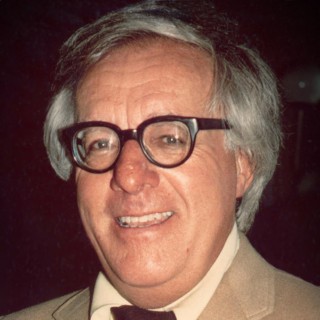
American author and screenwriter
POPULARITY
Categories

93 episodes with Ray Bradbury

62 episodes with Ray Bradbury

86 episodes with Ray Bradbury

55 episodes with Ray Bradbury

45 episodes with Ray Bradbury

17 episodes with Ray Bradbury

44 episodes with Ray Bradbury

45 episodes with Ray Bradbury

50 episodes with Ray Bradbury

22 episodes with Ray Bradbury

12 episodes with Ray Bradbury

41 episodes with Ray Bradbury

9 episodes with Ray Bradbury

9 episodes with Ray Bradbury

11 episodes with Ray Bradbury

15 episodes with Ray Bradbury

8 episodes with Ray Bradbury

11 episodes with Ray Bradbury

7 episodes with Ray Bradbury

10 episodes with Ray Bradbury

8 episodes with Ray Bradbury

10 episodes with Ray Bradbury

12 episodes with Ray Bradbury

8 episodes with Ray Bradbury

21 episodes with Ray Bradbury

11 episodes with Ray Bradbury

10 episodes with Ray Bradbury

19 episodes with Ray Bradbury

5 episodes with Ray Bradbury

13 episodes with Ray Bradbury

8 episodes with Ray Bradbury

6 episodes with Ray Bradbury

26 episodes with Ray Bradbury

9 episodes with Ray Bradbury

6 episodes with Ray Bradbury

9 episodes with Ray Bradbury

10 episodes with Ray Bradbury

8 episodes with Ray Bradbury

6 episodes with Ray Bradbury

8 episodes with Ray Bradbury

6 episodes with Ray Bradbury

4 episodes with Ray Bradbury

12 episodes with Ray Bradbury

6 episodes with Ray Bradbury

8 episodes with Ray Bradbury

8 episodes with Ray Bradbury

22 episodes with Ray Bradbury

5 episodes with Ray Bradbury

6 episodes with Ray Bradbury

4 episodes with Ray Bradbury

4 episodes with Ray Bradbury

5 episodes with Ray Bradbury

7 episodes with Ray Bradbury

4 episodes with Ray Bradbury
Why is an ordinary, plain engraving of a country manor valued so highly? M. R. James, today on The Classic Tales Podcast. Welcome to The Classic Tales Podcast, where an audiobook approach delivers an immersive experience in classic literature. I'm your host BJ Harrison. I'm glad you could join us. Unlimited everything. With a monthly donation of $9.99 or more, that's what you get. Unlimited access to everything I've recorded for the last 19 years. These are the same titles found on Audible, Spotify, and elsewhere. They already have thousands of five-star ratings. Many have won awards. And you can download all you want. No limits. And it all directly supports the show. The guy who does all the work. That'd be me. Go to classictalesaudiobooks.com today and choose the best way to support the show. Thank you so much. Next week I'll be doing a live performance of Jeeves and the Dog MacIntosh, by P.G. Wodehouse at the FanX Convention in Salt Lake City (formerly Salt Lake ComicCon). I'll also be performing The Call of Cthulhu, by H.P. Lovecraft with three other narrators, and Asleep in Armageddon by Ray Bradbury. Finally, we're doing a performance of War of the Worlds Mad Lib style, where the audience chooses half of the story. If you're going to the convention, be sure to stop by. If you had to look up the word mezzotint like I did, here's what you'd find at Merriam-Webster: 1: a manner of engraving on copper or steel by scraping or burnishing a roughened surface to produce light and shade 2: an engraving produced by mezzotint Today's story has been anthologized and dramatized many times. It felt like an old Twilight Zone episode to me. I hope you like it. And now, The Mezzotint, by M.R. James Follow this link to get The Audiobook Library Card for a special price of $9.99/month Follow this link to hear the interview with BJ and Heather Ordover from CraftLit Follow this link and get Multiple Licenses for The Audiobook Library Card Follow this link and watch the new video walkthrough using PocketBook. Follow this link to subscribe to our YouTube Channel: Follow this link to subscribe to the Arsène Lupin Podcast: Follow this link to follow us on Instagram: Follow this link to follow us on Facebook:

It's been a while since we've covered a movie on Unnatural Selection that's plagued with production problems, riddled with lawsuits, and suffering from abysmal CGI. Join Emma and Greg for a special Emma's birthday episode where they talk about the 2005 adaptation of Ray Bradbury's short story A Sound of Thunder. This episode is short, it is detailed, and it features a surprisingly detailed description of a manga trope. For the best listening experience, Emma recommends reading A Sound of Thunder before listening. It will take you five minutes and it's free online. Content warnings for A Sound of Thunder by Ray Bradbury include: gun violence, trophy hunting, and the origin of several time travel tropes. Content warnings for A Sound of Thunder (2005) include: gun violence, trophy hunting, death of a loved one, drowning, the only Black actor in the party dying first in a weird and drawn out way, bugs, and terrible CGI. The articles Emma references in this episode can be found here: https://www.theguardian.com/film/2001/mar/08/news https://www.ign.com/articles/2000/12/19/renny-harlin-and-pierce-brosnan-hear-a-sound-of-thunder https://www.denverpost.com/2005/09/03/thunder-a-jurassic-farce/ https://www.latimes.com/archives/la-xpm-2005-sep-02-et-sound2-story.html https://variety.com/2005/film/reviews/a-sound-of-thunder-1200523576/ https://variety.com/2004/film/markets-festivals/elie-s-new-chapter-1117909400/ https://bombreport.com/yearly-breakdowns/2005-2/a-sound-of-thunder/ https://www.awn.com/vfxworld/sound-thunder-combining-futuristic-prehistoric Emma can be found on bluesky @crabmoney.bsky.social. Greg can be reached via the Moonshot discord or directly at hamamelis. Unnatural Selection is a part of the Moonshot Network. If you like what you've heard and want to support, you can become a patron at https://patreon.com/moonshotnetwork The music for this show was composed by Jake Loranger. You can find more of his work at https://amaranthine.bandcamp.com

It is the year 2055. Time travel has been invented and of course, people are using it for the only reason anyone would want to use time travel: to go back to prehistory and shoot an allosaurus with one million lasers. That's the service offered by Time Safari, the private company run by Ben Kingsley and his distracting hair, who take great pains to ensure that nothing in the past is changed due to the catastrophic consequences it could have for the present. But when time waves start buffeting future Chicago it becomes clear that something has gone wrong and it's up to expedition leader Travis Ryer to figure out what happened before everyone evolves into sad catfish monsters and gets eaten by thousands of beetles. Can the time waves be stopped? Why are there super baboons everywhere? And did Ray Bradbury see this movie before he died? We sure hope not!Vote for Mom Can't Cook! in the British Podcast Awards!If you crave bonus episodes of Mom Can't Cook!, monthly livestream watchalongs, or a shoutout at the end of the show, remember to check out our Patreon at Patreon.com/extrahelpings.If you've watched A Sound of Thunder and have your own thoughts, please email us at momcantcookpod@gmail.com for a chance to have your comments read out on the show. Next time on Mom Can't Cook! we'll be watching 1998's Mr. Headmistress. See you then!This episode is sponsored by NordVPN! Upgrade your online protection with an all-in-one security app! Get an exclusive NordVPN deal + 4 months extra here ➼ https://nordvpn.com/momcantcook. Itʼs risk free with NordVPNʼs 30-day money-back guarantee!This episode is also sponsored by Saily. Get an exclusive 15% discount on Saily data plans! Use code momcantcook at checkout. Download Saily app or go to saily.com/momcantcookThanks to sponsor Green Chef! Head to greenchef.com/50momcantcook and use code 50momcantcook to get fifty percent off your first month, then twenty percent off for two months.This episode is also sponsored by Insert Coin Clothing! Visit insertcoinclothing.com and use code SAFARITHECONSEQUENCES for 10% off online orders. Codes are not applicable on charity items, bundles, gift cards, postage and some products at launch. Codes cannot be combined with other deals or promotions and are valid until the end of 2026.Contact Multitude for Advertising Inquiries: multitude.productions/adsCheck out the official Mom Can't Cook! store for sweet merch and check out Mom Can't Cook! Extra Helpings for bonus episodes, ad free episodes, monthly watchalongs and more!See Privacy Policy at https://art19.com/privacy and California Privacy Notice at https://art19.com/privacy#do-not-sell-my-info.

Minint Lietuvos radijo šimtmetį prisimename 1980 metais sukurtą radijo spektaklį „451 laipsnis Farenheito“. Teksto autorius Ray Bradbury, režisavo Dalia Tamulevičiūtė. 1980 m.

Step into a strangely familiar and deeply unsettling future in, 'There Will Come Soft Rains,' a 1950 episode of Dimension X, adapted from the haunting story by Ray Bradbury. The house cooks the meals, cleans the rooms, sets the table, and announces the time. Everything is automated and running perfectly… but where is everyone?Short, atmospheric and surprisingly profound, this bitter-sweet tale asks some big questions about technology, humanity—and the price of convenience. Join Mary and Greg after the show for a full debrief on this sci-fi journey from the golden era radio. Thank you for listening! If you like the show, please share us with your friends and family AND give us a review! If you have a suggestion for a show or a question, please drop it in the comments!Watch us on YouTube:https://www.youtube.com/@shivershowradioFollow The Shiver Show https://www.facebook.com/theshivershowor check out our website at https://www.timewarpstudios.com Other podcast platforms: https://linktr.ee/theshivershow
We wrap up our Hitchcock series with a bonus episode featuring stories from Suspense that were later adapted as episodes of Alfred Hitchcock Presents on television. Charles Laughton is a patriarch with a problem in "Wet Saturday" (originally aired on CBS on December 16, 1943), and Charles Ruggles' indigestion may have a sinister origin in "Suspicion" (originally aired on CBS on February 10, 1944). A talented cast of radio players brings Ray Bradbury's chilling tale "Riabouchinska" to radio life (originally aired on CBS on November 13, 1947). Claude Rains and Vincent Price hunt for a murderer stalking the streets in "The Hands of Mr. Ottermole" (originally aired on CBS on December 2, 1948), and Herbert Marshall takes a cross-country trip in "The Long Shot" (originally aired on CBS on February 9, 1958). Finally, Stan Freberg finds that committing murder is easy, but covering it up is hard in "Alibi Me" (originally aired on CBS on April 20, 1958).

Cris llegó a mi vida gracias a su esposo, Tomás Quintero, más conocido como @lisergicos. Un día ellos me invitaron a su casa y pude ser testigo de una pareja que se quiere, se cuida y se cultiva intelectualmente. Lo que pense´fue "con razón". Con razón es tan rico hablar con él. Después descubriría que lo mismo pasaba con ella. Ya verán, la mujer TAN profunda y mísitica que es Cris.Aquí les dejo el listado de los libros mencionados:Un verdor terrible, Benjamín Labatut.Leonora, Elena Poniatowska.En busca del tiempo perdido (y otros), Proust.Maus, Art Spiegelman.Fahrenheit 451, Ray Bradbury.Cien años de soledad, Gabriel García Márquez.Los hermanos Karamazov, Fiodor DostoievskyCrimen y castigo, Fedor Dostoievsky.Lolita, Vladimir Nabokov.El adversario, Emmanuel CarrereLa rebelión de Atlas, Ayn RandLa última piel, Tomás QuinteroMarginalia, Juan Andrés ArangoErmitaños 9, María Clara MesaCementerio de animales, Stephen KingSolenoide, Mircea CartarescuJung y el Tarort, un viaje arquetípico, Salle NichollsBeloved, Tony MorisonCartas a un joven poeta, Rainer Maria RilkeEl acto creativo, Rick Rubin.

Dandelion Wine by Ray Bradbury (1957) vs A Month in the Country by J. L. Carr (1980)
Can Sherlock Holmes follow the trail of a culprit 28 hours ahead of him? Arthur Conan Doyle, today on The Classic Tales Podcast. Welcome to The Classic Tales Podcast, where an audiobook approach delivers an immersive experience in classic literature. I'm your host BJ Harrison. I'm glad you could join us. Unlimited everything. With a monthly donation of $9.99 or more, that's what you get. Unlimited access to everything I've recorded for the last 19 years. These are the same titles found on Audible, Spotify, and elsewhere. They already have thousands of five-star ratings. Many have won awards. And you can download all you want. No limits. And it all directly supports the show. The guy who does all the work. That'd be me. Go to classictalesaudiobooks.com today and choose the best way to support the show. Thank you so much. Okay, so we have a little housekeeping to attend to. First of all, if you'd like to see a live recording of Jeeves and the Dog MacIntosh, by P.G. Wodehouse, you can. I'll be performing The Classic Tales Podcast live at the FanX Convention (formerly Salt Lake ComicCon). I'll also be one of four narrators performing The Call of Cthulhu live, as well as Asleep in Armageddon, by Ray Bradbury. So if you're in the area, and are planning on attending, please come and say hi. There's also a super fun interview I had with Heather Ordover from CraftLit, the annotated audiobook podcast, that you can check out. Her podcast turns 20 this year, and since many of her listeners have heard my work, since she's used some of my recordings in her show, she was gracious enough to have a chat with me. If you wonder why I do this, or what my story is, it's a great snapshot of lil' ol' me. A link to the interview can be found in the show notes. Also, today we have an instance of an author using racism as a cheap device to create a villain. Yeah, it's pretty gross. For the record, any time you say, "everyone who looks like this, or comes from here, or thinks like this – they're all the same", yeah, that's a problem. Unfortunately, many Victorian authors use this and various forms of racism as a cheap shortcut. Just wanted to give you a heads up. And now, The Sign of the Four, Part 3 of 5, by Arthur Conan Doyle Follow this link to get The Audiobook Library Card for a special price of $9.99/month Follow this link to hear the interview with BJ and Heather Ordover from CraftLit Follow this link and get Multiple Licenses for The Audiobook Library Card Follow this link and watch the new video walkthrough using PocketBook. Follow this link to subscribe to our YouTube Channel: Follow this link to subscribe to the Arsène Lupin Podcast: Follow this link to follow us on Instagram: Follow this link to follow us on Facebook:

Hoy, en el marco del Día Nacional del Bombero, hablaremos del fuego. Veremos cómo aprendimos a domesticarlo mediante técnicas como el ahumado, conoceremos la historia de los bomberos, recordaremos grandes incendios que transformaron ciudades enteras y cerraremos con Fahrenheit 451, la inquietante novela de Ray Bradbury. Acompáñenos a un Banquete ardiente.See omnystudio.com/listener for privacy information.
Ray Bradbury — Mindwebs | Kaleidoscope | 1970s01:34 - Kaleidoscope: : : : :You can donate to show your support for my podcast and the time I put into creating and posting every week. Donations are through my duane.media PayPal account:https://www.paypal.com/donate/?hosted_button_id=MSL7S8FKCSL94My other podcast channels include: MYSTERY x SUSPENSE -- DRAMA X THEATER -- COMEDY x FUNNY HA HA -- VARIETY X ARMED FORCES -- THE COMPLETE ORSON WELLES.Subscribing is free and you'll receive new post notifications. Thank you for your support.https://otr.duane.media | Instagram @duane.otr#scifiradio #oldtimeradio #otr #radiotheater #radioclassics #bbcradio #raybradbury #twilightzone #horror #oldtimeradioclassics #classicradio #horrorclassics #xminusone #sciencefiction #duaneotr:::: :

Face the Music: An Electric Light Orchestra Song-By-Song Podcast
Ray Bradbury's book in radio form! First, it's the distant futuristic date of January 1999, and humans land on Mars infecting the population with the putrefactive and disease bacteria against which their systems were unprepared for. Second, it's the distant futuristic date of October 5, 2026, and a family escapes earthly atomic devastation by immigrating to Mars. First aired August 18, 1950

Blade, The Exorcist III, An American Werewolf in London, You're Next, The Night House, and Night of the Creeps lead this August 17–23 horror-history guide. The release-date calendar revisits William Peter Blatty's rain-soaked supernatural detective story The Exorcist III, Rebecca Hall's haunted grief in The Night House, Wesley Snipes' debut as Marvel's vampire-hunting Daywalker in Blade, and the masked home invasion of You're Next. Each film offers a different route into the Halloween pregame: possession, architectural dread, vampire action, and survival horror. The deep-cut spotlight belongs to Fred Dekker's Night of the Creeps, where alien parasites, reanimated fraternity brothers, college chaos, and Tom Atkins with a flamethrower collide. Horror birthdays celebrate Taissa Farmiga, Peter Weir, Ray Bradbury, and Park Chan-wook. The weekly recommendation is John Landis's An American Werewolf in London, with Rick Baker's landmark transformation effects, full-moon tragedy, dark comedy, and undead warnings making it essential spooky-season viewing.

Fahrenheit 451, Ray Bradbury’s 1953 dystopian novel, follows Guy Montag, a “fireman” whose job is to burn books, as he turns into an outlaw set on restoring memory, reclaiming time to think, and building human connection. It is a classic that is easy to take for granted, but as Dr. Art Markman, Dr. Bob Duke, […] The post Fahrenheit 451 appeared first on KUT & KUTX Studios -- Podcasts.
Agradece a este podcast tantas horas de entretenimiento y disfruta de episodios exclusivos como éste. ¡Apóyale en iVoox! En 1953 Internet no existía. No había teléfonos móviles. Nadie llevaba un ordenador en el bolsillo, ni recibía notificaciones a todas horas, ni tenía la sensación de estar permanentemente localizable. Y, sin embargo, Ray Bradbury ya intuía que el verdadero problema de la tecnología no sería la máquina, sino el ruido de esta resonando en nuestra mente. - Narración: Juan Carlos Albarracín - Locución Sintonía: Antonio Runa - Música: Epidemic Sound, con licencia ----- Contrata tu IVOOX PREMIUM anual desde este enlace y además de obtener un suculento 50% de descuento y de poder escuchar TODOS los programas de esta plataforma sin publicidad, estarás ayudando a sostener Los Cuentos de la Casa de la Bruja: https://www.ivoox.vip/premium?affiliate-code=27e5799d254c8a29ecdab3d8d5bfa96f ----- Los Cuentos de la Casa de la Bruja es un podcast semanal de audio-relatos de misterio, ciencia ficción y terror. Cada viernes, a las 10 de la noche, traemos un nuevo programa. Alternamos entre episodios gratuitos para todos nuestros oyentes y episodios exclusivos para nuestros fans. ¡Si te gusta nuestro contenido suscríbete! Y si te encanta considera hacerte fan desde el botón azul APOYAR y accede a todo el contenido exclusivo. Tu aporte es de mucha ayuda para el mantenimiento de este podcast. ¡Gracias por ello! Mi nombre es Juan Carlos. Dirijo este podcast y también soy locutor y narrador de audiolibros, con estudio propio. Si crees que mi voz encajaría con tu proyecto o negocio contacta conmigo y hablamos. :) Contacto profesional: info@locucioneshablandoclaro.com www.locucioneshablandoclaro.com También estoy en X y en Bluesky: @VengadorT Y en Instagram: juancarlos_locutor Escucha el episodio completo en la app de iVoox, o descubre todo el catálogo de iVoox Originals

Ray Bradbury Theater Season 1 Episode 1 Marionettes Inc

The League had the ultimate pleasure of talking to the “almost famous” geek icon Flint Dille, author of The Gamesmaster: My Life in the '80s Geek Culture Trenches with G.I. Joe, Dungeons & Dragons, and The Transformers as well as the author of our childhoods, and keeper of hidden geek memorabilia. Celebrating the 40th anniversary of Transformers The Movie with a remastered episode, we sit down with Flint Dille, author of The Gamesmaster: My Life in the '80s Geek Culture Trenches with G.I. Joe, Dungeons & Dragons, and The Transformers. As a legendary writer and story editor, his work shaped iconic '80s animation including The Transformers, G.I. Joe, Inhumanoids, Visionaries, and The Puppy's Further Adventures, along with penning the screenplay for the 1986 feature film The Transformers: The Movie. Beyond television, he is an accomplished game designer and narrative architect who has contributed to major franchises like Pokemon GO and blockbuster AAA titles alongside former Call of Duty developers. Throughout his career, he has collaborated with industry luminaries such as George Lucas, Steven Spielberg, Ray Bradbury, and Gary Gygax, continuing a rich family legacy in pop culture as the grandson of Buck Rogers creator John F. Dille.
More famous for his science fiction and dark fantasy, Ray Bradbury also tried his hand at crime fiction, with often-fascinating results. Writer, critic, and editor Aigner Loren Wilson talks us through the strange flourishes and tonal experiments of Killer, Come Back To Me! Podcasts, reviews, interviews, essays, and more at the Ancillary Review of Books. Please consider supporting ARB’s Patreon! Guest: Aigner Loren Wilson Title: Killer, Come Back To Me by Ray Bradbury Host:Jake Casella Brookins Music byGiselle Gabrielle Garcia Artwork byRob Patterson Opening poem by Bhartṛhari, translated by John Brough References: The Possession of Alba Díaz & Vampires of El Norte by Isabel Cañas Leslie Feinberg’s Stone Butch Blues The Ship of Death by Kyle Winkler Adrian Tchaikovsky's Shroud Ray Bradbury: The Life of Fiction by Jonathan R. Eller & William F. Touponce Raymond Chandler, Dashiell Hammett Dandelion Wine, Fahrenheit 451, The Illustrated Man, The Martian Chronicles Damon Knight "The Smallest Assassin" Leigh Brackett The Chucky franchise Frank Miller’s Sin City, Shane Black’s The Nice Guys Yestermorrow: Obvious Answers to Impossible Futures "Dead Men Rise Up never" "Where Everything Ends" "The Town Where No One Got Off" "The Utterly Perfect Murder" The Bradbury Chronicles by Sam Weller "Punishment Without Crime" "The Whole Town’s Sleeping" & "At Midnight in the Month of June" "The Women" from I Sing the Body Electric "And So Died Riabouchinska" "The Smiling People" "The Fruit at the Bottom of the Bowl" "Some Live Like Lazarus" Octavia E. Butler Darker Times Writing Skins, Aigner’s newsletter Aigner's website Scene Builder
SONIC SUMMERSTOCK PLAYHOUSE '26: Rocket Skin Originally released in July 2026 as part of the Sonic Summerstock Playhouse '26, director Pete Lutz has adapted a pulp sci-fi tale by Ray Bradbury, in which a group of interstellar hoboes hitch a ride to Earth, on the outside of a speeding spacecraft! Join us to hear what happens on the..."Rocket Skin"! This production was designed to resemble a "lost" episode of the classic radio series ESCAPE! CAST: Rhiannon McAfee as the AGENT-IN-CHARGE Dana Gonsalves as GEORGE VANNING John Bell as OLD POP Andy Hartson-Bowyer as ELLIS Nick Wommack as TETLEY and Larry Groebe as the DEACON With additional voices by Pete Lutz
A scientist condemned to a punishment unlike anything ever devised watches centuries slip past while every civilization around him rises, changes, and disappears. As the world transforms beyond recognition, only one question remains: what will finally bring his endless sentence to an end? Pendulum by Ray Bradbury and Henry Hasse. That's next on The Lost Sci-Fi Podcast. You can never have too many 5-star reviews. Never. Every one reminds us why we do this, but some hit a little differently. This one from Apple Podcasts Canada absolutely made our day. wethesheep-not wrote: “Delightful. Best narrator ever! Hands down best audiobook podcast! You can't compare this podcast with any other.” Wow. To everyone who has taken a minute to leave a rating or review, thank you. Those reviews help more listeners discover The Lost Sci-Fi Podcast, and they remind us that these classic stories are still finding new fans all over the world. And to wethesheep-not—thank you for such incredibly kind words. We truly appreciate you listening and taking the time to share your thoughts. Ray Bradbury and Henry Hasse joined forces on just three stories. We featured one of them, Final Victim, about two and a half years ago. From the November 1941 issue of Super Science Stories on page 102, Pendulum by Ray Bradbury and Henry Hasse… Next on The Lost Sci-Fi Podcast, A quiet man spends decades chasing an impossible invention, only to discover that success carries a responsibility far greater than wealth or fame. When the future reveals a disaster that has not happened yet, one ordinary bartender must decide whether he is willing to become the man history needs. Probability by Louis Trimble. Lost Sci-Fi Premium - https://lostscifi.supercast.com/ Buy Me a Coffee - https://lostscifi.com/coffee Newsletter - https://lostscifi.com/free/ Facebook - https://lostscifi.com/facebook YouTube - https://lostscifi.com/youtube X - http://Lostscifi.com/x Instagram - https://www.instagram.com/lostscifiguy Bluesky - https://bsky.app/profile/lostscifipodcast.bsky.social Merchandise - https://lostscifi.creator-spring.com/ Thanks to Our Listeners Who Bought Us a Coffee $200 Someone $100 Tony from the Future $75 James Van Maanenberg $50 James Van Maanenberg, MizzBassie, Anonymous Listener $25 Fintan Quigley, Curious Jon, David Bell, Steve, Miriam, Someone, Someone, Eaten by a Grue, Jeff Lussenden, Fred Sieber, Anne, Craig Hamilton, Dave Wiseman, Bromite Thrip, Marwin de Haan, Future Space Engineer, Fressie, Kevin Eckert, Stephen Kagan, James Van Maanenberg, Irma Stolfo, Josh Jennings, Leber8tr, Conrad Chaffee, Anonymous Listener $15 Every Month Someone $15 Steve, Someone, SueTheLibrarian, Joannie West, Amy Özkan, Someone, Carolyn Guthleben, Patrick McLendon, Curious Jon, Buz C., Fressie, Anonymous Listener $10 David, Anonymous Listener $5 Every Month Eaten by a Grue $5 Tammy, Owen, Bruce, Someone, TLD, David, Denis Kalinin, Timothy Buckley, Andre'a, Martin Brown, Ron McFarlan, Tif Love, Chrystene, Richard Hoffman, Anonymous Listener Listen without commercials and enjoy exclusive bonus episodes every month with Lost Sci-Fi Premium—start your free 7-day trial today. https://lostscifi.supercast.com/ Hosted by Simplecast, an AdsWizz company. See pcm.adswizz.com for information about our collection and use of personal data for advertising.
A world that should have bloomed again instead slips beyond reach, leaving one visitor to wonder whether the greatest mistake was made long before humans ever arrived. As forgotten clues begin to fit together, an unsettling possibility emerges that no one is prepared to face. Translator's Error by Charles Dye. That's next on The Lost Sci-Fi Podcast. Author Charles Dye makes his second appearance on the podcast just over 10 months after his first story, Momentum was heard. Let's travel to Mars through the pages of the December 1952 issue of Dynamic Science Fiction. Our martian tale begins on page 111, Translator's Error by Charles Dye… Next on The Lost Sci-Fi Podcast, A scientist condemned to a punishment unlike anything ever devised watches centuries slip past while every civilization around him rises, changes, and disappears. As the world transforms beyond recognition, only one question remains: what will finally bring his endless sentence to an end? Pendulum by Ray Bradbury and Henry Hasse. Lost Sci-Fi Premium - https://lostscifi.supercast.com/ Buy Me a Coffee - https://lostscifi.com/coffee Newsletter - https://lostscifi.com/free/ Facebook - https://lostscifi.com/facebook YouTube - https://lostscifi.com/youtube X - http://Lostscifi.com/x Instagram - https://www.instagram.com/lostscifiguy Bluesky - https://bsky.app/profile/lostscifipodcast.bsky.social Merchandise - https://lostscifi.creator-spring.com/ Thanks to Our Listeners Who Bought Us a Coffee $200 Someone $100 Tony from the Future $75 James Van Maanenberg $50 James Van Maanenberg, MizzBassie, Anonymous Listener $25 Fintan Quigley, Curious Jon, David Bell, Steve, Miriam, Someone, Someone, Eaten by a Grue, Jeff Lussenden, Fred Sieber, Anne, Craig Hamilton, Dave Wiseman, Bromite Thrip, Marwin de Haan, Future Space Engineer, Fressie, Kevin Eckert, Stephen Kagan, James Van Maanenberg, Irma Stolfo, Josh Jennings, Leber8tr, Conrad Chaffee, Anonymous Listener $15 Every Month Someone $15 Steve, Someone, SueTheLibrarian, Joannie West, Amy Özkan, Someone, Carolyn Guthleben, Patrick McLendon, Curious Jon, Buz C., Fressie, Anonymous Listener $10 David, Anonymous Listener $5 Every Month Eaten by a Grue $5 Tammy, Owen, Bruce, Someone, TLD, David, Denis Kalinin, Timothy Buckley, Andre'a, Martin Brown, Ron McFarlan, Tif Love, Chrystene, Richard Hoffman, Anonymous Listener Listen without commercials and enjoy exclusive bonus episodes every month with Lost Sci-Fi Premium—start your free 7-day trial today. https://lostscifi.supercast.com/ Hosted by Simplecast, an AdsWizz company. See pcm.adswizz.com for information about our collection and use of personal data for advertising.

Can you believe a storyteller? Ray Bradbury was a consummate storyteller who, in the introduction to his 1950 short story collection The Martian Chronicles, offered a possible origin story for the work. He had, he recalled, been 24 years of age when he read Sherwood Anderson's Winesburg Ohio, a collection of stories about small-town life. The book inspired him to wonder if he could do something similar for American small-town life, but set on Mars. In amongst his other commitments, he set sail on a journey that ultimately would see him produce close to three dozen short stories set on the red planet. The first, "The Million Year Picnic" appeared in 1946, but they followed over the next four years. At some point between then and 1948 Bradbury set the notion of a book to one side and it was only when he travelled to New York in 1949 that he picked the task up once more. Doubleday editor Walter Bradbury was interested in publishing Bradbury, but needed a novel to anchor the deal. It was he who suggested that Bradbury should sketch out a plan for a book, and who then signed it up and published it the following year. The Martian Chronicles went on to international acclaim, selling millions of copies across many, many editions, and remaining one of Bradbury's most famous works. The recent 80th anniversary of the first appearance of "The Million Year Picnic" and the passing this week of August 4, 2026 (the date specified in "There Will Come Soft Rains") inspired Gary and Jonathan to sit down with Jeffrey Ford and Kelly Link to discuss the continuing relevance of Bradbury's classic work.

Strangers and Aliens: Science Fiction & Fantasy from a Christian Perspective
Ben takes a look at the sci-fi classic short story “There Will Come Soft Rains” by Ray Bradbury . . . because it's actually August 4, 2026 — the date that the computer-brain of the story's automated house announces at the beginning of the tale.

A modern hardboiled adventure written by Ray Bradbury, the tale of a killer who suffers from delusions of grandeur. Guns blaze, but thanks to a getaway car driven by a…

A modern hardboiled adventure written by Ray Bradbury, the tale of a killer who suffers from delusions of grandeur. Guns blaze, but thanks to a getaway car driven by a…

LANCE ROBINSON Author & Writers of the Future Winner – Biography Lance Robinson has had a strong interest in Science Fiction since elementary school reading The Hobbit, Lord of the Rings, and Dune being a fan of Ray Bradbury, Isaac Asimov and Arthur C. Clarke as well as writing his first novel before finishing high school. Lance lives in the city of Thunder Bay, in northwestern Ontario, Canada, in the traditional territory of the Anishnaabeg peoples and Fort William First Nation. When he's at his day job, he's a social scientist whose work revolves around the human dimensions of managing natural resources. He generally doesn't put an “environmental science fiction” label on his work, but environmental themes and musings about human beings' economic, cultural and spiritual relationships with nature are often woven into his fiction. Find out more at: LanceRobinsonWriter.com LISA SILVERTHORNE Author & Writers of the Future Winner – Biography Lisa Silverthorne writes mythic, emotionally charged fantasy, romance, mystery, and science fiction—stories of lost souls, destiny, devotion, redemption, irreverent humor, the sacred cost of power, and the right to belong. An award-winning storyteller with almost 35 novels and over 150 short stories, she blends vivid prose, elemental world-building, and character-driven intensity into tales that are sometimes irreverent, sometimes heartbreaking, but always mythic. Her stories also blend intimate slow burn with apocalyptic stakes, creating emotionally resonant worlds where love endures even in ruin. She is drawn to characters who break, endure, and find their way back to themselves—and to each other—against impossible odds. Her worlds are rich with magic, danger, and heart‑deep connection, always anchored by the belief that even in darkness, love remains a transformative force. She lives in Las Vegas with a skittish tabby Maine Coon, a brash grey ragdoll, and a feisty tortie Persian kitten. Find out more at: www.LisaSilverthorne.com United Public Radio & UFO Paranormal Radio www.uprntalkradio.com
New parents David and Alice Leiber should be settling into blissful domesticity with their newborn son. Instead, Alice is convinced something is deeply wrong with her baby — and as strange accidents start piling up around the house, David finds himself forced to consider whether her fears might be more than exhaustion and nerves.Ray Bradbury wrote “The Small Assassin” in 1946, decades before he'd become a household name with The Martian Chronicles and Fahrenheit 451 — but the psychological horror and razor-sharp unease that would define his career are already fully formed here.If you have a story you'd like to contribute to the series, you can visit https://submissions.soundconceptmedia.com/You can support the show by becoming a paid subscriber on Substack: https://auditoryanthology.substack.comBy becoming a paid subscriber you can listen to every episode completely ad-free!Curator: Keith Conrad linktr.ee/keithrconradNarrator: Darren Marlar https://darrenmarlar.com/Other shows hosted by Darren:Weird Darkness: https://weirddarkness.com/Paranormality Magazine: https://weirddarkness.tiny.us/paranormalitymagMicro Terrors: Scary Stories for Kids: https://weirddarkness.tiny.us/microterrorsRetro Radio – Old Time Radio In The Dark: https://weirddarkness.tiny.us/retroradioChurch of the Undead: https://weirddarkness.tiny.us/churchoftheundead Hosted on Acast. See acast.com/privacy for more information.
Ray Bradbury || Escape - Mars Is Heaven / Dimension-X - Mars is Heaven / Think 53 - Mars Is Heaven / X-Minus-1 - Mars Is Heaven || June 2, 1950; July 7, 1950; 1953; May 8, 195503:15 .. Escape, Mars is Heaven32:43 .. Dimension-X, Mars is Heaven1:01:20 .. Think 53, Mars is Heaven1:28:20 .. X-Minus-1, Mars is Heaven: : : : :You can donate to show your support for my podcast and the time I put into creating and posting every week. Donations are through my duane.media PayPal account:https://www.paypal.com/donate/?hosted_button_id=MSL7S8FKCSL94My other podcast channels include: MYSTERY x SUSPENSE -- DRAMA X THEATER -- COMEDY x FUNNY HA HA -- VARIETY X ARMED FORCES -- THE COMPLETE ORSON WELLES.Subscribing is free and you'll receive new post notifications. Thank you for your support.https://otr.duane.media | Instagram @duane.otr#scifiradio #oldtimeradio #otr #radiotheater #radioclassics #bbcradio #raybradbury #twilightzone #horror #oldtimeradioclassics #classicradio #horrorclassics #xminusone #sciencefiction #duaneotr:::: :
400 - IT WAS NOT PERFECT! Ray Bradbury's perfect hometown collides -- harshly -- with something very dark. Tuck in to hear the startling conclusion to "The Lonely One."
400 - IT WAS NOT PERFECT! Ray Bradbury's perfect hometown collides -- harshly -- with something very dark. Tuck in to hear the startling conclusion to "The Lonely One."

How can organic writing and leaning into the pivot help your stories stand out? And how can you pitch a story as a discovery writer if you genuinely don't know what's going to happen next. Steven James gives his writing tips after more than 20 years as an author. In the intro, Better Than Free in an Age of AI [Kevin Kelly on Tim Ferriss; Kevin Kelly on The Creative Penn]; Future Vision XPrize; A Different Kind of Bucket List. Today's show is sponsored by Draft2Digital, self-publishing with support, where you can get free formatting, free distribution to multiple stores, and a host of other benefits. Just go to www.draft2digital.com to get started. This show is also supported by my Patrons. Join my Community at Patreon.com/thecreativepenn Steven James is the multi-award-winning and international bestselling author of 21 novels across thrillers, YA, and science fiction, with more than a million copies sold, as well as the author of non-fiction craft books for writers, a writing teacher, and the host of The Story Blender podcast. You can listen above or on your favorite podcast app or read the notes and links below. Here are the highlights and the full transcript is below. Show Notes How to lean into organic writing, and what to focus on instead of plot How characters unfold on the page, and why an attitude beats a background Producing an outline for an agent or publisher when you genuinely don't know what happens next Don't pitch the plot, pitch the pivot The four choices you have in every scene, and why logic plus surprise is the engine of story Faith, moral clarity and big questions You can find Steven at StevenJames.net. Transcript of the interview with Steven James Jo: Steven James is the multi-award-winning and international bestselling author of 21 novels across thrillers, YA, and science fiction, with more than a million copies sold, as well as the author of non-fiction craft books for writers, a writing teacher, and the host of The Story Blender Podcast. So welcome to the show, Steven. Steven: Thanks for having me, Jo. Good to be here. Jo: Great to have you on the show. First up— Tell us a bit more about you and how you got into writing and publishing. Steven: Oh, gosh. Well, the thing is, when I was a kid, I fell in love with stories. My uncle would always, whenever we got together for the holidays—Christmas, New Year's and so on—he would take my sister, my brother and myself into a corner of the room while the other adults had coffee, and we would just sit there, and he would get this look in his eye and he'd say, “I'm going to tell you a story.” We were transported to another world. We were swashbuckling with pirates, or facing down a grizzly bear in Alaska, or flying over the desert on a flying carpet, or whatever. I fell in love with imagination and stories and everything. So I started reading as much as I could, mostly short stories. They had a programme at our library called the paperback book exchange, where you bring a paperback book and you leave it, and you can take any one of the paperback books that they had. You could keep it as long as you wanted. If you wanted it for your life, that's fine, or you could just bring it back as soon as you finished reading it. Anyway, I went crazy over the summers reading short stories, mainly. As I got older, I was like, “I think I want to be a storyteller.” So I actually got my master's degree in storytelling. Then I started to travel and tell stories, but I had three little daughters at home, and I was like, “I don't want to be gone 300 days a year when they are growing up.” So I ended up starting to write stories instead of travel, and then it just kind of shifted in that direction. That was in '97. Oh my goodness, that's long. '97, '98. So then I started to write books, and then eventually in 2007, I think, my first novel came out. Now, mainly, I've been writing novels ever since. Jo: It's so interesting. Was it a job, storytelling? Is that what you did before you became a book writer? Or did you have a different job? Steven: I mostly would go to events, conferences, schools and so on, and do a family-friendly storytelling show. So I would tell personal stories, some folktales reimagined. I would go to different events around the country. Mostly it was that. Then I started to shift. I wrote for magazines for a while—80 different magazines I wrote for over those years, a couple of hundred different articles, stories. I was like, “I'm just going to try to make a living telling stories.” So the shift has gone back and forth between actually telling stories and writing stories, but these days, I don't know. I'm still speaking. I'm still out there teaching. Jo: That's so interesting, because it's obviously a completely different thing to tell a story in person than it is to write a story. So when you decided to shift that way, what did you have to learn and unlearn? Because your thoughts on the page are so different to when you can make eye contact with an audience. Steven: That's a good point. I kind of started by telling stories back when I was in college, so I sort of moved from telling to writing. And you're right, there's so much that's lost, whether it's eye contact or pauses. On a printed page, there's always the same amount of space between every word—a space. But when you tell stories, obviously you pause for effect in different places, different areas, and so it's quite different. So if I have an idea for a story, I usually have to decide, is this going to be written or told? And then I do it in that medium. Then if I want to, let's say, tell a written story, I almost have to relearn it, or retell it very differently. You have gestures, body language. All of those things are obviously lost in text, so they are very different. I think for me it's been good, because when I tell stories, I hear different characters speaking, so that when I write, usually dialogue comes fast to me. I can hear what people are saying. I don't always know where they are. I don't always know the setting. I don't even know the scene necessarily, but I can hear the dialogue. Then it also helps me to step into the characters, like when I'm writing different points of view, so that I think I can do a good job of getting into that character's mind, as if I were that person. I think some of that comes from just telling stories. Jo: You've taught so many writers over the years, and it's interesting you said that you hear characters' dialogue. I see visual film in my mind. I don't hear any voice at all. It's all silent. I struggle with dialogue, but I do great world building. Do you find that this really is different by the author? I feel like we fall into these different groups. Steven: Yes, I do. I kind of feel like that's very true as far as what comes first, whether it's a description of a place, whether it's the action. I mean, basically a story has dialogue, narration—or we call it sometimes exposition—and description. Those three things. Every story has those three things, and those are the three that we use to tell a story, a novel. So some people tend to drift into one or the other as sort of their default setting: dialogue, description, or action. That's true. I think also something else that's interesting about writers is they tend to fall into either the camp of being a wordsmith or a storyteller. Not everyone, but I feel like some people are wordsmiths, where I read what they're writing, and I'm like, “Man, this is so powerful, evocative,” whatever. Maybe there's no story there. It's just really interesting writing. Other people just are natural storytellers, and they have to really work on the wordsmithing. I think that's me. I'm more naturally just a storyteller, but it takes me a long time to get the descriptions to where I want them, to choose exactly the right word. That takes me more effort. Some people have to build up the storytelling muscles. I have to build up the wordsmithing muscles. Jo: Well, part of the reason I wanted to talk to you is because you talk about this thing called organic writing in your book Story Trumps Structure, which is out now in a second edition. I call it discovery writing, so similar to you. But most people in the writing community seem to obsess about plotting and planning. So talk about your process of organic writing. You say in the book, “Trust the fluidity of the process.” Tell us more about that. Steven: Well, I remember in high school even, when my teacher got up front and he kind of got this very almost wise look on his face, and he goes, “A story is something with a beginning, a middle, and an end.” I'm sitting there in high school like, “Well, so does a bratwurst. What are you talking about here?” A description of a chair has a beginning, a middle, and an end. The sentence, “Preheat the oven to 450 degrees,” has a beginning, a middle, and an end. My view is that saying a story is something that has three acts is like saying that a pizza is something with three toppings. It might have three. It might have one. It might have five. So the idea for me is not to worry about structure, trying to tick off the boxes of a template, a formula you find online, a fill-in-the-blanks kind of a thing. But instead, to actually look at what lies at the heart of the story—the character, the tension, the struggle, the pursuit, the pivots and plot twists, and the payoff at the end. As you develop those aspects of the story, I feel like you need to worry less and less about following a formula. The more you understand what lies at the heart of a story, I feel like the less you need to plot and the less you need to write by the seat of your pants. A lot of people say, “Oh, you write by the seat of…” No, I don't write by the seat of my pants, because I know what a story contains, so I know that in a certain scene a character will make certain choices that are unpredictable but that escalate the tension, and different things like that. I'm a huge proponent of discovery, as you say, or organic writing. I won't get the quote exactly right, but Ray Bradbury said something along the lines of, “Plot is the tracks left in the snow after your characters have run by on their incredible destinations. It cannot precede action. It is the chart that remains when an action is through.” So he's saying plot is not what precedes action. After the action, you have plot. So the whole idea of trying to plot out a story before you write it is going about writing exactly backwards. Plot doesn't precede action. It's the result. So I always tell people, “Don't worry so much about the plot. I want you to look at the pursuit.” A plotter might say, “Well, what should happen?” And they'll just come up with something. But an organic writer—a pursuit-based question would be, what does the character want? Now, when I know what the character wants, I will know what should happen. So literally, it will lead me to the story. Focusing on plot will not necessarily lead you to the story. It might lead you down the wrong track. Jo: Then in terms of your actual writing process— Do you start writing without knowing the ending? Do you write in order? Is the organic side also in the process? Steven: I've never started a book where I know how it will end. So I usually start with either a character that's fascinating or, in some cases, a premise, a question. Then as I write, I explore the possibilities of where it might go. I've tried to outline a scene—like one scene, not a whole book—and it never works. I can't even outline one scene. I've tried, and I'm like, okay, that's… What I end up with is completely different from it, so it's just a waste of time and effort for me to try to outline or plot out a story. I'm much more interested in the pathway the characters will take as they face obstacles and setbacks in their pursuit. As the struggles and the tension develop, what choices will they make? That's how the story will unfold for me. Jo: I'm similar. Then I also wonder— Do you do character sheets and character bios, or do the characters also unfold organically? Steven: Absolutely, I don't do any of the sheets and bios and stuff. The characters really come to me as I write. I begin to get to know them. I always tell people, a character with an attitude is more interesting than a character with a background. So a lot of people will spend a lot of time on, like, where's this character gone to college, and what's their first pet's name, all that stuff. I'm not trying to dump on that idea. I get that that can be helpful. But I'm like, how would I know that until I've spent time with them? Then once I begin to spend time with them, I'm writing and I'm like, “Nah, this doesn't seem like what that character would really say or do,” so I have to go back and rejigger the story to hopefully make it fit with that character. Then I like to give the characters some sort of attitude. I'm not talking about a negative or judgy attitude, but an attitude about something that is unique or different, and that makes them not a template character, not an archetype or whatever, but unique. Sort of this constellation of unique traits, characteristics, maybe wounds, flaws and so on, that create a character where you're like, “This is a character like none I've ever seen before. I want to spend time with this character.” Jo: Then you're spending time with the character by writing what's happening, as opposed to writing loads of stuff beforehand and then starting to write. You're actually finding all of this out during the process of writing. Steven: Yes, and I think it's kind of like getting to know someone. If I were to say, “Okay, I'm going to write down Jo's bio,” or whatever—okay, I'm making stuff up, because I don't know you super well. If we were to spend time together, hang out, whatever, talk, over the course of time I would start to know, oh, she likes this, she doesn't like that. This is important to her. This is what she would weep or pound the table over—whatever, all of the things that come with time. It's like a friendship in real life to me. So I can't sit down and tell you what a character in real life would think and say and do if I don't know them, but the more time I spend with them, then the more I'm able to predict that accurately. I think the mistake a lot of people make is they think, “I'm going to get to know this character with a background,” and then they start writing it, and instead of looking at the context, they look back at the—I don't know what you call it—the background or something like that. I always feel like what you mentioned earlier is, like, hold it loosely in your hand. Trust the fluidity of the process. As you're writing, you have an instinct. “Ah, I think this character would say this or do this.” So trust that. Trust that instinct. Trust that moment in the story, instead of trying to go back to an outline, back to a character description, or whatever it might be. So I'm a big proponent of looking at the context—not just what happened, but what is the result? So looking at the impetus and the implication of the choices and the activities. When something occurs, what would the character naturally say or do or think or respond? Then what would that cause? What's the implication that that would have on the rest of the story, on the rest of the characters? So, really trying to keep your finger on the pulse of the story, and adapt as you move forward through it. Jo: I love all of that, but I also am very aware that you've been in traditional publishing for over 20 years, and one of the things with agents and publishers is that they often ask for an outline. So how do you manage that? Or how did you more earlier in your career, because I imagine they just trust you now. Earlier in your career, or people listening who want to pitch but they write in this organic way, how do we deal with that kind of thing? Steven: Well, okay, so there's two good questions. One is about producing an outline for an agent or editor or publisher and so on. The other is how to pitch a story. So the first: I would write the premise down, and maybe a paragraph or two, and then where I think it might go. Basically, I would focus on the questions that the characters will face, maybe the moral dilemmas, the sacrifices they have to make, the world they live in. I kind of know that stuff, and I can write a couple of paragraphs about that. But beyond that, I just don't know what's going to happen, so I can't really provide more. I'm looking at my shelf at the books that I've done, and mostly that's what I've done is kind of a couple of paragraphs focusing on the premise and the problem, the struggle, and so on like that. As far as pitching a story, I always tell people, “Don't pitch the plot, pitch the pivot.” I think that there's a screenwriter—I think that he talks about this a little bit. I've not read the book Save the Cat, but people have told me, “Oh, he kind of brings this up in that book.” The idea is to pitch the irony instead of what occurs. So sometimes when I tell people to pitch, or I give them ideas, one process that you can use is: when, must, before, or else. So, when this occurs, this character must do something before this, or else. So you have the character, you have the struggle, you have the inciting incident, you have the stakes, and you have the countdown. It works well for thrillers. So for instance, like Jaws. When a man-eating shark starts eating people in a small seaside village, the sheriff must stop him before more people die and the town loses its economy. So there you have when, must, before, or else. Now, no one's going to buy the story based on that, because there's no irony, there's no pivot. It's just a description of the plot, and that's what most people pitch. So I always tell people, pitch the part of the story that you wouldn't expect. So for instance, in there you might pitch: when a shark starts eating people in a small seaside village, the only one who can stop him is afraid of the water. Now you're like, “Oh, well, that's interesting. How does that happen? What happens there?” With my book Broker of Lies, the pitch was something like, when a high-level Pentagon redactor ends up on the run, he must stop a terrorist attack before he's neutralised by the people he trusts the most. So the pivot is that the people he trusts at the Pentagon the most are actually trying to neutralise him because he's on the run, and all that kind of stuff. So why would they be trying to do that? Well, that's interesting. So it's always looking for the irony, the pivot. Why is this character the last one in the world who would ever be equipped to tackle this problem or face this issue? So that's one way to do a pitch. Obviously there's lots of them, but I think your goal with a pitch is to get them to say, “Tell me more.” It's not necessarily to summarise the whole story. Jo: That's great advice. So you teach writers—I first saw you at ThrillerFest, I think it was 2012—and you do events, you run writing retreats. So you work with a lot of authors, and I wondered, what are the challenges that you see from authors with, say, five books? So not the beginner authors, because obviously there's a lot of challenges. But those who, let's say they've got the three to five books, things are going all right, but they're like, “How do I get to the next level?” What are the craft issues, or the business issues as well, that mid-list authors face? Steven: Well, business, I'm not the guy to ask. I could try to answer that, but I mean, basically: meet your deadlines and write something amazing. Try to be easy to work with, but also stand up for what you wrote as far as working with editors. It's sort of a fine line you have to walk. The one thing that over the last few years I've really noticed in a lot of writers who are in that space is that they don't have many pivots. They tend to write predictable stories, and that's why they tend to stay where they're at—whether it's because they're following an outline or a plot formula or whatever it is. So when I talk about a pivot, I mean a moment in the story where something happens that's both unexpected and inevitable. For instance, if you're reading a story, you want things to make sense. You want them to be logical. That's one thing. But you don't want them to be too predictable. If it's too predictable, it's boring. It's like, I'm not interested. So we also want surprises. We want these two things. We want logic, and we want surprise. When those two things meet and you have a moment in the story where it's like, “I didn't see that coming, but that totally makes sense,” that's what we want, and we want that in every scene. I feel like a lot of authors don't have that in every scene. Now, you might say, “Well, every scene?” Well, yes, because basically those two factors, logic and surprise, can only meet in four different ways. You could have something that's very logical but has no surprises. That's going to be boring. It's going to be too predictable. We don't want that. You could have something that is very surprising but not logical. It makes no sense. A lot of stuff is surprising, but that's not what we want, because it's unbelievable, and it's like, what is going on here? You could have something that has neither logic nor surprise, which obviously we don't want that. The only other option is to have a moment that is both logical and surprising. So you have a choice in every scene. You have four choices, actually. You can have it be predictable and boring. You can have it be nonsensical. You can have it be unbelievable. Or you can have a pivot. So I find myself trying to really coach people on pivots. They'll say, “Oh, well, do I need it in every scene?” I'm like, “You can choose, but do you want it to be predictable or boring or nonsensical, or do you want it to really drive the story forward?” I think it's because people have been taught structure and plot and three acts and all this kind of stuff, but they haven't been taught this idea—even though it's not something I made up. Aristotle, in Poetics, thousands of years ago, put it a little bit differently, but he said, “The reversal of the situation”—what I call the pivot—”is the moment at which the action veers around to its opposite”—that would be what I call surprise—”subject always to a rule of probability or necessity”—which is the logic. So he's basically saying the same thing in just a little bit different language, but you have these three factors. You have logic, you have surprise, and you have them come together in a specific moment. I don't know why it's not taught more. I have never found anyone who teaches pivots. I have not found any books, so I wrote a book recently about how to use pivots. It's so central, and I think great storytellers naturally do it. You'll read a book, or you'll maybe watch a show, and you're like, “Oh, I didn't see that coming. That totally makes sense.” I don't see anyone else out there really focusing on teaching that. So that's a huge thing for me, really, to help people move up in their writing, elevate it to a different level. Jo: Is that Delve, Pivot, Propel? Steven: Yes. That book came out a couple years ago. We just re-released it. I updated it some, but it talks pretty much in depth about pivots and how to actually use those to propel the stories forward. Jo: Maybe you could just give us one tip on how to do that, because going back to the organic writing—let's say I've been organically writing, and every time a character has a decision to make, I think at that point about what I want to write and I write it. Are you suggesting that we go back in the edit and look at the end of every scene and redo it? Because I can't imagine that I would get this right every time. I would need to do that in an edit, I think. Steven: I think for me, when I'm writing, I'm always asking myself a series of questions. One is, what would the character naturally do? I want to make it believable and natural. Let them do it. I want to escalate the tension, so I'll ask myself, “How can I make things worse?” Then I'll always ask myself, how can I add a pivot to this scene? So as I'm writing a scene—again, I don't know how it will end when I start it—but if I use the first idea that comes to mind, probably a lot of readers would guess that as well, because it's the first idea that comes to mind. It's probably logical and probably predictable. That's why most stories end up being too predictable. It's because we go with the first idea that maybe we had. So I try to discard that. Maybe the second idea, just discard it. Then I start thinking, okay, now if I've discarded the obvious, what is going on? What's below the surface? So to answer your question, I'm looking for what isn't what it appears to be, or who isn't who they appear to be, or a surprising way to bring together plot threads that I didn't see related before. So it's always looking for the unexpected, the surprise, because most of the time that is what we're missing. Now, if you have a great surprise, then you have to lean into making it believable. So you've got to move into that idea of, well, what would the character naturally do? You can't just have him do something ridiculous and then say, “Oh, it's for my twist.” No, you can't do that. You've got to play fair. So it has to be believable, causally related, logical, and surprising. That's what you're shooting for. Those are the questions going through my mind. So as I'm working on a scene, I'm like, “How could I end this?” Or include something that people won't see coming right away. The best ideas always come to me then. It's so interesting. A lot of people will say, “Oh, don't write organically,” or, quote, “by the seat of your pants,” whatever they'll say, “because then you might write yourself into a corner.” I'm like, “Yes, absolutely write yourself into a corner. That's what I'm trying to do in every scene.” And then you write yourself out of a corner in a way that's logical and surprising. The best twists I've ever come up with have been when I'm in a corner. So why would I warn people against going to the place where the best ideas await them? That just seems mean. Why would I do that? No, I want you to have the best possible ideas. So yes, look for corners, write yourself into them, and then write yourself out of them in a way that's both logical and surprising. Jo: I guess also it needs to be genre specific. We write mainly thrillers, and there is this fine line, isn't there? I love Stephen King, but one of the most unbelievable endings is Under the Dome. I still remember feeling betrayed. I don't know if you've read that one, but— Steven: Oh, no. Jo: I was like, “I'm sorry, you've just changed genre in the last chapter of the book. What is going on here?” Steven: That's actually interesting. The fourth question I ask… So I ask, what would the character naturally do? How can I make things worse? How can I add a pivot? But the fourth question is, what promises have I made that I have not yet kept? So genre, to me, is a promise. You build up a promise in your writing at the beginning of the book, and then I feel like as we write, we have to honour that. So if we bring something up that's super interesting, bring it back or whatever. Keep your promises. Keep your narrative promises. It's true of really any genre. Let's say you're writing a romance. You want to respect the conventions, but not fall into the clichés. So there's going to be a moment where the lovers meet, right? They haven't met before. I don't know what they call it, a meet cute or a cute meet. I think they call it a meet cute, I guess. Jo: Yes. They do. Steven: Anyway. So they're going to meet, right? And you're like, “Oh, I'll just have them meet.” Well, try to do it in a way we haven't seen before. Add something else to the scene. Add a third element, as my friend Bob Dugoni likes to say. Add something a little bit that we're like, “Huh, I've never seen that before.” We know they're going to meet, but let them meet in a way that we don't anticipate, that we can't predict right away, that isn't exactly by the numbers, and then you're going to be on the right track. Jo: So then, talking about reader expectations and genre, I wondered if I could also ask you about your Christian faith, because many people listening are people of faith, and some people want to write a Christian book. Other people want to bring their faith into, say, a mainstream type thriller in an authentic way. So how do you balance your faith and your writing? Because I think you have some series that are more sort of Christian than others. Steven: It's interesting. When my first novel came out—The Pawn, like a chess piece, The Pawn—back almost 20 years ago. Gosh, 20 years ago. Nineteen. But anyway, when it came out, someone wrote to me and said, “Is this a Christian book?” I'm like, “What would make a book not Christian?” I'm like, maybe if it has a lot of idolatry, or witchcraft, or maybe sexuality or graphic violence. Then I'm like, oh, wait, that's… No, that's the Old Testament. So it's interesting, because people have asked me similar questions over the years. My books are not sermons in disguise. I'm trying to write great stories that anyone of any background or faith will enjoy. I always ask big questions. I let my characters wrestle with questions that matter, I think. Do my choices matter? Is there hope? Is there a God? Is there no God? Do I have free will? Can I find forgiveness? Can I offer forgiveness? Can I extend it, or whatever? So I always try to base the stories on something deeper. I do believe that there is good and there's evil in the world. That's part of my worldview. So when people talk about moral ambiguity, I don't want to write or read something that's morally ambiguous. I want moral complexity, but I also want moral clarity. So whenever you write, the question is, what are you justifying and what are you condemning? And if you're justifying something that's morally—I would say wrong, actually—then I don't feel like that's the kind of book I would want to write. So I want to write stories that explore good and evil, that explore our world, human nature, in an honest way. I feel like when you write honest stories, people, no matter what their background or whatever faith, then they will connect with it. I think a lot of people, if they start off with an agenda—whatever that agenda might be, let's say it is a Christian agenda, like I want people to trust in Jesus, let's say—so they write a story. Well, what you're doing, you're actually starting your story with an answer, and drama is not built on answers, it's built on questions. So you're actually diminishing the amount of tension. You're also diminishing the possibility of a pivot, because we all get where you're going. It's predictable, but there's probably no surprise. You're diminishing the payoff at the end, because we're like, “I saw that coming. I exactly knew where you were going with this.” So instead, I don't start with an answer. I always start with a question, or in some cases a moral dilemma, like, what's more important, protecting the innocent or telling the truth? That's interesting to me. If I had to choose between the two, would I tell the truth or would I protect the innocent? It's interesting, because people might come down on different sides of it. They might say, “Oh, you should always tell the truth,” or they say, “You always should protect the innocent.” I'm like, okay, well, let's explore it. Let's literally ask the question. So I come from a certain worldview, but I've written characters who have very different worldviews from me. I'm always just trying to be honest with the character, ask big questions, tell a story that examines human nature and sort of the paradoxes of the human condition in a way that will resonate with really whoever the readers might be. Jo: And of course that worldview is part of your author voice and part of what readers come to you for. I also notice that you have some pretty diverse different series. How do you manage that diversity of series under your one brand? Do you find your readers move from one to the other, or do you have different readerships? Steven: You mentioned the B word—brand. That's what publishers are always telling me: “What's your brand?” I'm like, “I don't know. You tell me what my brand is.” I've done fantasy, science fiction, conspiracy. I've done spies and police procedurals and crime and suspense, thrills, whatever. So I would say the one thing that really ties all my stories together is probably just suspense. They are stories with suspense. Some are more high concept thrillers, some are more dark fantasy, but they're built around suspense. So I guess that would be intelligent suspense, maybe, if I was trying to come up with a brand. Something like that. Because I don't want them to be dumbed down. They're not dumbed down stories, so they're a little bit more complex than you might find in other places, but always built around the idea of suspense. Suspense to me is basically—my definition is apprehension born of concern. So we're concerned about a character, and we're apprehensive because there's peril around the bend, or right in front of them. So I want the readers to really care about a character, and then try to build the story and the suspense around that empathy or sympathy that we have for the character. Jo: I think it's really interesting, because again, you mentioned 2007—we're coming up on 20 years since first published. The publishing industry has changed a lot. So what do you think has changed most in publishing for you, and what are your thoughts on routes to market for new authors these days? Or even established authors who are finding that things have changed, which they obviously have. Steven: Well, I'm not a marketer, I'm not a businessman. I'm just a storyteller at heart. So I just keep writing stories that I would be intrigued with reading, stories that I feel like are resonant. Then I look for publishers for those. I've been to a variety of different publishers over the last decade. I've done some different types of stories. I feel like you have to just write the story instead of trying to write for a specific market trend or something like that. So I might not make as much as some of my friends, I might not sell as many books, but I feel like I have to write certain stories if they grab ahold of me. There's a Native American—I think the Pawnee tribe, anyway, in the United States—but they were saying that all the stories that exist are out there already, and when one finds you, it's your job to share it with the world. I think that's kind of interesting. Sometimes—maybe it's just true for you, I don't know, Jo—but it's like a story will grab hold of me, or an idea, and I'm like, “I can't shake it.” That's a story that I want to tell the world. I would say that stories are becoming shorter, dumber. People are trying to write faster. They're trying to write several books a year, and as a result of that, some of the quality has gone down. This is all unfortunate. I'm still sort of a dinosaur. I still tend to write longer, complex stories. But people have shorter attention spans and whatever, and they're not reading as much. The structure of stories, I think, is changing slightly, where people will have to spend more time on a hook to really grab the attention of the readers. Then there might be a longer slow period, or more info dumping, which I'm not a fan of. So they kind of look like, “I want to get readers hooked at the beginning, and then get them to flip pages.” So I tend to set up my stories a little bit differently than that. So I'm not the best guy to ask about marketing and sales and stuff like that. I feel like, write a story that will not let you go. And if you do that, I feel like that's the kind of story that will resonate with readers, because there's a deep honesty to it. You care, you're passionate about it. It's not just something you're trying to spin out just to sell books. That's my view. Jo: I guess I also feel that writers are doing other things. So you have non-fiction, you have your podcast, you do events. I see you sell books direct from your website. It's like the business expands into multiple streams of income, so that the art doesn't have to pay all the bills. Steven: That's interesting. I do love to teach writing at conferences, events, and speak at different things. So I guess if you think about it that way, my brand might be just story, or storytelling, or something like that. Really trying to get out there, and whether it's speaking or writing, just tell a great story. So it's so interesting when I work with publishers and they'll ask, “What's your brand?” Basically it's like, “What's your box?” is really what they're asking. What box can we stick you in that will make it easy for us to package you and sell you? I know myself, and just a lot of authors that I know, we don't think in a box. Every one of my stories is not boxy. It's not the same. They're different. I know a lot of authors like that too. So it's unfortunate. I get it, that it's part of them trying to market and sell the books. I understand that, but I think being honest, genuine with the story, doing the very best you can, writing a worthy book, and then letting them come up with a way to categorise it, is probably the best bet. I don't know. Jo: We're almost out of time, but this is obviously a podcast, and you have a podcast. So tell us about The Story Blender Podcast and what people might find over there. Steven: Yes, I appreciate it. Basically, I interview some of the leading writers and storytellers in the world every week, and the goal is for great storytellers to share the secrets of great storytelling. So I basically pick their brains, kind of like what you were doing with me today, and find out what projects they're working on, and really just try to get insights into storytelling. So it's tons of fun. I've been doing it now for a number of years, and I guess I've interviewed over 250 different authors and writers from around the world, and so I always enjoy it. It's a ton of fun. It's The Story Blender, and people can find it anywhere. Jo: So where can people find you and your books and everything you do online? Steven: Probably the best place is StevenJames.net. I think I'm on different socials @readstevenjames, so you can look me up there—Facebook, Instagram, X, and so on. I think they're all under readstevenjames. Check out the website, drop me a note. I always enjoy hearing from readers. Jo: Well, thanks so much for your time, Steven. That was great. Steven: Thanks, Jo. I appreciate it. Good luck. The post Organic Writing And The Power Of The Pivot In Fiction With Steven James first appeared on The Creative Penn.

Marcus Aurelius Anderson sits down with Ed Hinman, Marine infantry officer veteran, public figure protection specialist, historian, and author of The Barbarian in You. Ed shares how his time at the Naval Academy, deployments across Iraq, Afghanistan, Pakistan, and Africa, and a pivotal reckoning with ego and identity led him to build a life around three core principles: vigor, wonder, and fellowship. Drawing on history, philosophy, and hard experience, Ed makes the case that living a full life is not about optimization — it's about reconnecting with the most primal, truest parts of yourself. The conversation weaves through the creative life, the craft of writing, the mentorship of Steven Pressfield, the wisdom of Montaigne, Emerson, and Marcus Aurelius, and the courage it takes to follow what resonates rather than what looks good on paper. Episode Highlights: 1:54 - Ed and Marcus discuss the mentorship of Steven Pressfield and the discipline required to show up for the creative life 29:44 - Ed introduces his three-part philosophy of vigor, wonder, and fellowship as a framework rooted in how pre-civilized humans actually lived 49:23 - Ed recounts his Marine Corps career, the ego-driven disappointment of deployments that went nowhere, and how psychosomatic pain forced him to ask what he actually wanted 58:58 - Ed and Marcus explore the idea of listening to intuition over empirical evidence, following resonance rather than a prescribed path, and why the barbarian in you is the truest version of yourself Ed Hinman served as an infantry officer in the United States Marine Corps, graduating from the Naval Academy and deploying five times across Iraq, Afghanistan, Pakistan, and Africa before earning a master's degree in history and building a career in public figure protection with Gavin de Becker's firm. He is the author of The Barbarian in You and the founder of the Barbarian in You blog, where he writes about history, strength, friendship, and the philosophy of living with vigor, wonder, and fellowship. Visit barbarianinyou.com to find Ed's book, blog, and writings. Follow him on Instagram at ed_hinman. Learn more about the gift of Adversity and my mission to help my fellow humans create a better world by heading to www.marcusaureliusanderson.com. There you can take action by joining my ANV inner circle to get exclusive content and information.See omnystudio.com/listener for privacy information.
399 - Even the brightest summer can be stalked by fear.From his own childhood memories, Ray Bradbury masterfully blends nostalgia with suspense. Tuck in for the hypnotic rhythm of the dreamlike story, "The Lonely One."
399 - Even the brightest summer can be stalked by fear. From his own childhood memories, Ray Bradbury masterfully blends nostalgia with suspense. Tuck in for the hypnotic rhythm of the dreamlike story, "The Lonely One."
El viento «The Wind» 1943 by Weird Tales. Desde su primera publicación importante hasta sus últimos cuentos inéditos recopilados póstumamente, Bradbury construyó una obra que desafía los géneros, que atraviesa décadas sin envejecer, que conmueve tanto como perturba. Fue un autor popular , sus libros vendieron millones de ejemplares, pero también fue un escritor rotundamente personal, casi visionario. Supo anticipar muchas de las ansiedades contemporáneas: la sobreexposición tecnológica, la soledad urbana, la banalización del horror. Pero lo hizo sin renunciar jamás a la emoción, a la imaginación, a la esperanza incluso en medio de la ruina. Su literatura no es la de los futuros posibles, sino la de las memorias imposibles. Más de Ray Bradbury en nuestro podcast de Historias para ser Leídas: 🎙 AUDIOLIBRO completo y por episodios: Memoria de Crímenes, de Ray Bradbury La Ventana Roja, de Ray Bradbury La larga noche, Ray Bradbury Funeral por los vivos, Ray Bradbury El largo camino de regreso, Ray Bradbury Media hora de Infierno, Ray Bradbury El Pequeño Asesino, Ray Bradbury (TERROR) En algún lugar de Marte, Crónicas Marcianas. Ray Bradbury. Intro Cassilda Ylla, 1999, febrero. Ray Bradbury Cassilda, Viaje a Marte y Ray Bradbury Vendrán Lluvias suaves. ................................................................................................................................................. Voz y sonido Olga Paraíso Epidemic Sound con licencia premium para este podcast BIO Olga Paraíso: https://instabio.cc/Hleidas Gracias por tu apoyo y fidelidad. 💙 Puedes ayudarme a seguir con esta aventura desde tan solo 1,99 € al mes desdel el botón azul APOYAR. Escucha el episodio completo en la app de iVoox, o descubre todo el catálogo de iVoox Originals

Welcome to the very first episode of Beyond the Page, the Page Chewing interview series where we sit down with authors, creators, and storytellers to explore the ideas and passions behind their work.For our inaugural episode, Steve is joined by fantasy author T.J. Cooper, author of A Shadows Vendetta: A Bond of Silver Book One.Together they discuss:Writing classic epic fantasy in today's publishing landscapeThe inspiration behind A Shadows VendettaTolkien, Joe Abercrombie, Ray Bradbury, and other literary influencesThe realities of self-publishing and creating a professional bookWorldbuilding, character creation, and pacingFavorite comics, the Absolute Universe, and indie recommendationsThe creative process behind planning an entire fantasy seriesThe conversation wraps up with a few fun rapid-fire questions about favorite family recipes, zombie survival, first jobs, and more.Whether you're a fantasy reader, an aspiring author, or simply enjoy hearing creators talk about their craft, this is a great place to begin the Beyond the Page journey.Guest: T.J. CooperBook: A Shadows Vendetta: A Bond of Silver Book One
Real animals have grown to draconic sizes, taken to the skies on thirty-foot wings, and even weaponized explosions from inside their own bodies—but could nature ever assemble all three into a living, fire-breathing dragon?EPISODE BLOG PAGE (includes sources): https://weirddarkness.com/realdragonsREAD or DOWNLOAD the full transcript of this episode: https://weirddarkness.tiny.us/2kepzd3uFEATURED STORIES IN THIS EPISODE: Is it possible dragons are… or at least were… real? Science takes a look at the possibility. (Are Dragons Real?) *** In a thick, dark forest in Colorado is a foreboding house which is considered one of the most haunted places in the U.S. (Haunted House In The Black Forest) *** A woman has the gift of speaking with and interacting with those who have passed on… but what began as a gift, evolved into a curse. (The Man Is Back) *** Weirdo family member Ezra tells us of his personal encounter with a black-eyed child. (An Angel Saved Me From a Black Eyed Kid) *** Pukwudgies were known to Native Americans, who gave them a wide berth. And if you see one, it's best to stay away. (What is a Pukwudgie?) *** What began as a practical joke soon became one of the greatest hoaxes in American history – it's the true story of the Cardiff Giant. (The Petrified Man) *** Jody smiled at the children playing in her backyard. She didn't know them, they were probably the neighbors' kids. At least that's what she thought at first until she began to notice something disturbing about those children. (Phantom Children of Guilford) *** Dealing with the paranormal is already unsettling. What if you were to learn that the supernatural has actually been feeding on you? (Supernatural Feedings) *** Newlywed couples planning a trip to Venice envision romantic walkways and Renaissance art. What they don't expect to find is an island that is illegal to set foot on… and for good reason. (Black Plague Island) *** Weirdo family member Ber Bella shares an experience her grandmother had on an icy road. (Angel On Black Ice) *** Sometimes a prisoner is let free, with experts of the opinion he has been completely rehabilitated. Sometimes they are right. Often they are wrong. And in the case of Jack Unterweger – releasing him was the worst thing that could ever have been done. (Poet of Death)CHAPTERS & TIME STAMPS (All Times Approximate)…00:00:00.000 = “The Dragon” by Ray Bradbury (short fiction story)00:07:30.018 = Show Open00:10:13.041 = Are Dragons Real?00:20:11.728 = Haunted House in Black Forest ***00:34:02.034 = What Is a Pukwudgie?00:40:21.466 = The Petrified Man ***00:48:12.375 = The Man Is Back00:52:49.488 = An Angel Saved Me From a Black-Eyed Kid00:54:29.177 00:55:52.250 = The Phantom Children of Gilford ***00:59:58.589 = Supernatural Feedings01:07:31.225 = Black Plague Island ***01:17:23.478 = Angel on Black Ice01:21:03.162 = Poet of Death01:27:33.935 = Show Close*** = Begins immediately after inserted ad breakLISTEN ON PODCAST APPS: Look for this podcast on Apple Podcasts, Spotify, iHeart Radio, Amazon Music, Pandora, TuneIn Radio, and other podcast apps. Get a list of free listening apps here: https://weirddarkness.com/wdapps*No AI Voices Are Used In The Narration Of This Podcast*SOURCES and RESOURCES:BOOK: “Haunted Places, The National Directory” by Dennis William Hauck: https://amzn.to/4iDKvJNThe short fiction story “The Dragon” written by Ray Bradbury: http://bit.ly/2WHbtKp“Are Dragons Real?” by L.W. Martin: http://bit.ly/2IqEX5Q“An Angel Saved Me From a Black Eyed Kid” by Weirdo family member Ezra“What is a Pukwudgie?” by John Freund: http://bit.ly/319JD8R“The Petrified Man” by Troy Taylor: http://bit.ly/2MvPlif“The Man is Back” by E6bee: http://bit.ly/2IjyklT“Haunted House In The Black Forest” by Brent Swancer: http://bit.ly/2IeVZUo“The Phantom Children of Gilford” posted at FarShores (link no longer available) “Supernatural Feedings” by Nick Redfern: http://bit.ly/2Mquz3p“Black Plague Island” by Cheryl Adams Richkoff (link no longer available)“Angel On Black Ice” by Weirdo family member Ber Bella“Poet of Death” by Shannon Rafael: http://bit.ly/2WEGaQn(Over time links may become invalid, disappear, or have different content. I always make sure to give authors credit for the material I use whenever possible. If I somehow overlooked doing so for a story, or if a credit is incorrect, please let me know and I will rectify it in these show notes immediately. Some links included above may benefit me financially through qualifying purchases.)WeirdDarkness® is a registered trademark. Copyright ©2026, Weird Darkness.Originally aired: January 2022

The classicist and the author talk about books they love with presenter Harriett Gilbert. One of the books is eerily prescient about the state of the world today.The books are:Fahrenheit 451 by Ray Bradbury, chosen by classicist Daisy Dunn Rogue Male by Geoffrey Household, chosen by podcaster and author Andrew Hunter Murray A Life's Music by Andreï Makine, translated by Geoffrey Strachan, chosen by presenter Harriett GilbertProduced for BBC Audio in Bristol by Beth O'Dea Join us over on instagram @agoodreadbbcPhoto credit: Timothy Foster

Episode 152 of The Fifth Court features a very special guest: Jimmy Wales, founder of WikipediaInterviewed by Mark Tottenham BL at Dalkey Book Festival.This is not just a tech-founder interview. It is a fascinating conversation about law, trust, neutrality, rules, evidence, platform responsibility, AI hallucinations, volunteer communities, public knowledge and why Wikipedia has survived while much of the internet has become angrier, noisier and less trusted.Jimmy explains why Wikipedia's neutral point of view matters, why “assume good faith” is more practical than naïve, how Wikipedia deals with vandalism, why AI can invent very convincing false sources, why WikiNews did not work, and why Wikipedia avoided the advertising model that turned so much of the web into clickbait.Jimmy's cultural recommendation, a book by the late author Ray Bradbury, 'Something Wicked this Way Comes'.Before the interview, Peter Leonard BL and Mark Tottenham BL discuss three recent cases from the Decisis Casebook, sponsored by Charltons Solicitors & Collaborative Practitioners: the Supreme Court on “no foal, no fee” and conditional fee arrangements; a drink-driving blood-specimen chain-of-custody case; and a murder conviction quashed because of an unbalanced judicial charge to the jury.00:00 – Intro: Episode 152 01:47 – Decisis Casebook sponsor: Charltons Solicitors & Collaborative Practitioners 02:00 – “No foal, no fee” and conditional fee arrangements 03:29 – Drink-driving conviction and blood-specimen chain of custody 04:34 – Murder conviction quashed over judicial charge to jury 06:03 – Jimmy Wales interview begins 06:43 – Why Wikipedia was hard to compete with 07:58 – Neutral point of view and controversial topics 09:49 – How Wikipedia's rules developed 11:40 – Volunteer communities and optimism about people 15:12 – Why a wiki works for an encyclopedia, but maybe not for poetry 17:03 – Why Wikipedia is vandal-proof 18:30 – Jimmy Wales: “Queen Elizabeth II, not Henry VIII” 20:07 – Arbitration committees and Wikipedia governance 21:24 – Wikipedia in 150–300 languages 23:31 – What workplaces can learn from volunteers 29:06 – Audrey Tang, Taiwan and digital consensus 32:10 – “Assume good faith” 34:25 – ChatGPT, fake ISBNs and made-up legal cases 37:17 – Law enforcement and good faith 39:03 – Why WikiNews did not really work 44:12 – Constitutional change and institutional deadlock 49:37 – Platforms, publishers and free speech 50:25 – Why Wikipedia did not become an ad machine 53:04 – Jimmy Wales' book recommendation: Something Wicked This Way Comes 54:33 – Outro Hosted on Acast. See acast.com/privacy for more information.
A drifter set to die in the gas chamber for a murder he didn't commit offers one last gift to the man who framed him — never imagining what that gift might carry.Look for this podcast on Apple Podcasts, Spotify, iHeart Radio, Amazon Music, Pandora, TuneIn Radio, and other podcast apps. Get a list of free listening apps here: https://weirddarkness.tiny.us/OTRCHAPTERS & TIME STAMPS (All Times Approximate)…00:00:00.000 = Show Open00:01:30.028 = CBS Radio Mystery Theater, “Second Sight” (February 27, 1978) ***WD00:46:14.838 = Origin of Superstition, “Three On A Match” (December 16, 1932) ***WD01:00:44.894 = Pat Novak For Hire, “Don't Tell Hilda” (February 27, 1949)01:29:14.739 = Peril, “Darkness Within” (1953) ***WD (LQ)01:58:15.099 = Mystery Playhouse, “Death is a Joker” (May 25, 1941) ***WD02:28:27.475 = Price of Fear, “Meeting In Athens” (July 07, 1973) ***WD02:55:48.036 = Ellery Queen, “Number Thirty-One” (September 07, 1947) ***WD03:24:14.186 = Quiet Please, “If I Should Die Before I Wake” (February 27, 1949)03:53:27.551 = Radio City Playhouse, “The Wind” (October 30, 1949) ***WD04:22:21.175 = Sam Spade, “Death of Dr. Denhoff Caper” (August 09, 1946) ***WD04:51:19.818 = Show Close(ADU) = Air Date Unknown(LQ) = Low Quality***WD = Remastered, edited, or cleaned up by Weird Darkness to make the episode more listenable. Audio may not be pristine, but it will be better than the original file which may have been unusable or more difficult to hear without editing.This episode of #RetroRadio — Old Time Radio in the Dark, hosted by Darren Marlar at WeirdDarkness.com, runs ten classic mystery, crime, and horror broadcasts back to back, from a condemned man who donates his eyes to the very person who framed him to Ray Bradbury's tale of a living, intelligent wind that hunts a man across the globe.CBS Radio Mystery Theater opens the night with "Second Sight," a February 27, 1978 drama hosted by E.G. Marshall in which drifter Larry Millard, condemned to die in the gas chamber for the shotgun murder of farmer Jason Hadley, volunteers his own eyes for an anonymous corneal transplant — handing his sight to Glen Plaxton, the businessman who actually pulled the trigger and framed him to protect a secret reservoir land-grab. After the surgery, Plaxton and his partner Tip Foster begin to suspect that the dead man's eyes may have carried more than vision.Next, Origin of Superstition traces the famous taboo against lighting three cigarettes from a single flame in "Three On A Match," a December 16, 1932 sketch that carries listeners back to 1899 and the Boer War in South Africa, where British officer Captain Frank Mattox laughs off the fire-reading warning of a Zulu medicine man named Grumbo, who reads ruin in the ashes and cautions of "danger in three."In "Don't Tell Hilda," the hard-boiled Pat Novak For Hire (February 27, 1949, starring Jack Webb) finds the San Francisco waterfront boat-for-hire man tangled in murder when a beautiful blonde claiming amnesia collapses dead in a coffee joint after a fatal dose of sleeping pills. Hounded by Inspector Hellman and helped by boozy ex-doctor Jocko Madigan, Novak traces her to a long-vanished heiress named Marcia Halpern and a fortune up on Pacific Heights.Peril offers the 1953 psychological case "Darkness Within," where Mrs. Diana Carson walks into the office of psychiatrist Dr. James Bancroft insisting that her mild-mannered stockbroker husband, Lionel Carson, seized the fireplace tongs and tried to murder her — then woke with no memory of the attack, much like the family cat she found poisoned in the basement. Bancroft must decide whether Lionel suffers a blackout-driven split personality or something far more deliberate.Mystery Playhouse, hosted by Peter Lorre, stages "Death is a Joker" (May 25, 1941), the courtroom confession of Charles Luther, a homely stage comedian on trial for his life who recounts strangling his friend Robert Langwell in a fit of jealousy over the beautiful Julie Wenthoff — and then, hour by terrible hour, is forced to think and act like the cunning criminal he never meant to become.The Price of Fear sends Vincent Price into the August heat of Athens for "Meeting In Athens," a July 7, 1973 chiller in which he befriends young English couple Mark Haxton and Gillian Gilroy on the Acropolis. When Mark vanishes after a late-night seaside villa party arranged by a heavyset stranger named Yannis, Price and Greek police officer Costas Polides uncover a black-market horror in which a man's rarest possession — his AB Rhesus-negative blood, recorded in the diary he kept on everything — can be worth killing for.Ellery Queen investigates "Number Thirty-One" (September 7, 1947), in which suspected international diamond smuggler George Arcaris always books Cabin 31 aboard the steamship Aegea, and a Park Avenue butler from Harlem named Arthur Prine — who liked to play the number 31 in the numbers game — turns up dead in the East River. Ellery and Inspector Queen connect the recurring number to a smuggling ring involving wealthy socialites Pip Istram and Susu Mounting, with guest armchair detective Kent Smith invited to solve it first.Quiet Please turns apocalyptic with "If I Should Wake Before I Die" (February 27, 1949), Wyllis Cooper's parable of Dr. Anderson, a coldly rational scientist who cares only for pure knowledge and never for its uses — even after his own brother Edward dies alone in an orbiting satellite rocket, and even as Project Phaeton, an atomic-fission projectile fired at the moon, sets loose consequences no equation predicted.Radio City Playhouse adapts Ray Bradbury's "The Wind" (October 30, 1949), in which Allen Henderson telephones his friend Herb Thompson again and again, convinced that a living, intelligent wind — one that has stalked him from a crash in the Himalayas across every typhoon and hurricane he survived — has finally surrounded his lonely stone house to claim him, while Herb's wife Jane dismisses the whole thing as madness.Sam Spade closes the night with the "Death of Dr. Denhoff Caper" (August 9, 1946), as Howard Duff's wisecracking detective is hired by psychoanalyst Dr. Gregory Denhoff to fend off a blackmailer named Nicolaitis — only for Denhoff to plunge from his penthouse window, the police to rule it suicide, and a stolen, microfilmed case history on actress Constance Brent to throw suspicion across the grieving widow, a Vienna-trained rival named Dr. Zoya, and Brent's hot-tempered husband.CUSTOM WEBPAGE: https://weirddarkness.com/WDRR0700
"Un toque de mal humor" parte de una premisa fascinante: ¿qué ocurriría si pudieras encontrarte cara a cara con la persona en la que te convertirás dentro de varias décadas? ¿Y qué ocurriría si ese encuentro revelara un futuro terrible que todavía estás a tiempo de evitar? - Narración: Juan Carlos Albarracín - Locución Sintonía: Antonio Runa - Música: Epidemic Sound, con licencia ----- Contrata tu IVOOX PREMIUM anual desde este enlace y además de obtener un suculento 50% de descuento y de poder escuchar TODOS los programas de esta plataforma sin publicidad, estarás ayudando a sostener Los Cuentos de la Casa de la Bruja: https://www.ivoox.vip/premium?affiliate-code=27e5799d254c8a29ecdab3d8d5bfa96f ----- Los Cuentos de la Casa de la Bruja es un podcast semanal de audio-relatos de misterio, ciencia ficción y terror. Cada viernes, a las 10 de la noche, traemos un nuevo programa. Alternamos entre episodios gratuitos para todos nuestros oyentes y episodios exclusivos para nuestros fans. ¡Si te gusta nuestro contenido suscríbete! Y si te encanta considera hacerte fan desde el botón azul APOYAR y accede a todo el contenido exclusivo. Tu aporte es de mucha ayuda para el mantenimiento de este podcast. ¡Gracias por ello! Mi nombre es Juan Carlos. Dirijo este podcast y también soy locutor y narrador de audiolibros, con estudio propio. Si crees que mi voz encajaría con tu proyecto o negocio contacta conmigo y hablamos. :) Contacto profesional: info@locucioneshablandoclaro.com www.locucioneshablandoclaro.com También estoy en X y en Bluesky: @VengadorT Y en Instagram: juancarlos_locutor Escucha el episodio completo en la app de iVoox, o descubre todo el catálogo de iVoox Originals

Who better to pontificated about the similarities and differences between two of the most popular American authors of all time than Ray Bradbury's own chosen biographer and your dedicated Kingcast boys.New York Times best selling author, biographer, and journalist Sam Weller (The Bradbury Chronicles: The Life of Ray Bradbury) makes his first appearance on The Kingcast to discuss his relationship with Bradbury, the interactions both he and Bradbury had with Stephen King (and Steven Spielberg for that matter), and why Bradbury never had a Frank Darabont or Rob Reiner that could truly translate his words into an all-timer film.Weller's latest book, Dark Black, and be picked up at the link below:https://hatandbeard.com/products/dark-black
Face the Music: An Electric Light Orchestra Song-By-Song Podcast
It's the distant futuristic year of 1985. In story 1, the bombs have been dropped, and humanity has been vaporized, but the automated houses continue their routines. In story 2, the children of earth assist the extraterrestrials in an alien invasion. Phun Phakt: Both stories were written by Ray Bradbury. First aired June 17, 1950. Donate to the podcast through PayPal eloftmpodcast@gmail.com Or subscribe to my comic strip at patreon.com/LNTCS
How can horror writing help readers — and writers — work through psychological trauma? Why does cross-genre fiction take longer to find an audience, but pay off in the long run? Is running a direct sales store actually worth the inventory, postage, and learning curve? And how can SubStack work for fiction authors? With psychotherapist and award-winning author P.D. Alleva. In the intro, thoughts on why in-person conferences are still worth it, even when they are a challenge for sensitive introverts! and tips for making the best of conferences [Self-Publishing Show]. Today's show is sponsored by Draft2Digital, self-publishing with support, where you can get free formatting, free distribution to multiple stores, and a host of other benefits. Just go to www.draft2digital.com to get started. This show is also supported by my Patrons. Join my Community at Patreon.com/thecreativepenn P.D. Alleva is the award-winning author of horror, sci-fi, thrillers, and fantasy books. He's also a psychotherapist. You can listen above or on your favorite podcast app or read the notes and links below. Here are the highlights and the full transcript is below. Show Notes Why horror puts the human condition on display better than any other genre Emotional trauma as the silent psychological killer most people overlook The pros and challenges of cross-genre writing and finding your audience Practical lessons from running a direct store, including integration and signed-copy fulfilment How a 3 a.m. writing routine keeps the writing separate from the marketing and admin Serialising fiction on Substack, multiple newsletters, and avoiding paid subscriber promotions Why Facebook groups, TikTok Lives, and the three-to-one rule are working right now You can find P.D. at PDAlleva.com or on Substack. Transcript of the interview with P.D. Alleva Jo: P.D. Alleva is the award-winning author of horror, sci-fi, thrillers, and fantasy books. He's also a psychotherapist. So welcome, Paul. PD: Thank you very much. Thank you for having me. This is a great opportunity. I love doing interviews, and I love talking to great people. Jo: Oh, good. Well, first up— Tell us a bit more about you and how you got into writing and being an indie author. PD: So I've been writing since I was a kid, at least second grade and more than likely even before that. I've always had that creative itch. Getting into indie author publishing, I published my first book in 2011. At the time I was also operating my own business, which took up about 24 hours of my time every single day. Then I kind of got through that and sold that in 2016, and I'm like, you know what? The time has come. I'd always written books, poetry, short stories, but never really did anything with them because I just didn't have the time. So in 2017, that's when I really came out and said, all right, the time is now. Indie publishing was doing great. The one good thing I do love about Amazon is they allowed us to come out there and start showing our craft to people. So in 2017, I just started—let's do this. Let's write full time. Let's put books out there. Let's be creative. Let's really get those juices flowing. Plus, I was getting a little bit old, and I was like, now is definitely the time to do this. Since then I've been publishing consistently, and most of my books are horror books, but I dabble. I have a sci-fi series, and I'm starting to get into psychological thrillers too. I've got a new psychological thriller that'll be published in early 2027 called Girl on a Mission. For the most part, I'm definitely into the horror genre—books, short stories, all that good fun stuff. Jo: Right, so a couple of follow-ups. You said you're a bit old. Can you give us what decade you're in at least? PD: Well, I'm 51, so born in 1971. Jo: Oh, there you go. Same age as me. PD: All right, good. See that? So we're going head-to-head there. Jo: I don't think that's old at all. Also, you mentioned you sold your business in 2016. So what was your business before? Because I think business experience is so important. PD: Agreed 100%. So I'm a psychotherapist, and I had owned a treatment centre for mental health and addiction. That was started in 2011, and in 2016 is when it sold. Since then, my wife and I started a private practice. So I still, even to this day—well, about a year and a half ago is when I stopped. I specialise in trauma, PTSD, and addiction. Trauma mostly. Most of my caseload has always been trauma, PTSD, sexual abuse, psychological abuse, war-type trauma. I was doing that mostly individually since 2016 in private practice, and I'll still go into treatment centres and see patients there too, specifically for trauma. About a year and a half ago is when I started wanting to do writing 100% full time. I thought about becoming a professor, maybe going to college, but then I wasn't sure if I wanted to get into that full time, as far as a caseload and school and everything like that. So I decided to just do group therapy, group facilitation, and I've been doing that consistently since then. It may be 15 hours a week. I do love to give back, and to me, it's more what I teach. I specialise in neuro-linguistic programming, bilateral stimulation or EMDR, hypnotherapy, science of mind concepts, psychopharmacology, biological bases of behaviour—which is pretty much how your brain works—ancient wisdom, quantum physics. I do this in a drug addiction treatment centre mostly, also mental health. And of course, just living an addictive lifestyle is traumatic, too, in and of itself. So pretty much I'm teaching them. Behaviour modification is a big part of what I'm teaching during that time. You'll see that, too, if you read my books. There's two things you can figure out from my books. You can figure out how to murder people and get away with it, and two, you can figure out how to overcome trauma as well. The whole “murder people and get away with it” comes from my upbringing. I have a very sorted past, let's put it that way. My upbringing was very different than what most people grow up in. Jo: Oh, can you give us any more than that? Now everyone's like, “Oh.” PD: “What's going on with this guy, right?” So I grew up, let's say, quote unquote, “in an Italian New York family.” Jo: Okay. All right. PD: That might give people ideas, right? Jo: That's going to give people a lot of ideas. PD: If you've ever seen the movie Goodfellas, I kind of grew up in that atmosphere, and with even some of those people too. My family had connections to those people in that movie, which I find very funny. If you watch that movie with me, you get a very different perspective on what's going on in the movie. Jo: Wow. So you're an interesting guy with an interesting background, with a very interesting backstory job as well. Some people are like, “Well, of course he's writing horror because horror is just awful and full of slasher gore and all that.” I often have to say to people who don't read horror, “Look, it's not like that.” Maybe some of it is, sure. But most of it isn't. Could you talk about how reading and writing horror can also be psychologically healthy? How do these worlds intertwine for you? PD: Well, sure. It 100% can be healthy. Especially over the last few years, there's a trend going on out there right now where people are taking their trauma and putting it into a creative process through poems, short stories, and even novels. They're taking their trauma and giving it a face, like a monster, where people are overcoming that monster within the creative process. I always say that horror is the genre that puts on display, better than any other genre out there, the human condition. Why is that? When people are in a terrifying situation, you really see who they are. You get to the heart of the matter of who that person is by putting them in these horrific but undefinable situations where it's like, what are they going to come out as? That real true personality needs to come out, and that courage comes out. That's huge in horror, and I think horror gets such a bad name. Now, I know there's the extreme horror and the splatterpunk, and that has its kind of role too in what I'm saying, but that's where horror is getting its bad reputation out there with the over-the-top type of gore. For the most part, that's a small part of the horror genre. It's a subgenre for a reason. It has its readership, and that's fine. Nothing wrong with it. I read it all the time. I find a lot of joy in it, a lot of excitement. However, for the most part, any horror novel that is not completely with the gore and stuff like splatterpunk can be seen as a psychological thriller, and a lot of psychological thrillers can be seen as a horror novel. Look at books like The Silence of the Lambs, Red Dragon. That's horrific as well, but if you read the novel, it's in there. It just gets that bad rap right now, and it's not all gore. Most horror novels that I read today are psychological horror. It's tame on the gore, and the psychological aspect is there. I always see that psychological aspect—it's like psychological trauma. Most people, even in my industry, when people are out there and you mention trauma, PTSD, they're thinking about sexual abuse, physical abuse, or war-type trauma. The silent psychological one—I once wrote an article called “Emotional Trauma: The Silent Psychological Killer.” The one that's out there is the psychological trauma, the emotional trauma that is widespread. Most people go through that, and it could even be from parent to child, and most people don't understand that that's a traumatic experience. It's like a distortion of reality that you're experiencing that then creates a belief system in your brain, and you're constantly acting out that belief system. That's where the psychological component of horror really comes out. People breaking through that psychological belief system that was created through a traumatic experience by reaching courage and coming out through a horrific situation. Jo: Yes, it really annoys me, because with romance, of course people understand that romance is a huge genre. Something like a small town sweet romance is a world away from the bully romantasy, dark, or mafia. Mafia romance is a really big thing with very dark themes. I'm like, well, how can you understand that romance is a huge genre with all these different subgenres, and not think that horror or thriller or fantasy or sci-fi all have so many different subgenres within them? I personally read a lot of supernatural horror, but rarely the slasher gore kind of stuff. So I'm really glad you said that, and hopefully more people will open up a bit more. I did also want to ask you about what you write. You write all these different things. You write standalone—I mean, often horror is standalone—but you also have some series. How do you balance it? What are the benefits of cross-genre writing, but also the challenges of it? PD: Okay. So obviously I love cross-genre writing. To me, I use fantasy to explain the supernatural elements. I blend mostly a tad of fantasy to help explain the supernatural components in my supernatural novels. When I write sci-fi, specifically sci-fi, that has the fantasy element in it too, but there's also a tad of horror in there as well. It's just who I am. When I grew up, I had a lot of different influences. I had Star Wars on one side, and then I'm watching B-rated '80s slasher films on the other side. Those two mixes just kind of followed me throughout my life, and that's why I like putting them into my novels. As I tell my patients, don't limit yourself. Never limit yourself. If you're just limiting yourself to one genre, you're missing out on so much more that's out there. So I love the blend of mixing genres. It just gets my goat each and every time. It is a challenge though. I remember when I first started getting into indie publishing, I was never big into Facebook and social media up until I started becoming an indie author. Before that, with my type of upbringing, you don't advertise yourself. You don't advertise where you're going. That's a big no-no. So I always had this aversion to social media. I'll tell you a funny story. It was the late 2000s, probably 2006. I was a full-time single father at that time, and I was living in Florida. My family—brothers and sisters-in-law—were living in New York, and my sister-in-law said, “Get a Facebook account so we can see pictures of the kids.” I said, “Oh.” I didn't want to do it, but I said, “Okay,” so I did it. And I'm thinking, looking at this Facebook thing, “How do I put pictures on here?” So I figured out how to put pictures in folders. Then I phone called her, and I'm like, “Okay, so they're on there.” And they're like, “Well, where are they?” I'm like, “I put them in these folders. You can go and look at them.” She's like, “No, you've got to post them.” That to me was like, “I'm not posting pictures of my kids.” That was a big no-no. It didn't click. When I got on there finally in 2016, 2017, I'm like, “Okay, so I need to figure out social media. As an indie author, I need to be on there, so I need to get through this aversion and get on there.” I started noticing how people are so particular with their genres. If they're reading a romance, it had to be very specific with that exact type of romance, and if you deviated from it, they're not going to like it. So that was the challenge. I was like, “All right, number one, I'm not going to dilute myself” and say, “All right, take things out of my writing or out of my novel just so I could cater to a certain type of audience.” I'm like, “I'm not going to do that.” I know with me, myself, as a reader, I'll read everything. I don't limit myself to a specific genre. I'll read psychological thrillers. I'll read romance. I've been doing that all my life. So I'm like, if there's a person like me out there—and look at this, I just met like four other people who also read cross genres—then I know that there's at least another 30,000 people, and I know that at least then there's 300,000, then there's three million people out there. So just write the books that you're writing and find your audience. Now, that takes longer. So you've got to chip away. Chip away. You're going to find readers here and there, and then that reader kind of tells a few people about you, and then you've got a few more readers. Then you keep going, and you go on these Facebook groups, and you do a whole bunch of different things, and then you gather a few more readers. Then they're telling some friends, and then you've got more. The process takes a lot longer, yes, 100% agreed, but I would say be true to yourself and you can never go wrong. Jo: Yes, I agree. I write cross-genre as well, and I've browsed your collection. Golem was the one I was like, “Ooh, yes, I like that one.” I haven't read it yet, it's on my list. I think when you're cross-genre, my people come to my store as well, and it's like, “Okay, I'm interested in lots of things, but this is the one by this author that I'm interested in.” Whereas with other authors who only write one type of thing, then I might not like any of their stuff. So I think there are definitely pros and cons and different ways into our world. I also wanted to ask you about the differences in business. Obviously you ran this treatment centre and there were physical humans on all sides, and now you've got a business as an author. So what have you learned in business from what you used to do and what you do now? PD: Okay. You're right. The treatment centre industry is very different from what I'm doing now, but it's still people. Treat those people right, have integrity. If you say you're going to do something, follow through with it. My word is my bond type of thing. That definitely has fed into the writing and publishing industry that I'm in now in a huge way. Just connecting with people is, to me, the biggest part of it. I mean, treatment centres, you've got to connect with people. When I would market the treatment centre, where would I go? I would go to hospitals, residential facilities, detoxes, and talk to them about my programme and why they should be referring clients there. It's the same thing here. Why should you be reading my books? You get there through interviews like what I'm doing here with you. Other podcasts. You get there by doing Facebook Lives, TikTok. I haven't started TikTok Lives yet, but I actually love that platform. I'm falling in love with it. IG Lives, anything like that where you're talking to people and you're making a connection with those people. Through that, I've gathered so many different types of readers who are like, “Yes, I'll give this book a shot.” And then they read it and they're like, “Hey, this is really good, and I'm going to read another book.” With my books, I have very different books. Golem is my psychological horror novel. It's my slow-burn psychological horror novel, heavily inspired by Frankenstein and the Pygmalion myth. It's my first true horror book that I published. Then there's Jigglyspot and the Zero Intellect, which is inspired by B-rated '80s horror movies and the old grindhouse movies of the '70s, and it's mind manipulation. It's just wild and bizarre. And then The Sleepy Hollow Incident is my Gothic tale—it's like a dark romance mixed in with Gothic horror. So I always try to put something for everyone that's out there. To me, when I'm writing, it's got to be about depth, psychological depth. I always refer to my books to be like peeling layers off a Texas-sized onion. The more you read, the more in-depth you get into not only the characters, but the story. It's just something that comes out of me. It's part of me. That's the way I always have to do it. I always have to put that depth in there. To me, that's good storytelling. When I grew up, I read a lot of classic literature. Yes, Edgar Allan Poe, but also Dante's Inferno, Milton's Paradise Lost, The Hunchback of Notre Dame, the Brontë sisters. Keep going. Ray Bradbury, Ayn Rand, Daphne du Maurier, Shirley Jackson. Those to me are my books that I absolutely love. So there's a sweet science in today's fast-paced, social media type of world in marrying the depth of the old classic literature and the entertainment value that is required today for being an author. There's that sweet science behind it, and I love just hitting that nail on the head every time. Jo: So did you ever pitch traditional publishing, or have you thought about going that way? Because I also find that a lot of horror actually sits very close to literary. Like, I read a lot more literary horror than I do in some of the other genres. PD: Correct. So in the beginning, yes. Not in a long time. I maybe went to a couple of indie publishers, but as far as traditional, the Big Five publishers, I have an aversion to them for a big reason. I know people who have worked in that industry that have told me some pretty bad horror stories about those places. So I haven't sent anything to that type of place in a very, very long time. Maybe close to 20 years. Indie publishers, the small presses, yes, here and there, but even then, I'm always moving at a fast pace. So if I've got a book and I'm sending it out as a query letter, by the time that query letter is even read, I'm almost done publishing. I love that aspect of it. The control of my story, where I know where this character's going. And listen, I've got my beta readers, I've got my ARC readers. They're there to tell me, “Hey, maybe you should change this or change that.” Whether I take that advice or not, of course my editor too, is really up to me. I always put out the book that I know is the one I want to read. And to me, I haven't gone wrong in doing so. I know with traditional publishing, you sometimes get too many thoughts in the pot there. Let's put it that way. Jo: Okay, so coming back to being indie then. You mentioned Amazon earlier, but you have a store where you sell direct. Many authors are doing this now, but it can be a challenge. So what have you found are the pros and cons of your direct store? What's working? Any lessons there? PD: Okay. So I use a place called Big Cartel. They're the platform where the books are on. They're hosting my website, PDAlleva.com. The big challenge was actually just starting it. It was so overwhelming. How do I put this on there? At the time, I've got all these books, so how do I present them? I'm even going to be doing another revamp with it too, because I want better pictures—taking pictures of the books, stuff like that, instead of just having the covers on there. I also have a lot of shirts that I'm selling. So I think the biggest challenge is just getting on there and starting it. Then of course, you've got to learn a whole new platform, and the mechanics, and how people are going to be downloading, and how that's done on an e-book versus a print version of the book. So it's a huge learning curve that you've really got to put your focus on and give it time. What most people like in indie publishing is signed copies. It's a huge part of indie publishing, selling those signed copies. People love a signed copy, and that's primarily what my website is for. You can order signed copies from me. I also use a place called IngramSpark, and they're more like a distributor. They're used by everyone. They've been around for a very long time. Traditional publishing uses them too, and they're just distributing your novel. I'd say about a year ago, maybe two years ago, they started where you can sell your books on discount through them as well. So I have that on my website too, where you're just clicking on the book and you're pretty much going directly to their site and you're buying paperbacks and hardbacks at a discount. That's going well too. For the most part, people are definitely coming to my site because they want the signed copies. A good thing with indie publishing is limited editions, first print copies, special editions. That type of stuff really just takes off. People love to see that, especially in the indie community. You can sell them too. I go to a few different book conventions during the year, and the limited editions are there. Like I said, people love the signed copies. They love being a part of that and getting that signed copy. They treasure it, just like I treasure my books too. I'm not referring to my books that I've written, but books that I have as well. I love my e-reader, don't get me wrong, but I still prefer the physical copy—the paperback, and even more so than the paperback, the hardback. So people love those signed copies, and that's why I created the website, to sell on there for them. Jo: Yes, I mean, we're getting to a point now though where I think some people are questioning the pros and cons of it. For example, you doing the signed copies—I don't do that from my Shopify store because I don't want to hold stock and I don't want to deal with postage. So I only do it when I do a Kickstarter. I've just finished one recently, Bones of the Deep, and I'm going up to the printer, and I'm going to sign a couple of hundred copies and then they do the postage. That's the only way I'm willing to do it because of the pain of getting books to your house, signing them, getting them in the post. So how do you manage that practically? PD: Okay, so the inventory's there. I don't go and sign everything right away. I just keep the inventory. Once somebody buys the book, then I'll pull out the book, log it and all that good fun stuff, sign it, and then ship it out immediately. Here in my country, we get discounts at the United States Post Office because they're books. So they pass that shipping cost over to the reader too, so it's a little bit cheaper for shipping. I'll just take books once or twice a week over to the United States Postal Service and ship those books out. I don't sign them until I actually get that order. Jo: How many do you have in your house? It's the holding stock of all the backlist that is the problem. PD: Ooh, gotcha. All right. That's why I have a two-car garage. But here's the thing, I won't order 500 at a time. I'll order 20 at a time. Jo: Okay. Right. PD: When I see that inventory's getting low, I'll order another 20 at a time. Jo: And you get those from IngramSpark? PD: Correct. When the new one comes out, maybe at that time I'm just selling those, bringing those to conventions that I go to. Or maybe doing a sale on those books at that time to get rid of the inventory so it's not sitting around anymore. Jo: I think that's so important. Then like you mentioned, you do T-shirts or shirts. That is also really hard because of sizing. So is that all print on demand? PD: Yes. So I don't really hold the stock on the shirts. When I get an order, whatever the size is at that time, I go directly to the place and order it. I use a place called Sublimation Station that's here in Orlando. They do great all-over print T-shirts. They're fantastic. I just did one for The Sleepy Hollow Incident. So The Sleepy Hollow Incident is one long story, and it's broken up into four books. Each book has its own. The covers are fantastic. I use a lady named Cherie Foxley. She's a phenomenal cover designer. So the shirts are, like, book one is on the front of one shirt with book two on the back, and then the second shirt is book three on the cover and book four on the back. However, I can customise those. I just did a giveaway in my Facebook group and I let people know I could customise them, and she wanted book one and book four, so I just got that and sent it out to her. Now, if people go ahead and order that on the website, I can just order it right away from them, boom, and that place will get it shipped right then and there. Jo: Right, so they do the shipping. These are all sort of practical things that people need to answer because I feel like sometimes it's like, “Oh, yes, having a direct store is great,” but there's actually quite a lot of work that goes into it, isn't there? PD: There is. There's a lot of work. You're pretty much opening almost like your own brick-and-mortar store at that point. You just don't have walk-in traffic coming in—your traffic is all coming online. So there is a lot to it, but it's worth it. If you're a self-published author or even a small indie press, it's good to have. Because like I said, people love the signed copies. Jo: When you say it's worth it, is it worth it financially or just because you like to serve the customers in that way? PD: Both. Jo: Right. So it is financially worth it for you? PD: Yes. Jo: I was talking to a friend of mine and saying, are you valuing your time in terms of things like taking the books to the post office and stuff like that? Do you find it eats into your writing at all, or do you just manage it all separately? PD: No, I manage it separately. So I'm an early morning riser. I get up at 3:00 in the morning, and that's when I write my books or do editing or brainstorming. I'm about to write a new novella now called The Adam and Eve Story, which is actually based on a little-known CIA shelved book from the 1990s called The Adam and Eve Story as well. So I've been brainstorming that, and I was doing that this morning. I get up at 3:00 a.m. and I do my writing, and by the time the kids are up and by the time the wife is up, it's like 8:00 a.m. is rolling around and I'm pretty much done at that point. Then I have my days. Tuesday I'm completely working from home and I do my thing in the morning, and then the rest of the day is marketing, fulfilling orders, stuff like that. On the days when I'm going to do group facilitation, I'll of course still get up at 3:00 o'clock in the morning, and then I'll plan out the day. I've got an hour between this group and I can go ahead and do that, and I'm already there so it's not a problem. The post office is right around the corner. You kind of figure out all the logistics for yourself. There are some days, like on Monday, I don't facilitate groups until the afternoon, so I've got the whole morning to work on marketing and do other things, and fulfilment. Then of course Saturday's a big day for that too. Jo: Oh, that's good. I feel like people always need to know how to balance their time, but it sounds like you manage, because at 3:00 a.m., as you say, there's not much else to do other than write. You mentioned marketing, and you have a Substack, pdsalternativefiction.substack.com. Talk about that and serialising fiction and how Substack works. Because I feel like a load of people are jumping in but might not necessarily know how it works, especially for fiction. PD: Correct. It is becoming quite popular out there. I think the one before that was Patreon, and Patreon is pretty big for that too, kind of the same thing. I wanted to start something and just get the work out there. I was very interested when Amazon came out a few years ago with what was called Vella. They kind of started that. I was like, “This is kind of cool.” Couple chapters at a time. I'm writing the books anyway, so why don't we kick this off and see how it goes—a type of experiment. I had a lot of fun doing it. I started on October 4th, 2024. I've done four novels so far. One is still going, which is Volume 3 of my Dark Veil serie— that's a sci-fi series. I wrote three other novels. The Hypnotist, which is a thriller, heavy on the sci-fi and a tad of horror in there too. And then I wrote Girl on a Mission, which is my psychological thriller, and then Cat Fight, which is a horror novel—all within that time. I think I finished all three of those novels in January, and then the first week of February they were all pretty much done. Now what I'm doing is, I went paid recently on the Substack. It's like everything else that's out there—chip away, chip away. I fell into that hole where they say, “Hey, we can promote you and get people to sign up for your newsletter.” And I'll be honest with you, don't do it. It's not worth it. You spend money, and what happens is they're what I refer to as dead leads. They don't click. You wind up shuffling them off after three to six months, because they're just not clicking. Everybody gets a star rating, so you know—are they clicking, are they staying on, are they not? So I got rid of pretty much all of those people, and I'll never do that again. It's got to be done organically. That's why when you read my books, especially the new books, towards the end it'll say, “Sign up for my newsletter.” I do more with that newsletter too. If you're on the free tier, every month I do a monthly newsletter, which is just me talking about updates, things going on in the publishing industry, things going on with me. My daughter puts together a weekly Horror and Sci-Fi Chronicles newsletter, which gives what's going on in new releases in the industry—sci-fi, horror, books, movies, television. She does deep dives into industry tropes, historical tidbits, and a weekly quiz. I also do a monthly Terrors and Tales newsletter. I started this last year, and it was a quarterly newsletter. It's other authors who are new, upcoming, never been published before, looking to get published. It's a chance for them to be on the newsletter where they have a flash fiction story or poem or even a short story that I publish for them. It's called the Terrors and Tales newsletter. What happened is I would put out calls for submissions. And a place called Duotrope—I don't even know who these people are, but all of a sudden I got an email from them stating, “Hey, we found that you're looking for submissions, and we posted your link. We hope you don't mind.” I'm like, “No, of course I don't mind.” I got so many submissions from that one link. I'm like, “Okay.” Do I really want to deny people? I'm not like that. I want to help promote other authors. I know what it's like when you're new and upcoming, no matter what age you are, to say, “Hey, here's a platform for you to see your stuff in print.” Obviously, I read through them just to make sure they're up to a certain standard, but for the most part, if you submit, you're getting in there. With Duotrope, I'm like, I have enough here to put out one a month. So in May 2026, the first one goes out, and then I'll have one each month until December, and then who knows? In 2027 I might go back to quarterly. I might get enough submissions to just keep it going once a month. So that's the Terrors and Tales newsletter, and it usually comes out towards the end of the month—the last two weeks. I have nothing to do with it in terms of content. None of my stories are on there. None of my poems are on there. None of my flash fiction. It's all other authors, just for them to see their name in print, see their work in print, share it with their friends, and put something on their resume, and to encourage people to keep reading and keep the craft going. Jo: When you say in print, you don't mean in physical print? PD: Oh, I mean in the newsletter. I'm sorry. Jo: I think that's important, or you're going to get a lot more submissions, and you will need to do publishing contracts and all that kind of thing. I think that's the difficult thing with a Substack newsletter approach—it's difficult to know where to categorise it. Is it marketing? Is it publishing? It's all of these things, I suppose. A bit like this podcast, it's all kinds of things. In terms of Substack actually making money on its own or leading to book sales that make money, do you think it does serve that purpose? PD: I think I've gotten more book sales through it, and also ARC readers who are enjoying the books and giving reviews. As far as the paid tiers, that's kind of a little bit slow, and that's where I'm saying chip away at it. Keep it up there. Keep it going. Over time, you're going to build that type of audience where it's going to be like, “Hey, this is financially feasible for me to continue to do this.” That's the response that I'm getting out there. Jo: Yes. Before, you mentioned you were doing Facebook Lives and you're looking at TikTok, but— Is anything else working for you in book marketing? If people have a few books and they're like, “What is working for book marketing right now?”—what do you recommend? PD: Okay. For me, the thing that has made the most sense is making sure the reader knows the book is out there through some sort of social media. I've had really good success on TikTok since the beginning of this year especially. I started it about a year ago, year and a half ago, but then my father got sick and passed away, and it was a new venture and I put it off to the side. I really got the flavour going at the beginning of this year. February, March of this year. It seems to be going really well, and I've noticed an uptick in sales from just getting the videos out there and getting it in front of people's eyes. There's an event I'm going to in August called ShiverCon, which is a pretty big event. After that event, I'm going to look to see what type of inventory I have left over from the event, and I'm going to start doing TikTok Lives. I'm very comfortable being on camera. So I'm like, “Yeah, that seems like a good way to go.” I know there's a few other horror authors who are doing it and having good success with TikTok Lives as well. A guy named Jason Davis is doing really well with TikTok Lives, and a few other authors too. I'm like, “Yes, I could definitely do that.” I want to get up to a certain number of people, and I want these events. I'm going to one in July, and then ShiverCon in August. Once those are done, I'm going to have more time to do the TikTok Lives. As far as Facebook is concerned, what I've had really great success with on Facebook is being in the groups and meeting other authors. That's not always about my book per se, but whatever books I'm reading, I'm posting my reviews about those books in those groups and meeting readers. Then obviously, they always say the three-to-one rule. Post about three different books and then post about your own book, whether you're doing a sale or a new release or a re-release or whatever. I've found success through that just by interacting with readers. When they post a book, I'll comment, “Hey, I've read that book,” or, “Hey, that book looks really cool. I like the review.” Commenting on it so you start these relationships with people who are out there in these Facebook groups. I've recently started my own Facebook reader group. I kind of go with the same thing. Last night, we did a live reading for another author. I like other authors to be on there. I always like to think, what does the reader need? What do I want to see as a reader? I would love to hear live readings from authors. So I kind of learn about them, learn about the book, and get a live reading. To me, that's a good way to go. So I started that recently, and it seems to be going well. I've got a new folk horror coming out soon, and I put out a call for ARC readers and got a fantastic response from that. That kind of drives the sales anyway, because when you get those reviews, then people see it gives credibility to the book, and then other people see it, and then they're buying it too. So that comes from the groups. There's so many wheels to spin in this industry as an indie author when you're doing this, especially when you're doing 99% of it on your own. You've got to get out there. No one's going to know your book exists if you don't get out there and tell somebody about it. Jo: Brilliant. Well, tell us— Where can people find you and your books online? PD: All right. Perfect. So obviously I'm on Amazon like everyone. Most of my books are worldwide, so you'll find them in Barnes & Noble as well. And of course, if you want the signed copies or discount print books, I always lead people straight to my website, PDAlleva.com. Then, of course, if you go to my Substack, you'll get all the updates, and you'll get all the links to purchase or find out where they are on Amazon and Barnes & Noble and things like that too. Jo: Brilliant. Well, thanks so much for your time, Paul. That was great. PD: Thank you very much for having me. It was great chatting with you. The post Writing Cross-Genre, Selling Direct, And Serialising On SubStack With P.D. Alleva first appeared on The Creative Penn.

Will Blesch is a researcher, entrepreneur, marketer, and dual American–Israeli citizen whose work is fueled by a lifelong fascination with history's greatest mysteries. Having lived and worked within one of the world's most ancient and spiritually significant regions, he brings a unique perspective to questions surrounding theology, politics, human origins, and the forces that have shaped civilization. A former member of the central council of Bayit Yehudi (Jewish Home), the conservative Israeli political party once led by Prime Minister Naftali Bennett,Will has experienced firsthand the cultural and ideological dynamics that continue to influence modern Israel and the Middle East. Alongside a successful career in international marketing and media, including serving as Global Marketing Director for the Adizes Institute, Will has remained deeply committed to exploring the unknown. Inspired by the works of Ray Bradbury, Isaac Asimov, C.S. Lewis, and J.R.R. Tolkien, he investigates the fascinating crossroads of ancient history, theology, UFO phenomena, and speculative thought. Through both research and storytelling, Will seeks to uncover hidden truths and examine the mysteries that lie beyond conventional understanding, exploring where faith, history, and the unexplained converge.Spaced Out Radio is your nightly source for alternative information, starting at 9pm Pacific, 12am Eastern. We broadcast LIVE every night. #UFO #UAP #AlienDisclosure #UFOSightings #UFOCoverUp #Aliens #SpacedOutRadio #Paranormal #UFOCommunity #disclosure -------------------------------------------------------You can now join the Space Traveler's Club;Join us at https://www.patreon.com/sor_space_travelers_club --------------------------------------------------------Grab Our Latest Spaced Out Radio Gear At:http://spacedoutradio.com/shop It's a great way to support our show!--------------------------------------------------------OUR LINKS:TWITTER: https://www.twitter.com/spacedoutradio FACEBOOK:https://www.facebook.com/spacedoutradioshow SPACED OUT RADIO - INSTAGRAM:https://www.instagram.com/spacedoutradioshow DAVE SCOTT - INSTAGRAM:https://www.instagram.com/davescottsor TWITCH: https://www.twitch.com/spacedoutradioshow WEBSITE: http://www.spacedoutradio.comGUEST IDEAS OR QUESTIONS FOR SOR?Contact Klaus at bookings@spacedoutradio.comBecome a supporter of this podcast: https://www.spreaker.com/podcast/spaced-out-radio--1657874/support.
Stranded alone on a forgotten asteroid, Craig Wilson survives only because a colony of strange furry creatures refuses to abandon him. When rescue finally arrives, he discovers the real danger isn't starvation but deciding how far he will go to protect the only friends he has left. Farewell to Fuzzies by Henry Hasse. That's next on The Lost Sci-Fi Podcast. Henry Hasse return to the podcast with his first solo story. The only other story on the podcast so far by Henry Hasse was cowritten with Ray Bradbury, Final Victim, which was episode #172. Discover today's story in Astonishing Stories published in September 1941 on page 29, Farewell to Fuzzies by Henry Hasse… Next on The Lost Sci-Fi Podcast, A gifted performer turns his astonishing hands into tools for theft, but every crime leaves him more frightened of what he carries at the ends of his arms. When a fortune in emeralds and murder enters the bargain, one man discovers too late that greed can develop a life of its own. Cattivo by Alan Nelson. Lost Sci-Fi Premium - https://lostscifi.supercast.com/ Buy Me a Coffee - https://lostscifi.com/coffee =========================== Newsletter - https://lostscifi.com/free/ Facebook - https://lostscifi.com/facebook YouTube - https://lostscifi.com/youtube X - http://Lostscifi.com/x Instagram - https://www.instagram.com/lostscifiguy Bluesky - https://bsky.app/profile/lostscifipodcast.bsky.social Merchandise - https://lostscifi.creator-spring.com/ =========================== ️ ️ Thanks to Our Listeners Who Bought Us a Coffee $200 Someone $100 Tony from the Future $75 James Van Maanenberg $50 MizzBassie, Anonymous Listener $25 Fintan Quigley, Curious Jon, David Bell, Steve, Miriam, Someone, Someone, Eaten by a Grue, Jeff Lussenden, Fred Sieber, Anne, Craig Hamilton, Dave Wiseman, Bromite Thrip, Marwin de Haan, Future Space Engineer, Fressie, Kevin Eckert, Stephen Kagan, James Van Maanenberg, Irma Stolfo, Josh Jennings, Leber8tr, Conrad Chaffee, Anonymous Listener $15 Every Month Someone $15 Steve, Someone, SueTheLibrarian, Joannie West, Amy Özkan, Someone, Carolyn Guthleben, Patrick McLendon, Curious Jon, Buz C., Fressie, Anonymous Listener $10 David, Anonymous Listener $5 Every Month Eaten by a Grue $5 Tammy, Owen, Bruce, Someone, TLD, David, Denis Kalinin, Timothy Buckley, Andre'a, Martin Brown, Ron McFarlan, Tif Love, Chrystene, Richard Hoffman, Anonymous Listener Listen without commercials and enjoy exclusive bonus episodes every month with Lost Sci-Fi Premium—start your free 7-day trial today. https://lostscifi.supercast.com/ Hosted by Simplecast, an AdsWizz company. See pcm.adswizz.com for information about our collection and use of personal data for advertising.
In a city of three million where every window glows with the flicker of a television screen, one man steps outside to walk the empty streets — and discovers that in 2053, a simple stroll after dark is enough to draw the attention of the law.Look for this podcast on Apple Podcasts, Spotify, iHeart Radio, Amazon Music, Pandora, TuneIn Radio, and other podcast apps. Get a list of free listening apps here: https://weirddarkness.tiny.us/OTRCHAPTERS & TIME STAMPS (All Times Approximate)…00:00:00.000 = Show Open00:01:30.028 = CBS Radio Mystery Theater, “Hunted Down” (November 17, 1977)00:45:28.123 = The Saint, “Miracle Tea Party (Audition Episode)” (July 25, 1945)01:10:39.087 = Theater Five, “City Manager” (November 16, 1964) ***WD01:32:13.773 = Theater 1030, “The Pedestrian” (1968-1971) ***WD01:57:57.483 = Tales From The Tomb, “Comfort Lies In The Dark” (1960)02:02:15.537 = 2000 Plus, “Green Thing” (September 27, 1950) ***WD02:31:55.279 = The Unexpected, “Voodoo Night” (1947-1948)02:44:00.712 = Unsolved Mysteries, “Lizzie Borden Case” (1936) ***WD02:57:50.107 = Columbia Workshop, “Carmilla” (July 28, 1940) (LQ)03:27:16.413 = Dark Venture, “The Man in 206” (December 02, 1946) ***WD03:56:36.806 = The Weird Circle, “Shadow” (April 15, 1945)04:23:51.471 = The Whistler, “Murder Opens a Gate” (February 06, 1945)04:53:25.838 = Show Close(ADU) = Air Date Unknown(LQ) = Low Quality***WD = Remastered, edited, or cleaned up by Weird Darkness to make the episode more listenable. Audio may not be pristine, but it will be better than the original file which may have been unusable or more difficult to hear without editing.CUSTOM WEBPAGE: https://weirddarkness.com/WDRR0672
When a lonely backwoods Louisiana man buys a strange pale thing floating in a jar from a carnival sideshow and brings it home to his shabby living room, the neighbors begin gathering night after night to stare at it — and every one of them sees something different in the glass.EPISODE BLOG PAGE: https://weirddarkness.com/TheJarLISTEN ON PODCAST APPS: Look for this podcast on YouTube Music, Apple Podcasts, Spotify, iHeart Radio, Amazon Music, Pandora, TuneIn Radio, and other apps. Get the full list of options here: https://weirddarkness.com/wdapps*No AI Voices Are Used In The Narration Of This Podcast*WeirdDarkness® is a registered trademark. Copyright ©2026, Weird Darkness.Originally aired: July 18, 2024

Ed Burns and Sir Ben Kingsley travel to the past on a time safari in A Sound of Thunder—a Ray Bradbury adaptation that might have the worst CGI in film history. LIVE from Largo in Los Angeles, Paul, Jason, and June discuss all the ludicrous time travel logic, how everyone in this world should be losing their minds, the incredible energy Sir Ben Kingsley brings to his scenes, and the reason why this movie was released with unfinished special effects. Watch out for those thorns everyone! (Ep. #292 Originally Released 05/05/2022) • Go to hdtgm.com for tour dates, merch, FAQs, and more• Have a Last Looks correction or omission? Call 619-PAULASK to leave us a voicemail!• Submit your Last Looks theme song to us here• Join the HDTGM conversation on Discord: discord.gg/hdtgm• Buy merch at howdidthisgetmade.dashery.com/• Order Paul's book about his childhood: Joyful Recollections of Trauma• Shop our new hat collection at podswag.com• Paul's Discord: discord.gg/paulscheer• Paul's YouTube page: youtube.com/paulscheer• Follow Paul on Letterboxd: letterboxd.com/paulscheer• Subscribe to Enter The Dark Web w/ Paul & Rob Huebel: youtube.com/@enterthedarkweb• Listen to Unspooled with Paul & Amy Nicholson: unspooledpodcast.com• Listen to The Deep Dive with June & Jessica St. Clair: thedeepdiveacademy.com/podcast• Instagram: @hdtgm, @paulscheer, & @junediane• Twitter: @hdtgm, @paulscheer, & msjunediane • Jason is not on social media• Episode transcripts available at how-did-this-get-made.simplecast.com/episodesGet access to all the podcasts you love, music channels and radio shows with the SiriusXM App! Get 3 months free using the link: siriusxm.com/hdtgm Hosted by Simplecast, an AdsWizz company. See pcm.adswizz.com for information about our collection and use of personal data for advertising.
© 2020-2026 Ivy Podcast Discovery LLC

