

POPULARITY
Categories

6 episodes with tax collectors

7 episodes with tax collectors

9 episodes with tax collectors

8 episodes with tax collectors

7 episodes with tax collectors

5 episodes with tax collectors

5 episodes with tax collectors

6 episodes with tax collectors

5 episodes with tax collectors

5 episodes with tax collectors

6 episodes with tax collectors

4 episodes with tax collectors

6 episodes with tax collectors

4 episodes with tax collectors

4 episodes with tax collectors

9 episodes with tax collectors

7 episodes with tax collectors

2 episodes with tax collectors

4 episodes with tax collectors

5 episodes with tax collectors

7 episodes with tax collectors

3 episodes with tax collectors

5 episodes with tax collectors

6 episodes with tax collectors

4 episodes with tax collectors

5 episodes with tax collectors

3 episodes with tax collectors

4 episodes with tax collectors

7 episodes with tax collectors

3 episodes with tax collectors

7 episodes with tax collectors

4 episodes with tax collectors

2 episodes with tax collectors

3 episodes with tax collectors

3 episodes with tax collectors

4 episodes with tax collectors

On today's episode, the guys review what may possibly be one of the worst films ever reviewed on the Where to Stick It Podcast. 2020's The Tax Collector. Starring Shia LaBeouf, Bobby Soto, and George Lopez, The Tax Collector attempts to portray a crime family in the middle of a crisis with a newly formed gang that is attempting to take over their territory.Support the showCatch new episodes of the Where to Stick It Podcast every Tuesday and Thursday. If you like the show, please consider supporting us on Patreon where we upload exclusive content each month for only $3 a month.

Joe Reel is back with us for a conversation on the First Things. Joe and Adam talk about the parable of the pharisee and the tax collector. Adam reflects on today's Gospel. Are you trying to be the greatest? Download the Covenant Network app today! Pray the Visual Rosary at VisualRosary.org For more information on Covenant Network, visit OurCatholicRadio.org

Our Ezekiel chapter (21) starts with Ezekiel being told to “Prophecy against the land of Israel” and that the LORD “will cut off from you both righteous and wicked … and all flesh shall know that I am the LORD” [v.2,4,5] In effect God is now saying, ‘I mean what I say.' The fascinating part of the chapter is the long term prophecy Ezekiel then receives from the LORD, “… O profane wicked prince of Israel … thus says the LORD …. take off the crown. Things shall not remain …A ruin, ruin, ruin I will make it … until he comes, the one to whom judgment belongs, and I will give it to him.” [v.25-27]This is what happened, we await the completion of the prophecy. The last proper king in Jerusalem is killed, the Jews have not had a king since. Kings Herod and Agrippa in the New Testament era were Idumean's appointed by the Romans. The Jewish leaders in the days of Jesus were proud of their heritage, but they said they had “no king but Caesar.” Their pride was self-centred, they had no meaningful concept of the God they claimed to worship – let us make sure that we do have! In today's chapter 18 in Luke we particularly noticed the words of Jesus portraying the contrasting attitudes of the Pharisee and the Tax Collector as they went into the Temple to pray. The Pharisee suffered from ‘I' trouble. He “standing by himself, prayed thus: ‘God, I thank you that I am not like other men, extortioners, unjust, adulterers, or even like this tax collector. I fast twice a week, I give tithes ….” [v.11,12] In contrast, the Tax Collector humbly asked, “Lord be merciful to me a sinner.” The Lord makes the point, “the one who humbles himself will be exalted” [v.14] May we fully absorb the point so that we may be there, and be among the “exalted” when “all flesh shall know” there is a God, an all-knowing, all seeing Creator. The prophets became totally conscious of this, this is how they were able to endure in all their difficult surroundings: how difficult are our times going to become? Remember what we read in Jeremiah a few weeks back, “O LORD of hosts, who tests the righteous, who sees the heart and the mind, let me see your vengeance upon them, for to you have I committed my cause.” [20 v.12] May we be there at that incredible time when “all flesh shall know” there is a Creator. Let us pray now that our Lord will be merciful to us.

St. Matthew dropped his tax booth the instant Jesus said "Follow me" — then threw a party so his old friends could meet Him too. A tax collector despised by his own neighbors, Matthew left everything the moment Jesus called him, then hosted a banquet inviting his old crowd of "sinners" to meet Jesus. When religious leaders objected, Jesus explained exactly why He'd come. "I have come to call not the righteous, but sinners." Today's challenge is just the start. Grab our free Family Pack — a saint calendar, activity pages, and discussion questions for the whole family, plus more surprises along the way: https://shop.catholicsprouts.com/pages/every-days-a-feast-day-follow-along

#10MinuteswithJesus ** Put yourself in the presence of God. Try talking to Him. ** 10 minutes are 10 minutes. Even if you can get distracted, reach the end. ** Be constant. The Holy Spirit acts "on low heat" and requires perseverance. 10-Minute audio to help you pray. Daily sparks to ignite prayer: a passage from the gospel, an idea, an anecdote and a priest who speaks with you and the Lord, inviting you to share your intimacy with God. Find your moment, consider you are in His presence and click play.

We now turn the page to Luke chapter 19 and we begin with verse 1 where Jesus is now entering into Jericho. And in Jericho, he meets a man who was a tax collector, but not just any tax collector. Luke writes that he was a chief tax collector and he was rich. And Luke also lets us know that he was small of stature, that is he was very short in height. And his name? Zaccheus. And he wanted to see Jesus. And it soon came about that Jesus saw Him in a tree and said to him to come down. The Lord wanted to stay at Zaccheus's house that day. As you will read and hear, there was great joy and rejoicing in that house that day. This man's heart was changed to the point of salvation, Luke 19:1.

Note: we missed recording the beginning of the scripture reading passage - it starts with who Jesus is talking to (Pharisees, Scribes, Tax Collectors, & other sinners) and the parables of the lost sheep & the lost coin.

Luke 18: 9-17 “Then Jesus told this story to some who had great confidence in their own righteousness and scorned everyone else: Two men went to the Temple to pray. One was a Pharisee, and the other was a despised tax collector. The Pharisee stood by himself and prayed this prayer: ‘I thank you, God, that I am not like other people—cheaters, sinners, adulterers. I'm certainly not like that tax collector! I fast twice a week, and I give you a tenth of my income.' But the tax collector stood at a distance and dared not even lift his eyes to heaven as he prayed. Instead, he beat his chest in sorrow, saying, ‘O God, be merciful to me, for I am a sinner.' I tell you, this sinner, not the Pharisee, returned home justified before God. For those who exalt themselves will be humbled, and those who humble themselves will be exalted.” Who are you more like – the Pharisee or the tax collector? To see yourself in this story Jesus tells, lets understand who each were. A Pharisee was a religious leader. They studied and taught scripture. They were very serious about obeying God’s law. To the Pharisee, everything was a box to be checked, and in order to be right with God, all boxes must be checked. It was all performance. And for those who didn’t perform to their standard of God’s law, they were judgmental. Their desire to obey God wasn’t the problem. The problem came when outward obedience became more important than the condition of their hearts. The Pharisee had all the checked boxes, but his heart was unchecked. His behavior looked right, but his heart had become filled with pride and judgment. A tax collector was seen as someone who had sold out to the Roman government. Because they worked for the occupying power and were notorious for taking more than was owed, tax collectors were deeply despised by their own people. They were viewed as traitors, cheats, and sinners. Nobody liked a tax collector, and most didn’t even want to be seen with them. So here you have two very different men. One had an impressive religious résumé. The other had a terrible reputation. Both went to the Temple to pray. But their prayers revealed something much deeper than their reputations. Their prayers revealed their hearts. The Pharisee stood by himself and prayed, “I thank you, God, that I am not like other people…” Did you catch that? He came to pray to God, but his prayer became a speech about himself. ‘Look at what I don’t do. Look at what I do. Look at how good I am. And look at how much better I am than others.’ His prayer wasn’t really about his need for God. It was about his need to feel righteous. He stands in the temple knowing everyone sees him and admires him, praying from a place of righteousness with his checked boxes of fasting and tithing. His problem wasn’t that he was doing good things. His problem was that his good things had become evidence he used to convince himself—and perhaps everyone else—of how good he was. You can do the right things for the wrong reasons. You can serve God and secretly want people to notice. You can give generously and still have a heart that wants recognition. You can read your Bible every morning and still be growing more judgmental. You can raise your hands in worship while your heart is consumed with what everyone else thinks of you. Good behavior can become bad worship when it becomes a performance. Then there is the tax collector. He stands at a distance. He won’t even lift his eyes toward heaven. He beats his chest in sorrow and says, “God, have mercy on me, for I am a sinner.” No excuses. No comparison. No explanation. Just honesty. He didn’t come to prove himself to God. He came to pray that day because he knew he needed God. So, who leaves the temple that day justified and made right by God? The one who was humble. Why? Because God isn’t looking for people who can impress Him. Really, what could possibly impress God. He created the entire Universe all by himself – how are you going to do anything that impresses him? He holds the whole world in the palm of his hand, knows all things, controls all things, and works all things together in ways your human mind could never comprehend – what could you possibly do that would impress him? You were never created to impress God. But is that what you’ve been trying to do? Honey, you’re failing. You were created to surrender to him. To need him. To seek him. To worship him. And when he finds a genuine heart worshiping him instead of trying to impress him, he responds with offering righteousness. The Pharisee was looking sideways. The tax collector was looking toward God. The Pharisee was comparing. The tax collector was confessing. The Pharisee was defending himself. The tax collector was humbling himself. The Pharisee said, “Look at me, I’m good.” The tax collector said, “God, look at me. I need mercy.” And Jesus tells us that the one who humbled himself was the one who went home right with God. My friends, this is a heart issue. You can have all the right religious habits and still have the wrong heart posture. And if we’re not careful, our relationship with God can slowly become a checklist. Church—check. Money in the offering—check. Read my Bible—check. Pray—check. Christian music—check. Volunteer or serve —oh girl, you get a double check. Look at you! But here’s the question Jesus wants you to ask: What’s happening in your heart while you’re checking all those boxes? Are you serving because you love Him—or because you want to be needed? Are you giving because you trust Him—or because you want to look generous? Are you reading Scripture because you want to know Him—or because you want to sound impressive? Are you worshiping because you’re totally in awe of God—or because you want people to see you worship? The Pharisee’s greatest problem wasn’t his behavior. It was that his behavior had convinced him he didn’t need mercy. That’s pride. And that is a dangerous place for any of us to live. Proverbs 16:8, “Pride goes before destruction, and haughtiness before a fall.” First pride, then the crash. Every time you boast, it becomes a prophesy of future failure. The higher you lift yourself up in pride, the harder you’ll fall in disgrace. Sometimes pride has a Bible in its hand. Sometimes pride is sitting in church. Sometimes pride is serving in ministry. Sometimes pride is singing worship songs with tears streaming down your face. Pride can look holy on the outside while quietly pushing God out of the center of your heart. Here’s the question Jesus presents us in this story today – WHY ARE YOU DOING THE THINGS YOU’RE DOING? Is this just a checklist to make you feel better about yourself or look better to someone else? Where’s your heart in this? God, please have mercy on me. I have a special way of really screwing this up and making it about me instead of about you. Remind me that I was never created to impress you, I was created to NEED you – and wow, do I ever need you. Ultimately, in this story, the Pharisee trusted in what he had done himself with his exalted heart – the despised tax collector could only trust in what God could do with his humbled heart. Only the humbled will be made right with God. There’s no reason for us to compare. Let’s all just stop performing. Stop trying to impress God or anyone else. We have nothing to prove, because if we prove anything, we prove we could never be good enough on our own. Let us come honestly, come humbly, and just come as our true selves to simply say, “God, have mercy on me. I need you.” Follow Pamela on Instagram – https://instagram.com/headmamapamela Or Facebook – https://www.facebook.com/pamela.crim Find out more about BIG Life – http://biglifehq.com

The Rev. Nick Lannon preaches a sermon on Matthew 18, in which Jesus gives a rubric for discipline in the church. Church discipline is all about the Gospel: it protects our proclamation, and enables the forgiveness of sinners.

Scripture: https://www.biblegateway.com/passage/?search=Luke%2018%3A9-14&version=ESV Visit Us: https://hopeastoria.org/ Hope Astoria Vineyard Church Service Times: Sundays at 10AM & 11:45AM Located at: 36-14 35TH STREET, ASTORIA, NY 11106 https://maps.app.goo.gl/A7aFBmowLGQScKBP8 Donate: https://hopeastoria.org/donate-original

This month we begin a new study of the parables of Jesus with Jesus' telling of a story between a Pharisee and a Tax Collector. There is a contrast between these two men and teach us lessons about humility, reverence, and the dangers of self righteousness and pride.

The Pharisee and the Tax Collector with Josh LiemLuke 18:9-14We close our series on the provocative parables of Jesus with the one about the Pharisee and the Tax collector. And Jesus brilliantly baits the trap with two people to compare while teaching disciples to stop comparing themselves to others. Will you take the bait?For reflection & discussion:Who are you most tempted to compare yourself to, and why?Who is the “tax collector,” the person or group or demographic of people that you'd find scandalous imagining God welcoming?What is your relationship to the spiritual disciplines mentioned here: prayer, fasting, tithing? Consider finding or reviewing your rhythm / rule of life with a spiritual friend or mentor. Further Resources:Timothy A. Friedrichsen, “The Temple, a Pharisee, a Tax Collector, and the Kingdom of God: Rereading a Jesus Parable (Luke 18:10-14A),” Journal of Biblical Literature, Vol. 124, No. 1 (Spring, 2005), pp. 89-119.

Series: Jesus Loves OutsidersOverview: This week we will unpack Luke 19:1-10. To access our message notes, click here. Passages: Luke 19:1-10Speaker: Brian Gann (9/6/26)


The Rev. Nick Lannon preaches a sermon on Matthew 18, in which Jesus gives a rubric for discipline in the church. Church discipline is all about the Gospel: it protects our proclamation, and enables the forgiveness of sinners.

First Baptist Church Williamstown Elder Rich McClure has this week’s message from Luke 18:9-14 about the Parable of the Pharisee and the Tax Collector.

Joe welcomes Tom Tiffany to the show to talk about his new 8-Point Plan to bring down costs in Wisconsin and what David Crowley the Tax Collector has in store for the state of WisconsinSee omnystudio.com/listener for privacy information.

1 Samuel 2:2-8 | Psalm 25:8-15 | James 4:6-10 | Luke 18:9-14

I would love to hear from you! Send me a message if you would be interested in me speaking at your church!Welcome to Carlton Brethren Church!Today's message is from Luke 18:9-14Practicing Kingdom Principles “The Practice of Perspective”Yikes!Carlton Brethren Church1096 270th StGarwin, IA 50632Listen to last week's message:Practicing Kingdom Principles Luke 20:9-19Practicing Kingdom Principles“The Practice of Prerogative”http://joshmiller.buzzsprout.comWe now have over 300 episodes!Listen and be blessed by studying God's word!#grateful #praise #worship #christiantiktoc #Jesus #God #church #sermon #preaching #church #safe #secure #love #respect #hope #compassion #healing #refugepastorjosh Support the showThank you for joining me! I pray these message enhance your walk with the Lord.

THE PHARISEE & THE TAX COLLECTOR. It's a great parable about humility in prayer and about judging others. We know it's wrong to build ourselves up by passing judgement on those around us and it's especially harmful when we do it in Church. If we try to enter into the Holy Sacrifice without an authentic sense of humility, we will leave there without being justified and fully forgiven. Join the conversation: anycatholicconversation@gmail.com

August 16, 2026Today's Reading: Luke 18:9-14Daily Lectionary: 2 Samuel 6:1-19; 1 Corinthians 9:1-23“God, be merciful to me, a sinner!” (Luke 18:13)In the Name + of Jesus. Amen.One of the many problems with being a sinner is that we are turned in on ourselves, or self-centered. We tend to talk too much about ourselves and only think of our own problems and desires. As religiously serious people, we may even become impressed with ourselves and compare ourselves to others. The Pharisee in our text is an example of this. Even when he “prays” in the temple, all he really does is talk about himself to God. If you can believe it, he lets the Almighty know how great he is! And if you are honest, I bet you can believe it because you've probably done the same thing. We all have. If we aren't careful, our prayers can also become self-centered attempts to justify ourselves, rather than humbly thanking and praising our Maker and our Savior. The main underlying problem with the Pharisee is the sin of pride. He is so proud that he cannot do anything but brag about how great he is and condemn those whom he thinks are beneath him. He thanks God that he is not like them! Contrast this with the tax collector. That man cannot even raise his head. He has sinned terribly, and he knows it. When praying to God, he is full of anguish and shame. He beats his chest. He doesn't brag about how good he is. Instead, he goes before the Lord and barely spits out the only prayer appropriate: “God, be merciful to me, a sinner!” What a contrast: a pious, upstanding religious Pharisee, and a filthy, broken tax collector. If we had seen them that day, we would have certainly thought the one who had it all together, the polished, conservative religious man, was the kind of man God would approve of. But Jesus tells us otherwise. That man was too proud to receive God's grace or mercy. He thought those things unnecessary since he was so convinced of his own goodness. But not so the Tax Collector. Although his sin was great, Jesus tells us that the one who is truly humble, broken, and relies on God was the one who went home justified. Learn from this man whom our Lord praises and learn from him to look to God to have mercy on you and forgive you all your sins for Jesus' sake.Further, ask yourself: How do I pray? With humility or pride? In your conversations with others, how often do you talk about yourself versus listening and learning from others? How might you, as a fellow broken and humble sinner, let others know about the mercy of God in Jesus?In the Name + of Jesus. Amen.I lay my sins on Jesus, The spotless Lamb of God; He bears them all and frees us From the accursed load. I bring my guilt to Jesus, To wash my crimson stains Clean in His blood most precious Till not a spot remains. (LSB 606:1)Rev. Joel Shaltanis, pastor of Lord of Life Lutheran Church, Plano, TX.

What happens when our confidence in being “right” becomes the very thing keeping us from recognizing our need for grace?In Week 7 of our True Fiction series, Pastor Rob unpacks Jesus' parable of The Pharisee and the Tax Collector found in Luke 18:9-14.Two men enter the Temple to pray. One stands confidently before God, convinced of his own righteousness and comparing himself to everyone around him. The other stands at a distance with nothing to offer but honesty, humility, and a desperate prayer for mercy.Yet Jesus says it was the tax collector who went home right with God.Through this powerful parable, we discover what Kingdom Humility really looks like. It isn't thinking less of ourselves. It's recognizing our need for grace and refusing to use someone else's failures to make ourselves feel righteous.Because in the Kingdom of God, we don't come to Jesus proving how good we are. We come knowing how good He is.Scripture: Luke 18:9-14

Dylan Aebersold Jesus in Samaria: Week 11, The Pharisee and the Tax Collector Luke 18:9-14, Matthew 5:3 website: jacobswellchurch.org facebook: jacobswellkc twitter: @jacobswell

Do you ever catch yourself thinking that being a "pretty good person" is enough to get a passing grade with God? In this foundational sermon from the "Back to School" series, Pastor Jon confronts modern culture's broken, distorted view of grace to reveal how salvation truly operates. By exploring Jesus' parable of the Pharisee and the Tax Collector in Luke 18, we learn that God never compares us to others, nor does He lower His absolute standard of 100% holiness to appease our shortcomings. Real biblical grace isn't about God pretending you passed when you failed; it's about Jesus standing in as your perfect substitute to transform your identity from the inside out.

see link below: https://pastorsteverhodes.com/2026/08/09/come-humbly-before-god-he-accepts-us-based-on-jesuss-death-and-resurrection-luke-189-14/
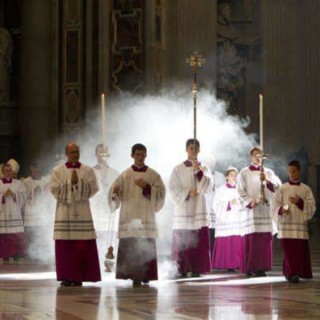
Homily from the Eighteenth Sunday of Ordinary Time, A.D. MMXXVI.

Join us Pastor Scott talks about The Parable of The Pharisee and Tax Collector

Zach continues our Storyteller series by unpacking Jesus' parable of the Pharisee and the Tax Collector in Luke 18. Discover how this powerful story challenges us to let go of pride, stop judging others, and come before God with humble hearts that recognize our need for His grace.

Luke 18v9-14 with Zach LehrJesus rarely responded to questions with straightforward answers. Instead, he told stories—stories about farmers and feasts, lost coins and generous employers, unexpected neighbors and extravagant grace. In this series, we'll explore some of Jesus' most memorable parables and discover how these ancient stories continue to challenge, comfort, and transform us today. Together, we'll learn what the Kingdom of God is like and what it means to follow Jesus in the ordinary moments of everyday life

Upside Down | Parable of the Pharisee & Tax Collector by Collective Church

LOOKING GOOD, MISSING GOD Can you be deeply religious and still miss God completely? In Week 7 of our Parables series, Pastor John Hill unpacks Jesus' Parable of the Pharisee and the Tax Collector. Through two very different prayers, Jesus exposes the danger of self-righteousness and reveals the kind of heart God truly honors. You'll discover: Why God's holiness must be our standard How knowing Christ changes everything Where true confidence is found Mercy isn't earned by the good—it's received by the humble. - NEXT STEPS Looking to take your next step? We want to help! Text the word NEXT to 909-281-7797 or visit sunrisechurch.org/nextsteps. - GIVE TO SUNRISE CHURCH Imagine what God can do through our giving. You can give today at sunrisechurch.org/give - FOLLOW US ON SOCIAL MEDIA Facebook: https://www.facebook.com/SunriseChurchCA Instagram: https://www.instagram.com/sunrisechurchca Youtube: https://www.youtube.com/SunriseChurch


The post God can even use tax collectors. appeared first on Key Life.

What if the person everyone overlooked was the very one God wanted to use? Matthew's story is one of the most surprising encounters in the Gospels: a moment that challenges assumptions about who is worthy, who belongs, and who God calls. Listen in as we explore how one life-changing invitation from Jesus still speaks to us today and discover what Matthew's story might reveal about God's invitation to each of us.

The Rich Ruler and Zacchaeus the Tax Collector provide two contrasting ways to approach Jesus with our material wealth. This mini-series will explore both.

The Heart Examiner Series - The Gospel of Luke Carvens Lissaint Luke 18: 9–14 The parable of the Pharisee and the Tax Collector. Jesus examines the posture of our hearts before the activity of our works. Give to support the ministry of Renaissance Church: https://renaissancenyc.com/give Keep up with Renaissance by filling out a connection card: https://renaissancenyc.ccbchurch.com/goto/forms/5/responses/new

This Sunday, Pastor Emmanuel walked us through the Parable of the Pharisee and the Tax Collector, reminding us that God isn't moved by spiritual “résumés,” but by humble hearts that recognize their need for Him. We saw how two very different prayers reveal two very different postures—one rooted in self-confidence, the other in total dependence—and how God responds to humility over performance every time. You won't want to miss it!

In Luke 18, Jesus shows us two very different approaches to God. One person trusted in his own goodness, while the other came with humility and a desperate need for mercy.This sermon explores the difference between pride and humility, and how an honest heart before God leads to transformation.

Ever wonder about the cultural norms left unsaid in the Bible? Discovering the collectivist perspective will help you better understand Scripture. Receive If we read the Bible exclusively from our Western individualist point of view, we may miss or misunderstand cultural values everybody in the ancient Mediterranean world understood. As this week's guest, Randy Richards, reminds us, the values of kinship, patronage, and brokerage, which focus on the family or group dynamic instead of an individual, are found throughout Scripture. We also find examples of honor, shame, and boundaries in the Old and New Testaments that are used as tools to help enforce and strengthen these cultural values. Understanding the ancient Mediterranean culture that the Bible is set in can enrich our understanding of some Scripture passages. How has discovering some of the cultural backdrop of the Bible helped you gain a deeper understanding of Scripture and how the Bible applies to your life? What next step could you take toward learning more about the cultural context of the Old and New Testament? Reflect Why were the Pharisees trying to shame Jesus in Matthew 9:11? How was the apostle Paul trying to use shame in a positive sense in 1 Corinthians 15:34? In 1 Timothy 2:9, how was the apostle Paul trying to use shame in a positive way to encourage women to stand up against the culture's way of dressing? Based on Romans 1:1, what was the role with the highest honor for the apostle Paul? How were the chief priests, teachers of the law, and the elders trying to have an honor contest with Jesus in Luke 20:1–8? Why did Jesus tell the parable of The Pharisee and the Tax Collector in Luke 18:9–14 to those who were confident of their own righteousness and looked down on everyone else? Why is the apostle Paul setting a boundary in 1 Corinthians 10:27 –28? Respond (Use this prayer to start a conversation with God) “Dear God, thank You that as I grow in my knowledge of Scripture, I can grow deeper in my love and understanding of You! Help me to dive deeper into Your Word, so my relationship with You can grow stronger. Help me to gain wisdom that I can apply to my life.” Discover more about the topics in this episode with these recommended resources Mentioned in this episode: Misreading Scripture with Individualist Eyes by our guest E. Randolph Richards Listen: Misreading Scripture with Western Eyes (with guest Randy Richards)) Understanding How to Read the Bible Today Read: Starting in the Right Place How Should We Read the Bible—and What Type of Book Is It, Anyway? Watch: In Pursuit of Peter In Pursuit of Paul

The Pharisee and Tax Collector Gabe Garcia The Story of the Pharisee & the Tax Collector (Luke 18:9-14)June 28th, 2026Gabe Garcia, Guest Pastor

Jesus exposes how subtle and dangerous pride can be. One man trusts in his own goodness while the other comes with honest humility. This parable reminds us that the Kingdom belongs to those who recognize their need for mercy and place their hope not in themselves, but in God alone.⚫CONNECT WITH US:
The gang talks Brendan catching the Rona and Bryan wanting the Rona, also, Brendan's new movie trailer of "The Tax Collector" with Shia Labeouf finally coming out, Japanese man with a Master's degree in Ninja Studies, Perth teenager kicked out of a pub for having a mullet and much more!See Privacy Policy at https://art19.com/privacy and California Privacy Notice at https://art19.com/privacy#do-not-sell-my-info.
© 2020-2026 Ivy Podcast Discovery LLC


