
Catholic devotion
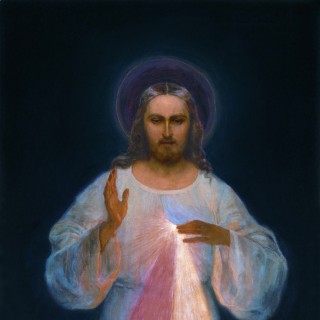
POPULARITY
Categories

2,522 episodes with Divine Mercy

1,723 episodes with Divine Mercy

794 episodes with Divine Mercy

826 episodes with Divine Mercy

450 episodes with Divine Mercy

118 episodes with Divine Mercy

142 episodes with Divine Mercy

201 episodes with Divine Mercy

134 episodes with Divine Mercy

117 episodes with Divine Mercy

144 episodes with Divine Mercy

37 episodes with Divine Mercy

30 episodes with Divine Mercy

65 episodes with Divine Mercy

58 episodes with Divine Mercy

21 episodes with Divine Mercy

31 episodes with Divine Mercy

66 episodes with Divine Mercy

26 episodes with Divine Mercy

27 episodes with Divine Mercy

16 episodes with Divine Mercy

26 episodes with Divine Mercy

20 episodes with Divine Mercy

44 episodes with Divine Mercy

14 episodes with Divine Mercy

38 episodes with Divine Mercy

16 episodes with Divine Mercy

21 episodes with Divine Mercy

10 episodes with Divine Mercy

11 episodes with Divine Mercy

21 episodes with Divine Mercy

10 episodes with Divine Mercy

11 episodes with Divine Mercy

19 episodes with Divine Mercy

8 episodes with Divine Mercy

10 episodes with Divine Mercy

10 episodes with Divine Mercy

5 episodes with Divine Mercy

8 episodes with Divine Mercy

9 episodes with Divine Mercy

9 episodes with Divine Mercy

11 episodes with Divine Mercy

11 episodes with Divine Mercy

6 episodes with Divine Mercy

4 episodes with Divine Mercy

26 episodes with Divine Mercy

6 episodes with Divine Mercy

7 episodes with Divine Mercy

10 episodes with Divine Mercy

4 episodes with Divine Mercy

27 episodes with Divine Mercy

6 episodes with Divine Mercy

7 episodes with Divine Mercy

6 episodes with Divine Mercy

9 episodes with Divine Mercy

6 episodes with Divine Mercy

9 episodes with Divine Mercy

9 episodes with Divine Mercy

6 episodes with Divine Mercy

7 episodes with Divine Mercy

14 episodes with Divine Mercy

6 episodes with Divine Mercy

11 episodes with Divine Mercy

5 episodes with Divine Mercy

8 episodes with Divine Mercy

9 episodes with Divine Mercy

3 episodes with Divine Mercy

7 episodes with Divine Mercy

10 episodes with Divine Mercy

5 episodes with Divine Mercy

3 episodes with Divine Mercy

4 episodes with Divine Mercy

4 episodes with Divine Mercy

6 episodes with Divine Mercy

4 episodes with Divine Mercy

6 episodes with Divine Mercy

10 episodes with Divine Mercy

6 episodes with Divine Mercy

4 episodes with Divine Mercy

9 episodes with Divine Mercy

6 episodes with Divine Mercy

5 episodes with Divine Mercy

4 episodes with Divine Mercy

5 episodes with Divine Mercy

5 episodes with Divine Mercy

5 episodes with Divine Mercy

95 episodes with Divine Mercy

7 episodes with Divine Mercy

5 episodes with Divine Mercy

5 episodes with Divine Mercy

5 episodes with Divine Mercy

4 episodes with Divine Mercy

4 episodes with Divine Mercy

6 episodes with Divine Mercy

5 episodes with Divine Mercy

5 episodes with Divine Mercy

3 episodes with Divine Mercy

5 episodes with Divine Mercy

5 episodes with Divine Mercy

8 episodes with Divine Mercy

5 episodes with Divine Mercy

9 episodes with Divine Mercy

4 episodes with Divine Mercy

4 episodes with Divine Mercy

4 episodes with Divine Mercy

4 episodes with Divine Mercy

3 episodes with Divine Mercy

6 episodes with Divine Mercy

5 episodes with Divine Mercy

4 episodes with Divine Mercy

2 episodes with Divine Mercy

4 episodes with Divine Mercy

5 episodes with Divine Mercy

4 episodes with Divine Mercy

8 episodes with Divine Mercy

4 episodes with Divine Mercy

10 episodes with Divine Mercy

4 episodes with Divine Mercy

9 episodes with Divine Mercy

4 episodes with Divine Mercy

5 episodes with Divine Mercy

3 episodes with Divine Mercy

6 episodes with Divine Mercy

5 episodes with Divine Mercy

4 episodes with Divine Mercy

3 episodes with Divine Mercy

4 episodes with Divine Mercy

3 episodes with Divine Mercy

3 episodes with Divine Mercy

3 episodes with Divine Mercy

3 episodes with Divine Mercy

3 episodes with Divine Mercy

4 episodes with Divine Mercy

3 episodes with Divine Mercy

6 episodes with Divine Mercy

2 episodes with Divine Mercy

3 episodes with Divine Mercy

3 episodes with Divine Mercy

4 episodes with Divine Mercy

3 episodes with Divine Mercy

2 episodes with Divine Mercy

4 episodes with Divine Mercy

6 episodes with Divine Mercy

4 episodes with Divine Mercy
Hour 2 for 10/1/26 Drew and Annie pray the Chaplet of Divine Mercy (1:00). Then, Drew opens the phones to discuss beautiful St. Therese stories (28:04). Stories: cancer healing (30:56), surgery (32:58), roses and my wife (36:03), my son went back to mass (41:05), 7th graders and roses (43:45), miscarriage and pregnancy (46:27), rose from a person with Down Syndrome (48:26), and discernment (49:34).
Chaplet of Divine Mercy for October 1.We come to gather every day to pray the Chaplet of Divine Mercy here on Rosary Minded, honoring Jesus' message of mercy and love. Let's all pray together the Chaplet of Divine Mercy -- making the Light of Christ burn so brightly that it continues to conquer the kingdom of darkness. Experience the divine power of this beautiful traditional Catholic prayer and celebrate God's love for us! #divinemercychaplet #Rosary #DivineMercy Discover a uniquely-designed collection of clothing & accessories crafted to express & celebrate your Catholic faith. https://www.rosaryminded.com/shop

Why is receiving mercy the most fitting and obvious reward for those who show mercy to others? Father Sebastian Walshe, O.Praem.—Norbertine canon at St. Michael's Abbey in California and author of The Heart of the Gospel: How the Beatitudes Show Us God's Plan for Happiness—returns to Sacred Heart Radio's Son Rise Morning Show. Father Sebastian explores the theological depth of Christ's teaching on mercy, examining King David's repentance, Jesus's single commentary on the Lord's Prayer, and the example of St. Faustina Kowalska. Plus, Father Sebastian shares a dramatic story of forgiveness under extreme adversity that reveals why forgiving those closest to us can often be the hardest challenge of all. Stream now to listen!Support the show: https://www.sacredheartradio.com/donate-now/See omnystudio.com/listener for privacy information.
Hour 2 for 9/30/26 Drew and Brooke pray the Chaplet of Divine Mercy (1:00). Then, Drew and Dr. Jay Richards discuss how to reverse the chronic disease epidemic (28:18), the problems with sugar in our diet (36:30), and the importance of the gut biome (43:24). Link: Dr. Jay Richards
In this homily, F. Scott Foley reflects on the difference between worldly power and prestige and the true freedom found in surrendering our hearts to Jesus. He reminds us that Christ desires our hearts so that His grace can transform our lives and bring healing not only to us, but also to our families, communities, and the wider world. A central focus of the homily is the Sacrament of Reconciliation, where we encounter the mercy of God in a powerful and personal way. F. Scott Foley encourages anyone who has been away from confession to return with faith, reminding us that it is never too late to seek God's forgiveness. A sincere confession is a victory over sin and temptation, a step toward holiness, and a witness to the transforming power of Divine Mercy. Readings for September 30th 2026: https://bible.usccb.org/bible/readings/093026.cfm © 2026 Marian Fathers of the Immaculate Conception. All rights reserved. Fair Use Policy: https://www.thedivinemercy.org/house/fair-use-policy ⭐️ Support our Ministries: https://www.thedivinemercy.org/donate... ✝️ Explore Divine Mercy on Divine Mercy Plus! https://divinemercyplus.org/?source=YT ⛪️ Plan Your Visit to the National Shrine of The Divine Mercy! https://www.shrineofdivinemercy.org/?... Follow Us on Social Media!
Hour 2 for 9/29/26 Drew and Brooke pray the Chaplet of Divine Mercy (1:00). Then, Drew shares St. Faustina's angel encounters (28:04) and takes caller angel stories (33:10): Wayne's story (36:31), angel car guide (42:23), angel saved me from losing teeth (43:47), angel saved me during breakup (46:08), and angel story when I was 15 (47:44).
Fr. David Gunter, MIC reflected on the spiritual battle between good and evil, drawing attention to the importance of St. Michael the Archangel and devotion to Our Lady. He connected the message of Revelation 12 with the apparitions of Fatima in 1917, emphasizing St. Michael's role in defending the faithful against the forces of darkness. He also recalled the tradition that Pope Leo XIII had a disturbing mystical experience involving Satan's desire to attack the Church, after which the pope composed the Prayer to St. Michael the Archangel. Although this prayer was later removed from the regular prayers said after Mass following the liturgical reforms of the Second Vatican Council, devotion to St. Michael has continued to grow as Catholics seek spiritual protection. Fr. Gunter compared the moral confusion of the modern world to a biblical flood—not a flood of water, but one of immorality and sin. In the midst of this spiritual struggle, he presented the Blessed Virgin Mary as a loving mother who protects her children and the Church and leads them closer to Christ. He emphasized that devotion to Our Lady, encouraged in a special way by St. John Paul II, offers hope and spiritual strength in confronting the problems of our time. The teaching ultimately called Catholics to deepen their prayer, entrust themselves to the protection of Mary, and invoke St. Michael the Archangel for courage and defense in the continuing spiritual battle. Readings for September 29th 2026: https://bible.usccb.org/bible/readings/092926.cfm © 2026 Marian Fathers of the Immaculate Conception. All rights reserved. Fair Use Policy: https://www.thedivinemercy.org/house/fair-use-policy ⭐️ Support our Ministries: https://www.thedivinemercy.org/donate... ✝️ Explore Divine Mercy on Divine Mercy Plus! https://divinemercyplus.org/?source=YT ⛪️ Plan Your Visit to the National Shrine of The Divine Mercy! https://www.shrineofdivinemercy.org/?... Follow Us on Social Media!
Hour 2 for 9/28/26 Drew and Brooke pray the Chaplet of Divine Mercy (1:00). Then, Anthony Di Mauro of the Relic Project discusses relics and the Holy Tunic (28:24), authenticating relics (35:54), and proper veneration (43:43). Link: The Relic Project
Fr. Tyler Mentzer, MIC, reflects on today's Gospel by reminding us that the Lord is leading us into His holiness and teaching us to trust the love of the Father, even through suffering. God may permit trials and spiritual desolation, as St. Ignatius of Loyola teaches, so that we can recognize our poverty and our complete dependence on Him. Suffering can reveal how little we truly control and help us see that everything we have is a gift from God. The story of Job shows this trust clearly. After losing nearly everything precious to him, Job still recognized that he came into the world with nothing and would leave it the same way, and he continued to bless the name of the Lord. In our own suffering, instead of only asking, “Why is this happening to me?” we can ask, “Lord, what are You trying to teach me through this?” We may not understand the answer, but we can trust that God is a good Father who is strengthening us, forming us, and drawing us deeper into His love. Readings for September 28th 2026: https://bible.usccb.org/bible/readings/092826.cfm © 2026 Marian Fathers of the Immaculate Conception. All rights reserved. Fair Use Policy: https://www.thedivinemercy.org/house/fair-use-policy ⭐️ Support our Ministries: https://www.thedivinemercy.org/donate... ✝️ Explore Divine Mercy on Divine Mercy Plus! https://divinemercyplus.org/?source=YT ⛪️ Plan Your Visit to the National Shrine of The Divine Mercy! https://www.shrineofdivinemercy.org/?... Follow Us on Social Media!
Chaplet of Divine Mercy for September 28.We come to gather every day to pray the Chaplet of Divine Mercy here on Rosary Minded, honoring Jesus' message of mercy and love. Let's all pray together the Chaplet of Divine Mercy -- making the Light of Christ burn so brightly that it continues to conquer the kingdom of darkness. Experience the divine power of this beautiful traditional Catholic prayer and celebrate God's love for us! #divinemercychaplet #Rosary #DivineMercy Discover a uniquely-designed collection of clothing & accessories crafted to express & celebrate your Catholic faith. https://www.rosaryminded.com/shop
Chaplet of Divine Mercy for September 27.We come to gather every day to pray the Chaplet of Divine Mercy here on Rosary Minded, honoring Jesus' message of mercy and love. Let's all pray together the Chaplet of Divine Mercy -- making the Light of Christ burn so brightly that it continues to conquer the kingdom of darkness. Experience the divine power of this beautiful traditional Catholic prayer and celebrate God's love for us! #divinemercychaplet #Rosary #DivineMercy Discover a uniquely-designed collection of clothing & accessories crafted to express & celebrate your Catholic faith. https://www.rosaryminded.com/shop
In this powerful teaching, Fr. Daniel Klimek reflects on Mary's maternal role in the mystery of Christ and in the spiritual battle for salvation. Mary does not compete with Jesus or take His place—she always leads us to Him. From the Cross, Christ Himself entrusted His Mother to the beloved disciple: “Behold, your mother.” Fr. Klimek emphasizes that the Mother who stood beside her Son at Calvary remains spiritually present as the Church celebrates the sacrifice of the Mass. Her presence always points toward Christ and His saving sacrifice. The Rosary, therefore, does not distract us from Jesus; it draws us more deeply into the mysteries of His life, Passion, death, and Resurrection through the contemplation of the Mother who remained faithfully beside Him. Fr. Klimek also warns against theological and liturgical interpretations that can unnecessarily separate Marian devotion from the worship and spiritual life of the Church. In an age of spiritual confusion and deception, his teaching calls Catholics to rediscover Mary as Mother of the Church, Queen of Heaven, and a mother who intercedes for and protects her children in the battle against evil. His final call is urgent: we are engaged in a profound spiritual battle against Satan, and we must not forget the Mother Christ gave us from the Cross. Scripture presents the woman and her offspring in opposition to the serpent, an image Catholic tradition has long contemplated in relation to Mary and Christ's victory over evil. This is why the Rosary is so important in spiritual warfare: through Mary, we contemplate Jesus and remain anchored in the mysteries of our salvation. Take up the Rosary, remain close to Our Lady, and never allow the Mother to be separated from the Son to whom she always leads us. Readings for September 26th 2026: https://bible.usccb.org/bible/readings/092626.cfm © 2026 Marian Fathers of the Immaculate Conception. All rights reserved. Fair Use Policy: https://www.thedivinemercy.org/house/fair-use-policy ⭐️ Support our Ministries: https://www.thedivinemercy.org/donate... ✝️ Explore Divine Mercy on Divine Mercy Plus! https://divinemercyplus.org/?source=YT ⛪️ Plan Your Visit to the National Shrine of The Divine Mercy! https://www.shrineofdivinemercy.org/?... Follow Us on Social Media!
Chaplet of Divine Mercy for September 26.We come to gather every day to pray the Chaplet of Divine Mercy here on Rosary Minded, honoring Jesus' message of mercy and love. Let's all pray together the Chaplet of Divine Mercy -- making the Light of Christ burn so brightly that it continues to conquer the kingdom of darkness. Experience the divine power of this beautiful traditional Catholic prayer and celebrate God's love for us! #divinemercychaplet #Rosary #DivineMercy Discover a uniquely-designed collection of clothing & accessories crafted to express & celebrate your Catholic faith. https://www.rosaryminded.com/shop
Hour 2 for 9/25/26 Drew and Brooke pray the Chaplet of Divine Mercy (1:00). Then, Fr. Paul Sullins discusses why so many Americans are unhappy (26:11), challenges to happiness (42:24), and growing up without money (45:56). Link: https://ruthinstitute.org/ Original Air Dates: Chaplet - 9/25/26 Fr. Sullins - 5/4/26
In today's teaching, Fr. Anthony Gramlich, MIC reflects on the message of Blessed Fulton J. Sheen that Jesus Christ came into this world with a clear mission: to give His life for the redemption of humanity. Jesus revealed the true meaning of the Messiah—not simply an earthly king like David, but the suffering Son of Man who would be rejected, betrayed, crucified, and raised again. When Jesus taught that the Son of Man “must” suffer, He revealed that His Passion was central to the Father's saving plan. Through the Cross, Christ unmasks false expectations of the Messiah and shows us that sacrificial love is stronger than suffering and death. The Christian life also includes challenges, failures, rejection, and crosses of our own. Just as a game without challenges offers no real victory, a life without trials would leave little opportunity for perseverance, growth, and deeper trust in God. Jesus Himself experienced the pain of rejection and betrayal, even from His own people, yet He endured His Passion without self-pity, like a lamb carrying the sins of the world to the Cross. His love was greater than His suffering. Fr. Anthony's reflection invites us not to wait until the end of our lives to embrace Christ's way, but to learn through our struggles, carry our crosses with faith, and discover in Jesus the true Messiah, Savior, and Redeemer. Readings for September 25th 2026: https://bible.usccb.org/bible/readings/092526.cfm © 2026 Marian Fathers of the Immaculate Conception. All rights reserved. Fair Use Policy: https://www.thedivinemercy.org/house/fair-use-policy ⭐️ Support our Ministries: https://www.thedivinemercy.org/donate... ✝️ Explore Divine Mercy on Divine Mercy Plus! https://divinemercyplus.org/?source=YT ⛪️ Plan Your Visit to the National Shrine of The Divine Mercy! https://www.shrineofdivinemercy.org/?... Follow Us on Social Media!
Join Frank Pavone and special guest Fr. Chris Alar for a powerful special broadcast on Divine Mercy and the Gospel of Life. In this inspiring conversation, they reflect on the mercy of God, the dignity of every human life, the connection between Divine Mercy and the pro-life mission, and how people of faith are called to respond with truth, courage, and hope in today's culture. This special program will encourage you to deepen your trust in God's mercy while standing up for life with conviction and compassion. Be sure to like, share, and subscribe for more pro-life broadcasts and faith-filled discussions.
Chaplet of Divine Mercy for September 25.We come to gather every day to pray the Chaplet of Divine Mercy here on Rosary Minded, honoring Jesus' message of mercy and love. Let's all pray together the Chaplet of Divine Mercy -- making the Light of Christ burn so brightly that it continues to conquer the kingdom of darkness. Experience the divine power of this beautiful traditional Catholic prayer and celebrate God's love for us! #divinemercychaplet #Rosary #DivineMercy Discover a uniquely-designed collection of clothing & accessories crafted to express & celebrate your Catholic faith. https://www.rosaryminded.com/shop
Fr. Mark Baron, MIC, reflects on the question, “Is this all there is?” Drawing from the Book of Ecclesiastes, he explains the phrase “vanity of vanities” as pointing to the fragility and fleeting nature of everything “under the sun”—the things of this physical and visible world. The world contains many good things, such as success, possessions, relationships, recognition, and accomplishments, but none of them can completely satisfy the deepest longing of the human heart. This helps explain why even people who reach the height of fame or success can still experience emptiness and dissatisfaction. When we expect the world to give us ultimate fulfillment, we eventually discover its limitations, and life without God can begin to feel meaningless. Yet this longing for “something more” points us beyond the world rather than toward despair. The truth of who we are can only be fully understood in relationship with God. The Gospel reveals the Good News that our life is not limited to what is “under the sun”; we are created for eternal life with God. Therefore, our lives should not be centered only on temporary goods, but on the eternal goods that lead us to Him. The deepest satisfaction of the human heart is ultimately found in Jesus Christ, who gives meaning to our lives and reveals the eternal destiny for which we were created. Readings for September 24th 2026: https://bible.usccb.org/bible/readings/092426.cfm © 2026 Marian Fathers of the Immaculate Conception. All rights reserved. Fair Use Policy: https://www.thedivinemercy.org/house/fair-use-policy ⭐️ Support our Ministries: https://www.thedivinemercy.org/donate... ✝️ Explore Divine Mercy on Divine Mercy Plus! https://divinemercyplus.org/?source=YT ⛪️ Plan Your Visit to the National Shrine of The Divine Mercy! https://www.shrineofdivinemercy.org/?... Follow Us on Social Media!
Chaplet of Divine Mercy for September 24.We come to gather every day to pray the Chaplet of Divine Mercy here on Rosary Minded, honoring Jesus' message of mercy and love. Let's all pray together the Chaplet of Divine Mercy -- making the Light of Christ burn so brightly that it continues to conquer the kingdom of darkness. Experience the divine power of this beautiful traditional Catholic prayer and celebrate God's love for us! #divinemercychaplet #Rosary #DivineMercy Discover a uniquely-designed collection of clothing & accessories crafted to express & celebrate your Catholic faith. https://www.rosaryminded.com/shop
Hour 2 for 9/23/26 Drew and Helen pray the Chaplet of Divine Mercy (1:00). Then, Drew revisits his conversation with Travis Engstrom, whose son was healed through the intercession of Fulton Sheen (27:33). Then, listeners shared their stories of miracles and Sheen: my son returned to confession (42:29), miscarriage miracle (43:37), and meeting Sheen in my teen years (48:49).
In this powerful teaching for the feast of St. Padre Pio, Fr. Daniel Klimek reflects on the extraordinary legacy of a saint who lived in profound union with the Passion of Jesus Christ. Through the mysterious gift of the stigmata, Padre Pio became a striking witness to the supernatural in an age increasingly marked by rationalism and skepticism. His wounds, extraordinary spiritual experiences, and accounts of remarkable healings continue to direct our attention beyond Padre Pio himself to the central mystery of the Christian faith: Jesus Christ crucified and risen, alive and at work in the world. Fr. Daniel also highlights Padre Pio's deep devotion to the Holy Rosary and the transforming power of prayer. Padre Pio teaches us that prayer should become more than something we occasionally do, our entire life can become a living prayer. Through our joys, sufferings, work, sacrifices, and wounds, we are invited into deeper communion with God. His witness challenges us to put aside our excuses, embrace the supernatural life of grace, call upon the Holy Name of Jesus, seek Mary's intercession, and allow every part of our lives to become a vivid and continual prayer before God. Readings for September 23rd 2026: https://bible.usccb.org/bible/readings/092326.cfm © 2026 Marian Fathers of the Immaculate Conception. All rights reserved. Fair Use Policy: https://www.thedivinemercy.org/house/fair-use-policy ⭐️ Support our Ministries: https://www.thedivinemercy.org/donate... ✝️ Explore Divine Mercy on Divine Mercy Plus! https://divinemercyplus.org/?source=YT ⛪️ Plan Your Visit to the National Shrine of The Divine Mercy! https://www.shrineofdivinemercy.org/?... Follow Us on Social Media!
Chaplet of Divine Mercy for September 23.We come to gather every day to pray the Chaplet of Divine Mercy here on Rosary Minded, honoring Jesus' message of mercy and love. Let's all pray together the Chaplet of Divine Mercy -- making the Light of Christ burn so brightly that it continues to conquer the kingdom of darkness. Experience the divine power of this beautiful traditional Catholic prayer and celebrate God's love for us! #divinemercychaplet #Rosary #DivineMercy Discover a uniquely-designed collection of clothing & accessories crafted to express & celebrate your Catholic faith. https://www.rosaryminded.com/shop
Hour 2 for 9/22/26 Drew and Brooke pray the Chaplet of Divine Mercy (1:00). Then, Drew and Dr. Rick Froyd discuss the importance of Catholic therapy (27:17), spiritual direction (43:12), and the wisdom of Aquinas and the Desert Fathers (47:48). Link: Dr. Froyd's article
Did Jesus have biological brothers? If the Bible speaks about His “brothers,” does that mean Mary had other children? In this teaching, Fr. Chris Alar explains that the biblical word translated as “brothers” can refer more broadly to relatives or close kin. Likewise, Jesus being called Mary's “firstborn” does not necessarily mean that another child came afterward. Catholic teaching has consistently professed that Mary remained perpetually virgin—before, during, and after the birth of Jesus. This ancient Christian belief was not challenged in the earliest centuries of the Church and was later defended more explicitly as controversies developed. But there is an even deeper message. When Jesus speaks about His mother and brothers, He teaches that our relationship with God is greater than bloodline alone: “Whoever does the will of my Father in heaven is my brother, and sister, and mother” (Matthew 12:50). Mary is not diminished by these words—she is the great example of someone united to Jesus both as His mother and through her complete obedience to God. Through Baptism, we too become members of God's family, called to put God first and allow that relationship to guide every other relationship in our lives. Readings for September 22nd 2026: https://bible.usccb.org/bible/readings/092226.cfm © 2026 Marian Fathers of the Immaculate Conception. All rights reserved. Fair Use Policy: https://www.thedivinemercy.org/house/fair-use-policy ⭐️ Support our Ministries: https://www.thedivinemercy.org/donate... ✝️ Explore Divine Mercy on Divine Mercy Plus! https://divinemercyplus.org/?source=YT ⛪️ Plan Your Visit to the National Shrine of The Divine Mercy! https://www.shrineofdivinemercy.org/?... Follow Us on Social Media!
Chaplet of Divine Mercy for September 22.We come to gather every day to pray the Chaplet of Divine Mercy here on Rosary Minded, honoring Jesus' message of mercy and love. Let's all pray together the Chaplet of Divine Mercy -- making the Light of Christ burn so brightly that it continues to conquer the kingdom of darkness. Experience the divine power of this beautiful traditional Catholic prayer and celebrate God's love for us! #divinemercychaplet #Rosary #DivineMercy Discover a uniquely-designed collection of clothing & accessories crafted to express & celebrate your Catholic faith. https://www.rosaryminded.com/shop
We all know the name Fulton Sheen, but do we know the person? Why did it take so long for him to be Beatified? What were the controversies that played a factor? Was he lax on contraception? Did he criticize Vatican II? What did he warn us about Communism? Listen to Fr. Chris Alar tell the whole story of this man on the way to being the first American-born male saint.
Hour 2 for 9/21/26 Drew and Brooke pray the Chaplet of Divine Mercy (1:00). Then, Drew discussed Fr. Brent Bowman's recent Eucharistic encounter during consecration that went viral online (28:39). One caller was at the Mass and shared her experience (31:26). Another said her kids were at the Mass (40:23). Two others shared their experiences (47:02) of the Holy Eucharist (48:11). Link: Fr. Brent Bowman's Experience
Fr. Tyler Mentzer, MIC, teaches that a sinner can be transformed into someone important in the Church because Jesus, through His mercy, transforms the human heart. St. Matthew is a powerful example: although he was regarded as a sinner, Jesus looked upon him with mercy and called him to follow Him. Matthew responded to that call, and his encounter with Christ changed his life. Jesus continues to seek sinners and call them to repentance—not to condemn them, but to forgive, heal, and give them a new life and mission. Fr. Tyler connects this mercy with the biblical Day of Atonement, when the high priest entered the Holy of Holies to seek atonement and forgiveness for the sins of the people. Jesus is our true High Priest and the atoning sacrifice who takes away sin. The image of Divine Mercy visually reminds us of Christ extending His blessing and mercy to sinners. The same mercy Jesus showed Matthew is still offered to us today and is echoed in the Diary of St. Faustina. We only need the courage to approach Him and say, “Jesus, here I am. I am a sinner, and I am not worthy.” When we sincerely turn to Him, we can trust that He receives us, forgives us, and transforms us because He is merciful. Readings for September 21st 2026: https://bible.usccb.org/bible/readings/092126.cfm © 2026 Marian Fathers of the Immaculate Conception. All rights reserved. Fair Use Policy: https://www.thedivinemercy.org/house/fair-use-policy ⭐️ Support our Ministries: https://www.thedivinemercy.org/donate... ✝️ Explore Divine Mercy on Divine Mercy Plus! https://divinemercyplus.org/?source=YT ⛪️ Plan Your Visit to the National Shrine of The Divine Mercy! https://www.shrineofdivinemercy.org/?... Follow Us on Social Media!
In this teaching, Fr. Chris Alar reflects on Jesus' parables of the Kingdom of Heaven and the extraordinary generosity of God. Like the workers called into the vineyard at different hours, we encounter God at different stages of life, yet the door of Heaven remains open even to those who turn to Him at the very end. No worker was cheated: each received what was promised, while the master was free to be generous. In the same way, God's justice and mercy reveal a generosity far beyond what any of us could ever deserve. This generosity is also revealed through God's grace, the sacraments, and even the Apostolic Pardon offered to the dying. Christians are called not to envy the grace given to others—even those who come to faith at the last moment—but to rejoice whenever a soul receives God's mercy. We work in the Lord's vineyard not merely for a reward, but for the joy and love of serving Him. May we trust the Master, celebrate His generosity toward others, and humbly pray that He grants us the heavenly reward we could never earn on our own. Readings for September 20th 2026: https://bible.usccb.org/bible/readings/092026.cfm © 2026 Marian Fathers of the Immaculate Conception. All rights reserved. Fair Use Policy: https://www.thedivinemercy.org/house/fair-use-policy ⭐️ Support our Ministries: https://www.thedivinemercy.org/donate... ✝️ Explore Divine Mercy on Divine Mercy Plus! https://divinemercyplus.org/?source=YT ⛪️ Plan Your Visit to the National Shrine of The Divine Mercy! https://www.shrineofdivinemercy.org/?... Follow Us on Social Media!
Read OnlineDivine EquityJesus told his disciples this parable: “The kingdom of heaven is like a landowner who went out at dawn to hire laborers for his vineyard. After agreeing with them for the usual daily wage, he sent them into his vineyard. Matthew 20:1–2As the parable unfolds, the landowner returns to the marketplace four more times—at nine o'clock, noon, three, and finally at five—to hire additional workers. When the day's labor concluded at six o'clock, each received the same full daily wage. Was this fair? To those who had worked the entire day, it certainly did not seem so. They grumbled, “These last ones worked only one hour, and you have made them equal to us, who bore the day's burden and the heat” (Matthew 20:12).God is perfectly just. Yet His justice is never separated from His mercy. Together they form a harmony we may call Divine Equity, a principle that transcends limited human notions of fairness. God gives not merely according to labor performed but according to the wisdom of His eternal love and providence. What appears to us as inequality is, in truth, the generous outpouring of grace from the One who sees hearts, not hours. His ways are not our ways, and His judgments surpass the grasp of reason unaided by faith (cf. Isaiah 55:8–9).At the heart of this parable is God's abundant generosity. To better understand Divine Equity, it is helpful to prayerfully place ourselves among each group of laborers. Among those who have labored in Christ's vineyard, we may find some who have far surpassed us in devotion and sacrifice, as well as others who arrived much later than we did.Yet God sees each soul individually. He does not measure us against one another. He sees each worker according to his own disposition, his interior response to His call, and the sincerity of his effort. Grace is distributed not based on external accomplishments alone but on the openness of heart and fidelity to His will.For example, when we work for God—meaning we live in a state of grace and are faithful to His divine will—we merit spiritual rewards by His generosity. But even the most devout soul can lose everything through mortal sin. If such sin is unrepented, Divine Equity, which always respects both justice and freedom, demands the consequence of eternal separation from God.Conversely, a soul that lives much of life far from God, mired in sin, yet sincerely repents near the end—perhaps even in the final hour—can receive an abundance of grace. A genuine, humble, and complete conversion at the end of life opens the floodgates of Divine Mercy. In such a case, God's Divine Equity responds not by withholding grace, but by pouring it out lavishly, in accord with His infinite mercy.Equity is not equality. In modern discourse, the term “equity” is often misused or distorted. But Divine Equity is something altogether different. It flows from God's perfect justice and mercy, distributing grace according to the truth of each soul's interior life—not according to a purely external standard.Reflect today on your own place among the laborers in the vineyard. Are you tempted to compare your spiritual journey with others? Do you resent the blessings others have received, or do you trust that God sees your heart and will reward you with generosity beyond measure? Rejoice that Divine Equity governs the Kingdom of Heaven; in that justice, perfected by mercy, all things are made right. My Divine Judge, You rule with perfect equity, justice, and mercy. Your ways are flawless and overflow with generosity. Please govern my soul and judge me according to Your Wisdom, so that I may receive all that You long to bestow. Grant me the grace to remain faithful to the end, persevering and deepening my service to You for the building up of Your glorious Kingdom. Jesus, I trust in You. Image: The Parable of the Vineyard, by Jan Rombouts I, CC0Source: Free RSS feed from catholic-daily-reflections.com — Copyright © 2026 My Catholic Life! Inc. All rights reserved. This content is provided solely for personal, non-commercial use. Redistribution, republication, or commercial use — including use within apps with advertising — is strictly prohibited without written permission.
Hour 2 for 9/18/26 Drew and Helen pray the Chaplet of Divine Mercy (1:00). Then, Drew and Bishop Thomas John Paprocki cover the new funeral guidelines for the Springfield Diocese and what the Church envisions for a Catholic funeral (27:24). Topics/callers: why these aren't new rules (34:46), spreading ashes at Disney (36:45), cremation (39:14), corruption of colleges and universities (42:24), and the cost of funerals (46:17). Original Air Dates: 9/18/24 & 7/29/26
© 2020-2026 Ivy Podcast Discovery LLC
