
POPULARITY

41 episodes with prophet muhammad pbuh

39 episodes with prophet muhammad pbuh

10 episodes with prophet muhammad pbuh

9 episodes with prophet muhammad pbuh

27 episodes with prophet muhammad pbuh

22 episodes with prophet muhammad pbuh

25 episodes with prophet muhammad pbuh

5 episodes with prophet muhammad pbuh

15 episodes with prophet muhammad pbuh

4 episodes with prophet muhammad pbuh

11 episodes with prophet muhammad pbuh

8 episodes with prophet muhammad pbuh

8 episodes with prophet muhammad pbuh

11 episodes with prophet muhammad pbuh

9 episodes with prophet muhammad pbuh

3 episodes with prophet muhammad pbuh

3 episodes with prophet muhammad pbuh

3 episodes with prophet muhammad pbuh

3 episodes with prophet muhammad pbuh

5 episodes with prophet muhammad pbuh

3 episodes with prophet muhammad pbuh

5 episodes with prophet muhammad pbuh

5 episodes with prophet muhammad pbuh

2 episodes with prophet muhammad pbuh

6 episodes with prophet muhammad pbuh

5 episodes with prophet muhammad pbuh

33 episodes with prophet muhammad pbuh

Kamiyabi Ka Asal Raaz: 5 Islamic Principles for a Better LifeThe audio, titled "Kamiyabi Ke Liye Ye 5 Baatein | Ramadan Bayan | Muhammad Raza Saqib Mustafai Sb," outlines five key principles for success and a fulfilling life, drawing from Islamic teachings and the sayings of Prophet Muhammad (PBUH). These principles, as narrated by Abu Huraira, emphasize spiritual growth, contentment, and ethical conduct.Here are the five principles discussed:Avoid Forbidden Things (Haram) (0:37): The speaker emphasizes that refraining from what God has forbidden is more crucial than performing many good deeds. Avoiding sins like lying, backbiting, and cheating makes one a true worshiper, even if they don't perform many extra prayers.Be Content with God's Distribution (Taqseem) (1:52): True wealth comes from being satisfied with what God has provided, rather than accumulating excessive riches. Contentment leads to inner peace and eliminates greed.Treat Neighbors Kindly (2:40): The audio highlights the importance of good conduct towards neighbors, stating that it is a sign of a complete believer. A good neighbor provides comfort and avoids causing distress.Desire for Others What You Desire for Yourself (3:25): This principle emphasizes the Golden Rule in Islam, promoting a society free from conflict, injustice, and ill-will by wishing well for all.Avoid Excessive Laughter (4:10): While smiling is encouraged as a Sunnah (practice of the Prophet), excessive laughter is discouraged as it hardens the heart. The speaker explains the difference between tabassum (smiling) and dahak (loud laughter).The audio further discusses the concept of divine observation (5:05), explaining that God is always watching, even in private moments. This awareness should deter individuals from sin. It also touches upon the reward system for good deeds and sins (8:30), highlighting God's mercy where good intentions are rewarded, and sins are counted minimally if committed.Finally, the speaker emphasizes the importance of Dua (supplication) for guidance (6:50) and explains the meaning and significance of Sami'allahu liman hamidah (God hears those who praise Him) during prayer (16:00), encouraging a deeper connection and devotion during worship.
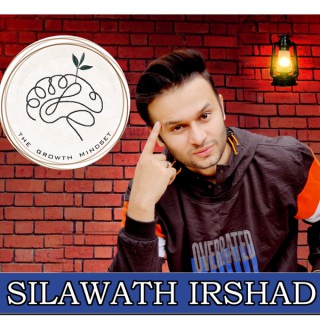
In this episode of The Growth Mindset Podcast, we explore the remarkable life of Prophet Muhammad (ﷺ) — uncovering his struggles, wisdom, compassion, and leadership. Our guest, Dr. Shadee Elmasry walks us through the Prophet's early years, his mission, his family life, and the timeless lessons that continue to guide millions today.This is not just a history lesson — it's an invitation to reflect on how the Prophet's teachings about resilience, humility, and mercy can help us live with greater peace, purpose, and unity in today's world.Dr. Shadee Elmasry is a deeply respected scholar of traditional Islamic sciences. Raised in New Jersey, Dr. Elmasry embarked on a rigorous educational journey at 18—studying across Yemen, Saudi Arabia, Egypt, Morocco, and the UK—before earning his M.A. from The George Washington University and a Ph.D. from the University of London's School of Oriental and African Studies (SOAS) The New ArabSimplyIslam Academy. He has taught at distinguished institutions including Yale, SOAS, Trinity College, and Hartford Seminary, and currently serves as Scholar-in-Residence and Director of Education at the New Brunswick Islamic Center. He is also the founder of the Safina Society, which is dedicated to reviving traditional Islamic education in the West.Episode Breakdown:00.33 seconds – Early life of Prophet Muhammad (ﷺ)4.48 mins - Is Islam a 1400-year-old religion?7.41 mins – What does Islam say about other major religions of the world, such as Christianity, Judaism, and more?12.34 mins – What is the right way to learn about Islam?16.26 mins – How Muslims can maintain love and mutual respect within the community.19.20 mins – The main texts of Islam and their true meaning.20.41 mins – The childhood of Prophet Muhammad (PBUH).31.08 mins – Did Prophet's father and grandparents ever worship Idols like the rest of Mecca?35.03 mins – How did other religions confirm the arrival of the final prophet?37.42 mins – What happened when the Prophet announced his Prophethood?40.43 mins - Why did Prophet leave his Mecca and migrate to Madinah?43.53 mins - Some Difficult questions answered around the life of Prophet Muhammad (PBUH).47.38 mins - Can you celebrate the Birthday of the Prophet Muhammad (PBUH) or also known as "Maulid or Meelad un Nabi"?50.36 mins - Ways to reach out to Dr. Shadee Elmasry.Follow us for daily updates and success hacks:Instagram: https://www.instagram.com/silawath_irshad/YouTube: https://www.youtube.com/c/TheGrowthMindsetwithSilawathIrshadFacebook: https://www.facebook.com/silawathirshad/LinkedIn: https://www.linkedin.com/in/silawathirshad/You can find Dr. Shadee Elmasry below:Safina Society: https://www.safinasociety.org/Youtube Channel: https://www.youtube.com/@SafinaSocietyStudy with them at: arkview.orgInstagram: https://www.instagram.com/drshadeeelmasry/
முஹம்மத் நபி ﷺ அவர்கள் மீது ஸலவாத் சொல்லவதின் அவசியமும் அதன் சிறப்பும் - தொடர் 2மவ்லவி அலி அக்பர் உமரி | Ali Akbar Umari08-08-2025, JummaTaqwa Masjid, Trichy

முஹம்மத் நபி ﷺ அவர்கள் மீது ஸலவாத் சொல்லவதின் அவசியமும் அதன் சிறப்பும் - தொடர் 2மவ்லவி அலி அக்பர் உமரி | Ali Akbar Umari08-08-2025, JummaTaqwa Masjid, Trichy
முஹம்மத் நபி ﷺ அவர்கள் மீது ஸலவாத் சொல்லவதின் அவசியமும் அதன் சிறப்பும்மவ்லவி அலி அக்பர் உமரி | Ali Akbar Umari01-08-2025, JummaTaqwa Masjid, Trichy
முஹம்மத் நபி ﷺ அவர்கள் மீது ஸலவாத் சொல்லவதின் அவசியமும் அதன் சிறப்பும்மவ்லவி அலி அக்பர் உமரி | Ali Akbar Umari01-08-2025, JummaTaqwa Masjid, Trichy

Dr. Mustafa Khattab, a Fulbright scholar and translator of the world renowned Clear Quran. Dr. Mustafa Khattab shares his journey of translating the Clear Quran, his profound personal dreams involving the Prophet Muhammad PBUH… and Sheikh Omar Suleiman? Hear about the nuances and challenges of translating Arabic into English, the significance of various rhetorical devices in the Quran, and develop a deeper love and awe for the words of Allah ﷻ. See how Dr. Mustafa Khattab got inspired to write the clear Quran which is now agreed to be the best english translation of the Quran ever!Muslim Professionals: https://www.muslimprofessionals.us/Boycat app: https://www.boycat.io/Business Code: ANSARI10Deen Over Dunya: https://deenoverdunya.us/Code: ANSARI10Support US @ https://www.patreon.com/ansaripodcastChapters:00:00 Dream of The Prophet PBUH 04:47 The Clear Seerah Project10:22 The Clear Quran13:40 Translation & Misunderstood Verses25:38 Literature in the Quran35:07 Secrets of the Quran and Scientific Interpretations43:40 The Quran and the Big Bang45:54 Closing Questions and Reflections
Join Hanif Khan, Rana Ata ur Rehman & Amaar Ahmad for Monday's show from 4-6pm where we will be discussing: ‘Hazrat Abu Bakr (ra)' and ‘Hazrat Maulvi Noorudin (ra)' Hazrat Abu Bakr (ra) Join us as we reflect on the legacy of Hazrat Abu Bakr (RA), the first Caliph of Islam and closest companion of Prophet Muhammad (PBUH). Hazrat Maulvi Noorudin (ra) Hazrat Maulvi Nooruddin (ra), the first Khalifa of the Promised Messiah (as), was a scholar, physician, and spiritual leader who played a vital role in preserving and strengthening the Ahmadiyya Muslim Community. Join us as we explore his unwavering faith, immense knowledge, and lasting impact on the revival of Islam. Guests: Imam Khalid Gonzalez Imam Farrukh Tahir Mrs. Sabiha Iqbal Producers: Dania Nasir and Aisha Aullybux

24th Ramadan 1446 AHMarch 23rd 2025- Dr. Keith Moore, a Canadian embryologist, analyzed Quranic verses and concluded that their scientific accuracy suggests divine origin. - Dr. Persaud, another Canadian professor, supported Moore's findings and stated that the Quran's descriptions of science are too precise to be coincidental. - The lecture highlights that non-Muslim scientists have recognized the Quran's truth, while many Muslims have not deeply studied it. - Imam Ali's will advises Muslims to prioritize the Quran and warns against letting others understand it before them. - Social media narratives falsely claim that the Prophet Muhammad (PBUH) secretly learned scientific knowledge from others. - The Quraysh initially called the Prophet a poet, then a sorcerer, and finally insane, but never accused him of learning from scholars. - Historical evidence does not support claims that the Prophet acquired knowledge from experts in medicine or astronomy. - Opponents of Islam feared the Quran's impact and warned people to avoid hearing its verses. - The Prophet's teachings continued to spread despite opposition, showing that accusations against him were baseless. - The Quran remains a source of knowledge and guidance, and its connection to scientific facts strengthens its credibility.Donate towards our programs today: https://jaffari.org/donate/Jaffari Community Centre (JCC Live)
23rd Ramadan 1446 AHMarch 22nd 2025- The last ten nights of Ramadan, particularly the 19th, 21st, and 23rd, are significant because Laylatul Qadr occurs during this time, a night worth more than a thousand months.- Laylatul Qadr is linked to the Quran's revelation, marking a personal honor for the Prophet Muhammad (PBUH) and an important annual event.- The Quran was revealed gradually over 22 years, with its complete revelation (Inzaal) on Laylatul Qadr.- The Prophet Muhammad (PBUH) was unschooled (ummi), which challenges the notion that he learned the Quran from other sources.- Despite living in a region with limited interaction with Jews or Christians, no one accused the Prophet of learning the Quran from outside influences.- A brief encounter between the Prophet and a Christian monk during his childhood in Damascus is sometimes misused to claim the Prophet learned from him, but it is not a strong basis for this theory.- While the Quran shares some stories with the Bible, such as those of past Prophets, the Quran's unique details distinguish its accounts from those in other scriptures.- The Quran recognizes the Torah and the Gospel as previous revelations but also acknowledges that these scriptures were altered over time.- For example, the story of Pharaoh's drowning in the Red Sea is expanded in the Quran with the unique detail of Pharaoh's body being preserved, which isn't mentioned in the Bible.- The authenticity of the Quran is proven through its divine origin and preservation, refuting claims that the Prophet plagiarized from other sources.Donate towards our programs today: https://jaffari.org/donate/Jaffari Community Centre (JCC Live)
Speaker: Mohamed HoblosBecome a supporter of this podcast: https://www.spreaker.com/podcast/learn-about-islam--5484193/support.
It's crucial more than ever to be united as a nation, as an Ummah of the Prophet (SAW). In this podcast, Shaykh Muhammad Alshareef (rA) shares a personal story about how reading science fiction helped him shape his views on anti-racism and unity. Through this analogy, he emphasized how, as humans, we should come together against a common threat, regardless of race, color, or background. Just like how the world united against the fight against the coronavirus pandemic and how, for the first time in recent history, humanity was on the same page for a common cause. This unprecedented unity echoes the teachings of the Quran and the example of our beloved Prophet Muhammad (PBUH), who urged us to stand together as one Ummah and beyond that, to unite for justice, even with non-Muslims. Look, unity is not just a virtue, but a necessity for Muslims. Allah (SWT), especially in these dark times. Allah commands us to hold firmly to His rope and not to be divided. As an Ummah, our strength lies in our togetherness, whether in times of ease or hardship. Now more than ever, we must rise above differences and stand united for the sake of Allah, supporting one another in faith and action. May Allah keep us united today, tomorrow, and all times to come. Ameen.
நபிகள் நாயகம் (ஸல்) அவர்களின் சிறப்பம்சங்கள் - தொடர் 2மவ்லவி சதக்கத்துல்லாஹ் உமரீ | Sadaqathullah Umari27-09-2024, JummaSalafi Masjid, Coimbatore, Tamil Nadu
நபிகள் நாயகம் (ஸல்) அவர்களின் சிறப்பம்சங்கள்மவ்லவி சதக்கத்துல்லாஹ் உமரீ | Sadaqathullah Umari20-09-2024, JummaSalafi Masjid, Coimbatore, Tamil Nadu

In this powerful episode, Sahil Adeem explores the inspiring story of Hazrat Khubaib (R.A) and his deep love for Prophet Muhammad (PBUH). Learn how Hazrat Khubaib's unwavering devotion and bravery stand as timeless examples of sacrifice and strength. Hosted on Acast. See acast.com/privacy for more information.

Podcast Summary: Heart of Business - Episode with Mark SilverIntroduction:Mark's book, Heart-Centered Business, is dedicated to Al Amin, highlighting the deep trust and love Mark strives to embody in commerce and life.Mark Silver's Journey:Raised in a Jewish family, Mark dreamed of becoming a rabbi but felt something was missing.While exploring deeper spirituality and starting his journey with business owners, he encountered Sufism through teachers from the lineage of Sheikh Muhammad Jamal.Initially, Mark struggled with his transition from Judaism to Sufism, feeling conflicted about betraying his heritage.A profound spiritual experience led him to fully embrace Sufism, taking shahada and finding healing between his Jewish and Islamic identities.Sufism and Business:Sufism's teachings deeply influenced Mark's approach to business, focusing on love, integrity, and the sacredness of relationships.He emphasizes that business, often seen as detached from spirituality, can be an act of love and service, challenging modern capitalism's toxicity.Heart-Centered Business:Mark founded Heart of Business in 2001 to help entrepreneurs integrate spirituality with the practical aspects of running a business.His approach involves seeing business as a dynamic set of relationships, not just transactions, encouraging entrepreneurs to cultivate curiosity, compassion, and a healthy relationship with money.Key Themes and Quotes:Dedication to Al Amin:Mark admires the trustworthiness and integrity of the Prophet Muhammad (PBUH), striving to embody these qualities in his business practices.Love in Business:Love, if unleashed, could transform the world of business, making it a part of a culture that lifts and serves everyone.Essence of Business:Business lies in the aliveness of relationships, not just in transactions or systems.Healthy Relationships:Healthy businesses necessitate healthy relationships, avoiding the pitfalls of unhealthy dynamics.Curiosity and Shame:Cultivating curiosity is crucial as it shifts the internal narrative, softening judgment, and opening the heart to truth and possibility, countering shame.Seeing the Divine in Business:Every aspect of business, including clients, colleagues, and even money, should be viewed as an expression of the divine.Practical Application:Mark's work involves practical business coaching, spiritual guidance, and retreats to help entrepreneurs align their business practices with their spiritual values.His virtual retreats offer a space for deep spiritual practice, helping participants gain insights and make decisions aligned with their heart's guidance.Conclusion:Saqib and Mark discuss the importance of integrating spirituality with business, emphasizing that such integration can lead to profound transformation and healing in the business world.Listeners are encouraged to explore Mark's work and consider how they can bring more heart-centered approaches to their own business practices.Contact and Further Information:Listeners can learn more about Mark Silver and Heart of Business at https://www.heartofbusiness.com, where they can find resources, assessments, and information on joining the community for support and growth in
Is anxiety robbing your sleep these days?In this video, Shaykh Muhammad Alshareef (rA) discussed the prophetic teachings of Prophet Muhammad (PBUH)……to deal with the worst anxieties we experience from time to time. Not just us, but Sahabas before the Battle of Badr were worried because the odds were stacked against them.But Allah provided them with a restful sleep and rain to ease their anxiety. And everyone knew what happened after that.You see, every hardship we face is from Allah…And He doesn't burden us with a weight we can't handle.So no matter how terrifyingly our anxiety gets the better of us…Allah has given us the strength to ward it off.As humans, our minds are wired to go into alert mode when we feel just a little bit unsafe.So, make a habit of creating a calm and safe environment.If you can't create one, then go find a place that gives you this feeling.Whether it's enjoying a warm cup of tea, listening to the soothing sound of rain……or burning incense, finding what works for you is essential. Many of us find comfort in simple, sensory experiences rather than turning to social media, which often intensifies anxiety.And as far as social media goes…There's a sea of misinformation out there.Even if the news is authentic, one negative post is enough to alleviate our anxiety even more.So, find out what brings you peace and stick with it.Keep your mind calm enough to not let anxiety get the better of you every time.And always, always turn to Allah (swt) because He always has your back.

The Zamzam of Spiritual Knowledge. Excerpts from the teachings of Shaykh Mohamed Faouzi al-Karkari (qs).

Among the revered prophets and notable figures that are mentioned in the Quran, one stands out to us more than most: Maryam (RA). She's the only woman mentioned by name in the Quran and is considered to be the most honorable woman of all time. What is it about the mother of Jesus (A.S.) that grants her a station not given to the Prophet Muhammad (PBUH)'s mother, wife, or daughter?

Dr Louay Fatoohi's personal YouTube channel https://www.youtube.com/@louay.fatoohi his blog https://www.louayfatoohi.com/The Hebrew Bible presents the Israelites as God's perpetually chosen people. Historically, Christians claimed that the Church replaced the Jews as God's chosen people, but in the last two centuries, a strong movement has developed that considers Israel to still be chosen, in addition to the Church. Christianity inherited from Judaism its misunderstanding of “chosen” as meaning “best”, which is irreconcilable with the history of both faiths. On the other hand, discussions of this concept in the Qur'an consistently conflate different terms and concepts. This video brings new insights to show the Qur'an's clear, consistent, and compelling explanation of the chosenness of the Israelites. It reveals the misrepresentation of this concept in Judaism, which Christianity inherited. It concludes that the chosenness of Israel ended when the Prophet Muhammad (PBUH) was sent by Allah as the last Prophet.00:00 Introduction02:34 Challenges of studying “chosenness”07:55 The Abrahamic covenant in the Bible13:24 Chosen People without merit19:40 The Abrahamic Covenant in the Qur'an23:55 Concepts and terms in the Qur'an26:40 The Covenant with the Israelites33:13 Choosing and preferring Israel36:43 Chosen for hosting Prophets41:49 Custodians of the prophetic message47:10 Qur'anic subtilty53:20 Muslim prophets59:29 The killing of prophets01:05:50 The end of Israel's chosenness01:18:30 Abraham's prayer for an Ishmaelite messenger01:20:15 Misunderstanding “chosen” as “best”01:20:47 Christian misunderstanding of “chosenness”01:22:04 Replacement theology or supersessionism01:27:49 “Replacement of Scripture” theology01:33:20 Dispensationalism01:37:23 Mistaking “Chosen People” for “Best Nation”01:41:42 The “Best Nation” is all pious people01:45:59 The “Best Nation” throughout history01:49:29 Are Muslims the “Best Nation”?01:53:12 Israel's chosenness and covenant 01:54:45 SummarySupport this podcast at — https://redcircle.com/blogging-theology/donationsAdvertising Inquiries: https://redcircle.com/brandsPrivacy & Opt-Out: https://redcircle.com/privacy
On this episode of Noorayn: The Two Lights Podcast, Aseel and Sumayyah speak about the dangers of using foul language as a Muslim. They discuss the normalization of cussing in today's society, and provide Quranic examples and sayings of the Prophet Muhammad PBUH that demonstrate the importance of keeping one's tongue firm in the remembrance of Allah.

Ustadh Michael speaks about how Prophet Muhammad (PBUH) was known to be the most honest and trustworthy individual in his community even before he became the Messenger of Allah.Support the show
On this episode of Noorayn: The Two Lights Podcast, Aseel and Sumayyah speak about the importance of righteous companionship. They discuss Quranic verses and sayings of the Prophet Muhammad PBUH related to friendship, emphasizing the significance of always being surrounded by those who draw one closer to Allah SWT.
PROPHET MUHAMMAD (PBUH) WARNED US NOT TO GO HERE
On this episode of Noorayn: The Two Lights Podcast, Aseel and Sumayyah discuss some of the basic principles of their faith. They speak about the six pillars of Iman, the five pillars of Islam, the belief in the Quran, and the Prophet Muhammad PBUH and his life. DISCLAIMER: We would like to make a correction on a statement made during this episode. Hajj, the pilgrimage, is the fifth pillar of islam, and should be performed at least once in a person's lifetime, not once a year as was mistakenly mentioned in this episode.
The whole Seerah of Prophet Muhammad (PBUH) is the best case study for us.In this episode, Shaykh Muhammad Alshareef (rahimahullah) sheds some light on the life of Rasul Allah (PBUH), the struggles he went through, the sacrifices he had to make, the loss he bore, and the pain he endured…And how despite the tests, he always showed compassion, began conversations with love, instilled hope in mankind, and helped Muslims become resilient believers of Allah (swt).

► Kindly, leave us a good review if you enjoyed the episode!► More from PIF: https://linktr.ee/practicalislamicfinance10 Timeless Money Principles from Hadith!Welcome to a transformative video where we explore the wise financial teachings of Prophet Muhammad (PBUH), provided over 1400 years ago. I'm Rakaan Kayali, founder of Practical Islamic Finance, and in this video, we'll discuss 10 fundamental principles from the hadith that can guide your relationship with money and help you lead a more prosperous and content financial life.These principles include understanding the importance of intention, placing trust in Allah SWT rather than wealth, avoiding greed, being honest, generous, and avoiding unnecessary debt, among other invaluable insights. Whether you're looking to strengthen your financial habits, reinforce your understanding of halal investing, or simply seeking personal growth and contentment in your life, this video will offer valuable guidance.Join me in this journey to make smarter, halal-conscious decisions that align with the teachings of Islam. If this video resonates with you, please leave a like, and don't forget to subscribe for more insights into halal investing and Islamic finance.Assalamu Alaykum and peace be upon you all.CONTACT USsalam@practicalislamicfinance.comABOUT OUR PODCASTOur podcast is about helping people ethically build wealth. We cover a broad range of topics including stock and crypto investing, product reviews, and general financial well-being.DISCLAIMERAnything you hear in this video is an opinion. It is not personalized financial advice. Make sure you do your due diligence before making any investment decisions.

Prophets serve as intermediaries between the human and divine worlds. For Muslims, the Prophet Muhammad (peace be upon him and his family) represents the last of the monotheistic prophets, including Abraham, Moses and Jesus. In his own lifetime, Prophet Muhammad overcame opposition and brought reforms, establishing a thriving community of believers which would become a major world civilisation. On this episode we're joined by Dr Stephen Burge, a specialist in Qur'anic interpretation. Dr Stephen is also an ordained priest of the Church of England. He talks to us about the challenges and triumphs of prophecy, and examines how prophets have inspired people's relationship with the Divine, and with one another. Listen now to this episode, and subscribe to Muslim Footprints.

This week, new host Cindy Juyoung Ok speaks with Omar Sakr, who joins us from Sydney, Australia. Sakr tends to the in between, writing prose and poetry, and moving between poetic and political urges, and through queerness and diasporic experience. On this episode, we spend time with a series from Sakr's newest collection, Non-Essential Work (UQP, 2023). The series, “On Finding the Prophet Muhammad (PBUH) in Dante's Inferno,” reflects on and challenges Canto XXVIII, in which Dante comes upon the Prophet in the eighth level of hell. You can read three poems from the series in the June 2023 issue of Poetry. We also continue our new segment, in which guests answer a question from the void, and the episode ends with a surprise visitor.

Osama Musa is the CEO and founder of Muslim Ameer, a leadership consultancy for Muslims. His mission is to empower Muslims worldwide by developing leaders who can overcome challenges, achieve their dreams, and make a positive impact. Inspired by the teachings of Prophet Muhammad (PBUH), Osama uses his own experiences to help others unlock their potential and focus on what matters. His dream is to see effective leadership in every Muslim organization, business, and home.

Maldives 2022
© 2020-2026 Ivy Podcast Discovery LLC

