
POPULARITY

Hosted by jayson gaddis

7 episodes with jayson gaddis

5 episodes with jayson gaddis

6 episodes with jayson gaddis

4 episodes with jayson gaddis

3 episodes with jayson gaddis

3 episodes with jayson gaddis

3 episodes with jayson gaddis

3 episodes with jayson gaddis
Why is it so hard to speak up? Jayson explores the fears that keep people silent and how those fears often begin in childhood. He breaks down how to speak up without making things worse, who deserves your attention, and offers practical templates you can use to have difficult conversations. If you've been holding back what you really want to say, this episode is for you.Timestamps:0:14 - fears that stop people from speaking up1:37 - childhood roots of fear around speaking up3:46 - how to speak up and do it well5:14 - who should you give your attention to?7:53 - templates for speakling upLinks:The Relationship SchoolFollow Jayson on social media:InstagramYouTubeLinkedInTikTokTwitterFacebook
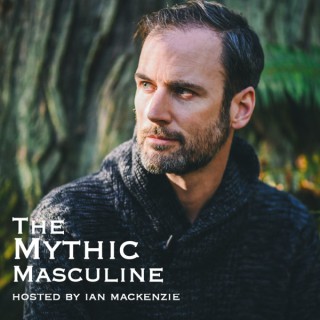
Just in time for the weekend, a conversation from the vault (actually recorded 2 years ago, but freshly published now).My guest today is Jayson Gaddis, founder of The Relationship School, which he co-teaches with his wife. He is the author of “Getting to Zero: How to Work Through Conflict in Your High-Stakes Relationships” and has trained over two hundred coaches across eleven countries.I'd been aware of Jayson for a few years, though what drew to me reach out was discovering a paper he wrote back in 2005 called The Deep Masculine, while researching my own program by the same name, and realized we had been walking parallel trails for a long time.His path took him through the college fraternity system, where hazing and sexual conquest offered a distorted version of the belonging every young man actually needs. He took on an advocacy role that led him through seventy-five college campuses in thirty-five states, until disillusionment called him into the wilderness. He took young men on seven-day backpacking trips to see what might happen if initiation was replaced by solitude and sweat instead of alcohol and shame.The trail finally bent toward relationship, after a breakup in a Whole Foods parking lot at age twenty-nine made him ask a terrifying question: maybe I'm the problem.In our conversation today, we explore his perspective on ‘the deep masculine' and what it actually takes for a man to stop defending, start feeling, and learn the single most important relationship skill there is: repair.Jayson reminds us that most men don't come to this work through inspiration. They come through pain. And the path back to connection runs through the body, the present moment, and the art of intimacy.LINKS: * Jayson Gaddis' Relationship School* Getting to Zero - book Would love to hear your comments on this conversation. Post your thoughts below. Heads up, if you are a man seeking to explore the mythopoetic path, you are invited to join The Deep Masculine - my 3 month online quest to repattern your relationship to sex, soul and purpose. Developed with my colleague Deus Fortier, it draws from embodied somatics and the mythopoetic lineage. Robert Bly's Iron John. The archetypal map of King, Warrior, Magician and a special emphasis on the Lover.We work with four pillars. Mythopoetic maps. Somatic skills. Ritual rhythm. And brotherhood. Ongoing connection with men around the world who are walking the same terrain.If you're not quite ready for the deep dive, check out The Archetypal Compass. This mini-guide is designed to help you navigate the internal archetypes of the soul, providing a map for those ready to move beyond personal inquiry and toward a more conscious stewardship of their lives and the world.SHOW NOTES0:07 — Fraternity Culture: Ian asks Jayson to unpack what the system promised, delivered, and took from the young men inside it.0:09 — Broken Initiation: Jayson on hazing as a distorted rite of passage, where alcohol and peer pressure replace traditional thresholds into adulthood.0:12 — Sex and the Mask: The conquest culture inside fraternities, where bravado hides the private shame of sensitive, lost young men.0:16 — Wilderness Initiation: Jayson proposes seven-day backpacking trips for fraternity men, and the breakthroughs that came from solitude and physical exertion.0:18 — The Parking Lot Epiphany: At age twenty-nine, breaking up with a woman at Whole Foods, Jayson faces the possibility that he is the problem.0:27 — The Deathbed Offering: Ian shares the night his grandfather was dying, when he told his own father he was glad to be his son, and what melted in the aftermath.0:29 — Father Repair: Jayson describes doing similar work with his dad, accepting that the man did the best with the values he had.0:32 — Learning to Feel: Jayson recalls six months of therapy where the only words he could find were I don't know, then numb, then anger, and eventually something more nuanced.0:36 — The Defensive Man: On the wound of not getting it right, the shame underneath, and how to approach it as a team rather than a battlefield.0:38 — It's Not About That: Ian tells the story of watching another couple at a festival fall into the blame-defend loop, and whispering to a friend that the argument was not really about the surface conflict.0:39 — The Repair Template: Jayson offers a simple practice of owning what you did and imagining its impact on your partner, and why repair is the most important relationship skill.0:46 — Present, Body, Heart: Jayson revisits his three invitations from the 2005 paper and translates them into practical entry points for men who are scared to feel. This is a public episode. If you'd like to discuss this with other subscribers or get access to bonus episodes, visit themythicmasculine.substack.com/subscribe

Every marriage is sitting on one of five levels right now. Here is how to find yours and how to climb. Want a taste of what Front Row Dads is actually like? Come sit in on a live Brotherhood Experience. It's 60 minutes on Zoom with Jon and a few other dads, free, and it's the easiest way to find out whether a room like this is for you. You don't have to share, and you don't have to prepare. Dates and sign-up at frontrowdads.com/experience Recorded live at one of our online summits, Jayson Gaddis walks through the five levels of partnership, from survival at level one to the spiritual union at level five that most couples never reach. He is upfront that the model is his own, built from almost thirty years of sitting in circle with couples. Most long marriages, he says, stall at level three: stable, functional, and quietly unable to talk about the hard things. Then he gets practical about the one thing that actually moves a marriage up: repair. The conflict repair cycle, the two skills of speaking first and listening first, why a man's urge to fix his wife's pain backfires, and what to do when you feel you cannot bring your own feelings into your own marriage. IN THIS EPISODE The five levels, and how to tell which one you are on Level one: mating and survival, and why people stay where they are hurt Why most long marriages stall at level three The conflict repair cycle, and what skipping repair hollows out The two repair skills almost nobody is taught Why fixing your wife's pain isn't love, and what to do instead How to work with a partner who won't own their part WANT MORE This was a members-only online summit, so there is no public episode to link. It is the kind of room we build for dads who want to win at home the same way they win at work. Learn more at frontrowdads.com
Why do so many high performing men struggle in marriage? Jayson explains why the same mindset that creates success at work often creates problems at home. He explores why trying to fix things can backfire, why slowing down is a relationship skill, how avoiding conflict keeps couples stuck, and three simple shifts that can make a real difference. If you're successful everywhere except your relationship, this episode is for you.Timestamps:1:09 - Stop trying to fix it3:00 - Slow down4:50 - Don't be afraid of conflict7:50 - 3 things you can do that make a differenceLinks:The Relationship SchoolFollow Jayson on social media:InstagramYouTubeLinkedInTikTokTwitterFacebook
Why can't you solve relationship problems on your own? Jayson explains why so many men try to figure out their relationships by themselves and why that approach usually fails. He explores why relationship skills have to be learned with other people, how healing happens in connection instead of isolation, and why the best place to work through relationship challenges is inside healthy relationships. If you are trying to fix your relationship alone, this episode is for you.Timestamps:0:30 - why you can't solve relationship problems on your own3:30 - why men try and solve relationship problems alone6:00 - you have to learn relationship skills with others9:30 - the best place to heal relationship traumas and challengesLinks:The Relationship SchoolFollow Jayson on social media:InstagramYouTubeLinkedInTikTokTwitterFacebook
Why do so many men get defensive? Jayson and Ellen explore where defensiveness comes from, the impact it has on relationships, and why it gets in the way of real connection. They share practical ways to interrupt defensive patterns, how to stay with your partner's feelings instead of protecting yourself, and what it looks like to take responsibility when you get it wrong. Jayson also shares what led him to dedicate his work to helping men and boys grow. If you want to become less defensive and more available in your relationships, this episode is for you.Timestamps:4:30 - examples of defensiveness9:30 - the relational cost of getting defensive19:30 - how to address defensive patterns28:00 - how to attend to your partner's feelings instead of being defensive36:18 - what got Jayson interested in working with men and boys49:36 - how to take responsibility for defensiveness1:02:00 - increasing your capacity for growthLinks:The Relationship SchoolFollow Jayson on social media:InstagramYouTubeLinkedInTikTokTwitterFacebook
How do you know if couples work is actually working? Jayson breaks down what good couples therapy should feel like and the signs you are making real progress. He explains why you need to advocate for yourself as a client, the two directions effective work should move in, and why you should be getting somewhere over time. If you are in therapy and wondering if it is helping, this episode is for you.Timestamps:0:29 - How do you know that couples therapy is working?2:51 - Advocate for yourself as a therapy client5:08 - The two directions couples work should go6:24 - You should be getting somewhere in therapyLinks:The Relationship SchoolFollow Jayson on social media:InstagramYouTubeLinkedInTikTokTwitterFacebook
What separates a deep listener from a shallow one? Jayson breaks down why most people are not actually listening and how the lack of real curiosity shows up in conversations. He explains why follow up questions matter, what it means to ask real questions, and how losing curiosity in your relationship creates distance. He also challenges you to go deeper with the people in your life if you want real connection. If you want to become someone people feel truly heard by, this episode is for you.Timestamps:0:09 The difference between good listeners and bad listeners1:27 People don't know how to ask followup questions5:12 Asking real questions8:07 Don't lose your curiosity in marriage11:00 Challenge yourself to go deeper with peopleLinks:The Relationship SchoolFollow Jayson on social media:InstagramYouTubeLinkedInTikTokTwitterFacebook
Why does trying to change your partner backfire? Jayson breaks down what happens when you try to get your wife to change when she does not want to, and how unmet expectations turn into resentment. He explains the arrogance behind trying to shape your partner, why behavior change requests often miss the point, and what it actually means to love someone as they are. If you keep pushing for change and not getting it, this episode is for you.Timestamps:2:53 - Trying to change a partner who doesn't want to change5:44 - Resentment from unmet expectations8:49 - the arrogance of trying to change your partner10:09 - Stop making behaviour change requests11:44 - Trying to change someone is not loving themLinks:The Relationship SchoolFollow Jayson on social media:InstagramYouTubeLinkedInTikTokTwitterFacebook
Why are feelings so essential for a strong partnership? Jayson explains how emotions are at the center of secure relationships and where therapy can fall short. He explores how to handle your child's emotions, the feelings men are often taught to suppress, and what it takes to express yourself in a healthy way. If you want deeper connection in your relationships, this episode is for you.Timestamps:0:35 - emotions are essential for secure relationships2:17 - the limitations of therapy5:45 - fielding your kid's emotions6:55 - feelings men aren't allowed to feel9:26 - learning to express your feelings appropriatelyLinks:The Relationship SchoolFollow Jayson on social media:InstagramYouTubeLinkedInTikTokTwitterFacebook
How do you de escalate someone in the moment without making things worse? Jayson breaks down how to calm someone down quickly by staying regulated, entering their world, and validating what is real for them. He explains why trying to fix or win backfires, what it means to take ownership when needed, and why none of this works if you are not being genuine. If you find yourself dealing with big emotions in others and want a better way to respond, this episode is for you.Timestamps:0:50 - how to de-escalate quickly2:39 - don't get disregulated3:41 - enter their world4:58 - validate and own8:19 - you have to be genuineLinks:The Relationship SchoolFollow Jayson on social media:InstagramYouTubeLinkedInTikTokTwitterFacebook

What if conflict is not what destroys your relationship, but the inability to repair after the conflict?Josh Trent welcomes Jayson Gaddis to the Wellness + Wisdom Podcast, episode 805, to reveal why conflict is an unavoidable part of love, how childhood conditioning shapes the way we fight and repair, why intimacy requires both closeness and separation, how anxious and avoidant attachment create relationship gridlock, and why learning the art of repair is the real skill that keeps relationships connected, honest, and alive.In This Episode, Jayson Gaddis Uncovers:(01:20) Conflict Is Part of Relationships(05:20) It Starts With Your Parents(09:15) Your Suffering Guides You to Your Purpose(15:05) The Spirituality of Relationships(19:45) Ancestral Healing(26:40) The Duality of Relationships(30:10) The Teacher Is The Student(34:10) Why The Ego Seeks Safety(41:40) The Consequences of Disconnection and Closed Heart(46:40) Learn How to Repair(53:05) Are Your Expectations Reasonable?(01:00:20) Your Pain Is Being Used for Profit(01:07:50) The Distortions(01:13:45) Anxious and Avoidant Attachment Dynamic(01:19:50) How to Create Lightness
Why do so many of us avoid our feelings until they force their way out? Jayson shares his own experience with not wanting to feel and the cost of suppressing emotions. He explores the temptation to medicate symptoms without addressing the root cause, why people hold it together in public only to explode at home, and how the people closest to us can help reveal our deepest triggers. If you are tired of stuffing your emotions or afraid of what might happen if you let them surface, this episode is for you.Timestamps:0:30 - Jayson's experience with avoiding emotions6:40 - Medicating without addressing the root cause8:04 - Why people wait to explode at home12:58 - Other people can help us identify our triggersLinks:The Relationship SchoolFollow Jayson on social media:InstagramYouTubeLinkedInTikTokTwitterFacebook
Jayson reflects on his role as a husband and father and the responsibility he once resisted. Why do some men pull back from commitment or shy away from the weight of leadership at home? He explores how primary relationships can become a spiritual path, what it means to surrender to fatherhood, and why time with your children reveals who you really are. This episode is an honest look at growth through partnership, parenting, and showing up when it would be easier not to.Timestamps:0:13 - Why Jayson didn't want responsibility3:22 - Primary relationships as a spiritual path6:48 - Surrendering to fatherhood9:42 - When dads shy away from time with kidsLinks:The Relationship SchoolFollow Jayson on social media:InstagramYouTubeLinkedInTikTokTwitterFacebook
What kind of world are we creating right now?Jayson talks about the men in power and what they are modeling for our sons. He asks what happens when a culture loses its moral center. He makes the case that you cannot act like a jerk out there and expect peace at home. If you want change, start in your house. Start with how you show up.Timestamps:0:30 - What men in power are modeling for our sons1:56 - Losing our national moral compass7:00 - You can't have a good home life while acting like an asshole9:29 - Real change starts in the homeLinks:The Relationship SchoolFollow Jayson on social media:InstagramYouTubeLinkedInTikTokTwitterFacebook

What if the real reason your relationship feels off has nothing to do with love and everything to do with how you handle conflict?In this episode of The Happy Hustle Podcast, I sat down with my brother Jayson Gaddis for one of the realest conversations I've had about relationships, conflict, masculinity, and what it actually takes to build a thriving partnership while still chasing big dreams. Jayson is the founder of The Relationship School, a Wall Street Journal bestselling author of Getting to Zero, a husband, a father, and a former licensed psychotherapist who has spent decades in the trenches helping couples repair connection and communicate better. Over 100,000 people have gone through his programs, and it's easy to see why this dude doesn't sugarcoat the truth, but he delivers it with heart, humility, and wisdom.This episode matters because a lot of high-performing entrepreneurs are unknowingly burning down their most important relationship while trying to build everything else. We're great at hiring coaches for business, fitness, and money, but when it comes to marriage or partnership, we assume we should “just know.” Jayson breaks that myth wide open and shows why conflict isn't the problem… avoiding it is.One of the biggest takeaways for me was how ego and defensiveness quietly sabotage connection. Jayson explains how many men react from shame without realizing it, and how that defensiveness blocks intimacy and trust. Another powerful lesson was reframing conflict as a skill, not a sign you're with the wrong person. Conflict is inevitable. Learning how to repair is what separates relationships that grow stronger from those that slowly erode.We also dive deep into one of the most practical tools I've ever learned for communication: LUFU—Listen Until the other person Feels Understood. Sounds simple, but it's a total game-changer. Jayson walks through how to actually do it in real life, not theory, and why leading with understanding, not apologies, calms the nervous system and creates safety. That alone can transform how arguments end… and how connected you feel afterward.Another huge insight was understanding attachment styles, why one partner often wants space while the other wants to talk, and how those childhood patterns show up under stress. When you can recognize the dynamic underneath the argument, everything shifts. You stop fighting the person and start addressing the pattern.Finally, Jayson brings it home with a reminder we all need: great relationships aren't built when things feel easy; they're built through consistent repair, honest conversations, and a willingness to grow. Just like the gym, you don't work on your relationship only when it's broken. You train it for the long game.If you want to build a business you're proud of and a relationship that actually fuels your life instead of draining it, this episode is a must-listen. What does Happy Hustlin mean to you?Jayson says it means I'm working hard, it's not coming at the expense of my marriage or my kids or my own health and well-being. I'm able to be fulfilled working hard.Connect with JaysonInstagramYoutubeFacebookXTiktokLinkedinFind Jayson on his website: https://www.jaysongaddis.com/Connect with Cary!InstagramFacebookLinkedinTwitterYoutube Get a copy of his new book, The Happy Hustle, 10 Alignments to Avoid Burnout & Achieve Blissful BalanceSign up for The Journey: 10 Days To Become a Happy Hustler Online CourseApply to the Montana Mastermind Epic Camping Adventure“It's time to Happy Hustle, a blissfully balanced life you love, full of passion, purpose, and positive impact!”Episode Sponsors:If you're feeling stressed, not sleeping great, or your energy's been kinda meh lately—let me put you on to something that's been a total game-changer for me: Magnesium Breakthrough by BiOptimizers. This ain't your average magnesium—it's got all 7 essential forms that your body needs to chill out, sleep deeper, and feel more balanced. I take it every night and legit notice the difference the next day. No more waking up groggy or tossing and turning all nightIf you're ready to sleep like a baby, calm your nervous system, and optimize your recovery, go grab yours now at bioptimizers.com/happy and use code HAPPY10 for 10% OFF.
Jayson explores what it really takes to be yourself in relationship and in life. Why does hiding who you are come at such a high cost? What kind of courage does it take to live authentically, and why do intimate relationships often force an awakening to your true self?Timestamps:0:35 - The courage to be oneself3:00 - You can't be fulfilled when you hide who you really are8:13 - Awakening to who you really are through your intimate relationships13:43 - Jayson's newsletterLinks:The Relationship SchoolFollow Jayson on social media:InstagramYouTubeLinkedInTikTokTwitterFacebook
Jayson examines why the masculine feminine framework often creates more problems than it solves. How can this framing be harmful for men? Why does trying to change your partner keep people stuck? What role does attachment play in relationship dynamics, and what is a better way to understand gender issues altogether? Jayson also reflects on his own experience with this framework and offers a more grounded perspective.Timestamps:2:12 - How the masculine-feminine frame can be bad for men3:57 - The trap of trying to change your partner6:09 - The importance of understanding attachment8:53 - A better framing11:11 - Social determinants of gender issues12:19 - Jayson's experience with the masculine-feminine frameLinks:The Relationship SchoolFollow Jayson on social media:InstagramYouTubeLinkedInTikTokTwitterFacebook
How do you recognize someone who has actually earned wisdom? In this conversation, Jayson breaks down what makes an elder an elder. He explains why it has nothing to do with age or status, how real elders show emotional maturity, what it means to hold space without fixing or rescuing, and why outgrowing your parents is a part of becoming an elder. If you want to understand who to trust, who to learn from, or how to become someone worth following, this episode lays it out clearly.Timestamps:2:21 - Elders are people who did the work5:46 - Elders hold space9:28 - Outgrowing your parentsLinks:The Relationship SchoolFollow Jayson on social media:InstagramYouTubeLinkedInTikTokTwitterFacebook
What happens when you spend your life trying to be the good one, the agreeable one, or the one who never makes waves? Jayson breaks down the hidden exhaustion that comes from living in your strategic self. He explains how masking drains your energy, why people in strategy stay on the surface, and what it takes to reconnect with your true self. If you feel tired from managing how you come across, this episode shows you why and what to do next.Timestamps:0:21 - Are you tired from wearing a mask?3:42 - If you're trying to be good you've already lost5:12 - The difference between your strategic self and your true self7:10 - People in their strategy stay surface levelLinks:The Relationship SchoolFollow Jayson on social media:InstagramYouTubeLinkedInTikTokTwitterFacebook
What makes securely attached families different? Jayson explores how self-examination and meaning making play a vital role in healthy relationships. He explains why understanding your own story and continuing to make meaning from it is essential for building lasting connection and security.Timestamps:0:40 - The hallmark of securely attached families2:55 - Clients need to do self-examination5:19 - Making meaning is an ongoing processLinks:The Relationship SchoolFollow Jayson on social media:InstagramYouTubeLinkedInTikTokTwitterFacebook

What if lasting love isn't about finding the perfect match,...
What makes securely attached families different? Jayson explores how self-examination and meaning making play a vital role in healthy relationships. He explains why understanding your own story and continuing to make meaning from it is essential for building lasting connection and security.Timestamps:0:40 - The hallmark of securely attached families2:55 - Clients need to do self-examination5:19 - Making meaning is an ongoing processLinks:The Relationship SchoolFollow Jayson on social media:InstagramYouTubeLinkedInTikTokTwitterFacebook
How do you know what to actually work on in yourself or your relationship? Jayson explains how to identify your pain points, avoid vague or unhelpful advice, and set goals that lead to real progress. If you're tired of spinning your wheels in personal growth, this episode will help you focus on what really matters.Timestamps:1:50 - Identify your pain points4:09 - Don't settle for vague help5:30 - Set goals around your pain pointsLinks:The Relationship SchoolFollow Jayson on social media:InstagramYouTubeLinkedInTikTokTwitterFacebook
Avoiding hard conversations doesn't make them go away. It builds resentment, distance, and unresolved tension. In this episode, Jayson unpacks why avoiding conflict costs more than it saves, how to approach difficult conversations with honesty and care, and why vulnerability is the key to repair.Timestamps:1:00 - The cost of not having difficult conversations7:00 - How to have hard difficult conversations10:50 - Leading with vulnerability13:00 - Learning to repair after difficult conversationsLinks:The Relationship SchoolFollow Jayson on social media:InstagramYouTubeLinkedInTikTokTwitterFacebook

The Practice of the Practice Podcast | Innovative Ideas to Start, Grow, and Scale a Private Practice
The Practice of the Practice Podcast | Innovative Ideas to Start, Grow, and Scale a Private Practice
How do interrelated and regulated family relationships lead to deeper fulfillment for parents and families? How can parents protect kids from the downsides of screens and social media? What role […] The post How to Be a Better Parent and Find More Fulfillment with WSJ Best-Selling Author Jayson Gaddis | POP 1264 appeared first on How to Start, Grow, and Scale a Private Practice | Practice of the Practice.
In the wake of the Charlie Kirk shooting and the Evergreen High School shooting, Jayson reflects on the wave of hatred and blame that erupts online after tragedy. From a Buddhist perspective, he explores how we can stop seeing others as the enemy, reclaim our focus, and begin creating the kind of world we actually want to live in.Timestamps:0:44 - Hatred and blame on social media1:41 - A Buddhist perspective3:53 - Stop seeing other people as the enemy5:46 - Controlling your focus7:56 - The world I want to live inLinks:The Relationship SchoolFollow Jayson on social media:InstagramYouTubeLinkedInTikTokTwitterFacebook
Jayson breaks down the hidden problems with reassurance. What's wrong with saying “it's going to be okay”? When is reassurance actually appropriate, and when does it backfire? What makes reassurance a problem in coaching or therapy? Jayson explains what to say instead and why a deeper response is far more effective for real growth.Timestamps:0:32 - What's wrong with saying “it's going to be okay”?2:12 - When reassurance is appropriate4:14 - The problem with reassurance as a coach or therapist6:10 - What to say instead of “it's going to be okay”Links:The Relationship SchoolFollow Jayson on social media:InstagramYouTubeLinkedInTikTokTwitterFacebook
Jayson explores the dynamics of conflict avoidance and why so many people are scared to speak up. What childhood roots contribute to staying silent? Who are you really protecting when you avoid conflict? How does the fear of abandonment keep you quiet? Jayson also unpacks the role of differentiation in learning to bring things up with courage and clarity.Timestamps:0:44 - Conflict avoidance1:28 - Childhood roots of being scared to speak up2:33 - Who are you really protecting by avoiding conflict?3:34 - Fear of abandonment7:25 - DifferentiationLinks:The Relationship SchoolFollow Jayson on social media:InstagramYouTubeLinkedInTikTokTwitterFacebook
Jayson unpacks the difference between secure attachment and falling in love. Can you have secure attachment in a brand-new relationship? Why do people often confuse the rush of falling in love with genuine security? When does the attachment system actually turn on? Jayson shares how to support clients who are navigating the complexities of new relationships.Timestamps:0:41 - Secure attachment in a new relationship?2:28 - Confusing falling in love with secure attachment4:09 - When does the attachment system turn on?9:13 - Working with clients in new relationshipsLinks:The Relationship SchoolFollow Jayson on social media:InstagramYouTubeLinkedInTikTokTwitterFacebook
Jayson explores why no one is truly broken. What should you do when a client feels like they are? Why can't you get rid of any part of yourself - and why is that a good thing? Jayson explains why every part of you has value and how embracing all of yourself can be a powerful path to healing.Timestamps:1:12 - Why no one is broken8:11 - What to do when a client feels broken9:16 - You can't get rid of any part of yourself11:31 - You need all parts of yourselfLinks:The Relationship SchoolFollow Jayson on social media:InstagramYouTubeLinkedInTikTokTwitterFacebook
How should you coach men effectively? Jayson unpacks the impact of male social conditioning and what it means for therapy and coaching. What's different about working with men in couples therapy? How can coaches help men break out of rigid gender roles without making them feel inferior?Jayson also shares tips for navigating defensiveness and creating safety while challenging growth. Don't miss this direct and practical episode on supporting men more skillfully.Timestamps:1:48 - Male social conditioning7:30 - Men in couples therapy10:37 - What to do differently when coaching men21:42 - Escaping the gender straightjacket26:05 - When you sense a man getting defensive26:37 - Don't make men feel inferiorLinks:The Relationship SchoolFollow Jayson on social media:InstagramYouTubeLinkedInTikTokTwitterFacebook
Jayson dives into the challenge of getting over anger toward your parents. Did your parents drop the ball in ways that still affect you today? How does your past shape your present relationships? What does it actually look like to move from victim to author? And how do you know when you've truly let resentment go?Jayson also explores why it's important not to focus solely on the negative, how growth can happen through adversity, and the personal cost of holding on to anger. Don't miss this powerful solo episode.Timestamps:1:50 - Did your parents drop the ball?4:45 - Your past impacts your present8:13 - Moving from victim to author11:04 - How do you know when you've let resentment go14:53 - Don't solely focus on negatives18:03 - Growth through adversity20:53 - The personal cost of anger and resentmentLinks:The Relationship SchoolFollow Jayson on social media:InstagramYouTubeLinkedInTikTokTwitterFacebook
Are you stuck in victimhood? Jayson breaks down how to invert the victim triangle and make the shift from victim to author. What's the difference between blame and responsibility? Is being in the victim seat always a bad thing? Stay tuned until the end when Jayson shares one important question you should always ask your clients - and yourself.Timestamps:0:55 - The victim/drama triangle5:08 - The difference between blame and responsibility6:58 - Getting out of the victim seat8:31 - Inverting the victim triangle15:00 - Making the journey from victim to author18:15 - One challenging questionLinks:Relationship Coach TrainingFollow Jayson on social media:InstagramYouTubeLinkedInTikTokTwitterFacebook

Jayson Gaddis is an artist, best selling author, podcaster, speaker, executive coach, CEO, founder, human behavior specialist and relationship expert. He is the creator of Interpersonal Intelligence® and Present Centered Relationship Coaching® and has trained hundreds of coaches in 11 countries. He is the author of the book ‘Getting to Zero: How to work Through Conflict In Your High Stakes Relationships'. He's been married to his amazing wife since 2007, has two beautiful kids, and lives in Boulder, Colorado. Join the free live call: DEEP RELATIONSHIP COACHING Join the course: RELATIONSHIP COACH TRAINING Use the code ‘sacredsons' for $1000 off! On this Episode: Jayson Gaddis | @jaysongaddis Adam Jackson | @adam___jackson Use the Promo Code: ‘SUMMER20' for 20% Off All Sacred Sons Offerings! Start Here–Check In With Sacred Sons: Check-In Survey Join The Circle Online Community: Join The Circle Join a Sacred Sons Event Near You: Event Calendar Sacred Sons Signature Events: CONVERGENCE X: Across Nations REMEMBRANCE II: Seeds of Change Connect with Sacred Sons: Shop: Sacred Sons Apparel & Cacao Instagram: @sacredsons Website: sacredsons.com YouTube: Sacred Sons Music: Ancient Future Want to become a Sponsor of Sacred Sons Podcast? Sponsorship Request Form
Is it time to fire your coach or therapist? Jayson breaks it down. Do the sessions you attend feel more like coffee dates? Is your trauma going unaddressed? Have you been seeing a practitioner for years without making real progress? If you're struggling to see results, you won't want to miss this episode.Timestamps:5:26 - Your story isn't being challenged6:35 - Sessions feel like a coffee date7:36 - Therapy feels like a friendship8:56 - Trauma isn't being addressed11:31 - No change is happening13:13 - Uncritically siding with your story15:20 - The asks are too challenging17:26 - You're not doing your homework21:19 - Final thoughtsLinks:Follow Jayson on social media:InstagramYouTubeLinkedInTikTokTwitterFacebook
Jayson breaks down how to coach yourself using AI and shares a variety of example prompts. Can AI offer constructive criticism? What can it do with astrology and Gene Keys? Can it give you a tough-love wake-up call? Stick around until the end to learn how you can use AI to get the most out of your therapy sessions!Timestamps:2:40 - Ways to use AI as a client4:52 - Using AI for constructive criticism7:50 - Astrology10:27 - Tough love13:36 - Getting the most out of therapyLinks:Follow Jayson on social media:InstagramYouTubeLinkedInTikTokTwitterFacebook
Jayson discusses the role of AI in the therapy and coaching space. Will AI replace therapists and coaches? Can it ever be better than a real coach or therapist? What are the downsides of using AI to coach yourself? Stay tuned until the end of the episode to find out how you can thrive—rather than just survive—as a coach or therapist in the age of AI.Timestamps:5:42 - Price point9:10 - Who will lose their jobs?12:53 - What AI can't replace19:24 - AI and intuition23:47 - How should coaches and therapists adapt to AI?Links:Follow Jayson on social media:InstagramYouTubeLinkedInTikTokTwitterFacebook
If you want to get the most out of therapy or coaching, it's important to know how to be a great client. In this episode, Jayson shares his experience of being a client and breaks down how you can make sure you're getting the results you want. Is it ever okay not to make progress? Learn how to advocate for yourself, prepare for your sessions, stay accountable to friends and family, and much more in this episode!Timestamps:1:40 - Is it okay not to make progress?4:01 - Jayson's story8:51 - How to be a good client15:53 - When to have a frank conversation with your coach or therapistLinks:Follow Jayson on social media:InstagramYouTubeLinkedInTikTokTwitterFacebook
What's wrong with going into fix-it mode when someone shares their problems?Jayson explains why it's better to offer understanding rather than jumping in with solutions—and how people are more likely to come up with their own answers when they feel truly heard.Timestamps:0:03 - What's wrong with "fix-it" mode?3:49 - Reflecting instead of fixing7:08 - Giving people space to come up with their own solutions8:30 - Understanding first, then solutionsLinks:Follow Jayson on social media:InstagramYouTubeLinkedInTikTokTwitterFacebook
How should you coach someone who wants to be in a successful relationship? Jayson breaks it down. Do you need to have successful relationships yourself to coach effectively? How can you teach your clients the skills they need to develop, and what does that process look like? Don't miss this insightful episode.Timestamps:0:36 - You have to have successful relationships7:05 - Skill acquisition13:27 - Don't be uncomfortable with intimacy Links:Follow Jayson on social media:InstagramYouTubeLinkedInTikTokTwitterFacebook
Jayson breaks down motivational interviewing. What is it? Can you force your clients to change? What should you do if a client is ambivalent about change? Is your client placing value on the right things? Whether you're a coach or a client, you won't want to miss this insightful episode.Timestamps:1:50 - Placing value on the right things3:34 - Motivational interviewing5:57 - Ambivalence about change11:37 - You can't force people to changeLinks:Become A Certified Relationship Coach (RCT) Follow Jayson on social media:InstagramYouTubeLinkedInTikTokTwitterFacebook
Jayson explores the pros and cons of coaching. Is coaching more effective than therapy? He discusses the lack of standards in coaching, the absence of trauma training, and the potential shallowness of the approach. Jayson also examines why prioritizing results over feelings can be problematic. However, he also highlights why coaching can sometimes be a better option than therapy. Why choose coaching? Tune in to find out. Timestamps: 0:57 - A lack of standards 4:26 - Results over feelings 7:47 - Does coaching get better results? 14:10 - Conclusion Links: Become A Certified Relationship Coach (RCT) Follow Jayson on social media: Instagram YouTube LinkedIn TikTok Twitter Facebook
Jayson breaks down the pros and cons of talk therapy. Where does talk therapy come up short? What are its strengths? What kind of therapy should you progress to after talk therapy? Why are relationships better than talk therapy? Whether you're a client, coach, or therapist, you won't want to miss this insightful episode. Timestamps: 3:13 - Where talk therapy comes up short 5:55 - Positive outcomes of talk therapy 8:33 - Moving on after talk therapy 10:28 - Relationships are better than talk therapy 13:11 - Conclusion Links: Become A Certified Relationship Coach (RCT) Follow Jayson on social media: Instagram YouTube LinkedIn TikTok Twitter Facebook
What is your main job as a coach? Jayson discusses the importance of giving your clients permission to be messy, finding key relationships where they can be authentic, and providing them with a sense of certainty. He also explains why your ultimate goal as a coach should be to work yourself out of a job. Tune in to discover how to help people authentically be themselves while achieving what they want in life. Timestamps: 4:52 Giving your clients permission to be messy 8:45 Finding key relationships 13:15 Summery Links: Follow Jayson on social media: Instagram YouTube LinkedIn TikTok Twitter Facebook
Jayson talks about what it means to truly love a client. What is the real definition of love? Why is being challenged so important? How do we “accept” ourselves and work on being better at the same time? How does accepting our limitations empower us? And why is it crucial not to expect relationships to be easy? Join Jayson as he explores the second principle of present-centered relationship coaching. Timestamps: 1:09 - What is love? 8:25 - Don't expect relationships to be easy 14:53 - Self-acceptance and self-mastery Links: Follow Jayson on social media: Instagram YouTube LinkedIn TikTok Twitter Facebook
Jayson shares his #1 principle for coaches and therapists. Learn how to empower your clients instead of treating them as fragile. It's time to stop missing the forest for the trees and take a broader view. Tune in to discover what powerful phrase he comes from in this episode. Timestamps: 1:10 - Taking a larger view 4:14 - The foundational principle 10:00 - Empower you clients Links: Follow Jayson on social media: Instagram YouTube LinkedIn TikTok Twitter Facebook
What is the role of therapy and coaching? In this overview episode, Jayson explores how humans navigate relationships. Why do we betray ourselves in pursuit of belonging? How can coaches challenge clients who seek the path of least resistance? When we choose not to grow, we pass on trauma. Whether you're a coach or a client, you'll find valuable insights in this episode. Timestamps: 2:28 - What is the context of coaching and therapy? 10:13 - Seeking pleasure and avoiding pain 13:47 - Projecting onto your partner 17:48 - Your shadow 22:49 - Challenging clients who choose the path of least resistance Links: Follow Jayson on social media: Instagram YouTube LinkedIn TikTok Twitter Facebook
Big changes are happening at The Relationship School Podcast! In this special update, Jayson Gaddis shares the new direction of the show, now called The Relationship Coaching School Podcast, focusing on coaching, therapy, and transformation. Whether you're a coach, therapist, or an engaged client looking to maximize results, this new format will deepen your understanding of human relationships and personal growth. Plus, Jayson teases an exciting new podcast with his wife, Ellen, and announces updates to his coaching training program—including in-person intensives. Tune in to hear what's next! Links: Follow Jayson on social media: Instagram YouTube LinkedIn TikTok Twitter Facebook
© 2020-2026 Ivy Podcast Discovery LLC
