
Human settlement in England

POPULARITY

37 episodes with Cowden

15 episodes with Cowden

9 episodes with Cowden

5 episodes with Cowden

6 episodes with Cowden

2 episodes with Cowden

5 episodes with Cowden

2 episodes with Cowden

2 episodes with Cowden
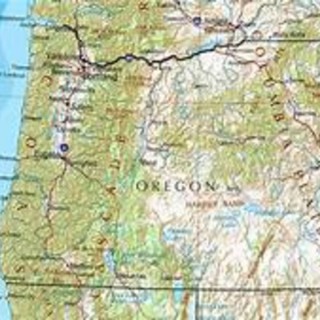
Send us Fan MailThe Oregon Files Podcast presents a murder mystery, a murder history, and more!Support the show
7:00 - Tom Riello covers the feasts of the Ascension and Pentecost7:20 - Debbie Cowden has tips for dealing with the end of the school year7:40 - Gina Christian dives into a new study on Christian Nationalism

As detailed in The Japanese Garden: Ella Christie and Cowden (Birlinn, 2026) by Lucy Stewart, at the turn of the twentieth century, Scottish adventurer Ella Christie returned home from a trip to Japan inspired to build her own Japanese garden. As might be expected from a woman who thought nothing of travelling to the other side of the world in search of the unusual, Ella's approach to developing the garden was trailblazing. She chose a female designer – the gifted Taki Handa – to create the seven-acre site in the grounds of Cowden Castle, near the Scottish town of Dollar. In doing so, the Japanese Garden at Cowden became the first and only garden of its size and scale to be designed by a woman. It remains a unique and utterly authentic bridge between British and Japanese culture. This book tells the remarkable story of Ella Christie, her travels and the creation of her garden, its gradual decline and triumphant restoration. This interview was conducted by Dr. Miranda Melcher whose book focuses on post-conflict military integration, understanding treaty negotiation and implementation in civil war contexts, with qualitative analysis of the Angolan and Mozambican civil wars. You can find Miranda's interviews on New Books with Miranda Melcher, wherever you get your podcasts. Learn more about your ad choices. Visit megaphone.fm/adchoices Support our show by becoming a premium member! https://newbooksnetwork.supportingcast.fm/new-books-network

As detailed in The Japanese Garden: Ella Christie and Cowden (Birlinn, 2026) by Lucy Stewart, at the turn of the twentieth century, Scottish adventurer Ella Christie returned home from a trip to Japan inspired to build her own Japanese garden. As might be expected from a woman who thought nothing of travelling to the other side of the world in search of the unusual, Ella's approach to developing the garden was trailblazing. She chose a female designer – the gifted Taki Handa – to create the seven-acre site in the grounds of Cowden Castle, near the Scottish town of Dollar. In doing so, the Japanese Garden at Cowden became the first and only garden of its size and scale to be designed by a woman. It remains a unique and utterly authentic bridge between British and Japanese culture. This book tells the remarkable story of Ella Christie, her travels and the creation of her garden, its gradual decline and triumphant restoration. This interview was conducted by Dr. Miranda Melcher whose book focuses on post-conflict military integration, understanding treaty negotiation and implementation in civil war contexts, with qualitative analysis of the Angolan and Mozambican civil wars. You can find Miranda's interviews on New Books with Miranda Melcher, wherever you get your podcasts. Learn more about your ad choices. Visit megaphone.fm/adchoices Support our show by becoming a premium member! https://newbooksnetwork.supportingcast.fm/biography

As detailed in The Japanese Garden: Ella Christie and Cowden (Birlinn, 2026) by Lucy Stewart, at the turn of the twentieth century, Scottish adventurer Ella Christie returned home from a trip to Japan inspired to build her own Japanese garden. As might be expected from a woman who thought nothing of travelling to the other side of the world in search of the unusual, Ella's approach to developing the garden was trailblazing. She chose a female designer – the gifted Taki Handa – to create the seven-acre site in the grounds of Cowden Castle, near the Scottish town of Dollar. In doing so, the Japanese Garden at Cowden became the first and only garden of its size and scale to be designed by a woman. It remains a unique and utterly authentic bridge between British and Japanese culture. This book tells the remarkable story of Ella Christie, her travels and the creation of her garden, its gradual decline and triumphant restoration. This interview was conducted by Dr. Miranda Melcher whose book focuses on post-conflict military integration, understanding treaty negotiation and implementation in civil war contexts, with qualitative analysis of the Angolan and Mozambican civil wars. You can find Miranda's interviews on New Books with Miranda Melcher, wherever you get your podcasts. Learn more about your ad choices. Visit megaphone.fm/adchoices Support our show by becoming a premium member! https://newbooksnetwork.supportingcast.fm/environmental-studies

As detailed in The Japanese Garden: Ella Christie and Cowden (Birlinn, 2026) by Lucy Stewart, at the turn of the twentieth century, Scottish adventurer Ella Christie returned home from a trip to Japan inspired to build her own Japanese garden. As might be expected from a woman who thought nothing of travelling to the other side of the world in search of the unusual, Ella's approach to developing the garden was trailblazing. She chose a female designer – the gifted Taki Handa – to create the seven-acre site in the grounds of Cowden Castle, near the Scottish town of Dollar. In doing so, the Japanese Garden at Cowden became the first and only garden of its size and scale to be designed by a woman. It remains a unique and utterly authentic bridge between British and Japanese culture. This book tells the remarkable story of Ella Christie, her travels and the creation of her garden, its gradual decline and triumphant restoration. This interview was conducted by Dr. Miranda Melcher whose book focuses on post-conflict military integration, understanding treaty negotiation and implementation in civil war contexts, with qualitative analysis of the Angolan and Mozambican civil wars. You can find Miranda's interviews on New Books with Miranda Melcher, wherever you get your podcasts. Learn more about your ad choices. Visit megaphone.fm/adchoices

As detailed in The Japanese Garden: Ella Christie and Cowden (Birlinn, 2026) by Lucy Stewart, at the turn of the twentieth century, Scottish adventurer Ella Christie returned home from a trip to Japan inspired to build her own Japanese garden. As might be expected from a woman who thought nothing of travelling to the other side of the world in search of the unusual, Ella's approach to developing the garden was trailblazing. She chose a female designer – the gifted Taki Handa – to create the seven-acre site in the grounds of Cowden Castle, near the Scottish town of Dollar. In doing so, the Japanese Garden at Cowden became the first and only garden of its size and scale to be designed by a woman. It remains a unique and utterly authentic bridge between British and Japanese culture. This book tells the remarkable story of Ella Christie, her travels and the creation of her garden, its gradual decline and triumphant restoration. This interview was conducted by Dr. Miranda Melcher whose book focuses on post-conflict military integration, understanding treaty negotiation and implementation in civil war contexts, with qualitative analysis of the Angolan and Mozambican civil wars. You can find Miranda's interviews on New Books with Miranda Melcher, wherever you get your podcasts. Learn more about your ad choices. Visit megaphone.fm/adchoices Support our show by becoming a premium member! https://newbooksnetwork.supportingcast.fm/japanese-studies

As detailed in The Japanese Garden: Ella Christie and Cowden (Birlinn, 2026) by Lucy Stewart, at the turn of the twentieth century, Scottish adventurer Ella Christie returned home from a trip to Japan inspired to build her own Japanese garden. As might be expected from a woman who thought nothing of travelling to the other side of the world in search of the unusual, Ella's approach to developing the garden was trailblazing. She chose a female designer – the gifted Taki Handa – to create the seven-acre site in the grounds of Cowden Castle, near the Scottish town of Dollar. In doing so, the Japanese Garden at Cowden became the first and only garden of its size and scale to be designed by a woman. It remains a unique and utterly authentic bridge between British and Japanese culture. This book tells the remarkable story of Ella Christie, her travels and the creation of her garden, its gradual decline and triumphant restoration. This interview was conducted by Dr. Miranda Melcher whose book focuses on post-conflict military integration, understanding treaty negotiation and implementation in civil war contexts, with qualitative analysis of the Angolan and Mozambican civil wars. You can find Miranda's interviews on New Books with Miranda Melcher, wherever you get your podcasts. Learn more about your ad choices. Visit megaphone.fm/adchoices Support our show by becoming a premium member! https://newbooksnetwork.supportingcast.fm/british-studies
Neurodegenerative conditions often develop over time. They are influenced by a combination of lifestyle, environmental, and biological factors. World-renowned integrative physician Lee Cowden, MD, guided us toward better health during the M3 Detox Experience, showing us the impact of mold, metals, and microbes toxicity on the body. Dr. Cowden is back to update us on how supporting the body holistically may help address underlying imbalances that affect brain health. By exploring approaches that focus on reducing inflammation, supporting detoxification pathways, and nourishing the nervous system, we can begin to see new possibilities for improving cognitive function and overall well-being. When we shift our focus from managing decline to supporting resilience, we open the door to hope, clarity, and a more proactive role in our health journey. Now you can listen commercial free at your leisure…Click here and let's grow together: Lee Cowden, MD, Reversing Neurodegenerative Diseases, Part 2 If you love this podcast episode, share it with a friend. The Lillian McDermott Radio Show/Classroom ~ When You Need a Friend… PREMIERE: Telegram, Facebook, YouTube, WhenYouNeedaFriend.com SUBSCRIBE, LIKE, & FOLLOW: Facebook, Instagram, X, Website, Odysee, BitChute, YouTube! LISTEN: Amazon Podcast, Apple Podcasts, YouTube Music, Spotify, Pandora, TuneIn, iHeartRadio! CALL or TEXT: 407-373-5959 “You can take a pill, or You can take Responsibility!” ®
Brad Miner answers the question: " Are Americans immoral?" Debbie Cowden covers St. Margaret of Costello and St. Bernadette, and Kay Trattles on the dedication and opening of Mary's Village.

In the first part of this episode of the Curious Realm, host Christopher Jordan welcomes author and paranormal investigator Mark Cowden to discuss the mysteries of Ireland. From leprechauns to haunted locations, UFOs, and legendary black cats, we will discuss the numerous cases that make Ireland one of the most mysterious places on Earth. In the second part of the episode, we welcome Jared Murphyt, founder of RkeoX to discuss the many technologies once used by ancient civilizations, and how humanity has lost not only its identity, but discoveries numerous times over. Join the Curious Realm as we delve into the topics of mysterious Ireland with Mark Cowden and ancient technologies with Jared Murphy. Curious Realm is proudly distributed by: Ground Zero Media & Aftermath Media, APRTV and the official Curious Realm ROKU App! Curious Realm has teamed up with True Hemp Science, Austin, TX-based suppliers of high-quality full spectrum emulsified CBD products and more. Visit TrueHempScience.com TODAY and use code Curious7 to save 7% off your order of $50 or more and get a free 50mg CBD edible! Intro music “A Curious Realm” provided by No Disassemble find more great music and content at: NoDisassemble.com.Become a supporter of this podcast: https://www.spreaker.com/podcast/curious-realm--5254986/support.

In the first part of this episode of the Curious Realm, host Christopher Jordan welcomes author and paranormal investigator Mark Cowden to discuss the mysteries of Ireland. From leprechauns to haunted locations, UFOs, and legendary black cats, we will discuss the numerous cases that make Ireland one of the most mysterious places on Earth. In the second part of the episode, we welcome Jared Murphyt, founder of RkeoX to discuss the many technologies once used by ancient civilizations, and how humanity has lost not only its identity, but discoveries numerous times over. Join the Curious Realm as we delve into the topics of mysterious Ireland with Mark Cowden and ancient technologies with Jared Murphy. Curious Realm is proudly distributed by: Ground Zero Media & Aftermath Media, APRTV and the official Curious Realm ROKU App! Curious Realm has teamed up with True Hemp Science, Austin, TX-based suppliers of high-quality full spectrum emulsified CBD products and more. Visit TrueHempScience.com TODAY and use code Curious7 to save 7% off your order of $50 or more and get a free 50mg CBD edible! Intro music “A Curious Realm” provided by No Disassemble find more great music and content at: NoDisassemble.com.Become a supporter of this podcast: https://www.spreaker.com/podcast/curious-realm--5254986/support.
Todd and Ellen talked about the importance of being Christ-life and sharing God's grace into this war torn world. Debbie Cowden shared Catholic traditions you can pass along to your children for St Patrick's Day, as well as the Solemnity of St Joseph. Matt Paollelli, from Real Life Catholic, talked about the Lenten phone fast challenge.
LACM 3-4-26

How good are the arts?! How good are people who work in the arts?! Wouldn't it be awesome if someone interviewed a bunch of these creative people and made a podcast for everyone to listen to?! Well, you're in luck! Welcome to The Creative Pod, an Australian-based podcast where I, Leya Mackus, chat to an array of artsy individuals working across various creative industries. Join me as I find out about what they do, why they do it, and discuss the importance of arts in our world today. Each episode, I will speak with a creative to hear about the goings-on in their creative life and in their pocket of the arts world. Think performers, directors, musicians, writers, actors, dancers, artists, designers, etc. The intention is to highlight the incredible work and people within Australia's creative industries, and bring insight and inspiration to other existing or aspiring creatives and young people. We'll unpack different creative industries, opportunities, experiences, and challenges (and goodness knows there are lots of those in the arts!), as well as get inspired by some of the brilliant things that are happening within our country and beyond. And, most importantly, we'll hear from a variety of people who know it best, just why the arts are so important in our lives. This podcast is recorded by Radio Carrum, at Karrum Karrum, on the lands of the Bunurong People. I pay my respects to Indigenous Peoples past and present, and feel honoured to share creative stories and conversations on the land where countless creatives and stories have come before me. Episode 1 - Lucinda Cowden Lucinda Cowden is an actor, improvisor, and educator, among many things, and may be most recognisable from her role as ‘Melanie Pearson' in Neighbours. In this episode, she joins me to talk about the varying work-life of an actor, the importance of arts and soap operas in creating empathy and connection in our lives, and the consequences for our world when we undervalue the arts. She also tells us about her new works coming up as part of the Flinders Fringe Festival, on from 27th February - 1st March, 2026. Tickets and more info can be found at https://flindersfringe.com.au
Todd discusses the news from a Catholic perpective, Gina Christian covers the Pew research on Catholicism in the UK, and Debbie Cowden on helping our kids to prepare for Lent.
Modern biochemistry and ancient faith are intricately linked in achieving profound healing. Dr. Cowden and Virginia delve into the powerhouse of the cell – mitochondria – exploring how nutrition, supplements, peptides, and understanding your body's unique needs can unlock optimal health, all while considering a holistic, integrative perspective.Where to Find VirginiaWebsiteInstagramFacebookLinkedInDonate
Discover practical ways to switch from chronic stress to deep healing with insights from Dr. Cowden. Learn simple techniques, including breathwork, light therapy, and detox methods, to activate your body's natural relaxation response, improve heart health, and overcome modern stressors like electro-pollution. This episode offers actionable steps for regaining balance and boosting your well-being.Where to Find VirginiaWebsiteInstagramFacebookLinkedInDonate
Todd and Ellen discuss the news from a Catholic perspective, Dawn Beutner has our January Saints of the Month, and Debbie Cowden talks New Year's Resolutions.

How do you tell whether a zebra is male or female?The male doesn't' talk about their #raredisease.This can be hard on them. There have been very few places for them to gather to take care of their #mentalhealth. David Hogan set out to change this when the COVID pandemic threatened to isolate us all even more. David is affected by Cowden's syndrome, and his mother had the condition as well. When she died, he felt the full weight of rare disease on his own mental wellbeing. He noticed that there were many places for women to gather, but it was not a great place for men to show their vulnerabilities. We needed something different. David took action and started inviting men in the rare disease community into conversation. Those conversations have now become the Men's Rare Wellness Forum, a monthly opportunity for the male zebras to take care of themselves and each other. All men in the rare community – patients, Dads, brothers, caregivers, and providers – are invited. You can learn more about the Men's Rare Wellness Forum by reaching out to David at mensrarediseasemh@gmail.com or searching “@mensrarediseasemh” on Instagram or David Hogan on LinkedIn
Todd and Ellen discuss the news from a Catholic perspective, Dawn Beutner has our December Saints of the Month, and Debbie Cowden on Getting Children ready for Advent.
Todd and Ellen discuss the news from a Catholic perspective, Mike Aquilina on the Early Church Fathers, and Debbie Cowden on her book "I Love You More Than Cheese."

Janice Cowden, retired nurse and patient advocate, shares her remarkable triple negative breast cancer (TNBC) story. Five years following successful treatment for stage one breast cancer in 2011, Janice was diagnosed with a stage 4 metastatic TNBC recurrence. As of today she has 8 years of no evidence of disease (NED) under her belt. She shares how she stumbled upon the cancer community that inspired her to become the advocate she is today and the uncertainty that comes with NED. She also shares how she copes with losing friends in the cancer community through her patient advocacy work. We also have a rapid fire Q&A where she answers questions surrounding various medical terminologies, diagnoses, and more to keep you in the loop. NOTE: There is one clarification from the rapid fire Q&A session. The definition of disease free survival (DFS) is the time from random assignment (used in clinical trials and research studies to assign participants to different groups) to cancer recurrence or death from any cause (Gutman SI, Piper M, Grant MD, et al. 2013).Key Highlights:1. Metastatic breast cancer (MBC) is stage four breast cancer that has spread to distant sites in the body.2. Finding events and communities centered around cancer not only supports cancer patients emotionally and socially, but can also serve as informational hubs. Being proactive in learning about your diagnosis, whether it's through community and/or research on your own time, can help you feel confident with the choices you make. 3. While finding a community of other cancer patients can help, unfortunately this disease means that you will lose friends you make in these settings. It doesn't necessarily get easier, but finding an outlet to cope with such losses is vital to your wellbeing.About our guest:Diagnosed with Stage IV triple negative breast cancer in 2016, five years after an early-stage breast cancer diagnosis, Janice launched into patient advocacy following training through Living Beyond Breast Cancer's (LBBC) Hear My Voice Outreach program in 2017. As a peer-to-peer support and research patient advocate, Janice is passionate about supporting others with metastatic breast cancer, in addition to continually furthering her scientific knowledge base of this disease, treatments, and clinical trials, which she acquires through attending scientific breast cancer conferences and webinars. Janice is involved with several patient-founded and led organizations including PCDI, GRASP, and Project Life MBC. As a trained peer support volunteer, she is founder of an international online peer support group for patients newly diagnosed with MBC. She serves on the Board of Directors for METAvivor Research and Support Inc., and is an Advisory Board member for Project Life MBC. She is an individual member of the Metastatic Breast Cancer Alliance. When she's not busy with advocacy work, Janice enjoys traveling, reading, outdoor activities, and spending time with family, including her husband, two adult children and three grandchildren.Disclaimer: This podcast is for general informational purposes only and does not constitute the practice of medicine, nursing or other professional health care services, including the giving of medical advice, and no doctor/patient relationship is formed. The use of information on this podcast or materials linked from this podcast is at the user's own risk. The content of this podcast is not intended to be a substitute for professional medical advice, diagnosis, or treatment. Users should not disregard, or delay in obtaining, medical advice for any medical condition they may have, and should seek the assistance of their health care professionals for any such conditions.
Joseph Pearce joins LA Catholic Morning to discuss the purpose of the University system, Debbie Cowden on costume ideas for All Saints Day, and David Bonagura on the other form of Christian service.

What if 100 seconds could revolutionize your workplace culture, reduce accidents by 57%, and increase productivity by 37%?Meet Patrick Cowden - a 42-year corporate technology veteran turned "human interaction architect" who discovered something remarkable: "The source of all things is kindness." But he didn't stop at philosophy. He engineered it.In this breakthrough episode, Patrick reveals:✅ The 3-step "Connection Protocol" that works in any language, any culture.✅ How technology is revolutionizing human interaction at scale.✅ Why "cruelty will crumble in the face of compassion" - and the science to prove it.✅ The conversational protocols that activate human potential instantly.
David Bonagura discusses parallel lives, with and without faith, Todd and Ellen examine the news from a Catholic perspective, and Debbie Cowden on ways to celebrate Our Lady's birthday.

This week Chrystalina invited Debbie Cowden back to the program to discuss their time on the Catholic Sphere!
World-renowned integrative physician Lee Cowden, MD, guided us toward better health during the M3 Detox Experience, where we explored the impact of mold, metals, and microbes toxicity on the body. Dr. Cowden reveals six often unrecognized causes of chronic disease that continue to impact millions. From hidden infections and toxic dental materials to unresolved emotional […]
LA Catholic Morning with Austin Ruse on the Tour de France and the interior life, and Debbie Cowden on family life.

This week, Naomi covers the decades old unsolved murder of an entire family in the Siskiyou Mountains in southern Oregon.Then Amber covers the story of raining blobs. In August 1994, the town of Oakville, Washington, experienced a bizarre phenomenon: it rained blobs of a clear, gelatinous substanceNaomi's Sources:https://en.wikipedia.org/wiki/Cowden_family_murdershttps://www.strangeoutdoors.com/true-crime-in-the-outdoors/cowden-murdershttps://kobi5.com/news/unsolved-so-oregon-mystery-in-the-woodshttps://mru.ink/cowden-family-murders/https://solvedandunsolvedcrimes.wordpress.com/2019/09/15/the-cowden-family-murders/https://www.oddmurdersandmysteries.com/unsolved-the-cowden-family-murders/https://www.oddmurdersandmysteries.com/the-murder-of-orla-fay-fipps/Amber's Sources:Files From The Unexplained “Bizarre Blobs of Washington”https://www.discoveryuk.com/mysteries/what-were-the-oakville-blobs-and-what-caused-them/https://www.kuow.org/stories/return-of-the-blobs-sw-washington-revisited-by-decades-old-gooey-mysteryhttps://en.wikipedia.org/wiki/Oakville,_WashingtonSupport the showGo check out our patreon page athttps://www.patreon.com/crimewineandchaosFor more information about Crime, Wine & Chaos, or to simply reach out and say "hi,"https://www.crimewineandchaos.comCrime, Wine & Chaos is produced by 8th Direction Records. Music by Jeremy Williams. Artwork by Joshua M. DavisAmber is the vocalist in the band, Tin Foil Top Hat. You can find more of her work on all of the music streaming platforms or athttps://www.tinfoiltophat.comNaomi has a twenty year career in tech, and a lifetime interest in all things macabre. She walked away from #startuplife to strike a new path rooted in service. You can find out more about the work she's focused on, support those initiatives, and keep up on her socials here: https://linktr.ee/missgnomers
Tom Riello on booming vocations throughout the midwest and south, Debbie Cowden discusses her latest article on praying while driving, and Dan Burke on finding peace in the storm.

Houseboy was a Chicago-based pop‑punk/emo outfit that emerged in the mid‑1990s, co-founded by Brett Friesen (drums) and Ace Cowden (vocals/guitar) along with Daniel Garcia and Thom Lemke discogs.com +7 last.fm +7 skatepunkers.fandom.com +7 . Known for their high‑energy live shows—often opening for acts like Guttermouth, Samiam, and Face to Face—the band released a handful of catchy DIY recordings including the Last Friday's Selfless Allstars 7″ and the full‑length Ya Right! before lineup changes and personal tragedy led them to disband in 1999 discogs.com +4 skatepunkmemories.blogspot.com +4 skatepunkers.fandom.com +4 . Despite a relatively short run, Houseboy became a staple of the Chicago punk scene and left behind a legacy of spirited melodic tunes celebrated by local fans and preserved on compilations like Achtung Chicago! Drei I got Brett and Ace on the ZOOM and this is what we chat about: Seeing Green Day for $5 Brett's friend getting caught up with the mob Playing with Sublime at the Fireside Brett meeting his wife Punching a Mall Cop Stealing beer and getting chased by the cops Driver Eleven Stiffpole records Brian Granik Recording their last album Local H The reason the last album is greyed out on Spotify Reuniting recently And a ton more Keep an eye out for their next album when it drops. They're still writing it so it might take some time but you can follow them on their IG @houseboyband_official Check out Brett's discogs Check out Ace's discogs
Gina Christian discusses Padre Pio's habit coming to the US, Debbie Cowden on what her children taught her about loving the Pope, and Dan Burke on finding peace in the storm.
Fr. Pat Driscoll covers the brutal truth about holiness, Tim Furnish on his article "Easter won't always be ecumenical," and Debbie Cowden on Marian devotion for children.

CancerNetwork®, in collaboration with the American Society for Transplantation and Cellular Therapy (ASTCT)®, hosted a Twitter/X Space during the 2025 Tandem Meetings. The live conversation featured Rahul Banerjee, MD, FACP, of Fred Hutchinson Cancer Center, and Shernan Holtan, MD, of Roswell Park Comprehensive Cancer Center. Together, they shared expert commentary on new data in CAR T-cell therapy and hematopoietic cell transplantation.With insights drawn from posters, oral abstracts, and late-breaking presentations, the session unpacked both clinical takeaways and implications for patient care.Highlights included:LBA1 – Ide-cel + lenalidomide maintenance post-transplant in MM patients“This merges two worlds,” said Banerjee. “Not a tandem in the classic sense, but a transplant followed by CAR T.”[Garfall et al., Abstract LBA-1]Abstract 50 – Real-world CAR T use in early relapsed/refractory LBCLHoltan noted, “In this cohort, no statistical survival difference was seen between second- and third-line therapy, though the curves suggest a trend.”[Rojek et al., Abstract 50]Poster 340 – CAR T targeting CD83 in breast cancerBanerjee speculated on future innovations: “If we could deliver these locally, without systemic effects, that would be a game changer.”[Betts et al., Poster 340]Poster 317 – IEC-colitis in cilta-cel-treated patientsBanerjee reflected, “We assumed steroids would help, like with GVHD. But outcomes didn't align.”[Chang Lim et al., Poster 317]Poster 572 – Driving restrictions post-CAR TBanerjee advocated for updated policy: “Patients often can't regain full independence until driving is restored—this restriction lacks strong evidence.”[Banerjee et al., Poster 572]Presentation 58 – Physical function tests to predict ICANS and mortality“These simple tools helped flag patients unlikely to benefit from CAR T,” said Holtan. “This could refine patient selection.”[Herr et al., Presentation 58]Poster 618 – HCT outcomes for MDS patients by age groupHoltan expressed optimism: “We need conditioning regimens that are effective yet gentler—especially for older patients.”[Duarte et al., Poster 618]Presentation 39 – Immune suppression trends post-HCT (18,000+ patients)Looking ahead, Holtan predicted a shift in GVHD care: “In 10 years, steroids may no longer be our go-to.”[Pidala et al., Presentation 39]Poster 516 – Patient experiences with chronic GVHD via social media listeningHoltan emphasized the human element: “We must prioritize mental health, community support, and advocacy alongside clinical treatment.”[Cowden et al., Poster 516]The discussion emphasized not only the clinical relevance of each study but also broader themes—improving quality of life, adjusting standards of care based on real-world findings, and advancing innovation through thoughtful, patient-centered research.References:Garfall AL, et al. Abstract LBA-1. Tandem 2025.Rojek AE, et al. Abstract 50. Tandem 2025.Betts BC, et al. Poster 340. Tandem 2025.Chang Lim KJ, et al. Poster 317. Tandem 2025.Banerjee R, et al. Poster 572. Tandem 2025.Herr M, et al. Presentation 58. Tandem 2025.Duarte FB, et al. Poster 618. Tandem 2025.Pidala J, et al. Presentation 39. Tandem 2025.Cowden M, et al. Poster 516. Tandem 2025.
World-renowned integrative physician Lee Cowden, MD, guided us toward better health during the M3 Detox Experience, where we examined the hidden dangers of mold, metals, and microbes toxicity and their impact on chronic illness. A pioneer in functional and holistic medicine, Dr. Cowden has been a leading force in educating practitioners worldwide and advancing natural […]
In this conversation, Dr. Cowden and Virginia explore the intricate connections between family health dynamics, chronic conditions, and the role of parasites. Together they emphasize the importance of integrating ancient wisdom with modern technology to address all aspects of a person's health. They discuss the importance of addressing underlying emotional issues to achieve holistic healing, emphasizing the need for collaboration between patients and practitioners. Through personal anecdotes and professional insights, they highlight the transformative power of understanding and addressing the root causes of health issues.https://drleecowden.com/what-is-spirituality-2/Where to Find VirginiaWebsiteInstagramFacebookLinkedInDonate
Todd and Ellen discuss the news from a Catholic perspective, Dr. Jim Schroeder on focus, and Debbie Cowden on Mother Angelica's timeless advice to tired parents.

A Day Inside Lori Vallow Daybell's Trial: The Photos, the Bullets, and the Warnings “You have a habit of adding things to witness answers, and when you do that, it's a form of testifying,” Judge Beresky told Lori Vallow Daybell in the final moments of the day, as court wrapped after a marathon of cross-examinations, autopsy details, and crime scene photos. By the time court adjourned at 4:34 p.m., Lori had spent hours at the podium cross-examining Chandler Police Detective Daniel Coons, trying to challenge the state's version of how Charles Vallow was shot and killed. It was her chance to unravel details about bullet trajectories, the positioning of shell casings, and whether her brother Alex Cox could've plausibly been where he claimed when the shots were fired. Coons held firm: the bullet trajectories were consistent with Charles being shot while lying on the floor, one bullet embedding in a baseboard. The shells? Just inches from the wall. And the gun, a .45 caliber semiautomatic, ejected to the right—not left, like Lori suggested might have mattered. At one point, Lori veered into the realm of firearms training, asking if center mass is what police are taught to aim for. Coons confirmed, yes—it's about stopping the threat. Then she asked if novice shooters are taught the same. He said no. It was a brief window into the angle she seemed to be aiming for, though the judge regularly reminded her to keep her own commentary out of the questioning. Photos of the home were admitted—over a hundred of them. Exterior shots. The front door. A Reebok hat on the floor. Blood pooling around Charles' body. A bat nearby. Projectiles in baseboards. Bullet casings marked with yellow placards. And in one particularly dramatic moment, a chunk of flooring was presented in court. It had been cut out to preserve a mark that investigators said was made by a bullet passing through Charles' body. Lori objected to some of the photos being admitted but was mostly overruled. The judge said the images helped the jury visualize the scene. She used some of the same photos in her cross, trying to push back on Coons' conclusions, asking if divots in walls or trajectories could have occurred differently, if maybe the shooter wasn't where Coons said. He stood his ground. Earlier in the day, Chandler Fire Captain Kent Keller testified about Charles' condition when medics arrived. Lividity and skin modeling were already setting in. His pupils were fixed. No electrical activity in the heart. CPR was initiated but quickly deemed futile. According to Keller, there was no indication anyone had attempted life-saving efforts before the fire crew arrived. The positioning of Charles' body, the small pool of blood, and the condition of his skin all suggested death had occurred some time before. Lori pressed Keller hard on the science of lividity and modeling. Could it happen in just a few minutes? Would medication change how the body looked? She floated the idea that maybe CPR had been done, just not effectively. Keller, and another paramedic named Cowden, said they saw no signs of it. In fact, they testified that effective CPR would've caused more bleeding—blood would've been forced out by the compressions. There just wasn't any, aside from the pooling underneath. At one point, Cowden described performing CPR while another EMT prepared the heart monitor. He said Charles was found with a baseball bat and ball cap nearby, but no one else was in the room. The house was otherwise empty, aside from officers clearing it. His account was backed up by Keller, who described the scene as calm, with the main objective being to assess, perform CPR, and confirm the lack of vital signs. Throughout the day, Lori tried to walk the line between playing defense attorney and defendant. She questioned procedure, timing, blood patterns, CPR protocols, and scene diagrams. But the judge frequently reminded her about courtroom boundaries. When she asked whether someone had spoken to the media, the judge called for a sidebar. When she objected to Coons' expert testimony, the judge ruled against her but gave her space to cross-examine thoroughly. As court neared the end, a small issue arose: subpoenas had been sent by the defense to detectives, but without contact info. The judge told Lori to have her investigator handle it. Also, she was reminded to flag any photo exhibits she needed by the following morning. With that, court adjourned. #LoriVallow #CharlesVallow #CrimeScene #TrueCrimeCourtroom Want to listen to ALL of our podcasts AD-FREE? Subscribe through APPLE PODCASTS, and try it for three days free: https://tinyurl.com/ycw626tj Follow Our Other Cases: https://www.truecrimetodaypod.com The latest on The Downfall of Diddy, The Trial of Karen Read, The Murder Of Maddie Soto, Catching the Long Island Serial Killer, Awaiting Admission: BTK's Unconfessed Crimes, Delphi Murders: Inside the Crime, Chad & Lori Daybell, The Murder of Ana Walshe, Alex Murdaugh, Bryan Kohberger, Lucy Letby, Kouri Richins, Malevolent Mormon Mommys, The Menendez Brothers: Quest For Justice, The Murder of Stephen Smith, The Murder of Madeline Kingsbury, The Murder Of Sandra Birchmore, and much more! Listen at https://www.truecrimetodaypod.com

Hidden Killers With Tony Brueski | True Crime News & Commentary
A Day Inside Lori Vallow Daybell's Trial: The Photos, the Bullets, and the Warnings “You have a habit of adding things to witness answers, and when you do that, it's a form of testifying,” Judge Beresky told Lori Vallow Daybell in the final moments of the day, as court wrapped after a marathon of cross-examinations, autopsy details, and crime scene photos. By the time court adjourned at 4:34 p.m., Lori had spent hours at the podium cross-examining Chandler Police Detective Daniel Coons, trying to challenge the state's version of how Charles Vallow was shot and killed. It was her chance to unravel details about bullet trajectories, the positioning of shell casings, and whether her brother Alex Cox could've plausibly been where he claimed when the shots were fired. Coons held firm: the bullet trajectories were consistent with Charles being shot while lying on the floor, one bullet embedding in a baseboard. The shells? Just inches from the wall. And the gun, a .45 caliber semiautomatic, ejected to the right—not left, like Lori suggested might have mattered. At one point, Lori veered into the realm of firearms training, asking if center mass is what police are taught to aim for. Coons confirmed, yes—it's about stopping the threat. Then she asked if novice shooters are taught the same. He said no. It was a brief window into the angle she seemed to be aiming for, though the judge regularly reminded her to keep her own commentary out of the questioning. Photos of the home were admitted—over a hundred of them. Exterior shots. The front door. A Reebok hat on the floor. Blood pooling around Charles' body. A bat nearby. Projectiles in baseboards. Bullet casings marked with yellow placards. And in one particularly dramatic moment, a chunk of flooring was presented in court. It had been cut out to preserve a mark that investigators said was made by a bullet passing through Charles' body. Lori objected to some of the photos being admitted but was mostly overruled. The judge said the images helped the jury visualize the scene. She used some of the same photos in her cross, trying to push back on Coons' conclusions, asking if divots in walls or trajectories could have occurred differently, if maybe the shooter wasn't where Coons said. He stood his ground. Earlier in the day, Chandler Fire Captain Kent Keller testified about Charles' condition when medics arrived. Lividity and skin modeling were already setting in. His pupils were fixed. No electrical activity in the heart. CPR was initiated but quickly deemed futile. According to Keller, there was no indication anyone had attempted life-saving efforts before the fire crew arrived. The positioning of Charles' body, the small pool of blood, and the condition of his skin all suggested death had occurred some time before. Lori pressed Keller hard on the science of lividity and modeling. Could it happen in just a few minutes? Would medication change how the body looked? She floated the idea that maybe CPR had been done, just not effectively. Keller, and another paramedic named Cowden, said they saw no signs of it. In fact, they testified that effective CPR would've caused more bleeding—blood would've been forced out by the compressions. There just wasn't any, aside from the pooling underneath. At one point, Cowden described performing CPR while another EMT prepared the heart monitor. He said Charles was found with a baseball bat and ball cap nearby, but no one else was in the room. The house was otherwise empty, aside from officers clearing it. His account was backed up by Keller, who described the scene as calm, with the main objective being to assess, perform CPR, and confirm the lack of vital signs. Throughout the day, Lori tried to walk the line between playing defense attorney and defendant. She questioned procedure, timing, blood patterns, CPR protocols, and scene diagrams. But the judge frequently reminded her about courtroom boundaries. When she asked whether someone had spoken to the media, the judge called for a sidebar. When she objected to Coons' expert testimony, the judge ruled against her but gave her space to cross-examine thoroughly. As court neared the end, a small issue arose: subpoenas had been sent by the defense to detectives, but without contact info. The judge told Lori to have her investigator handle it. Also, she was reminded to flag any photo exhibits she needed by the following morning. With that, court adjourned. #LoriVallow #CharlesVallow #CrimeScene #TrueCrimeCourtroom Want to listen to ALL of our podcasts AD-FREE? Subscribe through APPLE PODCASTS, and try it for three days free: https://tinyurl.com/ycw626tj Follow Our Other Cases: https://www.truecrimetodaypod.com The latest on The Downfall of Diddy, The Trial of Karen Read, The Murder Of Maddie Soto, Catching the Long Island Serial Killer, Awaiting Admission: BTK's Unconfessed Crimes, Delphi Murders: Inside the Crime, Chad & Lori Daybell, The Murder of Ana Walshe, Alex Murdaugh, Bryan Kohberger, Lucy Letby, Kouri Richins, Malevolent Mormon Mommys, The Menendez Brothers: Quest For Justice, The Murder of Stephen Smith, The Murder of Madeline Kingsbury, The Murder Of Sandra Birchmore, and much more! Listen at https://www.truecrimetodaypod.com

A Day Inside Lori Vallow Daybell's Trial: The Photos, the Bullets, and the Warnings “You have a habit of adding things to witness answers, and when you do that, it's a form of testifying,” Judge Beresky told Lori Vallow Daybell in the final moments of the day, as court wrapped after a marathon of cross-examinations, autopsy details, and crime scene photos. By the time court adjourned at 4:34 p.m., Lori had spent hours at the podium cross-examining Chandler Police Detective Daniel Coons, trying to challenge the state's version of how Charles Vallow was shot and killed. It was her chance to unravel details about bullet trajectories, the positioning of shell casings, and whether her brother Alex Cox could've plausibly been where he claimed when the shots were fired. Coons held firm: the bullet trajectories were consistent with Charles being shot while lying on the floor, one bullet embedding in a baseboard. The shells? Just inches from the wall. And the gun, a .45 caliber semiautomatic, ejected to the right—not left, like Lori suggested might have mattered. At one point, Lori veered into the realm of firearms training, asking if center mass is what police are taught to aim for. Coons confirmed, yes—it's about stopping the threat. Then she asked if novice shooters are taught the same. He said no. It was a brief window into the angle she seemed to be aiming for, though the judge regularly reminded her to keep her own commentary out of the questioning. Photos of the home were admitted—over a hundred of them. Exterior shots. The front door. A Reebok hat on the floor. Blood pooling around Charles' body. A bat nearby. Projectiles in baseboards. Bullet casings marked with yellow placards. And in one particularly dramatic moment, a chunk of flooring was presented in court. It had been cut out to preserve a mark that investigators said was made by a bullet passing through Charles' body. Lori objected to some of the photos being admitted but was mostly overruled. The judge said the images helped the jury visualize the scene. She used some of the same photos in her cross, trying to push back on Coons' conclusions, asking if divots in walls or trajectories could have occurred differently, if maybe the shooter wasn't where Coons said. He stood his ground. Earlier in the day, Chandler Fire Captain Kent Keller testified about Charles' condition when medics arrived. Lividity and skin modeling were already setting in. His pupils were fixed. No electrical activity in the heart. CPR was initiated but quickly deemed futile. According to Keller, there was no indication anyone had attempted life-saving efforts before the fire crew arrived. The positioning of Charles' body, the small pool of blood, and the condition of his skin all suggested death had occurred some time before. Lori pressed Keller hard on the science of lividity and modeling. Could it happen in just a few minutes? Would medication change how the body looked? She floated the idea that maybe CPR had been done, just not effectively. Keller, and another paramedic named Cowden, said they saw no signs of it. In fact, they testified that effective CPR would've caused more bleeding—blood would've been forced out by the compressions. There just wasn't any, aside from the pooling underneath. At one point, Cowden described performing CPR while another EMT prepared the heart monitor. He said Charles was found with a baseball bat and ball cap nearby, but no one else was in the room. The house was otherwise empty, aside from officers clearing it. His account was backed up by Keller, who described the scene as calm, with the main objective being to assess, perform CPR, and confirm the lack of vital signs. Throughout the day, Lori tried to walk the line between playing defense attorney and defendant. She questioned procedure, timing, blood patterns, CPR protocols, and scene diagrams. But the judge frequently reminded her about courtroom boundaries. When she asked whether someone had spoken to the media, the judge called for a sidebar. When she objected to Coons' expert testimony, the judge ruled against her but gave her space to cross-examine thoroughly. As court neared the end, a small issue arose: subpoenas had been sent by the defense to detectives, but without contact info. The judge told Lori to have her investigator handle it. Also, she was reminded to flag any photo exhibits she needed by the following morning. With that, court adjourned. #LoriVallow #CharlesVallow #CrimeScene #TrueCrimeCourtroom Want to listen to ALL of our podcasts AD-FREE? Subscribe through APPLE PODCASTS, and try it for three days free: https://tinyurl.com/ycw626tj Follow Our Other Cases: https://www.truecrimetodaypod.com The latest on The Downfall of Diddy, The Trial of Karen Read, The Murder Of Maddie Soto, Catching the Long Island Serial Killer, Awaiting Admission: BTK's Unconfessed Crimes, Delphi Murders: Inside the Crime, Chad & Lori Daybell, The Murder of Ana Walshe, Alex Murdaugh, Bryan Kohberger, Lucy Letby, Kouri Richins, Malevolent Mormon Mommys, The Menendez Brothers: Quest For Justice, The Murder of Stephen Smith, The Murder of Madeline Kingsbury, The Murder Of Sandra Birchmore, and much more! Listen at https://www.truecrimetodaypod.com

Demise Of the Daybells | The Lori Vallow Daybell & Chad Daybell Story
A Day Inside Lori Vallow Daybell's Trial: The Photos, the Bullets, and the Warnings “You have a habit of adding things to witness answers, and when you do that, it's a form of testifying,” Judge Beresky told Lori Vallow Daybell in the final moments of the day, as court wrapped after a marathon of cross-examinations, autopsy details, and crime scene photos. By the time court adjourned at 4:34 p.m., Lori had spent hours at the podium cross-examining Chandler Police Detective Daniel Coons, trying to challenge the state's version of how Charles Vallow was shot and killed. It was her chance to unravel details about bullet trajectories, the positioning of shell casings, and whether her brother Alex Cox could've plausibly been where he claimed when the shots were fired. Coons held firm: the bullet trajectories were consistent with Charles being shot while lying on the floor, one bullet embedding in a baseboard. The shells? Just inches from the wall. And the gun, a .45 caliber semiautomatic, ejected to the right—not left, like Lori suggested might have mattered. At one point, Lori veered into the realm of firearms training, asking if center mass is what police are taught to aim for. Coons confirmed, yes—it's about stopping the threat. Then she asked if novice shooters are taught the same. He said no. It was a brief window into the angle she seemed to be aiming for, though the judge regularly reminded her to keep her own commentary out of the questioning. Photos of the home were admitted—over a hundred of them. Exterior shots. The front door. A Reebok hat on the floor. Blood pooling around Charles' body. A bat nearby. Projectiles in baseboards. Bullet casings marked with yellow placards. And in one particularly dramatic moment, a chunk of flooring was presented in court. It had been cut out to preserve a mark that investigators said was made by a bullet passing through Charles' body. Lori objected to some of the photos being admitted but was mostly overruled. The judge said the images helped the jury visualize the scene. She used some of the same photos in her cross, trying to push back on Coons' conclusions, asking if divots in walls or trajectories could have occurred differently, if maybe the shooter wasn't where Coons said. He stood his ground. Earlier in the day, Chandler Fire Captain Kent Keller testified about Charles' condition when medics arrived. Lividity and skin modeling were already setting in. His pupils were fixed. No electrical activity in the heart. CPR was initiated but quickly deemed futile. According to Keller, there was no indication anyone had attempted life-saving efforts before the fire crew arrived. The positioning of Charles' body, the small pool of blood, and the condition of his skin all suggested death had occurred some time before. Lori pressed Keller hard on the science of lividity and modeling. Could it happen in just a few minutes? Would medication change how the body looked? She floated the idea that maybe CPR had been done, just not effectively. Keller, and another paramedic named Cowden, said they saw no signs of it. In fact, they testified that effective CPR would've caused more bleeding—blood would've been forced out by the compressions. There just wasn't any, aside from the pooling underneath. At one point, Cowden described performing CPR while another EMT prepared the heart monitor. He said Charles was found with a baseball bat and ball cap nearby, but no one else was in the room. The house was otherwise empty, aside from officers clearing it. His account was backed up by Keller, who described the scene as calm, with the main objective being to assess, perform CPR, and confirm the lack of vital signs. Throughout the day, Lori tried to walk the line between playing defense attorney and defendant. She questioned procedure, timing, blood patterns, CPR protocols, and scene diagrams. But the judge frequently reminded her about courtroom boundaries. When she asked whether someone had spoken to the media, the judge called for a sidebar. When she objected to Coons' expert testimony, the judge ruled against her but gave her space to cross-examine thoroughly. As court neared the end, a small issue arose: subpoenas had been sent by the defense to detectives, but without contact info. The judge told Lori to have her investigator handle it. Also, she was reminded to flag any photo exhibits she needed by the following morning. With that, court adjourned. #LoriVallow #CharlesVallow #CrimeScene #TrueCrimeCourtroom Want to listen to ALL of our podcasts AD-FREE? Subscribe through APPLE PODCASTS, and try it for three days free: https://tinyurl.com/ycw626tj Follow Our Other Cases: https://www.truecrimetodaypod.com The latest on The Downfall of Diddy, The Trial of Karen Read, The Murder Of Maddie Soto, Catching the Long Island Serial Killer, Awaiting Admission: BTK's Unconfessed Crimes, Delphi Murders: Inside the Crime, Chad & Lori Daybell, The Murder of Ana Walshe, Alex Murdaugh, Bryan Kohberger, Lucy Letby, Kouri Richins, Malevolent Mormon Mommys, The Menendez Brothers: Quest For Justice, The Murder of Stephen Smith, The Murder of Madeline Kingsbury, The Murder Of Sandra Birchmore, and much more! Listen at https://www.truecrimetodaypod.com
Breaking Down Lori Vallow Daybell's Delusional Role As Her Own Attorney A Dead Man, a Doomsday Plan, and 47 Minutes of Silence Charles Vallow was shot twice inside a house he paid for. He lay dead on the floor for 47 minutes before anyone bothered to call 911. And now, the woman once married to him—Lori Vallow Daybell—is on trial for conspiring to make that happen. This isn't Idaho. It's Maricopa County, Arizona. But the woman at the center of the story is the same: convicted murderer, former beauty queen, five-time wife, and self-proclaimed spiritual warrior who believed people could become “zombies” possessed by evil spirits. In this trial, Lori isn't just the defendant—she's also her own attorney. Representing herself, cross-examining witnesses, and objecting to testimony as she fights charges that she orchestrated the murder of her estranged husband in 2019. According to prosecutors, Lori conspired with her brother, Alex Cox, to kill Charles so she could cash in on a $1 million life insurance policy and clear the way to marry Chad Daybell—an LDS fiction author and her apocalyptic soulmate. They say this wasn't spontaneous. It was a plan rooted in delusion and tied up in scripture. Days before the shooting, Lori texted Alex: “It's all coming to a head this week. I will be like Nephi, I am told, and so will you.” In LDS scripture, Nephi is known for killing a man because God commanded it. On the morning of July 11, 2019, Charles texted Lori's other brother, Adam, with a warning: “They're planning something.” Adam replied, “Absolutely.” Charles showed up at Lori's Chandler home to pick up their son, JJ. He never made it out alive. The first shot went through his chest and pierced his heart. He fell. Then, according to testimony and forensic evidence, a second shot was fired from above, traveling downward into the floor, where the bullet lodged in a baseboard across the room. Maricopa County firefighter Scott Cowden testified that when he arrived, Charles was already cold. No pulse, no breath, no attempt at CPR. Cowden, who teaches CPR for a living, said he knew right away no one had tried to save Charles. When he started compressions, he felt the telltale crunch of an untouched chest cavity. It's the grim equivalent of walking into a house and smelling smoke—you just know. What Cowden didn't see? Blood. Aside from the pooling around Charles's body, there was nothing. No trail down the hall. No mess in the kitchen. No bloody towels, napkins, or paper—despite Alex's claim that he'd been holding his bleeding head. Cowden said the paper towel Alex had was mostly clean. He also noticed Alex didn't look injured. Didn't act it either. He described him as calm, nonchalant. Sunglasses still perched on his head, perfectly balanced and unbothered—odd for someone who supposedly just wrestled with a former semi-pro baseball player. Then there's the silence. Lori left the house with JJ and Tylee, taking Charles's rental car. She went to Burger King, then Walgreens, then dropped JJ off at school. She spoke with Alex twice while out. Still, neither of them called for help until 47 minutes had passed. Lori told officers she fled the scene in fear. That Charles had come at her with a bat. That Alex had to step in. But investigators say the entire story was staged. In court, prosecutors pointed to Lori's motive: Charles had secretly changed the beneficiary on his life insurance policy months earlier. Lori was out. His sister, Kay Woodcock, was in. After Charles's death, Lori called the insurance company—and only then learned she wasn't getting the money. She texted Chad Daybell: “He changed it in March. It was probably Ned before we got rid of him.” “Ned” was the name she gave the evil spirit she believed had overtaken Charles. Witnesses will testify that Lori claimed Charles was possessed and needed to be “cast out.” That she led a group of women in a spiritual exorcism. That she talked about drugging Charles with JJ's crushed pills. That Alex openly said he wanted Charles dead. One witness, Christina, said Lori brushed off her concerns by saying she was joking. A month later, Charles was dead. Now Lori sits in the courtroom—wearing a navy suit, flipping through notes, calling witnesses, and sparring with the prosecution. When firefighter Cowden testified that no CPR had been given, she pressed him. Asked whether cracking the sternum was guaranteed. Asked about blood patterns. Asked about technique. But Cowden didn't budge. He said everything he saw—everything he didn't see—told him no one had tried to save Charles. Another firefighter, Captain Kent Keller, backed him up. He described the scene as eerily tidy. Charles's body was in the middle of an empty room. No overturned furniture. No signs of chaos. Just a bat, a ball cap, and a dead man on the floor. Keller told the jury it looked like Charles had been dead for some time before they got there. Lividity and modeling had already set in. Blood had pooled beneath him. His pupils were fixed. And the detail that stuck with Keller? That everything about the room—the setup, the silence, the strange calm—just felt off. #LoriVallowDaybell #CharlesVallow #DoomsdayMom #TrueCrimePodcast Want to listen to ALL of our podcasts AD-FREE? Subscribe through APPLE PODCASTS, and try it for three days free: https://tinyurl.com/ycw626tj Follow Our Other Cases: https://www.truecrimetodaypod.com The latest on The Downfall of Diddy, The Trial of Karen Read, The Murder Of Maddie Soto, Catching the Long Island Serial Killer, Awaiting Admission: BTK's Unconfessed Crimes, Delphi Murders: Inside the Crime, Chad & Lori Daybell, The Murder of Ana Walshe, Alex Murdaugh, Bryan Kohberger, Lucy Letby, Kouri Richins, Malevolent Mormon Mommys, The Menendez Brothers: Quest For Justice, The Murder of Stephen Smith, The Murder of Madeline Kingsbury, The Murder Of Sandra Birchmore, and much more! Listen at https://www.truecrimetodaypod.com
Hidden Killers With Tony Brueski | True Crime News & Commentary
Breaking Down Lori Vallow Daybell's Delusional Role As Her Own Attorney A Dead Man, a Doomsday Plan, and 47 Minutes of Silence Charles Vallow was shot twice inside a house he paid for. He lay dead on the floor for 47 minutes before anyone bothered to call 911. And now, the woman once married to him—Lori Vallow Daybell—is on trial for conspiring to make that happen. This isn't Idaho. It's Maricopa County, Arizona. But the woman at the center of the story is the same: convicted murderer, former beauty queen, five-time wife, and self-proclaimed spiritual warrior who believed people could become “zombies” possessed by evil spirits. In this trial, Lori isn't just the defendant—she's also her own attorney. Representing herself, cross-examining witnesses, and objecting to testimony as she fights charges that she orchestrated the murder of her estranged husband in 2019. According to prosecutors, Lori conspired with her brother, Alex Cox, to kill Charles so she could cash in on a $1 million life insurance policy and clear the way to marry Chad Daybell—an LDS fiction author and her apocalyptic soulmate. They say this wasn't spontaneous. It was a plan rooted in delusion and tied up in scripture. Days before the shooting, Lori texted Alex: “It's all coming to a head this week. I will be like Nephi, I am told, and so will you.” In LDS scripture, Nephi is known for killing a man because God commanded it. On the morning of July 11, 2019, Charles texted Lori's other brother, Adam, with a warning: “They're planning something.” Adam replied, “Absolutely.” Charles showed up at Lori's Chandler home to pick up their son, JJ. He never made it out alive. The first shot went through his chest and pierced his heart. He fell. Then, according to testimony and forensic evidence, a second shot was fired from above, traveling downward into the floor, where the bullet lodged in a baseboard across the room. Maricopa County firefighter Scott Cowden testified that when he arrived, Charles was already cold. No pulse, no breath, no attempt at CPR. Cowden, who teaches CPR for a living, said he knew right away no one had tried to save Charles. When he started compressions, he felt the telltale crunch of an untouched chest cavity. It's the grim equivalent of walking into a house and smelling smoke—you just know. What Cowden didn't see? Blood. Aside from the pooling around Charles's body, there was nothing. No trail down the hall. No mess in the kitchen. No bloody towels, napkins, or paper—despite Alex's claim that he'd been holding his bleeding head. Cowden said the paper towel Alex had was mostly clean. He also noticed Alex didn't look injured. Didn't act it either. He described him as calm, nonchalant. Sunglasses still perched on his head, perfectly balanced and unbothered—odd for someone who supposedly just wrestled with a former semi-pro baseball player. Then there's the silence. Lori left the house with JJ and Tylee, taking Charles's rental car. She went to Burger King, then Walgreens, then dropped JJ off at school. She spoke with Alex twice while out. Still, neither of them called for help until 47 minutes had passed. Lori told officers she fled the scene in fear. That Charles had come at her with a bat. That Alex had to step in. But investigators say the entire story was staged. In court, prosecutors pointed to Lori's motive: Charles had secretly changed the beneficiary on his life insurance policy months earlier. Lori was out. His sister, Kay Woodcock, was in. After Charles's death, Lori called the insurance company—and only then learned she wasn't getting the money. She texted Chad Daybell: “He changed it in March. It was probably Ned before we got rid of him.” “Ned” was the name she gave the evil spirit she believed had overtaken Charles. Witnesses will testify that Lori claimed Charles was possessed and needed to be “cast out.” That she led a group of women in a spiritual exorcism. That she talked about drugging Charles with JJ's crushed pills. That Alex openly said he wanted Charles dead. One witness, Christina, said Lori brushed off her concerns by saying she was joking. A month later, Charles was dead. Now Lori sits in the courtroom—wearing a navy suit, flipping through notes, calling witnesses, and sparring with the prosecution. When firefighter Cowden testified that no CPR had been given, she pressed him. Asked whether cracking the sternum was guaranteed. Asked about blood patterns. Asked about technique. But Cowden didn't budge. He said everything he saw—everything he didn't see—told him no one had tried to save Charles. Another firefighter, Captain Kent Keller, backed him up. He described the scene as eerily tidy. Charles's body was in the middle of an empty room. No overturned furniture. No signs of chaos. Just a bat, a ball cap, and a dead man on the floor. Keller told the jury it looked like Charles had been dead for some time before they got there. Lividity and modeling had already set in. Blood had pooled beneath him. His pupils were fixed. And the detail that stuck with Keller? That everything about the room—the setup, the silence, the strange calm—just felt off. #LoriVallowDaybell #CharlesVallow #DoomsdayMom #TrueCrimePodcast Want to listen to ALL of our podcasts AD-FREE? Subscribe through APPLE PODCASTS, and try it for three days free: https://tinyurl.com/ycw626tj Follow Our Other Cases: https://www.truecrimetodaypod.com The latest on The Downfall of Diddy, The Trial of Karen Read, The Murder Of Maddie Soto, Catching the Long Island Serial Killer, Awaiting Admission: BTK's Unconfessed Crimes, Delphi Murders: Inside the Crime, Chad & Lori Daybell, The Murder of Ana Walshe, Alex Murdaugh, Bryan Kohberger, Lucy Letby, Kouri Richins, Malevolent Mormon Mommys, The Menendez Brothers: Quest For Justice, The Murder of Stephen Smith, The Murder of Madeline Kingsbury, The Murder Of Sandra Birchmore, and much more! Listen at https://www.truecrimetodaypod.com
A Dead Man, a Doomsday Plan, and 47 Minutes of Silence Charles Vallow was shot twice inside a house he paid for. He lay dead on the floor for 47 minutes before anyone bothered to call 911. And now, the woman once married to him—Lori Vallow Daybell—is on trial for conspiring to make that happen. This isn't Idaho. It's Maricopa County, Arizona. But the woman at the center of the story is the same: convicted murderer, former beauty queen, five-time wife, and self-proclaimed spiritual warrior who believed people could become “zombies” possessed by evil spirits. In this trial, Lori isn't just the defendant—she's also her own attorney. Representing herself, cross-examining witnesses, and objecting to testimony as she fights charges that she orchestrated the murder of her estranged husband in 2019. According to prosecutors, Lori conspired with her brother, Alex Cox, to kill Charles so she could cash in on a $1 million life insurance policy and clear the way to marry Chad Daybell—an LDS fiction author and her apocalyptic soulmate. They say this wasn't spontaneous. It was a plan rooted in delusion and tied up in scripture. Days before the shooting, Lori texted Alex: “It's all coming to a head this week. I will be like Nephi, I am told, and so will you.” In LDS scripture, Nephi is known for killing a man because God commanded it. On the morning of July 11, 2019, Charles texted Lori's other brother, Adam, with a warning: “They're planning something.” Adam replied, “Absolutely.” Charles showed up at Lori's Chandler home to pick up their son, JJ. He never made it out alive. The first shot went through his chest and pierced his heart. He fell. Then, according to testimony and forensic evidence, a second shot was fired from above, traveling downward into the floor, where the bullet lodged in a baseboard across the room. Maricopa County firefighter Scott Cowden testified that when he arrived, Charles was already cold. No pulse, no breath, no attempt at CPR. Cowden, who teaches CPR for a living, said he knew right away no one had tried to save Charles. When he started compressions, he felt the telltale crunch of an untouched chest cavity. It's the grim equivalent of walking into a house and smelling smoke—you just know. What Cowden didn't see? Blood. Aside from the pooling around Charles's body, there was nothing. No trail down the hall. No mess in the kitchen. No bloody towels, napkins, or paper—despite Alex's claim that he'd been holding his bleeding head. Cowden said the paper towel Alex had was mostly clean. He also noticed Alex didn't look injured. Didn't act it either. He described him as calm, nonchalant. Sunglasses still perched on his head, perfectly balanced and unbothered—odd for someone who supposedly just wrestled with a former semi-pro baseball player. Then there's the silence. Lori left the house with JJ and Tylee, taking Charles's rental car. She went to Burger King, then Walgreens, then dropped JJ off at school. She spoke with Alex twice while out. Still, neither of them called for help until 47 minutes had passed. Lori told officers she fled the scene in fear. That Charles had come at her with a bat. That Alex had to step in. But investigators say the entire story was staged. In court, prosecutors pointed to Lori's motive: Charles had secretly changed the beneficiary on his life insurance policy months earlier. Lori was out. His sister, Kay Woodcock, was in. After Charles's death, Lori called the insurance company—and only then learned she wasn't getting the money. She texted Chad Daybell: “He changed it in March. It was probably Ned before we got rid of him.” “Ned” was the name she gave the evil spirit she believed had overtaken Charles. Witnesses will testify that Lori claimed Charles was possessed and needed to be “cast out.” That she led a group of women in a spiritual exorcism. That she talked about drugging Charles with JJ's crushed pills. That Alex openly said he wanted Charles dead. One witness, Christina, said Lori brushed off her concerns by saying she was joking. A month later, Charles was dead. Now Lori sits in the courtroom—wearing a navy suit, flipping through notes, calling witnesses, and sparring with the prosecution. When firefighter Cowden testified that no CPR had been given, she pressed him. Asked whether cracking the sternum was guaranteed. Asked about blood patterns. Asked about technique. But Cowden didn't budge. He said everything he saw—everything he didn't see—told him no one had tried to save Charles. Another firefighter, Captain Kent Keller, backed him up. He described the scene as eerily tidy. Charles's body was in the middle of an empty room. No overturned furniture. No signs of chaos. Just a bat, a ball cap, and a dead man on the floor. Keller told the jury it looked like Charles had been dead for some time before they got there. Lividity and modeling had already set in. Blood had pooled beneath him. His pupils were fixed. And the detail that stuck with Keller? That everything about the room—the setup, the silence, the strange calm—just felt off. #LoriVallowDaybell #CharlesVallow #DoomsdayMom #TrueCrimePodcast Want to listen to ALL of our podcasts AD-FREE? Subscribe through APPLE PODCASTS, and try it for three days free: https://tinyurl.com/ycw626tj Follow Our Other Cases: https://www.truecrimetodaypod.com The latest on The Downfall of Diddy, The Trial of Karen Read, The Murder Of Maddie Soto, Catching the Long Island Serial Killer, Awaiting Admission: BTK's Unconfessed Crimes, Delphi Murders: Inside the Crime, Chad & Lori Daybell, The Murder of Ana Walshe, Alex Murdaugh, Bryan Kohberger, Lucy Letby, Kouri Richins, Malevolent Mormon Mommys, The Menendez Brothers: Quest For Justice, The Murder of Stephen Smith, The Murder of Madeline Kingsbury, The Murder Of Sandra Birchmore, and much more! Listen at https://www.truecrimetodaypod.com
Demise Of the Daybells | The Lori Vallow Daybell & Chad Daybell Story
Breaking Down Lori Vallow Daybell's Delusional Role As Her Own Attorney A Dead Man, a Doomsday Plan, and 47 Minutes of Silence Charles Vallow was shot twice inside a house he paid for. He lay dead on the floor for 47 minutes before anyone bothered to call 911. And now, the woman once married to him—Lori Vallow Daybell—is on trial for conspiring to make that happen. This isn't Idaho. It's Maricopa County, Arizona. But the woman at the center of the story is the same: convicted murderer, former beauty queen, five-time wife, and self-proclaimed spiritual warrior who believed people could become “zombies” possessed by evil spirits. In this trial, Lori isn't just the defendant—she's also her own attorney. Representing herself, cross-examining witnesses, and objecting to testimony as she fights charges that she orchestrated the murder of her estranged husband in 2019. According to prosecutors, Lori conspired with her brother, Alex Cox, to kill Charles so she could cash in on a $1 million life insurance policy and clear the way to marry Chad Daybell—an LDS fiction author and her apocalyptic soulmate. They say this wasn't spontaneous. It was a plan rooted in delusion and tied up in scripture. Days before the shooting, Lori texted Alex: “It's all coming to a head this week. I will be like Nephi, I am told, and so will you.” In LDS scripture, Nephi is known for killing a man because God commanded it. On the morning of July 11, 2019, Charles texted Lori's other brother, Adam, with a warning: “They're planning something.” Adam replied, “Absolutely.” Charles showed up at Lori's Chandler home to pick up their son, JJ. He never made it out alive. The first shot went through his chest and pierced his heart. He fell. Then, according to testimony and forensic evidence, a second shot was fired from above, traveling downward into the floor, where the bullet lodged in a baseboard across the room. Maricopa County firefighter Scott Cowden testified that when he arrived, Charles was already cold. No pulse, no breath, no attempt at CPR. Cowden, who teaches CPR for a living, said he knew right away no one had tried to save Charles. When he started compressions, he felt the telltale crunch of an untouched chest cavity. It's the grim equivalent of walking into a house and smelling smoke—you just know. What Cowden didn't see? Blood. Aside from the pooling around Charles's body, there was nothing. No trail down the hall. No mess in the kitchen. No bloody towels, napkins, or paper—despite Alex's claim that he'd been holding his bleeding head. Cowden said the paper towel Alex had was mostly clean. He also noticed Alex didn't look injured. Didn't act it either. He described him as calm, nonchalant. Sunglasses still perched on his head, perfectly balanced and unbothered—odd for someone who supposedly just wrestled with a former semi-pro baseball player. Then there's the silence. Lori left the house with JJ and Tylee, taking Charles's rental car. She went to Burger King, then Walgreens, then dropped JJ off at school. She spoke with Alex twice while out. Still, neither of them called for help until 47 minutes had passed. Lori told officers she fled the scene in fear. That Charles had come at her with a bat. That Alex had to step in. But investigators say the entire story was staged. In court, prosecutors pointed to Lori's motive: Charles had secretly changed the beneficiary on his life insurance policy months earlier. Lori was out. His sister, Kay Woodcock, was in. After Charles's death, Lori called the insurance company—and only then learned she wasn't getting the money. She texted Chad Daybell: “He changed it in March. It was probably Ned before we got rid of him.” “Ned” was the name she gave the evil spirit she believed had overtaken Charles. Witnesses will testify that Lori claimed Charles was possessed and needed to be “cast out.” That she led a group of women in a spiritual exorcism. That she talked about drugging Charles with JJ's crushed pills. That Alex openly said he wanted Charles dead. One witness, Christina, said Lori brushed off her concerns by saying she was joking. A month later, Charles was dead. Now Lori sits in the courtroom—wearing a navy suit, flipping through notes, calling witnesses, and sparring with the prosecution. When firefighter Cowden testified that no CPR had been given, she pressed him. Asked whether cracking the sternum was guaranteed. Asked about blood patterns. Asked about technique. But Cowden didn't budge. He said everything he saw—everything he didn't see—told him no one had tried to save Charles. Another firefighter, Captain Kent Keller, backed him up. He described the scene as eerily tidy. Charles's body was in the middle of an empty room. No overturned furniture. No signs of chaos. Just a bat, a ball cap, and a dead man on the floor. Keller told the jury it looked like Charles had been dead for some time before they got there. Lividity and modeling had already set in. Blood had pooled beneath him. His pupils were fixed. And the detail that stuck with Keller? That everything about the room—the setup, the silence, the strange calm—just felt off. #LoriVallowDaybell #CharlesVallow #DoomsdayMom #TrueCrimePodcast Want to listen to ALL of our podcasts AD-FREE? Subscribe through APPLE PODCASTS, and try it for three days free: https://tinyurl.com/ycw626tj Follow Our Other Cases: https://www.truecrimetodaypod.com The latest on The Downfall of Diddy, The Trial of Karen Read, The Murder Of Maddie Soto, Catching the Long Island Serial Killer, Awaiting Admission: BTK's Unconfessed Crimes, Delphi Murders: Inside the Crime, Chad & Lori Daybell, The Murder of Ana Walshe, Alex Murdaugh, Bryan Kohberger, Lucy Letby, Kouri Richins, Malevolent Mormon Mommys, The Menendez Brothers: Quest For Justice, The Murder of Stephen Smith, The Murder of Madeline Kingsbury, The Murder Of Sandra Birchmore, and much more! Listen at https://www.truecrimetodaypod.com
Tom Riello on the importance of teaching our youth to reach out to God, in faith, Debbie Cowden on great Lenten meal suggestions for children, and Dan Burke on what to do if you failed Lent this time.
Tom Riello discusses the communion of Saints, Patti Armstrong on an astonishing miracle and 10 ways to fall back in love with Jesus, and Debbie Cowden has 10 holy reminders to help us this lent.

In 1974, the Cowden family disappeared on a camping trip in Oregon and eventually their bodies were found. It quickly became evident that they were murder victims. But who killed the Cowden family and why? Despite a strong suspect in the case, it remains unsolved 50 years later. Join Mike and Morf as they discuss the Cowden family murders. One man on the mind of authorities as a possible suspect was Dwain Lee Little, an Oregon resident, though he had spent some of those years at the Oregon State Penitentiary. Dide Dwain Little murder the Cowden family or was it someone else? You can help support the show at patreon.com/criminology An Emash Digital production Learn more about your ad choices. Visit podcastchoices.com/adchoices
© 2020-2026 Ivy Podcast Discovery LLC

