
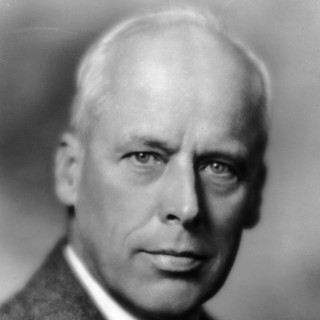
POPULARITY

45 episodes with Norman Thomas

10 episodes with Norman Thomas

2 episodes with Norman Thomas

2 episodes with Norman Thomas

15 episodes with Norman Thomas

2 episodes with Norman Thomas

Get access to The Backroom, with 100+ exclusive episodes of 1Dime Radio, on Patreon: https://www.patreon.com/OneDimeIn this episode of 1Dime Radio, I am joined by Jack Ross, an independent historian, acquisitions editor at Sublation Media, and author of The Socialist Party of America: A Complete History and The Strange Death of American Exceptionalism. We compare today's DSA with America's Old Left, recovering the forgotten non-communist and anti-communist socialist tradition of Norman Thomas, A. Philip Randolph, and Bayard Rustin while discussing DSA 2.0, Zohran Mamdani, the Old Left–New Left rupture, the Popular Front, Cold War liberalism, Stalinism, the CCP, Hasan Piker, and the crisis of the contemporary online left.In the Patreon-exclusive Backroom, we discuss Jack's theses on Trotskyism and neoconservatism, the infamous Trotskyist-to-neoconservative pipeline, and the complicated history of Jewish anti-Zionism, American Zionism, and Zionism more broadly.You can listen to 1Dime Radio on Spotify, Apple Podcasts, or wherever you get podcasts.Timestamps:0:00 Backroom Preview: Tankies and American Socialism2:36 Intro3:34 Jack Ross and America's Old Left15:07 Anti-Communist Socialists and DSA 2.026:13 Norman Thomas, the New Left, and the Popular Front35:38 Woke Left, Stalinists, and Cold War Liberalism45:19 McCarthyism, Foreign Influence, and the CCP50:16 Hasan Piker and the Crisis of the Online LeftGUEST:Jack Ross, independent historian, acquisitions editor at Sublation Media, and author of The Socialist Party of America: A Complete History, The Strange Death of American Exceptionalism, and Rabbi Outcast: Elmer Berger and American Jewish Anti-ZionismThe Socialist Party of America: A Complete History: https://sublationmedia.com/product/the-socialist-party-of-america-a-complete-history/The Strange Death of American Exceptionalism: https://sublationmedia.com/product/the-strange-death-of-american-exceptionalism/Theses on Trotskyism and Neoconservatism: https://nonzionism.com/p/theses-on-trotskyism-and-neoconservatismSublation Media: https://sublationmedia.com/FOLLOW 1Dime:1Dime Radio YouTube channel: https://youtube.com/@1dimeradioSubstack: https://1dimereview.substack.com/X/Twitter: https://x.com/1DimeOfficialInstagram: https://www.instagram.com/tonyof1dime/Main 1Dime YouTube channel: https://www.youtube.com/@1DimeeOutro Music by Karl CaseyLeave a like, comment, and subscribe. Give 1Dime Radio a 5-star rating on Spotify, Apple Podcasts, or wherever you listen.
Splinter Parties and the Global Shadow Guest: David Pietrusza Book Title: Roosevelt Sweeps Nation: FDR's 1936 Landslide and the Triumph of the Liberal Ideal Beyond populist insurgents, Roosevelt had to contend with the Socialistand Communist parties, which held significant sway in urban centers. The Socialists, led by Norman Thomas, appealed to the intellectual "proto-faction" in New York City, drawing hundreds of thousands of votes. More complex was the role of the Communist Party USA, led by Earl Browder, who was hand-picked by Stalin for his compliance. Under Stalin's"Popular Front" strategy to combat Hitler, the Communists shifted from attacking Roosevelt as a "tool of Wall Street" to offering a deceptive endorsement. Browder realized an open endorsement would be the "kiss of death," so the party ran its own campaign while focusing its firepower on Roosevelt's opponents. This radicalism extended to the Midwest with the Farmer-Labor Party, led by figures like Minnesota Governor Floyd Olson. Olson, a radical agrarian who also harbored presidential ambitions for 1940, presided over a volatile political climate where political violence was not uncommon. These movements reflected a "different political geography" where radical agrarianism and urban socialism threatened to peel away parts of the Democratic electorate. Roosevelt remained wary of these factions, particularly in New York and California, where they were most active. Internationally, the brewing Spanish Civil War and the rise of European dictators added urgency to the domestic political landscape, as the Communists sought to keep Roosevelt in power as a potential ally against fascism. (4)
4. The election featured threats from the Socialist and Communist parties. While Norman Thomas drew urban votes, Earl Browder's Communist Party supported Roosevelt through a "popular front" to oppose fascism. Radical agrarianism in the Midwest, led by figures like Minnesota's Floyd Olson, added further instability. 41936 FEDERAL SURPLUS

This one is a preview of something I've been wanting to do for a long time — a class on the history of Christian social ethics that's actually useful for the moment we're in. Cornell West calls Gary Dorrien the greatest living Christian social ethicist, and after spending any amount of time with him, you understand why. Gary and Aaron Stoffer joined me to give people a taste of what's coming in Theology for Troublemakers, and what they gave us was a genuine history lesson that landed like a live wire. We started with Gary's own formation — a rural Michigan kid who never took a school book home until second semester senior year, who walked into a Catholic church and couldn't stop staring at the figure on the cross, who read a biography of King in ninth grade three times and went looking for the theologians King mentioned in the public library and found none of them. That kid became one of the most important social ethicists of our time. From there we moved into Norman Thomas's warning — that American populism always surges toward a dictator who scapegoats the vulnerable — and what the left's recurring failure to build cross-racial, multi-issue coalitions has to do with where we are now. Gary named the nineties as the most demoralizing decade of his life: TINA, triangulation, NAFTA, three-strikes, welfare gutted, and a Democratic Party that treated its progressive base as something to prove it could overcome. He was not gentle about Clinton, or Obama, or the way purity politics has consistently kneecapped the left's ability to organize. He was hopeful, carefully, about cooperatives, about DSA's organizing culture in New York, and about the strange opening the current moment creates for public theology. The class runs the whole history — from the Black Social Gospel and the new abolitionists to the Christian realists to Yoder and Dorothy Day — and Aaron frames it all in terms of what congregations can actually do with it. Go to homebrewclasses.com. This is the class for right now. You can WATCH the conversation on YouTube UPCOMING ONLINE CLASS - Theology for Troublemakers: Christian Social Ethics from the Margins The injustices we face are immense — but they are not unique. Previous generations confronted the same powers with theological conviction and strategic brilliance. The question is whether we'll learn from them. This 6-week online course, led by Dr. Gary Dorrien and Dr. Aaron Stauffer, recovers the radical tradition of Christian social ethics — from Reverdy Ransom and Reinhold Niebuhr to James Cone and the Welfare Rights Movement — and asks what faithfulness demands of us right now. Weekly lectures, live Q&A conversations, guest lecturers, and an online community included.
4. The 1936 election involved complex dynamics with the Socialist and Communist parties, both of which Roosevelt regarded as potential electoral threats. Norman Thomas of the Socialist Party remained a factor in urban areas, while the Communist Party, led by Earl Browder, adopted a "popular front" strategy. While officially running their own ticket, the communists focused their attacks on Roosevelt's opponents to ensure his victory as a bulwark against European fascism. This period also saw radical agrarianism in the Midwest, exemplified by Minnesota's Floyd Olson, whose violent political environment underscored the era's instability. (5)1936 CENTER MARKET DC
RADICAL PARTIES AND THE POPULAR FRONT STRATEGY Colleague David Pietrusza. Roosevelt contends with fringe parties, including the Socialists led by Norman Thomas and the Communists led by Earl Browder. Browder, selected by Stalin for being pliant and non-Jewish, navigates the "Popular Front" strategy. Fearing a Republican victory might aid Hitler, the Communists run a separate candidate but tacitly support Roosevelt to keep him in power. In the upper Midwest, radical agrarianism presents another challenge, with figures like Minnesota Governor Floyd Olson operating in a violent political landscape. Roosevelt must manage these splinter groups to prevent them from costing him electoral votes in key states. NUMBER 41936 CHILE AT THE OLYMPICS
MANAGING THE LEFT: SOCIALISTS, COMMUNISTS, AND THE POPULAR FRONT Colleague David Pietrusza. Roosevelt contended with established leftist parties, including the Socialists led by Norman Thomas and the Communist Party USA under Earl Browder. While the Socialists appealed to urban intellectuals, the Communists, following Stalin's "popular front" strategy against Hitler, tacitly supported Roosevelt. Browder ran for president to avoid being a "kiss of death" endorsement for FDR, while focusing his party's attacks on the Republicans. This era also saw violent political instability in the upper Midwest, where radical agrarian figures like Minnesota Governor Floyd Olson maneuvered between supporting Roosevelt and harboring their own presidential ambitions. NUMBER 4
4/8. FDR Deals with the Socialist and Communist Parties — David Pietrusza — Roosevelt expressed concern that the Socialist Party (led by Norman Thomas) and the Communist Party (led by Earl Browder) would siphon votes from the Democratic ticket. Due to Stalin's strategic pivot toward the Popular Front strategy opposing Hitler, the CPUSA, directed by Browder, tacitly supported Roosevelt by concentrating opposition fire on the Republican nominee. The Communists aligned strategically with radical organizations including the Farmer-Labor Party of Minnesota. 1936 BERLIN

On today's Labor Radio Podcast Daily: Historian Robert W. Snyder joins the Labor Heritage Power Hour to reflect on the existential choices frontline workers faced during COVID. In labor history, the time clock was invented in 1888. Quote of the day: Norman Thomas. @wpfwdc @AFLCIO #1u #UnionStrong #LaborRadioPod Proud founding member of the Labor Radio Podcast Network
CONTINUED David Pietrusza's book, Roosevelt Sweeps Nation: FDR's 1936 Landslide and the Triumph of the Liberal Ideal, chronicles Franklin Delano Roosevelt's pivotal re-election campaign in 1936, a moment that fundamentally reshaped American political demographics and solidified the New Deal as a national agenda. The campaign began under the shadow of the death of Louis Howe in April 1936, FDR's closest political strategist and confidant since 1912. Howe, despite his "unpleasant acerbic" nature and poor health, was an invaluable aide, worshiping FDR and actively pushing Eleanor Roosevelt into political activism following FDR's 1917 affair. His passing left Roosevelt to navigate a complex political landscape on his own. Roosevelt faced significant opposition from both the political right and left. On the right, Al Smith, former Governor of New York and FDR's erstwhile mentor, emerged as a fierce critic. Disaffected since FDR's governorship, Smith believed Roosevelt's "forgotten man" speech and New Deal policies constituted "class warfare." Allied with wealthy individuals like the DuPonts and E.F. Hutton, Smith co-founded the American Liberty League, which lambasted the New Deal as unconstitutional and socialist, compelling Roosevelt to wage his own campaign of "class warfare" against these "rich guys in the Silk Hats." From the populist left, FDR contended with the legacy of Huey Long, the charismatic Louisiana senator assassinated in September 1935. Long's radical "Share Our Wealth" program, advocating for massive wealth redistribution and government provision of cars and radios to every family, garnered millions of followers and represented "the greatest force of the populist left." His strategy was to siphon votes in 1936 to ensure a Republican victory, creating a worse economic situation that would pave his way to the presidency in 1940. In Georgia, conservative populist Eugene Talmadge, while ideologically different from Long (being a "Jeffersonian conservative" who refused to fund welfare), also vigorously opposed the New Deal through "race baiting" and accusations of "communist influence," drawing some of Long's former supporters. A significant third-party challenge coalesced around Dr. Francis Everett Townsend, an elderly physician whose Townsend Plan proposed giving $200 a month to every person over 60, requiring them to spend it within 30 days to stimulate the economy. Though Roosevelt personally disliked "the dole," the plan's immense popularity and the formation of millions of Townsend clubs pushed FDR to swiftly introduce Social Security. Townsend later joined forces with Father Charles Edward Coughlin, an influential "radio priest" who initially supported FDR but turned against him over monetary policy, and Reverend Gerald L. K. Smith, a fiery orator akin to Long, along with Congressman William Lemke. This "amateur" coalition, however, failed to gain significant electoral traction, securing only 1.2% of the vote due to ballot access issues in major states and a lack of experienced political leadership. Coughlin, notably, was a more prominent radio figure than FDR for a period, influencing millions through his syndicated broadcasts. FDR's secret meeting with Coughlin at Hyde Park, orchestrated by Joseph Patrick Kennedy, famously ended in a rupture, leading to open political warfare. Ideological parties also presented concerns. The Socialist Party, led by Norman Thomas, consistently polled hundreds of thousands of votes, particularly in urban centers like New York City. The Communist Party USA, under Earl Browder (chosen by Stalin for his pliability and non-Jewish background), initially condemned the New Deal as "fascist." However, with the rise of Adolf Hitler and the global shift to a "popular front" strategy, the Communist Party covertly supported FDR to keep him in power against the looming international threats, while running their own candidate to avoid the "kiss of death" of an overt endorsement. Media mogul William Randolph Hearst, who controlled a vast empire of 28 newspapers and eight radio stations, also became a powerful opponent. Despite initially supporting FDR in 1932, Hearst grew increasingly disaffected by the New Deal's progressive policies and taxes on the wealthy, leading to a "long bumpy involved breakup." FDR even considered "throwing 46 men who make a million dollars a year to the wolves," a direct reference to Hearst and his wealthy allies. The Republican Party ultimately nominated Alf Landon, the Governor of Kansas, a "complete surprise" and "least interesting character." Landon, a progressive Republican favored by Hearst, was known for balancing Kansas's budget but was widely regarded as uncharismatic and a poor public speaker, especially on radio, a crucial medium of the era. His campaign message, promising only a more efficient implementation of New Deal programs he had largely supported, failed to energize the electorate. Earlier potential nominees included Herbert Hoover, William Borah, Frank Knox, and Arthur Hendrick Vandenberg. Roosevelt's campaign, in stark contrast, was dynamic. First Lady Eleanor Roosevelt played an indispensable role, defying initial party reluctance to campaign vigorously. She became a crucial link to the African-American vote in Northern cities, even though FDR, for political reasons, declined to support an anti-lynching law favored by Eleanor and the NAACP. Roosevelt himself delivered powerful, "frenzied and irate" speeches, most notably his Madison Square Garden address on Halloween night, where he famously embraced the "hatred" of "economic royalists" and promised accountability, a compelling message of "class warfare" that galvanized the electorate despite his own staff's initial horror at its perceived demagoguery. Despite initial polls, like the Literary Digest (which had predicted a Landon victory), suggesting a close race, Rooseveltachieved an unprecedented landslide. He won 46 of 48 states, secured overwhelming Democratic majorities in both houses of Congress (74 senators, 334 representatives), and claimed 38 governorships. Crucially, FDR carried 104 of 106 major cities, solidifying the Democratic Party's urban strength and marking a profound political realignment in American history. This decisive victory was a clear mandate for the New Deal and established the foundation of the modern Democratic Party.
CONTINUED David Pietrusza's book, Roosevelt Sweeps Nation: FDR's 1936 Landslide and the Triumph of the Liberal Ideal, chronicles Franklin Delano Roosevelt's pivotal re-election campaign in 1936, a moment that fundamentally reshaped American political demographics and solidified the New Deal as a national agenda. The campaign began under the shadow of the death of Louis Howe in April 1936, FDR's closest political strategist and confidant since 1912. Howe, despite his "unpleasant acerbic" nature and poor health, was an invaluable aide, worshiping FDR and actively pushing Eleanor Roosevelt into political activism following FDR's 1917 affair. His passing left Roosevelt to navigate a complex political landscape on his own. Roosevelt faced significant opposition from both the political right and left. On the right, Al Smith, former Governor of New York and FDR's erstwhile mentor, emerged as a fierce critic. Disaffected since FDR's governorship, Smith believed Roosevelt's "forgotten man" speech and New Deal policies constituted "class warfare." Allied with wealthy individuals like the DuPonts and E.F. Hutton, Smith co-founded the American Liberty League, which lambasted the New Deal as unconstitutional and socialist, compelling Roosevelt to wage his own campaign of "class warfare" against these "rich guys in the Silk Hats." From the populist left, FDR contended with the legacy of Huey Long, the charismatic Louisiana senator assassinated in September 1935. Long's radical "Share Our Wealth" program, advocating for massive wealth redistribution and government provision of cars and radios to every family, garnered millions of followers and represented "the greatest force of the populist left." His strategy was to siphon votes in 1936 to ensure a Republican victory, creating a worse economic situation that would pave his way to the presidency in 1940. In Georgia, conservative populist Eugene Talmadge, while ideologically different from Long (being a "Jeffersonian conservative" who refused to fund welfare), also vigorously opposed the New Deal through "race baiting" and accusations of "communist influence," drawing some of Long's former supporters. A significant third-party challenge coalesced around Dr. Francis Everett Townsend, an elderly physician whose Townsend Plan proposed giving $200 a month to every person over 60, requiring them to spend it within 30 days to stimulate the economy. Though Roosevelt personally disliked "the dole," the plan's immense popularity and the formation of millions of Townsend clubs pushed FDR to swiftly introduce Social Security. Townsend later joined forces with Father Charles Edward Coughlin, an influential "radio priest" who initially supported FDR but turned against him over monetary policy, and Reverend Gerald L. K. Smith, a fiery orator akin to Long, along with Congressman William Lemke. This "amateur" coalition, however, failed to gain significant electoral traction, securing only 1.2% of the vote due to ballot access issues in major states and a lack of experienced political leadership. Coughlin, notably, was a more prominent radio figure than FDR for a period, influencing millions through his syndicated broadcasts. FDR's secret meeting with Coughlin at Hyde Park, orchestrated by Joseph Patrick Kennedy, famously ended in a rupture, leading to open political warfare. Ideological parties also presented concerns. The Socialist Party, led by Norman Thomas, consistently polled hundreds of thousands of votes, particularly in urban centers like New York City. The Communist Party USA, under Earl Browder (chosen by Stalin for his pliability and non-Jewish background), initially condemned the New Deal as "fascist." However, with the rise of Adolf Hitler and the global shift to a "popular front" strategy, the Communist Party covertly supported FDR to keep him in power against the looming international threats, while running their own candidate to avoid the "kiss of death" of an overt endorsement. Media mogul William Randolph Hearst, who controlled a vast empire of 28 newspapers and eight radio stations, also became a powerful opponent. Despite initially supporting FDR in 1932, Hearst grew increasingly disaffected by the New Deal's progressive policies and taxes on the wealthy, leading to a "long bumpy involved breakup." FDR even considered "throwing 46 men who make a million dollars a year to the wolves," a direct reference to Hearst and his wealthy allies. The Republican Party ultimately nominated Alf Landon, the Governor of Kansas, a "complete surprise" and "least interesting character." Landon, a progressive Republican favored by Hearst, was known for balancing Kansas's budget but was widely regarded as uncharismatic and a poor public speaker, especially on radio, a crucial medium of the era. His campaign message, promising only a more efficient implementation of New Deal programs he had largely supported, failed to energize the electorate. Earlier potential nominees included Herbert Hoover, William Borah, Frank Knox, and Arthur Hendrick Vandenberg. Roosevelt's campaign, in stark contrast, was dynamic. First Lady Eleanor Roosevelt played an indispensable role, defying initial party reluctance to campaign vigorously. She became a crucial link to the African-American vote in Northern cities, even though FDR, for political reasons, declined to support an anti-lynching law favored by Eleanor and the NAACP. Roosevelt himself delivered powerful, "frenzied and irate" speeches, most notably his Madison Square Garden address on Halloween night, where he famously embraced the "hatred" of "economic royalists" and promised accountability, a compelling message of "class warfare" that galvanized the electorate despite his own staff's initial horror at its perceived demagoguery. Despite initial polls, like the Literary Digest (which had predicted a Landon victory), suggesting a close race, Rooseveltachieved an unprecedented landslide. He won 46 of 48 states, secured overwhelming Democratic majorities in both houses of Congress (74 senators, 334 representatives), and claimed 38 governorships. Crucially, FDR carried 104 of 106 major cities, solidifying the Democratic Party's urban strength and marking a profound political realignment in American history. This decisive victory was a clear mandate for the New Deal and established the foundation of the modern Democratic Party.
CONTINUED David Pietrusza's book, Roosevelt Sweeps Nation: FDR's 1936 Landslide and the Triumph of the Liberal Ideal, chronicles Franklin Delano Roosevelt's pivotal re-election campaign in 1936, a moment that fundamentally reshaped American political demographics and solidified the New Deal as a national agenda. The campaign began under the shadow of the death of Louis Howe in April 1936, FDR's closest political strategist and confidant since 1912. Howe, despite his "unpleasant acerbic" nature and poor health, was an invaluable aide, worshiping FDR and actively pushing Eleanor Roosevelt into political activism following FDR's 1917 affair. His passing left Roosevelt to navigate a complex political landscape on his own. Roosevelt faced significant opposition from both the political right and left. On the right, Al Smith, former Governor of New York and FDR's erstwhile mentor, emerged as a fierce critic. Disaffected since FDR's governorship, Smith believed Roosevelt's "forgotten man" speech and New Deal policies constituted "class warfare." Allied with wealthy individuals like the DuPonts and E.F. Hutton, Smith co-founded the American Liberty League, which lambasted the New Deal as unconstitutional and socialist, compelling Roosevelt to wage his own campaign of "class warfare" against these "rich guys in the Silk Hats." From the populist left, FDR contended with the legacy of Huey Long, the charismatic Louisiana senator assassinated in September 1935. Long's radical "Share Our Wealth" program, advocating for massive wealth redistribution and government provision of cars and radios to every family, garnered millions of followers and represented "the greatest force of the populist left." His strategy was to siphon votes in 1936 to ensure a Republican victory, creating a worse economic situation that would pave his way to the presidency in 1940. In Georgia, conservative populist Eugene Talmadge, while ideologically different from Long (being a "Jeffersonian conservative" who refused to fund welfare), also vigorously opposed the New Deal through "race baiting" and accusations of "communist influence," drawing some of Long's former supporters. A significant third-party challenge coalesced around Dr. Francis Everett Townsend, an elderly physician whose Townsend Plan proposed giving $200 a month to every person over 60, requiring them to spend it within 30 days to stimulate the economy. Though Roosevelt personally disliked "the dole," the plan's immense popularity and the formation of millions of Townsend clubs pushed FDR to swiftly introduce Social Security. Townsend later joined forces with Father Charles Edward Coughlin, an influential "radio priest" who initially supported FDR but turned against him over monetary policy, and Reverend Gerald L. K. Smith, a fiery orator akin to Long, along with Congressman William Lemke. This "amateur" coalition, however, failed to gain significant electoral traction, securing only 1.2% of the vote due to ballot access issues in major states and a lack of experienced political leadership. Coughlin, notably, was a more prominent radio figure than FDR for a period, influencing millions through his syndicated broadcasts. FDR's secret meeting with Coughlin at Hyde Park, orchestrated by Joseph Patrick Kennedy, famously ended in a rupture, leading to open political warfare. Ideological parties also presented concerns. The Socialist Party, led by Norman Thomas, consistently polled hundreds of thousands of votes, particularly in urban centers like New York City. The Communist Party USA, under Earl Browder (chosen by Stalin for his pliability and non-Jewish background), initially condemned the New Deal as "fascist." However, with the rise of Adolf Hitler and the global shift to a "popular front" strategy, the Communist Party covertly supported FDR to keep him in power against the looming international threats, while running their own candidate to avoid the "kiss of death" of an overt endorsement. Media mogul William Randolph Hearst, who controlled a vast empire of 28 newspapers and eight radio stations, also became a powerful opponent. Despite initially supporting FDR in 1932, Hearst grew increasingly disaffected by the New Deal's progressive policies and taxes on the wealthy, leading to a "long bumpy involved breakup." FDR even considered "throwing 46 men who make a million dollars a year to the wolves," a direct reference to Hearst and his wealthy allies. The Republican Party ultimately nominated Alf Landon, the Governor of Kansas, a "complete surprise" and "least interesting character." Landon, a progressive Republican favored by Hearst, was known for balancing Kansas's budget but was widely regarded as uncharismatic and a poor public speaker, especially on radio, a crucial medium of the era. His campaign message, promising only a more efficient implementation of New Deal programs he had largely supported, failed to energize the electorate. Earlier potential nominees included Herbert Hoover, William Borah, Frank Knox, and Arthur Hendrick Vandenberg. Roosevelt's campaign, in stark contrast, was dynamic. First Lady Eleanor Roosevelt played an indispensable role, defying initial party reluctance to campaign vigorously. She became a crucial link to the African-American vote in Northern cities, even though FDR, for political reasons, declined to support an anti-lynching law favored by Eleanor and the NAACP. Roosevelt himself delivered powerful, "frenzied and irate" speeches, most notably his Madison Square Garden address on Halloween night, where he famously embraced the "hatred" of "economic royalists" and promised accountability, a compelling message of "class warfare" that galvanized the electorate despite his own staff's initial horror at its perceived demagoguery. Despite initial polls, like the Literary Digest (which had predicted a Landon victory), suggesting a close race, Rooseveltachieved an unprecedented landslide. He won 46 of 48 states, secured overwhelming Democratic majorities in both houses of Congress (74 senators, 334 representatives), and claimed 38 governorships. Crucially, FDR carried 104 of 106 major cities, solidifying the Democratic Party's urban strength and marking a profound political realignment in American history. This decisive victory was a clear mandate for the New Deal and established the foundation of the modern Democratic Party.
CONTINUED David Pietrusza's book, Roosevelt Sweeps Nation: FDR's 1936 Landslide and the Triumph of the Liberal Ideal, chronicles Franklin Delano Roosevelt's pivotal re-election campaign in 1936, a moment that fundamentally reshaped American political demographics and solidified the New Deal as a national agenda. The campaign began under the shadow of the death of Louis Howe in April 1936, FDR's closest political strategist and confidant since 1912. Howe, despite his "unpleasant acerbic" nature and poor health, was an invaluable aide, worshiping FDR and actively pushing Eleanor Roosevelt into political activism following FDR's 1917 affair. His passing left Roosevelt to navigate a complex political landscape on his own. Roosevelt faced significant opposition from both the political right and left. On the right, Al Smith, former Governor of New York and FDR's erstwhile mentor, emerged as a fierce critic. Disaffected since FDR's governorship, Smith believed Roosevelt's "forgotten man" speech and New Deal policies constituted "class warfare." Allied with wealthy individuals like the DuPonts and E.F. Hutton, Smith co-founded the American Liberty League, which lambasted the New Deal as unconstitutional and socialist, compelling Roosevelt to wage his own campaign of "class warfare" against these "rich guys in the Silk Hats." From the populist left, FDR contended with the legacy of Huey Long, the charismatic Louisiana senator assassinated in September 1935. Long's radical "Share Our Wealth" program, advocating for massive wealth redistribution and government provision of cars and radios to every family, garnered millions of followers and represented "the greatest force of the populist left." His strategy was to siphon votes in 1936 to ensure a Republican victory, creating a worse economic situation that would pave his way to the presidency in 1940. In Georgia, conservative populist Eugene Talmadge, while ideologically different from Long (being a "Jeffersonian conservative" who refused to fund welfare), also vigorously opposed the New Deal through "race baiting" and accusations of "communist influence," drawing some of Long's former supporters. A significant third-party challenge coalesced around Dr. Francis Everett Townsend, an elderly physician whose Townsend Plan proposed giving $200 a month to every person over 60, requiring them to spend it within 30 days to stimulate the economy. Though Roosevelt personally disliked "the dole," the plan's immense popularity and the formation of millions of Townsend clubs pushed FDR to swiftly introduce Social Security. Townsend later joined forces with Father Charles Edward Coughlin, an influential "radio priest" who initially supported FDR but turned against him over monetary policy, and Reverend Gerald L. K. Smith, a fiery orator akin to Long, along with Congressman William Lemke. This "amateur" coalition, however, failed to gain significant electoral traction, securing only 1.2% of the vote due to ballot access issues in major states and a lack of experienced political leadership. Coughlin, notably, was a more prominent radio figure than FDR for a period, influencing millions through his syndicated broadcasts. FDR's secret meeting with Coughlin at Hyde Park, orchestrated by Joseph Patrick Kennedy, famously ended in a rupture, leading to open political warfare. Ideological parties also presented concerns. The Socialist Party, led by Norman Thomas, consistently polled hundreds of thousands of votes, particularly in urban centers like New York City. The Communist Party USA, under Earl Browder (chosen by Stalin for his pliability and non-Jewish background), initially condemned the New Deal as "fascist." However, with the rise of Adolf Hitler and the global shift to a "popular front" strategy, the Communist Party covertly supported FDR to keep him in power against the looming international threats, while running their own candidate to avoid the "kiss of death" of an overt endorsement. Media mogul William Randolph Hearst, who controlled a vast empire of 28 newspapers and eight radio stations, also became a powerful opponent. Despite initially supporting FDR in 1932, Hearst grew increasingly disaffected by the New Deal's progressive policies and taxes on the wealthy, leading to a "long bumpy involved breakup." FDR even considered "throwing 46 men who make a million dollars a year to the wolves," a direct reference to Hearst and his wealthy allies. The Republican Party ultimately nominated Alf Landon, the Governor of Kansas, a "complete surprise" and "least interesting character." Landon, a progressive Republican favored by Hearst, was known for balancing Kansas's budget but was widely regarded as uncharismatic and a poor public speaker, especially on radio, a crucial medium of the era. His campaign message, promising only a more efficient implementation of New Deal programs he had largely supported, failed to energize the electorate. Earlier potential nominees included Herbert Hoover, William Borah, Frank Knox, and Arthur Hendrick Vandenberg. Roosevelt's campaign, in stark contrast, was dynamic. First Lady Eleanor Roosevelt played an indispensable role, defying initial party reluctance to campaign vigorously. She became a crucial link to the African-American vote in Northern cities, even though FDR, for political reasons, declined to support an anti-lynching law favored by Eleanor and the NAACP. Roosevelt himself delivered powerful, "frenzied and irate" speeches, most notably his Madison Square Garden address on Halloween night, where he famously embraced the "hatred" of "economic royalists" and promised accountability, a compelling message of "class warfare" that galvanized the electorate despite his own staff's initial horror at its perceived demagoguery. Despite initial polls, like the Literary Digest (which had predicted a Landon victory), suggesting a close race, Rooseveltachieved an unprecedented landslide. He won 46 of 48 states, secured overwhelming Democratic majorities in both houses of Congress (74 senators, 334 representatives), and claimed 38 governorships. Crucially, FDR carried 104 of 106 major cities, solidifying the Democratic Party's urban strength and marking a profound political realignment in American history. This decisive victory was a clear mandate for the New Deal and established the foundation of the modern Democratic Party.
CONTINUED David Pietrusza's book, Roosevelt Sweeps Nation: FDR's 1936 Landslide and the Triumph of the Liberal Ideal, chronicles Franklin Delano Roosevelt's pivotal re-election campaign in 1936, a moment that fundamentally reshaped American political demographics and solidified the New Deal as a national agenda. The campaign began under the shadow of the death of Louis Howe in April 1936, FDR's closest political strategist and confidant since 1912. Howe, despite his "unpleasant acerbic" nature and poor health, was an invaluable aide, worshiping FDR and actively pushing Eleanor Roosevelt into political activism following FDR's 1917 affair. His passing left Roosevelt to navigate a complex political landscape on his own. 1944 FALAH Roosevelt faced significant orpposition from both the political right and left. On the right, Al Smith, former Governor of New York and FDR's erstwhile mentor, emerged as a fierce critic. Disaffected since FDR's governorship, Smith believed Roosevelt's "forgotten man" speech and New Deal policies constituted "class warfare." Allied with wealthy individuals like the DuPonts and E.F. Hutton, Smith co-founded the American Liberty League, which lambasted the New Deal as unconstitutional and socialist, compelling Roosevelt to wage his own campaign of "class warfare" against these "rich guys in the Silk Hats." From the populist left, FDR contended with the legacy of Huey Long, the charismatic Louisiana senator assassinated in September 1935. Long's radical "Share Our Wealth" program, advocating for massive wealth redistribution and government provision of cars and radios to every family, garnered millions of followers and represented "the greatest force of the populist left." His strategy was to siphon votes in 1936 to ensure a Republican victory, creating a worse economic situation that would pave his way to the presidency in 1940. In Georgia, conservative populist Eugene Talmadge, while ideologically different from Long (being a "Jeffersonian conservative" who refused to fund welfare), also vigorously opposed the New Deal through "race baiting" and accusations of "communist influence," drawing some of Long's former supporters. A significant third-party challenge coalesced around Dr. Francis Everett Townsend, an elderly physician whose Townsend Plan proposed giving $200 a month to every person over 60, requiring them to spend it within 30 days to stimulate the economy. Though Roosevelt personally disliked "the dole," the plan's immense popularity and the formation of millions of Townsend clubs pushed FDR to swiftly introduce Social Security. Townsend later joined forces with Father Charles Edward Coughlin, an influential "radio priest" who initially supported FDR but turned against him over monetary policy, and Reverend Gerald L. K. Smith, a fiery orator akin to Long, along with Congressman William Lemke. This "amateur" coalition, however, failed to gain significant electoral traction, securing only 1.2% of the vote due to ballot access issues in major states and a lack of experienced political leadership. Coughlin, notably, was a more prominent radio figure than FDR for a period, influencing millions through his syndicated broadcasts. FDR's secret meeting with Coughlin at Hyde Park, orchestrated by Joseph Patrick Kennedy, famously ended in a rupture, leading to open political warfare. Ideological parties also presented concerns. The Socialist Party, led by Norman Thomas, consistently polled hundreds of thousands of votes, particularly in urban centers like New York City. The Communist Party USA, under Earl Browder (chosen by Stalin for his pliability and non-Jewish background), initially condemned the New Deal as "fascist." However, with the rise of Adolf Hitler and the global shift to a "popular front" strategy, the Communist Party covertly supported FDR to keep him in power against the looming international threats, while running their own candidate to avoid the "kiss of death" of an overt endorsement. Media mogul William Randolph Hearst, who controlled a vast empire of 28 newspapers and eight radio stations, also became a powerful opponent. Despite initially supporting FDR in 1932, Hearst grew increasingly disaffected by the New Deal's progressive policies and taxes on the wealthy, leading to a "long bumpy involved breakup." FDR even considered "throwing 46 men who make a million dollars a year to the wolves," a direct reference to Hearst and his wealthy allies. The Republican Party ultimately nominated Alf Landon, the Governor of Kansas, a "complete surprise" and "least interesting character." Landon, a progressive Republican favored by Hearst, was known for balancing Kansas's budget but was widely regarded as uncharismatic and a poor public speaker, especially on radio, a crucial medium of the era. His campaign message, promising only a more efficient implementation of New Deal programs he had largely supported, failed to energize the electorate. Earlier potential nominees included Herbert Hoover, William Borah, Frank Knox, and Arthur Hendrick Vandenberg. Roosevelt's campaign, in stark contrast, was dynamic. First Lady Eleanor Roosevelt played an indispensable role, defying initial party reluctance to campaign vigorously. She became a crucial link to the African-American vote in Northern cities, even though FDR, for political reasons, declined to support an anti-lynching law favored by Eleanor and the NAACP. Roosevelt himself delivered powerful, "frenzied and irate" speeches, most notably his Madison Square Garden address on Halloween night, where he famously embraced the "hatred" of "economic royalists" and promised accountability, a compelling message of "class warfare" that galvanized the electorate despite his own staff's initial horror at its perceived demagoguery. Despite initial polls, like the Literary Digest (which had predicted a Landon victory), suggesting a close race, Rooseveltachieved an unprecedented landslide. He won 46 of 48 states, secured overwhelming Democratic majorities in both houses of Congress (74 senators, 334 representatives), and claimed 38 governorships. Crucially, FDR carried 104 of 106 major cities, solidifying the Democratic Party's urban strength and marking a profound political realignment in American history. This decisive victory was a clear mandate for the New Deal and established the foundation of the modern Democratic Party.
CONTINUED David Pietrusza's book, Roosevelt Sweeps Nation: FDR's 1936 Landslide and the Triumph of the Liberal Ideal, chronicles Franklin Delano Roosevelt's pivotal re-election campaign in 1936, a moment that fundamentally reshaped American political demographics and solidified the New Deal as a national agenda. The campaign began under the shadow of the death of Louis Howe in April 1936, FDR's closest political strategist and confidant since 1912. Howe, despite his "unpleasant acerbic" nature and poor health, was an invaluable aide, worshiping FDR and actively pushing Eleanor Roosevelt into political activism following FDR's 1917 affair. His passing left Roosevelt to navigate a complex political landscape on his own. Roosevelt faced significant opposition from both the political right and left. On the right, Al Smith, former Governor of New York and FDR's erstwhile mentor, emerged as a fierce critic. Disaffected since FDR's governorship, Smith believed Roosevelt's "forgotten man" speech and New Deal policies constituted "class warfare." Allied with wealthy individuals like the DuPonts and E.F. Hutton, Smith co-founded the American Liberty League, which lambasted the New Deal as unconstitutional and socialist, compelling Roosevelt to wage his own campaign of "class warfare" against these "rich guys in the Silk Hats." From the populist left, FDR contended with the legacy of Huey Long, the charismatic Louisiana senator assassinated in September 1935. Long's radical "Share Our Wealth" program, advocating for massive wealth redistribution and government provision of cars and radios to every family, garnered millions of followers and represented "the greatest force of the populist left." His strategy was to siphon votes in 1936 to ensure a Republican victory, creating a worse economic situation that would pave his way to the presidency in 1940. In Georgia, conservative populist Eugene Talmadge, while ideologically different from Long (being a "Jeffersonian conservative" who refused to fund welfare), also vigorously opposed the New Deal through "race baiting" and accusations of "communist influence," drawing some of Long's former supporters. A significant third-party challenge coalesced around Dr. Francis Everett Townsend, an elderly physician whose Townsend Plan proposed giving $200 a month to every person over 60, requiring them to spend it within 30 days to stimulate the economy. Though Roosevelt personally disliked "the dole," the plan's immense popularity and the formation of millions of Townsend clubs pushed FDR to swiftly introduce Social Security. Townsend later joined forces with Father Charles Edward Coughlin, an influential "radio priest" who initially supported FDR but turned against him over monetary policy, and Reverend Gerald L. K. Smith, a fiery orator akin to Long, along with Congressman William Lemke. This "amateur" coalition, however, failed to gain significant electoral traction, securing only 1.2% of the vote due to ballot access issues in major states and a lack of experienced political leadership. Coughlin, notably, was a more prominent radio figure than FDR for a period, influencing millions through his syndicated broadcasts. FDR's secret meeting with Coughlin at Hyde Park, orchestrated by Joseph Patrick Kennedy, famously ended in a rupture, leading to open political warfare. Ideological parties also presented concerns. The Socialist Party, led by Norman Thomas, consistently polled hundreds of thousands of votes, particularly in urban centers like New York City. The Communist Party USA, under Earl Browder (chosen by Stalin for his pliability and non-Jewish background), initially condemned the New Deal as "fascist." However, with the rise of Adolf Hitler and the global shift to a "popular front" strategy, the Communist Party covertly supported FDR to keep him in power against the looming international threats, while running their own candidate to avoid the "kiss of death" of an overt endorsement. Media mogul William Randolph Hearst, who controlled a vast empire of 28 newspapers and eight radio stations, also became a powerful opponent. Despite initially supporting FDR in 1932, Hearst grew increasingly disaffected by the New Deal's progressive policies and taxes on the wealthy, leading to a "long bumpy involved breakup." FDR even considered "throwing 46 men who make a million dollars a year to the wolves," a direct reference to Hearst and his wealthy allies. The Republican Party ultimately nominated Alf Landon, the Governor of Kansas, a "complete surprise" and "least interesting character." Landon, a progressive Republican favored by Hearst, was known for balancing Kansas's budget but was widely regarded as uncharismatic and a poor public speaker, especially on radio, a crucial medium of the era. His campaign message, promising only a more efficient implementation of New Deal programs he had largely supported, failed to energize the electorate. Earlier potential nominees included Herbert Hoover, William Borah, Frank Knox, and Arthur Hendrick Vandenberg. Roosevelt's campaign, in stark contrast, was dynamic. First Lady Eleanor Roosevelt played an indispensable role, defying initial party reluctance to campaign vigorously. She became a crucial link to the African-American vote in Northern cities, even though FDR, for political reasons, declined to support an anti-lynching law favored by Eleanor and the NAACP. Roosevelt himself delivered powerful, "frenzied and irate" speeches, most notably his Madison Square Garden address on Halloween night, where he famously embraced the "hatred" of "economic royalists" and promised accountability, a compelling message of "class warfare" that galvanized the electorate despite his own staff's initial horror at its perceived demagoguery. Despite initial polls, like the Literary Digest (which had predicted a Landon victory), suggesting a close race, Rooseveltachieved an unprecedented landslide. He won 46 of 48 states, secured overwhelming Democratic majorities in both houses of Congress (74 senators, 334 representatives), and claimed 38 governorships. Crucially, FDR carried 104 of 106 major cities, solidifying the Democratic Party's urban strength and marking a profound political realignment in American history. This decisive victory was a clear mandate for the New Deal and established the foundation of the modern Democratic Party.
CONTINUED David Pietrusza's book, Roosevelt Sweeps Nation: FDR's 1936 Landslide and the Triumph of the Liberal Ideal, chronicles Franklin Delano Roosevelt's pivotal re-election campaign in 1936, a moment that fundamentally reshaped American political demographics and solidified the New Deal as a national agenda. The campaign began under the shadow of the death of Louis Howe in April 1936, FDR's closest political strategist and confidant since 1912. Howe, despite his "unpleasant acerbic" nature and poor health, was an invaluable aide, worshiping FDR and actively pushing Eleanor Roosevelt into political activism following FDR's 1917 affair. His passing left Roosevelt to navigate a complex political landscape on his own. Roosevelt faced significant opposition from both the political right and left. On the right, Al Smith, former Governor of New York and FDR's erstwhile mentor, emerged as a fierce critic. Disaffected since FDR's governorship, Smith believed Roosevelt's "forgotten man" speech and New Deal policies constituted "class warfare." Allied with wealthy individuals like the DuPonts and E.F. Hutton, Smith co-founded the American Liberty League, which lambasted the New Deal as unconstitutional and socialist, compelling Roosevelt to wage his own campaign of "class warfare" against these "rich guys in the Silk Hats." From the populist left, FDR contended with the legacy of Huey Long, the charismatic Louisiana senator assassinated in September 1935. Long's radical "Share Our Wealth" program, advocating for massive wealth redistribution and government provision of cars and radios to every family, garnered millions of followers and represented "the greatest force of the populist left." His strategy was to siphon votes in 1936 to ensure a Republican victory, creating a worse economic situation that would pave his way to the presidency in 1940. In Georgia, conservative populist Eugene Talmadge, while ideologically different from Long (being a "Jeffersonian conservative" who refused to fund welfare), also vigorously opposed the New Deal through "race baiting" and accusations of "communist influence," drawing some of Long's former supporters. A significant third-party challenge coalesced around Dr. Francis Everett Townsend, an elderly physician whose Townsend Plan proposed giving $200 a month to every person over 60, requiring them to spend it within 30 days to stimulate the economy. Though Roosevelt personally disliked "the dole," the plan's immense popularity and the formation of millions of Townsend clubs pushed FDR to swiftly introduce Social Security. Townsend later joined forces with Father Charles Edward Coughlin, an influential "radio priest" who initially supported FDR but turned against him over monetary policy, and Reverend Gerald L. K. Smith, a fiery orator akin to Long, along with Congressman William Lemke. This "amateur" coalition, however, failed to gain significant electoral traction, securing only 1.2% of the vote due to ballot access issues in major states and a lack of experienced political leadership. Coughlin, notably, was a more prominent radio figure than FDR for a period, influencing millions through his syndicated broadcasts. FDR's secret meeting with Coughlin at Hyde Park, orchestrated by Joseph Patrick Kennedy, famously ended in a rupture, leading to open political warfare. Ideological parties also presented concerns. The Socialist Party, led by Norman Thomas, consistently polled hundreds of thousands of votes, particularly in urban centers like New York City. The Communist Party USA, under Earl Browder (chosen by Stalin for his pliability and non-Jewish background), initially condemned the New Deal as "fascist." However, with the rise of Adolf Hitler and the global shift to a "popular front" strategy, the Communist Party covertly supported FDR to keep him in power against the looming international threats, while running their own candidate to avoid the "kiss of death" of an overt endorsement. Media mogul William Randolph Hearst, who controlled a vast empire of 28 newspapers and eight radio stations, also became a powerful opponent. Despite initially supporting FDR in 1932, Hearst grew increasingly disaffected by the New Deal's progressive policies and taxes on the wealthy, leading to a "long bumpy involved breakup." FDR even considered "throwing 46 men who make a million dollars a year to the wolves," a direct reference to Hearst and his wealthy allies. The Republican Party ultimately nominated Alf Landon, the Governor of Kansas, a "complete surprise" and "least interesting character." Landon, a progressive Republican favored by Hearst, was known for balancing Kansas's budget but was widely regarded as uncharismatic and a poor public speaker, especially on radio, a crucial medium of the era. His campaign message, promising only a more efficient implementation of New Deal programs he had largely supported, failed to energize the electorate. Earlier potential nominees included Herbert Hoover, William Borah, Frank Knox, and Arthur Hendrick Vandenberg. Roosevelt's campaign, in stark contrast, was dynamic. First Lady Eleanor Roosevelt played an indispensable role, defying initial party reluctance to campaign vigorously. She became a crucial link to the African-American vote in Northern cities, even though FDR, for political reasons, declined to support an anti-lynching law favored by Eleanor and the NAACP. Roosevelt himself delivered powerful, "frenzied and irate" speeches, most notably his Madison Square Garden address on Halloween night, where he famously embraced the "hatred" of "economic royalists" and promised accountability, a compelling message of "class warfare" that galvanized the electorate despite his own staff's initial horror at its perceived demagoguery. Despite initial polls, like the Literary Digest (which had predicted a Landon victory), suggesting a close race, Rooseveltachieved an unprecedented landslide. He won 46 of 48 states, secured overwhelming Democratic majorities in both houses of Congress (74 senators, 334 representatives), and claimed 38 governorships. Crucially, FDR carried 104 of 106 major cities, solidifying the Democratic Party's urban strength and marking a profound political realignment in American history. This decisive victory was a clear mandate for the New Deal and established the foundation of the modern Democratic Party.
David Pietrusza's book, Roosevelt Sweeps Nation: FDR's 1936 Landslide and the Triumph of the Liberal Ideal, chronicles Franklin Delano Roosevelt's pivotal re-election campaign in 1936, a moment that fundamentally reshaped American political demographics and solidified the New Deal as a national agenda. The campaign began under the shadow of the death of Louis Howe in April 1936, FDR's closest political strategist and confidant since 1912. Howe, despite his "unpleasant acerbic" nature and poor health, was an invaluable aide, worshiping FDR and actively pushing Eleanor Roosevelt into political activism following FDR's 1917 affair. His passing left Roosevelt to navigate a complex political landscape on his own. 1936LOWELL THOMAS & FDR Roosevelt faced significant opposition from both the political right and left. On the right, Al Smith, former Governor of New York and FDR's erstwhile mentor, emerged as a fierce critic. Disaffected since FDR's governorship, Smith believed Roosevelt's "forgotten man" speech and New Deal policies constituted "class warfare." Allied with wealthy individuals like the DuPonts and E.F. Hutton, Smith co-founded the American Liberty League, which lambasted the New Deal as unconstitutional and socialist, compelling Roosevelt to wage his own campaign of "class warfare" against these "rich guys in the Silk Hats." From the populist left, FDR contended with the legacy of Huey Long, the charismatic Louisiana senator assassinated in September 1935. Long's radical "Share Our Wealth" program, advocating for massive wealth redistribution and government provision of cars and radios to every family, garnered millions of followers and represented "the greatest force of the populist left." His strategy was to siphon votes in 1936 to ensure a Republican victory, creating a worse economic situation that would pave his way to the presidency in 1940. In Georgia, conservative populist Eugene Talmadge, while ideologically different from Long (being a "Jeffersonian conservative" who refused to fund welfare), also vigorously opposed the New Deal through "race baiting" and accusations of "communist influence," drawing some of Long's former supporters. A significant third-party challenge coalesced around Dr. Francis Everett Townsend, an elderly physician whose Townsend Plan proposed giving $200 a month to every person over 60, requiring them to spend it within 30 days to stimulate the economy. Though Roosevelt personally disliked "the dole," the plan's immense popularity and the formation of millions of Townsend clubs pushed FDR to swiftly introduce Social Security. Townsend later joined forces with Father Charles Edward Coughlin, an influential "radio priest" who initially supported FDR but turned against him over monetary policy, and Reverend Gerald L. K. Smith, a fiery orator akin to Long, along with Congressman William Lemke. This "amateur" coalition, however, failed to gain significant electoral traction, securing only 1.2% of the vote due to ballot access issues in major states and a lack of experienced political leadership. Coughlin, notably, was a more prominent radio figure than FDR for a period, influencing millions through his syndicated broadcasts. FDR's secret meeting with Coughlin at Hyde Park, orchestrated by Joseph Patrick Kennedy, famously ended in a rupture, leading to open political warfare. Ideological parties also presented concerns. The Socialist Party, led by Norman Thomas, consistently polled hundreds of thousands of votes, particularly in urban centers like New York City. The Communist Party USA, under Earl Browder (chosen by Stalin for his pliability and non-Jewish background), initially condemned the New Deal as "fascist." However, with the rise of Adolf Hitler and the global shift to a "popular front" strategy, the Communist Party covertly supported FDR to keep him in power against the looming international threats, while running their own candidate to avoid the "kiss of death" of an overt endorsement. Media mogul William Randolph Hearst, who controlled a vast empire of 28 newspapers and eight radio stations, also became a powerful opponent. Despite initially supporting FDR in 1932, Hearst grew increasingly disaffected by the New Deal's progressive policies and taxes on the wealthy, leading to a "long bumpy involved breakup." FDR even considered "throwing 46 men who make a million dollars a year to the wolves," a direct reference to Hearst and his wealthy allies. The Republican Party ultimately nominated Alf Landon, the Governor of Kansas, a "complete surprise" and "least interesting character." Landon, a progressive Republican favored by Hearst, was known for balancing Kansas's budget but was widely regarded as uncharismatic and a poor public speaker, especially on radio, a crucial medium of the era. His campaign message, promising only a more efficient implementation of New Deal programs he had largely supported, failed to energize the electorate. Earlier potential nominees included Herbert Hoover, William Borah, Frank Knox, and Arthur Hendrick Vandenberg. Roosevelt's campaign, in stark contrast, was dynamic. First Lady Eleanor Roosevelt played an indispensable role, defying initial party reluctance to campaign vigorously. She became a crucial link to the African-American vote in Northern cities, even though FDR, for political reasons, declined to support an anti-lynching law favored by Eleanor and the NAACP. Roosevelt himself delivered powerful, "frenzied and irate" speeches, most notably his Madison Square Garden address on Halloween night, where he famously embraced the "hatred" of "economic royalists" and promised accountability, a compelling message of "class warfare" that galvanized the electorate despite his own staff's initial horror at its perceived demagoguery. Despite initial polls, like the Literary Digest (which had predicted a Landon victory), suggesting a close race, Rooseveltachieved an unprecedented landslide. He won 46 of 48 states, secured overwhelming Democratic majorities in both houses of Congress (74 senators, 334 representatives), and claimed 38 governorships. Crucially, FDR carried 104 of 106 major cities, solidifying the Democratic Party's urban strength and marking a profound political realignment in American history. This decisive victory was a clear mandate for the New Deal and established the foundation of the modern Democratic Party.
Keeanga-Yamahtta Taylor on The Dig Today's labor history: Time clock invented Today's labor quote: Norman Thomas @thedigradio @wpfwdc @AFLCIO #1u #UnionStrong #LaborRadioPod Proud founding member of the Labor Radio Podcast Network

Did you know that FDR, one of America's most heralded presidents, censored his critics, put American minorities into glorified concentration camps, and laid the groundwork for today's surveillance state? In this eye-opening episode of The Brian Nichols Show, host Brian Nichols sits down with Professor David Beito to discuss the untold story of FDR's war on civil liberties. Studio Sponsor: Cardio Miracle - "Unlock the secret to a healthier heart, increased energy levels, and transform your cardiovascular fitness like never before.": https://www.briannicholsshow.com/heart Professor Beito, a historian and author of the new book "The New Deal's War on the Bill of Rights," reveals the shocking extent of FDR's hands-on involvement in violating the constitutional rights of American citizens. From the internment of Japanese Americans to the censorship of press and radio, FDR's ruthless "anything to achieve the goal" attitude led to a jaded and cynical approach to civil liberties. The parallels between FDR's actions and current events are striking, as evidenced by the recent Twitter files exposing government attempts to discredit and censor dissenting voices. Professor Beito emphasizes the need for left and right to come together in defense of civil liberties, drawing inspiration from the coalitions formed by prominent figures like Norman Thomas and the Chicago Tribune's publisher during the 1930s. Throughout the conversation, Brian and Professor Beito delve into FDR's legacy, challenging the narrative that he "saved" America from the Great Depression and examining his troubling record on race relations. They also discuss the importance of learning from history to prevent the erosion of civil liberties in the face of current challenges like the COVID-19 pandemic. Don't miss this thought-provoking episode that sheds light on a chapter of American history often overlooked in the classroom. Grab a copy of Professor Beito's book "The New Deal's War on the Bill of Rights" to learn more about FDR's concentration camps, censorship, and mass surveillance, and join the conversation on protecting civil liberties for all. ❤️ Order Cardio Miracle (https://www.briannicholsshow.com/heart) with code TBNS at checkout for 15% off and take a step towards better heart health and overall well-being!

In this episode, Heather, myself, and one of our new regular's and future cohost, Camila broke down Upton Sinclair's life, his notable literary works, and his influence on socialism in the state of California. Sources referenced: https://www.cliffsnotes.com/literature/j/the-jungle/upton-sinclair-biography https://www.history.com/news/upton-sinclair-the-jungle-us-food-safety-reforms https://depts.washington.edu/epic34/campaign.shtml Howard Zinn's: A People's History of the United States- Socialist Challenge Chapter. Gottlieb, Robert; Vallianatos, Mark; Freer, Regina M.; Dreier, Peter (2005). The Next Los Angeles: The Struggle for a Livable City (second ed.). Berkeley, California: University of California Press. ISBN 978-0-520-25009-3. Sinclair, Upton (September 25, 1951). "Socialist Party of America: Letter to Norman Thomas". Spartacus Educational. Archived from the original on December 31, 2006. Retrieved June 10, 2010 https://theanarchistlibrary.org/library/kevin-carson-labour-struggle-in-a-free-market https://theanarchistlibrary.org/library/lisa-mcgirr-the-passion-of-sacco-and-vanzetti https://theanarchistlibrary.org/library/tobias-higbie-labor-s-mind

Author Rosilyn Stearnes joins Talkin' Baseball with Marty to discuss her book- 'Fans Called Him “Turkey,” I Called Him Dad'. A Daughter Remembers Baseball Hall of Famer Norman Thomas "Turkey" StearnesSee omnystudio.com/listener for privacy information.

Who's lived a more varied, interesting political life over the last 6 decades than Jeff Greenfield? Aide and speechwriter to Senator Robert Kennedy...staffer for NYC Mayor John Lindsay...successful political consultant with the famed David Garth...and then as an omnipresent political commentator at CBS, ABC, NBC, CBS, and CNN...5 time Emmy Award Winner...author of several books. This is a great, wide-ranging conversation with one of the most respected, enduring, and distinctive voices in American politics.IN THIS EPISODEHow the New York Yankees are responsible for Jeff's political obsession…The serendipitous path that led Jeff to become an aide to Senator Robert Kennedy…Jeff's memories of the U.S. Senate of the 1960s…Jeff on the political savvy of RFK…The stories behind two of RFK's most memorable speeches in the aftermath of Martin Luther King Jr's Assassination…Jeff talks how the 1968 election might have played out had Senator Kennedy lived…What it was like writing a speech for Robert Kennedy…Jeff's theory on the right match of speechwriter and speaker…Jeff's time working with famed political consultant David Garth…The ad Jeff wrote as a media consultant of which he's most proud…Jeff talks his connection with longtime friend William F. Buckley…The story of Margaret Thatcher insulting Jeff on national TV…Jeff's move from political consulting to working in television…The media job Jeff held that was the most fun…Jeff's approach to interesting television commentary…Four of Jeff's pet peeves about contemporary political punditry…The “single most powerful event” Jeff ever attended…Recommendations from one of Jeff's favorite restaurants and favorite band…AND Aeschylus, Muhammad Ali, Barney Greengrass, the Beatles, Tom Bettag, Beyonce, Big Pink, Tom Bradley, the Bronx High School of Science, Ron Brown, Buggs Bunny, bullshit measurements, Hugh Carey, William Sloane Coffin, communist cigars, computer manuals, Daffy Duck, Richard Daley, doo wop, Fred Dutton, Peter Edelman, Dwight Eisenhower, elephants, Firing Line, Joe Frazier, John Kenneth Galbraith, John Glenn, the Grateful Dead, Averell Harriman, Lester Holt, Hubert Humphrey, Inspector Javert, Irving Ives, Jacob Javits, journalistic utopias, jut jaws, Murray Kempton, Henry Kissinger, Ted Koppel, John Lindsay, Little Anthony and the Imperials, Lil Nas, losing altitude, Russell Long, the longest slogans in the world, Al Lowenstein, the Making of the President, Eugene McCarthy, Joe McCarthy, George McGovern, Stephen Miller, mock primaries, Bill Moyers, the National Review, The New York Times, Richard Nixon, Lee Harvey Oswald, particle physics, personal antipathy, Ronald Reagan, Robbie Robertson, Howard Samuels, Ted Sorensen, Aaron Sorkin, Adlai Stevenson, Norman Thomas, Donald Trump, two doses of herpes, Unconventional Wisdom, the unit rule, V-E Day, the violence of institutions, Adam Walinsky, wartime correspondents, Watergate, Billy Wilder, wretched ironies, Sam Yorty & more!

Rep. Ralph Norman, Thomas Philipson, Gordon Chang, Alex Clark, Matt Palumbo & Alex Stein

Utah Phillips Hosts - Loafer's Glory / A Hobo Jungle Of The Mind
The sound of words well spoken: Gamble Rodgers, Judi Bari, Norman Thomas and Lord Buckley (as Mahatma Gandhi.)
Power Talk with Dr. Norman Thomas will challenge your thinking and encourage you to release your greatest potential. For more information and additional content for growth follow us on Facebook, Youtube and visit our website at www.normanthomas.org.
Power Talk with Dr. Norman Thomas will challenge your thinking and encourage you to release your greatest potential. For more information and additional content for growth follow us on Facebook, Youtube and visit our website at www.normanthomas.org.
Power Talk with Dr. Norman Thomas will challenge your thinking and encourage you to release your greatest potential. For more information and additional content for growth follow us on Facebook, Youtube and visit our website at www.normanthomas.org.
Power Talk with Dr. Norman Thomas will challenge your thinking and encourage you to release your greatest potential. For more information and additional content for growth follow us on Facebook, Youtube and visit our website at www.normanthomas.org.
Power Talk with Dr. Norman Thomas will challenge your thinking and encourage you to release your greatest potential. For more information and additional content for growth follow us on Facebook, Youtube and visit our website at www.normanthomas.org.
Power Talk with Dr. Norman Thomas will challenge your thinking and encourage you to release your greatest potential. For more information and additional content for growth follow us on Facebook, Youtube and visit our website at www.normanthomas.org.
Power Talk with Dr. Norman Thomas will challenge your thinking and encourage you to release your greatest potential. For more information and additional content for growth follow us on Facebook, Youtube and visit our website at www.normanthomas.org.
Power Talk with Dr. Norman Thomas will challenge your thinking and encourage you to release your greatest potential. For more information and additional content for growth follow us on Facebook, Youtube and visit our website at www.normanthomas.org.
Power Talk with Dr. Norman Thomas will challenge your thinking and encourage you to release your greatest potential. For more information and additional content for growth follow us on Facebook, Youtube and visit our website at www.normanthomas.org.
Power Talk with Dr. Norman Thomas will challenge your thinking and encourage you to release your greatest potential. For more information and additional content for growth follow us on Facebook, Youtube and visit our website at www.normanthomas.org.
Power Talk with Dr. Norman Thomas will challenge your thinking and encourage you to release your greatest potential. For more information and additional content for growth follow us on Facebook, Youtube and visit our website at www.normanthomas.org.
Power Talk with Dr. Norman Thomas will challenge your thinking and encourage you to release your greatest potential. For more information and additional content for growth follow us on Facebook, Youtube and visit our website at www.normanthomas.org.
Power Talk with Dr. Norman Thomas will challenge your thinking and encourage you to release your greatest potential. For more information and additional content for growth follow us on Facebook, Youtube and visit our website at www.normanthomas.org.
Power Talk with Dr. Norman Thomas will challenge your thinking and encourage you to release your greatest potential. For more information and additional content for growth follow us on Facebook, Youtube and visit our website at www.normanthomas.org.
Power Talk with Dr. Norman Thomas will challenge your thinking and encourage you to release your greatest potential. For more information and additional content for growth follow us on Facebook, Youtube and visit our website at www.normanthomas.org.
Power Talk with Dr. Norman Thomas will challenge your thinking and encourage you to release your greatest potential. For more information and additional content for growth follow us on Facebook, Youtube and visit our website at www.normanthomas.org.
Power Talk with Dr. Norman Thomas will challenge your thinking and encourage you to release your greatest potential. For more information and additional content for growth follow us on Facebook, Youtube and visit our website at www.normanthomas.org.
Power Talk with Dr. Norman Thomas will challenge your thinking and encourage you to release your greatest potential. For more information and additional content for growth follow us on Facebook, Youtube and visit our website at www.normanthomas.org.
Power Talk with Dr. Norman Thomas will challenge your thinking and encourage you to release your greatest potential. For more information and additional content for growth follow us on Facebook, Youtube and visit our website at www.normanthomas.org.
Power Talk with Dr. Norman Thomas will challenge your thinking and encourage you to release your greatest potential. For more information and additional content for growth follow us on Facebook, Youtube and visit our website at www.normanthomas.org.
Power Talk with Dr. Norman Thomas will challenge your thinking and encourage you to release your greatest potential. For more information and additional content for growth follow us on Facebook, Youtube and visit our website at www.normanthomas.org.
Power Talk with Dr. Norman Thomas will challenge your thinking and encourage you to release your greatest potential. For more information and additional content for growth follow us on Facebook, Youtube and visit our website at www.normanthomas.org.
Power Talk with Dr. Norman Thomas will challenge your thinking and encourage you to release your greatest potential. For more information and additional content for growth follow us on Facebook, Youtube and visit our website at www.normanthomas.org.
Power Talk with Dr. Norman Thomas will challenge your thinking and encourage you to release your greatest potential. For more information and additional content for growth follow us on Facebook, Youtube and visit our website at www.normanthomas.org.
Power Talk with Dr. Norman Thomas will challenge your thinking and encourage you to release your greatest potential. For more information and additional content for growth follow us on Facebook, Youtube and visit our website at www.normanthomas.org.
Power Talk with Dr. Norman Thomas will challenge your thinking and encourage you to release your greatest potential. For more information and additional content for growth follow us on Facebook, Youtube and visit our website at www.normanthomas.org.
© 2020-2026 Ivy Podcast Discovery LLC
