
Related species of plants in the family Anacardiaceae
POPULARITY

4 episodes with rhus

2 episodes with rhus

3 episodes with rhus

4 episodes with rhus

3 episodes with rhus

3 episodes with rhus

2 episodes with rhus

2 episodes with rhus

2 episodes with rhus

2 episodes with rhus

9 episodes with rhus

9 episodes with rhus

7 episodes with rhus

4 episodes with rhus

2 episodes with rhus

2 episodes with rhus

2 episodes with rhus

2 episodes with rhus

Den nyvalgte biskop i Århus Stift Esben Thusgaard tager på tur i stiftet og taler blandt andre med borgmester i Randers Rosa Lykke Yde om samspillet imellem kommune og kirke. Vært: Anders Laugesen.
Send a text to Melissa and she'll answer it on the next episode. Pain that shoots down your leg and won't let you sit, stand, or sleep without a fight can feel scary and isolating. We open up about sciatica and low back pain with straight talk, lived experience, and a clear plan to get you moving again. You'll hear how a piriformis spasm, a tilted pelvis, or a rough adjustment can set off a cascade of nerve pain—and how targeted remedies and simple routines can turn the tide.We break sciatica into patterns you can recognize: worse from motion or worse from rest, relief from bending forward, stabbing or electric pain, nighttime aggravations, and numbness or tingling down to the foot. Then we match those patterns to specific homeopathic options: Hypericum for electric nerve pain, Bryonia when movement is unbearable, Rhus tox when stiffness eases with motion, Colocynthis when pressure and bending forward help, Arnica after strain or falls, Mag phos for spasms soothed by heat, Calc carb for knife-like pain in the early hours, and Ruta for ligament strain and sacral soreness. We also share tried-and-true combos, smart potency choices, and the value of sticking with what works.Beyond remedies, we walk through practical supports you can start today: heat or ice based on your response, piriformis and hamstring stretches, gentle core work, short walks, and breaking up long sits. We talk gentle chiropractic and craniofascial techniques for alignment, plus anti-inflammatory helpers like magnesium glycinate, omega-3s, turmeric/curcumin, ginger, and Boswellia. Small habits, like not carrying a phone in your back pocket and adding electrolytes, can make a big difference for nerve comfort and muscle calm.Ready for a plan that respects both mechanics and the nervous system? Tune in, take notes, and build your personal relief toolkit. If you want help mapping your exact pattern, join the Inner Healing Circle at join.melissacrenshaw.com or book a personalized care session at melissacrenshaw.com. If this helped you, subscribe, share it with a friend who's hurting, and leave a review so others can find their way out of pain too.You may also gain Access to my Fullscript dispensary and save 30% by going to: https://us.fullscript.com/welcome/mcrenshawFIND ME!

Vi har klarat det fjärde gymmet! Totalt mörker! Vad sitter egentligen i ryggmärgen? Pay Day! Dårarna som samlar till Porygon! Dåren som låter sina barn styra! Lyssnaruppdateringar! Och såklart en ny Pokémon att fånga!!!
Send a text to Melissa and she'll answer it on the next episode. Pain that feels like broken glass in your big toe isn't random—it's gout, and it hits fast. We break down what's really happening inside the joint, why nighttime flares follow indulgent meals or stress, and how to pick a remedy that matches your exact pain pattern for rapid relief. From the toe that can't tolerate the weight of a bedsheet to swelling that cool packs soothe instantly, we map the signs to precise solutions so you're not guessing in the middle of the night.We walk through the top homeopathic remedies for acute gout with plain-English keynotes: Colchicum for red-hot, touch-averse joints; Ledum when cold feels good and warmth worsens, especially after injury; Bryonia when every movement hurts and stillness helps; Rhus tox for stiffness that eases with continued motion; Urtica urens for burning pains and uric acid overload; and Berberis vulgaris when kidney filtration is part of the picture. You'll get a quick matching guide you can screenshot and use during a flare, plus practical tips on dosing rhythms during acute episodes.Prevention matters just as much. We share the lifestyle levers with the biggest payoff: hydration to dilute uric acid, magnesium to calm inflammation, tart cherry for a gentle uric-acid nudge, dandelion tea for kidney support, less fructose to avoid spikes, and daily gentle movement to keep lymph flowing. We also unpack why not everyone with high uric acid gets gout and how individual susceptibility shapes both remedy choice and long-term strategy. Whether you're 35 or 65, you'll leave with a plan to shorten flares, extend pain-free stretches, and feel confident handling the next warning twinge.Ready for personalized support? Join our Inner Healing Circle at join.melissacrenshell.com or book a one-on-one consult at melissacrinshall.com. If this helped, follow, share with a friend who needs gout relief, and leave a quick review—it helps others find the show.You may also gain Access to my Fullscript dispensary and save 30% by going to: https://us.fullscript.com/welcome/mcrenshawFIND ME!

Welcome to The Turf Zone Podcast. This episode features the article “Art and Resilience: The Pollinator Garden at the UT Arboretum” by Mike Ross, Associate Professor of Plant Sciences and Jakob Johnson, UT Plant Sciences, Master of Landscape Architecture Student. As our relationship with Nature and access to natural spaces have become increasingly constrained by urban and suburban growth, we have seen a growing desire by homeowners, parks and municipalities for naturalistic landscapes that showcase plants as communities. This naturalistic planting design often seeks to abstract naturally occurring ecological habitats and put them in a context that, allows people to interact with the plants and their associates in more intentional ways. Pocket prairies, urban meadows, pollinator gardens, even rain gardens can serve these naturalistic functions that whether in bloom or in winter dormancy, can inspire the heart and captivate the mind. One such place is the Michelle Bradley Campanis Pollinator Garden at the UT Arboretum in Oak Ridge, Tennessee. The pollinator garden has developed into something really special during the last five years. In many ways this special garden resource serves as a prime example of resilience in design and the blending of that resilience with the art of landscape and planting design. My involvement with this project dates back to June 2020. At the time I had been at the University of Tennessee for almost a year and with covid, all educational programs, field days, master gardener and outreach events had moved online. I had been asked by the UT Arboretum team to give a talk on ecological landscape design. During the presentation I mentioned that I thought there should be a wildflower center in every state. This was something I brought up during my job interview back in 2019. I still feel strongly about that need. At the talk in 2020, the idea of a wildflower center for Tennessee resonated with Michelle Campanis, who is the Education Coordinator at the UT Arboretum who was at the zoom meeting. She reached out and said they had an area at the Arboretum that would be a great place for a meadow…would I be interested in helping to create it? And so began a multi-year collaboration with the UT Forest Resources AgResearch and Education Center (REC), Tennessee Naturescapes, undergraduate PLSC students from the Sustainable Landscape Design concentration in the Herbert College of Agriculture, and graduate students from the School of Landscape Architecture in the College of Architecture and Design. Brainstorming and Breaking Ground: Planning the First Steps Our initial discussions centered around a stretch of ground that was next to the recently constructed auditorium and its extensive rain garden. The ground that was identified had become a field of invasive plants, weeds, and assorted woody shrubs and small trees. The team's idea was to create a space that provided visual appeal from the auditorium and that also would contribute to future educational programs that, like the rain garden, could be focused on sustainable and resilient landscapes. In keeping with that charge, it was determined that in addition to shedding the invasive field we would use fire, herbicide, and solarization as ways to suppress the significant invasive species pressure on the site. Michelle led volunteers through weeding and prepping the site, Kevin Hoyt, the director of the UT Forest Resources AgResearch and Education Center and the Arboretum staff oversaw bush hogging, prescribed burns, and pesticide application. Don Williams and Tennessee Naturescapes provided the solarization material and I began working with students and research assistants to develop initial plant lists. The key to successful projects like this one that relies on using abstracted ecosystems is the ability to convey the concept across all collaborative partners. The effective control of invasive and weedy species in the selected site and the shared vision for the pollinator garden were essential for keeping the project moving forward across the last four years. Art and Resilience in Landscape Design An intentional landscape plan is at its most evocative when it marries art and science to varying degrees to bring about experientially rich moments for people to interact with their designed surroundings. It can take the form of extravagant fountains and terracing like the Italian renaissance garden at Villa d'Este or the over-the-top grandeur of French baroque landscape designs of master paysagiste, Andre Le Notre, or perhaps our more familiar works from Frederick Law Olmsted and Jens Jensen. However, as evocative as these landscapes are, they were not conceived within a conceptual framework that accounted for an understanding of ecology as a discreet science nor to anticipate disturbance regimes that included wildfire, site construction, drought or flooding. This is precisely where the pollinator garden fits into our contemporary sphere of landscape design practice. The art of planting design, the artful shape, color, and texture of the plants utilized balanced with the realities of ever-changing precipitation, management regimes, unpredictable weather and scheduling approvals for prescribed burn permits, and fluctuating volunteer schedules and knowledge bases. All impact the success and perception of the project. At the end of the day, the pollinator garden must be both beautiful and functional. It must serve the educational and ecological goals of the REC, as well as benefitting the casual visitor to the Arboretum. It needs to support the well-attended annual Butterfly Festival and other University field days that are part of the education and outreach component of the land grant mission that the REC serves. It must above all support pollinators and their diverse life histories. The resilience and the art must be linked for the project to succeed. The Significance of People as Part of an Informed Design Process A key component in this project has always been the students and volunteers who have dedicated so much time and invested so much of themselves to this undertaking. Whether planting, weeding, constructing, maintaining accessible circulation, or controlling invasive plants; through their efforts we have been able to make this project happen. With that said, I think it is particularly meaningful when the work allows student interactions with the garden to reinforce and teach meaningful skills that can shape their own understanding of the profession of landscape design and management. Students working as part of the Living Systems Design Group and the Ross lab developed plans, researched plant material, learned how to design on-site, set up and space plants, use technology, review spreadsheets, and managed the prairie and meadow ecosystem establishment. In some cases, I would bring my graduate and undergraduate classes out to help with planting. More than once, I had the distinct honor of teaching a beginner student how to plant a plant. While this may seem small or trivial, it illustrates how even students who are drawn to landscape and horticulture may have had very limited past opportunity to plant, grow, and interact with vegetation beyond the occasional house plant. The work we have undertaken at the UT Arboretum has shaped the professional practice and career aspirations of many students. This outcome is further evidence of the immense value that hands-on experiential learning has for future designers, landscape architects, professional gardeners, horticulturists, and landscape managers. Ongoing Lessons Learned in Managing a Designed Ecological System As the pollinator garden has continued to establish and grow, there have been key management and maintenance decisions that we have made that will shape its long-term success. First and foremost, controlling invasive and weedy plant encroachment is key to maintaining the structure and visual impact of the garden. Woody plants, even native ones, can markedly change the form and structure if allowed to establish in the meadow. While intentional use of woody plants for their structural and aesthetic contributions must be maintained, careful removal of woody seedlings plus annual burning has helped us keep the invasive and weedy plants in check. Fire, manual removal, ethical and judicious use of herbicides each contribute key roles in controlling plant compositions throughout the garden. Some species, such as goldenrods (Solidago sp., dogfennel (Eupatorium capillifolium), and asters (Symphyotrichum and Eurybria sp.) were always planned to be intentional parts of the project, yet these plant species were not intentionally planted or purchased; we knew from past experience that these species would naturally find their own way into our meadow plots and could be expected to colonize on their own. By that same logic, our expectation has also meant that some individuals of these species can show up anywhere and can regenerate in great profusion if left unmanaged. For these plant species, proper thinning, selective removal, and well timed cutting all aid in keeping these important pollinator plants behaving as good neighbors to the rest of the meadow community. Additionally, when plants are weeded and pulled up, native seed from flowering annual species that we intend to keep well represented in the design, are purposefully re-applied into areas of soil disturbance. In this way, there is propagule competition with the weedy species, and this interaction helps to offset the natural suppressive effect of longer-lived perennial plants on early colonizing annuals. Finally, because the garden exists as an interactive educational space, maintaining and managing circulation and pathways is an ongoing task. Plants mature and spread, sometimes obscuring pathways or sprawling into areas that are intended for more contemplative experiences. Thinning and plant relocation are important tasks needed for keeping the structure and design vision in place. All of this effort is dependent on volunteers and students who are coordinated by Michelle Campanis. Through continued effort and dedication, the garden is establishing nicely and keeping the vision flexible and resilient while not losing sight of the initial concept. A Look Into the Future As the project moves forward through the establishment and management phase, plants will continue to be added or subtracted. This is necessary to restate important design concepts, improve the aesthetic appeal, and keep up with the educational opportunities and needs of the UT Arboretum and REC. Final Thoughts The first formal discussions of this project that I was involved in began in June 2020 and this coming spring of 2026 the project receives its official name, the Michelle Bradley Campanis Pollinator Garden. While its official establishment date is attributed to 2022, the reality is that projects like this take years of dedicated work, advocacy, and commitment by many people, professionals, students and volunteers. We would like to thank Michelle Campanis, Don Williams, Kevin Hoyt, Jakob Johnson, Hailey Wright, JD Zimmerman, and my students past, present, and future that have and will work on the pollinator garden to help care for it into the future. Student's Perspective – Jakob's Experience By Jacob Johnson During my time at The University of Tennessee I have had the opportunity to work with professors who saw the value of engaging students in projects with real world implications. In our digital age the value of hands-on learning experiences is exponentially important. With the reality of the direction of education experiences that can now be fully gained online, the value of face to face or hands to dirt learning is something that can never be fully replaced. There is immense importance in actually seeing how hard work can lead to the physical manifestation of an idea. As I was nearing the end of my undergraduate studies in Sustainability, I was still unsure of how I wanted to utilize the knowledge I had gained in the classroom. Through a series of experiences being on site and taking the classroom outside to the world I discovered my true passion. My first experience with the UT meadow began in April 2022, while I was pursuing my undergraduate degree in sustainability with a minor in plant sciences. During this first visit to the arboretum I didn't know much about real world implementation of planting design…I knew how to dig a hole to its proper depth and to break up root bound plants, I knew how to identify certain plants that I was looking at, I knew the value in what these ecosystems provide, and I knew that I was excited to be a part of something bigger than myself. During this initial phase of the project I had the opportunity and guidance of Mike to mark out the boundaries for the planting zones, strategically stage the plants so there was structure, areas of reveal and lines of sight. Tasks that may seem minor to the average gardener, but these tasks would help jumpstart my pursuit of a career in Landscape Architecture. The next visit to the UT Arboretum was as a class, we began the laborious process of digging hundreds of holes for the plugs and containerized plants with the hope that the site would become a place where people and nature can meet or reconnect. Getting the opportunity to work under someone that is so knowledgeable in a field of study which aims to build and support communities of people and plants was an honorable task. It taught me that it was much more than just placing plants in the landscape, it was conversations about the plant communities and the species they support, the structural variation creating moments of wonder and others of reveal, it was about the intentionality of having bursts of color in moments along the path, and conversations about how amazing this place will be. It was through these types of conversations I was ignited with an inspiration that I too could gain these skills and knowledge to create places that provide beauty to our world while creating opportunities for essential ecological services to be provided. Upon graduating with my degree in Sustainability I began a summer job in landscape construction and that fall would begin my pursuit of my master's in landscape architecture. After about 3 years from the time I first helped plant at the arboretum I was invited back, this time to utilize the skills and knowledge I had been gaining through graduate school. My task this time was to help establish formalities in the design that assist in creating a sense of arrival into the meadow, as well as create opportunities for gathering. Through the collaboration and support of Michelle Campanis and Kevin Hoyt and oversight of Mike Ross I was entrusted with my first stand-alone landscape construction project. With the use of recycled on-site stone, I constructed planter beds to support Tiger Eye Sumac specimens (Rhus typhina ‘Bailtiger') to create a gathering space in the middle of the meadow. The entrance for the meadow was designed by Mike Ross and Margaret Mando (a fellow UTK School of Landscape Architecture student) and I was given the opportunity to do detailed construction design, material selection and sourcing as well as the actual building of the entrance. It has allowed me to create, to problem solve and to feel the fulfillment of turning something from just an idea on paper into a physical manifestation in the landscape. From my first experience of walking into a barren field of dirt to walking through the meadow and seeing a diverse mix of Carolina lupine, rattlesnake master, columbine, bee balm, big blue stem, husker red penstemon, false blue indigo, milkweed, mountain mint, and many more plants, I have sharpened my skills and sensibility as a designer, I have built relationships with people and the land, I have deepened my appreciation for our natural world and more importantly found a cause that I want to dedicate my life to…. creating places where people can feel a sense of wonder, beauty, peace and learn with nature. Through the opportunity and foresight of people like Michelle Campanis, Kevin Hoyt, Mike Ross and many more I have realized the true power and impact that a single experience of hands-on learning can provide to someone that is still learning and developing their place in the world. For these experiences I am eternally grateful. You have been listening to The Turf Zone Podcast. Follow The Turf Zone on X, Facebook and LinkedIn for all things turfgrass, featuring podcasts, magazines, events and more. Visit www.theturfzone.com for more. The post Art and Resilience: The Pollinator Garden at the UT Arboretum appeared first on The Turf Zone.
Send a text to Melissa and she'll answer it on the next episode. The fever hits fast, the blisters follow, and suddenly your week is upside down. We unpack hand, foot, and mouth with a calm, practical plan that helps you care for kids and protect your sanity. You'll learn how to spot the classic patterns, choose the right homeopathic remedy for mouth ulcers and itchy blisters, and use simple home care to keep hydration and comfort front and center.We break down clear remedy pictures so you can act with confidence. Rhus tox for restless, itchy, fluid-filled blisters that ease with warmth. Borax when mouth sores burn and a child refuses to drink. Mercurius solubilis for a wet, oozy mouth with foul breath and drooling. Graphites for crusty, sticky lesions that heal slowly. Pulsatilla for the clingy, weepy child who wants to be held and breathes easier in cool air. For fever support, we cover Belladonna, Aconite, and Gelsemium, along with when to dose and when to step back. You'll hear how improvement often shows up first in better sleep, calmer moods, and a return of appetite, even as the rash runs its course.We also share practical home care: cold smoothies and coconut water for hydration, oatmeal baths for itch, trimmed nails to prevent scratching, and realistic timelines for recovery. We address contagion etiquette, common pregnancy worries, and the red flags that mean it is time to call a doctor. Expect an honest, parent-first guide that replaces panic with a plan and helps you move through a contagious week with steady steps and fewer tears.If you want ongoing support using homeopathy at home, join the Inner Healing Circle for step-by-step teaching and community. Prefer one-on-one help? Visit MelissaCrenshaw.com and tap Schedule My Call. If this episode helped you feel more prepared, follow the show, share it with a friend, and leave a quick review so more families can find it. You may also gain Access to my Fullscript dispensary and save 30% by going to: https://us.fullscript.com/welcome/mcrenshawFIND ME!
Send a text to Melissa and she'll answer it on the next episode. A tiny “bug bite” turns crusty overnight, new spots appear by morning, and suddenly you're cleaning, covering, and googling. We've been there. Today we walk through a clear, calm plan for navigating impetigo at home—what it looks like, how it spreads, and the step-by-step care that actually helps.We start with foundations: how broken skin from eczema or scrapes lets common bacteria like staph and strep take hold, why impetigo progresses in stages, and what a realistic timeline looks like for families. Then we share the remedy framework we rely on: a baseline of Hepar Sulf 200 and Antimonium Crudum 30, pain and itch relief with Hypericum 200 and Arsenicum 200, and stage-specific support using Rhus tox 30 for early blisters and Graphites 30 when lesions ooze and crust. Along the way, we talk about signs of progress—less spread, better energy, thinner crusts—and how to taper dosing as comfort returns.Topicals can make or break recovery. We explain why drying oozy lesions speeds healing, how a light dusting of goldenseal powder can help crust and seal, and gentler alternatives like calendula powder, kaolin clay, or arrowroot for sensitive skin. You'll hear practical tips for covering at night, preventing scratch-and-spread, managing hot spots like armpits and diaper areas, and using warm baths with calendula to loosen heavy crusts without pain. We also touch on when to loop in your doctor, how homeopathy can work alongside conventional care, and simple supportive choices like probiotics and vitamin C.If impetigo has your household on edge, this guide brings structure, choices, and calm. Listen, gather a short supply list, and move step by step through the stages with confidence. If you'd like our summary sheet or personalized support for a longer-running skin case, reach out—we're here to help. If this was useful, follow the show, share it with a friend who needs it, and leave a review so more families can find practical skin-care answers.FIND ME!

Trending with Timmerie - Catholic Principals applied to today's experiences.
Joette Calabrese joins Trending with Timmerie, giving solutions for navigating our health that are affordable with homeopathy. Episode Guide Saving the gut after antibiotics (6:30) Food allergies with intense itching (15:50) Healing the little bumps on your body (21:00) Treating a cough that won’t go away — especially in kids (30:14) What to use for pain management instead of Tylenol (33:44) Treating Vertigo (43:24) Ear infections (45:30) Croup coughing (47:30) Resources mentioned : aaconitum napellus 200c Lycopodium Veratrum Album apis mellifica 30c calcarea carbonica 200c (daily long period of time for allergies) herpar sulph 30c (cough) Sulphur 30c ipecacuanha 30c Rhus toxicodendron 30 or 200c (for arthritic pain) Chamomilla 200 C Arnica 30 or 200c (injury, birth, laceration) Pulsatilla 30c (ear infections) Acanitum (croup cough, cardiovascular accident) Spongia (croupe cough) Large case studies on Tylenol (acetaminophen) causing autism: https://pubmed.ncbi.nlm.nih.gov/30923825/ https://pubmed.ncbi.nlm.nih.gov/31664451/ Joette’s Blog https://joettecalabrese.com/category/blog/ Learning Center https://joetteslearningcenter.com/ Folliculitis – arm bumps https://joettecalabrese.com/blog/folliculitis-homeopathy-not-antibiotics/

Sort Søndag optrådte live på Train i Århus, hvor især publikummet og stemningen til tilgængeligheds-festivalen "Rock og Rul" væltede os helt omkuld. I ugens afsnit får du bla. interviews med folkene bag "Rock og Rul", samt sci-fi thrash-bandet "Terminalist", der er vendt tilbage fra de døde. Du får også nye singler fra stærke østjyske bands som "Bersærk", "Swartzheim" og "Persecutor". Pga. tekniske udfordringer er Anders Bøtter solo i en del af udsendelsen, men det ændrer ikke på, at skibet som altid er ladet med heavy metal og Sort Søndag public service servicerer dig med den times tonser tunge toner, som du fortjener. Værter: Anders Bøtter og Jakob Trolle. Medvirkende: Jonathan Cyril Andersen og Andreas Truelsen (Rock og Rul festival), Emil Hansen (Terminalist) Lyddesign og klip: Emil Germod Produceret af: Bowie-Jett Udsendelse nr. 676 Sort Søndag er Danmarks vigtigste metal podcast. Hver uge får du 1 times tonser tunge toner, i selskab med værterne Anders Bøtter og Jakob Trolle. Sort Søndags trofaste "Giro 666 lyttere" byder ind med både nye og gamle numre og hver måned gennemgås et klassisk metal album i "Månedens Mesterværk".

Denne episoden handler om Oleana, et norsk klesmerke kjent for bærekraftig lokal produksjon. Paal snakker med Gerda Sørhus Fuglerud, som leder Oleana, om hvordan selskapet har bevart sin produksjon i Ytre Arna, et område med en rik tekstilhistorie fra 1800-tallet. De diskuterer hvordan Oleana satser på kvalitet, unike design og transparens for å konkurrere internasjonalt, selv om kostnadene i Norge er høyere enn i utlandet.Gerda deler tanker om utfordringene ved formuesskatt og hvordan det påvirker lokalt eierskap og innovasjon. Episoden utforsker også bærekraftstemaer som sirkulær økonomi, resirkulering av ull og verdien av reparasjonstjenester. Oleana investerer i ny teknologi og samarbeider med partnere som influenceren Helene Myhre for å utvikle produkter som appellerer til både norske og internasjonale kunder.Gjennom episoden blir viktigheten av lokal verdiskapning, autentisitet og bærekraftige valg tydelig, samtidig som den gir et inspirerende innblikk i hvordan små, norske merkevarer kan hevde seg globalt. Hosted on Acast. See acast.com/privacy for more information.
Bliv medlem og støt Kvart I bold:https://kvartibold.memberful.com/joinPartner: Unibet Hosted on Acast. See acast.com/privacy for more information.

Bliv medlem og støt Kvart I bold:https://kvartibold.memberful.com/joinPartner: Unibet Hosted on Acast. See acast.com/privacy for more information.
The three S's for fungal infections of the foot as well as ringworm herpetic eruptions is Sulfur/Sulphur, Sepia and Silicea. These three remedies as well as Rhus tox, Graphites and Calcarea Carbaonica are good homeopathic remedies for tinea pedis. In addition to these remedies, the source/substance/organ remedy is tricophoyton rubrum, the fungus that causes ringworm. The nosodes that help include ringworm, tuberculinum and bacilinum. Making a water dose and leaving it on the skin on the area for twenty minutes if done consistently will make all the difference. It will take time, but the itchiness is usually the first thing to go. Being on a constitutional remedy is very necessary, but often the body will not consider the fungus to be on the top priority. Repeatedly applying a liquid water dose on the area frequently will hopefully do the trick. Remember the body can cure itself when needed. All views presented are based on credible sources, but they are explained through the individual's viewpoint. Doing your own research while integrating new information is always important when forming your own viewpoint. The information in this podcast is not meant to address individual health needs, it is general in nature and should not be used as medical information for your health unless used in combination with your health practitioner.

On the 19th September 2013 I had a phone call from a friend who only phones when he needs something. He's cool so usually it's a pretty good shout. He was in a spot of bother and needed a package full of art taken to a gallery for him as the package sent via courier had gone missing. Only problem was that it needed to be there tomorrow, and the gallery was in Århus, Denmark. So, with only 3 hours sleep I got the airport bus at 3am, was on an 8am flight from London Stansted, took a bus from the airport, got picked up by someone in a car at the rendezvous point, was driven to the gallery and delivered the important package of art. There was a lot of applause and cheering. Everyone was happy. I got to spend the rest of the day meeting artists and exploring the city. The recording documents walking a full revolution of the Your Rainbow Panorama, designed by architects at Studio Olafur Eliasson.

En række gode betingelser skabte en kreativ smeltedigel der blomstrede frem i Århus i 1980'erne. Vi hører, hvad der satte gang i det kreative miljø og hvordan byens selvopfattelse har ændret sig. Arne Jacobsen skabte nogle af sine mest kendte designs, både svanen og ægget, til SAS-hotellet i København. Nu er hotellet blevet fredet og vi taler med arkitekt og forfatter Thomas Dickson om, hvorfor bygningen er ikonisk og hvad den siger om efterkrigstiden og nutiden. Værter: Karen Secher og Chris Pedersen.

In this episode of The MHP Broker's Tips and Tricks Closing Cocktails podcast, Maxwell Baker, president of The Mobile Home Park Broker, interviewed MHP broker Eric Wanck about his very unique mobile-home-park-turned-RV-Park deal in Florida. As with every Tips and Tricks podcast episode, this one is brought to you by The MHP Broker's proprietary Community Price Maximizer. Use this four-step system to get the highest price possible for your mobile home park or RV community when you sell it through The MHP Broker. Guaranteed. Call Max for details. Here Are the Show Highlights: Eric had a couple unique challenges in closing on Cracker Lake in Florida. In the first place, the park was totally vacant. And in the second place, it HAD been a mobile home park, but it was being converted to an RV community. The conversion followed a hurricane that completely wiped out the mobile home park which, at the time, had a few smaller mobile homes and some tiny homes. The city refused to let the owner continue operating the community as a mobile home park unless they raised the homes a foot off the ground in the floodplain. However, the city recommended the conversion to non-permanent housing in the form of an RV park. Rhus was born Cracker Lake RV Resort. (Eric, 1:36) This follows a trend where the brokers are starting to see a lot of vacant mobile home parks get attention from buyers. (Max. 3:23) The sale was to a local buyer who had 1031 funds and only needed a small seller note of less than ten percent for 12 months. Due diligence was done quickly and smoothly, and the buyer and seller worked well together. The park sold at near list price. (Eric, 4:23) Eric agreed with Max's comment about seeing a good market for vacant or near-vacant mobile home parks. (Eric, 4:44) If your mobile home park is vacant or near-vacant. No problem. Eric Wanck can find you a motivated buyer. Contact Eric or Max Baker at The Mobile Home Park Broker, (678) 932-0200. You can also drop us a line at info@themhpbroker.com. Power Quotes in This Episode: “We were selling essentially vacant land with infrastructure in place.” (Eric, 1:36) “It was a really nice project for someone to come in, do a little bit of work and capital expenditures, and essentially open the gate” (Eric, 1:36) “I chuckled because there's always a little bit of a hiccup with due diligence. But for the most part, it was smooth and very happy all around. Great folks to work with on the sell side and the buy side.” (Eric, 3:42)
Welcome to the Instant Trivia podcast episode 1139, where we ask the best trivia on the Internet. Round 1. Category: Hard Wood 1: Ted Turner said these have no future because there aren't enough trees left to keep making wood pulp. newspapers. 2: This eating utensil's name is from Old English for a "chip of wood". spoon. 3: Only National Hockey League with a type of tree mentioned in their name. (Toronto) Maple Leafs. 4: The power ring of the 1940s version of this super hero was useless against wood. Green Lantern. 5: If God had taken this day off in creating the world we wouldn't have wood today. 3rd day. Round 2. Category: Literary Characters' Ads 1: Paralyzed British landowner seeks gamekeeper for Wragby estate. Sir Chatterley (Lady Chatterley's husband). 2: Swiss student seeks companion for scavenger hunts in graveyards and dissecting rooms. Victor Frankenstein. 3: Young Russian count wanted for affair with married woman; open to pregnancy and train travel. Anna Karenina. 4: Seeking nymphet to be light of my life, fire of my loins. Must answer to "Lolita". Humbert Humbert. 5: Seeking governess for ward Adele at Thornfield; must not snoop in the attic. Rochester. Round 3. Category: Let'S Go Camping! 1: This type of small, 2-man tent sounds like it's designed for your young dog. pup tent. 2: These soft feathers from geese or ducks are a lightweight insulating material for camping clothes. down. 3: Be careful hiking through the woods and avoid brushing up against this itchy 3-leafed plant, Rhus radicans. poison ivy. 4: The mummy variety of this camping equipment is perfect for cold weather. sleeping bag. 5: Small cans of this trademarked flammable hydrocarbon jelly are used as a heat source for camp cooking. Sterno. Round 4. Category: We Have A New State Capital 1: Replacing Wheeling. Charleston. 2: Replacing Tuscaloosa. Montgomery. 3: Replacing Williamsburg. Richmond. 4: Replacing New Castle. Dover. 5: Replacing Portland, in 1832. Augusta. Round 5. Category: Squid 1: The squid is better at hugging than the octopus, as it has this many appendages. ten. 2: A squid has teeth on its tongue, but its main weapon is this, which it uses to dismember prey. its beak. 3: Squids have sacs full of this used for distraction and yum! It's edible. ink. 4: Loligo opalescens is this 6-letter squid, a word that also follows "stock" or "farmers". market. 5: Though boneless, squids have a rudimentary type of this substance that serves as a sort of backbone. cartilage. Thanks for listening! Come back tomorrow for more exciting trivia!Special thanks to https://blog.feedspot.com/trivia_podcasts/ AI Voices used

Nyheter och fördjupning från Sverige och världen. Lyssna på alla avsnitt i Sveriges Radio Play.

Utroskab det er fedt - JA! Utroskabslinjen Utroskabsministeriet Utroskabsmesterskabet Utroskabsbåden UtroskabsfestenUtroskabs...

Ett bra liv på pappret. Positiva tankar i pyjamas. Förtryckt ilska, smärta och sorg.Sheila och Isabella diskuterar vuxen-hobbies och tror Isabella att Sheila kommer hitta det hon söker.PS - signa gärna upp på vårt nyhetsbrev här: http://eepurl.com/iEPfJc Hosted on Acast. See acast.com/privacy for more information.

This episode covers the herb Sumac. This is a delicious middle eastern and African spice, but does it have medicinal properties? Spoiler alert: it does have medicinal properties and we are going to explore them with our usual thoroughness. Besides covering the basics of herbology including category, and functions, we will explore the history, quality, science, pharmacology, evidence, and any potential interactions. And then there is always something a little quirky about an episode: the foundational and very important Yi Jing or Book of Changes. Please join us as we learn about this herb/spice/medicine, Sumac!

På Ceres Park i Århus blev spillere fra Ishøj IF i sidste uge nægtet adgang til banen, fordi de havde trøjer på med budskabet “Stop massakren i Gaza”.Ifølge AGF er trøjerne nemlig i strid med fodboldloven, som slår fast, at politiske budskaber ikke er velkomne. Men i foråret sidste år løb AGF's egne spillere på banen med støtte til ofrene i Ukraine. Så hvorfor må Ishøj IF ikke udvise sympati for ofrene i Gaza? Gæst: Saban Øzdogan, assistenttræner i Ishøj IFVært:August StenbroenTilrettelægger: Malte Storm MadsenProducer:Majlinda Urban KuciRedaktør:Mille Ørsted
I denne Kvart i Bold-nedtakt analyserer vi den uafgjorte kamp i Århus. Hvorfor var der så stor forskel på de to halvlege, og hvor stiller det os efter første halvdel af grundspillet?Støt os på Memberful: https://kvartibold.memberful.com/joinBrug vores rabatkode "kvartibold" hos Hello Fresh - så støtter du os og får store rabatter på dine måltidskasser.Støt os på Memberful: https://kvartibold.memberful.com/join Hosted on Acast. See acast.com/privacy for more information.
I denne Kvart i Bold-nedtakt analyserer vi den uafgjorte kamp i Århus. Hvorfor var der så stor forskel på de to halvlege, og hvor stiller det os efter første halvdel af grundspillet?Støt os på Memberful: https://kvartibold.memberful.com/joinBrug vores rabatkode "kvartibold" hos Hello Fresh - så støtter du os og får store rabatter på dine måltidskasser.Støt os på Memberful: https://kvartibold.memberful.com/join Hosted on Acast. See acast.com/privacy for more information.

I sit down with LIZZY KOURY, Founder of ‘Rhus’ (FKA The Home Spice) to hear what’s new with her amazing za’atar brand turned snack brand. Lizzy has worked in some incredible restaurants and now lives and works in NYC and we had a real sweet little chat about being an entrepreneur (and how lonely, scary, … Continue reading Episode 263: Rhus4U with Lizzy Koury →
Anden del Live fra Århus Musikhus! Howard Unruh er hjemme fra krigen, men hvad får man hvis man presser en PTSD ramt mand mere end han kan tåle? En spadseretur ned ad gaden er hvad man får! Hvis du kan lide podcasten, så må du meget gerne give et Like på vores Facebook side https://www.facebook.com/paastribe/ og en 5-⭐️ anmeldelse i din podcast app. Følg på den app du normalt lytter til os på og på Instagram @paa_stribe. Det hjælper med at sprede ordet. Lyt også til eReolen, Podimo, Mofibo med flere for vores fortællinger om de mest berygtede seriemordere. Black Shadow by Hans Atom (c) copyright 2013 Licensed under a Creative Commons Attribution (3.0) license. http://dig.ccmixter.org/files/hansatom/42282 Ft: Robert WarringtondfxSee omnystudio.com/listener for privacy information.
Lyt med Live fra Århus Musikhus når vi fortæller om Howard Unruh, hvis højeste ønske var at blive statsansat funktionær... Hvis du kan lide podcasten, så må du meget gerne give et Like på vores Facebook side https://www.facebook.com/paastribe/ og en 5-⭐️ anmeldelse i din podcast app. Følg på den app du normalt lytter til os på og på Instagram @paa_stribe. Det hjælper med at sprede ordet. Lyt også til eReolen, Podimo, Mofibo med flere for vores fortællinger om de mest berygtede seriemordere. Black Shadow by Hans Atom (c) copyright 2013 Licensed under a Creative Commons Attribution (3.0) license. http://dig.ccmixter.org/files/hansatom/42282 Ft: Robert WarringtondfxSee omnystudio.com/listener for privacy information.

Hvad nu, Lunden? Nedtakt Elitloppet, optakt Oslo Grand Prix. Optakt GP prøver i Århus. De danske treåringer løber stærkt. Flytning af V65 start.

Seniorforsker Jonathan P. Merrison fra afdelingen på Fysik og Astronomi på Århus Universitet arbejder med at simulere miljøet på Mars og andre planeter. Forskere, og store som små virksomheder kommer langvejs fra for at teste om deres udstyr nu også virker i minus 60 grader Celsius eller i meget lavt lufttryk og i støvstorme med mikroskopisk fint støv? Det er ikke bare Mars der bliver simuleret, også månen og planeter længere ude i solsystemet bliver simuleret i den avancerede trykbeholder på Århus Universitet. Videnskabsjournalist Jens Degett taler med Jonathan P. Merrison om hvordan man arbejder med praktisk rumforskning. Foto kredit: Jens Degett, © Science Stories ApS. Podcasten er en del af vores projekt "Historier om Dansk Rumforskning" støttet af Otto Mønsteds Fond og Thomas B. Thriges Fond.
Din mor har ringet og fortalt, at hun lige kigger forbi i morgen - "kan du ikke bare vise mig lidt af det, du synes er fedt i Århus?" Oh fuck... Ved du heller ikke, hvor gæsterne skal med hen - så er hjælpen heldigvis nær, for vi giver dig den ultimative gæste-guide til Århus.
Vi har snart brugt fire måneder i Århus, så i dag samler vi op - hvad har vi lært, hvad vil vi gerne vide, og hvad har vi til gode?
For første gang i mands minde er Malou og Anne Sofie alene i studiet. Emnet er tour de fredagsbar (som foregik på en torsdag?!) - repræsentative udsnit og bred dækning gør vi os ikke i, men hør hvor ruten bragte os hen - og hvor vi ikke håber, den bringer os hen igen.

Sindre er toppkandidat for MDG på Tynset i Innlandet. Han elsker bygda si og naturen der. Hør hvordan Sindre kan bli ordfører.
De værste tømmermænd er ved at have lagt sig oven på fredagens kapsejlads, så holdet evaluerer på dagen og snakker om erfaringer og gode råd med vores kapsejlads-eksperter.
De værste tømmermænd er ved at have lagt sig oven på fredagens kapsejlads, så holdet evaluerer på dagen og snakker om erfaringer og hvilke gode råd de har til næste år.
Opdrætter Bo Jondahl fortæller om sit virke som opdrætter og giver også sit syn på, hvad han mener om fremtiden for landets travheste-avlere. Lunden har afholdt generalforsamling, og i Århus har de fyret direktøren. Vi diskuterer konsekvenserne af dette. ATG melder om fald i hestespillet, hvilket kan påvirke dansk travsport, og så er storløbssæsonen for alvor i gang.

Stötta oss på Patreon: http://patreon.com/tombola Skicka in ämnen till tombolan: tombolapodcast@gmail.com Köp vår merch: https://podstore.se/podstore/tombola-podcast/ Instagram: @carlstanleyy & @_marcusberggren Tombola Podcast klipps av Niklas Runsten @niklasrunsten

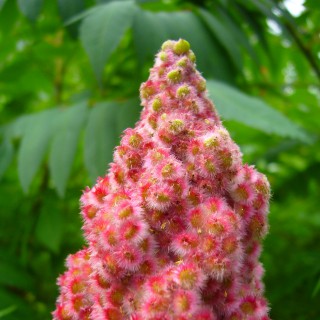
Today we've got two astringent herbs to discuss, though their similarities pretty much end with that quality. Rhodiola and staghorn sumac are our topic!Rhodiola rosea has been commercialized and popularized as an adaptogen and “antidepressant” herb. It's quite warming, drying, and tonifying – really great if you need to row a viking ship across the North Atlantic… or if your day-to-day work life feels like that kind of marathon. It is an herb of extremes, and it can have adverse effects if you take too much. Working with corrigent herbs, taking breaks, and formulating thoughtfully can make this herb more appropriate for your system.Staghorn sumac, Rhus typhina = R. hirta, is extremely abundant – some even call it ‘invasive'! Cooling, drying, and quite tonifying (especially the leaves), sumac is a good friend. The berries make a nice sour red drink, and we like to make ‘red tea' with sumac, hibiscus, rose hip, goji, and sometimes schisandra or elderberry. This is a great antioxidant-rich preparation which tastes great with a little honey; even kids like it! Sumac leaf is astringent enough to resolve diarrhea, serve in wound care, or help shrink swollen varicosities.Stressed and struggling? Trudging through your days? Check out our Neurological & Emotional Health course. This course is a user's guide to your nerves & your emotions – including the difficult and dark ones. We discuss holistic herbalism strategies for addressing both neurological & psychological health issues. It includes a lengthy discussion of herbal pain management strategies, too!Like all our offerings, these are self-paced online video courses, which come with free access to twice-weekly live Q&A sessions, lifetime access to current & future course material, twice-weekly live Q&A sessions with us, open discussion threads integrated in each lesson, an active student community, study guides, quizzes & capstone assignments, and more!If you enjoyed the episode, it helps us a lot if you subscribe, rate, & review our podcast wherever you listen. This helps others find us more easily. Thank you!Our theme music is “Wings” by Nicolai Heidlas.Support the showYou can find all of our online herbalism courses at online.commonwealthherbs.com!

When a forest goes through a massive disturbance, little survives. We begin our journey here. What happens in the first stage of the succession of a forest? Learn in this episode through the eyes of the Staghorn sumac (Rhus typhina), an en'tree'preneur of the early succession. MAKE YOUR MOVE. Completely Arbortrary is produced by Alex Crowson and Casey Clapp Artwork - Jillian Barthold Music - Aves & The Mini Vandals Join the Cone of the Month Club patreon.com/arbortrarypod Follow our Instagram @arbortrarypod Cover photo - Taylor Pendleton --- Support this podcast: https://anchor.fm/completely-arbortrary/support

Välkommen till Sveriges bjussigaste podd där vi, Malin Falk Gramer och Jessica Lasses, plöjer igenom vardagskaos, mammaliv, karriär och roliga anekdoter. Vi svarar även på en lyssnarfråga varje avsnitt! Hör av er till oss på Instagram så löser vi era livsproblem: @malingramer & @jessicalasses Mitt i Livet klipps av Victor Ganguly Hosted on Acast. See acast.com/privacy for more information.
Billetter: https://billetfix.dk/da/e/vinfestival-med-vin-for-begyndere-4/ Lørdag den 26. november 2022 Kl. 11.30-16.15 Tubinehallen Kalkværksvej 12 8000 Aarhus ....................... Kom med til vinfestival og deltag i 2 x live podcast-optagelse med Vin for Begyndere. Julevinen er omdrejningspunktet for de to optagelser og vi snakker og smager på hele julens vin, det vil sige inklusiv dem til julefrokosterne, hvor der faktisk er mulighed for at servere frisk og letbenet vin som bourgogne. Vi kommer også omkring de tungere vintyper som amarone, men fokuserer også på moselvin, hvor restsødmen spiller en kæmpe rolle. Vi skal såmænd også smage dansk vin og bobler, og tale om hvordan de kan indgå i det julekøkkenet. Denne dag sættes der også fokus på udgivelsen af bogen Vin for begyndere. I optagelserne smager vi på og fortæller om otte vine og som gæst smager man selvfølgelig med. Der er mulighed for at stille spørgsmål undervejs eller fortælle en lille anekdote - hvis man tør! Der vil være to liveoptagelser med hver 4 forskellige vine, så ved køb af billetten får du: 2 x liveoptagelse med 4 vine i hver optagelse, som er udvalgt blandt vinhandlerens foretrukne favoritvine. I mellem hver liveoptagelse og igen til sidst kan man møde vinhandlerne og smage endnu mere vin ved standene og selvfølgelig både købe vin med hjem samt bestille til levering. Du kan møde By Stokkebye vine, Guldbæk Vingård, Juuls Vin & Spiritus, Champagneshoppen, Naturewines, KMVine, m.fl. Tag gode venner, vinklubben eller bedsteforældrene under armen - vi ses til en fornøjelig dag! Døren åbnes kl. 11.00

Hello Listener,In this month's episode, we are speaking all about Climate Change and Sea Level Rise with Dr. Kate McClure from the University of Maryland Sea Grant Extension Program. We talk about the effects of climate change that we are seeing right now and what sea level rise looks like.Dr. McClure also gives us some online prediction tools to help us better plan our landscape for the future. NOAA Climate Explorer My Coast .org Tree Atlas We also have our: Native Plant of the Month - Staghorn sumac (Rhus typhina)Bug of the Month - Baltimore checkerspot (Euphydryas phaeton)Garden Tips of the MonthIf you have any garden-related questions, please email us at UMEGardenPodcast@gmail.com or look us up on Facebook at https://www.facebook.com/GardenThymePodcas. For more information about UME and these topics, please check out the UME Home and Garden Information Center and Maryland Grows Blog at https://marylandgrows.umd.edu/. The Garden Thyme Podcast is brought to you by the University of Maryland Extension. Hosts are Mikaela Boley- Senior Agent Associate (Talbot County) for Horticulture, Rachel Rhodes- Agent Associate for Horticulture (Queen Anne's County), and Emily Zobel-Senior Agent Associate for Agriculture (Dorchester County).Theme Song: By Jason IncUniversity programs, activities, and facilities are available to all without regard to race, color, sex, gender identity or expression, sexual orientation, marital status, age, national origin, political affiliation, physical or mental disability, religion, protected veteran status, genetic information, personal appearance, or any other legally protected class.Images by David Cappaert, Bugwood.org & Ohio State Weed Lab , The Ohio State University, Bugwood.org

Today's materia medica tip is about a remedy named Lemna minor. When asked about practising physician's views for a remedy that has “putrid smell, has loss of smell, has putrid taste and has postnasal drip especially in the rainy season”, I got various responses ranging from Dulcamara, Rhus tox, Kali bichromicum, Lemna minor etc. So, … Lemna Minor Read More » The post Lemna Minor appeared first on Dr Saurav Arora.

For at imødekomme den store efterspørgsel på mere strukturløst indhold, følger her et forsøg: Dette er IKKE et sædvanligt afsnit af Den Hvide Væg - men derimod een lang reportage fra premieredagen på "Jokes fra en hvis straight mand". Tankerne flyver og munden løber på køreturen til Århus. Optagelsen byder også på lidt "improklip" fra selve showet (noget med et hul i hovedet) - Enjoy! - Eller spring over ;-)

Join me on this episode as we discuss the remedy Rhus Tox and why the keywords to remember for this remedy are IMPROVED WITH MOTION. We will discuss this remedy and how it can benefit a body with joint pains or rash like skin conditions. I will share some personal examples of how I have used homeopathy in my home this week to help myself with allergies and I will also share a simple and holistic living tip that you can implement in your own life. This week I will be sharing my birth story from my first child's birth. Feel free to reach out to me with any questions or comments at honesthomeopathypodcast@gmail.com. I would love to hear from you and for us to journey together! If you have benefited from this podcast please take a moment to rate and leave a review on whatever platform you are listening from. Thank you so much for listening! --- Support this podcast: https://anchor.fm/honest-homeopathy/support
Kom med på en tur rundt i hvidvinens verden og hør hvordan fire druer dyrket i Europa udtrykker sig og hvad der er særligt ved områderne, de dyrkes i. Vi smager på bobler fra Bovense, Riesel fra Guldbæk, Riesling fra Württemberg og Malvazija fra Slovenien. Optagelserne er fra Vin for begyndere Vinfestival i Århus i april 2022. Tak til alle der var med på dagen! Vi smager på Danske bobler fra Stokkebye https://bystokkebye.com/product/stella-mary/ Dansk Riesel fra Guldbæk https://xn--guldbkvingrd-2cbi.dk/wine/riesel-2021/ Riesling fra Vinguruen (Brug evt. rabatkode: Vinforbegyndere, der giver 15% på alt (dog ikke i forvejen nedsatte priser):https://vinguruen.dk/vare/weingut-heid-stettener-pulvermacher-riesling-gg-2020/ Malvazija fra Slovenien https://kmvine.dk/vare/batic-malvazija/ ......................... Besøg os på Facebook og Instagram, hvor man kan vinde vin og se billeder og andet godt. https://www.facebook.com/vinforbegyndere https://www.instagram.com/vinforbegyndere Web: https://www.radioteket.dk/ Kontakt: radioteket@radioteket.dk Musik: Jonas Landin
Kom med på en tur rundt i rødvinens verden og hør hvordan fire druer dyrket i Europa udtrykker sig og hvad der er særligt ved områderne, de dyrkes i. Vi smager på Monastrell fra Alicante, Tempranillo fra Ribera del Duero og 2 x Nebbiolo fra Barolo. Optagelserne er fra Vin for begyndere Vinfestival i Århus i april 2022. Tak til alle der var med på dagen! Vi smager på Spansk Monastrell fra Vintagewine.dk https://vintagewine.dk/shop/7-vin/236-bodegas-del-rosario-el-borde-2018/ Spansk Tempranillo fra Theis Vine https://www.theis-vine.dk/products/ribera-del-duero-pago-de-carraovejas-bodega-pago-de-carraovejas?variant=40136746598434 Første Nebbiolo fra Barolo fra CRT Spirits Réva Barolo 2017 DOCG Anden Nebbiolo fra Barolo fra Drueklubben.dk https://drueklubben.dk/vare/barolo-2017-rocche-di-castiglione/ ......................... Besøg os på Facebook og Instagram, hvor man kan vinde vin og se billeder og andet godt. https://www.facebook.com/vinforbegyndere https://www.instagram.com/vinforbegyndere Web: https://www.radioteket.dk/ Kontakt: radioteket@radioteket.dk Musik: Jonas Landin

Today's Native Plant is Rhus aromatica (Fragrant Sumac)

I den första akten av veckans avsnitt tar vi del av triggerord och så bjuds vi på en spontan musikal. Vi klickar oss genom Wikipediasidor och landar på ordet nostalgi när det är dags för akt nummer två. Det handlar om veckans sanning, där vi gör en återblick till saker från vår barndom. Diskutera gärna avsnittet på Instagram hos @mammasanningar & @dasilvacarin.

Pastor Magnus Sørensen is pastor of Augustana Evangelical Lutheran Church in Århus, Denmark. Augustana's website: http://coelc.org/churches/augustana-evangelical-lutheran-church-in-arhus-denmark/ (http://coelc.org/churches/augustana-evangelical-lutheran-church-in-arhus-denmark/) Pastor Sørensen's recommended things to check out: See the HDMS Jylland, one of the largest wooden warships in the world: https://www.fregatten-jylland.dk/english/ (https://www.fregatten-jylland.dk/english/) Tour the area around the HDMS Jylland See Copenhagen Tour Lego Land- https://www.legoland.dk/en/ (https://www.legoland.dk/en/) Pastor Magnus is part of the Confessional Orthodox Evangelical Lutheran Communion: http://coelc.org/ (http://coelc.org/) Today's sponsor is Audible, go to https://lutherancartographer.com/audible (https://LutheranCartographer.com/audible) for a free audio book and to try out Audible. If you enjoy the show, please take a moment to rate and review the show on iTunes so that more people will see and listen!
© 2020-2026 Ivy Podcast Discovery LLC
