
POPULARITY
Categories

152 episodes with Pollinator

40 episodes with Pollinator

36 episodes with Pollinator

26 episodes with Pollinator

7 episodes with Pollinator

7 episodes with Pollinator

9 episodes with Pollinator

6 episodes with Pollinator

7 episodes with Pollinator

7 episodes with Pollinator

5 episodes with Pollinator

6 episodes with Pollinator

10 episodes with Pollinator

4 episodes with Pollinator

4 episodes with Pollinator

4 episodes with Pollinator

7 episodes with Pollinator

2 episodes with Pollinator

Dr Úna FitzPatrick, Chief Scientific Officer at the National Biodiversity Data Centre, discusses the 2026-2030 All-Ireland Pollinator Plan.

Back in 1922 U of I entomologists were sent to Parma to help local farmers address an outbreak of alfalfa weevil.

The Vancouver Bee Project's 2026 Pollinator Festival takes over Marshall Park on June 20 with more than 60 vendors, seven guest speakers, walking tours at 9:30 a.m. and 2 p.m., a Kids Zone, food, and arts and crafts from 9 a.m. to 3 p.m. https://www.clarkcountytoday.com/people/vancouver-bee-project-presents-annual-pollinator-festival-on-saturday-june-20/ #PollinatorFestival #VancouverBeeProject #ClarkCounty #MarshallPark #Pollinators #Bees #Butterflies #Vancouver #WashingtonState #CommunityEvents ---

Wondering how to grow a native garden? You might be surprised at the importance of a seemingly mundane addition: mulch. Hosts Tiff and Kat cover all things mulch this week — and it's way more interesting than even they expected.What they cover:3 main ways mulch helps your gardenWhat is organic mulch? And the typesWhere to find free organic mulchWhy to avoid dyed mulch like the plagueWhat is living mulch?Listen in if you're ready to stop asking yourself, 'Why is my pollinator garden dying?' every year. SourcesEvolution of Hardwood Mulch article: https://www.ruppertlandscape.com/evolution-hardwood-mulch/Mulch as a Drylands Strategy: https://www.youtube.com/watch?v=o1cgx33E3LM University of Michigan leaf mulch study: https://archive.lib.msu.edu/tic/mitgc/article/199866b.pdf University of California Cooperative Extension water retention and mulch study: https://ucanr.edu/media/305486Plants journal: https://pmc.ncbi.nlm.nih.gov/articles/PMC10975533/ University of California pamphlet: https://ucanr.edu/sites/default/files/2026-02/UCANR%20Mulches%20for%20Landscapes%20by%20Downer%20and%20Faber.pdf Gardening Know How on eco-friendly mulch: https://www.gardeningknowhow.com/garden-how-to/mulch/best-eco-friendly-mulch Growing a Greener World on mulch certification: https://www.growingagreenerworld.com/is-your-mulch-safe-heres-how-to-find-out/ Mulch and Soil Council guide: https://mulchandsoilcouncil.org/pdf/Education/2013_Mulch_Selection_Guidev3.pdf Edge of the Woods Nursery on living mulch: https://edgeofthewoodsnursery.com/living-mulch-part-one-an-ecological-alternative-to-wood-mulch Patreon: patreon.com/greeningupmyactInstagram: @greeningupmyactFacebook: Greening Up My ActEmail us with questions: greeningupmyact@gmail.comYouTube: Greening Up My Act

At the 2026 Pollinator Tour and Workshop in Montgomery City, Brady Lichtenberg with Missouri Soybeans says private landowners were highlighted who have added pollinator habitat to their farms—turning less productive ground into something both environmentally and economically valuable.See Privacy Policy at https://art19.com/privacy and California Privacy Notice at https://art19.com/privacy#do-not-sell-my-info.

On this episode of American Family Farmer, host Doug Stephan (www.eastleighfarm.com) welcomes Helen Raleigh of Story Hill Farm in Delaware to discuss her remarkable journey from pollinator conservation advocate to regenerative farmer and heritage cattle breeder.Helen shares how her passion for protecting pollinators led her to embrace farming practices that prioritize biodiversity, soil health, and environmental stewardship. She explains the challenges posed by pollinator decline and the importance of creating healthy ecosystems that support bees, butterflies, and other essential species.The conversation also explores the role of heritage breed cattle in preserving genetic diversity and building resilient livestock populations.Helen discusses how rotational grazing and regenerative agriculture practices improve pasture health, strengthen ecosystems, and contribute to more sustainable food production. In addition, she shares insights into her unique salt-farming operation on Delaware's coastal land and how it complements her broader commitment to responsible land management. Throughout the episode, Helen highlights the importance of thoughtful stewardship, biodiversity, and innovative farming practices that help ensure the long-term health and productivity of the land for future generations. For more on the American Family Farmer…Website: AmericanFamilyFarmerShow.comSocial Media: @GoodDayNetworks
We spend a lot of time talking about how we can create habitat for pollinators in yards, but there are other spaces too. So if you don't have a yard or even if you do and you want to expand your impact, no problem! Today we are going to explore how to create pollinator habitat beyond your home. Joining us to talk about this is Kelly Gill, Pollinator Conservation Specialist and Partner Biologist with the USDA Natural Resources Conservation Service for Xerces. Kelly provides advice and support on planning, designing, installing, and managing habitat in the Mid-Atlantic and Northeast. Kelly also works with staff and research partners to develop technical guidelines and provide training on pollinator conservation practices.---Photo: Kelly Gill (c)Thank you for listening! For more information go to xerces.org/bugbanter.


Last week we introduced some discussion on bee/pollinator declines. This week, we will discuss a perspective by Jaboury Ghazoul- a professor at ETH Zurich- who argued in a 2005 paper that labelling a pollinator decline crisis was, in fact, premature.Sources for this episode:TBA

A Norman Homeless Shelter is moving forward after a challenge gets dismissed.A new report shines the light on health outcomes in our state.Oklahoma inmates are planting native pollinator habitats for migrating animals.You can find the KOSU Daily wherever you get your podcasts, you can also subscribe, rate us and leave a comment.You can keep up to date on all the latest news throughout the day at KOSU.org and make sure to follow us on Facebook, Tik Tok and Instagram at KOSU Radio.This is The KOSU Daily, Oklahoma news, every weekday.

Assemblymember Rhodesia Ransom is all abuzz about honey bees and thinks you should "bee" too. These pollinators help California farmers feed the world with cherries, melons, almonds and more. But bee colonies are dying at nearly unprecedented rates and the reasons why remain unclear. Join Assemblymember Ransom for a buzzworthy visit to a hive, hear from a local farmer who is a big fan of pollinators, and learn all about her ideas she's working on to Save the Honey Bees.

A new ISU study is shaking up how we think about prairies. It turns out pollinators don't just need the prairie, the prairie needs them back. Kent, Nicolas, and Riley dig into what declining pollinator populations mean for plant diversity, then shift to the Boundary Waters mining fight and what's actually at stake ecologically. Hoksey Native Seeds (for all your backyard prairie, CRP, Prairie Strip Mixes, Hunting Habitat and More) IowaCoverCrop.com (for all your cover crop and small grain needs)

Bees live at the foundation of our food system—but they are imperiled by industrial agriculture. Sarah Red-Laird is helping to revive farm and ranch lands by cultivating healthy and diverse bee habitats. She teaches bee-friendly practices, including cover-cropping, no-till, and reduction of chemical use, which help farmers and ranchers to cultivate both abundant pollinators and healthy soil. Her work includes data collection, storytelling, teaching, doing bee-retreats (beetreats), and nature-based art.

From the Best of What On Earth – Don't have a garden? Adopt a roundabout and plant things for the bees! We meet a TikToker who's done just that. And then we travel from coast to coast to hear about a push to let sections of city parks grow a little wild. We head to one of these meadows to hear how they attract pollinators, and hear why creating “pollinator pockets” for busy bees and “hairy” moths can be a climate solution across the country – and a patriotic one at that.

Spring has sprung! And with it comes plant sales, fresh flowers and a whole lot of weeds. But what goes into starting a garden? And how do you create sustainable, productive and beautiful landscapes? Today, we’ll be feeling the buzz as we answer all your gardening questions. Later, we’ll hear all about how you can create a way station for travelling pollinators in your backyard! Guests: Charlie Nardozzi: horticulturist and "All Things Gardening" host on Vermont Public Radio Tom Christopher: horticulturist and "Growing Greener" host on WESU Donna Merrill: President of Pollinator Pathway Support the show: http://wnpr.org/donateSee omnystudio.com/listener for privacy information.

Pollinators are in serious decline—from monarch butterflies to native bees—and the consequences are profound, and in today's episode, we talk about how you can help—starting right where you are. Specifically, how to create a pollinator sanctuary in your own backyard. Unlike so many global challenges, this is something we can actually impact—right in our own yards, balconies, and communities.In this episode, we talk about:* why pollinators are essential to our food system and ecosystems* the difference between native, non-native, and invasive plants* why some plants support entire ecosystems—and others don't* how to think about your yard as habitat, not decoration* where to start when it all feels overwhelming* how to make changes gradually (without ripping everything out at once)* the role of keystone or “powerhouse” plants

Welcome to The Turf Zone Podcast. This episode features the article “Art and Resilience: The Pollinator Garden at the UT Arboretum” by Mike Ross, Associate Professor of Plant Sciences and Jakob Johnson, UT Plant Sciences, Master of Landscape Architecture Student. As our relationship with Nature and access to natural spaces have become increasingly constrained by urban and suburban growth, we have seen a growing desire by homeowners, parks and municipalities for naturalistic landscapes that showcase plants as communities. This naturalistic planting design often seeks to abstract naturally occurring ecological habitats and put them in a context that, allows people to interact with the plants and their associates in more intentional ways. Pocket prairies, urban meadows, pollinator gardens, even rain gardens can serve these naturalistic functions that whether in bloom or in winter dormancy, can inspire the heart and captivate the mind. One such place is the Michelle Bradley Campanis Pollinator Garden at the UT Arboretum in Oak Ridge, Tennessee. The pollinator garden has developed into something really special during the last five years. In many ways this special garden resource serves as a prime example of resilience in design and the blending of that resilience with the art of landscape and planting design. My involvement with this project dates back to June 2020. At the time I had been at the University of Tennessee for almost a year and with covid, all educational programs, field days, master gardener and outreach events had moved online. I had been asked by the UT Arboretum team to give a talk on ecological landscape design. During the presentation I mentioned that I thought there should be a wildflower center in every state. This was something I brought up during my job interview back in 2019. I still feel strongly about that need. At the talk in 2020, the idea of a wildflower center for Tennessee resonated with Michelle Campanis, who is the Education Coordinator at the UT Arboretum who was at the zoom meeting. She reached out and said they had an area at the Arboretum that would be a great place for a meadow…would I be interested in helping to create it? And so began a multi-year collaboration with the UT Forest Resources AgResearch and Education Center (REC), Tennessee Naturescapes, undergraduate PLSC students from the Sustainable Landscape Design concentration in the Herbert College of Agriculture, and graduate students from the School of Landscape Architecture in the College of Architecture and Design. Brainstorming and Breaking Ground: Planning the First Steps Our initial discussions centered around a stretch of ground that was next to the recently constructed auditorium and its extensive rain garden. The ground that was identified had become a field of invasive plants, weeds, and assorted woody shrubs and small trees. The team's idea was to create a space that provided visual appeal from the auditorium and that also would contribute to future educational programs that, like the rain garden, could be focused on sustainable and resilient landscapes. In keeping with that charge, it was determined that in addition to shedding the invasive field we would use fire, herbicide, and solarization as ways to suppress the significant invasive species pressure on the site. Michelle led volunteers through weeding and prepping the site, Kevin Hoyt, the director of the UT Forest Resources AgResearch and Education Center and the Arboretum staff oversaw bush hogging, prescribed burns, and pesticide application. Don Williams and Tennessee Naturescapes provided the solarization material and I began working with students and research assistants to develop initial plant lists. The key to successful projects like this one that relies on using abstracted ecosystems is the ability to convey the concept across all collaborative partners. The effective control of invasive and weedy species in the selected site and the shared vision for the pollinator garden were essential for keeping the project moving forward across the last four years. Art and Resilience in Landscape Design An intentional landscape plan is at its most evocative when it marries art and science to varying degrees to bring about experientially rich moments for people to interact with their designed surroundings. It can take the form of extravagant fountains and terracing like the Italian renaissance garden at Villa d'Este or the over-the-top grandeur of French baroque landscape designs of master paysagiste, Andre Le Notre, or perhaps our more familiar works from Frederick Law Olmsted and Jens Jensen. However, as evocative as these landscapes are, they were not conceived within a conceptual framework that accounted for an understanding of ecology as a discreet science nor to anticipate disturbance regimes that included wildfire, site construction, drought or flooding. This is precisely where the pollinator garden fits into our contemporary sphere of landscape design practice. The art of planting design, the artful shape, color, and texture of the plants utilized balanced with the realities of ever-changing precipitation, management regimes, unpredictable weather and scheduling approvals for prescribed burn permits, and fluctuating volunteer schedules and knowledge bases. All impact the success and perception of the project. At the end of the day, the pollinator garden must be both beautiful and functional. It must serve the educational and ecological goals of the REC, as well as benefitting the casual visitor to the Arboretum. It needs to support the well-attended annual Butterfly Festival and other University field days that are part of the education and outreach component of the land grant mission that the REC serves. It must above all support pollinators and their diverse life histories. The resilience and the art must be linked for the project to succeed. The Significance of People as Part of an Informed Design Process A key component in this project has always been the students and volunteers who have dedicated so much time and invested so much of themselves to this undertaking. Whether planting, weeding, constructing, maintaining accessible circulation, or controlling invasive plants; through their efforts we have been able to make this project happen. With that said, I think it is particularly meaningful when the work allows student interactions with the garden to reinforce and teach meaningful skills that can shape their own understanding of the profession of landscape design and management. Students working as part of the Living Systems Design Group and the Ross lab developed plans, researched plant material, learned how to design on-site, set up and space plants, use technology, review spreadsheets, and managed the prairie and meadow ecosystem establishment. In some cases, I would bring my graduate and undergraduate classes out to help with planting. More than once, I had the distinct honor of teaching a beginner student how to plant a plant. While this may seem small or trivial, it illustrates how even students who are drawn to landscape and horticulture may have had very limited past opportunity to plant, grow, and interact with vegetation beyond the occasional house plant. The work we have undertaken at the UT Arboretum has shaped the professional practice and career aspirations of many students. This outcome is further evidence of the immense value that hands-on experiential learning has for future designers, landscape architects, professional gardeners, horticulturists, and landscape managers. Ongoing Lessons Learned in Managing a Designed Ecological System As the pollinator garden has continued to establish and grow, there have been key management and maintenance decisions that we have made that will shape its long-term success. First and foremost, controlling invasive and weedy plant encroachment is key to maintaining the structure and visual impact of the garden. Woody plants, even native ones, can markedly change the form and structure if allowed to establish in the meadow. While intentional use of woody plants for their structural and aesthetic contributions must be maintained, careful removal of woody seedlings plus annual burning has helped us keep the invasive and weedy plants in check. Fire, manual removal, ethical and judicious use of herbicides each contribute key roles in controlling plant compositions throughout the garden. Some species, such as goldenrods (Solidago sp., dogfennel (Eupatorium capillifolium), and asters (Symphyotrichum and Eurybria sp.) were always planned to be intentional parts of the project, yet these plant species were not intentionally planted or purchased; we knew from past experience that these species would naturally find their own way into our meadow plots and could be expected to colonize on their own. By that same logic, our expectation has also meant that some individuals of these species can show up anywhere and can regenerate in great profusion if left unmanaged. For these plant species, proper thinning, selective removal, and well timed cutting all aid in keeping these important pollinator plants behaving as good neighbors to the rest of the meadow community. Additionally, when plants are weeded and pulled up, native seed from flowering annual species that we intend to keep well represented in the design, are purposefully re-applied into areas of soil disturbance. In this way, there is propagule competition with the weedy species, and this interaction helps to offset the natural suppressive effect of longer-lived perennial plants on early colonizing annuals. Finally, because the garden exists as an interactive educational space, maintaining and managing circulation and pathways is an ongoing task. Plants mature and spread, sometimes obscuring pathways or sprawling into areas that are intended for more contemplative experiences. Thinning and plant relocation are important tasks needed for keeping the structure and design vision in place. All of this effort is dependent on volunteers and students who are coordinated by Michelle Campanis. Through continued effort and dedication, the garden is establishing nicely and keeping the vision flexible and resilient while not losing sight of the initial concept. A Look Into the Future As the project moves forward through the establishment and management phase, plants will continue to be added or subtracted. This is necessary to restate important design concepts, improve the aesthetic appeal, and keep up with the educational opportunities and needs of the UT Arboretum and REC. Final Thoughts The first formal discussions of this project that I was involved in began in June 2020 and this coming spring of 2026 the project receives its official name, the Michelle Bradley Campanis Pollinator Garden. While its official establishment date is attributed to 2022, the reality is that projects like this take years of dedicated work, advocacy, and commitment by many people, professionals, students and volunteers. We would like to thank Michelle Campanis, Don Williams, Kevin Hoyt, Jakob Johnson, Hailey Wright, JD Zimmerman, and my students past, present, and future that have and will work on the pollinator garden to help care for it into the future. Student's Perspective – Jakob's Experience By Jacob Johnson During my time at The University of Tennessee I have had the opportunity to work with professors who saw the value of engaging students in projects with real world implications. In our digital age the value of hands-on learning experiences is exponentially important. With the reality of the direction of education experiences that can now be fully gained online, the value of face to face or hands to dirt learning is something that can never be fully replaced. There is immense importance in actually seeing how hard work can lead to the physical manifestation of an idea. As I was nearing the end of my undergraduate studies in Sustainability, I was still unsure of how I wanted to utilize the knowledge I had gained in the classroom. Through a series of experiences being on site and taking the classroom outside to the world I discovered my true passion. My first experience with the UT meadow began in April 2022, while I was pursuing my undergraduate degree in sustainability with a minor in plant sciences. During this first visit to the arboretum I didn't know much about real world implementation of planting design…I knew how to dig a hole to its proper depth and to break up root bound plants, I knew how to identify certain plants that I was looking at, I knew the value in what these ecosystems provide, and I knew that I was excited to be a part of something bigger than myself. During this initial phase of the project I had the opportunity and guidance of Mike to mark out the boundaries for the planting zones, strategically stage the plants so there was structure, areas of reveal and lines of sight. Tasks that may seem minor to the average gardener, but these tasks would help jumpstart my pursuit of a career in Landscape Architecture. The next visit to the UT Arboretum was as a class, we began the laborious process of digging hundreds of holes for the plugs and containerized plants with the hope that the site would become a place where people and nature can meet or reconnect. Getting the opportunity to work under someone that is so knowledgeable in a field of study which aims to build and support communities of people and plants was an honorable task. It taught me that it was much more than just placing plants in the landscape, it was conversations about the plant communities and the species they support, the structural variation creating moments of wonder and others of reveal, it was about the intentionality of having bursts of color in moments along the path, and conversations about how amazing this place will be. It was through these types of conversations I was ignited with an inspiration that I too could gain these skills and knowledge to create places that provide beauty to our world while creating opportunities for essential ecological services to be provided. Upon graduating with my degree in Sustainability I began a summer job in landscape construction and that fall would begin my pursuit of my master's in landscape architecture. After about 3 years from the time I first helped plant at the arboretum I was invited back, this time to utilize the skills and knowledge I had been gaining through graduate school. My task this time was to help establish formalities in the design that assist in creating a sense of arrival into the meadow, as well as create opportunities for gathering. Through the collaboration and support of Michelle Campanis and Kevin Hoyt and oversight of Mike Ross I was entrusted with my first stand-alone landscape construction project. With the use of recycled on-site stone, I constructed planter beds to support Tiger Eye Sumac specimens (Rhus typhina ‘Bailtiger') to create a gathering space in the middle of the meadow. The entrance for the meadow was designed by Mike Ross and Margaret Mando (a fellow UTK School of Landscape Architecture student) and I was given the opportunity to do detailed construction design, material selection and sourcing as well as the actual building of the entrance. It has allowed me to create, to problem solve and to feel the fulfillment of turning something from just an idea on paper into a physical manifestation in the landscape. From my first experience of walking into a barren field of dirt to walking through the meadow and seeing a diverse mix of Carolina lupine, rattlesnake master, columbine, bee balm, big blue stem, husker red penstemon, false blue indigo, milkweed, mountain mint, and many more plants, I have sharpened my skills and sensibility as a designer, I have built relationships with people and the land, I have deepened my appreciation for our natural world and more importantly found a cause that I want to dedicate my life to…. creating places where people can feel a sense of wonder, beauty, peace and learn with nature. Through the opportunity and foresight of people like Michelle Campanis, Kevin Hoyt, Mike Ross and many more I have realized the true power and impact that a single experience of hands-on learning can provide to someone that is still learning and developing their place in the world. For these experiences I am eternally grateful. You have been listening to The Turf Zone Podcast. Follow The Turf Zone on X, Facebook and LinkedIn for all things turfgrass, featuring podcasts, magazines, events and more. Visit www.theturfzone.com for more. The post Art and Resilience: The Pollinator Garden at the UT Arboretum appeared first on The Turf Zone.

The Power of Precarity of Pollinators (start time: 8:01) This extremely warm winter in Colorado has delivered early spring blooms, and thus early appearances of some pollinators. In this week's show we explore the world of pollinators, such as such as butterflies, bees, moths, hummingbirds and certain flies. Pollinators are responsible for roughly one third … Continue reading "Pollinator Power & Precarity"

As digital tools reshape the real estate industry, the landscaping sector is experiencing its own evolution. Technology and horticulture are intersecting in new ways, and ServeScape is at the center of that shift. Mario Cambardella, founder and CEO of ServeScape, joins host Carol Morgan on the Atlanta Real Estate Forum Radio podcast to discuss how the company's InstaScape platform connects homeowners directly to local growers and uses artificial intelligence (AI) to support more resilient landscape design. Cutting Out the Middleman in Landscaping Traditional plant purchasing often involves multiple intermediaries, increasing handling and reducing transparency. Cambardella launched ServeScape in 2020 to eliminate that friction while preserving plant health and quality. “I was trying to solve a broken experience, because people wanted beautiful landscapes, but the process was very fragmented,” said Cambardella. “It was intimidating, and it was disconnected from some of the best plant material, the growers. These are the people that put pride and joy into every plant that they grow.” ServeScape operates as an inventory-based online marketplace. Users enter their ZIP code to access locally available plants. Landscaping professionals receive tiered pricing, but homeowners can purchase the same commercial-grade materials for their home projects. By shipping directly from growers, ServeScape reduces handling, preserves plant health and keeps pricing competitive. The platform also manages logistics and last-mile delivery, making locally grown material even more accessible. The company is proud to serve Atlanta homeowners, churches, community organizations and local parks with expert landscaping solutions and materials. Why Planning Now Prevents Spring Landscaping Mistakes “Stop thinking of spring as the start,” said Cambardella. “Winter planning, soil prep, design decisions, plant selection — this is when spring success actually starts.” Cambardella emphasizes that waiting until spring to start your landscaping project often leads to inventory shortages and rushed decisions. Waiting until spring often results in limited inventory and rushed decisions. Late winter provides time to gather inspiration, secure designers and select plants before peak demand arrives. That is also a good time for soil amendments, mulching and installing hardy plant material such as ornamental grasses and evergreens. Gardeners can then add sensitive perennials after Atlanta's average last frost in late April. What Makes a Landscape Truly Resilient? For Cambardella, resilience means designing landscapes that thrive with minimal intervention. They should withstand heavy rains in the spring, heat and drought in the summer and changing conditions between seasons. Cambardella explains that landscaping success often comes down to placing the right plant in the right location. Locally grown plants play a critical role in achieving resilience. National retailers may source inventory from climates that differ from North Georgia's, but local growers have the plants Atlanta homeowners need. By sourcing from local growers, homeowners increase long-term survival rates and reduce frustration, replacement costs and excessive watering. InstaScape: AI-Powered Landscape Design ServeScape recently introduced InstaScape, an AI-powered design tool that helps homeowners visualize potential landscapes using plants that are available for purchase. “We see AI as a way to remove some of the friction,” said Cambardella. “We don't see AI as a replacement for a human — we still believe in the human touch.” Users upload a photo of their yard, select a design style and receive a visual rendering in minutes. Homeowners can use the AI tool independently or add professional services from ServeScape's team of landscape architects and horticulturists. Service options also allow users to scale support based on project needs. The best part? InstaScape is free to use! “There's no payment required for InstaScape,” said Cambardella. “This is a tool that we want to ignite excitement for beautiful and resilient landscapes for all.” Native, Pollinator & Edible Landscapes on the Rise Design preferences across metro Atlanta are shifting as homeowners reconsider turf-heavy yards. Cambardella said clients increasingly request landscapes that serve both aesthetic and ecological purposes. “Native and pollinator gardens are huge,” he said. “We also see a big uptick in more edible landscapes.” Instead of expansive, high-maintenance lawns, many homeowners now favor layered plantings filled with native perennials, flowering shrubs and ornamental grasses. These landscapes support birds, bees and butterflies while reducing mowing, irrigation and chemical inputs. Cambardella also noted that food-producing landscapes are gaining momentum. Kitchen gardens, fruiting shrubs and herb beds allow homeowners to harvest fresh ingredients just steps from their doors. Even small spaces can incorporate edible elements without sacrificing design. “One of the terms that we've been throwing around is food-producing landscape,” he said. “Sometimes a native — you take up some of your yard to do wildflowers or some of that — it might not be food for you, but it's food for birds and bees and butterflies.” That dual-purpose mindset appeals to homeowners who want intentional design with long-term resilience. Rather than installing plants that demand constant replacement or irrigation, they choose species adapted to Georgia's heat, drought cycles and heavy rains. This more natural, garden-forward aesthetic replaces rigid, high-maintenance lawns with landscapes that feel softer and more dynamic. Wildflower meadows, deer-resistant plantings and pollinator corridors now appear in suburban backyards across the region. The result is a landscape that balances beauty with function — one that supports local ecology, reduces maintenance demands and evolves gracefully year after year. “There's a lot of restorative power in the garden,” said Cambardella. “Bring your problem to the garden, and I promise you that there will be something there to inspire you.” Tune in to the full episode to hear how ServeScape is reshaping Atlanta's landscaping industry by connecting homeowners directly with locally grown plants and innovative design tools. Visit www.ServeScape.com to explore InstaScape, discover climate-adapted plant selections and learn how local experts can help bring your landscape vision to life. Podcast Thanks Thank you to Denim Marketing for sponsoring Atlanta Real Estate Forum Radio. Known as a trendsetter, Denim Marketing has been blogging since 2006 and podcasting since 2011. Contact them when you need quality, original content for social media, public relations, blogging, email marketing and promotions. A comfortable fit for companies of all shapes and sizes, Denim Marketing understands marketing strategies are not one-size-fits-all. The agency works with your company to create a perfectly tailored marketing strategy that will suit your needs and niche. Try Denim Marketing on for size by calling 770-383-3360 or by visiting www.DenimMarketing.com. About Atlanta Real Estate Forum Radio Atlanta Real Estate Forum Radio, presented by Denim Marketing, highlights the movers and shakers in the Atlanta real estate industry – the home builders, developers, Realtors and suppliers working to provide the American dream for Atlantans. For more information on how you can be featured as a guest, contact Denim Marketing at 770-383-3360 or fill out the Atlanta Real Estate Forum contact form. Subscribe to the Atlanta Real Estate Forum Radio podcast on iTunes, and if you like this week's show, be sure to rate it. Atlanta Real Estate Forum Radio was recently honored on FeedSpot's Top 100 Atlanta Podcasts, ranking 16th overall and number one out of all ranked real estate podcasts. The post ServeScape: Design Your Backyard with AI appeared first on Atlanta Real Estate Forum.

Join Joann and Allison chat with Janell Weiss of the Pollinator Patch. With a professional background agriculture, Janell grows thriving dahlias in Ohio, placing a strong emphaisis on virus free dahlias. When she was first made aware of virus in dahlias, she set a goal to clean her garden and has stuck with it. Janell shares with us her experiences along this journey and how others can also achieve a healhty dahlia garden. Find out more about about Janell and the Pollinator Patch on social media @thepollinatorpatch and on her website www.thepollinatorpatch.com.
There are countless ways to support the invertebrates we care about, and creating habitat in your own backyard or community is one we've often discussed. Today, we'll explore real-world examples—what works, what doesn't, and the exciting discoveries made along the way.Joining us to talk about her very own yard is Jennifer Hopwood. Jennifer is a Senior Pollinator Conservation Specialist with Xerces, providing resources and training for pollinator and beneficial insect habitat management and restoration in a variety of landscapes. Jennifer has authored a number of publications and articles, and is co-author of several books, including Farming with Native Beneficial Insects, 100 Plants to Feed the Bees, and a roadside revegetation manual. And like so many of us at Xerces, Jennifer is also a gardener and has learned through trial and error what makes a garden successful.---Photo: Jennifer HopwoodThank you for listening! For more information go to xerces.org/bugbanter.

Virginia has a state tree and a state bird and even a state pollinator. Now, Michael Pope tells us about an effort to add a native state pollinator.

Join Clean Counts' leadership as they discuss the real-world impact of renewable energy certificates (RECs) on today's energy markets. This episode explores how robust verification, evolving market demands, and new attributes like pollinator-friendly certifications are shaping the sector. The conversation details how Clean Counts' systems operate, the economic and policy context, and the practical implications for renewable energy producers and buyers nationwide. Topics Covered Clean Counts www.cleancounts.org REC = Renewable Energy Certificate SREC = Solar Renewable Energy Certificate (Solar Energy Certificates Market) Clean Energy Verification Utility Pollinator Friendly SREC Agrivoltaic IPA = Illinois Power Authority Illinois Adjustable Block Program Voluntary vs. Compliance Markets Net Metering Alternative Compliance Payment Hourly Matching / Time-based RECs Energy Storage and RECs Co-benefits (Pollinator, Water Quality, Tribal Lands, Localized Benefits) Market-based Mechanisms for Clean Energy MISO = Midcontinent Independent System Operator Nuclear Certificates / Alternative Energy Certificates Greenhouse Gas Protocol (Annual vs. Hourly Accounting) Software Development for Clean Energy Tracking Third-party Certification and Attribute Tracking Clean Energy Standards PPA = Power Purchase Agreement State-by-State REC/SREC Programs Reach out to Ben Gerber & Rob Davis here: Ben's LinkedIn: www.linkedin.com/in/benjamin-gerber Ben's Email: ben@cleancounts.org Rob's LinkedIn: www.linkedin.com/in/robdavis Rob's Email: rob@cleancounts.org Website: www.cleancounts.org Learn more at www.solarSEAN.com and be sure to get NABCEP certified by taking Sean's classes at www.heatspring.com/sean www.solarsean.com/pvip www.solarsean.com/esip

Welcome to the KSL Greenhouse show! Join hosts Maria Shilaos, Taun Beddes, and guest host Liz Hamilton as they talk about all things plants, tackle your toughest gardening questions, and offer tips that can help you maintain a beautiful yard. Listen on Saturdays from 8am to 11am at 102.7 FM, 1160 AM, kslnewsradio.com, or on the KSL NewsRadio app. Follow us on Facebook and Instagram at @kslgreenhouse. Happy planting! #KSLGreenhouse

Recorded by T. J. Anderson III for Poem-a-Day, a series produced by the Academy of American Poets. Published on December 26, 2025. www.poets.org
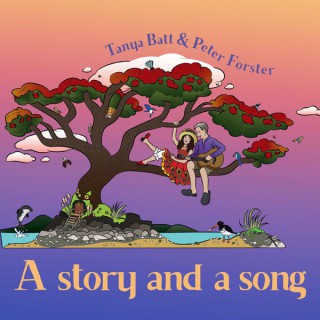
Send us a textIt's Halloween again and here in New Zealand it's springtime and that means lots of busy bees and other pollinators out and about pollinating all the flowers and plants in the garden.Tanya has lots of pumpkin seedlings to give away and we thought we'd celebrate with "Pollinator Power"... A song/action story the children can move too, all about the industrious pollinators buzzing around the garden.Support the showYou can find our audios and books to purchase at https://imagined-worlds.net/story-shopOr join the live monthly Batt Cave storytelling club at https://ko-fi.com/tanyabatt0027/tiers Or if you are an educator for children 0 - 8 years subscribe to 'Batt on the Mat' - a monthly online, professional development storytelling and arts programme https://imagined-worlds.net/batt-on-the-matAnd finally, if you enjoyed our podcast, please share with friends and write a review. Or make a donation to support what we do here https://ko-fi.com/tanyabatt0027Kia Ora!
Colorful Japanese maple selections, when to prune them, and the data from this year's Great Southeast Pollinator Census, shared here first!

Jean and Teresa interview fellow Master Gardener Volunteer Tim Kennelty about pollinators. Tim is also a Master Naturalist with Cornell Cooperative Extension, and has served as a board member for the Columbia Land Conservancy.The conversation starts with the definition of a pollinator. Tim explains that a creature that goes from flower to flower to feed will get pollen stuck to itself. The creature then carries the pollen to the next flower and “delivers” it in exchange for the nectar. This is an arrangement that has developed over millennia to benefit both the flower and the creature. While most pollinators are insects, there are birds and bats that serve as pollinators, too. The insects are most commonly of the bees/wasp groups, butterflies/moths groups, and beetles. The Xerxes Society is a valuable resource to learn more about native pollinators and plants. The discussion then moves to why we should care. It all boils down to the food chain. Insects are at the bottom of the food chain, and many rely on plants for life. Their symbiotic relationship helps both to thrive and serve as food for others further up the chain. This is so basic as a foundation for our existence that any disturbance in the connection will ripple upward, affecting the entire food chain. Risks included are mostly man made. Habitat disturbance leaves gaps between the links, and climate change disrupts the balance of timing between plant and insect (or animal) synchrony. Flowers blooming at the”wrong” time or migrators arriving too late for the usual diet can result in disaster for whole populations. Indeed, the statistics are alarming. Forty per cent of all insects are in steep decline, resulting in decreased populations all along the interconnected chain of life forms, ultimately in extinction for many. Specifically, Tim mentions bees which are mostly “designed” for pollination. Honey bees must be considered separately because they are actually treated and considered as livestock. Interestingly they are not native but are handled by beekeepers, and are essential for much commercial fruit production. Sadly, they, too, are at risk from climate and pollution caused threats. Native bees are a fascinating study. There are about four hundred species in North America, with several hundred living in New York State. Ninety percent are solitary, which may be contrary to popular expectations due to our familiarity with honey bees. Most are dedicated pollinators that have co-evolved with particular flowers. Also unlike honeybees, most can't sting. Those that can, will only do under great threat of their own death. The “cousins” to bees, the wasps, yellow jackets and hornets, are more often communal. They build nests attached to structures or shrubs, or in the ground. These guys are far more aggressive, and will not hesitate to sting, so beware if you spot any of their habitats, like paper nests or overly active holes in the ground. They're so fierce they even have a meat eating stage. But, to circle back to the topic at hand, they are also very active pollinators. Hosts: Teresa Golden and Jean Thomas Guest: Tim Kennelty Photo: Teresa Golden Production Assistance: Linda Aydlett, Deven Connelly, Teresa Golden, Jean Thomas, Xandra Powers Resources

This week we see what the buzz is about with honey bees, and why they are not just important economically, but also vital ecologically. In the news, we look to the stars at the possibility of life on Mars! All this and more. The cupboard is open, come on in!
Summary Black-eyed Susan (Rudbeckia hirta) is a beautiful native plant that can be found throughout most of the eastern U.S. and makes a great addition to pollinator and native plant gardens. It can grow in a variety of sunny to mostly sunny conditions and will provide instant gratification in the form of bright yellow flowers the first year. Those flowers will benefit a wide variety of butterflies, bees, flower flies, and seed-eating insects. 3 things you'll learn from this episode: The biology and life history of black-eyed Susan, including how pollinators and wildlife use it. How to incorporate it into your garden. What to watch out for when purchasing black-eyed Susan. Other Backyard Ecology™ resources: Discover Your Next Steps Habitat Creation Quiz Backyard Ecology™ Community Thank you Thank you to our amazing Patrons who go above and beyond every month to provide financial support which helps us create so much free content for everyone to enjoy and learn from.

As pollinator gardens explode in popularity, municipalities across the state are rethinking existing ordinances on weeds and more.

As pollinator gardens explode in popularity, municipalities across the state are rethinking existing ordinances on weeds and more.

I like to work in batches. Pollinator Corridor can be filed under two batches: 1) Forest Park and 2) plein air soundwalks. So Forest Park is self explanatory, but could use some contextualizing, which I'll get into shortly. The plein air soundwalks batch is still taking shape. Basically it's just me recording and sketching. Like I said last time, offering little twist on my Soundwalk formula. One little experiment I did on this particular day was to make some botanical sketches.For being in Forest Park, you might notice on this cover that the view here isn't thickly forested:This is the view looking back up the hill on BPA road, where a swath of forestland was removed long ago to accommodate the high voltage power lines that run up and over the Tualatin Mountains here on the north end of the 5000 acre wooded park. The gravel and dirt lane is maintained for power line inspection and maintenance purposes, while serving dual purpose as a multi-use trail connecting the trails that intersect it. It's a distinct habitat in Forest Park; an edge land where grasses, berries and wildflowers grow, attracting some different animal species than the forest interior. Portland Parks & Rec. calls this a Pollinator Corridor. If you're patient, you'll see and hear these visitors: the migratory Rufous Hummingbird with its little toy motorcycle sound; berry-eating songbirds like the Black-headed Grosbeak; insects like bumble bees, and Western Tiger Swallowtail butterflies; and deer or sometimes elk slowly cracking through downed branches on the perimeter, coming and going. There are few places in Forest Park that open up sufficiently to afford views of the Cascade Mountains to the west. This is one of them: Fireweed, oceanspray, western goldenrod, and Oregon Sunshine also thrive here. Here's a sketch of orange honeysuckle.It's both serene and pulsing with life.For the score, I really leaned into the sound of the Soma Lyre “Organismic Synthesizer”. I'm using a virtual instrument playable by a midi keyboard, but the original inductive pad and knob box hardware is quite fascinating. Many electronic musicians find it unusually emotive and inspiring. I'm also using a virtual instrument that samples the quieter timbres created by manipulating the tone bars of a 60's Hammond organ. I used to own a Hammond M1 organ, and my earliest musical experiments involved playing with the toggle switches and tone bars to add strange texture to my nascent experimental performances. I didn't reach for any Electric Piano for this one. In this way it's crossbred with my Listening Spot ouvre, I suppose.Reaching the end of BPA Road, the hiker is presented with a three way fork. All options are a road less travelled. Two lanes lead out to prominences topped by high voltage electric towers overlooking the Willamette River and the lower Columbia beyond. The other lane plunges down to Hwy 30 below, and is prone to overgrowth. Here's the view from the northernmost point. It's very peaceful place with a meadowy feel, and a nice view of the Multnomah Chanel and the Suavie Island Bridge:Thank you, as always, for joining me here. I hope you enjoy Pollinator Corridor. It's available on all music streaming services today, September 19th, 2025. Also, last week I released another instrumental EP under the pseudonym Sleeping Animal. So if you're in the mood for some impressionistic electric piano-centered music, I've got you covered there too. That one is called Traverse, also available on all music streaming services. This is a public episode. If you'd like to discuss this with other subscribers or get access to bonus episodes, visit chadcrouch.substack.com/subscribe
Pollinator Pathway is a national organization dedicated to the establishment of native plant communities for pollinators that are managed without pesticides. It got started in the Western US in Bend, Oregon and this week we hear from two board members, Gwen Bartonek and Lisa Sanco, about the many activities the organization has pulled off in Oregon's High Desert city. Pollinator Pathway Bend: https://pollinatorpathwaybend.org/

In this Q&A episode, Hanna and Sarah tackle common questions about pollinators—what counts as one, why their populations are declining, which crops depend on them, and how gardeners can support them with the right plants and practices. They also discuss the crime of beehivery and whether or not you need to worry about someone stealing your beehive.We've updated our show notes template! Check it out at https://plantnebraska.org/podcastFor early access to new episodes, photos, and other behind the scenes content, join us on Patreon. For $5/month you'll receive exclusive content or early access to podcasts and other resources while supporting our efforts to Plant Nebraska. https://www.patreon.com/NebraskaStatewideArboretumSend us your questions at growingwithbloombox@gmail.com or leave us a voicemail.Follow us @NebraskaStatewideArboretum on Facebook and InstagramLearn more about the Nebraska Statewide Arboretum: https://plantnebraska.org
This time Tenea and Kelsey cover a somewhat exotic flower, at least for us in the west! We are talking about a unique wildflower called Jack-in-the-pulpit (Arisaema triphyllum) that is also known as Brown Dragon or Bog Turnip! This flower is common in wet shaded areas in eastern North America. Join us and the podcasting dogs and find out how it becomes Jill-in-the-pulpit.Thank you so much for listening! Follow us on spotify and tell a friend about the podcast!Follow us on instagram where we post pictures every week @wildforwildflowerspodemail: wildforwildflowerspod@gmail.comReddit: Wild for WildflowersJoin our facebook community: Wild for WildlfowersCheck out Nicole's music on Bandcamp nforeman.bandcamp.com if you like the theme music!And don't forget to get outside and smell the wildflowers!Pollinator: fungus gnatskey terms: gender diphasy

On this episode, we are taking a look at one the smallest, often overlooked, but essential pieces of our ecosystem: pollinators. With effects ranging from agricultural yields and native plant success, down to something as specific as the hunting quality on your family's property, pollinators play a huge role in all of it. Come along as we get hands-on experience with a beekeeper and have a great conversation with author and environmental historian, Sara Dant. Connect with Lake Pickle and MeatEater Lake Pickle on Instagram MeatEater on Instagram, Facebook, Twitter, YouTube, and YouTube Clips MeatEater Podcast Network on YouTubeSee omnystudio.com/listener for privacy information.

Pollinators are the topic of this episode of From the Ground Up! Host Brian Brown is joined by Alabama Extension Home Horticulture Agent Bethany O’Rear and Becky Griffin, coordinator of....

The smallest bee on the earth, Perdita minima, or mini fairy bee is just 2mm-the width of a grain of rice. Though they may seem easy to miss, they are numerous and right under our noses.

In this episode of Driftwood Outdoors, Brandon Butler and Nathan McLeod sit down with Elsa Gallagher, Habitat Program Director at The Bee & Butterfly Habitat Fund.Elsa shares how her work is helping pollinators thrive across the Midwest by creating diverse, high-quality habitats on public and private lands. From seed mixes to sustainable management strategies, learn how the NextGen Habitat Projects are changing the game for bees, butterflies, upland birds, and more.Whether you're a landowner, conservationist, or just love wild places, this episode is full of practical knowledge and outdoor inspiration.For more info:Bee and Butterfly Fund WebsiteBee and Butterfly Fund FacebookBee and Butterfly Fund InstagramSpecial thanks to:Living The Dream Outdoor PropertiesSuperior Foam Insulation LLCDoolittle TrailersScenic Rivers TaxidermyConnect with Driftwood Outdoors:FacebookInstagramYouTubeEmail:info@driftwoodoutdoors.com

New York City's transportation department plans to hire dozens of new officers to crack down on reckless delivery drivers on mopeds and e-bikes. Meanwhile, the National Weather Service is warning of showers, thunderstorms, and possible flash flooding across the metro area starting Tuesday. Plus, as global pollinator populations decline, the city's parks department is working to protect bees and butterflies with 23 pollinator-friendly gardens across the five boroughs. Matthew Morrow, director of horticulture for NYC Parks, and Georgina Cullman, an ecologist with the department, discuss the effort.

With underground tanks and native vegetation, Cheesecake Brook is getting a climate-ready upgrade. Learn more at https://www.yaleclimateconnections.org/

In celebration of National Pollinator Week, Kevin and Austin sit down in the studio to share Kevin's ultimate list of plants that attract and support pollinators. From ground covers to trees, they break it all down by plant type, offering practical tips and standout favorites for creating a thriving, layered pollinator garden.Plants mentioned in this episode include:GROUND COVERSCreeping Thyme (Thymus serpyllum)Germander (Teucrium)ANNUALSSunflower (Helianthus annuus)Cosmos (Cosmos)Calendula (Calendula officinalis)Zinnia (Zinnia)Bee Balm (Monarda)PERENNIALSLavender (Lavandula)Coneflower (Echinacea)Black-eyed Susan (Rudbeckia)Yarrow (Achillea millefolium)Catmint (Nepeta)Fuchsia (Fuchsia)Salvia often called SageSHRUBSCalifornia Lilac (Ceanothus)Manzanita (Arctostaphylos)Bottlebrush (Callistemon)Toyon (Heteromeles arbutifolia)Roses (Rosa)VINESTrumpet Vine (Campsis radicans)Clematis (Clematis)Passionflower (Passiflora)Native Milkweed (Asclepias fascicularis, Asclepias speciosa)HERBSBasil (Ocimum basilicum)Mint (Mentha)Rosemary (Rosmarinus officinalis)Sage (Salvia officinalis)Oregano (Origanum vulgare)Thyme (Thymus vulgaris)TREESFlowering Cherry (Prunus)Western Redbud (Cercis occidentalis)RobiniasGreen Acres Garden PodcastGreen Acres Nursery & SupplyGreen Acres Garden Podcast GroupIn the greater Sacramento area? Learn how to make your yard Summer Strong and discover water-saving rebates at BeWaterSmart.info.
One of the most effective ways to contribute to pollinator conservation is to provide the essential components of pollinator habitat. To celebrate Pollinator Week, we invited a panel of Xerces experts to help us answer audience questions in this special Bug Banter Live episode. Bernardo Niño is a pollinator conservation specialist with Xerces Food Systems and Living Farms Project in California. Steve Armstead is a pollinator conservation and nature-based climate solutions specialist in Colorado. Emily May is the agricultural conservation lead with the Xerces pesticide reduction program. Kevin Burls is an endangered species conservation biologist in the western United States. ---Cover photo: Emily MayThank you for listening! For more information go to xerces.org/bugbanter.
In the face of insect decline, it is critical for us to understand pollinator health both in terms of influencing factors and how to monitor those impacts. Today we are specifically focusing on bees.To talk about some exciting research in this field is Dr. Laura (la-u-ra) Figueroa (fig-eh-row-ah). Laura is an Assistant Professor in the Environmental Conservation Department at the University of Massachusetts Amherst. She was previously a National Science Foundation post-doctoral research fellow, and completed her PhD in entomology at Cornell University. Laura is broadly interested in insect conservation, with a focus on the health of pollinators in changing landscapes and the impacts of climate change. She has worked in temperate regions (primarily the Northeastern US) as well as in the tropics (in Costa Rica and in Colombia), and her active research program seeks to answer pressing questions in the field of pollinator conservation.---Photo: Sara Morris / CC BY-NC 2.0Thank you for listening! For more information go to xerces.org/bugbanter.
It's festival season! If you're near Portland or Vancouver, WA, you won't want to miss the Vancouver Pollinator Festival happening this Saturday, June 21st at Marshall Park. Our guest, Kyle Roslund, founder of the Vancouver Bee Project, joins us to share what's in store—from garden tours and hands-on activities to a talk by renowned lepidopterist and Xerces Society founder, Dr. Robert Michael Pyle. Pollinator Festival info: https://pollinatorfestival.org/

The recent winter proved deadly for honey bee colonies. The Washington State University's Honey Bees and Pollinators Program reports mass die-offs for commercial beekeepers. Honey bees, butterflies, and even small vertebrates like bats and birds are important to agriculture and are indicators of a healthy ecosystem. Their populations fluctuate and are affected by pesticide use, habitat loss, and climate change. Tribes and Native groups like the Euchee Butterfly Farm are among those devoting resources to pollinator restoration work. We'll talk with Native pollinator protectors about efforts to help turn the threat to pollinators around. GUESTS Nathan Moses-Gonzales (Confederated Tribes of the Colville Reservation), entomologist and CEO of M3 Agriculture Technologies Jane Breckinridge (Muscogee and Euchee), director of the Euchee Butterfly Farm and the Tribal Alliance for Pollinators Melanie Kirby (Tortugas Pueblo), professional beekeeper, founder of Zia Queen Bees Farm and Field Institute, extension educator and pollinator specialist at IAIA, and a founder of Poeh Povi Flower Path Network Pam Kingfisher (Cherokee Nation), beekeeper and water protector
In this episode of Beekeeping Today Podcast, certified honey judge Stephanie Slater joins Jeff and Becky to demystify the art and science of honey shows. From understanding how entries are judged to tips on preparing award-winning honey, Stephanie shares her journey from entering her first show in 2019 to becoming Wisconsin's first certified judge through the American Honey Show Training Council. Stephanie discusses what makes a honey show entry stand out—from reading the rules (yes, seriously!) to selecting high-quality jars, preventing bubbles, and even traveling with honey safely. She shares insights into the Black Jar competition (hint: it's all about flavor), gives pro tips for preparing entries, and explains why feedback from judges is so important for improving and learning. The conversation also explores the steps required to become a certified honey judge, including training, stewarding, judging exams, and why these standards matter to elevate honey and beekeeping as a whole. Whether you're new to honey competitions or considering becoming a judge yourself, this episode is packed with guidance, encouragement, and a healthy dose of enthusiasm. If you've ever thought, “I could enter my honey,” or “What do judges look for?”—this is the episode for you! Websites from the episode and others we recommend: American Honey Show Training Council: https://www.honeyshowusa.com Stephanie's Website: https://www.awardwinninghoney.com/ Honey Bee Health Coalition: https://honeybeehealthcoalition.org The National Honey Board: https://honey.com Honey Bee Obscura Podcast: https://honeybeeobscura.com 2 Million Blossoms - The Podcast: https://2millionblossoms.com Copyright © 2025 by Growing Planet Media, LLC ______________ Betterbee is the presenting sponsor of Beekeeping Today Podcast. Betterbee's mission is to support every beekeeper with excellent customer service, continued education and quality equipment. From their colorful and informative catalog to their support of beekeeper educational activities, including this podcast series, Betterbee truly is Beekeepers Serving Beekeepers. See for yourself at www.betterbee.com This episode is brought to you by Global Patties! Global offers a variety of standard and custom patties. Visit them today at http://globalpatties.com and let them know you appreciate them sponsoring this episode! Thanks to Bee Smart Designs as a sponsor of this podcast! Bee Smart Designs is the creator of innovative, modular and interchangeable hive systems made in the USA using recycled and American sourced materials. Bee Smart Designs - Simply better beekeeping for the modern beekeeper. Thanks to Dalan who is dedicated to providing transformative animal health solutions to support a more sustainable future. Dalan's vaccination against American Foulbrood (AFB) is a game changer. Vaccinated queens protect newly hatched honeybee larvae against AFB using the new Dalan vaccine. Created for queen producers and other beekeepers wanting to produce AFB free queens. Retailers offering vaccinated queens and packages: https://dalan.com/order-vaccinated-queens/ More information on the vaccine: https://dalan.com/media-publications/ Thanks to Strong Microbials for their support of Beekeeping Today Podcast. Find out more about their line of probiotics in our Season 3, Episode 12 episode and from their website: https://www.strongmicrobials.com Thanks for Northern Bee Books for their support. Northern Bee Books is the publisher of bee books available worldwide from their website or from Amazon and bookstores everywhere. They are also the publishers of The Beekeepers Quarterly and Natural Bee Husbandry. _______________ We hope you enjoy this podcast and welcome your questions and comments in the show notes of this episode or: questions@beekeepingtodaypodcast.com Thank you for listening! Podcast music: Be Strong by Young Presidents; Epilogue by Musicalman; Faraday by BeGun; Walking in Paris by Studio Le Bus; A Fresh New Start by Pete Morse; Wedding Day by Boomer; Christmas Avenue by Immersive Music; Red Jack Blues by Daniel Hart; Original guitar background instrumental by Jeff Ott. Beekeeping Today Podcast is an audio production of Growing Planet Media, LLC Copyright © 2025 by Growing Planet Media, LLC
In this Beekeeping Today Podcast Short, we welcome back Dr. Dewey Caron for a quick yet insightful Audio Postcard on honey bee communication – Bee Scientist to Beekeeper, Beekeeper to Bee, and Bee to Bee. Dr. Caron shares timely advice for beekeepers, from colony assessments to spring preparations. Whether you're a beginner or experienced beekeeper, this short episode is packed with valuable tips to keep your colonies thriving. Tune in for expert insights from one of beekeeping's most respected educators! Links & Resources: Beekeeping Today Episode with Dr. Priya Basu: https://beekeepingtodaupodcast.com/309 Pollen Database and Missouri State: https://www.msstate.edu/newsroom/article/2021/10/msu-scientist-building-pollen-database-improve-bee-nutrition-asks-citizens Couvillon, M.J. et al. 2015. Honey bee foraging distance depends on month and forage type. Apidologie 46:61-70. BD Ohlinger, R Schürch, MR Silliman, TN Steele, & MJ Couvillon (2022). Dance-communicated distances support nectar foraging as a supply-driven system. Biol Letters 18 (8), 20220155 Brought to you by Betterbee – your partners in better beekeeping. ______________ Betterbee is the presenting sponsor of Beekeeping Today Podcast. Betterbee's mission is to support every beekeeper with excellent customer service, continued education and quality equipment. From their colorful and informative catalog to their support of beekeeper educational activities, including this podcast series, Betterbee truly is Beekeepers Serving Beekeepers. See for yourself at www.betterbee.com Copyright © 2025 by Growing Planet Media, LLC
Online beekeeping education has come a long way—and the University of Montana is leading the way. In this episode, Jeff and Becky talk with Dr. Scott Debnam, head beekeeper and lead instructor for UM's Online Master Beekeeping Program, about how the program has evolved over the past 12 years and why it continues to grow. Scott shares how the program balances science-based instruction with practical application. Rather than prescribing a one-size-fits-all approach, students learn honey bee biology and colony ecology so they can make informed decisions that fit their goals, values, and local conditions. The program's three levels—apprentice, journeyman, and master—are structured to build experience over time, with engaging lectures, moderated forums, and even student-led research. Students come from across the U.S. and over 25 countries, and their questions, experience, and feedback shape the program's dynamic learning environment. Scott's enthusiasm for teaching and his love for bees are front and center in this conversation, which highlights the value of structured learning, community interaction, and lifelong curiosity in becoming a better beekeeper. Websites from the episode and others we recommend: University of Montana Beekeeper Education: https://www.umt.edu/bee/ Beekeeper's Academy: https://www.thebeekeepersacademy.com/ Honey Bee Health Coalition: https://honeybeehealthcoalition.org The National Honey Board: https://honey.com Honey Bee Obscura Podcast: https://honeybeeobscura.com 2 Million Blossoms - The Podcast: https://2millionblossoms.com Copyright © 2025 by Growing Planet Media, LLC ______________ Betterbee is the presenting sponsor of Beekeeping Today Podcast. Betterbee's mission is to support every beekeeper with excellent customer service, continued education and quality equipment. From their colorful and informative catalog to their support of beekeeper educational activities, including this podcast series, Betterbee truly is Beekeepers Serving Beekeepers. See for yourself at www.betterbee.com This episode is brought to you by Global Patties! Global offers a variety of standard and custom patties. Visit them today at http://globalpatties.com and let them know you appreciate them sponsoring this episode! Thanks to Bee Smart Designs as a sponsor of this podcast! Bee Smart Designs is the creator of innovative, modular and interchangeable hive systems made in the USA using recycled and American sourced materials. Bee Smart Designs - Simply better beekeeping for the modern beekeeper. Thanks to Dalan who is dedicated to providing transformative animal health solutions to support a more sustainable future. Dalan's vaccination against American Foulbrood (AFB) is a game changer. Vaccinated queens protect newly hatched honeybee larvae against AFB using the new Dalan vaccine. Created for queen producers and other beekeepers wanting to produce AFB free queens. Retailers offering vaccinated queens and packages: https://dalan.com/order-vaccinated-queens/ More information on the vaccine: https://dalan.com/media-publications/ Thanks to Strong Microbials for their support of Beekeeping Today Podcast. Find out more about their line of probiotics in our Season 3, Episode 12 episode and from their website: https://www.strongmicrobials.com Thanks for Northern Bee Books for their support. Northern Bee Books is the publisher of bee books available worldwide from their website or from Amazon and bookstores everywhere. They are also the publishers of The Beekeepers Quarterly and Natural Bee Husbandry. _______________ We hope you enjoy this podcast and welcome your questions and comments in the show notes of this episode or: questions@beekeepingtodaypodcast.com Thank you for listening! Podcast music: Be Strong by Young Presidents; Epilogue by Musicalman; Faraday by BeGun; Walking in Paris by Studio Le Bus; A Fresh New Start by Pete Morse; Wedding Day by Boomer; Christmas Avenue by Immersive Music; Red Jack Blues by Daniel Hart; Original guitar background instrumental by Jeff Ott. Beekeeping Today Podcast is an audio production of Growing Planet Media, LLC Copyright © 2025 by Growing Planet Media, LLC
© 2020-2026 Ivy Podcast Discovery LLC
