
POPULARITY
Categories

17 episodes with lilacs

14 episodes with lilacs

17 episodes with lilacs

5 episodes with lilacs

15 episodes with lilacs

11 episodes with lilacs

10 episodes with lilacs

7 episodes with lilacs

4 episodes with lilacs

4 episodes with lilacs

21 episodes with lilacs

8 episodes with lilacs

7 episodes with lilacs

11 episodes with lilacs

4 episodes with lilacs

4 episodes with lilacs

4 episodes with lilacs

6 episodes with lilacs

4 episodes with lilacs

3 episodes with lilacs

5 episodes with lilacs

6 episodes with lilacs

3 episodes with lilacs

9 episodes with lilacs

2 episodes with lilacs

6 episodes with lilacs

6 episodes with lilacs

3 episodes with lilacs

4 episodes with lilacs

2 episodes with lilacs

2 episodes with lilacs

4 episodes with lilacs

7 episodes with lilacs
5 episodes with lilacs

4 episodes with lilacs

2 episodes with lilacs

3 episodes with lilacs

14 episodes with lilacs

5 episodes with lilacs

3 episodes with lilacs

2 episodes with lilacs

4 episodes with lilacs

4 episodes with lilacs

2 episodes with lilacs

2 episodes with lilacs

2 episodes with lilacs

5 episodes with lilacs

2 episodes with lilacs

2 episodes with lilacs

2 episodes with lilacs

9 episodes with lilacs

3 episodes with lilacs

2 episodes with lilacs

3 episodes with lilacs

Spokane Velocity FC responded to its summer slump with four consecutive wins, including a 3–0 shutout of Charlotte Independence and a 3–1 comeback against Fort Wayne FC.Benji and Mike break down both home victories, Shavon John-Brown's two-goal, one-assist return, the influence of Nil Vinyals and Jack Denton, Sean Lewis's improved form, and the tactical adjustments behind Velocity's resurgence.Also discussed: Salmon Bay's USL W League championship, Vermont Green's unbeaten inaugural W League season, Spain's World Cup victory over Argentina, Kyah Le and Erin Ewers signing with Pogoń Szczecin, and whether Velocity is once again a legitimate championship contender.CHAPTERS:(00:00) Introduction and shout-outs(06:15) Salmon Bay wins the USL W League title(09:34) Spain wins the World Cup(14:20) Velocity's four-game winning streak(18:11) Velocity 3–0 Charlotte(32:59) Velocity 3–1 Fort Wayne(51:42) Is Velocity a contender again?(57:40) Upcoming matches and closingThe Spokane Soccer Show is proudly presented by Flatstick Pub and supported by Spokane City Credit Union, Inland Imaging, and Wildland Co-op.--

Garrett Chaffin-Quiray and Ed Rosa regard small joys in Christopher Nolan's debut.This is part of a series that overlaps with, and extends, Brian Raftery's 2020 book “Best. Movie. Year. Ever.: How 1999 Blew Up the Big Screen”. Screenings include: “Following” (Christopher Nolan, 1998), “Varsity Blues” (Brian Robbins, 1999), “The Blair Witch Project” (Daniel Myrick and Eduardo Sánchez, 1999), “The Matrix” (The Wachowskis, 1999), “Star Wars: Episode I - The Phantom Menace” (George Lucas, 1999), “South Park - Bigger, Longer and Uncut” (Trey Parker, 1999), “Free Enterprise” (Robert Meyer Burnett, 1999), “Eyes Wide Shut” (Stanely Kubrick, 1999), “Twin Falls Idaho” (Michael Polish, 1999), “American Beauty” (Sam Mendes, 1999), “Three Kings” (David O. Russell, 1999), “Boys Don't Cry” (Kimberly Peirce, 1999), “Topsy-Turvy” (Mike Leigh, 1999), “Magnolia” (Paul Thomas Anderson, 1999), and “Wadd: The Life & Times of John C. Holmes” (Cass Paley, 1998).***Referenced media:“The Odyssey” (Christopher Nolan, 2026)“Oklahoma!” (1943) by Richard Rodgers and Oscar Hammerstein II based on the play “Green Grow the Lilacs” (1930) by Lynn Riggs“Memento” (Christopher Nolan, 2000)“Batman Begins” (Christopher Nolan, 2005)“The Dark Knight” (Christopher Nolan, 2008)“The Dark Knight Rises” (Christopher Nolan, 2012)“Man Bites Dog” (Rémy Belvaux, André Bonzel, and Benoît Poelvoorde, 1992)“Noir Alley” (Eddie Muller, 2017-now)“El Mariachi” (Robert Rodriguez, 1993)“Pi” (Darren Aronofsky, 1998)“Best. Movie. Year. Ever.: How 1999 Blew Up the Big Screen” (2020) by Brian Raftery“Cruel Intentions” (Roger Kumble, 1999), “EDtv” (Ron Howard, 1999)“The Truman Show” (Peter Weir, 1998)“The Matrix” (The Wachowskis, 1999)“10 Things I Hate About You” (Gil Junger, 1999)“Never Been Kissed” (Raga Gosnell, 1999)“Go” (Doug Liman, 1999)“eXistenZ” (David Cronenberg, 1999)“The Mummy” (Stephen Sommers, 1999)“Star Wars: Episode I – The Phantom Menace” (George Lucas, 1999)Audio quotation:“Following” (Christopher Nolan, 1998), including “Theme” and “Opening” by David Julyan, https://www.youtube.com/playlist?list=PLa1GuYGt3oGOYmkdrQwPlZ4gXLVsB0zWn“David Lynch on iPhones - Full Clip”, posted by Sir Mix-A-Lot Rare Music, https://www.youtube.com/watch?v=OQiQk8AJ0YI“Noir Alley: His Kind Of Woman (1951) intro 20190106”, posted by Noir Fan, https://www.youtube.com/watch?v=ggsX8WGVkpU&list=PLYb5GBzKMrkcJ5bXLh-2cofQ8YqMOPVrT&index=2“1999” (2018) written by Charlotte Aitchison, Jonnali Parmenius, Oscar Holter, Troye Sivan, Brett McLaughlin, and Max Martin, and performed by Charlie XCX and Troye Sivan, https://www.youtube.com/watch?v=ZYVtjAInQY0&list=PLQl1_YXgq4hjhZwnlRPMF-Z9aXe89WZAn&index=1“1999” (1982) written and performed by Prince, https://www.youtube.com/watch?v=rblt2EtFfC4&list=RDrblt2EtFfC4&start_radio=1“Millenium” (1998) written by Robbie Williams, Guy Chambers, Leslie Bricusse, and John Barry, and performed by Robbie Williams, https://www.youtube.com/watch?v=xcWOviMI6Lk&list=RDxcWOviMI6Lk&start_radio=1

Ben wasn't available the week of the finale, but I did write a version of the scene in the compound where Felix was present for Bradford showing up. I sent him the script and he got me his lines this week. So, without further ado, here is Episode 252 Scene 7: Bradford Buyout Beaumont (Felix's Version). Enjoy.CREDITS:Ben Rowe as FelixHenry Galley as Bradford BeaumontDavid Ault as Ty BetteridgeLINKS:KO-FI SHOP: https://ko-fi.com/woebegonepod/shopMUSIC: http://woebegonepod.bandcamp.comBLUSTEER: http://blusteer.bandcamp.comTWITCH: http://twitch.tv/woebegonepodPATREON: http://patreon.com/woe_begoneALIZA SCHULTZ: https://shows.acast.com/the-diary-of-aliza-schultzTRANSCRIPTS: http://WOEBEGONEPOD.comTWITTER: @WOEBEGONEPOD Hosted on Acast. See acast.com/privacy for more information.

Featuring the creators of some of the best audio dramas on the market today, Allison Cossitt (Partial Veil, Howl, Mend), with Samantha Philyaw and Rob Harrower (Set Sail!/The Daring Adventures of Sierra Stone/Bells in Lilac), this episode is packed with insights from these awesome showrunners. We talk all about how we got into audio drama as a format, and what keeps us going. This was a very conversational episode recorded in Bethlehem, Pennsylvania during the Get Outta Your Booth 2026 Conference where Allison, Sam, and Rob were presenters talking about audio drama, as well as teaching a workshop. After listening to this, you should check out their stuff, which you can find located below!Ylem Media (Partial Veil) https://www.ylemmediaproductions.com/ Iridescent Acorn Productions (Set Sail!/The Daring Adventures of Sierra Stone/Bells in Lilac) https://iridescentacorn.com/Find my show, The Custodians here: https://shows.acast.com/the-custodiansMichael's Mixdown is a show primarily about the recording arts, so whether you heard it in the studio or in the stadium, you can hear about it here on Michael's Mixdown. Hosted on Acast. See acast.com/privacy for more information.

Latest up from Spoken Label (Author / Artist Podcast) features the return of our friend K. Scott Fuchs. K. Scott Fuchs is a novelist, poet, spoken-word performer, actor, and performer originally from New York, now based in North West England.A PhD graduate in Creative Writing and Victorian Literature, he is the author of six novels, five poetry collections, and a short-story publication. He is the author of The Miss Temperance Lee Series withhis fourth and final instalment Lilac and Lightning releasedin 2026.His first novel Time and Temperance was released in 2023. His books are all available on Amazon.

Today I am joined by one of my previous clients, Shona from Lilac HR. This is a fab episode that could easily be part 1 of 2 where we discuss - building your business your way - cowboy boots and red wine - running a business while navigating divorce & challenges - resilience & so much more! Connect with Shona on Instagram or check out her website here. If you'd love to learn more about the work I do, check out my website here. If you have any takeaways or learnings please do drop me an email tara@thethrivingbusinesswoman.com or drop me a DM on Instagram. I always love to hear your thoughts on each episode! You can find me here. See you next week for another episode! Don't forget to subscribe and leave a rating or review so more people can find this podcast, and if it helped you today, please do share with someone who could benefit from it. Keep thriving!

Do you have a lilac bush in your garden? If you've ever wondered when or how to prune it, don't miss this week's episode. Joanne shares timely tips for caring for your lilacs and explains why now is the perfect time to prune. Some of the topics covered in this week's episode: The importance of pruning lilacs right after they bloom Lilacs bloom on old wood, so timing matters. The best time to deadhead or prune is immediately after flowering, usually in June, before the plant puts energy into seed production or begins setting next year's blooms. How to rejuvenate older, woody lilacs Two approaches: a drastic cutback of very old, unproductive lilacs, or a slower three-year rejuvenation plan in which the oldest stems are gradually removed. Remember to use sharp pruners, not hedge trimmers, and be intentional about which branches are removed. Understanding different lilac varieties and their care needs Joanne compares common/French lilacs with newer repeat-blooming varieties like Bloomerang, as well as dwarf types like Miss Kim. Even repeat bloomers benefit from deadheading after the first flush so they can produce more flowers later in the season. Have a topic you'd like Joanne to discuss? Email your questions and comments to downthegardenpathpodcast@hotmail.com, or connect with Joanne on her website: down2earth.ca Find Down the Garden Path on Instagram, Facebook, and YouTube: @downthegardenpathpodcast. Down the Garden Path Podcast On Down The Garden Path, professional landscape designer Joanne Shaw discusses down-to-earth tips and advice for your plants, gardens and landscapes. As the owner of Down2Earth Landscape Design, Joanne Shaw has been designing beautiful gardens for homeowners east of Toronto for over a decade. She does her best to bring you interesting, relevant and useful topics to help you keep your garden as low-maintenance as possible. In Down the Garden Path: A Step-By-Step Guide to Your Ontario Garden, Joanne and fellow landscape designer Matthew Dressing distill their horticultural and design expertise and their combined experiences in helping others create and maintain thriving gardens into one easy-to-read monthly reference guide. Get your copy today on Amazon. Don't forget to check out Down the Garden Path on your favourite podcast app and subscribe! You can now catch the podcast on YouTube.

“The Lilac People” a novel by Milo Todd, begins in 1936 Berlin where a thriving queer community must first hide from Hitler's concentration camps, then escape Allied forces who were arresting queer prisoners during the liberation.

Spring is quickly turning into summer, and there's a lot of gardeners with questions as their yards and gardens start to take off for the season. In this episode, Don and John open the mailbag to answer questions from listeners.

Horticulturalist Dave Decock takes questions from listeners about their lawns, gardens, pests, trees and more. Have a random part of your lawn that wont grow? How about lilacs that bloom later in the growing season? Tune in each Thursday during the growing season from 1pm - 2pm for Plant Talk with Dave DecockSee omnystudio.com/listener for privacy information.

Broadway: Everything for the Boys “Berkley Square” 2/8/44 NBC, Texaco Star Theater “Green Grow the Lilacs” 10/25/39 CBS.

A quiet nighttime journey to count horseshoe crabs becomes an exploration of Nantucket's seasonal transformations. From blooming lilacs to shifting shorelines, Mary Bergman reflects on the beauty, fragility, and resilience of coastal life.

True Cheating Stories 2023 - Best of Reddit NSFW Cheating Stories 2023
I Caught My Husband and Our Neighbor in the Lilac ShadowsBecome a supporter of this podcast: https://www.spreaker.com/podcast/true-cheating-wives-and-girlfriends-stories-2026-true-cheating-stories-podcast--5689182/support.
Originally Aired: May 5, 2025 (Season 15, Episode 36) Our story tonight is called The Lilac Booth, Part Two, and it's a story about a lovely spring day at the farmer's market and the sweet smell of a favorite flower. It's also about street food and sunshine, memories pulled forward by a breath of perfume, crumpled dollar bills, and the kind of beauty that can sit on your windowsill. Go to AquaTru.com now for 20% off your purifier using promo code NOTHINGMUCH. AquaTru even comes with a 30-day best-tasting water guarantee. Subscribe to our Premium channel. The first month is on us. Pre-order Kathryn's new book On the Street Where You Live. NMH merch, autographed books, and more Listen to our daytime show Stories from the Village of Nothing Much Sit Meditation with Kathryn Pay it forward subscription Follow us on Instagram Visit Nothing Much Happens for more Village fun. Learn more about your ad choices. Visit megaphone.fm/adchoices

Episode #424 of BGMania: A Video Game Music Podcast. Today on the show, Bryan and Bedroth are celebrating the season with an episode built entirely around flowers... or at least flower names. From soft and reflective themes to energetic idol tracks, strange late-night vibes, and even a few pieces carrying a little danger underneath the petals, every selection on today's playlist features a different flower in the title. Along the way, we'll be wandering through everything from visual novels and city builders to platformers, cyberpunk dystopias, puzzle games, and early-2000s Square weirdness. Some tracks feel warm and comforting like the first clear morning after a week of rain, while others drift into darker territory where the flowers probably grow under neon signs instead of sunlight. Turns out video game music has a surprisingly deep garden to pull from... No? Okay, I'll see myself out. Email the show at bgmaniapodcast@gmail.com with requests for upcoming episodes, questions, feedback, comments, concerns, or any other thoughts you'd like to share! Special thanks to our Executive Producers: Jexak, Xancu, Jeff & Mike. EPISODE PLAYLIST AND CREDITS Iris from FLOWERS [MANYO, 2016] Tulip -M@ster Version- from THE iDOLM@STER CINDERELLA GIRLS [Kakeru Ishihama feat. Yuko Iida, Ru Thing, Haruka Yoshimura, Asami Takano & Kotomi Aihara, 2011] Daffodil -Ginny's Theme- from Koibumi Romantica [Kensei, 2009] Pansy Town from Kururin Paradise [Atsuhiro Motoyama, 2002] Morning Glory from Cities: Skylines II [King Major, 2023] Lilac's Theme from Freedom Planet 2 [Leilani Wilson, 2022] Stadium -Daisy Cruiser- from Mario Super Sluggers [Ayako Yamaguchi, Masashi Sugiyama, Nobuhiro Ohuchi & Kazuyuki Fujita, 2008] Lily from Stellar Blade [seibin & Youngjee Lee feat. Miyo Takashiro, 2024] Bluebonnet from DYE [Danny Stracener, 2017] Kaldea Orchid from The Bouncer [Noriko Matsueda & Takahito Eguchi, 2000] White Sunflowers from Haruka: Beyond the Stream of Time [Kazuya Izumi feat. Kouki Miyata, 2000] Salvia from Alice Gear Aegis [Nakayama Raiden, 2018] Dirty Roses from Cyberpunk 2077 [OnenO & Perilous Futur, 2020] Al-Di-La -Bergamot Version- from Nights: Journey of Dreams [Tomoya Ohtani & Naofumi Hataya, 2007] LINKS Patreon: https://patreon.com/bgmania Website: https://bgmania.podbean.com/ Discord: https://discord.gg/cC73Heu Facebook: BGManiaPodcast X: BGManiaPodcast Instagram: BGManiaPodcast TikTok: BGManiaPodcast YouTube: BGManiaPodcast Twitch: BGManiaPodcast PODCAST NETWORK Very Good Music: A VGM Podcast Listening Religiously
“Questions, concerns, queries?” Lets chat!Its all by design...Literally.Jack, Lynne and Matt McFarland continue their Landscape Design chat on this week's episode of The Growing Season."95% of all designs need a tree, even on the small designs." Matt discusses why he feels this is the case.We have to bring down the immensity of the house - that's a Mattism.Lilacs, Baby Blue Eyes Spruce, Cumulus Serviceberry and Apollo Sugar Maples feature prominently in this chat. What is a Red Osier Dogwood and why is it important?Jack McFarland sees a fence and gets REALLY excited. A fence area in shade and Jack dies a little bit. Clematis, morning glory, espaliers and more... The trio discuss garden mirrors and how to use them. Matt tells a sci-fi story. Matt's fear of poison plants effects his designs significantly. Matt won't use Yews. You's read that right - he won't use Yews.The use of epicurean plants must be designed with caution. Juglans nigra and its insanely effective way of reducing competition is discussed. The legendary Ginkgo biloba comes into focus. Daphne, Buckthorn, Rhododendrons, Azaleas and Poison Sumac are some plants to look out for. Everything is poisonous - what?What's better than one Contorted Corkscrew Hazel? 14!!!The show ends with a moment of silence. Tune in. Looking to book a consult for your property? We'd love to help. CLICK HERE.What is a TGS Tiny Garden? CLICK HERE.
Originally aired April 28, 2025 (Season 15, Episode 34) Our story tonight is called The Lilac Booth, Part 1, and it's a story about a Spring morning at a familiar farm house. It's also about bullfrogs and garden clogs, old vases collected from friends, armfuls of fresh flowers, driving with the window down on a warm day, and the small decisions that add up to make a new path in life. Subscribe to our Premium channel. The first month is on us.

This week's guest is Chef Zubair Mohajir -- and he's got a lot going on. A former finance guy who found his calling in the kitchen after the 2008 crash, Zubair has since built one of the most compelling culinary identities in Chicago, rooted in the idea that food is migration made edible. He's the force behind Lilac Tiger, the Coach House, and Mirra -- and this summer, he's opening three more: Mariela, Muhājir, and Bobo. He joins us to walk through all of it, in a conversation that covers growing up between Qatar and the southwest suburbs, his mom's legendary garage catering operation, staging at Alinea with zero experience, why a 927-year-old duck recipe from medieval Islamic Spain is one of his signature dishes -- and so much more!

Read beyond the headlines! Support Local Journalism https://www.spokesman.com/podcastoffer

Fluent Fiction - Swedish: Finding Peace Amidst Stockholm's Spring Lilacs Find the full episode transcript, vocabulary words, and more:fluentfiction.com/sv/episode/2026-05-09-07-38-19-sv Story Transcript:Sv: Astrid promenerade längs kullerstensgatorna i Gamla Stan.En: Astrid walked along the cobblestone streets of Gamla Stan.Sv: Våren hade precis anlänt till Stockholm, och luften var full av syrenernas doft.En: Spring had just arrived in Stockholm, and the air was full of the scent of lilacs.Sv: Trots den vackra omgivningen kände Astrid sig tung i hjärtat.En: Despite the beautiful surroundings, Astrid felt heavy at heart.Sv: Hon väntade på resultat från ett medicinskt test, och oron tyngde henne som en blöt filt.En: She was waiting for results from a medical test, and the worry weighed on her like a wet blanket.Sv: Hon försökte distrahera sig.En: She tried to distract herself.Sv: På sitt jobb som grafisk designer i den ljusa studion på Södermalm kämpade hon med att koncentrera sig på sina projekt.En: At her job as a graphic designer in the bright studio in Södermalm, she struggled to concentrate on her projects.Sv: Färger och former brukade ge henne glädje, men nu verkade allt grått och suddigt.En: Colors and shapes used to bring her joy, but now everything seemed gray and blurry.Sv: Efter jobbet mötte hon sina vänner, Lars och Johan, på ett kafé vid Stortorget.En: After work, she met her friends, Lars and Johan, at a café by Stortorget.Sv: Lars berättade en rolig historia, och Johan skrattade högt.En: Lars told a funny story, and Johan laughed loudly.Sv: Astrid log, men tankarna fanns hela tiden på annat håll.En: Astrid smiled, but her thoughts were always elsewhere.Sv: "Tack för att ni alltid finns här," sa Astrid till dem.En: "Thank you for always being here," Astrid said to them.Sv: Hon försökte njuta av deras sällskap, men inre lugn undvek henne fortfarande.En: She tried to enjoy their company, but inner peace still eluded her.Sv: En dag bestämde hon sig för att möta sin oro.En: One day, she decided to face her anxiety.Sv: Hon gick till en av sina favoritplatser i Gamla Stan, ett tyst hörn nära en liten fontän.En: She went to one of her favorite spots in Gamla Stan, a quiet corner near a small fountain.Sv: De pastellfärgade husen runtomkring skapade en känsla av frid.En: The pastel-colored houses around created a sense of peace.Sv: Hon satte sig ner, kände vårens mjuka bris i håret och blundade.En: She sat down, feeling the soft spring breeze in her hair, and closed her eyes.Sv: Det var då hennes telefon ringde.En: That's when her phone rang.Sv: Hjärtat slog snabbare.En: Her heart beat faster.Sv: Det var doktorn.En: It was the doctor.Sv: Astrid tog ett djupt andetag och svarade.En: Astrid took a deep breath and answered.Sv: "Läkaren har goda nyheter," sa rösten i andra änden.En: "The doctor has good news," said the voice on the other end.Sv: "Testresultaten visar inga problem.En: "The test results show no problems.Sv: Allt är bra."En: Everything is fine."Sv: Astrid kände hur en enorm våg av lättnad sköljde över henne.En: Astrid felt a huge wave of relief wash over her.Sv: Tårar av glädje fyllde hennes ögon.En: Tears of joy filled her eyes.Sv: Hon tittade upp mot den klara, blå himlen och kände tacksamhet.En: She looked up at the clear, blue sky and felt grateful.Sv: På vägen tillbaka mötte hon Lars och Johan igen.En: On the way back, she met Lars and Johan again.Sv: "Det gick bra," ropade hon med ett leende som strålade genom hela Gamla Stan.En: "It went well," she shouted with a smile that beamed through all of Gamla Stan.Sv: De omfamnade henne och delade hennes glädje.En: They embraced her and shared her joy.Sv: Astrid lärde sig i det ögonblicket att leva i nuet och värna om de små stunderna av skönhet och vänskap.En: Astrid learned in that moment to live in the present and cherish the small moments of beauty and friendship.Sv: Med nya insikter om livet, fortsatte hon sin väg hem längs de gamla kullerstensgatorna, omgiven av historiens och vårens alla löften.En: With new insights about life, she continued her way home along the old cobblestone streets, surrounded by all the promises of history and spring. Vocabulary Words:cobblestone: kullerstenstreets: gatornascent: doftdespite: trotssurroundings: omgivningheavy at heart: tung i hjärtatresults: resultatweighed: tyngdewet blanket: blöt filtdistract: distraheraconcentrate: koncentrerablurred: suddigtfountain: fontänpastel-colored: pastellfärgadinner peace: inre lugneluded: undvekembraced: omfamnadeinsights: insiktercherish: värna ompromises: löftenhistory: historiensspring: vårensstruggled: kämpadejoy: glädjegrateful: tacksamhetlaughed: skrattadequiet: tystcorners: hörnbreeze: brispeace: frid

The Rochester Lilac Festival draws nearly 500,000 people every year, but most don't see what goes on behind the scenes. Executive Producer Jenny LoMaglio shares how the event comes together, from logistics and budgeting to weather challenges and real-time decision making. The conversation also dives into how the festival is adapting with new experiences, stronger security, and a focus on sustainability while still staying true to what makes it a staple in Rochester.

Finally I found it, this song people were telling me about; found it in the Alfred G. Arvold Collection of the Institute for Regional Studies, at NDSU. The song, written by an NDSU graduate, James Golseth, is “Lilac Days,” an ode to spring, and beauty. Maybe also to hope, and persistence.

In this episode of The Classical Mind, Fr. Wesley Walker and Dr. Junius Johnson welcome back Heidi White to explore the middle canticle of Dante's Divine Comedy, the Purgatorio. Is Purgatory “cosmic extra innings” or a “cosmic decontamination chamber” for the saved? How do Inferno and Purgatorio differ? Give a listen as Heidi, Junius, and Wesley discuss the moral and structural architecture of Mount Purgatory, specifically the “Order of Love” (ordo amoris) that governs the seven terraces and how Dante organizes the capital vices. Endnotes: Heidi: The Great Divorce by C.S. LewisJunius: The Voyage of the Dawn Treader by C.S. LewisWesley: “Ash Wednesday” by T.S. EliotI Because I do not hope to turn again Because I do not hope Because I do not hope to turn Desiring this man's gift and that man's scope I no longer strive to strive towards such things (Why should the agèd eagle stretch its wings?) Why should I mourn The vanished power of the usual reign? Because I do not hope to know The infirm glory of the positive hour Because I do not think Because I know I shall not know The one veritable transitory power Because I cannot drink There, where trees flower, and springs flow, for there is nothing again Because I know that time is always time And place is always and only place And what is actual is actual only for one time And only for one place I rejoice that things are as they are and I renounce the blessèd face And renounce the voice Because I cannot hope to turn again Consequently I rejoice, having to construct something Upon which to rejoice And pray to God to have mercy upon us And pray that I may forget These matters that with myself I too much discuss Too much explain Because I do not hope to turn again Let these words answer For what is done, not to be done again May the judgement not be too heavy upon us Because these wings are no longer wings to fly But merely vans to beat the air The air which is now thoroughly small and dry Smaller and dryer than the will Teach us to care and not to care Teach us to sit still. Pray for us sinners now and at the hour of our death Pray for us now and at the hour of our death. II Lady, three white leopards sat under a juniper-tree In the cool of the day, having fed to sateity On my legs my heart my liver and that which had been contained In the hollow round of my skull. And God said Shall these bones live? shall these Bones live? And that which had been contained In the bones (which were already dry) said chirping: Because of the goodness of this Lady And because of her loveliness, and because She honours the Virgin in meditation, We shine with brightness. And I who am here dissembled Proffer my deeds to oblivion, and my love To the posterity of the desert and the fruit of the gourd. It is this which recovers My guts the strings of my eyes and the indigestible portions Which the leopards reject. The Lady is withdrawn In a white gown, to contemplation, in a white gown. Let the whiteness of bones atone to forgetfulness. There is no life in them. As I am forgotten And would be forgotten, so I would forget Thus devoted, concentrated in purpose. And God said Prophesy to the wind, to the wind only for only The wind will listen. And the bones sang chirping With the burden of the grasshopper, saying Lady of silences Calm and distressed Torn and most whole Rose of memory Rose of forgetfulness Exhausted and life-giving Worried reposeful The single Rose Is now the Garden Where all loves end Terminate torment Of love unsatisfied The greater torment Of love satisfied End of the endless Journey to no end Conclusion of all that Is inconclusible Speech without word and Word of no speech Grace to the Mother For the Garden Where all love ends. Under a juniper-tree the bones sang, scattered and shining We are glad to be scattered, we did little good to each other, Under a tree in the cool of day, with the blessing of sand, Forgetting themselves and each other, united In the quiet of the desert. This is the land which ye Shall divide by lot. And neither division nor unity Matters. This is the land. We have our inheritance. III At the first turning of the second stair I turned and saw below The same shape twisted on the banister Under the vapour in the fetid air Struggling with the devil of the stairs who wears The deceitul face of hope and of despair. At the second turning of the second stair I left them twisting, turning below; There were no more faces and the stair was dark, Damp, jaggèd, like an old man's mouth drivelling, beyond repair, Or the toothed gullet of an agèd shark. At the first turning of the third stair Was a slotted window bellied like the figs's fruit And beyond the hawthorn blossom and a pasture scene The broadbacked figure drest in blue and green Enchanted the maytime with an antique flute. Blown hair is sweet, brown hair over the mouth blown, Lilac and brown hair; Distraction, music of the flute, stops and steps of the mind over the third stair, Fading, fading; strength beyond hope and despair Climbing the third stair. Lord, I am not worthy Lord, I am not worthy but speak the word only. IV Who walked between the violet and the violet Whe walked between The various ranks of varied green Going in white and blue, in Mary's colour, Talking of trivial things In ignorance and knowledge of eternal dolour Who moved among the others as they walked, Who then made strong the fountains and made fresh the springs Made cool the dry rock and made firm the sand In blue of larkspur, blue of Mary's colour, Sovegna vos Here are the years that walk between, bearing Away the fiddles and the flutes, restoring One who moves in the time between sleep and waking, wearing White light folded, sheathing about her, folded. The new years walk, restoring Through a bright cloud of tears, the years, restoring With a new verse the ancient rhyme. Redeem The time. Redeem The unread vision in the higher dream While jewelled unicorns draw by the gilded hearse. The silent sister veiled in white and blue Between the yews, behind the garden god, Whose flute is breathless, bent her head and signed but spoke no word But the fountain sprang up and the bird sang down Redeem the time, redeem the dream The token of the word unheard, unspoken Till the wind shake a thousand whispers from the yew And after this our exile V If the lost word is lost, if the spent word is spent If the unheard, unspoken Word is unspoken, unheard; Still is the unspoken word, the Word unheard, The Word without a word, the Word within The world and for the world; And the light shone in darkness and Against the Word the unstilled world still whirled About the centre of the silent Word. O my people, what have I done unto thee. Where shall the word be found, where will the word Resound? Not here, there is not enough silence Not on the sea or on the islands, not On the mainland, in the desert or the rain land, For those who walk in darkness Both in the day time and in the night time The right time and the right place are not here No place of grace for those who avoid the face No time to rejoice for those who walk among noise and deny the voice Will the veiled sister pray for Those who walk in darkness, who chose thee and oppose thee, Those who are torn on the horn between season and season, time and time, between Hour and hour, word and word, power and power, those who wait In darkness? Will the veiled sister pray For children at the gate Who will not go away and cannot pray: Pray for those who chose and oppose O my people, what have I done unto thee. Will the veiled sister between the slender Yew trees pray for those who offend her And are terrified and cannot surrender And affirm before the world and deny between the rocks In the last desert before the last blue rocks The desert in the garden the garden in the desert Of drouth, spitting from the mouth the withered apple-seed. O my people. VI Although I do not hope to turn again Although I do not hope Although I do not hope to turn Wavering between the profit and the loss In this brief transit where the dreams cross The dreamcrossed twilight between birth and dying (Bless me father) though I do not wish to wish these things From the wide window towards the granite shore The white sails still fly seaward, seaward flying Unbroken wings And the lost heart stiffens and rejoices In the lost lilac and the lost sea voices And the weak spirit quickens to rebel For the bent golden-rod and the lost sea smell Quickens to recover The cry of quail and the whirling plover And the blind eye creates The empty forms between the ivory gates And smell renews the salt savour of the sandy earth This is the time of tension between dying and birth The place of solitude where three dreams cross Between blue rocks But when the voices shaken from the yew-tree drift away Let the other yew be shaken and reply. Blessèd sister, holy mother, spirit of the fountain, spirit of the garden, Suffer us not to mock ourselves with falsehood Teach us to care and not to care Teach us to sit still Even among these rocks, Our peace in His will And even among these rocks Sister, mother And spirit of the river, spirit of the sea, Suffer me not to be separated And let my cry come unto Thee. This is a public episode. If you'd like to discuss this with other subscribers or get access to bonus episodes, visit www.theclassicalmind.com/subscribe

In this episode, Kappy shares what's on his plate at the moment. Links and handles mentioned in this episode:Lilac Tiger | Chef Zubair Mohajir | Share Our StrengthBite Tuoso | Van Leeuwen | Cafe Panna | Hallie MeyerSoul & Smoke BBQ | Soul & Smoke FoundationWhat Could Possibly Go Right by Danny Meyer Unreasonable Hospitality: The Field Guide by Will GuidaraTake It Personal by David Grutman Guesting by Gail SimmonsWhite Bark Workwear | Chef Chris BiancoThe Spice House | Garlic Pepper Butcher's RubFollow Beyond the Plate on Facebook and X.Follow Kappy on Instagram and X.www.beyondtheplatepodcast.com www.onkappysplate.com

The lilacs are in bloom all around the neighborhood. I talked a lot about them, baking bread this morning, and my troubles with posting.

Gene has all of the big top sports stories lined up for you in shots!

Darkest Mysteries Online - The Strange and Unusual Podcast 2023
Every House Displayed Lilacs Except One and It Led Us to the Truth We Were All HidingBecome a supporter of this podcast: https://www.spreaker.com/podcast/darkest-mysteries-online-the-strange-and-unusual-podcast-2026--5684156/support.Darkest Mysteries Online

Blind Hog and Acorn have had a relatively easy week- morning walkies with Sam, a trip to Springfield. Fence work planning going on along with pasture management and gardening.Morels, asparagus, seed starting... Lilacs and Japanese cherry trees blooming... Kind of. That last hard freeze really killed off a ton of fresh growth. Here is to hoping that was the last hard freeze!
Now that the snow is melting, what can we start to do in our lawns and gardens? Is it time to remove burlap from trees? Treating for grubs. What goes into strategic root pruning? Is dethatching necessary? It is time to finish up your pruning. Fertilizer that cannot be used in Minnesota. What to do with overgrown lilacs? When to start splitting hostas. Creeping Charlie questions. Learn more from horticulturalist Laura Irish Hanson and Lawn and Turf expert Jon Trappe at extension.umn.edu.
At last, we're again joined by novelist Nancy Northcott to discuss the portrayal of women in Batman 66! We pick up near the start of Season Three, with the episodes "The Unkindest Tut of All" and "Louie, the Lilac." Can Tim, Paul, and Nancy survive S3? Have any three people used the word "cringe" more frequently in the space of 45 minutes? How is it that the Bat-season with more female villains and a female hero also seems to be the most sexist? Listen and find out, my dear. (cringe) Listen to Bat Bits by subscribing to our Patreon for at least $2 a month! At $4 a month you'll get that AND our monthly discussion of silver age Batman comics, as Paul or another in our stable of co-hosts joins me to examine individual Batman stories from the 1950s and '60s — most recently, the establishment of the idea that Bruce Wayne once wore the Robin costume! And coming up, Tim and Paul look at another comics story featuring Batwoman! So slide down your Batpole and join today!

From the Animal Welfare Department of Albuquerque, Selia Velasquez, and from Community Engagement Crystal Torres, as well as three sweet kittens named Snap, Dragon, and Lilac join TJ to talk about new events happening over at the Department. They discuss adoptions/fosters, kitten and puppy season, and Bow Wow Bingo. All this and more on News Radio KKOBSee omnystudio.com/listener for privacy information.

Book Besties Season 10 Episode 6: The Lilac PeopleThis week, besties, we are talking about Milo Todd's first novel, The Lilac People. Join the Besties as they discuss the realness of Milo Todd's work, what queer life was like in Berlin in the 1930s, and what queer history really looks like.PLEASE BE AWARE that the language in this novel and the discussion of it may be offensive to some folks. We here at Book Besties are talking about this language in the context it is used in the book and not as a derogatory term, please protect your mental health and heart while listening.Things talked about in this episode: Milo Todd Research Lilac People: https://www.milotodd.com/books/the-lilac-people/news/the-history-behind-the-lilac-people/The LGBTQ + History Book: https://a.co/d/0iCr0VGYThe Institute for Sexual Science: https://blog.sciencemuseum.org.uk/magnus-hirschfeld-and-the-institute-for-sexual-science/Dr. Kinsey and the Kinsey Scale: https://kinseyinstitute.org/research/publications/kinsey-scale.htmlGeorge Takei: https://www.georgetakei.com/Meet Molly and April, they bonded over books and became Book Besties. So, what do you do when you find your book bestie? Start a podcast of course. Hang out with April and Molly as they talk about everything they love and hate about books. Follow the Book Besties on Facebook, Instagram, Tiktok, and YouTube. If you'd like to contact the Book Besties, please email us at bookbestiespod@gmail.com or visit our website bookbestiespodcast.com. This episode is sponsored by Carpe Librium: Bookish Things for Bookish People. Use the code NEWTHINGS2026 to save $5 off of your order of $25 or more at https://beawesomereadbooks.com.

Today's Black History Month episode serves also as a belated birthday tribute to the exceptional African American soprano Faye Robinson, who was born in Houston on 2 November 1943. Robinson has a voice that transcends genre, encompassing both lyric-coloratura roles at one end and pure dramatic soprano repertoire on the other. In addition, she has been created vocal works by some of the greatest twentieth-century composers, including Michael Tippett, two of whose major vocal works she premiered, and with whose compositions she is especially associated, and George Walker, whose Lilacs she premiered in 1996 with the Boston Symphony Orchestra, and which subsequently won the 1996 Pulitzer Prize by the judges' unanimous decision. Robinson's immediately recognizable voice presented in a wide-range of repertoire, including the works referenced above and also including arias by Handel, Gounod, Offenbach, Bellini, and Handel, as well as the Chevalier de Saint-Georges; as well as concert work by Schoenberg and Barber. All in all, Faye Robinson's is a voice and artistic presence well worth getting to know better! Happy Belated Birthday, Diva! Countermelody is the podcast devoted to the glory and the power of the human voice raised in song. Singer and vocal aficionado Daniel Gundlach explores great singers of the past and present focusing in particular on those who are less well-remembered today than they should be. Daniel's lifetime in music as a professional countertenor, pianist, vocal coach, voice teacher, and author yields an exciting array of anecdotes, impressions, and “inside stories.” At Countermelody's core is the celebration of great singers of all stripes, their instruments, and the connection they make to the words they sing. By clicking on the following link (https://linktr.ee/CountermelodyPodcast) you can find the dedicated Countermelody website which contains additional content including artist photos and episode setlists. The link will also take you to Countermelody's Patreon page, where you can pledge your monthly or yearly support at whatever level you can afford.
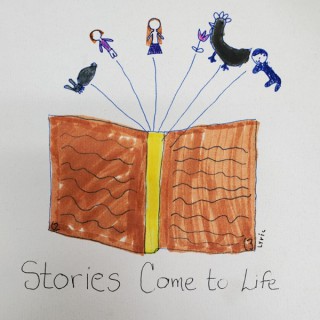
Send us a textWelcome to Stories Come to Life. I am your host, Kathryn Lopez Luker. Oh, the scrapes Nancy Drew gets herself in! At the beginning of this episode, we find her gagged, and bound hand and foot as a captive of three scoundrels: Tom Tozzle, Bud Mason, and the particularly mean Mary Mason, who seems to have a personal antipathy toward Nancy. How can she ever extricate herself from their clutches? Here is the final, exciting segment of Nancy Drew in The Mystery at Lilac Inn! Now, sit back, relax, and listen to this story come to life.Listening to audiobooks really does count as reading, and there's no better way to relax than to hear Stories Come to Life! Let me know what you think! Please send an email to me at kluker@marshallpl.org. I'd love to hear from you!
Send us a textWelcome to Stories Come to Life. I am your host, Kathryn Lopez Luker. Do you remember the sullen and rather rude girl who applied to become the housekeeper for the Drew family? Well, Mary Mason is back in the story! How could this rather shabbily dressed young woman have found enough money to purchase expensive dresses and other clothing items? Nancy has a faint suspicion that there may be some connection between Mary's extravagant spending and the robbery at Lilac Inn. Now if she can only find some common thread!Now, sit back, relax, and listen to this story come to life.Listening to audiobooks really does count as reading, and there's no better way to relax than to hear Stories Come to Life! Let me know what you think! Please send an email to me at kluker@marshallpl.org. I'd love to hear from you!
Send us a textWelcome to Stories Come to Life. I am your host, Kathryn Lopez Luker. If Nancy Drew is anything, she is a good friend to those in need. Emily Crandall certainly needs a good friend to help restore her inheritance and, if possible, clear her guardian, Mrs. Willoughby, from suspicion of the jewel theft. Nancy is doing all she can, even following the tiniest whiff of a clue no matter where it leads. But is Nancy brave, or is she foolhardy when she sneaks into the dilapidated house in Dockville where three hardened criminals are discussing their latest heist? Now, sit back, relax, and listen to this story come to life.Listening to audiobooks really does count as reading, and there's no better way to relax than to hear Stories Come to Life! Let me know what you think! Please send an email to me at kluker@marshallpl.org. I'd love to hear from you!
Send us a textWelcome to Stories Come to Life. I am your host, Kathryn Lopez Luker. Somehow, Nancy Drew just can't seem to avoid becoming involved in a thrilling mystery. With the puzzling disappearance of the Crandall jewels on her mind, Nancy is determined to help her friend regain her inheritance. But unlike other mysteries, this situation seems to have sprouted into an overabundance of clues, any one of which could lead to some sort of resolution. Finally, in an attempt to give her mind a rest from the confusing situation, Nancy goes shopping, and finds yet another strange piece that may or may not fit into the mysterious events at Lilac Inn.Now, sit back, relax, and listen to this story come to life.Listening to audiobooks really does count as reading, and there's no better way to relax than to hear Stories Come to Life! Let me know what you think! Please send an email to me at kluker@marshallpl.org. I'd love to hear from you!
Send us a textWelcome to Stories Come to Life. I am your host, Kathryn Lopez Luker. Please enjoy Nancy's story as she anticipates a glimpse of the famous Crandall jewels. Looking forward to this thrilling opportunity helps her endure the stress of interviewing many candidates for the position of housekeeper for the Drew household while faithful Hannah Gruen has gone to help her ailing sister.Now, sit back, relax, and listen to this story come to life.Listening to audiobooks really does count as reading, and there's no better way to relax than to hear Stories Come to Life! Let me know what you think! Please send an email to me at kluker@marshallpl.org. I'd love to hear from you!

Zzz . . . Snooze to this dreamy tale by Louisa May Alcott – "Under the Lilacs" zzz Donate to Otis' Coney Polar Plunge charity drive: www.runsignup.com/sleepy For an ad-free version of Sleepy, go to patreon.com/sleepyradio and donate $2! Or click the blue Sleepy logo on the banner of this Spotify page. Awesome Sleepy sponsor deals: Quince: Go to Quince.com/sleepy for free shipping and 365-day returns BetterHelp: Visit BetterHelp.com/SLEEPY today to get 10% off your first month. GreenChef: GreenChef.com/50SLEEPYGRAZA and use code "SLEEPYGRAZA" to get started with 50% off Green Chef + FREE Graza Olive Oil Set in your 2nd and 3rd boxes. ButcherBox: Sign up at butcherbox.com/sleepy and use code "sleepy" OneSkin: Get 15% off OneSkin with the code SLEEPY at https://www.oneskin.co/ #oneskinpod GhostBed: Go to GhostBed.com/sleepy and use promo code “SLEEPY” at checkout for 50% off! Shopify: Sign up for your one-dollar-per-month trial period at Shopify.com/otis Learn more about your ad choices. Visit megaphone.fm/adchoices
There are many deadlines gardeners need to know about. More insight on dormant seeding as winter is in full swing. Caring for plants in Arizona. Preparing plants indoors before bringing them outside in the spring. Steps to take to protect plants from animals. Tree planting tips. The benefits of a snake plant. Checking seeds for quality. How to tell one a lilac bush is dead. Growing milkweed. Learn more from horticulturalist Mary Meyer at extension.umn.edu.
Does this shot of warm weather have an impact on outdoor plants? How to take the temperature of your soil. Some tips and tricks to get spring bulbs to bloom as we enter the colder months. When to cover strawberries for the winter. What is the best insulation for plants? When rose bushes should be covered. Why some lilac bushes are blooming once again. How to stop rabbits from eating hostas. When to dormant seed and aerate the lawn. Blanket flower basics. Learn more from Master Gardener Teresa Rooney at extension.umn.edu.

This week, the Dane County Board passed the 2026 budget with some contention about how to address its $31 million deficit. Meanwhile, a Channel 3000 story about nonprofit spending of county funds was published and then removed for alleged errors. Plus, Gov. Tony Evers declared a state of emergency in response to the stall in SNAP benefits. And some cool new restaurants opened around town. Host Bianca Martin breaks these stories down with executive producer Hayley Sperling and newsletter editor Rob Thomas. P.S. Are you prepared for snow this weekend? Mentioned on the show: Urban Triage alleges harassment [Madison 365] Our interview with Governor Evers [

It is The Stacks Book Club day and we're discussing The Lilac People by Milo Todd. Our guest for today's conversation is editor and author, Denne Michele Norris. The Lilac People follows a trans man and his partner as they attempt to survive Nazi Germany and the aftermath of the Allies' takeover post-war. Together, we discuss the ways Milo Todd uses history to ground the book and its characters, the ever evolving language surrounding gender and identity, plus the ethical questions that arise in times of war.There are spoilers in this episode.Listen to the end of today's episode to find out what our October Book Club pick will be!You can find everything we discuss on today's show on The Stacks' website:https://www.thestackspodcast.com/2025/9/24/ep-391-the-lilac-peopleConnect with Denne: Instagram | PodcastConnect with The Stacks: Instagram | Twitter | Shop | Patreon | Goodreads | Substack | SubscribeSee Privacy Policy at https://art19.com/privacy and California Privacy Notice at https://art19.com/privacy#do-not-sell-my-info.
Not all hauntings begin with shadows and screams. Sometimes they start with something deceptively sweet — like the ghost of a little white dog curling up at your feet. In this haunting letter story, a young girl growing up in a two-story ranch home quickly realizes her new companion may not be so harmless after all. At first, the phantom dog seemed like comfort — a familiar presence keeping her company at night. But as the activity escalated, the haunting grew darker. TVs switched themselves on to Turner Classic Movies and Nick at Nite. A soothing mother-like voice called out in the dark. And when a Ouija board entered the picture, things took a terrifying turn. The name that came through: Lilac. At first, it sounded pretty. But Lilac wasn't here to play. Soon dreams turned to nightmares, shoves came from nowhere, and a child spirit revealed itself as something much more sinister. Tony, Carol, and Todd pick apart the story — debating whether this was multiple entities or one dark force, and whether Ouija boards really open doors that can't be closed. With a mix of chills, sarcasm, and lived experience, they bring this unsettling story to life in the only way Real Ghost Stories Online can. #ghostdog #OuijaBoard #hauntedhouse #paranormal #ghoststories #realghoststories #haunting #paranormalactivity #supernatural #creepy Love real ghost stories? Don't just listen—join us on YouTube and be part of the largest community of real paranormal encounters anywhere. Subscribe now and never miss a chilling new story:
Not all hauntings begin with shadows and screams. Sometimes they start with something deceptively sweet — like the ghost of a little white dog curling up at your feet. In this haunting letter story, a young girl growing up in a two-story ranch home quickly realizes her new companion may not be so harmless after all. At first, the phantom dog seemed like comfort — a familiar presence keeping her company at night. But as the activity escalated, the haunting grew darker. TVs switched themselves on to Turner Classic Movies and Nick at Nite. A soothing mother-like voice called out in the dark. And when a Ouija board entered the picture, things took a terrifying turn. The name that came through: Lilac. At first, it sounded pretty. But Lilac wasn't here to play. Soon dreams turned to nightmares, shoves came from nowhere, and a child spirit revealed itself as something much more sinister. Tony, Carol, and Todd pick apart the story — debating whether this was multiple entities or one dark force, and whether Ouija boards really open doors that can't be closed. With a mix of chills, sarcasm, and lived experience, they bring this unsettling story to life in the only way Real Ghost Stories Online can. #ghostdog #OuijaBoard #hauntedhouse #paranormal #ghoststories #realghoststories #haunting #paranormalactivity #supernatural #creepy Love real ghost stories? Don't just listen—join us on YouTube and be part of the largest community of real paranormal encounters anywhere. Subscribe now and never miss a chilling new story:
Little Stories for Tiny People: Anytime and bedtime stories for kids
Lavender wakes up from her Big Sleep with endless questions, mostly about the Annual Bear Picnic. When will it be? Will there be pie? And will her cousin Lilac be there? Mother Bear calmly answers some of the questions while leaving others open ended. Curl up in your den for this sweet story about a curious young bear cub, her loving mother, and the Annual Bear Picnic. This "Wandering Sleep Story" is part of a series available on Little Stories for Sleep, a bedtime podcast available to all Little Stories Premium subscribers. On Little Stories for Sleep, every episode begins and ends with soft music perfect for bedtime. There are no introductions before the story, no comments after--nothing to interrupt a soothing bedtime playlist. To hear more Wandering Sleep Stories, you can join or gift a subscription by visiting http://littlestoriespremium.com
Our story tonight is called The Lilac Booth, Part Two, and it's a story about a lovely spring day at the farmer's market and the sweet smell of a favorite flower. It is also about street food and sunshine, memories pulled forward by a breath of perfume, crumpled dollar bills, and the kind of beauty that can sit on your windowsill. Subscribe to our Premium channel. The first month is on us.
Our story tonight is called The Lilac Booth, and it's a story about a Spring morning at a familiar farm house. It's also about bullfrogs and garden clogs, old vases collected from friends, armfuls of fresh flowers, driving with the window down on a warm day, and the small decisions that add up to make a new path in life. We give to a different charity each week and this week we are giving to the Knuckle Bump Farms Foundation. Empowering Animals, Enriching Communities. Subscribe for ad-free, bonus and extra long episodes now, as well as ad-free and early episodes of Stories from the Village of Nothing Much! Search for NMH Premium channel on Apple podcast or follow this link. AquaTru water purifier: Click here and get 20% OFF with code NOTHINGMUCH. Beam Dream Powder: Click here for up to 40% off with code NOTHINGMUCH. BIOptimizers' Sleep Breakthrough: Click here and use code NOTHINGMUCH for 10% off any order! Cornbread Hemp's CBD gummies: Click here to save 30% on their first order! Cymbiotika products: Click here for 20% off and free shipping! Moonbird, the world's first handheld breathing coach: Click here and save 20%! NMH merch, autographed books and more! Pay it forward subscription Listen to our daytime show Stories from the Village of Nothing Much on your favorite podcast app. Join us tomorrow morning for a meditation
© 2020-2026 Ivy Podcast Discovery LLC

