
Person who is held in custody by a belligerent power during or immediately after an armed conflict

POPULARITY

4 episodes with prisoners of war

4 episodes with prisoners of war

4 episodes with prisoners of war

5 episodes with prisoners of war

3 episodes with prisoners of war

4 episodes with prisoners of war

6 episodes with prisoners of war

4 episodes with prisoners of war

2 episodes with prisoners of war

4 episodes with prisoners of war

2 episodes with prisoners of war

5 episodes with prisoners of war
9 episodes with prisoners of war

3 episodes with prisoners of war

2 episodes with prisoners of war

3 episodes with prisoners of war

2 episodes with prisoners of war

2 episodes with prisoners of war
Week in Review - August 30, 2026In this week's Groong news roundup, Hovik and Asbed examine Armenia's position at the SCO Summit amid intensifying global conflicts. We discuss Russia's escalation in Ukraine, unprecedented Western diplomatic visits to Moscow, the renewed US-Iran War, and Pashinyan's meetings with regional and global leaders including Aliyev and Putin. We also address the ongoing persecution of former Artsakh leaders and the selective justice targeting Armenia's political landscape.Topics:Russia Escalates War Against UkraineUnprecedented Western Visits to MoscowUS-Iran War Flares AgainAll Artsakh Presidents Behind BarsArmenia at the SCO SummitPashinyan Meets Aliyev, Putin, ModiPolitical Persecutions and Selective JusticeHosts:Hovik ManucharyanAsbed BedrossianEpisode 582 | Recorded: August 31, 2026SHOW NOTES: https://podcasts.groong.org/582VIDEO: https://youtu.be/PzoUvdhbgvQ#Armenia #Artsakh #UkraineWar #IranWar #SCO #Pashinyan #SouthCaucasus #ArmenianPoliticsSubscribe and follow us everywhere you are: linktr.ee/groong
British writer Ben Macintyre on the eerie history of Colditz Castle which the Germans used as a prisoner of war camp during World War 2.Since the Middle Ages, Colditz Castle has existed in some form, perched on the edge of a cliff in eastern Germany.Colditz has served as a royal hunting lodge, a madhouse, and most famously as a prisoner of war camp during World War II.It was said to be inescapable, but that didn't stop the English officers from trying to escape the nightmare of this gloomy fortress, and the clutches of the Germans.Ben Macintyre tells the full story of Colditz and the men imprisoned there, who were as flawed as they were heroic legend.Further InformationColditz: Prisoners of the Castle is published by PenguinThis episode of Conversations explores history, World War 2, prisoners of war, Colditz Castle, Germany, allied soldiers, the officer class, escape, prison, solitary confinement, heroes, the middle ages, research, first hand accounts.To binge even more great episodes of the Conversations podcast with Richard Fidler and Sarah Kanowski go the ABC listen app (Australia) or wherever you get your podcasts. There you'll find hundreds of the best thought-provoking interviews with authors, writers, artists, politicians, psychologists, musicians, and celebrities.

Send us Fan MailBill Robertson is a historian, teacher, and author. His first book -The Undefeated - examines the experiences of Allied POWs in Europe during WW2 - including Bill's own great grandfather.Get Bill's book here: https://www.amazon.co.uk/Undefeated-Untold-Allied-Prisoners-1939-45/dp/1917120575Bill's Substack: https://substack.com/@billrobertson401648Bill's Insta: @whw_highland_icSupport the show
Conversations on GroongIn this episode of Conversations on Groong, we speak with Christine Arakelian about American foreign policy fractures, Iran war risks, and Armenia's pivot to the West. We discuss whether the United States has coherent foreign policy, the collapse of the MAGA coalition over Forever Wars, NATO 3.0 and Europe's militarization, and how Pashinyan's post-2026 Armenian Parliamentary Election government is navigating TRIPP amid global instability.Topics:US Foreign Policy & the Fracture of MAGAIran and the Risk of Forever WarsNATO 3.0 and Europe's MilitarizationPost-2026 Election ArmeniaTRIPP and Pashinyan's Pivot to the WestGuest: Christine A. ArakelianHosts:Hovik ManucharyanAsbed BedrossianEpisode 572 | Recorded: July 29, 2026SHOW NOTES: https://podcasts.groong.org/572VIDEO: https://youtu.be/aFGknXV57a4#Russia #IranWar #UkraineWar #SouthCaucasus #Armenia #TRIPP #Geopolitics #EurasiaSubscribe and follow us everywhere you are: linktr.ee/groong

Historian and Author Katrina Kittel joined Philip Clark and listeners to Nightlife to a very personal history built around her father's experiences in World War II as a POW in Italy.

Over 3,000 African fighters are involved with the Russian army as claimed by Ukrainian authorities. Many of them say they have been misled or coerced into fighting by illegal recruitment agencies promising a good job and salary in Russia. We speak to the BBC's Sammy Awami who gained access to a prisoner of war facility in western Ukraine, and spoke to some of the young men trapped there. And we hear about the frustrations of African fans hoping to travel to the US for the 2026 FIFA World Cup. Presenter: Nkechi Ogbonna Producers: Godwin Asediba, Ayuba Iliya and Blessing Aderogba Technical Producer: Maxwell Onyango Senior Producer: Keikantse Shumba Editors: Charles Gitonga and Maryam Abdalla
Week In Review - May 31, 2026In this episode of Groong's Week in Review, hosts Hovik and Asbed examine Armenia's May 28 Independence Day parade as campaign theater, Marco Rubio's push for critical minerals deals, and the strategic risks of TRIPP in Syunik. We discuss how Pashinyan's military parade coincides with Armenian prisoners of war held hostage in Baku, the questionable financing of weapons through $8 billion in external debt, and the broader geopolitical pressures from Russia and Iran as Armenia heads into the 2026 Armenian Parliamentary Election.Topics:May 28 and StatehoodParade as Campaign TheaterRubio's Armenia AgreementsMinerals Without GuaranteesTRIPP Risks in SyunikRussia and Iran PushbackElection Climate and RepressionHosts:Hovik ManucharyanAsbed BedrossianEpisode 553 | Recorded: June 1, 2026SHOW NOTES: https://podcasts.groong.org/553VIDEO: https://youtu.be/oO5kbg6B_Q8#Armenia #May28 #MarcoRubio #TRIPP #Syunik #CriticalMinerals #ElectionFraud #RussiaArmeniaSubscribe and follow us everywhere you are: linktr.ee/groong

by Tom Disch Hosted by Simplecast, an AdsWizz company. See pcm.adswizz.com for information about our collection and use of personal data for advertising.

The capture of American nurses in the Philippines is often described as an “untold story” of WWII; Dr. Elizabeth Norman set out to change that. She conducted extensive interviews with 20 of the 77 nurses who were captured. Norman collected the nurses' firsthand accounts, and pored over their diaries and letters, weaving these sources together in her book, We Band of Angels: The Untold Story of the American Women Trapped on Bataan. Norman joins Cassie to delve into what it was like to care for patients while trapped in an internment camp for three years. https://www.amazon.com/We-Band-Angels-American-Trapped/dp/0812984846See Privacy Policy at https://art19.com/privacy and California Privacy Notice at https://art19.com/privacy#do-not-sell-my-info.

Explosões, socos, granadas e muita pancadaria pixelada! No novo episódio do podcast Fliperama de Boteco, mergulhamos no clássico arcade P.O.W.: Prisoners of War. Nesta missão explosiva, Lili, Éder Aleixo, Renato Guardia e Marcos Melo falam sobre as versões de arcade e NES além das curiosidades, dificuldade insana, trilha sonora e aquele clima clássico de filme […] O post Fliperama de Boteco #525 – POW: Prisoners of War apareceu primeiro em FLIPERAMA DE BOTECO.
The rations at the Los Baños P.O.W. camp are now down to just 400 calories per day. Every day, the nurses tend to patients who die from starvation. They don't know how much longer they can hold on. Unbeknownst to them, Lieutenant Colonel Henry Muller of the U.S. Army launches his plan to liberate the camp. But it's complex and dangerous, with many moving pieces. It's very likely it could fail, leading to the death of his soldiers and the prisoners of Los Baños.Audible subscribers can listen to all episodes of Against the Odds ad-free right now. Join Audible today by downloading the Audible app.See Privacy Policy at https://art19.com/privacy and California Privacy Notice at https://art19.com/privacy#do-not-sell-my-info.
Day 1,527.Today, we take you to Lviv and hear an update from Dom's week in the west of the country – including a visit to a prisoner of war camp and speaking to soldiers who fought for Russia. Then we bring you the latest on strikes by both sides, as Tuapse refinery is hit for the fourth time in a fortnight, before discussing the end of what's being called the biggest military exercise involving European forces since the end of the Cold War.NOTE: Monday is a bank holiday in the UK. Normal service will resume on Tuesday.Contributors:Francis Dearnley (Host on Ukraine: The Latest). @FrancisDearnley on X.Dominic Nicholls (Host on Ukraine: The Latest). @DomNicholls on X.NOW IN FULL VIDEO WITH MAPS & BATTLEFIELD FOOTAGE:Every episode is now available on our YouTube channel shortly after the release of the audio version. You will find it here: https://www.youtube.com/@UkraineTheLatest CONTENT REFERENCED:Russia's Leningrad Oblast 'now a front-line region,' local governor says (Kyiv Independent):https://kyivindependent.com/russias-leningrad-oblast-now-a-frontline-region-local-governor-says-following-recent-ukrainian-attacks/ Venice Biennale jury resigns after row over Russian entry (The Telegraph):https://www.telegraph.co.uk/world-news/2026/04/30/venice-biennale-jury-resigns-row-russian-artists/ EMAIL US:Contact the team on ukrainepod@telegraph.co.uk . We continue to read every message, and seek to respond to as many on air and in our newsletter as possible.HIGHLIGHTS:Exclusive: ‘My face-to-face with Russian prisoners of war' Europe ends largest military drill since the Cold War Hosted on Acast. See acast.com/privacy for more information.
Conditions at the Los Baños camp are deteriorating. More and more prisoners have been transferred there, leading to overcrowding, and rations have been cut to under 1,000 calories per day. Prisoners are resorting to desperate acts to survive as they're pushed to the physical and psychological brink. The nurses are also malnourished and struggling to care for their fellow prisoners. But the tide of the war has finally turned and an ambitious U.S. Army paratrooper named Henry Muller is developing a plan to liberate the camp. But first Muller has to get buy-in from his superiors for his risky plan. And if he doesn't act fast, it may be too late to save anyone. Audible subscribers can listen to all episodes of Against the Odds ad-free right now. Join Audible today by downloading the Audible app.See Privacy Policy at https://art19.com/privacy and California Privacy Notice at https://art19.com/privacy#do-not-sell-my-info.
Desperate to get away from the sadistic commandant in charge of their P.O.W. camp, the twelve Navy nurses, who call themselves the Twelve Anchors, agree to transfer to a new camp. It's called Los Baños and it's located deep in the jungle, 40 miles outside of Manilla. But when the nurses arrive, they realize this new camp has no medical supplies, not enough beds for prisoners to sleep on, not even running water. The nurses soon wonder if they made a grave mistake.Audible subscribers can listen to all episodes of Against the Odds ad-free right now. Join Audible today by downloading the Audible app.See Privacy Policy at https://art19.com/privacy and California Privacy Notice at https://art19.com/privacy#do-not-sell-my-info.
After Japan invades the Philippines, the twelve Navy nurses find themselves imprisoned at a military hospital turned P.O.W. camp. They make the best of it, continuing to tend to their patients, confident that the American military will quickly defeat Japan and liberate them. But as the weeks drag into months, with no rescue in sight, the nurses are transferred to another camp. They soon discover that their new home is led by a sadistic commandant who likes nothing more than to make his prisoners miserable. Audible subscribers can listen to all episodes of Against the Odds ad-free right now. Join Audible today by downloading the Audible app.See Privacy Policy at https://art19.com/privacy and California Privacy Notice at https://art19.com/privacy#do-not-sell-my-info.

With the church at Corinth becoming arrogant and prideful after Paul left, he writes to them making fun of their attitude and he contrasts it with himself and the other apostles as being made a spectacle to the whole world by God. He says they are like a Greek play in the local theater, out there for the whole cosmos to see. But then he compares them to prisoners of war which is rough, opposite of what the church at Corinth is like. He could possibly be referring to The Lachish reliefs which were recently found and put in a British museum. They are carvings in Ninevah showing Sennacherib defeating Judah and taking prisoners back to Ninevah. You can read about it in 2 Kings 18-19. Paul is telling the church to learn some humility and quit the division that is going on between them.
It's the Depression and twenty-three-year-old-Dorothy Still is desperate for a job. She joins the US Navy as a nurse, and by 1941, she's given a dream posting at an American base in the Philippines. Dorothy lives in a beautiful location, with easy work, and a thriving night life. But after the Japanese attack Pearl Harbor, the Philippines becomes Japan's next target. Dorothy and eleven other Navy nurses find themselves in an active war zone, with a conquering army bearing down.Audible subscribers can listen to all episodes of Against the Odds ad-free right now. Join Audible today by downloading the Audible app.See Privacy Policy at https://art19.com/privacy and California Privacy Notice at https://art19.com/privacy#do-not-sell-my-info.

12. Fitzhugh Brundage analyzes the Lieber Code, which codified the humane treatment of prisoners of war. He discusses the "military necessity" loophole and the Confederacy's rejection of these Union-led regulations as illegitimate.,, (12)1863 Gettysburg

Kristine Altwies, former head of Hawaiʻi's lead international adoption agency, shares concerns about protections for adoptees without U.S. citizenship; Maj. Gen. Kelly K. McKeague discusses efforts to retrieve a sunken Japanese ship that carried hundreds of American prisoners of war

Historically Thinking: Conversations about historical knowledge and how we achieve it
During the American Civil War an estimated 194,000 Union soldiers and 214,000 Confederate soldiers became prisoners of war. No prior or subsequent American conflict has seen such numbers. During the Second World War, approximately 124,000 Americans were held captive, but the chance of being captured in that conflict was roughly one in one hundred; during the Civil War it was closer to one in five. Captivity was not a marginal experience. It was central to the war.Indeed, the gigantic scale of prisoner-of-war camps was one of the conflict's most consequential innovations. Every modern war since has produced successors to Andersonville, Point Lookout, Rock Island, and Florence. Yet prisoner-of-war camps remain oddly peripheral in our narratives of the Civil War, overlooked both as institutional innovations and as formative experiences for soldiers and their families. My guest, W. Fitzhugh Brundage, argues in A Fate Worse Than Hell: American Prisoners of the Civil War that captivity reshaped military policy, political rhetoric, racial attitudes, and postwar memory. Prison camps were not aberrations; they were integral to the modernizing logic of total war.For more on the guest, show notes, sources, and related episodes, go to the Historically Thinking Substack at www.historicallythinking.orgChaptersIntroduction - 0:00Historical Treatment of POWs - 2:35Parole System and Napoleonic Wars - 4:47Scale and Logistics of Civil War Prisons - 7:42Lincoln's Dilemma: Sovereignty vs Prisoner Exchange - 10:56Andersonville: Conditions and the Deadline - 31:48Point Lookout and Union Prisons - 47:25Prison Society and Community - 57:45Black Prisoners of War - 65:33Elmira Prison and John W. Jones - 82:11

A second round of talks in Abu Dhabi between Ukraine, Russia and the United States have concluded without a peace deal, despite delegates citing progress towards reaching an end to the four-year war. Ukraine and Russia did exchange 310 prisoners of war in total, as Ukrainian President Volodymyr Zelenskyy signalled further meetings were being planned.

In this conversation, we reflect on personal loss and the broader political landscape, emphasizing the need for resilience and collective action. We also take a critical examination of American intervention in Venezuela, exploring historical context, the implications of imperialism, and the fight for political legitimacy. Jump in with Janaya Future Khan. Project MVT on Github: https://github.com/mvt-project/mvt SUBSCRIBE + FOLLOW IG: www.instagram.com/darkwokejfk Youtube: www.youtube.com/@darkwoke TikTok: https://www.tiktok.com/@janayafk SUPPORT THE SHOW Patreon - https://patreon.com/@darkwoke Tip w/ a One Time Donation - https://buymeacoffee.com/janayafk Have a query? Comment? Reach out to us at: info@darkwoke.com and we may read it aloud on the show!

Starting in 1943, thousands of German and Italian POWs were shipped to Arizona. They would leave a mostly honorable legacy while the Sonoran Desert and the mountains of Flagstaff would leave a lasting impression on them.

The Japanese used approximately 60,000 POWs, mainly British, Dutch, Australian, and American, to construct the railway alongside an estimated 180,000 to 250,000 Asian civilians. It is estimated that around 12,000 Allied prisoners and up to 90,000 civilians died during ...
Historian and bookseller Edmund Goldrick on the hair-raising, forgotten tale of the escaped Australian prisoners of war who stumbled into another, hidden genocide, and tried to stop it.Early in the World War Two, Australian soldiers who had been captured by the Germans escaped by leaping from a moving train.They found themselves in unfamiliar territory, in the lands of Yugoslavia.The Australians on the run found themselves in the company of dangerous men, who planned to use the cover of war to commit genocide.One of the Australians fell in with a Serbian Royalist group, and when he discovered their leader's plans, he acted as a double agent in their ranks, determined to find a way to warn the Allies that their man in Serbia was determined to conduct mass murder.Anzac Guerillas is published by Hachette.Edmund will be giving a talk on Remembrance Day at the Goulburn Library, and again on Saturday, 6 December at Sydney's Anzac Memorial in Hyde Park.This episode of Conversations was produced by Meggie Morris. Executive Producer is Nicola Harrison.It explores war, POWs, Germany, former Yugoslavia, Serbia, Croatia, Turkey, Catholic, Orthodox, Roma people, Jewish, Islamic, Chetniks, Partisans, genocide, civil war, death, escape, spies, double agents, allied forces, war crimes, international war tribunal, guerilla warfare, murder, assassination, holocaust, Italy, Greece, fascism, tyranny, Bosnia, Nazi, Hitler.To binge even more great episodes of the Conversations podcast with Richard Fidler and Sarah Kanowski go the ABC listen app (Australia) or wherever you get your podcasts. There you'll find hundreds of the best thought-provoking interviews with authors, writers, artists, politicians, psychologists, musicians, and celebrities.
This book explores the extraordinary story of Jewish POWs in German captivity during the Second World War - extraordinary because of the contrast between Germany's genocidal policy towards Jews on one hand, and its relatively non-discriminatory treatment of Jewish POWs from western countries on the other. The radicalisation of Germany's anti-Semitic policies entered its last phase in June 1941 with the invasion of the Soviet Union; during the following four years, nearly six million Jews were murdered. In parallel, Germany's POW policies had gone through a radicalisation process of their own, resulting in the murder of millions of Soviet POWs, of Allied commando soldiers, and of POW escapees, with Adolf Hitler eventually transferring in July 1944 the responsibility for POWs from the Wehrmacht to Heinrich Himmler, in his role as head of the Replacement Army. And yet, despite all this, Jewish POWs from western countries were usually not discriminated against and were treated, in most cases, according to the 1929 Geneva Convention. Jewish Soldiers in Nazi Captivity combines memoirs, letters, and oral histories with Red Cross camp visit reports and other archival material to challenge the accepted view of the Holocaust as an indiscriminate murder of all Jews in Europe and will help to reshape our understanding of the Holocaust and of Nazi Germany. Learn more about your ad choices. Visit megaphone.fm/adchoices Support our show by becoming a premium member! https://newbooksnetwork.supportingcast.fm/military-history
This book explores the extraordinary story of Jewish POWs in German captivity during the Second World War - extraordinary because of the contrast between Germany's genocidal policy towards Jews on one hand, and its relatively non-discriminatory treatment of Jewish POWs from western countries on the other. The radicalisation of Germany's anti-Semitic policies entered its last phase in June 1941 with the invasion of the Soviet Union; during the following four years, nearly six million Jews were murdered. In parallel, Germany's POW policies had gone through a radicalisation process of their own, resulting in the murder of millions of Soviet POWs, of Allied commando soldiers, and of POW escapees, with Adolf Hitler eventually transferring in July 1944 the responsibility for POWs from the Wehrmacht to Heinrich Himmler, in his role as head of the Replacement Army. And yet, despite all this, Jewish POWs from western countries were usually not discriminated against and were treated, in most cases, according to the 1929 Geneva Convention. Jewish Soldiers in Nazi Captivity combines memoirs, letters, and oral histories with Red Cross camp visit reports and other archival material to challenge the accepted view of the Holocaust as an indiscriminate murder of all Jews in Europe and will help to reshape our understanding of the Holocaust and of Nazi Germany. Learn more about your ad choices. Visit megaphone.fm/adchoices Support our show by becoming a premium member! https://newbooksnetwork.supportingcast.fm/german-studies
This book explores the extraordinary story of Jewish POWs in German captivity during the Second World War - extraordinary because of the contrast between Germany's genocidal policy towards Jews on one hand, and its relatively non-discriminatory treatment of Jewish POWs from western countries on the other. The radicalisation of Germany's anti-Semitic policies entered its last phase in June 1941 with the invasion of the Soviet Union; during the following four years, nearly six million Jews were murdered. In parallel, Germany's POW policies had gone through a radicalisation process of their own, resulting in the murder of millions of Soviet POWs, of Allied commando soldiers, and of POW escapees, with Adolf Hitler eventually transferring in July 1944 the responsibility for POWs from the Wehrmacht to Heinrich Himmler, in his role as head of the Replacement Army. And yet, despite all this, Jewish POWs from western countries were usually not discriminated against and were treated, in most cases, according to the 1929 Geneva Convention. Jewish Soldiers in Nazi Captivity combines memoirs, letters, and oral histories with Red Cross camp visit reports and other archival material to challenge the accepted view of the Holocaust as an indiscriminate murder of all Jews in Europe and will help to reshape our understanding of the Holocaust and of Nazi Germany. Learn more about your ad choices. Visit megaphone.fm/adchoices Support our show by becoming a premium member! https://newbooksnetwork.supportingcast.fm/new-books-network

This book explores the extraordinary story of Jewish POWs in German captivity during the Second World War - extraordinary because of the contrast between Germany's genocidal policy towards Jews on one hand, and its relatively non-discriminatory treatment of Jewish POWs from western countries on the other. The radicalisation of Germany's anti-Semitic policies entered its last phase in June 1941 with the invasion of the Soviet Union; during the following four years, nearly six million Jews were murdered. In parallel, Germany's POW policies had gone through a radicalisation process of their own, resulting in the murder of millions of Soviet POWs, of Allied commando soldiers, and of POW escapees, with Adolf Hitler eventually transferring in July 1944 the responsibility for POWs from the Wehrmacht to Heinrich Himmler, in his role as head of the Replacement Army. And yet, despite all this, Jewish POWs from western countries were usually not discriminated against and were treated, in most cases, according to the 1929 Geneva Convention. Jewish Soldiers in Nazi Captivity combines memoirs, letters, and oral histories with Red Cross camp visit reports and other archival material to challenge the accepted view of the Holocaust as an indiscriminate murder of all Jews in Europe and will help to reshape our understanding of the Holocaust and of Nazi Germany. Learn more about your ad choices. Visit megaphone.fm/adchoices Support our show by becoming a premium member! https://newbooksnetwork.supportingcast.fm/jewish-studies
The treatment of prisoners of war is always contentious. And the Shackling Crisis during World War II is no exception.

Ukraine says almost all prisoners released by Russia in the latest exchange were beaten, isolated and brainwashed. Also: an Iranian film shot in secret wins the top prize in Cannes, and the Viagra of the Himalayas.
In any war, being taken prisoner is a traumatic experience, and the Korean War was no exception. In this episode, James discusses the experiences of Korean War POWs on both sides.See omnystudio.com/listener for privacy information.
It's been 50 years since the end of the Vietnam war. In honor of the anniversary, we're revisiting a story about a notorious American military prison on the outskirts of Saigon, called Long Binh Jail. LBJ wasn't for captured enemy fighters—it was for American soldiers. These were men who had broken military law. And there were a lot of them. As the unpopular war dragged on, discipline frayed and soldiers started to rebel.By the summer of 1968, over half the men in Long Binh Jail were locked up on AWOL charges. Some were there for more serious crimes, others for small stuff, like refusing to get a haircut. The stockade had become extremely overcrowded. Originally built to house 400 inmates, it became crammed with over 700 men, more than half African American. On August 29th, 1968, the situation erupted. Learn about your ad choices: dovetail.prx.org/ad-choices
Writer and tour guide Simon Tancred on the little-known ANZAC story of how a group of POWs made a daring escape on foot to neutral Switzerland.Simon Tancred fell in love with Italy as a young man, and set up a job for himself leading hikes and tours across the country, and into the Alps. So Simon was familiar with the old trails and passes that crisscross the mountains, and which have been used for hundreds of years by shepherds, traders and travellers. But one day, someone approached him with the unknown story of how a group of Australian prisoners of war from the Second World War escaped from Italy to freedom in neutral Switzerland.Four mates from Moree evaded the enemy by using these ancient, winding tracks.They didn't speak Italian, they battled wintry conditions, and never knew if the civilians they encountered along the way would help them or turn them over to the occupying German forces.Simon was so intrigued by this story, he bought some old maps and set out to follow their journey to freedom, by tracing their steps across the Alps.This episode of Conversations explores fascism, politics, war, civil war, prisoners of war, unknown stories of WWII, the Anzacs, Anzac Day 2025, Italy, Italian Alps, modern history, books, writing, walking tours in Italy, travel, Mountaineering, Partisans, Nazis, Nazi Germany, neutral Switzerland, World War Two history, religion, Madonna, Mary, Italian Catholicism, where to hike in Italy.Trails to Freedom is published by Hardie Grant.
With From Incarceration to Repatriation: German Prisoners of War in the Soviet Union (Cornell UP, 2024), Susan Grunewald significantly enhances understandings of the fate of Germans captured by the Soviet Union during World War II. Her archival research demonstrates that the Soviets saw the German prisoners of war as a source of labor at a time when the Soviet Union urgently needed to rebuild and lacked manpower after its enormous war losses. Numerous Soviet enterprises, operating under dozens of ministries, used POWs contracted out by prison camp officials. Grunewald argues that the mistreatment of German POWs and their high death rates were the consequence not of retribution but of negligence, lack of coordination, and severe shortages, especially during the famine that followed the war. Those too weak to work were often repatriated. POWs were also subjected to intense antifascist reeducation so that once home, they would help win support among Germans for the Soviet Union; many former prisoners filled leadership roles in East Germany after the establishment of two German states in 1949. The last POWs returned to Germany in early 1956. Learn more about your ad choices. Visit megaphone.fm/adchoices Support our show by becoming a premium member! https://newbooksnetwork.supportingcast.fm/new-books-network
With From Incarceration to Repatriation: German Prisoners of War in the Soviet Union (Cornell UP, 2024), Susan Grunewald significantly enhances understandings of the fate of Germans captured by the Soviet Union during World War II. Her archival research demonstrates that the Soviets saw the German prisoners of war as a source of labor at a time when the Soviet Union urgently needed to rebuild and lacked manpower after its enormous war losses. Numerous Soviet enterprises, operating under dozens of ministries, used POWs contracted out by prison camp officials. Grunewald argues that the mistreatment of German POWs and their high death rates were the consequence not of retribution but of negligence, lack of coordination, and severe shortages, especially during the famine that followed the war. Those too weak to work were often repatriated. POWs were also subjected to intense antifascist reeducation so that once home, they would help win support among Germans for the Soviet Union; many former prisoners filled leadership roles in East Germany after the establishment of two German states in 1949. The last POWs returned to Germany in early 1956. Learn more about your ad choices. Visit megaphone.fm/adchoices Support our show by becoming a premium member! https://newbooksnetwork.supportingcast.fm/history
With From Incarceration to Repatriation: German Prisoners of War in the Soviet Union (Cornell UP, 2024), Susan Grunewald significantly enhances understandings of the fate of Germans captured by the Soviet Union during World War II. Her archival research demonstrates that the Soviets saw the German prisoners of war as a source of labor at a time when the Soviet Union urgently needed to rebuild and lacked manpower after its enormous war losses. Numerous Soviet enterprises, operating under dozens of ministries, used POWs contracted out by prison camp officials. Grunewald argues that the mistreatment of German POWs and their high death rates were the consequence not of retribution but of negligence, lack of coordination, and severe shortages, especially during the famine that followed the war. Those too weak to work were often repatriated. POWs were also subjected to intense antifascist reeducation so that once home, they would help win support among Germans for the Soviet Union; many former prisoners filled leadership roles in East Germany after the establishment of two German states in 1949. The last POWs returned to Germany in early 1956. Learn more about your ad choices. Visit megaphone.fm/adchoices Support our show by becoming a premium member! https://newbooksnetwork.supportingcast.fm/military-history
With From Incarceration to Repatriation: German Prisoners of War in the Soviet Union (Cornell UP, 2024), Susan Grunewald significantly enhances understandings of the fate of Germans captured by the Soviet Union during World War II. Her archival research demonstrates that the Soviets saw the German prisoners of war as a source of labor at a time when the Soviet Union urgently needed to rebuild and lacked manpower after its enormous war losses. Numerous Soviet enterprises, operating under dozens of ministries, used POWs contracted out by prison camp officials. Grunewald argues that the mistreatment of German POWs and their high death rates were the consequence not of retribution but of negligence, lack of coordination, and severe shortages, especially during the famine that followed the war. Those too weak to work were often repatriated. POWs were also subjected to intense antifascist reeducation so that once home, they would help win support among Germans for the Soviet Union; many former prisoners filled leadership roles in East Germany after the establishment of two German states in 1949. The last POWs returned to Germany in early 1956. Learn more about your ad choices. Visit megaphone.fm/adchoices Support our show by becoming a premium member! https://newbooksnetwork.supportingcast.fm/german-studies
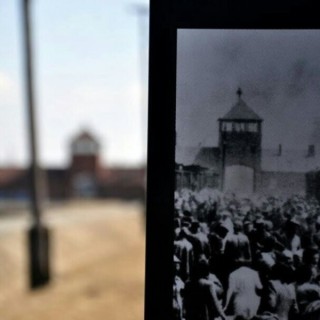
Soviet prisoners of war are the fourth largest group of victims of the German Auschwitz camp, after Jews, Poles and Roma. A total of 11,964 prisoners of war were registered at the camp. In addition, according to estimates, at least 3,000 Red Army soldiers were deported to the camp and murdered without being entered into the camp records. Dr. Jacek Lachendro of the Museum's Research Center talks about the history and fate of Soviet POWs at Auschwitz.

At least 300 prisoners of war have returned to their homeland in a highly anticipated New Years swap between Ukraine and Russia.It comes just days after Oscar Jenkins became the first known Australian citizen to be captured by Russian forces, after enlisting in Ukraine's foreign legion earlier this year. Today, international law expert Professor Don Rothwell speaks to ABC News Radio about whether Australia could make exchange negotiations similar to those used for the New Year's prisoner swaps, to bring Oscar Jenkins home.Featured:Professor Don Rothwell, ANU College of Law

If you ever watch a war movie, you might see a scene where a prisoner of war evokes the Geneva convention to their captors. But what exactly is the Geneva Convention, and what does it say? Why did countries sign a treaty covering ethics in war, of all things? Who is and isn't covered by the Geneva Convention, and what happened to prisoners of war before the Geneva Convention? …and what happens if a belligerent party doesn't honor the Geneva Convention? Learn more about Prisoners of War and the Geneva Conventions on this episode of Everything Everywhere Daily. Sponsors Mint Mobile Cut your wireless bill to 15 bucks a month at mintmobile.com/eed MasterClass Get up to 50% off at MASTERCLASS.COM/EVERYWHERE Quince Go to quince.com/daily for 365-day returns, plus free shipping on your order! ButcherBox New users that sign up for ButcherBox will receive 2lbs of grass fed ground beef in every box for the lifetime of their subscription + $20 off your first box when you use code daily at checkout! Subscribe to the podcast! https://everything-everywhere.com/everything-everywhere-daily-podcast/ -------------------------------- Executive Producer: Charles Daniel Associate Producers: Ben Long & Cameron Kieffer Become a supporter on Patreon: https://www.patreon.com/everythingeverywhere Update your podcast app at newpodcastapps.com Discord Server: https://discord.gg/UkRUJFh Instagram: https://www.instagram.com/everythingeverywhere/ Facebook Group: https://www.facebook.com/groups/everythingeverywheredaily Twitter: https://twitter.com/everywheretrip Website: https://everything-everywhere.com/ b Learn more about your ad choices. Visit megaphone.fm/adchoices
Join us as we dissect one of the most spine-tingling and enduring modern urban legends, 'Kidney Theft'. Let's delve into the chilling narratives, the origins, and the psychology behind this macabre tale of organ theft, exploring the various versions of the story and uncovering its roots in real-life fears and the fear of the unknown. Text Me (this is 3rd party & I cannot respond, but I see all messages)Support the showIf you have more information or a correction on something mentioned in this chapter, email us at luke@lukemordue.com. For more information on the show, to find all our social accounts and to ensure you are up to date on all we do, visit www.lukemordue.com/podcast
During World War I, thousands of young African men conscripted to fight for France and Britain were captured and held as prisoners of war in Germany, where their stories and songs were recorded and archived by German linguists. In Knowing by Ear: Listening to Voice Recordings with African Prisoners of War in German Camps (1915–1918) (Duke University Press, 2024), Anette Hoffmann demonstrates that listening to these acoustic recordings as historical sources, rather than linguistic samples, opens up possibilities for new historical perspectives and the formation of alternate archival practices and knowledge production. She foregrounds the archival presence of individual speakers and positions their recorded voices as responses to their experiences of colonialism, war, and the journey from Africa to Europe. By engaging with the recordings alongside written sources, photographs, and artworks depicting the speakers, Hoffmann personalizes speakers from present-day Senegal, Somalia, Togo, and Congo. Knowing by Ear includes transcriptions of numerous recordings of spoken and sung texts, revealing acoustic archives as significant yet under-researched sources for recovering the historical speaking positions of colonized subjects and listen to the acoustic echo of colonial knowledge production. Anette Hoffmann received her Phd at the Amsterdam School for Cultural Analysis in 2005. From 2006 she has engaged with acoustic and audio-visual collections as part of the colonial archive. On the basis of her research and the practice of close listening in collaboration with translators and historians in/from Africa, she has developed an approach on sound recordings as alternative sources of colonial history and as a crucial part of histories of colonial knowledge production. Her engagement with sound archives has benefited immensely from working as a researcher at the Archive and Public Culture Research Initiative at the University of Cape Town (until 2014). Currently she is affiliated with the University of Cologne. Hoffmann is also an artist and a curator. Her exhibition What We See, which engaged with recordings from Namibia (1931) was first shown in the Slave Lodge in Cape Town in 2009 and was also shown in Namibia, Germany, Switzerland and Austria. A sound track based on the recording with Abdoulaye Niang was presented at the Theodore Monod Museum for African Art in Dakar, Senegal, in 2024. New work, based on silent movies from the Kalahari, on which she works with the video artist Jannik Franzen, engages with the companion species of German Colonialism in Namibia and will be shown in Vienna in 2025. Learn more about your ad choices. Visit megaphone.fm/adchoices Support our show by becoming a premium member! https://newbooksnetwork.supportingcast.fm/new-books-network
During World War I, thousands of young African men conscripted to fight for France and Britain were captured and held as prisoners of war in Germany, where their stories and songs were recorded and archived by German linguists. In Knowing by Ear: Listening to Voice Recordings with African Prisoners of War in German Camps (1915–1918) (Duke University Press, 2024), Anette Hoffmann demonstrates that listening to these acoustic recordings as historical sources, rather than linguistic samples, opens up possibilities for new historical perspectives and the formation of alternate archival practices and knowledge production. She foregrounds the archival presence of individual speakers and positions their recorded voices as responses to their experiences of colonialism, war, and the journey from Africa to Europe. By engaging with the recordings alongside written sources, photographs, and artworks depicting the speakers, Hoffmann personalizes speakers from present-day Senegal, Somalia, Togo, and Congo. Knowing by Ear includes transcriptions of numerous recordings of spoken and sung texts, revealing acoustic archives as significant yet under-researched sources for recovering the historical speaking positions of colonized subjects and listen to the acoustic echo of colonial knowledge production. Anette Hoffmann received her Phd at the Amsterdam School for Cultural Analysis in 2005. From 2006 she has engaged with acoustic and audio-visual collections as part of the colonial archive. On the basis of her research and the practice of close listening in collaboration with translators and historians in/from Africa, she has developed an approach on sound recordings as alternative sources of colonial history and as a crucial part of histories of colonial knowledge production. Her engagement with sound archives has benefited immensely from working as a researcher at the Archive and Public Culture Research Initiative at the University of Cape Town (until 2014). Currently she is affiliated with the University of Cologne. Hoffmann is also an artist and a curator. Her exhibition What We See, which engaged with recordings from Namibia (1931) was first shown in the Slave Lodge in Cape Town in 2009 and was also shown in Namibia, Germany, Switzerland and Austria. A sound track based on the recording with Abdoulaye Niang was presented at the Theodore Monod Museum for African Art in Dakar, Senegal, in 2024. New work, based on silent movies from the Kalahari, on which she works with the video artist Jannik Franzen, engages with the companion species of German Colonialism in Namibia and will be shown in Vienna in 2025. Learn more about your ad choices. Visit megaphone.fm/adchoices Support our show by becoming a premium member! https://newbooksnetwork.supportingcast.fm/history
Our latest questions submitted by podcast listeners lead us to discuss what was a 'British Warm' and how did uniforms change during the Great War, ask if we could go back in time what would we want to see, look at the quarries that were part of the battlefield at Beaumont-Hamel on the Somme, and ask what happened to Allied Prisoners of War taken in the final days of the conflict in November 1918?The Western Front Association Online Trench Maps: WFA TrenchMapper site.Got a question about this episode or any others? Drop your question into the Old Front Line Discord Server or email the podcast.Send us a textSupport the show
Day 958.Today, after yet more long-range Ukrainian strikes against Russian targets, we hear that as executions of Ukrainian prisoners of war by Russian troops have allegedly surged this year, a top Kyiv official warns it could indicate a shift in Moscow's policy.Contributors:Dominic Nicholls (Associate Editor, Defence). @DomNicholls on X.RolandOliphant (Senior Foreign Correspondent). @RolandOliphant on X.With thanks to Liz Cookman (Ukraine Correspondent). @liz_cookman on X.Articles referenced:https://www.telegraph.co.uk/world-news/2024/10/06/steep-rise-in-russian-executions-of-ukrainian-prisoners/Students can subscribe to our coverage for free:We're giving university students worldwide unlimited access to The Telegraph completely free of charge. Just enter your student email address at telegraph.co.uk/studentsub to enjoy 12 months' free access to our website and app. Better still, you'll get another 12 months each time you re-validate your email address.Subscribe to The Telegraph: telegraph.co.uk/ukrainethelatestEmail: ukrainepod@telegraph.co.ukHosted on Acast. See acast.com/privacy for more information. Hosted on Acast. See acast.com/privacy for more information.

John McCain, a former prisoner of war himself, should be the first person to stand up for other veterans who were held captive during the Vietnam war. He was held prisoner for over 5 1/2 years! Yet, somehow, this story isn't going to go the way you wanted it to. So Keep that third eye open!Sign up for our Patreon go to-> Patreon.com/cultofconspiracypodcastTo Find The Cajun Knight Youtube Channel---> click here10% OFF Rife Machine---> https://rifemachine.myshopify.com/?rfsn=7689156.6a9b5c10% To find the Meta Mysteries Podcast---> https://open.spotify.com/show/6IshwF6qc2iuqz3WTPz9Wv?si=3a32c8f730b34e7950% OFF Adam&Eve products---> :adameve.com (promo code : CULT)10%OFF Orgonite ! ---> https://oregon-ite.com/?sca_ref=5029405.hji3fNHxUdTo Sign up for our Rokfin go to --> Rokfin.com/cultofconspiracyCult Of Conspiracy Linktree ---> https://linktr.ee/cultofconspiracyBecome a supporter of this podcast: https://www.spreaker.com/podcast/cult-of-conspiracy--5700337/support.
Day 904.Today, Ukraine pounds distant Russian air bases, shoot down one of Moscow's most expensive fighter jets, and takes hundreds of prisoners as we enter the 9th day of Kyiv's invasion of Russia. We also bring you the latest news from Germany, where authorities have sealed off an army base over suspected sabotage of water supplies.Contributors:David Knowles (Journalist). @djknowles22 on X.Dominic Nicholls (Associate Editor, Defence). @DomNicholls on X.Francis Dearnley (Assistant Comment Editor). @FrancisDearnley on X.James Rothwell (Berlin Correspondent). @JamesERothwell on X..Articles referenced:'Nord Stream sabotage: Germany issues arrest warrant' (DW)https://www.dw.com/en/nord-stream-explosions-germany-issues-arrest-warrant-report/a-69933920Finland will not hold Trump peace summit, says foreign minister (James Rothwell in The Telegraph)https://www.telegraph.co.uk/world-news/2024/08/08/finland-trump-peace-summit-valtonen-ukraine-russia-putin/Free Telegraph Subscription for Students. Enjoy free access to The Telegraph with your university student email address: http://www.telegraph.co.uk/studentsubSubscribe to The Telegraph: telegraph.co.uk/ukrainethelatestEmail: ukrainepod@telegraph.co.uk Hosted on Acast. See acast.com/privacy for more information.

In this episode of Passion Struck, host John R. Miles delves into the virtue of justice with guest Ryan Holiday, a renowned author and philosopher. They discuss how justice is not just a legal concept but a way of life, emphasizing the importance of personal integrity and making tough decisions. Drawing on historical figures like Harry Truman and Jimmy Carter, they explore how individuals can recognize and act upon moments of injustice in everyday life.Order a copy of my book, "Passion Struck: Twelve Powerful Principles to Unlock Your Purpose and Ignite Your Most Intentional Life," today! This book, a 2024 must-read chosen by the Next Big Idea Club, has garnered multiple accolades, including the Business Minds Best Book Award, the Eric Hoffer Award, and the Non-Fiction Book Awards Gold Medal. Don't miss out on the opportunity to transform your life with these powerful principles!Full show notes and resources can be found here: https://passionstruck.com/ryan-holiday-on-why-do-the-right-thing-right-now/In this episode, you will learn:The importance of recognizing and acting upon moments of injustice in everyday lifeThe influence of personal integrity and humble origins on decision-making during critical momentsThe significance of making hard right decisions, even if they are unpopularThe value of moral courage in leadership, even when faced with difficult decisionsThe concept of justice as a way of life, beyond just a legal conceptThe impact of self-discipline and self-control in making ethical decisionsThe role of individual responsibility in making a positive difference in the worldThe evolution and growth of leaders through learning and openness to new experiencesThe contrast between being courageous in one aspect of life and struggling with moral courage in anotherThe story of Frank Robinson and his self-imposed fine for not running out a potential home runAll things Ryan Holiday: https://ryanholiday.net/SponsorsBrought to you by Clariton, fast and powerful relief is just a quick trip away. Ask for Claritin-D at your local pharmacy counter. You don't even need a prescription! Go to “CLARITIN DOT COM” right now for a discount so you can Live Claritin Clear.--► For information about advertisers and promo codes, go to:https://passionstruck.com/deals/Catch More of Passion StruckCan't miss my episode with Max H. Bazerman on How to Overcome Complicity and Create a More Ethical WorldMy solo episode on Why Your Micro Choices Determine Your LifeListen to my interview with Robin Steinberg on Humanizing Justice Through CompassionWatch my episode with Peter Singer on the Ethical Fight for Animal Liberation NowListen to my solo episode on 7 Reasons Why Acts of Kindness Are More than Meets the EyeCan't miss my episode withSeth Godin on Why We Need Systems Change to Save the PlanetLike this show? Please leave us a review here-- even one sentence helps! Consider including your Twitter or Instagram handle so we can thank you personally!

In which we look at the experience of POWs during the Civil War. Learn more about your ad choices. Visit megaphone.fm/adchoices
© 2020-2026 Ivy Podcast Discovery LLC
