
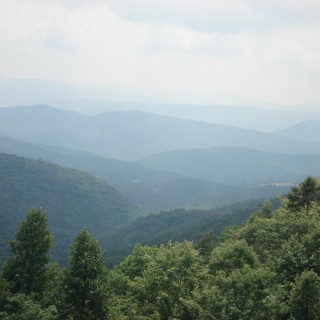
Mountain range in the eastern United States and Canada
POPULARITY
Categories

173 episodes with Appalachian Mountains

32 episodes with Appalachian Mountains

36 episodes with Appalachian Mountains

14 episodes with Appalachian Mountains

10 episodes with Appalachian Mountains

16 episodes with Appalachian Mountains

9 episodes with Appalachian Mountains

6 episodes with Appalachian Mountains

6 episodes with Appalachian Mountains

5 episodes with Appalachian Mountains

7 episodes with Appalachian Mountains

6 episodes with Appalachian Mountains

7 episodes with Appalachian Mountains

4 episodes with Appalachian Mountains

3 episodes with Appalachian Mountains

10 episodes with Appalachian Mountains

5 episodes with Appalachian Mountains

4 episodes with Appalachian Mountains

3 episodes with Appalachian Mountains

5 episodes with Appalachian Mountains

11 episodes with Appalachian Mountains

5 episodes with Appalachian Mountains

3 episodes with Appalachian Mountains

9 episodes with Appalachian Mountains

3 episodes with Appalachian Mountains

3 episodes with Appalachian Mountains

4 episodes with Appalachian Mountains

2 episodes with Appalachian Mountains

4 episodes with Appalachian Mountains

2 episodes with Appalachian Mountains

8 episodes with Appalachian Mountains

4 episodes with Appalachian Mountains

4 episodes with Appalachian Mountains

4 episodes with Appalachian Mountains

2 episodes with Appalachian Mountains

3 episodes with Appalachian Mountains

2 episodes with Appalachian Mountains

2 episodes with Appalachian Mountains

2 episodes with Appalachian Mountains

4 episodes with Appalachian Mountains

3 episodes with Appalachian Mountains

4 episodes with Appalachian Mountains
5 episodes with Appalachian Mountains

4 episodes with Appalachian Mountains

9 episodes with Appalachian Mountains
After surviving a horrific car accident that claims his wife's life and leaves his young son traumatized, a grieving man struggles to rebuild his broken life while plagued by debilitating medical bills, intense guilt, and recurring nightmares of the crash that feature a mysterious, faceless figure.https://brett-schumacher-shop.fourthwall.comListen AD Free for $3 a Month Here:https://www.patreon.com/c/CreepyGhostStoriesWelcome to Creepy Ghost Stories, your ultimate horror podcast for the strange, the bizarre, and the unexplained.Hosted by author and narrator Brett Schumacher, this channel is the premier destination for scary stories designed to chill you to the bone or help you drift off to sleep. We specialize in high-quality narrations ranging from viral creepypasta legends to true horror stories submitted by real people.What you can expect on the channel:• Folk Horror: Unsettling tales from the Appalachian Mountains and deep woods.• High Strangeness: Bizarre glitch in the matrix accounts and alien horror.• Supernatural: The best haunted stories and paranormal stories from around the world.• Real Encounters: Real horror experiences from night shifts, lonely roads, and closed locations.Whether you are a fan of Reddit horror or classic folklore, Creepy Ghost Stories brings these terrors to life with immersive audio.Subscribe now and turn on notifications for your daily dose of ghost stories.Thank you Patreons!Rob pekinValiant WarriorShaniel MarkerChad VandykeMichael and Katie HakeKyle MorrisThe Hutch's DogHouseSylvia Mcmahon KatWhap GoblinShaniel MarkerNichole PerrellAsP.A. NightmaresMatthew MacCallumROBERT WILLIAM FRIENDchristina grovesCelsa Rundle

Eleven kids. Twenty-three grandchildren. One very long walk.Today we're telling the story of Emma Gatewood - a 67-year-old grandmother who sets out alone to hike ALL 2,190 miles of the Appalachian Trail. We'll explore the ancient history of the Appalachian Mountains, the origins of the trail, and attempt to answer the following question using Emma's fascinating story: WHY do we choose to move? Here at Backroad Odyssey, we're usually obsessed with the destination. Today, in our new iteration of Travel Stories, it's all about the journey.Works Cited: https://grandmagatewood.comhttps://www.jstor.org/stable/44131250?searchText=the%20appalachian%20mountain%20trail&searchUri=%2Faction%2FdoBasicSearch%3FQuery%3Dthe%2Bappalachian%2Bmountain%2Btrail%26so%3Drel&ab_segments=0%2Fbasic_search_gsv2%2Fcontrol&refreqid=fastly-default%3Ac1f67e4f400c38c37098f1ae0c2eff19https://www.jstor.org/stable/25764487?searchText=the%20origins%20of%20the%20appalachian%20trail&searchUri=%2Faction%2FdoBasicSearch%3FQuery%3Dthe%2Borigins%2Bof%2Bthe%2Bappalachian%2Btrail%26so%3Drel&ab_segments=0%2Fbasic_search_gsv2%2Fcontrol&refreqid=fastly-default%3Ae4482aadf5df41c9fbd7e04331c23981https://www.outdoors.org/resources/amc-outdoors/history/grandma-gatewood-the-first-woman-to-solo-hike-the-entire-appalachian-trail/https://appalachiantrail.org/about/atc-history/https://appalachiantrail.org/news-stories/where-the-appalachian-trail-began/https://www.ebsco.com/research-starters/geology/appalachianshttp://www.virginiaplaces.org/geology/appalachians.htmlhttps://www.youtube.com/watch?v=jIV2o-OWYTshttps://www.youtube.com/watch?v=jIV2o-OWYThttps://www.youtube.com/watch?v=5VO2Oujz3jANoah and Noodles here! We want to extend a heartfelt thanks to every listener of Backroad Odyssey. Your support fuels our passion and inspires us to keep sharing stories and discover overlooked locations. Follow each adventure visually at:https://www.instagram.com/backroadsodyssey/

A poem about a map opens North and South, the first collection of the great twentieth century poet Elizabeth Bishop, and since, maps have been associated with her poetic vision—at once telescoping and binocular—and with the polarities and preoccupations of her work. The map's privileged, sweeping, bird's eye view of the earth is also hand-held, man-made, intimate. Depending on its level of minuteness or obsession, it can contain the tiniest details as well as, let's say, the whole enchilada. And though it purports to be scientific and objective, it is representational and therefore subjective, particular, imaginative, and personal. For several episodes, Wes & Erin will be reading a selection of some of Bishop's most anthologized poems, starting with “The Moose” as expressions of, among other things, her map-like imagination. Upcoming Episodes: Nolan’s adaptation of “The Odyssey”; more Elizabeth Bishop poetry: “First Death in Nova Scotia,” “One Art.” Pre-order Erin’s forthcoming book “Avail” here: http://subtextpodcast.com/avail For bonus content, become a paid subscriber at Patreon or directly on the Apple Podcasts app. Patreon subscribers also get early access to ad-free regular episodes. This podcast is part of the Airwave Media podcast network. Visit AirwaveMedia.com to listen and subscribe to other Airwave shows like Good Job, Brain and Big Picture Science. Email advertising@airwavemedia.com to enquire about advertising on the podcast. Follow: Twitter | Facebook | Website Transcript 0:11 Erin: Welcome to part two of our discussion of the poems of Elizabeth Bishop. We are currently about. Oh, I'm okay. I'm proud of us. We're just about halfway through the Moose. That's not bad compared to our usual record. We're not halfway through stanza one. We're going. You know, it's about a bus trip. It's encouraging us to pick up the pace a little bit and get to our next stop. So we were just going to pick up with the woman in stanza 13 climbing into the bus. 0:41 Wes: Before you say that, I just want to make one little observation. 0:44 Erin: Oh, sure. 0:45 Wes: Just that we get right as soon as the light goes out, it's then that we get the barking of a dog and the smell of salt. First it's the smell of salt hay and then it's the barking of a dog. So smell is introduced. And is that the first time sound is really introduced in any. You know, we get the bus starting and all that, but I think that's right. It's very visual up to that point, I think. And then as soon as we lose the light, we get these new sensory modalities. The collie just supervised this dog, gives us a nice bark, and presumably we can't even see him. We just hear him. So I just love that. I just. I love the transition into darkness. It's so. 1:26 Erin: Yeah. 1:26 Wes: I don't know how else to say it. 1:28 Erin: Yeah. 1:28 Wes: And it's then that we. This really is the midpoint of the poem because now we're going to make this transition into the world of the bus, I guess. As the woman climbs in, we have 1:41 Erin: the ship's port lantern, as you said, being an indication that it's now nearly or fully dark outside. 1:47 Wes: She says red light swims through the dark. 1:50 Erin: Yeah. I'm assuming that at this point a bus would have some form of illumination, at least for when it's stopped and the doors open for people getting on and off the bus. Right. It would. It would light up on the inside interior. Yeah. 2:03 Wes: Yeah. 2:03 Erin: Or at least maybe it would stop, certainly if it were stopping at a station or a little, you know, whatever those things are called. Those little. Yeah, there's a word for it. 2:14 Wes: We need something to see the freckles by. 2:16 Erin: Right. We need something. Exactly. But wherever they would be stopping would have some form of street light illumination or something of that order. Anyway. 2:26 Wes: But it's interesting you say this, because I didn't picture a bus station at any point in this. And I just imagine people along the side of the road. 2:34 Erin: Right. But if it were a course, it 2:38 Wes: couldn't be that way. 2:39 Erin: Well, I don't think it's a station. I think it would be a stop with a. You know, like a lean to. You know, what are those things that just. 2:44 Wes: Yeah, sure. 2:45 Erin: That just protect you from the elements. 2:47 Wes: Yeah. Bust down. 2:48 Erin: Right. 2:48 Wes: Yeah. 2:49 Erin: And that would probably have at least a street light. But anyway, then we get the moonlight. Maybe my favorite. Oh, it's so hard to say, but maybe my favorite image in the poem is the hairy, scratchy, splintery moonlight and mist caught in them like lambswool on bushes in a pasture. Just. There's nothing. There's no image greater than that. That's unbelievable. 3:13 Wes: There's kind of a more wildness to this. Right. The image now, the hairiness and scratchiness and splinteriness. It's a bit less Domesticated, I guess, than the previous part of the poem. 3:27 Erin: That's a really good point. I hadn't thought of that. Even a suggestion of danger, like the lamb running. 3:34 Wes: I just thought, this is where the hobbits are entering Fangorn Forest. 3:39 Erin: Yes. Yeah, yeah, the New Brunswick. 3:41 Wes: But you go a little bit more. It's a little wilder and more primal. I think once you. Even if you're on a bus, once you get into the woods, there's something different about it. 3:52 Erin: That's right. 3:53 Wes: But yeah, you're right. The idea that the moonlight could get caught in that. That's a great image. 3:59 Erin: Something giving chase to the lamb would cause it potentially to get a little ensnared in the chase. 4:06 Wes: It's as if Lambswool has, you know, a lamb is brushed up on the bramble or whatever and left its will so that. So the moonlight, instead of making this cosmic journey and landing on articulating the environment, has been subordinated to the environment. Right. It's become. It's been captured by these hairy woods. It's caught on it and, you know, a piece of it has come off from being caught on something that's scratchy and splintery. So that. That. Yeah, this is the great reversal. And that's the place where you can really get some good sleeping. Yes, right. 4:44 Erin: Yes. And where dreamy things can happen. 4:47 Wes: Divagation. Yeah, wanderings. 4:51 Erin: I looked that up. Wandering, straying or digressing from a main course, path or topic. So like a digression as long as 4:59 Wes: the bus stays on track. 5:00 Erin: Yeah, that's right. 5:01 Wes: You do whatever you want with your mind. 5:02 Erin: That's right. And the night. I just looked on Google Maps while I was writing my little notes in the margins. And if you were to take a bus today from Great Village to Boston, it would take like 10 hours. So it definitely is a, yikes, full course of the night on this night bus. So I love what happens in stanza 16, which begins in the creakings and noises, an old conversation not concerning us, but recognizable somewhere back in the bus. So I really love that it's grandparents voices, she says, uninterrupted talking. This is where the I becomes an us. And this is a characteristic of a bishop. I think she's rather reluctant to use an I, capital I in a poem. She's more likely to use a we or an us. And here it's as if they're all part of the same family now in the bus and the adults. It's almost like everybody on the bus who isn't a grandparent is a child and the adults in the back are talking and we are all, oh, that doesn't concern us. Just go to sleep. It's none of your business. Just stop eavesdropping on us. Right, so there's some community that's been formed already by the people who are not the grandparents talking. Do you get that impression? 6:20 Wes: Yeah, it's a bit confusing. So, yeah, let's try to figure it out. Because it. So it begins. A dreamy navigation begins in the night. She doesn't say, I started dreaming or they started dreaming or we started dreaming. Although it seems almost like it's collective. Right. So that the bus is dreaming or everyone on the bus is dreaming together, which kind of lines up with the not concerning us later on, the gentle auditory slow hallucination. So that's a very interesting idea. Right. The dream is usually associated with subjectivity. Right. The cogito and Descartes. Right. The dream tells us that we might have trouble distinguishing reality from what's in our own minds. And we in our own minds are very potentially cut off from reality. But it's a. It's an alienated individual position here. The dream is. Seems to be collective. And perhaps it's collective because it's partly real. Right. Is that the conversation? I thought, okay, there's a conversation going on in the back of the bus and it is old people talking. But as you're lying back, you could sort of. You can't hear exactly what they're saying. And you might have that kind of half dream, Right. Where you're. The dream is kind of lined up with or intertwined with what's going on in reality. So she's hearing in the conversation of the old people, her grandparents voices. Is that the way you took this? Or. Or they, they're hearing the grandparents voices or. Yeah. How do we, how do we interpret this? 7:54 Erin: I interpreted it as, you know, people of the age of grandparents having a real conversation. But the idea that one could be having an auditory. I mean, we are given the word auditory slow hallucination. So the idea that there could be an auditory hallucination or kind of half dream of one's own grandparents having a conversation, or it may be superimposed on a real conversation kind of inaudible going on on the bus. I never noticed this before. The G in grandparents is capitalized. So it does seem to sit to suggest the speaker's particular grandparents rather than. 8:30 Wes: Oh, I was going to. I thought you were going to say archetypal grandparents. 8:34 Erin: Oh, yeah, I suppose it could be yeah, it could be read that way, too. I think all of these things are true, right? 8:40 Wes: Yeah. 8:40 Erin: I mean, the image works because of the, shall we say, universal particularity of this experience. 8:47 Wes: The ordinary way to write the poem would be to. And a much simpler way would be to put this in her point of view and not try to put it into a collective point of view. But that seems to be what she's doing. 8:59 Erin: Yes. The effectiveness, though, I think is the. And it could just be the speaker's perception of it, but the atmospheric quality, because everyone on the bus is going to share an experience shortly, but already they are sharing an experience and a kind of atmosphere that they're all listening to the hum and having that. You know, when you're in the car and you. Maybe when you're a kid and you put your ear up against, like, the. The car door or the window or something, and you hear orchestral music. I don't know if you ever had that. I used to always hear classical music when I would put my head up. 9:38 Wes: Yeah, I don't think I have that. 9:40 Erin: All kinds of. And I always think, like, I should write this down. But you always have, like, a hallucination of an orchestra playing songs. Different songs. Sometimes like fantastical songs. Yeah. You know, my particular experience maybe doesn't quite get at the. Yeah. The sense that this is shared. 9:57 Wes: Well, you're put into a kind of dreamy state, and yet you're getting at the auditory hallucination part. I mean, for me, I think, as a child, and this, I think, is very evocative of childhood. It's something about being half asleep or falling asleep. You're on a journey and there are adults in the car and there's some. Maybe some sense of safety, I think is very relevant to this poem. But being ensconced in the world of adults and not quite alone when you do this thing, which is potentially very lonely, which is go to sleep. And of course, a lot of kids don't want to go to sleep because that loneliness factor. But it's a much different experience if you're traveling. You're all on the way to something together. And of course, you're with people who are awake and, you know, are going 10:45 Erin: to be awake, maybe because the kids are falling asleep. Their. Their voices are lowered and softer. And maybe that also contributes Right. To the. The way in which. That lulls the children in the back simply because they're aware of not wanting to talk too loudly. Certainly that would be the case on a bus like this, where they're Having a conversation where they're talking in. In lower voices and maybe actually inducing that calm and hum for sleep in the people, the other people in the bus who aren't talking. 11:15 Wes: And the question is, what are the adults doing with their talk? Right. It's not going to work if your parents are just fighting. In this case, it's the grandparents. Voices are clearing things up and I guess bringing certain things to resolution, coming to terms with these losses. But a lot of it does sound a bit gossipy and not necessarily like the most comforting. 11:39 Erin: Yes. Yeah. 11:39 Wes: Sort of talk we could imagine. Yeah. 11:41 Erin: Well, you know, in a situation like this where you might be a child in this car, could be that you're coming back from whatever, like a, like a late night and then the adults in the car are working through whatever has just happened over the course of the night. And. Oh no, she was the one who had that long. Yeah. Who had the criminal record because of that thing, remember where they. Oh, yeah, yeah. That was like 20 years ago. So you sort of get that. But for an entire family history going back ages and ages, talking in eternity. Deaths, deaths and sicknesses. The year he remarried, the year something happened. Oh, yeah, what year was that? Right. Something about the journey afterwards or maybe away from home. If these people are also. If their home is Nova Scotia and they're departing it, you know, then there's that backwards looking quality where something about the idea of the journey and moving away from the place is giving the opportunity to then take stock and look back. So there's this sort of like dual action happening in the poem where the further the bus goes, the further back they're kind of looking from deaths and sicknesses to then remarriage and then childbirth. Son lost when the schooner found her. 12:58 Wes: These are all very blue collar tragedies, right? 13:00 Erin: Yes. 13:01 Wes: He was arrested for insider trading. 13:04 Erin: No, but I mean, you know, there's a reverse order to what's happening, you know, so we get. We have death, then sickness, then remarriage, then dying in childbirth. So there's a rewind is what I mean. Yeah. 13:17 Wes: Well, we come back in the end to death. The way it's all summed up. 13:20 Erin: Insider trading. Sorry. 13:23 Wes: Huh? 13:24 Erin: Sorry, Just insider trading. That really is funny. 13:31 Wes: And he had an affair. No. A sharp indrawn breath. Half grown, half acceptance. That means life's like that. We know it. Also death, you know, and then the question, what does also death mean there? Death knows it, we also know death. But it, you know, it made me wonder at various points I wondered. Well, Is this an element here of a journey to the underworld or to the afterlife? Maybe it's a job not claiming that that's strong thematic part of this, but maybe a hint of that type of thing. Because the journey, I mean, and it does seem like journeys are good places for this or like when I travel, it produces in me a very different state of mind. And I do find it very calming in a way, you know, especially actually being on the train or something like that, because you're in between two different locations and you maybe you're not caught up in the expectations or the constricting qualities of any particular location. If I'm at home, I have to do this and that work, or if I'm at a destination, then I'm dealing with relatives or I have to be a tourist or something like that. But there's something liberating about being in between two locations. So it does seem like a place for this type of dreamy hallucination or this reflection or this clearing of things up. It's almost like therapy. Right? That's what all of this sounds like. People are talking through their problems, but where is it that they get to in the end here? The half grown, half acceptance. So it's not fully acceptance. It sums things up with this, maybe a degree of resignation. So yeah, I don't know. What do you make of the stanza? 15:15 Erin: Well, they're traveling west significantly. Right. I do take a lot of this to be a kind of, say, pre figurement of death, even though at the same time the fact that they're in the woods, the fact that not to jump ahead too much, the fact that the moose will come out of the woods and appear notably in the middle of the road, there is a suggestion of middle age or middleness, or midway in the journey of our life, I found myself within a dark forest. So I think it works both ways, or perhaps it's working in several ways simultaneously for the various passengers. So maybe the speaker is experiencing something more akin to the Dante esque middle of the journey on the bus. And something about the bus journey is also, symbolically speaking, a kind of final bus journey for some of the other passengers. And that intersection seems significant, but I don't know how, just in the sense that there's a retrospective quality happening or maybe even a reversion to childhood that goes on for the speaker and the other people in the bus by virtue of the propinquity to these old people at the end of their life's journey. Because there is very little about middleness Here, come to think of it, other than the moose appearing in the middle of the road. Right. It seems that the other people on the bus are like children and the grandparents are the adults. 16:50 Wes: I mean, I think part of what's comforting when we're children is that feeling that adults know the answers and that adults know how to cope with all the dangers and have experience doing that and therefore can protect us. The reality, of course, as we realize as we get older, is that that's not true. So what they may have is more of this acceptance that's sort of highlighted in this stanza, which is potentially a good thing, but maybe a double edged sword because it does seem to be a form of dying. It does seem to be a form of the very thing that we want to be protected from. 17:30 Erin: There's also, though, that. What I used to call my mom, the external hard drive. I used to say back before she. 17:42 Wes: She liked that. 17:44 Erin: I think now it would make her sad because she'll say, you know, very openly that she. Her memory is gone. But it used to be that she knew all the, you know, you could ask her who said that at that one. You know, there's that kind of. I mean, that's a sort of jokey, gossipy scorekeeping thing that she would keep tabs on. But there's also just the idea of long memory being the history keeper, the record keeper, the, you know, and there's sort of settling accounts over the course of this conversation. Oh, right, it was that year. Okay. And then this happened and then, then that happened. And that's important too, I think, for, you know, it situates children in a context. Not just say this idea of death that you're referring to, but also how to situate oneself in a life. 18:34 Wes: Right. 18:34 Erin: There's a. There's a sort of frame that the grandparents or the elder relatives have that whole history up until you enter the narrative and where you fit within that. We mentioned in part one a little bit about Bishop's family history just to kind of prefigure the types of story that she inserts, I think very significantly into the poem, particularly about poor Amos who just wouldn't stop praying in the store and had to be. Had to be put away. Right. Of course she does a gender swap, but yeah, we all have family stories like this, of this kind of unruly behavior or madness of some kind or other or some sort of family drama. 19:19 Wes: Yeah. So it's universal. But the way she captures it is very clever with this talk that we don't quite know whether it's just the conversation of the people, the old people at the back of the bus, or whether it's her dream or whether it's both or somewhere in between. They're interlaced, those two things. And that. That interlacing gets at this aspect of universality. Although I think by the time we get to the stanza where she's fantasizing about the grandparents and the featherbed, this, it start. Seems to become inescapably personal, which is why I think of the. The point of view is getting more and more focused. Right. With. With time. Yeah. And potentially it's still universal, but it seems almost like a personal memory. Right. So talking the way they talked in the old feather bed. Right. The way they. Her. Her grandparents presumably in the old feather bed, peacefully on and on. Dim lamp light in the hall, down in the kitchen, the dog tucked in her shaw. Shawl. Yeah, get another. And get another dog here. 20:28 Erin: I love this. 20:29 Wes: The collie, the barking dog. And. Yeah, so this, this stanza is wonderful. And it gets at exactly this thing that you've been talking about, which is the, like, comfort of being a kid overhearing adults talking. It really, despite this talk of death. Right. A reconciliation with death. This is the point. Seems to be the point of view of a child who finds this very comforting. And. Right. She'll say in the next stanza, now it's all right now even to fall asleep, just as on all those nights, the way in which the adult world and the safety of protective figures can make sleep okay to do. And then suddenly that's interrupted. 21:07 Erin: But I love too. I mean, yes, it's so particular, but it also just in this one stanza does so many things in miniature that the poem is doing all along, this telescoping in again to a scene which. Which even as a child, if it were her childhood in particular that she's referencing, she couldn't possibly know or see. She wouldn't be able to see the grandparents in their featherbed. She would have to be picturing them in the featherbed and she wouldn't be able to see the dog in the hall. And also I wonder if this. If the stanza in its operation is kind of doing. I mean, this is just occurring to me now, but maybe it's doing that kind of hallucinatory work that has prior been described where we actually get a remix of, you know, this is the third dog in the poem. But it's also the elements in the stanza are a kind of recapitulation of the light, the red light swimming, the port Lantern becomes the lamp light in the hall. We get the dog barking now becomes the dog curled up in the shawl. And then maybe even because we also get kitchen, maybe the shawl is even a kind of transposition of the table, tablecloth shook out. Right. So there's something actually in the stanza which has that hallucinatory quality that she's describing where these three elements swim in the imagination and then become the lamplight and the dog and the shawl in this half asleep kind of dream space. Maybe that's pushing things too far, but it does seem to be. It's the dreamiest stanza perhaps in the whole poem. Maybe the following one. Now it's all right now even to fall asleep. But this gets interrupted that next stanza. So this one, I think is the real depth of the dreamy or borderline dreamy or hallucinatory moment. 23:00 Wes: Yeah, this is great because it really underlines the way deviation creates the capacity for stasis or for comfort. So the deviation of a bus trip or of the dreaming. Right. Which is movement, which is dynamic and has that momentum, forward momentum that we were talking about, sort of underwrites or grounds this ability to. For stasis, for stopping, for going to sleep, for feeling comforted as a child and safe, I think. And I keep repeating that word because of the. What's going to happen. The use of the word that's going to happen in this poem later. But yeah, I'm not sure if you were saying that explicitly, but that's what came to mind my mind as you were talking. This. The way in which this journey, devigation, motion can ground something that's going to be more static or stationary, which is what we're going to get in the moose. Because it interrupts the. It explicitly interrupts the motion of the bus and the external line of the poem in a way that parallels the comfort that's produced by the dreaming. 24:08 Erin: Yeah. In stanza 22 is where we have that break that you're describing. The moose finally appears. Well, the moose doesn't appear until stanza 23 finally appears. 24:21 Wes: We've been waiting for you. 24:22 Erin: We've been waiting for you. The title has promised that you would come and then here you are. It is foretold of your coming. 24:29 Wes: Comes through the curtains, takes his bow. Right. 24:32 Erin: We get nights, just as on all those nights. And then the moose's appearance, the lights turn on. And that rhyme you get, I mean, it's a very basic, simple rhyme. Right. But there's that sort of sudden jolt which is then also visualized where in the middle of night we have this appearance, this bright because of the headlights on it. Appearance of the moose. And it looms and sniffs at the bus's hot hood, which I'm assuming means that it thinks that the bus might be a boy moose. 25:06 Wes: No. Well, it's a very hot bus, I'll say that. 25:10 Erin: Ow. Ow. 25:14 Wes: That enamel. And it's dented and, you know, depends on if you like bad buses. No, just kidding. 25:21 Erin: Dented from its last encounter with a girl bus. 25:25 Wes: Yeah. It's funny because I wrote in my notes, but was just reading it stanza by stanza. And the previous stanza I'd said, okay to sleep, even with death looming. Looming for all of us, you know, all day one. You know, one day we all die. Blooming in that sense. And then suddenly the moose is looming, standing there, looming. And I thought, whoa, that's really interesting 25:45 Erin: that I. Oh, yes, chose. 25:48 Wes: Chose that word before I even got to the next stanza. Not to give some, you know, obvious rote sort of identification of the moose with death or the experience of the moose as having something to do with that. But obviously they're coming into contact here with something quite primal and important. It's not just, oh, look, there's a nice moose, but is he sniffing or she's sniffing the buses hot hood because she thinks it might be another moon. That hadn't actually occurred to me. 26:21 Erin: I must have been infected with that reading at some point that this was a frisky moose, that it otherwise doesn't seem frisky at all. It seems pretty. Like a pretty staid, respectable moose. 26:34 Wes: But frisky and ditzy. 26:39 Erin: That's right. Hello. 26:41 Wes: What? 26:41 Erin: Oh, look, I seem to be in the middle of the road. Pardon me. 26:46 Wes: So, towering, antlerous, high as a church, homely as a house. We're safe as houses, a man's voice assures us. Perfectly harmless. Which you presume, right, that the. The man making that assurance is. Precedes the idea of it being homely as a house and safe as houses. Even though. So. So she interestingly puts the associations before her associative responses before the actual stimulus. Right. I don't think she's the one who is thinking about how they must be safe and. And he's saying something. I mean, as far as I know. I don't know back then. But you were warned about bison and mooses, right? Or is it mooses or moose? I think we're warned because they don't. They. They seem harmless, but they're not. And so I was quite surprised by this stanza. And I thought this idea, okay, safe as houses. Well, yeah, houses ought to be safe, but they're not always safe. The bus, the moving container of the bus turns out to be, in a way safer and more conducive to reverie and dreaming and all of that. 27:59 Erin: No matter how you slice it, whether you see the moose as harmless, truly, or not so harmless, this has got to be just a little bit of a wink, right? A man's voice assures us. 28:09 Wes: I mean, I think we're definitely meant to be skeptical. 28:12 Erin: Yeah. 28:13 Wes: This perfectly harmless line, it's not there for us to nod our heads in agreement. 28:20 Erin: Oh, yeah, he's right, right, right. I think it's more like, oh, here's another mansplainer. 28:26 Wes: He's moose splaining. 28:28 Erin: Mooseplaining this woman moose to moose splaining. Just out for a good time, having her existence commented upon by another man's voice. Probably a podcaster. One of those male podcasters has a manosphere podcast. 28:45 Wes: Girl mooses are. 28:49 Erin: Then we get these childish again. The passengers are like children and having this childlike response to the appearance of the moose, including. It's awful, plain sad. So much judgment of women's bodies. 29:04 Wes: I mean, they're not good looking creatures. Let's just. They're, you know, put that on the table. Come on. They are in an ugly sort of way. 29:11 Erin: Yeah. I mean, okay, I guess they don't follow, you know, classical proportions. They don't represent the golden mean. 29:21 Wes: They're not into beauty society societal beauty standards. All right. 29:28 Erin: They are like cartoon characters. 29:29 Wes: They're miss Positive is what they are. 29:35 Erin: Well, what I love though, about the description, you know, we get several, I suppose. Yeah. Contradictory descriptions of the moose in a way, because we get homely as a house or safe as houses. We get awful plane. But then she looks the bus over grand otherworldly, so she has some gravitas. She's like a great character actress who. Who may not be beautiful in that leading lady way, but she's Kathy Bates. Yes. Yeah, well, that's maybe a bit insulting to Kathy Bates, who I do think is a very attractive woman, but. 30:19 Wes: Sorry, Kathy. 30:20 Erin: I know, I love her. 30:21 Wes: Come on the show sometime, please. 30:24 Erin: Oh my gosh, I would die. I love Kathy Bates anyway. And then we get curious creatures. Well, first we get the idea that it inspires joy and then we get curious creatures. So there's a. The joy is then immediately undercut by a kind of ambivalence. Right. So there's just all of these descriptions of the moose combine to create a kind of ambivalent portrait, such as it is, of the animal. 30:47 Wes: Are we going to be able to answer this question? Why? Why do they feel the sweet sensation of joy? I mean, I think I would probably feel it. 30:57 Erin: Why? Why do we all feel it? I mean, they have. Well, they've successfully done what I couldn't see a moose in real life. So they're like one up on Erin. Can't wait to go back and tell her we saw moose. Yeah, I've seen certain things. I can't think of a specific example of this, but I've had plenty of instances. Whether it is a wild animal or, I don't know, like a sunset or a really spectacular natural event of some kind or other. You do get that feeling of joy, kind of excitement. 31:28 Wes: Yeah. Unfortunately, most of my encounters with large animals are at zoos. I did see a bear once. I was going to the bathroom. My mom had a house in Front Royal, Virginia, at the beginning of the Appalachian Mountains. And it was up high on a. We called it a mountain, but it was, I guess, more of a hill. But so it was out, you know, it was kind of. There was a bear on the mountain, let's just put it that way. And, yeah, I was going to the bathroom one day and looking out the window. There's a window right. You know, above the toilet. And suddenly there's bear's face looking at me. Wow. What the. So, but that, you know, and. And that was majestic. No, just kidding. That it was. I. It was surprising. 32:13 Erin: Yeah. 32:14 Wes: And there's an element of fear that involved. Even if you're, you know, even if, you know, black bears are harmless and there's a wall between you. Some. Something scary about it. I didn't have time to feel like it's majestic. Yeah. You know, like you have had these experiences in. In nature, but I can't think of a encounter like this. But it. I seem sure that if I had an encounter like this, I would feel exactly the same way. So. Yeah. What is otherworldly about it? What is majestic about it? It's a big, dumb beast. And I say that with love, without any criticism in the sense that. Right. It's an encounter with something primal. And I think we have to take into account the size of the animal as well. I mean, it is interesting to run into a fox or something like that, but it's also a matter of scale here. But. Yeah. What is otherworldly about it? I mean, I think the most. The most obvious part of this is that you know, we have lost something in our humanity and becoming language using creatures and becoming self conscious creatures. And sometimes when we're confronted with an animal like this, we're confronted with that loss. We're not as connected to the environment because of the intermediation of something like language, which poetry of course tries to overcome. It tries to put language into a disintermediating. Sorry to use these business terms. I don't know why this is happening. Into a disintermediation. 33:46 Erin: Actualize. Yeah, yeah. 33:49 Wes: When it. Yeah, right. Synergize it's agenda. Often where language might put distance between us and the world. Poetry, I think, can undo that distance. Like I was saying, with the very vivid imagery, I can undo that distance with figurative language. And maybe that distance is also undone to some extent by the dreaming or the half dreaming hallucinatory state that she was in. And the comfort of that, the return to childhood, which is also a simpler time. I don't know. I'm thinking out loud here. But yeah, I wanted to try to get more at this, you know, the otherworldly status of the moose and the joy that comes from encountering it. 34:34 Erin: I was thinking to myself, is the moose's gaze really clearly encapsulated? And then I thought, yes, she regards us amicably. And then I was like, no, no, that's the passenger who gets on the bus. 34:44 Wes: Right. Does the moose have freckles? Yeah, that'd be an interesting twist, right? 34:50 Erin: But yeah, but there is one. 34:51 Wes: Turned her into a moose. 34:53 Erin: Well, I would think that this would be a more garden variety animal encounter and maybe even a more, to use a word, I don't like, problematic poem in terms of its relationship with the animal. If it were to focus on the gaze of the animal. Because I think that is the thing which is often at the core of these interactions with animals in which we project or hope to have a kind of meaningful encounter. You want to meet the gaze of the animal and in so doing understand it. Right. And of course you don't realize that you're just projecting onto it a kind of maybe mutual regard. She regards us amicably. That you are seeing it and it is seeing you. And there's an acknowledgement and there's this, you know, spiritual encounter that you have with this animal. And all of that, of course, is often quite silly. It's often quite reductive and fanciful and unrealistic. But I am thinking of an encounter that springs to mind is in Utah. I hiked the same trail almost every day. And I Would often hike it late in order to escape the full heat of the desert sun. Which is a little dangerous, right? Because sometimes the sun would be setting and then all kinds of things come out. And one time I was trying to get back to my car before it got completely dark. And what I thought was a wolf, but what must have been a coyote. And the coyotes in Utah are huge. They look like wolves and completely white. Came out from over a hill, crossed my path, turned, looked at me in the eyes for a very long time, turned and went over on the other side of the hill. I mean, curiously, then, of course, I got to the car and I actually found out that a beloved family member, an elderly family member of mine, had passed away. And I said, I think I just saw her. You know, I had this feeling of, like. I don't know, the sense of this connection, inherent connection between these two. This woman who was dear to me and this encounter. But, of course, that's all silliness. And the idea that I was having a sort of interaction through the gate. Some sort of reciprocal. Right. Interaction with this animal was also entirely just my own projecting onto the animal. However, I will say that that's an instance in which I felt fear. But then there was also this, like, joy at the encounter, I think fear because it was dark. Because I wasn't actually sure if this was a wolf because it blocked my path. It was far enough away that I didn't feel as threatened as I might have. But it was definitely a mixed perception. 37:28 Wes: You didn't shoot it and then hang it around your neck. No, because I was thinking. I just suddenly thought of the albatross poem. 37:37 Erin: Rime of the Ancient Mariner. 37:38 Wes: Rime of the Ancient Mariner. And that sort of relationship to the natural world where. I mean, I forget what we said about it, but maybe I said something about envy and wanting to kill the albatross for. Because of its freedom or something like that. I don't. I don't know. But I think it's important because, yeah, this is part of something about the encounter with the natural world. Whether it's a big moose or something else. Yes. Is otherworldly. Strangely enough, it's otherworldly to us, even though it's where we come from. It's uncanny, maybe. And Freud actually, in the German, I think uncanny is sort of like unhomelike is what the German sounds like. And Freud made a lot out of this. I think it's home, but it's a home from which we've become alienated. We're animals, we're something more than animals. And so that primal encounter brings us back to that foundation, that natural foundation in us, but we can't fully come to terms with it. And I think the other aspect of this, I think the death. Right. So there is a link to death. Just. And I was thinking about that when you described thinking of it as seeing. As seeing your departed loved one. Because if we could regress to that animal state, it would be a kind of death. I think that the association with the movement to the pre. Linguistic, natural foundation is something like the movement towards dying, but there's something comforting. 39:07 Erin: Yes. 39:07 Wes: Right. And we encounter that when we encounter the gaze. To have a. Have a gaze returned by an animal like that usually like, like our internal. Our entire psychological structure, what makes us self. Self conscious is the internalization of a human gaze. Right. To the extent that we. We get an animal gaze, I think we are returned to that more primal part of ourselves. And it does seem to me to have something to do with being reconciled to mortality. Right. Which is part of what the function of that dialogue between the elderly people is doing. 39:44 Erin: You're leading me into the one, say, reading of the moose that I wanted to get to. And I just want to say that I think the great thing about Bishop and about this poem and all her poems is that the moose is a moose. It's not a symbol. I hesitate to offer any kind of 40:03 Wes: direct reading, but that's her job on this podcast, though. 40:05 Erin: I know, I know. It's. Yeah. In the letters with Robert Lowell when he's writing to her about her poem at the fish houses, he says, alas, all my fish just become symbols. 40:16 Wes: Ah, very good. 40:17 Erin: I hesitate to reduce. I think what you've just said makes me think that it's the maternal, the mother. 40:25 Wes: Which also brings us back to the house. 40:28 Erin: Yes, the house. Yeah. It's something that comes like the clapboard churches, like clamshells seem to arise out of the ground, if you will, or are directly compared to these native creatures. The houses are then in turn used as comparisons for the moose, the maternal. The idea that this is something that returns us to nature, that this is the encounter that we would have presumably upon death. It's the loved one that is somehow comforting, maternal, and is a female moose. It's moose mom. I don't know. I don't know. Something going on there. 41:04 Wes: Moose mom. 41:05 Erin: Natural and strange at the same time, not us. And I guess that's why I. That's why I mentioned that the story of my grandfather at the beginning, because I don't know why I wanted so badly to see a moose right after my grandfather's death. But there was something, like, logical about it to me. And I was familiar with this poem, but I very much did not have. You know, it was not something that was the forefront of my mind at all. But I think there is this inherent connection, and it's silly. You know, I kind of can't believe I'm saying this, but I do. I do think there is this kind of connection between this desire that I felt to see this animal. Like the particular kind of primordial itch that the moose in particular seems to be scratching for me in that moment. For Bishop, in this poem, something that is at once safe and comforting and from another world, natural in that kind of elemental way. 42:00 Wes: Yeah. 42:01 Erin: That all kind of coalesce in that image. 42:04 Wes: Very good. 42:05 Erin: Okay. I think that's it, Wes. All we're left with is the dim smell of moose and an acrid smell of gasoline. 42:12 Wes: Oh, you know, we should have talked about that. Maybe we can start with that on our next Bishop recording. We'll. We'll begin with the smells, the smells and the significance of that image at the end. 42:25 Erin: Nice. 42:25 Wes: That smellage at the end. 42:26 Erin: Smellage. All right. Thank you. 42:29 Wes: Thank you.
https://brett-schumacher-shop.fourthwall.comListen AD Free for $3 a Month Here:https://www.patreon.com/c/CreepyGhostStoriesWelcome to Creepy Ghost Stories, your ultimate horror podcast for the strange, the bizarre, and the unexplained.Hosted by author and narrator Brett Schumacher, this channel is the premier destination for scary stories designed to chill you to the bone or help you drift off to sleep. We specialize in high-quality narrations ranging from viral creepypasta legends to true horror stories submitted by real people.What you can expect on the channel:• Folk Horror: Unsettling tales from the Appalachian Mountains and deep woods.• High Strangeness: Bizarre glitch in the matrix accounts and alien horror.• Supernatural: The best haunted stories and paranormal stories from around the world.• Real Encounters: Real horror experiences from night shifts, lonely roads, and closed locations.Whether you are a fan of Reddit horror or classic folklore, Creepy Ghost Stories brings these terrors to life with immersive audio.Subscribe now and turn on notifications for your daily dose of ghost stories.Thank you Patreons!Rob pekinValiant WarriorShaniel MarkerChad VandykeMichael and Katie HakeKyle MorrisThe Hutch's DogHouseSylvia Mcmahon KatWhap GoblinShaniel MarkerNichole PerrellAsP.A. NightmaresMatthew MacCallumROBERT WILLIAM FRIENDchristina grovesCelsa Rundle

Tonight's guest wishes to remain anonymous, so I'm going to call her “Nicki” on tonight's show. Nicki lives near the foothills of the Appalachian Mountains. That's by design, not by chance. You see, she's always loved spending time in the outdoors. In fact, for the longest time, one of her favorite things to do was take her massive Husky/Lab mix, Steel, to a nearby reservoir, close to a place called “Lycan Loop,” where the two of them would go on nice, long hikes together.Nicki and Steel loved hiking there so much that she had taken him to the reservoir well over 100 times. Then, one day, in spring of 2019, everything changed. That was the day Nicki and Steel had an encounter with a Dogman at the reservoir.Unfortunately, the experience traumatized Nicki so much that she stayed away from the reservoir for four years. We hope you'll tune in to tonight's show and listen to Nicki share what happened that day. If you've had a Dogman encounter and need help or would like to be a guest on the show, please go to https://DogmanEncounters.com and submit a report. I'd love to hear from you.Premium memberships are now available! If you'd like to listen to the show without ads and have full access to premium content, please go to https://DogmanEncounters.com/Podcast to learn how to become a premium member.If you'd like to help support the show, by buying your own Dogman Encounters t-shirt, sweatshirt, tank top, or coffee mug, please visit the Dogman Encounters Show Store, by going to https://Dogman-Encounters.MyShopify.comIf you've had a Sasquatch sighting and would like to be a guest on My Bigfoot Sighting, please go to https://MyBigfootSighting.com and submit a report.I produce 4 other shows that are available on your favorite podcast app. If you haven't checked them out, here are links to all 4 channels on the Spreaker App...Dogman Tales... https://www.spreaker.com/podcast/dogman-tales--6640134My Bigfoot Sighting... https://spreaker.page.link/xT7zh6zWsnCDaoVa7 Bigfoot Eyewitness Radio... https://spreaker.page.link/WbtSccQm92TKBskT8 My Paranormal Experience https://www.spreaker.com/show/my-paranormal-experience Thanks for listening!
The dark narrative of a detective named Schultz who finds himself confronting a grotesque, bioluminescent entity in the titular park. The creature, described as a nightmarish, scaly mass of appendages featuring an angler-like light, serves as the focus of the story's horror. As Schultz observes the creature—initially finding a twisted sense of satisfaction in witnessing its predatory nature—the tone shifts toward dread when he realizes that he, too, is being hunted, culminating in a chilling moment where he is confronted by his own encroaching shadow.https://brett-schumacher-shop.fourthwall.comListen AD Free for $3 a Month Here:https://www.patreon.com/c/CreepyGhostStoriesWelcome to Creepy Ghost Stories, your ultimate horror podcast for the strange, the bizarre, and the unexplained.Hosted by author and narrator Brett Schumacher, this channel is the premier destination for scary stories designed to chill you to the bone or help you drift off to sleep. We specialize in high-quality narrations ranging from viral creepypasta legends to true horror stories submitted by real people.What you can expect on the channel:• Folk Horror: Unsettling tales from the Appalachian Mountains and deep woods.• High Strangeness: Bizarre glitch in the matrix accounts and alien horror.• Supernatural: The best haunted stories and paranormal stories from around the world.• Real Encounters: Real horror experiences from night shifts, lonely roads, and closed locations.Whether you are a fan of Reddit horror or classic folklore, Creepy Ghost Stories brings these terrors to life with immersive audio.Subscribe now and turn on notifications for your daily dose of ghost stories.Thank you Patreons!Rob pekinValiant WarriorShaniel MarkerChad VandykeMichael and Katie HakeKyle MorrisThe Hutch's DogHouseSylvia Mcmahon KatWhap GoblinShaniel MarkerNichole PerrellAsP.A. NightmaresMatthew MacCallumROBERT WILLIAM FRIENDchristina grovesCelsa Rundle
https://brett-schumacher-shop.fourthwall.comListen AD Free for $3 a Month Here:https://www.patreon.com/c/CreepyGhostStoriesWelcome to Creepy Ghost Stories, your ultimate horror podcast for the strange, the bizarre, and the unexplained.Hosted by author and narrator Brett Schumacher, this channel is the premier destination for scary stories designed to chill you to the bone or help you drift off to sleep. We specialize in high-quality narrations ranging from viral creepypasta legends to true horror stories submitted by real people.What you can expect on the channel:• Folk Horror: Unsettling tales from the Appalachian Mountains and deep woods.• High Strangeness: Bizarre glitch in the matrix accounts and alien horror.• Supernatural: The best haunted stories and paranormal stories from around the world.• Real Encounters: Real horror experiences from night shifts, lonely roads, and closed locations.Whether you are a fan of Reddit horror or classic folklore, Creepy Ghost Stories brings these terrors to life with immersive audio.Subscribe now and turn on notifications for your daily dose of ghost stories.Thank you Patreons!Rob pekinValiant WarriorShaniel MarkerChad VandykeMichael and Katie HakeKyle MorrisThe Hutch's DogHouseSylvia Mcmahon KatWhap GoblinShaniel MarkerNichole PerrellAsP.A. NightmaresMatthew MacCallumROBERT WILLIAM FRIENDchristina grovesCelsa Rundle
https://brett-schumacher-shop.fourthwall.comListen AD Free for $3 a Month Here:https://www.patreon.com/c/CreepyGhostStoriesWelcome to Creepy Ghost Stories, your ultimate horror podcast for the strange, the bizarre, and the unexplained.Hosted by author and narrator Brett Schumacher, this channel is the premier destination for scary stories designed to chill you to the bone or help you drift off to sleep. We specialize in high-quality narrations ranging from viral creepypasta legends to true horror stories submitted by real people.What you can expect on the channel:• Folk Horror: Unsettling tales from the Appalachian Mountains and deep woods.• High Strangeness: Bizarre glitch in the matrix accounts and alien horror.• Supernatural: The best haunted stories and paranormal stories from around the world.• Real Encounters: Real horror experiences from night shifts, lonely roads, and closed locations.Whether you are a fan of Reddit horror or classic folklore, Creepy Ghost Stories brings these terrors to life with immersive audio.Subscribe now and turn on notifications for your daily dose of ghost stories.Thank you Patreons!Rob pekinValiant WarriorShaniel MarkerChad VandykeMichael and Katie HakeKyle MorrisThe Hutch's DogHouseSylvia Mcmahon Whap GoblinShaniel MarkerNichole PerrellAsP.A. NightmaresMatthew MacCallumROBERT WILLIAM FRIENDchristina grovesCelsa Rundle

When Sorrow Finds Its Voice: Daniel Boone, Grief, and the Death of His Son In September 1773, Daniel Boone led his family and a small party toward Kentucky, hoping to begin a new life beyond the Appalachian Mountains. Before that journey could truly begin, Boone's oldest son, James, and Henry Russell were overtaken and killed after traveling ahead of the main group. The expedition ended immediately. The families turned back toward Virginia, leaving Boone to carry a loss that history could record—but never fully explain. Episode 3 of The Honest Outdoors is not simply about the death of James Boone. It is a character study of the father who survived him. What happened within Daniel Boone during the nearly two years between the tragedy and his return to Kentucky? How did he carry his grief without allowing it to become hatred? What kept sorrow from deciding the kind of man he would become? Set against the violence and uncertainty of the American frontier, this episode explores the private territory beyond the historical record—the place where loss divides a life into “before” and “after,” and where a grieving person must decide what will survive alongside the pain. Boone's return to Kentucky did not mean that James had been forgotten or that his grief had ended. It revealed something deeper about his character: the wilderness had taken his son, but Boone refused to surrender the rest of himself to what happened there. Because sometimes sorrow does more than break the silence. Sometimes it reveals the person beneath it. In this episode: The death of James Boone and Henry Russell in 1773 The collapse of Boone's first attempt to settle Kentucky Daniel Boone's private grief as a father The nearly two years between tragedy and his return The danger of allowing grief to become hatred Boone's character amid the violence of the American frontier Carrying loss without allowing it to define us The courage required to return without forgetting “Maybe his greatest act of courage was refusing to become someone else because of what the wilderness had taken from him.” Season One of The Honest Outdoors is anchored in Mike Martin's book, The Honest Wilderness: Finding Daniel Boone and the Frontier Within. Learn more at projectmindfullyoutdoors.com. Follow The Honest Outdoors on your preferred podcast platform, leave a review, and share this episode with someone who may need its message. Keep asking honest questions—and I'll meet you farther down the trail.

When Sorrow Finds Its Voice: Daniel Boone, Grief, and the Death of His Son In September 1773, Daniel Boone led his family and a small party toward Kentucky, hoping to begin a new life beyond the Appalachian Mountains. Before that journey could truly begin, Boone's oldest son, James, and Henry Russell were overtaken and killed after traveling ahead of the main group. The expedition ended immediately. The families turned back toward Virginia, leaving Boone to carry a loss that history could record—but never fully explain. Episode 3 of The Honest Outdoors is not simply about the death of James Boone. It is a character study of the father who survived him. What happened within Daniel Boone during the nearly two years between the tragedy and his return to Kentucky? How did he carry his grief without allowing it to become hatred? What kept sorrow from deciding the kind of man he would become? Set against the violence and uncertainty of the American frontier, this episode explores the private territory beyond the historical record—the place where loss divides a life into “before” and “after,” and where a grieving person must decide what will survive alongside the pain. Boone's return to Kentucky did not mean that James had been forgotten or that his grief had ended. It revealed something deeper about his character: the wilderness had taken his son, but Boone refused to surrender the rest of himself to what happened there. Because sometimes sorrow does more than break the silence. Sometimes it reveals the person beneath it. In this episode: The death of James Boone and Henry Russell in 1773 The collapse of Boone's first attempt to settle Kentucky Daniel Boone's private grief as a father The nearly two years between tragedy and his return The danger of allowing grief to become hatred Boone's character amid the violence of the American frontier Carrying loss without allowing it to define us The courage required to return without forgetting “Maybe his greatest act of courage was refusing to become someone else because of what the wilderness had taken from him.” Season One of The Honest Outdoors is anchored in Mike Martin's book, The Honest Wilderness: Finding Daniel Boone and the Frontier Within. Learn more at projectmindfullyoutdoors.com. Follow The Honest Outdoors on your preferred podcast platform, leave a review, and share this episode with someone who may need its message. Keep asking honest questions—and I'll meet you farther down the trail.
A Horror Story Based In A Car Garagehttps://brett-schumacher-shop.fourthwall.comListen AD Free for $3 a Month Here:https://www.patreon.com/c/CreepyGhostStoriesWelcome to Creepy Ghost Stories, your ultimate horror podcast for the strange, the bizarre, and the unexplained.Hosted by author and narrator Brett Schumacher, this channel is the premier destination for scary stories designed to chill you to the bone or help you drift off to sleep. We specialize in high-quality narrations ranging from viral creepypasta legends to true horror stories submitted by real people.What you can expect on the channel:• Folk Horror: Unsettling tales from the Appalachian Mountains and deep woods.• High Strangeness: Bizarre glitch in the matrix accounts and alien horror.• Supernatural: The best haunted stories and paranormal stories from around the world.• Real Encounters: Real horror experiences from night shifts, lonely roads, and closed locations.Whether you are a fan of Reddit horror or classic folklore, Creepy Ghost Stories brings these terrors to life with immersive audio.Subscribe now and turn on notifications for your daily dose of ghost stories.Thank you Patreons!Rob pekinValiant WarriorShaniel MarkerChad VandykeMichael and Katie HakeKyle MorrisThe Hutch's DogHouseSylvia Mcmahon KatWhap GoblinShaniel MarkerNichole PerrellAsP.A. NightmaresMatthew MacCallumROBERT WILLIAM FRIENDchristina grovesCelsa Rundle
https://brett-schumacher-shop.fourthwall.comListen AD Free for $3 a Month Here:https://www.patreon.com/c/CreepyGhostStoriesWelcome to Creepy Ghost Stories, your ultimate horror podcast for the strange, the bizarre, and the unexplained.Hosted by author and narrator Brett Schumacher, this channel is the premier destination for scary stories designed to chill you to the bone or help you drift off to sleep. We specialize in high-quality narrations ranging from viral creepypasta legends to true horror stories submitted by real people.What you can expect on the channel:• Folk Horror: Unsettling tales from the Appalachian Mountains and deep woods.• High Strangeness: Bizarre glitch in the matrix accounts and alien horror.• Supernatural: The best haunted stories and paranormal stories from around the world.• Real Encounters: Real horror experiences from night shifts, lonely roads, and closed locations.Whether you are a fan of Reddit horror or classic folklore, Creepy Ghost Stories brings these terrors to life with immersive audio.Subscribe now and turn on notifications for your daily dose of ghost stories.Thank you Patreons!Rob pekinValiant WarriorShaniel MarkerChad VandykeMichael and Katie HakeKyle MorrisThe Hutch's DogHouseSylvia Mcmahon KatWhap GoblinShaniel MarkerNichole PerrellAsP.A. NightmaresMatthew MacCallumROBERT WILLIAM FRIENDchristina grovesCelsa Rundle

In this episode of The Feminine Frequency Podcast, Amy Natalie sits down with local Asheville sister and somatic trauma expert Luna Dietrich. Together, they explore the intricate world of the nervous system and reframe what it means to live as a highly sensitive woman in a fast-paced world. Moving away from the narrative that sensitivity is a burden, but rather viewing it as a potent, ancient gift of deep attunement. From decoding the subtle layers of the "freeze" response to learning how to honor our internal seasons and contractions, this conversation is a soothing invitation to step out of masculine overdrive and drop into a gentle, non-linear yin space of true self-acceptance.Themes:In an excess-yang world that rewards overriding our bodies, sensitivity is actually an ancient gift of deep discernment—acting as a vital internal compass for boundaries and protection.How using nature imagery can help un-shame our internal states, allowing the nervous system to recalibrate without judgment.Freeze is an intelligent survival strategy that exists on a spectrum—ranging from everyday brain fog and confusion to deep, somatic numbing within our organs and timeline.Fighting the natural need to slow down or turn inward only locks the body deeper into chronic burnout and freeze.High-achieving women often work until they collapse. Intentionally "tapering" down from high-momentum tasks builds internal self-trust, proving to the body that it is safe to achieve because a gentle landing is guaranteed.Integrating your sensitive parts simply takes your high-achieving self off autopilot, allowing all your gifts to beautifully coexist.Deep chronic freeze cannot be fixed with a checklist. It requires an immense, agenda-free yin presence and safe co-regulation to allow the body to thaw organically.SPECIAL OFFER:

From Optician to Industry Leader: Creating Your Own Career Path. Katie Lauver and Cathy Firman share their journeys from working in optical practices to leading teams and driving innovation on the corporate side of the industry. Tune in as they discuss career growth, leadership, mentorship, and why some of the most rewarding opportunities in optical may be the ones you never expected.About the guests:Katie Lauver, ABOC, FNAO, is a business strategist, executive leader, and mindset and health coach with more than 14 years in the optical industry. Throughout her career, she's helped independent practices, doctors, and industry partners unlock growth by transforming data into actionable business strategies, blending analytics with a people-first approach to leadership. A recognized leader in optometry, Katie has been honored as one of Vision Monday's Most Influential Women in Optical and received the Optical Women's Association Emerging Leader Award. She is also an active OWA board member and passionate advocate for advancing women in the profession.Outside of the industry, Katie coaches entrepreneurs and professionals to elevate both their mindset and well-being, believing that sustainable success starts from within. She and her husband are raising their two children, Silas and Isla, in the Appalachian Mountains alongside their two dogs. Whether they're camping, canoeing, fishing, or hiking, you'll usually find the Lauver family exploring the outdoors and embracing every adventure nature has to offer.Cathy Firman's optical care journey began over 20 years ago as a paraoptometric. She went on to serve as both Practice and Optical Manager, earning her credentials as a Certified Paraoptometric Technician and ABO Certified professional along the way.In 2018, Cathy joined GPN Technologies, where she now serves as Senior Director of Customer Success, helping practices drive growth and strengthen operations through business analytics.A dedicated leader within the optical community, Cathy currently co-chairs the OWA Events Committee which she's been involved with for several years and was recently honored with the OWA Emerging Leader Award. She's also a longtime advocate for paraoptometric certification, currently serving on the AOA-CPC Item Writing & Test Review Committee following nine years on the AOA's Commission on Paraoptometric Certification.Cathy lives in Florida's Space Coast with her family and several "fur babies." In her spare time, she enjoys exploring and seeing the world through her camera lens.Like this episode? Please subscribe and share!iTunes | Spotify | Overcast | iHeartRadio | AmazonConnect with the OWA:Website | LinkedIn | Instagram | Facebook
https://brett-schumacher-shop.fourthwall.comListen AD Free for $3 a Month Here:https://www.patreon.com/c/CreepyGhostStoriesWelcome to Creepy Ghost Stories, your ultimate horror podcast for the strange, the bizarre, and the unexplained.Hosted by author and narrator Brett Schumacher, this channel is the premier destination for scary stories designed to chill you to the bone or help you drift off to sleep. We specialize in high-quality narrations ranging from viral creepypasta legends to true horror stories submitted by real people.What you can expect on the channel:• Folk Horror: Unsettling tales from the Appalachian Mountains and deep woods.• High Strangeness: Bizarre glitch in the matrix accounts and alien horror.• Supernatural: The best haunted stories and paranormal stories from around the world.• Real Encounters: Real horror experiences from night shifts, lonely roads, and closed locations.Whether you are a fan of Reddit horror or classic folklore, Creepy Ghost Stories brings these terrors to life with immersive audio.Subscribe now and turn on notifications for your daily dose of ghost stories.Thank you Patreons!Rob pekinValiant WarriorShaniel MarkerChad VandykeMichael and Katie HakeKyle MorrisThe Hutch's DogHouseSylvia Mcmahon KatWhap GoblinShaniel MarkerNichole PerrellAsP.A. NightmaresMatthew MacCallumROBERT WILLIAM FRIENDchristina grovesCelsa Rundle

Schon oft haben wir uns bei HOAXILLA den Geschichten aus den Appalachen gewidmet. Mothman, die Bell Witch oder auch die Skinwalker seien als Beispiele genannt. Aber was genau macht die Faszination dieser riesigen Bergkette aus, die älter ist als die Ringe des Saturn? Warum gibt es gerade hier so viele unterschiedliche Erzählmotive, und kann man erkennen, aus welchen Kulturen sie stammen? All das haben wir uns angeschaut und dabei auch einen Blick auf die aktuelle sozioökonomische Lage der Appalachen geworfen. Wie man uns unterstützen kann, könnt ihr hier nachlesen. Zum HOAXILLA Merchandise geht es hier QR-Code für Überweisung: Die CampfireFM App findet ihr hier QUELLEN: Story der Woche: SZ: Bergführer wird zweimal vom Blitz getroffen Thema der Woche: Die Appalachen in der deutschen Wikipedia Believing the Bizarre: The Rules of Appalachia: 14 Unwritten Warnings from the Mountains The Collector: 6 Appalachian Folk Stories That Will Keep You Up at Night National Geographic: Real Appalachian ghost stories are scarier—and better—than #hauntedappalachia National Geographic: Why are the Appalachian Mountains home to so many supernatural legends? Appalachian Mmemories: The Mystery Behind Appalachian Folklore: “Don’t Look in the Trees” and Other Tales of the Woods Appalachian Memories: Appalachian Superstitions: A Journey into the Mystical Beliefs of the Mountains Explore: Why Does TikTok Believe The Appalachian Mountains Are Haunted? Podcast: Old Gods of Appalachia: Welcome, family... Hoaxilla: Hoaxilla #62 – Mothman Hoaxilla: Hoaxilla #87 – Bell Witch Hoaxilla: Hoaxilla #337 – The Rake Hoaxilla: Hoaxilla #149 - Skinwalker Ranch YouTube: Why the Appalachian Mountains Are Deceptively Dangerous YouTube: Poorest Region of America* The Mothman Prophecies [Blu-ray]* The Blair Witch Project* The Descent* Cabin Fever* *Affiliate Links

Featuring narrations by: Laura Lockwood Jarret Griffis Dacey Else Aaron Sinn Lydia Paxton Story 1: El Diablo Narrated by: Laura Lockwood A young girl asleep in her parents' bed gets an uninvited visitor from a burglar. Instead of giving in, she uses her native language to scare him away. Story 2: The Old Couple Narrated by: Jarret Griffis In a small town neighborhood at the end of a street, a seemingly nice old couple asks a young boy for directions, but is that all they want from him? Story 3: Don't Mess With Cary Narrated by: Dacey Else In the tropical forest of Belize lives our narrator as a child and a crazy ex-pat named Cary. Cary's reputation precedes her as rumors run rampant of murder and conspiracy. One day our narrator notices someone watching her from the top of a hard-to-access ridge, only to discover the true intent of the watcher. Story 4: The Ghost Faced Killer Narrated by: Aaron Sinn A road trip to Grandma's house almost has a gruesome ending when a man dressed in all black, wearing a ghost-face mask, slowly crawls out of the tall grass at a red light. Story 5: A Close Encounter with a Skinwalker Narrated by: Lydia Paxton Three teenagers in the Appalachian Mountains have a sleepover night of scares as they encounter a skinwalker in more than one form. When morning comes, they are all too relieved, but are they free from the skinwalker? Get exclusive content and early & ad-free episodes: patreon.com/disturbedpodcast Submit your true, horrifying experience to hear it on the podcast: mystory@disturbedpodcast.com Hello, Disturbed listeners. We need your help in a truly terrifying way: a listener survey. Tell us all of your deep dark secrets; it'll only hurt for a few minutes. You'll find the link below! To show you how much we appreciate you, we're giving away two $50 gift cards every month. We promise we won't stalk you when we're done. Click here for the Survey Learn more about your ad choices. Visit megaphone.fm/adchoices

Welcome back to The Bourbon Road, recorded live at the Bourbon Road Bar in Simpsonville, Kentucky. Hosts Jim Shannon and Todd settle in for a double-barrel recording day — two episodes back to back — and they've dedicated this session entirely to finished whiskeys. Four bottles make it to the mat tonight, each one showcasing a different finishing technique: rum barrels, French and Appalachian oak staves, honey-coated barrels, and maple syrup casks. It is a sweet, sessionable lineup that ranges from 101 to 110 proof, proving that finished whiskeys can be approachable without sacrificing character. On the Tasting Mat: - Wheel Horse Double Mash Whiskey, Finished in Caribbean Rum Barrels (101 proof): A limited-edition blend of Green River Straight Bourbon (70% corn, 21% rye, 9% malted barley) and Straight Rye (95.5% rye), each aged a minimum of five years and then finished for up to two years in three styles of Caribbean rum barrels. Distilled at Latitude Spirits (Green River), MSRP $45. The nose opens with molasses, leather, and cooked brown sugar — rich but not heavy. On the palate it delivers a sweet, easy-drinking profile with a noticeable rye bite and a finish that runs a little shy. An excellent candidate for cocktails, highballs, or a few cubes. *(00:03:20)* - Gypsy Explorer Straight Bourbon, Finished with French and Appalachian Oak Staves (103 proof): The inaugural release in the Explorer series from Eric Church's Gypsy brand. A blend of two six-year-old bourbons — a low-rye Kentucky distillate (sweetness-forward) and a high-rye Indiana distillate (spice-forward) — yielding a combined mash bill of 66% corn, 30% rye, and 4% malted barley, reduced to 103 proof and then finished with staves sourced from the forests of Tronçais, France, and the Appalachian Mountains. MSRP $69.99. The nose is standout: rich, layered, and inviting. The palate softens dramatically into buttery Danish butter cookie territory, with dried apricots, honey, pistachios, and a baklava-like sweetness. Vanilla from the French oak weaves throughout. Approachable enough for any drinker, complex enough to contemplate neat. *(00:10:03)* - Pursuit x Meat Church Honey Hog Barrel Bourbon (105 proof): A limited-edition collaboration between Pursuit Spirits and Matt Pittman's Meat Church BBQ, designed as a tabletop companion to smoked meats. The blend combines Kentucky (78% corn, 10% rye, 12% malted barley) and Tennessee (80% corn, 10% rye, 10% malted barley) straight bourbons. Finishing involved coating barrels with over 55 gallons of Texas wildflower honey sourced from Burleson's Honey in Waxahachie, Texas. 105 proof, MSRP $79.99 for a 700 ml bottle, primarily available through the Pursuit P Club and the Pursuit Louisville location. The nose is sweet, floral, and unmistakably wildflower honey. The palate follows suit with a large honey presence alongside classic bourbon caramel — forward and sweet. A natural companion for the grill or as a warm-weather sipper. *(00:23:50)* - Short Barrel Sapsquatch Straight Bourbon, Finished in Maple Syrup Barrels (110 proof): Short Barrel's maple-forward annual release begins with a blend of Kentucky (70% corn, 21% rye, 9% malted barley, aged 6–8 years) and Indiana (75% corn, 21% rye, 4% malted barley, aged 6–8 years) bourbons. Unusually, the whiskey first conditions in stainless steel with sugar maple fusion spirals for six to eight weeks, building a foundation of maple depth and caramelized sugar before ever entering a finishing barrel. It then moves into Kelvin Cooperage toasted barrels that previously held maple syrup sourced from Vermont and Ohio. 110 proof, MSRP $89.99. The nose is dark and maple-rich but measured — not syrup-bomb territory. On the palate: whole-grain pancakes, warm butter, caramelized sugar, and toasted marshmallow, with the maple remaining present but disciplined. Notably, the finish pivots away from sweetness toward toasted oak, giving the whiskey structure and length. *(00:36:01)* Whether you're a fan of rum-influenced blends, buttery French oak, honey-laced barbecue whiskeys, or maple-driven dessert drams, this episode has something to satisfy every sweet tooth on the tasting mat. Jim and Todd also remind listeners about the upcoming Sample Soirée on August 22nd at the Corner Rick House in Frankfort, Kentucky — home of the Frankfort Bourbon Society — where all those accumulated sample bottles finally get cracked open for the roadies. Sign up at thebourbonroad.com to reserve your spot and grab your official Roadie membership card for the door.

This week, we follow the story of the Brevard family, from the Appalachian Mountains to the Atlantic Coast of Florida to the Moon's surface and back again. Plus, we take a detour into the history of Woodsy Owl, the Blue Ridge Parkway and the mysterious white squirrels of North Carolina. Make sure you are registered to vote at Vote.org Read more of my writing with the Community Paper right here! Thank you to Chelsea Rice for her incredible design of our logo! Follow Chelsea on Instagram here! Listen to the original Ballad of Woodsy Owl here Read more about Woodsy Owl here Visit the Cradle of Forestry here Explore the history of the Blue Ridge Parkway here All of the music was originally composed.
https://brett-schumacher-shop.fourthwall.comListen AD Free for $3 a Month Here:https://www.patreon.com/c/CreepyGhostStoriesWelcome to Creepy Ghost Stories, your ultimate horror podcast for the strange, the bizarre, and the unexplained.Hosted by author and narrator Brett Schumacher, this channel is the premier destination for scary stories designed to chill you to the bone or help you drift off to sleep. We specialize in high-quality narrations ranging from viral creepypasta legends to true horror stories submitted by real people.What you can expect on the channel:• Folk Horror: Unsettling tales from the Appalachian Mountains and deep woods.• High Strangeness: Bizarre glitch in the matrix accounts and alien horror.• Supernatural: The best haunted stories and paranormal stories from around the world.• Real Encounters: Real horror experiences from night shifts, lonely roads, and closed locations.Whether you are a fan of Reddit horror or classic folklore, Creepy Ghost Stories brings these terrors to life with immersive audio.Subscribe now and turn on notifications for your daily dose of ghost stories.Thank you Patreons!Rob pekinValiant WarriorShaniel MarkerChad VandykeMichael and Katie HakeKyle MorrisThe Hutch's DogHouseSylvia Mcmahon KatWhap GoblinShaniel MarkerNichole PerrellAsP.A. NightmaresMatthew MacCallumROBERT WILLIAM FRIENDchristina grovesCelsa Rundle
What happens when the identity you've spent years building no longer fits the life waiting ahead? In the first episode of The Honest Outdoors, Mike Martin begins at the Cumberland Gap—a narrow passage through the Appalachian Mountains that carried generations of pioneers into an uncertain future. Through the intertwined stories of Daniel Boone and his own journey, Mike explores the difficult reality of leaving behind an old identity and finding the courage to step into the unknown. This isn't simply a story about the American frontier. It's a conversation about the frontiers we all eventually face. In This Episode The significance of the Cumberland Gap Daniel Boone beyond the legend Wrestling with the loss of identity Why the wilderness strips away our illusions The courage to leave the familiar behind Discovering the frontier within Memorable Quote "The wilderness doesn't care who you are. It only reveals who remains." Continue the Journey The Honest Wilderness: Finding Daniel Boone and the Frontier Within The conversation doesn't end with the podcast. Explore the stories, places, and reflections that inspired this season in Mike Martin's book. Pre Order The Honest Wilderness Finding Daniel Boone & The Frontier Within Visit Project Mindfully Outdoors
What happens when the identity you've spent years building no longer fits the life waiting ahead? In the first episode of The Honest Outdoors, Mike Martin begins at the Cumberland Gap—a narrow passage through the Appalachian Mountains that carried generations of pioneers into an uncertain future. Through the intertwined stories of Daniel Boone and his own journey, Mike explores the difficult reality of leaving behind an old identity and finding the courage to step into the unknown. This isn't simply a story about the American frontier. It's a conversation about the frontiers we all eventually face. In This Episode The significance of the Cumberland Gap Daniel Boone beyond the legend Wrestling with the loss of identity Why the wilderness strips away our illusions The courage to leave the familiar behind Discovering the frontier within Memorable Quote "The wilderness doesn't care who you are. It only reveals who remains." Continue the Journey The Honest Wilderness: Finding Daniel Boone and the Frontier Within The conversation doesn't end with the podcast. Explore the stories, places, and reflections that inspired this season in Mike Martin's book. Pre Order The Honest Wilderness Finding Daniel Boone & The Frontier Within Visit Project Mindfully Outdoors
Written By Doom Vroomhttps://brett-schumacher-shop.fourthwall.comListen AD Free for $3 a Month Here:https://www.patreon.com/c/CreepyGhostStoriesWelcome to Creepy Ghost Stories, your ultimate horror podcast for the strange, the bizarre, and the unexplained.Hosted by author and narrator Brett Schumacher, this channel is the premier destination for scary stories designed to chill you to the bone or help you drift off to sleep. We specialize in high-quality narrations ranging from viral creepypasta legends to true horror stories submitted by real people.What you can expect on the channel:• Folk Horror: Unsettling tales from the Appalachian Mountains and deep woods.• High Strangeness: Bizarre glitch in the matrix accounts and alien horror.• Supernatural: The best haunted stories and paranormal stories from around the world.• Real Encounters: Real horror experiences from night shifts, lonely roads, and closed locations.Whether you are a fan of Reddit horror or classic folklore, Creepy Ghost Stories brings these terrors to life with immersive audio.Subscribe now and turn on notifications for your daily dose of ghost stories.Thank you Patreons!Rob pekinValiant WarriorShaniel MarkerChad VandykeMichael and Katie HakeKyle MorrisThe Hutch's DogHouseSylvia Mcmahon KatWhap GoblinShaniel MarkerNichole PerrellAsP.A. NightmaresMatthew MacCallumROBERT WILLIAM FRIENDchristina grovesCelsa Rundle

This week, Freddy and Ben head to Shoreditch for a special episode of Mise en Place from Appalachia, one of London's most exciting new restaurant openings. They are joined by head chef Ali Borer and restaurateur Ryan Sheehan to discover how the cooking traditions of the Appalachian Mountains have inspired a bold new menu in the heart of London.Ali serves up some of the restaurant's most talked-about dishes, from a three-day pig's head and ox tongue skewer to his curried crab omelette, pimento cheeseburger and butter-brined chicken with grits. He explains why flavour will always matter more than elaborate presentation, how using every part of an animal keeps the menu affordable, and why diners should not be afraid to eat with their hands.The conversation then traces Ali's remarkable journey from growing up in Anglesey and learning to butcher venison at 17, to Australia, London and the kitchens of Le Pont de la Tour, The Modern Pantry, Jinjuu and Smoking Goat. He opens up about becoming a head chef at a young age, the exhaustion and personal loss that eventually forced him to step away, and how disappearing from the spotlight helped him rediscover what he actually wanted from cooking.They also discuss the emotional rollercoaster of receiving three major restaurant reviews in one week, Ali's experience on Great British Menu, the London restaurants and chefs he most admires, and why chefs need to understand the numbers behind their food. Plus, Ali reveals his hatred of unnecessary caviar, his perfect post-service sandwich, his favourite food destinations and the surprisingly simple dish that created his first unforgettable food memory.You can book a virtual demonstration with Quooker to find the right setup for your kitchen and remember, until the end of August, if you use the code GO TO FOOD, you'll get free installation and a free Quooker glassware set. Just head to www.Quooker.co.uk now!Get 2 Months of Blinq For Free - With Code - GOTOBLINQ - https://blinqme.com/Watch and Subscribe To Our Youtube Videos Here - https://www.youtube.com/@gotofood Hosted on Acast. See acast.com/privacy for more information.
https://brett-schumacher-shop.fourthwall.comhttps://www.patreon.com/c/CreepyGhostStoriesWritten By A.K. McCartyWelcome to Creepy Ghost Stories, your ultimate horror podcast for the strange, the bizarre, and the unexplained.Hosted by author and narrator Brett Schumacher, this channel is the premier destination for scary stories designed to chill you to the bone or help you drift off to sleep. We specialize in high-quality narrations ranging from viral creepypasta legends to true horror stories submitted by real people.What you can expect on the channel:• Folk Horror: Unsettling tales from the Appalachian Mountains and deep woods.• High Strangeness: Bizarre glitch in the matrix accounts and alien horror.• Supernatural: The best haunted stories and paranormal stories from around the world.• Real Encounters: Real horror experiences from night shifts, lonely roads, and closed locations.Whether you are a fan of Reddit horror or classic folklore, Creepy Ghost Stories brings these terrors to life with immersive audio.Subscribe now and turn on notifications for your daily dose of ghost stories.Thank you Patreons!Rob pekinValiant WarriorShaniel MarkerChad VandykeMichael and Katie HakeKyle MorrisThe Hutch's DogHouseSylvia Mcmahon KatWhap GoblinShaniel MarkerNichole PerrellAsP.A. NightmaresMatthew MacCallumROBERT WILLIAM FRIENDchristina grovesCelsa Rundle
Written By Brett Schumacherhttps://brett-schumacher-shop.fourthwall.comhttps://www.patreon.com/c/CreepyGhostStoriesWelcome to Creepy Ghost Stories, your ultimate horror podcast for the strange, the bizarre, and the unexplained.Hosted by author and narrator Brett Schumacher, this channel is the premier destination for scary stories designed to chill you to the bone or help you drift off to sleep. We specialize in high-quality narrations ranging from viral creepypasta legends to true horror stories submitted by real people.What you can expect on the channel:• Folk Horror: Unsettling tales from the Appalachian Mountains and deep woods.• High Strangeness: Bizarre glitch in the matrix accounts and alien horror.• Supernatural: The best haunted stories and paranormal stories from around the world.• Real Encounters: Real horror experiences from night shifts, lonely roads, and closed locations.Whether you are a fan of Reddit horror or classic folklore, Creepy Ghost Stories brings these terrors to life with immersive audio.Subscribe now and turn on notifications for your daily dose of ghost stories.Thank you Patreons!Rob pekinValiant WarriorShaniel MarkerChad VandykeMichael and Katie HakeKyle MorrisThe Hutch's DogHouseSylvia Mcmahon KatWhap GoblinShaniel MarkerNichole PerrellAsP.A. NightmaresMatthew MacCallumROBERT WILLIAM FRIENDchristina grovesCelsa Rundle

Spirit Switchboard Episode #170 July 24th, 2026 Appalachian Visions with Modern Day Granny Witch Emily Ann Born and raised in the Appalachian Mountains of Kentucky, Emily Ann is a psychic medium, empath and modern-day granny witch whose work is rooted in intuition, Spirit, family traditions and the enduring wisdom of the mountains. In this episode, we explore the true meaning of Appalachian granny witchcraft, the spiritual beliefs and signs passed through generations, and the relationship between mediumship, folk practices, prayer, nature and ancestral knowledge. Emily Ann also shares her personal journey, the realities of living as an empath and medium, and what it means to preserve Appalachian traditions while bringing them into the modern world. Guest Bio: Born and raised in the heart of the Appalachian Mountains, in Hazard, Kentucky, Emily Ann is a gifted psychic medium and empath whose connection to the spiritual world is as deep and rooted as the hills she calls home. Emily Ann carries a powerful, multi-generational legacy. She came to realize early in life that her profound intuition, deep empathy, and ability to communicate with spirits were not random occurrences, but potent gifts passed down through the decades—a lineage often whispered about as "granny witch" or intuitive wisdom. Today, Emily Ann proudly embraces the title of "The Modern-Day Granny Witch." She uses her inherited abilities to cut through the confusion and static of modern life, offering clear, compassionate guidance to those seeking direction. Through mediumship, psychic readings, and empathetic energy work, she helps people connect with loved ones who have passed, validate their own paths, and find the essential answers they are looking for to live a more fulfilling and grounded life. Guest Links: Facebook: Appalachian Visions www.facebook.com/appalachianvisions Email: appalachianvisionstn@gmail.com Host Links: https://linktr.ee/kerrilynn.shellhorn Message from Kerrilynn: I want to hear from you! I want to hear about your ghost stories, paranormal adventures and occurrences. I would also love your show suggestions to cover in the future. Email me at kerrilynn.shellhorn@gmail.com. If you enjoy the content on the channel please live, subscribe and share. My deepest gratitude to you all! A formal disclaimer: The opinions and information presented or expressed by guests on Spirit Switchboard are not necessarily those of the Host or the United Public Radio Network/UFO Paranormal Radio Network and its producers. As always Spirit Switchboard strives to hold space for open, respectful dialogue with show guests and listeners. United Public Radio & UFO Paranormal Radio www.uprntalkradio.com
https://brett-schumacher-shop.fourthwall.comhttps://www.patreon.com/c/CreepyGhostStoriesWelcome to Creepy Ghost Stories, your ultimate horror podcast for the strange, the bizarre, and the unexplained.Hosted by author and narrator Brett Schumacher, this channel is the premier destination for scary stories designed to chill you to the bone or help you drift off to sleep. We specialize in high-quality narrations ranging from viral creepypasta legends to true horror stories submitted by real people.What you can expect on the channel:• Folk Horror: Unsettling tales from the Appalachian Mountains and deep woods.• High Strangeness: Bizarre glitch in the matrix accounts and alien horror.• Supernatural: The best haunted stories and paranormal stories from around the world.• Real Encounters: Real horror experiences from night shifts, lonely roads, and closed locations.Whether you are a fan of Reddit horror or classic folklore, Creepy Ghost Stories brings these terrors to life with immersive audio.Subscribe now and turn on notifications for your daily dose of ghost stories.Thank you Patreons!Rob pekinValiant WarriorShaniel MarkerChad VandykeMichael and Katie HakeKyle MorrisThe Hutch's DogHouseSylvia Mcmahon KatWhap GoblinShaniel MarkerNichole PerrellAsP.A. NightmaresMatthew MacCallumROBERT WILLIAM FRIENDchristina grovesCelsa Rundle
https://brett-schumacher-shop.fourthwall.comhttps://www.patreon.com/c/CreepyGhostStoriesDuplicityHe Never SmilesThe Thing I SawLureWelcome to Creepy Ghost Stories, your ultimate horror podcast for the strange, the bizarre, and the unexplained.Hosted by author and narrator Brett Schumacher, this channel is the premier destination for scary stories designed to chill you to the bone or help you drift off to sleep. We specialize in high-quality narrations ranging from viral creepypasta legends to true horror stories submitted by real people.What you can expect on the channel:• Folk Horror: Unsettling tales from the Appalachian Mountains and deep woods.• High Strangeness: Bizarre glitch in the matrix accounts and alien horror.• Supernatural: The best haunted stories and paranormal stories from around the world.• Real Encounters: Real horror experiences from night shifts, lonely roads, and closed locations.Whether you are a fan of Reddit horror or classic folklore, Creepy Ghost Stories brings these terrors to life with immersive audio.Subscribe now and turn on notifications for your daily dose of ghost stories.Thank you Patreons!Rob pekinValiant WarriorShaniel MarkerChad VandykeMichael and Katie HakeKyle MorrisThe Hutch's DogHouseSylvia Mcmahon KatWhap GoblinShaniel MarkerNichole PerrellAsP.A. NightmaresMatthew MacCallumROBERT WILLIAM FRIENDchristina grovesCelsa Rundle
https://brett-schumacher-shop.fourthwall.comGo Ad Free For only $3 a month:https://www.patreon.com/c/CreepyGhostStoriesWelcome to Creepy Ghost Stories, your ultimate horror podcast for the strange, the bizarre, and the unexplained.Hosted by author and narrator Brett Schumacher, this channel is the premier destination for scary stories designed to chill you to the bone or help you drift off to sleep. We specialize in high-quality narrations ranging from viral creepypasta legends to true horror stories submitted by real people.What you can expect on the channel:• Folk Horror: Unsettling tales from the Appalachian Mountains and deep woods.• High Strangeness: Bizarre glitch in the matrix accounts and alien horror.• Supernatural: The best haunted stories and paranormal stories from around the world.• Real Encounters: Real horror experiences from night shifts, lonely roads, and closed locations.Whether you are a fan of Reddit horror or classic folklore, Creepy Ghost Stories brings these terrors to life with immersive audio.Subscribe now and turn on notifications for your daily dose of ghost stories.Thank you Patreons!
Written by A.K. McCarthyhttps://brett-schumacher-shop.fourthwall.comhttps://www.patreon.com/c/CreepyGhostStoriesWelcome to Creepy Ghost Stories, your ultimate horror podcast for the strange, the bizarre, and the unexplained.Hosted by author and narrator Brett Schumacher, this channel is the premier destination for scary stories designed to chill you to the bone or help you drift off to sleep. We specialize in high-quality narrations ranging from viral creepypasta legends to true horror stories submitted by real people.What you can expect on the channel:• Folk Horror: Unsettling tales from the Appalachian Mountains and deep woods.• High Strangeness: Bizarre glitch in the matrix accounts and alien horror.• Supernatural: The best haunted stories and paranormal stories from around the world.• Real Encounters: Real horror experiences from night shifts, lonely roads, and closed locations.Whether you are a fan of Reddit horror or classic folklore, Creepy Ghost Stories brings these terrors to life with immersive audio.Subscribe now and turn on notifications for your daily dose of ghost stories.
https://brett-schumacher-shop.fourthwall.comhttps://www.patreon.com/c/CreepyGhostStoriesWelcome to Creepy Ghost Stories, your ultimate horror podcast for the strange, the bizarre, and the unexplained.Hosted by author and narrator Brett Schumacher, this channel is the premier destination for scary stories designed to chill you to the bone or help you drift off to sleep. We specialize in high-quality narrations ranging from viral creepypasta legends to true horror stories submitted by real people.What you can expect on the channel:• Folk Horror: Unsettling tales from the Appalachian Mountains and deep woods.• High Strangeness: Bizarre glitch in the matrix accounts and alien horror.• Supernatural: The best haunted stories and paranormal stories from around the world.• Real Encounters: Real horror experiences from night shifts, lonely roads, and closed locations.Whether you are a fan of Reddit horror or classic folklore, Creepy Ghost Stories brings these terrors to life with immersive audio.Subscribe now and turn on notifications for your daily dose of ghost stories.
https://brett-schumacher-shop.fourthwall.comhttps://www.patreon.com/c/CreepyGhostStoriesWelcome to Creepy Ghost Stories, your ultimate horror podcast for the strange, the bizarre, and the unexplained.Hosted by author and narrator Brett Schumacher, this channel is the premier destination for scary stories designed to chill you to the bone or help you drift off to sleep. We specialize in high-quality narrations ranging from viral creepypasta legends to true horror stories submitted by real people.What you can expect on the channel:• Folk Horror: Unsettling tales from the Appalachian Mountains and deep woods.• High Strangeness: Bizarre glitch in the matrix accounts and alien horror.• Supernatural: The best haunted stories and paranormal stories from around the world.• Real Encounters: Real horror experiences from night shifts, lonely roads, and closed locations.Whether you are a fan of Reddit horror or classic folklore, Creepy Ghost Stories brings these terrors to life with immersive audio.Subscribe now and turn on notifications for your daily dose of ghost stories.
https://brett-schumacher-shop.fourthwall.comhttps://www.patreon.com/c/CreepyGhostStoriesWelcome to Creepy Ghost Stories, your ultimate horror podcast for the strange, the bizarre, and the unexplained.Hosted by author and narrator Brett Schumacher, this channel is the premier destination for scary stories designed to chill you to the bone or help you drift off to sleep. We specialize in high-quality narrations ranging from viral creepypasta legends to true horror stories submitted by real people.What you can expect on the channel:• Folk Horror: Unsettling tales from the Appalachian Mountains and deep woods.• High Strangeness: Bizarre glitch in the matrix accounts and alien horror.• Supernatural: The best haunted stories and paranormal stories from around the world.• Real Encounters: Real horror experiences from night shifts, lonely roads, and closed locations.Whether you are a fan of Reddit horror or classic folklore, Creepy Ghost Stories brings these terrors to life with immersive audio.Subscribe now and turn on notifications for your daily dose of ghost stories.
https://brett-schumacher-shop.fourthwall.comhttps://www.patreon.com/c/CreepyGhostStoriesWelcome to Creepy Ghost Stories, your ultimate horror podcast for the strange, the bizarre, and the unexplained.Hosted by author and narrator Brett Schumacher, this channel is the premier destination for scary stories designed to chill you to the bone or help you drift off to sleep. We specialize in high-quality narrations ranging from viral creepypasta legends to true horror stories submitted by real people.What you can expect on the channel:• Folk Horror: Unsettling tales from the Appalachian Mountains and deep woods.• High Strangeness: Bizarre glitch in the matrix accounts and alien horror.• Supernatural: The best haunted stories and paranormal stories from around the world.• Real Encounters: Real horror experiences from night shifts, lonely roads, and closed locations.Whether you are a fan of Reddit horror or classic folklore, Creepy Ghost Stories brings these terrors to life with immersive audio.Subscribe now and turn on notifications for your daily dose of ghost stories.
https://brett-schumacher-shop.fourthwall.comhttps://www.patreon.com/c/CreepyGhostStoriesWelcome to Creepy Ghost Stories, your ultimate horror podcast for the strange, the bizarre, and the unexplained.Hosted by author and narrator Brett Schumacher, this channel is the premier destination for scary stories designed to chill you to the bone or help you drift off to sleep. We specialize in high-quality narrations ranging from viral creepypasta legends to true horror stories submitted by real people.What you can expect on the channel:• Folk Horror: Unsettling tales from the Appalachian Mountains and deep woods.• High Strangeness: Bizarre glitch in the matrix accounts and alien horror.• Supernatural: The best haunted stories and paranormal stories from around the world.• Real Encounters: Real horror experiences from night shifts, lonely roads, and closed locations.Whether you are a fan of Reddit horror or classic folklore, Creepy Ghost Stories brings these terrors to life with immersive audio.Subscribe now and turn on notifications for your daily dose of ghost stories.
Written By Tewahwayhttps://brett-schumacher-shop.fourthwall.comhttps://www.patreon.com/c/CreepyGhostStoriesWelcome to Creepy Ghost Stories, your ultimate horror podcast for the strange, the bizarre, and the unexplained.Hosted by author and narrator Brett Schumacher, this channel is the premier destination for scary stories designed to chill you to the bone or help you drift off to sleep. We specialize in high-quality narrations ranging from viral creepypasta legends to true horror stories submitted by real people.What you can expect on the channel:• Folk Horror: Unsettling tales from the Appalachian Mountains and deep woods.• High Strangeness: Bizarre glitch in the matrix accounts and alien horror.• Supernatural: The best haunted stories and paranormal stories from around the world.• Real Encounters: Real horror experiences from night shifts, lonely roads, and closed locations.Whether you are a fan of Reddit horror or classic folklore, Creepy Ghost Stories brings these terrors to life with immersive audio.Subscribe now and turn on notifications for your daily dose of ghost stories.
https://brett-schumacher-shop.fourthwall.comhttps://www.patreon.com/c/CreepyGhostStoriesWelcome to Creepy Ghost Stories, your ultimate horror podcast for the strange, the bizarre, and the unexplained.Hosted by author and narrator Brett Schumacher, this channel is the premier destination for scary stories designed to chill you to the bone or help you drift off to sleep. We specialize in high-quality narrations ranging from viral creepypasta legends to true horror stories submitted by real people.What you can expect on the channel:• Folk Horror: Unsettling tales from the Appalachian Mountains and deep woods.• High Strangeness: Bizarre glitch in the matrix accounts and alien horror.• Supernatural: The best haunted stories and paranormal stories from around the world.• Real Encounters: Real horror experiences from night shifts, lonely roads, and closed locations.Whether you are a fan of Reddit horror or classic folklore, Creepy Ghost Stories brings these terrors to life with immersive audio.Subscribe now and turn on notifications for your daily dose of ghost stories.

On this edition of Hayden's History Hour, Federalist Staff Editor Hayden Daniel shares the history of the American Revolution west of the Appalachian Mountains, including the great leaders and brutal tactics involved in the war, and how victory in the west began America's manifest destiny. The Federalist Foundation is a nonprofit, and we depend entirely on our listeners and readers — not corporations. If you value fearless, independent journalism, please consider a tax-deductible gift today at TheFederalist.com/donate. Your support keeps us going.
https://brett-schumacher-shop.fourthwall.comhttps://www.patreon.com/c/CreepyGhostStoriesWelcome to Creepy Ghost Stories, your ultimate horror podcast for the strange, the bizarre, and the unexplained.Hosted by author and narrator Brett Schumacher, this channel is the premier destination for scary stories designed to chill you to the bone or help you drift off to sleep. We specialize in high-quality narrations ranging from viral creepypasta legends to true horror stories submitted by real people.What you can expect on the channel:• Folk Horror: Unsettling tales from the Appalachian Mountains and deep woods.• High Strangeness: Bizarre glitch in the matrix accounts and alien horror.• Supernatural: The best haunted stories and paranormal stories from around the world.• Real Encounters: Real horror experiences from night shifts, lonely roads, and closed locations.Whether you are a fan of Reddit horror or classic folklore, Creepy Ghost Stories brings these terrors to life with immersive audio.Subscribe now and turn on notifications for your daily dose of ghost stories.

Jackson Wayne O'Herer does not exist. But the individual using this name is a professional, a husband and a father of two. He is not a medical or mental health professional and does not give such advice. However, he has come to believe that Jesus is who He claimed to be and loves him the way He promises to love him. Jackson's family tree is from the Appalachian Mountains and foothills and he grew up in a culture that used plants as medicine. He's suffered from depression, anxiety and chronic pain and has come to understand the medicinal value in marijuana that supersedes the false stigma surrounding the marijuana plant and those who use it.
https://brett-schumacher-shop.fourthwall.comhttps://www.patreon.com/c/CreepyGhostStoriesWelcome to Creepy Ghost Stories, your ultimate horror podcast for the strange, the bizarre, and the unexplained.Hosted by author and narrator Brett Schumacher, this channel is the premier destination for scary stories designed to chill you to the bone or help you drift off to sleep. We specialize in high-quality narrations ranging from viral creepypasta legends to true horror stories submitted by real people.What you can expect on the channel:• Folk Horror: Unsettling tales from the Appalachian Mountains and deep woods.• High Strangeness: Bizarre glitch in the matrix accounts and alien horror.• Supernatural: The best haunted stories and paranormal stories from around the world.• Real Encounters: Real horror experiences from night shifts, lonely roads, and closed locations.Whether you are a fan of Reddit horror or classic folklore, Creepy Ghost Stories brings these terrors to life with immersive audio.Subscribe now and turn on notifications for your daily dose of ghost stories.

Originally released as Episode 1148 of Bigfoot SocietyWhat happens when a psychologist spends hundreds of hours searching for Sasquatch?In this archived conversation, Dr. John Baranchok shares the encounters that convinced him something extraordinary is moving through the forests of North America. From unexplained rock-throwing incidents in the mountains of New Mexico to a terrifying nighttime encounter in Tennessee involving a possible bluff charge, glowing red eyes, and a massive footprint cast, this episode is packed with firsthand experiences from years of field research.John also discusses the science of Bigfoot investigation, how researchers can prepare themselves for high-intensity encounters, the role of perception in the wilderness, reports of mindspeak and telepathy, and why experimental research may hold the key to understanding the phenomenon.Locations discussed include New Mexico, Georgia, Tennessee, Kentucky, and the Appalachian Mountains.If you've ever wondered what decades of field experience can teach us about Sasquatch, this is an episode you won't want to miss.Resources: Grasping Sasquatch: Prepping for Scientific Field Research by Dr. John Baranchok - https://amzn.to/3Ttt1pe (Amazon Affiliate Link)The Nephilim Among Us Updated by Scott Carpenter - https://amzn.to/3TwDiRJ (Amazon Affiliate link)Bigfoot Prep on Facebook - https://www.facebook.com/profile.php?id=100028871298666Contact John on Facebook - https://www.facebook.com/john.baranchol
https://brett-schumacher-shop.fourthwall.comhttps://www.patreon.com/c/CreepyGhostStoriesWelcome to Creepy Ghost Stories, your ultimate horror podcast for the strange, the bizarre, and the unexplained.Hosted by author and narrator Brett Schumacher, this channel is the premier destination for scary stories designed to chill you to the bone or help you drift off to sleep. We specialize in high-quality narrations ranging from viral creepypasta legends to true horror stories submitted by real people.What you can expect on the channel:• Folk Horror: Unsettling tales from the Appalachian Mountains and deep woods.• High Strangeness: Bizarre glitch in the matrix accounts and alien horror.• Supernatural: The best haunted stories and paranormal stories from around the world.• Real Encounters: Real horror experiences from night shifts, lonely roads, and closed locations.Whether you are a fan of Reddit horror or classic folklore, Creepy Ghost Stories brings these terrors to life with immersive audio.Subscribe now and turn on notifications for your daily dose of ghost stories.
https://brett-schumacher-shop.fourthwall.comhttps://www.patreon.com/c/CreepyGhostStoriesWelcome to Creepy Ghost Stories, your ultimate horror podcast for the strange, the bizarre, and the unexplained.Hosted by author and narrator Brett Schumacher, this channel is the premier destination for scary stories designed to chill you to the bone or help you drift off to sleep. We specialize in high-quality narrations ranging from viral creepypasta legends to true horror stories submitted by real people.What you can expect on the channel:• Folk Horror: Unsettling tales from the Appalachian Mountains and deep woods.• High Strangeness: Bizarre glitch in the matrix accounts and alien horror.• Supernatural: The best haunted stories and paranormal stories from around the world.• Real Encounters: Real horror experiences from night shifts, lonely roads, and closed locations.Whether you are a fan of Reddit horror or classic folklore, Creepy Ghost Stories brings these terrors to life with immersive audio.Subscribe now and turn on notifications for your daily dose of ghost stories.
A Post Apocalyptic Story Of Horrifying Consequences.https://brett-schumacher-shop.fourthwall.comhttps://www.patreon.com/c/CreepyGhostStoriesWelcome to Creepy Ghost Stories, your ultimate horror podcast for the strange, the bizarre, and the unexplained.Hosted by author and narrator Brett Schumacher, this channel is the premier destination for scary stories designed to chill you to the bone or help you drift off to sleep. We specialize in high-quality narrations ranging from viral creepypasta legends to true horror stories submitted by real people.What you can expect on the channel:• Folk Horror: Unsettling tales from the Appalachian Mountains and deep woods.• High Strangeness: Bizarre glitch in the matrix accounts and alien horror.• Supernatural: The best haunted stories and paranormal stories from around the world.• Real Encounters: Real horror experiences from night shifts, lonely roads, and closed locations.Whether you are a fan of Reddit horror or classic folklore, Creepy Ghost Stories brings these terrors to life with immersive audio.Subscribe now and turn on notifications for your daily dose of ghost stories.
Originally released as Episode 532 of Bigfoot Society on 9/19/24.Spencer Jamison of Woodwalkerz joins Bigfoot Society to share the experiences that pulled him deep into some of the most active Bigfoot locations in America.What started as a simple curiosity led Spencer into the forests of Kentucky, Tennessee, Georgia, Virginia, and Alabama, where he encountered vocal responses, objects thrown from the darkness, massive trees pushed over, strange structures placed in remote camps, mysterious huffing sounds, and an encounter that left him sitting awake inside a tarp shelter for the rest of the night.Spencer details his first unforgettable expedition into Daniel Boone National Forest, activity around an isolated graveyard, unexplained events at remote campsites, investigations at Alabama's infamous Creepy Mountain, and eerie experiences at Hollins Hunting Camp. He also shares stories of recorded vocalizations, track discoveries, unusual lights, towering figures moving between trees, and why he believes the Appalachian Mountains remain one of the most active Bigfoot regions in North America.If you've ever wondered what keeps experienced outdoorsmen returning to the woods year after year in search of answers, this conversation delivers firsthand accounts from someone who has spent years chasing the mystery.Resources:Woodwalkerz Youtube channel - https://www.youtube.com/@woodwalkerzWoodwalkerz Facebook group - https://www.facebook.com/groups/528388929479115To hear the Bigfoot Outlaws podcast become a supporting member of the Bigfoot Crossroads podcast here: https://www.youtube.com/@BigfootCrossroadsAudacity free sound software: https://www.audacityteam.orgSouthern Bigfoot Files by Tal Branco - https://amzn.to/3XnDELs(Amazon Affiliate link)
https://brett-schumacher-shop.fourthwall.comhttps://www.patreon.com/c/CreepyGhostStoriesWelcome to Creepy Ghost Stories, your ultimate horror podcast for the strange, the bizarre, and the unexplained.Hosted by author and narrator Brett Schumacher, this channel is the premier destination for scary stories designed to chill you to the bone or help you drift off to sleep. We specialize in high-quality narrations ranging from viral creepypasta legends to true horror stories submitted by real people.What you can expect on the channel:• Folk Horror: Unsettling tales from the Appalachian Mountains and deep woods.• High Strangeness: Bizarre glitch in the matrix accounts and alien horror.• Supernatural: The best haunted stories and paranormal stories from around the world.• Real Encounters: Real horror experiences from night shifts, lonely roads, and closed locations.Whether you are a fan of Reddit horror or classic folklore, Creepy Ghost Stories brings these terrors to life with immersive audio.Subscribe now and turn on notifications for your daily dose of ghost stories.

**Jeep Talk Show: Anthony Dreyer - "Moonchild" | AC-130 Avaiator, Combat Missions, PTSD & Recovery** In this powerful episode, we sit down with Anthony Dreyer — former U.S. Air Force Special Missions Aviator and **AC-130 Gunship Avaitor ** with over a decade in special operations aviation. Anthony flew high-risk missions around the globe as a gunner on the legendary Spectre and Spooky gunships, earning multiple accolades including the Air Force's Jolly Green Rescue Mission of the Year in 2018. From growing up in the Appalachian Mountains of Sylva, North Carolina, to orbiting battlefields at night delivering devastating close air support, Anthony shares his raw and honest story of service, trauma, addiction, and ultimate recovery. **Topics Covered:** - Life as an AC-130 Avaitor– malfunctions, miniguns, 105mm howitzer, and combat operations - Combat search & rescue missions (including the intense June 8, 2018 mission) - PTSD, prolonged exposure therapy, and choosing better over bitter - The brotherhood of special operations and the real cost of service - Writing his memoir "Moonchild" – turning pain into purpose - Military humor, call signs, and why freedom isn't free Anthony's memoir **Moonchild** is a gripping, emotional look at war, family, loss, and healing — must-read for veterans, first responders, and anyone wanting to understand the invisible battles many service members face. **Grab the book here:** - Amazon → https://amzn.to/4gxVK8O - Barnes & Noble and major retailers **Connect with Anthony:** - Instagram: @marco_brolo21 - Facebook: Moonchild - Signed copies: anthonyp.direcjmo.com If you're a veteran or struggling, remember: It's okay not to be okay — but it's not okay to do nothing about it. Reach out and get help. Thanks for watching Jeep Talk Show! Drop a comment below — what part of Anthony's story hit you the hardest?
On a remote ridge in Washington sits a nine-foot pit that has no measurable bottom, swallows everything thrown into it without ever filling, plays decades-old music through any radio brought near it, and—according to those who've used it to dispose of their dead—occasionally gives the dead back, alive and walking out of the forest still wearing the collars they were buried in. (LAST STORY IN THE EPISODE)EPISODE BLOG PAGE (includes sources and full transcript): https://weirddarkness.com/MelsHoleFEATURED STORIES IN THIS EPISODE: The next time that you hear a conspiracy theory, take the time to investigate before you decide that it's too impossible to be true. (Conspiracy Theories That Turned Out To Be True) *** The Black Knight satellite. Is this satellite nothing more than a Russian attempt at signal jamming or spying? Or is there something more sinister behind it? (Black Knight Satellite Conspiracy) *** A man starts to fall asleep at the wheel – but gets a supernatural shakeup from an unusual police squad car. (Guardian Angel Speed Trap) *** In a quiet Virginia cemetery is a peculiar tomb that has mystified visitors for nearly two hundred years. Nobody seems to know who is buried there. (The Grave of the Female Stranger) *** A man is knocked unconscious and while being so, he lives an entirely different life. (A Parallel Life) *** “I do not suppose that any man and wife lived more happily and wished each other better than we.” Strange last words from a man who murdered his wife due to a love triangle. (Neal Devaney) *** Did a strange race of albino, sun-fearing people used to roam the Appalachian Mountains? (Moon Eyed People) *** She can kill a man just by sucking all the blood from his body out through his nose. She can slip out of her skin at night to terrorize the countryside. Those who believe in hoodoo call her the Boo Hag. (The Boo Hag) *** A rash of attacks took place in India's New Delhi back in 2001 – and the attacker was described as having monkey-like qualities. Who or what was the Monkey Man of New Delhi? (Monkey Man of New Delhi) *** Bizarre secrets are said to hide somewhere in the bottomless depths of Mel's Hole. The hole definitely exists… but it appears that Mel himself may never have been real. (Mel's Hole) *** The old hag, the succubus, whatever you call it – it's a paranormal nighttime encounter with erotic overtones. Erotic – but more terrifying and mentally scarring than enjoyable. (The Old Hag Revisited)CHAPTERS & TIME STAMPS (All Times Approximate)…00:00:00.000 = Show Open00:03:00.772 = The Black Knight Satellite Conspiracy00:05:43.919 = Guardian Angel Speed Trap00:09:53.004 = Grave of the Female Stranger00:14:50.756 = Conspiracy Theories That Turned Out To Be True00:26:36.438 = The Old Hag Revisited ***00:33:31.099 = The Boo Hag00:41:49.846 = A Parallel Life ***00:45:23.733 = Neal Devaney00:50:00.024 = The Moon-Eyed People01:00:25.240 = The Monkey Man of Delhi ***01:05:22.088 = Mel's Hole= Show Close*** = Begins immediately after inserted ad breakLISTEN ON PODCAST APPS: Look for this podcast on Apple Podcasts, Spotify, iHeart Radio, Amazon Music, Pandora, TuneIn Radio, and other podcast apps. Get a list of free listening apps here: https://weirddarkness.com/wdapps*No AI Voices Are Used In The Narration Of This Podcast*SOURCES and RESOURCES:“The Black Knight Satellite Conspiracy”: https://tinyurl.com/r3wxu6s“Guardian Angel Speed Trap” submitted by Weirdo family member Blackfire Wolf“Grave of the Female Stranger” by Orrin Grey: http://ow.ly/7cVz30nf1Di“Conspiracy Theories That Turned Out To Be True” from Occult Museum: (website no longer exists)“A Parallel Life/Awoken By a Lamp” posted anonymously to Reddit: http://ow.ly/kgX130ncj11“Neal Devaney” by Robert Wilhelm: https://tinyurl.com/ycsf7nqz“The Old Hag Revisted: Nighttime Terrors” from the book, “Basic Instinct: Erotic Paranormal Encounters”: https://amzn.to/4vjKbX0“The Moon Eyed People” by Brent Swancer: https://tinyurl.com/vgdmen7“The Boo Hag” from North Carolina Ghosts: (link no longer valid)“The Monkey Man of Delhi”: https://tinyurl.com/rq488nu“Mel's Hole” by Maggie Clendenin for Ranker: https://tinyurl.com/u9lzy78(Over time links may become invalid, disappear, or have different content. I always make sure to give authors credit for the material I use whenever possible. If I somehow overlooked doing so for a story, or if a credit is incorrect, please let me know and I will rectify it in these show notes immediately. Some links included above may benefit me financially through qualifying purchases.)WeirdDarkness® is a registered trademark. Copyright ©2026, Weird Darkness.Originally aired: March 16, 2022
© 2020-2026 Ivy Podcast Discovery LLC
