
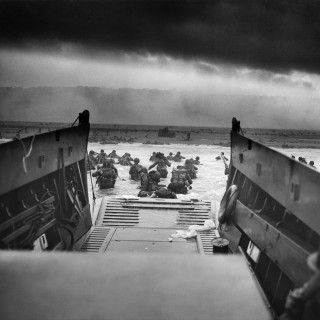
First day of the Allied invasion of France in Nazi-occupied Europe during World War II
POPULARITY
Categories

261 episodes with D-Day

138 episodes with D-Day

187 episodes with D-Day

52 episodes with D-Day

36 episodes with D-Day

46 episodes with D-Day

27 episodes with D-Day

45 episodes with D-Day

33 episodes with D-Day

41 episodes with D-Day

32 episodes with D-Day

18 episodes with D-Day

16 episodes with D-Day

30 episodes with D-Day

33 episodes with D-Day

14 episodes with D-Day

24 episodes with D-Day

19 episodes with D-Day

8 episodes with D-Day

8 episodes with D-Day

18 episodes with D-Day

12 episodes with D-Day

15 episodes with D-Day

12 episodes with D-Day

24 episodes with D-Day

31 episodes with D-Day

19 episodes with D-Day

11 episodes with D-Day

16 episodes with D-Day

5 episodes with D-Day

15 episodes with D-Day

26 episodes with D-Day

14 episodes with D-Day

12 episodes with D-Day

14 episodes with D-Day

9 episodes with D-Day

13 episodes with D-Day

6 episodes with D-Day

8 episodes with D-Day

11 episodes with D-Day

8 episodes with D-Day

9 episodes with D-Day

19 episodes with D-Day

6 episodes with D-Day

13 episodes with D-Day

8 episodes with D-Day

5 episodes with D-Day

12 episodes with D-Day

13 episodes with D-Day

6 episodes with D-Day

5 episodes with D-Day

9 episodes with D-Day

11 episodes with D-Day

12 episodes with D-Day

"Wing Ding, you're either crazy as hell or you've got balls."This is the story of the European Theater in 1943.As Allied bombers learn the brutal cost of daylight precision raids over Ploesti and Schweinfurt, Allied armies fight their way onto the Italian mainland at Salerno, and the citizens of Naples rise to liberate themselves. Meanwhile, the U-boat is finally beaten back in the Atlantic, American Lend-Lease reaches a bleeding Soviet Union, and the tide turns in the East. And in occupied France, a fractured Resistance begins to cohere—thanks to the sacrifice of a hero named Jean Moulin—as Charles de Gaulle claims his place at the head of a nation not yet free.We'll meet a tail gunner who flew into hell without his parachute, a colonel who took his burning bomber over the target rather than break his word, a thirteen-year-old who took on a German tank, and an American spy hiding behind a wooden leg and a wheel of cheese. Each is doing their part as the whole Allied world bends toward one looming date on the horizon.Call it the pre-pre-D-Day episode. This is the European Theater, 1943.Connect with us on HTDSpodcast.com andgo deep into episode bibliographies and book recommendationsjoin discussions in our Facebook communityget news and discounts from The HTDS Gazette come see a live showget HTDS merchor become an HTDS premium member for bonus episodes and other perks.HTDS is part of Audacy media network.Interested in advertising on the History That Doesn't Suck? Contact Audacyinc.com

A Mediocre Time with Tom and Dan — Episode Notes Hosts: Tom Vann, Dan Dennis | Guest: Ross McCoy (Orlando talk show comedian), with Jackal joining in Sponsors / Ad Reads Hollerbach's Oktoberfest Street Party — Closing weekend of Oktoberfest season at Hollerbach's German Restaurant in historic downtown Sanford. Friday Oct. 16 (5–10 p.m.) and Saturday Oct. 17 (12–10 p.m.). Free family event with bratwurst, pretzels, imported Munich beer, and live polka/Oktoberfest music from the King Guys Band. Tom and Dan Cruise 2027 — Deposit-now promotion for the "2027 Seaz Nuts" cruise aboard the MSC Seashore. Book at tomanddancruise2027.com; over 200 people already signed up, cabana block selling out. Injured On The Go / Just Call Moe — Studio sponsor (justcallmo.com); show broadcasts live from their studio. DM Chevy (Don Mealy Chevrolet, Clermont) — Listeners directed to sales contact JC Harrelson for vehicle purchases and service; mention of a recent positive service experience with a Chevy Traverse. Streamline Mortgage Solutions — Brian and his team (streamlinedflorida.com), a decade-long sponsor; listeners encouraged to mention they heard it from Tom and Dan for personalized mortgage help. Moe Comedy Jam — Audience-voted comedy show in October at moecomedyjam.com; $20 tickets, proceeds to charity. All American Bullion Florida (Whatnot) — Live auction show hosted by Dan for sponsor Craig LaFleur that same Friday night (~7:30 p.m.), selling copper rounds/bars and other items. Segment Rundown Cows and Cabs food/wine fest plug — Dan and Ross hype the upcoming Winter Park charity food-and-wine event, with an extended tangent praising Smoke Made Meats BBQ (turkey, pulled pork, brisket, and their unsweetened "cowboy" beans). Ross's terrifying AI/anxiety bit — Ross describes using AI chatbots to soothe his anxiety, then springs a viral video on Dan unannounced: footage from an Iranian domestic flight where a tire blowout caused the cabin ceiling to partially collapse, with panicked passengers screaming (no injuries). They propose making this a recurring "traumatize Daniel" segment. Tom and Dan Cruise 2027 update — Over 200 people booked already; cabana block at the beach stop (Ocean Cay) discussed, plus family-friendly perks like snorkeling. St. Cloud Trail of Terror — Local Halloween attraction starting Oct. 8, its 16th year, themed "Sweet 16," including a haunted house built around an Iranian plane-crash scare tying back to the earlier video bit. Radio-days bathroom/ringtone stories — Tangent into old Real Radio/Clear Channel building stories: a flooding bathroom mishap and a chicken-ringtone incident with a cleaning lady. The "Haunted Tugboat" mystery solved — Dan recaps years of speculating about a boat moored near Lake Beresford, revealed via a news story to be the Tiger ST-479, an 86-foot, 150-ton WWII Army tugboat built locally, sent overseas (reportedly arriving in Normandy the day after D-Day), later owned in Sweden, and repatriated in 2022–2023 via a roughly $250,000 donor-funded shipping effort. They debate what should be done with it (restore as a tour boat, static memorial, or "Tom and Dan tugboat party") and joke about the lack of a real restoration plan. Tommy's Halloween costume — Tom's son Tommy is growing his hair out to dress as soccer player Memphis Depay ("Holland") for Halloween. Franco's Flop Fest plug — Free belly-flop competition and street party this Sunday in Baldwin Park; Dan and Andrea judging, Brendan O'Connor also judging, food trucks including Chillin' Tacos, and a cameo appearance planned for the haunted tugboat. BDM shirt clearance and Jeff's Bagel Run — Final sale on BDM Appreciation shirts ($5–$10), plus a bagel tangent about Jeff's Bagel Run's loaded baked potato bagel and app-signup coupon. 20th anniversary viral video retrospective — Extended segment revisiting early-internet viral clips on their 20th anniversaries: the "Grape Stomp Lady" (Melissa Sander, 1998 WAGA-TV Fox 5 news segment, went viral on YouTube in 2006), with discussion of local-news "fun reporter" archetypes and how 2006-era stars had no way to monetize viral fame. Star Wars Kid — Story of Ghyslain Raza, filmed in 2002 at age 14, leaked and uploaded in 2003, viewed hundreds of millions of times; discussion of the harassment and lawsuit that followed, and his later life (law degree, doctorate, heritage preservation society president, public speaker on online harassment). Numa Numa Guy — Gary Brolsma's 2004 lip-sync video, his brief media circuit (Good Morning America, Leno), and his low-key present-day life still in Saddle Brook, NJ, working as a web designer. Sweet Brown / "Ain't Nobody Got Time for That" — Brief revisit of the viral local-news clip, with a broader riff on why local-news viral clips featuring Black interviewees tend to be the most memorable. Why fewer viral news clips today — Discussion of the analog-to-digital conversion era (mid-2000s) that made clipping and sharing footage easy, contrasted with Dan's memories of physically taping and dubbing clips in his early radio career; mention of the free video-downloading tool Cobalt. Thursday Night Football / Dan Campbell tangent — Riff on Amazon Prime's now-exclusive Thursday Night Football broadcasts and Lions coach Dan Campbell cursing on a live sideline mic with no real backlash. Hyrox athlete apology controversy — Follow-up on a Hyrox athlete (referred to as "Joanna") who initially posted a smug "win's a win" message after a controversial finish, then issued a full apology and relinquished her title/ranking points after losing her Puma sponsorship; hosts debate the timing and sincerity of the apology. Comedy/fame tangent — Riff on the burdens of being unusually tall or funny, the difficulty of making a living in comedy or pro sports, and a shoutout to comedian David Jolly's grind, distinguished from the unrelated politician of the same name appearing in local ads. Voicemail: crystal burgers vs. White Castle — Caller Dan in Palm Bay questions references to "frozen crystal burgers"; hosts clarify the Crystal vs. White Castle regional debate (mustard included vs. not, hole-punch pattern differences). Voicemail: laundromat business — A 41-year-old caller whose father owns a Speed Queen-equipped laundromat in downtown Orlando discusses the durability of Speed Queen machines and the economics (and cash-business realities) of running a laundromat. Voicemail: "Olympic Fat Dads" / Max Verstappen go-kart race — Caller Bubble Bath Billy shares an ESPN/Disney-broadcast event where F1 driver Max Verstappen starts last in a 101-driver, 30-lap go-kart race using identical karts; leads to a tangent about similar "elite athlete races the field" stunts, including a ski-jump stair-climb race and reality shows pitting humans against animals. Reality TV deep dive: Superstar USA and "The Contestant" — Recap of the 2004 WB show Superstar USA (a reverse American Idol mocking bad singers, including a contestant compared to William Hung), and a much darker Japanese hidden-camera show (subject later identified as Nasubi/Tomoaki Hamatsu) that secretly broadcast a man's year-plus isolation to millions, an inspiration for The Truman Show; mention of the 2024 Hulu documentary The Contestant covering it. Key Dates / Plugs Mentioned Tonight (Friday), ~7:30 p.m.: All American Bullion Florida live Whatnot auction hosted by Dan for Craig LaFleur. This Sunday, starting at noon (flopping begins ~1:20 p.m.): Franco's Flop Fest, Baldwin Park — free belly-flop competition and street party. October 8: St. Cloud Trail of Terror opens (16th year, "Sweet 16" theme, six nights). October (date not specified): Moe Comedy Jam — tickets at moecomedyjam.com. October 16–17: Hollerbach's Oktoberfest Street Party, historic downtown Sanford. Ongoing: Tom and Dan Cruise 2027 deposits open at tomanddancruise2027.com ($200 refundable deposit; cabana block selling out). Ongoing: BDM Appreciation shirts on clearance sale ($5–$10). Ongoing: Jeff's Bagel Run free bagel coupon with orders or app signup. Notable Guests/Callers Ross McCoy — In-studio guest, Orlando talk show comedian. Jackal — Friend of the show, joined in; plugged Karate Orlando and mentioned fellow member Seth's zoo/dojo real estate situation. Dan in Palm Bay — Voicemail caller, questioned the "frozen crystal burgers" reference and sparked the Crystal vs. White Castle debate. Unnamed caller (41, laundromat owner's son) — Voicemail about Speed Queen machines and laundromat economics. Bubble Bath Billy — Voicemail caller who shared the Max Verstappen go-kart race story ("Olympic Fat Dads" segment).

In this series, Jeff & Andy dive into a mix of useless facts, myths, forgotten stories, and strange truths.Jeff Stanfield looks at the most expensive airlines in the world and what comes with the big cost of the ticket, and Andy tells about the history of government cheese and a botched top secret mission in the lead up to D-Day.This series is brought to you by the amazing Cedar Run Decoys.

Why You Can't 'Think' Your Way Out of Infidelity and Betrayal TraumaThe script explains that after infidelity, common coping tools like grounding and traditional talk therapy may stop working because betrayal creates trauma, which is different than a crisis situation. Rehashing the story to gain insight can reactivate D‑Day emotions, intensify triggers, and mimic PTSD-like symptoms such as flashbacks, intrusive thoughts, and rumination, leaving people feeling hopeless and stuck. Stay to the end to learn how to get unstuck and let me know if the comments if it makes sense.

Operation Sparrow will decide if D-Day is successful. But first 3 OSS Agents have let themselves be caught by the Germans to plant the deception. Prof. Jason Bell comes on to cover one of the greatest gambles of WWII. This episode is sponsored by Coveron. One scam can cost you everything. Protect yourself now. The first 100 users get 20% off with code thehistory20 at coveron.com/thehistory20. Learn more about your ad choices. Visit megaphone.fm/adchoices

Join hosts Ernesto Santos and Matt Diaz as we give you our SPOILER REVIEW of the newest films in theaters and on streaming. Hear our thoughts on Coyote vs. Acme, the surprisingly heartfelt legal comedy that sees Wile E. Coyote take on the ACME corporation. The Dog Stars, a post apocalyptic survival drama from Ridley Scott and starring Jacob Elordi, Margret Qualley, Josh Brolin & Guy Pearce. By Any Mean, a true crime historical drama starring Mark Wahlberg & Yahya Abdul-Mateen II. Pressure, the intense war drama about determining the forecast for D-Day starring Andrew Scott and Brendan Fraser. We'll also discuss the first four episodes of DC Studios' Lanterns. Time Stamps:06:28 - Lanterns36:33 - Pressure55:11 - By Any Means1:12:41 - The Dog Stars1:36:39 - Coyote vs. Acme

Directed by Anthony Mars and based on David Haig's acclaimed stage play, Pressure is a tense, sober World War II drama focusing on the harrowing 72 hours leading up to D-Day. Andrew Scott stars as Group Captain James Stagg, the chief meteorological officer who must lock horns with US meteorologist Irving Krick (Chris Messina) while advising General Dwight D. Eisenhower (Brendan Fraser) on whether to launch the largest amphibious invasion in history amidst violently shifting weather patterns. Fun Flix Fact: Andrew Scott heavily researched real-life meteorological data and military archives from June 1944 to accurately capture the immense psychological weight and professional isolation Stagg faced while making forecasts that could mean life or death for hundreds of thousands of troops. Fun Flix Fact: The production recreated the top-secret Allied command headquarters using meticulous blueprints, ensuring that the maps, meteorological equipment, and operational charts matched what Eisenhower and his team utilized during those fateful days. Switching gears from historical pressure to sheer adrenaline, Fall 2 (also known as Fall 2: Deadpoint) brings the vertigo-inducing terror back with a vengeance. Directed by the Spierig Brothers, the sequel follows a fresh group of climbers pushed to their absolute physical and psychological breaking points when a high-altitude expedition goes horribly wrong, leaving them stranded thousands of feet in the air with no obvious way down. Fun Flix Fact: To achieve the hyper-realistic sense of height, the directors utilized a mix of state-of-the-art LED volume screens and practical high-altitude platform sets, forcing the cast to perform physical stunts while suspended hundreds of feet in the air. Fun Flix Fact: The screenwriters consulted with professional extreme-altitude free-climbers to ensure that the survival tactics, equipment handling, and physiological effects of extreme exposure depicted in the film were as accurate as possible. To celebrate a decade since one of the most gripping WWII assassination thrillers hit cinemas, we are looking back at Sean Ellis's Anthropoid (2016). Starring Cillian Murphy and Jamie Dornan as Czechoslovakian soldiers sent back home to execute Operation Anthropoid—the assassination of SS General Reinhard Heydrich—it serves as the ultimate thematic companion piece to the wartime strategy and grit explored in Pressure. And if that's not enough entertainment for you, we've even thrown in new trailers to watch and what you can catch on streaming. Hit that subscribe button right now so you never miss an episode of The Flixters! We're here every week to bring you the best reviews, the wildest facts, and the greatest cinema talk in the business. 00:00 Intro 03:06 Shoutouts06:37 Movie News13:09 New on Streaming19:28 New Trailers28:44 Anniversary Corner31:04 Pressure Review41:13 Fall 2 review51:09 Outro This episode is proudly sponsored by Zencastr. Create your podcast today! #madeonzencastr

Had het weer echt roet in het eten kunnen gooien van D-Day? Pressure vertelt het waargebeurde verhaal van meteroloog James Stagg die generaal Eisenhower probeert te overtuigen D-Day uit te stellen vanwege een naderende storm. Gingen de MovieInsiders Jasper en Coen mee in deze zoveelste making-of D-Day? En dan is er The Plague. Deze drama / elevated horror / indie-debut feature wil veel tegelijkertijd zijn. Maar is het ook een boeiend en coherent geheel? Tot slot tippen de heren nog wat films, waaronder een slapstick komedie over volwassen mannen in beverpakken en vraagt Coen hulp bij de beoordeling van een serie.Support the show: https://www.patreon.com/movieinsidersSee omnystudio.com/listener for privacy information.

We need your support! 1865 has been shortlisted for the Football Content Awards in the category "Best Podcast - Premier League". We would really appreciate it if you could take one minute to visit https://footballcontentawards.com/voting and vote for us. Thank you. It's time for another visit to YATESY'S ESPRESSO BAR, on the day when Nottingham Forest will be hoping for the go-ahead to refurbish and expand the City Ground. Rich Ferraro speaks to Tom Newton for the lowdown, before we get a report on the Women's Team first home game of the season by Matt Turpin. Then we have a treat for you, as George from Nottingham band Bucko joins us for a chat about McAtee, Marinakis and Murillo, amongst others. Catch the band at the Big Shed on Saturday after the Coventry game! Subscribe to the 1865 Podcast via Apple Podcasts, Spotify or YouTube, and please leave a review, as it helps other Forest supporters find our content. Join us on X, Instagram, Bluesky, Threads or TikTok. 1865: A View From The Forest is part of the Sports Social Network. Come on you Reds! Learn more about your ad choices. Visit podcastchoices.com/adchoices

What happens when the person you used to be doesn't exist anymore — not because they died, but because a diagnosis, a surgery, or a health crisis rewrote who you are? In this episode, Loni Fagel joins me to talk about a grief almost nobody names: the grief of losing yourself while you're still here.Loni knows this from both sides of the therapy room. A genetic cancer mutation, a mysterious chronic illness, and a health crisis that landed her at Mayo Clinic didn't just interrupt her graduate studies in psychology — they became the reason she does this work at all. We talk about her "D-Day" framework for naming the moment a diagnosis changes everything, why medical trauma is as much about what comes after the event as the event itself, and why people are so often invalidated by the very doctors meant to help them.We also get into some of the tools Loni uses with clients: externalizing an illness by giving it its own name, expressive arts as a way to process what words can't touch, and why "post-traumatic growth" doesn't mean pretending the hard part didn't happen.About Loni Fagel Loni Fagel is a licensed professional clinical counselor, EMDRIA-approved consultant, expressive arts therapist, children's book author, and international speaker specializing in medical trauma, grief, and identity loss. Her work is shaped by her own experience with a genetic cancer mutation and a health crisis that upended her life and career.Website: lonifagel.comInstagram/social: @loni_fagelLinkedIn: search Loni FagelIn this episode, we cover:Why illness and diagnosis create a real, nameable griefThe "D-Day" framework for marking when everything changedWhy medical trauma isn't about the event — it's about everything afterLearning to advocate for yourself when doctors dismiss your symptomsGrieving a double mastectomy and genetic cancer riskInvisible illness and the cruelty of judging what you can't seeNaming your illness to protect your identity ("is this you, or is this Patricia?")Making meaning without needing to believe "everything happens for a reason"Finding the glimmers of light in the middle of a health crisisWe want to hear from you: Have you ever grieved a version of yourself you didn't expect to lose? What resonated most with you in this conversation? Drop a comment — we read every one.Continue the conversation at grief2growth.substack.com.You've been listening. You're doing the work. But there's still this feeling that you're circling the same place.Maybe you've thought about working with me one-on-one. Maybe something's held you back. I get that. And I want you to know there's still a place for you.All of it, pay what you want. You decide what it's worth. Nobody gets turned away because of money.https://grief2g Want to go deeper? My Substack is where I share solo essays on grief, consciousness, and continuing bonds — thoughts that don't always make it into the podcast. It's also home to a community of listeners who get it, because they're living it too. Free to subscribe. Find it at substack.com/grief2growth. I've been studying Near Death Experiences for many years now. I am 100% convinced they are real. In this short, free ebook, I not only explain why I believe NDEs are real, I share some of the universal secrets brought back by people who have had them.https://www.grief2growth.com/ndelessonsSupport the show

◎ 1부 [뉴스 연구소] 인사청문회 D-DAY | 김지용 추가 검증 지시 | 이기인 개혁신당 비대위원장 서용주 맥정치사회연구소장, 정광재 동연정치연구소장, 김민하 평론가, CBS 조태임 기자 ◎ 2부 [인터뷰 (1)] "김승원 인사청문회, 법사위 여당 전략은?" 박지원 더불어민주당 의원 [인터뷰 (2)] "당당하게 실력으로 국가대표 뽑혔어요" 최서윤 서석초 6학년 선수 (女 최초 U-12 야구 국가대표) See omnystudio.com/listener for privacy information.

We have a Pressure special for you in our latest episode of Soundtracking, as Edith speaks first to the writer of the film, David Haig, who joined us for one of our Soundtracking Film Club at Everyman in partnership with Range Rover. Then, as a bonus, we'll hear from friend of the show, composer Volker Bertelmann. We're thrilled to have the support of Range Rover for our events at Everyman, a brand synonymous with mastery in all its forms, championing those who push boundaries, define standards and create enduring impact. Both Soundtracking and Everyman align naturally with Range Rover's core principles relating to leadership, cultural authority and creative excellence. Based on a true story, Pressure stars Andrew Scott as meteorologist James Stagg, who works alongside Brendan Fraser's General Eisenhower to plan the D-Day landings.

Max Pearson presents a collection of the week's Witness History episodes from the BBC World Service.We hear how a French curator uncovered lost documents showing that the Nazis researched the Bayeux Tapestry during World War Two. Our guest, Professor Catherine Clarke, takes us through the finer details of the famous medieval tapestry. Plus, communist fighters struggling to survive while following Mao Zedong during the Chinese Civil War in 1935. The firefighter who survived the collapse of the North Tower with his crew during the 9/11 attacks in 2001. The Irish woman whose report changed the date of D-Day, and the winner of the first Rubik's Cube World Championship. We also learn how reports of a moving statue in rural Ireland drew thousands of visitors in 1985. Contributors: Sylvette Lemagnen - former curator of the Bayeux Tapestry Catherine Clarke - Professor at the Institute of Historical Research, University of London Zhong Ming - soldier in Mao Zedong's army Jay Jonas - former New York firefighter Edward Sweeney - son of Maureen Flavin Minh Thai - Rubik's Cube World Champion 1982 Ita Dungan - pilgrim to the site of the reported moving statue in Ballinspittle(Photo: The Bayeux Tapestry. Credit: Reuters/Charles Platiau)

À quelques heures du D-Day, le général Eisenhower doit trancher entre deux météorologues aux prévisions diamétralement opposées. Emmené par Brendan Fraser, ce thriller historique haletant retrace les coulisses décisives de la Seconde Guerre mondiale, à découvrir actuellement en salle.

Weather forecasting played a very important role, particularly in advance of the D-Day landings. So, what methods were used to predict the weather?Dr. Stephen Burt, Department of Meteorology at the University of Reading and advisor for the film 'Pressure' joins Seán to discuss.
In 1944, a young Irishwoman called Maureen Flavin drew up a weather report that helped change the course of World War Two.Maureen was working at a post office on the far west coast of Ireland. Her duties included recording rainfall, wind speeds, temperature and air pressure.On 3 June, she sent one of her hourly reports to Dublin, unaware that the figures were being passed on to the Allied headquarters in England. It was the first indication of bad weather heading towards the coast of France, as hundreds of thousands of servicemen were gathering for the most ambitious operation of the war - the assault of the Normandy beaches on 5 June.But after reading Maureen's report, chief meteorologist Group Captain James Stagg advised a delay of 24 hours. D-Day was finally launched on 6 June, 1944. A date that went down in history.Maureen's son Edward Sweeney spoke to Jane Wilkinson in 2024 about his mother's role.Witness History is a short BBC World Service podcast about history that takes you inside big moments from the past through first-hand testimony and archive. Each weekday, in around nine minutes, we revisit one moment that helped shape the world and hear it through the voice of someone who was there. Scientists, artists, campaigners, soldiers, leaders and everyday people tell their true stories.When you subscribe to Witness History, you'll be taken inside turning points in world affairs from West Africa's fight back against Boko Haram in 2015 to the behind-closed-doors talks that led to the US-Cuba “thaw” and the surprise announcement of restored relations.You'll discover what it was like to experience disasters and how people recovered from them, including the Tabasco floods in Mexico, Portugal's worst train disaster, and the huge clean-up after the Chernobyl nuclear disaster. You'll explore culture and ideas too: Sweden's Expedition Robinson, often credited as the first modern reality TV game show; the friendship between The Beatles' George Harrison and Indian sitarist Ravi Shankar; and the night a tiger attack brought Las Vegas superstars Siegfried and Roy's show to a sudden end. And if you're curious about inventions, we'll tell you how air fryers, BlackBerry, YouTube, Alexa, GPS, superglue, the shopping cart (shopping trolley) and bubble tea were created.If you're new to Witness History, the appeal is simple: real voices, one strong true story, and a fresh way to understand today through events from history – all in the time it takes to enjoy a cup of tea or a walk around the block. Join millions of BBC World Service podcast listeners around the globe and enjoy the insight, context and detail Witness History will bring you.(Photo: Omaha Beach, D-Day, 1944. Credit: US National Archives/AFP via Getty Images)

Met vandaag: Republikeinen trappen campagne voor midterms af in Dallas | VVD-fractievoorzitter Brekelmans veroordeelt stakende vakbonden | Gevolgen en veranderingen in Nederland na 9/11 | Peter Kuipers Munneke bekeek de film Pressure over de cruciale rol van een weerman bij D-day | Presentatie: Pieter van der Wielen

Friedrich Merz says the decisive win in the eastern state of Saxony-Anhalt by the far-right Alternative for Germany, AfD, signals the need for a major reckoning. The AfD's national co-leader, Alice Weidel, says it's aiming to win at least forty per cent in the next general election. Also: the funeral of the Bosnian Serb war criminal, General Ratko Mladić, has gone ahead in the Serbian capital, Belgrade, where some people consider him a national hero. The Lebanese president, Joseph Aoun, has warned of a "dangerous escalation" by Israel after women and children were killed in an air strike on a residential building in southern Lebanon. A new film about the most important weather forecast in British history, which gave the go-ahead for D-Day on the sixth June 1944, is released in the UK. And the BBC speaks to the 13-year-old who has written a symphony warning about the challenges posed by artificial intelligence.The Global News Podcast brings you the breaking news you need to hear, as it happens. Listen for the latest headlines and current affairs from around the world. Politics, economics, climate, business, technology, health – we cover it all with expert analysis and insight. Get the news that matters, delivered twice a day on weekdays and daily at weekends, plus special bonus episodes reacting to urgent breaking stories. Follow or subscribe now and never miss a moment. Get in touch: globalpodcast@bbc.co.ukPhoto: Description: German Chancellor and Christian Democratic Union (CDU) party leader Friedrich Merz attends a press conference the day after the Saxony-Anhalt state elections in Berlin, Germany, September 7, 2026. Credit: REUTERS/Axel Schmidt

What I Learned (and Relearned) at Empowered Podcasting ConferenceI got triggered at a podcasting conference last week, and honestly? I almost jumped out of my chair. Someone in the room said something that stopped me cold, and it's become one of the biggest lessons I'm bringing back to you this week — along with a story about a $230 million quarterback who won't take feedback, why "cheating off the smart kid" with AI is quietly ruining your podcast, and the subscription I found on my own bank statement that I'd been paying for and not even using. This episode is a mashup of my talk at Empowered Podcasting Conference 3 in Charlotte and everything I picked up just from being in the room. Let's get into it.It's Your Show. Own It.This is the one that made me want to stand up. Someone in a session said, "Well, I can't ask my guest to keep their answers short." Yes, you can. It's your show. If you're doing interviews, you're the goalie — it's your job to keep anything that doesn't serve your audience out of the episode. And if a guest rambles, that's usually on the host, not the guest. Give your guest a target before you hit record: who you're talking to, and whether you want short, medium, or long answers. A guest who doesn't get a target from the host should ask for one. Own your show. Set the boundaries. Your audience is who you're protecting.What Actually Makes Content RemarkableMy talk was about what makes a podcast good, and I focused on what makes any content remarkable. I walked through a few movies to prove it:Saving Private Ryan — that D-Day opening wasn't new information (we all knew WWII was brutal), it was a new way of presenting it. People talked about it because nobody had seen it shown like that.The Sixth Sense — a tiny budget that beat big blockbusters like The Lone Ranger because of one twist: we don't find out Bruce Willis's character is dead until the end. People walked out of the theater and called a friend to say "you have to see this." That's the goal — content remarkable enough that it spreads on word of mouth alone.Gone with the Wind — a 1939 movie with an actual intermission, and people still talk about the burning of Atlanta (a real fire on the studio backlot, no CGI) and that last line — "Frankly, my dear, I don't give a damn" — which had audiences clutching their pearls. Again, something people had not seen before.Star Wars — I saw it eleven times as a kid, and even when half the theater had already seen it multiple times, everybody still cheered when the Death Star blew up. That's not just about the special effects. That's about how it made people feel.A podcast episode is content plus delivery — and delivery is you: your attitude, your confidence, your life skills. My rule of thumb for what makes a good episode: laugh, cry, think, groan, educate, or entertain. Save them time or save them money. Try to hit more than one of those in every episode.The Most Underrated Skill in Podcasting: ListeningEveryone assumes the top skill is a great voice or being funny. It's not. It's your ability to listen — to your audience, and to feedback.Case in point: The Cleveland Brown's quarterback, the one we paid $230 million despite a stack of off-field allegations. He's not good at his job. When fans booed him, his response was basically "you guys don't like me" — not "I need to get better," not "tell me more." He made it personal instead of taking it as information. I hear the same thing constantly from podcasters. I'll offer to help someone grow their show, ask which episode they want me to listen to, and they'll say "oh, it's not the content." If you're not willing to actually hear feedback, don't be surprised when your show doesn't grow.The AI Shortcut That's Quietly Killing Your VoiceThis is the one I need you to sit with. There's a real strategy going around called the outlier strategy: if you and a competitor share an audience, and one of their episodes way outperforms their normal numbers, you make your own version of that topic. Legitimate strategy.Here's where it goes sideways — people are grabbing the transcript of that outlier video, feeding it to AI, and saying "rewrite this in my voice." And the whole reason they're doing a podcast in the first place is to be seen as a thought leader — using someone else's thoughts.It might work about 80% of the time (I'm making that number up), and that missing 20% is the part that's actually, uniquely you. Mark Maron said it best: "You're not thinking your own thoughts. You're a hack with an excuse for why you're failing."I'm not anti-AI — I use it to organize my own brain dumps into an outline. But when you let it write the content, you get exactly what everyone else already sounds like.Led Zeppelin became Kingdom Come became Greta Van Fleet. Cinderella became Girl School. The copy is never as good as the original, and eventually the audience notices.Which brings me to a phrase I have to credit to YouTuber Aprillynne Alter, because she said it better than I could: protect your intuition. When you let AI do all your thinking, you never actually process the information — and you lose your gut instinct for what your audience needs. That's exactly why I watched every single Dolly Parton video myself for last week's episode instead of asking AI to summarize them. I wanted that information in my head, not just in the output.Cheating off the smart kid might get you the grade. It won't get you the understanding.Own Your Audience — Don't Rent It From a PlatformI had a great conversation with email marketing expert Paul Gowder about this. I moved my main marketing list from Kit (formerly ConvertKit) over to Substack, and while my subscriber count is actually growing there, I can see in my stats that it's not driving nearly as much traffic to my website. Paul's question stopped me: "What do platforms do once they get popular enough? They change the rules." TikTok, Facebook, YouTube — every one of them eventually limits your reach to your own audience unless you pay up.Email doesn't have an algorithm. Those are people who raised their hand and said "I want more." I'd rather have a 40% open rate on my newsletter than a meaningless "view" on YouTube.And I export my list every single month just in case, because platforms can turn on you fast — there was a parenting podcast that got pulled off YouTube with zero warning, appealed to an AI system, got denied by that same AI, and only got reinstated after Podnews' James Cridland made it a public story. You don't want your show's survival to depend on someone shaming a platform into doing the right thing.Audit Your Subscriptions — You're Probably Bleeding MoneyMy buddy Ralph Estep Jr. — "the content creator's accountant" — gave the keynote, and his advice was simple: go look at your podcast's checkbook.So I did. In five minutes I found I'd been paying $57 a month for an SEO mastermind I hadn't attended in ages, plus $10 a month for an email address I don't even use anymore. Close to $100 a month, gone, just from things I forgot to cancel. This is exactly why you want a separate bank account for your podcast — every charge in there is tied to something you're using for the show, and it makes the leaks obvious. If you need a separate account I use both Sofi and Acorns.Don't Copy the Gear. Be You.One more story from my talk. We all think if we buy the same mic or use the same host as someone successful, we'll get their results. It's not the gear. The band Extreme had guitarist Nuno Bettencourt, who idolized Eddie Van Halen his whole career — and finally got to play Eddie's actual rig, in front of Eddie. He was sure he'd finally sound like his hero. Instead, he said it was "so horrible," because he just sounded like himself. Same thing happened in early podcasting — we all bought the same expensive mic because we wanted to sound like a famous podcaster. Lean into being you. You're already very good at it.Bonus: Sometimes "Remarkable" Means Remarkably BadA tiny, ultra-low-budget Chinese film (reportedly made for around $200 by a mother and son on an iPhone) got pulled from theaters and mocked online as one of the worst movies ever. The memes were brutal. And because everyone was talking about it, curiosity took over — it ended up making an estimated $9.3 million. Remarkable works both ways.Quick Update on Episode 1049In

This episode was livestreamed on September 9, 2026.Business, the economy, and you—read Dr. Cotto's Digest for the story of your life: https://x.com/JosephFordCotto/status/2096679831601844591Full access to Dr. Cotto's Digest is only $3.00/month. Subscribe to this account for the plain truth about business and economic news that shapes your life: https://x.com/JosephFordCotto/creator-subscriptions/subscribe

From 1217 to 1221 CE, Egypt faced an invasion in the Delta. A bizarre tale of D-Day-esque beach landings, improvised nun-chucks, and the vengeance of Hapi ensued. Today's guest Dr. Thomas Smith explains the story and introduces his new book The Fifth Crusade: A History of the Epic Campaign to Conquer Egypt. The Fifth Crusade (2026) available from Yale University Press and all good retailers. Dr. Thomas Smith's website: https://thomaswsmith.co.uk/ Music by Luke Chaos. Learn more about your ad choices. Visit megaphone.fm/adchoices

Find us at www.crisisinvesting.com Doug and Matt discuss the Lindsay Clancy case, noting reports of an 11–1 jury split favoring a temporary-insanity outcome and debating punishment versus lifelong institutionalization, deterrence, and an anarcho-capitalist justice model focused on restitution rather than "debt to society." They react to a Gallup poll showing 89% of Americans believe government corruption is widespread and consider implications for institutional trust and social stability. Viewer questions cover backlash to AI data centers (noise, surveillance fears, and a potential trillion-dollar FOMO-driven bubble), hostility to flock cameras, Doug's limited debate history and dislike of formal debates, and the likely futility and escalation risks of "D-Day" secondary sanctions on Iran. They also discuss Roman emperors, war's societal effects and drone casualties in Ukraine, ETF versus individual mining-stock exposure, Argentina and the Falklands amid Milei's moves, race tensions, and a dismissed scenario of Argentina attacking Brazil. 00:00 Case Overview 02:35 Insanity Or Punishment 03:52 Ancap Justice System 07:43 Corruption Poll Shock 10:50 AI Data Center Backlash 16:28 Debate Team Memories 19:31 Iran Sanctions Fallout 27:14 Wine With Emperors 29:19 Trump Personality Critique 29:58 Wars And Male Casualties 31:05 Drone Warfare In Ukraine 32:02 Race And Western Decline 33:28 ETFs Versus Stock Picks 36:42 Falklands And Milei 41:44 NATO And Demographics Debate 44:07 China Brazil Corridor Fears 49:25 Weekend Wrap And Signoff
Peter Ortiz had an incredible life including the French Foreign Legion, the US Marines and the OSS. Using his experience he will help organize the French Resistance who is getting ready for D-Day. This episode is sponsored by Coveron. One scam can cost you everything. Protect yourself now. The first 100 users get 20% off with code thehistory20 at coveron.com/thehistory20. Learn more about your ad choices. Visit megaphone.fm/adchoices

On the second day of the D-Day invasion, Leon was taken captive by the Nazis. While being marched to a...


The boys talk about the state of the Republicans and our Democrats as we get ready for MidtermMadness2026™. Will My Democrats be able to retake power and actually do anything compelling with it? Will Democrats be able to take advantage of a historically unpopular Republican Party? Is Trump sowing the seeds of doubt for the 2026 midterm elections, and will we ever get out of this war with Iran? All these and so much more on today's HITO! Early access on Patreon: https://www.patreon.com/headintheofficepodYouTube: https://www.youtube.com/channel/UC4iJ-UcnRxYnaYsX_SNjFJQSubscribe to second channel: https://www.youtube.com/channel/UC3UoTN328OA7fK2dzicP-ZATikTok: https://www.tiktok.com/@headintheoffice?lang=enInstagram: https://www.instagram.com/headintheoffice/Twitter: https://twitter.com/headintheofficeThreads: https://www.threads.com/@headintheofficeDiscord: https://discord.gg/hito Collab inquiries: headintheofficepod@gmail.com(0:00) Abdul & 9/11(4:50) Intro(8:15) GOP fumbling the midterms(19:10) Democrats MUST lock in(38:30) Trump plotting to steal the election(1:05:10) Iran war: new strikes & economic "D-Day"(1:21:10) Reviews/endingSeen on this episode:Republicans are anxious for the midterms - https://www.politico.com/news/2026/08/28/trumps-cabinet-is-hitting-the-road-to-talk-his-agenda-theyre-getting-an-earful-instead-01053543 https://www.economist.com/interactive/trump-approval-tracker Trumps possible pre election election denial - https://www.npr.org/2025/04/13/g-s1-59684/save-act-married-women-vote-rights-explainedhttps://apnews.com/article/trump-mail-voting-supreme-court-157afc3c195ce0a62c522da5ce904b04https://apnews.com/article/fact-check-trump-noncitizen-voting-census-bureau-36cf1524fda629b139b7de5c86119622https://apnews.com/article/trump-elections-mullin-dhs-voter-fraud-save-6871e13d3f0e2caadaf56f9b2bc1580dhttps://apnews.com/article/trump-noncitizen-voting-midterms-election-integrity-ids-3c24d72b0b91803ed097226ee00f9483#Economic “D-Day” for Iran - https://www.nytimes.com/live/2026/08/24/us/trump-news-iran-economy#section-81393067 https://www.politico.com/news/2026/08/25/purely-just-up-to-iran-bessents-d-day-unlikely-to-end-war-calm-energy-markets-01049825 https://www.politico.com/news/2026/08/24/bessent-iran-economy-01047365 https://www.cnn.com/2026/08/24/politics/iran-barron-trump-threat-intl-hnk https://thehill.com/newsletters/morning-report/6060440-pentagon-trump-administration-response-iran-war-dissent-leak-washington-post/https://www.washingtonpost.com/national-security/2026/08/30/military-leaders-warn-hegseth-against-extending-iran-war-operations/

Time to Get Up with an escalation of the situation! Wait until you hear the one word Dabo Sweeney used to describe his game with LSU! This is getting spicy! Then, Houston, we have a problem! D-Day for CJ as the Texans tell him take it or leave it! And, we shuffle off to Buffalo where Alan isn't joshing around, is it now or never for the Bills and their QB?! Learn more about your ad choices. Visit podcastchoices.com/adchoices

September – here we are and the volatility starts. Bear Invasions – is this something we should pay attention to? Target is in the hotseat, Good-Good too. Bombing Iran again. PLUS we are now on Spotify and Amazon Music/Podcasts! Click HERE for Show Notes and Links DHUnplugged is now streaming live - with listener chat. Click on link on the right sidebar. Love the Show? Then how about a Donation? PayPal.Donation.Button({ env:'production', hosted_button_id:'JJJHP2GDEJC7J', image: { src:'https://www.paypalobjects.com/en_US/i/btn/btn_donateCC_LG.gif', alt:'Donate with PayPal button', title:'PayPal - The safer, easier way to pay online!', } }).render('#donate-button'); Follow John S. Dvorak on X Follow Andrew Horowitz on X Warm-Up - September - here we are and the volatility starts - Bear Invasions - is this something we should pay attention to? - Target is in the hotseat, Good-Good too - Bombing Iran again - and again. Markets - Bonds - moving higher - Warsh and Bessent challenged - NVDA earnings - price hikes - Employment Report coming this Friday - Dell earnings - WOWWWW! DHU MAILING LIST! - Go to DHUnplugged.com LAKE AMERICA - Google Maps now shows "Lake America" to U.S. users after the federal naming change. - Canadian users still see "Lake Ontario"; users elsewhere see both names. - Canada did not adopt the change, setting up an easy cross-border naming fight. OIL / IRAN - Last week - Oil dropped more than 3% as traders viewed tougher Iran sanctions as less disruptive than renewed military escalation. - Brent fell to roughly $88.58 and WTI to about $82.36. - Washington stopped short of immediately targeting major Chinese banks buying Iranian oil. - Markets also reacted to hopes for improved navigation through the Strait of Hormuz. ---- OH WAIT>>>> IRAN - FIGHT IS ON - We are back bombing and they are retaliating - We retaliate, they bomb - Threat: President Trump in phone interview with Fox News reporter repeats that if Iran retaliates, they will be hit harder, but he adds that if Iran retaliates for a third time "they will be totally wiped out as a country"; says any deal with Iran will not be "worth the paper it is printed on" - Oil Up ... DICK'S / FOOT LOCKER - Dick's shares plunged about 30% after earnings and guidance disappointed. - Core Dick's comps rose 4.9%, but Foot Locker comps fell 3.6%. - Management blamed weak sneaker launches, stale inventory and a highly promotional footwear market. - Dick's has already taken more than $500 million in charges tied to the Foot Locker turnaround. BASEBALL CARDS GO CASINO - Online "repack" platforms let customers buy randomized graded cards and immediately sell them back. - Prices can range from roughly $25 to thousands of dollars per pack. - The model increasingly resembles gambling: randomized payoff, instant resale value and repeat play. - Arena Club, Fanatics and others are pushing deeper into a market already generating billions in transactions. GOVERNMENT-OWNED STOCKS - Stocks with U.S. government backing face new legal and political risk around Washington taking equity stakes. - Intel surged after government investment plans surfaced; MP Materials also jumped after a Pentagon stake. - Trilogy Metals soared after a government deal, then gave back much of the move. - A lawsuit challenging the Intel arrangement could have implications for similar federal equity deals. CHINA INDUSTRIAL PROFITS - China's industrial profits rose 11.2% year over year in July. - Profit growth slowed from 15.1% in June but remained strong. - Manufacturing profits rose nearly 19%, while mining profits jumped roughly 35%. - Strong factory profits continue to contrast with weak property and domestic-demand signals. DELL EARNINGS GUIDANCE - Earnings we great - Guidance out of control - Dell sees Q3 mid-point EPS of $6.50 vs $4.46 FactSet Consensus; sees mid-point of revs at $49.00 bln vs $41.36 bln FactSet Consensus - Dell sees FY27 mid-point EPS of $25.50 vs $18.99 FactSet Consensus; sees revs mid-point of $192 bln vs $174.05 bln FactSet Consensus TARGET HALLOWEEN BACKLASH - Target pulled a children's clown costume after complaints that it resembled blackface imagery. - The company apologized and said it was reviewing how the product cleared internal approval. - The controversy adds another brand-management problem after several politically charged merchandise fights. LEGO BOOM - Lego first-half revenue jumped 21% to about $6.5 billion. - Net profit rose 32%, while consumer sales increased 22%. - More than 330 new products helped drive demand across Star Wars, Formula 1, Botanicals and other franchises. - Lego continues gaining share while expanding stores and manufacturing capacity. WAIT - WE'RE BOMBING IRAN AGAIN - U.S. forces struck Iranian rocket launchers on Larak Island near the Strait of Hormuz, the first U.S. attack on Iran in several weeks. - Iran retaliated with missile attacks targeting U.S. bases in Jordan, restarting direct military exchanges. - Oil jumped more than 2%; Brent moved back above $90 and WTI above $85. - The Strait remains the key issue: roughly 20% of global oil shipments pass through it, so actual disruption to tanker traffic matters more than the headlines. IRAN SANCTIONS - Treasury warned countries doing business with Iran could face secondary sanctions and loss of access to the dollar system. - Scott Bessent described the campaign as an "economic D-Day." - Treasury sanctioned dozens of people, companies and vessels but initially avoided major Chinese financial institutions. - The expanded sanctions reach oil, shipping, gold, aviation, technology and digital assets. JOBS REPORT / FED TEST - August payrolls hit Friday after July shocked with a 23,000 job decline. - Expectations are for only modest job growth, making revisions and the unemployment rate especially important. - Fed rate-hike odds jumped after Kevin Warsh's hawkish Jackson Hole comments; a strong jobs number could push them higher. - JOLTS, ADP and ISM data provide several previews before Friday. Love the Show? Then how about a Donation? PayPal.Donation.Button({ env: 'production', hosted_button_id: 'JJJHP2GDEJC7J', image: { src: 'https://www.paypalobjects.com/en_US/i/btn/btn_donateCC_LG.gif', alt: 'Donate with PayPal button', title: 'PayPal - The safer, easier way to pay online!' } }).render('#donate-button-2'); THE CLOSEST TO THE PIN for SpaceX (SPCX) Winners will be getting great stuff like the new "OFFICIAL" DHUnplugged Shirt! FED AND CRYPTO LIMERICKS See this week's stock picks HERE Follow John C. Dvorak on Twitter Follow Andrew Horowitz on Twitter

Iran's economy was in ruins even before the war, and before U.S. President Donald Trump's latest “D-Day” sanctions. So far, ordinary Iranians are bearing the brunt and feeling apathetic, meaning surviving leaders, for now, might face a lower risk of an uprising. Also: today's stories, including why tech leaders are moving to put data centers in space; why small-scale nuclear reactors are drawing interest as stable, economically feasible power generators; and a look at Côte d'Ivoire's economic aspirations as its capital, Abidjan, will soon be home to Africa's tallest building. Join the Monitor's Chris Sherman for today's news.

Today Griffey and Dandino parachute in on a war torn nightmare in Overlord. They discuss the spectacle of seeing a horror film of this scale set in an actual war, how the film utilizes its setting to make the real world even more terrifying that the eventual Nazi Science Monsters, and if the political reality of the moment has changed the way we follow the journey of this film. Overlord is long and oppressive, but damn does it drops some of the most spectacular set pieces on the audience. Synopsis: A small group of American soldiers find horror behind enemy lines on the eve of D-Day. Starring: Jovan Adepo, Wyatt Russell, Mathilde Ollivier Directed by Julius Avery Youtube: https://youtu.be/ZpOFA7C2SP0 Keep up with all the news on our first feature film Mr. Creamjeans' Hidey Hole as it is about to premiere this month at Fantastic Fest: https://www.misfitparade.com/ Support the show on the Patreon: https://www.patreon.com/c/messedupmoviespod

Michael is joined by Clay Seigle, Managing Director of Beacon Global Strategies' newly announced energy practice and former James R. Schlesinger Chair at CSIS, for an expert briefing on volatile global energy markets. Clay breaks down the economic dynamics underpinning $90-a-barrel oil, explaining how the ongoing standoff in the Strait of Hormuz, presidential messaging, and severe global refining bottlenecks are driving price fluctuations. He also analyzes the impact of Ukraine's drone strikes on Russian fuel throughput and examines the broader implications of tightening global diesel markets. Turning to the Western Hemisphere, Clay assesses the long-term feasibility and legal complexities of new U.S. investment frameworks for upgrading Venezuela's heavy sour crude resources. Finally, he highlights critical flashpoints to watch, including commercial shipping risks across the Red Sea.

The Treasury declared economic D-Day on Iran the same week traffic through the Strait of Hormuz jumped 400% and Trump announced a deal for 65 billion barrels of Venezuelan oil. None of that is a coincidence.
Welcome to Last Call, a look at the biggest stories Jim and Greg covered over the past week on the 3 Martini Lunch. This week, they discuss Democrats begging people to stop linking them with Hasan Piker, Abdul El-Sayed comparing circumcision to transgender surgeries for children, President Trump's “Economic D-Day” against Iran and companies doing […]

Think you need to be an "alpha" to win? Nick Pell debunks the wolf-pack myth and reveals what actually earns respect here on Skeptical Sunday!Welcome to Skeptical Sunday, a special edition of The Jordan Harbinger Show where Jordan and a guest break down a topic that you may have never thought about, open things up, and debunk common misconceptions. This time around, we're joined by writer and researcher Nick Pell!Full show notes and resources can be found here: jordanharbinger.com/1375On This Week's Skeptical Sunday:An "alpha" is supposedly the dominant top dog — the leader who takes 90% of life's spoils while the lesser "betas" scrap for crumbs. But the whole pecking order traces back to a 1940s study of captive wolves crammed into a pen — the "wolf prison yard," not real pack life.The biologist who made "alpha" famous, L. David Mech, spent decades disavowing his own bestseller. The so-called alpha wolves aren't the toughest fighters who clawed their way up — they're just the parents. The pack defers to them because they bring the food.Humans didn't conquer the planet by bullying — we did it by cooperating. We're "obligate cooperators," self-domesticated apes who arguably bred aggression out of ourselves. Nobody builds a pencil, let alone a moon rocket, alone. Dominance is a liability, not a cheat code.Real influence runs on prestige, not dominance (a distinction from anthropologist Joseph Henrich). Fear makes people hide problems — think D-Day, when nobody dared wake Hitler, or Vietnam-era "fragging." Domineering bosses get avoided; competent ones get followed.Want to actually lead? Drop the dominance act and build competence instead. Lead by example, stay approachable so small problems reach you while they're still small, and treat people as collaborators rather than rivals. Prestige is freely given — and it's what makes people want to follow you.Connect with Jordan on Twitter, Instagram, and YouTube. If you have something you'd like us to tackle here on Skeptical Sunday, drop Jordan a line at jordan@jordanharbinger.com and let him know!And if you're still game to support us, please leave a review here — even one sentence helps! Sign up for Six-Minute Networking — our free networking and relationship development mini course — at jordanharbinger.com/course!Subscribe to our once-a-week Wee Bit Wiser newsletter today and start filling your Wednesdays with wisdom!Do you even Reddit, bro? Join us at r/JordanHarbinger!This Episode Is Brought To You By Our Fine Sponsors: Zenni: 15% off your first order: zenni.com/podcast, code PODCAST15Xero: One month of Xero for free: xero.comNOBL: Up to 46% off: nobltravel.com, tell them we sent youCastbox: Find, organize, and subscribe to the world's best podcasts: castbox.fmSee Privacy Policy at https://art19.com/privacy and California Privacy Notice at https://art19.com/privacy#do-not-sell-my-info.

Welcome to Last Call, a look at the biggest stories Jim and Greg covered over the past week on the 3 Martini Lunch.This week, they discuss Democrats begging people to stop linking them with Hasan Piker, Abdul El-Sayed comparing circumcision to transgender surgeries for children, President Trump's “Economic D-Day” against Iran and companies doing business with the regime, and Los Angeles mayoral candidate Nithya Raman's pathetic example of an accomplishment.First, they enjoy watching Democrats squirm as they keep trying to dodge questions about the role of anti-Semitic influencer Hasan Piker in Democratic Party politics. Michigan Rep. Debbie Dingell is demanding an end to the questions. Meanwhile, Hunter Biden wants to find "common ground" with Piker.Next, they shake their heads as Abdul El-Sayed defends transgender surgeries for children by comparing them to circumcision. They also examine El-Sayed's attempt to distance himself from far-left influencer Hasan Piker.Then, they discuss President Trump's Operation Economic Outcast, designed to severely squeeze Iran and impose harsh consequences on countries and corporations doing business with the Iranian regime. Jim and Greg are optimistic the strategy could work, but only if the U.S. cracks down on every Iranian ally.Finally, they get a kick out of socialist Los Angeles councilwoman and mayoral candidate Nithya Raman bragging about how her office successfully painted a new crosswalk across a badly cracked street just nine months after her constituents asked her to do it. Please visit our great sponsors:QuoMoney is on the line. Always say hello with QUO. Try QUO for FREE PLUS get 20% off your first 6 months when you go to https://Quo.com/3MLHomeServeProtect with HomeServe. Pay 50% less your first year. Visit https://HomeServe.com/Martini to find the plan that's right for you. Savings compared to renewal price. Void in Florida.Noble GoldLearn how physical gold and silver could fit into your portfolio with Noble Gold. Download Noble Gold Investments FREE Wealth Protection Kit at https://NobleGoldInvestments.com/3MLNew episodes every weekday.

Treasury Secretary Scott Bessent has announced the Trump administration's new "Operation Economic Outcast," calling it an "economic D-Day" that will impose sweeping sanctions on nearly 60 Iranian entities, individuals, and vessels, while threatening secondary sanctions against any country that continues doing business with Iran. The move comes after six months of inconclusive military conflict, with critics arguing the escalation exposes U.S. desperation and risks accelerating the de-dollarization trend as China, India, and other trading partners face exclusion from the dollar system. Jimmy points out that Iran has responded by threatening to halt all oil exports not just through the Strait of Hormuz, but from the entire Persian Gulf, warning that nations cooperating with the U.S. blockade would be treated as enemies. The sanctions campaign has already rattled U.S. markets, with the 30-year Treasury yield hitting a two-decade high and stocks suffering their worst losses in three weeks, as analysts warn the move may backfire by accelerating global de-dollarization. Plus segments on Andrew Wilson's fake Charlie Kirk texts, Dolly Parton's "turbo" cancer, Trump's new South America First policy and the growing signs of Trump's declining mental state. Also featuring Larry Johnson, Jeffrey Sachs and Stef Zamorano!

-- On the Show: -- Donald Trump is framing the midterms around himself, helping Democratic turnout and worrying Republicans who wanted local focus -- White House Press Secretary Karoline Leavitt is leaving without a designated replacement, rotating officials through briefings instead -- The Trump administration threatens to demolish the Kennedy Center after a court blocked adding Trump's name to the building -- Agriculture Secretary Brooke Rollins blamed high beef prices on a Biden war on cattle while withholding import country details -- White House aide Natalie Harp gained top-level access to Donald Trump while operating over a year without a security clearance -- Treasury Secretary Scott Bessent appeared breathless on TV, comparing Iran sanctions to D-Day and asking Iranian troops to disarm -- The Friday Feedback segment -- On the Bonus Show: Twenty-four hours of madness on Donald Trump's Truth Social page, and much more... ⚠️ Ground News: Get 40% OFF their unlimited access Vantage plan at https://ground.news/pakman

This week, Scott sat down with his Lawfare colleagues Editor in Chief Benjamin Wittes, Public Service Fellow Julia Curlee, and Contributing Editor Alex Zerden to talk through the week's big news in national security, including:“Skynet's the Limit.” A Russian drone guided entirely by onboard artificial intelligence—with no human directing the final strike—appears to have killed three civilians at a gas station in Zaporizhzhia, Ukraine, on July 6, in what experts believe may be the first killings carried out by a fully autonomous Russian weapon. As both armies race toward greater battlefield autonomy—driven in part by electronic warfare that jams the radio links piloted drones rely on—the strike marks a threshold that arms-control experts have long warned about: machines, not people, deciding whom to kill. What do we make of this development, and what does it mean for the laws of war?“Rial Talk.” Earlier this week, Treasury Secretary Scott Bessent unveiled a new round of sanctions on Iran and what he called its “enablers,” branding the campaign “Operation Economic Outcast” and promising an “economic D-Day” aimed at severing every financial lifeline that sustains the regime. The measures target a global network of brokers, shadow-fleet vessels, and firms moving Iranian oil, along with Tehran's access to digital assets, gold, aviation, and shipping—though Bessent conspicuously held back the biggest penalties on some major trading partners like China, favoring “quiet diplomacy” instead. The announcement lands with Iran's currency at record lows and the U.S.-Iran war grinding into its sixth month after a ceasefire window lapsed. Is maximum economic pressure a substitute for military force—and will it actually work?“Sorry, Not Sorry.” Trade talks between Washington and Ottawa collapsed late last week, and at the stroke of midnight on Aug. 21st, President Trump's 50% tariffs on roughly $20 billion in Canadian goods—everything from hockey equipment and furniture to liquor and clothing—took effect. Prime Minister Mark Carney, who blamed the breakdown on last-minute “uneconomic” and “unfair” U.S. demands, vowed to match the tariffs “dollar for dollar” with his own duties on U.S. steel, dairy, appliances, and electronics starting September 8, and went so far as to say Canada is “at war” after being “attacked.” With the future of the USMCA free-trade pact suddenly in doubt, how did two of the world's closest trading partners get here, and where does the escalation go next?In object lessons, Ben is not giving away his shot to call out the Daily Caller on not delivering on its headline. Julia is reminding us of her love of all things Lawfare. Scott reminds us that the world may never be the same after seeing it through the eyes of a poet. And Alex is bobbing his head to his reimagining of Bombs Over Baghdad.To receive ad-free podcasts, become a Lawfare Material Supporter at www.patreon.com/lawfare. You can also support Lawfare by making a one-time donation at https://givebutter.com/lawfare-institute.Support this show http://supporter.acast.com/lawfare. Hosted on Acast. See acast.com/privacy for more information.

What's up, guys? Today I'm hitting you with a truly essential conversation featuring Andrew Bustamante. This guy's not just a former covert CIA intelligence officer—he's become one of the most sought-after experts on modern espionage, national security, and global power. With everything that's exploding right now between the U.S., Iran, China, and Russia, I could not wait to get his perspective.Andrew is breaking down how the new world order is shaping up in real time—why China's playing a long, strategic game, what the real stakes are in the U.S.-Iran conflict, and how economic warfare and public perception matter more than ever. If you've ever wondered what global power really means today, or how to navigate a world that's changing at crazy speed, this episode will give you the frameworks and mental models you need to make sense of it all.I hope you guys get as much out of this episode as I did recording it with Andrew. If you find it valuable, please drop us a review—it's the best way to support the show and make sure we continue to bring bold, unfiltered conversations right to you. I'm Tom Bilyeu, and welcome to Impact Theory.00:00 - Welcome and intro: Why meeting with Andrew Bustamante was urgent with global tensions00:20 - What China Learned While US Fights Iran05:24 - The global scramble: How 157 countries are hedging against US dollar and US tech; why the “portfolio split” just got real09:06 - The “Suez Canal moment” for the US: Why losing grip in the Strait of Hormuz is historic19:15 - How global perception shifts when threats (“economic D-Day”, anyone?) become empty—China's new confidence in resisting American pressure31:08 - From American Dream to “Red Dream”: How Xi Jinping's CCP is remaking global aspirations, and the chilling influence on wavering democracies40:45 - Why China WANTS conflict close to its home turf (South China Sea)—and what happens if the US ever takes the bait53:21 - Does China see itself in decline? The real calculus behind demographics, technology, and whether they're just waiting for the world to come back to themWhat's up, everybody? It's Tom Bilyeu here:Want my help starting a business? Join me here inside Zero To FounderSign up for my AI Masterclass: AI MasterclassFOLLOW TOM:Instagram: https://www.instagram.com/tombilyeu/Tik Tok: https://www.tiktok.com/@tombilyeu?lang=enTwitter: https://twitter.com/tombilyeuYouTube: https://www.youtube.com/@TomBilyeuCash App: Download Cash App Today: https://capl.onelink.me/vFut/v6nymgjl #CashAppPod*Cash App is a financial services platform, not a bank. Banking services provided by Cash App's bank partner(s). Prepaid debit cards issued by Sutton Bank, Member FDIC. Cash App Visa® Debit Flex Cards issued by Sutton Bank, Member FDIC, and The Bancorp Bank, N.A., pursuant to a license from Visa U.S.A. Inc. See terms and conditions for the Sutton prepaid card, Sutton debit flex card, and Bancorp debit flex card. Cash App Green features, Savings, Direct deposit, Round ups, Overdraft coverage and Discounts provided by Cash App, a Block, Inc. brand. Visit cash.app/legal/podcast for full disclosure.Quince: Free shipping and 365-day returns at https://quince.com/impactpodWhatnot: Download the Whatnot app today and get free shipping on your first order.Ketone IQ: Visit https://ketone.com/IMPACT for 30% OFF your subscription orderEthos: Get a free quote at https://ethos.com/impactIncogni: Take your personal data back with Incogni! Use code IMPACT at the link below and get 60% off an annual plan: https://incogni.com/impact ATT Business: Switch to AT&T Business at https://business.att.comPique: 20% off at https://piquelife.com/impactSee Privacy Policy at https://art19.com/privacy and California Privacy Notice at https://art19.com/privacy#do-not-sell-my-info.

This week, Scott sat down with his Lawfare colleagues Editor in Chief Benjamin Wittes, Public Service Fellow Julia Curlee, and Contributing Editor Alex Zerden to talk through the week's big news in national security, including:“Skynet's the Limit.” A Russian drone guided entirely by onboard artificial intelligence—with no human directing the final strike—appears to have killed three civilians at a gas station in Zaporizhzhia, Ukraine, on July 6, in what experts believe may be the first killings carried out by a fully autonomous Russian weapon. As both armies race toward greater battlefield autonomy—driven in part by electronic warfare that jams the radio links piloted drones rely on—the strike marks a threshold that arms-control experts have long warned about: machines, not people, deciding whom to kill. What do we make of this development, and what does it mean for the laws of war?“Rial Talk.” Earlier this week, Treasury Secretary Scott Bessent unveiled a new round of sanctions on Iran and what he called its “enablers,” branding the campaign “Operation Economic Outcast” and promising an “economic D-Day” aimed at severing every financial lifeline that sustains the regime. The measures target a global network of brokers, shadow-fleet vessels, and firms moving Iranian oil, along with Tehran's access to digital assets, gold, aviation, and shipping—though Bessent conspicuously held back the biggest penalties on some major trading partners like China, favoring “quiet diplomacy” instead. The announcement lands with Iran's currency at record lows and the U.S.-Iran war grinding into its sixth month after a ceasefire window lapsed. Is maximum economic pressure a substitute for military force—and will it actually work?“Sorry, Not Sorry.” Trade talks between Washington and Ottawa collapsed late last week, and at the stroke of midnight on Aug. 21st, President Trump's 50% tariffs on roughly $20 billion in Canadian goods—everything from hockey equipment and furniture to liquor and clothing—took effect. Prime Minister Mark Carney, who blamed the breakdown on last-minute “uneconomic” and “unfair” U.S. demands, vowed to match the tariffs “dollar for dollar” with his own duties on U.S. steel, dairy, appliances, and electronics starting September 8, and went so far as to say Canada is “at war” after being “attacked.” With the future of the USMCA free-trade pact suddenly in doubt, how did two of the world's closest trading partners get here, and where does the escalation go next?In object lessons, Ben is not giving away his shot to call out the Daily Caller on not delivering on its headline. Julia is reminding us of her love of all things Lawfare. Scott reminds us that the world may never be the same after seeing it through the eyes of a poet. And Alex is bobbing his head to his reimagining of Bombs Over Baghdad.To receive ad-free podcasts, become a Lawfare Material Supporter at www.patreon.com/lawfare. You can also support Lawfare by making a one-time donation at https://givebutter.com/lawfare-institute. Hosted on Acast. See acast.com/privacy for more information.

Professor Pape returns to talk South Korea and sanctions failing, then a MAGA influencer caught working for the Pentagon. After we speak to Nebraska Senate candidate Dan Osborn about U.S. ranchers upset over Trump's Beef import deal, and finally Ryan gives a touching tribute to the music legend Dolly Parton. Professor Pape: https://substack.com/@professorrobertpape Dan Osborn: https://www.osbornforsenate.com/ BP FREE TRIAL JOIN NOW: https://breakingpoints.supercast.com/See omnystudio.com/listener for privacy information.

Tonight on The Last Word: Donald Trump's Iran war nears six months as his hold on the GOP is tested in key races. Also, Democrats campaign on Trump's unpopular war and economy. Plus, Democrats renew a lawsuit challenging Trump's mail-in voting order. And Canada retaliates with up to 50% tariffs on U.S. products. Ali Velshi, Ben Rhodes, Iowa State Rep. Josh Turek, Andrew Weissmann, and Rep. Brendan Boyle join Lawrence O'Donnell. To listen to this show and other MS podcasts without ads, sign up for MS NOW Premium on Apple Podcasts. Hosted by Simplecast, an AdsWizz company. See pcm.adswizz.com for information about our collection and use of personal data for advertising.

Dave Smith brings you the latest in politics! On this episode of Part Of The Problem, Dave and Robbie "the Fire" Bernstein discuss the press conference by Scott Bessent in which he gave an ultimatum to other countries working with Iran, Trump's Truth Social post in which he pivots the Iran war back to a "humanitarian effort, Glen Beck's take on the war, and more.Support Our Sponsors:My Patriot Supply - http://preparelikedave.comHexclad - Find your forever cookware @hexclad and get10% off at https://hexclad.com/PROBLEM! #hexcladpartnerProlon - https://prolonlife.com/potpVanMan - https://vanman.shop/DAVEPart Of The Problem is available for early pre-release at https://partoftheproblem.com as well as an exclusive episode on Thursday!PORCH TOUR DATES HERE:https://robbernsteincomedy.com/eventsFind Run Your Mouth here:YouTube - http://youtube.com/@RunYourMouthiTunes - https://podcasts.apple.com/us/podcast/run-your-mouth-podcast/id1211469807Spotify - https://open.spotify.com/show/4ka50RAKTxFTxbtyPP8AHmFollow the show on social media:X:http://x.com/ComicDaveSmithhttp://x.com/RobbieTheFireInstagram:http://instagram.com/theproblemdavesmithhttp://instagram.com/robbiethefire#libertarian See Privacy Policy at https://art19.com/privacy and California Privacy Notice at https://art19.com/privacy#do-not-sell-my-info.

The Trump administration rolled out what it calls the biggest economic offensive ever aimed at a country, naming 60 targets while warning others to cut ties with Iran or face U.S. sanctions of their own, though the toughest measures are still being held in reserve.In the Gulf, the UAE has already cut all trade with Iran while other neighbors remain in a difficult position, and China continues to buy the bulk of Iranian oil even as it criticizes the new pressure campaign.The Supreme Court handed President Trump a temporary win on his effort to restrict mail-in voting weeks before midterm ballots go out, though the legal fight is far from settled and voting by mail still remains an option for now.Want more analysis of the most important news of the day, plus a little fun? Subscribe to the Up First newsletter.Support public media with NPR+ and enjoy perks for over 25 podcasts like this one. This show's perks include sponsor-free listening. Learn more at plus.npr.org.Today's episode of Up First was edited by James Hider, Kate Bartlett, Ben Swasey, Mohamad ElBardicy, and Alice Woelfle.It was produced by Julie Depenbrock and Nia Dumas.Our director is Christopher Thomas.We get engineering support from Neisha Heinis. Our technical director is Carleigh Strange.And our Supervising Senior Producer is Vince Pearson.(0:00) Introduction(01:56) Trump's Economic D-Day For Iran(05:35) Gulf Allies React To US Plan(09:07) SCOTUS Mail-in VotingSee pcm.adswizz.com for information about our collection and use of personal data for sponsorship and to manage your podcast sponsorship preferences.NPR Privacy Policy

In this episode of the 47 Morning Update w Ben Ferguson Ben examines the Trump administration’s latest sanctions strategy against Iran, the significance of increased commercial traffic through the Strait of Hormuz, the impact of the ongoing naval blockade, and reports that the United Arab Emirates has suspended trade ties with Tehran. They discuss how economic pressure, regional diplomacy, and energy markets are shaping the next phase of the conflict and what these developments could mean for Iran’s leadership and broader Middle East stability. Iran is under mounting economic pressure as renewed U.S. sanctions, a naval blockade, and shifting regional alliances tighten the squeeze on Tehran. With shipping traffic reportedly increasing through the Strait of Hormuz while Iran’s oil exports fall, the debate is shifting from military confrontation to whether economic isolation can force the regime to change course. President Trump has announced what he calls the most aggressive economic campaign ever directed at a foreign government, arguing that Iran failed to take opportunities for negotiation and now faces unprecedented financial consequences. At the same time, reports of a collapsing currency, shrinking trade channels, and new restrictions from regional partners have fueled questions about the regime’s long-term stability. Topics Covered: President Trump’s “Economic D-Day” sanctions announcement Shipping traffic and security in the Strait of Hormuz The impact of the U.S. naval blockade on Iran’s economy The decline of Iran’s currency and growing inflation pressures The United Arab Emirates’ reported suspension of trade with Iran Global efforts to isolate Tehran through financial and commercial restrictions Please Hit Subscribe to this podcast Right Now. Also Please Subscribe to the The Ben Ferguson Show Podcast and Verdict with Ted Cruz Wherever You get You're Podcasts. And don't forget to follow the show on Social Media so you never miss a moment! Thanks for Listening X: https://x.com/benfergusonshowYouTube: https://www.youtube.com/@VerdictwithTedCruzSee omnystudio.com/listener for privacy information.

California's Gavin Newsom comes under fire after signing a law dubbed the “Stop Nick Shirley Act,” President Trump launches what he calls economic D-Day on Iran as the tariff war heats up again with Canada, and Enes Kanter Freedom is kicked out of a WNBA event as the league continues to avoid defining the term Woman. Reporting by Megan Basham, Tim Rice & Lynden Blake. Get the facts first with Morning Wire.- - -Ep. 3056- - -Wake up with new Morning Wire merch: https://bit.ly/4lIubt3- - -Today's Sponsors:Alliance Defending Freedom - Visit https://JoinADF.com/WIRE or text WIRE to 83848 to make TWICE the impact for freedom today. Trust & Will - Trust & Will. Affordable estate plans. Priceless peace of mind. Go to https://TrustAndWill.com/WIRE and get 20% off.- - -Privacy Policy: https://www.dailywire.com/privacymorning wire,morning wire podcast,the morning wire podcast,Georgia Howe,John Bickley,daily wire podcast,podcast,news podcast Learn more about your ad choices. Visit podcastchoices.com/adchoices
Glenn discusses one of the biggest debates from his time off: the cost of burritos. Have burrito prices gotten out of hand? Glenn lays out the facts and explains how both sides miss the bigger picture and how inflation has made life much less affordable across the board. Glenn reacts to a statement by Vice President JD Vance in which he invoked Depression-era populist governor Huey Long. Glenn also goes through the controversial history of Huey Long. Glenn explains why President Trump's actions in Iran are the right move, how Iran is feeling economic pressure, and how this may end. Have we already won the Iranian conflict? Glenn brings on Jason to share recent statistics showing Iran is losing this conflict. Sports columnist Matt Calkins joins to discuss how he resigned from the Seattle Times after it blocked his piece regarding protecting women's sports. Patrick Bet-David, Valuetainment founder and host of “The PBD Podcast,” joins to discuss what you can expect at the Vault 26 conference. Glenn and Patrick also discuss Trump's “economic D-Day” for Iran and his moderation of the debate between Andrew Wilson and Candace Owens. Learn more about your ad choices. Visit megaphone.fm/adchoices
Glenn discusses one of the biggest debates from his time off: the cost of burritos. Have burrito prices gotten out of hand? Glenn lays out the facts and explains how both sides miss the bigger picture and how inflation has made life much less affordable across the board. Glenn explains why President Trump's actions in Iran are the right move, how Iran is feeling economic pressure, and how this may end. Have we already won the Iranian conflict? Patrick Bet-David, Valuetainment founder and host of “The PBD Podcast,” joins to discuss what you can expect at the Vault 26 conference. Glenn and Patrick also discuss Trump's “economic D-Day” for Iran and his moderation of the debate between Andrew Wilson and Candace Owens. Learn more about your ad choices. Visit megaphone.fm/adchoices
Episode 5613: Treasury Sec Scott Bessent Brings Economic DDay To Iran
Ryan and Emily discuss the latest in the Iran War with Scott Bessent threatening an 'Economic D-Day', Hakeem Jeffries under fire for meeting with Jared Kushner, and activists exposing politicians at a Flock convention. To become a Breaking Points Premium Member and watch/listen to the show AD FREE, uncut and 1 hour early visit: https://breakingpoints.locals.com/support Merch Store: https://shop.breakingpoints.com/See omnystudio.com/listener for privacy information.
© 2020-2026 Ivy Podcast Discovery LLC
