
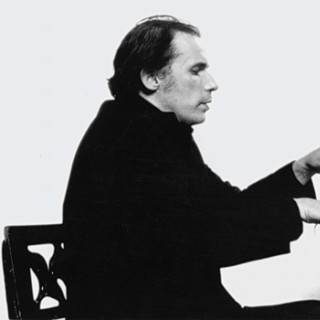
Canadian composer and pianist
POPULARITY

31 episodes with Glenn Gould

7 episodes with Glenn Gould

5 episodes with Glenn Gould

5 episodes with Glenn Gould

3 episodes with Glenn Gould

8 episodes with Glenn Gould

6 episodes with Glenn Gould

4 episodes with Glenn Gould

5 episodes with Glenn Gould

6 episodes with Glenn Gould

9 episodes with Glenn Gould

3 episodes with Glenn Gould

5 episodes with Glenn Gould

7 episodes with Glenn Gould

2 episodes with Glenn Gould

2 episodes with Glenn Gould

3 episodes with Glenn Gould

2 episodes with Glenn Gould

Aquí lo que importa es que sea fresco del día, en nuestro caso, de la quincena. En Radio Curie te ofrecemos una selección de novedades musicales del circuito alternativo internacional hecho con amor y todo el rigor posible. Durante una hora repasamos lo último de lo último, desde el folk a los sonidos más eclécticos de la electrónica, pasando por el postpunk o el hiphop. Aquí cabe casi todo. 1) Souly Had - playing field 2) Nick Ward; Glenn Gould - Piano (feat. Glenn Gould) 3) THAO; Neko Case - Catch As Catch Can 4) Sarah Meth - Don't touch me you're my hero 5) Eilis Frawley - Guilt 6) Stef Chura - Thunder and Lightning 7) Friendly Fires - Lose All Your Friends 8) Wishy - Sensational 9) The Black Tones - Bombs 10) Little Hag - BABIES 11) Marital Bed - Ghost 12) Gash - data master 13) Omni - Coliseum - Demo 14) Death Valley Girls - Basic Witch 15) 2nd Grade - Anywhere Girls 16) Westside Cowboy - Paperchains 17) Friko - Necessary 18) Los Bitchos; Ambrose Kenny-Smith - Holding Cell 19) Spread Joy - Iambic Pentameter 20) Sex Mask - Lockjaw 21) Total Wife; Full Body 2 - make.it.last.x.full.body.2.recovery 22) untitled (halo) - aimee lou wood freestyle

BIG ANNOUNCEMENT! Old Tomato Face visited the grave of Hall of Fame Chicago Cubs catcher and manager Gabby Hartnett, the real Old Tomato Face! He decided to retire the nickname; be sure to listen to this episode to hear the new name he and Thor landed on. Next week's episode will be 633 Squadron (1964).

John Linnell is one half of They Might Be Giants, an American alternative rock band formed in Brooklyn, New York, in 1982. The group is known for their unique blend of alternative rock, experimental pop, and highly unconventional songwriting. John chats with us on his career to date, recent album The World Is To Dig and a great deal more. To listen / watch: Audio-only: click on the play button in the audio player above, or: Video: watch the embedded video below or check it and previous episodes out on our YouTube Channel Discussion topics covered during the show (links will open in new tab): Pulling together a ‘pile’ of songs for The World Is To Dig The Linnell / Flansburgh writing and album production process The brilliant Patrick Dillett Sound selection for The World Is To Dig The Critter and Guitari Organelle Bastl Instruments John’s long-term love of Digital Performer They Might Be Giants live – approach in the early years as a tape-backed duo They Might Be Giants re-create the duo years in Brooklyn in 2015. John in action with They Might Be Giants live in 2026: Spiraling Shape John’s discovery of the accordion Main Squeeze accordions in New York City The late, great Walter Kuhr and the Main Squeeze Orchestra John’s keyboard rig in ‘the early days’ Casio CZ-101 Casio FZ-1 John’s current virtual keyboard rig with They Might Be Giants after a long and healthy relationship with the original Roland Fantom keyboard The Marxophone The Marxophone in action on Alabama Song (Whisky Bar) – The Doors They Might Be Giants’ cover of the Irving Berlin song Lazy They Might Be Giants – Who Are The Electors? They Might Be Giants’ intergenerational appeal Mutual thoughts on Australia’s love for They Might Be Giants (and how JJJ made a difference) The TMBG musical vault and why it will likely stay closed Desert Island Discs: Bach: The Well-Tempered Clavier, Books I & II BWV 846-893 – Glenn Gould, The Anthology 1931-1968 – The Mills Brothers, Songs of the Pogo – Norman Monath / Walt Kelly, The Biz Never Sleeps – Biz Markie, Oranges & Lemons – XTC A shout out for This Might Be A Wiki Key links: Become a member of our YouTube channel and receive extra content Buy some keyboard related merchandise Drop us a line via the website, Facebook, Instagram, Reddit, Threads, BlueSky, TikTok or LinkedIn Complete our audience survey to help us improve! Check out our podcast guest playlist on Spotify to get a taste of each guest’s creations.The post John Linnell, They Might Be Giants appeared first on The Keyboard Chronicles.

durée : 01:00:08 - Théâtre et compagnie - Connaissez-vous les dangers du génie ? Trois jeunes pianistes talentueux - Glenn Gould, le narrateur et Wertheimer - se sont rencontrés au prestigieux cours d'Horowitz. D'emblée, Gould s'impose comme un génie triomphant, détournant définitivement les deux autres de leur carrière de virtuose. - équipe : Baptiste Guiton, Oriane Delacroix, Caroline Ouazana Vous aimez ce podcast ? Pour écouter tous les épisodes sans limite, rendez-vous sur Radio France

durée : 01:00:08 - Théâtre - Connaissez-vous les dangers du génie ? Trois jeunes pianistes talentueux - Glenn Gould, le narrateur et Wertheimer - se sont rencontrés au prestigieux cours d'Horowitz. D'emblée, Gould s'impose comme un génie triomphant, détournant définitivement les deux autres de leur carrière de virtuose. - équipe : Baptiste Guiton, Oriane Delacroix, Caroline Ouazana Vous aimez ce podcast ? Pour écouter tous les épisodes sans limite, rendez-vous sur Radio France

durée : 01:00:08 - Le grand podcast de voyage - Connaissez-vous les dangers du génie ? Trois jeunes pianistes talentueux - Glenn Gould, le narrateur et Wertheimer - se sont rencontrés au prestigieux cours d'Horowitz. D'emblée, Gould s'impose comme un génie triomphant, détournant définitivement les deux autres de leur carrière de virtuose. - équipe : Baptiste Guiton, Oriane Delacroix, Caroline Ouazana Vous aimez ce podcast ? Pour écouter tous les épisodes sans limite, rendez-vous sur Radio France

durée : 00:05:13 - par : Producteurs en alternance - Nous écoutons la Sarabande de la Partita pour piano n°4 en Ré Maj BWV 828 de Jean-Sébastien Bach, interprétée au piano par Glenn Gould. Bach Récital (CBS, 1987) Vous aimez ce podcast ? Pour écouter tous les épisodes sans limite, rendez-vous sur Radio France

durée : 00:05:13 - par : Producteurs en alternance - Nous écoutons la Sarabande de la Partita pour piano n°4 en Ré Maj BWV 828 de Jean-Sébastien Bach, interprétée au piano par Glenn Gould. Bach Récital (CBS, 1987) Vous aimez ce podcast ? Pour écouter tous les épisodes sans limite, rendez-vous sur Radio France

Send us a text! We'd love to hear your thoughts on the show.In this episode of The Resilient Writers Radio Show, I'm joined by Toronto writer and journalist Christine Fischer Guy, author of The Umbrella Mender and her new novel, The Instrument Must Not Matter.Christine's latest novel follows Lila, a gifted young classical pianist who leaves Toronto for New York City after being chosen to study with a prestigious mentor. It's an exciting opportunity, but also a terrifying one. Lila has to leave behind everything she knows and step into a world of artistic pressure, ambition, loneliness, and possibility.What I loved about this conversation is how Christine talks about the way her novels begin: with character. For The Instrument Must Not Matter, the spark came from walking past the statue of Glenn Gould outside the CBC building in Toronto. That small moment of curiosity led her into biographies, research, music, and eventually into the world of this novel.Christine isn't a classical pianist herself, but while writing the book, she took piano lessons and even learned to play a Bach Partita in C. I loved hearing about that kind of immersive research—the kind that lets a writer feel their way into a character's world, even when that world is technically demanding and unfamiliar.We also talk about the deeper family history behind the novel. Lila's grandmother was a violinist in Prague in 1968, when Soviet tanks rolled in after the Prague Spring. On the night before her planned debut, she goes out after curfew and plays the piece she was meant to perform—an act of artistic resistance that leads to her arrest and to a lifetime of silence as a musician.One of the most fascinating parts of our conversation is Christine's discussion of writing about music. Music exists beyond language, so how do you put that on the page? For Christine, part of the answer came through Lila's synesthesia. Lila experiences sound as colour, which gives the novel a vivid, sensory way to bring music into language.And of course, we talk about the writing process. Christine describes herself as a discovery writer. She doesn't begin with an outline. Instead, she writes a messy first draft to find out what happens, then shapes the book through revision. The Instrument Must Not Matter took ten years and at least ten major revisions, including one big change: in the first draft, the pianist was a man. When the protagonist became a young woman, the story truly opened up.This is such a generous conversation about research, revision, artistic courage, and trusting the long process of writing a novel.For any writer who is deep in the messy middle of a project, I think you'll find real comfort here. Some books take the time they take—and sometimes, the long way through is exactly what allows the book to become its best self.
durée : 00:15:05 - par : Lionel Esparza - À la fin des années 40, Glenn Gould découvre la musique d'Arnold Schönberg grâce à son professeur Alberto Guerrero. Une révélation pour le jeune pianiste canadien, fasciné par cette écriture qui marquera durablement sa manière d'entendre et de penser la musique. - réalisation : Flora Sternadel, Jeanne Lerch Vous aimez ce podcast ? Pour écouter tous les épisodes sans limite, rendez-vous sur Radio France

durée : 00:15:05 - par : Lionel Esparza - À la fin des années 40, Glenn Gould découvre la musique d'Arnold Schönberg grâce à son professeur Alberto Guerrero. Une révélation pour le jeune pianiste canadien, fasciné par cette écriture qui marquera durablement sa manière d'entendre et de penser la musique. - réalisation : Flora Sternadel, Jeanne Lerch Vous aimez ce podcast ? Pour écouter tous les épisodes sans limite, rendez-vous sur Radio France
Michael Stephen Brown is a versatile American pianist and composer best known for his solo performances, rich chamber music collaborations, and unique original works. Bridging the gap between world-class piano playing and storytelling, he has recently released his debut album of all-original music, Twelve Blocks. Showcasing his distinct creative voice, the deeply personal project features a series of musical portraits, emotional detours, and true stories brought to life alongside an impressive roster of guest performers. We chat with Michael on this and get some great insights into his approach to music and composition. To listen / watch: Audio-only: click on the play button in the audio player above, or: Video: watch the embedded video below or check it and previous episodes out on our YouTube Channel Discussion topics covered during the show (links will open in new tab): Michael’s past year Michaels’ album – Twelve Blocks The process of seeking or receiving commissions for musical performances and/or compositions The Chamber Music Society of Lincoln Center Michael’s musical upbringing Attending Juilliard Jerome Lowenthal Samuel Adler Ursula Oppens Ursula Oppens and Jerome Lowenthal perform Michael’s piece Twelve Blocks, with poetry Composing for one piano, four hands and four albums Composing for one hand only Breakup Etude for the Right Hand Alone The Yaddo retreat The Carnival of Endangered Wonders Lake Alan Piano from Pas de trois – Michael Stephen Brown Composing with pencil and paper versus computer Michael’s piano Octavia A discussion on mental health, music and the arts Creatives Care Planning and rehearsing a repertoire before a show or tour Michael’s upcoming creative works, including release of his own piano concerto Desert Island Discs: Stravinsky: The Rite of Spring – Leonard Bernstein and London Symphony Orchestra, Live Performances 1934-1956 Vol. 1 – Art Tatum, Bach: The Goldberg Variations – Glenn Gould, Ravel: Gaspard de la nuit – Arturo Benedetti Michelangeli Key links: Become a member of our YouTube channel and receive extra content Buy some keyboard related merchandise Drop us a line via the website, Facebook, Instagram, Reddit, Threads, BlueSky, TikTok or LinkedIn Complete our audience survey to help us improve! Check out our podcast guest playlist on Spotify to get a taste of each guest’s creations.The post Michael Stephen Brown, Pianist and Composer appeared first on The Keyboard Chronicles.

Max Pradera se adentra en aquellas obras maestras que permanecieron en el olvido durante décadas o siglos hasta que fueron "resucitadas" y devueltas a la popularidad. Analiza los tres tipos de "resucitadores" que hacen posible este fenómeno: los intérpretes legendarios como Glenn Gould y Pau Casals, el cine de Hollywood y europeo. El amigo secreto dedica su análisis a la célebre "Torn".
The pianist, composer and sound artist Glenn Gould once wrote: "Art on its loftiest mission is scarcely human at all." What becomes of art and humanity when they are allowed to vary independently of one another? Which serves which, and to what end? In this episode, JF and Phil discuss Glenn Gould's style and vision of music through the lens of François Girard's memorable 1993 film, Thirty-Two Short Films About Glenn Gould. For details on the upcoming Weird Studies Volume 3 listening party, and to register for the event, go to the event page on the Weirdosphere website. The album will be released on May 22, 2026, on Pierre-Yves Martel's Bandcamp page. Click here to support Weird Studies on Patreon. REFERENCES Francois Girard (dir.), Thirty Two Short Films About Glenn Gould Rob Reiner, This is Spinal Tap Weird Studies, Episode 31 on Gould's “Prospects of Recording” "The Shining Recut" "Glenn Gould Interviews Glenn Gould About Glenn Gould" Phil Ford, Dig: Sound and Music in Hip Culture Glenn Gould, "The Idea of North" Weird Studies, Episode 124 with Duncan Barford Francois Girard, Production of Wagner's Parsifal Richard Wagner, Parsifal (clip from performance conducted by Reginald Goodall) Spear of Longinus Header image by Ana Pismel, via Wikimedia Commons. Learn more about your ad choices. Visit megaphone.fm/adchoices
durée : 00:16:28 - par : Lionel Esparza - La pianiste et claveciniste américaine Rosalyn Tureck a fait de Bach son territoire de prédilection. Enregistrée en 1953, sa version très remarquée du Clavier bien tempéré — à la fois claire, transparente et d'une grande expressivité, a marqué l'histoire du piano et influencé Glenn Gould. - réalisation : Flora Sternadel Vous aimez ce podcast ? Pour écouter tous les épisodes sans limite, rendez-vous sur Radio France
durée : 00:16:28 - par : Lionel Esparza - La pianiste et claveciniste américaine Rosalyn Tureck a fait de Bach son territoire de prédilection. Enregistrée en 1953, sa version très remarquée du Clavier bien tempéré — à la fois claire, transparente et d'une grande expressivité, a marqué l'histoire du piano et influencé Glenn Gould. - réalisation : Flora Sternadel Vous aimez ce podcast ? Pour écouter tous les épisodes sans limite, rendez-vous sur Radio France

Generational psychology gift wrapped in Classical music.
Tapetenwechsel für den Kopf: Mozart komponiert seine C-Dur-Klaviersonate in einer Zeit des Umbruchs. Sie ist ein Meisterwerk der musikalischen Ökonomie und eine Herausforderung - selbst für Profis! Von Christoph Vratz.
You don't become one of the most successful pianists of our time without a lot of practice. That's something Lang Lang knows all about. Six years after the release of his celebrated record Piano Book, the virtuoso Chinese pianist is back with a new album, Piano Book 2. It's designed to inspire people of all ages, levels and backgrounds. Lang Lang sits down with Tom Power at the Glenn Gould piano in our studio to discuss the album, and his life in music. He tells us about the teacher who didn't believe in him, how he got past that early rejection, and how he found the right people to support him.

Ouça aqui a segunda parte da conversa com a escritora Teolinda Gersão, que revela o seu processo de escrita, a começar por uma fase indomável, danada, onde vai tudo parar ao papel, e ao ecrã do computador, vindo do inconsciente, sem nenhum filtro. A autora assume que está agora nesse lugar, na escrita do novo romance, o momento da sua literatura mais libertador e prazeroso. O que se segue é muito trabalho e dor até sentir ter escrito o que queria, o melhor que podia. Teolinda reflete ainda sobre os “loucos” que governam o mundo, o que o passado ensina, e o que espera do futuro. Teolinda Gersão recorda ainda a carta manuscrita e desenhada que um dia recebeu da pintora Paula Rêgo, depois de ter ficado maravilhada com a sua escrita e com um conto em particular sobre uma velha. E depois partilha algumas das músicas que a acompanham, lê um excerto de um dos seus contos, e outro de um livro de poesia do escritor e jornalista José Carlos de Vasconcelos e partilha uma sugestão cultural. Boas escutas! Músicas "Sonata Appassionata", por Alfred Brende, de Beethoven "Goldberg Variations", por Glenn Gould, de Bach "Partita nº2" por Martha Argerich, de Bach “Le métèque”, de George Moustaki Série A série da Netflix “O Museu da Inocência” , baseada no romance de 2008, muito biográfico, de Orhan Pamuk, com o mesmo nome. Livros "Autobiografia não escrita de Martha Freud", de Teolinda Gersão "Atrás da Porta e Outras Histórias", de Teolinda Gersão "Os Setes Sentidos e Outros Lugares", de José Carlos de VasconcelosSee omnystudio.com/listener for privacy information.

Kaum ein Pianist hat Bachs Goldberg-Variationen so geprägt wie der Kanadier Glenn Gould. Seine Einspielungen sind legendär und bis ins kleinste Detail erkundet – sollte man meinen. Aber ein neu entdecktes Tonband aus einem New Yorker Archiv stellt diese Gewissheit plötzlich in Frage. Die Aufnahme führt mitten hinein in Goulds musikalisches Denken; und das auf eine Weise, die man so noch nicht gehört hat. Michael Rebhahn über einen spektakulären Fund.

Send us Fan MailJason welcomes Christine Fischer Guy for an amiable gab about ordering beers around the world, Glenn Gould, Danielle Steele, rising to touch the universal, synesthesia, & tuberculosis. Like, love, subscribe, & join the early sh*t chat on Instagram @writersreadtheirearlyshit. Thanks to Wayne Emde for the artwork, Joe Emde for help with the intro, DJ Max in Tokyo for the wizard music, and you, wherever & whoever & however you are, for listening. Support the show

Pre-order Drawing is Important — http://tomfroese.com/bookIn this episode, I take on the "myth of artistic looseness." We often envy the "spontaneous" energy of artists like Quentin Blake, but the truth is that looking effortless requires a tone of effort. I dive into why your final illustrations feel "stiff" compared to your sketches and how to bridge that gap through what I call supervised spontaneity and confidence from competence. IN THIS EPISODE • Three observations about artistic looseness • How to build "chaos" into a repeatable process. • The Take-Two-ness of Glenn Gould: Why the best work happens in the studio, not live. • Why even pros like Sir Quentin Blake struggle with achieving looseness. • The Exercise: A three-stage drawing challenge to help you unlock creative freedom in your drawings.EPISODE LINKS • Quentin Blake shares about his artistic neurosis in "How I draw" — https://quentinblake.com/about-drawing/how-i-draw • Glenn Gould Poster (Tom Froese, for Polaris Prize) — https://www.tomfroese.com/work/polaris-music-prize-glenn-gould • Glenn Gould's "Take-Two-Ness" — https://en.wikipedia.org/wiki/BachTheGoldberg_Variations_(Glenn_Gould_album)HOW TO SUPPORTYou can support Thoughts on Illustration by: • Sharing this episode with a friend • Leaving a comment • Leaving a rating or review on Apple Podcasts • Following the show / subscribing to this channel • Becoming a paid supporter here or on Patreon — https://patreon.com/tomfroeseFIND ME ELSEWHERE • Website — https://www.tomfroese.com • Instagram — https://www.instagram.com/mrtomfroese • Daily Drawings — https://www.instagram.com/drawingisimportantCREDITSMusic and cues by Mark Allan Falk — https://linktr.ee/semiathleticDRAWING IS IMPORTANT — NOW AVAILABLE FOR PRE-ORDERMy new book, Drawing Is Important, is your guide to making drawing a meaningful daily habit. Through stories, insights, and exercises, it helps you draw more often—with less pressure and more joy. Available 7 April 2026 — Pre-order now! The first 500 orders get a free hand-signed book plate! Look for "get pre-order prizes" after clicking the link.Pre-order Drawing is Important — http://tomfroese.com/book

Thu, 26 Feb 2026 17:15:00 GMT http://relay.fm/conduit/122 http://relay.fm/conduit/122 Kathy Campbell and Jay Miller Jay is gone again, so Kathy brings back Merlin Mann to discuss productivity porn as well as a ton of other topics of import. Jay is gone again, so Kathy brings back Merlin Mann to discuss productivity porn as well as a ton of other topics of import. clean 5583 Jay is gone again, so Kathy brings back Merlin Mann to discuss productivity porn as well as a ton of other topics of import. Guest Starring: Merlin Mann Links and Show Notes: Checked Connections - Merlin ✅ - Working on collecting the old sites and Fives list - Kathy ✅ - Get ready for unicorning cowork Keep sending those MyConduit Connections to us on Discord and through Feedback! New Connections - Merlin - Keep working on the site thing - Kathy - Take things to the post office For Our Super Conductors: Pre-Show: LIDar on iOS. How do you know if you're ladder is against the right wall? Post-Show: Embracing the chaos Credits Music: When You Smile Executive Producers: Relay FM Discord Community Conduit e122 Links Merlin's One Good Things Where Everybody Knows Your Name: Judy Greer (Ted Danson, Conan O'Brien Network) -- "I went in thinking, oh, this looks really good, and I ended up liking it probably twice as much as I expected." Judy Greer -- Cheryl/Carol on Archer, Kitty Sanchez on Arrested Development. "It was neat to hear her talk about how important it was for her to get better at acting." Typora -- WYSIWYG Markdown editor ($15). "A really nice balance of what I'm looking for" -- discovered through the 5ives redesign work with Claude. Judi Dench speech on The Graham Norton Show -- "Made me cry." Kathy's One Good Thing Flavor Flav sponsoring the US women's hockey team -- Vegas celebration for the gold-medal team. Merlin responded by rapping "Bring the Noise" from memory. Merlin's Shows Do By Friday (with Alex Cox) Reconcilable Differences (with John Siracusa) Roderick on the Line (with John Roderick) Productivity / Publishing Inbox Zero -- "I'm the inbox zero guy." Merlin originated the concept; the world turned it into a marketing term. 43folders.com -- "In 2004, there were not a lot of websites about how to deal with your productivity problems as a Mac user." Back to Work (5by5) -- former podcast David Allen / Getting Things Done -- "He claims he's the laziest man in the world, and I've always admired that he says that." Danny O'Brien and the 2005 ETech "Life Hacks" talk -- "Danny and I are both so addled and odd and different... his energy was just incandescent to be around." The conference where Merlin's laptop had Wi-Fi for the first time. Site Meter -- "There's your life before site meter and your life after site meter." The little GIF badge that counted page loads and launched a million blog vanity spirals. 5ives & Typography 5ives -- Merlin's list site (2002), 450 lists, being revived. "I'm pleased with myself. I like that I made four hundred and fifty lists that some people thought were funny in the 2000s." Matthew Butterick -- fonts, Practical Typography. "One of those people where I'm just interested in your deal," like Simon Willison or Edgar Wright. Merlin bought the entire font set during a bout of situational depression and is finally using them for the 5ives redesign. Movies & TV The Hollow Crown (BBC) -- Trailer. "Look at that stacked cast." Ben Whishaw, Tom Hiddleston, Sophie Okonedo, Rory Kinnear. Merlin told Kathy to buy it on Apple TV "or I can pirate it for you." Kenneth Branagh's Henry V (1989) -- "My number one movie that I recommend." "You don't even need to understand what they're saying. It'll still give you shivers." Mark Rylance: St. Crispin's Day speech at the Globe -- "It gives you a different kind of shivers, like a different part of your neck and your back." Merlin recited part of the speech from memory. The Death of Stalin (2017) -- "A very dark, very funny film" by Armando Iannucci. Veep / The Thick of It -- "It's gonna be difficult difficult lemon difficult." Both Iannucci. Led to Merlin imagining Matthew Butterick as a Veep restaurant reservation alias. Women Talking (2022) / Men (2022) -- Merlin's suggested double feature for mom's night. "Start with Women Talking, back with Men." Jessie Buckley, Rory Kinnear. Our Flag Means Death -- Merlin named his Mac Studio "Buttons" after Ewen Bremner's Mr. Buttons ("the guy from Trainspotting"). Rhys Darby, Kristian Nairn ("Hodor's on there. He's a big fella."). Fantastic Mr. Fox (2009) -- "Just to be available." Merlin's favorite line, from Mr. Kylie the possum wanting to know his job in the big plan. Music Vikingur Olafsson: Goldberg Variations (Deutsche Grammophon, 2023) -- Merlin's current obsession. "I care so intensely about that." Discovered after years of only knowing Glenn Gould. Glenn Gould: 1955 vs. 1981 Goldberg Variations -- The famous pair: 38 minutes of youthful showmanship vs. 51 minutes of deliberate structure. Public Enemy -- "Bring the Noise" -- Merlin rapped the full opening verse from memory when Kathy mentioned Flavor Flav. "Bass, how low can you go?" Poetry Gwendolyn Brooks -- "We Real Cool" (video of her 1983 Guggenheim reading) -- "We real cool. We jazz June. We die soon." Merlin on hearing poetry "in the air" vs. on the page. Sylvia Plath -- "Daddy" (her 1962 BBC recording) -- "You do not do, you do not do... you really hear something you didn't see on the page." Books & Podcasts Bessel van der Kolk on The Ezra Klein Show -- "One of my all-time favorite podcast episodes. It changed my life. Everything you know about trauma is screwing you up." Off Menu -- celebrities describe their dream meal. The Amanda Seyfried episode taught Merlin about a kind of olive he now puts on Brussels sprouts. Mr. Show with Bob and David -- source of the "hey everybody" drum bit Merlin does throughout. "I'm very, very, very specifically stealing it from a bit about the new Ku Klux Klan." Blank Check (Griffin Newman) -- source of "the great ___" bit. "I'll credit Griffin Newman for that bit." People James Thompson (PCalc, Dice by PCalc) -- "What if twenty-sided dice fell on your head?" Merlin on how James finds delight in close-to-the-metal Apple tech. Armando Iannucci -- "If you like English nerd comedy, he's really something." Simon Willison, Matt Webb, danah boyd -- people Merlin follows because "I'm just interested in your deal." Edgar Wright -- "I will just show up because I'm interested in what he's up to. I don't even care if I like his movie." Ecamm Live -- streaming app Kathy uses for her unicorn co-working sessions. Pre-Show (Superconductors only) LiDAR accessibility features on iPhone -- Merlin fiddled with it on the street, "pointing his phone at people for a very long time." Apple's breathing sleep LED -- the MacBook pulsing light. Kathy: "So relaxing, so unnecessary and delightful." Apple researched sleeping respiratory rates and chose the calmest end of the spectrum. Erich Brenn, plate spinner, on The Ed Sullivan Show -- the origin of "spinning plates" as a metaphor. 8 appearances in the 1950s-60s. Support Conduit with a Relay Membership

Thu, 26 Feb 2026 17:15:00 GMT http://relay.fm/conduit/122 http://relay.fm/conduit/122 There is No One True Anything with Merlin Mann 122 Kathy Campbell and Jay Miller Jay is gone again, so Kathy brings back Merlin Mann to discuss productivity porn as well as a ton of other topics of import. Jay is gone again, so Kathy brings back Merlin Mann to discuss productivity porn as well as a ton of other topics of import. clean 5583 Jay is gone again, so Kathy brings back Merlin Mann to discuss productivity porn as well as a ton of other topics of import. Guest Starring: Merlin Mann Links and Show Notes: Checked Connections - Merlin ✅ - Working on collecting the old sites and Fives list - Kathy ✅ - Get ready for unicorning cowork Keep sending those MyConduit Connections to us on Discord and through Feedback! New Connections - Merlin - Keep working on the site thing - Kathy - Take things to the post office For Our Super Conductors: Pre-Show: LIDar on iOS. How do you know if you're ladder is against the right wall? Post-Show: Embracing the chaos Credits Music: When You Smile Executive Producers: Relay FM Discord Community Conduit e122 Links Merlin's One Good Things Where Everybody Knows Your Name: Judy Greer (Ted Danson, Conan O'Brien Network) -- "I went in thinking, oh, this looks really good, and I ended up liking it probably twice as much as I expected." Judy Greer -- Cheryl/Carol on Archer, Kitty Sanchez on Arrested Development. "It was neat to hear her talk about how important it was for her to get better at acting." Typora -- WYSIWYG Markdown editor ($15). "A really nice balance of what I'm looking for" -- discovered through the 5ives redesign work with Claude. Judi Dench speech on The Graham Norton Show -- "Made me cry." Kathy's One Good Thing Flavor Flav sponsoring the US women's hockey team -- Vegas celebration for the gold-medal team. Merlin responded by rapping "Bring the Noise" from memory. Merlin's Shows Do By Friday (with Alex Cox) Reconcilable Differences (with John Siracusa) Roderick on the Line (with John Roderick) Productivity / Publishing Inbox Zero -- "I'm the inbox zero guy." Merlin originated the concept; the world turned it into a marketing term. 43folders.com -- "In 2004, there were not a lot of websites about how to deal with your productivity problems as a Mac user." Back to Work (5by5) -- former podcast David Allen / Getting Things Done -- "He claims he's the laziest man in the world, and I've always admired that he says that." Danny O'Brien and the 2005 ETech "Life Hacks" talk -- "Danny and I are both so addled and odd and different... his energy was just incandescent to be around." The conference where Merlin's laptop had Wi-Fi for the first time. Site Meter -- "There's your life before site meter and your life after site meter." The little GIF badge that counted page loads and launched a million blog vanity spirals. 5ives & Typography 5ives -- Merlin's list site (2002), 450 lists, being revived. "I'm pleased with myself. I like that I made four hundred and fifty lists that some people thought were funny in the 2000s." Matthew Butterick -- fonts, Practical Typography. "One of those people where I'm just interested in your deal," like Simon Willison or Edgar Wright. Merlin bought the entire font set during a bout of situational depression and is finally using them for the 5ives redesign. Movies & TV The Hollow Crown (BBC) -- Trailer. "Look at that stacked cast." Ben Whishaw, Tom Hiddleston, Sophie Okonedo, Rory Kinnear. Merlin told Kathy to buy it on Apple TV "or I can pirate it for you." Kenneth Branagh's Henry V (1989) -- "My number one movie that I recommend." "You don't even need to understand what they're saying. It'll still give you shivers." Mark Rylance: St. Crispin's Day speech at the Globe -- "It gives you a different kind of shivers, like a different part of your neck and your back." Merlin recited part of the speech from memory. The Death of Stalin (2017) -- "A very dark, very funny film" by Armando Iannucci. Veep / The Thick of It -- "It's gonna be difficult difficult lemon difficult." Both Iannucci. Led to Merlin imagining Matthew Butterick as a Veep restaurant reservation alias. Women Talking (2022) / Men (2022) -- Merlin's suggested double feature for mom's night. "Start with Women Talking, back with Men." Jessie Buckley, Rory Kinnear. Our Flag Means Death -- Merlin named his Mac Studio "Buttons" after Ewen Bremner's Mr. Buttons ("the guy from Trainspotting"). Rhys Darby, Kristian Nairn ("Hodor's on there. He's a big fella."). Fantastic Mr. Fox (2009) -- "Just to be available." Merlin's favorite line, from Mr. Kylie the possum wanting to know his job in the big plan. Music Vikingur Olafsson: Goldberg Variations (Deutsche Grammophon, 2023) -- Merlin's current obsession. "I care so intensely about that." Discovered after years of only knowing Glenn Gould. Glenn Gould: 1955 vs. 1981 Goldberg Variations -- The famous pair: 38 minutes of youthful showmanship vs. 51 minutes of deliberate structure. Public Enemy -- "Bring the Noise" -- Merlin rapped the full opening verse from memory when Kathy mentioned Flavor Flav. "Bass, how low can you go?" Poetry Gwendolyn Brooks -- "We Real Cool" (video of her 1983 Guggenheim reading) -- "We real cool. We jazz June. We die soon." Merlin on hearing poetry "in the air" vs. on the page. Sylvia Plath -- "Daddy" (her 1962 BBC recording) -- "You do not do, you do not do... you really hear something you didn't see on the page." Books & Podcasts Bessel van der Kolk on The Ezra Klein Show -- "One of my all-time favorite podcast episodes. It changed my life. Everything you know about trauma is screwing you up." Off Menu -- celebrities describe their dream meal. The Amanda Seyfried episode taught Merlin about a kind of olive he now puts on Brussels sprouts. Mr. Show with Bob and David -- source of the "hey everybody" drum bit Merlin does throughout. "I'm very, very, very specifically stealing it from a bit about the new Ku Klux Klan." Blank Check (Griffin Newman) -- source of "the great ___" bit. "I'll credit Griffin Newman for that bit." People James Thompson (PCalc, Dice by PCalc) -- "What if twenty-sided dice fell on your head?" Merlin on how James finds delight in close-to-the-metal Apple tech. Armando Iannucci -- "If you like English nerd comedy, he's really something." Simon Willison, Matt Webb, danah boyd -- people Merlin follows because "I'm just interested in your deal." Edgar Wright -- "I will just show up because I'm interested in what he's up to. I don't even care if I like his movie." Ecamm Live -- streaming app Kathy uses for her unicorn co-working sessions. Pre-Show (Superconductors only) LiDAR accessibility features on iPhone -- Merlin fiddled with it on the street, "pointing his phone at people for a very long time." Apple's breathing sleep LED -- the MacBook pulsing light. Kathy: "So relaxing, so unnecessary and delightful." Apple researched sleeping respiratory rates and chose the calmest end of the spectrum. Erich Brenn, plate spinner, on The Ed Sullivan Show -- the origin of "spinning plates" as a metaphor. 8 appearances in the 1950s-60s. Support Conduit with a Relay Membership
durée : 01:58:45 - Le Bach du dimanche du dimanche 22 février 2026 - par : Corinne Schneider - Au programme de cette 372e émission : hommage au chef d'orchestre allemand Helmuth Rilling suite à son décès survenu le 11 février 2026 à l'âge de 92 ans ; Glenn Gould à l'orgue (1962) et le livre de Pierre Charvet « Le Code B.A.C.H. Enquête sur L'Art de la Fugue » (Ed. Le Mot et le reste, 20 fév.) - réalisé par : Anne-Lise Assada Vous aimez ce podcast ? Pour écouter tous les autres épisodes sans limite, rendez-vous sur Radio France.
Yesterday, January 29th, was the 101st anniversary of the birth of the Canadian soprano (later mezzo) Lois Marshall. Marshall was in so many ways a unique and treasurable artist. Afflicted with polio as a young child, she spent much of her early life hospitalized. It was there that she discovered the expressive power of her singing voice. Following her training at the Royal Conservatory of Music in Toronto, Marshall won two prestigious vocal competitions, including the Naumburg, she was taken on by such early mentors as Arturo Toscanini and Thomas Beecham and others. Audiences were captivated by both the spontaneity and directness of her artistry. Though she made occasional appearances in opera (and in particular televised opera, where her mobility issues could be more easily managed), she was primarily known as a concert singer. Recommended by the young Glenn Gould, she quickly became a favorite with Russian audiences and created the Canadian premieres of works by Poulenc and Britten, among others. This, the fourth Countermelody episode devoted to this artist, features her in a wide range of material, including in particular work by contemporary Canadian composers including Harry Somers, Oskar Morawetz, Srul Anthony Glick, Godfrey Ridout, Harry Freedman, and Jean Coulthard. The episode also emphasizes the purity and expressiveness of her singing in Baroque music, including Handel, Bach, Purcell, and Schütz as well as her unique way on the concert platform with both art song and folk song arrangements. Collaborating artists include Leopold Stokowski, Maureen Forrester, Glenn Gould, Seiji Ozawa, John Alexander, and Thomas Beecham. Once heard, Lois Marshall will never be forgotten. Countermelody is the podcast devoted to the glory and the power of the human voice raised in song. Singer and vocal aficionado Daniel Gundlach explores great singers of the past and present focusing in particular on those who are less well-remembered today than they should be. Daniel's lifetime in music as a professional countertenor, pianist, vocal coach, voice teacher, and author yields an exciting array of anecdotes, impressions, and “inside stories.” At Countermelody's core is the celebration of great singers of all stripes, their instruments, and the connection they make to the words they sing. By clicking on the following link (https://linktr.ee/CountermelodyPodcast) you can find the dedicated Countermelody website which contains additional content including artist photos and episode setlists. The link will also take you to Countermelody's Patreon page, where you can pledge your monthly or yearly support at whatever level you can afford.

Today we're putting The Tonearm's needle on Patricia Brennan, a vibraphonist and composer who grew up in Veracruz, Mexico, playing salsa with her dad while listening to Hendrix and Zeppelin with her mom. She studied classical percussion at the Curtis Institute, performed with Yo-Yo Ma and the Philadelphia Orchestra, then found her voice and career in jazz and improvisation.Patricia's latest album, Of The Near And Far, takes constellations from the summer sky and turns them into music. She superimposes the circle of fifths over star patterns to generate pitches, then turns them into compositions that reflect a voice as unique as the compositional approach. Patricia's ten-piece ensemble features a jazz quintet, a string quartet, and an electronic musician, all conducted by Eli Greenhoe. Hot on the heels of her 2024 release, Breaking Stretch, which won Album of the Year and Vibraphonist of the Year in the DownBeat Critics Poll, Patricia's here to talk about finding symmetry between the cosmos and composition, why she carries a telescope wherever she goes, and how ancient myths and modern astronomy shape her work.(The musical excerpts heard in the interview are from Patricia Brennan's album Of The Near And Far)–Dig DeeperArtist and AlbumVisit Patricia Brennan at patriciabrennanvibes.com and follow her on Instagram, Facebook, and YouTubePurchase Patricia Brennan's Of The Near And Far from Pyroclastic Records, Bandcamp, or Qobuz and listen on your streaming platform of choicePatricia Brennan's acclaimed 2024 album Breaking Stretch on Pyroclastic RecordsEducational InstitutionsCurtis Institute of Music – Philadelphia conservatory where Patricia studied classical percussionYouth Orchestra of the Americas – Continental ensemble Patricia joined at age seventeenCollaborators and Ensemble MembersSylvie Courvoisier, pianistMiles Okazaki, guitaristKim Cass, bassistJohn Hollenbeck, drummer and composerKyle Armbrust, violistArktureye (Noel Brennan) – Electronic musician and Patricia's duo partner in MOCHEli Greenhoe, conductorMusical Influences and ReferencesKeiko Abe – Japanese marimbist who transformed the instrumentRadiohead – In RainbowsErik Satie – "Gnossienne No. 1"Glenn Gould performing BachPhilip Glass – String QuartetsGyörgy Ligeti – AtmosphèresGrachan Moncur III – Evolution featuring Bobby HutchersonKid Koala – Canadian turntablistEighth Blackbird – Contemporary chamber music ensembleFania All-Stars – Legendary salsa supergroupComposers MentionedTōru Takemitsu – Japanese composerIannis Xenakis – Greek-French composerKarlheinz Stockhausen – German composerEdgard Varèse – French-American composerJohn Cage – American experimental composerSteve Reich – American minimalist composerDavid Lang – Pulitzer Prize-winning composer, Bang on a Can co-founderAstronomical ReferencesAndromeda Galaxy (M31) – Nearest major galaxy to the Milky WayCircle of fifths – Music theory concept used in Patricia's compositional systemConstellation guide – Reference for the star patterns inspiring the albumNASA's Sounds of Space – Astronomical recordings translated into audio–Dig into this episode's complete show notes at podcast.thetonearm.com–• Did you enjoy this episode? Please share it with a friend! You can also rate The Tonearm ⭐️⭐️⭐️⭐️⭐️ and leave a review on Apple Podcasts. • Subscribe! Be the first to check out each new episode of The Tonearm in your podcast app of choice. • Looking for more? Visit podcast.thetonearm.com for bonus content, web-only interviews + features, and the Talk Of The Tonearm email newsletter. You can also follow us on Bluesky, Mastodon, YouTube, and LinkedIn. • Be sure to bookmark our online magazine, The Tonearm! → thetonearm.com Hosted on Acast. See acast.com/privacy for more information.

Today we're putting The Tonearm's needle on Patricia Brennan, a vibraphonist and composer who grew up in Veracruz, Mexico, playing salsa with her dad while listening to Hendrix and Zeppelin with her mom. She studied classical percussion at the Curtis Institute, performed with Yo-Yo Ma and the Philadelphia Orchestra, then found her voice and career in jazz and improvisation.Patricia's latest album, Of The Near And Far, takes constellations from the summer sky and turns them into music. She superimposes the circle of fifths over star patterns to generate pitches, then turns them into compositions that reflect a voice as unique as the compositional approach. Patricia's ten-piece ensemble features a jazz quintet, a string quartet, and an electronic musician, all conducted by Eli Greenhoe. Hot on the heels of her 2024 release, Breaking Stretch, which won Album of the Year and Vibraphonist of the Year in the DownBeat Critics Poll, Patricia's here to talk about finding symmetry between the cosmos and composition, why she carries a telescope wherever she goes, and how ancient myths and modern astronomy shape her work.(The musical excerpts heard in the interview are from Patricia Brennan's album Of The Near And Far)–Dig DeeperArtist and AlbumVisit Patricia Brennan at patriciabrennanvibes.com and follow her on Instagram, Facebook, and YouTubePurchase Patricia Brennan's Of The Near And Far from Pyroclastic Records, Bandcamp, or Qobuz and listen on your streaming platform of choicePatricia Brennan's acclaimed 2024 album Breaking Stretch on Pyroclastic RecordsEducational InstitutionsCurtis Institute of Music – Philadelphia conservatory where Patricia studied classical percussionYouth Orchestra of the Americas – Continental ensemble Patricia joined at age seventeenCollaborators and Ensemble MembersSylvie Courvoisier, pianistMiles Okazaki, guitaristKim Cass, bassistJohn Hollenbeck, drummer and composerKyle Armbrust, violistArktureye (Noel Brennan) – Electronic musician and Patricia's duo partner in MOCHEli Greenhoe, conductorMusical Influences and ReferencesKeiko Abe – Japanese marimbist who transformed the instrumentRadiohead – In RainbowsErik Satie – "Gnossienne No. 1"Glenn Gould performing BachPhilip Glass – String QuartetsGyörgy Ligeti – AtmosphèresGrachan Moncur III – Evolution featuring Bobby HutchersonKid Koala – Canadian turntablistEighth Blackbird – Contemporary chamber music ensembleFania All-Stars – Legendary salsa supergroupComposers MentionedTōru Takemitsu – Japanese composerIannis Xenakis – Greek-French composerKarlheinz Stockhausen – German composerEdgard Varèse – French-American composerJohn Cage – American experimental composerSteve Reich – American minimalist composerDavid Lang – Pulitzer Prize-winning composer, Bang on a Can co-founderAstronomical ReferencesAndromeda Galaxy (M31) – Nearest major galaxy to the Milky WayCircle of fifths – Music theory concept used in Patricia's compositional systemConstellation guide – Reference for the star patterns inspiring the albumNASA's Sounds of Space – Astronomical recordings translated into audio–Dig into this episode's complete show notes at podcast.thetonearm.com–• Did you enjoy this episode? Please share it with a friend! You can also rate The Tonearm ⭐️⭐️⭐️⭐️⭐️ and leave a review on Apple Podcasts. • Subscribe! Be the first to check out each new episode of The Tonearm in your podcast app of choice. • Looking for more? Visit podcast.thetonearm.com for bonus content, web-only interviews + features, and the Talk Of The Tonearm email newsletter. You can also follow us on Bluesky, Mastodon, YouTube, and LinkedIn. • Be sure to bookmark our online magazine, The Tonearm! → thetonearm.com Hosted on Acast. See acast.com/privacy for more information.
You don't become one of the most successful pianists of our time without a lot of practice. That's something Lang Lang knows all about. Six years after the release of his celebrated “Piano Book” record, the virtuoso Chinese pianist is back with a new album, “Piano Book 2.” It's designed to inspire people of all ages, levels and backgrounds. Lang Lang sits down with Tom Power at the Glenn Gould piano in our studio to discuss the album and his life in music. He tells us about the teacher who didn't believe in him, how he got past that early rejection, and how he found the right people to support him.Fill out our listener survey here. We appreciate your input!
Italian pianist and composer Ludovico Einaudi is a powerhouse in classical music. As one of the most streamed classical artists of all time, his atmospheric, meditative piano sound has captured the imaginations of acclaimed filmmakers and famous fans, such as Iggy Pop, Nicki Minaj and Ricky Gervais. Ludovico's new album, “The Summer Portraits,” was inspired by paintings he saw on a summer vacation that transported him back to his childhood. He joins Tom Power at the Glenn Gould piano in our studio to talk about his life, career and the healing power of music.

Singer-songwriter Sarah Slean talks about Joni Mitchell's enduring influence on music and women in the arts, as she prepares to perform orchestral versions of Mitchell's songs with the Vancouver Symphony Orchestra. Audio sources: Glenn Gould, Joni Mitchell, Sarah Slean This episode originally aired on October 5th, 2022
The outrage over threats by the U.S. to become a 51st state indicates Canadian nationalism is very much alive. IDEAS shares this 1992 award-winning documentary, which includes music compositions inspired by Glenn Gould. Composer Christos Hatzis discusses the meaning and enduring relevance of The Idea of Canada, saying, "Canada allows you to be patriotic and not to be nationalist."Credits:Composer Christos HatzisProducer Steve WadhamsAudio engineers Laurence Stevenson and Rod Crocker.

There's a moment in Mel Brooks' “History of the World Part 1” where we're told that shortly after the first artists came the first art critics…..I'll leave you to determine what happens…. The music world is certainly not short of people with opinions in regards to others' ability to perform and provide nuance to the work they present for us as music lovers to listen to. In the classical world, interpretation of the canon of baroque, classical, romantic and modernist music can be a mystery to some of us who are not classically trained musicians. There's no shortage of classical soloists who've captured the wider public's imagination, yet have their critics as well. Welcome to episode 128 of See Hear Podcast. Glenn Gould is regarded as one of the great pianists of the 20th century, known in particular for his love of and heavy focus on the composition of J.S. Bach. However, he wasn't unanimously revered. Pianist Alfred Brendel was vocally not a fan. Even Leonard Bernstein who did love Gould's approach covered himself before a TV broadcast of a Brahms piano concerto by saying Gould's approach was not going to be for everybody. Therein lies the heart of the matter – when you depart from an accepted orthodox style of playing of the canon, you're going to upset people. Glenn Gould upset some people. BUT….the reason he is still being talked about was for what he DID, not what he didn't do. He's most famous for his first and last released recordings, Bach's Goldberg Variations (1955 and 1981). Even there his recordings are wildly different, and the latter upset some who championed the earlier recording. He's also remembered for his intellect and could discuss may other issues outside of music – something he did on radio and TV specials. In 1993, film director Francois Girard released a brilliant biopic / documentary called “Thirty Two Short Films About Glenn Gould”. Like its subject, the film takes a wildly different approach from the accepted norm of musician biopic. As the name implies, the film comprises of 32 shorts featuring narratives, interviews, performance and experimentation that provide a strong sense of Gould's character. There is a 3 act structure, but not in the usual way that you get in a conventional musician biography. June 2025 sees the reissue of the film by Criterion, and I was thrilled to welcome Francois to the podcast to talk about this film and Gould in general. Unfortunately, we couldn't coordinate the timing to have Tim or Kerry available, but I still had a fascinating conversation with Francois that I hope you find illuminating. If you've been enjoying the show, please consider giving us a favourable review on iTunes and let your friends know that our show exists. If you don't enjoy the show, tell your adversaries to tune in. We don't care who listens..... See Hear is proudly part of the Pantheon Network of music podcasts. Check out all the other wonderful shows at http://pantheonpodcasts.com Send us feedback via email at seehearpodcast@gmail.com Join the Facebook group at http://facebook.com/groups/seehearpodcast You can download the show by searching for See Hear on whatever podcast app you favour (except Spotify). Learn more about your ad choices. Visit megaphone.fm/adchoices

There's a moment in Mel Brooks' “History of the World Part 1” where we're told that shortly after the first artists came the first art critics…..I'll leave you to determine what happens…. The music world is certainly not short of people with opinions in regards to others' ability to perform and provide nuance to the work they present for us as music lovers to listen to. In the classical world, interpretation of the canon of baroque, classical, romantic and modernist music can be a mystery to some of us who are not classically trained musicians. There's no shortage of classical soloists who've captured the wider public's imagination, yet have their critics as well. Welcome to episode 128 of See Hear Podcast. Glenn Gould is regarded as one of the great pianists of the 20th century, known in particular for his love of and heavy focus on the composition of J.S. Bach. However, he wasn't unanimously revered. Pianist Alfred Brendel was vocally not a fan. Even Leonard Bernstein who did love Gould's approach covered himself before a TV broadcast of a Brahms piano concerto by saying Gould's approach was not going to be for everybody. Therein lies the heart of the matter – when you depart from an accepted orthodox style of playing of the canon, you're going to upset people. Glenn Gould upset some people. BUT….the reason he is still being talked about was for what he DID, not what he didn't do. He's most famous for his first and last released recordings, Bach's Goldberg Variations (1955 and 1981). Even there his recordings are wildly different, and the latter upset some who championed the earlier recording. He's also remembered for his intellect and could discuss may other issues outside of music – something he did on radio and TV specials. In 1993, film director Francois Girard released a brilliant biopic / documentary called “Thirty Two Short Films About Glenn Gould”. Like its subject, the film takes a wildly different approach from the accepted norm of musician biopic. As the name implies, the film comprises of 32 shorts featuring narratives, interviews, performance and experimentation that provide a strong sense of Gould's character. There is a 3 act structure, but not in the usual way that you get in a conventional musician biography. June 2025 sees the reissue of the film by Criterion, and I was thrilled to welcome Francois to the podcast to talk about this film and Gould in general. Unfortunately, we couldn't coordinate the timing to have Tim or Kerry available, but I still had a fascinating conversation with Francois that I hope you find illuminating. If you've been enjoying the show, please consider giving us a favourable review on iTunes and let your friends know that our show exists. If you don't enjoy the show, tell your adversaries to tune in. We don't care who listens..... See Hear is proudly part of the Pantheon Network of music podcasts. Check out all the other wonderful shows at http://pantheonpodcasts.com Send us feedback via email at seehearpodcast@gmail.com Join the Facebook group at http://facebook.com/groups/seehearpodcast You can download the show by searching for See Hear on whatever podcast app you favour (except Spotify). Learn more about your ad choices. Visit megaphone.fm/adchoices
durée : 00:05:51 - Le Bach du matin du samedi 31 mai 2025 -
I've been so lucky this week to cross paths with several beloved friends and colleagues, in some cases for the first time in ages. One of those friends of many years' standing is the legendary countertenor Drew Minter, with whom I made my very first appearances on the New York concert stage… well, a few years back now! Seeing Drew made me think not only to his influence on me in my early years of singing, but also of the influence of the earliest (and still to my mind the greatest) of all American countertenors, Russell Oberlin. A few years ago, I dedicated a pair of episodes to him, and today I present to you the second of those episodes, originally fashioned exclusively for my Patreon subscribers, yet another “refurbished” Countermelody episode that now sees the light of day. I explore Oberlin's performances of medieval and renaissance music, both with the New York Pro Musica (The Play of Daniel, Dufay, and Dowland) and with the Experiences Anonymes record label (Byrd and 13th Century French Polyphony). I also offer examples of Oberlin's expertise in performance of baroque music, offering two Bach arias (one performed with Leonard Bernstein, the other with Glenn Gould), and several Handel selections, including a complete cantata from one of his rarer LP releases. In addition, we hear a live excerpt of his Oberon in Midsummer Night's Dream opposite the late British soprano Joan Carlyle, as well as a surprising outing as one of the commedia dell'arte players in Strauss's Ariadne auf Naxos, opposite the Zerbinetta of the great African American coloratura soprano Mattiwilda Dobbs. There are additional surprises along the way. The episode opens with a heartfelt tribute to Drew, my reunion with whom prompted this episode in the first place. Countermelody is a podcast devoted to the glory and the power of the human voice raised in song. Singer and vocal aficionado Daniel Gundlach explores great singers of the past and present focusing in particular on those who are less well-remembered today than they should be. Daniel's lifetime in music as a professional countertenor, pianist, vocal coach, voice teacher, and journalist yields an exciting array of anecdotes, impressions, and “inside stories.” At Countermelody's core is the celebration of great singers of all stripes, their instruments, and the connection they make to the words they sing. By clicking on the following link (https://linktr.ee/CountermelodyPodcast) you can find the dedicated Countermelody website which contains additional content including artist photos and episode setlists. The link will also take you to Countermelody's Patreon page, where you can pledge your monthly or yearly support at whatever level you can afford.

We're taking a musical detour this week as Patrick throws a little classical music into your ears. All week, he's going to be counting down his top 10 classical jams! Number 10 is an album from renowned Canadian pianist Glenn Gould and number nine is a slamming set of string quartets composed by Bela Bartok. Crank it up, peoples! Rockin' the Suburbs on Apple Podcasts/iTunes or other podcast platforms, including audioBoom, Spotify, Google Podcasts, Amazon, iHeart,Stitcher and TuneIn. Or listen at SuburbsPod.com. Please rate/review the show on Apple Podcasts and share it with your friends. Visit our website at SuburbsPod.com Email Jim & Patrick at rock@suburbspod.com Follow us on the Threads, Facebook or Instagram @suburbspod If you're glad or sad or high, call the Suburban Party Line — 612-440-1984. Theme music: "Ascension," originally by Quartjar, next covered by Frank Muffin and now re-done in a high-voltage version by Quartjar again! Visit quartjar.bandcamp.com and frankmuffin.bandcamp.com.
Víkingur Ólafsson is one of the world's most in-demand classical pianists right now. The Icelandic musician just picked up a Grammy for his “Goldberg Variations” album, and he recently reached one billion streams for his music. Before playing a few shows in Canada, Víkingur dropped by our studio and sat down at Glenn Gould's rehearsal piano that lives here. He talked to Tom Power about why Gould is such a big influence for him. Plus, he plays us his favourite version of the “Goldberg Variations.”

Jed discusses recordings of Brahms' Ballades Op. 10. Consider making a donation to The Piano Maven podcast by subscribing to our Substack page (https://jeddistlermusic.substack.com/about), which you also can access by clicking on the "Donate" button here: https://rss.com/podcasts/pianomavenLink to 1973 Lugano performance with Arturo Benedetti Michelangeli - https://www.youtube.com/watch?v=z7S19Ew-fv8Link to live performance with Emil Gilels - https://www.youtube.com/watch?v=VJwLU4EmZjELink to Ballade No. 4 with Arthur Rubinstein - https://www.youtube.com/watch?v=ky6HBfnrXS4Link to Jonathan Plowright's recording - https://www.prestomusic.com/classical/products/8261243--brahms-works-for-solo-piano-volume-4Link to Glenn Gould's complete recording sessions for the Ballades Op. 10 and Rhapsodies Op. 79 - https://www.youtube.com/watch?v=NOTsc-Z2BIE
Yesterday was the 100th birthday of the sublime Canadian singer, Lois Marshall (29 January 1925 – 19 February 1997). I was sorry to see that there were very apparently few acknowledgements of this momentous occasion. Three years ago, in a Countermelody series on Great Canadian Singers, Lois Marshall was my first subject. If you haven't heard of her (which is entirely possible, given the vagaries of posthumous fame and reputation), you are in for an enormous treat. Possessed of a rare musical scrupulousness, an interpretive honestly, directness, and integrity, as well as a finely-honed dramatic sensibility, Lois Marshall, in a better world, would have graced the world's operatic stages. Alas, she was stricken with polio as a child, and though she managed to gain the ability to walk, staged opera was a genre which she only rarely attempted. Yet she worked with the world's greatest conductors, among them Toscanini, Stokowski, and Beecham, and was a recitalist celebrated the world over. This episode offers an extended yet partial glimpse of the range and variety of her artistry, and includes recordings of arias by both Purcell and Puccini (the title role of Turandot!), Bach and Beethoven, as well as a dazzling array of recital repertoire from Debussy to folk song arrangements. Fellow Canadians Maureen Forrester and Glenn Gould are also featured. I wanted very much to present a brand-new Lois Marshall episode in hono(u)r of her centennial, and I promise you that is in the works, but in the meantime, I listened early this morning to the first Lois Marshall tribute I posted and I have decided to republish it today as I continue to prepare the brand-new episode. Some of today's material, in particular an excerpt from Oskar Morawetz's From the Diary of Anne Frank, which Lois Marshall premiered in 1970, serves as a grim reminder of the United States' further descent into madness and inhumanity, especially since the inauguration of King Ubu. Through the darkness, however, the glorious voice and humanity of Lois Marshall provide us with an ideal example of our better selves. Countermelody is a podcast devoted to the glory and the power of the human voice raised in song. Singer and vocal aficionado Daniel Gundlach explores great singers of the past and present focusing in particular on those who are less well-remembered today than they should be. Daniel's lifetime in music as a professional countertenor, pianist, vocal coach, voice teacher, and journalist yields an exciting array of anecdotes, impressions, and “inside stories.” At Countermelody's core is the celebration of great singers of all stripes, their instruments, and the connection they make to the words they sing. By clicking on the following link (https://linktr.ee/CountermelodyPodcast) you can find the dedicated Countermelody website which contains additional content including artist photos and episode setlists. The link will also take you to Countermelody's Patreon page, where you can pledge your monthly or yearly support at whatever level you can afford.
Consider making a donation to The Piano Maven podcast by subscribing to our Substack page (https://jeddistlermusic.substack.com/about), which you also can access by clicking on the "Donate" button here: https://rss.com/podcasts/pianomavenLinks to recordingsOp. 49 No. 1 - Glenn Gould https://open.spotify.com/track/0kJ8kCEMbMNHkyNDbgzJM2Op. 49 No. 1 - François-Frédéric Guy https://www.prestomusic.com/classical/products/8035204--beethoven-piano-sonatas-nos-1-32?srsltid=AfmBOorQtb3ExDEwPJ6E2GIrXmVBRKIz4wAq8agM28KdGA0TLld9n53-Op. 49 No. 2 - Mari Kodama https://www.pentatonemusic.com/product/beethoven-piano-sonatas-nos-9-10-19-20-24-25/

Glenn Gould, a kanadai sztárzongorista a 20. század egyik legismertebb és legkiválóbb zongoraművésze volt. Játékában egyesült az a technikai tudás és zenei érzékenység, amely lehetővé tette, hogy különleges tolmácsa legyen Johann Sebastian Bach összetett zenéjének. Nemzetközi karrierje 1955-ben indult, amikor is lemezre játszotta Bach Goldberg-variációit, ez az album komolyzenei mérföldkővé vált, ennek ellenére 1981-ben Gould újra feljátszotta a darabot. 2007-ben aztán gondoltak egyet és digitális eljárással "leporolták" az 1955-ös felvételt, és elérték, hogy Gould akkor már több mint ötven éve rögzített zongorajátéka úgy szóljon, mintha a zongoraművész akkor és ott újra játszotta volna a darabot. Természetesen a zenei világot akkor erősen megosztotta ez a technika segítségével "felpolírozott" felvétel. Friderikusz Sándor 2007-ben felkérte Kocsis Zoltán zongoraművészt és Jeney Zoltán zeneszerzőt, hogy értékeljék együtt ezt az új felvételt, de mondanunk sem kell, nem csak erről beszélt a két kiváló művész, hanem közreműködésükkel beavatást nyertünk ennek a két embernek az igen magas nívójú zenei gondolkodásába is. Hogyan támogathatja a munkánkat? - Legújabban már a Donably felületen is támogathat bennünket, itt ÁFA-mentesen segítheti munkavégzésünket: https://www.donably.com/friderikusz-podcast - De lehet a patronálónk a Patreon-on keresztül is, mert a támogatása mértékétől függően egyre több előnyhöz juthat: https://www.patreon.com/FriderikuszPodcast - Egyszerű banki átutalással is elismerheti munkavégzésünk minőségét. Ehhez a legfontosabb adatok az alábbiak: Név: TV Pictures Számlaszám: OTP Bank 11707062-21446081 Közlemény: Podcast-támogatás Ha külföldről utalna, nemzetközi számlaszámunk (IBAN - International Bank Account Number): HU68 1170 7062 2144 6081 0000 0000 BIC/SWIFT-kód: OTPVHUHB Akármilyen formában támogatja munkánkat, nagyon köszönjük! Kövessenek, kövessetek itt is: youtube: https://www.youtube.com/c/FriderikuszPodcast Facebook: https://www.facebook.com/FriderikuszPodcast Instagram: https://www.instagram.com/friderikuszpodcast Anchor: https://anchor.fm/friderikuszpodcast Spotify: https://spoti.fi/3blRo2g Youtube Music: https://music.youtube.com/playlist?list=PLu6L9HlV4-KuNOYy_rS97rP_Q-ncvF14r Apple Podcasts: https://apple.co/3hm2vfi Deezer: https://www.deezer.com/hu/show/1000256535

The use of mental practice or mental imagery to enhance learning and performance is extremely common amongst athletes in sports. And it's something that musicians like Horowitz, Rubinstein, Glenn Gould, and learners at all levels have been known to use in music as well.But I've had students and professional musicians alike tell me that they sometimes have difficulty making the imagery feel real. Or that they have difficulty staying engaged with it. As in, one minute they're visualizing some music, and the next, their mind has drifted off to food. Or they fall asleep.

We discuss desert island discs as a thought experiment, though we didn't agree on the ground rules. Help support The Next Track by making regular donations via Patreon (https://www.patreon.com/thenexttrack). We're ad-free and self-sustaining so your support is what keeps us going. Thanks! Show notes: Episode #130 - Desert Island Discs, Part 1 (https://www.thenexttrack.com/133) Episode #133 - Desert Island Discs, Part 2 (https://www.thenexttrack.com/136) Schubert: Winterreise, Ian Bostridge & Thomas Adès (https://amzn.to/3Absge9) Bach: Goldberg Variations, Glenn Gould 1981 (https://amzn.to/4fbzvlh) Morton Feldman: Piano and String Quartet, Kronos Quartet and Aki Takahashi (https://amzn.to/4h8CX1T) Hume: Musicall Humours, Jordi Savall (https://amzn.to/4eUNgoE) Elastica: Elastica (https://amzn.to/4eSpZ6O) The Who: Quadrophenia (https://amzn.to/4f4whjs) Joe Strummer & The Mescaleros: Streetcore (https://amzn.to/3A98bFh) Gustaf: Package, Pt.2 (https://amzn.to/3NAXwGE) The Rolling Stones: Get Yer Ya-Yas Out (https://amzn.to/3NzLRYB) The Clash: London Calling (https://amzn.to/3Yy72Re) Brian Eno: Music for Airports (https://amzn.to/3YAhkAl) Bang on a Can: Music for Airports (https://amzn.to/3UgVeAd) Grateful Dead: American Beauty (https://amzn.to/3Yz61bi) Bill Evans: The Complete Village Vanguard Recordings, 1961 (https://amzn.to/3YxVRYE) Bob Dylan: Blonde on Blonde (https://amzn.to/4eP8bJN) King Crimson: Red (https://amzn.to/3A9taI2) Castaway (https://amzn.to/3NzMMZ3) If you like the show, please subscribe in iTunes (https://itunes.apple.com/podcast/the-next-track/id1116242606) or your favorite podcast app, and please rate the podcast.
Voici 40 ans, disparaissait le pianiste canadien Glenn Gould, quelques jours seulement après son cinquantième anniversaire. Sa notoriété dépasse largement celle de musiciens classiques, à de rares exceptions près. Sa large discographie est constamment rééditée et il continue d'inspirer les créateurs les plus divers. Mention légales : Vos données de connexion, dont votre adresse IP, sont traités par Radio Classique, responsable de traitement, sur la base de son intérêt légitime, par l'intermédiaire de son sous-traitant Ausha, à des fins de réalisation de statistiques agréées et de lutte contre la fraude. Ces données sont supprimées en temps réel pour la finalité statistique et sous cinq mois à compter de la collecte à des fins de lutte contre la fraude. Pour plus d'informations sur les traitements réalisés par Radio Classique et exercer vos droits, consultez notre Politique de confidentialité.Hébergé par Ausha. Visitez ausha.co/politique-de-confidentialite pour plus d'informations.

The writer David Nicholls is best known for his 2009 novel One Day which has sold 6 million copies, been made into a film and a Netflix series which reached the top 10 in 89 countries. He's written six novels and his work as a screenwriter has won him a BAFTA and an Emmy nomination. He was born in 1966 and studied Drama and English Literature at Bristol University. This partly inspired his novel Starter for Ten. After university he spent one year in New York studying acting before returning to the UK to try and forge a career as an actor. He spent three years at the National Theatre but was mostly an understudy which inspired his novel Understudy. After a few years, David left acting and pursued a writing career and had success as a TV screen writer. Alongside his award-winning career as a TV writer he has won many prizes for his novels. David lives in London with his partner, Hannah and their two children.Presenter Lauren Laverne Producer Sarah TaylorDISC ONE: I Say a Little Prayer - Aretha Franklin DISC TWO: Cloudbusting - Kate Bush DISC THREE: Life on Mars? - David Bowie DISC FOUR: Goldberg Variations, BWV 988: Aria. Composed by Johann Sebastian Bach and performed by Glenn Gould (piano) Coyote - Joni Mitchell DISC FIVE: Coyote - Joni Mitchell DISC SIX: We Belong Together - Rickie Lee Jones DISC SEVEN: Who Knows Where The Time Goes? - Fairport Convention DISC EIGHT: Protection - Massive Attack featuring Tracey Thorn BOOK CHOICE: Anna Karenina by Leo Tolstoy LUXURY ITEM: A piano and sheet music CASTAWAY'S FAVOURITE: I Say a Little Prayer - Aretha Franklin

A conductor, harpsichordist, and organist, Masaaki Suzuki stands as a towering figure in Baroque music, renowned for his comprehensive and top-tier recordings of Bach's works, including all of Bach's sacred and secular cantatas. Suzuki's unparalleled dedication extends beyond Bach, with significant contributions to the works of Mozart, Handel, and other 18th-century composers. He is the founder of the Bach Collegium Japan, an artist in residence at Yale, and conducts orchestras and choruses around the world. Tyler sat down with Suzuki to discuss the innovation and novelty in Bach's St. John's Passion, whether Suzuki's Calvinist background influences his musical interpretation, his initial encounter with Bach through Karl Richter, whether older recording of Bach have held up, why he trained in the Netherlands, what he looks for in young musicians, how Japanese players appreciate Bach differently, whether Christianity could have ever succeeded in Japan, why Bach's larger vocal works were neglected for so long, how often Bach heard his masterworks performed, why Suzuki's favorite organ is in Groningen, what he thinks of Glenn Gould's interpretations of Bach, what contemporary music he enjoys, what he'll do next, and more. Read a full transcript enhanced with helpful links, or watch the full video. Recorded November 1st, 2023. Other ways to connect Follow us on X and Instagram Follow Tyler on X Sign up for our newsletter Join our Discord Email us: cowenconvos@mercatus.gmu.edu Learn more about Conversations with Tyler and other Mercatus Center podcasts here.
© 2020-2026 Ivy Podcast Discovery LLC

