
POPULARITY
Categories

33 episodes with Expulsion

18 episodes with Expulsion

37 episodes with Expulsion

22 episodes with Expulsion

9 episodes with Expulsion

4 episodes with Expulsion

3 episodes with Expulsion

5 episodes with Expulsion

3 episodes with Expulsion

3 episodes with Expulsion

2 episodes with Expulsion

3 episodes with Expulsion

6 episodes with Expulsion

3 episodes with Expulsion

2 episodes with Expulsion

5 episodes with Expulsion

3 episodes with Expulsion

3 episodes with Expulsion

2 episodes with Expulsion

3 episodes with Expulsion

2 episodes with Expulsion

5 episodes with Expulsion

3 episodes with Expulsion

7 episodes with Expulsion

4 episodes with Expulsion

3 episodes with Expulsion

3 episodes with Expulsion

How did the legal machinery of early America enforce human bondage? Dr. Gautham Rao joins the channel to discuss his book Policing American Slavery and the state's role in hunting fugitives. In this episode, we challenge the popular narrative that early American governance was weak, decentralized, or defined by "minimal state" intervention. Sitting down with legal historian and Law and History Review editor-in-chief Dr. Gautham Rao, we trace how the necessity of protecting property in human beings forced the federal government to build a highly robust, coercive, and thoroughly modern police apparatus.We break down the immense administrative strain of enforcing the Fugitive Slave Clauses of 1793 and 1850. Far from an ideological commitment to "states' rights," Southern politicians consistently demanded massive expansions of centralized federal power to override local Northern personal liberty laws. From the complicity of commercial northern ports to the brutal reality of custom houses and federal marshals, discover how the legal structures of the antebellum era laid the foundational blueprints for the development of modern American policing, surveillance, and state overreach.Read Dr. Gautham Rao's book: Policing American Slavery: The Machinery of Expulsion in the Atlantic World.Send us Fan Mail Musis by Bitterlake, Used with Permission, all rights to BitterlakeSupport the showCrew:Host: C. Derick VarnIntro and Outro Music by Bitter Lake.Intro Video Design: Jason MylesArt Design: Corn and C. Derick VarnLinks and Social Media:twitter: @varnvlogblue sky: @varnvlog.bsky.socialYou can find the additional streams on YoutubeCurrent Patreon at the Sponsor Tier: Jordan Sheldon, Mark J. Matthews, Lindsay Kimbrough, RedWolf, DRV, Kenneth McKee, JY Chan, Matthew Monahan, Parzival, Adriel Mixon, Buddy Roark, Daniel Petrovic,Julian, Drea, Free Beer

Catch Up on the latest leading news stories around the country with Mandy Wiener on Midday Report from 12:00 to 13:00. The Midday Report with Mandy Wiener is 702 and CapeTalk’s flagship news show, your hour of essential news radio. The show is podcasted every weekday, allowing you to catch up with a 60-minute weekday wrap of the day's main news. It's packed with fast-paced interviews with the day’s newsmakers, as well as those who can make sense of the news and explain what's happening in your world. All the interviews are podcasted for you to catch up and listen to. Thank you for listening to this podcast of The Midday Report Listen live on weekdays between 12:00 and 13:00 (SA Time) to The Midday Report broadcast on 702 https://buff.ly/gk3y0Kj and on CapeTalk https://buff.ly/NnFM3Nk For more from The Midday Report go to https://buff.ly/BTGmL9H and find all the catch-up podcasts here https://buff.ly/LcbDdFI Subscribe to the 702 and CapeTalk daily and weekly newsletters https://buff.ly/v5mfetc Follow us on social media: 702 on Facebook: https://www.facebook.com/TalkRadio702 702 on TikTok: https://www.tiktok.com/@talkradio702 702 on Instagram: https://www.instagram.com/talkradio702/ 702 on X: https://x.com/Radio702 702 on YouTube: https://www.youtube.com/@radio702 CapeTalk on Facebook: https://www.facebook.com/CapeTalk CapeTalk on TikTok: https://www.tiktok.com/@capetalk CapeTalk on Instagram: https://www.instagram.com/ CapeTalk on X: https://x.com/CapeTalk CapeTalk on YouTube: https://www.youtube.com/@CapeTalk567See omnystudio.com/listener for privacy information.
Mandy Wiener speaks to EWN Reporter, Alpha Ramushwana about the Madlanga Commission hearing testimony from Vusi Cat Matlala. The Midday Report with Mandy Wiener is 702 and CapeTalk’s flagship news show, your hour of essential news radio. The show is podcasted every weekday, allowing you to catch up with a 60-minute weekday wrap of the day's main news. It's packed with fast-paced interviews with the day’s newsmakers, as well as those who can make sense of the news and explain what's happening in your world. All the interviews are podcasted for you to catch up and listen to. Thank you for listening to this podcast of The Midday Report Listen live on weekdays between 12:00 and 13:00 (SA Time) to The Midday Report broadcast on 702 https://buff.ly/gk3y0Kj and on CapeTalk https://buff.ly/NnFM3Nk For more from The Midday Report go to https://buff.ly/BTGmL9H and find all the catch-up podcasts here https://buff.ly/LcbDdFI Subscribe to the 702 and CapeTalk daily and weekly newsletters https://buff.ly/v5mfetc Follow us on social media: 702 on Facebook: https://www.facebook.com/TalkRadio702 702 on TikTok: https://www.tiktok.com/@talkradio702 702 on Instagram: https://www.instagram.com/talkradio702/ 702 on X: https://x.com/Radio702 702 on YouTube: https://www.youtube.com/@radio702 CapeTalk on Facebook: https://www.facebook.com/CapeTalk CapeTalk on TikTok: https://www.tiktok.com/@capetalk CapeTalk on Instagram: https://www.instagram.com/ CapeTalk on X: https://x.com/CapeTalk CapeTalk on YouTube: https://www.youtube.com/@CapeTalk567See omnystudio.com/listener for privacy information.
Mandy Wiener speaks to EWN Reporter, Thabiso Goba about the 46th SADC summit hosted at the Durban ICC. The Midday Report with Mandy Wiener is 702 and CapeTalk’s flagship news show, your hour of essential news radio. The show is podcasted every weekday, allowing you to catch up with a 60-minute weekday wrap of the day's main news. It's packed with fast-paced interviews with the day’s newsmakers, as well as those who can make sense of the news and explain what's happening in your world. All the interviews are podcasted for you to catch up and listen to. Thank you for listening to this podcast of The Midday Report Listen live on weekdays between 12:00 and 13:00 (SA Time) to The Midday Report broadcast on 702 https://buff.ly/gk3y0Kj and on CapeTalk https://buff.ly/NnFM3Nk For more from The Midday Report go to https://buff.ly/BTGmL9H and find all the catch-up podcasts here https://buff.ly/LcbDdFI Subscribe to the 702 and CapeTalk daily and weekly newsletters https://buff.ly/v5mfetc Follow us on social media: 702 on Facebook: https://www.facebook.com/TalkRadio702 702 on TikTok: https://www.tiktok.com/@talkradio702 702 on Instagram: https://www.instagram.com/talkradio702/ 702 on X: https://x.com/Radio702 702 on YouTube: https://www.youtube.com/@radio702 CapeTalk on Facebook: https://www.facebook.com/CapeTalk CapeTalk on TikTok: https://www.tiktok.com/@capetalk CapeTalk on Instagram: https://www.instagram.com/ CapeTalk on X: https://x.com/CapeTalk CapeTalk on YouTube: https://www.youtube.com/@CapeTalk567See omnystudio.com/listener for privacy information.
Mandy Wiener speaks to SACP National Organiser, Mhlekwa Nxumalo about SACP contesting in the local government elections. The Midday Report with Mandy Wiener is 702 and CapeTalk’s flagship news show, your hour of essential news radio. The show is podcasted every weekday, allowing you to catch up with a 60-minute weekday wrap of the day's main news. It's packed with fast-paced interviews with the day’s newsmakers, as well as those who can make sense of the news and explain what's happening in your world. All the interviews are podcasted for you to catch up and listen to. Thank you for listening to this podcast of The Midday Report Listen live on weekdays between 12:00 and 13:00 (SA Time) to The Midday Report broadcast on 702 https://buff.ly/gk3y0Kj and on CapeTalk https://buff.ly/NnFM3Nk For more from The Midday Report go to https://buff.ly/BTGmL9H and find all the catch-up podcasts here https://buff.ly/LcbDdFI Subscribe to the 702 and CapeTalk daily and weekly newsletters https://buff.ly/v5mfetc Follow us on social media: 702 on Facebook: https://www.facebook.com/TalkRadio702 702 on TikTok: https://www.tiktok.com/@talkradio702 702 on Instagram: https://www.instagram.com/talkradio702/ 702 on X: https://x.com/Radio702 702 on YouTube: https://www.youtube.com/@radio702 CapeTalk on Facebook: https://www.facebook.com/CapeTalk CapeTalk on TikTok: https://www.tiktok.com/@capetalk CapeTalk on Instagram: https://www.instagram.com/ CapeTalk on X: https://x.com/CapeTalk CapeTalk on YouTube: https://www.youtube.com/@CapeTalk567See omnystudio.com/listener for privacy information.
Mandy Wiener speaks to ANC MP, Cameron Dugmore about the ANC parliament calling for the expulsion of DA MP, Mark Burke. The Midday Report with Mandy Wiener is 702 and CapeTalk’s flagship news show, your hour of essential news radio. The show is podcasted every weekday, allowing you to catch up with a 60-minute weekday wrap of the day's main news. It's packed with fast-paced interviews with the day’s newsmakers, as well as those who can make sense of the news and explain what's happening in your world. All the interviews are podcasted for you to catch up and listen to. Thank you for listening to this podcast of The Midday Report Listen live on weekdays between 12:00 and 13:00 (SA Time) to The Midday Report broadcast on 702 https://buff.ly/gk3y0Kj and on CapeTalk https://buff.ly/NnFM3Nk For more from The Midday Report go to https://buff.ly/BTGmL9H and find all the catch-up podcasts here https://buff.ly/LcbDdFI Subscribe to the 702 and CapeTalk daily and weekly newsletters https://buff.ly/v5mfetc Follow us on social media: 702 on Facebook: https://www.facebook.com/TalkRadio702 702 on TikTok: https://www.tiktok.com/@talkradio702 702 on Instagram: https://www.instagram.com/talkradio702/ 702 on X: https://x.com/Radio702 702 on YouTube: https://www.youtube.com/@radio702 CapeTalk on Facebook: https://www.facebook.com/CapeTalk CapeTalk on TikTok: https://www.tiktok.com/@capetalk CapeTalk on Instagram: https://www.instagram.com/ CapeTalk on X: https://x.com/CapeTalk CapeTalk on YouTube: https://www.youtube.com/@CapeTalk567See omnystudio.com/listener for privacy information.
Mandy Wiener speaks to City Power Spokesperson, Isaac Mangena about the backlogs that has seen Joburg residents endure days-long power outages. The Midday Report with Mandy Wiener is 702 and CapeTalk’s flagship news show, your hour of essential news radio. The show is podcasted every weekday, allowing you to catch up with a 60-minute weekday wrap of the day's main news. It's packed with fast-paced interviews with the day’s newsmakers, as well as those who can make sense of the news and explain what's happening in your world. All the interviews are podcasted for you to catch up and listen to. Thank you for listening to this podcast of The Midday Report Listen live on weekdays between 12:00 and 13:00 (SA Time) to The Midday Report broadcast on 702 https://buff.ly/gk3y0Kj and on CapeTalk https://buff.ly/NnFM3Nk For more from The Midday Report go to https://buff.ly/BTGmL9H and find all the catch-up podcasts here https://buff.ly/LcbDdFI Subscribe to the 702 and CapeTalk daily and weekly newsletters https://buff.ly/v5mfetc Follow us on social media: 702 on Facebook: https://www.facebook.com/TalkRadio702 702 on TikTok: https://www.tiktok.com/@talkradio702 702 on Instagram: https://www.instagram.com/talkradio702/ 702 on X: https://x.com/Radio702 702 on YouTube: https://www.youtube.com/@radio702 CapeTalk on Facebook: https://www.facebook.com/CapeTalk CapeTalk on TikTok: https://www.tiktok.com/@capetalk CapeTalk on Instagram: https://www.instagram.com/ CapeTalk on X: https://x.com/CapeTalk CapeTalk on YouTube: https://www.youtube.com/@CapeTalk567See omnystudio.com/listener for privacy information.
Mandy Wiener speaks to EWN Sports Reporter, Mawande Matheza about the sport games from the weekend and the results of these games. The Midday Report with Mandy Wiener is 702 and CapeTalk’s flagship news show, your hour of essential news radio. The show is podcasted every weekday, allowing you to catch up with a 60-minute weekday wrap of the day's main news. It's packed with fast-paced interviews with the day’s newsmakers, as well as those who can make sense of the news and explain what's happening in your world. All the interviews are podcasted for you to catch up and listen to. Thank you for listening to this podcast of The Midday Report Listen live on weekdays between 12:00 and 13:00 (SA Time) to The Midday Report broadcast on 702 https://buff.ly/gk3y0Kj and on CapeTalk https://buff.ly/NnFM3Nk For more from The Midday Report go to https://buff.ly/BTGmL9H and find all the catch-up podcasts here https://buff.ly/LcbDdFI Subscribe to the 702 and CapeTalk daily and weekly newsletters https://buff.ly/v5mfetc Follow us on social media: 702 on Facebook: https://www.facebook.com/TalkRadio702 702 on TikTok: https://www.tiktok.com/@talkradio702 702 on Instagram: https://www.instagram.com/talkradio702/ 702 on X: https://x.com/Radio702 702 on YouTube: https://www.youtube.com/@radio702 CapeTalk on Facebook: https://www.facebook.com/CapeTalk CapeTalk on TikTok: https://www.tiktok.com/@capetalk CapeTalk on Instagram: https://www.instagram.com/ CapeTalk on X: https://x.com/CapeTalk CapeTalk on YouTube: https://www.youtube.com/@CapeTalk567See omnystudio.com/listener for privacy information.
In this episode we spoke with Marian Scheuer Sofaer, Esquire, and Dr. Einav Yehuda-Shnaidman about The Expulsion of Jews from Iraq, 20th Century: The Agonies of Redemption (Brill, 2024), by Dr. Zvi Yehuda, and translated by Sofaer. Dr. Zvi Yehuda, born in Iraq in 1936, immigrated to Israel as a teenager during Operation Ezra and Nehemiah and went on to complete a PhD in History at the Hebrew University of Jerusalem, later founding and heading the research institute at the Babylonian Jewry Heritage Center. He began to write the book in 1984, in a conversation with former Knesset Speaker Shlomo Hillel, and grew into a forty-year project of archival research across Israel, the United Kingdom, France, the United States, and Iraq, conducted in Hebrew, English, French, German and Judeo-Arabic. Yehuda passed away before he could complete editing the English translation; his daughter, Dr. Einav Yehuda-Shnaidman, together with Sofaer, brought the English edition to completion. The book situates the modern Iraqi Jewish community within a more discontinuous history than is often assumed. Yehuda's research identified a substantial gap, from the fourteenth through the eighteenth centuries, in which no functioning Jewish community existed in Iraq; the community that flourished into the twentieth century instead descended from waves of immigration beginning after 1740, drawing Jews from Kurdistan, Iran, and Europe, and developing its own distinct Judeo-Arabic dialect. Following Israel's establishment and victory in 1948, Sofaer and Yehuda-Shnaidman described the systematic persecution that followed: mass dismissals of Jews from government employment, punitive import-export regulations, and new restrictions on real estate and mortgages. Yehuda-Shnaidman emphasized that Prime Minister Nuri al-Said was a central architect of this policy, proposing to the United Nations a plan to force Iraq's Jews to leave within four months, stripped of citizenship and property—a plan ultimately abandoned only after Jordan refused to allow the deportation convoys to cross its territory. Central to Yehuda's research is his conclusion that the expulsion was not, as long assumed, a response to Zionist activity, but a deliberate, state-directed policy to remove Iraq's Jews and seize their assets. The book also overturns the long-standing claim that bombs thrown at Jewish targets in Baghdad in 1950–51 were planted by Zionists to encourage emigration; evidence uncovered only in 2013 by an Iraqi journalist instead implicates Arab extremists, and points to the wrongful execution of Jews framed for the attacks. Altogether, the book documents the expulsion and dispossession of some 150,000 Jews from Iraq, part of the roughly one million Jews forced from Muslim-majority countries across the twentieth century—a history Yehuda insisted be established on primary evidence rather than inherited assumption. Learn more about your ad choices. Visit megaphone.fm/adchoices Support our show by becoming a premium member! https://newbooksnetwork.supportingcast.fm/new-books-network
In this episode we spoke with Marian Scheuer Sofaer, Esquire, and Dr. Einav Yehuda-Shnaidman about The Expulsion of Jews from Iraq, 20th Century: The Agonies of Redemption (Brill, 2024), by Dr. Zvi Yehuda, and translated by Sofaer. Dr. Zvi Yehuda, born in Iraq in 1936, immigrated to Israel as a teenager during Operation Ezra and Nehemiah and went on to complete a PhD in History at the Hebrew University of Jerusalem, later founding and heading the research institute at the Babylonian Jewry Heritage Center. He began to write the book in 1984, in a conversation with former Knesset Speaker Shlomo Hillel, and grew into a forty-year project of archival research across Israel, the United Kingdom, France, the United States, and Iraq, conducted in Hebrew, English, French, German and Judeo-Arabic. Yehuda passed away before he could complete editing the English translation; his daughter, Dr. Einav Yehuda-Shnaidman, together with Sofaer, brought the English edition to completion. The book situates the modern Iraqi Jewish community within a more discontinuous history than is often assumed. Yehuda's research identified a substantial gap, from the fourteenth through the eighteenth centuries, in which no functioning Jewish community existed in Iraq; the community that flourished into the twentieth century instead descended from waves of immigration beginning after 1740, drawing Jews from Kurdistan, Iran, and Europe, and developing its own distinct Judeo-Arabic dialect. Following Israel's establishment and victory in 1948, Sofaer and Yehuda-Shnaidman described the systematic persecution that followed: mass dismissals of Jews from government employment, punitive import-export regulations, and new restrictions on real estate and mortgages. Yehuda-Shnaidman emphasized that Prime Minister Nuri al-Said was a central architect of this policy, proposing to the United Nations a plan to force Iraq's Jews to leave within four months, stripped of citizenship and property—a plan ultimately abandoned only after Jordan refused to allow the deportation convoys to cross its territory. Central to Yehuda's research is his conclusion that the expulsion was not, as long assumed, a response to Zionist activity, but a deliberate, state-directed policy to remove Iraq's Jews and seize their assets. The book also overturns the long-standing claim that bombs thrown at Jewish targets in Baghdad in 1950–51 were planted by Zionists to encourage emigration; evidence uncovered only in 2013 by an Iraqi journalist instead implicates Arab extremists, and points to the wrongful execution of Jews framed for the attacks. Altogether, the book documents the expulsion and dispossession of some 150,000 Jews from Iraq, part of the roughly one million Jews forced from Muslim-majority countries across the twentieth century—a history Yehuda insisted be established on primary evidence rather than inherited assumption. Learn more about your ad choices. Visit megaphone.fm/adchoices Support our show by becoming a premium member! https://newbooksnetwork.supportingcast.fm/jewish-studies

In this episode we spoke with Marian Scheuer Sofaer, Esquire, and Dr. Einav Yehuda-Shnaidman about The Expulsion of Jews from Iraq, 20th Century: The Agonies of Redemption (Brill, 2024), by Dr. Zvi Yehuda, and translated by Sofaer. Dr. Zvi Yehuda, born in Iraq in 1936, immigrated to Israel as a teenager during Operation Ezra and Nehemiah and went on to complete a PhD in History at the Hebrew University of Jerusalem, later founding and heading the research institute at the Babylonian Jewry Heritage Center. He began to write the book in 1984, in a conversation with former Knesset Speaker Shlomo Hillel, and grew into a forty-year project of archival research across Israel, the United Kingdom, France, the United States, and Iraq, conducted in Hebrew, English, French, German and Judeo-Arabic. Yehuda passed away before he could complete editing the English translation; his daughter, Dr. Einav Yehuda-Shnaidman, together with Sofaer, brought the English edition to completion. The book situates the modern Iraqi Jewish community within a more discontinuous history than is often assumed. Yehuda's research identified a substantial gap, from the fourteenth through the eighteenth centuries, in which no functioning Jewish community existed in Iraq; the community that flourished into the twentieth century instead descended from waves of immigration beginning after 1740, drawing Jews from Kurdistan, Iran, and Europe, and developing its own distinct Judeo-Arabic dialect. Following Israel's establishment and victory in 1948, Sofaer and Yehuda-Shnaidman described the systematic persecution that followed: mass dismissals of Jews from government employment, punitive import-export regulations, and new restrictions on real estate and mortgages. Yehuda-Shnaidman emphasized that Prime Minister Nuri al-Said was a central architect of this policy, proposing to the United Nations a plan to force Iraq's Jews to leave within four months, stripped of citizenship and property—a plan ultimately abandoned only after Jordan refused to allow the deportation convoys to cross its territory. Central to Yehuda's research is his conclusion that the expulsion was not, as long assumed, a response to Zionist activity, but a deliberate, state-directed policy to remove Iraq's Jews and seize their assets. The book also overturns the long-standing claim that bombs thrown at Jewish targets in Baghdad in 1950–51 were planted by Zionists to encourage emigration; evidence uncovered only in 2013 by an Iraqi journalist instead implicates Arab extremists, and points to the wrongful execution of Jews framed for the attacks. Altogether, the book documents the expulsion and dispossession of some 150,000 Jews from Iraq, part of the roughly one million Jews forced from Muslim-majority countries across the twentieth century—a history Yehuda insisted be established on primary evidence rather than inherited assumption. Learn more about your ad choices. Visit megaphone.fm/adchoices Support our show by becoming a premium member! https://newbooksnetwork.supportingcast.fm/middle-eastern-studies

In this episode we spoke with Marian Scheuer Sofaer, Esquire, and Dr. Einav Yehuda-Shnaidman about The Expulsion of Jews from Iraq, 20th Century: The Agonies of Redemption (Brill, 2024), by Dr. Zvi Yehuda, and translated by Sofaer. Dr. Zvi Yehuda, born in Iraq in 1936, immigrated to Israel as a teenager during Operation Ezra and Nehemiah and went on to complete a PhD in History at the Hebrew University of Jerusalem, later founding and heading the research institute at the Babylonian Jewry Heritage Center. He began to write the book in 1984, in a conversation with former Knesset Speaker Shlomo Hillel, and grew into a forty-year project of archival research across Israel, the United Kingdom, France, the United States, and Iraq, conducted in Hebrew, English, French, German and Judeo-Arabic. Yehuda passed away before he could complete editing the English translation; his daughter, Dr. Einav Yehuda-Shnaidman, together with Sofaer, brought the English edition to completion. The book situates the modern Iraqi Jewish community within a more discontinuous history than is often assumed. Yehuda's research identified a substantial gap, from the fourteenth through the eighteenth centuries, in which no functioning Jewish community existed in Iraq; the community that flourished into the twentieth century instead descended from waves of immigration beginning after 1740, drawing Jews from Kurdistan, Iran, and Europe, and developing its own distinct Judeo-Arabic dialect. Following Israel's establishment and victory in 1948, Sofaer and Yehuda-Shnaidman described the systematic persecution that followed: mass dismissals of Jews from government employment, punitive import-export regulations, and new restrictions on real estate and mortgages. Yehuda-Shnaidman emphasized that Prime Minister Nuri al-Said was a central architect of this policy, proposing to the United Nations a plan to force Iraq's Jews to leave within four months, stripped of citizenship and property—a plan ultimately abandoned only after Jordan refused to allow the deportation convoys to cross its territory. Central to Yehuda's research is his conclusion that the expulsion was not, as long assumed, a response to Zionist activity, but a deliberate, state-directed policy to remove Iraq's Jews and seize their assets. The book also overturns the long-standing claim that bombs thrown at Jewish targets in Baghdad in 1950–51 were planted by Zionists to encourage emigration; evidence uncovered only in 2013 by an Iraqi journalist instead implicates Arab extremists, and points to the wrongful execution of Jews framed for the attacks. Altogether, the book documents the expulsion and dispossession of some 150,000 Jews from Iraq, part of the roughly one million Jews forced from Muslim-majority countries across the twentieth century—a history Yehuda insisted be established on primary evidence rather than inherited assumption. Learn more about your ad choices. Visit megaphone.fm/adchoices

durée : 00:17:53 - Le 13/14 - L'Europe de l'Ouest a battu un record de température pour le début de l'été. La terreur d'être expulsée gagne la communauté haïtienne aux États-Unis. Le ministre de la Justice Gérald Darmanin est accusé de "trahison" par le Syndicat des commissaires de la police nationale. - équipe : Céline Autin Vous aimez ce podcast ? Pour écouter tous les épisodes sans limite, rendez-vous sur Radio France

Lorenzo Ghiberti spent 27 years creating what Michelangelo called “The Gates of Paradise” — the stunning bronze doors of the Florence Baptistery. Now, a high-quality replica is on display at the BYU Museum of Art.In this episode, we talk about:The incredible story behind Ghiberti's masterpieceHow BYU-Hawaii discovered plaster casts of the doorsHow BYU Provo recreated them with modern technologyWhy these doors are filled with powerful biblical scenesA fun suggestion: Should these doors go on the Salt Lake Temple?We also touch on another exciting replica project Ward Radio is working on involving the famous Tree of Life stone (Izapa Stela 5).Latter-day Saints continue to lead the way in preserving and celebrating beautiful religious art.#BYU #GatesOfParadise #LDSArt #RenaissanceChapter Markers / Timestamps00:00 - Intro: BYU's Incredible Artistic Achievement02:41 - Walking Into the BYU Museum of Art03:02 - The Story of the Florence Baptistery & Ghiberti's Doors04:13 - Michelangelo Calls Them “The Gates of Paradise”04:50 - How BYU-Hawaii Discovered the Plaster Casts06:48 - The Replica Comes to BYU Provo (2016)07:20 - Should These Doors Go on the Salt Lake Temple?07:47 - Panel 1: Adam and Eve (Creation & Expulsion)09:10 - Panel 2: Cain and Abel10:10 - Panel 3: Noah and the Ark10:37 - Panel 4: Abraham and Isaac11:30 - Panel 5: Isaac, Rebekah, Esau & Jacob12:02 - Panel 6: Joseph's Story13:02 - Panel 7: Moses Receiving the Law13:36 - Panel 8: Joshua and the Battle of Jericho14:02 - Panel 9: David and Goliath15:12 - Panel 10: King Solomon and the Queen of Sheba18:10 - The Details and Symbolism on the Doors20:30 - Ward Radio's Tree of Life Stela 5 Replica Project24:51 - Why Members of the Church Still Connect With Religious Art26:51 - Final Thoughts: Latter-day Saints Leading an Artistic RenaissanceJoin this channel to get access to perks:https://www.youtube.com/channel/UCnmsAFGrFuGe0obW6tkEY6w/joinAmazon Wish List: https://www.amazon.com/hz/wishlist/ls/1AQLMTSMBM4DC?ref_=wl_shareVisit us for this and more at: WardRadio.comTo subscribe to "The Women of Ward Radio" Youtube Channel, please visit: https://www.youtube.com/channel/UCbu-wpRztV-8TYXClhUZhhwTo Subscribe to Cardon Ellis' Adventure Channel, please visit: http://www.youtube.com/@CardonEllisAdventuresThe following authors and/or sponsors are generously offering discounts on their gospel-related publication to Ward Radio listeners.⚡For free trial of Scripture Notes please visit the following link!: https://scripturenotes.com/?via=wardradio⚡For a discount on Tiny 3D Temples, Save 15% with code WARDRADIO at checkout or visit tiny3dtemples.com/wardradio⚡Family: A Rhyming Proclamation for Kids book visit the following linkhttps://plainandpreciouspublishing.com/products/family-a-rhyming-proclamation-for-kids . Use the code "Ward Radio" for 10% off. ⚡To Order Jonah's Book, “Lost Gems of Genesis” visit the following link and use coupon Code: WARDRADIO https://plainandpreciouspublishing.com/products/coming-soon-the-lost-gems-of-genesis-how-apocryphal-texts-prove-joseph-smith-fixed-the-bibleFor 10% off Plain and Precious Publishing Books, visit plainandpreciouspublishing.com and use Coupon Code: WARDRADIOFor a 5% discount on Go and Do Travel, visit goanddotravel.com and use the promo code WARDRADIO5#christian #mormon #exmormon #latter-daysaints #latterdaysaints #latterdays #bible #bookofmormon #archaeology #BYU #midnightmormons #jesus #jesuschrist #scriptures #sundayschool #biblestudy #christiancomedy #cardonellis #kwakuel #bradwitbeckTo support the channel:Venmo @WardRadio or visit: https://account.venmo.com/u/MidnightMormonsPaypal: paypal.me/@midnightmedia CashApp: $WardRadioFollow us at:Instagram: @cardonellis @kwakuel @braderico @boho.birdyFacebook: @WardRadioWorldwideTwitter: WardRadioShowTikTok: WardRadioWorldwide


C'est le Nouvel Obs qui nous raconte l'histoire de Melissa, « partie du Vietnam et arrivée aux États-Unis en 1993, à l'âge de 11 ans. » « Cette mère de quatre enfants, explique l'hebdomadaire, a été considérée comme une "criminelle étrangère" en situation irrégulière, et brutalement renvoyée en novembre 2025 dans son pays natal. » Pourquoi criminelle ? Parce que lorsqu'elle avait 18 ans, « elle a volé des chèques à son employeur », ce qui lui a fait perdre sa green card (la carte de résident permanent). Depuis, elle renouvelait chaque année sa carte de séjour. Or, en novembre 2025, bien qu'une décision de justice ait été rendue en sa faveur, elle est convoquée par l'ICE, la police de l'immigration, et elle est expulsée. Melissa a quitté les États-Unis totalement démunie : « Je n'avais que les habits que j'avais sur moi quand j'ai été arrêtée, se souvient-elle. Je n'ai pas pu embrasser ma famille. Tout s'est passé si vite. Parfois j'ai l'impression que je suis dans un cauchemar et que je vais me réveiller ». Le Nouvel Obs, qui l'a rencontrée dans le sud du Vietnam où elle a été accueillie par de la famille, raconte que « Melissa est réglée sur le fuseau horaire de la côte Est américaine. C'est la nuit là-bas. Danny son mari, et ses quatre enfants, dont les plus jeunes ont sept et dix ans, dorment ». Son seul espoir : une grâce de la gouverneure de Virginie, Abigail Spanberger, une démocrate, première femme à ce poste. Sombre tableau La France, l'Espagne, la Grèce… les grands incendies de l'été font la Une de l'actualité. « Nos maisons brûlent » annonce le Nouvel Obs en Une, avec en fond une photo de nuit montrant des arbres qui s'enflamment comme des allumettes. « Notre maison brûle et nous regardons ailleurs ». La phrase n'est pas d'aujourd'hui, elle a été prononcée en 2002 par l'ancien président français Jacques Chirac…« Vingt-quatre ans ont passé, nos maisons brûlent et nous sommes sidérés par les flammes », constate le Nouvel Obs, « que de temps perdu depuis que Jacques Chirac a joué les Cassandre. » Dans l'hebdomadaire Le Point, Théo Keeping, chercheur à l'Imperial College de Londres, souligne, lui, que les incendies de l'été « comptent parmi les plus extrêmes jamais observés en Europe. » Et il n'est pas optimiste. « Les répercussions (dit-il) vont au-delà des évacuations et des pertes matérielles. Nous nous attendons à des dizaines de milliers de décès supplémentaires dus à l'exposition aux fumées et à de lourdes conséquences économiques liées aux perturbations causées. » Affaire sensible Marianne alerte sur le racisme anti-blancs. L'hebdomadaire revient sur un fait divers qui a eu un grand retentissement médiatique en France : la mort de Thomas, un adolescent de 17 ans, tué à coups de couteau lors d'un bal à Crépol, dans le sud de la France, en 2023. L'affaire n'a pas encore été jugée, mais les juges d'instruction chargés du dossier « ont décidé, après un nouvel interrogatoire des suspects, de retenir la circonstance aggravante du racisme, à l'encontre de "la race blanche" et "la nation française". » Ce qui donne satisfaction à Marianne, l'hebdomadaire estimant que « cette décision va à l'encontre d'un certain nombre de commentaires, émanant essentiellement de la gauche, qui avaient balayé cette hypothèse, pour ne voir qu'une rixe entre deux bandes opposées. » Dans le dossier, à ce jour, ajoute Marianne, « ce sont 16 témoins qui ont entendu les agresseurs tenir des propos comme "on va vous crever les petits blancs", ou encore "sale Français de merde". » L'affaire, rappelle Marianne, a été politiquement et médiatiquement très exploitée, ce n'est sans doute pas fini. Les espions sur le gril L'Express publie un long dossier sur l'espionnage, l'un de ses sujets de prédilection. Cette fois-ci, l'hebdomadaire a eu l'idée de faire un classement des meilleurs espions : « Un palmarès des agences d'espionnage en Europe, réalisé grâce à un jury de 60 professionnels du renseignement, issus de 25 pays ». À ce petit jeu, c'est le Royaume-Uni qui arrive en tête, devant la France et les Pays-Bas. L'Express est allé plus loin, en demandant aux espions étrangers, ce qu'ils pensent de la DGSE, les services de renseignement français. Il en ressort que « la DGSE est considérée comme un service efficace sur tous les aspects du renseignement, y compris le cyber, capable d'opérer un peu partout dans le monde », assure Grzegorz Malecki, ex-directeur des services secrets polonais. L'Express souligne également l'expertise de la France sur l'Afrique, même si elle a perdu de son influence sur le continent. La DGSE a tout de même connu quelques ratés, et non des moindres : « En 2022, rappelle l'Express, ni la DGSE, ni la Direction du renseignement militaire, n'ont voulu croire à l'invasion de l'Ukraine ».

durée : 02:01:18 - Les Matins de France Culture - par : Bérengère Bonte - Ce matin à 7h38, Bérengère Bonte reçoit la comédienne Dominique Blanc pour évoquer sa carrière d'artiste, sur la scène de la comédie Française comme au cinéma. - équipe : Phane Montet, Mathilde Thon-Fourcade, Victoria Géraut-Velmont, Inès Bouffartigue Sebastia, Rodi Eken, Anouk Seveno, Salomé Erbs, Romain Rincon Hernandez - invités : Cécile Wajsbrot Romancière, traductrice et essayiste française contemporaine, Dominique Blanc Comédienne, sociétaire de la Comédie-Française, Paul Gogo Journaliste indépendant Vous aimez ce podcast ? Pour écouter tous les épisodes sans limite, rendez-vous sur Radio France
durée : 00:13:29 - Les Matins de France Culture - par : Bérengère Bonte - Mercredi 29 juillet, le ministère de l'Intérieur a ordonné l'expulsion immédiate du territoire français de Xenia Fedorova, propagandiste prorusse. - équipe : Phane Montet, Anouk Seveno, Salomé Erbs - invités : Paul Gogo Journaliste indépendant Vous aimez ce podcast ? Pour écouter tous les épisodes sans limite, rendez-vous sur Radio France

Ancienne directrice de la chaîne russe de propagande RT France (Russia Today), Xenia Fedorova, aujourd'hui chroniqueuse régulière dans plusieurs médias du groupe Bolloré, est visée par un arrêté ministériel d'expulsion. Le document évoque un comportement portant atteinte aux « intérêts fondamentaux de l'État » et une « menace particulièrement grave et actuelle pour l'ordre public ». Sur quels éléments l'arrêté d'expulsion se base‑t‑il pour dire que Xenia Fedorova menace l'ordre public ? Alors qu'elle est soutenue par Canal+ et Lagardère, Xenia Fedorova peut-elle obtenir gain de cause avec son recours déposé au nom de « la liberté d'expression » ? Avec Jeanne d'Anglejan, journaliste au service France de RFI.

durée : 00:13:29 - Les Enjeux - par : Bérengère Bonte - Mercredi 29 juillet, le ministère de l'Intérieur a ordonné l'expulsion immédiate du territoire français de Xenia Fedorova, propagandiste prorusse. - équipe : Phane Montet, Anouk Seveno, Salomé Erbs - invités : Paul Gogo Journaliste indépendant Vous aimez ce podcast ? Pour écouter tous les épisodes sans limite, rendez-vous sur Radio France

durée : 00:23:31 - Le 6/9 de l'été - par : François Geffrier - Julia Cagé, professeure d'économie à Sciences Po Paris, et Rayna Stamboliyska, PDG de RSD Strategy, reviennent sur l'arrêté d'expulsion et le gel des avoirs de la chroniqueuse russe de l'empire Bolloré, Xenia Fedorova. Elles analysent aussi les enjeux du financement de la campagne présidentielle. - équipe : Clémentine Sabrié - invités : Julia Cagé Professeure d'économie à Sciences Po Paris, Rayna Stamboliyska CEO RS Strategy, experte diplomatie du numérique/affaires européennes, praticienne en résidence au Centre Internet et Société du CNRS Vous aimez ce podcast ? Pour écouter tous les épisodes sans limite, rendez-vous sur Radio France

durée : 00:23:31 - Les interviews d'Inter - par : François Geffrier - Julia Cagé, professeure d'économie à Sciences Po Paris, et Rayna Stamboliyska, PDG de RSD Strategy, reviennent sur l'arrêté d'expulsion et le gel des avoirs de la chroniqueuse russe de l'empire Bolloré, Xenia Fedorova. Elles analysent aussi les enjeux du financement de la campagne présidentielle. - équipe : Clémentine Sabrié - invités : Julia Cagé Professeure d'économie à Sciences Po Paris, Rayna Stamboliyska CEO RS Strategy, experte diplomatie du numérique/affaires européennes, praticienne en résidence au Centre Internet et Société du CNRS Vous aimez ce podcast ? Pour écouter tous les épisodes sans limite, rendez-vous sur Radio France

La France a pris un arrêté d'expulsion contre l'ancienne patronne de RT France et désormais chroniqueuse de CNews et Europe 1. Le ministère de l'Intérieur l'accuse de relayer des campagnes de désinformation pilotées par les autorités russes et de porter atteinte aux intérêts fondamentaux de l'Etat. Sur quels éléments repose cette décision d'expulsion ? On pose la question à Paul Conge, journaliste au service police-justice de BFMTV

A la Une de la presse, ce jeudi 30 juillet, les réactions à l'arrêté d'expulsion, en France, contre la propagandiste pro-Kremlin Xenia Fedorova, qui annonce vouloir faire appel. La répression de toute voix dissidente en Russie, où la propagande s'enraye. Les conséquences dévastatrices de la canicule en Europe. Et un écureuil qui a semé la zizanie dans un match de baseball aux États-Unis.

Howie Kurtz on Dr. Anthony Fauci's contentious Capitol Hill testimony regarding COVID-19 lockdowns and private journal entries, joint U.S.-Saudi airstrikes against Iranian proxies in Iraq as Trump scolds Benjamin Netanyahu, and major anchor overhauls at 60 Minutes as conservative columnist Ross Douthat joins the broadcast. Learn more about your ad choices. Visit podcastchoices.com/adchoices

durée : 00:14:37 - Le journal de 18h00 - La France veut expulser Xenia Fedorova. La chroniqueuse russe des médias de Vincent Bolloré est accusée de "déstabiliser l'ordre public". L'ancienne patronne de RT France va contester son expulsion avec le soutien de son employeur. - équipe : La Rédaction de France Culture, Stanislas Vasak, Brice Garcia Vous aimez ce podcast ? Pour écouter tous les épisodes sans limite, rendez-vous sur Radio France

durée : 00:14:37 - Les journaux de France Culture - La France veut expulser Xenia Fedorova. La chroniqueuse russe des médias de Vincent Bolloré est accusée de "déstabiliser l'ordre public". L'ancienne patronne de RT France va contester son expulsion avec le soutien de son employeur. - équipe : La Rédaction de France Culture, Stanislas Vasak, Brice Garcia Vous aimez ce podcast ? Pour écouter tous les épisodes sans limite, rendez-vous sur Radio France

The Multi-Party Women's Caucus in Gauteng has bid farewell to Build One South Africa's sole provincial lawmaker, Ayanda Allie, following her expulsion from the party. Allie's membership was terminated after an internal disciplinary process. Caucus Chairperson, Dr. Nomathemba Mokgethi has thanked Allie for her service and stated that the caucus remains committed to fighting for the dignity and fair treatment of women across the political spectrum. We spoke to Dr. Mokgethi.

British officials regarded the Acadian population as a security risk and, on 28 July, Lieutenant-Governor Charles Lawrence and his council resolved that the Acadians should be removed and dispersed among Britain's North American ...

How Did We Miss That? by IndependentLeft.news / Leftists.today / IndependentLeft.media
Stories:* ⭐ Venezuela - Damage and Slow Recovery from Two Earthquakes EXACERBATED by US Sanctions* ⭐ Gaza - Slaughtering Journalists, Expulsion, Ethnic Cleansing, Plans for Three Settlements Announced* ⭐ Lebanon - 11k+ Buildings Destroyed, MOU Sells Out People, House Votes to End Support for Massacre?* ⭐ Another person speaking against Israeli War Crimes being Targeted: Jennifer Koonings* ⭐ Somalia BOMBED 69X, Decades in PRISON for Zines, PFAS and Data Centers, Defense Contractors Get FATFor the links to all the articles & videos shown on the show plus the links to watch/share on every other platform, click here: https://www.indiemediatoday.com/p/indie-news-now-live-links-06-30-26?r=539iuHelp fund the media you want to see! Indie Media Today and Indie News Network operate on a “Value for Value system.” Everything we do is free to all. We don't paywall our content, but we do need - and deeply appreciate - your support in order to keep running. One way to do that is with a monthly or annual subscription here.A $5/mo subscription here or on Ko-Fi.com helps us continue to produce quality content that challenges mainstream corporate funded narratives & amplify independent voices.Please support your favorite Indie Media creators! IndieNewsNow LIVE! covers stories corporate media doesn't want to tell, and from an angle they would NEVER tell it. Each episode, we showcase the work of dedicated independent reporters, researchers, and grassroots news outlets who are digging deeper on issues that matter, free from advertiser and corporate influence. Break free from the media focused on the duopoly and discover the news you're not supposed to see.Perfect for viewers who:* Are skeptical of corporate-controlled news narratives* Want to be more deeply informed on critical issues* Believe in supporting independent journalism* Feel like there's always more to the storySubscribe to IndieNews Network (INN) and hit the bell

Students with disabilities, parents, and teachers often must navigate barriers to learning so that the student can succeed. The additional challenge of inappropriate behavior in school creates an additional barrier, not just to the student's learning, but the entire classroom as well. With limited resources, this can be one of the biggest challenges our schools face. Kim Kelleher, Speech Language Pathologist, brings her communication and trauma-informed experience to the THINK+change podcast this month to discuss how we can better handle behavior challenges in schools. Her analytical mind and goal-focused input gives a refreshing perspective on this difficult topic!

The Palestinians did not go quietly into the night. They're still there, still wanting their land and back, wanting to go back to the homes some of those still living actually remember being expelled from. Expulsion of the Palestinians: The Concept of "Transfer" in Zionist Political Thought, 1882-1948, by Nur Masalha Starvation by design: How Israel turned food into a weapon of war in Gaza, by Mohammad Mansour To get the footnoted books associated with this series: https://www.deepstateconsciousness.com/writing/ziontology

(00:00:48) L'Europe forcée de négocier avec les Talibans pour les expulsions (00:04:18) Macron préfère écrivains et influenceurs pour son storytelling (00:07:39) Une tournée drag queen sous l'oeil de Pékin

Aubrey Masango speaks to Prince Mashele, political analyst about MKP and DA internal politics, South Africa’s stance on illegal immigration, and how US-Israel and Iran tensions are impacting the country. Tags: 702, Aubrey Masango show, Aubrey Masango, Bra Aubrey, Political Analyst, Prince Mashele, MKP, DA, Illegal immigration, US-Israel, Iran The Aubrey Masango Show is presented by late night radio broadcaster Aubrey Masango. Aubrey hosts in-depth interviews on controversial political issues and chats to experts offering life advice and guidance in areas of psychology, personal finance and more. All Aubrey’s interviews are podcasted for you to catch-up and listen. Thank you for listening to this podcast from The Aubrey Masango Show. Listen live on weekdays between 20:00 and 24:00 (SA Time) to The Aubrey Masango Show broadcast on 702 https://buff.ly/gk3y0Kj and on CapeTalk between 20:00 and 21:00 (SA Time) https://buff.ly/NnFM3Nk Find out more about the show here https://buff.ly/lzyKCv0 and get all the catch-up podcasts https://buff.ly/rT6znsn Subscribe to the 702 and CapeTalk Daily and Weekly Newsletters https://buff.ly/v5mfet Follow us on social media: 702 on Facebook: https://www.facebook.com/TalkRadio702 702 on TikTok: https://www.tiktok.com/@talkradio702 702 on Instagram: https://www.instagram.com/talkradio702/ 702 on X: https://x.com/Radio702 702 on YouTube: https://www.youtube.com/@radio702 CapeTalk on Facebook: https://www.facebook.com/CapeTalk CapeTalk on TikTok: https://www.tiktok.com/@capetalk CapeTalk on Instagram: https://www.instagram.com/ CapeTalk on X: https://x.com/CapeTalk CapeTalk on YouTube: https://www.youtube.com/@CapeTalk567See omnystudio.com/listener for privacy information.

On June 12th, 2016, Omar Mateen committed one of the most violent mass shootings in American history when he attacked Pulse Nightclub in Orlando. It was an attack that was 29 years in the making. Throughout Omar's life, there were signs that things weren't right. Expulsions from school. Being fired from the police academy. And even an investigation by the FBI. In Part 1 of our 4-part series, we're going to dive into the events leading up to the shooting, and try to answer the question: What could have been done to stop it before it happened? - Sources:https://docs.google.com/document/d/1eTYeCoYyxm58DXXdoFbHQyWHlWbcH9iKGIefFcQToW4/edit?tab=t.y2yayotxnlcb Listen to our new show, "THE CONSPIRACY FILES"!: -Spotify - https://open.spotify.com/show/5IY9nWD2MYDzlSYP48nRPl -Apple Podcasts - https://podcasts.apple.com/us/podcast/the-conspiracy-files/id1752719844 -Amazon/Audible - https://music.amazon.com/podcasts/ab1ade99-740c-46ae-8028-b2cf41eabf58/the-conspiracy-files -Pandora - https://www.pandora.com/podcast/the-conspiracy-files/PC:1001089101 -iHeart - https://iheart.com/podcast/186907423/ -PocketCast - https://pca.st/dpdyrcca -CastBox - https://castbox.fm/channel/id6193084?country=us - Stay Connected: Join the Murder in America fam in our free Facebook Community for a behind-the-scenes look, more insights and current events in the true crime world: https://www.facebook.com/groups/4365229996855701 If you want even more Murder in America bonus content, including ad-free episodes, come join us on Patreon: https://www.patreon.com/murderinamerica Instagram: http://instagram.com/murderinamerica/ Facebook:https://www.facebook.com/people/Murder-in-America-Podcast/100086268848682/ Twitter: https://twitter.com/MurderInAmerica TikTok: https://www.tiktok.com/@theparanormalfiles and https://www.tiktok.com/@courtneybrowen Feeling spooky? Follow Colin as he travels state to state (and even country to country!) investigating claims of extreme paranormal activity and visiting famous haunted locations on The Paranormal Files Official Channel: https://www.youtube.com/c/TheParanormalFilesOfficialChannel - (c) BLOOD IN THE SINK PRODUCTIONS 2026 Learn more about your ad choices. Visit megaphone.fm/adchoices

The medieval period is well known for several large-scale and horrific persecutions, especially ones based on religious grounds. One of these is a succession of expulsions of the Jews from one kingdom after another. Persecutions like these don't just come out the blue. So, if we're going to understand them – and hopefully prevent them – we have to dig deep into the cultural ideas and purported justifications that they spring from. This week, Danièle speaks with Rowan Dorin about what usury is, how changing ideas of sin and foreignness shaped Europe, and how mass expulsion went from unthinkable to acceptable in the late Middle Ages.This podcast is made possible by the generous support of listeners like you! To find out how to help spread the joy of medieval history, please visit patreon.com/themedievalpodcast
Clement Manyathela speaks to Onwabile Lubhelwana, the spokesperson of the Gauteng Department of Education about its decision to overturn an expulsion of a Pretoria Boys pupil who allegedly threatened a school shooting. The Clement Manyathela Show is broadcast on 702, a Johannesburg based talk radio station, weekdays from 09:00 to 12:00 (SA Time). Clement Manyathela starts his show each weekday on 702 at 9 am taking your calls and voice notes on his Open Line. In the second hour of his show, he unpacks, explains, and makes sense of the news of the day. Clement has several features in his third hour from 11 am that provide you with information to help and guide you through your daily life. As your morning friend, he tackles the serious as well as the light-hearted, on your behalf. Thank you for listening to a podcast from The Clement Manyathela Show. Listen live on Primedia+ weekdays from 09:00 and 12:00 (SA Time) to The Clement Manyathela Show broadcast on 702 https://buff.ly/gk3y0Kj For more from the show go to https://buff.ly/XijPLtJ or find all the catch-up podcasts here https://buff.ly/p0gWuPE Subscribe to the 702 Daily and Weekly Newsletters https://buff.ly/v5mfetc Follow us on social media: 702 on Facebook https://www.facebook.com/TalkRadio702 702 on TikTok https://www.tiktok.com/@talkradio702 702 on Instagram: https://www.instagram.com/talkradio702/ 702 on X: https://x.com/Radio702 702 on YouTube: https://www.youtube.com/@radio702 See omnystudio.com/listener for privacy information.

John Maytham speaks to Basil Manuel of NAPTOSA about the growing challenges schools face in disciplining and expelling dangerous learners following a controversial case at Pretoria Boys High involving threats of a school shooting. Presenter John Maytham is an actor and author-turned-talk radio veteran and seasoned journalist. His show serves a round-up of local and international news coupled with the latest in business, sport, traffic and weather. The host’s eclectic interests mean the program often surprises the audience with intriguing book reviews and inspiring interviews profiling artists. A daily highlight is Rapid Fire, just after 5:30pm. CapeTalk fans call in, to stump the presenter with their general knowledge questions. Another firm favourite is the humorous Thursday crossing with award-winning journalist Rebecca Davis, called “Plan B”. Thank you for listening to a podcast from Afternoon Drive with John Maytham Listen live on Primedia+ weekdays from 15:00 and 18:00 (SA Time) to Afternoon Drive with John Maytham broadcast on CapeTalk https://buff.ly/NnFM3Nk For more from the show go to https://buff.ly/BSFy4Cn or find all the catch-up podcasts here https://buff.ly/n8nWt4x Subscribe to the CapeTalk Daily and Weekly Newsletters https://buff.ly/sbvVZD5 Follow us on social media: CapeTalk on Facebook: https://www.facebook.com/CapeTalk CapeTalk on TikTok: https://www.tiktok.com/@capetalk CapeTalk on Instagram: https://www.instagram.com/ CapeTalk on X: https://x.com/CapeTalk CapeTalk on YouTube: https://www.youtube.com/@CapeTalk567 See omnystudio.com/listener for privacy information.

Spanish show 'La Historia de España-Memorias Hispánicas': https://www.youtube.com/@lahistoriaespana Provide me your email to get notified for my upcoming book: https://subscribepage.io/N3KOMF How did the Caliphate of Córdoba fall and fragment into dozens of taifa kingdoms? In Episode 50, I explain the decisive civil war that ended the political and military hegemony of al-Andalus. Among other things, I discuss the revolutionary atmosphere in Córdoba, the Castilian and Catalan expeditions, the siege and ruin of the capital, the formation of the underrated Hammudid Caliphate, and the consequences of the fragmentation of al-Andalus into some thirty states. TIMESTAMPS: 00:00 Hook 01:19 Historical Context of the Fitna 03:20 Abd al-Rahman Sanchuelo, the Destroyer of Almanzor's Legacy 05:47 The Revolution of Córdoba: The Coup d'État of Muhammad II al-Mahdi 10:24 Al-Mahdi's Loss of Support and the Anti-Berber Pogrom 13:44 The Berber-Castilian Coalition and the Fall of al-Mahdi 17:22 The Catalan Expedition to Córdoba of 1010 and the Battle of Guadiaro 22:25 The Siege of Córdoba, 1010–1013 27:40 Sulayman's Pyrrhic Victory and the Birth of the Taifas 29:06 The Hammudid Caliphate: Al-Andalus's Forgotten Caliphate 33:15 The Hammudid-Umayyad Disputes over Córdoba 38:11 The Expulsion of the Umayyads from Córdoba: The Abolition of the Caliphate and the End of the Fitna? 41:16 Causes and Consequences of the Fitna of the Caliphate of Córdoba 44:12 The Verdict: The Fall of the Caliphate of Córdoba Was Avoidable 45:23 Outro

Ken Early, Second Captains Podcast host, discusses Arsenal's premier league win and Southampton's expulsion from the Championship play offs.

Christophe redoute de perdre son studio après des signalements de voisins liés à l'insalubrité de son logement, dans un contexte d'alcoolisme sévère et d'accumulation. Déjà accompagné par une assistante sociale et une association, il évoque aussi la peur de retourner à la rue, après avoir connu une longue période de grande précarité. Chaque soir, en direct, Caroline Dublanche accueille les auditeurs pour 2h30 d'échanges et de confidences. Pour participer, contactez l'émission au 09 69 39 10 11 (prix d'un appel local) ou sur parlonsnous@rtl.frHébergé par Audiomeans. Visitez audiomeans.fr/politique-de-confidentialite pour plus d'informations.
Aujourd'hui, dans la première heure des Grandes Gueules, les GG sont revenues sur "Film sur Samuel Paty : faut-il le diffuser à l'école ?" et "Expulsions d'étrangers en baisse : mission impossible ?", avant d'échanger leur point de vue dans le "On s'en fout, on s'en fout pas".

Join Group: https://chat.whatsapp.com/DYdfRcOLgCl7ccQI0AbvyN The Jewish Truth Bomb 11MAY2026 - PODCAST
Join my Group https://chat.whatsapp.com/DYdfRcOLgCl7ccQI0AbvyN?mode=gi_t The Jewish Truth Bomb 04MAY2026 - PODCAST

John 15:15 reveals a deeply personal truth: Jesus doesn’t just call us followers—He calls us friends. In a world where relationships can feel fragile or conditional, His friendship stands apart. It’s steady, honest, and rooted in love that never withdraws. When loneliness creeps in or connection feels out of reach, we’re reminded that we are never truly alone. Highlights Jesus calls us friends, not just servants His friendship is personal, steady, and unconditional He sees and knows us fully—yet remains present Human relationships may fail, but Jesus never leaves True connection begins with understanding His heart for us He meets our deepest need for acceptance and belonging His presence brings comfort in seasons of loneliness Have an idea for our newsletter? We want to hear from you! Take our survey below: Take Our Survey! Do you want to listen ad-free? When you join Crosswalk Plus, you gain access to exclusive, in-depth Bible study guides, devotionals, sound biblical advice, and daily encouragement from trusted pastors and authors—resources designed to strengthen your faith and equip you to live it out boldly. PLUS ad free podcasts! Sign Up Today! Full Transcript Below: Comforted in Our Loneliness by the Friend Who Never LeavesBy: Jennifer Slattery Bible Reading:I no longer call you servants, because a servant does not know his master’s business. Instead, I have called you friends, for everything that I learned from my Father I have made known to you. - John 15:15 NIV Do you ever struggle with building and maintaining friendships? Do you long for a relationship that feels so safe, you can express your deepest needs, doubts, sins, and fears? But also find yourself hiding those parts of you, for fear you’ll be rejected and shamed? In our broken world, filled with people who are as broken as us, it can be really hard to find those people able to stay by us in our hardest times and, perhaps, even when we act the ugliest. We all, at times, behave in ways we wish we hadn’t and that, sadly hurt or frustrate others. We will never reach perfection this side of heaven, but that doesn’t mean we’re destined to be alone. If you grew up in an environment where your needs for love, grace, and affection weren’t met, you may have come to believe that there’s something inherently wrong with you. Something that, if others knew or saw or experienced, would drive them away. And while I can’t speak for the people presently in your life—whether or not they have the emotional and spiritual maturity to work through conflict, confusion, and misunderstandings—who have the maturity to stay—I do know One who sees all of you, loves you fully, and has promised to never leave. Jesus is the friend mentioned in Proverbs 18:24 who sticks closer than a brother. When I consider His words in context, in John 15, I’m struck by the timing with which He spoke. This was on the night before His death, during a solemn and deeply painful Passover in which He told His disciples that they’d soon endure some of the most difficult experiences of their lives. Expulsion from their faith community, and all the support and comfort and connection that came with that. Slander and attack by those who viewed their commitment to Jesus as blasphemous, ungodly, and dangerous. And, potentially, death. Hard stuff. Times when they would desperately need to know they weren’t alone and that someone saw them, understood their pain, and walked with them in it. And yes, they had each other, praise God. But that wasn’t, and wouldn’t be enough—no matter how strong their relationships were with one another. They needed a perfect friend. They needed Jesus. And He gave Himself freely—to the point of death. But He didn’t stay dead. He rose from the grave as a powerful reminder that their hardship wouldn’t last forever. Glorious life, abundant and thriving life, was coming. And in the meantime, while they waited for their “faith to become sight” as. Scripture puts it—Jesus waited, fully present, with them. Intersecting Life & Faith: Pause to reflect on today’s verse for a moment, and hear this as the Lord speaking directly to you: “I no longer call you servants, because a servant does not know his master’s business. Instead, I have called you friends, for everything that I learned from my Father I have made known to you.” In other words, Jesus says, to you, I don’t view you as a servant—as someone who’s only role is to listen and obey. Rather, I see you as someone with whom I long to grow closer, and I choose to reveal Myself to you. No secrets. No games. No power plays. Nothing but loyal, tender, steady, and present love. He could’ve used numerous words—and at times He does. Child. One of His dependent and well-cared-for sheep. His beloved. But here, He calls you friend. What might this reveal regarding His heart for you? Regarding His understanding of your deepest needs for connection and acceptance? What does it reveal regarding how He wants to meet you in your present season? To grasp the depth of His message, perhaps consider the qualities you long for in a perfect friend. Someone who’s mentally present and emotionally available in your pain. Someone who sees the best in you, even when you blow it—and who always has your best in mind. No manipulation, strong arming, withdrawal, shaming, criticizing or condemning. Someone who celebrates your wins and comforts you in your losses. Most importantly, someone who remains. That, my friend, is who Jesus wants to be for you. Who Jesus is for you. Further Reading: 1 John 4:16 Psalm 143:8 Isaiah 49:15-16 Discover more Christian podcasts at lifeaudio.com and inquire about advertising opportunities at lifeaudio.com/contact-us.
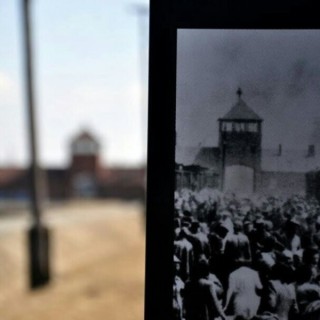
Before the war, Oświęcim was a town inhabited mainly by Poles and Jews. During the Second World War it was annexed to Germany and the name of the town was changedto Auschwitz. At the end of 1939 the town had a population of over 12,500 people, about half of whom were Jews. Near Oświęcim there were several villages, which in December of 1939 were incorporated into the German administrative unitof Stadtbezirk Auschwitz. About 13,000 people lived in thesevillages. Due to the establishment and expansion of the Auschwitz camp, several thousand Polish and Jewish residents of Oświęcim and nearby villages were forced to leave their homes. In the “On Auschwitz” podcast, we share fragments oftestimonies from witnesses and their relatives about these events.=====The podcast features material from the collections of:The Auschwitz-Birkenau State Museum Archives:- account by Zofia Przybyłowska- account by Piotr Bielenin- account by Marian Górnicki- account by Sylwester Szałaśny- account by Krystyna Szałaśny- account by Sabina Rosenbach (transcribed, read by a narrator)- account by Helena Mataniak (written down, read by a narrator)- account by Helena Hoła (written down, read by a narrator)Museum of Remembrance of the Residents of the Oświęcim Region:- account by Helena Grzesło- account by Aleksander Karkoszka- account by Józefa Handzlik- account by Wanda Saternus- account by Maria Gawron- account by Janina Stawowy- account by Wanda Patyna- account by Henryk Kuczek- account by Maria Jurczyk- account by Tadeusz FirczykJewish Museum in Oświęcim:- account by Abraham and Jerzy Feiner- account by Lola BodnerThe Emanuel Ringelblum Jewish Historical Institute in Warsaw:- account by Ewa Neiger (written down, read by a narrator)- account by Sylwia Bachner (written down, read by a narrator)- account by Anna Hönig (written down, read by a narrator)- account by Tauba Grünn (written down, read by a narrator)

7. Guest: Evan Ellis. Ellis discusses a suspicious car crash in Chihuahua, Mexico, that killed four officials, including two CIA personnel. He also covers a diplomatic rift between the US and Brazil involving mutual expulsions of police liaisons, sparked by tensions over former President Bolsonaro and the 2022 election. 71920 BROWN DERBY

The Situation Report for April 23, 2026. Rep. Crenshaw on the state of play in the Strait of Hormuz and President Trump's strategy behind it. All the resignation drama in Congress and who might be next to make an exit. And the implications of Virginia's 10-1 redistricting power grab on the November elections (which a Virginia circuit court just declared was unconstitutional – so stay tuned). All that and more news in less than 13 minutes. A fragile ceasefire with Iran Shots fired and ships ceased in the naval blockade President Trump's strategy behind U.S.-Iran negotiations Expulsions, resignations, and ethics investigations in Congress A bipartisan effort to lose the faith of the American people Who's next in Congress to get the boot? Virginia democrats pull a major power grab with redistricting President Trump fast tracks psychedelic treatment research for veterans Goodbye Tim Apple Southern Poverty Law Center gets indicted for funneling money to violent extremist groups Two Americans die in Mexico after a counter-narcotics mission Read of the week: Data center moratorium a fault line in Dem primaries

For decades, most discussions of Israel and Palestine were framed around the eventual creation of a two-state solution. That effort has been dead for years. What has emerged in its place is what the political scientists Marc Lynch and Shibley Telhami call the “one-state reality.” Their book on this — edited with Michael Barnett and Nathan Brown — came out before Oct. 7, 2023. Since Oct. 7, that reality has become further entrenched: There's been a record pace of settlement construction in the West Bank. Israel now occupies more than half the territory of Gaza. And Israel's push into Lebanon has displaced more than a million people. So what does it mean to reckon with Israel's one-state reality — to see the facts on the ground rather than the frames of the past? Shibley Telhami is the Anwar Sadat professor for peace and development at the University of Maryland, College Park. Marc Lynch is the director of the Project on Middle East Political Science at George Washington University. Lynch is the author, most recently, of “America's Middle East: The Ruination of a Region.” Mentioned: “Israel's One-State Reality” by Michael Barnett, Nathan Brown, Marc Lynch, and Shibley Telhami The One State Reality by Michael Barnett, Nathan J. Brown, Marc Lynch and Shibley Telhami Israel's Religiously Divided Society, Pew Research Center Summary of a Year of Terror, Expulsion, and Annexation — 2025 in the Settlements, Peace Now Book Recommendations: Justice for Some by Noura Erakat Wars of Ambition by Afshon Ostovar The Second Emancipation by Howard W. French Mayors in the Middle by Diana B. Greenwald Israel by Omer Bartov Tomorrow Is Yesterday by Hussein Agha and Robert Malley Thoughts? Guest suggestions? Email us at ezrakleinshow@nytimes.com. You can find transcripts (posted midday) and more episodes of “The Ezra Klein Show” at nytimes.com/ezra-klein-podcast, and you can find Ezra on Twitter @ezraklein. Book recommendations from all our guests are listed at https://www.nytimes.com/article/ezra-klein-show-book-recs. This episode of “The Ezra Klein Show” was produced by Jack McCordick. Fact-checking by Michelle Harris with Kate Sinclair and Mary Marge Locker. Our senior engineer is Jeff Geld, with additional mixing by Aman Sahota. Our recording engineer is Aman Sahota. Our executive producer is Claire Gordon. The show's production team also includes Marie Cascione, Annie Galvin, Rollin Hu, Kristin Lin, Emma Kehlbeck, Marina King and Jan Kobal. Original music by Pat McCusker. Audience strategy by Kristina Samulewski and Shannon Busta. The director of New York Times Opinion Audio is Annie-Rose Strasser. And special thanks to Mark Mazzetti. Subscribe today at nytimes.com/podcasts or on Apple Podcasts and Spotify. You can also subscribe via your favorite podcast app here https://www.nytimes.com/activate-access/audio?source=podcatcher. For more podcasts and narrated articles, download The New York Times app at nytimes.com/app. Hosted by Simplecast, an AdsWizz company. See pcm.adswizz.com for information about our collection and use of personal data for advertising.
© 2020-2026 Ivy Podcast Discovery LLC

