
American overland expedition to the Pacific coast
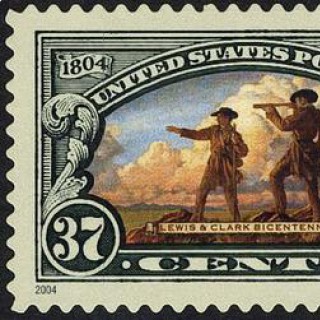
POPULARITY

10 episodes with clark expedition

10 episodes with clark expedition

4 episodes with clark expedition

4 episodes with clark expedition

6 episodes with clark expedition

2 episodes with clark expedition

2 episodes with clark expedition

3 episodes with clark expedition

2 episodes with clark expedition

Our recap episodes, which offer a synthesis of our 1792-1804 coverage one year at a time, have reached 1804 - the year in which France gets an emperor once again, and Europe gets an imperial-sized problem. Chris Sloan talks presenter Alex Stevenson through specific key clips he's picked out from our old episodes grouped around four themes which, we argue, help frame the period and shape our understanding of it in a whole new way. We hope this will provide a helpful refresh for longstanding listeners - whilst at the same time offering an 'entry ramp' to the podcast for those who want to get up to speed relatively easily (just) before we crash full-speed into the intensity of the Napoleonic Wars.This episode covers a 12-month period in which there is plenty of change - and lots of slowly developing tension. As well as Napoleon Bonaparte's coronation as Emperor following the uncovering of the Cadoudal-Pichegru plot earlier in the year, we see these themes mirrored in Britain becoming jumpy over intensifying French invasion threat, leading to William Pitt's return as prime minister. Russia breaks relations with France as a result of the deeply controversial kidnapping of the Duc D'Enghien, apparently on Napoleon's orders, whilst Britain moves against Spain by seizing its treasure ships. Old regimes like Austria are reshaping themselves with Francis becoming a new kind of emperor, whilst the United States is moving into new territory - literally - with the Lewis and Clark Expedition setting off.Help us produce more episodes by supporting the Napoleonic Quarterly on Patreon: patreon.com/napoleonicquarterly

America's first Native American superhero isn't another comic-book creation. She is Sacajawea, and she is taking flight as Bird Woman.The 12-time award-winning animated drama Bird Woman: Sacajawea reimagines her as a navigator, warrior, and shapeshifter. She is part woman and part eagle. Caught between two worlds, Bird Woman battles danger, confronts painful choices, and discovers her strength, her powers, and her destiny.Her supernatural powers may be imagined. Her courage was not.Long before Wonder Woman took flight, the real Sacajawea crossed thousands of miles of dangerous and unfamiliar territory while carrying her infant son and helping the Lewis and Clark Expedition reach the Pacific. The expedition would have failed without her. She was only 16, with knowledge well beyond her years.Sacajawea was far more than the guide many history books briefly mention. She was a Lemhi Shoshone woman, interpreter, navigator, cultural bridge, diplomat, mother, and survivor. Her knowledge helped the expedition find food, obtain horses, communicate with Native nations, and navigate a landscape its members did not understand. Her presence with a baby also signaled that the group was traveling in peace rather than as a war party.Yet most Americans know Sacajawea's name without knowing the remarkable woman behind it.In this episode of Women Road Warriors, Shelley Johnson and Kathy Tuccaro welcome award-winning filmmaker Lynn Rogoff to explore both sides of this extraordinary story: the real Sacagawea whose contributions were reduced to a historical footnote and the groundbreaking animated superhero series introducing her courage to a new generation.Lynn reveals Sacajawea's childhood abduction, her dramatic reunion with her Shoshone brother, the dangers she survived, and the conflicting accounts of what happened to her after the expedition. You'll also discover how Sacajawea became a symbol of women's leadership and independence during the suffrage movement and why so much of her remarkable story was left out of our history books.In this episode, discover:Why Lynn believes the Lewis and Clark Expedition could not have succeeded without SacajaweaHow Sacajawea's knowledge, diplomacy, and fearless actions repeatedly protected the expeditionThe dramatic reunion with her Shoshone brother and the painful choice she facedThe competing accounts of whether she died young or returned home and lived into old ageHow Bird Woman: Sacajawea transforms an overlooked historical figure into a powerful Indigenous heroineHow AI-enhanced animation and interactive character technology are bringing history to a new generationWhy animated stories centered on women still struggle to receive fundingAbout Lynn RogoffLynn Rogoff is a Writers Guild of America-nominated writer, award-winning filmmaker, educator, and the creator of Bird Woman: Sacajawea. She is the filmmaker behind No Maps on My Taps, which received two Emmy Awards, and an Adjunct Associate Professor at the New York Institute of Technology. Through Amerikids Productions, she creates innovative stories and educational experiences that bring overlooked people and moments in American history to life.Learn more about Lynn Rogoff, Amerikids Productions, and Bird Woman: Sacajawea at Amerikids.com.Follow Women Road Warriors on Apple Podcasts, Spotify, or your favorite podcast platform so you never miss an empowering conversation.#Sacajawea #BirdWomanSacajawea #NativeAmericanSuperhero #NativeAmericanHistory #NativeAmericanWomen #LewisAndClark #WomenInHistory #WomenSuperheroes #AIAnimation #LynnRogoff #AmerikidsProductions #WomenRoadWarriors #ShelleyJohnson #KathyTuccaro

Discover all of the podcasts in our network, search for specific episodes, get the Optimal Living Daily workbook, and learn more at: OLDPodcast.com. Episode 4089: Ryan Frederick argues that longer lifespans have made all of us pioneers, navigating unfamiliar territory where healthy longevity requires intention rather than luck. Drawing inspiration from Lewis & Clark, he explores how courage, strong relationships, a growth mindset, and choosing the right place to live can help us thrive through every stage of a longer, healthier life. Read along with the original article(s) here: https://www.here.life/blog/we-re-all-pioneers Quotes to ponder: "Healthy longevity, living a long, healthy, purposeful, socially connected, financially secure life, just doesn't happen." "Choosing your right place is one way to successfully manage through the complexities of a longer life." "Seeing the next challenge as a growth opportunity will help you make the most of each chapter in life." Episode references: Lewis and Clark Expedition: https://www.britannica.com/event/Lewis-and-Clark-Expedition Louisiana Purchase: https://www.britannica.com/event/Louisiana-Purchase Blue Zones: https://www.bluezones.com/ Learn more about your ad choices. Visit megaphone.fm/adchoices

Discover all of the podcasts in our network, search for specific episodes, get the Optimal Living Daily workbook, and learn more at: OLDPodcast.com. Episode 4089: Ryan Frederick argues that longer lifespans have made all of us pioneers, navigating unfamiliar territory where healthy longevity requires intention rather than luck. Drawing inspiration from Lewis & Clark, he explores how courage, strong relationships, a growth mindset, and choosing the right place to live can help us thrive through every stage of a longer, healthier life. Read along with the original article(s) here: https://www.here.life/blog/we-re-all-pioneers Quotes to ponder: "Healthy longevity, living a long, healthy, purposeful, socially connected, financially secure life, just doesn't happen." "Choosing your right place is one way to successfully manage through the complexities of a longer life." "Seeing the next challenge as a growth opportunity will help you make the most of each chapter in life." Episode references: Lewis and Clark Expedition: https://www.britannica.com/event/Lewis-and-Clark-Expedition Louisiana Purchase: https://www.britannica.com/event/Louisiana-Purchase Blue Zones: https://www.bluezones.com/ Learn more about your ad choices. Visit megaphone.fm/adchoices

Discover all of the podcasts in our network, search for specific episodes, get the Optimal Living Daily workbook, and learn more at: OLDPodcast.com. Episode 4089: Ryan Frederick argues that longer lifespans have made all of us pioneers, navigating unfamiliar territory where healthy longevity requires intention rather than luck. Drawing inspiration from Lewis & Clark, he explores how courage, strong relationships, a growth mindset, and choosing the right place to live can help us thrive through every stage of a longer, healthier life. Read along with the original article(s) here: https://www.here.life/blog/we-re-all-pioneers Quotes to ponder: "Healthy longevity, living a long, healthy, purposeful, socially connected, financially secure life, just doesn't happen." "Choosing your right place is one way to successfully manage through the complexities of a longer life." "Seeing the next challenge as a growth opportunity will help you make the most of each chapter in life." Episode references: Lewis and Clark Expedition: https://www.britannica.com/event/Lewis-and-Clark-Expedition Louisiana Purchase: https://www.britannica.com/event/Louisiana-Purchase Blue Zones: https://www.bluezones.com/ Learn more about your ad choices. Visit megaphone.fm/adchoices

Two years, eight thousand miles, and according to a new book, a lot more heroes than just Lewis and Clark. On this episode, we talk with historian and author Craig Fehrman. He spent five years chasing down the real story behind the famous expedition, and found it wasn't just their story. His new book, 'This Vast Enterprise: A New History of Lewis & Clark,' rebuilds the history through 10 different voices, exploring new perspectives of American history.

The Lewis and Clark Expedition, which took place from 1804 to 1806, was only the beginning of the exploration of the vast wilderness acquired through the Louisiana Purchase.

Hello Poison Friends! Erin and I are taking a break from our breakdown of Johnson & Johnson's dark deeds, this week. Why? So we can celebrate America's Independence with stories of Founding Fathers and intrepid explorers of the nation and their encounters with poison. We are going a bit deeper into the medicinal chaos of Dr. Benjamin Rush, the only doctor to sign the Declaration of Independence. A great follower and teacher of "heroic medicine," he was a believer in excessive bloodletting, administering purgatives, and using blistering agents to make the ailing (literally) sweat it out. He also taught Captain Meriwether Lewis, of the famed Lewis and Clark Expedition, all of his...remedies, should his team need them on the journey. Speaking of Meriwether Lewis, his death only 3 years after their return was full of suspicious details and conspiracy. Finally, we need to discuss the death of George Wythe, member of the constitutional convention, friend and mentor to Thomas Jefferson, lawyer, professor, and all around good guy (especially for the time period). His sister's grandson, however, did not inherit this goodness. Some of Wythe's last words included, "I am murdered!" Thank you to all of our listeners and supporters! We truly appreciate you all! Please feel free to leave a comment or send us a DM!Patreon:patreon.com/thepoisonersalmanacMerch-https://poisonersalmanac.com/The Poisoner's Almanac IG-https://www.instagram.com/poisoners_almanac?utm_source=ig_web_button_share_sheet&igsh=ZDNlZDc0MzIxNw==Poisoner's Almanac TT-https://www.tiktok.com/@poisonersalmanacp?_t=ZT-8wdYQyXhKbm&_r=1

As America marks its 250th anniversary, The Kubik Report continues its special series on the Founding Fathers with historian Greg Thomas. In this episode, Victor and Greg explore the remarkable achievements—and enduring controversies—surrounding Thomas Jefferson. Jefferson penned the Declaration of Independence, championed religious liberty, guided the Louisiana Purchase, launched the Lewis and Clark Expedition, and founded the University of Virginia. His vision of limited government, individual liberty, and education helped shape the American experiment for generations. Yet Jefferson's legacy remains deeply complicated. How could the author of "all men are created equal" also own enslaved people? Greg Thomas examines Jefferson's unsuccessful attempts to promote gradual emancipation in Virginia, the crushing financial debt that ultimately prevented him from freeing most of those he enslaved, and his belief that the Declaration planted a moral principle that future generations would be compelled to fulfill. The discussion also explores why judging historical figures requires understanding the world in which they lived without excusing their failures. Victor and Greg also address the long-debated Sally Hemings controversy, explaining what the 1998 DNA evidence actually established—and, just as importantly, what it did not conclusively prove. This thoughtful conversation avoids simplistic conclusions while encouraging listeners to wrestle honestly with history. Jefferson emerges neither as a flawless hero nor merely a villain, but as a brilliant, imperfect leader whose ideas continue to influence the pursuit of liberty around the world. Join us for another engaging conversation as we continue exploring the people and principles that shaped America at 250.

Big Variety Old Time Radio Podcast. (OTR) Presented by Chemdude
The Louis and Clark Expedition
Thomas Jefferson was more than the principal author of the Declaration of Independence. He was an inventor, architect, political philosopher, educator, and America's third president. His ideas helped define the nation's understanding of liberty, government, and individual rights. In this episode, Greg Thomas and Victor Kubik examine Jefferson's extraordinary life—from his upbringing in colonial Virginia to his lasting impact on American democracy. In this episode: Jefferson's early years and education in Virginia His inventive personality and lifelong intellectual curiosity Why Jefferson believed rights come from God—not government Writing the Declaration of Independence The struggle for religious liberty in Virginia Ending government support of an established church Jefferson's unconventional style as president The Louisiana Purchase and doubling the size of the United States The Lewis and Clark Expedition and America's westward vision The Embargo Act and Jefferson's greatest presidential setback Founding the University of Virginia Why Jefferson placed a library—not a chapel—at the center of the university The remarkable coincidence of Jefferson and John Adams both dying on July 4, 1826

What happens when you look at the Lewis and Clark Expedition through the eyes of a geologist? This week, Rebecca and Shannon sit down with John Jengo - professional geologist, Lewis and Clark scholar, and apparently Great Falls superfan (this was his 12th visit, but who's counting). John was in town for the Lewis & Clark Trail Alliance Annual Gathering, and he shares how the landscape, rock formations, and rivers along the expedition's route tell stories most of us have walked right past. From the Missouri River Breaks to the Great Falls of the Missouri, you'll discover why geology played a bigger role in the Corps of Discovery's journey than you might expect. Whether you're a Lewis and Clark enthusiast or just curious about what's hiding beneath your feet, this episode will have you looking at Montana's landscape in a whole new way.
Clay interviews Peter Stark, the author of a new book on the 1540 exploration of what would eventually become the United States by Spanish Conquistador Francisco Coronado. The Lost Cities of El Norte is a remarkable examination of an expedition that took place 250 years before Lewis and Clark. The book chronicles Coronado's search for the famed Seven Cities of Cibola, rumored to house untold wealth somewhere in the American Southwest. Coronado's ambitious expedition, one of the largest ever of the New World, traveled as far north as present-day Kansas. Although Coronado pledged to treat indigenous people with respect, that humanitarian impulse soon broke down. But the good news is that the indigenous Puebloan people outfoxed him at every turn, representing one of the earliest successful attempts at native resistance to European imperialism. Stark's previous book, Astoria, told the story of the American fur trade after the Lewis and Clark Expedition. This episode was recorded on May 20, 2026.

On this Memorial Day Chris Rongey and John Hancock are joined by: Mark Sundlov, Managing Director of the Soldiers Memorial Museum to discuss the special event that the Soldiers Memorial has going on for Memorial Day and other new parts of the museum. KMOX Sports Open Line Host and Cardinals pre/post Matt Pauley to talk about the series starting against the Brewers, prospect Brycen Mautz getting Bryan Torres getting their first call up and more. Washington University History Professor Peter Kastor to talk about Lewis and Clark Expedition and more. Plus World Cup is a few weeks away and who has the most road rage.
Washington University History Professor Peter Kastor to talk about Lewis and Clark Expedition and more.
Washington University History Professor Peter Kastor joins the show to talk about Lewis and Clark Expedition, and more!
Clay interviews Craig Fehrman, the author of an important new book on Lewis and Clark, This Vast Enterprise: A New History of Lewis and Clark. Fehrman approaches the great story of the Lewis and Clark Expedition by viewing it through the eyes of the often-overlooked participants: Sergeant John Ordway, Clark's enslaved valet York, and Sacagawea. Rigorously researched and grounded in actual historical discoveries, this book will be essential reading for students of the Lewis and Clark Expedition. In his footnotes, Fehrman begins with a truly remarkable short essay on his methods and historiography. These essays, which amount to 40,000 words, are alone proof that his work needs to be taken seriously. And he's great fun to interview. This episode was recorded on April 9, 2026.

In 1804, Meriwether Lewis and William Clark, along with 31 other men, set out on the Corps of Discovery expedition from a site just north of St. Louis, at the mouth of the Missouri River. A new book by historian Craig Fehrman, “This Vast Enterprise: A New History of Lewis & Clark,” draws on newly surfaced documents and oral histories to offer a more layered portrait of the expedition and the people involved.

Send us Fan MailFind out more at bookclues.comTwo men got the highway signs—but the real Lewis and Clark Expedition story was a crowded canoe. We sit down with Craig Fehrman to discuss This Vast Enterprise: A New History of Lewis and Clark and why the expedition only comes into focus when we follow the people history usually pushes to the margins—and when we take Native nations seriously as powers, not scenery.If you care about American history, primary sources, archival research, and how interpretation changes when new evidence appears, this episode is for you. We explore Thomas Jefferson as the “mainspring” behind the mission, the mistaken dream of an easy water route to the Pacific, and the hard reality of distance, terrain, and the Rocky Mountains.We also dive into diplomacy and danger along the Missouri River, where the Lakota Nation and other Native powers were making strategic decisions of their own. Fehrman's rotating point-of-view method makes familiar moments feel new by asking what the same event looked like from the other side.We discuss leadership and military culture in 1804—why Lewis and Clark's style of discipline, trust, and shared responsibility differed sharply from Army norms—and how figures like John Ordway helped make the expedition function day to day. We also confront the hardest truths, including York under enslavement and Sacagawea as a teenage survivor whose role became indispensable.Subscribe, share with a history-loving friend, and leave a review so more listeners can find the show. What famous American story should be retold from another point of view next?Reach Craig Fehrman atcraigfehrman.comCheck out Avid avidreaderpress. Reader PressSend me a picture of you reading the Book @. bookclues.com

The new "Success Sequence" school curriculum, author guest talks about how a personal situation led to a book about the Lewis & Clark Expedition, Big Ten volleyball in Fishers and the oldest grandfather on record. That and more on this week's Fridays With Larry.

When Thomas Jefferson concluded the Louisiana Purchase, it was one of the greatest land deals in history. For a relatively small sum, the young country purchased a large part of the continent. However, there was a catch. The government had no clue what exactly was in the land that they had purchased. Much of it was unexplored.To address this problem, an expedition was formed to explore the new land, which would ultimately shape the future of the United States. Learn more about the Lewis and Clark Expedition on this episode of Everything Everywhere Daily. Sponsors Samsara Don't wait for the next accident to take action. Head to Samsara.com/EVERYTHING ButcherBox Get your choice between chicken breast or top sirloin for a year OR ground beef for life, PLUS $20 off when you go to ButcherBox.com/everything Quince Go to quince.com/daily for 365-day returns, plus free shipping on your order! Mint Mobile Save 50% on Unlimited premium wireless plans starting at $15/month at MintMobile.com/EED Audible Listen to Project Hail Mary Audible.com/hailmary Fast Growing Trees Get 20% off your first purchase when using the code DAILY at checkout at fastgrowingtrees.com/daily Subscribe to the podcast! https://everything-everywhere.com/everything-everywhere-daily-podcast/ -------------------------------- Executive Producer: Charles Daniel Associate Producers: Austin Oetken & Cameron Kieffer Become a supporter on Patreon: https://www.patreon.com/everythingeverywhere Discord Server: https://discord.gg/Ds7Rx7jvPJ Instagram: https://www.instagram.com/everythingeverywhere/ Facebook Group: https://www.facebook.com/groups/everythingeverywheredaily Twitter: https://twitter.com/everywheretrip Website: https://everything-everywhere.com/ Disce aliquid novi cotidie Learn more about your ad choices. Visit megaphone.fm/adchoices

This week we explore why the Lewis and Clark Expedition took place.

Otto von Bismarck hat zunächst so gar keine Lust beruflich nach St. Petersburg zu gehen, um dort als neuer preußischer Gesandter zu arbeiten.

(Host: Ben) One of the most famous members of the Corps of Discovery Expedition (aka, the Lewis and Clark Expedition) was a four legged 150-pound Newfoundland named Seaman. Join us on this episode of Footnoting History as we take a look at one dog's remarkable journey, and learn about the lives of working dogs in the early years of the Republic. For further reading suggestions and more, please visit: https://www.footnotinghistory.com
Rebecca and Shannon sit down with longtime Western artists and husband-and-wife duo Ron Ukrainetz and Echo Ukrainetz ahead of Western Art Week in Great Falls. Ron is known for his detailed polychromatic engravings on Claybord and historical oil paintings inspired by the Lewis and Clark Expedition, while Echo creates vibrant, one-of-a-kind batik pieces known for their rich color and striking contrast. In this episode of We're No Dam Experts, they talk about their artistic process, the stories behind their work, and their long connection to Western Art Week. You can see their work March 18–22, 2026 at the Out West Art Show at the Heritage Inn in rooms 146 and 148. Ukrainetz Fine Art: https://visitgreatfallsmontana.org/listing-item/ukrainetz-fine-art/ Ukrainetz Fine Art on Facebook: https://www.facebook.com/ukrainetzfineart Western Art Week: https://visitgreatfallsmontana.org/western-art-week/ Out West Art Show: https://visitgreatfallsmontana.org/listing-item/out-west-art-show-sale/

They hated the rain. There wasn't enough sunshine. Everybody wanted to hug. We're not talking about your east coast friends who just moved to Portland, we're talking about legendary explorers Meriwether Lewis and William Clark, who spent one miserable winter in the Pacific Northwest before making a desperate flight upriver. On this week's episode of the Peak Northwest podcast, we talk to Jill Harding, visitor services program manager at Lewis and Clark National Historical Park, about the Lewis and Clark Expedition's famous stay on the lower Columbia River. Like many new residents, they learned firsthand just how tough a Northwest winter can be. Here are some highlights from this week's show: How joy turned to misery almost immediately. The expedition was well equipped for the journey — just not for the Northwest. The famous story of the stolen canoe. Why you should visit Lewis and Clark National Historical Park today. Learn more about your ad choices. Visit megaphone.fm/adchoices

The thunder of the steam engine may have faded, but the spirit of the Junction City lives on. From the Golden Spike era to its standing as a crown jewel of the West, we're looking at the enduring history of Ogden's Union Station. It's the town that moved America. From frontier footpaths to the engineering marvels of the Alleghenies, Cumberland was the original ‘Gateway to the West.' Step back in time and discover the rugged legacy of Montana's pioneers, railroaders, and miners - and explore the valley where the Lewis and Clark Expedition once navigated the treacherous waters of the Jefferson River while seeking a path to the Pacific. First published in 1792 during George Washington's first term, The Old Farmer's Almanac is the oldest continuously published periodical in North America and a quintessential piece of American culture. It remains a symbol of national continuity.

Leila Philip explains how John Jacob Astor founded America's first multi-millionaire fortune by overhearing traders discuss the massive profit margins on beaver fur. Astor leveraged the Lewis and Clark expedition to establish global trade routes, utilizing beaver pelts—which functioned as a literal currency—to jumpstart American capitalism before the species was nearly wiped out.
Step back in time and discover the rugged legacy of Montana's pioneers, railroaders, and miners - and explore the valley where the Lewis and Clark Expedition once navigated the treacherous waters of the Jefferson River while seeking a path to the Pacific.

Was Meriwether Lewis murdered—or did he die by suicide? In this episode of Cloaked and Cosmic, host Natty dives into the dark conspiracy theories surrounding the mysterious death of explorer Meriwether Lewis of the Lewis and Clark Expedition. From political enemies and secret assassins to cover-ups, missing evidence, and historical inconsistencies, we explore why Lewis's death remains one of America's most debated historical mysteries. This episode questions the official narrative and uncovers the unsettling possibilities behind Meriwether Lewis's cause of death.Show Links:https://linktr.ee/cloakedandcosmicGuest Links:Click Here for Wendibros LinksSources:https://www.varsitytutors.com/earlyamerica/untimely-unexplained-mysterious-death-meriwether-lewishttps://www.npr.org/2009/10/11/113712695/how-meriwether-lewis-might-have-really-diedhttps://www.historynewsnetwork.org/article/the-mysterious-death-of-meriwether-lewishttps://medium.com/illumination/mental-illness-across-history-meriweather-lewis-15c795771a92https://daily.jstor.org/the-mysterious-death-of-meriwether-lewis/Become a supporter of this podcast: https://www.spreaker.com/podcast/cloaked-and-cosmic--6041412/support.Dare to believe!
Was Meriwether Lewis murdered—or did he die by suicide? In this episode, Natty and Doug from The Wendibros dive into the mysterious and controversial death of explorer Meriwether Lewis, co-leader of the Lewis and Clark Expedition. We break down the leading theories, suspicious evidence, historical context, and why this centuries-old case still fuels conspiracy theories today. If you love unexplained deaths, historical mysteries, and dark twists in American history, this episode delivers facts with intrigue and a touch of humor.Show Links:https://linktr.ee/cloakedandcosmichttps://www.varsitytutors.com/earlyamerica/untimely-unexplained-mysterious-death-meriwether-lewis https://www.npr.org/2009/10/11/113712695/how-meriwether-lewis-might-have-really-died https://www.historynewsnetwork.org/article/the-mysterious-death-of-meriwether-lewis https://medium.com/illumination/mental-illness-across-history-meriweather-lewis-15c795771a92 https://daily.jstor.org/the-mysterious-death-of-meriwether-lewis/Guest Links:Click Here for Wendibros LinksBecome a supporter of this podcast: https://www.spreaker.com/podcast/cloaked-and-cosmic--6041412/support.Dare to believe!

Presenting a replay of Inheritance "Lewis and Clark Expedition" aired on May 30, 1954. Please support these shows with your donation today, thank you. https://mpir-otr.com/sponsors-donations

The Natchez Trace Parkway in our neighboring state of Tennessee contains a mystery - the 1809 death of Meriwether Lewis of the Lewis and Clark Expedition. Was it suicide or murder? Colonel Bryan Morgan explores the possible answer on In Focus.
6/8. The Great Slaughter: Audubon's Regret and the Lewis and Clark Grizzly Massacre — Dan Flores — The opening of the American West initiated an unprecedented destruction of animal populations. Flores documents that John James Audubon, while initially killing wildlife subjects for his ornithological artwork, eventually expressed profound regret regarding the systematic destruction of mammals including buffalo herds. Flores notes that the Lewis and Clark Expedition mirrored prevailing colonial attitudes; Meriwether Lewis permitted subordinates to transform grizzly bearhunting into recreational sport, resulting in at least half of the 37 encountered bears being killed without apparent practical justification, representing callous wastage of irreplaceable fauna.
When did the Old West truly begin, and when did it finally come to an end? Some trace the Wild West's start to the Louisiana Purchase in 1803, while others think it was much late,r as cowboys started trailing herds out of Texas. As for the end, many point to 1890, when the U.S. Census Bureau declared the frontier closed and Wounded Knee marked the last big clash between the Indigenous and the U.S. Army. But where does the true lie? Did the Old West really begin with the Lewis and Clark Expedition, or was it much earlier when the acquisition of the horse forever changed the landscape of the Great Plains? And if the Old West was over by 1890, then why did stagecoach robberies and gunfights continue well into the early 1900s? Also discussed are Apache raids from the 1930s, the Billy the Kid wannabe John Miller, Billy Dixon, Clay Allison, my favorite drink of choice, and much more! Legends & Outlaws Calendar! https://wildwestcalendar.com/ Merch! https://wildwestextramerch.com/ Buy Me A Coffee! https://buymeacoffee.com/wildwest Check out the website! https://www.wildwestextra.com/ Email me! https://www.wildwestextra.com/contact/ Free Newsletter! https://wildwestjosh.substack.com/ Join Patreon for ad-free bonus content! https://www.patreon.com/wildwestextra Learn more about your ad choices. Visit megaphone.fm/adchoices
A conversation about a legendary moment in United States history between James Quint, Director of the Old Cowtown Museum in Wichita, Kansas, and Peter Kastor, Professor of History and American Culture Studies at Washington University in Saint Louis. The episode dives deep into the context and significance of the Lewis and Clark Expedition, from the initial uncertainty faced by the United States after acquiring the Louisiana Purchase to the quest for knowledge and trade routes in unknown territory.Discussion highlights the pivotal roles of indigenous nations and French-Canadian traders in shaping the expedition's progress, including the crucial diplomatic and trading relationships necessary for survival.The complex dynamics of the Corps of Discovery are explored, touching on its diverse and multicultural makeup, the contributions of key figures like Sacagawea and York, and the evolving perspectives on Native American diplomacy.The challenges and logistical feats of the expedition—navigating vast rivers, crossing the Rocky Mountains, and surviving harsh winters—are described alongside the extraordinary documentation kept through journals and maps, which became invaluable historical sources.The legacy of Lewis and Clark is examined, not only as a story of exploration but as a lens into America's expansion, scientific ambition, the consequences for native peoples, and how these events continue to shape public memory and interpretation in museums and beyond.Help us produce more episodes by supporting the Napoleonic Quarterly on Patreon: patreon.com/napoleonicquarterly
This week on We're No Dam Experts, Rebecca and Shannon talk with Hasan Davis—attorney, youth advocate, and nationally known reenactor featured in the new National Park Service film Big Medicine: York Outdoors. Hasan shares how he brings York of the Lewis and Clark Expedition to life, why this story still resonates, and what it meant to film parts of the project in the Great Falls region. It's a powerful conversation about history, identity, and giving voice to people the record often overlooks. If you're curious about the Expedition, love thoughtful storytelling, or just enjoy a meaningful conversation, you'll want to listen in. And when you visit, you can catch Big Medicine: York Outdoors playing regularly at the Lewis and Clark Interpretive Center. https://www.hasandavis.com https://www.nps.gov/articles/000/big-medicine-york-outdoors.htm https://visitgreatfallsmontana.org/listing-item/lewis-and-clark-interpretive-center/
Clay talks with veteran NASA astronaut Tom Jones, who flew four Space Shuttle missions for a total of 53 days, 49 minutes in space. Clay outlined a list of issues related to the Lewis and Clark Expedition of 1804-06, including propulsion, navigation, food, waste management, record-keeping, and re-entry, and explained how Lewis and Clark addressed these dynamics. Then, Tom Jones explained how these concepts are applied in space. Topics included religious activity in space, romance in space, mutiny in space, the wonder of going where no man has gone before, recruitment, training, and re-entry. Tom Jones is the author of half a dozen books, including the acclaimed Skywalking: An Astronaut's Memoir. He believes we owe it to the four remaining lunar surface astronauts that we land again on the moon before the last of them dies. This episode was recorded on September 30, 2025.

Starting in elementary school, students might begin learning about the epic expedition Lewis and Clark led 220 years ago to explore the newly acquired territory of the Louisiana Purchase, an 8,000-mile journey through present-day Oregon to the Pacific Ocean and back. While the names Lewis and Clark have been etched into history books, the name York is largely unknown. York , William Clark’s slave, was the only Black man on the expedition. A skilled hunter, naturalist and outdoorsman, York also helped Lewis and Clark during their negotiations and encounters with Native American tribes in the uncharted West. Yet, as a slave, York lacked the agency to tell his own story and was denied his freedom by Clark for nearly a decade after returning home. Grammy Award-nominated Portland musician Aaron Nigel Smith is today helping bring York’s story to a wider audience in the form of an opera that blends different musical genres, from folk to classical and jazz to hip-hop. “York the Explorer” premieres this Friday at the Patricia Reser Center for the Arts in Beaverton for a weekend of performances as part of “York Fest,” a 9-day celebration of the explorer organized by the Oregon Black Pioneers. Smith produced, co-wrote and composed the music for “York the Explorer.” He also performs in it with his friend Cedric Berry, an artist with the L.A. Opera, who plays York. Jasmine Johnson, the civic engagement and partnerships manager at Portland Opera, plays Rose, York’s mother. They join us for a discussion and in-studio performance of several songs from the opera. Disclosure: Patricia Reser Center for the Arts and Oregon Black Pioneers are OPB sponsors. OPB's newsroom maintains editorial independence and is not informed by financial support/individuals to the organization.
Historian and author David Nicandri joins Clay in the LTA Airstream in Olympia, Washington, for a conversation about lingering mysteries of the Lewis and Clark Expedition. The first question was why Meriwether Lewis' journal remained silent when he finally reached the Pacific Coast, which was the primary purpose of his transcontinental expedition. It was a dereliction of duty for the leader of the expedition to fail to write about reaching the Pacific after 18 months of gruelling travel. Clay and David attempt to make sense of Lewis' silence. The second mystery they tackled concerns the enduring appeal of the Lewis and Clark story after 230 years. There are several dozen interpretive centers for Lewis and Clark, none for Zebulon Pike, who was exploring the Mississippi River drainage at the same time, and none for John C. Fremont, a generation later. Why? This episode was recorded September 9, 2025.

Guest is Missouri Sen. Eric Schmitt whose new book, “The Last Line of Defense – How to Beat the Left in Court,”is about his fierce fights as the state's attorney general against mask and Covid vaccine mandates, the student loan forgiveness scam, and the censorship machine put in place by the Biden administration and Silicon Valley. Classic Movie Review of “The Far Horizons,” the 1955 movie about the Lewis & Clark Expedition that started in St. Louis, Missouri.
Clay and his good friend Russ Eagle discuss the rivers Lewis and Clark traveled from Pittsburgh to the Pacific Ocean, including the Ohio, the Mississippi, the Missouri, the Clearwater, the Snake, and the Columbia. The paradox of Clay's 2025 Airstream journey along the Lewis and Clark Trail is that they floated America's rivers, and Clay has been driving along the roads closest to those rivers. To overcome this, he has contrived ways to get on the rivers of the expedition. In North Dakota, he floated for three days in a pontoon from Fort Rice to Bismarck with two young comrades. Just north of Yellowstone National Park, he and his friends, including his daughter and her fiancé, took a day-long raft trip on the Upper Yellowstone, where it remains a whitewater stream. As they recorded this podcast, Clay and Russ, plus 20 others, were about to float the famous White Cliffs section of the Missouri, east of Fort Benton, Montana. And Clay plans to get passage on an excursion boat near the mouth of the great Columbia River. Why are rivers so important to Clay? What is it about the source of mighty rivers that so engages his historical imagination? This podcast was recorded on July 20, 2025.

Davy Crockett gets a supernatural encounter with a Bigfoot before his death! http://prometheuslens.supercast.com to sign up for the "All Access Pass" and get early access to episodes, private community, members only episodes, private Q & A's, and coming documentaries. We also have a $4 dollar a month package that gets you early access and an ad free listening experience!====================

Welcome back! When last we met Meriwether Lewis, William Clark, and their Corps of Discovery, our heroes had navigated over 2,000 miles. Up and down rivers, across the Continental Divide, and all way to the Northern Pacific Coast. They saw a dead whale, it was nuts. In the conclusion, learn why those who first saw present-day Yellowstone Park thought it was literal hell on earth; hear how Sacegewea's son finds himself in the royal court of Germany; and so much more!Along with Dawn on this historic journey, is comedian Alex Malt, whose first comedy album debuts this summer! Find Alex on Instagram!—-SILF's (Sources I'd Like to F*ck)Book - Lewis & Clark: An American Journey by Daniel B. Thorp.Journals of the Lewis & Clark Expedition - Amazing online educational resource.Project Gutenberg - The Journals of Lewis & Clark---LILF's (Link's I'd Like to F*ck) See Dawn on THE HISTORY CHANNEL - Histories Greatest Mysteries (multiple seasons)See Dawn on THE HISTORY CHANNEL - Crazy Rich AncientsCheck out HILF MERCH now available on Redbubble! Stickers, t-shirts, bags and more!HILF is now on Patreon!Buy Me a CoffeeFind your next favorite podcast on BIG COMEDY NETWORK.---WANNA TALK? Find us on Instagram or email us hilfpodcast@gmail.comTheme song: Composed and performed by Kat PerkinsHILF artwork by Joe Dressel.
Occasional guest host and LTA videographer Nolan Johnson joins Clay to talk about the epic Lewis and Clark Airstream journey of 2025, wherein Clay will follow the Lewis and Clark Trail from Jefferson's Monticello in Virginia to Astoria, Oregon, and back again. Historian James Ronda said the Lewis and Clark Expedition of 1804-06 was “America's first great road story.” Clay plans to get himself on all the great rivers of the journey: Ohio, Mississippi, Missouri, Clearwater, Snake, and Columbia. Nolan will join Clay at several Lewis and Clark sites across America, with video cameras and his celebrated drone work. Nolan and Clay talk about several adventures that have already been scheduled, including an absurd pontoon float from Fort Yates, North Dakota, up to Bismarck and beyond. Clay will begin his transcontinental travels in early May in North Carolina and make stops at Monticello, Harpers Ferry, and Philadelphia before joining the Ohio River at Pittsburgh. It's a grand adventure, and we already ask, “What could go wrong?” This interview was recorded on March 22, 2025.
Lewis & Clark were more than just two white guys in buckskins! Join Dawn and the “Corps of Discovery” as they venture into the wildest of the wild West. Meet Sacegawea, fight a grizzly, and find out what it takes to cross the Rocky Mountains in 1805. Along with Dawn on this historic journey, is comedian Alex Malt, whose first comedy album debuts this summer!—-SILF's (Sources I'd Like to F*ck)Book - Lewis & Clark: An American Journey by Daniel B. Thorp.Journals of the Lewis & Clark Expedition - Amazing online educational resource.Project Gutenberg - The Journals of Lewis & Clark ---LILF's (Link's I'd Like to F*ck) See Dawn on THE HISTORY CHANNEL - Histories Greatest Mysteries (multiple seasons) See Dawn on THE HISTORY CHANNEL - Crazy Rich AncientsCheck out HILF MERCH now available on Redbubble! Stickers, t-shirts, bags and more!HILF is now on Patreon!Buy Me a CoffeeFind your next favorite podcast on BIG COMEDY NETWORK. ---WANNA TALK? Find us on Instagram or email us hilfpodcast@gmail.comTheme song: Composed and performed by Kat PerkinsHILF artwork by Joe Dressel.

In episode 479 of The Astrology Podcast, astrologers Chris Brennan and Nick Dagan Best delve into the repeating historical patterns underlying Mars retrograde in Cancer periods, specifically within the context of United States history. During the course of the episode we explore how these retrogrades, which occur roughly every 15-17 years, coincide with significant events and recurring themes in American history. By examining past instances of Mars retrograde in Cancer, our goal is to provide perspective on current events and potential future developments. The discussion begins with an explanation of the Mars retrograde cycle and its unique characteristics, including its varying durations and the signs it retrogrades through. We emphasize the importance of looking at the entire period Mars spends in Cancer, including the time before and after the actual retrograde station, to fully grasp its impact. After that we proceed to discuss the specific dates and degrees of Mars retrogrades in Cancer, starting with the year of the US Constitution's ratification and moving forward. In particular we highlight the 79-year repetition of Mars retrogrades in Cancer, which is based on the Babylonian Goal-Year periods, and how it aligns with important turning points in American history. We also note the shorter 47-year and 32-year repetitions, which coincide with other planetary cycles. During the course of the episode we explore the themes that emerge during these Mars retrograde periods, including important turning points related to immigration, civil rights, and economic shifts. The episode concludes with a reflection on the potential implications of these historical patterns for the present and future. Timestamps (00:00:00) Introduction (00:20:34) Planetary Periods (00:36:52) Immigration (01:05:28) Citizenship (01:14:09) Racism and Reactionaries (01:35:19) Boundaries and Borders (01:42:15) US-Russia Relations (02:18:59) Tariffs, Trade & Monetary Policy (03:03:38) Financial Crises (03:12:14) Homes and Housing (03:19:44) Military Debacles (03:50:33) Imperialism (04:05:02) Misc Mars Retrogrades (04:08:46) Panama Canal (04:10:32) Aviation Incidents (04:18:25) Superbowls (04:37:53) SNL Special (04:50:27) World Bank (04:53:08) Scottsboro Boys (05:00:57) Uncle Tom's Cabin (05:26:04) Compromise of 1850 (05:33:37) Andrew Jackson & National Debt (05:42:16) Panic of 1819 (05:47:09) Lewis and Clark Expedition (05:49:50) Nuremberg trials (05:52:18) Retrogrades for Rectification (05:56:46) Concluding Remarks (06:19:29) Credits Watch the Video Version of This Episode https://www.youtube.com/watch?v=uKWAaDN4rSQ - Listen to the Audio Version of This Episode Listen to the audio version of this episode or download it as an MP3:

When historian Stephen Ambrose wrote the bestseller about their amazing adventure, he appropriately titled it Undaunted Courage. It's one of the many accounts of the Lewis and Clark Expedition, the daring group who explored America's new Louisiana Purchase 200 years ago. As they made their way along the Missouri River, traveling from St. Louis all the way to the Pacific Ocean, most every bend in the river revealed sights and wildlife that no white man had ever seen. One of the many critical moments on their two-year expedition was the point in Montana where they encountered a fork in the Missouri River. There was no map to guide them, and a wrong choice could exhaust their resources for a very long journey. The river to the right was muddy like the Missouri had been. The crew wanted to go that way. But Captain Lewis and Captain Clark assessed the situation, and led their reluctant men down the left fork. When the expedition reached the massive waterfalls that Indian friends had told them they would find, they all knew they had chosen the right way. I'm Ron Hutchcraft and I want to have A Word With You today about "Following The People or Leading The People." The captains on the Lewis and Clark Expedition had the courage and conviction to lead their crew where the crew didn't think they should go. That's called leadership. And some people you're responsible for may need you to be leading them with that kind of courage right now. See, the troops are often wrong about which way to go. They were in Moses' day when the majority said it was too dangerous to go into the Promised Land. Two men exercised godly leadership that day, defying the popular opinion - Joshua and Caleb. And though the people refused to follow their lead, Joshua and Caleb were the only ones of their generation who did not die during the 40 years in the wilderness. And 40 years later, God gave Joshua the amazing assignment of leading His people into the land where Joshua had tried to take them before. Nehemiah steadfastly led a sometimes frightened, sometimes reluctant majority to stay on mission and finish the Jerusalem wall against overwhelming odds. In Exodus 17, beginning with verse 4, our word for today from the Word of God, we find a revealing picture of what real, principled leadership requires - whether it's leading your family, your business, a church, a ministry, or any people who look to you. As usual, the Israelites were complaining and quarreling and grumbling against Moses. They're desperate for water, and there's none around. "Then Moses cried out to the Lord, 'What am I to do with these people? They are ready to stone me.' The Lord answered Moses, 'Walk on ahead of the people (listen to that!)...take in your hand the staff with which you struck the Nile. I will stand before you by the rock of Horeb. Strike the rock and water will come out.'" And Moses' leadership was again vindicated as water for a nation flowed from that rock. That's the kind of leadership I hope you and I are prepared to give. Walk ahead of the people you're leading - you can't hear the Lord as long as you're listening to the crowd. You have to extricate yourself from the fray and get some perspective, get above the fray. Then cry out to God, "What am I to do with these people?" And listen for where He is headed and do what He says. Your job is to let God show you what He is up to, and then to join Him in what He's doing by obeying Him, and then leading the people in that direction even if another way seems right to them. Don't follow your biases. Don't follow your own wisdom. Don't follow the people that you're supposed to be leading. Follow the Lord where He's going. When you lead with that kind of courage and that kind of conviction, you can take the people to their destiny instead of to a detour.
Guest host Russ Eagle interviews Thomas Jefferson about the American West. When he became the third president in the spring of 1801, Jefferson hired Meriwether Lewis to be his private correspondence secretary. Two years later, he selected Lewis to explore the American West by traveling up the Missouri River to its source, crossing the continental divide, and following tributaries of the Columbia to the Pacific Ocean. Mr. Jefferson discusses his lifelong fascination with the West, his previous attempts to get an exploring party up the Missouri River, his secret message to Congress to get funding for the Lewis and Clark Expedition, and his famous instructions to Lewis, which embodied the principles of the Enlightenment. Lewis and Clark led the most famous exploration in American history, so why did Lewis commit suicide just three years after the successful conclusion of his travels?

Sacagawea is remembered in US history as the Shoshone Native American woman who acted as interpreter to the Lewis and Clark Expedition, the early 19th-century mission to chart territory in the American West after the Louisiana Purchase. But what impact did her contributions have on the success of this eventful journey? How did her presence influence interactions with the various Native American tribes the expedition party encountered? And how has her legacy been interpreted and commemorated in the years since? Speaking to Rebecca Franks, Stephenie Ambrose Tubbs delves into the life of Sacagawea – from what we know about her early years to what her story can reveal about broader cultural attitudes toward Indigenous people in American history. The HistoryExtra podcast is produced by the team behind BBC History Magazine. Learn more about your ad choices. Visit podcastchoices.com/adchoices
© 2020-2026 Ivy Podcast Discovery LLC
