
Largest city in Wisconsin, United States
POPULARITY
Categories

9,250 episodes with Milwaukee

3,339 episodes with Milwaukee

1,254 episodes with Milwaukee

775 episodes with Milwaukee

882 episodes with Milwaukee

1,556 episodes with Milwaukee

981 episodes with Milwaukee

1,077 episodes with Milwaukee

1,052 episodes with Milwaukee

361 episodes with Milwaukee

571 episodes with Milwaukee

260 episodes with Milwaukee

418 episodes with Milwaukee

612 episodes with Milwaukee

815 episodes with Milwaukee

335 episodes with Milwaukee

315 episodes with Milwaukee

247 episodes with Milwaukee

153 episodes with Milwaukee

338 episodes with Milwaukee

164 episodes with Milwaukee

100 episodes with Milwaukee

742 episodes with Milwaukee

314 episodes with Milwaukee

181 episodes with Milwaukee

152 episodes with Milwaukee

64 episodes with Milwaukee

248 episodes with Milwaukee

2,826 episodes with Milwaukee

241 episodes with Milwaukee

114 episodes with Milwaukee

115 episodes with Milwaukee

122 episodes with Milwaukee

105 episodes with Milwaukee

63 episodes with Milwaukee

123 episodes with Milwaukee

118 episodes with Milwaukee

105 episodes with Milwaukee

73 episodes with Milwaukee

93 episodes with Milwaukee

96 episodes with Milwaukee

105 episodes with Milwaukee

176 episodes with Milwaukee

67 episodes with Milwaukee

66 episodes with Milwaukee

67 episodes with Milwaukee

205 episodes with Milwaukee

121 episodes with Milwaukee

85 episodes with Milwaukee

153 episodes with Milwaukee

73 episodes with Milwaukee

88 episodes with Milwaukee

51 episodes with Milwaukee

58 episodes with Milwaukee

CT3 joins DV before he's celebrated and honored at Dodger Stadium. Chris reflects on the highs and lows of his time with the team. From the thrill of hitting a walk-off home run in the 2021 Wild Card game against the Cardinals, to the agony of not being able to win a championship in 2017 and 2018, Chris shares his thoughts on what made his career so special. He also talks about his incredible catch in Milwaukee in Game 7 of the 2018 NLCS and the challenges of playing in the bubble in 2020. See omnystudio.com/listener for privacy information.

This week's episode: A recap of the Snap-On doubleheader at the Milwaukee Mile won by Pato O'Ward as Alex Palou clinched his fifth IndyCar title. Plus, IndyCar is implementing new licensing standards and a preview of the season finale Mission Foods Grand Prix of Monterey.

Episode 457 of Boss Hog of Liberty is available now. Host voices are Jeremiah Morrell, Bones Harcourt, and Zach Burcham. This week the podcast guest is Dr Chris Wilkey, Director of the Ball State University of Professional Selling. We discuss the ways that Ball State makes an impact on surrounding communities, including Henry County. His sales program recruits local students into the program, and they leave with a four year degree and great opportunities for jobs in our area, often with nearly six figure incomes immediately. So much talk about how difficult the career market is, however with some flexibility the jobs are available, and in Indiana. Chris Wilkey is also heavily involved in the community, particularly through the Elks Lodge, and he highlights some programs that their grants have provided. Including a children's coat program that provides new winter coats to every child in Henry County, if interested. Additionally they operate a tiny food pantry, and have been getting classroom snacks out this school year for kids all over New Castle. In sports, Alex Palou just won his 5th IndyCar Championship, Pato O'Ward completed the Milwaukee double. Ball State is headed into Columbus for a brutal match up against Ohio State. Indiana is about to start its new football season, as the national champion…Can they repeat? A review of the schedule says they have a great opportunity. Finally, the Colts season is about to start and their new Wide Receiver Keenan Allen is already making the wrong headlines as he was arrested for DUI in downtown Indianapolis after his first preseason game. Next Episode records Wednesday September 9th. Boss Hog of liberty is now available in video form of YouTube and Facebook, Spotify. Learn more about your ad choices. Visit megaphone.fm/adchoices

Travels With Randy Route 66 In The Fall of '26 Episode 2 is here! Wisconsin Ya Sure You Betcha Randy and Bubba's Casual Updates Randy and Bubba discussed Randy's recent travels in Wisconsin, including stories about mosquitoes, Wisconsin Dells, and visiting during biker week. Bubba shared challenges with hot weather affecting his book business warehouse, including issues with sweat damaging packages. They briefly discussed football season and streaming service upgrades, then concluded with Randy sharing news about Stan Kroenke's $4 billion purchase of the Los Angeles Angels baseball team. Sports Franchise Valuation Discussion Randy shared information about a team owner's background, including details about his wife who is worth around $11 billion and owns 1% of Walmart. They discussed the recent $3.9 billion sale of the San Diego Padres, making it the most expensive MLB team sale to date, which influenced the higher price paid for the Angels. The conversation also touched on sports betting scandals and the rapidly increasing value of sports franchises, with Randy noting how million-dollar values have lost significance as billion-dollar values approach that threshold. Movie Performance and Re-Release Discussion Bubba and Randy discussed recent movie performances, with Bubba noting that Avengers: Endgame is projected to become the first film to earn $3 billion, while Spider-Man and other movies have performed well despite COVID-19's impact on theaters. They also discussed the success of independent films like "Obsession," which cost under $1 million to make and earned over $200 million. The conversation then shifted to the upcoming re-release of Cars, which Randy viewed as an opportunity to introduce Route 66 to a new generation, expressing concern about the road's future and the importance of road trips in understanding America's diverse landscapes. Generational Decline in Road Trips Randy expressed concerns about younger generations' lack of interest in road trips compared to previous generations, attributing it to their heavy digital lifestyle. Randy also discussed how modern car manufacturers lack the style and variety of older cars like muscle cars and 1950s vehicles, with most new cars appearing similar in black, white, and maroon colors. Randy recommended that grandparents take their grandchildren to see the Route 66 movie and suggested that Gen Xers should take their children to refresh their memories of the route. Travel and Family History Updates Randy shared updates about recent travels, including doctor visits in South Dakota where costs were significantly lower than in Washington for car registration, insurance, and Medicare. He discussed his current Lake Michigan Circle Tour trip, encountering challenges with hot weather and mosquitoes while camping in Wisconsin. The conversation ended with Randy explaining his family history research in Wisconsin, specifically mentioning his great-grandfather's birthplace and efforts to trace ancestors who disappeared after the 1860 census. Family History and Wisconsin Travel Randy shared his research into his family's history, particularly focusing on how his great-grandfather changed his surname from Smith to Smythe around the 1860s. He visited Wisconsin Dells and observed Bike Week, describing the scene of older motorcyclists with their partners. Randy is currently traveling around Lake Michigan, staying at different wineries and farms as part of a harvest host program, and expressed strong appreciation for the people and scenery of Wisconsin. Wisconsin Travels and Route 66 Bubba and Randy discussed Randy's recent travels around Wisconsin, including his experiences in Sheboygan, Milwaukee, and Door County. They talked about Wisconsin's unique cultural aspects, including supper clubs and the state's reputation for beer production. Randy shared plans for his upcoming Route 66 trip, which will take a different direction and include interviews with local people. Bubba mentioned the success of their Route 66 calendar sales and discussed potential future content, including a paid subscription option for Randy's photography on Facebook. SO. MANY. PHOTOS - Come join the conversation on Facebook with our 37,000 friends! https://www.facebook.com/travelswithrandypodcast Have a great idea for the guys? Want to sponsor us? Want us to sell something National Park or Route 66 related? Want to be a guest? Want to pay for both of us to go to Alaska? Want me to stop asking questions? bubba@travelswithrandypodcast.com !! LISTEN TO THE OFFICIAL TRAVELS WITH RANDY SOUNDTRACK! Available on all streaming music platforms such as Apple: TWR Full Soundtrack GET YOUR COPY OF THE TWR OFFICIAL ROUTE 66 CENTENNIAL 16 MONTH CALENDAR! ONLY $19.99 Now Shipping! https://travelswithrandy.com/

Historic track, historic feat. Even though the rain disrupted this past weekend's IndyCar double header at the Milwaukee Mile, Sunday yielded some incredible racing action and a new chapter in the history books. Conor Daly is back on Speed Street this week to fill listeners in on what he saw in Milwaukee. He joins Producer Bobby to recap both events and marvel at Pato O'Ward's weekend sweep, where he became the first driver since Rick Mears in 1981 to win two IndyCar events in a single day. Pato joins the show to chat about his day and the events that followed, including the long hunt for a food truck. He breaks down how the track conditions changed throughout the two races and how his car felt unstable for much of the action. Pato also looks back on the big weekend in Washington D.C. and ponders his place in the IndyCar record books. Hosted by Simplecast, an AdsWizz company. See pcm.adswizz.com for information about our collection and use of personal data for advertising.

In the second hour, Mark Grote and Anthony Herron broke down the Cubs' 17-3 win over the Brewers on Monday at Wrigley Field. After that, Grote and Herron welcomed on Brewers television play-by-play announcer Jeff Levering to discuss how Milwaukee continues to outplay expectations each season.

This month, on Laura Flanders & Friends, we're taking a closer look at criminal justice—through the lens of abolition, accountability, and the power of the creative arts to tell fuller, truer stories. This week we'll explore a new documentary, CYCLE, that's breaking the silence around police killings. Subscribe to Laura on Substack: https://lauraflanders.substack.com/ Description: Would we know from our media that over 1,000 people are killed by police every year in the U.S.? The stories of George Floyd and Breonna Taylor are exceptions, but for the victims we don't hear about, there's CYCLE. The newly-released investigative feature documentary from LionArt Media focuses on the 2019 killing of Ty'rese West, an 18-year-old Black teenager from Racine, Wisconsin who was shot to death after being pulled over by a Mount Pleasant police officer for riding a bicycle with no headlights. No videos were taken, the details of West's death were withheld from the community and the subsequent police report. Made in close collaboration with West's mother, Monique West, the film follows the story of Ty'rese's death and the lawsuit that ensued. CYCLE is an invitation, “. . . to interrupt the silence that follows so many cases that never go viral — cases where there's no footage, no public pressure, and no accountability,” say director Laura Dyan Kezman and co-director William Howell, both Racine natives. Kezman is an award-winning director, DP, and editor, and the founder of LionArt Media committed to telling bold, socially driven stories that examine justice, culture, and civic engagement. Howell is a cinematographer, editor, and director based in Milwaukee. He was the cinematographer of ‘The Rise and Fall of Coo Coo Cal' and the director of the 2020 film ‘You Don't Know Me'. Join the CYCLE directors and Laura Flanders for this powerful conversation on police accountability and community action, plus a commentary on the media quiet about Trump's massive military build-up in the Caribbean. “. . . We started this film in 2019 with the intention of not making an angry film, but we didn't quite know what the film needed to be yet. Then COVID hit, Ahmaud Arbery was killed, and then Breonna Taylor was killed, and then George Floyd was killed . . . We felt it then, that this was something so much bigger than us in terms of us telling Tyrese's story in that moment.” - Laura Dyan Kezman “The call to action, that's when I see, more than anything, that we achieved our goal. People are not leaving these theaters angry . . . They're leaving and saying, what can we do? What can I do? What can we do together as people to help create this change?” - William Howell Guests: • William Howell: Co-Director, CYCLE • Laura Dyan Kezman: Director, Editor & Producer, CYCLE Watch the special report on YouTube; PBS World Channel Sundays 11:30am ET, and on over 300 public stations across the country (check your listings, or search here via zipcode). Listen: Episode airing on community radio (check here to see if your station is airing the show) & available as a podcast. RESOURCES: Related Laura Flanders Show Episodes: • Police Violence Against Latinos: The Shocking Data We Now Know: Watch / Listen: Episode • Jacqueline Woodson & Catherine Gund: Breathing Through Chaos & the “Meanwhile”: Watch / Listen: Episode and Full Uncut Conversation • The Defund Movement in 2024: Frontline Reporters Separate Myth from Reality: Watch / Listen: Episode Related Articles and Resources: • ‘CYCLE' comes home: Racine premiere unites community in a call for action, by Heather Asiyanbi and Grant Ritchey, July 21st, 2025, Racine County Eye • Mapping Police Violence: “Law enforcement agencies across the country are failing to provide us with even basic information about the lives they take. So we collect the data ourselves…” • The U.S. Dept. of Justice's Civil Rights Division Dismisses Biden-Era Police Investigations and Proposed Police consent Decrees in Louisville and Minneapolis, May 21, 2025, Justice.gov • Wisconsin DOJ reversed decision to release cop names after pushback from police groups, by Annie Pulley, April 2025, The Badger Project • Trump administration drops police oversight spurred by Floyd, Taylor Killings, by Sarah N. Lynch and Andrew Goudsward, May 21, 2025, Reuters • Trump signs orders targeting sanctuary cities, seeking military involvement in law enforcement, April 28, 2025, by Alex Galbraith, Salon.com • MAIT: How Wisconsin's investigations into police shootings protect officers, by Isiah Holmes, February 12, 2025, Wisconsin Examiner Full Episode Notes are located HERE. Music Credit: 'Thrum of Soil' by Bluedot Sessions, and original sound design by Jeannie Hopper Laura Flanders and Friends Crew: Laura Flanders-Executive Producer, Writer; Sabrina Artel-Supervising Producer; Jeremiah Cothren-Senior Producer; Veronica Delgado-Video Editor, Janet Hernandez-Communications Director; Jeannie Hopper-Audio Director, Podcast & Radio Producer, Audio Editor, Sound Design, Narrator; Sarah Miller-Development Director, Nat Needham-Editor, Graphic Design emeritus; David Neuman-Senior Video Editor, and Rory O'Conner-Senior Consulting Producer. FOLLOW Laura Flanders and FriendsInstagram: https://www.instagram.com/lauraflandersandfriends/Blueky: https://bsky.app/profile/lfandfriends.bsky.socialFacebook: https://www.facebook.com/LauraFlandersAndFriends/Tiktok: https://www.tiktok.com/@lauraflandersandfriendsYouTube: https://www.youtube.com/channel/UCFLRxVeYcB1H7DbuYZQG-lgLinkedin: https://www.linkedin.com/company/lauraflandersandfriendsPatreon: https://www.patreon.com/lauraflandersandfriendsACCESSIBILITY - The broadcast edition of this episode is available with closed captioned by clicking here for our YouTube Channel
The Trump administration is launching a new investigation of alleged voter fraud in nine states, including Wisconsin. A developer plans to build two new natural gas plants in northeastern Wisconsin. And, Milwaukee is limiting police access to Flock cameras.
Listen to Wednesday's "Dan O'Donnell Show," as Dan breaks a pair of big exclusives: First, Dem congressional candidate Rebecca Cooke demands more access to health care coverage but provides none for her own campaign staff. Then, Rep. Robyn Vining (who is now running for State Senate) had her photography business shut down by the state and repeatedly cited over the past decade for failing to file annual reports or pay annual fees. Shoutout to Jen from Milwaukee for the title of this episode!See omnystudio.com/listener for privacy information.

Cole Conrad, Senior Vice President of Product Management at Milwaukee Tool, breaks down how Milwaukee Tool's growth into transportation trades wasn't a step-by-step plan—it was patience and instinct, one tool at a time. In this episode, recorded live at Milwaukee Pipeline 2026, Cole covers the shift into automotive as an all-in focus, how the team decides what's worth building next, and why trusting instinct over data was key to bets like the Hammer Chisel tool.Watch the video recording on YouTubeAbout the EpisodeHost: Jay Goninen, ASE, jgoninen@ase.comGuest: Cole Conrad, Milwaukee Tool, Cole.Conrad@milwaukeetool.comLinks & ResourcesGet notified of new episodes --> Join our email listMilwaukee PipelineJoin the ASE Connects CommunityASE Connects brings shops, dealerships, and schools together in one structured network to strengthen the technician pipeline. By making it easier to connect, collaborate, and support students through job shadows, internships, and classroom engagement, ASE Connects helps schools build stronger programs and helps shops develop a more consistent, local source of future technicians. Learn more:ASE Connects Memberships for Shops & Dealers (Free trial for shops until 12/31/26)ASE Connects Memberships for Schools (Free for schools)Connect with us on social:FacebookInstagramXLinkedInYouTubeTikTok
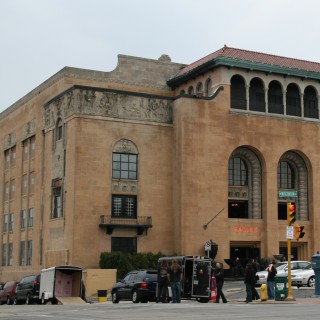
How living in Wisconsin ranks among other states in the nation. A report shows heat is a rising concern for workers in Wisconsin. Milwaukee's bygone movie palaces – and what happened to them.
It was Sept. 4, 1964 that the Beatles appeared at the Milwaukee Arena. If you're a Beatles fan, chances are you've read-or at least heard of-one of the finest books ever written about the Fab Four: "The Beatles Forever." Long before the internet and endless documentaries, one author stood out for his meticulous research, engaging storytelling, and deep appreciation of the music that changed the world. That author was Nicholas Schaffner. Nick wasn't just a writer, he was a passionate music historian whose work also explored Pink Floyd, the British Invasion and the remarkable artists who reshaped popular music. "The Beatles Forever" is still regarded as one of the definitive books on the Beatles. Today, we'll celebrate the Beatles visit to Milwaukee and explore why this book continues to influence fans, writers, and historians decades later. So, whether you've collected Beatles records for years, or just beginning your journey into the greatest story in rock and roll, you're in for an interesting conversation.

This is Part Two of our conversation.Wisconsin is filled with ghost stories, strange legends, and places where the past doesn't always seem willing to stay buried. 30 Haunted Nights in Wisconsin was created as a paranormal travel guide, giving readers a way to explore those stories for themselves rather than simply reading about them from home.Mitch Goth and Brandon Rugzie divided the state into regions, covering haunted locations, local legends, and reported paranormal activity from one corner of Wisconsin to another. From Shaker's Cigar Bar in Milwaukee to the Senior Center in Janesville, the book combines the history of each location with the stories and experiences that have earned it a place in Wisconsin's haunted landscape. And because there's plenty of strange and interesting things to see between ghost hunts, they also point readers toward cryptid lore, roadside oddities, and some wonderfully unusual attractions along the way.It's part paranormal investigation, part road trip, and a guide to discovering just how haunted—and weird—Wisconsin can be.Today on The Grave Talks—are you brave enough for 30 Haunted Nights in Wisconsin? A conversation with Mitch Goth and Brandon Rugzie.Find “30 Haunted Nights in Wisconsin” on Amazon. Check out their website at hauntedus.com. Also, give them a follow on their socials.#TheGraveTalks #30HauntedNightsInWisconsin #HauntedWisconsin #WisconsinGhosts #HauntedRoadTrip #GhostStories #ParanormalEncounters #HauntedHistory #WisconsinWeird #GhostHuntingLove real ghost stories? Want even more?Don't just listen—join us on YouTube and be part of the largest community of real paranormal encounters anywhere. Subscribe now and never miss a chilling new story:

The guys try their best to recap the confusing double header weekend in Milwaukee, plus Hinch dealt with an unreasonable seatmate on the a plane, Rossi is selling a plane, and Thim is barely here. +++ Off Track is part of the SiriusXM Sports Podcast Network. If you enjoyed this episode and want to hear more, please give a 5-star rating and leave a review. Subscribe today wherever you stream your podcasts. Want some Off Track swag? Check out our store! Check out our website, www.askofftrack.com Subscribe to our YouTube Channel. Want some advice? Send your questions in for Ask Alex to AskOffTrack@gmail.com Follow us on Twitter at @askofftrack. Or individually at @Hinchtown, @AlexanderRossi, and @TheTimDurham. Hosted by Simplecast, an AdsWizz company. See pcm.adswizz.com for information about our collection and use of personal data for advertising.

Central Division shakeup: Can the Indiana Pacers leap from last to contenders with Tyrese Haliburton's return and Ivica Zubac anchoring the paint? The Detroit Pistons seek to defend their East crown behind Cade Cunningham, while the Cleveland Cavaliers gamble on the high-upside fit of Peyton Watson in a star-studded starting five. Chicago Bulls' rookie Caleb Wilson ignites excitement, and the retooled Milwaukee Bucks pin hopes on Tyler Herro and Kel'el Ware after trading Giannis Antetokounmpo. Host Wes Goldberg and Bryce Simon break down major offseason moves, surprising depth chart decisions, and roster questions defining each Central Division squad. Key debates spotlight Ausar Thompson's evolving offensive game, the risks of John Collins' fit in Detroit, and why depth versus top-tier talent could decide the division. Who's poised for a breakout, and which teams actually got better? Don't miss this comprehensive preview of the NBA's most unpredictable division. 00:00 Division preview series kickoff 08:29 Evaluating Tobias Harris vs. John Collins 12:35 Discussing team spacing issues 16:54 Eastern Conference team strategies 24:43 Discussing team dynamics with Siakam 29:10 Norm Powell signing impact 34:11 Excited for the Milwaukee team 41:09 Caleb Wilson drafted to Bulls 56:21 Eastern Conference playoff potential 01:00:28 Potential impact of star injuries 01:06:00 Discussion on Ausar Thompson's Potential RealGM Radio is your top spot for the best weekly NBA coverage. Subscribe to get RealGM Radio with Wes Goldberg, the Double Dribble and Good Take every week. Monday: Double Dribble with Jared Dubin and Mo Dakhil Tuesday: RealGM Radio with Wes Goldberg Wednesday: Double Dribble with Jared Dubin and Mo Dakhil Thursday: Good Take with Wes Goldberg and Mike Shearer Subscribe to watch more RealGM Radio videos: youtube.com/@realgmradio FOLLOW REALGM ON SOCIAL RealGM on X/Twitter https://x.com/RealGM RealGM on Instagram https://www.instagram.com/realgmnba/ Hosted by Simplecast, an AdsWizz company. See pcm.adswizz.com for information about our collection and use of personal data for advertising.
Mark Grote and Anthony Herron were joined by Brewers television play-by-play announcer Jeff Levering to discuss how Milwaukee continues to outplay expectations each season.

Tonight, on Trackside with Curt Cavin and Kevin Lee, they recap a dominant Milwaukee doubleheader weekend from Pato O’Ward, with Alex Palou officially clinching his 5th championship. They also talk about the mass confusion of having the rain delay during the races and which race happened in which order. They later talk about the 5-year extension with Snap-On and the Milwaukee Mile. They also talk about the career weekend Christian Lundgaard had with his first oval podium. They later talk about the difficult season Scott Dixon has had and how David Malukas had another potential first win slip away. In the second segment, they preview the season finale weekend from Laguna Seca. They also talk about where Alex Palou now ranks among the all-time greats. They later talk about who could get second in the championship battle. In the final segment, Kevin talks about Chevrolet’s official statement on David Malukas’s engine problem and talks about the TV ratings from Milwaukee.See omnystudio.com/listener for privacy information.

Patrick Beverley aka Pat Bev joins Gruber Law Office's Thanalysis to discuss the real story behind his time in Minnesota, his experiences playing professional basketball in Europe, and what he learned during his time with the Milwaukee Bucks. Gruber Law Office's Thanalysis is also presented by McDonald's and Potawatomi Casino Hotel in Milwaukee. Pat also compares Giannis Antetokounmpo and LeBron James as teammates, sharing insight into two of the NBA's biggest stars.

Michael tells the story of the Milwaukee alternative rock/hip-hop band's groovy 1999 underdog anthem. Hosted on Acast. See acast.com/privacy for more information.

Investor Fuel Real Estate Investing Mastermind - Audio Version
In this episode, De Fortner shares her inspiring journey from a PhD in psychology to a successful real estate agent and team builder in Milwaukee. She discusses her health scare, the importance of mentorship, and her future plans for expanding into commercial real estate. Professional Real Estate Investors - How we can help you: Investor Fuel Mastermind: Learn more about the Investor Fuel Mastermind, including 100% deal financing, massive discounts from vendors and sponsors you're already using, our world class community of over 150 members, and SO much more here: http://www.investorfuel.com/apply Investor Machine Marketing Partnership: Are you looking for consistent, high quality lead generation? Investor Machine is America's #1 lead generation service professional investors. Investor Machine provides true 'white glove' support to help you build the perfect marketing plan, then we'll execute it for you…talking and working together on an ongoing basis to help you hit YOUR goals! Learn more here: http://www.investormachine.com Coaching with Mike Hambright: Interested in 1 on 1 coaching with Mike Hambright? Mike coaches entrepreneurs looking to level up, build coaching or service based businesses (Mike runs multiple 7 and 8 figure a year businesses), building a coaching program and more. Learn more here: https://investorfuel.com/coachingwithmike Attend a Vacation/Mastermind Retreat with Mike Hambright: Interested in joining a "mini-mastermind" with Mike and his private clients on an upcoming "Retreat", either at locations like Cabo San Lucas, Napa, Park City ski trip, Yellowstone, or even at Mike's East Texas "Big H Ranch"? Learn more here: http://www.investorfuel.com/retreat Property Insurance: Join the largest and most investor friendly property insurance provider in 2 minutes. Free to join, and insure all your flips and rentals within minutes! There is NO easier insurance provider on the planet (turn insurance on or off in 1 minute without talking to anyone!), and there's no 15-30% agent mark up through this platform! Register here: https://myinvestorinsurance.com/ New Real Estate Investors - How we can work together: Investor Fuel Club (Coaching and Deal Partner Community): Looking to kickstart your real estate investing career? Join our one of a kind Coaching Community, Investor Fuel Club, where you'll get trained by some of the best real estate investors in America, and partner with them on deals! You don't need $ for deals…we'll partner with you and hold your hand along the way! Learn More here: http://www.investorfuel.com/club —--------------------

Matthew Toffolo interviewed Rocky Karri, who discussed his award-winning sci-fi TV pilot script "Ammamma & Raag." Rocky explained that the story was inspired by his relationship with his grandmother and his own experiences growing up in Milwaukee with Indian parents. He described the process of writing the script at USC's MFA program and his plans to adapt it into a comic book. Rocky also mentioned his feature film script, "Open Arrangement," a romantic comedy about an arranged marriage with a modern twist. He shared his journey from Milwaukee to Los Angeles, his graduation from USC, and his current efforts to gain representation in the industry. The conversation also touched on cultural influences, personal inspirations, and the themes of love and self-discovery in his writing. —- Subscribe to the podcast: https://twitter.com/wildsoundpod https://www.instagram.com/wildsoundpod https://www.facebook.com/wildsoundpod —— Love for you to try the Indy Film Festival AP. • Daily new film festival of the best new films from around the world. New archived festival to watch anytime. • Library of over 500+ award-winning films to watch anytime. Go to https://www.wildsound.ca and sign up for the free 3-day trial. Check out the daily film festival (and previous ones from last month) at https://www.wildsound.ca/browse Always an amazing lineup of films. Inspiring for storytellers.
This article is the launch of a new paid partnership: Recycled by Digital Bridge. As part of this program, from time to time, I'll highlight the important work happening at Digital Bridge, Milwaukee's e-waste recycler. I'll also “recycle” tech articles from the past. Because good stories deserve a second life, too!For this article, I interviewed Michael Regione, VP of sales and marketing at Digital Bridge.Digital Bridge was founded by Jeff Hanson who started refurbishing laptops from the campus of the Milwaukee School of Engineering (MSOE).Michael was in software startups and healthcare technology leading up to him joining Digital Bridge.He now leads the growth of Digital Bridge, including programs that keep electronics out of landfills by getting them into the hands of people who truly need them.Experience Milwaukee is powered by Xorbix Technologies and is sponsored by Secure Compliance Solutions.

Hall of Famer Bud Selig, class of 2017, sits down with Jon Paul Morosi to discuss his unexpected journey to Cooperstown. From bringing baseball back to Milwaukee to leading the sport through the 1994 strike into a period of unprecedented labor peace and introducing innovations such as interleague play and wild card teams, Major League Baseball's commissioner emeritus talks about how he became one of the most influential executives of all time. Visit the National Baseball Hall of Fame - BaseballHall.org Follow the National Baseball Hall of Fame on Twitter/X - @BaseballHallFollow the National Baseball Hall of Fame on Instagram - @BaseballHall Follow Jon Paul Morosi on Twitter/X - @jonmorosi Hosted by Simplecast, an AdsWizz company. See pcm.adswizz.com for information about our collection and use of personal data for advertising.

Matty Dalrymple talks with Patrick O'Donnell about HOW TECH IS CHANGING CRIME FICTION, including the camera footage that cracked his first homicide case; why smaller police departments sometimes have better equipment than big cities; the real legal limits on drone surveillance and monitoring suspects on social media; and where he believes AI can genuinely help detectives, and where it never will. Interview video at https://www.youtube.com/@TheIndyAuthorPodcast/podcasts Show notes at https://theindyauthor.substack.com/ (subscribers get exclusive content) If you find the information in this episode useful, please consider supporting The Indy Author! https://substack.com/@mattydalrymple https://theindyauthor.substack.com/ https://www.patreon.com/theindyauthor https://www.buymeacoffee.com/mattydalrymple Patrick O'Donnell is proof that there is life after retirement. He was a City of Milwaukee police sergeant with 25 years of street experience, where he supervised various special units and investigated major felonies. He's the author of eleven books, including his newest Police Stories: The Rookie Years https://a.co/d/08a5IRlp. He hosts the popular Cops and Writers Podcast and founded and runs an 8,500-member Facebook group for crime writers that was featured in the Wall Street Journal. He has also hosted true crime television documentaries and has consulted with crime writers for their books and screenplays. O'Donnell lives in Wisconsin, where he enjoys working out, riding his Harley, and spending time with family. Matty Dalrymple is the author of the Lizzy Ballard Thrillers, beginning with ROCK PAPER SCISSORS; the Ann Kinnear Suspense Novels, beginning with THE SENSE OF DEATH; and the Ann Kinnear Suspense Shorts. She is a member of International Thriller Writers and Sisters in Crime. More at mattydalrymple.com. Matty also writes, speaks, and consults on the writing craft and the publishing voyage, and shares what she's learned on THE INDY AUTHOR PODCAST. She writes nonfiction books for authors; her articles have appeared in Writer's Digest magazine; and she is a Partner Member of the Alliance of Independent Authors. More at theindyauthor.com. She also guides professionals in building their presence through a sideline or second act through her platform From Expertise to Authority. More at theindyauthor.com/authority.
Ways community organizers are helping those impacted by last summer's historic flooding. A local restoration project that is supporting monarch butterflies. A new store in Milwaukee selling eco-friendly home goods and refillable products.
Wisconsin is filled with ghost stories, strange legends, and places where the past doesn't always seem willing to stay buried. 30 Haunted Nights in Wisconsin was created as a paranormal travel guide, giving readers a way to explore those stories for themselves rather than simply reading about them from home.Mitch Goth and Brandon Rugzie divided the state into regions, covering haunted locations, local legends, and reported paranormal activity from one corner of Wisconsin to another. From Shaker's Cigar Bar in Milwaukee to the Senior Center in Janesville, the book combines the history of each location with the stories and experiences that have earned it a place in Wisconsin's haunted landscape. And because there's plenty of strange and interesting things to see between ghost hunts, they also point readers toward cryptid lore, roadside oddities, and some wonderfully unusual attractions along the way.It's part paranormal investigation, part road trip, and a guide to discovering just how haunted—and weird—Wisconsin can be.Today on The Grave Talks—are you brave enough for 30 Haunted Nights in Wisconsin? A conversation with Mitch Goth and Brandon Rugzie.Find “30 Haunted Nights in Wisconsin” on Amazon. Check out their website at hauntedus.com. Also, give them a follow on their socials.#TheGraveTalks #30HauntedNightsInWisconsin #HauntedWisconsin #WisconsinGhosts #HauntedRoadTrip #GhostStories #ParanormalEncounters #HauntedHistory #WisconsinWeird #GhostHuntingLove real ghost stories? Want even more?Don't just listen—join us on YouTube and be part of the largest community of real paranormal encounters anywhere. Subscribe now and never miss a chilling new story:
(00:00-26:01) – Query & Company opens on a Monday with Jake Query and producer Eddie Garrison discussing Keenan Allen’s arrest over the weekend and the Indianapolis Colts releasing their first 53-man roster yesterday. Jake also discusses whether the Colts will suspend Allen for his indiscretions and the major buzzword of “culture” in the sports. (26:01-41:50) – IndyStar’s Nathan Baird joins Jake Query on his way to West Lafayette to share the details on Trey Kaufman-Renn wanting a sixth-year of eligibility. Does he have a case? What are the odds that he could be playing for the Boilermakers this season? Plus, could Kaufman-Renn be the domino effect to more basketball players going to state courts going for another year of eligibility since the Big Ten is the only conference that hasn’t banned professional basketball players? (41:50-46:08) – Jake Query concludes the first hour of the show by sharing what David Letterman told him on Saturday about the passing of Dolly Parton, and that the show will be on the road on Friday! (46:08-1:15:54) – The Dean, Mike Chappell, from CBS4 & FOX59 makes his weekly appearance on Query & Company to talk all things Indianapolis Colts. Jake Query starts the conversation by asking for his opinion on the initial 53-man roster that the Colts released, identifies two specific position groups that he is really concerned about, and delve into the Keenan Allen arrest from over the weekend. Finally, will the Colts extend Quenton Nelson before the season starts? (1:15:54-1:24:17) – Jake Query recaps his experience being back in Milwaukee over the weekend, the city where he broadcasted his first non-Indy 500 race years ago. Jake discusses the hiccup in the nightcap race for David Malukas and Pato O’Ward winning both races and Alex Palou winning another series championship. (1:24:17-1:31:46) – The final hour of today’s show starts with Jake and Eddie discussing the attendance at USC’s first game of the season against San Jose State. (1:31:46-2:01:05) – Jake Query kicks off the final hour of the show by asking producer Eddie to share some of the latest sports news headlines since the show started. Then, Jake continues to discuss the situation the Indianapolis Colts are in right now with Keenan Allen following his arrest on Saturday night. (2:01:05-2:13:26) – The voice of the Indiana Hoosiers, Don Fischer, joins Jake Query to preview the season opener for IU against North Texas on Saturday afternoon. Their conversation starts by discussing the quarterback IU will be facing, the unknown nature about North Texas with so many new faces, believes Indiana’s defensive line will be much better than last season, and identifies tight end as a position group that he’s got some questions about. (2:13:26-2:15:38) – The show closes out with JMV joining Jake to preview his show!Support the show: https://1075thefan.com/query-and-company/See omnystudio.com/listener for privacy information.
This month, on Laura Flanders & Friends, we're taking a closer look at criminal justice—through the lens of abolition, accountability, and the power of the creative arts to tell fuller, truer stories. This week we'll explore a new documentary, CYCLE, that's breaking the silence around police killings. Subscribe to Laura on Substack: https://lauraflanders.substack.com/ Description: Would we know from our media that over 1,000 people are killed by police every year in the U.S.? The stories of George Floyd and Breonna Taylor are exceptions, but for the victims we don't hear about, there's CYCLE. The newly-released investigative feature documentary from LionArt Media focuses on the 2019 killing of Ty'rese West, an 18-year-old Black teenager from Racine, Wisconsin who was shot to death after being pulled over by a Mount Pleasant police officer for riding a bicycle with no headlights. No videos were taken, the details of West's death were withheld from the community and the subsequent police report. Made in close collaboration with West's mother, Monique West, the film follows the story of Ty'rese's death and the lawsuit that ensued. CYCLE is an invitation, “. . . to interrupt the silence that follows so many cases that never go viral — cases where there's no footage, no public pressure, and no accountability,” say director Laura Dyan Kezman and co-director William Howell, both Racine natives. Kezman is an award-winning director, DP, and editor, and the founder of LionArt Media committed to telling bold, socially driven stories that examine justice, culture, and civic engagement. Howell is a cinematographer, editor, and director based in Milwaukee. He was the cinematographer of ‘The Rise and Fall of Coo Coo Cal' and the director of the 2020 film ‘You Don't Know Me'. Join the CYCLE directors and Laura Flanders for this powerful conversation on police accountability and community action, plus a commentary on the media quiet about Trump's massive military build-up in the Caribbean. “. . . We started this film in 2019 with the intention of not making an angry film, but we didn't quite know what the film needed to be yet. Then COVID hit, Ahmaud Arbery was killed, and then Breonna Taylor was killed, and then George Floyd was killed . . . We felt it then, that this was something so much bigger than us in terms of us telling Tyrese's story in that moment.” - Laura Dyan Kezman “The call to action, that's when I see, more than anything, that we achieved our goal. People are not leaving these theaters angry . . . They're leaving and saying, what can we do? What can I do? What can we do together as people to help create this change?” - William Howell Guests: • William Howell: Co-Director, CYCLE • Laura Dyan Kezman: Director, Editor & Producer, CYCLE Full Conversation Release: While our weekly shows are edited to time for broadcast on Public TV and community radio, we offer to our members and podcast subscribers the full uncut conversation. These audio exclusives are made possible thanks to our member supporters. Watch the special report on YouTube; PBS World Channel Sundays 11:30am ET, and on over 300 public stations across the country (check your listings, or search here via zipcode). Listen: Episode airing on community radio (check here to see if your station is airing the show) & available as a podcast. RESOURCES: Related Laura Flanders Show Episodes: • Police Violence Against Latinos: The Shocking Data We Now Know: Watch / Listen: Episode • Jacqueline Woodson & Catherine Gund: Breathing Through Chaos & the “Meanwhile”: Watch / Listen: Episode and Full Uncut Conversation • The Defund Movement in 2024: Frontline Reporters Separate Myth from Reality: Watch / Listen: Episode Related Articles and Resources: • ‘CYCLE' comes home: Racine premiere unites community in a call for action, by Heather Asiyanbi and Grant Ritchey, July 21st, 2025, Racine County Eye • Mapping Police Violence: “Law enforcement agencies across the country are failing to provide us with even basic information about the lives they take. So we collect the data ourselves…” • The U.S. Dept. of Justice's Civil Rights Division Dismisses Biden-Era Police Investigations and Proposed Police consent Decrees in Louisville and Minneapolis, May 21, 2025, Justice.gov • Wisconsin DOJ reversed decision to release cop names after pushback from police groups, by Annie Pulley, April 2025, The Badger Project • Trump administration drops police oversight spurred by Floyd, Taylor Killings, by Sarah N. Lynch and Andrew Goudsward, May 21, 2025, Reuters • Trump signs orders targeting sanctuary cities, seeking military involvement in law enforcement, April 28, 2025, by Alex Galbraith, Salon.com • MAIT: How Wisconsin's investigations into police shootings protect officers, by Isiah Holmes, February 12, 2025, Wisconsin Examiner Full Episode Notes are located HERE. Music Credit: 'Thrum of Soil' by Bluedot Sessions, and original sound design by Jeannie Hopper Support Laura Flanders and Friends by becoming a member at https://www.patreon.com/c/lauraflandersandfriends Laura Flanders and Friends Crew: Laura Flanders-Executive Producer, Writer; Sabrina Artel-Supervising Producer; Jeremiah Cothren-Senior Producer; Veronica Delgado-Video Editor, Janet Hernandez-Communications Director; Jeannie Hopper-Audio Director, Podcast & Radio Producer, Audio Editor, Sound Design, Narrator; Sarah Miller-Development Director, Nat Needham-Editor, Graphic Design emeritus; David Neuman-Senior Video Editor, and Rory O'Conner-Senior Consulting Producer. FOLLOW Laura Flanders and FriendsInstagram: https://www.instagram.com/lauraflandersandfriends/Blueky: https://bsky.app/profile/lfandfriends.bsky.socialFacebook: https://www.facebook.com/LauraFlandersAndFriends/Tiktok: https://www.tiktok.com/@lauraflandersandfriendsYouTube: https://www.youtube.com/channel/UCFLRxVeYcB1H7DbuYZQG-lgLinkedin: https://www.linkedin.com/company/lauraflandersandfriendsPatreon: https://www.patreon.com/lauraflandersandfriendsACCESSIBILITY - The broadcast edition of this episode is available with closed captioned by clicking here for our YouTube Channel

It was another week of series victories for the Brewers, and though the Chicago Cubs are welcoming Milwaukee in a big four-game series, the National League Central feels very much in Milwaukee's control. Journal Sentinel reporter Todd Rosiak and host JR Radcliffe look at the thing that will make or break the Brewers in October: the rotation. After Dustin May's rough start Sunday, is there concern about his early results with the Brewers? What about Kyle Harrison, who's getting results but still battling through some red flags? Jacob Misiorowski battles another mound (successfully), Logan Henderson absolutely dazzles and Robert Gasser's somewhat confounding season continued with a great showing in emergency relief. Also, is David Hamilton a good defender?In Three Up Three Down (28:30), they discuss the Citi Squirrel, DL Hall's emergence and Andrew Fischer's three-homer night in the minors. In Remembrew When (43:00), JR looks back at another game that involved wildlife back in 1990. In Todd's Take of the Week (46:40), we've reached a point where the Cubs are in must-win mode.Then, JR chats with National League Central reporter Gordon Wittenmyer of the Cincinnati Enquirer (49:30) talking about the Cubs. What's going right and what's going wrong? And what about the Reds, another team the Brewers will see a lot over the next two weeks?

The guys analyze the Texas Rangers' weekend victory against Milwaukee, highlighting Kamar Rocker's impressive slider and Ezekiel Duran's impact. They also discuss the viral scam involving fake 49ers player Daejon Love and provide reactions to the Dallas Cowboys' initial 53-man roster cuts.

We discuss how panicked we are about the Cubs as they head into Milwaukee. We also discuss PCA's MVP weekend. Support this Show and Your Health! 15% Off Spark (Instructions: after clicking on the link, click on the "Energy" tab to find Spark: https://www.advocare.com/home/?D=130822575 FREE Cubs Talk Facebook Group: https://www.facebook.com/groups/cubstalk Go to www.setupman.net and subscribe to our mailing list to become a part of Setup Man Nation so you never miss a show! We also do free giveaways for those who are on our list! Check us out on social media: Instagram: https://bit.ly/setupmaninsta Twitter: https://bit.ly/setupmantwitter

Ailish Forfar and Jesse Rubinoff kick things off with Jensen Lewis (1:53)! They break down how the Guardians are performing as they get ready to take on the Jays tomorrow evening, if PCA has run away with the NL MVP after hitting five homers against the Reds, what it means to have below .500 teams competing for the playoffs, how Milwaukee is finding success despite their low home run numbers, and much more. Then, James Palmer joins the show (26:00) ahead of the NFL Season to discuss the biggest stories heading into the season. They start off with Aaron Donald's NFL return with the Rams, whether Dallas could be a legitimate threat this season, the Bills' outlook under new head coach Joe Brady and much more. Ailish and Jesse end things off discussing Messi retiring from the Argentina Men's National Team. The views and opinions expressed in this podcast are those of the hosts and guests and do not necessarily reflect the position of Rogers Sports & Media or any affiliates. Hosted by Simplecast, an AdsWizz company. See pcm.adswizz.com for information about our collection and use of personal data for advertising.
Dan opens up a busy broadcast week on "The Dan O'Donnell Show" by highlighting the temporary closure of Silk Exotic, a strip club in downtown Milwaukee, because there is just too much violence and chaos in David Crowley's Milwaukee County. Crowley, meanwhile, is also under fire for making taxpayers fund free iPads for jail inmates after yet another one inmate used his tablet to intimidate witnesses. Plus, a new policy on Flock cameras, a new battle in the war over data centers, and a liberal county literally not protecting trans lives.See omnystudio.com/listener for privacy information.

Jake McKibbin and Jason Wang come together on another Sunday afternoon to talk Brewers baseball and recap the end of another solid month for Milwaukee.

Agosto termina con más presión para mercados, gobiernos y empresas. El petróleo vuelve a superar los US$90 tras una nueva escalada entre Estados Unidos e Irán, mientras la Fed reabre la posibilidad de subir tasas. En México, la deuda federal ya supera los $18 billones de pesos y la incertidumbre alrededor del T-MEC empieza a pesar sobre nuevas inversiones. También revisamos la estrategia energética de Estados Unidos en Venezuela, las tensiones comerciales con China, los movimientos políticos rumbo a 2027 y el histórico doblete de Pato O'Ward en Milwaukee. Todo lo que importa para empezar informado la semana.Este episodio es presentado por STRTGY, creador del Centro de Decisiones que convierte datos de ventas, inventarios, compras, clientes, costos y operación en recomendaciones concretas para actuar mejor. Más información: arturo@strtgy.ai o al WhatsApp: +52 81 3232 2698Recibe gratis nuestro newsletter con las noticias más importantes del día.Si te interesa una mención en El Brieff, escríbenos a arturo@strtgy.ai Hosted on Acast. See acast.com/privacy for more information.

Are there still matchmakers in Milwaukee?

The Context of White Supremacy hosts the Counter-Racist Weekly Review 08/29/26. This broadcast examines current events from across the globe to learn what's happening in all areas of people activity. We cultivate Counter-Racist Media Literacy by scrutinizing journalists' word choices and using logic to deconstruct what is reported as "news." We'll use these sessions to hone our use of terms as tools to reveal truth and neutralize Racists/White people. #ANTIBLACKNESS **Wisconsin Race Soliders Hoarding Skulls Again**: A White Man in Fond Du Lac, Wisconsin. FOX11 News reports that 47-year-old Benjamin Larson's was arrested after authorities "found many disturbing items, including books, documents and memorabilia related to murders and serial killers. Skeletal remains, including many apparent human skulls, were also found." Jeff Dahmer, Max Anderson, White Culture. **Sade C. Robinson**: Larson arrest and stash of human remains dramatically underscores Gus's ongoing efforts to obtain all public records related to the criminal case of Sade C. Robinson. At this juncture, Milwaukee courthouse Race Soldiers Judge Laura Crivella, court reporter Julie Persinger and their Racist courthouse lackeys continue to obstruct Justice. **Was Dr. Frances Cress Welsing correct about Recreational Cannabis?**: We'll review a WNYC segment where New York Times' Roni Caryn Rabin details a new JAMA study showing a growing number of US residents are self-reporting cannabis addiction and dependency. The great Neely Fuller Jr. warned non-white people about letting others (especially Racists) increase our needs. **Brain Damage & The NFL**: A sobering new report shows that at least 25% of NFL players in this study tested positive for CTE (brain damage). The most important aspect of this report is that more than half the players who did not test positive for CTE did not have their brain tested at all. Thus, the number of players with brain damage is logically much higher. Some NFL analysts speculate this sort of info could eventually end tackle football. #TheCOWS17Years #JusticeForSade #EmmettLouisTill #CounterRacism #GlobalWhiteSupremacy #BenjaminLarson #CTE FondDuLac #Wisconsin #Milwaukee #Cannabis #PennState Call-In Number: 720.716.7300 Code: 564943#

This is Wade's sermon at Resurrection Lutheran Church in Milwaukee, WI for Pentecost 14. We'd love to have you join us at Resurrection for a Sunday Divine Service sometime at 9am. As always, if you are enjoying the show, please subscribe, rate, and review us on iTunes, Stitcher, Google Play, Spotify, or TuneIn Radio. You can also like us on Facebook and follow us on Twitter. And, of course, share us with a friend or two! If you'd like to contact us we can be reached at podcast@LetTheBirdFly.com, or visit our website at www.LetTheBirdFly.com.

Today we jump back five years to the Aug. 28, 2021 episode of the PWTorch Dailycast's "Deep Dive." PWTorch's Rich Fann was joined by Emmy Award-Winner Mark Blutman again to talk about the previous weekend of wrestling – notably, the returns of CM Punk, Brock Lesnar, and Becky Lynch, and the potential opportunities each provides their companies, as well as a show runner's thoughts on how debutantes are shot/produced on screen. Rich also chatted with Mark about Mark's new project “Gripped,” a gripping Young Adult series that covers the opioid crisis in the United States, and Mark's efforts getting it adapted to television.Then, the Aug. 30, 2011 episode of the PWTorch Dailycast, the "All Elite Aftershow" with Mike McMahon and Andrew Soucek. The show began with Andrew's review of his AEW live experience from Milwaukee. Then the guys talk about C.M. Punk and take listener emails.Become a supporter of this podcast: https://www.spreaker.com/podcast/pwtorch-dailycast--3276210/support.
Facebook: https://www.facebook.com/Leap36podcast Instagram: https://www.instagram.com/leap36podcast/?hl=enTwitter: https://twitter.com/Leap36PodcastTikTok: https://www.tiktok.com/@leap36podcast?lang=en Host: Pro Football Hall of Famer, former Green Bay Packers, LeRoy Butler www.LeRoyButlerinc.com Twitter: https://twitter.com/leap36Instagram: https://www.instagram.com/leap3636/?hl=enFacebook: https://www.facebook.com/leap36 Leap Vodka:https://leapspirits.comTwitter: https://twitter.com/LeapSpiritsFacebook: https://www.facebook.com/leapspiritsvodkaInstagram: https://www.instagram.com/leapspirits/ Co-Host: Gary Ellerson Roundtable & Postgame Show | Spectrum News 1 | WI Green Bay Gameday | ESPN Milwaukee & Madison | 620 WTMJ | Tundra Trio Network, Packer/Badger Alumni, Albany,GAFacebook:https://www.facebook.com/Ellerson42/Twitter: https://twitter.com/GaryEllerson?s=20&t=COYfdMVOsw1nE_i_NhJqQAInstagram: https://www.instagram.com/gellerson/?hl=en https://www.rpwradio.com/leap36 Special Thank You to our Sponsors:Lake Auto Groupwww.LakeAutoGroup.comLake Chevrolet 4201 South 27th St. Milwaukee, WI. (414) 281-5000www.lakechevymke.com Lake Ford (414) 281-6100 www.lakefordmke.com The Jewelry Center (414) 282-7241www.shopTJC.comhttps://www.facebook.com/shoptjc/ Leap Spirits www.LeapSpirits.comTorzala Brewing Company2018 S. 1st Street #207Milwaukee, WI.(414) 810-300www.TorzalaBrewing.com Facebook: https://www.facebook.com/torzalabrewingIntro/outro Music: Akira SheltonProducer: Mario Ortiz for RPW Recordings Red Planet Worx, LLCSocial Media: @MrOrtizmke www.RedPlanetWorx.com; rpwrecordings@gmail.com Facebook: https://www.facebook.com/RPWRecordings/Instagram: https://www.instagram.com/rpwrecordings/?hl=en#leap36podcast Become a supporter of this podcast: https://www.spreaker.com/podcast/leap-36-podcast-featuring-leroy-butler-gary-ellerson--5658524/support.

Psalm 82 confronts us with a God who sees injustice and calls His people to see it too. In a world where power can be misused, where the vulnerable can be overlooked, and where justice can feel out of reach, this Psalm reminds us that God stands above every authority and holds every ruler accountable. What does it look like to live faithfully when the world around us feels anything but fair? Psalm 82 invites us to trust the God who judges rightly and to take seriously His call to defend the weak, care for the vulnerable, and pursue what is good. But Psalm 82 ultimately points us beyond the broken systems and imperfect people around us to the perfect King who is coming. Our hope isn't found in human power, political influence, or our ability to fix everything ourselves. Our hope is found in Jesus—the One who reigns with perfect justice, brings redemption where there is brokenness, and calls His people to live differently in the world. As we sit with Psalm 82, we're invited to ask not only, ""What's wrong with the world?"" but also, ""How is God calling me to live in it?"" Join us as we discover what it means to trust God's justice, reflect His heart, and live faithfully under the reign of Jesus. To view extra resources for Psalm 82, head to https://epikos.org/divine-council-the-unseen-realm/

ON TODAY'S PROGRAM... ZACK COULD BEAT TOTO, AT HIS OWN GAME... IS NORRIS THE "A" TEAM AND, OSCAR THE "B" TEAM... CARLOS SAINZ...AS HE SIGNS ANOTHER CONTRACT WITH WILLIAMS HE KNOWS HIS CHAMPIONSHIP HOPES ARE GONE...AND FERNANDO SAYS...HONDA MAKING PROGRESS! I'M NOT GONA MISS IT! THIS WEEK'S NASIR HAMEED CORNER ANOTHER MOMENT IN F1 HISTORY...THE 2014 SEASON AND, THE CHAOS BETWEEN TWO DRIVERS! ...INTERVIEW WITH JOS AND MAX VERSTAPPEN DURING HIS SHORT FORMULA 3 SEASON! ANOTHER NASIR CLASSIC! OUR BONUS: TECH TALK WITH TIM....THE FRICS SYSTEM Front to Rear Inter-Connected Suspension. High Schooler Garcia Drives to First Career Win in Milwaukee WEST ALLIS, Wis. (Sunday, Aug. 30, 2026) – Don't tell the principal, but Max Garcia may have earned the right to skip school Monday after his stirring first career INDY NXT by Firestone victory Sunday at the Milwaukee Mile. Series rookie Garcia earned his first win in his 15th career start in the INDYCAR development series, driving his No. 12 Abel Motorsports machine under the checkered flag .9430 of a second ahead of the No. 68 Cusick Morgan Motorsports car of JM Correa, who also earned a career-best finish. SEE: Race Results It's still uncertain whether Garcia, 17, will be in homeroom Monday morning at Christopher Columbus High School in Miami, where he just started his senior year. “Unbelievable,” Garcia said. “It's been such a tough year for all of us at Abel. We knew we had a good oval package. We knew we set the car up more for the race, and we knew in practice we could move through cars. It was all about timing it right and then getting through everyone. “I'm trying to convince my mom not to let me go to school. Surely, this is something to celebrate. A day off would be nice, right?” Rookie Jack Beeton continued his strong second half of the season by finishing third in the No. 45 HMD Motorsports machine, earning his third podium result in the last five races. Andretti Global's Max Taylor finished fourth in the No. 28 Susan G. Komen entry, while Nikita Johnson rounded out the top five in the No. 21 Cape Motorsports Powered by ECR car and took the lead in a sizzling championship fight with two races remaining. Johnson drove from 15th at the start to earn his eighth top-five finish of the season. He leads Enzo Fittipaldi by three points and third-place Tymek Kucharczyk by 29 entering the season-ending Grand Prix of Monterey doubleheader Sept. 5-6 at WeatherTech Raceway Laguna Seca. It's tied for the fifth-closest race margin between the top two drivers with two races to go in series history. “I just kept my head down, pushed really hard and found lines that other people didn't find until about halfway through,” Johnson said. “I think that really helps, just playing around and trying different lines out when everybody was just stuck in one line. It was a really good points day for us.” Fittipaldi finished seventh in the No. 67 HMD Motorsports car, while Kucharczyk placed 12th in the No. 71 HMD Motorsports machine. Garcia started ninth but steadily worked his way through the field on the 1.015-mile oval. He passed Beeton for second on Lap 35 and pulled to within one second of leader and pole sitter Josh Pierson of Andretti Global, who had led by more than two seconds in the early going of the 90-lap race. Under pressure from Garcia, Pierson's quest for his first career victory unraveled on Lap 54 when he spun in the No. 29 Starchive Andretti car in Turn 2 while leading and hit the tire barrier inside that corner to end his race. Pierson led every lap to that point. Garcia inherited the lead and never surrendered it despite four restarts in the last 37 laps after the race went caution-free for the first 53 laps. Abel Motorsports driver Garcia was threatened only once on one of those restarts. Beeton looked under Garcia in Turn 1 on Lap 83 but couldn't complete the pass. On the next and final restart on Lap 86, Garcia left no doubt by getting a good jump and pulling away easily. Beeton and Correa raced side by side for second on that restart, allowing Garcia even more time and space out front. Correa eventually prevailed in that duel, one of 208 on-track passes, a track record for INDY NXT at Milwaukee. New heights at Rallye Mont-Blanc Morzine! After an extended summer break following the cancellation of Rallye Rouergue Rodez Aveyron Occitanie, the Clio Trophy France Asphalte resumes next week at Rallye Mont-Blanc Morzine. At this iconic French Rally Championship event, the return to action will be intense, with 39 crews ready to give it their all to reach the midseason mark in the lead and enter the home stretch in a strong position. Now in its seventh season with the fifth-generation Renault Clio, the Clio Trophy France Asphalte continues to prove its appeal, with a record 39 Clio Rally5 cars set to line up at Morzine this year. The Alpine mountains offer a magnificent backdrop for the competitors, who are eager to return to competition for the first time since mid-June. Leader in the general classification following his first victory in the Vosges, Paul Dachicourt (Fun Meca Sport) will look to consolidate his advantage in Morzine. Also leading the Junior category, where an official drive is up for grabs, the Pas-de-Calais native will target another victory at a rally that went his way last year, when he posted one of his best results despite a puncture on the opening special stage. His main rivals, however, are determined to prevent him from pulling away. Winner of the opening round at Le Touquet, Maxence Potard (Gilbert Compétition) will rely on his experience in the Alps to bounce back after his crash in the Vosges. The member of the FFSA's Collectif France Rallye isn't the only one with this objective, as Romain Brun will attempt to return to the sharp end of the order after a difficult weekend in the Vosges. Several competitors will try to capitalise on their knowledge of the roads to close the gap to the leaders. Having secured four podium finishes with Clio Rally5 at Morzine since 2020, Romain Fostier (David Auto Compétition) is a serious contender for victory in this demanding event. He will also seek to increase his lead over his rivals in the Gentlemen class: Pascal Bérard, Jacques Bourrat, Franck Giraud (Lycée Roger Claustre) and Michaël Durigon, who returns to the Clio Trophy France Asphalte for his 22nd start in the event. Jérôme Janny (David Auto Compétition) will equally rely on his experience to build on his strong start to the season, as will Yohan Roumieux (JLA Rally), who finished in the top ten last year, and Maxime Chagot (LCS Location), a two-time class winner at Morzine. Fabien Combe, who has finished 10th twice this year, and Christophe Truchet, 2025 Clio Full Challenge winner, will be outsiders to watch in their Rallye Mont-Blanc Morzine debut. Behind the trio of Paul Dachicourt, Maxence Potard and Romain Brun, other Junior drivers have high hopes. Following his first podium finish in the Vosges, Clément Didier (JLA Rally) will look to build on that form in the Alps, where Alex Florenson (PH Sport), who finished fifth a year ago, will target a trip to the podium next Saturday. Also worth keeping an eye on are Thomas Santiago (LCS Location), Louis Gass (PH Sport), Néo Rivallant (Fun Meca Sport), Oliver Sørensen, Thomas Van Outryve (LCS Location) and Maxence Girard (CHL Sport Auto), all in search of valuable points. Meanwhile, Tom Le Jossec (Rageau Sport Location) and Alexis Poso (Salvi Compétition) will aim to stay in contention on their Mont-Blanc debut with Clio Rally5. Back in action after his retirement at Le Touquet, Loan Guibal (Salvi Compétition) wants to turn his obvious speed into stage wins and a strong result in a rally he is discovering for the first time, just like Léo Véricel, Louis Bottin (PH Sport) and Alfred Sablonnière. Clémentine Benoit (Sarrazin Motorsport) will defend her lead in the women's category and face Lilou Boulangé (Gazou Compétition), a rookie this season behind the wheel after co-driving for her father Arnaud in 2025. Nicolas Paviet-Roche and Mathieu Duclos will make their first appearance of the year in familiar surroundings. Killian Marry will also return to the service park to tackle Alpine special stages for the first time – stages that several newcomers know well, notably William Gagnière, Paul Missillier and Vincent Chagot, Maxime's brother. Lastly, Grégory Scotto La Chianca will make his Clio Trophy France Asphalte debut, as will Robin Duarte, Arthur Guillaume and Tanguy Rubin-Delanchy, who have all cut their teeth with Clio Rally5 in the French Rally Cup. The 78th Rallye Mont-Blanc Morzine will feature 12 timed sectors covering a total of 196.04 kilometres over a 493.87 km route. On Friday, the action gets underway on the Montriond-le-Lac – Avoriaz stage, followed by two loops comprising Bonneville – Glières Val de Borne and Les Clefs – La Clusaz, then a single run on the Morzine – Montriond-le-Lac stage. On Saturday, the crews will tackle Morillon – Samoëns, Samoëns – Morzine and La Côte d'Arbroz – Taninges three times. The final ten special stages will each award up to five “Jean Ragnotti Performer” points to the five fastest drivers, in addition to the standard finishing points. Ten Clio Rally3s, six Clio Rally4s and nine Clio Rally5s outside the trophy will also be at the start of the event.

Rob Has a Podcast | Survivor / Big Brother / Amazing Race - RHAP
RAANAP: Live from RHAPCon Watch the podcast on YouTube! Rob Cesternino (@robcesternino) and Akiva Wienerkur (@keev26) need a podcast and every week, Rob and Akiva spin a wheel of listener-submitted podcast ideas, and whatever the wheel lands on is what they podcast about next. This week, Rob and Akiva are LIVE at RHAPCon in Milwaukee. RAANAP goes live from Milwaukee as Rob and Akiva bring RAANAP Live 2026 to the stage. This interactive episode blends reality TV banter with live games, audience confessions, and unexpected matchmaking—all powered by community participation and a dash of musical flair. Rob, Akiva, and a cast of live participants set the tone with stories of mysterious magician invitations and reflections on how the fandom has changed since their last live show. Audience energy drives the episode as secrets are submitted anonymously and lighthearted debates arise over Coke Zero, the ethics of finding one's cousin attractive, and the perils of favorite song requests for piano players. The episode spotlights several in-room challenges: listeners step forward to have their ages, marital histories, and salaries guessed through a series of on-the-fly social games. The sorting games produce clever questions and colorful stories, from first dates to boycott-worthy mayonnaise preferences. Highlighting the night is a matchmaking segment, where “RAANAPchelor” Alex questions three potential matches without seeing them, leading to a memorable pick and the promise of a Chili's date, courtesy of Akiva. Anonymous audience secrets range from the embarrassing (destroyed clarinets, “hoe phases” in one's 40s) to the criminally mischievous Social deduction games as Rob, Akiva, and guests try to order participants by age, number of marriages, and annual salary Anthony's honest take on synthetic sodas and musical pet peeves adds humor and candor Community love stories emerge, including a couple whose relationship is woven through RAANAP live events, podcasts, and road trips A matchmaking game brings together Alex and “VIP nanny” Lindsay, with a future podcast check-in already on the horizon The episode closes with hopes for more live events, potential onstage weddings, and gratitude for the RAANAP community's stories and participation. Will the podcast's matchmaking finally get Akiva “into heaven” by making a real couple? Join in for fan stories, live energy, reality-inspired antics, and a testament to the power of community. Listen now for candid confessions, social games, and the kind of reality fandom fun you can only get at a RAANAP live show! Chapters: 00:00 RAANAP Live begins 06:01 Listener Secrets and Hot Cousins 10:32 Recruiting a New Fan Live 13:36 Guessing Listener Ages Game 20:23 Salary Sorting: Who Earns Most? 26:21 Sorting Marriage Histories Blind 33:00 Wedding Proposals and Engagements Shared 38:30 The Renaptular Dating Challenge 47:00 Lindsay Chosen for Renaptular Date 54:00 Listener Secrets Revealed Live 01:03:00 Clarinet Confession and Emotional End For the link to the spreadsheet that Rob and Akiva use to compile ideas, check it all out here: Rob and Akiva Need a Spreadsheet (compiled by the great Will from America). To submit an idea for a future episode of “Rob and Akiva Need a Podcast” to be discussed on the mailbag, submit it on this form: Rob and Akiva's Mailbag Form. Past Episodes of Rob & Akiva Need a Podcast

Don’t get left behind in the AI shift! Subscribe to our Newsletter: https://theultimatepartner.com/ebook-subscribe/ Check Out UPX: https://theultimatepartner.com/experience/ In this critical conversation, Vince Menzione sits down with Shannon Sigmon, Marc Harpster, and Jeff Mesnik to uncover how the rapid pace of change in the Google Cloud Marketplace and AI agent integration is forcing organizations to completely rethink their go-to-market strategies. They break down why traditional three-year business plans are dead, replacing them with agile 100-day sprints to keep up with the shifting ecosystem. The panel reveals that leveraging your Adaptability Quotient (AQ) and turning data patterns into actionable co-sell motions are the only ways to survive the upcoming “agent age” and maintain a competitive edge. https://youtu.be/xIaABKU1jmM Key Takeaways Consistent messaging is required to gather actionable data and build trust with channel partners. Three-to-five-year business plans are obsolete, and leaders must now operate in 100-day sprints to keep pace with hyperscaler changes. Google Cloud Marketplace uniquely supports channel partners by allowing them to own the customer relationship and recognize top-line revenue. The rise of AI agents is shifting discovery away from traditional SEO, requiring ISVs to adapt how they provide access to their tools. Creating interactive content variations from a single asset helps train AI agents to discover and prioritize your solutions. Despite rapid digital transformation, human connection remains the ultimate deciding factor in enterprise software purchases. If you're ready to lead through change, elevate your business, and achieve extraordinary outcomes through the power of partnership—this is your community. At Ultimate Partner® we want leaders like you to join us in the Ultimate Partner Experience – where transformation begins. Key Tags Adaptability Quotient, Google Cloud Marketplace, agentic age, co-sell motion, digital sales hub, private offers, propensity to buy, AI pattern analysis, hyperscaler CRM, interactive trivia content, product-led discovery. Transcript Shannon – Marc – Jeff AUDIO Podcast [00:00:00] Vince Menzione: That becomes the core of your data analysis because if you’re not submitting consistent content and submit, you know, consistent information, then you’re not gonna get information back. [00:00:13] Vince Menzione: You can feel it happening. The ecosystem is shifting beneath us. The way Hyperscalers are partnering, how AI is remaking the channel and what it means to win in 2026. [00:00:25] Vince Menzione: Welcome to the Ultimate Partner [00:00:26] Vince Menzione: Podcast. I’m Vince Menzione your host. And each week I sit down with leaders at the intersection of technology, partnerships and outcomes. The voices shaping how ecosystems actually work. We talk about what’s real, what’s changing, and what it takes to lead in this era where the partner channel isn’t just part of the [00:00:46] Vince Menzione: strategy. [00:00:47] Vince Menzione: It is the strategy because being in the room changes everything. Let’s start. [00:00:57] ——-: We have another incredible group of leaders coming up here and, uh, and friends of ultimate partner and, uh, Susan, do you need me for, okay, good. Come on up. So I’m gonna, I’m gonna invite you up and then have you each. Introduce yourself, uh, to this conversation. Shannon, it has been a great to see you. Yeah, great friend. [00:01:18] ——-: Been in, it was in Boca. Mark. Great to have you. Good to see you, sir. Jeff, great to have you. Uh, this is incredible. I’m, I’m excited for this conversation. So, uh, yeah, we talked about aq. We talked a little bit about AQ in this last session. Don’t, didn’t we? Yeah. [00:01:34] Shannon Sigmon: A little. [00:01:34] Vince Menzione: Why don’t we go, why don’t we have you, I wanna have you each introduce yourself, your role, your company mission, and, and, and everything here. [00:01:40] Vince Menzione: So why don’t we start with Shannon. [00:01:41] Shannon Sigmon: Um, hey, thank you Vince for having us again, um, here in Bellevue. It’s been great to meet with everybody and see some old friends. Uh, I’m at Software One, so Shannon Sigman, um, based on the East Coast, but I work at Software One I’m responsible for. Um, in my sales role, I’m responsible for our channel and digital sales organization in North America. [00:02:00] Shannon Sigmon: And then I also have, um, responsibility supporting Regina Ma and Freddie and our leadership team as the chief of staff. Um, and we’re focused software one, if you haven’t worked with us before, we’re focused on helping, um, helping our customers and partners deliver real financial impact in their business so they can afford some of the, the cool to do some of the cool stuff you were talking about in the earlier session. [00:02:20] Shannon Sigmon: And it’s, for us, it’s really about coming in on the front end and helping, um, our customers and our partners understand what they’re doing in their software stack, their cloud stack, and then how to, um, optimize that, rationalize the strategy and, and the implementation of of solutions. [00:02:36] Vince Menzione: And a global leader in the marketplace in [00:02:38] Shannon Sigmon: That’s right. [00:02:39] Shannon Sigmon: The, the number one Microsofts, um, we [00:02:41] Vince Menzione: used to say re reseller or ls. We used to all these different, [00:02:44] Shannon Sigmon: yeah. We, um, it’s funny, I was speaking last night. We fall into the scale solution provider. We’re d with Google and AWS. But, um, we operate very differently on the, on the North America market as a more of a boutique, uh, personalized experience than what a traditional dity is. [00:02:59] Shannon Sigmon: I’m less about the transaction and more about the impact and the, the outcomes and, and helping partners with their go-to-market strategy. [00:03:07] ——-: Awesome. Yeah. And sitting next to you, Marc I’ll let you introduce yourself ’cause this kind of ties in very nicely in [00:03:13] Marc Harpster: Yeah. [00:03:13] ——-: In terms of the work you do. [00:03:14] Marc Harpster: Uh, thanks Vince. [00:03:15] Marc Harpster: Uh, hi everyone. I’m Mark Harpster. I am part of the Google Cloud Marketplace organization. So, uh, guy who you just heard from on the last panel is my boss. Uh, I run strategic initiatives within the marketplace team. So this includes our channel program. Uh, so everyone who is. Uh, the partners who like to resell, uh, ISV software out our marketplace. [00:03:38] Marc Harpster: Uh, I have a team who works with, uh, all of you, and that includes distribution. Uh, and uh, then I also, we run, um, the, some of our, like the go to market strategic initiatives. So we have a. Uh, customer credit program that ISVs can take advantage of to help incentivize deals going through marketplace, uh, propensity to buy, uh, data that we can share. [00:04:02] Marc Harpster: Mm-hmm. Uh, a number of different programs along those lines. Uh, basically, uh, we’re we’re helping. You know, customers find the solutions that they want to buy and helping them buy from the who they wanna buy from. [00:04:14] ——-: Yeah. And you were out early. I mean, you’ve been in the, the, I I feel like Google was leaned in very early on the channel. [00:04:20] Marc Harpster: Yeah. [00:04:20] ——-: And it was a couple years now, right? [00:04:22] Marc Harpster: Yeah. I joined Google about two and a half years ago. Uh, I was, you know, at, at another, worked for another cloud marketplace before that. So I’ve, I’ve been in the marketplace space for, uh, over a decade now. Uh, I’m really passionate about it. And with the, to touch on your point, Vince, I think the one key advantage of Google is, you know, within the, our channel partners, uh, we have a huge, uh, partner network, uh, of, of, you know, channel resellers and, uh, system integrators. [00:04:52] Marc Harpster: Uh, and we actively want those channel partners to, you know, own the customer relationship, including all of the billing. Uh, channel partners tend to love this because we’re the only cloud marketplace that really supports sort of the ability to recognize top line revenue for the channel partners. Uh, and so that’s been a real, uh, you know, distinguishing factor. [00:05:11] Marc Harpster: And one thing I’m really excited about within our marketplace. [00:05:14] Vince Menzione: You got it right. Awesome, Jeff. Good to see you, sir. [00:05:17] Vince Menzione: Good to see you. Thank you. Thank you for having [00:05:19] Jeff Mesnik: me. Good to have you. [00:05:20] Vince Menzione: Yeah. [00:05:21] Vince Menzione: Tell us a little bit about your organization, about content amx. [00:05:24] Jeff Mesnik: Well, I’m honored to be here with, uh, these two. Yeah. [00:05:27] Jeff Mesnik: You know, and, and Vince obviously [00:05:29] Vince Menzione: Thank you. [00:05:29] Jeff Mesnik: But you know, our organization is really about coming back, and I’m not trying to plug tackle by you saying this, but we’re doing the blocking and tackling for organizations another. [00:05:40] Vince Menzione: That’s why I named the tackle. [00:05:41] Jeff Mesnik: Yeah, I know. It’s, it’s, it’s part of my every conversation now and I have to think about it, but we basically believe in the idea that trust is starting by consistency and expectation. [00:05:55] Jeff Mesnik: So a few years ago I was listening to, um, an event where Tim Couch and, um, Michelle Ragusa, McBain were talking and they said, partners respond to. You meeting and greet, you know, exceeding expectations. So one of those expectations should be consistent messaging to them and consistent messaging for them to send out to their customers. [00:06:15] Jeff Mesnik: And then the next step is that becomes the core of your data analysis, because if you’re not submitting consistent content and submit, you know, consistent information, then you’re not gonna get information back. So that information back then turns into sales opportunities because you’re not looking at. [00:06:34] Jeff Mesnik: Clicks or having a marketing person say, Hey, you know, this person just stopped by my booth. Or Hey, they downloaded a white paper. It’s patterns using AI to analyze and address and look at patterns and turn those patterns into actions. So, you know, we’ve been talking Shannon and Mark and I about those patterns and how to. [00:06:55] Jeff Mesnik: Respond to them to maybe do a co-sell motion if that’s what’s necessary, or to make sure that the partner is ready for the next step. We’re doing a program for Microsoft. Whoops. So we’re doing a program for Microsoft. Do I still have it? [00:07:11] Marc Harpster: Yeah, you’re [00:07:11] Marc Harpster: good. Um, that en enables the partners to learn about AI and then we can understand where they are in their AI path. [00:07:22] Vince Menzione: Awesome. So Shannon, uh, Regina, man. Freddy. Yeah. Also a great friend of, ultimate Partner. Been on stage, was on stage here a couple years ago. We talked about adaptability quotient. Uh, we, we took that, we took that back. Now we use it all the time. And I, you know, I want, I wanna cover with you what that means to your organization. [00:07:40] Vince Menzione: A lot has changed. [00:07:41] Shannon Sigmon: Yes. Still. Yeah. [00:07:42] Vince Menzione: Still changed. Yeah. And you work with multiple hyperscalers, so take us through like, how, how, how does. What is now Software One used to be crayon, now it’s software one Crayon, or it’s just software one. Now let’s talk about all the change and how you’re absorbing it, and then how are you taking it to market and being successful. [00:08:00] Shannon Sigmon: Yeah, it’s interesting. We spent time, gosh, two, three years ago now, um, talking about adaptability being the next superpower [00:08:07] Vince Menzione: Yeah. [00:08:07] Shannon Sigmon: Uh, of workforce, right? That it wasn’t just about having the experience, but with the rate at which. The pace at which change was happening, having, uh, uh, employees foundationally focused on curiosity and learning and con constant development. [00:08:23] Shannon Sigmon: Um, and my goodness, uh, this year alone, right? We we’re. We, it’s hard to keep up. Right? So this idea of creating a full three to five year plan, we’re, we’re creating sprints plans. Yes. Right. And sprint strategies. And so I do think when we look at our integration of the two companies as Crayon and Software one come together globally, um, that has been a critical mass. [00:08:47] Shannon Sigmon: Uh, issue for us to overcome, but also to get our employee base one feeling comfortable with the pace of change because it can, for those people who are, are not change agents, it can be really uncomfortable and, and stress inducing. Um, but also giving them space to, to try things, fail fast and learn from it. [00:09:07] Shannon Sigmon: And. Um, it, it, it infuses that adaptability quotient, infuses entrepreneurial spirit within the organization a bit. Um, but it has become, it is the superpower of the next generation is how, how quickly can you adapt to change, but not just adapt to it as it’s coming, but stay ahead of it, um, and stay ahead of what’s happening in the industry through communities like this so that you’re skating towards the puck, not waiting for the puck to hit you in between the eyeballs. [00:09:34] Vince Menzione: Yeah. How long are these sprint. I can’t even imagine doing a three-year plan any, any longer. Right. [00:09:39] Shannon Sigmon: I mean, we, there’s some intentionality behind it for us. So my, um, partner in crime, Sean, uh, er, who leads our rev ops, uh, function in North America, we, we sprint pretty fast. So we do leadership offsite every three months. [00:09:52] Shannon Sigmon: Um, and it’s not like it does, we don’t sit in a meeting conference room like this quite often. There’s. We’re running an Airbnb and we’re living and breathing and talking and tumbling rocks together in a real productive way. Um, and it forces our leadership team to not just work at an operational level, but like really down in the trenches at a personal level together to solve problems for our people. [00:10:15] Shannon Sigmon: For our culture, for our business future. And I think that has helped us stay ahead of what’s coming at us from both the hyperscaler community, from the economy, uh, and global, some of the global trends that we’re seeing. It helps us stay ahead of that. And I mean, as leaders, we can, we can conflict and, and, uh, debate in a closed, safe space to get to work through some of that. [00:10:38] Vince Menzione: Mark, what are you seeing? I mean, we were just talking to D about all the significant advances Yeah. In your organization and you work with all these amazing top resellers in the industry. Mm-hmm. Uh, Tony Voya is an old friend of mine’s. Been on the podcast a hundred times. Yeah. Ran another organization’s one of [00:10:54] Marc Harpster: Yeah. [00:10:54] Vince Menzione: Also one of the large, yeah. [00:10:57] Marc Harpster: Yeah. Tony’s great. Um, it’s interesting you mentioned working in sprints. We, we ourselves are even adapting into sort of the notion of like. What are you doing in the next a hundred days? [00:11:07] Vince Menzione: Mm-hmm. [00:11:07] Marc Harpster: Right? You can’t, that six months, a year is too long. It’s too long. So, you know, that’s just internally, uh, within Google Cloud. [00:11:14] Marc Harpster: But, uh, our, you know, I see this across, if, if we go back a decade ago, uh, you know, ISVs had to learn how to change to, to just to, to list a PayGo product in a marketplace. [00:11:28] Vince Menzione: Yeah. Yeah. [00:11:28] Marc Harpster: Right. A whole new business model. Uh, and then, then we. Introduced the notion of like, Hey, it doesn’t have to just be pay, right? [00:11:36] Marc Harpster: It’s, yeah. Now we’re going to introduce the concept of a private offer, right? And how does that work? Right? And so you heard a lot of, uh, insights in the last panel about some of the changes you need to make to your sales organization and how do you adapt to that, right? And then there’s the change of like, well, what about the channel partners? [00:11:52] Marc Harpster: Right? Yeah. So every channel partner. Uh, in that I’ve been working with for the last eight, nine years, make the pivot to like, oh, we still have a place here. We have all these customer relationships and connections and hey, we can sell these things too. Right? But they have to figure out how the channel private offers feature works, right? [00:12:10] Marc Harpster: Um, distribution. Right. Then suddenly we’re, we’re, we’re bringing distributors back into the cloud marketplace world, you know, and they’re actually pushing us for like brand new things, like, Hey, we wanna, we want more APIs, right? And so I, I’ve seen. The entire community of partners. Be, be able to adapt to meet the customer where they are. [00:12:30] Marc Harpster: Right. And, and take advantage of the customer benefits of buying through marketplaces. And so now we’ve got another, another moment of great change, right? As we head kind of into the agent age. And every one of us is gonna have to, to be adaptable again. Yeah. And I think the notion of like. Whatcha gonna do in the next a hundred days? [00:12:47] Marc Harpster: Or like, what, what, what is the first thing that we, what are our priorities? How do we focus on, this is going to be key, right? ISVs need to, to understand, hey, how do, how do agents change the way we, uh, allow customers to access our tools and our software? Right? Uh, the channel needs to then understand like, well, what are we reselling agents? [00:13:07] Marc Harpster: Are we creating our own agents? Yes. Like, how does this change us? Right? And so it’s across the board, uh, and it’s gonna be a really. Fun, you know, rest next few months. [00:13:16] Vince Menzione: What are you seeing with regards to that? I was thinking about that as well. Like does the ISV create the agent or does the, the, the, the channel partner, the reseller, the Gs, I mean the GSIs [00:13:25] Marc Harpster: are involved here as well. [00:13:26] Marc Harpster: Certainly are, are, are, you know, I think DI mentioned this in the last panel. They, they’re, they’re creating agents, uh, you know, all over the place right now. But a lot of ISVs are as well. They recognize that they need to adapt. Right. And so I think we’re getting. Um, we’re getting really good participation, uh, from. [00:13:46] Marc Harpster: All sorts of partners and even, you know, the, the kind of traditional, uh, like what I call a reseller, they’re starting to figure it out as well. Right? Like, do I need to list my own agent? How do I do that? Right. And they’re coming to us seeking some guidance right now. Yeah. Are [00:14:01] Vince Menzione: you? [00:14:01] Shannon Sigmon: Yeah, I mean, I think we look at ourselves as customers. [00:14:03] Shannon Sigmon: You already heard that yesterday. Yeah. A lot on, from some of the Microsoft community. Um, we we’re starting to see pockets and um, we’re, we’re actually running our own company-wide hackathon in June. Um, specifically to intersect with copilot, Gemini, Claude, how do we get our teams on the ground level? Um, I loved what was said earlier, but it’s gotta be a, a bottoms up, tops down approach. [00:14:28] Shannon Sigmon: And the good thing for us is we have leadership support at the top down on, on the tinkering, on the learning, on the implementation. And now we’re working to build the skillset from the bottom up so that we can take some of those use cases to our customers and our partners and, and start to learn and adopt along the way. [00:14:45] Vince Menzione: So Jeff, you’ve been working with channel partners on the marketing side for many years on their go to market strategies. What are you seeing on your side of this aq? Or how are, how is AQ being absorbed and how are you thinking about this new world that we’re living in today? [00:14:58] Jeff Mesnik: Yeah, I mean, I think, you know, we work with 10,000 different types of channel partners and whether it’s through education or passing through and driving demand for them, and what we’re finding is there’s a little bit sometimes also a whiplash. [00:15:12] Jeff Mesnik: I mean, it’s like first it’s like, okay, we gotta go to the marketplace. Now we have ai, and now, oh wait, there’s these ISVs that can add value on top, and how do I do it together? So. Well, we’re, when we’re talking to these partners, we are trying to learn from the customers also who are bringing, because they’re adjusting their, you know, notions like, right? [00:15:34] Jeff Mesnik: You know, Shannon, you’re doing it every three months, [00:15:36] Shannon Sigmon: right? [00:15:36] Jeff Mesnik: So these poor partners, right? They’re trying to communicate and engage and work with the customer, and then all of a sudden it changes on a dime. So you need to have that instantaneous access to the. Information about what a customer is researching, what they’re doing, what they’re most interested in, and that’s really the important part to help with the, you know, adaptability quotient for these partners. [00:16:00] Vince Menzione: Yeah. [00:16:00] Jeff Mesnik: And for them to learn, they have to be pushed into it through a customer. Not just pushed into it from the vendor’s perspective. Also on the distributors are saying, Hey, let’s you know, go to my marketplace. Don’t go to Google’s marketplace. We are, we are Google’s marketplace. And it’s very, it can be very confusing. [00:16:18] Jeff Mesnik: So using AI you can understand what the customer’s needs are. You can enrich it by pulling in data from the different sources of information, whether it’s a CRM system or third party piece, and then use AI to actually define the next step that each partner can take so that they’re adapting faster and their sales team understands what to do next, and then go through some micro learnings or whatever it might be. [00:16:44] Jeff Mesnik: Mm-hmm. I love that. [00:16:45] Shannon Sigmon: Yeah. Yeah, and I was gonna say, Jeff and I are actually working together on a pilot. One of the things, and Vince, we talked about it, um, our teams internally are so consumed with the integration. [00:16:56] Vince Menzione: Yeah. [00:16:56] Shannon Sigmon: I was scared. There’s a lot of work going on behind the scenes. We pulled the plug really early on, at least getting our frontline sales force integrated last year. [00:17:04] Shannon Sigmon: So, at least to the market and to our customer and partner community, we were one company, but there’s a lot of system integration that’s still to come. And so, um, we, we’ve been partnered with Jeff and, and the content MX team because, um, a part of our cycles of getting our message out to market to our partners and helping them with their customer messaging is just the nurturing, the insights and leading the customer, leading the sellers through that sales Next. [00:17:27] Shannon Sigmon: Best step conversation. And so we’re, um, we’ll leverage some of the, the tools and the resources that that Jeff’s team is bringing to bear for us, because our marketing team has got integration work to go do. We’ve got rebranding and new websites to build and new processes to implement. And so for us that adaptability means realizing we can’t do it all ourselves. [00:17:48] Shannon Sigmon: And so we leveraged this community to connect with partners in the ecosystem who can help us. With our own solutioning of, of how we go to market and making sure we’re not missing the beat in those a hundred day sprints. [00:18:00] Vince Menzione: And you’re truly global. That’s right. As an organization. Right. So Switzerland is now the new headquarters that is right. [00:18:05] Vince Menzione: Nor was it Norway before and [00:18:06] Shannon Sigmon: yeah. [00:18:07] Vince Menzione: And then of course you’ve got the Americas [00:18:09] Vince Menzione: and [00:18:09] Shannon Sigmon: Yeah, we have our headquarter office here in Milwaukee and they’ve got a digital sales hub in Nashville, Tennessee. [00:18:13] Vince Menzione: Yeah. So. Bringing all those resources and then having all these people that have to adapt to change and then drive and go to market. [00:18:20] Shannon Sigmon: Yeah. [00:18:20] Vince Menzione: On top of that, [00:18:21] Shannon Sigmon: look, it just allows us to focus on what matters most, which is our customers, our partners, and our people. Um, and so leveraging our partner community, leveraging this network of folks that you’ve built helps us. We’ll continue to focus our team on the things that matter most for driving the business our results. [00:18:38] Shannon Sigmon: Um, we just announced earlier this week we had a bang up, um, Q1 and looking forward to that momentum carrying through the rest of the year. And, and it’s because of the partnerships and, and helping us to, to manage that adapt adaption of our business, um, going forward. [00:18:54] Vince Menzione: Mark, anything else from your side? [00:18:56] Marc Harpster: Uh, I just, I, I think, you know, platforms like yours are, are super exciting to me, and there’s a number of them that we’ve heard from over the last couple days. [00:19:06] Marc Harpster: You, you help all of us, every partner in the room, including the hyperscalers, you know, meet the customer where they are. And I think that’s increasingly important because as complicated as it’s for all of us to figure this out, it still has to be the customers at the center of it all. Right? And so we need to meet ’em where they are. [00:19:22] Vince Menzione: So what does real AI credibility look like for those partners? [00:19:27] Marc Harpster: Yeah, it’s, it’s a great question. Um, you know, it’s, it’s, uh, I’m fortunate to, to get to be at Google right now and we have, uh, uh, you know, we’re obviously working on a lot of things. Um, you know, we’ve been talking a lot about agents and, and, uh, you know. [00:19:45] Marc Harpster: What does it mean to, to listen agent and what’s that gonna do for the customer? Um, you know, I think it, it’s, it’s gonna have a big impact on how we co-sell. Right. I think we touched a little bit on this in the last panel. Uh, I think that, um, you know, customers, uh, are going to find their way to agents and it’s a different type of customer who’s gonna find it. [00:20:08] Vince Menzione: Yeah. [00:20:08] Marc Harpster: Uh, and I think that, you know, this opens up a real opportunity. Uh, for us to, you know, us as hyperscalers in the marketplace, to, um, kind of flip how things have been. Where traditionally it’s like, oh, you know, the ISV or, or the channel reseller sources the deal, and then we’re gonna register a deal in the, in the CRM, it’s gonna go over to, uh, you know, the, the, the hyperscaler CRM and then the sales rep’s gonna get involved. [00:20:34] Marc Harpster: I mean, that stuff is still gonna happen, still gonna be important, but now customers are gonna find their way to agents and now it’s, oh. The marketplace. [00:20:43] Vince Menzione: Yeah. [00:20:43] Marc Harpster: To get that information back out. Right. Or maybe they’re finding the content through a platform like Jeff’s, uh, and they go try something out and suddenly that’s the signal. [00:20:53] Marc Harpster: Right? And so we need to find a way to communicate that, I think a little more nimbly than we have in the past. Um, you know, so that’s a really big one. Um, and I think that like, uh, you know. The next, the next decade is really gonna be like, a little bit like the last decade was, uh, just as you know, in the last decade, really all these, all of the businesses that, you know, all of you guys in this room found a way to grow these astounding businesses, you know, in cloud. [00:21:21] Marc Harpster: And now I get to do the whole thing again in, you know, in the age of AI and agents. So I’m super excited for it. [00:21:27] Vince Menzione: Well, it, I think about SEO and product-led growth, almost like, oh, the agent’s gonna discover mm-hmm. Yeah. The solution in the marketplace, right? [00:21:35] Marc Harpster: Yeah. [00:21:35] Vince Menzione: So how do you think about go-to market strategies around that, right? [00:21:39] Vince Menzione: Yeah. ’cause, ’cause marketing changes dramatically, [00:21:41] Marc Harpster: right? [00:21:42] Vince Menzione: We were talking about that yesterday. [00:21:43] Marc Harpster: Yeah. Like when the agent is the one, finding [00:21:45] Vince Menzione: the agent is the one finding it, and it, it better be able to find it. ’cause then it’s gonna go search other places if it doesn’t. Yep. As if it’s not discoverable. [00:21:52] Vince Menzione: I think we all get to figure that out together. [00:21:54] Vince Menzione: Right. [00:21:54] Vince Menzione: Jeff, you’re, you’re the go-to-market expert, [00:21:57] Jeff Mesnik: I mean, [00:21:57] Vince Menzione: in the panel here. So how do you think about that? [00:22:00] Jeff Mesnik: We think about it the same way, kind of in your video, right? Yeah. Where it’s basically there’s a few ways that you need to be, um, reaching out so that you’re discovered by the AI agent. [00:22:10] Vince Menzione: Yeah. [00:22:10] Jeff Mesnik: So exactly the, you know, for example, you, you know, people here we are all writing white papers and case studies and, you know, doing all that work. [00:22:18] Jeff Mesnik: But what really triggers it is when you create more content from that one piece. So that’s more interactive. So for example, like, you know, you guys were talking about the short, the video shorts. [00:22:29] Shannon Sigmon: Yeah. [00:22:29] Jeff Mesnik: You can instantaneously, like we have a system that’s connected that instantaneously creates these video shorts from the PDF. [00:22:36] Jeff Mesnik: Or some of you may have seen I created a trivia night, which is an interactive element, so it enables people to then share and engage, and that starts to have, you know, some effect with the SEO, which is now. AI agents who are looking out to see, okay, what are the responses? What are the other people saying? [00:22:57] Jeff Mesnik: You’re spearheading that motion. [00:23:00] Jeff Mesnik: Yeah. [00:23:00] Jeff Mesnik: And then as you said, kind of the, kind of the triggers or the, you know, the, for the data insights that come back mm-hmm. From that are the ones that can trigger a co-sell motion where you’re working together with. Other partners you can be, you know, if you’re a vendor and you use us and you see that information, then maybe partner tap comes in and you can basically find which partner is the right one, and the systems can then target and have a co-sell motion together. [00:23:27] Jeff Mesnik: Yeah. [00:23:27] Jeff Mesnik: Right. So that’s the power that’s available now. [00:23:30] Vince Menzione: Yeah. Shannon, you mentioned about skating where the puck is going. Yeah. Famous. What, by the way, Wayne Gretzky lives in Jupiter, Florida. For those who dunno, uh, all the famous athletes, but of course that’s his, his quote. [00:23:42] Vince Menzione: And Joe Namath. Right. [00:23:43] Vince Menzione: And Joe NamUs. [00:23:44] Vince Menzione: Yeah, he’s in the, he’s in that one picture though slide. I have. Let’s talk about that a little bit. ’cause you, you’re navigating quite a bit of change. One of the most trusted resellers in the market working with the hyperscalers. Tell us how you’re adapting to that puck, where that puck is going. [00:24:01] Shannon Sigmon: Yeah, I, I think one of the things that we encourage and we talk about it, we, um, have a regular standing, uh, meeting where we talk about going out in the wild. [00:24:09] Shannon Sigmon: And so I think the, the most important thing that I would leave you all with and something that we are, um, fostering and learning along the way too, is your people in this whole A-E-O-G-E-O world. Your people have to have an opinion. It’s not just enough for them to share the content, click on the content, read the content, but they have to show up with a perspective or an opinion. [00:24:30] Shannon Sigmon: I don’t, I don’t need to be Jay McBain, but my goodness, I’m gonna follow him. I’m gonna learn from him, and I’m gonna share some of the learnings that I read from him because. He’s doing the work and, and getting the research together for us. But it is important that they do that and the, and the learning and adapting to where the puck is going, doesn’t happen behind a pane of glass. [00:24:47] Shannon Sigmon: They have to be out in front of it, in front of their customers, in front of partners, having a cup of coffee down the street with the neighbors. Because everybody is now consuming information in a much more personal way. It’s not, uh, just a corporate feed, uh, trough of AI slop that, um, somebody I was at an event last week they talked about, but to, to really understand it, to know it to be customer zero. [00:25:13] Shannon Sigmon: You have to be in it. And that doesn’t happen behind the pane of glass. So I would say that was probably the first one. And I think, um, one of the things that, uh, sparked, you know, a fire yesterday for me, Vince, was just really this conversation around the marketplace. Um, and especially in our, our, our community and what we do is how do we, this convergence of SaaS. [00:25:34] Shannon Sigmon: This convergence of consumption in the marketplace. Um, how do we as resellers help our customers optimize how they procure, um, their software in a much more modern way, um, and manage that along, along this journey so that they can take advantage of things coming up in ai. But I think those are like the two. [00:25:53] Shannon Sigmon: The one thing is just being curious, getting out in front of it and building your perspective. And you don’t have to be the smartest person in the room, but you do need an opinion. Um. And then showing up at events like this so that you can learn. [00:26:06] Vince Menzione: So Mark, uh, largest go to market shifts happening. I mean, the, the, the, the growth is astounding. [00:26:12] Vince Menzione: What about from your perspective? [00:26:14] Marc Harpster: Yeah, I think, um, you know, how you go to market, uh, in, in this new age is gonna change based on the type of partner that you are, right? Uh, if you’re an AI native startup, then you know that is your go to market. Like, like the AI is who you are, right? It’s part of your identity. [00:26:35] Marc Harpster: Versus if you’re a a, you know, a, a, an incumbent, a, a large ISV, you need to figure out how to wrap AI around your existing solutions, right? Mm-hmm. But if you may have a SaaS solution, and now do you have agents that are talking to that SaaS solution? You know, and are you building that? Where are you building that? [00:26:50] Marc Harpster: How are you running it? And how are you partnering with, you know, the hyperscalers? Uh, how are you partnering? You know, it could be, uh, philanthropic or open ai, right? Mm-hmm. Like we all have to, you know, you have to think about. How each of these different types of partners can help you go to market, right? [00:27:08] Marc Harpster: And really come up with that strategy. [00:27:13] Vince Menzione: Former. Any comments on that? [00:27:14] Jeff Mesnik: Yeah, well, I mean, I’ll just add, I, I just was thinking about this, uh, I’m gonna butcher this Bueller quote, but things are changing really fast, and you gotta take a moment to listen and understand what’s going on out there. So the data coming in is always going to drive everything else that you do. [00:27:30] Jeff Mesnik: So I butchered that quote, but imagine I said it right? [00:27:33] Vince Menzione: Yeah. I, I love Shannon, what you said it, and I’ll. Paraphrase it. The analog is the new digital. [00:27:42] Shannon Sigmon: It is, yeah. [00:27:43] Vince Menzione: Because we need rooms like this. We need to be in the room with other listen experts like [00:27:48] Shannon Sigmon: yourselves. Yeah. I mean, I say quite often human connection still matters, and at the end of the day, people are gonna use AI tools to do the research, to find the information, to surface the video training, but they’re not gonna make the decision until they know the person they’re buying from. [00:28:03] Shannon Sigmon: Yeah. And so that whole adage of people buy from people they like and trust. Is even more important in this, in this day and age. Yeah. [00:28:12] Vince Menzione: Any last comments or go tos for the, for this community? In front of us today. [00:28:17] Jeff Mesnik: I’ll just say that because of this community, you know, Shannon and I met, so we have yeah. [00:28:21] Jeff Mesnik: Great business that we’re gonna be doing together and I met the team at ISSI and we’ve got a great partnership that’s brewing. And, you know, I’m looking forward to other, you know, people that I’ve met here, um, Andrew who’s out there. Um, we’re gonna do some work together. So thank you, Vince. Thank you. I mean, this community has really been fabulous for me personally and for my business. [00:28:39] Jeff Mesnik: It’s been great meeting [00:28:40] Vince Menzione: and I didn’t pay you to say that, by the way. [00:28:42] Jeff Mesnik: No, I paid you. [00:28:44] Vince Menzione: That’s right. You did. You. Okay. Well, alright, mark, anything, any last comments from [00:28:52] Marc Harpster: Yeah. You know, um, don’t be afraid of the change, right? Like, if you have that hour a week, just go play around with play, play with all of the different, uh, AI. [00:29:02] Marc Harpster: Technologies that are out there, right. And just, uh, get to know them, right? The more comfortable you are with them, the easier this whole thing’s gonna be. So dedicate an hour a week, just go, you know, and that’s your time to, to learn how these things work, right? So [00:29:15] Vince Menzione: yeah, [00:29:15] Marc Harpster: I say don’t be afraid of it. [00:29:16] Vince Menzione: Awesome. [00:29:17] Vince Menzione: Yeah. Thank you so much. What a great panel. Great conversation. What do you think? Everyone? Thank you. Thank you so much. [00:29:25] Vince Menzione: Thanks for listening to the Ultimate Partner Podcast. If today’s conversation resonated. Share it with a [00:29:31] Vince Menzione: partner leader in your network. Subscribe where you listen, and head over to the Ultimate partner.com for show notes related content and the resources for this episode. [00:29:42] Vince Menzione: And if you haven’t already, now’s the time to register for the Ultimate Partner Live event in Reston, Virginia, October 26th through October 28th. Until next time, keep showing up in the rooms that matter because being in the room changes everything.
Rob Has a Podcast | Survivor / Big Brother / Amazing Race - RHAP
BB28 1000th Episode Thursday Eviction Recap LIVE at RHAPCon, Week 7 Also available on YouTube. Big Brother 28 enters a pivotal stage as the house divides and a contentious twist throws everyone off balance. Rob Cesternino and Taran Armstrong lead this live recap from Milwaukee, Wisconsin, joined by a rotating panel of analysts, all reacting to the fallout from the historic 1,000th episode eviction and the uncertainty around the game-altering twist. The episode kicks off with excitement from a live crowd as Rob and Taran reflect on the show’s legacy and the emotions stirred by the 1,000th episode. Houseguests and viewers alike are rattled when the show removes the usual staples, HoH, Veto, nominations, and, most controversially, suspends the live feeds for three days. Taran speculates the “Dire Fest meets Hamster Wheel of Death” event could put icons at risk, while Rob points out the move deflates the celebratory energy. The group discusses Drew surviving by luck in the Blockbuster comp, which ultimately seals Mallory's fate as the season's memorable “1,000th episode boot.” Barrett’s late-game activation becomes a key focus, with panelists debating his loyalty, the cross-alliances, and whether his emotional Diary Room voting marks a turning point. Taran Armstrong questions production's decision to celebrate 1,000 episodes by undercutting core Big Brother gameplay with a new, unexplained twist. Rob Cesternino highlights how Drew's lucky Blockbuster win derails a flip and unintentionally sends Mallory home, despite nearly throwing the comp for Mallory's safety. Panelists discuss Barrett's switch from playing it safe with the vets to finally trying to make a move, noting both support and frustration from fans. The crowd reacts to the Cookout alliance winning best alliance and debates Janelle's and Dan's wins in the awards segment. A playful segment with an Etsy Witch (and a special homage to Rachel) helps everyone process the episode's chaotic vibes. As the house splits and the twist looms, the battle lines between icons, vets, and floaters blur. One big question remains: will the twist hand power to the right alliance, or lead to another unfair blindside? Tune in for all the tense strategy, fan reactions, and post-eviction dynamics in this milestone Big Brother 28 celebration. 00:00 Celebrating 1,000 Big Brother Episodes 04:45 Live Feeds Pulled, Fans React 07:05 Sunday's Big Brother Twist Speculation 10:23 Barrett's Vote and Fallout 13:43 Drew Survives Blockbuster Twist 16:06 Panel Discusses Barrett and Mallory 20:07 Lessons from Mallory's Eviction 23:32 The Cookout Honored on Big Brother 28:00 Winners and Awards Highlight Show 39:09 Survivor vs. Big Brother Dynamics 44:53 Blockbuster Montage and Biggest Moments 53:45 Vibes, Etsy Witch Changes Mood Never miss a minute of RHAP's extensive Big Brother coverage! LISTEN: Subscribe to the Big Brother podcast feed WATCH: Watch and subscribe to the podcast on YouTube SUPPORT: Become a RHAP Patron for bonus content, access to Facebook and Discord groups plus more great perks!

Big Brother Recaps & Live Feed Updates from Rob Has a Podcast
BB28 1000th Episode Thursday Eviction Recap LIVE at RHAPCon, Week 7 Also available on YouTube. Big Brother 28 enters a pivotal stage as the house divides and a contentious twist throws everyone off balance. Rob Cesternino and Taran Armstrong lead this live recap from Milwaukee, Wisconsin, joined by a rotating panel of analysts, all reacting to the fallout from the historic 1,000th episode eviction and the uncertainty around the game-altering twist. The episode kicks off with excitement from a live crowd as Rob and Taran reflect on the show’s legacy and the emotions stirred by the 1,000th episode. Houseguests and viewers alike are rattled when the show removes the usual staples, HoH, Veto, nominations, and, most controversially, suspends the live feeds for three days. Taran speculates the “Dire Fest meets Hamster Wheel of Death” event could put icons at risk, while Rob points out the move deflates the celebratory energy. The group discusses Drew surviving by luck in the Blockbuster comp, which ultimately seals Mallory's fate as the season's memorable “1,000th episode boot.” Barrett’s late-game activation becomes a key focus, with panelists debating his loyalty, the cross-alliances, and whether his emotional Diary Room voting marks a turning point. Taran Armstrong questions production's decision to celebrate 1,000 episodes by undercutting core Big Brother gameplay with a new, unexplained twist. Rob Cesternino highlights how Drew's lucky Blockbuster win derails a flip and unintentionally sends Mallory home, despite nearly throwing the comp for Mallory's safety. Panelists discuss Barrett's switch from playing it safe with the vets to finally trying to make a move, noting both support and frustration from fans. The crowd reacts to the Cookout alliance winning best alliance and debates Janelle's and Dan's wins in the awards segment. A playful segment with an Etsy Witch (and a special homage to Rachel) helps everyone process the episode's chaotic vibes. As the house splits and the twist looms, the battle lines between icons, vets, and floaters blur. One big question remains: will the twist hand power to the right alliance, or lead to another unfair blindside? Tune in for all the tense strategy, fan reactions, and post-eviction dynamics in this milestone Big Brother 28 celebration. 00:00 Celebrating 1,000 Big Brother Episodes 04:45 Live Feeds Pulled, Fans React 07:05 Sunday's Big Brother Twist Speculation 10:23 Barrett's Vote and Fallout 13:43 Drew Survives Blockbuster Twist 16:06 Panel Discusses Barrett and Mallory 20:07 Lessons from Mallory's Eviction 23:32 The Cookout Honored on Big Brother 28:00 Winners and Awards Highlight Show 39:09 Survivor vs. Big Brother Dynamics 44:53 Blockbuster Montage and Biggest Moments 53:45 Vibes, Etsy Witch Changes Mood Never miss a minute of RHAP's extensive Big Brother coverage! LISTEN: Subscribe to the Big Brother podcast feed WATCH: Watch and subscribe to the podcast on YouTube SUPPORT: Become a RHAP Patron for bonus content, access to Facebook and Discord groups plus more great perks!

Amazing Race Canada: Season 12 Ep 7 Recap Also available on YouTube. Amazing Race Canada season 12, episode 7 gets a lively recap from Jessica Liese and Dan Heaton, with Jessica joining live from the midst of RHAPcon’s Big Brother viewing party in Milwaukee. The duo dives into a week packed with challenges, a surprising number of tasks, and a long-awaited return to eliminations. This leg keeps racers on their toes with back-to-back face-offs and a series of quirky hurdles that test both patience and skill. Jessica and Dan walk through a leg filled with everything from worm counting to fish wrangling, and discuss how the episode’s design shuffled team standings in unexpected ways. From a metal detector task that stirred up confusion and comedy on the beach to the “is-this-even-Amazing-Race-anymore?” debate after a leg crammed with five route infos and two face-offs, the hosts dissect the mechanics and moments that shaped this week's outcomes. They also spotlight standout racers, including Ameen and Surria's historic win, and raise questions about task judging, sponsorship, and the potential for a double elimination. Teams face a second consecutive face-off, stirring strong emotions and changing strategies, especially for Chayla and Chyana. Debate over task accuracy, with worm counting rules and rapid-fire guessing leading to questions about fairness and production choices. The chaotic metal detector task, where racers dig up everything from pristine cups to their own shovels and tackle a wave of false positives. Ameen and Surria's standout week, leveraging methodical approaches and surprising physical prowess to secure a milestone leg victory. Raised eyebrows at the maple syrup and breakfast task, complete with suspicions about staged meals and cheeky sponsor placement. Will the episode's double face-off format return, or was this chaos a one-time shakeup? Can Ameen and Surria keep their winning momentum, or will another team break through as the race narrows? Follow along for scene-by-scene breakdowns and analysis on the twists, rule quirks, and race dynamics that drive the action. Catch the full episode for all the insights, debates, and behind-the-scenes fun from Amazing Race Canada's most jam-packed leg of the season. 0:00 Recap Begins 6:10 Shayla's Face-Off Frustration Returns 12:10 Metal Detector Task Mixes Order 18:01 Ameen and Surria Dominate Oil Rig 22:35 Cricket Face-Off Decides Fate 27:03 Maple Syrup Delivery Sparks Questions 34:04 Chayla and Chyana Eliminated 37:15 Five Teams Emerge as Favorites 42:05 Predictions and Winner Contenders 49:28 Double Elimination Twist Previewed Race on over to Twitter to follow these hosts and share all of your thoughts with us on Twitter by tagging @RobHasAPodcast and using the hashtag #RHAP! Join our Facebook group at robhasawebsite.com/targroup LISTEN! Never miss an episode of Amazing Race coverage by subscribing to RHAP's Amazing Race Feed. WATCH! Watch and subscribe to all RHAP podcasts on YouTube SUPPORT! Become a RHAP Patron for bonus content, access to Facebook and Discord groups plus more great perks!

As a teenager in Milwaukee, Art Rapkin became a hustler, karate champion and a fake Bob Dylan. Then he started smuggling cocaine, before ending up in a Mexican prison, where he was tortured, before working with he FBI and DEA. Read Poison for Rats by Arthur Rapkin and Alec Banks Chameleon is a production of Campside Media and Audiochuck. Follow Chameleon on Instagram @chameleonpod Hosted by Simplecast, an AdsWizz company. See pcm.adswizz.com for information about our collection and use of personal data for advertising.

This is Part Two of our conversation.Wisconsin is filled with ghost stories, strange legends, and places where the past doesn't always seem willing to stay buried. 30 Haunted Nights in Wisconsin was created as a paranormal travel guide, giving readers a way to explore those stories for themselves rather than simply reading about them from home.Mitch Goth and Brandon Rugzie divided the state into regions, covering haunted locations, local legends, and reported paranormal activity from one corner of Wisconsin to another. From Shaker's Cigar Bar in Milwaukee to the Senior Center in Janesville, the book combines the history of each location with the stories and experiences that have earned it a place in Wisconsin's haunted landscape. And because there's plenty of strange and interesting things to see between ghost hunts, they also point readers toward cryptid lore, roadside oddities, and some wonderfully unusual attractions along the way.It's part paranormal investigation, part road trip, and a guide to discovering just how haunted—and weird—Wisconsin can be.Today on The Grave Talks—are you brave enough for 30 Haunted Nights in Wisconsin? A conversation with Mitch Goth and Brandon Rugzie.Find “30 Haunted Nights in Wisconsin” on Amazon. Check out their website at hauntedus.com. Also, give them a follow on their socials.#TheGraveTalks #30HauntedNightsInWisconsin #HauntedWisconsin #WisconsinGhosts #HauntedRoadTrip #GhostStories #ParanormalEncounters #HauntedHistory #WisconsinWeird #GhostHuntingLove real ghost stories? Don't just listen—join us on YouTube and be part of the largest community of real paranormal encounters anywhere. Subscribe now and never miss a chilling new story:
© 2020-2026 Ivy Podcast Discovery LLC

