

POPULARITY
Categories

178 episodes with documents

196 episodes with documents

158 episodes with documents

106 episodes with documents

53 episodes with documents

41 episodes with documents

59 episodes with documents

49 episodes with documents

55 episodes with documents

35 episodes with documents

71 episodes with documents

48 episodes with documents

73 episodes with documents

21 episodes with documents

58 episodes with documents

31 episodes with documents

96 episodes with documents

51 episodes with documents

26 episodes with documents

21 episodes with documents

21 episodes with documents

34 episodes with documents

24 episodes with documents

19 episodes with documents

19 episodes with documents

96 episodes with documents

22 episodes with documents

23 episodes with documents

15 episodes with documents

14 episodes with documents

18 episodes with documents
16 episodes with documents

34 episodes with documents

25 episodes with documents

17 episodes with documents

18 episodes with documents

19 episodes with documents

12 episodes with documents

17 episodes with documents

67 episodes with documents

17 episodes with documents

23 episodes with documents

12 episodes with documents

13 episodes with documents

22 episodes with documents

14 episodes with documents

17 episodes with documents

8 episodes with documents

7 episodes with documents

10 episodes with documents

16 episodes with documents

16 episodes with documents

15 episodes with documents

15 episodes with documents

Thursday, September 3. The seven stories you need to know today.Read today's briefing.

The Rebel News podcasts features free audio-only versions of select RebelNews+ content and other Rebel News long-form videos, livestreams, and interviews. Monday to Friday enjoy the audio version of Ezra Levant's daily TV-style show, The Ezra Levant Show, where Ezra gives you his contrarian and conservative take on free speech, politics, and foreign policy through in-depth commentary and interviews. Wednesday evenings you can listen to the audio version of The Gunn Show with Sheila Gunn Reid the Chief Reporter of Rebel News. Sheila brings a western sensibility to Canadian news. With one foot in the oil patch and one foot in agriculture, Sheila challenges mainstream media narratives and stands up for Albertans. If you want to watch the video versions of these podcasts, make sure to begin your free RebelNewsPlus trial by subscribing at http://www.RebelNewsPlus.com

NL: SideQuest - Up in Smoke - Pt1 Tea for 5This Episode is released One Week Early for Patrons, All Patrons get Early & Exclusive Access to SideQuests, Maps, Art, Documents and More! - Patreon.com/nolatencyThank you Patrons for your support! FT. Jade as Ioanna @Skullorjade, Aletheia as Indigo @noblescavenger, Tuesday as Mads @tuesday_games, Eve as Sev @e.v.kay and Paris Arrowsmith as the GM @ParisarrowsmithNight City is famous for many things, drugs is always one of them. Ioanna needs some tea, and she's not alone. A few chooms come together to save this leaf from falling into the wrong hands. New friends and enemies are abound in this little sidequest for a good cuppa. And it all starts with a dispensary called High Tea Gardens.Can Ioanna stay calm near this much dirt?What would you do if you were pissed on?What would you do to secure your future?Only the dice will tell.Huge thank you to our guests for collaborating with us for this Sidequest. Episodes continue for 5 weeks for all of September and we're so excited to work with them. Find their links above.More info can be found here: linktr.ee/NoLatencyEven more information and MERCH is on our website!www.nolatencypodcast.comInstagram: nolatencypod#cyberpunkred #actualplay #ttrpg #radioplay #scifi #oneshot

Four years after the Freedom Convoy, Canadians are still learning how far the federal government's response may have reached.Newly reported federal records obtained by Blacklock's Reporter indicate that information connected to Freedom Convoy participants was circulated through Ontario's financial regulatory system to somewhere between 1,000 and 2,000 brokerages and other firms.Earlier records had already shown information being shared with dozens of financial institutions, associations and securities regulators.Now the obvious question is: how far did that information ultimately go — and where is it today?Let's connect!- - - - - - - - - - -Buy me a coffee! -Kelsi SherenDO NO HARM? How the Healthcare Industry Legalized Murder. BUY HERELet's connect!Youtube: YoutubeSubstack: SubstackRumble -RumbleInstagram - InstagramSUPPORT OUR PEOPLE - - - - - - - - - - - -Ketone IQ- 30% off with code KELSI - Ketone IQGood Livin - 20% off with code KELSI - Good LivinBrass & Unity - 20% off with code UNITY - Brass & Unity

MeidasTouch host Ben Meiselas reports on top U.S. commanders leaking the highly classified Defense Secretary Orders Book, exposing how our top generals and admirals oppose Trump and Hegseth's war plans and Meiselas also reports on the stunning exposure of MAGA influencers who were revealed to be working as special government employees for the Pentagon. Head to https://magicspoon.com/MEIDAS or use our promo code MEIDAS at checkout to save $5 OFF your order! Remember to subscribe to ALL the MeidasTouch Network Podcasts: MeidasTouch: https://www.meidastouch.com/tag/meidastouch-podcast Legal AF: https://www.meidastouch.com/tag/legal-af MissTrial: https://meidasnews.com/tag/miss-trial The PoliticsGirl Podcast: https://www.meidastouch.com/tag/the-politicsgirl-podcast Cult Conversations: The Influence Continuum with Dr. Steve Hassan: https://www.meidastouch.com/tag/the-influence-continuum-with-dr-steven-hassan The Weekend Show: https://www.meidastouch.com/tag/the-weekend-show The Ken Harbaugh Show: https://meidasnews.com/tag/the-ken-harbaugh-show Majority 54: https://www.meidastouch.com/tag/majority-54 On Democracy with FP Wellman: https://www.meidastouch.com/tag/on-democracy-with-fpwellman Uncovered: https://www.meidastouch.com/tag/maga-uncovered Learn more about your ad choices. Visit megaphone.fm/adchoices

Welcome to Morley's, home of the "NothingBurger" ! You want a side of fries to go along with that shake Mrs. Roman?Check out my other podcasts below!The Heist Podcast -Apple Podcasts Link - https://podcasts.apple.com/us/podcast/the-heist-podcast/id1363852303Spreaker Link - https://www.spreaker.com/podcast/the-heist-podcast--2868282Stranger Thangs Podcast -Apple Podcasts Link - https://podcasts.apple.com/us/podcast/stranger-thangs/id1896198767Spreaker Link - https://www.spreaker.com/podcast/stranger-thangs--5095163Youtube Link - https://youtube.com/@StRaNgErThAnGsPoD?si=RyOIR9_yDA-GbMFBInstagram Link - https://www.instagram.com/strangerthangspod/ Please subscribe, like, and share on all platforms!BBBBecome a supporter of this podcast: https://www.spreaker.com/podcast/the-lone-gunman-podcast-jfk-assassination--1181353/support.

Venice Beach is often referred to as the shark teeth capital of the world, but there had never been formal, peer reviewed documentation until a Florida Gulf Coast University professor published a paper breaking down what he and his students found beneath the waters there. The Venice shark and ray assemblage contains 45 species identified from their fossil teeth, all collected by Dr. Harry Maisch, Assistant Professor of Earth Science in the Department of Marine & Earth Sciences in The Water School at FGCU. We learn about his research, and this area's fascinating geologic past.
The once-sealed grand jury documents in the Jeffrey Epstein case revealed exactly what many had long suspected—that the original charges brought in Palm Beach bore little resemblance to the overwhelming evidence collected by law enforcement. Despite police uncovering more than 30 underage victims and compiling a mountain of corroborated, disturbing testimony, the grand jury returned a single, watered-down charge of solicitation of prostitution, and not even of a minor. The documents confirmed that critical witness statements and police findings were deliberately excluded from the process, raising serious questions about whether the grand jury was ever given a fair opportunity to pursue real justice. Local prosecutors, under State Attorney Barry Krischer, appeared more interested in shielding Epstein than prosecuting him, undermining the very purpose of the grand jury by controlling what they saw and what they didn't.Even more disturbing was the years-long effort by local authorities to keep these documents hidden from the public. Journalists and advocates had to wage an extended legal battle just to unseal records that should have been transparent from the beginning—records that exposed how deeply the process was manipulated. Palm Beach officials fought the release at every turn, citing flimsy justifications and procedural red tape while ignoring the public's right to know how justice was subverted. Their resistance wasn't just bureaucratic—it was a calculated attempt to conceal their own complicity in one of the most disgraceful prosecutorial failures in recent memory. And when the documents finally did come out, they made one thing clear: the cover-up didn't start in Washington. It started right there in Palm Beach.to contact me:bobbycapucci@protonmail.comsource:Epstein transcripts - DocumentCloudBecome a supporter of this podcast: https://www.spreaker.com/podcast/the-epstein-chronicles--5003294/support.
The once-sealed grand jury documents in the Jeffrey Epstein case revealed exactly what many had long suspected—that the original charges brought in Palm Beach bore little resemblance to the overwhelming evidence collected by law enforcement. Despite police uncovering more than 30 underage victims and compiling a mountain of corroborated, disturbing testimony, the grand jury returned a single, watered-down charge of solicitation of prostitution, and not even of a minor. The documents confirmed that critical witness statements and police findings were deliberately excluded from the process, raising serious questions about whether the grand jury was ever given a fair opportunity to pursue real justice. Local prosecutors, under State Attorney Barry Krischer, appeared more interested in shielding Epstein than prosecuting him, undermining the very purpose of the grand jury by controlling what they saw and what they didn't.Even more disturbing was the years-long effort by local authorities to keep these documents hidden from the public. Journalists and advocates had to wage an extended legal battle just to unseal records that should have been transparent from the beginning—records that exposed how deeply the process was manipulated. Palm Beach officials fought the release at every turn, citing flimsy justifications and procedural red tape while ignoring the public's right to know how justice was subverted. Their resistance wasn't just bureaucratic—it was a calculated attempt to conceal their own complicity in one of the most disgraceful prosecutorial failures in recent memory. And when the documents finally did come out, they made one thing clear: the cover-up didn't start in Washington. It started right there in Palm Beach.to contact me:bobbycapucci@protonmail.comsource:Epstein transcripts - DocumentCloudBecome a supporter of this podcast: https://www.spreaker.com/podcast/the-epstein-chronicles--5003294/support.
The once-sealed grand jury documents in the Jeffrey Epstein case revealed exactly what many had long suspected—that the original charges brought in Palm Beach bore little resemblance to the overwhelming evidence collected by law enforcement. Despite police uncovering more than 30 underage victims and compiling a mountain of corroborated, disturbing testimony, the grand jury returned a single, watered-down charge of solicitation of prostitution, and not even of a minor. The documents confirmed that critical witness statements and police findings were deliberately excluded from the process, raising serious questions about whether the grand jury was ever given a fair opportunity to pursue real justice. Local prosecutors, under State Attorney Barry Krischer, appeared more interested in shielding Epstein than prosecuting him, undermining the very purpose of the grand jury by controlling what they saw and what they didn't.Even more disturbing was the years-long effort by local authorities to keep these documents hidden from the public. Journalists and advocates had to wage an extended legal battle just to unseal records that should have been transparent from the beginning—records that exposed how deeply the process was manipulated. Palm Beach officials fought the release at every turn, citing flimsy justifications and procedural red tape while ignoring the public's right to know how justice was subverted. Their resistance wasn't just bureaucratic—it was a calculated attempt to conceal their own complicity in one of the most disgraceful prosecutorial failures in recent memory. And when the documents finally did come out, they made one thing clear: the cover-up didn't start in Washington. It started right there in Palm Beach.to contact me:bobbycapucci@protonmail.comsource:Epstein transcripts - DocumentCloudBecome a supporter of this podcast: https://www.spreaker.com/podcast/the-epstein-chronicles--5003294/support.
The once-sealed grand jury documents in the Jeffrey Epstein case revealed exactly what many had long suspected—that the original charges brought in Palm Beach bore little resemblance to the overwhelming evidence collected by law enforcement. Despite police uncovering more than 30 underage victims and compiling a mountain of corroborated, disturbing testimony, the grand jury returned a single, watered-down charge of solicitation of prostitution, and not even of a minor. The documents confirmed that critical witness statements and police findings were deliberately excluded from the process, raising serious questions about whether the grand jury was ever given a fair opportunity to pursue real justice. Local prosecutors, under State Attorney Barry Krischer, appeared more interested in shielding Epstein than prosecuting him, undermining the very purpose of the grand jury by controlling what they saw and what they didn't.Even more disturbing was the years-long effort by local authorities to keep these documents hidden from the public. Journalists and advocates had to wage an extended legal battle just to unseal records that should have been transparent from the beginning—records that exposed how deeply the process was manipulated. Palm Beach officials fought the release at every turn, citing flimsy justifications and procedural red tape while ignoring the public's right to know how justice was subverted. Their resistance wasn't just bureaucratic—it was a calculated attempt to conceal their own complicity in one of the most disgraceful prosecutorial failures in recent memory. And when the documents finally did come out, they made one thing clear: the cover-up didn't start in Washington. It started right there in Palm Beach.to contact me:bobbycapucci@protonmail.comsource:Epstein transcripts - DocumentCloudBecome a supporter of this podcast: https://www.spreaker.com/podcast/the-epstein-chronicles--5003294/support.

The stealth troops successfully sneak past the enemy lines in dead men's coats. The false flags planted on the hillside fool the city guard. The front gate assault diverts, while the sappers around back bring the walls down. I love it when a plan comes together, every single piece locking in like perfect clockwork... Except… it wasn't really the plan. The city that fell was never the objective – it was merely a diversion… a diversion that would leave 60,000 dead within a week. Time Period Covered: 1860 CE Major Historical Figures: The Taiping Heavenly Kingdom: Hong Xiuquan, the Heavenly King [1814–1864] Hong Rengan, the Shield King (Gan Wang), Prime Minister [1822–1864] Li Xiucheng, the Loyal King (Zhong Wang) [1823–1864] Li Shixian, the Attending King (Shi Wang) [1834–1865] Chen Yucheng, the Brave King (Ying Wang) [1837–1862] The Qing: The Xianfeng Emperor [1831–1861] He Chun, Imperial Commissioner, Jiangnan Daying [d. 1860] Zeng Guofan, acting Governor-General of Liangjiang; commander, Hunan Army [1811–1872] Zhang Guoliang, commander, Jiangnan Daying [1822–1860] Zhang Yuliang, commander of the Hangzhou relief column Xu Yuren, Governor of JiangsuMajor Works Cited:Jen, Yu-wen. The Taiping Revolutionary Movement.Michael, Franz, and Chung-li Chang. The Taiping Rebellion: History and Documents, Vols. I–III. Platt, Stephen R. Autumn in the Heavenly Kingdom: China, the West, and the Epic Story of the Taiping Civil War.Spence, Jonathan D. God's Chinese Son: The Taiping Heavenly Kingdom of Hong Xiuquan. Learn more about your ad choices. Visit megaphone.fm/adchoices

گردآوری و روایت: ارشیا عطاری تدوین: طنین خاکسا موسیقی تیتراژ: مودی موسوی (اینستاگرام | توییتر) طراح گرافیک: تارا نباتیان اینستاگرام چیزکست | توییتر چیزکست | تلگرام چیزکست وبسایت چیزکست حمایت مالی از چیزکست ارتباط مستقیم: chizcast@outlook.com منابع این قسمت: Bundesarchiv, Stasi Records Archive, What Was the State Security? Bundesarchiv, The Unofficial Collaborators of the MfS. Bundesarchiv, The Reconstruction of Torn Documents. Berlin Wall Foundation, Victims at the Berlin Wall. Berlin Wall Foundation, The Berlin Wall and Bernauer Strasse historical materials. Chronicle of the Berlin Wall, November 9, 1989 chronology and Harald Jäger materials. Chronicle of the Berlin Wall, biographies of Ida Siekmann, Günter Litfin and Peter Fechter. U.S. Department of State, Office of the Historian, The Berlin Airlift, 1948-1949. U.S. Department of State, Office of the Historian, The Berlin Crisis, 1958-1961. U.S. Department of State, Office of the Historian, Marshall Plan, 1948. U.S. Department of State, Office of the Historian, NATO, 1949 and Warsaw Treaty Organization, 1955. U.S. Department of State, Office of the Historian, Fall of Communism in Eastern Europe, 1989. U.S. Department of State, Office of the Historian, Collapse of the Soviet Union, 1989-1992. U.S. Department of State, Office of the Historian, Germany and the Two Plus Four settlement. German History in Documents and Images, Workers' Uprising of June 17, 1953. German History in Documents and Images, GDR Repression and Opposition collection. German History in Documents and Images, Leading GDR Writers Protest the Expatriation of Wolf Biermann, 1976. German History in Documents and Images, Peace Prayers and Monday Demonstrations in Leipzig. German History in Documents and Images, Peaceful Revolution collection, 1989. German History in Documents and Images, Mass Demonstration on Alexanderplatz, November 4, 1989. German History in Documents and Images, Appeal “For Our Country”, November 26, 1989. German Bundestag, The Freely Elected People's Chamber of the GDR. German History in Documents and Images, material on the GDR economy and the 1980s debt crisis. Mary Fulbrook, The People's State: East German Society from Hitler to Honecker. Mary Fulbrook, Anatomy of a Dictatorship: Inside the GDR, 1949-1989. Frederick Taylor, The Berlin Wall: A World Divided, 1961-1989. Hope M. Harrison, Driving the Soviets up the Wall: Soviet-East German Relations, 1953-1961. Timothy Garton Ash, The Magic Lantern: The Revolution of '89 Witnessed in Warsaw, Budapest, Berlin, and Prague. Ilko-Sascha Kowalczuk, End Game: The 1989 Revolution in East Germany. CIA, Origins of the Congress for Cultural Freedom, 1949-1950. Patrick Radden Keefe, Wind of Change podcast, 2020. Interviews with Klaus Meine on the 1988-1989 Soviet concerts and the writing of Wind of Change. Scorpions, Crazy World, 1990, and contemporary release history of Wind of Change.

Host Jeff opens the August 28, 2026 episode with a stark EMP safety sponsor message and then dives into a wide-ranging solo show that blends current events, Bible study, personal testimony, and a book preview. He explains why his show took a break, shares recent health struggles and treatments, and reflects on deplatforming and the state of the media landscape. Jeff discusses his mushroom therapy regimen for eye health and mental clarity, reporting mixed but hopeful results for his vision and urging listeners that the right supplements can produce noticeable change. He explains the practical tradeoffs he's facing with glaucoma eye drops and his decisions about continued treatment. In the program's recurring segment “Word on Word” Jeff compares Hebrews 13:8 and John 6:29, using Scripture to anchor a conversation about an unchanging God amid today's information chaos. He reads and reflects on biblical passages and emphasizes God's design, stewardship, and the distortions caused by sin. The news portion covers recent celebrity deaths and circulating ritual theories, occult symbolism in pop culture, and broader geopolitical concerns: tensions around Iran, Ukraine and Russia, warnings about nuclear escalation, attacks on energy and food infrastructure, and the accelerating push toward a digital monetary and identity system. Jeff connects these developments to his longstanding concerns about central banking, digital controls on commerce, and the possibility of system-wide disruption (including EMP and cyber threats). Jeff critiques contemporary prophecy commentary—especially trend-driven channels—and offers his own reading that Gog and Magog belong to a later biblical chronology (after the millennial reign). He calls out influencers he believes promote mixed or false doctrine, names a few figures discussed on the show (including John of We've Read the Documents, Nino, and Bo Polny), and prays for correction and salvation where he sees error. He also asks listeners to pray for Tim Cohen and his family. Jeff announces his forthcoming book Rebel Hearts Redeemed, describes the book's structure (12 core chapters, seven axioms per chapter, practical applications), and explains production choices for the audiobook—deciding to record in his own voice after an earlier AI attempt. He shares an unexpected ISBN delay from Canadian authorities and how that shifted his launch timeline. As a preview he reads Axiom 3 from Chapter 2, “Wisdom shapes creation's intentional design,” quoting Proverbs 8 and Psalm 8 and drawing practical lessons about stewardship, alignment with God's design, and how sin distorts purpose. He then poses two reflective study questions for listeners: Where have you been living outside God's design? And how does a part of creation (a sunset, a child, a heartbeat) call you to live wisely? The episode includes interactive elements: Jeff invites listeners to call in via a Podbean-style green room link posted in the Rumble chat, plays a short live game segment, and solicits feedback on the new format and study material. He closes with gratitude, pastoral encouragement to love God and neighbor, reminders about social links and free downloads, and a blessing for his audience. Want to Understand and Explain Everything Biblically? Click Here: Decoding the Power of Three: Understand and Explain Everything or go to www.rightonu.com and click learn more. Use coupon code Summer50 for $50. value savings until August 31st.. Thank you for Listening to Right on Radio. Prayerfully consider supporting Right on Radio. Click Here for all links, Right on Community ROC, Podcast web links, Freebies, Products (healing mushrooms, EMP Protection) Social media, courses and more...https://linktr.ee/RightonRadio Live Right in the Real World! We talk God and Politics, Faith Based Broadcast News, views, Opinions and Attitudes We are Your News Now. Keep the Faith
Nia and Aughie start the new season with a salty discussion of what can legally appear on your license plate. This episode is in response to a case working its way through the Virginia legal system (and then possibly the Supreme Court), Whateley v. Lackey.

A homeowner reports that the central air conditioning system stopped working during a summer heat wave. They sent their contractor's invoice to their insurance company. The adjuster has to review the invoice, the Declarations Page, and policy excerpts to handle the claim. But this isn't a real claims file; this are mock claims documents as used in the PACE Designation Exam. Today we'll explore how authentic assessment is leveraged to test real-world skills, and you can try your luck with this sample question. Notable Timestamps [ 01:24 ] - The exam includes basic recall questions that require the test-taker to produce knowledge on the spot, such as defining key terms and claims handling concepts. [ 03:03 ] - Application questions go a step beyond simple recall by providing a specific claim scenario and challenging the test-taker to determine how to properly handle it. [ 04:26 ] - Authentic assessment utilizes research questions designed to mimic real-world tasks, presenting professionals with mock documents to analyze and interpret. [ 06:15 ] - A sample question asks test-takers to review a contractor's invoice, a declarations page, and policy excerpts to solve a central air conditioning failure. [ 08:11 ] - Just like in real life, test-takers must filter through extraneous details within the provided mock documents to locate the relevant facts needed to resolve the claim. [ 10:47 ] - By carefully reviewing the policy limits and endorsements, the test-taker can correctly deduce that the sample claim is covered but strictly capped at $10,000. [ 13:29 ] - Ultimately, this rigorous testing methodology elevates the designation's value by ensuring that credential holders are practically equipped to handle real-world claims. Your PLRB Resources PACE Designation Program https://www.plrb.org/pace-program/ Employees of member companies also have access to a searchable legal database, hundreds of hours of video trainings, building code materials, weather data, and even the ability to have your coverage questions answered by our team of attorneys (https://www.plrb.org/ask-plrb/) at no additional charge to you or your company. Subscribe to this Podcast Your Podcast App - Please subscribe and rate us on your favorite podcast app YouTube - Please like and subscribe at @plrb LinkedIN - Please follow at "Property and Liability Resource Bureau" Send us your Scenario! Please reach out to us at 630-509-8704 with your scenario! This could be your "adjuster story" sharing a situation from your claims experience, or a burning question you would like the team to answer. In any case, please omit any personal information as we will anonymize your story before we share. Just reach out to scenario@plrb.org. Legal Information The views and opinions expressed in this resource are those of the individual speaker and not necessarily those of the Property & Liability Resource Bureau (PLRB), its membership, or any organization with which the presenter is employed or affiliated. The information, ideas, and opinions are presented as information only and not as legal advice or offers of representation. Individual policy language and state laws vary, and listeners should rely on guidance from their companies and counsel as appropriate. Music: "Piece of Future" by Keyframe_Audio. Pixabay. Pixabay License. Font: Metropolis by Chris Simpson. SIL OFL 1.1. Icons: FontAwesome (SIL OFL 1.1) and Noun Project (royalty-free licenses purchased via subscription). Sound Effects: Pixabay (Pixabay License) and Freesound.org (CC0).

Somewhere in a drawer, a filing cabinet, or a shoebox in the closet, most of us are holding onto financial paperwork we don't actually need. And we're probably missing a few things we do need. Let's sort out what stays, what goes, and where it all belongs. Show Links & Info: SPC Investing: http://spcinvesting.com/ Schedule A Visit: https://talkstomike.com/

Engineer warned Trump team nearly a month prior that reflecting pool floor was peeling, court documents sayAdvertising Inquiries: https://redcircle.com/brandsPrivacy & Opt-Out: https://redcircle.com/privacy

In this episode of the Share PLM Podcast, we are joined by Sergei Irisov, Head of IT & Digital Transformation at ZeroAvia. Sergei Irisov is a technology and digital transformation leader working across engineering, manufacturing and regulated product development environments. His work focuses on PLM, ALM, ERP, MES, IT governance, lifecycle traceability, manufacturing readiness and digital operating model design. He has led international IT and digital transformation teams and helps engineering organisations connect technology decisions with operational discipline, product lifecycle control and scalable execution. At ZeroAvia, Sergei is helping drive digital transformation within a company developing full hydrogen-electric engines for existing commercial aircraft, while also supplying hydrogen and electric propulsion component technologies for novel battery, hybrid and hydrogen-electric air transport applications.During our discussion, Sergei shares valuable lessons and perspectives on these key areas:⚉ From Engineering to Digital Transformation⚉ The Human Challenge Behind Digital Transformation⚉ Why a Common Vocabulary Matters⚉ Connecting Digital Transformation to Business Goals⚉ Breaking Down OKRs and Measuring PLM Success⚉ Speaking Both Engineering and Business Languages⚉ AI Adoption and Cybersecurity Risks⚉ Measuring the Return on Investment of AI⚉ The Value of Multicultural Experience⚉ Sharing Lessons Through YouTubeMENTIONED IN THE EPISODE:⚉ [Book] Sapiens: A Brief History of Humankind by Yuval Noah Harari - https://www.amazon.com/Sapiens-Humankind-Yuval-Noah-Harari/dp/0062316095 CONNECT WITH SERGEI: ⚉ LinkedIn: https://www.linkedin.com/in/irisov/ ⚉ YouTube: https://www.youtube.com/@SergeiIrisov/videos CONNECT WITH SHARE PLM:⚉ Website: https://shareplm.com/ Join us every month to listen to fascinating interviews, where we cover a wide array of topics, from actionable tips, to personal experiences, to strategies that you can implement into your PLM strategy.If you have an interesting story to share and want to join the conversation, contact us and let's chat. We can't wait to hear from you!

A Lot Can Happen Between an Accepted Offer and Closing Day Getting an accepted offer is a major milestone in any real estate transaction. For sellers, it can feel like the hard part is over. For buyers, it can feel like they've finally secured the home they've been searching for. But an accepted offer is not the finish line. It's really the beginning of the next phase. On a recent episode of Talk Real Estate Roundtable, Melissa Wallace was joined by Boston Connect Real Estate agent Tracy Grady to discuss everything that can happen between an accepted offer and closing and why buyers, sellers, agents, lenders, attorneys, inspectors, and other professionals all need to work together to keep the transaction moving forward. As Tracy put it during the show, the transaction isn't truly complete until the buyer has the keys in hand. Every Real Estate Transaction Has a Timeline Once an offer is accepted, the transaction begins moving through a series of important dates and deadlines. Depending on the specific agreement, that timeline may include: Home inspection Additional property evaluations Purchase and Sale Agreement Additional deposits Mortgage application and underwriting Appraisal Mortgage commitment Homeowners insurance Title work Smoke and carbon monoxide inspection Final utility readings Seller move-out Final walkthrough Closing And while the offer may establish specific dates, those dates sometimes need to change. Attorneys may need additional time. A lender may request more documentation. An appraisal may need to be scheduled. An inspection issue may need further evaluation. That's why the timeline needs to be realistic from the beginning. A three-week closing may sound attractive in an offer, but everyone involved needs to be confident that the financing, inspection, legal work, and closing preparations can actually be completed within that period. Buyers: Stay Closely Connected With Your Lender For financed purchases, one of the buyer's biggest responsibilities after an accepted offer is protecting their mortgage approval. Your lender may request updated documentation throughout the transaction, including: Bank statements Pay stubs Tax documents Employment verification Explanations of deposits or transfers Additional underwriting documents Respond to those requests quickly. The financial picture your lender approved when you applied for your mortgage needs to remain relatively consistent through closing. Don't Make Major Financial Changes Before Closing You've probably heard the advice before, but it's worth repeating: Do not make major financial changes while you're purchasing a home without speaking with your lender first. That can include: Financing a new vehicle Buying furniture on credit Opening a new credit card Closing existing credit accounts Changing jobs Moving large amounts of money between accounts Making unexplained deposits Co-signing a loan for someone else Even something that seems completely unrelated to the purchase can affect your credit, debt-to-income ratio, available funds, or underwriting approval. The safest approach is simple: when in doubt, call your loan officer before doing anything financially significant. During the episode, Melissa and Tracy described the period between accepted offer and closing as a financial "bubble" that buyers should try to stay within until the transaction is complete. Schedule Your Home Inspection Promptly If a buyer is conducting a home inspection or other due diligence, don't wait. Inspection periods are contractual deadlines, and several things may need to happen within that window. A buyer may need to: Schedule the inspection Review the inspector's findings Obtain additional evaluations Ask questions Discuss potential repairs or concerns Decide how they want to proceed Communicate decisions through their agent and attorney Waiting until the last possible day creates unnecessary pressure for everyone. Inspection issues may also become part of the Purchase and Sale Agreement if the buyer and seller agree that certain repairs will be completed before closing. Buyers Should Be Represented During the Inspection The home inspection is part of the buyer's due diligence, and the buyer's agent has an important role in that process. The buyer's agent should attend with their client and the home inspector so the buyer has representation during the inspection. The listing agent represents the seller, not the buyer, and the responsibilities of each agent remain different even though everyone shares the ultimate goal of completing the transaction. Choose a Real Estate Attorney Early After an accepted offer, buyers and sellers will typically begin working with attorneys on the Purchase and Sale Agreement and other aspects of the transaction. During the show, Melissa and Tracy emphasized the value of working with an attorney who regularly practices real estate law. Real estate transactions involve specific timelines, title issues, deposits, contingencies, lender requirements, and closing procedures. A professional who routinely handles real estate transactions will understand those processes and help guide the client through them. Once documents are ready for signature, don't leave everyone waiting. Review questions with your attorney ahead of time and make sure documents are signed by the required deadlines. Homeowners Insurance Can Create Unexpected Issues Buyers also need to arrange homeowners insurance before closing. Sometimes securing coverage is straightforward. Other times, questions may arise because of: Roof condition Prior insurance claims Property condition Certain home features Availability of coverage Lender insurance requirements Address insurance early enough that there is time to solve a problem if one arises. Don't Forget to Transfer the Utilities Imagine closing on your new home Friday afternoon, getting the keys and realizing the electricity is scheduled to be shut off the next morning. That's exactly the type of last-minute problem that can happen if buyers wait too long to transfer utilities. Buyers should determine which utility companies service the property and arrange to have service transferred into their name effective on the closing date. Meanwhile, the seller will typically be arranging to end their responsibility for those same services. Coordinate ahead of time so the transition is seamless. Prepare Closing Funds Before Closing Day Closing funds can create another unexpected hiccup. Buyers should confirm: How much money will be needed How the attorney or lender requires the funds to be delivered Whether their bank has wire-transfer limitations Whether they need to visit a bank in person What identification or authorization may be required During the episode, Sharon McNamara called into the show and shared a recent example involving buyers who had spoken with their bank before traveling and believed they could complete a wire remotely. On closing day, they learned the bank required them to appear in person and their bank wasn't located near where they were staying. The situation was ultimately another reminder that even when you think you've confirmed everything, it's worth double-checking the logistics before closing day. And whenever wiring money in a real estate transaction, independently verify instructions with the appropriate professional before transferring funds. Sellers Still Own and Must Maintain the Property Once an offer is accepted, sellers sometimes mentally begin moving on. But until closing, it's still your home and you're still responsible for maintaining it. That means continuing to: Keep utilities operating Heat the property when necessary Maintain landscaping Remove snow and ice when appropriate Keep the property secure Address significant issues that arise Maintain the home substantially as the buyer agreed to purchase it The condition of the property matters because the buyer will see it again at the final walkthrough. An accepted offer doesn't mean homeownership responsibilities stop. Agreed-Upon Repairs Need to Be Completed If the buyer and seller reach an agreement following the home inspection, the seller needs to follow through. That could include completing certain repairs or addressing specific items before closing. Once those obligations become part of the agreement, they aren't simply suggestions. Save invoices, receipts, warranties, or other documentation when appropriate so there is a clear record that the agreed-upon work was completed. Be Very Clear About What Stays With the Property Another common closing-day issue involves fixtures and personal property. Generally, fixtures are items attached to the property. Examples might include: Curtain rods Permanently installed shelving Certain light fixtures Attached television mounting brackets Other permanently affixed items During the show, Melissa and Tracy specifically discussed television mounting brackets. The television itself may be personal property, but the mounting bracket attached to the wall can create confusion if expectations weren't established in advance. The best way to avoid disagreement is to make inclusions and exclusions clear from the beginning. If you're a seller and there's something attached to the home that you plan to take with you, discuss it with your listing agent before putting the property on the market. Sellers: Don't Assume the Buyer Wants Your Leftover Items That leftover paint might match the living room perfectly. The extra patio furniture might still have years of life left. The gardening tools might be useful. The buyer may still not want any of it. A good rule of thumb is to assume the buyer wants the property empty unless something else has specifically been agreed upon. If there are items you'd like to leave, communicate that well before closing and get the buyer's agreement. Don't wait until the final walkthrough. Give Yourself Enough Time to Move Out Moving almost always takes longer than people expect. Boxes multiply. Closets contain more than you remembered. Garages somehow hold years' worth of belongings. That's why sellers should avoid planning to finish moving on the morning of closing. During the show, Tracy shared a transaction where movers were still packing, items remained on the walls and in closets, and closing was scheduled for 10:00 that morning. The problem was obvious: once the property closes, it belongs to the buyer. Tracy now encourages her sellers to be completely moved out before closing so there is time to clean the property and address anything unexpected before the buyer arrives for the walkthrough. The Final Walkthrough Is Important The final walkthrough is the buyer's opportunity to verify that the property is in the expected condition before closing. Buyers may be checking that: The seller has moved out Personal belongings and debris have been removed Agreed-upon repairs have been completed Included fixtures and appliances remain No unexpected damage occurred during the move The property has been maintained The home is ready for the buyer to take possession The goal is not to renegotiate the entire purchase. It's to confirm that the property the buyer is about to own matches what the parties agreed upon. Sellers Have Several Final Municipal Responsibilities Depending on the property and municipality, sellers may also need to coordinate several items before closing. During the episode, Melissa and Tracy discussed requirements such as: Smoke and carbon monoxide inspections. Local requirements can differ by municipality, so sellers need to know both statewide rules and any additional local requirements. Final water readings. Certain municipalities require a final reading and may require the final balance to be paid before closing. Title V inspections. Properties with private septic systems may have additional requirements that need to be addressed during the transaction. Condominium documentation. Condo transactions can require association or management-company documents that also need to be requested and delivered on time. The specifics can vary from town to town, which is one reason local knowledge and communication are so important. Why Midweek Closings Can Sometimes Be Helpful Friday may sound like the perfect closing day. Close on the house, get the keys, and spend the weekend moving in. But if something goes wrong late on a Friday, there may be fewer options for fixing it before offices, banks, or registries close for the weekend. The episode referred to Wednesday or Thursday as providing a little more of a "hiccup day." If something needs to be corrected, there may still be another business day available before the weekend. This becomes especially important when transactions are connected such as when one seller needs the proceeds from their sale to complete the purchase of their next home. Communication Is What Keeps the Transaction Together A successful closing is rarely the result of one person. It takes coordination between: Buyers Sellers Buyer agents Listing agents Mortgage professionals Attorneys Home inspectors Appraisers Insurance professionals Municipal departments Moving companies Sometimes contractors and other specialists There will occasionally be problems. Documents may take longer than expected. A lender may ask for something unexpected. An inspection may uncover an issue. A repair may need to be completed. A bank may change the way closing funds need to be transferred. The goal isn't to pretend those things never happen. The goal is to identify them quickly, communicate clearly, and work together toward a solution. As Melissa and Tracy discussed during the show, the buyer wants to buy the home and the seller wants to sell it. Everyone involved should ultimately be working toward that same goal. Accepted Offer Is the Beginning Not the End There is plenty to celebrate when your offer is accepted or when you accept an offer on your home. Celebrate it. Then get ready for the next phase. The period between accepted offer and closing is where experienced guidance, organization, communication, and attention to deadlines become incredibly important. At Boston Connect Real Estate, our job doesn't stop when the offer is signed. We help our clients navigate what comes next through inspections, Purchase and Sale, financing deadlines, municipal requirements, moving preparations, final walkthrough, and ultimately the closing table. Because when it comes to real estate, a lot can happen between accepted offer and closing. And having the right professionals beside you can make all the difference. Thinking about buying or selling a home? Contact Boston Connect Real Estate and let our experienced team guide you through every stage of your move. Because every move should be a moving experience. Watch our live video on Youtube!
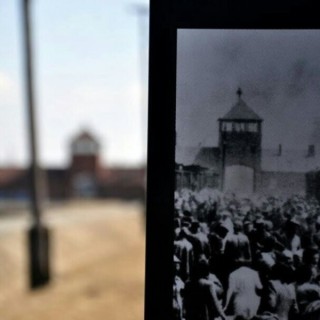
Over the nearly five years of the operation of the Auschwitz camp, around 8,200 SS men and 200 SS female overseers served there. Dr Agnieszka Kita, Deputy Head of theAuschwitz Museum Archive, talks about what their leisure time looked like, what they did after duty, when they returned to the barracks, and what their days off looked like.

TODAY ON THE SHOW: We'll be joined by Flashpoints Special Contributor, attorney Renee Saucedo on the frontlines in the North Bay of San Francisco, standing against the ICE abduction machine, as the sweeps continue. Also Frontline rural Photographer David Bacon, out with his cameras in the fields of misery, documenting the lives of the people who do some of the hardest work in this country, the work that keeps the wheels of commerce spinning. An award winning front-line investigative news magazine focusing on human, civil and workers rights, issues of war and peace, Global Warming, racism and poverty, and other issues. Hosted by Dennis J. Bernstein. The post Frontline Rural Photographer David Bacon Documents the Lives of the People Who do Some of the Hardest Work in this Country appeared first on KPFA.
⚖️ How to Prepare for Divorce Mediation in California | Los Angeles Divorce
⚖️ Can You Get Full Custody Without a Court Battle in California? | Los Angeles Divorce
⚖️ How to Successfully Mediate a Child Custody Dispute. | Los Angeles Divorce
⚖️ When Can You Modify a Child Custody Agreement in California? | Los Angeles Divorce
The Second Circuit Court of Appeals upheld Judge Loretta Preska's decision to unseal significant portions of the record from Virginia Giuffre's defamation lawsuit against Ghislaine Maxwell, rejecting Maxwell's attempt to keep the material hidden from public view. The dispute centered particularly on Maxwell's April 2016 deposition and related court filings, which had been produced during the civil litigation before the case was settled in 2017. Preska ruled in July 2020 that the materials qualified as judicial documents and were therefore subject to a strong presumption of public access. Maxwell appealed, arguing that the deposition had been given under expectations of confidentiality, that the public interest in the material was limited, and that releasing it could prejudice her separate federal criminal case. The Second Circuit rejected those arguments and affirmed Preska's ruling, concluding that she had properly weighed Maxwell's privacy interests against the public's right to see records that had played a role in the judicial process.The decision represented another important breach in the wall of secrecy that had surrounded the Giuffre-Maxwell litigation and, by extension, Epstein's operation. Maxwell had spent years fighting to prevent portions of her testimony and other discovery material from becoming public, but the appellate court agreed that confidentiality agreements and protective orders did not automatically transform judicial records into permanently secret documents. The ruling cleared the way for the release of Maxwell's lengthy deposition, which was especially significant because statements she made under oath concerning Epstein, underage girls and her knowledge of his activities later became relevant to the criminal perjury charges brought against her. More broadly, the appellate decision reinforced the principle that once private discovery material becomes sufficiently connected to a court's exercise of judicial power, the public's interest in transparency can outweigh the desire of litigants to keep embarrassing or damaging information sealed.to contact me:bobbycapucci@protonmail.comBecome a supporter of this podcast: https://www.spreaker.com/podcast/the-epstein-chronicles--5003294/support.
⚖️ Can Child Support Be Waived If Both Parents Agree? | Los Angeles Divorce
⚖️ Can You Get Full Custody Without Going to Court? | Los Angeles Divorce
⚖️ How to Deal With a Controlling Co-Parent After Divorce | Los Angeles Divorce
⚖️ Can Custody Mediation Help Parents Avoid Court Battles? | Los Angeles Divorce

August 20, 2026: 8am — Documents show administration was warned about Reflecting Pool peeling To listen to this show and other MS podcasts without ads, sign up for MS NOW Premium on Apple Podcasts. Hosted by Simplecast, an AdsWizz company. See pcm.adswizz.com for information about our collection and use of personal data for advertising.

Estate planning is not just for millionaires. It is about protecting your family, your assets, your children, and the wealth you worked a lifetime to build.In this video, I break down why every family should have an estate plan, including a will, trust, life insurance, beneficiary designations, powers of attorney, and clear instructions for what happens when you pass away. Without proper estate planning, grief can quickly become mixed with probate court, legal fees, family conflict, taxes, and confusion.I also discuss the estate battle involving the family of actor Malcolm-Jamal Warner. His widow, Tenisha Warner, filed legal action seeking more than $1.2 million, alleging that obligations contained in their 2022 premarital agreement were not fulfilled. The dispute reportedly includes a promised $1 million life insurance policy and other financial obligations. Reports also indicate that Warner had intended to update an older estate plan but died before completing the changes.This situation offers an important estate planning lesson: intentions are not enough. Documents must be updated, signed, funded, coordinated, and reviewed as your marriage, children, assets, businesses, and financial circumstances change.Your family should not have to figure out your wishes after you are gone.Protect your wealth. Protect your spouse. Protect your children. Protect your legacy.If you're on Instagram, put the word MONEY in the comments to receive my free training, How to Make Money Without Working. If you're not on Instagram, text MONEY to 87948, or visit BoyceWatkins.com.#EstatePlanning #GenerationalWealth #BlackWealth

Gov. Tim Walz authorized state disaster assistance for six southern Minnesota counties following severe storms and floods earlier this summer. Walz says the state will provide funding and public assistance to help rebuild critical public infrastructure damaged in the storm.Documents from a lawsuit against firearms retailer Fleet Farm were made public Wednesday. The case was settled in February. Attorney General Keith Ellison's office sued Fleet Farm in 2022. It alleged that the retailer negligently sold firearms to straw buyers.Mike Lindell says he'll pay for a hand recount in the Republican governor primary that he lost by tens of thousands of votes. The founder of MyPillow says he wants a statewide hand recount and audit of every paper ballot cast in the Republican primary for governor.

The background matters. Judge Sweet's 2016 protective order let the attorneys themselves designate documents confidential, with no judicial review unless the other side objected. Dozens of filings went under seal on that basis and stayed there after the 2017 settlement. Maxwell was deposed twice in 2016, and prosecutors later charged her with perjury over that testimony. Preska's holding is that the Epstein Files Transparency Act controls. A federal statute can override grand jury secrecy under Rule 6(e). It does not violate separation of powers or due process. Maxwell raised seven objections and the court rejected the lot. What comes out is the material Giuffre's attorneys produced to the government under grand jury subpoena, subject to redaction obligations. The parties and the Miami Herald have until August 28th to propose next steps. Civil discovery is broader than criminal. There is likely a great deal here nobody has seen. SUPPORT & CONNECT WITH HAWK- Support on Patreon: https://www.patreon.com/mdg650hawk - Hawk's Merch Store: https://hawkmerchstore.com - Connect on TikTok: https://www.tiktok.com/@mdg650hawk7thacct - Connect on TikTok: https://www.tiktok.com/@hawkeyewhackamole - Connect on BlueSky: https://bsky.app/profile/mdg650hawk.bsky.social - Connect on Substack: https://mdg650hawk.substack.com - Connect on Facebook: https://www.facebook.com/hawkpodcasts - Connect on Instagram: https://www.instagram.com/mdg650hawk - Connect on Twitch: https://www.twitch.tv/mdg650hawk ALL HAWK PODCASTS INFO- Additional Content Available Here: https://www.hawkpodcasts.comhttps://www.youtube.com/@hawkpodcasts- Listen to Hawk Podcasts On Your Favorite Platform:Spotify: https://spoti.fi/3RWeJfyApple Podcasts: https://apple.co/422GDuLYouTube: https://youtube.com/@hawkpodcastsiHeartRadio: https://ihr.fm/47vVBdPPandora: https://bit.ly/48COaTB
In early 2016, Virginia Giuffre, through her counsel, filed a motion seeking to compel Ghislaine Maxwell to produce documents that had been withheld based on objections and privilege claims deemed improper by the plaintiff. Giuffre's motion challenged Maxwell's broad assertions of attorney‑client privilege, work‑product doctrine, vagueness, overbreadth, and undue burden. The motion was accompanied by detailed declarations—most notably by attorney Sigrid S. McCawley—which laid out why many of Maxwell's objections appeared unjustified and why the requested materials were relevant and necessary for Giuffre's case.The court reviewed both the motion and Maxwell's opposition, which included memoranda of law and declarations defending her objections and maintaining that providing certain documents would violate privacy rights or exceed the scope of discovery. Ultimately, in a partially favorable ruling for Giuffre, the court granted the motion in part and denied it in part, indicating that while some objections were valid, Maxwell was required to produce additional documents where privilege claims were not properly supported.to contact me:bobbycapucci@protonmail.comsource:Giuffre v. Maxwell | MOTION to Compel Ghislaine Maxwell to Produce Documents Subject To Improper Objections . Document | CasetextBecome a supporter of this podcast: https://www.spreaker.com/podcast/the-epstein-chronicles--5003294/support.

Popok is joined by Katie Phang's attorney and the head of the Public Integrity Project, Brendan Ballou for some exclusive updates in her case against AG Todd Blanche and the DOJ for the full release of millions of Epstein documents still withheld by the DOJ, and what Judge Sullivan will do about it next. Subscribe: https://www.youtube.com/@LegalAFMTN?sub_confirmation=1 Become a member of Legal AF YouTube community: https://www.youtube.com/channel/UCJgZJZZbnLFPr5GJdCuIwpA/join Become a member of the Legal AF Substack: https://michaelpopok.substack.com/20off Follow Legal AF on Bluesky: https://bsky.app/profile/legalafmtn.bsky.social Follow Michael Popok on Bluesky: https://bsky.app/profile/mspopok.bsky.social Subscribe to the Legal AF podcast feed here: https://podcasts.apple.com/us/podcast/legal-af-by-meidastouch/id1580828595 Subscribe to the Intersection with Michael Popok podcast feed here: https://podcasts.apple.com/us/podcast/the-intersection-with-michael-popok/id1818863274 Subscribe to Unprecedented with Michael Popok and Dina Doll podcast feed here: https://podcasts.apple.com/us/podcast/unprecedented-by-legal-af/id1867023089 Subscribe to Court of History with Sidney Blumenthal and Sean Wilentz podcast feed here: https://podcasts.apple.com/us/podcast/the-court-of-history/id1867022920 Learn more about your ad choices. Visit megaphone.fm/adchoices

True Geordie Podcast brings you Part 3 of the Billy Carson interview, continuing the deep dive into ancient mysteries, extraterrestrial theories, and the secrets surrounding humanity's past. The conversation explores fascinating claims about ancient civilizations, unexplained knowledge, and the origins of monumental structures like the pyramids. With curiosity, analysis, and challenging questions, True Geordie Podcast continues to investigate where ancient history, extraordinary theories, and unanswered mysteries intersect. Learn more about your ad choices. Visit megaphone.fm/adchoices
The political landscape is shaking as shocking claims surface regarding voter roll audits, foreign interference, and declassified FBI reports!

Investor Fuel Real Estate Investing Mastermind - Audio Version
In this episode, Charlie Hilbert, founder of ANKR, shares his journey of building an all-in-one platform for real estate developers, focusing on how he leverages customer feedback, innovative features, and strategic growth to revolutionize project management in real estate. Professional Real Estate Investors - How we can help you: Investor Fuel Mastermind: Learn more about the Investor Fuel Mastermind, including 100% deal financing, massive discounts from vendors and sponsors you're already using, our world class community of over 150 members, and SO much more here: http://www.investorfuel.com/apply Investor Machine Marketing Partnership: Are you looking for consistent, high quality lead generation? Investor Machine is America's #1 lead generation service professional investors. Investor Machine provides true 'white glove' support to help you build the perfect marketing plan, then we'll execute it for you…talking and working together on an ongoing basis to help you hit YOUR goals! Learn more here: http://www.investormachine.com Coaching with Mike Hambright: Interested in 1 on 1 coaching with Mike Hambright? Mike coaches entrepreneurs looking to level up, build coaching or service based businesses (Mike runs multiple 7 and 8 figure a year businesses), building a coaching program and more. Learn more here: https://investorfuel.com/coachingwithmike Attend a Vacation/Mastermind Retreat with Mike Hambright: Interested in joining a "mini-mastermind" with Mike and his private clients on an upcoming "Retreat", either at locations like Cabo San Lucas, Napa, Park City ski trip, Yellowstone, or even at Mike's East Texas "Big H Ranch"? Learn more here: http://www.investorfuel.com/retreat Property Insurance: Join the largest and most investor friendly property insurance provider in 2 minutes. Free to join, and insure all your flips and rentals within minutes! There is NO easier insurance provider on the planet (turn insurance on or off in 1 minute without talking to anyone!), and there's no 15-30% agent mark up through this platform! Register here: https://myinvestorinsurance.com/ New Real Estate Investors - How we can work together: Investor Fuel Club (Coaching and Deal Partner Community): Looking to kickstart your real estate investing career? Join our one of a kind Coaching Community, Investor Fuel Club, where you'll get trained by some of the best real estate investors in America, and partner with them on deals! You don't need $ for deals…we'll partner with you and hold your hand along the way! Learn More here: http://www.investorfuel.com/club —--------------------

We're now 60 days into the memorandum of understanding in Iran. Filling in for Glenn, Justin Barclay discusses what lies ahead as the MOU comes to an end and the stalemate between Iran and the U.S. Justin brings on Gateway Pundit's Patty McMurray to discuss recent elections across the country and their consequences. Florida House candidate Jim Schwartzel joins to discuss his campaign for Florida's 19th district and the urgency of keeping Florida a conservative red state. Justin plays a clip of Haley Stevens (D), the failed candidate from Michigan who lost to progressive candidate Abdul El-Sayed (D.) Justin brings in Jason Buttrill to discuss breaking news about recently declassified documents that revealed new information about Eric Swalwell and his relationship with Christine Fang, also known as “Fang Fang.” Justin talks with Michigan Senate candidate Mike Rogers, who is going up against radical progressive El-Sayed. Justin also discusses the recent fallout of Dr. Anthony Fauci and the dangers of the COVID-19 vaccine. Learn more about your ad choices. Visit megaphone.fm/adchoices
True Geordie Podcast continues the conversation with Billy Carson in Part 2, going deeper into ancient civilizations, mysterious documents, and claims of extraterrestrial influence on humanity. The discussion explores the theories surrounding ancient knowledge, the pyramids, and the possibility that history may hold secrets we still don't fully understand. With thoughtful questions and intriguing perspectives, True Geordie Podcast separates fascinating possibilities from established evidence while continuing this captivating journey into humanity's mysterious past. Learn more about your ad choices. Visit megaphone.fm/adchoices
True Geordie Podcast sits down with Billy Carson for Part 1 of a fascinating conversation exploring claims that ancient documents reveal extraterrestrial involvement in human origins and the construction of the pyramids. The discussion examines mysterious historical accounts, ancient civilizations, and the evidence behind these extraordinary theories. With curiosity and analytical questioning, True Geordie Podcast explores where historical records end and speculation begins, inviting listeners to consider some of the biggest unanswered questions about humanity's past. Learn more about your ad choices. Visit megaphone.fm/adchoices

Friday - Clark Stinks day! Christa shares Clark Stinks posts with Clark. Submit yours at Clark.com/ClarkStinks. Also, to protect your young adult and give your family peace of mind, there are critical legal and financial forms every teenager should sign at age 18. Setting up these documents is simple, inexpensive, and essential for any family navigating the transition to adulthood. Taking a few minutes to put these protections in place today can save your family from unnecessary hardship when it matters most, as Clark explains. All this and more on the August 14, 2026, episode of The Clark Howard Show. Clark Stinks: Segments 1 & 2 Essential Signings: Segment 3 Ask Clark: Segment 4 Mentioned on the show: What's the Best Thermostat Setting for Summer To Save Money? 5 Major Bills You Can Lower This Month - Clark Howard Fixed Wireless Internet: Using Your Cellular Service Provider for Home Internet Are Extended Warranties Ever Worth It? - Clark Howard 3 Financial Documents Everyone Should Have by Age 18 What Do I Need To Do To Make Sure My Financial Affairs Are in Order Before I Die or Become Disabled? Why You Should Never Use a Debit Card To Pay for Anything Clark.com resources: Episode transcripts Community.Clark.com / Ask Clark Clark.com daily money newsletter Consumer Action Center Free Helpline: 636-492-5275 Submit your opinions or questions: Ask Clark. Learn more about your ad choices. Visit megaphone.fm/adchoices
© 2020-2026 Ivy Podcast Discovery LLC
