
POPULARITY

28 episodes with moloka

6 episodes with moloka

5 episodes with moloka

5 episodes with moloka

3 episodes with moloka

4 episodes with moloka

2 episodes with moloka

2 episodes with moloka

2 episodes with moloka
Recovery efforts continue on Hawaiʻi Island after Lala while Moke makes its way across Molokaʻi; recently appointed Honolulu Police Chief David Lazar talks public safety after Lala took out power on Oʻahu.

Trent Nikolic speaks with Charlie Verco ahead of his title defence in the Triple Crown Hawaiian series. Fresh off saving a young mother from a shark attack at Coogee Beach, the Aussie athlete joins the show live from Hawaii as he prepares to tackle the infamous 52km ‘Channel of Bones’ from Moloka’i to O’ahu.See omnystudio.com/listener for privacy information.

What do Hawaiʻi hula traditions, an Idaho race called Jackass Half Marathon, Chicago Marathon, Kentucky bourbon-country relays, New Orleans vampires, coastal Maine miles, and Maryland's historic JFK 50 Mile have in common?They are all part of Episode 2 of Running, Reading, and Racing in the USA, Extraordinary Strides' five-part summer series celebrating America's 250th anniversary through the stories we read, the places we explore, and the races that make us want to start a wildly ambitious racecation spreadsheet.This week, we travel from Hawaiʻi through Maryland, with bookish escapes, bucket-list races, local running gems, and the travel details that make each state feel like more than a pin on a map.Featured states: Hawaiʻi, Idaho, Illinois, Indiana, Iowa, Kansas, Kentucky, Louisiana, Maine, and Maryland.You'll hear about unforgettable reads including Molokaʻi, Hula, This Is Paradise, Housekeeping, Idaho, Train Dreams, The Devil in the White City, The House on Mango Street, The Time Traveler's Wife, The Fault in Our Stars, A Thousand Acres, The Wonderful Wizard of Oz, The Book Woman of Troublesome Creek, Interview with the Vampire, Olive Kitteridge, and The Immortal Life of Henrietta Lacks.On the runcation side, we are talking Kauaʻi Marathon and Half Marathon, The Hapalua, Maui Oceanfront Marathon, Coeur d'Alene Marathon, Jackass Half Marathon and 5K, Mesa Falls Marathon, Bank of America Chicago Marathon, Shamrock Shuffle, Quad Cities Marathon, Indy Mini, Indianapolis Monumental Marathon, Carmel Marathon, DAM to DSM, Garmin Olathe Marathon in the Land of Oz, Kentucky Derby Festival miniMarathon and Marathon, Bourbon Chase, Urban Bourbon Half Marathon, Crescent City Classic 10K, Shipyard Old Port Half Marathon, Baltimore Running Festival, Annapolis 10 Miler, and JFK 50 Mile.You'll also get:• Why Hawaiʻi deserves reading that goes beyond resort-postcard energy• A flat-and-fast Midwest alternative for runners who want great production without a World Marathon Major lottery• Cheryl Massey's insider Indiana recommendations, including the scenic but spicy Brown County Hilly Half• A little Kansas Oz magic, plus a race where themed shoes may be strongly encouraged• Why Kentucky is made for runners who enjoy books, bourbon, bluegrass, and relay vans• A Louisiana preview as Every Woman's Marathon heads there in February 2027• Coastal Maine race ideas, Chesapeake Bay running inspiration, and a few local details worth knowing before you book the tripThis is not a reading assignment or a 50-state race checklist. It is an invitation to get curious.Choose one book. Add one race to your someday list. Then come tell us which state you would most love to read, run, or explore next.Read. Run. Explore. Connect.Have questions or want to chat? Send a voicemail!Support the showJoin the newsletter list for updates, special offers, and exclusive behind-the-scenes content.Join fellow pod and running enthusiasts at The Stride Collective community on Facebook or follow us on Instagram.

Hawaiian Concert Guide – Show 704 Molokaʻi Sweet Home Music of Home, Heritage, Harmony... and a Journey into Exotica This episode of the Hawaiian Concert Guide celebrates one of the most enduring themes in Hawaiian music: love of home ('āina). From the quiet beauty of Molokaʻi to timeless Hawaiian standards, from contemporary voices carrying on the tradition to the fascinating world of mid-century Exotica, Show 704 takes listeners on a musical journey that explores how Hawaiʻi has inspired both those who call it home and those who dreamed of its distant shores. Our featured artists include Ei Nei, Eric Lee, Kaleo Phillips, Martin Denny, and Hoʻokena, creating a program that blends authentic Hawaiian music with historical musical perspectives. Opening Welcome everyone to another edition of the Hawaiian Concert Guide! I'm Piko, and this episode is titled "Molokaʻi Sweet Home." Tonight we're celebrating music rooted deeply in the Hawaiian Islands—songs about home, family, culture, and identity. Along the way we'll step briefly into the fascinating world of Exotica with Martin Denny before returning home again through the beautiful harmonies of Hoʻokena. So let's begin our journey... Ei Nei Molokaʻi Sweet Home Album: Ei Nei, Look At Us The show opens with a heartfelt tribute to one of Hawaiʻi's most beloved islands. Molokaʻi has long been known as the "Friendly Isle," famous for preserving traditional Hawaiian lifestyles and remaining largely untouched by mass tourism. Unlike Waikīkī or Maui's resort communities, Molokaʻi represents old Hawaiʻi—a place where family, fishing, ranching, and community remain central to everyday life. Musically, Ei Nei creates an intimate atmosphere using: rich vocal harmonies acoustic guitars gentle island rhythm restrained production Rather than emphasizing technical virtuosity, the performance allows the lyrics and harmonies to communicate warmth and belonging. The song immediately establishes the central theme of tonight's program: Home isn't simply where you live—it becomes part of who you are. Hiʻilawe (feat. Mālie Lyman) Next comes one of Hawaiian music's enduring classics. "Hiʻilawe" was written by the legendary Samuel Kalāinaina and celebrates the famous Hiʻilawe Falls in Waipiʻo Valley on Hawaiʻi Island. Over the decades it has become one of the most frequently recorded songs in Hawaiian music, interpreted by everyone from Gabby Pahinui to contemporary artists. Ei Nei's version is notable because it avoids trying to reinvent the classic. Instead they focus on: clean vocal blend tasteful acoustic accompaniment respect for traditional melody The addition of Mālie Lyman adds another vocal texture while maintaining the song's traditional character. This performance serves as a reminder that Hawaiian standards continue living through each new generation of musicians. Eric Lee E Ola No Kākou Album: The Islands Are Calling Eric Lee has become one of Hawaiian music's most respected singer-songwriters. "E Ola No Kākou" translates roughly as: "May We All Live" or "Life for All of Us." Rather than focusing on one island or one family, this song expands the show's perspective toward the entire Hawaiian community. Musically we hear: polished contemporary production strong lead vocals layered harmony modern acoustic instrumentation The arrangement remains distinctly Hawaiian while incorporating production values that make it accessible to worldwide audiences. Its message is optimistic, inclusive, and deeply rooted in aloha. Ke ʻAno O Ka Hawaiʻi The title translates as: "The Nature of Hawaiʻi" or "The Character of Hawaiʻi." Although shorter than many songs in today's playlist, it delivers an important cultural statement. Rather than describing scenic beauty alone, the lyrics explore the qualities that define Hawaiian identity: aloha respect tradition community connection to the land Musically it's concise and melodic, functioning almost like a musical reflection between larger works. Kaleo Phillips Ka Lamakū Album: E Mama "Lamakū" literally means torch or beacon. Within Hawaiian symbolism it often represents: guidance knowledge leadership passing wisdom from one generation to another Kaleo Phillips delivers the song with emotional restraint rather than theatrical intensity. His warm vocal style blends naturally with contemporary Hawaiian acoustic arrangements while remaining firmly grounded in traditional musical values. It's another reminder that Hawaiian music often teaches as much as it entertains. Kuʻulei Awapuhi / Magic Island This medley beautifully combines two very different images. The first half celebrates ʻawapuhi, the fragrant wild ginger flower often associated with affection and beauty. The second half shifts geographically to Magic Island, the man-made peninsula adjoining Ala Moana Beach Park on Oʻahu. The transition works surprisingly well because both songs celebrate cherished places through personal memories. Arrangement highlights include: smooth transitions tasteful steel guitar textures flowing rhythmic accompaniment strong ensemble vocals The medley creates a feeling of taking a leisurely drive through the islands, connecting people with places they love. Exotica Segment Tonight's Exotica segment offers an interesting contrast. Where Hawaiian musicians perform music from within the culture, Exotica was largely created by American composers imagining distant tropical paradise. Although not authentically Hawaiian, Exotica became enormously influential during the 1950s and helped introduce millions of listeners to sounds inspired by Polynesia and the South Pacific. Martin Denny On a Little Street in Singapore Album: Hypnotique Martin Denny became known as the father of Exotica. This piece isn't Hawaiian at all—instead it evokes Southeast Asia through a mixture of: vibraphone unusual percussion lounge rhythms atmospheric orchestration Denny's genius wasn't documentary realism. Instead he created musical travel postcards, inviting listeners to imagine distant exotic locations. The recording captures the optimism and fascination with world travel that characterized post-war America. Voodoo Dreams One of the darker tracks in Denny's catalog. Rather than emphasizing melody, this piece builds atmosphere through: tribal percussion dramatic orchestration mysterious harmonies rhythmic tension It's cinematic rather than traditional. Within today's episode, it serves as a fascinating historical contrast before we return to authentic Hawaiian voices. Hoʻokena He Hawaiʻi Au Album: Nā Kai ʻEwalu Few vocal groups have represented modern traditional Hawaiian music more beautifully than Hoʻokena. "He Hawaiʻi Au" simply means: "I Am Hawaiian." This is perhaps the strongest statement of identity in today's playlist. Immediately listeners notice: rich four-part harmonies effortless vocal blend beautiful dynamic control traditional Hawaiian phrasing After the Exotica segment, this recording feels like returning home. The contrast is intentional. Instead of someone imagining Hawaiʻi, we hear Hawaiians singing about themselves. Ka Puʻulena We conclude tonight with another treasured Hawaiian classic. "Ka Puʻulena" has been performed by generations of Hawaiian musicians and remains one of the repertoire's most beloved mele. Hoʻokena's arrangement showcases everything that makes the group exceptional: impeccable harmony emotional sincerity traditional interpretation outstanding ensemble balance Rather than adding unnecessary embellishment, they allow the song's natural beauty to shine. It is a fitting conclusion to an episode centered on home, identity, and cultural continuity. Closing Thoughts Tonight's playlist followed a musical arc that began on Molokaʻi, traveled through contemporary Hawaiian songwriting, paused briefly in the imagined tropical landscapes of Martin Denny's Exotica, and ultimately returned home through the timeless harmonies of Hoʻokena. The contrast reminds us that Hawaiʻi has inspired musicians around the world for generations—but there remains something uniquely powerful about hearing these stories told by those whose roots run deep in the islands. Whether you're listening from Hawaiʻi or halfway around the globe, we hope tonight's music has brought a little aloha into your home. Mahalo for joining us on Hawaiian Concert Guide Show 704. Until next time, mālama pono, and aloha!
DHS Director Joseph Campos II speaks about the new strike force organized to tackle Medicaid fraud and abuse; author Jonathan Ezer recounts his time swimming the Kaiwi Channel.
Full Text of Readings Sixth Sunday of Easter Lectionary: 55 The Saint of the day is Saint Damien de Veuster of Moloka'i Saint Damien de Veuster of Moloka'i's Story When Joseph de Veuster was born in Tremelo, Belgium, in 1840, few people in Europe had any firsthand knowledge of leprosy, Hansen's disease. By the time he died at the age of 49, people all over the world knew about this disease because of him. They knew that human compassion could soften the ravages of this disease. Forced to quit school at age 13 to work on the family farm, Joseph entered the Congregation of the Sacred Hearts of Jesus and Mary six years later, taking the name of a fourth-century physician and martyr. When his brother Pamphile, a priest in the same congregation, fell ill and was unable to go to the Hawaiian Islands as assigned, Damien quickly volunteered in his place. In May 1864, two months after arriving in his new mission, Damien was ordained a priest in Honolulu and assigned to the island of Hawaii. In 1873, he went to the Hawaiian government's leper colony on the island of Moloka'i, set up seven years earlier. Part of a team of four chaplains taking that assignment for three months each year, Damien soon volunteered to remain permanently, caring for the people's physical, medical, and spiritual needs. In time, he became their most effective advocate to obtain promised government support. Soon the settlement had new houses and a new church, school and orphanage. Morale improved considerably. A few years later, he succeeded in getting the Franciscan Sisters of Syracuse, led by Mother Marianne Cope, to help staff this colony in Kalaupapa. Saint Damien contracted Hansen's disease and died of its complications. As requested, he was buried in Kalaupapa, but in 1936 the Belgian government succeeded in having his body moved to Belgium. Part of Damien's body was returned to his beloved Hawaiian brothers and sisters after his beatification in 1995. When Hawaii became a state in 1959, it selected Damien of Moloka'i as one of its two representatives in the Statuary Hall at the US Capitol. Damien was canonized by Pope Benedict XVI on October 11, 2009. Reflection Some people thought Saint Damien was a hero for going to Moloka'i and others thought he was crazy. When a Protestant clergyman wrote that Damien was guilty of immoral behavior, Robert Louis Stevenson vigorously defended him in an “Open Letter to Dr. Hyde.”Saint of the Day, Copyright Franciscan Media

We're joined by the fabulous Keala Kendall to deep dive into the history of Hawaii, the ghosts of imperialism that haunt the island, and what Hawaiian Gothic looks like as we discuss her new book, That Which Feeds Us!Content Warning: This episode contains conversations about or mentions of family death, colonization, racism, enslavement, gentrification, stillbirth, grief, sexual assault, genitalia, and queerphobia. GuestKeala Kendall is the New York Times and USA Today bestselling author of That Which Feeds Us: A Hawaiian Gothic. Hapa Native Hawaiian, her work explores themes of culture and place, drawing inspiration from her upbringing in the islands with a Hawaiian folkloric twist. Deeply committed to giving back to her community, Keala is also a cofounder of Pacific Islanders in Publishing and a past organizer of the Books for Maui charity auction. Born in Honolulu, raised on Molokaʻi, she now lives as part of the Native Hawaiian diaspora in Los Angeles.Housekeeping- Books: Check out our previous book recommendations, guests' books, and more at spiritspodcast.com/books- Call to Action: Send in those urban legend emails!- Submit Your Urban Legends Audio: Call us! 617-420-2344Find Us Online- Website & Transcripts: spiritspodcast.com- Patreon: patreon.com/spiritspodcast- Merch: spiritspodcast.com/merch- Instagram: instagram.com/spiritspodcast- Bluesky: bsky.app/profile/spiritspodcast.com- Twitter: twitter.com/spiritspodcast- Tumblr: spiritspodcast.tumblr.comCast & Crew- Co-Hosts: Julia Schifini and Amanda McLoughlin- Editor: Bren Frederick- Music: Brandon Grugle, based on "Danger Storm" by Kevin MacLeod- Artwork: Allyson Wakeman- Multitude: multitude.productionsAbout UsSpirits is a boozy podcast about mythology, legends, and folklore. Every episode, co-hosts Julia and Amanda mix a drink and discuss a new story or character from a wide range of places, eras, and cultures. Learn brand-new stories and enjoy retellings of your favorite myths, served over ice every week, on Spirits.See Privacy Policy at https://art19.com/privacy and California Privacy Notice at https://art19.com/privacy#do-not-sell-my-info.
Former Hawaiʻi Governor George Ariyoshi passes away at 100; HPR reports on the current status of CRB on Molokaʻi.

High Watah is celebrating a new music release and tour, and Billy V has all the details on Billy V Live. Billy recently sat down with the Moloka’i band to talk about their latest music, what inspired the new single, and what’s ahead as they hit the road on tour.
Lewa is a musician from the island of Moloka'i. He is best known for his time as a member of the band High Watah. During the band's rise in Hawaiʻi's music scene, their blend of island reggae and local sound helped build a loyal following across the islands and beyond. After years performing with the group, Lewa eventually made the difficult decision to step away from the band and begin a new chapter in his life and musical journey. We welcome him back to the podcast to spill all the tea.In this episode, Lewa shares what he's been up to since his last appearance on the podcast, why he decided to step away from High Watah, answers social media questions, addresses some of the rumors, opens up about what's next for him, and so much more. Enjoy!Buy our merch:

My guest today on the Online for Authors podcast is Dorothea N Buckingham, author of the book Code Name Rascal. Dorothea “Dee” Buckingham is a seasoned author, retired librarian, and dedicated historian who has called Hawaiʻi home for over 30 years. Her profound interest in the daily lives of women during World War II in Hawaiʻi has been the cornerstone of her literary work. Dee's commitment to uncovering and narrating these often-overlooked stories has established her as a respected voice in historical fiction. Her notable publications include My Name is Loa, a historical novel set on Molokaʻi, and Who Murdered Jane Stanford?: An Answer Imagined, which delves into the mysterious death of Stanford University's co-founder in 1905 Hawaiʻi. Additionally, she co-authored World War II Hawaiʻi with her husband, retired Lieutenant Colonel John Buckingham, offering a pictorial history that captures the transformative impact of the war on the islands. Dee's passion for storytelling extends beyond writing; she is an Author Accelerator certified book coach, providing guidance to aspiring writers. Her engaging talks and workshops have been featured on west coast radio and television in Hawaiʻi, and she has presented to diverse audiences, sharing her insights on writing and historical research. Her latest work, Code Name Rascal, continues her mission to illuminate the vital roles women played during wartime, weaving a narrative that is both historically rich and emotionally resonant. Dee enjoys connecting with readers and is available to meet with book clubs and reading groups, both in person and via Zoom, to discuss her work and share insights into her writing process. In my book review, I stated Code Name Rascal is a wonderful historical fiction. This story takes place in Hawaii immediately following the attack on Pearl Harbor. We quickly meet four women, all very different from one another, who join a classified radar operation known as WARD, with the code name Rascal. One of the things I loved best about this story is that I was completely unaware of WARD or even the issues in Hawaii after the initial bombing. I'm not sure where I was during school, but there is a lot more to what happened than I realized! Code Name Rascal helped fill in so many of the blanks. I also really loved Dorothea's characters. CJ is a strong, newly-married journalist. Ruth is a quiet Navy officer wife. Jane is a pilot going through divorce. And Eve is a Honolulu socialite. Imagine all these women thrust into tiny quarters, working grueling hours, keeping war secrets, and still trying to figure out their own lives. It's like a historical soap opera, full of determination, grief, danger, and disappearing dreams - and it's one you won't want to miss! Subscribe to Online for Authors to learn about more great books! https://www.youtube.com/@onlineforauthors?sub_confirmation=1 Join the Novels N Latte Book Club community to discuss this and other books with like-minded readers: https://www.facebook.com/groups/3576519880426290 You can follow Author Dorothea N Buckingham Website: https://dorotheabuckingham.com/ Substack: https://dorotheanbuckingham.substack.com/ Purchase Code Name Rascal on Amazon: Paperback: https://amzn.to/3LrHJMU Ebook: https://amzn.to/49sTwUx Teri M Brown, Author and Podcast Host: https://www.terimbrown.com FB: @TeriMBrownAuthor IG: @terimbrown_author X: @terimbrown1 Want to be a guest on Online for Authors? Send Teri M Brown a message on PodMatch, here: https://www.podmatch.com/member/onlineforauthors #dorotheanbuckingham #codenamerascal #historicalfiction #terimbrownauthor #authorpodcast #onlineforauthors #characterdriven #researchjunkie #awardwinningauthor #podcasthost #podcast #readerpodcast #bookpodcast #writerpodcast #author #books #goodreads #bookclub #fiction #writer #bookreview *As an Amazon Associate I earn from qualifying purchases.
Office of Hawaiian Education Director Kauʻi Sang talks about the Kaiapuni placement request process; HPR's Maui Nui reporter Catherine Cluett Pactol reports on a Hawaiian language immersion classroom on Molokaʻi
Professor Rudy Guevarra Jr., author of "Aloha Compadre: Latinx in Hawaiʻi," discusses the response to a hit new song by singer Bad Bunny about Hawaiʻi's history of colonization; HPR's Catherine Cluett Pactol reports on how Kalaupapa on Moloka'i's north shore is facing a big change

Saints du jour 2026-01-23 Sainte Marianne Cope de Molokaï et Sainte Emérentienne by Radio Maria France

I spent 2 weeks on the least developed Hawaiian island: Moloka‘i. Listen to locals share their insights of what it's like to live on Moloka‘i. To participate on a work exchange and stay with locals on Molokai, apply on Worldpackers and use code “Lydia7” for $10 OFF your membership! https://www.worldpackers.com/promo/LYDIA7?utm_campaign=LYDIA7&utm_medium=referral&utm_source=affiliateMahalo nui loa to my amazing hosts and all of the locals who shared their insights on this episode. ━━━━━━━━ ⟡ ━━━━━━━━connect with me here :)Instagram:✨ @lydiaschultzzhttps://www.instagram.com/lydiaschultzz/

Kiwikiu, also known as Maui Parrotbill, used to be found all over Maui and Molokaʻi. Now, fewer than 150 individuals exist and kiwikiu are currently restricted to a tiny region of high elevation forest on the slopes of Haleakalā. A translocation effort to expand their range was unsuccessful due to the rapid spread of mosquito-borne avian malaria.More info and transcript at BirdNote.org.Want more BirdNote? Subscribe to our weekly newsletter. Sign up for BirdNote+ to get ad-free listening and other perks. BirdNote is a nonprofit. Your tax-deductible gift makes these shows possible. Hosted by Simplecast, an AdsWizz company. See pcm.adswizz.com for information about our collection and use of personal data for advertising.

Long, long ago—millions of years before you or me, before the canoes of the Polynesian voyagers, before the first birds ever touched these shores—there was only ocean. A vast blue desert stretching farther than the eye could see. But beneath that endless water, far below the waves, the Earth was stirring.Deep inside our planet lies a restless heart, a molten engine. It churns and pulses, and sometimes, it leaks upward through the skin of the world. In one special place beneath the Pacific Plate, a hot spot—a plume of heat rising from the mantle—began to melt rock, making it buoyant and eager to break free.Imagine molten stone, glowing red-orange, pushing upward for thousands of years until—at last—it broke through the ocean floor. The sea hissed and boiled as lava met saltwater. Bit by bit, eruption after eruption, a new land began to rise from the deep. That was the beginning of the Hawai'ian Islands.But here's the magic, Hawai'i is not a single island, but a story told in chapters, one after another, spread across millions of years. You see, the Pacific Plate is always moving—slowly, but steadily, like a great raft drifting northwest. The hot spot itself doesn't move. It's fixed, like a candle's flame. So as the plate slides across it, new islands are born in sequence, while the old ones drift away, cooling, eroding, and eventually sinking back beneath the waves.It's as though the Earth is sewing a necklace of emeralds and sapphires across the ocean, each island a bead in the chain. Kaua‘i, the eldest, is weathered and softened, its sharp volcanic ridges worn into velvet valleys. O‘ahu, Maui, Moloka‘i—all follow, each younger, each shaped by fire and rain. And finally, the youngest, Hawai‘i Island—often called the Big Island—still burns with creation. Its great volcanoes, Mauna Loa and Kīlauea, continue to pour molten rock into the sea, adding new land even as we speak.
Keldin Calairo-Nakagawa and Lewa Davis-Medija are two singer/songwriters from the island of Moloka'i. They are the founders of the popular band High Watah which is a seven-piece reggae ensemble who is taking Hawai'i and the world by storm. With millions of streams and radio plays all over the world, they continue to share their music and captivate audiences. Their debut album, Watah Boys Vol.1, came out earlier this year and further showcases their unique sound, cementing their reputation as innovators within the island reggae genre. In this episode we talk about their lives on Moloka'i, small town living, starting their band High Watah, pursuing music full time, life on O'ahu, upcoming projects, and so much more.Find High Watah here: https://www.instagram.com/highwatah/Find Keldin here: https://www.instagram.com/keldin.calairo/Find Lewa here: https://www.instagram.com/imlevz/Buy our merch on:Official website: https://keepitaloha.com/Support us on:Patreon: https://www.patreon.com/kamakadiasFollow us on:Instagram: https://www.instagram.com/keepitalohapod/Facebook: https://www.facebook.com/keepitalohapodTikTok: https://www.tiktok.com/@keepitalohapod
Residents of Molokaʻi are pushing for new agricultural regulations in an effort to keep out invasive coconut rhinoceros beetles; Sara Kehaulani Goo charts the history of land ownership in Hawaiʻi through the lens of her own lineage in her new book "Kuleana"
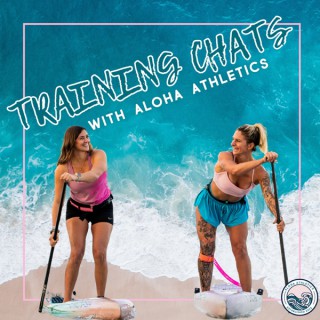
Saying Yes Before You Feel Ready: Maddi LeBlanc on Trust, Timing, and Chasing the M2O DreamWhat happens when your dream opportunity shows up before you're “ready”?When Canadian SUP champion Maddi LeBlanc got the chance to race Moloka'i 2 O'ahu, her dream event just two weeks before the start, she said yes.In this episode, Maddi and I talk about what it means to trust your gut, embrace imperfect timing, and let sport ground you during life's transitions. From journaling practices to mental training, this convo is for anyone navigating the space between readiness and risk.In this episode:How Maddi ended up at M2O with two weeks noticeHow Maddi stayed grounded and adaptable in the face of uncertaintyWhy sport became her anchor through personal changeHer mindset tools, including journaling and visualizationLetting go of perfect timing and trusting your inner “yes”This is a vulnerable, inspiring episode about trusting your gut, answering the call, and letting sport be more than performance.

Send us a textIn this episode of The Fixate & Binge Podcast, I welcome one of my best pals from college and (now) an award-winning director, David Bowen, a surfer turned Emmy-winning filmmaker -- for a deep dive into his career capturing the raw beauty of surfing and ocean culture from a life well-lived.David shares stories from the shores of the North Shore of Hawaii to remote parts of the world, from the Middle East and beyond. As a freelance filmmaker specializing in capturing some of the most beloved live sports in Hawaii and the South Pacific, David talks story about his work for ESPN and the World Surf League (WSL), filming competitions with the world's greatest athletes. David also shares the surreal experience of being awarded Emmy's for his work for the Eddie Aikau Invitational and the Moloka'i Hoe World Championship while working with Salt N Air Studios together with KHON TV and Rogue TV.From our college day in Hawaii to navigating the Big Waves of life and even bigger storytelling challenges, we reminisce, reflect and celebrate our enduring friendship, and living our dreams.Thank you for listening! You can find and follow us with the links below!Read our Letterboxd reviews at:https://letterboxd.com/fixateandbinge/Follow us on Instagram at:https://www.instagram.com/fixateandbingepodcast/?hl=msFollow us on TikTok at:https://www.tiktok.com/@fixateandbingepodcast
Louis Erteschik, executive director of Hawaiʻi Disability Rights Center, discusses possible federal funding cuts; Hydrofoil champions Edo Tanas and Annie Reickert talk about their wins in the Molokaʻi 2 Oʻahu race across the Kaiwi Channel

Show Notes: https://wetflyswing.com/786 Presented By: Fish The Fly, Stonefly Nets, On DeMark Lodge, Visit Idaho. BoneFishing in Hawaii might not be the first thing that comes to mind when you think of saltwater adventures, but for Marine veteran Mike Bressler, it's become both a calling and a way of life. In this episode, we head to the island of Oahu to uncover what makes Hawaii's flats fishery so unique—and so challenging. From bonefish (known locally as ō‘io) to golden trevally, Mike shares what it's like to guide in one of the Pacific's toughest but most rewarding destinations. Whether you're planning a DIY trip or dreaming of landing a 10+ pound bone, his insights are packed with practical value. We talk about everything from how to master casting in Hawaii's relentless trade winds to how moon phases affect bonefish behavior. Mike also opens up about building his homegrown “Bone Lodge” for guests, the cultural realities of fishing in local waters, and why he takes veterans out monthly for healing on the flats. This episode is more than a fishing guide—it's about patience, local respect, and finding purpose through saltwater fly fishing. Notes with Mike Bressler on Bonefishing Hawaii 2:03 - Mike Bressler explains that while bonefish are active year-round in Hawaii, spring and summer bring peak action. The largest fish stay on the flats during the winter spawning season, starting around November's full moon. Still, Hawaii is a tough fishery—constant trade winds and challenging conditions make it a true test for any angler. As Mike puts it, “If you can get good out here, you can be good anywhere.” 3:15 - Mike Bressler is based on the island of Oahu, Hawaii's most visited island, known for its iconic Waikiki, but also home to quieter country towns like Hau‘ula, where Mike lives. He explains that bonefish—locally called ‘ō‘io (pronounced "oyo")—can be found all around the island, from beaches to flats. While flats fishing is preferred, Mike notes he has even spotted bonefish from the shoreline. In addition to bonefish, the waters also host various trevally species, including bluefin, golden, and the rare giant trevally, though bonefish remain the main attraction for visiting anglers. Click here for more information. 5:46 - Retired Marine Mike Bressler discovered Oahu's bonefish flats during a COVID quarantine on Ford Island. Now based in Hauʻula, he guides anglers year-round, with peak season from October to December. Windy conditions and remote flats make boat access and strong casting skills essential. 09:06 - Mike Bressler emphasizes that handling Hawaii's wind starts with mastering the double haul and sidearm cast. He recommends aiming for at least a 40-foot cast under the wind and leading the bonefish, not landing the fly on their head. Sometimes, a short flip of the fly is all that's needed, as long as it's placed ahead of the fish's path. 9:49 - Mike Bressler explains that Hawaii's largest bonefish are most active from October to December, as they begin their deep-water spawning cycle around full moons. He advises avoiding fishing three days before and after a full moon since fewer fish are found on the flats during that time. 12:29 - Mike Bressler and his wife host guests at their private rental, the Bone Lodge, a freestanding Airbnb-style unit that comfortably accommodates couples, small families, or fishing buddies. He offers customizable half-day and full-day guided trips, often using his 18-foot Kayo Boatworks skiff—weather permitting—to pole clients across the flats in search of bonefish. Click here to learn more. 16:36 - Mike Bressler explains that while fall offers peak conditions, big bonefish are still catchable in May. These “home guard” fish are older, resident fish that tend to stay shallow and fight with brute weight rather than long runs. Hawaii's bonefish can reach impressive sizes—Mike has landed 12-pounders and knows of fish near 14, with the state record sitting at 15.7 lbs on conventional tackle. He also notes rumors of even larger bonefish—up to 20 pounds—coming from remote areas like New Caledonia. 18:17 - Mike Bressler shares that while bonefish populations are improving globally, Hawaii faces unique conservation challenges. Bonefish are considered a local delicacy, and with no regulations against harvesting them, locals often use nets or hook-and-line to catch them. Although enforcement is limited due to resource constraints, Mike hopes increased awareness will lead to better stewardship of the fishery. 20:51 - Mike Bressler starts most guided trips around 6:30–7:00 AM, timing for sunlight to spot fish while walking the flats and watching for signs of life like turtles or goatfish that indicate bonefish are nearby. Rather than tailing fish, anglers are taught to look for “Heineken backs”—a green shimmer just under the surface as bonefish move in with the incoming tide to feed. 24:31 - Mike Bressler shares that many first-time anglers struggle to spot bonefish, as their green shimmer is often mistaken for similarly colored reef fish. He recommends multi-day trips to learn proper sight-fishing technique—walking slowly, pausing often, and watching for subtle signs like nervous water, much like stalking prey in a hunt. 26:40 - Mike Bressler explains that while guiding, he positions himself based on the angler's casting hand and wind direction, often spotting bonefish 10 to 50 feet—or even 50 yards—away. He coaches clients to observe the fish's movement like a grazing animal, place the cast ahead of it, and use a slow strip to trigger a bite, reminding them never to trout set, but to keep stripping steadily for a clean hookup. 29:16 - Mike Bressler explains that a trout set often pulls the fly out of a bonefish's mouth, while a strip set keeps the fly in the zone, allowing the fish to hook itself through steady tension. He adds that Papio, or juvenile trevally, sometimes rush in and steal the fly mid-strip, earning their nickname as “thieves” on the flats. 31:24 - Mike Bressler shares that while bonefish are the main target, golden trevally are considered the “unicorn” of Hawaiian flats—rare, elusive, and highly prized. Unlike their aggressive GT cousins, golden trevally feed on crabs, mantis shrimp, and baby octopus, making them a challenging and exciting catch that can grow to over 15 pounds. 32:53 - Mike Bressler emphasizes using a slow, smooth two-foot strip to keep the fly close to the bottom, imitating natural prey like crabs and mantis shrimp. He teaches anglers to let the fly sink fully, clear slack for direct connection, and make gentle, quiet adjustments—since bonefish, like snipers, will spook if prey behaves unnaturally or the line is moved too aggressively. 37:00 - Mike Bressler prefers a 12–14-foot leader built from 40-30-20 pound sections, finishing with a Rapala loop knot and adjusting to 16-pound tippet on calm days to reduce visibility. For gear, he recommends a 9-foot 8-weight rod paired with a sealed drag reel, 150 yards of backing, and Cortland's Redfish Tropical fly line, which he trusts for its durability against coral-heavy flats. 39:46 - Mike Bressler prefers natural, flash-free flies for Hawaii's bonefish, favoring subtle patterns like his variation of the “Spam and Eggs” fly, heavier Crazy Charlies, and shrimp-style flies made from materials like Arctic fox, raccoon, and EP fibers. He believes the key to success is imitating local prey like mantis shrimp and crabs, which have no reflective qualities, reinforcing his philosophy that “less is more” when it comes to fly materials. Watch this for more information. 43:08 - Mike Bressler shares that the most effective fly colors for Hawaiian bonefish are browns, tans, blacks, and occasionally a translucent orange, matching the natural hues of local mantis shrimp on the flats. While some mantis shrimp in other regions show vibrant rainbow-like colors, Mike notes that the shrimp in Hawaii's flats are smaller, subtler, and adapted to their muted, sandy environment, reinforcing the importance of natural tones when fly tying. 44:59 - Mike Bressler advises that while Oahu is ideal for DIY bonefishing with walkable flats and public shoreline access, islands like Moloka‘i should be approached cautiously due to cultural sensitivities—locals may challenge visitors fishing near their homes. For Maui or Kaua‘i, DIY anglers should use satellite imagery to identify promising flats and focus on incoming tides, which provide better access and more time on the water without needing a boat. Enjoy a breathtaking view of Moloka‘i. 48:35 - Mike Bressler notes that while bonefish are present on the Big Island, it's the one place in Hawaii he hasn't personally landed one, and he primarily guides out of Oahu, where conditions and access are more reliable. He encourages anglers to book at least a half-day with a guide—not just for learning spots, but to understand the local waters, tides, and fishery culture—emphasizing that for him, guiding is a passion rather than a livelihood, unlike many full-time guides who depend on it to make ends meet. 51:21 - Mike Bressler highlights a major step forward in Hawaiian conservation with the new non-resident fishing license requirement, which began in April and helps fund efforts like coral restoration through DLNR. While no major bonefish-specific conservation group currently operates in Hawaii, Mike stresses the importance of ethical fish handling, reef awareness, and hopes for future support from organizations like Bonefish & Tarpon Trust to expand research and protection efforts in the islands. Get more information here. 55:04 - Mike Bressler reflects on the historical weight of living and guiding near Pearl Harbor, noting its deep connection to his 24 years of service in the Marine Corps. As part of giving back, he offers free monthly guided fly fishing trips to fellow veterans, believing strongly in the mental clarity and healing that comes from time on the water—something he says benefits anyone going through stress, not just those who've served. 59:20 - As the episode wraps up, Mike Bressler offers heartfelt encouragement to new and seasoned anglers alike, reminding them that the real reward in Hawaii isn't just the bonefish but the experience of being on the water in such a stunning place. He expresses support for Project Healing Waters, offers to help veterans get out and fish, and leaves listeners with a simple message: come out, enjoy the island, and if you catch a fish, that's just the bonus. You can find Mike Bressler on Instagram and visit their Website here. Top 8 Bonefishing Tips from Hawaii Guide Mike Bressler 1. Hawaii's constant trade winds make it essential to learn the double haul and sidearm casting techniques to effectively reach bonefish in tough conditions. 2. Approach the flats like a hunter—move slowly, pause often, and avoid sudden steps that could alert fish via vibrations in the water. 3. Bonefish in Hawaii often appear as a glowing green shape, like a Heineken bottle, moving through the water. Training your eyes to spot them is key. 4. Mike recommends fly patterns with no flash, using natural materials like Arctic fox, raccoon, and EP fibers to mimic mantis shrimp and crabs. 5. Strip Set—Never Trout Set. When a bonefish eats, maintain a steady, long strip to hook the fish. Lifting the rod (a trout set) often pulls the fly right out of their mouth. 6. Mike's go-to leader build includes 40-30-20 pound sections, prioritizing strength to manage coral-heavy flats and powerful runs from big fish. Bonefishing Hawaii Videos Noted in the Show Conclusion with Mike Bressler on Bonefishing Hawaii Mike Bressler's journey is more than one of saltwater success—it's about service, purpose, and patience on the flats. Through the relentless wind, subtle bites, and shimmering backs of elusive fish, he teaches us what it means to listen to the ocean, move with intention, and respect the waters that feed our souls. What's your biggest challenge when sight-fishing on the flats? Tell us in the comments or on Instagram. Show Notes: https://wetflyswing.com/786
The St. Paul Center's daily scripture reflections from the Mass for Saturday of the Third Week of Easter by Mr. Clement Harrold. Easter Weekday/ Damien Joseph De Veuster of Moloka'i, Priest, John of Avila, Priest, Doctor First Reading: Acts 9: 31-42 Responsorial Psalm: Psalms 116: 12-13, 14-15, 16-17 Alleluia: John 6: 63c, 68c Gospel: John 6: 60-69 Learn more about the Mass at www.stpaulcenter.com
Full Text of ReadingsSaturday of the Third Week of Easter Lectionary: 278The Saint of the day is Saint Damien de Veuster of MolokaiSaint Damien de Veuster of Moloka'i's Story When Joseph de Veuster was born in Tremelo, Belgium, in 1840, few people in Europe had any firsthand knowledge of leprosy, Hansen's disease. By the time he died at the age of 49, people all over the world knew about this disease because of him. They knew that human compassion could soften the ravages of this disease. Forced to quit school at age 13 to work on the family farm, Joseph entered the Congregation of the Sacred Hearts of Jesus and Mary six years later, taking the name of a fourth-century physician and martyr. When his brother Pamphile, a priest in the same congregation, fell ill and was unable to go to the Hawaiian Islands as assigned, Damien quickly volunteered in his place. In May 1864, two months after arriving in his new mission, Damien was ordained a priest in Honolulu and assigned to the island of Hawaii. In 1873, he went to the Hawaiian government's leper colony on the island of Moloka'i, set up seven years earlier. Part of a team of four chaplains taking that assignment for three months each year, Damien soon volunteered to remain permanently, caring for the people's physical, medical, and spiritual needs. In time, he became their most effective advocate to obtain promised government support. Soon the settlement had new houses and a new church, school and orphanage. Morale improved considerably. A few years later, he succeeded in getting the Franciscan Sisters of Syracuse, led by Mother Marianne Cope, to help staff this colony in Kalaupapa. Damien contracted Hansen's disease and died of its complications. As requested, he was buried in Kalaupapa, but in 1936 the Belgian government succeeded in having his body moved to Belgium. Part of Damien's body was returned to his beloved Hawaiian brothers and sisters after his beatification in 1995. When Hawaii became a state in 1959, it selected Damien as one of its two representatives in the Statuary Hall at the US Capitol. Damien was canonized by Pope Benedict XVI on October 11, 2009. Reflection Some people thought Damien was a hero for going to Moloka'i and others thought he was crazy. When a Protestant clergyman wrote that Damien was guilty of immoral behavior, Robert Louis Stevenson vigorously defended him in an “Open Letter to Dr. Hyde.” Love the saints? Check out these six titles on Catholic saints! Saint of the Day, Copyright Franciscan Media

The St. Paul Center's daily scripture reflections from the Mass for Saturday of the Third Week of Easter by Mr. Clement Harrold. Easter Weekday/ Damien Joseph De Veuster of Moloka'i, Priest, John of Avila, Priest, Doctor First Reading: Acts 9: 31-42 Responsorial Psalm: Psalms 116: 12-13, 14-15, 16-17 Alleluia: John 6: 63c, 68c Gospel: John 6: 60-69 Learn more about the Mass at www.stpaulcenter.com
Saints du jour 2025-05-10 Saint Jean d'Avila et Saint Damien de Molokaï by Radio Maria France
Today's spoiler-free minisode (the first one in years!) includes a conversation between Kaytee and author Jessica N Turner. Jessica is the author of multiple books. Her newest is I Thought it Would Be Better Than This, a memoir wrapped into self-help about dealing with disappointment in our lives. Tune in to hear about: The process of writing a book that intricately details someone else's story. What it was like to pivot from more traditional productivity and self-help into memoir. Finding love again. The “soft” places we land when we are hurting. Ways to be a witness and be with someone in their grief and disappointment. Jessica's own Current Reads. Minisode show notes are not timestamped, but linked titles are below for you to peruse. These are affiliate links, which kick back a small percentage of your purchase to the podcast, which helps support the show! Season 1, Episode 7: First time Jessica was on the show. I Thought it Would Be Better Than This by Jessica N. Turner Jessica's website The Fringe Hours by Jessica N. Turner Stretched Too Thin by Jessica N. Turner The Berry Pickers by Amanda Peters (Just want to point out here that just like our no-prep episodes, Jessica does this Current Reads section all off the cuff and I am suitably impressed!) Moloka'i by Alan Brennert Daughter of Moloka'i by Alan Brenert Connect With Us: Jessica can be found on Instagram at @jessicanturner or at her website The Show: Instagram | Website | Email | Threads The Hosts and Regulars: Meredith | Kaytee | Mary | Roxanna Production and Editing: Megan Phouthavong Evans Affiliate Disclosure: All affiliate links go to Bookshop dot org unless otherwise noted. Shopping here helps keep the lights on and benefits indie bookstores. Thanks for your support!

Joining a Community, Small Island Life, & LāhuiVideo Podcast & Timestamps: https://forum.ukuleleunderground.com/threads/life-lessons-from-moloka-i-the-ukulele-underground-podcast-158.168494/Aldrine and Aaron went to Moloka`i this weekend to play for the Super Bowl (Soup R' Bowl). While on Moloka`i, the guys got a taste of what "Real Small" island life can be like, and learned valuable Life Lessons. Aldrine learned how to hug correctly, and the proper way to sing Happy Birthday in Hawaiian. Some of the Major Takeaways from the weekend was how to Become a Part of a Community, and the True Meaning of Being Rich. Before the Podcast ends, the Crew gives away the Pure Heart CD for the Songwriting Challenge, explains the awesomeness of Moloka`i Hot Bread, and talks about experiencing Video Game Withdrawals. Come along for the ride and become a part of our Hui.
Molokaʻi residents are taking fishing boats to medical appointments after Mokulele reduced flight capacity; HPR follows up with Hawaiʻi nonprofits grappling with funding uncertainty under Trump
Pure Heart is a legendary band from the island of O'ahu and Moloka'i. Jon Yamasato is a guitarist and vocalist turned real estate agent with years of experience in the music industry and real estate putting together 150 real estate transactions and sales in excess of over $200 million. He is also the creator of HI sessions which showcases musical artist in Hawai'i and also hosts his own podcast with the same name. Jake Shimabukuro is a world-renowned ukulele musician and past podcast guest. He is considered to be the Jimi Hendrix of the ‘ukulele and has a tons of tons of accolades that is as impressive as his skills on the 'ukulele. Check out episode 39 to learn more about him. Lopaka Colón is a very talented percussionist who has been a key component in the success of several local bands such as C&K, the Barefoot Natives, Makana Trio, The Waitiki 7, and Don Tiki. He has also collaborated with Michael McDonald and Mick Fleetwood.. Together, these three burst onto the Island music scene in their early 20's as a group called Pure Heart. They are rated in the top-50 Musical Groups of All-Time in Hawai'i and was one of Hawai'i's youngest musical groups ever to take the local music scene by storm in such a short period. This trio has won five Na Hoku Hanohano awards including “Album of the Year.” In this episode we talk about how they all came to find and fall in love with music, their inspirations, how they formed Pure Heart, their individual talents, future goals, and so much more. Enjoy! Find Jon here: https://www.instagram.com/jonyamasato/ Find Jake here: https://www.instagram.com/jakeshimabukuro/ Find Lopaka here: https://www.instagram.com/hunagruv/ Buy our merch on: Official website: https://keepitaloha.com/ Support us on: Patreon: https://www.patreon.com/kamakadias Follow us on: Instagram: https://www.instagram.com/keepitalohapod/ Facebook: https://www.facebook.com/keepitalohapod TikTok: https://www.tiktok.com/@keepitalohapod Listen to us on: Apple Podcasts: https://podcasts.apple.com/us/podcast/keep-it-aloha/id1592266675 Spotify: https://open.spotify.com/show/3S4albn4TaWiwqcLVSnHNb?si=88d056857a5b41f2

Advocates push to get out union vote in Nevada; Harris and Trump locked in a dead heat in a seven-state poll, with some voters still deciding; A solar transformation for Moloka'i; Medicare payment cuts leave New England private practices in critical condition.

On today's episode of HI Now Daily, pop some popcorn and recline in your favorite chair as we talk about local movies! We'll discuss Molokaʻi Bound and find out which celebrities will attend HIFFʻs upcoming awards gala. Then, stay comfy as we learn the art of zen meditation.See omnystudio.com/listener for privacy information.

Send us a textAloha mai kakou! Welcome to our ‘Moanan Abroad' season. To kick off this series we have Kalehua Krug. A kumu (school principle), kakau marker (Hawaiian tattooing), scholar and Indigenous philosopher. Originally from Moloka'i, he now resides in Wai'anae on the island of O'ahu. In this episode he shares with us Indigenous philosophies and worldviews from a Kanaka Maoli (Indigenous Hawaiian) perspective. He also shares insights into how we, as Indigenous peoples, can honour and connect to our culture while living in the West. Mahalo nui Kalehua! The Moanan is not just an educational platform but an online community — connecting diasporas all over the world. We'd love to connect!Find us on all podcast streaming and social media platforms — including Instagram, YouTube, and TikTok.Email: hello@themoanan.com

Week 2 of Sex on the Beach: The Films of Andy Sidaris is here and this time Molly Razz and Jason are heading to Moloka'i! But be careful it's not paradise all the time. From marijuana cartels to stolen diamonds to mutant snakes bitten by cancer infested rats, there are many perils! Just ask the beautiful and busty babes of Molokai Cargo.

Competitive kayaking champion, 2004 Olympian, rodeo mom, and YETI ambassador Lauren Spalding joins us on the podcast. Lauren and Dave discuss her recent bout in the 2024 Kaiwi Solo Challenge, a competitive paddle crossing of the Kaiwi Channel, the treacherous body of water that separates the islands of Moloka'i and O'ahu. Lauren describes the series of events that landed her a second place finish in her division, how she gets her drive to continue competing, and the addiction she has to the burn of going the distance. She reflects on her upbringing, her early years on a canoe, and her father's influence in her life as a paddler, recounting memories of being mesmerized by her surroundings and appreciating the priceless experiences she's been able to have. She talks about working with YETI and the relationships she's built with other ambassadors like musician and fly-fisher J.T. Van Zandt, and details her viscerally excruciating experience padding the Texas Water Safari with him. Lauren recounts her training and qualifying for the 2004 Olympics in Greece, the organized chaos of life as a rodeo mom, and proudly talks about how the resilient community of Maui have come together to rebuild since the tragic fires of 2023. She and Dave wrap it all up by answering Instagram questions from our listeners and the rapid-fire Lightning Round. Learn more about Lauren and follow her here. Catch the highlights from the Ballito Pro Presented By O'Neill. Join the conversation by following The Lineup podcast with Dave Prodan on Instagram and subscribing to our Youtube channel. Stay up to date with all things WSL. Learn more about your ad choices. Visit megaphone.fm/adchoices

Episode 72 of The Mental Game brings on a guest that will blow your mind. Andy Donaldson is among the most impressive open-water swimmers in history. Last year, Donaldson set the Guinness World Record for fastest time completing the Oceans Seven marathon swim challenge, which consists of seven of the most challenging open water channel swims on Earth, including: The Cook Strait between New Zealand's North and South Islands, 22.5 km (12.1 mi) The Moloka'i Channel in Hawaii, 42 km (23 mi) The English Channel between England and France, 33 km (18 mi) Four more, ranging from Europe to Asia to the U.S. Donaldson is the only swimmer to complete all seven within a single year. And in doing so, he raised tens of thousands of dollars for mental health charities, a cause near and dear to his heart. Donaldson says he's motivated to impact what he sees as the great challenge of our generation — combatting mental health — because of his grandfather's long battle with depression and his own mental health struggles. Born in Scotland and now living in Australia, Donaldson retired from swimming in 2016 when his Olympic dreams were washed out and took up a job in accounting. In 2020, he moved to Perth, Western Australia and immersed himself in open-water swimming. He has since set three world records, raised meaningful funds for mental health causes and touched millions of lives. On The Mental Game, Donaldson dives deep on: His daunting journey through the Oceans Seven challenge. How mental fortitude — more than physical strength — pushed him through the challenge. Why he chose to fundraise for mental health. His future goals. And much, much more. The Mental Game podcast is produced by Sam Brief and music is courtesy of David Brief and Channel J. You can subscribe on Apple Podcasts, Spotify, Google Podcasts, TuneIn and Stitcher. The Mental Game is a proud partner of Laaser's Ladybug Society, which is a designated 501c3 organization combatting the stigmas that surround mental health by actively fundraising to support mental health initiatives and innovations in our school system. The mental health challenges faced by our youth are unprecedented and it is time to get off the bench and get in the game as we fight for the mental well-being of the next generation. Learn more and join the fight at LaasersLadybugs.org! The Mental Game is now on Patreon. For just a few bucks per month, you can become a Mental Gamer and unlock access to exclusive bonus episodes, Q&As and more: patreon.com/TheMentalGamePod --- Support this podcast: https://podcasters.spotify.com/pod/show/sam-brief/support
The Navy shares updates on fuel tank degassing operations at Red Hill; HPR reporter Catherine Cluett Pactol shares the experience of a Molokaʻi resident who joined flotilla to feed Palestinian families; Postdoctoral researcher Josh Krozier explains new study on 2018 Kīlauea activity; Widow of novelist Michael Crichton talks about his new book set against the backdrop of an erupting Maunaloa
The St. Paul Center's daily scripture reflections from the Mass for Friday of the Sixth Week of Easter by Dr. John Bergsma. Easter Weekday/ Damien Joseph De Veuster of Moloka'i, Priest First Reading: Acts 18: 9-18 Responsorial Psalm: Psalms 47: 2-3, 4-5, 6-7 Alleluia: Luke 24: 46, 26 Gospel: John 16: 20-23 Learn more about the Mass at www.stpaulcenter.com
Today's Topics: 1) Gospel - John 16:20-23 - Jesus said to His disciples: "Amen, amen, I say to you, you will weep and mourn, while the world rejoices; you will grieve, but your grief will become joy. When a woman is in labor, she is in anguish because her hour has arrived; but when she has given birth to a child, she no longer remembers the pain because of her joy that a child has been born into the world. So you also are now in anguish. But I will see you again, and your hearts will rejoice, and no one will take your joy away from you. On that day you will not question Me about anything. Amen, amen, I say to you, whatever you ask the Father in My Name He will give you." Memorial of Saint Damien Joseph de Veuster of Moloka'i, Priest Memorial of Saint John of Avila Saints Damien and John, pray for us!Bishop Sheen quote of the day 2) The demon militates toward absurdity https://cforc.com/2024/05/the-demon-militates-toward-absurdity/ 3) LifeSite News hopes to launch "Christ is King" billboard campaign with your help https://www.lifesitenews.com/news/lifesitenews-hopes-to-launch-christ-is-king-billboard-campaign-with-your-help/ 4) Sister Deirdre Byrne: The battle for life best fought in a state of grace to "more easily see God's will" https://www.lifesitenews.com/news/sr-deirdre-byrne-the-battle-for-life-best-fought-in-a-state-of-grace-to-more-easily-see-gods-will/?utm_source=latest_news&utm_campaign=usa
Full Text of ReadingsFriday of the Sixth Week of Easter Lectionary: 295The Saint of the day is Saint Damien de Veuster of MolokaiSaint Damien de Veuster of Moloka'i's Story When Joseph de Veuster was born in Tremelo, Belgium, in 1840, few people in Europe had any firsthand knowledge of leprosy, Hansen's disease. By the time he died at the age of 49, people all over the world knew about this disease because of him. They knew that human compassion could soften the ravages of this disease. Forced to quit school at age 13 to work on the family farm, Joseph entered the Congregation of the Sacred Hearts of Jesus and Mary six years later, taking the name of a fourth-century physician and martyr. When his brother Pamphile, a priest in the same congregation, fell ill and was unable to go to the Hawaiian Islands as assigned, Damien quickly volunteered in his place. In May 1864, two months after arriving in his new mission, Damien was ordained a priest in Honolulu and assigned to the island of Hawaii. In 1873, he went to the Hawaiian government's leper colony on the island of Moloka'i, set up seven years earlier. Part of a team of four chaplains taking that assignment for three months each year, Damien soon volunteered to remain permanently, caring for the people's physical, medical, and spiritual needs. In time, he became their most effective advocate to obtain promised government support. Soon the settlement had new houses and a new church, school and orphanage. Morale improved considerably. A few years later, he succeeded in getting the Franciscan Sisters of Syracuse, led by Mother Marianne Cope, to help staff this colony in Kalaupapa. Damien contracted Hansen's disease and died of its complications. As requested, he was buried in Kalaupapa, but in 1936 the Belgian government succeeded in having his body moved to Belgium. Part of Damien's body was returned to his beloved Hawaiian brothers and sisters after his beatification in 1995. When Hawaii became a state in 1959, it selected Damien as one of its two representatives in the Statuary Hall at the US Capitol. Damien was canonized by Pope Benedict XVI on October 11, 2009. Reflection Some people thought Damien was a hero for going to Moloka'i and others thought he was crazy. When a Protestant clergyman wrote that Damien was guilty of immoral behavior, Robert Louis Stevenson vigorously defended him in an “Open Letter to Dr. Hyde.” Love the saints? Check out these six titles on Catholic saints! Saint of the Day, Copyright Franciscan Media

Jake Muise, Maui Nui CEO & FOUNDERJake was born and raised in Northern Canada. Adventurous and inquisitive, he followed his gut to Hawaiʻi for college as a D1 athlete. During his years at Mānoa, he was taken in by a Molokaʻi family which was where his relationship with Axis deer began—over holidays and summer breaks, alongside multi-generational subsistence hunters. Over the years, his fascination and respect for this animal grew and after founding a research-based non-profit, the Axis Deer Institute, he took on several projects managing Hawaiʻiʻs invasive ungulates.Maui Nui grew out of his passion to create a full-bodied solution that saw Hawaiʻiʻs deer as both a non-native species in need of active population management as well as an incredible food resource whose sustainability and viability needed to be ensured in the long term. For Jake, hunting and environmentalism in Hawaiʻi are inseparable parts of the same set of actions and concerns.

Originally published September 1, 2021.DJ/comedian/TV personality Lanai Tabura returns to the show to talk about Kanemitsu's Bakery and the Molokai Hot Bread Run. (Or is it Molokaʻi?)Support the showFollow us on: YouTube Instagram Twitter Facebook TikTok

Jake was born and raised in Northern Canada. Adventurous and inquisitive, he followed his gut to Hawaiʻi for college as a D1 athlete. During his years at Mānoa, he was taken in by a Molokaʻi family which was where his relationship with Axis deer began—over holidays and summer breaks, alongside multi-generational subsistence hunters. Over the years, his fascination and respect for this animal grew and after founding a research-based non-profit, the Axis Deer Institute, he took on several projects managing Hawaiʻiʻs invasive ungulates. Maui Nui grew out of his passion to create a full-bodied solution that saw Hawaiʻiʻs deer as both a non-native species in need of active population management as well as an incredible food resource whose sustainability and viability needed to be ensured in the long term. For Jake, hunting and environmentalism in Hawaiʻi are inseparable parts of the same set of actions and concerns. Jake as always walks us through his life before now. He was a college and professional Volleyball player, went to school in Hawai'i where he quickly put down roots and started his trajectory towards Maui Nui Venison. I met him hunting with some buddies and have been watching his conservation efforts since. He gave us a little insight into his experience since the fires that tore through Maui as well as some community building and service efforts Maui Nui is incorporating. This is a long overdue conversation and we will run it back. Can't wait brother. Yall enjoy and go get some Maui Nui venison. ORGANIFI GIVEAWAY Keep those reviews coming in! Please drop a dope review and include your IG/Twitter handle and we'll get together for some Organifi even faster moving forward. FULL TEMPLE RESET is live!!! Come join us in this incredible protocol to kick ass in 2024. Click above! Connect with Jake: Website: MauiNuiVenison.com Instagram: @mauinuivenison Show Notes: Living 4D w/ Paul Check - Fred Provenza: Food, Farming and Our Future YouTube Apple Spotify Metabolomics Data Report - Maui Nui Venison Sponsors: Organifi Go to organifi.com/kkp to get my favorite way to easily get the most potent blend of high vibration fruits, veggies and other goodies into your diet! Click that link and use code “KKP” at checkout for 20% off your order! Sacred Hunting Get with the homie Mansal on a truly transformative experience incorporating hunting and psilocybin. Head over to SacredHunting.com and mention Kyle and the podcast for $250 off your experience! Cured Nutrition has a wide variety of stellar, naturally sourced, products. They're chock full of adaptogens and cannabinoids to optimize your meatsuit. You can get 20% off by heading over to www.curednutrition.com/KKP using code “KKP” Bioptimizers For an exclusive offer for my listeners go to stressguardian.com/KINGSBU . Not only will you get 10% off by using the promo code “KINGSBU”, keep your holiday stress at bay! To Work With Kyle Kingsbury Podcast Connect with Kyle: Twitter: @KINGSBU Fit For Service Academy App: Fit For Service App Instagram: @livingwiththekingsburys - @gardenersofeden.earth Odysee: odysee.com/@KyleKingsburypod Youtube: Kyle Kingbury Podcast Kyles website: www.kingsbu.com - Gardeners of Eden site Like and subscribe to the podcast anywhere you can find podcasts. Leave a 5-star review and let me know what resonates or doesn't.
Raiatea Helm is a Native-Hawaiian musical talent from the island of Moloka'i. She skyrocketed to fame at just 18-years-old with her debut album, "Far away heaven” in 2002. Her pure, resonant voice mastered the art of leo ki'eki'e (Hawaiian falsetto), earning her two Nā Hōkū Hanohano awards, including Female Vocalist of the Year. Her second release earned her 4 more Nā Hōkū Hanohano awards in 2006 when she also became the first Hawaii solo female vocalist grammy nominee. Raiatea's musical journey was celebrated in the top 10 of the 25 greatest Hawaiian albums of the new century…and she received a second grammy nomination in 2008. In 2017 she clinched her 8th Nā Hōkū Hanohano award being named Female Vocalist of the Year. She is Hawai'i's premier female vocalist, preserving the tradition of Hawaiian falsetto from the early to mid-20th century. In this episode we talk about growing up in Moloka'i, her legendary family, her music career, going back to school, Hawaiian ancestors, and so much more. Enjoy! Find Raiatea here: https://www.instagram.com/raiateamusic// Buy our merch on: https://keepitaloha.com/ Support us on Patreon: https://www.patreon.com/kamakadias Watch on YouTube: https://www.youtube.com/@KeepitAlohaPod/ Follow us on Instagram: https://www.instagram.com/keepitalohapod/ Follow us on Facebook: https://www.facebook.com/keepitalohapod/ Follow us on TikTok: https://www.tiktok.com/@keepitalohapod
© 2020-2026 Ivy Podcast Discovery LLC
