
POPULARITY
Categories

483 episodes with power bi

315 episodes with power bi

95 episodes with power bi

60 episodes with power bi

100 episodes with power bi

57 episodes with power bi

26 episodes with power bi

29 episodes with power bi

38 episodes with power bi

32 episodes with power bi

20 episodes with power bi

25 episodes with power bi

16 episodes with power bi

19 episodes with power bi

8 episodes with power bi

15 episodes with power bi

11 episodes with power bi

13 episodes with power bi

25 episodes with power bi

10 episodes with power bi

37 episodes with power bi

14 episodes with power bi

11 episodes with power bi

9 episodes with power bi

9 episodes with power bi

19 episodes with power bi

11 episodes with power bi

16 episodes with power bi

5 episodes with power bi

14 episodes with power bi

12 episodes with power bi

7 episodes with power bi

20 episodes with power bi

6 episodes with power bi

5 episodes with power bi

14 episodes with power bi

111 episodes with power bi

5 episodes with power bi

16 episodes with power bi

13 episodes with power bi

5 episodes with power bi

7 episodes with power bi

5 episodes with power bi

90 episodes with power bi

7 episodes with power bi

7 episodes with power bi

4 episodes with power bi

3 episodes with power bi

5 episodes with power bi

5 episodes with power bi

3 episodes with power bi

4 episodes with power bi

3 episodes with power bi

4 episodes with power bi
Mike & Tommy dive into the biggest announcements from FabCon Barcelona, breaking down how Fabric IQ, agentic app creation, ontology authoring, and a wave of platform updates are reshaping what Power BI and Fabric mean for everyday BI teams. They tackle whether the semantic model has officially become the center of the Microsoft AI universe, and what orgs need to do right now to be ready.From write-back apps built with natural language to zero-provisioned Fabric and on-demand billing, they weigh in on which features deserve a spot on your 90-day roadmap and which ones need more governance guardrails before anyone touches them.Read more: FabCon & SQLCon 2026 in Barcelona | Power BI's Next Chapter | Power BI September 2026 Feature Summary | Fabric September 2026 Feature SummaryGet in touch:Send in your questions or topics you want us to discuss by tweeting to @PowerBITips with the hashtag #empMailbag or submit on the PowerBI.tips Podcast Page.Visit PowerBI.tips: https://powerbi.tips/Watch the episodes live every Tuesday and Thursday morning at 730am CST on YouTube: https://www.youtube.com/powerbitipsSubscribe on Spotify: https://open.spotify.com/show/230fp78XmHHRXTiYICRLVvSubscribe on Apple: https://podcasts.apple.com/us/podcast/explicit-measures-podcast/id1568944083Check Out Community Jam: https://jam.powerbi.tipsFollow Mike: https://www.linkedin.com/in/michaelcarlo/Follow Tommy: https://www.linkedin.com/in/tommypuglia/
Benford's Law is often one of the first analytics techniques internal auditors learn, but there is much more to it than simply looking for fraud. In this republished episode, Trent Russell talks with Daniel McCarville, a researcher focused on Benford's Law, about where the law came from, how it works, and how it can be used to identify unusual data, data-quality issues, control avoidance, and potential anomalies. Daniel also walks through applications involving earthquakes, law enforcement data, standardized test scores, suspicious financial transactions, and Power BI. They discuss why Benford's Law should not automatically be treated as a fraud detector, how breaking large datasets into smaller groups can make analysis more useful, and why auditors still need to apply their own judgment after analytics identify something unusual. The episode also looks at how Benford's Law is being used outside of internal audit and how newer approaches are expanding what auditors can do with the technique. Daniel will also be presenting on Benford's Law, AI, and Power BI at the Audit Analytics & AI Conference on October 21–22. Modern Benford's LawState of the Art Techniques for Audit and Compliance Professionals Be sure to connect with Trent Russell on LinkedIn and check out Green Skies Analytics for more resources on audit analytics and AI. Also, be sure to follow us on our social media accounts on LinkedIn, Instagram, and TikTok. Also be sure to sign up for The Audit Podcast newsletter and check out the full video interview on The Audit Podcast YouTube channel. This podcast is brought to you by Green Skies Analytics, the services firm that helps internal audit teams make analytics actually work. Whether your audit team needs help with an analytics or AI strategy, methodology, governance, literacy, or anything else related to audit analytics, visit Green Skies Analytics to learn more and schedule a call.

Send us Fan Mail2-10x your email list size in just 3 steps
Mike & Tommy dive into why choosing the right AI model is one of the most consequential decisions a Power BI or Fabric team can make—and why most teams aren't making it deliberately at all. They explore the tension between cost, capability, and governance: when a frontier model is worth it, when a cheaper one is more than enough, and why letting a model review its own DAX is a governance risk hiding in plain sight.For more, check out the main topic and recent Fabric news below: https://tabulareditor.com/blog/picking-the-ai-model-for-the-task https://community.fabric.microsoft.com/blog/fbc_fabricupdatesblogs/connecting-apps-databases-and-ai-on-one-foundation-new-innovations-at-sqlcon-and/5369538 https://community.fabric.microsoft.com/blog/fbc_fabricupdatesblogs/bringing-governed-analytics-into-the-flow-of-work-fabric-analytics-at-fabcon-eur/5368918Get in touch:Send in your questions or topics you want us to discuss by tweeting to @PowerBITips with the hashtag #empMailbag or submit on the PowerBI.tips Podcast Page.Visit PowerBI.tips: https://powerbi.tips/Watch the episodes live every Tuesday and Thursday morning at 730am CST on YouTube: https://www.youtube.com/powerbitipsSubscribe on Spotify: https://open.spotify.com/show/230fp78XmHHRXTiYICRLVvSubscribe on Apple: https://podcasts.apple.com/us/podcast/explicit-measures-podcast/id1568944083Check Out Community Jam: https://jam.powerbi.tipsFollow Mike: https://www.linkedin.com/in/michaelcarlo/Follow Tommy: https://www.linkedin.com/in/tommypuglia/
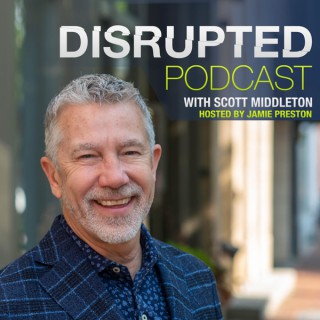
Most healthcare providers assume that if a regulatory agency approved it, they're protected. A recent court ruling just dismantled that assumption entirely — and if you haven't heard about it yet, this episode is your wake-up call.In this episode of The Disrupted Podcast, host Jamie Preston sits down with Scott Middleton, Chief Disruption Officer of Your Health, for one of the most practically important conversations in the show's history. Scott has three full-time healthcare attorneys on staff, has been investigated by the federal government — and won — and is now rolling out a care management compensation program that he's been legally stress-testing for six months. He knows how this world works, and he's not keeping it to himself.What you'll hear in this episode:Why courts can no longer defer to regulatory agencies to interpret the law — and what that means for every provider in America who's been operating under that assumptionHow chronic care management (CCM) is actually billed and why families and even some providers fundamentally misunderstand what they're paying forThe real distinction between enticement and antitrust law — and why it's one $12 bottle of water away from a federal investigationHow Scott's organization beat the federal government in court over proactive hospice placement — and how that single case dropped hundreds of similar cases across the countryWhy radical transparency, including open Power BI dashboards that anyone can examine, has become their most powerful legal defenseThe risk score gap that could unlock $100 million in additional annual Medicare revenue — and what providers are leaving on the tableIf you're in healthcare and you've ever assumed following regulatory guidance means you're safe, this episode will change how you think about compliance, courage, and what it actually means to do this work right. Press play. www.YourHealth.Org

Gratis Erstgespräch buchen: https://shorturl.at/9Qlty
Einen eigenen KI-Agenten bauen, ohne programmieren zu können? Mit dem Agent Builder in Microsoft 365 Copilot ist das inzwischen möglich. Aber was genau ist eigentlich ein Agent – und ab wann ist ein gespeicherter Prompt mehr als nur ein gespeicherter Prompt? In dieser Folge schauen wir uns an, welche Arten von Agenten es in Microsoft 365 gibt, womit man sie baut und wo die Unterschiede zu Copilot Studio und SharePoint-Agenten liegen. Außerdem vergleichen wir den Ansatz mit bekannten Tools wie Custom GPTs und Claude Projects. Und dann geht's in die Praxis: Wir bauen einen eigenen Agenten, schauen, was funktioniert, wo es hakt und woran man erkennt, ob ein Agent im Alltag tatsächlich einen Mehrwert bietet. Zum Schluss sprechen wir über die Fragen, die Unternehmen spätestens dann beschäftigen, wenn plötzlich jeder eigene Agenten baut: Was kostet das? Wer darf sie erstellen? Welche Daten dürfen sie nutzen? Und wer kümmert sich eigentlich darum, wenn der Agent in sechs Monaten noch gebraucht wird? Du möchtest wissen, wie Agenten und Microsoft 365 Copilot in eurem Unternehmen sinnvoll eingesetzt werden können? Das Team von KOM4TEC unterstützt euch dabei – von den ersten Ideen und Use Cases über die technische Umsetzung bis hin zu Governance und dem produktiven Einsatz. Ihr wollt euren ersten eigenen Agenten bauen oder herausfinden, wo Agentic AI bei euch wirklich Sinn ergibt? Sprecht uns gerne an. Mit geballter KOM4TEC Expertise von Bernhard, Tobi & Timo (Remote). Jetzt reinhören und herausfinden, was mit dem Agent Builder heute schon möglich ist. Ihr wollt euren eigenen Agenten bauen oder herausfinden, wo Agentic AI bei euch wirklich Sinn ergibt? Sprecht uns gerne an. Proudly sponsored by @vonwinning mit dem besten WIN WIN Riesling & @kaffeebraun mit einzigartig gutem Espresso aus Aschaffenburg! NEWWORK-10 (10% Ab 20 Euro Mindestbestellwert im Kaffee Braun Onlineshop) Zitate aus der Folge Tobi Wir haben heute drei Ebenen: die Agents direkt in den Office-Anwendungen, den Agent Builder und die Prozess-Agents. Wir schauen uns an, was die Unterschiede sind, für wen welche Variante geeignet ist und welche Anwendungsbereiche sich jeweils anbieten. Dabei geht es vor allem darum, den richtigen Agenten für den jeweiligen Kontext zu finden und zu verstehen, wo sie im Arbeitsalltag wirklich einen Mehrwert bieten. Bernhard Wir schauen in dieser Folge auch ein bisschen links und rechts und zeigen, was rund um den Agent Builder noch möglich ist und was beim Einsatz wichtig wird. Uns ist dabei wichtig, dass jeder Zuhörer etwas Konkretes mitnimmt – egal, ob man gerade erst in das Thema einsteigt oder schon erste Agenten im Einsatz hat. Timo Der Agent Builder ist ein guter Einstieg, aber natürlich gibt es auch klare Grenzen. Sobald es beispielsweise darum geht, Workflows aufzurufen oder komplexere Prozesse abzubilden, kommt man mit dem Agent Builder nicht mehr weiter – dann wird Copilot Studio interessant. Ich zeige, wo diese Grenzen liegen und was auf Entwicklerseite wichtig ist, damit man für den jeweiligen Anwendungsfall die richtige Lösung wählt. In den kommenden Podcast-Folgen bekommst du: Infos und Tipps rund um die M365-Welt und ihre Anwendungen wie Power BI und Power Apps Inspiration und praktische Tipps für den Kulturwandel für dich oder dein Unternehmen, um immer einen Schritt voraus zu sein Wertvolle Impulse für ein bewusstes Mindset Tipps zu praktischen Tools, die deinen Change unterstützen können, egal ob persönlich oder als Unternehmen Viele weitere Einblicke in die Welt des New Work Let's connect Du hast Ideen, Themenvorschläge oder Anregungen zum Thema, dann teile gerne deine Gedanken mit uns und schick uns eine Nachricht an podcast@kom4tec.de oder auf Instagram @kom4tec Wir freuen uns von dir zu hören. Follow us! Facebook | https://www.facebook.com/KOM4TEC/ Instagram | https://www.instagram.com/kom4tec/ LinkedIn | https://www.linkedin.com/company/10407066/
Mike & Tommy are joined one last time by Kurt Buhler as they dive into the agentic development of Power BI reports, wrestling with why generating a governed dashboard is so much harder than spinning up a web app or 3D model, and whether that friction is a platform problem, a data problem, or a skills problem.They tackle the biggest misconceptions teams have when pitching agentic BI internally, debate whether dashboards are headed toward becoming ephemeral artifacts, and make their most realistic predictions for what the BI landscape looks like at the edge and in the enterprise core one to two years from now.Also in the news: Fabric Quest and What Does It Mean to Make Data AI Ready?Get in touch:Send in your questions or topics you want us to discuss by tweeting to @PowerBITips with the hashtag #empMailbag or submit on the PowerBI.tips Podcast Page.Visit PowerBI.tips: https://powerbi.tips/Watch the episodes live every Tuesday and Thursday morning at 730am CST on YouTube: https://www.youtube.com/powerbitipsSubscribe on Spotify: https://open.spotify.com/show/230fp78XmHHRXTiYICRLVvSubscribe on Apple: https://podcasts.apple.com/us/podcast/explicit-measures-podcast/id1568944083Check Out Community Jam: https://jam.powerbi.tipsFollow Mike: https://www.linkedin.com/in/michaelcarlo/Follow Tommy: https://www.linkedin.com/in/tommypuglia/

Was passiert, wenn ein Datenteam alles bereitstellt und niemand mehr weiß, wo er hinschauen soll? Torben Broll ist Director Data & AI Solutions bei Natsana, dem Haus hinter vier Supplement-Marken, und hat aus Excel-Limitations und einem Postgres-Server eine Data Foundation auf Snowflake gebaut. Dann entstand, was er heute Report Graveyard nennt. Anfang des Jahres, so erinnert er sich, steuerte das Management wieder mit Excel. Was daraus wurde: ein POC nach zwei Wochen, eine Kommentarspalte und ein Agent, der ungefähr 18 bis 20 Kommentare pro Woche schreibt. Die finale Bewertung steht noch aus. In dieser Folge erfährst du: → Warum aus einer gut versorgten Reporting-Landschaft ein Report Graveyard wurde → Was der Rückfall des Managements in Excel über die eigene Arbeit verrät → Wie in zwei Wochen ein POC mit Lovable entstand — und was danach noch Wochen brauchte → Wie ein Agent ungefähr 18 bis 20 Kommentare pro Woche schreibt und die Stakeholder hinterfragt → Warum die P&L auf Order-Item-Level mindestens ein Jahr brauchte, vielleicht sogar zwei Über den Gast: Torben Broll ist Director Data & AI Solutions bei Natsana. Nach dem Abi Weltreise, dann Wirtschaftsinformatik und eine Ausbildung zum IT-Kaufmann bei BP, wo er bei Business Intelligence landete. 2022 kam er als Business Analyst zu Natsana. Über Lead BI und eine disziplinarische Teamleitung verantwortet er Data und AI heute zentral. MY DATA IS BETTER THAN YOURS ist ein Projekt von BETTER THAN YOURS, der Marke für richtig gute Podcasts.
Rob has a lot of Claude folders now. One knows the book. Another knows the company planning. Others have picked up meeting notes, briefing docs, LinkedIn ideas, strategy work, and whatever else was useful enough to save at the time. None of this felt like a problem while it was happening. Quite the opposite. The whole setup was working well enough that Rob kept giving it more to know. Then one of those markdown files started telling him what he was and wasn't supposed to do. Rob and Justin follow that thread into a much bigger problem than one weird sentence in one weird folder. Once AI starts carrying knowledge from one place to another, remembering things, connecting things, and helping everybody work faster, a few very old problems start wandering back into the room wearing new clothes. The BI crowd may recognize them. Rob certainly did. And one of his solutions will be immediately familiar to anyone who has ever opened a Power BI model, looked at the relationships it helpfully created for them, and started deleting.
Mike & Tommy are joined again by Kurt Buhler to tackle whether calling yourself a "Power BI person" is quietly capping your career in the age of AI, exploring how an AI-powered workflow expands your lens beyond a single tool to the full BI and application space, and why that shift should feel like liberation, not a threat.They dig into who gets empowered versus who feels replaced, and what it really means to add value when AI is handling more of the build.Links: https://meetu.ps/e/Q9Sv6/wL2WS/i | https://promptingbi.com/2026/09/21/a-skill-md-is-not-wisdom/Get in touch:Send in your questions or topics you want us to discuss by tweeting to @PowerBITips with the hashtag #empMailbag or submit on the PowerBI.tips Podcast Page.Visit PowerBI.tips: https://powerbi.tips/Watch the episodes live every Tuesday and Thursday morning at 730am CST on YouTube: https://www.youtube.com/powerbitipsSubscribe on Spotify: https://open.spotify.com/show/230fp78XmHHRXTiYICRLVvSubscribe on Apple: https://podcasts.apple.com/us/podcast/explicit-measures-podcast/id1568944083Check Out Community Jam: https://jam.powerbi.tipsFollow Mike: https://www.linkedin.com/in/michaelcarlo/Follow Tommy: https://www.linkedin.com/in/tommypuglia/

Two honorees from The Scoop's latest 40 Under 40 awardee class tackle a different side of the same challenge: making ag retail work smarter for growers. David Vail, an Insights and Analytics Specialist at Simplot Grower Solutions in Boise, Idaho, uses tools like Power BI and ArcGIS to turn sales and spatial data into fast, actionable insight for crop advisors — freeing them up to spend less time digging and more time with growers. Dakota Patton, CFO at United Prairie, a 13-location ag retailer based in Tolono, Illinois, is solving a related problem from the finance side, using Agvance and the AgVend grower portal to run a growing operation efficiently and get farmers the information they need on their schedule, not the retailer's. Together, they offer a look at how the next generation of ag retail leadership is putting data and technology to work in service of the grower relationship.See omnystudio.com/listener for privacy information.

Puedes tener Excel, Power BI, un ERP, Python e Inteligencia artificial, pero hay algo que ninguna de estas herramientas puede solucionar: datos contables mal estructurados.Llegamos al episodio 100 y he querido centrarme en algo que es lo fundamental respecto la calidad de tu información y las decisiones que tomas sobre ellos.¡Gracias por escuchar el podcast!www.josebazalar.comArquitectura Contable Estratégica
Mike & Tommy are joined again by Kurt Buhler and tackle the intersection of data literacy and AI literacy, exploring how self-awareness — or the lack of it — shapes the way teams build and consume Power BI and Microsoft Fabric solutions.They dig into whether AI raises the floor while lowering the ceiling, why poor data literacy can become more dangerous in an AI-assisted world, and how to keep critical, creative, and curious thinking alive when Copilot is in every seat.News: Moving Off ODBC — A Self-Serve Scanner for Your ADBC Migration | Power BI Q&A Retirement Reminder: February 2027 Timeline UpdateGet in touch:Send in your questions or topics you want us to discuss by tweeting to @PowerBITips with the hashtag #empMailbag or submit on the PowerBI.tips Podcast Page.Visit PowerBI.tips: https://powerbi.tips/Watch the episodes live every Tuesday and Thursday morning at 730am CST on YouTube: https://www.youtube.com/powerbitipsSubscribe on Spotify: https://open.spotify.com/show/230fp78XmHHRXTiYICRLVvSubscribe on Apple: https://podcasts.apple.com/us/podcast/explicit-measures-podcast/id1568944083Check Out Community Jam: https://jam.powerbi.tipsFollow Mike: https://www.linkedin.com/in/michaelcarlo/Follow Tommy: https://www.linkedin.com/in/tommypuglia/

Aaron interviews Diego Oppenheimer, general partner at the AIT Fund (the venture fund behind the AI Tinkerers builder community), about what it takes to move AI agents from personal experimentation into enterprise-grade deployment. Drawing on his own agent fleet (a chief-of-staff agent, a content strategist, and Ashley, an always-on AI community manager serving AI Tinkerers' 127,000+ members) as a proving ground, Oppenheimer lays out an enterprise security model built on treating agents as digital employees with their own delegated identities and credentials, scoped access rather than blanket access to accounts like email and calendar, and continuous audit logging (via the open-source tool Hyperware) in place of trust based on prior behavior. He argues enterprises get burned by chasing a single omnipresent agent instead of narrowing agents to specialized, restricted workflows, the same specialization principle that has driven results throughout machine learning, and flags scheduling as a deceptively hard example where the "10% edge cases" eat most of the effort. He also describes deliberately red-teaming his own agents for weeks (trying to break out of containers, extract credentials, and social-engineer them) before granting them any real access, and points to NanoClaw's containerized, minimal-component design as a model worth enterprise attention. The conversation closes on identity, responsibility, and permissioning as the unresolved internals enterprises must solve before scaling agent autonomy, and on Oppenheimer's prediction that many enterprise roles will shift toward "exception handling" as teams of AI coworkers absorb routine work and escalate only what needs human judgment.SHOW: 1063 SHOW TRANSCRIPT: The Enterprise AI Show #1063 TranscriptSHOW VIDEO: https://youtu.be/vL8btTMcInESHOW SPONSORSNordLayer - Use ENTERPRISE10 for 10% offNasuni - Activate your data for AI and request a demoSHOW LINKSDiego Oppenheimer homepageDiego on LinkedInAI TinkerersGuardrails AINanoClaw on GitHubThe New Stack, "OpenClaw vs. Hermes Agent: The race to build AI assistants that never forget"The New Stack, "NanoClaw and Docker team up to isolate AI agents inside MicroVM sandboxes"GUEST BIODiego Oppenheimer is working full-time at AIT Fund (the fund behind AI Tinkerers) and previously was a partner at Factory and served as CEO-in-residence at Factory. He founded Algorithmia, an enterprise MLOps platform acquired by DataRobot, co-founded Guardrails AI, and earlier in his career led teams at Microsoft shipping Excel, SQL Server, and Power BI. He is currently running AI agents inside his own team to take on real, sustained work, including one named Ashley, and documenting what he's learned in a new video series with Joe Heitzeberg.FEEDBACK?Email: show @ the enterprise ai show dot comBluesky: @TheEntAIShow.bsky.socialTwitter/X: @TheEntAIShowInstagram: @TheEntAIShow
Welcome back to Data Driven, the podcast where we dive deep into the evolving worlds of data science, business intelligence, and artificial intelligence. In this episode, host Frank La Vigne sits down with Rob Collie, CEO of P3 Adaptive and a former Microsoft engineer, to explore the remarkable journey from Excel's foundational role in data-driven workplaces to the transformative power of Power BI—and now, to the unfolding impact of AI in business.Rob shares captivating stories from his time on the Excel and Power BI teams at Microsoft, offering insider perspectives on how these tools revolutionized the way organizations work with data. Together, Frank and Rob discuss the critical role of expert stewardship in products like Excel, the complexity hidden beneath familiar interfaces, and the challenges traditional BI faced before the rise of more accessible, user-centric solutions.The conversation then turns to the cutting edge, unpacking what generative AI and large language models mean for the future of data, and why business intelligence might just be the best starting point for companies aiming to embrace AI. Whether you're a data engineer, AI enthusiast, or business leader, this episode is packed with insights on how mastering data remains the foundation for all technological progress. Join us as we look backward and forward at what it really means to be data driven.LinksRob on LinkedIn -https://www.linkedin.com/in/robcollie/Fair Game: Customizing AI to Your Business Is Easier Than You Think -https://link.amazon/B0bgySLKyGet a free Audiobook on Us -https://www.audible.com/ep/creator?afsrc=1&source_code=PDTGBPD060314004RTime Stamps00:00 Interview with Rob Collie06:38 Managing Excel's core development team08:28 Learning Excel's Complexity12:15 Discovering Power BI at Microsoft15:12 Understanding and using SSAS MDX formula20:23 Making Power BI user-friendly23:29 AI exceeding expectations for crafters26:21 Founding and evolving P3 company28:05 AI model advancements and business impact32:34 LLM memory limitations35:11 Integrating AI into consulting business40:21 Challenges with training AI chatbots41:24 Understanding AI without going deep46:56 AI improves business intelligence48:34 AI enhancing business intelligence51:53 Why LLMs succeed where CPUs fail54:29 Core skills in tech evolution
Mike & Tommy are joined by Kurt Buhler as they dive into Fabric Apps and where they actually fit in the Power BI world, weighing whether they replace traditional reports, who owns them in a real org, and whether low code is getting cornered by AI agents.They break down the pre-requirements for success, the unlocks Fabric Apps offer that reports never will, and why ambition, visual literacy, and planning friction matter more than the tool itself.News: Get Ready for Table Discovery in OneLake Catalog Search (Preview) | Lineage-Aware AI with the Fabric Item Relations API (Preview)Get in touch:Send in your questions or topics you want us to discuss by tweeting to @PowerBITips with the hashtag #empMailbag or submit on the PowerBI.tips Podcast Page.Visit PowerBI.tips: https://powerbi.tips/Watch the episodes live every Tuesday and Thursday morning at 730am CST on YouTube: https://www.youtube.com/powerbitipsSubscribe on Spotify: https://open.spotify.com/show/230fp78XmHHRXTiYICRLVvSubscribe on Apple: https://podcasts.apple.com/us/podcast/explicit-measures-podcast/id1568944083Check Out Community Jam: https://jam.powerbi.tipsFollow Mike: https://www.linkedin.com/in/michaelcarlo/Follow Tommy: https://www.linkedin.com/in/tommypuglia/

Treasury transformation is not just about implementing new technology. It is about improving processes, understanding the business, giving teams the capacity to deliver change, and ensuring technology creates measurable value.In this episode, John James Dunne the Founder and Principal of Elevate Treasury Advisory explores how treasury teams can use technology, data and external support to drive meaningful strategic change - while avoiding the mistake of simply automating inefficient processes.John James Dunne is the Founder and Principal of Elevate Treasury Advisory, supporting CFOs, treasurers and finance leaders with treasury transformation, liquidity, risk, governance and technology.He is also involved in treasury education and developing the next generation of treasury professionals through his work with the Irish Association of Corporate Treasurers.In this conversation, John James shares his perspective on what makes treasury transformation successful and why technology alone is rarely the answer.He explains the importance of getting processes into the right shape before implementing a treasury management system, creating early wins to maintain momentum during long transformation projects, and using data to help senior leaders make better decisions.The discussion also explores why many treasury teams benefit from external support when internal capacity is already stretched, how treasury professionals can become stronger business partners, and why technical expertise must be matched by communication, judgement and an understanding of the wider business.Main Topics Discussed:Why treasury transformation should begin with process improvement before technology implementationHow external support can provide additional capacity for treasury teams delivering major projectsThe challenges of implementing a treasury management system while maintaining business-as-usual activityWhy creating early wins during transformation projects helps free capacity and maintain team momentumHow treasury teams can use Power BI, dashboards and self-service analytics to support C-suite decision-makingWhy treasury professionals need to understand the underlying business, not just the treasury numbersThe risks of becoming over-reliant on AI and technology without understanding the fundamentalsWhy communication, influencing and business partnering skills become increasingly important as treasury professionals progressYou can connect with John James Dunne on LinkedIn.---

Send us Fan MailEvery click, purchase, transaction and customer interaction creates data—but who turns those numbers into useful business decisions?In this episode of The Kapeel Gupta Career PodShow, explore the career of a Data Analyst, one of the most versatile data-driven career options today.Discover what data analysts actually do, the career scope in India and abroad, essential skills, educational pathways, tools such as Excel, SQL, Python and Power BI, salary potential, top colleges and career opportunities.If you enjoy numbers, patterns, problem-solving and technology, this episode will help you understand whether Data Analytics could be the right career for you.

Want to learn more? Check out these related blog posts from James:Is Microsoft Fabric Right for You? A Practical Guide for Power BI Customers | BowdarkUnused Data Is Killing Your Business Performance | Bowdark

Are your social feeds filling up with automated slop and made-up stories? In this episode of Digital Marketing From The Coalface, Dave and Julie return from their summer break to tackle the fine line between smart AI productivity and cringey, low-quality automation. If you're an engineering company leader looking for genuine online visibility without the fluff, this episode shows you how to put AI to work to provide high-value data analytics while keeping human strategy firmly in the driver's seat. What we cover in this episode: The cringey AI lead magnet test: Julie shares what happened when she tested a tool that promised 30 "tailored" LinkedIn posts, only to receive completely fake case studies and bizarre claims. Talking to your data in plain English: Dave and Julie talk about how connecting tools like Windsor.ai to Google Search Console, Google Ads, and GA4 lets you query your marketing data in natural language, bypassing complex PowerBI filters and SQL queries. AI watermarks & editorial control: AI watermarking isn't something to fear if you take ownership of your content. You need to make sure to apply human oversight, and refine every word you're sharing. Strategy vs. "random acts of marketing": tech businesses need a structured marketing framework so that their teams aren't just creating ad-hoc AI content for the sake of it. Plus, Julie and Dave swap summer highlights and office drama, featuring Edinburgh Fringe comedy, metal detecting adventures, a new coffee machine, and some spilled milk that no one cried over. Enjoyed the episode? Browse more at redevolution.com/digital-marketing-from-the-coalface
Mike & Tommy tackle the Fabric handoff — exploring what it really takes to transition a Microsoft Fabric environment to an organization with no prior Fabric experience, and whether the real challenge is the platform or the change management behind it.They break down who needs to own Fabric after the consultants leave, what breaks first when a Power BI shop inherits a tenant they didn't build, and how to set a new team up to actually run it well six months later.Get in touch:Send in your questions or topics you want us to discuss by tweeting to @PowerBITips with the hashtag #empMailbag or submit on the PowerBI.tips Podcast Page.Visit PowerBI.tips: https://powerbi.tips/Watch the episodes live every Tuesday and Thursday morning at 730am CST on YouTube: https://www.youtube.com/powerbitipsSubscribe on Spotify: https://open.spotify.com/show/230fp78XmHHRXTiYICRLVvSubscribe on Apple: https://podcasts.apple.com/us/podcast/explicit-measures-podcast/id1568944083Check Out Community Jam: https://jam.powerbi.tipsFollow Mike: https://www.linkedin.com/in/michaelcarlo/Follow Tommy: https://www.linkedin.com/in/tommypuglia/
Mike & Tommy dive into how AI is actually changing data visualization work, exploring whether the real unlock is iteration speed rather than AI-built visuals, and why the "no enterprise license required" reality matters more than keynote promises.They tackle the governance risk of analysts using personal AI tools with real data, debate the conversational analyst vs. architect analyst divide, and land on practical habits Power BI teams can adopt today.Read the article: https://nightingaledvs.com/three-ways-i-actually-use-ai-in-data-viz/Get in touch:Send in your questions or topics you want us to discuss by tweeting to @PowerBITips with the hashtag #empMailbag or submit on the PowerBI.tips Podcast Page.Visit PowerBI.tips: https://powerbi.tips/Watch the episodes live every Tuesday and Thursday morning at 730am CST on YouTube: https://www.youtube.com/powerbitipsSubscribe on Spotify: https://open.spotify.com/show/230fp78XmHHRXTiYICRLVvSubscribe on Apple: https://podcasts.apple.com/us/podcast/explicit-measures-podcast/id1568944083Check Out Community Jam: https://jam.powerbi.tipsFollow Mike: https://www.linkedin.com/in/michaelcarlo/Follow Tommy: https://www.linkedin.com/in/tommypuglia/

Top 10 AI Prompts for Restaurants Most operators treat AI like a vending machine. Type a question, take whatever falls out. This episode argues the opposite. Dave, Brian, and Anthony make the case that AI is a brain you train like a new hire, not a search bar you poke once. Feed it context, correct it, be patient with it, and it starts to sound like you and think like your operation. Appropriate use makes you look like a genius. Lazy use makes you look like a dumbass. The payoff is a rapid-fire set of prompts you can steal and run this week, from turning a rambling voice memo into clean menu copy to roleplaying a guest complaint before your manager ever faces one live. The bigger idea underneath it all: don't chase saved time for its own sake. Use the time AI gives back to elevate your game. The 10 prompts: 1. Turn a rambling voice memo of this week's specials into a clean menu description. 2. Write three social captions for tonight's event in our voice: casual, local, not corporate. 3. Draft a calm reply to this one-star review that de-escalates without groveling. 4. Build a prep checklist for a new line cook's first Friday night. 5. Give me five specials I can run this week using the ingredients I'm overstocked on. 6. Write a job post for a server that filters for hospitality attitude over experience. 7. Turn our opening and closing routine into a printable SOP a 17-year-old could follow. 8. Draft a re-engagement text to regulars I haven't seen in 30 days, warm and not desperate. 9. Summarize this vendor contract and flag anything that locks me in or auto-renews. 10. Roleplay a tough guest complaint so I can practice how my manager should handle it. Also covered: building projects and workflows so AI runs the same task the same way every time, a near-free Power BI dashboard pulling point of sale and payroll data for daily reporting, an overnight review-monitoring routine across Google and other sites, and why experienced operators are the ones best positioned to catch a bad AI answer. A note on browser automation: the hosts discuss letting AI operate inside a Chrome tab, including clicking through screens and logging into accounts on your behalf. Handle this with care. Granting an AI access to your logins and systems carries real security risk. Use it at your own discretion, keep your credentials protected, and understand what you are authorizing before you turn it loose. Tools mentioned: Claude, ChatGPT, and Microsoft Power BI. Tell us your favorite prompts and how you're using AI in your restaurant. Follow us and send feedback at restauranttopia.com, and subscribe wherever you listen. Featuring Dave Ross, Brian Seitz, and Chef Anthony Hamilton. Learn more about your ad choices. Visit megaphone.fm/adchoices
Mike & Tommy break down the latest upgrades to Fabric Data Agents—MCP integration, OneLake Catalog discovery, multi-agent support, and Foundry Observability—and explore whether these changes finally move Data Agents from demo to production-ready.They weigh in on the real tension: whether easier connectivity creates governance sprawl, how "one agent per domain" reshapes the one-version-of-truth debate, and what BI teams need to have in place before agent chaos takes hold.https://community.fabric.microsoft.com/t5/Fabric-Updates-Blog/Fabric-data-agents-in-Microsoft-Foundry-Easier-to-connect-easier/ba-p/5318989https://community.fabric.microsoft.com/blog/fbc_fabricupdatesblogs/fabric-data-agents-in-microsoft-copilot-studio-generally-available/5362882News:https://www.meetup.com/chicagolandpowerbi/events/315787998/?eventOrigin=group_upcoming_eventshttps://community.fabric.microsoft.com/blog/fbc_fabricupdatesblogs/new-cicd-resources-for-microsoft-fabric-from-concepts-to-end-to-end-automation/5358502https://community.fabric.microsoft.com/blog/fbc_pbiupdatesblog/upgrade-power-bi-dataflows-gen1-to-fabric-dataflows-gen2-with-the-upgrade-wizard/5360422https://community.fabric.microsoft.com/blog/fbc_pbiupdatesblog/the-ai-semantic-layer-you-probably-already-have/5360197Get in touch:Send in your questions or topics you want us to discuss by tweeting to @PowerBITips with the hashtag #empMailbag or submit on the PowerBI.tips Podcast Page.Visit PowerBI.tips: https://powerbi.tips/Watch the episodes live every Tuesday and Thursday morning at 730am CST on YouTube: https://www.youtube.com/powerbitipsSubscribe on Spotify: https://open.spotify.com/show/230fp78XmHHRXTiYICRLVvSubscribe on Apple: https://podcasts.apple.com/us/podcast/explicit-measures-podcast/id1568944083Check Out Community Jam: https://jam.powerbi.tipsFollow Mike: https://www.linkedin.com/in/michaelcarlo/Follow Tommy: https://www.linkedin.com/in/tommypuglia/
Mike & Tommy dive into Liquid Clustering in Microsoft Fabric, breaking down why Runtime 2.0 changes it from an experimental feature into the default table layout strategy for Lakehouse workloads.They explore how incremental clustering solves the write amplification problems that plagued Runtime 1.3, why file skipping matters for Direct Lake and Power BI report performance, and how teams should think about choosing clustering columns, running OPTIMIZE, and trusting Auto Reclustering without blowing their F-SKU capacity.Resources: https://milescole.dev/data-engineering/2026/07/24/Incremental-Liquid-Clustering-Fabric-Runtime-2.html, https://community.fabric.microsoft.com/t5/Fabric-Updates-Blog/Fabric-Runtime-2-0-Generally-Available/ba-p/5326359, https://learn.microsoft.com/en-us/fabric/data-engineering/runtime-2-0, https://workingondata.wordpress.com/2026/08/14/fabric-runtime-2-0-is-general-available/News:https://www.meetup.com/chicagolandpowerbi/events/315787998/?eventOrigin=group_upcoming_eventshttps://community.fabric.microsoft.com/t5/Fabric-Updates-Blog/Fabric-August-2026-Feature-Summary/ba-p/5325824Get in touch:Send in your questions or topics you want us to discuss by tweeting to @PowerBITips with the hashtag #empMailbag or submit on the PowerBI.tips Podcast Page.Visit PowerBI.tips: https://powerbi.tips/Watch the episodes live every Tuesday and Thursday morning at 730am CST on YouTube: https://www.youtube.com/powerbitipsSubscribe on Spotify: https://open.spotify.com/show/230fp78XmHHRXTiYICRLVvSubscribe on Apple: https://podcasts.apple.com/us/podcast/explicit-measures-podcast/id1568944083Check Out Community Jam: https://jam.powerbi.tipsFollow Mike: https://www.linkedin.com/in/michaelcarlo/Follow Tommy: https://www.linkedin.com/in/tommypuglia/

Arun Parameswaran: Product Owners Who Create Better Product Conversations in Scrum In this episode, we refer to Arun's AI prompt library for Scrum Masters and project managers. The Great Product Owner: Curiosity, Clear Direction, and Outcome Focus Read the full Show Notes and search through the world's largest audio library on Agile and Scrum directly on the Scrum Master Toolbox Podcast website: http://bit.ly/SMTP_ShowNotes. "A great PO doesn't only ask, did we deliver? They ask, do people communicate openly?" - Arun Parameswaran Arun describes great Product Owners as collaborative, curious, and close enough to the team to understand how delivery really works. The best POs he worked with did more than check whether items were delivered. They asked whether knowledge was distributed, whether people communicated openly, and whether everyone had a chance to contribute. They gave the team clear product direction, supported prioritization, managed stakeholders, and stayed available when the team needed context. Arun emphasizes outcome focus: value for the customer expressed in a way the team can understand. A strong PO becomes the bridge in both directions, helping stakeholders understand the team and helping the team understand the customer. Self-reflection Question: Does your Product Owner help the team understand customer value, or only the next ticket? The Bad Product Owner: Turning the Team Into a Ticket Factory Read the full Show Notes and search through the world's largest audio library on Agile and Scrum directly on the Scrum Master Toolbox Podcast website: http://bit.ly/SMTP_ShowNotes. "The Scrum Master shouldn't just help the PO write better tickets. We should help create better product conversations." - Arun Parameswaran The anti-pattern Arun warns about is the Product Owner as ticket distributor. Stakeholders ask for something, the PO turns it into a ticket, and the team delivers without understanding the problem, the outcome, or why the work matters. Over time, the team becomes a delivery factory, and Scrum starts to look like waterfall with smaller batches. Arun's coaching move is to shift the conversation away from "better tickets" and toward better product thinking. What problem are we solving for customers? What outcome do we expect? What should we prioritize? What can we say no to? For Scrum Masters, this means coaching the PO and the team to bring customer context, stakeholder feedback, and prioritization into the same conversation. Self-reflection Question: What product conversation is your team avoiding by hiding behind ticket writing? [The Scrum Master Toolbox Podcast Recommends]
Arun Parameswaran: Success for Scrum Masters Means Teams Ask Better Questions Without You Read the full Show Notes and search through the world's largest audio library on Agile and Scrum directly on the Scrum Master Toolbox Podcast website: http://bit.ly/SMTP_ShowNotes. "My goal isn't to become indispensable. My goal is to create a team that doesn't depend on me." - Arun Parameswaran For Arun, Scrum Master success is not measured by how many meetings he runs or how often the team asks him for help. It is measured by the team's ability to solve problems without depending on him. If he has to remind everyone to update Jira, facilitate every difficult conversation, or resolve every obstacle, he is creating dependency. A healthier signal is when team members talk directly to each other: "This is blocked. Who can help me?" or "Let's finish this before starting something else." Arun compares the Scrum Master to a football coach watching the match from the side. The team needs space to play, make decisions, and learn. The Scrum Master still observes and coaches, but the goal is to intervene less often and more intentionally. As Vasco summarizes, this requires learning to wait before stepping in. Self-reflection Question: What would your team do differently if you waited one more minute before intervening? Featured Retrospective Format for the Week: What? So What? Now What? Arun's favorite retrospective format is "What? So What? Now What?" because it moves the team from facts to meaning to action. "What happened?" helps the team describe reality. "So what?" asks why it matters. "Now what?" turns the discussion into a small experiment for the next sprint. Arun also avoids using the same format every time. He often shares the board two or three days before the retrospective so people can reflect before the meeting, add observations, and appreciate teammates. That preparation saves time in the session and makes space for a short fun activity before the team works through the real topics. His goal is simple: every retrospective should produce learning and at least one concrete experiment. [The Scrum Master Toolbox Podcast Recommends]
Mike & Tommy dive into whether medallion architecture has truly evolved in the Fabric era or whether teams are just re-labeling Bronze, Silver, and Gold with new icons, using this Microsoft Fabric community article as a jumping-off point.They break down when an all-in-one Warehouse pattern makes sense versus a hybrid Lakehouse approach, and walk away with a practical take on how much Spark you actually need before complicating your design.Read the article: Choosing your medallion pattern in Fabric Data WarehouseGet in touch:Send in your questions or topics you want us to discuss by tweeting to @PowerBITips with the hashtag #empMailbag or submit on the PowerBI.tips Podcast Page.Visit PowerBI.tips: https://powerbi.tips/Watch the episodes live every Tuesday and Thursday morning at 730am CST on YouTube: https://www.youtube.com/powerbitipsSubscribe on Spotify: https://open.spotify.com/show/230fp78XmHHRXTiYICRLVvSubscribe on Apple: https://podcasts.apple.com/us/podcast/explicit-measures-podcast/id1568944083Check Out Community Jam: https://jam.powerbi.tipsFollow Mike: https://www.linkedin.com/in/michaelcarlo/Follow Tommy: https://www.linkedin.com/in/tommypuglia/
Welcome to Episode 435 of the Microsoft Cloud IT Pro Podcast. In this episode, Ben and Scott take a lap around what’s new in Power BI, starting with the two MCP servers now in preview, one local and one remote, that can clean up your data model, write DAX for you, and turn a messy pile of tables into an actual usable semantic model. Ben shares how it helped him tame a 44 table QuickBooks Online mess, and why he had way better luck with it than with Copilot in Power BI. From there they get into PBIP, the newer Power BI project file format that breaks a report into files you can actually put in Git and collaborate on like real developers, branches, rollbacks, and all. It has been in preview since 2023 and still lacks solid guidance from Microsoft on wiring up CI/CD, but Ben and Scott dig into why it is worth adopting anyway, even if you are working solo. Your support makes this show possible! Please consider becoming a premium member for access to live shows and more. Check out our membership options. Show Notes Overview of the Power BI MCP servers (Preview) Power BI Desktop projects Git integration Power BI Modeling MCP Server Episode 90 – Power BI and Data Democratization with Alexander Arvidsson Episode 287 – Power BI Field Parameters and Microsoft Entra Optimize your semantic model for Copilot in Power BI Power BI Desktop projects (PREVIEW) Power BI Desktop projects Git integration Power BI projects, Git, and Team Collaboration Sponsors Nasuni is a leading unstructured data platform for enterprises where file data is mission-critical for both people and AI. Nasuni powers the operational file layer where work happens — helping organizations manage, protect, and activate data so teams can work smarter, reduce costs, and operate securely without limits. Intelligink — Would you like to become the irreplaceable Microsoft 365 resource for your organization? Let us know!
Arun Parameswaran: Using Scrumban and WIP Limits to Help Agile Teams Find Focus Read the full Show Notes and search through the world's largest audio library on Agile and Scrum directly on the Scrum Master Toolbox Podcast website: http://bit.ly/SMTP_ShowNotes. "The WIP limit helped the developers not context switch." - Arun Parameswaran Arun brought a practical challenge to the Wednesday coaching conversation: a team doing both operations and development work needed more visibility and focus than their Scrum board was giving them. The trigger was context switching. Work stayed "in progress" even when blocked, people picked up new topics before finishing old ones, and stakeholders kept asking what was actually happening. Arun helped the team experiment with Scrumban, keeping useful Scrum events while adding a Kanban-style board and explicit WIP limits. The breakthrough was not just visualizing the work. It was helping the team own the limits. They created an "operator of the week," rotating the responsibility for watching WIP and calling out when the team was taking on too much. That small practice made focus a team responsibility instead of a Scrum Master lecture. Self-reflection Question: Who owns your team's WIP limits in practice, not just on the board? [The Scrum Master Toolbox Podcast Recommends]
Arun Parameswaran: How Powerful Questions Help Scrum Teams Handle Stakeholder Conflict Read the full Show Notes and search through the world's largest audio library on Agile and Scrum directly on the Scrum Master Toolbox Podcast website: http://bit.ly/SMTP_ShowNotes. "Sometimes the best thing a Scrum Master can give the team isn't the answer. It's a question." - Arun Parameswaran Arun describes a team pattern many Scrum Masters recognize: stakeholders bypassing the Product Owner and going straight to developers with new requests after the sprint had already started. The developers wanted to help, so they accepted the interruptions. The result was context switching, broken priorities, and a quiet loss of focus. Arun worked with the customer team, Product Owner, and developers to create a simple agreement: new work had to come through the PO, be clarified, and be prioritized before it reached the team. That agreement gave developers permission to protect the sprint without turning every conversation into a personal conflict. Arun also shares how he handled the classic misunderstanding that "being Agile" means accepting every change immediately. For him, adaptability still needs timing, clarity, and shared agreements. In this segment, we talk about the coaching stance and how Scrum Masters can use questions to help teams think together. Self-reflection Question: What agreement would help your team protect focus without shutting stakeholders out? Featured Book of the Week: Coaching Agile Teams by Lyssa Adkins Arun recommends Coaching Agile Teams by Lyssa Adkins because it helped him move beyond ceremony facilitation. The book gave him a clearer picture of the Scrum Master as a coach for individuals, the team, and the wider organization. One question stayed with him: am I solving the problem for the team, or helping the team learn to solve it themselves? That shift changed how Arun worked. Instead of telling teams what to do, he began asking questions such as "What do you think is causing this?", "What options do we have?", and "What are we not seeing?" For Arun, the book is a practical reminder that coaching is not about leading people to your answer. It is about helping people think. [The Scrum Master Toolbox Podcast Recommends]
Mike & Tommy dive into what data visualization can teach us about critically evaluating LLMs, exploring why fluent, polished AI output can be just as misleading as a beautiful but inaccurate chart. They break down the tension between AI speed and data quality, tackling how BI teams can build a practical framework around accuracy, security, and sovereignty to use these tools without lowering their standards.Read the article that inspired this episode: https://nightingaledvs.com/critically-evaluating-llms/News links from this episode:https://www.meetup.com/chicagolandpowerbi/events/315787998/?eventOrigin=group_upcoming_eventshttps://community.fabric.microsoft.com/blog/fbc_pbiupdatesblog/power-bi-august-2026-feature-summary/5348434https://community.fabric.microsoft.com/t5/Fabric-Updates-Blog/Bringing-agentic-warehouse-development-to-Fabric-Data-Warehouse/ba-p/5360190https://community.fabric.microsoft.com/blog/fbc_pbiupdatesblog/the-ai-semantic-layer-you-probably-already-have/5360197Get in touch:Send in your questions or topics you want us to discuss by tweeting to @PowerBITips with the hashtag #empMailbag or submit on the PowerBI.tips Podcast Page.Visit PowerBI.tips: https://powerbi.tips/Watch the episodes live every Tuesday and Thursday morning at 730am CST on YouTube: https://www.youtube.com/powerbitipsSubscribe on Spotify: https://open.spotify.com/show/230fp78XmHHRXTiYICRLVvSubscribe on Apple: https://podcasts.apple.com/us/podcast/explicit-measures-podcast/id1568944083Check Out Community Jam: https://jam.powerbi.tipsFollow Mike: https://www.linkedin.com/in/michaelcarlo/Follow Tommy: https://www.linkedin.com/in/tommypuglia/
Help us become the #1 Data Podcast by leaving a rating & review! We are 67 reviews away! Real recruiter spends 20 seconds on this resume and finds nothing worth keeping. I show you why.
Arun Parameswaran: The Scrum Master Mistake of Fixing Trust With Process Read the full Show Notes and search through the world's largest audio library on Agile and Scrum directly on the Scrum Master Toolbox Podcast website: http://bit.ly/SMTP_ShowNotes. "Don't confuse activity with progress." - Arun Parameswaran When Arun Parameswaran stepped into one of his first Scrum Master assignments, he joined a distributed team where everything looked normal from the outside. Meetings were happening, Jira was updated, and work appeared to be moving. Underneath that surface, knowledge was unevenly shared, communication between locations was weak, and trust was not yet strong enough for people to speak openly. Arun's first instinct was to add more structure: more meetings, more activities, more process. Looking back, he saw the real mistake. He was creating activity, not progress. The shift came when he stopped trying to provide answers and started listening through one-on-one conversations. He learned where people were struggling, what they expected from him, and what the team needed to own for itself. In this episode, Arun shares why Scrum Masters must understand people before changing the process, and why the best coaching often starts by asking better questions. Self-reflection Question: Where are you adding process today because the real issue feels harder to talk about? [The Scrum Master Toolbox Podcast Recommends]

What happens when a 40-year-old legal data company decides its employees should start building their own software? This week on we talk with Best Lawyers CEO Phillip Greer and Senior Vice President of Research and Product Strategy Elizabeth Petit about an internal AI transformation that reaches far beyond adding ChatGPT to the corporate toolkit. Best Lawyers is experimenting with generative engine optimization, internal agentic systems, vibe coding, and an AI development environment where employees across research, finance, marketing, and other departments build applications around the company's data.Greer begins with a challenge facing every law firm marketing team: traditional search is changing. Google AI Overviews and answer engines such as ChatGPT, Claude, and Gemini increasingly give users answers without sending them to the familiar list of blue links. Greer argues that SEO still matters, but law firms now need to think about Generative Engine Optimization, or GEO, and the signals AI systems use when deciding which sources deserve trust. Structured data, schema markup, substantive content, and third-party validation all become part of the equation. For Best Lawyers, its long history of peer-reviewed rankings offers an interesting advantage. The company's data serves as an independent signal that AI systems might weigh differently from content produced by a firm's own marketing department.Petit explains how Best Lawyers is applying the same thinking to legal marketing through Smithy AI, a system designed to help attorneys and law firm marketers develop profile content without endlessly copying the same biography across websites. Smithy draws from Best Lawyers' structured information and existing lawyer content to produce a starting point that attorneys and marketers then edit. The larger goal is authenticity. As generative systems make producing generic legal content almost effortless, Greer argues that distinctive expertise, voice, and credible third-party signals become more valuable rather than less.The conversation then moves inside Best Lawyers, where Greer has taken a far more unusual approach to AI adoption. After building a secure data layer connecting systems including SQL databases, HubSpot, Gong, Google Analytics, and accounting data, he created an internal Best Lawyers App Store where employees use natural language to build applications against company data. What began with roughly 30 percent of the workforce vibe coding has grown to around 40 percent, according to Greer. Petit describes building research and KPI dashboards despite coming from a research rather than software engineering background. Projects that once required Excel formulas, Power BI reports, development queues, and weeks of waiting now sometimes move from a question at 9:30 to a working internal application by 10:30.That shift also changes the role of professional software engineers. Rather than spending their time building another reporting screen or internal form, Best Lawyers' engineers increasingly concentrate on architecture, data infrastructure, performance, governance, and the guardrails surrounding employee-built applications. Greer describes moving parts of the company's data architecture toward Elasticsearch and developing “Bestie,” an internal agentic AI team member. Yet speed introduces another problem. Petit and Greer describe an “AI vampire” effect, where instant feedback encourages people to keep working because the machine never gets tired, goes home, or stops responding. Human judgment includes knowing when the human needs to stop.Listen on mobile platforms: Apple Podcasts | Spotify | YouTube | Substack[Special Thanks to Legal Technology Hub for their sponsoring this episode.]Email: geekinreviewpodcast@gmail.comMusic: Jerry David DeCicca

Carolyn Woodard explores how a nonprofit marketer with no IT background can run a real AI project with Erik Solce, IT Business Manager at Community IT. For years Carolyn had marketing data scattered across nine separate channel dashboards and no way to see any of it in context. Every attempt to build a unified report stalled out. In part one of this case study, she and Erik walk through the three part structure that finally made the project doable, and why it took weeks instead of the months she expected.Erik shares what went sideways along the way, including a false path through Power BI, access and permission problems, and AI memory that kept reaching for a storage location the team had abandoned months earlier. Carolyn talks candidly about working with Copilot, Gemini, and Claude, why she moved between them, and what running into token limits taught her about choosing the right license. Carolyn and Erik discuss:The three part structure for AI enabled projects: the instigator who owns the problem, the tech coach who grounds it in reality, and the AI tool that helps analyze, research, and iterate.Why the subject matter expert has to stay involved in building the thing rather than waiting for someone to hand it over finished.What belongs in your IT foundation before you add AI, including an acceptable use policy, leadership ownership of IT strategy, and an IT roadmap to measure new tools against.Why an organization that has decided not to use AI still needs that decision written down in policy.How asking questions first, instead of writing a prompt, changed the project from a dashboard into a data lake.Resources Mentioned:AI Resources for NonprofitsMission Aligned AI Adoption Model for NonprofitsTemplate: Acceptable Use of AI Tools in the Nonprofit WorkplaceCybersecurity Readiness for Nonprofits PlaybookHow to Use AI Tools Safely at NonprofitsNonprofit IT Management Reddit CommunityMicrosoft 365 Copilot for NonprofitsGemini through Google for NonprofitsClaude for Nonprofits _______________________________Start a conversation :)Register to attend a webinar in real time, and find all past transcripts at https://communityit.com/webinars/email Carolyn at cwoodard@communityit.comon LinkedIn on reddit/r/nonprofitITmanagementon the Community IT websiteThanks for listening.
Mike & Tommy dive into Power BI Desktop Bridge, breaking down what it actually solves, where it fits in your stack alongside Desktop, Service, Fabric, Git, and deployment pipelines, and what it really takes to make it run like a Ferrari for your team.They tackle the hard questions — whether Desktop Bridge exposes weak development habits faster than it fixes them, how to keep speed from turning into chaos, and what governance guardrails every BI lead should have in place before rolling it out broadly.Read more: https://promptingbi.com/2026/08/19/design-the-report-from-the-meeting-you-already-had/News:Enhanced Data Agent Visualizations with Fabric Visuals (Preview)Connectivity Patterns in Microsoft Fabric: A Guide for Data Integration WorkloadsGet in touch:Send in your questions or topics you want us to discuss by tweeting to @PowerBITips with the hashtag #empMailbag or submit on the PowerBI.tips Podcast Page.Visit PowerBI.tips: https://powerbi.tips/Watch the episodes live every Tuesday and Thursday morning at 730am CST on YouTube: https://www.youtube.com/powerbitipsSubscribe on Spotify: https://open.spotify.com/show/230fp78XmHHRXTiYICRLVvSubscribe on Apple: https://podcasts.apple.com/us/podcast/explicit-measures-podcast/id1568944083Check Out Community Jam: https://jam.powerbi.tipsFollow Mike: https://www.linkedin.com/in/michaelcarlo/Follow Tommy: https://www.linkedin.com/in/tommypuglia/

A non-technical CEO built a mobile network, then transformed a startup into an AI company. Here's exactly how he did it — and what he learned about investors. Peter Scott has done things that most people would walk away from. He was handed a business running on Power BI reports and a vision that was bigger than the technology could deliver. Two and a half years later, it's a fully AI-enabled platform. Before that, he built a mobile network from scratch — with no technical background — because the opportunity was too good to turn down. This episode is his playbook. Listen to learn: How to tell a good investor from a bad one — before you sign anything What it actually feels like to be a private equity CEO — the structured reporting, the pressure, and how to manage it How Broker Insights went from an Excel-based matchmaking tool to a fully AI-enabled data platform Why the data your company generates as a byproduct might be your most valuable asset How to lead a technical team when you have no technical background — and what Peter did when he sat in rooms he didn't understand This episode is for you if: You are a founder thinking about raising money and want to know what you're getting into You are a non-technical leader running a tech company or AI initiative You are an investor who wants to understand what good partnership actually looks like from the CEO's side You want a real example of how a non-technical person builds fluency in a technical world Peter Scott on LinkedIn. Final days: Book your free consulting session with Sophia The link closes on 1st September. After that, it is gone. If you have been listening to this show, you already know you want to learn this stuff. A consulting session with Sophia is your chance to apply it to your specific situation — your idea, your company, your career. [Book your session here — closes 1st September] Timestamps: 00:24 – Welcome and free consulting session deadline 03:37 – What it's really like being a private equity CEO 08:30 – Cutthroat vs. collaborative PE firms 11:15 – How to spot good investors early on 14:55 – From retail to leading a mobile network 18:07 – Leading technical teams you don't fully understand 20:48 – From Excel spreadsheets to an AI-powered platform 25:14 – Becoming a product-led, data-led company 29:07 – Advice for leaders whose business depends on tech Follow and Review: We'd love for you to follow us if you haven't yet. Click that purple '+' in the top right corner of your Apple Podcasts app. We'd love it even more if you could drop an honest review on Apple Podcasts. Simply select "Ratings and Reviews" and "Write a Review" then a quick line with your favorite part of the episode. It only takes a second and it helps spread the word about the podcast. Listen to our podcast on: Apple Spotify YouTube Audible Pandora Transcript: https://www.techfornontechies.co/blog/317-from-excel-spreadsheet-to-ai-company-the-non-technical-ceo-s-playbook
Mike & Tommy dive into anonymous data access in Fabric Apps, exploring how the new capability lets builders deliver public-facing BI experiences without requiring users to sign in — and whether that's a governance breakthrough or a disaster waiting to happen.They break down which items support it, what tenant admins need to know, and how Rayfin fits into the story of Fabric becoming a true application platform.Learn more: https://learn.microsoft.com/en-us/fabric/apps/anonymous-data-accessNews this episode:https://www.meetup.com/chicagolandpowerbi/events/315711136/?eventOrigin=group_upcoming_eventshttps://community.fabric.microsoft.com/blog/fbc_fabricupdatesblogs/fabric-runtime-2-0-generally-available/5326359https://community.fabric.microsoft.com/blog/fbc_fabricupdatesblogs/build-end-to-end-fabric-solutions-with-sql-database-skills-preview/5357234Get in touch:Send in your questions or topics you want us to discuss by tweeting to @PowerBITips with the hashtag #empMailbag or submit on the PowerBI.tips Podcast Page.Visit PowerBI.tips: https://powerbi.tips/Watch the episodes live every Tuesday and Thursday morning at 730am CST on YouTube: https://www.youtube.com/powerbitipsSubscribe on Spotify: https://open.spotify.com/show/230fp78XmHHRXTiYICRLVvSubscribe on Apple: https://podcasts.apple.com/us/podcast/explicit-measures-podcast/id1568944083Check Out Community Jam: https://jam.powerbi.tipsFollow Mike: https://www.linkedin.com/in/michaelcarlo/Follow Tommy: https://www.linkedin.com/in/tommypuglia/
Help us become the #1 Data Podcast by leaving a rating & review! We are 67 reviews away!
Mike & Tommy dive into the emerging pattern of Fabric as a Backend (FaaB), exploring whether Fabric is becoming the default way teams think about their entire data ecosystem or just a front-facing adoption tool.They weigh in on whether this pattern is a natural evolution of the platform or a case of forcing an analytics engine into an operational role — and what guardrails teams need before going all in.Get in touch:Send in your questions or topics you want us to discuss by tweeting to @PowerBITips with the hashtag #empMailbag or submit on the PowerBI.tips Podcast Page.Visit PowerBI.tips: https://powerbi.tips/Watch the episodes live every Tuesday and Thursday morning at 730am CST on YouTube: https://www.youtube.com/powerbitipsSubscribe on Spotify: https://open.spotify.com/show/230fp78XmHHRXTiYICRLVvSubscribe on Apple: https://podcasts.apple.com/us/podcast/explicit-measures-podcast/id1568944083Check Out Community Jam: https://jam.powerbi.tipsFollow Mike: https://www.linkedin.com/in/michaelcarlo/Follow Tommy: https://www.linkedin.com/in/tommypuglia/
For most of tech history, the new thing belonged to the new people. Then AI showed up and ruined a perfectly good pattern. Because the smartest model on the planet can know darn near everything and still have no idea how your company works. It doesn't know which rules matter, which ones everyone ignores, why that ugly spreadsheet still exists, or that the "temporary" workaround from 2019 is now apparently infrastructure. Jon Perl, Tim Rodman, and Trent McKinster join Rob for a conversation about Fair Game that pretty quickly becomes a conversation about who has the upper hand here. And it might just be the crafters. The people who spent years poking at problems, pulling things apart, building better ways to do the work, and collecting the kind of business context you can't download with a model. From there, things get wonderfully nerdy. Custom AI. Semantic models getting their long overdue victory lap. Whether SaaS is about to get picked apart one annoying subscription at a time. And the possibility that we've been thinking about the AI skills gap completely backwards. Maybe experience isn't the thing AI replaces. Maybe it's the thing AI has been waiting for.
Mike & Tommy dive into what agentic development actually means for Power BI teams, breaking down the crawl, walk, run framework for safely adopting AI agents across BI assets. They explore why the shift goes far beyond Copilot prompts, how semantic models become the center of the conversation, and whether most orgs are ready to trust agents with DAX, RLS, and report generation. Tune in for a practical roadmap on where to start, what guardrails are non-negotiable, and how experienced pros stay relevant as agents take on more of the build.Read the article: https://datasavvy.me/2026/06/22/crawl-walk-run-with-agentic-development-of-power-bi-assets/Get in touch:Send in your questions or topics you want us to discuss by tweeting to @PowerBITips with the hashtag #empMailbag or submit on the PowerBI.tips Podcast Page.Visit PowerBI.tips: https://powerbi.tips/Watch the episodes live every Tuesday and Thursday morning at 730am CST on YouTube: https://www.youtube.com/powerbitipsSubscribe on Spotify: https://open.spotify.com/show/230fp78XmHHRXTiYICRLVvSubscribe on Apple: https://podcasts.apple.com/us/podcast/explicit-measures-podcast/id1568944083Check Out Community Jam: https://jam.powerbi.tipsFollow Mike: https://www.linkedin.com/in/michaelcarlo/Follow Tommy: https://www.linkedin.com/in/tommypuglia/

What if the biggest threat to your healthcare organization isn't competition or reimbursement rates — it's the moment one of your team members decided that the policy was more important than the person in front of them? In this episode, Jamie sits down with Matt Staub, CEO of Your Health, to explore the timeless "Give 'Em the Pickle" philosophy — born in a burger joint, but almost perfectly designed for healthcare. Matt and Jamie unpack the four pillars of the pickle framework — service, attitude, consistency, and teamwork — and trace each one directly into the reality of patient care, care team dynamics, and organizational culture. Video LinkGive Em The Pickle Youtube Video What you'll hear in this episode: Why charging a loyal customer 75 cents for extra pickles is the same mistake healthcare makes every day — and how the Ritz Carlton's $2,500 employee empowerment policy points to a better way How attitude isn't just a soft skill — it's the infrastructure of every patient interaction, including the ones where you're already having a bad day Why mistakes in healthcare aren't failures — they're invitations, and the patients who complained and felt heard often become your fiercest advocates What real consistency looks like in care delivery: not doing the same thing robotically, but doing ordinary things extraordinarily well, every single time How teamwork in healthcare means every person in the organization — from the CEO to the community health worker — has a role in whether the patient feels seen and served This episode will challenge you to look at service not as a department or a satisfaction score, but as the very soul of what your organization stands for. Give 'em the pickle.

Can EHS transition from a cost center into a strategic business driver that protects the bottom line? In this episode of the MuuvWell Podcast, host Kevin sits down with Ryan Rouse (CSP), EHS Manager at Vybond in Franklin, Kentucky. Drawing from 10 years at General Motors and 7.5 years scaling safety operations at Amazon, Ryan breaks down how he applies enterprise-level systems to modern manufacturing.Discover how Vybond tackled soft tissue injuries—which previously accounted for over 54% of their recordable incidents—by establishing an innovative on-site injury prevention clinic covering both workplace and personal health at zero cost to workers. Ryan also shares how he eliminated expensive standalone EHS software, leveraging native Microsoft Power Automate tools to automate near-miss tracking and spend 50% of his team's time out on the plant floor.Key Takeaways:Lessons from GM & Amazon: Applying scalable mechanisms from enterprise environments to modern manufacturing facilities.Merging Personal Health & Ergonomics: How providing on-site physical therapy for personal physical issues lowers overall health insurance costs and prevents workers' comp claims.A New Safety Standard: Shifting from "go home in the same condition" to "go home feeling better than when you arrived."Consolidating EHS Tech Stacks: Replacing costly standalone EHS software with native Microsoft Power Automate, Power Apps, and Power BI integrated directly into operations.The 5-Level Near-Miss System: Prioritizing near-miss reporting into five distinct levels to automate follow-ups and eliminate spreadsheet tracking.Connect with MuuvWell:
Mike & Tommy dive into the Power BI Desktop Bridge preview, exploring how this new local API surface lets external tools and AI agents interact directly with a running Desktop session — and whether that changes report authoring forever.They break down the Report Authoring Skill showcase, weigh in on the governance risks of agent-driven edits outside of source control, and discuss what experienced teams should actually test before trusting an edit–verify loop with their models.Read more: https://community.fabric.microsoft.com/t5/Power-BI-Updates-Blog/Power-BI-Desktop-Bridge-Preview/ba-p/5227769Get in touch:Send in your questions or topics you want us to discuss by tweeting to @PowerBITips with the hashtag #empMailbag or submit on the PowerBI.tips Podcast Page.Visit PowerBI.tips: https://powerbi.tips/Watch the episodes live every Tuesday and Thursday morning at 730am CST on YouTube: https://www.youtube.com/powerbitipsSubscribe on Spotify: https://open.spotify.com/show/230fp78XmHHRXTiYICRLVvSubscribe on Apple: https://podcasts.apple.com/us/podcast/explicit-measures-podcast/id1568944083Check Out Community Jam: https://jam.powerbi.tipsFollow Mike: https://www.linkedin.com/in/michaelcarlo/Follow Tommy: https://www.linkedin.com/in/tommypuglia/
Mike & Tommy tackle the hub-and-spoke composite model pattern, weighing in on whether splitting a bloated golden semantic model into a core hub with department-specific spokes delivers real simplification or just trades one problem for another. Prompted by Austin's question about avoiding a 100+ table behemoth, they break down what belongs in the hub, where DirectQuery connections start to hurt, and what governance guardrails teams need before scaling this architecture.Get in touch:Send in your questions or topics you want us to discuss by tweeting to @PowerBITips with the hashtag #empMailbag or submit on the PowerBI.tips Podcast Page.Visit PowerBI.tips: https://powerbi.tips/Watch the episodes live every Tuesday and Thursday morning at 730am CST on YouTube: https://www.youtube.com/powerbitipsSubscribe on Spotify: https://open.spotify.com/show/230fp78XmHHRXTiYICRLVvSubscribe on Apple: https://podcasts.apple.com/us/podcast/explicit-measures-podcast/id1568944083Check Out Community Jam: https://jam.powerbi.tipsFollow Mike: https://www.linkedin.com/in/michaelcarlo/Follow Tommy: https://www.linkedin.com/in/tommypuglia/

This week: Microsoft and Amazon both reported quarterly numbers, and both stocks rose on cloud results that beat expectations. Is AI spending is paying off in real business? And in related news, Microsoft sees a rare annual headcount decline, hitting product R&D hardest. Plus: Satya Nadella builds a Power BI dashboard out of an analyst's research report, and touts it on the earnings call to make a bigger point. Jeff Bezos names Amazon's chips business as the long-awaited fourth pillar. And AI House managing director Jacob Colker delivers a much-needed pep talk for Seattle tech, calling on the region to recognize and build on its strengths. With GeekWire co-founders Todd Bishop and John Cook. Related stories and links: Microsoft and Amazon earnings Microsoft Azure tops $100B in annual revenue as record AI spending cuts into cash flow AWS is 'booming,' but Amazon's free cash flow turns negative on record AI spending Microsoft R&D jobs drop for second straight year as total headcount falls for first time in a decade Which Microsoft businesses are growing and shrinking, according to obscure table in regulatory filing Amazon's fourth pillar Jeff Bezos says this business is becoming Amazon's next 'pillar' A rallying cry for Seattle tech Watch: A venture capitalist's passionate speech, a rallying cry, really, about Seattle Seattle's AI2 Incubator rebrands as AI House, and adds key investor as managing director 'I'm tired of that narrative': Seattle VC pushes back on tech exodus talk The Washington tech ecosystem New map traces Washington state's tech 'universe' to a few key hubs, and shows what's at risk After hiring AWS exec and raising $107M seed round, Virginia startup plants flag in Seattle area GeekWire's Seattle engineering centers list See omnystudio.com/listener for privacy information.
Mike & Tommy dive into the 2026 Gartner Magic Quadrant for Analytics and BI, breaking down what Microsoft's 19th consecutive Leader recognition actually means in an era where every vendor claims to be AI-first. They explore whether the real story is Power BI, Fabric, or the broader Microsoft ecosystem, and tackle the central tension of whether AI is making BI more powerful or just more confusing. Tune in for a practical take on what data teams should do differently before letting agents answer business questions.https://community.fabric.microsoft.com/t5/Power-BI-Updates-Blog/Microsoft-named-a-Leader-in-the-2026-Gartner-Magic-Quadrant-for/ba-p/5262403https://www.gartner.com/doc/reprints?id=1-2NLYXIAL&ct=260626&st=sbGet in touch:Send in your questions or topics you want us to discuss by tweeting to @PowerBITips with the hashtag #empMailbag or submit on the PowerBI.tips Podcast Page.Visit PowerBI.tips: https://powerbi.tips/Watch the episodes live every Tuesday and Thursday morning at 730am CST on YouTube: https://www.youtube.com/powerbitipsSubscribe on Spotify: https://open.spotify.com/show/230fp78XmHHRXTiYICRLVvSubscribe on Apple: https://podcasts.apple.com/us/podcast/explicit-measures-podcast/id1568944083Check Out Community Jam: https://jam.powerbi.tipsFollow Mike: https://www.linkedin.com/in/michaelcarlo/Follow Tommy: https://www.linkedin.com/in/tommypuglia/
© 2020-2026 Ivy Podcast Discovery LLC
