
POPULARITY
Categories

809 episodes with LAV

50 episodes with LAV

58 episodes with LAV

443 episodes with LAV

27 episodes with LAV

44 episodes with LAV

24 episodes with LAV

61 episodes with LAV

20 episodes with LAV

6 episodes with LAV

9 episodes with LAV

13 episodes with LAV

16 episodes with LAV

16 episodes with LAV

9 episodes with LAV

14 episodes with LAV

18 episodes with LAV

10 episodes with LAV

13 episodes with LAV

6 episodes with LAV

7 episodes with LAV

3 episodes with LAV

5 episodes with LAV

6 episodes with LAV

7 episodes with LAV

6 episodes with LAV

3 episodes with LAV

6 episodes with LAV

13 episodes with LAV

4 episodes with LAV

4 episodes with LAV

5 episodes with LAV

4 episodes with LAV

4 episodes with LAV

5 episodes with LAV

5 episodes with LAV

13 episodes with LAV

4 episodes with LAV

4 episodes with LAV

2 episodes with LAV

3 episodes with LAV

4 episodes with LAV

4 episodes with LAV

3 episodes with LAV

5 episodes with LAV

5 episodes with LAV

5 episodes with LAV

3 episodes with LAV

3 episodes with LAV

2 episodes with LAV

5 episodes with LAV

5 episodes with LAV

5 episodes with LAV

2 episodes with LAV

Au programme du Pédalo ce soir : L'association Ciné Légende démarre son cycle 2026-2027. Après une année dernière marquée sous le thème “Exils”. Place désormais à “La Vérité”. Pour détailler la programmation, on reçoit Geoffrey Ratouis et Isabelle De Villars, notre célèbre chroniqueuse ciné, tous les deux membres de l'asso Ciné Légende En deuxième partie d'émission, place, comme tous les jeudis au reportage de votre série “Déjà Demain ». Cette semaine, direction le Pays de Saint-Malo et la baie du Mont Saint-Michel pour parler de Prévention des submersions marines. Un reportage signé Radio Parole de Vie . En fin d'émission, Marion s'est rendue ce matin au blocus du lycée Chevrollier. L'occasion d'écouter le témoignage d'une élève.

Daf Yomi Chullin 141Episode 2449Babble on Talmud with Sruli RappsJoin the chat: https://chat.whatsapp.com/LMbsU3a5f4Y3b61DxFRsqfMERCH: https://www.etsy.com/shop/BabbleOnTalmudSefaria: https://www.sefaria.org.il/Chullin.141a?lang=heEmail: sruli@babbleontalmud.comInstagram: https://www.instagram.com/babble_on_talmudFacebook: https://www.facebook.com/p/Babble-on-Talmud-100080258961218/#dafyomi #talmud00:00 Intro 02:08 Shiluach haken for a mitzvah33:28 Lav hanitak l'eseh49:19 Sending away the mother bird55:30 Shiluach haken and theft for a dovecote01:07:43 Conclusion

I denne uge vedtager Europaparlamentet en forsvarsomnibus, som er et omfattende lovkompleks, der skal lette oprustningen i Europa. Den har fokus på at fjerne bureaukrati og gøre det lettere at transportere militært isenkram på tværs af landegrænser. Henrik Dahl er medlem af Europaparlamentet for Liberal Alliance og har selv været med til at arbejde med dele af lovgivningen. Han er med på en forbindelse fra Strasbourg. Vi vender også beskydningen med flares af en dansk militærhelikopter fra en russisk fregat ud for Gedser. Gæst: Henrik Dahl, MEP for LA Værter: Karen Philippa Larsen, ph.d. og postdoc ved DIIS og Peter Ernstved Rasmussen, chefredaktør på OLFISee omnystudio.com/listener for privacy information.

Ekološka kriza nije samo pitanje zagađenih rijeka, ilegalnih deponija i uništenih ekosustava – ona otkriva i stanje čovjekova srca. U poruci za Vrijeme za skrb o stvorenom svijetu papa Lav podsjeća na povezanost rata, nasilja i ekološkog razaranja te poziva da snage koje ulažemo u sukobe preusmjerimo prema miru, pravednosti i cjelovitom ljudskom razvoju. Briga za vodu, zemlju i sve stvoreno zato nije samo tehničko ili političko pitanje, nego i duhovni poziv. Može li naše nutarnje obraćenje pomoći da se „pustinja našeg svijeta“ ponovno pretvori u vrt?

Gute Nachrichten wir haben Jan nach Nordkorea entführt und schauen welches Regierungsversagen sich daraus entspinnt - auf dem Flug sprechen wir über Good News und lassen uns ein frisches Koreeda-Update (After the Storm, The Third Murder, Shoplifters, La Vérité, Broker, Die Unschuld/Monster) geben. Es gibt einen Reisebericht aus Wales und wir sprechen neben GTA 6 (mehr Insides) auch über Games & Konsolen.
0:00: Where's the energy from the captains?! 02:30: Breaking down U.S. captain Brandt Snedeker's choices 13:00: The interesting (and defensible) debate between Jacob Bridgeman and Ryan Gerard 19:00: Sigh: No big swings from the perennial underdogs 26:00: Football is in the air! Lav on a NFL preview show and the guys' fantasy football draft Hosted by Simplecast, an AdsWizz company. See pcm.adswizz.com for information about our collection and use of personal data for advertising.

Gravada durante a Festa do Leite de Orizona com Geovando Pereira, pres. do Sindicato Rural de Orizona, Alice Helena, coord. Faeg Jovem de Orizona e Lavínia Roma, bolsista da Academia de Formação do Senar Goiás

Nuevo capítulo del podcast "Desde el sur: explorando el Cosmos". Programa 574 Tratamos los siguientes temas: - El Eco del Tiempo: La Nueva Física de un Universo que se Debilita. - La Vía Láctea y la galaxia de Andrómeda parece que no chocarán. - Hallan por primera vez un azúcar en el espacio profundo. - Repasamos los logros de Artemis 2. Temas musicales: Silence-No more Longing - Ottmar Liebert & Luna Negra - The Scent of Light (2005) Collider - Eric Prydz - Opus (2016) Solo From 'More Travels' - Path Metheny - The Road to you (1993) Always Returning - Brian Eno - Apollo: Atmospheres & Soundtracks (1987) En Spotify: https://open.spotify.com/show/0sBpfD7rooAfDYRzUlo6M4 Pueden colaborar con nosotros en: Patreon: https://www.patreon.com/bePatron?u=14146695 Paypal: paypal.me/ricfsanchez https://go.ivoox.com/sq/5085
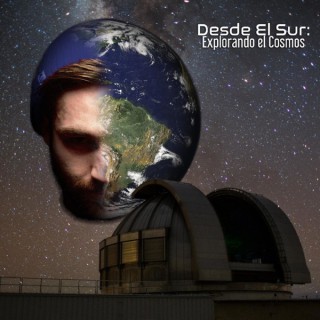
Nuevo capítulo del podcast "Desde el sur: explorando el Cosmos". Programa 574 Tratamos los siguientes temas: - El Eco del Tiempo: La Nueva Física de un Universo que se Debilita. - La Vía Láctea y la galaxia de Andrómeda parece que no chocarán. - Hallan por primera vez un azúcar en el espacio profundo. - Repasamos los logros de Artemis 2. Temas musicales: Silence-No more Longing - Ottmar Liebert & Luna Negra - The Scent of Light (2005) Collider - Eric Prydz - Opus (2016) Solo From 'More Travels' - Path Metheny - The Road to you (1993) Always Returning - Brian Eno - Apollo: Atmospheres & Soundtracks (1987) En Spotify: https://open.spotify.com/show/0sBpfD7rooAfDYRzUlo6M4 Pueden colaborar con nosotros en: Patreon: https://www.patreon.com/bePatron?u=14146695 Paypal: paypal.me/ricfsanchez https://go.ivoox.com/sq/5085
0:00: Rex somehow survived the Memphis heat 02:30: Scottie is so back 18:00: What was up with Rory? 23:00: Jordan Spieth and Keith Mitchell were the central protagonists of the top-50 chase 37:00: Only one player moved in and out of the number. Is that a good thing? 40:00: Love it or Lav it: Memphis promotion, Jackson Koivun, European tour holding firm and Jon Rahm's 2027 prospects 48:00: Voices in the Crowd: Greensboro, waning interest and a Grand Slam exemption Hosted by Simplecast, an AdsWizz company. See pcm.adswizz.com for information about our collection and use of personal data for advertising.

Where's the party? Look no further than Connor's latest pick: True Blue by one of pop music's biggest legends, Madonna! After the Material Girl shook the music world with Like A Virgin, her 1986 "love album" delivered significant hits like Papa Don't Preach and La Isla Bonita! From her humble beginning to her musical theater days, we'll learn how Madonna Opened Her Heart to stir up controversy, evolve culture, and make straight-up dance bops. It's a piece the podcast has been missing. How will James compare her score with his previous Madonna rankings?The Mixtaper is squaring off against Connor again with riveting facts about disastrous deliveries, dragons (amphitheres? wyrms? Whatever.), desecration, and a special round of Cher Bingo! Then we'll compare songs to video games, analyze vapidity, and learn about the film White Heat as we break down this record in all its '80s pop glory! Love Makes The World Go Round, and we love Madonna, so... maybe Spin It Makes The World Go Round after all. Is this a strong Madonna album? Does it stir up enough controversy, or is it a reasonable follow-up to the iconic LaV? Let us know your hot takes in the comments, or pop on over (Papa on over!) to our social media for more!Keep Spinning at www.SpinItPod.com!Thanks for listening!0:00 Intro7:13 About Madonna17:29 About True Blue24:37 Awards & Accolades26:25 Fact Or Spin27:25 Madonna Is A Material Girl (Who Can't Live In A Material World)31:32 Madonna Doesn't Need Anyone To Rescue Her37:46 She Disrespected La Isla Bonita42:23 Cher Bingo: Who's That Girl?52:23 Album Art55:57 Papa Don't Preach58:18 Open Your Heart1:00:34 White Heat1:02:39 Live To Tell1:04:23 Where's The Party1:06:46 True Blue1:08:36 La Isla Bonita1:11:26 Jimmy Jimmy1:13:49 Love Makes The World Go Round1:15:03 True Blue (The Color Mix) & La Isla Bonita Extended Remix1:16:09 Final Spin Hosted on Acast. See acast.com/privacy for more information.

Yevamos 92a: The Lav of Zenus according to the Rambam

'Ridiculous things' some of us believed as children. Christmas has come to Home Depot!!!????? And Napping in the Lav. That's what Paul Layendecker is BuZzin' about on this episode of The Daily BuZz!!See omnystudio.com/listener for privacy information.

'Ridiculous things' some of us believed as children. Christmas has come to Home Depot!!!????? And Napping in the Lav. That's what Paul Layendecker is BuZzin' about on this episode of The Daily BuZz!!See omnystudio.com/listener for privacy information.
0:00: Michael Brennan might be better than we expected 14:00: Is the race to the top 70 as important as it once seemed? 30:00: Brooks Koepka gets brutally honest about where he is right now 35:00: Other news, notes and nuggets from the week 39:00: Love it or Lav it: Rory's FedExCup U-turn, Tony Finau's one-handed putting, ace or albatross, KFT pathways 48:00: Voices in the Crowd: LIV, LIV, LIV Hosted by Simplecast, an AdsWizz company. See pcm.adswizz.com for information about our collection and use of personal data for advertising.
0:00: Michael Thorbjornsen follows up Jackson Koivun -- and the future is now 13:00: The moments and maturation of Thor leading to the title-clinching 63 18:00: What else stood out from the week in Detroit 23:00: End of an era in MoTown? 33:00: Playoff cutline breakdown and Love it or Lav it: Scottie POY, announcer-less broadcast, East Lake goodbye? 48:00: Voices in the Crowd: breakout moments, prisoners of the moment?! Hosted by Simplecast, an AdsWizz company. See pcm.adswizz.com for information about our collection and use of personal data for advertising.
0:00: Why Jackson Koivun's game-changing victory felt somewhat familiar 08:00: What impressed us most about Koivun's dominant weekend at the 3M 17:00: Where are we willing to project Koivun's future? 30:00: Koivun needs to be on the U.S. Presidents Cup team ... right?! 38:00: It's another runner-up finish, technically, for Scottie Scheffler 42:00: Punch Shots: Lucas Glover's shoe removal, Asian Tour undertones and LIV's season ending with a whimper 48:00: Voices in the Crowd: Rules official bodycam, Bryson/Rory and major grades 51:00: A final update to Lav's tooth drama! Hosted by Simplecast, an AdsWizz company. See pcm.adswizz.com for information about our collection and use of personal data for advertising.

Cuauhtémoc Blanco, Hugo Eric y Lavín: Juan Carlos Flores reconstruye el caso SamirEnlace para apoyar vía Patreon:https://www.patreon.com/julioastilleroEnlace para hacer donaciones vía PayPal:https://www.paypal.me/julioastilleroCuenta para hacer transferencias a cuenta BBVA a nombre de Julio Hernández López: 1539408017CLABE: 012 320 01539408017 2Tienda:https://julioastillerotienda.com/ Hosted on Acast. See acast.com/privacy for more information.

En esta emisión de La Saga Noticias, Lucero Álvarez y Max Espejel analizan junto al abogado penalista Elliot Velázquez los alarmantes casos de alcaldes vinculados al crimen organizado en México, como la investigación contra Valentín Lavín en Temoac, Morelos, y la detención de Raúl González Martínez en Veracruz por el homicidio de la periodista Roxana Guzmán; además, disfrutamos de las "Mañanegras" con Daniel Ibañez y una charla de cine con Gonzalo Lira sobre La Odisea y el live action de Moana. Hosted by Simplecast, an AdsWizz company. See pcm.adswizz.com for information about our collection and use of personal data for advertising.

En esta emisión de La Saga Noticias, Lucero Álvarez y Max Espejel analizan junto al abogado penalista Elliot Velázquez los alarmantes casos de alcaldes vinculados al crimen organizado en México, como la investigación contra Valentín Lavín en Temoac, Morelos, y la detención de Raúl González Martínez en Veracruz por el homicidio de la periodista Roxana Guzmán; además, disfrutamos de las "Mañanegras" con Daniel Ibañez y una charla de cine con Gonzalo Lira sobre La Odisea y el live action de Moana. Hosted by Simplecast, an AdsWizz company. See pcm.adswizz.com for information about our collection and use of personal data for advertising.

Nayeli Roldán revisa las declaraciones de Omar García Harfuch sobre el homicidio de Valentín Lavín Romero en Morelos, el aseguramiento de oficinas municipales y las líneas de investigación por presuntos vínculos con grupos delictivos.

Justa mundial deja derrama de más de 44 mil mdp en la CDMX Confirman muerte de Valentín Lavín Romero, alcalde de Temoac, Morelos ONU critica que no habrá elecciones libres en Nicaragua #grc

La gobernadora Delfina Gómez y la presidenta Claudia Sheinbaum presentan a "Ceci" y "K5", dos robots con inteligencia artificial que se integran al C5 del Estado de México para reforzar la seguridad en la Zona Oriente. Por otro lado, la violencia sacude a Morelos tras el asesinato del alcalde de Temoac, Valentín Lavín Romero, en la propia sede municipal. Además, Omar García Harfuch reporta los avances del Operativo Enjambre. Hosted on Acast. See acast.com/privacy for more information.

Poe Leos, una de las nuevas voces más emocionantes de la Música Mexicana Contemporánea, habla en La Clave Pop sobre La Víctima, su más reciente EP, que reúne los sencillos "Las Partes", "No Fui Yo", "WOW" y el tema que da nombre a la producción: una fusión de Música Mexicana Contemporánea con hip-hop, R&B y sonidos electrónicos.En esta conversación, la cantautora, productora e ingeniera mexicoestadounidense cuenta la historia detrás de "La Víctima" y su reflexión sobre la manipulación en el amor, revela cómo un momento en Polanco, Ciudad de México, inspiró el empoderamiento de "WOW", y habla de su biculturalidad entre Chihuahua y Rockford, Illinois. También comparte cómo su sonido conecta con el legado de artistas como Lucha Villa y Linda Ronstadt, su camino desde cantar en quinceañeras hasta coescribir Bloom de Durand Bernarr, ganador del GRAMMY® 2026, y una reflexión muy personal sobre su relación con su mamá.Además, contamos con que Poe Leos se presentará el 28 de julio en el Sony Music Latin Showcase en la LAMC, en DROM Nueva York, junto a Luck Ra, Elena Sofía, Mariangela, YEИDRY y Yk It's Junaa.Sigue a Marysabel Huston en sus redes sociales: Instagram y Threads: @marysabelhuston TikTok: @marysabelhuston Facebook: Marysabel.HustonX (antes Twitter): @hustonmarysabelYouTube: Marysabel HustonCréditos: Producción ejecutiva, edición y mezcla por Marysabel HustonMúsica: Una producción de Techy Fatule

Mientras escuchas este episodio. La Tierra continúa su viaje alrededor del Sol a casi ciento ocho mil kilómetros por hora.Pero no está sola. En nuestra galaxia. La Vía Láctea. Existen cientos de miles de millones de estrellas.Y alrededor de muchas de ellas. Giran planetas. Planetas que jamás veremos con nuestros propios ojos. Planetas donde nunca amanecerá para nosotros. Mundos congelados. Mundos abrasados por temperaturas imposibles. Planetas donde un año dura apenas unas horas...Y otros donde un amanecer puede tardar décadas.Ahora imagina esto. Entre todos esos mundos. Podría existir uno donde, en este mismo instante. Alguien levante la vista hacia su cielo.Observe una pequeña estrella amarilla a cientos o miles de años luz de distancia. Y se pregunte exactamente lo mismo que nosotros. "¿Estaremos solos?"Durante miles de años esa pregunta perteneció a la filosofía. A la religión. A la imaginación. Hoy, pertenece también a la ciencia.Y por primera vez en la historia. Tenemos herramientas capaces de comenzar a responderla.Curiosidad Científica Podcast (@curiosidacientificapodcast) • Instagram photos and videosHandcrafted Soap for Daily Use | Don Gato Soap Co. – Jabonera Don Gatocodigo: Curiosidad

durée : 00:04:28 - Les Matins de France Culture - La 79e édition du Festival de Cannes s'ouvre ce mardi. L'Île-de-France est de plus en plus prisée par les productions pour les tournages de films. Le long-métrage d'ouverture présenté ce soir, "La Vénus électrique", a par exemple été tourné dans les décors extérieurs de TSF, à Maisoncelles-en-Brie. - équipe : La Rédaction de France Culture, Caroline Bennetot, Éric Chaverou Vous aimez ce podcast ? Pour écouter tous les épisodes sans limite, rendez-vous sur Radio France
0:00: Digging into Ryan Fox's fast finish: Heroic shots down the stretch, aspirational pace of play, cool backstory 15:00: Other storylines from the final round: Cameron Young's Sunday 64, insane Scottie TIO, Tommy's homecoming 35:00: Love it or Lav it: The Tour wanting Bryson back, Rory not jazzed for the playoffs, Birkdale as Open venue 48:00: Final thoughts on the week that was at the 154th Open Hosted by Simplecast, an AdsWizz company. See pcm.adswizz.com for information about our collection and use of personal data for advertising.

durée : 00:04:28 - Le Reportage de la rédaction - La 79e édition du Festival de Cannes s'ouvre ce mardi. L'Île-de-France est de plus en plus prisée par les productions pour les tournages de films. Le long-métrage d'ouverture présenté ce soir, "La Vénus électrique", a par exemple été tourné dans les décors extérieurs de TSF, à Maisoncelles-en-Brie. - équipe : La Rédaction de France Culture, Caroline Bennetot, Éric Chaverou Vous aimez ce podcast ? Pour écouter tous les épisodes sans limite, rendez-vous sur Radio France
0:00: It's not Florida hot in England, but it's still hot -- and that matters! 09:00: Breaking down our list of contenders and pretenders for The Open 15:00: Lav had a traumatic moment earlier this week. Now he breaks his silence. 29:00: Scottie was in his feelings once again 34:00: Other storylines to watch this week, including a continued focus on player conduct Hosted by Simplecast, an AdsWizz company. See pcm.adswizz.com for information about our collection and use of personal data for advertising.

What kind of a reaction should you expect when you are attempting routine maintenance on a LAV? Is it possible for Army guys to follow their sergeants example EXACTLY? Find out, the answers to these questions and more on this weeks "sode" of The Cammo Comedy Show Podcast!If you have any funny military stories of your own that you would like to share, drop us a line at:stories@cammocomedy.com We are here to make you laugh, but behind this there is the imbedded philosophy of, "No One Left Behind." Sadly, 22 vets per day commit suicide, approximately 67,500 vets are homeless and thousands struggle with everyday life after service. What we hope to accomplish is providing a fun place to gather that will have a similar feel to the conversations that happen at the VFW or American Legion between vets. Since the latest generations of vets are not really going to these places anymore, we are making it happen online. We believe that the sense of community will help some who struggle, while providing stories about the good times that we can all laugh at!An additional part of this show is capturing the oral history of the military over the past few decades, so if you happen to know a veteran who served during WW2, Korean War or Vietnam eras, we would love to hear from them. Obviously, we want to hear stories from all eras, but we have special respect for the older generations. Our Sponsors #Sponsors Patriot Mobile Get one free month of service when you make the switch to Patriot Mobile and use Promo Code "WOLF" https://patriotmobile.com/partners/wolfPatriot Mobile donates a portion of every dollar earned to organizations that fight for causes you care about.Patriot Mobile has exceptional 4G & 5G nationwide coverage and uses all the same towers the main carriers use.Patriot Mobile offers a Contract Buy-Out. This offer allows new customers to buy out a current device from their departing carrier and receive up to $500 per device applied as a credit on their phone bill.Jasehttps://jase.com/Promo Code WolfBlack Friday – Friday, Nov 28$25 Off Sitewide products over $99+Iver products – $50 OffCyber Monday – Monday, Dec 120% Off Gift CardsProof Wallethttps://carryproof.com/Promo Code- CammoComedyDTS Maphttps://dtsmap.com/

In this episode, Beth Ellicott and Gary Parr sit down with embroidery artist and researcher Gimena Romero to explore her journey from university studies and a career in haute couture to becoming a devoted preservationist of traditional Mexican needlework. Gimena shares the story behind her book, The Embroidery of Mexico: A Vibrant Celebration of Traditional and Modern Designs, and the years she spent traveling across Mexico connecting with different communities to learn their embroidery techniques firsthand — work documented in striking photography by Pedro Aragón. The conversation covers everything from a spontaneous street embroidery workshop she led in Mexico City to Lavín embroidery, a rare and experimental technique that incorporates human hair as thread. It’s a rich look at how one stitch can carry the weight of culture, memory, and identity. Listen to the podcast: This show is also available on FlossTube. Watch the video You can listen by using the player above or you can subscribe to Fiber Talk through iTunes, Amazon Music, Spotify, Audible, iHeart Radio, TuneIn, Podbay, Podbean, and many other podcast sources. To receive e-mail notification of new podcasts, provide your name and e-mail address below. We do not sell/share e-mail addresses. Here are some links: Gimena Romero’s website Gimena Romero on Instagram Gimena Romero on Facebook Gimena Romero on TikTok We hope you enjoy this conversation with Gimena Romero. We're always looking for guests, so let me know if there is someone you’d like me to have on the show. To add yourself to our mailing list and be notified whenever we post a new podcast, provide your name and email address below. You won’t get spam and we won’t share your address.

Un lionceau, élevé parmi les ânes d'un blanchisseur, finit par se croire lui-même un âne — jusqu'au jour où un vieux lion le conduit au bord de la rivière et lui montre son reflet. Papaji raconte cette parabole pour dire une seule chose : vous n'êtes pas ce que la société vous a appris à croire. Vous êtes déjà libre — il suffit d'ouvrir la gueule et de rugir.Extrait de "La Vérité Est", recueil des chants et enseignements advaitiques du gourou indien connu par ses disciples sous le nom de Papaji.Ce livre est une collection de « satsangs » spontanés, ou vérités, issus de l'expérience de Sri H. W. L. Poonja de la vérité la plus élevée et pourtant la plus simple : que nous sommes amour pur et conscience, la totalité de l'existence. Cet ouvrage dévoile des milliers de façons pour nous aider à nous interroger sur qui nous sommes vraiment, à amener notre conscience dans l'infini du moment présent et à nous abandonner à la sagesse de notre Vérité.Bibliographie: https://www.babelio.com/livres/Poonja-The-Truth-Is/1927109 Musique: Kowalski Room - Swansong - 06 Absence of Definition (Visit https://kowalskiroom.bandcamp.com) Traduction, narration et réalisation: Bruno Léger Production: Les mécènes du Vieux Sage Que règnent la paix et l'amour parmi tous les êtres de l'univers. OM Shanti, Shanti, Shanti.
0:00: Pour one out for Ben Kohles after a brutal finish 09:00: Chris Gotterup remains one of the Tour's most ascendant stars 15:00: Tour Player of the Year race is interesting 20:00: Losing the Deere to "Challenger" status would be disappointing 30:00: Love it or Lav it: LIV players at the Scottish, gambling concerns, Tier 1/2, senior rivalry? 47:00: Voices in the Crowd: Rory's 15-event minimum, Scottish field, Rex's phone obsession 51:30: Rex & Lav are hosting "Golf Today" this week! Hosted by Simplecast, an AdsWizz company. See pcm.adswizz.com for information about our collection and use of personal data for advertising.
0:00: Lav understands all of the Travelers hype now 07:00: What to make of another Scottie Scheffler close call 14:00: Viktor Hovland rises from the ashes and thrills us again 21:00: Goodbye for another year, Tour signature events 27:00: Questions about the 2028 competitive model linger Hosted by Simplecast, an AdsWizz company. See pcm.adswizz.com for information about our collection and use of personal data for advertising.

Patrizia Angelozzi"Vasto d'Autore Festival"www.vastodautorefestival.itLa bellezza delle parole, l'incanto dei luoghi, le suggestioni dell'atmosfera che la città di Vasto sa offrire, tra le spiagge e i tesori di un centro storico che nelle calde serate di luglio diventa palcoscenico con il Vasto d'autore Festival.Il tema della V edizione, in programma dal 2 al 5 luglio 2026, e fino a settembre con altre date extra, è “Dentro”, un invito ad approfondire per comprendere ciò che ci circonda rispetto all'umanità.“Dentro è un luogo troppo spesso invisibile, dove nascono domande, fragilità e desideri. Un invito a guardare oltre la superficie, a entrare nelle storie e nelle emozioni che abitano ogni persona. La letteratura diventa così uno spazio di ascolto, capace di avvicinarci all'umanità che ci circonda e di renderci consapevoli, empatici e veri” ha dichiarato Patrizia Angelozzi, direttrice artistica del Vasto d'autore Festival.Il Festival anche quest'anno si apre alla città con nuove proposte di incontro di grande spessore, coinvolgendo tutti: dai più piccoli con gli spazi aperti al gioco delle parole, ai lettori più maturi con i laboratori di scrittura (aperti già dai 16 anni) e gli aperitivi letterari, per poi immergersi nell'atmosfera intima degli incontri d'autore serali”.La rassegna, in occasione del Maggio dei Libri, ha già portato a Vasto diverse anteprime, ospiti d'eccezione come il giornalista e conduttore di Report, Sigfrido Ranucci, protagonista di undoppio appuntamento il 5 maggio scorso, con i libri “Navigare senza paura” (ed. Ape Junior per Salani Editore) e “Il ritorno della casta” (ed. Bompiani); il 28 maggio il giornalista e politico Claudio Fava con il romanzo “Non ti fidare” (ed. Fandango) e, subito dopo, il noto psichiatra Leonardo Mendolicchio, direttore del Dipartimento Interregionale per la ricerca e la cura dei Disturbi del Comportamento Alimentare e autore del libro “Diventerai uomo” (ed. Mondadori); il 30 maggio, infine, il giornalista e conduttore televisivo Antonello Piroso, autore del libro “Papà” (ed. PIEMME).Da giovedì 2 a domenica 5 luglio 2026, il Festival entrerà nel vivo con i principali appuntamenti, tutte le sere a partire dalle 21.00, presso i Giardini di Palazzo D'Avalos, dove numerosi scrittori e personalità del mondo della letteratura, della scienza e dell'economia, si alterneranno nel corso di quattro serate tematiche.Si inizierà giovedì 2 luglio con la “Serata Letteratura” e il Premio Cantina Tollo. Tra gli ospiti attesi ci sarà la giornalista e conduttrice televisiva Monica Maggioni che parlerà de L'avversario leale (ed. De Agostini) libro che mostra alle generazioni più giovani come ascoltare, riflettere e cercare un punto d'incontro sia l'unica strada davvero possibile. Monica Maggioni converserà con la giornalista del TG2 Carola Carulli. Alla stessa serata parteciperanno la presidente della Fondazione Molise Cultura Antonella Presutti autrice de La nebbia sale dalla terra (ed. Arkadia) e l'imprenditore e filantropo, fondatore del Dynamo Camp Enzo Manes e autoredi Nessuno basta a se stesso (ed. PIEMME). Insieme daranno vita a una doppia presentazione arricchita da un monologo curato da Maria Elena Fresu; toccherà poi alla scrittrice e regista Wanda Marasco autrice del libro Di spalle a questo mondo (ed. Neri Pozza) vincitore del Premio Campiello 2025. Wanda Marasco sarà intervistata dalla giornalista Giulia Ciarapica.Venerdì 3 luglio immersi nei dei giardini settecenteschi di Palazzo D'Avalos, andrà in scena la serata dedicata ai “Libri Pop” con la partecipazione dei protagonisti del backstage del mondo del cinema e dello spettacolo, di quanti sono protagonisti e scoprono i talenti di oggi e di domani.Dal backstage del piccolo e grande schermo alle serate del Festival, Monica Savaresi produttrice e manager di volti noti italiani e autrice di Bellagio (ed. SEM) converserà con Giulia Ciarapica mentre Carola Carulli converserà prima con Daniele Orazi, fondatore e proprietario dell'agenzia cinematografica DO Agency e autore di Ostiawood (ed. Solferino), e poi con l'attrice Elda Alvigini, nota al grande pubblico come storica interprete nella fiction televisiva de I Cesaroni e autrice di Inutilmentefiga (Santelli Editore) La serata di sabato 4 luglio del Vasto d'autore sarà dedicata alla “Scienza e divulgazione”. Sarà ancora la giornalista Carola Carulli a parlare con la scrittrice Michela Marzano di Qualcosa che brilla (ed. Rizzoli) un libro che illumina con sincerità disarmante il disagio di una generazione a cui il mondo sembra aver rubato tutto.Completerà la serata la cerimonia di premiazione della seconda edizione del Premio Metamer, rivolto agli studenti delle scuole secondarie della città e nato allo scopo di stimolare riflessioni profonde su temi generazionali e di attualità. Il premio è presieduto da un giovane talento della letteratura, molto amato dal pubblico del VDA, presente alla serata di premiazione: Matteo Porru, scrittore e giornalista 25enne, già Campiello Giovani e Grand Prix du Livre, ideatore e conduttore del nuovo format Rai Play “Under 25 – Giovani talenti”, dedicato ai ragazzi e alle ragazze “pronti a spiccare il volo”. La sua ultima opera è Il dolore crea l'inverno (ed. Garzanti).Domenica 5 luglio, nella serata conclusiva dedicata al tema “Filosofia e narrazioni”, il pubblico avrà modo di ascoltare gli scrittori Giuseppe de Alteriis dottorando in neuroscienze computazionali al King's College London e autore di Non dormire e sogna(ed. Bompiani) in dialogo con la neuropsichiatra Paola Battista; la scrittrice pluripremiata Best Seller Roberta Recchia autrice del pluripremiato Io che ti ho voluto così bene (ed. Rizzoli) che si relazionerà con la giornalista Giulia Ciarapica, la stessa che dialogherà con Erica Cassano sul romanzo Duramadre (ed. Garzanti), e Giorgio Calcara, critico d'arte, poeta e artista, curatore della retrospettiva su Franco Battiato al Museo MAXXI di Roma, autore di Battiato svelato (ed. RaiLibri). Calcara converserà con il direttore di RAI Libri Adriano Monti Buzzetti Colella. L'omaggio musicale sarà affidato a Giovanni Caccamo.I Giardini di Palazzo D'Avalos aprono anche ai bambini con ” FIGURIAMOCI! piccolo festival dell'albo illustrato” a cura di Luana Ciffolilli. Dal 3 al 5 luglio dalle 19 alle 20 in partnership con l'editore Topipittori. Un cartellone dedicato a un pubblico di fascia 4/10 anni, che prevede la presentazione di albi illustrati con autori in presenza, letture ad alta voce e laboratori dedicati all'albo di divulgazione scientifica.In contemporanea avrà luogo l'aperitivo letterario presso i locali partner del festival (vedi programma).Nel cartellone di eventi anche due laboratori di scrittura ed editoria presso la Biblioteca Mattioli di Vasto in programma il 3 e 4 luglio dalle 18.30 alle 19.30 (per max 15 persone dai 16 anni in su).Il primo laboratorio, curato dalla scrittrice e critica letteraria Giulia Ciarapica, si terrà venerdì 3 luglio su “L'arte della scrittura – dall'idea alla pagina”: un corso dedicato a chi desidera trasformare intuizioni, immagini e storie in parole vive e necessarie.Il secondo laboratorio, sabato 4 luglio, si terrà sul tema “Leggere inedito: come (e perché) inviare un dattiloscritto a un agente letterario”. Il corso tenuto da Roberto Di Pietro, agente letterario dell'Agenzia letteraria Edelweiss di Roma, si propone di mostrare, attraverso esempi pratici, il funzionamento dell'iter di lettura e valutazione di un testo inedito.Tre appuntamenti extra chiuderanno il grande anno del Vasto d'autore Festival presso l'Arena Ennio Morricone. Il 20 luglio, infatti, sarà in scena Walter Veltroni con lo spettacolo “Le emozioni che abbiamo vissuto”. Sul palco la prima parte di un progetto che arriverà sino agli anni Duemila e che racconta degli anni Sessanta. Quando tutto sembrava possibile: da Gagarin a Giovanni XXIII, dall'atmosfera di Sapore di sale alle bombe di Piazza Fontana sino allo scioglimento dei Beatles. Il 22 luglio ospite d'eccezione sarà il giornalista e direttore del Fatto Quotidiano Marco Travaglio con la Lectio Magistralis “Stragi del 1992: cosa vogliono farci dimenticare” un'analisi che non considera gli attentati del 1992 un capitolo chiuso della storia giudiziaria, ma un evento con legami ancora attuali con la classe dirigente italiana. Il 6 settembre, il giornalista Gianni Riotta converserà con il magistrato Bruno Giangiacomo sul libro Generose anime di eroi (ed. Mondadori).La V edizione del Vasto d'autore Festival è dedicata a Giangiacomo Feltrinelli, figura centrale dell'editoria e della cultura italiana del Novecento, nel centenario della sua nascita. Fu il primo a pubblicare in Italia Il dottor Živago di Boris Pasternak e contribuì a portare nel nostro Paese opere dirompenti per contenuto e stile, come Il tamburo di latta di Günter Grass.Vasto d'autore Festival è realizzato da Angelozzi Comunicazione Ets, con la partecipazione e collaborazione del Comune di Vasto – Assessorato alla Cultura e Assessorato al Turismo, e con il patrocinio della Provincia di Chieti e della Regione Abruzzo.Diventa un supporter di questo podcast: https://www.spreaker.com/podcast/il-posto-delle-parole--1487855/support.IL POSTO DELLE PAROLEascoltare fa pensarehttps://ilpostodelleparole.it/

The PGA TOUR has taken its most significant step toward restructuring in years. On today's episode of 5 Clubs, Gary Williams breaks down the two-series model officially unveiled by CEO Brian Rolapp at TPC River Highlands, what it means for players, sponsors, and the future of professional golf, and what critical details are still missing from the picture.Joining Gary:Ryan Lavner (GolfChannel.com / Golf Channel Podcast with Rex & Lav) live from the Travelers Championship to discuss the hardline promotion and relegation structure, what the top 90 cutline means for players like Adam Scott, the Challenger Series sponsorship challenge, and where the PGA TOUR's regular season finale should land on the calendar.Gabby Herzig (The Athletic) on the significance of Tiger Woods appearing in the room, whether the PGA TOUR would ever build a structure that excludes him, what LIV Golf players are likely thinking after Tuesday's announcement, and why the WM Phoenix Open has to be the opening event of the Championship Series.Keith Stewart (Read the Line) on site at TPC River Highlands breaking down course conditions ahead of the Travelers Championship, plus picks for both the Travelers and the KPMG Women's PGA Championship at Hazeltine National, where the 5 Clubs panel is heavily invested in Nelly Korda.Plus:- Brian Rolapp's two-series roadmap explained- Promotion and relegation comes to American professional golf- Championship Series vs. Challenger Series: the sponsorship divide- Match play returns as the postseason finale- Pine Valley, Cypress Point, Bandon Dunes: where does the final series go?- Making the regular season champion the automatic Player of the Year- Tiger Woods and his role in the TOUR's next chapter- Travelers Championship and KPMG Women's PGA picks with Keith Stewart5 Clubs airs on Golf Channel and SiriusXM PGA TOUR Radio, Channel 92.0:00 Reaction to the PGA TOUR's News13:30 Ryan Lavner26:10 Gabby Herzig39:05 Keith StewartFOLLOW 5 Clubs: Instagram: https://www.instagram.com/5clubsgolf/X: https://x.com/5ClubsGolf Facebook: https://www.facebook.com/5ClubsGolf/TikTok: https://www.tiktok.com/@5clubsgolfWant to wear Gary's Peter Millar fits from the show? Head to the link below and pick up the latest styles for on and off the course.https://www.petermillar.com/d/men
0:00: That was a tense, dramatic final round! 04:00: How Wyndham Clark held strong to win his second U.S. Open 10:00: Why and how the crowd turned so significantly against Clark on the final day 25:00: The shots and moments that helped Clark to victory 31:00: Other players who are kicking themselves on Sunday night 34:00: Love it or Lav it: USGA setup, Shinnecock, Scottie's Slam chances, code of conduct, rollback 48:00: Looking ahead to a busy weekend at Travelers Hosted by Simplecast, an AdsWizz company. See pcm.adswizz.com for information about our collection and use of personal data for advertising.
02 04-06-26 LHDW Nos visita Óscar Lavín párroco por la vista del Papa León XIV a España. Balance de 1 año en el cargo
0:00: Wyndham Clark closes with 60 -- again -- to win for the first time since 2024 11:00: Si Woo Kim makes 33 birdies for the week and still loses 14:00: Why Scottie Scheffler remains stuck on 1 win this year 21:00: What to make of another defenseless showing from TPC Craig Ranch 26:30: Blades Brown has an interesting career choice to make 30:30: Love it or Lav it: Tier 1/Tier 2 players, LIV's outside funding, Brooks win, PGA presidency debacle 44:00: Voices in the Crowd: Pace of play in Dallas, PGA fallout Hosted by Simplecast, an AdsWizz company. See pcm.adswizz.com for information about our collection and use of personal data for advertising.
L'arrivée de Mythos dans la galaxie IA inquiète sur les risques de cyberattaques. Dans «La Story», le podcast d'actualité des «Echos», Pierrick Fay et ses invités évaluent la menace que peut représenter ce modèle d'Anthropic.A lire sur lesechos.fr : Décryptage - Le G7 veut préparer les banques au risque cyber lié à l'informatique quantique« La Story » est un podcast des « Echos » présenté par Pierrick Fay. Cet épisode a été enregistré en mai 2026. Rédaction en chef : Clémence Lemaistre. Invités : Thomas Pontiroli (journaliste au service tech-médias des «Echos») et Ingrid Feuerstein (cheffe du service Finance des «Echos»). Réalisation : Willy Ganne. Chargée de production et d'édition : Clara Grouzis. Musique : Théo Boulenger. Identité graphique : Upian. Photo : iStock. Sons : France24, TF1, extrait du film «La Vérité si je mens», extrait du film «Signé Arsène Lupin», Préfecture de la région Occitanie et de la Haute-Garonne, Pierre-Vitor Pereira (@pvofficiel), FBFFrance.Retrouvez l'essentiel de l'actualité économique grâce à notre offre d'abonnement Access : abonnement.lesechos.fr Hébergé par Acast. Visitez acast.com/privacy pour plus d'informations.

C'est la polémique qui électrise le 79è Festival de Cannes. La veille de l'ouverture, une tribune signée par 600 professionnels du cinéma évoque les craintes d'une mainmise de Vincent Bolloré sur le secteur. La réponse de Canal+ a été cinglante : le groupe, premier financeur du cinéma dans l'Hexagone et détenu par l'homme d'affaires, annonce qu'il ne travaillera plus avec les auteurs de cette tribune. Comment expliquer une telle sanction de la part de Canal+ ? Après la presse et l'édition, le cinéma sera-t-il la prochaine cible de la « guerre culturelle » voulue par Vincent Bolloré ? Pour en débattre : - Pierre Salvadori, réalisateur du film La Vénus électrique, présenté hors compétition en ouverture de la 79è édition du Festival de Cannes, le film est actuellement en salle depuis sa présentation cannoise, élu au Conseil d'administration de la Société des réalisatrices et réalisateurs de films (la SRF) - Stéphane Demoustier, réalisateur du film L'Inconnu de la Grande Arche, (2025), élu au Conseil d'administration de la Société des réalisatrices et réalisateurs de films (la SRF) et coprésident du BLOC, qui regroupe 14 organisations de la filière cinématographique indépendante - Kira Kitsopanidou, professeure à l'Université Sorbonne Nouvelle et spécialiste de l'économie du cinéma.
durée : 00:04:21 - Les Matins de France Culture - La 79e édition du Festival de Cannes s'ouvre ce mardi. L'Île-de-France est de plus en plus prisée par les productions pour les tournages de films. Le long-métrage d'ouverture présenté ce soir, "La Vénus électrique", a par exemple été tourné dans les décors extérieurs de TSF, à Maisoncelles-en-Brie. - réalisation : La Rédaction de France Culture, Caroline Bennetot, Éric Chaverou Vous aimez ce podcast ? Pour écouter tous les épisodes sans limite, rendez-vous sur Radio France
durée : 00:04:21 - Le Reportage de la rédaction - La 79e édition du Festival de Cannes s'ouvre ce mardi. L'Île-de-France est de plus en plus prisée par les productions pour les tournages de films. Le long-métrage d'ouverture présenté ce soir, "La Vénus électrique", a par exemple été tourné dans les décors extérieurs de TSF, à Maisoncelles-en-Brie.

Réalisateur et scénariste, Pierre Salvadori excelle dans la comédie depuis plus de trente ans. De Cible émouvante en 1993 aux deux millions d'entrées de Hors de prix, en passant par Les Apprentis et En liberté, il a su imposer un style fait d'absurdité, d'ironie et de personnages décalés. Cette semaine, il ouvre le Festival de Cannes avec son onzième long-métrage, La Vénus électrique.
durée : 00:04:30 - Le Reportage de la rédaction - La 79e édition du Festival de Cannes s'ouvre ce mardi. L'Île-de-France est de plus en plus prisée par les productions pour les tournages de films. Le long-métrage d'ouverture présenté ce soir, "La Vénus électrique", a par exemple été tourné dans les décors extérieurs de TSF, à Maisoncelles-en-Brie.
durée : 00:03:30 - Le Regard culturel - par : Lucile Commeaux - Le film "La Vénus électrique", de Pierre Salvadori, ouvre ce soir la grande foire cannoise, avec une histoire de passion perdue, d'amour retrouvé et d'occultisme dans le Paris Belle Époque. Un film fragile, comme souvent les comédies de son auteur, mais plein de foi dans le cinéma.

spmnoticias.com PREGUNTA DEL DÍA❓ ¿Debe la sociedad dominicana perdonar a Mario José Redondo Llenas, quien cumplió la condena de 30 años de prisión por haber ultimado a su primo de 12 años José Rafael Llenas Aybar, en 1996? Hoy, martes 5 de mayo de 2026, el caso Llenas Aybar vuelve a ser noticia de primer orden en la República Dominicana debido a la puesta en libertad de Mario José Redondo Llenas, quien ha cumplido la totalidad de su condena de 30 años de prisión. A las 7:00 a.m. de hoy, Redondo Llenas salió del Centro de Corrección y Rehabilitación Najayo-Hombres. Su liberación se produce de manera automática tras cumplir la pena máxima impuesta por la justicia dominicana. Actualmente tiene 49 años. Durante su tiempo en prisión, sus solicitudes de libertad condicional fueron rechazadas anteriormente, por lo que tuvo que agotar los 30 años íntegros.Al salir, se han reportado frases como “un día a la vez” y expresiones de arrepentimiento, asegurando que lamentará lo sucedido de por vida. Resumen del Caso (Mayo 1996) La Víctima: José Rafael Llenas Aybar, un niño de 12 años, quien era primo hermano de su asesino. El Caso: El 3 de mayo de 1996, Mario José Redondo Llenas (entonces de 19 años) y su amigo Juan Manuel Moliné Rodríguez (de 18) recogieron al niño bajo la falsa promesa de llevarlo a una exhibición de motocicletas. El Hallazgo:El cuerpo fue encontrado el 4 de mayo de 1996 en el arroyo Lebrón (Km. 24 de la Autopista Duarte). Presentaba 34 estocadas y estaba atado de pies y manos con cinta adhesiva. Juan Manuel Moliné Rodríguez: Cómplice, condenado a 20 años (Salió en libertad en mayo de 2016). #casollenasaybar #penamaxima #justiciadominicanaConviértete en un supporter de este podcast: https://www.spreaker.com/podcast/radio-ebenezer-rd--3279340/support.ESCUCHAR RADIO

Linktree: https://linktr.ee/AnalyticJoin The Normandy For Ad-Free NME, Additional Bonus Audio And Visual Content For All Things Nme+! Join Here: https://ow.ly/msoH50WCu0KIn this segment Analytic Dreamz delivers a deep dive into the fast-rising Regional Mexican fusion hit “San Charly.” Released March 6–7, 2026 via Interscope Records, the track unites Xavi, Esau Ortiz, and Alan Arrieta for an upbeat party anthem packed with nightlife energy, tequila vibes, and dancefloor drive.Analytic Dreamz breaks down the 126 BPM E♭ minor production featuring merengue and reggaeton influences layered over a strong corridos foundation. He explores the artists' backgrounds: Xavi's tumbado romántico style and prior successes with “La Víctima” and “La Diabla,” Esau Ortiz's retro-bélico roots from the Monterrey region, and Alan Arrieta's youthful TikTok-to-mainstream journey as a multi-instrumentalist.The segment examines the song's early performance metrics including 1.3 million first-week Spotify streams, sustained 380K daily streams, a rapid climb to #48 on Spotify Mexico, and nearly 14.7 million total Spotify streams. With the official music video surpassing 13 million YouTube views in its first month, Analytic Dreamz analyzes the TikTok virality, cross-genre appeal, and collaboration dynamics powering its momentum.From production credits with Luis Barrera Jr., Meny Méndez, and Echo The Lab to its positioning as a seasonal summer party record, this segment provides a complete, data-driven breakdown of “San Charly” and its potential to become a major Latin streaming hit.Privacy & Opt-Out: https://redcircle.com/privacy

For Dublin's gay community, Irish Independence and the creation of the Irish Free State in 1922 heralded anything but freedom. While the new state promised change, the gay community faced decades of repression, arrest, and severe punishment. Yet despite this, they continued to build lives, relationships, and communities in the shadow of fear.In this episode, I am joined by historian Aevrill Earls to discuss her book Love in the Lav, a fascinating history of the community in Dublin in the decades after Irish independence. While repression is central to the story, this conversation also uncovers a more complicated picture of the community's relationship with wider Irish society and the ways people navigated a world shaped by surveillance, stigma, and silence.Get you copy of Aevrill's book Love in the LavBecome a supporter of the show patreon.com/irishpodcastGet you copy of Love in the LavIn Ireland - https://www.hodgesfiggis.ie/book/love-in-the-lav/averill-earls/9781439924167In the US Bookshop.org - https://bookshop.org/p/books/love-in-the-lav-a-social-biography-of-same-sex-desire-in-ireland-1922-1972-averill-earls/99753665e753ea33?ean=9781439924167&next=tAevril Earls is Associate Professor of History at St. Olaf College in Minnesota, Executive Producer of Dig: A History Podcast, and co-convener of the Reminiscence and Remembrance Oral History Project for LGBTQ+ Ireland.Sound: Kate Dunlea Hosted on Acast. See acast.com/privacy for more information.
© 2020-2026 Ivy Podcast Discovery LLC

