
POPULARITY
Categories

714 episodes with good neighbors

873 episodes with good neighbors

46 episodes with good neighbors

16 episodes with good neighbors

26 episodes with good neighbors

17 episodes with good neighbors

30 episodes with good neighbors

20 episodes with good neighbors

24 episodes with good neighbors

10 episodes with good neighbors

12 episodes with good neighbors

8 episodes with good neighbors

10 episodes with good neighbors

12 episodes with good neighbors

5 episodes with good neighbors

6 episodes with good neighbors

8 episodes with good neighbors

14 episodes with good neighbors

14 episodes with good neighbors

16 episodes with good neighbors

7 episodes with good neighbors

6 episodes with good neighbors

5 episodes with good neighbors

8 episodes with good neighbors

5 episodes with good neighbors

3 episodes with good neighbors

7 episodes with good neighbors

4 episodes with good neighbors

6 episodes with good neighbors

5 episodes with good neighbors

5 episodes with good neighbors

5 episodes with good neighbors

2 episodes with good neighbors

4 episodes with good neighbors

2 episodes with good neighbors

5 episodes with good neighbors

4 episodes with good neighbors

4 episodes with good neighbors

4 episodes with good neighbors

4 episodes with good neighbors

5 episodes with good neighbors

6 episodes with good neighbors

4 episodes with good neighbors

4 episodes with good neighbors

4 episodes with good neighbors

4 episodes with good neighbors

4 episodes with good neighbors

9 episodes with good neighbors

7 episodes with good neighbors

4 episodes with good neighbors

4 episodes with good neighbors

4 episodes with good neighbors

3 episodes with good neighbors

2 episodes with good neighbors

Further proof — in case you need it — that AI data centers aren't very popular: A new survey from the Pew Research Center shows 60% of Americans aren't comfortable welcoming one to the neighborhood.And concerns have grown since the beginning of the year across every demographic group, making the backlash a key issue in the midterm elections. Scott Brennen, director of NYU's Center on Technology Policy, recently published a report on how data centers could better work with communities.More on this:“Americans' views of data centers have turned more negative” from Pew Research Center“Collective Goods but Local Harms: How Data Centers Can Earn Community Support” from Center on Technology Policy“Residents voice concerns as Hobart City Council approves Amazon data center” from WGN9“More Americans concerned about AI, even as it drives economy” from Marketplace

Further proof — in case you need it — that AI data centers aren't very popular: A new survey from the Pew Research Center shows 60% of Americans aren't comfortable welcoming one to the neighborhood.And concerns have grown since the beginning of the year across every demographic group, making the backlash a key issue in the midterm elections. Scott Brennen, director of NYU's Center on Technology Policy, recently published a report on how data centers could better work with communities.More on this:“Americans' views of data centers have turned more negative” from Pew Research Center“Collective Goods but Local Harms: How Data Centers Can Earn Community Support” from Center on Technology Policy“Residents voice concerns as Hobart City Council approves Amazon data center” from WGN9“More Americans concerned about AI, even as it drives economy” from Marketplace

When you invest in real estate, you're not just buying a property—you're becoming part of a community. And how well you understand that community can play a major role in whether your short-term rental succeeds for years to come. In this episode, we sit down with Joy Cutron, founder of Mindful Rental Pros, to talk about something STR investors can easily overlook: what's happening beyond the walls of the property. Joy has experience with short-, mid-, and long-term rentals and helps everyday homeowners create realistic rental income while understanding the communities where they operate. We dig into how parking, trash, noise, lighting, and neighbor relationships can eventually shape local regulations. Joy also explains why investors need to look beyond today's ordinances and understand where a town may be heading over the next five or ten years. We also discuss what happens when a community becomes less welcoming to STRs, when a mid-term or hybrid model might make more sense, and why getting to know a neighborhood before investing can save you plenty of headaches later.Things we discussed in this episode:Why understanding your community is essential for long-term rental success.How parking, trash, noise, and lighting can influence future regulations.Building strong relationships with neighbors, local workers, and fellow hosts.Researching regulations and community sentiment before purchasing a rental property.Why having no STR regulations isn't always a positive sign.Responding calmly and professionally when neighbors oppose short-term rental operations.Using mid-term rentals when community needs or regulations begin changing.Identifying housing, infrastructure, and environmental concerns before entering markets.How responsible host communities can share best practices and stories.Using Mindful Rental Pros resources to evaluate communities before investing.Get in touch with JOY:Community Compass — free, no email required: https://mindfulrentalpros.com/free-toolsFree 30-minute Discovery Call:https://mindfulrentalpros.as.me/discovery#SmartStayShow #ShortTermRentals #STRInvesting #VacationRentals #AirbnbHost #PropertyManagement #RealEstateInvesting #ResponsibleHosting #STRRegulations #GoodNeighbor #RentalProperty #MidTermRentals #VacationRentalManagement #MindfulRentalPros #Hospitality Follow Us!Join Jason Muth of Prideaway Stays and Straightforward Short-Term Rentals and Real Estate Attorney / Broker Rory Gill for the first episode of SmartStay Show!Following and subscribing to SmartStay Show not only ensures that you'll get instant updates whenever we release a new episode, but it also helps us reach more people who could benefit from the valuable content that we provide.SmartStay Show Website and on Instagram and YouTubePrideaway Stays Website and on Facebook and LinkedInStraightforward Short-Term Rentals Website and on InstagramAttorney Rory Gill on LinkedInJason Muth on LinkedIn

City of Good Neighbors with another win. Support the show and follow us here Twitter, Insta, Apple, Amazon, Spotify and the Edge! See omnystudio.com/listener for privacy information.

The VMA's were ALL about Madonna & Taylor Swift last night. Madonna took home 7 awards for at her first VMA performance in 23 years. And Taylor Swift took home a very special award and premiered her new video.Paul Folger from Channel 5 Eyewitness News stops by to share what's going on and what you should know as we hit peak fall season here in the Twin Cities. We also coach Brittany on how to shop at ALDI. From the VMA Red Carpet last night: Bebe Rexha on how Taylor reached out when she couldn't find a dress.Tom Brady is throwing shade at his supermodel ex Giselle Bundchen on social media. And Kylie Kelce show's us she's just like us with her filthy mini-van.The New York Times has released it's list of the Best TV of the 21st Century. Do we agree? Of course we are going to share our thoughts. See Privacy Policy at https://art19.com/privacy and California Privacy Notice at https://art19.com/privacy#do-not-sell-my-info.

Carrboro Mayor Barbara Foushee spoke with 97.9 The Hill's Andrew Stuckey on Friday, September 25, discussing town news and events. She discussed this week's Good Neighbor Initiative Cookout. She previewed the Carrboro Music Festival, which gets started on Saturday and peaks on Sunday. She also discussed the upcoming election and the importance of preparing to vote, and more. The post Carrboro: Good Neighbor Initiative Cookout, Music Fest Weekend, Prep for Voting appeared first on Chapelboro.com.

We often talk about how our neighbors are, let's flip this to how are you being?This is a short question since we have been talking about neighbors... it fits well within the Kindness Village.What kind of neighbors do you want to have? Learn more:https://heartatworkonline.org/kindness-village-community/

Scripture Reference: Luke 10:25-37Questioning Jesus Series Wk 3A neighbor closes the distance and sees someone else in the same way Jesus closed the distance and saw us.Throughout the Gospels, Jesus is often questioned. And, like a good teacher, he also asks questions. His words exposed motives, invited faith, challenged thinking, and revealed truth. In this series, we'll explore three of those conversations and what his questions invite us to consider today.--------------------------Connect Card - cc.AshleyRidgeChurch.orgGiving - give.ashleyridgechurch.org

Like a Good Neighbor.. When Losing is WINNING!We spend a lot of our lives trying to gain something.More knowledge.More experience.More success.More confidence.More influence.But what if becoming your best self isn't always about what you add?What if it's about what you're finally willing to lose?In today's episode of The Agile Daily Standup, we're talking about a very different kind of winning—the kind that happens when you identify the parts of yourself that are no longer contributing to the person you want to become.Maybe it's an old grudge.Maybe it's the need to always be right.Maybe it's fear, resentment, comparison, negativity, ego, or the habit of carrying yesterday's mistakes into today.Some things aren't helping us grow.They're just heavy.
Immerse yourself in captivating science fiction short stories, delivered daily! Explore futuristic worlds, time travel, alien encounters, and mind-bending adventures. Perfect for sci-fi lovers looking for a quick and engaging listen each day.

Planning a Disneyland vacation in 2027? In this episode, Becca and Jessica explain why now may be the best time to start booking, why waiting until Black Friday could actually cost you more, and how booking early can help you lock in better prices and hotel availability. They also compare real 2027 Disneyland vacation package pricing for Disney Resort hotels and nearby Good Neighbor hotels, including options for families traveling during January, February, and spring break. Plus, learn what happens if a better deal comes out after you book and how Get Away Today can help you save. Book your Disneyland vacation through our partners at Get Away Today: getawaytoday.com/castletalk Chapters 0:00 Why You Should Start Planning Disneyland 2027 Now 0:17 Welcome to Castle Talk Radio 1:25 Why Waiting Until Black Friday Could Cost You More 2:53 Current 2027 Disneyland Deals & Get Away Today 3:39 Flexible Disneyland Tickets for 2027 4:39 Refunds, Peace of Mind & Booking Early 5:21 Why Booking Early Gives You Better Hotel Options 5:47 Disneyland Hotel Package Pricing for a Family of Five 8:32 January 2027 Disneyland Vacation Pricing 9:29 Hilton Garden Inn Garden Grove Package 10:23 Element Anaheim & Courtyard Anaheim Pricing 10:45 Disney vs. Off-Property Hotel Pricing 11:40 Pixar Place Hotel & Club Level Pricing 13:02 Traveling Around Holidays & Peak Dates 13:46 How Much Can You Save Staying Off Property? 15:01 Spring Break 2027 Disneyland Prices 15:39 Knott's Hotel Package Option 16:05 Walking-Distance Disneyland Hotel Options 16:45 Tropicana, Anaheim Hotel, Fairfield & Howard Johnson Pricing 17:07 What If a Better Disneyland Deal Comes Out Later? 17:27 How Get Away Today Handles New Discounts 17:50 Final Advice for Booking Disneyland in 2027

Send us a text and chime in!In honor of National Good Neighbor Day, Chandler residents can stop by the courtyard at Chandler City Hall courtyard, 175 S. Arizona Ave., for a free ice cream treat from 2–4 p.m. Monday, Sept. 28. City staff from various departments will have booths with information on programs and services, as well as free giveaways. "Good neighbors are what make Chandler such a special place to live, and National Good Neighbor Day is our chance to celebrate that,” said Priscilla Quintana, Chandler's neighborhood programs manager. “We'd love for you to stop by, grab some ice cream and connect with the programs... For the written story, read here >> https://www.signalsaz.com/articles/national-good-neighbor-day-celebration-in-chandler-2/ Check out the CAST11.com Website at: https://CAST11.com Follow the CAST11 Podcast Network on Facebook at: https://Facebook.com/CAST11AZFollow Cast11 Instagram at: https://www.instagram.com/cast11_podcast_network

A new WHYY-TV show is teaching young viewers how to be a better part of their neighborhoods. It's the latest in a long lineup of thoughtful Philly public television aimed at educating our kids.

The mayor of Gallatin, Tennessee, says a Meta hyperscale data center is the city's largest taxpayer, but residents still have concerns about its effect on utilities, the environment and property values. Travel up I-65 and data center fights are playing out in several Kentucky communities. Lisa Autry from the Appalachia + Mid-South Newsroom went to Gallatin to find out if Big Tech is a good neighbor. The post A Look At Whether Big Tech Is a Good Neighbor, This West Virginia Morning appeared first on West Virginia Public Broadcasting.
Send us a text and chime in!In honor of National Good Neighbor Day, Chandler residents can stop by the courtyard at Chandler City Hall, 175 S. Arizona Ave., for a free ice cream treat from 2–4 p.m. Monday, Sept. 28. City staff from various departments will have booths with information on programs and services as well as free giveaways. "Good neighbors are what make Chandler such a special place to live, and National Good Neighbor Day is our chance to celebrate that,” said Priscilla Quintana, Chandler's neighborhood programs manager. “We'd love for you to stop by, grab some ice cream and connect with the programs and... For the written story, read here >> https://www.signalsaz.com/articles/national-good-neighbor-day-celebration-in-chandler/ Check out the CAST11.com Website at: https://CAST11.com Follow the CAST11 Podcast Network on Facebook at: https://Facebook.com/CAST11AZFollow Cast11 Instagram at: https://www.instagram.com/cast11_podcast_network
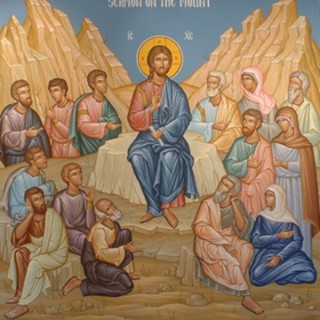
Thirteenth Sunday after Trinity

Reformed Brotherhood | Sound Doctrine, Systematic Theology, and Brotherly Love
In episode 503 of The Reformed Brotherhood, Tony Arsenal and Jesse Schwamb conclude their deep dive into Luke 10:25–37 — the Parable of the Good Samaritan. Far from a simple morality tale about helping strangers, this episode unpacks the parable's confrontational legal context, its reversal of expectation, and its profound Christological undertones. Tony and Jesse examine why the lawyer's question about self-justification was always destined to be unanswerable on his own terms, how the priest and Levite serve as a damning mirror for religious professionals, and why the Samaritan's lavish, costly mercy points beyond mere ethics to the gospel itself. The episode also explores the Mary and Martha account that immediately follows, arguing it cannot be read in isolation. Closing with Matthew Henry, the hosts land the discussion squarely on gratitude for Christ, the supreme Good Neighbor. Key Takeaways The parable is fundamentally about self-justification, not mercy ministry. The lawyer's question — "Who is my neighbor?" — is a legal maneuver, and Jesus' answer exposes the impossibility of fulfilling the law through self-effort rather than merely defining the scope of neighborly obligation. Jesus reverses the expected identification of "the neighbor." The listener naturally assumes the beaten man is the neighbor to be loved, but the punchline identifies the Samaritan — the one who showed mercy — as the neighbor, redirecting the question from who must I love to what does love actually look like. The Samaritan's mercy is deliberately, impossibly lavish. His actions — binding wounds, providing transport, paying an open-ended debt for a stranger and likely an enemy — exceed anything a reasonable person would do, pointing to a mercy that transcends mere human virtue. The priest and Levite indict religious professionalism. Their failure is not incidental; it demonstrates that meticulous law observance and ceremonial religiosity can actually obstruct the very love the law commands, hollowing out its spirit while preserving its form. The parable functions under all three uses of the law. For the unregenerate, it terrifies and condemns. For the regenerate, it is a third-use call to Spirit-empowered, grateful obedience. As civil law, it commends a society of compassion over indifference. Christ is the typological Good Neighbor. The Samaritan's actions — pouring oil and wine, bearing the cost, promising to return and settle all debts — carry genuine Christological resonance without requiring a full allegorical reading of every detail. The immediately following Mary and Martha account is thematically inseparable. Luke's editorial placement of that narrative directly after the parable creates a deliberate counterpoint: the one thing necessary is not anxious service but sitting at the feet of Jesus. Key Concepts The Lawyer's Question Was Never Going to Work The lawyer who approaches Jesus in Luke 10 is not a neutral inquirer — he is, as Luke tells us, seeking to justify himself. Tony and Jesse explore what this means with precision: the desire to be justified is not inherently wrong, but the mechanism the lawyer employs — the law — is catastrophically insufficient for the task. When Jesus responds with the parable, he does not sidestep the legal framework; he weaponizes it. The Samaritan's mercy is so extravagant, so far beyond ordinary moral expectation, that it functions not as an achievable standard but as a devastating exposure of how far short every human attempt at law-keeping falls. The command "go and do likewise" is not an encouraging send-off — it is, for the self-justifying lawyer, a door slamming shut. The Samaritan's Mercy Is Intentionally Beyond Reach One of the most important contributions this episode makes is resisting the domestication of the Samaritan's actions into a feel-good story about helping those in need. Tony reframes the scenario in contemporary terms: finding a gravely injured stranger from a hostile ethnic group, providing emergency first aid, transporting them to care, and writing a blank check for all future medical expenses — with no personal obligation to do so. No reasonable person would do this, and that is exactly the point. The mercy described is not aspirationally difficult; it is humanly inconceivable at scale. This is what Christ-like love looks like, and it is precisely what the law demands. The gap between the demand and human capacity is the gospel's entry point. The Mary and Martha Account Cannot Be Separated from the Parable Tony raises a hermeneutical observation that deserves more attention than it typically receives: Luke chose to place the Mary and Martha account immediately after the Good Samaritan parable, and that editorial decision is not accidental. Martha — busy with hospitality and service — looks, on the surface, like the practical application of everything the Samaritan modeled. Yet she is gently rebuked, and Mary, who sits at Jesus' feet, is commended for choosing "the one thing necessary." This creates a stunning theological counterweight: the parable exposes the impossibility of self-justifying law-keeping, and the very next story shows that even well-intentioned merciful activity, when it crowds out receiving from Christ, misses the point. The one thing necessary is always Christ himself. Memorable Quotes If you think you're the good Samaritan, if you think you're the one that's gonna come and rescue people — you're much more likely to see this as a sort of law beat-down. Where those of us who are regenerated and in Christ, this is third-use law. This is us seeing what it means to be holy, and going and doing likewise, trying in our power, recognizing that we can't, and trusting the Lord to accept our feeble attempts. - Tony Arsenal This text is not really to be preached or applied as some kind of bare moral exhortation. It's not 'try harder to be like the Samaritan.' That's totally disconnected from the gospel. It should be preached in a manner that exposes the impossibility of self-justification... and then of course it does point us to Christ as the one whose perfect, costly, self-giving mercy alone satisfies the law's demand on our behalf. - Jesse Schwamb If this parable and our conversation about it does nothing except stirring you to gratitude for the fact that our supreme good neighbor threw us on his donkey and carried us to the public house, and bound up our wounds, and paid for our debt — if it does nothing but drive you to gratitude and thankfulness and wonder, then we've succeeded in our task and we've left you with the Gospel. - Tony Arsenal Full Transcript Jesse Schwamb: Welcome to episode 503 of the Reformed Brotherhood. I'm Jesse. Tony Arsenal: And I'm Tony, and this is the podcast with ears to hear. Hey, brother. Jesse Schwamb: Hey, brother. Well, at this point, there's one thing that we know for certain, and that is if you're gonna come at the law giver, the one who's composed and written the law, with a legal question to try to entrap the one who has given you the law, you better not miss. And it turns out, in Luke 10 where we've been hanging out, the lawyer who poses Jesus with the question of, "Who is my neighbor?" is a big swing and a miss. Yeah. And we're finally gonna get to all the characters that are part of this amazing parable in this conversation. But of course, there's something we gotta do first. Affirmations And Denials Jesse Schwamb: It, it's everybody's, what I'm led to believe everybody's favorite segment of this entire show. I mean, the crowds out there say, "Why even have a full podcast? Just do affirmations and denials for the entire time." And we, we hear you, because we're borrowing from that beautiful confessional format of the dead reformers to settle all the much not confessional [00:02:00] disputes. So in the great tradition of the Westminster Divines, who of course cannot just simply say, "We like grace," without also clarifying 17 things that grace is not- ... we're now again going to bring you our own binding, authoritative, and entirely unneeded but very official statement of affirmations and denials. It's affirming the things we love and denying things we don't. So Tony, as is our own custom, are you affirming with something or are you denying against something on this episode? Tony Arsenal: Um, I'm denying something. Uh, it's a sort of a weird situation that has cropped up, uh, online. And I, I try not to use this segment too often to sort of wade into, um, I don't know, the, like, latest social controversy in the Reformed world. But every once in a while I come across something that I feel like you just need to sort of talk about. And, um, many of our listeners are probably already [00:03:00] aware of the situation that I'm gonna talk about, and it's very well-publicized and, and very public. Um, but I'm denying the sort of weirdness that has happened with the G3 Conference. Um, I'm not sure how familiar with G3 you are, Jesse, but for the, the listener who may not be, G3 is a conference, um, primarily run by Baptists, and is, in my understanding, is primarily attended by sort of Reformed-ish Baptists. And I don't, I don't say Reformed-ish to be pejorative necessarily. Um, but it, it's sort of like predominantly, um Non-confessional but not anti-confessional Calvinistic Baptists, sort of think more like covenant framework MacArthur-style Baptists maybe is, is a way to look at it. Um, and a few years ago, one of their main figures, I don't remember exactly what position he held, but it was a relatively high position in, in [00:04:00] the conference. Uh, his name was Josh Boyce. He, uh, w- was caught/confessed to maintaining, like, multiple anonymous or pseudonymous, uh, Twitter accounts and publishing several s- like pseudonym-based Substacks, um, that he used to basically attack the character of not only anyone online that seemed to cross him, but, like, people that he shared an office with. Like, anyone and everyone was targeted by him. And at the time it was a big hullabaloo. He, uh, he resigned. As far as I can tell, he's faded into obscurity and has not sought to come back, although that's always, you know, yet to be seen. But at the time there was very firm statements by the r- remaining sort of board members, leadership of G3, at how inappropriate this was, and how acting anonymously requi- you know, sort of evacuates accountability and, [00:05:00]and all these different things. And it's come out recently, um, just over the last week, that four of the members of the G3 board, um, who are all elders at the same church, had assembled a sort of anonymous dossier of accusations against, um, a- another pastor, uh, that he had been sort of serially plagiarizing sermons. Um, and when nothing really happened when they sent their anonymous dossier, they started distributing this to other, other, like, platforms and other church and m- parachurch ministries, kind of encouraging people to do their own investigation. Um, one such, uh, outlet was ... It's a, it's a, I don't know, sort of a news discernment blogger kind of a thing, um, has done some pretty decent reporting work I think in, in the recent past, although it has sort of a s- storied beginning, um, called Protestia They did just [00:06:00] that. They did an investigation, and in the course of their investigation, they identified who these anonymous, uh, the anonymous reporters were, and it was the same, the very same people who a few years ago, uh, pontificated, uh, at, at length about the importance of accountability and how anonymity has, uh, taken that away. Uh, people that accepted Josh Boyce's resi- resignation for acting anonymously have now done the same thing. They have since, uh, resigned from their church eldership, um, which is gonna be awkward because they haven't resigned from the board of G3, which, uh, the offices of G3 are in the same building as the church that they've now resigned at. Uh, and I guess where, where my denial comes in and the reason that I feel like it, it might be worthwhile for us just to Even reflect on it a little bit is there is an element in the Reformed world that seeks a platform and seeks an audience and seeks notoriety, and I, I was musing [00:07:00] today a little bit on my own Twitter that th- there was a time in my life where that was very much what I wanted. I wanted to be a, a very public, well-known theological voice, and, um, a- and I just have sort of like drifted away from that. And the, the reason I think it's worth mentioning on our show is that we do have an audience. We have a, a modest audience. It's not huge. It's not nothing. Um, but th- there is a real temptation to seek fame and notoriety that is absolutely destructive and really antithetical to, uh, to Christian principles of what it means to serve those around you, to serve with humility, to r- you know, redound any glory that might come to you for your actions to, to the fact that it is Christ who empowers all things and brings all good blessings. So I don't know that I have much more commentary on it. It's just a weird... It's a very weird situation, but it, it seems like it very much has come from a [00:08:00] place of feeling as though minor slights by people you associate with warrant sort of a, a nuclear option like this because, uh... and I don't wanna read too much into motives, but, but it seems like because your reputation and your notoriety is so great that any offense to it needs to be responded to in kind, and that's just not, that's just not the Christian way. So again, I don't know that I have any more commentary or thoughts on it. It just was a weird situation that I'm, I'm like, "Why do we gotta do this to each other, folks?" Like, why are we, why are we biting at each other all the time? Why are we doing these things except from a place of sinful pride? So I'm denying that. I'm denying sinful pride. I'm denying my own tendencies to seek glory in a spotlight. Um, I'm very thankful that God did not, uh, see fit to grant me that desire 'cause it probably would've been even more destructive for me than it has been for these guys. So I'm very happy to live in obscurity, [00:09:00] to serve the local church, to share our voices in this very modest, tiny platform that we have, and perhaps the Lord will see fit to change that one direction or the other, and I'll, I'll be happy to serve at His, uh, at His will. But I'm glad for now that, uh, the, the temptation of international fame has not been something that I even have the opportunity to lay hold of. Um, I'm very thankful for that, that, uh, grace from the Lord. Jesse Schwamb: I had that light, sarcastic, some might say somewhat humorous opening and affirmations and denials, and you, you just brought the heaviness, which is okay. Sometimes that's, sometimes that's what happens. Lament Devotional Spotlight Jesse Schwamb: And- Yeah ... I- fortunately, I have an affirmation, but it's, uh, of, like, a weird, heavy kind now that I think about it. So, um, I'm trying to, I'm trying to get everybody on the cusp of good books that I think are coming out. And so here's another one where it's not even gonna be released until September 30th, and so you have plenty of time to go out and find this thing. So P&R Publishing, many may be [00:10:00] familiar, does this whole series, topical series, which are called 31-Day Devotionals for Life, and there's a new one being released by Christine Chappell. It's called Lament: Crying Out in Faith. So I'm affirming with this piece because I've had the joy of been working through some of this stuff, and I think this is some of the best treatment I've ever read, been able to practice, been coached into for lamenting. We've talked before at length about how Christians, especially in the West, often because we just have great lives, we aren't familiar with lament. We don't practice it well. We hardly sing any songs of lament. We're unfamiliar with it. It's like a foreign land to us. And then sometimes when we're, we get convicted we should lament, we kind of interpret that as, "Well, yeah, I, I know I can blow up at God. I can get angry with him and, and that's okay." David does it too, and it's okay to express all your feelings with God. What I like about this work is it cultivates more of a prayer language. It gives voice to pain and grief so that there can be a real healing. It's not just a complaining. It's not just [00:11:00] throwing your voice out into the ether to, you know, wildly pontificate or self-aggrandize about how hurt or upset you are. It enables us to cry out to God in such a way that it promotes emotional authenticity, but at the same time maintains reverence. I think that is, uh, at least what I need. The beauty of this book is somebody you know or yourself need to lament something. Actually, I think we all have something to lament, even as it's getting older or things changing in our lives. So I highly, highly, highly affirm with this book. It's Lament: Crying Out in Faith. P&R does a lot of great publishing in this way. It's just the year of the devotionals, Tony. I don't know why. Yeah. I mean, I even hate to use devotional. It's the year of good resources for daily praise and worship- Yeah ... and lament should be part of our praise and worship. Yeah. So, but doing it in the right way is something I'm learning. I had mixed understanding of it. So this will clarify, encourage, edify in all the ways that I think we need. Tony Arsenal: That sounds great. I, I do agree with you. I think, um- [00:12:00] Although I think it may be a little bit less so in, in the sort of confessional Reformed tradition just because the Psalms in general play such a prominent role in Reformed worship. Um, I do agree with you that broadly, like, we, we in the Western evangelical w- world don't, we don't know how to do laments. Um, I'm not one of those people that would say im- imprecatory prayers are inappropriate. I know there are some even within the Reformed world that would say im- imprecatory prayers are not appropriate for God's people in, in the new covenant. Um, I don't know that I agree with that, but, but that's another example of, like, that's in the prayer and hymnbook of our people- Right ... and we don't really know how to do it. Yes. So, and, and imprecation and lament are very closely related to each other. They're, they're very similar, um, ways of thinking and they're, they're both kind of modes of prayer that, uh, we don't, we don't really engage in. And so when we do have- when the occasion arises, we're, like, out of practice. So that's a great, uh, a great [00:13:00]affirmation and yeah, a little, a little weirdly heavy. Maybe this is gonna be a, a weirdly heavy episode. Who knows? Jesse Schwamb: Yeah, it very well could be. Good Samaritan Deep Dive Jesse Schwamb: I mean, listen, it was no doubt heavy for the lawyer who stood up- True who was Tony Arsenal: like- Nicely done ... Jesse Schwamb: I'd like to justify myself, so Jesus, let me ask you, we took our question, "Who is my neighbor?" I do all these things. I'm down with the law. Yeah. I know all this stuff. And I think we had some really great conversation last time. I'm biased, but I think we had some really fantastic unpacking of the first part of this, and if you haven't heard that yet, you should go back and listen to episode 502. But in this episode, we're really getting into all of these wonderful and somewhat colorful characters. So I'm gonna pick us back up in Luke chapter 10, starting in verse 25. So I'm going back a little bit just to set that proper context for this amazing parable that Jesus tells us. So he says, "And behold, a scholar of the law stood up and was putting him," that is Jesus, "to the test, saying, 'Teacher, what shall I do to inherit eternal life?' And he said to him, 'What is written in the law? How do you [00:14:00] read it?' And he answered and said, 'You shall love the Lord your God with all your heart, and with all your soul, and with all your strength, and with all your mind, and your neighbor as yourself.' And he said to him, 'You have answered correctly. Do this and you will live.' But wishing to justify himself, he said to Jesus, 'And who is my neighbor?' And Jesus replied and said, 'A man was going down from Jerusalem to Jericho and fell among robbers, and they stripped him and beat him and went away, leaving him half dead. And a priest happened to be going down on that road, and when he saw him, he passed by on the other side. Likewise, a Levite also, when he came to the place and saw him, passed by on the other side. But a Samaritan, who was on a journey, came upon him, and when he saw him, he felt compassion.'" And he came to him and bandaged up his wounds, pouring oil and wine on them, and he put them on his own animal and brought him to an inn and took care of him. And on the [00:15:00] next day, he took out two denarii and gave them to the innkeeper and said, "Take care of him, and whatever more you spend, when I return, I will repay you." Which of these three do you think proved to be a neighbor to the man who fell into the robbers' hands? And he said, "The one who showed mercy toward him." Then Jesus said to him, "Go and do the same." Tony Arsenal: Yeah. Yeah, this is one of those parables we, we mentioned, uh, I guess we've invented a new classification of parables called the Big Daddy parables. That's right. Um, uh, this is one of those parables that is so ubiquitous and well-known, uh, that word there, choice there was a little hat tip to my Lutheran friends. Um, so ubiquitous and well-known that I think we actually can, can rush into a common understanding and not, not be right at all about it. And I think the, the way this, uh, uh, the way I've seen this commonly done in, in circles I've run in in the past is this [00:16:00] becomes a parable about mercy ministry. Um, and, and the primary point is about how we serve our neighbors. And I think there certainly is, um, there certainly is an element of that that we can glean from this, that Christ is making a commentary on the fact that, um, the, the, the right way to not only serve your neighbor but to even identify your neighbor, uh, and it's funny because I think this is, this is where I think people go wrong. The, the Samar- or the, um, the, the lawyer is asking, "Who is my neighbor?" Right. And I think we commonly read this, and we read it to say, well, the Samaritan, uh, or the, the guy who got beat up is the neighbor. Right. And so we have to serve our neighbor like the Samaritan did. But the, the, the punchline, whatever, of the story is that the Samaritan is the g- is the neighbor, right? We, we call this the Parable of the Good Samaritan, but we might wanna call it the [00:17:00] Parable of the Good Neighbor. And so it says more about what it means to be a good neighbor than it does to, um, to say about who, who our neighbor necessarily is, right? The, the s- uh, the lawyer was asking, "Who's my neighbor?" And the answer was the one who shows mercy. And there's kind of a weird, there's kind of a weird paradox there, and this is something Jesus commonly does, where, like, He doesn't really answer the question. Um, the, the lawyer is like, "Well, who is it that I have to love," right? "The, I have to love my neighbor as myself, and who is it that I have to love?" And Jesus' answer basically is like, "Well, the good neighbor is the one who showed mercy." Well, that doesn't answer- Right ... His question. So I think we have to be careful when we, uh, we work through this not to just sort of default and jump to what might be called, like, the lowest common denominator interpretation, right? These are things that, yes, um, there is something to say about, uh, mercy ministry and how important it is to serve the, [00:18:00] serve those around us who are in need, right? That's, that's the command that comes out of this or the outcome that comes out of this is Christ is commanding this, um, this lawyer to go and be merciful to others. Um- But if we, if we move too quickly to that, we miss a lot of what this has to say about the nature of justification- Right ... the nature of Christ as, as the capital T good neighbor, right? The, the good neighbor who, who takes care of our sin and pays the debt for us to be restored, right? I don't, like I said last week, I don't think that that is too on the nose. Um, I think we miss the fact that the question, uh, the question is coming from a place, and we talked about this a little bit last week, but and maybe we'll get into it a little more. The question is coming from a place, um, whether you view this negatively, like I think most do, and there's warrant for that, or whether you view it a, a little bit more neutrally or maybe even positively, which is where I land, the desire to justify or to be [00:19:00] justified is not a bad desire. And the, the text doesn't seem to offer a lot of commentary on the fact that the, the, um, lawyer is desiring to justify himself, other than the implied commentary o- of what the parable says about salvation in that someone else needs to save you, so you can't do it yourself in the first place. So I'm excited to get through this. Um, I, I think we're probably gonna be here, we're gonna camp out here for at least another week after this, 'cause there's just so much to this parable. Who knows? Maybe we'll fly through it and it'll be a quick conversation, but I, I don't... That's not really our jam. Um- That's not really what we do But yeah, it, it's, it's a big daddy parable. There's a lot here to unpack. Jesse Schwamb: Yeah. You're right about that. Interestingly, as always, Jesus flips the law, but here the law flipping, like, ends up smacking you in the face because it does start with this inquiry about just identify for me who my neighbors are. If you give me these discrete instructions like the law has given me to do all these things, which by the way, I mean, even that when we have this lawyer saying, [00:20:00] "I've done all these things. I've identified just for instance that the law includes loving the Lord God with everything, every part of who I am." He says like, "Yeah, I've done all these things." This is, I've already accomplished that. So now let me get, become self-justified in confirming I've done all these things. If you just tell me who the neighbors are, I'll be able to say to you, "Yep, I've already done that." Instead, what happens is Christ says, "Here's what neighborly love looks like. And what it's gonna look like is so dramatic and so shocking that you ought to take pity and have concern and show compassion for those not just who are unlike you, but are, like, abhorrent, those who you would even never identify with in the parable of the story I'm about to tell you." So I think there's all of that, like you said, to move away from just kind of categorizing this as a nice homily about how we ought to behave. However, there might be, like, some kind of moralistic theme in this that directs us toward actions of love and generosity, which by the way, could just be common grace. Those exist outside of strict belief and adherence to the gospel, and certainly can be far afield from actually loving Christ. [00:21:00] The other thing that I think sometimes happens with this, and I'm gonna be unpopular on this one, I'm afraid, but is that I think there is often a lot of allegorical excess. And certainly there are people more intelligent than I who really embrace that. So I'm looking at you, Patristic Fathers. Like, you know, if you wanna read some interesting stuff, everybody can go look up Origen or Augustine on this. Yeah. And they allegorize this parable in New England what we would call wicked fine detail. I mean, down, down to everything. So the oil and the- Yeah ... wine, the soil, each of the persons here representing something that in itself, like, everything. And I think that that is okay. What I struggle with on that is, and this is where I'm unpopular, I think, is that- There are a lot of other exegetes, I don't think I'm alone, that would look at this and say, "Yes, there is something about this that draws us into, like, just general typological resonance. I'm not gonna reject that." There are these, like, broader canonical themes of, like, helpless [00:22:00] humanity, like you said, and undeserved mercy. Those all legitimately, I think, echo the gospel truths. But I'm kind of resisting, or I'm prone to resist, treating every narrative detail in this as some kind of, like, independent cipher. Yeah. And so I think I want to come a little bit in criticizing, like, the allegorical method here, that instead what happens when we do that is we're, we're... I think we're obscuring a little bit Christ's actual didactic purpose, which is fundamentally ethical and legal, 'cause that's the question he's answering. He's trying to answer this question, "Who's my neighbor?" And he's gonna do it- Right ... with this definition-shattering example. And so I think, like, the most responsible hermeneutic here affirms that, like we said before, a parable should have a single main point, and it's determined in this context by that punchline, like you said. Um, at the same time, I think we can legitimately, like, permit some restrained theological reflection on, like, that broader resonance with the gospel. I'm not denying that. But without multiplying, like, allegorical [00:23:00] correspondences like the text itself doesn't even make. Even, even coming down to, like, who we see as Christ in the story, while that can be useful and helpful, it's not the same identification that we've seen in other parables. Yeah. So that's what makes this, like you're right, Tony, like, really unique and very interesting because we can draw lots and lots of parallels, and perhaps we should. But at the same time, it's always good to remember what is it that Jesus is on about here? What is it that the hearers were really being prone to understand and mull over and meditate on? And that's, like, this first principle of neighborly love, like you already called out. Tony Arsenal: Yeah. Yeah, and I, I agree with you, too, is I, I think, um- We can sort of fall into a trap or a pit of assuming that all of the parables are meant to explain the same thing. Sure. And I think, like, within Matthew maybe that's a little bit more, uh, accurate because m- I think all, if not [00:24:00] most of, of the Matthean parables, you know, the Kingdom of God is like, the Kingdom of God is like. So th- like, that repeated f- refrain of, like, the Kingdom of God is... In, in Matthew, Christ is using parables to teach about the mysterious hidden reality of the kingdom in a way that people can understand. Um, this is different, right? This is not a Kingdom of God is like. There is no, um, clear this is like that, uh, introduction to this parable. Right. I, I've actually even read some commentaries that would question the assignment of the title parable to this, because they want to restrict what a parable is to those sort of kingdom, like, explicit simile- Good point ... things. Yeah. So- Right ... but I, I do think, um, w- we, we have to be careful not to run down that road, because this parable is not really... Again, like, it's not explaining what the Kingdom of God is like. This is trying to, um, not trying to, Christ is [00:25:00]articulating a reality that is baked into the law, um, and he's flipping the question on its head, and this is what I think is so, um, so wrong about the allegorical approach, right? Is that the allegorical approach seeks to find symbolism in every discrete character or element of the, of the parable, or of the, the allegory if you wanna, we wanna distinguish it. This really is, is trying to just get at that one point. And what- Mm-hmm ... I think is so, what must have been really just infuriating for this lawyer, um, regardless of what happened after this, right? We don't, we don't get commentary like we do with the rich, young ruler, and the stories are in many ways are very much the same. Like, it's the same basic setup. But we don't get commentary that, like, he went away sad, like we do with the rich, young ruler. We don't know what happened with this guy. We don't know what his reaction... But I, I'm sitting there putting myself in his place, and I'm, I'm thinking through this, and this is one of those things that it's actually hard even to mentally get yourself there. The, [00:26:00] the, each character that is introduced here, um, is a candidate for the neighbor. Right. But the most obvious candidate based on, um, the way we commonly interpret this, is that the dude who gets beat up and left stripped naked is, is the neighbor that we're supposed to love Right? So the lawyer, as he's hearing this parable, as it's being told, and the, the people who are there listening, right, the, the other people that are around, there's this character introduced, "Who is my neighbor? Well, a man was going down to Jerusalem. He fell among roggers, Roger, robbers, who stripped him and beat him and departed, leaving him half dead." Like, the obvious answer is that Christ is introducing this poor, destitute, beat-up, naked dude, uh, as the neighbor that needs to be loved. And so he goes through the whole parable, and you're like, oh, well, like, the, you know, the, the priest and the Levite, they didn't love this guy. Uh, the Samaritan, you know, I think an audience of Jews probably would've been thinking like, "Well, the Samaritan can't be..." You know, the Samaritan [00:27:00] is just a dude. Like, none of these people are loving the, the, the beat-up dude like a neighbor should. Right. And then all of a sudden, Christ flips the script, and the neighbor is not the dude who's laying there naked, half dead, who's been rescued and, and, you know, restored and is being healed. It's actually the Samaritan. And so there's this... We have to... Part of the reason, I think, I mean, I, I, I guess I don't know for sure, but part of the reason I think s- that parables have this, like, reversal of expectation baked into many of them is that it is there to challenge our assumptions, and th- that sort of whiplash effect when you get to the end of it, you're like, "Whoa, that was like he was talking about totally, something totally different than what it seemed like he was talking about." I think that's actually a teaching tool here as well. Right. That the, the whole time you're thinking like, "Oh, this dude is the neighbor, and I've gotta figure out how to love him best," and that's what plays into these mercy ministry interpretations, is thinking that the, the point of the parable is to show us how to take [00:28:00] care of the, the people who need help, when really the point of the parable is the good neighbor. And, uh, we might butt heads a little bit on this, 'cause I think I take probably more of a Christological, uh, topological, typological interpretation than you do. I, I think that the point of the parable is that you can't justify yourself, and the only one who can justify you is the one who's kept the law perfectly. And what does it mean to keep the law perfectly? Well, love the Lord your God, but also love your neighbor as yourself. Well, who's the only person in the story who's loved the neighbor as himself? The one who s- rescues and heals and pays for this poor man who's been, you know, waylaid by robbers. He's the good neighbor who fulfills the law. He's the one who's justified himself. Now, yes, "Go do likewise," there's some echoes there of, of the go and sin no more language that we see in other places, too. So I, I think this parable is more, is more about- A, and this is where it shares some affinity with the rich young ruler, [00:29:00] right? The rich young ruler is told to go and to, to sell everything he has and donate it to the poor and to come and follow Christ. And he says, you know, he, he can't do that. He walks away sad. In this instance, it's the same kind of situation. It's an, a question about how do I fulfill the law? What do I need to do to be saved, to inherit eternal life, to obtain eternal life, whatever the phrasing is. And the answer is, "Obey the law perfectly." And the guy goes, "Well, hey, I did that." And he said, "Well, let me show you how much you didn't do that." And the reality is the only one who did that is Christ, the good teacher, right? I mean, there, there's so many parallels between these two accounts. It, it's almost the same, it's almost the same story. This one just in sort of parable answer form versus a more direct form, which we see with the rich young ruler. Jesse Schwamb: Yeah, what I find really fascinating about these is that whereas, like you said, the, some of the other parables, they come under the volitional teaching of Christ. That is, He is presenting forward the topic at hand. So usually it's in the context of conversation, but He essentially makes [00:30:00] the segue. He presents and opens up this new kind of vista to explore. In this case, or in both those cases you talked about, the confrontation really comes from the outside. Of course, God, through Christ, predestined all of these things to pass, so I'm not saying that Christ was caught off guard, of course, by this line of questioning. And presumably He understands that when the lawyer asks this question, He knows that it's from a position of self-justification. So I don't disagree that that might be there, some of that at play, and that really the ultimate end of this would bring, to bring one's self to the realization that you can't do this. At the same time, though, I think almost, especially in this one, I think, uh, it's not that Jesus withholds that, but I read that do, go and do likewise is this is what you said you wanted. You asked me for an answer, and I gave you the answer. You asked for the law- Yeah ... I will give you the law. So I actually don't know how this ended. It doesn't strike me that it ended well, and I think, I don't know if there was some kind of massive realization there, but it's almost as if there is some [00:31:00] obscuring of this. This is like typical parable, parable language where I think if you're there and you're listening, and you're trying to just track with the question and track how that compounds and corresponds with the law, that you would leave more destitute, more confused, and perhaps more angry than before, and certainly not in a position of understanding, "Well, th- this one before me is the Christ." But that's exactly what parables do. So again, I, I think to me- Right ... I see this more as certainly, again, there are these wonderful themes These kind of overtures of the gospel within, but they are dark and very obscured because the man asks a question about the law, and Jesus comes with a message about the law. And like you said, that law is- Yeah ... like, there's almost no grace in his tone as I read it because, not that he is not graceful or full of grace and gracious, but this guy asks for justification under the law. And so it ends with saying, it ends with this really phenomenal phrase, of course, of the lawyer realizing he's got himself [00:32:00] caught in having to respond truthfully in answering the question of who is the neighbor, but of course doesn't identify the neighbor except to say, "Oh, the one who has compassion," as if like he himself couldn't bring himself- Right to say these words. And then for Jesus to say, "Yeah, go do it," is, is kind of like the ultimate nail in the coffin. Tony Arsenal: Yeah, and to tell a first century Jew to go and do, to be- Yes ... like a Samaritan is- Yes ... you know, e- even, even though that's not, like, highlighted in the text, you're right. Like, the, the lawyer probably couldn't bring himself to say the Samaritan was, right? And I, I think, um, you know, whether you take, uh, and maybe I'm novel on this. I guess I haven't really read, read a lot of people that take a, a more optimistic approach of this. But whether you take a more optimistic outcome approach or a more pessimistic or neutral, whatever, the, the actual outcome is the same, right? The, the lawyer is asking about self-justification under the law, like you said. Right. And Christ gives him [00:33:00] that. He tells him exactly what that means and what that looks like. And I think the, the impossibility of being the good neighbor as is described in the parable is exactly the sort of beat down of the law that, that, you know, we've talked about in the past is it's not as though, um, the, the, the actions of the Samaritan are not, uh, outwardly impossible, right? We- Right ... it's not unreasonable to think that someone could rescue someone from the side of the road and bring them to ... And like, the scenario itself is not that crazy. But the, the overall complex of the scenario, right? The fact that this man, um, was going down from Jerusalem to Jericho, right? The, the ... All of this points to sort of like an impossible circumstance, an impossible situation. And, and the idea that even [00:34:00] within that impossible situation you're still expected to take care of the person who is your enemy, right? The Samaritan seeing a Jewish man beaten by the side of the road- That's right ... and although the parable doesn't specifically call out that he's Jewish, if he's going from Jerusalem to Jericho, there's an implication that he may actually also have been a priest. Um, we, we don't need to get into all the details on that, but there's, there's some good, uh, some good research out there that would point to the fact that the road from Jerusalem to Jericho is, uh, was actually a very common pathway traveled by either priests or Levites. And further evidence is that a priest and a Levite are also on this same road. And so the idea that the Samaritan would, um, would- Sacrifice of himself to take care of someone who very likely considers him to be an enemy, and sacrifices in a pretty significant way. Um, I, I'll, I'll pause and now as you're [00:35:00]talking I'll do all the, the background scrambling to make it look like I know exactly how much- a denari is supposed to, to be, and I know we've talked about it before, it's just not there. Lavish Impossible Mercy Tony Arsenal: But, but it's not a- Yeah ... it's not a trivial amount of money. That's right. We're not talking about checking this guy into, like, a Motel 6 and, and dropping a couple hundred dollars. We're, we're talking about a substantial amount of money and, and we're talking about a commitment to pay whatever is required. Okay. An unknown amount of money for this man who has been left for dead. We're not talking about a minor injury. The, the robbers beat him up, they took his clothes, and they expected him to die in the desert. He needed to be carried on a donkey. He needed to have immediate first aid attention. We're talking about a, a relatively long-term recovery. So the scenario would be more like, we think of it like, "Oh yeah, I dropped him off at the local hotel for him to sleep it off." The scenario would be more like, "I found a guy on the side of the road. I didn't know who he was. He's, he's of a group of people that would consider me to be their enemy, and he's been shot 100 times, and I'm gonna patch up his [00:36:00] wounds. I'm gonna take him to the hospital. I'm gonna not only pay and say, 'Here, I, I've already used some supplies. Let me pay for that,' but I'm gonna pay for all of his medical bills until he's healed." Like, that's the scenario we're talking about. So it's not, it's not just, like, a good deed that has been done that is maybe, like, a really, really good deed, like it's a really nice thing to do. It's a, it's an outlandishly almost impossible to conceive of doing good deed. N- I don't know anyone, um, who would... And, and I know a lot of really great people. This is not a slam. I don't know anyone who would find a stranger on the road and who is, who's gravely injured and commit to pay for all of their medical care until they're healed. I just don't know anybody who would do that. Right. Um, some might say there's actually some wisdom in that, and, uh, we've talked about how sometimes the parables present a situation where maybe, like, this isn't actually the best practical knowledge. It's there to prove a point. Right. But I don't know anybody who, I don't know anybody who would do that, who, who would even think about doing that. Um, so the, the scenario here is one [00:37:00] of impossible lavish goodness being extended to those who you have no reason to be good to, and probably have reason to not be good to. That's what we're talking about. And so the, when the, the lawyer is told to go and do likewise, he's being told to do something that is impossible to fulfill, or even to conceive of fulfilling. And so there is this element of, like, "You think you can obey the law? Well, let me tell you how much you can't Jesse Schwamb: obey Tony Arsenal: the law." Jesse Schwamb: Right. By the way, this episode is brought to you by State Farm. Like a good Samaritan, State Farm is there. Every time we've been saying good neighbor, I've been just been trying to avoid thinking about- Yeah Jake from State Farm. That's what I've been doing most of this time. Tony Arsenal: Jake from State Farm? Jesse Schwamb: Um, I totally agree, of course. Priest Levite And The Law Jesse Schwamb: Like, what strikes me here is that it's, like you said, there is all this emphasis on what it means to show neighborly love, but the setup is also in those who basically should be showing it but aren't, and that's where we get, can get into this lovely... It's, [00:38:00] it's okay to kinda think through some of these characters. You know, for this priest and the Levite here, and what we know about them is that they, at first it sounds like there, there's almost this sense in the language like the priest falls ab- upon this, this, you know, bloodied man by chance, and that kinda heightens the drama, I think. The priest's confrontation is a little bit unplanned, but it's immediate and unavoidable, and he chooses to cross on the other side of the road, which is of course a deliberate act of avoidance. It's not mere obliviousness. And then the Levi almost goes further, or he came to the place, he saw him closer inspection, you know, greater culpability, and yet he still passes by. I really do wish I could hear this, like, in real time, like be among, because I have to- Yeah ... wonder that there'd be this kind of sense of building in the story. And the people might be kind of getting the sense that the characters that they know and love or should love as the heroes are not gonna be performing that way. And so I think even they're curious. They might be hoping against hope that it's gonna turn out well, but knowing the question and maybe something about Jesus, [00:39:00] they might anticipate that he's gonna go in a different direction. And so again, I think we have to stick with the text here. Like, Jesus doesn't explicitly state the motives of these gentlemen, but it's truthful. What's true- Right ... is that, like, these boys should have known better. You know, a lot of people have speculated that it was for ritual purity concerns or the, another ambush or social distance or just callousness. And I think that ambiguity might be deliberate because, again, what cuts against the lawyer here is whatever the specific excuse, the point is that these, like this kind of professional religiosity and even, like, meticulous law observance are of course not identical with, and probably can even distract or obstruct the love of neighbor that the law itself commands, which is wild, right? Because we talked about how, again, this just shows the law doesn't empower you to do the thing, and in fact, here- Right ... you could essentially abuse the law so that you suck the spirit right out of it and therefore do not do the very thing that it was intended to accomplish. So even this by itself, you just stop the parable here, it's kind of condemning because it's really this [00:40:00] potent warning against some kind of merely external ceremonial, professionalized religiosity that fails to produce, I guess, what Matthew calls, like, the weightier matters of law, like justice and mercy and faithfulness. And, you know, we should understand this because I think those that are from tradition have a certain affinity for the third use of the law as a guide for the grateful Christian living, and that's, you know, kind of what we're talking about here. But it insists that true law keeping is never merely ritual or notional, but it must issue in love, like costly love. Love outside of being inconvenienced is not genuine. I, I guess we'll get there. But, you know, I don't wanna harp on the characters as some are prone to do, but that is, I think, why the characters are here. It's both to set up and show, like, you're about to see that you really do not wanna identify by your own persuasion, by your own presuppositions with the one who's gonna be the hero, that is the, the one that shows neighborly love. At the same time, I'm gonna show you by way of condemnation that those who should exercise the greater love, [00:41:00] that do know better, that should know better, that should emblem- be emblematic of the spirit of the law, have done the exact same thing. Which I can only, uh, hope but believe is what this lawyer heard as well was that he was hearing that he was being stuck into this place before he was even given the question, well, who was the neighbor here? Tony Arsenal: Yeah. Yeah, and I, I think, um- There is a real sense in some of the parables that are sort of spoken against people. Um, this one doesn't specifically use that language, but it, it is a targeted, kind of a targeted response. There is a sense that throughout the course of the parable being told, they start to recognize midway through that they're like- Right you are the man. Like, this is one- Right, right ... of those Nathan and David kind of parables where, like, at some point the realization must have dawned on this guy that, like, "I've gotta be somebody in this parable." And I think that's where, where the, the challenging part is, is it's not clear, um, [00:42:00] it's not really clear even at the end of the parable who Christ is intending this guy to be, right? Right. Is he the lawyer or is he the, uh, is he the, the dead man on the side of the road, right? Is he... Or the dying man. Is, is he the l- the priest and Levite who pass by? Is he supposed to be the Samaritan, which would just be wildly offensive. Um, he's not necessarily, like, supposed to be anyone except for the fact that now at th- the punchline of the, the encounter here, Christ says, "Go and be like the Samaritan." And it's kind of like y- you know, if you were really following God's law, you would be the Samaritan in this one- Yeah, that's right ... but you're not. That's right. You're not and you can't be. Um, and so go, go ahead and do likewise. Christ As True Neighbor Tony Arsenal: Um, I, I do think, too, there is some elements here where, um, I- Again, I, I think I take a little bit more of a typological, Christological-centered approach on this, but I, I don't think they're incompatible. But I do think there's an element here where Christ is also [00:43:00] unveiling, uh, sort of what he would do, like what, what his own plan of salvation is as the good, as the capital G, capital N good neighbor. Um, he is the one who does pour oil and wine on our wounds, right? A- and I don't wanna ... I don't think we need to fly off the allegorical deep end of reading oil and wine to be a reference to the Holy Spirit and t- Right but sometimes those things are evocative, indirect things that should, we should call our mind to those things. Like, I think, um, you know, when Melchizedek comes to bless Abraham and he, he presents him with bread and wine, right? I, I think, like, it's okay for us to go, "Wow, the Holy Spirit really made a point there that's subtle." And I think those little things within this parable drive me to look at this a little bit more along the lines of not only is there this sort of, like, law beat down, you [00:44:00] know, John Bunyan or not, um, Bunyan style, like the, "Moses just beat the crap out of me," kind of a- Right ... kind of a thing from Pilgrim's Progress. There's that, and I think it's really there. But it's also, uh, it's also sort of like this, uh, you know, "Blessed is the one who has ears to hear" side of it of, like, for those who are regenerated and can see the parable, can see the figures in the parable, it is now this beautiful picture of what it is that Christ does for those who cannot do it for themselves, right? And it's almost like the parable becomes a litmus test. If you look at the parable, and as you're reading through it, you sit there and you go, "Yeah, man, I'm like that guy who got beat up and left for dead. That, that really describes me," um, you're gonna get to the end of this and you're gonna be sort of, like, sitting in awe of, like, "Man, I have such a great savior who threw me on his donkey and, and promised to take care of all of my, all of my wounds, and promised to pay whatever it, whatever it cost." Um, y- you know, and all of these elements of, [00:45:00] like, oil and wine and, and all of these things be- kind of become alive to you in a way that someone who sees themselves as the, the good Samaritan, who thinks they're the one who's gonna come and rescue people, or I think increasingly in our day, and it's, it's weird to even say this, I think there are people who would look at this and resonate with the priest and lawyer and actually say, like, "Yeah, they shoulda, they shoulda crossed to the other side of the room." Mm-hmm. I've heard defenses of that in trying to argue that- The priest and the Levite, if they had, if this person was dead, they had touched the dead body, then, you know, they would've been ceremonially unclean. Uh, all of that is, I think, worth speculating about. But the reality is, um, who you see yourself in the parable actually says a lot, I think, about how you see Christ in light of either our ability to fulfill the law or our inability to fulfill the law, and therefore have our need for Christ. If you think you're the good Samaritan, if you think you're the one that's gonna come and [00:46:00] rescue people, that you're gonna be, you're gonna be the good neighbor, you're much more likely to see, uh, to, to be needing this as a sort of a law beat-down. Where those of us who, maybe this is the way you wanna parse it out, right? There's those of us who are, uh, regenerated and in Christ, and this is third-use law, right? This is, this is us- Right ... seeing what it means to be holy, and going and doing likewise, trying in our power, in our, our best to go and do likewise, empowered by the Holy Spirit, recognizing that we can't, and trusting the Lord to accept our feeble attempts- Right and be pleased by them. Right. Um, or maybe if you're not regenerated, this is f- this is first use, right? Right. And, and, and this is actually there to terrify you and to show you your condemnation and to serve as your condemnation. And, and there's even, and I didn't really intend to go all the way with this, but there's, there is also an element in here, and this is where, like, the mercy ministry interpretation comes in, where this is civil, this is civil law, where this is the, the, the, um, you know, the civil use of the law [00:47:00] to restrain evil, to show society what it is to be good, to, to restrain sin. Right. Yes, we want to be, uh, we, I would rather live in a society where people stop and help someone who's stranded or injured on the side of the road than, than a society where people pass by. Um, so I, I think all of those elements are in play here, and we do have to be careful not to take the full-on, like, never go full allegory approach to this, 'cause y- you can really... That's just a good general wisdom for all of, all of the Bible, but especially the parables and other figurative stuff. You can really just go totally far afield of what actually the point of the parable is- Right ... if you're not grounding it in the purpose that Christ is teaching it for, and, and the stated outcome of the parable, right? No one in the Bible makes c- I don't know that anyone in the Bible makes specific commentary on this within scripture, but the, the idea that, like, there's all these hidden meanings, well, if those are the hidden meanings, then why doesn't Christ talk about it? Why doesn't he come back- Right ... and [00:48:00] interpret those symbols later on like he does, like the Parable of the Sower or the Parable of the Seeds or Soils. Um, that one is much more directly allegorical in that the different seeds, the different soils represent specific people with specific s- scenarios. Christ comes and, and does that allegorical interpretation later on in the passage. There's nothing like that here. So I think we have to be really careful not to slip down that road. Jesse Schwamb: I think that it could be all those things. I, I totally agree with you on that. I think it could be all the use cases of the law. I think what makes this so wonderfully complex and a little bit tricky is that when I read this, I actually don't necessarily find myself gravitating toward putting myself in one place or the other. It almost depends on where I am or what's going on in my life. So for example, I think any time that any one of us, and we've all done this as Christians, have quenched the spirit, especially with respect to helping, serving, or loving others as my, our neighbor, then we're firmly in this parable in the place [00:49:00] of the priest and the Levite. Sometimes I think we are the one on the side of the road. We look to the church, to our brothers and sisters to help us, and what do they help us with? Like you were saying, Tony, they help us with that blood and oil. They help us with this, the power of the Holy Spirit, which is given to each one to help and to serve, to identify, to comfort with the comfort we ourselves have been received. And then I do think, and this might be unpopular, that, that sometimes by the grace of God, He empowers us to be the Samaritan, but only through His empowerment. Not, of course, because we're trying to just self-justify or because we're overtly generous in our own merit, but in fact, this is the way we ought to live, and that we ought to commend that kind of behavior to, again, acknowledge it as God-given and to promulgate it, especially among the body of believers. So I do think all three forms of the law are present there, but I do think I tend to, for whatever reason, right or wrong, I tend to tilt a little bit toward that third use here, just to see this as it's not wrong to, of course, to, I think, uh, lay over all of this, all these delightful variables and [00:50:00] details. Again, this idea of blood and oil, n- normative things, normal things, standard things that are being used to address- Yeah ... wounds. They're, they're... Of course, that would've been the practical way which you would've provided some kind of medicinal care to somebody in both that extreme circumstance, but also generally, because nobody's, like, keeping gauze or popping Advil to help this, this poor guy. And so it is- Right ... like this beautiful complexion of, I think, everything that we just talked about, that there is the law present, and depending on where you are, both in terms of your ingrafting into eternity, into the Kingdom of God, and then where you are in life, you- we should read ourselves probably, or l- let me say it this way, not so it's like eisegesis, but, like, that we should see ourselves often at different pli- times maybe playing or being tempted to play the parts of these different characters. And in that we find, I think, ultimately, of course, as you're saying, that Christ is over all, and that He is the one that, of course, perfectly emphasizes all of what it means to be the Savior, the [00:51:00] true loving neighbor who cares and binds and heals completely full stop. And yet there is something instructive here, I think, as well about going and bringing that compassion. I was just thinking, like, as we were talking, that there's such a difference, isn't there, like, in our world between these days, like, pity and compassion? Like, pity often is like, "Yeah, I feel sorry for you," but it strikes me as kind of like the James, is it James 1 or James 2, where it's kind of like, "Oh, you're... I, I'm so sorry that, like, you're, you're hungry and cold. You know what? Go, be warm, and be well-fed." You know, that's like pity. Like, "Yeah, I just- Yeah ... I feel a little bad. I identified with your emotions." Sending Tony Arsenal: good vibes. Jesse Schwamb: Yeah. I've got- Yeah. Yeah. That's right, right? Sending good thoughts and good vibes your way. I wanna say, like, keep those to yourself 'cause they're probably not all that- Yeah ... good. Um- I Tony Arsenal: don't want your vibes. Jesse Schwamb: I don't want your vibes. Get your vibes out of here. What I need is that power of God himself, uh, to bring compassion, and compassion is always wrapped in action. It identifies- Right ... and then goes. It, it's, it [00:52:00] is not self-promoting, it's self-sacrificing. And so that rule of law, which is like the good rule of law, the good teaching, the kind that brings life because it's the Decalogue wrapped in skin perfectly performed by the power of the Holy Spirit through the one who is perfect again in his passive obedience and active obedience. Yes, yes, we need, we need all of that. It's modeled here, I think, to a certain extent, but I think the go and do likewise is actually for all of us, but it's not the kind like we would say, "Well, like, good luck." It's more the- Yeah ... you know the one from whose side the blood flowed. You know the one who is pressed in the garden as if olives under the press leaking oil. You know who that one was, and that one is His spirit resides in you. So now go and do these acts- Yeah ... of mercy. Again, not s- for some kind of meritorious reward, but because you were made for good works, which were set apart for you to do, and part of those good works are [00:53:00] just always being a good neighbor. Tony Arsenal: Yeah. Yeah, and, and maybe to, to close out, I, I, I think maybe we actually did it. I don't know that we're gonna have to do another episode on this. I guess we'll see after we do- Who would've guessed? ... our postmortem here. Mary Martha And Final Charge Tony Arsenal: But I, I think part, part of, um, part of what we need to at least acknowledge is that what, what follows this parable, right? This, this goes from a parable of a lawyer seeking to justify himself to now the account of Mary and Martha, and the fact that, uh, that, um, M- Martha, you know, is busy with much work, and Mary is sitting and listening to, to Jesus and is said to have chosen the better part. And I think, like- Mm ... this is something that I think because of the way, like, Bibles are formatted, the way that certain things are sort of, like, extracted out as discrete teaching units, this parable is pulled out and separated from this next part. And I, I think we can [00:54:00] really run into problems when we do that because- You know, even if we, even if we were to sort of treat the scripture as, like, a purely human book, right? Luke chose to put this account of Mary and Martha after this, right? And, and- Right ... probably not just because, like, it happened chronologically. There's no real, um, there's no real necessity that this account of Mary and Martha in this particular story had to happen immediately afterwards. Like, there's no organic link in, in the chronology of the story to drive that, right? And the two aren't related in terms of, like, historical cause and effect or, uh, proximity. There's none of those things. So the only answer as to why this was selected to follow the parable of the Good Samaritan is that there's some thematic connection that drove Luke as an author to put this, put this right following that. And so I think even that should drive us to thinking about, all [00:55:00] right, we've got this statement of go and do likewise, show mercy. Now there's almost this foil that the, the, the person in, in the account in the, the narrative here, and a, a true narrative, right? We're not in parable land anymore, but the person in the narrative that seems to be showing mercy, seems to be taking care of people the most, is actually the one who's chastised a little bit for, for being- Right overly zealous about m- mercy ministry, hospitality ministry- Right ... is what you might call it. She's the one who's like, "Tell my sister to help me with this." And she said, like, "You know, you're always gonna have time to do this, but, like, I'

August 23, 2026Pastor Scott PolingOther Scripture Used: Proverbs 11:9, 12-12; James 3:5b-6; Proverbs 14:7; Proverbs 15:1; Proverbs 26:4-5; Proverbs 11:12; 1 Peter 2:21-23; Psalm 141:3; Proverbs 24:28; Ephesians 4:25; Proverbs 25:18; John 8:44; Exodus 20:16; Proverbs 27:14; Proverbs 6:16, 17b, 19a; Proverbs 12:22a; Revelation 21:8b; Proverbs 29:5; Proverbs 7:21-23; Proverbs 26:28; Proverbs 24:28-29; Exodus 21:23-25; Matthew 7:12; Proverbs 20:22; Romans 12:17-21; Matthew 5:9; Proverbs 25:16-17; Proverbs 25:16-17 MAIN POINTS: WON'T YOU BE MY NEIGHBOR – GOOD NEIGHBOR DON'TS (part 2) Don't verbally attach a neighbor Don't flatter a neighbor Don't take revenge on a neighbor Don't wear out your welcome with a neighbor

What if everything you think you know about fairies is only a tiny—and very modern—piece of the story?In this episode of Big Crystal Energy, I'm joined by Brandon Becker of Inside the Hollow Hills for a fascinating deep dive into Faery Craft, the Good People, and the ancient relationship between humans and the beings of the Otherworld.Brandon's path into this work began with an interest in megaliths, archaeoastronomy, and ancient sites across Ireland and the British Isles. But as he dug deeper, he began noticing something: again and again, these ancient places were intertwined with folklore surrounding the Good People.That curiosity eventually became a practice—and a deeply researched exploration of what our relationship with these beings may have looked like thousands of years ago.We talk about why the tiny, winged fairy of Victorian art is such a recent interpretation; the strange, beautiful, sometimes unsettling ways the Good People appear throughout folklore; and why Brandon describes these beings as chthonic, primal, and deeply connected to the natural world.We also get into the part of Faery Craft that doesn't always make it onto the pretty side of social media: risk, reciprocity, boundaries, offerings, pact-making, and why working with the Good People isn't necessarily something everyone should do.Brandon shares how his reconstructionist approach led him to research ancient ritual practices, seasonal observances, natural ritual tools, votive offerings, and the importance of understanding why we do something rather than simply repeating a practice because we read it in a book.We also talk about:Megaliths, fairy mounds, and entrances to the OtherworldWhy the Good People aren't necessarily the tiny winged fairies of popular cultureGlamour and the uncanny nature of encounters with the Other CrowdWhy terms like Good People and Good Neighbors are traditionally usedThe chthonic and underworld associations of Faery loreWhy working with these beings requires caution and respectOfferings, propitiation, and cultivating relationships with the Good PeopleFaery familiars and pact-makingThe importance of establishing boundaries before entering into spiritual agreementsWorking with natural and handmade ritual toolsBrandon's beautiful story of receiving a willow stangThe solstices and cross-quarter days in his reconstructed practiceHis forthcoming book exploring the ancient roots of humanity's relationship with the Good PeopleAnd because apparently we couldn't have an entire conversation about the Otherworld without things getting a little weird... toward the end of our conversation, I notice what looks like a moving shadow behind Brandon.There were no other humans in the room.Make of that what you will.

Jackie sits down with Sarah Holstra, CrossWinds Church's former Growth Pastor, and discusses what it's like to be a Good Neighbors to our formerly unhoused friends at GV.

For decades, Syrians were taught to see Israel as the enemy. Then, as Syria descended into a brutal civil war, something extraordinary happened: Israel began bringing wounded Syrian civilians across the border for lifesaving medical care. Lt. Col. (res.) Eyal Dror was the commander of Operation Good Neighbor, the IDF's remarkable humanitarian mission that carried out some 700 operations and provided medical care, food, clothing, fuel, and other assistance to Syrians living just across Israel's border. And every mission carried real risks, with ISIS, al-Qaeda, Hezbollah, and other armed groups operating nearby. In this episode, Pastor Doug Reed and Rabbi Pesach Wolicki speak with Lt. Col. Dror about why Israel chose to help people raised to hate it, the Syrian civilians whose encounters with Israelis transformed their perceptions of the Jewish state, the Christian organizations that worked alongside the IDF, and the difficult moral decisions Dror and his soldiers faced along the way. They also discuss what Operation Good Neighbor teaches about Israel and Jewish values, and what Dror believes Israel got wrong in its more recent approach to the Druze community in Syria.
Esp #4 What's a good neighbor?We all have our different definitions what a good Nieghbor is. What does it mean to you?Please leave your comments, let me know what you feel a good Nieghbor is.

What is the good neighbor effect? HR 4 full 2613 Mon, 17 Aug 2026 18:07:33 +0000 B7Om1O1iY1Df2Xx0wtHmiAQQbsriZqHL news MIDDAY with JAYME & WIER news What is the good neighbor effect? HR 4 From local news & politics, to what's trending, sports & personal stories...MIDDAY with JAYME & WIER will get you through the middle of your day! © 2025 Audacy, Inc. News https://player.amperwavepodcasting.com?feed-link=https%3
August 16, 2026Pastor Scott PolingOther Scripture Used: Proverbs 3:27-28; Exodus 23:5; Proverbs 21:10; Proverbs 27:10; Proverbs 14:20-21; Proverbs 22:2; Proverbs 28:11; Proverbs 3:13-15; Proverbs 16:16; James 2:1-7; Proverbs 19:17; Proverbs 28:27; Acts 20:35; Proverbs 6:1-5; Proverbs 11:15; Proverbs 17:18; Proverbs 3:29-30; Proverbs 16:29-30; Proverbs 26:18-19; Proverbs 12:26 MAIN POINTS: WON'T YOU BE MY NEIGHBOR – GOOD NEIGHBOR DON'TS Don't turn away a neighbor Don't despise a poor neighbor Don't co-sign for a neighbor Don't mislead a neighbor

Rob Bergeron writes a free newsletter at five in the morning, five days a week, and has for years. One Saturday he sent it out saying he saw something happening between data and energy and wanted in. A reader named Mark, who had never once replied in five years, wrote back. That email became a data center company that has since shrunk the standard footprint by 92 percent. That is the whole method. Rob publishes in public, constantly and for free, and lets the right people find him. Rob calls himself the tilapia of realtors. He owns Winner Realty in Louisville, runs OffMarket.deals nationally, writes The Morning Bergeron five days a week, and is building what he hopes becomes the institutional standard for data centers. On paper that is four unrelated businesses. In practice it is one move, repeated. The wholesalers in Louisville were all convinced they were competing for the same buyers. Rob ran comps for them for years and never once took a deal off them. When he finally asked for their buyer lists, they handed them over. He merged those lists with his own, charged two thousand dollars only when he brought the buyer, and made forty two thousand in year one. That business is now OffMarket.deals. He posted on the BiggerPockets subreddit because nobody else was posting there. That produced David Greene. He sent one newsletter into the void about data and energy. That produced a partner, a connection to HKS, and a design that shrinks data center footprints by 92 percent, runs closed loop on 40 gallons of water a year, uses submerged cooling so it makes no noise, and routes its waste heat to farms. And he sends unsolicited letters of intent to listed properties and for-sale-by-owners on behalf of his clients' buy boxes. Direct mail hits at 1.1 percent and costs money. Rob hits at 2.1 percent and spends nothing. His frame for all of it: we are in the NIL era of real estate, where everyone has to earn everyone's business. Nobody is owed a repeat client. Rob also gives one percent of Winner Realty's net profits to Hand in Hand, which builds houses in Belize for about ten thousand dollars each. His stated legacy goal is one house every month, forever. Find Rob: The Morning Bergeron newsletter, and OffMarket.deals for assignable contracts and the buyers list. This week's book: The Power of Moments by Chip Heath and Dan Heath https://www.amazon.com/dp/1501147765?tag=clarkstholdin-20 Chapters 00:00 The NIL era of real estate 00:33 Welcome to Real Estate Underground 01:45 Meet Rob Bergeron, the tilapia of realtors 03:00 Why investor clients are worth the reputation they have 03:30 Louisville: slow to rise, slow to fall 05:00 Where Rob is looking now: energy, water, land, agriculture 06:00 Bloom Energy, small modular nuclear, and a Q1 2027 timeline 07:00 Three Mile Island, and the cousin who built the cleanup robots 08:15 One Saturday email into the void 09:30 The Louisville Network becomes OffMarket.deals 10:45 Uniting the tribes: competing wholesalers, one buyers list 11:00 HKS, SoFi Stadium, and a data center division three months old 12:00 Shrinking the footprint by 92% 12:45 The good neighbor data center 13:45 Why retrofits beat new builds 14:15 Waste heat, farmers, and who is actually getting squeezed 15:45 Let the average person own the residuals, not BlackRock 16:30 Shooting your shot 16:45 How posting on a subreddit produced David Greene 18:00 Louisville as a real estate brain trust 19:00 What the next three years look like 20:30 3D printing, automation, and what is actually viable 21:15 The unsolicited LOI play: 2.1% hit rate, no money spent 22:45 The NIL era: everyone earns everyone's business 23:30 Winner Realty and giving agents more than one trick 23:45 Rob's Brain 24:15 Winner Services: lending, oil and gas, water treatment, data center land 25:15 Three or four things a day 25:45 Hand in Hand, and the house that changed the math 26:45 Two grand versus $1,900 a year 27:00 One house a month, forever 28:15 The Power of Moments 29:30 Water balloons, a record, and sending Panera anonymously 30:00 Why wholesaling is the lowest barrier in the business 31:30 The deal he would take back: a partner with no money in it 32:45 What he should have built on the front end 33:30 Less chips, more steak: how Rob reads 35:00 The highlights someone finds after he is gone 35:30 How Rob defines success 36:15 An ADD brain, AI, and making it linear 38:00 Obsidian, and Ed's own workaround 39:15 Music, sun, and saying weird things in public 40:00 Where to find Rob Elevista - Speed as a Service™Elevista Connect is the first AI-powered lead conversion system built for real estate investors.
August 9, 2026Pastor Scott PolingOther Scripture Used: 1 Corinthians 8:1b; John 3:15; Ephesians 2:8-9; Romans 3:20; James 2:10; Jeremiah 22:3a; Micah 6:8; Luke 6:31; John 4:9b; John 8:48b; Romans 12:15; Matthew 8:3; Luke 7:14; Luke 13:13; Mark 10:16; Proverbs 31:20; Proverbs 19:17; Proverbs 28:27; Galatians 6:9-10; MAIN POINTS: WON'T YOU BE MY NEIGHBOR Approach God With Humility & Sincerity Remember This World is Full of Broken and Hurting People Religious Neighbors are not Necessarily the Best Neighbors A Good Neighbor is Heart and Hands . . . disregards ethnic, racial, religious differences . . . is a first responder . . . has a compassionate heart . . . has caring hands . . . goes the extra mile – literally . . . financially sacrifices . . . leaves a lasting legacy A Good Neighbor Goes and Shows Mercy

The agreement is backed by over 8 million dollars in state and federal grants and will fund hazardous fuels reduction across 3,000 acres of the Tahoe National Forest over the next decade. Learn more at ReadyNevadaCounty.org/Escape.
Thanksgiving, Again?!: https://linktr.ee/thanksgivingagainThe Last Ryde: https://linktr.ee/thelastrydeDomenic Scarcella wrote the book 'Good Neighbor, Bad Citizen' and continues the conversation at the 'Good Neighbor, Bad Citizen' site on Substack. It's spiritual and mental health food for those who are sick of political junk food.Substack home page: https://GoodNeighborBadCitizen.substack.comConnect with Domenic on X: https://x.com/GoodNeighBadCitFind the book ‘Good Neighbor, Bad Citizen': https://amazon.com/dp/B0CL2Y6XW3BetterHelp: Go to https://betterhelp.com/macolino for 10% off your first month of therapy with BetterHelp and get matched with a therapist who will listen and help #sponsoredYouTube: https://www.youtube.com/c/JeffMacolinoFollow Me!!! https://twitter.com/saintjmachttps://www.facebook.com/jeffmacolinopodcasthttps://www.instagram.com/saintjmac/IMDB Page: https://www.imdb.com/title/tt17046562/?ref_=nm_knf_t1TikTok: https://www.tiktok.com/@jeffmacolinoArt Credit: Chase Henderson

☀️It's a beautiful day in the neighborhood as we discuss falling off a roof, cooking outdoors, conflict with Iran, AI invading our lives (with our consent) and the definition of a Green-neck. Then we ask ...What makes a good neighbor? Who was the best neighbor you ever had? Do you introduce yourself when someone new moves in the neighborhood?

Dan Cook and Lindsey Brown in for a truncated Friday edition of Drivetime w/ DeRusha! Card DeSharks kicks off the 4pm hour on Fridays. Dan Cook and Laura Oakes guide Linda and Carrie through a fast food themed edition today. Dan and Lindsey then chat about a Southern Living Magazine article detailing 9 things your neighbor dislikes about you. Listeners weigh in with their neighbor stories.
The full episode of Drivetime with DeRusha for July 24th, 2026. Dan Cook and Lindsey Brown in for a truncated Friday edition of Drivetime w/ DeRusha!
Thanksgiving, Again?!: https://linktr.ee/thanksgivingagainThe Last Ryde: https://linktr.ee/thelastrydeDomenic Scarcella wrote the book 'Good Neighbor, Bad Citizen' and continues the conversation at the 'Good Neighbor, Bad Citizen' site on Substack. It's spiritual and mental health food for those who are sick of political junk food.Substack home page: https://GoodNeighborBadCitizen.substack.comConnect with Domenic on X: https://x.com/GoodNeighBadCitFind the book ‘Good Neighbor, Bad Citizen': https://amazon.com/dp/B0CL2Y6XW3BetterHelp: Go to https://betterhelp.com/macolino for 10% off your first month of therapy with BetterHelp and get matched with a therapist who will listen and help #sponsoredYouTube: https://www.youtube.com/c/JeffMacolinoFollow Me!!! https://twitter.com/saintjmachttps://www.facebook.com/jeffmacolinopodcasthttps://www.instagram.com/saintjmac/IMDB Page: https://www.imdb.com/title/tt17046562/?ref_=nm_knf_t1TikTok: https://www.tiktok.com/@jeffmacolinoArt Credit: Chase Henderson

Send us Fan MailRichard Hicks is the CEO and President of Inspiredu, a Georgia-based nonprofit dedicated to expanding digital access, strengthening families, and creating new opportunities for children and communities. A transformational nonprofit leader, speaker, and advocate for equity in technology, Richard has spent more than 15 years building programs, partnerships, and strategies that help families improve their socioeconomic mobility through digital literacy, access to devices, and community-centered support.Under Richard's leadership, Inspiredu has become a trusted force in Georgia's digital inclusion ecosystem. He has led high-performing teams, managed major projects, and developed growth and fundraising strategies that have secured more than 150 Fortune 500 sponsorships and partnerships in just two years. During Inspiredu's inaugural year, Richard and his team served more than 3,000 Georgia families during the pandemic, helping bridge urgent technology gaps at a time when access to devices and connectivity was essential for school, work, and daily life.Richard's path to Inspiredu grew from more than a decade of service with the national education nonprofit PowerMyLearning, where he served as executive director of the Atlanta region. While representing a national organization, he saw the need for deeper, locally focused work to support Georgia's minority and low-income families. That vision led him to assemble a strong local leadership team and launch Inspiredu as a spinoff nonprofit committed to continuing and expanding that mission. In the last year alone, the Inspiredu team distributed 2,297 devices to community members and diverted 5,824 laptops from Atlanta landfills in 2023, advancing both digital equity and environmental sustainability.Richard's commitment to service is also rooted in his personal history. He is the newest guardian of his family's roughly five-acre centennial property on Log Cabin Road in Milledgeville, Georgia, a preservation project entrusted to him by his late father, Samuel A. Hicks. The land reminds him of the hard work of his ancestors and keeps him grounded in the responsibility to create opportunities for future generations. Whether leading Inspiredu, serving on the Executive Advisory Board for Atlanta Technology Professionals and the Advisory Board for the Consort Institute at Clark Atlanta University, or volunteering with organizations such as the Agape Family and Youth Center, Richard brings a family- and community-first lens to his work.A respected voice in business leadership, technology, and nonprofit innovation, Richard frequently speaks on panels and has represented Inspiredu on national and regional platforms. He appeared on The Kelly Clarkson Show as a finalist for the Good Neighbor of the Year Award, was featured on WSB Radio during Black History Month, participated as a panelist for GlobalMindED's Resolve to Solve conference on WABE's NPR, and was named “Man of the Year” at the Steminist Awards at Atlanta's Fox Theatre. Through every role, Richard remains focused on one clear goal: expanding access to technology and opportunity so Georgia families can thrive.Like what you heard? Please like and share wherever you get your podcasts!Connect with Ann: Community Evaluation Solutions How Ann can help:· Support the evaluation capacity of your coalition or community-based organization.· Help you create a strategic plan that doesn't stress you and your group out, doesn't take all year to design, and is actionable.· Engage your group in equitable discussions about difficult conversations.· Facilitate a workshop to plan for action and get your group moving.· Create a workshop that energizes and excites your group for action.· Speak at your conference or event.Have a question or want to know more? Book a call with Ann .Be sure and check out our updated resource page! Let us know what was helpful. Music by Zach Price: Zachpricet@gmail.com

Buffalo, New York has called itself the City of Good Neighbors since 1940, and in 2023 Reader's Digest even voted it the nicest city in America. But is it true? In this episode of Unpacked by Afar, host Aislyn Greene turns a Buffalo travel story into a bigger question: what does it actually take to turn a stranger into a neighbor? We begin 150 years ago, on the East Side patch that grew into the second-largest Polish community in the world and the birthplace of Dyngus Day, one of the most joyful traditions in American travel culture. Then we follow that same ground to today, where newcomers from Burma, Congo, Iraq, and Afghanistan are remaking the city block by block. This is cultural travel at its richest: the refugee resettlement workers who set up a family's home before they arrive, the volunteers who knock on the door, and one man's first snow-covered year going from guest to Buffalonian. If you love travel stories about the people who make a place, this Buffalo travel episode is a love letter to the city's neighborhoods and the neighbors rebuilding them. It's also a reminder that the most meaningful, responsible travel often means slowing down to notice who actually lives somewhere. Where to go to explore Buffalo Dyngus Day — The water-and-pussy-willow spring celebration through the Historic Polonia District, the largest Dyngus Day anywhere outside Poland. Broadway Market — The 130-plus-year-old public market at the heart of the old Polish East Side, still going strong. Buffalo Central Terminal — The grand, once-abandoned Art Deco railroad terminal now being restored, and where the Dyngus Day parade ends. Journey's End Refugee Services — Learn about the Home Again program, volunteer, or donate to help welcome Buffalo's newest neighbors. Buffalo & Erie County Botanical Gardens — Where Ko Ko finally found a mango tree, and a green escape from a long Buffalo winter. Plan your own trip with our Buffalo travel guide. Chapters 00:00 — Dyngus Day 02:00 — City of Good Neighbors 06:00 — Building Polonia 14:00 — A New Wave 22:00 — From Guest to Buffalonian Follow Unpacked by Afar for more on where to go next, and let this be your guide to a side of Buffalo travel most visitors never see. Learn more about your ad choices. Visit megaphone.fm/adchoices
Thanksgiving, Again?!: https://linktr.ee/thanksgivingagainThe Last Ryde: https://linktr.ee/thelastrydeDomenic Scarcella wrote the book 'Good Neighbor, Bad Citizen' and continues the conversation at the 'Good Neighbor, Bad Citizen' site on Substack. It's spiritual and mental health food for those who are sick of political junk food.Substack home page: https://GoodNeighborBadCitizen.substack.comConnect with Domenic on X: https://x.com/GoodNeighBadCitFind the book ‘Good Neighbor, Bad Citizen': https://amazon.com/dp/B0CL2Y6XW3BetterHelp: Go to https://betterhelp.com/macolino for 10% off your first month of therapy with BetterHelp and get matched with a therapist who will listen and help #sponsoredYouTube: https://www.youtube.com/c/JeffMacolinoFollow Me!!! https://twitter.com/saintjmachttps://www.facebook.com/jeffmacolinopodcasthttps://www.instagram.com/saintjmac/IMDB Page: https://www.imdb.com/title/tt17046562/?ref_=nm_knf_t1TikTok: https://www.tiktok.com/@jeffmacolinoArt Credit: Chase Henderson

Today's Mystery: A mix-up with his phone lines leads Marlowe to a snippy neighbor and a gun at his back.Original Air Date: July 28, 1951Starring Gerald Mohr as Philip MarloweSupport the show monthly at https://patreon.greatdetectives.netMail a donation to: Adam Graham, PO Box 15913, Boise, Idaho 83715Take the listener survey at http://survey.greatdetectives.netGive us a call at 208-991-4783Follow us on Instagram at http://instagram.com/greatdetectivesFollow us on Twitter @radiodetectivesJoin us again tomorrow for another detective drama from the Golden Age of Radio.

Idaho Public Television's annual Be My Neighbor Day is bringing free family activities, Daniel Tiger characters and lessons of kindness to Gem State communities.
Everybody knows Buffalo, New York, for the chicken wing. Fewer people know the real story behind the wing—or the full story of Buffalo's food scene, which is grounded in tradition and full of innovation. In the first episode of our four-part Unpacked by Afar series on Buffalo, we start where you should always start: at the table. Host Aislyn Greene digs into a food scene that has quietly become one of the most surprising in America, shaped by waves of immigrants and refugees, a fiercely independent streak, and chefs who don't need anyone's permission to be great. Meet this week's guests Francesca Bond, food and drink reporter at the Buffalo News Jessica Forster, partner, wine director, and sommelier at Waxlight Bar à Vin Lina Brown-Young, founder of John Young's Original Topics covered The history of food in Buffalo Why serious restaurants are betting on Buffalo's food scene The real story of the Buffalo chicken wing The best traditional foods to try, inclbeef on weck, the Tom and Jerry (a Christmastime drink), and the deep-fried pizza log. Why Buffalo turned down a spot in the Michelin Guide (for now), and what that choice reveals about how the city sees itself. Where to go to explore Buffalo's food scene Southern Junction — Chef Ryan Fernandez's nationally acclaimed "Tex-ish" barbecue, blending Texas smoke with South Indian (Keralan) spice. Waxlight Bar à Vin — Owner-operated wine bar in Black Rock with an ever-changing, French-ish menu, with a happy hour that lets you taste the ambition for around $12. John Young's Original — Lina Brown-Young's bottled mumbo sauce (original and spicy), plus pop-up wings at the Broadway Market. The Wing Ride (Buffalo Bike Tours) — A bike tour into the true, complicated history of the Buffalo wing, featuring a stop with Lina Brown-Young and her father's recipe. West Side Bazaar — A small-business incubator and international food hall built by refugee and immigrant entrepreneurs Duende at Silo City — A bar and gathering space set among Buffalo's historic grain silos on the river. Anchor Bar — The wing's long-credited "official" birthplace, for the other side of the story. Find more in this afar.com guide to Buffalo's food scene and be sure to explore our Buffalo travel guide This is episode one of a four-part series that includes travel tips to help you explore Buffalo. Next week, we walk the neighborhoods of the self-described "City of Good Neighbors." Learn more about your ad choices. Visit megaphone.fm/adchoices

Raven wanted to be a good neighbor — until the packages started piling up! Now his garage is full of packages that aren't his, and he doesn't know what to do! Former Producer Jon is back with another Week-in-Song! Wow, what a week! The World Cup, Emmy nominations, and airplanes! Happy Friday! Did you have a week worth talking about? Anna, Raven, Producer Justin and Producer Sophia swap stories about their weirdest encounters of the week. Things got a little strange! Cheerio! Anna quizzes Raven on quirky British-isms by playing common phrases and expressions. Can Raven guess what they actually mean? Erling Haaland has earned the nickname, the "Striking Viking" of the World Cup. Anna quizzes Raven with quotes: Can they be attributed to Haaland or Odin himself? Nervous about making the first move? Anna and Raven sit down with Dating Expert Matt Artisan to learn about how to meet and talk to women. BREAKING: It's Middle Schooler News! Every week, Anna and Raven invite a middle schooler to report the biggest headlines! This week, Hans joins the show! Happy Mommy Margarita Friday – You deserve it! For all you do, you've earned yourself a reward. What did you do to earn your Mommy Margarita this week? ...and catch up on everything you've missed on The Anna & Raven Show! Shelly goes out once a month for her “Girls' Night” and stays out all night. Sometimes she'll come home at 5 a.m., sometimes she'll crash at her best friend's house and get home a few hours later. She says that they go out and have fun, then a bunch of them hang out on the couch and eat junk food, watch TV, and talk all night. Her husband, Victor, says that no mother of three young children should be out all night, even if it's once a month. If he did that, people would assume he's cheating, and she should have a curfew of 1 a.m. Whose side are you on? May has a chance to win $200! All she has to do is answer more pop culture questions than Raven in Can't Beat Raven!
Immerse yourself in captivating science fiction short stories, delivered daily! Explore futuristic worlds, time travel, alien encounters, and mind-bending adventures. Perfect for sci-fi lovers looking for a quick and engaging listen each day.

We wrap up our Good Neighbor series talking about being neighborly as a nation. Along the way, Mrs. Ladd gives us a lesson in how the Constitution applies to our everyday modern lives and we share what gives us our America feeling. Plus, patriotic latelies.This full episode is for everyone. Happy 4th of July to our fellow Americans!!See full show notes on our website: Neighborly NationConnect with us on Instagram: @higirlsnextdoorWe love to get your emails: higirlsnextdoor@gmail.comYour reviews on Apple Podcasts or where ever you listen really help the show – thank you!And, read Kelsey's RISING*SHINING blog and Substack. Hosted on Acast. See acast.com/privacy for more information.

Amar D. Peterman is a theology student, a fellow Wisconsinite (go Badgers!), and a big believer in the power of loving our neighbors as ourselves. His wonderful new book, Becoming Neighbors: The Common Good Made Local, is new with Eerdmans. Within it he describes what it means to come to the table, build community, and live as neighbors.I so appreciated Amar's wisdom in this conversation. As a pastor and a parent, I think a lot about finding ways to build community within my own neighborhood and helping my congregation and my kids learn to do the same. From potlucks to block parties, pausing for conversation to accepting hospitality, Amar's book is both theological and practical.Find more of Amar's writing on his website or SubStack. And if you're interested in a free copy of his book, check out my giveaway over on my Instagram. Get full access to Keep Looking Up at courtneyellis.substack.com/subscribe
We continue our Good Neighbor series talking about how we connect with neighbors and build community. We share what life is like in Gilbert, AZ, how well we know our neighbors, and how politics intersects with being neighborly.Just for Friends of the Show on Patreon, we share times we've had conversations with neighbors across a political divide.See full show notes on our website: Won't You Be My Neighbor?Connect with us on Instagram: @higirlsnextdoorWe love to get your emails: higirlsnextdoor@gmail.comYour reviews on Apple Podcasts or where ever you listen really help the show – thank you!And, read Kelsey's RISING*SHINING blog and Substack. Hosted on Acast. See acast.com/privacy for more information.

EP. 497 Best to the Nest: Good Neighbors We're diving into the book Bowling Alone: The Collapse and Revival of American Community by Robert Putnam. Stay until the end. Elizabeth shares the solution. As always, thank you to our sponsors: Healing Insight. Founded by Dr. Senia Mae, Healing Insight is based in St. Paul Minnesota. Healing Insight is a sanctuary for women seeking answers beyond conventional medicine. New patients receive $200 off a Women's Health Acupuncture package when you mention Best to the Nest. Find out more at https://healinginsightonline.com/Schuler Shoes. It's all about sandals at Schuler Shoes. Buy 1 pair of sandals, save 10 dollars. Buy 2, save 30 dollars. Buy 3, save 60 dollars until June 28th. Birkenstocks, Hoka, and Ugg excluded. Find out more at schulershoes.com.Hennepin County Trees. Hennepin County has set a goal of one million trees planted by 2030. And we're half way there. 500,000 trees planted. You can help plant 500,000 more. Planting a tree is as easy as 1, 2, Tree. Pick the right tree, plant it, and take care of it. Find out more at Hennepintrees.org.Our Website: https://www.besttothenest.com/On Instagram: https://www.instagram.com/besttothenest?utm_source=ig_web_button_share_sheet&igsh=ZDNlZDc0MzIxNw==Our Facebook Group: https://www.facebook.com/groups/1088997968155776/See Privacy Policy at https://art19.com/privacy and California Privacy Notice at https://art19.com/privacy#do-not-sell-my-info.
To celebrate America's 250th birthday this summer, we're kicking off a three-part Good Neighbor series. Today we chat about raising good neighbors: how we talk to our kids about current events, protecting our own peace, and the important work of making home a haven.In our extended episode just for Friends of the Show on Patreon, we share the times when we've encountered very bad neighbor behavior and how we handled it. Explicit content warning!See full show notes on our website: Raising Good NeighborsConnect with us on Instagram: @higirlsnextdoorWe love to get your emails: higirlsnextdoor@gmail.comYour reviews on Apple Podcasts or where ever you listen really help the show – thank you!And, read Kelsey's RISING*SHINING blog and Substack. Hosted on Acast. See acast.com/privacy for more information.

We're used to hostile online encounters with total strangers. It fuels the digital economy. But what if there were a way to experiment with radical emotional honesty with an anonymous other—much the same as you'd experience at an Alcoholics Anonymous meeting? The anonymous founder of This Life, an audio-only app built on anonymity, joins For the Life of the World to argue that emotional and spiritual progress is still possible at scale. "What's really kind is to care about somebody else. And then even more kind than that is to allow somebody else to care about you." In this episode with Evan Rosa, Justin Smith (a pseudonym) reflects on what he learned in Alcoholics Anonymous, the genius of Bill Wilson, and why our voices carry so much emotional weight, and how sharing them—even (and perhaps especially) anonymously—can be a transformative experience of growth. Together they discuss anonymity as a path to honesty, the "spiritual hitchhiker," negative emotion as a force that wants to win, design as destiny, and becoming a neighbor. They also weigh technology's limits and whether spiritual and emotional progress can scale. Episode Highlights "What's really kind is to care about somebody else. And then even more kind than that is to allow somebody else to care about you." "I believe we live in a society that has given up on the idea of emotional or spiritual progress at scale." "Honesty with yourself is a skill." "If you begin to look at unhelpful negative emotion as a force that wants to win, what you'll notice is that we're in a fight that we're not well equipped for." "Meaningful spiritual development is impossible without honesty with other people." About Justin Smith "Justin Smith" is a pseudonym. The guest is the founder of This Life, an audio-only iOS app he describes as an experiment in emotional and spiritual progress, built around anonymity, self-reflection, and what he calls the "spiritual hitchhiker." A Christian shaped by his time in Alcoholics Anonymous and the writing of AA co-founder Bill Wilson, he draws on figures from Martin Luther King Jr. to E.O. Wilson and Fred Rogers to argue that honesty with others is the foundation of spiritual growth. By his request, and in keeping with the episode's premise, his real name, biography, and social accounts are withheld. Learn more about the This Life app on the iOS App Store. Helpful Links and Resources This Life: An Experiment (App Store) https://apps.apple.com/us/app/this-life-an-experiment/id6746807306 Alcoholics Anonymous (the "Big Book"), by Bill Wilson: https://www.aa.org/the-big-book The Twelve Traditions of AA (Tradition Twelve, on anonymity): https://www.aa.org/the-twelve-traditions "On Being a Good Neighbor," Martin Luther King Jr.: https://kinginstitute.stanford.edu/king-papers/documents/draft-chapter-iii-being-good-neighbor Show Notes Anonymous guest, identity withheld "Justin Smith"—not his real name The neighbor can be anonymous Startup founders and self-help gurus—equally annoying How the app works: an audio-only experiment Spoken note—talk to yourself, your God, or both "Spiritual hitchhiker"—paired daily with a stranger One rule: no politics "A much more intimate and powerful sort of access to a human consciousness." The voice as the best vehicle for the spiritual Looks always color how we treat each other Design is destiny "We live in a Star Wars civilization with stone age emotions" (E.O. Wilson) Bill Wilson refused Yale's honorary doctorate "Anonymity is the spiritual foundation of all our traditions, ever reminding us to place principles before personalities." https://www.aa.org/the-twelve-traditions Negative emotion as a force that wants to win "Honesty with yourself is a skill." Mandela, Mother Teresa, Mr. Rogers—all struggled "Meaningful spiritual development is impossible without honesty with other people." No longer "people in my way at the Starbucks line"—strangers with inner lives Personal responsibility and the courage to become a neighbor #Anonymity #SpiritualGrowth #AlcoholicsAnonymous #BillWilson #Loneliness #DigitalWellbeing #Neighbor #EmotionalHealth #ForTheLifeOfTheWorld #Honesty Production Notes This podcast featured Justin Smith (Pseudonym) Edited and Produced by Evan Rosa Hosted by Evan Rosa Production Assistance by Noah Senthil A Production of the Yale Center for Faith & Culture at Yale Divinity School https://faith.yale.edu/about Support For the Life of the World podcast by giving to the Yale Center for Faith & Culture: https://faith.yale.edu/give

The Good Samaritan reminds us that mercy requires action, not just good intentions.► Gather with us live online and in person every Sunday at 9:30a and 11:00a: https://live.fbcw.org/► Watch/listen to our services: https://fbcw.org/worship-with-us/► Give to help our mission: https://fbcw.org/give/

Holly Fretwell advocates for partnerships between private entities and federal forests, citing the National Forest Foundation and Blue Forest Conservation's resilience bonds as successful models. She emphasizes the Good Neighbor Authority, which allows states to assist in management, but calls for more revenue flexibility for tribes and counties to sustain local, long-term restoration efforts. (3)1920S

In this episode, Gabie and Clancy are talking all about neighbors! Join us as we giggle about our childhood neighborhood stories, vent about neighbor pet peeves, and chat about the social dynamics of adult friendships with neighbors! Stay connected with us on Instagram and Youtube:Podcast InstagramClancy's YoutubeGabie's YoutubeClancy's InstagramGabie's Instagram

Today's Oddcast - Talking Lamar - Good Brisket and Good Neighbors (Airdate 5/1/2026) Brisket, banana pudding, and a neighborhood that shows up for each other. Lamar shares the story of his first cul-de-sac party. The Bob & Sheri Oddcast: Everything We Don’t, Can’t, Won’t, and Definitely Shouldn’t Do on the Show!
© 2020-2026 Ivy Podcast Discovery LLC
