
Human settlement in England

POPULARITY

33 episodes with woon

10 episodes with woon

6 episodes with woon

3 episodes with woon

3 episodes with woon

2 episodes with woon

3 episodes with woon

2 episodes with woon

2 episodes with woon

2 episodes with woon

2 episodes with woon

3 episodes with woon

2 episodes with woon

2 episodes with woon

16 episodes with woon

15 episodes with woon

2 episodes with woon

11 episodes with woon

Woon je vijf jaar of langer in Australië dan heb je al eens de Australian Census moeten invullen. Historica Ingeborg van Teeseling vertelt dit keer over de belangrijkheid van de census en de onzichtbaarheid van Nederlandse migranten.SBS Dutch, iedere woensdag en zaterdag om 11AM op SBS2. Meer op onze website of abonneer je op onze feed in Spotify of Apple Podcast.

Playwright Shane Woon joins us to explore Rabbit & Watson, his inventive new work premiering at Darebin Arts Speakeasy. Staged at the Northcote Town Hall Arts Centre, 189 High Street, Northcote, and running 15–26 July , the play brings together Rabbit — a Chinese deity — and Watson, an AFL player, in an unexpected meeting that cracks open questions of masculinity, sporting culture and the complexities of coming out. Blending myth, humour and emotional truth, Rabbit & Watson uses the collision of these two worlds to examine how identity is shaped, hidden and revealed. The post Shane Woon – July 5th, 2026 appeared first on Sunday Arts Magazine.

Een primeur: een eerste podcast aflevering met Joske. Mijn rechterhand, steun en toeverlaat binnen het Hello Woman veld. We spreken over onze grote gedeelde liefde: systemisch werk. Wil je meer weten over de systemische training Women of the Field in Nederland? Klik hier.Woon je in Spanje in de Marina Alta regio en wil je ambacht van opstellingen eigen maken? Klik dan hier voor alle info.

De druk op de Nederlandse woningmarkt houdt aan. Projectontwikkelaars willen wel, maar regelgeving, stikstof en een overbelast stroomnet gooien voortdurend roet in het eten. Het was hét thema tijdens de Provada.Deze aflevering in het kort:☑️ Regiewet 30-40-30 en het effect op nieuwbouwprojecten☑️ Stapeling van eisen: klimaat, mobiliteit, betaalbaarheid en marges☑️ Woon 2 afleveringen van Vastgoed Gezocht bijWe waren erbij, vanaf de beursstand van Mogelijk. Daar schoof BPD-directeur Helma Born aan. BPD is de grootste projectontwikkelaar van Nederland en ook daar hebben ze te maken met grote uitdagingen. Denk aan 70% betaalbaar wonen, hoge duurzaamheidseisen, krappe marges en netcongestie. De nieuwe Regiewet met de heilige 30-40-30-verhouding loopt als rode draad door het gesprek. Maarten de Gruyter gaat er vol in: 70% betaalbaar noemt hij ‘totale waanzin’ en puur politiek. ☑️ Luister ook | Waar blijft het geld van de particuliere vastgoedbelegger?Duidelijk is dat de Nederlandse woningbouwmarkt nog steeds vastzit in een verstikkende houdgreep. Terwijl de behoefte aan betaalbare huizen historisch hoog is, strandt het ene na het andere project in een moeras van stikstofproblemen, bezwaarprocedures en een overbelast elektriciteitsnet. Verder kijken we naar de wijk van 2040, waarin natuurinclusief bouwen, klimaatadaptatie, gezondheid en groen volgens Born de nieuwe standaarden worden. ☑️ Luister ook | Stop met bouwen, zegt deze toparchitectEn dan nog even dit…. op vrijdagochtend 26 juni ben je van harte welkom bij een speciale editie van Vastgoed Gezocht in Hotel De Ruwenberg in Sint Michielsgestel. Tussen 10:00 en 12:00 uur gaan we in gesprek met inspirerende gasten over de actuele ontwikkelingen in vastgoed, wonen, investeren en duurzaamheid. Ben je erbij? Wees welkom! Na afloop is er gelegenheid om na te praten en te netwerken tijdens een verzorgde lunch. Onder 10 luisteraars verloten we een gratis overnachting in Hotel de Ruwenberg. Wil je erbij zijn? Meld je dan vooraf aan. Het aantal plaatsen is beperkt. ☑️ Over het programmaVastgoed Gezocht is jouw wekelijkse update over de wereld van de stenen. We zijn er elke maandagmiddag om 14:00 uur als radio-uitzending op BNR en natuurlijk altijd online als podcast. In dit programma duiken we diep in alles wat speelt op de vastgoedmarkt. Van woningbouw en beleggingen tot beleid en innovatie. Met scherpe analyses, inspirerende gasten en concrete inzichten voor iedereen die vastgoed wil begrijpen én vooruitkijken.☑️ Over de makersMaarten Bouwhuis is presentator, ondernemer en dagvoorzitter. Maarten de Gruyter bestiert zijn eigen vastgoedbedrijf en werd in 2018 uitgeroepen tot vastgoedondernemer van het jaar. Bouwhuis is genuanceerd, licht idealistisch en kijkt met een Volt-bril naar wonen en beleid. De Gruyter geldt als de nuchtere CDA-man. Hij is allergisch voor al te linkse plannen en onverstoorbaar de stem van de markt. Dat schuurt! En is precies de lol die dit programma zo leuk maakt om naar te luisteren.See omnystudio.com/listener for privacy information.

Send us Fan MailKeegan Fong is the founder and owner of Woon, a homestyle Chinese food restaurant and packaged goods line based in Los Angeles. Raised in the Pasadena area, he worked professionally in apparel marketing before transitioning full-time to the culinary industry. Woon initially launched as a pop-up noodle stand in 2014 to share the original recipes of his mother, Julie Chen, also known as Mama Fong. The family-backed venture grew to open its first brick-and-mortar restaurant in Historic Filipinotown in 2019, followed by a second location in Pasadena in 2025, while also expanding its distribution of sauces and pantry staples nationwide. This episode details the evolution of Woon from a temporary food cart into a multi-location restaurant brand and retail packaged goods company. The discussion explores Keegan's professional background in brand building and how those storytelling skills were applied to launch and scale a food business. Key topics include the logistics of scaling family recipes for high-volume commercial kitchens, transitioning from a single brick-and-mortar space to a multi-unit operation, and developing a nationwide consumer packaged goods line for retail distribution. For San Gabriel Valley viewers, this conversation highlights a local business owner who grew up in the region and recently expanded his operations back into Pasadena. The guest's audience will gain insight into the behind-the-scenes mechanics of keeping a family-oriented food brand authentic while managing rapid business growth. Additionally, individuals searching for real-world case studies on restaurant entrepreneurship, career pivots, and scaling retail pantry items will find practical insights into building a brand centered around cultural heritage. To stay updated on the stories of entrepreneurs, leaders, and creators across the region, subscribe to the MySGV Podcast. If you found value in this discussion about family business and operational scaling, please share this episode with a friend or a fellow food enthusiast._______________Music CreditsIntroEuphoria in the San Gabriel Valley, Yone OGStingerScarlet Fire (Sting), Otis McDonald, YouTube Audio LibraryOutroEuphoria in the San Gabriel Valley, Yone OG__________________My SGV Podcast:Website: www.mysgv.netNewsletter: Beyond the MicPatreon: MySGV Podcastinfo@sgvmasterkey.com

Woon OoiSupport the show: http://historymakersradio.com/See omnystudio.com/listener for privacy information.
Woon Ooi is not your everyday corporate dad or tradie dad. He works in Executive leadership, communications and is a high-performance coach. His day job has seen him come face to face with some of the most confronting situations imaginable - including being on the front line in the Bourke Street massacre, hostage negotiations, going undercover to buy illicit drugs from traffickers, and coaxing people off the top of buildings and bridges. He's the son of a minister, and his adolescent backstory is every parent's worst nightmare - gangs, expulsions, you name it! But somehow, all the danger and rebellion of those formative years shaped him into an outstanding human with a drive and passion for helping others. When you hear about his career you might picture a hardened, desensitised man. But quite the contrary - Woon wears his heart on his sleeve, has an endless capacity for helping people in need, is an amazing father, a loyal and caring husband, and would give you the shirt off his back. His lived experience has gifted him with a humble wisdom that is evident as soon as you talk to him. One day he flicked on his car radio which began playing the song, "Breathe," By Michael W Smith. A friend of his who'd been praying for him, had programmed his car stereo into the local Christian radio station. Woon said that when the song came on, something came over him, he had an encounter with God. Steve Mckenna Caught up with Woon to hear hist story, listen in!

AVM Burst in the Brain: A Recovery Story of Patience, Aphasia, and Finding Your Way Back Jennifer Tomscha was 39, driving her three-and-a-half-year-old daughter home from preschool, when an AVM burst in her brain. She felt a wash of dizziness first. Then her vision started collapsing on the right side. She pulled onto a narrow verge on the highway between Greytown and Carterton in New Zealand, tried to reach her husband, got no answer, and dialled 111 instead. When the dispatcher asked what was wrong, she said something she still can’t fully explain: “I think I’m having a stroke.” She didn’t know yet that she had two arteriovenous malformations in her left frontal lobe — one discrete, one diffuse. She didn’t know that within hours she’d be helicoptered to Wellington Hospital for an emergency craniotomy, or that the following Monday a neurosurgeon named Dr. Woon would spend thirty hours trying to remove both malformations from her brain. She just knew something was wrong, and that her daughter was in the back seat, and that she couldn’t keep driving. That moment — pulling over, self-diagnosing, refusing the urge to simply lie down and rest — may be the reason she’s alive. What happens when an AVM bursts in the brain An arteriovenous malformation is a tangle of abnormal blood vessels that connects arteries directly to veins, bypassing the capillary network that normally regulates blood flow. Most people with an AVM never know they have one. But when an AVM bursts in the brain, blood floods into surrounding tissue at high pressure, and the consequences are almost always severe: haemorrhagic stroke, seizures, sudden neurological deficits, and in many cases, death. Jennifer’s first surgery controlled the bleeding. The second, five days later, was supposed to remove both malformations. It didn’t go as planned. The surgical team discovered that blood flow to the first AVM was feeding the second one, causing the brain around it to swell. Dr. Woon had to make an impossible decision in the middle of the operation: let her die, or remove a portion of healthy brain tissue along with the malformation. He chose to keep her alive. The surgery took thirty hours. When it was finally over, he called her husband and said, “Well, you’ll be lucky if she talks.” The six weeks she can’t remember Jennifer has no memories of the first six weeks after her AVM burst. She was in a medically induced coma for the surgery, then in intensive care, then transferred to rehabilitation. Everything she knows about that period has been told to her by other people. When her memory started returning, she found herself in a rehabilitation ward in Masterton, using adult nappies, unable to sit up in bed. The front of her skull had been removed and wouldn’t be replaced for months. She wore a protective helmet whenever she walked. And yet — she insists — she felt fine. [Quote block — mid-article] “I kept saying, ‘I’m okay, I’m fine. You guys should just take it easy around me.’ But of course, I wasn’t really fine.” — Jennifer Tomscha The honest recognition of what had happened to her didn’t come for almost two years. It took that long for her brain to have enough capacity to think about her brain. The myth of the one-year recovery window Most stroke survivors are told, either directly or by implication, that the first year matters most. That after twelve months, improvements slow. That after two years, you’ve plateaued. Jennifer’s experience — and the experience of nearly every long-term survivor interviewed on this podcast — contradicts that narrative. Four years after her AVM burst, she is still discovering what recovery means. Her academic writing, once her profession as the Director of the Writing Program at NYU Shanghai, doesn’t flow the way it used to. She can’t recall songs from memory anymore, or sing the ones she used to sing. Her aphasia shows up most at night, when she’s tired. She still takes an afternoon nap most days. But she’s also finishing a PhD. She can read as well as she ever could. She’s speaking, articulately, in a podcast interview eighty minutes long. And the parts of recovery she thought had stopped improving are, quietly, still improving. What Jennifer wants other survivors to know Her advice, offered near the end of the conversation, is short and unsparing: “You can rest, and that’s okay. You can be as slow as you want to be, and that’s also okay. But don’t give up. Just keep going — at whatever pace feels right.” It’s a rejection of both the productivity culture that tells survivors to push harder and the clinical culture that tells them to accept their limits. Recovery, for Jennifer, isn’t a race against a deadline. It’s a long, patient process of finding out what comes back and learning to live fully with whatever doesn’t. Bill’s book and community If Jennifer’s story resonates with you, Bill Gasiamis’s book — The Unexpected Way That A Stroke Became The Best Thing That Happened To — explores the same territory: the slow, unexpected, sometimes beautiful work of rebuilding a life after a brain event. Get the book here Readers who want to support the podcast and connect with the community of survivors it serves can do so at Patreon. Support on Patreon This blog is for informational purposes only and does not constitute medical advice. Please consult your doctor before making any changes to your health or recovery plan. Jennifer Tomscha: An AVM Burst in Her Brain at 39, and the Four-Year Climb Back to Herself She self-diagnosed her own stroke while driving with her daughter. Four years on, she’s still discovering what recovery really means. Highlights: 00:00 Introduction and Background 10:00 Reflections on the Experience 18:00 Long-term Effects and Adaptations 26:45 Identity and Self-Perception Post-Stroke 38:48 The Long Game of Recovery 51:07 The Journey of Recovery 01:03:42 The Evolution of the Podcast Transcript: Introduction and Background: AVM Burst in the Brain Jennifer Tomscha (00:00) Dr. Woon was my neurosurgeon. And he just said, I’ll never do another surgery like that ever again. it was really long. And I think he definitely had made me worse. Like they had taken out. too much of my normal brain. when he called my husband after the surgery was over, Dr. Woon said like, well, you’ll be lucky if she talks. he was just so discouraged from how the AVM surgery went. when I finally talked to him on Zoom. was so you And I was like, yeah, yeah, yeah, of course I can. He was like, will you show me? and I walked up and down the room and he was like laughing so hard at my being able to walk. He was like so enthusiastic about it. Bill Gasiamis (00:44) Welcome back everybody. I am Bill Gassiomas and my guest today is Jennifer Tomche. In March, 2022, Jennifer was 39 years old living in New Zealand, finishing the first year of a PhD program when something happened to her brain that changed everything. What followed was a medical emergency unlike anything I’ve heard described on this podcast and a recovery story that quietly dismantles one of the most damaging myths in stroke survivor community. That after a certain point, the window for improvement closes. Jennifer is four years out from what happened to her. She still takes an afternoon nap every day. She still notices the edges of what her brain can and can’t do. And she is also finishing a PhD, raising two children and speaking with a clarity and warmth that will stop you in your tracks. This is a conversation about what it actually means to play the long game and why might be the most important thing any survivor can do. Before we get into it, if this podcast has been part of your recovery journey, I’d love for you to check out my book, The Unexpected Way That a Stroke Became the Best Thing That Happened, at recoveryafterstroke.com/book. And a genuine thank you to everyone supporting this work on Patreon. If you wanted to support the show, you can go to patreon.com/recoveryafterstroke. really helps me keep the conversation going. Let’s get into it. Bill Gasiamis (02:12) Jennifer Tomscha welcome to the podcast. Jennifer Tomscha (02:14) Thank you. I’m glad to be here. Bill Gasiamis (02:17) It’s lovely to have a local with me. Usually all my guests are from the United States or Canada or the United Kingdom. You’re just a hop, skip and a jump away in New Zealand. Jennifer Tomscha (02:20) Yeah. Mm hmm. Yep. Yep. I’m American originally, but we moved here in 2020. So ⁓ we I’m grew up in Iowa. And then and then I after but we were living in Shanghai for us for almost seven years, my husband and I were living in Shanghai and I was teaching at New York University, Shanghai and then when COVID happened in China. Bill Gasiamis (02:35) Where are we from in America? Jennifer Tomscha (02:54) they told us to leave the country because it was where it started. So, and we had two kids, so my husband didn’t want to go back to the United States. And so my sister lives in New Zealand. So we moved here and then we just stayed here. mm-hmm. So, yeah. Bill Gasiamis (03:11) So in China, was it just a request? Was it a directive? What was the situation? Jennifer Tomscha (03:18) From New York University, they said if you weren’t a Chinese national citizen, they strongly urged us to leave because they just didn’t know how they were gonna manage it. everyone, mean, in China, they had had SARS in the early 2000s, so they had already had it. And so right away, everyone had their masks on. They were ready to… go and I was like, I want to get out of here. So we went to New Zealand and they also had a lockdown, but it was just for a month and then everyone could wander around because the virus was not here. we just stayed and I got into this PhD program. So that’s why we’re still in New Zealand. Bill Gasiamis (04:00) Wow. That kind of brings us to the first question I ask most people these days is what was life like before stroke? So there was a little bit of stuff going on. was, work in China. There was a bit of, ⁓ travel from the United States to China. was children, but daily life. What, what was that like before the stroke? Jennifer Tomscha (04:21) When I saw my stroke happened in March of 2022 and at that time I had been in my PhD program for about a year. And I was just finishing up my research proposal. And so I was doing that during the day and my kids were both at, I have an older son who was in second grade year two. And then I have a daughter who was in preschool. And so my days were I dropped them off at their schools and then I would work for a little while. And then I would. go and get them. So, and then they would come home and we would do all the other stuff in parenting. And my husband at that time was working at the library. So he had, he was at the libraries from nine to five every day. So he was at work. And that’s what, that’s what we were doing. Yeah. When I had my stroke. I was busy trying to finish up this research proposal. And then, yeah. Bill Gasiamis (05:14) 39 years old at the time as well. Jennifer Tomscha (05:16) Yes, was 39. Bill Gasiamis (05:18) any signs, any kind of inkling that something was not right. Jennifer Tomscha (05:23) I didn’t, weirdly, so I’m trying to think about, my whole life I’ve had this thing where if, especially at just certain points if I hit my, this is maybe nothing to do with anything, but if I hit my elbow or my wrist, then I would pass out. And sometimes I would have like a little seizure while I was passing out. So wasn’t just like a regular fainting, it was like a seizure. And I had some of those in high school and I actually went to the, hospital for those at one point and I think they didn’t know what that was and they just did an EEG. I don’t even think we had an MRI where I lived. So I didn’t really know and then that sort of passed. But I was feeling when I have a daily journal that I was writing and when I go back and read that daily journal, the whole, for a couple months ahead of time, I was like, I just feel kind of weird. I don’t feel great. I feel like a little bit sick and I don’t know what’s wrong with me. And at that time they were allowing COVID to enter New Zealand. They were putting it in. So I was like, I think I might have COVID, but I took a bunch of tests. They were all negative. And then my stroke happened on Tuesday, but the Friday before I was so sick. And then that weekend I was really sick too. And then I got, like, I kind of felt like I woke up, I felt really nauseous. And then I felt better on Monday and Tuesday. And Tuesday was when my stroke happened. So I think that was all, it was all, think, my body reacting to, I was probably bleeding in my head at that time or something. mm-hmm. Bill Gasiamis (06:57) I got it. And we’re to have to go back and talk about how it was that when you got hit on your, on your wrist and your elbow, how hard was the hit? Jennifer Tomscha (07:05) I don’t know. Not super hard, I just, I don’t know what, I actually don’t know, and maybe it’s nothing to do with it. You know, maybe it’s something else in my body that I am prone to fainting. But I don’t know, I don’t really know why that, and maybe it wasn’t anything like that. But I had one day when I was 16 and I passed out three times and that did seem kind of funny. And I went to the doctor and I passed out while I was at the doctor’s office. So they were like, there’s nothing wrong with you. So they put me to the hospital. They did the EG. stayed the night. And then they were like, there’s nothing wrong with you. So that was it. But I think if nowadays they probably would have done an MRI, maybe, and they would have seen that I had my AVM and my whole life would have been different because I wouldn’t have done all the stuff that I’ve done now. Like my mom was like, if we had known you had had an AVM, you would have gone to school. in Sioux City, you know, or we would have done something to keep you nearby because we would be worried about you. Instead, I was just like, doing whatever I wanted to, which is good. Bill Gasiamis (08:14) Laze, but that’s kind of good. But also I get the preventative thing. One of the, my former guests had a daughter who had an AVM and I think she was five when she passed away from a bleed in the brain because of an AVM. That’s horrific. And one of the, it’s actually worth listening to that episode and it’s worth me interrupting this right now to jump on and find that episode so that I can share it with people. And this particular lady has made it her life’s mission to raise money, get an MRI machine and do preventative scans for people in case they have an AVM or some other undiagnosed neurological condition. I think it’s Gina. Gina Keely. OK, it’s. And her ⁓ foundation is now called the Paige Keeley Foundation, it’s the most heartbreaking story. It’s episode 141 and I’ll have the link in the show notes and I’ll have it in the YouTube description. So for anyone listening, jump back and have a look at that. And also maybe even consider supporting the foundation because the story is heartbreaking and the efforts that this lady is going to ensure that this doesn’t happen to other people is just amazing. So. I wanted to, I raised that because I had a, in 2011, no, no, in 2010, about 18 months before my actual AVM bled, I had a really terrible negative episode, nauseous, room spinning, like all the signs of stroke, but completely missed the, completely missed Jennifer Tomscha (09:47) Mm. Bill Gasiamis (09:55) the AVM when I went and actually had an MRI. So yeah, I went to the hospital, gave them my, rundown of what was happening to me and they were so switched on and they got me in and they did all the tests, but they didn’t find anything because they didn’t know what they were looking for. And there was no obvious sign of bleeding. So they didn’t dig deeper. And I have a friend of mine who is a radiographer who actually did my MRIs Jennifer Tomscha (09:58) ⁓ really? Mm. Reflections on the Experience Bill Gasiamis (10:22) when I was in hospital being treated after my AVM burst in 2012. And he said to me, the preventative stuff is very difficult because if you don’t specifically know what you’re testing for, you don’t know how to set up the machine and how many slices that it needs to take and at what resolution. So that when you deliver that to the radiologist and they’re looking at it, can they see an AVM and then pass that on? Jennifer Tomscha (10:37) Mmm Bill Gasiamis (10:49) that information onto the neurologist. They might even miss it, even though they’re doing MRI. But what Jena is doing, it sounds like they’re specifically going after aneurysms, AVMs, other malformations, and therefore they have kind of this better opportunity to find it. So if somebody is considering getting a preventative scan of their brain, you have to be very specific. Jennifer Tomscha (10:53) Bye. Bill Gasiamis (11:14) with the team of doctors, radiographers, neurologists, as to what you want them to look for and make sure that they adjust the scan so that it’s fit for purpose. Jennifer Tomscha (11:25) That’s interesting. That’s really interesting. Bill Gasiamis (11:26) Yeah. So what was the day of the stroke like? Was it, you said you’re feeling better on that Tuesday. Jennifer Tomscha (11:34) Mm-hmm. I had a good day. I have like lots of notes from my research proposal and I went to pick up. I don’t know why I did it this way actually. I went, my daughter’s preschool is in our town, Greytown, and I went and picked up her first and then I went to get my son. His school is a Montessori school. It’s in one town north. And so I went and got her and we were driving in the car and when I turned onto the highway that connects Greytown and Carterton, I just felt like a wash of dizziness and I started losing sight, I think, in my right eye. And it’s seven kilometers from Graytown to Carterton. And right before we got into Carterton, I pulled over onto the side of the highway. I tried, so by that time I think I had lost most of the sight in my one, my right eye. And so it wasn’t very long actually. And so I tried to call my husband, he didn’t answer. And then I just called 111 and I was like, I don’t know why I was like, I think I’m having a stroke, but I don’t know why I even thought that actually. Do know what I mean? I just, was like, something is wrong with me. And so my daughter was fussing in the back and, I don’t really remember anything after that. I don’t remember the paramedics coming. I don’t remember talking to anyone. but so when they, I think the police came first and then Then the paramedics came and they said I was nauseous, but talking a little bit. But then they moved me into the ambulance and, I started, choking and, or something, and they had to intubate me in the ambulance. And then they took me in. I was helicoptered off to Wellington hospital. So. Bill Gasiamis (13:12) How did you feel about it? I know you did the right things. You nailed it. But how did you feel? What were you thinking? I was completely oblivious to the risk I was at or in. Jennifer Tomscha (13:14) Yeah. Mm-hmm. Mm-hmm. I don’t know. just, let’s see, I think… I think when I was losing my vision, that was hard. I mean, I’m really lucky. There was a little ⁓ path on the side of the road right before you enter Carterton. So I pulled over there so I could still control the car. You know what I mean? I wasn’t so bad. And I could dial 111 on my phone. I could still think about those things. But it wasn’t very long after I dialed 111 and talked to those people that I’d that my memory is gone. So I think, I mean, I have spent a lot of time trying to like go back and figure out like, what was it? What could I have done early? know, like I was really lucky I was in the car, because honestly, because if I was at home, I might’ve like laid down and taken a nap and not called anybody actually, or called Dan and half have not answered. So then I could just see myself. Bill Gasiamis (14:14) you Jennifer Tomscha (14:22) It was actually really lucky that I was in the car with my daughter because it made me, I mean, I couldn’t keep driving very well. And so it made me pull over and it made me, I’d have to do something because I wasn’t in town. So I had to like figure out how I was going to manage the situation. And so I was really lucky actually that I was in the car and that I was in a public space where I was easy to find and like I could, so I felt like really lucky that all that happened. in that time period, but also that soul that my daughter was with me because it made me, I had this like parental responsibility that I had to, I couldn’t keep driving with her in the car. Like I just, I knew I had to do something and quickly. I feel like, I feel really lucky that that was the situation that I was in because I could see a different day where I didn’t go get the kids at that time. And I maybe would have tried to take a nap and it would have been totally different. So you know what I mean. Bill Gasiamis (15:19) It’s such a common thing for people to go, oh, I’m not feeling well. I think I’ll just go lay down and have a rest and see if I can just get over it, sleep through it or whatever. yeah. And then it just leads to even more and more trouble or problems. The fact that you said, I think I’m having a stroke, right? That is so cool and bizarre and amazing. Jennifer Tomscha (15:29) Mm-hmm. Mm-hmm. The guy was like, why? And I was like, well, I’m losing my sight. I was like, I mean, I don’t know how it was. I was like, why do you think you’re having a stroke? I was like, I don’t know. But there was something wrong. You know what I mean. Bill Gasiamis (15:52) Yeah, that’s such a good question for me. Why do you think I’m going to strike? I don’t know, but I just came up with it. What? That was enough though. Like that was such a response from you to say, I think I’m having a stroke. It’s very, very rare that people get there, but the fact that you got there kind of gave, gave them also like an understanding of how to attend the site and what to do. Jennifer Tomscha (16:01) Mm. Bill Gasiamis (16:18) And that saves time as well. That saves a ton of time. Jennifer Tomscha (16:21) Right. Mm-hmm. Mm-hmm. Bill Gasiamis (16:23) and gets them, even though you may have been wrong, right? Gets them looking in the direction because they’re already got that in their mind. And then, well, let’s look at that first and then let’s suss it out. She might be completely wrong. But I walked into the hospital after my, while I was having the third blade and said, I’m having a brain hemorrhage or something like that. And I was in the hospital upright, standing, looking normal and Jennifer Tomscha (16:27) Yeah. Yeah, yeah, yeah, that’s true. That’s ⁓ Mm-hmm. Bill Gasiamis (16:51) They were looking at me like, okay, what are you on? This guy, this guy must be on something because it doesn’t look like he’s having a stroke. And then I had to try and convince them, but I wasn’t giving them my contact details. So they weren’t able to bring up my record. And all they were saying was just give us your name, give us your name. We’ll put it in the system. We’ll have a look. And eventually they got it out of me and, ⁓ and I was right. But yeah, such a good thing. Jennifer Tomscha (16:54) Oh, yeah, yeah, yeah, uh-huh. no. Hmm. you Bill Gasiamis (17:21) I love those little bits and pieces that go well together because you often hear I often hear the bits and pieces that didn’t go well and and it turned out differently and how old was your daughter at the time? Yeah, wow. Jennifer Tomscha (17:30) Mm-hmm. She was three and a half. And so she was still in the backseat, know, backwards in her car seat. And then we stopped and she was like, why are we stopping or whatever in her three and a half year old voice? And I was like, I just had to make a couple of phone, you know, I don’t know what I said to her. And then I think when the police came, she was asleep. Like she fell asleep back in the car. then, and then. It’s just, I, I’ll, so then for the next six weeks I don’t have any memories of anything. So all, all of the information has been given to me by other people. But, so, yeah. Long-term Effects and Adaptations Bill Gasiamis (18:04) So was quite a large blade after all of that. Jennifer Tomscha (18:06) Yeah, it was large. They took me, so I flew in the helicopter from Masterton to Wellington and I think they, by then my sister had gotten to the hospital and they, yeah, I think they said, yeah, they did an emergency, is it craniac? Or what’s the? Bill Gasiamis (18:25) Craniotomy, Jennifer Tomscha (18:26) Yeah, they did an emergency cradionomy and they saw that I was bleeding. And then they saw that I had this large left frontal or frontal lobe AVM. So, and then they said that at that moment they couldn’t tackle that AVM. So they, controlled the bleeding and then they, and they left my skull out and then, yeah. And then, then they, they talked to the neurosurgeon and He, that was a Tuesday and he said, why don’t you, I was in a coma, just keep her in a medical coma. And then Monday they would do the, the, the surgery to get rid of the AVM. Bill Gasiamis (19:05) And then that surgery happened. Jennifer Tomscha (19:07) That happened and it was, had my, actually had two AVMs. One was really discreet and they could see all the endings of it. And the other one was diffuse. I don’t really understand it, but, the neurosurgeon said there was like parts of regular brain in and around the AVM. I don’t really understand how that happens, but, ⁓ so they started in the morning and they did, they got rid of the one AVM. They were taking it out. And then something about the blood vessels that had some of they had been putting blood into that AVM. They then started feeding into the other AVM. So then that AVM made my brain sort of swell where that AVM was. And so the neurosurgeons had to decide if, mean, basically it was like, let me die. because they couldn’t do anything about it, or they would get rid of that AVM and they would just take out the brain that was, the normal brain that was in the regular AVM. So they took, they decided not to let me die, thank goodness, and they decided to do that. so, but it was really long surgery, it was 30 hours, I think they just didn’t, yeah, it was really long. And… And I think Dr. Woon was my neurosurgeon. And he just said, when he went and sewed my head back together, he didn’t think I was listening, but I was in the other room and I could hear him after I had my skull put back in. And he was like, I’ll never do another surgery like that ever again. it was too, it was really long. And I think he definitely thought that he had made me worse. Like they had taken out. too much of my normal brain. when he called my husband after the surgery was over, like they didn’t call him. Dan, my husband was waiting for the whole 30 hours and they only called him one time at like 11 o’clock that night. And they were like, we’re finishing up. But then they had all this other stuff happen. So they didn’t actually call him again until noon the next day. And Dr. Woon said like, well, you’ll be lucky if she talks. Because we had to take out. he was just so discouraged from how the AVM surgery went. And so, yeah. Bill Gasiamis (21:24) Dr. Woon needs to give himself way more credit. Jennifer Tomscha (21:27) I know, I know, I also think that. I also think that, I mean, it’s, I mean, neurosurgeons, they’re, it’s amazing that you could, I’ve just, it’d be so weird if your job was to cut people up and go into their brains and try and fix something in that organ, which is so mysterious, do you know? Like, yeah, so. Bill Gasiamis (21:48) Wow. 30 hours. So he also is thinking in his career, he’s probably never going to come across another 30 hour surgery. Yeah. Well, only if it’s necessary to make somebody better, but yeah, we definitely want to avoid that if we can for every human on the planet and for Dr. Woon, but I just, I’m just completely in awe of these people. I bumped into my surgeon last year. Jennifer Tomscha (21:57) I hope not. mean, I hope, you know, yeah, I don’t think, yeah. Right. Mm-hmm. Bill Gasiamis (22:15) because I had another MRI, because I had another bout of headaches and all that kind of stuff. still, you know, it hasn’t ended. I still go through all these things. And I mean, I mean kind of, I get emotional when I’m around her and when I’m in the room with her. If she told me to jump off a cliff because there is something positive down there and I would do it. If she said, if she said punch a hole through that wall, I would do it. Like I would do whatever she said because Jennifer Tomscha (22:20) no. Yes. Yeah. Bill Gasiamis (22:44) I just cannot get over the, know, when, you know, when you make a decision, some people, my phone is weird. I’ve never done this before, but you have a piece of fabric and it’s got some lines on it. And you know, if you cut it wrong, that you can’t use that piece of fabric for that pair of trousers anymore. You’ve got to use it for something else. Like that’s a pretty mild problem to happen. Like you cut wrong, you go in the wrong place. You pop that aside and. You’re useful. If you do that to a human, there’s no going back. And you’ve got to make that decision every single time you walk into the operating theater. And imagine his family. Like, I feel like we need to reach out to his family and say, is there anything we need to make up for? I know we had your husband for 30 hours, but like, how can we support your family now that he’s done that for my family? Jennifer Tomscha (23:40) Yeah, yeah, yeah. Bill Gasiamis (23:40) Do you know, like it’s so interesting that these people have been able to get to that level of capability. Jennifer Tomscha (23:49) Yes. Bill Gasiamis (23:50) with humans and helping people stay alive and be here with their family, be a mom, be a wife, be a daughter, be a member of the community. Jennifer Tomscha (23:51) Mm-hmm. Yep. Yep, exactly. It’s just, it’s amazing. It’s just so, and I’m so grateful to him and he had another neurosurgeon working with him and yeah, it did, I mean, yeah, it’s amazing. I always think though, I’m trying to think about like, did, why, if he cut out those parts of my brain, why weren’t they, why? I mean, I have some things I can’t do that I could do before. Like I can’t, this is so weird. I can’t recall songs very well and I can’t sing songs from memory, like at all. Like that part of my brain is done, which is fine, but I used to sing a lot. but I think because if the AVM is there when you’re in your, if it’s there when you’re in your mom’s womb, like if you’re, when you’re developing. It’s probable that my brain was like, there’s a little issue here in this brain. We’ll move some of the stuff away from, don’t you think that would be, yeah, because I just think like, I think where my AVMs were, my brain was like, we’re gonna move, we’re not gonna put stuff by those AVMs because yeah, because your brain is really adaptable. Like that’s one of the things that I’ve been reading since I had my stroke. Bill Gasiamis (24:59) Wow. Yeah, I’ve never thought about that. Why not? That makes sense, Jennifer. Because it’s… Yeah. Jennifer Tomscha (25:18) My mom’s like, your brain is so adaptable and flexible and it can do different things. You just have to try doing things, you know, and failing. Bill Gasiamis (25:26) And the blood flow is not right. So you imagine with blood flow not being right, then the brain’s not developing correctly in that spot anyway. And it’s just developing where there is blood flow. Jennifer Tomscha (25:37) Yes, exactly. Exactly. I just I feel like that makes sense to me. And that’s why if you’re the neurosurgeon, I mean, you really don’t know. Like Dr. Woon didn’t know what was there. But I just feel like maybe my brain when it was developing was like, well, this isn’t a good spot and this other spot isn’t a good spot. So we’ll just do everything in a different place. And the brain is really you can really do that. I think your brains are really plastic in the way that they can order themselves. And so I So it’s still all Dr. Woon. I’m just so grateful to him and everything that he did. Because honestly, I feel like I come from the States. I don’t know that a neurosurgeon, I just don’t know how long a neurosurgeon would have, they might be like, I’m done, I can’t do this anymore. I just don’t really know. It just all depends on the doctor and who sees you and everything. So I just felt so lucky to have been here. Bill Gasiamis (26:30) Imagine doing a 30 hour shift on any day for anything. Jennifer Tomscha (26:34) No. And the thing about neurosurgery is like you’re in, I mean you’re doing like, you’re in a microscope or whatever doing that little and you’re tying off a little blood vein and I don’t know, it’s nuts, it’s so nuts. mm-hmm. Bill Gasiamis (26:39) them. Identity and Self-Perception Post-Stroke Yeah. And they talk about, you know, how dangerous it is to drive when you’re off a take when you haven’t slept, when all those things. And these guys are going for 30 hours and they’re doing the most intricate, life altering surgery and it all goes perfectly well. So how wrapped was he when he realized how well it went. Jennifer Tomscha (27:09) I didn’t talk to him until June, so that was at the end of March. And then I was in the ICU for a while. then they moved me to Masterton and I did rehab. And then I went to this last clinic, this ABI, this brain clinic for people who had brain injuries. And that’s when I finally talked to him on Zoom. And he was like, so can you walk? And I was like, yeah, yeah, yeah, of course I can. He was like, will you show me? and I walked up and down the room and he was like laughing so hard at my being able to walk. He was like so enthusiastic about it. I was, you know, I mean, we can talk about this too. was, everyone was like, when I finally have my memory back, I was in Masterton and I was using a diaper. I couldn’t walk. I couldn’t step in bed, but I remember being, actually, ⁓ I remember being like, I’m fine. I’m fine. Everyone is just fussing over me. But of course, they were right too. Do you know what I mean? But I was like, I’m okay. Everyone needs to just like, let me just relax around me. And everyone was like, everything I did, they would be like, you know, I couldn’t feed myself. And then, you know, there’s all this stuff. And I was like, I’m really okay. You guys should just. take, like, I’m fine. I kept saying that, like, I’m okay, I’m fine. You guys are all. But of course, I wasn’t really fine, but I felt like, Bill Gasiamis (28:36) It sounds like you weren’t physically there yet, but you were emotionally and mentally fine. Like it sounds like you were on the, you kind of knew that things were going to turn out or. Jennifer Tomscha (28:48) I think so. I think, or maybe, I always think like maybe you can only manage so much. like at that time I had my front part of my skull was gone because it had been taken out when they did both my surgeries. And so I had to wear like a rugby helmet or whatever when I walked. But otherwise I would sit in my room and it looked terrible. It’s just so terrible. but I just didn’t really recognize that. Like I didn’t, wasn’t, I couldn’t do all the things at once. So I think I was just thinking about like, and finally at the middle of May, my mom and sister, I still had my like long hair in the back and short in the front. So my sister was gonna cut the long hair in the back. And I saw myself in a mirror and I was like, that doesn’t look very good. You know, like I wasn’t, I don’t feel like I was totally aware. I wasn’t, my brain wasn’t. totally back in it. It’s a long time to recover and I feel like my brain only gave me, I don’t know, I felt like I couldn’t think about my own brain, maybe for like a year or something, really think about it in a second order way. Bill Gasiamis (29:59) allow yourself to kind of observe your state, your brain condition. Jennifer Tomscha (30:02) Yes. Yes, I think I was like, it was like that my it was like maybe in October of the next year, October of 2023, where I was like, Oh, I can think about my brain and what it is in a way that I couldn’t. Because I don’t know, you have to go through, you just have to relearn a lot of stuff. But I didn’t like I’m lucky, like, it didn’t affect my reading, so I could read right away. I’m not a very good writer, like, I don’t have good handwriting anyway, and my handwriting still maybe isn’t as good as it was before I had my stroke, but, yeah. I feel like, felt like, the actual healing was a longer process than I thought it was going to be, especially right when I first woke up, because I was like, I’m fine, but I wasn’t really fine, actually. Do you know what I mean? Bill Gasiamis (30:55) 100%, they can make doctors and neurosurgeons do a 30 hour surgery, find that part, fix it, ta-da-da-da-da, do all those things, but they can’t make a helmet for God’s sake look half decent after they’ve taken your skull out. Like as if it’s bad enough, have skull missing and then they put this terrible looking thing over your head. Jennifer Tomscha (31:11) No. It’s true. It’s true. It’s true. Yeah. Yeah. So, yeah. Bill Gasiamis (31:22) And I know for women like hair is a big deal and become. Jennifer Tomscha (31:27) It was really, I have always liked my hair and it was, I had short hair for about a year and a half maybe, you know, and I started growing out more and that was a little bit hard. I felt like that’s really vain, but I was like, man, I just did not like that short hair. Cause it’s not very, I don’t know. I just, wanted my old hair back. So I was lucky that it came back though. You know, everything, it’s not cancer. It’s a different thing. So you have a different, you know. Bill Gasiamis (31:51) I never would have told you that your hair didn’t look good, but my favorite hair is brunette curly hair. Yeah. My wife is a brunette naturally and she has curls in her hair and she straightens it all the time. I haven’t seen her brunette curly hair for 30 years. Jennifer Tomscha (31:57) Thank you. ⁓ yeah. no. Bill Gasiamis (32:13) I’m like, woman, that’s what I like. Like that’s my thing. you stop straightening your hair, but I can’t get it to stop. ⁓ Jennifer Tomscha (32:20) Yeah, that’s fine. Everyone has to do what they want with their hair and everything. you know, that’s something that one thing I think about my stroke is you just got to go live your life. Like you can’t and you’ve done that beautifully. You know what I mean? Like this podcast is amazing. it’s just like, you just got to go do what feels good for you at the time and what you want to do and just do it. and stop saying no, or you know what I mean. Bill Gasiamis (32:49) I’m trying. am. know exactly what you mean. One of the biggest things is identity is a big, big thing. And I don’t talk about me so much. I’ll talk about what happened to me, my stroke journey, but I don’t really give people a look behind the curtain. You know, sort of really understand what’s going on. This is just all a facade. And one of the challenges that I have is this painting company that I started 20 years ago was the main source of income. And it stopped abruptly seven years in when I became. Jennifer Tomscha (33:02) Hmm. Mm-hmm. Great. Bill Gasiamis (33:17) and it sort of still kept bubbling along. And then I got back to it in 2019 because my clients were still calling me and I was well enough after seven years of going through stroke and all the stuff of surgery, learning to walk again and all that. I was good enough to sort of get back into it. And of course in 2019, I only had six months and then we were in lockdown. And then in lockdown, we had two years of lockdown in Melbourne, and then I’m trying to keep that thing going again. And then there was this massive influx of work after lockdown because everyone’s going, I’ve been looking at these walls for two years. They look terrible. Let’s get them painted. They had spare money because they hadn’t spent anything for two years. And that was like, let’s do this and let’s do that. And there was this massive amount of work for about 18 months. And then that was done. It was gone. And it’s been a steady decline since as soon as Trump opened his mouth and did something in Iran and said what he said, and he plummeted like we’ve got no work. And I’m okay to have no work because I’ve been there before and we’ve managed our affairs so that we’re okay. But I can’t employ people right now at all. That’s gone. And getting people back and starting that again is going to be extremely difficult because the curve Jennifer Tomscha (34:27) Yeah. Mmm. Hmm. Bill Gasiamis (34:36) is not it’s not going to be a sharp dip and then it’s going to be a big spike of work and demand and all that kind of stuff. this podcast has been my saving grace every time I’ve needed to occupy myself with a project and make it so that I’m not thinking about me. The podcast was there. I did. I did an interview. It got me over the line. But now the biggest void that’s going to occur is not that I’m going to Jennifer Tomscha (34:47) Mm-hmm. Bill Gasiamis (35:05) potentially not have work in this field and after shut it down, which is gonna be fine if I do that, I’m okay with that. I’ll kind of pass it on to my younger son who’s looking to do some work in a similar space. I’ll give him the phone number and he’ll be able to take those types of inquiries and then he’ll do it on his own, like very small, the way I started at the beginning. And is that I’m gonna have all the time in the world. Jennifer Tomscha (35:23) Mm. Bill Gasiamis (35:29) on my hands to do the thing that I’ve been avoiding doing because I had this business that relied on me and the thing was to do public speaking. Right. And to actually do it the way that I’ve wanted to do it for more than a decade, which was to talk about the topics that I want to talk about, which no one’s talking about post-traumatic growth, overcoming trauma, how that’s applicable in organizations. Jennifer Tomscha (35:38) yeah, yeah, Mmm. Bill Gasiamis (35:56) how to treat people better in an organization so they have less mental health issues, so they have less physical issues, so they’re sick less, so they enjoy their work, so they’re not hating their life. And now I’m going to have all the time in the world to do it. And I’m shitting myself. That’s the biggest issue, right? So that’s a little bit of a look behind the curtain. I am loving this. This is an amazing thing. And I do remember when I first started it, I was concerned about what people would say about me. You’re going to sound dumb, Bill. You you’re not going to, you know, what authority do you have? All those kinds of things, they were coming up in my head. And then when I wrote the book, the same thing, I wrote my first book, The Unexpected Way That a Strike Became the Best Thing That Happened to Me. Everyone has said, don’t write that book. Don’t write that. Jennifer Tomscha (36:27) Mm. Bill Gasiamis (36:39) Don’t let that be your title. It’s bizarre, it’s weird, like it’s strange, it’s too long and all these things. So I did it. And of course, the first time I spoke about it on YouTube, one of the first comments was a negative comment on my YouTube channel. It’s like, ⁓ okay. My God, that’s a kick in the guts. Jennifer Tomscha (36:44) really? ⁓ yeah. Bill Gasiamis (37:03) So those little kicks in the guts that I’ve had along the way have been few and far between, but they’re the ones that seem to persist the most. And they stay in that part of your head, which says, you know, that public speaking gig, you’re probably going to do the first one and they’re going to say you were terrible. And then you’re to feel all sad at 52 about, you know, yourself and all these things. Jennifer Tomscha (37:15) Yeah. you Bill Gasiamis (37:29) how you’re going to overcome that emotionally and mentally and all this kind of stuff. It’s like, Bill, relax. You’re gonna have time to build your new career at 52. You’re gonna have time to do it. So that’s like, all right. I find myself getting pushed into a corner and only then responding with, all right, all right, I better step up again. I better do this again. Jennifer Tomscha (37:33) Mm-hmm. Yeah. Mm-hmm. Mm-hmm. Mm-hmm. Yeah. Bill Gasiamis (37:58) Very strange, re-imagining yourself and recreating yourself after stroke is a huge thing because you’re also doing it with a stroke brain. Whereas before I had no excuses, I was doing it still. Like the pattern is the same. The stroke brain part of it is an obstacle that I wish I didn’t have, but somehow this stroke brain part has made me do things I’ve never done before. Jennifer Tomscha (38:14) You The Long Game of Recovery Bill Gasiamis (38:27) a podcast, a book. You know, I was a tradie. I was like, I didn’t study. didn’t read. In my, by the time I got to the age of 37, honestly, Jennifer, I reckon I’d read maybe seven books. And they were about this criminal underworld figure in Melbourne who had this, who had this career and of being like really terrible and somehow. He was the thing that I was interested in reading about. Like that’s the only thing that captured my imagination. Everything else, everything else I picked up from listening to podcasts or watching shows on TV and that kind of stuff. So I wanna just, I wanna make people understand that the battles that you’re fighting, I’m fighting, it’s real. Like you’re not doing it alone. Everyone’s fighting this. How do I reimagine myself? Jennifer Tomscha (38:56) Bye! Bill Gasiamis (39:20) after stroke, you know, I don’t tell people I’m an author. Still, this book has been out for three years. I’ve had amazing reviews. I’ve had a couple of, you know, negative reviews and that’s okay. I’m not, I’m not an intellectual. I haven’t, I’ve never studied how to write literature, any of that stuff. And it’s sold about seven or 800 copies just through the podcast. Jennifer Tomscha (39:21) Mm-hmm. Mm-hmm. Mm-hmm. That’s pretty good. That’s actually quite a bit, I feel like. It’s quite a bit, actually. Mm-hmm. Bill Gasiamis (39:47) I feel like to like I don’t promote it. I don’t tell anyone about it just in the podcast. And it’s like, I still don’t say I’ve authored a book. Nobody knows. Jennifer Tomscha (39:56) You should say it. mean, I do think the what are you going to do after you have a stroke? How are you going to do it? It’s all very strange and scary, I think. And like, yeah, I, I totally get your feeling about it. And it’s just really tricky to know what is the You know, for me, I feel like I was in middle of my PhD, so I took 22 months or 20 months off of doing the PhD just to rest. And then I went back in and it was, it is still, it was really hard. I like, wasn’t very good at figuring out how to write in the academic way. Which was my position. I was director of the writing program at NYU Shanghai. So I was like, that was my thing. And it was very hard to figure out how to return to do the critical work of my thesis. was just, it’s just, I don’t know, my brain just couldn’t figure out how to do it right. It was really interesting. was like, the sentences I was writing weren’t as good. They probably still aren’t as good. You know, like when I look at what I was writing before I had my stroke, which is part of my thesis, and then the stuff I wrote after my stroke, I feel like I can tell a little bit of a difference in the fluency of my writing, for sure. So, yeah. And I just, so… Yeah, I don’t know. It’s tricky. It’s tricky to figure out. But I was really lucky, actually. I think the PhD was helpful because… I could just go at it on my own time and I could just take however much time I needed. And I, I had a deadline. but it was good to just, it was actually like a really good place to start to work my brain again, to be like, okay, I have to, I’m going to write on this author and what she thinks about character. And I’m just going to, and I have these other texts that I’m interested in and I have to figure out how I’m going to. Represent them in my own work. And so it was really good to do all that. It was a good stepping stone for me I think actually to get back into it and to see What I could and couldn’t do very well, like I feel like I’m a really good reader. I’m a really good Critic and I’m not so good at ⁓ writing down what I think anymore as well So I’m just I really have to work on and I don’t know how you get it back like Bill Gasiamis (42:26) articulating Jennifer Tomscha (42:28) Yeah, articulating what I mean and yeah, I feel like I can’t, I can’t say things as artfully or as proficiently as I used to. So I don’t know, this woman who is getting her PhD at Vic too, she’s like, she studies how people learn to read. And she was like, if you’re having problems with academic writing, you should get a, and I still haven’t done this, you should get an academic book and you should listen to it because a lot of learning to read is listening to how sentences sound. She was like, so you should listen to an academic book and that will help you think about how those sentences work and how they’re maybe different from like, I write fiction. So fiction is one thing and then this is a different way of writing. So she said that was one thing that she thought I should do to help. develop my proficiency in academic writing, which was really interesting. So. Bill Gasiamis (43:25) Yeah, it’s a different approach. You know, it’s coming from the auditory, you know, system and therefore the auditory digital system. Therefore you go in and you you, you pick up nuances that you wouldn’t have known were there if you’ve never heard an academic speak or if you’ve never read an academic document in that way. So you might read it. Jennifer Tomscha (43:28) Mm-hmm. Yeah. Bill Gasiamis (43:51) to get something out of it. Like, okay, what is this academic saying about this topic? But that’s not paying attention to the structure of how it’s written. That’s a different filter. Jennifer Tomscha (43:55) Mm-hmm. No, exactly. Mm-hmm. Mm-hmm. Exactly. So I thought that was an interesting way to think about, like, how I could get better at that thing. That was, like, a really important thing for me. That, for some reason, it did just get a little bit, I don’t know, stunted? Or I don’t know what happened, you know? Or I just haven’t been in academia as much. So you know what I mean? So, yeah. Bill Gasiamis (44:17) Yeah. Yeah, 100%. The skill is not as refined or, or practiced as your other skills. So it’s not the thing that you’re the best at. and you’re getting better at it. The thing about it is also, may I add you’re only four years out from all the drama that you had with your brain. So there’s a lot of healing to happen that is going to improve. That’s going to get better and better. And in four or five years from now, you will have Jennifer Tomscha (44:29) Mm-hmm. Bill Gasiamis (44:49) turn the corner again, you’ll see that there’s more and more improvement. It’s really important for people to hear this, who are three, two, one, five, six years in, there’s still heaps of healing and recovery to come. So it’ll happen. Jennifer Tomscha (45:07) Yeah, that was something that my husband and I, in my first year after my stroke, he would be like, go to the gym. And he did. He, I went to the gym and I, had me lift weights and he wanted me to like exercise. And he was like, what are you doing to improve your mind and your body over this first year? And I was like, I’m, I’m again, I was like, I’m fine. I’m really fine. And, and, ⁓ he thought I wasn’t doing enough. Like he wanted me to just go at it with this intensity. I don’t know. was an, cause I was like, I am going at it with my own sort of intensity, but he wanted me to be more aggressive than I wanted to or something. You know what I mean? He wanted me to be like, he wanted to see me really working at it and like sweating or doing, you know what I mean? And I was like, I don’t wanna, I don’t know. Bill Gasiamis (45:59) He wanted it to be more masculine. Jennifer Tomscha (46:01) Yeah, I guess. And he’s not very masculine guy. I mean, he’s a masculine guy, but he’s like, he was just he just wanted to see me sweating it out or doing the really see my focus. And I just yeah. And that has been an issue because he’s like, yeah, he’s just like, are you going to work again? I was like, yes, I’ll work. I just don’t know what I’ll do. And I don’t know if I could do a full eight hour day right now. I still take a nap every day in the afternoon. So But yeah, it’s just, don’t, yeah, so. Bill Gasiamis (46:34) It’s easy for a caregiver to say that because they haven’t had a stroke. Thank God. Thank God. ⁓ Jennifer Tomscha (46:40) No, I know. Thank goodness. Yeah, yeah, yeah. Actually, I mean, I feel really bad for Dan and my mom and my sister. Like, it’s actually worse to be the caregiver in some ways because you just, you don’t go through it. So you, you don’t really know what it’s like. Bill Gasiamis (46:55) I and you, and if you’ve got an imagination, a wild imagination, you could turn it into something completely way worse than what it is. And if you’re ignorant, which most family members and caregivers are, let’s face it. And that’s okay. Then you do the other thing. You play it down and you assume she should be going harder than that or Jennifer Tomscha (47:11) Yeah. Mm-hmm. Bill Gasiamis (47:19) If I was, if it was me, I’d be doing that. But your brain has actually been injured and in that space, perhaps where motivation is for some people. And there is no way that you can make that person more motivated by willing them on or telling them to go to the gym or whatever. That could actually be missing the motivation part. So there’s a whole bunch of things that caregivers and family members miss. And it’s for me, it’s when I’m surrounded, when, when the people that are around me are Jennifer Tomscha (47:33) Mm-hmm. Bill Gasiamis (47:46) ⁓ people who don’t want to engage deeply in those types of troubles, life and all that kind of stuff. they’re great people. They’re just like, emotionally they don’t go deep, right? They love it that there’s ambiguity around like what’s wrong with me. Cause they look at me, I look right. And then they just go, everything’s fine. He looks amazing. I feel better now. And when I’m around him, I can just talk about dumb stuff. Jennifer Tomscha (48:07) Mmm, yeah, yeah. Bill Gasiamis (48:14) And we can talk about things that are not important and everything’s fine. And it’s kind of like head in the sand. It’s a, you know, one step, one emotional step removed from the actual goings on. And it kind of also helps me strangely enough, because then I don’t have to deal with their inability to handle actual life and the real things that are going on. Jennifer Tomscha (48:39) Mm. Yeah. Bill Gasiamis (48:43) that can just be living in La La Land and I don’t have to deal with that level of complexity. So it’s kind of, they’re both situations are helping me in a way. Whereas at the beginning I was taking that negatively. The thing I do, the thing I would like to do is challenge caregivers to listen to the podcast, especially of the spouse who I’ve interviewed. Jennifer Tomscha (48:50) Yeah. Yeah, that’s true. Bill Gasiamis (49:09) You know, and then a couple more after that to get an insight so that they’re not guessing or second guessing or think they know better, et cetera. No doubt about it. they, know, they know some things about us that they can see that we’re not doing a pattern in behavior that we’re avoiding. Perhaps they know that part and all that type of thing. But we’ll say, we’re also dealing with a messed up brain. So have a bit of a kind of a Q Jennifer Tomscha (49:13) Hmm. Right, right. Bill Gasiamis (49:36) be curious about where that person’s coming from, not how you’re feeling about where they’re coming from. And that’s what family members and caregivers do. They make it about them. And I had to say a few times to people in my circles, like, it’s not about you. Jennifer Tomscha (49:43) Right. Ha Tomscha Tomscha! Yeah, yeah, yeah, yeah, yeah. Bill Gasiamis (49:56) It’s actually really about me. cannot walk and I can’t use my left hand. It’s not about you. Like I know you woke up with a numb leg one day because you slept on it wrong, but it’s not the same. Jennifer Tomscha (50:05) Yeah, yeah, yeah. Yeah, yeah, yeah. That’s funny. Yeah. Bill Gasiamis (50:14) My wife was dragging my foot in the wheelchair. It had fallen off the, you know, the rest where your leg, your feet sit. It had fallen off and I hadn’t noticed. This is like day three or day four after brain surgery. And it was dragging underneath the footrest. And she noticed that the wheelchair wasn’t moving and she was shoving it until we realized. Jennifer Tomscha (50:22) higher. Bill Gasiamis (50:40) My foot was stuck underneath the rest and we had a laugh. that kind of like, that’s one of those, if those people were there and they saw that, they would realize like, it’s not about your numb leg when you slept on it weird one night. take your stuff and just, you know, park it for now. So it’s interesting. That’s kind of why I think I do this podcast. I think it’s for those Jennifer Tomscha (50:44) Yeah, yeah, Mm-hmm. Mm-hmm. The Journey of Recovery Bill Gasiamis (51:08) people if they, I’ve never told them that they should jump on, but if they, for example, get curious one day and they want to know what it’s like to be in Bill’s head, pick one of the 400 episodes. Just have a listen. Jennifer Tomscha (51:09) Mmm. I have a question for you. you, this is something that, so you think you could just, you can keep improving from your stroke. There’s not like a deadline. There’s not like a couple of years or any. Bill Gasiamis (51:36) One of the things I learned from my wife and my brother, my brother is my biggest nemesis. You he’s older and he’s the most loving guy. He’s the most supportive guy, but he has a weird way of doing it. Just, you know, we’re different characters, right? So he just is a bit different in the way. one, one of the things my brother said was that I picked up, I reckon it was five, six years ago is he’s in it for the long game. Jennifer Tomscha (52:03) Hmm. Bill Gasiamis (52:04) When I was young, I had 20 jobs in 10 years. He said two jobs in 40 years or 30 in 30 years. So he just chips away, works away, works away, works away. This is an analogy, right? But also a true story. My wife started her, her, her master’s in psychology. She only started that a few years ago, but the whole. Jennifer Tomscha (52:08) Hmm. Hmm. Bill Gasiamis (52:28) journey to get to the Masters of Psych started in I think late 2011 or early 2011, about a year before I ended up in hospital. She is just now finishing the last part of her Masters degree and she found a job literally a week ago in her field two days a week. Jennifer Tomscha (52:35) Mm. Mmm. ⁓ Bill Gasiamis (52:56) to work as a provisional psychologist so that she can get the 1500 hours of work in the field before she actually gets her actual full psychology license. And I’m like, dude, I get it. So what you’re telling me is that if you just start and never stop, you’re gonna see some kind of progress. And I apply that to… Jennifer Tomscha (53:08) Right. That’s amazing. Mmm. Mm-hmm. Bill Gasiamis (53:27) stroke recovery. I know that people are dealing with far more deficits that perhaps you and I show visibly and that their hand may not specifically work the way that it always that they wanted it to work or that the way that it worked before. But that doesn’t mean the brain’s not continuously continuously healing that part of the brain might be gone. But as far as healing the parts around the brain that are still there, that’s continuing. Jennifer Tomscha (53:28) Uh-huh. Mm-hmm. Mm-hmm. Bill Gasiamis (53:58) And if, and, and one of the questions that I have for people is like, is what I’m doing supporting my recovery or is it hindering my recovery? Because I’ve met stroke survivors who have gone back to the smokes, who have gone back to alcohol. And if you’re doing things that are getting in the way of recovery, then you’re not allowing the brain to continuously do what it does best, which is overcome challenges, rewire. Jennifer Tomscha (54:05) Mmm. Bill Gasiamis (54:25) find new ways around, know, develop new neural pathways and adapt. And that’s kind of where I think it’s at adaption, right? And the great thing about understanding these days about neurodiversity and understanding what somebody with ADHD goes through is the one skill they’re really, really good at is adaption. Jennifer Tomscha (54:31) Mm-hmm. Mm, that’s interesting. Yeah, yeah. Mm-hmm. Bill Gasiamis (54:49) because and people with dyslexia. my God, like some of the biggest, most wealthy billionaires on the planet had dyslexia. Richard Branson is a classic example of that. Yeah. And they adapt. They find a way to somehow overcome the normal world and be weird in the way that they see letters and what letters do and how they move on a page and all that kind of stuff because their brain adapts and they can just continuously improve their adaption strategy. Jennifer Tomscha (54:57) really? didn’t know that. Mm-hmm. Bill Gasiamis (55:17) to get to a point where no one knows that they have this condition. So that’s what I’m really passionate about. That’s why the podcast exists. I’ve interviewed in my 400 episodes, I’ve certainly interviewed stroke survivors who I’ve had improvement 10, 11, 12, 13 years post stroke, got a finger movement back. Yeah, got sensation back, something rewired. So yeah. Jennifer Tomscha (55:19) Right. Mm-hmm. really? That’s amazing. Yeah, becau

‘n Psalm van Dawid. HERE, wie mag vertoef in u tent? Wie mag woon op u heilige berg? Hy wat opreg wandel en geregtigheid doen, en wat met sy hart die waarheid spreek; wat nie rondgaan met laster op sy tong nie, sy vriend geen kwaad doen en geen smaadrede uitspreek teen sy naaste nie; in wie se oë die verworpene veragtelik is, maar hy eer die wat die HERE vrees; al het hy gesweer tot sy skade, hy verander nie; wat sy geld nie gee op woeker en geen omkoopgeskenk aanneem teen die onskuldige nie. Hy wat hierdie dinge doen, sal nie wankel in ewigheid nie. (Ps. 15:1-5 Afrikaans OV)

Seizoen 1 - In deze HTM Throwback-aflevering hebben we het over anders reizen met Hugo Houppermans!Hugo heeft als missie om mobiliteit te verduurzamen. Hiervoor richtte hij Coalitie Anders Reizen op, waar hij met ruim 70 werkgevers en 550.000 werknemers woon-werkverkeer terugdringt onder het motto ‘laten we niet kijken naar de overheid, maar naar wat we zelf kunnen doen'. Hugo praat ons bij over wat hier zoal bij komt kijken!Blijf op de hoogte, verwen jezelf met wat positieve verhalen en lift mee op onze vibe! Schrijf je in voor de Happy Times nieuwsbrief, bestel een van de eerder verschenen Happy Times Magazines en volg ons natuurlijk via Instagram en LinkedIn!ShownotesVolg Hugo op LinkedIn!Hou ook de Coalitie Anders Reizen in de gaten via hun website

What if the future of wellness marketing is simply… not trying so hard? In this episode, the hosts explore how mission-driven CPG brands are moving beyond preachy messaging and into a new era of modern moderation, one rooted in balance, authenticity, and consumer trust. Plus, we sit down with beverage industry veteran Kevin Klock, who's back in the game as the co-founder and CEO of moringa-infused brand Orange Toucan, and Keegan Fong, the founder of Woon, a culture-forward pantry brand inspired by a family's beloved Chinese restaurants. Show notes: 0:25: MIA. Done Dry. Don't Lecture Me. A Good "Bully." Pop The Top. Too Much Tallow? Boop Me. – The team promotes an upcoming Miami meetup on February 18th at Casa La Rubia, encouraging founders to bring product samples. They also discuss how consumer attitudes around Dry January and wellness marketing are shifting away from rigid "all-or-nothing" messaging toward balance, moderation, and authenticity. The hosts shift to product samplings, including a new line of spirit-free canned cocktails, a brand of coffee beans with explosive packaging, beef tallow tortilla chips, BFY instant soups, protein shots, and corn snacks flavored with Vietnamese coffee. 19:58: Interview: Kevin Klock, Co-Founder & CEO, Orange Toucan – Kevin Klock shares the origins of Orange Toucan and his partnership with co-founders Rob Snell and Sandy Wheeler, creator of Bowflex. He explains how the moringa-infused beverages, blended with ginger and turmeric, are designed to support inflammation reduction and blood sugar management, highlighting Wheeler's own experience with the products. Klock also discusses the brand's approach to consumer education through online channels and trusted influencers. 28:11: Interview: Keegan Fong, Founder, Woon – Keegan explains the meaning of "Woon" and how the brand took shape during the COVID pandemic. He discusses Woon's growth to more than 500 stores nationwide, with products like Mama's Way hot sauce, a versatile stir-fry sauce, and other pantry staples. Keegan also shares how building an online following helped fuel retail expansion and create a full-circle brand experience connecting the restaurant and packaged goods. Brands in this episode: Recess, Athletic Brewing, Zevia, Red Bull, Bully Boy Distillers, Pretentious Coffee, Blue Bottle, Manchas, Long Weekend, The Cumin Club, Green & Sunny, Shooka Sauce, Boop, Chilly Water, Like Air, Copper Cow

Eric Jordaan, direkteur by Crue Invest, gesels oor hoe kinders hul ouers finansieel kan ondersteun selfs wanneer hulle ver van mekaar af woon. Volg RSG Geldsake op Twitter

At AWS re:Invent I spoke to Woon Ho Jung, CTO for Cloud Native at Commvault, to talk about how they are helping AWS customers protect more than just one type of workloadWe spoke about how they started with BackTrack for S3 and now support DynamoDB and Apache Iceberg, and what real problem that solves when your data is spread across so many services!For teams who are new to Apache Iceberg on AWS, I asked Woon to break down the basics. What do you need in place so that recovery is not a theory, but something you can rely on when a table, job, or pipeline goes wrong!If you care about resilience across modern AWS workloads, this one will be worth watching.#data #ai #awsreinvent #aws #agents Amazon Web Services (AWS) AWS Partners AWS Events #awspartners #awscompetencypartners #agenticai #theravitshow
Woon je vijf jaar of langer in Australië dan heb je al eens de Australian Census moeten invullen. Historica Ingeborg van Teeseling vertelt dit keer over de belangrijkheid van de census en de onzichtbaarheid van Nederlandse migranten.

Het aantal Nederlanders dat naar het werk fietst blijft stijgen. Uit onderzoek van Shuttle blijkt dat het fietsgebruik het afgelopen jaar met meer dan 50 procent is toegenomen, vooral dankzij hogere fietsvergoedingen en het leasen van e-bikes. ‘De financiële prikkel is vaak het startpunt voor gedragsverandering', zegt mobiliteitsexpert Bart Horstman.Ondertussen blijven de vredesgesprekken over Oekraïne stroef verlopen. De Russische reactie op nieuwe plannen is afwijzend, terwijl delegaties van Oekraïne en Rusland ook in Florida geen direct contact hadden. Poetin hintte voor het eerst op een wapenstilstand als in Oekraïne verkiezingen gehouden worden, maar zijn toon blijft onverzoenlijk.En bouwbedrijf BAM beleeft een uitzonderlijk beursjaar, met de aandelenkoers meer dan verdubbeld. Topman Ruud Joosten wijst het positieve resultaat toe aan jarenlange focus op sterke markten als Nederland en het Verenigd Koninkrijk en een streng risicobeleid. ‘Het is discipline hebben in het kiezen van de juiste projecten', aldus Joosten.Deze omschrijving is met AI gemaakt en gecontroleerd door een BNR-redacteur.Over deze podcastBNR Nieuws Vandaag is de podcast met daarin BNR Ochtendnieuws en BNR Avondnieuws. Je krijgt 's ochtends vroeg en aan het einde van de werkdag in 20 minuten het belangrijkste nieuws van de dag. Abonneer je via bnr.nl/podcast/bnrnieuwsvandaag, de BNR-app, Spotify en Apple Podcasts. Of luister elke dag live via bnr.nl/live.See omnystudio.com/listener for privacy information.

Het aantal Nederlanders dat naar het werk fietst blijft stijgen. Uit onderzoek van Shuttle blijkt dat het fietsgebruik het afgelopen jaar met meer dan 50 procent is toegenomen, vooral dankzij hogere fietsvergoedingen en het leasen van e-bikes. ‘De financiële prikkel is vaak het startpunt voor gedragsverandering', zegt mobiliteitsexpert Bart Horstman.Ondertussen blijven de vredesgesprekken over Oekraïne stroef verlopen. De Russische reactie op nieuwe plannen is afwijzend, terwijl delegaties van Oekraïne en Rusland ook in Florida geen direct contact hadden. Poetin hintte voor het eerst op een wapenstilstand als in Oekraïne verkiezingen gehouden worden, maar zijn toon blijft onverzoenlijk.En bouwbedrijf BAM beleeft een uitzonderlijk beursjaar, met de aandelenkoers meer dan verdubbeld. Topman Ruud Joosten wijst het positieve resultaat toe aan jarenlange focus op sterke markten als Nederland en het Verenigd Koninkrijk en een streng risicobeleid. ‘Het is discipline hebben in het kiezen van de juiste projecten', aldus Joosten.Deze omschrijving is met AI gemaakt en gecontroleerd door een BNR-redacteur.Over deze podcastBNR Nieuws Vandaag is de podcast met daarin BNR Ochtendnieuws en BNR Avondnieuws. Je krijgt 's ochtends vroeg en aan het einde van de werkdag in 20 minuten het belangrijkste nieuws van de dag. Abonneer je via bnr.nl/podcast/bnrnieuwsvandaag, de BNR-app, Spotify en Apple Podcasts. Of luister elke dag live via bnr.nl/live.See omnystudio.com/listener for privacy information.

1.(2:13) DJZigZag Intro of 2025 Re-Wok 2. (3:32) "Merry Christmas Mama (Instrumental)" - BILL COSBY [Capitol 45rpm No. 4523] 1977 - Arr. Written & Prod. by Stu Gardner 4. ( :07) WAGRadio Xmas 2010 ID w/ Blu Mankuma 5. (2:56) "Go Tell It On The Mountain" - LYNDA RANDLE [Gaither Music / Spring House Music Group Cd] 2005 6. ( :08) SDF Wong & DJZZ 7. (4:17) "God Rest Ye Merry Gentlemen" - JIMMY SMITH [Verve Vinyl Lp No. V6 8666 "Christmas Cookin'"] 1964 - Ernie Royal, Bernie Glow, Danny Stiles, Joe Wilders (tpts), Jimmy Cleveland, Chauncey Welsh (tmbns), Paul Faulise, Tommy Mitchell (bs tmbns), Earl Chapin, Don Corrado, Morris Secon, Jimmy Buffington (f. hrns), Kenny Burrell, Wes Montgomery, Quentin Jackson (gtrs), Art Davis (bs), Grady Tate, Billy Hart (dms), George Devans, Ray Barretto (perc), Margaret Ross (hrp), Jimmy Smith (org), arr. by Billy Byers, Al Cohn 8. (4:12) "White Christmas" - THE TEMPTATIONS [Motown] 1970 9. (3:07) "Merry Christmas Mama (Vocal)" - BILL COSBY [Capitol 45RPM No. 4523] 1977 - Arr. Written & Prod. by Stu Gardner 10. (3:10) "This Christmas" - DRU [Greenhill Music / Universal] 2010 11.( :29) DJZZ gets lost in Mrs. S.D. Fonk Wong's butter tarts 12.( 4:21) "The Christmas Song" - AARON NEVILLE [A&M] 1993 1 13.( :08) WAGRadio XMAS ID w/ Blu Mankuma 14.(4:21) "Plum Puddin'" - RAMSEY LEWIS TRIO [Cadet Vinyl LP No. 745 "More Sounds of Christmas"] 1964 - Eldee Young (bs), Isaac "Red" Holt (dm), Ramsey Lewis (pn) 15.( :11) SDF Wong & DJZZ 16.(3:32) "First Day Of Snow" - HEATWAVE [Epic Vinyl Lp] 1979 17.( :08) The Spinners Xmas Greeting - from promo 45rpm "Seasons Greetings From Motown" [Motown] 1966 18.(2:21) "Christmas Time Pt. 1" - JIMMY McCRACKLIN [Art-Tone 45rpm No. 826] 19.(4:42) "When Christmas Comes" - Mariah Carey & John Legend [Island Records] 20.(4:36) "Christmas Time Is Here" - Gabriel Mark Hasselbach [Wind Tunnel] - from album "Gabriel's Holiday Notes" 21.(2:52) "Go Tell It On The Mountain" - SWAN SILVERTONES [Vee-Jay Vinyl Lp] 1959 22.(3:36) "Snowbound" - RAMSEY LEWIS TRIO [Cadet LP 745 "More Sounds of Christmas"] 1964 - Isaac "Red" Holt (dm), Eldee Young (bs), Ramsey Lewis (pn) 23.(2:36) "Christmas In The Ghetto" - BIG DADDY RUCKER [GME 1326] 1965 23.(3:10) "Soulful Christmas" - JAMES BROWN [King Vinyl Lp] 1968 24.( :16) DJZigZag 25.(5:37) "Silent Night" - THE TEMPTATIONS [Gordy 7082] 1980 26.( :07) WAGRadio ID / Duke of the Four Tops Christmas Greeting [Motown] 27.(3:49) "Santa Claus Is Comin' To Town" - THE DAVE BRUBECK QUARTET [Telarc Distribution Vinyl Lp "A Dave Brubeck Christmas"] 1996 - Gerry Mulligan (tn sx), Dave Brubeck (pn) 27.( :08) DJZZID 28.(3:22) "White Christmas" - BLIND BOYS OF ALABAMA [Hob Vinyl LP HOB281 "The Gospel At Christmas" (Var. Art.)] 1966 29.(3:27) "Dance Of The Sugarplum Fairy" - THE SOULFUL STRINGS [Cadet Vinyl Lp No. LPS 814 "The Magic Of Christmas" ] 1968 Arr. & Cond. by Richard Evans 30.(5:03) "Silent Night Sermon" - ROBERT BANKS with THE GOLDEN VOICES ENSEMBLE [Verve] 1967 31.(2:38) "Run, Rudolph, Run" - CHUCK BERRY [Chess 45rpm No. 1714] 1958 78:50

Fysiotherapie voor honden is al wel redelijk bekend, maar aan fysio bij katten wordt veel minder snel gedacht. Ik hoop daar verandering in te brengen en daarom heb ik dit keer Eva Minjon van Dierfysio Minjon uitgenodigd. Zij vertelt je wat een dierenfysiotherapeut precies doet, over de samenwerking tussen fysiotherapeut en dierenarts, het nut van fysio voor katten én ze geeft je inspirerende tips! Woon je niet bij Eva in de buurt, dan kun je terecht bij de Belgian Association for Certified Animal Physiotherapists of bij Nederlandse Vereniging voor Fysiotherapie bij Dieren
10/23/25

On this episode we hear from Woon. And I love how she introduced herself as a "respectful rebel and from then on out, it was as if our lives mirrored each others throughout the rest of the conversation. The thread in her career has been to "consistently try to stop the death of good ideas". She shared an interesting insight on how we view experiences as the backbone of our industry with both fascinates her and frustrates her. She likens her approach to finding the right role to match her, like that of a marriage and to be prepared to accept the warts and the joys of the job. Knowing what is important to her has allowed her to say 'No' with more confidence.Woon also spoke passionately about the challenges of being an Asian female in middle management and what kind of 'sandwich' it is these days. Woon talked about the lack of managing upwards, putting pressure on your teams as a result and then conflict avoidance.You can reach out to Woon to talk about:⛰️ What is it like to be an Asian female manager⛰️ How to drive change and innovation in a way that doesn't burn bridges❤️ Who inspired Woon: Her maternal grandmother

Continuing our INTERNATIONAL EEKS triple feature, we're meeting the soulless serial killer, Kyung-chul, in I SAW THE DEVIL, starring Lee Byung-hun, Choi Min-sik, Oh San-ha, Jeon Gook-hwan, Choi Moo-sung, Kim In-seo, Cheon Ho-jin, and Kim Yoon-seo. Subscribe on Apple Podcasts, Spotify, and YouTubeFor bonus content and commentaries, check out our PatreonFollow the show on Instagram, TikTok, and FacebookWant to support the show and save 20% on Fangoria? Visit Fangoria and enter PROMO CODE: HOWIMETYOURMONSTER at checkout!Looking for How I Met Your Monster merch? Check out TeePublic for shirts, stickers, mugs, and more!Questions and comments: howimetyourmonsterpodcast@gmail.com

Kylie Woon (@kluesz) is a 16-year-old creator and photographer who grew her Instagram to over 91K followers through her unique blend of surreal photography and viral short-form content. Known for turning creative ideas into visually striking posts, she shares how she balances school, brand deals, and community building while inspiring young creators to grow authentically online.Connect with Kylie!https://www.instagram.com/klueszCHAPTERS:0:00 – Introduction1:34 – Meet Kylie Woon2:19 – Kylie shares how she grew her Instagram following from 0 to 85k+ at 16 years old3:13 – Kylie's short-form content strategy that helped her grow her socials4:15 – Kylie shares advice for others who want to grow on social media4:47 – Kylie explains how she personalizes viral trends5:40 – Are Kylie's classmates aware of her 85k followers?6:51 – Kylie shares how she started doing photography8:14 – What led Kylie from photography to short-form content?8:57 – Kylie talks about her siblings and family background10:07 – Has Kylie's photography Instagram account led to paid gigs?10:52 – Kylie shares that her dad teaches her business skills11:15 – Kylie shares that her parents didn't know about her Instagram account12:42 – Kylie talks about pricing for her photo shoots and short-form content13:21 – Kylie talks about her first brand sponsorship: Filmora13:35 – Kylie shares how she reached out to a local band for a shoot15:00 – Kylie shares how she balances school with social media and gigs16:13 – Kylie talks about a community of creators her age17:40 – Kylie shares how she plans and organizes her social media content18:15 – Kylie explains her video structure and hooks19:04 – What's Kylie's plan after finishing high school?19:51 – Kylie's advice for someone struggling to grow with 200 followers20:48 – Do high-effort videos sometimes perform worse?21:13 – Kylie's casual approach to 3-second hooks22:51 – Do encouraging captions increase retention?23:35 – How Kylie gets more comments and saves on her videos24:14 – Kylie shares how she manages notifications, DMs, and comments25:34 – Kylie shares why she hides likes on her Instagram posts26:11 – How Kylie got her first loyal commenters26:45 – Kylie shares how she uses Instagram Broadcast Channels for her weekly photo competitions30:24 – Kylie shares how she uses Instagram Stories31:02 – Kylie shares her thoughts on AI as a photographer32:19 – Kylie talks about why story and meaning matter in photography33:19 – Why talented small creators struggle to grow their social media accounts34:39 – Kylie shares how her sister grew 24k followers with art content35:14 – Kylie shares how she reached out to a music festival to do photography37:31 – Kylie's recent life discoveries39:08 – Kylie talks about proactively finding filmmakers to work with40:53 – Kylie keeps her Instagram success private from her school42:10 – Kylie's personal goal for the next six months43:54 – Kylie shares her lifelong goals44:21 – Connect with Kylie46:10 – Kylie talks about the games she used to play and the recent shows and movies she's been watching48:10 – Outro

Tune in as Andy (Fat Dude Digs Flicks Movie Podcasts) heads back to his comfy seat on the program for a review and recap of I Saw the Devil, the 2010 thriller-horror movie about the cat-and-mouse game that a vindictive NIS agent plays with the serial killer who viciously murdered his fiancée. The bleakness of revenge, the grimly humorous edge that this film shows off, and the raw aggression of Kyung-chul going up against the stoic coldness of Soo-hyeon make up a few of the subjects on this episode.Directed by Kim Jee-woon, I Saw the Devil stars Lee Byung-hun, Choi Min-sik, Jeon Kuk-hwan, Chun Ho-jin, Oh San-ha, Kim Yoon-seo, Choi Moo-sung, Kim In-seo, Son Young-soo, Kim Bong-soo, Jang Jeong-won, and Yoon Chae-yeong.Spoilers start at 20:30Create your podcast today! #madeonzencastrHere's how you can learn more about Palestine and IsraelHere's how you can keep up-to-date on this genocideHere's how you can send eSIM cards to Palestinians in order to help them stay connected onlineGood Word:• Andy: Sonny Boy by Al Pacino and My Next Breath by Jeremy Renner (both as audiobooks)• Arthur: We Kill for LoveReach out at email2centscritic@yahoo.com if you want to recommend things to watch and read, share anecdotes, or just say hello!Be sure to subscribe, rate, and review on iTunes or any of your preferred podcasting platforms!Follow Arthur on Twitter, Goodpods, StoryGraph, Letterboxd, and TikTok: @arthur_ant18Follow Arthur on Bluesky: @arthur-ant18Follow the podcast on Twitter: @two_centscriticFollow the podcast on Instagram: @twocentscriticpodFollow Arthur on GoodreadsCheck out 2 Cents Critic Linktree

Op 28 juni is het weer tijd om te fietsen met leden van De Kopgroep. Dit keer vertrekken we vanuit het moederschip AVROTROS voor een rit door 't Gooi. Na een (gratis) lunch nemen we de voorbeschouwing op de Tour de France op, ook daar ben je van harte bij uitgenodigd. En test je kennis op wielergebied met de grote petje-op-petje-af-quiz van Mart Smeets. Meld je aan via dekopgroep@avrotros.nl, of via de.kopgroep op Instagram. Of meld je zaterdag 28 juni om 1100 voor de fietstocht of om 1300 voor de lunch en opname van de podcast.

Sam Clements talks to actors D'Pharaoh Woon-A-Tai and Cosmo Jarvis about their new film, Warfare, in cinemas now. Based on ex-Navy Seal Ray Mendoza's real-life experiences during the Iraq War. Co-directed by Alex Garland. If you'd like to send us a voice memo for use in a future episode, please email podcast@picturehouses.co.uk. Subscribe on Apple Podcasts. Follow us on Spotify. Find us on Twitter, Facebook and Instagram with @picturehouses. Find our latest cinema listings at picturehouses.com. Produced by Stripped Media. Thank you for listening. If you enjoy the show, please subscribe, rate, review and share with your friends. Vive le Cinema.

"Warfare" is the newest film by director Alex Garland, who co-directed it with Iraq war veteran Ray Mendoza. It's a re-enactment of an encounter Mendoza and his platoon experienced on November 19th, 2006, in the wake of the Battle of Ramadi, as they use memories from Navy SEAL team Alpha One to reconstruct the event in real-time as it happened for one of their fellow soldiers who has no memory of what took place that day. The film stars an incredible cast of promising up-and-coming talent, and two of them, D'Pharaoh Woon-A-Tai and Kit Connor were kind enough to spend some time talking with us about their experience working on the film, which you can watch or listen to below. Please be sure to check out the film, which is now playing in theaters from A24. Thank you, and enjoy! Check out more on NextBestPicture.com Please subscribe on... Apple Podcasts - https://itunes.apple.com/us/podcast/negs-best-film-podcast/id1087678387?mt=2 Spotify - https://open.spotify.com/show/7IMIzpYehTqeUa1d9EC4jT YouTube - https://www.youtube.com/channel/UCWA7KiotcWmHiYYy6wJqwOw And be sure to help support us on Patreon for as little as $1 a month at https://www.patreon.com/NextBestPicture and listen to this podcast ad-free Learn more about your ad choices. Visit megaphone.fm/adchoices
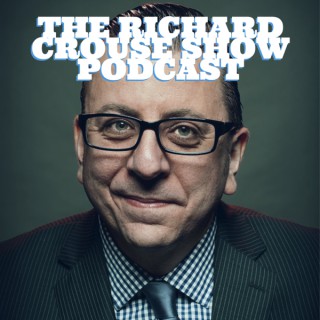
On the Saturday April 12, 2025 edition of The Richard Crouse Show we’ll meet artist and musician Sean Ono Lennon. A new documentary called “One to One: John & Yoko,” is a look at New York City in the early 1970s through the actions of two of its most famous residents, John Lennon and Yoko Ono. Newly restored footage, with remastered audio overseen by Sean Ono Lennon, of John Lennon’s only full-length, post-Beatles concert is intercut with talk show appearance, home movies and news accounts to create a sense of time and place. In this conversation we talk about the film and how, for Sean, working on it is “almost like getting more time with my dad.” Then, we’ll meet the creative team behind an intense new film called “Warfare.” Based on ex-Navy Seal Ray Mendoza’s real-life experiences during the Iraq War, “Warfare” is a harrowing portrait of modern warfare that sees a platoon of American Navy SEALs in battle with enemy combatants. On this show we meet co-directors Alex Garland and Rayn Mendoza and star D’Pharaoh Woon-A-Tai.

On the Saturday April 12, 2025 edition of The Richard Crouse Show we'll meet artist and musician Sean Ono Lennon. A new documentary called “One to One: John & Yoko,” is a look at New York City in the early 1970s through the actions of two of its most famous residents, John Lennon and Yoko Ono. Newly restored footage, with remastered audio overseen by Sean Ono Lennon, of John Lennon's only full-length, post-Beatles concert is intercut with talk show appearance, home movies and news accounts to create a sense of time and place. In this conversation we talk about the film and how, for Sean, working on it is “almost like getting more time with my dad.” Then, we'll meet the creative team behind an intense new film called “Warfare.” Based on ex-Navy Seal Ray Mendoza's real-life experiences during the Iraq War, “Warfare” is a harrowing portrait of modern warfare that sees a platoon of American Navy SEALs in battle with enemy combatants. On this show we meet co-directors Alex Garland and Rayn Mendoza and star D'Pharaoh Woon-A-Tai.

Freddy sits down with the cast and directors of Hell of a Summer, a fantastic horror film packed with great moments, suspense, and a fresh take on the genre. He spoke with Abby Quinn, Sardis Saremi, D'Pharaoh Woon-A-Tai, Billy Bryk, and Finn Wolfhard about the making of the movie, diving into behind-the-scenes stories, the creative process, and their inspirations in filmmaking. They explore what drew them to horror, how they crafted the film's eerie yet thrilling atmosphere, and the fun (and chaos) of bringing a summer camp slasher to life. Beyond the scares, we also had some laughs, reminiscing about summer camp activities and discussing what makes horror such a timeless and exciting genre. With an amazing cast and a deep passion for storytelling, Hell of a Summer is a must-watch for horror fans. Only in theaters on April 4th! ————————————————————— We officially have merch! Shop your little demonic heart! Want to keep the horror chats alive? Do you want to join a super awesome community that loves the genre and Knight Light? Want to have access to exclusive content? You should join our Discord! For as little as $2 a month, you can access Knight Light's full-month release schedule and participate in polls to choose the film that we cover to conclude the month! ————————————————————— Sign up on our Patreon to access our Patreon-exclusive shows. Sign up for a 7-day trial, and if you like what we offer, stick around! Want to be a part of the growth of Knight Light? Please support us at these links! PATREON | MERCH | X | DISCORD | INSTAGRAM | PRINCE | FREDDY | SIDNEY Learn more about your ad choices. Visit megaphone.fm/adchoices
Have you ever felt like you're doing everything in your jewelry business, but still not seeing the growth you want? In this episode, I'm sitting down with Eva Woon, the founder of Inari Jewelry, to talk about what really goes on behind the scenes of building a successful jewelry brand. From managing cash flow and growing a team to launching collections strategically, Eva shares the biggest lessons she's learned as she's scaled her business. We also dive into one of the hardest mindset shifts for business owners—learning to let go and trust your team. If you're feeling overwhelmed, stretched thin, or constantly putting out fires, this episode will give you the perspective (and strategy) you need to move forward with confidence. Let's get into it!

This week on the podcast, we welcome Shelley Woon to the conversation. Shelley is a dedicated educator and school leader with over three decades of experience supporting students, families, and staff in overcoming learning challenges. She holds a Master of Education in Leadership, has specialized qualifications in Special Education and Reading, and serves as Head of School at Arrowsmith School and Superintendent of Special Education. Shelley values the brain-learning connection and is committed to helping others unlock their potential. Shelley joins us to explore how we can move beyond compensatory strategies and actually strengthen cognitive function for students who have dyslexia, ADHD, and other learning challenges. We discuss why depending only on accommodations can actually limit students' career opportunities and how interventions that are rooted in neuroplasticity can actually rewire the brain. She explains the Arrowsmith approach, which involves targeting cognitive weaknesses via specific exercises designed to create real, measurable improvements in reading, writing, and executive function. We also take on common skepticism around cognitive training. With so many programs that promise miracles, how can parents and educators separate science-backed interventions from empty claims? Shelley shares research that supports neuroplasticity-based learning, and she gives us real-world success stories from students who have greatly improved their academic abilities through structured training. Show Notes: [2:52] - Shelley transitioned from focusing on accommodations to addressing cognitive challenges. [4:15] - Accommodations help, but actual progress comes from strengthening cognitive skills. [6:28] - Shelley discusses how ignoring learning disabilities can hinder careers and mental health, even with accommodations. [8:51] - We learn that Arrowsmith identifies cognitive deficits and uses neuroplasticity-based exercises to improve reading and writing. [10:04] - Shelley explains how neuroplasticity enables the brain to rewire itself. [13:52] - Addressing learning difficulties requires not just accommodations but also cognitive training. [15:01] - The Arrowsmith program develops cognitive functions by integrating supportive technology. [18:53] - Cognitive training can improve executive functioning, but programs like Arrowsmith are and should be evidence-based, [21:52] - It is reiterated that the Arrowsmith program improves learning capacity using neuroplasticity for academic and cognitive success. [23:02] - In Arrowsmith classrooms, Shelley discusses, students engage in individualized cognitive exercises customized to their needs. [25:52] - Shelley further explains that teachers guide students with personalized feedback. [27:33] - Education is evolving with neuroplasticity and integrating technology. [29:14] - Improving cognitive functions can improve multiple skills, sometimes yielding unexpected benefits in daily life. [31:33] - We learn how cognitive training such as sports practice requires mastering basic skills. [35:23] - Shelley shares how she can be contacted online. Links and Related Resources: Unleashing the Power of Neuroplasticity (Webinar Series) Shelley Woon - “Overcoming Dysgraphia and Dyslexia with Neuroplasticity” Barbara Arrowsmith-Young - The Woman Who Changed Her Brain: How I Left My Learning Disability Behind and Other Stories of Cognitive Transformation Connect with Us: Get on our Email List Book a Consultation Get Support and Connect with a ChildNEXUS Provider Register for Our Self-Paced Mini Courses: Support for Parents Who Have Children with ADHD, Anxiety, or Dyslexia Connect with Shelley Woon: Arrowsmith's Website Email: shelley.woon@arrowsmith.ca
President Cyril Ramaphosa lei op 15 en 16 Februarie Suid-Afrika se afvaardiging na die 38ste AU-beraad in Addis Abeba. Die tema van die beraad is “Justice for Africans and People of African Descent Through Reparations” en sal kwessies oor vrede en veiligheid behandel, insluitend die konflik in die Demokratiese Republiek die Kongo. Die woordvoerder in die Presidensie, Vincent Magwenya, sê gesprekke sal ook fokus op die belangrikste punte van Agenda 2063, verkiesing van die AU-leierskap en vordering met die Afrika Kontinentale Vryhandelsgebied.

Today, Yin Woon Rani shares her perspective on leadership and reveals what it truly means to 'know thy heart.'Yin Woon Rani is Chief Executive Officer and Chief Marketing Officer of MilkPEP, a marketing and education group funded by U.S. milk companies. With nearly 30 years of integrated experience across CPG companies and marketing agencies, Yin joined the MilkPEP team in 2019 seeking to be a catalyst for change - with a goal of both propelling the dairy industry forward while driving reconsideration of milk through strategic and meaningful programming.Born in Malaysia and raised in Singapore, Rani emigrated to the US to attend Yale and went on to drive integrated marketing experiences at some of the most recognizable brands in the US including P&G, Campbell's, L'Oreal, Hasbro, Smucker's, and more. As a female AAPI leader, mother, and marketer, she is dedicated to making space for underrepresented voices and is excited to usher in a new era for dairy milk. --- Support this podcast: https://podcasters.spotify.com/pod/show/asiansinadvertising/support
Piet Nel, onafhanklike belastingkonsultant gesels oor die Suid-Afrikaanse Inkomstediens se waarskuwing aan diegene wat nie meer in Suid-Afrika woon nie. Volg RSG Geldsake op Twitter

It doesn't get much more intense than Hostage Negotiator for the federal police! For over a decade Woon helped people make the right choice in some crazy stressful situations. But it was a choice that a friend of his made and his persistent annoyance that ultimately lead Woon to Christ. To get in touch with host Aiden Grant, email aideng@hotmail.com or head to Instagram Hosted on Acast. See acast.com/privacy for more information.

This is the first Episode in our series new series on Leading Inspired by Faith. Tracey, an accidental buddhist as she describes herself and an accomplished squash player shares with us how long before she was exposed to buddhism, she was practicing the principles of buddhism. She shares how it has given her a moral compass that has helped her in her leading. There is not god in Buddhism and so it requires one to deeply reflect and introspect. Qualities, Tracey believes are helpful to a leader too. Both squash and buddhism taught her the importance of being present and cultivating focusTracey's faith has allowed to to balance and navigate difficult situations both professionally and personally with peers, clients and teams with kindness and honesty. For example, it is not enough that you do the right thing when people are looking, but do you have the ability to stand up for what is right even when someone is not watching you? How can you live and lead in a manner that allows you to see from many different perspective? About the Guest:Tracey Woon has had over 35 years of experience of working in investment banking experience and has worked on corporate finance and is currently 'journeying' in her next chapter.
President Nangolo Mbumba sal die 44ste spitsberaad van die Suider-Afrikaanse Ontwikkelingsgemeenskap in Harare bywoon. Hy is reeds in Zimbabwe en keer Sondag terug. Mbumba sal ook die SAOG Orgaan oor Politieke Verdediging en Veiligheid se troika-spitsberaad bywoon. Dr. Alfredo Hengari, die Presidensie se woordvoerder, verskaf insigte oor die president se prioriteite by die beraad.
Die minister in die Presidensie vir Beplanning, Monitering en Evaluering, Maropene Ramokgopa, verteenwoordig president Cyril Ramaphosa vandag by die inhuldiging van die president van Rwanda, Paul Kagame, in Kigali. Die woordvoerder van die departement Litha Mpondwana sê Suid-Afrika en Rwanda speel nie net 'n belangrike rol in streeks-integrasie nie, maar ook met die versterking van die Afrika-agenda en Suid-tot-Suid-samewerking:
하성운 debuted in 2014 as a member of the boy group HOTSHOT. He then gained significant attention on an audition program, showcasing his exceptional skills, positive personality, and passion. This led to his role as the main vocalist in the project group Wanna One, where he shined as a talented idol.In 2019, he released his self-produced album 'My Moment,' continuing his career as a solo artist. Known for his unique charm, he has released many distinctive albums, steadily building his musical career. He's a ‘composer idol' who produces his own albums and displays his talent in various fields such as performances, OSTs, variety shows, radio DJing, and MCing.하성운 is a complete artist, loved for his solid skills, unique voice, and emotional expression.Let's dive into the music of the all-rounder 하성운.Today's playlist1. Blessed2. BIRD 3. Can't Live Without You4. FOCUS5. Snowy Stars - Nive's Pick6. BLUE - AIVAN's Pick
Al-Minahu-l Miskiyyah المنح المسكية في الخوارق المبكية Di téere boo xamne Sëriñ Muhammadu-l Amiin Joob Dagana, moo ko bind, jagleel ko lenn ci kéemaane Sëriñ Tuubaa yi mu fekkee, ak yi mu jëlee ci nettali yu wér. Une oeuvre de Cheikh Mouhamadoul Amine Diop, sur l'enseignements et miracles de Cheikh Ahmadou Bamba (1853-1927) Traduction & Commentaire : Abdou Khadre BA Majalis
Al-Minahu-l Miskiyyah المنح المسكية في الخوارق المبكية Di téere boo xamne Sëriñ Muhammadu-l Amiin Joob Dagana, moo ko bind, jagleel ko lenn ci kéemaane Sëriñ Tuubaa yi mu fekkee, ak yi mu jëlee ci nettali yu wér. Une oeuvre de Cheikh Mouhamadoul Amine Diop, sur l'enseignements et miracles de Cheikh Ahmadou Bamba (1853-1927) Traduction & Commentaire : Abdou Khadre BA Majalis
Al-Minahu-l Miskiyyah المنح المسكية في الخوارق المبكية Di téere boo xamne Sëriñ Muhammadu-l Amiin Joob Dagana, moo ko bind, jagleel ko lenn ci kéemaane Sëriñ Tuubaa yi mu fekkee, ak yi mu jëlee ci nettali yu wér. Une oeuvre de Cheikh Mouhamadoul Amine Diop, sur l'enseignements et miracles de Cheikh Ahmadou Bamba (1853-1927) Traduction & Commentaire : Abdou Khadre BA Majalis
Al-Minahu-l Miskiyyah المنح المسكية في الخوارق المبكية Di téere boo xamne Sëriñ Muhammadu-l Amiin Joob Dagana, moo ko bind, jagleel ko lenn ci kéemaane Sëriñ Tuubaa yi mu fekkee, ak yi mu jëlee ci nettali yu wér. Une oeuvre de Cheikh Mouhamadoul Amine Diop, sur l'enseignements et miracles de Cheikh Ahmadou Bamba (1853-1927) Traduction & Commentaire : Abdou Khadre BA Majalis

We talk with Dr. Sy Woon about veterinarians and mental health, and she addresses some common misconceptions about the veterinary field. Dr Woon has started a new podcast called, "The Secret Lives of Vets," which takes a deep dive into the lives and challenges that veterinarians face.Love and compassion for animals can bring everyone together. ‘Humane Voices' is the official podcast of the Humane Society of the United States. We'll explore the issues facing animals, interview worldwide animal experts, and discuss what you can do to get involved and help. If you care about the welfare of animals, or have a special pet or two in your life, this is the podcast for you.Contact us at podcast@humanesociety.org to offer feedback and suggest future episode topics.
Al-Minahu-l Miskiyyah المنح المسكية في الخوارق المبكية Di téere boo xamne Sëriñ Muhammadu-l Amiin Joob Dagana, moo ko bind, jagleel ko lenn ci kéemaane Sëriñ Tuubaa yi mu fekkee, ak yi mu jëlee ci nettali yu wér. Tekki ak jottali gi : Abdu Xaadir BA Majalis --- Send in a voice message: https://podcasters.spotify.com/pod/show/librairie-majalis/message
Al-Minahu-l Miskiyyah المنح المسكية في الخوارق المبكية Di téere boo xamne Sëriñ Muhammadu-l Amiin Joob Dagana, moo ko bind, jagleel ko lenn ci kéemaane Sëriñ Tuubaa yi mu fekkee, ak yi mu jëlee ci nettali yu wér. Tekki ak jottali gi : Abdu Xaadir BA Majalis --- Send in a voice message: https://podcasters.spotify.com/pod/show/librairie-majalis/message
“When people say it's ok, I don't need a family, I don't need a partner, I say bullshit.”Woon Tai Ho is most known for being the founder of Channel News Asia & author of prolific books like the trilogy by George Yeo (Singapore's former foreign minister). But has the success been worth it?What are some of his biggest regrets in life?In Part 1 (which you should listen to if you haven't), we explored all of his big career achievements and the challenges that came with it, including being summoned by China to answer for their coverage of Falun Gong.But today, we cover something very different.Deeper.More personal.Starting with Tai Ho's major pivot from broadcasting to author.Because nowadays, it's common to make career pivots. It's hard enough when it's just jumping from one company to the next in the same industry, but Tai Ho has made that huge jump so…❓ How did he do it? ❓ How does he think about the ‘Second Act' of his career? ❓ How should people plan for their own Second, Third or even Fourth Act, especially when it comes to retirement?And is there such a thing as living for too long and just ‘waiting to die'?We also talk about some of his deepest regrets, his relationship with success and thoughts on relationships.His advice to people: Go marry, have kids, then go back to your career.We don't have to be that woke.
Growing up, Woon Tai Ho - Channel NewsAsia founder & Bestselling Author of books like the George Yeo trilogy, Soul of Ink, Riot Green- didn't know he was poor.Until he invited his friends over and was asked questions like:❓ Where's your phone?❓ Where's your sofa?None of which he had.Which made him realise that actually, he was pretty poor.

TICKETS TO OUR 2023 TOUR ARE NOW ON SALE! On today's episode of Who's There, our weekly call-in show, we receive a LONG-AWAITED update on the Lawsuit of the Century before playing your comment calls about Lauren Sanchez, Chance the Rapper, and the “American Coleen Rooney.” Moving on, we go long on Josh Seiter's “death hoax” + his brief relationship with Monica Beverly Hillz, talk about the post-Reservation Dogs future of D'Pharaoh Woon-A-Tai, make a guess about Cecily Strong's recent Instagram post, find out Marcia Gay Harden's alter-ego, and more. Call in at 619.WHO.THEM to leave questions, comments & concerns for a future episode of Who's There?. Support us and get a TON of bonus content over on Patreon.com/WhoWeekly. And COME SEE BOBBY CHAT WITH RUMAAN ALAM AT BARNES AND NOBLE ON SEPTEMBER 7th! (And buy THE OLD PLACE in paperback on August 29!) xoxo in paperback on August 29!) xoxo To learn more about listener data and our privacy practices visit: https://www.audacyinc.com/privacy-policy Learn more about your ad choices. Visit https://podcastchoices.com/adchoices
© 2020-2026 Ivy Podcast Discovery LLC
