

POPULARITY

28 episodes with Seven Weeks

10 episodes with Seven Weeks

8 episodes with Seven Weeks

4 episodes with Seven Weeks

4 episodes with Seven Weeks

7 episodes with Seven Weeks

2 episodes with Seven Weeks

2 episodes with Seven Weeks

3 episodes with Seven Weeks
Congregation of the Living Word, a Messianic Jewish Congregation
The Seven Weeks Of Comfort, Countdown To Rosh Hashanah Part 6: The Return Of Messiah, A Time Of Gloom, Or A Time Of Joy? - English only. What do the Scriptures tell us about the time of Yeshua's return? Is it a time for believers to fear, or a time for us to look forward to? This is a digitally remastered recording of a previously unpublished sermon originally recorded on Rosh Hashanah, September 11, 1999. This year, 2026, we will celebrate Rosh Hashanah on September 12, 2026.
Congregation of the Living Word, a Messianic Jewish Congregation
The Seven Weeks Of Comfort, Countdown To Rosh Hashanah Part 5: Sharing The Shofar Experience - English and Spanish. On Rosh Hashanah, the sound of 100 blasts of the shofar can be a moving experience. We want to invite friends to share this inspiring ceremony, but we must first overcome a huge obstacle before people accept the invitation. This year, make sure that you remove that stumbling block! Recorded on August 22, 2026. This year, 2026, we will celebrate Rosh Hashanah on September 12, 2026.

Beloved, this installment of The Messianic Torah Observer takes us deep into Parashat Ki Teitzei, one of the most commandment-rich and, at first glance, challenging readings of the annual Torah cycle. But buried in the middle of its warfare ethics, family laws, property responsibilities, and moral instructions are powerful Kingdom truths that point us directly to Messiah, the nations, and Yah's covenant faithfulness. In this teaching, we will examine Deuteronomy 21:22–23 and see why Paul, in Galatians 3:13, reaches back into this very passage to explain what happened on Golgotha. Yeshua did not become a curse because of His own sin or rebellion. He became a curse for us, redeeming us from the curse that our rebellion deserved. Torah did not hide the work of Messiah from us; Torah instead pointed to it all along. We will also look at the Torah of the captive woman in Deuteronomy 21:10–14 and consider how, from a deeper spiritual reading, this passage foreshadows the nations being brought near unto Yah through Mashiyach. Those who were once strangers to the covenants of promise are now brought into the household of Elohim, but not without the stripping away of the old identity, old garments, and old way of life. Finally, we will turn to Isaiah 54, the Haftarah reading for this week and part of the traditional Seven Weeks of Consolation. Here, Yah speaks comfort to the barren, scattered, and forsaken one, commanding her to sing, enlarge her tent, and trust in His unshakable covenant of peace. As we move through this traditional season of Elul and draw closer to Yom Teruah and the Fall Feasts, this word reminds us that Yah's steadfast love has not departed from His covenant people.
Congregation of the Living Word, a Messianic Jewish Congregation
The Seven Weeks Of Comfort, Countdown To Rosh Hashanah Part 4: The Shofar of Abraham - English and Spanish. The first time that the word shofar is mentioned in the Scriptures is in chapter 19 of the Book of Exodus, when we stood at Mount Sinai. But perhaps a shofar is hiden in the account of the binding of Isaac! This is a rebroadcast of a sermon originally recorded on July 29, 2023. This year, 2026, we will celebrate Rosh Hashanah on September 12, 2026. Las siete semanas de consuelo, cuenta atrás para Rosh Hashaná, parte 4: El shofar de Abraham - Inglés y español. La primera vez que se menciona un shofar en las Escrituras es en el capítulo 19 del Libro del Éxodo, cuando nos encontrábamos en el monte Sinaí. ¡Pero quizá haya un shofar oculto en el relato del sacrificio de Isaac! Esta es una retransmisión de un sermón grabado originalmente el 29 de julio de 2023. Este año, 2026, celebraremos Rosh Hashaná el 12 de septiembre de 2026.
Congregation of the Living Word, a Messianic Jewish Congregation
The Seven Weeks of Comfort, Countdown To Rosh Hashanah Part 3: Knowing The Sounds Of The Shofar - English and Spanish. The Scriptures teach that the shofar can make several sounds. Why is that fact critical for followers of Yeshua to understand? Recorded August 8, 2026. This year, 2026, we will celebrate Rosh Hashanah on September 12, 2026. Las siete semanas de consuelo, cuenta atrás para Rosh Hashaná, parte 3: Conocer los sonidos del shofar - Inglés y español. Las Escrituras enseñan que el shofar puede emitir varios sonidos. ¿Por qué es fundamental que los seguidores de Yeshua comprendan este hecho? Grabado el 8 de agosto de 2026. Este año, 2026, celebraremos Rosh Hashaná el 12 de septiembre de 2026.
Congregation of the Living Word, a Messianic Jewish Congregation
The Seven Weeks of Comfort, Countdown To Rosh Hashanah Part 2: The Meaning Of The Shofar - English only. The sound of the shofar should awaken memories in our soul. Join us as we discuss the traditional understanding of that important sound! This is a previously unpublished recording of a Rosh Hashana sermon from Sept 10, 1999. This year, 2026, we will celebrate Rosh Hashanah on September 12, 2026.

Good Morning, ‘Comfort ye, comfort ye, my people:' these beautiful words from Isaiah open the Seven Weeks of Consolation which begin now, and lead up to the Jewish New Year. Yet only days ago was the bleakest date in the Jewish calendar, the Fast of the Ninth of Av, marking the destruction of Jerusalem. The embers of the fires that devoured God's temple were still red hot in memory; the surrounding hills, once forested, were devastated. Yet the rabbis insisted on proclaiming Isaiah's words of comfort. How dared they? How could they be so brazen! Would we say, “Take comfort!” while the flames near Madrid and Bordeaux are burning, bringing horror to the people, fire-fighters, animals? But the prophetic message was not: ‘Don't worry. It'll all be okay.' Rather, it is ‘We must look on disaster, then take hope, not by turning away, but by living differently. ‘Prepare a highway for God,' Isaiah continues: ‘Make the world better,' he demands. I thought of his words as I cut turfs to help Tracy and Roger Mclachlan rewild their 91 acres at Bac Dhub in the Highlands. We were building leaky dams to raise the water level of a stream so that it would rewet and restore the peatland. In short, we were doing what beavers do naturally. ‘The peat will regrow one millimetre per year,' Tracy explained. ‘But it'll absorb more carbon than trees.' It's her pledge to the future. I compare that one millimetre per year to the forest fires raging forward and shudder. Where's your comfort, Isaiah? But I know that countless local groups worldwide are saying: ‘This is our place, our park, trees, birds. We're determined to do everything we can for our world, our children, our future.' I speak to Simon Oldridge, Co-founder of the National Emergency Briefing UK, in which the country's leading experts on security, health, food and weather tell the climate crisis as it is. The film of the briefing has already been screened to over 2,000 groups. ‘People feel better when they've seen it,' Simon explains. They say, ‘The issues aren't being boxed away. There are things we can do. People feel motivated.' Action from the bottom up is great, Simon acknowledges. ‘But we need urgent, galvanising leadership from top down,' because this is about everything: energy, agriculture, how we eat, travel, insulate homes. That's Isaiah's message. ‘Look up and see!' he insists. This is God's world. Take comfort, not by turning away, but by treating creation with the love, justice and respect it demands.

Rabbi Jacobson will discuss the following topics: What should be our focus during these days following Tisha B'Av? 15 Av What is the relevance of this day? Why is it considered the greatest holiday together with Yom Kippur? Why did they break the axe after finishing the yearly wood chopping quota instead of keeping it for next year? Will this day still be celebrated after Moshiach comes? Or will the transformed 9th of Av supplant this day? What maamar or sicha do you suggest we learn explaining this day? What lessons do we learn from living with the times, with this week's Torah parsha? How does Eikev allude to ikvasa d'meshicha, the heel/footsteps of Moshiach? What is the meaning of ikvasa d'meshicha – why is it called “heel”? What is its significance? What's the difference between the footsteps of Moshiach, the days of Moshiach, and the era of Moshiach? And which stage are we in today? Why is Eikev the gematria of the 172 words of the Ten Commandments? Are the seven species that with which Israel is blessed (wheat, barley, grapes, figs, pomegranates, olives and dates) healthier for us? Why is the second set of tablets greater than the first? If we are comforted by being shown the third temple on Shabbos Chazon, why do we additionally need Shabbos Nachamu? Why is there a double expression of consolation – Nachamu Nachamu stated twice? Can we say that the first half of summer is sadder due to The Three Weeks, and the second half is happier due to the Seven Weeks of Comfort? What can one do if they don't feel consoled on this Shabbos due to the active problems that exist in the world? Why was Moshe told to stop praying to enter Israel when we are taught that prayer has the power to change G-d's will? Was Moshe praying or asking for a gift? Is it risky to ask G-d for a favor? How is it possible that with the great revelations of holiness in the Beis Hamikdash people were able to sin and cause its destruction? Is the Beis Hamikdash an actual physical structure or is it a superconscious collective state of harmony between the spiritual and physical world? Even if we aren't allowed to rebuild the Beis Hamikdash, can we start collecting money for it? Is Israel holy because the Beis Hamikdash was there, or was the Beis Hamikdosh there because Israel is holy? When Moshiach comes, will we all feel it? Why does the Torah name some villains and not others? Why did the sages not speak up in defense of Bar Kamtza and why is the name of the host not mentioned – the Chasam Sofer's explanation? Eikev Nachamu Vaetchanan Rebuilding the Temple Kamtza and Bar Kamtza – follow-up
Congregation of the Living Word, a Messianic Jewish Congregation
The Seven Weeks of Comfort, Countdown To Rosh Hashanah Part 1: Shabbat Nachamu, Comfort My People - English and Spanish. After the three weeks of mourning over the destruction of the Temple, we observe seven weeks of consolation. God offers comfort to His people. Why should we be concerned about comforting those in need? The answer can be found in understanding the nature of God! This is a rebroadcast of a sermon originally recorded on July 29, 2023. This year, 2026, we will celebrate Rosh Hashanah on September 12, 2026. Las siete semanas de consuelo, cuenta atrás para Rosh Hashaná, 1.ª parte: Shabat Nachamú «Consuela a mi pueblo» - En inglés y español. Después las tres semanas de luto por la destrucción del Templo, celebramos siete semanas de consuelo. Dios ofrece consuelo a su pueblo. ¿Por qué deberíamos preocuparnos por consolar a los necesitados? ¡La respuesta se encuentra en comprender la naturaleza de Dios! Esta es una retransmisión de un sermón grabado originalmente el 29 de julio de 2023. Este año, 2026, celebraremos Rosh Hashaná el 12 de septiembre de 2026.

Daily Bitachon: The Power of Unanswered Prayer Welcome to Daily Bitachon . We are continuing our series on the topic of Nechama (comfort), as we enter the Seven Weeks of Nechama . We didn't have much time to cover Parashat Va'etchanan in detail, but it contains a critical message: Moshe Rabbeinu offered 515 prayers —the numerical value ( gematria ) of the word Va'etchanan ( ואתחנן ). After these 515 prayers, Hashem tells Moshe: "Rav lach" — "That is enough, do not speak to Me anymore on this matter." Our Sages tell us that had Moshe prayed just one more time , his prayer would have been answered. At first glance, this sounds like a depressing note on which to begin the season of comfort: Moshe Rabbeinu prays incessantly, yet he isn't answered! The Mystery of 515 What is the significance of the number 515? 1. The Connection to Every Tefilla The Megalleh Amukot points out that the standard gematria of the word tefilla ( תפלה ) is 515 . This means that every single prayer we recite connects back to this concept of Moshe Rabbeinu praying and not receiving the answer he sought. Furthermore, the Megalleh Amukot explains that this is why we recite Psalm 90 ( Tefilla L'Moshe ) on Shabbat, ending with: יראה אל עבדיך פעלך "Let Your work be shown to Your servants..." Moshe is pleading to see Hashem's handiwork by being granted entry into Eretz Yisrael . 2. The Mathematical Breakdown ( Pnei Yehoshua ) The Pnei Yehoshua ( Berachot 32a) offers a fascinating calculation: If you count the days from Tu B'Av until the 7th of Adar (the day Moshe Rabbeinu passed away), using the standard calendar alternating between full and short months: Av: 16 days Elul: 29 days Tishrei: 30 days Cheshvan: 29 days Kislev: 30 days Tevet: 29 days Shevat: 30 days Adar: 7 days Total: 200 days 200 days 3 daily prayers = 600 prayers. Subtract the 28 Shabbatot during this period (where personal petitions are not made): . On his final day, after 515 prayers, Hashem told Moshe to stop before he could recite the 516th prayer. Moshe began praying on Tu B'Av—the day of turnaround and joy—and prayed continuously until his final hours, only to be stopped just one prayer short of his goal. Why Did Hashem Stop Him? The Sefer Chasidim (ch. 612), quoting Rabbeinu Saadia Gaon, notes that one reason a prayer might not be answered is due to a final decree ( gzar din ). But why would Hashem issue a decree that prevents such sincere prayer from being accepted? The Or HaChaim HaKadosh explains that entering the Land was ultimately not for Moshe's (or the Jewish people's) true benefit : Anything Moshe Rabbeinu built was eternal because his spiritual attribute was Netzach (eternity). Had Moshe entered Eretz Yisrael and built the Beit HaMikdash , it could never have been destroyed. Consequently, when Israel sinned in the future, Hashem would not have been able to vent His wrath on wood and stone; the destruction would have fallen entirely upon the Jewish people themselves. By not entering the Land, Moshe effectively took a hit for the Jewish nation. As Moshe later reflects: וגם בי התאנף ה' בגללכם "Hashem was also angry with me on your account." Moshe realized that his prayer was held back for the ultimate protection and salvation of Am Yisrael . This realization is itself a profound level of nechama (comfort). Sometimes we pray relentlessly for something, but Hashem withholds it because He knows it is not ultimately good for us. A Second Calculation: High Holidays to Shemini Atzeret The Sefer HaToda'ah offers an alternate tradition: Moshe offered these prayers from Rosh Hashanah through the morning of Shemini Atzeret —the window of cosmic judgment. 21 days 24 hours = 504 hours. Add the 12 hours of the eve of Shemini Atzeret = 516 total units/prayers. Hashem stopped Moshe in that final 516th hour—the exact moment the decree was being sealed and handed down—to prevent the decree from being annulled, because the outcome was necessary for the greater good. The Lesson of Nechama: No Prayer is Wasted Why do we read Parashat Va'etchanan every year during these seven weeks of comfort? The Pri Tzadik explains that reading this portion gives us strength during this period. We often ask ourselves week after week: "Where is the comfort? Why aren't our prayers bringing the immediate redemption we long for?" The Torah reassures us: Do not feel defeated if your personal prayers seem unanswered. No prayer is ever wasted. כל המתאבל על ירושלים זוכה ורואה בנחמתה "Whoever mourns for Jerusalem merits to see her joy." The Steipler Gaon writes in Chayei Olam (ch. 28) that even if years or decades pass and you feel your prayers haven't worked, never give up . Every single prayer accomplishes something vital. He quotes a Midrash illustrating that some prayers are answered after 3 days, some after 30 years, and some even after 100 years. We cannot see the divine timetable, but every word of tefilla builds something lasting. If Moshe Rabbeinu—the greatest leader who ever lived—had prayers that were withheld for a higher, hidden good, we shouldn't lose heart when our own prayers seem to go unanswered. Trust that Hashem hears every word, and every prayer accomplishes its purpose in its proper time. We will continue more on this topic tomorrow, B'ezrat Hashem.
Welcome to Daily Bitachon The Gemara ( Berachot 31a ) tells us that the prophets always conclude their prophecies with words of praise and comfort; every book in Tanach ends on a positive note. This raises a famous question: If every book ends positively, why does Megillat Eicha end on such a dark note? כִּי אִם מָאֹס מְאַסְתָּנוּ, קָצַפְתָּ עָלֵינוּ עַד מְאֹד "For have You utterly rejected us? You have been extremely angry with us!" That certainly doesn't sound like a happy ending! (Note: While we customarily repeat the previous verse, "Hashiveinu," that is not how Yirmiyahu actually concluded the text.) Why would Yirmiyahu write an ending like that? Didn't he know the rule? Reading Eicha Through a New Lens The Reishit Chochma ( Sha'ar Ha'ahava, Perek 7 ) answers that we are actually misreading the pasuk. It isn't a statement of absolute rejection— it is a question : "Could it really be that You have utterly despised us? If You were truly angry enough to destroy us, You would have obliterated us completely by now!" The very fact that we are still around, enduring through exile and destruction, proves that Hashem is not out to destroy us. Rather, He is rousing us to do Teshuva . That is the ultimate goal: הֲשִׁיבֵנוּ ה' אֵלֶיךָ וְנָשׁוּבָה ( "Bring us back to You, Hashem, and we shall return" ). This aligns with Yeshayahu's prophecy: כִּי לֹא לְעוֹלָם אָרִיב, וְלֹא לָנֶצַח אֶקְצוֹף — "I will not contend forever, nor will I be angry for eternity." Hashem's anger is temporary, intended only to awaken our hearts. The Seven Weeks of Comfort ( Sheva D'nechemta ) This insight is crucial as we enter Shabbat Nachamu , ushering in the seven weeks of comfort. Many people are familiar with the "Three Weeks" of mourning, but fewer realize that they are followed by seven haftarahs of comfort ( Sheva D'nechemta ), corresponding to the three weeks of rebuke ( Tlata D'puranuta ). Rav Wolbe zt"l used to point out Hashem's incredible love for us: He gives us more than double the amount of comfort compared to the weeks of suffering! What Does Nechama Really Mean? We usually translate Nechama as "comfort" or "consolation." But to understand its true definition, we look to its first appearance in the Torah ( Bereishit 6:6 ): וַיִּנָּחֶם ה' כִּי עָשָׂה אֶת הָאָדָם בָּאָרֶץ "And Hashem repented/changed His mind that He had made man on the earth." Rashi explains that Nechama means a change of mind or perspective —recalculating one's approach. As Rashi notes: " וְכֵן כָּל לְשׁוֹן נִיחוּם שֶׁבַּמִּקְרָא " —this is the definition of Nechama throughout all of Tanach. Nechama means learning to view a situation through a completely different lens. Understanding the "Love Tap" There is a touching story about the Belzer Rebbe , who lost a child. Despite his tragic loss, he stayed remarkably strong. One of his friends asked him how he was able to maintain his fortitude. The Rebbe replied: "If a person is walking down the street and suddenly gets slapped on the back, he turns around ready to fight. But if he turns around and sees that it was his loving father giving him an affectionate pat, his entire reaction changes." When we realize that everything comes directly from Hakadosh Baruch Hu , we recognize that even the hardest moments are a "love tap" from our Father. That shift in perspective is Nechama . Masterclass in Perspective: Nachum & Rabbi Akiva 1. Nachum Ish Gamzu The master of this perspective shift was Nachum Ish Gamzu , whose very name shares the root of Nechama . On every single occurrence in his life, he declared: גַּם זוּ לְטוֹבָה ( "This too is for the best" ). He possessed the unique ability to reframe any situation and find the latent good within it. 2. Rabbi Akiva His prime student, Rabbi Akiva , famously taught: כָּל דְּעָבֵיד רַחֲמָנָא לְטָב עָבֵיד ( "Whatever the Merciful One does, He does for the good" ). When Rabbi Akiva traveled to a town and was refused entry, he was forced to sleep alone in the forest. One by one, his candle blew out, his rooster was eaten, and his donkey was killed. Yet, at every step, he maintained that it was for the good. The happy ending? Bandits attacked the town that very night; had he been in town, or had his candle or animals given away his position, he would have been captured. 3. Rabbi Akiva at the Temple Mount The famous Gemara at the end of Masechet Makkot relates that Rabbi Akiva and his colleagues walked past the destroyed Har HaBayit (Temple Mount) and saw a fox emerging from the site of the Holy of Holies. The Sages wept, but Rabbi Akiva laughed. The Sages asked: "Why are you laughing?" Rabbi Akiva responded: "Why are you crying?" They said: "A place so holy now has foxes walking through it—how can we not cry?" Rabbi Akiva explained: "Now that I see the prophecies of destruction fulfilled in full detail, I know with absolute certainty that the prophecies of ultimate redemption will be fulfilled as well!" On two separate occasions where Rabbi Akiva reframed a tragedy into hope, the Sages responded: עֲקִיבָא נִחַמְתָּנוּ, עֲקִיבָא נִחַמְתָּנוּ "Akiva, you have comforted us! Akiva, you have comforted us!" He didn't change the physical reality—he changed their perspective. Re-evaluating the Fall In Amos (5:2) , a verse states: נָפְלָה לֹא תוֹסִיף קוּם בְּתוּלַת יִשְׂרָאֵל (Superficially translated as: "The maiden of Israel has fallen and will never rise again.") However, the Gemara ( Berachot 4b ) offers an entirely different way to read the verse: "She has fallen, and she cannot fall any further—therefore, Rise, O Maiden of Israel!" The Iyor Devash explains this with a simple parable: If you trip while near a chair, you fall onto the chair. If you trip near a couch, you fall onto the couch. But once you hit the solid ground, you cannot fall any lower . The only option left is to get up! This is why we sit on the floor on Tisha B'Av: It symbolizes that we have hit rock bottom. From the floor, there is nowhere left to go but up. From the Floor to Rosh Hashanah Once we hit the bottom, we rise to the Betulah (the maiden)—which represents the Mazal of the upcoming month of Elul, a time of deep love between Hashem and the Jewish people. The Sefer Imrei Pinchas notes that sitting on the floor on Tisha B'Av is actually an Eit Ratzon (an auspicious time of favor), as it begins our spiritual construction toward Rosh Hashanah and Yom Kippur. The Ben Ish Chai ( Benayahu, Berachot 4b ) quotes the Zohar: When Israel falls so low that they cannot get up on their own, Hashem Himself steps in: בַּיּוֹם הַהוּא אָקִים אֶת סֻכַּת דָּוִיד הַנֹּפֶלֶת ( "On that day, I will raise up the fallen Tabernacle of David" ). This explains why Dovid HaMelech omitted the letter Nun (which stands for Nofel / falling) from the Ashrei prayer—so we would never think that a fall is permanent. Even though the very next verse provides comfort— סוֹמֵךְ ה' לְכָל הַנֹּפְלִים ( "Hashem supports all who fall" )—the Nun was omitted so nobody would misinterpret it and fall into despair ( Ma'ari Kair, Shemot 10:1 ). Hope Above All Else Avoiding despair is so critical that the Beit Yosef ( OC 554:24 ) records an ancient custom established by the early Sages ( Zekenim HaRishonim ): Women would wash their hair on Tisha B'Av after Chatzot (midday). This custom was based on the Yerushalmi's teaching that Mashiach is born on Tisha B'Av afternoon. Why introduce this practice on a fast day? כְּדֵי שֶׁלֹּא תִּתְיָאֲשׁוּ מִן הַגְּאֻלָּה "So that they should not give up hope in the Redemption!" The Sages specifically instituted this for women of that era who could not read the prophetic texts, ensuring they would not walk away from Tisha B'Av in despair. Although we do not follow this practice today, it highlights a profound principle: We must never leave Tisha B'Av on a down note. We Won the War: The Lesson of Gid HaNasheh The Zohar (cited in Melefet Sappirim ) hints that the four fast days are embedded in the commandment of Gid HaNasheh (the forbidden sciatic nerve): עַל כֵּן לֹא יֹאכְלוּ בְנֵי יִשְׂרָאֵל אֶת גִּיד הַנָּשֶׁה "Therefore the Children of Israel shall not eat the displaced sinew..." This prohibition stems from the nocturnal wrestling match between Yaakov Avinu and the Angel of Esav. Why does the Torah require us to remember this struggle for all eternity? The Sefer HaChinuch ( Mitzvah 3 ) explains: This mitzvah is a perpetual guarantee to the Jewish people. Even though we suffer through terrible hardships and persecutions at the hands of the nations, we are guaranteed that we will never be destroyed. We will endure forever, and the Redeemer will come. The angel ( Sar shel Esav ) tried to uproot Yaakov, injuring his thigh. Yet, as the Torah tells us, the sun rose and healed Yaakov. So too, no matter how much our enemies pain us, the sun of redemption will shine and heal us. When we reflect on our history, what should our ultimate takeaway be? We won the war. We struggled, we wrestled, but we survived—and we will prevail. Looking Forward This process culminates on Yom Kippur, when we take the Se'ir (representing Esav, the Ish Se'ir ) and push away the Se'ir La'Azazel . We emerge from these days stronger, purified, and resilient. When we comfort a mourner, we say: תְּנָחֲמוּ מִן הַשָּׁמַיִם, תִּרְאוּ בְּנֶחָמַת צִיּוֹן "May you be comforted from Heaven, and may you behold the consolation of Zion." This is not merely a wish for sadness to fade—it is a prayer for a new perspective . B'ezrat Hashem , as we move through these seven weeks of comfort, may the prophecies of נַחֲמוּ נַחֲמוּ עַמִּי ( "Comfort, comfort My people" ) penetrate our hearts and transform the way we view our lives and our future!
Greetings Saints. This is the week that pivots. There is one week in the Jewish calendar that moves from mourning to comfort in the space of just 48 hours. It begins with Tisha B'Av, the fast and memorial connected to the destruction of both Temples and other tragedies in Jewish history. But beloved, mourning is not the final word. The very next Sabbath brings Shabbat Nachamu, the Sabbath of Comfort, where Yah declares through Isaiah: "Comfort ye, comfort ye My people." In this teaching, we look at the Biblical calendar signal for the week of July 20–26, the Vaetchanan Torah portion, Isaiah 40:1–26, the Seven Weeks of Consolation, and the comfort we receive through Yeshua Messiah. Yah has not given up on Yasharal. And dear saint, He has not given up on you. Scripture references: Isaiah 40:1–26; Deuteronomy 3:23–7:11; Deuteronomy 6:4–9; Romans 11; Matthew 3:3; Mark 1:3; Luke 3:4; John 1:23; Matthew 10:22; Matthew 24:13; Mark 13:13.

For the past few episodes, we have focused heavily on how Blood Flow Restriction (BFR) aids in clinical rehabilitation and injury recovery. Today, we are shifting our focus to elite athletic performance and look at a study examining the hormonal impacts of adding a practical BFR finisher to the rigorous resistance training programs of collegiate American football players. The core problem strength and conditioning coaches face is maximizing the anabolic environment for their athletes without inducing excessive catabolic stress. This episode unpacks how a brief, 10-to-12-minute BFR finisher at 20% of a 1-Repetition Maximum (1RM) can significantly elevate salivary testosterone over a seven-week period when paired with a high-volume traditional training program. We explore the physiological roles of testosterone and cortisol at the tissue level, the importance of the testosterone-to-cortisol ratio, and why the time of day you train (and test) matters enormously. References Luebbers, P., Kriley, L., Eserhaut, D., Andre, M., Butler, M., & Fry, A. (2025). Salivary Testosterone and Cortisol Responses to Seven Weeks of Practical Blood Flow Restriction Training in Collegiate American Football Players. Frontiers in Physiology. Beaven, C. M., et al. (2008). Significant strength gains observed in rugby players following training protocols optimized for individual salivary testosterone responses. Discussion Points The Role of Hormones in Hypertrophy: How testosterone binds to androgen receptors to trigger structural remodeling, and why cortisol, a glucocorticoid, acts as a catabolic counterbalance. Study Methodology: The 7-week trial involving 58 collegiate football players, split into groups comparing traditional high-intensity training with and without a practical BFR finisher. The BFR Protocol: A practical, field-ready protocol using 4 sets (30-20-20-20 reps) of back squats and bench presses at 20% 1RM with 45 seconds of rest. Key Findings on Testosterone: Only the group combining high-volume traditional training with the BFR finisher saw significant increases in salivary testosterone from week 1 to week 7. Cortisol and Adaptation: A blunted post-exercise cortisol response across all groups after 7 weeks, indicating positive physiological adaptation and improved training tolerance. Diurnal Variations: The crucial difference between morning and afternoon hormonal profiles, and why afternoon training showed a clearer increase in the anabolic-favorable T:C ratio. Key Topics Covered - Elite Athletic Performance and BFR - Endocrine Responses to Resistance Training - Salivary Hormone Measurement (Free Testosterone vs. Total Testosterone) - Programming BFR Finishers in Team Sports - Managing Catabolic Stress and Recovery Thanks for listening, and remember to keep the pump! Chris
In this episode, Elixir Wizards Charles Suggs and Emma Whamond are joined by Bruce Tate, founder of Groxio and longtime Elixir educator, to discuss career growth and mentorship in the age of AI. Bruce reflects on Elixir's evolution and explores how AI coding agents are changing the way developers learn, work, and advance. He explains his “anti-vibe coding” philosophy and recommends practices for maintaining code quality, arguing that many struggles attributed to junior developers are really failures of training and mentorship. Rather than using AI productivity gains to eliminate entry-level roles, Bruce challenges teams to reinvest that time in educating juniors to support their long-term career path. Bruce will expand on this conversation at ElixirConf 2026, September 10–11 in Chicago, and the Elixir Wizards will be there too! Join us and the broader Elixir community, and use promo code Elixirwizards for 10% off in-person or virtual tickets at https://elixirconf.com/ Topics discussed in this episode: The evolution of the Elixir ecosystem from conception to now Rethinking career growth and mentorship in the age of AI What “anti-vibe coding” means Functional core and imperative shell design OTP fundamentals and architectural literacy Managing AI-generated code and pull requests Mentorship beyond code review Developing engineering judgment API design as a core skill AI as a force multiplier for junior developers Reinvesting AI productivity gains in people Links mentioned: https://grox.io/ Seven Languages in Seven Weeks by Bruce Tate https://pragprog.com/titles/btlang/seven-languages-in-seven-weeks/ Programming Phoenix LiveView https://pragprog.com/titles/liveview/programming-phoenix-liveview/ BASIC Programming Language https://www.purebasic.com/ C++ Programming Language https://cplusplus.com/ COBOL Programming Language https://www.ibm.com/think/topics/cobol Fortran Programming Language https://fortran-lang.org/ Bitter Java by Bruce Tate https://www.amazon.com/Bitter-Java-Bruce-Tate/dp/193011043X Slashdot Effect https://en.wikipedia.org/wiki/Slashdot_effect Slashdot https://slashdot.org/ Java Programming Language https://www.java.com/en/ Ruby Programming Language https://www.ruby-lang.org/en/ Lisp Programming Language https://lisp-lang.org/ Haskell Programming Language https://www.haskell.org/ Erlang Programming Language https://www.erlang.org/ Eric Meadows-Jönsson https://github.com/ericmj Machine Learning in Elixir by Sean Moriarity https://pragprog.com/titles/smelixir/machine-learning-in-elixir/ The AI Collective https://www.aicollective.com/ Elixir Pipe Operator https://operator.hexdocs.pm/readme.html Phoenix Framework https://www.phoenixframework.org/ Phoenix LiveView https://phoenix-live-view.hexdocs.pm/Phoenix.LiveView.html Broadway https://hex.pm/packages/broadway Designing Elixir Systems with OTP by James Edward Gray & Bruce Tate https://pragprog.com/titles/jgotp/designing-elixir-systems-with-otp/ The AI Coding Crisis Blog Series https://grox.io/blog/series/the-ai-coding-crisis/ Groxio Live https://grox.io/liveSpecial Guest: Bruce Tate.

AP correspondent Alex Veiga has the latest on mortgage rates.

"For years, diet and exercise have been treated like the poor cousins of the medical world. But you can't medicate your way out of a problem you ate your way into." Leading Exercise Physiologist and Gomeroi man Ray Kelly joins the show to share the staggering results of a New South Wales hospital pilot program. Partnering with the Nepean Blue Mountains Local Health District, Kelly’s 10-week lifestyle intervention at Lithgow Hospital has done what many in the traditional pharmaceutical space thought impossible: completely reversing severe cases of Type 2 diabetes using fresh, unprocessed foods.See omnystudio.com/listener for privacy information.

Shavuot: Seven Weeks of Transformation

On Episode 211 of Floating Through Film, we're continuing our next series picked by Blake, Nobuhiko Obayashi! In this week, we're reviewing two of the films from Obayashi's "Anti-War Trilogy", starting with 2012's Casting Blossoms to the Sky, and then followed by 2014's Seven Weeks (1:23:30). We hope you enjoy!Episode Next Week: Bound for the Fields, the Mountains, and the Seacoast + HanagatamiMusic:- Intro: from Casting Blossoms to the Sky (https://www.youtube.com/watch?v=8Hv-vpJ27Sg)- Break: Seven Weeks - Outro: Seven Weeks (https://www.youtube.com/watch?v=Xhl-EnLvhwU)Hosts: Luke Seay (LB: https://letterboxd.com/seayluke/, Twitter: https://x.com/luke67s)Blake Tourville (LB: https://letterboxd.com/blaketourville/, Twitter: https://x.com/vladethepoker)Dany Joshuva (LB: https://letterboxd.com/djoshuva/, Twitter: https://x.com/grindingthefilm)Podcast Links:Spotify and Apple: https://linktr.ee/floatingthroughfilmLetterboxd: https://letterboxd.com/floatingfilm/Email: floatingthroughfilm@gmail.com

Spurs Chat: Discussing all Things Tottenham Hotspur: Hosted by Chris Cowlin: The Daily Tottenham/Spurs Podcast Hosted on Acast. See acast.com/privacy for more information.
Spurs Chat: Discussing all Things Tottenham Hotspur: Hosted by Chris Cowlin: The Daily Tottenham/Spurs Podcast Hosted on Acast. See acast.com/privacy for more information.

Ben Goessling of the Minnesota Star Tribune joins the show to look ahead to what's next for J.J. McCarthy after a roller coaster start to his NFL career. Then, Maggie Robinson joins the show for the weekly Robinson Round Up. The Purple Insider podcast is brought to you by FanDuel. Also, check out our sponsor HIMS at https://hims.com/purpleinsider Hosted by Simplecast, an AdsWizz company. See https://pcm.adswizz.com for information about our collection and use of personal data for advertising.

Lefko and Bryan Walters give their overall impression of the Seahawks seven weeks into the season, they break down why Sam Darnold has been so successful in the Seahawks offense this year, they react to the Seahawks being re-assessing as “Way Ahead of Expectations” at their bye week, and they look at the chaos of the NBA’s current gambling scandal.

Send us a textWelcome to another edition of the Pine Pony Podcast! In this episode, we discuss the latest happenings in the world of sports, including MLB, MLS, and NFL highlights. We kick things off with the MLB playoffs and discuss how the Brewers were swept by the Dodgers, and the exciting Blue Jays vs. Dodgers matchup. The conversation then shifts to the MLS, where we cover Charlotte's win over Philly and provide a full breakdown of upcoming playoff matches. We also delve into NBA controversies and highlight a crucial referee mistake in a game between Kevin Durant's team and OKC. For college football, we analyze significant coach firings, specifically focusing on James Franklin and Mike Norvell. The NFL segment includes a detailed review of the Packers vs. Cardinals game, insight into the Bengals vs. Steelers matchup, and a wild Broncos vs. Giants fourth-quarter shootout. Additionally, we explore the Eagles' close win over the Vikings and the Buccaneers' disappointing performance against the Lions. To wrap things up, we introduce a fun discussion on the weirdest jerseys we've seen in the NFL, sparked by the Chargers' new all-gold uniform. Don't miss out!Support the showIf you have a topic or want to respond to the pod, you can always reach us at Email - pineponypodcast22@gmail.comThreads / Instagram - @pineponypodcast
Congregation of the Living Word, a Messianic Jewish Congregation
Seven Weeks Of Comfort And The Sound Of The Shofar Part 12: The Shofar and The Coming King - English and Spanish. Tradition says that on Rosh HaShanah, the sound of the shofar welcomes the King. Is this just a tradition or is it rooted in the Scriptures? Recorded on September 23, 2025. This year, Rosh HaShanah began at sunset, Monday evening, on September 22, 2025. Siete semanas de consuelo y el sonido del shofar Parte 12: El shofar y el rey venidero - Inglés y español. La tradición dice que en Rosh HaShaná, el sonido del shofar da la bienvenida al Rey. ¿Es esto solo una tradición o tiene su origen en las Escrituras? Grabado el 23 de septiembre de 2025. Este año, Rosh HaShaná comenzó al atardecer del lunes 22 de septiembre de 2025.
Congregation of the Living Word, a Messianic Jewish Congregation
Seven Weeks Of Comfort And The Sound Of The Shofar Part 11: Miraculous Births And The Sound Of The Shofar - English and Spanish. Join us as we compare the Torah portion, the HaFtarah reading, and the reading from the Brit Chadashah to see the power of the sound of the shofar in the lives of three barren women. This is a rebroadcast of a podcast originally recorded on September 16, 2023. This year, Rosh HaShanah begins at sunset, Monday evening, on September 22, 2025. Siete semanas de consuelo y el sonido del shofar Parte 11: Nacimientos milagrosos y el sonido del shofar - Inglés y español. Acompáñenos mientras comparamos la porción de la Torá, la lectura de la Haftará y la lectura del Brit Jadashá para ver el poder del sonido del shofar en las vidas de tres mujeres estériles. Esta es una retransmisión de un podcast grabado originalmente el 16 de septiembre de 2023. Este año, Rosh HaShana comienza al atardecer del lunes 22 de septiembre de 2025.
Congregation of the Living Word, a Messianic Jewish Congregation
Seven Weeks Of Comfort And The Sound Of The Shofar Part 10: Why Is The Sound Of The Shofar Special To God? - English and Spanish. We know that we will be resurrected at the sound of the last shofar. We know that the sound of the shofar gives us comfort. But why is the shofar important to God? This is a rebroadcast of a podcast originally posted on September 20, 2020. This year, Rosh HaShanah begins at sunset, Monday evening, on September 22, 2025. Siete semanas de consuelo y el sonido del shofar Parte 10: ¿Por qué el sonido del shofar es especial para Dios? - Inglés y español. Sabemos que resucitaremos al sonido del último shofar. Sabemos que el sonido del shofar nos reconforta. Pero, ¿por qué es importante el shofar para Dios? Esta es una retransmisión de un podcast publicado originalmente el 20 de septiembre de 2020. Este año, Rosh HaShaná comienza al atardecer del lunes 22 de septiembre de 2025.
Congregation of the Living Word, a Messianic Jewish Congregation
Seven Weeks Of Comfort And The Sound Of The Shofar Part 9: The Forbidden Sound Of The Shofar - English and Spanish. On Rosh HaShanah, we listen to several different sounds from the shofar. But the Scriptures also describe one sound that we should NOT play on the shofar or even listen to! This is a rebroadcast of a podcast originally recorded on September 16, 2023. This year, Rosh HaShanah begins at sunset, Monday evening, on September 22, 2025. Siete semanas de consuelo y el sonido del shofar Parte 9: El sonido prohibido del shofar - Inglés y español. En Rosh HaShaná, escuchamos varios sonidos diferentes del shofar. Pero las Escrituras también describen un sonido que NO debemos tocar en el shofar ni siquiera escuchar. Esta es una retransmisión de un podcast grabado originalmente el 16 de septiembre de 2023. Este año, Rosh HaShaná comienza al atardecer del lunes 22 de septiembre de 2025.
Congregation of the Living Word, a Messianic Jewish Congregation
Seven Weeks Of Comfort And The Sound Of The Shofar Part 8: Hearing The Sound Of The Shofar - English and Spanish. There is one essential command for the Feast of Rosh HaShanah. Many take it very lightly, but perhaps it it not as easy as we think! Recorded September 13, 2025. This year, Rosh HaShanah begins at sunset, Monday evening, on September 22, 2025. Siete semanas de consuelo y el sonido del shofar Parte 8: Escuchar el sonido del shofar - Inglés y español. Hay un mandamiento esencial para la fiesta de Rosh HaShaná. Muchos lo toman a la ligera, ¡pero tal vez no sea tan fácil como pensamos! Grabado el 13 de septiembre de 2025. Este año, Rosh HaShaná comienza al atardecer del lunes 22 de septiembre de 2025.
Congregation of the Living Word, a Messianic Jewish Congregation
Seven Weeks Of Comfort And The Sound Of The Shofar Part 7: The Different Sounds Of The Shofar - English only. Why do we listen to different sounds from the shofar on Rosh HaShanah, the Feast of Trumpets? Is it just a tradition? You might be surprised by what the Scriptures reveal about these different sounds! This is a rebroadcast of a podcast originally recorded September 4, 2021. This year, Rosh HaShanah begins at sunset, Monday evening, on September 22, 2025.
Congregation of the Living Word, a Messianic Jewish Congregation
Seven Weeks Of Comfort And The Sound Of The Shofar Part 6: The Shofar Of Gideon - English only. Why are we commanded to remember examples of shofars from prior years? Join us as we explore that question and we consider the story of Gideon! From a sermon on September 7, 2025. This year, Rosh HaShanah begins at sunset, Monday evening, on September 22, 2025.
Congregation of the Living Word, a Messianic Jewish Congregation
Seven Weeks Of Comfort And The Sound Of The Shofar Part 5: The Sound Of The Shofar In Jerusalem During The British Mandate - English and Spanish. Just before the modern state of Israel achieved independence, the British ruled over the land. At that time, the British classified the blowing of the shofar at the Western Wall a crime! Yet, some Jews decided to take a stand against this injustice. Join us as we open this dramatic tale of courage and faith that spanned over 7 decades! This is a rebroadcast of a podcast originally posted on September 23, 2022. This year, Rosh HaShanah begins at sunset, Monday evening, on September 22, 2025. Siete semanas de consuelo y el sonido del shofar Parte 5: El sonido del shofar en Jerusalén durante el mandato británico - Inglés y español. Justo antes de que el moderno Estado de Israel lograra la independencia, los británicos gobernaban el territorio. En aquella época, los británicos consideraban delito tocar el shofar en el Muro Occidental. Sin embargo, algunos judíos decidieron plantar cara a esta injusticia. ¡Acompáñenos en esta dramática historia de valentía y fe que se prolongó durante más de siete décadas! Esta es una retransmisión de un podcast publicado originalmente el 23 de septiembre de 2022. Este año, Rosh HaShaná comienza al atardecer del lunes 22 de septiembre de 2025.
Congregation of the Living Word, a Messianic Jewish Congregation
Seven Weeks Of Comfort And The Sound Of The Shofar Part 4: The Shofar of Don Fernando Aguilar and the Hidden Jews of Barcelona - English and Spanish. Why do we blow 100 blasts of the shofar on Rosh HaShanah? Join us as we study some of the laws and traditions regarding the blowing of the shofar. Also, hear the exciting story of the hidden Jews of Spain who wanted to obey God and hear the shofar 500 years ago after Spain had outlawed Judaism. Hearing the sound of the shofar on Rosh HaShanah was an impossibility! Or was it? Accompany us as we examine the story of how a heroic man, in 1497, determined to hear the shofar! This is a rebroadcast of a podcast originally posted on October 3, 2022. This year, Rosh HaShanah begins at sunset, Monday evening, on September 22, 2025. Siete semanas de consuelo y el sonido del shofar Parte 4: El shofar de Don Fernando Aguilar y los judíos ocultos de Barcelona - Inglés y español. ¿Por qué tocamos 100 veces el shofar en Rosh HaShaná? Acompáñenos mientras estudiamos algunas de las leyes y tradiciones relacionadas con el toque del shofar. Además, escuche la emocionante historia de los judíos ocultos de España que querían obedecer a Dios y escuchar el shofar hace 500 años, después de que España prohibiera el judaísmo. ¡Escuchar el sonido del shofar en Rosh HaShaná era imposible! ¿O no? Acompáñenos mientras examinamos la historia de cómo un hombre heroico, en 1497, se propuso escuchar el shofar! Esta es una retransmisión de un podcast publicado originalmente el 3 de octubre de 2022. Este año, Rosh HaShaná comienza al atardecer del lunes 22 de septiembre de 2025.
Congregation of the Living Word, a Messianic Jewish Congregation
Seven Weeks Of Comfort And The Sound Of The Shofar Part 3: Sharing The Comfort - English and Spanish. You might be surprised to know that when the Almighty gives you comfort, He expects something from you! Recorded August 30, 2025. Siete semanas de consuelo y el sonido del shofar Parte 3: Compartir el consuelo - Inglés y español. Quizás te sorprenda saber que cuando el Todopoderoso te da consuelo, ¡Él espera algo de ti! Grabado el 30 de agosto de 2025.
Congregation of the Living Word, a Messianic Jewish Congregation
Seven Weeks Of Comfort And The Sound Of The Shofar Part 2: When The Ultimate Comfort Is Not Enough - English and Spanish. The Scriptures describe the sound of the last shofar as victory over death. But are there times when that sound is not enough? Join us as we search for comfort in real life situations. Recorded August 23, 2025. Siete semanas de consuelo y el sonido del shofar Parte 2: Cuando el consuelo definitivo no es suficiente - Inglés y español. Las Escrituras describen el sonido del último shofar como la victoria sobre la muerte. Pero, ¿hay ocasiones en las que ese sonido no es suficiente? Acompáñenos en nuestra búsqueda del consuelo en situaciones de la vida real. Grabado el 23 de agosto de 2025.

This morning we share a spiritual and emotional roadmap of the next seven weeks through Ellul and the High Holidays. Based on a lecture by Rabbi Yaakov Weinberg, we distinguish between the requirement to believe in the coming of Moshiach and the independent requirement to await anxiously that arrival. With this we understand the purpose of the month of Ellul, and how it unfolds into Rosh Hashanah and the rest. Michael Whitman is the senior rabbi of ADATH Congregation in Hampstead, Quebec, and an adjunct professor at McGill University Faculty of Law. ADATH is a modern orthodox synagogue community in suburban Montreal, providing Judaism for the next generation. We take great pleasure in welcoming everyone with a warm smile, while sharing inspiration through prayer, study, and friendship. Rabbi Whitman shares his thoughts and inspirations through online lectures and shiurim, which are available on: YouTube: https://www.youtube.com/channel/UC5FLcsC6xz5TmkirT1qObkA Instagram: https://www.instagram.com/adathmichael/ Podcast - Mining the Riches of the Parsha: Apple Podcasts: https://podcasts.apple.com/ca/podcast/mining-the-riches-of-the-parsha/id1479615142?fbclid=IwAR1c6YygRR6pvAKFvEmMGCcs0Y6hpmK8tXzPinbum8drqw2zLIo7c9SR-jc Spotify: https://open.spotify.com/show/3hWYhCG5GR8zygw4ZNsSmO Please contact Rabbi Whitman (rabbi@adath.ca) with any questions or feedback, or to receive a daily email, "Study with Rabbi Whitman Today," with current and past insights for that day, video, and audio, all in one short email sent directly to your inbox.
Congregation of the Living Word, a Messianic Jewish Congregation
Seven Weeks Of Comfort And The Sound Of The Shofar Part 1: Comfort From The Final Enemy - English and Spanish. The Scriptures instruct us to share the comfort that God has shown us. What is the best way to do that? Join as as we explore the amazing final trumpet announcing the return of Messiah and its connection with comfort! Recorded August 9, 2025. Siete semanas de consuelo y el sonido del shofar Parte 1: Consuelo del enemigo final - Inglés y español. Las Escrituras nos enseñan a compartir el consuelo que Dios nos ha mostrado. ¿Cuál es la mejor manera de hacerlo? ¡Únase a nosotros mientras exploramos la increíble trompeta final que anuncia el regreso del Mesías y su conexión con el consuelo! Grabado el 9 de agosto de 2025.

Fitz Hugh Ludlow’s fame as a writer was directly tied to his drug use initially. In his final years, his advocacy for treatment of the illness of addiction was really ahead of its time. Research: “Beyond the Hasheesh Eater: Fitz Hugh Ludlow, A Nineteenth Century Writer and Adventurer.” Schaffer Library. Union College. https://exhibits.schafferlibrarycollections.org/s/beyond-the-hasheesh-eater-fitz-hugh-ludlow-a-nineteenth-century-writer-and-adventurer/page/welcome Bredeson, Robert C. “Landscape Description in Nineteenth-Century American Travel Literature.” American Quarterly, vol. 20, no. 1, 1968, pp. 86–94. JSTOR, https://doi.org/10.2307/2710992 Day, Horace B. “The Opium Habit.” 1868. Accessed online: https://www.gutenberg.org/cache/epub/7293/pg7293-images.html “Death of Fitz Hugh Ludlow, the Hasheesh Eater.” The Buffalo Daily Repiblic. Oct. 7, 1870. https://www.newspapers.com/image/1140456339/?match=1&terms=Fitz%20Hugh%20Ludlow “Fitz Hugh Ludlow.” New York Times. Oct. 9, 1870. https://www.newspapers.com/image/26001499/?match=1&terms=Fitz%20Hugh%20Ludlow “Fitz Hugh Ludlow.” New York Times. Sept. 12, 1903. https://www.newspapers.com/image/20430047/?match=1&terms=Fitz%20Hugh%20Ludlow Hendricks, Gordon. “Roaming the West with ALBERT BIERSTADT.” The American West. Vol. XII. No. 1. January 1975. https://npshistory.com/newsletters/the-american-west/v12n1.pdf “Ludlow, Fitz Hugh (1836-1870).” The Vault at Pfaff’s. Lehigh University. https://pfaffs.web.lehigh.edu/node/54134 Ludlow, Fitz-Hugh. “Among the Mormons.” The Atlantic. April 1864. https://www.theatlantic.com/magazine/archive/1864/04/among-the-mormons/306013/ Ludlow, Fitz Hugh. “The Apocalypse of Hasheesh.” Putnam’s Monthly. Vol. VIII. December 1856. Accessed online: https://web.archive.org/web/20140503090034/http://www.lycaeum.org/nepenthes/Ludlow/Texts/apocalyp.html Ludlow, Fitz Hugh. “The hasheesh eater : being passages from the life of a Pythagorean.” New York. Harper and Bros. 1857. https://archive.org/details/66640730R.nlm.nih.gov/mode/2up Ludlow, Fitz Hugh. “The heart of the continent : a record of travel across the plains and in Oregon, with an examination of the Mormon principle.” New York. Hurd and Houghton. 1870. Accessed online: https://archive.org/details/heartofcontinent00ludl/page/n5/mode/2up Ludlow, Fitz-Hugh. “If Massa Put Guns Into Our Han's.” The Atlantic. April 1865. https://www.theatlantic.com/magazine/archive/1865/04/if-massa-put-guns-into-our-hans/629143/ Ludlow, Fitz-Hugh. “Seven Weeks in the Great Yo-Semite.” The Atlantic. June 1864. https://www.theatlantic.com/magazine/archive/1864/06/seven-weeks-in-the-great-yo-semite/628596/ Ludlow, Fitz-Hugh. “Through-Tickets to San Francisco: A Prophecy.” The Atlantic. November 1864. https://www.theatlantic.com/magazine/archive/1864/11/through-tickets-to-san-francisco-a-prophecy/628652/ “Ludlow-Santo Domingo Library.” Harvard Library. https://library.harvard.edu/collections/ludlow-santo-domingo-library See omnystudio.com/listener for privacy information.

In 1864, the twin German powers of Austria and Prussia join together to beat up on little Denmark. In 1866, they have a falling out and beat up on each-other. The Italians, still salty over their last war with Austria, join on Prussia's side, with the goal of seizing Venice once and for all. The Austro-Prussian War, also known as the Seven Weeks' War, will determine which power – Austria or Prussia – will control the destiny of Germany. Meanwhile, Italian nationalists have their eyes set on more than Venice. If they can manage it, they aim to conquer Rome itself. TABLE OF CONTENTS: Chapter One: The Iron Chancellor – 00:01:31 Chapter Two: The Second Schleswig-Holstein War – 00:23:22 Chapter Three: The Diplomatic Crisis of 1865-1866 – 01:05:43 Chapter Four: The Timelines Converge – 01:33:21 Chapter Five: Venetia or Bust – 01:48:51 Chapter Six: The War With Many Names – 02:15:19 Chapter Seven: Iron and Blood – 02:42:52 Chapter Eight: Königgrätz – 02:58:12 Chapter Nine: Garibaldi Saves the Day – 03:21:12 Chapter Ten: An Amicable Peace – 03:37:58 Chapter Eleven: The Roman Question – 04:00:33 Chapter Twelve: The Dual Monarchy – 04:33:26 SUBSCRIBE TO RELEVANT HISTORY, AND NEVER MISS AN EPISODE! Relevant History Patreon: https://bit.ly/3vLeSpF Subscribe on Spotify: https://spoti.fi/38bzOvo Subscribe on Apple Music (iTunes): https://apple.co/2SQnw4q Subscribe on Any Platform: https://bit.ly/RelHistSub Relevant History on Twitter/X: https://bit.ly/3eRhdtk Relevant History on Facebook: https://bit.ly/2Qk05mm Official website: https://bit.ly/3btvha4 Episode transcript (90% accurate): https://docs.google.com/document/d/e/2PACX-1vRfBLk-SmW6SKS_bsBCkzR32Xb3SiyLDDCymQO8tyJyvAlDvvkzDkVvuD4AiR6-fRKuzrRZjjwijM3-/pub Music credit: Sergey Cheremisinov - Black Swan SOURCES: Quintin Barry, Road to Koniggratz: Helmuth von Moltke and the Austro-Prussian War 1866 Derek Beales and Eugenio F. Biagini, The Risorgimento and the Unification of Italy John Breuilly, The Formation of the First German Nation-State, 1800–1871 Tim Chapman, The Risorgimento: Italy 1815-71 Charles A. Coulombe, The Pope's Legion: The Multinational Fighting Force that Defended the Vatican Gordon A. Craig, Germany 1866-1945 Michael Embree, Bismarck's First War: The Campaign of Schleswig and Jutland 1864 Erich Eyck, Bismarck and the German Empire Giuseppe Garibaldi, Autobiography of Giuseppe Garibaldi (With Supplement by Jessie White Mario) E.E.Y. Hales, Pio Nono: A Masterful Study of Pius IX and His Role in Nineteenth-Century European Politics and Religion H.M. Hozier, The Seven Weeks' War: the Austro-Prussian Conflict of 1866 Denis Mack Smith, The Making of Italy, 1796-1870 Denis Mack Smith, Mazzini Denis Mack Smith, Modern Italy, A Political History Denis Mack Smith, Victor Emanuel, Cavour, and the Risorgimento Robin Okey, The Habsburg Monarchy: From Enlightenment to Eclipse Alan Palmer, Twilight of the Habsburgs: The Life and Times of Emperor Francis Joseph Dennis Showalter, The Wars of German Unification Peter F. Sugar, A History of Hungary Bertha von Suttner, Lay Down Your Arms: The Autobiography of Martha von Tilling Geoffrey Wawro, The Austro-Prussian War: Austria's war with Prussia and Italy in 1866
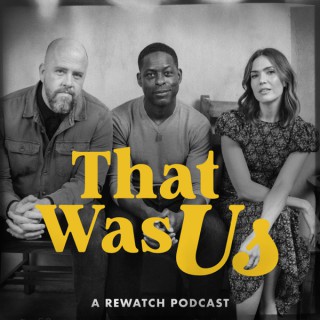
On this week's episode of That Was Us, we're talking about Season 3, Episode 10: The Last Seven Weeks with special guest and fan favorite…Melanie Liburd AKA, Zoe! The countdown to election night is on, and tensions are high as Randall's campaign pushes through the final stretch. Meanwhile, Kevin and Zoe hit a crossroads in their relationship just as they make progress in the search for Nicky, while Kate tries to make things right after accidentally selling something sentimental of Toby's. Plus, Melanie dives into what it was like auditioning of the role of Zoe, how she helped shape the interior life of her character, public opinion on Zoe and Kevin's relationship, and so much more! That Was Us is produced by Rabbit Grin Productions. Music by Taylor Goldsmith and Griffin Goldsmith. ------------------------- Support Our Sponsors: - Brought to you by Bombas. One Clothing Item Purchased = One Clothing Item Donated. Head over to Bombas.com and use code TWU for 20% off your first purchase.- For your next trip, treat yourself to the luxe upgrades you deserve from Quince. Go to Quince.com/TWU for 365-day returns, plus free shipping on your order. - Get a free can of OLIPOP: Buy any 2 cans of Olipop in store, and Olipop will pay you back for oneWorks on any flavor, any retailer- URL: drinkolipop.com/TWU- OLIPOP is sold online (drinkolipop.com + Amazon) and available in almost 50,000 retailers nationwide, including Costco, Walmart, Target, Publix, Whole Foods, Kroger and HEB. - Try Zip Recruiter for free at ZipRecruiter.com/TWU. ZipRecruiter. The smartest way to hire. -------------------------

We continue our coverage of the still-unfolding disappearance of 6-year-old Lilly and her 4-year-old brother Jack Sullivan who were reported missing from their home in rural Nova Scotia on the morning of Friday, May 2nd. In this episode Jordan and Madelayne discuss the updates and developments that occurred during the seventh week of the children's disappearance; the possibility of accessing search warrant applications the Belynda Gray (Lilly and Jack's paternal grandmother) interview the Daniel Martell interview Nova Scotia's $150,000 reward for information related to this “crime” Subscribe to the show: https://www.nighttimepodcast.com/subscribe Musical Theme: Noir Toyko by Monty Datta Contact: Website: https://www.nighttimepodcast.com Facebook: https://www.facebook.com/NightTimePod Instagram: https://www.instagram.com/nighttimepod Support the show: https://www.patreon.com/nighttimepodcast Learn more about your ad choices. Visit megaphone.fm/adchoices

I continue teaching on Pentecost here, specifically looking at what is counted as commanded in both Leviticus and Deuteronomy. I also go into some points concerning lunar vs. Saturday sabbath.

We rarely give very much thought to these days between Passover and Pentecost; but in ancient times, this was a time of very hard work… These are weeks of harvest that we are now going through. What do the weeks between Passover and Pentecost really mean? And what does an ancient agricultural rhythm have to do with the Church today?

We rarely give very much thought to these days between Passover and Pentecost; but in ancient times, this was a time of very hard work… These are weeks of harvest that we are now going through. What do the weeks between Passover and Pentecost really mean? And what does an ancient agricultural rhythm have to do with the Church today?

Aughie and Nia take a look at the lawsuits, firings, and impoundments during President Trump's first seven weeks in office.

Gordon McGuinness and John Kosko review the top-six highest graded quarterback in the NFL so far this season. Lamar Jackson and Joe Burrow highlight the list, but Brock Purdy, C.J. Stroud, Derek Carr and Jayden Daniels also feature.

--Is it fair to question Dennis Allen's job security? --Injury update following Thursday night's loss to Denver --Who should start at quarterback when the Saints play at Chargers? --Who are three players we have up and three we have down? --Should the Saints use this season to begin a reset? For more Saints news, analysis and podcasts at https://neworleans.football Learn more about your ad choices. Visit podcastchoices.com/adchoices
This week I was encouraged to welcome Carlos Whittaker to the show for an honest and compassionate talk about his latest book, "Reconnected: How 7 Screen-Free Weeks with Monks and Amish Farmers Helped Me Recover the Lost Art of Being Human." Carlos shares his transformative journey through living with monks and the Amish to understand different worldviews and lessen his dependency on technology. Initially struggling with the absence of his phone, Carlos learns the healing power of solitude and forms deep connections within these communities. Carlos returns with practical life skills and a new perspective on screen time, emphasizing the importance of solitude and offline activities for personal growth and deeper relationships. He also discusses his significant decrease in phone usage and how it has positively affected his life and those around him. The episode explores strategies to reduce screen addiction, the balance between online and offline connections, and the broader implications of leading a more present and engaged life. Carlos Whittaker Learns About the Genetic Predisposition to Dementia: https://www.youtube.com/watch?v=kab34ZYfXM8 Carlos was previously on this show here: https://www.beyondthetodolist.com/carlos-whittaker-on-sharing-life-beyond-our-differences/ Connect With Carlos: Website: https://www.carloswhittaker.com Book: http://reconnectedbook.com Instagram: https://www.instagram.com/loswhit/ Connect with Erik: LinkedIn Facebook Instagram ______________________________________ This Podcast is Powered By: Descript Descript 101 Castmagic Ecamm Podpage Rodecaster Pro Erik's Top Productivity Books List Make sure to grab Shortcasts from Beyond The To-Do List by Blinkist. A Shortcast is a 7-10 min version of a podcast where you get the core takeaways. Make sure to support the show by checking out the sponsors! Learn more about your ad choices. Visit megaphone.fm/adchoices
This week I was encouraged to welcome Carlos Whittaker to the show for an honest and compassionate talk about his latest book, "Reconnected: How 7 Screen-Free Weeks with Monks and Amish Farmers Helped Me Recover the Lost Art of Being Human." Carlos shares his transformative journey through living with monks and the Amish to understand different worldviews and lessen his dependency on technology. Initially struggling with the absence of his phone, Carlos learns the healing power of solitude and forms deep connections within these communities.Carlos returns with practical life skills and a new perspective on screen time, emphasizing the importance of solitude and offline activities for personal growth and deeper relationships. He also discusses his significant decrease in phone usage and how it has positively affected his life and those around him. The episode explores strategies to reduce screen addiction, the balance between online and offline connections, and the broader implications of leading a more present and engaged life.Carlos Whittaker Learns About the Genetic Predisposition to Dementia: https://www.youtube.com/watch?v=kab34ZYfXM8Carlos was previously on this show here: https://www.beyondthetodolist.com/carlos-whittaker-on-sharing-life-beyond-our-differences/Connect With Carlos: Website: https://www.carloswhittaker.com Book: http://reconnectedbook.com Instagram: https://www.instagram.com/loswhit/ Connect with Erik: LinkedIn Facebook Instagram ______________________________________This Podcast is Powered By: Descript Descript 101 Castmagic Ecamm Podpage Rodecaster Pro Erik's Top Productivity Books List Make sure to grab Shortcasts from Beyond The To-Do List by Blinkist. A Shortcast is a 7-10 min version of a podcast where you get the core takeaways. Make sure to support the show by checking out the sponsors! Learn more about your ad choices. Visit megaphone.fm/adchoicesSee Privacy Policy at https://art19.com/privacy and California Privacy Notice at https://art19.com/privacy#do-not-sell-my-info.
Why are same-sex relationships against God's plan? What about the LGBT community is appealing for so many? How can one surrender same-sex romantic attractions? In this episode, I talk with my dear friend, Kim Zember. Kim is an author and missionary who has struggled with same-sex attractions and embracing her identity as a daughter of God. We discuss why the LGBT community can be so enticing for many people. And we discuss the dangers of identifying with any label or person other than Jesus Christ. Join me as I visit with this bold witness to the transforming power of Christ's love. Check out Kim's ministry: https://overcomemin.com/ Join our Locals community: https://lilarose.locals.com/ Support us on Patreon: https://www.patreon.com/LilaRose865 A big thank you to our partner, EWTN, the world's leading Catholic network! Discover news, entertainment and more at https://www.ewtn.com/ Check out our Sponsors: EveryLife: https://www.everylife.com Buy diapers from an amazing pro-life diaper company and use code LILA and get 10% off! Crowd Health: https://www.joincrowdhealth.com/ sign up for great health care and use the code "LILA" for a special deal of $99 for your first 3 months! Seven Weeks Coffee: https://www.sevenweekscoffee.com Buy your pro-life coffee with a 10% discount using the code LILA. 00:00 - Intro 00:30 - Welcome, Kim! 01:43 - What is Boldly Beloved? Kim's New Ministry 02:51 - Lila: I think Kim's story is so important 03:49 - What is our core identity? How do sexual attractions play in? 05:01 - Our Identity Was Purchased by the Lamb 06:11 - We learn that we can come into this son/daughter relationship 09:23 - I'm I lose my legs I hope my identity persists 10:20 - We need to have an eternal perspective, but it's hard to have! 10:48 - We're created to be known, seen, desired 12:06 - Seven Weeks 14:01 - Why is it wrong to have a relationship with someone of the same sex? 15:46 - Here me loud and clear… 17:19 - Problem with “anything goes in marriage” mentality 18:56 - What is sex for? 22:26 - Every Life 23:38 - Olympics ceremony 25:06 - if you experienced Jesus' love for you you wouldn't do things like that 25:55 - Someone says “discrediting my identity”? 28:39 - Former Satanist story 30:17 - How much time do you give to these people? 32:26 - The Lord wakes me up at 3am 33:34 - Judging action vs person 34:27 - Never say never! 35:06 - People hate when they see themselves in others 36:54 - We sometimes try to rip things from people's mouths 37:49 - If God isn't good enough now, why would he be in eternity? 38:03 - I've tasted a better love 39:49 - LGBTQ community is…a community! 40:13 - Where is the Church today? 41:07 - When you enter vs when you leave LGBT community 41:53 - Jesus revolution, and the modern day “hippies” 43:53 - Best advice for hearing God's voice?
Are you drinking coffee that saves lives? On today's special mini episode I sit down with Anton Krecic, the founder of America's pro life coffee company, Seven Weeks Coffee, to discuss the humble beginnings and surprising growth of their life saving coffee company. We discuss some of the foundational principals of how Seven Weeks chooses ethical high quality beans, the campaign to hit the $500,000 donation milestone towards pregnancy resource centers, advice for aspiring entrepreneurs, and more.Check out Seven Weeks coffee today here: https://www.sevenweekscoffee.com and use the code LILA for an additional 10% off.
© 2020-2026 Ivy Podcast Discovery LLC
