
Absence of belief in the existence of deities

POPULARITY
Categories

15 episodes with without god

18 episodes with without god

9 episodes with without god

7 episodes with without god

5 episodes with without god

5 episodes with without god

9 episodes with without god

6 episodes with without god

8 episodes with without god

4 episodes with without god

4 episodes with without god

20 episodes with without god

6 episodes with without god

3 episodes with without god

4 episodes with without god

6 episodes with without god

4 episodes with without god

5 episodes with without god

11 episodes with without god

6 episodes with without god

5 episodes with without god

5 episodes with without god

3 episodes with without god

6 episodes with without god

2 episodes with without god

4 episodes with without god

5 episodes with without god

3 episodes with without god

3 episodes with without god

8 episodes with without god

3 episodes with without god

6 episodes with without god

3 episodes with without god

3 episodes with without god

4 episodes with without god

4 episodes with without god

4 episodes with without god

4 episodes with without god

2 episodes with without god

3 episodes with without god

4 episodes with without god

2 episodes with without god

4 episodes with without god

2 episodes with without god

6 episodes with without god

Don't Begin Your Day Without God (MORNING BREAKTHROUGH AHEAD) | Blessed Morning Prayer For Today SUBSCRIBE to catch all the latest prayers uploaded to the Daily Effective Prayer Podcast! For more powerful daily prayers and to connect with the ministry visit: https://www.dailyeffectiveprayer.org © Copyright DailyEffectivePrayer.com SUPPORT THE MINISTRY: (We are listener-supported)https://www.dailyeffectiveprayer.org/donate/ DO YOU NEED PRAYER? Send us a prayer request right now:https://www.dailyeffectiveprayer.org/prayer-request-online/ CONNECT WITH US:https://www.dailyeffectiveprayer.org/connectYouTube (1M+ SUBSCRIBERS)X / TwitterInstagram ThreadsInstagramFacebookTikTok Daily Effective Prayer™
Christians are citizens of heaven yet remain in the world. In this sermon on Ephesians 2:4 titled “But God…,” Dr. Martyn Lloyd Jones shares that the two powerful words that make this a reality are “but God.” Without God's action in this world, there would be no hope for the future. Life, as Dr. Lloyd-Jones reminds, cannot be understood unless one views it in light of God. How can this done? He suggests that expository preaching teaches what God says in His word. To be lights in this world, Christians are not simply to strive to solve social issues and wars, but to remind people of the true and only hope: salvation in Christ Jesus. That hope is not to be placed in governments, people, programs or systems, but in the gospel of the Lord Jesus Christ and His saving work on the cross. In addition, Dr. Lloyd-Jones preaches the importance of not simply preaching morality and its benefits. Christians are not to preach at people to be civil. They are to share the gospel and beg people to repent as only then will they change. Christians can look forward to going to their true home in heaven.

Christians are citizens of heaven yet remain in the world. In this sermon on Ephesians 2:4 titled “But God…,” Dr. Martyn Lloyd Jones shares that the two powerful words that make this a reality are “but God.” Without God's action in this world, there would be no hope for the future. Life, as Dr. Lloyd-Jones reminds, cannot be understood unless one views it in light of God. How can this done? He suggests that expository preaching teaches what God says in His word. To be lights in this world, Christians are not simply to strive to solve social issues and wars, but to remind people of the true and only hope: salvation in Christ Jesus. That hope is not to be placed in governments, people, programs or systems, but in the gospel of the Lord Jesus Christ and His saving work on the cross. In addition, Dr. Lloyd-Jones preaches the importance of not simply preaching morality and its benefits. Christians are not to preach at people to be civil. They are to share the gospel and beg people to repent as only then will they change. Christians can look forward to going to their true home in heaven. To support this ministry financially, visit: https://www.oneplace.com/donate/603/29?v=20251111

For 13 out of the 16 years I've been doing business... ...I did it without God's guidance, never asked what he wanted, and it ultimately led to a ton of costs on the journey and a lot of unfulfillment. In today's episode and part 1 series, I discuss how to do 'Kingdom Business and Stop Building Your Business Without God's Blueprint.' Make sure you have your note pads or apps out and listen to the full episode. Keep taking action, pursuing personal excellence, and impacting lives! In This Episode, we discuss: What is actually doing Kingdom Business look like 5 shift to start doing Kingdom Business asap The costly mistakes we made in our businesses and how you can avoid them Listen Now On: Apple Podcasts: https://podcasts.apple.com/us/podcast/live-a-dynamic-lifestyle-podcast/id1118271108 Spotify: https://open.spotify.com/show/19EcFKHAc82c2Cqc6PGrWW Follow Us: Instagram: https://www.instagram.com/chrisandericmartinez/ YouTube: https://www.youtube.com/user/Dynamicduotraining Website: https://www.liveadynamiclifestyle.com/ If you'd like the show notes to doing Kingdom Business, click here "We are here to help you Live A Higher Standard & A Dynamic Lifestyle!" See the full Show Notes to this episode here:
Without God, there is no hope, no peace, and no relief from the guilt and stain of sin. In this sermon on life without God from Ephesians 2:1–3 titled “Life Without God,” Dr. Martyn Lloyd-Jones thoroughly explains the pervasiveness of the state of sinfulness derived from the absence of God's presence. The only remedy, Dr. Lloyd-Jones explains, is the exceeding greatness of God's power toward His believers. Christians will only understand how significant God's grace is when they realize the depths from which God saved them and the heights to which He has raised them. Only then can Christians truly be thankful for Christ's intervention on their behalf. This sermon is unique in that Dr. Lloyd-Jones shares a personal example of his unbelieving state and his life without Christ. He shares that he used to be consumed with the lust of the flesh in that he desired to debate and sound clever in front of his peers. While preparing this sermon, Dr. Lloyd-Jones shares that he felt an immense hatred for himself and his previous state of existence. This personal story exemplifies the principle Dr. Lloyd-Jones began the sermon with: understanding the depravity of believers' previous state and contrasting it with God's immensely merciful treatment of souls is the only way Christians can understand true grace. Without Jesus, people are doomed to perish while pursuing the flesh. With Him, people will be raised to life with God forever.
Without God, there is no hope, no peace, and no relief from the guilt and stain of sin. In this sermon on life without God from Ephesians 2:1–3 titled “Life Without God,” Dr. Martyn Lloyd-Jones thoroughly explains the pervasiveness of the state of sinfulness derived from the absence of God's presence. The only remedy, Dr. Lloyd-Jones explains, is the exceeding greatness of God's power toward His believers. Christians will only understand how significant God's grace is when they realize the depths from which God saved them and the heights to which He has raised them. Only then can Christians truly be thankful for Christ's intervention on their behalf. This sermon is unique in that Dr. Lloyd-Jones shares a personal example of his unbelieving state and his life without Christ. He shares that he used to be consumed with the lust of the flesh in that he desired to debate and sound clever in front of his peers. While preparing this sermon, Dr. Lloyd-Jones shares that he felt an immense hatred for himself and his previous state of existence. This personal story exemplifies the principle Dr. Lloyd-Jones began the sermon with: understanding the depravity of believers' previous state and contrasting it with God's immensely merciful treatment of souls is the only way Christians can understand true grace. Without Jesus, people are doomed to perish while pursuing the flesh. With Him, people will be raised to life with God forever. To support this ministry financially, visit: https://www.oneplace.com/donate/603/29?v=20251111
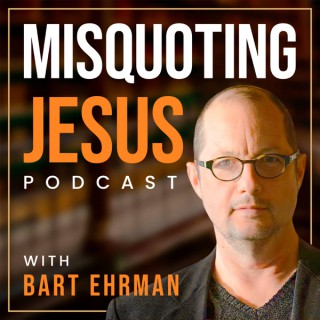
For many religious people who deconvert, losing their faith leaves a giant hole in their lives. They can lose their community, their purpose in life, and their understanding of how the world works. What does life look like on the other side of deconversion, once the dust has settled? Today we're talking about how Bart lives without God. We also have our bonus segment at the end, which this week is listener's questions, where I'll be asking Bart - among other things - whether he uses early Christian art as a source for his research.

David continues his sermon series in James. Today, he is in James 5:1-6. Sermon titled "Wealth without God" Come back next week to hear the next sermon in this series. Don't forget to follow First Baptist Church of Olton here on PodBead to get the latest sermons from Brother David. Make sure and go subscribe to our YouTube Channel also. We stream live every Sunday at 11 am. We invite you to come and worship with us even in your PJ's!

Most people own a Bible, but very few actually know it. For many, Scripture feels overwhelming—like trying to complete a giant puzzle without knowing the picture on the box. We live in a world full of opinions, confusion, and noise, yet the very thing designed to guide us often sits unopened on a shelf.Without God's Word, we lose direction, clarity, wisdom, and truth. The Bible was never meant to be decoration or religious background noise. It was given to shape how we think, live, decide, and follow God. Stop treating the Bible like an accessory, and start seeing it as the roadmap for life itself.THE BIG IDEA: The Bible isn't just a book—it's the roadmap to life.

Send us your feedback — we're listeningHebrews 4:16 (NIV) — You Never Need to Face Today Without God's Grace Live from London, England — where faith meets the world in daily prayer and global hope. Today's Nations: Australia • Canada • Brazil • Romania • France • Hungary Theme: Grace • Confidence • Help The middle of the day can sometimes feel very different from the way it began. You may have received unexpected news, found yourself facing a difficult conversation or simply discovered that today is asking more of you than you expected. If that's where you are, don't carry it alone. Before we move into the next part of the day, let's come to God together. Scripture (NIV) “Let us then approach God's throne of grace with confidence, so that we may receive mercy and find grace to help us in our time of need.” — Hebrews 4:16 Heavenly Father, thank You that Your door is always open. We never need to wonder whether we are welcome in Your presence because Your grace invites us to come. Today we bring You every concern, every unanswered question and every burden that feels too heavy to carry alone. Fill us with the confidence that comes from knowing You hear our prayers. Let Your mercy meet us where we are, and let Your grace become the strength we need for the hours still ahead. Fear will not win, because God's grace is always greater than the needs we bring before Him. May the Lord meet you with fresh mercy today, strengthen your heart and remind you that His grace is enough for this very moment. Que el Señor te reciba hoy con Su gracia, renueve tus fuerzas y llene tu corazón de esperanza mientras continúas este día. Que a graça do Senhor envolva a sua vida hoje, fortaleça o seu coração e lhe conceda paz para seguir em frente. Nawa'y salubungin ka ng biyaya ng Panginoon ngayon, palakasin ang iyong puso at samahan ka Niya sa bawat sandali ng araw na ito. Daily Prayer, Hebrews 4, Grace, Midday Prayer, Christian Podcast, DailyPrayer.uk Hebrews 4:16 prayer, prayer for grace today, Christian midday prayer, God's mercy and grace, DailyPrayer.uk Hidden Treasures: Discover more Bible-centred prayers in the Hidden Treasures library, inspired by Isaiah 45:3 (NIV).Support the showDaily Prayer with Reverend Ben Cooper now reaches 185 countries and 3,012 cities worldwide through the Global Blend Radio network.This is a listener-funded global ministry. If these daily prayers strengthen your faith or help you through difficult seasons, would you consider becoming a monthly prayer partner for just £3 per month?Your support enables us to continue recording, hosting, and broadcasting daily biblical encouragement across the nations — keeping this ministry free and accessible to everyone who needs it.You can support today at GlobalBlendRadio.comTogether, we can keep prayer moving across the world.To submit a prayer request or connect with our global prayer community, visit DailyPrayer.ukBuy me a Coffee
Such amazing truths about death! Without God's love and gift of dying for us, we would never see life as He intended for us to see nor experience the life He died to give to us. The author of Hebrews says it clearly, "By embracing death Jesus sets free those who live their entire lives in bondage to the tormenting dread of death."Daylight Meditations is a daily podcast from CFO North America. Please visit CFONorthAmerica.org to learn more about our retreats, and online courses. If you are encouraged by this podcast, please consider supporting us. Contributors: Michelle DeChant, Adam Maddock, and Phil Reaser

Faith is only finished when your assignment is done. Are you building with obedience or just starting strong? I'm talking about staying faithful in the process, the mess, and the ups and downs... letting God shape you while you build. You don't have to go it alone.Go DeeperDaily Crown Digital DevotionalBuild a simple daily rhythm that helps you grow in faith, strengthen your focus, and keep God at the center of your leadership.Get the Daily Crown DevotionalFlame Starter: The Art of Self-MasteryDevelop the discipline, clarity, and self-mastery required to faithfully carry what God has called you to build.Get Flame StarterDaily Crown FellowshipYou were never meant to carry leadership alone. The Daily Crown Fellowship is a 90-day experience designed to help faith-driven leaders grow in Faith, Focus, and Fellowship while taking the next faithful step in what God has called them to build.Learn More About the Daily Crown FellowshipAmplify Your VoiceYour message matters. Amplify Your Voice helps founders and leaders turn their expertise, experience, and story into media that builds relationships, expands their reach, and creates opportunities.Explore Amplify Your VoiceSupport The Daily CrownIf The Daily Crown is helping you grow, you can help us continue creating messages and resources for faith-driven leaders.Support the MissionOur PartnersPowered by Horicon Bank — The Natural Choice.The Daily Crown is an independent podcast produced and managed by EF3 Studios.

We continue our series on Sundays, offering some inspiration and guidance from some of the most brilliant spiritual leaders around the world. Today, hear our fascinating conversation with Dr. Chris Palmer, the Dean of the Barnett College of Ministry and Theology at Southeastern University in Florida. Dr. Chris is also the author of 10 books and has traveled the world searching for the meaning of life, helping guide the next generation of Christian leaders. He examines how faith can help us all in our growing crisis of loneliness and hopelessness, by exploring what the world would be like without God.See omnystudio.com/listener for privacy information.

We continue our series on Sundays, offering some inspiration and guidance from some of the most brilliant spiritual leaders around the world. Today, hear our fascinating conversation with Dr. Chris Palmer, the Dean of the Barnett College of Ministry and Theology at Southeastern University in Florida. Dr. Chris is also the author of 10 books and has traveled the world searching for the meaning of life, helping guide the next generation of Christian leaders. He examines how faith can help us all in our growing crisis of loneliness and hopelessness, by exploring what the world would be like without God.See omnystudio.com/listener for privacy information.

We continue our series on Sundays, offering some inspiration and guidance from some of the most brilliant spiritual leaders around the world. Today, hear our fascinating conversation with Dr. Chris Palmer, the Dean of the Barnett College of Ministry and Theology at Southeastern University in Florida. Dr. Chris is also the author of 10 books and has traveled the world searching for the meaning of life, helping guide the next generation of Christian leaders. He examines how faith can help us all in our growing crisis of loneliness and hopelessness, by exploring what the world would be like without God.See omnystudio.com/listener for privacy information.

We continue our series on Sundays, offering some inspiration and guidance from some of the most brilliant spiritual leaders around the world. Today, hear our fascinating conversation with Dr. Chris Palmer, the Dean of the Barnett College of Ministry and Theology at Southeastern University in Florida. Dr. Chris is also the author of 10 books and has traveled the world searching for the meaning of life, helping guide the next generation of Christian leaders. He examines how faith can help us all in our growing crisis of loneliness and hopelessness, by exploring what the world would be like without God.See omnystudio.com/listener for privacy information.

What do you do when it’s over? Not when it’s hard. Not when it’s uncertain. Not when things could still work out. What do you do when it’s OVER? When the divorce papers are signed. When the prodigal still hasn’t come home. When the doctor’s report confirms your worst fear. When the bank account is empty. When the addiction wins again. When what was already bad somehow gets worse. What do you do when you’ve prayed, believed, hoped, waited, and fought … and the situation is now lying in a grave of impossibility? Because if we’re honest, every one of us will face something that feels dead. A dead dream. A dead relationship. A dead opportunity. A dead hope. A dead part of ourselves. Life happens. Hell attacks. Hearts break. And there are moments when we simply cannot see a way forward. Maybe that’s where you are today. Maybe you’ve reached the place where you’ve stopped asking, “How will God do it?” and you’ve started wondering, “CAN God do it at all?” If so, I want to remind you of something that has never changed: Our God is not stopped by the grave. The grave is where human ability ends, but it is not where God’s power ends. In fact, throughout Scripture, God has a habit of showing up where things appear most hopeless. When Sarah’s womb was too old. When Israel was trapped at the Red Sea. When Ezekiel stood in a valley of dry bones. When Lazarus had been dead four days. When Jesus Himself was placed in a tomb. Again and again, God steps into situations everyone else has declared finished. Because what is impossible with man has never been impossible with God. Matthew 19:26 says: “With God all things are possible.” And hidden inside that one sentence are three life-changing truths. With God. All things. Are possible. 1. With God. Not without him, but with him. Whatever you’re going through, are you going through this WITH God? Or are you trying to do this on your own? Are you pushing through with your own strength, looking for your own answers? Are you relying on someone else, but that someone else isn’t God? You will fail and so will everyone else. This is ONLY WITH GOD. So, how do you do this WITH GOD? You seek him. You talk to him. You read his word. You fill your life with nothing but God, then every area of your life is under his power. I’m talking about the music you listen to, the friends you talk to, the books you read, the things you watch. Have you heard that song, “Dusty Bibles”? It says: We got dust on our Bibles, brand-new iPhones No wonder why we feel this way We walk with our eyes closed, blind leading blind folks And I’m done with those idols and dusty Bibles Is there dust on your Bible? Yeah – no wonder why you feel this way. You’ve been trying to do this with WITHOUT God, and my friend, it simply won’t work. Looking back on my own journey, I realize just how patient the Lord has been with me. I tried to do this without him for so many years. I even used him to make my things grow. But it wasn’t about him, it wasn’t for him, and it wasn’t really with him. And yet, he allowed me to do it my own way. He didn’t strike me with lightening. He didn’t even publicly shame me. But what he did do, is he allowed me to create my own messes and struggle. And through his gracious allowance of struggle, I finally came to realize I don’t even WANT to do this without him. Is that where you are? Are you finally seeing through God’s gracious allowance of messes and struggles that you no longer want to do this on your own? Are you finally at the point of surrender in your life where you’re truly praying, “God, if you’re in it, I want it … but if you’re not, I don’t.” Yes, girl, this is learning to do life WITH GOD. And with God, ALL THINGS … 2. All things. Not just some things, but truly all things. This means the things that have always been too big and too hard. The things that seem too far gone, too late, too hopeless. The things that are buried, without life, without a future. That’s ALL things. There has never been a moment when Jesus looked at a situation and said, “Well, that’s beyond me.” Cancer isn’t beyond Him. Addiction isn’t beyond Him. A prodigal isn’t beyond Him. A broken marriage isn’t beyond Him. A shattered heart isn’t beyond Him. Death itself isn’t beyond Him. In fact, one day Jesus walked directly into a funeral procession and completely interrupted it. Luke 7:11-15, “Jesus went with his disciples to the village of Nain, and a large crowd followed him. A funeral procession was coming out as he approached the village gate. The young man who had died was a widow’s only son, and a large crowd from the village was with her. When the Lord saw her, his heart overflowed with compassion. “Don’t cry!” he said. Then he walked over to the coffin and touched it, and the bearers stopped. “Young man,” he said, “I tell you, get up.” Then the dead boy sat up and began to talk! And Jesus gave him back to his mother.” The funeral was already under way. They were walking this young man’s body to the grave. His life was over. And not only his life, but his mother’s life. Notice the detail is given that this woman was a widow and this young man was her only son. In this culture, that meant not only grief, but this meant desperation. Yes, it was the death of a child, but it was also the absolute crash of her future. Without a husband or a son, she was left without care and faced a life of extreme poverty. And when Jesus became aware of this need, His heart overflowed with compassion. No one asked Him to step in with His power. No one expected Him to change the situation. But His heart responded to her broken heart. The miracle began because Jesus was moved by compassion. Jesus sees what nobody else sees. He sees the tears you hide. He sees the burden you carry. He sees the disappointment you don’t talk about. He sees the thing that keeps you awake at night. And just as His heart overflowed with compassion for that widow, His heart is moved by your pain. He’s not indifferent. He’s not distant. He’s not unaware. He is responding. The miracle—YOUR miracle—begins with the compassion of Jesus. Now understand the true significance of this scene. The body isn’t being carried in a closed coffin; it’s more like a wooden stretcher. The young man is likely wrapped in burial cloths. Under Jewish law, touching something associated with a corpse brought ceremonial uncleanness. Everyone else was moving away from what was dead. Jesus moved toward it. Everyone else saw a corpse. Jesus saw an opportunity for resurrection. Everyone else saw an ending. Jesus saw a beginning. Without even being asked, Jesus walks right up to the body and touches him. Not a coffin as we imagine, but an open stretcher where the dead man is lying. Yes, that’s our Jesus. Throughout the Gospels, we see Him touching lepers, touching the sick, and touching the dead. And never once did the uncleanness spread to Him. Instead, His life spread to them. That’s what happens when Life Himself shows up. “With God all things ARE POSSIBLE.” 3. Are possible. ARE POSSIBLE. Not probable. Not likely. Not easy. Not immediate. But possible. Because the possibility doesn’t depend on you. It depends on God. And if God is involved, the story is never over. If God is involved, the grave never gets the final word. If God is involved, what appears dead today may be alive tomorrow. Yes, your too-far-gone situation. Your without-hope circumstance. Your dead dream. Your untouchable mess. Your shame. Your struggle. Your brokenness. When it is brought to Jesus and touched by Him, it can receive His life. I assure you this is your answer. That thing you’ve been struggling with for years and seem powerless to change—it needs the touch of Jesus. That relationship everyone has given up on and left for dead—it needs the touch of Jesus. That habit you keep fighting but never seem to defeat—it needs the touch of Jesus. That dream you buried because disappointment convinced you it would never happen—it needs the touch of Jesus. That part of your heart that has grown cold, weary, and numb—it needs the touch of Jesus. The same Jesus who walked into a funeral procession and interrupted death is still interrupting impossible situations today. Then Jesus spoke these simple words: “Young man, I tell you, get up.” And death had to let go. The young man sat up. He began to speak. Life rushed back into what moments before had been lifeless. What if the thing you’ve declared dead is only waiting for the voice of Jesus? What if the story isn’t over? What if God is not standing at a distance from your impossible situation, but is already walking toward it? What if the marriage isn’t beyond Him? What if the prodigal isn’t beyond Him? What if the diagnosis isn’t beyond Him? What if the dream isn’t beyond Him? What if your story isn’t over? The widow thought she was walking her son to a grave. She had no idea she was walking him into the presence of Jesus. And maybe that’s where you are today. What feels like a funeral may actually be the setting for a resurrection. Because our God has never been intimidated by dead things. He speaks to dry bones and they rattle back to life. He stands before Lazarus’ tomb and calls him out. He steps into a funeral procession and sends everyone home stunned. He walks out of His own grave on the third day. And He is still the God who brings life where everyone else sees death. So don’t bury what God is still breathing on. Don’t abandon what God is still working on. Don’t give up on what God hasn’t given up on. Because with God… ALL THINGS… ARE POSSIBLE. Follow Pamela on Instagram – https://instagram.com/headmamapamela Or Facebook – https://www.facebook.com/pamela.crim Find out more about BIG Life – http://biglifehq.com

A reflection on faith, work, and why lasting success begins with surrendering every plan, dream, and labor to the Lord.Every night, join Father Joseph Matlak as he ends the day with prayer and reflection. In a few short minutes, and using the Douay-Rheims psalter for his reflections, Father Matlak guides you in prayer and shares a brief reflection and a thorough examination of conscience providing you with the encouragement necessary to go forward with peace and strength. ________________

I wrote a book about becoming the best version of yourself. And I never once mentioned God. That realization has forced me to revisit what I believed about growth, self-improvement, strength, surrender, and the version of myself I spent years trying to become. Because what happens when we are constantly working on ourselves while God is trying to build us? What happens when self-improvement becomes easier than surrender? And what if the “best version” of ourselves we keep chasing is keeping us from being fully present with who God is calling us to be right now? In this episode of Eat Don't Compete, I'm having an honest conversation about the shift from self-help to spiritual formation, why survival taught me to keep improving instead of surrendering, and what “becoming” looks like to me now that God is no longer absent from the process. This is not me pretending I have arrived. This is repentance. This is reflection. This is me looking back with grace while taking responsibility for what I know now. Maybe the question isn't simply: “Who are you becoming?” Maybe the question is: Who is building you? In this conversation: Self-improvement vs. spiritual formation Becoming without God Surrendering the “best version” of yourself Strength, survival, and dependence on God Why presence matters more than endless striving Letting God into the places we keep trying to manage ourselves Surrendering old dreams for current assignments For more conversations like this, subscribe to Eat Don't Compete and join me as we wrestle honestly with faith, identity, healing, surrender, and becoming who God is calling us to be. #EatDontCompete #ChristianPodcast #SpiritualGrowth #FaithJourney #SurrenderToGod

MDD is here https://www.youtube.com/@ModernDayDebateSuperchats at any time here: https://streamlabs.com/jaydyer/tip Join this channel to get access to perks: https://www.youtube.com/channel/UCnt7Iy8GlmdPwy_Tzyx93bA/join Get started with Bitcoin here: https://www.swanbitcoin.com/jaydyer/ Philosophy Course is here: https://marketplace.autonomyagora.com/philosophy101 Set up recurring Choq subscription with the discount code JAY60LIFE for 60% off now https://choq.com Subscribe to my site here: https://jaysanalysis.com/membership-account/membership-levels/ Music by Dr Evo the Producer, Jay Dyer and Amid the Ruins 1453 https://www.youtube.com/@amidtheruinsOVERHAUL Join this channel to get access to perks: https://www.youtube.com/channel/UCnt7Iy8GlmdPwy_Tzyx93bA/joinBecome a supporter of this podcast: https://www.spreaker.com/podcast/jay-sanalysis--1423846/support.

Heaven is not about a place but a person, whose presence makes everything paradise; so, He must be our priority here if we want to be there. Think about it: If you carry the presence of the Person who makes Paradise what it is, would you say your life reflects Heaven?
Heaven is not about a place but a person, whose presence makes everything paradise; so, He must be our priority here if we want to be there. Think about it: If you carry the presence of the Person who makes Paradise what it is, would you say your life reflects Heaven?

DEBATECON 8 will be in DALLAS on July 25/26th! Grab tickets now: https://events.eventnoire.com/e/debatecon-8-by-modern-day-debate Debate Jay Dyer in a 10v1 on Monday, July 27th in Dallas on, "Is the E.O. Church the most similar to the early church?" Sign up here: https://forms.gle/AAP3F9gU9t5jGhMAA Use code MODERNDAYDEBATE at PharmEasyBank for an extra 20% OFF on your discounted prescriptions, here: https://pharmeasybank.com/ LINKS TO GUESTS: Jay: @JayDyer Jack: Substack: https://substack.com/@jacksezer?r=27zkbv&utm_medium=ios&utm_source=stories&shareImageVariant=blur Podcast: https://podcasts.apple.com/us/podcast/veridical/id1632757062 Instagram: https://www.instagram.com/jackthracesezer?igsh=b21sazgzc3Y1aXJz&utm_source=qr Help us cover the specific cost of security at DEBATECON 8! https://gofund.me/65441effa Hosted by Simplecast, an AdsWizz company. See https://pcm.adswizz.com for information about our collection and use of personal data for advertising.
Faithfulness isn’t something our culture celebrates very much. We celebrate talent, success, influence, and achievement. But heaven celebrates something different. Heaven celebrates faithfulness. In the life of someone not under the influence of the Holy Spirit, faithfulness is a constant struggle. But in the life of someone filled with the Spirit, faithfulness begins to grow naturally. It becomes part of who they are. Galatians 5:23, “The Holy Spirit produces this kind of fruit in our lives: Love, joy, peace patience, kindness, goodness, FAITHFULNESS …” Again, it’s a fruit. It’s not something we strain for, it’s something that grows within us and is naturally produced in our lives when we are abiding in Jesus. Faithfulness is a translation of the Greek word ‘pistis’ which means, reliability, trustworthiness, fidelity, loyalty and dependability. Yip, all the things you would look for in a partner – that’s what God naturally GROWS in US! But faithfulness is born out of trusting God. BECAUSE we trust God, we can be absolutely steadfast. We can stay the course and continue forward no matter what because of our unshakable faith in God. Without God, we waiver. With God, we are faithful. Faithfulness isn’t flashy. It rarely gets applause. It’s the behind-the-scenes commitment no one notices. Faithfulness quietly keeps promises. It shows up long after the excitement has faded. It finishes what it starts. It stays when circumstances become difficult. It keeps loving after feelings change. It keeps serving after recognition disappears. It keeps trusting when prayers seem unanswered. Lasting faithfulness is impossible without Jesus. We may keep a promise here and there through sheer determination, but only the Holy Spirit can produce a life marked by consistent faithfulness. When you have Jesus, an unfaithful life feels so incredibly wrong in every sense. The Holy Spirit lovingly refuses to leave us comfortable in unfaithfulness. He convicts us, stirs our hearts, and keeps drawing us back toward obedience. The gift of the Holy Spirit won’t let us sleep when we are being unfaithful. The Holy Spirit will stir us up, poke at us, and leave us in a state of complete unrest when we’re unfaithful. Thank you Lord, for not leaving me like I was! Once again, recognize this is a character of God, not of humans. Adam and Eve lived in paradise. There was no sin, no brokenness, no pain. God gave them one command—just one—and they couldn’t keep it. That’s the story of humanity. Left to ourselves, we aren’t naturally faithful. We wander. We quit. We compromise. We break promises. We fail. But God is different. Deuteronomy 7:9, “The LORD your God is indeed God. He is the FAITHFUL God who keeps his covenant for a thousand generations and lavishes his unfailing love on those who love him and obey his commands.” God has never broken a promise. He’s never abandoned a plan. He’s never walked away from His people. God is faithful. It’s who he is and what he does. **Now here’s the miracle… The faithful God now lives in you. Think about that. The God who has never broken a promise… The God who has never abandoned His children… The God who always finishes what He starts… lives inside you through His Holy Spirit. So it only makes sense that His faithfulness is beginning to grow in you too. So you know what you absolutely MUST do – Stop introducing yourself by your old nature. STOP excusing yourself as someone who simply can’t finish what you start. That may have been the old you, but remember the Spirit of God is now working in you to make you NEW. You’re not who you once were, you’re becoming more and more like Jesus with the character of God reshaping you. Without God, we waver. With God, we are faithful. Maybe you’ve never stuck with anything your entire life – okay – but it doesn’t have to continue that way. Something new is growing now. With the power of the Holy Spirit, let me tell you exactly who you are becoming: You’re becoming the girl who is obedient when no one is watching. Yes, you’re proving you can be trusted with little, so now God is going to trust you with much! You’re becoming the girl who is faithful in her relationships. You keep your commitments and you remain loyal – no matter what. You’re becoming a girl who gives her best even when no one is watching. You work with your whole heart in all you do, as if you’re doing it for God himself. You’re becoming that good and faithful servant. Maybe not always successful, but that’s never what Jesus asked for. He honors your faithfulness over your success. You’re becoming the girl who can wait. The girl who can trust even when the answers don’t come. You’re living out Hebrews 10:23, “Let us hold tightly to the hope we affirm, for God can be trusted to keep his promise.” You trust God, so you faithfully wait for the fulfillment of his promises over your life. Without God, we waver. With God, we are faithful. And let me tell you something, your life now feels different with the fruit of faithfulness growing in you. You’re stable. People trust you. You live so much deeper now, stronger now, healthier now. And most importantly, your faithfulness reflects that genuine character of God and people are continually catching a glimpse of Jesus through you. Yip, every time you show up because you said you would – every time you keep going and don’t give up – every time you keep your promises – every time you give your best effort – every single time, you’re shining Jesus to this world. When people know they can count on you, when you are known to keep your word, when you are consistent and steady, when you are unwavering even under pressure, when you are still there even when life gets hard, when you finish the things God asked you to begin, when you stay instead of walking away …. THAT’S THE FRUIT OF FAITHFULNESS GROWING IN YOUR LIFE. That’s the power of God in you! Without God, we waver. With God, we are faithful. Faithfulness looks like Abraham and Sarah trusting God’s promise for a baby for decades. Faithfulness looks like Joseph as a slave, Joseph as a prisoner, and Joseph in power with the same unshakable character. Faithfulness looks like Ruth out gathering what little food there was, doing what she could do to survive and care for her mother-in-law, when she stumbled into the field of a rich man who would love her. Faithfulness is Mary, a teenage virgin willingly accepting a miraculous pregnancy that would turn her whole world upside down. Faithfulness is Jesus – walking out his calling and purpose all the way to the cross, eyes always on the Father. Faithfulness – you are being called to it. Faithfulness – it’s being produced in your life through a power so much greater than you. You’re growing in faithfulness and it’s changing you. Recognize this change. Without God, we waver. With God, we are faithful. Challenge for Today: “Be Faithful in the Small Things” Choose one area where you can intentionally practice Spirit-produced faithfulness today. Here are a few ideas: Keep every promise you make today—even the small ones. Arrive early for every commitment. Complete a task you’ve been postponing. Spend your planned time with God, even if you don’t “feel” like it. Encourage someone you’ve committed to pray for, and then actually pray for them. Follow through on something without seeking recognition. As you do, pray: “Holy Spirit, make me a faithful person. Form in me a character that reflects the unwavering faithfulness of Jesus. Help me to be trustworthy in the little things, steadfast in difficulty, loyal in relationships, and devoted to You. May my life proclaim Your faithfulness to everyone I meet.” The Holy Spirit delights to produce that kind of steady, enduring faithfulness— one faithful choice at a time. Follow Pamela on Instagram – https://instagram.com/headmamapamela Or Facebook – https://www.facebook.com/pamela.crim Find out more about BIG Life – http://biglifehq.com
When we are under the influence of the Holy Spirit, our very character changes. From within, we become different. Girl, you’re simply not who you once were. Have you noticed as you change and grow it almost puts a spotlight on our loved ones who are NOT. Maybe someone you love is NOT under the influence of the Holy Spirit and they seem to be stuck in old way … well, they are. When you invite the presence of God into your life HE makes you new. 2 Corinthians 5:17, “Anyone who belongs to Christ has become a new person. The old life is gone; a new life has begun!” This means if someone DOESN’T belong to Christ, they’re still the same old person living the same life. Their answer is not to try harder – their answer is to surrender their life to Jesus and let the Holy Spirit change them from within! So, here we are as surrendered souls being made new. We’re being reworked from the inside so we’re becoming different, growing different fruit in our lives. Naturally, when the inside has changed, the outside begins to change as well. Today we study the next fruit produced in our life under the influence of the Holy Spirit – GOODNESS. The Greek word translated into goodness has a root word meaning good, upright and excellent. When the suffix is added, it turns into a character trait. The full meaning of this word “goodness” means to have moral excellence, an upright heart, integrity and goodness in action. And where does this goodness come from? Only ONE source – this is God’s goodness flowing through us. This is not self-produced goodness. This isn’t a 10 step program to change your heart and realign your morals. This isn’t being kind, doing nice things, changing your morals – this is God himself expressing HIS character through your surrendered life. This is simply the goodness of God himself dwelling within, transforming you, and then naturally flowing out from you. When you surrender your life to God, HE makes you good. If you’re struggling with a twisted heart or mind, there’s ONE who is in the business of untwisting – that’s the work of the Holy Spirit. And every single one of us have gotten a little twisted. Life in this world has a way of doing that. Human nature is a twisting. We simply can’t live well without God’s influence and direction. This is NEVER a matter of you being a better person than someone else – this is always a matter of God’s almighty work within you. Without God, you would be one twisted girl living in utter darkness – and that’s just the humbling truth. The Holy Spirit changes our character to GOODNESS. He aligns our morals with God’s. He teaches us to do what is right even when no one is watching. He grows our desires in the direction of integrity. We don’t do that ourselves. Girl, if there’s goodness in you, that’s a work of God, not of you! This fruit of goodness is a growing of WHO YOU ARE. It’s an external proof of the internal transformation happening. God is GOOD. His power is good. His ways are good. His plans are good. And when your soul is surrendered to Him as Lord and He is in control of your life, then He is living inside of you, making you good. It starts with Him and flows into you. This isn’t an act of willpower on your part; this is an act of surrender. This isn’t an achievement; this is a transformation. Goodness is the overflow of abiding in Christ. The fruit isn’t something you force—it is something God grows as you remain connected to Him. Goodness starts with God. Goodness flows into you. Goodness grows through you. Goodness blesses everyone around you. If you take GOD out of GOODNESS, you are left with o-ness. If you’re trying to make yourself be good without the power of the Holy Spirit working in you, you may achieve good behavior for a while, but you’ll never produce godly goodness. Only God can produce God’s character. GOODNESS IS GOD’S CHARACTER. We try to be good without God and we just end up exhausting ourselves trying to become by effort – but this goodness is only produced through surrender to God. Do you want to be better? SURRENDER! Then the fruit of goodness will naturally grow! Jesus shows us what the goodness of God within looks like in action. Acts 10:38 puts it simply, “Jesus went around doing good.” The character of goodness always produces goodness in action. The more the Holy Spirit works his goodness in you, the more your actions align to those of Jesus. Girl, you’re going to be going around DOING GOOD! What if your entire life became about going around just doing good! You want to represent Jesus to this world – go around doing good! Let God’s goodness flow through you onto everyone you encounter! Ephesians 2:10 says we’re created to do the good things God planned for us. Doing good things doesn’t save us – But the goodness of God growing in us naturally has us going around doing good things! Think about that – do you notice that in your own journey with God? The more you grow in Jesus – the more you learn and follow the promptings of the Holy Spirit – the more he has you going around doing good things! How radically cool is that? THAT’S THE FRUIT OF GOODNESS GROWING IN YOUR LIFE! So today, don’t leave our time together thinking, “I need to try harder to be good.” Leave thinking, “I need to stay closer to God.” Fruit never grows because the branch strains harder—it grows because it stays connected to the vine. The closer you live to Jesus, the more His goodness becomes your goodness. Before you know it, you’ll find yourself speaking with more integrity, loving more deeply, giving more generously, forgiving more freely, serving more joyfully, and doing good almost without thinking about it. That’s the Holy Spirit transforming your character. Girl, this world doesn’t just need more nice people. It needs more people so surrendered to Jesus that His goodness overflows into every conversation, every decision, every relationship, and every ordinary day. So stay surrendered. Stay connected. Stay under the influence of the Holy Spirit. Then go around doing good, because everywhere the goodness of God goes, darkness loses ground and people catch a glimpse of Jesus. And really that’s what it’s all about – show the world JESUS! Every act of goodness points beyond us. Every kind word, every generous act, every choice of integrity, every quiet sacrifice becomes another opportunity for someone to catch a glimpse of Jesus. So let His goodness grow in you, flow through you, and reveal Him to the world. Follow Pamela on Instagram – https://instagram.com/headmamapamela Or Facebook – https://www.facebook.com/pamela.crim Find out more about BIG Life – http://biglifehq.com

In this episode, Eli responds to a question that apparently no presup can or ever has answered. This is in response to a question posted on a Facebook group where Christians and atheists interact. #presup #apologetics #theology #philosophy #logic

Our Daily Scripture Readings and Reflection: Hosea reminds us that when a nation no longer fears the Lord, even its leaders cannot save it. Frank Pavone reflects on why spiritual renewal must come before lasting political renewal.
The fruits of the spirit are the direct results of God’s presence in our lives. It’s the natural byproduct produced from within us when God’s Holy Spirit lives in us. Today we study the 3rd evidence that grows like fruit on a tree. Galatians 5:23, “But the Holy Spirit produces this kind of fruit in our lives: love, joy, PEACE …” Peace. In Greek, Jesus would have often used the word ‘shalom’. It means completeness, wholeness, everything being as God intended it to be – nothing missing and nothing broken. So when Paul says the Holy Spirit grows peace, he’s not talking about someone who simply doesn’t get upset. He’s talking about a soul that has been made WHOLE by God. This is not a guarantee of an easy life. This is not peace that comes through an absence of trouble. Oh no, Sis. This is a peace that remains regardless of the trouble. This is a divine calm in the storm and a guard for our heart in the heat of the battle. The world says, “I’ll have peace when…” When the bills are paid. When the diagnosis changes. When my kids finally straighten up. When the relationship gets better. When life slows down. But the Holy Spirit says, “You can have peace now.” Not because everything around you is settled, but because the One within you is settled. Before facing the cross, Jesus tells his disciples that he is about to die and would no longer walk with them, but God would give them another Advocate who would never leave them. He is the Holy Spirit. God’s presence to live within them, teach them and guide them. Further describing this divine internal presence that’s so hard to understand, Jesus says in John 14:27, “I’m leaving you with a gift – peace of mind and heart. And the peace I give is a gift the world cannot give. So don’t be troubled or afraid. There’s absolutely nothing you can do to produce this peace for yourself. There’s no meditation or deep breathing that brings this peace. There’s no soundtrack for this, no magical place on a mountaintop or hidden away in the woods. No, this peace isn’t found in the world or in yourself. It is ONLY through the presence of the Holy Spirit. You don’t have to work for it, you simply have to abide in Christ and this unspeakable peace grows. Peace isn’t pretending everything is okay. It’s knowing that even when everything isn’t okay, God still is. As I mentioned last week, while at our Lake Retreat, one of our really special BIG Life girls received the phone call that her husband had died. While her whole world is absolutely shattered and she has walked through this unimaginable and unexpected loss for the past week, something remarkable has happened. She has literally felt God strengthening her. When she can’t catch her breath, she says she can feel God breathing into her. In this time where nothing makes sense, not even the time of day, there is a settled peace living inside of her. My friends, that is the Holy Spirit. Have you ever experienced that level of peace? Peace that Philippians 4:7 says, “exceeds anything we can understand. Peace that will guard your hearts and minds as you live in Christ Jesus.” It’s a settled knowing from within when everything else is spinning out of control. It’s an anchor for your soul that holds you steady when the waves come crashing against you. But this peace isn’t reserved for times of trouble. This peace can be your constant. On the bad days and the good days. In the highs just as much as in the lows. You know when you need the peace of the Holy Spirit? … in the battle and in victory. In the storm and in the blissful sunshine. The truth is, without God’s peace, you can be sitting in the most beautiful day of life and be radically upset. Without God’s peace you can miss the goodness of the moment and be all stirred up about things that aren’t even a real threat. Are you in a reasonably good season of life right now? Did you wake up today without crisis or deep grief? Pause for a moment and think about that. You’re okay today. Your people okay are today. Let your mind settle in peace. You don’t have to manufacture the next thing to worry about. You don’t have to busy yourself. You can sit here in this peace and let it wash over you. PEACE CAN BE YOUR CONSTANT. When the Holy Spirit is living inside of you, this level of peace naturally grows in your life. You wake up with this peace. You walk in this peace. You are held steady in this peace. You move forward in this peace. You rest in this peace. And you know what else you do – YOU BRING PEACE TO EVERY TABLE YOU SET AT. Girl, that’s what your family needs! That’s what your office needs. That’s what your neighborhood needs. They don’t need you to be the one with all the answers and solutions. They don’t need you to be the one that takes charge and creates radical change. Actually what they need is for you to bring the gift Jesus brought to his disciples on the night before the cross. THE GIFT OF PEACE. Think about that – how can you offer the gift of peace today? It is a gift you can give because it’s growing in your life. Have you ever seen an apple tree straining and groaning trying to push out apples? No. It simply stays rooted. The fruit is evidence of the life inside it. That’s our job too. Stay rooted in Jesus. The Holy Spirit grows the fruit. If I’m an apple tree growing apples, I can easily offer you an apple. I can’t offer you a ribeye steak because that’s not what’s growing on my limbs. But as an apple tree, I can always give you an apple. And it’s really that simple. As God’s girl with the very presence of God within, you’re growing peace on your limbs. Peace during the good and peace during the bad. Peace in the storm and peace in the calm. You can always offer peace. It’s not your calling to bring the freak-out. Freak-out doesn’t grow in the life of a girl carrying around the Holy Spirit. It’s not your calling to bring the negativity. Negativity doesn’t grow in the life of a girl carrying around the Holy Spirit. It’s not your calling to bring the drama. Drama doesn’t grow in the life of a girl carrying around the Holy Spirit. It’s not your calling to spread fear. Fear doesn’t grow in the life of a girl carrying around the Holy Spirit. Your calling is to bring the peace. PEACE GROWS IN THE LIFE OF A GIRL CARRYING AROUND THE HOLY SPIRIT! Peace in your home. Peace in your office. Peace in your neighborhood. Peace in your car. Peace everywhere you go. Don’t be a thermometer that only reflects the temperature of the room. Be a thermostat that changes it. When everyone else is anxious, you stay steady. When everyone else is panicking, you stay prayerful. When everyone else is arguing, you stay peaceful. Why? Because you’re carrying the Holy Spirit. Every room you walk into has an atmosphere. Some rooms feel tense. Some feel fearful. Some feel angry. Some feel rushed. But because the Prince of Peace lives in you, every room you enter has the opportunity to become more peaceful simply because you showed up. Show up today and bring PEACE WITH YOU AS YOUR PLUS ONE! Hey girl, it’s me, plus PEACE today! I interrupt your chaos with God’s peace. I interrupt your stress with God’s peace. I interrupt your worry with God’s peace. Don’t confuse peace with being passive. Jesus had perfect peace—and He still walked straight toward the cross. Peace doesn’t make you weak. Peace makes you unshakable. Imagine what would happen if every daughter of God decided today: “Wherever I go, peace goes.” Into my marriage… peace goes. Into my parenting… peace goes. Into my workplace… peace goes. Into the waiting room… peace goes. Into the hard conversation… peace goes. Into the celebration… peace goes. Why? Because I carry the Holy Spirit. I don’t have to manufacture peace. I don’t have to chase peace. I don’t have to wait for peace. I carry Peace Himself. And wherever the Spirit of God lives, the fruit of peace grows. You are a soul who has been made whole by God, so you have PEACE. SHALOM. With God, everything is as it should be. Follow Pamela on Instagram – https://instagram.com/headmamapamela Or Facebook – https://www.facebook.com/pamela.crim Find out more about BIG Life – http://biglifehq.com

Sunday & Wednesday weekly teaching.
Sunday & Wednesday weekly teaching.
Sunday & Wednesday weekly teaching.
Sunday & Wednesday weekly teaching.
In this episode, Eli responds to a question that apparently no presup can or ever has answered. This is in response to a question posted on a Facebook group where Christians and atheists interact.

Why is salvation impossible for us? And what has Jesus done to make it possible?"Jesus Replied, 'What is impossible with man is possible with God.'” — Luke 18:27Today's Episode: Natalie Abbott takes a deep dive into Luke 18 and helps us understand one of Jesus's most hope-filled—and often misunderstood—statements.We often use this verse when life feels difficult or overwhelming. But in its original context, Jesus is talking about something even bigger: salvation. We cannot make ourselves right with God. We cannot earn his favor or fix our own souls.Natalie walks us through the stories surrounding Luke 18:27, including the Pharisee and the tax collector, the rich ruler, and Zacchaeus. You'll be reminded that salvation is not something we achieve through good behavior, hard work, or religious effort. It is the impossible gift God has made possible through Jesus.This Month's Memory Verse:"Jesus replied, 'What is impossible with man is possible with God.''

Luke explores our how our attitudes and actions can affect our worship through the story of David moving the Ark to Jerusalem.
This week we’ve studied what our lives looks like without the Holy Spirit. Without God’s influence, without God’s direction over our life, we naturally drift toward dysfunction, selfishness, broken relationships, and sin. Left to ourselves, our sinful nature becomes the driving force behind our decisions, our attitudes, and our actions. That’s exactly what Paul describes in Galatians 5. He paints an honest picture of what life looks like when the flesh is in control. It’s not a list meant to shame us – it’s a mirror showing us what every one of us is capable of apart from God. But thank God, we’re not left there. The good news is that God didn’t simply save us from our sin; He gave us His very presence. When we place our faith in Jesus, the Holy Spirit comes to live within us. We are no longer left to navigate this life in our own strength. We have a Helper, a Guide, a Teacher, and the very power of God at work in us. So before we can understand the fruit of the Spirit, we have to understand the Spirit Himself. Who is the Holy Spirit? Why did God give Him to us? What is His purpose in our lives? And what does it actually look like to live under His influence every day? The fruit of the Spirit isn’t about trying harder to become a better person. It’s about allowing the Holy Spirit to transform us from the inside out. I spent many years not understanding who the Holy Spirit is and what it mean to have this influence in my life. Maybe you’re in that place. This doesn’t quite make sense to you. It can be a little confusing, so lets slow down to understand. Quite simply, the Holy Spirit is God HIMSELF. God reveals himself to us in 3 ways which we call the trinity. The Father, the Son and the Holy Spirit – all God. Think of it this way, the Father loved us, the Son saved us, the Spirit changes us. The Holy Spirit is God’s very own presence dwelling within us. Before Jesus returned to Heaven after his crucifixion, he made an incredible promise. In John 14: 16-17, “I will ask the Father, and he will give you another Advocate, who will never leave you. He is the Holy Spirit, who leads into all truth. You will know him, because he lives with you now and later will be in you.” In verse 23, Jesus says, “We will come and make our home in each one who loves me.” Jesus had been walking with his disciples. He had been living with them, teaching them, guiding them. In flesh, he was there with them. Now, before he returns to Heaven, he is promising for everyone who loves him, they will be given ANOTHER who will actually live in you and never leave you. The Greek, word translated “another” means another of the same kind. So we have been given someone exactly like Jesus in nature and purpose to live inside of us. That’s the Holy Spirit! The Holy Spirit makes God’s presence permanent in everyone who believes in him. As real as Jesus walked this earth as God in human form, God now lives within us in Spirit form. The Holy Spirit empowers us to live like Jesus. So this isn’t about trying harder and harder, this is about allowing God to live through us. In the Old Testament, God’s Spirit dwelt in the tabernacle and later in the temple. Occasionally his Spirit would come upon specific people for specific purposes. Through the cleansing power of Jesus to make us holy and righteous, God Spirit is now available to each of us and we become his temple. Paul writes in 1 Corinthians 6:19, “Your body is the temple of the Holy Spirit, who lives in you and was given to you by God.” For real, God now lives within us! My mind can’t comprehend that, but by faith I choose to believe it. Do you? Let’s look at 3 things the Holy Spirit does: He teaches us, empowers us and transforms us. The Holy Spirit teaches us. When you read the Bible and actually understand it, that’s the work of the Holy Spirit. When you listen to this podcast or a sermon and it hits just right, that’s the work of the Holy Spirit. When you’re living your regular life and you remember what God said about it, that’s the work of the Holy Spirit. What a lot of people describe as a “gut feeling” is actually the prompting of the Holy Spirit! The Holy Spirit empowers us. Acts 1:8, “You will receive power when the Holy Spirit comes upon you.” Have you ever been stronger than you ever thought you could be? Girl, that was the Holy Spirit. Have you ever had the power to do things you never thought you could do? That’s the power from the Holy Spirit. We’re so quick to think we’re weak and incapable, but as a believer, remember who is living within you. God himself is inside of you! His power is in you! So yes, you do have the strength for this through the Holy Spirit. Yes, you are good enough. Yes, you are capable. Remember what’s in you! And ultimately what the Holy Spirit does within us is he transforms us. That’s where the Fruit of the Spirit comes in in Galatians 5. WITH THE HOLY SPIRIT, we are changed naturally. This change isn’t something we have to force and will, it’s a change that grows in us and makes us more like Jesus. That’s the goal of the Holy Spirit, to make us more and more like Jesus. As we move to the right side of our list and begin to see what it looks like to live under the influence of the Holy Spirit, rather than without him, think of it like this: If you are under the influence of alcohol, you think different, you talk different, you walk different, you have different emotions, and you make different decisions. Why? Because you’re under the influence of that alcohol so you operate different. Now, think of the influence of the Holy Spirit in your life. It changes everything. You think different under the influence of the Holy Spirit. The way you see things changes. The way you see people changes. Your thought process is changed. You talk different under the influence of the Holy Spirit. You don’t even want to be in the conversations you were once in. You walk different with different emotions, making different decisions. Under the influence of the Holy Spirit, your desires are literally changed. Your heart begins to align with God’s heart and you begin to pursue the things he created you for. And what happens when there’s a different life within us – FRUIT! Fruit is evidence of life. An apple tree doesn’t struggle to tape apples to its branches to look more like an apple tree. An apple tree just naturally produces apples. When the Holy Spirit lives within us, we don’t have to struggle and strive, we just surrender and then we naturally produce the Fruit of the Spirit. This is what makes us more and more like Jesus. Follow Pamela on Instagram – https://instagram.com/headmamapamela Or Facebook – https://www.facebook.com/pamela.crim Find out more about BIG Life – http://biglifehq.com

TAKING GROUND: A Man's/Father's Role Steve Parrish TITLE: A Father's RoleSCRIPTURE: Genesis 12:1–5 (ESV) Now the Lord said to Abram,“Go from your country and your kindred and your father's house to the land that I will show you. And I will make of you a great nation, and I will bless you and make your name great, so that you will be a blessing. I will bless those who bless you, and him who dishonors you I will curse, and in you all the families of the earth shall be blessed.” So Abram went, as the Lord had told him, and Lot went with him. Abram was seventy-five years old when he departed from Haran. And Abram took Sarai his wife, and Lot his brother's son, and all their possessions that they had gathered, and the people that they had acquired in Haran, and they set out to go to the land of Canaan.Platforming of JosephVisionTrial = Preparation/PositioningMoment of PlatformingTaking Ground - The PLAN to save a nation from famineAs a Church:God has platformed us - opportunity to own groundTaking GroundSecure it $Make it ours - hard work and $ (99th St Edition)Last Sunday of this month3 weeks in and amazing resultsBigger work will be the next three yearsDiscover T-shirts in the connexSLIDE A Man/Father KNOWS* GodGenesis 12:1 (ESV) Now the Lord said to Abram, “Go from your country and your kindred and your father's house to the land that I will show you.Galatians 4:8–9 (ESV) Formerly, when you did not know God, you were enslaved to those that by nature are not gods. But now that you have come to know God...More than factual - experientialRevelationWaliking it out, making mistakes, growingAbram was a man who knew GodA consistent growing relationship that impacted himIt also impacted his family.As a man, this needs to be you.Consistent in your posture toward GodConsistent in your spiritual disciplinesConsistent in your engagement in church lifeConsistent in servingConsistent in your pursuit of the resources to do all of that.This is important for you, but more important for your familyImperfect but they know there is always a resetThey know you are anchored to the ONEThey know you have access to supernatural helpThe know you have a divine favorSLIDE A Man/Father Is Responsible To See His GroundGenesis 12:1-3 (ESV) Now the Lord said to Abram,“Go from your country and your kindred and your father's house to the land that I will show you. And I will make of you a great nation, and I will bless you and make your name great, so that you will be a blessing. I will bless those who bless you, and him who dishonors you I will curse, and in you all the families of the earth shall be blessed.”It's the responsibility of Adam/Abram/Men to see and hear what ground is to be taken and to lead the journey well. Without God, you're not taking ground. You're camping.QUESTION - A wife/children can get a vision of their own but it's the husband's responsibility to confirm it (complimentary) and take responsibility for it. Great leaders see what could/should be - on earth as it already is in heaven!Illus: struggling to see the future of the church - now seeingSLIDE A Man/Father Leads His Family To Take Ground. He needs to determine how to get there.Right person, right seatTrial and errorHearing from God every timeExodus 13:21–22 (ESV) And the LORD went before them by day in a pillar of cloud to lead them along the way, and by night in a pillar of fire to give them light, that they might travel by day and by night. The pillar of cloud by day and the pillar of fire by night did not depart from before the people.Joshua 6:2–3 (ESV) And the LORD said to Joshua, “See, I have given Jericho into your hand, with its king and mighty men of valor. You shall march around the city, all the men of war going around the city once. Thus shall you do for six days. You will start off thinking you are taking your ground as your family comes with you, but you will discover you are taking them to their ground so they can take it.Philippians 3:12 (NIV) Not that I have already obtained all this, or have already arrived at my goal, but I press on to take hold of that for which Christ Jesus took hold of me.
There are 3 pieces of God's armor we are to “put on”. 1. The belt of truth. 2. The breastplate of righteousness. 3. The shoes of peace. In getting dressed for the unseen spiritual battle, the final thing we put on are our shoes. And think about it, you're not ready to leave if you don't have your shoes on. My husband knows I'm not really walking out the door if my shoes aren't on. My shoes are the sign I'm really ready and we're going … until then, I'm not really going anywhere. God has places for you to go. A stand you are to take. Purposes you are to fulfill. Good plans you are to walk in. But, without your shoes, you're not really ready to go with him. The soldier's shoes were a valuable piece of their armor. Remember in these days, they were foot soldiers. They weren't riding around in tanks and helicopters. They were marching in, climbing up, standing ground. In military battles of these days, the army who had the best battle shoes was set apart. There's a story of an army who won countless victories because they put nails in their shoes, creating the first cleats. They could climb what no other army could climb. As women, we know shoes make or break the outfit – but in battle, shoes can make or break the victory. So Paul says in Ephesians 6:15, “For shoes, put on the peace that comes from the Good News so that you will be fully prepared.” Without your shoes, you're not ready. With the wrong shoes, you're not winning. Barefoot, you're injured. The shoes in the Armor of God are specifically the PEACE that comes from the Good News. Sounds a little fruity doesn't it? That's sweet – but does it really mean anything to you? I'll be honest – that just never meant anything to me at all – until today. Until I really studied what Paul is saying. Now I get it, and I'm so excited to share it with you. Peace – what's your image of God's peace? Someone once asked 2 very famous painters to each paint a picture of God's peace. One painted the image of a beautiful, calm, serene lake in the most peaceful setting you could imagine. It's basically where I am right now – North Italy's Dolomite mountains. The lakes here are the deepest, calmest blue, fully protected by stunning mountains that reach straight up in the sky. Such calm. Such peace. That was one artist's painting. But the other artist paints the ocean. Not calm water, but the ocean in a violent storm. Massive waves crashing in the fierce winds. Lightening flashing in the sky. And in the very bottom corner of the painting was a small bird, totally protected from the storm, standing on a rock with a solitary beam of light shining on it. If there was a soundtrack to the painting it was the bird singing his completely unbothered song of perfect peace in the midst of that raging storm. Both are pictures of peace. One is a picture of peaceful circumstances – the other is a picture of the power of God's peace. God doesn't promise peaceful circumstances, in fact Jesus warns us of the oppoisite – “in this world you will have trouble”. But God does promise us the power of his peace – the unshakable knowing he is with you, he sees you, and he is in control. We're so quick to assume only the good days contain God's peace, but you've never experienced God's peace on the most extreme level until you're in the middle of something that demands you absolutely freak out, but instead you have an unspeakable peace within. With this peace you're not rendered incapable, you're strengthened in the battle. My friend, if you find yourself currently in a battle, God has peace available for you. And his word isn't just offering it to you as an option, his word is telling you, “PUT THIS ON!” But how? How do you put on God's peace? Thank God, his word actually tells us. We're not left to guess and wonder. It's clear. Philippians 4: 6-7. First, there is an offer you have to REFUSE to make room for God's offer of peace. If you don't refuse it, there will simply be no space for peace in you. What is the offer you have to refuse? Worry. Here's precisely what God's word says, “Don't worry about anything; instead pray about everything. Tell God what you need, and thank him for all he has done. THEN you will experience God's peace, which exceeds anything we can understand. His peace will guard your hearts and minds as you live in Christ Jesus.” This is a formula and a process. First you refuse worry. Worry is always in the offering. There's always something to worry about, right? But you must turn away from it. Turn it off. Resist it. Evict it. Absolutely take a stand against worry. You know what we often do instead? We make excuses for it. “Oh, it's just who I am. I'm a worrier. I always have been.” That's the equivalent of saying, “Oh, I'm just muddy, it's just who I am. I go out and roll around in the mud so I'm always muddy. I always have been.” ALL WHILE YOU COULD CHOOSE TO TAKE A SHOWER! If you're a worrier, there's something you can do that's the equivalent of a shower for a muddy person – PRAYER. And just as you have to take a shower again and again, you must pray again and again. The only way you refuse worry is to talk to God about it. Push it right over to God and let him have it. Tell him what you need. Thank him for everything he has already done for you. That's your part of the equation. Then, God does his part. His part is filling you with PEACE. Peace that doesn't make sense. Peace like the little white bird sitting in a beam of light during a furious storm on the ocean, just singing his happy song. I don't care how much you worry or how long you've been worrying, peace is available to you. But my sister, you always have to choose it. Now you may think your worrying is harmless, but it's not. Without God's peace, you're facing a battle with no shoes on. Without your shoes you're simply NOT READY!!!!! Now here's where this gets really really really good. This is the part you may not have ever understood before and you're going to have a little light bulb go off. Paul says these shoes of peace come from the Good News. What is the Good News? It's literally the message of Jesus. It's the salvation story of God sending his own son to die for you so that you might be saved. It's the promise of his Holy Spirit dwelling in you offering what you could never manufacture for yourself. It's all this GOOD NEWS, not bad news that applies directly to our lives because of Jesus. Good, good, good news. Shoes of peace from this Good News of Jesus. And here's why this is important in battle – GET READY … Your enemy, the devil, is always going to try and convince you that God is against you, that God doesn't love you, that God is too busy for you, angry at you, distant from you. The devil continually tries to convince you that every little bad thing, and certainly every big bad thing, that happens in your life is proof of God's absence, God's distance, or God's disapproval of you. You've heard it and felt it before. You've questioned why God would allow this to happen to your family and you start feeling like God doesn't care about your family. Like he's too busy for you. Like he doesn't hear your prayers. Like he's always out to take things from you. Like he's just against you. The more you hear it and the more you feel it, the more dark your thoughts become, the more alone you feel, and the more hopeless the future looks. And that's precisely what happens if you don't have your shoes on. Your shoes of peace from the Good News know exactly who Jesus is, what Jesus did, and what he has promised. And just like a pair of cleats can dig in and hold your ground, KNOWING the GOOD News can help you stand firm when every doubt comes to rock you. The devil wants to remind of you all the bad news, but Jesus says, “I've GOT GOOD NEWS!” Feel the peace in that! The shoes of peace tell you even when bad things have happened, “GOD USES ALL THINGS TOGETHER FOR GOOD”. The shoes of peace tell you even when the storm rages that, “YOUR GOD CONTROLS THE WINDS AND THE WAVES.” The shoes of peace tell you when everything falls apart that, “GOD HOLDS IT ALL IN HIS HANDS AND NOTHING IS IMPOSSIBLE WITH HIM.” The Good News fills us with peace when the battle rages. And in peace, we stand, We don't run. We don't panic. We don't worry. We stand firm. Girl, put your shoes on and dig in! Dig in to God's promises over you and refuse to back down. Refuse to be shaken. Refuse to give in to worry. His promises will fill you with peace so you can stand through the storm and come out the other side. Jesus made us a promise of HIS PEACE. His peace that would hold us steady. His peace that would guide us. His peace that would fill us in ways that don't make sense. But do you know precisely WHEN he promised us this peace? Jesus promised us that peace on the edge of his own horrific storm. On the very night one of his very best friends would betray him – on the night he would be arrested – on the night before he was to bear the sin of the entire world on the cross, on the edge of the greatest storm all creation had ever seen, Jesus promised us his own peace. John 14:27, “I am leaving you with a gift – peace of mind and heart. And the peace I give is a gift the world cannot give. So don't be troubled or afraid.” Jesus had immeasurable peace, and he offers us that same peace. But it's always up to us to PUT IT ON. With peace, you are ready for battle. With peace you can stand on God's promises and not worry. With peace as shoes, you can dig in with cleats and stand your ground regardless of circumstances. With peace as shoes, you can climb any mountain and overcome the obstacles in your way. You have to choose what you're walking in – Peace or worry. Worry will never win the battle. Peace already has. Follow Pamela on Instagram – https://instagram.com/headmamapamela Or Facebook – https://www.facebook.com/pamela.crim Find out more about BIG Life – http://biglifehq.com

Without God's perfect love, we cannot be free from condemnation and the bondage that we all face here on earth. But with God, we can live life and live it abundantly. Before knowing the Lord, Marina was living in bondage. Hear Marina’s incredible testimony and the ways God is using her story now as she serves in the Samaritan’s Purse Germany office. This episode was created by Samaritan's Purse and is part of their On the Ground with Samaritan's Purse podcast content, shared with permission. Resources: Listen to “Fighting Spiritual Battles: Human Trafficking in Berlin,” to hear more about Alabaster Jar and how God is transforming hearts amid spiritual darkness. Marina Nobiling, director of national programs at the Samaritan’s Purse Germany office, shed light on the current cultural and spiritual climate of Germany and talked about the ongoing Samaritan’s Purse projects in the country. There is an immense need for the Gospel to be preached in Germany and for Bible-believing churches to step up and lead. “We want to stand for the Gospel. We want to stand for Jesus … And we want to show in our programs and projects what it's like to be with Him; to be living with Jesus.” – Marina Nobiling Before coming to Christ, Marina said she was not merely neutral towards God, she was an enemy. Marina was in bondage—she battled an eating disorder and anxiety for years to the point of planning to take her own life. But when Marina had an encounter with the Lord, everything changed. “And I had a voice in my head: ‘I want you to live. And you can do it with my help’ … It was beyond any doubt clear. That's Jesus. My whole life I had the wrong thinking. That's not true. God exists.” – Marina Nobiling Marina went from believing that the Gospel was an old superstition to knocking on the door of the nearest church, asking to be baptized. She was on fire for God. Marina now takes this compassion to the streets of Berlin, ministering to women who are trapped in prostitution. She remembers what it was like to be in bondage and desires for others like her to be free; to be transformed by the love of Christ. Life can be hard, and Marina still struggles, but she has something to turn to that cannot be shaken: God’s Word. Marina created a “first aid kit” with Psalms and Scriptures that speak to her when she is fighting lies or feeling weighed down by fears. Her favorite verse, Isaiah 43:1, reminds her that she belongs to the Lord—nothing can take that away. “But now thus says the Lord, he who created you, O Jacob, he who formed you, O Israel: ‘Fear not, for I have redeemed you; I have called you by name, you are mine.’” – Isaiah 43:1, ESV If you’d like to keep up to date with more stories from On the Ground, please visit SamaritansPurse.org. Discover more Christian podcasts at lifeaudio.com and inquire about advertising opportunities at lifeaudio.com/contact-us.

Just as newborn infants need milk to survive, our souls desperately need spiritual nourishment to grow in God.Morning Offering, May 28, 2026 is brought to you by Rosary.com (https://bit.ly/42RYLJa)Every morning, join Father Brad as he begins the day with prayer and reflection. In a few short minutes, Father Brad guides you in prayer, shares a brief reflection grounding your day in the Church's rhythm of feast days and liturgy, and provides you with the encouragement necessary to go forward with peace and strength. Disclaimer: The ads shown before, during, or after this video have no affiliation with Morning Offering and are controlled by YouTubeLet us do as the saints urge and begin our days in prayer together so as a community of believers we may join the Psalmist in saying, “In the morning, Lord, you hear my voice; in the morning I lay my requests before you and wait expectantly.” (Psalm 5:3-4)________________

In this message from May 17th, 2026, Pastor Robby Gallaty preaches from Exodus 33 and what Moses tells God. Speaker: Robby Gallaty

Josh opens the show reflecting on America’s 250th anniversary and the growing debate over where faith fits into the future of the country. Josh discusses the troubling decline in prayer, the abandonment of Sabbath rest, and what happens to a nation when it drifts away from its spiritual foundation. He explains why the Ten Commandments still matter today and argues that returning to those timeless truths would put the country on a far better path. Josh is also joined by former U.S. Ambassador-at-Large for International Religious Freedom Sam Brownback to discuss President Trump’s trip to China and whether any real progress can be made on religious freedom under the Chinese government. The two also dive into the broader U.S.-China relationship and what’s truly at stake between the world’s two superpowers.See omnystudio.com/listener for privacy information.

It doesn't take long for something new to lose its appeal. Dr. Tony Evans explains how that fading satisfaction reveals a deeper truth that life without God will always fall short of real purpose.
It doesn't take long for something new to lose its appeal. Dr. Tony Evans explains how that fading satisfaction reveals a deeper truth that life without God will always fall short of real purpose.

It doesn't take long for something new to lose its appeal. Dr. Tony Evans explains how that fading satisfaction reveals a deeper truth that life without God will always fall short of real purpose.

Where is your hope? I've engaged Dawkins and Hitchens—and saw how even atheists wrestle with meaning. In a noisy world, we avoid the deeper question: what are we trusting in? I've found real hope anchored in the resurrection of Jesus.

Send us Fan MailWhat does it really mean to be a “good person” … and who gets to define that?In this thought-provoking episode of the Strong By Design Podcast, Coach Chris Wilson sits down with friend and co-host Pastor Jared Haley to tackle one of the most important and misunderstood questions of our time:Can you be good without God?From the outside, “goodness” seems simple: be kind, do the right thing, help others. But as Chris and Jared unpack throughout this conversation, the deeper you go, the more complex it becomes. Is goodness just behavior? Is it intention? Or is there a higher standard we're often ignoring?Together, they explore the tension between cultural definitions of being “nice” and the biblical idea of true righteousness. You'll hear honest insights on human nature, the limits of moral effort, and why even our best actions may fall short of a perfect standard.This episode isn't about pointing fingers; it's about asking better questions.Questions like:Why is defining “good” harder than we think? Are we shaped more by habit, wiring, or something deeper? Can a polished reputation actually hide deeper issues? What do everyday decisions reveal about who we really are? You'll also discover how small, consistent actions (micro-habits) shape character over time and why embracing the tension in life, rather than avoiding it, may be the key to growth.Whether you're a person of faith, exploring spirituality, or just trying to live a meaningful life, this conversation will challenge your assumptions and sharpen your perspective. Time Stamps00:00 – Why your natural gifts aren't an accident00:50 – Welcome to the Strong by Design podcast!1:15 – Join hosts Chris Wilson and Jared Haley for today's special episode1:35 – The truth about the male brain no one talks about6:03 – Why “being good” is harder to define than you think9:33 – The hidden patterns shaping who you really are12:38 – Why perfection might be out of reach15:43 – Know the gap between politeness and real goodness24:48 – Ethical dilemmas that don't have a "right" answer.30:52 – Why a "perfect" reputation is often a dangerous sign34:52 – Micro-Habits, Macro-Change42:03 – Modern assumptions about faith and community49:51 – How the smallest moments reveal who you truly are55:54 – Embracing the tension at the center of the human experience58:09 – Please share and leave ratings & reviews for the SBD podcast! Resources:You Version Bible App Connect with Chris:Instagram Connect with Jared:InstagramSupport the showConnect w/ Critical Bench: YoutubeFacebookInstagramCriticalBench.comCriticalNutritionLabs.comStrongByDesignPodcast.com
The names of God reveal his character, his ways and who he is for you personally. God has invited you into a relationship journey with him, and knowing all of his names mentioned in scripture will build your relationship with him. After all, he knows everything about you – don't you think it's important we learn all we can about him too? Name are important in the bible. When a family named their child, it was with great thought and intention. That name would become their identity. God has an identity to share with us in his names. An identity that gives us promises. Psalm 9:10, “Those who know your name trust in you, for you, O LORD, do not abandon those who search for you.” Now, let's get to know his names so we can trust him even deeper. First, the name God gives himself, YHWH. The name YHWH appears over 6,000 times in Scripture, but in English we see it translated in a unique way – LORD (all caps). Every time you see LORD (all caps) in your bible, what you're actually seeing is the ancient Hebrew, YHWH. Look at Psalm 23:1, “The LORD is my Shepherd” it's actually saying “YHWH is my Shepherd.” Ancient Hebrew did not include vowels. It was hard to read and very few people knew how to read. So instead God's word was heard and then memorized. While those original transcripts of Hebrew bible include the written name of God as YHWH, it wasn't spoken and therefore lost. Why wasn't the name of God spoken? Jewish tradition was to never speak the name of God aloud out of reverence. (Exodus 20:7, “You must not misuse the name of the LORD your God. The LORD will not let you go unpunished if you misuse his name.” What they wouldn't even speak, we use so casually. Where is our awe? Where is our reverence? Most scholars believe “Yahweh” is the closest reconstruction of how YHWH was originally pronounced, This name, YHWH, the name of God ,sounds like breathing. God gives himself a name we cannot speak, but instead we BREATHE. YHWH. This name, YHWH, is made of breathy consonants with no vowels. It couldn't be pronounced, but rather breathed in and breathed out. Inhale YH Exhale WH In awe, in reverence. YHWH. Later, we added vowels to make it a name we could pronounce, Yahweh, the name of our God. This is a name introduced in Genesis 2 now appearing as LORD in all caps, but explained in Exodus 3: 15 when Moses asked God for his name and God answers with, “Yahweh, the God of your ancestors – the God of Abraham, the God of Isaac, and the God of Jacob.” YHWH – Root word “to be” – the self-existing one, the ever-present one (the ONLY one who can say this) Inhale YH Exhale WH The name of our God through breath. Your breath is a God-given rhythm of dependence. Genesis 2:7, “God breathed life into us.” Without God, you don't breathe. Without God, your lungs have no air. Without God, you simply do not exist. The moment he stops filling your lungs with his breath is the moment you no longer exist in this life. You are, and always have been, and always will be, completely dependent on God. It is the rhythm of your breath. Inhale, God I need you. Exhale, thank you, I give it back to you. Now God I need you again, inhale. Think of breathing like a game of catch. God throws you breathe, you receive it, then you give it back to him. And so the rhythm continues. Given and received, then given back, to receive again. And this is NOT AN ACCIDENT. This is God-designed for his creation. A rhythm of dependence that speaks his holy name. With your very first breath, you spoke the name of God. YHWH. – Psalm 8:2 MSG, “Nursing infants gurgle choruses about you; toddlers shout the songs that drown out enemy talk and silence atheist babble.” In every crisis that caused you to gasp for air, you spoke the name of God louder. YHWH. With complete unawareness on an average of 20,000 times every day of your life, you've been speaking the name of God. YHWH. And in your final breath, you will speak his name. YHWH. All of creation is wired to speak the name of the Creator. Psalm 150:6 (the very last line of all of the book of Psalm closes with), “Let everything that breaths sing praises to the LORD!” Every inhale is a gift. Every exhale is a reminder. Every breath is a connection, calling on the name of our God. YHWH. You breathe with no intention, it's just natural. You breathe without awareness, it's habit. You breathe for survival, but truly it's sacred. Since the very beginning, you were designed to speak the sacred name of God with your every breath. Let's return to our posture of AWE – God is too holy to speak of casually, so let us breathe with awe and reverence. God gives himself a name we cannot speak, but instead we BREATHE. YHWH. Your life is meant to be a constant communion and connection with God. You don't have to constantly be in prayer, how about you just start being aware of what your breath really is – a call to the name of God. A connection with your creator and your sustainer. Remember, when you see LORD in all caps in your Bible, this is YHWH, the name God reveals of himself. The name that is spoken in your breath. Psalm 23:1, “The LORD is my Shepherd” means YHWH. The I AM. The self-existing one. The ever-present one. The only one given the name YHWH which we speak with our breath. Girl, that's your Shepherd. Whom shall you fear? He's the one guiding you. He's the one taking care of you. He's the one staying close to you. YHWH is your Shepherd, you have absolutely nothing to worry about – ever. Now, when we read it, may we recognize this isn't just a title, this is a personal name. The name God has given himself. The name he created us to breathe our entire lives as we draw close to him. Follow Pamela on Instagram – https://instagram.com/headmamapamela Or Facebook – https://www.facebook.com/pamela.crim Find out more about BIG Life – http://biglifehq.com
It's Witness Wednesday! Todd Friel goes to the University of Georgia to engage students in candid, thought-provoking conversations about morality, truth, and Christianity. Through a series of real-world encounters, Todd challenges students to define wisdom, justify their moral beliefs, and explain why they hold their worldview. As conversations unfold, many students struggle to ground their beliefs in objective truth, ultimately leading to discussions about whether morality requires a higher authority—namely, God. Segment 1 • Todd asks Jared “What is wisdom”—and can you prove your definition is actually right? • If morality is just how you were raised… who are you to say anyone is wrong? • Christian student Jared hits a wall trying to justify “right and wrong” without appealing to a higher authority. Segment 2 • You say you're a Christian—but do you actually know why you believe it? • Presbyterian Yuhan admits his faith is inherited, not examined—does that describe you too? • If you've never tested your beliefs, how confident should you really be? Segment 3 • Can you call something evil (like Hitler or eugenics) without an objective standard? • Darian gives sharp answers—until extreme scenarios expose the limits of relativism. • The conversation forces a turning point: do morals require a higher authority like God? Segment 4 • Can you call yourself a Christian… but still not explain why someone should believe? • John struggles to give a compelling reason for Christianity—until justice, judgment, and eternity come into focus. • The gospel becomes unavoidable: if sin isn't punished, how can God be just—and what did Jesus actually accomplish? ___ Thanks for listening! Wretched Radio would not be possible without the financial support of our Gospel Partners. If you would like to support Wretched Radio we would be extremely grateful. VISIT https://fortisinstitute.org/donate/ If you are already a Gospel Partner we couldn't be more thankful for you if we tried!
© 2020-2026 Ivy Podcast Discovery LLC

