
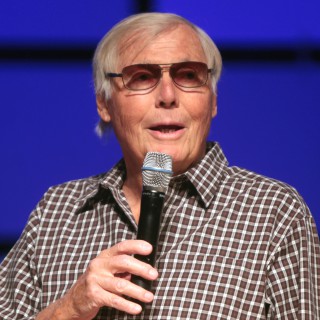
American actor
POPULARITY
Categories

59 episodes with Adam West

13 episodes with Adam West

41 episodes with Adam West

12 episodes with Adam West

10 episodes with Adam West

21 episodes with Adam West

20 episodes with Adam West

7 episodes with Adam West

9 episodes with Adam West

5 episodes with Adam West

10 episodes with Adam West

5 episodes with Adam West

6 episodes with Adam West

6 episodes with Adam West

4 episodes with Adam West

5 episodes with Adam West

4 episodes with Adam West

6 episodes with Adam West

5 episodes with Adam West

4 episodes with Adam West

5 episodes with Adam West

3 episodes with Adam West

4 episodes with Adam West

4 episodes with Adam West

4 episodes with Adam West

5 episodes with Adam West

6 episodes with Adam West

4 episodes with Adam West

5 episodes with Adam West

4 episodes with Adam West

7 episodes with Adam West

2 episodes with Adam West

2 episodes with Adam West

2 episodes with Adam West

3 episodes with Adam West

2 episodes with Adam West

2 episodes with Adam West

3 episodes with Adam West

3 episodes with Adam West

3 episodes with Adam West

9 episodes with Adam West

3 episodes with Adam West

3 episodes with Adam West

3 episodes with Adam West

4 episodes with Adam West

3 episodes with Adam West

6 episodes with Adam West

3 episodes with Adam West

3 episodes with Adam West

3 episodes with Adam West

3 episodes with Adam West

3 episodes with Adam West
4 episodes with Adam West

2 episodes with Adam West

Why has Batman remained one of the world's most popular superheroes for nearly 90 years? From the dark, pulp-inspired Batman of 1939 to Adam West's colorful 1960s TV series, Christopher Nolan's Dark Knight trilogy, and even The LEGO Batman Movie, Batman keeps reinventing himself. In this episode, we trace the history of Batman to discover what makes the character so enduring—and what separates a great Batman adaptation from one that misses the mark. How much can you change Bruce Wayne, Gotham City, the tone, the setting, or even Batman himself before he stops being Batman? And what can Batman teach us about the difference between honoring an artistic tradition and merely copying it?

National talk like a pirate day. Entertainment from 1968. George Washington's farewell address, New Zealand 1st to give women right to vote, 5000 year old frozen iceman found. Todays birthdays - Adam West, Bill Medley, Mama Cass Elliot, Jeremy Irons, Lita Ford, Trisha Yearwood, Jimmy Fallon. Jake LaMotta died.Intro - God did good - Dianna Corcoran https://www.diannacorcoran.com/Talk like a pirate - Tom Mason & the Blue BuccaneersPeople got to be free - The RascalsMama tried - Merle HaggardI am woman - Helen ReddyBirthdays - In da club - 50 Cent http://50cent.com/Batman TV series themeYou've lost that lovin' feeling - The Righteous BrothersDream a little dream of me - Mama Cass EliottKiss me deadly - Lita FordShe's in love with the boy - Trisha YearwoodExit - Lost on me - Caitlyn Shadbolt https://www.caitlynshadbolt.com/History & Factoids about today Playlist on SpotifyHistory & Factoids about today webpagecooolmedia.comcountryundergroundradio.comNational Days Puzzles - JulyGrace & Grit Christian Country Radio

Szeptember harmadik szombatja a nemzetközi Batman nap, az ilyenről pedig illik megemlékezni! Így ennek örömére végre kibeszéljük minden idők legfontosabb Denevérember-filmjét, az 1966-os Batman: The Movie-t.Hogy jövünk egyáltalán mi a Batmanhez? Miként került 60 évvel ezelött képernyőre a köpennyes igazságosztó? És miért így? Akkor most ez komoly vagy vicc? Mennyire is kell akkor ezt a denevért komolyan venni? Miben rejlik az 1966-os sorozat és film jelentősége? A karakter meggagyalázása ez? Vagy épp elenkezőleg: egy teljesen hű feldolgozás? Mennyire fontos része mai szemmel az 1966-os film/sorozat a Batman-mítósznak? Müködik-e egyáltalán a mából nézve a 60 évvel ezelötti bőregér? Létezhet-e egyáltalán egy ilyen nagy múlttal és sok feldolgozással bíró karakternek definiítv változata? És persze: miért is Adam West a legmenőbb denevérember? Többbek között ezekről beszélgetünk a Roboraptor Podcast legújabb adásában.
Link Up w/The Morning Sickness Digitally All Over:Instagram: @hms_98_official, @bosskupd, @bretvesely, @dickToledoX/Twitter: @HMSon98, @DickToledo, @bretveselyFacebook: @HMSKUPDYouTube: @hmspodcast9320, @98kupdRequest/Call in/Wakeup Song line:(IN AZ) 602.585.9800More HMS: www.holmbergpodcast.com, www.98kupd.comEmail: dtoledo@98kupd.com, bvesely@98kupd.com, bbogen@98kupd.comSee Privacy Policy at https://art19.com/privacy and California Privacy Notice at https://art19.com/privacy#do-not-sell-my-info.
Link Up w/The Morning Sickness Digitally All Over:Instagram: @hms_98_official, @bosskupd, @bretvesely, @dickToledoX/Twitter: @HMSon98, @DickToledo, @bretveselyFacebook: @HMSKUPDYouTube: @hmspodcast9320, @98kupdRequest/Call in/Wakeup Song line:(IN AZ) 602.585.9800More HMS: www.holmbergpodcast.com, www.98kupd.comEmail: dtoledo@98kupd.com, bvesely@98kupd.com, bbogen@98kupd.comSee Privacy Policy at https://art19.com/privacy and California Privacy Notice at https://art19.com/privacy#do-not-sell-my-info.

Ahead of the Week 1 matchup between the Detroit Lions and the New Orleans Saints, the Daily DLP welcomes Adam West of the Saints Block Podcast to preview the game. West provides a nice overview of where Saints fans are at with their team, noting that many see some parallels between Year 2 under head coach (and former Lions QB) Kellen Moore and where the Lions were with Dan Campbell back in 2022. There is promise but reserved optimism after a 6-11 finish in Moore's first year. Then it's time for the Xs and Os. Where can the Saints find success in Ford Field, if at all? Can Tyler Shough grow his game in his second year as the New Orleans QB? Does the Saints offensive line have any chance against Aidan Hutchinson, Jack Campbell and a mighty impressive Lions defensive front? The Saints replaced all their specialists this offseason; is that an area where Detroit might have a big advantage playing at home? #detroitlions #lions #detroitlionspodcast #jaredgoff #amon-rast.brown #samlaporta #jahmyrgibbs #jonassanker #chaseyoung #clarkgranderson #blakemiller #choicescruggs #christianmahogany Learn more about your ad choices. Visit megaphone.fm/adchoices

In this episode, Detroit Mike shares his journey into collecting, his incredible collection of vintage memorabilia and cards, and insights into the hobby's evolution. We also discuss PSA grading, rare finds, and tips for collectors. In this episode, Detroit Mike shares his lifelong passion for sports memorabilia and vintage cards, including stories about collecting Al Kaline's collection, his unique memorabilia, and insights into vintage sets like the 1962 Jell O cards. Discover how his collection reflects deep nostalgia and the joy of preserving sports history.

Holy nostalgia, Batman! Join us as we count down our favorite episodes from the legendary Batman (1966 - 1968) TV se4ries starring Adam West and Burt Ward. From outrageous villains and unforgettable cliffhangers to colorful sets, clever gadgets, and unforgettable one-liners, we're revisiting the episodes that made Batman '66 a timeless pop culture phenomenon. We'll discuss the stories, villains, performances, and memorable moments that keep fans coming back to this beloved classic superhero series. Whether you're a lifelong Bat-fan or discovering the Caped Crusader's campy adventures for the first time, this trip back to Gotham City is packed with fun and nostalgia. What are your favorite Batman '66 episodes? Let us know in the comments! If you enjoy classic television, superheroes, horror, science fiction, and pop culture retrospectives, be sure to Like, Subscribe, and hit the Notification Bell so you never miss an episode.

Rex Linn on Unsolved Mysteries, Westerns, Stallone, Cusack & His Dream Role In this funny, loose, and unexpectedly heartfelt episode of Reza Rifts, Keith Reza sits down with legendary character actor Rex Linn for a conversation packed with old-school Hollywood stories, career turning points, and the kind of behind-the-scenes chaos that only comes from decades in the business. Rex opens up about his earliest acting job recreating a real-life bank robber for Unsolved Mysteries, the surreal audition journey that landed him Cliffhanger with Sylvester Stallone, and why that movie changed his life in more ways than one. The episode also dives into Rex's love of Westerns, his admiration for The Jack Bull, his memories of John Cusack, Mark Rolston, Kurt Russell, John Lithgow, Adam West, and Bob Dylan, plus hilarious stories from Rush Hour, Zodiac, Wyatt Earp, Lethal Weapon, and the gloriously absurd Zombeavers. Along the way, Rex reflects on heartbreak, emotional recall, friendship in the film business, and his lifelong dream of somehow, some way, getting to play the Wolfman. Guest Info Rex Linn is an American film and television actor best known for a long-running career filled with standout supporting and character roles. He is widely recognized for projects including CSI: Miami, Cliffhanger, Rush Hour, Better Call Saul, and more recently Happy's Place. In this episode, he shares stories from across his career, from his first screen work and breakthrough film roles to the actors, directors, and friendships that shaped his path. Guest Social Links Instagram: @rexlinn13 … https://www.instagram.com/rexlinn13/?hl=en Chapters 00:00:00 Intro & Welcome 00:00:55 Keith Introduces Rex Linn 00:04:24 Rex's First Gig: Unsolved Mysteries 00:11:53 The Wild $50-a-Day Bank Robbery Story 00:17:11 From Banking to Acting 00:17:51 Auditioning for Cliffhanger 00:21:28 Meeting Sylvester Stallone 00:29:32 Behind the Scenes of The Jack Bull 00:33:28 Meeting Bob Dylan on Set 00:38:34 Memories from Rush Hour 00:43:18 Why Rex Loves Westerns 00:47:58 Tombstone vs. Wyatt Earp 00:50:18 How Zombeavers Happened 00:54:51 John Mayer, Bill Burr & Random Cameos 00:57:33 Meeting Childhood Hero Adam West 01:05:36 Transforming for Lethal Weapon 01:10:20 Recommending Melissa Peterman 01:11:50 Rex's Dream Role: The Wolfman Call to Action If you enjoyed this episode of Reza Rifts, make sure to: Subscribe Rate and review Share this episode with fans of Cliffhanger, Rush Hour, CSI: Miami, Westerns, and behind-the-scenes Hollywood stories Follow Rex Linn and Keith Reza for more interviews, clips, and updates Host Links Support the show on https://patreon.com/rezarifts61 Follow Keith on all social media platforms: FB: https://www.facebook.com/realkeithreza IG:https://www.instagram.com/keithreza ALT IG:https://www.instagram.com/duhkeithreza X:https://www.twitter.com/keithreza TT:https://www.tiktok.com/keithreza Book Keith on cameo at www.cameo.com/keithreza Check out my website for dates at https://www.keithreza.com/ Subscribe - Rate & Review on Apple Podcasts - Tell a friend :) Be a Rifter! #RezaRifts #KeithReza #RexLinn #Cliffhanger #RushHour #TheJackBull #WyattEarp #Zombeavers #BetterCallSaul #CSIMiami #HappyPlace #SylvesterStallone #JohnCusack #KurtRussell #HollywoodStories #ActorInterview #MoviePodcast #BehindTheScenes #Westerns #CharacterActor

Batman: The Movie (1966) is a campy, quotable time capsule that helped turn a modest TV show into a pop culture icon. Adam West's earnestness, the film's comic-book style, and its playful villains make it a perfect snapshot of 1960s charm and lasting nostalgia.

Preparing students for their future is the number one goal of every school district. And on this episode of the Local Matters podcast, host Jeremy Wendt is joined by Adam West of Putnam County School Systems as they discuss school services offered for student advancement. They break down the Future Ready Program offered by Putnam County, highlighting the benefits they have seen from the program. In addition to this, they discuss the other side of education; that being the challenges teachers face on a daily basis. Listen To The Local Matters Podcast Today! The UC Now · News Talk 94.1
It's Friday and somehow, once again, we fooled them and made it through another week. This week, a cowboy-themed birthday party turns into talk about community, confidence, and the ways life keeps bringing us together. We talk about how the best parties aren't really about the decorations—they're about ice breaking, creating spaces where people feel seen, welcomed, and connected. We talk about the people who walk into a room already convinced they're not enough and how so many of us carry old stories that no longer fit. We dig into the idea that if you want to change your reality, you might have to change your personality. We talk about getting to the other side of the river, finding your people, and why being around like-minded souls can elevate everyone in the room. Also, how learning to stop recreating the past, getting comfortable with the unfamiliar is key and how the future starts with one different thought. We talk about how Adam West (aka Batman) is the patron saint of confidence, the owner's table, Italian goodbyes, why every party needs a theme, and confirmation that sometimes the answer isn't another meditation—it's getting some sun, some salt water, and a few good people around you. Happy Friday. We'll Talk Shawtly! HEAL SQUAD SOCIALS IG: https://www.instagram.com/healsquad/ TikTok: https://www.tiktok.com/@healsquadxmaria HEAL SQUAD RESOURCES: Heal Squad Website:https://www.healsquad.com/ Heal Squad x Patreon: https://www.patreon.com/HealSquad/membership Maria Menounos Website: https://www.mariamenounos.com My Curated Macy's Page: Shop My Macy's Storefront EMR-Tek Red Light: https://emr-tek.com/discount/Maria30 for 30% off Airbnb: https://www.airbnb.com/host ABOUT MARIA MENOUNOS: Emmy Award-winning journalist, TV personality, actress, 2x NYT best-selling author, former pro-wrestler and brain tumor survivor, Maria Menounos' passion is to see others heal and to get better in all areas of life. ABOUT HEAL SQUAD x MARIA MENOUNOS: A daily digital talk-show that brings you the world's leading healers, experts, and celebrities to share groundbreaking secrets and tips to getting better in all areas of life. DISCLAIMER: This Podcast and all related content (published or distributed by or on behalf of Maria Menounos or http://Mariamenounos.com and http://healsquad.com) is for informational purposes only and may include information that is general in nature and that is not specific to you. Any information or opinions provided by guest experts or hosts featured within website or on Company's Podcast are their own; not those of Maria Menounos or the Company. Accordingly, Maria Menounos and the Company cannot be responsible for any results or consequences or actions you may take based on such information or opinions. This podcast is presented for exploratory purposes only. Published content is not intended to be used for preventing, diagnosing, or treating a specific illness. If you have, or suspect you may have, a health-care emergency, please contact a qualified health care professional for treatment.

For our final look at Supergirl, we're returning to the DCEU. And also Earth 89, Earth 789, Earth 30, Earth 66, Earth 203, Earth 789, and a reboot. That's right, we're taking a look at The Flash (2023), which aimed to be both a love letter to and the end of the Zack Snyder DC Universe, while also serving as an introduction to James Gunn's DCU. All your favourites are back: Michael Keaton, Ben Affleck, George Clooney, and Adam West as Batman, along with Wonder Woman, Aquaman, a pretty solid interpretation of Supergirl from Sasha Calle, and Ezra Miller's The Flash, I guess, if you're into that kind of thing. And it's awful. Thanks for watching our Caravan of Garbage review.SUBSCRIBE HERE ►► http://goo.gl/pQ39jNHelp support the show and get early episodes ► https://bigsandwich.co/Patreon ► https://patreon.com/mrsundaymoviesJames' Twitter ► http://twitter.com/mrsundaymoviesMaso's Twitter ► http://twitter.com/wikipediabrownPatreon ► https://patreon.com/mrsundaymoviesT-Shirts/Merch ► https://www.teepublic.com/stores/mr-sunday-movies The Weekly Planet iTunes ► https://itunes.apple.com/us/podcast/the-weekly-planet/id718158767?mt=2&ign-mpt=uo%3D4 The Weekly Planet Direct Download ► https://play.acast.com/s/theweeklyplanetAmazon Affiliate Link ► https://amzn.to/2nc12P4 Hosted on Acast. See acast.com/privacy for more information.
It goes without saying that Batman '66 wouldn't be Batman '66 without Adam West. Never mind Keaton and the others; Adam's our Batman! Adam's hometown of Walla Walla, Washington, celebrates Adam's legacy on and around his birthday of September 19, dubbed "Adam West Day". In this e pisode, Brian Marsmaker from the Adam West Day planning committee and Adam West Day founder Jonathan Grant join us to talk about this year's festivities, the origins of the annual event, Adam's early life in Walla Walla, and their own favorite Batman episodes and villains. Plus, match your Bat-knowledge against our guests' in Tim's Bat-Quiz! Join our Patreon for $2/month to hear this episode with no ads, and to hear all our past and future episodes!

What was it like growing up with Batman as your dad? Adam West's daughter shares personal stories and previews a new exhibit honoring the actors remarkable life.

We continue Marc's Miserable Marvelous May 4: EVER! with an interview that dives deep into our Nearly New World selection from last week: 1995's BLACK SCORPION! Yes, we talk with screenwriter Craig J. Nevius about his career from writing plays in high school to casting Brad Pitt in his debut feature, 1989's HAPPY TOGETHER, to his beginnings with Roger Corman writing 1991's KISS ME A KILLER to 1994's FANTASTIC FOUR and, of course, the BLACK SCORPION franchise.Along the way we talk about the issues behind the infamous FANTASTIC FOUR production (and dispel some myths), what it was like working with Stan Lee, the difficulty in casting Adam West, what Craig learned from his years working with Corman, and, of course, Underoos. This is an amazing conversation filled with insight and stories never revealed before, so don't miss it! To learn more about Craig's Windmill Entertainment, go to the Facebook page!For more about the New World Pictures Podcast, including previous episodes, t-shirts, mugs, sweatshirts, other merch and more, we DARE YOU to head here: https://newworldpicturespodcast.com/For all the shows in Someone's Favorite Productions Podcast Network, head here: https://www.someonesfavoriteproductions.com/#fantasticfour #blackscorpion #RogerCorman #AdamWest

Da na na na da na na na Batman! Batman!A delusional Egyptologist, a straight-faced superhero in a colourful world, and some questionable representations of ancient Egypt. In this bat episode of the bat Mummy Movie Podcast, we bat examine the bat history of Adam West bat Batman.In this bat episode of the bat Mummy Movie Podcast, we bat jump into the bat history behind two bat episodes, the Curse of King Tut and the Pharaoh's in a Rut. On top that we do a bat review.I hope you bat enjoy!… bat.Email: mummymoviepodcast@gmail.comPatreon: patreon.com/MummyMoviePodcastBibliographyDodson, A. (2009). Amarna Sunset: Nefertiti, Tutankhamun, Ay, Horemheb, and the Egyptian Counter-Reformation. Oxford University Press.Ezzy, D. (2015). Reassembling religious symbols: The pagan god Baphomet. Religion, 45(1), 24-41.Ikram, S. (2001). The iconography of the hyena in Ancient Egyptian art. Mitteilungen des deutschen archaologischen instituts abteilung Kairo, 127-140James, T. G. H. (2012) Howard Carter: the path to Tutankhamun. Bloomsbury Publishing.Peet, T. E. (1930). The great tomb-robberies of the twentieth Egyptian dynasty. Georg Olms Verlag. Hosted on Acast. See acast.com/privacy for more information.

Leading Senior Constable, Adam West, has spoken with Ross and Russ about the latest update on the four year Operation Blue Ember, as over 20 arrests were made on Victoria's north border. See omnystudio.com/listener for privacy information.

Just as they did on Episode 147, so they are doing so again on Episode 149 as the Film ‘89 team travel back in time to 1966, this time to celebrate the 60th anniversary of both a film and television show that, for a brief two-year period, was a worldwide phenomenon. Starring Adam West and Burt Ward, the television show is of course, Batman, and it would then transition to the big screen with 1966's Batman: The Movie. Skye and returning co-hosts John Arminio and Martin Kessler, explore what made the show such a hit and take a deep dive into a film that pits the Dynamic Duo against not one, but four of their most heinous super-criminal nemeses, The Penguin, The Joker, Catwoman and The Riddler. For those weaned on darker takes on the character from the likes of Frank Miller, Tim Burton and Christopher Nolan, this take on Batman will seem like a garish, high camp, and therefore barely recognisable iteration, but sixty years on, the show and movie still have a huge and loyal following. So slide down the Bat-poles, set atomic batteries to power, turbines to speed and join us in a celebration of ‘60s Batman.

Tracy Fullerton, M.F.A. is an experimental game designer, professor and director emeritus of the USC Games program. Her research center, the Game Innovation Lab, has produced several influential independent games, including Cloud, flOw, Darfur is Dying, The Night Journey, with artist Bill Viola and Walden, a game, a simulation of Henry David Thoreau's experiment at Walden Pond which was named “Game of the Year” at Games for Change 2017 and “Developer Choice” at IndieCade 2017. Tracy is the author of “Game Design Workshop: A Playcentric Approach to Creating Innovative Games,” a design textbook used at game programs worldwide, and holder of the Electronic Arts Endowed Chair in Interactive Entertainment. In addition to her teaching and design, she is a member of the Board of Directors for Square Enix Holdings, Co. and Games for Change.Prior to joining the USC faculty, she was president and founder of the interactive television game developer, Spiderdance, Inc. Spiderdance's games included NBC's Weakest Link, MTV's webRIOT, The WB's No Boundaries, History Channel's History IQ, Sony Game Show Network's Inquizition and TBS's Cyber Bond. Before starting Spiderdance, Tracy was a founding member of the New York design firm R/GA Interactive. As a producer and creative director she created games and interactive products for clients including Sony, Intel, Microsoft, AdAge, Ticketmaster, Compaq, and Warner Bros. among many others. Notable projects include Sony's Multiplayer Jeopardy! and Multiplayer Wheel of Fortune and MSN's NetWits, the first multiplayer casual game. Additionally, Tracy was Creative Director at the interactive film studio Interfilm, where she wrote and co-directed the “cinematic game” Ride for Your Life, starring Adam West and Matthew Lillard. She began her career as a designer at Bob Abel's company Synapse, where she worked on the interactive documentary Columbus: Encounter, Discovery and Beyond and other early interactive projects.Tracy's work has received numerous industry honors including an Emmy nomination for interactive television, best Family/Board Game from the Academy of Interactive Arts & Sciences, most “sublime experience,” the “Impact” and “Trailblazer” awards from the Indiecade Festival, ID Magazine's Interactive Design Review, Communication Arts Interactive Design Annual, several New Media Invision awards, iMix Best of Show, the Digital Coast Innovation Award, IBC's Nombre D'Or, Time Magazine's Best of the Web and the Hollywood Reporter's Women in Entertainment Power 100.Matthew Farber, Ed.D. is Associate Professor of Educational Technology and Codirector of the Gaming SEL Lab at the University of Northern Colorado. He is a play theorist who studies how games can foster empathy, compassion, perspective-taking, and ethical decision-making. He was a contributing writer for Origin101, the official learning companion for Ava DuVernay's critically acclaimed film Origin. Author of several books and articles, Dr. Farber writes for Edutopia, has been invited to the White House and to keynote for UNESCO, and has been interviewed by NPR, The Washington Post, APA Monitor on Psychology, EdSurge, The Denver Post, Fast Company, USA Today, and The Wall Street Journal. He has codeveloped game-based lessons with Tracy Fullerton for her award-winning Walden, a game EDU. In The Well-Read Game: On Playing Thoughtfully, Fullerton and Farber explore how personal and subjective meanings are evoked through a new theory of player response.Links: https://matthewfarber.com/https://mitpress.mit.edu/9780262552233/the-well-read-game/https://www.tracyfullerton.com/https://www.gamesforchange.org/ Hosted on Acast. See acast.com/privacy for more information.

This week on the Super Fun Time Trivia Podcast, we discuss licking Adam West's Batman cape, rate how effable George Lucas' neck is, and discuss Kevin's Pimp Game (it's low). Music Round: Nonsense Titles Patreon: Super Fun Time Trivia Website: superfuntimetrivia.com Facebook: superfuntimetrivia Instagram: superfuntimetrivia Twitter: @sftimetrivia Email: superfuntimetrivia@gmail.com Intro Music By David Dino White. Welcome to Super Fun Time Trivia: The known universe's only live improv comedy trivia podcast.

Adam West talks with Marcus Kahn ahead of University of Mary Washington's national championship game this Sunday afternoon (4:30 ESPN+) . The Eagles are on the brink of a title, and Kahn discusses the team's mindset, preparation, and what it will take to finish the run.

Episode #154 finds the panel wading into the tiara-strewn chaos of Drop Dead Gorgeous (1999), a mockumentary so dark it occasionally feels like it's whispering its jokes from the trunk of a car. With a cast that reads like a particularly unhinged reunion, including Kirsten Dunst, Allison Janney, Denise Richards, Amy Adams, Kirstie Alley, Brittany Murphy, and a cheerfully bewildered Adam West, the film chronicles a small Minnesota town whose high-school beauty pageant appears to double as a low-stakes homicide ring. It is civic pride with a body count. The post Episode #154 – Drop Dead Gorgeous (1999) first appeared on Boomstick Comics.

BatMarch IV continues with Batman: The Movie starring Adam West, Burt Ward, Lee Merriwether, Cesar Romero, Burgess Meredith, and Frank GorshinNew episodes every THURSDAYFollow us on social media! Bluesky // Instagram // Twitter // TikTok :@comicsnchronicYouTube:www.youtube.com/channel/UC45vP6pBHZk9rZi_2X3VkzQE-mail: comicsnchronicpodcast@gmail.comCodyInstagram // Bluesky:@codycannoncomedyTwitter: @Cody_CannonTikTok: @codywalakacannonJakeInstagram // Bluesky:@jakefhahaAnthonyBluesky // Instagram // Threads // Twitter // TikTok:@mrtonynacho
Sixty years ago, ABC's "Batman" premiered, revolutionizing both television and popular culture. Back in 2014, Gilbert and Frank tracked down the caped crusader of the swinging sixties (and their childhoods), the legendary Adam West, who happily shared his memories of everyone from Gary Cooper to Jackie Gleason and joked about some of his more “challenging” gigs (“Voodoo Island” anyone?). Also in this episode: Adam duets with Dino, makes history with William Shatner and pays Gilbert one of the greatest compliments of his career. PLUS: The origin of the Batusi! Liberace gets tough! Adam turns down the part of 007! And Batman and the Riddler go to an orgy!? Learn more about your ad choices. Visit megaphone.fm/adchoices

In this episode of The Perry Pod, I look at Season 6 Episode 1: The Case of the Bogus Books This episode includes: Law Library: Wrongful termination Plot: Episode plot Trivia: Locked room mysteries, Adam West, and Manning & Granger The Theme: Counterfeits The Perry Proverb: "Not a moral right..." The Water Cooler: Deleted scenes and the Paul Prompt from the last ep Contact me at theperrypod@gmail.com. Keep on walking that Park Avenue Beat!
For this episode, we open the time capsule to a spirited and unforgettable roundtable recorded at New York Comic Con, where the one and only Adam West sat down to reflect on stepping back into the cape for The Return of the Caped Crusaders. Decades after defining Batman for an entire generation, West embraced the chance to revisit the character who made him a global icon. The animated film reunited him with Burt Ward and Julie Newmar, rekindling the bright, mischievous, and delightfully earnest energy of the 1966 series — a tone that still stands apart in the superhero landscape. Beloved for his iconic portrayal of Batman, Adam West brought a singular blend of comedic timing, earnestness, and charisma to the role. The Return of the Caped Crusaders stands as a celebration of his legacy and a final salute to the version of Batman that taught the world how fun a hero could be. SAVE 17% On PLUS

Holy movie, Batman! We find ourselves back in the batcave for the second time this month as we discuss Leslie H. Martinson's 1966 film Batman! We discuss the 60s take on a funnier Dark Knight, Burt Ward, whether or not the film is in on it's own joke, why we gravitate towards this type of humor and why the shark repellant joke is genius, actually. Also: Michelle loves Meowrs Code! Seth diagnoses Adam West's Batman and a new SethxSeth show idea emerges! Check it out! Ad-free versions of all of our episodes are available on our Patreon When you sign up you also get access to our bonus shows, Discord server, shout out on the show AND you get to vote on monthly episodes and themes and a 25% discount in our merch store. That's a lot for only $5 a month! For more info and to sign up visit us on Patreon You can also give a Movie Friends subscription here: Gift a Movie Friends Subscription! Visit our website Check out our merch store Send us an email! Follow us on Twitter and Instagram Fill out our listener survey

There's arguably no superhero in existence that has been reimagined, redefined, or reinterpreted more than Batman. No matter how many times he's been rebooted, audiences are always willing to come back to Gotham City's greatest defender. With so much Bat content out there, there's plenty to dissect, analyze, and of course, rank! This podcast is dedicated to a surgical evaluation of Batman's history, with a focus on ranking several topics in the world of Batman, among other classic Bat themes and characters.Join hosts Daniel Cohen, Pop Break's former Film Editor, and Kris Ingersoll, co-host of the Media/Lit podcast, as they bring on several guests every month to share their passion for the one and only Dark Knight. From Adam West to Robert Pattinson, no bat stone will be left unturned. Bottom-line: If you're a Batman fan, this is required listening.It's the first podcast of 2026, and that means the first of our yearlong theme of the Eras of Batman, where each episode we'll be focusing on a key point in Batman's long history in film and television.And we couldn't think of a better first episode than what is arguably one of Batman's most important eras. That's right, we're going back to the 60s! This episode has been a long time coming – an entire episode focused on the glorious, iconic, and classic Adam West show from the 1960s!To help with this fantastic topic, Daniel and Kris brought a newcomer into the pod cave, Stacy Dooks, co-host of the Fanboy Power Hour Podcast! The trio discuss every nook and cranny of this show, including major themes, Adam West and Burt Ward's iconic performances, and the Chief O'Hara of it all! Oh, and we'll chat some villains too.That leads us to our rankings topic, because within this great discussion on the show, we had to fit in a ranking topic on these great underrated villains!If you're a fan of the 60s Batman show, this might just be your favorite episode of Batman by the Numbers Podcast!

A countdown, a cheer, and then a white bloom in the sky. We start with that January morning when Challenger lifted off with a teacher aboard and a nation watching, and we unpack how a routine launch became a rupture—O-rings, cold air, and the way live TV freezes time. The story isn't just technical; it's personal. Sneaking a screen at work, bargaining for a miracle, and remembering how hope hangs on for a few impossible seconds. From there, we follow the thread of wonder into a brighter palette.Cue the Batman theme. Adam West's deadpan responses and the pulpy poetry of Bam and Pow show how camp can be both silly and exacting. We dig into the Batmobile's improbable lineage—from the 1955 Lincoln Futura.Then it's a crate-dig through the Beach Boys Party album, where Barbara Ann's singalong charm and Dean Torrance's cameo capture a band between eras, loose and luminous before Pet Sounds. We jump to Elton John's Your Song and the city-streaked cinema of Dire Straits' Skateaway—drums, Roy Bittan's piano, and a roller girl writing her own movie. We also get candid about taste with Blondie's shift to The Tide Is High and Rapture.Finally, the volume tilts toward Public Image Ltd.'s Rise and the notorious Album project. “May the road rise with you” meets “anger is an energy,” a split-screen of blessing and bite, wrapped in no-frills packaging that turned the grocery aisle into a design joke.Learn Something New orRemember Something OldPlease like and follow the Music in My Shoes Facebook and Instagram pagesReach out to us at musicinmyshoes@gmail.comSend us a one-way message. We can't answer you back directly, but it could be part of a future Music In My Shoes Mailbag!!!

'Binging Shows' and 'Batman' and 'Jimmy Fallon' oh my......It's no secret, that before you record anything, you need to warm up. So that's exactly what the guys do! But we figured...why are we wasting those precious moments? Why aren't we sharing them with all of you? So here it is...man, we are dumb!!!Click here to send us a message! If you would please go follow us on all the socials? We would love you all forever...in a friend way...don't be weird!!!Please go rate and review us anywhere you get your podcastsPatreon: https://www.patreon.com/CultureShockedPodcastTwitter/X: https://www.twitter.com/cspodcast21TikTok: https://www.tiktok.com/@cspodcast21?lang=enFacebook: https://www.facebook.com/cultureshockedpodInstagram: https://www.instagram.com/cultureshocked21YouTube: https://www.youtube.com/cultureshocked21Website: https://cultureshocked.buzzsprout.com/
This special episode commemorates the 60th anniversary of the groundbreaking ABC television series Batman, the pop-culture lightning bolt that turned comic books into primetime spectacle and permanently rewired how superheroes could be portrayed on screen. I share a couple of professional and personal encounters with "The Bright Knight" But, at the heart of the episode is a rare 2016 interview with the late, great Adam West, recorded not long before his passing. West reflects candidly on stepping into the cape and cowl, navigating the razor-thin line between sincerity and satire, and why playing Batman seriously—even when the world was laughing—was the key to the show's success. He discusses:How the series embraced comic-book logic without mocking itThe cultural shockwave of Batmania in the 1960sThe unexpected responsibility of becoming Batman to generations of fansWhy the role followed him for life—and why he ultimately embraced that legacyThis episode isn't just a celebration of a TV show. It's a tribute to an era, a performance, and a philosophy of heroism that proved Batman could be smart, strange, colorful, and iconic—all at the same time. Six decades later, the Bat-signal still shines. And Adam West is a big reason why.

"Holy Caramel Apples chat, Batman!" In this engaging bat-ccentric conversation, Cooper Lee & Kennedy Rizzo delve into the nostalgic charm of the 1966 Batman film featuring the iconic Adam West. They explore the film's campy humor, memorable scenes, and the unique appeal of its diverse characters. The discussion highlights the contrast between the lighthearted portrayal of Batman in the 60s vs. the darker interpretations that followed. They also reflect on the legacy of Adam West and the enduring impact of the Batman franchise on pop culture. Caramel catch you on the other side!Which of the evil “4” four villains was your favorite stirring up world takeover mayhem in 66 Batman?- Catwoman - The Penguin - The Joker - The Riddler -If you like what we do in the way of caramelicious nostalgia, drop by and show us some support at Buy Me a Coffee dot com… (go to link below), we so appreciate you! Thanks a latte!!

On January 12, 1966, ABC premiered the first episode of “BATMAN” starring Adam West, Burt Ward, Alan Napier, Frank Gorshin & Jill St. John. The program was a colorful, comedic and campy adaptation of the DC Comic which became on overnight phenomenon. With the show turning 60 years old today, I wanted to celebrate it and also do so in a more annotated way with factoids, history, research and fun statistics to tell the tale of the show rather than just a simple conversation about episodes. I’ve taken it on as a solo venture, though perhaps a guest may pop in for the future as though I’m climbing a building and a window pop open. I hope you share the love of this series or just enjoy hearing/learning more about it. I’d love to continue, but its a decent amount of work, so we’ll see how it goes. I had bigger production plans for this, but time/money/life weren’t going to permit my showman ship, but I wanted to get this up and going anyway. Perhaps I’ll see you next week, same Brandon Peters Show release day, same Brandon Peters Show podcast. -Brandon The Brandon Peters Show will return. TECHNICAL INFORMATIONVocalsBrandon – Shure SM58-LC (Recorded with Zoom) Post ProductionNCH Wavepad Masters Edition v8.38NCH MixPad Masters v5.22The Levelator 2 RUNTIME: 36 minutes

JJ, Tom & I were on one of several other casual pop culture discussions and in the midst of that we briefly summed up a brief overview on some oddball movies in Adam West's lengthy career. Enjoy and be ready to learn something else about the late great legend!
Today on Word Balloon, I'm joined by Ed Catto, Editor-in-Chief of Retro Fan Magazine, a publication dedicated to celebrating the movies, television, comics, and pop culture that shaped generations.We're talking about the latest issue of Retro Fan, which is packed with deep-dive features and thoughtful retrospectives — including a look back at Adam West's iconic run as Batman, a comprehensive history of Lee Falk, the creator of The Phantom, and a fun, nostalgic revisit to Sigmund and the Sea Monsters. And that's just the start — this issue is loaded with the kind of researched, enthusiast-level storytelling Retro Fan is known for.Ed also shares what goes into curating each issue, balancing fan passion with historical accuracy, and keeping classic pop culture alive for new readers without losing what made it special in the first place. If you love smart nostalgia, deep cuts, and pop-culture history done right, this is a great conversation.

Charles Skaggs & Xan Sprouse watch Batman, the 1966 superhero film directed by Leslie H. Martinson, featuring Adam West as Batman/Bruce Wayne, Burt Ward as Robin/Dick Grayson, Lee Meriwether as Catwoman/Kitka, and Cesar Romero as The Joker! Find us here:X/Twitter: @DrunkCinemaCast, @CharlesSkaggs, @udanax19 Facebook: @DrunkCinema Bluesky: @charlesskaggs.bsky.social, @udanax19.bsky.social Email: DrunkCinemaPodcast@gmail.com Listen and subscribe to us on Apple Podcasts and leave us a review!
In this special episode, Batmen, we bring together three iconic voices who have defined the Dark Knight across generations: Adam West, Kevin Conroy, and Jason O'Mara. Each actor reflects on their favorite moments inhabiting Gotham's most famous vigilante and shares how they approached the role in their own unique way. What You'll Hear

Young people today face noise, pressure and expectations that can drown out who they really are. I have met many who feel unsure of their path, and I believe this is one of the most important conversations we can have. In this episode, I sit with youth coach Hillary Spiritos, someone who has walked her own winding path from fearless child, to shy young adult, to a coach helping others reconnect with their inner voice. Her honesty about the old messages she carried and the ways she learned to trust herself again offers a lesson for all of us, no matter our age. Hillary and I talk about what young adults face today, why so many feel lost and how simple daily choices can move us away from fear and toward clarity. You will hear how she helps people uncover what they value, build resilience and create a life that feels true. I think you will find this conversation grounding and hopeful. My hope is that it reminds you, just as it reminded me, that we all have the ability to step forward with purpose and live with an Unstoppable mindset. Highlights: 00:10 – Learn how early life messages shape confidence and identity.01:27 – See why many young adults step back from who they really are.02:54 – Understand how internal stories influence your choices.03:55 – Hear how changing environments helps you discover new parts of yourself.13:42 – Learn how young adults navigate both opportunity and uncertainty.15:36 – Understand why modern pressures make clarity harder to find.19:00 – Discover why resilience begins with facing normal challenges.23:25 – Learn how redefining success opens space for authentic living.25:20 – See how guided reflection builds direction and self trust.39:57 – Discover tools that help you quiet the noise and listen inward. About the Guest: Hillary Spiritos, founder of Bat Outta Hell, is a pathfinding coach dedicated to helping young adults pursue the lives they envision by building self-trust and discovering their potential. She conducts workshops on essential life skills such as leadership development, interviewing, resilience, and maximizing your study abroad experience. Through her coaching, Hillary empowers young adults to navigate social media noise and societal pressures, encouraging them to listen to their inner voice and achieve their unique personal and professional goals. This process helps clients identify their values, overcome obstacles, and embrace their fears, ultimately leading to a fulfilling and authentic life. As a certified pathfinding coach, she offers her clients that unique in-between space to create and execute their life road map. Hillary brings years of experience as an Academic Advisor at NYU and Northeastern University, as well as a background in the corporate sector, both as an employee and freelancer. Ways to connect with Hillary**:** https://batouttahell.net/ https://www.tiktok.com/@bat.outta_hell https://www.linkedin.com/in/hillaryspiritos/ About the Host: Michael Hingson is a New York Times best-selling author, international lecturer, and Chief Vision Officer for accessiBe. Michael, blind since birth, survived the 9/11 attacks with the help of his guide dog Roselle. This story is the subject of his best-selling book, Thunder Dog. Michael gives over 100 presentations around the world each year speaking to influential groups such as Exxon Mobile, AT&T, Federal Express, Scripps College, Rutgers University, Children's Hospital, and the American Red Cross just to name a few. He is Ambassador for the National Braille Literacy Campaign for the National Federation of the Blind and also serves as Ambassador for the American Humane Association's 2012 Hero Dog Awards. https://michaelhingson.com https://www.facebook.com/michael.hingson.author.speaker/ https://twitter.com/mhingson https://www.youtube.com/user/mhingson https://www.linkedin.com/in/michaelhingson/ accessiBe Links https://accessibe.com/ https://www.youtube.com/c/accessiBe https://www.linkedin.com/company/accessibe/mycompany/ https://www.facebook.com/accessibe/ Thanks for listening! Thanks so much for listening to our podcast! If you enjoyed this episode and think that others could benefit from listening, please share it using the social media buttons on this page. Do you have some feedback or questions about this episode? Leave a comment in the section below! Subscribe to the podcast If you would like to get automatic updates of new podcast episodes, you can subscribe to the podcast on Apple Podcasts or Stitcher. You can subscribe in your favorite podcast app. You can also support our podcast through our tip jar https://tips.pinecast.com/jar/unstoppable-mindset . Leave us an Apple Podcasts review Ratings and reviews from our listeners are extremely valuable to us and greatly appreciated. They help our podcast rank higher on Apple Podcasts, which exposes our show to more awesome listeners like you. If you have a minute, please leave an honest review on Apple Podcasts. Transcription Notes: Michael Hingson 00:00 Access Cast and accessiBe Initiative presents Unstoppable Mindset. The podcast where inclusion, diversity and the unexpected meet. Hi, I'm Michael Hingson, Chief Vision Officer for accessiBe and the author of the number one New York Times bestselling book, Thunder dog, the story of a blind man, his guide dog and the triumph of trust. Thanks for joining me on my podcast as we explore our own blinding fears of inclusion unacceptance and our resistance to change. We will discover the idea that no matter the situation, or the people we encounter, our own fears, and prejudices often are our strongest barriers to moving forward. The unstoppable mindset podcast is sponsored by accessiBe, that's a c c e s s i capital B e. Visit www.accessibe.com to learn how you can make your website accessible for persons with disabilities. And to help make the internet fully inclusive by the year 2025. Glad you dropped by we're happy to meet you and to have you here with us. Michael Hingson 01:21 Well, hi everyone, wherever you happen to be today, I would like to welcome you to unstoppable mindset, and I am your host, Michael hingson, or you can call me Mike, one of those two, no other kind of words, just Mike or Michael. But we're glad you're here, whether you're watching, listening or doing both. And our guest today is a coach. She especially does a lot in coaching and working with youth, young people, and I'm really interested to learn more about that as we go forward. I think it'll be kind of fun. So I would like to welcome Hillary Spiritos to unstoppable mindset, Hillary, we're glad you're here. Thanks for coming. Hillary Spiritos 02:02 Hi, thank you so much for having me. Mike. It's a pleasure to be with you. Michael Hingson 02:06 Well, I think it's a pleasure to be with you too, so I guess it works out both ways, right? Wonderful. Yeah, absolutely. Well, thank you for being here. Why don't we start as I love to do, let's start at the beginning. Tell us sort of about the early Hillary, growing up and all that. Since you know you're dealing with youth and and all that, you were one once. So let's, let's hear about you. Hillary Spiritos 02:29 I was one once, absolutely. So I was a really fearless child. I had a really, like, wild fashion sense. I asked a lot of questions. I was pretty independent. I like to stay in my room and like play with my imagination and and then as I got older, I got a little bit shyer. I got a little bit behind the scenes. I started to I started to back away a little bit and kind of lose touch with who I was. And then I have finally, like when I was in my when I was in university, I really just decided that I didn't really know what I wanted to do, what I wanted to study what I was interested in, and it's been a process to kind of live my fullest, most authentic life, and that is what I want to help young people do. Michael Hingson 03:29 Why did you back away? Why did you become kind of, maybe less outgoing or less adventuresome, if you will? Hillary Spiritos 03:38 I think you know there are multiple reasons for this puberty is not like the least of which, but I would say that I'm a big believer that we are taught these messages when we're younger as children, and they get internalized. And I think I internalized messages that were to make myself smaller, to not cause waves, to just not be as big of a presence, perhaps. And so I you have to kind of rewire that. You have to break free from that, and then you can decide, actually, I'm not at the mercy of these stories that I've been told in these messages that I've gotten. Now, Michael Hingson 04:23 where are you from? Hillary Spiritos 04:24 I'm from New York City. Okay, Michael Hingson 04:27 yeah. Well, you know, New York is a tough place, so you can certainly learn to be outgoing and active there. But I hear what you're saying, yeah. Now, where are you now? Hillary Spiritos 04:39 I live in London, England, Michael Hingson 04:41 okay, yes, a little ways from New York, Hillary Spiritos 04:45 absolutely. But actually not as far as you might Michael Hingson 04:48 think, no, it's only, what a five hour airplane flight, right? Hillary Spiritos 04:53 But it's, it's actually shorter than going to California, yeah? Michael Hingson 04:58 So, yeah. You know well, but what took you to London? Hillary Spiritos 05:06 I have always wanted to live in London, and I really love the arts and culture and comedy scene here. I also am a deep, deep lover of travel, and obviously living on the continent of Europe, just gives me more opportunity to travel in that way and over the weekend, you know. And I also just am a deep believer in international education, study abroad, the ability to have cross cultural experiences, to learn more about yourself and your place in the world and the world itself through experiencing your life and yourself in a different Michael Hingson 05:46 place. Do you have a car, or do you just use the tube and public transportation? I Hillary Spiritos 05:52 use the tube and public transportation mostly. I mean, the thing about Europe is that it's really well connected over train. Michael Hingson 05:59 Yeah, absolutely. Yeah. And that that makes a big difference, because you can get wherever you want to go around Europe fairly easily by train, sure, absolutely, certainly, a lot easier than getting around most places in in the States. Hillary Spiritos 06:19 Yeah, that's that can be true, though. I mean, there is an ease to a car Absolutely, and there's like a lovely I can blast my music and be with my thoughts and be in my own space that a car brings you that the train doesn't, Michael Hingson 06:34 yeah, well, or you use earphones, but it's still not the same. Hillary Spiritos 06:39 Yeah, I have a lot of clients and students who are perhaps in places that they don't have their car, and they find that their car is their safe space, and the space where they can vent and listen to music and just be alone and and they feel fine that they really miss their car. So it's I mean, but I also grew up in New York City, so I, I, it's not a part of my it's not a part of my existence, really. Michael Hingson 07:06 Yeah, you're used to not having a car pretty much. I had a friend when I lived in in Winthrop, Massachusetts for three years. I had a friend. We both worked at the same company, and his philosophy was, buy a car, but don't get anything fancy. Just get a clunker. And when it dies, just leave it and go off and buy another one. And so he never did get any kind of a really high end car. And he had a couple where they died, and he just left them or got got them taken away, and then he went off and got a new Hillary Spiritos 07:43 car. Sure, I guess it's really just what you value. Yeah, absolutely. Michael Hingson 07:50 Well, I'm pretty used to having access to a lot of public transportation. Unfortunately, where I live here in California, we don't have a lot where I live anyway, of great transportation, but I remember living in the east, and of course, there was a lot more train access around New York, around Boston and around Washington, DC, for that matter, compared To out here, absolutely well. So where did you go to college? Hillary Spiritos 08:24 I went. I got my undergraduate degree at Duke University, and then I got my master's in international education at NYU. Michael Hingson 08:33 Okay, and so what was your Bachelor's Hillary Spiritos 08:37 in theater and comparative religion? Michael Hingson 08:41 That's a little different than international education. What prompted you to Hillary Spiritos 08:44 switch? Yeah, so that's a great question. So I actually changed my major in my junior year of college because I didn't believe that anyone would be accepting of me majoring in theater and comparative religion as two separate things, and I didn't think it was good enough, and I had all these judgments again from messaging that I received as a young person, and I finally decided that I wasn't going to listen to that. So I changed my major, and I actually worked in the theater and live events production for five or six years after college, and loved it, but I found that it wasn't fulfilling in the way that I wanted my work to be. It wasn't as soul feeding as I wanted my work to be. And I realized that I was an RA at Duke University, and I I just truly loved working with young adults and helping them find their path and figure out what they wanted to do with their life and who they were and what they valued and and so I found that I really wanted to be in the world of higher education, so I went and got my master's. Michael Hingson 09:49 But you didn't do that right out of getting a bachelor's. It was a little bit later. Hillary Spiritos 09:53 Yeah, it was about five or six years later. Wow. Michael Hingson 09:55 So what did you do for the theater while you were working? Hillary Spiritos 09:58 I. Yeah, I was a stage manager in the theater, and then I was a Live Events Producer, so concerts, festivals, movie premieres, anything like that. I helped Michael Hingson 10:11 produce. Did you do a lot of that around New York? Hillary Spiritos 10:15 Yeah, so New York, LA, I also worked in Boston, actually, both as in the theater, as well as at a university in Boston after I had gotten my masters. So yeah, Michael Hingson 10:29 I always enjoyed going to Broadway shows. There's, there's nothing like live theater. I agree. Yeah. I mean, it's, it's just a totally different kind of environment, and it's so much more fun than watching a movie or whatever, the sound is different and better and just the whole performance. There's nothing like seeing something on the stage. Yeah? Hillary Spiritos 10:54 I mean, I think it's all about To each their own. Right? There are actors and people who find that movies have changed their lives and and I definitely have movies that I watch over and over again for comfort, same with TV shows. But for me, personally, the theater, there's nothing like live theater. Live theater is like energizing for me, and if I go too long without seeing it, I get a little Michael Hingson 11:18 Yeah, well, you're in a in a town that has a fair amount Hillary Spiritos 11:22 of theater? Absolutely, yes. Michael Hingson 11:25 So what are your favorite movies? Oh, oh. Hillary Spiritos 11:30 I mean, I guess it depends on what genre we're talking about. But I really love the genre of, like, inspirational sports movies. I that also I remember watching all of those and just really resonating with the character of the coach and realizing that that's kind of who I wanted to be in life, that person who recognized the potential and helped everybody reach their potential. So I loved, you know, the Karate Kid and Mighty Ducks and, like the replacements and strictly ballroom and and miracle and, you know, any Rocky, Michael Hingson 12:10 you name it, yeah, A League of Their Own. Hillary Spiritos 12:14 Oh, League of Their Own is incredible. Michael Hingson 12:16 Absolutely, yeah, I always like the league of their own. Yeah, Hillary Spiritos 12:19 the natural is also a great fact be the natural. Michael Hingson 12:22 And I read the book long after seeing the movie, but I, but I read the book, and that was worth reading as well. Hillary Spiritos 12:32 I think I've also read it, but I'm not, I can't. Michael Hingson 12:38 Yeah, it's been a long time since since I've read it, but it was fun. I don't know my probably one of my favorite movies, and I love to quote it all the time. Goes away from sports. It's Young Frankenstein, but I'm a Mel Brooks fan. So what can I say? Oh yeah. Hillary Spiritos 12:55 Oh yeah. I mean, that's an incredible film, too. And I would say I love a lot of movies that are not inspirational sports movies as well, but yeah for sure, Michael Hingson 13:03 yeah, and I've always liked Casablanca. That's still one of my favorite movies of all time. Hillary Spiritos 13:09 Classic, absolutely, Michael Hingson 13:11 a classic, absolutely yes. But there's still nothing like going to see things on Broadway. You know, I used to see, I watched Damn Yankees the movie, and then when I lived back in the east, we got to see Damn Yankees on Broadway. I actually saw it twice. The second time was with Jerry Lewis playing Mr. Applegate, the devil, and it was the only thing he ever did on Broadway. And we, before we went to see it, there was a my wife read an interview with him, and he said his father had told him, you won't have really ever arrived in entertainment until you do something on Broadway. Well, he did a great job in the play. It was well worth seeing. Hillary Spiritos 14:00 Well, yeah, I mean that that's a challenging statement for sure. And I think it depends how you how he took that right, but that can also be very disheartening, Michael Hingson 14:11 yeah, yeah, well, he took it, he took it the right way. And, and, you know, he, I think he thought his dad was, was hoping his dad was watching from wherever his dad was and saw him on Broadway, but Broadway plays are fun, and I've seen a number on Broadway, and I've seen some plays not on Broadway, but still, people did a great job well. So you anyway, you did theater, and then you went back and got your master's degree, and you wanted to deal with young people. Why? Specifically just young people? Hillary Spiritos 14:50 I think that young adults are exist in such an incredible but volatile space. So like throughout life, we go through on this track of all pretty much doing the same things at the same time, at the same pace with everybody else. And then when we meet or when we get to university, there just becomes so many more paths, and paths start to diverge, and everyone starts to get a little bit mixed up, and then once you're out of university, then that happens even more, and that can be a period of incredible opportunity and possibility and excitement, but it can also be a time of really a lot of anxiety and challenges and obstacles and fear of the unknown, and I think that that is a really exciting, interesting, dynamic place to be. I also just love the ethos of young people, of I'm not going to take that this is the way it's always been done, mentality. I'm not going to just let whatever is going on in the world wash over me. I'm going to actually take a stand. I'm I'm going to stand for what I believe in. And I think that's just a really, I mean, there are some real fierce young people out here, out here, and so that's really uplifting and really motivating and energizing to see. Michael Hingson 16:18 Do you think that it's different now than it was, say, 30 or 40 years ago, in terms of dealing with youth and young people in terms of what they face and how they face it. Has it? Has it changed much? Or do you think it's really basically the same? And of course, the other logical question is, Is it easier or harder now? Hillary Spiritos 16:39 Absolutely, so I think that it is absolutely part of the human condition to try to figure out who you are and what you want, and that is something that young people are constantly dealing with at every generation. So that's absolutely true, but I do believe that there are certain things that make it harder for this generation, the Gen Z and Millennial like cohort, I think that whether that's the covid pandemic, social media, helicopter or lawn mower, snow plow, parenting, whatever you want to call it, that just this general state of the world, there are all of These structures and systems in place that are crumbling and broken, that young adults are having to get a grip and understand and find their feet in a world that is constantly shifting and and not meeting their needs. So I think it is definitely, I mean, harder is challenging to rank, right? Because, like, obviously, there are very hard challenges in various generations, but I do think it is very different. Michael Hingson 17:49 Well, you know, in 1917, 18, we had the pandemic of the flu. So it's not like this is the first time we've ever had that, but sure, it just seems to me, with everything that's going on today, with with social media, with instantaneous communications and so on, and probably other things where a number of people are raised in fear oriented environments, it is definitely a lot more challenging to be a youth growing up today. They're just too many challenges, much less you mentioned helicopter and other kinds of parents, I would assume that they're operating more out of fear than anything else, which is why they do what they do. Hillary Spiritos 18:36 Well, that's interesting. I think they absolutely could be operating out of fear, and they can be operating out of the I want you to reach this echelon. I want you to do this thing, have this job, so that you will be secure and safe. However, we know that that's not a given, right? There's no such thing as security in that way. But I would also say there's a way to be operating out of a projection of what they wish that they lived, and they're passing that along to their children as well. So there are various ways that it can manifest Michael Hingson 19:12 that's probably been somewhat true though, through most generations, although it may be a little bit more the case now, because there's so many outside forces, and they want to keep their kids from having to put up with all of that. Hillary Spiritos 19:23 Yeah, I would also say that their parenting used to be a little bit more hands off, and it is now. Let me remove the obstacles from my children's lives and let me and that's a generalization. Obviously, not all parents are like that, but there is a big push to let me make it somewhat easier, and that's not to say don't support your children, and that's not to say don't help them out. That's not to you know, but in removing all the obstacles, young people aren't given the opportunity to build. Of the self reliance and the resilience and the self trust that they need to move forward, Michael Hingson 20:05 yeah, and it may ultimately come down to, how many of the obstacles are you really removing, but? But that is true, that they make it they think easier. But the reality is, there are reasons why we all have to go through different situations to learn Hillary Spiritos 20:26 Sure, absolutely, I think if you, if you don't develop resilience or self reliance or grit, I think that that is, that is going to be a very challenging life until you learn to really develop those traits, those skills, tools, Michael Hingson 20:46 I know for students with disabilities. And this goes back 50 years. I know here in California, a number of the colleges and universities started hiring people to run offices for students with disabilities, and they would come in and Oh, we'll get we'll, we'll, we'll make sure you have your textbooks, we'll make sure you have a place to take your tests. And they do any number of things for students that some of us who grew up a little bit before those offices realized that the offices were were really creating more of a problem than a great solution, because they did everything for students, rather than students learning to do things for themselves. Students didn't learn how to hire people to read information for them, or how to go to professors and advocate for what they needed, because they just relied on the offices. And the offices would say, well, students don't know how to do those things, yeah, and they never will. It's the same, it's the same kind of concept. But you know, the reality is that there is a reason why there is value in having challenges put before you to overcome and deal with Hillary Spiritos 22:07 Absolutely, absolutely. I mean, it helps you recognize what you're capable of, and it also helps you realize that you have been through maybe something difficult previously, or you've gone outside of your comfort zone or tried something new or whatever, there's precedence there that you can do something like that again, and if you don't have those experiences, then you are unsure. I mean, I have clients who have not built up these experiences, or they don't recognize the experiences that they've had, and that's part of the work that we do, is that then they just feel so unprepared to go out in the world because they don't know what they're made of. Michael Hingson 22:47 Yeah, yeah. And it is, it is a real challenge. And you know, the other part about it is that what referring back to the offices for students with disabilities, what the offices should be doing, is encouraging students to to do the work, and then saying, this is what, what I actually went through, and then actually saying, if you have a problem and you can't get the things that you know you need to have, will help you. We will. We will bring the resources of the university to, for example, to to bear, to get you what you need. But you have to be the one to initiate it. And I think that's the issue. Hillary Spiritos 23:32 Sure, absolutely, it's it's it's the it's the asking questions without trying to figure out what the answer is yourself, or trying to find the answer yourself. And I think that can be manifest in many ways, and I think that that is also indicative of like a larger of a larger system, which is not being able to trust that you can figure it out, not being able to trust that you have the answer or that you can, like, trust your inner voice or your gut, and so you look outward and that so it can be part of a task, but it can also just be. It can manifest in your just general life. Speaker 1 24:14 Yeah. So what does redefining success mean today for young people, and how do they separate their goals from what society expects them to do, or societal expectations? Hillary Spiritos 24:28 Yeah, absolutely. So, as I kind of alluded to before, is that we learn these definitions. We learn these we have these messaging from when we were younger, and we learn what success means, what failure means, what courage is, and we start to internalize what we think other people will see as acceptable or good enough. And what we need to do is unpack that and. Try to redefine success and failure and all the rest of it for ourselves so that we can live our own lives and not be at the mercy of our prior messaging, childhood wounds of our parents, hopes and dreams and fears, perhaps what people of people in society might deem as not good enough, or not interesting, or whatever we want to live according to what we think we value. And so that would that's what redefining success means. Speaker 1 25:32 How do you teach people how to redefine success? You you have a coaching process that I assume that you use. So what is that? How does all that work? Hillary Spiritos 25:42 Yeah, so it's a three month process, and it's called aligned and alive. And the first month is helping young adults really get to the root of who they really are, what they really value, and what they really want their life to look like. And it is going deep, and it is being honest and answering those questions outside of societal expectations, and cutting through the noise to the best of their ability. And then the second month is really honing in on what is blocking you from going after the life you want, from imagining the life you want to create, and creating the life you imagine. And then the third month is reevaluating those what we those of things that we talked about in the first month, so who you really are, what you really value, and what you really want your life to look like. These things probably have changed over the course of this time, as you've kind of uncovered new aspects of yourself, and then we create an actionable strategic plan so that you're not just going off into the world unprepared and feeling unprepared to kind of take the next step. And there are absolutely follow up calls to just make sure that you feel the most secure and that you if you have any questions or kind of feel like you want to check in, that's absolutely acceptable and possible and hope like I hope you will and we will set up. And there are also people who don't work on this three month platform, but they also just meet with me regularly. So it's it depends on what you're looking for. This isn't a one size fits all situation. Michael Hingson 27:24 Yeah, what? Which makes sense? It it shouldn't be a one size fits all because everyone is a little bit different. Needless to say, absolutely. So I didn't mention it before, but we should talk about what is the name of your company? Hillary Spiritos 27:39 So the name of my company is called bat out of hell. There you go. Michael Hingson 27:44 See how did you come up with that? It's I think it's great. Hillary Spiritos 27:48 Thank you. I really love and have a kinship with bats. I think that bats are highly adaptable, perceptive, social creatures, and they spend a lot of their time upside down, so they see the world in a different perspective, and they symbolize transformation and rebirth and the shedding of the old to come into the new and out of the darkness and into the light, all of which I really resonate with and want the energy of the business. And then I also am not a one size fits all cookie cutter coach, let alone person. And I, and I wanted a name that kind of had that ethos, had that a bit of rock and roll in it, if you will. And so, yeah, I feel like it's has real momentum to it, and a real edge, which is great. Michael Hingson 28:44 And so you, of course, feel a great kinship for the TV show in the movies Batman, right? Just checking, Hillary Spiritos 28:51 yeah. I mean, there is, I'm not the biggest Batman fan, Marvel or super, but I will say there I did talk about this with people about how Batman, if I'm correct, embraced what he was most afraid of, and took that to help him fight the bad villains in Gotham. And so that is an incredible thing to do, to take what is blocking you, to take those fears, anxieties and and insecurities, and recognize where they come from, own them to and understand how they influence and manifest in your everyday life, so that you're not at the mercy of them. That's basically what Batman does. And that's great. That's dope. Michael Hingson 29:37 I think that happened probably more in movies than in the TV series, but that's Sure. Adam West was an interesting character for TV, but that that's fine. I actually sat a row in front of him on an airplane flight once, he was a whole lot different on the airplane than he was as Batman was interesting. Did you talk to him? No. He didn't have any interest in talking to anybody except, I guess it was his agent or or someone who he was with, and that was the only person he talked with. Okay, that's that's a lot. What do you do? You know, well, so the the thing is, though, that I think you're right. Batman, like anyone had fears and he and especially in the movies, he learned to embrace them and did the things that he needed to do. He he chose his life, although there were things that that led him to do it, he still chose his life and operated accordingly. And that's something that we all have the opportunity to do, is we can make choices. I think it's important that we monitor our choices. That is when we choose things. I can I can go back many years in my life and see how I got to where I am today by the choices that I made. And I think that's a thing that is worth people doing, is being introspective and and thinking about what you do, what you did, and how you got where you are, not in any kind of a blame way, but rather just to know, and that also helps you then decide where do we go from here, Hillary Spiritos 31:25 absolutely, to constantly or consistently, take stock of who you are and what you want, and to ask yourself questions of, is that true? Is that actually what I want? Is that actually what I value? Is that what I believe is, Am I doing this because somebody else says I should? Am I doing this because I don't want to be embarrassed, like, am I excited to do this, or excited and anxious, or do I just really not want to do it? All of these questions are really important to continually ask ourselves. But I think if you haven't learned to ask yourself those questions, or if you're feeling really lost at sea, or if you're feeling like you really just don't know how to cut out the noise, then it might be beneficial to talk to somebody. But absolutely, that's something that that's being introspective and reflective is is vital? Michael Hingson 32:19 Yeah, I think that's extremely important to do, and it's it's also all about working to keep fear from controlling you, and learning how to control fear. And the more you look at like, what, what you do every day. And I encourage people, as they're going to sleep at night, to be introspective. What happened today? What? Why did I react to that? Why? Why was I afraid? What can I learn from that, or even the good stuff that went really well, but how might I do it better? Being introspective and really listening to your inner voice helps a lot in being able to deal with fear. Hillary Spiritos 33:01 Absolutely, absolutely. I think it's the question of, are you able to listen to the to your inner voice? Do you trust your inner voice? Do you listen to your inner voice? Is there a reason why, even though you hear it, you're not doing it? Is there a reason why you're not taking the steps to engage with your life the way that you want. Do you not even know what the life you want to create is? And I think that these are really like listening to your inner voice is absolutely critical. It's vital. But sometimes it's not the easiest thing to do, Michael Hingson 33:38 no because we haven't learned to do it. The more we work at it, the easier it becomes. It's a matter of really exercising that muscle that is our mind. Because we can learn to trust that inner voice. We can learn to listen to that inner voice, but we have to make the choice to do it. No one else can do that for us, absolutely. Hillary Spiritos 33:59 And I think that's that's really important information, right? Because we're the ones that have to live with the consequences of our choices. We have to live. We're the ones who have to live in our lives, so to look outward for answers rather than looking inward. While it might feel more comfortable and you feel like, oh, that way I want won't make mistakes, or people will deem it acceptable, because I've I've taken the census, and everybody thinks that this is what I should do. It doesn't save you from you're the one who actually has to go through the motions, and you might be living someone else's life, and you're going to realize that at some point or another. Yeah. Michael Hingson 34:43 And, and, I guess, in a sense, hopefully you will realize it and use that to advance and go forward and more. Learn to listen to your inner voice and more. Learn to not be afraid of so many things. Yeah. Hillary Spiritos 34:57 And, I think that it's you. It's lovely to recognize that and try to get on the right path, or let's say, your path earlier rather than later. Yeah, because what you don't want is to necessarily look back and realize that you've lived your life according to someone else. It's the number one regret of the dying, right? So obviously, we do that to the best of our abilities, because all we can do is make the best decisions with the information that we have at the time. So it's keep it's a constant constant, trying to figure it out, but you we want to get on that. We want to live our most authentic life as as much as possible. Michael Hingson 35:41 Sure, you talk a lot, or you refer to reclaiming your 20s and 30s and so on. And I think that's an interesting thing, because it's it was a probably most people view it as a simpler time in life. But what are some of the misconceptions that people actually have about their 20s and 30s, and how do you refrain from dealing with uncertainty and turn it into opportunity? Hillary Spiritos 36:12 Yeah, that's really an interesting question, and it's a way really interesting way of phrasing it, because when you're older, you do tend to say, Oh, if only I, like, realized this in my 20s, because the or, like, what I could tell my 20 year old or 30 year old self is because actually, your 20s and 30s are fraught with a lot of challenges and a lot of insecurities and a lot of fears, and They're actually not necessarily simple times, but I would say some misconceptions are that you need to have it all figured out, that you're running out of time, that it's too late, or that you're behind, that everybody else has it figured out, and you you're lost, that your 20s are for figuring things out, and then once you hit your 30s, you're supposed To have it all figured out, and all your ducks in a row, the idea that your path is straight, and once you make a decision, then you're off to the races. And like you don't ever have to think about it again. If I could just pick the right career, pick the right partner, pick the right industry, I'll just be done. And that's that's not how life works. No. So I would say that we want to reframe uncertainty and all of these questions as opportunity. And so life is uncertain. And so when you learn to see uncertainty as possibility and obstacles as opportunity for growth, then you will begin to have more forward momentum, have live your live a more authentic life, and learn more about yourself and gain self trust and resilience and self reliance. And that's that's what we want to learn how to do in our 20s and 30s and beyond Michael Hingson 38:00 and beyond, because the reality is, it's all part of the same thing. Hillary Spiritos 38:04 Sure, absolutely, yeah, Michael Hingson 38:08 it, it may or may not get any simpler, or maybe we learn enough things that it looks like it's simpler, but because we've learned certain things that help us get through whatever it is we have to get through. But the reality is, it's all about learning. I think, yeah, go ahead. Hillary Spiritos 38:27 No, I just I think it absolutely is. So I think it's about if you start to recognize this in your 20s and 30s, you will as you go older, the wisdom comes with recognizing that you've done things like this. You've got a lot in your backpack. You have a lot of tools, you have a lot of experiences. You have the wisdom that comes with that. You have the self reliance and the self assurance that comes with that. And you know that you're going to be okay. You know that you can get through it because you've done it. So I think what being an adult means is, am I do I trust myself? Am I secure in who I am? Am I someone? Can I soothe myself? These are questions, rather than like, do I have the home, the kids, the you know, the traditional markers of adulthood really don't mean anything anymore. But what's really important is, Am I okay with me, and how do I want to engage in the world? Michael Hingson 39:22 Yeah, and the reality is that it is, I think, going back to something we talked about before, it is tougher today, because there are just so many external meth or things that influence or that try to influence, and it probably is a lot more difficult than it than it used to be, because towns are larger, there are more people around. You've got social media, you've got so many other things that you face daily, probably a number of which we didn't used to face, or at least not to the same degree. So. It is more of a challenge than it used to be. Hillary Spiritos 40:03 Sure, it's definitely it's definitely different, but I do believe that say that there are inflection points, right? And I do think that the advent of social media is a huge inflection point, and something that is not beneficial for young adults of today. Yeah, and it is in many ways detrimental and so but it is something that is here, and it is something that young adults have to navigate. How Michael Hingson 40:35 do you teach them to deal with all of that, all the noise, all the social media and everything else, because it's all there. And I'm sure that you as a coach, face this, because you hear it from the people that you work with. Well, but all this is going on. How do you teach people to know what to cut out, or how to cut out a lot of that, to be able to get back to that, I've got to really know me absolutely. Hillary Spiritos 41:02 So there are many tools that one can engage with. So there's actually sitting quietly and reflecting like literally cutting out the noise. There are mindfulness practices and meditation, there's journaling, and there's getting out in nature and exercise and dance and creative expression, and there are definitely tools in which you can get out of your head and into the body and and learn to literally cut out the noise. But I think what's really important is to figure out what resonates for each person, because, as we've said, everybody is different. But in particular for social media like it is really important to have an awareness of why you're using it so it feels like a neutral platform, or maybe it doesn't anymore. People are waking up to it, but it's optimized for engagement, and what you're seeing is someone's projected, curated reality. And so you want to ask yourself why you're doing it. You don't want to sit there and mindlessly scroll. You want to ask yourself what you're trying to get out of it. Are you looking for connection or validation, or creative inspiration or connection? And that can help you navigate through and help you realize what you want to get out from it, and not just like take it all in mindlessly, and we want to obviously be skeptical, skeptical of the information, and we want to limit our use, if not cut it out fully. And it's not a replacement for human connection. A lot of people we have feel like have a loneliness epidemic, because it's not, while social media does connect people, it's not a replacement for human to human connection. So it's really important to keep that in your life. And so I think it's just really important to continually engage with these questions of why you're engaging with it, and what it makes you feel, and how does it serve you? And do you want to be at the mercy of that? And the more you start to question it, the more you can break down those ties, Michael Hingson 43:16 yeah, and the more of that you do, then again, the more you're practicing some of that introspection that we talked about earlier, absolutely, which is really what it's all about. There's nothing wrong with, I don't want to call it second guessing, but there's nothing wrong with thinking about what you're doing, what you did, and using all of that as a learning experience. Life's an adventure. We should we should take it that way. Hillary Spiritos 43:43 Well, that's absolutely true as well. It's like all of these experiences are experiences. All of these are adventures. All of these are opportunities for growth, learning more about ourselves. And I don't want to minimize or belittle the fact that everyone needs to your life needs to be sustainable. You need to be able to like, live your life financially. So it's not like it's all fluff and but I do think it's important to recognize that this is all just a learning experience. Nobody really knows what they're doing. We're all trying to figure it out. So it's okay to take a little bit, cut yourself a little bit of slack, and be nicer to yourself and and it's actually really important to cut out the critical voice in your head, because that that is actually a huge reason of why you are feeling Michael Hingson 44:38 stuck. Yeah, I've said many times on this podcast that one of the things that I've learned over the last couple of years is to stop saying I'm my own worst critic. I used to do that because I will like to record speeches when I travel and speak publicly, and I come back and listen to them, and I always just sort of quickly. He said, I'm my own worst critic. I want to really listen to it, because if I don't tell me, nobody else will. And I realized what a negative thing to say. And I finally realized I should be saying I'm my own best teacher. Because in reality, no one can teach me anything. They can provide me with information, but I'm the only one that can truly teach me or open me up for learning Hillary Spiritos 45:21 that's beautiful. I love that I definitely have realized over the course of my life, that I have and I have certain narratives. We all do have certain narratives and stories that we've told ourselves about who we are as people that are actually quite negative and like we're not this kind of person, or we're not capable of this, or we're not the kind of person that does that, and it's actually limiting, and it's not going to help us in the long run Michael Hingson 45:50 well, and we've got to get over this negativity. Just also you do, yeah, the other thing is, I don't like failure. I don't like the term failure because it is so negative, I think that things don't always work out the way we expect. And if we view it as a failure, that's an end, but it's not. It is okay. Something happened. It didn't go the way I wanted. What can I learn from that? And that's the part I think that most of us miss. We don't take that step to really step back or jump back a little bit and go. What do I learn from this that will help me not make the same judgment as as last time? Will not make it go the same way. How do I make it go better next time? Hillary Spiritos 46:35 Yeah, and I think it definitely doesn't help that as young people, we are. We are like system, systemically taught to believe that grades and achievement is of the utmost importance, and the worst grade you can get is an F, and that means it's not good enough. Like that is the lesson we are learned. We are taught over and over and over again. So it is obviously not hard to deduce why we have this definition of failure. Yeah, and obviously our parents and other people in our community perhaps might have such fears, as we've talked about previously in this conversation, that might be like, if you do this, then you might fail at this. You like don't necessarily pursue this career, you might fail at this, and that's perceived to be a really bad thing. Yeah, but as you're saying, If you again, a failure is another way to read, another word that you may need to redefine. Because failure doesn't mean we're terrible. Failure doesn't mean we're incapable. Failure doesn't mean that we should, we should be never like we should stop doing this all together. It's not, it's not a judgment of our self worth. It's just a data point to help us realize, oh, this is not something that I maybe want to engage with, or, oh, I need to learn a little bit more about this, or whatever it might be. I also think it's important to recognize that failure, really, in my opinion, is not trying and not living the life that you want to live. It's if I believe that you can understand failure as like I'm just abdicating my responsibility to make these choices to somebody else, and I'm going to live the life that they've laid out for me, or not trying the things that you want to do, those could be perceived as failure. That's really the only way that can happen. The other Michael Hingson 48:32 part about it, though, is sometimes there may be some other cause for you're not succeeding at doing something. For sure, it could be you're dyslexic, and you don't, you don't do well at reading things, and nobody has diagnosed that. Nobody's figured that out, which is, again, another reason why it's always good for you to be analytical about what you do and and be introspective, or be willing to ask, Hillary Spiritos 49:00 absolutely, that's a great point, absolutely, Michael Hingson 49:05 because all too often we just tend to make assumptions. As you've pointed out, yeah, Hillary Spiritos 49:14 you always want to ask yourself, Is it true and how does that serve me? How does that belief serve me? Is it keeping me stuck? Michael Hingson 49:21 Right? Well, how do you help your clients navigate fear, and especially the fear of disappointing others and so on, as they're growing up and as they're gaining more experience? Hillary Spiritos 49:35 So this is actually definitely what we've been partially done, right? So it's redefining these, redefining failure for yourself and like or with any you know, just thought or assumption and asking yourself, Is it true? How does that serve you? Do you want to live at the mercy of that thought or belief and the fear of disappointing others? Is really interesting, because, as what we said before, it's not it's not someone else's life, it's your life, and you're the one who was to exist in that world. And it's also interesting, just as a note to recognize, sometimes we think we're going to disappoint somebody, because we assume what their response is going to be, but we've actually never had that conversation with them. So is that even true? Like, have you even had that conversation with them? Because we can often scare ourselves with these assumptions of what we think their response is going to be. So if we really don't even take the time to ask, but we're like, oh my god, we're paralyzed by the fear of of what we think they'll say. Then that's something we want to break through. And I also just think again, it's really important to recognize that you we want to build and form a relationship with our inner child, and so the way to live your fullest, fiercest, most authentic life and live the life you imagine is by creating a relationship with your inner child, because that is where your spark, your creativity, your passion, your zest for life, lives, but it's also where your fears and securities and anxieties live. But when you recognize that you are a composite of all of that, that is true, self love, and you can give that to yourself and other people, and also, again, when you recognize and own your fears and securities and anxieties, you're not at the mercy of them. And you can decide, I'm not going to bow down to them. I am going to move forward, I'm going to muster up the courage to move forward in the face of these fears and do what I want to do. Yeah, Michael Hingson 51:49 which makes a lot of sense. Well, you know, one of the things that I was wondering, how long have you been coaching? Let me ask that. Hillary Spiritos 51:56 So I opened up my business during the pandemic, so in 2020 but I've been doing this work for a lot longer than working in universities. Michael Hingson 52:09 So what did you do at universities? You worked in academia a long time? Hillary Spiritos 52:13 Yeah, so I was an academic advisor, and I got the reputation of being like my meetings just happened to run a lot longer, and I was not interested in having transactional conversations with students. I was more interested in trying to figure out who they are and what they wanted and why they weren't going after that, and what they wanted to major in, and what they wanted from their college career and beyond. And we got deep sometimes. And so, yeah, I was, I was someone who who just dug a little bit deeper for sure, Michael Hingson 52:45 well, and you I would think because of that, made students really think and become a lot more analytical about themselves. Hillary Spiritos 52:56 Yeah, I think it's really important to recognize why you are doing something, you know, I I ran into students, and I still have clients today who feel like if they don't know what they want to do, they should study business, or they really love art and drawing, or fashion or what, or some creative field, and their parents say that that's not good enough, and that they should study business or go into medical School or what have you like, there are lots of things that we accept as true or like, you know, maybe, oh, I can't study something in the humanities. I won't get a job from that. That's not important. You know, there are a lot of things we accept as true based on what society tells us, what society values, seemingly, what our parents and our community value, and it's really important to start questioning that and asking if that's really what we want to do. Because if you don't know what you want to do, and you think you're going to study business, because that's a catch all, but you actually realize that you don't enjoy math and you don't want to spend your day in front of a computer, you don't want like then you're going to be miserable. And it's really important to recognize that that's okay to not want that. Speaker 1 54:04 I really think one of the most important things to get out of college, and for those who don't go to college, then you get it from high school or from alternative ways. But I think that one of the most important things is not even necessarily dealing with your major but it is all this whole concept of character development. It's all the other lessons that you learn because you're in an environment where you have to do things differently than you expected that you were going to based on what your parents and other people told you. And I think that's one of the most important things that we could ever have happened to us is that we step out away from at some point in our lives, our Michael Hingson 54:48 growing up period, and we really put ourselves in an environment where we have to discover new things again. That's all part of life and being adventurous. Yeah. Hillary Spiritos 54:58 I mean, as someone who has worked at. Academia for a long time and still does a little bit of hot gossip. I absolutely believe that academics is probably the least important part of college. Michael Hingson 55:09 Yeah, I wasn't going to say that directly, but I agree. Hillary Spiritos 55:14 Yeah, it is mostly what is real. I mean, sure it's very important to learn things absolutely, but it is really important to engage with different perspectives, learn adaptability and communication and time management, and figure out who you are and what you value and what your place in the world, and what impact you want to have on the world, and how to navigate systems that you're unfamiliar with, and how to, how to engage in the world the way you want to. I mean, to try new things, take classes that you think you might be interested in, or like that are totally not, not related to your major, like whatever it is. I think it's absolutely 100% I agree. Speaker 1 55:56 The other part about it is, though, there are also a lot of people who who won't go to college, but doesn't look they don't have the opportunity to do that same learning. Absolutely, oh absolutely. Yeah, there are a lot of ways to get it. Makes a lot of sense, sure, Hillary Spiritos 56:11 and, and, and that's definitely true in general, but especially within the states. And I think this is the case worldwide. Education is often becoming inaccessible for a lot of people, and so you can absolutely engage this part of your life, in your job, in in volunteer work, out in your community, whatever it might be, absolutely it's just the question of the energy and the motivation and the intent that you bring. Michael Hingson 56:44 Yeah, what does leadership mean to you, and how do you work to help young people learn or start to learn, to lead authentically? Hillary Spiritos 56:54 So leadership, to me, is not a title. It's a behavior. It's a sense of self. So it's vision, it's integrity, it's It's empathy, it's courage, communication, authenticity, resourcefulness, all of these things, resilience, to tolerate discomfort and risk taking and so knowing yourself is crucial. What are your strengths? What do you enjoy? What do you value? What are your goals? How do you want to spend your time? What do you stand for? What impact do you want to have? And so we want to practice empathy and active listening to for ourselves and other people. So that means, again, like stopping the critical voice, not judging yourself, asking yourself if this is really what you want, really checking in with yourself and getting to know yourself. We want to build resilience and self reliance and self trust. So again, practicing obstacles is opportunity and for growth and learning how to emotionally regulate yourself and embrace risk taking and the unknown. And we want to cultivate our communication skills, so cultivating our own voice and understanding our own narrative again, as we spoke about and learn to have difficult conversations and not being afraid of somebody else's response and being okay with how they respond, and not taking it as a as like something about yourself criticism, right? As a criticism, exactly, and so, and then be just being a lifelong learner, right? So it's about life is, God willing, hopefully long, and you will pivot, and you will grow and change and embrace that opportunity, and don't be afraid of the fact that things might change. And this is, again, learning to listen to your inner voice, yeah, Michael Hingson 58:55 well, and I think that that's really, of course, once again, probably goes out saying that's what it's really all about. Well, how about I think some people say Gen Z isn't really prepared for the real world. What do you think about that? Yeah, I'm still trying to decide what the real world is. But anyway, Hillary Spiritos 59:16 right? So there, there are some assumptions made in that question, right about what the real world is, and and I also, but I want to focus on what the word I'm prepared really, yeah, because perhaps Gen Z is, quote, unquote unprepared in the way that traditional markers might understand. But millennials and Gen Z really grew up in a different world that is shaped by technology and mental health awareness and global crisis crises and social media. That doesn't mean they're unprepared, it just means they're prepared differently, and so in many ways, actually, Gen Z is more equipped to understand the complexity. The modern world. They're digitally fluent. They're able to understand mental health and diversity and inclusion. They question outdated systems that are broken and that are not working for the world and people in the world. And so what gives me hope is that people are not accepting that this is how it's always been been done, mentality, their purpose and mission driven. They're extremely adaptable. Have great emotional awareness, and they're willing to speak out and challenge norms. And so I truly believe that young people are the stewards of our planet, and the more that they live with curiosity and passion and compassion and empathy, the more that they can contribute to healing and transforming the world around them. So instead of like labeling them as unprepared, we should recognize that the world that they're stepping into and the world that we've created is unlike anything we've ever seen before, and we're trying to, like, build the plane as we're flying it. So it's really important to to not belittle them, and not talk down to young people as it seems like a lot of people do, and recognize that actually, young adults have a lot to teach the people who are in these systems that actually, seemingly aren't working anymore well. Michael Hingson 1:01:23 And the reality is, of course, who is really the unprepared? And it's it's also true that so many people have not learned to navigate the world that we've been creating and that we continue to create, and maybe they're the ones that really need to learn how to become more prepared by becoming more involved in some of these things that young people are learning to do automatically or on their own? Hillary Spiritos 1:01:50 Absolutely, absolutely. Michael Hingson 1:01:53 Yeah, well, in reality, to go back to an old joke, we'll know if people are really prepared if they can work VCRs, right? Okay, remember that nobody could work a VCR. They were always so complicated. And now, of course, we don't even know what VCRs are today. But I mean, the Hillary Spiritos 1:02:14 young people that I talked to don't know what VCRs are. You know what that's you know, the world keeps moving there. Michael Hingson 1:02:24 Yeah, yeah. It's amazing. It dawned on me a couple of years ago as a as a public speaker, that I'm now speaking in a world where we have a whole generation that has grown up without any memory of September 11, and it's an amazing thing to think about, but it has helped me learn how to tell my story better, so that I can, as I like to say it, bring people into the building and have them go down the stairs with me, Have them deal with everything that I dealt with, and be able to come out the other side better for the experience. And I think that's extremely important to be able to do, because so many people don't have a memory of it. And even for the adults who who do for most people, the World Trade Center experience is only as big as their newspaper photographs or their television screens anyway. Hillary Spiritos 1:03:25 Yeah, I think it is really important to recognize what everybody's actual lived reality is and what everybody's understanding of the world is, and so talking to young people who perhaps are not who did not live through September 11, or who did not live through or perhaps didn't, was weren't able to vote or didn't weren't, like, engaged in the Obama era of like, hope and engagement in politics in that way, or Millennials who were younger in the September 11, like it really, it's meeting people where they are, yep, and recognizing that that is their understanding of what America is, what the world looks like, what how they want to how they want to engage, what work looks like, what their view of their Future is, yeah, and recognizing all that's different. Speaker 1 1:04:21 I agree. Well, this has been absolutely wonderful, and I'm glad Hillary we had a chance to do this, and I want to thank you for being here and giving us a lot of great insights. And I hope that people will take some of this to heart, if people want to reach out to you, maybe to use some of your skills as a coach and so on, how do they do that? Yeah, Hillary Spiritos 1:04:41 absolutely. So my website is bat out of hell.net, Michael Hingson 1:04:47 and my Tiktok out of O, U T, T, A, yes, just want to make sure we spell it so, Hillary Spiritos 1:04:55 yes, B, A, T, o, u T, T, A, H, E, l, l.net, And then my Tiktok and Instagram are B, A, T, dot, O, U, T, T, A, underscore, hell. And if you would like to start working with me, I am absolutely taking on new clients, or we can schedule a consultation call so you can get to know me and the way I work and see if it's the right fit. So I would love to hear from you. Absolutely, we're we'll get through this together. Michael Hingson 1:05:24 Do you coach people all over the world? Hillary Spiritos 1:05:25 I do. I coach people all over the world. I coach individually, one on one coaching. I have group coaching, and I and I do workshops and seminars, so we can be in touch in various different ways. But yeah, I love, I love coaching. Michael Hingson 1:05:42 Well, super well. Thank you again. And I want to thank all of you for being here, and I hope that this has been useful and that you've learned something from it, and I hope that you'll reach out to Hillary, because she's got a lot to offer. I'd love to hear from you. I'd love to hear what you think of today's episode. So please feel free to email me. Michael M, I, C, H, A, E, L, H, I, at accessibe, A, C, C, E, S, S, i, b, e.com, we'd love it if wherever you're listening or watching the podcast today, if you'll give us a five star rating, we value that your ratings very highly. Love your thoughts and your input, so please give it. We really appreciate you doing it, and for all of you and Hillary, including you, if you know anyone else who you think ought to be a guest on unstoppable mindset, we're always looking for more people who want to come on and tell their stories to help us all see why we can be and should be more unstoppable than we think we are. So please provide introductions, always looking for more people to chat with. But again, Hillary, I just want to th
10-31-25 - Guad Squares - Halloween Edition - Peter Steele - Bill Cowher/Billy Dee Williams - Trump - Vin Scully - Knock Knock Joke Day Brady - Adam West - OzzySee Privacy Policy at https://art19.com/privacy and California Privacy Notice at https://art19.com/privacy#do-not-sell-my-info.
10-31-25 - Guad Squares - Halloween Edition - Peter Steele - Bill Cowher/Billy Dee Williams - Trump - Vin Scully - Knock Knock Joke Day Brady - Adam West - OzzySee Privacy Policy at https://art19.com/privacy and California Privacy Notice at https://art19.com/privacy#do-not-sell-my-info.

Step into the Grid as we look at the long legacy of TRON. From the original 1982 film to the upcoming TRON: Ares, we lightcycle through the history, cast, music, and the influence of this digital classic. Jay and Shua discuss the movies, the music, and the animated series that kept TRON alive between films. It's an all-digital edition of Enjoy Stuff that celebrates the past and future of the franchise. News Michael J. Fox's “Future Boy” memoir releases October 14, 2025, with the audiobook narrated by Fox himself. A new species of coral has been discovered and named “Iridogorgia chewbacca.” The Muppets return with a one-off revival special airing on Disney+ in 2026. Iconic 1960s Batman and Star Trek uniforms, including Adam West's Batsuit, Cesar Romero's Joker outfit, and first-season Starfleet costumes, go up for auction. The trailer for The Mandalorian and Grogu premieres and it's pretty Star Warsy Check out our TeePublic store for some enjoyable swag and all the latest fashion trends What we're Enjoying Shua has been diving into the TRON: Ares soundtrack and revisiting a ton of TRON-inspired music. From electronic classics to modern remixes, the sounds of the Grid continue to inspire his playlist. Jay has been enjoying the New York Times Connections game, testing his ability to link ideas and themes in a fun, challenging format. Sci-Fi Saturdays - Sci-Fi Saturdays is currently on hiatus. But on October 1st, Jay returns with 31 Days of Horror at RetroZap.com, a month-long celebration of scary cinema that will keep you up all night! Enjoy The Grid! This week, Jay and Shua digitize themselves into the world of TRON, exploring the franchise from its early computer graphics and groundbreaking concepts to its revival in TRON: Legacy and the anticipated TRON: Ares. They discuss the cast, directors, music, and lasting themes that have kept TRON alive for more than four decades. The conversation also includes highlights from TRON: Uprising, the animated prequel series, as well as spinoffs, video games, theme park rides, and more. We reflect on our own TRON experiences and speculate on where the Grid will take us next. Which is your favorite TRON experience? Would you like to be digitized? Let us know! First person that emails me with the subject line, “That is a big door!” will get a special mention on the show. Let us know. Come talk to us in the Discord channel or send us an email to EnjoyStuff@RetroZap.com
In 1967, Yvonne Craig was added to the Batman cast as Batgirl, in an effort to boost the ratings. It wouldn't fly today, but Batman's producers and the media were pretty up-front, and a bit crude, about the effort to add sex appeal to keep the show afloat. This time on BAT BITS, we discuss a TV GUIDE article on Yvonne that serves as Exhibit A on that front, but also gives us some interesting glimpses of Yvonne's personality. Listen to BAT BITS and see the article we're discussing by subscribing to our Patreon for at least $2 a month! For $4 a month, you ALSO get our monthly discussion of silver age Batman comics as Paul or another in our stable of co-hosts joins me to examine individual Batman stories from the 1950s and 60s! Join today!
Lorenzo Semple, Jr., is the writer entrusted by producer William Dozier with getting the writing side of Batman off the ground. This time, we take a look at a letter from Semple to Dozier, in which he discusses his plans for the script of “Zelda the Great”, a template for Bat-scripts, concerns about Adam West's acting style, and more. Listen to Bat Bits and see the letter we're discussing by subscribing to our Patreon for at least $2 a month! For $4 a month, you ALSO get our monthly discussion of silver age Batman comics as Paul or another in our stable of co-hosts joins me to examine individual Batman stories from the 1950s and 60s! Join today!
The GGACP team celebrates the birthday (b. August 24) of Emmy-winning writer, comedian, actor, podcaster and film buff Dana Gould with this ENCORE of an interview from 2016. In this episode, drops by the studio to chat about everything from Hollywood “fixers” to werewolf transformations and to regale Gilbert and Frank with stories about everyone from Dwight Frye to Mark Hamill. Also, Dana meets Merv Griffin, mimics Adam West, befriends Vampira and remembers Roddy McDowall. PLUS: “Mars Attacks!” The genius of Dan Curtis! The sexism of James Bond! Gregory Peck meets Gopher! And the mysterious death of Albert Dekker! Learn more about your ad choices. Visit megaphone.fm/adchoices
To celebrate the recent "Fun for All Ages" podcast about the 1966-'68 "Batman" series, GGACP presents this ENCORE of a 2014 interview with the caped crusader of Gilbert and Frank's childhoods, the legendary ADAM WEST. In this episode, Adam shares memories of everyone from Gary Cooper to Jackie Gleason and jokes about some of his more “challenging” gigs (“Voodoo Island” anyone?). Also, Adam duets with Dino, makes history with William Shatner and pays Gilbert one of the greatest compliments of his career. PLUS: The origin of the Batusi! Liberace gets tough! Adam turns down the part of James Bond! And the Riddler goes to an orgy! Learn more about your ad choices. Visit megaphone.fm/adchoices
Frank is joined by Emmy-winning writer-comedian DANA GOULD and this week's co-host, voice actor (and youthful ward) BARRETT LEDDY for a waaay too in-depth analysis of the rogues' gallery of arch-villains from the classic 1966-'68 "Batman" series. In this episode, Frank and the boys talk about bat-climbs, celebrity cameos and "non-canon" nemeses and share their favorite (and LEAST favorite) bat-baddies, while taking a nostalgic look back at an oft-repeated "rumor" from the "Amazing Colossal Podcast." PLUS: "Beneath the Planet of the Apes"! Dana dines with the Riddler! Frank hangs with Adam West! Barrett impersonates Eartha Kitt! And Dana remembers his friend, the late Paul "Pee Wee Herman" Reubens! Learn more about your ad choices. Visit megaphone.fm/adchoices
Happy Sunday! Welcome to Heal Squad's The Sunday Set Up. Life lessons to help you start the week. This week, we unpack three dreams, one AEW stadium, two wrestling legends, and a whole lot of emotional payload. What begins as a walk through a rundown arena turns into a masterclass on loyalty, guilt, and the silent wars we wage within. We break down what it means when shame meets strategy—and when you finally choose not to get involved. We talk about the moments we betray ourselves just to stay in someone else's favor, and the quiet power of walking away without burning down the stadium. We meet the part of you that once served power just to be seen and the evolving self that now serves love and allows itself to be. We revisit dream encounters with Adam West's Batman, a bare-chested Jim Rockford from the Rockford Files, and a Thunderbird that's not just a car—it's a symbol of the family that left and the wise feminine spirit who told you to stay. We reflect on saying no with compassion, breaking cycles without breaking hearts, and protecting your inner AEW: the part of you that builds quietly without applause. This isn't just dream interpretation—it's emotional renovation. You're not stuck. You're integrating. You're not being left behind. You're being rerouted. Sunday Set Up Bonus: Jim Rockford's budget-friendly guest appearance, the Jesus Christ AM Radio Hour, standing up to your father-in-law for his own good, and the eternal truth about lifetime guarantees (they're all ********, and that's why they work). Remember: you owe the past no allegiance. Only the present, your presence. Have a beautiful week. -- HEAL SQUAD SOCIALS IG: https://www.instagram.com/healsquad/ TikTok: https://www.tiktok.com/@healsquadxmaria HEAL SQUAD RESOURCES: Heal Squad Website:https://www.healsquad.com/ Heal Squad x Patreon: https://www.patreon.com/HealSquad/membership Maria Menounos Website: https://www.mariamenounos.com My Curated Macy's Page: Shop My Macy's Storefront Prenuvo: Prenuvo.com/MARIA for $300 off Delete Me: https://bit.ly/43rkHwi code: SQUAD EMR-Tek Red Light: https://emr-tek.com/discount/Maria30 for 30% off Airbnb: https://www.airbnb.com/ Join In-Person Heal Retreat Waitlist! https://mariamenounos.myflodesk.com/heal-retreat-waitlist ABOUT MARIA MENOUNOS: Emmy Award-winning journalist, TV personality, actress, 2x NYT best-selling author, former pro-wrestler and brain tumor survivor, Maria Menounos' passion is to see others heal and to get better in all areas of life. ABOUT HEAL SQUAD x MARIA MENOUNOS: A daily digital talk-show that brings you the world's leading healers, experts, and celebrities to share groundbreaking secrets and tips to getting better in all areas of life. DISCLAIMER: This Podcast and all related content (published or distributed by or on behalf of Maria Menounos or http://Mariamenounos.com and http://healsquad.com) is for informational purposes only and may include information that is general in nature and that is not specific to you. Any information or opinions provided by guest experts or hosts featured within website or on Company's Podcast are their own; not those of Maria Menounos or the Company. Accordingly, Maria Menounos and the Company cannot be responsible for any results or consequences or actions you may take based on such information or opinions. This podcast is presented for exploratory purposes only. Published content is not intended to be used for preventing, diagnosing, or treating a specific illness. If you have, or suspect you may have, a health-care emergency, please contact a qualified health care professional for treatment.

On this episode of NFL Daily with Gregg Rosenthal, the Saints Block Party — Adam West & Ryan Hinton — join the show with on-the-ground analysis from the Senior Bowl in Mobile, Alabama. The trio talks standouts, prospect rankings, draft predictions for this NFL draft class, as well as potential fits for Rams quarterback Matthew Stafford in 2025. Later, Gregg explains the latest reports on the allegations surrounding Baltimore Ravens kicker Justin Tucker.See omnystudio.com/listener for privacy information.
© 2020-2026 Ivy Podcast Discovery LLC

