
LGA in Cross River State, Nigeria

POPULARITY

2 episodes with Biase

2 episodes with Biase

2 episodes with Biase

2 episodes with Biase

2 episodes with Biase

3 episodes with Biase

2 episodes with Biase

3 episodes with Biase

2 episodes with Biase

Michelle Biase, president and managing director of HP Canada Michelle Biase has now been in the president and managing director chair at HP Canada for eighteen months. In that time, the company has grown its Canadian sales team by fifty percent, moved from siloed PC, print, and Poly sellers to a unified One HP go-to-market model, and watched AI PC sales accelerate to nearly two-thirds of PC volume. In this episode of In The Channel, Biase sits down with Robert Dutt to talk about what HP actually learned from seeding AI PCs into partner hands more than a year ago. The candid answer: “It was early days, so we didn’t have a ton of use cases per se come out of that. But I think it really did help the partners to realize the value of AIPCs and help them think about how they’re going to help their customers deploy those devices.” The partners who are now selling AI PCs well, she says, share three common threads: they are educating themselves through programs like HP’s AI MasterClass, they are thinking about future-ready fleet strategies rather than transactional replacements, and they are using persona-based deployment tools to match the right device to the right worker. On HP IQ, which entered early access this spring, Biase positions it as a better-together play across the entire HP ecosystem – print, PC, and Poly – with AI at the edge addressing latency, token cost, and security concerns. She also points to the Elite Board, a keyboard-integrated PC with no built-in monitor, as a cost-effective and security-minded option for the roughly thirty percent of laptop users who never use their screen because they are docked. The pricing conversation is unavoidably central. With HP operating on 30-day price validity windows and memory costs expected to stay elevated, Biase’s guidance to partners is direct: accelerate the demo-to-close cycle, lean on distribution partners for available inventory, and avoid long configure-to-order cycles that risk price changes during the build. She also makes the case for moving from transactional hardware sales to solution-led conversations anchored in the Workforce Experience Platform, which she describes as a way to “change the conversation from being a transactional hardware conversation to really more of a value-added solution conversation.” Read Full Transcript ROBERT DUTT: Hello and welcome to In The Channel from ChannelBuzz.ca, bringing news and information to the Canadian IT channel community for the last 16 years. I’m Robert Dutt, editor of ChannelBuzz.ca, and your host for the show. On today’s show, we’re catching up with a channel leader who’s now been in the chair long enough to know what’s real and what’s still aspiration. Michelle Biase is president and managing director of HP Canada. She returned to the company in December 2024, just as HP was launching its first wave of AI PCs into partner hands. 18 months later, she’s running a sales team that’s 50% larger, steering a unified One HP go-to-market model, and trying to help Canadian partners navigate memory prices that have made hardware procurement feel like a commodities trading desk. We’re going to talk about what partners actually did with those early AI PCs, how the company’s HP IQ onboard AI assistant is landing in the channel, and the reality of running a hardware business in 2026, and the one part of HP’s portfolio she thinks partners are still sleeping on. Let’s get right into it, my chat with Michelle Biase. ROBERT DUTT: Michelle, thanks for taking the time. I appreciate it. MICHELLE BIASE: Great to see you again, Robert. Happy to be here. ROBERT DUTT: When we first gave those AI PCs to partners, that was the early days, right? MICHELLE BIASE: Yeah, geez, that seems like a long time ago. So those are really the early days of AI PCs, right? As manufacturers, we were rolling out those AI PCs. And the intent originally was to allow partners to really get those devices in their hands so that they could experience what was possible with those devices and really start to play with them and get comfortable and explore what they might offer their customers. And I would say it was early days, and so people were still sort of figuring out what the use cases were at that time and thinking about what was possible. But we did want them to play with some of the built-in tools that we had offered and we still offer as part of our HP PCs, AI PCs. So we had our Poly Studio tools and at that time we had AI Companion. And so we had some tools built in and we wanted to show the power of those tools with AI PC. We wanted people to experience the battery life and run Copilot and understand how the PC was going to respond and be utilized. And so there was a lot of good conversations around the power of the AI PC at that time and really sparked people to think about, okay, we need to get over the hump of the hardware transition and investment and start thinking about how we’re going to move forward with this. And so we had some good experiences. I would say, to be honest, it was early days, so we didn’t have a ton of use cases per se come out of that. But I think it really did help the partners to realize the value of AI PCs and help them to think about how they’re going to help their customers deploy those devices in their environment. So it was really intended to get people rolling up their sleeves and getting their hands on the product. And I think we did accomplish that. ROBERT DUTT: A year on from that experiment, now, what do partners who are having success in selling AI PCs have in common? What are some of those common threads that you’re seeing? MICHELLE BIASE: Yeah, I mean, we have a lot of partners who are doing well, we’re definitely seeing our AI PC volumes increase pretty significantly. So first of all, I would say that those partners are educating themselves. So they’re completing training like HP AI MasterClass, which is a suite of educational series that we offer to help partners and their sellers in their organizations really understand AI and the value. And they’re also working really closely with us on how to help their customers navigate the current environment and prepare for the future. I think partners who are selling AI PCs are really thinking about equipping their customers to be future ready. You know, we’re still learning all the use cases as an industry right now, and customers are going about different ways of kind of figuring out what those use cases are going to be. But we all know that the adoption of AI is going to happen at a rapid pace, it is happening at a rapid pace. And so having the right hardware strategy in place is really important. And so partners are helping their customers, you know, deploy technology that really sets them up for that future ready conversation. And then I think the other thing they’re doing is really helping their customers and guiding them to think about a persona-based fleet deployment strategy. So as we think about, you know, costs increasing, and the, you know, number of options that are out there in terms of devices, we have tools like WXP, which is our Workforce Experience Platform, which is a single pane of glass IT management tool that when deployed can help customers to see in their environment, who within their organization based on persona and workflows and work streams need what type of devices. So maybe not everyone needs an AI PC today. I think that, you know, this tool then helps them to understand who needs an AI PC right now, who needs a refresh, who doesn’t, you know, and really help them to kind of manage the deployment of those devices, you know, considering cost and AI adoption and all the things that customers are considering. So I think those are some of the things partners are doing is really educating themselves, thinking about being future ready, and then thinking about new ways of fleet deployment and management to help their customers navigate current situation. ROBERT DUTT: So since that initial test run, we’ve had the rollout of HP IQ in early access since the spring. The idea being more onboard capabilities, basically running a full LLM on the machine. How is that landing with partners and their customers so far? Is it one of those… is it a today conversation? Is it early adopter? Or is it in that kind of future ready mode that you were just touching on? MICHELLE BIASE: Yeah, HP IQ is a really exciting advancement for us in terms of our One HP strategy. So I would say it’s early days, we’ve just launched it recently at our event. It’s only available on some PCs, so not available on our full fleet of products at this point. But HP IQ really represents HP’s vision for a true better together connected, intelligent workplace experience. So, you know, when you think about, you know, some of the opportunities it presents, one is around leveraging AI at the edge, right? So, you know, we know that as customers are thinking about deploying AI, and I talked to a lot of customers who are going to a more, what I would say is like a distributed rollout model now where instead of it kind of holding the reins, they’re putting AI tools in the hands of their employees and saying, here’s a tool you figure out, you know, how to make this make sense for you in your day to day job, and then having a reaction to their cloud and token costs as a response to that, they’re quickly sort of thinking, okay, well, how are we going to manage security, cost, latency, all these things. And so having functionality work at the edge on the device is an interesting opportunity and something that we’re talking a lot to customers about. So, you know, that’s one opportunity is around AI at the edge. And then the other is really around what I said around better together. So, HP IQ provides this connected opportunity for all of the HP devices across our entire One HP portfolio. So, print, PC, Poly, etc. So when you think about, you know, imagine an experience where you walk into a meeting room that’s outfitted with HP Poly collaboration technology, and you have an HP laptop, all of a sudden, those devices start speaking to each other. And the room recognizes that I have the meeting room booked for that next hour, that there’s going to be 10 people in the room and five people online, and it starts firing up the right cameras and opens up the screens that are in the room and sets up that meeting for me. So that, you know, we don’t have to lose that sort of 10 minute, we call it the meeting room tax, right at the beginning of every meeting, there’s like 10 minutes consumed trying to figure out how to get the technology to work in the way that works for everybody in a hybrid environment. So, you know, HP IQ is really intended to provide one that better together story across the entire HP ecosystem, and then leveraging AI at the edge to solve challenges around latency, cost, security, environmental impact. And so it’s early days, but it’s a really exciting advancement for us to kind of bring that narrative together around the One HP value proposition. ROBERT DUTT: Does that better together part of things… is that a big part of sort of how partners can answer that? I have to imagine partners are going to get asked if they present an idea like HP IQ, what are the natural responses for customers is going to be, don’t I kind of already get this with a Copilot license? Obviously, it’s differentiated. But is that that kind of better together? Is that the path to explaining the value difference there? MICHELLE BIASE: I think there’s a couple things. I think for sure, better together is one big value proposition that we believe. I mean, when you think about HP and our position in market, we are the only OEM that can address the entire employee ecosystem. And so having a single vendor across the edge, and then having that ecosystem be AI powered really can create a lot of different experiences, both from an IT manageability perspective, and then from an employee user perspective. And so, you know, the possibilities once the devices are able to speak to each other, the possibilities are kind of endless in terms of, you know, advanced detection of hardware challenges, better usage of the products that they’re using together, so headsets and PCs and cameras and all of those things and how they connect together. So there definitely is that value proposition around the better together One HP story if you have an entire HP ecosystem. And I think, you know, with so many AI applications out there now Copilot, there’s others people are using, I think it’s really important that partners work together with their customers to understand their specific needs, and how they want to design and deploy AI and the concerns they have around doing so because, as I’ve mentioned a few times, you know, things like latency, things like cost, data residency, sovereignty, security, all of those things are hot topics for sure right now. And each customer has their own unique needs and different applications can solve for that. And, you know, we’ve used the word hybrid in our industry in many over the decades in many different ways. When we went all cloud, we said, Oh, no, it’s probably going to be hybrid. When everybody went home, now we’re saying it’s going to be hybrid. And I think AI deployment and AI solutioning is also going to be hybrid. There will be a home for multiple applications inside of customer ecosystems. There will be, you know, cloud deployments that make sense, edge deployments that make sense. And so I don’t think it’s a HP IQ versus other tools per se, but it’s here’s how you can get the most value out of your HP ecosystem with HP IQ and how we can enable that hardware to be most powerful when you’re using other applications as well. ROBERT DUTT: You touched on how customers are actively thinking through where their AI investment lives, edge versus cloud. What are you seeing as really shaping that decision? You know, amongst the things that are in the mix, you know, sovereignty, privacy, sustainability, security, pricing, what moves the needle the most right now? MICHELLE BIASE: Yeah, it’s a good question. And we are having a ton of those conversations with customers. And so I would first say, you know, in the last maybe three to six months, we have seen a rapid shift in the fact that people are getting over the hump about the hardware investment. So, you know, six months ago, people might have still been questioning like, do I need an AI PC? Or what’s, you know, when do I need the AI PC? We’ve seen our AI PC sales accelerate significantly, we’re at, you know, almost two thirds of our PC sales are now AI enabled PCs. So I think we’re over the hardware hump, we are over the hump of people thinking like, AI, is it really coming when what is it going to do for me now? So from an investment perspective, I think, you know, we’re there. When you think about some of those things, you listed sovereignty, privacy, sustainability, pricing, etc. I think, you know, security, if you’re talking private sector, you know, security and pricing, or cost is probably those are the two biggest things that I’m hearing from people is they know they have to roll it out quickly. So very quickly, customers are moving from IT controlled AI deployment to let’s put it in the hands of our users and see what solutions they can come up with. And by the way, AI is getting better every day. So AI can help them figure out what solutions they can come up with to make their days more productive or, you know, better serve their customers. And but and there is an associated token cost or cloud cost that very quickly they’re realizing comes with that. So those are kind of the two main factors. I think the other thing that I hear customers talk about is, you know, how are they kind of leading their AI strategy? So is it an IT led strategy? Is it a business led strategy? How are those two things coming together? And then finally, how are they measuring ROI? So, you know, we’re going to invest in this, we understand that there’s going to be associated costs. But sometimes a cost is okay, if the ROI is greater, and you’re making an investment to, you know, increase your revenue or improve your profits or serve your customers better or create a competitive advantage. So the possibilities are so endless, I think there’s a lot of conversations, but I think privacy and cost are the ones that kind of float to the top of the conversation these days. And we’re really trying to address that with a secure AI at the edge story. I think that that’s where we’re really trying to help customers is figure out what applications you can run at the edge. And we have some good use cases for that already, examples of things we’ve worked with customers on. And so those are exciting opportunities when you can really figure out how to deploy at the edge makes a big difference. ROBERT DUTT: So one more around HP IQ specifically, it’s requiring 24 gigs minimum. So a pretty performant machine. It’s bringing together two of the biggest shaping factors, I think, of the IT industry in the first half of this year, one being RAMageddon and the other being tokenomics. How do you want partners walking customers through thinking about cost of acquisition for a more performant machine versus the ongoing cost of tokens if they’re living their AI in the cloud? MICHELLE BIASE: Yeah, it’s definitely a tricky time. There’s a lot of factors right now that are at play in terms of decision making around investment. So I think while prices have gone up, and as I mentioned earlier, I mean, customers are still making those investments where they need to future proof their business. And so they’re figuring out how to do that within their broader IT budgets. I think things like persona-based fleet management, like we discussed is helping to manage costs. We’re actually bringing some interesting technology you may have heard through our CES announcements with devices like the Elite Board, which is basically a keyboard that has the full power of an EliteBook built into the keyboard. And it has no monitor on it. And so it’s not a full laptop, people might say, why would I need that? Why would you create a keyboard that doesn’t have a monitor? And we actually have data that suggests that over 30% of people who have a laptop actually never use the screen on their laptop, they just use it to dock. And so, you know, we are bringing innovative technology like the Elite Board to market. So if you think of a use case where you have a person who’s not a mobile worker, but maybe they work at home two days a week, and they work in the office three days a week, and they’re in a cube environment or an inside sales rep, and they’re just carrying that device back and forth from one office desk to another and plugging it in, and then using a big monitor, this can now be used as the keyboard. So it reduces the cost of having to add another keyboard to the desk. The Elite Board provides options around security. So you think about someone, unless they’re carrying a portable monitor, they can’t go to your local coffee shop and start working on their work there. So it addresses a security concern, and it’s priced more competitively than a laptop. So we’re giving people options when they think about their full fleet to say, you know, do you have personas where an Elite Board might make sense that frees up some dollars for you to then go invest in areas where people need full powered AI PCs or workstations. So token costs are really a reality, and many customers are realizing that. And so as I said, like the real opportunity, I think, is AI at the edge and getting creative around how they’re rolling out their fleet. And then I think many of our partners are also adding AI development and consulting services to their offerings so that they can help customers to really focus on where the greatest ROI is and help them to develop solutions to roll out AI as well. So a lot of factors, but we’re bringing a lot of flexibility to market in terms of some of those answers and opportunities to help customers. ROBERT DUTT: HP’s CFO said a couple of months ago that memory prices will stay elevated for many quarters, I think was the line used. I’ve seen reports or suggestions, everything from things are stabilizing this month to things are still going to surge, acknowledging that there’s no single crystal ball or source of the truth. You know, what’s your current read for partners who are trying to plan what things are going to look like on the costing issue going into the second half of the year? MICHELLE BIASE: Yeah, if I had a crystal ball, then I may be doing a different job. So, I’m hearing the same things you’re hearing. There’s varied feedback depending on which chip manufacturer you’re talking to or kind of which industry trends you’re following. So I’m not going to try to predict what’s happening. I do think that partners need to, again, be working with their customers on future ready strategies. And so when we think about what tools we’re providing partners and what flexibility we’re giving them in terms of the value of their partnership with HP and what they can take to customers, we have several things that we’re bringing to market to help. First of all, again, WXP, which I mentioned, which is our Workforce Experience Platform, is a fairly economical software solution that partners can deploy within their customers’ organizations. And it really is designed to help them assess and gather information that they need to make intelligent and proactive fleet management decisions. So deploying that tool gives partners an opportunity to introduce a new solution and service to their customers and helps them to use that data to then provide proactive and intelligent decision making and support to their customers. So WXP is one. Introducing new products like the Elite Board, which I mentioned, is another that gives flexibility. Also, the value of selling across our ecosystem is another way that partners can help to manage their overall profitability in their business these days. So if you think about selling only PCs, there might put some profit pressure for partners as they’re heading into the next couple of quarters and halves. But if they’re selling across the entire ecosystem, adding on accessories and attach and Poly and print and all the things, then we have extra value and benefits in our programs for partners to help make that more beneficial for them. So we are trying to bring programs and initiatives and technology to market to help provide our partner ecosystem with new tools that they can use to manage their business going forward from a profit perspective a little bit better and also provide data and intelligence to help their customers to navigate. One thing we are saying is, we’re not advising a wait and see strategy. We do know that in the near… I shouldn’t say we know, but we suspect that in the coming quarters, prices will continue to rise. And so we’re not really advising a wait and see, because the price you have today is likely better than the price 30 days from now or 60 days from now, depending on when the next price increases occur. So we are working with partners and helping them to help their customers say, “What are your real needs? And then how can we get creative to solve for those needs within the confines of budgets or other things that might be at play?” ROBERT DUTT: Do you find partners are doing a good job of optimizing that bundling playbook opportunity with Poly and displays and printers and services and software and all that good stuff? Or that’s still something that needs to be… Or where there’s an opportunity to take better advantage of that? MICHELLE BIASE: I think we’re seeing some good progress. There’s still opportunity for sure, but we are starting to see partners lean in to the One HP strategy. And our team has moved to a sales structure that is now One HP focused. And so as we’re co-selling with our partner ecosystem, we’ve made a lot of changes in our sales organization. And so when we’re selling with our partner ecosystem to customers, we are selling through an entirely One HP lens. And so that helps to drive that conversation forward. And partners are embracing the value of the One HP ecosystem, especially with the introduction of HP IQ and WXP runs across our entire ecosystem as well. So some of those solutions that we’re bringing forward really drive that further. So we’re seeing some good progress there and always more opportunity to drive that conversation with customers and partners as well. ROBERT DUTT: You guys are currently, as far as I know, doing 30 day price quotes. No shade on that. I was at a partner conference this week, literally. The biggest cheer line of the event was that pricing quotes were going back up to 30 days. It’s kind of the state of the world. But where customers are still wanting 60 or 90 day sales cycles, what’s the guidance for partners right now? I suspect a big part of it is that, don’t wait and see side of things, but what else are you telling partners about best taking care of their margin and best taking care of their customers in this pricing environment? MICHELLE BIASE: Yeah, there’s a couple things we’re doing. I think one is obviously working very closely with our partners to accelerate the sort of demo to close conversation. So how quickly can we get the customer to move from, I think I need some PCs. Here’s the demo to here’s my PO. You don’t have the luxury anymore of allowing that sales cycle to take now 90 days. So we’re working closely to try to accelerate that sales process. One of the other things we’re doing is really making sure that we have a good level and assortment of product in our channel. So our distribution partners are really playing a key role right now in making sure that we have product available. And so we are, in certain cases, steering demand towards what’s available in channel and having more of a buy what’s available strategy versus customized CTO units that might take longer to arrive. And by the time they arrive, there’s maybe cost changes or product availability issues and things that come up during the configuration cycle. So we’re really leaning on and working closely with our distribution partners to make sure that we have a lot of inventory in channel and then that we have a good assortment and then asking partners to work with their customers to say, hey, is there something available in channel today? That would meet needs. It presents an opportunity as well if they can get the components for partners to do some configuration work for their customers as well. If the spec is not 100% aligned to what the customer needs, then we’re working with them as well from that perspective. ROBERT DUTT: On that point, given your background at D&H, you’ve seen the other side of supply chain issues and pricing pressure and those sorts of things. How does that inform how you’re managing this whole situation with both your partners and the distis right now? MICHELLE BIASE: Yeah. As I mentioned, our distribution partners are playing a very critical role in our success at this period in time. And so we’re working with them closely to make sure that they have inventory on hand and that we have the strongest assortment that we can to make sure that we have the right mix of product and that it’s close to most of the common CTO units and then steering partners and customers to a buy what is available approach. We’ve made sure that our distribution partners are well aligned with our teams internally so that their risk is minimized in terms of making those types of investments as well. And then making sure that we have an assortment across our entire ecosystem. So not only on PCs, but on some of our what we call attached products. So headsets and accessories and those types of things. So that both the distributors and the channel partners can fulfill that One HP ecosystem together through the channel and not having to wait for different components of products to become available to fulfill the customer’s needs. So they’re really our distributors are critical to our business right now. And we really appreciate them leaning in and are working very closely with them. ROBERT DUTT: This time last year, it felt like the big drivers that everyone was betting on for PC refresh was the AI PC, obviously, which we’ve talked about a fair bit and Windows 10 end of life. Curious how that, which is now in the rear view mirror, played out, especially given the cost environment that we are in today, you know, has it sort of played out the way you expected or are customers kind of holding steady a little bit. MICHELLE BIASE: You know what, I would say the first half of this fiscal year for us, so starting in November, I mean, we’ve had very strong results in the first half. And I think customers are not holding back. As I mentioned, they are, you know, realizing they have to be future ready and future proof their business. And so, you know, there was a lot of customers who made the decision to buy early as opposed to waiting. And so they were sort of leaning in and saying, how can I get ahead and, you know, look at my refresh cycle and buy up for the next X number of quarters, you know, to get ahead of it. The Windows 10 obviously is a requirement for some customers that they couldn’t wait depending on how their environment is managed and the support that they get. And so it really drove, I would say, accelerated refresh cycles, not delayed refresh cycles. I think customers were like, okay, let me get ahead of this and get what I need for the next, you know, three to four quarters. And then we have enough to keep us going. Again, those that were deploying WXP are looking at sort of alternate ways to manage their refresh. Might not have done a one for one for one refresh for everyone, but they certainly bought up inventory and then were like, okay, we can stretch the assets on some of these folks and refresh more people in other areas where the refresh is more critical. So it’s been interesting because I think it’s created a more creative refresh conversation than we’ve sort of been stuck in that typical, you know, three year refresh cycle that everybody has managed for a long time. It’s created some interesting dialogue around alternatives. ROBERT DUTT: When you came into this role in December 2024, I don’t think, AI PC was just kind of in the early days of conceptualizing. I don’t think we could have foreseen the memory spikes we’ve seen. We couldn’t have seen something like HP IQ necessarily coming down the tubes. A lot has changed in that period of time. I’m curious, you know, at this point where you’ve been in the job the time you have, what’s kind of been the biggest thing about running HP Canada that’s different now than what you expected to look like when you took the job? MICHELLE BIASE: Well, that’s a big loaded question. So I’ve been in the role for, I guess, just over 18 months now. And for sure, a lot has changed in terms of what you reference. AI PCs were just getting launched. You know, the One HP strategy was just being released, the whole better together concept. So, you know, from the technology perspective, I would say, you know, it has moved very quickly. I wouldn’t say surprising to me. I think, you know, I always sort of believe that AI was going to drive a rapid transformation in our industry pretty quickly. And so I think, you know, that has played out as I would have expected in terms of technology advancement. I think the thing that is most significant internally for HP Canada is we have made a very significant investment in transformation in our go-to-market strategy. So we, as I mentioned before, have moved to a One HP go-to-market strategy and invested heavily in resources in Canada. So our sales team is 50% larger than it was when I joined. We’ve added several resources in Canada. We’ve added a whole new layer of sales management. And we’ve added several specialists in the areas that we believe are important to our customers in terms of driving their growth strategies. So, you know, around workstations and print and, you know, software and solutions. And so we are going to market now with a whole new approach around selling the One HP value proposition wrapped and layered in our software solutions like WXP and HP IQ. So it has been a big transition. When I joined, we had PC sellers, print sellers, Poly sellers going to the same customers and having those conversations. And now we are elevating our conversations with customers and getting higher up inside the organization because we have a more strategic value proposition to offer around our One HP strategy and the value and benefits of the software and solutions that we’re bringing to market. So it’s been a really interesting time because I get to have, you know, very cool conversations with customers about what they’re trying to do with their technology. There’s a lot of factors around their people strategies and security strategies and all the things that we lean into from an HP perspective, you know, environmental impact of AI. So there’s a lot of HP, you know, long standing strategy, security and environmental, you know, focus is not new for us, but those things are being heightened yet again, because of the advancement of technology. So it’s been a fun 18 months. We have done a ton in that time in terms of transforming our whole team and upskilling our team and adding a lot of resources and then supporting our partners and customers through all the transition that is happening in the market right now. So it’s been fun and there’s a lot more good stuff to come. ROBERT DUTT: With any vendor that’s got a lot in the organization, and that would include you guys, there’s always that, you know, message of we’d love you to cross sell more. We’d love you to, you know, the better together message in whatever form that may take. And I think with One HP, that’s even driving that more. I’m curious at this point, is there any one place where you’d like to, you know, in the portfolio that you’d like to see partners pay a little bit more attention, give a little bit more love towards part of the business, maybe because it’s an untapped opportunity for partners right now. MICHELLE BIASE: I think it depends on the partner. We certainly have some partners who are selling across the One HP ecosystem successfully. Other partners are more focused on print versus, you know, other areas of the business collaboration. So I think really leaning into, you know, the software and solution side of the business, because when you think about Workforce Experience Platform, it is a single pane of glass that provides that management and manageability across our entire ecosystem. And so leaning into selling from a solutions perspective changes the conversation from being sort of a transactional hardware conversation to really more of a value added solution conversation that we believe we’re bringing to market today. And so having more partners lean in and sell that way, if you start with WXP, then selling all of the products that fit in our portfolio under that just bring a greater value. So I think, you know, thinking about HP, you know, as a software and solutions company, and really thinking about the value we bring from that better together in One HP perspective, when you wrap the solutions around it is really, I think, you know, the next great opportunity for partners in terms of them adding more services and growth to their business and what differentiates us as we bring our One HP strategy forward. ROBERT DUTT: All right. Well, good luck on getting that actualized and realized in the market. And once again, thank you so much for taking the time. MICHELLE BIASE: Awesome. Thanks so much. Great chatting with you.

O Fala Carlão apresenta, no Canal do Boi, um bate-papo com Nei Mânica, Presidente da Cotrijal; Eduardo Ludtke, Especialista de Produto Massey Ferguson; Fábio Dotto, Diretor de Marketing Fendt e Valtra; Rodrigo Bonato, Vice-Presidente de Vendas e Marketing da John Deere para a América Latina; Fábio de Biase, Gerente de Vendas Valtra; Elton Elias Stadler, CEO da Cycloar; Alan Rahman, Gerente de Produção Animal da Cotrijal; Rudimar Spannemberg, Consultor de Desenvolvimento de Mercado da IHARA; e André Coutinho, Diretor Comercial e Marketing da Seedz, direto da Expodireto Cotrijal. As conversas passam pela cultura da soja, a leitura de uma melhor safra, o planejamento para o inverno e a importância de um portfólio completo que atenda às necessidades do produtor. Também destacam o papel de tecnologias úteis e relevantes no apoio às decisões no campo. O programa reúne diferentes visões que mostram como produção, planejamento e tecnologia se conectam no dia a dia do produtor!

En este episodio, GIAN CARLO DE BIASE, comparte su testimonio sin filtros:Cómo Dios lo rescató de la desesperación, de una vida sin sentido y de un pasado marcado por el error, para hoy dar la batalla desde la apologética católica, la RAZÓN y la VERDAD.Aquí no hay corrección política.No hay mesías.No hay palangrismo religioso ni espiritualidad light.Hay FE, CONCIENCIA y RESISTENCIA.Porque la verdad tiene costos.Y sostener este espacio requiere respaldo ciudadano.APOYA NUESTRA GUERRA ESPIRITUALSi valoras este contenido—Sin corrección política, sin palangrismo y sin mesías.—Tienes tres formas de apoyarnos:

Welcome to the CanadianSME Small Business Podcast, hosted by SK. In this episode, we explore how AI PCs, modern technology, and purpose driven leadership are reshaping productivity, security, and fulfillment in Canadian workplaces.Our guest is Michelle Biase, President and Managing Director of HP Canada. With over three decades in Canada's IT channel and a strong commitment to inclusive leadership, Michelle shares how HP is helping SMBs embrace AI, accelerate transformation, and build a more resilient future of work.Key HighlightsCanada's Work Reset: Why fulfillment is declining and how leaders can rebuild purpose and connection within their teams. AI as a Fulfillment Driver: How modern tools help SMBs reduce busywork and unlock new confidence in day to day productivity. Next Gen AI PCs: How HP's AI powered devices turn efficiency into measurable results for Canadian businesses. Empowering SMBs: How HP's OneHP approach supports entrepreneurs with secure, integrated AI and technology solutions. Inclusive and Sustainable Vision: Michelle's leadership philosophy and HP Canada's commitment to meaningful, long term impact.Special Thanks to Our Partners:RBC: https://www.rbcroyalbank.com/dms/business/accounts/beyond-banking/index.htmlUPS: https://solutions.ups.com/ca-beunstoppable.html?WT.mc_id=BUSMEWAGoogle: https://www.google.ca/A1 Global College: https://a1globalcollege.ca/ADP Canada: https://www.adp.ca/en.aspxFor more expert insights, visit www.canadiansme.ca and subscribe to the CanadianSME Small Business Magazine. Stay innovative, stay informed, and thrive in the digital age!Disclaimer: The information shared in this podcast is for general informational purposes only and should not be considered as direct financial or business advice. Always consult with a qualified professional for advice specific to your situation.

O som constante de um apito, chiado ou zumbido que parece não ter fim. Para milhões de brasileiros, essa é uma realidade diária que interfere no sono, na concentração e até nas relações pessoais. Durante o mês de novembro, o país se une na campanha Novembro Laranja, movimento de conscientização sobre o zumbido, a misofonia e a hiperacusia, sintomas auditivos que impactam significativamente a qualidade de vida e que merecem atenção médica especializada. O âncora Jota Batista conversa, nesta quinta-feira (13), com o otorrinolaringologista Francisco de Biase.

KI und Feminismus klingen auf den ersten Blick nach zwei komplett getrennten Feldern. Aber was haben diese beiden Themen gemeinsam und wie können feministische Ansätze dabei helfen KI Systeme fairer und besser zu machen? Darüber spricht Christian Krug, der Host des Podcasts „Unf*ck Your Data“ mit Eva Gengler, Promotionsstudentin an der FAU Erlangen-Nürnberg und Gründerin von FeministAI und EnableYou.KI skaliert und automatisiert Dinge. Mit den Daten mit denen sie trainiert wurde und die damit für die KI die Welt repräsentieren.Jetzt ist es aber so, dass nicht alle Daten dieser Welt gleichmäßig oder der Verteilung entsprechend in den KI Systemen landen. Das kann an den unterschiedlichsten Faktoren liegen.Oft ist das gewollt, zum Beispiel wenn wir nur Bilder von uns zeigen die uns gut darstellen. Denn wer möchte ein Familienbild generieren bei dem Tante Erna den Mund aufreißt oder uns nach dem direkt nach dem Aufstehen sehr verknautscht zeigt.Manchmal liegen aber auch andere Effekte dahinter, die die Verteilung nicht angemessen repräsentieren oder bestehende Missverhältnisse abbilden, die wir eigentlich nicht mehr wollen.So sind für KI Systeme CEOs oft weiße Männer namens Christian oder Thomas. Diese sind in den Positionen überrepräsentiert. Das kann ein KI System allerdings nur schwer bewerten und so wird eine bildgenerierende KI oft einen CEO genauso darstellen.Denn generell werden Frauen oft marginalisiert, aber nicht nur Frauen, auch People of Color.Und diese Biase in den Trainingsdaten schlagen sich dann in den Ergebnissen wieder.Das reicht von vermeintlich harmlosen Fällen wie Seifenspendern die nur helle Hände erkennen zu wirklich kritischen Themen. Wie in der Strafverfolgung.Wenn die KI für Women of Color höhere Rückfallraten vorhersagt als für weiße Männer. Oder wenn Men of Color häufiger falsch verdächtig werden, weil die Gesichtserkennung nicht richtig klappt.Damit hier eine KI fair wird und auf objektiveren Merkmalen urteilt müssen wir die Modelle eben besser trainieren. Mit der korrekten Zielsetzung und den richtigen Daten.▬▬▬▬▬▬ Profile: ▬▬▬▬Zum LinkedIn-Profil von Eva: https://www.linkedin.com/in/eva-gengler/Zum LinkedIn-Profil von Christian: https://www.linkedin.com/in/christian-krug/Christians Wonderlink: https://wonderl.ink/@christiankrugUnf*ck Your Data auf Linkedin: https://www.linkedin.com/company/unfck-your-data▬▬▬▬▬▬ Buchempfehlung: ▬▬▬▬Buchempfehlung von Eva: Unsichtbare Frauen - Alle Empfehlungen in Melenas Bücherladen: https://gunzenhausen.buchhandlung.de/unfuckyourdata▬▬▬▬▬▬ Hier findest Du Unf*ck Your Data: ▬▬▬▬Zum Podcast auf Spotify: https://open.spotify.com/show/6Ow7ySMbgnir27etMYkpxT?si=dc0fd2b3c6454bfaZum Podcast auf iTunes: https://podcasts.apple.com/de/podcast/unf-ck-your-data/id1673832019Zum Podcast auf Deezer:
Donata Maria Biase"Fai un bel respiro e ascolta"Baldini + Castoldiwww.baldinicastoldi.itEmma Valente ha sempre vissuto nell'ombra di un dolore misterioso. Dopo la tragica morte dei genitori in un incidente stradale, è cresciuta sotto la protezione amorevole della nonna Ada, suo unico rifugio contro gli incubi che la tormentano. Ma quando Ada sente avvicinarsi la fine, decide di rompere il silenzio e rivelare a Emma ciò che è davvero accaduto quella notte. Non si è trattato di un incidente, ma di qualcosa di profondamente atroce. Travolta dalla verità, Emma precipita in un vortice di depressione e isolamento. Ma proprio da quel buio troverà la forza per rinascere, riscrivere la sua storia e ritrovare se stessa, grazie al suo talento artistico e a legami profondi, con Cristina, con Matteo. Alcune verità, quando fanno troppo male, sembrano destinate a essere taciute. Così gli errori del passato si ripetono, di generazione in generazione. Anche Emma, come Ada prima di lei, sceglierà di tenere il figlio Luca all'oscuro. Ma a quale prezzo?Donata Maria BiaseLucana di nascita, Donata Maria Biase vive a Salerno. La scelta di trasferire il suo studio notarile dal centro cittadino a un tranquillo borgo cilentano le ha restituito nuova linfa creativa, ispirandola nella scrittura. Dal suo romanzo d'esordio, Giallo narciso (2021), è stata tratta una rappresentazione teatrale diretta da Gerardo Placido. Il libro è stato inoltre adottato come testo di riferimento in convegni e giornate di formazione sul tema della violenza di genere.IL POSTO DELLE PAROLEascoltare fa pensarewww.ilpostodelleparole.itDiventa un supporter di questo podcast: https://www.spreaker.com/podcast/il-posto-delle-parole--1487855/support.

Nascida em Muniz Freire em 1910, Lycia Vivacqua de Biase mudou-se para Vitória onde começou seus estudos musicais. Ainda jovem foi para o Rio de Janeiro onde teve uma marcante atuação, tendo suas composições apresentadas no Teatro Municipal, inclusive com ela mesma atuando como maestra. Nesta edição do Clássicos CBN, com o Maestro Helder Trefzger, vamos conhecer um pouco mais da trajetória dessa grande artista e ouvir algumas de suas músicas. Ouça a conversa completa!

What a joy it was to have Suzanne Biase on the podcast with us today. Suzanne is a wife and mom to SIX adorable girls, and she also happens to be a woman who runs after the Lord with a desire that is contagious. Join us as we listen to a life defining story from Suzanne's life that reminded her about God's ability to speak even in the chaos.
durée : 00:58:41 - Entendez-vous l'éco ? - par : Tiphaine de Rocquigny - Les autoroutes ne créent pas de l'activité économique sur tous les territoires qu'elles traversent. Le désenclavement par les voies rapides est-il un mythe ? - invités : Alessia de Biase anthropologue, architecte-urbaniste, professeure à l'ENSA de Paris La Villette (Ecole nationale supérieure d'architecture) et à l'Université Paris Nanterre; Geneviève Zembri-Mary professeure en Aménagement et Urbanisme à l'Université de Cergy Paris Université

DRTYBSMNT RADIO AKA DRTYBSMNT UNIVERSITY THE UNPARELLED LEADER IN INTERNET RADIO. TUNE IN EVERY SATURDAY AT 5PM EST FOR THE HOTTEST NEW MUSIC, SPECIAL GUESTS AND THE REALEST TALK. HAVE YOUR PAPER AND A SHARPENED #2 PENCIL READY FOR YOUR MUSIC BUSINESS EDUCATION! YOU NEVER KNOW WHAT SURPRISE "LECTURER" MIGHT DROP IN! FOLLOW @ORIGINAL_DRTYBSMNT ON IG and @DRTYBSMNT on TWITTER

Host: Tim Pool Guests: Natasha Biase @natbiase (X) Katherine Krozonouski @kay_whoa (X) Producers: Lisa Elizabeth @LisaElizabeth (X) Kellen Leeson @KellenPDL (X) Connect with TENET Media: https://www.tenetmedia.com/ https://twitter.com/watchTENETnow https://www.facebook.com/watchTENET https://rumble.com/c/c-5080150 https://www.instagram.com/watchtenet/ https://www.tiktok.com/@watchtenet https://www.youtube.com/@watchTENET Learn more about your ad choices. Visit megaphone.fm/adchoices
Luca De Biase"Biennale Tecnologia"Utopie Realistewww.biennaletecnologia.it18/21 aprile 2024, TorinoDall'ambiente alla democrazia, dalla salute al lavoro, fino alla geopolitica e all'economia, la tecnologia ha assunto un ruolo ormai decisivo in tutti gli ambiti della vita umana. Biennale Tecnologia si propone di esplorare il rapporto tra tecnologia e società, per costruire insieme nuovi mondi possibili.Biennale Tecnologia è dedicata al ruolo decisivo che la tecnologia ha assunto in tutti gli ambiti della vita umana – dalla salute all'ambiente, dai rapporti personali alla democraziaBiennale Tecnologia è un appuntamento stabile, organizzato dal Politecnico di Torino in alternanza con Biennale Democrazia – che a Torino promuove la diffusione di una cultura della democrazia che sappia tradursi in pratica democratica – per completare in qualche modo questa riflessione e per ampliare lo sguardo alle molteplici facce della tecnologia: strumento umano che proprio dall'uomo è creato, ma che in fondo condiziona in modo significativo la vita di ciascuno.Biennale Tecnologia è dunque una rassegna di ampio respiro per offrire alla cittadinanza una riflessione articolata, inclusiva e accessibile sul sempre più importante tema del rapporto tra tecnologia e società, partendo dalle più recenti innovazioni tecnologiche, ma ricordando anche le radici tecnologiche dell'Italia (con l'auspicio che i grandi risultati del passato, oltre che del presente, possano essere d'ispirazione per il futuro).Nel contesto di Biennale Tecnologia si discute delle implicazioni – ambientali, etiche, sociali, economiche e geopolitiche – di scelte riguardanti grandi temi tecnologici come l'intelligenza artificiale, l'energia, i trasporti e le telecomunicazioni, e più in generale ci si interroga su come governare la tecnologia nell'interesse della collettività.IL POSTO DELLE PAROLEascoltare fa pensarewww.ilpostodelleparole.itDiventa un supporter di questo podcast: https://www.spreaker.com/podcast/il-posto-delle-parole--1487855/support.

No Dia Internacional da Mulher, nada melhor do que receber duas grandes palestrinas que vivem o Palmeiras como poucas neste Brasil. Bárbara Maia e Giovanna De Biase são influencers e palmeirenses desde criança e vão dividir com a gente histórias que elas carregam com o Maior Campeão do Brasil!
every friday at 11 pm on radio dance roma www.radiodanceroma.it www.beenoise.it www.beenoisestore.eu www.twitch.tv/beenoise www.mixcloud.com/beenoisetv management@beenoise.it https://www.youtube.com/watch?v=-7XskFjjUC4 (full video) PLAYLIST: Drunken Kong-Phoenix Tom Laws-Higher Charlotte de Witte & Dave Robertson-High Street Jason Fernandes-Strobe Rangerl Coelho-Horse Genix & Dosem-NIght City Giovanni Caroza-XT1 Elia de Biase & Leo Lippolis-My Foult Hasan Ghazi-Full Moon Burden-Rvrt Anna Reusch-Hig Chords Oliver Huntemann-Rolicht Nicole Moudaber-Come to my beat Pavel Khaleev-Connect

Toto di Biase es egresado del colegio del Faro, de la Red Itinere, y es un apasionado del deporte. A sus 19 años integra la selección juvenil de rugby, conocida como "los pumitas", que acaban de participar del mundial en Sudáfrica.

Controvertido, provocador y cautivador. Javier Milei pasó de los paneles de televisión al sillón de Rivadavia casi sin escalas. El 19 de noviembre de 2023, el economista fue elegido presidente de Argentina, y reflotaron muchos de sus discursos más chocantes. En este podcast se repasarán sus dichos negacionistas sobre la última dictadura cívico-militar que atravesó el país, así como las declaraciones de la futura vicepresidente Victoria Villarruel. A su vez, se verá cómo los argumentos que se usaron hace 40 años para justificar los crímenes de lesa humanidad, siguen más presentes que nunca. Locución, edición y producción general: Valentino Gentile. Ig: valen.gentile Este podcast fue realizado como parte de la materia "Multimedia II" de 2° año de la escuela de periodismo Tea & Deportea, a cargo de Marcelo Massarino y Pablo de Biase. Grabación de voces: Aula Estudio 3 TEA y DeporTEA Carga y corrección digital: Mondo Gasparotto #Milei #Presidente #Argentina #JavierMilei
Wie komme ich durch messen von der Philosophie in die Wissenschaft? Und was hat die Guinness Brauerei mit Statistik zu tun? Darüber spricht Christian Krug, der Host des Podcasts „Unf*ck Your Data“ mit Dr. Jan Dörrie, Privatdozent an der Hautklinik des Universitätsklinikum Erlangen.Wirtschaft oder Wissenschaft heißt es oft in vielen Gegenüberstellungen. Doch können die beiden Felder viel von einander lernen und haben dies auch schon getan. Stammt beispielsweise einer der am häufigsten verwendeten Statistiktests in der Wissenschaft, aus der Wareneingangskontrolle der Guinness Brauerei.Erstellt um Aussagen über die Qualität des Getreides zu machen, ohne jedes einzelne Korn analysieren zu müssen.Und genau da kommt schon ein Grundsatz der redlichen Wissenschaft durch. Messen und interpretieren. Und zwar mit geeigneten Messungen.Das unterscheidet die Wissenschaft von der Pseudowissenschaft. Es gibt keine unumstößlichen und nicht widerlegbaren Aussagen oder Theorien. Diese sind den Religionen vorbehalten.Während es bei Wissenschaftler dann oft nur um das widerlegen anderer Theorien geht, wenn Daten nicht korrekt genutzt werden, so bekommt es in der wirtschaftlichen Nutzung eine andere Dimension.Mit Daten die Aussagen gezielt stützen oder der Verwendung von Daten für einen anderen als den angedachten Zweck, kann ich im Verkauf gezielt manipulieren.Denn oft schlägt hier Vertrauen die kritische Prüfung der zu Grunde liegenden Daten.Was brauchen wir jetzt aber von der Wissenschaft um wieder mehr Vertrauen in Daten zu bekommen? Erklärbären, die in der Kommunikation helfen.So können wir uns besser gegen Manipulation wehren und unsere Biase gezielt auflösen.▬▬▬▬▬▬ Profile: ▬▬▬▬Zum LinkedIn-Profil von Jan: https://www.linkedin.com/in/jan-doerrie-75875315a/Zum LinkedIn-Profil von Christian: https://www.linkedin.com/in/christian-krug/Unf*ck Your Data auf Linkedin: https://www.linkedin.com/company/unfck-your-data▬▬▬▬▬▬ Buchempfehlung: ▬▬▬▬Buchempfehlung von Jan: Der Splitter im Auge Gottes - Larry Niven und Jerry PournelleAlle Empfehlungen in Melenas Bücherladen: https://gunzenhausen.buchhandlung.de/unfuckyourdata▬▬▬▬▬▬ Hier findest Du Unf*ck Your Data: ▬▬▬▬Zum Podcast auf Spotify: https://open.spotify.com/show/6Ow7ySMbgnir27etMYkpxT?si=dc0fd2b3c6454bfaZum Podcast auf iTunes: https://podcasts.apple.com/de/podcast/unf-ck-your-data/id1673832019Zum Podcast auf Google: https://podcasts.google.com/feed/aHR0cHM6Ly9mZWVkcy5jYXB0aXZhdGUuZm0vdW5mY2steW91ci1kYXRhLw?ep=14Zum Podcast auf Deezer: https://deezer.page.link/FnT5kRSjf2k54iib6▬▬▬▬▬▬ Kontakt: ▬▬▬▬E-Mail: christian@uyd-podcast.com▬▬▬▬▬▬ Timestamps: ▬▬▬▬▬▬▬▬▬▬▬▬▬00:00 Intro01:55 Jan stellt sich vor03:22 mRNA Impfung bevor es cool war04:52 Ohne Daten ist es Philosophie und nicht Wissenschaft09:10 Hypothesen und Annahmen sind zwei verschiedene Begriffe13:14 Auch Wissenschaftler*innen sind vor Biasen nicht gefeit17:45 Daten aus der Wissenschaft werden oft nicht verständlich übersetzt18:13 Wissenschaft versus Pseudowissenschaft25:05 Daten können leicht manipulativ eingesetzt werden31:25 Oft wird mit wissenschaftlich nicht haltbaren Aussagen verkauft35:25 Zwei Fragen an Jan
durée : 00:59:00 - Entendez-vous l'éco ? - par : Tiphaine de Rocquigny - Les autoroutes ne créent pas de l'activité économique sur tous les territoires qu'elles traversent. Le désenclavement par les voies rapides est-il un mythe ? - invités : Alessia de Biase anthropologue, architecte-urbaniste, professeure à l'ENSA de Paris La Villette (Ecole nationale supérieure d'architecture) et à l'Université Paris Nanterre; Geneviève Zembri-Mary professeure en Aménagement et Urbanisme à l'Université de Cergy Paris Université

Distruggere i rifiuti senza fiamme e senza emissioni di sostanze inquinanti, generando sottoprodotti immediatamente utilizzabili: acqua, CO2 pura e un materiale vetroso del tutto inerte, utilizzabile, tra le altre cose, in edilizia. È quanto promette il processo di ossi-combustione: una combustione in ossigeno puro e ad altissima temperatura, che distrugge praticamente qualunque composto inquinante rendendolo innocuo. OXOCO, la start-up barese che ha appena ricevuto il premio Cagnoni a Ecomondo, ha ottenuto il permesso di realizzare il primo impianto di questo tipo in Italia. Secondo l'ingegnere Antonio di Biase, AD e responsabile tecnico di OXOCO, la tecnologia avrebbe anche minori costi di realizzazione e di gestione dei tradizionali termovalorizzatori.

Ventiduesima puntata di De Core Podcast condotto da Alessandro Pieravanti e Danilo da Fiumicino. Ospiti della puntata: Nuzzo e Di Biase "De Core" sono tutte le cose che ci fanno stare bene: musica, film, viaggi, cibo, sport e chi più ne ha più ne metta. Playlist scelta come brani "De Core" da Corrado e Maria: Enzo Jannacci - Vengo anch'io Rino Gaetano - A mano a mano Skiantos - Mi piaccion le sbarbine Location: Riversider Roma Format di Alessandro Pieravanti e Danilo Contaldo Prodotto da Dopcast Musiche: Matteo Pieravanti Logo: Alessandro Catalano. Learn more about your ad choices. Visit podcastchoices.com/adchoices
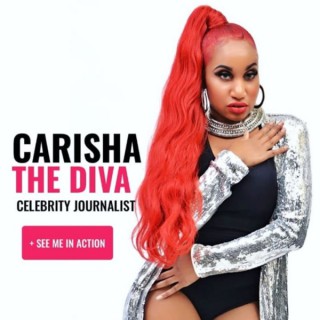
Rapper / songwriter Bri Biase stops by Live with Carisha to discuss new music, touring across the seas, and being an independent artist. Follow Carisha on Instagram Carisha The Diva (@carishathediva) • Instagram photos and videos --- Support this podcast: https://podcasters.spotify.com/pod/show/carisha-the-diva/support

In S3 episode 9 of The IoT Podcast, Duncan Di Biase - Founder & CEO at Brillband joins host Brad King-Taylor to discuss what next-generation broadband is enabling for IoT devices, and how Brillband is changing the game in a traditionally monopolised industry. Sit back, relax, tune in and be the first to discover... (00:00) Podcast intro (01:00) Duncan's background / Brillbands journey (06:13) How does Brillband achieve high-speed broadband at a lower cost? (10:04) What challenges have you faced? (13:25) Disrupting the traditionally monopolised broadband industry? (16:47) Broadband and IoT device compatibility (19:37) Wi-Fi 6 vs Wi-Fi 6E - what's the difference? (25:18) Akenza.io (28:26) Capabilities and accessibility (37:07) Predictions for IoT in 2023 (39:22) Quick-fire questions Thank you to today's episode sponsor Akenza.io, explore the platform: https://akenza.io/features?utm_medium=referral&utm_source=5vmedia&utm_campaign=theiotpodcast AND Sign up for a 30-day free trial of their self-service platform: https://auth.akenza.io/register?utm_medium=referral&utm_source=5vmedia&utm_campaign=theiotpodcast ABOUT THE GUEST Duncan Di Biase is the Founder and CEO at Brillband, the first Scottish internet service provider (ISP) designed for full-fibre network capability aiming to “make broadband more affordable” with the service that enables users to run their broadband service from their mobile phone or tablet device. Brillband's patent-pending software technology uses the direct connection between the provider and customer to enable the service to build individual usage profiles which optimise the service according to how it is used, for example, for gaming, streaming, working from home or downloading content. Connect with Duncan: https://www.linkedin.com/in/duncan-di-biase/ Find out more about Brillband: https://brillband.com/ SUBSCRIBE TO THE IOT PODCAST: https://linktr.ee/theiotpodcast Sign Up for exclusive email updates: https://theiotpodcast.com/ Contact us to become a guest/partner: https://theiotpodcast.com/contact/ Connect with host Brad King-Taylor: https://www.linkedin.com/in/brad5values/

Our guests this week are Patty De Biase and Barbara Venkataraman. They are joining Fika with Vicky to chat about recent book banning activity, and its significance. Book banning is a huge topic. Do you start with its history, current events, social impact, or go straight to intellectual freedom? So this is the first in a series of sporadic episodes, I will be sharing on the many aspects of this subject. Patty De Biase - I taught for Broward County, Florida, for 38 years from K to 5th. My favorite was 3rd. I retired during c-vid to take. care. of my new grandbaby. So with a lot of time on my hands, I started to get more politically involved to make sure. people get out and vote. I'm Vp. for the Hispanic Caucus and. secretary for the Weston Democratic Club. I am also involved with the Truth Matters project which is non- party just issues based. WE have been going to all the school board meetings and speaking out from diversity. Whatever the school board throws out there we make sure it's all true or we are confronting them. Barbara Venkataraman, is an author, attorney and moderator specializing in family law, and a Florida resident. Her works include: "The Fight for Magicallus", a children's fantasy; "If you'd Just Listened to Me in the First Place", a humorous short story; and three books of humorous essays: "I'm Not Talking about You, Of Course," "A Trip to the Hardware Store & Other Calamities," and "A Smidge of Crazy", from her series, "Quirky Essays for Quirky People." Barbara's “Jamie Quinn Mystery Series”, is a collection of six books, sure to please any armchair detective. Her nonfiction book: "Accidental Activist: Justice for the Groveland Four", is a memoir she co-authored with her son about lessons he learned while working to exonerate four men falsely convicted of a terrible crime in the Jim Crow South. She has a collection of short stories; “Duck for Cover and Other Tales” and a collection of flash fiction stories: “A Year of Shorts.” She even has a new Young Adult novel out; “Five Fortunes.” You can find Barbara on goodreads, where she answers questions and keeps her readers updated on what's new in her writing world. Here's the link: https://www.goodreads.com/author/show/5779805.Barbara_Venkataraman

On this episode of Black Educated & Broke .. but not for long: We are kicking of Women's History Month with Champagne, IL born, female rapper with the personality to match Bri Biase. She drops her new single, " Yea Yea", and explains what it means along with how she got into the music industry and IF SHE'S SINGLE SINGLE or not!!! As always, like, share and subscribe to all thing Black Educates & Broke.

È più divertente la verità o la finzione? È meglio elaborare ciò che vediamo o creare cose che non esistono? E se la finzione poi plasma la realtà? In questo panel un gruppo di professionist della scrittura comica cercherà di indagare su come gestire l'ironia e il sarcasmo senza aumentare la disinformazione, in un mondo di meme che fa sempre più fatica a distinguere ciò che è vero, da ciò che è falso.Ospiti: Francesco De Carlo, Maria Di Biase e Corrado Nuzzo, Daniele Fabbri, Francesco Lancia, Saverio Raimondo - modera Chiara Galeazzi Redazione: Elisa Baioni, Diego Martin, Alex Ordiner, Chiara Vitaloni, Dasara Shullani, Enrico Zabeo, Cecilia Penelope ZambelliGrafica e Logo: Fabio MialichSigla ed effetti: https://www.zapsplat.com/ ZapsplatMusiche: https://www.epidemicsound.com/ Epidemic SoundSeguiteci sui profili social del CICAP:Facebook: @cicap.orgTwitter: @cicapInstagram: cicap_it

Zesty, in-depth, and slightly satirical, Kat Krozonouski and Nat Biase cover the latest pop culture news from a Christian-conservative perspective. @missunderstoodshow @naturday @krozberry https://www.rebelnews.com/miss_understood Watch on YouTube: https://bit.ly/3opNURn - - - - - - - - - - - - SUPPORT OUR SPONSORS H.V.M.N - 20% off with code BRASS20 - https://hvmn.com/pages/home Combat Flip Flops - 25% off with code UNITY - https://combatflipflops.com Brass & Unity - 20% off with code UNITY - http://brassandunity.com Daisy May Hats Co - 15% off with code BRASS - https://daisymayhats.com American Yogi - 15% off with code BRASS15 - https://liveamericanyogi.com Good F*cking Design Advice - 10% off with code UNITY - www.gfda.co Mindful Meds - 10% off with code BRASS - https://mindfulmeds.io - - - - - - - - - - - - - SHOP B&U Jewelry & Eyewear: https://brassandunity.com - - - - - - - - - - - - - Follow #brassandunity - - - - - - - - - - - - - CHARITY Honour House - https://www.honourhouse.ca Vet Solutions - https://vetsolutions.org Heroic Hearts - https://www.heroicheartsproject.org Warrior Angels Foundation - https://warriorangelsfoundation.org All Secure Foundation - http://allsecurefoundation.org Defenders of Freedom - http://defendersoffreedom.us The Boot Campaign - https://bootcampaign.org

Nel pomeriggio di venerdì 23 dicembre, ai microfoni del PN1 con Miky Boselli e Andrea Ferrari, è stato ospite il Ilario de Biase, curatore della mostra Lost Hangar - Dinosauri Rivelati, che si trova al padiglione 1 della Fiera di Padova, tutti i giorni dal 26 dicembre al 8 gennaio, e fino al 1° maggio nei weekend e festivi. «La prima parte della mostra è dedicata ai dinomaniaci, dal primo ritrovamento dei grandi fossili fino ai tanti modellini che si ritrovano nei negozi di giocattoli - racconta Ilario -. È la più grande collezione di fossili in Italia e abbiamo provato ad unire i grandi modelli meccanici che intrattengono nei grandi parchi i più giovani, simulando i loro movimenti a grandezza naturale, con dei rimandi a quelle che sono delle vere e proprie testimonianze di questo passaggio sul pianeta Terra».

intoria è il podcast di @sandanieletinti e @StefanoRapone , co-prodotto da The Comedy ClubOttieni NordVPN qui: https://nordvpn.com/tintoria --------------------------------------Ospiti di questa puntata i comici Corrado Nuzzo e Maria di Biase, che ci hanno raccontato gioie e dolori dell'essere un duo comico, dei loro esordi a Mai Dire..., di LOL, di avventure al pronto soccorso e di pizze con gusti strani.Potete seguire Nuzzo e Di Biase qui: https://www.instagram.com/nuzzodibiase/Potete seguire Tintoria qui: https://www.instagram.com/tintoriapodcast/Potete seguire Stefano Rapone qui: https://www.instagram.com/grandiraponi/Potete seguire Daniele Tinti qui: https://www.instagram.com/sandanieletinti/

Se vuoi anche tu diventare nomade digitale iscriviti a: https://accademianomadidigitali.it/In questo episodio abbiamo con noi Jacopo di Biase. Jacopo è uno scrittore di viaggio, ghostwriter, storyteller, nomade digitale e dal 2015 viaggia a tempo indeterminato. Ha pubblicato il libro “Il Viaggio che ti Cambia la Vita” ed è impegnato nella stesura di un secondo libro per conto di una casa editrice importante.Visita il blog di Jacopo: https://jacopodibiase.it/ Seguilo su IG: https://www.instagram.com/jacopo.di.biase/

Incontro con Luca De Biase. Intervista di Gabriele Franco L'innovazione è diventata la misura della vitalità e vivibilità di città, regioni e nazioni, per non parlare di imprese e governi. In tutto questo febbrile discorrere, accade però di rado che si provi a ragionare su radici e significato dell'innovazione, sul suo legame con teorie del cambiamento storico in contrasto tra loro, sulle genealogie lessicali dalle quali emerge il vocabolario dell'innovazione, sui vari profili che assume nei diversi contesti locali, ovvero sulla sua complessità. Edizione 2022 www.pordenonelegge.it
We are revisiting one of our most top downloaded shows, with Richard Di Biase and Dave Moskowitz, as they talk about their journey as first-year business owners. They urge you to adopt a new mindset, dream bigger dreams, start making waves in life, and act right away. They talk about following the path less taken and share tales while also discussing attitude, leadership, inspiration, discipline, and health & wellness. As they join Richard & Dave and share their story, prominent guests and leaders in the business from all over the world will teach you something new. Together, they want to inspire you to live the life you've always wanted to live. In this episode you will learn: Year 1 as an entrepreneur – Law enforcement to Business owners! It's not all about the destination Find your why, and advice on how to find it The importance of a mentor and how to find a mentor Why they started their popular podcast 'Making Waves Mindset' Show and how they help aspiring business owners and so much more! About Richard Di Biase and Dave Moskowitz: Richard Di Biase and Dave Moskowitz have left the 9 to 5 rat race, the security of a paycheque and the infamous pension, for bigger goals and ambitions in life! The Making Waves Mindset's mission is to have leading-edge conversations. They encourage you to change your Mindset, get you to Dream Bigger, have you start Making Waves in life, and Take Action today! They discuss mindset, leadership, inspiration, discipline, health & wellness, and share stories about taking the road less traveled. Learn from industry leaders and special guests from around the world, as they join Richard & Dave and share their stories. Together they want to light your fire and motivate you, in creating the life you want to live. What are you waiting for? Get uncomfortable, change your mindset and be your own boss. Connect with Richard & Dave on... http://www.makingwavesmindset.com Instagram: @makingwaves_show https://www.instagram.com/makingwaves_show/ Richard Di Biase Instagram & TikTok: @richarddibiase https://www.instagram.com/richarddibiase/ https://vm.tiktok.com/ZM8GXLDPp/ Dave Moskowitz Instagram: @david_a_moskowitz https://www.instagram.com/david_a_moskowitz/ Connect with Franchise Freedom... Website:https://ggthefranchiseguide.com/podcast/ Linkedin:https://www.linkedin.com/company/gg-the-franchise-guide Facebook:https://www.facebook.com/GGTheFranchiseGuide Twitter:https://twitter.com/ggrammatico Instagram:https://www.instagram.com/gg_the_franchise_guide/ Youtube: https://www.youtube.com/channel/UCxWsxLRngbxJEH2m8w-ptYw?view_as=subscriber Apple:https://podcasts.apple.com/us/podcast/franchise-freedom/id1499864638 Spotify: https://open.spotify.com/show/13LTN5UzA57w2dTB4iV0fm

Consultório do Rádio Livre: o mês de setembro também é dedicado às pessoas com surdez, dia 27 de setembro, inclusive, é o Dia Nacional do Surdo. Segundo o IBGE, 10 milhões de pessoas no Brasil são surdas, mas existe tratamento e eles vem avançando. Por isso o Consultório vai tratar sobre as novidades no tratamento da surdez. Para conversar com a gente, estamos recebendo a médica otorrinolaringologista Patrícia Santos, ela é cirurgiã do programa de implante coclear e preceptora da residência médica em otorrinolaringologia do Hospital Agamenon Magalhães. Nosso outro convidado é o médico otorrinolaringologista Francisco de Biase, ele é coordenador do serviço de implante coclear do IMIP.

Hablamos de y con nuestro gurú, escuchamos temas suyos y leemos poemas de Marie Gouiric. Nos acompaña Felix Amadeo en el estudio y el Dr Nicolás di Biase con audios

As we all know, Emily has recently been busy preparing for and celebrating the confirmation of her ordination, so we thought today was a perfect opportunity to entangle Ravel with our guest co-host, Cori Di Biase of the A Freedom of Ideas Podcast. Cori visits the show to ask questions about philosophical Absolutes and how a vision of process theology might be moving us to a whole new mode of thinking in the same way the field of physics shifted from Newtonian to Einsteinian ideas.Connect with Cori: afreedomofideas.com A Freedom of Ideas Podcast @afreedomofideas Twitter Cori Di Biase on Know Normal People Mentioned in the episode: Piper Ramsey-Sumner on Know Normal People Epiphenomena: Quantum Entrancelment on A Freedom of Ideas Join our Patreon community at patreon.com/ravelpod for as little as $3/mo! You can also connect with Ravel on Twitter and Instagram at @ravelpod. We would greatly appreciate the one minute it would take you to leave us a 5-star rating and a 1-2 sentence review on Apple Podcasts and Spotify! Follow the hosts on Twitter: Josh: @joshlieuallen Emily: @RevRettinghouse Stephen: @stephenghenning Thank you to Louie Zong for use of his song In Full Color, off his album, Here. Find his work on Spotify and Bandcamp!Ravel is a proud founding member of the Highline Media Network, a collective of artist owned podcasts by normal people in normal places. Learn more at www.highline.network.
This week the right scored a major win in a culture war most assumed was long ago lost. Roe v. Wade, the ruling that federalized abortion laws, was overturned by the US Supreme Court in a majority decision. Cue the gnashing of the teeth, the wailing, the moaning, the Handmaid's Tale costumes and the twerking for justice. If you got all your news from the mainstream media, women like me are going to have our shoes taken away and forcibly impregnated by slack-jawed Christian Talibanic extremists over and over again until we die in childbirth. But that's not the truth. The decision turns the issue of abortion back to states to legislate on, where state lawmakers can be held accountable for their decisions. California and New York will remain abortionist Valhalla, and Texas, Alabama and other red states will chart a different path. Misleading politicians and their mainstream media and celebrity enablers are working young progressives into a panicked frenzy. It can't be good for them. How can we help them calm down? Should we even bother? And what can conservative young people do to keep the culture war wins rolling in? Kat Krozonouski and Nat Biase, the hosts of Miss Understood join me tonight to walk me through it all.

Viewless Wings Poetry Podcast host James Morehead interviews poet Carmine Di Biase about his upcoming chapbook American Rondeau (Finishing Line Press, 2022). Carmine writes about English and Italian literature, and his poems have appeared in various journals. Last year his English translations of thirteen poems by Cesare Pavese appeared in L'anello che non tiene: Journal of Modern Italian Literature. Occasionally he reviews books for the Times Literary Supplement. He has recently retired as Distinguished Professor of English at Jacksonville State University in Alabama. --- This episode is sponsored by · Anchor: The easiest way to make a podcast. https://anchor.fm/app Support this podcast: https://anchor.fm/viewlesswings/support

Podcast Papagaio Falante é um bate papo com o Sérgio Mallandro e Renato Rabello. Toda terça-feira e quinta-feira. Geralmente as 20h! Instagram do Papagaio Falante: @podcastpapagaiofalante Sérgio Mallandro: @serginhomallandro Renato Rabello: @ren.atorabelo

Cori Di Biase proves that "the only normal people you know are the ones you don't know very well".Cori grew up in rural upstate New York in a K-12 school of 200 total students. He attended Simon's Rock College beginning in the 10th grade then moving on to SUNY Purchase for his Bachelors in Philosophy. Cori began life after college as a saleman of goods with which he had no connection with or passion for, leading to Cori's "favorite failure" moment that shifted his life toward the work he does with public policy and disability service provision where they champion the idea that accessibility requires inclusion with the phrase "Nothing about us without us". He is deeply passionate about Beauty in the world and the major ideas that shape it, which he channels into his own podcast called, A Freedom Of Ideas. We hope you enjoy getting to know Cori as much as we did!Connect with Cori: A Freedom Of Ideas Website @AFreedomofIdeas on Twitter Mentioned in the episode: The Sun Also Rises by Ernest Hemingway Tinker Tailor Soldier Spy by John le Carré The Other Others Podcast Follow the Hennings on Twitter: Stephen: @stephenghenning Dixie: @dixieleehenning You can also connect with Know Normal People on Twitter and Instagram at @knowpeoplepod and leave us a 5-star rating and a 1-2 sentence review on Apple Podcasts and Spotify!Know Normal People is a proud founding member of the Highline Media Network, a collective of artist owned podcasts by normal people in normal places. Learn more at www.highline.network.
How can conservatives win the culture war with young people when we don't even show up to the battle? Joining me tonight to discuss why they are doing their new show, Miss Understood, and why old ladies like me should care, are Katherine Krozonouski and Nat Biase.
On this week's episode of the Viewless Wings Poetry Podcast, which has featured interviews with poet Olivia Gatwood, artist Kari Byron, musician-poet Lisa Marie Simmons, director-animator Gaia Alari and many more, we are excited to feature moon-inspired poetry from four wonderful poets: Nancy Cook - Moonwater John Peter Beck - Moon Carmine Di Biase - Midsummer Nut Brown Ale Beatriz Seelaender - Be Wolf The Viewless Wings Poetry Podcast host James Morehead reads The moment before totality (duet for Sun and Moon). James Morehead's debut book canvas is on sale now: https://tinyurl.com/canvasamazon. Follow James Morehead on Twitter (@dublinranch) and Instagram (@viewlesswings), and on the website viewlesswings.com. Submit your poetry to Viewless Wings: https://viewlesswings.submittable.com/submit. --- This episode is sponsored by · Anchor: The easiest way to make a podcast. https://anchor.fm/app Support this podcast: https://anchor.fm/viewlesswings/support

Desde 2019, moradores de Curitiba e Região Metropolitana se habituaram a acompanhar a situação dos reservatórios de água que abastecem as cidades do leste do estado. Porém, a crise hídrica não começou do dia para a noite. Na verdade, desde 2016 especialistas vêm demonstrando preocupação com os ciclos de chuva na região e alertando para uma possível crise, que veio se confirmar nos últimos dois anos. Mas não é apenas em Curitiba que a água não está chegando nas torneiras das casas. Atualmente, além de Curitiba e Região Metropolitana, outros municípios do estado têm enfrentado racionamento e 13 cidades paranaenses estão em alerta pela seca. Para debater as causas e as consequências da falta de chuva, e como ela afeta o abastecimento de água para os moradores do Paraná, nós conversamos com a bióloga e professora do Departamento de Botânica da UFPR, Marcia Marques, que nos ajuda a entender como funcionam os ciclos hidrográficos que abastecem os reservatórios. Nós também conversamos com Daniel Costa dos Santos, professor na universidade pelo Departamento de Hidráulica e Saneamento, que nos explica como a água chega até nossas casas e os problemas que não ter acesso à água potável em quantidade adequada podem nos causar. Apresentação: Robinson Samulak Produção: Jamille da Silveira e Robinson Samulak Edição: Ângelo Biase Identidade sonora: Marcos Belczak Projeto gráfico: Gabriela Tacla Diagramação da arte: Ana Polena Supervisão: Chirlei Kohls Assinatura institucional AE: Ângelo Biase (edição de som e mixagem), Lucas Daniel (produção e direção) e Valkyria Dantas Rattmann (locução)
Estamos passando por um período de alta dos preços dos alimentos, gás, combustível, luz e de outros bens essenciais. A chamada inflação que impacta diariamente na vida das pessoas foi agravada com a pandemia do coronavírus, mas o seu aumento, pelo menos no Brasil, não é a única justificativa. Nos anos de 1980 até começo de 1990, o Brasil enfrentou, até então, a pior inflação da história do país. Será que podemos comparar esse período com o que estamos vivenciando? Afinal, por que a inflação voltou? Para responder essas e outras perguntas, conversamos com José Guilherme Silva Vieira, chefe e professor do Departamento de Economia da UFPR e com Ivan Colangelo Salomão, professor do Departamento de Economia e dos Programas de Pós-Graduação em Desenvolvimento Econômico e História da UFPR. Apresentação: Jamille da Silveira Produção: Jamille da Silveira e Robinson Samulak Edição: Ângelo Biase Identidade sonora: Marcos Belczak Projeto gráfico: Gabriela Tacla Diagramação da arte: Letícia Terumi Supervisão: Chirlei Kohls Assinatura institucional AE: Ângelo Biase (edição de som e mixagem), Lucas Daniel (produção e direção) e Valkyria Dantas Rattmann (locução) Áudios Reportagens: Rede Globo
Listen to our new show as we talk with Richard Di Biase and Dave Moskowitz about their journey as first-year business owners. On the show we will cover:*Year 1 as an entrepreneur – Law enforcement to Business owners!*It's not all about the destination*Find your why, and advice on how to find it*The importance of a mentor and how to find a mentor*Why they started their popular podcast 'Making Waves Mindset' Show and how they help aspiring business owners*And so much more!!Links to get in touch with Richard & Davehttp://www.makingwavesmindset.comInstagram: @makingwaves_show https://www.instagram.com/makingwaves_show/Richard Di Biase Instagram & TikTok: @richarddibiasehttps://www.instagram.com/richarddibiase/https://vm.tiktok.com/ZM8GXLDPp/Dave Moskowitz Instagram: @david_a_moskowitz https://www.instagram.com/david_a_moskowitz/
Camilla is an Egyptologist passionate about exploring how ancient texts and languages help us access ancient ways of thinking. Best part of conversation is letting it flow and it seems in the era of connectivity its become more hostility with subjects being afraid to be brought up. The best way to understand is to communicate and have a rational authentic talk. --- Support this podcast: https://anchor.fm/out-of-the-blank-podcast/support
Segundo dados do Atlas da Violência 2020, a taxa de homicídios de negros no Brasil cresceu 11,5%, de 2008 a 2018, enquanto a de não negros caiu 12%. Mas não é apenas na violência que o racismo é percebido no país. De acordo com dados do IBGE, pretos e pardos também sofrem de uma maior desigualdade na educação e, consequentemente, na relação com o emprego. Para tentar entender algumas das razões para a disparidade social entre a população branca e negra do Brasil, o Fala Cientista ouviu as professoras Megg Rayara Gomes de Oliveira, do departamento de educação da UFPR, e Andréa Pires Rocha, do departamento de assistência social da UEL. Também conversamos com o professor do departamento de história da UFPR, Carlos Alberto Medeiros Lima, que fala sobre o papel da escravidão neste cenário e com a advogada Anna Lyvia Ribeiro, que nos a importância de se criar leis mais duras no combate ao racismo. Apresentação: Robinson Samulak Produção: Jamille da Silveira e Robinson Samulak Edição: Ângelo Biase Identidade sonora: Marcos Belczak Projeto gráfico: Gabriela Tacla Diagramação da arte: Ana Polena Supervisão: Chirlei Kohls Assinatura institucional AE: Ângelo Biase (edição de som e mixagem), Lucas Daniel (produção e direção) e Valkyria Dantas Rattmann (locução)

Cathy is a graduate of the Canadian School of Natural Nutrition, a Certified Professional Cancer Coach, and a breast cancer survivor. Her personal and professional experience has given her a profound understanding of the importance of cultivating health during cancer care and for cancer prevention. 02:20: My mom had had breast cancer five years before me.04:37: If that technician had not grabbed me on my way out the door it could have been much worse. 05:54: She said we found some in the lymph nodes and I started to cry right away. 08:10: I had you know for safety's sake I think they took out 13 of them. 10:19: Did you do the reconstruction after chemo and radiation? 12:29: Why did you choose reconstruction? 14:30: My thought process was I want to do everything in my power to never go through this again. 16:09: I didn't ask other people's opinions about what I should do. 18:15: I don't want to dive into things that I really can't do anything with. 20:30: What they do is they can take the fat and they can put it up into the breast area. 22:04: My cancer was estrogen positive. 25:30: What was your worst moment? 29:05: What was your best moment? 32:40: It took a while for it to sink in. 34:48: What is the one thing that you wish you had known at the beginning of your cancer journey? 36:10: If you could do only one thing to improve health care in Canada, what would it be and why? 37:05: Thriver Rapid Fire Questions 38:10: Aside from Cancer U, what is one resource you would recommend for cancer patients and caregivers? Resources Cathy's websiteCathy on FacebookCall Cathy 416.473.1299Email Cathy
Leo de Biase é Sócio e CMO da BBL e CEO da ESL, e Nando Cohen é um dos sócios fundadores e CEO da BBL. Sim, um monte de sigla.

Le architetture di rete sono costruite secondo una particolare estetica? Le attuali piattaforme costituiscono delle vere e proprie forme di design che incorporano cultura e tecnica. Luca De Biase Web design festivalfilosofia 2017 | arti Venerdì 15 Settembre 2017 Sassuolo
© 2020-2026 Ivy Podcast Discovery LLC

