
British Formula One team

POPULARITY
Categories

276 episodes with McLaren

203 episodes with McLaren

302 episodes with McLaren

281 episodes with McLaren

190 episodes with McLaren

289 episodes with McLaren

215 episodes with McLaren

111 episodes with McLaren

105 episodes with McLaren

80 episodes with McLaren

99 episodes with McLaren

92 episodes with McLaren

177 episodes with McLaren

65 episodes with McLaren

86 episodes with McLaren

47 episodes with McLaren

69 episodes with McLaren

98 episodes with McLaren

80 episodes with McLaren

227 episodes with McLaren

55 episodes with McLaren

58 episodes with McLaren

134 episodes with McLaren

108 episodes with McLaren

47 episodes with McLaren

39 episodes with McLaren

67 episodes with McLaren

45 episodes with McLaren

99 episodes with McLaren

53 episodes with McLaren

47 episodes with McLaren

42 episodes with McLaren

45 episodes with McLaren

28 episodes with McLaren

46 episodes with McLaren

84 episodes with McLaren

30 episodes with McLaren

38 episodes with McLaren

59 episodes with McLaren

23 episodes with McLaren

40 episodes with McLaren

48 episodes with McLaren

73 episodes with McLaren

39 episodes with McLaren

75 episodes with McLaren

46 episodes with McLaren

46 episodes with McLaren

49 episodes with McLaren

40 episodes with McLaren

71 episodes with McLaren

50 episodes with McLaren

26 episodes with McLaren

52 episodes with McLaren

44 episodes with McLaren
The silly season is intensifying with huge moves from engineers, plus CGR won't release Dixon until the end of the year. Then the guys talk about the lengths teams go to to get any advantage, including the once secret Ganassi Wind Tunnel+++Off Track is part of the SiriusXM Sports Podcast Network. If you enjoyed this episode and want to hear more, please give a 5-star rating and leave a review. Subscribe today wherever you stream your podcasts.Want some Off Track swag? Check out our store!Check out our website, www.askofftrack.comSubscribe to our YouTube Channel.Want some advice? Send your questions in for Ask Alex to AskOffTrack@gmail.comFollow us on Twitter at @askofftrack. Or individually at @Hinchtown, @AlexanderRossi, and @TheTimDurham. Hosted by Simplecast, an AdsWizz company. See pcm.adswizz.com for information about our collection and use of personal data for advertising.
Tonight, on Trackside with Curt Cavin and Kevin Lee, they talk about the passing of two-time Indianapolis 500 champion, Gordon Johncock, at the age of 90. They also talk about the passing of Leon “Jigger” Sirois at the age of 91. They later talk about Edward Jones sponsoring Scott Dixon for the 2027 Indy 500, while Christian Lundgaard has been officially confirmed to drive the #9 PNC Bank Honda for Chip Ganassi Racing in the 2027 season. In the second segment, they talk about how Chip Ganassi Racing is holding Scott Dixon to contract and can start working for Arrow McLaren in January 2027. They also talk about if Dixon and McLaren can try and beat Alex Palou, Christian Lundgaard and Ganassi. They later talk about the rest of the silly season news regarding Juncos Hollinger Racing, A.J. Foyt Enterprises, and Dale Coyne Racing. In the final segment, Kevin talks about Marshall Pruett’s RACER.com article on silly season for engineers. Kevin also talks about the latest rumors about a potential race in Barcelona in 2027. Kevin later talks about Alex Palou and Marcus Ericsson competing in the Indianapolis 8-Hour race. See omnystudio.com/listener for privacy information.
This week's episode: Christian Lundgaard is confirmed at Chip Ganassi Racing to replace Scott Dixon in the no. 9. Our expectations for him in year one with Alex Palou. Plus, McLaren announces a key sponsor for Scott Dixon and more fuel for Spain hosting an IndyCar race in 2027.

¿Nos empujan a comprar coches eléctricos? Esta semana ponemos sobre la mesa la subida del precio de la gasolina y el diésel y cómo influye en nuestra próxima compra. Con Uri repasamos el papel del petróleo, las refinerías, los impuestos y los conflictos internacionales, y debatimos si Europa está preparada para la transición eléctrica. ¿Qué pasa con quienes siguen dependiendo del diésel? ¿Y con la infraestructura de recarga? También comentamos algunas novedades del motor y el cambio de imagen de McLaren. Dejadnos vuestra opinión: ¿seguiríais con un coche de combustión o daríais el salto al eléctrico?En el Top 6, Carles nos trae los coches con los mecanismos de faros más increíbles de la historia.Uri estrena un juego de subastas: 20 dólares ficticios para construir el mejor garaje de cinco coches.Y para cerrar, David propone un WWYP purista por unos 40.000 euros: Mazda MX-5 Homura, Caterham Seven 275R o Lotus Elise 111R.Gas!Nuestra web y camisetas: https://podcars.esÚnete a la Comunidad PodCars Supporter: https://podcars.es/supportersConsigue tu informe CARFAX: https://bit.ly/4ka0Arn / 15% de descuento con el código "PODCARS"Síguenos en:https://www.instagram.com/podcarshttps://www.tiktok.com/@podcarspodcastCapítulos :00:00 Bienvenida, anécdotas del fin de semana y novedades del plató07:00 Gracias a la comunidad y rumbo a los 100.000 suscriptores12:30 TOP 6: Los mecanismos de faros más increíbles de la historia27:30 Minuto CARFAX: El historial de un coche de segunda mano29:45 Gasolina y diésel por las nubes: ¿nos empujan al eléctrico?46:20 El juego de las subastas: tu garaje de cinco coches1:02:30 Novedades del motor y el cambio de imagen de McLaren1:05:00 WWYP: MX-5 Homura vs Caterham Seven vs Lotus Elise1:17:25 Despedida#podcars #podcast #podcastdecoches #español #automocion #coches #deportivos #supercars #ranking #TOP6 #novedadesPodCars © es una marca registrada. Las opiniones expresadas en este podcast son personales de los productores y no de las empresas por las que trabajan.
Can Kimi Antonelli bounce back from his Baku blip or is George Russell still in the title fight? Harry Benjamin, former F1 driver Jolyon Palmer and the BBC's F1 correspondent Andrew Benson look ahead to the Bahrain Grand Prix in Malaysia. The team discuss why the race is happening, and why Sepang is a driver favourite. Plus, Harry speaks with Oscar Piastri about his McLaren struggles this season and why the new rules have meant he has had to adjust his driving style.
La Fórmula 1 vuelve a Sepang nueve años después de su última carrera, aunque oficialmente no lo hará para disputar el Gran Premio de Malasia. El Podcast Técnica Fórmula 1, en el segundo de una semana que tendrá un tercer episodio extra, nos prepara para el Gran Premio de Baréin: Edición Sepang. El nombre, y poco más. El circuito malayo acogerá del 2 al 4 de octubre el Gran Premio de Baréin, trasladado a más de 6.000 kilómetros del país que le da nombre. Los compromisos comerciales conservan la denominación, pero la pista, el clima y el desafío serán inequívocamente malasios. Después de una sucesión de carreras con poco espectáculo, Sepang ofrece algo que la Fórmula 1 necesita con urgencia: un circuito ancho, rápido, exigente y con diferentes oportunidades para adelantar. La previsión de tormentas puede añadir además la incertidumbre que tanto ha faltado durante las últimas pruebas. Un circuito que muchos descubrirán por primera vez Sepang recibió a la Fórmula 1 entre 1999 y 2017. Desde entonces ha permanecido fuera del calendario, por lo que buena parte de la parrilla actual nunca ha competido allí con un monoplaza de la categoría. Fernando Alonso es uno de los pilotos que mejor conoce la pista. Ganó en Malasia con Renault, Ferrari y McLaren. Lewis Hamilton también consiguió imponerse allí con Mercedes, mientras Verstappen fue el vencedor de la última edición celebrada en 2017. Para el resto de la parrila, el fin de semana tendrá mucho de descubrimiento. Los datos históricos ofrecen una referencia, pero los monoplazas de 2026, la aerodinámica activa y el peso de la parte eléctrica obligarán a empezar prácticamente desde cero. El circuito tiene 5,5 kilómetros, 15 curvas y dos largas rectas separadas por una horquilla muy lenta. Su anchura permite elegir diferentes trayectorias y abre la posibilidad de que dos pilotos lleguen en paralelo a las zonas de frenada. Eso ya supone una diferencia respecto a los últimos circuitos urbanos. Carga aerodinámica sin renunciar a la velocidad Configurar el coche para Sepang exige encontrar un equilibrio entre necesidades opuestas. Las rectas demandan eficiencia y una velocidad punta elevada, pero las curvas rápidas del segundo sector requieren carga aerodinámica y estabilidad. El coche también necesita responder en cambios de dirección, absorber algunos desniveles y conservar la tracción a la salida de los giros más lentos. La primera y la última curva ofrecen las oportunidades de adelantamiento más claras. Ambas llegan después de largas rectas y obligan a reducir considerablemente la velocidad. Una buena estabilidad en frenada será fundamental, especialmente si la pista está húmeda. También habrá que cuidar la refrigeración. Las elevadas temperaturas y la humedad de Malasia castigan la unidad de potencia, los frenos y al propio piloto. Las tomas de aire deberán mantener todos los componentes dentro de su ventana de funcionamiento sin perjudicar demasiado la aerodinámica. Sepang, dado que no favorece únicamente una cualidad, exige un coche muy completo. Pirelli busca más de una estrategia Pirelli ha elegido los compuestos C2, C3 y C4, la zona intermedia de su gama. El asfalto de Sepang es especialmente abrasivo y no ha sido repavimentado desde la última visita de la Fórmula 1 en 2017. Las cargas laterales, el calor y la variedad de curvas pueden producir una degradación mucho mayor que la observada en Bakú o Madrid. A pesar de ello, Pirelli ha evitado llevar el compuesto más duro. Su intención es reducir la diferencia entre las estrategias de una y dos paradas y proporcionar a los equipos diferentes caminos para completar la carrera. La decisión puede resultar decisiva (valga la redundancia): una degradación real obligaría a los pilotos a elegir entre conservar neumáticos o utilizar su ritmo. También permitiría que un coche más lento intentase ganar posiciones mediante una parada adicional. Después de varias carreras decididas con estrategias demasiado similares, Sepang debería devolver a los neumáticos una influencia mayor. La lluvia puede cambiarlo todo La previsión meteorológica anuncia temperaturas superiores a los 30 grados y riesgo de tormentas durante buena parte del fin de semana. En Malasia, además, la lluvia puede aparecer con una intensidad extraordinaria y transformar la pista en pocos minutos. La gran pregunta es si veremos finalmente a los monoplazas de 2026 competir en condiciones de mojado. La nueva generación de coches todavía no ha afrontado una carrera realmente lluviosa. La entrega de la potencia eléctrica, la recuperación de energía y el comportamiento de la aerodinámica activa añaden interrogantes a los problemas tradicionales de visibilidad y aquaplaning. Si la lluvia llega, Sepang se convertirá en el examen más completo del reglamento. Habrá que comprobar cómo entregan la potencia estos coches sobre un asfalto con poco agarre y si los neumáticos de lluvia permiten competir o vuelven a quedar relegados detrás del coche de seguridad. El desafío no será únicamente para los pilotos. Dirección de Carrera tendrá que decidir cuándo existen condiciones suficientes para correr. Mercedes llega como referencia La victoria de Russell en Bakú y el liderato de Antonelli sitúan nuevamente a Mercedes como el equipo a batir. Russell dominó el último fin de semana, mientras Antonelli ha demostrado durante toda la temporada una regularidad que ninguno de sus rivales ha podido igualar. Sepang, con sus curvas rápidas y sus fuertes frenadas, debería adaptarse bien a un coche equilibrado. Red Bull llega reforzada por el doble podio de Verstappen y Hadjar. El rendimiento de ambos en Azerbaiyán mostró un equipo capaz de luchar con sus dos pilotos, algo que puede resultar especialmente importante en una carrera marcada por la estrategia. McLaren necesita reaccionar después de marcharse de Bakú sin puntos. Norris atraviesa uno de sus mejores momentos de velocidad, pero tanto él como Piastri deberán evitar los errores que arruinaron su último Gran Premio. Ferrari vuelve a ser la gran incógnita. El coche fue rápido en clasificación en Azerbaiyán y mucho menos competitivo en carrera. Sepang exige cuidar los neumáticos traseros y mantener un ritmo constante en condiciones muy exigentes, precisamente el terreno en el que la Scuderia debe demostrar si su rendimiento a una vuelta puede sostenerse el domingo. Un regreso que la Fórmula 1 necesitaba El nombre oficial dirá Baréin, pero todo lo demás será Malasia. Será el calor de Sepang, su humedad, sus tormentas, sus curvas rápidas y sus dos largas rectas. También regresará una pista permanente en la que adelantar no depende de encerrar al rival contra un muro ni de esperar un accidente. La Fórmula 1 llega después de varias carreras que han necesitado coches de seguridad para generar emoción. Sepang debería ofrecerla mediante la degradación, la estrategia y la propia dificultad del trazado. Y si finalmente llueve, la prueba tendrá una dimensión adicional: descubrir si los monoplazas de 2026 están preparados para competir cuando el asfalto deja de ofrecer certezas. Escucha el episodio completo en la app de iVoox, o descubre todo el catálogo de iVoox Originals
Welcome to the Bahraisian Grand Prix!

Russell se lleva su tercera victoria del año para acercarse a Antonelli, que cometió un gran fallo en la clasificación. Final apretado en el GP de Azerbaiyán, porque parecía que no, pero al final, gracias a un SC, Verstappen hizo esmerarse a Russell. Desastre para McLaren, con la ayuda de Colapinto, que se llevó por delante a su compañero de equipo. Punto para Carlos, aprovechando la debacle de McLaren y Alpine, y en el campamento de Aston Martin, un clásico: doble abandono.Métodos de contacto: Web | Twitter | Mastodon | Bluesky | Grupo TelegramO mándanos un mail desdeboxespodcast@gmail.com
O GP do Azerbaijão de Fórmula 1 entregou pura tensão nas ruas de Baku! George Russell cravou a pole e conquistou sua terceira vitória na temporada 2026 com a Mercedes, segurando a pressão de Max Verstappen na última volta por apenas 0s196. Enquanto isso, Kimi Antonelli fez uma corrida de limitação de danos após bater no sábado e sofrer danos no assoalho, garantindo pontos valiosos no campeonato. Além do pesadelo da McLaren zerando no fim de semana, o episódio passa pelos destaques da Fórmula 2 com Rafa Camara liderando o campenato e a noticia de que será o próximo brasileiro na Fórmula 1. Também tivemos a vitória brasileira de Augusto Farfus no WEC em Fuji e o triunfo de Sérgio Sette Câmara na prova de Endurance da Stock Car! Esfreguem suas mãos, aperte o play e venha com o podcast mais veloz da internet brasileira! ALERTA! O 1 º Lote de ingressos para o Pelas Pistas no Sampa Sky, dia 9/11 já estão a venda, corre e garanta o seu:https://www.ticketmaster.com.br/event... Patrocínio: Estrella Galicia A GRANDEZA DE SER QUEM VOCÊ É https://estrellagalicia.com/br/ PATROCINE O PELAS PISTASEntre em contato com nosso time comercial:pelaspistas@pod360.com.br NOSSAS REDES / pelaspistas360 / pelaspistas360 INSCREVA-SE NO CANAL E NÃO PERCA NENHUM EPISÓDIO! Apresentadores: Thiago Alves, Christian Fittipaldi e Nelsinho Piquet Direção Executiva: Marcos Chehab e Tiago Bianco Direção de Conteúdo: Felipe Lobão Produção: Kal ChimentiCaptação de áudio: Victor DantasEdição de áudio: Doriva Rozek Captação de vídeo e Redes sociais: Guilherme Diaz
The guys recap the race in Baku, now that we know where that is, talking about why the close finish is worth celebrating. Then Hinch gets Alex to open up about his guilty pleasure show that caught people off guard during driver intros last season: The Gilmore Girls. Plus travel, fantasy football, no Thim, and more!+++Off Track is part of the SiriusXM Sports Podcast Network. If you enjoyed this episode and want to hear more, please give a 5-star rating and leave a review. Subscribe today wherever you stream your podcasts.Want some Off Track swag? Check out our store!Check out our website, www.askofftrack.comSubscribe to our YouTube Channel.Want some advice? Send your questions in for Ask Alex to AskOffTrack@gmail.comFollow us on Twitter at @askofftrack. Or individually at @Hinchtown, @AlexanderRossi, and @TheTimDurham. Hosted by Simplecast, an AdsWizz company. See pcm.adswizz.com for information about our collection and use of personal data for advertising.

What if your ability to lead under pressure has less to do with having all the answers and more to do with how your nervous system responds?In this episode, Christina sits down with Alan McLaren to explore the connection between leadership, emotional intelligence, and nervous system regulation. They unpack what really happens when we're under pressure and how becoming more self-aware can change the way we communicate, build trust, and lead others.Alan shares practical insights on how leaders can reprogram their responses to high-pressure situations, create stronger human connections, and move beyond simply managing people to truly understanding them.If you're a leader, entrepreneur, or high achiever who wants to perform at a high level without losing connection, trust, or yourself in the process, this conversation is one you'll want to hear. About Alan McLaren Alan McLaren is Co-Founder of STRATA where he works with CEOs and senior executives on their Leadership Signal: how they are experienced in the rooms that carry consequences.His work focuses on what happens when pressure changes how a leader lands and why important decisions can stall even when the strategy is sound. By helping leaders surface and calibrate the patterns that show up under pressure, Alan helps them build trust faster, create stronger alignment and move consequential decisions forward with less friction.Alan is a five-time CEO and former International Chair of YPO. He has worked with more than 600 CEOs across 18 countries.Connect with Alan on LinkedIn If you enjoyed this episode, make sure and give us a five star rating and leave us a comment on iTunes CONNECT WITH CHRISTINA!InstagramLinkedInChristinalecuyer.comBook a Free Clarity CallBook Christina For Your Next Workshop
George Russell's first Grand Slam cuts Antonelli's lead to 66 points in Baku, but is he really back in the title fight? Plus the last-lap call that put spectacle over safety, and a Malaysian GP preview. In this episode, Tom and Chris review a chaotic Azerbaijan Grand Prix: Russell's perfect weekend, Antonelli's costly qualifying mistake, the theory behind Bottas's crash, the missing VSC on the final lap, Hadjar's return and Red Bull's first double podium since China 2024, and Colapinto's collision with Gasly and Norris. Then it's on to the Malaysian GP return, the stats from the last time F1 raced there, and our predictions. Chapters 0:00 Intro 0:17 Welcome & Baku recap 1:27 Russell's first Grand Slam 5:06 Antonelli's costly qualifying mistake 8:03 Why did Bottas crash? The regen theory 11:31 No VSC on the last lap: spectacle over safety? 15:47 Should the stewards explain their decisions? 17:08 Red Bull double podium & Hadjar's return 21:57 Ferrari fade, McLaren's nightmare 24:07 Colapinto takes out Gasly & Norris 30:03 Lindblad vs Lawson: "pretty sick" 32:25 Haas, Williams & Audi 35:09 Driver & move of the day 37:44 Final award & Pirelli's tyre problem 41:29 Prediction league & fantasy results 44:25 Malaysian GP preview 49:46 Our Malaysian GP predictions 55:21 Inbox: Lindblad & Red Bull's junior programme 58:46 Wrap-up

Bakú volvió a hacer de las suyas. George Russell dominó el fin de semana y se llevó una victoria contundente, mientras Max Verstappen remontó desde la octava posición y el cierre de carrera terminó convirtiéndose en uno de los más apretados de los últimos años.Pero el verdadero caos llegó con los Safety Cars. Franco Colapinto perdió el control en la primera curva y provocó un accidente que involucró a Pierre Gasly y Lando Norris, desatando polémica, declaraciones fuertes y una penalización para la próxima carrera. McLaren, además, se fue de Azerbaiyán con las manos vacías.Fuera de la pista también hubo mucho que discutir: el futuro de varios pilotos para 2027, la renovación de Isack Hadjar con Red Bull, la salida de Esteban Ocon de Haas y la creciente polémica alrededor de lo que ocurre dentro y fuera de las redes sociales.Memo Rojas, Munir y Alex Escalera ponen sobre la mesa todo lo que dejó Azerbaiyán y lo que puede cambiar rumbo al próximo GP de Bahréin.

Timo & Mattey besprechen in dieser Folge den Großen Preis von Aserbaidschan 2026. George Russell konnte den Qualifikations-Unfall von Teamkollegen Kimi Antonelli ausnutzen und einen Sieg in Baku holen, während Antonelli nur Fünfter wurde. Red Bull darf sich mit Max Verstappen und Isack Hadjar über ein Doppelpodium freuen. Viel Spaß!

¡La Fórmula 1 vuelve a dejarnos un auténtico espectáculo en Bakú! George Russell se lleva la victoria en el GP de Azerbaiyán después de un final de infarto frente a Max Verstappen, que se quedó a solo 0,196 segundos del Mercedes. Un resultado que vuelve a abrir la pregunta: ¿puede Russell reengancharse a la lucha por el Mundial? Rubén Gómez Burillo y Diego Durruty (@AutomundoArg) analizan todo lo ocurrido en la decimoquinta cita de la temporada, desde la victoria de Russell hasta el espectacular podio de Isack Hadjar, que regresa con fuerza tras su lesión. Andrea Kimi Antonelli, líder del Mundial, tuvo que remontar desde la 16ª posición hasta la quinta después de su accidente en clasificación. Ferrari vuelve a quedarse lejos de la victoria, con Charles Leclerc cuarto y Lewis Hamilton sexto, mientras que los problemas de velocidad punta vuelven a preocupar al equipo italiano. En clave española, Carlos Sainz suma un punto con Williams después de una carrera complicada, mientras que Fernando Alonso abandona por problemas de motor en un Aston Martin que sufrió una importante falta de velocidad en las rectas. También analizamos el accidente de Franco Colapinto, que terminó involucrando a Pierre Gasly y Lando Norris, además del desastre de McLaren, con Norris fuera y Oscar Piastri cayendo hasta la 13ª posición. Y hablamos de todas las sorpresas de Bakú: el gran resultado de Haas, los puntos de Arvid Lindblad, el regreso de Red Bull al podio, el rendimiento del Cadillac de Checo Pérez y el mal fin de semana de Audi.
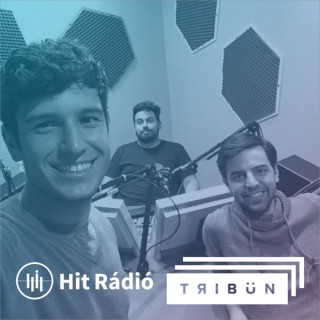
Antonelli hibázott, Russell tökéletes teljesítményt tett le az asztalra. De vajon mire lehet ez elég ekkora hátrány esetén? Gobodics Tamás személyében új F1-es kibeszélő vendéget avattunk, akivel beszéltünk az Azeri Nagydíj eseményeiről, a McLaren botlásáról, a szoros befutóról de még arról is, mi vár ránk Malajziában. Tartsatok velünk most is! Műsorvezető: Réthelyi Balázs Vágás & Fotó & Grafika & Főcím: Reskó Barnabás, Kovács Gergely YOUTUBE --------------------------------------------------- Tribün Podcast ❯ https://www.youtube.com/@tribun.podcast PODCAST --------------------------------------------------- Tribün Podcast: Spotify ❯ https://bit.ly/spotify_tribunpodcast Apple Podcast ❯ https://bit.ly/applepodcast_tribunpodcast SOCIAL --------------------------------------------------- Facebook ❯ https://www.facebook.com/tribun.podcast Instagram ❯ https://instagram.com/tribun.podcast TikTok ❯ https://www.tiktok.com/@tribunpodcast Balázs Instagram ❯ https://www.instagram.com/rethelyi.balazs —————- A műsort a Hit Rádió támogatta. További támogatóink: - Social Fusion - Greg Design #tribunpodcast Learn more about your ad choices. Visit megaphone.fm/adchoices
Tom Clarkson, James Hinchcliffe and Alex Brundle sit down in the Baku paddock to dissect a thrilling Azerbaijan Grand Prix.George Russell may have only won the race by a tenth after a dramatic drag race with Max Verstappen to the finish line, but he was dominant all weekend to take his third victory of the season.Why was George back to his best in Baku? Has he finally got to grips with the car? And what does this result mean for his title challenge?Kimi Antonelli recovered from his crash in qualifying to climb from P16 to P5. Given the Mercedes' straight-line speed, why wasn't he able to cut through the field as successfully as he did in Monza? And was this the first time we've seen Kimi race with the championship in mind?The guys also discuss Red Bull's first double podium since China 2024 - whether Max could have won had he qualified higher up, the team orders between him and Isack Hadjar, and just how impressive the latter's performance was after missing the previous three races with a wrist injury.Elsewhere, there was mayhem in the midfield as Franco Colapinto took out Alpine teammate Pierre Gasly and McLaren's Lando Norris at the first Safety Car restart, when Arvid Lindblad also hit his Racing Bulls teammate Liam Lawson. So what will the debriefs at Alpine and Racing Bulls look like?Also on the agenda: Esteban Ocon's future after leading Haas to a double points finish, a much-needed point for Williams, disappointment for Oscar Piastri having been in podium contention and an anonymous race for Ferrari.

This week we discuss:00:00 - Intro & Studio Upgrades01:00 - The Bentley Torcal Event 03:50 - Caterham adventure!06:55 - The bargain Range Rover..13:26 - Goodwood Revival20:05 - A TV catchup..21:34 - The new McLaren logo..25:56 - The new Challenge Stradale29:43 - Bentley Continental GT Supersport34:52 - Chinese cars in the marketplace42:28 - A mid engine Porsche super car is coming?47:06 - The cost of a Caterham..48:37 - Tony's busy diary Hosted on Acast. See acast.com/privacy for more information.

The weather is changing, the dust is finally settling down on the trails, and we're trying to squeeze every last adventure out of the season before winter shows up. This week we talk about running the BDR, off-roading in the Bronco, Ferrari's strange new supercharger setup, GM's giant diesel, Audi's obsession with adding more screens, and why some of the best automotive design decisions were probably made twenty years ago. *At the time of recording we had not seen a detailed view of the Ferrari Supercharger/Turbocharger setup and the patent drawing was of poor quality. We now know it is a dual electric supercharger with turbo setup, which makes much more sense. We also spend some time discussing a Bring a Trailer sale that made everyone's insurance company suddenly nervous, McLaren's new logo, luxury EVs, bird migration season, protecting your paint from bird strikes of a different kind, and whether Ford should build a Super Duty Raptor despite the fact that it makes absolutely no sense. It's a little bit cars, a little bit adventure, a little bit wildlife, and a lot of opinions from people standing around talking about things they probably shouldn't spend money on. As always, don't just get there. Enjoy the drive. The Avants Podcast is brought to you by our friends at STEK USA and Carter Seattle! Not an Avants member? https://www.avants.com/member-plans Leave us a review on Apple Podcasts! Leave us a voicemail or send us a text any time at 425-298-7873! We're doing give aways! Leave us a review on Apple Podcasts and we'll pick a random name every 25th review!
With the disappointment of the MaDring behind us, we head to another street circuit which could hopefully produce some good racing and drama. We hope you enjoy. Warning: this podcast occasionally contains strong language (which may be unsuitable for children), unusual humour (which may be unsuitable for adults), and the ramblings of 2 uninformed blokes who...
George Russell ganó en Azerbaiyán después de dominar todo el fin de semana, Max Verstappen terminó a menos de dos décimas y el regreso de Isack Hadjar se saldó con un podio. Kimi Antonelli remontó desde la decimosexta posición hasta la quinta y varios de los principales candidatos cometieron errores. Contado así, Bakú parece haber ofrecido una de las mejores carreras de la temporada. No fue así… nos lo explican en el primer episodio de la semana del Podcast Técnica Fórmula 1. No sólo cuenta el final. El Gran Premio tuvo un desenlace intenso y una clasificación llena de nombres e historias interesantes, pero durante buena parte de sus 51 vueltas resultó plano, previsible y demasiado dependiente de los accidentes. Los coches de seguridad comprimieron el grupo y construyeron artificialmente una emoción que los neumáticos y la competición en pista apenas habían producido. Russell fue el mejor desde el viernes. La victoria de Russell no admite demasiadas objeciones. El británico consiguió la pole con una vuelta extraordinaria, 837 milésimas más rápida que la de Charles Leclerc. Fue la mayor diferencia de toda la temporada y una demostración de la superioridad que Mercedes había encontrado en Bakú. En carrera conservó el liderato en la salida y construyó una ventaja cercana a los diez segundos mientras Oscar Piastri, Verstappen y Hadjar discutían las posiciones posteriores. Russell no necesitó forzar, atacar ni defenderse. Se limitó a mantener el ritmo y controlar una prueba que parecía completamente suya. La diferencia final de 196 milésimas no refleja lo sucedido durante la mayor parte del Gran Premio. Verstappen pudo atacarlo después de los coches de seguridad y estuvo a punto de superarlo en la línea de meta porque Russell perdió potencia al final de la última vuelta. No fue una batalla sostenida durante toda la carrera, sino un sobresalto final que estuvo cerca de transformar una victoria aplastante en una derrota inexplicable. Russell fue el piloto más rápido, cometió menos errores y convirtió su superioridad en su tercera victoria de la temporada. Verstappen y Hadjar salvaron el espectáculo. Red Bull protagonizó las pocas luchas que animaron el primer tramo de la carrera. Hadjar recuperó la posición que había perdido con Lando Norris en la salida y después superó a Leclerc. Verstappen hizo lo mismo con Hamilton y con el monegasco antes de acercarse a Piastri. El neerlandés no dispuso del mejor coche a una vuelta y había partido octavo después de una clasificación marcada por los problemas de equilibrio y los bajos del monoplaza. En carrera, sin embargo, volvió a aprovechar todo lo que tenía disponible. Red Bull gestionó perfectamente la doble parada durante el primer coche de seguridad y Verstappen superó a Piastri en la reanudación. Desde ese momento se convirtió en la única amenaza real para Russell. Hadjar completó el trabajo con una tercera posición especialmente valiosa después de permanecer seis semanas apartado por su lesión en la muñeca. No fue un podio heredado gracias a una sucesión de abandonos: tuvo ritmo, adelantó y permaneció durante toda la carrera entre los pilotos más rápidos. Red Bull terminó con sus dos coches en el podio y confirmó que ya no depende exclusivamente de Verstappen para obtener un gran resultado. Los errores construyeron la carrera. La primera mitad del Gran Premio tuvo muy poca acción. Los pilotos gestionaron los neumáticos, evitaron riesgos y retrasaron sus paradas esperando alguna neutralización. La baja degradación volvió a reducir las alternativas estratégicas y convirtió la carrera en una espera. El accidente de Alex Albon en la vuelta 31 activó el primer coche de seguridad y permitió a los líderes realizar sus paradas. Poco después, Franco Colapinto bloqueó los neumáticos, golpeó a su compañero Pierre Gasly y dejó a Norris sin escapatoria. Los tres abandonaron y la carrera tuvo que neutralizarse de nuevo. Fue entonces cuando comenzó realmente el espectáculo. Piastri perdió el podio al pasarse de frenada en la primera curva y cayó hasta la decimocuarta posición. Antonelli aprovechó el caos, superó a Hamilton y limitó los daños de su accidente en clasificación con una remontada hasta el quinto puesto. El italiano continúa liderando el Mundial, aunque su ventaja sobre Russell se ha reducido de 81 a 66 puntos. Sigue siendo un margen considerable, pero Bakú ha demostrado por primera vez que también puede cometer un error capaz de comprometer todo un fin de semana. Ferrari volvió a desaparecer el domingo. Leclerc había clasificado segundo, a solo una milésima de Piastri, y Hamilton sexto. Ferrari parecía disponer de velocidad suficiente para luchar por el podio. En carrera no pudo hacerlo. Leclerc fue superado por los dos Red Bull y terminó cuarto, mientras Hamilton pasó buena parte de la prueba aislado en la sexta posición. El coche que había mostrado un gran rendimiento a una vuelta volvió a quedarse sin argumentos cuando necesitó mantener el ritmo durante una tanda completa. McLaren sufrió todavía más. Norris cometió un error antes de verse involucrado en el accidente de los Alpine, y Piastri desperdició una posible tercera posición con su bloqueo final. El equipo tuvo velocidad, pero no convirtió ninguna de sus oportunidades en puntos. Carlos Sainz, penalizado antes de la salida y relegado a la decimocuarta posición, consiguió rescatar el último punto. Aston Martin cerró otro fin de semana preocupante con los abandonos de Fernando Alonso y Lance Stroll por problemas mecánicos. El problema sigue estando en los neumáticos. Bakú necesita carreras imprevisibles para disimular algunas de sus limitaciones. Cuando aparecen coches de seguridad, accidentes y reagrupamientos, su larga recta permite que los pilotos vuelvan a encontrarse. Si nada altera el orden, la escasa degradación y la facilidad para prolongar las tandas reducen la estrategia a esperar el momento oportuno para realizar una única parada. No se trata de fabricar neumáticos que se destruyan después de unas vueltas, sino de conseguir que existan diferencias suficientes entre compuestos y estrategias. Si todos pueden conservar sus gomas durante casi toda la carrera y la unidad de potencia obliga además a administrar energía, las posibilidades de atacar disminuyen. El final de Bakú fue emocionante. Su resultado también ofrece muchas historias: la victoria de Russell, el ataque de Verstappen, el regreso de Hadjar y la remontada de Antonelli. Pero la realidad es que la carrera, su desenlace, dependió de que varios pilotos terminaran contra el muro para despertar. Azerbaiyán dejó un gran titular y unas últimas vueltas magníficas, pero la verdad es que entre el que se apagó el semáforo y llegaron esas últimas vueltas hubo demasiado poco. Escucha el episodio completo en la app de iVoox, o descubre todo el catálogo de iVoox Originals
Was war denn damit Franco Colapinto los beim Großen Preis von Aserbaidschan? Völlig übermotiviert rumpelte der Argentinier beim Restart nach der Safety-Car-Phase in Kurve 1 rein, kegelte dabei seinen Alpine-Teamkollegen Pierre Gasly und McLaren-Pilot Lando Norris von der Strecke und durfte sich zurecht eine Standpauke von Flavio Briatore abholen. Eine Aktion, für die Norris eine Rennsperre forderte, aber was sagen Dennis Lewandowski und Kevin Scheuren dazu? Das erfahrt ihr in der neuen Ausgabe von Starting Grid. George Russell hält seine WM-Träume zumindest mal am Leben mit seinem durchweg dominanten Sieg in Baku, obwohl Max Verstappen am Ende gefährlich nah gekommen ist, aber ... Dieser Podcast wird vermarktet von der Podcastbude.www.podcastbu.de - Full-Service-Podcast-Agentur - Konzeption, Produktion, Vermarktung, Distribution und Hosting.Du möchtest deinen Podcast auch kostenlos hosten und damit Geld verdienen?Dann schaue auf www.kostenlos-hosten.de und informiere dich.Dort erhältst du alle Informationen zu unseren kostenlosen Podcast-Hosting-Angeboten. kostenlos-hosten.de ist ein Produkt der Podcastbude.
Ospite: Ing Gabriele TREDOZI

NP er på ferie i Sydfrankrig, så Christian Grau, Anders Richter og vikar Nikolaj Karlshøj holder skansen i Classic Carhouse. Der bliver synet gamle biler, set på italienske hverdagshelte i Lucca og kigget på både nye luksus-elbiler og kommende SUV'er mellem Mellemøsten og McLaren.Karlshøj får sin Porsche 930 Turbo igennem veteransyn efter otte år med blot en ny pære i tågeforlygten som nødvendig indsats.Richters BMW E46 M3 CSL er havnet i Bil Magasinet.Grau og Karlshøj har været til det samme bryllup i Italien, hvor Fiat Punto, Panda, Cinquecento, Alfa Romeo SZ og selv en Dacia Sandero Stepway tager sig overraskende godt ud.Jeremy Clarkson sender flere af sine Grand Tour-biler på auktion.Brevkassen handler blandt andet om den første Porsche, BMW M5 V10 med manuel eller SMG og frække førstegangsbiler til højst 25.000 kr.Verdens sværeste Bilquiz handler om biler, værterne gerne ville køre fra kirken i.Afsnit 243 er publiceret d. 28. september, 2026.

We were treated to an amazing Baku weekend where for the 1st time this season Russell seemed to be on top form. From the start of practise to an amzing performance in Quali, to a brilliant race this could be a turning point for Russell which had a Merc car that was leaps and bounds above every other car this weekend ! By contrast the unflappable Champ leader Kimi had his first rough weekend of the season. Huge unneccassary crash in Q1, good recovery drive to 5th but not his mistake free wknd. Max and Hadjer did a fantastic job to show RB was the second fastest car this wknd, while Mclaren faltered with zero points this weekend. The biggest talking point was Calpointos massive unnecessary accident which took out 3 different cars including his teammate. This was a really huge mistake that cost Alpine dearly!
De Grand Prix van Azerbeidzjan mondde uit in een geweldig gevecht in de slotfase tussen George Russell en Max Verstappen. In een nieuwe aflevering van de Formule 1-podcast van De Telegraaf bespreken Erik van Haren en Christijan Albers de spectaculaire race in Baku. Had er een overwinning voor Verstappen ingezeten, als zijn kwalificatie naar behoren was verlopen? Ook het sterke optreden van Russell wordt geanalyseerd, net als de uiteindelijk dramatische dag voor McLaren. En gingen de uitspraken van Lando Norris over Franco Colapinto te ver? Daarnaast worden de teksten van McLaren-baas Zak Brown in De Telegraaf onder de loep genomen en wordt vooruitgekeken naar de race van volgende week in Maleisië.See omnystudio.com/listener for privacy information.
Baku looked like a snooze fest—until it suddenly turned into one of the most chaotic, revealing races of the season. George Russell's control, Max Verstappen's pressure, McLaren's self-inflicted damage, and a restart that left everyone arguing: this Azerbaijan Grand Prix had drama, but not always the kind you expected. Soumil Arora and Kunal Shah break down why the race felt flat for long stretches despite the headline numbers, including a finish separated by just 0.196 seconds. They unpack the race's unusual rhythm, the “yo-yo racing” that never fully arrived, and why the second half exploded into the Baku chaos fans were waiting for. Chapters 00:00 Race setup: snooze fest or dramatic finish? 01:07 Why Baku needed a safety car 02:30 George Russell's controlled win 03:33 Rating the race and the second-half chaos 05:00 Tire strategy and Red Bull's team orders 08:01 Could Max Verstappen have caught Russell? 11:13 Red Bull's double podium and momentum 12:47 McLaren's costly mistakes 15:08 Antonelli's comeback and the safety cars 16:49 Russell's win and the Mercedes teammates' battle 19:13 The chaotic restart and teammate collisions 20:31 Penalties, Colapinto, and Lindblad 22:24 The photo finishes: Verstappen vs. Russell, Lindblad vs. Ocon 23:21 Haas, Williams, and Carlos Sainz's penalties 26:45 Pirelli's tire questions 27:42 Final race rating and the closing discussion In this episode: - Why George Russell's win looked calmer than the final margin suggested - How Max Verstappen made the most of a tricky Red Bull - Why McLaren's weekend unraveled through cold tires and driver errors - How safety cars and restarts shaped the results - What Baku's tire behavior could mean for Pirelli and the teams - The debate over penalties and what should count as a race-ending mistake - Is this a genuine Baku classic—or a quiet race with an unforgettable finish? Soumil and Kunal debate the racecraft, strategy, and team decisions behind the result. Subscribe to the Inside Line F1 Podcast for more pre-race and post-race discussions. Soumil Arora & Kunal Shah discusss the on-track action from the 2026 Azerbaijan Grand Prix. George Russell's under-pressure win, Max Verstasppen's chase & Red Bull Racing's first double podium since 2024! #F1 #AzerbaijanGP #BakuGP #F1Podcast Learn more about your ad choices. Visit megaphone.fm/adchoices
Send us Fan MailIn this interview with @peterwindsor we discuss George Russell's incredible performance at the 2026 Azerbaijan Grand Prix and the astonishing qualifying lap that put the Mercedes driver on pole position in Baku. Just how good was George Russell's lap, and what made his pace around the Azerbaijan street circuit so impressive? @peterwindsor breaks down Russell's performance before looking at the intense final 15 laps between George Russell and Max Verstappen, with the Red Bull driver pushing him all the way before Russell edged it by just one tenth. @peterwindsor also discusses Kimi Antonelli after a rare blip on his radar and whether the Mercedes youngster is now becoming more risk-adjusted behind the wheel. Attention then turns to Ferrari, Fred Vasseur and the latest situation surrounding Lewis Hamilton and Charles Leclerc, before @peterwindsor reacts to Christian Horner saying he would go to Ferrari. Could Horner really make the move to Maranello, and what would that mean for Ferrari? We also look at McLaren and the major talking points surrounding the team after Baku, before @peterwindsor gives his thoughts on Franco Colapinto and Esteban Ocon as we break down more of the biggest stories to emerge from the 2026 Azerbaijan Grand Prix.Timestamps:00:00:00 Introduction00:00:39 Russell Steps Up00:14:54 Russell Vs Verstappen Battle00:24:31 Hadjar Driver Of Day00:41:51 Horner To Ferrari00:56:48 Norris Colapinto Crash Debate01:05:18 Ocon Haas Future01:10:47 Malaysian GP Preview- become a member -https://www.youtube.com/channel/UCxyxUe_jRskL8xH7n580Ecw/join- where to find me -Twitter: https://twitter.com/CxmeronCcTiktok: https://www.tiktok.com/@cxmeroncc_Facebook: https://www.facebook.com/CameronF1TVBusiness Email : cxmeronf1@gmail.com#f1 #formula1 #formulaone #f1news #f12025 #maxverstappen #hamilton #redbull #ferrari #mercedes

Quelle semaine pour Isack Hadjar ! Après trois week-ends manqués, le Français a signé un retour fracassant en Formule 1 : une prolongation de contrat, puis un podium à Bakou pour couronner le tout ! Comment expliquer ce retour en puissance ? Est-ce vraiment étonnant ? Jusqu'où peut-il aller ? Cette semaine peut-il être un tournant dans sa carrière en F1 ?Colapinto au cœur de la polémique ! Alors qu'Alpine semblait filer vers un très gros résultat à Bakou, tout a basculé sur un freinage trop tardif de Franco Colapinto, une collision avec son équipier Pierre Gasly, qui percute à son tour Lando Norris. Le pilote McLaren a d'ailleurs réclamé une suspension et clamé que certains pilotes « ne devraient pas être en F1 ». Alors, quelle sanction serait justifiée ? Doit-il être suspendu ? Comment Alpine va-t-elle gérer cet épisode ?Et puis en bref, premier Grand Chelem pour George Russell, Esteban Ocon continue de se plaindre de sa situation chez Haas ou encore Charles Leclerc qui se bat avec son Aduo 2.Bienvenue dans votre débrief du Grand Prix d'Azerbaïdjan ! Avec Arnaud Valadon, Jean-Luc Roy et Nicolas Aupee.
Spanners is joined by Kristian and Alex to review a strange Azerbaijan Grand Prix. George Russell looked in complete control at the front, while Verstappen and Hadjar produced an increasingly awkward Red Bull team dynamic. We dig into McLaren's lack of pace, Piastri throwing away a potential podium, Ferrari's straight-line struggles, Lindblad and Lawson's clash, the chaotic safety-car restart and a final-lap dash that suddenly brought the race back to life. Plus your listener reckons.Ways To Support Missed Apex:✅ Join our Patreon to gain access to our exclusive Patreon Only Discord Chat + Bonus ContentWe Only Exist Due to Our Patron Support https://www.patreon.com/MissedApex✅ Leave a tip https://missedapexpodcast.com/tipjarKristian here's for Krede fra Pulshttps://open.spotify.com/album/4r2pCkVr79cqK5WSf93CimAlex wrestling podcast https://youtube.com/@wrestlingisawesome?si=Q1FyWLx3TqvTiCPR Hosted on Acast. See acast.com/privacy for more information.
Send us Fan MailBaku did what Baku does. In Episode 206, Cheese and Greeny break down a chaotic 2026 Azerbaijan Grand Prix that ended with the closest finish Formula 1 has seen since Indianapolis in 2002.George Russell took pole by eight tenths, built a ten-second lead, and then watched two safety cars take the whole thing away from him. He held off Max Verstappen over the final thirteen laps to win by 0.196 seconds. Verstappen, who started eighth on a fresh power unit, took Driver of the Day for the charge that fell just short.Then there is the lap-30 restart, where four cars ended their afternoons in one corner. Franco Colapinto locked up trying to pass his own teammate Pierre Gasly, hit him, and Gasly collected Lando Norris. Racing Bulls teammates Arvid Lindblad and Liam Lawson tangled trying to avoid it. Colapinto has since been given a ten-second penalty, converted to a five-place grid drop in Malaysia, with the stewards saying he entered the corner at a speed that did not allow him to make it in a controlled manner.Elsewhere: Isack Hadjar took his first career podium in his first race back after six weeks injured. Kimi Antonelli crashed in Q1, started sixteenth, finished fifth, and extended his championship lead to 66 points. Oscar Piastri ran second and finished fourteenth. And Aston Martin recorded their fourth double DNF of the season.Plus in the news: Christian Horner calls Ferrari his dream job and says it is the only team he would join without an equity stake. Lando Norris is reportedly ruled out of Le Mans in 2027 despite McLaren solving the calendar clash. And Esteban Ocon has no seat for 2027, with an F3 champion carrying up to €20 million in sponsorship set to take his place at Haas.And in the Greenybucks Gambling Ledger, the lead changes hands for the first time this season.Support the show
2026 Rookie of the Year, and 2027 driver of the #14 car joins Rossi to talk about his career in racing so far.+++Off Track is part of the SiriusXM Sports Podcast Network. If you enjoyed this episode and want to hear more, please give a 5-star rating and leave a review. Subscribe today wherever you stream your podcasts.Want some Off Track swag? Check out our store!Check out our website, www.askofftrack.comSubscribe to our YouTube Channel.Want some advice? Send your questions in for Ask Alex to AskOffTrack@gmail.comFollow us on Twitter at @askofftrack. Or individually at @Hinchtown, @AlexanderRossi, and @TheTimDurham. Hosted by Simplecast, an AdsWizz company. See pcm.adswizz.com for information about our collection and use of personal data for advertising.

Motorsport: Lando Norris van McLaren verwag nie om vandag die voorste wegspringplek in te palm in die Azerbeidjanse Grand Prix nie. Hy en sy spanmaat, Oscar Piastri, het in Donderdag se oefenrondes sowat 1,5-sekondes ná die pasaangeër, George Russell van Mercedes, geëindig. Norris, wat 106 punte agter die voorloper in die Formule Een-bestuurderskampioenskap, Kimi Antonelli van Mercedes is met nege wedrenne oor, sê dis hartseer dat hulle so ver agter is:
Baku is back, and there is plenty to keep an eye on this weekend.Williams finally bring their long-awaited B-spec car, McLaren have more upgrades on the way, Mercedes are holding back their new package, and the championship fight between George Russell and Kimi Antonelli is getting increasingly tense.Add in a packed F2 weekend, Isack's return after injury and a rather controversial McLaren logo change, and there's a lot to discuss before the lights go out.In this episode:• Williams' long-awaited B-spec car arrives in Baku• McLaren's latest upgrades and their continued momentum• Why Mercedes are holding back their upgrade package• George Russell vs Kimi Antonelli and the championship pressure• Liam Lawson's stint in Red Bull replacing Isack Hadjar• Yuki Tsunoda impressed during his VCARB stint• The latest Haas driver rumours• Three F2 races and a crucial championship battle• Why Baku always seems to produce chaos• McLaren's new logo and Mairéad's very strong opinions• Our Baku qualifying and podium predictionsWho have you got for Baku? Let us know your predictions across our socials and join the conversation with Everything Trackside.And remember: the race is on SATURDAY. Don't turn up on Sunday looking for the lights!#EverythingTrackside #Formula1 #F1 #BakuGP #AzerbaijanGP #BakuGrandPrix #AzerbaijanGrandPrix #BakuF1 #F1BakuPreview #BakuGPPreview #2026F1 #2026Formula1 #GeorgeRussell #KimiAntonelli #AndreaKimiAntonelli #LandoNorris #MaxVerstappen #LewisHamilton #LiamLawson #YukiTsunoda #CharlesLeclerc #EstebanOcon #RafaeleCamara #RafaelaCamara #WilliamsF1 #WilliamsBSpec #WilliamsUpgrade #McLarenF1 #McLarenUpgrade #MercedesF1 #MercedesUpgrade #RedBullRacing #HaasF1 #F2 #Formula2 #F2Baku #BakuF2 #F2Championship #F1Championship #F1Upgrades #F1DriverRumours #F1SillySeason #AzerbaijanF1Preview
Baku has all the ingredients for chaos—and this weekend could reshape the title fight. Baku is the kind of circuit that turns good weekends into disasters and average drivers into headlines. After Madrid left fans questioning what a street circuit should really be, the Azerbaijan Grand Prix arrives with the exact opposite promise: long straights, razor-thin margins, huge championship stakes, and the kind of drama that only Baku seems to deliver. Soumil Aurora and Kunal Shah preview the first race of the triple header and break down why this is one of the most unpredictable events on the Formula 1 calendar. From the 2.2-kilometre full-throttle straight to Turn 8—the narrowest corner in Formula 1—Baku is built for risk, reward, and mistakes that can change everything. With lower-downforce cars, battery-deployment battles, and windy conditions expected to make braking even trickier, this could be the perfect storm. Chapters 00:00 Baku begins the triple header 01:18 How Baku became a must-watch Grand Prix 03:21 Antonelli's championship lead and Russell's comeback 05:16 Why Antonelli has made Mercedes look stronger 07:42 When could Antonelli seal the title? 09:26 Verstappen's redemption and Baku's long straight 11:11 Why Baku produces so much drama 12:15 Ferrari vs. Mercedes: the 252-win milestone 12:44 Checo Perez's incredible Baku record 14:13 Esteban Ocon's uncertain Formula 1 future 17:43 Baku's wind, straights, and narrow corners 19:56 Energy management and the battle into Turn 1 21:15 Isaac Hadjar's Red Bull renewal 23:41 The future of Lawson, Lindblad, and Tsunoda 26:23 McLaren's new logo and its Bruce McLaren connection 28:27 Ferrari, Leclerc, and the pressure to deliver 30:54 Hamilton's Baku record 31:45 Race weekend predictions 32:16 Can Oscar Piastri bounce back? 34:53 How the budget cap affects development 35:24 Your questions: Tsunoda's season and Alpine 37:11 Is Rob Marshall the new Adrian Newey? 38:16 Can Lando Norris win in Baku? 38:49 Can George Russell return to form? 39:14 Final thoughts and post-race plans In this episode Why Andrea Kimi Antonelli is at the centre of the title conversation Why George Russell, Lando Norris, and Max Verstappen all have something to prove How Charles Leclerc's love-hate relationship with Baku keeps making him a pole-position threat Why Ferrari, McLaren, and Mercedes could all approach the weekend differently What Checo Perez's remarkable Baku record says about this circuit Why Isaac Hadjar's Red Bull renewal changes the driver-market conversation How the new McLaren logo connects to Bruce McLaren's legacy Whether the current generation of cars is rewarding adaptability over raw speed Soumil and Kunal also discuss the tension inside Ferrari, the evolving Red Bull driver lineup, Oscar Piastri's difficult run of form, Esteban Ocon's uncertain future, and the bigger question hanging over the season: are these cars and drivers truly adapting to the current rules, or are the best drivers simply being forced to survive them? If you want sharp F1 insight, bold predictions, and a real sense of why Baku can blow up an entire season in one afternoon, this is essential listening. Subscribe to the Inside Line F1 Podcast for more race previews, post-race analysis, and Formula 1 conversations. Learn more about your ad choices. Visit megaphone.fm/adchoices

THE BAKU DRAFT IS HERE! Join Luke & Matt preview the Azerbaijan Grand Prix!

Llegamos a Baku para la previa del Gran Premio de Azerbaiyán.Debatimos las declaraciones de Flavio Briatore sobre la fanaticada de Franco Colapinto, si Checo Pérez se ha convertido en más influencer que piloto, el nuevo rebranding de McLaren y si realmente son los únicos capaces de hacerle frente a Mercedes.También hablamos sobre la salida de Esteban Ocon de Haas, su futuro en la F1 y repasamos la historia de Baku, lo que podemos esperar este fin de semana y nuestros favoritos para la carrera.#GepianoF1 #F1 #AzerbaijanGP #Baku #ChecoPerez #FrancoColapinto #McLaren #Mercedes #EstebanOcon
There was a lot more going on behind the scenes with Rossi's injury on the Monday before the 500, so now that the season's over, he takes us through all the details, and how he was able to recover so quickly.+++Off Track is part of the SiriusXM Sports Podcast Network. If you enjoyed this episode and want to hear more, please give a 5-star rating and leave a review. Subscribe today wherever you stream your podcasts.Want some Off Track swag? Check out our store!Check out our website, www.askofftrack.comSubscribe to our YouTube Channel.Want some advice? Send your questions in for Ask Alex to AskOffTrack@gmail.comFollow us on Twitter at @askofftrack. Or individually at @Hinchtown, @AlexanderRossi, and @TheTimDurham. Hosted by Simplecast, an AdsWizz company. See pcm.adswizz.com for information about our collection and use of personal data for advertising.
Meg and Spanners preview the 2026 Azerbaijan Grand Prix, examining Baku's narrow castle section, enormous main straight, and potential to produce either safety-car chaos or a processional one-stop race. They also discuss Isack Hadjar's Red Bull extension, McLaren's controversial logo redesign, Max Verstappen's 100-driver karting challenge, the addition of a Monaco sprint, and Ferrari's efforts to rebuild its power-unit department for 2027.(00:00) Intro(02:11) Isack remains with Red Bull(11:30) McLaren's new and weird logo(18:52) Max vs. 100(28:54) 2027 Sprint race rant(39:53) Ferrari continues to step on rakes(49:02) Previewing the Baku City Circuit Hosts: Megan Schuster, Spanners ReadySenior Producer: Steve Ahlman Learn more about your ad choices. Visit podcastchoices.com/adchoices
Borba za titulu šampiona sveta pala u senku staze koja umesto da postane nova meka za ljubitelje Formule 1 u Španiji je donela kombinaciju najgorih mogućih rešenja za auto-moto sportove. Antonelli ipak sve iskoristio prilike da zabeleži osmu pobedu, ispred Verstappena i Norrisa. Da li je McLaren mogao da pomogne Landu?OMV, ZVANIČNI PARTNER LAP 76 ⛽️Preuzmite OMV MyStation mobilnu aplikaciju, podržite Lap 76 - https://www.omv.co.rs/sr-rs/mystationPretvorite poene u trenutke radosti - svaka kupovina na OMV stanicama vam donosi poene, koje možete pretvoriti u trenutke radosti u prodavnici OMV-a.Pri kupovini goriva, preporučujemo MaxxMotion, za koji ostvarujete i popust!
HABLANDO ACELERAO, EN ESTE PODCAST TE PONDRÁS AL DÍA DE TODO LO QUE ESTÁ SUCEDIENDO EN LA FÓRMULA 1 Y MOTORSPORTS.Síguenos en instagram @puertoricoracingsports Busca nuestro website de noticias www.prracingnews.com Auspiciado por :High Category y Prestige Paints, los mejores productos para el cuidado de tu auto.Síguelos en instagram @highcategory @prestigepaintspr

Christian Klender's career has taken him from software engineering and professional motorsports to building Watches of Charlotte. In this episode of Anything But Typical, Christian shares how he broke into racing, helped build McLaren's presence in Charlotte, and eventually made the jump into entrepreneurship. We also talk about turning a passion for watches into a business, building trust with customers, raising capital, managing risk, and why sustainable growth matters more than simply getting bigger. In This Episode: • Breaking into professional motorsports • Working with IndyCar, NASCAR, and McLaren • Leaving the stability of a traditional career • Building Watches of Charlotte • Turning a passion into a profitable business • Building trust in high-value sales • Managing risk, investors, and growth • Staying grounded through career and life transitions Learn more about Christian: WatchesofCharlotte.com Instagram: @WatchesofCharlotte
Tom Clarkson, Jolyon Palmer and James Hinchcliffe look ahead to this weekend's Azerbaijan Grand Prix in Baku.The guys reflect on how different Kimi Antonelli's European leg of the season was this year compared to last, before discussing how much the Italian's success this season is down to his own progress and how much can be attributed to George Russell's struggles.With Lewis Hamilton now over 100 points adrift of championship leader Antonelli, are his title hopes now over? If so, how should Ferrari approach the rest of this year? After their strong pace in Madrid, what are McLaren's chances of fighting Mercedes for victory? Oscar Piastri's championship challenge started to fall apart with a DNF in Baku last year, so will he bounce back? And what can we expect from Williams' upgrades this weekend?Plus, after Max took just 14 laps to beat 100 karters at Silverstone last week, Tom, Jolyon and Hinch remember the craziest races they've been involved in and discuss whether Max can take his first F1 win of the season in Baku.THIS EPISODE IS SPONSORED BY:IM8Give your body what it deserves with IM8! Go to IM8HEALTH.com/nation and use code NATION for a Free Welcome Kit, five free travel sachets plus ten percent off your order. #im8health
This week we discuss;00:00 - Intro03:18 - The Grand Tour 05:19 - Max Verstappen vs 100 Go Karts10:58 - McLaren are back!18:01 - Car Conundrums19:06 - Best track and road car in the USA?23:16 - Under £20,000 family car that can tow 3.5t?27:22 - Focused and reliable car for under £75,000..29:23 - A comfortable electric commuter car?35:12 - Range Rover Sport SVR replacement..38:56 - Fun 4WD sports car?45:11 - My 1969 Alfa Romeo 1750 GTV lacks presence..48:24 - GR86 or ND2/3 MX5?51:02 - The GT3 Bill!54:23 - An evening spent 488 shopping57:08 - F1 and Antonelli Hosted on Acast. See acast.com/privacy for more information.

Sign Up For Shopify At https://www.shopify.co.uk/autoalexUse code ALEXCAST for 20% off your next Car Vertical Report: https://www.carvertical.com/gb/landing/v3?utm_source=infl&a=AutoAlex&b=38b26e3a&voucher=alexcast

New video of car influencer James Wehr's McLaren car crash. A neurodivergent employee at a Wendy's in Tennessee was tied to the grill.See omnystudio.com/listener for privacy information.
Charlie almost burned his kitchen down. Duji will be heading to nationals right after Christmas break. Coregasm. Botox. Burglar broke into a home and the family's golden retriever did nothing. Husband captured video of his wife engaging in sex acts with the family dog. New video of car influencer James Wehr's McLaren car crash. A neurodivergent employee at a Wendy's in Tennessee was tied to the grill. Charlie says people who wear transition lenses look like perverts. Ed Sheeran peep show. The Moonlight Bunny Ranch is for sale. Ghosts. Is this video proof of ghost? New words in the dictionary. Pooma. Caller is mad at Charlie.See omnystudio.com/listener for privacy information.
The guys recap the race in F1, including crazy qualifying, a boring race, and a Coke can heard round the world. Then, the guys talk about IndyCar's new licensing requirements, and what the ramifications could mean.+++Off Track is part of the SiriusXM Sports Podcast Network. If you enjoyed this episode and want to hear more, please give a 5-star rating and leave a review. Subscribe today wherever you stream your podcasts.Want some Off Track swag? Check out our store!Check out our website, www.askofftrack.comSubscribe to our YouTube Channel.Want some advice? Send your questions in for Ask Alex to AskOffTrack@gmail.comFollow us on Twitter at @askofftrack. Or individually at @Hinchtown, @AlexanderRossi, and @TheTimDurham. Hosted by Simplecast, an AdsWizz company. See pcm.adswizz.com for information about our collection and use of personal data for advertising.

Denver airport, PA college beatings. Segregation vs integration. Clancy "tragedy"? Kindergarten twerking. Fat HBCU dance team. Clancy juror: Haitian Catholic. McLaren crash.

On today's episode, Lawfare Managing Editor Tyler McBrien sits down with Zoe Kurland, Senior Producer at Marfa Public Radio, and Terence O'Rourke, an attorney based in Houston, Texas. They discuss “A Whole Other Country,” the Edward R. Murrow Award-winning six-part podcast series, hosted and produced by Kurland, that tells the story of a secessionist movement in the mid-90s called the “Republic of Texas.” They talk about the group's dubious legal claim that the federal government had improperly annexed Texas back in 1845; how its leader, Rick McLaren, styled himself “Ambassador of the Republic of Texas” and sought international recognition; and why McLaren, in the midst of a hostage crisis of his own making, picked up the phone to call O'Rourke to represent him. To receive ad-free podcasts, become a Lawfare Material Supporter at www.patreon.com/lawfare. You can also support Lawfare by making a one-time donation at https://givebutter.com/lawfare-institute.Support this show http://supporter.acast.com/lawfare. Hosted on Acast. See acast.com/privacy for more information.
© 2020-2026 Ivy Podcast Discovery LLC
