
13th-century Persian poet

POPULARITY
Categories

1,840 episodes with Rumi

687 episodes with Rumi

558 episodes with Rumi

204 episodes with Rumi

181 episodes with Rumi

148 episodes with Rumi

70 episodes with Rumi

66 episodes with Rumi

66 episodes with Rumi

62 episodes with Rumi

32 episodes with Rumi

50 episodes with Rumi

15 episodes with Rumi

12 episodes with Rumi

9 episodes with Rumi

32 episodes with Rumi

17 episodes with Rumi

22 episodes with Rumi

15 episodes with Rumi

9 episodes with Rumi

13 episodes with Rumi

8 episodes with Rumi

7 episodes with Rumi

23 episodes with Rumi

7 episodes with Rumi

5 episodes with Rumi

7 episodes with Rumi

14 episodes with Rumi

11 episodes with Rumi

9 episodes with Rumi

10 episodes with Rumi

11 episodes with Rumi

177 episodes with Rumi

5 episodes with Rumi

10 episodes with Rumi

5 episodes with Rumi

5 episodes with Rumi

9 episodes with Rumi

5 episodes with Rumi

8 episodes with Rumi

9 episodes with Rumi

6 episodes with Rumi

16 episodes with Rumi

20 episodes with Rumi

5 episodes with Rumi

5 episodes with Rumi

10 episodes with Rumi

13 episodes with Rumi

10 episodes with Rumi

11 episodes with Rumi

7 episodes with Rumi

4 episodes with Rumi

125 episodes with Rumi

9 episodes with Rumi

4 episodes with Rumi

8 episodes with Rumi

9 episodes with Rumi

9 episodes with Rumi

7 episodes with Rumi

5 episodes with Rumi

5 episodes with Rumi

3 episodes with Rumi

6 episodes with Rumi

9 episodes with Rumi

12 episodes with Rumi

6 episodes with Rumi

6 episodes with Rumi

7 episodes with Rumi

7 episodes with Rumi

5 episodes with Rumi

5 episodes with Rumi

5 episodes with Rumi

5 episodes with Rumi

5 episodes with Rumi

7 episodes with Rumi

3 episodes with Rumi

2 episodes with Rumi

3 episodes with Rumi

3 episodes with Rumi

10 episodes with Rumi

4 episodes with Rumi

6 episodes with Rumi

3 episodes with Rumi

79 episodes with Rumi

10 episodes with Rumi

4 episodes with Rumi

4 episodes with Rumi

5 episodes with Rumi

5 episodes with Rumi

2 episodes with Rumi

9 episodes with Rumi

17 episodes with Rumi

3 episodes with Rumi

5 episodes with Rumi

3 episodes with Rumi

3 episodes with Rumi

8 episodes with Rumi

4 episodes with Rumi

3 episodes with Rumi

2 episodes with Rumi

6 episodes with Rumi

4 episodes with Rumi

3 episodes with Rumi

4 episodes with Rumi

4 episodes with Rumi

3 episodes with Rumi

4 episodes with Rumi

2 episodes with Rumi

3 episodes with Rumi

5 episodes with Rumi

2 episodes with Rumi

4 episodes with Rumi

4 episodes with Rumi

4 episodes with Rumi

3 episodes with Rumi

2 episodes with Rumi

3 episodes with Rumi

Jimmy attended Small Press Expo (SPX) on the weekend of September 12-13th. A fantastic small press comics show held in Bethesda, MD each year. He got 10 interviews there with: Rachael Smith, Rumi Hara, Kasey Iris, Jennifer Hayden, Natalie Norris, Robin Ha, CK Gormally, Sarah Becan, Mike Dawson and Brian "Box" Brown. Come back over the next few weeks to hear all of those interviews. In this episode, you'll hear Rumi Hara. They chat about her new mini-comics, previous work, living in Japan, teaching and more.

Du får 7 dages gratis adgang til ALT - lyt til den fulde længde af den nyeste ENHED episode via Klub ENHED. Du melder dig ind via www.noellelise.com og bestemmer selv om du vil lytte fra website eller downloade app'en. Vi ses i ENHED universet! Jeg er et troende menneske. Men det tog mig mange år at kunne sige de ord højt - og en af grundene var religion.I denne soloepisode svarer jeg på jeres spørgsmål og inviterer dig lidt længere ind i mit eget forhold til tro, åndelighed og livet. For jeg tilhører ikke en religion, men forbindelsen til noget større har været en del af mig, siden jeg var barn.Du kan bl.a. høre mine refleksioner om:tro, åndelighed og religion - og hvorfor jeg længe havde svært ved at stå ved, at jeg er troendehvordan jeg selv oplever forbindelsen til noget størreintuition, og hvordan jeg mærker og navigerer efter dentillid til livet, også i de perioder, hvor det kan føles, som om livet er imod ossmerte og sorg, og hvordan de kan eksistere side om side med trohvorfor jeg elsker Rumi, og hvad hans ord og perspektiver vækker i migJeg deler ikke mine tanker, fordi jeg tror, jeg har svarene. Tværtimod. For mig handler tro i høj grad om at kunne være i det, vi ikke ved, ikke forstår og ikke kan kontrollere.En personlig episode om nogle af de store spørgsmål, I har sendt til mig, og som jeg selv bliver ved med at undersøge i mit eget liv.Tak fordi du træder ind i ENHED rummet

Vasant Swaha is a modern mystic sharing his love, joy, and wisdom in retreats. This talk was from a Satsang in the New Year's Retreat on the 29th of December of 2003 and a Surprise Satsang on the 17th of August of 2026 at Dharma Mountain, in Norway.For more information visit www.vasantswaha.net

So You Want To Be A Writer with Valerie Khoo and Allison Tait: Australian Writers' Centre podcast
Scottish-Australian author and AWC grad Judith Katherine went from being crippled by fear about sharing her writing to publishing her debut novel, Simply Beside Herself. In this episode, Judith shares the lockdown routine that unlocked her new writing path, the courses that changed the game and some of the valuable lessons she learnt along the way. She also shares insights into her book’s theme of dissociation. 00:00 Welcome13:30 Writing tip: Focus on the work16:00 WIN: Secrets of the New Online Entrepreneurs by Bernadette Schwerdt19:02 Word of the week: ‘Onomastic’19:44 Interview with: Judith Catherine21:33 Describing Simply Beside Herself – themes and inspiration23:55 Back story and finding writing25:00 Discovering AWC courses26:35 Judith’s writing breakthrough30:30 The value of community and sharing work32:28 Writing the novel – dissociation story hook35:10 The timeline to publication39:04 Editing lessons learned42:16 Writing process chaos44:35 Getting the book deal47:04 Judith’s advice for writers49:47 Reading recommendations51:37 The book’s opening Rumi quote 54:03 What’s next?55:23 Final thoughts Read the show notes Connect with Valerie and listeners in the podcast community on Facebook Visit WritersCentre.com.au | ValerieKhoo.comSee omnystudio.com/listener for privacy information.

#7 Sacred Where does the sacred live? One initial response might be that it is present everywhere, if only we had eyes to see, and the wisdom to perceive and embrace it. How to define sacred in a way that feels real and accessible? For me, in simplest terms, it is the energy of connection. And I see that most clearly in seven aspects of this world: seasons, place, objects, home, the body, relationships, and beauty. As we turn into fall, and I pen these words in the midst of a full moon night, I am reminded of how solstice and equinox are such a part of me now, or rather I am attuned to them, this sacred passing of seasonal energetics. Suddenly – or so it seems – shorts and sleeveless shirts surrender to long pants and warm comfy garments. I feel the subtle anticipation of the first woodstove fire, the joys of ongoing harvest, and perhaps a slowing down for a soothing cup of tea with a good book. We all have our small rituals for this shifting dance of cycles, and in some indigenous cultures, ceremony to honor the transition is a way to ground one in the changes. My sense is that “the mystical” is merely (ha!) an intense experience of the sacred, a whole body-mind-soul tasting of the vast cosmic consciousness ocean we inhabit. It seems to be rooted quite firmly in place. Though quite clearly, it can give us a peak (PEEK!) experience via any of the seven realms mentioned above. One of the first times for me was bodysurfing in Bali in my early thirties. My wife and first daughter were on the beach. It was one of those moments when everything coalesces in stillness, silence and solitude. The sun, sand and surf worked their magic, and I felt transported into a rarely visited heightened state of awareness. Another time, I was hiking with a friend off trail in Chaco Canyon, and as we descended into an arroyo, a deep penetrating feeling of dread filled me. Both of us, actually, as we talked about it later. As if a battle had occurred right there, and the land still remembered, somehow offering us a mystical piece of the puzzle. When I visited the Western Wall in Jerusalem, I consciously opened myself before I touched the wall itself with both hands. When I did, I felt throughout my entire corpus a river of pain and suffering, deep and strong and also vital, that literally took my breath away. Something deep opened inside me with these and other examples of the power of sacred place. As if a locked passageway revealed itself for a fleeting moment, that produced an inner shift. An invitation, if you will, to be more receptive to such revelations in the future. Not a state I known how to stabilize, just fleeting moments of wonder and deep connection. If you search your own memory banks, perhaps there is an impressionable fragment there, which helps you grok what I am sharing, someway, somehow. The energy of special place Contains its own sweet, unique pace. Hidden within the turning wheel, Palpable when you open, feel. Flows into your heart directly. Invites less doing, more just be. No big brain thinking is needed. A subtle shift to be heeded. Rumi comes to the rescue with this opening stanza: Something opens our wings, Something makes boredom and hurt disappear, Someone fills the cup in front of us. We taste only sacredness.

The creativity you have been holding back was never yours to control. It was always asking to move through you.In this episode of Women Awakening, Cynthia James speaks with Lisa Ferraro, jazz vocalist, author, and spiritual teacher, for a soulful conversation about what happens when a woman stops managing her creativity and lets it move freely through her. They trace Lisa's path from a Pittsburgh backyard where she sang before she could tell if the music was coming from inside her or outside her, through her work with the late Erika Louquette on projects like their Rumi album, to the retreats and coaching she now leads through SoulCall Global.Lisa shares how she taught herself to sing across nearly five octaves because there was no piano in the house to tell her which notes were high or low, and how a Turkish word for threshold, dervish, later helped her understand her own body as a portal between worlds. She talks about presencing a single note before it ever meets another, the same principle she uses in her coaching, and about growing up in a family where a good story was its own kind of inheritance. She also opens up about learning to hold space long before she called it spiritual work, watching her mother orchestrate family gatherings and later performing at high end events for decades, and she recalls a striking memory of singing alongside Erika and realizing neither of them needed to become the other. They were both tuning into something bigger than themselves, above their own heads, letting that bigger thing sing through them at the same time.Watch the full episode and meet the woman who stops asking what the world needs and starts asking what makes her come alive. Subscribe to Women Awakening and visit https://www.cynthiajames.net/.Enjoy the podcast? Subscribe and leave a 5-star review on your favorite platforms.Apple Podcasts: https://podcasts.apple.com/us/podcast/women-awakening-with-cynthia-james/id1479431168Lisa Ferraro is a jazz vocalist, author, and spiritual teacher who has spent nearly three decades producing creativity and inspirational retreats internationally through SoulCall Global. Born in Pittsburgh to a father who immigrated from Italy, she taught herself to sing across nearly five octaves before she ever studied music formally, and later charted on the Billboard Jazz chart alongside Houston Person. Her body of work with the late Erika Louquette, including the Rumi project, treats music as a portal for the divine to move through, an idea that carries into how she coaches vocalists and everyday people to presence a single note or moment before trying to shape it. Long before she called any of it spiritual work, she was learning how to build spaces that hold people, from watching her mother orchestrate family gatherings to performing at high end events for decades. Her work invites women to trust that their own creativity, courageously followed, is exactly what the world is asking for.Connect with Lisa Ferraro:Website: https://www.soulcallglobal.org/ Music: https://lisaferraro.com/ IG: https://www.instagram.com/LisaFerraroSings/ FB: https://www.facebook.com/LisaYFerraro/Cynthia James is a transformational speaker, emotional integration coach, and host of the Women Awakening podcast. With a background as a former actress and Star Search champion, she brings creativity and depth to her work. Cynthia holds master's degrees in consciousness studies and spiritual psychology. Author of 6 bestselling and award-winning books, including I Choose Me: The Art of Being A Phenomenally Successful Woman at Home and at Work. Through her global retreats, coaching, and speaking, she helps women step into their power, live authentically, and lead with purpose.Connect with Cynthia James:Website: https://www.cynthiajames.net/ LinkedIn: https://www.linkedin.com/company/cynthia-james-enterprises/ YouTube: https://www.youtube.com/user/WhatWillSetYouFree Instagram: https://www.instagram.com/cynthiajames777/ Facebook: https://www.facebook.com/cynthiajamestransforms

Recorded by Haleh Liza Gafori for Poem-a-Day, a series produced by the Academy of American Poets. Published on September 21, 2026. www.poets.org

Marc Champagne had the routines, the practices and a book about mental fitness. Then the practices stopped working and he felt ashamed about it.So he asked around. Almost everyone doing this work had hit the same wall. What he calls one foot in the old self and one foot in the new.His answer was to build a table of 14 teachers across 2600 years and ask them how they did it. Lao Tzu. Rumi. Harriet Tubman. A samurai. Nikola Tesla, invited in at the last minute, four days before the manuscript was due.Marc is a mental fitness strategist and host of Behind the Human. He has spent two decades studying how the most effective thinkers keep their minds clear under pressure, which is exactly why the flat spot bothered him.We get into what those teachers said about being stuck, why most leaders are running at 60 percent mental capacity, and the practice he uses when his own nervous system goes off.Join a live book launch event: mandybalak.com/tourOrder Chasing Enough: mandybalak.com/bookJoin The Well Newsletter: mandybalak.com/newsletterTake the Armor Pattern Quiz: mandybalak.com/quizWork with Mandy: mandybalak.com/coachConnect with Mandy on Instagram: instagram.com/mandybalakConnect with Marc Champagne on Instagram: https://www.instagram.com/mchampagne/Get Marc's Mental Fitness Playbook: https://blueprint.mchampagne.com/

Ep. 242 | What a gift to have Karen Johnson and A. H. Almaas (Hameed Ali) together in conversation to explore their extraordinary journeys of awakening and share the remarkable ways presence found to transform their hearts and minds—all of which culminated in the contemporary spiritual path known as the Diamond Approach. Karen's book, The Jeweled Path (the basis for this Jeweled Path Series), chronicles Karen and Hameed's spiritual adventures from the beginning: what happened in their childhoods, how they first met, the emerging realization that what they were experiencing was shaping into a unique path of awakening that others could follow and benefit from also, through the establishment of the Ridhwan School, home of the Diamond Approach. In this dialogue, Karen tells how incredible spiritual experiences would come to them right in the midst of life—in the grocery store, on the way to work, in a bar… And we hear the resonant story of when Hameed poured a life-changing transmission of presence into her hand. Karen and Hameed's vivid descriptions of what they experienced—“explosions of consciousness,” “streams of awakening,” “becoming a body of light, fullness, and presence, nowness embodied”—are awakening transmissions in their own right. And the point they drive home—that they were not the founders of the Diamond Approach, rather the teaching found them—has the magical effect of opening us to see reality in a different way. Listening to Karen and Hameed discuss their experiences, insights, and the emergence of the Diamond Path is simply an amazing experience on its own. Recorded August 13, 2026.“The interesting thing about presence is, if you talk about it when it's not there, it's just an idea—because presence is only now.”Topics & Time StampsIntroducing Karen Johnson, co-founder of the Diamond Approach, who joins Hameed Ali in The Jeweled Path Series which focuses on her book The Jeweled Path: The Biography of the Diamond Approach to Inner Realization (00:42)How did it come about that Karen & Hameed were able to found a spiritual path together? (01:51)The personal element in the Diamond Approach allows for the spiritual possibilities of relationship (10:01)Hameed & Karen's conversations evolved into the student/teacher practice of inquiry so essential to the Diamond Approach (15:42)How Hameed switched from training to be a scientist to investigating the nature of reality (17:16)Hameed kept disciplined notes which allowed them to track their experiences, make sense of them over time, and realize this teaching was for others too (20:51)For Hameed, it wasn't one awakening but a stream of awakenings (22:39)If Hameed talked about an experience, Karen would start to feel it (28:28)Karen's experience of Hameed pouring a transmission into her hand (30:36)For some an awakening flushes out blocks & barriers, for others not (34:18)Hameed was able to collect presence in his hand and then give it away (36:53)For Karen, the transmission wasn't just an experience, it was realizing: this is what you are (37:47)When a bubble of pure awareness came to Karen & Hameed in a bar (38:49)What is a transmission? (40:56)How Hameed's motorcycle accident brought in the diamond structure (46:08)This is a spiritual path of felt understanding, not merely intellectual understanding (49:24)A teacher isn't just transmitting all the goodies, they're also transmitting all the grit (51:19)Hameed would receive transmissions from other teachings encompassing their whole path (52:32)Hameed & Karen were sure they would find explanations for their experiences in other teachings (54:40)Other twosome spiritual relationships: Aurobindo & the Mother, the founders of A Course in Miracles, Rumi & Shams, and more (56:19)Resources & ReferencesA. H. Almaas (Hameed Ali) and Karen Johnson, co-founders of The Ridhwan School, home of The Diamond ApproachKaren Johnson, The Jeweled Path: The Biography of the Diamond Approach to Inner RealizationA. H. Almaas & Karen Johnson, The Power Of Divine Eros: The Illuminating Force of Love in Everyday LifeA. H. Almaas, The Pearl Beyond Price: Integration of Personality into Being: An Object Relations ApproachThe 16th Karmapa and the Black Hat CeremonySri AurobindoA Course in Miracles, Helen Schucman and the Foundation for Inner PeaceThe Jeweled Path Series is based on Karen Johnson's wonderful, in-depth recounting of how the Diamond Approach came into being through Hameed Ali and herself in her book The Jeweled Path: The Biography of the Diamond Approach to Inner Realization, so listeners may want to get a copy of this book to study and follow along on this journey of awakening to presence.---Karen Johnson is the co-founder of the Diamond Approach as it is taught in the Ridhwan School today, having worked alongside Hameed Ali (A. H. Almaas) for the last 50 years. Karen was trained in art and dance and began the journey into the spiritual universe at 14 years old with the guidance of her parents. First, she was introduced to yoga and meditation, and then learned about other forms of spiritual practice. After attending California College of Arts and Crafts, she befriended Hameed Ali, and began a new trajectory where journeying into the secrets of the universe of Being became central to her life.The joy of discovery turned out to be a unique and specific approach to inner experience, which became the Diamond Approach. Karen received an MA in psychology JFK University in 1990. She continues to venture into the endless realms of the miraculous with her spiritual companion. She is the author of The Jeweled Path: The Biography of the Diamond Approach to Inner Self-Realization, and co-author with A. H. Almaas of The Power Of Divine Eros.---Hameed Ali (A. H. Almaas) was born in Kuwait in 1944. At the age of eighteen, he moved to the U.S. to study at the University of California in Berkeley. Hameed was working on his Ph.D. in physics when he reached a turning point in his life and destiny that led him to inquire into the psychological and spiritual aspects of human nature rather than the physical nature of the universe. He left the academic world to pursue an in-depth journey of inner discovery, applying his scientific precision and discipline to personal, experiential research. This included study with different teachers in different modalities, extensive reading, and continuous study of his own consciousness in an effort to understand the essential nature of human experience and reality in general.Hameed's...

Podcast Spesial : Kawula Muda Eps. 67Pemateri : Ustadz Muhammad PermanaJudul : Transaksi yang Menguntungkan (Bagian 2) (Shuhaib Ar Rumi -radhiallahu 'anhu-)

Vier jaar geleden gaf Karlien Buysse haar eerste whirling-workshop aan onze vrijwilligers. Nu is ze het gezicht van de Bewustzijnswervel. In deze aflevering vertelt ze hoe die draaiende beweging je terugbrengt naar een stil midden, waarom overgave belangrijker is dan controle, en hoe een zware ziekte op haar 19e haar leven veranderde. Een gesprek over soefisme, dansen als medicijn en de moed om je eigen ritme te volgen.00:00 Intro & kennismaking met Karlien 01:33 De eerste whirling-workshop, vier jaar geleden 06:22 De levensstroom, het stille midden en het oog van de storm 13:01 De oorsprong van het wervelen: soefisme en Rumi 19:19 Ziekte, sterven en whirlen als medicijn 26:18 De Bewustzijnswervel: van festival tot beweging in 17 provincies 42:07 Reclame-intermezzo & het team achter de beweging 55:52 Karliens jeugd: rebellie, Michael Jackson en haar man Dieter 01:03:24 Lupus als leraar: van ziekte naar zelfzorg 01:18:00 Vechten of stromen: energie geven versus energie kosten 01:24:00 Dansen als bevrijding en wervelen fysiek bekeken 01:49:53 Nia, Lomi Lomi en hoe je met Karlien in contact komt

A lone Watcher abandons the safety of his hidden post when a human survivor falls into enemy hands. Outnumbered and almost unarmed, he must turn a frozen alien moon into a weapon before the Rumi escape with their prisoner. The Watchers by George H. Smith. That's next on The Lost Sci-Fi Podcast. We are thankful for another 5-star review on Apple Podcasts in the US. This one comes from DanDanknick: “A new experience I enjoyed. Other than the Psalms I've never listened to anyone reading anything on a podcast. A new daily work commute made me try this and the short story The Measure of a Man really caught me. Thank you for providing this!” Thank you, DanDan!! We're glad you found us, and we hope we can make that daily commute a little more enjoyable. And if you'd like to wear your support for The Lost Sci-Fi Podcast, we've got some great new merchandise with a brand-new look. You can check it out at https://lostscifi.com/merch, or just click the link in the description. Merch —> https://app.amazecommerce.com/shop/lost-sci-fi Now, on to today's story and an author who is making his debut on the podcast. This is our first story from George H. Smith. We've featured George O. Smith five times on the podcast, but despite the very similar names, the two writers were not related. George Henry Smith was born in Vicksburg, Mississippi, in 1922. I had never heard of him before discovering today's story, which is one of the things I love about digging through old science fiction magazines. There are always authors waiting to be discovered. Smith began publishing science fiction in the early 1950s and went on to write 15 novels and around 40 short stories during a career that stretched from 1953 to 1985. Published in March 1954 in the fourth issue of Universe Science Fiction, a magazine that lasted for only 10 issues from 1953 to 1955, turn to page 118 for The Watchers by George H. Smith… Next on The Lost Sci-Fi Podcast, Don Hartley has stumbled upon an invention that could make him fabulously wealthy—and give anyone who controls it the power to watch anyone, anywhere. Before he cashes in, he must decide whether some discoveries are simply too dangerous to share. The Vidiot by Ib Melchior. Lost Sci-Fi Premium - https://lostscifi.supercast.com/ Buy Me a Coffee - https://lostscifi.com/coffee Newsletter - https://lostscifi.com/free/ Facebook - https://lostscifi.com/facebook YouTube - https://lostscifi.com/youtube X - http://Lostscifi.com/x Instagram - https://www.instagram.com/lostscifiguy Merchandise - https://lostscifi.creator-spring.com/ Thanks to Our Listeners Who Bought Us a Coffee $200 Someone $100 Tony from the Future $75 James Van Maanenberg $50 James Van Maanenberg, MizzBassie, Anonymous Listener $25 Fintan Quigley, Curious Jon, David Bell, Steve, Miriam, Someone, Someone, Eaten by a Grue, Jeff Lussenden, Fred Sieber, Anne, Craig Hamilton, Dave Wiseman, Bromite Thrip, Marwin de Haan, Future Space Engineer, Fressie, Kevin Eckert, Stephen Kagan, James Van Maanenberg, Irma Stolfo, Josh Jennings, Leber8tr, Conrad Chaffee, Anonymous Listener $15 Every Month Someone $15 Steve, Someone, SueTheLibrarian, Joannie West, Amy Özkan, Someone, Carolyn Guthleben, Patrick McLendon, Curious Jon, Buz C., Fressie, Anonymous Listener $10 David, Anonymous Listener $5 Every Month Eaten by a Grue $5 Tammy, Owen, Bruce, Someone, TLD, David, Denis Kalinin, Timothy Buckley, Andre'a, Martin Brown, Ron McFarlan, Tif Love, Chrystene, Richard Hoffman, Anonymous Listener Listen without commercials and enjoy exclusive bonus episodes every month with Lost Sci-Fi Premium—start your free 7-day trial today. https://lostscifi.supercast.com/ Hosted by Simplecast, an AdsWizz company. See pcm.adswizz.com for information about our collection and use of personal data for advertising.
A fugitive believes he has found a world willing to give him everything he has lost, including someone who seems made for him. But the closer paradise comes to matching his deepest desires, the harder it becomes for him to trust what stands before him. Killer by James E. Gunn. That's next on The Lost Sci-Fi Podcast. Author James Edwin Gunn makes his debut on the podcast today. Born in Kansas City, Missouri, in 1923, Gunn was a science fiction writer, editor, scholar, and anthologist whose remarkable career spanned decades. Gunn wrote about 20 novels and more than 100 short stories. One of his novels, The Immortals, became the basis for the television series The Immortal, starring Christopher George. If you loved the show as much as I did, you might be interested to know that some episodes of The Immortal can be found on YouTube. In recognition of his extraordinary contributions to science fiction, the Science Fiction and Fantasy Writers of America named Gunn its 24th Grand Master in 2007. He was inducted into the Science Fiction and Fantasy Hall of Fame in 2015. Open the September 1953 issue of Rocket Stories to page 47 and you will find Killer by James E. Gunn… Next on The Lost Sci-Fi Podcast, A lone Watcher abandons the safety of his hidden post when a human survivor falls into enemy hands. Outnumbered and almost unarmed, he must turn a frozen alien moon into a weapon before the Rumi escape with their prisoner. The Watchers by George H. Smith Lost Sci-Fi Premium - https://lostscifi.supercast.com/ Buy Me a Coffee - https://lostscifi.com/coffee Newsletter - https://lostscifi.com/free/ Facebook - https://lostscifi.com/facebook YouTube - https://lostscifi.com/youtube X - http://Lostscifi.com/x Instagram - https://www.instagram.com/lostscifiguy Merchandise - https://lostscifi.creator-spring.com/ Thanks to Our Listeners Who Bought Us a Coffee $200 Someone $100 Tony from the Future $75 James Van Maanenberg $50 James Van Maanenberg, MizzBassie, Anonymous Listener $25 Fintan Quigley, Curious Jon, David Bell, Steve, Miriam, Someone, Someone, Eaten by a Grue, Jeff Lussenden, Fred Sieber, Anne, Craig Hamilton, Dave Wiseman, Bromite Thrip, Marwin de Haan, Future Space Engineer, Fressie, Kevin Eckert, Stephen Kagan, James Van Maanenberg, Irma Stolfo, Josh Jennings, Leber8tr, Conrad Chaffee, Anonymous Listener $15 Every Month Someone $15 Steve, Someone, SueTheLibrarian, Joannie West, Amy Özkan, Someone, Carolyn Guthleben, Patrick McLendon, Curious Jon, Buz C., Fressie, Anonymous Listener $10 David, Anonymous Listener $5 Every Month Eaten by a Grue $5 Tammy, Owen, Bruce, Someone, TLD, David, Denis Kalinin, Timothy Buckley, Andre'a, Martin Brown, Ron McFarlan, Tif Love, Chrystene, Richard Hoffman, Anonymous Listener Listen without commercials and enjoy exclusive bonus episodes every month with Lost Sci-Fi Premium—start your free 7-day trial today. https://lostscifi.supercast.com/ Hosted by Simplecast, an AdsWizz company. See pcm.adswizz.com for information about our collection and use of personal data for advertising.

"Speak a new language so that the world will be a new world." — Rumi“说一种新的语言,好让世界成为一个新世界。”单词解释1. fluent(adj.)流利的——She became fluent in English after years of daily practice. 经过多年每天练习,她的英文变得流利。2. participant(n.)参与者(相对于 observer 旁观者)——Learning the language turned her from a tourist into a participant. 学会语言,让她从游客变成了参与者。3. immerse(v.)沉浸——Immersing yourself in a language is the fastest way to learn it. 让自己沉浸在语言中,是学习最快的方法。从“听得懂”到“参与其中”,只差一个流利的语言。Lily 分享英文流利如何把她从旅客,变成了生活的参与者。如果这集打动了妳,欢迎加入 Lily 的“离开你的舒适圈”30天挑战:30天的 email 练习与提醒,加上一本可下载的练习手册,陪妳一步步走出舒适圈,遇见更勇敢的自己。flywithlily.com/30
Poet, translator, and musician Haleh Liza Gafori describes the revered 13th-century Persian poet Rumi as “a good pal to humanity”. As she puts it, “He's rooting for our liberation.” In this exuberant conversation recorded for the 2025 Greenbelt Festival, she reads some of her translations, and she and Pádraig Ó Tuama illuminate the life of the man known as Rumi — his intense love of all things earthly and divine, the Islamic faith and universalist vision that flow through his work, and his life-changing connection with Shams, a Sufi mystic who catalyzed Rumi's transformation from preacher to poet.We invite you to subscribe to Pádraig's weekly Poetry Unbound Substack, read the Poetry Unbound books and his newest work, Kitchen Hymns, or listen to all our Poetry Unbound episodes. Haleh Liza Ghafori is a New York City-born translator, poet, and musician of Iranian descent. Her most recent book of translations of poetry by the 13th-century mystic Rumi is entitled Water and was released in April of 2025 by New York Review Books. Her first translation of Rumi was the acclaimed Gold, released in 2022, also by New York Review Books.Find the transcript for this show at onbeing.org. Hosted by Simplecast, an AdsWizz company. See pcm.adswizz.com for information about our collection and use of personal data for advertising.

Partnerem dzisiejszego odcinka jest PsiBufet. Z kodem promocyjnym HERRING40 uzyskacie 40% zniżki na pierwsze dwa zamówienia.Zamów tutaj: https://psibufet.pl/HERRING40Wyszła do sklepu i nie wróciła. Przez 7 lat nikt nie wiedział, co stało się z Grażyną z Rumi. Prawda była bliżej, niż ktokolwiek przypuszczał.Kontakt: olgaherring.yt@gmail.com Instagram: https://www.instagram.com/olgaherring.yt/Fanpage: https://www.facebook.com/olgaherring.yt/Źródła: https://docs.google.com/spreadsheets/

Undiscovered Entrepreneur ..Start-up, online business, podcast
Did you like the episode? Send me a text and let me know!! Lizzie spent 15 years mastering the American Songbook. She was a dedicated New York City jazz vocalist steeped in Coltrane, Miles Davis, Cole Porter, and Gershwin. And then she started hearing original melodies in meditation and dreams — and she followed them. Now she's releasing her second all-original album, heading to Carnegie Hall, and more authentically herself than she has ever been. In this episode of Undiscovered Entrepreneur: Get Across the Start Line, jazz singer-songwriter, arranger, producer, record label founder, and author Lizzie Thomas joins Skoob for one of the most soulful and wide-ranging conversations the show has ever had. From creative health and imposter syndrome to the power of the subconscious and why authenticity is the only branding strategy that lasts — this episode is for every entrepreneur who's afraid to leave the lane they were trained for. What You'll Learn: Why stepping outside your own work — becoming a listener instead of the creator — unlocks creative power and breaks perfectionismWhat "creative health" means and why it's the most overlooked entrepreneur skillWhy you have to release in order to receive — and what that looks like in practiceHow imposter syndrome is rooted in self-worth — and why knowing who you are is the cureWhy branding is authenticity — and why polished perfection is now working against you in the age of AIHow Lizzie started hearing original music in meditation and dreams — and what that teaches us about the subconsciousThe question-before-sleep technique for accessing answers your waking mind can't findWhy Lizzie's "detour" away from the jazz canon became her greatest liberationWhy people are craving human imperfection right now more than everHow to make something your own: take the best of your mentors and add your own essenceRumi's quote on walking the path — and what it means for getting across the start lineLizzie's six-month plan: album release, touring NYC, LA, Germany, Italy, Carnegie Hall & the GrammysTimestamps: [00:00:00] – Introduction & Welcome[00:01:30] – Meet Lizzie Thomas: Jazz Singer, Record Label Founder, Author & Musical Entrepreneur[00:03:00] – Musicians and Imposter Syndrome: Why Perfectionism Hits Differently in the Arts[00:03:30] – Stepping Out of the Song: How Objectivity Breaks Perfectionism[00:05:00] – Looking Outside the Bottle: Why You Can't See What You're In[00:06:00] – Creative Health: Rest, Release & Why Giving Yourself Permission Is the Hardest Part[00:07:30] – Brain Refreshers, Naps & the Art of Making Room for the Next Idea[00:08:00] – In Order to Receive, You Have to Release: The Philosophy of Creative Flow[00:10:00] – Imposter Syndrome Is a Self-Worth Problem — Here's the Real Fix[00:11:30] – You Can't Have a Tribe If You Don't Know Who You Are[00:12:30] – The House of Cards: What Happens When Branding Runs Ahead of Authenticity[00:13:00] – Rise by Lifting Others — But Know Yourself First[00:14:30] – Curiosity Is the Key to a Great Existence as a Human[00:15:30] – Rumi: "You Only Realize the Path Once You Start Walking the Path"[00:16:00] – The Pitfall She's Proud Of: Leaving the Jazz Canon to Find Her Own Voice[00:20:30] – Take the Best of Your Mentors and Make It Your Own[00:22:00] – The Subconscious as Creative Partner: Hearing Melodies in Dreams[00:22:30] – The Question-Before-Sleep Technique: How to Access Answers Your Waking Mind Can't Find[00:23:30] – Dream States and What We Can Access When We Stop Controlling[00:25:00] – One Piece of Advice for New Entrepreneurs: Find Out Who You Are First[00:26:00] – How Are You Making People Feel? The Question That Beats Any 10-Step Plan[00:27:30] – Authenticity IS the Brand — And Why It's More Urgent Than Ever[00:29:00] – Lizzie's Six-Month Plan: This Is Freedom, Carnegie Hall & the Grammys[00:31:30] – How to Find Lizzie ThomasUpcoming Shows & Releases:

In this episode we're partnering with Estée Lauder for the first in a new series: Fragrant Focus. This is where we take our time exploring a single scent - smelling it together and sharing our thoughts. And we have an exciting GIVEAWAY for you to enter! Listen and read on to find out how to enter, hear our reviews of Glimmer, and the beautiful inspiration behind its launch.We have a plethora of exciting new launches to tell you about, from niche names, designer and heritage houses alike. But we begin with an emotional journey to capture the scent of something very special to Suzy…MANE Dad's RoseSuzy got very emotional about this olfactory delivery, as MANE - a fragrance creation house in the U.K. who've made scents for some of the biggest brands out there - managed to capture the scent of a rise her father planted for her when she was a little girl. One of MANE's standout innovations is their ‘Jungle Essence™' technology. In some ways similar to ‘headspace' captures of previously unusable materials in perfumery, these essences are utterly unique and exclusive to MANE. And to see it in action is just MIND BLOWING!Jungle Essence™ is a patented, eco-friendly scent and flavor extraction technology created by the fragrance house MANE. It uses supercritical carbon dioxide (CO₂) to capture the exact, true-to-life aroma of a raw material—whether it is a spice used in men's cologne, a flower, or wood—without using harsh chemical solvents or high heat. You can hear all about the process in a special Patron only extra episode on patreon.com (search for ‘On the Scent podcast' to find us)Penhaligon's The Manoeuvres of The BaronessSuzy and Nicola got very excited about this latest character in the Portraits collection (and it's an orange blossom - one of the notes they regularly swoon over!) Key notesOrange Blossom, Chantilly, Sandalwood‘Collector of secrets and quiet conspiracies, the Baroness has always ruled from the shadows. Orange blossom sparkles with influence next to Chantilly. A whispered order of sandalwood. She doesn't outrun danger; she outsmarts it.'Jil Sander collectionBoth Suzy & Nicola were hugely impressed by the latest Jil Sander fragrances, and these were Suzy's two favourites:Lily‘Caught by surprise by an enchanting perfume on a warm Florentine night.Lilies are white, sensual flowers that primarily release their fragrance after sunset.In Jil Sander Lily the aldehydes bring the flower's metallic, blooming facets to life, while the floral power of the CO₂ extracted Jasmine Sambac, the warmth of Benzoin from Vietnam, and the verticality of the upcycled Cypress structure and balance this luscious, radiant fragrance.This new majestic Floral White Flower fragrance magnifies the ephemeral into a lasting form.'Mahogony:‘The supreme energy of a tropical forest captured into a scent.For the depths of its hues where red turns to black, mahogany is one of the most fascinating trees.Jil Sander Mahogany pays homage to this exceptional expression of nature in a fragrance that fuses upcycled Cedarwood with the profound leathery facets of Cypriol from India, the fizzy, spicy notes of CO₂ extracted Ginger, and the aldehydes.A rich and sophisticated Woody Leathery fragrance that raises mahogany to new heights.'Nicola was so impressed by how realistic the Jil Sander Sesame was (though admits she may not be brave enough to wear it yet), while Suzy thought it was cosy and comforting.French Cowboy Mezcal Chocolate (available at Wild Iris)Suzy continues to be wowed by this exciting new niche house, and cannot wait for cooler weather in which to indulge in this one.‘Mezcal Chocolat is fueled by extraordinary raw materials. It hits like a shot of mezcal: it opens with a sparkling Lime Oil, sharpened by Olibanum from Somalia for smoky depth. To push it further, our perfumer added an ultra-rare Rhum extract (as costly as some of perfumery's finest Iris!).Instead of just a synthetic cacao accord, Mezcal Chocolat goes all in on Cacao Absolute: the most precious form of cocoa, used here in unprecedented amounts. Its creaminess melts into a bed of woods: Virginia Cedarwood, prized for its soft smoky creaminess, and Cypriol Oil from India, adding shadow, depth, and a dark, earthy glow.'Byredo Future MemoriesAnother fascinating take on vanilla, and our hosts both adored the juicy blackcurrant note balance g the sweetness here. ‘Byredo captures the tension between now and next: an invitation to live fully, to choose deliberately, to imprint the present with intention. Held like a quiet mantra at the back of the mind, one question remains: What do you choose today, to remember tomorrow?A scent crafted like a memory in motion. The fragrance opens with the vivid green freshness of galbanum, illuminated by the juicy brightness of blackcurrant and a veil of aldehydes that diffuse light through the composition. At its heart, powdery iris unfolds alongside warm, resinous labdanum, creating a textured impression that settles gently onto the skin. In the base, vanilla emerges in full, enriched by Ambrofix and an intimate veil of musks lingering on the skin as a subtle trace of what remains.Top Notes: Galbanum essence, blackcurrant accord, and fresh aldehydes for a bright, sparkling, and green start.Heart Notes: Iris butter, labdanum resinoid, orange blossom, and white vanilla accord providing powdery floral warmth.Base Notes: Madagascar vanilla CO2, vanilla liqueur accord, Ambrofix, and sensual musks.'Nishane Thorns Become RosesWhen a rose is velvety and gorgeous but still displays its sharpness… This is by Julien Rasquinet, and inspired by the Rumi quote "With love, thorns become roses"‘Thorns Become Roses is a contemporary, contrast-driven rose that embodies transformation, evolving from a vivid, luminous opening into an intense floral heart, and settling into a deep, enveloping woody amber trail. Crafted as an extrait de parfum, it redefines the rose through a balance of tension and softness, offering a structured yet sensual and evolving olfactive experience.Lychee and raspberry, luminous and vibrant, meet the metallic sharpness of saffron and cardamom, evoking the harsh brilliance of noon light on Petra's cliffs.At its heart, Turkish rose unfolds with dense, velvety depth, held in contrast by the green-leathery facets of violet leaf and the powdery softness of mimosa. A rose both thorned and tender, asserting its beauty through contrast.The base settles into a mineral, enduring trail of amberwood and patchouli, softened by creamy sandalwood. Here, tension gives way to a quiet radiance, neither sweet nor austere, but balanced, tactile, and lasting.Top Notes: lychee, raspberry, saffronHeart Notes: rose, mimosa, blackcurrantBase Notes: patchouli, amberwood, aetoxylon'FRAGRANT FOCUS:AD: Estée Lauder GlimmerExtraordinarily, this is the first new main line fragrance for 12 years, and the first ever gourmand style fragrance for the house! But Suzy and Nicola think that unmistakable Lauder DNA shines through. Indeed, this a scent that celebrates shining - finding your own light and the things that lift you every single day.Dominique Ropion, Anne Flipo and Jean-Marc Chaillan are the incredible perfumers.Top Notes: raspberry, orange blossom, milk mousse and mandarinHeart Notes: Cashmeran, macarons, vanilla and roseBase Notes: amber, tonka bean, sandalwood, patchouli and cedarwood.Bright, sparkling and mouthwatering. Fruity-rosy raspberry, a fresh lift of mandarin, and a soft orange flower glow.Warmer and more enveloping. Macaron Rose Accord comes forward with its gourmand impression, wrapped in the radiant depth of Amber Embrace Accord and Shimmering Patchouli, with a smooth, skin-warmed softness.The fragrance settles into a lingering, addictive trail, a glowing blend of Amber, Patchouli, Woods and Tonka Bean notes. Still warmed by a whisper of sweetness that stays close and feels unforgettable.Estée Lauder says:This is the fragrance for life's most extraordinary moments. It's a scent not just to be worn, but to be felt, remembered, and shared. Because when you find what makes you glimmer, it lights up everyone around you.For the full sizes, a beautiful rectangular bottle embodies femininity and strength. Sculpted semi-circles catch and reflect each ray of light. A circular gold-tone cap adds a luminous finish.Travel Size:The Travel Size is a deluxe mini fragrance spray. Perfect for on the go, to gift to a friend, or to try for the first time. 10ml travel size £25Also comes in 30ml, 50ml & 100mlGIVEAWAY:We have a full size bottle of Glimmer to giveaway - see the post on our Instagram to enter!How to enter: Follow both @onthescentpodcast and @esteelauderuk on Instagram, then like and comment on the giveaway post on our Instagram account. That's it!Entries must be made before 8.00 pm BST on Thursday, 3 September 2026. Because of delivery restrictions we can only accept entries from U.K. residents.Terms...

What You Seek Is With You: How to Tell the Difference Between Fear-Based Desire and Soul DesireWhat if the fulfillment you're seeking isn't something the universe needs to bring you, but something your heart is asking you to recognize as already within you?Episode DescriptionIf you find yourself reaching outside yourself for fulfillment, answers, wisdom, satisfaction, or the thing you believe will finally complete the picture, this heart chakra journey offers a different way to understand desire. Rather than treating desire as a request for something external to arrive, Christel explores the idea that "what you seek is with you."The journey distinguishes between the surface form of a desire and its deeper essence. Wealth, love, and success may be what appears on the surface, while underneath them may be soul expansion, connection, and the expression of your soul potential. Through the imagery of the "cave of the heart," you'll explore how desires can be connected to fear, wounding, unhealthy habits, and limiting belief codes, while other desires can reveal deeper alignment with your soul essence.The episode also explores why forgetting doesn't mean you've done something wrong. Remembering and forgetting, struggle and surrender, are part of the human experience. The breath and heartbeat become anchors for returning to the heart center and remembering that what you're seeking is within you.What You'll LearnThe distinction between the familiar translation "what you are seeking is seeking you" and the Rumi interpretation explored in the episode: "what you seek is with you."Why the episode describes manifestation as recognizing and embodying what is already present in potential rather than simply attracting something external.How to distinguish the surface form of a desire from its deeper essence.How fear, patterns of wounding, unhealthy habits, and belief codes can become intertwined with desire.Why forgetting your deeper connection isn't necessarily evidence that you've done something wrong or are "out of alignment."How the heart, breath, and heartbeat can become anchors for returning to your center while navigating the external world.Resources Mentioned:CHAKRA RECODE INVITATION:If you've ever felt like your sensitivity is too much because you feel everything and you don't know what to do with it, this is for you. The Ecstatic Empath Chakra Recode Album is 13 guided hypnosis journeys through every layer of your energetic system, designed to recode your identity from overwhelmed empath to ecstatic empath for $22 Visit https://www.chakrarecode.comHYPNOSIS RECODE INVITATION: Are you interesting in booking a session with me? A custom Hypnosis Recode doesn't try to fix your whole life in one session. We rewrite a core belief that cracked your foundation where your personal power is leaking into old and unconscious agreements. Rewrite a Core Belief to Reset your Foundation and Access your Personal Power.Book your session at https://empathrecode.comQuestions? Message me here :-)Are you interesting in booking a session with me? A custom Hypnosis Recode doesn't try to fix your whole life in one session. We rewrite a core belief that cracked your foundation where your personal power is leaking into old and unconscious agreements. Rewrite a Core Belief to Reset your Foundation and Access your Personal Power.Book your session at https://empathrecode.comSupport the showEMPATH RECODE INVITATION: Did you know the chapter you didn't dare write yet is already written?The Empath Recode helps you stop pouring energy into the life you've outgrown and pour every ounce of life force into the life you want to be living. We're not rehashing what didn't work. We're shifting the agreements you've been unconsciously keeping so you can release the version of yourself you built for everyone else and begin the pleasure-led, purpose-filled life that's been waiting for you.Begin your Unapologetic Era - https://www.EmpathRecode.com

Boortz shares eight memorable quotes from figures including Seneca, George Eliot, Marcus Aurelius, Carl Jung, Lao Tzu, Pythagoras, Confucius, and Rumi. From the power of our thoughts to the dangers of worrying about others’ opinions, Boortz reflects on the wisdom behind each quote before ending with a reminder that sometimes saying less allows us to hear more.See omnystudio.com/listener for privacy information.

Boortz shares eight memorable quotes from figures including Seneca, George Eliot, Marcus Aurelius, Carl Jung, Lao Tzu, Pythagoras, Confucius, and Rumi. From the power of our thoughts to the dangers of worrying about others’ opinions, Boortz reflects on the wisdom behind each quote before ending with a reminder that sometimes saying less allows us to hear more.Atlanta's ONLY All Conservative News & Talk Station.: https://www.xtra1063.com/See omnystudio.com/listener for privacy information.

Malika uses this solo episode to trace a personal crisis of faith and the moment nihilism almost took hold. She talks through deconstructing surface-level spirituality, rejecting toxic positivity, and finding a more grounded relationship with Source through honesty, witnessing, and lived experience.Key topicsMalika shares how a season of losses and major life changes pushed her into depression, anger, and spiritual uncertainty.She explains why pop spirituality and manifestation culture stopped working for her when life became more painful and complex.In this episode: she critiques prosperity gospel influences, capitalism, and the grifter side of modern spirituality.She discusses the importance of going back to sources, doing real research, and not relying on social media sound bites.Malika reflects on how teachings from Alan Watts, Baba G, Yogananda, and Rumi helped expand her understanding.She talks about rejecting shame-based religion and why Christianity never felt like home for her.She describes a dark-night-of-the-soul experience where she felt herself step into nihilism and felt the absence of Source.She shares how that terrifying moment became a turning point that reaffirmed her belief that God is real and present.She emphasizes that faith is personal, intimate, and not dependent on perfection or constant positivity.She closes by encouraging listeners to sit honestly with grief, guilt, shame, and joy instead of rushing to spiritual bypass them.Timestamps00:00 - Welcome to the Aligned Life Podcast and the heart of the show00:55 - Why recent losses pushed Malika into spiritual doubt01:53 - Exploring new belief systems and deeper spiritual study02:48 - How prosperity gospel shaped pop spirituality04:16 - Manifestation, abundance, and the problem with commodified faith05:41 - Why you have to research the sources for yourself06:35 - Human design, cultural appropriation, and surface-level systems07:56 - Why Christianity never felt aligned for Malika09:09 - Learning astrology, law of attraction, and pop new age spirituality10:28 - Faith beyond tarot, divination, and return-to-Christianity narratives11:19 - Being stripped of roles, titles, and plans12:41 - Why spirituality cannot be separated from capitalism and power13:38 - The dark night of the soul and facing spiritual collapse14:04 - Witnessing pain instead of spiritual bypassing it15:33 - Why Source is understood as being within, not outside16:28 - The moment nihilism felt real17:53 - What it felt like to feel absolutely nothing18:49 - The experience that convinced her she was still being held20:47 - How she came back from the edge of nihilism21:46 - Different ways the divine can speak to people22:41 - Communion with the divine versus chasing constant downloads23:39 - Why quiet, nervous system regulation, and stillness matter24:35 - Toxic positivity and the limits of pop spirituality25:29 - Discernment, systemic change, and refusing escape mentality26:56 - Shared truths across spiritual traditions27:55 - Why openness matters more than certainty28:53 - Choosing soul-nourishing guidance over capitalist spirituality30:14 - Honest prayer, grieving fully, and letting feelings move through31:12 - Closing reflection on self-love, authenticity, and faithConnect with Malika:• YouTube• Instagram

Ask young fathers how to raise great kids and you get 72 steps. Ask the old guys and you get two words: just love them. (Want a taste of what Front Row Dads is actually like? Come sit in on a live Brotherhood Experience. It's 60 minutes on Zoom with Jon and a few other dads, free, and it's the easiest way to find out whether a room like this is for you. You don't have to share and you don't have to prepare. Dates and sign-up at frontrowdads.com/experience) David Osborn has built companies, written books, and taken his kids around the world. Ask him what a father is actually for and he goes to Rumi: you're the bow, your kids are the arrows. Your job is to be steady, and let them go. In this quick clip he walks through what that looks like on a normal day — loving his wife hard enough that the kids see it, keeping their world wide, and holding a clear picture of the grandfather he wants to be. And when his 15-year-old walks in and looks at him like he's annoying, he hugs her anyway and tells her the truth: I don't understand you right now, and you probably don't understand me, but I love you. IN THIS EPISODE: - Rumi's bow and arrow: what a dad is actually for - "Keep exposing them" — why he keeps widening their world - Loving his wife hard, where the kids can see it - The vision he's working backward from, right down to the grandkids - What he says to a teenager who finds him annoying WANT THE BOOKS? The book list we mention in this episode: over 100 books Front Row Dads recommend, the ones that changed how these guys operate at home and at work. Free at frontrowdads.com/books WANT THE FULL STORY? The full conversation goes into Osborn's Nepal orphanage trip with his son, raising wealthy kids without entitlement, and letting teenagers graduate to autonomy. Hear the whole thing: "Unlocking Adventure, Fatherhood, and a Life of Purpose with David Osborn" -> frontrowdads.com/476
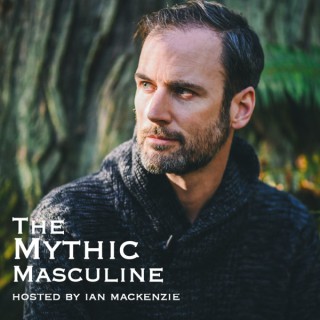
Fresh off the first Cascadia Men's Conference, I'm pleased to share my first long-form podcast episode in some months. Right now, Christopher Nolan's The Odyssey is storming around the world, a $1.3 billion phenomenon that has returned one of humanity's oldest stories to the center of our cultural conversation.My guest today is a man who has been steeping in this epic for years. Phil Cousineau is the author of newly published ‘The Wisdom of the Odyssey: Twenty-four Life Lessons from Homer's Epic' and more than forty other books, including the bestselling The Art of Pilgrimage and The Hero's Journey: Joseph Campbell on His Life and Work. He is a writer, teacher, and storyteller who has consulted on myth and story for Warner Brothers, Pixar, and Lucasfilm, led mythology travel programs to Greece for more than three decades, and hosted the PBS television series Global Spirit.In our conversation, Phil invites us to look at why The Odyssey has risen once again. He suggests the epic poem is Western culture's first articulated case of PTSD and the consequence of war and conquest. We speak of the women who guide Odysseus back to himself, the terror of crossing your own threshold after twenty years away, and what it means when love rather than fame becomes the gravity that pulls a man home.Phil reminds us that the Odyssey is everybody's story, and the courage required to bend down and kiss the earth in gratitude for the chance to begin again.Here in full is the Rumi poem I reference (translated by Haleh Liza Gafori)LOVE, YOUR waters, your melodieswhirl me and whirl me.I'm the wheel in a mill.Whirl me forever.When my heart is troubled,when my heart has fled,keep me close.No branch, no leaf, no piece of straw drawn to amberwill move without a breeze.Unless desire stirs it, nothing in this world will dance.Every element, every particle of every elementis a whirling lover, drunk on union.The generous host lays out a feast.Animals graze the sweet grass.Didn't the ants tell secrets to Solomon?Didn't the mountains singwhen David sang his songs of praise?The sky is your lover.Lay your head on its peaceful chest.The sun is your lover. Drink its light.Love moves through every mountain and field.How else would green grow from earth's dark body?LINKS * Phil Cousineau - Official Website* The Wisdom of the Odyessy - BookHeads up, if you are a man seeking to explore the mythopoetic path, you are invited to check out The Archetypal Compass. This mini-guide is designed to help you navigate the internal archetypes of the soul, providing a map for those ready to move beyond personal inquiry and toward a more conscious stewardship of their lives and the world.Also, the next cohort of The Deep Masculine, my 3 month online journey for men begins Sept 20th. Join a mythic brotherhood aimed at re-patterning your relationship to sex, soul and purpose.SHOW NOTES00:04 — Quebec and Detroit Roots: Phil traces his ancestry to Jean Baptiste Cousineau, one of the nine founding families of Montreal, and his mythic upbringing in Detroit.00:06 — A Family of Readers: Growing up reading Homer, Grimm, and Canadian folk tales aloud together, and the inherited practice of read, pilgrimage, and the Long Conversation.00:10 — The Odyssey Sketched: A whirlwind through the enchantment at Olympus, the judgment of Paris, Helen, and the 1,156 ships sailing for Troy.00:16 — The First Documented PTSD: Why Odysseus is arguably history's first case of post-traumatic stress, and why a soldier cannot go straight home from war.00:22 — The Bard Scene: On the island of Phaeacia, when Odysseus hears his story sung, takes it back, and the healing begins.00:25 — Why Myths Rise Again: James Baldwin on reading as the antidote to unprecedented pain, and why myths that never happened are always happening.00:33 — The Masculine Arc: From the hunger for kleos (glory) to being pulled home by eros (love), and the grief of men who have achieved everything yet feel lost.00:39 — Polytropos: What it means that Odysseus is "many-turning" — the colossal, radical act of a man capable of changing his mind.00:42 — The Six Women: How Athena, Calypso, Circe, Nausicaa, Eurycleia, and Penelope guide Odysseus home, making the epic the world's first romance.00:46 — Achilles in the Underworld: The axis mundi where glory confronts the choice for one more day of sunshine over eternal fame.00:52 — Gratitude and Kissing the Earth: On Rumi, Coleman Barks, and Odysseus bending down to kiss the beach as literature's first grateful male hero.00:56 — The Beggar's Return: Odysseus comes home not in triumph but humbled, bent, and listening — a diminishment that is actually a deepening.01:06 — Nolan's Ending vs. the Greek Original: Why sailing away into the sunset is American Western mythology, not a Greek ending, and what the film sacrifices.01:10 — Talking Until Dawn: Penelope's fierce "My heart can take it" and the moment husband and wife talk and listen to each other until dawn.01:13 — The Wisdom of the Odyssey: Phil's new book, recommended translations by Lattimore and Emily Wilson, and upcoming mythology tours to Greece. This is a public episode. If you'd like to discuss this with other subscribers or get access to bonus episodes, visit themythicmasculine.substack.com/subscribe

How are Christianity's Unknowing, Buddha's No Mind, Jesus' Eyes of a Child, and Rumi's Love have in common? How can we open ourselves to this hidden powers beyond our own thinking? To what advantage? Be well... Wonder Deep....

Some folks hear the world through their ears. Others hear it through the quiet places inside. This week on ASKITA, John sits down with psychic medium Dallisa Hocking to talk intuition, frequency, and the unseen roads we walk. This episode features Dallisa Hocking, a 5th‑generation psychic medium and educator who helps people develop deep self‑trust through intuitive awareness. She shares her awakening story, real‑world premonitions, mediumship experiences, and practical tools for raising your frequency. 00:00 – Opening 02:15 – Dallisa's 5th‑generation psychic lineage 06:40 – The 2015 awakening at Omega Institute 12:10 – Mediumship, frequency & intuitive mechanics 18:55 – John's story of spiritual presence 25:30 – Kimberly Bergalis & spiritual anger 31:20 – Premonitions: bank robbery, Halloween gunfight, Airbnb break‑in 40:05 – Meditation, Morning Pages & intuitive training 48:50 – Mind‑body healing & emotional patterns 55:30 – Family dynamics as spiritual lessons 01:02:10 – Rumi quote & closing reflections Topics include meditation, Morning Pages, emotional healing, animal spirits, generational patterns, and the spiritual lessons hidden inside difficult relationships.

A special end-of-summer Redux edition of Roqe featuring one of our most memorable conversations with a true legend of Iranian music. Jian revisits his 2022 interview with Soleyman "Soley" Vaseghi - the Iranian singer, composer and songwriter whose remarkable life has taken him from pop stardom in pre-revolutionary Iran to exile, immigration, and a musical reinvention rooted in Persian poetry, spirituality and Sufi traditions. Soley reflects on the excitement of Iran's thriving pop music scene in the 1970s, the devastating impact of the 1979 Islamic Revolution on his life and career, leaving Iran, becoming an immigrant in Canada, and the extraordinary transition from pop star to driving a taxi for 10-12 hours a day in Toronto. He also discusses his later musical evolution and his deep connection to Rumi, Hafez, spirituality and Sufi-inspired music. Now 80 years old, Soley remains one of the precious treasures of the Iranian community. Featured Guest: Soleyman "Soley" Vaseghi - legendary Iranian-Canadian singer, composer and songwriter This interview was originally recorded in July 2022. Roqe returns with its new season on Thursday, September 10th. This episode is brought to you with the support of: Avoca Chocolates - avocachocolates.com Stellar Law - stellarlaw.ca Follow Jian on Instagram: @JianGhomeshi

Progress isn't built through massive breakthroughs but it isbuilt through consistent action and the right guidance. On this episode, Nick explores how small daily habitscompound into extraordinary results and why mentorship can dramatically shorten the path to success. Drawing wisdom from Confucius and Rumi, this episode challenges firefighters to focus on moving one stone at a time while seekingguidance from those who have already walked the road before them. Consistency and guidance may be simple concepts, but together they are the foundation ofgrowth in the firehouse and beyond.

Suffering isn't a problem to solve, but a path to profound wisdom. This book summary reveals the counterintuitive truth about pain.

I denna repris av Vattnet Går gästas vi av fotografen Clara Morberg som efter 12 år utomlands flyttat tillbaka till sitt barndomshem i Göteborg. Clara fick reda på att hon var gravid när hon bodde i Mexico och det var även här hon födde sin son Rumi. I detta avsnitt berättar Clara ärligt och öppet om hur den planerade hemmafödseln slutade med kejsarsnitt på sjukhus och hur förlossningsvården i Mexico skiljer sig från Sverige. Varmt välkommen till ett öppenhjärtigt samtal mellan Amanda Braw och Clara Morberg.Följ oss gärna på Instagram @vattnetgarOch här hittar du Clara @claramorbergVattnet Går, podd, Clara Morberg, föda barn, förlossning, kejsarsnitt erfarenhet, hemmafödsel planering, doula, förlossningsvård, graviditet utomlands, förlossningsberättelse, Amanda Braw, podcast, mamma, Mexico, mammapodd, förlossningspodd, graviditetspoddSupport till showen http://supporter.acast.com/vattnetgar. Hosted on Acast. See acast.com/privacy for more information.
The Page One Podcast, produced and hosted by author Holly Lynn Payne, celebrates the craft that goes into writing the first sentence, first paragraph and first page of your favorite books. The first page is often the most rewritten page of any book because it has to work so hard to do so much—hook the reader. We interview master storytellers on the struggles and stories behind the first page of their books. About the guest author: Margrét Ann Thors is an Icelandic-American writer based in Reykjavík, Iceland. She received her MFA from Columbia University and teaches at the University of Iceland. Her writing has appeared in Glamour, Creative Nonfiction, Ós Pressan, Storychord, and other outlets. Freyja is her debut novel. About the host: Holly Lynn Payne is an award-winning novelist and writing coach, and the former CEO and founder of Booxby, a startup that built an AI book discovery platform with a grant from the National Science Foundation. She is an internationally published author of four historical fiction novels. Her debut, The Virgin's Knot, was a Barnes & Noble Discover Great New Writers book. Her latest book, Rose Girl: A Story of Resilience and Rumi, a medieval, mystical thriller was awarded a Kirkus (starred) review and named Editors Choice from the Historical Novel Society. Holly lives on a houseboat near the Golden Gate Bridge with her daughter and Labrador retriever, and enjoys mountain biking, hiking, swimming and pretending to surf. To learn more about her books and writing coaching services, please visit her at hollylynnpayne.com and subscribe to her FREE weekly mini-masterclass, Power of Page One, a FREE newsletter on Substack, offering insights on becoming a better storyteller and tips on hooking readers from page one! (And bonus: discover some great new books!) Tune in and reach out: If you're an aspiring writer or a book lover, this episode of Page One offers a treasure trove of inspiration and practical advice. I offer these conversations as a testament to the magic that happens when master storytellers share their secrets and experiences. We hope you are inspired to tune into the full episode for more insights. Keep writing, keep reading, and remember—the world needs your stories. If I can help you tell your own story, or help improve your first page, please reach out @hollylynnpayne or visithollylynnpayne.com. You can listen to Page One on Apple podcasts, Spotify, Pandora, Stitcher and all your favorite podcast players. Hear past episodes. If you're interested in getting writing tips and the latest podcast episode updates with the world's beloved master storytellers, please sign up for my very short monthly newsletter at hollylynnpayne.com and follow me @hollylynnpayne on Instagram, Twitter, Goodreads, and Facebook. Your email address is always private and you can always unsubscribe anytime. The Page One Podcast is created near the Golden Gate Bridge, California, as a labor of love in service to writers and book lovers. My intention is to inspire, educate and celebrate. Thank you for being a part of my creative community! Be well and keep reading, Holly @hollylynnpayne on IG Thank you for listening to the Page One Podcast! I hope you enjoyed this episode as much as I loved hosting, producing, and editing it. If you liked it too, here are three ways to share the love:Please share it on social and tag @hollylynnpayne.Leave a review on your favorite podcast players. Tell your friends. Please keep in touch by signing up to receive my Substack newsletter with the latest episodes each month. Delivered to your inbox with a smile. You can contact me at @hollylynnpayne on IG or send me a message on my website, hollylynnpayne.com.For the love of books and writers,Holly Lynn Payne@hollylynnpaynehost, author, writing coachwww.hollylynnpayne.com

In this episode:* Anna and Bracey kick off this episode with a discussion about the top five things worth the money trend (spoiler alert: they could only think of a few off the cuff!)* Bracey offers her advice on dealing with insomnia — what to get checked and what actually helps when sleep won't come* A conversation about the responsibility of strangers: what we really owe each other in everyday moments, big and small* Reflecting on the Rumi quote “As you start to walk on the way, the way appears,” and what it means to trust the process instead of needing the whole path mapped out* A detour into TV talk as Bracey and Anna dig into their thoughts on Bones* Bracey opens up about building an online presence, sitting with disappointment, and how she's thinking about splitting parenting and free time* And of course, there's more! Listen in to hear it all :)Links & Resources:* Want a reading of your own? Email likeheartedpodcast@gmail.com* Subscribe: likehearted.substack.com* Instagram: @likeheartedpodSome episodes you may have missed….Here's some good ones from the archives!Written in the Stars: Analyzing Anna's Astrological ChartSelf-AcceptanceThe Book of Alchemy Book ReviewIf you've enjoyed any of our episodes, we'd appreciate it if you'd share with a friend. That's how podcasts grow - through connection - and we appreciate you helping us grow! This is a public episode. If you would like to discuss this with other subscribers or get access to bonus episodes, visit likehearted.substack.com
“Send Coach John a message”There are times when I find a powerful (and simple) reminder for me that I know will probably help others too. This gem was shared by Reads with Ravi (@readswithravi) and his very short and simple thought was: “Clarity comes from action!!” The actual post was this: “Rumi said ‘As you start to walk on the way, the way appears.' Clarity doesn't come before action. It comes from action.” My intro to my re-post was this: “There have been times I have spent / invested too much time thinking & planning (which helps when there is action after)… amazing and wonderful how the learning & growing never stops!” There needs to be some planning and thoughts all the time. But without taking action, they won't move on from just sitting there. Action cures fear and it also helps us to see where the next step of our journey should go. I know I need to keep focusing on taking action for sure. Thanks for listening. Please take a few moments to subscribe & share this with someone, also leave a 5 Star rating on Apple Podcasts and ITunes or other services where you find this show. Find me on Facebook: https://www.facebook.com/coachtoexpectsuccess/ on Twitter / “X”: @coachtosuccess and on Instagram at: @coachjohndaly - My YouTube Channel is at: Coach John Daly. Email me at: CoachJohnDalyPodcast@gmail.com You can also head on over to https://www.coachtoexpectsuccess.com/ and get in touch with me there on my homepage along with checking out my Top Book list too. Other things there on my site are being worked on too. Please let me know that you are reaching out to me from my podcast. ** I would appreciate anyone to try clicking on the top of the show notes where it says "Send us a text" to leave a few thoughts / comments / questions. It's a new feature that I'd like to see how it works. **
© 2020-2026 Ivy Podcast Discovery LLC
