
POPULARITY

4 episodes with wilhelm furtw

5 episodes with wilhelm furtw

8 episodes with wilhelm furtw

2 episodes with wilhelm furtw

5 episodes with wilhelm furtw

2 episodes with wilhelm furtw

2 episodes with wilhelm furtw

3 episodes with wilhelm furtw

2 episodes with wilhelm furtw

Clarence Ford talks to piano virtuoso Isaac van der Merwe, who shares the intricacies of his craft and reveals the parallels between music and life. He reflects on the importance of embracing imperfection and the role of practice in mastering his instrument. Isaac van der Merwe chose the pieces below if listeners want to experience the classical music that moves him. In Isaac's own words: Putting 'classical music' into Spotify doesn't really work; you get some pretty random stuff. Recordings from my heroes, playing that inspires me, of my favourite pieces. And if Cape Talk has some sort of Linktree or an equivalent/some bit of your site where this could go, we can put links to them there. They are on YouTube (Classical music was never written to be recorded and spat out by a speaker. It was written by people to be played by people for people. So the live recordings/recordings of performances are generally my favourite... imperfect, raw, daring, greater magic). Live recordings I love Something new: Yunchan Lim (just 18 years old) gives his winning performance of Rachmaninoff’s Third Piano Concerto in the finals of the 2022 Van Cliburn International Piano Competition: https://youtu.be/DPJL488cfRw?si=JGntkyBJMbZwirs_ Something old: Wilhelm Furtwängler conducts the Berlin Philharmonic in a performance of Beethoven’s 5th Symphony (1947): https://www.youtube.com/watch?v=PMJYjPKaLEY Something short & sweet: Vladimir Horowitz plays Träumerei (Dreaming) from Schumann’s suite Kinderszenen (Scenes of Childhood) in his legendary 1986 Moscow recital, having returned to his home country for the first time in 61 years: https://www.youtube.com/watch?v=6z82w0l6kwE Bonus – recordings of Rachmaninoff (1873-1943) himself playing: Rachmaninoff plays his own arrangement of Kreisler's Liebesleid (Love’s Sorrow): https://www.youtube.com/watch?v=2wODzXCuVHg Rachmaninoff plays Chopin’s Waltz in C-sharp minor: https://www.youtube.com/watch?v=Fj-VWPXZYpY ************************************************************************************************************* Thank you for listening to a podcast from Views & News with Clarence Ford Listen live on Primedia+ weekdays between 09:00 and 12:00 (SA Time) to Views and News with Clarence Ford broadcast on CapeTalk https://buff.ly/NnFM3Nk For more from the show, go to https://buff.ly/erjiQj2 or find all the catch-up podcasts here https://buff.ly/BdpaXRn Subscribe to the CapeTalk Daily and Weekly Newsletters https://buff.ly/sbvVZD5 Follow us on social media: CapeTalk on Facebook: https://www.facebook.com/CapeTalk CapeTalk on TikTok: https://www.tiktok.com/@capetalk CapeTalk on Instagram: https://www.instagram.com/ CapeTalk on X: https://x.com/CapeTalk CapeTalk on YouTube: https://www.youtube.com/@CapeTalk567 See omnystudio.com/listener for privacy information.
Enfant prodige devenu « le violoniste du siècle », Yehudi Menuhin aura, grâce à son art, œuvré toute sa vie à la fraternité entre les peuples.Découvrez l'épopée fascinante du jeune prodige Yehudi Menuhin, devenu l'un des plus grands violonistes du XXe siècle. Prodige dès son plus jeune âge, Menuhin a su transcender les frontières et les époques troubles pour faire rayonner la musique partout où il passait.Alors qu'il n'a même pas 10 ans, le jeune Yehudi séduit Paris et le monde entier avec son interprétation du Concerto pour violon de Mendelssohn. Sous la tutelle du maestro Georges Enesco, il se forge un style intemporel, d'une profondeur et d'une sensibilité hors du commun. Ses enregistrements légendaires, notamment du Concerto pour violon d'Elgar sous la direction du compositeur lui-même, propulsent Menuhin au rang de superstar internationale. Mais son parcours est bien plus qu'une simple carrière de virtuose. Pendant la Seconde Guerre mondiale, il donne plus de 500 représentations pour remonter le moral des troupes alliées, faisant preuve d'un engagement humanitaire remarquable. Après-guerre, Menuhin se fait le passeur d'un message de réconciliation, n'hésitant pas à jouer aux côtés de figures controversées comme le chef d'orchestre Wilhelm Furtwängler. Toujours soucieux de tisser des liens entre les peuples, il explore les musiques du monde, du jazz à la musique indienne, avec une curiosité insatiable.Ambassadeur de l'humanité et de la paix, Yehudi Menuhin a marqué son époque de son empreinte chaleureuse et indélébile. Cet épisode des Grands dossiers de l'Histoire vous invite à (re)découvrir la vie et l'œuvre d'un des plus grands violonistes du siècle dernier, véritable artiste engagé et humaniste
Enfant prodige devenu « le violoniste du siècle », Yehudi Menuhin aura, grâce à son art, œuvré toute sa vie à la fraternité entre les peuples.Découvrez l'épopée fascinante du jeune prodige Yehudi Menuhin, devenu l'un des plus grands violonistes du XXe siècle. Prodige dès son plus jeune âge, Menuhin a su transcender les frontières et les époques troubles pour faire rayonner la musique partout où il passait.Alors qu'il n'a même pas 10 ans, le jeune Yehudi séduit Paris et le monde entier avec son interprétation du Concerto pour violon de Mendelssohn. Sous la tutelle du maestro Georges Enesco, il se forge un style intemporel, d'une profondeur et d'une sensibilité hors du commun. Ses enregistrements légendaires, notamment du Concerto pour violon d'Elgar sous la direction du compositeur lui-même, propulsent Menuhin au rang de superstar internationale. Mais son parcours est bien plus qu'une simple carrière de virtuose. Pendant la Seconde Guerre mondiale, il donne plus de 500 représentations pour remonter le moral des troupes alliées, faisant preuve d'un engagement humanitaire remarquable. Après-guerre, Menuhin se fait le passeur d'un message de réconciliation, n'hésitant pas à jouer aux côtés de figures controversées comme le chef d'orchestre Wilhelm Furtwängler. Toujours soucieux de tisser des liens entre les peuples, il explore les musiques du monde, du jazz à la musique indienne, avec une curiosité insatiable.Ambassadeur de l'humanité et de la paix, Yehudi Menuhin a marqué son époque de son empreinte chaleureuse et indélébile. Cet épisode des Grands dossiers de l'Histoire vous invite à (re)découvrir la vie et l'œuvre d'un des plus grands violonistes du siècle dernier, véritable artiste engagé et humaniste
durée : 00:19:25 - par : Lionel Esparza - Acquitté en 1946 par la commission de dénazification, Wilhelm Furtwängler retrouve le Philharmonique de Berlin le 25 mai 1947. Pour ce grand concert du retour, il choisit la Cinquième de Beethoven — une œuvre qu'il dirige depuis trente ans comme une matière vivante, tendue, organique. - réalisation : Flora Sternadel Vous aimez ce podcast ? Pour écouter tous les épisodes sans limite, rendez-vous sur Radio France

durée : 00:19:25 - par : Lionel Esparza - Acquitté en 1946 par la commission de dénazification, Wilhelm Furtwängler retrouve le Philharmonique de Berlin le 25 mai 1947. Pour ce grand concert du retour, il choisit la Cinquième de Beethoven — une œuvre qu'il dirige depuis trente ans comme une matière vivante, tendue, organique. - réalisation : Flora Sternadel Vous aimez ce podcast ? Pour écouter tous les épisodes sans limite, rendez-vous sur Radio France

durée : 01:28:37 - par : Philippe Cassard - Portraits de Famille autour de quelques solistes du grand chef d'orchestre allemand : Yehudi Menuhin, Edwin Fischer, Kirsten Flagstadt etc. - réalisation : Philippe Petit, Dorothée Goll Vous aimez ce podcast ? Pour écouter tous les épisodes sans limite, rendez-vous sur Radio France

As Variações para Orquestra, op. 31, de Arnold Schönberg, marcaram um momento revolucionário na música do século XX. Estreada em 1928 em Berlim, sob a regência de Wilhelm Furtwängler, a obra causou controvérsia ao aplicar, em grande escala orquestral, o método dodecafônico — sistema que organiza a música a partir de doze sons com igual importância. Estruturada em tema e variações, a peça percorre diferentes atmosferas e texturas, como se apresentasse múltiplas visões de uma mesma paisagem sonora.Composta em um período de tensões pessoais e profissionais, enquanto Schönberg atuava na academia em Berlim, a obra enfrentou dificuldades desde sua criação até sua estreia, considerada um fracasso inicial. Ainda assim, com o tempo, consolidou-se como um marco da música moderna, equilibrando inovação radical e referências à tradição, como a homenagem a Johann Sebastian Bach. Hoje, é reconhecida como uma peça essencial para compreender os caminhos da música contemporânea.#Schönberg #MúsicaClássica #Dodecafonismo #VariaçõesParaOrquestra #Compositores #HistóriaDaMúsica #Orquestra #MúsicaErudita #PodcastCultural #ArteSonoraApresentado por Aarão Barreto com Aroldo Glomb na bancada Seja nosso padrinho: https://apoia.se/conversadecamara RELAÇÃO DE PADRINS Aarão Barreto, Adriano Caldas, Gustavo Klein, Fernanda Itri, Eduardo Barreto, Fernando Ricardo de Miranda, Leonardo Mezzzomo,Thiago Takeshi Venancio Ywata, Gustavo Holtzhausen, João Paulo Belfort , Arthur Muhlenberg e Rafael Hassan.

Mucho se ha hablado en Ars canendi desde 1998 de esta ópera inmensa, la ópera de óperas que decía Kierkegaard. En este programa realizamos un estudio de las características vocales de algunos de sus números clave. Escuchamos diversas interpretaciones: La Obertura corre a cargo de Wilhelm Furtwängler al frente de la Filarmónica de Viena. La misma agrupación es dirigida por Josef Krips en una interpretación de 1955 del Cuarteto Non ti fidar, o misera. Cantan Cesare Siepi, Lisa De La Casa, Susanne Danco y Anton Dermota. Luego suena el Sexteto Sola, sola in buio loco con las voces de Samuel, Borsi, Korchak, Muraro, Reiss y nuestro Simón Orfila bajo la batuta de Mehta. El importante Trío de las máscaras suena enseguida en las voces de Alfredo Kraus (al que se le oye poco), Gundula Janowitz y Lisa De La Casa con Giulini al mando. El mismo número es interpretado a continuación por Rodolfo Villazón, Diana Damrau y Joyce Di Donato dirigidos por Yannick Nézet-Séguin. El programa se cierra a lo grande con el gran Finale del primer acto de la ópera en la misma versión, con El Don de Ildebrando d’Arcangelo al frente.Escuchar audio
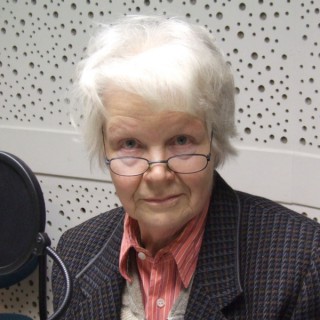
Muusikateadlane Tiia Järg sirvib oma märkmeid kultuuriloost.

Podobno gdy usłyszał, jak dokładnie Arturo Toscanini realizował z orkiestrą sekstole smyczków na początku I ogniwa „Dziewiątej” Beethovena, wstał oburzony i opuścił salę, mówiąc, że nie przyszedł słuchać metronomu. Wilhelm Furtwängler był dyrygentem, którego wizje interpretacyjne były wyraziste, którego styl poznajemy natychmiast. Do dziś dla wielu słuchaczy jego wykonania dzieł filharmonicznego kanonu pozostają „wzorcowe”, a dla niektórych dyrygentów inspirujące. Na czym polegał jego fenomen i ile jest w nim muzyki, a ile uwikłania w trudną historię XX wieku? Zapraszam do słuchania!Gościem odcinka jest Yaroslav Shemet – kierownik artystyczny Filharmonii Śląskiej oraz zastępca dyrektora ds. muzycznych Opery Bałtyckiej w Gdańsku. Do posłuchania:J.S. Bach, Matthäuspassion BWV 244, finał (W.Furtwängler, Wiener Philharmoniker 1954)L. van Beethoven, Grosse Fuge op. 133 (W.Furtwängler, Berliner Philharmoniker 1952)Audycja powstała dzięki Mecenasom. Jeśli chcesz stać się jednym z nich i wspierać pierwszy polski podcast o muzyce klasycznej, odwiedź mój profil w serwisie Patronite.pl.Jeśli odcinek Ci się podobał, postaw mi wirtualną kawę! Bez niej pracować nad audycjami nie sposób. Zrobisz to w serwisie Buycoffee.to.Szafa Melomana to pierwszy polski podcast o muzyce klasycznej, tworzony przez dziennikarza Mateusza Ciupkę. To fascynujące historie kompozytorów, wykonawców i utworów, zawsze wzbogacone o liczne konteksty historyczne i kulturowe. Nowe odcinki w co drugi piątek na popularnych platformach podcastowych.Mateusz Ciupka – publicysta muzyczny, autor Szafy Melomana, pierwszego polskiego niezależnego podcastu o muzyce klasycznej, redaktor w magazynie Ruch Muzyczny. Pracował w Operze Krakowskiej, współpracował m.in. z Krakowskim Biurem Festiwalowym, Filharmonią Narodową i Filharmonią Śląską, publikował w „Ruchu Muzycznym”, „Dwutygodniku” i magazynie „Glissando”. Przeprowadził rozmowy m.in. z Garrickiem Ohlssonem, Masaakim Suzukim, Ermonelą Jaho i Giovannim Antoninim. Jest autorem Małej Monografii Romualda Twardowskiego, wydanej nakładem Polskiego Wydawnictwa Muzycznego w 2023 roku. Mieszka i pracuje w Pradze, w Czechach.

durée : 01:28:55 - Wilhelm Furtwängler, figure tutélaire de la direction - par : Aurélie Moreau - Wilhelm Furtwängler, chef d'orchestre magistral, considérait la musique comme un être vivant. Pour lui : « Saisir la vie éphémère de l'instant contenue dans la forme, voilà ce qu'est une véritable interprétation ». (Le Monde de la Musique). Vous aimez ce podcast ? Pour écouter tous les autres épisodes sans limite, rendez-vous sur Radio France.
durée : 00:16:10 - Disques de légende du jeudi 06 novembre 2025 - Le 27 octobre 1951, Wilhelm Furtwängler et l'Orchestre symphonique de la NDR offrent au public de la Musikhalle de Hambourg une prestation de la Symphonie n° 1 de Brahms, une version captée en live qui domine tous les autres enregistrements de cette œuvre par le maestro allemand. Vous aimez ce podcast ? Pour écouter tous les autres épisodes sans limite, rendez-vous sur Radio France.
durée : 00:16:10 - Disques de légende du jeudi 06 novembre 2025 - Le 27 octobre 1951, Wilhelm Furtwängler et l'Orchestre symphonique de la NDR offrent au public de la Musikhalle de Hambourg une prestation de la Symphonie n° 1 de Brahms, une version captée en live qui domine tous les autres enregistrements de cette œuvre par le maestro allemand. Vous aimez ce podcast ? Pour écouter tous les autres épisodes sans limite, rendez-vous sur Radio France.

Interpreten: ORF Radio-Symphonieorchester Wien, Fabian EndersLabel: ProsperoEAN: 4262353970799Ein vergessenes Meisterwerk neu entdeckt: Das ORF Radio-Symphonieorchester Wien unter Fabian Enders präsentiert die Weltersteinspielung von Günter Raphaels erster Symphonie – ein Werk voller dramatischer Tiefe und orchestraler Raffinesse, das Michael Gmasz sofort in seinen Bann gezogen hat.Günter Raphael, Jahrgang 1903, zählt zu den bedeutendsten, aber lange übersehenen Komponisten der deutschen Musikgeschichte des 20. Jahrhunderts. Früh als Ausnahmetalent erkannt, wurde er von Wilhelm Furtwängler gefördert, der seine 1. Symphonie bereits 1926, als Raphael gerade einmal 23 war, im Leipziger Gewandhaus uraufgeführt hat. Raphaels Musik verbindet spätromantische Ausdruckskraft mit einer modernen, polyphonen Struktur. Sein Leben war geprägt von Krankheit und politischer Verfolgung: Als „Halbjude“ verlor er in der NS-Zeit seine Lehrtätigkeit und wurde mit Aufführungsverboten belegt. Dennoch setzte er sein Schaffen unbeirrt fort und lehrte später in Duisburg und Köln. Sein Werk umfasst Symphonien, Kammermusik, geistliche Werke und Bearbeitungen, darunter eine vielbeachtete Neufassung von Bachs Matthäuspassion.Die nun vorliegende Weltersteinspielung der ersten Symphonie in a-Moll, op. 16, durch das ORF Radio-Symphonieorchester Wien unter Fabian Enders ist ein bedeutender Beitrag zur Wiederentdeckung Raphaels. Das Werk, das sich durch dramatische Gestik, komplexe Polyphonie und eine dichte Orchestrierung auszeichnet, wird hier mit großer interpretatorischer Tiefe und klanglicher Präzision präsentiert. Günter Raphaels Musik wirkt wie eine Brücke zwischen der Spätromantik und der Neuen Sachlichkeit, ohne sich vollständig einer der beiden Richtungen zu unterwerfen. Eher also in der Tradition von Komponisten wie Hindemith oder Reger als von Richard Strauss oder Franz Schreker. Diese Produktion auf dem Label Prospero setzt ein starkes Zeichen für die Relevanz Raphaels im heutigen Konzertrepertoire und lädt dazu ein, sein Schaffen neu zu entdecken und zu würdigen. (mg)
Il est considéré comme l'un des plus grands chefs allemands du XXe siècle, sinon le plus grand. Mais en refusant de quitter l'Allemagne à l'arrivée des nazis, Wilhelm Furtwängler a scellé une sorte de pacte faustien à l'origine de ce qu'on a appelé « l'affaire Furtwängler ».Mention légales : Vos données de connexion, dont votre adresse IP, sont traités par Radio Classique, responsable de traitement, sur la base de son intérêt légitime, par l'intermédiaire de son sous-traitant Ausha, à des fins de réalisation de statistiques agréées et de lutte contre la fraude. Ces données sont supprimées en temps réel pour la finalité statistique et sous cinq mois à compter de la collecte à des fins de lutte contre la fraude. Pour plus d'informations sur les traitements réalisés par Radio Classique et exercer vos droits, consultez notre Politique de confidentialité.Hébergé par Ausha. Visitez ausha.co/politique-de-confidentialite pour plus d'informations.

Nach einem schweren Trauma hörte Christoph Eschenbach als Sechsjähriger auf zu sprechen. "Die Musik hat mich gerettet" sagt der berühmte Pianist und Dirigent rückblickend. Klavierspielen lernte er als Kind von seiner Adoptivmutter. Als er mit 11 Jahren mit ihr ein Konzert besuchte und Wilhelm Furtwängler dirigieren sah, war er so fasziniert, dass ihn dieses Bild noch lange Jahre in seinem Pianisten-Leben begleitete.
Nach einem schweren Trauma hörte Christoph Eschenbach als Sechsjähriger auf zu sprechen. "Die Musik hat mich gerettet" sagt der berühmte Pianist und Dirigent rückblickend. Klavierspielen lernte er als Kind von seiner Adoptivmutter. Als er mit 11 Jahren mit ihr ein Konzert besuchte und Wilhelm Furtwängler dirigieren sah, war er so fasziniert, dass ihn dieses Bild noch lange Jahre in seinem Pianisten-Leben begleitete.

Les liens entretenus par Hitler et le nazisme avec le compositeur Richard Wagner et sa famille sont étroits. Pas seulement parce que la musique et les opéras de Wagner, qui parlent de la grandeur de l'Allemagne éternelle, sont les préférés du Führer.On connaît l'antisémitisme assez virulent dont faisait preuve le compositeur lui-même. Mais certains membres de sa famille ne sont pas en reste.En effet, sa veuve, Cosima, éprouve de la sympathie pour les thèses propagées par le parti national-socialiste. L'une des filles du compositeur, Eva, épouse l'essayiste anglais Houston Stewart Chamberlain, qui se fait le chantre du racisme et de l'inégalité entre les races. L'un et l'autre, d'ailleurs, lisent assidûment le journal publié par le NSDAP, le parti nazi.Mais il est un membre de la famille Wagner qui montrera de manière encore plus ouverte ses penchants pour le nazisme. Il s'agit de Winifred Wagner qui, en 1915, épouse Siegried, le fils de Wagner, chef d'orchestre lui-même et directeur du célèbre festival De Bayreuth, haut lieu de la musique wagnérienne.En effet, Winifred Wagner n'est pas seulement une compagne de route du parti national-socialiste, elle devient une véritable activiste. De fait, elle adhère au NSDAP en 1929.Devenue membre du parti, elle a l'occasion de rencontrer Hitler très souvent. Celui-ci ne pouvait faire moins que de réserver le meilleur accueil à la belle-fille de son compositeur favori. Winifred Wagner devient alors une amie proche du Führer, lui-même flatté par cette relation.À la mort de son mari, en 1930, elle lui succède à la direction du festival de Bayreuth, qu'elle conserve jusqu'en 1944. Sous son impulsion, cet événement culturel prestigieux devient une véritable vitrine pour le nazisme.Des artistes soupçonnés, après la guerre, d'avoir des sympathies pour le nazisme, ou du moins de ne pas s'y être opposés, comme les grands chefs d'orchestre Wilhelm Furtwängler et Karl Böhm, sont très souvent invités à s'y produire.En revanche, d'autres musiciens, peu appréciés du régime, comme le célèbre maestro Arturo Toscanini, sont écartés du festival. Hébergé par Acast. Visitez acast.com/privacy pour plus d'informations.

Johannes Brahms (1833-1897) - Sinfonia n. 3 in fa maggiore per orchestra, op. 90Allegro con brio (fa maggiore)Andante (do maggiore)Poco Allegretto (do minore)Allegro (fa minore)Berliner PhilharmonikerWilhelm Furtwängler, conductor More info: https://www.flaminioonline.it/Guide/Brahms/Brahms-Sinfonia3.html
durée : 00:25:38 - Disques de légende du mardi 26 mars 2024 - Menuhin déclara à la fin de sa vie que Furtwängler était le chef d'orchestre qui l'avait le plus marqué.

Directors com Wilhelm Furtw
Estudiamos y analizamos la personalidad pisicológica y vocal de este auténtico malo. Escuchamos distintos fragmentos de esta cuarta ópera de la Tetralogía. Participan en el programa algunos de sus mejores servidores: Gottlob Frick, Emil List, Josef Greindl y Ludwig Weber. Y directores como Georg Solti, Hans Knappertsbusch y Wilhelm Furtwängler.Escuchar audio
El director Wilhelm Furtw
Er dirigierte vor allen Nazi-Größen - und verweigerte ihnen dennoch den Hitler-Gruß, er ließ sich als musikalischer Botschafter des Dritten Reichs missbrauchen - und verhalf jüdischen Musikern zur Flucht. Wilhelm Furtwängler, einer der größten Maestri des 20. Jahrhunderts, war er Opfer oder Täter, feiger Opportunist oder ein Symbol der inneren Emigration? Unser ZOOM blickt zurück in ein finsteres Kapitel deutscher Musikgeschichte und fragt nach der Verantwortung von Kunst in totalitären Zeiten.
Il est considéré comme l'un des plus grands chefs allemands du XXe siècle, sinon le plus grand. Mais en refusant de quitter l'Allemagne à l'arrivée des nazis, Wilhelm Furtwängler a scellé une sorte de pacte faustien à l'origine de ce qu'on a appelé « l'affaire Furtwängler ». Mention légales : Vos données de connexion, dont votre adresse IP, sont traités par Radio Classique, responsable de traitement, sur la base de son intérêt légitime, par l'intermédiaire de son sous-traitant Ausha, à des fins de réalisation de statistiques agréées et de lutte contre la fraude. Ces données sont supprimées en temps réel pour la finalité statistique et sous cinq mois à compter de la collecte à des fins de lutte contre la fraude. Pour plus d'informations sur les traitements réalisés par Radio Classique et exercer vos droits, consultez notre Politique de confidentialité.
蹦藝術EP132 貝多芬:《科里奧蘭》序曲 用耳朵閱讀古典音樂 - 蹦藝術 | BONART
蹦藝術EP131 貝多芬:《艾格蒙》序曲 用耳朵閱讀古典音樂 - 蹦藝術 | BONART

Meet the characters and explore the rich vocal history of DAS RHEINGOLD with Seattle Opera Dramaturg Jonathan Dean. With recorded music examples ranging from 1904 to 2015, Dean considers how DAS RHEINGOLD challenges its singers to feats of lyrical and heroic singing—and even listens for the dreaded “Bayreuth Bark.” Includes special examples from Seattle Opera's 1976 English-language RING, plus “tag-team” musical examples—where switching singers mid-aria offers an opportunity to hear even more amazing voices. Musical credits: 100 Jahre Bayreuth als Schallplate, the Early Festival Singers: Anton von Rooy (Wotan), 1908; Hans Breuer (Mime), (1904); Ernestine Schumann-Heink (Erda), 1907. Les Introuvables du Chant Wagnerien: Friedrich Schorr (Wotan), 1929. 1953 Bayreuth; Clemens Krauss conducts Ludwig Weber (Fasolt), Josef Greindl (Fafner), Erich Witte (Loge), Hermann Uhde (Donner), Paul Kuen (Mime). 1953, RAI Roma; Wilhelm Furtwängler conducts Lorenz Fehenberger (Froh). 1976, Seattle Opera; Henry Holt conducts Malcolm Rivers (Alberich) and Noel Tyl (Wotan) singing Andrew Porter's English translation. 1978, Covent Garden; Colin Davis conducts George Shirley (Loge). 1989, Bayerische Staatsoper; Wolfgang Sawallisch conducts Nancy Gustafson (Freia), Kurt Moll (Fafner), Marjana Lipovsek (Fricka), Julie Kaufmann (Woglinde), Angela Maria Blasi (Wellgunde), and Birgit Calm (Flosshilde). 1991, Bayreuth; Daniel Barenboim conducts John Tomlinson (Wotan), Matthias Hölle (Fasolt), and Helmut Pampuch (Mime). 1995, Seattle Opera; Hermann Michael conducts Monte Pederson (Wotan). 2013, Seattle Opera; Asher Fisch conducts Greer Grimsley (Wotan), Stephanie Blythe (Fricka), and Dennis Peterson (Mime). 2015, Hong Kong Philharmonic; Jaap van Zweden conducts Kwangchul Youn (Fasolt), Stephen Milling (Fafner), and Kim Begley (Loge).

Jesus Ministries, Joan Boney ... After 400 years of bondage in Egypt, the time comes for deliverance of the children of Israel from Egypt. Exodus 1 8 Now there arose up a new king over Egypt, which knew not Joseph. 9 And he said unto his people, Behold, the people of the children of Israel are more and mightier than we: 10 Come on, let us deal wisely with them; lest they multiply, and it come to pass, that, when there falleth out any war, they join also unto our enemies, and fight against us, and so get them up out of the land. 11 Therefore they did set over them taskmasters to afflict them with their burdens. And they built for Pharaoh treasure cities, Pithom and Raamses. 12 But the more they afflicted them, the more they multiplied and grew. And they (the Egyptians) were grieved because of the children of Israel. 13 And the Egyptians made the children of Israel to serve with rigour: 14 And they made their lives bitter with hard bondage, in morter, and in brick, and in all manner of service in the field: all their service, wherein they made them serve, was with rigour. Pharaoh told the Hebrew mid-wives to slay the male children of the Hebrews but to save the female children alive. 22 And Pharaoh charged all his people, saying, Every son that is born ye shall cast into the river, and every daughter ye shall save alive. Moses was born during this period of time.
Jesus Ministries, Joan Boney ... Genesis 15 (God speaking to Abraham) 13 And HE (God) said unto Abram, Know of a surety that thy seed shall be a stranger in a land that is not theirs, and shall serve them; and they shall afflict them four hundred years; 14 And also that nation, whom they shall serve, will I judge: and afterward shall they come out with great substance.
Jesus Ministries, Joan Boney ... Genesis 41:56-57 56 And the famine was over all the face of the earth: and Joseph opened all the storehouses, and sold unto the Egyptians; and the famine waxed sore in the land of Egypt. 57 And all countries came into Egypt to Joseph for to buy corn; because that the famine was so sore in all lands. God showed Joseph what to do and put Joseph in a position to do what God showed him. By God came provision for many people and kept families alive on the earth, including the 12 tribes of Israel.
Jesus Ministries, Joan Boney ... I John 4 4 Ye are of God, little children, and have overcome them: because greater is HE that is in you, than he that is in the world. 5 They are of the world: therefore speak they of the world, and the world heareth them. 6 We are of God: he that knoweth God heareth us; he that is not of God heareth not us. Hereby know we the spirit of truth, and the spirit of error.
16 kwietnia 1945 roku Filharmonia Berlińska zagrała swój ostatni koncert przed ostatecznym upadkiem III Rzeszy. W programie znalazł się poemat symfoniczny “Tod und Verklärung” Ryszarda Straussa i był to wybór symboliczny - “Reichsorchester” umarła, aby niedługo później odrodzić przemieniona. Można jednak popatrzyć na to inaczej - Filharmonia Berlińska jako demokratycznie zarządzane przedsiębiorstwo o autonomii artystycznej umarła 12 lat wcześniej, stając się w 1933 roku zespołem podlegającym Ministerstwu Propagandy, którym kierował Joseph Goebbels. Dlaczego wolni ludzie, doskonale wykształceni muzycy, ugięli się przed nazistami? Dlaczego nie protestowali, gdy ich żydowscy koledzy zostali zmuszeni do odejścia i opuszczenia kraju? Jak z morderczą władzą układał się szef zespołu Wilhelm Furtwängler? O tym wszystkim opowiadam w najnowszym odcinku - pierwszej części cyklu “Muzyka czasu wojny”. Zrealizowano w ramach stypendium Ministerstwa Kultury i Dziedzictwa Narodowego. W odcinku zabrzmiały następujące utwory: G.F. Handel, Concerto grosso d-moll op.6 nr 10, HWV 328 (fragment I oraz II części), W. Furtwängler (dyr.), Berliner Philharmoniker, Deutsche Grammophon (427 777-2), lata nagrania 1942-1944, rok wydania: 1989 L.v. Beethoven, V Symfonia c-moll op. 67, (fragment III części Allegro), W. Furtwängler (dyr.), Berliner Philharmoniker, US Brunswick 25005/9 [Polydor 69855/9], rok nagrania: 1926 L.v. Beethoven, V Koncert fortepianowy Es-dur op. 73 (fragment I części), A. Rother (dyr.), Walter Gieseking (fp.), Berlin Reichsender Orchestra, Pristine Audio (PASC 390), rok nagrania: 1944, rok wydania: 2013 L.v. Beethoven, Uwerutra Coriolan op. 62 (fragment), W. Furtwängler (dyr.), Berliner Philharmoniker, Andromeda (ANDRCD 5061), rok nagrania: 1943, rok wydania: 2011.
Atendiendo la sugerencia de un oyente traemos a nuestro programa a uno de los tenores wagnerianos más acreditados de la segunda posguerra. Analizamos su voz y sus peculiaridades y lo escuchamos, en compañía de la insigne Kirsten Flagstad en un largo fragmento del famoso dúo de amor de Tristán e Isolda, con Wilhelm Furtwängler en el imaginario foso. Después nos canta varios momentos de La walkiria, con el mismo maestro dirigiendo y con Leonie Rysanek como Sieglinde. Pasamos enseguida a Los maestros cantores, donde expone su primera intervención del primer acto (Am Stillen Herd) y la famosa Canción del premio en una histórica versión de Bayreuth grabada en 1944 bajo el mando de Hermann Abendroth. Escuchar audio

Synopsis On today's date in 1909, Richard Strauss's opera Elektra had its premiere in Dresden. The libretto, a free adaptation of the grim, ancient Greek tragedy by Sophocles, was by the Austrian poet and playwright Hugo von Hofmannsthal. In ancient Greek tragedies, violence occurred off-stage, and for his libretto, Hofmannsthal honored that tradition. But the music of Strauss evoking the tragedy's violence unleashed a huge orchestra with a ferocity that stunned early listeners. After its American premiere, one New York critic wrote of “a total delineation of shrieks and groans, of tortures physical in the clear definition and audible in their gross realism . . .Snarling of stopped trumpets, barking of trombones, moaning of bassoons and squealing of violins.” Even Strauss himself later admitted Elektra (quote) “penetrated to the uttermost limits of … the receptivity of human ears,” and what he called his “green horror” opera might cause him to be type-cast as a purveyor of creepy-crawly music. And so, Strauss prudently suggested to Hofmansthal “Next time, we'll write a MOZART opera.” Almost two years later to the day, on January 26, 1911, their “Mozart” opera, Der Rosenkavalier, or the The Rose Bearer premiered. It's set in 18th century Vienna, and for this opera Strauss included anachronistic, but eminently hummable waltz tunes. Music Played in Today's Program Richard Strauss (1864 –1949) Elektra Alessandra Marc, sop.;Vienna Philharmonic; Giuseppe Sinopoli, conductor. DG 453 429 Richard Strauss Der Rosenkavalier Waltz Suite Philadelphia Orchestra; Eugene Ormandy, conductor. Sony 60989 On This Day Births 1851 - Flemish composer Jan Blockx, in Antwerp; 1886 - German composer and conductor Wilhelm Furtwängler, in Berlin; 1911 - American composer and pianist Julia Smith, in Denton, Texas; 1913 - Polish composer Witold Lutoslawski, in Warsaw; 1921 - American composer and conductor Alfred Reed, in New York City; Premieres 1817 - Rossini: opera, "La Cenerentola" (Cinderella), in Rome at the Teatro Valle; 1902 - Franz Schmidt: Symphony No. 1, in Vienna; 1909 - R. Strauss: opera "Elektra," in Dresden at the Hofoper, conducted by Ernst von Schuch, with soprano Annie Krull in the title role; 1946 - R. Strauss: "Metamorphosen," in Zürich; 1957 - Walton: Cello Concerto, by the Boston Symphony conducted by Charles Munch, with Gregor Piatigorsky the soloist; 1963 - Karl Amadeus Hartmann: Symphony No. 8, by the West German Radio Symphony, Rafael Kubelik conducting; 1987 - Paul Schoenfield: "Café Music" for piano trio at a St. Paul Chamber Orchestra concert. Links and Resources On Richard Strauss More on Richard Strauss

Andrés Amorós continúa con la serie dedicada a los mejores directores de orquesta, esta semana con el alemán Wilhelm Furtwängler.
durée : 00:22:17 - Disques de légende du vendredi 25 novembre 2022 - Ludwig van Beethoven, Wilhelm Furtwängler (direction), Philharmonia Orchestra, Edwin Fischer (piano)

Historically and traditionally, the arts have enjoyed the patronage of kings.We all know that culture broadens minds. It's an important basis by which society finds expression and happiness. So it is in the larger common good that culture has been encouraged. It binds a society and gives it an identity. And a personality. And sets up the basis for cultural interaction with other societies.People like kings patronise the arts to allow its exponents the freedom to live in their minds and pursue their muse. Musicians, dancers, artists, dramatists and storytellers have enjoyed the patronage of the palace.The Maharajas of Mysore—many of them—have pursued the arts themselves. The most notable among them being Jayachamarajendra Wadiyar—the last Maharaja of Mysore before his kingdom acceded to the Union of Indian states in 1947. He was a thinker, a published philosopher, a patron of the arts—but importantly, he, a patron without bias. While there is a rich legacy of Carnatic music patronised by him, Wadiyar fulfilled the last wish of legendary composer Richard Strauss. This is a little known fact.In 1950, he sponsored a performance at the Royal Albert Hall, by London's Philharmonia Orchestra led by German conductor Wilhelm Furtwängler and with soprano Kirsten Flagstad singing Strauss's final composition, Four Last Songs.The Maharaja was an accomplished musician too. Schooled in Carnatic and Western classical music, he tried to make meaning of the two forms and worked tirelessly to find a blend—later admitting that is was difficult. (As a musician, I want to say that unfortunately too many musicians have been pitiless in this pursuit.)Chronicling this unusual Maharaja is my guest today, Deepti Navaratna, author of an unconventionally structured biography of Wadiyar, titled The Maverick Maharaja.But as I researched her, I realised that she is unusual. By my reckoning, she is a wonderful Carnatic singer. And she is a neuroscientist, which means she is licensed to dissect brains in a laboratory.Scientific research is a linear and process driven discipline and conclusions are reached by goals and planned milestones. Surprises are often not welcome. The other side of her, is music. And the point of musical composition is to defy linearity while sticking to a framework of rules and conventions. The point of music is surprise.Maybe the two are connected. And maybe it takes a maverick to make the connection. Let's find out.ABOUT DEEPTI NAVARATNAA musician and neuroscientist, she served as the Regional Director, Indira Gandhi National Centre for the Arts. She directed the centre's research, academic and outreach activities at the intersection of arts and sciences. She is currently the TV Raman Pai Chair of Excellence and Professor of Humanities at the National Institute Of Advanced Studies, Bangalore.Buy The Maverick Maharaja: https://amzn.to/3ALLovEThe Mysore Anthem composed by the Maharaja of Mysore, JC Wadiyar and imagined by Dr Deepti Navaratna: https://youtu.be/axLDJ-HtQIcWHAT'S THAT WORD?!Co-host Pranati "Pea" Madhav joins Ramjee Chandran in "What's That Word?!", where they discuss the word "MAVERICK".WANT TO BE ON THE SHOW?Reach us by mail: theliterarycity@explocity.com or simply, tlc@explocity.com.Or here: https://www.facebook.com/groups/theliterarycityOr here: https://www.instagram.com/explocityblr/
Il est considéré comme l'un des plus grands chefs allemands du XXe siècle, sinon le plus grand. Mais en refusant de quitter l'Allemagne à l'arrivée des nazis, Wilhelm Furtwängler a scellé une sorte de pacte faustien à l'origine de ce qu'on a appelé « l'affaire Furtwängler ». Mention légales : Vos données de connexion, dont votre adresse IP, sont traités par Radio Classique, responsable de traitement, sur la base de son intérêt légitime, par l'intermédiaire de son sous-traitant Ausha, à des fins de réalisation de statistiques agréées et de lutte contre la fraude. Ces données sont supprimées en temps réel pour la finalité statistique et sous cinq mois à compter de la collecte à des fins de lutte contre la fraude. Pour plus d'informations sur les traitements réalisés par Radio Classique et exercer vos droits, consultez notre Politique de confidentialité.

Die Begleitumstände rund um Paul Hindemiths «Mathis der Maler» sind eine eigene, längere Geschichte, bekannt geworden unter dem Schlagwort «Der Fall Hindemith». 1933, die Nationalsozialisten sind gerade in Deutschland an die Macht gekommen, ist Paul Hindemith mit dem Stoff zu «Mathis der Maler» beschäftigt, woraus eine Oper entstehen soll. Schon ganz früh ist Hindemith mit seiner modernen Musiksprache eine Zielscheibe der Nazis, gebrandmarkt als sogenannter «Kulturbolschewist». Wilhelm Furtwängler setzt sich für Hindemith ein, bestellt beim Komponisten eine Sinfonie. Und Hindemith schreibt sie ihm aus Material der Oper, wie die Oper genannt «Mathis der Maler». Aus der politischen Verstrickung entsteht «Der Fall Hindemith» (der dann auch zu einem «Fall Furtwängler» wird). Doch neben den politischen Implikationen ist diese Sinfonie vor allem auch eine wunderbare Musik. Sehr sinnlich im Klang, wie man das bei Hindemith nicht unbedingt erwarten würde, vielleicht ja auch wegen der Wahl des Sujets. Denn mit «Mathis der Maler» ist Matthias Grünewald gemeint, den Erschaffer des bekannten Isenheimer Altars, den man heute im Museum in Colmar bestaunen kann. Ungewöhnlich ausdrucksstark mit kräftigen Farben werden hier drei Szenen gezeigt, die Hindemith auch die Anregung gegeben haben für die drei Sätze der Sinfonie: Ein Konzert gespielt von Engeln, die Grablegung Christi und die Versuchungen des heiligen Antonius. In der Sendung kommen fünf bzw. sechs Interpretationen dieses gewichtigen Werkes von Paul Hindemith zur Sprache. Erstausstrahlung: 22.06.20
durée : 00:21:27 - Disques de légende du jeudi 02 juin 2022 - Notre disque de légende du jour : la Symphonie n°9 de Beethoven par le chef Wilhelm Furtwängler pour la réouverture du Festival de Bayreuth le 29 juillet 1951.

German conductor Wilhelm Furtwängler (1886-1954) was one of the towering musical giants of the 20th century, a man whose near mythical reputation is arguably better known than his actual recordings. This year has seen a number of reissues of his recordings, the most signifcant of which is Warner Classics's 55 disc boxset featuring many previously unpublished recordings. For this special episode of the podcast we invited critics Rob Cowan and David Hurwitz to discuss the relative merits of Furtwängler's art, and how these legendary recording hold up in the cold light of 2021.Rob Cowan is one of the UKs best loved authorities on classical music, having written for Gramophone managazine for many years, and also hosted long-running radio shows on Classic FM and BBC radio 3. Based in New York, David Hurwitz is the co-founder and executive editor of ClassicsToday.com, and in 2020 launched his very popular YouTube channel on which he regularly posts video reviews and discographical surveys.
蹦藝術 S2 EP13|貝多芬:談他的九首交響曲與三大創作時期(下) 用耳朵閱讀古典音樂 - 蹦藝術 | BONART
蹦藝術 S2 EP12|貝多芬:談他的九首交響曲與三大創作時期(中) 用耳朵閱讀古典音樂 - 蹦藝術 | BONART
蹦藝術 S2 EP11|貝多芬:談他的九首交響曲與三大創作時期(上) 用耳朵閱讀古典音樂 - 蹦藝術 | BONART

Avast mateys. The boys are back from extended shore leave with a trunk full of classical doubloons. In today's episode Tim talks to Raymond Yiu about his unconventional route into composing, Anthony Burgess and a new disc with the BBC Symphony Orchestra. Sam discusses common pitfalls in music analysis and the controversies surrounding Dr Susan McClary.…Read Olivia Giovetti's article in VAN, ‘A Most Violent Year': https://van-us.atavist.com/beethoven-brink Find our more about Opera North's ONe-to-ONe: https://www.operanorth.co.uk/whats-on/one-to-one/ …Music Referenced: ‘Tim and Sam's Podcast' written and performed by Harry Sever 'Transylvanian Hunger' by Darkthrone, performed by Prince MidnightBeethoven's Seventh Symphony, performed by the Berlin Phil and Wilhelm Furtwängler'Mr Blue Sky' by Electric Light OrchestraBeethoven's Seventh Symphony, performed by Jonas Kaufmann, Daniel Barenboim and the Staatskapelle Berlin'Proud of Your Boy' by Alan Menken, performed by Menken and Adam Jacobs‘Intro' from Mica Levi's soundtrack to JackieMain theme from Steve McQueen's Mangrove, written by Mica LeviThe London Citizen Exceedingly Injured by Raymond Yiu, performed by the BBC Symphony Orchestra under David RobertsonThe World Was Once All Miracle – IV. Allegro scorrevole by Raymond Yiu, performed by the BBC Symphony Orchestra and Roderick Williams under Sir Andrew DavisSymphony by Raymond Yiu, performed by the BBC Symphony Orchestra and Andrew Watts under Edward GardnerChick Corea's ‘La Fiesta' performed by Chick Corea, Brian Blade and Christian McBride…Follow us here: instagram.com/classicalpod/ twitter.com/ClassicalPod facebook.com/ClassicalPod/
本期节目我们和友台「九段琦谈」联合呈现。这一期节目主题是「流媒体」。于梦琦本来策划的是,从流媒体音乐平台对于实体音乐的替代,聊聊音乐载体的变迁。但似乎我们的话题飞得比他设想的远了很多。「九段琦谈」是两位老烧友:曾经是九段和于梦琦2020年最新启动的播客项目,主题从音频行业出发,发散到周围种种文化领域。如果对他们两位的朋友圈有兴趣,欢迎去各个播客平台上搜索并订阅他们。[00:00:03] BGM#1. 何勇 - 非洲梦[00:03:31] 联名节目介绍;「流媒体」和音乐载体的更迭,三个人现在听音乐的系统各自是什么样;[00:09:49] Roon 与Tidal 的聆听体验;与购买实体唱片的对比;实体音乐的「麻烦」「仪式感」如何遏制切歌的欲望;[00:12:03] 我们是「最后一代实体音乐遗民」吗;实体音乐之后会以什么属性存在;[00:18:09] 于梦琦购买数字音乐的神奇经历;rutracker、电驴和下载时代;[00:29:39] 流媒体何时登堂入室;Tidal 音质完全达标为何继续迷恋黑胶系统;黑胶系统发烧友为什么迷恋「动作」;什么音乐不适合Hi-Fi 系统;孟获对于「黑胶复兴」的非主流看法;[01:09:54] BGM#2. Bart Van Oort - Mozart: Sonata No.4 in E-Flat K282 - Allegro[01:13:15] 对未来的猜测和展望——不仅限于流媒体,而是音乐创作和传播的未来图景会是什么样子;人类听觉「窄带」特性将会如何限制我们的听觉感知;对未来趋势毫无克制的悲观论调;[01:29:12] 「发烧」行为如何定义;「发烧」是否一定和商业、艺术、审美挂钩;[01:37:39] 实体唱片背后的故事举例:富特文格勒(Wilhelm Furtwängler)指挥的《贝多芬降E大调第三交响曲》「战时」版本(Urania Version)和「黑色贝九」(1942年4月19日,《贝多芬D小调第九交响曲》柏林爱乐乐团);[01:41:53] BGM#3. U2 - Where the Streets have No Name Live At Madison Square Garden 1987[01:43:10] 漫长的结束语# 主持人:曾经是九段、于梦琦 (@九段琦谈)# 飞行员:孟获
What does Harry Styles have in common with 19th-century Romantics? What does Ode to Joy sound like sung in Arabic? What is a duduk? A zurna? A yangqin? Sam and Tim reveal all in their latest batch of classical goodness. Harry Styles's ‘Lights Up': https://www.youtube.com/watch?v=9NZvM1918_E Music Credits: ‘Tim and Sam's Podcast' written and performed by Harry Sever ‘Ganymede' by Carl Loewe and Franz Schubert‘Mondnacht' by Schumann, performed by Hans Hotter and Gerald Moore ‘The Diva Dance' by Éric Serra performed by Laura Workman Avet Terterian, Symphony No 3 ‘Shoger jan Shoger jan' by Soghomon Komitas, performed by Tigran Aleksanyan and Vahe Hovanesian Overture to Bastien und Bastienne by W.A. Mozart performed by the Berlin Chamber Orchestra Beethoven's Third Symphony, ‘Eroica', Mov. 1 performed by the Wiener Philharmoniker under Wilhelm Furtwängler Jean Sibelius, Symphony No. 5, Mov. 3 performed by Timmy FisherFollow us here: instagram.com/classicalpod/ twitter.com/ClassicalPod facebook.com/ClassicalPod/
© 2020-2026 Ivy Podcast Discovery LLC
