
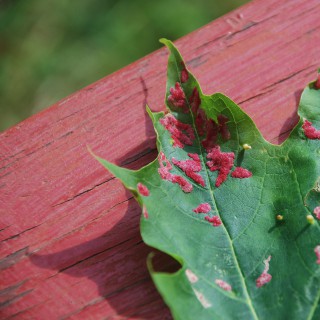
Abnormal growths especially on plants induced by parasitic insects and other organisms
POPULARITY
Categories

243 episodes with Gall

139 episodes with Gall

123 episodes with Gall

100 episodes with Gall

29 episodes with Gall

14 episodes with Gall

12 episodes with Gall

10 episodes with Gall

14 episodes with Gall

11 episodes with Gall

13 episodes with Gall

15 episodes with Gall

10 episodes with Gall

8 episodes with Gall

9 episodes with Gall

7 episodes with Gall

6 episodes with Gall

11 episodes with Gall

3 episodes with Gall

4 episodes with Gall

7 episodes with Gall

4 episodes with Gall

2 episodes with Gall

6 episodes with Gall

98 episodes with Gall

7 episodes with Gall

3 episodes with Gall

9 episodes with Gall

3 episodes with Gall

3 episodes with Gall

3 episodes with Gall

4 episodes with Gall

3 episodes with Gall

4 episodes with Gall

2 episodes with Gall

4 episodes with Gall

Pogačar has just put some serious daylight between himself and the rest of the Vuelta field. After yesterday's stage was wiped out by the weather, the race gets straight back into the mountains in Andorra, with just 104.8km on the menu but more than 2,800 metres of climbing. And it turns into another statement ride from the world champion. Pogačar attacks on the Collada de Beixalis with the race already being blown apart behind him. He then keeps extending his advantage over the final climbs and descents, eventually arriving in Andorra la Vella completely on his own to take the stage by 2:39. Behind him, the fight for the remaining podium places is much closer, with 20-year-old Jarno Widar taking second ahead of Félix Gall. Primož Roglič finishes seventh on the stage but moves into second overall, while Enric Mas, Sepp Kuss, Oscar Onley and Richard Carapaz all remain within striking distance of the podium. We look back at Pogačar's latest show of strength, the battle behind, and what a three-minute lead this early in the Vuelta means for everyone trying to stop him. Ned Boutling and Pete Kennaugh break down Stage 4 of the Vuelta. ------------------------------------------------------------------------------------

Carl's Junior will give you a free chicken sandwich if you tell them about your worst date so we made you tell us instead, today's Chicago Confession has one caller itching to fire our confessor, and Whip is sooooo over stores lying about what's in-stock in today's Hot Take. Double Your Paycheck is back! You can get signed up at the link below. Catch up on everything you missed from today's show on The Morning Mix Podcast!Listen to The Morning Mix weekdays from 5:30am – 10:00am on 101.9fm The Mix in Chicago or with the free Mix App available in the Apple App Store and Google Play.Sign up for Double Your Paycheck: Sign Up Now!Follow The Mix: The MixstagramGet the Free MIX App: Stream The MixSee Privacy Policy at https://art19.com/privacy and California Privacy Notice at https://art19.com/privacy#do-not-sell-my-info.

Keeno's back from 44 days in France. Matthew Keenan, Max and Alex wrap the Tour and TDFF. We preview the Vuelta a España — UAE's three-headed monster, Gall, Onley, Landa's last World Tour Grand Tour, Tuckwell's GT debut — and run through Hamburg, Czech Tour, Norway (Uno-X, obviously), Del Toro's deal to 2031 and the transfer whirl. Max's Top 5 commentators, with Keeno sitting right there. We also pay tribute to Finlay Tarling.Wednesday: Team GB sprinter Matthew Richardson.

81ème édition du Tour d'Espagne ! Et ça vaut bien une grande preview de la team du Peloton RMC ! 4 pays traversés : Monaco, France, Andorre et Espagne avec 4 derniers jours terribles avant l'arrivée finale à Grenade. 58 000 m de dénivelé, l'une des Vuelta les plus montagneuses de l'histoire, 7 arrivées au sommet sur 10 étapes de montagne. 2 contre-la-montre individuel. Que penser de ce parcours ? Doit-on s'attendre à une Vuelta pire que le Giro et le Tour pour le spectacle ? Surtout, qui sont les autres à part Pogacar ? Roglic, Gall, Onley... qui va monter sur le podium avec lui ? Quelles étapes vont intéresser Pogacar ? Quelle tactique ? Il se met en route dès la première semaine comme sur le Tour ? 2, 3, 4, 5 victoires d'étape ? Et puis enfin, quel Français Pogi va-t-il laisser s'exprimer ? Léo Bisiaux, Axel Laurance, Valentin Paret Peintre, Guillaume Martin, Clément Berthet... quel Français peut être protagoniste sur cette Vuelta ? Georges Quirino, Pierre Koetschet, Maxime Martinez et Jérôme Pineau débattent !

Terwijl Lies’ kippensaga een verrassende maar ook dramatische nieuwe wending leek tenemen, zwom Aaf op haar reisbestemming naturistisch op een plek die zij geheel onbewoondachtte. Kortom: we hebben een paar weken vakantie gehad en er is weer van alles gebeurd.Daarom lazen wij de nieuwbrief van professor Lars Tummers over de vakantie en de post-vakantie: hoe vier je het beste je vrije tijd, en kun je de ontspannen vibes – als je die al opdoet– vasthouden in het leven ná de vakantie? We ontdekten belangrijke nieuwe termen zoalsaandachtsresidu en de radicale out-of-office, en concludeerden dat wij het best goedaangepakt hadden, op Corsica en in Montenegro.Een luisteraar heeft een groot en wellicht nog uitdijend gezin, en maakt zich zorgen of dat nietakelig is voor haar lieve, ongewenst kinderloze, familieleden. Moet ze om hen ongeluk tebesparen geen kinderen meer willen?En in een hoekje van Instagram staat onze goeroe van deze week, een vrouw met Oost-Europees accent die lichaamsproporties opmeet met een simpel touwtje en je zo preciesvertelt welke broek voor je werkt, hoe laag je halslijn zou moeten zitten, en hoe lang je kettingmoet zijn. Eindelijk eens antwoord op deze levensvragen.

Justin Michael is the former frontman of the beloved Australian Christian band Compliments of Gus. He’s now serving as a Pastor in Victoria, and continues to write, record, and serve as a worship leader and creative mentor ?' carrying forward the same authenticity and passion that defined his band years, now lived out in his solo artistry. Steve Mckenna caught up with Justin recently, listen in to his story!Support the show: http://historymakersradio.com/See omnystudio.com/listener for privacy information.

Justin Michael is the former frontman of the beloved Australian Christian band Compliments of Gus. He's now serving as a Pastor in Victoria, and continues to write, record, and serve as a worship leader and creative mentor - carrying forward the same authenticity and passion that defined his band years, now lived out in his solo artistry. Steve Mckenna caught up with Justin recently, listen in to his story!
Braden Gall joined the show to talk Vols and more.See omnystudio.com/listener for privacy information.

Nuevo episodio de BiciLAB, Temporada 6, Episodio 2. Esta semana no hay entrevista, pero el menú viene cargado igual.Empezamos repasando la actualidad del Tour de Francia femenino: la victoria de Demi Vollering, el pique en pleno directo entre Niewiadoma y su compañera de fuga, el nivel que ha dado Paula Blasi en su debut, y la polémica de la foto retocada con inteligencia artificial que se le fue de las manos a más de uno. También hablamos de la Vuelta a Burgos, con Félix Gall cumpliendo pronósticos, y del lío que se ha montado en Leadville con la prohibición de los manillares curvos en MTB, con Mcquilven defendiéndose de las críticas de todo el sector.En Nuestras Mierdas tocan confesiones veraniegas: entrenar con 42 grados, pinchazos en mitad de la nada, tiendas de pueblo que salvan vidas y algún que otro test de potencia que no sale como se esperaba.En Vuestras Mierdas respondemos a vuestras preguntas: cómo aclimatarse al calor y la humedad antes de una prueba grande, si merece la pena comprar una MTB antigua o esperar a la nueva, cascos aero contra ventilados, pedalieres cerámicos sí o no, y el gran debate del bolsillo del maillot: qué llevamos cada uno y en qué orden.Y para cerrar, Charlietas con Eduardo Talavera. Hablamos de qué le pasa realmente al cuerpo cuando cumples años: VO2 máximo, pérdida de masa muscular, entrenamiento de fuerza, hormonas y hasta qué punto se puede seguir mejorando pasados los 40. Ciencia, datos personales y alguna que otra confesión incómoda sobre lo que le está pasando a Jota últimamente.Dale al play todos los miércoles a las 05:30h en Spotify, iVoox y Apple Podcasts.Síguenos en Instagram: https://www.instagram.com/bici_labSuscríbete en YouTube: https://youtube.com/@bicilabToda la info en la web: https://www.bicilab.es/Y si quieres formar parte de la familia, entra en el Club BCLB.

Vollering meghúzta az utolsó két szakaszt, és behúzta a női Tourt, ami elejétől a végéig szenzációs volt. Nevek alapján a Lengyel kör lehetne a magyar is, Gall beindította a centrifugalábakat, megnyerte a Burgost. Torito hosszabbított, de lehet túl sokat, a Flanders-Baloise-nak sajnos annyi, és mi lesz a válogattjainkkal?

¡Nuevo podcast de #ElMaillotSemanal! ¡Súmate a nuestro PATREON y disfruta de los diarios de la Vuelta a España 2026! ➡️ https://acortar.link/aJ2wdc Para que no te pierdas nada: 00:00 - 07:15 ▶ Entradilla 07:15 - 1:42:00 ▶ Análisis Vuelta a Burgos y Tour de Polonia 1:42:00 - 1:45:33 ▶ El Ciclista GES de la semana 1:45:33 - 2:07:55 ▶ Previa Tour de la Rep. Checa, Artic Race of Norway y Clásica de Hamburgo. Repaso del mercado y la renovación de Isaac del Toro con UAE hasta 2031 2:07:55 - 2:23:09 ▶ Vuestros comentarios del último podcast Dirección llevada a cabo por Juan Clavijo. Comentarios de Mariano Quílez. ️ ¡Déjanos tu comentario y lo leeremos en el próximo podcast! ¡15% DE DESCUENTO EN TODA LA TIENDA DE SIROKO CON NUESTRO LINK!: https://srko.co/elmaillot ¡CONOCE HSN Y HAZTE CON SUS PRODUCTOS CON NUESTRA URL!: https://www.hsnstore.com/hsnaffiliate/click/?linkid=b3RoZXJsaW5rfHxodHRwczovL3d3dy5oc25zdG9yZS5jb20vfHxFTE1BSUxMT1R8fGh0dHBzOi8vd3d3LmhzbnN0b3JlLmNvbS8= Te presentamos a la Manufacturera GES, protagonista en nuestra sección "El Ciclista GES de la Semana": https://www.manufacturasges.com/es ✔ ANÚNCIATE EN ESTE PODCAST: https://advoices.com/el-maillot NUESTRA WEB: https://elmaillot.es/ GRUPO DE TELEGRAM DE EL MAILLOT: https://t.me/elmaillot LISTA SPOTIFY 'El Maillot Music': https://bit.ly/elmaillot SELECCIÓN MUSICAL: Jared Fischer - 'Running From Myself' JaeyBxrd - 'Amends' SÍGUENOS EN: IVOOX ️ https://www.ivoox.com/podcast-maillot_sq_f1409103_1.html TWITTER ️ https://twitter.com/ElMaillot_ INSTAGRAM https://www.instagram.com/elmaillot/ TIK TOK https://www.tiktok.com/@elmaillot TWITCH https://www.twitch.tv/elmaillot DISCORD ️ https://discord.gg/x3AqMV4b STRAVA ♂️ https://www.strava.com/clubs/el-maillot-772962 SPOTIFY https://open.spotify.com/show/7bPcjjM5UmlSy3oFxYlzhe APPLE PODCASTS https://podcasts.apple.com/es/podcast/el-maillot/id1252256876

Does moving faster with AI mean you get to skip the laws that governed every software project before it? Milan Milanovic argues the opposite, the old laws of software engineering now apply twice as hard.In this episode, Milan Milanovic, CTO and author of Laws of Software Engineering, returns to unpack why the laws that have quietly governed software projects for decades are more relevant than ever in the AI era. He walks through Gall's Law and why AI lets teams generate complex systems on unvalidated assumptions faster than ever, Conway's Law and how it now runs twice, shaping both human organizations and agent topologies, and Goodhart's Law and the trap of “tokenmaxxing” as a metric. Milan also covers Hofstadter's Law and the 90-90 rule, explaining why the last 10% of a project still takes as long with AI in the loop, and the Dunning-Kruger effect, where vibe coders overestimate their skills while senior engineers underestimate theirs. The conversation closes with his advice for juniors entering the field, his top five must-read books, and how he personally uses AI for research and planning rather than implementation.Key topics discussed:Gall's Law: the trap of generating complex systems with AIConway's Law now runs twice, on humans and on AI agent topologyWhy software architects should help design your org chartGoodhart's Law and the danger of “tokenmaxxing” as a metricThe 90-90 rule: why AI's last 10% still costs half the projectDunning-Kruger effect on vibe coders and expertsWhy less code beats more, even with AI writing it for freeTimestamps:(00:00) Trailer & Intro(03:02) What Inspired Milan to Write Laws of Software Engineering?(05:32) How Did a Book on Software Laws Reach Such a Global Audience?(06:49) How Should You Read the Laws of Software Engineering Book?(08:51) Why Does the Book Cover People and Planning, Not Just Technical Laws?(11:07) What Is Gall's Law in Software Engineering?(14:46) How Can You Apply Gall's Law When Using AI?(17:34) What Is Conway's Law in Software Engineering?(19:34) How Should Big Corporations Build New Products Without Structural Reorganization?(21:26) How Does Conway's Law Apply to Small AI-Powered Product Teams?(23:25) What Is Goodhart's Law in Software Engineering?(25:52) What Are the Best Examples of Counterbalance Metrics for Leaders Today?(28:06) What Kind of Outcomes Should You Actually Measure?(31:01) What Is Hofstadter's Law in Software Engineering?(33:35) How Does Hofstadter's Law Apply in the Age of AI?(36:41) What Is the Dunning-Kruger Effect?(40:10) How Does the Dunning-Kruger Effect Apply to Experienced Engineers Learning AI?(42:46) Are Any of These Laws Becoming Less Relevant Because of AI?(44:32) What Does the Lindy Effect Say About the Fate of Software Developers?(47:49) What Is the Best Career Advice for Junior Developers Entering the AI Landscape?(50:34) What Are the Top Five Must-Read Books for Software Engineers?(55:46) How Can Software Engineers Apply These Laws in Their Daily Work?(57:26) 3 Tech Lead Wisdom_____Milan Milanovic's BioMilan Milanović is the CTO and the author of Laws of Software Engineering. He holds a PhD in Computer Science, has more than 20 years of experience across .NET, Azure, and mobile development, and is a Microsoft MVP. He runs Tech World With Milan, a software engineering newsletter and community followed by more than 400,000 engineers. He writes about architecture, engineering leadership, and how AI is changing the way software gets built.Follow Milan:LinkedIn – linkedin.com/in/milanmilanovicTwitter / X – @milan_milanovicPersonal website – milan.milanovic.org Book's website - lawsofsoftwareengineering.com Newsletter - newsletter.techworld-with-milan.comLike this episode?Show notes & transcript: techleadjournal.dev/episodes/266.Follow @techleadjournal on LinkedIn and Instagram.Buy me a coffee or become a patron.

Anna Rubin's practice combines making, material knowledge, and the laws of flight. Her kites are made from foil emergency blankets, a material designed to protect against wind, rain, and cold, repurposed here in a sculptural form. The title of this work is drawn from the book, Where the Wild Winds Are by Nick Hunt. Kites operates between tradition and technology, art and freedom. Their construction relies on both precise knowledge and creative intuition and an understanding of materials, wind behaviour and aerodynamics shapes each work. For Rubin, kite building is a personal and poetic process. Ideas may begin with landscapes, encounters or texts, but the work is only completed in flight. As the kite enters the air, it becomes part of the landscape, extending the artist's sense of space, place and self. Anna Rubin lives and works in Austria. Mae Anna Rubin yn cyfuno gwneud pethau, gwybodaeth faterol a gwyddoniaeth hedfan yn ei gwaith. Mae'n gwneud barcutiaid o ddeunydd blancedi ffoil ar gyfer argyfyngau, sydd â'r nod o amddiffyn rhag y gwynt, y glaw a'r oerfel, wedi'i addasu yma ar ffurf gerfluniol. Mae teitl y gwaith hwn yn deillio o'r llyfr Where the Wild Winds Are gan Nick Hunt. Mae barcutiaid yn gweithredu rhwng traddodiad a thechnoleg, celf a rhyddid. Mae adeiladu barcutiaid yn dibynnu ar wybodaeth fanwl a greddf greadigol, ac mae dealltwriaeth o ddeunyddiau, ymddygiad y gwynt ac aerodynameg yn dylanwadu ar bob darn o waith. I Rubin, mae adeiladu barcutiaid yn broses bersonol a barddonol. Gall syniadau ddechrau gyda thirweddau, cyfarfodydd neu destunau, ond dim ond wrth hedfan y caiff y gwaith ei gwblhau. Wrth i'r barcud gyrraedd yr awyr, mae'n rhan o'r dirwedd, gan gysylltu'r artist, yr awyr a'r byd o'n cwmpas. Mae Anna Rubin yn byw ac yn gweithio yn Awstria.

What happens when you spend so much time holding everything together that you lose connection with yourself?In this episode of Up Your Total Glow, I am joined by Katrina “Trine” Gall — an Identity and Transformation Coach, nutritionist, and habit strategist who helps women rebuild their energy, identity, and soul after burnout and self-abandonment.After overcoming her own health challenges and rebuilding her life from the ground up, Trine now supports women through her unique Body, Mind & Soul approach.Together, we explore:✨ Why burnout can become an invitation for transformation ✨ How we lose ourselves while caring for everyone else ✨ The connection between identity, habits, and lasting change ✨ Why true transformation is not about becoming someone new — but reconnecting with who you truly areThis episode is for anyone who feels exhausted, disconnected, or ready to create a deeper relationship with themselves.Connect with Katrina “Trine” Gall:

Agriculture often talks about telling a better story, but Jim Gall, the CEO of RB Sellars argues the real challenge is giving people something worth believing in. RB Sellars is a workwear brand that's well-known in regional Australia, largely for its work shirts. In this episode, Sarah speaks with Jim about why the strongest brands don't simply market themselves, rather they're using technology, data, and transparency to earn trust. From AI-powered customer service and fiber traceability to customer insights and regional investment, Jim shares how innovation can strengthen relationships rather than replace them. Drawing on his unique career spanning journalism, marketing, farming, and leadership, Jim explains why agriculture's future depends on businesses that understand their customers, invest in their communities, and build stories grounded in truth. Sarah and Jim discuss: Why traceability and provenance are becoming strategic advantages for agricultural businesses. How RB Sellars uses customer data and agricultural insights to decide where to invest. Why understanding farmers' seasonal needs changes the way products are designed and sold. The leadership philosophy that encourages innovation through radical candor. How combining data with local knowledge leads to better commercial decisions. What agtech founders can learn about building brands that customers genuinely believe in. Useful Links: RB Sellars and Woolmark partner to champion Australian Merino wool New Partnership highlights the appeal of Australian cotton Putting cotton farmers at the forefront of the cotton industry, with Marzia Lanfranchi Cotton Australia The Woolmark Company For more information and resources, visit our website. The information in this post is not investment advice or a recommendation to invest. It is general information only and does not take into account your investment objectives, financial situation or needs. Before making an investment decision you should seek financial advice from a professional financial adviser. Whilst we believe the information is correct, we provide no warranty of accuracy, reliability or completeness.
Braden Gall joined the show to talk Vols and more.See omnystudio.com/listener for privacy information.
Lies is ALTIJD in groepen, Aaf alleen als ze zich daartoe wil verhouden. Maar hoe gedraag je je nou het beste in een groep? En wat willen we eigenlijk uitstralen in een groep? Er is niets zo ingewikkeld als een groepsdynamiek en daarin je plek vinden. Maar goed nieuws: naarmate we ouder worden, leren we dat je beter kunt volgen en je je makkelijker kunt terugtrekken als je daar zin in hebt.Aaf beleefde deze week iets nieuws. Ze was in een adult only-hotel (niet te verwarren met een adults only-hotel
Braden Gall joined the show to talk Vols and more.See omnystudio.com/listener for privacy information.
Braden Gall joined the show to talk Vols and more.See omnystudio.com/listener for privacy information.

Braden Gall joined the show to talk Vols and more.See omnystudio.com/listener for privacy information.

This week is a truly madcap sniffathon HOPEFULLY encompassing [*takes adeep breath*] wild seascapes, fragrant ghosts and a notorious rake; a spicysummer scent to set your senses tingling; a fruity treat based on a perfumer'sfavourite breakfast; a splendiferous peacock strutting its scented stuff; a stunningsueded rose; perfumes pulled straight from the vegetable patch; Harrodsexclusives to swoon over; a seriously affordable new niche house; a mesmerisingmyrrh, and Alice du Parcq's book pre-order discount code…AND if all that wasn't enough, we're also answering a #listenerprescription for ajasmine fragrance to remind her of a dance while wearing jasmine garlands.Phew!Can we possibly fit it all in without going off-topic? Listen along and find out!BeauFort London continued: Following on from last week's fascinating interviewwith founder Leo Crabtree, Nicola tries a trio of intriguing scents:Cape Wrath‘Cape Wrath Eau De Parfum. Named after the rugged area of coastline on themost North Westerly tip of Britain, Cape Wrath pulls inspiration from this wild,treacherous seascape. The remote landmark - named after the old Norse wordfor ‘turning point' has for centuries been used by sailors to safely navigate thecoast of Britain, yet its treacherous waters have claimed countless vessels.Character: Powerful; wild; windswept THE WEARING EXPERIENCETop Notes: Pink Pepper, Elemi, Galbanum, Angelica Root Opens with a blast ofbracing ocean air.Heart Notes: Frankincense, Mastic, Geranium Resinous smoke and geraniumadd both warmth and austerity.Base Notes: Ambergris, Vetiver, Ambrette, Seaweed, OakmossAbsolute Mossy oceanic base which powerfully lingers.Perfumer: Euan McCallAbsent Presence‘‘O absent presence, Stella is not here'The fifth and final instalment of the Revenants collection draws inspiration fromthe Elizabethan poet Sir Philip Sidney. In his Sonnet sequence ‘Astrophel andStella' Sidney develops and captures the essence of a haunting… the presenceof one that is always felt but never seen.‘Now I, wit-beaten long by hardest fate,So dull am, that I cannot look intoThe ground of this fierce love and lovely hate,Then some good body tell me how I do,Whose presence absence, absent presence is;Blesst in my curse, and cursed in my bliss.'Comprising the highest level of natural ingredients of any BeauFort fragrance,Absent Presence explores its themes with typically ‘overdosed' concentrations ofviolet leaf absolute, vetiver bourbon oil, smoky leather and black pepper oil. Aswith all the Revenants family, Absent Presence is presented as 30% Eau DeParfum.Character: Dark; enveloping; waves.THE WEARING EXPERIENCETop Notes: Bergamot, Galbanum, Pepper Fresh, green, and fleeting felt but outof reach.Heart Notes: Jasmine, Violet Jasmine and violet bloom with intensity.Base Notes: Leather, Sandalwood, Musk, Amber, Cedarwood Warm leather,woods, amber and musk linger like a ghost on the skin, the violet heart returningin waves.Perfumer: Julie Dunkley.'Rake & Ruin‘Rake & Ruin Eau De Parfum is inspired by the works of satirist William Hogarth,this fragrance summons his characters from a gin soaked 18th century London.This debauched Eau De Parfum incorporates the botanical ingredients of gin;dark woods, civet, musks and amber bringing to life 'all manner of Vice andWickedness.' THE WEARING EXPERIENCETop Notes: Angelica, Liquorice, Juniper, Coriander, Szechuan Pepper, PinkPepper, Orange, Lemon Opens with a sharp, gin-like freshness, spiced andeffervescent.Heart Notes: Cypress, Pine Needles, Castoreum, Labdanum, Cade Oil, Costus,Violet Orris Bowing to a heart of smoky woods, animalic tones and powderedflorals.Base Notes: Dark Woods, Ambrarome, Sandalwood, Musk Dark woods, muskand animalic. Ambrarome complete the seductive yet slightly sinister finish.'Alice du Parcq's book: The Philosophy of PerfumePre-order at Waterstones for £10 (25% off with code SUMMER26)https://tinyurl.com/AliceWaterstones‘The Philosophy of Perfume is a fun, warm, thoughtful and practical book allabout fragrance, which looks at its origins and how it's made, how we smell andhow best to shop for perfume. It is an adventure into the facts, folklore andfantasies surrounding perfume, delving into how it has evolved through the erasand decades as an artform, reflecting our cultural patterns through history. In thebook, you'll meet perfumers who share insights into their fascinating creativeprocess; you'll learn the science behind how we smell and the wild emotionalvoyage from smell to soul! There are tales of scented superstitions, and theliterary and historical figures who inspire perfume, plus the ways in which AI isimpacting the future of fragrance and a helpful guide on how to shop for perfumeand find The One(s!). It was so important to me that this book was not for perfume experts, but forfragrance lovers of all ages who want a moment of enchantment laced withinteresting facts, a sprinkle of science and some practical guidance when on theirnext scent shopping safari.'AKRO Heat‘HEAT is our addictive chili fragrance.Chili is not just a spice. It is a rush. A burn you think you can handle. The firsttime you smell it, it hits, it wakes you up. Then it warms you. Then you want itagain.The best chili doesn't just flavour. It ignites. It makes your skin tingle. Yourtemperature rise. Your pulse quicken. Your senses sharpen.HEAT is that moment when warmth turns into craving. When your body asks formore. A vibrant indulgence. A dopamine shot you keep coming back to.HEAT is a scent that sets you on fire and makes you love the burn.TOP: CORIANDER SEED, LEMON, RED CHILIMIDDLE: CARDAMOM, GINGER, JUNIPERBASE: CEDARWOOD, AMBROX, MUSK.'Jeroboam Oud MorningBy Vanina Muracciole‘Oud Morning from Jeroboam is the perfect balance of brightness and depth.Opening with an unexpected burst of blueberry, saffron and resins, thecomposition moves into a heart of Indian oud, softened with leather and agedwoods. Sandalwood, ambroxan and white musk anchor it into a smooth, sensualbase, finishing the creation on an intimate note.Top Notes: Blueberry, Gurjum Balsam, SaffronMiddle Notes: Indian Oudh, Leather, Dry Wood, VioletBase Notes: Sugar, Sandalwood, Cedarwood, White Musks.'Alexandre J Royal Peacock (Harrods Exclusive)‘At the turn of the 20th century, Art Nouveau reshaped the decorative arts.Mucha, Gallé, Tiffany, Lalique, all drew on nature to invent a new grammar ofcurves, stylised plants and extraordinary birds. Among them,the peacock reigned supreme: its iridescent eyes and regal bearing embodiedthe movement's core belief in beauty for beauty's sake.The opening evokes an Italian espresso served with Viennese pastry. Roastedcoffee dialogues with hazelnut in a frankly gourmand accord, before maplesyrup brings its unmistakable amber roundness, sweet without cloying, almostwoody. Caramel amplifies the indulgence, while violet casts a powdery floral veilthat keeps the composition from tipping into excess. The vanilla-almond basesettles into a lasting, addictive warmth.'Ormonde Jayne Suede Silhouette‘Bathed in crimson and violet, Suede Silhouette reflects the warmth of saffron,the richness of raspberry and the quiet confidence of suede. Exclusively atSelfridges.'Jo Malone London Veggies collection:Celine Roux says: ‘We just loved that people, even in the middle of cities likeLondon, can grow their own carrots and herbs – the fact that everyone wants tohave a grasp on nature from wherever they are. This [collection] takes that ideaof something homegrown and unmanicured but gives it a fresh take'Velvety Butternut:‘The path ahead is smooth, just like a velvety butternut playfully plucked from theveggie patch. Notes of smooth butternut, warm tonka bean and patchouli createa woody gourmand scent.Top - GingerSpicy and fresh with a zingy lemon quality, it opens the fragrance with livelybrightness.Heart - ButternutSmooth and nutty, notes of butternut imbues the fragrance with a deliciouswarmth and creaminess.Base - PatchouliGrounded in patchouli, a sensuously deep woody note that enhances thelongevity of the fragrance.'Carrot Blossom:‘Life is sweet, just like carrot blossom gloriously gathered from the veggie patch.Notes of subtly sweet carrot, orange flower and white musk create a fresh floralscent.Top - FennelHerbaceous with hints of aniseed, it adds a dewy sweetness to the top notes.Heart - Carrot BlossomLightly floral and sweet, with an earthy accent, complementing the powdery notesof orris.Base - PatchouliGrounded in patchouli, a sensuously deep woody note that enhances thelongevity of the fragrance.'Suzy's favourite: Scarlet Beetroot‘Colour is all around, just like a scarlet beetroot splendidly spied in the veggiepatch. Notes of beetroot, vibrant blackcurrant and a dash of...
Braden Gall joined the show to talk Vols, the SEC and more.See omnystudio.com/listener for privacy information.

Episode: 140 RAISING PPA assessment and treatment from the Ground Up: In Conversation with Jeanne Gallée In this episode you will discover: · Assessment and Intervention Aren't Separate — Conversation itself can double as both. By listening closely and responding to what a client offers, in a "more art than science" way, clinicians gather meaningful data and provide support at the same time, rather than treating these as two distinct phases of care. · Rigid Testing Can Erase the Person Behind the Diagnosis — Traditional standardized assessments often serve the goals of an institution or research protocol more than the person being assessed. Frameworks like RAISE and the PACT scale shift the focus toward strengths, natural conversation, and what someone can still do, rather than repeatedly measuring decline. · PPA Needs Its Own Identity and Training Path — Because primary progressive aphasia sits uneasily between post-stroke aphasia care and traditional dementia care, clinicians often receive little formal training in it. A global survey found major gaps in education and confidence, underscoring the need for dedicated resources, like Dr. Gallée's PPA roadmap, built specifically for this population. Do you ever wish you could step back in time and undo the missteps and errors of the past? What if you had the opportunity to build something from the ground up? Certainly, knowing what you know now, you could begin in a better place. But of course, there's always pitfalls with new beginnings, even with the knowledge of lessons from the past. You could, however, make a positive impact on that new beginning. Welcome to the Aphasia Access Conversations podcast. I'm Jerry Hoepner, a professor from the University of Wisconsin Eau Claire, and co-facilitator of the Chippewa Valley Aphasia Camp, Blue Gold Brain Injury Group, Mayo Brain Injury Group, Young Persons Brain Injury Group, Brain In-Cog, and Thursday Night Poets. I'm also a member of the Aphasia Access Podcast Working Group. Aphasia Access strives to provide members with information, inspiration, and ideas about their aphasia care through a variety of educational resources. I'm privileged to introduce today's guest, Dr. Jeanne Gallée, who is a clinical scientist in the Department of Medicine at the University of Washington. Dr. Gallée is a licensed speech language pathologist practicing in the greater Washington state area. She completed her Bachelor of Arts in Cognitive and Linguistic Sciences at Wellesley College in 2016 and Doctor of Philosophy at Harvard University in Speech and Hearing Bioscience and Technology in 2021. She has been recognized as a Distinguished Early Career Professional by ASHA and a Distinguished Scholar by the Tavistock Trust for Aphasia. Her work is dedicated to improving assessment practices and functional outcomes for individuals living with aphasia and neurodegenerative conditions. Jerry Hoepner: Jeanne, it's really nice to see you again today, and to have this opportunity to have a conversation with you as a recent recipient of the Tavistock Scholar Program, and to talk about your work with individuals with primary progressive aphasia. So, thanks for being "on" today for the conversation. Jeanne Gallée: Thank you so much for having me, Jerry. I'm really honored to be here. Jerry Hoepner: Likewise, I'm really excited for this conversation, and as I just alluded to, I wanted to congratulate you on being awarded the first Tavistock Scholar with an emphasis doing work in primary progressive aphasia, and I thought maybe I could get your thoughts on being selected as a Tavistock Scholar. Jeanne Gallée: Thank you. It feels honestly incredibly remarkable in the sense that I think it represents a shift in how we're thinking about the separate diagnoses of progressive aphasia versus an aphasia that's due to an acute injury. And I'm really honored to be a part of that. I think there have been many discussions growing over the years, and I think we're seeing that shift in how we do think about addressing assessment and intervention and general care for people across the aphasia continuum. Jerry Hoepner: Agreed, I think there's been so much growth in the last five years in that area. I can remember at the outset of the pandemic, having discussions about "What do we do with people with primary progressive aphasia who were a part of our aphasia group? Should they be a part of our aphasia group? How do we pivot to that in an online context?" and it feels like we've come so far in our conversation about where primary progressive aphasia fits in in all of those different contexts. Jeanne Gallée: Right, I entirely agree, and I think the journey of my own work has already evolved in so many ways that I couldn't have imagined, like you say, five years ago I completed my doctoral work March 2021 and just seeing the phenomenal amounts of change that have really taken place since then has been incredible, and I feel very lucky to be part of that momentum right now. Jerry Hoepner: Absolutely, it's exciting to see these things move forward. And one of the differences that I see is primary progressive aphasia started out within the Life Participation Approach, just soundly from day one, as opposed to a lot of aphasia care, which has kind of evolved from this medical model, and how refreshing it is to see something built from the ground up. Done right, so to speak. I don't know if you have thoughts on that piece… Jeanne Gallée: No, I do. I think that's a really interesting point. I think I might be part of the camp that at times feels like progressive conditions get a little bit lost in the rehabilitation space, but I think you're absolutely right. I think the absence of pharmacological treatment, or a cure that has long standing effects for these progressive conditions has made rehabilitation specialists much more attuned to focusing on quality of life, life participation, maintaining autonomy, and so forth. So, I think I forget that perspective sometimes. Perhaps from the space that I work in, I tend to be in a more interdisciplinary environment where I feel on the opposite end. I'm often asked for justification for providing these types of services, and that fits in nicely with our previous discussion on how we do see that differentiation and how people with aphasia due to a progressive condition may be siloed from people who have the more quote unquote traditional aphasia symptoms. Jerry Hoepner: Yeah, that's a really good point. And you know, referring to those previous conversations we discussed that need for primary progressive aphasia to have a space of its own. It's tricky because it doesn't fit into post-stroke aphasia quite right, and it doesn't fit into the Alzheimer's and dementia world quite right. So, yeah, it's nice to see this developing in the Life Participation kind of context, really excited about Anna Volkmer's conference dedicated to primary progressive aphasia. Yeah, what an excellent point, that even though we feel like it's great to build it from the ground up, there's still people in that interdisciplinary context, who are very much looking at this, like,"Justify this. How is having conversations and doing activities with someone justifiable, as a, you know, as a skilled intervention?" Jeanne Gallée: Right. I think a lot of it comes back to misunderstandings about the scope of our profession. So, coming from the speech language pathology standpoint, we may have a perspective that other providers may not. And it's interesting, particularly when that confusion or disconnect happens in conditions that are communication led, where we see the symptoms primarily touching upon our ability to interact verbally or non-verbally to communicate. And it's fascinating, and I think speaking to that silo, we see PPA having been a relatively new and still considered very rare condition, but there's so much overlap with other conditions, right, in the kinds of symptoms that we see and there's so much where, as any speech pathologist with experience in acquired neurogenic communication disorders, we can see that we can apply our skill set, but again, likely due to the terminal nature of the condition, we end up seeing providers taking it a different route, or saying either there's only the pharmacological route, or we just let it lie or let it be as is, which we wouldn't do with any other condition. We wouldn't say that for someone with ALS. We would want to provide them the supports, even if they're temporary, to improve quality of life. So, it is an interesting, almost cultural phenomenon as well. I think. Jerry Hoepner: Yeah, that I think it's really fascinating, and I'm so glad you brought that up. It reminds me of kind of the phrase, the company we keep, right? It's easy to be amongst, you know, people who are in the [Life Participation Approach to Aphasia] LPPA world, who think the way that we think, and who do the way that we do. And I do a lot of work in the area of cognitive communication disorders with acquired brain injuries, and so forth, and there's been a remarkable shift in the last five years there as well towards a more Life Participation bio psychosocial approach, and some of the work that I've been passionate about for years has been more and more accepted. So you feel like when you're in that company of all of your people that everything's all good, but it also reminds me of something that my friend Natalie Douglas always says, which is that "We need to be out there amongst others who need to understand the importance of this kind of a perspective, and sharing that." And when you talked about those other professionals, I really didn't think about that until you said that. Right, really important to get them on the same page, and to help them understand why this is so important. Jeanne Gallée: Right? And I think that's where the conference that you mentioned, the first PPA only conference that's taking place this summer in London, is so special because one of the reasons why we were so motivated to have this type of a conference is that there wasn't really the space at the typical aphasiology conferences, and then the larger neurology-based conferences, or more broadly dementia-based conferences, also didn't quite feel like a home. I think, especially their studies of quality of life, in particular, we're really not seen as rigorous in those contexts. So, this conference, what's nice is that we have that uniting force of everyone being focused on PPA, but it's super interdisciplinary, and that I think will really promote some fantastic conversations. Jerry Hoepner: Wow, that's really encouraging and exciting to see that move forward. I'm not in the primary progressive aphasia world, although when we're at aphasia camp and things like that, certainly that's a part of my role. But as soon as I saw the call for papers come out, I'm, you know, texting and messaging all of my PPA folks to say, "Did you see this? This is great. Are you doing something?" It's very exciting. So, I'm excited to see where that moves in the future and to hear how things go this time around. That's great. Jeanne Gallée: Likewise, I'm really excited, and I do really believe it will lead to a whole future cascade of collaboration. Jerry Hoepner: Yeah, amazing. Well, before we delve into your amazing work, I've been reading your articles, and it's been just a pleasure to read it. I'm always impressed with how certain themes of importance can come across in different areas of our field, and it's been fun to see that. I wonder, because I'm looking at the list of collaborators, just some incredible collaborators on that list, in those papers, I'd love to hear a little bit about your mentorship, both in primary progressive aphasia and kind of thinking about the Life Participation quality of life kind of context as well. Jeanne Gallée: Yeah, I think in hindsight my mentorship experience seems more linear than it did in the moment. And I think it goes back to my original journey in my doctoral program. The program I was in, the Speech and Hearing Bioscience and Technology program at Harvard was a little bit different from others, where we didn't apply to work with a specific mentor, but truly just to get into the program. And they encouraged a pretty extensive shopping period to work with a variety of mentors to get a feel for topic area, mentorship style, and so traditionally first year students didn't even have any experiences, they just focused on the very time-intensive and rigorous coursework. I came in and started my first experience with Evelina Fedorenko at Massachusetts Institute of Technology, who had worked with an undergrad. And that I think from the get-go gave me a very holistic view. I think, of the ways in which we could think about language, and in particular, the language network. So, there I was working on MRI studies of what activations do we see in the language network. In response to linguistic stimuli. And we were working with undergrads at MIT who were all healthy between the ages of 18 through 30, and I just felt at a certain point that I had this growing interest towards thinking about what happens when something goes wrong. So when it's atypical processing of language. I first thought I might be interested in pediatric population, so I was all over the place, but through the partnership that my program had with the MGH Institute of Health Professionals, I ended up having this amazing opportunity to be mentored by Evelina Federenko, as well as Sophia Vallila Rohter at the Institute of Health Professions, as well as the Frontotemporal Disorders Unit at Mass General Hospital, through my actual clinical training. So I had this quite hefty consortium of mentors, and I think that has its own set of challenges, right? It's a little bit less mentor-directed and more on the student to say, "This is exactly what I want to work on." But I think that allowed me to build a network of experiences and mentors, and that just has bled into every experience I've had since then. I also think the pandemic, you brought that up before, had a huge role in this, and all of a sudden people were very, very open to virtual meetings and connections and wanted connection. I think everyone felt very stuck at home and wanted to find more people and to find meaning and Anna Volkmer and I had the opportunity to meet at the Academy of Aphasia in Macau in 2019. And honestly meeting her in our connection has been also one of those launching pads for me to really jump out into the world of international collaboration. So all that to say, I think a lot of chance encounters and just a lot of plunging into possible conversations head first has led to this phenomenal mentorship team. And a lot of people who I collaborate with now I see as my inadvertent mentors, and that includes Anna, that includes Maya Henry at UT Austin, Amy Mooney in Oregon, just people who have consistently volunteered their time to mentor me in ways in which I can only say I would have never expected. Jade Cartwright and I have had such a phenomenal collaboration over the past few years as well, where we just had the same interests, and Zoom allowing, we were able to build on those. Jerry Hoepner: That's really an amazing answer to that question. I love the term inadvertent mentors, because I just think that those are the best mentors, where you're as much a mentor to them as they are to you. And it's just this really reciprocal relationship, but it's also built on this organic, like passion and interest for the same kinds of topics. Where it's not forced and that's a really nice kind of look back on your entire process. I was also struck by the term "mentor shopping", or "mentor shopping period", whatever. And I think that's really great that you had an opportunity for that not to be so mentor-led, and I mean it clearly shows through when you talk about your clinical experience and how that was connected to your research experience, and kind of all used to create this amalgamation of who you are. I mean, it's clear in talking with you, it's clear in reading your work that you have that strong, multi prong kind of basis. It's not just research, it's not just this specific area of research, it's really broad and the clinical connection is there, so that makes a lot of sense when I hear you talk about that, for sure. Jeanne Gallée: Oh, thank you. Yeah, I think in hindsight, again, it seems more linear, and in the moment it sometimes felt a little wild, I will say, in terms of just wrangling what do I actually want to pursue, and how. And I'm still figuring that out. But I think this community of collaborators and mentors is truly what has kept me in the field and as well. Jerry Hoepner: Yeah, I think when you can connect with other people who are passionate about the work that you're doing. I can't imagine sitting at alone in my office doing a project, and I mean it's just so much more fun when you're doing it with other people. And other people who can expand the way that you think, which I'm sure everyone that you've mentioned on that list really does, when you can say, "Well, I think we should do it this way" and someone says, "Have you thought about…" and it just completely wrecks your world in a good way, "Like, oh my gosh, I didn't think about that, that's so exciting!" and then you just get into this back and forth. Yeah, very fun to hear about that. And again, it clearly shows through in the work that you do. In our previous conversations, you also mentioned this idea, and this again built on those clinical foundations that your initial mission was really to help develop interventions for people with primary progressive aphasia, and then you kind of got not off track, but inadvertently focused on working on assessments. You mentioned that there's just such a need, and this is so common in a lot of areas, but there's a need for more person-centered, ecologically valid strength-based assessment, and that the traditional measures just don't tell us enough. So, I'm really excited to talk about the work that you're doing on assessment, and how that brings us closer to what we need from an intervention standpoint, too. Jeanne Gallée: Yeah, so that really is at the heart of what has been my experience. Also, right from the get-go, we started talking about the differences, or the possible differentiation that the field has historically taken in thinking about post-stroke aphasia versus primary progressive aphasia. One of my first real PPA projects in my doctoral work was meant to be a naming treatment study for people living with PPA, and one of the roadblocks I kept hitting was also my mentors and reviewers telling me that I was trying to add too many things. And in that process I realized I don't think just using something that exists for post-stroke aphasia is going to be the best way to address the patients I'm seeing right now. And it's not because there's something wrong with that treatment. That treatment was not designed for these individuals. And that led to many more rabbit holes, and you know me really just feeling this existential crisis of "Well, why are we working on the stimuli that we are, and why are we asking questions about these ones?" And I have so much respect for the assessments that exist, and the individuals behind them, and the time they invested in making them. I am also of the belief that we can move forward and improve our processes. There are certain assessments that may be widely used and have so much again power behind them. You know, we have best associated certain assessments with characterizing a diagnosis, but what I ended up seeing in my placements and throughout my clinical work is that many assessments serve more of a mission of an institution or a research protocol than the person being assessed. And in the face of a person with a terminal condition who is using their precious time to serve you in that space, I just think it's so much more important, or that much more important, to really consider what is most functional for them. What will serve them? And how we, how can we give back to that person? And again, part of that emotion, I think, comes from having worked in many research-centered spaces, where someone might not get intervention afterwards, or they might not understand why they are participating in up to five hours of assessment, and I think that's where that passion for focusing on reprioritizing the patient or the client really came from. Jerry Hoepner: I think that attention to "what's in it for them", is really important and clearly based in kind of where your heart is at and where your clinical mindset is at. Because it's easy to go in and say, "Well, we need this data. We need all the data that we get." but to what end, right? Like, how is it going to help? And how is that going to give us any more information about how to help this person, then what they can't do, right? So, I appreciate that mindset a lot, you know. It makes me think, and this is a little off track, and we didn't talk about this question earlier, but what a shift it will be clinicians working with people with primary progressive aphasia, and how they'll be able to shift from using kind of the existing tools that were out there for other purposes to moving towards tools that are designed specifically for people with PPA, and maybe just a snapshot of your thoughts about that piece. Jeanne Gallée: So I think it's really important to know where the field comes from, the work in which it was grounded in. So, I think it, it makes sense to talk about standardized assessment scores. It makes sense to talk about, you know, the specific assessments that can help us quickly differentiate presentations or needs, right? So, using the symptom-led approach, can we identify specific behaviors really quickly in a standardized way? I think the issue comes in when we stop being dynamic in how we use them. It's very easy to use an assessment in a way that feels rote. It feels just like a test, and it's like you said, "just collecting data for the purpose of collecting data." And lose that aspect of humanity. And maybe I'm putting words in other clinicians' mouths, but especially when a certain condition is rare, like PPA is. You may not have very much experience with seeing someone with PPA, or any type of progressive condition, and feel really stuck and needing to be in the motivation of being really professional, sticking to a certain set of tests. "This feels right." Right, this is what someone told me to do. I can fill this out, and there's something very potentially vulnerable or scary about just going with your gut in those moments. And what Anna Volkmer and I have spoken about so often is just the power of having a conversation with someone, and seeing what you can learn from that conversation, not only about the person themselves, but their communication behaviors. And how you can get so much from that conversation, including the trust and comfort of the client in front of you. Jerry Hoepner: Absolutely, yeah. One of the things that I think about when you're talking about that is, in working with people with acquired brain injuries and traumatic brain injuries one of the things I've learned is they will tell you, or they will ask, right? They'll say, "What is this? "What kind of information is this giving you?" "Why do we have to do this stupid test?" And I think that's good. I think that's a mindset that we should have when we're thinking about all of the assessments that we do. Why are we doing this? Is this really necessary? And they're very willing to say, "If it's necessary, that's fine, I'll do it, but are you getting something from this that I'm not seeing?" Right, I love that question, and I think it speaks to what you just said, right? Like, there's so much information that we can gather from conversations, from our interactions with people, we should be thinking about getting that, and if we're doing something else, we should have a why directly following, yeah. Jeanne Gallée: Yes, the why is so important, and you're right. Sometimes we do just need to get certain information. I think for me, one of the most striking moments early on in my training was having small talk. You know, just conversation with a person with semantic variant primary progressive aphasia, and thinking, "Wow, this all feels quite typical. I'm curious about why they're here? What their testing will look like…" and then moving on to the Boston Naming Test and immediately seeing the challenges that came. That dichotomy is really helpful to have in those moments, but again, there's the argument of why are we asking about the name abacus, right? Why are we using that right now, and how does that represent how someone is performing functionally in their everyday life? Jerry Hoepner: Absolutely, yeah, totally. I agree. Can you share a little bit about the RAISE framework, which I really love, because it relates to the way that I think about assessment from the standpoint of counseling, like you build on relationships and connections. William Miller is famous for saying, "The last thing you should ever do at the beginning of a session is assessment." You're beginning of a relationship with someone, don't assess first thing. So, I love that piece, and then thinking about the pact, and I'll let you kind of expand those, but I'll let you unpack them – ha ha- but how that starts to move us towards intervention. Jeanne Gallée: Right. So the RAISE assessment framework was really built out of those conversations, and I guess realizations on my own part about that discomfort with the really rigid end that assessment can…I'll restate that. The rigidity that assessment can have, so again speaking to really, really standardized sets and rigid protocols of specific measures that someone uses, and like you said, having the experience of multiple research participants, as well as patients, asking "Why are we doing this? I know I'm not good at this. Why are we doing it again and again?" And in those moments, not feeling like I had the power to really justify exactly why we were doing everything, apart from, "Oh, this is important for the research study." Which it was, but just feeling like there was that aspect of humanity that was missing, and coming up with my own toolkit in those moments to fill in those blanks. So right after the completion of my PhD, Anna Volkmar and I started speaking a lot more about the power of conversational assessment. And then that led into conversations where we worked with Anne Whitworth, Deborah Hersh, and Jade Cartwright, where again, through the power of Zoom across all times. I was pregnant with my first, and meeting everyone usually at midnight my time. I already was nocturnal at that point! Where we would just be discussing all of these issues, and what was amazing about this is that, particularly Anne and Deb come from more of the post-stroke aphasia world, and had these amazing principles grounded in those populations where Deborah Hersh had also really come forward with the concept of therapeutic assessment. So as you had said assessment and intervention shouldn't be separate, they belong together and coexist at all times if we're smart about it. And what we ended up doing, first informally and then formally through the more official Delphi process is coming up with a set of principles as a framework for assessment. So, to take a step away from, "Oh, it's just Lucy Goosey, we're having a conversation and chit chat." What we're actually promoting is a pretty structured set of principles to guide the ways in which we can cultivate assessment for individuals with PPA and their loved ones. Jerry Hoepner: Yeah, absolutely. I was kind of scanning on my computer, I was trying to think of the name. I love this name of the article, where it says, 'Please don't assess me to death, or something like that. Jeanne Gallée: Yes, yeah. Jerry Hoepner: Yeah, and, and thinking about that whole entire process from beginning to end as a relationship, as you know, not discreetly assessment, not discreetly intervention, I think it's just really important. Can you talk a little bit about the PACT and kind of where that has moved things in terms of the assessment piece, but also kind of set a set up for intervention and what that looks like? Jeanne Gallée: Great, so the PACT the Progressive Aphasia Communication Toolkit kit builds off of what we put forth with the RAISE assessment framework. So with RAISE we promote that the relationship might be temporary, it might be a single interaction, or it might be long term, and we cultivate that through conversation and then the PACT is a set of scales that leverages that conversation, we take that natural or as natural as can be interaction and use it to come up with a concrete framework of communication strengths. So that might all sound very esoteric. To make that more concrete, there are four scales to the PACT. They're all clinician ratings, where the clinician is asked to look at a pre-recorded conversation that would occur naturally in a clinical or research context, and then on a scale from four to zero, rate the person speaking's strengths. So within the domains of speech and voice, as well as language and social pragmatics, as well as discourse, and the point or the purpose of that was to really anchor a person's communicative ability in one of these more natural environments with a provider. We collect so much phenomenal qualitative data, but at times it can feel challenging to quantify it and the hope with the PACT is that we can quantify our very real, possibly subjective evaluation of a person's communication at a certain moment in time. Jerry Hoepner: Yeah, and what I love about that, and you might have a slightly different thought about this, because you're deeper into it, but from an assessment standpoint, you can then do that all the way through. You can say, "Here's where they are this year, here's where they are next year, here's where they are the year after that, or you know, two years ago, or whatever your lens is at that point." You can do that without kind of this constant repeating of, "Okay, let's see how bad you are today compared to a year ago, or compared to two years ago." Just a very different mindset. And I love the focus on "What can you still do? What what's working? And how can we leverage what's working to really help you to actually communicate today?" As opposed to saying, "Oh boy, the ship is sinking." which is kind of the typical approach. Jeanne Gallée: Yes, that exactly what you're saying. The tendency tends to focus on what's no longer there. And while that might be helpful in clinical trials to characterize a person's performance diagnostically and the trajectory of a diagnosis over time. It really does not serve the person who goes home after the assessment, nor their loved ones to help them maintain that autonomy and quality of life, and also caregiver burden. And that is actually one of the points I really love about the PACT, is it builds on that RAISE aspect, that final tenant of evolution or adaptation over time. There's no repeat measure conflict here, where you know something might seem familiar. One of the unique parts of the PACT is that the clinician doesn't fill out the scale while they're talking to the person, they're really just recording them talking, so it is on the clinician side where, as often as they'd like to, they could implement the structured prompts of the PACT and then fill out the scale and see how performance might vary over time. They might see effects of context of the conversation, or the environment, or maybe the time of day, you know, phase of life, but it remains a way to use that really important information you gather through these conversations without recreating a testing environment frequently. Jerry Hoepner: I really love that framework. I think there's a lot of room for that to be used in other contexts as well. I just think it's really a wise way of thinking about it. I also, you just mentioned caregivers and caregiver burden in this context, and how does that fit into this entire RAISE framework, the PACT, and so forth. Jeanne Gallée: I think for both the RAISE assessment framework as well as the PACT the carers play an essential role in the sense that if they are available and present in the patient's life, then they are involved in the process. And so within the RAISE framework, the care partner is involved to provide feedback or to be given feedback, and in the PACT the same occurs, where if they are present at the time of the conversation, they are involved in the conversation. What I tend to do in the people I have piloted the PACT, I say come in as you would naturally, but then also take a step back. Let the person that with PPA that we're talking to take the lead, but I want you to interact as you would naturally. And then they're separately also asked to comment on the strengths that the person with PPA has. Their feedback is so integral because if they are present in a person's life, they play an essential role in promoting anything that we do work on in speech therapy. Jerry Hoepner: Absolutely, yeah, really well said. And I wanted to dig in, partly because I have envy of this figure, the roadmap figure for PPA, and I think it really sets up well for as we think about professionals out there too, like what's the roadmap, not just for the person and their partner, but what's the roadmap for clinicians, future clinicians, all of that. Maybe you can talk a little bit about that figure. Jeanne Gallée: I'd be delighted to. So, this was one of those, I would say classic for me moments where I had an idea and went to PowerPoint and started playing around with a visual of what I was thinking. The roadmap paper in no way is meant to be the only guide for how we can work with a person with PPA, but was really born out of discussions with Amy Mooney, as well as Zoe Ezzes, and Kristin Schafferr Mendez through the National Aphasia Association about the possible gaps in education or preparation a person might experience when first working with people living with PPA. There are so many ways in which we could say, "Oh, just work on this exact task. Work on these.." and that can feel so lost and unanchored, unmoored moreover. And I wanted to provide the clinical toolkit that I've been using to help me think about my broader approach. So to not get lost in the weeds, but just generally think about what's my purpose here, what's my journey, and so at the center of this road that I created is the tenant of providing that person-centered care, like we aim to with the RAISE assessment framework, so really bringing it back to establishing that honest and holistic and person-centered relationship with your client and their care partners. And focusing on creating a journey that's unique to the client that I think can feel hard when there are so many unknowns with a condition like PPA, where you're always working with an interdisciplinary team. Which you may or may not have contact with. So the first part of this roadmap is really defining your role. Who are you as a professional, and what kinds of support can you provide, and part of defining your own role includes defining your role relative to the rest of the interdisciplinary team. How can you provide a different approach from the neurologist or the neuropsychologist who play vital but very different roles in a person's care journey? Part of that definition also includes advocating across professions, so a classic conundrum that people with communication-led disorders face is that they may not have certain challenges in other domains, but their communication results in a domino effect of difficulties. And so, as the speech language pathologist, coming up with ways in which you can provide supports to other providers or your client to improve their communication can be essential for that comprehensive care. That might include coming up with a communication notebook that has a single page related to specific questions or common topics when talking to the neurologist or the physical therapist or other providers. And then part of this roadmap includes referring out. So having the humility and confidence to say I can't help with this in the ways that you may need. I will either refer you to a specialist within our field or outside of our field to help with these specific aspects, and I think that's just responsible care. Jerry Hoepner: Absolutely. Really well described, and such a perfect. A segway to my next question. I always tell my students, assessment isn't just the first and last session that you're working with someone, and the same goes for intervention, right? It's not excluded from the beginning and the end, right? Like, you can't do intervention on day one, you can't do it on the last day, right? I think we kind of silo those things as well, you know, we assess and we intervene every day side by side. Can you share a little bit of your perspectives on this? And, and how that relates to kind of what we just talked about in terms of that roadmap? Jeanne Gallée: Yeah, I think part of the challenge with some of these concepts is that it's very helpful to have experience in working with individuals, whether it is through formal speech therapy or elsewhere, to feel comfort with the unknown. Because a lot of it relies on your ability to listen and to respond to what you notice. You may inadvertently put in assessment by asking follow-up questions to a point a person made when you were talking about their commute. Ad you may offer different technological supports or just visual supports to your client in that conversation in a way to build up supports to see, "Oh, do we see a difference in how they're responding to what I'm saying? And how I provide support? Or when I dial it back, do we see a completely different direction?" So, it is this beautiful, possibly more art than science approach of responding to what a person is giving you. And there are so many individual differences in all of us. I always joke about how when I used to collect data on the picture description using both age match controls and people with PPA, I would almost burst out laughing when some of the controls provided responses, because I would get one to two sentences sometimes because see the difference in motivation. A person who does not have a communication concern, does not see the need to show exactly what they can do. And would benefit from some encouragement to show exactly how much they can say, whereas a person with PPA, who might have an Aphasia Quotient that recognizes their aphasia, might speak for five to 10 minutes to show exactly everything that they can accomplish. And so I think having that in your back pocket is really important when it comes to thinking about coming up with your recipe of all the ingredients of your assessment and intervention approach and counseling approach. So, I think that's where most of my work comes from, is that there is no one size fits all, but there are certain ingredients or components that we need to apply, and the exact ratios depend on the person you're working with. Jerry Hoepner: That is such a good description of dynamic assessment and intervention and how that I agree, probably more art than science. And that's hard for people who want a black and white answer, like "Step one…" but it's so true, and, and being effective in working in this context, that really moves us nicely into a recent paper that you did, those global perspectives on the management of PPA, and I was struck by the numbers here. Only 40% of respondents said that they had received training in primary progressive aphasia at their university, and they identified all of these needs, right, like online instruction, sample tools, and activity dealing with end of life care and trainings for end of life care. When you mentioned counseling, that totally relates to what we're up against in terms of counseling, right? No one feels confident or has very good self efficacy. Tey don't know if what you know the lines are, what part is theirs and what part is someone else. And I think just really important to like I said, lay out a roadmap and help people to understand what we were just talking about in terms of that art and science of how do you navigate this space when it has to be individualized for every person, and that can feel uncomfortable for a lot of people. So, I'd love to hear more of your thoughts on that, and kind of what you learned from that context. Jeanne Gallée: Yeah, so this research study. Was really an amazing endeavor on part of everyone who was involved. It felt like a grassroots effort to find the speech language pathologists around the world who aren't associated with a particular institution who do work with primary progressive aphasia. So of course it will never be a fully representative sample of every clinician who does so, but I do think we worked very hard to cast a wide net. So we used a snowball method. I contacted almost 40 institutions and governing bodies to find speech language pathologists who do have experience with PPA, because while more and more non-specialist providers will be seeing this patient population, we wanted to hear from the people who currently are in the field and creating their own expertise and toolkits to work with these individuals. So, what we found is that a lot of people are out on their own creating their own wheels, so to speak. And it just really led to that beautiful conclusion of now with the power of our globalization of education and sharing of resources, we can come up with a resource that's shared worldwide. Of course, there will be adaptations to fit different contexts, cultures, languages, but one of the issues has been that the systems of care for PPA have often relied upon very specific individuals. And that's reflected in the educational level. Even I was in the master's program between 2017 and 2019, I didn't hear about PPA formally in my coursework, and if it was mentioned we did not go into any of these aspects of specialized care. Part of that might have been because I didn't take very specific courses that then you know were optional or precluded, so I might have missed it, but I really didn't receive that education in the classroom. I received it through my clinical training, which I would argue is possibly even more valuable, right? You have that experiential training. But I think for clinicians who might want to transition in their careers, or you know, inadvertently in their place of work, are transitioning based on who shows up, that is a huge disservice. Jerry Hoepner: Yeah, agreed. And it's a complex issue, right, because I can remember actually teaching about this back before Tom [Sather] was in my department. I taught the aphasia class and the acquired cog class, and I was thinking, like, where do I talk about primary progressive aphasia? Do I talk about that in acquired com? Do I talk about that in aphasia? Do I do it in both? Where do I talk about end of life care, and like, how does that fit in, because that's, you know, at that point I was teaching dysphasia, too. Believe it or not, and I'm like, it's kind of there, it's kind of here, it's kind of, it's kind of in counseling, it's all right. So that makes it tricky to have kind of a uniform message when it's all over the place. And love to just get your thoughts on that too. Like, where do you put that stuff? Like, it's it's PPA, it's end of life care, it's aphasia, it's right, it's counseling, it's so many things at once. Jeanne Gallée: It is so many things at once, and I do think that speaks to the fact that it may well need its own class as part of progressive conditions. Jerry Hoepner: Yeah. Jeanne Gallée: But I do think a large part of what we share there is that understanding of we may also need to shift the identity of who we think about when we think about life care. And when we think about a progressive condition. Since a huge flavor, so to speak, of PPA is the fact that it is early onset, and especially with our cultural shifts, and you know, people starting families later in life. The face of a person with PPA looks very different from, at least in my childhood, of what looked like typical Alzheimer's disease dementia. And it's a younger, possibly more dynamic working person, possibly with little kids at home. And I think that's where that symptom-led approach has been most beneficial for my practice. Where we think about "What are you experiencing and how is it impacting your life?", rather than saying "This is the diagnosis, let's put you over here in this box." Jerry Hoepner: Yeah, the idea of putting it in a box and siloing things really resonates in this context, and I love what you said about identity, right? The identity - what we all have in our mind's eye when we think about end of life care is not the typical person with primary progressive aphasia. Like I can remember as an elementary school student visiting the nursing homes and singing to the residents and things like that, and this was not, this was not the group of people that we were thinking about in that context. Very, very different, and I just think that's a really good mindset shift to recognize how actually broad that is. I'm sure there's people listening to this who work in, you know, end of life pediatric care who want to slap me in the face right now, but right, we have such a different mindset when we're thinking about end of life care, and that reset that you just made super important. Jeanne Gallée: Yeah, yeah, and easier said than done, I think, As well as just seeing who shows up to the University of Washington support groups, and just the own perspectives that individuals bring there. But I think we can do it. I think, as a field, that will be the way in which we can become the best generalist provider, so to speak, where we take general principles of addressing symptoms or situations, and then apply those to diagnoses across the spectrum. Jerry Hoepner: Absolutely, really well said, and a great place to kind of wrap up our questions, but I want to give you the opportunity, are there points that you want to share before we kind of close our conversation? Things that we missed. Jeanne Gallée: I think the general thread throughout our conversation has just spoken to the power we do have as providers or researchers working with patients with primary progressive aphasia or related conditions, I think when we feel that our expertise in the newest theories or approaches might be lacking, we can always rely upon our empathy and full body listening, just to bring in elements that go across the lifespan, and that in of itself can lead to so many honest and transparent choices in our clinical care that can best serve our communities. I think we are much more empowered than we think we are. Jerry Hoepner: Absolutely, that's a really important thread through many places where clinicians feel uncomfortable. They've got it there and they just have to gain that confidence, and being empowered to step into those moments. Well said. Well, Jeanne it's been just a really fun conversation. I'm sure we could talk all afternoon, but I look forward to catching up to you at future conferences and things like that. It's been my pleasure to have this conversation. So, thank you for being a part of it. Jeanne Gallée: Right back at you, Jerry. Thank you so much. This has been a really fun conversation, and like you said, I hope to meet in person in the near future. Jerry Hoepner: Agreed. On behalf of Aphasia Access, thank you for listening to this episode of the Aphasia Access Conversations Podcast. For more information on Aphasia Access, and to access our growing library of materials, please go to www.aphasiaaccess.org. If you have an idea for a future podcast series or topic, email us at info at aphasia access.org Thanks again for your ongoing support of Aphasia Access. Resources and Readings 1) The RAISE Assessment Framework: Gallée, J., Cartwright, J., Volkmer, A., Whitworth, A., & Hersh, D. (2023). "Please Don't Assess Him to Destruction": The R.A.I.S.E. Assessment Framework for Primary Progressive Aphasia. American journal of speech-language pathology, 32(2), 391–410. https://doi.org/10.1044/2022_AJSLP-22-00122 Gallée, J., Volkmer, A., Whitworth, A., Hersh, D., & Cartwright, J. (2024). Applications of the R.A.I.S.E. Assessment Framework to Support the Process of Assessment in Primary Progressive Aphasia. American journal of speech-language pathology, 33(5), 2280–2290. https://doi.org/10.1044/2024_AJSLP-24-00085 2) A roadmap for clinicians just starting to work with PPA: Gallée, J. (2023). A Roadmap to enhance care for people living with primary progressive Aphasia: What Can Be Done Now?. Perspectives of the ASHA Special Interest Groups, 8(5), 847-862. https://doi.org/10.1044/2023_PERSP-23-0002 3) Aspects of language functioning in early and late-onset Alzheimer's disease dementia: Gallée, J., Gibbons, L. E., Choi, S. E., Lee, M., Scollard, P., Trittschuh, E. H., Mez, J., Saykin, A. J., Foldi, N. S., Mukherjee, S., & Crane, P. K. (2025). Facets of language performance in early-onset and late-onset Alzheimer's disease dementia. Alzheimer's & dementia : the journal of the Alzheimer's Association, 21(9), e70705. https://doi.org/10.1002/alz.70705 4) The Progressive Aphasia Communication Toolkit (in production at Alzheimer's & Dementia, but here is the preprint): Gallée, J., Cartwright, J., Henry, M. L., Mooney, A. R., Stark, B. C., Volkmer, A., Dietz, A., Nakano, C., Battista, P., Beales, A., Beber, B. C., Cadório, I., Caldwell, M., Davies, K., Ezzes, Z., Gauch, M., Graney, T., Grobler, S., Haley, K. L., Hausmann, A., … Crane, P. K. (2025). The Progressive Aphasia Communication Toolkit (PACT): A Strengths-Based Approach to Multidomain Evaluation for Intervention. medRxiv : the preprint server for health sciences, 2025.11.25.25340904. https://doi.org/10.64898/2025.11.25.25340904 5) A global survey on SLP perspectives on the management of PPA: Gallée, J., Cartwright, J., Grasso, S., Jokel, R., Lavoie, M., McGowan, E., Pozzebon, M., Beber, B. C., Duboisdindien, G., Montagut, N., Norvik, M., Sugimoto, T., Townsend, R., Unger, N., Winsnes, I. E., & Volkmer, A. (2024). Global perspectives on the management of primary progressive aphasia. Scientific reports, 14(1), 19712. https://doi.org/10.1038/s41598-024-70156-5 6) Aspects of language functioning in early and late-onset Alzheimer's disease dementia: Gallée, J., Gibbons, L. E., Choi, S. E., Lee, M., Scollard, P., Trittschuh, E. H., Mez, J., Saykin, A. J., Foldi, N. S., Mukherjee, S., & Crane, P. K. (2025). Facets of language performance in early-onset and late-onset Alzheimer's disease dementia. Alzheimer's & dementia : the journal of the Alzheimer's Association, 21(9), e70705. https://doi.org/10.1002/alz.70705

REDIFF - Lucas Le Gall a été enrôlé à 10 ans dans la Scientologie, il y a grandi sous emprise, a gravi les échelons avant de trouve la force s'enfuir le jour de ses 18 ans... Il raconte huit années d'emprise, de manipulation, de cicatrices pour la vie... et sa fuite digne d'un film d'action ! + Spécialiste : avec Pascale Duval, directrice et porte-parole de l'Unadfi (Union Nationale des Associations de Défense des Familles et de l'Individu victimes de sectes) Tout l'été, RTL vous accompagne avec les meilleurs épisodes de la saison passée de "Un jour, une vie" !Hébergé par Audiomeans. Visitez audiomeans.fr/politique-de-confidentialite pour plus d'informations.
Het is een diverse week: in de peevemand zit een taxi en een koffie-altaar. Er is altijd iets mis met een van de vele reservoirs als je een kop koffie wil bij een automaat: hoe kan dat toch?Aaf worstelde met haar semi-lege nest en kon daardoor niet luisteren naar een lied over een eenzaam satellietje. Lies’ zoon is een schim in huis en staat op het punt om met een rugzak naar de Alpen te gaan. Maar het is ook een eenduidige week, namelijk de week voor we zelf op vakantie gaan. Je kan in die week niets meer hebben, werk lijkt een opdringerig monster en het liefst zou je je hoofd, als ware je Barbie, er even met een harde plop af willen trekken. Gelukkig is daar de goeroe, een vrouw die heel oud werd en het leven goed wist te leven - en die vlak voor haar vakantie een miljoen in de Lotto won en daarmee eindelijk een koffer met wieltjes kocht. BUUT is een nieuwe bank, speciaal voor tieners van 10 tm 16 jaar en onderdeel van ABN AMRO. Open een rekening bij BUUT via deze link en krijg 25 euro starttegoed en 3% rente op je spaargeld! Ontdek bij Gall & Gall hoe lekker alcoholvrij en laag alcoholische dranken kunnen zijn. Vraag ernaar in de winkel of bekijk het assortiment op gall.nl/alcoholvrij #NIX18

Tug was lucky enough to spend some time with Australian Motocross legend, Stephen Gall. And you get to listen. IMPORTANT: Below you will find a list of our sponsors. We expect you to support them by buying stuff from them. This is a team game and we've done our part, time for you to do yours. BMW MOTORRAD https://www.bmw-motorrad.com.au/en/home.html#/filter-all MADE IN GERMANY https://www.migmotorrad.com.au/ TRIUMPH AUSTRALIA https://www.triumphmotorcycles.com.au/ APRILIA MOTORCYCLES https://www.aprilia.com/au_EN/ MOTO GUZZI https://www.motoguzzi.com/au_EN/ SAVIC MOTORCYCLES https://www.savicmotorcycles.com/ PRESTIGE MOTORBIKE TRANSPORT https://prestigemotorbiketransport.com.au/ TROOPER LU https://trooperlu.com.au/ ONTRACK EXPERIENCES https://ontrackexperiences.com/ SC-PROJECT OCEANIA https://sc-project.com.au/ HARLEY-DAVIDSON https://www.harley-davidson.com/au/en/index.html AMX SUPERSTORES https://www.amxsuperstores.com.au/

Today on the GO Hour, David and Olin talk about which teams they would want to see Aggie Football play in future non-conference games + ESPN Radio's Braden Gall gets us ready for SEC media days!
Braden Gall joined the show to discuss the latest with college football and more.See omnystudio.com/listener for privacy information.

Amber and Sab together on a Tuesday!04:03 Why Sabrina doesn't use much wood mulch for her compost. 06:49 How to fertilise citrus trees! 08:32 An ABC listener asks whether he can freeze gall wasps to eliminate them.Subscribe to the podcast through the ABC Listen App or wherever you like to listen.Listen to the program live on Tuesdays at 2:20PM or on Saturdays at 9:00AM on 102.5 ABC Radio Perth. Ask your questions by calling in on 1300 22 1025 or text 0437 22 1025.

Post recoupling there are lots of emotions as more truths are revealed.Ever been somewhere and overheard two guys having a crazy conversation over random topics? Well we are those guys and we have been having these conversations since college. Do we agree on everything? Hell no, but we have fun anyway. We talk about sports, politics, pop culture, and other bs. Pour yourself a drink and listen in. Join the Club and be one of the REGULARS!https://www.youtube.com/channel/UCljhSX1EGGfI5rVAqPyaAPw/joinGet Your Merch:RGRTPod.myshopify.com00:00 Intro01:30 Recoupling Fallout08:50 Villa Bullies Make Peace09:52 InSincerity Continues11:55 Zach is Gaslighter19:10 Aniya Finally Admits It 25:15 Zach GAslighting Pt. 233:00 I GOT A TEXT35:35 Amora & Carl Return41:39 COM-PROMISE & COM-PLY-MENTS43:30 Zach Gaslighting Pt. 346:10 I GOT A TEXT52:45 The Gall of GalSubscribe and Follow on Social media:https://www.facebook.com/RGRTPodhttps://www.instagram.com/theRGRTPod#loveislandusa #melanie #sincere #loveisland#peacock #kenzie #zach #sean #kayda #corbin #gabriel #kc #bryce #aniya #caleb #jen #sol

Ce mercredi 24 juin, la réunion de neuf représentants des candidats à la présidentielle à l'UFE, consacrée au prix de l'énergie, ainsi que les grandes lignes du projet de loi d'urgence Jeanbrun, ont été abordées par Clémentine Gallès, cheffe économiste et stratégiste chez Société Générale Private Banking, Mathieu Plane, directeur adjoint du Département analyse et prévision de l'OFCE, et Gilles Raveaud, maître de conférences à l'Institut d'Études Européennes de l'Université Paris 8 Saint-Denis, dans l'émission Les Experts, présentée par Raphaël Legendre sur BFM Business. Retrouvez l'émission du lundi au vendredi et réécoutez la en podcast.
Ce mercredi 24 juin, Raphaël Legendre a reçu Clémentine Gallès, cheffe économiste et stratégiste chez Société Générale Private Banking, Mathieu Plane, directeur adjoint du département Analyse et prévision de l'OFCE, et Gilles Raveaud, maître de conférences à l'Institut d'Études Européennes de l'Université Paris 8 Saint-Denis, dans l'émission Les Experts sur BFM Business. Retrouvez l'émission du lundi au vendredi et réécoutez la en podcast.
Ce mercredi 24 juin, la politique de la France pour gérer la canicule et pour adapter les écoles, les transports et les logements à la chaleur, et le plan allemand visant à renforcer la pérennité de la retraite, ont été abordés par Clémentine Gallès, cheffe économiste et stratégiste chez Société Générale Private Banking, Mathieu Plane, directeur adjoint du Département analyse et prévision de l'OFCE, et Gilles Raveaud, maître de conférences à l'Institut d'Études Européennes de l'Université Paris 8 Saint-Denis, dans l'émission Les Experts, présentée par Raphaël Legendre sur BFM Business. Retrouvez l'émission du lundi au vendredi et réécoutez la en podcast.

06 17 26 Scouting for Soybean Gall Midge by Ag PhD

Part One: Craig Gall, who is now beginning his 24th season as music director of the Kenosha Pops Concert Band, previews their upcoming season. Part Two: from 2014- we hear from Ira Berkow, one of the co-authors of "Wrigley Field- An Oral and Narrative History of the Home of the Chicago Cubs."

durée : 00:57:46 - Avec philosophie - par : Géraldine Muhlmann - Dans "La Mort de l'auteur" (1967), Roland Barthes critique l'idée d'un auteur maître du sens de son œuvre. Il affirme que l'interprétation d'un texte ne dépend pas des intentions de l'écrivain, mais du fonctionnement du langage et de l'activité du lecteur. - réalisation : Carla Michel, Axel Dubois, Shaïma Giboire, Nicolas Berger, Nassim El Kabli, Luna Hadjla - invités : Eric Marty Écrivain et universitaire, Vincent Kaufmann Professeur émérite de littérature et d'histoire des médias à l'université de St. Gall en Suisse Vous aimez ce podcast ? Pour écouter tous les épisodes sans limite, rendez-vous sur Radio France

This week Brenna walks us through her breakthroughs on and resolutions of symptoms like vertigo, foot pain, gall stones, and anaphylactic shock. They are some very relatable, everyday conflicts like struggling with her dog, and being embarrassed in front of her friends and colleagues. She also has some really great insights in how to calmly approach her symptoms as well as integrating the GNM into her use of the medical system.

In Episode 279 of The Chazz Palminteri Show, Chazz welcomes back UFC fighter Mickey Gall for a conversation that goes far beyond fighting. Gall discusses the lessons combat sports teach about honesty, discipline, resilience, and personal growth. He reflects on dealing with losses, the importance of challenging yourself, and why fighting forces competitors to confront reality in ways few other professions can. The conversation also explores wrestling, Brazilian Jiu-Jitsu, judo, Muay Thai, self-defense, the business side of the UFC, and the mindset required to compete at the highest level. Blending technical fight knowledge with practical life lessons, this episode offers insight for both combat sports fans and anyone looking to improve mentally and physically.

Décoration, design, création, savoir-faire, ces mots vous parlent ? Alors vous êtes au bon endroit !Dans ARCHI SYMPA un architecte d'intérieur nous raconte un projet qu'il a mené du sol au plafond, sa manière de travailler, ses tips, ses bonnes adresses bref ses partis-pris et son savoir faire pour inspirer autant les pros que les fans de décoration !Aujourd'hui c'est le duo de Kuentz Le Gall qui nous parlent d'un appartement de 95 m2 qu'elles ont rénové pour la fille d'une artiste... Le plan de ce 1er étage a été complètement modifié et vous verrez à quel point chaque détail compte...
The Cynic Weekly – The original 90 Minute Cynic PodcastThe Cynic Weekly – End of Season Awards Special
¡Jonas Vingegaard firma su 'póker' en el Giro de Italia! Analizamos el cuarto triunfo del danés en la exigente llegada de Carì, donde la pelea por el podio ha quedado más apretada que nunca. Solo 57 segundos separan a Gall, Arensman y Hindley. Mañana, jornada engañosa sobre el perfil, con más de 200 km y +3.000m D+ ️ Dirección llevada a cabo por David García Landero. Comentarios de Miguel Triviño. ️ ¡Déjanos tu comentario y lo leeremos en el próximo podcast! ¡10% DE DESCUENTO EN TODA LA TIENDA DE SIROKO CON NUESTRO LINK!: https://srko.co/elmaillot Te presentamos a la Manufacturera GES, protagonista en nuestra sección "El Ciclista GES de la Semana": https://www.manufacturasges.com/es ✔ ANÚNCIATE EN ESTE PODCAST: https://advoices.com/el-maillot NUESTRA WEB: https://elmaillot.es/ GRUPO DE TELEGRAM DE EL MAILLOT: https://t.me/elmaillot LISTA SPOTIFY 'El Maillot Music': https://bit.ly/elmaillot SELECCIÓN MUSICAL: Fraend - 'Cambiamenti' SÍGUENOS EN: IVOOX ️ https://www.ivoox.com/podcast-maillot_sq_f1409103_1.html TWITTER ️ https://twitter.com/ElMaillot_ INSTAGRAM https://www.instagram.com/elmaillot/ TIK TOK https://www.tiktok.com/@elmaillot TWITCH https://www.twitch.tv/elmaillot DISCORD ️ https://discord.gg/x3AqMV4b STRAVA ♂️ https://www.strava.com/clubs/el-maillot-772962 SPOTIFY https://open.spotify.com/show/7bPcjjM5UmlSy3oFxYlzhe APPLE PODCASTS https://podcasts.apple.com/es/podcast/el-maillot/id1252256876 ¿Quieres anunciarte en este podcast? Hazlo con advoices.com/podcast/ivoox/409103
Stage 14 of the Giro d'Italia 2026 was the hardest day by far. Ciccone was in the break again, but it was always going to be a tough ask today. Visma rode at the front of the peloton for pretty much the whole stage, and during the final climb, it played out exactly how everyone expected. Campenaerts, Kuss and Piganzoli each took turns to close the gap on the break before Vingegaard let rip and proved everyone right. Gall rode his own race at his own pace. Eulálio lost pink, but not by as much as the mountain profile threatened. And Piganzoli? What a ride. Ned Boulting and Jacopo Guarnieri report from the finish line with all the reaction and analysis. This episode of For The Love Of Cycling is sponsored by Bikmo cycle insurance. Protect your ride before it's too late. Learn more about your ad choices. Visit podcastchoices.com/adchoices
Stage 10 of the Giro d'Italia 2026 and the race against the clock delivered. A 42-kilometre individual time trial from Viareggio to Massa - and it was perfectly designed for Filippo Ganna. He did not disappoint. A ride of absolute precision and power from the Italian, on a course that suited every strength he has. But Ganna wasn't the only Ineos rider to shine. Thymen Arensman put in a ride that proved once again Netcompany-INEOS are up there with the very best when it comes to time trialling. In the GC fight, Jonas Vingegaard gained time on Gall - but lost time to Arensman and Eulalio puts in another courageous effort to defend So where does that leave the race for pink? Ned Boulting and Jacopo Guarnieri break down a stage that was about more than just the winner. This episode of For The Love Of Cycling is sponsored by Bikmo cycle insurance. Protect your ride before it's too late. Learn more about your ad choices. Visit podcastchoices.com/adchoices

This week Tim is back to right the ship and get us into our email. We discuss the first week of the Giro, Gall on the rise and when did young Beloki get " the talk". Plus, emails!!! This podcast is also supported by the generous and amazing donors to the Wide Angle Podium Network, and buy Hammerhead cycling! Visit hammerhead.io to check out the Karoo cycling computer, and use code SLOWRIDE at checkout to get a Heart Rate strap for free! Find us, and other fantastic cycling podcasts on the Wide Angle Podium Network, at wideanglepodium.com! Check out the brand new WAP app available in the Apple and Android app stores! You can email us at theslowridepodcast@gmail.com

Johan Bruyneel and Spencer Martin break down Jonas Vingegaard's win on Sunday's summit finish on Stage 9 of the Giro d'Italia, and discuss what to make of Felix Gall's impressive to finish second, and what it means for the future of the GC battle of this race as we head into the second week. They also take time to look back on the first nine stages, assess who outperformed or underperformed expectations, and consider what to expect in Tuesday's Stage 10 time trial. Become a WEDŪ Member Today to Unlock VIP Access & Benefits: https://access.wedu.team Upwork: Visit https://Upwork.com right now and post your job for free. That is https://Upwork.com to connect with top talent ready to help your business grow. OneSkin: Get 15% off OneSkin with the code THEMOVE at https://www.oneskin.co/THEMOVE #oneskinpod Lagoon: Use code MOVE for 15% off at https://LagoonSleep.com/THEMOVE NordVPN: EXCLUSIVE NordVPN Deal ➼ https://nordvpn.com/THEMOVE Try it risk-free now with a 30-day money-back guarantee DripDrop: Right now, DripDrop is offering podcast listeners 20% off your first order. Go to https://dripdrop.com and use promo code themove.
Decathlon controlled the pace of the bunch right up until the final climb that decided everything. A valiant effort from the break, with Giulio Ciccone lasting the longest, but behind him, Visma and Decathlon smelled blood in the fight for GC. Pellizzari and others were dropped as the gradients bit. And at the top of the mountain, the two strongest men battled it out. But the man in pink? He's not going anywhere just yet. Ned Boulting and Jacopo Guarnieri report from the finish line with all the reaction and analysis. This episode of For The Love Of Cycling is sponsored by Bikmo cycle insurance. Protect your ride before it's too late. Learn more about your ad choices. Visit podcastchoices.com/adchoices

Morphing from racer to coach and why his personality was perfect for the role. The constant thirst for information on how to be a better athlete which gave his academy international acclaim. Branching out and tackling desert enduros as well as memories of Finke in a milestone year for the race. A podium in the Castrol 6-hour - a late circuit racing bloom. Childhood memories of the Sydney Showground Speedway a making the move into Midgets (Speedcars). A 4-wheel title win and a Sprintcar crash which took its toll. Plus the little known Supercars test and the juggle of trying to coach Matt Mladin and James Stewart Stateside. In the midst of a ripper conversation we don’t get to every yarn….like his stunt coordination role on the recent Mad Max Movies - Fury Road and Furiosa for example - but if you find yourself wanting more check out his excellent new book ‘The Stephen Gall Story: No Easy Way’ available for order at www.noeasyway.com.au Head to Rusty's Facebook, Twitter or Instagram and give us your feedback and let us know who you want to hear from on Rusty's Garage.See omnystudio.com/listener for privacy information.
Glory days with his brother Dean on the family property in Sydney’s south roaring around on home made dirt karts and fold up bikes. How a trip to see legends like Roger De Coster at Oran Park in the early 1970’s left a lasting impression. Why his Dad wasn’t keen to begin with and where he gets his trademark commitment and determination. The much loved officials (who were part of the fabric of the sport) that quietly turned a blind eye to allow him to compete in his teens. And the bike that really started the journey on his rise to Mr Motocross. Befriending and battling the late Anthony Gunter or ‘Grunt’ as they called him. Plus the marketing genius of Vincent Tesoriero at Forcefield - together they helped to change perceptions ushering in a professional era. This episode coincides with the release of his fabulous new book ‘The Stephen Gall Story: No Easy Way’. Check it out & order your copy at www.noeasyway.com.au Head to Rusty's Facebook, Twitter or Instagram and give us your feedback and let us know who you want to hear from on Rusty's Garage.See omnystudio.com/listener for privacy information.
In Episode 274 of The Chazz Palminteri Show, Chazz speaks with UFC fighter Mickey Gall about mindset, discipline, and personal growth. The conversation focuses on the importance of self-awareness, journaling, and learning from everyday experiences. Gall shares his perspective on managing ego, making smart decisions, and why growth comes from consistent effort and reflection. They also discuss real-world awareness, self-defense, and the value of staying grounded while continuing to improve. Throughout the episode, Gall reflects on how life lessons and mindset principles influence both his career and personal development.
© 2020-2026 Ivy Podcast Discovery LLC

