
POPULARITY
Categories

22 episodes with Home health

18 episodes with Home health

22 episodes with Home health

29 episodes with Home health

22 episodes with Home health

20 episodes with Home health

18 episodes with Home health

22 episodes with Home health

19 episodes with Home health

14 episodes with Home health

8 episodes with Home health

10 episodes with Home health

7 episodes with Home health

12 episodes with Home health

5 episodes with Home health

4 episodes with Home health

6 episodes with Home health

8 episodes with Home health

4 episodes with Home health

5 episodes with Home health

8 episodes with Home health

4 episodes with Home health

7 episodes with Home health

7 episodes with Home health

4 episodes with Home health

3 episodes with Home health

2 episodes with Home health

3 episodes with Home health

2 episodes with Home health

4 episodes with Home health

3 episodes with Home health

4 episodes with Home health

3 episodes with Home health
5 episodes with Home health

5 episodes with Home health

2 episodes with Home health

4 episodes with Home health

6 episodes with Home health

3 episodes with Home health

2 episodes with Home health

5 episodes with Home health

5 episodes with Home health

2 episodes with Home health

3 episodes with Home health

3 episodes with Home health
A short-term home health and moratorium was a necessary action because of rampant fraud in the hospice sector, said Tom Koutsoumpas, founder and CEO of the National Partnership for Healthcare and Hospice Innovation (NPHI). Still, the moratorium, which is designed to contain and address egregious activities, is meant to be a short-term solution, said Koutsoumpas, who was involved when the benefit was created in the 1980s. There has been an overreaction during the moratorium, he noted, and acknowledged that some of his members have been subject to unnecessary audits. While the question of the moratorium has divided provider organizations, more imperative is that the community as a whole support and encourage the Centers for Medicare & Medicaid Services in their fraud-fighting efforts, he said. The organization's support of the moratorium and may be one reason why NPHI has experienced a surge of new members of late. On another subject, he is excited about the attention palliative care has been receiving from CMS in rulemaking. NPHI has proposed a palliative care model that would be adjacent to the hospice benefit. More details are forthcoming, he said.Follow us on social media:X: @McKHomeCareFacebook: McKnight's Home CareLinkedIn: McKnight's Home CareInstagram: mcknights_homecareFollow NPHI on social media:X: @NPHIhealthFacebook: National Partnership for Healthcare and Hospice InnovationLinkedIn: National Partnership for Healthcare and Hospice Innovation (NPHI)Show contributors:McKnight's Home Care Editor Liza Berger; Tom Koutsoumpas, founder and CEO, National Partnership for Healthcare and Hospice Innovation (NPHI) Hosted by Simplecast, an AdsWizz company. See pcm.adswizz.com for information about our collection and use of personal data for advertising.
Part 3 of the Independent at 98 case study from Kay Mayordomo, PT, DPT is here! This episode is all about how the conversation with the patient's daughter and caregiver went, what discharge looked like, and lessons learned from this case. Want to make sure you stay on top of all things geriatrics? Sign up for the free MMOA Digest Email. A bi-weekly 5 minute ready that's jam-packed with research reviews, intervention ideas, updates in our profession - https://institute-of-clinical-excellence.kit.com/a3837f54b7
CMS's CY 2027 Home Health Proposed Rule tucks a sweeping set of Medicare provider enrollment changes inside what is nominally a routine payment rule, expanding the grounds on which CMS can deny or revoke a provider's enrollment. In this episode, Husch Blackwell's Bryan Nowicki and Andrew Brenton unpack several of the rule's most consequential proposals, including new denial and revocation grounds and retroactive revocation effective dates. They also discuss why home health agencies and hospices should be paying close attention as the rule moves toward finalization.
There's a number attached to every patient's chart that quietly shapes the resources they receive, the care they're offered, and whether their health conditions are fully seen — and most providers don't fully understand it. In this episode, Jamie sits down with Ericka Bauman, Director of Quality Assurance at Your Health, to break down the Risk Adjustment Factor — better known as the RAF score. Ericka has spent years traveling across Georgia and South Carolina, walking into provider offices, sitting with care teams, and doing the work of turning confusing data into meaningful patient outcomes. What you'll hear in this episode: What the RAF score actually is — explained the way Erica explains it to every team she visits, from providers to front desk staff Why most RAF scores are too low — and how underdocumenting a patient's conditions leaves them exposed to missed care, hospitalizations, and unmet needs The biggest misconception providers have about RAF (hint: it's not another box to check) How RAF and quality measurement are really asking the same question from two different angles — and why treating them separately is a mistake What changes for patients when care teams show up prepared, proactive, and looking at the whole person — not just the reason for today's visit The numbers will follow when you take care of the patient. This episode will show you how. www.YourHealth.Org
Trust your gut in home health - one missed warning sign can turn a routine visit into a crisis. In this eye-opening conversation, Lisa and physical therapist Mai Haynes share two real-world stories that every clinician should hear before stepping into another home.Mai, a physical therapist with 26 years of experience and 3.5 years in home health, recounts the moment she called for a police wellness check after a patient who had recently fallen down the stairs and been left undiscovered for 24 hours failed to answer the door. What looked like a possible emergency turned out to be a patient asleep inside - but the visit still uncovered abnormal vitals that needed medical follow-up, proving that acting on intuition can make all the difference.Then the conversation turns to a far more alarming encounter: a patient in an adult family home who suddenly jumped up, screamed, and moved aggressively toward Mai mid-visit. She explains how she positioned herself near the exit, backed out safely, and made the call not to return after learning the behavior had happened before and should have been flagged sooner.You'll hear:Why "better safe than sorry" can be the right clinical decision when a patient doesn't answerHow to handle a wellness check and when to escalate to police or 911What to look for before and during visits that might signal anger, aggression, or violenceWhy knowing your exits, keeping your bag clear, and trusting your instincts are non-negotiable in home healthHow strong manager support can change the outcome after an unsafe encounterThis episode is a reminder that home health can be unpredictable, and clinicians are often the only line between a patient getting help and a situation getting worse. If you work in the field, support people who do, or simply want to hear the kind of stories that sharpen your awareness, this one belongs in your queue.Essential listening for nurses, therapists, and anyone who enters patients' homes alone. Sometimes the most important skill isn't what you do in the visit - it's knowing when to leave.
Hospice providers are facing more scrutiny than ever—and audit readiness can no longer be treated as an occasional compliance project. In this episode, Hannah is joined by Annette Lee of Provider Insights to unpack what today's hospice leaders need to know about audits, denials, documentation, and compliance. They explore common operational breakdowns, the growing importance of a culture of compliance, and why audit readiness should extend across the entire organization—from sales and intake to clinical teams, IDG, billing, and leadership. Annette also shares the metrics and risk indicators hospices should be watching, how stronger processes can help agencies move from reactive to proactive, and why good patient care and strong compliance ultimately go hand in hand. Amid increased oversight and changing regulations, the conversation comes back to what matters most: delivering the best possible care to patients and families while building an organization that is ready for whatever comes next. Chapters (00:00:02) - Home Health Revealed: Palliative Care and Regulatory Issues(00:00:39) - Palliative Care: The Middle Child Syndrome(00:01:15) - Hospice Audit Threats(00:05:25) - Hospice Adherence to the Code(00:10:06) - Hospice Board of Directors: Top 3 Denials(00:17:46) - Questions about medications in hospice care(00:21:11) - Palliative Care in Home Health, Compliance(00:24:58) - Hospice leadership on palliative care(00:33:28) - Home Health and Hospice: A Positive Message(00:35:04) - Hospice Leaders on Business(00:37:12) - Hospice Compliance: Annette Lee
We break down the calendar year 2027 proposed home health rule and why it signals a bigger CMS push on quality, transparency, and program integrity beyond reimbursement. We focus on enrollment risk and the palliative care request for information, then lay out what providers should do now to protect operations and influence the final rule. • proposed payment positives alongside larger compliance impact • home health quality reporting program changes, including OASIS and HHCAHPS timeline implications • expanded provider enrollment denial and revocation risk, including clerical errors and longer exclusion periods• change of ownership pressure points, including management agreements and the 36-month rule • broadened “managing employee” definition capturing more clinical leaders and contractors • “guilt by proximity” concerns tied to suite locations and geographic zip code concentration • CMS palliative care direction through the Medicare home health benefit and why homebound eligibility creates gaps • requests for comments, including a technical expert panel or a trial run before implementation Visit our websiteConnect with us - LinkedIn, Twitter, YouTube, FacebookMake Lives Better
Palliative care has been hanging out in the gray area of healthcare for a long time. CMS may finally be ready to do something about it. In this episode of Home Health Revealed, Hannah sits down with Annette Lee of Provider Insights to unpack what the proposed rule could mean for home health agencies, and why the details matter. They get into the big questions around medical necessity, documentation, quality measures, and whether palliative care could become the bridge between home health and hospice that patients actually need. They also talk about something that matters just as much as the policy: the patient. What if we stopped measuring palliative care by whether someone can walk farther and started paying more attention to whether they're comfortable, supported, and able to stay where they want to be? CMS is asking for feedback. Annette has some thoughts. And yes, you probably should too.Want to dig into the details? Read the CY 2027 Home Health Proposed Ruler here! Chapters (00:00:03) - Home Health Revealed: Palliative Care Proposal(00:00:48) - Annette Lee on CMS and the Home Health and Hospice Care(00:01:59) - MS: What Can We Do Different About Palliative Care?(00:05:17) - CMS Proposed Rule on Palliative Care RNs(00:10:00) - Are home health and palliative care compatible?(00:20:22) - Palliative Care in Home Health(00:27:19) - Palliative Health Care Comment(00:35:37) - On the Need to Be More Vocal(00:37:05) - Annette Lee on Provider Insights

Brian Karr, a second-generation indoor environmental consultant, specializes in assisting hypersensitive individuals with complex medical conditions by identifying and addressing mold, mycotoxins, and other indoor pathogens in their homes, leading to significant improvements in their health. As the co-founder of We Inspect and The Dust Test, Brian has become a recognized authority on indoor environmental mold and biotoxin issues for medical professionals nationwide, having assisted over 10,000 hypersensitive individuals in creating healthier living environments. Beyond his consulting role, Brian is dedicated to education within the environmental and health industries and among consumers. He accomplishes this through speaking engagements at international health conferences and industry training symposiums. Additionally, Brian democratizes knowledge through his popular podcast, #moldfinders: RADIO, and comprehensive training programs that empower both consumers and health practitioners to properly navigate mold and biotoxin issues. SHOWNOTES:
Join Kay Mayordomo, PT, DPT in this new MMOA podcast where she dives into part two of a home health case study of a 98 year old patient who wants to regain his independence at home. Want to make sure you stay on top of all things geriatrics? Sign up for the free MMOA Digest Email. A bi-weekly 5 minute ready that's jam-packed with research reviews, intervention ideas, updates in our profession - https://institute-of-clinical-excellence.kit.com/a3837f54b7
When a simple home health visit turns into a life-or-death crisis, trusting your training can make all the difference. Jennifer Seager, a physical therapist assistant with a decade of experience, shares a gripping firsthand account of a medical emergency that changed her forever, and offers vital lessons for every healthcare worker navigating the unpredictability of patient care.In this episode, Jennifer recounts how a routine session turned into a cardiac arrest, and how CPR, instinct, and preparation helped her respond in the moment. Her story highlights the warning signs to watch for, the emotional toll of sudden trauma, and why staying calm under pressure matters so much in home health.
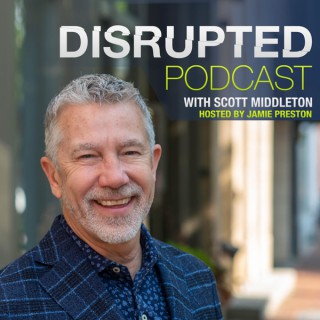
What if the most powerful growth strategy in hospice and primary care had nothing to do with your clinical protocols, your technology stack, or your marketing budget — and everything to do with who shows up, and how often? In this episode of The Disrupted Podcast, Scott Middleton — founder and Chief Disruption Officer of Your Health — unpacks the real-world lessons shaping how your Health is staffing, growing, and rebuilding trust as it integrates the newly merged TCPA and Providence Care organizations. Scott spent the week in the field — Monroe, Georgia; Beaufort, South Carolina; Atlanta and beyond — sitting in care team meetings, talking to nurses, watching exercise classes, and rethinking everything from staffing ratios to personality matching. What he found is both a warning and a blueprint. In this episode: Why minor service failures — a nurse who didn't show up once — can cost you an entire facility relationship, and what it actually takes to earn it back The strategic case for pulling a nurse off a shared caseload and planting her full-time in a single building — even when the numbers don't fully justify it yet The story of a nurse so embedded in one facility that an administrator told Your Health: "I will cut you if you move her" How DISC personality profiles should determine which staff member walks into which building — and why getting it wrong creates friction that kills referrals Why the best talent you'll ever hire is already living in the community you serve — and why your recruiters will never find them on Indeed The centralize-then-decentralize model Your Health deploys every time it launches something new — and why it's the only way to scale without losing quality If you lead a care team, run a hospice program, manage a building, or are trying to grow in any direction in healthcare right now — this episode is your field guide. www.YourHealth.Org
Home health isn't always predictable,and sometimes, things can flip in seconds. Angela's story of navigating a volatile situation with a patient armed and threatening is a tough reminder: always know your exits, stay calm, and prioritize your safety. Whether it's a gun in the home or locked doors you can't escape through, preparation can make all the difference.This isn't meant to scare,it's about empowering you to recognize warning signs before things escalate.Remember: trust your instincts, assess the environment, and always plan your escape routes. Your safety comes first, always.

Want to Start or Grow a Successful Business? Schedule a FREE 13-Point Assessment with Clay Clark Today At: www.ThrivetimeShow.com Join Clay Clark's Thrivetime Show Business Workshop!!! Learn Branding, Marketing, SEO, Sales, Workflow Design, Accounting & More. **Request Tickets & See Testimonials At: www.ThrivetimeShow.com **Request Tickets Via Text At (918) 851-0102 See the Thousands of Success Stories and Millionaires That Clay Clark Has Helped to Produce HERE: https://www.thrivetimeshow.com/testimonials/ Download A Millionaire's Guide to Become Sustainably Rich: A Step-by-Step Guide to Become a Successful Money-Generating and Time-Freedom Creating Business HERE: www.ThrivetimeShow.com/Millionaire See Thousands of Case Studies Today HERE: www.thrivetimeshow.com/does-it-work/

In this episode of Holistic Hub Podcast, Stephanie Peacock sits down with Ashley Spanovich, founder of Awakening Spaces, to unpack how our homes can impact our health. Ashley shares her journey from interior design into building biology, after her own health struggles led her to discover mold, chemical exposure, and EMFs as major environmental factors. She now helps people build and renovate homes with health in mind. What we talked about:Ashley's background in interior design and how her personal health journey led her into building biologyWhy she believes homes should be approached with the same intentionality as healthThe four main types of non-native EMFs: electric fields, magnetic fields, radio frequency radiation, and dirty electricityCommon household EMF sources, including smart meters, Wi-Fi, Bluetooth, cell phones, microwaves, and plugged-in devicesWhy measuring matters before trying to shield or reduce exposureHow renters and homeowners can make practical changes to reduce EMFsThe importance of avoiding fear-based messaging and focusing on conscious, informed choicesWhy sunlight, grounding, and time outdoors are foundational practices for resilience Key takeaways:Your phone is often the biggest EMF exposure in daily life, so safe cell phone hygiene is a major first step.Turning off Wi-Fi and Bluetooth at night can meaningfully reduce exposure.Not all EMF protection products do what they claim, and some create a false sense of security.You can't guess your way to better EMF protection — measurement and context matter.Small, intentional changes are more sustainable than trying to make every part of your home “perfect.”Getting outside, grounding, and viewing sunlight as daily medicine are foundational habits that support overall health.About the guest: Ashley Spanovich is the founder of Awakening Spaces, where she serves as an Owner's Representative for people building or renovating homes with the goal of reducing mold, chemical, and EMF exposure. She helps clients make clear, aligned decisions throughout the construction process so they can create homes that genuinely support their health and wellbeing.Ashley is also the creator of the Conscious Construction Container, a program that teaches homeowners how to become their own advocate and representative. Through a practical, step-by-step framework, she helps people confidently manage their projects, reduce exposure risks, and avoid costly mistakes.Blending building science, building biology, and intuitive decision-making, Ashley brings both technical expertise and intentional guidance to her work. With a background in design and a passion for healthy home advocacy, she supports clients and students in creating homes that are beautiful, functional, and deeply aligned with the way they want to live. restorative to their well-beingTimestamps:0:00 — Intro conversation and getting set up5:27 — Ashley's story: interiors, health struggles, and discovering building biology10:07 — Reframing home health without fear-mongering16:02 — What EMFs are and the four types Ashley measures18:19 — Common EMF sources in the home22:11 — Smart meters, distance, and why measurement matters31:04 — Tools for measuring EMFs and why the wrong meter can mislead you34:19 — Magnetic fields, power lines, and why they can be a dealbreaker36:24 — What renters can do and why professional assessment still helps39:01 — Practical ways to reduce exposure in a rental or home42:42 — Cell phone hygiene, microwaves, and simple first steps46:05 — EMF sensitivity, mold overlap, and common symptoms50:50 — Concerns with EMF protection products and false security57:45 — Where to find Ashley and her resourcesFind Ashley at: Her website: awakeningspaces.com Her podcast: https://awakeningspaces.com/podcastInstagram: https://www.instagram.com/awakeningspaces/Stephanie's Links:Tiktok: https://www.tiktok.com/@drstephpeacockInstagram: https://www.instagram.com/drstephpeacock/Website: https://stephaniepeacock.com/Substack: https://substack.com/@holistichubcommunityRetreat in November: https://www.vitalresetretreat.com/
Join Kay Mayordomo, PT, DPT on this new episode of the MMOA podcast. At 98 years old, independence is still possible. This home health case study shows how falls are rarely caused by just one thing and how the right plan can help someone rebuild strength and confidence step by step to regain independence. Want to make sure you stay on top of all things geriatrics? Sign up for the free MMOA Digest Email. A bi-weekly 5 minute ready that's jam-packed with research reviews, intervention ideas, updates in our profession - https://institute-of-clinical-excellence.kit.com/a3837f54b7
Patients are coming home from the hospital sooner, sicker, and with more complex needs than ever before. For home health agencies, that shift is changing everything from clinical workflows and documentation to staffing, caregiver support, and revenue cycle performance. In this episode of Home Health Revealed, Hannah Vale sits down with Rachel Trombly, Director of Clinical Services at Mosai, to discuss what higher-acuity care really means for today's home health providers. Together, they explore how agencies can move from reactive to proactive care through stronger risk stratification, better care coordination, more meaningful documentation, and empowered caregivers. Tune in to learn: Why patient acuity is increasing—and what it means for your agency How documentation can better capture patient complexity The critical role caregivers play in preventing rehospitalizations Why risk stratification is becoming essential for operational success How agency leaders can better support clinicians while improving quality and financial performance Whether you're a clinician, operational leader, or revenue cycle professional, this conversation offers practical strategies to help your agency adapt to the new reality of higher-acuity home health. Access Rachel's recently published a blog, "Why Risk Stratification Is Becoming Essential Amid Staffing Shortages in Home-Based Care" which expands on many of the themes discussed in the interview: www.mosai.com/blog/why-risk-stratification-is-becoming-essential-amid-staffing-shortages-in-home-based-care Chapters (00:00:03) - Home Health Revealed: The Shift towards higher-acuity patients(00:01:39) - Interviews with Home Health Agency Executives(00:02:50) - Home Health Care: Higher Acuity in the Home(00:04:39) - Home Health Care: Complex Care Needs(00:08:12) - OASIS 12, Documentation(00:10:56) - What are the biggest gaps or risks when agencies are managing higher ac(00:13:27) - The Plan of Care for High-Acuity Patients(00:15:59) - Caregiver-centered care(00:22:35) - What are the biggest drivers of home health hospitalizations?(00:25:53) - Capacity planning for complex patients(00:30:11) - How to better support complex cardiac patients?(00:37:36) - What's the One Thing Home Health Companies Need to Do to Man(00:39:53) - Interviews with Mosay On Home Based Care

We all know that documentation is a heavy burden for therapists. But home health therapists arguably face one of the heaviest loads, with mandated OASIS reporting layered on top of standard clinical documentation — a dual requirement unique to this setting.They also face challenges that clinic-based therapists rarely encounter: coordinating care across disciplines — physicians, nurses, and other therapists — often without shared documentation systems, as well as navigating privacy considerations and internet instability when documenting in patients' homes.But, as we've already discussed around outpatient EHRs, there are changes on the horizon. In this discussion, we'll zoom in on what's becoming possible in this complex environment, from clinical decision support to practical automation. We'll be joined by Rohit Shetty of AutoMynd — Rohit is excellent at explaining exactly what's possible, while staying grounded in reality.See full course details here:https://otpotential.com/ceu-podcast-courses/home-health-therapy-documentationSee all OT CEU courses here:https://otpotential.com/ceu-podcast-coursesCheck our our live webinar schedule here:https://otpotential.com/live-ot-ceu-webinarsSupport the show by using the OTPOTENTIAL Medbridge Code:https://otpotential.com/blog/promo-code-for-medbridgeTry 2 free OT Potential courses here:https://otpotential.com/free-ot-ceusSupport the show
In this episode, we break down the CMS nationwide six-month moratorium on new home health agency and hospice Medicare enrollments—effective May 13, 2026—and what it means for your agency, your growth plans, and your revenue cycle. We'll cover exactly what the moratorium blocks (new enrollments, certain ownership changes, branch and practice location expansions), what it does not block (existing provider operations, billing, and routine compliance), and why agencies are seeing intensified scrutiny through targeted investigations and advanced analytics during this period. You'll get a clear action plan for how to respond. This episode is designed for home health and hospice leaders, RCM specialists, compliance officers, and operations teams who need practical, compliance-focused guidance to stay ahead of the rules. Whether you're planning acquisitions, branch expansions, or ownership changes, this conversation will help you make smarter decisions and keep your agency operating with excellence during a period of heightened regulatory pressure. Want to be audit ready? Check out healthrevpartners.com to learn about coding, OASIS review, and RCM services. Chapters (00:00:03) - CMS Home Health and Hospice Moratorium
Revenue cycle management has long been a cornerstone of financial success in home health, but what if there was a way to connect revenue, capacity, margin, and cash flow into one complete picture? In this episode of Home Health Revealed, host Hannah Vale sits down with Victoria Kuklina and Alex Shekaroff, founders of FinHealth, to discuss the emerging concept of Profit Cycle Management (PCM). Drawing from decades of experience in healthcare finance, operations, and technology, Victoria Kuklina and Alex Shekaroff explain how PCM helps agencies move beyond measuring performance to understanding the drivers behind it. Together, they explore how home health organizations can gain greater visibility into their financial operations, identify hidden revenue and profit leakage, improve accountability across departments, and make more informed decisions about growth, staffing, and cash flow. They also share the story behind FinHealth and how their platform is helping agencies turn complex data into actionable insights. Whether you're focused on financial stability, operational efficiency, or sustainable growth, this conversation offers a fresh perspective on what it takes to build a stronger healthcare organization in today's evolving landscape. Home Health Revealed is proudly hosted by HealthRev Partners- your tech-enabled, people-led revenue cycle management partner! Chapters (00:00:03) - Pcm: Profit Cycle Management in Home Care(00:01:11) - Victoria and Alex's Personal Capital Management(00:05:01) - Profit Cycle Management(00:09:35) - FinHealth Agency's Profit Cycle Management Platform(00:13:27) - Pricing and Accountability in Home Healthcare(00:16:15) - Finn Health's Home Health Innovation

Randy Fearnow speaks with Jaya White, Partner, Quarles & Brady LLP, about the regulatory landscape surrounding the growing home infusion industry. They discuss issues related to the Medicare HIT benefit; home infusion-specific state licensure requirements; ambulatory infusion suites, IV hydration clinics, and med spas; Indiana's recent requirement that their Medicaid home care providers must also be certified for Medicare; and the regulatory definition of “homebound.” Jaya co-wrote an article for Health Law Connections about this topic. From AHLA's Post-Acute and Long Term Services Practice Group.Watch this episode: https://www.youtube.com/watch?v=9rd5xivY2YkRead Jaya's Health Law Connections article: https://www.americanhealthlaw.org/content-library/connections-magazine/article/488ffc74-684d-4c97-882c-eae034db75fa/Navigating-Regulatory-Pitfalls-at-the-Nexus-BetweeLearn more about AHLA's Post-Acute and Long Term Services Practice Group: https://www.americanhealthlaw.org/practice-groups/practice-groups/post-acute-and-long-term-servicesEssential Legal Updates, Now in AudioAHLA's popular Health Law Daily email newsletter is now a daily podcast, exclusively for AHLA Comprehensive members. Get all your health law news from the major media outlets on this podcast! To subscribe and add this private podcast feed to your podcast app, go to americanhealthlaw.org/dailypodcast.Stay At the Forefront of Health Legal EducationLearn more about AHLA and the educational resources available to the health law community at https://www.americanhealthlaw.org/.

THE MEDICAID SCAM IN COLORADO: PART TWO The Denver Gazette’s David Migoya continues his excellent series on what is called “the program”. David is joining me at 2:30 to talk about the Home Health care agency that has scammed millions from taxpayers using homeless people to do it. Read part two here.See omnystudio.com/listener for privacy information.
What does it take to grow a home health and hospice organization from a startup into a thriving, multi-location agency? In this episode of Home Health Revealed, Greg Davis, Owner and President of Business Operations at Patriot at Home, shares the story behind the agency's growth journey, from humble beginnings and early business failures to strategic expansion, acquisitions, and long-term planning. Greg discusses the role of grit, leadership, and continuous learning in building a sustainable organization, along with lessons learned from scaling quickly, navigating acquisitions, empowering leaders, and adapting to industry change. He also shares insights on leveraging technology, strengthening operational infrastructure, and preparing for the future of home-based care. Whether you're leading a growing agency or planning your next stage of expansion, this conversation offers practical insights on what it takes to scale through growth and grit. Chapters (00:00:03) - Home Health Revealed: Growing Patriot Home(00:04:02) - Exclusives: New Things Next Year(00:08:27) - Leadership in the COVID Era(00:10:20) - Ohio Council on Home Health
CMS has paused new home health and hospice Medicare applications nationwide — and if your senior living organization was planning to start, acquire, or expand a home health agency, this could change your timeline fast.In this episode of Senior Living Executive Strategy, Melissa Brown sits down with Devin Kasey, Vice President of Home Health Operations at Gravity Consulting, to break down what the new CMS home health and hospice moratorium means, what providers should do right now, and why waiting until the moratorium lifts could put your organization months behind. If your organization needs help with home health strategy, startup planning, operations, reimbursement, or acquisition due diligence, visit Gravity Consulting here: https://gravityconsulting.comIn this episode, we cover:• What the CMS home health and hospice moratorium means • Why the pause applies nationwide • What to do if you had not submitted your 855A before the deadline • Why state licensure and startup preparation should continue • How to prepare now so you can submit quickly when the moratorium lifts • What providers already in the queue should focus on next • How the moratorium affects home health mergers and acquisitions • Why accreditation may help providers move faster once applications reopenFor senior living leaders, this episode is especially important because home health is becoming a more strategic part of the senior living continuum. The moratorium may slow the Medicare application process, but it does not mean your organization should stop preparing.Subscribe to Senior Living Executive Strategy for more conversations on senior living operations, home health, skilled nursing, reimbursement, growth, and executive strategy.Learn more about Gravity Consulting: https://gravityconsulting.com#SeniorLiving #HomeHealth #Hospice #CMS #SkilledNursing #HealthcareLeadership #HomeHealthStartup #SeniorLivingStrategy #GravityConsultingSupport the show
CMS Hospice & Home Health Moratorium: What CHAP Knows So Far – CHAP is updating this page as frequently as possible based on official CMS guidance and publicly available information.We break down the May 13, 2026 National Home Health and Hospice Enrollment Moratorium and what it means for Medicare-certified providers trying to enroll, expand, or change ownership. We also share what we expect CMS and state agencies to scrutinize next and how strong compliance and quality programs keep you ready. • why the moratorium timing feels sudden but predictable amid fraud and abuse enforcement • what “received before May 13” means for CMS-855A applications, branches, and practice locations • how nationwide coverage prevents providers from relocating to bypass restrictions • what still moves forward, including certain address changes and ownership changes that do not trigger initial enrollment • why the 36-month rule and CMS denial authority still create risk even for pre-May 13 submissions • how long the moratorium lasts, how extensions happen, and why history suggests planning for renewals • what CMS says about beneficiary access and how that may shape next steps • how states may respond on Medicaid and CHIP, including early state-level action • why licensure is separate from Medicare certification and what market-entry alternatives may exist • how existing providers can use the pause to strengthen compliance, quality metrics, and differentiation We will at CHAP will be keeping you updated via our new webpage that's dedicated to the Home Health and Hospice Moratoria. Make sure that you stay tuned not only to special email blasts and information that's posted on the page, but to our compliance monitor.Visit our websiteConnect with us - LinkedIn, Twitter, YouTube, FacebookMake Lives Better
Home health value-based purchasing continues to be one of the most important topics shaping agency performance, reimbursement, and patient outcomes. In this episode, Katie Eisel, Director of Payer Relations for the Ohio Community at Home Network (OCHN), joins the podcast to break down HHVBP in a practical, easy-to-understand way. Katie shares how agencies can simplify complex performance reports, engage clinicians in improvement efforts, and focus on the measures that have the greatest impact on results. The conversation explores the connection between clinician actions and HHVBP scores, strategies for improving OASIS-based measures and hospitalization outcomes, the role of HHCAHPS in overall performance, and why patient experience remains a critical piece of long-term success. Katie also discusses the differences between star ratings and HHVBP, common opportunities agencies overlook, and how organizations can build a culture of accountability and continuous improvement. Whether you are a clinical leader, executive, or operations professional, this episode offers practical insights to help your agency better understand HHVBP and turn performance data into meaningful action. Chapters (00:00:03) - What Do Home Health Value Based Purchases Need to Know?(00:05:35) - Home Health Value Based Purchasing, Star Ratings(00:08:05) - HHSCAHPS: Value Based Purchasing(00:16:08) - Face-to-Face Care(00:18:33) - Ohio Community at Home Network (OCHN)(00:24:40) - Where can somebody find out about the OCHN?
In hospice and home health, certain compliance problems can have a big impact on the organization's bottom line—and ability to keep operating. Even seemingly minor issues can affect whether the organization will be fully paid for services it provided, subject to financial penalties, or even barred from participating in a payment program. To help home health agencies and hospices spot and prevent these problems, Husch Blackwell has created checklists of top compliance issues for hospice and home health, plus template spreadsheets for prioritizing and addressing each. In this episode, Husch Blackwell's Bryan Nowicki, Andrew Brenton, and Josi Wergin discuss these tools and how you can use them. Get the Hospice and Home Health Compliance Checklists Access Husch Blackwell's hospice and home health compliance checklists by emailing alyssa.bukolt@huschblackwell.com.

Toni talks about Medicare and in home medical treatment. Look for the Medicare Road Map and How To Enroll in Medicare on Toni's website: www.tonisays.com Questions? Call Toni at 832-519-8664, write: info@tonisays.com And Yes, Medicare Fraud is Real! www.Medicare.gov is the website where you can check claims against your Medicare account Medicare's telephone number: 800-633-4227 - Please call if you suspect that your account has been subject to fraud. Visit www.gracealley.com and receive a 10% discount when ordering an American flag, or the new America 250 flag or anything on the website using the code tonisays10 at checkout! Happy Birthday America! Toni's new Medicare Survival Guide Advanced Edition book is available now - pick up your copy at www.tonisays.com Want more information? Take advantage of Toni's brand new video series now a available at https://tonisays.com Remember - with Medicare it's what you don't know that will hurt you! There's so much good information in this podcast, please be sure to share this podcast with your friends! Recognized by feedspot.com as one of the best Medicare Podcasts in the nation! Write Toni - info@tonisays.com. Toni's book is available at www.seniorresource.com and https://tonisays.com You can call Toni at 832-519-8664 Toni welcomes all Medicare questions. Toni now offers informative Medicare Webinars for all of your Medicare needs at https://tonisays.com You can find Medicare Moments wherever you find your favorite podcasts, such as: Apple: https://apple.co/44MoguG Spotify: https://open.spotify.com/show/7c82BS4hb145GiVYfnIRsoAmazon Music: https://music.amazon.com/podcasts/884c1f46-9905-4b29-a97a-1a164c97546b/medicare-moments?refMarker=null You can find Medicare Moments at: https://podcasts.seniorresource.com/medicare-moments/ Toni's new book: Maze of Medicare is now available at www.tonisays.com Combining Scripture with Medicare, it is the only book of its kind. Toni's columns appear weekly in about 100 newspapers across America. If you would like Toni's column to appear in your local paper, or if you would like Toni to speak at an event - contact Toni King at 832-519-8664 Thank you for listening and be sure to tell your friends about Medicare Moments! Blessings! Toni KingSee omnystudio.com/listener for privacy information.
In addition to facing the Medicare home health and hospice moratorium, New York home care providers have been grappling with the federal government's scrutiny of its Medicaid personal care program. The state defended the program appropriately, including pointing out that some of its data was off the mark, noted Al Cardillo, president and CEO of the Home Care Association of New York State. It's important not to paint the whole program with a broad brush of fraud and abuse when it might be an administrative problem, he pointed out. New York's Medicaid personal care program has a lot of anti-fraud protections, and the state actually rolled out Electronic Visit Verification before the Centers for Medicare & Medicaid Services took it to a national scale, commented Mordechai Wolhendler, founder and CEO of GlattHealth. One of the reasons the Medicaid personal care program has attracted so much national attention is it consumes most of the nation's Medicaid personal care dollars, Cardillo said. And now most of the program is the Consumer-Directed Personal Care Program (CDPAP), which allows the consumer to choose their caregiver who can be a family member. Internally, CDPAP has been dealing with a major transformation, moving more than 600 fiscal intermediaries to one. The lesson from this fraught experience is that stakeholders and the state are in it together, Wolhendler said. Follow us on social media: X: @McKHomeCare Facebook: McKnight's Home Care LinkedIn: McKnight's Home Care Instagram: mcknights_homecare Follow Home Care Association of New York on social media: X: @HCANYS Facebook: Home Care Association of New York State LinkedIn: HCANYS - Home Care Association of New York State Instagram: hcanys Follow GlattHealth on social media: LinkedIn: GlattHealth Consulting Group Show contributors:McKnight's Home Care Editor Liza Berger; Al Cardillo, president and CEO of the Home Care Association of New York State; and Mordechai Wolhendler, founder and CEO of GlattHealth, a New York-based consulting group Hosted by Simplecast, an AdsWizz company. See pcm.adswizz.com for information about our collection and use of personal data for advertising.
Houston families often confuse home health care with non-medical home care, but they're completely different services. This guide breaks down what most seniors actually need, how to spot quality agencies, and why RN supervision matters in choosing the right support. Encore Caregivers City: Houston Address: 7925 Katy Fwy Suite N Website: https://encorecaregivers.com/

Welcome to Last Call, a look at the biggest stories Jim and Greg covered over the past week on the 3 Martini Lunch.This week they highlight the Palisades Fire arsonist allegedly admits being inspired by Luigi Mangione, Democrats already plotting another government shutdown showdown ahead of the midterms, and shocking new reporting on massive home health Medicaid fraud in Ohio. Plus, McDonald's makes a major change that is not a good reflection on our culture.First, after the Left repeatedly blamed last year's devastating LA wildfires on climate change, we later learned it was an arsonist. And now that arsonist reportedly told prosecutors he was inspired to do it by Luigi Mangione murdering UnitedHealthcare CEO Brian Thompson in 2024 and wanted to send a warning to the wealthy. Jim and Greg also discuss the latest in the LA mayor's race.Next, they spotlight the top Democrat on the House Homeland Security Committee openly admitting that Democrats are already considering a government shutdown this October unless their absurd ICE "reforms" are agreed to. How will this impact the midterm elections?Then, they spotlight explosive reporting from The Daily Wire's Luke Rosiak detailing more than $1 billion in alleged “home health” Medicaid fraud in Ohio. The scheme reportedly involves fraudulent companies billing Medicaid to pay individuals to care for family members—or in some cases, doing no work at all. Jim and Greg walk through some of the stunning details.Finally, Jim and Greg react to McDonald's moving the soda pop machines behind the counter and the reasons why its happening.Please visit our great sponsors:Fast Growing Trees Better plants, better growing, and an extra 20% off with code MARTINI at https://FastGrowingTrees.com/Martini for a limited time; terms and conditions may apply.Noble Gold Schedule a free gold strategy session with Noble Gold. Visit https://NobleGoldInvestments.com/3ML to learn how to build lasting financial security.Calotren If you're looking for the missing piece-Calotren is it. Visit https://toploss.com and use code MARTINI for Free Shipping New episodes every weekday.

Healthcare doesn't always happen in a hospital—sometimes, it comes right to your front door. In this episode, Amy McKenzie and Elaine Watkins of Quality Home Health join the conversation to break down what home health really looks like. Elaine shares her 30-year journey in the field, from starting as an LPN to leading clinical care, while Amy offers insight from her background in social work and patient advocacy. Together, they walk through what a typical home health visit involves, the most common conditions they treat, and how their team helps patients maintain independence at home. From myth-busting to real-life care, this episode highlights how support, compassion, and expertise can meet patients exactly where they are. Listen To The Local Matters Podcast Today! The UC Now · News Talk 94.1
In this episode of Home Health Revealed, we sit down with Hope Mulliken, Help Desk Coordinator at the Ohio Council for Home Care and Hospice (OCHCH), to talk about what's really happening behind the scenes in home health operations today. From Medicaid and Medicare changes to rising denials, authorization delays, and audit pressure, Hope breaks down the challenges agencies are facing right now and why things continue to get more complex. We also explore the OCHCH Help Desk, where Hope supports both member agencies and the community with questions ranging from EVV and OASIS issues to appeals, compliance, and operational challenges. During the conversation, we affectionately refer to it as the “Hope Desk,” a nickname that stuck thanks to Hope's name and the fact that she's often the go-to for agency questions. Finally, we discuss defensible documentation, why every visit note needs to tell a complete clinical story, and how agencies can better protect themselves in today's regulatory environment. Chapters (00:00:03) - Ohio Council for Home Care and Hospice Help Desk(00:02:19) - Medicare and Medicaid: How to manage both of your patients'(00:06:39) - What is the top question you get at the help desk?(00:07:26) - Face to Face for Care(00:09:04) - Visit Notes(00:11:03) - Home and Community Based Nursing Program
In this episode of Home Health Revealed, we sit down with Victoria Barkin, Regional Director of Operations for Home Health at National Church Residences, to talk about what it really means to create a true continuum of care. Too often, care is delivered in silos. But patients don't experience it that way. Victoria shares real-world stories that highlight the gaps that can happen between settings and what it takes operationally and clinically to close them. From navigating complex discharges without an established physician to quickly transitioning a patient to hospice and avoiding an unnecessary hospitalization, this conversation brings the concept of “continuity” to life. We also dig into the role of relationships, both within an organization and across the community, and why having the right connections in place can make all the difference for patients and their caregivers. Whether your organization offers a full continuum of services or relies on trusted partners, this episode explores how home health leaders can better support patients through every stage of care. Chapters (00:00:03) - What's the Core of Home Health?(00:02:34) - Home Health for the Complex Patient(00:06:52) - OCCAS 2017(00:07:31) - Och-Care Ohio Association annual meeting
In this episode of Home Health Revealed, we sit down with Jessica Mandrell, owner of Lifesaver Healthcare, to talk through what it really looks like to step into ownership through acquisition, and what comes next. Jessica shares her experience purchasing an established agency, what made the transition smoother than expected, and the lessons that came quickly, like navigating prior authorizations, understanding Medicare billing, and making sure the right processes are in place from day one. The conversation also gets into the realities of cash flow during ownership transitions, including how strong financial footing can help offset the challenges of the “J curve” as new owners find their rhythm. But at the center of it all is culture. From retaining experienced staff to building a leadership mindset that prioritizes people, Jessica talks about why growth isn't just about scaling, it's about investing in the team that makes it possible. If you're thinking about acquiring an agency, stepping into a new leadership role, or looking to strengthen your operations as you grow, this episode offers a practical, honest look at what it takes. Chapters (00:00:03) - Home Health Revealed: Jessica Mandrell's Transition to an Ohio(00:03:25) - Home Healthcare: The Palmetto Council(00:04:33) - How Your Husband and I Are Working Together(00:05:13) - Home Health CEO Discusses the Industry
What's really happening in home health and hospice right now? A look at Ohio tells the story. In this episode,Lisa VonLehmden from Ohio Council for Home Care and Hospice shares how the landscape is shifting across the state, from growing demands on agencies to the increasing need for real support and engagement at the association level. She talks through the rapid growth of the Ohio Council, what's driving it, and how a more hands-on, experience-driven approach is making a difference for providers. The conversation also explores the connection between clinical care and financial performance, why agencies are being pushed to think differently, and how stronger collaboration across teams is becoming essential. This is a grounded, real-world look at what it takes to navigate home health and hospice today. Chapters (00:00:03) - Ohio Home Health and Hospice Association's 20th Anniversary(00:05:03) - Ohio Healthcare Financially Management Conference(00:11:19) - Crucial Conversations: The Home Health Industry(00:15:23) - The Hard Talk in Home Nursing
Documentation in home health has always been essential, but it hasn't always supported clinicians and agencies in the way it needs to. In this episode of Home Health Revealed, we explore the evolution of home health documentation—from paper and pen to EMRs and now ambient AI—and what each stage has solved, as well as what gaps still remain. Joined by Sandeep Banga and Andrew Ostrander from Scribble, the conversation focuses on the space between what happens in the home and what gets captured in documentation, and how that gap directly impacts quality, compliance, and reimbursement. We also dig into how agencies are thinking differently about documentation today, not just as an administrative task, but as a core driver of clinician experience, retention, coding accuracy, and financial performance. Finally, we break down what ambient AI looks like in real workflows and why capturing documentation at the point of care is becoming increasingly important to closing the gap between care and cash. If your agency is thinking about the future of documentation and how it impacts both clinical and operational outcomes, this episode offers a grounded look at where things are headed. Chapters (00:00:03) - The Evolution of Home Health Documentation(00:00:42) - How to Write in Home Health?(00:08:30) - What is Medicare's Requirement for Complete and Accurate Documentation?(00:10:50) - The Agency's Top Concerns(00:14:11) - HIPAA compliance in documentation(00:18:01) - Scribble for Clinicians: The AI-enabled Visit(00:24:56) - Healthcare Regulatory Agency-funded documentation review(00:26:47) - Home Health Companies See Future of Technology(00:28:10) - Home Health Agency Connections
Most providers interrupt their patients within 18 seconds. What if the next few minutes of silence could tell you more than the next hour of testing? In Part 2 of the Your Health Values Series, Jamie sits down again with members of the Your Health Experience Team — Rebecca, Jennifer, Whitney, and Carlos — to go beneath the surface of "patient-centered care" and look at what empathy really demands in the pressured, everyday moments of healthcare. This isn't a conversation about being nice. It's a conversation about seeing people — patients, families, and colleagues — for everything they're carrying, even when they're hiding it behind a smile. In this episode: Why empathy is officially non-negotiable at Your Health — and what that looks like in practice The difference between emotional empathy and "empathetic sternness" (and why both save lives) How to recognize when a patient or colleague is carrying something deeper than their symptoms The real threat of empathy fatigue — and how to keep giving without burning out The two "holy times" in healthcare where empathy matters most What patients actually say when they feel truly seen If you've ever wondered whether the extra 60 seconds is worth it, this episode will show you why it's everything. Press play — and then try it on your very next interaction. www.YourHealth.Org

What if the healthcare system your loved one relies on doesn't even know they need help until it's too late — and what would it look like if it did? In this Q1 2026 episode, Jamie Preston sits down with Matt Staub, CEO of Your Health, for a candid and wide-ranging look at how one of the country's largest home-based care providers is navigating the evolving landscape of value-based care, population health, and the human experience at the center of it all. Matt brings his characteristic clarity and heart to a conversation that is equal parts strategy, story, and honest reckoning with what the system still gets wrong. Key topics covered: Why 11% of patients account for 67% of all healthcare spending — and why most of them don't know they're in an ACO The evolution of value-based care: from quality-over-cost to outcomes + patient experience over total costs How Your Health is becoming proactive — not reactive — about falls, readmissions, and high-needs patients The quiet crisis of patient trust: down from 71% in 2020 to just 33% today, and what the correlation means for hospitalizations Real stories: a 79-year-old patient who went from barely existing to living fully — and Matt's own mom, who hasn't fallen since leaving the hospital after her stroke If you work in healthcare, advocate for someone in the system, or simply believe that better is possible — this episode will change the way you see what care can be.

“Palliative care is always available,” says Jennifer Eitingon, M.D., fellowship-trained Palliative Care Physician at Home Health and Hospice in Rapid City. Dr. Eitingon joins host Mark Houston to explain how palliative care is a specialty and not just a part of hospice care. In treating patients experiencing life-limiting conditions, Dr. Eitingon helps to improve quality of life through pain management, psychosocial support and advanced directives. Dr. Eitingon details why she switched her medical focus from surgery to palliative care and how patients' spiritual and ethical beliefs must be considered in her work. Hosted on Acast. See acast.com/privacy for more information.

Send us Fan MailStrength as a father had less to do with muscles—and everything to do with resilience.In this episode, Oscar sits down with Mitchell Osmond, founder of Dad Nation Podcast and a coach who helps high-performing men reclaim their home, health, and happiness without sacrificing career success.Mitchell shares his powerful personal story of rebuilding his life, restoring his marriage, and learning how true strength is found in resilience, accountability, and emotional connection.Together, they unpack what it means to stop drifting in marriage, get off autopilot in fatherhood, and model the kind of strength our daughters will one day recognize in the relationships they choose.If you've ever felt disconnected at home while still winning professionally, this conversation will hit home.Mitchell on InstagramFREE GIFT: THE CONNECTION CODE™On the WebPodcastComplimentary Strategy Session00:00 Choose Your Hard00:53 Podcast Welcome01:07 Meet Mitch Osmond02:09 Coaching Mission Today03:36 Two Turning Points05:31 Funeral Wake Up Call06:49 Rebuilding in 18 Months09:41 Six Months to Prove It12:13 Iron Five Accountability16:39 Advice Before Marriage18:46 Turning Pain to Purpose20:12 Redefining Strength22:44 Resilience Over Excuses24:04 Willpower Brain Growth27:44 Model Strength for Kids29:49 Marriage Autopilot Trap31:54 Divorce Stats and Disconnection33:12 Needs Seen Heard Secure35:19 Respect and Competence41:03 Programs and Free Resources44:31 Time Is the Currency45:30 Final Thanks and SubscribeKey themes: resilience, marriage, accountability, emotional intelligence, fatherhood, legacy, and leading with strength at home.Guest Disclaimer:The views and opinions expressed on this podcast are solely those of the guests. They do not necessarily reflect the views or opinions of the host, any organizations, companies, or institutions mentioned, or corporate entities represented by the host.Our aim is to provide a platform for diverse perspectives and open dialogue. While we strive for accuracy and balance, it's important to recognize that opinions may vary. We encourage critical thinking and further exploration of the topics discussed.Proudly Sponsored by Few Will HuntRestoring the dignity of hard work. 100%American-made. Everyone wants to eat. But only few will hunt Support the showCatch up w/ The Daughtered PodcastOscar on InstagramFew Will Hunt. 10% OFF use GIRLDADWant to be a guest on The DAUGHTERED Podcast? Want to collaborate? Send Oscar Pena a message on PodMatch, here: https://www.podmatch.com/hostdetailpreview/daughteredpodcast
In this episode of Home Health Revealed, we sit down with Jeremy Collier of the Ohio Council for Home Care and Hospice to explore how home health and hospice are evolving and what it means for providers today. We discuss the difference between Medicare and Medicaid care models, often described as “pit stops vs lifelong care,” and how those philosophies shape patient experience, care delivery, and long-term outcomes. Jeremy also shares insights on the current state of hospice, including common misconceptions, emerging opportunities, and the importance of education in helping patients and families better understand the benefit. The conversation also dives into the growing role of collaboration in home care, including clinically integrated networks like OCHN, and how stronger relationships between providers and payers are helping move the industry forward. As reimbursement pressures, regulatory changes, and care demands continue to evolve, home health agencies are being challenged to rethink how they operate and how they define success. Chapters (00:00:03) - Jeremy Collier: Home Health and Hospice(00:01:48) - Ohio doctor on hospice care(00:06:31) - OCHN CEO on the Need for Communication with the Payer(00:09:48) - Wonders of the World

Send us Fan MailEvery year, millions of Americans end up in emergency rooms and hospital beds for conditions that could be treated just as well, and far more safely,in their own homes. So why does care still default to the most expensive, most disruptive setting possible? And who's actually doing something about it?Lon Hecht, CEO, Care2U joins host David Williams, President of Health Business Group to discuss bringing high-acuity care into the home, why hospital at home has struggled to scale, and how payers and providers are finally starting to align around a better model.

Fat Loss School - Weight loss, Wellness, and Mindset Lessons for Women Over 50
Today I'm joined by Theresa Emanuel, the host of Faith Food Fellowship podcast, and we're talking about something that goes way beyond just food and fitness. Because if you've ever felt like your habits are off, your routines are cluttered, your mind feels noisy… and no matter how many times you try to “get back on track,” something just isn't clicking—this conversation is for you. Theresa has created something really special called Spring Clean With God: Clear the Clutter from your Heart, Home, Habits, Health, and Head, and I love the way it takes a step back and looks at the whole picture. (It's happening March 24-26 and it's free!) Not just what you're eating or how you're working out—but what's going on in your heart, your head, your home… and how all of that connects to your health. And honestly? This is the piece a lot of women are missing. So today we're diving into what it really means to “clear the clutter,” why it matters more than you think, and how this kind of reset can make everything else feel a whole lot more doable. Register free for the Spring Clean with God Mini-Summit here: https://20205508--p31virtues.thrivecart.com/spring-clean-mini-summit/ Listen to Faith Food Fellowship with Theresa Emanuel here: https://podcasts.apple.com/us/podcast/faith-food-fellowship-self-care-strategies-for-busy/id1546685414 Connect with Amy Bryan here: www.linktr.ee/amybryanfasterway

Is your home helping your health… or quietly working against it? We talk a lot about workouts and nutrition, but there's another layer of health that many Christian women are just beginning to pay attention to: home health and environmental wellness. What we breathe.What we cook with.What we clean with.What we drink from. These everyday choices inside our homes can quietly affect inflammation, hormones, energy levels, and overall wellness. But here's the tension. When you first start learning about things like non-toxic living, environmental toxins, clean home swaps, and detoxing your home, it's incredibly easy to spiral. Suddenly it feels like everything is toxic.Every product feels like a problem.And instead of improving your health, you feel overwhelmed. In this episode of Simple Fitness Habits, we're talking about a balanced, faith-grounded approach to detoxing your home health without obsessing, panicking, or trying to overhaul your entire life overnight. Because health isn't built through fear.It's built through simple rhythms and wise stewardship over time. You'll learn how to think about environmental health, non-toxic swaps, and healthy home habits in a way that supports your body without creating stress or perfectionism. This conversation is especially important for Christian women who want to care for their bodies and homes well while still keeping their focus on Christ instead of control. In This Episode • Why home health and environmental wellness matter for your overall health• The hidden ways your home environment can affect energy, hormones, and inflammation• Why many women spiral when they start learning about toxins and non-toxic living• A simple approach to detoxing your home without overwhelm• The mindset shift that helps you focus on progress instead of perfection• Small healthy home swaps that can make a meaningful difference over time• How to pursue better health while staying rooted in faith and stewardship Resources Mentioned Christian Fitness Hub (Free Resource Library)Short workouts, a 5-day workout challenge, and simple tools to help you build consistency with your fitness.

Raven was born in 1949 in North Hollywood, CA. Released at five days old to the delivering doctor and his wife, she has no idea where she went or when her adoptive parents got her. Raised in Balboa, CA, she always knew she was adopted because she was told her mother had died, giving birth to her. This story left Raven anxious, guilty, and fearful throughout her growing-up years- that others would die, and she would be alone. Her adoption into the family was difficult, unloving, and emotionally abusive by her adoptive mother. Though her dad loved her, being 47 years old, his generation didn't really know how to show love. At 16, Raven was sent away to an island in British Columbia to live with strangers for 13 months and to attend 11th grade. Out of sight, out of mind. When she was in her early 30s, her oldest adoptive brother shared with her that her biological mother hadn't died when she was born. This news left her in shock and numb… talk about being thrown into a deep fog! Though Raven's whole life history was about death, lies, abandonment, lack of trust, she's gone on to find she has a deep desire, after the death of her husband, to sit with the dying.~ that it's important and a gift, that we make death as meaningful as birth. At 77, she's still learning who she is and works at Home Health and Hospice as a Remote Patient Monitoring Technician. A job she loves. Season 12 Book: The Adoption Paradox by Jean Kelly Widner EVENTBRITE LINK - AUSTIN, TEXAS - LIVE PODCAST EVENT: 4/17 & 4/18 2206! Sign up to be part of our mailing list and receive upcoming details about our April 17th & 18th Live Podcast Event in Austin, Texas! Thank you to our Patreons! Join at the $10 level and be part of our monthly ADOPTEE CAFE community. The next meeting will be Saturday, April 11th, at 1 pm ET. RESOURCES for Adoptees: Adoptees Connect Adoptee Mentoring Society Gregory Luce and Adoptee Rights Law Fireside Adoptees Facebook Group Dr. Liz Debetta: Migrating Toward Wholeness Movement Moses Farrow - Trauma therapist and advocate National Suicide Prevention Lifeline – 1-800-273-8255 OR Dial or Text 988. Kristal Parke Because She Is Adopted Hosted by Simplecast, an AdsWizz company. See pcm.adswizz.com for information about our collection and use of personal data for advertising.
In this episode of Home Health Revealed, Hannah Vale sits down with Ethan from Flychain to talk about the truth behind AI in home health and hospice, and why agencies are feeling both excitement and uncertainty about what automation really means for the future of the industry. They discuss how AI is already being used across clinical, operational, and financial workflows, why payers are leveraging automation to review and deny claims at scale, and what providers can do now to stay ahead. The conversation also explores how better data integration, stronger revenue cycle processes, and clearer financial visibility can help agencies protect margin while continuing to grow. Hannah and Ethan also talk through the importance of having the right tech stack, how financial and operational data need to work together, and why agencies that understand their numbers will be in the strongest position as reimbursement pressure continues. If you are a home health or hospice leader trying to understand where AI fits into your organization, this episode breaks down the hype, the reality, and what agencies should be doing now to future-proof their operations. Listeners interested in learning more about the tools discussed in this episode can visit Flychain to explore financial visibility and AI-driven reporting solutions, or learn more about revenue cycle strategy and performance improvement through HealthRev Partners. Chapters (00:00:03) - Home Health Revealed: The AI CFO(00:03:12) - Do You Need to Worry About Your Job?(00:05:57) - What AI Looks Like for Home Health?(00:10:46) - How Can EMRs Align Their Tech Stack with AI?(00:13:41) - Is AI the CFO of the Future?(00:15:46) - Should I Buy or Start with an EMR?(00:19:19) - Sources of Truth in the EMRs(00:20:45) - Payment-side AI: How do we keep up with pay(00:24:22) - Home Health Industry's Fight Against AI and the Audit Crack(00:29:32) - What Does AI Look Like For Healthcare Operations?(00:37:07) - Healthcare Finance: Automation and Data Integration(00:43:10) - Are You Scared of AI Taking Jobs?(00:43:54) - What Would Home Health and Hospice Leaders Do With AI?(00:48:39) - Where to Reach Out to Ethan Glass
In this episode of Home Health Revealed, Hannah Vale sits down with Alex Hartzman, Vice President of Research & Analytics at the National Alliance for Care at Home and Head of Operations at the Research Institute for Home Care, to discuss the policy, payment, and workforce trends shaping the future of home health. They explore the ongoing pressure from Medicare reimbursement changes, the impact of value-based purchasing and quality metrics, and the growing workforce challenges affecting agencies across the country. The conversation also dives into the increasing demand for home-based care, access-to-care concerns, and why the story of home health is not always reaching policymakers the way it should. If you're a home health leader trying to prepare for the years ahead, this episode offers an inside look at the data, policy conversations, and industry realities that will define the future of care at home. Listeners interested in getting involved in advocacy efforts can learn more through the National Alliance for Care at Home Advocacy Action Center and find details about Alliance membership opportunities on their website. The Alliance DC Advocacy Fly-In will take place September 13–16, and Alliance members will receive registration information directly. Chapters (00:00:03) - Home Health Revealed(00:00:25) - Alex Hartzman on Policy Influence in Home Care(00:01:27) - Top 3 issues facing home health agencies(00:05:30) - What Can an Average Home Health Agency Do to Improve Their Quality Score(00:09:37) - Risk of rehospitalization(00:10:35) - Home Health Agency Executives on Staff turnover(00:14:15) - The value of home health(00:19:49) - Home Health and Hospice: A Conversation

Home health caregivers face unique safety challenges working independently in uncontrolled environments. Kristin Wamsley, Director of Facilities and Fleet at Emmaus Homes, shares how building a genuine safety culture, implementing mandatory equipment protocols, and addressing top risks has helped the organization achieve an injury rate significantly lower than industry averages.

Feeling overwhelmed as the new year begins? Before you add new goals, habits, or routines, this episode invites you to pause and take a life inventory—so you can move into the year with clarity instead of chaos. In this episode of The WELL Podcast, we walk through a simple but powerful inventory to help you identify what's truly serving you—and what's draining you in your everyday life. We explore: The products you're buying and using—and whether they support your health The foods that fuel your energy vs. contribute to bloating, fatigue, or inflammation The activities and commitments taking up your time and emotional space Your calendar and productivity rhythms—busy vs. purposeful Family and kids' schedules—what's life-giving vs. overwhelming This episode is not about doing more or fixing yourself. It's about awareness, alignment, and peace—so you can make intentional changes that actually last. If you're a woman or mom craving simplicity, clarity, and a calmer approach to wellness and life, this episode will help you reset with confidence and compassion. ✨ Grab a notebook, take a deep breath, and start the year grounded—not rushed. THEN POST YOUR INVENTORY IN OUR FACEBOOK COMMUNITY! Welcome to The Well Community! VISIT www.THEWELLTEAM.COM for all coaching, digital courses, blogs and essential oil education tips! Follow Kari on Insta Join me in the FASTER WAY TO FAT LOSS Create Your Custom Essential Oil Kit Get my favorite non toxic starter kit here Email hello@thewellteam.com Schedule a free 30 minute consult for potential coaching with Kari here Join our FACEBOOK COMMUNITY for more support and encouragement to refill daily with faith, self care, health, wellness and essential oil education!
© 2020-2026 Ivy Podcast Discovery LLC
