
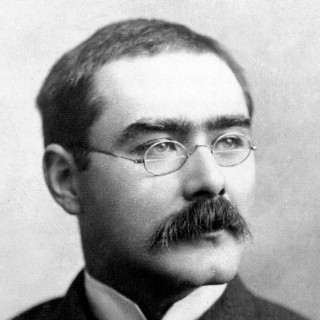
English short-story writer, poet, and novelist
POPULARITY
Categories

168 episodes with Rudyard Kipling

29 episodes with Rudyard Kipling

13 episodes with Rudyard Kipling

21 episodes with Rudyard Kipling

14 episodes with Rudyard Kipling

8 episodes with Rudyard Kipling

9 episodes with Rudyard Kipling

7 episodes with Rudyard Kipling

23 episodes with Rudyard Kipling

12 episodes with Rudyard Kipling

8 episodes with Rudyard Kipling

4 episodes with Rudyard Kipling

6 episodes with Rudyard Kipling

5 episodes with Rudyard Kipling

5 episodes with Rudyard Kipling

12 episodes with Rudyard Kipling

31 episodes with Rudyard Kipling

5 episodes with Rudyard Kipling

8 episodes with Rudyard Kipling

18 episodes with Rudyard Kipling

7 episodes with Rudyard Kipling

7 episodes with Rudyard Kipling

5 episodes with Rudyard Kipling

14 episodes with Rudyard Kipling

13 episodes with Rudyard Kipling

7 episodes with Rudyard Kipling

11 episodes with Rudyard Kipling

4 episodes with Rudyard Kipling

12 episodes with Rudyard Kipling

6 episodes with Rudyard Kipling

6 episodes with Rudyard Kipling

4 episodes with Rudyard Kipling

2 episodes with Rudyard Kipling

5 episodes with Rudyard Kipling

5 episodes with Rudyard Kipling

4 episodes with Rudyard Kipling

5 episodes with Rudyard Kipling

4 episodes with Rudyard Kipling

5 episodes with Rudyard Kipling

3 episodes with Rudyard Kipling

5 episodes with Rudyard Kipling

2 episodes with Rudyard Kipling

5 episodes with Rudyard Kipling

11 episodes with Rudyard Kipling

5 episodes with Rudyard Kipling

5 episodes with Rudyard Kipling

2 episodes with Rudyard Kipling

4 episodes with Rudyard Kipling

4 episodes with Rudyard Kipling

5 episodes with Rudyard Kipling

4 episodes with Rudyard Kipling

4 episodes with Rudyard Kipling

3 episodes with Rudyard Kipling

2 episodes with Rudyard Kipling

Marvel Fanfare 9 has a giant sized Man-Thing, and Brian and Ants are exactly as mature as you would expect.In “Rock 'n' Soul,” a struggling rock band decides summoning a demon might be their ticket to success. Surprisingly, this turns out to be a bad idea. Luckily, Man-Thing is there to lend a…hand.The backup takes us back to the jungle for the next chapter of Gil Kane and P. Craig Russell's gorgeous adaptation of Rudyard Kipling's The Jungle Book.And Butch Guice provides this issue's portfolio, featuring Wolverine, Kitty Pryde, Power Man and Iron Fist, Gorgon, and Howard the Duck.The Man-Thing story is brought to us by J. M. DeMatteis, Joe Brozowski, and Gray Morrow. The Jungle Book is adapted and penciled by Gil Kane with inks by P. Craig Russell.You can follow us on Instagram, Threads, YouTube, TikTok, Facebook, Bluesky, & X https://linktr.ee/comicsdiscourse114Also, please leave us a 5-star review at your favorite podcast platform.

Have you ever wondered what inspired your favorite classic novelist to write their stories? What was happening in their lives to inspire their famous works? What was happening in the world at the time that they wrote those stories you love?Join Host Bree Carlile while she helps to answer some of the questions you have always had about your favorite classic novelists.Join us for new episodes every Tuesday!Follow, rate, and review Bite at a Time Books Behind the Books where we go behind the scenes of what inspired your favorite authors to write your favorite classics. Available wherever you listen to podcasts.We are now part of the Bite at a Time Books Productions network!If you would also like to hear a story by the author we are currently featuring, check out the Bite at a Time Books daily podcast where we read one bite (chapter) a day of your favorite classics, wherever you listen to podcasts.Follow us on all the socials: Instagram - Twitter - Facebook - TikTokFollow Bree at: Instagram - Twitter - FacebookInformation for today's episode came from Wikipedia, don't judge us, we just want to give you a brief glimpse into the life. You can search the episode name in Wikipedia if you want to read for yourself.
Listen Ad Free https://www.solgoodmedia.com - Listen to hundreds of audiobooks, thousands of short stories, and ambient sounds all ad free!
In Marvel Fanfare 8, an amateur occult ritual goes horribly wrong and unleashes the Slitherer in Shadow! Luckily, Doctor Strange is around to deal with the mess. The story is brought to us by Peter Gillis, with Carmine Infantino on pencils and P. Craig Russell on inks.Then things take a very different turn as Gil Kane and P. Craig Russell bring us the first chapter of an adaptation of Rudyard Kipling's The Jungle Book. Yes, The Jungle Book. In Marvel Fanfare.And finally, we get the first Marvel Fanfare artist portfolio, with five gorgeous pieces by Bill Sienkiewicz featuring Dazzler, Doctor Strange, Hulk, Moon Knight, Shanna the She-Devil, and Thor. We may have found the real reason to buy this issue.You can follow us on Instagram, Threads, YouTube, TikTok, Facebook, Bluesky, & X https://linktr.ee/comicsdiscourse114Also, please leave us a 5-star review at your favorite podcast platform.
Have you ever wondered what inspired your favorite classic novelist to write their stories? What was happening in their lives to inspire their famous works? What was happening in the world at the time that they wrote those stories you love?Join Host Bree Carlile while she helps to answer some of the questions you have always had about your favorite classic novelists.Join us for new episodes every Tuesday!Follow, rate, and review Bite at a Time Books Behind the Books where we go behind the scenes of what inspired your favorite authors to write your favorite classics. Available wherever you listen to podcasts.We are now part of the Bite at a Time Books Productions network!If you would also like to hear a story by the author we are currently featuring, check out the Bite at a Time Books daily podcast where we read one bite (chapter) a day of your favorite classics, wherever you listen to podcasts.Follow us on all the socials: Instagram - Twitter - Facebook - TikTokFollow Bree at: Instagram - Twitter - FacebookInformation for today's episode came from Wikipedia, don't judge us, we just want to give you a brief glimpse into the life. You can search the episode name in Wikipedia if you want to read for yourself.

Tonight's story is “The Butterfly That Stamped” by Rudyard Kipling, a whimsical tale from his Just So Stories.Set in the days of the wise King Solomon, the story follows a tiny butterfly who makes a rather enormous claim: with just one stamp of his foot, he can make the whole world tremble.What follows is a playful tale of pride, marriage, magic, and the trouble that can come from trying to impress someone you love.Full of Kipling's humor and wonderfully strange storytelling, this is a lighthearted little adventure to help you slow down, settle in, and drift toward sleep.Get comfortable, close your eyes, and enjoy tonight's story.Interested in bonus stories from Dozing Off? Check out our Patreon: patreon.com/dozingoffpodcastContact the show: dozingoffpod@gmail.comGoodnight, and sweet dreams.
Zzz . . . Sleep deeply to this rhythmic Rudyard Kipling reading – "Puck of Pook's Hill" zzz For an ad-free version of Sleepy, go to patreon.com/sleepyradio and donate $2! Or click the blue Sleepy logo on the banner of this Spotify page. Awesome Sleepy sponsor deals: GreenChef: GreenChef.com/50sleepy and use code "50sleepy" to get fifty percent off your first month, then twenty percent off for two months. Avocado: AvacadoGreenMattress.com/SLEEPY for 15% off. Quince: Go to Quince.com/sleepy for free shipping and 365-day returns BetterHelp: Visit BetterHelp.com/SLEEPY today to get 10% off your first month. ButcherBox: Sign up at butcherbox.com/sleepy and use code "sleepy" OneSkin: Get 15% off OneSkin with the code SLEEPY at https://www.oneskin.co/ #oneskinpod GhostBed: Go to GhostBed.com/sleepy and use promo code “SLEEPY” at checkout for 50% off! Shopify: Sign up for your one-dollar-per-month trial period at Shopify.com/otis Learn more about your ad choices. Visit megaphone.fm/adchoices
Listen Ad Free https://www.solgoodmedia.com - Listen to hundreds of audiobooks, thousands of short stories, and ambient sounds all ad free!
Have you ever wondered what inspired your favorite classic novelist to write their stories? What was happening in their lives to inspire their famous works? What was happening in the world at the time that they wrote those stories you love?Join Host Bree Carlile while she helps to answer some of the questions you have always had about your favorite classic novelists.Join us for new episodes every Tuesday!Follow, rate, and review Bite at a Time Books Behind the Books where we go behind the scenes of what inspired your favorite authors to write your favorite classics. Available wherever you listen to podcasts.We are now part of the Bite at a Time Books Productions network!If you would also like to hear a story by the author we are currently featuring, check out the Bite at a Time Books daily podcast where we read one bite (chapter) a day of your favorite classics, wherever you listen to podcasts.Follow us on all the socials: Instagram - Twitter - Facebook - TikTokFollow Bree at: Instagram - Twitter - FacebookInformation for today's episode came from Wikipedia, don't judge us, we just want to give you a brief glimpse into the life. You can search the episode name in Wikipedia if you want to read for yourself.

The Tale of Mrs. Tiggy-Winkle by Beatrix Potter — A Calming Bedtime Story for Sleep & Insomnia | Books at Bedtime A gentle bedtime story to help you drift off tonight: Beatrix Potter's cosy, homely tale The Tale of Mrs. Tiggy-Winkle, read slowly and unhurried for sleep and insomnia relief. This continues the Books at Bedtime strand — also known as Coffee Break for the Soul — from the Calming Anxiety podcast, a series of classic story readings designed as a calming audiobook for restless nights.For the full library, plus ambient night-light features for the small hours, download Anchored: https://play.google.com/store/apps/details?id=com.martinhewlett.anchored (Android) or https://apps.apple.com/us/app/anchored-panic-anxiety/id6785035669 (iPhone). Narrated softly by Martin Hewlett, clinical hypnotherapist and former paramedic, this reading follows little Lucy, who loses her pocket handkerchiefs and climbs a hillside searching for them, all the way to a tiny door and a warm, low-ceilinged kitchen — the home of a small, round washerwoman called Mrs. Tiggy-Winkle, who irons and mends laundry for all the neighbouring animals. Unhurried, domestic, and thoroughly soothing, with tea by the fire and freshly laundered bundles for every creature in the valley, it's an easy, gentle listen for falling asleep, insomnia, or quieting an anxious mind before bed. Listeners of last week's Squirrel Nutkin will spot a familiar face among the washing — Nutkin's own little red tailcoat, minus its tail, turns up in Mrs. Tiggy-Winkle's basket. First published in October 1905, Beatrix Potter's The Tale of Mrs. Tiggy-Winkle is in the public domain worldwide (Potter died in 1943); this reading is Calming Anxiety's own narration of the classic public-domain text. Potter dedicated the book to a real little girl, Lucie Carr, and based Mrs. Tiggy-Winkle herself on her own pet hedgehog of that name and on a Scottish washerwoman, Kitty MacDonald, who worked for her family each summer. This episode continues Beatrix Potter's place in the Books at Bedtime strand, alongside The Tale of Squirrel Nutkin, Rudyard Kipling's Just So Stories, Oscar Wilde's fairy tales, classic short fiction from Katherine Mansfield, Virginia Woolf, and Kate Chopin, and longer serialised reads including Alice in Wonderland, The Time Machine, and The Hound of the Baskervilles, with new instalments added regularly to the main Calming Anxiety feed.
The Tale of Squirrel Nutkin by Beatrix Potter — A Calming Bedtime Story for Sleep & Insomnia | Books at Bedtime A gentle bedtime story to help you drift off tonight: Beatrix Potter's charming woodland tale The Tale of Squirrel Nutkin, read slowly and unhurried for sleep and insomnia relief. This is a new author joining the Books at Bedtime strand — also known as Coffee Break for the Soul — from the Calming Anxiety podcast, a series of classic story readings designed as a calming audiobook for restless nights.For the full library, plus ambient night-light features for the small hours, download Anchored: https://play.google.com/store/apps/details?id=com.martinhewlett.anchored (Android) or https://apps.apple.com/us/app/anchored-panic-anxiety/id6785035669 (iPhone). Narrated softly by Martin Hewlett, clinical hypnotherapist and former paramedic, this reading follows a cheeky little red squirrel called Nutkin, his brother Twinkleberry, and their cousins as they sail on twig rafts to Owl Island each day, bringing offerings of mice, minnows, and honey to old Mr. Brown, the owl who owns the nut bushes. While the other squirrels ask politely, Nutkin can never resist a rude riddle instead — and by the sixth day, his impertinence very nearly costs him more than his manners. A whimsical, sing-song read full of old English riddles, ideal for falling asleep, insomnia, and quieting an anxious mind before bed. First published in August 1903, Beatrix Potter's The Tale of Squirrel Nutkin is in the public domain worldwide (Potter died in 1943); this reading is Calming Anxiety's own narration of the classic public-domain text. Potter originally wrote the story as a picture letter for a real little girl named Norah Moore, and dedicated the finished book to her — "a story for Norah." This episode introduces Beatrix Potter to the Books at Bedtime strand, joining Rudyard Kipling's Just So Stories, Oscar Wilde's fairy tales, classic short fiction from Katherine Mansfield, Virginia Woolf, and Kate Chopin, and longer serialised reads including Alice in Wonderland, The Time Machine, and The Hound of the Baskervilles, with new instalments added regularly to the main Calming Anxiety feed.
The Butterfly That Stamped by Rudyard Kipling — A Calming Bedtime Story for Sleep & Insomnia | Books at Bedtime A soothing bedtime story to help you drift off tonight: Rudyard Kipling's warm, funny Just So Story The Butterfly That Stamped, read slowly and gently for sleep and insomnia relief. Kipling wrote the Just So Stories specifically as bedtime tales, to be told "just so," word for word, until his own daughter drifted off to sleep — which makes this collection some of the most naturally calming listening in the whole Books at Bedtime strand, also known as Coffee Break for the Soul, from the Calming Anxiety podcast.For the full library, plus ambient night-light features for the small hours, download Anchored: https://play.google.com/store/apps/details?id=com.martinhewlett.anchored (Android) or https://apps.apple.com/us/app/anchored-panic-anxiety/id6785035669 (iPhone). Narrated softly by Martin Hewlett, clinical hypnotherapist and former paramedic, this reading follows the wise King Solomon, his 999 quarrelsome queens, his beloved and clever Queen Balkis, and one very small, very boastful butterfly who claims he can make the whole palace vanish with a single stamp of his foot. Gentle, playful, and quietly wise about marriage and pride, it's an easy, unhurried listen for falling asleep, insomnia, or quieting an anxious mind at the end of the day. First published in 1902 in the collection Just So Stories for Little Children, Rudyard Kipling's The Butterfly That Stamped is in the public domain worldwide (Kipling died in 1936); this reading is Calming Anxiety's own narration of the classic public-domain text. This episode joins the Just So Stories already in the Books at Bedtime strand — How the Whale Got His Throat, The Sing-Song of Old Man Kangaroo, The Elephant's Child, How the Leopard Got His Spots, How the Camel Got His Hump, The Cat That Walked by Himself, and The Beginning of the Armadillos — alongside Oscar Wilde's fairy tales, classic short fiction from Katherine Mansfield, Virginia Woolf, and Kate Chopin, and longer serialised reads including Alice in Wonderland, The Time Machine, and The Hound of the Baskervilles, with new instalments added regularly to the main Calming Anxiety feed.
How will Jack cope when Agnes's rejection turns into an obsession? Rudyard Kipling, today on The Classic Tales Podcast. Welcome to this VINTAGE episode of The Classic Tales Podcast, where an audiobook approach delivers an immersive experience in classic literature. I'm your host BJ Harrison. I'm glad you could join us. Unlimited everything. With a monthly donation of $9.99 or more, that's what you get. Unlimited access to everything I've recorded for the last 19 years. These are the same titles found on Audible, Spotify, and elsewhere. They already have thousands of five-star ratings. Many have won awards. And you can download all you want. No limits. And it all directly supports the show. The guy who does all the work. That'd be me. Go to classictalesaudiobooks.com today and choose the best way to support the show. Thank you so much. And now, The Phantom Rickshaw, by Rudyard Kipling Follow this link to get The Audiobook Library Card for a special price of $9.99/month Follow this link and get Multiple Licenses for The Audiobook Library Card Follow this link and watch the new video walkthrough using PocketBook. Follow this link to subscribe to our YouTube Channel: Follow this link to subscribe to the Arsène Lupin Podcast: Follow this link to follow us on Instagram: Follow this link to follow us on Facebook:
The Sing-Song of Old Man Kangaroo by Rudyard Kipling — A Calming Bedtime Story for Sleep & Insomnia | Books at Bedtime A soothing bedtime story to help you drift off tonight: Rudyard Kipling's rhythmic, chant-like Just So Story The Sing-Song of Old Man Kangaroo, read slowly and gently for sleep and insomnia relief. Kipling wrote the Just So Stories specifically as bedtime tales, to be told "just so," word for word, until his own daughter drifted off to sleep — which makes this one of the most naturally hypnotic stories in the whole Books at Bedtime strand, also known as Coffee Break for the Soul, from the Calming Anxiety podcast.For the full library, plus ambient night-light features for the small hours, download Anchored: https://play.google.com/store/apps/details?id=com.martinhewlett.anchored (Android) or https://apps.apple.com/us/app/anchored-panic-anxiety/id6785035669 (iPhone). Narrated softly by Martin Hewlett, clinical hypnotherapist and former paramedic, this reading follows an ordinary, four-legged grey kangaroo whose wish to be "wonderfully run after" is granted by the little god Nikaar, in the form of Yellow Dog Dingo chasing him right across the middle of Australia until his legs and hop become the kangaroo's forever. Repetitive, sing-song, and almost lulling by design, it's an easy, unhurried listen for falling asleep, insomnia, or quieting an anxious mind at the end of the day. First published in 1902 in the collection Just So Stories for Little Children, Rudyard Kipling's The Sing-Song of Old Man Kangaroo is in the public domain worldwide (Kipling died in 1936); this reading is Calming Anxiety's own narration of the classic public-domain text. This episode joins the Just So Stories already in the Books at Bedtime strand — How the Whale Got His Throat, The Elephant's Child, How the Leopard Got His Spots, How the Camel Got His Hump, The Cat That Walked by Himself, and The Beginning of the Armadillos — alongside Oscar Wilde's fairy tales, classic short fiction from Katherine Mansfield, Virginia Woolf, and Kate Chopin, and longer serialised reads including Alice in Wonderland, The Time Machine, and The Hound of the Baskervilles, with new instalments added regularly to the main Calming Anxiety feed.
Have you ever wondered what inspired your favorite classic novelist to write their stories? What was happening in their lives to inspire their famous works? What was happening in the world at the time that they wrote those stories you love?Join Host Bree Carlile while she helps to answer some of the questions you have always had about your favorite classic novelists.Join us for new episodes every Tuesday!Follow, rate, and review Bite at a Time Books Behind the Books where we go behind the scenes of what inspired your favorite authors to write your favorite classics. Available wherever you listen to podcasts.We are now part of the Bite at a Time Books Productions network!If you would also like to hear a story by the author we are currently featuring, check out the Bite at a Time Books daily podcast where we read one bite (chapter) a day of your favorite classics, wherever you listen to podcasts.Follow us on all the socials: Instagram - Twitter - Facebook - TikTokFollow Bree at: Instagram - Twitter - FacebookInformation for today's episode came from Wikipedia, don't judge us, we just want to give you a brief glimpse into the life. You can search the episode name in Wikipedia if you want to read for yourself.
How the Whale Got His Throat by Rudyard Kipling — A Calming Bedtime Story for Sleep & Insomnia | Books at Bedtime A soothing bedtime story to help you drift off tonight: Rudyard Kipling's playful, rhythmic Just So Story How the Whale Got His Throat, read slowly and gently for sleep and insomnia relief. Kipling wrote the Just So Stories specifically as bedtime tales for his own daughter, to be told "just so," word for word, until she drifted off — which makes this one of the most naturally calming stories in the whole Books at Bedtime strand, also known as Coffee Break for the Soul, from the Calming Anxiety podcast.For the full library, plus ambient night-light features for the small hours, download Anchored: https://play.google.com/store/apps/details?id=com.martinhewlett.anchored (Android) or https://apps.apple.com/us/app/anchored-panic-anxiety/id6785035669 (iPhone). Narrated softly by Martin Hewlett, clinical hypnotherapist and former paramedic, this reading follows a very hungry whale, a clever little 'Stute Fish, and a shipwrecked Mariner of "infinite-resource-and-sagacity" whose jack-knife and suspenders solve rather more than anyone expects. Short, whimsical, and full of Kipling's sing-song repetition, it's an easy, unhurried listen for falling asleep, insomnia, or quieting an anxious mind at the end of the day. First published in 1902 in the collection Just So Stories for Little Children, Rudyard Kipling's How the Whale Got His Throat is in the public domain worldwide (Kipling died in 1936); this reading is Calming Anxiety's own narration of the classic public-domain text. This episode joins the Just So Stories already in the Books at Bedtime strand — The Elephant's Child, How the Leopard Got His Spots, How the Camel Got His Hump, The Cat That Walked by Himself, and The Beginning of the Armadillos — alongside Oscar Wilde's fairy tales, classic short fiction from Katherine Mansfield, Virginia Woolf, and Kate Chopin, and longer serialised reads including Alice in Wonderland, The Time Machine, and The Hound of the Baskervilles, with new instalments added regularly to the main Calming Anxiety feed.

"Letters of Travel" by Rudyard Kipling invites listeners into the vivid landscapes and cultures encountered by the author during his journeys. This collection of travel writings captures Kipling's keen observations and reflections, showcasing his ability to weave together the essence of place and experience. With themes of adventure, exploration, and the human connection to diverse environments, the work resonates with today's quest for understanding and appreciation of our world. Kipling's eloquent prose and insightful commentary make this audiobook a timeless exploration of travel that inspires curiosity and a deeper appreciation for the richness of life beyond our own borders.

This month The Johns dive into a 1937 classic: Captains Courageous. Will this Spencer Tracy fishing adventure haul in a whopper or perish at sea? Listen and find out!
Have you ever wondered what inspired your favorite classic novelist to write their stories? What was happening in their lives to inspire their famous works? What was happening in the world at the time that they wrote those stories you love?Join Host Bree Carlile while she helps to answer some of the questions you have always had about your favorite classic novelists.Join us for new episodes every Tuesday!Follow, rate, and review Bite at a Time Books Behind the Books where we go behind the scenes of what inspired your favorite authors to write your favorite classics. Available wherever you listen to podcasts.We are now part of the Bite at a Time Books Productions network!If you would also like to hear a story by the author we are currently featuring, check out the Bite at a Time Books daily podcast where we read one bite (chapter) a day of your favorite classics, wherever you listen to podcasts.Follow us on all the socials: Instagram - Twitter - Facebook - TikTokFollow Bree at: Instagram - Twitter - FacebookInformation for today's episode came from Wikipedia, don't judge us, we just want to give you a brief glimpse into the life. You can search the episode name in Wikipedia if you want to read for yourself.

How do new staff engineers build judgment without the years of experience that used to come with the role? Mallika Rao, engineering leader in big tech, explains why the data-structures-and-algorithms foundation everyone was trained on is no longer enough on its own, and where the complexity has actually shifted now that AI writes the implementation.In this video, we cover:Why "how does AI affect engineers" is the wrong question, and what to ask insteadRehearsing multiple futures: what judgment looks like in a staff engineerThe case method: building judgment from incident reports and system design history instead of waiting years for itCognitive coordination, code review load, and the surprise ask for more meetings at staff levelTiger teams vs scaled teams, trust as architecture, and building evals from a spreadsheetSplitting planning from execution so engineers stop falling behind with agentsTaste vs judgment, and how to build both outside of softwareIf you've just made staff, or you're about to, this conversation gives you a frame for what the level actually demands now and how to grow into it faster than the old apprenticeship allowed.Recorded at the AI4 conference 2026. Timestamps:00:00:00 - How AI Is Changing Senior Engineering Careers00:00:41 - Why "How Does AI Affect Engineers" Is the Wrong Question00:03:26 - What Judgment Actually Is: Rehearsing Multiple Futures00:05:24 - Why Data Structures and Algorithms Are No Longer Enough00:07:22 - Learning Judgment From Incident Reports Like the 2017 S3 Outage00:11:13 - The New Staff Engineer's Core Challenge: Cognitive Coordination00:14:48 - What Managers, Universities, and Shakespeare Each Owe You00:17:55 - Code Review Load, Meeting Notes, and the Surprise Ask for More Meetings00:23:59 - Trust as Architecture: Why Evals Started as a Spreadsheet00:27:09 - Tiger Teams vs Big Teams: Product Managers Reviewing Code00:32:39 - Why Some Engineers Can't Keep Up With Agents00:35:46 - Local AI Champions and Splitting Planning From Execution00:38:38 - Go Deep or Go Broad? Search in a World of Agents00:44:12 - Taste vs Judgment: Thinking in 50 LayersGuest: Mallika Rao, engineering leader in big tech.Rehearshing the Future framework If by Rudyard Kipling

I'm a bit sick, so to give myself a chance to rest, I've recorded a classic story by Rudyard Kipling. 'The Elephant's Child' was a favourite of mine when I was little. My Mum used to read it to me. I hope you like it too.Come along to the Book Launch Show for ‘Friday Barnes 14, Nothing to Lose'. I'll be telling the stories behind the ideas in the book, doing a live reading and probably singing a song about it. Books will be available for purchase and I will be signing them after the show.Arts Theatre (Adelaide)20th September 2026, 2pmDarling Quarter (Sydney)26th September 2026, 2pmPowerhouse Theatre (Brisbane) If you enjoyed the podcast please like, review and/or subscribe!Support the showTo buy one of my books use this link... https://amzn.to/3sE3Ki2To buy me a coffee use this link... https://buymeacoffee.com/storiesrasprattTo book a ticket to a live show use this link... https://raspratt.com/live-shows/
Have you ever wondered what inspired your favorite classic novelist to write their stories? What was happening in their lives to inspire their famous works? What was happening in the world at the time that they wrote those stories you love? Join Host Bree Carlile while she helps to answer some of the questions you have always had about your favorite classic novelists.Join us for new episodes every Tuesday!Follow, rate, and review Bite at a Time Books Behind the Books where we go behind the scenes of what inspired your favorite authors to write your favorite classics. Available wherever you listen to podcasts.We are now part of the Bite at a Time Books Productions network! If you would also like to hear a story by the author we are currently featuring, check out the Bite at a Time Books daily podcast where we read one bite (chapter) a day of your favorite classics, wherever you listen to podcasts.Follow us on all the socials: Instagram - Twitter - Facebook - TikTokFollow Bree at: Instagram - Twitter - FacebookInformation for today's episode came from Wikipedia, don't judge us, we just want to give you a brief glimpse into the life. You can search the episode name in Wikipedia if you want to read for yourself.

Nous sommes le 10 décembre 1907, à Stockholm. Cérémonie de remise des prix Nobel. La première du genre a eu lieu six ans plus tôt. Rudyard Kipling est le premier lauréat anglophone, dans la catégorie des écrivains. Le secrétaire permanent de l'Académie suédoise, Carl David af Wirsen, se fend d'un discours qui associe l'auteur du « Livre de la jungle » à pas moins de trois siècles de littérature de son pays. Il dit : « l'Académie de Suède, en attribuant cette année le prix Nobel de littérature à Rudyard Kipling, souhaite rendre hommage à la littérature anglaise si riche de gloire diverses, ainsi qu'au plus grand génie que ce pays ait jamais produit dans le domaine de la narration. »nUn peu moins de trente ans plus tard, le 18 janvier 1936, Kipling tire sa révérence. Il aura eu le temps de se faire autant d'amis que d'ennemis. Il reste, en effet, l'un des écrivains les plus controversés au monde. Avec Myriam Campinaire, traductrice et professeur de littérature. sujets traités : Rudyard Kipling, génie, contesté, prix Nobel, littérature Merci pour votre écoute Un Jour dans l'Histoire, c'est également en direct tous les jours de la semaine de 13h15 à 14h30 sur www.rtbf.be/lapremiere Retrouvez tous les épisodes d'Un Jour dans l'Histoire sur notre plateforme Auvio.be :https://auvio.rtbf.be/emission/5936 Intéressés par l'histoire ? Vous pourriez également aimer nos autres podcasts : L'Histoire Continue: https://audmns.com/kSbpELwL'heure H : https://audmns.com/YagLLiKEt sa version à écouter en famille : La Mini Heure H https://audmns.com/YagLLiKAinsi que nos séries historiques :Chili, le Pays de mes Histoires : https://audmns.com/XHbnevhD-Day : https://audmns.com/JWRdPYIJoséphine Baker : https://audmns.com/wCfhoEwLa folle histoire de l'aviation : https://audmns.com/xAWjyWCLes Jeux Olympiques, l'étonnant miroir de notre Histoire : https://audmns.com/ZEIihzZMarguerite, la Voix d'une Résistante : https://audmns.com/zFDehnENapoléon, le crépuscule de l'Aigle : https://audmns.com/DcdnIUnUn Jour dans le Sport : https://audmns.com/xXlkHMHSous le sable des Pyramides : https://audmns.com/rXfVppvN'oubliez pas de vous y abonner pour ne rien manquer.Et si vous avez apprécié ce podcast, n'hésitez pas à nous donner des étoiles ou des commentaires, cela nous aide à le faire connaître plus largement. Hébergé par Audiomeans. Visitez audiomeans.fr/politique-de-confidentialite pour plus d'informations.
(18.5 min late) Rudyard Kipling bio. Trump doesn’t care? How to find work. A single mother's guilt & anger. Parents have destroyed their children by spoiling them.
Have you ever wondered what inspired your favorite classic novelist to write their stories? What was happening in their lives to inspire their famous works? What was happening in the world at the time that they wrote those stories you love? Join Host Bree Carlile while she helps to answer some of the questions you have always had about your favorite classic novelists.Join us for new episodes every Tuesday!Follow, rate, and review Bite at a Time Books Behind the Books where we go behind the scenes of what inspired your favorite authors to write your favorite classics. Available wherever you listen to podcasts.We are now part of the Bite at a Time Books Productions network! If you would also like to hear a story by the author we are currently featuring, check out the Bite at a Time Books daily podcast where we read one bite (chapter) a day of your favorite classics, wherever you listen to podcasts.Follow us on all the socials: Instagram - Twitter - Facebook - TikTokFollow Bree at: Instagram - Twitter - FacebookInformation for today's episode came from Wikipedia, don't judge us, we just want to give you a brief glimpse into the life. You can search the episode name in Wikipedia if you want to read for yourself.

Check out this link to buy DB's Books[link] Season 22 bonus episodes 90-112 Title and Author Brief description 90 “The Empty House” — Algernon Blackwood A classic haunted-house story: two curious visitors enter a long-abandoned house and slowly realize the old violence inside it has not gone away. 91 “The Judge's House” — Bram Stoker A student rents a gloomy old house once owned by a cruel judge, then finds the place still ruled by rats, dread, and a hanging shadow. 92a “Laura” — Saki / H. H. Munro A sharp, darkly funny reincarnation story about a mischievous woman who may return after death in a very inconvenient form. 92b “Man-Size in Marble” — E. Nesbit A newly married couple dismisses a local legend about marble knight effigies that walk at night; this proves unwise. 93 “Phantasmagoria” — Lewis Carroll A comic ghost poem, more playful than frightening, about ghostly rules, manners, and the absurd bureaucracy of haunting. 94 “Schalken the Painter” — Joseph Sheridan Le Fanu A Gothic tale of art, money, and damnation, centered on a young painter, a lost love, and a sinister suitor who may not be alive. 95A “The Shadows on the Wall” — Mary E. Wilkins Freeman After a family death, strange shadows appear on the wall, turning grief, guilt, and suspicion into a supernatural judgment. 95B “Tales of Treasure” — Anonymous A very short treasure-haunting piece; more of a compact eerie anecdote than a full plotted ghost story. 96 “The Trial for Murder” — Charles Dickens A murder victim's ghost appears around the trial of the accused killer, pushing the living world toward justice. 97A “Uncle Abraham's Romance” — E. Nesbit A gentle, melancholy ghost-romance about an old man, a beautiful portrait, and a love story touched by death. 97B “The Beast in the Cave” — H. P. Lovecraft An early Lovecraft story: a man lost in a cave hears something coming through the dark, and the final reveal is grim and human. 98 “The Ebony Frame” — E. Nesbit A haunted-portrait romance in which a woman in an old picture seems able to step out of the frame, but at a terrible cost. 99 “The Red Room” — H. G. Wells A skeptic spends the night in a supposedly haunted room and discovers that the true ghost may be fear itself. 100 “The Bell in the Fog” — Gertrude Atherton A Henry James-flavored Gothic story about an inherited English estate, old portraits, reincarnation, and family tragedy. 101 “The Ghost Club” — John Kendrick Bangs A comic supernatural story about crime, ghosts, and absurd afterlife logic; lighter and more satirical than scary. 102A “A Ghost Story” — Mark Twain Twain turns the haunted-room setup into a comic ghost story, playing with superstition and mistaken identity. 102B “A Psychical Prank” — John Kendrick Bangs Corrected from “Physical Prank.” A humorous Bangs ghost tale built around spiritualism, trickery, and supernatural mischief. 103 “A Midnight Visitor” — John Kendrick Bangs A comic supernatural visit in the night, with Bangs's usual mix of ghosts, manners, and absurd afterlife complications. 104A “A Quicksilver Cassandra” — John Kendrick Bangs Corrected author/title. A satirical ghostly fantasy about prophecy, warning, and not being believed. 104B “The Water Ghost of Harrowby Hall” — John Kendrick Bangs A funny Christmas ghost story about a soggy apparition who floods the ancestral house every year. 105 “The Chromatic Ghosts of Thomas” — Ellis Parker Butler A comic “ghost cat” story involving Thomas the cat and a colorful supernatural problem. 106 “Phantom” — Arnold Bennet 107A “An Astral Onion” — Elia Wilkinson Peattie A strange little supernatural story with Peattie's mix of humor, domestic life, and odd spiritual machinery. 107B “The Haunted Orchard” — Richard Le Gallienne A lyrical ghost story about an orchard haunted by memory, beauty, and possibly the spirit of a young girl. 108 “Glamis Castle” — Elliott O'Donnell A haunted-castle account built around the legends of Glamis, full of old-family dread and spectral atmosphere. 109 “The Return of Imray” — Rudyard Kipling Corrected spelling: Kipling. A colonial ghost/mystery story about a vanished man whose return is not what anyone expects. 110A “Since I Died” — Elizabeth Stuart Phelps A sentimental supernatural piece told from beyond death, focused on grief, love, and the living left behind. 110B “On the Northern Ice” — Elia Wilkinson Peattie A short icy ghost story, also known in some listings as “The Spectre Bride.” 111 “The Withered Arm” — Thomas Hardy A dark rural tale of jealousy, folk belief, class, and bodily curse, with the bleak fatalism Hardy does so well. 112 “The Yellow Wallpaper” — Charlotte Perkins Gilman A woman confined for a “rest cure” becomes obsessed with the room's wallpaper; psychological horror and feminist classic.

Check out this link to buy DB's Books[link] Season 22 bonus episodes 90-112 Title and Author Brief description 90 “The Empty House” — Algernon Blackwood A classic haunted-house story: two curious visitors enter a long-abandoned house and slowly realize the old violence inside it has not gone away. 91 “The Judge's House” — Bram Stoker A student rents a gloomy old house once owned by a cruel judge, then finds the place still ruled by rats, dread, and a hanging shadow. 92a “Laura” — Saki / H. H. Munro A sharp, darkly funny reincarnation story about a mischievous woman who may return after death in a very inconvenient form. 92b “Man-Size in Marble” — E. Nesbit A newly married couple dismisses a local legend about marble knight effigies that walk at night; this proves unwise. 93 “Phantasmagoria” — Lewis Carroll A comic ghost poem, more playful than frightening, about ghostly rules, manners, and the absurd bureaucracy of haunting. 94 “Schalken the Painter” — Joseph Sheridan Le Fanu A Gothic tale of art, money, and damnation, centered on a young painter, a lost love, and a sinister suitor who may not be alive. 95A “The Shadows on the Wall” — Mary E. Wilkins Freeman After a family death, strange shadows appear on the wall, turning grief, guilt, and suspicion into a supernatural judgment. 95B “Tales of Treasure” — Anonymous A very short treasure-haunting piece; more of a compact eerie anecdote than a full plotted ghost story. 96 “The Trial for Murder” — Charles Dickens A murder victim's ghost appears around the trial of the accused killer, pushing the living world toward justice. 97A “Uncle Abraham's Romance” — E. Nesbit A gentle, melancholy ghost-romance about an old man, a beautiful portrait, and a love story touched by death. 97B “The Beast in the Cave” — H. P. Lovecraft An early Lovecraft story: a man lost in a cave hears something coming through the dark, and the final reveal is grim and human. 98 “The Ebony Frame” — E. Nesbit A haunted-portrait romance in which a woman in an old picture seems able to step out of the frame, but at a terrible cost. 99 “The Red Room” — H. G. Wells A skeptic spends the night in a supposedly haunted room and discovers that the true ghost may be fear itself. 100 “The Bell in the Fog” — Gertrude Atherton A Henry James-flavored Gothic story about an inherited English estate, old portraits, reincarnation, and family tragedy. 101 “The Ghost Club” — John Kendrick Bangs A comic supernatural story about crime, ghosts, and absurd afterlife logic; lighter and more satirical than scary. 102A “A Ghost Story” — Mark Twain Twain turns the haunted-room setup into a comic ghost story, playing with superstition and mistaken identity. 102B “A Psychical Prank” — John Kendrick Bangs Corrected from “Physical Prank.” A humorous Bangs ghost tale built around spiritualism, trickery, and supernatural mischief. 103 “A Midnight Visitor” — John Kendrick Bangs A comic supernatural visit in the night, with Bangs's usual mix of ghosts, manners, and absurd afterlife complications. 104A “A Quicksilver Cassandra” — John Kendrick Bangs Corrected author/title. A satirical ghostly fantasy about prophecy, warning, and not being believed. 104B “The Water Ghost of Harrowby Hall” — John Kendrick Bangs A funny Christmas ghost story about a soggy apparition who floods the ancestral house every year. 105 “The Chromatic Ghosts of Thomas” — Ellis Parker Butler A comic “ghost cat” story involving Thomas the cat and a colorful supernatural problem. 106 “Phantom” — Arnold Bennet 107A “An Astral Onion” — Elia Wilkinson Peattie A strange little supernatural story with Peattie's mix of humor, domestic life, and odd spiritual machinery. 107B “The Haunted Orchard” — Richard Le Gallienne A lyrical ghost story about an orchard haunted by memory, beauty, and possibly the spirit of a young girl. 108 “Glamis Castle” — Elliott O'Donnell A haunted-castle account built around the legends of Glamis, full of old-family dread and spectral atmosphere. 109 “The Return of Imray” — Rudyard Kipling Corrected spelling: Kipling. A colonial ghost/mystery story about a vanished man whose return is not what anyone expects. 110A “Since I Died” — Elizabeth Stuart Phelps A sentimental supernatural piece told from beyond death, focused on grief, love, and the living left behind. 110B “On the Northern Ice” — Elia Wilkinson Peattie A short icy ghost story, also known in some listings as “The Spectre Bride.” 111 “The Withered Arm” — Thomas Hardy A dark rural tale of jealousy, folk belief, class, and bodily curse, with the bleak fatalism Hardy does so well. 112 “The Yellow Wallpaper” — Charlotte Perkins Gilman A woman confined for a “rest cure” becomes obsessed with the room's wallpaper; psychological horror and feminist classic.

Book review: Award-winning Summit publication helps us understand life's biggest lessons.We Are the Stars: A misfit's story of love, connection and the glorious power of letting go by Gina Chick is a wild and adventurous life story.But it is also a deep memoir about the Alone Australia 2023 star embracing life no matter what.⇨ YOU WILL LEARN: 00:00 Introduction.01:33 What this Australian Book Industry Awards winner is all about.02:52 Interesting facts about this environmentalist.03:52 Top techniques Chick used to create her first book.05:40 To see challenges in life as gifts.Please note: I am not a doctor and the advice in this show is general in nature. Please contact your doctor or health professional for help that suits your specific circumstances. Further resources: Beyondblue https://www.beyondblue.org.au/ and Lifeline Australia https://www.lifeline.org.au/⇨ FULL ARTICLEClick to read: https://foreveryoungautobiographies.com/we-are-the-stars/ ⇨ VIDEO PODCASTClick to watch: https://youtu.be/VC2mstI40sU ⇨ FREE GIFTForever Young Autobiographies Membership: Preserve a life-story legacy step by step with expert guidance and a supportive community. Join free trial: https://www.foreveryoungautobiographies.com/membership ⇨ YOUR SAYChick loved reading The Jungle Book by Rudyard Kipling when she was a youngster. What was your favourite book as a kid? Leave me a comment below or at https://www.foreveryoungautobiographies.com/contact/⇨ RELATED LINKSHow to start writing: The ultimate guide about planning to write life storieshttps://www.foreveryoungautobiographies.com/how-to-start-writing/ The Voice Inside: Bestselling biography of much-loved Australian music legend John Farnhamhttps://foreveryoungautobiographies.com/the-voice-inside/ Lessons learnt: See how easily life lessons can be included in a life storyhttps://www.foreveryoungautobiographies.com/lessons-learnt/ Visual writing: Become a visual storyteller with visual writing techniqueshttps://www.foreveryoungautobiographies.com/visual-writing/ Surefire tips to end feeling overwhelmed about writing your life storyhttps://www.foreveryoungautobiographies.com/beat-overwhelm/ ♡ Thanks for listening! Please subscribe if you are new and share or review the show if you found it helpful!Happy creating!⇨ ABOUT MEG'day! I'm Nicola, the founder of Forever Young Autobiographies. I've been a daily print journalist for decades and know how to create life stories! Now I help others do the same to share with family and friends so that unique memories live on.⇨ WEBSITEhttps://www.foreveryoungautobiographies.com⇨ YOUTUBEhttps://www.youtube.com/c/ForeverYoungAutobiographies⇨ FACEBOOKhttps://www.facebook.com/foreveryoungautobiographies⇨ INSTAGRAMhttps://www.instagram.com/foreveryoungautobiographies/
Listen Ad Free https://www.solgoodmedia.com - Listen to hundreds of audiobooks, thousands of short stories, and ambient sounds all ad free!
Have you ever wondered what inspired your favorite classic novelist to write their stories? What was happening in their lives to inspire their famous works? What was happening in the world at the time that they wrote those stories you love? Join Host Bree Carlile while she helps to answer some of the questions you have always had about your favorite classic novelists.Join us for new episodes every Tuesday!Follow, rate, and review Bite at a Time Books Behind the Books where we go behind the scenes of what inspired your favorite authors to write your favorite classics. Available wherever you listen to podcasts.We are now part of the Bite at a Time Books Productions network! If you would also like to hear a story by the author we are currently featuring, check out the Bite at a Time Books daily podcast where we read one bite (chapter) a day of your favorite classics, wherever you listen to podcasts.Follow us on all the socials: Instagram - Twitter - Facebook - TikTokFollow Bree at: Instagram - Twitter - FacebookInformation for today's episode came from Wikipedia, don't judge us, we just want to give you a brief glimpse into the life. You can search the episode name in Wikipedia if you want to read for yourself.
Listen Ad Free https://www.solgoodmedia.com - Listen to hundreds of audiobooks, thousands of short stories, and ambient sounds all ad free!
Have you ever wondered what inspired your favorite classic novelist to write their stories? What was happening in their lives to inspire their famous works? What was happening in the world at the time that they wrote those stories you love? Join Host Bree Carlile while she helps to answer some of the questions you have always had about your favorite classic novelists.Join us for new episodes every Tuesday!Follow, rate, and review Bite at a Time Books Behind the Books where we go behind the scenes of what inspired your favorite authors to write your favorite classics. Available wherever you listen to podcasts.We are now part of the Bite at a Time Books Productions network! If you would also like to hear a story by the author we are currently featuring, check out the Bite at a Time Books daily podcast where we read one bite (chapter) a day of your favorite classics, wherever you listen to podcasts.Follow us on all the socials: Instagram - Twitter - Facebook - TikTokFollow Bree at: Instagram - Twitter - FacebookInformation for today's episode came from Wikipedia, don't judge us, we just want to give you a brief glimpse into the life. You can search the episode name in Wikipedia if you want to read for yourself.

Tom Verrilli is the chief product officer at Whatnot, a live shopping platform that's become the fastest-growing U.S. marketplace business in history, with over $8 billion in GMV. Before joining Whatnot, Tom was CPO at Twitch and director of product growth at Twitter (during one of the most turbulent periods in the company's history).In our in-depth conversation, we discuss:1. Why Whatnot's product team was founded on the premise “we regret that product management exists”2. How AI is reshaping the PM role3. What Tom looks for when hiring PMs4. The shift toward senior ICs doing the work5. How AI has transformed data science at Whatnot6. Tom's “play the accordion” mental model7. Why “hire great people and get out of their way” fails8. His biggest lessons from his time at Twitter—Brought to you by:WorkOS—Make your app enterprise-ready, with SSO, SCIM, RBAC, and moreMercury—Radically different banking, now with Command—Episode transcript: https://www.lennysnewsletter.com/p/this-cpo-regrets-that-product-management—Archive of all Lenny's Podcast transcripts: https://www.dropbox.com/scl/fo/yxi4s2w998p1gvtpu4193/AMdNPR8AOw0lMklwtnC0TrQ?rlkey=j06x0nipoti519e0xgm23zsn9&st=ahz0fj11&dl=0—Where to find Tom Verrilli:• X: https://x.com/tdrobbo• LinkedIn: https://www.linkedin.com/in/tom-robertson-042—Where to find Lenny:• Newsletter: https://www.lennysnewsletter.com• X: https://twitter.com/lennysan• LinkedIn: https://www.linkedin.com/in/lennyrachitsky/—In this episode, we cover:(00:00) Introduction(02:40) “We regret that product management exists”: what it means and why(08:30) When specialization makes sense, and when it doesn't(15:20) How Whatnot structures its PM org(17:28) What 31,832 PM applications revealed about the function(19:40) How to develop systems thinking(22:10) The shift to senior ICs doing IC work(32:26) Advice for PMs struggling in today's market(35:22) How AI has transformed work at Whatnot(41:14) The data scientist problem(42:48) Which roles are trending up and down(44:48) What the product team of the future looks like(46:29) Why core PM skills are the most durable in an AI world(49:23) How to get the most out of the people you hire(53:32) Navigating the CPO-founder relationship(57:34) Advice for aspiring CPO's(59:16) How to know when to stand firm and when to step back(01:01:38) Play the accordion: balancing strategic vision with fast iteration(01:06:35) Agentic commerce vs. live commerce(01:09:46) Lessons from Twitter(01:13:07) Failure corner(01:15:45) Lightning round and final thoughts—Referenced:• Whatnot: https://www.whatnot.com• Building, and Whatnot: https://www.linkedin.com/pulse/building-whatnot-tom-verrilli-bwkdc• Twitch: https://www.twitch.tv• Why Netflix is betting on systems thinkers—not specialists—in the AI era | Elizabeth Stone (CPTO): https://www.lennysnewsletter.com/p/netflix-cpto-on-ai-and-the-future• Peter Bailis on LinkedIn: https://www.linkedin.com/in/pbailis• Mike Krieger on LinkedIn: https://www.linkedin.com/in/mikekrieger• Anthropic's CPO on what comes next | Mike Krieger (co-founder of Instagram): https://www.lennysnewsletter.com/p/anthropics-cpo-heres-what-comes-next• Ben Kus on LinkedIn: https://www.linkedin.com/in/benkus• Henry Shi on LinkedIn: https://www.linkedin.com/in/henrythe9th• Hex Threads: https://hex.tech/product/threads• Product management theater | Marty Cagan (Silicon Valley Product Group): https://www.lennysnewsletter.com/p/product-management-theater-marty• Grant LaFontaine on LinkedIn: https://www.linkedin.com/in/grantlafontaine• Logan Head on LinkedIn: https://www.linkedin.com/in/logan-head• Emmett Shear on LinkedIn: https://www.linkedin.com/in/emmettshear• Kara Swisher on X: https://x.com/karaswisher• Jeff Bezos: Amazon and Blue Origin—Lex Fridman Podcast: https://www.youtube.com/watch?v=DcWqzZ3I2cY• Star City on AppleTV+: https://tv.apple.com/us/show/star-city/umc.cmc.2l8p785osmtmiyk64bh6tfde1• For All Mankind on AppleTV+: https://tv.apple.com/us/show/for-all-mankind/umc.cmc.6wsi780sz5tdbqcf11k76mkp7• Service NSW Mobile App: https://www.service.nsw.gov.au/services/service-nsw-mobile-app• Rudyard Kipling: https://en.wikipedia.org/wiki/Rudyard_Kipling• E-fish.com: https://www.e-fish.com—Recommended books:• The Hard Thing About Hard Things: Building a Business When There Are No Easy Answers―Straight Talk on the Challenges of Entrepreneurship: https://www.amazon.com/dp/0062273205• The Purpose Driven Church: Every Church Is Big in God's Eyes: https://www.amazon.com/dp/0310201063• Babel: Or the Necessity of Violence: An Arcane History of the Oxford Translators' Revolution―An Historic Fantasy of Dark Academia: https://www.amazon.com/Babel-Necessity-Violence-Translators-Revolution/dp/0063021439—Production and marketing by https://penname.co/. For inquiries about sponsoring the podcast, email podcast@lennyrachitsky.com.—Lenny may be an investor in the companies discussed. To hear more, visit www.lennysnewsletter.com

Send us Fan MailMy high school art teacher gave me one of the greatest pieces of advice I've ever received.The funny thing is—she first gave it to me twenty-five years ago.This week on Along the Way, an old art portfolio, a new sketchbook, and Rudyard Kipling's poem “If—” helped me understand where this show truly begins: inside the notebook.We spend a lot of our lives aiming at what we desire—money, recognition, applause, success. But a desire is not a task.You cannot do fame.You can return to the page. You can shape the cup. You can tell the story.Find the work that—if you keep doing it—will carry you toward the life you desire.Find your if.What is the work you keep returning to? Tell me in the comments.Along the Way with Tony Michaels is a weekly journal about the challenges, discoveries, and lessons found while doing the work. New episodes every Sunday.Read more stories: https://www.thecoffmanchronicle.com/Support the show
How the Camel Got His Hump by Rudyard Kipling — A Calming Bedtime Story for Sleep, Insomnia & Deep Relaxation | Books at Bedtime A gentle bedtime story to help you fall asleep — read slowly and softly by Martin, for anyone lying awake in need of something kind to drift off to. Tonight's reading is How the Camel Got His Hump, one of Rudyard Kipling's best-loved Just So Stories, first published in 1902 and long out of copyright. It's a warm, funny little tale from the beginning of the world, when the animals were only just starting to work alongside people. A camel lives out in the middle of the desert doing absolutely nothing, answering everything that is said to him with a single word — until the Djinn in charge of all deserts comes rolling by in his cloud of dust and settles the matter once and for all. Kipling wrote these stories to be read aloud to a sleepy child, and it shows. The gentle repetition, the returning refrain, the slow tally of the days — it's a rhythm that lets a busy mind stop gripping and start to drift. Perfect for insomnia, for night-time anxiety, or for anyone who simply wants a familiar voice in the dark. There is nothing to follow here and nothing to do. No breathing exercise, no affirmations, no tips. Just a story that takes you somewhere a long way from your own day. If you're asleep before the Djinn ever arrives, the story has done exactly what it came to do. This is Books at Bedtime, part of Coffee Break for the Soul from the Calming Anxiety podcast — a growing library of classic sleep stories, relaxing audiobooks and public-domain readings for insomnia, night-time anxiety and deep relaxation. Hosted by clinical hypnotherapist and former paramedic Martin Hewlett. Every Books at Bedtime story is also inside Anchored, our iOS app — offline-ready, with a built-in nightlight for the small hours, so there is always something waiting for you at three in the morning. Sleep well, my friend, and in your dreams, be kind.
How the Leopard Got His Spots by Rudyard Kipling — A Calming Bedtime Story for Sleep, Insomnia & Deep Relaxation | Books at Bedtime A soothing bedtime story to help you fall asleep — read slowly and softly by Martin, for anyone lying awake and wanting something gentle to drift off to. Tonight's reading is How the Leopard Got His Spots, one of Rudyard Kipling's much-loved Just So Stories, first published in 1902 and long out of copyright. It's a warm, playful tale of the bare, sunlit High Veldt, of a giraffe and a zebra who slip away into a shadowy forest, of Baviaan the wise baboon and his riddling advice, and of how a leopard and his hunting companion finally learn to change. Kipling wrote these stories to be spoken aloud to a child at bedtime — the rolling, repeating rhythm and the familiar refrain of "best beloved" are exactly what makes them settle a restless mind. There is nothing to follow here and nothing to do. No breathing exercise, no affirmations. Just a voice in the dark and a story that goes somewhere far away from your own day. If you fall asleep long before the leopard ever finds his spots, the story has done its job. This is Books at Bedtime, part of Coffee Break for the Soul from the Calming Anxiety podcast — a growing library of classic sleep stories, relaxing audiobooks and public-domain readings for insomnia, night-time anxiety and deep relaxation. Hosted by clinical hypnotherapist and former paramedic Martin Hewlett. Every Books at Bedtime story is also inside Anchored, our iOS app — offline-ready, with a built-in nightlight for the small hours, so there is always something waiting for you at three in the morning. Sleep well, my friend, and in your dreams, be kind.
Episode: 3392 The Rise of Orientalism and its crescendo in the Roaring ‘20s. Today, strange happenings in the 1920s.
Listen Ad Free https://www.solgoodmedia.com - Listen to hundreds of audiobooks, thousands of short stories, and ambient sounds all ad free!
The Beginning of the Armadillos by Rudyard Kipling — A Calming Bedtime Story for Sleep, Insomnia & Deep Relaxation | Books at Bedtime Let sleep come gently tonight with a soothing bedtime story, read slowly and softly to quiet a busy mind. This is "The Beginning of the Armadillos" by Rudyard Kipling, one of his beloved Just So Stories — a warm, whimsical tale from the high and far-off times, told for rest rather than excitement. On the banks of the turbid Amazon, a stickly-prickly hedgehog and a slow-solid tortoise outwit a puzzled Painted Jaguar, and in doing so quietly become something entirely new. The looping, sing-song rhythm and the gentle "O Best Beloved" refrain make it perfect for drifting off — there is nothing to solve and nowhere to be, only a familiar voice and an unhurried story carrying you toward sleep. This is part of Books at Bedtime from Calming Anxiety — a growing library of classic public-domain stories and Coffee Break for the Soul readings, hosted by clinical hypnotherapist and former paramedic Martin Hewlett. Ideal for insomnia, bedtime wind-down, NSDR (non-sleep deep rest), anxiety relief and relaxation, and available any time inside the Anchored app. So settle in, let your eyes close, and don't worry about following every word. If you fall asleep before the armadillos are made, that is exactly the point. …be kind, and sleep well.
Settle in for a soothing bedtime story to help you drift off to sleep: Rudyard Kipling's "The Cat That Walked by Himself," read in full as part of Coffee Break for the Soul, within our Books at Bedtime collection.If you're looking for a calming audiobook to quiet a racing mind, ease insomnia, and fall asleep naturally, let this gentle classic wrap around you like a warm blanket. From Kipling's much-loved Just So Stories, this is a tale of the very beginning of things — when the tame animals were still wild — and of one wonderfully independent cat who strikes his own clever bargain to win a place by the fire, the warm white milk, and a corner of the cave… yet still walks by himself, for "all places are alike to him." Read slowly and warmly by Martin Hewlett of Calming Anxiety, the hypnotic rhythm and gentle repetition of Kipling's storytelling is made for winding down, relaxation, and letting the day fall away. Whether you keep it for bedtime, a quiet coffee-break moment for the soul, or simply a peaceful audiobook to relax to, this Books at Bedtime reading is here whenever you need to slow down and rest. Close your eyes, breathe slowly, and let the story carry you off. Sweet dreams… and be kind.
Tonight, drift away with Rudyard Kipling's The Crab That Played with the Sea. In this whimsical adventure, the sea refuses to stay where it belongs, and an unlikely little crab is given an important task that changes the world forever.Enjoying the podcast? For exclusive bedtime stories, bonus episodes, guided sleep content, and more, support the show on Patreon: patreon.com/dozingoffpodcastWant to connect directly with me? Contact the show here: dozingoffpod@gmail.comThank you for listening, and as always... sweet dreams.
Drift off to a soothing bedtime story for grown-ups and little ones alike: Rudyard Kipling's "The Elephant's Child," read in full as part of Coffee Break for the Soul, within our Books at Bedtime collection. If you're looking for a calming audiobook to quiet a busy mind, ease insomnia, and help you fall asleep naturally, let this gentle classic carry you gently into deep, restful sleep. From Kipling's beloved Just So Stories, "The Elephant's Child" follows one small elephant — full of 'satiable curiosity — on a journey to the great grey-green, greasy Limpopo River, to discover at last how the elephant got its trunk. Read slowly and warmly by Martin Hewlett of Calming Anxiety, the familiar rhythm and repetition of Kipling's storytelling is perfect for winding down, relaxation, and letting go of the day. Whether you keep it for bedtime, a quiet coffee-break moment for the soul, or simply a peaceful audiobook to relax to, this Books at Bedtime reading is here whenever you need to slow down and rest. Close your eyes, breathe slowly, and let the story do the rest. Sweet dreams… and be kind.Become a supporter of this podcast: https://www.spreaker.com/podcast/calming-anxiety-guided-meditation-sleep-hypnosis-panic-attack-relief--4110266/support.Ready for More Calm?Thank you for listening to the Calming Anxiety Podcast, featuring guided meditation, mindfulness, and sleep hypnosis sessions with Martin Hewlett. Our mission is to provide you with proven tools for anxiety relief, stress reduction, and a path toward deep relaxation. Use this episode anytime you need to calm your mind and feel more at ease.

Savage argues that "killer drones" must be banned in combat because they violate the Geneva Convention and dehumanize war by turning soldiers into "mincemeat," leaving nothing to return to families. He discusses why we must restore humanitarian standards and reason, comparing rules in warfare to rules in sports like boxing and MMA. He cites existing bans and restrictions on weapons such as chemical and biological agents, blinding lasers, and cluster munitions to show that warfare already has limits. He then outlines the four Geneva Conventions and core war-crime prohibitions such as torture, mutilation, hostage-taking, and biological experiments. He reads passages from Isaiah and Rudyard Kipling's "If," urges de-escalation to avoid wider war and nuclear risk, and calls on the public to speak out.

A bright, modern house in the south of England. No history of violence. No death on the premises. And yet something lives in it — not a ghost, not a presence you could name, but a weight that settles over everyone who stays there. A grief that belongs to no one in the house. A judgement passed somewhere else, by someone else, for reasons the walls should know nothing about. The question is not what haunts the house. The question is what was done to the dead. "The House Surgeon" was first published in Harper's Magazine in September 1909 and collected in Actions and Reactions later that year. Rudyard Kipling was born in Bombay in 1865, awarded the Nobel Prize for Literature in 1907, and remains one of the most widely read English writers of the late nineteenth and early twentieth centuries. ⭐ Join my Patreon ⭐ https://patreon.com/barcud Go here for a library of ad-free stories, a monthly members only story and early access to the regular stories I put out. You can choose to have ghost stories only, or detective stories or classic literature, or all of them for either $5 or $10 a month. Many hundreds of hours of stories. Who needs Audible? Or, if you'd just like to make a one-off gesture of thanks for my work https://buymeacoffee.com/10mn8sk

Get ready to escape to the lake isle of Innisfree, because for the penultimate episode of Forgotten Melodies we're talking all about Nature Songs!We explore the English trees and plants which have inspired folk musicians, poets and all true Romantics, and the songs which use them as motifs.First, we look at stone cold classic A North Country Maid, and its oak, ash and bonny ivy.More oak and ash abound in our second selection, A Tree Song, written by Rudyard Kipling for the 1906 book Puck of Pook's Hill, and set to music by Peter Bellamy. The third song might just be the best known song we've covered in the series, a staple of pub folk sessions, ideal for the end of the night. We'll be gathering the Wild Mountain Thyme - or possibly just making an elaborate excuse to take our sweethearts up into the hills...Martin and Eleanor explore the history and context behind each song, and the surrounding folklore for the plants and trees which inspired them!We really hope you enjoy the episode, and we will speak to you again on Thursday for a new Lang Fairy Tale triple bill, featuring Rapunzel, The Nettle Spinner, and Farmer Weatherbeard!The Three Ravens is a Myth and Folklore podcast hosted by award-winning writers Martin Vaux and Eleanor Conlon.Released on Mondays, each weekly episode focuses on a historic county, exploring the heritage, folklore and traditions of the area, from ghosts and mermaids to mythical monsters, half-forgotten heroes, bloody legends, and much, much more. Then, and most importantly, the pair take turns to tell a new version of an ancient story from that county - all before discussing what that tale might mean, where it might have come from, and the truths it reveals about England's hidden past...Bonus Episodes are released on Thursdays plus Local Legends episodes on Saturdays - interviews with acclaimed authors, folklorists, podcasters and historians with unique perspectives on that week's county.With a range of exclusive content on Patreon too, including audio ghost tours, the Three Ravens Newsletter, and monthly Three Ravens Film Club episodes about folk horror films from across the decades, why not join us around the campfire and listen in?REGISTER FOR THE TALES OF SOUTHERN ENGLAND TOURVisit our website Join our Patreon Social media channels and sponsors Hosted on Acast. See acast.com/privacy for more information.

Kobe said it best: the key to mental toughness is not getting too high or too low. Stay even keel. But most competitors never actually figure out how to do that, because they never deal with their relationship to wins and losses. In this episode, we break down exactly how a Killa celebrates a win and how a Killa learns from a loss. Not the feel-good version. The real version. The one that actually makes you better. Most people celebrate wrong. They feel good, reward themselves, and let the win write checks their habits haven't earned. Most people process losses wrong too. They sulk, dodge accountability, blame outside circumstances, or rush to conclusions that protect their ego instead of building their game. Killas do something different. They collect data on their wins. They feel the pain of a loss without letting it attach to their identity. They take responsibility without shame. And they get back in the fight quickly, but not in a hurry. Rudyard Kipling said, "If you can meet with triumph and disaster, and treat those two impostors the same." That's the standard. Wins and losses are just information. How you use them is everything. All we do is learn and win. That's it. DOMINANCE DOMINANCE is a 9-month live coaching experience where Niyi Sobo walks you step by step through the internal work required to break the hidden patterns keeping you stuck, rebuild your identity from the root, and lead yourself at the highest level. This is not motivation. This is reconstruction. Ready to do the work? Enroll at imnotyou.com/coaching
Today's poem is all about the correlation between the elaborate architecture of a lie and the pleasure that telling it can give. Maybe an allegory for art? Maybe a playful confession? Maybe a political commentary? Happy reading. This is a public episode. If you'd like to discuss this with other subscribers or get access to bonus episodes, visit dailypoempod.substack.com/subscribe
© 2020-2026 Ivy Podcast Discovery LLC
