
Capital of Bangladesh
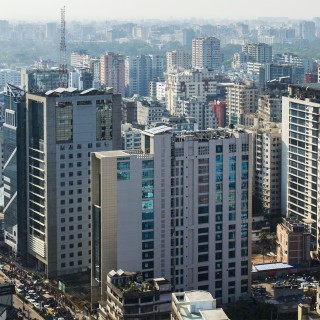
POPULARITY
Categories

15 episodes with Dhaka

24 episodes with Dhaka

20 episodes with Dhaka

17 episodes with Dhaka

8 episodes with Dhaka

15 episodes with Dhaka

12 episodes with Dhaka

12 episodes with Dhaka

11 episodes with Dhaka

4 episodes with Dhaka

6 episodes with Dhaka

7 episodes with Dhaka

5 episodes with Dhaka

8 episodes with Dhaka

3 episodes with Dhaka

6 episodes with Dhaka

4 episodes with Dhaka

11 episodes with Dhaka

4 episodes with Dhaka

2 episodes with Dhaka

3 episodes with Dhaka

2 episodes with Dhaka

3 episodes with Dhaka

2 episodes with Dhaka

10 episodes with Dhaka

4 episodes with Dhaka

2 episodes with Dhaka
Incumbent Foreign Secretary Asad Alam Siam has been reported as Dhaka's pick for High Commissioner to India. However, India is yet to give its go-ahead, as required under protocol.----more----https://theprint.in/diplomacy/amid-chill-in-ties-india-holds-up-approval-for-bangladeshs-appointment-of-next-high-commissioner/3042615/

River systems around the world are under stress from various factors ranging from pollution, to agriculture, to extractive industries. In some parts of the world there are regulations to help protect rivers, but in a lot of cases these are just preventative measures for a system already seriously degraded. Another way to protect rivers which has been receiving attention is to give them legal rights, like those we associate with being a person. These rights could include the right to flow freely and the right to regenerate. Corporations have long been recognised as legal persons and increasingly this has been extended to environmental entities. There are different pathways to secure legal personhood, from changing a country's constitution, to changing local law or to implementing a new ruling on an existing law, but as to whether any of these provide protection in practise, often depends on the way humans respond to the river. If a river can have rights and responsibilities, could they in turn face legal action from humans for failing to meet their own legal duties? Should rivers have personhood? (Photo: A wide view of the Turag River in Dhaka, Bangladesh, lined with small boats in the foreground and a densely populated riverside settlement on the right bank. Homes and market stalls sit on raised wooden structures above the water, while the shoreline shows piles of debris and exposed earth. The water appears dark with scattered floating vegetation, and trees and buildings fade into a hazy background. Credit: Md Manik/SOPA Images/LightRocket via Getty Images)Contributors: Prof Nick Mount, geographer and river scientist, UK Dr Erin O'Donnell, author, senior lecturer and ARC research fellow, University of Melbourne Law School, Australia Pier-Olivier Boudreault, director of conservation for the Canadian Parks and Wilderness Society, a founding member of the Alliance Muteshekau-shipu, Quebec, Canada Author and professor Naveeda Khan, Department of Anthropology, Johns Hopkins University, Baltimore, USAPresenter: William Crawley Producer: Jill Collins Researcher: Katie Morgan Technical producer: Craig Boardman Production co-ordinator: Phoebe Lomas Production management assistant: Liam Morrey Editor: Tom Bigwood

April 2013. I textilfabriken Rana Plaza utanför Dhaka upptäcker sömmerskorna sprickor som kryper över väggar och pelare. Inspektörer slår larm om att byggnaden inte är säker, men ändå tvingas arbetarna tillbaka med hot om indragen lön.När strömmen går och generatorerna drar igång håller inte golven längre, byggnaden kollapsar och tusentals personer fastnar under rasmassorna.Detta är berättelsen om Rana Plaza-kollapsen – dagen som förändrade Bangladesh textilindustri och livet för tusentals människor.Inläsare: Hilda HenzeResearch och manus: Amanda SandvikFaktagranskning: Linn EkRedaktör: Alex HaegerProducent: Oliver BergmanExekutiv producent: Victoria Rinkous
Kate Adie introduces stories on Bangladesh's deadly measles outbreak, France's military flex on Bastille Day, Albania's 'flamingo revolution', Ecuador's bird-watching boom, and remembering BBC Rome correspondent David Willey. Bangladesh is experiencing a severe measles outbreak, with around 700 people dying of confirmed and suspected cases since March - most of them children. BBC South Asia Correspondent Azadeh Moshiri reports from a hospital, north of the capital Dhaka. France celebrated Bastille Day this week, which marks the beginning of the French revolution. This was the last parade under President Emmanuel Macron, who steps down from office next year – but he made sure to make his mark, showcasing French military power and celebrating unity with its allies. James Waterhouse reports from Paris.In Albania, the pink flamingo has become an unlikely symbol of protest, reflecting environmental concerns over a proposed tourism development that triggered recent protests. But as Guy De Launey discovered, unhappiness among voters runs much deeper. Ecuador is one of the best places to watch birds anywhere in the world, boasting some 1600 species – twice as many as the whole of Europe. Unsurprisingly, birding tourism is thriving. Stephen Moss has been ticking off some rare spots.And veteran BBC correspondent, David Willey, died last weekend at the age of 93. Across a career spanning decades, he reported from around the world - covering communist China, the Vietnam war, and Libya during in Gaddafi era. His former producer, Joanne Cayford, remembers her time working with him during his long-standing role as BBC Rome correspondent. Series Producer: Serena Tarling Production coordinators: Gemma Ashman & Sophie Hill Editor: Richard Fenton-Smith

Jo Hall, CEO of WoolProducers Australia, joins the podcast to discuss efforts to diversify Australian wool exports beyond China, including emerging opportunities in Bangladesh, India and Vietnam. We also examine the Future Flock strategy, industry representation and whether the recent wool price recovery can rebuild grower confidence and lift supply. Plus, Pearl Jam, Dhaka's textile factories and wandering elephants.

In this episode, Augustine sits down with Rafia Islam, a midwife from Bangladesh with eight years of experience spanning refugee camps, mentorship roles, and one of Dhaka's busiest labor wards. Rafia walks us through her training, her path from data collector to midwife, and what a 12-hour night shift with 13 deliveries actually looks like.The conversation turns to the realities shaping birth in Bangladesh: a cesarean rate as high as 80% in some private hospitals, the financial incentives driving unnecessary surgery, and the coercion many families face in the delivery room. Rafia also shares why midwives are legally barred from home birth in Bangladesh, how the country's neonatal mortality rate has dropped dramatically since 2000, and a harrowing memory of delivering a baby during a hospital fire.This is a candid look at what it means to fight for autonomous, respected midwifery care in a system still learning what a midwife is for — and a reminder that no matter where you practice, the work of holding space for birth looks remarkably the same.

Bangladesh created history by securing their first-ever ODI series victory over Australia, winning the recent three-match contest 2-1. The reigning world champions found themselves on the wrong side of the record books and have now lost four of their last five ODI series. Nikesh Rughani, Jim Maxwell and Sunil Gupta discuss if Australia can fix their problems ahead next year's Cricket World Cup.The influence of the new ownership groups in the Hundred is already being felt, with team rebrands as the competition heads into its sixth season. We hear from MI London's' Nathan Sowter, who has become a short-format specialist, about how the tournament is evolving and what fans can expect this year.Plus, It was a memorable weekend in the England's Dorset League as former Sri Lanka captain Kumar Sangakkara turned out for his local club and smashed a match winning 168 from just 117 balls. We speak to one of his teammates, who tells Stumped he was “coaching” the legendary left-hander through the innings.Photo: Bangladesh's players celebrate after the dismissal of Australia's Marnus Labuschagne during the first one-day international (ODI) cricket match between Bangladesh and Australia at the Sher-e-Bangla National Cricket Stadium in Dhaka. (Credit: AFP via Getty Images)

Tahmima Anam discusses with Ivan six things which should be better known. Tahmima Anam is the author of the Bengal trilogy and a recipient of the Commonwealth Writers' Prize for Best First Book and the O. Henry Award. Her short story ‘Garments' was shortlisted for the BBC National Short Story Award. She is a Granta Best of Young British Novelist and a Fellow of the Royal Society of Literature. Born in Dhaka, Bangladesh, she trained as an anthropologist at Harvard University and now lives in London. Her new novel is Uprising, which is a Political Fiction Book Prize Finalist for the Orwell Prize and is available at https://www.waterstones.com/book/9781837265817. The Dirty Protest in Ireland https://theconversation.com/dirty-protests-why-irish-republican-prisoners-smeared-their-cells-with-faeces-to-make-a-political-statement-during-the-troubles-160306 Lysistrata https://www.theguardian.com/stage/2020/aug/03/lysistrata-review-ancient-theatre-of-epidaurus-aristophanes-national-theatre-greece South Korea's 4B movement https://afsee.atlanticfellows.lse.ac.uk/en-gb/blogs/how-the-4b-feminist-rebellion-is-taking-on-patriarchy Rokeya Sakhawat Hossain's Sultana's Dream https://en.wikipedia.org/wiki/Sultana%27s_Dream Coffee Ice cream https://thechalkboardmag.com/sugar-free-coffee-ice-cream-for-energy-euphoria/ How to be less useful by Priyanka Mattoo https://primattoo.substack.com/ This podcast is powered by ZenCast.fm

Four people in Bangladesh have died from suspected heat stroke over the past four days. The hot weather is impacting six of the country's eight divisions, including the capital, Dhaka.

Kencan Dengan Tuhan - Kamis, 4 Juni 2026Bacaan: "Karena masa depan sungguh ada, dan harapanmu tidak akan hilang." (Amsal 23:18)Renungan: Tabonya Siddiqui mengalami luka permanen Jakibat insiden yang dialaminya saat kecil di Dhaka, Bangladesh. Usianya masih 8 tahun saat lampu minyak yang ia nyalakan karena listrik padam, tiba-tiba meledak. Api melalap tubuhnya hingga memerlukan pemulihan yang lama dan melalui serangkaian operasi yang menyakitkan. Namun itu semua tidak menghalanginya meraih cita-cita menjadi model. Impiannya terwujud ketika dipercaya menjadi model Next, produk fesyen ternama. Tanpa memanipulasi cacat fisiknya, ia berhasil mewujudkan mimpi. Siapapun ingin memiliki masa depan yang baik, tetapi jika melihat masa lalu, latar belakang, tingkat pendidikan, dan lingkungan kita berada, tidak jarang diri sendiri merasa keinginan memiliki masa depan yang baik adalah sesuatu yang muluk. Padahal, tidak ada satu impian yang terlalu muluk bagi setiap orang yang bersungguh-sungguh berusaha mewujudkannya. Sebenarnya perasaan tersebut muncul karena kita telah membatasi kemampuan diri sendiri. Jika perasaan itu tidak disingkirkan dapat menjadi penghalang terbesar kita untuk mewujudkan impian. Alkitab mencatat banyak kisah orang yang tetap memegang mimpinya meski di tengah situasi sulit. Salah satunya adalah Yusuf yang tetap percaya bahwa kelak dirinya akan menjadi orang paling mulia di tengah keluarga dan saudara-saudaranya. Itu sebabnya, ia mampu bertahan saat menghadapi masa-masa sulit, baik ketika dijual oleh saudara-saudaranya, difitnah istri Potifar, hingga saat berada di penjara. Yusuf sadar, jika ia menyerah dengan keadaan maka masa depan yang indah itu pasti tidak akan pernah dimilikinya. Apapun situasi yang kita hadapi saat ini, mari katakan pada diri sendiri untuk selalu optimis. Percayalah bahwa ada masanya awan kelam kesukaran akan berlalu dari hidup kita untuk berganti dengan pelangi yang indah! Tuhan Yesus memberkati. Doa:Tuhan Yesus, kuserahkan keterbatasanku ke dalam tangan-Mu. Sempurnakanlah apa yang menjadi kekuranganku, sehingga bagaimanapun keadaanku, asal Kau ada bersamaku, maka hidupku bisa berdampak bagi banyak orang. Amin. (Dod).

A boy who nearly died after losing his mother at age seven grew up to become one of West Texas's most pioneering oncologists — and he's now telling the full story.Dr. Fazlur Rahman joins Brigitte Cutshall on Real Things Living for his second visit, this time diving into his newly republished memoir "Temple Road." It's a book about the literal jungle path he walked from his small Bangladesh village to school, and the metaphorical roads that carried him from there to medical school in Dhaka, residency in New York, and decades of groundbreaking cancer care in rural West Texas. 3 Takeaways:(1) Your origin story is your fuel. (2) Wisdom doesn't require a diploma. (3) Find your temple roads. Pick up Dr. Rahman's books — "Our Connected Lives: Caring for Cancer Patients in Rural Texas" and the newly republished "Temple Road" — available on Amazon. Visit him at https://fazlurrahmanmd.com If this story moved you, share it with someone who needs a reminder that it's never too late to find your purpose.

Nuacht Mhall. Príomhscéalta na seachtaine, léite go mall.*Inniu an tríochadú lá de mhí Bealtaine. Is mise Alanna Ní Ghallachóir.Tá tús curtha le triail iar-cheannaire an Pháirtí Aontachtaigh Dhaonlathaigh, Jeffrey Donaldson, agus a mhná céile, i ndiaidh do bheirt bhan líomhaintí a dhéanamh go ndearna sé mí-úsáid ghnéis orthu agus iad ina bpáistí. D'inis abhcóide an ionchúisimh, Rosie Walsh KC, don ghiúire de chúigear ban agus seachtar fear ag Cúirt Chórónach an Iúir, go ndúirt duine de na gearánaigh gur thosaigh an mhí-úsáid agus í fós sa bhunscoil, agus gur leanadh ar aghaidh leis ar feadh roinnt blianta. Dúirt an gearánach eile gur chreid sí gur tharla na teagmhais bainte léi féin thart fán aois chéanna. Agus é i mbun agallamh le póilíní tar éis á ghabhála i Mí an Mhárta 2024, dúirt Donaldson gur rud “dochreidte” a bhí sa chúiseamh éignithe ina aghaidh agus shéan sé na cúisimh a bhí curtha ina leith. Phléadáil iar-cheannaire an DUP neamhchiontach do 18 gcúiseamh agus shéan Bean Donaldson cúig chúiseamh. Deirtear gur tharla na teagmhais idir na blianta 1985 agus 2008Dé Céadaoin, sáraíodh an churiarracht teochta um mí na Bealtaine in Éirinn ag Aerfort na Sionainne, nuair a bhain an mearcair 30.6C amach. Lean sé seo curiarracht eile ní ba luaithe sa lá ag stáisiún aimsire Páirc na Darach, taobh amuigh de bhaile Cheatharlach, inar taifeadadh teocht 29.7C. Agus sa Phortaingéil, taifeadadh an lá is teo i mí na Bealtaine ag 40.3C sa bhaile lárnach Mora, agus tíortha in iarthar na hEorpa ag streachailt leo san aimsir mharfach leáiteach. Sna tríocha bliain a chuaigh thart, tá ardú teochta 0.56C tagtha ar an Eoraip achan deich mbliana, de réir na Seirbhíse Aeráide Copernicus - neart leis na teochtaí as cuimse a dhéanamh níos coitianta. Déardaoin, dúirt na Náisiúin Aontaithe go bhfuil seans maith ann go ndéanfaidh na meánteochtaí domhanda na hardteochtaí as cuimse níos géire. Tháinig clú agus cáil ar bhuabhall ailbíneach neamhchoitianta a bhfuil gruaig fhada fhionn air sa Bhangladéis, agus an fhéile Eid al-Adha ag bualadh linn, agus é ag tarraingt na sluaite cuairteoirí fiosracha a deir go bhfuil an-chosúlacht idir an t-ainmhí agus Uachtarán Stáit Aontaithe Mheiriceá, Donald Trump. Tógadh an buabhall, a bhfuil beagnach 700kg meáchain ann, ar fheirm i gceantar in aice leis an phríomhchathair, Dhaka, agus tugadh an leasainm Donald Trump air mar gheall ar an dos gruaige bán thar a bhaitheas. Is Moslamaigh iad formhór na mBangladéiseach, náisiún san Áise Theas a bhfuil 170 milliún duine ann, a bhí ag céiliúradh Eid al-Adha, féile na híobairte le linn na seachtaine. Bhí sléacht le déanamh ar an bhuabhall leis an fhéile a chomóradh ach, sna huaireanta sular cuireadh é chun báis, ghníomhaigh an rialtas leis an t-ainmhí a shabháil. Dúirt coiméadaí an Zú Náisiúnta um Bangladéis, Atiqur Rahman, go dtabharfaí cúram maith don ainmhí, agus bóthán áirithe tugtha don bhuabhall in éineacht le cúramóir, agus go mbeidh sé ar coraintín le haghaidh coicíse. *Léirithe ag Conradh na Gaeilge i Londain. Tá an script ar fáil i d'aip phodchraolta.*GLUAISgearánach - complainantcúiseamh éignithe - accusation of rapeleáiteach - meltingmeánteochtaí - average temperaturesbuabhall ailbíneach - albino buffalodos gruaige - tuft of hair

What if you attracted 50 buyers in two months - for a product you almost didn't list? That's not a marketing strategy. That's exactly what happened when 21-year-old Ovi Shekh posted Wisdomic AI on Acquire.com and watched his inbox fill up faster than he expected. Ovi is a CS student from Dhaka, Bangladesh. He's already exited two businesses before most people his age have submitted a single job application. His first exit came almost by accident - a COVID-era grocery delivery startup, quietly acquired after the buyer tracked him down on Instagram. His second was Wisdomic AI. An AI-powered academic research tool he'd spent eight months building. Ten thousand signups. Nineteen hundred active users. Fifty-plus universities. And a product he genuinely didn't want to let go of. But he listed it anyway. Just to see. Fifty-two inquiries later, he had a signed LOI with his chosen buyer. And then a better offer showed up. More money. Different vision. And Ovi walked away from it. Because here's the thing most first-time sellers never think to use as a dealbreaker - vision alignment. Not the highest number. Not the cleanest terms. Whether the buyer actually believes in what you built and will carry it forward the right way. That was the filter. That was the whole decision. The buyer Ovi chose went on to raise $700,000 using the asset Ovi sold him. Let that sit for a second. In this episode, Jaryd sits down with Ovi to unpack how a 21-year-old from Bangladesh navigated two exits, turned down a better offer on purpose, and figured out the rules of the acquisition game earlier than almost anyone around him. How he valued an eight-month-old SaaS with no ARR and a niche user base that didn't behave like typical consumers. Why he applied to Y Combinator eight times, got rejected every single time, and what that finally told him about where his leverage actually lived. And the one thing he says nobody tells you when you're building - that you don't get rich owning a startup. Only selling one. Most founders fall in love with their product and never let go. Ovi fell in love with his, listed it just to see what would happen, and walked away with a lesson worth more than the exit itself.

VOV1 - Bangladesh tiếp tục ghi nhận thêm nhiều ca tử vong liên quan đến bệnh sởi trong bối cảnh dịch bệnh lan rộng trên khắp cả nước. Theo Tổng cục Dịch vụ Y tế nước này, trong 24 giờ qua đã có thêm 16 người tử vong với các triệu chứng giống sởi, nâng tổng số ca tử vong từ đầu năm đến nay lên 528.Bangladesh hiện ghi nhận hơn 63.000 ca nghi mắc sởi trên toàn quốc, trong đó hơn 8.600 trường hợp đã được xác nhận dương tính kể từ tháng 3 tới nay. Riêng trong ngày hôm qua, nước này có thêm hơn 1.300 ca nghi nhiễm mới. Phần lớn những người mắc bệnh và tử vong là trẻ em dưới 5 tuổi.Dịch bệnh xuất hiện đầu tiên tại các trại tị nạn Rohingya gần biên giới Myanmar, trước khi lan rộng ra 58 trong tổng số 64 quận huyện của Bangladesh. Hơn 21.000 người đã phải nhập viện điều trị, khiến nhiều bệnh viện, đặc biệt tại thủ đô Dhaka, rơi vào tình trạng quá tải nghiêm trọng.Các cơ sở y tế đã phải mở thêm khu điều trị riêng cho bệnh nhân sởi, song vẫn thiếu giường chăm sóc tích cực và nhân lực y tế. Nhiều bác sĩ cho biết phần lớn trẻ nhập viện đều trong tình trạng nặng, với các biến chứng về hô hấp, viêm phổi và nhiễm trùng.UNICEF cho biết cơ quan này từng nhiều lần cảnh báo Bangladesh về nguy cơ thiếu hụt vaccine và gián đoạn chương trình tiêm chủng. Theo các báo cáo, việc chậm trễ trong mua vaccine đã khiến nguồn cung bị thiếu hụt, làm hàng triệu trẻ em không được tiêm phòng đầy đủ.Tổ chức Y tế Thế giới WHO cũng cảnh báo nguy cơ dịch bệnh lan sang các nước láng giềng như Myanmar và Ấn Độ. Trước tình hình khẩn cấp, Bangladesh đã nối lại việc mua vaccine thông qua UNICEF và triển khai chiến dịch tiêm chủng quy mô lớn trên toàn quốc.Theo UNICEF, chiến dịch này đã tiếp cận khoảng 18 triệu trẻ em. Tuy nhiên, giới chức y tế Bangladesh cho rằng cần thêm vài tháng nữa mới có thể đánh giá đầy đủ hiệu quả của chương trình tiêm chủng khẩn cấp.Bệnh sởi là bệnh truyền nhiễm nguy hiểm do virus gây ra, lây lan rất nhanh qua đường hô hấp. Bệnh đặc biệt nguy hiểm với trẻ nhỏ, nhất là trẻ suy dinh dưỡng hoặc chưa được tiêm vaccine, do có thể gây viêm phổi, viêm não và tử vong./.Đình Nam/VOV-New DelhiDịch sởi Bangladesh.
Khalilur Rahman's remarks followed the fall of the Mamata Banerjee-led TMC government in West Bengal Monday. In 2011, Banerjee stalled a proposed Teesta water sharing agreement. ----more---- https://theprint.in/diplomacy/dhaka-may-not-wait-for-india-even-after-mamata-rout-bangladesh-fm-says-teesta-to-be-discussed-in-china/2923270/

In this episode, I reflect on the growing energy security crisis in net energy-importing developing countries like Bangladesh and the Philippines. Drawing from a recent visit to Dhaka, I share the powerful image of a mile-long fuel queue and paints the contrasting Picture of using electric vehicles powered by rooftop solar as a practical solution for many. Connect with Sohail Hasnie: Facebook @sohailhasnie X (Twitter) @shasnie LinkedIn @shasnie ADB Blog Sohail Hasnie YouTube @energypreneurs
VOV1 - Hôm qua (23/4), Tổ chức Y tế Thế giới (WHO) cho biết, Bangladesh đã xác nhận 30 trường hợp tử vong trong đợt bùng phát bệnh sở đang lan nhanh tại nước này, với hầu hết nạn nhân là trẻ em dưới 2 tuổi.Theo báo cáo của WHO, đây là số ca tử vong do sởi cao nhất trong nhiều thập kỷ, đảo ngược tiến trình loại bỏ hoàn toàn bệnh sởi tại Bangladesh. Tổ chức Y tế Thế giới nghi ngờ có 166 trường hợp tử vong khác tại Bangladesh do bệnh sởi từ giữa tháng 3, nhưng chưa được xác nhận.Tính từ ngày 15/3 đến ngày 14/4, hơn 19.000 trường hợp nghi mắc bệnh sởi đã được báo cáo và gần 3.000 trường hợp đã được xác nhận qua xét nghiệm. Trẻ em dưới 5 tuổi chiếm khoảng 79% số ca mắc bệnh. WHO đánh giá sự lây lan nhanh chóng này có liên quan đến những lỗ hổng trong hệ miễn dịch cộng đồng sau khi tỷ lệ tiêm chủng giảm trong những năm gần đây và sự gián đoạn đối với các dịch vụ tiêm chủng định kỳ.WHO cảnh báo về sự lây lan nhanh chóng hơn và hậu quả nghiêm trọng hơn nếu Bangladesh không khẩn trương khắc phục những lỗ hổng miễn dịch, đồng thời cho biết có nguy cơ cao bệnh sởi sẽ lây lan rộng hơn nữa tại các trung tâm đô thị lớn và các đầu mối trung chuyển quốc tế, bao gồm cả thủ đô Dhaka.Hiện một chiến dịch tiêm chủng sởi -rubella trên toàn Bangladesh cho trẻ em từ 6 đến 59 tháng tuổi đã được triển khai, cùng với các biện pháp khẩn cấp ứng phó với đợt dịch bùng phát bao gồm các đội phản ứng nhanh, tăng cường giám sát, chuẩn bị bệnh viện, phòng bệnh./. Đình Nam/VOV New DelhiWHO và các đối tác tiêm chủng vaccine Sởi - Rubella tại Bangladesh. Ảnh: UNICEF.

Our roving reporter Tawhid Qureshi was on the ground to get all the exclusives in Bangladesh during West Indies white ball tour. Here is his sit down interview with Jayden Seales. As ever please leave a rating, review, comment and follow the Caribbean Cricket Podcast. No other channel keeps it as real as we do on the Caribbean Cricket Podcast. If you'd like to support the Caribbean Cricket Podcast you can become a patron for as little as £2/$2 a month here - https://www.patreon.com/Caribcricket If you would like to read some high quality articles on West Indies cricket - please subscribe to our brand new site - Caribbean Cricket News on CounterPress • West Indies Cricket independent news Learn more about your ad choices. Visit podcastchoices.com/adchoices

Tema del dia En aquest episodi entrevistem l'Enric Luzán, l'aventurer català que es proposa fer la volta al món caminant en 3 anys, passant per 4 continents i fent uns 26.232 km com a mínim. Li preguntarem, entre altres coses, quins han estat els millors i pitjors moments d'aquests primers 100 dies de ruta i quines han estat les decisions més difícils que ha hagut de prendre. Som-hi! Apunta't a la pròxima edició del nostre Club de Lectura: de l'1 al 31 de maig! Segueix l'Enric a Instagram: @enricluzan Mira els seus vídeos a YouTube Escolta el seu pòdcast a Spotify L'expressió de la setmana "propietat privada, la que tinc aquí penjada" (petita broma per criticar el fet que una cosa no sigui pública) Bonus Encara falta molt per a la tornada, però com se la imagina? Creu que en tornar serà una persona diferent? Transcripció Andreu: [0:15] Bon dia a tothom i benvinguts al pòdcast d'Easy Catalan. M'imagino que no soc l'únic si dic que més d'una vegada he fantasiejat amb la idea de deixar-ho tot enrere per anar a viatjar pel món durant una llarga temporada. Qui no s'ha plantejat mai aquesta possibilitat? Potser algú de vosaltres ho ha fet, però diria que en la majoria de casos això només queda en el pla de la imaginació, com una cosa de somiatruites. I jo reconec que ho soc una mica, de somiatruites. Una paraula molt bonica, per cert. Si no la coneixeu, el diccionari la defineix així: "Persona visionària o que s'il·lusiona fàcilment amb coses impossibles o estranyes". Us parlo d'això perquè ara fa uns mesos, a finals de novembre, em va sortir un vídeo a YouTube que em va cridar molt l'atenció. Es titulava "Dia 1 de la volta al món a peu" i tot just s'acabava de publicar. Vaig fer-hi clic, és clar, i el primer que s'hi veia era un noi equipat amb roba d'esport i una motxilla, tot de color blau, al mig de plaça Catalunya, que activa el mode senderisme del seu rellotge, s'acomiada d'amics, familiars i coneguts i es posa a caminar. L'objectiu? Fer la volta al món caminant, creuant com a mínim quatre continents de costa a costa, amb un mínim de 3.000 quilòmetres a peu en cadascun d'ells, en total 26.232 quilòmetres, i en un termini aproximat de tres anys. I tot això, documentat en forma de videoblog diari en un canal de YouTube. El protagonista d'aquesta història és l'Enric Luzán i el seu canal es diu Enric Adventures. També el podeu seguir a Instagram a @enricluzan per estar al dia de la seva aventura i dels vídeos que publica. No cal dir que jo hi estic totalment enganxat i sé que entre vosaltres n'hi ha més que el seguiu, així que vaig pensar que seria interessant entrevistar-lo i xerrar amb ell aquí al pòdcast. En aquests moments, l'Enric ja és a Grècia, en direcció a Turquia, però quan vam parlar encara era a Albània. Per tant, la conversa que sentireu a continuació tracta de l'inici del seu gran viatge. Us animo a escoltar l'entrevista i a seguir-lo a les xarxes. Però abans d'això, deixeu-me anunciar una cosa important. Últimament, alguns de vosaltres ens heu estat preguntant quan serà la pròxima edició del Club de Lectura i us hem anat donant alguna petita pista, però ara ja podem dir oficialment les dates i el llibre que llegirem. El proper Club de Lectura d'Easy Catalan serà durant el mes de maig, de l'1 al 31, i llegirem un llibre que ens ha recomanat la Sílvia, titulat "Un grapat d'ametlles", de l'autora Agnès Esquirol. Això ho farem a Discord, on tindrem un fòrum específic per anar comentant els capítols cada setmana, i també farem una videotrucada setmanal per parlar-ne tots plegats. Aquestes videotrucades seran els divendres 8, 15, 22 i 29 a les 7 de la tarda. Si entreu a la web easycatalan.org/bookclub, trobareu la sinopsi del llibre, una mostra de les primeres pàgines i alguns enllaços per trobar-lo tant en format físic com digital. Així que ja ho sabeu, teniu tot aquest mes d'abril per aconseguir el llibre i entrar a la comunitat, on podeu escriure un primer missatge per presentar-vos si encara no en sou membres. I dit això, ara sí, passem a l'entrevista amb l'Enric. Som-hi! La Volta al Món a Peu: [3:34] Mare de Déu! La Volta al Món a Peu. Catalans sense fronteres. Benvinguts a Enric Adventures. Us presento el projecte més gran de la meva vida: la Volta al Món a Peu. En català. Un dia vaig descobrir que el caminar és la manera més primitiva de viatjar, aquella que ens connecta de manera més profunda amb la Terra i les persones que l'habiten. Fruit d'aquesta inquietud, vaig obrir el meu canal de YouTube, per compartir les meves travesses i inspirar altres igual que altres em van inspirar a mi. La ruta començarà a la plaça Catalunya de Barcelona i creuaré Europa per França, Itàlia, Eslovènia, Croàcia, Bòsnia, Montenegro, Albània, Grècia i entraré a Àsia per Istanbul, Turquia. Seguidament, enfilaré al nord seguint la costa del Mar Negre fins a Geòrgia i Armènia, on agafaré un avió fins al Paquistan. Continuaré per Índia, els Himàlaias travessant el Nepal i baixant a Bangladesh. A Dhaka volaré fins a Tailàndia, recorrent el sud-est asiàtic fins a Singapur, passant per Malàisia. El tercer continent serà Austràlia. Recorreré més de 4.000 quilòmetres des de l'extrem est, Perth, fins a l'oest, Sidney. A continuació, travessaré Amèrica del Nord pels Estats Units, des del Pacífic fins al Golf de Mèxic. La part més difícil del viatge serà Sudamèrica. Començant pel Perú, recorreré les seves muntanyes i entraré a Xile, on creuaré el desert d'Atacama i travessaré la serralada dels Andes fins a l'Oceà Atlàntic, a Argentina. Per últim, volaré fins a Santiago de Compostel·la per fer el camí de Sant Jaume en sentit invers, fins al punt d'inici final: la plaça Catalunya de Barcelona. De camí em trobaré 20 catalans a 20 països diferents, que m'explicaran com viuen la cultura catalana tan lluny de casa. Tot plegat ho documentaré a l'estil Enric Adventures, gravant, editant i pujant els vídeos en ruta. I com no pot ser d'una altra manera, en català. 26.232 quilòmetres, 4 continents i 3 anys, dormint en tenda de campanya i cuinant en fogonet. Acompanyeu-me. Andreu: [5:31] Bon dia, Enric. Com estàs? Benvingut al pòdcast. Enric: [5:33] Bon dia! Doncs molt bé, mira, aquí (assegut) a l'ombra d'una olivera a Albània. Fes-te membre de la subscripció de pòdcast per accedir a les transcripcions completes, a la reproducció interactiva amb Transcript Player i a l'ajuda de vocabulari.

The ‘modern Yoga industrial complex' is FUCK!ING wild, man! So much so that it's easy to forget why we even teach Yoga anymore! In this episode I'm reading from some of the books that always bring me solace when I've lost my mooring in Yogaland or am feeling disappointed by people who talk a big Yoga game but conduct themselves terribly. I hope it's useful.Join me tomorrow for my new free training ‘Remember Why You Began' here: https://mailchi.mp/amymcdonald/rememberIf you value this show, please do consider supporting my work on Patreon. It's just $5 AUD a month and it makes a big difference to me. Here is the link: https://www.patreon.com/AmyMcDonaldREFERENCES:Farhi, Donna (2006) Teaching Yoga: Exploring the Teacher-Student Relationship, Random House, LondonFeuerstein, Georg (2011) The Path to Yoga: an Essential Guide to its Principles and Practices, Random House, LondonLandry, Amy (2026) The Ocean of Yoga: A Complete Guide to Living the Teachings, Tradition, and Practice, Shambhala, BostonLowenstein MD, Keith G. (2021) Kriya Yoga for Self-Discovery, Inner Traditions, RochesterStone, Michael (2009) Yoga for a World Out of Balance, Shambhala, Boston

The conversation begins with a look at where the conflict stands today and how Iran has managed to absorb significant military pressure while still responding in a measured way. Dharmendra explains how the conflict has expanded beyond immediate borders, affecting energy flows and drawing in multiple countries, while also reinforcing a sense of internal unity despite economic strain. It then turns to Iran's internal system, where different power centres, from the political leadership to the security establishment, continue to function together even under pressure. The episode also reflects on the role of nationalism, suggesting that even in a deeply ideological state, a shared national identity plays a strong role in shaping public response during moments of crisis. In the final part, the focus shifts to India. The discussion looks at how India manages its relationships across the region, from Iran to the Gulf, and the constraints created by sanctions and global politics. It also touches on long-term projects like Chabahar and what their future might look like. The episode closes with a broader reflection on where the region may be headed and what space there is for stability after the conflict. Episode Contributors Srinath Raghavan is a nonresident senior fellow at Carnegie India. He is also a professor of International Relations and History at Ashoka University. His primary research focus is on the contemporary and historical aspects of India's foreign and security policies. Gaddam Dharmendra is a nonresident senior fellow at Carnegie India. He joined the Indian Foreign Service in 1990 and served in various capacities in Indian Missions across the world and at the Ministry of External Affairs, South Block. His overseas assignments include stints at Indian Missions in Tehran, Dushanbe, Washington D.C., and Dhaka. Every two weeks, Interpreting India brings you diverse voices from India and around the world to explore the critical questions shaping the nation's future. We delve into how technology, the economy, and foreign policy intertwine to influence India's relationship with the global stage.As a Carnegie India production, hosted by Carnegie scholars, Interpreting India, a Carnegie India production, provides insightful perspectives and cutting-edge by tackling the defining questions that chart India's course through the next decade.Stay tuned for thought-provoking discussions, expert insights, and a deeper understanding of India's place in the world.Don't forget to subscribe, share, and leave a review to join the conversation and be part of Interpreting India's journey.
On 18th December 2025, the offices of two of Bangladesh's biggest newspapers, The Daily Star and Prothom Alo, were surrounded by mobs, attacked and set on fire. At The Daily Star, journalists were forced to take shelter on the roof of the building as smoke billowed through the lift shaft. They were rescued hours later by the military and many required hospital treatment. The BBC's Soutik Biswas went to Dhaka to talk to journalists caught up in the violence and to investigate the social media posts that may have driven it. Hallyu, or the Korean wave, is what South Koreans call the international success of TV shows like Squid Game and K-Pop Demon Hunters. The phenomenon has grown exponentially since the 1990s, encompassing South Korean music, TV, drama, food and cosmetics. Boy band BTS have been central to the Hallyu craze since they got together in 2010. Their decision to go on hiatus so they could complete their military service sparked debate in South Korea. Now, as they prepare for a huge return concert in Seoul, Suhnwook Lee of BBC Korean joins the online queue for tickets. The Fifth Floor is at the heart of global storytelling on the BBC World Service, bringing you the best stories from journalists in the BBC's 43 language services. We're here to help you make sense of the stories making headlines around the world; to excite your curiosity and to get to grips with the facts. Recent episodes have investigated Russia's youth armies and how they make soldiers of Ukrainian children; featured the BBC team who were the first journalists to the site of the Nigerian school kidnappings and reflected the effects of internet blackouts in Iran, Uganda and India. If you want to know more about Venezuela's acting president, Delcy Rodriguez, and the legacy of Hugo Chavez; or how Vladimir Putin's network of deep cover spies operates; or why Donald Trump signed an executive order granting white South Africans asylum in the US, we have all those stories and more.Presented by Irena TaranyukProduced by Laura Thomas, Caroline Ferguson and Hannah Dean. (Photo:Irena Taranyuk.)

Breathe Pictures Photography Podcast: Documentaries and Interviews
Today, the show travels to Bangladesh. It's the first of two specials, as we visit India too in the coming weeks. Bangladesh is roughly the size of England, with a population of between 170 and 200 million people. Dhaka is one of the busiest, loudest, most relentlessly alive cities you are ever likely to walk through. The city runs on noise, an orchestra of car, bus, rickshaw and tuk-tuk horns and beeps that never quite stops, layers of sound that, after a while, start to feel almost normal. We walk the riverbanks of the Buriganga, explore the shipyards of Keraniganj, lose ourselves in the markets of Old Dhaka, and find ourselves unexpectedly invited through a wall into a Krishna festival in full swing. Along the way, we photograph the sand carriers of the river and spend time in a city that rewards anyone willing to look past the surface. Into all of this walked my travel partner, Lynn Fraser, and I, with cameras and the great fortune of having GMB Akash as our guide, a World Press Photo winner who has spent his career photographing lives on the margins in a way that gives people back their dignity rather than reducing them to their hardships. This isn't a formal interview with him, more time spent together in his city, with his people. You'll get a very clear sense of who he is. We certainly did. Read more about our photographic adventures on our photography travel website, The Journey Beyond. Links to all guests and features will be on the show page, my sincere thanks to our Extra Milers, without whom we wouldn't be walking each week and Arthelper.ai, giving photographers smart tools to plan, promote, and manage your creative projects more easily. WHY: A Sketchbook of Life is available here.

I'm your China travel guide in exile, Missionary Ben, recording today in downtown Dhaka, the overcrowded capital of Bangladesh. Follow me on Twitter/X (@chinaadventures) where I share a new Chinese city to pray for every single day. Feel free to email anytime: chinacompass @ privacyport.com. Check out PrayGiveGo.us for everything else, incl. Patreon, Substack & books… The Memoirs of William Milne (PrayGiveGo.us) The Autobiography of John G. Paton (JohnGPaton.com) Borden of Yale: The Millionaire Missionary (BordenofYale.com) Unbeaten: Arrested, Interrogated, and Deported from China (Unbeaten.vip) Why the Prison Pulpit? The goal is to remind people to pray for persecuted believers as Hebrews 13:3 teaches: “Remember those who are in prison, as bound with them.” We’ve looked at Wang Yi and Early Rain Church’s writings in the aftermath of their arrest and attack in 2018, but I’ve also regularly turned to other persecuted ministers who have gone before, such as Richard Wurmbrand, to give us a voice literally from prison. Thoughts on Bangladesh and How to Pray… When I first started learning about Bangladesh in 2002, there were only about 130+ million people. Today that number is closer to 180! Let me help you with an example of just how crowded it is… similar in size to Georgia, Iowa, and Alabama, but with 15 or 25x more people!s **Bangladesh is the most densely populated sovereign nation larger than 1,000 square miles** - It has a population density of roughly 3,538 per sq. mile (1400/km)! - Virtually all higher-density entries are tiny city-states, territories, or micro-nations far below 1,000 square miles, including: Macau (~33 km², ~22,000/km²), Monaco (~2 km², ~19,000/km²), Singapore (~710 km², ~8,225/km²), and Hong Kong (~1,100 km², ~7,000/km²). - Among sovereign countries (or comparable large entities) exceeding the size threshold, no other nation surpasses Bangladesh. Next in line for larger countries include places like Taiwan (~636/km²), the Netherlands (~548/km²), and South Korea (~529/km²). Islam growing faster than anything else Christians converted from Islam are growing, but still a tiny minority (200k) Pray for more laborers, open doors, boldness, and protection from the evil one As always, put yourself “in their shoes” as you pray… How to Give? MCI3.org ($50k need!) We have a major project later this year to help the missionary arm of China's underground church. Follow China Compass Thank you for listening! Subscribe & leave a review on your preferred podcast platform! And don’t forget to visit PrayGiveGo.us for books + Heb. 13:3: Remember those who are in prison, “as bound with them”!

For decades, Bangladesh has long oscillated between competitive democracy and dominant-party rule. In 2024, mass protests brought an abrupt end to Prime Minister Sheikh Hasina's long tenure in power, opening the door to Bangladesh's most consequential election in more than a decade—one that returned the Bangladesh Nationalist Party to power and reshaped the country's political landscape. With Hasina's fall and a new government in office, the country once again stands at a crossroads—testing whether institutional reform and electoral competition can deliver lasting democratic stability. To talk about the new political era in Bangladesh, Milan is joined on the show this week by Naomi Hossain. Naomi is Global Research Professor with the Department of Development Studies at SOAS University of London. She has researched extensively across Bangladesh and has managed large international studies spanning 20 countries in Asia, Africa, Latin America, and Europe. Naomi is the author of the acclaimed 2017 book, The Aid Lab: Understanding Bangladesh's Unexpected Success. Naomi and Milan discuss the abrupt end to Hasina's fifteen-year rule, the performance of the interim government under Muhammad Yunus, and the prospects for new prime minister Tarique Rahman. Plus, the two discuss the country's immense economic challenges and the role of the military. Episode notes: Naomi Hossain, “Ali Riaz's Big Bet,” Counterpoint, January 19, 2026. Naomi Hossain, “Dhaka pre-election diary (pt 1, possibly, of 2),” Substack, January 6-19, 2026. “How India Lost the Neighborhood (with Muhib Rahman),” Grand Tamasha, February 11, 2026. “Sri Lanka's Peaceful Revolution (with Neil DeVotta),” Grand Tamasha, January 25, 2025.

I'm your China travel guide in exile, Missionary Ben, recording today in downtown Dhaka, the overcrowded capital of Bangladesh. Follow me on Twitter/X (@chinaadventures) where I share a new Chinese city to pray for every single day. Feel free to email anytime: chinacompass @ privacyport.com. Check out PrayGiveGo.us for everything else, incl. Patreon, Substack & books… The Memoirs of William Milne (PrayGiveGo.us) The Autobiography of John G. Paton (JohnGPaton.com) Borden of Yale: The Millionaire Missionary (BordenofYale.com) Unbeaten: Arrested, Interrogated, and Deported from China (Unbeaten.vip) Why the Prison Pulpit? The goal is to remind people to pray for persecuted believers as Hebrews 13:3 teaches: “Remember those who are in prison, as bound with them.” We’ve looked at Wang Yi and Early Rain Church’s writings in the aftermath of their arrest and attack in 2018, but I’ve also regularly turned to other persecuted ministers who have gone before, such as Richard Wurmbrand, to give us a voice literally from prison. Thoughts on Bangladesh and How to Pray… When I first started learning about Bangladesh in 2002, there were only about 130+ million people. Today that number is closer to 180! Let me help you with an example of just how crowded it is… similar in size to Georgia, Iowa, and Alabama, but with 15 or 25x more people!s **Bangladesh is the most densely populated sovereign nation larger than 1,000 square miles** - It has a population density of roughly 3,538 per sq. mile (1400/km)! - Virtually all higher-density entries are tiny city-states, territories, or micro-nations far below 1,000 square miles, including: Macau (~33 km², ~22,000/km²), Monaco (~2 km², ~19,000/km²), Singapore (~710 km², ~8,225/km²), and Hong Kong (~1,100 km², ~7,000/km²). - Among sovereign countries (or comparable large entities) exceeding the size threshold, no other nation surpasses Bangladesh. Next in line for larger countries include places like Taiwan (~636/km²), the Netherlands (~548/km²), and South Korea (~529/km²). Islam growing faster than anything else Christians converted from Islam are growing, but still a tiny minority (200k) Pray for more laborers, open doors, boldness, and protection from the evil one As always, put yourself “in their shoes” as you pray… How to Give? MCI3.org ($50k need!) We have a major project later this year to help the missionary arm of China's underground church. Follow China Compass Thank you for listening! Subscribe & leave a review on your preferred podcast platform! And don’t forget to visit PrayGiveGo.us for books + Heb. 13:3: Remember those who are in prison, “as bound with them”!

Ever since the US and Israel began their war against Iran, economies around the world have been coping with the impacts of energy prices and food security.South Korea has introduced an energy price cap, universities have closed in Bangladesh and India has been granted access to sanctioned Russian oil to ease pressures.We hear where is being impacted the most and how quickly, and if this will see the world move away from its reliance on imports.If you'd like to get in touch with the team, our email address is businessdaily@bbc.co.ukPresenter: Rahul Tandon Producers: Matt Lines and Sarah Rogers Additional reporting: Sarah RogersBusiness Daily is the home of in-depth audio journalism devoted to the world of money and work. From small startup stories to big corporate takeovers, global economic shifts to trends in technology, we look at the key figures, ideas and events shaping business.Each episode is a 17-minute, daily deep dive into a single topic, featuring expert analysis and the people at the heart of the story.Recent episodes explore the weight-loss drug revolution, the growth in AI, the cost of living, why bond markets are so powerful, China's property bubble, and Gen Z's experience of the current job market.We also feature in-depth interviews with company founders and some of the world's most prominent CEOs. These include Google's Sundar Pichai, Wikipedia founder Jimmy Wales, and the CEO of Canva, Melanie Perkins.(Picture: Motorists wait in line to purchase fuel at a petrol station in the Mohammadpur area of Dhaka, Bangladesh, amid concerns over global oil supply disruptions linked to escalating tensions in the Middle East. Credit: Getty Images)

In this episode of Out of the Clouds, host Anne V. Mühlethaler welcomes Katia Dayan Vladimirova, a senior sustainability policy expert with almost fifteen years of research experience at the intersection of fashion, policy, and social change. Katia is the founder of the Post Growth Fashion Agency, a boutique advisory service working with local and national governments and NGOs to transform how we consume and dispose of fashion. She is also the author of the Substack Post Growth Fashion, the founder of the International Research Network on Sustainable Fashion Consumption — now hosted at Yale and bringing together close to 180 researchers globally — and the founder of Well Rounded, the first plastic-free underwear brand made in Europe, with a supply chain traced all the way to cotton fields in Greece. She holds a double PhD in climate ethics and political science, and has studied and worked at institutions including the London School of Economics, MIT, ULB in Brussels, LUISS in Rome, and UNIGE in Geneva.The conversation begins with Katia sharing her story. Anne and Katia then get into the ideas at the heart of Katia's work. She unpacks degrowth and sufficiency, making the case that the labels do these concepts a disservice, since studies show overwhelming public support for the underlying principles once they are actually explained. Applied to fashion, she is interested not in restricting creativity but in shifting how we experience clothing: through swapping, renting, repairing, community events, and a deeper relationship with what we already own. She talks about the Rule of Five, how we would each need to limit ourselves to in order to stay within the planetary boundaries aligned with the Paris Agreement's target. The pair also discuss the role of cities in managing textile waste and Katia's work with Geneva, Luxembourg, Amsterdam, and others to make sustainable fashion alternatives viable at a local level. She notes that in Geneva, only 3% of donated garments are redistributed locally; the rest enter a global stream that ends up, in large part, in open-air landfills in West Africa. Katia then shares the argument at the heart of her essay The Trojan Horse of Fashion: that the oversupply of secondhand. itself a product of fast fashion overproduction, is creating a bubble that will burst within five to ten years, forcing a major restructuring of the industry. An exceptionally knowledgeable, warm, and surprisingly joyful conversation on one of the most urgent topics of our time. Happy listening!Connect with Katia Dayan Vladimirova:Find Katia on LinkedInPost Growth Fashion SubstackPost Growth Fashion AgencyInternational Research Network on Sustainable Fashion ConsumptionWell Rounded — Katia's circular underwear brandReferenced in the episode:The True Cost movie — Documentary (2014) directed by Andrew MorganRana Plaza — Background on the 2013 factory collapse in Dhaka, BangladeshHot Cool Institute — Berlin-based think tank; co-authors of the 2022 global fashion consumption reportThe Rule of Five — Campaign inspired by the five-garment-per-year findingParis Agreement — The 2015 climate accord and its 1.5-degree targetVestiaire Collective — Secondhand platform referenced by AnneHUT / Caritas Luxembourg — One-stop sustainable fashion hub in LuxembourgKate Fletcher — Pioneer in sustainable fashion, featured in Katia's webinar seriesDilys Williams — Sustainable fashion academic, featured in Katia's webinar seriesJason Hickel — Degrowth scholar referenced in the conversationProject 333 — Capsule wardrobe challenge referenced in the conversationGabriela Hearst — Designer referenced by Anne for her approach to materialsSatoshi Kuwata — Milan-based designer mentioned by Katia as an example of genuine creative resilienceTim Lomas — Positive psychology professor, featured in an earlier Out of the Clouds episode, Your Story Your Map: — a contemplative guide to help you trace the arc of your life with intention. Get it hereVisit our website Out of the Clouds : https://outoftheclouds.com/Find us on Instagram: https://www.instagram.com/_outofthecloudsAnne on Instagram: https://www.instagram.com/annvi/Anne on BlueSky: https://bsky.app/profile/annvi.bsky.socialAnne on LinkedIn: https://www.linkedin.com/in/anne-v-muhlethaler/Please subscribe and leave us a review ✨ Hosted on Acast. See acast.com/privacy for more information.

In cities across low- and middle-income countries, traffic crawls 24 hours a day. In Dhaka during rush hour, speeds average around 15km/h. At three in the morning, when the roads are empty, they average about 20km/h. Urban transport in the developing world is not only slow because of congestion. And so congestion policy, Adam Storeygard of Tufts University argues, gets you a small fraction of the way to solving the problems of urban transport in LMICs.That counterintuitive finding is one many themes in Storeygard's wide-ranging review of what research actually tells us about how people in LMICs get from A to B. From informal minibuses to bus rapid transit, from a field experiment in Bangalore that tested congestion pricing to the long shadow of colonial railroads still shaping African trade today, the picture that emerges is more nuanced and more interesting than many policy blueprints suggest. He tells Tim Phillips what the evidence supports, where it runs out, and why fixing the roads won't fix everything.The research behind this episode:Storeygard, Adam. 2025. "Transport in Low- and Middle-Income Countries." NBER Working Paper 34354. Forthcoming in a special issue of Regional Science and Urban Economics.To cite this episode:Phillips, Tim. 2026. "Transport in Low- and Middle-Income Countries." VoxDev Talk (podcast). Assign this as extra listening: the citation above is formatted and ready for a reading list or VLE.About Adam StoreygardAdam Storeygard is Professor of Economics at Tufts University, where his research focuses on urbanisation, transportation, and the economic geography of the developing world, in particular sub-Saharan Africa. Much of his work uses geographic and satellite data to study how infrastructure shapes where people live, how they move, and how economies develop.Research cited in this episodeAkbar, Prottoy Aman, Victor Couture, Gilles Duranton, and Adam Storeygard. 2023. "The Fast, the Slow, and the Congested: Urban Transportation in Rich and Poor Countries." NBER Working Paper 31642. The paper behind the Dhaka finding: assembling travel speed data across 1,200 cities in 152 countries, the authors show that cities in poor countries are roughly half as fast as those in rich countries, and that most of the gap is not congestion but structural low speeds in the absence of traffic.Björkegren, Daniel, Alice Duhaut, Geetika Nagpal, and Nick Tsivanidis. 2025. "Public and Private Transit: Evidence from Lagos." Working paper. When Lagos introduced a major new public bus system, informal drivers on affected routes left, so bus frequency on those routes fell on net. The big benefit accrued to other routes that informal drivers switched to, where prices and waiting times fell. Winners and losers, not a clean gain.Franklin, Simon. 2018. "Location, Search Costs and Youth Unemployment: Experimental Evidence from Transport Subsidies." Economic Journal 128 (614). A randomised trial in Addis Ababa: providing transport subsidies to unemployed young people helped them search for and find formal jobs. Effects did not persist once subsidies ended, raising questions about how much the transport constraint itself was the binding one.Borker, Girija. 2021. "Safety First: Perceived Risk of Street Harassment and Educational Choices of Women." World Bank Policy Research Working Paper 9731. Women in Delhi attend less selective colleges than male peers with identical academic credentials, not because they are not admitted, but because of perceived harassment risk during the commute. Delhi university students overwhelmingly live with their parents, and the daily journey matters as much as the institution.Kreindler, Gabriel. 2024. "Peak-Hour Road Congestion Pricing: Experimental Evidence and Equilibrium Implications." Econometrica 92 (4). A field experiment in Bangalore, paying drivers to avoid congested areas and times. The finding: congestion pricing would produce only modest benefits in Bangalore because traffic density has a relatively moderate impact on speed there, meaning you would have to charge astronomically high prices to shift behaviour significantly.Jedwab, Remi, and Adam Storeygard. 2022. "The Average and Heterogeneous Effects of Transportation Investments: Evidence from Sub-Saharan Africa 1960–2010." Journal of the European Economic Association 20 (1). Shows how transportation infrastructure investments, including the legacy of colonial railroads built primarily to connect mines to ports, continue to shape where Africans live and how countries trade, with consequences that push African economies toward overseas rather than intra-regional commerce.More VoxDev Talks on this topicMichelson, Hope, 2026, “African agriculture's underappreciated supply side.” VoxDev Talk. How transport links are one of the many impediments that stop rural farmers from making the most of the opportunities of better agricultural inputs.Related reading on VoxDev"Urban transport infrastructure in developing countries”, the VoxDevLit review of research on urban transport in LMICs, covering buses, BRT, subways, and informal transit networks."Who wins when public transit challenges private transit?”, the Lagos bus reform discussed in this episode, with further detail on how informal drivers responded to new public routes."Perceived risk of street harassment and college choice of women in Delhi”, Girija Borker's research on how commute safety shapes women's educational choices, as discussed by Storeygard in this episode."The equitable benefits of Colombia's bus rapid transit system”, complements the discussion of BRT in Bogota, one of Storeygard's three best-evidenced cases for BRT benefits.
First, we speak to The Indian Express' Ravi Dutt Mishra about a US Supreme Court ruling that struck down President Donald Trump's sweeping emergency tariffs and the White House's immediate workaround.Next, we turn to an unusual Delhi High Court ruling that allowed the early release of a Bangladeshi national serving a life sentence in India from a jail in Dhaka. The Indian Express' Sohini Ghosh explains how this cross-border legal process unfolded. (10:50)And in the end, we look at how Boong, a Manipuri-language film set against years of ethnic conflict, won at the BAFTAs marking a major global moment for regional Indian cinema. (23:45)Hosted by Ichha SharmaProduced by Shashank Bhargava, Niharika Nanda and Ichha SharmaEdited and mixed by Suresh Pawar
Tarique Rahman's swearing-in as Bangladesh's Prime Minister, ending Sheikh Hasina's 17-year rule, marks a new chapter. India aims to reset bilateral ties. India and Bangladesh should remain alert and remember that Turkey's increasing role in Dhaka's defence capabilities goes against India's security and strategic interests. Watch Seshadri Chari, former editor of ‘Organiser,' explain.----more----Read full article here: https://theprint.in/opinion/good-old-days-of-bonhomie-between-new-delhi-and-dhaka-wont-be-easy/2859217/

Jack Horgan-Jones and Pat Leahy join Hugh Linehan to look back on the week in politics:· The sharp criticism that greeted a review of allocation of special needs assistants in schools around the country prompted a hasty retreat by Government. The review has now been paused which should buy the Government some time to soothe tensions.· The Government are yet to act on their own voiced concerns around under-16s using social media. The problems arising from children using these platforms has been thoroughly diagnosed, but what will actually be put in place to address them?· Ireland's only directly-elected mayor, Limerick mayor John Moran, is finding it difficult to achieve what he has set out to do in his role, and has questioned whether there is a strategy in place to “create sufficient pressure that I might simply walk away”.· The International Protection Bill is quickly working its way through the Dáil to be in place by June, in time for the EU Pact on Migration and Asylum which will take effect then.· And splashed across every front page on the planet this week was former British prince Andrew Mountbatten-Windsor who had been detained by police on suspicion of misconduct in public office.Plus, the panel picks their favourite Irish Times pieces of the week:· A revolt against Microsoft in a small German state (which Hugh fully supports), doyen of the Irish business world Michael Smurfit, and the street sweepers who keep Dhaka in Bangladesh ticking over.Would you like to receive daily insights into world events delivered to your inbox? Sign up for Denis Staunton's Global Briefing newsletter here: irishtimes.com/newsletters/global-briefing/ Hosted on Acast. See acast.com/privacy for more information.

Episode #488: Veteran journalist and human rights advocate Chris Gunness describes Myanmar as “an extraordinarily fascinating country,” one that shaped both his early reporting career and his later work on international justice. Following events from London in the mid-1980s, he saw a nation marked by colonial legacies, ethnic fragmentation and civil war, yet so closed that major crises went unnoticed abroad. By 1986, Myanmar had become the center of his reporting as he tracked growing instability. In spite of his inexperience, he was sent undercover by the BBC to report from the country in the buildup to the 1988 uprising. Ordered to report openly, he filed news dispatches from a dilapidated Rangoon hotel. A day later, a hidden message from student leaders—coordinated by a prominent human rights lawyer—summoned him to a secret meeting. Blindfolded and taken to a safe house, he recorded interviews with organizers, a banker and a soldier. These tapes, smuggled out through diplomatic channels, were broadcast by the BBC on 6 August 1988. One interview inadvertently announced the precise moment protests would begin. At 8:08 a.m. on 8 August, millions marched across the country. The entire Burmese populace was informed ahead of time as a direct result of this reporting. Deported to Dhaka as a result, Gunness continued reporting, producing dispatches that became Myanmar's primary source of national information during the uprising. Though he rejects credit for sparking the movement—calling the Burmese people “the real heroes”—the experience taught him how shared information empowers political action. Gunness later founded the Myanmar Accountability Project (MAP), using universal jurisdiction to pursue legal cases against junta leaders in Turkey, the Philippines, Indonesia and Timor-Leste. He also challenges junta attempts to gain legitimacy abroad, including a current case in the UK. Despite deep skepticism toward international justice and the UN's failures in Myanmar, Gunness believes accountability efforts can preserve evidence, empower victims and reinforce the illegitimacy of military rule. Ultimately, however, he argues that Myanmar's hope rests with its people, whose resilience he describes as “the indomitability of the Burmese spirit.”
The correspondence, which mentioned the Khalistan Referendum and the sacrifices of Sikh militants, was from an outfit calling itself the ‘Khalistan National Army'.
First, The Indian Express' Diplomatic Affairs Editor Shubhajit Roy talk about a political change next door, Bangladesh has voted and the implications for India could be significant.Next, The Indian Express' Rinku Ghosh discusses new data that challenges the long held assumption that fertility is primarily a women's issue. (19:55)In the end, we also look at how a 200 crore redevelopment plan aims to reconnect Srinagar's historic Qalai Andar with the rest of the city. (12:48)Hosted by Ichha SharmaWritten and produced by Niharika Nanda and Ichha SharmaEdited and mixed by Suresh Pawar
Tarique Rahman is set to become the country's next prime minister. He comes from a family dynasty and has been living in self-imposed exile in London for the past 17 years. After a period of violent upheaval, what comes next for Bangladesh?Also on the programme: reaction from Ukraine after skeleton bob racer Vladyslav Heraskevych is disqualified from the Winter Olympics; and award-winning British cinematographer Roger Deakins has written a memoir. We hear from the man behind Fargo, the Big Lebowski, Skyfall and others. (Photo: Tarique Rahman greets supporters during an election campaign rally in Dhaka, Bangladesh, 09 February 2026 / Credit: MONIRUL ALAM/EPA/Shutterstock)
The Bangladesh Nationalist Party, under chairman Tarique Rahman, has won the 13th National Parliamentary Election. 'Now, with the BNP coming to power and the Jamaat decisively defeated, India and Bangladesh can hope to begin again and reset the Delhi-Dhaka ties', argues ThePrint Columnist & Author Deep Halder.
Vote counting is underway in Bangladesh after its first election since the protests that overthrew the authoritarian Prime Minister Sheikh Hasina in 2024. We hear about the circumstances surrounding these elections.Also on the programme: in China, annual emissions of carbon dioxide fell for the first time last year. Lauri Myllyvirta of the Centre for Research on Energy and Clean Air, which compiled the data, explains the significance behind this, and the Berlin film festival opens tonight with an Afghanistan romcom. We hear from its writer, director and star, Shahrbanoo Sadat.(Photo: Electoral workers count the votes, during the 13th general election in Dhaka, Bangladesh, 12 February, 2026. Credit: Mohammad Ponir Hossain/Reuters)

The toppling of authoritarian leader Sheikh Hassina in Bangladesh in 2024 was celebrated as a triumph for democracy. Tomorrow the country finally heads to the polls. Our correspondent weighs the choice. Can Mars and other bleak planets be made fit for human habitation? And why AI bots are applying for human jobs. To find out how to have sex in space, listen to this episode of “The Weekend Intelligence”. Guests and host:Rosie Blau and Jason Palmer, co-hosts of “The Intelligence”Mark Johnson, senior writerOliver Morton, senior editorShera Avi-Yonah, business writerTopics covered: Bangladesh's electionAstrobiologyHow AI changes job recruitmentListen to what matters most, from global politics and business to science and technology—Subscribe to Economist Podcasts+For more information about how to access Economist Podcasts+, please visit our FAQs page or watch our video explaining how to link your account. Hosted on Acast. See acast.com/privacy for more information.

The toppling of authoritarian leader Sheikh Hassina in Bangladesh in 2024 was celebrated as a triumph for democracy. Tomorrow the country finally heads to the polls. Our correspondent weighs the choice. Can Mars and other bleak planets be made fit for human habitation? And why AI bots are applying for human jobs. To find out how to have sex in space, listen to this episode of “The Weekend Intelligence”. Guests and host:Rosie Blau and Jason Palmer, co-hosts of “The Intelligence”Mark Johnson, senior writerOliver Morton, senior editorShera Avi-Yonah, business writerTopics covered: Bangladesh's electionAstrobiologyHow AI changes job recruitmentListen to what matters most, from global politics and business to science and technology—Subscribe to Economist Podcasts+For more information about how to access Economist Podcasts+, please visit our FAQs page or watch our video explaining how to link your account. Hosted on Acast. See acast.com/privacy for more information.
Kate Adie introduces stories from the Gaza-Egypt border, Cuba, Bangladesh, Ukraine and Slovenia.The Rafah border crossing between the Gaza Strip and Egypt reopened this week after being mainly kept shut since Israel captured the Gazan side in 2024. It's opening has brought relief to many Palestinians who see it as a lifeline to the world. However, there has been frustration over delays and the small number of people being allowed through each day. Yolande Knell has been following developments.Outside Venezuela, nowhere was last month's US military action in Caracas felt more keenly than in Cuba. Venezuela has helped prop up the Communist-run island for twenty-five years, with subsidised supplies of crude oil. Will Grant reports from Havana on the island's growing economic crisis.Bangladesh goes to the polls next week in its first election since a student uprising forced the previous Prime Minister, Sheikh Hasina, to flee for India. However, a new student-led political party is already in crisis. Azadeh Moshiri reports from Dhaka.Ukraine continues to endure heavy Russian bombardment of its energy grid - in the capital more than a thousand buildings are still without power. But locals are finding innovative ways to keep warm amid freezing temperatures, as Abdujalil Abdurasulov discovered at a disco on a frozen river.The Winter Olympic Games in Milan-Cortina are officially underway and one of Europe's smallest countries is hoping to fly higher than the rest. Guy De Launey met the Slovenian brother and sister who are favourites for ski-jumping gold.Producer: Serena Tarling Production coordinators: Katie Morrison and Sophie Hill Editor: Richard Fenton-Smith
Bangladesh will hold a national election in February, after years of political turmoil and the ousting of long-time leader Sheikh Hasina. Her rule of more than a decade delivered strong economic growth but was also accompanied by tighter political control and repeated confrontations with protesters.Sheikh Hasina's party, the Awami League, has been banned. This has brought renewed focus on the Bangladesh Nationalist Party's leader Tarique Rahman, who is the son of former prime minister Khaleda Zia, as well as several emerging challengers.Following years of unrest, the vote is seen as a test of whether Bangladesh can move towards political stability.This week on The Inquiry, we're asking: What does the national election mean for the future of Bangladesh?Contributors Shaheen Mamun, Executive Director of the Jargoron Foundation, London, UKZia Chowdhury, journalist, Dhaka, Bangladesh Rounaq Jahan, Distinguished Fellow at the Centre for Policy Dialogue, Dhaka, Bangladesh Constantino Xavier, Senior Fellow at the Centre for Social and Economic Progress, New Delhi, India Presenter: Tanya Beckett Producer: Matt Toulson Researcher: Evie Yabsley Editor: Tom Bigwood Technical Producer: Cameron Ward(Photo: A woman casting her ballot during the 2024 national election in Bangladesh. Credit: Ahmed Salahuddin/NurPhoto via Getty Images)

In this week's episode, both our storytellers come face to face with the growing power—and pitfalls—of artificial intelligence.Part 1: When AI takes over comedian Kyle Gillis's job, he takes it personally. Part 2: While researching an AI model, engineer Omiya Hassan discovers one major problem: the amount of energy it's consuming. Kyle Gillis is a Brooklyn-based comedian, musician, and Guinness World Record holder from Atlanta, GA. His stand-up highlights the contradictions of modern life—work that feels meaningless, a culture obsessed with productivity, and the absurd ways people cope with both. His act blends grounded emotional honesty with controlled chaos. Dr. Omiya Hassan, born and raised in Dhaka, Bangladesh, is an Assistant Professor in the Department of Electrical and Computer Engineering at Boise State University. She is also the principal investigator and director of her research lab, "LPiNS: Low-Power Integrated Circuits and Embedded Systems," where her team's primary research focuses on solving the energy-demand problem of Artificial Intelligence (AI) accelerators and high-computation hardware. She completed her PhD in 2023 from the University of Missouri, focusing on building power-efficient AI hardware architectures for biomedical applications. Dr. Hassan also holds a professional degree in Music majoring in Vocal and Classical South-Asian Music. If you tune in to the national radio and national TV of Bangladesh, you might hear or see her sing the songs of Tagore. Besides teaching and researching at Boise State, you can find her hiking in the mountains, sharing cold sandwiches with her friends, or trying to ski but falling miserably with no shame during weekends. See Privacy Policy at https://art19.com/privacy and California Privacy Notice at https://art19.com/privacy#do-not-sell-my-info.
A senior leader of Bangladesh's biggest political group, the Bangladesh Nationalist Party, Tarique Rahman, has returned to the country after seventeen years in exile. He promised to unite people of all faiths and ensure their safety. Also in the programme: Pope Leo has used two Christmas Day addresses to call for peace and denounce war, plus the annual NewsHour Christmas quiz. (Photo: Bangladesh Nationalist Party (BNP) acting chairman Tarique Rahman waves from a vehicle after his arrival from London, in Dhaka, Bangladesh, December 25, 2025. CREDIT: REUTERS/Anik Rahman)
Kate Adie introduces stories from Jordan, Bangladesh, Ukraine, Spain and the Black Sea.11-year-old Abdelrahman was injured during an Israeli attack in Gaza, which led to the loss of one of his legs. He was selected to travel to Jordan for hospital treatment, to be fitted with a new prosthetic leg. Fergal Keane met him while he was undergoing treatment - and learning to play the traditional Middle Eastern musical instrument, the oud.The former prime minister of Bangladesh, Sheikh Hasina, was sentenced to death this week for crimes against humanity. Prosecutors accused the former leader of being behind hundreds of killings during anti-government protests last year. Arunoday Mukharji was in the capital, Dhaka, when the verdict was announced.Russian attacks on Ukraine' energy infrastructure have increased. Among the targets are the country's nuclear power plants – with Europe's largest located in the southern region of Zaporizhzhia. Vitaliy Shevchenko recounts a recent discovery he made about his childhood home there.Spain has marked the 50th anniversary of the death of Francisco Franco, whose legacy still divides the country. Linda Pressly recently met the dictator's great-grandson in Madrid.And in our age of mass tourism, travel has, for some, gone from being an adventure of self-discovery to a selfie-checklist, with even the most secluded places on full display across social media. But there are still ways to immerse yourself in other cultures through less well-trodden routes. Caroline Eden recently embarked on a new adventure of her own, on a slow boat across the Black Sea.Producer: Serena Tarling Production coordinators: Katie Morrison and Sophie Hill Editor: Richard Fenton-Smith
Bangladesh’s International Crimes Tribunal has sentenced ousted Prime Minister Sheikh Hasina to death for crimes against humanity committed during a violent crackdown in 2024. Amid an unstable political landscape, will Hasina’s sentencing be a step forward for Bangladesh, or will it spark more unrest in the country? In this episode: Ahmede Hussain, Editor, The Delta Gram Episode credits: This episode was produced by Marcos Bartolomé, Farhan Rafid and Tracie Hunte with Phillip Lanos, Spencer Cline, Diana Ferrero, Fatima Shafiq, Sarí El-Khalili, and our host, Manuel Rápalo. It was edited by Noor Wazwaz and Kylene Kiang. Our sound designer is Alex Roldan. Our video editors are Hisham Abu Salah and Mohannad Al-Melhem. Alexandra Locke is The Take’s executive producer. Ney Alvarez is Al Jazeera’s head of audio. Connect with us: @AJEPodcasts on X, Instagram, Facebook, and YouTube
Bangladesh's former prime minister Sheikh Hasina has been found guilty of crimes against humanity and sentenced to death. A tribunal in Dhaka found she had ordered security forces to kill protesters during student-led anti-government demonstrations in 2024. The UN estimates up to 1,400 people died during the uprising, most by gunfire. Sheikh Hasina was tried in her absence and has been living in exile in India since being forced from power. She has dismissed the court's verdict as politically motivated. Also: a plea from the UN aid chief to stop the supply of weapons to the rival armies in Sudan. A BBC investigation has uncovered evidence raising doubts about the trial of US marines over the killings of Iraqi civilians in 2005. Researchers look to artificial intelligence to treat a type of brain cancer, by detecting early signs that tumours are returning. And we drop in on a knitting session in Denmark to find out why young people are driving a boom in traditional crafts.The Global News Podcast brings you the breaking news you need to hear, as it happens. Listen for the latest headlines and current affairs from around the world. Politics, economics, climate, business, technology, health – we cover it all with expert analysis and insight. Get the news that matters, delivered twice a day on weekdays and daily at weekends, plus special bonus episodes reacting to urgent breaking stories. Follow or subscribe now and never miss a moment. Get in touch: globalpodcast@bbc.co.uk
Sheikh Hasina, in exile in India, was sentenced to death in absentia for crimes against humanity. The former Prime Minister was found guilty of ordering the use of lethal force against protesters, resulting in the deaths of around 1,400 people. Hasina denies the charges and her supporters say they are politically motivated. Also on the programme: we ask what led to Donald Trump's sudden U-turn on the Epstein files; and the discovery of two organ pieces by a teenaged Johann Sebastian Bach.(PICTURE: Bangladeshi Attorney General Md Asaduzzaman addresses the media in Dhaka, 17 November 2025 CREDIT: MONIRUL ALAM/EPA/Shutterstock)

It's Monday, November 17th, A.D. 2025. This is The Worldview in 5 Minutes heard on 140 radio stations and at www.TheWorldview.com. I'm Adam McManus. (Adam@TheWorldview.com) By Adam McManus Catholic cathedral bombed in Bangladesh On November 7, a Catholic cathedral and school in Dhaka, Bangladesh, were bombed hours before a worship event that drew bishops from across the country, reports International Christian Concern. A suspect on a motorbike threw two homemade bombs at the church — one exploded near the gate, and another landed near the property, failing to detonate. Thankfully, no one was injured in the attack. The incident did not deter 500 Catholics from attending the worship event the following morning at St. Mary's Cathedral, nor did it deter students from returning to school at St. Joseph School the following Monday. Police investigators arrested a suspect and identified him as a member of a banned student political party. They have been initiating violent protests against the government, but more recently, their attacks have shifted toward churchgoers as they prepare for the February 2026 election. St. Mary's Cathedral plans to take legal action and punish the perpetrator. One churchgoer said, “Anxiety grips many of us while going to church.” And Bulbul Rebeiro with the Catholic Bishops' Conference of Bangladesh, said, “We are peace-loving people, but these incidents are frightening us.” Bangladesh ranks 24th on the Open Doors' World Watch List of the countries most dangerous for Christians. Gen Z protests in Mexico City, storming presidential palace AUDIO: Sounds of rioting against police Those are the sounds of rioters who stormed the barricades outside the presidential palace in Mexico City on Saturday as an anti-cartel protest descended into chaos, reports The Daily Mail. Mobs of frustrated, mostly Gen Z Mexican protestors traded blows with cops and screamed slogans about how corruption and cartel killings have spiraled out of control in their country. Thousands of people filled the streets of the nation's capital and marched to the palace, which is the official residence of President Claudia Sheinbaum, the liberal politician who took office last October. The demonstration, largely organized by young activists and supported by older supporters of opposition movements, was the culmination of citizens' frustration with the government's inability to stop violence and provide economic opportunity. Pablo Vazquez, Mexico City's chief of police, said 20 people were arrested and are set to be charged with battery, assault and robbery, reports Bloomberg. Vazquez added that 60 of his police officers were injured, 40 of whom had to be sent to the hospital for treatment. Trump supports Christian foster parents against pro-LGBT states President Donald Trump signed an executive order on Thursday aimed at “modernizing” the child welfare system in the United States, including a guarantee to side with foster families discriminated against by states for their religious convictions, reports LifeSiteNews.com. For example, Heath and Lydia Marvin, a Christians couple in Massachusetts who have fostered eight children under the age of four since 2020, lost their license to foster children because they refused to sign an agreement to “affirm” the alleged LGBT status of any children placed in their care. LYDIA MARVIN: “We have been an active foster family in Massachusetts for the past four and a half years, and lost our license earlier this year due to new discriminatory policies against Christian families in Massachusetts. So grateful to be here and have the [Trump] administration's support for foster care, but also specifically for Christian families and faith-based organizations to continue caring for those who are most vulnerable in our communities.” Her husband Heath offered his support for the Trump administration as well. HEATH MARVIN: “It's so neat to hear the President and First Lady talking about both foster care and just the need that exists across the country for that, but also specifically, how Christians are twice as likely to be a part of foster care and to adopt. They recognize that there are states that are putting policies in place that actually drive Christians out of foster care.” In Leviticus 18:22, the Bible affirms heterosexuality, saying, "You shall not lie with a male as with a woman; such a thing is an abomination." High school Worldview listener upset no reference to Veterans Day Last Tuesday was Veterans Day. Genevieve, a high school listener to The Worldview, was disappointed that we failed to acknowledge that special day. President Donald Trump issued a proclamation. He noted, “The story of America is written with the courage, honor, and dedicated service of our veterans. Through their sacrifice, the fires of freedom burn brightly, our Republic secured, and our way of life made possible. “For nearly 250 years, their unyielding spirit has carried our Nation through every trial and triumph, ensuring that liberty endures for all time. This Veterans Day, we show our gratitude and recommit to honor their service, uphold their legacy, and give every veteran the loyalty, respect, and support they have earned and so dearly deserve.” Genevieve, we apologize for the oversight. Michelle Obama: America not ready for female president Former First Lady Michelle Obama has shut down the idea she might one day run for president. While speaking to actress Tracee Ross this month at the Brooklyn Academy of Music, Obama insisted the United States is “not ready for a woman” to lead, reports TheWrap.com. Listen. ROSS: “Think that that impacts the room that we've made for a woman to be President.” OBAMA: “Well, as we saw in this past election, sadly, we ain't ready. That's why I'm like, ‘Don't even look at me about running, because you all are lying. You're not ready for a woman. (cheers) You are not. So, don't waste my time. “You know, we got a lot of growing up to do. And there's, sadly, a lot of men who do not feel like they can be led by a woman, and we saw it. What was the question?” (laughter) Perhaps America was not ready for Kamala Harris to be president. Mercy Ships surgeon saves baby's life by removing gigantic tumor And finally, a British surgeon removed a life-threatening tumor from a baby's neck that was as big as her entire face, reports GoodNewsNetwork.org. The lump has been growing since she was just five months old, but when her mother, Aminata, took her to the local hospital in Sierra Leone, West Africa, doctors told her she was too young for surgery. By the time Memunatu was ten months old, her family began to fear the worst until her mother bumped into a volunteer who works for Mercy Ships, a healthcare charity that operates hospitals aboard ships. Providentially, the Global Mercy ship was docked in Freetown, the capital of Sierra Leone. When the staff saw how the tumor would eventually suffocate her, they immediately agreed to perform surgery aboard their ship for free. Earlier this year, she was admitted and prepped for the meticulous four-hour surgery performed by Royal London Hospital's Head and Neck Surgeon, Dr. Leo Cheng. He successfully removed the tumor, effectively saving Memunatu's life. In Acts 20:35, Jesus said, “It is more blessed to give than to receive.” If you'd like to make a donation to help the ongoing work of Mercy Ships, look for the special link in our transcript today at www.TheWorldview.com. Close And that's The Worldview on this Monday, November 17th, in the year of our Lord 2025. Follow us on X or subscribe for free by Spotify, Amazon Music, or by iTunes or email to our unique Christian newscast at www.TheWorldview.com. I'm Adam McManus. Seize the day for Jesus Christ.

Joy Bailey-Bryant, Lord Cultural Resources President, returns to the show as The Center for Black Excellence and Culture building comes to completion. As an expert in cultural spaces and innovative museums, Baily-Bryant is involved in supporting the development of The Center for Black Excellence and Culture in Madison, WI. They connect over shared Black culture and tell stories of the power of preserving culture, demonstrating the resilient power of culture that has space to speak into itself. As leader of cultural planning at the largest cultural consultancy in the world, Joy works with city officials, institutional leaders, and developers, in global municipalities like Chicago; New York; Dhaka, Bangladesh; and Dharan, Saudi Arabia to creatively plan cities and bring people (life!) to public institutions. Joy led the teams for institutional and cultural planning on remarkable projects like the National Museum of African American History and Culture in Washington, D.C., reaching more than 1,000 stakeholders across the country to learn their expectations for the new museum; the National September 11 Memorial and Museum at the World Trade Center, directing citywide engagement in locations as large as Chicago and small as Decatur, Georgia – speaking with thousands of individuals in meetings and on social media – to assess, project, and plan for their cultural needs; and planning and opening the expansion of the Albany Civil Rights Institute in Albany, Georgia—unearthing thousands of untold stories of the Southwest Georgia Civil Rights Movement. A cultural planning specialist, certified interpretive planner, and outreach facilitator, Joy honed her specialized skill working in collaborative roles at the Institute of Museum and Library Services (IMLS) and notable cultural planning projects. alexgee.com Support the Show: patreon.com/blacklikeme Join the Black Like Me Listener Community Facebook Group
© 2020-2026 Ivy Podcast Discovery LLC
