
Brand of toaster pastries

POPULARITY
Categories

130 episodes with pop tarts

32 episodes with pop tarts

41 episodes with pop tarts

12 episodes with pop tarts

9 episodes with pop tarts

14 episodes with pop tarts

12 episodes with pop tarts

11 episodes with pop tarts

10 episodes with pop tarts

13 episodes with pop tarts

8 episodes with pop tarts

7 episodes with pop tarts

10 episodes with pop tarts

9 episodes with pop tarts

6 episodes with pop tarts

10 episodes with pop tarts

4 episodes with pop tarts

6 episodes with pop tarts

8 episodes with pop tarts

5 episodes with pop tarts

4 episodes with pop tarts

7 episodes with pop tarts

8 episodes with pop tarts

5 episodes with pop tarts

3 episodes with pop tarts

6 episodes with pop tarts

8 episodes with pop tarts

4 episodes with pop tarts

5 episodes with pop tarts

9 episodes with pop tarts

5 episodes with pop tarts

3 episodes with pop tarts

5 episodes with pop tarts

3 episodes with pop tarts

5 episodes with pop tarts

3 episodes with pop tarts

5 episodes with pop tarts

5 episodes with pop tarts

4 episodes with pop tarts

5 episodes with pop tarts

6 episodes with pop tarts

4 episodes with pop tarts

14 episodes with pop tarts

3 episodes with pop tarts

5 episodes with pop tarts

3 episodes with pop tarts

5 episodes with pop tarts

4 episodes with pop tarts

5 episodes with pop tarts

4 episodes with pop tarts

8 episodes with pop tarts

6 episodes with pop tarts

4 episodes with pop tarts

3 episodes with pop tarts
This week, Juliet and Jacoby discuss whether eating lettuce is actually good for you, learn about how 'Love Island' contestants eat, and pay tribute to the 24-hour diner. For this week's Taste Test, Juliet samples some instant ramen. Finally, they close the show by sharing their Personal Food News and reacting to some Listener Food News. Do you have Personal Food News? We want to hear from you! Leave us a voicemail at 850-783-9136 or email ListenerFoodNews@Gmail.com for a chance to have your news shared on the show. Be sure to check us out on YouTube and TikTok for exclusive clips, new Taste Tests, and more! Discover Extra Virgin Olive Oils From Spain. Hosts: Juliet Litman and David Jacoby Producer: Mike Wargon Musical Elements: Devon Renaldo Learn more about your ad choices. Visit podcastchoices.com/adchoices

Patrick answers real questions from listeners, blending Catholic teaching with down-to-earth advice on everything from why animals suffer to whether pets might greet us in heaven. In quick exchanges, he weaves themes of faith, loss, generosity, and the tug between raising children and affording Catholic education; sometimes, the show jumps from tears to laughter over Pop-Tarts or the bittersweet warmth of Dolly Parton's memory. He doesn’t shrink from complexity, moving between phone calls, theology, and the quirks of daily life with a rhythm that’s both unpredictable and deeply human. John (Email) - What is the Catholic Church Doctrine or teaching about why must animals, or in this case our beloved pet, be made to suffer? And, will God allow our Pets into heaven? (00:55) Catherine - You mentioned NFP a few weeks ago. How can we be open to life while providing a Catholic education for our current children? (11:39) Patrick in NJ - I went to Confession and my sin was omission. The priest told me giving money to the poor is the same as giving them cigarettes and alcohol. (19:19) Lucy - I think God can use our pets to teach us faith and obedience. I think it is not that God allows animals to suffer, it is Him using animals to show us how to suffer and how to live. (25:39) Laurie - I would encourage women to see being open to life as an inspiration from God. I am a mother of 7, and I have yet to hear someone wish they didn't have the number of kids they had. I hear more people wish they had more. (29:09) Paulette - You were just talking about animals going to heaven. I thought your cat would be with you in heaven if you needed it to be. I heard this from a priest. (32:05) Patrick and Cyrus remanence about Dolly Parton (37:43) Raul - Is the Angel of The Lord Jesus or just interceding for people on earth? (47:34)

Fingers boozeletter author Dave Infante joins the Brewbound Podcast to deep dive Diageo's ongoing restructuring and workforce slashing under CEO Sir Dave Lewis (aka "Drastic Dave" for his reputation for making big cuts at previous stops). Infante shares insights from his reporting and conversations with Diageo employees, many of whom wondered why the Guinness and Johnnie Walker maker was so slow to adapt to the modern bev-alc competitive landscape. "The frustration that I heard from current and former Diageo employees was mostly about why weren't we doing this before we had to start laying everyone off," Infante tells Brewbound editor Justin Kendall and managing editor Jessica Infante (no relation). "You don't have to get to this point before you start pivoting to RTDs." The trio also hit recent headlines, including Garage Beer and Liquid Death tapping into the real world animosity around data centers and BuzzBallz's recent Pop-Tarts partnership. Jessica offered a theory on the BuzzBallz-Pop-Tarts team up: "Kids aren't eating Pop-Tarts. You know who's eating Pop-Tarts? Sad, elder millennials who can't afford anything else and want a tiny treat. The moms who would be out marching on the capitol up in arms against this aren't feeding that to their kids." "They're the ones who are intrigued by the BuzzBallz Pop-Tarts that they saw on Instagram," Dave adds. "That's definitely going into their Stanley tumblers," Jess says.

Heaven Hill Grain to Glass returns with its wheated “Year of Wheat” release. This 6 year, 107.8 proof bourbon brings sweet candy, maraschino cherry, cherry Pop-Tart, and creamy dessert vibes with a finish that kept us talking.DISCLAIMER: The whiskey in this review was provided to us at no cost courtesy of the spirit producer. We were not compensated by the spirit producer for this review. This is our honest opinion based on what we tasted. Please drink responsibly. Learn more about your ad choices. Visit megaphone.fm/adchoices

A Corporate Time with Tom and Dan — Episode Notes Episode: "Best Of the Week — August 17–21" Hosts: Tom and Dan | Guest: Ross McCoy, John Graham, Billy (Claremont Knights), Marlon Wayans (via Zoom) Sponsors / Ad Reads Central Homes Roofing — Family-owned Orlando roofer of 30+ years, voted #1 roofer three years running by Orlando Weekly. Free inspections/estimates, hurricane warranties, in-house (non-1099) crews, will handle small repairs other roofers skip, 4.8-star Google rating, same-day estimates, and $500 off a re-roof for Tom and Dan listeners (centralhomesroofing.com). Core Flooring — Sponsor of the Weird Job Wednesday segment; contact Corey at Core Flooring in Winter Park for flooring work. Segment Rundown Cold open: Snack Scout naming bit — Tom and Dan welcome in-studio comedian Ross McCoy and John Graham (thatguyontv.com) for the monthly food segment, riffing on rebranding John's recurring "garbage food" bit (Snack Scout, Commissioner of Junk Food, Garbage Man) before diving into product tastings. 7 Up's secret reformulation — John reveals 7 Up is quietly changing its formula (not just adding a flavor) and flipping "lemon lime" to "lime lemon" on cans, sparking nostalgia about the "7 Up Yours" campaign, the Spot mascot's Sega Genesis game, and childhood freebies like McDonald's records and Domino's Noid toys. Protein Pop-Tarts and cup noodle taste test — Dan trashes protein Pop-Tarts his wife bought; the group samples Texas Barbecue and Kansas City Barbecue cup noodles, arguing Texas vs. Carolina-style barbecue, sodium/fat content, and confusing FDA daily-value percentage labeling. Pork brains and gas station oddities — Tangent on canned pork brains in milk gravy sold at Kentucky/Indiana convenience stores, its sky-high cholesterol content, and old 7-Eleven chili-cheese cup-noodle toppings. Tombstone gluten-free potato-crust pizza — The crew tries a Tombstone loaded bacon cheddar pizza with a potato-starch gluten-free crust, spinning into a debate about how many people falsely claim gluten intolerance versus real conditions like Crohn's, plus stories of self-diagnosed sensitivities that turned out to be lifestyle-related (alcohol, shellfish). Papa John's "garlic flavored sauce" gotcha — Ross spots the fine print on a grocery-store Papa John's garlic dipping sauce revealing it's "garlic flavored," not real garlic, printed nearly invisibly on the label; leads into margarine vs. butter and the "ultra-processed food" trend, including Dan's story of overdoing it on Slim Jims as a kid. Coors Light Cheez-Its taste test — A Target-exclusive Coors Light beer-cheese Cheez-It is sampled; talk turns to favorite Cheez-It varieties (white cheddar, with burned/"extra toasty" as the house favorite) versus Goldfish, and kids outgrowing "baby food" snacks like Goldfish and Uncrustables. Homemade Caesar salad lunches — Ross describes his daughter's daily self-made Cardini's Caesar salad lunch ritual and her brand loyalty, which detours into a chat about Worcestershire sauce containing anchovies. Chips Ahoy mystery-flavor contest — The group tastes a soft-baked "mystery flavor" Chips Ahoy tied to a $25,000 guessing contest, guessing vanilla/maple/birthday cake, and debates soft-baked vs. crispy cookies and whether the campaign will flop. Peach Moon Pies and "location foods" — Peach mini Moon Pies are taste-tested, leading to a debate about foods that only belong in specific settings (s'mores only while camping, hot dogs only at cookouts, peanuts/sunflower seeds only at ballgames or while driving). Ultra-processed rebranding and vegan pranks — Talk of brands (Kellogg's dropping dyes, Utz's "three ingredients" marketing) trying to seem less processed, plus a story about a vegan family member's protein powder that turns out to just be ground peanuts. Tootsie Pop flavor-swap taste test — The crew tries new fruit-filled Tootsie Pops (blue raspberry/cherry, strawberry/lemon, green apple/watermelon), jokes about why they weren't renamed "Gordon Pops" after the family that owns them (versus the Reese family drama), and a tangent on the trucking-industry origin of the word "Gaylord" for pallet boxes. Hard candy nostalgia — Discussion of why older generations favor hard candy (fading taste buds craving sweet/salty extremes), fond memories of the "crunchy center" moment on Tootsie Pops and Blow Pops, and whether candy left out ever truly spoils. Segment wrap and plugs — John plugs thatguyontv.com and workshops a new nickname (Snack Hunter); a riff on graham crackers' inventor Sylvester Graham believing they cured alcoholism and "chronic masturbation"; plug for the Moe Comedy Jam at Orlando Funny Bone. Weird Job Wednesday: meet Billy — Segment sponsored by Core Flooring; Tom and Dan welcome Billy, a former Marine and commissioner/coach for the Claremont Knights Youth Football League, discussing his crushing handshake and his family's move from Staten Island to Clermont, Florida. Coaching rules then vs. now — Billy explains Pop Warner's shift from weight classes to an age cutoff (July 15), banned drills like the "nutcracker" and Oklahoma drill, and new safety gear like guardian caps, contrasted with the no-water, no-sympathy coaching Tom and Ross remember from their own 1980s youth football days. Finding the "dog" in young players — Billy discusses helping kids get past the fear of contact, spotting natural talent early (including a 12-year-old opponent who stood 6'8"), and the competitive instinct every kid has but must learn to control. Work ethic and parent commitment — Talk of the grueling practice schedule (up to five days a week), year-round training across football, baseball, and conditioning, Billy's daily 100-pushup rule for his son, and how he handles parent complaints about playing time (tabling them until "Monday," never game day). Fundraising for stadium lights — Billy details the Claremont Knights' $120,000 campaign to install lights at Eastridge Middle School so teams can practice later into the fall, plus the league's quiet scholarship program for kids who can't afford to play, directing listeners to claremontknights.com to donate. Refs, replay, and closing thoughts — Discussion of how paid, tested Pop Warner referees are held to a higher standard than assumed, Billy's own concussion-era playing memories versus modern protocols, and a closing reflection on coaching as a volunteer's "return on investment" through watching his kids succeed. Marlon Wayans on Scary Movie's return — Marlon Wayans joins via Zoom to discuss the new Scary Movie's $230+ million global box office and its September 5 Paramount+ streaming release, explaining why he and his siblings sat out installments 3–5 before reclaiming the franchise. Football training for the role — Marlon describes training for football scenes opposite Tyreek Hill, getting pulled off actual throwing duties by the director in favor of a body double, and getting private quarterback coaching from "Jordan Palmer's brother." Funny Bone marathon and work philosophy — Talk of Marlon's seven-show Funny Bone run (two Friday, three Saturday, two Sunday), his philosophy of constant stagecraft and studying audience reactions, and his upcoming stand-up special and touring set. Liga Tridente cigars — Marlon discusses his Honduran-made cigar brand, expanding from five to roughly 100 (soon possibly 1,000) retail locations, and how he got into the business through his ex-girlfriend's now-business-partner Victor. Family life and the Wayans clan — Marlon talks about his three-and-a-half-year-old daughter, turning 54, hosting family gatherings at his house, and why the family has always turned down reality-show offers. Post-interview reflections on hustle — After the call, Tom and Dan compare Marlon's estimated net worth to his other ventures (likening him to Shaquille O'Neal's diversified business empire), debate what "trying your hardest" really means, and recall the "collard greens" bit with their producer Butler that cemented their relationship with Marlon. Key Dates / Plugs Mentioned This Friday — A BDM member is visiting the show/community from England. This weekend (Fri–Sun) — Marlon Wayans' Orlando Funny Bone run: two shows Friday, three Saturday, two Sunday. September 5 — The new Scary Movie begins streaming on Paramount+. Tickets on sale in September; event October 17 — The Moe Comedy Jam at the Orlando Funny Bone. Ongoing — Sign up for BDM membership at tomanddan.com registration for extra shows, private events, and the Facebook group. Ongoing — Donate to the Claremont Knights' stadium-lights fundraiser at claremontknights.com. Notable Guests/Callers Ross McCoy — In-studio comedian, part of the food segment and Weird Job Wednesday discussions. John Graham (thatguyontv.com) — Monthly food-segment guest bringing in unusual snack products. Billy — Weird Job Wednesday guest; commissioner and coach for the Claremont Knights Youth Football League, former U.S. Marine. Marlon Wayans — Actor/comedian, joined via Zoom to discuss Scary Movie and his Orlando Funny Bone stand-up run. ### Website: https://tomanddan.com/ App: https://tomanddan.com/app Become a BDM: https://tomanddan.com/registration Merch: https://tomanddan.myshopify.com/ YouTube: https://www.youtube.com/@TomandDanLive Twitch: https://www.twitch.tv/tomanddanlive Facebook: https://www.facebook.com/AMediocreTime Instagram: https://www.instagram.com/tomanddanlive/ X: https://x.com/TomAndDanLive TikTok: https://tiktok.com/@tomanddanshow Reddit: https://reddit.com/r/tomanddan ACT RSS: https://feeds.libsyn.com/61976/rss AMT RSS: https://feeds.libsyn.com/18904/rss
Colleen shares this questionable collaboration between breakfast icon Pop-Tarts and liquor brand BuzzBallz. Do we REALLY need to drink this? Can we just let foods be themselves?! See Privacy Policy at https://art19.com/privacy and California Privacy Notice at https://art19.com/privacy#do-not-sell-my-info.
We think Donna is messing up the office keyboard with her "yogurt fingers," but she says it's just makeup. What is worse?! We do a warm up for late night talk show Weekly Trivia Face-Off. ABFAB: Don't forget Ciao Bella in Edina for great Italian food. Plus, you've been listening to Seal's "Kiss From a Rose" all wrong and what it's like smelling like a douche!The Pop-Tart x BuzzBallz collab has us baffling and praying for people's stomachs, Margaret Qualley let her dogs out in those ridiculous Chanel resort sandals and Bad Bunny and his dog cover Dogue, HOT TRAILERS: "Whalefall" and "Wicker," and BIG FAT THEATER REVIEW: Colleen watched "Dirty Dancing: The Musical" SCREEN QUEENS: Jason has a reality TV observation through "The Real Housewives Ultimate Girls Trip: Roaring 20th," Colleen checked out the interesting Netflix documentary, "A Child of My Own," and Holly investigated "The Bombing of Pan Am 103." Plus, big ratings for "Lanterns!" And we play Weekly Trivia-Face: Late night talk show edition! See Privacy Policy at https://art19.com/privacy and California Privacy Notice at https://art19.com/privacy#do-not-sell-my-info.

Chasing Tone - Guitar Podcast About Gear, Effects, Amps and Tone
Brian and Richard are back for Episode 631 of the Chasing Tone Podcast - The cheat code for tonechasers and Brian get's heated and drops an f-bombWith Blake away eating pizza at the Fretboard Summit, Brian and Richard are left holding the baby, and swear they won't open with AI...yeah, right....Richard professes that a possibly-AI peppered piano playlist pervaded his daughter's wedding (say that after a couple of ales), and Brian floats a theory about record labels, capitalism and the Dark Side of the Pop Tart. From the enshittification of everything to personalized audio recommendations, the guys land on the big question: if a machine just hands you Gilmour's tone from a single prompt, have you cheated the whole game? This somehow turns into a conversation about Brian's very specific coffee tastes. Brian also swears as he becomes heated and blows a gasket. Richard shares a genuine "they're using my stuff" moment as his Fuzz pedal gets complements from a band that Richard covers in his own band and he also discovers a piece of hardware that Brian needs to own.The Illuminati, self-leveling frets, a Bass VI worth selling a kidney for, and the reason Brian should never set up his own guitar...it's all in this week's Chasing Tone!We are on Patreon now too!Support the show (https://www.patreon.com/chasingtonepodcast)Courses and DIY mods:https://www.bluesguitarmethod.comhttps://www.betterguitartone.comhttps://www.wamplerdiy.comhttps://www.guitarpedalcourse.comCheck out Oliver Effects:https://oliverfx.co.ukYoutube:https://www.youtube.com/@chasingtonepodcastFind us at:https://www.wamplerpedals.com/https://www.instagram.com/WamplerPedals/https://www.facebook.com/groups/wamplerfanpage/Support the show

HOUR 2 (08/20) - Gary & Shannon break down Eric Swalwell’s encounter with the FBI at SFO, including the seizure of his electronics and what investigators also collected from his home.Then they get into how GLP-1 drugs are forcing Big Food to rethink portions and protein, a family-run COVID relief fraud scheme, the latest unrest in Iran and a Colorado murder case where police say the scene told a very different story than the husband did.Plus, an unexpectedly serious debate over Pop-Tart flavors and the rules of sending nudes.See omnystudio.com/listener for privacy information.
Today on the Woody and Wilcox Show: Nice voice mails from listeners; Phoebe Bridgers covers Nirvana; Rental car issues; New Jason Stathem movie called Mutiny; Funny Money: the Dane Cook Story; Celebrities losing money; You can bet on the Little League World Series games; Pop-Tarts and Buzz Balls collaborations; And more!

There are reports of Navy complaints, conditions and stress in the Strait of Hormuz. Data Centers are inevitable. Pop-Tarts part 2.Follow The Jesse Kelly Show on YouTube: https://www.youtube.com/@TheJesseKellyShowSee omnystudio.com/listener for privacy information.

Josh visits a dive bar and Jon’s readying for college moving day. Industry insiders say Boomer’s are drinking in while Zoomers are starting to drink more. The Dad Bros also take a look at iPhone Ultra rumors, Marco Rubio loves Pop Tarts, America’s election integrity is totally the best, surrogates that want to keep the baby. Drink of the Show: MXD Mai Tai and Blue Hawaiian SHOW LINKS Boomer Alcohol Consumption iPhone Fold Details CNN- Forged Signatures on Petition Milwaukee Election Missing USB Sticks Rubio Thoughts on MAHA Surrogate Refused to Abort Baby Same Sex Couple Sues Surrogate Secret Link Visit DadBros.com Follow the Dad Bros Show on Instagram, Facebook & Twitter Contact the Dad Bros: 1-844-DadTalk or Email Us Patreon The post Ep 663 – MXD Reactions appeared first on Dad Bros.

We dig into reports of a Chinese national with alleged CCP ties purchasing a building overlooking the White House, the potential shakeup surrounding Karoline Leavitt and the press secretary shortlist, and the latest developments involving Luigi Mangione and the Tate brothers' extradition fight.Plus, we break down Abdul El-Sayed's response to questions about Iran, controversial posts attributed to his half-sister, an O'Keefe undercover video focused on Minnesota's voter-vouching system, and viral clips featuring Minneapolis Mayor Jacob Frey, Gavin Newsom, and Gretchen Whitmer.Later, we get into Tucker Carlson's comments on Islamic jihad, Nick Shirley's investigation into alleged adult-daycare fraud in New York City, and DOJ referrals involving JD Vance, RFK Jr., and gender-transition care billing.Then it's all about 2028: Stephen A. Smith weighs in on Marco Rubio and Ron DeSantis, Ben Shapiro explains his "prisoner's dilemma" theory involving Rubio and JD Vance, and the panel looks ahead to the growing Candace Owens/PBD debate.And because things can't stay serious forever: Pop-Tarts toasted or cold? Raw hot dogs? WNBA controversy, Royce White trolling, "transracial" satire, TikToks, and plenty more.SUPPORT OUR SPONSORS TO SUPPORT OUR SHOW!Give $26 today to the Human Coalition. Be her lifeline. Create a life saving moment. Give today at https://HumanCoalition.org/ChicksGive your eyes the care they actually deserve https://VanMan.shop/Chicks26 use code CHICKS26 for 15% off your first order.If you've been thinking about getting a frozen drink machine, you'll be impressed with the Chefman Slush-Ease MAX. Save 25% with code CHICKS. Visit https://CHEFMAN.comClean water is not a luxury. Find the system that is right for you from SentryH2O. Visit https://SentryH2O.com/CHICKS and save 10% with code CHICKS. Subscribe and stay tuned for new episodes every weekday!Follow us here for more daily clips, updates, and commentary:YoutubeFacebookInstagramTikTokXLocalsMore InfoWebsite

Wisconsin Democrats just rejected the socialist who wanted to cancel Thanksgiving and abolish the police. David Crowley, the Milwaukee County executive and late establishment choice, narrowly beat Francesca Hong by just over 3,200 votes out of more than 787,000 cast. Polls had shown the Democratic Socialist of America member leading by double digits heading into Election Day. Hong, who once posted, “Cancel Thanksgiving. Should have done this in 1621,” and declared, “Police exist to uphold white supremacy. Defund then abolish,” had been walking those statements back hard in the final stretch. Critics on both sides warned her past radical comments would hand the governor's mansion to Republicans in November. Even Bernie Sanders and AOC kept their distance. Crowley positioned himself as the moderate alternative, warning that a lot of people were scared of where the party and the country were headed under candidates like Hong. This primary result is another data point in the ongoing fight over how far left the Democratic Party is willing to go — and whether regular voters will tolerate it. Pat also covered: Pop-Tarts vs. Toaster Strudel: The breakfast debate that somehow got fiery Day 60: Mitch McConnell is still holding America hostage Marco Rubio isn't a fan of RFK Jr.'s special diet DSA Co-Chair Megan Romer on taxes, politics, and Israel Massachusetts signs a sweeping new pro-abortion bill — and the crowd cheers Do you think Wisconsin Democrats dodged a bullet by rejecting Hong, or is this just temporary pushback against the socialist wing? Have you seen candidates in your state get punished for extreme past statements the same way Hong has? If you want unfiltered truth and commonsense analysis that cuts through the noise, hit subscribe and turn on notifications. 00:00 Pat Gray UNLEASHED! 00:14 Results from Yesterday's State Primaries 06:55 David Remnick Talks with DSA Co-Chair Megan Romer 26:58 PA State Representative Chris Rabb "What are Illegals?" 30:21 Chewing the Fat 49:22 More Texts from Anthony Fauci Released 50:44 FLASHBACK: Anthony Fauci on Pregnant Women in 2021 52:06 Cam Newton on COVID-19 Vaccine in the NFL 58:50 What Conspiracy Theory Marco Rubio Believes In? 1:01:29 Marco Rubio Asked about RFK Jr.'s Diet 1:05:44 Pop-Tarts VS. Toaster Strudel 1:10:46 Massachusetts Passes New Abortion Bill 1:12:22 Mitch McConnell Calls Scott Jennings (Uh-Huh...Sure) 1:17:37 Toaster Strudel is Winning against Pop-Tarts 1:18:19 Muslims have Taken Over Chicago? 1:21:17 AI LEGO Jeffy Animation to Go with Anti-Iran Song 1:25:01 AI Anti-Iran Song (ENCORE) 1:28:23 President Trump Explains the Air Force One Switcheroo 1:29:57 Times the U.S. President has Used Decoy Flights 1:31:49 Jake Tapper Upset with Trump over Plane Decoy 1:33:10 A Nun can Throw a Baseball Better than Barack Obama Learn more about your ad choices. Visit megaphone.fm/adchoices

Thank you to SQUARESPACE - Check out https://www.squarespace.com/TRASHTUESDAY to save 10% off your first purchase of a website or domain using code TRASHTUESDAYBTS, BONUS CONTENT AND MORE! Only on Patreon: https://www.patreon.com/c/TrashTuesdayPodcast GET IT BEFORE ITS GONE - https://trashtuesday.myshopify.com/ Jaime's jawline, Five Guys fries, and Republicans vs. liberals in the military. We're welcoming the gorgeous Chloe Radcliffe and bringing back our fav, Jaime Garcia! We interrogate Jaime about his mortician gf, break down the Pop-Tart & Frappuccino diet + the Four Styles of Friendship, and Jaime CATCHES HIMSELF ON FIRE?!MORE JAIME!https://www.instagram.com/thejaimegarcia/https://www.youtube.com/@TheFatFishPodcast MORE CHLOE!https://www.instagram.com/chloebadcliffe/?hl=en https://www.chloeradcliffe.com/ Thank you to our sponsors:Thank you to HERS - Visit Https://forhers.com/trashtuesday to get personalized, affordable care that gets you. Thank you to SKIMS - Shop Everyday Cotton, and all of my favorite bras and underwear at http://www.skims.com/trashtuesday #skimspartner*Ebb Ocean Club is NOW IN SEPHORA* https://www.sephora.com/brand/ebb-ocean-club for Khalyla's reef safe and biodegradable hair products! *Listen to Esther's New Solo Pod!* https://www.esthersgrouptherapy.substack.com FOLLOW TRASH ON SOCIALS: Instagram: https://www.instagram.com/itstrashtuesday Tiktok: https://www.tiktok.com/@itstrashtuesday MORE ESTHER:TikTok: https://www.tiktok.com/@esthermonster Instagram: https://www.instagram.com/esthermonster/ MORE KHALYLA:Instagram: https://www.instagram.com/khalamityk/ Tigerbelly Podcast: https://www.youtube.com/@UCIyIoM_Nd8HtY19fuR_ov2A PRODUCTION:Studio Ten42: https://www.instagram.com/studioten42/ Guy Robinson: https://www.instagram.com/grobfps/ Arielle Jade (Editor): https://www.instagram.com/jade.rabbit.cce/ Elisa Hernandez Kohler: https://www.instagram.com/ellie.lianna/ Megan Clements: https://www.instagram.com/egggymeg/ See Privacy Policy at https://art19.com/privacy and California Privacy Notice at https://art19.com/privacy#do-not-sell-my-info.

Ode (@thatsod.e / @thatsod_e) and Mo AKA Kid Licorish (@licorishislegit) welcome comic book creator Gerald Goodwin Jr into the Snurdyverse for a bonus episode built around his series Kairu, Slayer of Kaiju. Gerald walks through the premise of a twelve year old granted a symbiotic alien suit that reacts to his emotional state, and traces the idea back to influences including Neon Genesis Evangelion, Blue Beetle, and the classic Stan Lee era of Spider-Man. The conversation moves into his lifelong Godzilla fandom, touching on the Monsterverse films, Godzilla Minus One, the original 1954 Gojira, and Godzilla vs Mothra, along with the atomic bomb metaphor built into the earliest kaiju films. Gerald also breaks down why the kaiju villains in his own comic represent real struggles like anxiety, self doubt, and guilt.Anime comes up as well, with Gerald crediting Toonami for shaping his early taste and naming My Hero Academia, Attack on Titan, and Dragon Ball among his favorites. Gerald shows rough storyboard art from the upcoming issue six of Kairu for the first time in any interview, revealing a new character they nickname Mr. Steel Yubbage. The episode closes with the recurring mental health check in, a Big Mad segment covering topics like the reception of the Supergirl film and Hollywood's pattern of misreading what made Barbie successful, and a Happy segment where Pop-Tarts and Ratatouille both make an appearance.Connect with the Snerdy CrewWatch, Listen, or Sponsor the show: https://beacons.ai/blackandsnerdy

This episode is a rambling, laugh-out-loud tour through small annoyances and the oddities of modern life. Our hosts trade stories about their worst jobs — from overnight biscuit-making to Amazon shifts — and the ridiculous reasons people get fired. They riff on pet peeves like slow walkers monopolizing sidewalks and loud phone conversations while checking out. Debates spiral into whether a hot dog is a sandwich, if Pop-Tarts are ravioli, and which way toilet paper should hang. With nostalgic detours about malls, drive-ins and punk rock, the conversation is chaotic, relatable and unapologetically silly.
This is the one hundred and thirty-second episode of The Empty Bowl, in which Count Chocula soft-launches his return, Magic Spoon parasitizes Pop-Tarts, and we (extra) boldly go where no Empty Bowl episode has gone before.Catch up on our cereal rankings at tinyurl.com/tebrank!Support us on Patreon at patreon.com/theemptybowl!Follow us on Instagram at instagram.com/emptybowlshow!

We're kind of like the kings of review-based comedy, and that makes us royalty, and obviously, we act as such.This week we have internet reviews for protein Pop Tarts, finding a use for tactical gloves, and finding our inner Walter Dwight on The Soprano's. We also revisit last week's find from bash.com, Jasmine the belly dancer, this time at Dave and Buster's. For the segment, we find some rare lures in a bunch of Clickbait Headlines. Bow down!Want more party? Check it out at https://www.reviewpartydotcom.com/ !

Send us Fan MailThis week Johnny tricks Pete into eating something he doesn't want: S'Mores Pop-Tarts. One of the original candies disguised as foods. Will Pete see the error in his ways and embrace the Pop-Tart lifestyle? Or will Johnny lose all conviction and admit these are absolutely foul and insidious? LISTEN TO FIND OUT!Other topics include: Birds, balloons, the "Butt Tingle", timeshares and more.Support the showAs always you can email us at Johnnysgotsnacks@gmail.com@Johnnysgotsnacks on instagramTheme music "More Snacks Please" by Matthew Nielson, check out his other work at https://www.matthewnielson.com/“Totally Accurate” music from #Uppbeat (free for Creators!):https://uppbeat.io/t/jonny-boyle/happy-like-larryLicense code: IHSL10Z4EM8QNPWD

In Episode 72, co-hosts Kristen Ziman and Sylvia Moir dive into the psychology of workplace productivity by unpacking Parkinson's Law – the famous adage that work expands to fill the time allocated for its completion. Trading witty banter about childhood Trapper Keepers and questionable snack choices, the duo dissects how this law manifests in organizations, particularly through "artificial busyness" and bureaucratic bloat (illustrated by the humorous trap of managers hiring multiple assistants who simply create more work for one another). To combat this, they connect Parkinson's Law to the Law of Triviality (where committees obsess over minor details they all understand) and the Pareto Principle (the 80/20 rule), offering actionable leadership strategies to trim the fat. Ultimately, they argue that modern leaders should use constraint as a tool for impact – recommending shorter deadlines, breaking large projects into bite-sized milestones, replacing hour-long calendar blocks with highly structured 15-minute syncs, and focusing strictly on outcomes rather than the illusion of being busy.

Thank you For Listening. Click here to Send us a comment if you have any thoughts on the episode! Cherry Coke. Pop Tarts. A six-hour bus ride across Uruguay. Those details sound small until you hear what they represent: the moment a returning missionary realizes he is not the same person who left. We're joined by Dallin Hester, fresh home from the Uruguay Montevideo West mission, and we walk through the homecoming journey, the love waiting at the airport, and the strange shock of re-entering American life after two years of simpler routines. From there, we get into the real work. Dallin breaks down what Uruguay mission life actually feels like, from milanesa dinners and member meals to days when you're clapping doors and nobody wants the message. He opens up about learning Spanish when you feel behind everyone else, why the language rarely “clicks” all at once, and how obedience and tiny wins stack into confidence. We also talk about two very different mission presidents, mate culture, and why a slower pace of life can change how you see time, people, and priorities. The heart of the conversation is spiritual growth that lasts past the badge. We dig into building a personal testimony of Jesus Christ, learning to pray and listen, and redefining success when the numbers are quiet. Dallin shares what surprised him most about coming home, why he chose to delete social media, and how he wants to keep serving without the title. If you're preparing for a mission or supporting someone who is, you'll get practical guidance like reading Preach My Gospel and nurturing the seeds you plant. Subscribe for more real faith conversations, share this with someone getting ready to serve, and leave a review with your biggest takeaway. What part of coming home do you think would be the hardest for you?Beyond The BeaconJoin Bishop Kevin Sweeney for inspired interviews with Catholics living out our faith!Listen on: Apple Podcasts SpotifySupport the showThanks for listening! Keep on Striving!Don't Forget to leave a review and rating. Let us know your thoughts about the episode. You can also follow on the following:YouTubehttps://www.youtube.com/@thejacksonhowellpodcastFacebookhttps://www.facebook.com/TheJacksonHowellPodcastTik Tokhttps://www.tiktok.com/@thejacksonhowellpodcastInstagramhttps://www.instagram.com/jacksonhowell5/
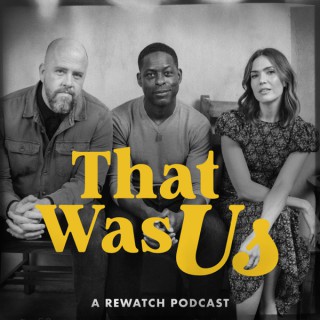
This week on That Was Us, we're breaking down This Is Us Season 6, Episode 1: “The Challenger.” Through the lens of one of America's most shocking tragedies, the episode explores how children process grief, fear, and uncertainty. From the Challenger explosion, to Randall's need to save others, to Rebecca's growing memory loss, this episode reminds us that the moments we never fully understand as kids often stay with us forever. In this episode, the hosts chat about: * The surprising return of Pop-Tarts (including the new protein-packed versions) * Their own childhood lemonade stand successes (and failures) * Talking to young children about death, grief, and mortality * How kids process difficult events differently at different ages * Getting older, staying healthy, and confronting our own mortality They also break down the episode, including: * The Challenger disaster and why it became such a defining moment for a generation * How Kevin, Kate, and Randall each react differently to the tragedy * Rebecca's fear that Randall will spend his life trying to save everyone around him * The origins of Randall's "catcher in the rye" instinct to help people in need * Randall's encounter with the man who burglarized his home and his decision to help rather than punish * Rebecca's growing memory concerns and the significance of the missing word "caboose" * The heartbreaking PET scan results that reveal plaques forming in Rebecca's brain And a friendly reminder, you can catch new episodes of That Was Us every Monday, a day early, exclusively on Hulu. Available on Spotify, YouTube, or wherever you get your podcasts on Tuesdays like usual! That Was Us is produced by Rabbit Grin Productions. Music by Taylor Goldsmith and Griffin Goldsmith. ------------------------- Support Our Sponsors: - Make your summer wardrobe feel easier. Go to https://Quince.com/twu for free shipping on your order and 365-day returns. Now available in Canada, too. - Get a $49 annual membership with promo code podcast at https://www.shipt.com/offer. Terms apply. - If your glasses are overdue for a refresh, now is the time. Use code PODCAST15 for 15% off your first order at https://bit.ly/4viuTlw - See how K12 Powered Schools can help unlock your child's full potential! Enroll online today at https://k12.com/thatwasus - Fatty15 is on a mission to support Healthy Aging for All, including all ages and stages of life. You can get an additional 15% off their 90-day subscription Starter Kit by going to https://fatty15.com/THATWASUS and using code THATWASUS at checkout. -------------------------

It's the ham of the family, a.k.a. Olivia Wilde. We dip into a bowl of mixed Pop Tarts: proxy film school, Tony's mothballs, the Rockwell Technique, and of course a lil Hendrix pickleball. You're born with it. Welcome to SmartLess. Subscribe to SiriusXM Podcasts+ to listen to new episodes of SmartLess ad-free and a whole week early. Start a free trial now on Apple Podcasts or by visiting siriusxm.com/podcastsplus. Hosted by Simplecast, an AdsWizz company. See pcm.adswizz.com for information about our collection and use of personal data for advertising.

Welcome to the biggest, strangest all-night talk show in America, where host Walter Sterling guides you through the wild, the weird, and the absurd. Join Walter and his quirky cast of "midnight misfits" as they tackle a hilarious and unhinged mix of topics, from wild Hollywood Illuminati conspiracies and government UFO cover-ups to outrageous "Florida Stories" and rants about corrupt electric companies. Whether he's blaming local mayors for fireworks exploding on the Brooklyn Bridge, dissecting the tacky details of Taylor Swift's wedding, or taking live calls from sleep-deprived insomniacs, this podcast guarantees unpredictable graveyard-shift chaos. Shut out the lights, grab a free Pop-Tart from the breakroom, and embrace the madness. Learn more about your ad choices. Visit megaphone.fm/adchoices

Frosted strawberry pop-tarts. Ice cream. What could go wrong?

Some people grew up in TV families where Dad somehow had enough time to make pancakes, bacon, eggs, fresh-squeezed orange juice, and still iron his shirt before work.The rest of us? We grabbed a Pop-Tart, hoped there was enough milk left for cereal, and tried not to miss the bus.Today's comedy podcast dives headfirst into one of the most unexpectedly heated debates we've ever had: breakfast nostalgia. Did anyone actually grow up eating those sitcom breakfasts? Or were we all surviving on toaster pastries, cereal, and whatever questionable leftovers were sitting in the fridge?Things quickly spiral into an all-out war over biscuits. Moon insists they're basically edible drywall, while everyone else passionately defends the flaky greatness of canned Pillsbury biscuits, Cracker Barrel breakfasts, sausage gravy, and the legendary "hillbilly casserole" that somehow fed an entire family on half a pound of hamburger and a can of cream of mushroom soup. If you've ever eaten a casserole that looked questionable but somehow tasted incredible, this episode is going to unlock some memories.From there, the show somehow becomes even more ridiculous.It's time for another round of "Just the Two of Us," where teammates try to match answers while listeners bet on whether they'll succeed. What follows is 20+ minutes of patriotic nonsense featuring questions about founding fathers, fireworks, National Parks, cookout side dishes, Mount Rushmore, hot dog brands, barbecue foods, NASCAR legends, American landmarks, Fourth of July fruit, and one unforgettable moment where Tom Petty accidentally replaces Richard Petty.There are shocking answer matches, spectacular misses, questionable logic, accidental comedy gold, and several moments where everyone wonders if they've completely lost their minds. As usual, the game becomes less about winning and more about roasting each other for the answers.If you love nostalgia, weird family food traditions, hilarious debates over things that absolutely shouldn't matter, and a cast that's somehow both competitive and completely unqualified, this episode delivers exactly the kind of beautiful chaos you'd expect.Thanks for listening to another comedy podcast from The Rizzuto Show. If you laughed, argued with us about biscuits, or yelled at your speakers during the game, you're officially one of us.Follow The Rizzuto Show → https://linktr.ee/rizzshow for more from your favorite daily comedy show.Connect with The Rizzuto Show Comedy Podcast online → https://1057thepoint.com/RizzShow.Hear The Rizz Show daily on the radio at 105.7 The Point | Hubbard Radio in St. Louis, MO.And yes... biscuits are good. That's not up for debate. Thanks for making this comedy podcast part of your day.See Privacy Policy at https://art19.com/privacy and California Privacy Notice at https://art19.com/privacy#do-not-sell-my-info.

Craig and C-Max evaluate the New York Yankees' roster gaps and trade deadline priorities as the team faces a critical stretch against divisional rivals. They also explore the competitive history of iconic food brands like Boar's Head and the origin story of the Pop-Tart. The segment features an anecdote about Jerry Seinfeld calling into the station to discuss his film, Unfrosted. 01:00 - Yankees Trade Deadline Needs 06:02 - Hot Dog Brand Rivalries 09:31 - Pop-Tart History And Seinfeld 14:13 - Afternoon Fan Updates

Most graphic designers think success means landing bigger clients, charging higher rates, or becoming known for logos and branding.Anton Duong took a completely different path.What started as a hobby printing stickers turned into a thriving business serving artists, designers, and even major brands like Pop-Tarts and Cheez-It. In this episode of the Angry Designer podcast, Anton shares how he discovered an overlooked niche, why taking a 30-day chance changed everything, and how finding the right community helped build a business he never expected.If you've ever wondered whether there's another path to success in design, this conversation might completely change how you think about your career.In this episode, you'll discover:• Why niche businesses often beat crowded design services• How a simple 30-day experiment became a successful creative business• Why community, relationships, and showing up matter more than you think• How stickers became one of the most powerful branding tools • The mindset every designer needs before walking away from the industryWhether you're a freelance graphic designer, agency owner, or creative looking for your next opportunity, this episode is proof that sometimes the best design career isn't the one everyone else is chasing.Stay Angry our Friends –––––––––––Join Anger Management for Designers Newsletter at https://tinyurl.com/mr4bb4j3Want to see more? See uncut episodes on our YouTube channel at youtube.com/theangrydesigner Read our blog posts on our website TheAngryDesigner.comJoin in the conversation on our Instagram Instagram.com/TheAngryDesignerPodcast

Steve, McNew, Kathy & Justine talk about the possibility of a bourbon Pop Tart. TBD music by Kevin MacLeod (incompetech.com). Important Links: Patreon: https://www.patreon.com/theabvnetwork Our Events Page: bourbonpalooza.com Check us out at: abvnetwork.com. The ABV Barrel Shop: abvbarrelshop.com Join the revolution by adding #ABVNetworkCrew to your profile on social media.

Jo's mother astonishes her family by baking a pie for dinner; Gauri rises above a low point to discover new opportunities through baking; and after the death of his father, David goes to Afghanistan where a Pop-Tart takes on a whole new meaning.

This week on Youth Group Chronicles, Sam is joined by Cory Asbury for one of the wildest church stories we've ever heard—a late-night encounter involving a mysterious "Jesus dude" that had an entire church unsure of what was going to happen next. Along the way, you'll hear about a lock-in interrupted by an unexpected visitor wandering through the church, a middle schooler's fiery attempt at improving a Pop-Tart, a camp speaker whose illustration brought actual police officers to the scene, a sleepwalking student who created absolute chaos on retreat, a youth game that nearly ended in arrests, and several other stories that prove youth ministry is never boring. From hilarious misunderstandings to moments that left leaders questioning everything, this episode is packed with the kind of unforgettable stories only youth ministry can produce.See Privacy Policy at https://art19.com/privacy and California Privacy Notice at https://art19.com/privacy#do-not-sell-my-info.

This is the leadership law that changed the trajectory of my entire family...

The other day we posted a video on our Instagram of Sky going off on Kylie Kelce because of Kylie's attitude towards her children dealing with fame on her popular podcast. Well what we thought would be a simple Instagram post turned into a celebrity feud because Kylie has responded! It seems that the day has come where Thor rants about his son (but also somehow geared it towards his wife). It seems like somebody is jealous that they aren't the favorite parent... Things get wild in the studio when the topic of Pop Tarts are brought up. We have debates on our favorite flavors as well as break down a list of the most popular flavors in the countrySee omnystudio.com/listener for privacy information.

The other day we posted a video on our Instagram of Sky going off on Kylie Kelce because of Kylie's attitude towards her children dealing with fame on her popular podcast. Well what we thought would be a simple Instagram post turned into a celebrity feud because Kylie has responded! It seems that the day has come where Thor rants about his son (but also somehow geared it towards his wife). It seems like somebody is jealous that they aren't the favorite parent... Things get wild in the studio when the topic of Pop Tarts are brought up. We have debates on our favorite flavors as well as break down a list of the most popular flavors in the countrySee omnystudio.com/listener for privacy information.

Dr. Nick Tiller is an exercise scientist at the Lundquist Institute at Harbor-UCLA, a two-decade ultrarunner, and the author of The Skeptic's Guide to Sports Science and the new The Health and Wellness Lie. In this conversation: why ultrarunning is, by Nick's cheerful admission, not actually good for you, and why we keep signing up anyway; the red flags that should trip your bullshit detector in 2026; the great protein panic and how a "health halo" turns a Pop-Tart into a recovery food; what the evidence does and very much doesn't say about AG1; KT tape, cupping, and the slippery ethics of selling someone a placebo; and how to stay skeptical without curdling into a cynic whose brain has fallen out. This episode is brought to you by LMNT, the new Lemonade Iced Tea flavor has been quietly fixing our hydration and our 4pm coffee regrets; grab a free sample pack with any order at drinklmnt.com/UltraSignup. Featured race: the Ode to Laz Michigan Backyard Ultra, a 4.167-mile loop run every hour on the hour through 8,000 acres of Holly State Recreation Area in Holly, Michigan, on Saturday, July 18. The only way to win is to be the last runner standing, which is why the motto is "finishing last means the most." If you're backyard-curious but not ready to sign over your soul, the Oak Flats 3-hour option lets you dip in for one, two, or three loops. It's a championship-affiliated race, so the winner takes a silver ticket toward the USA national backyard team. Registration closes Thursday, July 16. Sign up at UltraSignup.com. The Trailhead is part of the UltraSignup Podcast Network.

After a brief reminders about the cursed knowledge Devon possesses about the film “Say Anything.” He and Sejohn jump into a lengthy recap of everything unrelated to Brendan Fraser that they occupied their time with during May of 2026.This includes but is not limited to The Mandalorian and Grogu, Pop-Tarts, Mina the Hollower, Season Finales of Television, the definition of the word genre, the best action figure for the new Masters of the Universe film, and of course somehow Brendan Fraser returns… We hope you've enjoyed our time celebrating Brendan Fraser over the past ten years of the show and this recap where we try to give you some insight into what else we do each May. Here's to many years more!
We musta been hungry during this segment.See Privacy Policy at https://art19.com/privacy and California Privacy Notice at https://art19.com/privacy#do-not-sell-my-info.

The Billionaire Bootlicker Niles Heckman Download We once heard a conversation on a radio show hosted by a constitutional scholar, talking to a woman who called in while sounding like she was drinking Mountain Dew and eating Pop Tarts. He brought up the problem of medieval wealth mis-distribution, and he said the fact that we even have billionaires in the first place shows the sickness of our society. She couldn't even process that comment. Enter the Billionaire bootlicker - the volunteer infantry of plutocracy. The people who speak of tax havens with the reverence medieval peasants once reserved for psychotic syphilitic kings - they internalize the billionaire as a kind of cosmic parent, a stand-in for divine authority in a desacralized age. These people admire the kind of morbid wealth to the point that if you have 100 people on an island, 1 of them would have all the money and 99 would have no money, and even though they are one of the 99, still think that's a rational thing.These insight sub-episodes are mirrored on our primary YouTube channel which can be found at https://www.youtube.com/@NilesHeckman/videos

Jon created a Pop-Tart ice cream sandwich

What's the most worrying part about the Patriots right now. Is it the O-line, the pass rush, Drake Maye, or something else? Wiggy has got them achieving 11 wins this season. Hillnotes want Greg to auction off his flip flops and make everyone debate whether or not they heat up their Pop-Tarts. And Wiggy gets into it with a caller about Jaylen Browns MVP case.

Air hockeying nuts into a kid's mouth at the lunch table and screaming at your coworker's dog is just what happens when you finally stop pretending. We realize putting Pop-Tarts in the freezer is a crime against humanity and throwing down a five dollar bill for Little Caesars pizza is the ultimate flex. Stop acting like you don't sneak 8 leftover donuts from your car after a first date and blast divorced dad rock otw home-------------------------------------------------Send this to your homies to support the pod!https://www.patreon.com/benedictpolizzi ☕️FOLLOW ON IG https://www.instagram.com/espressobenny/

This franchise has spawned a bounty of food- and drink-related merchandise and licensed products, from mundane to amusing to of dubious propriety. Anney and Lauren have a bad feeling about some of the strangest culinary tie-ins from the history of Star Wars.See omnystudio.com/listener for privacy information.

Three Big Conversations: The jury is out for The Devil Wears Prada 2- 06:18 The Met Gala made people mad for different reasons - 21:00 Moms are ready to organize—so they can boycott school events- 29:06 Slang of the Week: "Chud"- 1:28 In Other News: - 42:58 The Savannah Bananas, an "exhibition baseball" team that includes comedy and choreographed dances in games of what they call Banana Ball, played in front of 102,000 fans this past Saturday with a cameo from the Dude Perfect team. Angel Studios' new adaptation of Animal Farm (paywall) hit theaters this past weekend, uniting George Orwell's classic critique of totalitarianism with fart jokes and other trappings of modern kids' movies. Scalpers are purchasing the new Pokémon Pop-Tarts from Target and selling them for up to eight times their worth (with their original price being $2.89 per box of 12). After Justin Bieber's performance at Coachella, he became the artist with the most monthly listeners on Spotify, with just over 141 million monthly listeners as of this week. While the Taylor Swifts and Harry Styleses of the world may still get away with charging obscene prices for concert tickets, many other artists (like Post Malone and Kid Cudi) are also trying to increase sale prices—and then often cancelling concerts after low sales.

It's MaxFunDrive! We need your support, and want you in our club! Head to MaximumFun.org/join to become a member or increase your pledge. And THANK YOU! David Lowery's is back in his ethereal bag (or is it a dress? defo there's a ghost though...right?) with MOTHER MARY, a look at art, soul, collaboration, and self, through the relationship of a mega popstar and her once-and-future fashion queen. Then, we do a movie quiz about pop star cinema! What's Good Alonso - Pop Tarts Super-Stuffed Drea - MTV Rewind Kevin - LA Times Festival of Books ITIDICGen Z Going to the MoviesCinemaCon Recap Staff Picks Alonso - The Serpent's Skin Drea - Phantom Thread Kevin - The Five Heartbeats Happy MaxFunDrive! Right now is the best time to start a membership to support your favorite shows. Learn more and join at https://maximumfun.org/joinmaxfilm Follow us on BlueSky, Facebook, Instagram, or LetterboxdWithKevin AveryDrea ClarkAlonso DuraldeProduced by Marissa FlaxbartSr. Producer Laura Swisher

Bethany discusses her 9-year-old daughter's recent Type 1 diabetes diagnosis. She explores overcoming mom guilt , recognizing autoimmune family history , and how podcast resources stabilized her family and school. ABLEnow save for today's needs or invest for tomorrow Eversense CGM Medtronic Diabetes Tandem Mobi ** Use code JUICEBOX to save 20% at Cozy Earth CONTOUR NextGen smart meter and CONTOUR DIABETES app Dexcom G7 Go tubeless with Omnipod 5 or Omnipod DASH * Get your supplies from US MED or call 888-721-1514 Touched By Type 1 Take the T1DExchange survey Apple Podcasts> Subscribe to the podcast today! The podcast is available on Spotify, Google Play, iHeartRadio, Radio Public, Amazon Music and all Android devices The Juicebox Podcast is a free show, but if you'd like to support the podcast directly, you can make a gift here or buy me a coffee. Thank you! *The Pod has an IP28 rating for up to 25 feet for 60 minutes. The Omnipod 5 Controller is not waterproof. ** t:slim X2 or Tandem Mobi w/ Control-IQ+ technology (7.9 or newer). RX ONLY. Indicated for patients with type 1 diabetes, 2 years and older. BOXED WARNING:Control-IQ+ technology should not be used by people under age 2, or who use less than 5 units of insulin/day, or who weigh less than 20 lbs. Safety info: tandemdiabetes.com/safetyinfo Disclaimer - Nothing you hear on the Juicebox Podcast or read on Arden's Day is intended as medical advice. You should always consult a physician before making changes to your health plan. If the podcast has helped you to live better with type 1 please tell someone else how to find it!
This is the one-hundred and twenty-ninth episode of The Empty Bowl, in which Cap'n Crunch has got to be kidding us, Dan tries the world's first cereal made from...yeugh...and Pop-Tarts finally does what people have been asking them to do for, like, 50 years.Catch up on our cereal rankings at tinyurl.com/tebrank!Support us on Patreon at patreon.com/theemptybowl!
Speak into the foam thingy: it's Amanda Peet. New York, stage fright, unsolicited headshots, a second sleep, and ‘the strategy on removal.' Life is like a box of Pop Tarts… you never know which variety pack you're gonna get [on this week's toaster-ready treat a.k.a. an all-new SmartLess]. Subscribe to SiriusXM Podcasts+ to listen to new episodes of SmartLess ad-free and a whole week early. Start a free trial now on Apple Podcasts or by visiting siriusxm.com/podcastsplus. Hosted by Simplecast, an AdsWizz company. See pcm.adswizz.com for information about our collection and use of personal data for advertising.
One vote. Two movies. Unlimited chaos.Today's comedy podcast episode spirals into absolute madness as The Rizzuto Show crowns the final matchup in their 90s Movie Mayhem bracket — and let's just say… not everyone handles it well. When Tommy Boy steamrolls its way into the finals and faces off against The Shawshank Redemption, things get heated, personal, and just a little unhinged (looking at you, Lern).What starts as a fun nostalgia bracket quickly turns into a full-blown emotional breakdown over Wayne's World getting snubbed. Accusations fly, friendships are questioned, and at least one person threatens to revoke a prize out of pure spite. Democracy? Manifested. Feelings? Hurt.But that's just the beginning of today's chaos.The crew dives into one of the internet's most legendary arrest clips officially becoming museum-worthy history (yes, that “succulent Chinese meal” guy), debates whether April Fool's pranks should come with legal consequences, and questions if brands have completely lost their minds with fake products like “butt masks” and cheddar biscuit Pop-Tarts.In Crap on Celebrities, things somehow get even weirder — from stalker encounters and celebrity drama to suspicious “exhaustion” hospital visits and a debate about whether Ryan Gosling's face is… evolving. Plus, we get into 90s music nostalgia, tour stories, and the kind of backstage rider requests that make you question everything (candy AND fish? Bold choice).And just when you think it couldn't get more random, the show wraps with deep thoughts on bodybuilding genetics, celebrity parents, and whether anyone should actually watch that new movie everyone's pretending to love.It's loud, it's chaotic, it's deeply unserious — and it's exactly what you expect from your favorite comedy podcast.If you came for movie debates, stayed for the nonsense, and left questioning humanity… congrats, you're one of us.And yes — we still haven't emotionally recovered from Wayne's World losing.Follow The Rizzuto Show → linktr.ee/rizzshow for more from your favorite daily comedy show.Connect with The Rizzuto Show Comedy Podcast online → 1057thepoint.com/RizzShow.Hear The Rizz Show daily on the radio at 105.7 The Point | Hubbard Radio in St. Louis, MO.See Privacy Policy at https://art19.com/privacy and California Privacy Notice at https://art19.com/privacy#do-not-sell-my-info.

This week, we're talking: Hot & Healed Comedy Tour, Double Take Trend, Reba on TikTok, Melodyne vs. Autotune, Candace Cameron-Bure Attending Demonic Sex Parties and telling everyone about it, St. Patrick's Day Spelling Bee, Nick Fuentes on Women, Katie Couric's “use it or lose it” Reporting, CBS, Save America Act, to have a kid or not to have a kid, and protein pop-tarts. Get tix to the Hot & Healed Comedy Tour here. The Monday Edit, now on YouTube! Check out the JVN Patreon for exclusive content, bonus episodes, and more! www.patreon.com/jvn Follow us on Instagram @gettingbetterwithjvn Jonathan on Instagram @jvn and senior producer Chris @amomentlikechris Executive Producer, Chris McClure Producer, Editor & Engineer is Nathanael McClure Production support from Chad Hall Our theme music is also composed by Nathanael McClure.Curious about bringing your brand to life on the show? Email podcastadsales@sonymusic.com. Learn more about your ad choices. Visit podcastchoices.com/adchoices
© 2020-2026 Ivy Podcast Discovery LLC
