
POPULARITY
Categories

173 episodes with prioritizing

137 episodes with prioritizing

44 episodes with prioritizing

46 episodes with prioritizing

17 episodes with prioritizing

23 episodes with prioritizing

21 episodes with prioritizing

17 episodes with prioritizing

25 episodes with prioritizing

9 episodes with prioritizing

10 episodes with prioritizing

13 episodes with prioritizing

12 episodes with prioritizing

6 episodes with prioritizing

7 episodes with prioritizing

8 episodes with prioritizing

20 episodes with prioritizing

10 episodes with prioritizing

10 episodes with prioritizing

8 episodes with prioritizing

8 episodes with prioritizing

12 episodes with prioritizing

9 episodes with prioritizing

6 episodes with prioritizing

7 episodes with prioritizing

7 episodes with prioritizing

10 episodes with prioritizing

7 episodes with prioritizing

9 episodes with prioritizing

10 episodes with prioritizing

9 episodes with prioritizing

7 episodes with prioritizing

10 episodes with prioritizing

8 episodes with prioritizing

6 episodes with prioritizing

9 episodes with prioritizing

9 episodes with prioritizing

4 episodes with prioritizing

7 episodes with prioritizing

10 episodes with prioritizing

7 episodes with prioritizing

7 episodes with prioritizing

7 episodes with prioritizing

8 episodes with prioritizing

8 episodes with prioritizing

8 episodes with prioritizing

8 episodes with prioritizing

10 episodes with prioritizing

7 episodes with prioritizing

7 episodes with prioritizing

8 episodes with prioritizing

10 episodes with prioritizing

5 episodes with prioritizing

7 episodes with prioritizing
Peaceful Bloodless Transfer Creates New YorkRussell Shorto, Part Two: Shorto describes the diplomatic negotiations between Richard Nicolls and Peter Stuyvesantin August 1664. Prioritizing the welfare of the colony and its inhabitants over bloodshed, Stuyvesant agreed to the Articles of Capitulation, resulting in a peaceful merger rather than a violent conquest. The English renamed the settlement New York, retaining control through the 1667 Treaty of Breda. Shorto notes the historical irony that while England captured New Amsterdam, Dutch financial systems, tolerance, and commercial practices deeply influenced the British Empire, culminating in the 1688 Glorious Revolution when Dutch leader William of Orange assumed the English throne. (2)

Retirement planning is often seen as a numbers game—ensuring that you have saved enough, invested wisely, and built a strategy that will comfortably carry you through what should be your golden years. But those numbers only tell part of the story, the test of any retirement plan is not just whether it works on paper for two people, but if it can be carried by the one who is left after loss.This episode is inspired by real-world challenges clients face, so I'm sharing my survivor stress test to help you refine your financial strategies before life throws the unthinkable your way.The Hidden Vulnerability in Retirement PlanningAlmost all plans in America focus on a couple, but the reality is that over half of married people will face widowhood or widowerhood, many while still managing mortgages, careers, and family responsibilities.Even if a plan “works” on paper—if the accounts are titled correctly, the math checks out, and the legal documents are in place—it could still fail the test of usability. The plan needs to be more than mathematically correct; it has to be understandable and executable by the survivor, who, in their time of greatest stress and vulnerability, may face complexities and choices they have never encountered before.Understanding the Survivor Stress TestThe survivor stress test is a framework for couples and individuals to ask a critical question: If one of us were to die first, would the other understand the plan and feel able to carry it forward? Passing this test requires looking beyond adequacy to usability. In many households, one person manages the finances, knows the passwords, talks to the accountant, and understands the cash flow. The other often does not, and this can leave the survivor in a precarious position, especially when they're grieving.The Income Cliff: What Changes After LossOne of the most immediate and impactful changes after the death of a spouse is the income cliff. Social Security survivor rules are not always intuitive, and when one spouse dies, the surviving spouse receives the larger of the two checks, but the smaller check disappears permanently. This can mean an instant loss of 30-40% of household Social Security income, even as most expenses, like mortgages and property taxes, remain largely intact.Pension decisions loom even larger. Choosing a single-life payout maximizes current benefits but leaves the survivor with nothing, whereas a joint and survivor annuity, though slightly smaller each month, ensures continuing income. These decisions, made far in advance, cannot be revisited and must be carefully weighed in light of the survivor's probable needs.The Unseen Tax PenaltiesMost people are unprepared for the surprising tax “penalties” that come with widowhood. Filing status shifts from married filing jointly to single, which often means higher effective tax rates on lower household income because of compressed tax brackets and a much smaller standard deduction. Scott Wellands explains that this can translate to hundreds of thousands of dollars in additional taxes over years of retirement—a burden that few anticipate.Additionally, surviving spouses may be affected by Medicare's IRMAA surcharges, which, due to a two-year income lookback, can kick in just as income falls. Fortunately, forms like SSA-44 allow survivors to appeal IRMAA surcharges based on current-year income, but many don't know about this relief.The Human Side of LossGrief can impair memory, concentration, and decision-making, right when the most consequential financial choices arrive. Survivors must re-title accounts, file claims, and sometimes manage pressure from family—all in an emotional fog. Prioritizing urgent actions (maintaining cash flow), deferring important but non-critical choices, and holding off on irreversible decisions (like selling a house) can prevent double grief where hasty choices compound heartache.The best way to pass the survivor stress test is communication, both partners should understand the plan, know where assets are, and feel confident in their ability to carry it forward. Conversations and second-opinion reviews with a qualified advisor can uncover hidden vulnerabilities and help ensure that whoever is left behind is secure. Outline of This Episode[00:52] The survivor stress test and financial planning for surviving spouse[04:23] Discussing family financial roles[08:59] Claiming Social Security benefits[10:18] Pension options: single life vs. joint and survivor payout [13:29] The widow's penalty tax surprise [17:54] Importance of tax strategy while both spouses are alive[21:03] A decision-making framework for survivorsResources MentionedForm SSA-44Connect With Scott WellensSchedule a discovery call with ScottSend a message to ScottVisit Fortress Planning GroupConnect with Scott on LinkedInFollow Scott on TwitterFortress Planning Group on FacebookSubscribe to Best In WealthAudio Production and Show notes byPODCAST FAST TRACKhttps://www.podcastfasttrack.comPodcast Disclaimer:The Best In Wealth Podcast is hosted by Scott Wellens. Scott Wellens is the principal at Fortress Planning Group. Fortress Planning Group is a registered investment advisory firm regulated by the US Securities and Exchange Commission in accordance and compliance with securities laws and regulations. Fortress Planning Group does not render or offer to render personalized investment or tax advice through the Best In Wealth Podcast. The information provided is for informational purposes only and does not constitute financial, tax, investment or legal advice.

In this episode of the Built How Podcast, host Lucas Sherraden converses with real estate expert Matt Templeton. Matt shares his journey from being a young assistant in real estate to building a successful team in Dallas. He discusses the challenges and insights from running a brokerage, transitioning back to sales, and developing leadership in his team. Matt emphasizes the importance of resilience, pushing limits, and adapting personal approaches for success. Tune in to discover valuable lessons on building and navigating a thriving real estate career. Connect with Matt at https://www.tregdfw.com/ ---------- Be sure to leave a rating and review and don't forget to go to www.builthow.com and register for our next live or virtual event. Part of the Win Make Give Podcast Network

Anika sat down with Joshua Evarts to explore how the rapid acceleration of artificial intelligence and digital communication impacts the fundamental engine of every business: human relationships. Drawing from a diverse career leading national security software companies, managing historic building restorations, running a community cigar lounge, and parenting a son working at OpenAI, Joshua offered practical insights into balancing technological automation with authentic connection, intentional culture building, and genuine curiosity. In This EpisodeTransitioning from early software programming on a Commodore 64 to leading national security tech companiesThe accidental pivot from accounting to building Easy Street Draw for automobile accident and homicide investigationsDeploying to Iraq and working with New Scotland Yard on post-blast investigationsSurviving stage 3 pancreatic lymphoma in 2020 and how facing mortality reshaped his perspective on presenceOpening a historic cigar lounge and discovering that authentic generosity is contagiousThe reality of parenting an OpenAI employee and navigating generative AI at the dinner tableWhy genuine relationships and curiosity remain the ultimate competitive advantages in an automated worldThe philosophy behind his book series, starting with If Jesus Smoked Cigars: Eight Lessons in Relational Leadership Timestamps00:03 Introduction: Balancing AI integration with thoughtful, ethical, and strategic human guidance 02:54 Early programming roots on a Commodore 64 and leaving accounting for tech entrepreneurship 07:15 The three sentinel shifts: accelerating communication speed, COVID-19 distancing, and the advent of AI 09:12 Battling stage 3 pancreatic lymphoma during 2020 and choosing gratitude as a daily mindset 10:14 Choosing presence over devices: leaving phones behind and prioritizing real human interaction 14:38 Writing If Jesus Smoked Cigars: using cheeky titles and obscure historical stories to teach relational leadership 26:45 Navigating generative AI slop, social media echo chambers, and the obsession with capturing digital data 29:21 Advice for the next generation: pursuing math, logic, and curiosity rather than fearing replacement 41:47 Recognizing that relationships are hard work and require intentional daily effort Key Insights & Takeaways Insight 1: Relationships Cannot Be Outsourced to AI While generative AI automates routine tasks and text generation, it cannot replace genuine human connection. In an increasingly automated business world, the ability to build trust, listen deeply, and maintain authentic relationships serves as an irreplaceable discriminator. Insight 2: Reckless Generosity Builds Thriving Communities Treating business relationships purely as transactions limits growth. True generosity is contagious; when business owners genuinely support their peers and foster inclusive environments, the entire community benefits and rises together. Insight 3: Focus on Culture and Process Over Outcomes Founders and leaders cannot control external market conditions or outcomes—they can only control their attitude and actions. Prioritizing a healthy, people-first culture and mastering daily processes naturally attracts top talent and loyal customers. Insight 4: Curiosity Outweighs Perfection Entering unfamiliar rooms and asking genuine questions creates unexpected opportunities. Being infinitely curious and willing to admit what you do not understand allows professionals to successfully navigate major career pivots across entirely different industries. Insight 5: Avoid Confusing Market Velocity with Productivity The rapid speed of technological advancement often tricks organizations into measuring activity rather than true business impact. Leaders must evaluate whether new tools genuinely serve their mission or create unnecessary friction for human users. Resources & Links MentionedIfJesus.com (Joshua's official website for workshops, book info, and direct contact)If Jesus Smoked Cigars: Eight Lessons in Relational Leadership by Joshua Evarts About Joshua Evarts Joshua Evarts is an author, entrepreneur and former technology executive with more than 30 years of experience building businesses in technology. He is the author of If Jesus Smokes Cigars: Eight Lessons in Relational Leadership, a book exploring how leaders and professionals can build stronger relationships in a tech-saturated world. After decades in tech, Joshua opened a cigar lounge built around conversation, storytelling and authentic connection, which became a real-world expression of his belief that innovation matters, but people still come first. As the father of a son who works at OpenAI, Joshua brings both personal and professional perspective to conversations about AI, the future of work and the human skills that technology cannot replace. Connect with JoshuaWebsite: https://ifjesus.com/ YBA was named the top PR podcast in the US by FeedSpot! Feedspot is an RSS Reader that lets you follow your favorite podcasts alongside blogs and news in one place. Like the show? Leave us a rating or review: https://lovethepodcast.com/67940257010b317cdaa9d857 Send us a Message: https://podcastfeedback.com/67940257010b317cdaa9d857 Check out our Website: https://www.yourbrandamplified.com Speak to my Delphi Clone: https://www.delphi.ai/amplifywithanika Hosted by Simplecast, an AdsWizz company. See pcm.adswizz.com for information about our collection and use of personal data for advertising.

Send us Fan MailIn this conversation, Thomas' guest shares insights on how he manages a busy life filled with teaching, training, and family. He emphasizes the importance of time management, routine, and discipline in achieving success, particularly in Jiu Jitsu. He also shares his inspiring journey from Brazil to the United States, detailing his passion for martial arts, particularly Jiu-Jitsu and Capoeira. He discusses the challenges he faced, including injuries and personal loss, and how these experiences shaped his mindset and approach to life.Here is The RŌL Radio with the head professor and owner of Brazil Academy USA in Lenexa Kansas, author, and founder of the nonprofit Ninja Stars, Ninja Pinto.www.rolacademy.tv 30% discount with ROLRADIO code at checkout. Over 1600 videos for your Jiu-Jitsu journey.FREE Access to ROL TV - https://rolacademy.tv/yt/269-the-rol-radiohttp://www.therolradio.comhttps://www.instagram.com/therolradiohttps://www.facebook.com/therolradio/https://www.instagram.com/ninjapinto1/?hl=enhttps://www.instagram.com/brazilacademy/?hl=enhttps://www.brazilacademyusa.com/https://ninjasstars.com/https://www.amazon.com/Cause-Impact-Leadership-Discipline-Transforming/dp/B0HFKXSPRQ/ref=sr_1_1?https://www.amazon.com/Ultimate-Weight-Loss-Print-After/dp/1964913705/ref=sr_1_2?Episode Highlights:2:38 Prioritizing a Busy Life11:42 Discipline Leads to Success23:20 It's All About Hours36:31 Motivating Students42:01 Ninja's Journey53:24 Finding Purpose Through Loss1:00:25 Excuses VS Action: Shifting MindsetsSupport the show

Presented at the 2026 National Convention in Columbus, Ohio.

We all struggle with time management, procrastination, and burnout. Because there's so much pressure to constantly produce more. Work is demanding. Clients are demanding. And AI is only making it worse.But you don't have to operate in chaos just because the rest of the world has decided to. The people who are most successful right now are the ones who learn how to slow down when the world speeds up. Calm, cool, collected, especially when there's a lot on your plate.In this episode, Chris breaks down how to opt out of the rat race of "do, do, do" and opt into higher caliber decision-making and prioritization. This is Part 1 of the most useful, actionable breakdown he's ever recorded on time management, productivity, and getting better results.PS. Don't miss my next workshop, the Independence Equation 2.0. Sign up today: https://chrisdonohoecoaching.com/independence____Royalty Free Music from Tunetank.comTrack: Urban Legend by Musical Bakeryhttps://tunetank.com/track/3362-urban-legend/

Ask Rachel anythingAre you trying so hard to be a good parent that you might be doing too much for your tween or teen, and accidentally making life harder for both of you?In this episode of Parenting Teenagers Untangled, Rachel Richards talks with clinical psychologist and author Dr. Tara Porter about her new book "Good Enough" and why good enough parenting is actually the best kind of parenting.Drawing on more than 25 years working in adolescent mental health, Tara explains how so many teens—whatever their diagnosis—secretly feel they are not “enough”: not clever enough, organized enough, pretty enough, or successful enough. She links this to a wider achievement-obsessed culture, fueled by:An education system caught in a “grade arms race”Social media's like-and-kudos economyThe professionalization of parenting and the tsunami of advice aimed at parentsAgainst this backdrop, Tara shares her three core principles of good enough parenting:A good enough attitude – Letting go of perfection, resisting the urge to optimize every aspect of your child's life, and accepting that zigzags and setbacks are normal.Relationship-based parenting – Prioritizing connection over outcomes, being “like wallpaper” in the background: present, warm, and available without crowding them or trying to control everything.Firm and kind boundaries – Finding the balance between warmth and firmness (authoritative parenting), gradually letting go of authority through the teen years so that by adulthood, your child is guided by their own internal compass, not your rules.Rachel and Tara explore:Rescuing vs building resilienceTwo common struggle patterns in teensThe perfectionist achiever The rebellious non-complier How to set boundaries that still protect the relationshipBetter conversations with teensTara's two key listening tools:Empathy – stepping into your teen's perspective, so they feel genuinely understood.Curiosity – asking open questions rather than jumping in with solutions.Rachel adds the idea of “LUFU – Listen Until they Feel Understood”, and both discuss why advice rarely lands until a teen first feels deeply heard.Mental health labels vs hope and growthRachel's personal blog on getting the balance right Dr Tara PorterSupport the showPlease hit the follow button if you like the podcast, and share it with anyone who might benefit. You can review us on Apple podcasts by going to the show page, scrolling down to the bottom where you can click on a star then you can leave your message. Please don't hesitate to seek the advice of a specialist if you're not coping. There's no shame in reaching out for support. When you look after yourself your entire family benefits.Find all the tips from the episode on Substack: My email teenagersuntangled@gmail.comMy website has a blog, searchable episodes, and ways to contact meInstagramFacebook

Are women looking for the right things when choosing a man, or are modern dating expectations getting in the way of finding a genuinely good partner? In this episode of Sharing My Truth, Mel and Suzie continue their conversation with Coral Osborne, Certified Intimacy & Identity Coach for men, about what women prioritize in dating and why some of those expectations may be working against them. We talk about attraction, status, success, masculinity and emotional connection, and whether women are overlooking the qualities that actually make a relationship work. Coral also shares what she has learned from working closely with men, including what men really want from women and what they wish women understood about them. Are women expecting men to tick too many boxes? Are they overlooking good men? And when it comes to finding a lasting relationship, are we all focusing on the wrong things? Connect with Coral Osborne Instagram: @theunrealcoralosborne Website: https://coralosborne.com/ Honest conversations about sex, dating, relationships, and everything we're thinking but not saying. Join the conversation and let us know where you stand. Got a story to share with us? Leave us a voicemail by clicking here. Email us: stories@sharingmytruth.com or DM us on Instagram Follow us on Instagram @sharingmytruthpod, TikTok @sharingmytruthpod Facebook @sharingmytruthpod , YouTube @sharingmytruthpod Join us on Patreon for bonus episodes, deeper dives, and behind-the-scenes conversations you won't hear anywhere else. Meet our partner, guybrator.com premium products for confidence, comfort, and discretion. Sign up to our weekly newsletter and join the Sharing My Truth Community sharingmytruth.com

Human beings, it turns out, are magnificently good at fooling themselves. Sadly the mind has developed an elaborate way of hiding our worst thinking mistakes from us. Our shortcut-taking so instinctive we rarely notice it happening. This episode explores seven of these habits and on the way answers a lot of questions. Why do we blame the referee and ignore our own missed shots? Why does a friend's anecdote beat a mountain of statistics? Why do the people who commit history's worst atrocities rarely think of themselves as villains? I find it oddly comforting discovering that everyone, including myself, is quietly wired / weird this way. Hopefully you do to and can learn to start working around it. Catch yourself assigning blame to one convenient cause Ask what a friend's story leaves out that the statistics reveal Notice when certainty feels good but the evidence is thin Listen in, and you may never trust your first instinct quite the same way again. SPONSORS ☺️ MOD.com Prescription Modafinil for energy and focus. Free consultation, free shipping and 10% off Promo code PSYCHOLOGY at MOD.com ☺️ NOCD Struggling with OCD or unrelenting intrusive thoughts, NOCD can help Book a free 15 min call https://learn.nocd.com/growthmindset NEW SHOW - How to Change the World: The History and Future of Innovation Learn about the evolving story of the human species and our ideas told in chronological order. The podcast is full of fun facts, surprising stories and philosophical insights. Found on all major podcast players: Spotify - https://open.spotify.com/show/1Fj3eFjEoAEKF5lWQxPJyT Apple - https://podcasts.apple.com/us/podcast/how-to-change-the-world-the-history-of-innovation/id1815282649 YouTube - https://www.youtube.com/@HowToChangeTheWorldPodcast UPGRADE to Premium:

In this episode, Emily C. Jakacki, President of Northwestern Medicine Delnor Hospital, discusses leading a smooth leadership transition, maintaining top decile quality scores, and focusing on patient safety, equity, and efficiency. She also shares priorities for 2026, including managing emergency department throughput, leveraging data for informed decision making, and expanding ambulatory, diagnostic, and surgical services to meet community needs.

In this episode of The Forgotten Podcast, host Jami Kaeb welcomes Chris and Alicia Johnson to discuss caring for and prioritizing marriage during seasons of crisis and hard foster care placements. Chris, Vice President of Church Engagement at Lifeline Children's Services, and Alicia, a former pastor's wife and teacher, share their journey of raising ten children (seven adopted from foster care) and fostering over forty kids. They open up about the immense strain that taking in high-needs teenagers and sibling groups placed on their household, their co-parenting dynamic, and their marriage. The Johnsons discuss the emotional weight, trauma, and spiritual warfare involved in foster care and adoption, explaining how intense seasons bring existing marital gaps to the surface. Through personal anecdotes, they detail how they learned to navigate seasons of chaos by shifting from accusatory language to vulnerable "I feel" statements, establishing simple grounding habits, and protecting daily time for connection. They emphasize that maintaining a strong, unified marriage serves as a vital safety net that removes anxiety for children who have already experienced profound disruption and loss. Chris and Alicia also address overcoming the guilt parents feel when taking time away from their children, pointing out that modeling a healthy, loving, and forgiving marriage is one of the greatest gifts caregivers can give. They encourage listeners to lean into intentional Christian community, accept support from others without shame, and maintain an eternal perspective through life's hardest trials, offering a powerful reminder that fighting for a marriage is always worth the effort. About the Guest Chris and Alicia Johnson have been married for 31 years and are parents to 10 children (seven adopted through foster care) and grandparents to two children adopted through foster care. Chris serves as the Vice President of Church Engagement at Lifeline Children's Services, bringing over two decades of pastoral experience and previous service as Executive Director of the Kentucky Governor's Office of Faith and Community-Based Initiatives. Alicia has served as a pastor's wife, teacher, mentor, and special advisor to the First Lady of Kentucky. Together, they have fostered over 40 children and are passionate advocates for supporting families and vulnerable children. In This Episode The unique challenges and emotional weight of bringing high-needs teenagers and sibling groups into the home. Recognizing spiritual warfare and how hardship brings underlying marital gaps to the surface. Practical communication strategies for spouses, including using "I feel" statements to prevent defensiveness. The vital role of community support and avoiding the trap of trying to manage crisis seasons alone. Resources + Links Learn more about The Forgotten Initiative - https://theforgotteninitiative.org/ Follow TFI on Instagram - https://www.instagram.com/theforgotteninitiative/

Today I'm coming to you live from the Midwest Preparedness Project Fall Festival with a few of the people who make events like this worth showing up for. We talk about building a life on your own terms, knowing when to reset, raising capable kids, testing your gear before you need it, and why the conversations around the campfire may matter more than anything happening on stage. Featured Event Midwest Preparedness Project Fall Festival Sponsors Midwest Preparedness Project Red Flyer Media Today's Guests & Topics Dawn Gorham of The Gorham Homestead Going from working in the court system to running her own dairy How Self-Reliance Festival and community helped her make the leap Why sometimes the first thing you try is the wrong thing — and that is still progress Goats, milk cows, and learning what livestock can teach you the hard way Building confidence by doing the thing Realizing the skills from your old life may transfer directly into the new one Knowing when you have reached maximum capacity Creating margin instead of trying to keep every plate spinning Getting back to your purpose when it is time for a reset Building stronger local food networks The Gorum Homestead: https://thegorhamhomestead.com Britt Baker of Mission Brit Growing up homeschooled and around preparedness before calling it preparedness Mission work, including time in Africa, and how that changed her perspective Why your mission may be much closer to home than you think Helping people identify what is holding them back from their mission or purpose What makes preparedness events different Why the people around you are often the most valuable part of an event Getting out of your comfort zone and actually talking to people Testing your gear before you need it Camping as a practical way to build confidence Finding out the hard way that preparedness gear does eventually wear out Sydney and Craig How having kids changed the way they looked at the world Parenting as an investment of time and attention Moving away from the expectations they grew up with Raising kids with fewer screens Why removing something from your family culture means replacing it with something better Being present instead of simply adding more activities Helping kids develop creativity and independence in a rapidly changing technological world Consumption versus creation Why preparedness festivals create opportunities to participate instead of simply consume Prioritizing what you actually plan to implement instead of trying to do everything The friendships that happen when you talk to the person sitting next to you Creating enough margin for deeper conversations Their vision for Homeschool on Homestead, a small homeschool-style learning environment for families who cannot homeschool themselves Some Takeaways Talk to people. You have no idea who is sitting next to you. Don't dismiss somebody's crazy idea before asking a few questions. Sometimes the thing that fails is what gets you to the thing that works. Learn how your livestock can hurt you before they demonstrate it. When everything feels like too much, go back to your purpose. Your local community matters. Use your preparedness gear now, not for the first time during an emergency. Kids need space to create, think, participate, and learn. When you remove something from your life, replace it with something that moves you toward what you actually want. Don't go too hard too fast. Prioritize. Some of the best things that happen at events like this are nowhere on the schedule. Get your coffee at Holler Roast Coffee: https://hollerroast.com Make it a Great Week!

Ready for deeper support? Work with me 1:1 https://trueinnerfreedom.com/working-together/ Have you ever felt guilty for taking care of yourself because you're too worried about how someone else will feel? As a highly sensitive person, you may already understand the importance of boundaries, yet guilt still shows up whenever you try to honor your own needs. This episode explores why that happens and reveals the deeper pattern that keeps you feeling responsible for other people's emotional reactions. Understand why empathy can quietly turn into taking responsibility for emotions that aren't yours. Discover what your mind is doing when someone else's disappointment begins to feel like your burden. Learn how guilt starts to loosen when you stop confusing caring about others with carrying their emotional experience. Press play to discover how you can honor your own needs with greater confidence while still caring deeply for the people you love. Todd Smith, founder of True Inner Freedom Dreaming of a stress-free, balanced life? Visit https://trueinnerfreedom.com/ and take the HSP Stress Test. Gain clarity on your sensitivity and stress triggers, and book a free 30-minute introductory conversation to explore what's going on for you and see if working together 1:1 might be a fit. Are you a highly sensitive person (HSP) or someone who identifies as hypersensitive or neurodivergent? This podcast is dedicated to helping highly sensitive people (HSPs) navigate overwhelm and stress by using The Work of Byron Katie—a powerful method for questioning stressful thoughts and finding true inner freedom. We dive deep into stress management strategies, coping with stress, and stress relief methods specifically tailored for HSPs. Learn how to manage emotions, especially negative ones, and explore effective stress reduction techniques that go beyond the surface to address the root causes of anxiety and pressure. Whether you're interested in learning how to lower stress, handle stress and pressure, or reduce stress through practical techniques, we provide insights and support based on The Work of Byron Katie. Discover how this transformative approach can help you decrease stress, find inner peace, and create balance in your life. Join us to learn about various coping strategies for stress, all designed to support HSPs in their journey toward emotional well-being.

In this episode of Tank Talks, host Matt Cohen sits down with Chris Pronger, Hockey Hall of Famer, Norris and Hart Trophy winner, Stanley Cup champion, two-time Olympic gold medalist, and one of the NHL's 100 greatest players. Chris takes us inside the mindset that transformed him from a booed 21-year-old in St. Louis into one of the most dominant defensemen of his generation.They break down what it really takes to bet on yourself, why delayed gratification is the secret to sustained excellence, and how Chris rebuilt his entire training protocol from the studs after already being nominated for a Norris Trophy. Chris opens up about the early-career failures that forced him to look in the mirror, the veterans who shaped him, from Brad McCrimmon to Wayne Gretzky and Al MacInnis, and the 4-pound muscle between his ears that changed everything.He also shares hard-won lessons on leadership, managing teammates with different personalities, the importance of culture in championship runs, and why the best leaders lead by example, not just by talking. From the 2007 Stanley Cup run with Anaheim to the scary commotio cordis incident in 1998 and the eye injury that ultimately ended his career, Chris delivers a raw, unfiltered look at the true cost of greatness.Whether you're an athlete, a founder, a leader, or simply someone trying to earn your way forward, Chris offers practical wisdom on resilience, identity, and the art of controlling what you can control.A big thanks to our sponsor, Moomoo CanadaThis is the kind of tooling that used to live on a Bloomberg terminal, but now it is on your phone, just a few taps away. They offer real-time data, full options chains, and an AI assistant that actually explains trading strategies.Moomoo is the perfect place for people who want to take their money seriously. Open an account today at moomoo.caWhy Multi-Sport Athletes Have an Edge (04:33)* The physical and mental benefits of playing multiple sports* Proprioception, hand-eye coordination, and learning how to learn* Why parents are stealing their kids' childhoods with early specialization* The truth about peewee superstars: 99 out of 100 aren't the best at 18The Veterans Who Shaped a Hall of Famer (07:28)* Brad McCrimmon as a mentor and “woobie” in Hartford* Learning consistency, preparation, and professionalism from the ground up* Walking into a locker room with Gretzky, Hull, MacInnis, and Fuhr* Watching how the greats handle media, scrutiny, and the grindGetting Booed, Hitting Rock Bottom, and the Aha Moment (10:33)* Being traded for Brendan Shanahan and getting booed relentlessly in St. Louis* The dark hole of not being prepared and the wake-up call that changed everything* Why Gretzky's arrival was a blessing that took the spotlight off him* The summer that launched his ascent: training, preparation, and the 4-pound muscleThe Magical 1999-2000 Season (13:27)* Winning the Hart and Norris in the same year, first defenseman since Bobby Orr* Staying healthy through proper training and offseason dedication* How Al MacInnis' injury forced him to carry more weight* The magical regular season that fell apart in the playoffsDelayed Gratification and the 2007 Stanley Cup Win (16:15)* Compounding summers of training with Charles Poliquin* Scrapping his entire training protocol after a Norris nomination* Getting twice as strong in one summer and feeling the difference on the ice* Winning the Cup with Anaheim, and why the mission was winning for everyone elseOutlasting Opponents and Battling Peter Forsberg (19:46)* Taking pride in being the best-conditioned athlete on the ice* The battle of attrition and grinding guys down* Why Forsberg was one of the toughest players he ever faced* The physical toll of playing a heavy gameLeading by Example vs. Talking About Standards (24:01)* Holding teammates to a high standard, and showing them why* Why teammates need to see your work ethic every single day* Managing different personalities and knowing how to reach each player* The evolving nature of culture in a locker roomThe 2007 Ducks Run and Championship Culture (29:46)* A veteran core with different leadership styles: Scotty Niedermayer, Teemu Selanne, Rob Niedermayer* The self-policing group that didn't need one person grinding all the time* Winning for Teemu, winning for Jiggy, winning for each otherThe Heart-Stopping Incident and Ripping the Band-Aid Off (32:05)* Blocking a shot that hit him in the heart, commotio cordis* Stopping breathing for 25-30 seconds and the surreal aftermath* Playing two days later to avoid the stigma and the questions* Comparing his experience to Damar Hamlin'sThe Eye Injury, Losing His Sixth Sense, and Forced Retirement (37:45)* The stick to the eye that ended his career* Losing the spatial awareness that made him elite* Watching the game from the outside and realizing at 40 it was too fast* Evolving from “what if I was playing” to “how can I help players get better?”Controlling What You Can Control (44:24)* Learning to park the game at the door and not stew on mistakes* The maturity to separate performance from identity* Sleeping better, recovering faster, and playing longerThe Year Off and Avoiding Post-Career Pitfalls (46:42)* The best advice he ever received: take meetings, listen, wait a year* Retraining his eye and healing his head for 18 months* Why jumping into the next thing too fast is a trapInvestment Mistakes and Lessons Learned (51:03)* Prioritizing people over the deal itself* The red flags, last-minute asks, rushed timelines, and fine print* Sleeping on every decision and never committing on the spotWriting Earned and Taking Off the Armor (54:17)* The hardest truths to put on the page* Why hockey stories alone weren't enough: mistakes, growth, and evolution* The message that everything in life is earned, no shortcuts, no handoutsParenting, Legacy, and the No-”What-If” Rule (57:21)* No what-if games in the Pronger household* You can't cherry-pick moments; everything changes with every fork in the road* No rearview mirrors, learn, grow, evolve, and keep moving forwardAbout Chris ProngerChris Pronger is a Hockey Hall of Famer, Norris Trophy winner, Hart Trophy winner, Stanley Cup champion, and two-time Olympic gold medalist. Over a 20-year NHL career, he played for the Hartford Whalers, St. Louis Blues, Edmonton Oilers, Anaheim Ducks, and Philadelphia Flyers. Known for his physical dominance, elite hockey sense, and relentless conditioning, Pronger was named one of the NHL's 100 greatest players. Since retiring, he has focused on his family, his wife Lauren's luxury travel company, Inspired Travels, and sharing the hard-earned lessons of his career through his 2026 book, Earned: The True Cost of Greatness from One of Hockey's Fiercest Competitors.Connect with Chris Pronger: https://www.linkedin.com/in/chrisprongerBuy Earned: https://www.amazon.com/Earned-Greatness-Hockeys-Fiercest-CompetitorsConnect with Matt Cohen on LinkedIn: https://ca.linkedin.com/in/matt-cohen1Visit the Ripple Ventures website: https://www.rippleventures.com/ This is a public episode. If you would like to discuss this with other subscribers or get access to bonus episodes, visit tanktalks.substack.com

Hey there. Welcome back to Live with Purpose podcast. Have you ever asked yourself if the priorities you think or say you have are the real priorities your patterns reveal. Find out in today's episode how you can discover hidden priorities and how you can make sure that youur patterns align with the priorities you say you have.

Amy Van Houten has a story you won't soon forget. As a mom of sextuplets, Amy already knew what it meant to navigate a full and demanding life. Then everything changed when she unexpectedly lost her husband to a heart attack and found herself moving forward as a single mom. In this episode, Amy shares the deeply personal story of navigating loss, motherhood, her own health transformation, and ultimately finding a renewed sense of purpose through it all. We also talk about Amy's experience with the Feel Great system and the changes she began noticing in her health. What started as something she was doing for herself eventually became something much bigger. Amy began sharing her experience with others and has since built a thriving business—all while raising her family and staying grounded in her faith. This conversation is about so much more than physical health. It's about what can happen when improving your health gives you the energy and confidence to start saying yes to possibilities you may never have imagined for yourself. If you are in a season where you feel stuck, overwhelmed, or unsure of what your next chapter looks like, I think Amy's story will leave you feeling incredibly encouraged! WHAT WE DISCUSSED: Amy's health before discovering the Feel Great system and what led her to try something different The changes Amy experienced in her weight, energy, appetite, and overall health Raising sextuplets and what life looked like for Amy and her family Unexpectedly losing her husband to a heart attack and navigating life as a single mom Prioritizing her own health while carrying tremendous grief, stress, and responsibility The important role Amy's faith has played throughout her journey How Amy's personal health transformation naturally led her to start helping other people Going from simply using Feel Great herself to building a thriving business What this opportunity has given Amy as a single mom beyond additional income Why you do NOT have to consider yourself a "salesperson" to successfully share something you genuinely believe in Turning some of life's hardest circumstances into an opportunity to serve others and discover a new purpose READY FOR YOUR OWN 90-DAY RESET? My next 90-Day COMPASS Reset begins in mid-September! If you're struggling with stubborn weight, cravings, energy, blood sugar, or simply feeling metabolically stuck, this is your opportunity to experience the Feel Great system with guidance, accountability, and a community alongside you. If you're using the Feel Great System, you're already in! That's the only requirement. CURIOUS ABOUT PARTNERING WITH ME? Maybe you listened to Amy's story and found yourself thinking: "Could I do something like this?" If you are passionate about health, love helping others, or are looking for an opportunity you can build around your existing life, I'd love to talk with you about partnering with me and Unicity. You do not need to be a salesperson, have a huge social media following, or already know how to build a business. Amy's story is such a beautiful example of what can happen when you simply start by sharing something that has genuinely impacted your own life. Reach out to me at shana@shanahussinwellness.com to learn more! CONNECT WITH AMY VAN HOUTEN: Made 2 Be Redeemed Website: made2beredeemed.com LET'S GET IN TOUCH: Instagram: @shana.hussin.rdn Website: shanahussinwellness.com Podcast: Optimal Metabolism with Shana Hussin, RDN

If you don't make vacations a priority, those dream trips can easily slip away into "someday." And when you're juggling career, family, and everything else, it's no wonder travel keeps getting pushed to the back burner. But it doesn't have to be that way. In this episode, I'm sharing a simple, practical hack that's been the key to fitting travel into my own busy life. It's designed to cut through the overthinking and make prioritizing your trips easier than ever. If you've been waiting for a solution to finally make those travel dreams happen, this might just be it. Because I want you to get out there and travel more. → Need help sorting out the big picture of a future vacation? Get my 1-on-1 support with my VACATION BLUEPRINT DESIGN service ← _______ If you've gotten any value from this show over the years, the single best way you can show your support is by leaving a review on Apple Podcasts or a quick 5-star rating on Spotify. ⭐ Leave a review on Apple Podcasts⭐ Leave a 5-star rating on Spotify As my thank you gift to you — grab one of these free resources to help you travel more intentionally:

Learn how high earners could prioritize their money across seven steps, from income growth to backdoor Roth strategies. Your Next Dollar host Andrew Giancola and NerdWallet Wealth Partners CEO Ryan Sterling walk through the seven-step Your Next Dollar Blueprint — an order of operations high earners could follow to prioritize their savings across accounts, from growing income and building an emergency fund to maxing out an HSA, 401(k), mega backdoor Roth, and more. Download the Your Next Dollar Blueprint at nerdwalletwealthpartners.com/blueprint Interested in working with a financial advisor? Visit nerdwalletwealthpartners.com NerdWallet Wealth Partners, LLC (“NWWP”) is an SEC-registered investment adviser. Registration does not imply skill or training nor does it constitute an endorsement by any securities regulator. The content presented by NWWP is for informational and educational purposes only and is not intended as personalized investment, tax, or legal advice to any person. The views, strategies and examples discussed are intended to be general in nature, may not reflect the experience of any particular client, are subject to change at any time based upon market or other conditions and may not be suitable for every individual. All investments involve risk, including potential loss of principal invested. Investment past performance is not a guarantee of future results. Before making any investment decision seek advice from a qualified investment, legal or tax professional. Subscribe to Smart Money's free email newsletter for bonus content and more from our hosts at https://smartmoney-nerdwallet.beehiiv.com/ To send the Nerds your money questions, call or text the Nerd hotline at 901-730-6373 or email podcast@nerdwallet.com. Like what you hear? Please leave us a review and tell a friend. *The show notes were created with the assistance of AI. They have been reviewed by our editorial team for accuracy and quality. Learn more about your ad choices. Visit megaphone.fm/adchoices

#1070 What if the fastest way to start an AI business is to stop building and start selling? In Part 2 of this two-part episode, Brogan Williams continues his conversation with Corey Ganim, founder of Return My Time and AI Operator Academy, to unpack how aspiring AI entrepreneurs can turn their skills into paying clients and recurring revenue. Corey explains why you should talk to customers before building solutions, how one free project can generate the testimonial and case study you need to start selling, and why transparency and value are key to effective outreach. He also shares practical client acquisition strategies — from local meetups and coworking-space workshops to content, referrals, and even door knocking — and explains why outreach should take priority over building an audience. Plus, Corey breaks down his AI Concierge model, how he structures retainers with virtually no work between client calls, and why he now charges new clients a minimum of $2,500 per month! What we discuss with Corey: + Selling before building + Free projects for testimonials + Turning case studies into credibility + Transparent, value-first selling + Finding clients through local meetups + Using workshops to generate leads + Content and referral strategies + Prioritizing outreach over content + Building recurring retainer revenue + The AI Concierge model Thank you, Corey! Check out Corey Ganim at CoreyGanim.com. Check out Return My Time at ReturnMyTime.com. Listen to The Build With AI Podcast. Contact Corey at corey@returnmytime.com. Get your FREE 5 Minute Business Plan at MillionaireUniversity.com/Plan To get exclusive offers mentioned in this episode and to support the show, visit MillionaireUniversity.com/Sponsors Learn more about your ad choices. Visit megaphone.fm/adchoices

We all love the idea of a redemption arc. We love the idea of hitting rock bottom and bouncing up and transforming into a confident, powerful badass permanently. As humans, we tend to see things in black and white, before and after, cut and dry. But it's important to remember that no timeline or journey or arc is linear. Unfortunately life, and healing, is a messy process. Unfortunately it is not something you can win or lose, but instead relies on a perspective shift that allows compassion and integration to be able to react better, not perfectly. Prioritizing yourself (after years of not) might piss off the people around you who are used to you self sacrificing for them. This transition period will be uncomfortable for them and you. Adjust anyway. Again, I'm not saying to be mean or neglectful but you must learn to set some actual boundaries, and start to take yourself and your own capacity into consideration, and stop abandoning yourself in order to take care of everyone else. When you do this, with enough time and practice, you'll be teaching others that they are capable of taking some of the burden they'd offloaded onto you. And you'll be teaching your own nervous system you are safe and someone who can be trusted. Correcting those who criticize or dislike or misunderstand you cannot become the priority. You have to build your tolerance for unpopularity. Now admittedly, I initially had some hesitation to say embrace your “villain” era because I don't want anyone who is already evil to feel empowered to be more evil, but I do truly believe that there is a select few of us human beings who need to be explicitly taught how to prioritize ourselves, which means we need to unlearn some of the ingrained habits that make us feel like we HAVE to be “good” a the expense of what is actually fair and right. So the villain I'm speaking about is not the type of villain that will harm others to get ahead, but instead the type of villain that realizes the power in prioritizing their needs so they can get back to elevating the collective needs of the world around them. I'm speaking specifically to those people who's empathy for other people has become such an inherent part of their identity that they've forgotten their own humanity in the process.The idea is to integrate the parts of ourselves we've blocked out so we can become whole. Integration is the goal, instead of leaning into the tendency to neglect certain aspects and label them as undesirable. SOURCES:https://heroinejourneys.com/healing-journey/https://www.alchemyofthought.com/blog/heroines-vs-heros-journeyhttps://www.abuddhistlibrary.comRead Julie's Medium Blog.Support JULIE (and the show!)Support + get some bonus stuff over on PATREON.Get an occasional personal email from me: www.makeyourdamnbedpodcast.comTune in on INSTAGRAM AND YOUTUBE or TIKTOK.Info on War Tax Resistance.Donate to the Palestinian Children's Relief Fund and the Sudan Relief FundThe opinions expressed by Julie Merica and Make Your Damn Bed Podcast are intended for entertainment purposes only. Make Your Damn Bed podcast is not intended or implied to be a substitute for professional medical advice, diagnosis or treatment. Read Julie's Medium Blog.Support JULIE (and the show!)Support + get some bonus stuff over on PATREON.Get an occasional personal email from me: www.makeyourdamnbedpodcast.comTune in on INSTAGRAM AND YOUTUBE or TIKTOKSupport this show http://supporter.acast.com/make-your-damn-bed. Hosted on Acast. See acast.com/privacy for more information.
#1066 What does it really take to grow a product business when every sale depends on inventory, cash flow, and relationships you can't afford to lose? In Part 2 of this two-part episode, host Britlyn Williams continues her conversation with Peter Andrews, founder of Culture Wine Co., to dig into the operational side of building and scaling his South African wine business. Peter explains why wholesale requires volume, how he manages three-month import lead times while growing more than 100% year over year, and why filling an entire shipping container can dramatically reduce his per-bottle import costs. He also shares why he chose loans over venture capital, how paying his winemakers upfront helped establish trust, and why clean data and streamlined systems have been priorities from day one. Plus, Peter reveals how he's building AI agents to handle prospecting and account follow-up, why Culture Wine Co. is intentionally focused on slow, sustainable growth, and the one thing he believes entrepreneurs need if they want to stick with a business for the long haul: deep, lasting passion for what they're building! What we discuss with Peter: + Finding your customers + Scaling through wholesale + Managing inventory and imports + Growing 100% year over year + Bootstrapping with business loans + Building trust with suppliers + Prioritizing clean data and systems + Using AI to automate prospecting + Choosing sustainable, organic growth + Building around genuine passion Thank you, Peter! Check out Culture Wine Co. at CultureWineCo.com. Follow Peter on Instagram and LinkedIn. Get your FREE 5 Minute Business Plan at MillionaireUniversity.com/Plan To get exclusive offers mentioned in this episode and to support the show, visit MillionaireUniversity.com/Sponsors Learn more about your ad choices. Visit megaphone.fm/adchoices

Registered Dietician at the Digestive Health Center of Northwestern Medicine Bethany Doerfler joins Lisa Dent to discuss a recent 60 Minutes interview of former FDA Commissioner, Dr. David Kessler, where he states how the human body wasn’t made to consume the ultra-processed foods we’ve been eating for the last forty years. Bethany highlights that while […]

What does it actually take to sell a creator business? That's what I wanted to get into with Pat Flynn and Liz Wilcox, who sat down with me to share some big news. After 18 years of building Smart Passive Income, Pat has officially sold the business - and Liz is the new owner.In this episode, Pat and Liz take us through the entire process, from why Pat decided it was time to let go, to how they valued and structured the deal, why Liz was the right person to take over, and how they planned the transition to make sure the audience felt supported. We also get into what makes a creator business sellable, including building systems, community, recurring revenue, and a brand that can thrive beyond its founder.If you're building a creator business and want to understand how to make it more valuable, transferable, and ultimately sellable, I think you'll get a lot out of this conversation.Timestamps:00:00 Introduction01:15 Pat's big announcement02:48 Liz's journey to acquiring SPI04:30 How SPI became a sellable business06:27 Pat's massive success with Pokemon08:21 The impact of SPI's community10:47 Why Pat let go of SPI12:38 Prioritizing community over profit14:10 The financial aspects of the deal16:15 The future of Smart Passive Income: Team WIN18:30 What makes a business sellable20:00 Merging Liz's brand into SPI21:23 10x is easier than 2x22:50 The challenge of selling a personal brand24:50 The intentional transition processIf you enjoyed this episode, please like and subscribe, share it with your friends, and leave a review. I read every single one.Learn more about the podcast: https://nathanbarry.com/showFollow Nathan:Instagram: https://www.instagram.com/nathanbarryLinkedIn: https://www.linkedin.com/in/nathanbarryX: https://twitter.com/nathanbarryYouTube: https://www.youtube.com/@thenathanbarryshowWebsite: https://nathanbarry.comKit: https://kit.comFollow Pat:X: https://twitter.com/PatFlynnWebsite: https://patflynn.comYouTube: https://www.youtube.com/@patflynnLinkedIn: https://www.linkedin.com/in/patflynnFollow Liz:Website: https://www.lizwilcox.comYouTube: https://www.youtube.com/@thelizwilcoxLinkedIn: https://www.linkedin.com/in/liz-wilcox-58740b1b0Featured in this episode:Kit: https://www.kit.comSmart Passive Income: https://www.smartpassiveincome.comBuilt to Sell: https://builtosell.comWill It Fly?: https://patflynn.com/book/will-it-flyThe Virtual Campground: https://thevirtualcampground.comHighlights:01:15 - The big announcement07:12 - Liz's personal mission for SPI14:32 - The Pokémon channel's incredible growth25:27 - The profound impact of communities35:40 - Negotiating and structuring a business sale
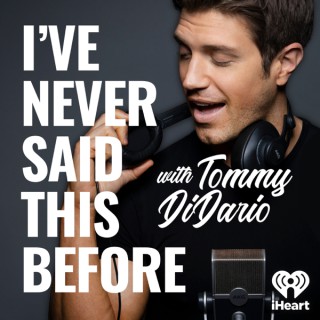
This week, Tommy is joined by actor Chase Stokes, who became a household name playing John B, the fearless leader of the Pogues in Netflix’s smash-hit series Outer Banks. With the fifth and final season now out, Chase is saying goodbye to an epic chapter of his life, and he’s opening up about what that goodbye has really meant to him. Chase shares how he’s grieved the end of John B’s story, the defining storyline that helped him better understand his character, and how he wanted John B to evolve over the course of five seasons. He reflects on how much he has changed since Season 1, the one scene he would show someone who has never watched Outer Banks, and his initial reaction to the Blue Crown storyline. He also reveals whether he thinks JJ should have been brought back, why Madison Bailey was a superhero this season, and why he believes John B and Sarah thrived throughout the series. Chase also discusses that burning online rumor and answers if that post-credit wedding party scene was scripted or completely unscripted? He also opens up about his complicated relationship with fame, why the pressure to always be perfect for the world matters less as you get older, the importance of setting boundaries, how his health took a scary hit earlier this year, how he’s feeling today, his ongoing journey of taking care of his mental health, why Season 2 of Outer Banks became such a pivotal moment in his life for his mental health, and so much more. And don’t miss Chase’s mini rapid-fire “Hot Takes & Hangouts” interview, dropping Thursday, September 3!Subscribe, rate, and leave a written review if you enjoy this conversation! Tune in every week for new episodes of I’ve Never Said This Before. Executive Producers: iHeart Media and Elvis Duran Podcast Network Producers: Andrew Pugliese, Stephanie Lane Follow us on socials! Instagram: @neversaidthisbefore YouTube: @NeverSaidThisBeforeSee omnystudio.com/listener for privacy information.

It's summertime and here on Youth Culture Matters were devoting our time to shorter episodes where we're talking about purposeful parenting, addressing timely topics to encourage and equip you as parents to help your kids navigate their world in ways that bring honor and glory to God. Take a few minutes to listen in today as I share about how to prioritize nurturing your kids' faith as we launch into another busy and distraction-filled school year.

Why You Can't Grow Your Business (It's Your Emotions)! Emotional Intelligence For Entrepreneurs: Why Your Emotions Run Your Business! Supersize Your Business Annual Challenge Day 244! Pop in here every day for a dose of different business building perspective! https://facebook.com/supersizebusiness Supersize Your Business (free) Skool link: https://www.skool.com/supersize-your-business-1654/about #supersizeyourbusiness #supersizeyourbusinessannualchallenge #emotionalintelligence #emotionhandling #EIforentrepreneurs Emotional health is often the missing link to your business success. Learn why ignoring your feelings creates unnecessary hurdles. Many entrepreneurs focus entirely on strategy while neglecting the internal state that drives their decisions. This session examines how specific emotions act as silent barriers to growth. If you feel stuck, it is likely because you have not acknowledged the feelings beneath your current business challenges. Adopting a stronger entrepreneur mindset helps you navigate these obstacles. By admitting what you are actually feeling, you clear the path for real change. Prioritizing your emotional health allows you to address the root causes of stagnation rather than just treating the symptoms. Once you stop avoiding your feelings, you can move forward with clarity. Subscribe for weekly professional development insights, and let me know in the comments: what is one emotion you have been ignoring in your work?

In this special episode of Talk Dizzy to Me, we're joined by members of the Dizzy Moms Club for an honest conversation about the challenges of parenting with vestibular disorders, including vestibular migraine, PPPD (Persistent Postural-Perceptual Dizziness), vestibular neuritis, unilateral vestibular hypofunction, BPPV, and Ménière's disease.Our guests share their lived experiences navigating the unpredictable nature of dizziness while raising children—and the strategies they've learned for adapting without losing meaningful connection with their families.Hosted by:

Register for our Free Dream Interpretation Summit https://dream-analysis.com/summit *** What does it mean to improve someone's eyesight, get caught driving drunk, or learn to farm indoors in a dream? Michael and Sandy interpret three powerful dreams about spiritual healing, suppressed emotions, personal authority, and transforming past pain into growth. Discover why glasses can represent a distorted perspective, alcohol can symbolize emotional suppression, and farming can reveal that your inner work is finally producing results. Plus, learn how dreams expose the patterns holding you back and point toward the gifts you may not realize you have. Chapters 00:00 Dreams of healing, drunk driving, and hidden power 00:41 Improving a client's vision 01:37 Why eyesight symbolizes perspective 03:33 Healing the person, not the symptom 05:19 Is the dreamer or their spirit team doing the healing? 06:24 What glasses mean in dreams 07:18 Childhood wounds and spiritual growth 10:01 Getting caught driving drunk 11:18 Learning to stand your ground 13:29 Guilt, sensitivity, and avoiding conflict 14:34 Rain and darkness symbolism 16:18 What alcohol means in dreams 16:54 The spiritual meaning of a stoplight 17:11 Knocking on the back passenger window 17:41 Losing control of the driver's seat 18:46 Learning how to farm indoors 20:31 Turning past abuse into growth 21:37 Integrating masculine and feminine energy 24:18 Parking lots, choices, and freedom 25:18 Healing the teenage years 26:11 Why the car's exterior disappears 27:43 Prioritizing others over yourself 29:38 Dream Interpretation Summit details *** Talk to Sandy about our courses https://bookings.theaislingschool.com/sandy/got-questions Courses: https://www.dream-analysis.com/courses Download Free dictionary: https://www.dream-analysis.com/ Submit your dream: https://www.dream-analysis.com/podcast Show Archives: https://www.dream-analysis.com/podcasts/ Get Our Free App with Dictionary & Journal iPhone: https://apps.apple.com/us/app/aisling-dreams/id6753309760 Android: https://play.google.com/store/apps/details?id=com.dream_analysis.aisling_dreams

“As your time commitment goes down, the importance of intensity goes up,” says Kristi Storoshuk. Storoschuk is a PhD candidate in Muscle Physiology at Queen's University in Kingston, Ontario. Her research focuses on the relationship between skeletal muscle metabolism and whole-body metabolism, with an emphasis on how nutrient–exercise timing influences physiological adaptations to exercise. Storoschuk has contributed to peer-reviewed publications and is passionate about translating complex scientific findings into practical, evidence-based recommendations. Outside of her academic work, Kristi is the founder of a women's health coaching program focused on improving metabolic health through sustainable nutrition and exercise, particularly in the context of preconception health. 00:00 - What is Zone 2 training? 08:14 - The limitations of Zone 2 training 11:18 - Prioritizing intensity when time is limited 15:56 - All about interval training 19:16 - The truth about building your aerobic base 21:02 - We shouldn't train cardio like elite athletes 24:48 - Fat burning & Zone 2 26:10 - Talking weekly cardio protocol 30:03 - Storoschuk's habits 33:03 - Unpacking exercise culture & trends 37:22 - Recovery, wearables, & intuition 43:10 - HIIT above all else Referenced in the episode: Read Storoschuk's research about Zone 2: https://link.springer.com/article/10.1007/s40279-025-02261-y For more about Storoschuk, visit her website: https://krististoroschuk.com/ We hope you enjoy this episode, and feel free to watch the full video on YouTube! Whether it's an article or podcast, we want to know what we can do to help here at mindbodygreen. Let us know at: podcast@mindbodygreen.com. Learn more about your ad choices. Visit megaphone.fm/adchoices

We close out the Powering Down series with the fruit that grows when we actually stop: love. Not love as another obligation to add to an already impossible list, but love as the natural result of resting in Jesus and being filled by him. We dig into John 15, Galatians 5, and 1 Corinthians 13 to discover that the primary fruit of a life rooted in Christ is love, and that love has a very specific shape. It chooses people over plans, presence over mere attendance, and patience over productivity. Love, it turns out, moves at about three miles an hour, the speed of walking, and you simply cannot do it at the pace most of us are living. The question worth sitting with today is this: when all is said and done, what story do you want the people who know you to tell? Because if you want it to be a story of love, something about the speed has to change. And the good news is that Jesus has already won the freedom for you to slow down and choose the people.
Dr. Urban A. Kiernan, PhD is a biomedical scientist, entrepreneur, and host of the Decoding Health podcast. As Founder and CEO of iMetabolic Biopharma Corporation, he is advancing innovative therapies targeting metabolic disease while translating complex science into practical strategies for improving healthspan. Dr. Kiernan is a passionate advocate for evidence-based nutrition, metabolic health, and disease prevention, helping people better understand the science behind insulin resistance, obesity, longevity, and human performance. Outside of career Dr Kiernan is a devoted husband, father and grandfather. He is also an active martial arts competitor, holding black belts in both Judo an Brazilian Jiu Jitsu. Socials: IG - https://www.instagram.com/light_bearer/ FB - https://www.facebook.com/urban.kiernan LI - https://www.linkedin.com/in/urban-a-kiernan-ph-d-8568b621/ X: @LightBearer2022 Rumble: https://rumble.com/c/c-7894210?e9s=src_v1_sa%2Csrc_v4_sa_o Website:: https://www.decodinghealthpodcast.com/ Timestamps: 00:00 Trailer 00:30 Introduction 06:15 Balancing work and single parenthood 07:08 Prioritizing health and well-being 11:48 Impact exercise benefits on joint health 15:57 Running hill sprints with friends 17:46 Jiu-jitsu injury and recovery 23:02 Limitations of lab research 26:32 Personal experience with keto diet 27:50 Sticking to keto without cheat days 31:14 Insurance reimbursement and treatment programs 37:02 Understanding HDL cholesterol and debates 39:25 Particle sizing and heart health 41:22 Popularity of weight loss drugs 44:19 Where to find Urban Join Revero now to regain your health: https://revero.com/YT Revero.com is an online medical clinic for treating chronic diseases with this root-cause approach of nutrition therapy. You can get access to medical providers, personalized nutrition therapy, biomarker tracking, lab testing, ongoing clinical care, and daily coaching. You will also learn everything you need with educational videos, hundreds of recipes, and articles to make this easy for you. Join the Revero team (medical providers, etc): https://revero.com/jobs #Revero #ReveroHealth #shawnbaker #Carnivorediet #MeatHeals #AnimalBased #ZeroCarb #DietCoach #FatAdapted #Carnivore #sugarfree Disclaimer: The content on this channel is not medical advice. Please consult your healthcare provider.

Today, I want to talk about something I see every day in my classroom and in the hallways of American schools: the urgent need for real food education. As a teacher, I watch how what our students eat shapes their energy, their focus, their moods, and ultimately their long-term health. Yet too many schools still treat nutrition as an afterthought.I believe we have a responsibility to help students understand the connection between food and well-being. When kids learn how different foods affect their bodies and minds, they gain power over their own choices. Without that knowledge, many drift toward processed and fast foods high in calories, unhealthy fats, and sodium. Over time, those patterns can contribute to serious problems like obesity and heart disease. I also see the quieter effects—how poor nutrition can leave students restless, foggy, or more anxious. A balanced diet can steady mood and ease stress, but too few young people are taught to make that link.The reality in many schools is discouraging. Budget pressures often hit health and nutrition first. When money is tight, we lose the chance to hire people who know how to teach these skills or to offer the kinds of meals and cooking experiences that make the lessons stick. Standardized testing makes the problem worse. Success is measured almost entirely by scores in math and English, so administrators feel forced to push those subjects harder while nutrition slides to the margins. Even when resources exist, food education can still get ignored. That has to change.Students need more than a quick lecture on the food groups. They need to read labels with confidence, understand portion sizes, distinguish between helpful and harmful fats, and practice preparing simple, nourishing meals. So many of the young people I teach rely on packaged and takeout food because they have never been shown another way. Cooking skills give them independence and protect them from the worst of those alternatives. They also need to see how food affects mental health so they can choose foods that support both body and mind.I know the challenges are real. Many of our students come from families stretched thin, and some schools themselves operate with limited kitchens and tight budgets. Meeting nutritional guidelines while keeping meals affordable and appealing to a wide range of tastes is not simple. Policy shifts come and go, and logistics—staffing, equipment, time—can feel overwhelming. Education at home matters too; not every family has the same information or capacity. Still, none of these obstacles excuses us from trying harder.What I want is straightforward. We need to protect and expand time and funding for food education so we can bring in knowledgeable teachers, run real cooking classes, and serve better meals. We should ease the stranglehold of standardized testing so health topics can take their rightful place. We can push for healthier options in the cafeteria and better support for the people who prepare school food. At the same time, each of us—teachers, parents, and community members—must keep learning and modeling good habits ourselves.I refuse to accept that the next generation will grow up without the tools to feed themselves well. Prioritizing food education is not optional. It is one of the clearest ways we can protect our students' health and give them a stronger foundation for the years ahead. The responsibility sits with all of us, and the time to act is now.

Do you ever feel like your week is running you instead of you running your week? I know I do! My friend Heather Brown joins me to talk about simple, practical ways we can care for our minds, bodies, and spirits without adding another overwhelming item to our to-do lists. We talk about creating intentional rhythms, managing chronic stress, protecting what matters most, and letting God help us see where our lives need a reset. Heather also shares some incredibly doable ways to slow down and care for ourselves in the middle of real, busy life. If you're tired of running on empty, this conversation is for you. Remember, I'd love to connect more on Instagram, where you'll find me at @donnaajones. And don’t forget to subscribe so you don’t miss a single episode! Xo, Donna Key Takeaways: 0:02:24 - “Sunday Reset” for Overwhelmed Women 0:08:34 - Start With God’s Vision for Your Week 0:17:18 - Chronic Stress and the Overloaded Nervous System 0:21:19 - Box Breathing as a Daily Reset Tool 0:24:34 - Simple Hydration & Salt Hacks for Energy What We Talk About Why busy women so easily end up running on empty What it means to love your neighbor as yourself Heather's Sunday Reset and how to begin creating one Asking God what your ideal day and week should look like Making your calendar reflect your actual priorities Recognizing where distractions are stealing your time Prioritizing your closest relationships How chronic stress affects the body The importance of sleep and true rest Using box breathing as a quick way to calm your nervous system Simple ways to incorporate prayer, Scripture, and worship into everyday routines Creating small habits that support your physical, mental, relational, and spiritual health Why caring for yourself sets an example for your children and family Heather's Sunday Reset Heather's approach begins with slowing down long enough to intentionally look at your life with God instead of simply reacting to everything coming at you. Start with God. Ask: Lord, what do You want this season, week, or day to look like? Identify what matters most. Consider your relationship with God, your closest relationships, your physical and mental health, and the specific calling God has placed on your life. Look honestly at your calendar. Do the things taking up your time match the things you say are important? Find the gaps and distractions. Ask where you're wasting time, what may need to be removed, and which habits aren't serving you well in this season. Put your priorities on the calendar. Schedule the important things instead of assuming they'll happen once everything else is done. Reset instead of expecting perfect balance. Some weeks will get crazy. The goal isn't perfection; it's recognizing when you've gotten off track and intentionally resetting. A Simple Stress Reset: Box Breathing Heather also shares a practical breathing exercise you can use in just a few moments: Inhale for 4 → Hold for 4 → Exhale for 4 → Hold for 4 Repeat for a few cycles to intentionally slow your breathing and create a moment of calm. Donna’s Resources: Order a copy of my latest book - Healthy Conflict, Peaceful Life: A Biblical Guide to Communicating Thoughts, Feelings, and Opinions with Grace, Truth, and Zero Regret. It is available anywhere books are sold– here is the link on Amazon. If you need a helpful resource for someone exploring faith and Christianity or simply want to strengthen your own knowledge, you’ll want a copy of my book, Seek: A Woman’s Guide to Meeting God. It’s a must for seekers, new believers, and those who want to deepen their faith. Connect with Heather: Heather’s Website: www.healthybyheatherbrown.com Healthy by Heather Brown Podcast: https://mylifewellloved.com/podcast Let’s Connect: Instagram: @donnaajones Website: www.donnajones.org Donna’s speaking schedule: https://donnajones.org/events/ Discover more Christian podcasts at lifeaudio.com and inquire about advertising opportunities at lifeaudio.com/contact-us.

Register for my FREE debt class for entrepreneurs: https://ginaknox.co/free-trainingJoin Small Business Money School: https://ginaknox.co/school Episode SynopsisIn this episode Gina Knox shares a detailed, step-by-step approach to managing business debt intentionally. She emphasizes testing solutions before borrowing, prioritizing problems, and actively overseeing implementation to improve profitability and reduce unnecessary debt.Chapters:00:00 - Introduction to the importance of intentional debt01:27 - Debt as capital, not starting point02:26 - Spending money to solve current problems03:52 - Five categories of business problems06:13 - Prioritizing problems to solve first07:09 - Creating solutions and testing ideas10:02 - Implementing tested solutions without debt13:12 - Funding solutions with micro-testing and testing before debt14:38 - Active oversight during implementation17:25 - The effort required for successful debt management19:24 - The life-changing potential of a disciplined processKeywords: business debt, financial management, testing solutions, debt avoidance, business growth, profit strategies, small business finance, debt formula, testing and implementation, financial security

As the new academic year begins, school districts face a surge in cybersecurity threats, from phishing attacks and ransomware to student experimentation with network devices. In this episode, Amy sits down with Cisco Talos expert Pierre Cadieux to discuss practical strategies for IT practitioners. How do you strengthen your defenses while managing the delicate balance between security and classroom usability? Here are the most high-priority steps to keep your district safe this semester.Prioritizing patches episode: https://www.buzzsprout.com/2018149/episodes/19360999

Episode 5615: 1 Million In Fraud And Prioritizing Pharmaceutical Profits Over Children's Health
Teresa Murray, consumer watchdog with the U.S. Public Interest Research Group (PIRG), joins Lisa Dent to discuss the recalls of Clear Eyes Maximum Itchy Eye Relief eye drops and certain types of Fromm Family Foods’ wet dog food. While Teresa does address the risk warning upgrade on Greenwise’s 10 ounce bags of organic frozen blueberries, […]

What if you had the opportunity to sit down with yourself twenty years ago over coffee? What would you say?Quincy opens this episode with that exact question and delivers a clear, urgent message to men in every season of life:Life is about who you are becoming.It is not about who everyone else thinks you should be. It is not about the misconceptions of who you think you have to be in order to make an impact. It starts with who you are becoming.From there, he lays out foundational priorities that every man must lock in:Become an expert at prioritizing your time. Few things matter more than having your priorities straight.Dig into your relationship with Jesus Christ — not religion, not doctrine, but a real relationship with the One who has called you.Understand that becoming Family Famous matters most because your number one ministry as a husband and father is your family.This message is for:Young men 18–25 who are still forming their directionMen in their 20s and 30s who are married (with or without children)Any man who feels lazy or lost ambition, distracted by selfish ambition, or unsure of the vision for his lifeQuincy challenges listeners to stop and ask hard questions:Am I the man I promised I would be?What is the vision for my life?Where am I actually living right now?He shares from personal experience how transformation began when he created disciplines based on who he believed God wanted him to be, then surrendered his selfish ambition. Over time, Jesus continued the work of renewal — even through seasons of the gray, disappointment, and adversity.The episode ends with a clear gospel invitation and a strong prayer for every man listening, whether he already walks with Christ, has drifted, or does not yet know Him.Quincy also announces the major transition underway: Man vs Marriage is becoming Family Famous — a men's leadership podcast focused on teaching men how to become famous where it matters most: at home.Key TakeawaysLife is about who you are becoming, not who others expect you to be.Your first ministry is your family.Prioritizing time and deepening your relationship with Jesus are non-negotiable foundations.Transformation begins with honest evaluation of where you are, followed by disciplined action and surrender.You can start today — right where you are.There is hope no matter what season you find yourself in.Questionnaire / ReflectionIf I could speak to myself 10–20 years ago, what is the most important thing I would say?Am I currently the man I promised my wife (or future wife) I would be?What is the vision of the man I am supposed to become?Where have I been distracted by selfish ambition or lost vision?What is one discipline I need to lock in this week that aligns with who I am becoming?Connect & Call to ActionIf this message hit you, do not let it stay in your headphones.Email me: quincy@mvsmpodcast.com Let me know where you are and how I can pray for you.Website: https://quincymoran.com X: @quincywmoranShare this episode with one man who needs to hear it. Life is about who you are becoming. Let's rise up and become Family Famous — famous where it matters most.From the Moran Family Studio — this is Man vs Marriage, transitioning into Family Famous.

In this episode, Paul Galloway and Craig Jeffery discuss how treasury leaders can make better decisions when resources, time, and management attention are limited. They examine how to prioritize competing initiatives, balance short-term wins with long-term strategy, avoid reacting only to urgent issues, and evaluate investments in the broader context of the organization. The discussion also covers resource constraints, root-cause thinking, cross-functional input, and the importance of regularly reviewing people, processes, technology, data, and structure. Behavioral Finance Meets Treasury: How Bias Shapes Financial Decisions (2025) Architecting a Leading Treasury Group with Ron Chakravarti (2024) Becoming a Treasurer: Part 6 – Securing the Resources You Need (2019) Timestamps: 00:00 Introduction 01:32 Why prioritization is difficult 05:15 Evaluating major investments 06:51 Short-term wins vs. long-term goals 10:47 Common decision-making mistakes 12:57 Building a strong decision framework 16:38 Final thoughts 16:45 Outro ━━━━━━━━━━━━━━━━━━━━━━━━━━━━━━ ABOUT STRATEGIC TREASURER ━━━━━━━━━━━━━━━━━━━━━━━━━━━━━━ Strategic Treasurer is recognized as a top tier consulting firm in the area of treasury and risk management. Corporate clients, banks, and technology vendors all rely on their industry leading advisory services that are backed by a deep awareness of current needs, practices, and budgeting priorities of treasury professionals through Strategic Treasurer's annual industry surveys and decades of treasury experience. Strategic Treasurer utilizes a senior consultant model where every project is managed by senior consultants with actual practitioner experience in corporate and/or banking roles. Download The Strategic Treasurer: A Partnership for Corporate Growth by Craig A. Jeffery in Kindle, or hardcover. As an Amazon Associate, we earn from qualifying purchases. Visit us today at StrategicTreasurer.com. Or join in the discussion at one of our leading LinkedIn groups.

Pastor Bryan preaches from Acts 3 and teaches us that what we do consistently develops the person we are becoming. Prioritizing prayer sets a pattern for His will.

Hey, Heal Squad! We're back with Dr. Gabrielle Lyon, and if you're a woman over 35, this might be one of the most important conversations you'll hear all year. For years, we've been told to eat less, do more cardio, and accept that weight gain, brain fog, low energy, and losing muscle are just part of hormones and getting older. But what if they don't have to be? In Part 2, Dr. Lyon shares what she calls the real playbook for women who want to stay strong, healthy, and independent for decades to come. She explains what actually happens to our muscles as we age, why your first and last meal of the day matter more than you think, and why resistance training isn't just about looking fit, it's one of the most powerful things you can do for your brain, metabolism, hormones, and long-term health.Maria and Dr. Lyon also bust some of the biggest myths women have been told about aging...from the idea that belly fat and muscle loss are inevitable to why walking alone isn't enough to maintain muscle after 35. Plus, Dr. Lyon shares her simple, realistic prescription for building strength at any age, including exactly how often to strength train, how much protein to eat, and why it's never too late to start. Whether you're just beginning your fitness journey or looking to level up your routine, this episode is a powerful reminder that getting stronger isn't about perfection…it's about giving your future self the healthiest, strongest foundation possible. Enjoy! HEALERS & HEAL LINERS Women don't need to spend the second half of life getting smaller, they need to get stronger. Resistance training and adequate protein are two of the most powerful tools for protecting your metabolism, brain, and long-term health. After 35, your muscles need more attention, not less. Prioritizing protein, especially at your first and last meal, and strength training consistently can help support energy, body composition, and healthy aging. It's never too late to build muscle. Whether you're 40, 60, or even 75, Dr. Lyon says your body is still capable of getting stronger (and healthier!) when you give your muscles the right stimulus. Join us at our Canyon Ranch 2026 Retreat: https://www.canyonranch.com/lenox/retreats/heal-retreat-maria-menounos HEAL SQUAD SOCIALS IG: https://www.instagram.com/healsquad/ TikTok: https://www.tiktok.com/@healsquadxmaria HEAL SQUAD RESOURCES: Heal Squad Website:https://www.healsquad.com/ Heal Squad x Patreon: https://www.patreon.com/HealSquad/membership Maria Menounos Website: https://www.mariamenounos.com My Curated Macy's Page: https://stylecrew.macys.com/@mariamenounos EMR-Tek Red Light: https://emr-tek.com/discount/Maria30 for 30% off Airbnb: https://www.airbnb.com/host GUEST RESOURCES: Follow Dr. Gabrielle Lyon on Instagram: https://www.instagram.com/drgabriellelyon/?hl=en For more on Dr. Gabrielle Lyon: https://drgabriellelyon.com/ For more on Dr. Gabrielle Lyon's Practice Strong Medical https://strongmedical.com/ Check out Forever Strong : https://www.amazon.com/Forever-Strong-Science-Based-Strategy-Aging/dp/1668007878 Check Out The Forever Strong Playbook: https://www.simonandschuster.com/books/The-Forever-Strong-PLAYBOOK/Gabrielle-Lyon/9781668085622 ABOUT MARIA MENOUNOS: Emmy Award-winning journalist, TV personality, actress, 2x NYT best-selling author, former pro-wrestler and brain tumor survivor, Maria Menounos' passion is to see others heal and to get better in all areas of life. ABOUT HEAL SQUAD x MARIA MENOUNOS: A daily digital talk-show that brings you the world's leading healers, experts, and celebrities to share groundbreaking secrets and tips to getting better in all areas of life. DISCLAIMER: This Podcast and all related content (published or distributed by or on behalf of Maria Menounos or http://Mariamenounos.com and http://healsquad.com) is for informational purposes only and may include information that is general in nature and that is not specific to you. Any information or opinions provided by guest experts or hosts featured within website or on Company's Podcast are their own; not those of Maria Menounos or the Company. Accordingly, Maria Menounos and the Company cannot be responsible for any results or consequences or actions you may take based on such information or opinions. This podcast is presented for exploratory purposes only. Published content is not intended to be used for preventing, diagnosing, or treating a specific illness. If you have, or suspect you may have, a health-care emergency, please contact a qualified health care professional for treatment.

The Buddha taught a path of awakened living, but how does that manifest in today's world of constant connectivity and widespread suffering? How do we keep our hearts open without being defined or hardened by the pain that surrounds us, whether personal, collective, or historical? How do we navigate the paradox of holding both pain and joy, without mistaking suffering for punishment or personal failure? Can we infuse our compassion with wisdom and perspective to find the agency to take meaningful action in our communities? In her new series, Engaged Compassion, Sharon delves into these questions and more, engaging in candid conversations with a diverse group of teachers, activists, and changemakers. For the ninth and final episode in the series, Sharon speaks with Shelly Tygielski. Philanthropist and social activist Shelly Tygielski has been hailed by individuals ranging from President Joe Biden to Arianna Huffington and Dr. Jon Kabat-Zinn to Maria Shriver. She is the founder of the global, grassroots mutual aid organization, Pandemic of Love and the co-founder of Partners in Kind, a purpose in production equity fund that invests in projects that focus on social impact in entertainment. Her work has been featured in over 100 media outlets, including CNN Heroes, The Kelly Clarkson Show, CBS This Morning, The New York Times, and The Washington Post. A Garrison Institute Fellow, Shelly has been called one of the “12 Powerful Women of the Mindfulness Movement” by Mindful.org and teaches self-care and resilience at organizations and to audiences around the world. She is also the author of several books, “Sit Down to Rise Up” and “How We Ended Racism.” This is her second appearance on the Metta Hour Podcast.In this conversation, Shelly and Sharon speak about:• What motivated Shelly to get her PH.D.• The definition of Mutual Aid • Mutual Aid across history• Peter Kropotkin's view of society • Cooperation vs competition in society• Thriving interspecies ecosystems • How Shelly's practice has evolved over time• Finding a balance in our compassion• Prioritizing self-care in engaged compassion• How Shelly has let go of her caregiving guilt• The signs that burnout is lurking• Seeing resentment as a signal flare• Shelly's advice to change-makers• Activism with our own sustainability in mind• Asking for help before falling into burnout• Joy is not an abandonment of responsibility • How Shelly finds joy in nature and with musicAdditional ResourcesThe episode closes with Shelly leading a lovingkindness meditation. Learn more about Shelly's work and her different books right here. Learn more about Pandemic of Love right here.Related Metta Hour EpisodesEpisode 121: Shelly's first appearance on the Metta Hour, released in 2020.See Privacy Policy at https://art19.com/privacy and California Privacy Notice at https://art19.com/privacy#do-not-sell-my-info.

In this episode, Josh and Alessandra discuss the importance of adaptable routines, foundational principles in health and fitness, and practical strategies for managing busy family life while maintaining personal growth. They share real-life experiences and insights on how to build sustainable habits amidst life's chaos. L5 Health Score Quiz https://score.lvltnhealth.com/ LVLTN Health https://www.lvltnhealth.com/ The Fitness League app https://www.fitnessleagueapp.com/ Chapters 00:00 Introduction and episode overview 00:24 The significance of flexible routines in daily life 241:38:22 Planning versus real-life adjustments in routines 5916:38:34 Understanding sleep regressions and managing sleep with kids 7722:11:57 Back to basics: Foundations of health and fitness 10194:25:23 Mastering the five pillars of health 12499:58:45 Creating backup plans for busy days 14083:18:45 The importance of evening routines for morning success 16833:18:51 Adapting routines through different seasons of life 21805:32:25 The role of mindset and mental capacity in change 24138:52:29 Starting small and scaling habits effectively 28027:45:52 The significance of evening routines and sleep hygiene 31749:59:17 Prioritizing and making sacrifices for goals 35416:39:23 The power of small shifts and consistency 37527:46:08 Waking up early and the benefits of quiet mornings 38527:46:14 The value of coaching and personalized plans 461666:39:58 Final thoughts on responsibility and continuous improvement

Fertility treatment can be an emotional rollercoaster, impacting mental health, relationships, and a sense of self. In this episode, Rachel Goldberg, a licensed therapist specializing in infertility and reproductive health, shares practical tips for building resilience, coping with grief, and maintaining connection with partners. She provides insights into navigating the emotional complexities of fertility treatments, pregnancy loss, and family planning while offering actionable strategies to support overall well-being. In this episode we cover: Common emotional challenges people face during fertility treatment How fertility treatment affects relationships with partners and oneself Coping strategies for managing stress and anxiety Prioritizing mental health while staying focused on treatment goals When to seek support from a mental health professional Read the full show notes on my website. Find Rachel Goldberg's website here. Do you have questions about IVF? Click here to join me for The IVF Class. The next live class call is on Monday, September 14 at 4pm PST, where I'll explain IVF and Egg Freezing, and there will be time to ask questions live on Zoom. Other ways to connect: Visit my YouTube channel for more fertility tips! Subscribe to the newsletter to get updates. Join Egg Whisperer School. Request a Consultation with me. Dr. Aimee Eyvazzadeh is one of America's most well-known fertility doctors. Her success rate at baby-making gives future parents hope when all hope is lost. She pioneered the TUSHY Method and BALLS Method to decrease time to pregnancy. Learn more about the TUSHY Method and find a wealth of fertility resources at www.draimee.org.

In this episode, Sally chats with her good friend, rockstar pacer, podcast host and ultrarunning coach, Joe Corcione! Joe shares how running helped transform his life from addiction and unhappiness into nearly eight years of sobriety, a coaching career, and a deep belief that people can change through consistent effort. Joe also chats about his demanding Western States–Badwater double and the larger lesson that growth comes from embracing difficult challenges! Enjoy!Other episode highlights:Prioritizing rest and mental freshness over additional fitness.His first coach, Zach Bitter, gave him crucial confidence by immediately believing in his ambitious racing goals.Badwater fulfilled one of Joe's long-held dream races and became a major “full-circle” moment.How friendships, crews, and shared moments often become more memorable than race times or placements.Joe's coaching missionFollow Joe:Coaching: Theeverydayultra.comPodcast: The Everyday Ultra Instagram: @joecorcioneYouTube: @everydayultrapodcast1473All links, discounts, and ways to support the podcast are here.Sally McRae Strength AppChoose Strong Book Choose Strong Podcast YouTubeSally McRae YouTubeChoose Strong Merch Choose Strong Strava GroupEpisode Sponsors:LAUNDRY SAUCE: Make laundry day the best day of the week! Get 20% off your entire order @LaundrySauce with code STRONG at https://laundrysauce.com/STRONG #laundrysaucepodMud/WTR: Start your new morning ritual & get up to 43% off your @MUDWTR with code STRONG at mudwtr.com/STRONG! #mudwtrpod #sponsored
The number on your scale tells you almost nothing about your actual health. You can lose weight while becoming less healthy—or stay the same weight while dramatically improving your metabolism, reducing your risk of disease, and adding years to your life. In today's episode, I discuss: Why the scale can completely miss what's happening inside your body and the hidden health risks it can't measure The dangerous difference between muscle and visceral belly fat, and why one protects you while the other drives disease The five health markers I pay attention to instead of body weight—including one simple measurement you can do at home How insulin resistance develops years before diabetes and the early warning signs you can catch before it's too late The goal isn't simply to lose weight; it's to build a healthier metabolism. The healthiest body isn't always the lightest one—it's the one that's functioning the way it was designed to. Resources Mentioned: Want to dive deeper into why muscle is the key to longevity? Listen to my full conversation with Dr. Gabrielle Lyon here Track your health with Function Health: https://functionhealth.com/mark (Use code MARK2026 for $50 off your membership.) Have a question you'd love answered on Office Hours? Submit it here (0:00) Rethinking weight loss: muscle, metabolism, and key health metrics (7:17) Chronic inflammation, insulin resistance, and metabolic health (11:00) Five metrics that matter more than weight (13:17) Shifting focus: Prioritizing health over weight loss (15:14) Muscle and longevity with Dr. Gabrielle Lyon

In the health and wellness space, we often focus on the dangers of not having enough healthy habits. Especially in today's culture, it's common to not exercise enough, or to not eat enough healthy foods. But what about on the other side of spectrum? Today, we're going to explore the risks of obsessive healthy habits and the stress that can surround self-optimization. Today's guest is New York Times bestselling author and biohacking expert, Ben Greenfield. Ben is back on The Model Health Show to share some of the revolutions he's had about finding balance and shifting his focus to what truly matters in life. You're going to learn about how certain exercise types can have diminishing returns, the importance of having clear priorities, and how to find true fulfillment in your life. If you've ever struggled with excessive exercise or extremism in any way, Ben's insights will help you find balance and peace. We're going to discuss building self-awareness, having the right dosage of healthy habits, and how to find self-worth and identity outside of self-optimization. I hope you enjoy this interview with Ben Greenfield! In this episode you'll discover: The diminishing returns of endurance exercise. (4:38) How much physical activity is optimal for cardiovascular health. (6:22) The importance of finding balance in a healthy lifestyle. (10:44) Why we should engage in more human-powered commuting. (12:22) How changing your mentality about movement can benefit you. (17:04) The story of how Ben had to change his priorities. (20:19) Three important things that Ben changed to find fulfillment. (25:45) What looksmaxxing is. (37:16) The specific metrics and behaviors to prioritize for health and longevity. (42:45) How to create healthy boundaries around exercise. (47:20) Why excessive cardio can damage your arteries. (49:10) Items mentioned in this episode include: DrinkLMNT.com/model - Get a truly meaningful dose of electrolytes in a science-backed ratio. Free sample pack with any order. Boundless - Watch Ben's documentary here! Connect with Ben Greenfield Website / Facebook / Instagram / YouTube Be sure you are subscribed to this podcast to automatically receive your episodes: Apple Podcasts Spotify Soundcloud Pandora YouTube This episode of The Model Health Show is brought to you by LMNT. Most people are underhydrated—and it's costing you energy, focus, and performance. LMNT delivers a science-backed electrolyte ratio with no sugar, no junk—just what your body actually needs. Get a free sample pack with any order at drinklmnt.com/model.

When a brand says it "used AI," that could mean anything from a tool speeding up a human's first draft to a system generating and shipping work on its own — and almost all of the real risk lives in the difference. So as AI moves deeper into creative work, which decisions are you certain still belong to a human?Real agility here isn't being quick with the latest tools. It's moving fast without losing the through-line that makes a brand recognizable — the ability to know exactly where human judgment stays non-negotiable.Today we're recording live at Ai4 2026 in Las Vegas at the Venetian, and we're going to talk about:- Drawing a clear line between where AI sharpens creative work and where it introduces unacceptable brand risk.- A practical look at how AI was used in a national campaign to improve the creative process, not just automate it.- The strategic shift as consumers move from traditional search engines to AI-powered platforms for discovery and research.To help me dig into this, I'd like to welcome Taryn Crouthers, CEO at Big Spaceship.About Taryn CrouthersTaryn Crouthers is the CEO of Big Spaceship, MSQ Partners' award-winning creative agency. A passionate leader, Taryn has spent her decades-long career inspiring teams to create work that moves both people and business. Her work spans advertising, media, entertainment, and the distribution and commercialisation that scale them. She is the former President of social-first global media company ATTN:, where she helped lead the company from pre-revenue through its $100M acquisition.Along the way, she earned recognition including Campaign's Inspiring Women (2026), 40 Over 40 (2025), Ad Age Leading Women (2024), Cynopsis' Corporate Visionary, and Top Women in Digital.An entrepreneur at heart and a nationally recognised voice on the future of creativity and AI integration, Taryn brings a founder's mindset to scaling creative businesses and developing new revenue models. She has served on juries for Cannes Young Lions, The One Show, ADC, Webby Awards, and other prestigious industry competitions. She serves on the Advisory Board of Miami Ad School and is an active investor in emerging creative and technology-driven companies.She is also a co-founder of the Women in AI Summit for the Creative Community and launched the Women in AI Creative Cohort, which selects 15 top global executives for a six-month AI mentorship program.Taryn Crouthers on LinkedIn---------- Resources ---------- Big SpaceshipThe Agile Brand podcast is brought to you by TEKsystems.We're proud to be a media partner for #MAICON26 - Oct. 13-15! Learn how AI can power your marketing and business and help you grow smarter. Use code AGILE150 to save! Reach your customers with Reddit. Spend $500 in ad spend, get $500 back in ad credit!Chaser is the only Slack-native project management platform that helps teams turn messages into tracked tasks, automate follow-ups, and maintain team-wide visibility, without adopting another tool. Now integrated with Claude and other GenAI tools. Learn more at trychaser.com and use code AGILEBRAND for a 3-month free trial (normal trial is 14 days).The most influential minds in software, AI, and engineering leadership will be at WeAreDevelopers World Congress North America, September 23-25 in San Jose. Start building your own apps with Replit and get $20 off.Enjoyed the show? Tell us more at and give us a rating so others can find the show.Connect with Greg on LinkedInDon't miss a thing: get the latest episodes, sign up for our newsletter and more.Check out The Agile Brand Guide website with articles, insights, and Martechipedia, the wiki for marketing technology.The Agile Brand is produced by Missing Link—a Latina-owned strategy-driven, creatively fueled production co-op. From ideation to creation, they craft human connections through intelligent, engaging and informative content. Hosted on Acast. See acast.com/privacy for more information.
What if one of the most powerful anti-aging tools wasn't a supplement, medication, or expensive biohack—but the way you exercise? While many people think of exercise as a way to lose weight or burn calories, its greatest benefits happen deep inside your cells. In today's episode, I discuss: The two most effective forms of exercise for healthy aging and longevity What happens inside your cells when you challenge your muscles and cardiovascular system The often-overlooked factor that can determine whether you stay strong and independent as you age The minimum amount of exercise needed to support your muscles, metabolism, heart, and brain How and why you should measure your VO2 max Healthy aging isn't about finding the latest longevity hack—it's about consistently giving your body the signals it needs to adapt, grow stronger, and stay resilient. Resources Mentioned: Track your metabolic health with Function Health: https://functionhealth.com/mark (Use code MARK2026 for $50 off your membership.) Have a question you'd love answered on Office Hours? Submit it here (0:00) The role of exercise, types of exercise, and debunking strength training and HIIT myths (2:05) Mitochondria, aging, and chronic disease (4:24) Movement, mitochondrial health, and essential types of movement for longevity (5:54) Prioritizing strength training and muscle as a longevity organ after age 40 (8:17) Building a resilient immune system (10:27) HIIT, VO2 max, and interval training routines (13:24) Combining strength training and HIIT; starting from scratch and common questions (15:17) Movement as medicine and closing remarks
© 2020-2026 Ivy Podcast Discovery LLC
