
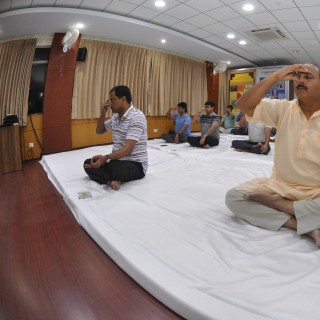
Practice of breath control in Yoga
POPULARITY
Categories

507 episodes with Pranayama

88 episodes with Pranayama

61 episodes with Pranayama

110 episodes with Pranayama

86 episodes with Pranayama

125 episodes with Pranayama

44 episodes with Pranayama

26 episodes with Pranayama

77 episodes with Pranayama

19 episodes with Pranayama

56 episodes with Pranayama

102 episodes with Pranayama

70 episodes with Pranayama

103 episodes with Pranayama

315 episodes with Pranayama

39 episodes with Pranayama

275 episodes with Pranayama

99 episodes with Pranayama

26 episodes with Pranayama

42 episodes with Pranayama

25 episodes with Pranayama

12 episodes with Pranayama

10 episodes with Pranayama

9 episodes with Pranayama

11 episodes with Pranayama

11 episodes with Pranayama

7 episodes with Pranayama

197 episodes with Pranayama

11 episodes with Pranayama

10 episodes with Pranayama

20 episodes with Pranayama

28 episodes with Pranayama

26 episodes with Pranayama

182 episodes with Pranayama

9 episodes with Pranayama

16 episodes with Pranayama

8 episodes with Pranayama

157 episodes with Pranayama

10 episodes with Pranayama

42 episodes with Pranayama

5 episodes with Pranayama

6 episodes with Pranayama

15 episodes with Pranayama

8 episodes with Pranayama

9 episodes with Pranayama

6 episodes with Pranayama

4 episodes with Pranayama

5 episodes with Pranayama

119 episodes with Pranayama

6 episodes with Pranayama

6 episodes with Pranayama

12 episodes with Pranayama

8 episodes with Pranayama

6 episodes with Pranayama

7 episodes with Pranayama

12 episodes with Pranayama

4 episodes with Pranayama

6 episodes with Pranayama

3 episodes with Pranayama

4 episodes with Pranayama

6 episodes with Pranayama

10 episodes with Pranayama

4 episodes with Pranayama

5 episodes with Pranayama

4 episodes with Pranayama

6 episodes with Pranayama

4 episodes with Pranayama

2 episodes with Pranayama

10 episodes with Pranayama

4 episodes with Pranayama

11 episodes with Pranayama

7 episodes with Pranayama

6 episodes with Pranayama

4 episodes with Pranayama

8 episodes with Pranayama

4 episodes with Pranayama

3 episodes with Pranayama

8 episodes with Pranayama

3 episodes with Pranayama

4 episodes with Pranayama

2 episodes with Pranayama

3 episodes with Pranayama
3 episodes with Pranayama

7 episodes with Pranayama

2 episodes with Pranayama

2 episodes with Pranayama

5 episodes with Pranayama

2 episodes with Pranayama

2 episodes with Pranayama

4 episodes with Pranayama

3 episodes with Pranayama

11 episodes with Pranayama

6 episodes with Pranayama

5 episodes with Pranayama

3 episodes with Pranayama

4 episodes with Pranayama

53 episodes with Pranayama

2 episodes with Pranayama

5 episodes with Pranayama

3 episodes with Pranayama

2 episodes with Pranayama

5 episodes with Pranayama

2 episodes with Pranayama

5 episodes with Pranayama

45 episodes with Pranayama

2 episodes with Pranayama

2 episodes with Pranayama

3 episodes with Pranayama

2 episodes with Pranayama

43 episodes with Pranayama

43 episodes with Pranayama

3 episodes with Pranayama

8 episodes with Pranayama

3 episodes with Pranayama

3 episodes with Pranayama

3 episodes with Pranayama

2 episodes with Pranayama

2 episodes with Pranayama

2 episodes with Pranayama

5 episodes with Pranayama

2 episodes with Pranayama

39 episodes with Pranayama

2 episodes with Pranayama

2 episodes with Pranayama
2 episodes with Pranayama

2 episodes with Pranayama

2 episodes with Pranayama

38 episodes with Pranayama

5 episodes with Pranayama

37 episodes with Pranayama

2 episodes with Pranayama

3 episodes with Pranayama

2 episodes with Pranayama

2 episodes with Pranayama

5 episodes with Pranayama

36 episodes with Pranayama

2 episodes with Pranayama

2 episodes with Pranayama

2 episodes with Pranayama

4 episodes with Pranayama

5 episodes with Pranayama

4 episodes with Pranayama

4 episodes with Pranayama

2 episodes with Pranayama

2 episodes with Pranayama

3 episodes with Pranayama

2 episodes with Pranayama

2 episodes with Pranayama

2 episodes with Pranayama

3 episodes with Pranayama

32 episodes with Pranayama

32 episodes with Pranayama

6 episodes with Pranayama

4 episodes with Pranayama

2 episodes with Pranayama

2 episodes with Pranayama

2 episodes with Pranayama

2 episodes with Pranayama

2 episodes with Pranayama

3 episodes with Pranayama

3 episodes with Pranayama

30 episodes with Pranayama
MENOPAUSE PANCHAKARMA PROGRAMWomen are unaware that painful menopause is directly connected to the imbalances that have been quietly accumulating over many years.To build a better support system for women going through this important transition, Sitaram Retreat x Postcard has created a dedicated Menopause Panchakarma Program.The program includes consultations, Panchakarma therapies, hormonal health support, personalised nutrition and lifestyle guidance, and restorative practices for the mind and body.Early Bird Offer Live! Valid for bookings until September 15th, 2026.Click to know more: https://sitaramretreat.com/Prepare_Your_Body_for_Menopause/ What happens when a disease continues to affect the body even after the body's cells have changed?Guru Yogi Shivanji introduces the Pancha Koshas, the five layers of human existence, and explains how he approaches chronic and complex conditions by looking beyond visible symptoms. The conversation explores anger, grief, hatred and forgiveness, including the story of a woman with long-standing vitiligo and the role emotional patterns played in her healing journey.The episode also explores Pranayama, Kumbhaka, breath retention and Bandhas, and Guru Yogi Shivanji's understanding of how breath and Prana influence the mind and body. He explains Pancha Bala Siddhanta and why food, movement, breath and mental focus form an important foundation before medicine.Episode HighlightsUnderstanding the Pancha KoshasThe mind, Prana & physical bodyEmotional patterns, forgiveness & healingPranayama, Kumbhaka & breath retentionPancha Bala Siddhanta explainedFood, movement, breath & mental focusThe healing village approachWhy healing requires active participationTimestamps00:00 – 03:46 – Pancha Koshas, Beliefs & Healing03:46 – 13:44 – Anger, Grief, Forgiveness & Letting Go13:44 – 18:57 – Science, Belief & Choosing the Right Doctor18:57 – 24:43 – Mantra, Focus & Pancha Bala Siddhanta24:43 – 27:17 – Forgiveness, Healing & Breath27:17 – 39:42 – Pranayama, Kumbhaka, Bandhas & Prana39:42 – 42:42 – Inside the Healing Village42:42 – 44:29 – Living in Tune With NatureAbout Guru Yogi ShivanjiGuru Yogi Shivanji is the founder of Indimacy Healing Village in Trivandrum, where he works with an approach that brings together food, movement, breathing, meditation and traditional healing practices.About Dr Vignesh DevrajDr Vignesh Devraj is a fourth-generation Ayurvedic physician and the founder of Sitaram Retreat, Kerala, a space for authentic healing. He is a committed practitioner and researcher of Panchakarma.If you are interested in doing a one-on-one Ayurvedic consultation with Dr Vignesh Devraj, please find the details here: https://calendly.com/drvignesh/30-minute-session-with-dr-vignesh-devraj-md-ay-ist If you are economically challenged, please use the form below to request a free Ayurvedic consultation: https://docs.google.com/forms/d/e/1FAIpQLSd29nHcrC1RssR-6WAqWCWQWKKJo7nGcEm8ITEl2-ErcnfVEg/viewformBALANCING THE MIGHTY VATA – ONLINE COURSE NOW AVAILABLEVata governs Prana, the nervous system, movement, and emotional well-being. In Ayurveda, balancing Vata is considered one of the most important aspects of healing and recovery.This comprehensive online course includes over 6 hours of practical teachings, downloadable notes, and simple tools that can be integrated into everyday life.Link: https://vigneshdevraj.com/balancing-the-mighty-vata/For further information, kindly visit: www.vigneshdevraj.com and www.sitaramretreat.comInstagram – @sitarambeachretreat | @vigneshdevrajTwitter – @VigneshDevrajDisclaimer: We strongly recommend that the content discussed in these episodes should not be used as medical advice or as a substitute for professional medical care.

“Knowledge is really important. Knowledge brings forth this awakening as well.” What does it actually mean to bring the roots of yoga to your practice? To bring inspiration? To bring prayer? Mantra? Pranayama? Knowledge? In this episode of a Curious Yogi, I sit down with Crystal Rainbow Borrelli - author, oracle deck creator, and third-generation yogi. We dive into how to honor the ancient wisdom, respect tradition and understanding tools like sacred mantras can completely reshape your time both on the mat and in your life. Key TakeawaysYoga is a way of relating to lifeMantra becomes more meaningful when it's mythology and history is understoodOwn your voice! Essential for yoga teachersYoga's Spiritual Heart: Insights on practicing in yogas heartland of India.The mythical story behind the warrior posesStudying the roots of yoga, with respect for tradition, helps preserve it's depthTo experience the world as a yogi is to hold both the human and the spacious Yoga supports nervous-system regulation by creating a pause before reactionYoga Teacher Trainings in the west, things to consider and how to choose the right trainingsRaised off-grid on a remote island on the West Coast, Crystal Rainbow Borrelli is a yogi, international retreat leader, and teacher trainer for 200-hour and 300-hour programs worldwide. She is the author of Within the Divine Realm, a guide to the mythical stories and sacred mantras of yoga's gods and goddesses, and creator of the Sacred Realms Oracle Deck. Crystal's Online Classes, Book & Oracle Deck: crystalrainbowborrelli.comConnect with Crystal: @crystalrainbowyogaI loved this conversation! Crystal is such a power house and she truly shares from her heart. This conversation is sure to give you inspiration for how to practice your postures, sing your mantras and approach your yoga practice. In oneness, Bobbi Thanks for listening!

What if the most powerful tool for changing your life has been with you all along?In this week's episode of Coffee & Crystals, we're continuing our Eight Limbs of Yoga series by exploring Pranayama—the ancient yogic practice of intentional breathing.After taking some time to reconnect with myself through yoga, movement, and mindfulness, I'm sharing a personal reflection on what happens when we become the student again. This conversation is all about slowing down, regulating the nervous system, and remembering that sometimes the smallest habit creates the biggest transformation.We'll also dive into Leo season, the Lions Gate Portal, and why this energetic season is inviting us to breathe deeper, live more courageously, and reconnect with our purpose.We'll end the episode with a simple guided breath practice you can return to anytime you need to reset.Why this episode is arriving a little later than plannedMy July wellness reset and lessons from becoming the student againThe meaning of Pranayama, the fourth limb of yogaHow intentional breathing regulates the nervous systemThe connection between movement, breath, and mindfulnessWhat love feels like when your nervous system is regulatedLeo season, courage, loyalty, and the Lions Gate PortalHow one small habit can create momentum in every area of your lifeA simple guided breathing exercise you can practice anywhere"The most spiritual thing you can do today might simply be taking your next breath with purpose."This week's practice is simple:Notice your breath.Before a difficult conversation.Before reacting.Before making a decision.Ask yourself:What changes when I choose one mindful breath first?Remember, you don't need to overhaul your life overnight. Sometimes one intentional breath is enough to change everything.The Eight Limbs of YogaPranayama (The Fourth Limb)AsanaLeo SeasonLions Gate PortalNervous System RegulationYoga Teacher TrainingHot YogaMindfulnessBreathworkInstagram: https://www.instagram.com/kadiechron/Coffee & Crystals Instagram: https://www.instagram.com/coffee_and_crystals_with_kadie/TikTok: https://www.tiktok.com/@kchron?_r=1&_t=ZP-98VYDMmb2Rr"You don't change your life by controlling everything around you. You change your life by learning to control your breath."
Send us Fan MailJack Westerholt is a dedicated yoga practitioner and instructor based in Dallas, Texas. As a passionate advocate for a holistic yoga practice inclusive of asanas, pranayamas, and meditation, Jack integrates a wealth of knowledge from spiritual texts such as the Bhagavad Gita into his teachings. He has been influenced by renowned teachers like Dharma Mittra and explores various facets of yoga, including Bhakti and Jnana paths. Jack is also actively involved in the vibrant yoga community at YogaZama and brings a rich background in marketing and advertising into his approach to yoga education.Visit Jack here: https://www.instagram.com/jackwesterholt/Key Takeaways:Integration of Spiritual Study: Jack underscores the role of texts like the Bhagavad Gita in deepening yoga practice, emphasizing the Jnana path or the knowledge path.Holistic Practice Approach: Incorporating meditation, pranayama, and asanas, Jack maintains that a balanced practice enhances spiritual and personal growth.Power of Devotion: Jack discusses Bhakti Yoga and the joy of serving the divine within and outside us, highlighting how devotion removes ego and expectations.Teaching Challenges and Rewards: The episode explores the diverse experiences and growth gleaned from teaching yoga in different environments, emphasizing authenticity and patience.Personal Growth and Reflection: Jack shares insights on self-improvement, focusing on the continuous journey of being better each day while letting past challenges serve as lessons.Check out:
Niv guides you through 30-minutes of an advanced Pranayama and Meditation practice. Incorporating Nadi Shodhana and Ajapa-Japa.“The constant repetition of a mantra is known as japa. Japa becomes ajapa (spontaneous) japa when the mantra automatically repeats itself without conscious effort. It is said that ajapa japa comes from the heart, whereas japa comes from the mouth. Ajapa japa is a complete sadhana in itself which can take an aspirant from the most elementary level of body and environmental awareness to the highest stages of meditation.”Today's guided practice requires that you have some prior experience with Pranayama and Meditation. If you're just starting out, we recommend following some of Niv's other guided practices instead.Niv Rajendra is an expert health and longevity coach, Ayurvedic Practitioner and founder of the EMBODIED Ayurveda Programs. She offers an unmatched alternative to artists, visionaries and rebels seeking a life of full-bodied vitality and empowers them to live their most healthful and joyful lives for the long run. Niv's clients claim that working with her has helped them replenish their entire system: emotionally, spiritually, physically, and relationally. ✧ Read the health results possible for you based on previous client ROIs https://nivrajendra.com
Send us Fan MailAndrei Ram is a distinguished yoga practitioner and instructor with a rich history in both the arts and sciences. He holds a background in contemporary dance and choreography, and has studied biology. His profound journey into yoga was significantly influenced by his experiences with Native American philosophies in Colombia, where he was raised. Andrei has spent more than three decades exploring and teaching yoga, emphasizing pranayama—the art of breathing. He has been deeply influenced by Sri Dharma Mittra and has devoted himself to uncovering the essence of yoga practices and translating eastern philosophies into applicable contemporary wisdom. Andrei is currently based in Rome and is actively promoting a new book titled "Prana Nidra."Visit Andrei here: http://innerparadise.org/ & https://prananidra.co/Key Takeaways:Integration in Yoga: Andrei emphasizes the idea of yoga as a practice that integrates all aspects of life, from breathing to spiritual understanding, based on personal perception and context.Prana Nidra Concept: He introduces "Prana Nidra" as a middle practice, providing crucial rest for the energy systems, which consequently rests the mind and body.Reinterpreting Yama & Niyama: Andrei proposes a shift in understanding core yoga principles—such as seeing Yama as 'caring' rather than 'restriction', fostering a more nurturing approach.Importance of Conscious Breathing: Highlighting breathing as an art form, Andrei stresses the need for caring consciousness to cultivate prana (life force), impacting a refined and artistic way of living.Spiritual and Practical Coherence: Emphasizing coherence in yoga practice and life, Andrei advocates for the integration of spiritual insights into daily actions and interactions.Check out:

Krishna Das offers his perspectives on selfless service, committed practice, and uncovering the presence that has always been within.This time on Pilgrim Heart, Krishna Das discusses:Doing selfless service for others anytime and anywhereKeeping up with our practice in order to receive the fruits Asana and Pranayama to clean our energy channels and heal the bodyUncovering the presence that already exists within us Guru devotion as a means to dissolve the separate selfAbout Krishna Das:Layering traditional Hindu kirtan with instantly accessible melodies and modern instrumentation, Grammy nominee Krishna Das has been called yoga's “rock star.” With a remarkably soulful voice that touches the deepest chord in even the most casual listener, Krishna Das – known to friends, family, and fans as simply KD – has taken the call-and-response chanting out of yoga centers and into concert halls, becoming a worldwide icon and the best-selling chant artist of all time. His album ‘Live Ananda' (released January 2012) was nominated for a Grammy in the Best New Age album category.KD spent the late '60s traveling across the country as a student of Ram Dass, and in August 1970, he finally made the journey to India, which led him to Ram Dass' own beloved guru, Neem Karoli Baba, known to most as Maharaj-ji. Krishna Das now travels the world sharing his kirtan practice and wonderful stories of his life, of Maharaji-ji, of his life on the Path and discusses bringing chanting into our lives through retreats and workshops. To date, KD has released 15 well-received albums, most recently Trust in the Heart released in October 2017.MORE INFORMATION and OFFERINGS VISIT: https://krishnadas.com/ KRISHNA DAS ON SOCIAL: FACEBOOK: facebook.com/KrishnaDasMusic INSTAGRAM: instagram.com/krishnadasmusic YOUTUBE: / krishnadasmusic X: @krishnadas #KrishnaDas“Service can be done anytime, anywhere. It doesn't have to be your job so to speak, it doesn't have to be a big deal, it doesn't have to make you money. Real service is learning how to treat other people with the same love and respect that we would like to be treated. You can do that now. You don't have to wait for permission, you don't have to wait for inspiration.” –Krishna DasSee Privacy Policy at https://art19.com/privacy and California Privacy Notice at https://art19.com/privacy#do-not-sell-my-info.
Klangyogastunde mit Gopiji, Atmaram, Tara und Aspen Ein besonderes Erlebnis für deine Yoga-Praxis: Yogastunde mit Mantra Singen – Mittelstufen-Niveau. Atmaram leitet dich zur Yogastunde an. Gopiji singt dazu passende Mantras und spielt dazu Harmonium. Aspen begleitet auf der Trommel, Tara auf dem Cello. Aufnahme einer Live-Yogastunde am 2.10.2011 bei Yoga Vidya Bad Meinberg. Wenn du mehr Kirtans mit Gopiji hören möchtest, klicke für mehr Kirtans mit Gopiji bzw. weitere Yogastunden Videos. Der Beitrag Klangyogastunde erschien zuerst auf Yoga Vidya Blog - Yoga, Meditation und Ayurveda.
If you've been meaning to teach pranayama in your classes but keep finding reasons to wait — this week's podcast is for you.Most yoga teachers want to include breathwork. The problem isn't interest — it's knowing where to start, how long to spend, and whether students will actually value it. This episodes solves all three problems in under 20 minutes, with three simple, immediately usable techniques you can bring to your next class.No restructuring required. No special training needed. Just three practical breathwork tools, three locations in your class to use them, and the confidence to begin.The Three Techniques Covered:Coherence Breathing / Sama Vritti Pranayama — 5.5 x 5.5 seconds, ideal for class openingsBreath-linked movement — half sun salutations, Utkatasana flow, eagle arms transitionsExtended exhale breathing — 6:2:8:2 ratio, ideal pre-Savasana for nervous system downregulationChapters:00:00 Introduction — why yoga teachers keep putting pranayama off01:20 Concern 1: Will my students get bored?02:06 Concern 2: Which technique should I use?02:27 Concern 3: Where does pranayama go in class?03:49 Location 1: Class opening — coherence breathing07:07 Location 2: Within dynamic movement — breath-linked movement patterns10:31 Location 3: Pre-Savasana — extended exhale breathing13:51 The final challenge — pick one technique and try it this weekSupport this show http://supporter.acast.com/yogaland. Hosted on Acast. See acast.com/privacy for more information.

Congratulations on completing Day 7 of our master series. Over the last week, you have made a non-negotiable commitment to your inner sovereignty, completely rewriting your body's relationship to stress and overthinking. You have done an absolutely extraordinary job sticking with this journey—remember that the sanctuary you built this week travels with you into every room you walk into tomorrow. Welcome to Day 7—the grand finale of our master series, Pranayama: Cultivating and Controlling Your Life Force Energy. Tonight, our final developmental arc is Embody. In this closing session, we explore the ultimate pinnacle of spiritual science from Paramahansa Yogananda's Autobiography of a Yogi—revealing how advanced masters transition from temporarily practicing peace to permanently embodying an unshakeable cosmic baseline right in the middle of a demanding, high-velocity lifestyle. Tonight, we execute the crowning protocol of our week: The Sovereign Sushumna Breath. By combining central spinal respiration with the wisdom-locking Gyan Mudra, you actively leverage neural plasticity to permanently rewrite your default stress settings. This deep biological integration shifts your brain into sustained delta-wave sleep, seals your energetic boundaries, and ensures you awaken completely anchored on your inner throne of sovereign power. Turn off the noise of the world for the final time this week, claim your absolute crown, and drop into deep, cellular immortality. In This Episode, You'll Discover: The Unshaken Marketplace: What Yogananda learned from Sri Yukteswar about maintaining a permanent state of inner sovereignty while managing complex worldly realities. The Neuroscience of Permanent Embodiment: How a seven-day somatic protocol leverages neuroplasticity to structurally alter your brain chemistry and heal chronic adrenal fatigue. The Sovereign Sushumna Protocol: A step-by-step guided bedtime integration to permanently lock in your new baseline of unshakeable, symmetrical peace. A Message for Your Heart "My dear friend, we have walked a magnificent path together over these last seven days. I have watched you intentionally pause in the middle of your massive vision, put down the heavy tools of your daily schedule, and fiercely protect your inner sanctuary. You have shown up for your nervous system with so much grace and dedication. As we close this series tonight, I want you to remember that the deep well of stillness you cultivated this week does not belong to the cushion—it belongs to you. You are not a fragile boat being tossed around by the velocity of your life; you are the unshakeable ocean itself. You are fully capable, deeply resilient, and entirely sovereign over your space. Carry this diamond shield into your tomorrow, but tonight, let yourself be completely held by the baseline of peace you have so beautifully earned. I am so incredibly proud of you. Sleep deeply." With love, Mary This is day 7 of a 7-day meditation series, "Somatic Energy Mastery," episodes 2529-3535. THIS WEEK'S MEDITATION JOURNEY YOUR WEEKLY CHALLENGE: "The Adrenaline Alchemist"
Life has a way of pulling us in every direction. We replay conversations, worry about tomorrow, and carry the weight of things that haven't even happened yet.This guided meditation is an invitation to gently return to the only place you can actually be: here.Through breath, awareness, and simple observation, you'll be guided back to the present moment—one breath at a time.There is nothing to solve right now. Nothing to figure out. Just this moment.When you're everywhere except where you are, press play.Send us Fan MailFor those who have reached out asking how to support Adrienne and her family during this time, click here to donate. There is absolutely no expectation—just sincere gratitude.We Didn't Plan For This Special SeriesThis series exists because so many of you reached out and said, “I didn't plan for this either.”If you've gone through a diagnosis, a loss, a life change, a career shift, a divorce, becoming a caregiver, moving, starting over — we want to hear your story.You don't have to have it figured out. You just have to be willing to share honestly.How Yoga Changed My Life a PodcastSend Us Your Stories!If you have a story about how yoga, meditation, breath work, journaling, or movement changed your life, we want to hear from you! These podcasts are really about the same thing — how people move through the seasons of life they didn't plan for, and what helps them along the way.If you'd like to be on the show or share your story: Fill out our guest form or email us at yogachanged@gmail.com Follow us on TikTok:https://www.tiktok.com/@yogachanged...
Niv guides you through 30 minutes of a traditional Pranayama practice, integrating Ujjayi pranayama, mental visualization and So-Ham inner chanting for a potent nervous system reset. And as an on-going training to help you cultivate presence of mind.Niv Rajendra is an expert health and longevity coach, Ayurvedic Practitioner and founder of the EMBODIED Ayurveda Programs. She offers an unmatched alternative to artists, visionaries and rebels seeking a life of full-bodied vitality and empowers them to live their most energized, healthful and joyful lives for the long run. Niv's clients claim that working with her has helped them replenish their entire system: emotionally, spiritually, physically, and relationally. ✧ Read the health results possible for you based on previous client ROIs https://nivrajendra.com✧ Apply to partner with Niv for 2026 https://nivrajendra.com✧ Instagram: @yourhealthcompass✧ Facebook: Niv Rajendra
With only a few days left before my Pranayama Teacher Training begins, I'm sharing a reading from Chapter 1 of the new training manual. Learn the foundations of pranayama, the difference between prana and pranayama, and why breath literacy matters for every yoga student and teacher.Episode Highlights:Pranayama training overviewProblems in modern pranayama educationPrana versus pranayamaThree pillars of pranayamaMeaning of pranayamaUnderstanding pranaClassical and modern pranayama goalsTeacher responsibility and lineageAsana and pranayama relationshipTraining enrollment detailsPranayam Teacher Training 2026Prana & Presence: An Immersive Week of Yoga, Stillness & Soulful Study in Southern ItalyJoin our mailing listFind all the resources mentioned in this episodeConnect with us on InstagramSubscribe to Aham Yoga on YouTubeLet's Talk Yoga Podcast on YouTubeLeave us a review and share this podcast with your friends!
Some vacations require plane tickets. This one just requires pressing play.Have you ever noticed that everything feels a little softer under moonlight?This guided visualization invites you to step away from the noise, the responsibilities, and the running commentary inside your head for a few minutes. Beneath the glow of a full moon, you'll be guided into a place of deep relaxation and quiet reflection.For the moments when life feels a little too loud and your soul could use a midnight swim, press play.Send us Fan MailFor those who have reached out asking how to support Adrienne and her family during this time, click here to donate. There is absolutely no expectation—just sincere gratitude.We Didn't Plan For This Special SeriesThis series exists because so many of you reached out and said, “I didn't plan for this either.”If you've gone through a diagnosis, a loss, a life change, a career shift, a divorce, becoming a caregiver, moving, starting over — we want to hear your story.You don't have to have it figured out. You just have to be willing to share honestly.How Yoga Changed My Life a PodcastSend Us Your Stories!If you have a story about how yoga, meditation, breath work, journaling, or movement changed your life, we want to hear from you! These podcasts are really about the same thing — how people move through the seasons of life they didn't plan for, and what helps them along the way.If you'd like to be on the show or share your story: Fill out our guest form or email us at yogachanged@gmail.com Follow us on TikTok:https://www.tiktok.com/@yogachanged...
Ever notice how your mind can be everywhere except where you are?This guided meditation is an invitation to step away from the planning, the replaying, the worrying, and the endless mental to-do list. Through simple breath awareness, you'll practice returning to the present moment and reconnecting with a sense of steadiness.No special skills required. No perfect meditation posture. Just you, your breath, and a few minutes to remember where your feet are.For the moments when life feels a little scattered, press play.Send us Fan MailFor those who have reached out asking how to support Adrienne and her family during this time, click here to donate. There is absolutely no expectation—just sincere gratitude.We Didn't Plan For This Special SeriesThis series exists because so many of you reached out and said, “I didn't plan for this either.”If you've gone through a diagnosis, a loss, a life change, a career shift, a divorce, becoming a caregiver, moving, starting over — we want to hear your story.You don't have to have it figured out. You just have to be willing to share honestly.How Yoga Changed My Life a PodcastSend Us Your Stories!If you have a story about how yoga, meditation, breath work, journaling, or movement changed your life, we want to hear from you! These podcasts are really about the same thing — how people move through the seasons of life they didn't plan for, and what helps them along the way.If you'd like to be on the show or share your story: Fill out our guest form or email us at yogachanged@gmail.com Follow us on TikTok:https://www.tiktok.com/@yogachanged...
Most of us would never speak to a friend the way we sometimes speak to ourselves.This guided loving-kindness meditation is an opportunity to soften your inner dialogue and reconnect with compassion—for yourself, the people you love, and even the people who occasionally make you want to mute the group chat forever.Together, we'll practice extending wishes of health, peace, safety, and love outward from the heart.For the moments when you could use a little more grace and a little less self-criticism, press play.Send us Fan MailFor those who have reached out asking how to support Adrienne and her family during this time, click here to donate. There is absolutely no expectation—just sincere gratitude.We Didn't Plan For This Special SeriesThis series exists because so many of you reached out and said, “I didn't plan for this either.”If you've gone through a diagnosis, a loss, a life change, a career shift, a divorce, becoming a caregiver, moving, starting over — we want to hear your story.You don't have to have it figured out. You just have to be willing to share honestly.How Yoga Changed My Life a PodcastSend Us Your Stories!If you have a story about how yoga, meditation, breath work, journaling, or movement changed your life, we want to hear from you! These podcasts are really about the same thing — how people move through the seasons of life they didn't plan for, and what helps them along the way.If you'd like to be on the show or share your story: Fill out our guest form or email us at yogachanged@gmail.com Follow us on TikTok:https://www.tiktok.com/@yogachanged...
If anxiety burned calories, some of us would never need another workout.This guided meditation is designed for the moments when your mind is racing, your shoulders are creeping toward your ears, and your nervous system feels like it's working overtime. Through simple breathing, gentle movement, and calming reminders, you'll be invited to slow down and reconnect with the present moment.For the moments when your brain has opened 97 tabs and forgotten where the music is coming from, press play.Send us Fan MailFor those who have reached out asking how to support Adrienne and her family during this time, click here to donate. There is absolutely no expectation—just sincere gratitude.We Didn't Plan For This Special SeriesThis series exists because so many of you reached out and said, “I didn't plan for this either.”If you've gone through a diagnosis, a loss, a life change, a career shift, a divorce, becoming a caregiver, moving, starting over — we want to hear your story.You don't have to have it figured out. You just have to be willing to share honestly.How Yoga Changed My Life a PodcastSend Us Your Stories!If you have a story about how yoga, meditation, breath work, journaling, or movement changed your life, we want to hear from you! These podcasts are really about the same thing — how people move through the seasons of life they didn't plan for, and what helps them along the way.If you'd like to be on the show or share your story: Fill out our guest form or email us at yogachanged@gmail.com Follow us on TikTok:https://www.tiktok.com/@yogachanged...
When Brian died, Adrienne thought there was a will.They had talked about it. He told her it was done. It wasn't until after he died that she learned there was no will—and felt the rug pulled out from under everything she thought had been planned for her family's future.What followed wasn't just grief. It was probate, paperwork, debt, uncertainty, and a thousand questions Adrienne never expected to answer while trying to keep her family afloat.In this deeply personal episode, Adrienne shares what the past few months have really looked like: widow brain, decision fatigue, financial uncertainty, and the guilt and shame that can come with money struggles. If you've ever lost someone, worried about what would happen if you did, or found yourself responsible for things you never planned to manage, this conversation is for you.Send us Fan MailFor those who have reached out asking how to support Adrienne and her family during this time, click here to donate. There is absolutely no expectation—just sincere gratitude.We Didn't Plan For This Special SeriesThis series exists because so many of you reached out and said, “I didn't plan for this either.”If you've gone through a diagnosis, a loss, a life change, a career shift, a divorce, becoming a caregiver, moving, starting over — we want to hear your story.You don't have to have it figured out. You just have to be willing to share honestly.How Yoga Changed My Life a PodcastSend Us Your Stories!If you have a story about how yoga, meditation, breath work, journaling, or movement changed your life, we want to hear from you! These podcasts are really about the same thing — how people move through the seasons of life they didn't plan for, and what helps them along the way.If you'd like to be on the show or share your story: Fill out our guest form or email us at yogachanged@gmail.com Follow us on TikTok:https://www.tiktok.com/@yogachanged...
Most yoga teachers are taught that chest opening is the key to better pranayama, but what if that's actually the last thing to focus on?In this solo episode, I share the five areas of asana practice that matter most when preparing the body for pranayama. We explore lung anatomy, spinal mobility, nervous system regulation, hip flexor tension, diaphragm function, and why true breath expansion comes from working with the whole body, not just the chest. If you want your pranayama practice to feel more effortless and effective, this episode offers a practical framework you can start applying right away.Episode Highlights:Common pranayama preparation mythsBody as the container of pranaSide and back body breathingLung anatomy and breath capacitySpinal mobility for pranayamaFalse expansion through chest openingNervous system regulation through breathFront body dominance and stressHip flexors and diaphragm functionLower abdomen freedom for breathingChest opening as a resultIntelligent asana preparation frameworkBreath literacy in practiceActionable pranayama preparation stepsPranayam Teacher Training 2026Prana & Presence: An Immersive Week of Yoga, Stillness & Soulful Study in Southern ItalyJoin our mailing listFind all the resources mentioned in this episodeConnect with us on InstagramSubscribe to Aham Yoga on YouTubeLet's Talk Yoga Podcast on YouTubeLeave us a review and share this podcast with your friends!
“Worry is just prayers for chaos” -Gabby BernsteinFor many of us, worry isn't an occasional visitor - it can be a full time roommate. One thought becomes another, and before we know it, our minds are spinning through every possible scenario.This guided meditation invites you to step out of the cycle of worry and into the present moment. Through imagery, breath, and gentle awareness, you'll practice letting go of what hasn't happened and returning to what is true right now.For the moments when your mind won't stop spinning, press play.Send us Fan MailFor those who have reached out asking how to support Adrienne and her family during this time, click here to donate. There is absolutely no expectation—just sincere gratitude.We Didn't Plan For This Special SeriesThis series exists because so many of you reached out and said, “I didn't plan for this either.”If you've gone through a diagnosis, a loss, a life change, a career shift, a divorce, becoming a caregiver, moving, starting over — we want to hear your story.You don't have to have it figured out. You just have to be willing to share honestly.How Yoga Changed My Life a PodcastSend Us Your Stories!If you have a story about how yoga, meditation, breath work, journaling, or movement changed your life, we want to hear from you! These podcasts are really about the same thing — how people move through the seasons of life they didn't plan for, and what helps them along the way.If you'd like to be on the show or share your story: Fill out our guest form or email us at yogachanged@gmail.com Follow us on TikTok:https://www.tiktok.com/@yogachanged...
In today's class, we explore the five prana vayus and the five stages of prana to deepen our practice. The prana vayus are directional flows of energy in the body that guide our breath during asana, pranayama, and meditation:Prana Vayu: Inward energy flow, linked to inhalation and the chest.Apana Vayu: Downward energy flow, associated with elimination and grounding.Samana Vayu: Consolidating energy, connected to digestion and assimilation.Vyana Vayu: Distributes energy, ensuring circulation and coordination.Udana Vayu: Upward flow, related to growth, expression, and insight.The Five Stages of Prana (Activation, Churn, Consolidate, Ignite, Direct) guide us to harness and direct energy for healing and transformation.By focusing on breath, asanas, and intention, we refine our practice and awareness, overcoming obstacles and cultivating inner contentment. Attention and intention help us direct prana toward serenity, joy, and self-realisation, essential for deep transformation and freedom from suffering.To read more and to practice with Zephyr Wildman, click here. To support Zephyr Yoga Podcast, donate here. Hosted on Acast. See acast.com/privacy for more information.
Life doesn't always unfold the way we planned.This year on How Yoga Changed My Life, we've spent a lot of time talking about the moments that change everything—the diagnoses, the losses, the uncertainty, the unexpected turns none of us saw coming.What we've learned is that when life gets hard, coping skills matter. Breath matters. Rest matters. Learning how to come back to yourself matters.In Case of Emergency, Press Play is a collection of guided meditations, breath work practices, and short moments of pause designed for the days when life feels heavy, overwhelming, or simply too loud.These aren't designed to fix you. They're here to support you.So whether you're lying awake at 2 a.m., sitting in your car before walking into something difficult, or simply needing a moment to catch your breath—press play.Because we didn't plan for this… but we're here.Send us Fan MailFor those who have reached out asking how to support Adrienne and her family during this time, click here to donate. There is absolutely no expectation—just sincere gratitude.We Didn't Plan For This Special SeriesThis series exists because so many of you reached out and said, “I didn't plan for this either.”If you've gone through a diagnosis, a loss, a life change, a career shift, a divorce, becoming a caregiver, moving, starting over — we want to hear your story.You don't have to have it figured out. You just have to be willing to share honestly.How Yoga Changed My Life a PodcastSend Us Your Stories!If you have a story about how yoga, meditation, breath work, journaling, or movement changed your life, we want to hear from you! These podcasts are really about the same thing — how people move through the seasons of life they didn't plan for, and what helps them along the way.If you'd like to be on the show or share your story: Fill out our guest form or email us at yogachanged@gmail.com Follow us on TikTok:https://www.tiktok.com/@yogachanged...
Time passes equally for all of us, yet our experience of it can feel vastly different. An hour spent with someone you love can disappear in an instant, while a few minutes of waiting can feel endless.In this guided meditation, Chris Kennedy invites you to explore the difference between clock time and lived time. Through breath, awareness, and gentle reflection, you'll be guided away from deadlines, schedules, and urgency—and back to the present moment where life is actually happening.Whether you're feeling rushed, stuck, overwhelmed, or simply longing to slow down, this practice offers a chance to step beyond the clock and reconnect with the richness of now.Take a breath. Let go of the need to keep up. For the next few minutes, there is nowhere else to be.Send us Fan MailFor those who have reached out asking how to support Adrienne and her family during this time, click here to donate. There is absolutely no expectation—just sincere gratitude.We Didn't Plan For This Special SeriesThis series exists because so many of you reached out and said, “I didn't plan for this either.”If you've gone through a diagnosis, a loss, a life change, a career shift, a divorce, becoming a caregiver, moving, starting over — we want to hear your story.You don't have to have it figured out. You just have to be willing to share honestly.How Yoga Changed My Life a PodcastSend Us Your Stories!If you have a story about how yoga, meditation, breath work, journaling, or movement changed your life, we want to hear from you! These podcasts are really about the same thing — how people move through the seasons of life they didn't plan for, and what helps them along the way.If you'd like to be on the show or share your story: Fill out our guest form or email us at yogachanged@gmail.com Follow us on TikTok:https://www.tiktok.com/@yogachanged...

Sitali Pranayama, derived from the Sanskrit word for "cool," is a breath technique ideal for hot weather or stress. It involves inhaling through a rolled tongue or pursed lips, creating a cooling effect. Alternatively, Sitkari Pranayama uses a wide grin to inhale across the teeth. Both techniques help cool the body, soothe inflammation, and balance excess Pitta dosha.Simhasana Pranayama (Lion's Breath) involves forcefully exhaling through the mouth while sticking out the tongue and gazing between the eyebrows (Shambavi Mudra). This practice releases tension, stress, and pent-up emotions, while stimulating energy flow and fostering empowerment.In this class, we'll refine Bakasana (Heron Pose), preparing the shoulders and pelvis to increase range of motion and strength. We'll emphasise Hasta Bandha (hand lock) to strengthen the hands and wrists for arm balances. The sequence builds heat and energy, offering the cooling and releasing benefits of Sitali and Simhasana Pranayama. Enjoy!To read more and to practice with Zephyr Wildman, click here. To support Zephyr Yoga Podcast, donate here. Hosted on Acast. See acast.com/privacy for more information.
I'm joined by Andrew McGonigle for a deep dive into Ujjayi Pranayama, the breath technique often called “ocean breath.” We explore the anatomy, nervous system effects, breath retention, and why Ujjayi is far more nuanced than most modern yoga classes make it seem.Episode Highlights:Ujjayi breath foundationsUjjayi body mechanicsInhalation versus exhalation useUjjayi in vinyasa yogaBreath literacy beyond techniqueBreath as tool, not goalNatural breath versus UjjayiUjjayi and nervous system regulationTrauma-sensitive breath practicesUjjayi during pregnancyBreath retention and kumbhakaInternal awareness through pranayamaTeaching Ujjayi progressivelyHeating versus cooling effectsClassical versus modern UjjayiPersonal choice and breath agencyPranayam Teacher Training 2026Prana & Presence: An Immersive Week of Yoga, Stillness & Soulful Study in Southern ItalyJoin our mailing listFind all the resources mentioned in this episodeConnect with us on InstagramSubscribe to Aham Yoga on YouTubeLet's Talk Yoga Podcast on YouTubeLeave us a review and share this podcast with your friends!
In this session, we focus on Surya Bedhana and Chandra Bedhana pranayama. "Surya Bedhana" (sun-piercing breath) involves right nostril breathing, stimulating the pingala nadi (solar energy channel), increasing vitality, and promoting mental clarity and energy. It alleviates lethargy and low mood. "Chandra Bedhana" (moon-piercing breath) involves left nostril breathing, activating the ida nadi (lunar energy channel), reducing stress, anxiety, and promoting relaxation and calmness.Surya Bedhana begins with inhaling through the right and exhaling through the left, or using Kapalabhati while inhaling and exhaling exclusively through the right nostril. Chandra Bedhana alternates nostrils, starting with inhaling through the left and exhaling through the right. The practice balances energy, depending on the dominance of the nostril (swara), which influences your emotional and physical state.We conclude with Surya and Chandra Bedhana, Kapalabhati, and Shambhavi Mudra, directing prana to the Lalana Chakra for deeper connection to wisdom and higher consciousness, leaving you serene and content.To read more and to practice with Zephyr Wildman, click here. To support Zephyr Yoga Podcast, donate here. Hosted on Acast. See acast.com/privacy for more information.
Nadi Shodhana, or "alternate nostril breathing," is a pranayama technique aimed at balancing prana (vital energy) in the body and harmonizing the left and right hemispheres of the brain. It purifies the energy channels (nadis), facilitating the free flow of energy. The three main nadis are Sushumna (central, balanced), Pingala (right, solar), and Ida (left, lunar). Practicing Nadi Shodhana helps balance these energies, promoting calmness, clarity, and harmony.The technique involves alternating nostrils while inhaling and exhaling, using Vishnu Mudra. This breath pattern helps regulate the sympathetic and parasympathetic nervous systems, enhancing relaxation, focus, and mental clarity. Nadi Shodhana connects the breath with the five elements (earth, water, fire, wind, and space) and chakras, fostering mindfulness and balance. It can deepen self-awareness, calm the mind, and improve concentration. Practicing this pranayama creates a state of yoga, uniting opposing forces for physical, mental, and spiritual well-being.To read more and to practice with Zephyr Wildman, click here. To support Zephyr Yoga Podcast, donate here. Hosted on Acast. See acast.com/privacy for more information.
Kapalabhati, or "skull shining breath," involves forceful exhalations and passive inhalations. It cleanses and purifies the respiratory system, clears nasal passages and sinuses, and improves lung function. This pranayama generates heat, stimulates the sympathetic nervous system, and strengthens the parasympathetic system, promoting relaxation. It enhances mental clarity, concentration, and overall vitality.The technique works by rapidly contracting the abdominal muscles to expel air in bursts, stimulating the digestive organs, enhancing circulation, and energising the subtle body. Kapalabhati activates Samana, Vyana, and Udana Vayu, balancing the elements within the body.Kapalabhati should be practiced cautiously by those with certain health conditions like high blood pressure, heart disease, or pregnancy. Begin slowly and increase intensity gradually to avoid strain. If dizziness or shortness of breath occurs, stop and return to Ujjayi Pranayama, resting in a grounded pose.To read more and to practice with Zephyr Wildman, click here. To support Zephyr Yoga Podcast, donate here. Hosted on Acast. See acast.com/privacy for more information.
Niv guides you through a gentle 15-minute Pranayama practice perfect for your everyday morning. This practice helps expand your inner life force, balance the energetic polarities within and soften your mind to embrace the ebbs and flows of life.The intention today: release your inner-critic and yield to the polarities of life.Practiced daily and consistently, is sure to change your life.Pranayama is an ancient Yogic practice that helps to expand and harmonize the vital life force with you, through working with your breath, so that you can activate self-repair, mental mastery, internal regulation and detoxification, naturally from within.Niv Rajendra is an expert health and longevity coach, Ayurvedic Practitioner and founder of the EMBODIED Ayurveda Programs. She offers an unmatched alternative to artists, visionaries and rebels seeking a life of extra-ordinary vitality and empowers them to live their most energized, easeful and joyful lives for the long run. Niv's clients claim that working with her has helped them replenish their entire system: emotionally, spiritually, physically, and relationally. ✧ Read the health results possible for you based on previous client ROIshttps://nivrajendra.com✧ Apply to partner with Niv for 2026 https://nivrajendra.com/embodied-ayurveda-partnership✧ Instagram: @yourhealthcompass✧ Facebook: Niv Rajendra

If you enjoy this episode, we're sure you will enjoy more content like this on The Occult Rejects. In fact, we have curated playlists on occult topics like grimoires, esoteric concepts and phenomena, occult history, analyzing true crime and cults with an occult lens, Para politics, and occultism in music. Whether you enjoy consuming your content visually or via audio, we've got you covered - and it will always be provided free of charge. So, if you enjoy what we do and want to support our work of providing accessible, free content on various platforms, please consider making a donation to the links provided below. Thank you and enjoy the episode!Links For The Occult Rejectshttps://linktr.ee/theoccultrejectsOccult Research Institutehttps://www.occultresearchinstitute.org/Cash Apphttps://cash.app/$theoccultrejectsVenmo@TheOccultRejectsBuy Me A Coffeebuymeacoffee.com/TheOccultRejectsPatreonhttps://www.patreon.com/TheOccultRejectsPrimary / traditional texts and core religious sourcesĀnāpānasati Sutta (MN 118), translated by Thanissaro Bhikkhu, Access to Insight. Best primary source for Buddhist mindfulness of breathing.“Ḏekr / Dhikr,” Encyclopaedia Iranica. Strong source for Sufi remembrance, rhythmic repetition, posture, and breathing-linked practice.“Hesychasm,” Encyclopaedia Britannica. Good general source for the Christian contemplative tradition of stillness, uninterrupted prayer, and the Jesus Prayer.“Saint Gregory Palamas,” Encyclopaedia Britannica. Useful for the role of bodily posture and controlled breathing in Hesychast prayer.Crowley, Aleister. Liber E vel Exercitiorum. Primary text for Crowley's explicit inclusion of “Pranayama – Regularisation of the Breathing” in occult training.Crowley, Aleister. Book Four, Part 1. Useful for Crowley's statement that pranayama is useful in “quieting the emotions and appetites.”Historical / religious context“Prana,” Encyclopaedia Britannica. Best short source for the deep Indian background: prāṇa, the five prāṇas, and breath as vital force.“Pranayama,” Encyclopaedia Britannica. Best short source for classical Yoga: pranayama as the fourth limb aimed toward samādhi.“Hatha Yoga,” Encyclopaedia Britannica. Useful for the force-oriented turn: bodily mastery, purification, and regulation of breathing.“Qi,” Encyclopaedia Britannica. Good for Daoist and Chinese background: qi as psychophysical energy and breath-linked vital force.“Qigong,” Encyclopaedia Britannica. Useful for qigong as a discipline combining movement, breathing, and mental concentration.“Are Kabbalistic Meditations all about Ecstasy?” in Hermes Explains (Cambridge). Strong academic source for Abraham Abulafia and ecstatic Kabbalah.“Classical Kabbalah, Its History and Symbolic Universe.” Useful academic source noting ecstatic Kabbalah's breathing exercises, postures, and developed techniques.Neuroscience / physiology / altered statesAshhad, Kam, Del Negro, and Feldman. “Breathing Rhythm and Pattern and Their Influence on Emotion.” Annual Review of Neuroscience (2022). One of the best overview papers for the whole episode.Yackle et al. “Breathing control center neurons that promote arousal in mice.” Science (2017). Key source for the preBötzinger complex / calm-vs-arousal section.Schottelkotte and Dutschmann. “Forebrain control of breathing: Anatomy and potential functions.” Frontiers in Neurology (2022). Best source for cortex, amygdala, hippocampus, hypothalamus, and thalamus in breathing control.Krohn et al. “The integrated brain network that controls respiration.” eLife (2023). Strong review for respiration as part of a larger integrated brain network.Heck et al. “Breathing as a fundamental rhythm of brain function.” Human MEG work on respiration-modulated brain oscillations across frequency bands and brain regions.(Note: the specific MEG paper surfaced in earlier research as the respiration-modulated oscillations study; the review sources above are the strongest anchors for that section.)Zelano et al. “Nasal Respiration Entrains Human Limbic Oscillations and Modulates Cognitive Function.” Journal of Neuroscience (2016). One of the most important human papers in the whole script.Schreiner et al. “Respiration modulates sleep oscillations and memory reactivation in humans.” Nature Communications (2023). Best source for the sleep-spindle / memory-reactivation section.Zaccaro et al. “How Breath-Control Can Change Your Life: A Systematic Review on Psychophysiological Correlates of Slow Breathing.” Frontiers in Human Neuroscience / PMC version (2018). Best broad source for slow breathing under 10 breaths per minute.Shao, Man, and Lee. “The Effect of Slow-Paced Breathing on Cardiovascular and Emotion Functions: A Meta-Analysis and Systematic Review.” Mindfulness (2024). Useful for the stabilizing-road section.Kozhevnikov et al. “Neurocognitive and Somatic Components of Temperature Increases during g-Tummo Meditation.” PLoS ONE (2013). Best source for vase breathing and inner-heat claims.Zhang et al. “Hyperventilation in neurological patients: from physiology to outcome evidence.” Useful source for hypocapnia, cerebral vasoconstriction, and reduced cerebral blood flow.Havenith et al. “Decreased CO2 saturation during circular breathwork supports emergence of altered states of consciousness.” Communications Psychology (2025). The key modern paper for circular breathwork and altered-state onset. Also want to remind people about the website, if you're into reading we have tons of information by multiple contributors, and we got t-shirts up on the site if you're interested. Fun fact, the art is all based on the eyeball. Now let me introduce the rest of the panel and guests.
I'm sharing the deeply personal story behind why I revamped my Pranayama Teacher Training and how grief transformed my relationship with breath, pranayama, and teaching yoga. I also dive into breath literacy, why breath is more than just a technique, why Ujjayi is often overused, and the foundational breathing principles I believe every yoga student and teacher should understand.Episode Highlights:Revamped Pranayama training launchPersonal pranayama backstoryGrief and relationship with breathTurning pain into purposeBreath literacy philosophyBreath beyond techniqueBeyond inhale and exhaleUjjayi breath reconsideredBreath and nervous system connectionSteady breath and steady mindNasal breathing in yogaNostrils and brain connectionPranayama training detailsItaly retreat updatesPrana & Presence: An Immersive Week of Yoga, Stillness & Soulful Study in Southern ItalyJoin our mailing listFind all the resources mentioned in this episodeConnect with us on InstagramSubscribe to Aham Yoga on YouTubeLet's Talk Yoga Podcast on YouTubeLeave us a review and share this podcast with your friends!
Bastrika, or "bellows breath," increases prana (vital energy), generating heat and vitality in the body. It involves rapid, forceful inhalations and exhalations, improving respiratory function, strengthening respiratory muscles, and expanding lung capacity. This technique enhances mental clarity, focus, and alertness by stimulating the brain and nervous system.Energetically, Bastrika activates Vyana and Samana Vayu, expanding and contracting prana to clear blockages in the energy channels (nadis), particularly around the heart and throat, where emotional blockages like grief and resentment reside. By releasing these, Bastrika promotes love, compassion, clear communication, and creative expression.Bastrika also balances the three doshas (vata, pitta, and kapha). For Pitta, use slower rhythms to avoid aggravating inflammation; for Vata, a slower, steady rhythm helps ground the energy; for Kapha, faster rhythms stimulate energy and motivation. Begin slowly, increasing intensity as you become accustomed to the practice. If dizziness occurs, switch to Ujjayi Pranayama for balance.To read more and to practice with Zephyr Wildman, click here. To support Zephyr Yoga Podcast, donate here. Hosted on Acast. See acast.com/privacy for more information.
Niv walks you through fundamental insights on kumbhaka - breath retention: an essential component of advanced pranayama techniques - and then guides you through a systematic pranayama practice to help you integrate kumbhaka into your everyday life.This feels especially relevant at a time when "urgency energy" seems to have plagued everyone's response patterns and is making the world sick. It is time to meet the present moment with a lot more inner-stillness and wisdom. Kumbhaka helps you bypass thousands of years of fight or flight reactivity patterns and elevates you into a more refined and intentional state of consciousness. You actually live, feel and respond as you intend to, not just as you're used to.For deeper context, listen to my past videos on:Pranayama: https://youtu.be/5InoymEW2no?si=vLYvBXx_afaRAG5YPranayama with Guided Practice: https://youtu.be/eNLKY-HWlN8?si=l4YNJmqJjVA_YVgCThe 5 Sheaths: https://youtu.be/a-i_jr6Wkg8?si=pCawzJHYK1UDI5z5Niv Rajendra is an expert health and longevity coach, Ayurvedic Practitioner and founder of the EMBODIED Ayurveda Programs. She offers an unmatched alternative to artists, visionaries and rebels seeking a life of extra-ordinary and full-bodied vitality and empowers people to live their most energized, healthful and joyful lives for the long run. Niv's clients claim that working with her has helped them replenish their entire system: emotionally, spiritually, physically, and relationally. ✧ Read the health results possible for you based on previous client ROIshttps://nivrajendra.com/✧ Apply to partner with Niv for 2026https://nivrajendra.com/✧ Instagram: @yourhealthcompass✧ Facebook: Niv Rajendra
Viloma Pranayama is a breathing technique where the inhalation or exhalation is divided into segments with brief pauses between each. The term “Viloma” means “against the grain” or “against the natural order,” encouraging deeper breath awareness. This practice enhances lung capacity, improves respiratory function, and regulates prana (vital energy) in the body.Viloma promotes mindfulness and focus, helping to quiet the mind and deepen meditative awareness. It can alleviate stress, anxiety, and emotional imbalance by calming the sympathetic nervous system and strengthening vagal tone, creating resilience.The inhale is invigorating and clarifying, while the exhale is calming and releasing. The practice includes Antar Kumbhaka (holding the breath) and Bahya Kumbhaka (resting in emptiness), along with the Maha Bandhas for added intensity. It's essential to start gradually, increasing complexity over time, to cultivate mindfulness, inner peace, and a deeper understanding of breath's role in yoga and meditation.To read more and to practice with Zephyr Wildman, click here. To support Zephyr Yoga Podcast, donate here. Hosted on Acast. See acast.com/privacy for more information.
This series focuses on Pranayama, using breathing techniques to bring the mind back to the body, fostering unity and concentration in preparation for meditation. We create effort to rest in effortlessness, awakening to our true self, where bliss, joy, and freedom reside.This week's technique is 1:2 breathing, where the exhalation is twice as long as the inhalation. This practice calms the mind, promotes focus, and encourages mindfulness, benefiting activities like work, study, and meditation. It balances the sympathetic and parasympathetic nervous systems, reducing stress, anxiety, and tension. The extended exhalation enhances respiratory function and lung capacity by expelling carbon dioxide.1:2 breathing increases awareness of mental distractions and helps release them, a core practice of Yoga. It cultivates discernment, diligent practice, and detachment from sensory perceptions, leading to self-realization. Overall, 1:2 breathing is a simple, powerful technique for inner peace, mental clarity, and lasting freedom from suffering.To read more and to practice with Zephyr Wildman, click here. To support Zephyr Yoga Podcast, donate here. Hosted on Acast. See acast.com/privacy for more information.
Send us Fan MailZarah Kravitz is an esteemed Ayurvedic practitioner and yoga teacher currently residing in Southern California. Originally from New Jersey, Zarah moved to New Mexico at a young age and grew up in Santa Fe and Albuquerque before settling in San Diego. She possesses a deep-rooted passion for Ayurveda and yoga, having studied extensively with renowned experts, including Dr. Vasant Lad at The Ayurvedic Institute. Zarah is also an emerging entrepreneur, co-founding Mama Rest—a postpartum nourishment service providing Ayurvedic meals for new mothers. Additionally, Zarah continues to share her passion for yoga and holistic living by teaching yoga classes and offering a specialized cooking course tailored around bioregional and seasonal eating.Visit Zarah: https://www.yogaonstate.com/ayurveda-on-state & on IG https://www.instagram.com/zarahkravitz/Key Takeaways:Integrative Health: Zarah highlights the importance of Ayurveda in creating a holistic health approach, emphasizing the need for understanding one's own body and constitution to promote optimal health.Postpartum Nutrition: Through her venture Mama Rest, Zarah underlines the significance of tailored nutritional support for postpartum mothers using Ayurvedic principles.Ayurveda & Modern Living: She discusses how Ayurveda can be adapted to fit modern lifestyles by promoting seasonal and local food consumption to enhance digestion and overall vitality.Yoga & Spiritual Practice: Zarah shares her journey into yoga, focusing on its transformative power when combined with Ayurveda, and the benefits of community singing practices like Kirtan.
Bhramari Pranayama, or "bee breath," derives from the Sanskrit words "Brahma" (creator god) and "Bhari" (bee), symbolizing creativity, industriousness, and interconnectedness. The humming sound produced during this practice resembles a bee's buzz and has a calming effect on the mind, promoting relaxation and inner peace. This technique clears the physical, energetic, and mental layers (Koshas), making it ideal for meditation, reducing stress, anxiety, and mental distractions.Bhramari pranayama also enhances mental clarity, focus, and emotional balance. Its soothing vibrations improve cardiovascular health by lowering blood pressure and heart rate. The practice involves inhaling deeply through the nose (Ujjayi Pranayama) and exhaling with a controlled, humming sound. This steady 1-2 breathing technique quiets the mind, uplifts mood, and cultivates resilience to stress.Incorporating Bhramari pranayama into your practice deepens your connection to prana, fostering self-awareness, inner contentment, and peace both on and off the mat.To read more and to practice with Zephyr Wildman, click here. To support Zephyr Yoga Podcast, donate here. Hosted on Acast. See acast.com/privacy for more information.

In this episode of The Kriya Yoga Podcast, Bryan Crigler shares a practical and insightful exploration of breathwork, pranayama, and their role in deepening meditation. This talk was recorded during the Kriya Yoga March Equinox Retreat and focuses on how the breath serves as a bridge between the physical body and the subtle experience of prana. Bryan combines traditional yogic teachings with modern breath science, offering clear guidance on how breathing patterns influence the nervous system, mental states, and meditative depth. He explains the importance of nasal breathing, diaphragmatic breathing, and respiratory efficiency, along with simple techniques to calm the mind, regulate stress, and prepare for meditation. This episode also introduces key concepts such as pranic sensitivity, the nadis (energy channels), and how breathwork supports awareness of subtle energy within Kriya Yoga practice. Listeners will gain practical tools to improve focus, reduce anxiety, and access deeper states of meditation through conscious breathing. Whether you are new to pranayama or looking to refine your Kriya Yoga practice, this episode offers grounded instruction that connects ancient wisdom with modern understanding. To learn more about Bryan Crigler's offerings as a Kriya Yoga Meditation Facilitator, please visit: https://www.kriyayogamidwest.com/ Note: This episode includes guided practice sessions. Be responsible and only practice in safe circumstances and with the approval of your healthcare providers. -
Ujjayi Pranayama, or the "Victorious Breath," involves a gentle contraction of the throat to create a soft oceanic sound during inhalation and exhalation. This sound serves as a focal point, helping to maintain concentration and overcome distractions, leading to a deeper state of meditation and inner stillness. Ujjayi pranayama also helps navigate challenging poses with ease and grace, promoting victory over mental obstacles like doubt, distractions, and instability.Practicing Ujjayi breath cultivates mindfulness and emotional balance, alleviating stress-related issues such as anxiety, insomnia, and high blood pressure. It aids in overcoming ego limitations, helping us surrender and connect to our true Self (Atman).Pranayama, as part of the yogic path, promotes physical health, mental clarity, and spiritual awakening. By mastering the breath, we harness prana to align body, mind, and spirit, ultimately guiding us toward the union of Yoga and self-discovery.To read more and to practice with Zephyr Wildman, click here. To support Zephyr Yoga Podcast, donate here. Hosted on Acast. See acast.com/privacy for more information.
Three Months Later: What Actually HelpsThree months after Brian's passing, Adrienne sits down with her daughter Campbell for a conversation they didn't plan and didn't script. Together, they reflect on the experience of being on the receiving end of support—what helped, what didn't, and what it feels like when everything has changed. They also talk about therapy and what it's like to take that step when it wasn't something they expected.This isn't an episode with answers. It's simply a real conversation about where they are right now.At the end of every episode, we take a “pause before you get out of the car.”Because sometimes you just need a second… before going back to everything.For anyone navigating something difficult—or supporting someone who is—you're not alone.This episode contains candid discussion of grief, loss, widowhood, and emotional overwhelm. Please listen in a way that feels supportive to you, and pause or skip if needed.Send us Fan MailFor those who have reached out asking how to support Adrienne and her family during this time, click here to donate. There is absolutely no expectation—just sincere gratitude.We Didn't Plan For This Special SeriesSend Us Your Story!This series exists because so many of you reached out and said, “I didn't plan for this either.”If you've gone through a diagnosis, a loss, a life change, a career shift, a divorce, becoming a caregiver, moving, starting over — we want to hear your story.You don't have to have it figured out. You just have to be willing to share honestly.How Yoga Changed My Life a PodcastSend Us Your Stories!If you have a story about how yoga, meditation, breath work, journaling, or movement changed your life, we want to hear from you! These podcasts are really about the same thing — how people move through the seasons of life they didn't plan for, and what helps them along the way.If you'd like to be on the show or share your story: Fill out our guest form or email us at yogachanged@gmail.com Follow us on TikTok:...
In yoga, the breath is a conduit for prana, the life force energy, flowing through the body via energy lines called Nadis, which we feel as fascia and nerve pathways. Through mindful breathing, we expand our lung capacity and release tension held within the physical, energetic, and mental bodies. This process helps balance the sympathetic and parasympathetic nervous systems, especially when practicing challenging poses, allowing us to respond with conscious breathing and a meditative presence.The vagus nerve, integral to regulating bodily functions, connects our internal state to the brain, enhancing resilience to stress. Yoga taps into this inner wisdom, known as buddhi, helping us better understand our physiological and emotional needs.The psoas muscle, connected to the vagus nerve, is vital for core stability and stress response. Releasing tension in the psoas through targeted asanas allows prana to flow freely, supporting emotional and physical well-being and guiding us toward the state of Yoga.To read more and to practice with Zephyr Wildman, click here. To support Zephyr Yoga Podcast, donate here. Hosted on Acast. See acast.com/privacy for more information.
Niv guides you through a gentle Pranayama sequence suitable for all contexts and experiences. She begins with 10 minutes of inner posture and breath awareness (Prana Nigraha), and then eases you into 30 minutes of Pranayama. This sequence is safe to practice daily on an empty stomach.Pranayama is an ancient Yogic practice that helps to expand and harmonize the vital life force with you, through working with your breath, so that you can activate self-repair, mental mastery, internal regulation and detoxification, naturally from within.She touches on: Deep Yogic Breath (Diaphragmatic Breath or Belly Breathing). This is the foundational exercise that all beginners should start with to create spaciousness and ease in their practice.Ujjayi Pranayama (Victorious Breath or Ocean Sounding Breath). This is both tranquilizing and invigorating and improves focus.Sama Vritti Pranayama (Equal Breath). This basic breath focuses on having your inhalations and exhalations the same length. It brings immediate equanimity to the mind and can be returned to throughout the day.Nadi Sodhana Pranayama or Anuloma Viloma (Alternate Nostril Breathing). This intermediate practice involves breathing through one nostril at a time. It is a potent way to purify and balance your subtle energetic pathways.Bhramari Pranayama (Buzzing Bee Breath). This breath uses sound and inner vibrations to tune the mind inwards and soothe the nervous system.Ayurveda, Yoga and Tantra contain practices that help work with all your levels of existence, on all five planes, in all five bodies. Niv Rajendra is an expert health and longevity coach, Ayurvedic Practitioner and founder of the EMBODIED Ayurveda Programs. She offers an unmatched alternative to artists, visionaries and creatives seeking a life of extra-ordinary and full-bodied vitality and empowers people to live their most energized, healthful and joyful lives for the long run. Niv's clients claim that working with her has helped them replenish their entire system: emotionally, spiritually, physically, and relationally. ✧ Read the health results possible for you based on previous client ROIshttps://nivrajendra.com/✧ Apply to partner with Niv for 2026 https://nivrajendra.com/work-with-me✧ Instagram: @yourhealthcompass✧ Facebook: Niv Rajendra
Pranayama practices such as Bandha, Kumbhaka, and Mudra help control and direct energy (prana) in the body. The three primary bandhas; Mula Bandha, Uddiyana Bandha, and Jalandhara Bandha, work together to enhance the subtle body awareness and the benefits of yoga postures.Mula Bandha (Root Lock) engages the pelvic floor, strengthening muscles, promoting stability, and unlocking fear in the root chakra. Uddiyana Bandha (Abdominal Lock) involves drawing the abdominal muscles in and up, massaging the organs and stimulating the solar plexus for personal transformation. Both bandhas help free the Brahma Granthi, releasing fear and guilt.Jalandhara Bandha (Chin Lock) involves tucking the chin to regulate breath flow, releasing grief and allowing expression through the Vishnu Granthi. Kumbhaka, breath retention, includes Antar (internal) and Bahya (external) practices, and combining all three bandhas with breath retention forms the powerful Maha Bandha.To read more and to practice with Zephyr Wildman, click here. To support Zephyr Yoga Podcast, donate here. Hosted on Acast. See acast.com/privacy for more information.

This class offers a gentle grounding prāṇāyāma and meditation to calm the nervous system, settle the mind, and reconnect you with the body and breath. Through slow, mindful breathing and quiet inner awareness, you are guided into a state of steadiness, safety, and presence.Ideal for times of stress, overwhelm, or fatigue, this practice supports relaxation, emotional balance, and a deep sense of grounding.In this practice, you will:Begin with gentle warm-up movements to awaken the bodyPractice pranayama techniques including Ujjayi, Shitali, and Bhastrika breathingEngage in alternate nostril breathing to balance energyUse humming breath (Bhramari) meditation to cultivate inner silenceVisualize the spiritual heart and set positive intentions for yourself and the worldWhether you are a beginner or experienced in meditation, this class guides you to a state of relaxed focus, energy balance, and deep grounding.Timestamp:0:00: Gentle Warm-Up & Body Movements6:12: Pranayama Breathing (Abdominal, Ujjayi, Shitali, Bhastrika)21:47 | Alternate Nostril Breathing & Breath Retention37:05: Humming Breath (Bhramari) & Soul Meditation49:50: Heart Visualization & Closing Blessingwww.pureishvari.comhttps://linktr.ee/pureishvari
Pranayama disguised as Asana combines breath control with movement to quiet the mind and foster oneness. Yoga Sutras guide us to practice with steadiness (Sthira) and ease (Sukham) in Asana (YS 2.46), while focusing attention to make effort effortless (YS 2.47). The true practice involves Pranayama, using breath to capture the wandering mind, drawing awareness into the body and breath to cultivate stillness.Prana, the vital life force, is nurtured through breath, clearing energy pathways (Nadis) to promote healing and transformation. As we improve breath quality, our vitality, creativity, and well-being increase. Different breathing techniques, such as Ujjayi and Kapalabhati, have distinct effects on the body, energy, and mind. Mudras like Mula and Uddiyana Bandha direct the Prana to heal and inspire.In essence, we practice Pranayama disguised as Asana, using breath to still the mind and achieve the ultimate goal of Yoga: mental stillness (Citta Vritti Nirodha).To read more and to practice with Zephyr Wildman, click here. To support Zephyr Yoga Podcast, donate here. Hosted on Acast. See acast.com/privacy for more information.
In this week's episode, Liz Albanis, from Episode 168, guides you through a weighted pranayama practice designed to strengthen and awaken your diaphragm.Using a sandbag — or any comfortably weighted object — across your diaphragm, this technique becomes a form of resistance training for your breath. A blanket or even a bag of rice can work. The heavier the weight, the more intense the pranayama practice becomes. It's good to start with a lighter weight so the nothing feels forced. The goal isn't perfection — it's gentle, steady feedback.By adding weight to the breath, you create subtle resistance that helps “weight train” the diaphragm, building awareness, capacity, and resilience in the primary muscle of respiration. Over time, this can support deeper, more efficient breathing patterns and a stronger connection between breath and core.This episode is perfect for:• Reconnecting to your breath• Expanding lung capacity• Supporting nervous system regulation• Rebuilding core awareness from the inside outExpect a slow, intentional, embodied practice that invites strength and softness at the same time.So lie down, place something weighted across your diaphragm, and breathe.Check out more from Liz at lizalbaniswellness.com.au Instagram @lizalbaniswellnessau Youtube: https://www.youtube.com/@lizalbaniswellnessauSend a textWanna be on the show? Click here to fill out our guest info form or drop us a email at yogachanged@gmail.comFollow us on TikTok:https://www.tiktok.com/@yogachangedFollow us on Instagram:https://www.instagram.com/yogachanged/For more, go to https://howyogachangedmylife.comThe theme music for this episode, “Cenote Angelita”, was written and produced by Mar Abajo Rio AKA MAR Yoga Music. Dive deeper into this and other original yoga-inspired compositions by visiting bio.site/mcrworks. For the latest updates on upcoming events featuring his live music for yoga and meditation, be sure to follow @maryogamusic on Instagram.
Hormones influence how we move, rest, recover, and show up on the mat, yet they're rarely discussed clearly in yoga spaces. In this episode, I sit down with Dr. Manasa Rao to explore what yoga teachers need to understand about the hormonal body through both modern science and yogic wisdom. We talk about stress, rhythm, pranayama, women's hormonal cycles, and how yoga can support balance through listening and alignment without overstepping into medical advice.Episode Highlights:Are hormones a modern concept, or something yoga has always addressed through a different language?Hormones as internal messengers and their connection to yogic ideas of prana, ojas, tejas, and balance.How yoga works across the physical and subtle bodies to regulate internal harmony.The relationship between chakras, glands, and pranic flow, and where confusion often arises.Why hormonal balance is the body's natural state and how modern lifestyle disrupts rhythm.Cortisol, stress, and the importance of restoring rhythm rather than suppressing hormones.Pranayama as a key regulator of the hormonal and nervous systems.How to think about different pranayama practices, including ujjayi, with more discernment.Pratyahara as a lifestyle-based practice rooted in routine, rhythm, and sensory regulation.Understanding women's hormonal transitions, including menstruation, perimenopause, and menopause.Menopause reframed as a phase of reorganization and inward movement, not decline.How yogic practices can support different phases of the menstrual cycle.The importance of personalization and sensitivity when teaching hormonally affected students.Body-to-mind versus mind-to-body, and why dissolving that duality matters.The central takeaway: hormonal health comes from listening, alignment, and rhythm rather than fixing.Join our mailing listFind all the resources mentioned in this episodeConnect with us on InstagramSubscribe to Aham Yoga on YouTubeLet's Talk Yoga Podcast on YouTubeLeave us a review and share this podcast with your friends!
© 2020-2026 Ivy Podcast Discovery LLC


