
POPULARITY

48 episodes with Netter

35 episodes with Netter

23 episodes with Netter

6 episodes with Netter

2 episodes with Netter

2 episodes with Netter

2 episodes with Netter

3 episodes with Netter

2 episodes with Netter

En este episodio del pódcast de Tumores Neuroendocrinos (TNE), la Dra. Paola Jiménez, directora por Colombia ante la North American Neuroendocrine Tumor Society, dirige la conversación con el Dr. Julián Rojas, jefe del servicio de Medicina Nuclear de la Fundación Santa Fe en Bogotá, Colombia. Los doctores describen la evolución terapéutica de los TNE bien diferenciados, focalizándose en el concepto de teragnosis y en el papel sistémico de la terapia con radioligandos. Durante el panel, se expone el racional biológico del lutecio-177, detallando cómo la sobreexpresión de los receptores de somatostatina (subtipos 2 y 5) permite la internalización celular del radiofármaco y la apoptosis inducida por la emisión intracelular de radiación beta.Los expertos examinan la evidencia del estudio NETTER-1, que demostró una mejora significativa en la supervivencia libre de progresión (SLP) al comparar el lutecio-177 frente a dosis altas de octreotida LAR en TNE de intestino medio tras la progresión a análogos de somatostatina. Asimismo, se discute el impacto del estudio NETTER-2 en la expansión de esta alternativa terapéutica hacia líneas más tempranas para pacientes con TNE gastroenteropancreáticos grados 2 y 3 (con índice proliferativo Ki-67 de hasta el 55%). Los doctores también abordan la tolerabilidad del tratamiento, explicando las bajas tasas de toxicidad hematológica y nefrotoxicidad, atenuadas mediante la infusión concomitante de aminoácidos.Finalmente, se destaca el valor pronóstico de la evaluación metabólica integral en el diseño de la secuencia terapéutica. Los expertos enfatizan la utilidad del abordaje con imágenes funcionales duales para caracterizar la heterogeneidad tumoral, especialmente en tumores de grados intermedios y altos. La sesión concluye con una reflexión sobre los retos logísticos en la disponibilidad de trazadores moleculares de vida media corta y la importancia de un manejo multidisciplinario para optimizar los desenlaces oncológicos.Preguntas realizadas durante el episodio:¿Qué implica el concepto de teragnosis y por qué resulta fundamental en el abordaje actual de los tumores neuroendocrinos?¿Cuál es el mecanismo de acción intracelular específico del lutecio-177 tras su unión a los receptores de somatostatina?¿Cuál es el perfil de seguridad real y la incidencia de toxicidades limitantes reportadas en la práctica clínica y en los estudios fase III?¿Cómo se posicionan metodológica y clínicamente los estudios NETTER-1 y NETTER-2 en la secuenciación del tratamiento sistémico?¿Qué criterios dictan la necesidad de emplear imágenes funcionales duales y cómo impacta el fenotipo metabólico en la selección de pacientes para terapia con radioligandos?Fecha de grabación: 25 de agosto de 2026Referencia:Este contenido se basa en la interpretación crítica de la evidencia científica disponible, así como en la experiencia clínica del o los ponentes como profesionales de la salud en instituciones de referencia.Para profundizar en los conceptos discutidos, se recomienda al profesional de la salud consultar literatura científica vigente, guías clínicas internacionales y la normatividad aplicable en su país.Material exclusivo para profesionales de la salud. Este material ha sido desarrollado únicamente con fines educativos e informativos y no tiene la intención de sustituir el juicio clínico de los profesionales de la salud. Las opiniones y declaraciones presentadas en este contenido son responsabilidad exclusiva de los ponentes y no reflejan necesariamente la postura institucional de ScienceLink ni de terceros mencionados. La información presentada se basa en el conocimiento y la experiencia profesional de los ponentes. La veracidad, exactitud y actualidad científica de los datos son de su exclusiva responsabilidad. Así mismo garantizan que el contenido utilizado no infringe derechos de autor de terceros y asumen toda responsabilidad por su uso.

Schon bei der Urlaubsplanung sollte man einen sanften Wiedereinstieg in den Arbeitsalltag organisieren, statt direkt wieder loszulegen, sagt Psychologin Emma Erhard. Außerdem brauche es nach der Rückkehr an den Arbeitsplatz verstärkt kurze Pausen. Von WDR 5.

Welche untreuen Vögel ihren Gesang ändern und wer vor Unterhaltungen flieht.Woraus sich die Referenzbereiche für Blutwerte ergeben. Wie eine Bank in Italien Käse als Kreditsicherheit nutzt.

John and Netter talk politicsSee omnystudio.com/listener for privacy information.

John and Netter talk politicsSee omnystudio.com/listener for privacy information.
John and Netter talk politicsSee omnystudio.com/listener for privacy information.
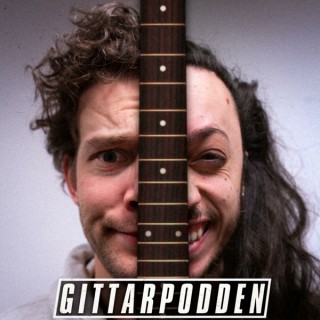
Fra 12. - 14. juni arrangeres festivalen Lyse Netter i Moss og det samkjøres med Moss Sonic Temple som blir en slags festival inni festivalen. Vi har fått gleden av å dekke festivalen og kommer til snakke med mange interessante gittarister og pedalmakere.Følg med!

À 12 ans, il prenait le contrôle de webcams à l'autre bout du monde. Jusqu'au jour où un message s'affiche : « Le FBI a été prévenu. »Benjamin Netter n'est pas devenu hacker. Il est devenu celui qui protège les autres contre eux.Après avoir cofondé October, première plateforme européenne de prêt aux entreprises, un email de phishing change tout : un salarié clique, l'attaque se propage en quelques minutes. Le déclic. La vraie faille n'était pas dans le code, elle était humaine. Riot est né de ce constat.Aujourd'hui, Riot protège plus de 2 millions de salariés et vise les 10 millions. Dans cet épisode, Benjamin raconte les coulisses d'un secteur fascinant où l'IA arme désormais les deux camps : l'arnaque au resto qui commence sur Tinder, la fraude au président avec voix clonée, les attaques qui ciblent enfin les PME parce qu'elles sont devenues rentables.Il parle aussi sans fard de ce qu'on lui a demandé de taire : les prud'hommes, la rentabilité, ou encore les préavis qui freinent la croissance. Et d'une conviction qu'il défend désormais : le French Dream, le vin nature à 19h en terrasse contre la course à la possession.À l'animation : Thomas Benzazon, cofondateur de FeuilleBlanche.Un podcast conçu et produit par FeuilleBlanche, producteurs de médias, podcast set récits stratégiques pour les marques.À vos écouteurs

Bratwurst und Baklava - mit Özcan Cosar und Bastian Bielendorfer
+++ Weitere Infos zu unseren Werbepartnern findet ihr hier: https://linktr.ee/Bratwurstundbaklavapodcast +++ Heute geht es um merkwürdige Erfahrungen an Hotelbars und unbequeme Matratzen und Kissen. HORROR! Die Jungs sprechen über die Nachteile einer Karriere als Comedian. Was sie stattdessen machen wollen würden wissen sie allerdings nicht. Nur nicht Sportler - soviel ist sicher. Außerdem geht es um Giftmorde und die Angst der Jungs eventuell zu recht umgebracht zu werden. Tickets für die Bratwurst und Baklava Live Tour gibt es hier: https://www.ticketmaster.de/artist/bratwurst-und-baklava-tickets/1024056 Dieser Podcast wird vermarktet von Julep Media: sales@julep.de Wir verarbeiten im Zusammenhang mit dem Angebot unserer Podcasts Daten. Wenn Sie der automatischen Übermittlung der Daten widersprechen wollen, melden Sie sich hier: datenschutz@julep.de

Den siste uka har vi forberedt oss på Klopp sin valping. Den ble plutselig mye mer dramatisk enn vi hadde sett for oss da det på mandag morgen måtte tas et akutt keisersnitt for å få ut valpene. I dagens episode går vi igjennom både hendelsesforløp og erfaringer vi har gjort oss så langt. Vi håper du finner dette interessant og kanskje litt lærerikt. I ukas mathøydepunkt blir det rett og slett et lavepunkt. Vi klarte å ødelegge ekte nordnorsk tradisjonsmat på verst tenkelig vis...Vi feirer fortsatt 10-årsjubileet vårt

Benjamin Netter est un (serial) entrepreneur - et il ne se voit rien faire d'autre.
DEMAIN je reçois un serial entrepreneur Benjamin Netter.

Join Kyle, Nader, Vibhu, and swyx live at NVIDIA GTC next week!Now that AIE Europe tix are ~sold out, our attention turns to Miami and World's Fair!The definitive AI Accelerator chip company has more than 10xed this AI Summer:And is now a $4.4 trillion megacorp… that is somehow still moving like a startup. We are blessed to have a unique relationship with our first ever NVIDIA guests: Kyle Kranen who gave a great inference keynote at the first World's Fair and is one of the leading architects of NVIDIA Dynamo (a Datacenter scale inference framework supporting SGLang, TRT-LLM, vLLM), and Nader Khalil, a friend of swyx from our days in Celo in The Arena, who has been drawing developers at GTC since before they were even a glimmer in the eye of NVIDIA:Nader discusses how NVIDIA Brev has drastically reduced the barriers to entry for developers to get a top of the line GPU up and running, and Kyle explains NVIDIA Dynamo as a data center scale inference engine that optimizes serving by scaling out, leveraging techniques like prefill/decode disaggregation, scheduling, and Kubernetes-based orchestration, framed around cost, latency, and quality tradeoffs. We also dive into Jensen's “SOL” (Speed of Light) first-principles urgency concept, long-context limits and model/hardware co-design, internal model APIs (https://build.nvidia.com), and upcoming Dynamo and agent sessions at GTC.Full Video pod on YouTubeTimestamps00:00 Agent Security Basics00:39 Podcast Welcome and Guests07:19 Acquisition and DevEx Shift13:48 SOL Culture and Dynamo Setup27:38 Why Scale Out Wins29:02 Scale Up Limits Explained30:24 From Laptop to Multi Node33:07 Cost Quality Latency Tradeoffs38:42 Disaggregation Prefill vs Decode41:05 Kubernetes Scaling with Grove43:20 Context Length and Co Design57:34 Security Meets Agents58:01 Agent Permissions Model59:10 Build Nvidia Inference Gateway01:01:52 Hackathons And Autonomy Dreams01:10:26 Local GPUs And Scaling Inference01:15:31 Long Running Agents And SF ReflectionsTranscriptAgent Security BasicsNader: Agents can do three things. They can access your files, they can access the internet, and then now they can write custom code and execute it. You literally only let an agent do two of those three things. If you can access your files and you can write custom code, you don't want internet access because that's one to see full vulnerability, right?If you have access to internet and your file system, you should know the full scope of what that agent's capable of doing. Otherwise, now we can get injected or something that can happen. And so that's a lot of what we've been thinking about is like, you know, how do we both enable this because it's clearly the future.But then also, you know, what, what are these enforcement points that we can start to like protect?swyx: All right.Podcast Welcome and Guestsswyx: Welcome to the Lean Space podcast in the Chromo studio. Welcome to all the guests here. Uh, we are back with our guest host Viu. Welcome. Good to have you back. And our friends, uh, Netter and Kyle from Nvidia. Welcome.Kyle: Yeah, thanks for having us.swyx: Yeah, thank you. Actually, I don't even know your titles.Uh, I know you're like architect something of Dynamo.Kyle: Yeah. I, I'm one of the engineering leaders [00:01:00] and a architects of Dynamo.swyx: And you're director of something and developers, developer tech.Nader: Yeah.swyx: You're the developers, developers, developers guy at nvidia,Nader: open source agent marketing, brev,swyx: and likeNader: Devrel tools and stuff.swyx: Yeah. BeenNader: the focus.swyx: And we're, we're kind of recording this ahead of Nvidia, GTC, which is coming to town, uh, again, uh, or taking over town, uh, which, uh, which we'll all be at. Um, and we'll talk a little bit about your sessions and stuff. Yeah.Nader: We're super excited for it.GTC Booth Stunt Storiesswyx: One of my favorite memories for Nader, like you always do like marketing stunts and like while you were at Rev, you like had this surfboard that you like, went down to GTC with and like, NA Nvidia apparently, like did so much that they bought you.Like what, what was that like? What was that?Nader: Yeah. Yeah, we, we, um. Our logo was a chaka. We, we, uh, we were always just kind of like trying to keep true to who we were. I think, you know, some stuff, startups, you're like trying to pretend that you're a bigger, more mature company than you are. And it was actually Evan Conrad from SF Compute who was just like, you guys are like previousswyx: guest.Yeah.Nader: Amazing. Oh, really? Amazing. Yeah. He was just like, guys, you're two dudes in the room. Why are you [00:02:00] pretending that you're not? Uh, and so then we were like, okay, let's make the logo a shaka. We brought surfboards to our booth to GTC and the energy was great. Yeah. Some palm trees too. They,Kyle: they actually poked out over like the, the walls so you could, you could see the bread booth.Oh, that's so funny. AndNader: no one else,Kyle: just from very far away.Nader: Oh, so you remember it backKyle: then? Yeah I remember it pre-acquisition. I was like, oh, those guys look cool,Nader: dude. That makes sense. ‘cause uh, we, so we signed up really last minute, and so we had the last booth. It was all the way in the corner. And so I was, I was worried that no one was gonna come.So that's why we had like the palm trees. We really came in with the surfboards. We even had one of our investors bring her dog and then she was just like walking the dog around to try to like, bring energy towards our booth. Yeah.swyx: Steph.Kyle: Yeah. Yeah, she's the best,swyx: you know, as a conference organizer, I love that.Right? Like, it's like everyone who sponsors a conference comes, does their booth. They're like, we are changing the future of ai or something, some generic b******t and like, no, like actually try to stand out, make it fun, right? And people still remember it after three years.Nader: Yeah. Yeah. You know what's so funny?I'll, I'll send, I'll give you this clip if you wanna, if you wanna add it [00:03:00] in, but, uh, my wife was at the time fiance, she was in medical school and she came to help us. ‘cause it was like a big moment for us. And so we, we bought this cricket, it's like a vinyl, like a vinyl, uh, printer. ‘cause like, how else are we gonna label the surfboard?So, we got a surfboard, luckily was able to purchase that on the company card. We got a cricket and it was just like fine tuning for enterprises or something like that, that we put on the. On the surfboard and it's 1:00 AM the day before we go to GTC. She's helping me put these like vinyl stickers on.And she goes, you son of, she's like, if you pull this off, you son of a b***h. And so, uh, right. Pretty much after the acquisition, I stitched that with the mag music acquisition. I sent it to our family group chat. Ohswyx: Yeah. No, well, she, she made a good choice there. Was that like basically the origin story for Launchable is that we, it was, and maybe we should explain what Brev is andNader: Yeah.Yeah. Uh, I mean, brev is just, it's a developer tool that makes it really easy to get a GPU. So we connect a bunch of different GPU sources. So the basics of it is like, how quickly can we SSH you into a G, into a GPU and whenever we would talk to users, they wanted A GPU. They wanted an A 100. And if you go to like any cloud [00:04:00] provisioning page, usually it's like three pages of forms or in the forms somewhere there's a dropdown.And in the dropdown there's some weird code that you know to translate to an A 100. And I remember just thinking like. Every time someone says they want an A 100, like the piece of text that they're telling me that they want is like, stuffed away in the corner. Yeah. And so we were like, what if the biggest piece of text was what the user's asking for?And so when you go to Brev, it's just big GPU chips with the type that you want withswyx: beautiful animations that you worked on pre, like pre you can, like, now you can just prompt it. But back in the day. Yeah. Yeah. Those were handcraft, handcrafted artisanal code.Nader: Yeah. I was actually really proud of that because, uh, it was an, i I made it in Figma.Yeah. And then I found, I was like really struggling to figure out how to turn it from like Figma to react. So what it actually is, is just an SVG and I, I have all the styles and so when you change the chip, whether it's like active or not it changes the SVG code and that somehow like renders like, looks like it's animating, but it, we just had the transition slow, but it's just like the, a JavaScript function to change the like underlying SVG.Yeah. And that was how I ended up like figuring out how to move it from from Figma. But yeah, that's Art Artisan. [00:05:00]Kyle: Speaking of marketing stunts though, he actually used those SVGs. Or kind of use those SVGs to make these cards.Nader: Oh yeah. LikeKyle: a GPU gift card Yes. That he handed out everywhere. That was actually my first impression of thatNader: one.Yeah,swyx: yeah, yeah.Nader: Yeah.swyx: I think I still have one of them.Nader: They look great.Kyle: Yeah.Nader: I have a ton of them still actually in our garage, which just, they don't have labels. We should honestly like bring, bring them back. But, um, I found this old printing press here, actually just around the corner on Ven ness. And it's a third generation San Francisco shop.And so I come in an excited startup founder trying to like, and they just have this crazy old machinery and I'm in awe. ‘cause the the whole building is so physical. Like you're seeing these machines, they have like pedals to like move these saws and whatever. I don't know what this machinery is, but I saw all three generations.Like there's like the grandpa, the father and the son, and the son was like, around my age. Well,swyx: it's like a holy, holy trinity.Nader: It's funny because we, so I just took the same SVG and we just like printed it and it's foil printing, so they make a a, a mold. That's like an inverse of like the A 100 and then they put the foil on it [00:06:00] and then they press it into the paper.And I remember once we got them, he was like, Hey, don't forget about us. You know, I guess like early Apple and Cisco's first business cards were all made there. And so he was like, yeah, we, we get like the startup businesses but then as they mature, they kind of go somewhere else. And so I actually, I think we were talking with marketing about like using them for some, we should go back and make some cards.swyx: Yeah, yeah, yeah. You know, I remember, you know, as a very, very small breadth investor, I was like, why are we spending time like, doing these like stunts for GPUs? Like, you know, I think like as a, you know, typical like cloud hard hardware person, you go into an AWS you pick like T five X xl, whatever, and it's just like from a list and you look at the specs like, why animate this GP?And, and I, I do think like it just shows the level of care that goes throughout birth and Yeah. And now, and also the, and,Nader: and Nvidia. I think that's what the, the thing that struck me most when we first came in was like the amount of passion that everyone has. Like, I think, um, you know, you talk to, you talk to Kyle, you talk to, like, every VP that I've met at Nvidia goes so close to the metal.Like, I remember it was almost a year ago, and like my VP asked me, he's like, Hey, [00:07:00] what's cursor? And like, are you using it? And if so, why? Surprised at this, and he downloaded Cursor and he was asking me to help him like, use it. And I thought that was, uh, or like, just show him what he, you know, why we were using it.And so, the amount of care that I think everyone has and the passion, appreciate, passion and appreciation for the moment. Right. This is a very unique time. So it's really cool to see everyone really like, uh, appreciate that.swyx: Yeah.Acquisition and DevEx Shiftswyx: One thing I wanted to do before we move over to sort of like research topics and, uh, the, the stuff that Kyle's working on is just tell the story of the acquisition, right?Like, not many people have been, been through an acquisition with Nvidia. What's it like? Uh, what, yeah, just anything you'd like to say.Nader: It's a crazy experience. I think, uh, you know, we were the thing that was the most exciting for us was. Our goal was just to make it easier for developers.We wanted to find access to GPUs, make it easier to do that. And then all, oh, actually your question about launchable. So launchable was just make one click exper, like one click deploys for any software on top of the GPU. Mm-hmm. And so what we really liked about Nvidia was that it felt like we just got a lot more resources to do all of that.I think, uh, you [00:08:00] know, NVIDIA's goal is to make things as easy for developers as possible. So there was a really nice like synergy there. I think that, you know, when it comes to like an acquisition, I think the amount that the soul of the products align, I think is gonna be. Is going speak to the success of the acquisition.Yeah. And so it in many ways feels like we're home. This is a really great outcome for us. Like we you know, I love brev.nvidia.com. Like you should, you should use it's, it's theKyle: front page for GPUs.Nader: Yeah. Yeah. If you want GP views,Kyle: you go there, getswyx: it there, and it's like internally is growing very quickly.I, I don't remember You said some stats there.Nader: Yeah, yeah, yeah. It's, uh, I, I wish I had the exact numbers, but like internally, externally, it's been growing really quickly. We've been working with a bunch of partners with a bunch of different customers and ISVs, if you have a solution that you want someone that runs on the GPU and you want people to use it quickly, we can bundle it up, uh, in a launchable and make it a one click run.If you're doing things and you want just like a sandbox or something to run on, right. Like open claw. Huge moment. Super exciting. Our, uh, and we'll talk into it more, but. You know, internally, people wanna run this, and you, we know we have to be really careful from the security implications. Do we let this run on the corporate network?Security's guidance was, Hey, [00:09:00] run this on breath, it's in, you know, it's, it's, it's a vm, it's sitting in the cloud, it's off the corporate network. It's isolated. And so that's been our stance internally and externally about how to even run something like open call while we figure out how to run these things securely.But yeah,swyx: I think there's also like, you almost like we're the right team at the right time when Nvidia is starting to invest a lot more in developer experience or whatever you call it. Yeah. Uh, UX or I don't know what you call it, like software. Like obviously NVIDIA is always invested in software, but like, there's like, this is like a different audience.Yeah. It's aNader: widerKyle: developer base.swyx: Yeah. Right.Nader: Yeah. Yeah. You know, it's funny, it's like, it's not, uh,swyx: so like, what, what is it called internally? What, what is this that people should be aware that is going on there?Nader: Uh, what, like developer experienceswyx: or, yeah, yeah. Is it's called just developer experience or is there like a broader strategy hereNader: in Nvidia?Um, Nvidia always wants to make a good developer experience. The thing is and a lot of the technology is just really complicated. Like, it's not, it's uh, you know, I think, um. The thing that's been really growing or the AI's growing is having a huge moment, not [00:10:00] because like, let's say data scientists in 2018, were quiet then and are much louder now.The pie is com, right? There's a whole bunch of new audiences. My mom's wondering what she's doing. My sister's learned, like taught herself how to code. Like the, um, you know, I, I actually think just generally AI's a big equalizer and you're seeing a more like technologically literate society, I guess.Like everyone's, everyone's learning how to code. Uh, there isn't really an excuse for that. And so building a good UX means that you really understand who your end user is. And when your end user becomes such a wide, uh, variety of people, then you have to almost like reinvent the practice, right? Yeah. You haveKyle: to, and actually build more developer ux, right?Because the, there are tiers of developer base that were added. You know, the, the hackers that are building on top of open claw, right? For example, have never used gpu. They don't know what kuda is. They, they, they just want to run something.Nader: Yeah.Kyle: You need new UX that is not just. Hey, you know, how do you program something in Cuda and run it?And then, and then we built, you know, like when Deep Learning was getting big, we built, we built Torch and, and, but so recently the amount of like [00:11:00] layers that are added to that developer stack has just exploded because AI has become ubiquitous. Everyone's using it in different ways. Yeah. It'sNader: moving fast in every direction.Vertical, horizontal.Vibhu: Yeah. You guys, you even take it down to hardware, like the DGX Spark, you know, it's, it's basically the same system as just throwing it up on big GPU cluster.Nader: Yeah, yeah, yeah. It's amazing. Blackwell.swyx: Yeah. Uh, we saw the preview at the last year's GTC and that was one of the better performing, uh, videos so far, and video coverage so far.Awesome. This will beat it. Um,Nader: that wasswyx: actually, we have fingersNader: crossed. Yeah.DGX Spark and Remote AccessNader: Even when Grace Blackwell or when, um, uh, DGX Spark was first coming out getting to be involved in that from the beginning of the developer experience. And it just comes back to what youswyx: were involved.Nader: Yeah. St. St.swyx: Mars.Nader: Yeah. Yeah. I mean from, it was just like, I, I got an email, we just got thrown into the loop and suddenly yeah, I, it was actually really funny ‘cause I'm still pretty fresh from the acquisition and I'm, I'm getting an email from a bunch of the engineering VPs about like, the new hardware, GPU chip, like we're, or not chip, but just GPU system that we're putting out.And I'm like, okay, cool. Matters. Now involved with this for the ux, I'm like. What am I gonna do [00:12:00] here? So, I remember the first meeting, I was just like kind of quiet as I was hearing engineering VPs talk about what this box could be, what it could do, how we should use it. And I remember, uh, one of the first ideas that people were idea was like, oh, the first thing that it was like, I think a quote was like, the first thing someone's gonna wanna do with this is get two of them and run a Kubernetes cluster on top of them.And I was like, oh, I think I know why I'm here. I was like, the first thing we're doing is easy. SSH into the machine. And then, and you know, just kind of like scoping it down of like, once you can do that every, you, like the person who wants to run a Kubernetes cluster onto Sparks has a higher propensity for pain, then, then you know someone who buys it and wants to run open Claw right now, right?If you can make sure that that's as effortless as possible, then the rest becomes easy. So there's a tool called Nvidia Sync. It just makes the SSH connection really simple. So, you know, if you think about it like. If you have a Mac, uh, or a PC or whatever, if you have a laptop and you buy this GPU and you want to use it, you should be able to use it like it's A-A-G-P-U in the cloud, right?Um, but there's all this friction of like, how do you actually get into that? That's part of [00:13:00] Revs value proposition is just, you know, there's a CLI that wraps SSH and makes it simple. And so our goal is just get you into that machine really easily. And one thing we just launched at CES, it's in, it's still in like early access.We're ironing out some kinks, but it should be ready by GTC. You can register your spark on Brev. And so now if youswyx: like remote managed yeah, local hardware. Single pane of glass. Yeah. Yeah. Because Brev can already manage other clouds anyway, right?Vibhu: Yeah, yeah. And you use the spark on Brev as well, right?Nader: Yeah. But yeah, exactly. So, so you, you, so you, you set it up at home you can run the command on it, and then it gets it's essentially it'll appear in your Brev account, and then you can take your laptop to a Starbucks or to a cafe, and you'll continue to use your, you can continue use your spark just like any other cloud node on Brev.Yeah. Yeah. And it's just like a pre-provisioned centerswyx: in yourNader: home. Yeah, exactly.swyx: Yeah. Yeah.Vibhu: Tiny little data center.Nader: Tiny little, the size ofVibhu: your phone.SOL Culture and Dynamo Setupswyx: One more thing before we move on to Kyle. Just have so many Jensen stories and I just love, love mining Jensen stories. Uh, my favorite so far is SOL. Uh, what is, yeah, what is S-O-L-S-O-LNader: is actually, i, I think [00:14:00] of all the lessons I've learned, that one's definitely my favorite.Kyle: It'll always stick with you.Nader: Yeah. Yeah. I, you know, in your startup, everything's existential, right? Like we've, we've run out of money. We were like, on the risk of, of losing payroll, we've had to contract our team because we l ran outta money. And so like, um, because of that you're really always forcing yourself to I to like understand the root cause of everything.If you get a date, if you get a timeline, you know exactly why that date or timeline is there. You're, you're pushing every boundary and like, you're not just say, you're not just accepting like a, a no. Just because. And so as you start to introduce more layers, as you start to become a much larger organization, SOL is is essentially like what is the physics, right?The speed of light moves at a certain speed. So if flight's moving some slower, then you know something's in the way. So before trying to like layer reality back in of like, why can't this be delivered at some date? Let's just understand the physics. What is the theoretical limit to like, uh, how fast this can go?And then start to tell me why. ‘cause otherwise people will start telling you why something can't be done. But actually I think any great leader's goal is just to create urgency. Yeah. [00:15:00] There's an infiniteKyle: create compelling events, right?Nader: Yeah.Kyle: Yeah. So l is a term video is used to instigate a compelling event.You say this is done. How do we get there? What is the minimum? As much as necessary, as little as possible thing that it takes for us to get exactly here and. It helps you just break through a bunch of noise.swyx: Yeah.Kyle: Instantly.swyx: One thing I'm unclear about is, can only Jensen use the SOL card? Like, oh, no, no, no.Not everyone get the b******t out because obviously it's Jensen, but like, can someone else be like, no, likeKyle: frontline engineers use it.Nader: Yeah. Every, I think it's not so much about like, get the b******t out. It's like, it's like, give me the root understanding, right? Like, if you tell me something takes three weeks, it like, well, what's the first principles?Yeah, the first principles. It's like, what's the, what? Like why is it three weeks? What is the actual yeah. What's the actual limit of why this is gonna take three weeks? If you're gonna, if you, if let's say you wanted to buy a new computer and someone told you it's gonna be here in five days, what's the SOL?Well, like the SOL is like, I could walk into a Best Buy and pick it up for you. Right? So then anything that's like beyond that is, and is that practical? Is that how we're gonna, you know, let's say give everyone in the [00:16:00] company a laptop, like obviously not. So then like that's the SOL and then it's like, okay, well if we have to get more than 10, suddenly there might be some, right?And so now we can kind of piece the reality back.swyx: So, so this is the. Paul Graham do things that don't scale. Yeah. And this is also the, what people would now call behi agency. Yeah.Kyle: It's actually really interesting because there's a, there's a second hardware angle to SOL that like doesn't come up for all the org sol is used like culturally at aswyx: media for everything.I'm also mining for like, I think that can be annoying sometimes. And like someone keeps going IOO you and you're like, guys, like we have to be stable. We have to, we to f*****g plan. Yeah.Kyle: It's an interesting balance.Nader: Yeah. I encounter that with like, actually just with, with Alec, right? ‘cause we, we have a new conference so we need to launch, we have, we have goals of what we wanna launch by, uh, by the conference and like, yeah.At the end of the day, where isswyx: this GTC?Nader: Um, well this is like, so we, I mean we did it for CES, we did for GT CDC before that we're doing it for GTC San Jose. So I mean, like every, you know, we have a new moment. Um, and we want to launch something. Yeah. And we want to do so at SOL and that does mean that some, there's some level of prioritization that needs [00:17:00] to happen.And so it, it is difficult, right? I think, um, you have to be careful with what you're pushing. You know, stability is important and that should be factored into S-O-L-S-O-L isn't just like, build everything and let it break, you know, that, that's part of the conversation. So as you're laying, layering in all the details, one of them might be, Hey, we could build this, but then it's not gonna be stable for X, y, z reasons.And so that was like, one of our conversations for CES was, you know, hey, like we, we can get this into early access registering your spark with brev. But there are a lot of things that we need to do in order to feel really comfortable from a security perspective, right? There's a lot of networking involved before we deliver that to users.So it's like, okay. Let's get this to a point where we can at least let people experiment with it. We had it in a booth, we had it in Jensen's keynote, and then let's go iron out all the networking kinks. And that's not easy. And so, uh, that can come later. And so that was the way that we layered that back in.Yeah. ButKyle: It's not really about saying like, you don't have to do the, the maintenance or operational work. It's more about saying, you know, it's kind of like [00:18:00] highlights how progress is incremental, right? Like, what is the minimum thing that we can get to. And then there's SOL for like every component after that.But there's the SOL to get you, get you to the, the starting line. And that, that's usually how it's asked. Yeah. On the other side, you know, like SOL came out of like hardware at Nvidia. Right. So SOL is like literally if we ran the accelerator or the GPU with like at basically full speed with like no other constraints, like how FAST would be able to make a program go.swyx: Yeah. Yeah. Right.Kyle: Soswyx: in, in training that like, you know, then you work back to like some percentage of like MFU for example.Kyle: Yeah, that's a, that's a great example. So like, there's an, there's an S-O-L-M-F-U, and then there's like, you know, what's practically achievable.swyx: Cool. Should we move on to sort of, uh, Kyle's side?Uh, Kyle, you're coming more from the data science world. And, uh, I, I mean I always, whenever, whenever I meet someone who's done working in tabular stuff, graph neural networks, time series, these are basically when I go to new reps, I go to ICML, I walk the back halls. There's always like a small group of graph people.Yes. Absolute small group of tabular people. [00:19:00] And like, there's no one there. And like, it's very like, you know what I mean? Like, yeah, no, like it's, it's important interesting work if you care about solving the problems that they solve.Kyle: Yeah.swyx: But everyone else is just LMS all the time.Kyle: Yeah. I mean it's like, it's like the black hole, right?Has the event horizon reached this yet in nerves? Um,swyx: but like, you know, those are, those are transformers too. Yeah. And, and those are also like interesting things. Anyway, uh, I just wanted to spend a little bit of time on, on those, that background before we go into Dynamo, uh, proper.Kyle: Yeah, sure. I took a different path to Nvidia than that, or I joined six years ago, seven, if you count, when I was an intern.So I joined Nvidia, like right outta college. And the first thing I jumped into was not what I'd done in, during internship, which was like, you know, like some stuff for autonomous vehicles, like heavyweight object detection. I jumped into like, you know, something, I'm like, recommenders, this is popular. Andswyx: yeah, he did RexiKyle: as well.Yeah, Rexi. Yeah. I mean that, that was the taboo data at the time, right? You have tables of like, audience qualities and item qualities, and you're trying to figure out like which member of [00:20:00] the audience matches which item or, or more practically which item matches which member of the audience. And at the time, really it was like we were trying to enable.Uh, recommender, which had historically been like a little bit of a CP based workflow into something that like, ran really well in GPUs. And it's since been done. Like there are a bunch of libraries for Axis that run on GPUs. Uh, the common models like Deeplearning recommendation model, which came outta meta and the wide and deep model, which was used or was released by Google were very accelerated by GPUs using, you know, the fast HBM on the chips, especially to do, you know, vector lookups.But it was very interesting at the time and super, super relevant because like we were starting to get like. This explosion of feeds and things that required rec recommenders to just actively be on all the time. And sort of transitioned that a little bit towards graph neural networks when I discovered them because I was like, okay, you can actually use graphical neural networks to represent like, relationships between people, items, concepts, and that, that interested me.So I jumped into that at [00:21:00] Nvidia and, and got really involved for like two-ish years.swyx: Yeah. Uh, and something I learned from Brian Zaro Yeah. Is that you can just kind of choose your own path in Nvidia.Kyle: Oh my God. Yeah.swyx: Which is not a normal big Corp thing. Yeah. Like you, you have a lane, you stay in your lane.Nader: I think probably the reason why I enjoy being in a, a big company, the mission is the boss probably from a startup guy. Yeah. The missionswyx: is the boss.Nader: Yeah. Uh, it feels like a big game of pickup basketball. Like, you know, if you play one, if you wanna play basketball, you just go up to the court and you're like, Hey look, we're gonna play this game and we need three.Yeah. And you just like find your three. That's honestly for every new initiative that's what it feels like. Yeah.Vibhu: It also like shows, right? Like Nvidia. Just releasing state-of-the-art stuff in every domain. Yeah. Like, okay, you expect foundation models with Nemo tron voice just randomly parakeet.Call parakeet just comes out another one, uh, voice. TheKyle: video voice team has always been producing.Vibhu: Yeah. There's always just every other domain of paper that comes out, dataset that comes out. It's like, I mean, it also stems back to what Nvidia has to do, right? You have to make chips years before they're actually produced.Right? So you need to know, you need to really [00:22:00] focus. TheKyle: design process starts likeVibhu: exactlyKyle: three to five years before the chip gets to the market.Vibhu: Yeah. I, I'm curious more about what that's like, right? So like, you have specialist teams. Is it just like, you know, people find an interest, you go in, you go deep on whatever, and that kind of feeds back into, you know, okay, we, we expect predictions.Like the internals at Nvidia must be crazy. Right? You know? Yeah. Yeah. You know, you, you must. Not even without selling to people, you have your own predictions of where things are going. Yeah. And they're very based, very grounded. Right?Kyle: Yeah. It, it, it's really interesting. So there's like two things that I think that Amed does, which are quite interesting.Uh, one is like, we really index into passion. There's a big. Sort of organizational top sound push to like ensure that people are working on the things that they're passionate about. So if someone proposes something that's interesting, many times they can just email someone like way up the chain that they would find this relevant and say like, Hey, can I go work on this?Nader: It's actually like I worked at a, a big company for a couple years before, uh, starting on my startup journey and like, it felt very weird if you were to like email out of chain, if that makes [00:23:00] sense. Yeah. The emails at Nvidia are like mosh pitsswyx: shoot,Nader: and it's just like 60 people, just whatever. And like they're, there's this,swyx: they got messy like, reply all you,Nader: oh, it's in, it's insane.It's insane. They justKyle: help. You know, Maxim,Nader: the context. But, but that's actually like, I've actually, so this is a weird thing where I used to be like, why would we send emails? We have Slack. I am the entire, I'm the exact opposite. I feel so bad for anyone who's like messaging me on Slack ‘cause I'm so unresponsive.swyx: Your emailNader: Maxi, email Maxim. I'm email maxing Now email is a different, email is perfect because man, we can't work together. I'm email is great, right? Because important threads get bumped back up, right? Yeah, yeah. Um, and so Slack doesn't do that. So I just have like this casino going off on the right or on the left and like, I don't know which thread was from where or what, but like the threads get And then also just like the subject, so you can have like working threads.I think what's difficult is like when you're small, if you're just not 40,000 people I think Slack will work fine, but there's, I don't know what the inflection point is. There is gonna be a point where that becomes really messy and you'll actually prefer having email. ‘cause you can have working threads.You can cc more than nine people in a thread.Kyle: You can fork stuff.Nader: You can [00:24:00] fork stuff, which is super nice and just like y Yeah. And so, but that is part of where you can propose a plan. You can also just. Start, honestly, momentum's the only authority, right? So like, if you can just start, start to make a little bit of progress and show someone something, and then they can try it.That's, I think what's been, you know, I think the most effective way to push anything for forward. And that's both at Nvidia and I think just generally.Kyle: Yeah, there's, there's the other concept that like is explored a lot at Nvidia, which is this idea of a zero billion dollar business. Like market creation is a big thing at Nvidia.Like,swyx: oh, you want to go and start a zero billion dollar business?Kyle: Jensen says, we are completely happy investing in zero billion dollar markets. We don't care if this creates revenue. It's important for us to know about this market. We think it will be important in the future. It can be zero billion dollars for a while.I'm probably minging as words here for, but like, you know, like, I'll give an example. NVIDIA's been working on autonomous driving for a a long time,swyx: like an Nvidia car.Kyle: No, they, they'veVibhu: used the Mercedes, right? They're around the HQ and I think it finally just got licensed out. Now they're starting to be used quite a [00:25:00] bit.For 10 years you've been seeing Mercedes with Nvidia logos driving.Kyle: If you're in like the South San Santa Clara, it's, it's actually from South. Yeah. So, um. Zero billion dollar markets are, are a thing like, you know, Jensen,swyx: I mean, okay, look, cars are not a zero billion dollar market. But yeah, that's a bad example.Nader: I think, I think he's, he's messaging, uh, zero today, but, or even like internally, right? Like, like it's like, uh, an org doesn't have to ruthlessly find revenue very quickly to justify their existence. Right. Like a lot of the important research, a lot of the important technology being developed that, that's kind ofKyle: where research, research is very ide ideologically free at Nvidia.Yeah. Like they can pursue things that they wereswyx: Were you research officially?Kyle: I was never in research. Officially. I was always in engineering. Yeah. We in, I'm in an org called Deep Warning Algorithms, which is basically just how do we make things that are relevant to deep warning go fast.swyx: That sounds freaking cool.Vibhu: And I think a lot of that is underappreciated, right? Like time series. This week Google put out time. FF paper. Yeah. A new time series, paper res. Uh, Symantec, ID [00:26:00] started applying Transformers LMS to Yes. Rec system. Yes. And when you think the scale of companies deploying these right. Amazon recommendations, Google web search, it's like, it's huge scale andKyle: Yeah.Vibhu: You want fast?Kyle: Yeah. Yeah. Yeah. Actually it's, it, I, there's a fun moment that brought me like full circle. Like, uh, Amazon Ads recently gave a talk where they talked about using Dynamo for generative recommendation, which was like super, like weirdly cathartic for me. I'm like, oh my God. I've, I've supplanted what I was working on.Like, I, you're using LMS now to do what I was doing five years ago.swyx: Yeah. Amazing. And let's go right into Dynamo. Uh, maybe introduce Yeah, sure. To the top down and Yeah.Kyle: I think at this point a lot of people are familiar with the term of inference. Like funnily enough, like I went from, you know, inference being like a really niche topic to being something that's like discussed on like normal people's Twitter feeds.It's,Nader: it's on billboardsKyle: here now. Yeah. Very, very strange. Driving, driving, seeing just an inference ad on 1 0 1 inference at scale is becoming a lot more important. Uh, we have these moments like, you know, open claw where you have these [00:27:00] agents that take lots and lots of tokens, but produce, incredible results.There are many different aspects of test time scaling so that, you know, you can use more inference to generate a better result than if you were to use like a short amount of inference. There's reasoning, there's quiring, there's, adding agency to the model, allowing it to call tools and use skills.Dyno sort came about at Nvidia. Because myself and a couple others were, were sort of talking about the, these concepts that like, you know, you have inference engines like VLMS, shelan, tenor, TLM and they have like one single copy. They, they, they sort of think about like things as like one single copy, like one replica, right?Why Scale Out WinsKyle: Like one version of the model. But when you're actually serving things at scale, you can't just scale up that replica because you end up with like performance problems. There's a scaling limit to scaling up replicas. So you actually have to scale out to use a, maybe some Kubernetes type terminology.We kind of realized that there was like. A lot of potential optimization that we could do in scaling out and building systems for data [00:28:00] center scale inference. So Dynamo is this data center scale inference engine that sits on top of the frameworks like VLM Shilling and 10 T lm and just makes things go faster because you can leverage the economy of scale.The fact that you have KV cash, which we can define a little bit later, uh, in all these machines that is like unique and you wanna figure out like the ways to maximize your cash hits or you want to employ new techniques in inference like disaggregation, which Dynamo had introduced to the world in, in, in March, not introduced, it was a academic talk, but beforehand.But we are, you know, one of the first frameworks to start, supporting it. And we wanna like, sort of combine all these techniques into sort of a modular framework that allows you to. Accelerate your inference at scale.Nader: By the way, Kyle and I became friends on my first date, Nvidia, and I always loved, ‘cause like he always teaches meswyx: new things.Yeah. By the way, this is why I wanted to put two of you together. I was like, yeah, this is, this is gonna beKyle: good. It's very, it's very different, you know, like we've, we, we've, we've talked to each other a bunch [00:29:00] actually, you asked like, why, why can't we scale up?Nader: Yeah.Scale Up Limits ExplainedNader: model, you said model replicas.Kyle: Yeah. So you, so scale up means assigning moreswyx: heavier?Kyle: Yeah, heavier. Like making things heavier. Yeah, adding more GPUs. Adding more CPUs. Scale out is just like having a barrier saying, I'm gonna duplicate my representation of the model or a representation of this microservice or something, and I'm gonna like, replicate it Many times.Handle, load. And the reason that you can't scale, scale up, uh, past some points is like, you know, there, there, there are sort of hardware bounds and algorithmic bounds on, on that type of scaling. So I'll give you a good example that's like very trivial. Let's say you're on an H 100. The Maxim ENV link domain for H 100, for most Ds H one hundreds is heus, right?So if you scaled up past that, you're gonna have to figure out ways to handle the fact that now for the GPUs to communicate, you have to do it over Infin band, which is still very fast, but is not as fast as ENV link.swyx: Is it like one order of magnitude, like hundreds or,Kyle: it's about an order of magnitude?Yeah. Okay. Um, soswyx: not terrible.Kyle: [00:30:00] Yeah. I, I need to, I need to remember the, the data sheet here, like, I think it's like about 500 gigabytes. Uh, a second unidirectional for ENV link, and about 50 gigabytes a second unidirectional for Infin Band. I, it, it depends on the, the generation.swyx: I just wanna set this up for people who are not familiar with these kinds of like layers and the trash speedVibhu: and all that.Of course.From Laptop to Multi NodeVibhu: Also, maybe even just going like a few steps back before that, like most people are very familiar with. You see a, you know, you can use on your laptop, whatever these steel viol, lm you can just run inference there. All, there's all, you can, youcan run it on thatVibhu: laptop. You can run on laptop.Then you get to, okay, uh, models got pretty big, right? JLM five, they doubled the size, so mm-hmm. Uh, what do you do when you have to go from, okay, I can get 128 gigs of memory. I can run it on a spark. Then you have to go multi GPU. Yeah. Okay. Multi GPU, there's some support there. Now, if I'm a company and I don't have like.I'm not hiring the best researchers for this. Right. But I need to go [00:31:00] multi-node, right? I have a lot of servers. Okay, now there's efficiency problems, right? You can have multiple eight H 100 nodes, but, you know, is that as a, like, how do you do that efficiently?Kyle: Yeah. How do you like represent them? How do you choose how to represent the model?Yeah, exactly right. That's a, that's like a hard question. Everyone asks, how do you size oh, I wanna run GLM five, which just came out new model. There have been like four of them in the past week, by the way, like a bunch of new models.swyx: You know why? Right? Deep seek.Kyle: No comment. Oh. Yeah, but Ggl, LM five, right?We, we have this, new model. It's, it's like a large size, and you have to figure out how to both scale up and scale out, right? Because you have to find the right representation that you care about. Everyone does this differently. Let's be very clear. Everyone figures this out in their own path.Nader: I feel like a lot of AI or ML even is like, is like this. I think people think, you know, I, I was, there was some tweet a few months ago that was like, why hasn't fine tuning as a service taken off? You know, that might be me. It might have been you. Yeah. But people want it to be such an easy recipe to follow.But even like if you look at an ML model and specificKyle: to you Yeah,Nader: yeah.Kyle: And the [00:32:00] model,Nader: the situation, and there's just so much tinkering, right? Like when you see a model that has however many experts in the ME model, it's like, why that many experts? I don't, they, you know, they tried a bunch of things and that one seemed to do better.I think when it comes to how you're serving inference, you know, you have a bunch of decisions to make and there you can always argue that you can take something and make it more optimal. But I think it's this internal calibration and appetite for continued calibration.Vibhu: Yeah. And that doesn't mean like, you know, people aren't taking a shot at this, like tinker from thinking machines, you know?Yeah. RL as a service. Yeah, totally. It's, it also gets even harder when you try to do big model training, right? We're not the best at training Moes, uh, when they're pre-trained. Like we saw this with LAMA three, right? They're trained in such a sparse way that meta knows there's gonna be a bunch of inference done on these, right?They'll open source it, but it's very trained for what meta infrastructure wants, right? They wanna, they wanna inference it a lot. Now the question to basically think about is, okay, say you wanna serve a chat application, a coding copilot, right? You're doing a layer of rl, you're serving a model for X amount of people.Is it a chat model, a coding model? Dynamo, you know, back to that,Kyle: it's [00:33:00] like, yeah, sorry. So you we, we sort of like jumped off of, you know, jumped, uh, on that topic. Everyone has like, their own, own journey.Cost Quality Latency TradeoffsKyle: And I, I like to think of it as defined by like, what is the model you need? What is the accuracy you need?Actually I talked to NA about this earlier. There's three axes you care about. What is the quality that you're able to produce? So like, are you accurate enough or can you complete the task with enough, performance, high enough performance. Yeah, yeah. Uh, there's cost. Can you serve the model or serve your workflow?Because it's not just the model anymore, it's the workflow. It's the multi turn with an agent cheaply enough. And then can you serve it fast enough? And we're seeing all three of these, like, play out, like we saw, we saw new models from OpenAI that you know, are faster. You have like these new fast versions of models.You can change the amount of thinking to change the amount of quality, right? Produce more tokens, but at a higher cost in a, in a higher latency. And really like when you start this journey of like trying to figure out how you wanna host a model, you, you, you think about three things. What is the model I need to serve?How many times do I need to call it? What is the input sequence link was [00:34:00] the, what does the workflow look like on top of it? What is the SLA, what is the latency SLA that I need to achieve? Because there's usually some, this is usually like a constant, you, you know, the SLA that you need to hit and then like you try and find the lowest cost version that hits all of these constraints.Usually, you know, you, you start with those things and you say you, you kind of do like a bit of experimentation across some common configurations. You change the tensor parallel size, which is a form of parallelismVibhu: I take, it goes even deeper first. Gotta think what model.Kyle: Yes, course,ofKyle: course. It's like, it's like a multi-step design process because as you said, you can, you can choose a smaller model and then do more test time scaling and it'll equate the quality of a larger model because you're doing the test time scaling or you're adding a harness or something.So yes, it, it goes way deeper than that. But from the performance perspective, like once you get to the model you need, you need to host, you look at that and you say, Hey. I have this model, I need to serve it at the speed. What is the right configuration for that?Nader: You guys see the recent, uh, there was a paper I just saw like a few days ago that, uh, if you run [00:35:00] the same prompt twice, you're getting like double Just try itagain.Nader: Yeah, exactly.Vibhu: And you get a lot. Yeah. But the, the key thing there is you give the context of the failed try, right? Yeah. So it takes a shot. And this has been like, you know, basic guidance for quite a while. Just try again. ‘cause you know, trying, just try again. Did you try again? All adviceNader: in life.Vibhu: Just, it's a paper from Google, if I'm not mistaken, right?Yeah,Vibhu: yeah. I think it, it's like a seven bas little short paper. Yeah. Yeah. The title's very cute. And it's just like, yeah, just try again. Give it ask context,Kyle: multi-shot. You just like, say like, hey, like, you know, like take, take a little bit more, take a little bit more information, try and fail. Fail.Vibhu: And that basic concept has gone pretty deep.There's like, um, self distillation, rl where you, you do self distillation, you do rl and you have past failure and you know, that gives some signal so people take, try it again. Not strong enough.swyx: Uh, for, for listeners, uh, who listen to here, uh, vivo actually, and I, and we run a second YouTube channel for our paper club where, oh, that's awesome.Vivo just covered this. Yeah. Awesome. Self desolation and all that's, that's why he, to speed [00:36:00] on it.Nader: I'll to check it out.swyx: Yeah. It, it's just a good practice, like everyone needs, like a paper club where like you just read papers together and the social pressure just kind of forces you to just,Nader: we, we,there'sNader: like a big inference.Kyle: ReadingNader: group at a video. I feel so bad every time. I I, he put it on like, on our, he shared it.swyx: One, one ofNader: your guys,swyx: uh, is, is big in that, I forget es han Yeah, yeah,Kyle: es Han's on my team. Actually. Funny. There's a, there's a, there's a employee transfer between us. Han worked for Nater at Brev, and now he, he's on my team.He wasNader: our head of ai. And then, yeah, once we got in, andswyx: because I'm always looking for like, okay, can, can I start at another podcast that only does that thing? Yeah. And, uh, Esan was like, I was trying to like nudge Esan into like, is there something here? I mean, I don't think there's, there's new infant techniques every day.So it's like, it's likeKyle: you would, you would actually be surprised, um, the amount of blog posts you see. And ifswyx: there's a period where it was like, Medusa hydra, what Eagle, like, youKyle: know, now we have new forms of decode, uh, we have new forms of specula, of decoding or new,swyx: what,Kyle: what are youVibhu: excited? And it's exciting when you guys put out something like Tron.‘cause I remember the paper on this Tron three, [00:37:00] uh, the amount of like post train, the on tokens that the GPU rich can just train on. And it, it was a hybrid state space model, right? Yeah.Kyle: It's co-designed for the hardware.Vibhu: Yeah, go design for the hardware. And one of the things was always, you know, the state space models don't scale as well when you do a conversion or whatever the performance.And you guys are like, no, just keep draining. And Nitron shows a lot of that. Yeah.Nader: Also, something cool about Nitron it was released in layers, if you will, very similar to Dynamo. It's, it's, it's essentially it was released as you can, the pre-training, post-training data sets are released. Yeah. The recipes on how to do it are released.The model itself is released. It's full model. You just benefit from us turning on the GPUs. But there are companies like, uh, ServiceNow took the dataset and they trained their own model and we were super excited and like, you know, celebrated that work.ZoomVibhu: different. Zoom is, zoom is CGI, I think, uh, you know, also just to add like a lot of models don't put out based models and if there's that, why is fine tuning not taken off?You know, you can do your own training. Yeah,Kyle: sure.Vibhu: You guys put out based model, I think you put out everything.Nader: I believe I know [00:38:00]swyx: about base. BasicallyVibhu: without baseswyx: basic can be cancelable.Vibhu: Yeah. Base can be cancelable.swyx: Yeah.Vibhu: Safety training.swyx: Did we get a full picture of dymo? I, I don't know if we, what,Nader: what I'd love is you, you mentioned the three axes like break it down of like, you know, what's prefilled decode and like what are the optimizations that we can get with Dynamo?Kyle: Yeah. That, that's, that's, that's a great point. So to summarize on that three axis problem, right, there are three things that determine whether or not something can be done with inference, cost, quality, latency, right? Dynamo is supposed to be there to provide you like the runtime that allows you to pull levers to, you know, mix it up and move around the parade of frontier or the preto surface that determines is this actually possible with inference And AI todayNader: gives you the knobs.Kyle: Yeah, exactly. It gives you the knobs.Disaggregation Prefill vs DecodeKyle: Uh, and one thing that like we, we use a lot in contemporary inference and is, you know, starting to like pick up from, you know, in, in general knowledge is this co concept of disaggregation. So historically. Models would be hosted with a single inference engine. And that inference engine [00:39:00] would ping pong between two phases.There's prefill where you're reading the sequence generating KV cache, which is basically just a set of vectors that represent the sequence. And then using that KV cache to generate new tokens, which is called Decode. And some brilliant researchers across multiple different papers essentially made the realization that if you separate these two phases, you actually gain some benefits.Those benefits are basically a you don't have to worry about step synchronous scheduling. So the way that an inference engine works is you do one step and then you finish it, and then you schedule, you start scheduling the next step there. It's not like fully asynchronous. And the problem with that is you would have, uh, essentially pre-fill and decode are, are actually very different in terms of both their resource requirements and their sometimes their runtime.So you would have like prefill that would like block decode steps because you, you'd still be pre-filing and you couldn't schedule because you know the step has to end. So you remove that scheduling issue and then you also allow you, or you yourself, to like [00:40:00] split the work into two different ki types of pools.So pre-fill typically, and, and this changes as, as model architecture changes. Pre-fill is, right now, compute bound most of the time with the sequence is sufficiently long. It's compute bound. On the decode side because you're doing a full Passover, all the weights and the entire sequence, every time you do a decode step and you're, you don't have the quadratic computation of KV cache, it's usually memory bound because you're retrieving a linear amount of memory and you're doing a linear amount of compute as opposed to prefill where you retrieve a linear amount of memory and then use a quadratic.You know,Nader: it's funny, someone exo Labs did a really cool demo where for the DGX Spark, which has a lot more compute, you can do the pre the compute hungry prefill on a DG X spark and then do the decode on a, on a Mac. Yeah. And soVibhu: that's faster.Nader: Yeah. Yeah.Kyle: So you could, you can do that. You can do machine strat stratification.Nader: Yeah.Kyle: And like with our future generation generations of hardware, we actually announced, like with Reuben, this [00:41:00] new accelerator that is prefilled specific. It's called Reuben, CPX. SoKubernetes Scaling with GroveNader: I have a question when you do the scale out. Yeah. Is scaling out easier with Dynamo? Because when you need a new node, you can dedicate it to either the Prefill or, uh, decode.Kyle: Yeah. So Dynamo actually has like a, a Kubernetes component in it called Grove that allows you to, to do this like crazy scaling specialization. It has like this hot, it's a representation that, I don't wanna go too deep into Kubernetes here, but there was a previous way that you would like launch multi-node work.Uh, it's called Leader Worker Set. It's in the Kubernetes standard, and Leader worker set is great. It served a lot of people super well for a long period of time. But one of the things that it's struggles with is representing a set of cases where you have a multi-node replica that has a pair, right?You know, prefill and decode, or it's not paired, but it has like a second stage that has a ratio that changes over time. And prefill and decode are like two different things as your workload changes, right? The amount of prefill you'll need to do may change. [00:42:00] The amount of decode that you, you'll need to do might change, right?Like, let's say you start getting like insanely long queries, right? That probably means that your prefill scales like harder because you're hitting these, this quadratic scaling growth.swyx: Yeah.And then for listeners, like prefill will be long input. Decode would be long output, for example, right?Kyle: Yeah. So like decode, decode scale. I mean, decode is funny because the amount of tokens that you produce scales with the output length, but the amount of work that you do per step scales with the amount of tokens in the context.swyx: Yes.Kyle: So both scales with the input and the output.swyx: That's true.Kyle: But on the pre-fold view code side, like if.Suddenly, like the amount of work you're doing on the decode side stays about the same or like scales a little bit, and then the prefilled side like jumps up a lot. You actually don't want that ratio to be the same. You want it to change over time. So Dynamo has a set of components that A, tell you how to scale.It tells you how many prefilled workers and decoded workers you, it thinks you should have, and also provides a scheduling API for Kubernetes that allows you to actually represent and affect this scheduling on, on, on your actual [00:43:00] hardware, on your compute infrastructure.Nader: Not gonna lie. I feel a little embarrassed for being proud of my SVG function earlier.swyx: No, itNader: wasreallyKyle: cute. I, Iswyx: likeNader: it's all,swyx: it's all engineering. It's all engineering. Um, that's where I'mKyle: technical.swyx: One thing I'm, I'm kind of just curious about with all with you see at a systems level, everything going on here. Mm-hmm. And we, you know, we're scaling it up in, in multi, in distributed systems.Context Length and Co Designswyx: Um, I think one thing that's like kind of, of the moment right now is people are asking, is there any SOL sort of upper bounds. In terms of like, let's call, just call it context length for one for of a better word, but you can break it down however you like.Nader: Yeah.swyx: I just think like, well, yeah, I mean, like clearly you can engage in hybrid architectures and throw in some state space models in there.All, all you want, but it looks, still looks very attention heavy.Kyle: Yes. Uh, yeah. Long context is attention heavy. I mean, we have these hybrid models, um,swyx: to take and most, most models like cap out at a million contexts and that's it. Yeah. Like for the last two years has been it.Kyle: Yeah. The model hardware context co-design thing that we're seeing these days is actually super [00:44:00] interesting.It's like my, my passion, like my secret side passion. We see models like Kimmy or G-P-T-O-S-S. I'm use these because I, I know specific things about these models. So Kimmy two comes out, right? And it's an interesting model. It's like, like a deep seek style architecture is MLA. It's basically deep seek, scaled like a little bit differently, um, and obviously trained differently as well.But they, they talked about, why they made the design choices for context. Kimmy has more experts, but fewer attention heads, and I believe a slightly smaller attention, uh, like dimension. But I need to remember, I need to check that. Uh, it doesn't matter. But they discussed this actually at length in a blog post on ji, which is like our pu which is like credit puswyx: Yeah.Kyle: Um, in, in China. Chinese red.swyx: Yeah.Kyle: It's, yeah. So it, it's, it's actually an incredible blog post. Uh, like all the mls people in, in, in that, I've seen that on GPU are like very brilliant, but they, they talk about like the creators of Kimi K two [00:45:00] actually like, talked about it on, on, on there in the blog post.And they say, we, we actually did an experiment, right? Attention scales with the number of heads, obviously. Like if you have 64 heads versus 32 heads, you do half the work of attention. You still scale quadratic, but you do half the work. And they made a, a very specific like. Sort of barter in their system, in their architecture, they basically said, Hey, what if we gave it more experts, so we're gonna use more memory capacity.But we keep the amount of activated experts the same. We increase the expert sparsity, so we have fewer experts act. The ratio to of experts activated to number of experts is smaller, and we decrease the number of attention heads.Vibhu: And kind of for context, what the, what we had been seeing was you make models sparser instead.So no one was really touching heads. You're just having, uh,Kyle: well, they, they did, they implicitly made it sparser.Vibhu: Yeah, yeah. For, for Kimmy. They did,Kyle: yes.Vibhu: They also made it sparser. But basically what we were seeing was people were at the level of, okay, there's a sparsity ratio. You want more total parameters, less active, and that's sparsity.[00:46:00]But what you see from papers, like, the labs like moonshot deep seek, they go to the level of, okay, outside of just number of experts, you can also change how many attention heads and less attention layers. More attention. Layers. Layers, yeah. Yes, yes. So, and that's all basically coming back to, just tied together is like hardware model, co-design, which isKyle: hardware model, co model, context, co-design.Vibhu: Yeah.Kyle: Right. Like if you were training a, a model that was like. Really, really short context, uh, or like really is good at super short context tasks. You may like design it in a way such that like you don't care about attention scaling because it hasn't hit that, like the turning point where like the quadratic curve takes over.Nader: How do you consider attention or context as a separate part of the co-design? Like I would imagine hardware or just how I would've thought of it is like hardware model. Co-design would be hardware model context co-designKyle: because the harness and the context that is produced by the harness is a part of the model.Once it's trained in,Vibhu: like even though towards the end you'll do long context, you're not changing architecture through I see. Training. Yeah.Kyle: I mean you can try.swyx: You're saying [00:47:00] everyone's training the harness into the model.Kyle: I would say to some degree, orswyx: there's co-design for harness. I know there's a small amount, but I feel like not everyone has like gone full send on this.Kyle: I think, I think I think it's important to internalize the harness that you think the model will be running. Running into the model.swyx: Yeah. Interesting. Okay. Bash is like the universal harness,Kyle: right? Like I'll, I'll give. An example here, right? I mean, or just like a, like a, it's easy proof, right? If you can train against a harness and you're using that harness for everything, wouldn't you just train with the harness to ensure that you get the best possible quality out of,swyx: Well, the, uh, I, I can provide a counter argument.Yeah, sure. Which is what you wanna provide a generally useful model for other people to plug into their harnesses, right? So if youKyle: Yeah. Harnesses can be open, open source, right?swyx: Yeah. So I mean, that's, that's effectively what's happening with Codex.Kyle: Yeah.swyx: And, but like you may want like a different search tool and then you may have to name it differently or,Nader: I don't know how much people have pushed on this, but can you.Train a model, would it be, have you have people compared training a model for the for the harness versus [00:48:00] like post training forswyx: I think it's the same thing. It's the same thing. It's okay. Just extra post training. INader: see.swyx: And so, I mean, cognition does this course, it does this where you, you just have to like, if your tool is slightly different, um, either force your tool to be like the tool that they train for.Hmm. Or undo their training for their tool and then Oh, that's re retrain. Yeah. It's, it's really annoying and like,Kyle: I would hope that eventually we hit like a certain level of generality with respect to training newswyx: tools. This is not a GI like, it's, this is a really stupid like. Learn my tool b***h.Like, I don't know if, I don't know if I can say that, but like, you know, um, I think what my point kind of is, is that there's, like, I look at slopes of the scaling laws and like, this slope is not working, man. We, we are at a million token con

Suda51 ist mit einem neuen, absolut surrealen Game zurück. In Romeo is a Dead Man spielt ihr den toten-doch-nicht-toten Romeo- ähm, DeadMan, und das ist nur der Anfang von dieser gamegewordenen weirdness. Jess hat sich in dieses brutale und abgefahrene Abenteuer getraut.
Carolyn McMakin, MA, DC - contact(at)freqeuncyspecific.com | Kim Pittis, LCSP, (PHYS), MT - info@fsmsports365.com 02:33 Post-Op Shoulder Debrief: Labrum Tear, Hill-Sachs/Bankart, and Fast Healing 05:21 Building a Detailed FSM Post-Op Plan from the Operative Report 08:28 Rotator Cuff Strength, Tissue Health, and "Shoulder Support" Protocols 12:19 Patient Advocacy: Second Opinions, Surgeon Interviews, and PACU FSM Access 16:40 Nerve Blocks, PACU Basics, and Why Ice Isn't the Healing Tool People Think 20:12 Positive Language in Rehab + Course/Livestream Updates 24:18 Midbrain/Pons Case Study: Trigeminal Neuralgia, Microclots, and Cranial Nerves 32:14 Cranial + vagus release: dura scarring, Valsalva, and concussion protocols 33:30 Emotional frequency sequence: anger → resentment → fear/terror → grief → restoring joy 34:48 "How did we get here?" Clinical reasoning beyond diagnosis & inflammation 38:02 Why order matters: avoiding grief-first + mapping emotions to organ meridians 43:30 Depression, vitamin D, and the realities of tapering antidepressants 45:14 Case study: big toe pain, phantom limb signals, and nerve traction strategy 47:46 Netter saves the day: peroneus brevis, fibula attachments, and periosteum treatment 50:24 Q&A: Hypermobile/EDS dizziness after hip changes—vestibular screen & gait recalibration 52:41 Quick hits: decoding tissue numbers (46 muscle, 62 arteries) and course takeaways 01:00:07 Achilles/heel pain after downhill hiking: tendon sheath, fat pad, fascia & trigger points Patient Interaction and Choosing Medical Professionals When selecting medical professionals for surgical procedures, it is crucial to consider not only their competence and technical skills but also their honesty, integrity, and communication style. Patients are encouraged to choose practitioners who make them feel comfortable, listen attentively, and explain procedures thoroughly. Additionally, it is vital for practitioners to act as patient educators and advocates, ensuring that patients are aware of their options and understand what to expect from surgical and post-operative care. Importance of Surgical Notes Accessing detailed surgical notes is essential for creating a customized and effective post-operative care plan. Surgical notes provide insights into the procedural steps taken during surgery, highlighting areas that may require focused rehabilitation or specific therapeutic interventions. Customized Post-Operative Care - Utilizing FSM to address specific post-operative complications such as inflammation and adhesions. - Developing tailored protocols that may involve restoring joint function, reducing pain, and improving muscle or tissue healing. - Implementing FSM for emotional support, addressing emotional stress or trauma that can accompany physical injuries and surgeries. Managing Emotional Aspects in Healing FSM is also used to manage emotional components intertwined with physical healing. Addressing emotions such as anger, fear, and grief using specific frequencies is integral to comprehensive care. Understanding the psychology behind these emotions and treating them in a methodical sequence can significantly improve patient responses and recovery. Proprioception and Vestibular Considerations In patients who have undergone significant anatomical changes post-surgery, proprioceptive recalibration is crucial. Changes in gait or balance may necessitate proprioceptive exercises and FSM treatment for vestibular injuries to restore equilibrium and prevent dizziness or disorientation.

DET ER BURSDAG! Onsdags gjengen tar en pause i hverdagen og connecter med sitt indre barn, samt diskuterer hva man kan legge i formuleringen diverse gjenstander...

Bundesrat Ignazio Cassis besucht diese Woche Kiew und Moskau, um sich für den Dialog und den Frieden einzusetzen. Seine Reise hat Seltenheitswert - kaum ein westliches Regierungsmitglied ist nach dem Kriegsausbruch nach Moskau gereist. Kann diese diplomatische Offensive etwas bewirken? Seit Januar hat die Schweiz mit Bundesrat Ignazio Cassis den Vorsitz der Organisation für Sicherheit und Zusammenarbeit in Europa (OSZE) inne. Nachdem Cassis Anfang Woche in Kiew zu Besuch war, will der Schweizer Aussenminister nun am Freitag nach Moskau reisen. In dieser Folge fragen wir, was die Reise von Cassis tatsächlich bewirken kann. Und wir sprechen über den aktuellen Zustand der OSZE, die ihren Ursprung im Kalten Krieg hat, als der Welt ein Atomkrieg drohte. ____________________ Habt Ihr Fragen oder Themen-Inputs? Schreibt uns gerne per Mail an newsplus@srf.ch oder sendet uns eine Sprachnachricht an 076 320 10 37. ____________________ In dieser Episode zu hören: - Calum MacKenzie, SRF-Russland-Korrespondent - Fredy Gsteiger, diplomatischer Korrespondent von SRF - Peter Sawicki, ARD-Korrespondent ____________________ Link: srf.ch/audio ____________________ Team: - Moderation: Dominik Rolli - Produktion: Silvan Zemp - Mitarbeit: Gabriel Gasser ____________________ Das ist «News Plus»: In einer Viertelstunde die Welt besser verstehen – ein Thema, neue Perspektiven und Antworten auf eure Fragen. Unsere Korrespondenten und Expertinnen aus der Schweiz und der Welt erklären, analysieren und erzählen, was sie bewegt. «News Plus» von SRF erscheint immer von Montag bis Freitag um 16 Uhr rechtzeitig zum Feierabend.

Ist es korrekt, seinen Schwiegervater zu überfallen? Ist es nicht.

Benjamin Netter, fondateur de Riot, au micro de Laure Closier, était l'invité de Frédéric Simottel dans Tech & Co, la quotidienne, ce jeudi 22 janvier. Il s'est penché sur la formation dispensée par Riot autour de la cybersécurité à destination des employés, sur BFM Business., sur BFM Business. Retrouvez l'émission du lundi au jeudi et réécoutez la en podcast.

Systemisch Denken - Systemtheorie trifft Wirtschaft, Theorie und Praxis für Ihren Beruf
30 Jahre Unternehmer – und immer mit Doppelspitze. Klingt nach dem perfekten Erfolgsrezept: zwei Menschen, harmonisch, eingespielt, gemeinsam stark. Aber was, wenn genau diese Erklärung zu kurz greift? In dieser Episode zerlege ich die „Doppelspitzen-These“ mit systemischer Brille und komme zu einem überraschenden Befund: Nicht Harmonie ist der Schlüssel – sondern Klarheit. Klarheit darüber, wer welche Entscheidungen trifft, wann kommuniziert wird und wo Zuständigkeiten enden. Ich erzähle dir aus meiner eigenen Unternehmensgeschichte, warum wir uns sogar gegenseitig verboten haben, in die Bereiche des anderen „reinzufummeln“ – und wie genau dadurch Ordnung, Tempo und am Ende sogar mehr Ruhe entstanden sind. Eine Folge für alle, die Führung nicht netter, sondern wirksamer machen wollen. Wenn du mehr zu mir oder zu meinem Business erfahren möchtest, dann schaue hier: https://www.servicearchitekt.com

Staffel 10, Folge 14 - "Alles neu" heißt es heute bei uns! Wir haben nämlich unser neues Equipment am Start und können es uns damit jetzt so richtig gemütlich machen. Ansonsten geht es um Kain, der plötzlich beginnt wieder zu töten. Die Jungs kooperieren deshalb mit Crowley, was Rowena natürlich gar nicht passt! Außerdem geht es um Serienmörder, die Todesstrafe und die neue Holzfäller-Optik von Kain.Unser Discord-Server: https://discord.gg/4Defzq8EThUnsere Spotify-Playlist: https://open.spotify.com/playlist/7sklx9OZGBGCJeYBLyReBP?si=e76fK0VcTCutDZsgL6Q5ggUnser Instagram Account: https://www.instagram.com/winchestersurprise.podcast

In deze aflevering neem ik je mee achter de schermen van het maakproces van mijn boek Fearless Ondernemen met lef en littekens, samen met vormgever Marieke Verbeek.Marieke gaf mijn boek letterlijk een gezicht. Maar dat gezicht was niet zomaar gekozen. De eerste cover voelde veiliger. Netter. Aangenamer. En toch koos ik uiteindelijk voor een rauwe, krachtige voorkant. Omdat het boek dat ik schreef over lef en littekens, ook zo mocht aanvoelen als je het vastpakt. En precies daar zit de les voor jou.Want zichtbaar zijn gaat niet over aanwezig zijn. Het gaat over jezelf echt laten zien, in alles wat je maakt. In je stijl. In je keuzes. In de energie die mensen voelen als ze jouw werk in handen krijgen.Of je nu een boek schrijft of niet: deze aflevering helpt je beter begrijpen wat er gebeurt als je vorm en inhoud op één lijn brengt. Hoe je jezelf kleiner houdt dan nodig is, vaak zonder het door te hebben. En waarom het goud oplevert als je wél je nek uitsteekt.We hebben het over:De grootste valkuil in je zichtbaarheid (hint: je innerlijke controlefreak)Wat er gebeurt als je naar eerlijkheid luistert in plaats van naar verkoopcijfersWaarom ‘mooi maken' pas écht werkt als het ook klopt met wie jij bentHoe een boek eruit kan zien dat voelbaar over jou gaat (en waar je dat aan merkt)Wat ik leerde over mezelf tijdens de twijfel over de coverMarieke deelt bovendien wat het met haar deed om mijn boek vorm te geven. Wat haar raakte. Waar ze moest ingrijpen. En hoe dat uiteindelijk haar eigen zichtbaarheid veranderde. Deze aflevering is een liefdevolle spiegel voor iedere maker met een verhaal.Ontdek Karbeel, de website van Marieke.Connect met Marieke op LinkedIn.Heb je aflevering 91 nog niet geluisterd? Daarin ontdek je waarom zichtbaarheid zelden over marketing gaat, en alles over jezelf durven laten zien.Wil je ontdekken wat jóuw grootste zichtbaarheidssaboteur is?Meld je dan gratis aan voor mijn masterclass Full Circle Moment via moniquelavec.com/full-circle-moment.Volgende week duiken we in het volgende thema: verkopen. Waarom dat vaak nog wringt en waar het misgaat. En hoe je verkoopt vanuit moed in plaats van druk, zodat het een logische uitrol wordt van wie jij bent.----Wil je jouw verhaal strategisch leren inzetten en ontdekken hoe het je business laat groeien? Bestel dan mijn boek! Ik ben de enige businesscoach in de Benelux die laat zien hoe je je verleden kunt inzetten als krachtbron voor je bedrijf of praktijk. Voor maar 29,29 is ie van jou! Klik hier om te bestellen! Laten we verbinden! Je vindt me onder mijn naam Monique Lavec op LinkedIn en Instagram

Benjamin Netter navigue dans un univers où une simple erreur de clic peut coûter des millions.Un monde où l'humain est souvent la première faille, et où la menace est devenue si sophistiquée que même un Bac + 8 peut tomber dans le piège.Tout ça, il l'a vécu chez October, la plateforme de prêts aux entreprises qu'il avait cofondée.Un simple email de phishing a suffi pour compromettre leurs systèmes.Et là, c'est le déclic : si sa boîte peut se faire piéger, alors des milliers d'entreprises sont en danger.Il teste d'abord sa propre équipe, 15 % se font prendre, même la CFO.Benjamin comprend que la cybersécurité ne peut plus être un sujet réservé aux experts.Elle doit devenir un réflexe collectif.Il quitte tout, lance RIOT, et décide de protéger le maillon le plus vulnérable, l'employé.Aujourd'hui, RIOT accompagne 1 500 entreprises, protège 1,5 million d'employés, et double son revenu chaque année.L'objectif, atteindre 20 millions d'ARR d'ici la fin de l'année.RIOT envoie des fausses attaques pour tester les équipes, analyse les comportements et déploie un compagnon cyber intelligent qui sensibilise chaque employé de manière personnalisée.Une pédagogie moderne, directe, qui ressemble davantage à un coach individuel qu'à un audit poussiéreux sur PowerPoint.Après 2 millions levés auprès de Y Combinator, puis 45 millions au total auprès d'autres fonds, Benjamin garde la même philosophie : construire une boîte faite pour durer, pas pour impressionner.Dans cet épisode, découvrez les coulisses d'un marché qui explose, pourquoi les LLM ont rendu les cybercriminels encore plus dangereux, et comment RIOT se prépare à devenir une référence mondiale.Bonne écoute !===========================

Um Mikro vum Pit Biwer; de legendären Ed O'Neil.

Rev. Rene Netter - Does a dog have Budhha Nature?
Join the Behind the Knife Surgical Oncology Team as we discuss the two key studies investigating optimal management strategies of neuroendocrine tumors of the small bowel. Hosts: - Timothy Vreeland, MD, FACS (@vreelant) is an Assistant Professor of Surgery at the Uniformed Services University of the Health Sciences and Surgical Oncologist at Brooke Army Medical Center - Daniel Nelson, DO, FACS (@usarmydoc24) is Surgical Oncologist/HPB surgeon at Kaiser LAMC in Los Angeles. - Connor Chick, MD (@connor_chick) is a 2nd Year Surgical Oncology fellow at Ohio State University. - Lexy (Alexandra) Adams, MD, MPH (@lexyadams16) is a 1st Year Surgical Oncology fellow at MD Anderson. - Beth (Elizabeth) Barbera, MD (@elizcarpenter16) is a PGY-6 General Surgery resident at Brooke Army Medical Center Learning Objectives: In this episode we review two important papers that discuss optimal management strategies of neuroendocrine tumors (NET) of the small bowel. The first paper by Singh and colleagues discusses the NETTER-2 trial investigating the role of radioligand therapy for NET as a first-line treatment. The second article by Maxwell et all challenges surgical dogma regarding optimal debulking cutoffs for debulking of NET. Links to Papers Referenced in this Episode: 1. Singh S, Halperin D, Myrehaug S, Herrmann K, Pavel M, Kunz PL, Chasen B, Tafuto S, Lastoria S, Capdevila J, García-Burillo A, Oh DY, Yoo C, Halfdanarson TR, Falk S, Folitar I, Zhang Y, Aimone P, de Herder WW, Ferone D; all the NETTER-2 Trial Investigators. [177Lu]Lu-DOTA-TATE plus long-acting octreotide versus high‑dose long-acting octreotide for the treatment of newly diagnosed, advanced grade 2-3, well-differentiated, gastroenteropancreatic neuroendocrine tumours (NETTER-2): an open-label, randomised, phase 3 study. Lancet. 2024 Jun 29;403(10446):2807-2817. doi: 10.1016/S0140-6736(24)00701-3. Epub 2024 Jun 5. PMID: 38851203. https://pubmed.ncbi.nlm.nih.gov/38851203/ 2. Maxwell JE, Sherman SK, O'Dorisio TM, Bellizzi AM, Howe JR. Liver-directed surgery of neuroendocrine metastases: What is the optimal strategy? Surgery. 2016 Jan;159(1):320-33. doi: 10.1016/j.surg.2015.05.040. Epub 2015 Oct 9. PMID: 26454679; PMCID: PMC4688152. https://pubmed.ncbi.nlm.nih.gov/26454679/ Please visit https://behindtheknife.org to access other high-yield surgical education podcasts, videos and more. If you liked this episode, check out our recent episodes here: https://app.behindtheknife.org/listen

In this edition, FRANCE 24's Charles Pellegrin speaks with Benjamin Netter, the co-founder of Riot. The French company provides real-time cybersecurity for over 1.5 million employees around the world and has raised $45 million since it was launched in 2020. Netter provides insights on the French tech ecosystem, the magnitude of cybersecurity threats in the age of artificial intelligence, and how AI can also be used to increase protection.

This episode is different because Benjamin Netter gets it. This dude went from fashion to fintech to cybersecurity. Not because he planned it that way. Because he saw problems that needed solving. Benjamin founded Riot after running a fintech company handling hundreds of millions of euros. While he was spending massive money protecting complex systems, one employee clicked the wrong email. Changed everything. That's when he realized hackers aren't trying to crack some sophisticated code. They're going after Bob. You know Bob. Every company has a Bob who clicks on everything. So Benjamin started waking up two hours early. Building what would become Riot. Testing it on his own team first. The CFO was the first to fall for it. That was his wake-up call. The guy raised $12 million in Series A funding. Not by pitching some dream. By showing revenue. Showing results. Proving the concept works. That's how real business gets done. This episode is for every entrepreneur who thinks they need to reinvent everything. Sometimes the biggest opportunity is just making existing solutions actually work for people. Benjamin did that. Made cybersecurity human.Connect:Connect with Rick: https://linktr.ee/mrrickjordanConnect with Benjamin: https://www.tryriot.com/aboutSubscribe & Review to ALL IN with Rick Jordan on YouTube: https://www.youtube.com/c/RickJordanALLINAbout Benjamin : Benjamin is the Founder and CEO of Riot, a cybersecurity platform created for employee protection. Benjamin is an expert at getting inside the minds of hackers and through Riot, he protects employees against cyber attacks through mock phishing drills and cyber awareness programs custom to each user. Benjamin would love to discuss his passion for cybersecurity and helping employees and his own personal entrepreneurial journey.
Carolyn McMakin, MA, DC - frequencyspecific.com/about Kim Pittis, LCSP, (PHYS), MT - fsmsports365.com 00:13 Patient Case: Lumbar Spine Surgery and Nerve Pain 02:05 Treatment Protocols and Techniques 02:39 Case Study: Diabetic Neuropathy Misdiagnosis 05:36 Collaborative Diagnosis and Treatment 11:57 Exploring Anatomy with Netter 19:42 Understanding AB Pairs in Treatment 31:38 Managing Diabetes in the Elderly 32:29 Understanding Diabetic Neuropathy 36:20 Physical Exams and Patient Interaction 40:50 Diagnosing and Treating Pain 45:17 Complex Pain Cases and CRPS 51:25 SI Joint Dysfunction and Treatment **Understanding Patient Histories and Symptoms** A comprehensive understanding of patient histories and symptoms is crucial for effective treatment planning. For instance, distinguishing between different types of nerve pain, such as diabetic neuropathies and radiculopathies, requires a meticulous examination and thoughtful questioning. Symptoms often present differently, depending on underlying issues. Diabetic neuropathy typically presents as symmetrical numbness following a "socks and gloves" pattern, while radiculopathy follows a dermatomal pattern and is often aggravated by movement. Understanding these distinctions can direct practitioners towards more accurate diagnostic and treatment pathways. **Utilizing FSM in Clinical Practice** FSM provides unique opportunities to address conditions that are otherwise difficult to treat. For example, when dealing with chronic pain or nerve severance, FSM can be tailored to target specific pathologies and tissues, promoting healing and managing pain. Practicing an evidence-based thought process is essential, as it allows the clinician to customize FSM protocols to suit individual patient needs. When treating acute injuries, practitioners are advised to focus on reducing inflammation without disrupting the natural healing process. For instance, in the management of acute sprains or strains, practitioners may opt to stimulate circulation through the fascia instead of lymphatic tissues directly with FSM, potentially providing notable relief and improved functional outcomes. **Collaboration for Better Diagnosis** Diagnosis often benefits from a collaborative approach. Utilizing anatomical references, such as Netter's Architecture, during patient consultations can enhance understanding and engagement, enabling patients to visualize and comprehend the therapeutic focus. This collaboration not only assists in accurate diagnosis but also empowers patients by involving them actively in their treatment plans. **Managing Complex Cases** For intricate cases, such as those involving chronic low back pain or neuropathic issues following surgical interventions, FSM offers a pathway to alleviate symptoms through targeted protocols. It is essential for practitioners to closely consider the full scope of the patient's history, assess the interplay of symptoms, and explore multifaceted treatment angles. This might include addressing both physical and neurological aspects of pain, using FSM's ability to treat tissue-specific pathologies. **Continual Education and Adaptation** Staying informed about the latest research and developments in FSM is crucial. Medical practitioners are encouraged to engage with ongoing educational resources and remain adaptable in their practice. This ensures that treatment protocols are aligned with the latest evidence, maximizing therapy effectiveness for complex pain and healing challenges. Integrating Frequency Specific Microcurrent into clinical practice offers a novel, holistic approach to managing complex pain and rehabilitation scenarios. By fostering a deep understanding of patient symptoms, collaborating for accurate diagnosis, and continually adapting treatment protocols, practitioners can enhance their therapeutic impact, leading to improved patient outcomes and satisfaction.

Ende Oktober 2024 erschoss ein Oberösterreicher zwei seiner Jagdfeinde, und danach sich selbst. Die Psyche des „Rächers vom Mühlviertel“ – der vermutlich noch viel mehr Menschen ermorden wollte.

Pour l'épisode #303 je recevais Emmanuel Straschnov. On en débrief avec Benjamin.**Recrutez les meilleurs développeurs grâce à Indeed !** "Trouver des développeurs compétents et passionnés, comme les auditeurs d'If This Then Dev, peut être un vrai défi. Avec Indeed, connectez-vous rapidement avec des candidats qualifiés qui sauront s'épanouir dans votre entreprise. Profitez dès maintenant d'un crédit de 100 euros pour sponsoriser votre offre d'emploi : go.indeed.com/IFTTD."🎙️ Soutenez le podcast If This Then Dev ! 🎙️ Chaque contribution aide à maintenir et améliorer nos épisodes. Cliquez ici pour nous soutenir sur Tipeee 🙏Archives | Site | Boutique | TikTok | Discord | Twitter | LinkedIn | Instagram | Youtube | Twitch | Job Board |

In dieser Episode des Ja klaHR! Podcasts spricht Stefan, DER HR-Architekt, mit Vanessa Reynolds – Wirtschaftspsychologin, Gründerin von Candidized und Expertin für psychologisch fundiertes Recruiting und moderne Eignungsdiagnostik.
"Sur tout le reste on est en retard, mais sur la tech on est à la pointe" Le D.E.V. de la semaine est Benjamin Netter, fondateur de Riot. Ayant commencé sa carrière en tant que développeur à l'âge de dix ans, Benjamin est passé du rôle de CTO à celui de CEO. Il a lancé Riot, une plateforme de protection des employés face aux cyberattaques. Dans le podcast, Benjamin expose les défis de la transition vers un rôle de CEO, y compris l'importance de penser à un niveau plus stratégique, comme le marketing. Il souligne également la nécessité de recruter des experts divers pour réussir et parle des menaces émergentes en matière de cybersécurité, comme l'IA. Benjamin imagine un futur avec une sécurité renforcée au sein des entreprises pour faire face à l'évolution constante des menaces numériques.Chapitrages00:00:53 : Création d'une Start-up00:01:16 : Présentation de Benjamin00:04:32 : De CTO à CEO00:05:40 : Transition vers la cybersécurité00:08:27 : Évolution du rôle de CEO00:10:32 : Recrutement et expertise00:16:06 : Définition d'une entreprise tech00:18:06 : Vision et stratégie de produit00:22:06 : Développement de la technologie00:36:35 : Futur de Riot00:44:25 : Éducation à la cybersécurité00:50:21 : Confiance et données personnelles00:52:08 : Lecture recommandée00:52:32 : Conclusion et recommandations Liens évoqués pendant l'émission Magellan de Stefan Zweig **Recrutez les meilleurs développeurs grâce à Indeed !** "Trouver des développeurs compétents et passionnés, comme les auditeurs d'If This Then Dev, peut être un vrai défi. Avec Indeed, connectez-vous rapidement avec des candidats qualifiés qui sauront s'épanouir dans votre entreprise. Profitez dès maintenant d'un crédit de 100 euros pour sponsoriser votre offre d'emploi : go.indeed.com/IFTTD."🎙️ Soutenez le podcast If This Then Dev ! 🎙️ Chaque contribution aide à maintenir et améliorer nos épisodes. Cliquez ici pour nous soutenir sur Tipeee 🙏Archives | Site | Boutique | TikTok | Discord | Twitter | LinkedIn | Instagram | Youtube | Twitch | Job Board |
Join the Behind the Knife Surgical Oncology Team as we discuss the presentation, work-up, and management of neuroendocrine tumors of the small bowel. Learning Objectives: In this episode, we review the basics of neuroendocrine (NE) tumors of the small bowel, including how to evaluate patients with presenting symptoms consistent with NE tumors, initial work-up, staging, and management. We discuss key concepts including DOTATATE scans and medical therapies high yield for direct patient care and board exams. Hosts: Timothy Vreeland, MD, FACS (@vreelant) is an Assistant Professor of Surgery at the Uniformed Services University of the Health Sciences and Surgical Oncologist at Brooke Army Medical Center Daniel Nelson, DO, FACS (@usarmydoc24) is Surgical Oncologist/HPB surgeon at Kaiser LAMC in Los Angeles. Connor Chick, MD (@connor_chick) is a 2nd Year Surgical Oncology fellow at Ohio State University. Lexy (Alexandra) Adams, MD, MPH (@lexyadams16) is a 1st Year Surgical Oncology fellow at MD Anderson. Beth (Elizabeth) Barbera, MD (@elizcarpenter16) is a PGY-6 General Surgery resident at Brooke Army Medical Center Links to Paper Referenced in this Episode: Strosberg J, El-Haddad G, Wolin E, Hendifar A, Yao J, Chasen B, Mittra E, Kunz PL, Kulke MH, Jacene H, Bushnell D, O'Dorisio TM, Baum RP, Kulkarni HR, Caplin M, Lebtahi R, Hobday T, Delpassand E, Van Cutsem E, Benson A, Srirajaskanthan R, Pavel M, Mora J, Berlin J, Grande E, Reed N, Seregni E, Öberg K, Lopera Sierra M, Santoro P, Thevenet T, Erion JL, Ruszniewski P, Kwekkeboom D, Krenning E; NETTER-1 Trial Investigators. Phase 3 Trial of 177Lu-Dotatate for Midgut Neuroendocrine Tumors. N Engl J Med. 2017 Jan 12;376(2):125-135. doi: 10.1056/NEJMoa1607427. PMID: 28076709; PMCID: PMC5895095. https://pubmed.ncbi.nlm.nih.gov/28076709/ ***SPECIALTY TEAM APPLICATION LINK: https://docs.google.com/forms/d/e/1FAIpQLSdX2a_zsiyaz-NwxKuUUa5cUFolWhOw3945ZRFoRcJR1wjZ4w/viewform?usp=sharing Please visit https://behindtheknife.org to access other high-yield surgical education podcasts, videos and more.

Cette semaine, tu vas découvrir Riot, un belle startup basée à Paris et son fondateur Benjamin est ton invité
Coacher les employés face à l'explosion des cyberattaques, telle est la mission de Riot qui lève 30M$ cette semaine pour accélérer en 2025
Kim Pittis, LCSP, (PHYS), MT - fsmsports365.com Carolyn McMakin, MA, DC - frequencyspecific.com/getstarted 00:14 A Surprising Medical Case 03:08 Exploring Cranial Nerve Frequencies 04:31 Understanding Muscle Spasticity 06:40 Neurological Insights and Patient Education 09:19 FSM Practitioners and Complex Cases 14:10 Muscle Mechanics and Treatment Strategies 25:39 TMJ and Retrodiscal Tissue Treatment 29:13 Exploring TMJ and Facial Nerve Innervation 30:42 Understanding Trigeminal and Facial Nerve Functions 31:55 Upcoming Events and Notable Speakers 33:18 Heart Health and FSM Applications 43:38 Addressing Stenosis and FSM Treatment 52:19 Concluding Remarks and Next Steps Understanding Complex Neurological Cases The podcast opens with a fascinating case study involving a Ph.D. research biochemist who developed a condition known as Cavernous Hemangioma. This case illustrates the intricacies of treating fragile neurological conditions with FSM. The discussion delves into the importance of understanding cranial nerves and their frequencies, highlighting the necessity of increased secretions in nerves and innovative approaches to manage cranial nerve involvement. Practitioners are encouraged to familiarize themselves with the specifics of cranial nerve treatment, particularly how conditions such as thalamic pain can be influenced by surgery-related changes. Handling Muscle Spasticity and Weakness The session further delves into muscle management, emphasizing the concept of "tight weakness" and "stretch weakness" in muscle physiology. For medical practitioners, understanding the cellular mechanics, including the role of actin and myosin, can be crucial in diagnosing and managing spastic or chronically shortened muscles. The podcast underscores the benefit of FSM in increasing ATP for muscle relaxation and strengthening—both critical for optimal muscle function. Stenosis: Misconceptions and Treatment Strategies Stenosis, a common concern, is addressed with clarity, dismissing the myth that FSM is contraindicated for such conditions. Practitioners learn that understanding the mechanics of spinal fluid flow and managing inflammation are key to effective treatment. Special attention is given to cervical and lumbar stenosis, advising on how to approach these differently based on anatomical and physiological variances. Innovative Techniques for Treating Shoulder and TMJ Issues The podcast emphasizes the versatility of FSM in treating complex conditions like shoulder injuries and TMJ disorders. It introduces the idea of using specific frequencies for labrum and annular ligament issues, which can be potent in resolving chronic pain and dysfunction in shoulder and TMJ patients. Genetic and Mitochondrial Considerations in Treatment The session discusses a genetic condition, SPG7, shedding light on the importance of understanding genetic and mitochondrial contributions to disease progression. For practitioners, using FSM for abnormal protein accumulation and mitochondrial health can stave off advancement in otherwise degenerative conditions. Final Thoughts and Peer Involvement The concluding parts stress the importance of continuous learning and collaboration in the FSM community, urging practitioners to remain curious and collaborative, utilizing tools like Netter's Anatomy for inspiration. Sharing case studies and engaging in forums can enhance understanding and therapeutic outcomes in practice. By internalizing the teachings and discussions from this detailed podcast, medical practitioners can unlock new avenues for healing and patient care, integrating FSM into their standard practices for improved outcomes. As always, engagement with the FSM community for continued learning and sharing of knowledge is encouraged, helping to expand the collective understanding and effectiveness of FSM.

CancerNetwork® spoke with Natasha Bahri, MD, MS, and Daneng Li, MD, about their Hot Topics article titled Casting a Wide NET: When Is the Optimal Time for 177Lu-Dotatate Treatment?, which was published in the November 2024 issue of ONCOLOGY®. Their article focused on findings related to the use of 177Lutetium-Dotatate (177Lu-dotatate; Lutathera) in patients with neuroendocrine tumors (NETs) and whether these data supported the use of the novel radioligand therapy for this population. Bahri is a PGY-5 chief fellow in Medical Oncology and Hematology at City of Hope National Medical Center in Duarte, California. Li is an associate professor in the Department of Medical Oncology & Therapeutics Research at City of Hope Comprehensive Cancer Center in Duarte, California, and a gastrointestinal editorial board member of ONCOLOGY. Bahri and Li discussed findings from the phase 3 NETTER-1 trial (NCT01578239) assessing 177Lu-dotatate for those with inoperable, locally advanced or metastatic, grade 1/2 midgut NETs following progression on long-acting repeatable octreotide therapy. Although these findings established a significant efficacy signal with the radioligand therapy, Li noted that questions remained regarding the sequencing of 177Lu-dotatate alongside other therapies in the treatment landscape. The conversation also covered efficacy, safety, and quality-of-life (QOL) data from the phase 3 NETTER-2 trial (NCT03972488), in which investigators assessed high-dose octreotide with or without 177Lu-dotatate among patients with locally advanced or metastatic, well-differentiated, somatostatin receptor–positive gastroenteropancreatic NETs. Although data showed improvements in efficacy with the 177Lu-dotatate combination, there did not appear to be significant differences regarding QOL outcomes between arms. “We're waiting for further long-term follow-up information as there was no difference in the QOL metrics. It's important to think about how these patients' goals align with the therapy that we're giving, and if we're not seeing a difference in the quality of life quite yet, [we need to] look at individual patients, see what their goals are, and match them up to the therapy that we're giving them,” Bahri stated. Although the NETTER-1 and NETTER-2 trials demonstrate “great” results associated with efficacy end points such as progression-free survival, the authors noted that it is crucial to weigh these benefits with the potential toxicities when determining suitable candidates for treatment with 177Lu-dotatate. “There's a lot of nuances in terms of who is the ideal patient that's going to maximally benefit [while] minimizing any risk of serious toxicity in those patients. As a result of that, we're helping to improve their outcomes to the highest bars possible, whether it's quality of life or survival,” Li concluded. References 1. Strosberg J, El-Haddad G, Wolin E, et al; NETTER-1 Trial Investigators. Phase 3 trial of 177Lu-Dotatate for midgut neuroendocrine tumors. N Engl J Med. 2017;376(2):125-135. doi:10.1056/NEJMoa1607427 2. Singh S, Halperin D, Myrehaug S, et al; NETTER-2 Trial Investigators. [177Lu]Lu-DOTA-TATE plus long-acting octreotide versus high-dose long-acting octreotide for the treatment of newly diagnosed, advanced grade 2-3, well-differentiated, gastroenteropancreatic neuroendocrine tumours (NETTER-2): an open-label, randomised, phase 3 study. Lancet. 2024;403(10446):2807-2817. doi:10.1016/S0140-6736(24)00701-3

In this episode of SurgOnc Today, Dr. Julie Hallet and Dr. Patricio Polanco, Chair and Vice-Chair of the HPB disease site, are joined by Drs. Ryan Ellis from Indiana University Scholl of Medicine and Allison Martin from Duke University. They will wrap the 2024 HPB year with us by reviewing the top HPB surgical oncology published this year. References/Resources: #5 NETTER-2 #4 NEOLUPANET #3 TRANSMET #2 PANDORINA #1 NORPACT
In this episode, we journey through a series of inspiring stories and expert discussions about the power of healing through innovative medical techniques and patient care strategies. Witness a heartwarming reunion that turns into a deep dive into Frequency Specific Microcurrent (FSM), exploring its profound impact on patients with severe pain and chronic conditions. Learn from compelling case studies and expert insights on pain management, mental health, and the role of language in treatment. Discover the transformative potential of epigenetics and mind-body therapies, and how patients can take control of their healing processes. Join us for engaging conversations, practical advice, and real-life examples of how collaboration, adaptability, and continuous learning can lead to breakthroughs in medical practice and patient outcomes. 00:00 Reunited and It Feels So Good 02:16 The Power of Flexibility and Adaptation 03:36 Creative Solutions and Improvisations 04:02 The Legacy of Netter's Medical Illustrations 04:51 A Heartfelt Reunion 05:16 Overseas Adventures and Insights 05:29 The Joy of Continuous Learning 06:19 FSM: Simple Fixes for Complex Problems 06:40 A Case Study: Chronic Pain and Innovative Treatments 21:54 The Importance of Words in Healing 24:38 Dupuytren's Contracture: A Deep Dive 28:50 Connecting the Dots in FSM 29:43 Learning from Patterns and Advice 30:22 The Importance of Collaboration 31:02 Rapid Results and Client Safety 31:23 Challenges in Treating Dupuytren's Contracture 36:36 Understanding Tendinopathy 45:27 Empowering Patients with Knowledge 53:25 Upcoming Symposium and Final Thoughts Epic Advice: What You Need Shows Up It's crucial to trust that what we need will eventually manifest, albeit in unexpected forms. Herein lies an epic piece of advice shared—embracing this mindset alleviates anxiety for those with type-A personalities, encouraging a survival kit of adaptability in ever-changing environments. Healing Beyond Boundaries: The Magic of FSM In the core of this discussion lies the heart of Frequency Specific Microcurrent (FSM) therapy. Kim passionately talks about its magic—the swift relief it brings to complex physical ailments that seem eternal and its ability to change lives one patient at a time. Through real case stories, she illustrates how a simple shift in approach can unearth significant changes. FSM offers a reprieve and hope for those suffering chronic pain, teaching practitioners to respect its rapid outcomes and adapt strategies for lifelong benefits. Diving Into Case Studies: An FSM Journey The symptoms and stories of various patients, including a gripping account of managing Dupuytren's contracture, highlight the power of FSM. Practitioners who faced curse-like chronic ailments saw light through this revolutionary therapy. Highlighting detailed case reports, Kim explains breakthroughs achieved with FSM, signifying its pivotal role in modern medical practices. These case studies reflect the intertwining of knowledge, skill, and innovation that FSM supports, uncovering connections unseen in conventional treatments. They reiterate the FSM mantra: "think in three dimensions" to implement successful healing journeys. Words Hold Power: Changing Narratives for Better Healing Kim emphasizes the importance of changing nomenclature in practice, accentuating how the words we use can impact patient mindsets and outcomes. Renaming 'concussion' to a more neutral term like 'Brain Balance' to alleviate anxiety is one such example. Words can invoke different emotions; the right language prepares the body and mind for healing. Harnessing Internal Power: Mantras and Epigenetics Mantras like "I am safe," "This feels strong," and "Movement feels good" were highlighted as transformative tools fostering emotional safety during treatments. Delving into the realm of epigenetics, the speakers shared insights into how the environment affects genetic expression, showing promising ways to empower patients with autoimmune diseases to change their narratives. Honoring the Journey At the essence of FSM lies a powerful message—each patient deserves happiness and healing. Healing isn't just freeing one from pain; it's about elevating the entire life experience and understanding that we are all integral parts of a bigger picture with our stories interlinking in the vast tapestry of life. FSM continues to unlock doors to miraculous recovery, not by magic but through steadfast learning, compassionate patience, and creative problem-solving. Each session is a tribute to selfless purveyance among practitioners and the shared mission of changing lives, one patient at a time.

In this episode, Thor R. Halfdanarson, MD, and Jonathan Strosberg, MD, discuss important topics related to gastroenteropancreatic neuroendocrine tumors (GEP-NETs), including:The diagnosis and typical presenting symptoms of GEP-NETsFindings from recent key phase III studies including NETTER-2 and CABINETRecommendations for treatment sequencingNotable clinical pearls regarding GEP-NET therapiesCurrent guidelines for GEP-NET care and monitoringPresenters:Thor R. Halfdanarson, MDConsultant, Division of Medical OncologyProfessor of OncologyAssociate Professor of MedicineMayo Clinic Comprehensive Cancer CenterChair, Hepato-Pancreatico-Biliary Disease GroupRochester, MinnesotaJonathan StrosbergProfessor, GI OncologyChair, Neuroendocrine Tumor DivisionMoffitt Cancer Center and Research InstituteTampa, FloridaLink to full program: https://bit.ly/3Y0JWBa
Rev. Rene Netter - Way-Seeking Mind

The Capitals end a six-game losing streak by blanking the top team in the East. AP correspondent Dave Ferry reports.
On today's show, Mike Netter discusses breaking US political news. GUEST OVERVIEW: Mike Netter, Vice Chair of Rebuild California and KABC Radio Host is a veteran of distribution, sales and marketing. He is now applying his business expertise to state politics to create a powerful team of volunteers and allied organizations to further the cause of conservatism in the State of California. Mike helped spearhead the effort to recall Gavin Newsom. https://www.rebuildcalifornia.com/ X: @nettermike

In discussion with Dr. Pamela Kunz, covering the Gastroenterology ASCO 2024 meeting highlights from Community Oncology perspective. We covered 3 important practice informing studies from GI ASCO with Dr. Kunz: - CheckMate 8HW: Nivolumab plus ipilimumab vs chemotherapy as first-line (1L) treatment for microsatellite instability-high/mismatch repair-deficient (MSI-H/dMMR) metastatic colorectal cancer - EMERALD-1: A phase 3, randomized, placebo-controlled study of transarterial chemoembolization combined with durvalumab with or without bevacizumab in participants with unresectable hepatocellular carcinoma eligible for embolization - NETTER-2: [177Lu]Lu-DOTA-TATE in newly diagnosed patients with advanced grade 2 and grade 3, well-differentiated gastroenteropancreatic neuroendocrine tumors
On today's show, Mike Netter discusses the problems with elections in California and the US. Later, Jeremy Beck discusses the latest news items of the day. GUEST 1 OVERVIEW: Mike Netter, Vice Chair of Rebuild California and KABC Radio Host, is a veteran of distribution, sales, and marketing. He is now applying his business expertise to state politics to create a powerful team of volunteers and allied organizations to further the cause of conservatism in the State of California. Mike helped spearhead the effort to recall Gavin Newsom. Learn more at https://www.rebuildcalifornia.com. GUEST 2 OVERVIEW: Jeremy Beck is a senior TNT Producer with a background in political consulting, research, and engineering studies.
GUEST OVERVIEW: Mike Netter, Vice Chair of Rebuild California and KABC Radio Host, is a veteran of distribution, sales, and marketing. He has served in senior executive roles at Corporate Express and Staples, both multinational office products firms. He is now applying his business expertise to state politics to create a powerful team of volunteers and allied organizations to further the cause of conservatism in the State of California. Using the power of social media, Mike helped spearhead the effort to recall Gavin Newsom. Mike is also using his speaking skills to spread awareness to many groups throughout the State. He was educated at San Diego State University in Business and Computer Science. Learn more at https://www.rebuildcalifornia.com/ and follow him on Twitter: @nettermike.

90% of cyberattacks start with human error. In this episode, we speak with the founder of Riot, a platform designed to protect your company by preparing your employees to deal with cyberattacks in a modern and engaging way. The number of cyberattacks exploded last year, and everything suggests it will be even worse going forward. Long before AI steals our jobs, it will enable hackers to craft much more sophisticated attacks at scale. These attacks will be far more personalized, far more difficult to discern, and far more devastating. Riot started at Y Combinator in 2020 and is now protecting more than 200,000 employees worldwide. In this conversation we touch on: -Benjamin's personal experience with the attack on his first company. -The mission of making cyber security accessible to everyone and affordable for small business and non-profits. -How an intelligent tool, 'Albert', makes the experience personable for employees by offering training in small bites based on the user's role and digital habits. -Why offering a first attack excerise for free can really sell a company on just why they need the service. -His experiences at Y Combinator and why having mentors who have already been where you want to go is important. -Insights into raising $15 million in Series A funding. Benjamin Netter is a cybersecurity expert and the founder and CEO of Riot, a cybersecurity training tool created for employee protection. Benjamin's platform teaches employees about cybersecurity through mock phishing drills and cyber awareness content custom to each user. Last year, Riot protected cyber attacks across 500 companies. Connect with Benjamin: Website: https://www.tryriot.com Twitter: https://twitter.com/tryriotdotcom LinkedIn: https://www.linkedin.com/company/tryriot/ Benjamin's Twitter: https://twitter.com/benjaminnetter Benjamin's LinkedIn: https://www.linkedin.com/in/b-netter/ Connect with Allison: LinkedIn: https://www.linkedin.com/in/allisonsummerschicago/ Website: DisruptiveCEONation.com Twitter: @DisruptiveCEO #futurist #CEO #startup #startupstory #founder #founderstory #business #businesspodcast #podcast Learn more about your ad choices. Visit megaphone.fm/adchoices

No one would have suspected that Philip Markoff, a med student engaged to a beautiful woman, had a secret life. There was a dark side hiding underneath this All-American man, that included BDSM and murder!Join us on Facebook and IG: @HARDCORETRUECRIMEWeb: www.crimesandconsequences.com-------->Get ad-free early releases of each episode, plus over 170 exclusive Members Only episodes by going to Patreon.com/tntcrimes or joining our Apple Channel on the Apple Podcast App.Sources:Boston Police Arrest Booking Form: Markoff, Phillip H. April 20th, 2009. http://i.cdn.turner.com/cnn/2009/images/04/21/documents.pdfClarridge, Emerson. “‘A Bright Boy': New Yorkers remember accused ‘Craigslist Killer' as someone to be proud of.” The Patriot Ledger, April 23rd, 2009. https://www.patriotledger.com/story/news/courts/2009/04/23/bright-boy-new-yorkers/40301903007/Cramer, Maria, and LaRosa, Paul. Seven Days of Rage: The Deadly Crime Spree of the Craigslist Killer. United Kingdom, Pocket Books, 2009.Ford, Beverly and Yaniv, Oren. “New lurid details in case of accused Craigslist killer Phillip Markoff.” New York Daily News, June 22nd, 2009. https://www.nydailynews.com/news/crime/new-lurid-details-case-accused-craigslist-killer-phillip-markoff-article-1.375967Helling, Steve. “‘Murder Made Me Famous': ‘Craigslist Killer' Prosecutor Says ‘Evidence Was Overwhelming'. People.com, April 7th, 2017. https://people.com/crime/murder-made-me-famous-craigslist-killer-prosecutor-says-evidence-was-overwhelming/Jahnke, Art. “Med School Student Charged with Murder.” BU Today, April 21st, 2009. https://www.bu.edu/articles/2009/med-school-student-charged-with-murder/Kickham, William D. “Accused “Craigslist Killer”: Should Charge Be Murder, or Something Else?” Boston Criminal Attorney Blog, May 2nd, 2009. https://www.bostoncriminalattorneyblog.com/accused_craigslist_killer_shou/McPhee, Michelle. “‘Craigslist Killer' Phillip Markoff Died Amid His Fiancee's Photos.” ABC News, August 16th, 2010. https://abcnews.go.com/US/TheLaw/craigslist-killer-philip-markoff-spread-photos-fiance-died/story?id=11419551 Murphy, Shelly. “Markoff victim's kin hits gun sale.” The Boston Globe, April 3rd, 2011. http://archive.boston.com/news/local/massachusetts/articles/2011/04/03/markoff_victims_kin_blames_nh_gun_sale/Netter, Sarah; Friedman, Emily; McPhee, Michele. “Accused ‘Craigslist Killer' Won't See Former Fiancee for ‘Long Period of Time.” ABC News, June 22nd, 2009. https://abcnews.go.com/US/story?id=7904950No Author. “Felony Murder.” Justia.com, 2022. https://www.justia.com/criminal/offenses/homicide/felony-murder/
© 2020-2026 Ivy Podcast Discovery LLC

