
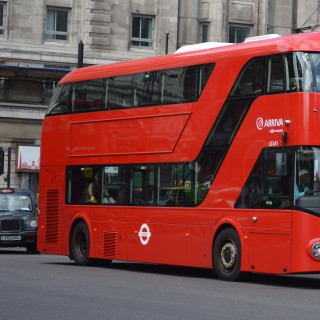
Large road vehicle for transporting people
POPULARITY
Categories
FIRST WITH YESTERDAY'S NEWS (highlights from Thursday on Newstalk ZB) Do Better, Labour/If We Can't See the Problem, At Least We Don't Have to Think About It/Same Goes for the End of the World/Accidental Podcast RouletteSee omnystudio.com/listener for privacy information.
As the city grows, getting around has become increasingly challenging. Efforts to relieve congestion on I-77 recently came to a halt when leaders rescinded proposed toll lanes. Public transit has grown slowly, with commitments to build the Red Line and the east-west Silver Line. However, those projects could take a decade or longer to complete. We untangle the ins and outs of transit in Charlotte.
Aisling Moloney, Irish Independent Political Reporter
A wide-ranging edition of Overdrive examines how transport policy, motoring costs and changing consumer behaviour are reshaping Australian mobility. David Brown and Paul Murrell debate apartment parking mandates, shifting new-car pricing, church-based car sharing and whether high-speed buses could outperform costly rail projects. They also unpack the risks and realities of extended warranties, political “U-turns”, Jaguar's controversial EV naming strategy and road test the latest Suzuki Swift hybrid hatch. Parking Policy, Warranty Risks, Reimagining Buses Episode Breakdown • Apartment Parking Debate — 00:01 • Car Discounts and Market Shifts — 00:23 • Church Car Sharing Trial — 00:34 • High-Speed Bus Concept — 00:43 • Extended Warranty Concerns — 00:56 • Jaguar's “Type Zero 1” Naming — 01:42 • Suzuki Swift Hybrid Review — 01:48 Apartment Parking Debate The program opens with discussion around a Grattan Institute report claiming mandatory parking minimums are adding major costs to apartment developments. David Brown and Paul Murrell argue the issue is more complex than headline figures suggest, particularly when balancing resident needs, on-street congestion and transport alternatives. They question whether governments should dictate parking requirements or let the market decide, while also warning against simplistic “one-size-fits-all” urban planning policies. The broader conversation explores density, public transport limitations and the social cost of inadequate parking infrastructure. Car Discounts and Market Shifts The hosts note a dramatic turnaround in the new-car market, with manufacturers now offering aggressive EOFY incentives after years of shortages and waiting lists. Electric vehicles and plug-in hybrids are seeing especially heavy discounting. They discuss negotiation tactics, depreciation concerns and how sudden price cuts affect both new and used vehicle values. The conversation also touches on how emissions rules may influence future vehicle pricing and fleet choices. Church Car Sharing Trial A University of Sydney project involving church-based car sharing sparks discussion about community transport behaviour. The idea encourages parishioners to travel together rather than individually, potentially reducing congestion, parking demand and emissions. Brown argues these initiatives work best when practical benefits are demonstrated rather than simply promoted as moral obligations. The segment also revisits broader themes of social connection, community responsibility and smarter transport use. High-Speed Bus Concept California's proposal for high-speed buses using dedicated freeway lanes prompts debate about whether buses deserve renewed attention as efficient transport solutions. The hosts compare the concept with the escalating costs of high-speed rail projects in both the US and Australia. Murrell argues buses offer greater flexibility and potentially lower infrastructure costs, while Brown highlights the limitations of rail when destinations lie outside major corridors. Comfort, practicality and regional connectivity become key themes. Extended Warranty Concerns A listener's question about a costly Mercedes-Benz extended warranty leads to an in-depth discussion about warranty value, exclusions and servicing obligations. The hosts explain how third-party warranties can create complications and why consumers must carefully read conditions. They also explore dealer incentives, manufacturer goodwill claims and the importance of documented servicing history. The segment stresses calm negotiation and escalation to manufacturers where legitimate faults arise outside formal warranty periods. Jaguar's “Type Zero 1” Naming Jaguar's naming strategy for its upcoming EV receives a sceptical response. Brown and Murrell question the logic behind “Type Zero 1”, arguing it disrupts Jaguar's established naming heritage such as C-Type and E-Type. The discussion broadens into branding, language structure and how overcomplicated product names often require unnecessary explanation — a sign, they suggest, of weak marketing execution. Suzuki Swift Hybrid Review The latest Suzuki Swift hybrid is assessed as an affordable, efficient and practical hatchback that remains true to its roots. The hosts praise its value, compact dimensions and real-world usability, while acknowledging compromises in refinement and safety technology. They discuss hybrid efficiency, suspension design, pricing and the continued appeal of small hatchbacks in a market dominated by SUVs. Safety ratings and consumer attitudes toward crash protection also receive close attention. Program Links and Credits Overdrive Radio: Cars, Transport, Culture Hosted by David Brown With Paul Murrell from seniordriver.au Feedback: feedback@drivenmedia.com.au Broadcast across Australia on the Community Radio Network. First aired 23 May 2026.
Kail and Becky are back together and catching up on everything from Becky's Mother's Day bar crawl adventure to home renovations, tour prep, Pride Month, and the chaos of traveling together. Becky recaps her top-five day flying from city to city, meeting listeners, and debating whether she's morally allowed to keep using her late dad's military discount.Kail shares life updates from home, including the kids' Michael Jackson obsession, Valley climbing out of her crib, Verse's speech therapy progress, Elliot's open mic performance and first short film, and the emotional reality of preparing for tour while trying to protect her peace. Plus, they talk LA memories, Harry Jowsey, friendship in the podcast world, downsizing before a move, book-to-movie disappointments, and whether restocking the snack cabinet is karma or chaos.Get your Fatherless Behaviour Tour Tickets hereFor full videos head to patreon.com/kaillowry Follow Becky at Hayter25 and subscribe to For The HaytersThank you for supporting the show by checking out our sponsors! ARMA: We've worked out a special offer for my audience! Receive 30% off your first subscription order. Go to armra.com/CHAOS or enter CHAOS to get 30% off your first subscription order.BetterHelp: Visit betterhelp.com/KARMA to get 10% off your first month.Tempo: Tempo is offering our listeners 60% your first box! Go to tempomeals.com/karmaBooking.com: Head over to Booking.com and start your listing today. Get Seen. Get Booked on Booking.com.Biologica: Head to Biologica.com/KARMA to get started right now, subscribers can receive up to 32% off their purchase. Progressive: Try Progressive's AutoQuote Explorer® today at progressive.comSee Privacy Policy at https://art19.com/privacy and California Privacy Notice at https://art19.com/privacy#do-not-sell-my-info.
Congressman Tim Kennedy (D, NY-26) announces federal funding for the Buffalo Niagara International Airport to secure four new shuttle buses full 874 Mon, 01 Jun 2026 15:30:00 +0000 nfL04ZLhRzwbc8C3XieFwN6TuunzoZvk news,wben,buffalo niagara international airport,tim kennedy,nfta WBEN Extras news,wben,buffalo niagara international airport,tim kennedy,nfta Congressman Tim Kennedy (D, NY-26) announces federal funding for the Buffalo Niagara International Airport to secure four new shuttle buses Archive of various reports and news events 2024 © 2021 Audacy, Inc.
Apex CEO Ian Cinnamon goes Inside the ICE House to discuss how he identified a critical bottleneck in satellite production and built Apex to solve it. He explains the company's focus on productizing satellite buses to enable faster, scalable access to space. Cinnamon outlines Apex's strategy of partnering with legacy defense and aerospace players rather than competing with them. He also highlights Project Shadow and the role Apex aims to play in advancing space-based defense and national security.
Before the car took over, Spokane, Washington ran an extensive streetcar network that shaped its neighborhoods. Sarah Rose and Erik Lowe of Spokane Reimagined are working to recover that spirit through a bus system that has already surpassed pre-pandemic ridership, a zoning reform that opened the city to missing middle housing, and hand-built benches placed in all 29 neighborhoods, each painted by a local artist. Their city motto is "In Spokane, we all belong" and they're putting in the work to prove it. ADDITIONAL SHOW NOTES Erik Lowe (LinkedIn) Sarah Rose (LinkedIn) Norm Van Eeden Petersman (LinkedIn) Do you know someone who would make for a great Bottom-Up Revolution guest? Let us know here. This podcast is made possible by Strong Towns members. Thank you! Join fellow members discussing this episode in The Commons.
Vice President Professor Naana Jane Opoku-Agyemang has inaugurated 100 newly acquired 29-seater buses for Metro Mass Transit Limited (MMTL) as part of the government's broader plan to strengthen public transport services and improve mobility across the country.
Bob Zimmerman details SpaceX's IPO filings, which show Starlink earns $12 billion annually. These profits fund Starship development, while new ventures like high-powered satellite buses expand the company's commercial reach. (7/16)1900 SPRING STREET LA
PREVIEW for Later Today: Bob Zimmerman. Bob Zimmerman explains how Vast is diversifying its business model by selling high-powered satellite buses to fund the development of their ambitious private space stations.NOVEMBER 1939
How to Be a Good Neighbor on Buses, Trains & Airplanes | Public Transportation Etiquette for Kids! Have you ever wondered how to act on a bus, train, or airplane? In this episode, Kristen and Asher hop aboard real city transit and a jet plane with special guest Ms. Kelly, an etiquette coach and early childhood educator, to learn the art of being a thoughtful, respectful traveler in shared spaces. Together, they explore what etiquette really means, why it looks different around the world, and why the heart of it is always the same: see the people around you and make the shared space better because you were in it. In this episode, kids will learn: Why we let passengers off before getting on a bus or train What the "invisible bubble" rule is and why it matters on airplanes How the greeting culture in Nigeria teaches us something beautiful about respect Why offering your seat to an elder is a universal act of kindness Simple ways every child can be a good neighbor wherever they travel ABOUT OUR GUEST Ms. Kelly (Kelechi Anselem-Okorie) is an etiquette coach and early childhood educator based in California, originally from Nigeria. She helps children build confidence, make friends, and show up their best everywhere they go through the power of manners, kindness, and cultural awareness.
Freezing of bus and rail fares by Minister Kimmins "irresponsible" without a plan to fund
(May 20, 2026) Could gigantic buses of the future that travel 140mph fix California’s long-distance travel? The great cousin decline. Dr. Jim Keany, Chief Medical Officer at Dignity Health St. Mary Medical Center in Long Beach, joins The Bill Handel Show for 'Medical News'! Dr. Keany talks with Bill about why this Ebola outbreak will be tough to contain.See omnystudio.com/listener for privacy information.
14 year old boy steals a city bus for the third time in six months. Alabama woman shot her husband because he was annoying. Suckerfish hitchhike inside Manta Ray's buttholes according to new researcher. Weird AF News is the only daily weird news podcast in the world. Weird news 5 days/week and on Friday it's only Floridaman. SUPPORT by joining the Weird AF News Patreon http://patreon.com/weirdafnews - OR buy Jonesy a coffee at http://buymeacoffee.com/funnyjones Buy MERCH: https://weirdafnews.merchmake.com/ - Check out the official website https://WeirdAFnews.com and FOLLOW host Jonesy at http://instagram.com/funnyjones - wants Jonesy to come perform standup comedy in your city? Fill out the form: https://docs.google.com/forms/d/e/1FAIpQLSfvYbm8Wgz3Oc2KSDg0-C6EtSlx369bvi7xdUpx_7UNGA_fIw/viewform
There's a piece of infrastructure in downtown Nashville that is about to go away. When it does, there may not be any clues left from a fascinating — and brief — chapter in the city's transportation history.Do you remember when WeGo had a fleet of super-quiet all-electric buses running for free throughout downtown? Bus commuter Joe Pagetta does. He wrote to Curious Nashville with this question:In the not-so-distant past, Nashville used to have a free electric bus circuit called the Music City Circuit, which connected downtown to Bicentennial Mall and the Gulch. And then it just disappeared sometime around COVID. I'm curious about that, but even more curious about the abandoned electric bus charging infrastructure that's still standing … like dystopian props from Old Detroit in Robocop.If there are no plans to bring the electric buses back, what is going to happen to that decaying infrastructure?The question reached the right place, as WPLN has covered the rise and fall of those buses since 2015.
Murfreesboro City Schools are wrapping up the academic year, but the district's essential community programs are just getting started for the summer season. Lisa Trail says
California has been working on a high speed rail for a very long time and it won't be done for even more time but they have another idea for high speed transportation... high speed buses.. We gave up on trying to get Sky to eat healthy with the Wheel of Food, so we decided to going back to having fun with it. Today, we spun the wheel and it landed on something that was a staple for Eddie; spam fried rice! There are rumors about who the next James Bond is going to be and we found a list of people who we want to be casted. We break down that list and add in some of our own to be the next 007See omnystudio.com/listener for privacy information.
Would you ride a high speed bus? California wants to build high speed bus routes around the state
How often have you heard someone say they aspire to be an ISO consultant? Likely not at all! That's not surprising as it's quite a niche world to find yourself in, yet despite that, there are still thousands of ISO professionals worldwide. We're continuing with our mini-series where we introduce members of our team, to explore how they fell into the world of ISO and discuss the common challenges they face while helping clients achieve ISO certification. In this episode we introduce Steve Mason, a Principle isologist® at Blackmores, to share the journey of how he went from intern, to ISO Assessor, to ISO consultant and the challenges he's faced while working with clients. You'll learn · What is Steve's role at Blackmores? · What does Steve enjoy outside of consultancy? · What path did Steve take to become an ISO Consultant? · What is the biggest challenge he's faced when implementing ISO Standards? · What is Steve's biggest achievement? Resources · Isologyhub · ISO 14001:2026 What's Changed And How to Comply Webinar Registration In this episode, we talk about: [00:30] Episode Summary – We introduce Steve Mason, a Principle Isologist® here at Blackmores, to discuss his journey towards becoming an ISO consultant who specialises in ISO 27001, ISO 27701, ISO 27018, ISO 27017 and ISO 20000-1. [02:40] What is Steve's role at Blackmores? Her role primarily involves supporting clients in two key areas: maintaining and continually improving their existing ISO management systems and helping them establish and implement new standards. As part of that support, he: · Makes Standards understandable and accessible to clients · Conduct internal audits · Reviews and updates management system documentation · Facilitate management reviews · Train internal teams and prepare them for certification audits. Steve is the Standard champion for ISO 27001, ISO 27701, ISO 27017, ISO 27018 and ISO 20000-1 at Blackmores, but he also deals with ISO 9001, ISO 41001, ISO 22301 and ISO 42001 related projects and support. Steve's other main role at Blackmore's is as a Mental Health First Aider, which is shared with Minoo Agarwal. Together, they provide resources and offer support to the team. [06:00] The importance of Mental Health management in the workplace: Steve had faced bullying in previous roles, so preventing others from experiencing the same had become a big motivator for him taking on the role of Mental First Aider for Blackmores. He emphasizes it's importance, and highlights 2 key Standards that you can use to help support mental first aid within your business. This includes ISO 45003 Mental Health in the Workplace and BS 30480 Suicide and the Workplace. [09:10] What does Steve enjoy doing outside of consultancy?: Steve has a wide variety of interests and hobbies, including: Lay Minister: Steve is a Lay Minister in the United Reform Church and mainly based at the URC Chapel in Walkern, but can be found leading worship and preaching at Ashwell, Baldock, Stevenage and Knebworth chapels. Poetry: Steve enjoys writing poetry about anything and everything, racking up an impressive 190 poems so far. Some of his main inspirations include Wordsworth and Keats. If you ever see a poem on the Blackmores LinkedIn page, odds are, it was written by Steve! Classical Music: He's a fan of classical music, anything by Beethoven, Mahler or Shostakovich specifically. He likes these composers in particular due to their stretching of the rules of music for the time. Exploring hidden London: Steve often goes on hidden London tours which explore disused underground stations which may have been shut down as long as 100 years ago! Buses and Trains: Steve was lucky enough to drive a bus in his past, of which he has the licence plate of sitting in his office. He collects bus and train models and will go out to snap a photo or two of their real world counterparts when he comes across them. History: Steve is a huge mystery buff, with a particular fondness for Richard III and the War of the Roses and the Anglo Saxon period of history. Family Tree: Steve has been tracing his family tree back as far as he can on his mother's side, which extends as far back as 1547! Interestingly enough he found out that relatives from way back then got married in the church that he currently lives nearby and got qualified as a Lay Minister for the Church of England in Stevenage! Cats: He's owned his fair share of feline friends through the years, with one particular tabby holding the name 'Spartacus'. [22:35] What was Steve's path towards becoming an ISO Consultant?: Steve was once told in the 1980s 'There is no future in Standards; find another career, perhaps in Sales or Purchasing'. How wrong that turned out to be! He's always worked with standards, from the first day he started work doing inspection in Goods Inwards, he was referring to them. The direction towards Management systems came in 1983 when he started implementing BS 5750. From that day onward he had been involved in Management Systems. Steve completed a management apprenticeship at Racal-Guardall where he was able to do 3 months' work experience in all departments, which helped him appreciate how companies function and how important it is to maintain good communication channels. He was at the end of this apprenticeship that the opportunity arose in the QA department to work on BS 5750. His career path has included other organisations such as Tektronix, BOC Ohmeda, Cirkit, Deta, TDK and BSI, all of which earned Steve a lot of experience in Manufacturing and Service and Distribution, mainly in Quality and Customer Service roles. Steve has always felt a bit like a closet consultant, even when he worked as an assessor at BSI. He feels as if Blackmores has enabled him to fully flourish and develop his portfolio of standards – not bad for a career where there was apparently no future in standards! [28:45] Born to be a consultant – Steve mentions that consultancy is a skill that many are born to be. You can train and learn the skills of course, but for some it comes very naturally and it can be hard to replicate that skillset in others. [30:15] What is Steve's favourite aspect of being a Consultant? Steve loves talking with clients and working with them to explore solutions that can address the requirements of the standards. His motto is 'Mould the Standard to the organisation and not the organisation to the standard' This means, always producing a management system that benefits the organisation first and then adjusting it to meet the requirements of the standard. Organisations that mould the business to the standard usually end up with a management system that is a 'bolt-on' and an uncomfortable, sometimes irrelevant, fit. Everyone in the organisation needs to feel that the management system is a natural fit to what they do. He also enjoys supporting his colleagues at Blackmores. We're a business built on knowledge sharing, and there's no point gatekeeping anything we've learned as a team. So consultants often get together to discuss lessons learned and ensure best practice is a shared experience. Ironically enough, one of Steve's least favourite aspects of being a consultant is auditing! Mostly since he's been doing it for some 40 years now, so he can be forgiven for finding the exercise a bit tedious at times. However, he never let's that affect the end result of an audit. [37:00] What Standards does Steve specilaise in and why? Steve initially started with ISO 9001 but was steered towards ISO 27001 and ISO 20000-1 during his time as BSI. This was based upon his career path up to the point he joined BSI as they align assessors to familiar business and technical environments. In Blackmores, he has been able to develop these areas of Quality, Service and Risk by adding standards related to Business Continuity, PII and Cloud Security, Facilities Management and AI Management. Steve's favourite standard is ISO 20000-1 which started off as an IT Service Management System but can also be used effectively for all services. He always refers to ISO 20000-1 as 'ISO 9001 on Steroids' because it is much more specific and focuses on the subject of service management. Sadly, ISO20000-1 is under rated, under sold and in some cases, never heard of – this is usually because contracts require IS O9001 but the people writing those contracts don't actually know or understand what they are asking for. In simple terms it is a Service Quality Management System and Steve has come across organisations which have shoe-horned ISO 9001 into the business instead of using the natural fitting standard ISO 20000-1. Steve would advise any company that is providing a service with helpdesk support to look at ISO 20000-1, especially if they find that ISO 9001 isn't working well for them. [43:00] What is the biggest challenge Steve had faced during a project and how did he overcome it?: Creating a management system in 10 days for a client which was due to lose a major contract because they had let their certification to ISO 9001 lapse between the 2008 and 2015 versions. Quite the undertaking in such a short amount of time! Steve refuses to claim full responsibility for the success however, as the client was totally invested in getting the system up and running and put in a lot of effort to work with Steve to get it done in time. If it had been any other standard, it would have been impossible, but because it was ISO 9001 and wthey were drawing on what had been in place previously it was possible. Generally, problems arise when there is limited or no Leadership support and commitment, because without this management systems can't be set up in a way that benefits the organisation. All management systems must align with the Business Strategy and should be used to ensure that the strategy is achieved. If you'd like to learn more about the importance of Leadership and aligning your management system with strategic direction, check out a few of our previous episodes. [50:10] What is Steve's proudest achievement? Steve isn't really one to collect achievements, so he cites winning 1st Prize at 6 years old in a fancy-dress competition, dressed as a Snowman was a proud achievement for 6 year old him. He is also proud of becoming a Lay Reader initially in the Church of England at 37 and latterly in the URC. Another highlight is appearing on The Chase back in 2017, successfully passing the auditions which saw 40,000 applicants. If you want to go see him go up against the Chasers, he was in Series 10 episode 119. He can't point to any one ISO related project as he sees them all as an equal success. He puts all his effort into every project, and his success track shows this to be evident. [54:35] ISO 14001 Transition Webinar: If you currently hold a 2015 certificate for ISO 14001, then the countdown has already started to transition to the latest 2026 version. We'll be covering the changes and what you need to do to comply and complete your transition in a webinar on the 29th May. You can register your place here. If you'd like any assistance with implementing ISO standards, get in touch with us, we'd be happy to help! We'd love to hear your views and comments about the ISO Show, here's how: ● Share the ISO Show on Twitter or Linkedin ● Leave an honest review on iTunes or Soundcloud. Your ratings and reviews really help and we read each one. Subscribe to keep up-to-date with our latest episodes: Stitcher | Spotify | YouTube |iTunes | Soundcloud | Mailing List
In London, the Tube and iconic red double-decker buses are deeply woven into the city's fabric. When these ageing vehicles retire, some are given a surprising second life and transformed into unique dining experiences. From underground carriages turned into restaurants to vintage buses serving afternoon tea, these repurposed icons offer a nostalgic journey through the British capital's history and culture. Our France 2 colleagues report, with FRANCE 24's Guillaume Gougeon.
In Episode #95 we have the fearless and unpredictable Nata Kitten, a Stripchat IRL cam model pushing boundaries in ways most wouldn't dare.From streaming on public buses to flashing in malls and beaches, Nata breaks down how she turned real-world risk into serious revenue. She shares how public content attracts high-paying fans, the strategy behind her explosive growth, and the reality of getting caught while live.The conversation dives deep into:How IRL camming works (and why it's blowing up)Building a loyal fanbase through interaction and consistencyThe psychology of big spenders and parasocial relationshipsDealing with obsessive fans, boundaries, and safetyHer journey from self-doubt to confidence after a major weight loss transformationIt's raw, unfiltered, and packed with real industry insight—plus a few stories that will absolutely catch you off guard.If you've ever wondered what really goes on behind the scenes of top cam models… this is the episode.
There’s a particular kind of business story that you can really only tell about Louisiana. It usually starts with somebody who barely had two nickels to rub together, an idea that almost nobody else took seriously, and a lot of stubbornness. It almost never starts in a glass tower in a major metropolis. It starts in places like a front yard near LSU. Or in a small office somewhere on the way to the oil patch. Both of my lunch guests today are Louisiana people who built something out of, more or less, nothing. One of them runs a national company that has 400 vehicles, 25 offices around the country, and was a Super Bowl LIX vendor. He started it the year after he graduated from LSU. The other one runs a nonprofit in Mid City Baton Rouge that began with one neighborhood kid showing up at his front door asking him to fix a bike. Today it has worked on more than 10,000 bikes, and is the centerpiece of a $2 million renovation of a former church and rug shop on Government Street. Both of these guys are in their thirties. Both went to LSU. And both of them have grown their organizations far faster, and far further, than anybody would have predicted when they started. Corey Rosales is a New Orleans native who came to Baton Rouge for college and then stayed long enough to start a company. He graduated from LSU with a degree in petroleum engineering in 2018. A year later, in 2019, he founded American Safety. American Safety started out as an environmental response and industrial services company. Then COVID happened, and a record-breaking hurricane season happened, and Corey kept saying yes to opportunities. Today American Safety is a multi-division operation – industrial services, environmental response, disaster relief, and transportation. They have 25 offices, more than 400 vehicles, and somewhere between 300 and 500 employees, depending on the time of year. They were a vendor at Super Bowl LIX in New Orleans, where they moved more than 10,000 people during the event. They’re now the official transportation partner of the New Orleans Saints and the Pelicans. And, as part of their expansion, they recently acquired Baton Rouge–based Dixieland Tours. The President and CEO of American Safety is Corey Rosales. In 2010, Dustin LaFont was a recent LSU graduate, an AmeriCorps alum, and a middle school history teacher in East Baton Rouge Parish. He had grown up biking to school in Houma, and he commuted by bike at LSU to save money on gas and parking. In his spare time he’d sit in his front yard fixing up old bikes. One day a kid from the neighborhood came up to him and asked if he could fix his bike. Then more kids showed up. Then more. The neighbors started calling it “the front yard bike shop.” Dustin made it a nonprofit. After two years of running it on top of teaching, he quit his teaching job to do it full time. That nonprofit is called Front Yard Bikes. It’s now the largest community bike shop in Louisiana. Kids ages 6 to 18 earn credits by learning bike mechanics, welding, gardening, cooking, and cycling safety, and they apply those credits toward a bike of their own. Older kids can move into paid internships and earn job certifications in mechanics. In 2022, CNN named Dustin a CNN Hero. In 2023, City Year gave him their national Alumni Leadership Award. And right now, on Government Street in Mid City, Dustin and three other Baton Rouge nonprofits are in the middle of a $2 million build-out of a place called Youth City Lab – a former church and rug shop they’re turning into a bike shop, a performance stage, a barber shop and library, and a community gathering place for young people. The Founder and Executive Director of Front Yard Bikes is Dustin LaFont. There’s a tendency, when we talk about Baton Rouge business, to look toward the big oil and gas companies, the chemical plants, the institutions on the river. And those are real, and they matter. But the story of Baton Rouge is also Corey Rosales – a kid from New Orleans who came here for college and ended up running a transportation and disaster response company that helped move 10,000 people through Super Bowl LIX. And it’s also Dustin LaFont – a kid from Houma who came here for college and ended up creating a youth workforce development program in his front yard that now occupies an entire renovated block on Government Street. Both of these entrepreneuras are doing what Louisiana, at its best, has always done – they saw a need, they said yes, and then figured out the rest as they went. Out to Lunch is recorded live over lunch at Mansurs on the Boulevard. You can find photos from this show by Ian Ledo and Miranda Albarez at itsbatonrouge.com.See omnystudio.com/listener for privacy information.
Welcome to the latest episode of our weekly podcast disusing all things Tottenham Hotspur! On today's show we are still in shock from not only a second win in as many gams but a VERY good performance to go with it... we pass out credit where it is due but question any praise being given to Lange / Vinai. We look ahead to the next set of games where we highlight the importance of backing up that win over Villa with another win over Leeds.. and then plead with this squad not to let this go to the final day of the season!! Please... We hope you all enjoy our chat and once again... a special intro...
When the recent NFL draft was held in Pittsburgh, city officials declared bus fares would be free so fans would pack the auditorium where the draft was held. Who would have thought that making scarce goods free would bring about chaos with the bus riders?Original article: https://mises.org/mises-wire/nfl-draft-and-public-buses
Chris Holman welcomes Phil Roos, Director, EGLE, Lansing, MI. This episode of Michigan Business Beat features an interview with Phil Roos, Director of EGLE (Environment, Great Lakes, and Energy), who discusses the department's recent progress on sustainability under Governor Whitmer's leadership, including record numbers of contaminated site cleanups. A significant portion of the conversation focuses on Michigan's electric school bus program, highlighted by a recent teach-in event at Lansing Technical High School, which brought together state leaders and school districts to explore funding strategies for deploying more electric buses. Roos outlines the wide-ranging benefits of electric school buses, including elimination of harmful diesel emissions, potential improvements in student attendance and test scores, lower maintenance and operating costs, and a meaningful reduction in greenhouse gas emissions. He also connects the program to the broader Michigan Healthy Climate Plan, which aims to achieve carbon neutrality by 2050, noting that transportation — including medium and heavy-duty vehicles like school buses — accounts for roughly a third of the state's carbon emissions. Roos emphasized that new electric buses can be obtained at no cost to school districts through a combination of federal and state grant funding. » Visit MBN website: www.michiganbusinessnetwork.com/ » Subscribe to MBN's YouTube: www.youtube.com/@MichiganbusinessnetworkMBN » Like MBN: www.facebook.com/mibiznetwork » Follow MBN: twitter.com/MIBizNetwork/ » MBN Instagram: www.instagram.com/mibiznetwork/
So are you a bus runner or take it in you stride? We had a chat about that awks run!We've the buzz words of the generations - wait til you hear some of themAnd we played FM104s Ins2Grand Hosted on Acast. See acast.com/privacy for more information.
WYCE's Community Connection (*conversations concerning issues of importance in West Michigan)
In this episode, we welcome Derek Reed, Vice President with Buses By The Beach, and Jeremy Czubko, Ambassador with the Phoenix Society for Burn Survivors. Derek and Jeremy gave us a preview of the 2026 Bus Benefit. For over 20 years, this West Michigan community of VW enthusiasts has turned a love for vintage camping into a powerful mission, raising vital funds for the Grand Rapids-based Phoenix Society. They also reminded us that you don't need to have a VW bus to attend and enjoy the Bus Benefit!The Bus Benefit (May 22–24) happens at Smiling Acres in Trufant, MI, and features a diverse lineup of live music—including The American Hotel System, Roosevelt Diggs, and Nicholas James and the Bandwagon—plus family activities and open mic jams. This Memorial Day tradition supports life-changing mentoring and support programs for burn survivors.Links: Phoenix Society for Burn SurvivorsBuses By The Beach
The guys discuss Cochlear's horrific profit downgrade, Firmus IPO hopes up in smoke (for now), self driving to challenge air travel, battery technology goes large and Uber and Expedia get close. 00:00 - Blackbird's Sunrise Start Up Event13:40 - Firmus32:50 - Uber x Expedia42:55 - Public Transport44:55 - CATL53:36 - Self Driving vs. Flying1:02:46 - Experience Economy1:12:57 - Cochlea Deep Dive Thanks for listening! Join us on LinkedIn: https://www.linkedin.com/company/the-contrarians-with-adam-and-adir-podcastSee omnystudio.com/listener for privacy information.
Listener Warning: Tonight's episode covers the Soka Forest case near Ibadan and includes discussion of violent crime, kidnapping, human remains, torture, ritual killings, and disturbing scenes involving victims held captive. Some descriptions may be distressing, so please take care while listening and skip this episode if those subjects are not right for you today.There are certain places that gain a reputation so dark that even years later people still speak of them carefully. Not because they are ancient castles or abandoned asylums, but because something real happened there. Something so disturbing that fact and legend began to merge. Outside the city of Ibadan, beside the busy Lagos–Ibadan Expressway, there was once a stretch of woodland many travellers barely noticed. Cars passed it every day. Buses rolled by in clouds of dust and heat. Motorcycles wove between traffic while roadside life carried on as normal.To most people, it was just another patch of trees.To others, it was somewhere to avoid after dark.The BOOKBY US A COFFEEJoin Sarah's new FACEBOOK GROUPSubscribe to our PATREONEMAIL us your storiesJoin us on INSTAGRAMJoin us on TWITTERJoin us on FACEBOOKVisit our WEBSITEResearch Links:https://en.wikipedia.org/wiki/Ibadan_forest_of_horrorhttps://open.spotify.com/episode/0qehAbFbd46qMgC6xl0rKGThanks so much for listening, and we'll catch up with you again on tomorrow.Sarah and Tobie xx"Spacial Winds," Kevin MacLeod (incompetech.com)Licenced under Creative Commons: By Attribution 4.0 Licencehttp://creativecommons.org/licenses/by/4.0/SURVEY Hosted on Acast. See acast.com/privacy for more information.
Electric buses worth tens of millions of euros have been “sitting idle” for a year-and-a-half because charging infrastructure has been delayed.Joining Shane to discuss is John Brady, Chair of the Public Accounts Committee and Sinn Féin TD…
Chris Miller from the Department of Transport joined Jacqui Felgate.See omnystudio.com/listener for privacy information.
Oliver Callan Oliver's monologue on a Wednesday.
Catherine Callaghan, Fine Gael TD for Carlow Kilkenny, Sorcha Clarke, Sinn Féin TD for Longford Westmeath, Michael Fitzmaurice, Independent Ireland TD for Roscommon Galway and Ciara O'Loughlin, Political Correspondent, The Irish Mirror.
In this episode of Next in Media, Mike Shields sits down with Andrew Yaffe, CEO of Dude Perfect, to talk about how the iconic trick-shot brand has evolved into one of the most diversified properties in digital media. Eighteen months into the role after a long run at the NBA, Andrew walks through Dude Perfect's three-part strategy of content, products, and experiences — including a 22-city summer tour, middle-grade novel series, new outdoors channel, and experiential concepts. Mike and Andrew dig into why Dude Perfect now looks more like a sports league than a creator business, what made their Xfinity co-created ad the best-performing spot on YouTube, and why reaching the family unit has become one of the most valuable propositions in fragmented media. They also cover YouTube's role in the upfront, the long-form content shift, the wishlist for better cross-platform measurement, and Andrew's reluctant NBA Finals pick. Key Highlights
Buses being “bricked out of it” in places like Killinarden has people raging — and today Adrian and Jeremy ask what can actually be done to stop it before someone is seriously injured.Is the only solution to permanently pull Dublin Bus services from areas where the Number 27 keeps getting attacked… even if that means punishing the whole community, including elderly passengers and kids? One Father had the next to defend their behaviour of teenage vandals/
Welcome back! This week, after the rigamarole (banking, spring, currency, energy), Ron wonders why the current future isn't smarter than it is; Chris thinks more kids should ride the bus to school. As always, please like, subscribe, and share with your friends. Come join the discussions on the Discord Channel (https://discord.gg/TbxA7gcUky) and follow us on BlueSky, @cltruitt22. Thanks and take care!
In this week's NDA Podcast, Editor-in-Chief Justin Pearse and Publisher Andy Oakes are joined by Adtech Personality of The Year, and MD at Mantis, Reach, Fi Salmon.*Sound warning: Tech issues mean Justin's audio quality is very poor but luckily Fi and Andy's is crystal clear.The discussion includes:AI's Impact on Publishing: Exploring how artificial intelligence is currently affecting the industry and strategies to get readers to "arrive and stay".The Surge in Video Budgets: Discussion on the significant increase in video investment, with some agency groups allocating up to 80% of revenue to video content.The "Bus Chat": A deeo dive into the team's favourite London bus routes, including a particular fondness for the 227.Brand Safety vs. Suitability: Moving the conversation from basic safety to "suitability," acknowledging that every brand has a different tolerance level for content.YouTube's Evolving Audience: How YouTube is increasingly attracting an older demographic through long-form sports broadcasting like county cricket.Conference Season: A look ahead to the Possible conference in Miami, debating the "shorts vs. trousers" dress code and the rise of the content creator.The Q1 Downturn: Reflecting on the "slow start" to the year and the impact of holiday timing on industry momentum.
There's double value on this week's show as the lads brought two facts each. Dave wants to rave about the bustopia that is Bogotá, Columbia but goes down a dark route.Neil demonstrates the lengths and depths actors will go to prepare for a role with the story of how David Suchet perfected Hercule Poirot's signature walk.Sources:https://www.nytimes.com/interactive/2023/12/07/headway/bogota-bus-system-transmilenio.htmlhttps://www.bbc.com/news/uk-wales-34259108https://www.theguardian.com/tv-and-radio/shortcuts/2013/nov/05/hercule-poirot-david-suchet-bottom-coin-agatha-christieSupport the show on Patreon for the weekly bonus episode.https://www.patreon.com/cw/WhyWouldYouTellMeThathttps://www.bbc.com/news/uk-wales-34259108To listen to Dave on the radio check outhttps://www.todayfm.com/shows/dave-mo...To see Neil on tour check outhttps://www.neildelamere.com/reinvent...Presented and Produced by Neil Delamere and Dave MooreEdited by Diarmuid O'BrienMusic by Dave MooreArtwork by Ray McDonnell Hosted on Acast. See acast.com/privacy for more information.
On the April 23 edition: Firefighters continue to battle a devastating wildfire in South Georgia; FEMA approves emergency grants to cover some firefighting costs; And the Bibb County School district in Macon adds 15 electric buses to its fleet.
James Rojas reportsSee omnystudio.com/listener for privacy information.
This week on Girls with Grafts, Rachel talks with burn survivor Kelsay Parrott about healing that goes beyond the physical and finding purpose in pain.
Jared Kushner, real estate developer Steve Witkoff, and VP JD Vance are heading to Pakistan to meet with Iranian leaders in pursuit of a possible end to the war. New York City Mayor Mamdani's campaign promise to make buses free was recently rejected in a City Council meeting, though there may be an alternative path forward. The Artemis 2 astronauts are scheduled to splash down on Friday evening. Mark also reveals just how many podcasts exist in the world today, and the number is staggering. Mark takes your calls! Mark interviews WOR weeknight host Jimmy Failla. President Trump is prepared to keep the pressure on Iran, particularly if the ceasefire talks fall through. The Al Sharpton convention is currently underway, and Jimmy argues that Democrats aren't adjusting their strategy, a miscalculation that could work in Trump's favor heading into the midterms. Former President Biden was spotted in public recently, and his appearance raised some eyebrows.See omnystudio.com/listener for privacy information.
Jared Kushner, real estate developer Steve Witkoff, and VP JD Vance are heading to Pakistan to meet with Iranian leaders in pursuit of a possible end to the war. New York City Mayor Mamdani's campaign promise to make buses free was recently rejected in a City Council meeting, though there may be an alternative path forward. The Artemis 2 astronauts are scheduled to splash down on Friday evening. Mark also reveals just how many podcasts exist in the world today, and the number is staggering. Mark takes your calls! Mark interviews WOR weeknight host Jimmy Failla. President Trump is prepared to keep the pressure on Iran, particularly if the ceasefire talks fall through. The Al Sharpton convention is currently underway, and Jimmy argues that Democrats aren't adjusting their strategy, a miscalculation that could work in Trump's favor heading into the midterms. Former President Biden was spotted in public recently, and his appearance raised some eyebrows.
A weekly magazine-style radio show featuring the voices and stories of Asians and Pacific Islanders from all corners of our community. The show is produced by a collective of media makers, deejays, and activists. Tonight on APEX Express, join the Powerleegirls Host Miko Lee speaks with children's book authors Lorraine Nam, Uma Krishnaswami and Maggie Tokuda-Hall about Library Joy in honor of National School Library Month! To Learn More Lorrraine Nam, illustrator and author Michael Threet's book: I'm So Happy You're Here: A Celebration of Library Joy Uma Krishnaswami Her books: Book Uncle Triology Maggie Tokuda-Hall Her book: Love in the Library Every Library Authors Against Book Bans Show Transcript [00:00:00] Opening: Apex Express Asian Pacific expression. Community and cultural coverage, music and calendar, new visions and voices, coming to you with an Asian Pacific Islander point of view. It's time to get on board the Apex Express. [00:00:35] Ayame Keane-Lee: Welcome to tonight's episode of Apex Express Celebrating Library Joy. I'm Ayame Keane-Lee the editor of tonight's show, and part of the PowerLeeGirls bringing you the introduction to tonight's show. Did you know that April is National School Library Month and in just 10 days from April 19th to 25th is National Library Week? The theme for this year's National Library Week is Find Your Joy with Honorary Chair Mychal Threets. The first of three interviews you'll hear my mom, Miko Lee have tonight is with Lorraine Nam the illustrator for the newly released children's book written by that very Mychal Threets called, “I'm So Happy You're Here”. You will then hear Miko speak with Uma Krishnaswami about her children's book “Book Uncle and Me,” and lastly with Maggie Tokuda-Hall about her children's book, “Love in the Library,” and the important work of Authors Against Book Bans. As a library kid and current library worker, I have experienced firsthand the transformative power of library access and the importance of inclusive and diverse storytelling. In and out of schools, libraries are vital to nurturing and uplifting the autonomy and sovereignty of children, which always has and continues to be a liberatory practice. We hope tonight's show will inspire you right into your local library to check out some of the great books mentioned here or to put them on hold. Let's listen in. [00:02:06] Miko Lee: Welcome, Lorraine Nam, illustrator of amazing children's books. Welcome to Apex Express. [00:02:13] Lorraine Nam: I'm excited to be here. [00:02:16] Miko Lee: I wanna start with a question I ask all of my guests, which is, who are your people and what legacy do you carry with you? [00:02:24] Lorraine Nam: Who are my people? I would say creative people. People who are interested in having an open mind, and looking at the bright side of things, the beautiful things, people who are curious. The type of legacy that I bring I think is just my parents who are creative and then bringing that, to this new generation. [00:02:57] Miko Lee: Thank you for sharing. I am, I'm looking at your beautiful face, and behind you is this, find your joy and, and it's in lots of colors on this pink banner and in at the top we see opening up of a library door with Mychal Threets, who's the author of this book, “I'm So Happy You're Here: A Celebration of Library Joy.” I'm wondering if you can talk about your collaborative process with Mychal Threets. [00:03:25] Lorraine Nam: The first impression that you have of writer and illustrator for a picture book is that they work really closely together, and that's actually not the case. We work pretty separately, but I was very excited. Mychal wrote the words to this book and they were looking for an illustrator and my agent called me and she asked me if I was interested. I was very excited about the project. I signed up for it and we worked pretty separately. We connected on Instagram, but he pretty much had no art notes, everything was pretty much whatever I was open to. Then we met for the first time and we got our very first copy of the book and we met in New York. [00:04:10] Miko Lee: And what was that like? [00:04:12] Lorraine Nam: Um, amazing. He is exactly who he is in his videos. [00:04:18] Miko Lee: Can you share for our audience who he is and a little bit more about him, just in case folks don't know. [00:04:24] Lorraine Nam: The book calls him a librarian ambassador. He describes himself as a reader, a lover of librarians or the number one fan of libraries. This is his first book and he's also the host of Reading Rainbow on PBS. We met at the New York Library, public Library for the first time, and he's just so nice, very kind. Honestly, it felt like we already knew each other just because we had been talking through the publisher about the book. [00:05:02] Miko Lee: Thank you for sharing. It's so beautifully illustrated and you have a incredibly diverse,, amount of people in the book, both racially but also physically, and I really appreciate how you encapsulated that. I'm just wondering what inspired you to develop this specific imagery for this book? [00:05:22] Lorraine Nam: Yeah, so one of the only stipulations in the art notes was that he wanted to have a diverse group of people attending the library. People of all ages of all color, all sizes, all disabilities. That seemed like a no brainer to me because I just know the message that he puts into the world. The only difficult part was narrowing down the cast. There's all these different types of people and just trying to figure out who to focus on. I wanted to make sure that you still see the same group of kids over and over. So it felt like you were following the along throughout the day, while still having lots of diversity and lots of different types of people. [00:06:11] Miko Lee: Had you set what the cover was gonna be at the beginning or did that come after you had already finished the whole book? [00:06:19] Lorraine Nam: Oh, that came much later. We pretty much had the art for the interior nailed down, and then we were working on concepts for the cover. I knew from Mychal's social media presence that maybe he didn't want to be the poster cover of the book. He wanted to be about the library goers and the people rather than himself. And so I was kind of towing that line of like obviously people wanna see him, it's his first book. They're such huge fans, and so like how much to put Mychal in and how much to showcase him, as well as showcase like all the other people who go to the library. [00:07:02] Miko Lee: He definitely does have a joyous kind of ebullient vibe to him. I recommend for audience to check out his socials because he has this, you wanna listen to him. He's so inviting and I love the poster behind you because he is saying, like, “welcome, come into the library. This is my world.” And you also made him look so cute. Really looks like a cartoon version of him. So sweet. In your artistic process, I'm wondering what helps you define the style of art you utilize? I'm thinking about the paper cutouts that you did for a tale of two princes. What is it about the work that inspires you to select that type of style? [00:07:43] Lorraine Nam: I actually had a very winding path to the style that I have today. So the style that I have today is very much layered. It's painted, a lot of it is painted. And then I cut it out and then I glue and collage different elements, and then I scan everything in and enhance certain aspects through Photoshop. But a lot of it started actually in wanting to make a physical book. So it was with book binding and then with book binding, because that's just a technique to produce a product, it was what goes in those pages and that's when I started doing cut paper. So just silhouetted, cut paper. And I was doing that for a long time, just cutting out rice paper to make silhouettes. I wanted to tell more of the story and depict people. So then I started making paper cut [laughs] sets. So I would build —almost like Legos— a whole set of paper buildings and paper people and paper objects that are three dimensional. And then I would photograph them. And then from there, I landed in this more 2D, but playing with still technique and texture and layers. [00:09:10] Miko Lee: Wow, that's so interesting. Can you share a little bit more about your artistic process? Do you start at a certain time of day? Do you only work at night? Do you have a whole studio set up? [00:09:20] Lorraine Nam: well, For the book projects because there's such a timeline to 'em and they're very specific. I'll do very loose sketches on Post-it notes. They're readily available and then you can stick two of them next to each other to make a full spread. I use these post-its, and then I would just fold them in half and use that as like very quick pencil drawings. And then if I had something that I liked, I would just go in and pen. But they were still very small. So it was more about looking at silhouettes and composition. And then I would print, it's a very old school technique, but I would print out all the text for the book and cut 'em out. And double sided tape and just stick them on to see where the text should be on the page and where it could fit. I would just do that manually until I had something that I liked a little bit more. Then I would start creating digital, like line drawings. [00:10:21] Miko Lee: And are you lining this all up on a wall or putting it on the desk? [00:10:26] Lorraine Nam: Um, so they're in like a notebook. [00:10:29] Miko Lee: Oh, you put 'em in book format? [00:10:31] Lorraine Nam: It's all the spread. So it should take about two pages basically. You should be able to look at it and look at it from like an eagle eye perspective of what the entire book will look like and what the flow will be like, and if there's closeups or this is like a far away saying, you get more of the like, setting of the library. [00:10:52] Miko Lee: And with the font printed out really small so that it's on the bottom of that Post-it note. [00:10:56] Lorraine Nam: Mm-hmm. [00:10:57] Miko Lee: Wow, that is so fascinating. And what is it when you're eagle eye-ing, what are you looking for? [00:11:04] Lorraine Nam: I'm pretending that I'm a kid looking at a book for the first time, with zero context and maybe zero reading level skill and just looking at the pictures and seeing if I can spot the same character and if there is a story that follows along, because this is a library book where it doesn't talk about specific people. I wanted to be able to follow each character in the book and see what their day was like in the library. So when they first came into the library, what they were doing during the day, what friends they made, and then maybe them leaving or, you know, a resolution of some kind, like their parents are checking out symbols at the library. [00:11:52] Miko Lee: the concept of having the character go throughout the book. Was that in the instruction or was something that you created. [00:11:59] Lorraine Nam: That was something that I wanted. Because I know looking at picture books, the pictures can also tell a story where, the words, it might not be in the words. So I wanted there to be more of a layered storytelling through image. [00:12:18] Miko Lee: I appreciate that as a mom. I remember when my girls were little, they would always say, where is that rabbit on the page? Or where is that thing? And so being able to track a character all the way through, is quite delightful. It adds another dimension for the multiple readings. You mentioned before about how you didn't really meet Mychal, the author of the book until the very end, and I guess that's common as an illustrator and you've worked with so many different experts in their fields from, physicist Neil Degrasse Tyson to Skater Nathan Chen. How is their very different fields, how does that impact your art making? [00:12:57] Lorraine Nam: It's actually the most fun. It's what drew me to illustration in the first place. I love being able to do like a deep dive and a specific subject that I wouldn't necessarily have gravitated towards and do that research. I actually do go to the library. I start the process at the library and I look at all the books about that particular topic, and then see what other people have done. And so working on the book for Neil deGrasse Tyson, it was so much fun looking at different how space is depicted the idea of galaxies and making that tangible and real for kids. And then for Nathan Chen, I was already a fan before I got the project, so it was very easy. But watching the videos, seeing all the different techniques and for his book it was more looking at sports books. Because he's such a unique person in his specific field in figure skating that there weren't very many books on figure skating and most are of a female portrayal. I was looking more at sports and how people show different types of movement, , and show like form. And the more technical aspects that are very, very, very specific and very critical to those things. [00:14:32] Miko Lee: And how did that manifest into your book? [00:14:35] Lorraine Nam: Um, a lot of drawings of like, the breakdown of his jumps and trying to figure out can a child do this jump [laughs]? And also doing a lot of research 'cause he's a very private person. His book is not about him, it's not a biography, but it's also loosely based off of him. You know, I have two other siblings. If I had a book based off of me, I want my siblings to be involved and represented in that as well. So I included his family, even though they're not a huge part of the book, his siblings are not like big characters. But they're still represented in there. So he can still be like, oh that's my family. This is based off of my story. [00:15:32] Miko Lee: So when you're doing these approaches, like including Nathan's family or in the library book, making sure characters go all the way through, is that something you have to check in with the writer about, to see if they're okay? Or is that something that you just do and then you submit and you see if they like it? [00:15:50] Lorraine Nam: That's something that I do, that I find joy in and see. Usually the first eyes on my sketches are the publisher and the art director. And I actually have no idea what, at what stage they really share the sketches, if it's like at a more finalized stage or if it's an early on one, but I usually just go with my own ideas and see what they think about it. [00:16:20] Miko Lee: Wow. I didn't know that you could have that much say into it. That's lovely. You talked a little bit about using the library for research. Gosh, I imagine that Neil deGrasse Tyson, there's so much research on it, that must have been a deep dive. I'm wondering what the library meant to you as a child. [00:16:38] Lorraine Nam: Yeah. I grew up as a big reader. The library for me it was a magical space that I wasn't really sure what it was. My parents, because they grew up in Korea and moved here to the States, there was a big language barrier between us and they're also very not talkative people. They just took us to this place one day and it was our local public library and it was right before closing and we were able to check out as many books as we wanted in whatever type of book that we wanted. I felt like that was magical, that there was no limit to it. [00:17:19] Miko Lee: My last question is, what are you working on now? [00:17:22] Lorraine Nam: I'm working on a few books, actually. I'm juggling a few, but they're all very fun and different. I'm doing a book about a boy dreaming of flying, being a pilot. So I think that will be a really fun imaginative book. [00:17:43] Miko Lee: What is one of your books that you would've liked to read to your younger self? [00:17:50] Lorraine Nam: Mm, I probably Wei Skates On, the book with Nathan Chen. ‘Cause his story is about overcoming obstacles and being disappointed. And just feeling frustrated and upset. And I feel like that's an important lesson even in adulthood. It's not really resolved through words. It's more of like the, everyone is there for him, his family is there for him, and they all just want him to enjoy what he's doing and to not care about winning or losing. [00:18:33] Miko Lee: Lorraine Nam, thank you so much for chatting with us about your work and about the library as a magical place, appreciate talking with you. [00:18:42] Lorraine Nam: Thank you so much. I had so much fun talking with you. [00:18:45] Miko Lee: Welcome, amazing award-winning children's book author Uma Krishnaswami, I'm so happy to have you here on Apex Express. [00:18:54] Uma Krishnaswami: Miko, it's my pleasure to be here. [00:18:57] Miko Lee: I wanted to start with a question I ask all of my guests, which is, who are your people and what legacy do you carry with you? [00:19:05] Uma Krishnaswami: What a wonderful question. Who are my people? My people are children who are, my ideal readership is the eight to 12-year-old group. I write for children. I'm not particularly thinking about audience when I begin writing. But at some point I want my readership to feel validated, whether they recognize themselves as being in my stories or my stories are offering them a window into a world that they are not immediately familiar with. So I would say those are my people. [00:19:45] Miko Lee: And what is the legacy that you carry with you? [00:19:48] Uma Krishnaswami: I grew up in India. The year that I was born India had been independent for all of nine years. So I carry very much that colonial legacy. I also am an immigrant to two countries, early in my adulthood to the United States and about 12 years ago to Canada. So my legacy is one of moving and finding new roots, finding community. Those are the things that I try to carry forward in my stories. When I began writing, I lived in the US and I started writing when my son was born. So there I was with a little brown baby and I went looking for books that would represent him and I didn't find them. And I think that is what made me think in my early thirties that, real life people could write children's books because of course the books I had read as a child were all written by people from England and many of them were dead. I kind of thought you had to be dead and British to be a writer. So yeah, it's complicated, isn't it? All of that works into, what you think of as, as your legacy. Having done this for 30 plus years now. [00:21:03] Miko Lee: And you've written so many beautiful books. Tell us about a little bit more about that first book. [00:21:09] Uma Krishnaswami: So the very first book, it was called Stories of the Flood. I realized very quickly that I didn't really know what I was doing. I looked to folk tales and traditional tales as a way to teach me about story. My second book called The Broken Tusk Stories of the Hindu God Ganesha. That is the one that I consider as the book that taught me how to write. I had a wonderful editor [unintelligble] Thorpe at a small press in Connecticut, Linnet Books. She told me to lean into story and to see myself as a storyteller. In a way, every book I've written has taught me how to write. [00:21:47] Miko Lee: Can you tell us about your favorite book as a kid? [00:21:52] Uma Krishnaswami: My favorite book as a kid, it would have to be Winnie The Pooh. [00:21:58] Miko Lee: And what was it about Winnie the Pooh that enamored you? [00:22:01] Uma Krishnaswami: I came to it very early and aunt had traveled to England and she brought me my copy of winnie the Pooh in the House of Poo Corner. And I read them, sitting in very Indian gardens, sometimes up in trees. I spent lots of time up in trees and I took my own geography and placed it over the geography of the book. , So that for me, the a hundred acre wood had lime trees and banyan trees and possibly mango trees. It didn't occur to me, until much later when I read an Enid Blyton reader. I had my moment of disillusionment with Enid Blyton and that's when it really occurred to me that there was an us and a them in, in some of the storytelling I was consuming. [00:22:49] Miko Lee: What age was that where you recognized that? [00:22:51] Uma Krishnaswami: My post-colonial moment? [00:22:53] Miko Lee: Yes. [00:22:54] Uma Krishnaswami: I might have been a 11. [00:22:56] Miko Lee: Oh, wow. And were you still living in India at that time? [00:22:59] Uma Krishnaswami: Yeah, yeah. 11 was a very formative year for me. My grandfather passed away, so it sort of brought mortality , into the framework for me. Also that was my year of disillusionment with Blyton. 'cause I read The , river of Adventure. And the villain in it had my name. He was called. Uma, Raya or Raya Uma or something like that. And yeah, I was just shocked. Just totally shocked. It was pure coincidence, I'm sure. She probably just, pulled the name out of the air and plunked it in. But. I began to notice that he was described as dark skinned and he was described as cunning. All this language that had slid right past me before began to be apparent. So, yeah, [00:23:47] Miko Lee: I love that. That is so amazing. This name, like what? That's my name as the villain. [00:23:53] Uma Krishnaswami: I'm the Bad Guy. No, I'm not. [00:23:56] Miko Lee: And all of your books are such a wonderful clap back to that because you have a multitude of characters and so many different worlds. Initially reached out to you because I started reading book Uncle this trilogy of books that are so lovely. Can you first share a little bit about what the Book Uncle's Trilogy is about. [00:24:16] Uma Krishnaswami: Okay, so it didn't start out as a trilogy. It didn't even start out as a book. It started out as a short story and then it didn't quite fit. It wasn't a picture book. It seemed to have more layers than that, so it kind of grew. But what started Book Uncle and Me was I was visiting my parents in India. At the time, and I was on this very busy urban street and there was this kid sitting on this on the, on the sidewalk. Um, it was kind of a broken brick sidewalk, and she was sitting cross-legged right in the middle and she was reading book and she was just oblivious to the crowd going around her and the. Buses on the road and there were, you know, random goats and dogs running around and she just was ignoring everything and she was absorbed in her book. And I remembered that I had been that kind of reader as a child. There was an election going on at the time as well, and I thought, I wonder what would happen if I put those two things together. And that is how Book Uncle came to be. [00:25:14] Miko Lee: And then there was just, you wanted to live in those characters more, so you ended up writing additional books? [00:25:20] Uma Krishnaswami: Hmm and that's a very good question. And actually no, I didn't, I thought I was done. I wrote Book Uncle and Me back in, I'm say 2009, 2010, something like that. I probably started it in 2010. Um, it got published originally in India in 2012, I believe. And then it was picked up by Ground Wood in Canada and published in Canada and the US so North American edition in 2016. And I thought, you know, I'm done. I'm writing other things. And then come the pandemic and we're all in lockdown. And like a lot of writers, I was doing, um, many, many, virtual. Presentations and programs. Um, and I did something through the North Vancouver Public Library and, there were kids zooming in from, you know, some from home, some from their bubbles, some from classrooms, whatever. And we were talking about book uncle and one of the kids, I think in third grade maybe, she said, Are you gonna write a sequel? And I am just joshing, right? I am. I said, yeah, should I? And they're all going, yeah, you should. And you should write three because you've got three characters you should give them each a [story]. And I'm like, all right guys i'll think about it. I absolutely will but not really taking it seriously. And then as often happens. the session ended and, you know, there we were all in lockdown going nowhere. And I thought maybe, maybe there's something there. Maybe I could return to that. And in a way I was kind of intrigued because I hadn't, had never thought about a trilogy and I was interested in how that would play out. Um, and it was kind of a writing challenge to myself, but honestly, once I started writing Birds on the Brain, which was book two it just kind of, I hesitate to say wrote itself 'cause I, that just seems, you know, so kind of woo woo. But, um, it did, it did. Uh, the, the kid came in and she took over and then a bird flew onto the rooftop and there I was on my way. So that's the story of, of how that that happened. In retrospect, I'm really sorry I didn't ask that child's name because I would've absolutely loved to have acknowledged her in the book. But thank you child from North Vancouver, whoever you are. [00:27:40] Miko Lee: That is so amazing. That's by request, by audience request. You fulfilled this goal of a trilogy and and I I love that they even said, not just a sequel, but a trilogy. [00:27:52] Uma Krishnaswami: Oh, they were. Yeah. They had it. I mean, they had, then they, they figured it out, which was really lovely. [00:27:58] Miko Lee: And those, that trilogy is really geared, as you were saying to the second and third grade audience and I So many of your books are written around kids that can make a difference. What is it about that age that appeals to you and that motivation to show them how they can change the world? [00:28:16] Uma Krishnaswami: I think they have this really, strong sense of what's fair. It's the age at which, you know, you start pushing back against what you see as small unfairnesses in your life. Parental restrictions quite often, or older siblings. You're pushing back. You're doing a little bit of finding who you are. And I think that uh, you begin to get a sense of awareness of the big world outside your small circle. And I think also one of the things that drives me, with writing to this age is that, I feel that it is so unfair that grownups, the adult world, has created so much injustice. And we just kind of expect the next generation to step up and step into it and, and do the best they can. and it just, it doesn't seem right not to at least give them the wherewithal to think about that. And they do, they have children have voices and their voices matter. As we found out with, the climate strikes. I mean it really was young people who brought those messages out into the world and forced us to think about them and talk about them. So, I think that we owe children that. [00:29:34] Miko Lee: So which of your books would you want to read to the second or third grade Uma? [00:29:43] Uma Krishnaswami: [Laughs] Maybe Book Uncle and Me. Because I think there's a lot of second and third grade Uma in that book. I was a compulsive reader like Yasmin. I would've absolutely read a book every day for the rest of my life if I'd had that many books available to me. I didn't. So I read the ones I had over and over again. I lived in an imaginary world, quite a bit of the time. [00:30:06] Miko Lee: Speaking of having access to lots of books, I'm wondering what your relationship was like to libraries, both as a child and then now. [00:30:15] Uma Krishnaswami: I'm a proud and inveterate library goer. I put holds on things. I go browse on shelves. I download eBooks and audio books. I always have a pending list. I'm very, very grateful for libraries and also for librarians whom many of whom I have come to know over my life and am immensely grateful for. I did not have access to libraries much as a child. We didn't have a public library system that was free and available and open to everybody. There were the kind of unofficial lending library types that I feature in Book Uncle and Me. There are sadly fewer of them now, but you still find them on street corners in India. I remember taking a book and giving one and then getting one back in return. That was, that was part of my life in some of the places we lived. [00:31:07] Miko Lee: Did you know an actual book uncle? [00:31:10] Uma Krishnaswami: I didn't actually pay much attention, to the people who handed those books out. I was much more, focused on the books I was getting. There are characters who I've seen who have run these things. I once had somebody email me and say, I'm a book uncle. This is what I do. So that was really nice. [00:31:31] Miko Lee: That's sweet. I wanna roll back and talk a little bit more about your artistic process. I'm wondering if you, as a writer, as illustrator, you can sometimes be in your own world, and I'm wondering what your process is. [00:31:43] Uma Krishnaswami: My place is right here. This is my office room, and I'm standing at a treadmill desk, and usually what I will do, is when I'm writing, I will turn that on very, very slowly. I usually start out at the idea stage with a notebook and a pen. I have fountain pens with very varied colors of ink, and I use those always to write my initial notes and questions about a new story idea. I don't go to the computer and the keyboard until the idea has started showing up quite a few times. In, perhaps in a few iterations, almost as if I'm actually pushing it away at first, you know, saying, don't scratch up my window until you are developed a little bit more. I'm not going to, indulge, the initial shallowness that usually the first idea is often not what it's gonna end up being. I question that, and sometimes this is gonna sound really crazy, but, if I write those questions many times over in different colored inks, the answers begin to break out in clumps. Once I've begun to think, okay, well maybe I, I know what I could do with this. That's when I open up a file. [00:32:56] Miko Lee: Ooh share a little bit more about the different colored inks. How does that work? [00:33:00] Uma Krishnaswami: Um, right over there, there's a whole row of inks, and right over here is a fountain pen, and I have several of them. I change the ink colors, and when I get stuck with something, it really does help to write those questions to myself, in a journal notebook. I have a terrible handwriting, so I used to really worry about when people gave me nice notebooks. Little empty notebooks with beautiful glossy pages. I used to think, God, my writing is so awful. I feel like I'm desecrating this beautiful book. I've gotten over that and it's actually really helpful to physically write that thought for me is very, very useful. [00:33:39] Miko Lee: And when you see the different colors, is it like words that stand out to you, that you piece together? Yeah. [00:33:44] Uma Krishnaswami: Yeah, yeah, yeah. Or sometimes I'll write something, in a paragraph, and then I'll break it up and write it in a lineated way, maybe in a different color. You just start seeing things differently when you try different ways of thinking about the same thing. It's all a trick to get the kind of managerial editorial mind out of the way. You need her later, but I don't need her when I'm trying to shape something. [00:34:13] Miko Lee: The, for the creative process. Mm-hmm. The multiple colors just helps [00:34:16] Uma Krishnaswami: Right. [00:34:16] Miko Lee: Pull you into that. [00:34:17] Uma Krishnaswami: Yeah. It just loosens, it loosens my mind up so I don't feel so focused on the objective. I often tell myself, I think Linda Sue Park used to say this. You don't have to write a whole novel. You just write a scene. And so that's what I tell myself, I'm a sceneist. I'm not a novelist. I'm just a sceneist. I write one scene. And that's all I need to write. Then I will write another one and so forth. [00:34:38] Miko Lee: And do you use sticky notes or something to keep those scenes separately or [00:34:42] Uma Krishnaswami: just all kinds of things? I use sticky notes. I use little boards on which I draw plot lines, and then I write, notes to myself. I use the journal notebooks. I've started using Scrivener and I actually have found that helpful but not until I've got something, in enough shape to plug things in. [00:35:01] Miko Lee: Oh, I love hearing about artistic process. That's so fascinating. I appreciate you and you're showing your beautiful pen and everything. It's so great. [00:35:08] Uma Krishnaswami: It's messy, right? One of the things I've learned is to lean into the messiness and not try to organize things too fast, too early. [00:35:16] Miko Lee: Mm-hmm. Giving yourself the time for the creative juices to flow. [00:35:20] Uma Krishnaswami: Yeah. Yeah. [00:35:21] Miko Lee: So my last question is, what are you working on now? [00:35:25] Uma Krishnaswami: I've actually just got done with edits on a picture book, which is going to be called Mango Sun. And then I'm working on another picture book. That's just gone to my agent. It's got to do with wildlife rescue and conservation in the Himalayas. It's an Indian setting, but a very different setting from Mango Sun. [00:35:44] Miko Lee: And most of the ideas from your books are just coming from your imagination or something you read or where are you pulling from to get your inspiration? [00:35:52] Uma Krishnaswami: Everywhere. Absolutely everywhere. I have a picture book that came out of a trip that we took to Galapagos and will it ever take form? I don't know, it's about the rewilding of an island , and how when you bring one species back, the other one follows. Some of it's from my childhood. I have two picture books that came out of a memory of planting a mango seed and watching it grow. [00:36:21] Miko Lee: Sounds lovely. Two of my favorite things, mango and Sun [laughs], appreciate you joining us and sharing about your artistic process and your amazing book. And I'll put a link to your website in our show notes. And thank you so much for joining us and talking to us about Book Uncle and your work. [00:36:37] Uma Krishnaswami: Miko, thank you so much. It's really a delight. [00:36:41] Miko Lee: Welcome, Maggie Tokuda Hall to Apex Express. [00:36:45] Maggie Tokuda-Hall: Thank you so much for having me. [00:36:47] Miko Lee: I'm so happy to have you talking about, your wonderful book, love in the Library. But first I wanna, ask you a question I ask my guest, which is, who are your people and what legacy do you carry with you? [00:37:01] Maggie Tokuda-Hall: Oh man. I feel like I have so many tribes that I identify with in different ways. , Gosh, who are my people? I mean, generally speaking, angry queer teenage girls very much my people. Tired Jewish aunties also my people. Exhausted Asian mothers also my people, [laughs] librarians and book people are my people. I, I, I don't know. I feel like I have so many people that I feel an affinity toward and an affection for, and kinship with. [00:37:38] Miko Lee: I like you naming all of those because we're multifaceted people and there's many different things that make up who we are. Yeah. And what is the legacy that you carry with you from all these tribes you're a part of? [00:37:50] Maggie Tokuda-Hall: From my mother, I carry a legacy of honoring the truth, like really believing that children are owed the truth and that part of being an adult is being courageous enough to tell it. but I also come from like a vibrant family of Jewish storytellers and I feel like I have that, that I carry with me as well. [00:38:17] Miko Lee: Thank you. So you've written the book Love in the Library about Tamma, a woman who works at a library in the Minidoka concentration camp during World War ii. [00:38:28] Maggie Tokuda-Hall: Mm-hmm. [00:38:28] Miko Lee: And she meets George and falls in love. Can you tell me about how you very first heard this true love story of your grandparents? [00:38:40] Maggie Tokuda-Hall: I can't actually, I don't remember the first time I heard this story. It is a story that I've just always known. like for me it's very much a fabric of how I came to understand the world and my place in it. Like sky is blue, grandma and grandpa met in a prison camp, you know, normal stuff. And so, um, [00:39:00] Miko Lee: so it's just part of the family lore? [00:39:03] Maggie Tokuda-Hall: Yeah. Like, it's not something my mother was ever shy about telling us. And I truly do not remember the first time she talked to me about it because I remember being very small and already feeling like I knew that story. [00:39:15] Miko Lee: Okay. Then how did you decide to turn it into a children's book? [00:39:19] Maggie Tokuda-Hall: Yeah, so, in 2017 when President Trump took office for the first time, in his very first executive order was to sign the travel or Muslim ban where he was banning people from Muslim majority countries from coming to the United States. It was clear immediately that he was gonna be using his time and power to enact a white supremacist agenda. I knew I needed to do all the things that we're supposed to do. Like I called my representatives and I wrote my postcards and I marched and I did all those things. But I really did try to audit what I had to offer, particularly children in that moment. That was unique to me. And I realized I had this beautiful story in my own family, not just about the cruelty of those sorts of policies, but also the resilience and power of the people who they target. [00:40:05] Miko Lee: Ooh. Fired up the, that truth teller part of you just became ready to go. [00:40:11] Maggie Tokuda-Hall: Yeah. [00:40:11] Miko Lee: Um, speaking of the impact of politics and what's going on and how that relates to books, I know that in April, 2023, Scholastic wanted to include love in the library in a collection around AANHPI folks, but they wanted to edit your amazingly fierce author's note. Can you share with our audience what happened? [00:40:34] Maggie Tokuda-Hall: I mean, first of all, thank you for calling it amazingly fierce. In my author's note, I talk about how what happened to my grandparents wasn't an isolated moment in American history and that it was racist, which I think is a, a reflection of a very basic understanding of that history. It, it's not, a creative extrapolation and. Scholastic offered to license the book, but my licensing offer came with a caveat, which was that I had to remove that entire paragraph. Um, and I had to remove the word racism from the text altogether. And so I decided to say no and say no publicly. And for about three months, my full-time job was talking about Scholastic, but also about our obligation to tell children, American history, honestly. [00:41:19] Miko Lee: And they wanted you to get word of the word racist. Did they say why? [00:41:24] Maggie Tokuda-Hall: Yes, they basically said, the language is too strong and we fear that some teachers won't bring it in for fear of this political climate, which is the nice way of saying like, we have to sell into places where book bans are happening and we think that this language is too incendiary for people who would ban books, which to me was always really, Unsatisfactory logic, because books about Japanese American incarceration are banned all the time and they don't use as strident of language as I use in that author's note. baseball saved us, gets banned. They called us, the enemy gets banned. This story is already considered dangerous by the people who would ban books, so they were trying to hold a center that just doesn't exist. [00:42:04] Miko Lee: And so what did you end up doing? [00:42:07] Maggie Tokuda-Hall: I said no and said no publicly, just with like, sort of the hope of, sparking some intra community conversation among kid lit creators about what sort of edits are appropriate to offer people. I would, I still posit, that that's a completely inappropriate edit and that's about sanding down people of color's, history and perspective to cater to a white audience. And I was unwilling to do it. and Scholastic initially released like a very, incomplete apology. And then when they received a lot of pushback about that, they offered a much more full apology. They offered to meet with me and my publisher, the CEO of Scholastic and the head of their education divisions, which is the division that made me this offer. And then they also had me work with a restorative justice consultant, for like a year to try to figure out what they could do better. But what I said to them at the end of that time that I told them, I was extremely transparent that I would be talking about this publicly. So I don't feel bad saying exactly what I said to them here is, I think the exact same thing would've happened. It just would've happened more politely. [00:43:17] Miko Lee: Wow. [00:43:18] Maggie Tokuda-Hall: I don't think that they actually reexamined what their role is as a publisher of Books for Children under Unconsolidated authoritarianism. They just figured out how to ask people to make racist edits more, more, uh, gently. [00:43:33] Miko Lee: And you worked with them for one year with an RJ consultant. [00:43:36] Maggie Tokuda-Hall: I mean, like, not every day, but we had, you know, meetings over the months. And she was a smart lady. Like I don't think that she, you know, did nothing. I think she was trying her best, but I think that, you know, big institutions are very slow to institute cultural change and that that on the one hand has to happen from the top down, but also can't happen from the top down. [00:43:56] Miko Lee: Mm-hmm. [00:43:56] Maggie Tokuda-Hall: And so I genuinely believe that there CEO was trying his hardest to, to make a meaningful change, but without them really stopping and examining and questioning what their own role in this moment is in a critical way. I don't think that they are going to be able to have answered what I would've required for them to, for me to then accept their licensing offer. ‘Cause they made it again. [00:44:25] Miko Lee: So at the end of the one year long, they made the licensing offer to you again? [00:44:29] Maggie Tokuda-Hall: Yeah. I think just to be kind, just as like a gesture of like, listen, we know we messed up. We'd love to license your book and I still said no because I don't think that they made meaningful enough change. [00:44:40] Miko Lee: Hmm. Wow. I love this. What did you learn from this experience? [00:44:47] Maggie Tokuda-Hall: That it is very unusual for people to blow the whistle within publishing, even when the examples are egregious. [00:44:54] Miko Lee: Tell me about your connection with Authors Against Book Bans. Did that come out of this experience with Scholastic, or were you involved actively involved in this prior to that? [00:45:05] Maggie Tokuda-Hall: No, it absolutely came as a result of my experience with Scholastic. Authors against Book Bans is an organization that I'm currently the president of. We're over 5,000 book creators across the country who are united under a single point of view, which is that the government shouldn't be allowed to tell us what to read. That's what we believe and that's what we fight for. And I got involved in founding the group along with specifically David Levithan, who's a really wonderful young adult and middle grade author, who had put together most of this group before I even came on board. Cause we realized that authors needed a central place to fight. There was no one organizing specifically us. And so Authors Against Book Bans was born out of necessity and, the dearth of a place that existed for us. Everyone would call on us to come speak, but it was extremely ad hoc. We weren't making any kind of unified movement, even though we all so passionately agree that, you know, book bans are anti-American and in violation of our First Amendment rights. And, you know, the freedom to read is a necessary freedom for a free and democratic society. and the reason I'd reached out to David initially was because I was hoping to put together something like Authors Against Book Bans, but just by myself, which is, maybe a testament more to my own personality [laughs] problems than anything else, but I was like, I'll just figure it out. And he was like, you know, I'm actually assembling a group that's trying to do this. Would you like to be a part of it? And that's how I came aboard. But I had gotten interested in it because as a result of the Scholastic fiasco, I was invited to give the keynote speech at the Idaho Library Association in 2023. I gave my little speech that I'd been giving a lot then, um, about how we have an obligation to tell American history honestly. And, people were like, the reaction was so emotional to it and so profound and like, I thought it was a good speech. I'm proud of the speech, but like it, something else was going on and I could feel it. And I started talking to the people who were there and when these librarians started telling me what they had gone through, just for making books like mine available to children, stalking, harassment, death threats. One of them had been followed home, like really frightening, scary things happening to them on like, in some cases a daily basis. I realized like I was gonna be a part of this fight. That was that. I wasn't gonna let them fight alone. And so, you know, in, in my advocacy work now, Idaho still holds like a very precious place in my heart because I think that it's a very forgotten state. When we think about places that need help, when we think about places that have been gerrymandered, when we think about places where there are so many good people who are disenfranchised and unable to affect meaningful change in their state level, governments. That have just been absolutely run roughshod over by Christian nationalists. We should be thinking about Idaho. They have, I think, like the highest neo-Nazi population in the United States. so it's a very direct line between my grandparents being incarcerated to the activism that I do now. And it wouldn't have happened without Scholastic's offensive offer. [00:48:22] Miko Lee: I did not realize that librarians were personally being assaulted or attacked or followed. For books. [00:48:29] Maggie Tokuda-Hall: You should watch, the librarian's documentary that's now streaming on PBS. Okay. Um, it's common across the country. Amanda Jones, who's an Authors Against Book Bans member no big deal, is a librarian in Louisiana that can't go grocery shopping in her own hometown anymore for fear for her own safety because she has taken a stand to like refuse to remove lgbtq plus books from her school library shelves. It's really dire. And I think people understand objectively that book bans are a problem in our country. I do not think that they understand how violent that this fight is. It's a really dark and hard time to be a librarian. So if you're a person who supports libraries, you should be thanking your librarians and letting them know one-on-one and in person face-to-face that you appreciate the work that they do, because there are people who are making their lives really difficult. [00:49:25] Miko Lee: Can you talk about what the library meant to you as a child? [00:49:30] Maggie Tokuda-Hall: I mean, honestly it was like a part-time babysitter. You're a kid, there's a library. Entertain yourself, you figure it out. I think the first time I really felt like a sense of belonging in the library was in middle school. We moved from LA to Northern California and I had to start a new school in seventh grade. I didn't really know anyone and it was embarrassing to not have people to eat lunch with and things like that. So I would eat lunch in the library. And the librarian was really kind about it. Like she never called attention to it. She never embarrassed me about it. She would let me sneakily eat in there, even though there was a very specific rule that you weren't allowed to eat in the library. she put, the Enchanted Forest Chronicles on an end cap once, and that's how I found them and ended up reading the entire series and that was really when I became a fantasy reader and you know, my debut novel was a fantasy novel. I still feel very much like a fantasy reader kind of at heart, and that started there. I mean, we never know when libraries are going to save a kid's life. [00:50:39] Miko Lee: Can we go back to how you ended up writing this book about your grandparents' experience? Sure. And what was the first spark for you to say, I wanna turn this into something. It's a family lore, but I want more people to know about it. [00:50:54] Maggie Tokuda-Hall: I mean, the Trump administration thing, [00:50:56] Miko Lee: it was truly that. You said it was [00:50:57] Maggie Tokuda-Hall: Yeah. Trump was it [00:50:58] Miko Lee: Trump got elected. People should know this happened. [00:51:00] Maggie Tokuda-Hall: Yes. What do you have to tell children in this moment If they're Muslim, they're scared, and if they're not, they need a way to understand what it means to feel afraid. Both of those things need to happen at the same time of like, you have to offer comfort to the children of the marginalized. You have to offer perspective to the children who have the privilege not to feel that fear. And so I have this story and what I love about this story is. I know that children are capable of holding the complexity of this story is both very romantic and very sweet, and also the circumstances it happened under were completely unfair. That's the kind of logic children are able to hold, and they should be given the opportunity to hold that kind of complexity because it'll serve them for the rest of their life because most of most situations we confront are complex. [00:51:57] Miko Lee: And how were you able to eke out more details of that story? Did you do family interviews or was it more from your imagination? [00:52:05] Maggie Tokuda-Hall: My mother is a journalist and she kept my grandmother's journals from the time she was in Minidoka. So some of it comes from my grandmother's journals. Some of it comes from working with my mother to make sure that it felt accurate, tonally and factually. ‘Cause she was not gonna let me publish a book that was nonsense. I always say it's Truman Capote true. ‘Cause the situation, the sensory details, all that stuff real, but the dialogue is made up. The dialogue is art. The dialogue is a way for children to understand how they might've been feeling. They never had succinct, quick conversations like this about their humanity and how they felt about each other. It was a long courting process, and so, you know. That part is made up for children, [00:52:49] Miko Lee: but you, but you did include actual quotes from her journal too, right? [00:52:53] Maggie Tokuda-Hall: Yes. The book closes with her words, not mine. [00:52:57] Miko Lee: Can you give us those final words? [00:53:00] Maggie Tokuda-Hall: The miracle is in us as long as we believe in beauty, in change, in hope. Which are words she wrote while she was imprisoned in Minidoka. [00:53:11] Miko Lee: And how does that resonate with you in the time of now? [00:53:15] Maggie Tokuda-Hall: They are words that I desperately cling to in the hope that I can see them become manifest. [00:53:23] Miko Lee: And what are you working on now? [00:53:26] Maggie Tokuda-Hall: Making Authors Against Book Bans as operational as possible. [00:53:31] Miko Lee: And what does that look like? [00:53:32] Maggie Tokuda-Hall: In late 2025, we became a nonprofit corporation. We have fiscal sponsorship under EveryLibrary, which is a really wonderful advocacy group that's a combination [501](c)3-(c)4, which means you can make tax deductible donations to them, but also they do overtly political work. And so now we can receive tax deductible, donations and continue to do the overtly political work that we do. We are an unapologetically political organization. We are more than happy to help get people elected who fight for the freedom to read, and we are delighted to show the door to people who would stand in our way of that freedom. [00:54:09] Miko Lee: And how can people get more involved in your work? [00:54:13] Maggie Tokuda-Hall: They could absolutely go to authorsagainstbookbans.com and make a donation. We need it [laughs]. We are one of the only organizations that receives donations that exists for the sole purpose of fighting book bans. Most every other group in our space have an angle that book bans affect them, and so they fight against them, but that's not their only purview. It is our only purview. So if it is something that you were interested in fighting, then you could make a donation to us. I would suggest signing up to be on the email list from EveryLibrary because they mobilize everybody, not just authors and book creators. And if you are a book creator, self-published, traditionally published, we don't care. Then you should sign up to be a member of Authors Against Book Bans and you'll get calls to action every Friday. [00:55:07] Miko Lee: Thank you so much for sharing with us about your book and educating us about the work you're doing and appreciate hearing from you. Thank you for joining us. [00:55:16] Maggie Tokuda-Hall: Thank you for having me. [00:55:28] Miko Lee: Please check out our website, kpfa.org/program/apexexpress to find out more about our show and our guests tonight. We thank all of you listeners out there. Keep resisting, keep organizing, keep creating, and sharing your visions with the world because your voices are important. Apex Express is produced by Ayame Keane-Lee, Anuj Vaidya, Cheryl Truong, Isabel Li, Jalena Keane-Lee, Miko Lee, Miata Tan, Preti Mangala-Shekar and Swati Rayasam. Tonight's show was produced by me Miko Lee, and edited by Ayame Keane-Lee. Have a great night.. The post APEX Express – 4.9.26 – Library Joy appeared first on KPFA.
Fluent Fiction - Hebrew: Buses, Books, and Unexpected Connections: A Tale of Inspiration Find the full episode transcript, vocabulary words, and more:fluentfiction.com/he/episode/2026-04-07-22-34-01-he Story Transcript:He: תחנת האוטובוסים המרכזית בתל אביב הייתה הומה ופועלת.En: The central bus station in Tel Aviv was bustling and lively.He: הקולות והשיחות ממלאים את האוויר, וריח קפה מתפשט מהקיוסקים שבקרבת מקום.En: The sounds and conversations filled the air, and the smell of coffee spread from the nearby kiosks.He: בין ההמולה, יושבים יעל ואמיר בפינה שלווה, ממתינים לאוטובוס שלהם, כל אחד עסוק במחשבותיו.En: Among the hustle and bustle, Yael and Amir sat in a quiet corner, waiting for their bus, each lost in their thoughts.He: יעל לבשה ג'ינס וחולצה לבנה עם כיתובים קטנים עליהם.En: Yael wore jeans and a white shirt with small writings on it.He: בתיק שלה, נחה ערמת ספרים שקיבלה במתנה לחג.En: In her bag rested a stack of books she received as a holiday gift.He: היא סיימה את לימודיה באוניברסיטה ועדיין אינה יודעת מה היא באמת רוצה לעשות עכשיו, בתקופה הזו שלאחר פסח.En: She had finished her university studies and still did not know what she truly wanted to do now, during this period after Passover.He: היא אוהבת לקרוא ספרים ומקווה שכך תמצא כיוון ושקט פנימי.En: She loves reading books and hopes that way she will find direction and inner peace.He: מצדו השני של הפינה, אמיר יושב והחזק בידו ספר.En: On the other side of the corner, Amir sat holding a book in his hand.He: הוא סופר מתחיל, מלא רעיונות, אבל כרגע חסום.En: He is a budding writer, full of ideas, but currently blocked.He: הוא חזר ממשפחתו אחרי החג, מחפש השראה חדשה לכתיבתו.En: He returned from his family after the holiday, searching for new inspiration in his writing.He: עיניה של יעל פוגשות בספר שאמיר מחזיק, אחד מהספרים האהובים עליה.En: Yael's eyes meet the book that Amir is holding, one of her favorite books.He: היא מהססת לרגע, מפחדת להפר את הדממה שביניהם, אבל לבסוף היא מחליטה לדבר.En: She hesitates for a moment, afraid to disturb the silence between them, but finally, she decides to speak.He: "זה אחד הספרים האהובים עליי," היא אומרת בחיוך קטן.En: "This is one of my favorite books," she says with a small smile.He: אמיר מרים את מבטו, מופתע אך שמח על ההזדמנות לשיחה.En: Amir looks up, surprised but glad for the opportunity to talk.He: "כן?En: "Yeah?He: מה את אוהבת בו?En: What do you like about it?"He: " הוא שואל, נותן לה פתח לשתף.En: he asks, giving her an opening to share.He: "אני מתחברת לדמויות ולמסרים," היא משיבה.En: "I connect with the characters and the messages," she replies.He: "הספר הזה גרם לי לחשוב הרבה על החיים שלי.En: "This book made me think a lot about my life."He: "השיחה נפתחת, ובעודם מדברים על הספר, הם מתחילים לחלוק גם את המחשבות האישיות שלהם.En: The conversation opens up, and while talking about the book, they begin to share their personal thoughts.He: יעל משתפת בבלבול שלה לגבי העתיד, ואמיר על הקושי היצירתי שלו.En: Yael shares her confusion about the future, and Amir about his creative difficulty.He: השיחה קלחה ופתחה לשניהם עולם חדש של מחשבות ותובנות.En: The conversation flowed and opened for both of them a new world of thoughts and insights.He: הם גילו שיש להם הרבה מהמשותף, ושניהם מרגישים איך ההשראה נוגעת בהם שוב.En: They discovered they have much in common, and both feel how the inspiration touches them again.He: כולם מזעיקים כשהאוטובוס מגיע, ויעל ואמיר מחליטים להחליף את מספרי הטלפון כדי להמשיך את השיחה שלהם בהמשך.En: Everyone looks up as the bus arrives, and Yael and Amir decide to exchange phone numbers to continue their conversation later.He: הם עוזבים את התחנה עם חיוך ובתחושה חדשה של תקווה והשראה.En: They leave the station with a smile and a new sense of hope and inspiration.He: יעל צועדת לביתה בביטחון חדש, ואמיר מרגיש שהבלוק היצירתי שלו מתפנה, או לפחות מתחיל להתפנות.En: Yael walks home with new confidence, and Amir feels that his creative block is clearing, or at least beginning to clear.He: רגע קטן של מפגש חולף הפך לנקודת מפנה גדולה.En: A small fleeting meeting turned into a significant turning point.He: בין קפה ותהומות הספרות, הם מצאו את הכיוון.En: Between coffee and the depths of literature, they found the direction. Vocabulary Words:bustling: הומהlively: פועלתhustle: המולהrested: נחהhesitates: מהססתfleeting: חולףsignificant: גדולdirection: כיווןconversation: שיחהexchange: להחליףconfidence: ביטחוןpaused: מופתעinsights: תובנותblock: חסוםcreative: יצירתיinspiration: השראהkiosks: קיוסקיםfragrance: ריחcorner: פינהcharacters: דמויותmessages: מסריםdisturb: להפרopening: פותחinner peace: שקט פנימיthoughts: מחשבותgift: מתנהsmiled: חיוךarrive: מזעיקיםblocked: חסוםexchange phone numbers: להחליף את מספרי הטלפוןBecome a supporter of this podcast: https://www.spreaker.com/podcast/fluent-fiction-hebrew--5818690/support.
At the end of March, Chicago's Housing Authority board voted 7-2 to appoint a new CEO. CHA has been without a permanent CEO since former leader Tracy Scott resigned in November, 2024. Mayor Brandon Johnson may legally challenge this decision after replacing the board chair and arguing the selection violated state law. Executive producer Simone Alicea and host Jacoby Cochran are breaking down the latest details. Plus, American Airlines is offering bus connections from regional airports to O'Hare, and the Blackhawks extend their playoff drought to six seasons. Good News: ‘safronia' at Lyric Opera If you enjoyed today's interview with Great Rivers & Routes Tourism Bureau President/CEO, Cory M. Jobe, supporting Enjoy Illinois, learn more here. Want some more City Cast Chicago news? Then make sure to sign up for our daily newsletter. Follow us @citycastchicago You can also text us or leave a voicemail at: 773 780-0246 Learn more about the sponsors of this April 6 episode: Enjoy Illinois Window Nation Become a member of City Cast Chicago. Interested in advertising with City Cast? Find more info HERE
This episode covers everything you need to know about Succubi and Incubi in the 2025 Monster Manual for Dungeons & Dragons. Cold Open 0:00 Opening Theme & Intro 1:11 Themes & Lore 3:11 Succubus Stats 8:52 Incubus Stats 10:46 Inspirations 11:59 Outro & Closing Theme 35:59 Post Credits (incl. 3.5 Succubus) 45:46 DON'T FORGET TO LIKE & SUBSCRIBE! Patreon at https://www.patreon.com/user?u=84724626 Website: https://www.itsamimic.com Email at info@itsamimic.com Social: Instagram at https://www.instagram.com/itsamimic/?hl=en Threads at https://www.threads.net/@itsamimicpodcast Facebook at https://www.facebook.com/itsamimic/ Reddit at https://www.reddit.com/r/ItsaMimic/ Find Us On: Spotify at https://open.spotify.com/show/3Y19VxSxLKyfg0gY0yUeU1 Apple Podcasts https://podcasts.apple.com/us/podcast/its-a-mimic/id1450770037 Podbean at https://itsamimic.podbean.com/ YouTube at https://www.youtube.com/channel/UCzQmvEufzxPHWrFSZbB8uuw Dungeon Master 1: Terry "The Sheriff" Williams Dungeon Master 2: Kyle McQuaid Dungeon Master 3: Stephen Golding Narrator: Brad McMann Script By: Kyle McQuaid, Terry "The Sheriff" Williams, Stephen Golding Produced By: Kyle McQuaid Director: Terry "The Sheriff" Williams Editor: Adam Nason Executive Producer: Adam Nason Main Theme: Cory Wiebe Musical Scores: Tyler Gibson Logo by: Megan Lengle Other Artwork is owned by Wizards of the Coast. This episode is meant to be used as an inspirational supplement for Dungeons & Dragons 5th Edition and tabletop roleplaying games in general. It's A Mimic! does not own the rights to any Wizards of the Coasts products.