
POPULARITY

33 episodes with virtual care

18 episodes with virtual care

16 episodes with virtual care

11 episodes with virtual care

12 episodes with virtual care
26 episodes with virtual care

6 episodes with virtual care

12 episodes with virtual care

14 episodes with virtual care

21 episodes with virtual care

4 episodes with virtual care

6 episodes with virtual care

4 episodes with virtual care

9 episodes with virtual care

6 episodes with virtual care

4 episodes with virtual care

3 episodes with virtual care

4 episodes with virtual care

4 episodes with virtual care

4 episodes with virtual care

3 episodes with virtual care

3 episodes with virtual care

3 episodes with virtual care

6 episodes with virtual care

4 episodes with virtual care

5 episodes with virtual care

3 episodes with virtual care

3 episodes with virtual care

8 episodes with virtual care

3 episodes with virtual care

4 episodes with virtual care

4 episodes with virtual care

2 episodes with virtual care

5 episodes with virtual care

2 episodes with virtual care

2 episodes with virtual care
Innovation in healthcare isn't limited to labs, startups, or research institutions. In the second episode of our “Future of Virtual Care” podcast series, Professor Pedro Oliveira, Dean of Nova School of Business and Economics and founder of Patient Innovation, discusses how patients and caregivers are creating solutions for chronic conditions when existing care falls short. Their persistence can turn personal problem-solving into solutions that benefit thousands of others.

This episode features a conversation on a solution for supporting a high-quality workforce amidst rising costs of employee healthcare. Ally Health, A NYSAC partner, expands access to health resources through virtual care. NYSAC Deputy Director Mark LaVigne is joined by Otsego County Treasurer Allen Ruffles and Ally Health Partnership Specialist Kaitlyn Herwig. For more information about Ally Health, make sure to visit allyhealth.net

In this episode of Investor Connect, Hall welcomes Dr. Lyle Berkowitz, Founder and Chairman of KeyCare, a virtual care medical group that helps health systems deliver telemedicine tightly integrated with the Epic electronic health record. With coverage across all 50 U.S. states, KeyCare focuses on expanding access, coordinating virtual and in-person care, and reducing physician burnout by building on Epic rather than creating a separate technology stack. Lyle shares how virtual care shifted from a pre-pandemic "nice-to-have" into a durable part of healthcare infrastructure after reimbursement parity and broader cultural adoption, and he outlines how AI supports pre-visit intake, ambient documentation during visits, and post-visit follow-up. He also discusses the "three Cs" of digital health adoption—coordination, cultural change, and compensation redesign—along with lessons on aligning incentives in partnerships and investing, advice for founders to start with a focused niche and show traction before raising capital. Visit KeyCare at www.keycare.org/ Reach out to at www.linkedin.com/in/drlyle/ ________________________________________________________________________ For more episodes from Investor Connect, please visit the site at: http://investorconnect.org Check out our other podcasts here: https://investorconnect.org/ For Investors check out: https://tencapital.group/investor-landing/ For Startups check out: https://tencapital.group/company-landing/ For eGuides check out: https:/_/tencapital.group/education/ For upcoming Events, check out https://tencapital.group/events/ For Feedback please contact info@tencapital.group Please follow, share, and leave a review. Music courtesy of Bensound.

Primary care in America is under pressure from nearly every direction: physician shortages, long appointment wait times, rising patient demand, and a care model still built around physical offices. The U.S. is expected to face a shortage of up to 86,000 physicians by 2036, according to projections from the Association of American Medical Colleges, while federal shortage-area data continues to show gaps in primary care access across the country. At the same time, virtual care and AI are moving from pandemic-era workarounds to core infrastructure for how patients find, receive, and navigate care.But as the technology catches up to the need, can healthcare use it in a way that preserves what matters most: the relationship between patient and doctor?Welcome to I Don't Care. In the latest episode, host Dr. Kevin Stevenson sits down with Dr. Geoffrey Rutledge, Founder and Chief Medical Officer of HealthTap, to explore the evolution of virtual care, the failures of traditional primary care, and the proper role of AI in medicine. Their conversation spans the early days of online medical information, the rise of telehealth, HealthTap's shift toward virtual primary care, and why Dr. Rutledge believes technology should strengthen clinicians rather than replace them.What you'll learn…Virtual care is no longer just “digital urgent care.” Dr. Rutledge argues that telehealth began as a transactional service for immediate needs, but its real potential is longitudinal virtual primary care, where physicians can build relationships, understand lifestyle factors, and guide patients over time.Access problems are not limited to rural communities. While telehealth is often framed as a rural health solution, Dr. Rutledge and Dr. Stevenson discuss how patients in urban and suburban markets also face barriers such as traffic, childcare, mobility issues, and months-long waits for appointments.AI should support clinical judgment, not substitute for it. Dr. Rutledge says large language models are powerful tools for information retrieval, differential diagnosis, and reminding physicians of possibilities they may not have considered. But he cautions that AI is still weak at planning, prioritization, and understanding patient preferences, making physician oversight essential.Dr. Geoffrey Rutledge is a practicing physician, entrepreneur, and digital health leader with more than 30 years of experience applying technology to improve healthcare access, delivery, and outcomes. He is the founder and Chief Medical Officer of HealthTap, and previously held senior leadership roles at Healtheon/WebMD, Epocrates, Wellsphere, San Mateo Medical Center, and First Consulting Group. Dr. Rutledge earned his MD from McGill University and his PhD in medical computer science from Stanford, and has taught medicine at Harvard, Stanford, and UCSD while conducting NIH-funded research in medical informatics.

Credentialing rarely makes headlines, but it plays a critical role in determining how quickly patients can access care, how providers join health plan networks, and how healthcare organizations maintain quality at scale. In this episode of Quality Matters, host Tsveta Polhemus examines why credentialing has become one of the most important foundations for modern healthcare delivery—especially as virtual care continues expanding across states and specialties. Joining the conversation are Sharon Meers, President and Co-Founder of Midi Health, and Greg Smith, Director of Operations at Evernorth Health Services. Together, they explore how credentialing impacts providers, payers, and patients alike, and why standardized, trusted processes are essential for improving access while maintaining confidence in care. Sharon shares Midi Health's remarkable growth from approximately 20 clinicians to nearly 800 providers serving patients nationwide. As the organization rapidly expanded across all 50 states, credentialing and payer enrollment became one of its greatest operational challenges. She explains how achieving NCQA Credentialing Accreditation enabled delegated credentialing with major national payers, reducing enrollment timelines from months to just days and allowing patients to access care sooner. Greg offers the payer perspective, discussing how credentialing supports network adequacy, strengthens audit readiness, and creates greater consistency across provider networks. He explains why recognized standards help reduce administrative friction while giving health plans greater confidence in the organizations they partner with. The episode concludes with a Patient Voice segment featuring Carroll Schreibman, who shares her experience navigating perimenopause symptoms after years of searching for answers. She reflects on how quickly accessing virtual care through Midi Health transformed her health, work, and quality of life—and why listening to patients remains central to delivering meaningful care. As healthcare delivery continues evolving, one message becomes clear: credentialing isn't simply a compliance exercise. It's the infrastructure that enables trusted, timely, and equitable access to quality care. Highlights Credentialing Enables Access Credentialing determines how quickly providers can begin seeing patients, making it one of the most important drivers of timely access to care. Scaling Virtual Care Responsibly Midi Health shares how standardized credentialing supported rapid national expansion while maintaining consistency and quality. Trusted Standards Build Confidence NCQA Credentialing Accreditation creates a common framework that strengthens relationships between providers, payers, and patients. The Payer Perspective Credentialing helps health plans improve network adequacy, streamline oversight, and reduce administrative burden while supporting quality care. A Patient's Experience Carroll Schreibman shares how timely virtual access to menopause care helped restore her quality of life after years of unanswered questions. Key Quote "Credentialing isn't just a compliance requirement—it's the infrastructure that makes timely, trusted, high-quality care possible." — Sharon Meers Time Stamps - Waiting on Final File (00:00) Why Credentialing Matters More Than Ever (01:52) Meet Sharon Meers & Greg Smith (05:43) A Patient's Journey to Virtual Care (09:25) Credentialing 101: Why It Matters (12:12) How Delegated Credentialing Improves Access (14:36) Scaling Midi Health from 20 to 800 Clinicians (18:00) Balancing Speed, Quality, and Trust (24:44) Measuring Patient Access and Outcomes (28:47) The Future of Credentialing and Virtual Care (33:25) Patient Voice: Carroll Schreibman's Story (42:47) Key Takeaways and Closing Thoughts Links & Resources NCQA Credentialing Accreditation Learn more about Midi Health Learn more about Evernorth Health Services Connect with Sharon Meers Connect with Greg Smith Connect with Carroll Schreibman Connect with Tsveta Polhemus Hosted by Simplecast, an AdsWizz company. See pcm.adswizz.com for information about our collection and use of personal data for advertising.

Dr. Charlotte Albinson is the medical director of Convenient Care and Virtual Care for the B-J-C Medical Group. She joins KMOX Health Editor Fred Bodimer with how to know if someone is being impacted by extreme heat.

On this episode of The Digital Patient, Dr. Joshua Liu, Co-founder & CEO of SeamlessMD, and colleague, Alan Sardana, chat with Zsolt Kulcsar, DO, MPH, MBA, CPE, Vice President, Virtual Health at Emory Healthcare, about "Why Virtual Health Needs Its Own Department, The "Doc of the Day" That Frees Clinic Space, Why Virtual Care Is More Primed for AI Than the Exam Room, and more..."

In this special season premiere of the Elevate Care podcast, host Kerry Perez officially kicks off Season Four with an exciting announcement: the podcast is expanding its roster of expert hosts. Each new host brings a distinct perspective rooted in their specific area of healthcare expertise, covering clinical care, workforce strategy, technology, operations, and emerging models of care. Kerry sets the stage for what listeners can expect this season—focused, expert-led conversations that tackle healthcare's most pressing challenges. From workforce strategy and leadership development to expanding access across diverse communities, Season Four is designed to deliver real-world insights that healthcare leaders can take back to their teams and organizations. Perhaps the biggest change this season? Elevate Care is hitting the road. The team will travel to guests and record conversations in person, bringing listeners even closer to the strategies and perspectives shaping care delivery today. Chapters 00:00 – Welcome to Season Four 00:23 – Why Healthcare Is Changing Faster Than Ever 00:52 – Introducing the New Multi-Host Format 01:24 – What to Expect This Season 01:52 – Key Topics: Workforce, Technology, and Access to Care 02:46 – Something New: Recording on the Road 03:10 – A Closing Message to Healthcare Leaders Sponsors: We're proudly sponsored by AMN Healthcare, the leader in healthcare staffing and workforce solutions. Explore their services at AMN Healthcare. Learn how AMN Healthcare's workforce flexibility technology helps health systems cut costs and improve efficiency. Click here to explore the case study and discover smarter ways to manage your resources!Discover how WorkWise is redefining workforce management for healthcare. Visit workwise.amnhealthcare.com to learn more.About The Show: Elevate Care delves into the latest trends, thinking, and best practices shaping the landscape of healthcare. From total talent management to solutions and strategies to expand the reach of care, we discuss methods to enable high quality, flexible workforce and care delivery. We will discuss the latest advancements in technology, the impact of emerging models and settings, physical and virtual, and address strategies to identify and obtain an optimal workforce mix. Tune in to gain valuable insights from thought leaders focused on improving healthcare quality, workforce well-being, and patient outcomes. Learn more about the show here. Find Us On:WebsiteYouTubeSpotifyAppleInstagramLinkedInXFacebook Powered by AMN Healthcare Hosted by Simplecast, an AdsWizz company. See pcm.adswizz.com for information about our collection and use of personal data for advertising.

Statistically speaking, men are less likely to seek care, both for prevention and treatment. This applies to physical health and mental/behavioral health. In recent years, this discrepancy has led to a widening gap in life expectancy between men and women. We discussed these differences, the importance of care for men, and even dived into some trends with Dr. Kelly Ruel, Sr. Medical Director for Aetna/CVS Health. To learn more about topics discussed in today's episode, please visit:AFSPA Events - https://www.afspa.org/eventsFSBP Preventive Care, Virtual Care, and Wellness Programs - https://www.afspa.org/fsbp/wellness-programs/

Digital Health Talks - Changemakers Focused on Fixing Healthcare
A rapid-fire segment highlighting positive developments in digital health. Janae and Megan share insights on recent innovations, successful implementations, and emerging trends that are driving progress in healthcare technology. Learn about cutting-edge solutions improving patient outcomes Discover how technology is enhancing healthcare accessibility Gain insight into successful digital health implementations Stay informed about positive industry trends shaping the future of care Janae Sharp, Founder, The Sharp Index Megan Antonelli, Chief Executive Officer, HealthIMPACT Live
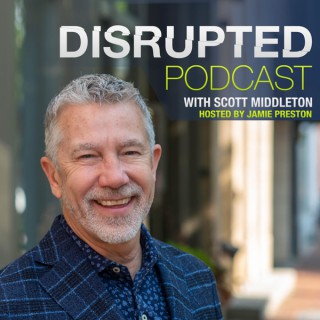
What does it actually cost when a doctor writes a verbal order over the phone instead of seeing the patient? Scott Middleton has the receipts — and the answer is going to make you rethink everything about how American healthcare spends its money. In this episode of The Disrupted Podcast, Scott announces a landmark three-way merger bringing Your Health together with Transitional Care Professionals of America (TCPA) out of Georgia and Providence Care, a hospice organization in South Carolina. The combined organization will serve approximately 55,000 active patients — not patients on a list, but people being seen regularly — and Scott lays out exactly how he's going to run it. What you'll hear in this episode: Why Scott's family owning 80% of the merged company changes everything about how decisions get made — and who they get made for The difference between fee-for-service and value-based care, and why the ACO model means every unnecessary hospitalization literally comes out of Your Health's pocket How Your Health's risk-adjustment-based visit model (16 visits per year per risk point) was independently validated by a new government study — and why it works The three things Scott is asking every new employee to do in the first weeks: align with a nurse practitioner, track every minute of care management, and recruit like their livelihood depends on it — because it does Why Scott's new management philosophy is six words: "Keep them out of the hospital and see your damn patients" This isn't a corporate announcement. It's a playbook for how healthcare can actually work when operators run the company, providers see their patients, and every minute of care gets counted. www.YourHealth.Org
Digital Health Talks - Changemakers Focused on Fixing Healthcare
Tracy Breece, VP of Nursing, Innovation, AI and Emerging Technologies at Advocate Health, joins Megan Antonelli on Digital Health Talks to share how nurses are leading AI adoption from the bedside up. Tracy breaks down how Advocate Health is using ambient documentation to reduce cognitive burden, cut thousands of EHR clicks per week, and give nurses back hours of time with their patients. She also talks about why nurse-led design matters, what fusion teams look like in practice, and how adaptive leadership is helping nurse managers lead through uncertainty. Topics covered: Ambient documentation outcomes and nurse feedback Building the hospital room of the future Why nurses must be at the table for workflow transformation Change management vs. implementation science in AI rollout Virtual nursing and the future of nursing practice Training nurse managers for the era of AI Tracy Breece, MSN, RN, CENP, NI-BC, CPHIMS, VP, Nursing Informatics, AI and Emerging Technology, Advocate Health Megan Antonelli, Chief Executive Officer, HealthIMPACT Live
Nursing at the Center: How AI, Virtual Care, and Human-Centered Design Are Transforming the Bedside at Advocate Health Host: Megan Antonelli Guest: Tracy Breece, MSN, RN, CENP, NI-BC, CPHIMS, Vice President Nursing Innovation, AI, & Emerging Technologies, Advocate Health At Advocate Health, nursing is not adapting to AI. Nursing is driving the adoption. Tracy Breece, VP of Nursing Innovation, AI and Emerging Technologies, shares how one of the nation's largest health systems is building the hospital room of the future with nurses at the center of every design decision, workflow, and implementation strategy. Find all of our network podcasts on your favorite podcast platforms and be sure to subscribe and like us. Learn more at www.healthcarenowradio.com/listen/
Virtual care is no longer just about access. It is now becoming the infrastructure layer that helps health systems reduce fragmentation, strengthen workplace safety, and scale digital care more intelligently. In this episode, Tammy Cress, Senior Vice President of Clinical Solutions and Innovation at Teladoc Health, discusses how health systems can move beyond fragmented telehealth strategies and start building more sustainable, integrated models of digital care. She explains how Teladoc is layering responsible AI onto its virtual care infrastructure through its Clarity solution, which helps sense, synthesize, and route the right information to the right care team member at the right time. Tammy also shares why workplace safety is one of the most urgent and practical use cases for these tools, how fragmented digital investments continue to drain staff and budgets, and why strategy, governance, and thoughtful alignment matter more than ever as organizations move from pilots to scalable transformation. Tune in and learn how health systems can rethink virtual care and AI adoption in ways that are more proactive, sustainable, and grounded in what truly matters! Resources: Connect with Tammy Cress on LinkedIn. Follow Teladoc Health on LinkedIn and visit their website!

Artificial intelligence is emerging as a transformative force in healthcare. In the latest episode of the National Health Executive Podcast, we gathered a panel of experts to discuss the integration of AI in managing surgical caseloads and triage systems. The conversation highlighted the potential benefits, challenges, and ethical considerations that come with implementing AI in clinical settings.Dr. Devesh Sinhar, Chief Clinical Information Officer, emphasised the urgency of adopting AI technologies to address the pressing challenges faced by the NHS. He noted that while we may feel we are behind in AI integration, the opportunities it presents are immense. For instance, AI can significantly reduce the time it takes for patients to receive critical care, particularly in emergency situations like strokes.Neelan Das, Clinical AI Lead, brought attention to the importance of collaboration between technology and clinicians. He argued that while AI can enhance efficiency, it is crucial to have a team of healthcare professionals who can interpret and manage the data generated by AI systems. This highlights the necessity of training and empowering clinicians to work alongside AI, ensuring that they are not overwhelmed by the cognitive burden that may arise from managing multiple patients simultaneously.Dr. Becs Winterburn, Clinical Director, reinforced the notion that AI should not be viewed as a replacement for human judgement but rather as an enabler of better patient care. She stressed the need for a supportive environment where clinicians can thrive, without the pressure to do more with less. The integration of AI must be accompanied by a cultural shift within the NHS, where the focus is on collaboration and shared responsibility.As we look to the future, the panel expressed optimism about the potential of AI in healthcare. They envision a system where AI not only assists in triage and patient management but also enhances the overall patient experience. However, this vision requires a robust governance framework to ensure safety and accountability.The discussion concluded with a call for a collective effort to harness the power of AI in the NHS. By working together, clinicians, technologists, and policymakers can create a healthcare system that is not only efficient but also compassionate and patient-centred. The journey towards AI integration is just beginning, and it promises to reshape the future of healthcare for the better. Hosted on Acast. See acast.com/privacy for more information.
In this episode, FJ Campbell, MD, Chief Medical Officer at Ardent Health, discusses how virtual nursing, virtual physicians, and AI powered documentation tools are reducing clinician burnout while improving patient care and operational efficiency. He also shares how these technologies are expanding specialist access, strengthening rural hospitals, and helping health systems build a more sustainable workforce.

In this episode, FJ Campbell, MD, Chief Medical Officer at Ardent Health, discusses how virtual nursing, virtual physicians, and AI powered documentation tools are reducing clinician burnout while improving patient care and operational efficiency. He also shares how these technologies are expanding specialist access, strengthening rural hospitals, and helping health systems build a more sustainable workforce.
Virtual care is no longer just about access. It is now becoming the infrastructure layer that helps health systems reduce fragmentation, strengthen workplace safety, and scale digital care more intelligently. In this episode, Tammy Cress, Senior Vice President of Clinical Solutions and Innovation at Teladoc Health, discusses how health systems can move beyond fragmented telehealth strategies and start building more sustainable, integrated models of digital care. She explains how Teladoc is layering responsible AI onto its virtual care infrastructure through its Clarity solution, which helps sense, synthesize, and route the right information to the right care team member at the right time. Tammy also shares why workplace safety is one of the most urgent and practical use cases for these tools, how fragmented digital investments continue to drain staff and budgets, and why strategy, governance, and thoughtful alignment matter more than ever as organizations move from pilots to scalable transformation. Tune in and learn how health systems can rethink virtual care and AI adoption in ways that are more proactive, sustainable, and grounded in what truly matters. About Tammy Cress: Tammy Cress, RN, MSN, is Senior Vice President of Clinical Solutions and Innovation at Teladoc Health, where she leads the development of healthcare solutions designed to meet real market needs and support growth across complex care environments. A nurse by training and a military veteran, Tammy brings deep experience in telehealth strategy, operations, and innovation. Before her current role, she held multiple leadership positions at Teladoc, Providence Health & Services, and Swedish, where she helped design, scale, and operationalize telehealth programs across multi-state health systems. Her background spans clinical operations, business operations, governance, product strategy, and service delivery, with a consistent focus on aligning technology investments to patient needs, frontline realities, and long-term organizational success. Things You'll Learn: Fragmented telehealth investments can create unnecessary strain for care teams, even when individual tools appear to deliver good results. Responsible AI can help reduce bedside cognitive burden by sensing what is happening in care environments and sending the right alerts to the right people. Workplace safety is a major healthcare challenge, and smarter room-based technology can help organizations become more proactive instead of reactive. AI and virtual care programs are more likely to scale when leadership aligns governance structures instead of treating digital tools as separate initiatives. Health systems need a clear strategy, stronger alignment, and a fresh look at prior investments if they want to move from pilots to sustainable transformation. Resources: Connect with Tammy Cress on LinkedIn. Follow Teladoc Health on LinkedIn and visit their website.
In this episode, Dr. Lisa Fort, Assistant Chief Medical Information Officer at Ochsner Health, discusses how her team is using virtual care to reduce emergency department overcrowding and streamline patient care. She shares insights on integrating technology, improving care transitions, and creating a patient-centric approach across the health system.

Join host Eve Cunningham, MD, Chief Medical Officer at Cadence, in conversation with Dave Newman, MD, Chief Medical Officer of Virtual Care at Sanford Health.Sanford Health is the largest rural health system in the United States, serving more than two million patients across a multi-state region in the upper Midwest. In this episode, Eve and Dave explore what rural healthcare reveals about innovation that actually scales, and why some of the most advanced care models in the country are being built far from major urban centers.Their conversation focuses on:Why rural health systems are often the best environments for scaling innovation How Sanford has leveraged virtual care to extend specialist access across vast geographies and address workforce shortagesWhat it looks like to lead digital transformation while continuing to practice medicine, and why staying close to the bedside mattersHow technologies like ambient documentation and AI-enabled workflows are changing clinician experience and patient connectionWhy innovation without workforce strategy fails, and what sustainable virtual care actually requiresThe myths the industry still gets wrong about rural patients, technology adoption, and accessPatient examples in this episode are anonymized or illustrative. Metrics discussed may be internal. For more information on Cadence, visit https://www.cadence.care/
In this episode, Dr. Lisa Fort, Assistant Chief Medical Information Officer at Ochsner Health, discusses how her team is using virtual care to reduce emergency department overcrowding and streamline patient care. She shares insights on integrating technology, improving care transitions, and creating a patient-centric approach across the health system.
In this episode, Judd Hollander, MD, Senior Vice President of Healthcare Delivery Innovation and Chief Virtual Care Officer at Jefferson Health, discusses the evolution of virtual care, improving patient access, and leading change across a growing health system.
In this episode, recorded live at the Becker's 13th Annual CEO + CFO Roundtable, Dave Newman discusses how Sanford Health is expanding access by innovating virtual care—meeting patients where they are, including by phone. He shares insight into preventive strategies for chronic kidney disease and emphasizes how collaboration across teams and technologies serves as a powerful catalyst for progress in modern care delivery.In collaboration with R1.

Employers and health plans continue to face rising healthcare costs driven by chronic conditions, fragmented care delivery, and delayed access to services. In this episode of Healthcare Happy Hour, host David Saltzman speaks with Jon O'Toole, chief revenue officer of Recuro Health, about how integrated virtual care models—connecting primary care, urgent care, and behavioral health—are emerging as a response to these pressures. Drawing from industry data, case study insights, and market trends, the conversation explores how coordinated virtual care delivery can improve care quality while generating measurable cost savings across populations.

FROM SURVIVAL TO QUALITY OF LIFE: WHY OUTCOMES ARE BEING REDEFINED THE FUNDAMENTAL SHIFT IN MEDICINE For decades, medicine measured success through a singular lens: survival. Did the patient live? Did the procedure work? While these metrics remain important, healthcare is undergoing a profound transformation that redefines what "winning" actually means[1]. The new standard is no longer just extending life—it's enabling patients to live purposefully, functionally, and with dignity[2]. This shift reflects a critical insight: surviving is not the same as living well. WHY OUTCOMES ARE BEING REDEFINED Beyond Binary Success Traditional outcome metrics operated in black-and-white terms. A femur repair was "successful" if the fracture healed—regardless of whether the patient could walk without pain, climb stairs, or return to work[3]. Today, healthcare systems recognize this approach as incomplete and outdated. Patient-Reported Outcomes Measures (PROMs) The healthcare industry is now systematically integrating patient voices into outcome measurement. These tools capture what patients actually experience: physical functioning, emotional well-being, social participation, and overall quality of life[4]. The Centers for Medicare & Medicaid Services (CMS) has formally incorporated patient-reported outcome measures into quality reporting frameworks, signaling a structural shift in how healthcare success is defined[5]. The Quintuple Aim Modern healthcare reform is reframing success across five dimensions[6]: · Patient Experience: Tailored treatments based on individual data and preferences · Population Health: Proactive, preventative care delivery · Cost Reduction: Connecting patients to appropriate care and reducing avoidable hospitalizations · Provider Well-Being: Extending clinical reach through technology and team-based care · Equitable Care: Ensuring access regardless of geography or circumstance WHAT THIS MEANS IN PRACTICE Real-World Impact Advanced remote patient monitoring programs demonstrate the difference this redefinition makes. One program achieved a 230% increase in guideline-directed medical therapy for heart failure patients, adding an average of 5 years to their lives—but the metric that matters most is that patients remained home, maintained independence, and preserved quality of life while achieving better clinical outcomes[7]. Shared Decision-Making Patient preferences now matter. Research shows patients are generally unwilling to accept diminished quality of life simply for extended survival[8]. Healthcare providers increasingly recognize that authentic patient partnership—understanding what matters most to each individual—leads to better adherence, satisfaction, and actual outcomes. THE BOTTOM LINE The redefinition of medical success from "Did you survive?" to "Are you living well?" represents a maturation of healthcare. It acknowledges that modern medicine can often extend life—the question now is how to ensure that extended life is worth living. This shift places patient values, functional abilities, and personal purpose at the center of clinical decision-making. Success in 21st-century medicine means helping patients achieve not just survival, but flourishing. REFERENCES [1] Takeda Oncology. (2025). Living beyond surviving: Patient-centered approach to modern oncology care. Retrieved from https://www.takedaoncology.com/our-stories/living-is-more-than-surviving/ [2] LaBier, D. (2014). Life purpose beyond survival as a metric of quality healthcare. LinkedIn. Retrieved from https://www.linkedin.com/pulse/20140526192226-11896706--life-purpose-beyond-survival-as-a-metric-of-quality-healthcare/ [3] University of South Carolina. (2025). Patient-reported outcome measures essential to clinical decision-making. Retrieved from https://www.sc.edu/uofsc/posts/2025/10/10-patient-centered-quality-measures.php [4] Sermo. (2026). 13 strategies to improve patient care quality in 2026. Retrieved from https://www.sermo.com/resources/13-solutions-for-improving-patient-care-and-outcomes-in-2025/ [5] Medisolv. (2024). Trends in healthcare quality and safety to watch in 2024. Retrieved from https://blog.medisolv.com/articles/healthcare-trends-2024/ [6] Cunningham, E., Chief of Virtual Care and Digital Health, Providence Health. (2024). Cadence outcomes report insights. Cadence Care. Retrieved from https://www.cadence.care/post/cadences-2024-outcomes-report-a-new-era-in-primary-care/ [7] Cadence Care. (2024). Cadence's 2024 outcomes report: A new era in primary care. Retrieved from https://www.cadence.care/post/cadences-2024-outcomes-report-a-new-era-in-primary-care/ [8] PubMed Central. (2008). Patient preferences: Survival vs. quality-of-life considerations. Retrieved from https://pubmed.ncbi.nlm.nih.gov/8410398/
"It's a positive moment," says Kyle Zebley, CEO of ATA and executive director of ATA Action, in a conversation about policy and healthcare advances. The organization plans to focus on its role as a catalyst for change at the state and federal levels.

I don't have to remind anyone who listens to this podcast that the cost of MS disease-modifying therapies is obscenely high. And we're not just talking about relatively new medications. Older medications -- some decades old -- continue to increase in price without any rational explanation for why or how. On January 2nd, we lost a true warrior in the ongoing battle to lower the price of prescription drugs when David Mitchell, the founder of Patients for Affordable Drugs, passed away. I met David in 2018 at a National MS Society Public Policy Conference, and he was a guest on Episode 31 of RealTalk MS. This week, I'm re-sharing the conversation we had in 2018. We'll also tell you about an international workshop that represents the initial steps in developing a global research agenda to end MS. We're explaining how AI is about to have a major impact on healthcare. And we'll share the American Medical Association's brief to Congress, making the case for extending access to telehealth. We have a lot to talk about! Are you ready for RealTalk MS??! This Week: We're remembering David Mitchell :22 The first steps toward a global research agenda to prevent MS were just published 1:02 Doctor AI will see you now 5:45 The American Medical Association asks lawmakers to extend access to telehealth 10:27 David Mitchell in his own words 12:41 Share this episode 27:56 Next week 28:16 SHARE THIS EPISODE OF REALTALK MS Just copy this link & paste it into your text or email: https://realtalkms.com/437 ADD YOUR VOICE TO THE CONVERSATION I've always thought about the RealTalk MS podcast as a conversation. And this is your opportunity to join the conversation by sharing your feedback, questions, and suggestions for topics that we can discuss in future podcast episodes. Please shoot me an email or call the RealTalk MS Listener Hotline and share your thoughts! Email: jon@realtalkms.com Phone: (310) 526-2283 And don't forget to join us in the RealTalk MS Facebook group! LINKS If your podcast app doesn't allow you to click on these links, you'll find them in the show notes in the RealTalk MS app or at www.RealTalkMS.com Patients for Affordable Drugs https://patientsforaffordabledrugs.org PAPER: Toward a Global Research Agenda for Preventing Multiple Sclerosis https://journals.sagepub.com/doi/10.1177/13524585251398381 AMA BRIEF: The Case for Permanent Telehealth Policy and Expanded Access to Virtual Care https://ama-assn.org/system/files/issue-brief-telehealth-policy-expanded-access-to-virtual-care.pdf ChatGPT Health https://openai.com/index/introducing-chatgpt-health JOIN: The RealTalk MS Facebook Group https://facebook.com/groups/realtalkms REVIEW: Give RealTalk MS a rating and review http://www.realtalkms.com/review Follow RealTalk MS on Twitter, @RealTalkMS_jon, and subscribe to our newsletter at our website, RealTalkMS.com. RealTalk MS Episode 437 Guests: David Mitchell Privacy Policy

Why This Year's Influenza Outbreak Demands Your Attention Virginia finds itself in the dark red zone on the CDC's influenza activity map, signaling a "very high" level of flu cases sweeping across the Commonwealth. This alarming development prompts Janet Michael, host of The Valley Today, to reach out to Dr. Jeff Feit for an urgent conversation about protecting communities during this particularly aggressive flu season. Dr. Feit, who serves as Valley Health's Chief Population and Community Health Officer and Chief Medical Information Officer, brings a unique perspective to the discussion. As a family physician who spent twelve years practicing in Page County before moving into healthcare leadership, he understands both the clinical realities of influenza and the broader public health implications facing Virginia's communities. An Early and Aggressive Start The numbers tell a concerning story. Currently, Virginia ranks in the second-highest category out of twelve gradients measuring influenza-like illness (ILI). In contrast, this time last year, the state sat three categories lower. Moreover, while last season's flu activity peaked in mid-February, this year's surge arrived much earlier, catching many residents off guard. "We're overshooting," Dr. Feit explains, noting that the CDC tracks ILI rather than confirmed diagnoses because not everyone gets tested. This measurement captures people presenting with observable flu symptoms—body aches, fevers, headaches, nausea, and congestion—providing a more accurate picture of community spread than test results alone. Furthermore, the tracking method resembles the wastewater monitoring used during the COVID-19 pandemic. Instead of counting individual cases, health officials measure the percentage of people walking through medical facilities who display flu-like symptoms, offering insight into how prevalent the virus has become in communities across Virginia. Understanding the Viral Landscape Influenza doesn't exist in isolation this winter. Instead, three major respiratory viruses circulate simultaneously: seasonal flu, COVID-19, and RSV (respiratory syncytial virus). While COVID-19 shows less seasonal predictability in its first five years, influenza remains decidedly seasonal, arriving in late fall and lasting through early spring. RSV, once simply categorized as "just another cold" in adults, now receives more attention because healthcare providers can test for it easily. In young children, however, RSV causes serious illness and can lead to scarring that triggers asthma symptoms for years. Consequently, the medical community now tracks RSV alongside flu and COVID as part of the winter respiratory illness trio. Dr. Feit emphasizes the importance of basic prevention strategies that became politicized during the pandemic but remain scientifically sound. "Before COVID, we used to say obvious things like, 'Hey, it's respiratory season. Wash your hands a lot,'" he notes. He recommends being conscious of shared surfaces—particularly those signature pens at pharmacies—and washing hands before touching your face, since that's how respiratory viruses typically enter the body. The Flu Shot: Separating Fact from Fiction Each year, scientists formulate a new trivalent flu vaccine targeting the three strains they predict will dominate six months ahead. Typically, two components target Influenza A (the more severe form) and one targets Influenza B. This year, concerns have emerged about whether the vaccine adequately matches the circulating H3N2 variant, though early studies from other countries suggest typical protection levels remain intact. Nevertheless, Dr. Feit stresses that vaccine effectiveness exists on a spectrum rather than as an all-or-nothing proposition. "Very few things in the world are about all or none," he explains. "We live in a world of probabilities." While the flu shot prevents illness roughly 40-50% of the time, it proves even more effective at preventing hospitalizations and deaths—outcomes that matter most. The CDC recommends flu vaccination for everyone over six months old. Additionally, people over 65 should receive a stronger formulation, though the regular vaccine still provides protection if the enhanced version isn't available. The vaccine remains widely accessible at pharmacies, doctor's offices, urgent care centers, and other convenient locations. Debunking the "Flu Shot Gives You Flu" Myth One persistent misconception continues to discourage vaccination: the belief that flu shots cause influenza. Dr. Feit tackles this myth head-on, explaining that most flu vaccines contain inactivated virus, making it impossible to contract influenza from the injection. Recipients may experience arm pain or occasionally feel unwell due to their immune system's response, but they cannot develop actual flu from the standard shot. However, one exception exists. The nasal spray flu vaccine contains a live attenuated (weakened) virus, which can occasionally cause mild flu symptoms. For this reason, Dr. Feit recommends the injectable vaccine over the nasal spray. Many people who claim they "got the flu from the flu shot" likely experienced one of two scenarios: either mild immune system activation that caused temporary discomfort, or they contracted a different respiratory virus around the same time. True influenza, Dr. Feit emphasizes, rarely gets confused with other illnesses once you've experienced it. Recognizing Real Influenza "The way you know somebody has the flu as a doctor is they walk in and they say, 'I feel like I got hit by a truck,'" Dr. Feit shares. This vivid description captures the severity that distinguishes influenza from common colds. Classic influenza symptoms include severe body aches, high fever, chills, and intense headaches. Patients often report that even their hair hurts due to scalp sensitivity. Unlike a cold, which typically causes congestion and mild discomfort, influenza renders people truly miserable for about a week. Importantly, influenza poses serious risks beyond discomfort. The 1918 Spanish flu pandemic, which killed millions, notably affected many young, healthy people. Scientists theorize this occurred either because strong immune responses proved deadly or because older individuals possessed partial immunity from a previous flu strain decades earlier. Regardless of the mechanism, the historical lesson remains clear: influenza can kill, and it doesn't discriminate by age. The Critical 48-Hour Window When flu symptoms strike, timing becomes crucial. Antiviral medications prove highly effective against influenza, but only if taken within the first 48 hours of symptom onset. Therefore, anyone who spikes a fever and experiences severe body aches should seek medical attention within 24 hours to receive these medications and recover faster. Without antiviral treatment, patients typically suffer through a miserable week before gradually improving. However, approximately 5% of flu patients develop a dangerous complication: bacterial pneumonia. Dr. Feit describes this as a "double hump illness"—patients get sick, start recovering, feel better for a while, then suddenly spike another fever and develop a cough. This pattern signals bacterial pneumonia requiring different treatment. Virtual Care and Modern Solutions Valley Health continues developing virtual care options that balance convenience with diagnostic accuracy. Dr. Feit acknowledges the challenge: clinically distinguishing flu from COVID, RSV, or bacterial sinus infections without point-of-care testing proves difficult. The organization works toward a hybrid model where virtual consultations can direct patients to drop-in testing locations. "The doctor on your phone might say, 'Hey, I think this is probably COVID. Why don't you stop in our clinic and get tested and then we can treat you,'" Dr. Feit explains. During peak flu season, however, virtual diagnosis becomes more reliable. When influenza saturates the community and a patient presents with classic symptoms—102-degree fever, headache, severe body aches—the probability of influenza reaches approximately 95%, making treatment without testing more reasonable. Beyond Conventional Medicine While discussing prevention, Dr. Feit offers a measured endorsement of one herbal remedy: elderberry extract. Unlike vitamin C megadosing, which lacks solid evidence despite historical claims, elderberry extract has demonstrated effectiveness against influenza virus in test-tube studies conducted in Israel. The preparation, sold as Sambucol in the United States, represents the one herbal supplement Dr. Feit feels comfortable recommending for flu prevention, though he notes the evidence base remains limited. Looking Ahead: Rural Health Transformation Beyond immediate flu concerns, Dr. Feit shares exciting news about long-term community health improvements. Virginia recently received the first installment of a five-year Rural Health Transformation Grant, part of a $50 billion federal fund. The Commonwealth expects to receive nearly $1 billion over five years, money that will support rural healthcare infrastructure, provider training, and innovative technology solutions for transportation-challenged populations. This funding represents a silver lining in challenging times, offering resources to address food insecurity, housing instability, and healthcare access in Virginia's most vulnerable communities. Taking Action Now As flu season intensifies across Virginia, Dr. Feit's message remains clear: get vaccinated if you haven't already, practice basic hygiene, and seek prompt medical attention if symptoms develop. The vaccine won't change to match any viral evolution this season, so waiting no longer makes sense. For those around pregnant women, vaccination becomes even more critical, as pregnancy significantly increases flu severity. Similarly, families should consider that vaccination reduces household transmission—meaning perhaps only one or two family members get sick instead of everyone, allowing healthy members to care for ill ones. Ultimately, this flu season serves as a reminder that respiratory viruses remain serious public health threats requiring both individual action and community-wide prevention efforts. By understanding the science, recognizing symptoms early, and accessing treatment promptly, Virginians can navigate this challenging season more safely.
What if your next "new clinic" isn't a new build at all? This episode features the opening presentation from the recently held ROI Centered Care Summit—a half-day virtual summit produced by Bright Spots Ventures in partnership with TytoCare and the American Telemedicine Association (ATA). Jared Droze, Director of Virtual Care at Oklahoma State University (OSU) Medicine, and Bradley Anderson, DO, Medical Director of Virtual Care at OSU Medicine unpack a practical, scalable access strategy: repurposing vacant facilities and community spaces into hybrid care hubs, bringing "right care, right time" closer to rural and underserved Oklahomans. You'll hear how OSU Medicine: Builds access models designed for critical access and rural communities Partners with the Choctaw Nation of Oklahoma to launch a small-footprint hybrid clinic (with on-site staff + virtual clinicians) Extends reach through OSU Extension offices—leveraging trusted local infrastructure to support agricultural and rural populations Uses low-barrier technology and streamlined workflows to make virtual care operationally sustainable Focuses on reducing unnecessary transfers and keeping patients closer to home and family Key topics covered: From "vacant buildings" to community care hubs The Choctaw Nation clinic model: staffing, footprint, patient scope, and sustainability Why a site-based hybrid model (vs. fully remote telehealth) can expand diagnostic capability Patient adoption and trust: what communities say when "the future" shows up on Main Street Extension offices as access points for agricultural workers and rural residents What makes virtual care actually work day-to-day: protocols, training, and reliability If you're a health system leader, virtual care operator, rural health strategist, or payer/provider partner looking for a real-world blueprint to expand access without massive capital spend—this conversation is for you. Bios: Jared Droze: With over 15 years of progressive leadership experience in healthcare operations, Jared has successfully driven innovation and growth across hospital, outpatient, academic, and virtual care settings. Skilled in strategic operations, physician alignment, and performance management, he has consistently improved financial performance, patient outcomes, and team cohesion in both non-profit and for-profit environments. Currently serving as the Director of Virtual Care at OSU Medicine, Jared is passionate about leveraging technology and collaborative strategies to enhance healthcare accessibility and delivery. Jared holds a Master's in Healthcare Administration from Oklahoma State University – Center for Health Sciences and is a member of the American College of Healthcare Executives and Secretary of the Telehealth Alliance of Oklahoma. Dr. Bradley Anderson: Dr. Anderson is a distinguished board-certified physician in Internal Medicine, with deep ties to the rural landscapes of Missouri. He commenced his academic journey by obtaining a bachelor's degree in Health Science with a concentration in Radiology from Missouri Southern State University. Advancing his medical aspirations, he earned a Doctorate in Osteopathic Medicine from Campbell University School of Osteopathic Medicine in North Carolina, followed by a residency in Internal Medicine at Oklahoma State University. Dr. Anderson's commitment to healthcare excellence is further reflected in his pursuit of advanced qualifications. He holds a Master's in Healthcare Administration from Oklahoma State University, a Certificate of Artificial Intelligence in Healthcare from Stanford University, and the designation of Certified Telehealth Professional from the American Hospital Association. His career journey led him to join the faculty at Oklahoma State University, where he is the AT&T Endowed Professor of Telemedicine and serves as a Clinical Assistant Professor of Internal Medicine as well as multiple administrative roles including Vice Chair of OSUMC Internal Medicine Department, Medical Director of Virtual Care, Medical Director of the OSU Health Access Network, and Medical Director of the Hospitalist at Cleveland Area Hospital. He focuses on using technology to address healthcare gaps in underserved communities, schools, and hospitals, specifically through technology and Virtual Care, ensuring specialized medical expertise reaches those in need. He is interested in using artificial intelligence to enhance physicians' workflow. Podcast Recommendation: Check out Access Amplified, brought to you by TytoCare and hosted by Joanna Braunold - a podcast about how digital health is helping increase access to care and equity, one innovation at a time. We'll shine a light on what's actually working to make care more accessible and inclusive. If you're a healthcare leader, an innovator, a policy shaper, or anyone passionate about health equity, this podcast is for you. New episodes drop every two weeks. Follow or subscribe wherever you get your podcasts. https://www.tytocare.com/resources/access-amplified/ Thank You to Our Episode Partner, TytoCare. TytoCare enables health systems and plans to deliver high-quality remote exams anytime, anywhere. Their FDA-cleared devices and AI-powered diagnostic platform support virtual specialty care, school-based programs, and home health models—reducing unnecessary ED visits and improving patient experience. To learn more, visit tytocare.com. Schedule a Meeting with a Senior Leader at TytoCare: To explore how TytoCare can help your organization expand virtual specialty access and improve care coordination, reach out to jtenzer@brightspotsventures.com to schedule a meeting. About Bright Spots Ventures: Bright Spots Ventures is a healthcare strategy and engagement company that creates content, communities, and connections to accelerate innovation. We help healthcare leaders discover what's working, and how to scale it. By bringing together health plan, hospital, and solution leaders, we facilitate the exchange of ideas that lead to measurable impact. Through our podcast, executive councils, private events, and go-to-market strategy work, we surface and amplify the "bright spots" in healthcare, proven innovations others can learn from and replicate. At our core, we exist to create trusted relationships that make real progress possible. Visit our website at www.brightspotsinhealthcare.com.
In this episode, Dave Newman, MD, Chief Medical Officer of Virtual Care at Sanford Health, explores the responsible and irresponsible uses of AI in healthcare and where the greatest benefits are emerging. He discusses how ambient AI is improving patient satisfaction, the role of AI and virtual reality in orthopedic surgery, and how virtual care innovations are shaping a more efficient and patient-focused future.

Jami Mann, PharmD, MBA, is the Executive Director of Virtual Care Services at UNC Health. Dr. Mann has a pharmacy background - I was fortunate enough to serve as one of her preceptors in residency - and then went outside of pharmacy 5 years ago to lead virtual care for UNC Health. You'll hear about her path along with how virtual care fares in the post-COVID world. It will get your wheels turning as mine did on how we can further our virtual care offerings to expand care overall. We also talk about leadership and how to utilize your skill sets to lead an unchartered area and do it through authenticity. It's an episode you don't want to miss!
This episode of Quality Matters features Misty Milby, VP of Clinical Business Development at Everlywell, and Claire Mendelson, Product Manager at NCQA.To illuminate what makes virtual care safe, effective and sustainable, Misty and Claire unpack NCQA's new Virtual Care Accreditation program. They explore five essential standards that define excellence in virtual primary and urgent care—and share insights from Everlywell's experience piloting the standards. Misty and Claire make a compelling case for treating virtual care as a permanent, integrated part of the health care continuum.Listen to learn about:Quality and Patient Safety in Virtual Care: Virtual care must meet the same clinical and ethical standards as in-person care. Misty and Claire explain how high standards ensure rigorous quality improvement and patient safety across remote modalities.Fixing Fragmentation Through Care Coordination: Virtual care can either bridge or widen gaps in the system. Effective care helps prevent “referral loops” and ensure seamless handoffs between virtual care and in-person providers.Equity Beyond Access: Equitable virtual care means more than logging in; it's about language, culture and more. Misty shares ideas on how to tailor care to patients' preferences, regardless of zip code or income.Clinician Experience Matters: Virtual care can reduce burnout, but only if it's intuitive and sustainable. Hear how effective standards for virtual care support clinicians with better workflows, realistic panel sizes and time to recharge. Key Quote:“ As a clinician, I can tell you that handoff is everything. A great virtual encounter means nothing if the patient falls through the cracks afterwards or gets on this continuous referral highway, and is never able to get off of it. So NCQA really ensured for us that virtual providers have defined workflows for referrals. We had to make sure that this was really buttoned up, as we didn't want anybody to get stuck on that referral loop or fall through the cracks. We wanted to make sure that the patients experience continuous care versus fragmented care. And it's really about making sure virtual care doesn't create silos, but that it strengthens that bridge between virtual care and in-person care.” -Misty Milby--Time Stamps:(04:26) Misty's Dream for Virtual Care(08:35) Quality and Patient Safety(10:03) Expectations for Care Coordination(11:32) Assessing Equitable Access(13:34) Goals for Patient and Clinician Experience(16:29) Standards for Sharing and Exchanging Data--Dive Deeper:NCQA Virtual Care AccreditationConnect with Misty Milby Connect with Claire Mendelson Hosted by Simplecast, an AdsWizz company. See pcm.adswizz.com for information about our collection and use of personal data for advertising.
Key TakeawaysThe nurse–mom perspective and emotional realities of pediatric careThe latest guidance on flu, RSV, and COVID-19 vaccines for kidsHow telehealth is giving parents faster, safer access to careWays Your Health Pediatrics supports both employees and familiesWhy family care at home matters now more than ever www.YourHealth.Org
Key TakeawaysThe why behind Your Health's expansion into pediatricsMJ's story of balancing motherhood and leadership in healthcareThe importance of accessible, same-day care for childrenThe growing role of telehealth in family wellnessA look ahead at what parents can expect from Your Health Pediatrics www.YourHealth.Org
Join host Dr. Eve Cunningham in conversation with Dr. Jessica Schlicher, Chief Medical Officer, Virtual Care and Digital Health at Providence, as the two discuss Jessica's journey from family physician to digital health leader, and examine how health systems can build financially sound virtual care programs that reduce clinician burden and improve outcomes at scale.Their conversation focuses on:How Providence and Cadence are moving clinicians from reactive to proactive careBuilding sustainable financial models for virtual and remote care programsThe clinical and cost-of-care results from Providence's NEJM Catalyst studyThe role of AI and team-based care in shaping the future of chronic disease managementDr. Schlicher is a partner of Cadence and not compensated for this podcast.For more information on Cadence, visit https://www.cadence.care/
This episode recorded live at the 10th Annual Health IT + Digital Health + RCM Annual Meeting features Judd Hollander, here he discusses how Jefferson Health is using AI tools like ambient listening to reduce administrative burdens and combat clinician burnout. He also shares insights on governance, long-term innovation strategy, and balancing technology adoption with operational needs.
Virtual Care in Acute Settings: From Observation to Nursing - Technology Solutions for Hospital Risk Prevention Join Dr. Christine Gall from Colette Health as she explores how virtual care platforms are transforming acute care delivery in hospitals and health systems. Starting with virtual observation as the entry point for falls prevention and patient safety, Dr. Gall will discuss how Colette Health's comprehensive virtual care solution expands into virtual nursing for admissions, discharges, transfers, and clinical support. Discover how hospitals are leveraging virtual care technology to enhance patient safety, optimize nursing workflows, and address staffing challenges while maintaining high-quality care standards in acute care environments. Visit www.digitalhealthtalks.com next week to listen to the extended version of this interview. Find all of our network podcasts on your favorite podcast platforms and be sure to subscribe and like us. Learn more at www.healthcarenowradio.com/listen/
On this episode of DGTL Voices, Ed interviews Gemma Lowery, a leader in digital transformation and healthcare innovation. From the innovative "hospital at home" program to the bipartisan support for telehealth, this episode is packed with insights on the future of patient care. They discuss Gemma's early life, her journey into healthcare, and her engagement with HIMSS. Gemma shares her insights on personal growth and offers advice for mid-career professionals seeking fulfillment.

Lindsay Watson, PT, CEO, and Co-Founder of Augment Therapy, is on a mission to blend augmented reality (AR) and virtual care to transform therapy. Augment Therapy offers interactive AR rehabilitation exercises and fun wellness games designed to encourage movement and improve outcomes at home and in person. With their ARWell PRO app, therapists can use the software during sessions and give patients free access at home, all while tracking progress through a customized, gamified platform.While Augment Therapy is currently used primarily by OTs and PTs, Lindsay shares exciting plans to expand into speech therapy. We also discuss the benefits of telehealth when applied intentionally and how leveraging technology can enhance repetition, generalization, and engagement—turning a tool that's often seen as a negative into a powerful ally for therapy success.#autism #speechtherapy What's Inside:What is Augment Therapy?How can Augmented Reality impact therapy.Blending expertise and virtual care.Mentioned In This Episode:Augment Therapy Join the aba speech connection ABA Speech: HomeThe BriefAll your family's pressing concerns and questions, answered in one place. Mike...Listen on: Apple Podcasts Spotify
In this episode, Harshal Shah, Director of Virtual Care at Hackensack Meridian Health, discusses key trends in telehealth, the importance of strong partnerships, and how patient-centered strategies are shaping the future of virtual care.

In this episode of The Birth Lounge Podcast, HeHe sits down with Sally Hayes, founder of Matrikas, to talk about what it really takes to build a solid, supportive village for new parents. Together, they unpack the importance of continuity of care, how to create a trustworthy referral list, and the reality of navigating a maternal healthcare system that often feels broken and fragmented. Sally brings her wisdom on radical acceptance, the role of virtual care in expanding access, and why maternal health education has to start earlier than most people think. HeHe and Sally also dive into how to properly vet practitioners and what to do if client feedback uncovers red flags in your referral network. If you've ever wondered how collaboration between providers (and communities!) can change outcomes for families, this episode is for you. Tune in and discover how to build the kind of village that supports birthing people and their care teams. 00:00 Introduction and Purpose-Driven Care 01:03 Client Testimonial and Birth Lounge App 05:04 Healthcare System Challenges 06:33 Interview with Sally Hayes: Continuity of Care 08:00 Building a Referral Network 25:45 Virtual Care and Overcoming Healthcare Deserts 36:26 Personal Experiences and Advice for New Doulas 40:03 Building Connections and Championing Others 41:05 Embracing Authenticity in Your Work 41:54 Finding Your Perfect Client 42:33 Creating Unique Services and Standing Out 43:02 Building a Referral Network 45:40 Aligning Values with Referral Partners 51:59 Handling Mismatched Referrals 01:05:42 The Importance of Preemptive Education 01:11:31 Final Thoughts and Encouragement Guest Bio: Before founding Matrikas, Sally spent 20+ years as a prenatal and postpartum massage therapist, working intimately with thousands of clients through some of the most transformative chapters of their lives. Her hands-on work illuminated a critical gap in the maternal health landscape: while there are countless talented practitioners, many work alone, disconnected from one another and often unsupported. Matrikas was born out of this need for a more connected, collaborative, and community driven model of care. Through Matrikas, Sally champions relationship based referrals, cross discipline education, and building a shared village that supports birthing people and the providers who care for them. SOCIAL MEDIA: Connect with HeHe on IG Connect with HeHe on YouTube Connect with Sally on IG BIRTH EDUCATION: Join The Birth Lounge here for judgment-free childbirth education that prepares you for an informed birth and how to confidently navigate hospital policy to have a trauma-free labor experience! Download The Birth Lounge App for birth & postpartum prep delivered straight to your phone! LINKS MENTIONED: Www.wearematrikas.com

Welcome back to Ditch the Lab Coat! In this episode, host Dr. Mark Bonta sits down with Dr. William Cherniak, an emergency physician, global health leader, and CEO of Rocket Doctor—a Canadian tech company on a mission to shake up how we access healthcare. As the world continues to grapple with the lessons learned from COVID-19, Dr. Cherniak and Dr. Bonta dive deep into the evolution of virtual care and its role in both episodic and chronic healthcare.Together, they challenge the misconceptions around virtual medicine, exploring how digital innovation is not just a convenient alternative but often a superior solution for patients who need fast, efficient, and ongoing medical attention. From navigating Canada's complex healthcare policies to leveraging AI and Bluetooth-enabled devices, Dr. Cherniak shares his journey as a physician-entrepreneur working to make healthcare more accessible—whether you're managing blood pressure from your living room or urgently treating poison ivy without a trip across town.Tune in as we unravel the myths of hands-on-only healthcare, the future possibilities of remote diagnostics and procedures, and what it will take for medicine to truly enter the 21st century. If you're curious about how virtual care is changing the patient-doctor relationship, cutting through red tape, and building a compassionate, tech-savvy future, this is an episode you can't miss.(https://www.linkedin.com)(http://rocketdoctor.io/)Episode Lessons 1 – Virtual Care Is Effective – Virtual healthcare can match or even surpass in-person care for many conditions, especially when accessibility is an issue.2 – Breaking Down Healthcare Barriers – Virtual care improves access for patients struggling with long waits or limited transportation to clinics.3 – Episodic vs. Chronic Care Needs – Healthcare isn't just for chronic patients; episodic care can be efficiently managed through modern virtual models.4 – Innovation Born From Necessity – Rocket Doctor's creation was driven by gaps in primary care, especially for those without family doctors.5 – Team-Based Medical Support – Virtual platforms enable teams of physicians to support each other, ensuring continuity even when one doctor is away.6 – Navigating Bureaucracy and Policy – Different provinces and health systems determine how virtual care can be provided and reimbursed, affecting implementation.7 – Seeing Beyond Clinic Walls – Virtual visits provide unique insights into patients' home and social environments, revealing valuable context for care.8 – Tech Empowers Doctors and Patients – Electronic records, AI tools, and Bluetooth devices streamline tasks, allowing more focus on patient care and faster follow-up.9 – Busting Medical Tradition Myths – Not every visit needs physical examination; much required care can be accurately delivered without in-person touch.10 – Envisioning Healthcare's Future – Real integration of AI, seamless records sharing, and patient-driven portals will further revolutionize how care is delivered virtually.Want me to bold all the lesson titles for consistency, or keep only the last one bold as the highlight?Episode Timestamps00:00 – Medical Podcast Disclaimer 05:28 – Reimagining Virtual Care in Canada 08:04 – Canadian Tech-Driven Medical Practice 11:54 – Bureaucratic Challenges in Healthcare 13:39 – Embracing Virtual Healthcare 19:53 – Virtual Care: Beneficial vs. In-Person 20:54 – Canada's Acute vs. Preventative Care 26:14 – Virtual Care Evolution 2019 30:08 – Healthcare Innovation and Streamlining 32:59 – Home Ultrasound Study for Pneumonia 35:40 – Virtual Care: Medicine's Evolution 37:42 – Science Skepticism Podcast Promo DISCLAMER >>>>>> The Ditch Lab Coat podcast serves solely for general informational purposes and does not serve as a substitute for professional medical services such as medicine or nursing. It does not establish a doctor/patient relationship, and the use of information from the podcast or linked materials is at the user's own risk. The content does not aim to replace professional medical advice, diagnosis, or treatment, and users should promptly seek guidance from healthcare professionals for any medical conditions. >>>>>> The expressed opinions belong solely to the hosts and guests, and they do not necessarily reflect the views or opinions of the Hospitals, Clinics, Universities, or any other organization associated with the host or guests. Disclosures: Ditch The Lab Coat podcast is produced by (Podkind.co) and is independent of Dr. Bonta's teaching and research roles at McMaster University, Temerty Faculty of Medicine and Queens University.

Telehealth can be an incredible tool — when it's done right.In this follow-up to our first telehealth episode, we're diving into the best uses for virtual care, the worst abuses we're seeing from big companies, and how to make sure we keep our patients' best interests at the center.In this episode, we cover:The most valuable applications for telehealth, including:Postpartum appointments when leaving the house is toughHybrid models for patients traveling long distancesMaintaining care through illness, childcare issues, or bad weatherWellness check-ins for long-term patientsSpecialty remote consults when no local experts are availableReviewing home environments for treatment impactHelping apprehensive patients or building trust before an in-home visitWhy the biggest mistake is treating telehealth as a replacement for in-person care — instead of an augmentationHow larger, profit-driven companies are undermining in-person care (and the profession) with misleading marketingWe'll also share real examples from companies whose marketing actively puts down in-person care to sell telehealth, and talk about why that's a dangerous trend for our entire profession.
This episode features Malik Bahar, AVP of Access Center and Loyalty, and Erica T. Carney, Director of Virtual Care Transformation at Virtua Health. They discuss how innovative technologies, agentic AI, and smart care strategies are enhancing the patient experience, supporting clinical teams, and shaping the future of healthcare delivery.
In this episode of the Becker's Healthcare Podcast, Lukas Voss sits down with Michael Kurliand, MS, BSN, RN, NI-BC, Vice President, Clinical Quality and Integration at MedWand Solutions, Inc., to discuss the evolving role of telehealth in meeting the needs of older adults. Mike shares practical strategies and design principles to help providers deliver more inclusive, effective virtual care across age groups. Tune in to explore how communication, expectation-setting, and staff support can help bridge the digital divide and scale telehealth for the future.

Leah breaks down exactly how VA telehealth services work and why they're a game changer for veterans. She explains how virtual care makes it easier for vets to connect with providers, access appointments, manage chronic conditions, and get mental health support, no matter where they live. Leah shares real examples of using secure video visits, messaging through My HealtheVet, and remote monitoring devices, emphasizing the huge increase in telehealth use since the pandemic and how the VA now leads in virtual care. She highlights benefits like convenience, faster access to care, and privacy, while also addressing common questions about eligibility and getting started.

In this conversation, Dr. Ashley and Dr. Krystal Soudaitis explore the evolution of digital health solutions, particularly in the context of tele-rehab in a post-COVID-19 world. They discuss the current landscape of digital health, the impact of the pandemic on healthcare delivery, and the benefits and challenges of tele-rehab. The conversation also highlights the importance of effective communication between patients and healthcare providers, the navigation of health plans and benefits, and the reimbursement models for tele-health services. Overall, the discussion emphasizes the ongoing evolution of digital health and its implications for patient care.Here's Krystal's new podcast! https://podcasts.apple.com/us/podcast/luxury-cruising-podcast-come-explore-the-world-in-style/id1798831077Check out our favorite products! (affiliate page): https://ifixyoursciatica.gymleadmachine.co/favorite_productsDid you know that our YouTube channel has a growing number of videos including this podcast? Give us a follow here- https://youtube.com/@fixyoursciatica?si=1svrz6M7RsnFaswNAre you looking for a more affordable way to manage your pain? Check out the patient advocate program here: ptpatientadvocate.comHere's the self cheat sheet for symptom management: https://ifixyoursciatica.gymleadmachine.co/self-treatment-cheat-sheet-8707Book a free strategy call: https://msgsndr.com/widget/appointment/ifixyoursciatica/strategy-callSupport this podcast at — https://redcircle.com/fix-your-sciatica-podcast/donationsAdvertising Inquiries: https://redcircle.com/brandsPrivacy & Opt-Out: https://redcircle.com/privacy
Key Topics Discussed:The philosophy of care behind RPM How RPM empowers patients and improves outcomes Common barriers for providers and patients—and how to overcome them The emotional and human impact of being “seen” through RPM Why RPM is essential for proactive care and value-based models How RPM strengthens patient-provider partnershipsWho Should Listen:Providers looking to elevate their standard of care Patients managing chronic conditionsCaregivers advocating for loved onesHealthcare leaders navigating the shift to proactive careTune in to hear why Jennifer believes every Your Health patient should be on RPM—and why the time to act is now. www.YourHealth.Org
The Guthrie Clinic advances rural healthcare with digital transformation and patient-centered innovation. In this episode, Terri Couts, Executive Vice President and Chief Digital Officer at The Guthrie Clinic, discusses how her organization is helping to drive change in healthcare delivery. She shares insights into the integrated centralized care model redesign in their pulse center, which allows for real-time patient monitoring and supports virtual nursing. Terri also emphasizes the importance of balancing innovation with sustainability, building internal capabilities, and focusing on solving real problems. Finally, she touches on the role of leadership in fostering a culture of digital transformation and the impact of AI and virtual care models in addressing workforce shortages and improving patient access. Tune in and learn how The Guthrie Clinic is leveraging technology to meet patients where they are, close care gaps, and create seamless experiences for both patients and providers! Resources: Connect with and follow Terri Couts on LinkedIn. Learn more about The Guthrie Clinic on their LinkedIn and website.
© 2020-2026 Ivy Podcast Discovery LLC

