
POPULARITY

15 episodes with real connection

5 episodes with real connection

4 episodes with real connection

4 episodes with real connection

2 episodes with real connection

3 episodes with real connection

2 episodes with real connection

2 episodes with real connection

2 episodes with real connection

Launching a new product or service often feels like an uphill battle. Many experts find themselves trapped in a cycle of perfectionism, endlessly tweaking their offerings instead of taking the plunge and launching. Yet, this perfectionism is rarely about guaranteeing quality; instead, it often stems from uncertainty about the target audience.**The Mindset Behind Perfectionism**Perfectionism before launching isn't a quest for quality; it's a cry for clarity. When you lack a clear understanding of your audience, your work seems perpetually incomplete. This lack of clarity leads to an endless loop of tweaks and modifications, causing significant delays. It's crucial to address this mindset and focus on identifying your audience to break free from the perfection trap.**Identifying the Real Issue: Who is Your Audience?**Often, the real roadblock isn't the content itself but rather a misunderstanding of who it's intended for. Without knowing your audience, your message risks missing the mark, which only perpetuates hesitation and further delays. The solution is simple: identify and understand your target audience and the specific problem your product or service solves for them.**Embrace Analytics and Feedback**Many individuals fear launching because they dread exposure and potential negative feedback. But feedback—both positive and negative—provides valuable insights. Analytics can reveal how users interact with your website, what holds their attention, and what doesn't. It allows you to refine and adapt your approach, fostering a stronger connection with your audience.**The Power of Clarity**Imagine walking in fog and suddenly seeing a distant light; clarity emerges as you move closer. This metaphor highlights how identifying your audience and purpose can illuminate your path forward. Once you achieve clarity, decisions become more straightforward, and confidence grows, propelling you toward action.**Steps to Overcome Perfectionism**1. **Mind Dump Exercise**: Write down reasons you believe you're not ready to launch. Examine each point critically, distinguishing between genuine concerns and irrational fears.2. **Constructive Feedback**: Seek feedback from trusted colleagues or mentors who can provide honest insights without judgment.3. **Real Connection in the Digital Age**: While online interactions can feel impersonal, they serve as a gateway to a broader audience. Ensure your digital content speaks to the problems and pain points your audience faces.4. **Embrace Imperfection**: Realise that perfection is an illusion. Your audience seeks solutions, not perfection. Start small, gather feedback, and iterate.**Final Thoughts**Launching an offering requires courage to embrace imperfections and recognise the need for ongoing adaptation. By clearly defining your audience and seeking constructive feedback, you shed the fog of perfectionism. Take that first step and evolve from there.Remember, taking action aligns with showing up for your audience, providing them with the guidance they need. If you find yourself struggling with this process, reach out to a coach or mentor who can offer personalised support to help you navigate these challenges.Until next time, recognise when perfection isn't your ultimate goal—clarity and action are. Thank you for reading, and don't hesitate to reach out if you encounter challenges along your journey to launching with confidence.

Your kid arguing with you can feel like disrespect, but it can also be the training ground for confidence, boundaries, and real-world self-advocacy. We sit down with Dr. Elise Murray, licensed psychologist, certified life coach, author, and podcaster, to get practical about how parents can communicate in ways that help kids speak up without turning the home into a battleground.We dig into a key distinction that changes everything: a peaceful household is not always a connected household. When “keeping the peace” becomes the top priority, kids can learn to stay quiet, hide worries, or avoid disagreement. Dr. Elise explains how respectful pushback, negotiation, and honest conversations help kids build the skills they will need with friends, teachers, and eventually bosses and partners. We also talk attunement, the mindset that your child is not you, and how curiosity about their inner world builds trust.You'll learn concrete strategies you can use today: why car rides can unlock harder conversations, how device-free family meals create open doors, what to say when your teen drops a shocking confession, and how to support the child who never wants to talk on your timeline. We cover cooling-off breaks, the agenda check-in for tense moments, and the difference between authoritarian communication and assertive communication, so you can hold boundaries while still showing respect.If you want calmer conflict, deeper connection, and kids who know their voice matters, this one will help. Subscribe, share with a parent friend, and leave a review so more families can find these tools.Connect with Dr. Alise MurrayVisit her website for a free assessment, grab her ebook "From Resentful to Respected: 6 No-Nonsense Scripts for Authentically Communicating," and check out her Pinterest.Welcome to Speak Out Stand Out — the show where we build confidence in our future, one voice at a time. I'm your host, Elizabeth Green.I grew up shy, so I know firsthand how life-changing it can be when someone helps you find your voice. Now, I get to help kids and teens do exactly that — and this podcast is a place to share those tools with you.Each week, I talk with experts and inspiring guests about simple, practical and tangible ways to help the young people in Thanks for listing! Be sure to check out the show notes for additional resources including a free public speaking lesson and 52 fun practice prompts. And if you enjoyed what you heard today, please give us a follow. Thanks for Listening to Speak Out, Stand OutLike what you hear? We would love if you would rate and review our podcast so it can reach more families. Also - grab our free mini lesson on impromptu speaking here. This is ideal for kids ages 6+.Interested in checking out our Public Speaking & Debate courses? Find more here!

What happens when leaders stop performing, take the mask off, and start doing the deeper work? On this episode of I Am Refocused Radio, we sit down with Trevor Bryce Stevenson, Human Dynamics & Experience Specialist, executive coach, retreat facilitator, adventure guide, and founder of FUNdaMENtal Leadership. Trevor's background is anything but conventional. Before spending more than two decades coaching leaders, he guided expeditions across four continents, including wilderness adventures, paddling experiences, overland journeys, and ocean crossings. Those experiences taught him how to read people under pressure, build trust, balance challenge with play, and create environments where people can move beyond what they thought was possible. For the past 21 years, Trevor has coached executives and teams in emotional intelligence, nervous system regulation, conscious leadership, and human dynamics across public service, healthcare, education, and the private sector. Today, he combines that leadership work with adventure and experiential learning to help people become healthier, more connected, and more effective leaders. Through his work, Trevor designs and facilitates leadership retreats for EO, YPO, TEC, MacKay CEO Forums, leadership teams, and independent peer groups, blending deep conversations, leadership development, adventure, connection, laughter, and reflection into experiences built to create lasting change. Trevor is also the founder of FUNdaMENtal, a brotherhood for men who are ready to stop performing, connect more honestly, carry less, and create healthier impact in their lives, families, relationships, and work. The community includes regular conversations, outdoor experiences, retreats, and opportunities for deeper personal growth. In this conversation, we explore authentic leadership, emotional intelligence, vulnerability, brotherhood, nervous system regulation, leadership under pressure, adventure, joy, relationships, burnout, personal freedom, and why some of the most powerful breakthroughs happen when people finally feel safe enough to be themselves.https://fundamentalleadership.ca/homeBecome a supporter of this podcast: https://www.spreaker.com/podcast/i-am-refocused-radio--2671113/support.Subscribe now at YouTube.com/@RefocusedNetworkThank you for your time.

Do you feel responsible for keeping everyone in your family happy? Do you find yourself trying to fix your kids' hard feelings, keep the peace, or make everything okay?What if deeper connection with your kids actually starts with learning how to connect with yourself?In today's episode of The Secrets of Supermom Show, Lori talks with Diane Sorensen, certified Transformational Coach and host of the Chaos to Connection podcast, about breaking generational patterns, understanding our emotional triggers, and creating stronger relationships with our children.Diane shares how her daughter's mental health crisis and her own divorce forced her to look at patterns of perfectionism, people-pleasing, emotional suppression, and approval-seeking that she had unknowingly carried into motherhood.Together, Lori and Diane discuss:Why connection with your children starts with connection to yourselfHow to recognize your emotional triggers—and what they can teach youWhy trying to keep everyone happy can actually hurt connectionThe difference between feeling an emotion and knowing how to be with an emotionHow perfectionism and “good girl” conditioning can show up in motherhoodWhy your child's emotions are not yours to manageHow to be okay when your kids are not okayWhy connection isn't about spending more time or money on your kidsHow to listen to your children without immediately fixing, reframing, or teachingA simple practice you can use today to start building more emotional awareness and connectionOne of Diane's most powerful reminders? The secret to being a Supermom isn't never struggling—it's learning how to navigate the struggle while staying connected to yourself.If you've ever worried that you're doing motherhood wrong, felt responsible for everyone else's emotions, or struggled with mom guilt when your kids are having a hard time, this conversation will give you a completely different way to think about connection.Connect with Diane Sorensen:Website: dianesorensen.netInstagram: @dianesorensen.bbPodcast: Chaos to ConnectionFree Resource:Drama to Empowerment — Learn how to move out of reactive patterns and into greater awareness, connection, and empowerment.Listen now and discover how doing the inner work can transform the relationships around you.Text us your feedback or questions!Stay connected!Join us in The Supermom Society! Get all the details at thesupermomsociety.com!Get all our show notes, buy the book Secrets of Supermom, and more at our website: www.secretsofsupermom.comSecrets of Supermom on FacebookSecrets of Supermom on Instagram

Our attention span has collapsed from around two and a half minutes on a screen to just 47 seconds. And according to psychologist and attention researcher Dr. Gloria Mark, the problem is much bigger than simply spending too much time on our phones.In this episode I sit down with Gloria to explore what we're actually avoiding every time we reach for a screen, why boredom has almost disappeared from our lives, and what constant switching is doing to our ability to think, focus and connect with other people.We talk about the research behind the 47-second attention span, why short-form content trains us to keep switching, how stress and poor sleep make the problem worse, and the important difference between having ADHD and experiencing ADHD-like symptoms while using technology.We also get into AI and critical thinking, why reading books can help retrain sustained attention, the value of getting offline and into nature, and why something as simple as talking to a stranger can make us feel more present in our own lives.But underneath all of it, this conversation is about something much more universal: avoidance.When we automatically reach for our phones, we may be avoiding boredom, difficult work, uncomfortable thoughts, or genuine connection. Gloria's challenge is not to abandon technology, but to stop living on autopilot and start asking a simple question before we reach for distraction: “Do I really need to do that right now?”Dr. Gloria Mark is a psychologist, Chancellor's Professor at the University of California, Irvine, and author of Attention Span. She has studied human attention and technology use for more than two decades, examining how the digital world is changing the way we focus, work and live.Timestamps: (00:00) Introduction: Attention Collapse Stats(00:24) Why We Reach for Phones(01:52) AI and Critical Thinking(02:52) 47 Seconds on Screen(04:14) Retraining Focus with Books(06:08) Audiobooks and Social Media(08:30) Boredom and Real Connection(12:36) Long Term Risks and ADHD(20:17) Practical Attention Reset Plan(30:22) Gloria Mark Origin Story(34:21) Is Tech Making Life Better?(37:01) Kids on Screens Concerns(40:28) Avoidance Final Questions(43:33) Where to Find Gloria(44:42) Wrap UpJoin the Move Your Mind Community:go.nickbracks.com/mymcommunityConnect with Nick:Instagram: https://instagram.com/nickbracksWebsite: http://nickbracks.comEmail: contact@nickbracks.comConnect with Gloria:https://gloriamark.com/ Hosted on Acast. See acast.com/privacy for more information.

Have a question for the show? Text us here!In this episode we talk about why teaching can feel lonely even when we are surrounded by people all day. We break down how real community is built through safety, honesty, and small repeated choices that help us feel human at school again. Understand• the difference between proximity and true community • how isolation is hiding in plain sight for teachers and students • reflection questions that reveal what we are really carrying • why asking for support can feel like failure Let's keep the conversation going! Find me at: empowerededucator.comGet the book at: empowerededucator.com/bookInstagram: @jenrafferty_Facebook: Empowered Educator Faculty Room

What if the secret to finding love isn't becoming more impressive, but becoming more you?In this episode, I sit down with Claude Silver, Chief Heart Officer of VaynerX, to talk about authenticity, emotional intelligence, and self-worth in dating.We explore how the way you show up at work mirrors how you show up in love, and why being your real self is the key to finding a healthy, lasting relationship.If you're dating after divorce, rebuilding confidence, or ready to find love again without settling, this episode is for you.Apply to work with our dating coaches: https://www.smartdatingacademy.com/contact https://www.smartdatingacademy.com

What if the strongest business strategy is simply learning how to connect with people? Mortgage professional and podcaster Joseph Webb joins Rich to explain why relationships, trust, and genuine curiosity remain powerful in an increasingly impersonal world.Joseph has spent more than 20 years in mortgage lending and is a partner at Blevins Home Mortgage. He is also the creator of Connected to the Webb, a locally focused video podcast showcasing the people, businesses, organizations, and stories that make the community special.In this conversation: Learn why Joseph places relationships ahead of transactions Hear how an unexpected career change led him into mortgage lending Discover how podcasting strengthened his network and business Explore the importance of showing the person behind a brand Hear Joseph's plans for growing Connected to the Webb The conversation also takes a few entertaining turns through bourbon, oysters, cigars, basement podcast studios, and a possible future community tasting event.Look for Connected to the Webb on YouTube and learn more about Joseph's work through Blevins Home Mortgage.This episode is sponsored by Paul Applegate of Edward Jones. Call 410-297-7267 to ask about a no-cost, no-obligation retirement checkup.Subscribe to Conversations with Rich Bennett, leave a review, share this episode, and join the conversation by leaving a comment or contacting Rich directly.Send us Fan MailPaul ApplegatePaul offers No Cost No Obligation Retirement Check Ups and Consultations.Disclaimer: This post contains affiliate links. If you make a purchase, I may receive a commission at no extra cost to you.Support the showRate & Review on Apple Podcasts Follow the Conversations with Rich Bennett podcast on Social Media:Facebook – Conversations with Rich Bennett Facebook Group (Join the conversation) – Conversations with Rich Bennett podcast group | FacebookTwitter – Conversations with Rich Bennett Instagram – @conversationswithrichbennettTikTok – CWRB (@conversationsrichbennett) | TikTokSponsors, Affiliates, and ways we pay the bills:Hosted on BuzzsproutSquadCastSubscribe by Email

Connection isn't just about being around people — it's about feeling seen. This week on Getting Better, JVN sits down certified mental health coach and founder of the SEEN Method, Morgan Burch, for a powerful conversation about authenticity, isolation, and what actually makes relationships work. Together, they unpack why so many of us feel disconnected even when we're surrounded by others, how fear and rumination can quietly shape our relationships, and the ways cancel culture and manipulation can push people into deeper isolation. Morgan breaks down the psychology behind feeling “separate,” how visualization can either heal or trap us, and what it really means to be emotionally safe with another person. From recognizing when you're being pulled away from connection to learning the key foundations of healthy, successful relationships, this episode is about finding your way back to yourself — and to others — with clarity, compassion, and intention. Whether you're navigating friendship shifts, romantic relationships, or just trying to feel less alone, this conversation offers grounding tools to help you reconnect. Full Getting Better Video Episodes now available on YouTube. Follow Morgan Burch on Instagram @goodmorgantherapy Follow Getting Better on Instagram @gettingbetterwithjvn Follow Jonathan on Instagram @jvn Check out the JVN Patreon for exclusive BTS content, extra interviews, and much much more - check it out here: www.patreon.com/jvn Executive Producer, Chris McClure Producer, Editor & Engineer is Nathanael McClure Production support: Chad Hall Our theme music is also composed by Nathanael McClure. Curious about bringing your brand to life on the show? Email podcastadsales@sonymusic.com. Learn more about your ad choices. Visit podcastchoices.com/adchoices
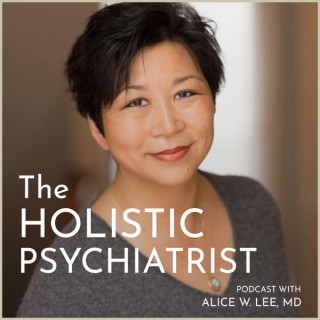
We often treat loneliness as a private failing or something to feel embarrassed about. But what if feeling lonely isn't a flaw—what if it's an evolutionary alarm system, as vital to our survival as hunger or thirst?In this episode of The Holistic Psychiatrist Podcast, Dr. Alice Lee and her collaborator Emily dive into Thom Hartmann's article, "If Loneliness is Hunger, Then It Has a Remedy as Ordinary as a Meal." Together, they break down why modern society often isolates us by design, the serious physical toll of chronic disconnection, and how true healing requires far more than just diet and supplements.In this episode, we explore:The "Packed Elevator" Paradox: How you can be surrounded by people and still feel deeply isolated—and how researchers define loneliness as the gap between the connection you have and the connection you need.The Health Toll of Disconnection: Why chronic loneliness carries health risks comparable to smoking 15 cigarettes a day, and why social networks are essential for longevity.Overcoming Stigma & Hyper-Independence: Breaking down the cultural pressure to "do it all alone" and learning how to build spaces where you feel genuinely seen and witnessed.Real Stories of Transition: Honest reflections on leaving high-demand communities, relocating, navigating medication withdrawal, and the trial-and-error of finding "your people."Small "Designs" for Healing: Practical, gentle ways to bridge the gap—from low-stakes neighborly chats and interest groups, to nature, free-writing, and pets when you aren't quite ready for big social leaps.Whether you're feeling isolated, navigating a major life transition, or simply looking to build deeper, more authentic relationships, this conversation offers grounded insights, comfort, and practical steps forward.Press play to learn how putting ourselves back in each other's paths can transform our health and well-being!For more healing tools and insights, visit holisticpsychiatrist.com.Support the showTo sustain my work as a holistic psychiatrist and support my efforts to improve psychiatric treatment for all through my podcasts, articles, website, and YouTube channel, please show your appreciation and help champion holistic psychiatry by clicking HERE to contribute!Click here to listen to all of The Holistic Psychiatrist Podcast episodesContact here to email Dr. Lee directly. New! Join me on Substack A space for my opinions and reflections on cultural, political, social, and psychological issues. Feel free to comment and respond to those articles.If you like this podcast, please give it a 5-star rating and share this with others! Thank you!For more about Dr. Alice W. Lee, please visit:Website: www.holisticpsychiatrist.comMore stories and insights: Holistic ArticlesYouTube: The Holistic PsychiatristTo schedule consultations or appointments, call Dr. Lee's office at 240-437-7600Dr. Lee is located near downtown Stamford, Conn...


Do you have a best friend who is available 24/7 and never wavers in their loving support of you? And does this perfect friend just give and give without ever asking for anything in return? Enter the AI chatbot who makes perfect, one-sided friendships like this increasingly common. In truth, it can be temptingly easy to form a relationship--or even in fall in love--with a corporately owned algorithm that beneficently soothes and satisfies your emotional needs. And while there are upsides to such relationships, downsides such as dependency, lower emotional intelligence (EQ) and reduced interpersonal skills are also in the mix. Today, we're joined by Bridget Todd, author of "Love at First Prompt." Bridget is a journalist, podcast host, award-winning creator, and producer who will guide us into the complex and poignant world of AI relationships, artificial intimacy, loneliness, healing, true connection, and genuine love.Topics discussed include love, friendship, AI companion, companionship, relationships, genuine connection, intimacy, grief, loss, parents, children, empathy, patience, loneliness, memories, self-growth, personal development, AI hallucinations, artificial intelligence, chatbots, tolerance, building memories, and dependency.IMPORTANT DISCLAIMER: No expert is offering medical or psychological direction or advice; the content is purely informational in nature. Please consult your physician or healthcare provider before undertaking any new regimen or procedure.Connect with Dr. Carla Manly:Website: https://www.drcarlamanly.comInstagram: https://www.instagram.com/drcarlamanly/Twitter/X: https://www.twitter.com/drcarlamanly/Facebook: https://www.facebook.com/drcarlamanlyLinkedIn: https://www.linkedin.com/in/carla-marie-manly-8682362b/YouTube: https://www.youtube.com/@dr_carlamanly_imperfect_loveTikTok: https://www.tiktok.com/@dr_carla_manlyBooks by Dr. Carla Manly:Joy From Fear: Create the Life of Your Dreams by Making Fear Your Friend Date Smart: Transform Your Relationships and Love Fearlessly Aging Joyfully: A Woman's Guide to Optimal Health, Relationships, and Fulfillment for Her 50s and Beyond The Joy of Imperfect Love: The Art of Creating Healthy, Securely Attached Relationships Imperfect Love Relationship & Oracle Card Deck by Dr. Carla Manly:Etsy AmazonConnect with Bridget Todd:Website: https://www.bridget-todd.com/Instagram: https://www.instagram.com/bridgetmarieindc/?hl=enSimon Audio Socials:Facebook: https://www.facebook.com/SimonAudio/TikTok: https://www.tiktok.com/@simon.audioInstagram: https://www.instagram.com/simon.audio/?hl=enLove the show? Subscribe, rate, review, and share! https://drcarlamanly.com/

Most trainers spend a great deal of time thinking about engagement. We add polls, discussions, activities, and opportunities for participation because we do not want learners sitting quietly while we talk at them.Stephanie Hubka believes we may need to go further.In this episode of Lessons from Learning Leaders, Stephanie joins me to explore the difference between getting people involved in a training session and helping them form genuine human connections. Engagement may keep people busy for an hour. Connection can change the way they listen, contribute, take risks, and apply what they learn afterward.Stephanie shares the unexpected path that brought her into talent development. She originally moved to Washington, DC, with a political science degree and ambitions that had nothing to do with training. A position as an education coordinator changed that almost immediately. She discovered a profession centered on people, growth, and the kind of work she could not imagine leaving.We also talk about her experience earning the Certified Professional in Talent Development credential. Stephanie explains why the value went far beyond passing an exam or adding letters after her name. Preparing for the credential expanded her knowledge of the profession, while the community surrounding it led to relationships, volunteer opportunities, and professional connections that continued shaping her career years later.Much of our conversation focuses on Stephanie's Connect 4 approach to building community through training. The framework asks learning professionals to think about connection before the learning experience, during the session, after participants return to work, and across the larger collection of learning experiences an organization provides.Stephanie explains why storytelling is one of her favorite ways to begin. Asking participants to share a story gives them a reason to talk with someone they do not know, but it does not force them into a level of vulnerability they did not choose. They decide what to share, how personal to become, and how they want to participate. That sense of control helps create psychological safety while giving people a chance to become more than strangers sitting at the same table.We also discuss why facilitators sometimes need to give up control in order to gain greater contribution from the room, how connection prepares participants for deeper conversations later in the session, and why trainers should examine whether the engagement techniques they use are producing anything more meaningful than activity.As AI makes content easier to produce, Stephanie makes a strong case that the human side of learning deserves more attention. Trainers still have an opportunity to create spaces where people feel seen, heard, and connected to one another. Those experiences can influence what learners remember, what they are willing to try, and whether the training leads to real change.Connect with Stephanie HubkaProtos Learning helps organizations design and deliver practical, human-centered learning experiences focused on application, behavior change, and connection.StephanieHubka.comConnect with Stephanie on LinkedInContact Protos Learning for workshops, facilitation, speaking, custom learning design, and consulting inquiries.Professional email listed in Stephanie's public conference materials: Stephanie@ProtosLearning.comShare this episode with a trainer, facilitator, or learning leader who is thinking about how to create more meaningful learning experiences, and subscribe to Lessons from Learning Leaders so you do not miss the next conversation.Bring Better Conversations Into Your OrganizationStrong organizations are built on leaders who communicate well, ask thoughtful questions, facilitate productive discussions, and develop the people around them.If you'd like to bring these conversations into your organization through a keynote, workshop, leadership program, or train-the-trainer engagement, I'd welcome the opportunity.Learn more at DuaneLester.com. Get full access to Lessons from Learning Leaders at lessonsfromlearningleaders.substack.com/subscribe

What if the reason friendship feels harder in midlife has nothing to do with you, and everything to do with the fact that no one ever told you it would take intention? This week on the Glow Up, Gyrl Podcast, Kyra sits down with Cheryl Dillon, life coach, writer, speaker, and founder of Funderful Experiences, where she helps women create midlife chapters that are joyful, vibrant, and intentional. Cheryl is also the co-founder of Equitable Mediation Services, where she has spent nearly two decades coaching individuals through the emotional complexities of separation and divorce. This conversation is warm, wise, and full of the kind of practical guidance that makes deeper friendship feel possible again, starting with the friendship you have with yourself. In this episode: The delightful breakfast-table story behind the name Funderful Experiences Why making real friendships gets harder in midlife, even when you are surrounded by people The difference between casual socializing and environments where genuine friendship can grow Why one person going first with vulnerability gives everyone else permission What it means to be a friend to yourself, and why it is the prerequisite for real connection Small shifts for moving past small talk: better questions, real stories, genuine interest Why midlife is not a season of decline but the chapter you finally get to write yourself The one thing to do first if you are craving deeper friendships: stop waiting All about the Connected Hearts community and the online version coming soon Whether you are craving deeper friendships, navigating a big transition, or learning to show up as your whole self, this episode will meet you exactly where you are. Learn more: funderfulexperiences.com Join the Connected Hearts waiting list: funderfulexperiences.com (under Connected Hearts) Follow Cheryl: @funderful_experiences Stay connected to Glow Up, Gyrl: Website: glowupgyrl.com | Email: hello@glowupgyrl.com Instagram, TikTok, LinkedIn: @glowupgyrl | Facebook: @glowupgyrlatl Learn more about your ad choices. Visit megaphone.fm/adchoices
We know we should pray. It would be good for us--help us be more grounded, more connected to God. But in our hurried lives, slowing down to pray can feel like a cosmic waste of time. Author Addison Bevere shares from his book "Words With God: Trading Boring, Empty Prayer for Real Connection." He offers practical ways to connect with God through prayer. Originally aired April 20, 2023 Check out Susie's podcast God Impressions on Apple, Spotify, or wherever you listen to podcasts! Faith Radio podcasts are made possible by your support. Give now: click here

Why do we keep repeating the same unhealthy relationship patterns? In this episode of Harder Than Life, relationship educator Mark Groves joins Kelly Siegel to explore how childhood trauma, self-abandonment, betrayal, shame, and emotional wounds continue to influence adult relationships. Mark shares the personal experiences that inspired his bestselling book Liberated Love, explaining why unresolved pain often leads us to choose emotionally unavailable partners, avoid difficult conversations, and disconnect from ourselves in the name of love. Together, Kelly and Mark discuss healthy boundaries, emotional availability, IFS therapy, nervous system healing, anxious and avoidant relationship patterns, masculinity, self-worth, and why healing happens through honest relationships—not by avoiding them. The conversation also explores AI relationships, social media addiction, digital detox, dopamine, and why genuine human connection is becoming one of the most valuable skills of the modern world. This episode is for anyone searching for:

Men are drowning in a culture that rewards the appearance of strength. You've likely heard the term, "ripped, rich, and rare." It misses the one thing that actually builds it: the willingness to fail, feel it, and let their kids watch them do it. Today's guest calls this the "Upside Down Game," the con every man eventually has to walk away from if he wants to become someone worth following. This conversation goes straight at the blindness most men carry about themselves, the resistance that waits for every man trying to change, and why the hardest thing on earth isn't becoming a warrior; it's accepting your own humanity first. Kyle Carnohan joins me to talk about the greatest awakening happening among men right now, and what it actually looks like to raise kids who can hold frame in a world built to knock them off it. We get into the difference between being calm and being a pushover, why "non-reactive" doesn't mean passive, and how a strong spine and a soft heart aren't opposites, they're the whole point. If you've ever wondered whether your kids are learning more from your failures than your victories, this episode will answer that question whether you're ready for it or not. SHOW HIGHLIGHTS 00:00 - Introduction and Reconnecting 01:09 - The State of Modern Podcasting vs. Real Connection 03:22 - The Great Awakening: Transitioning from Promotion to Realness 05:24 - Embracing Failure, Disaster, and Finding Faith 07:23 - The Struggle for Men to Accept Their Humanity 09:22 - Falling in Love with the Process Over the Outcome 10:00 - Finding Peace in Major Life Hardships 11:51 - Teaching Children Resilience Through Witnessing Hardship 14:38 - Spotting Your Blind Spots and Learning to Continually Reconcile 19:40 - The Importance of Finding an Accurate Mirror in Life 21:30 - Navigating Different Personalities Under One Roof 22:38 - Unconditional Love and Radical Non-Reactivity in Parenting 27:11 - Stripping Away the Tough Guy Persona 30:20 - Overcoming the Need to Force and Strong-Arm Your Family 32:18 - Maintaining a Calm Nervous System Amidst Household Chaos 36:36 - Commanding Respect vs. Demanding Compliance 39:38 - The Societal Shift and Misconceptions of Kindness in Men 41:56 - The Balance: Hard Man with a Soft Heart 45:01 - Maintaining Your Frame vs. Being a Pushover 48:45 - The Courage Required for Calm, Loving Pursuits in Conflict 50:51 - Holding the Line Calmly with Children 54:12 - How Raising Righteous Children Saves the Culture 56:05 - Yielding the Glory and Fighting Alongside Men 58:21 - Connecting with Kyle and Closing Thoughts Battle Planners: Pick yours up today! Order Ryan's new book, The Masculinity Manifesto. For more information on the Iron Council brotherhood. Want maximum health, wealth, relationships, and abundance in your life? Sign up for our free course, 30 Days to Battle Ready

If you've ever been told to "just connect with your child" but found yourself wondering what that actually looks like in the middle of a busy weeknight, this episode is for you.Connection has become one of the most common pieces of parenting advice, but it's often misunderstood. We turn it into a strategy to get our children to eat differently, behave differently, or change. But connection was never meant to be transactional.In this episode of Family in Focus, I share what connection really means, why it starts with you, and five practical ways to build stronger relationships that create lasting change without shame or pressure.In this episode:• Why connection isn't a tool to change your child, it's the change itself• Five practical ways to build genuine connection in everyday moments• How curiosity helps you understand what's really behind your child's eating habits• Why your own regulation and self-connection matter more than you think• A simple experiment you can try today to strengthen your relationship with your childChapters:00:00 Connection Isn't a Transaction05:35 Five Practical Ways to Connect07:01 Why Connection Starts With You07:32 Final ThoughtsWatch the full video episode on YouTube.New episodes air every Wednesday.If you are listening and realizing your child is sneaking food, hiding wrappers, or eating in secret, there is a next step for you.No More Candy Wrappers Under the Bed is a workshop designed to help you understand why this is happening and how to shift it without shame, control, or power struggles.You can learn more and sign up here:https://www.wendyschofermd.com/no-more-candy-wrappersJoin The Exhale, my newsletter for parents who want less stress around food, body image, and weight concerns and more confidence at the dinner table: https://www.wendyschofermd.com/the-exhaleLearn more about working together:https://www.wendyschofermd.comTo schedule a consult:https://wendyschofermdscheduling.as.me/consultFollow along and continue the conversation:Instagram: https://www.instagram.com/wendyschofermd/TikTok: https://www.tiktok.com/@wendyschofermdFacebook: https://www.facebook.com/wendyschofermd/LinkedIn: https://www.linkedin.com/in/wendy-schofer-md/While I am a doctor, I am not your doctor. This podcast is for education, not medical advice.

What if your smartphone is quietly keeping you stuck in pornography addiction? And not just because of the access, but something much deeper?Most men who are trying to overcome porn addiction focus on the obvious problem: the relapse, the secrecy, the shame, the loss of confidence, the damage to marriage, and the spiritual weight that comes after giving in again.And yes, porn has to be addressed directly.But in this episode, I want to help you look at something deeper: the way your relationship with technology may be training the same instant gratification system that keeps porn addiction alive.I was recently a guest on the Therapy Brothers podcast with Tyler Patrick, and this conversation went deep into one of the most important recovery topics of our time. We talked about dopamine, smartphones, social media, pornography addiction recovery, emotional regulation, real connection, and the hidden ways technology can weaken a man's ability to be present with God, his wife, his kids, his work, and his own life.The truth is, your phone may not be sexually explicit, but it may still be training your brain to chase cheap dopamine. Every time you reach for your phone when you feel bored, awkward, lonely, anxious, or uncomfortable, you are teaching your nervous system to escape discomfort instead of work through it. And for a man recovering from porn addiction, that matters deeply.In this episode, Tyler and I talk through the four pillars of recovery I use at No More Desire: emotional, neurological, biological, and relational, with a spiritual foundation underneath it all. Porn addiction is not only a behavior problem. It is often a symptom of a deeper lifestyle pattern where the brain, body, emotions, and relationships have been trained around escape.We also talk about the difference between base pleasures and noble pleasures. Base pleasures are low-effort, high-reward experiences like pornography, endless scrolling, binge-watching, gaming, and constant entertainment. Noble pleasures require effort or presence, but they create deeper joy over time. Exercise, prayer, meaningful work, honest conversation, real intimacy in marriage, time with your children, and connection with God are all examples of noble pleasures.This is such an important distinction because if a man trains his brain on cheap dopamine all day, real life starts to feel boring. His wife feels inconvenient. His kids feel like interruptions. Prayer feels slow. Work feels impossible. Silence feels uncomfortable. And when life gets painful or stressful, porn can start to look like the fastest way out.But my friend, recovery is not just about removing porn. It is about rebuilding a life where porn loses its power.In this conversation, we also talk about what I call relationship replacement. Your brain works through relationships. You have a relationship with God, with yourself, with your spouse, with your body, with food, with work, with nature, with hobbies, and yes, with technology. For many men, the phone has become one of the most dominant relationships in their lives. It gets their first attention in the morning, fills every quiet moment, follows them into family time, and becomes a shield against boredom, silence, awkwardness, and emotional discomfort.That is a serious issue for porn addiction recovery because pornography also functions as a shield. It offers the feeling of connection without the vulnerability of being known. It gives sexual reward without requiring patience, sacrifice, emotional maturity, or real love.If you are trying to quit porn, you have to pay attention to the way your entire life is training you. Your screen time, your sleep, your food, your exercise, your relationships, your emotional habits, your spiritual life, and your daily rhythms all matter.This episode is not about shaming technology use. It is about becoming conscious. It is about asking whether your phone is helping you become the man you want to be or whether it is quietly pulling you away from presence, peace, connection, and self-command.If you have been struggling to quit porn and feel like your cravings keep coming back no matter how hard you try, this conversation will help you think differently. You may not only need stronger willpower. You may need a stronger lifestyle. You may need to rebuild your emotional resilience, retrain your dopamine system, care for your body, strengthen your relationships, and create rhythms that help you stay connected to what is real.At No More Desire, I believe freedom from porn comes as you build a recovery mindset and lifestyle. You are not just trying to stop a behavior. You are becoming a man who is more present, more honest, more grounded, more connected, and more capable of love.If you want practical help overcoming pornography addiction, check out my free recovery tools at nomoredesire.com/tools. You can find my free workshop, my free ebook, and resources to help you start building a life where porn loses its power.Keep learning, keep growing, and keep building that recovery mindset and lifestyle.Check out more from Tyler Patrick and the Therapy Brothers at therapybrothers.org/no-more-desire, where you'll find additional resources created specifically for No More Desire™ listeners.Link to Blog Article for this EpisodeVisit No More Desire Tools for Recovery for recovery tools and training, including my free eBook, Workshop, The RAIL Method ™ and more to help you break free from porn.If you're tired of trying to quit porn on your own, the No More Desire Academy gives you a structured path to recovery through coaching, brotherhood, practical tools, and step-by-step training. Learn more about the Academy.If you want deeper, more personalized support, I also offer 1-on-1 porn addiction recovery coaching. We'll work directly on your patterns, emotional triggers, recovery plan, and long-term growth. Learn more about working 1-on-1 with Jake Kastleman.God bless.Support the showNo More Desire
Send us Fan Mail The fastest way to feel lonely is to feel like you have to perform. We start with a simple question: when was the last time you felt completely yourself around someone, no bracing, no mask, no need to impress? That feeling of being genuinely seen and heard is not a bonus feature of life. For many of us, it is the quiet engine behind mental health, confidence, and emotional safety. I'm joined by Richard Wilmore, a longtime host and creator who traces his path back to watching talk shows as a kid and noticing a “masterclass in connection.” We talk about why podcasting has become the modern place people go for real conversation, and what it looks like when a host makes everyone feel like they matter. From there, we dig into Richard's work in an Arts in Health nonprofit and the science-backed reasons creativity supports wellbeing. Even if you do not see yourself as “an artist,” art, music, movement, and making things can reduce stress, shift attention away from pain, and give emotions somewhere to go. We also talk about psychological safety, why adults stop playing, and how creativity can help when childhood experiences include trauma or tenderness that still lives in the body. Richard shares grounded, doable practices you can try today: build a playlist that meets your mood, take a walk without headphones and let nature reset your mind, or create privately without posting. If you have ever felt discouraged because your work did not get attention, you will love the reminder that being seen is not the same thing as going viral. If this conversation helps, subscribe, share it with someone who needs a softer day, and leave a review so more people can find the show. What is one true thing you can share today? Connect with Richard: Website: https://www.makeyourdayricher.com/ https://www.makeyourdayricher.com/guestbooking YouTube | Instagram | LinkedIn | Facebook Support the show Want to Be a Guest on Healthy Mind, Healthy Life?

Dr. Beth Moulam, Paralympian, researcher, advocate and award-winning all-round superhuman chatted with Rachel back in season 4. Beth shared her thoughts on the communication tools we all use, and the tools she uses. The challenges she faces (spoiler alert – it's normally other people), and the joy she finds in creating new connections, and creating community around her, in the breathtaking number of fields she's involved in. Rachel, Sarah and Lucy bring updates and reflections, there's news from the Moths, and Lucy broke a TSWU record, by swearing right from the outset – having to bring “all your BLEEPING podcast BEEP to work is not the best way to start the day! You can find more about Beth on her website and you tube page. Since this recording she's also written a book which is due in the Autumn and available for pre-order now. Thanks to the lovely folk at Liberator for sponsoring this week's episode. You can find more about them and their work here. Thanks for listening and being a part of our podcast community. It would make our day if you could like, follow and review the podcast wherever you listen. For questions, disability hacks or to share your story, you can email TSWUpodcast@gmail.com - we would love to hear from you. If you have any ideas or resources might support us being able to continue the podcast we would also love to hear from you. We'd love to hear from you – we love sharing stories, we love hearing how things are going, the good, the bad, the snotty-crying ugly. You can leave a message with us in a number of ways: Firstly you can leave a message using Speakpipe here: https://www.speakpipe.com/TSWUpodcast (Please note calls need to be limited to 90 seconds) You can send us a voice note from your phone to our email address at tswupodcast@gmail.com Or, if the thought of hearing your own voice gives you ‘the ick', then send us an email to tswupodcast@gmail.com Whatever way you choose to get in touch, we really want to hear your thoughts, views, musings, rants and confessions (we love a confession!) . ‘The Skies We're Under' continues to go from strength to strength with almost 130 episodes already. There's still so much to discuss and share with our wonderful listeners, the families of people with complex disabilities and the many practitioners that support us. Moving forward we need your help to keep producing new episodes. Email us to find out more tswupodcast@gmail.com.

This week, the trashy Freedom 250 event gives new life to an old Michelle Obama conspiracy theory, a Sister Act actress confirms what queer women have known for decades, the SF Giants find themselves in hot water after Pride Night, and Jay-Z's Target partnership. In Am I A Bad Queer?, we're talking introducing your non-Black partner to your family and what happens when you're unsure about having kids but your girlfriend isn't. Plus, Bad Queer Opinions on a viral video that innovates in ignorance and why young Black queers should stay connected to community.Kris: Something Different DC - Unique Events, Unique Vibes, Real Connection. Their Unpopular Opinion event caught my eye, cool to see folks create their own powerpoints and argue their different opinions in front of a crowd. They also have game nights, bingo, watch parties and more. Follow on IG @somethingdifferentdc Shana: GGG.NYC - Based in NYC - Gay, Gayer, Gayest throws parties for Black Sapphics. Known as your favorite collectives, favorite collective. They recently collaborated with @nsfw.sessions for NYC's first Black, queer office siren rave. Follow and attend @ggg.nyc on IG Episode notes:1:07 - Queer Urban Dictionary8:56- Category is: UFC Fighter Josh Hokit Shouts “Michelle Obama is a Man!” After White House Match18:56 - Category is: Sister Act's Wendy Makkena Reveals she played Sister Mary Robert as secretly attracted to Dolores24:42 - Category is: SF Giants players draw backlash after writing Bible verses on Pride Night caps32:02 - Category is: Jay-Z's Target partnership sparks fresh debate over Black consumer boycotts40:32 - Am I A Bad Queer?1:01:36 - Bad Queer Opinions 1:13:02 - ShoutoutsShare your Am I A Bad Queer? hereSupport the showPATREON: patreon.com/BadQueersPodcastSubscribe to our Youtubehttps://www.youtube.com/@BadQueersPodcast The opinions expressed during this podcast are conversational in nature and expressed only for comedic purposes. Not all of the facts will be correct but we attempt to be as accurate as possible. BQ Media LLC, the hosts, nor any guest host(s) hold no liability over the conversations on this podcast and by using this podcast you understand that it is solely for entertainment purposes. Copyright Disclaimer: Under Section 107 of the Copyright Act 1976, allowance is made for "fair use" for purposes such as criticism, comment, news reporting, teaching, parody, scholarship and research.

I have to be honest with you, this conversation almost did not happen. The first time Dawn Andrews and I sat down to record, my tech had other ideas. But as I said at the top of the episode, I saw it as a bonus, because any excuse to spend more time with Dawn is a good one.Dawn is an executive leadership consultant, business strategist, and host of the She's That Founder podcast. She works with female founders running businesses from $500K to $5 million, and she has one of the clearest, most practical frameworks for using AI in business relationships that I have ever come across.What I love about her approach is that she is not selling AI as a magic fix. She sees it as a tool that gives you back the most precious thing in business; time to show up fully for the people who matter most.We talked about the biggest relationship mistake female founders make, why so many of us become the bottleneck in our own follow-up, and how to start using AI in your business relationships without needing to be remotely technical.One thing Dawn said that I keep thinking about: AI informs, and you decide. AI drafts, and you finalize. That is it. That is the whole philosophy in two sentences.Key TakeawaysThe biggest relationship mistake female founders make is going quiet, assuming the people in their network will always be there, without consistently showing up for them.Dawn's three-bucket AI framework divides the work clearly: what AI handles, what humans own, and what LinkedIn does. Knowing which bucket something belongs in changes everything.An AI manifesto, a set of living guidelines for how your business uses AI, does not need to be perfect. It just needs to be a starting point that grows as you learn.The fastest way to start using AI in your relationships is to find your friction point. Where are you spending too much time, or avoiding spending time, because it feels like too much effort?AI is the single greatest tool for giving leaders back time they did not think they could ever reclaim -- and that time is what allows you to be your best self for the people around you.You can reach Dawn at: dandrews@freerangethinking.com or on LinkedIn at: linkedin.com/in/freerangethinkingIn appreciation for being here, I have some gifts for you:A LinkedIn Checklist for setting up your fully optimized Profile:An opportunity to test drive the Follow Up system I recommend by checking this presentation page - you won't regret it. AND … Don't forget to connect with me on LinkedIn and be eligible for my complimentary LinkedIn profile audit – I do one each month for a lucky listener!Connect with me:http://JanicePorter.comhttps://www.linkedin.com/in/janiceporter/https://www.facebook.com/janiceporter1https://www.instagram.com/socjanice/Thanks for listening!Thanks so much for listening to our podcast! If you enjoyed this episode andthink that others could benefit from listening, please share it using the socialmedia buttons on this page.Do you have some feedback or questions about this episode? Leave a note inthe comment section below!Subscribe to the podcastIf you would like to get automatic updates of new podcast episodes, you cansubscribe to the podcast on Apple Podcasts or your favorite podcast app.Leave us an Apple Podcast reviewRatings and reviews from our listeners are extremely valuable to us andgreatly appreciated. They help our podcast rank higher on Apple, whichexposes our show to more awesome listeners like you. If you have a minute,please leave an honest review on Apple Podcasts.

Hay un secreto que casi nadie te explica sobre la hora latina: no es una sola. Son tres. Y cada una funciona con reglas completamente distintas.En este episodio exploramos los tres contextos donde "a las siete" significa cosas radicalmente diferentes: la puntualidad estricta del mundo profesional, la hora social relajada de los cumpleaños en casa donde llegar puntual es prácticamente grosero, y la hora elástica de las reuniones grandes donde palabras como "ahorita," "al ratito," "ya casi" y "ya voy saliendo" se vuelven filosóficas. Y descubrimos juntos que ese tercer contexto, que de afuera parece desorden, en realidad es generosidad — una forma de cuidar a la gente que el reloj no entiende.Estos códigos no se aprenden en una aplicación. No los enseña ninguna inteligencia artificial. Se aprenden conversando con personas latinas reales que pueden detenerse a explicarte el matiz exacto de un "ahorita" según el tono y el momento. Por eso en SpanishBlackbelt todas las clases son con tutores humanos hispanohablantes nativos — latinos reales que crecieron escuchando estas palabras en la boca de sus mamás y sus abuelas, y que pueden enseñarte no solo qué significan, sino cuándo, cómo y por qué.Aprende más en SpanishBlackbelt.comReal Spanish. Real Connection. — The SpanishBlackbelt Podcast---Los episodios de este podcast son producidos con narración asistida por inteligencia artificial para garantizar claridad, ritmo y accesibilidad. Las clases de SpanishBlackbelt son impartidas exclusivamente por tutores nativos humanos.====There's a secret about Latino time that almost no one explains: it isn't one time — it's three. And each one runs by completely different rules.In this episode, we explore the three contexts where "at seven" means radically different things: the strict punctuality of the professional world, the relaxed social time of birthdays at home where arriving on the dot is practically rude, and the elastic time of large gatherings where words like "ahorita," "al ratito," "ya casi" and "ya voy saliendo" become almost philosophical. And we discover together that this third context — which from the outside can look like disorder — is actually generosity. A way of caring for people that the clock simply doesn't understand.These codes can't be learned in an app. No artificial intelligence can teach them. They're learned by talking with real Latino people who can stop and explain the exact nuance of an "ahorita" depending on the tone and the moment. That's why at SpanishBlackbelt every class is taught by a human native Spanish-speaking tutor — real Latinos who grew up hearing these words from their mothers and grandmothers, and who can teach you not only what they mean, but when, how, and why.Episode in Spanish, designed for intermediate and upper-intermediate adult learners.Learn more at SpanishBlackbelt.comReal Spanish. Real Connection. — The SpanishBlackbelt Podcast---The episodes of this podcast are produced with AI-assisted narration to ensure clarity, pacing, and accessibility. SpanishBlackbelt classes are taught exclusively by human native-speaking tutors.

Divorce can be overwhelming, especially when you are trying to figure out how to explain it to your children. In this Coaching Hotline episode, I answer a listener's question about the first stage of divorce, talking about it with her kids, and why starting with your thoughts and feelings, not just actions, is what makes the next steps clear. I also tackle a question about people-pleasing and seeking external validation. You'll hear why prioritizing other people's needs over your own can feel like love and connection, but it actually undermines your authenticity, and how to cultivate genuine connection instead. Submit your own question here and it might get answered on a future episode: unfuckyourbrain.com/coachinghotline Get full show notes, transcript, and more information here: schoolofnewfeministthought.com/499Follow along on Instagram: instagram.com/karaloewentheil/Mentioned in this episode:The Future Coach Podcast is Here!The Future Coach: How to Succeed as a Life Coach Today, Tomorrow, and Beyond is finally here. Every other week, you'll hear practical advice about becoming a coach, improving your coaching skills, and antidotes to the most common concerns, questions, and brain drama that come up with this work, whether you're just starting out or you're years into your career. If you want to find out more, you can find it anywhere you listen to podcasts and hit that follow button.WE'RE HIRINGGo to unfuckyourbrain.com/hiring to learn more about these positions and to apply.
Hay momentos en una pareja mixta —cotidianos, pequeños, nada dramáticos— donde algo está pasando y se nos escapa. Una canción que ella se sabe entera. Una historia de su infancia que en español suena diferente. Una frase heredada que dice sin pensar.En este episodio hablamos de tres momentos muy concretos que probablemente ya estás viviendo con tu pareja latina sin notarlos. Y de cómo, cuando empiezas a entenderlos, no estás aprendiendo un idioma — estás entrando, despacito, a una vida que siempre ha estado al lado tuyo.Una conversación cálida, práctica y profundamente humana sobre el español como puente entre dos personas que se aman.Real Spanish. Real Connection. — The SpanishBlackbelt PodcastLos episodios de este podcast son producidos con narración asistida por inteligencia artificial para garantizar claridad, ritmo y accesibilidad. Las clases de SpanishBlackbelt son impartidas exclusivamente por tutores nativos humanos.=====There are moments in a mixed relationship — everyday, small, undramatic — when something is happening and you're missing it. A song she knows by heart. A childhood story that sounds different in Spanish. An inherited phrase she says without thinking.In this episode we explore three very concrete moments you're probably already living with your Latina partner — without noticing. And how, when you start to understand them, you're not learning a language. You're stepping, gently, into a life that has always been beside you.A warm, practical, deeply human conversation about Spanish as a bridge between two people who love each other.Episode in Spanish, designed for intermediate and upper-intermediate adult learners.Real Spanish. Real Connection. — The SpanishBlackbelt PodcastThe episodes of this podcast are produced with AI-assisted narration to ensure clarity, pacing, and accessibility. SpanishBlackbelt classes are taught exclusively by human native-speaking tutors.

With host retail coach Wendy Batten https://wendybatten.com/podcast-intro/ Episode Overview In this episode, I sit down with my friend Deanne Fitzpatrick of Deanne Fitzpatrick Rug Hooking Studio for an honest and raw conversation about AI, authenticity, and what it means to run a meaningful business. We talk about the parts of AI that feel helpful, the parts that feel icky, and why trust and real connection matter more than ever for small business owners. As business owners who have both embraced technology over the years, neither Deanne nor I are anti-AI. But we are cautious and curious about how it's changing what feels like pretty much everything. We share our thoughts on where AI has the ability to support small business owners. We also chat about where we draw the line with AI when it comes to content, creativity, and showing up for our audiences. This conversation is really about staying grounded in what makes our businesses valuable in the first place: real people, real relationships, and building a community through connection. Our Key Topics Authenticity and trust are becoming more important as AI-generated content grows What feels helpful versus "icky" when it comes to AI use in business Meaningful community building matters more than polished marketing How shop owners can use AI technology without losing their voice What happens when businesses prioritize efficiency over real connection Why in-person shopping and human experiences are becoming more valuable How creating your own work helps deepen creativity and personal growth Key Takeaways For Shop Owners Around AI and Connection Real connection is becoming a competitive advantage. As more content becomes automated and polished, people are craving businesses that feel human, trustworthy, and personal. Showing up as yourself matters. Technology CAN support your business without replacing your voice. We talk about using AI for organization, editing, or idea generation while still keeping the creative and relational parts of the business deeply personal and human-led. Your community wants authentic connection, not perfection. Small imperfections, real conversations, and honest communication help build trust. Customers and communities are looking for businesses that feel genuine and grounded. Creativity and communication should still feel meaningful. Writing your own newsletter, recording your own podcast, or having real conversations may take more time, but those experiences also help you grow as a business owner and human. Simplicity still matters. In a world focused on speed and efficiency, there is real value in slowing down, creating intentionally, and building a business around connection, beauty, and joy. "I think when we show up as we are and we offer our ideas and our creativity and our energy as we are…it's a worthwhile offering." -Deanne Fitzpatrick I hope this conversation gives you space to reflect on how you use AI, how you want to show up in your business, and what kind of connection you want to create with your community. Resources Mentioned and Related Podcasts: Episode 167: Protecting Your Passion in Business with Deanne Fitzpatrick Summer School Workshop Placeholder Let's hang out in a private coaching session! Follow along and chat with me on Instagram and join my love list. Deanne, in Her Own Words "I hook nearly every day. I cannot stop myself. I like the feel of wool slipping through my fingers. My goal is to live simply, and make hooked rugs that are unmistakably art. Rug hooking is full of possibilities. It has changed my life, and been a powerful force in changing the lives of the people I have met through it. I have learned that art, craft and handmade can totally change the way you view the world and how you feel about it. My style of rug hooking, with its meditative qualities, and its freedom from rules adds beauty to our world and is therapeutic on its own. It is joyful, powerful and transformative. It is not about being perfect, it is about creating beauty everyday. I have a retail studio in Amherst Nova Scotia where I work with an amazing group of talented people. We create classes, kits, patterns and supplies available online. I have written eight books about creativity and rug hooking, and exhibited widely in public and private galleries." Visit Deanne in her studio or online at www.hookingrugs.com. Check out her Instagram, including the story she shares about being duped by AI, here. About your host, Wendy Batten In case we haven't met…I'm Wendy Batten. I've been a small business owner, coach, and mentor for over 25 years. I help thoughtful, established entrepreneurs step into their role as CEO and build businesses that are profitable, meaningful, and supportive of the lives they want to live. My work blends real-world strategy with a life-first philosophy, shaped by lived experience, not theory. I've been there! Through honest conversations and practical insight, I invite you into bigger thinking about leadership, possibility, and how to build both business and life on purpose. For more support from Wendy Hang out and connect with Wendy on IG All of Wendy's current programs and services for shop owners can be found HERE. Never miss an episode! Subscribe to the Creative Shop Talk Podcast and get the tools, inspiration, and strategies you need to thrive as an independent retailer.Click here to subscribe to iTunes! Loved the episode? Leave a quick review on iTunes- your reviews help other retailers find my podcast, and they're also fun for me to go in and read. Just click here to review, select "Ratings and Reviews" and "Write a Review" and let me know what your favorite part of the podcast is. So grateful for you! Thank you!
This conversation starts with a confronting question: are men actually built to be faithful?In this episode, I speak with Yale psychologist Dr. Bill von Hippel about the biology behind male variety-seeking, modern dating, commitment, dopamine, and why chasing more options often leaves people feeling more disconnected.We talk about serial monogamy, dating apps, social comparison, success, loneliness, and why the things we think will make us happy often don't.What I loved about this conversation is that it doesn't excuse behaviour, it explains the deeper forces underneath it. And the real takeaway is simple: we may chase novelty, status, and freedom, but what we actually need is connection.Dr. Bill von Hippel is a Yale psychologist, author, and researcher whose work explores human behaviour, happiness, connection, and the evolutionary forces that shape who we are.Timestamps: (00:00) Introduction(00:42) Serial Monogamy Origins(02:21) Testicles Tell All(04:26) Variety vs Pair Bonding(07:44) Dating Apps Trap(10:43) Status Won't Fulfill(15:06) Happiness Rises With Age(18:55) Modern Life Mismatch(23:13) Too Many Choices(26:37) Embrace Uncertainty(30:07) Connection Over Autonomy(32:40) Set a Sacrifice Deadline(33:35) Define Success Upfront(34:44) Accountability Reality Check(36:15) Careers as a Random Walk(36:50) Virtual vs Real Connection(39:11) Daily Connection Habits(41:48) Why We Need People(43:00) Autonomy Over Connection(47:07) City Life Connection Trap(49:23) Remote Work and Demographics(53:59) Kids, Marriage and Meaning(56:57) Finding Your Path(58:58) Advice to My Younger Self(59:47) Where to Find Bill(01:00:27) Final ThanksConnect with Nick:Instagram: https://instagram.com/nickbracksWebsite: http://nickbracks.comEmail: contact@nickbracks.comConnect with Bill:Instagram: https://www.instagram.com/williamvonhippel/Website: https://vonhippel.socialpsychology.org/ Hosted on Acast. See acast.com/privacy for more information.

When was the last time you actually followed up with a lead—not just added it to a to-do list, but sent the right message at the right time? In this episode of the Podfather Podcast, we sit down with Ely Delaney, the "People Whisperer" and author of the newly released book, The Follow-Up Code. With 17 years of experience building automated systems that nurture relationships while you sleep, Ely reveals why most email marketing fails and how to fix it. We discuss the "Bushido Code" of business, the power of being an "invite-only" podcaster, and the incredible story of a lead that turned into a client 10 years after the first meeting. If you want to stop treating your customers like ATMs and start building a "castle" of loyal fans, this episode is your blueprint. Timestamps Timestamp Topic Description 0:00 Welcome & Introduction to Ely Delaney 1:12 Honoring the New Book: The Follow-Up Code hits the charts 2:36 Ely's Podcasting Journey: From Internet TV in 2010 to 300+ guest appearances 3:30 Launching the Meekle People Show on his 50th birthday 4:10 Podcasting as a Networking Tool: Building relationships vs. just marketing 5:34 The Evolution of a Host: Lessons learned from Driving Your Marketing 7:03 The "Invite-Only" Strategy: Why Ely doesn't take random guests 9:22 The Truth About Email: Why it's not dead, but your strategy might be 10:45 The Bushido Code: Applying Samurai virtues (Integrity, Respect, Kindness) to business 11:37 The Value Ratio: How to provide content without being "pitchy" 13:40 Selfless Advice: Why recommending things that don't make you money builds trust 15:04 Book Recommendation: The Go-Giver by Bob Berg and the power of social karma 27:51 The "Follow-Up Fix": Moving away from PDFs to 5-day educational email courses 30:46 The Ultimate Follow-Up System: Creating 12-15 months of evergreen automation 31:58 The 10-Year Lead: How a 2010 connection became a 2020 client 33:40 The Merge Field Trap: Why you should stop using "Hey [First Name]" 35:56 Writing to One Person: The psychology of intimate communication 38:05 "Get Them in the Castle": Why you must own your list in a world of rented platforms 60:24 Where to Find Ely: FollowUpFix.com and the Meekle People Show 60:50 Outro: RoyCoughlan.com and the PodFather Network

Janice Porter has been on LinkedIn since 2004, hosts the Relationships Rule podcast (368+ episodes), and has spent almost two decades teaching solo operators the part of business most of us got wrong in corporate: the relationship part. In this convers...

Renée Marino is a dynamic International Keynote Speaker, Host, and Connection Expert who helps leaders and entrepreneurs communicate confidently and authentically to create real connection that leads to powerful opportunities. With over 30 years of experience mastering communication under pressure, Renée brings a rare perspective shaped on some of the world's biggest stages. She is best known for her role as Mary Delgado in Clint Eastwood's Jersey Boys film and for her work across Broadway productions including West Side Story, Pretty Woman: The Musical, Jersey Boys, Chaplin, and Wonderland. Connect with Renee Marino: Website: www.renemarino.com Instagram: @iamreneemarino LinkedIn: @RenéeMarino Visit here for more: https://book.glamandgritevent.com/home Episode Summary: In this conversation, Renee shares the raw story of how she almost missed her once-in-a-lifetime film opportunity because she was too afraid to speak up — and how that moment became the foundation of her entire philosophy on communication. She also opens up about her journey from Broadway to co-hosting Tony Robbins and Dean Graziosi's global events, how she built her business from scratch during COVID by simply showing up as herself on video, and the mindset shift that makes confident communication available to anyone — on any stage, in any room. If you've ever shrunk when you should have owned it, or wondered why your message isn't landing the way you meant it to, this episode is your reset. Key Takeaways: - Speaking up can change everything - Human connection is your edge in an AI world - Most leaders are talking at people, not with them - Nerves are just excitement with a different label - Showing up consistently — as yourself — opens doors - Vulnerability builds trust - Regret is the worst outcome Episode Chapters: 0:00 Teaser – Why human connection beats AI 0:24 Episode intro & three things you'll learn 0:59 Guest intro: Who is Renee Marino? 2:06 Renee's story: From Italian kitchen table to Broadway 3:53 What it really takes to make it on Broadway 4:50 The Clint Eastwood moment — Jersey Boys on film 6:28 The audition she almost didn't get 7:44 Speaking up in the room and landing the role 9:33 Lessons from lunching with Clint Eastwood every day 11:24 The truth revealed: Clint had requested her all along 13:26 The "if you don't ask, you don't get" philosophy 14:13 Transitioning from Broadway to speaking & coaching 15:02 How Tony Robbins and Dean Graziosi came into the picture 16:32 Going viral on video in a COVID Facebook group 18:02 Winning five days at Tony Robbins' Fiji resort by just showing up 19:11 Co-hosting Dean's world summit & joining Tony's team 21:29 3 tips to show up better on camera 21:40 Tip 1 – Treat the camera like a friend 22:38 Tip 2 – Reframe nerves as excitement 23:26 Tip 3 – It's not about you, it's about service 24:20 Bonus tip: It's not about perfection, it's about connection 27:22 What inspires Renee 28:10 Renee's legacy 28:33 What's next: The Glam & Grit women's event 30:40 Where to find Renee & closing words

One date in Oakland and Carter was already thinking this could turn into something real. He says the vibe with Selena was effortless from the start. They skipped the small talk and jumped straight into meaningful conversations about life, love, and the future. Everything felt easy, natural, and honestly kind of rare. Then out of nowhere, Selena ghosted. What happened after a date that seemed almost too good to fail?See omnystudio.com/listener for privacy information.

What happens when a guest who's been interviewed dozens of times looks you in the eye and says, 'I've never shared that before'? Olivia reveals the moment that reminded her why authentic connection trumps perfect questions every single time. From celebrities to business leaders, she's heard this line more than she can count, and it's taught her something powerful about creating spaces where people feel truly seen and heard. This isn't about having the best equipment or the most polished interview style-it's about showing up with presence and curiosity that gives others permission to drop their walls.Discover how Olivia went from a high school student watching TED talks to giving her own TEDx presentation eight weeks after being discovered through her podcast. She shares the three-step framework she uses to build genuine connections that drive real growth, including why she had to end a close friendship to create space for relationships that truly aligned with her values. You'll learn why connection is a muscle that gets stronger with intentional practice, and how leading with authenticity over highlight reels creates opportunities you never saw coming.Want to grow your podcast, land more guest appearances, and save hours every week? The Podcast Growth Partner helps podcasters, guests, and podcast teams create stronger content, prepare smarter, and grow strategically.Start your free 3-day trial: PodcastGrowthPartner.comWant personalized podcast strategy support? Book a free clarity call: MeetwithOlivia.me Connect with Olivia Atkin & Achieving Success:Website: Achieving-Success.comFacebook Community: The Podcaster's Powerhouse Community For Business OwnersFacebook: Olivia Atkin | Achieving SuccessLinkedIn: Olivia Atkin | Achieving SuccessInstagram: @_achievingsuccessBecome a supporter of this podcast: https://www.spreaker.com/podcast/achieving-success-with-olivia-atkin--5743662/support.

In this episode, Tina sits down with fellow FDN, Gina Harney where she shares a closer look at the deeper connections between lupus, gut health, hormones, and chronic inflammation, and why these issues rarely exist in isolation. Gina discusses how stress, gut dysfunction, nutrient depletion, and hormone shifts can all influence autoimmune patterns over time. Here's what you'll learn: - Why “random” symptoms (fatigue, skin issues, hormones, gut problems) are often connected, especially with lupus - How functional testing can uncover root causes when conventional answers fall short - The surprising way an eye infection sparked a deeper path into autoimmune healing - Why exercise intolerance isn't just “being out of shape” and how it could be making symptoms worse - The link between histamine intolerance and worsening hormone symptoms (plus common high-histamine foods) - How gut dysbiosis and nutrient deficiencies can quietly drive autoimmune flares - The difference between healing your body vs. chasing fat loss (and why this matters more than you think) - How Googling symptoms and spiraling can dysregulate your nervous system and slow healing - Where peptides fit into the bigger picture of supporting lupus and autoimmune conditions Subscribe: https://carrotsncake.substack.com Join Fit + Fueled: https://carrots-n-cake.mykajabi.com/fit+fueled Connect with Tina Haupert: https://carrotsncake.com/ Facebook: Carrots 'N' Cake https://www.facebook.com/carrotsncake Instagram: @carrotsncake https://www.instagram.com/carrotsncake YouTube: Tina Haupert https://www.youtube.com/user/carrotsncake About Tina Haupert: Tina Haupert is the owner of Carrots ‘N' Cake as well as a Certified Nutrition Coach and Functional Diagnostic Nutrition Practitioner (FDN-P). Tina and her team use functional testing, peptides, and a personalized approach to nutrition to help women find balance within their diets while achieving their body composition goals. Connect with Gina Harney https://fitnessista.com/ Facebook: https://www.facebook.com/fitnessista Instagram: https://www.instagram.com/fitnessista/ Pinterest: https://www.pinterest.com/fitnessista/ X: https://twitter.com/fitnessista About Gina Harney: My name is Gina – I'm so happy you're here. On my blog, I like to share the real-life ups and downs of wellness, motherhood, and entrepreneurship, along with quick and effective workouts, nourishing recipes, and sustainable ways to support your health at home.

Something is shifting for solopreneurs and independent experts: the hunger for genuine human connection is growing, and it's not being satisfied by another webinar or WhatsApp group. In this episode, Anna Lundberg explores what's driving this trend, why community is a genuine competitive advantage for independent workers, and what investing in real connection can actually look like in practice. Key takeaways: Independence is not the same as isolation. There's a version of solo working that romanticises going it alone - but the most sustainable independents build deliberate communities around themselves. A trusted peer, a mastermind, a room where you can say the things you can't say elsewhere: that's not a nice-to-have, it's infrastructure. Three forces are driving the hunger for real connection. AI-generated noise is making genuine thinking and real relationships stand out more than ever. Transactional networking fatigue is real and widespread. And community - the right kind - turns out to be a genuine strategic asset, not just an emotional comfort. What "real connection" actually looks like in practice. Not grand gestures or big commitments. Anna shares the concrete things she's doing: a small quarterly supper club, monthly founder gatherings locally, and a more deliberate openness to conversations and collaborations. Permission to change with the season. The protective, time-guarded approach may have been exactly right for a previous chapter. But it's worth pausing to ask whether it's still right now - because we often keep running the same patterns long after the context has shifted. Start small and specific. One gathering. One person you keep meaning to reconnect with. One peer relationship you could invest in more deliberately. Know whether you're energised by one-to-one depth or group energy - then go from there. If you're an established independent looking for exactly that kind of room - real accountability, genuine connection, people to think out loud with - Offscript is Anna's community built for that. Head to offscript.club to find out more.

We talk with Dr. Brooke Helling about how an unexpected path led her into English, ESL, and curriculum work, and why student connection matters as much as content. We also share what makes NorthStar Academy's online model feel personal, growth-focused, and worth remembering for the relationships. • Brooke's real-life snapshot as a teacher, church leader, wife, and mom of four boys • The “accidental English teacher” story and what she learns from ESL students' resilience • Designing a strong learning experience through belonging, buy-in, and student choice • Measuring growth with mastery learning, reteaching, and assignment retries • Why online school can deepen teacher-student connection through feedback and messaging • What traditional sit-and-get models miss in a short-attention-span world • Boy-mom lessons on grace, consistency, listening, and saying yes wisely • “Anything worth doing is worth doing well” and why excellence points beyond ourselves • The hope that students remember people and community most of all
Send us Fan Mail There's a particular kind of exhaustion that comes from being the person you had to become just to get through something. This episode is for anyone who has survived the hard thing, and is quietly wondering why they still feel like they're surviving it. Yusuf sits down with Dr. Kaci Myers, Army veteran, certified life and love coach, author, and founder of Speaking Freedom. Dr. Kaci challenges the idea that healing means fixing something broken. Instead, she walks through reframing trauma so the lesson outweighs the trigger, the accountability work nobody wants to do in relationships, why we keep dating the same person in different bodies, and why journaling is the single most powerful practice for breaking patterns. A direct, grounded conversation about self-leadership, self-respect, and learning to hear your own soul before you hear anyone else's voice. About the Guest: Dr. Kaci Myers is the CEO and founder of Speaking Freedom, a virtual life coaching center, and the developer of the Spiritual Human Behavior framework, an evolving area of psychology that integrates spirituality, human behavior, and heart healing for purpose-driven living. She is an Army veteran, certified Life, Love, and Relationship Coach, Licensed Massage Therapist, ordained minister, mediation specialist, and the author of It's My Time (2006), with additional books and courses in production. Based in Atlanta, Georgia, she is widely known as "the Cardiologist of the Emotionally Scarred" for her direct, compassionate approach to helping clients move past trauma and into self-led purpose. Key Takeaways: Survival mode never fully leaves. Triggers aren't always bad, but learning to recognize them is the first step out of constant defense. Healing isn't about fixing what was broken. It's about reframing the experience so the lesson outweighs the trigger. After loss, find the lessons. Going back through memories to pull out what someone taught you, in good times and bad, slowly transforms grief into gratitude. After a breakup, do the accountability work. What did you ignore? What did you allow? What inside you made the treatment feel okay? We don't keep dating different people. We keep dating the same person in different bodies, until we stop ignoring our own soul's "no." Write it down. Journaling creates accountability that thinking alone can't. Patterns become visible only when you can read them back to yourself. Connect With the Guest: Website: https://speakingfreedom.org Bookstore and class booking: https://allthingsselfcare.org Instagram (@speakingfreedom): https://www.instagram.com/speakingfreedom X / Twitter: search "Speaking Freedom" Speaking Freedom TV: https://speakingfreedomtv.org Episode Chapters: [00:00] Cold Open: You Can Survive Something and Still Be Living Inside It [02:30] Why Survival Mode Never Fully Leaves (approx.) [05:00] Healing Is Reframing, Not Fixing (approx.) [07:30] Grieving a Death: Finding the Lessons Hidden in the Memories (approx.) [10:00] After a Breakup: The Accountability Work Most People Skip (approx.) [14:00] The Pattern Nobody Wants to See: Dating the Same Person in Different Bodies (approx.) [17:30] Body Awareness as a Metaphor for Behavior Patterns (approx.) [19:30] How to Stop Confusing Surface Attention with Real Connection (approx.) [22:30] Why Journaling Beats Just Thinking About It (approx.) [25:00] Final Reflection: Believe in Yourself, Then Build the Life You Want (approx.) Want to be a guest on Healthy Mind, Healthy Life? DM on PM - Send me a message on PodMatch DM Me Here: https://www.podmatch.com/hostdetailpreview/avik Disclaimer: This episode is produced for educational and informational purposes only. All views expressed by the guest are their personal opinions alone and do not represent the views of the host or Healthy Mind by Avik™. The Network does not verify, endorse, or assume responsibility for any guest statements. Nothing in this episode constitutes medical, legal, financial, or professional advice, please consult a qualified professional before making any decisions. Listeners are encouraged to engage critically and independently with all content do not consume blindly. Use this content as a starting point for your own reflection and research, not as a substitute for professional guidance. Third-party content is referenced under fair use for informational purposes only. Guest speakers are solely responsible for their own statements. If you have concerns about any content, please contact us here. By listening, you acknowledge and accept this disclaimer in full. Read detailed disclaimer here. Healthy Mind By Avik™ is a global platform redefining mental health as a necessity, not a luxury. Born during the pandemic, it's become a sanctuary for healing, growth, and mindful living. Hosted by Avik Chakraborty, storyteller, survivor, and wellness advocate. Support the show Want to Be a Guest on Healthy Mind, Healthy Life?

Sometimes the strongest connection happens when we unplug from everything else.In this minisode, I reflect on what I call the “original Wi Fi connection” which is the deep soul connection we feel through horses, nature, prayer, presence, and trusting something greater than ourselves. From losing my phone for an entire day to watching my TEDx talk unexpectedly reach thousands of people, I share honest reflections on mental health, entrepreneurship, grief, healing, and learning to come back to what truly matters. This episode is a reminder that the adventure is happening right now. In the simple moments. In the hard seasons. In the connection we create with ourselves, each other, and the world around us.In this episode:The “original Wi Fi connection” and spiritual presenceHorses, healing, and nervous system regulationMental health, grief, and asking for supportLetting go of productivity and reconnecting with simplicityWhy real connection matters more than constant communication

In this episode of Memoirs of an LDS Servant Podcast, Maurice Harker explores a powerful truth about relationships: lasting change in marriage begins with personal growth—not trying to fix your partner.Through real-life experiences and honest discussion, this episode breaks down how self-awareness, identity work, and consistent effort can completely transform a struggling relationship. Maurice explains why many people get stuck blaming others, and how shifting focus inward leads to stronger connection, better communication, and healthier expectations.You'll also learn how personal development systems can help you regulate emotions, overcome codependency, and become the kind of partner who builds—not breaks—relationships.

As we step into the week of Yesod, we move from the inner emotional world into the place where everything becomes real, where feelings turn into connection, and potential becomes relationship. In this class, Rabbi Yisroel Bernath explores Yesod not just as a mystical concept, but as the very foundation of how we bond with others, with ourselves, and with G-d.Drawing on teachings from Kabbalah and Chassidus we uncover the deeper meaning of authentic connection, what it means to show up fully, to be emotionally present, and to build relationships rooted in truth rather than fear. This is not just about connection, it's about becoming someone who can be trusted with connection. Because Yesod asks one powerful question: Are you relating… or are you just reacting?Key Points & Takeaways:Yesod is the bridge between emotion and expression, it's where everything you feel becomes how you connect.True connection is not intensity, it's consistency.Healthy Yesod means being present, honest, and emotionally available without losing yourself.Distorted Yesod shows up as people-pleasing, emotional dependency, or confusing attention for connection.Real intimacy requires vulnerability, but also boundaries.Trust is built not in big moments, but in small, repeated acts of alignment.The goal is not just to feel deeply, but to connect truthfully.You don't need to perform connection. You need to embody it.#Kabbalah #chassidus #chassidut #SefiratHaOmer #Sefirah #sefirot #yesod #JewishWisdom #EmotionalConnection #Authenticity #HealthyRelationships #spiritualgrowth #InnerWork #Connection #Trust #Vulnerability #Consistency A Brand-New Four Part Kabbalah Series - Turning Walls into DoorwaysHow to Transform Life's Obstacles into the Path to Your Greatest GrowthWhy do we keep hitting the same emotional walls? Why do certain fears, insecurities, patterns, and painful circumstances keep showing up in our lives, despite our best efforts to change? Access HERE https://www.jewishndg.com/civicrm/event/info?reset=1&id=102 Available now:Paperback: https://www.amazon.com/Forgiveness-Experiment-What-Would-Your/dp/1069217638Kindle: https://www.amazon.com/dp/B0FR2QNJL6Audiobook: https://bit.ly/4tPFZhVSupport the showGot your own question for Rabbi Bernath? He can be reached at rabbi@jewishndg.com or http://www.theloverabbi.comSingle? You can make a profile on www.JMontreal.com and Rabbi Bernath will help you find that special someone.Donate and support Rabbi Bernath's work http://www.jewishndg.com/donateFollow Rabbi Bernath's YouTube Channel https://www.youtube.com/user/ybernathAccess Rabbi Bernath's Articles on Relationships https://medium.com/@loverabbi

Play No Games is a space for real conversations and perspective.Each episode blends authenticity and insight—creating room for laughter, clarity, and growth as we unpack what's happening in culture and in ourselves._____________________________

Send us Fan MailAs we step into the week of Yesod, we move from the inner emotional world into the place where everything becomes real, where feelings turn into connection, and potential becomes relationship. In this class, Rabbi Yisroel Bernath explores Yesod not just as a mystical concept, but as the very foundation of how we bond with others, with ourselves, and with G-d.Drawing on teachings from Kabbalah and Chassidus we uncover the deeper meaning of authentic connection, what it means to show up fully, to be emotionally present, and to build relationships rooted in truth rather than fear. This is not just about connection, it's about becoming someone who can be trusted with connection. Because Yesod asks one powerful question: Are you relating… or are you just reacting?Key Points & Takeaways:Yesod is the bridge between emotion and expression, it's where everything you feel becomes how you connect.True connection is not intensity, it's consistency.Healthy Yesod means being present, honest, and emotionally available without losing yourself.Distorted Yesod shows up as people-pleasing, emotional dependency, or confusing attention for connection.Real intimacy requires vulnerability, but also boundaries.Trust is built not in big moments, but in small, repeated acts of alignment.The goal is not just to feel deeply, but to connect truthfully.You don't need to perform connection. You need to embody it.#Kabbalah #chassidus #chassidut #SefiratHaOmer #Sefirah #sefirot #yesod #JewishWisdom #EmotionalConnection #Authenticity #HealthyRelationships #spiritualgrowth #InnerWork #Connection #Trust #Vulnerability #Consistency A Brand-New Four Part Kabbalah Series - Turning Walls into DoorwaysAccess HERE https://www.jewishndg.com/civicrm/event/info?reset=1&id=102 Available now:Paperback: https://www.amazon.com/Forgiveness-Experiment-What-Would-Your/dp/1069217638Kindle: https://www.amazon.com/dp/B0FR2QNJL6Audiobook: https://bit.ly/4tPFZhVSupport the showGot your own question for Rabbi Bernath? He can be reached at rabbi@jewishndg.com or http://www.theloverabbi.comSingle? You can make a profile on www.JMontreal.com and Rabbi Bernath will help you find that special someone.Donate and support Rabbi Bernath's work http://www.jewishndg.com/donateFollow Rabbi Bernath's YouTube Channel https://www.youtube.com/user/ybernathAccess Rabbi Bernath's Articles on Relationships https://medium.com/@loverabbi
Porn addiction does not just damage sexual integrity. It damages trust, emotional safety, emotional intimacy, and the ability to be fully known in marriage.In this episode of No More Desire, I talk about how porn addiction affects marriage, why it creates emotional distance from your wife, and what it actually takes to rebuild trust after porn addiction.Many men who struggle with porn addiction do not only struggle with cravings. They struggle with closeness, emotional presence, defensiveness, shame, people pleasing, and the ability to sit with their wife's pain without shutting down or trying to control her emotions.Porn often functions as counterfeit intimacy. It imitates being wanted, desired, comforted, and close—but without vulnerability, responsibility, or real emotional connection. It promises relief, but afterward it leaves a man more disconnected from himself, his wife, God, and his values.That is why porn addiction recovery cannot only be about quitting porn. It has to become a mindset and lifestyle shift. We have to become men who can tell the truth, regulate our emotions, hold healthy boundaries, listen without defending, repair consistently, and build real connection through ownership.In this episode, I cover: Why porn addiction destroys trust in marriage How emotional disconnection fuels cravings and relapse Why men often shut down when their wife is hurting The difference between taking responsibility and trying to control her emotions How anger, defensiveness, people pleasing, and performance keep men stuck Why healthy boundaries are essential for porn addiction recovery How masculine leadership means self-leadership How men can rebuild trust and emotional connection after porn addiction This week, I invite you to ask yourself three questions every morning: Who do I want to be in my home today? What is one action that would build trust today? Where am I most likely to perform, hide, or become resentful? Then choose one specific action that helps you become more honest, grounded, trustworthy, and present.If your marriage feels disconnected right now, healing is possible. But it will not come through pressure, performance, or simply trying to be “nice.” It will come as you become a man who can face discomfort without running, tell the truth without hiding, listen without defending, and build trust through steady action.Link to Blog Article for this EpisodeVisit No More Desire Tools for Recovery for recovery tools and training, including my free eBook, Workshop, The RAIL Method ™ and more to help you break free from porn.If you're tired of trying to quit porn on your own, the No More Desire Academy gives you a structured path to recovery through coaching, brotherhood, practical tools, and step-by-step training. Learn more about the Academy.If you want deeper, more personalized support, I also offer 1-on-1 porn addiction recovery coaching. We'll work directly on your patterns, emotional triggers, recovery plan, and long-term growth. Apply here to explore coaching with Jake Kastleman.Support the showNo More Desire

The hosts share how A.I. is useful and if they use chatbots or not... If you could would you want a 'perfect' partner that said everything you want and mirror you? The dangers of our A.I. future discussed... Are we numbing loneliness instead of solving it? Has sex become a distraction from deeper needs? Hot Topic: We review "Devil Wears Prada 2" Hot Topic: Archer, the gay app is shut down amid Sniffies getting 100 Million investment... Hot Topic: Actor Sydney James Harcourt on dating DL guys and how it can be just that....good sex... Hot Topic: Top cities for Drag across the country ranked! Hot Topic: The MET gala preview... Advice: Dopamine rush over cruising but never wants to actually meet the guy...Visit: Studio.com/stevev for the website version and visit the app version: Studio.com/stevev/connectFollow Stevie on IG: @iam_stevevFollow Jeremy on IG: @jrosslopez Follow Kodi on IG: @mistahmaurice Rate and Review us! Wanna drop a weekly or one time tip to TAGSPODCAST - Show your love for the show and support TAGS! Visit our website: tagspodcast.com Needs some advice for a sex or relationship conundrum? Ask TAGS! DM US ON IG or https://www.talkaboutgaysex.com/contact Follow Of a Certain Age on IG: @ofacertainagepod Hosted by Simplecast, an AdsWizz company. See pcm.adswizz.com for information about our collection and use of personal data for advertising.

What if the issue isn't whether people love you, but whether you actually feel it? In this episode, Sonja Lyubomirsky joins us to explore the gap between being loved and feeling loved, and why that disconnect happens. Drawing from her book How to Feel Loved, we talk about the psychology behind connection, challenge common myths like love languages, and dig into how curiosity, vulnerability, and better conversations can help you build more meaningful relationships. Topics [0:00] Intro and Speed Round with Sonja Lyubomirsky [11:08] Being Loved vs. Feeling Loved [14:14] Why Love Doesn't Always “Land” [19:42] Deep Conversations vs. Small Talk [23:47] Vulnerability: The Key to Real Connection [32:01] What Are Love Mindsets? [37:24] Psychological Barriers to Feeling Loved [44:53] The #1 Happiness Tip [50:51] Are Love Languages Real? [53:23] Music, Focus, and Flow [56:21] Grooving Session: Letting Love In ©2026 Behavioral Grooves Links Groove vs Grind Survey About Sonja How to Feel Loved by Sonja Lyubomirsky and Harry Reis Join us on Substack! Join the Behavioral Grooves community Subscribe to Behavioral Grooves on YouTube Support Behavioral Grooves Musical Links Tina Turner - What's Love Got To Do With It The Lumineers - Stubborn Love

This one starts off loose and funny… then turns into something way deeper.What begins as a random Sesh turns into one of those conversations about life, connection, pain, service, identity, and what actually matters when all the noise gets stripped away.We bounce from birthdays, pain balm, and getting a little too lifted… into martial arts, poverty, religion, race, community, loneliness, love, and why most people are starving to just feel seen.This episode is a reminder that real connection still matters.That helping people matters.That being yourself matters.And that a lot of us are carrying way more than we let on.We talk about the moments that change you forever, the kind that make you realize how much you've taken for granted, and how something small to you can mean everything to someone else.We also get into why people hide, why so many relationships stay surface-level, and what happens when somebody finally feels safe enough to be fully themselves.It's funny, raw, thoughtful, a little all over the place, and honestly… one of those episodes that says more than it means to.In this one:• birthday chaos and a very high mom moment• martial arts, tai chi, and why movement matters• how poverty changes perspective fast• why service hits different when nothing is expected back• religion, shame, forgiveness, and conditional love• race, identity, and how people get taught division• what it means to actually feel seen• why being yourself works better than trying to performThis one is less about having answers and more about remembering what's real.Stay curious.Keep the Mic on.Fuel the movement. Keep the conversation going.We keep a running list of tools and brands we personally enjoy and actually use.Find everything in one place here:
Send us Fan Mail You can be surrounded by people and still feel completely alone. In Healthy Mind, Healthy Life, co-hosted by Yusuf, this episode explores a quiet truth many founders carry but rarely say out loud. If you've ever felt disconnected while building something meaningful, this conversation with Paul Jones is for you. He shares why traditional networking often fails and how genuine, experience-based communities can transform not just business growth, but emotional well-being. This episode offers a grounded reminder: connection isn't a strategy—it's a human need. About the Guest: Paul Jones is the founder of Bridgeo, helping B2B leaders build meaningful relationships through curated peer communities. His background in outdoor guiding shaped his belief in shared experiences as the foundation of real connection. Episode Chapter: 00:00 – Opening: The hidden loneliness of founders 02:30 – From outdoor guide to business world 06:00 – Why conferences fail to create real connection 09:00 – Learning from peers vs experts 12:00 – The power of shared struggles 15:00 – Loneliness as a societal challenge 19:00 – Networking vs true community 22:00 – Why being seen and heard matters Key Takeaways: Loneliness is not failure—it's a signal Real growth comes from peer-level conversations Community thrives on vulnerability, not transactions Shared struggles build deeper bonds than success stories Being seen consistently supports mental well-being How to Connect With the Guest: LinkedIn: https://www.linkedin.com/in/pauljones101/ Want to be a guest on Healthy Mind, Healthy Life? DM on PM - Send me a message on PodMatch DM Me Here: https://www.podmatch.com/hostdetailpreview/avik Disclaimer: This video is for educational and informational purposes only. The views expressed are the personal opinions of the guest and do not reflect the views of the host or Healthy Mind By Avik™️. We do not intend to harm, defame, or discredit any person, organization, brand, product, country, or profession mentioned. All third-party media used remain the property of their respective owners and are used under fair use for informational purposes. By watching, you acknowledge and accept this disclaimer. Healthy Mind By Avik™️ is a global platform redefining mental health as a necessity, not a luxury. Born during the pandemic, it's become a sanctuary for healing, growth, and mindful living. Hosted by Avik Chakraborty, storyteller, survivor, and wellness advocate. With over 6000+ episodes and 200K+ global listeners, we unite voices, break stigma, and build a world where every story matters.

When was the last time you felt truly connected… truly present… truly alive in a room full of people? In this powerful episode of The Sisterhood of S.W.E.A.T., Linda Mitchell sits down with Evan Cudworth—also known as The Party Coach—to unpack a silent struggle so many people are facing today. We live in a world where we are more "connected" than ever online… yet more disconnected than ever in real life. And that disconnection? It's impacting our confidence, our relationships, and even our overall well-being. Evan's mission goes far beyond parties—he helps people break free from social anxiety, redefine what fun actually means, and build real, meaningful human connection in a world that's forgotten how. If you've ever walked into a room and felt awkward… felt like you didn't belong… or struggled to show up as your true self… This conversation will challenge you—and empower you—to step into a more confident, magnetic version of yourself.
Connection isn't just about being around people — it's about feeling seen. This week on Getting Better, JVN sits down certified mental health coach and founder of the SEEN Method, Morgan Burch, for a powerful conversation about authenticity, isolation, and what actually makes relationships work. Together, they unpack why so many of us feel disconnected even when we're surrounded by others, how fear and rumination can quietly shape our relationships, and the ways cancel culture and manipulation can push people into deeper isolation. Morgan breaks down the psychology behind feeling “separate,” how visualization can either heal or trap us, and what it really means to be emotionally safe with another person. From recognizing when you're being pulled away from connection to learning the key foundations of healthy, successful relationships, this episode is about finding your way back to yourself — and to others — with clarity, compassion, and intention. Whether you're navigating friendship shifts, romantic relationships, or just trying to feel less alone, this conversation offers grounding tools to help you reconnect. Full Getting Better Video Episodes now available on YouTube. Follow Morgan Burch on Instagram @goodmorgantherapy Follow Getting Better on Instagram @gettingbetterwithjvn Follow Jonathan on Instagram @jvn Check out the JVN Patreon for exclusive BTS content, extra interviews, and much much more - check it out here: www.patreon.com/jvn Senior Producer, Chris McClure Producer, Editor & Engineer is Nathanael McClure Production support: Chad Hall Our theme music is also composed by Nathanael McClure. Curious about bringing your brand to life on the show? Email podcastadsales@sonymusic.com. Learn more about your ad choices. Visit podcastchoices.com/adchoices
© 2020-2026 Ivy Podcast Discovery LLC

