
POPULARITY
Categories

99 episodes with tackling

443 episodes with tackling

177 episodes with tackling

129 episodes with tackling

46 episodes with tackling

69 episodes with tackling

24 episodes with tackling

74 episodes with tackling

65 episodes with tackling

106 episodes with tackling

42 episodes with tackling

28 episodes with tackling

19 episodes with tackling

28 episodes with tackling

45 episodes with tackling

15 episodes with tackling

28 episodes with tackling

11 episodes with tackling

10 episodes with tackling

16 episodes with tackling

22 episodes with tackling

6 episodes with tackling

13 episodes with tackling

22 episodes with tackling

10 episodes with tackling

10 episodes with tackling

9 episodes with tackling

6 episodes with tackling

11 episodes with tackling

22 episodes with tackling

6 episodes with tackling

18 episodes with tackling

16 episodes with tackling

6 episodes with tackling

10 episodes with tackling

11 episodes with tackling

22 episodes with tackling

11 episodes with tackling

10 episodes with tackling

20 episodes with tackling

12 episodes with tackling

13 episodes with tackling

6 episodes with tackling

15 episodes with tackling

8 episodes with tackling

11 episodes with tackling

7 episodes with tackling

19 episodes with tackling

7 episodes with tackling

11 episodes with tackling

8 episodes with tackling

11 episodes with tackling

8 episodes with tackling

10 episodes with tackling

In this episode, Jason and Krysten Conner, sales coach at krystenconner.com, talk about the where-we-win report every new AE should run, the ship jumper move and other warm-path openers, ghost-writing a referral email your champion will send, and running EMT discovery on outbound-led calls. Check out more free content and get help with outbound at https://outboundsquad.com.

In this episode, rookie farmer Alec Smith shares the logistical realities of running 2 farmers market on the same day. Subscribe for more content on sustainable farming, market farming tips, and business insights! Get market farming tools, seeds, and supplies at Modern Grower. Follow Modern Grower: Instagram Instagram Listen to other podcasts on the Modern Grower Podcast Network: Carrot Cashflow Farm Small Farm Smart Farm Small Farm Smart Daily The Growing Microgreens Podcast The Urban Farmer Podcast The Rookie Farmer Podcast In Search of Soil Podcast Check out Diego's books: Sell Everything You Grow on Amazon Ready Farmer One on Amazon **** Modern Grower and Diego Footer participate in the Amazon Services LLC. Associates Program, an affiliate advertising program designed to provide a means for sites to earn advertising fees by advertising and linking to Amazon.com.

Key takeaways: The "demo versus product" gap: An AI demo is judged on its best day, but an institutional-grade product is judged on its worst. Building reliable financial tools requires rigorous, auditable grounding frameworks to avoid hallucinations and ensure every output can be traced back to a verified source. Don't bet against the model: Developers should avoid wasting resources on complex workarounds for temporary constraints on models that are evolving rapidly. Instead, they should focus on elements that models cannot natively learn: details specific to the firm, such as proprietary data or how data sets are connected to each other. Tackling legacy constraints: Successful innovation lies in redesigning workflows from first principles rather than simply automating legacy bottlenecks to do the same tasks faster. In this episode of Goldman Sachs Exchanges, Chris Churchman, head of Marquee, Goldman Sachs' digital platform for institutional and corporate clients, talks about building effective artificial intelligence (AI) products for institutional investors. Churchman, who is also co-chair of the Global Banking & Markets AI Working Group, describes an ongoing shift from a world where users must learn software to one where software learns the user. He tells hosts Allison Nathan of Goldman Sachs Research and George Lee, co-head of the Goldman Sachs Global Institute, about the challenges of grounding generative AI in hard facts, and emphasizes the need to design systems that enhance human reasoning rather than outsourcing critical thinking to machines. The opinions and views expressed herein are as of the date of publication, subject to change without notice, and may not necessarily reflect the institutional views of Goldman Sachs or its affiliates. The material provided is intended for informational purposes only, and does not constitute investment, legal, or tax advice, a recommendation from any Goldman Sachs entity to take any particular action or be used as a basis for any other investment decision, or an offer or solicitation to purchase or sell any securities or financial products. Any forward-looking statements, case studies, computations or examples set forth herein are for illustrative purposes only. Past performance is not indicative of future results. Neither Goldman Sachs nor any of its affiliates make any representations or warranties, express or implied, as to the accuracy or completeness of the statements or information contained herein and disclaim any liability whatsoever for reliance on such information for any purpose. Each name of a third-party organization mentioned is the property of the company to which it relates, is used here strictly for informational and identification purposes only and is not used to imply any sponsorship, affiliation, endorsement, ownership or license rights between any such company and Goldman Sachs. This material should not be copied, distributed, published, or reproduced in whole or in part or disclosed by any recipient to any other person without the express written consent of Goldman Sachs. Disclosures applicable to information relating to Goldman Sachs Global Banking & Markets, if any, mentioned herein, are available: https://www.goldmansachs.com/disclaimer/salesandtrading Disclosures applicable to research with respect to issuers, if any, mentioned herein are available through your Goldman Sachs representative or at http://www.gs.com/research/hedge.html. A transcript is provided for convenience and may differ from the original video or audio content. Goldman Sachs is not responsible for any errors in the transcript. Date of Recording August 11, 2026 © 2026 Goldman Sachs. All rights reserved. Learn more about your ad choices. Visit megaphone.fm/adchoices

Tackling scam texts, a consumer tip, the tragic Clancy case, and the latest WNBA controversy involving Enes Kanter Freedom and Natasha Cloud. Pete Davis brings Braves baseball, Falcons quarterback competition, NFL drama, and plenty of sports absurdity. Plus, Iran faces new economic pressure, entertainment news, birthdays, and Flounder’s Funnies.

In this episode, we analyse Entain's H1 trading results, exploring how the company is navigating industry challenges, regulatory changes, and strategic shifts to maintain growth and stability in a volatile market.Key TopicsEntain's H1 trading results and market performanceImpact of regulatory and tax changes on EntainStrategic shifts and business transformation at EntainOnline growth versus UK retail challengesGlobal market expansion and regional focusInvestment in technology and product developmentManagement's response to industry headwindsBalance sheet improvements and debt managementHost: Charlie HornerGuests: Ted Menmuir & Ted Orme-ClayeProducer: Anaya McDonaldEditor: Anaya McDonaldLearn how Optimove's Positionless Marketing is changing how iGaming teams operate. Discover how operators are using Optimove's Positionless Marketing Platform to launch personalised CRM campaigns, dynamically change casino lobbies and bet slips, and create engaging gamified experiences. Learn more at optimove.com.Finally, remember to check out Optimove at https://hubs.la/Q02gLC5L0 or go to Optimove.com/sbc to get your first month free when buying the industry's leading customer-loyalty service.
In this episode, Jessica Lopez-Liggett, Commercial State Plan President for Anthem Blue Cross and Blue Shield in Indiana, discusses rising healthcare costs, simplifying the member and provider experience through technology, and expanding high-quality, lower-cost care through provider partnerships. She also shares why addressing social determinants of health and bringing employers, providers and community organizations together is critical to improving healthcare.

Evan Ellis, US Army War College and a State Department voice: Professor Evan Ellis provides a comprehensive update on Latin American stability, starting with Chile's President Kast, who is tackling immigration and the rise of gangs such as Tren de Aragua while balancing economic ties with China. In Colombia, President De la Espriella is implementing a hardline approach against narco-terrorists following a devastating 7.4 earthquake. The situation in Venezuela remains critical; while oil production has increased to 1.16 million barrels per day, there is zero transparency regarding the $13 million in monthly profits allegedly flowing to the Rodríguez gangsters. Opposition leader Dinora Figueroa is negotiating a gradual return to trust, but the regime shows no intention of relinquishing power. Finally, Ellis notes that El Niño poses a severe threat of drought to the Panama Canal, which will likely disrupt international shipping and further strain regional economies. (7)

Rhode Island FC head to sunshine state to take on the Tampa Bay Rowdies. Can RIFC find a way to unseat the current Eastern Conference leaders in their own home? And what does this match say about a future playoff match towards the end of the season?

Tackling another side effect of dramatic weight loss, this episode of Plastic Surgery Untold breaks down "Ozempic face." Nurse Sarah and Esthetician Nici explain why the real culprit isn't Ozempic at all, but the rapid weight loss that can leave you looking tired, hollow, and sagging, even when you feel amazing on the inside. The goal isn't to refill the face and undo your weight loss, it's to tighten the canvas first and get you looking like yourself again, just refreshed. From skin tightening to bio-stimulants and natural filler options, there's a whole toolbox to restore that youthful bounce. In this episode, we cover: Why "Ozempic face" is really just about weight loss, not the medication Why the goal is to tighten the canvas before adding any volume How Sofwave and Avava lift, tighten, and resurface for a refreshed look The "structural sandwich": combining skin tightening with a bio-stimulant like Sculptra Why you shouldn't wait until the end of your weight loss journey to start How to maintain results over time with smaller treatments like microneedling and peels The big takeaway: don't wait until you've lost all the weight to start caring for your skin. Starting sooner makes the whole process gentler, and the goal is always to have you look just like you, refreshed and confident, not wider or "filled." Tighten first, add volume only if you want it, and maintain along the way.

This morning, a new housing facility opened in St. George. Switchpoint Red Hills will help lots of people who are currently experiencing homelessness, with a specific focus on helping seniors and veterans who find themselves without stable housing. In this segment, we want to have a conversation about senior homelessness here in Utah and just how big of an issue it is. Switchpoint CEO Carol Hollowell joins Greg and Holly to chat about the new 110-unit facility and the broader issue of homelessness.
Investigation into claims of insider trading before Pres. Trump shrank Utah national monuments Do you give names to inanimate objects? More and more Flock cameras popping up; residents voice serious concerns Ask the Attorney: Lawsuit filed over Trump's social media company giving out gov't info for a fee Back to School: Free and reduced lunches Back to School: Working with serious food allergies Tooele County residents voice opposition to proposed data center Man accused of stabbing Muslim mall worker indicted for federal hate crime Tackling the issues of senior, veteran homelessness in Utah Lefties unite -- it's International Lefthanders Day!

New research from WARC finds that social and creator marketing – for all its speed and cultural relevance – hits three structural ceilings that no amount of additional content or paid media can break through alone. Tackling these ceilings is key to sustained growth. Rob Brittain and Rica Facundo join WARC's Biprorshee Das to discuss Pace Principle 2.0, WARC's latest research on marketing effectiveness from Asia. Guests: Rob Brittain, Marketing Effectiveness Consultant and co-author of Pace Principle 2.0 Rica Facundo, Managing Editor - APAC, WARC and co-author of Pace Principle 2.0 Biprorshee Das, India Editor, WARC Chapters: [00:00] Introduction: WARC's Pace Principle 2.0 research [02:39] What is a “social sprint”? [04:16] Content virality is an outcome, not a growth strategy [06:30] What is the difference between social strategy and emotional strategy? [09:35] Why do broad emotional strategies outperform social? [12:21] How should brands choose between micro creators and celebrity influencers? [16:28] The three ceilings of social media (platform, cultural, self-sustaining) [19:17] Aligning target market and creative strategy boosts effectiveness by 70 percent [23:03] Moving from “always on” content to always relevant [25:32] Social and creator campaign measurement [29:42] Key Pace Principle 2.0 recommendations for marketing leaders For 40 years, WARC has been providing the marketing industry with rigorous, unbiased evidence and expert effectiveness guidance. The WARC Podcast publishes a new episode every Tuesday and Thursday. Subscribe to The WARC Podcast here: https://www.warc.com/en/warc-podcastsSign up to daily WARC News for free: https://www.warc.com/en/latestBook a demo: https://www.warc.com/en/subscribe

Joe Marino joins to discuss the Buffalo Bills' new defensive identity under Jim Leonhard and expectations for the preseason opener against Carolina. They analyze Osiris Torrance's contract extension and the offensive line's stability before shifting to national NFL storylines, including quarterback development and stadium design. 02:00 - Jim Leonhard's New Defense 02:57 - Bills Defensive Scheme Changes 05:22 - Tackling and Defensive Structure 09:14 - Defensive Depth Chart Battles 14:00 - Osiris Torrance's Contract Extension 20:40 - New Bills Stadium Design 22:45 - NFL Fantasy Quarterback Outlook 32:39 - Hot and Cold NFL Takes 39:00 - Quarterback Development Issues 47:22 - Ravens News and Practice Reports

We hear from many readers who set reading goals informed by their to-be-read stacks, whether physical or digital. Today's guest has a specific and relatable goal of making progress through her library of already purchased ebooks. Danielle Petrie lives and works in the Canadian prairies, where she enjoys swing dancing, outdoor activities, and reading. Historically, it's been important to Danielle to keep her ebook library at about 50% read, with the other half ready to enjoy. But lately, Danielle's balance has tipped heavily towards the purchased but not yet read end of the spectrum. When she reached out as a potential guest, she was currently sitting at 36% read, and shared her desire to create a reading challenge to bring that ratio back into balance and focus on reading from her unread library of titles. Today, she and Anne take a look at Danielle's reading life, see what's on her Kindle and how it got there, and make a plan for her to experience reading satisfaction on several different levels. Find the titles discussed today and leave your suggestions for Danielle on our show notes page. For many years now in the Modern Mrs Darcy Book Club, we mark the month of August by reading an Austen novel. This year, we're reading Pride and Prejudice. We'll enjoy reading through the annotated edition together, gathering for a watch party of the 1995 BBC edition, and enjoying all things Austen all month long. We'd love to have you join us and stick around into the fall for more bookish connection and conversation. Get all the details or join us now at modernmrsdarcy.com/club. Learn more about your ad choices. Visit megaphone.fm/adchoices

We are officially in our back-to-school organizing era... or at least we're trying. Join us as we discuss laundry room disasters, doom piles, clutter guilt, husbands who shrink expensive swimsuits, and why one of us stress-cleans while the other stress-watches The Bodyguard. Plus, we debate snack houses vs. ingredient houses and admit the embarrassing things we keep buying over and over.Thank you to our sponsor, Zenni Optical!Go to http://www.zenni.com/PODCAST use code PODCAST15 for 15% off your first order.Thank you to our sponsor, ZBiotics!Go tohttps://zbiotics.com/IMOMSOHARD and use IMOMSOHARD at checkout for 15% off any first timeorders of ZBiotics probiotics.Thank you to our sponsor, Famous Footwear!Buy one pair, get one half off at Famous Footwear. Shop instore to get $10 to spend this fall. Some exclusions apply.If you are interested in advertising on this podcast email advertising@pionairepodcasting.comTo request #IMOMSOHARD to be on your Podcast, Radio Show, or TV Show, reach out to talent@pionairepodcasting.comFOLLOW US: Facebook: https://www.facebook.com/imomsohardInstagram: https://www.instagram.com/imomsohard/Twitter: https://twitter.com/imomsohardSEE US ON TOUR: https://www.imomsohard.com/WATCH OUR AMAZON PRIME SPECIAL: https://www.amazon.com/IMomSoHard-Live/dp/B07VBJ34DTCHAPTERS:00:00 Intro & Live Show Updates05:17 Why We Get Overwhelmed08:14 The Chaos of Organization10:16 Tackling the Laundry Room Disaster11:35 When Your Husband Ruins the Laundry

Send us Fan MailIn Episode 264 of Book Talk Etc., Tina and Hannah tackle the TBR shelf and read books from their personal home libraries in an effort to kick those books off their TBRs. Every month, Tina and Hannah spin the wheel, and randomly select a patron selected prompt. This month, we read books from our TBR shelf that we found intimidating!If you enjoy this commercial-free podcast, consider supporting us on Patreon! Your membership includes access to bonus episodes like What's in the Mailbag, Bookstore Browse: The Handsell, and Book Talk After Dark, invites to monthly community events like Mood Reader Happy Hour, and entry into our private Facebook group and Discord server- all for just $5 a month.Loving LatelyJuley.app (T)The Commons | Rebecca IhimWelly Bandages (H)Latest ReadThe Elementals | Michael McDowell (T)Nevermoor: The Trials of Morrigan Crow | Jessica Townsend (H)Intimidating BooksThe Lion Women of Tehran | Marjan Kamali (T)The Stationery Shop | Marjan KamaliThe Calamity Club | Kathryn Stockett (H)East of Eden | John Steinbeck (T)East of Eden - Penguin Orange Classic EditionGirl on Girl | Sophie Gilbert (H)Shelf AdditionThe Silent Appeal | Janice Hallett (T)Hive Mind | Allison Gunn (H)If you prefer other shopping options, you can find today's books on Bookshop.org or Blackwell's. Purchasing through these links supports us with a small commission, at no extra cost to you.Support the showLet's Connect... Email us at booktalketc@gmailBTE on YoutubeTina's TikTok , IG @tbretc YT @tbretcHannah's TikTok , IG @hanpickedbooksJonathan IG @infiltrate_jayPodcast IG @booktalketcRenee's Substack Newsletter , IG@Itsbooktalk

Helen Czerski talks to Toddington Harper about his ambitious project to 'clean up' data centre energy generation. The brains behind GRIDSERVE has already shown he has what it takes to reimagine the solar and EV industries, now he's switched gear to focus on AI, and how to harness solar power and micro-grids in the Middle East. For the optimistic podcast you need to hear right now, tune in to Toddington as he talks about his newest project, GIGATONS. 00:00 – Intro: Toddington Harper returns to the podcast 00:34 – From Gridserve CEO to founding Gigatons 05:02 – Sustainability, family, and mass extinction concerns 11:34 – Why "Gigatons"? The scale of the emissions problem 13:20 – AI's energy demand and the grid crunch 19:13 – Powering data centres directly with solar 23:20 – GigaBlocks, GigaPods, and five-nines reliability 33:43 – Tackling heat and water use in desert data centres 41:34 – Nvidia's latest chips and liquid cooling innovations 52:00 – Timeline: delivering gigacentres in under 12 months LinkedIN - https://www.linkedin.com/company/gigatons/ Insta - @gigatons_ltd Why not come and join us at our next Everything Electric expo: https://everythingelectric.show EE GREATER LONDON (Twickenham) - 11th & 12th Sept 2026 EE SYDNEY - Sydney Olympic Park - 18th - 20th Sept 2026 To partner, exhibit or sponsor at our award-winning expos email: commercial@fullycharged.show Check out our sister channel Everything Electric CARS: https://www.youtube.com/@fullychargedshow Support our StopBurningStuff campaign: https://www.patreon.com/STOPBurningStuff Become an Everything Electric Patreon: https://www.patreon.com/fullychargedshow Become a YouTube member: use JOIN button above Buy the Fully Charged Guide to Electric Vehicles & Clean Energy : https://buff.ly/2GybGt0 Subscribe for episode alerts and the Everything Electric newsletter: https://fullycharged.show/zap-sign-up/ Visit: https://FullyCharged.Show Find us on X: https://x.com/Everyth1ngElec Follow us on Instagram: https://instagram.com/officialeverythingelectric #fullychargedshow #everythingelectricshow #homeenergy #cleanenergy #battery #electriccars #electric-vehicles-uk

We have young ins returning to school and some are new to this space and the people in it and how to make friends easily an with style. Plus, Kane brown took a shot at the Disney edition of the $1000 Minute!

In this episode of The Last 10%, host Dallas Burnett interviews Christopher Beth, founder and director of The Bucket Ministry. The global organization has provided clean water and hope to over a million people through innovative solutions like the bucket filter system. Christopher shares his riveting journey from being a business consultant to answering a higher calling, leading humanitarian efforts in places like the Kibera slums in Kenya. They discuss transformative experiences, challenges faced in implementing clean water solutions, and the incredible impact of faith and unity. Christopher also delves into future projects, including a new initiative serving 152,000 homes in another Nairobi slum. Tune in to hear inspiring stories, valuable leadership lessons, and the transformative power of simple yet effective solutions.Learn more about The Bucket Ministry here: https://thebucketministry.org/

In this episode, Jessica Lopez-Liggett, Commercial State Plan President for Anthem Blue Cross and Blue Shield in Indiana, discusses rising healthcare costs, simplifying the member and provider experience through technology, and expanding high-quality, lower-cost care through provider partnerships. She also shares why addressing social determinants of health and bringing employers, providers and community organizations together is critical to improving healthcare.
Conscious Caregiving with L & L is "Tackling the Tough Conversations." The topic of this episode is "Covering Care Costs" featuring hosts Lori La Bey and Lance A. Slatton. About Lori La Bey: Lori La Bey is the founder of Alzheimer's Speaks and is co-founder of Dementia Map global resource directory and the co-host of Conscious Caregiving with L & L. Lori's mother who lived with dementia for 30 years. Her goal has always been to shift dementia care from crisis to comfort around the world. She offers a variety of free resources to educate, empower, connect, and decrease stigmas; helping families and professionals live graciously alongside dementia. Lori is an international speaker known for her multiple platforms and training programs. About Lance A. Slatton - known as "The Senior Care Influencer"": Known as "The Senior Care Influencer" Lance is a Writer, Author, Influencer, and Healthcare professional with over 20 years in the healthcare industry. Lance A. Slatton is a senior case manager at Enriched Life Home Care Services in Livonia, MI. He is also host of the award winning podcast & YouTube channel All Home Care Matters and Co-Host of Conscious Caregiving with L & L with Lori La Bey along with The Care Advocates and The Caregiver's Journal. Lance is also the new President of AlzAuthors. Lance's book, "The All Home Care Matters Official Family Caregivers' Guide" was the recent recipient of the 2024 International Impact Book Awards. To learn more about Lance A. Slatton and Lori La Bey you can visit their websites.

Education On Fire - Sharing creative and inspiring learning in our schools
Elanie Ademokun, Programmes Director at Jigsaw Education Group, joins Mark Taylor to unpack one of the most pressing issues facing schools right now: the rise of the "manosphere" and its impact on misogyny, safeguarding, and school culture.Drawing on over 20 years in education — including 11 years teaching English and PSHE in secondary schools, teacher training with Teach First, and safeguarding work with Frontline — Elanie shares what she's hearing directly from schools: shifting attitudes among boys towards female teachers, misogynistic language creeping into corridors, and growing concern from primary schools too, not just secondary.Mark and Elanie explore why this is happening so fast, how algorithms and online "lifestyle coach" influencers exploit adolescent needs for belonging and self-esteem, and why a whole-school, framework-led approach — rather than a reactive one — is essential. They discuss the balance between universal preventative education and targeted, safeguarding-led intervention, why shame and punishment backfire, and how every child needs at least one trusted adult in their corner.This is a thoughtful, practical conversation for teachers, school leaders, and parents navigating a fast-moving cultural issue with real consequences for children's wellbeing.Takeaways:Elanie Ademokun emphasizes the significance of a whole school approach in addressing sensitive topics within the curriculum, particularly in the realms of personal, social, health education, and religious education.The pervasive influence of social media has dramatically shaped the behaviour and perceptions of students, necessitating a proactive response from educators to mitigate its adverse effects.It is vital to create a supportive environment where students feel comfortable discussing their experiences and questions regarding complex societal issues like misogyny and digital misinformation.Educators are encouraged to focus on building resilience and critical thinking skills in students, ensuring they are prepared to navigate the challenges posed by contemporary online influences.The importance of fostering strong relationships and communication between teachers and students is highlighted as essential for addressing the nuances of modern educational challenges.Awareness and proactive discussions around sensitive issues must begin early in a child's education to establish a foundation for healthy relationships and self-esteem.Chapters:00:02 - Introducing Elanie Adamokun01:12 - Understanding the Manosphere's Impact on School Culture19:03 - The Importance of Early Awareness and Mentoring in Youth Development23:20 - Navigating Conversations with Children about Social Media33:46 - Building Resilience and Empowerment in Educationhttps://jigsaweducationgroup.com/www.facebook.com/jigsaweducationgroup

Don't get to the end of this year wishing you had taken action to change your business and your life.Click here to schedule a free discovery call for your business: https://geni.us/IFORABEDon't miss an upcoming event with The Institute: https://geni.us/InstituteEvents2026Shop-Ware gives you the tools to provide your shop with everything needed to become optimally profitable.Click here to schedule a free demo: https://geni.us/Shop-Ware-Free-MonthTransform your shop's marketing with the best in the automotive industry, Shop Marketing Pros!Get a free audit of your shop's current marketing by clicking here: https://geni.us/ShopMarketingProsShop owners, are you ready to simplify your business operations? Meet 360 Payments, your one-stop solution for effortless payment processing.Imagine this—no more juggling receipts, staplers, or endless paperwork. With 360 Payments, you get everything integrated into a single, sleek digital platform.Simplify payments. Streamline operations. Check out 360payments.com today!In this episode, the conversation focused on the realities of technician mental health in the automotive industry. Several points were raised, including the lack of resources and support for young technicians, the stigma among men around discussing feelings and seeking help, and the crucial role that perspective and mentorship play in navigating workplace stress.00:00 Wearing outfits for a photo06:15 Hiring someone with unusual past jobs08:04 Sourcing clean, pure meth12:49 Understanding indica and sativa effects14:40 Dealing with smoke smell in cars19:36 Dealing with unresolved personal issues20:24 Helping employee with health issues26:30 Defining happiness with Rick White28:45 Learning about cars before the internet33:08 Understanding Mental Health Challenges34:07 Tech industry mentorship challenges39:51 Judging parents and kids' behavior41:10 Childhood playground altercation46:38 Being transparent about business struggles47:59 George's life-changing discovery52:51 Understanding the need for help53:57 Managing negative thoughts57:11 Discussing consequences of inaction

Guided Question Are you faithfully using the spiritual gifts God has given you to serve others in love, or have you allowed those gifts to remain unused or misunderstood? Summary This episode examines the purpose and use of spiritual gifts, with particular attention to the gift of tongues. Dr. Robert Lewis begins by explaining that spiritual gifts are given by the Holy Spirit to equip every believer for ministry and service. The gifts are not given for personal recognition but to be given away for the benefit of the body of Christ. Because using a gift is an act of self-giving, love must be the motivation behind its use. Without love, spiritual gifts can either be misused or remain dormant. Outline 1. Spiritual Gifts Equip Us for Ministry God gives every believer spiritual gifts so they can actively serve others. No gift is insignificant, and every gift contributes to the health of the body of Christ. 2. Love Must Motivate Our Gifts 1 Corinthians 13 shows that spiritual gifts must be exercised in love. Without love, gifts can be misused or left unused. 3. Understanding the Gift of Tongues Lewis turns to 1 Corinthians 14 and addresses the controversy surrounding tongues. Rather than beginning with modern debates, he encourages listeners to examine what Scripture teaches about the gift. 4. Acts as a Book of Spiritual Transition Lewis emphasizes that Acts records a unique period of spiritual transition as God moved from the Old Testament ministry of the Spirit to the New Testament ministry of the Spirit and established the church. Because of this, the experiences recorded in Acts should not automatically be treated as normative for believers today. 5. The Holy Spirit and the Believer Lewis argues that the New Testament presents the Holy Spirit as indwelling believers when they place their faith in Christ, rather than as an experience believers must seek at a later time. The unusual experiences recorded in Acts occurred within its unique transitional setting. 6. Tongues at Pentecost Acts 2 describes tongues as recognizable human languages spoken supernaturally by people who had never learned them. The gift served as a sign that attracted attention and enabled people from different nations to hear the disciples proclaiming the mighty works of God. Key Takeaways Spiritual gifts equip believers for ministry. God gives gifts so that believers can function as servants and build up one another. Gifts are meant to be given away. A spiritual gift is not primarily for personal benefit or recognition but for serving the body of Christ. Love must motivate spiritual gifts. Without love, gifts can be misused or left completely dormant. Acts records a unique spiritual transition. The book describes God's transition from the Old Testament ministry of the Spirit to the New Testament ministry of the Spirit and the establishment of the church. Acts should not automatically become today's doctrine. The unusual experiences surrounding the apostles must be understood within their transitional context. The Holy Spirit indwells believers at faith. Lewis argues that the rest of the New Testament presents receiving the Spirit as part of becoming a believer rather than as a later experience believers must seek. Tongues in Acts 2 were human languages. The disciples spoke languages they had never learned, and people from different nations understood them in their own languages. Tongues were supernatural. The ability was not learned or practiced beforehand; it was given by the Spirit. Spiritual gifts should point people toward God. In Acts 2, tongues helped gather attention so that people could hear the disciples proclaiming God's mighty works. Scripture References 1 Peter 4:10 — Use spiritual gifts to serve one another. 1 Corinthians 12 — The Spirit sovereignly gives different gifts, and every gift is important. 1 Corinthians 13 — Love provides the motivation for using spiritual gifts. 1 Corinthians 14 — Instructions concerning tongues, prophecy, and public worship. Acts 1:4–8 — Jesus promises the coming ministry of the Holy Spirit. Acts 2:1–11 — The Spirit comes at Pentecost, and the disciples speak in other languages. Acts 8 — The Samaritans receive the Holy Spirit in a unique transitional event. Acts 10 — Gentiles receive the Spirit and speak in tongues. Acts 19 — Disciples of John receive the Holy Spirit and speak in tongues and prophesy. John 14:16–17 — Jesus promises that the Holy Spirit will permanently dwell in His followers. 1 Corinthians 12:13 — All believers are baptized into one body by the Holy Spirit. Recorded 10.24.82

"We are always trying to spin our wheels as human beings about how do we fit into this system that was never created for us, the system that we need to figure out how to redo."- Corrina Gould Key Moments & Timestamps 00:01:34 – Sacred Sites & Displacement (Corrina Gould): 425+ shell mounds/burial sites in the Bay Area; Glen Cove victory (2011 cultural easement). 00:04:31 – Placemaking & Education (Deborah McKoy): Y-Plan—youth-led urban planning bridging education and city planning. 00:08:31 – Economic Roots of Gentrification (Jose Corona): Tech boom displacement in the Mission District → Oakland; corporate accountability. 00:11:31 – Systemic Barriers (Junious Williams): Housing burden—50%+ of Oaklanders spend >50% of income on housing; sustainable wage = $80K/year. 00:32:25 – Policy Solutions: Rent control reform, inclusionary zoning, public land for public good. 00:45:14 – Wraparound Services (Corrina Gould): American Indian Child Resource Center—tutoring, cultural arts, therapy. 00:54:14 – Land Trust Model: Permanent affordability—land trust owns land; families buy homes with 99-year leases ($50–$75/month). 01:02:02 – Funding Models: Impact fees (e.g., $1.8M from Uber building for affordable housing), ballot measures. Featured Organizations Found SF- foundsf.org Oakland Community Land Trust - Oaklandclt.org Project Equity-Projectequity.org (Worker Co-ops) Oakland Promise- Oaklandpromise.org (Cradle-to-Career) Center for Cities+Schools-Y-Plan (Youth Placemaking) Urban Strategies Council- urbastraegies.org Guest Bios & Organizations Corrina Gould –Co-organizer for Indian People Organizing for Change and co-founder of the Sogorea Te' Land Trust. Deborah McKoy – Executive Director of the UC Berkeley Center for Cities and Schools. Jose Corona –Director of Equity and Strategic Partnerships for the City of Oakland Junious Williams – CEO of the Urban Strategies Council and co-founder of the Oakland Community Land Trust. Call to Action

What is artificial intelligence? How does it work? Who is behind it? What can we expect from it in the future? Good questions, and we have the answers!Artificial intelligence is popping up everywhere: in Google searches, calls to customer service, and in healthcare, education, and personal assistants—to name just five. It's rapidly changing businesses and our lives. Covering the basics, its history, and the science behind it, The Handy Artificial Intelligence Answer Book is the perfect starting point to understanding the emerging AI revolution, what is currently possible, what might be possible in the future—and what's just hype. Tackling what has been, what is, and what will be—and the “what ifs”—of AI, this informative book answers more than 1,400 questions, such as …What does the term "artificial intelligence" actually mean?What real-world AI tools do people use daily, like Alexa, Netflix, and facial recognition?How do AI algorithms adapt to changes in search trends and user behavior?What is AI-based image stabilization in smartphones and cameras?How does AI assist in surgical procedures and robotic surgery?How does the use of AI in surveillance affect human rights?What industries are most vulnerable to automation and AI-driven job loss?How can AI recognize human emotions and adapt its responses accordingly?What can we learn from other technologies as we consider how AI will shape our world?And hundreds more!Informative, provocative, and intriguing, The Handy Artificial Intelligence Answer Book looks at this emerging technology and what the past might tell us about the future. Ponder the potentials—and the perils—with this enlightening examination of AI!A.G.G. Liu is a writer and online educator based in New Jersey. Liu has reached millions of online learners on YouTube—both as the lead script writer for the AI and futurism channel Rational Animations, and through their own educational channel, Signore Galilei, which was started during college at Harvard. Liu co-authored the book 30-Second Space Travel with Dr. Charles Liu and Dr. Karen Masters and co-hosts the podcast The LIUniverse with Dr. Charles Liu. Residing in Bloomfield, New Jersey, Liu also enjoys singing, amateur radio, and strategy games.https://visibleinkpress.com/bookauthor/liu-a-g-g/Become a supporter of this podcast: https://www.spreaker.com/podcast/earth-ancients--2790919/support.

Self-doubt is something we deal with on a daily basis—well, at least most of us do, and I sure am one of them!Even in small little moments where you question if you locked the door or not, or if you turned off the stove… these are all little moments of self-doubt that are reflecting bigger moments where you may be doubting yourself and your abilities!Now, by now you know that the more we focus on something, the more it amplifies and grows! So when we focus on our self-doubt, it becomes a larger broadcast in our energy! Today we change that!Today I am going to walk you through how I have been shifting my perspective on self-doubt and turning it into a superpower rather than a trait that is costing me! Making it an asset so instead I broadcast something different out in my energy!Listen to this episode and I will explain to you how! Email: info@nouksgoddessacademy.comApply for a Free intuitive Analysis HereJoin The NewsLetter and Stay up to date with FreeLive Events and Webinars:Join the Free NewsletterDive deeper inside the Free Goddess Academy Membership: https://portal.nouksgoddessacademy.com/MembershipWant to explore more of our programs?Visit: www.nouksgoddessacademy.comCome hang out with me!Instagram: https://www.instagram.com/manoukvinkRumble: https://rumble.com/user/Manoukvink

Footbahlin Merchhttps://footbahlin-with-ben-roethlisberger.clockwise.io/productsThe Steelers finally have real football again, and training camp already feels like a different world. After years of one steady routine, we're adjusting to Coach McCarthy's camp and asking the question every fan in Pittsburgh is thinking: when the vibe changes, does the identity change with it? We start with the big picture shifts fans notice right away, from familiar traditions to the little details that make a team feel like itself.Then we dig into the headline that sparked the loudest reactions: no tackling in training camp. We break down why that hits a nerve for a franchise built on physical play, and we weigh it against the reality of player safety and the NFL being a season-long game of attrition. We also talk through the nuance, because “no tackling” does not have to mean “no contact.” Wrapping, leverage, thud tempo, and consistent technique can still build a tough defense, but goal-line moments and true accountability are harder to recreate without going to the ground.From there, the conversation turns to the preseason and the quarterback plan. How much should Aaron Rodgers actually play if he knows the offense, and what do those snaps cost Mason Rudolph and the younger quarterbacks competing for the future? We also hit the early camp buzz: offensive line optimism once pads come on, creative pass rush looks with TJ Watt and Alex Highsmith moving around, secondary updates, and the skill players getting people excited. Listen, share this with a Steelers fan who needs to hear it, and leave us a review with your take: are you buying the no tackling approach or not?

The Pittsburgh Steelers put on the pads for the first time this training camp Monday, and it is a great time to talk about the "big issues" surrounding the 2026 Pittsburgh Steelers. That's the topic for the latest G'Day Steelers Nation podcast with host Marky D. This podcast is a part of the Steel Curtain Network, a proud member of the Fans First Sports Network. Check out Meinelschmidt Distillery at meineldistillery.com and use the code USSUMMER to save 10% at checkout! Learn more about your ad choices. Visit megaphone.fm/adchoices
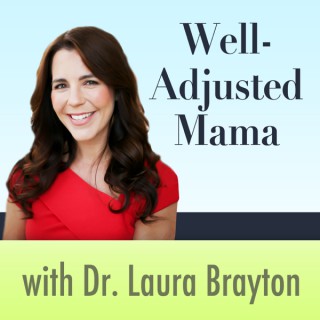
Parenting in today's world can feel overwhelming—especially when it comes to making informed decisions about your child's health. In this episode of the Well-Adjusted Mama Podcast, Dr. Laura Brayton sits down with board-certified integrative pediatrician Dr. Joel "Gator" Warsh to explore some of the most important and challenging conversations parents face. Together, they discuss how to approach children's health with curiosity, balance, and confidence while navigating topics such as vaccines, wellness, immune health, and the growing role of integrative medicine. Dr. Warsh shares evidence-based insights, practical guidance, and strategies that empower parents to make informed decisions without fear or confusion. Originally from Toronto, Canada, Dr. Joel Warsh earned a Master's degree in Epidemiology before completing medical school at Thomas Jefferson Medical College. After completing his pediatric residency at Children's Hospital Los Angeles, he founded his integrative pediatric practice in Studio City, California. He is also the bestselling author of Between a Shot and a Hard Place: Tackling Vaccine Questions with Balance, Data, and Clarity and reaches more than 500,000 parents through his educational social media platforms. Whether you're an expecting parent, caring for young children, or simply looking for a balanced perspective on pediatric health, this conversation offers valuable tools to help you confidently advocate for your family. Connect with Dr. Joel Warsh Website: www.integrativepediatrics.com Substack: https://substack.com/@drjoelgator Instagram: @drjoelgator For more from Dr. Brayton: If you'd like to learn more about my virtual functional medicine practice, go to https://drlaurabrayton.com/virtual-functional-medicine/ and schedule a complimentary 15 minute discovery call with me. Help more people find our show - leave a rating and review by simply clicking on http://ratethispodcast.com/welladjustedmama. © 2014 - 2026 Dr. Laura Brayton

00:00 – 14:40 – It’s our final show at Grand Park as the Colts have their final morning practice, the guys tease their interview with Lou Anarumo, Daniel Jones will join the show tomorrow, the guys’ takeaways from yesterday’s practice, Notre Dame/USC is back but the home-and-home series with Indiana gets canceled much to Kevin’s disappointment 14:41 – 20:20 – Morning Checkdown 20:21 – 44:55 – Colts defensive coordinator Lou Anarumo joined us after yesterday’s practice and we discuss the start of camp and how the defense is looking, his Italian restaurant recommendations and critiques, his expectations of Laiatu Latu, how his coaching career got started, what his mom used to do to make sure he got true Italian food in West Lafayette, the defensive rookies, DeForest Buckner’s offseason recovery and how he’s looked, Sauce Gardner’s impact and his first training camp with the team, his thoughts on CJ Allen and the linebacker group, Daniel Jones expected to join us tomorrow, Blake Grupe’s swagger 44:56 – 1:11:11 – Falcons running back Bijan Robinson gets a massive extension and what does that mean for Jonathan Taylor’s potential extension with the Colts?, Quenton Nelson’s brief comments on his contract negotiations from over the weekend, how will linebackers shake out for the Colts, who is at fault for the IU/ND cancellation, is this the last morning show EVER at Grand Park for Colts training camp?, Morning Checkdown 1:11:12 – 1:24:54 – The guys hit the Yung Joc, they then weigh in on what they’ve viewed at camp so far, Daniel Jones expected to join us tomorrow, Indiana cancels Notre Dame home-and-home, the Indiana nonconference schedule 1:24:55 – 1:32:15 – Tackling at practice, takeaways from Lou Anarumo, eating on flights, 132:16 – 1:56:33 – Do we believe in sports curses?, the Colts have had a very healthy camp to this point, DeForest Buckner’s recovery from neck surgery, more camp thoughts, Morning Checkdown 1:56:34 – 2:08:00 – Bijan Robinson gets a massive extension from the Falcons, what does it mean for Jonathan Taylor’s contract negotiations?, Kevin claps back at Indiana fans critiquing Notre Dame’s schedule 2:08:01 – 2:18:00 – The guys wrap the show with Locked On Colts Jake Arhtur joining us: his biggest takeaways from camp so far, his Italian restaurant recommendation, secondary thoughts, the guys say goodbye to Grand Park Support the show: https://1075thefan.com/the-wake-up-call-1075-the-fan/See omnystudio.com/listener for privacy information.

This is a featured episode of the NEW No Permission Podcast hosted by Daniel. Subscribe at No Permission Podcast (https://open.spotify.com/show/033nNxrnG1SI4HRqq1RUeL)********"People crave intimacy in the sense of companionship and friendship rather than romance."Carter Munk, founder and CEO of Pinned Social is on a mission to solve loneliness. This is his story as a 3x founder, never asking for permission to build.How many 3x, sub-30 year old founders do you know? Introducing Carter Munk who founded Moe's Coffee in the US – an Australian coffee brand now in 50+ locations across Canada — while still in school. Later co-founding Circa, a dating app that raised nearly $2 million, before leaving to build Pinned, a new kind of social app designed to solve the loneliness problem his generation faces despite even though they are the most digitally connected in history.The thesis behind Pinned: people don't see their friends because they don't know how to coordinate, not because they don't want to. He walks through how he validated the idea by interviewing 250 people, self-funded the early days, launched to a 12,000-person waitlist, and hit 5,000. He also gets real about outsourcing mistakes at Circa, why he has no backup plan, and the advice he'd give anyone thinking about starting something.

Retired Steelers Linebacker, Arthur Moats, is joined by Dr. TaNeisha from @ReallyFlawed & the Emmy Award Winning Producer in Raleigh, NC, Mark Bergin, to discuss how Drew Allar & Will Howard are performing at Steelers Training Camp, the 2026 Steelers Hall of Honor class, the team signing Rayshawn Jenkins plus more!
Guided Question When it comes to spiritual experiences and gifts, are you allowing Scripture—not personal experience, emotion, or cultural expectations—to determine what you believe and how you practice your faith? Summary This episode concludes a series on the ministry of the Holy Spirit by focusing on the controversial gift of tongues in 1 Corinthians 14. Dr. Robert Lewis begins by acknowledging the strong emotions and differing experiences surrounding tongues, but emphasizes that experience can never be the final authority for the church; Scripture must be the final court of appeal. He reviews several biblical observations about tongues: the gift is presented as a supernatural ability to speak unknown human languages, it primarily functions publicly as a sign to unbelievers, it is directed toward God, and it is not a gift given to every believer. Lewis then explains why tongues may have held such prominence among the Corinthians. Their culture had a long history of mystery religions and ecstatic speech, creating a natural association between ecstatic experiences and spiritual depth. Paul therefore had to help the Corinthians separate their cultural understanding of spirituality from the proper biblical use of the gift. Turning to 1 Corinthians 14, Lewis highlights Paul's emphasis on edification, clarity, interpretation, and order. Prophecy is presented as the greater gift because it communicates clearly to the church and builds up believers. Tongues, when used publicly, require interpretation so that the entire church can understand and be edified. Without interpretation, the speaker should remain silent in the gathered church. The episode then follows the historical record of tongues from the New Testament through church history and into the Pentecostal and charismatic movements of the twentieth century. Lewis observes that tongues became far less prominent after the apostolic period, while also cautioning that history alone cannot establish theological conclusions. Scripture, rather than historical patterns, must determine whether God can still give the gift. Finally, Lewis addresses how Fellowship Bible Church should respond to tongues today. He argues that the church should neither automatically reject the gift nor naively accept every claim of tongues as genuine. Because ecstatic speech can be counterfeited or psychologically induced, spiritual experiences must be tested against Scripture. Any public use of tongues should demonstrate the characteristics Scripture requires, including genuine supernatural ability and interpretation. The episode closes with three priorities for church leadership: remain faithful to God's Word, protect the flock, and promote individual spiritual maturity. Outline Why Tongues Are Controversial Conflicting experiences and opinions Scripture as the final authority The Biblical Gift of Tongues Supernatural human languages A sign to unbelievers Directed toward God Not given to every believer The Corinthian Context Influence of pagan mystery religions Ecstatic speech and perceived spirituality Paul's correction of cultural assumptions 1 Corinthians 14: Proper Use Prophecy prioritizes edification Clarity over unintelligible speech Interpretation required Order in corporate worship Tongues Through Church History Early New Testament manifestations Decline after the apostolic period Historical outbreaks Pentecostal and charismatic movements Evaluating Tongues Today Scripture does not explicitly say the gift has permanently ceased Ecstatic speech can be counterfeited Gifts must be tested Fellowship Bible Church's Approach Neither forbid nor blindly accept tongues Require biblical testing and interpretation Protect the church and promote maturity Key Takeaways Scripture is the final authority. Spiritual experiences, emotions, and personal testimony must be evaluated by God's Word rather than treated as proof of truth. Tongues are not a universal gift. Paul explicitly teaches that not every believer speaks in tongues; the Holy Spirit sovereignly distributes gifts according to His purposes. Edification should govern spiritual gifts. In the gathered church, gifts should benefit the body rather than become opportunities for personal spiritual display. Public tongues require interpretation. Without interpretation, the church cannot understand or be edified, so Paul instructs the speaker to remain silent in the gathering. God's gifts must be exercised orderly. Paul's final instruction is to pursue prophecy, not forbid tongues, and ensure that everything is done properly and in an orderly way. History informs but does not determine doctrine. The historical absence or resurgence of tongues cannot by itself establish whether the gift has ceased. Scripture must make that determination. Spiritual experiences must be tested. Not every experience that feels supernatural is necessarily a work of the Holy Spirit. The church is called to test what it encounters and distinguish the genuine from the counterfeit. Church leadership has a responsibility to protect the flock. Testing spiritual gifts helps preserve biblical order while protecting both the congregation and those who believe they possess a particular gift. Scripture References 1 Corinthians 12:30 — Not every believer receives the gift of tongues. 1 Corinthians 14:1–5 — Prophecy is emphasized because it builds up the church. 1 Corinthians 14:6–19 — Spiritual communication should be understandable and edifying. 1 Corinthians 14:20–25 — Gifts should serve God's purposes and lead people toward Him. 1 Corinthians 14:26–28 — Tongues in the church require order and interpretation. 1 Corinthians 14:36–40 — Spiritual gifts must operate according to God's commands and in an orderly manner. Acts 2 — Tongues appear as known languages and serve as a sign that draws attention to the gospel. Acts 10 — Tongues accompany the outpouring of the Holy Spirit on Gentile believers. Acts 19 — Tongues are again associated with the manifestation of the Holy Spirit. 1 Corinthians 13:8–10 — The episode considers whether this passage teaches that tongues have ceased. 1 John 4:1 — Spiritual claims should be tested rather than automatically accepted. Recorded 9.26.82

In this episode of Ohio Policy Talks, Anastasia and Veronica sit down with Lima Mayor Sharetta Smith to discuss how the city is taking a proactive approach to housing through its Build-Ready initiative. Mayor Smith shares what makes Lima unique, how housing demand and affordability pressures are affecting the community, and why the city saw an opportunity to make development easier and more predictable. The conversation also explores the connection between housing and economic development, the partnerships helping move this work forward, and what other Ohio communities can learn from Lima's approach. For REALTOR® members, this episode offers a practical look at how local governments can help remove barriers to housing development and support long-term community growth.Full Description / Show NotesHear from Lima Mayor Smith about what makes the city unique and how Lima is thinking about its future.Learn how housing demand and affordability pressures are showing up in Lima and why the city is taking a proactive approach.Dive into Lima's Build-Ready initiative and how the program is designed to make housing development easier to navigate.Explore why housing availability matters for economic development, workforce attraction, and long-term investment.Understand how partnerships with local leaders, developers, and community stakeholders are helping move the city's housing efforts forward.Discover what other Ohio communities can learn from Lima's approach to addressing housing needs.See why this conversation matters for REALTOR® members who are watching housing supply, local development, and community growth in their own markets.

We start off talking about sports, oddly enough, as Nhat is complaining that the NHL season was already a little too long before they added two more games to the schedule. An online magazine reaches out to interview us for a piece, which is laughably embarrassing. We talk about country […]

Steelers insider Mark Kaboly comes on The Fan Hotline to discuss his observations from the first week of Steelers' 2026 training camp in this hour with Adam Crowley. August 3, 2026, 9:00 Hour

0:00 Welcome and intro1:00 Origin story: a 2002 AI research spinoff that became Markup AI3:27 Why Matt says "content is the next code"4:16 Real client results: productivity, quality, and the previously unimaginable6:13 Cloud infrastructure and how Markup AI works across multiple LLMs7:29 How Markup AI proves impact with standards and risk scoring9:32 The agent to agent economy and machine readable brand11:12 A quick detour on the metaverse and multiverse content11:48 Matt's life outside the CEO seat12:32 Teaching media literacy in the age of AI13:57 Gartner's guardian agents and why AI has to check AI15:02 Deterministic trust scores explained15:51 Who checks the checker: verifying Markup AI's own agents16:17 Selling safety, confidence, and revenue through search visibility17:10 The shift from traditional search to AI powered discovery18:24 Where paid search fits in an AI first world19:55 Predicting search one to two years out21:37 Tackling the AI slop problem22:55 AI influencers worth following24:10 What a great 2026 looks like for Markup AI24:48 Where to find Matt and Markup AI

Chris and Teresa’s date STARTED with bubble tea, and ENDED with him TACKLING her in public. He says it’s a good thing, we’ll let you decide coming up in your Second Date Update!See omnystudio.com/listener for privacy information.

Welcome to the fastest 45 minutes in freight! On this end-of-July edition of What the Truck?!?, hosts Malcolm Harris and Michael Vincent break down the latest industry headlines and sit down with top leaders in supply chain technology and fleet operations. In this episode: Headlines & Legal Dramas: A breakdown of the latest updates surrounding the Louisiana staged-accident scam and attorney Vanessa Motta's denied request for a new trial. Plus, a look at the fallout from high-profile broker liability cases and nuclear verdicts. Reinventing Freight with Tech & EVs: Sami Khan, Co-Founder and CEO of Novoia, joins the show to discuss how AI, electrification, and autonomous hub-and-spoke models are reshaping over-the-road freight. He shares real-world performance data on their Tesla Semis and explains how AI is freeing up dispatchers to focus on high-value tasks. Tackling the Technician Shortage: Matt Trapp, VP of Operations at Cox Fleet, stops by to talk about the real challenges facing fleet maintenance. Learn how Cox Fleet is recruiting the next generation of tech-savvy mechanics—including military veterans—and why leadership is the key to technician retention. Watch on YouTube Visit our sponsor - GNOSIS FREIGHT Subscribe to the WTT newsletter Apple Podcasts Spotify More FreightWaves Podcasts #WHATTHETRUCK #FreightNews #supplychain Learn more about your ad choices. Visit megaphone.fm/adchoices

Welcome to the fastest 45 minutes in freight! On this end-of-July edition of What the Truck?!?, hosts Malcolm Harris and Michael Vincent break down the latest industry headlines and sit down with top leaders in supply chain technology and fleet operations. In this episode: Headlines & Legal Dramas: A breakdown of the latest updates surrounding the Louisiana staged-accident scam and attorney Vanessa Motta's denied request for a new trial. Plus, a look at the fallout from high-profile broker liability cases and nuclear verdicts. Reinventing Freight with Tech & EVs: Sami Khan, Co-Founder and CEO of Novoia, joins the show to discuss how AI, electrification, and autonomous hub-and-spoke models are reshaping over-the-road freight. He shares real-world performance data on their Tesla Semis and explains how AI is freeing up dispatchers to focus on high-value tasks. Tackling the Technician Shortage: Matt Trapp, VP of Operations at Cox Fleet, stops by to talk about the real challenges facing fleet maintenance. Learn how Cox Fleet is recruiting the next generation of tech-savvy mechanics—including military veterans—and why leadership is the key to technician retention. Watch on YouTube Visit our sponsor - GNOSIS FREIGHT Subscribe to the WTT newsletter Apple Podcasts Spotify More FreightWaves Podcasts #WHATTHETRUCK #FreightNews #supplychain Learn more about your ad choices. Visit megaphone.fm/adchoices

Darin Decker returns to the PricePlow Podcast for Episode #228, his fifth appearance on the show and his first since becoming VP of Sales at Alpha Lion. He joins Mike and Ben for a full walkthrough of the biggest SuperHuman relaunch in years: five reformulated pre-workouts, a rebrand from black to red, and the debut of a new ingredient called Tensia. Alpha Lion built its name on SuperHuman, and starting July 31, the entire sub-brand gets a V2 treatment. SuperHuman Original, Pump, Extreme, Jacked, and Burn all return with updated formulas, a new Superhuman Energy System, and packaging built around the idea that red means activation. Jacked adds PeptiPump and the novel probiotic-derived Tensia alongside its existing PeptiStrong content, while Burn stays untouched because, as Darin puts it, you don’t fix something that isn’t broken. Decker also walks through Alpha Lion’s pricing overhaul, its GNC weight-management win with the Burn2O system, and why the brand is leaning into retail instead of chasing Meta ad spend. Subscribe to the PricePlow Podcast on your favorite platform and sign up for Alpha Lion alerts before diving in. https://blog.priceplow.com/podcast/darin-decker-superhuman-228 Video: Darin Decker Unveils the New Red SuperHuman Lineup https://www.youtube.com/watch?v=Jz68mzZXxDo Detailed Show Notes: Darin Decker Returns for the SuperHuman Relaunch (0:00) – Introductions (1:00) – Betting on Powdered Pre-Workout, Not Beverages (3:15) – Why Superhuman Is Getting Its Own Spotlight (5:30) – Same Burn, New Name: The Superhuman Energy System (7:15) – Solving Superhuman’s Pricing Puzzle (11:45) – Jacked Gets a Peptide-Powered Muscle Focus (12:30) – The Storyteller Hire: How Darin Landed at Alpha Lion (17:00) – Winning Weight Management at GNC (20:45) – Formulating Alongside GLP-1s, Not Against Them (22:30) – Why Meta Ads Don’t Move Pre-Workout (26:30) – Retail as De-Risking: Dodging the Amazon Trap (29:00) – Keeping the Fun (and Flavors) Alive (31:15) – Dialing In Caffeine, Servings, and Delayed Release (34:30) – Tensia: A Probiotic That Makes Its Own Nitric Oxide (37:00) – Jacked as Burn’s Muscle-Building Sibling (38:15) – Not Every Pre-Workout Should Do Everything (42:30) – Vincamine, Collabs, and a Famous Equity Partner (45:00) – “Blocking and Tackling”: Alpha Lion’s Back-to-Basics Playbook (46:45) – Superhuman Core: The Amazon Entry Point (56:30) – Launch Timeline: July 31 Online, August In Stores (58:15) – Pre-Workout vs. Energy Drinks: Is the Category Still Growing? (1:02:30) – Slow and Steady: Why Hardcore Pre-Workout Users Aren’t Going Anywhere (1:04:30) – Darin’s Own Stack, Flavor Renames, and Ditching Artificial Colors (1:08:00) – Unveiling the Red Tub: Black Was the Warm-Up, Red Is the Switch (1:11:15) – A Stallone Movie Powers the Rebrand (1:13:00) – Final Thoughts and What’s Next Where to Follow and Learn More Connect with Darin Decker and Alpha Lion LinkedIn: Darin Decker Instagram: @alpha.lion … Read more on the PricePlow Blog
Tackling one of the newest phenomena in aesthetics, this episode of Plastic Surgery Untold dives into "Ozempic breast." Dr. Franco is joined by Dr. Reis and Dr. Weinfeld to unpack why losing the weight doesn't mean losing your options, and how a whole new patient population, often in their 20s, is coming in with deflated breasts and mature-patient problems after dramatic weight loss. Far from having "nothing to do," these patients have more options than ever, from sixth generation implants to preservation techniques, internal bra support, and fine-tuning with products like AlloClae. The key is a thoughtful plan that accounts for skin quality, future changes, and long-term support. In this episode, we cover: Why "lost the weight, lost the boobs, nothing to do" is fiction How rapid weight loss creates unique challenges like thin skin, stretch marks, and volume loss Why sixth generation cohesive implants are a game changer for these patients The addition-subtraction philosophy: augmenting with an implant while lifting or reducing at the same time How the internal bra and absorbable mesh provide long-term support for attenuated tissue Why waiting for a stable weight and planning for future life changes matters The big takeaway: an implant alone usually isn't the answer for the Ozempic breast. Most patients will need some degree of lift or reduction with their augmentation, and with modern techniques like preservation, surgeons can do more with less and set patients up for long-term success on their weight loss journey.

Welcome to Steelers Morning Rush, our new daily short-form podcast with Alan Saunders, giving a longer perspective on a single news topic surrounding the Pittsburgh Steelers or the National Football League. Today, it's the lack of tackling at practice, which head coach Mike McCarthy announced on Tuesday will not happen this year -- a first for ever in the history of the Steelers. So what does practice without tackling look like, what are the rules, who does it benefit the most, who will it harm the most, and how does the rest of the NFL do it? Alan breaks it down: Learn more about your ad choices. Visit megaphone.fm/adchoices

Happy Buck Moon, everyone! As we sink into the summer heat, I'm thrilled to welcome Jon Klassen on 3 Books! Jon is a Canadian born, LA living author and illustrator whose darkly humorous, minimalist storytelling has helped define contemporary children's literature. In 2016, Jon concluded his breakout book series 'The Hat Trilogy', which features 'I Want My Hat Back', 'This Is Not My Hat', and 'We Found a Hat.' 'This Is Not My Hat' was the first book to ever win both the American Library Association's Caldecott Medal and the British Kate Greenaway Medal. Jon's books have now sold over 12 million copies (!) and he might be the most decorated children's book author alive. About a month after we recorded this conversation, Jon won the Astrid Lindgren Memorial Award—a prestigious children's and young adult book award that he accepted from Crown Princess Victoria of Sweden at a ceremony in Stockholm. Nobody deserves this award more than Jon. He is a genius wordsmith, a remarkable illustrator, and a passionate father of two. In this chapter, we talk about Jon's writing routine, what makes a good illustration, the value of accepting fear when writing, how to draw a lying turtle, comfort with contradiction, men's fashion tips, what makes a good children's book, the publishing industry, and of course… Jon's 3 most formative books. Let's flip the page to chapter 163 now…

In this episode, Frank La Vigne sits down with Pradnesh Patil, co-founder and CEO of Altima AI, to explore how AI is revolutionizing the world of data engineering. Together, they dive into the challenges of modern data stacks, the explosion of tools and technologies, and how AI-powered agents are transforming the way data teams build and maintain complex systems. From automating data pipeline management to optimizing infrastructure and safeguarding governance, Pradnesh Patil shares insights on the next wave of data engineering and what the future holds for professionals in the field. Whether you're a veteran data engineer or a student curious about the evolving landscape, this episode offers practical advice, industry trends, and an optimistic look at how embracing AI can supercharge your career and your organization's capabilities.LinksPradnesh's LinkedIn - https://www.linkedin.com/in/pradneshpatil/Watch on YouTube -https://youtu.be/vxQrjE-U3gwTime Stamps00:00 Evolution of data technology tools04:11 Managing tool stack complexity09:09 Discussion on AI guardrails and future10:55 Managing MCB server outputs14:32 Streamlining Data Pipeline Efficiency18:48 Managing and Deleting Memories21:12 AI security and virtual employees27:16 AI transforming jobs and automation30:43 Impact of AI on IT Industry32:32 Upgrading legacy systems with AI37:10 Importance of Data Engineering39:10 Changing role of data managers42:45 Home lab challenges and data management

Tencent is one of China's biggest tech companies, running the popular Chinese messaging app WeChat and the world's largest video game vendor. Now, it's also an up-and-coming force in the field of carbon removal. Xu Hao, the vice president of Sustainable Social Value at Tencent, oversees two of those initiatives: the Carbon Neutrality Lab and CarbonX. He sits down with Sherrell Dorsey, host of the “TED Tech” podcast, to talk about how megacorporation can help advance the climate movement. He also explores the current state of carbon removal technology and how Tencent's video games are becoming an unlikely source of climate education for hundreds of thousands of people. This is episode three of a four-part series airing this month on TED Tech, where host and climate tech journalist Sherrell Dorsey speaks with climate leaders on the technology sparking a greener, more equitable future. Hosted on Acast. See acast.com/privacy for more information.

This week our besties are crashing out HARD. The road to recovery looks like admitting we have bad days, giving ourselves the room to rant and taking the rest we need to get back on track. Joey takes a night out in SoHo at the exclusive Ludlow House, and Snooki shares her latest obsession, ZBiotics, a pre-drink shot for the elderly millennial to keep the party going and the hangovers gone. Joey’s mother is trying to contact him beyond the grave, while the bestie duo bonds over their newest signature summer fragrances.As Snooki’s surgery date fast approaches, she reflects on the last year navigating her journey with cervical cancer, highlighting the importance of making your doctor appointments to opening up about the scary feelings of surgery. Joey chats about all the newest celebrity collabs, from Hailey Bieber and Gap to Merit and The Ritz Carlton, while Nicole pops off and calls out judgmental crusaders.The duo round out the conversation with their weekly Confession Sessions, sponsored by Hard Rock Bet, sharing that it’s okay to not be okay and that we need to let go of guilt when it comes to taking rest days. Snooki is a firm believer of bed rotting…who wouldn’t be, being a mother of three, with multiple businesses and battling cancer.And crusaders, somebody please buy Joey’s chairs. #Volume See omnystudio.com/listener for privacy information.
Send us Fan MailIn Episode 261 of Book Talk Etc., Tina and Hannah celebrate the power of short books–from short stories and novellas to essay collections and anthologies! Join us as we explore why these bite-sized reads can leave just as lasting an impact as a full-length novel.In this episode, we also spin the wheel to randomly select our next topic for our August episode of Tackling the TBR Shelf! These TBR tackle prompts are chosen by our patrons as a way for them to take part in our reading lives.If you enjoy this commercial-free podcast, consider supporting us on Patreon! Your membership includes access to bonus episodes like What's in the Mailbag, Bookstore Browse: The Handsell, and Book Talk After Dark, invites to monthly community events like Mood Reader Happy Hour, and entry into our private Facebook group and Discord server- all for just $5 a month.Loving LatelySummer Reading Campaign - Melanated Reader (T)Soola Bag (H)Soola Pouch (H)Latest ReadKeep Them Close | David Ellis (T)Look Closer | David EllisThe Best Lies | David EllisEverything to the Sea | Alicia Upano (H)Novellas and Short StoriesAt Home With the Horrors | Sammy ScottHuman Sacrifices | María Fernanda AmpueroI Know A Place | Nat Cassidy (T)Metamorphosis | Franz Kafka (H)Obstetrix | Naomi Kritzer (T)Automatic Noodle | Annalee Newitz (H)Shelf AdditionSeekers of Deer Creek | Thao Thai (T)People in Love | Claire Daverley (H)If you prefer other shopping options, you can find today's books on Bookshop.org or Blackwell's. Purchasing through these links supports us with a small commission, at no extra cost to you.Support the showLet's Connect... Email us at booktalketc@gmailBTE on YoutubeTina's TikTok , IG @tbretc YT @tbretcHannah's TikTok , IG @hanpickedbooksJonathan IG @infiltrate_jayPodcast IG @booktalketcRenee's Substack Newsletter , IG@Itsbooktalk

Tackling the Red Lantern District's Spike won't be a simple task, with the crew having to neutralise multiple snipers at the same time. With Selene having to navigate a hardcore S&M armour-polishing club, Screech grappling to the top of a sausage boutique and the Oriole doing god-knows-what, the launch of the city-wide resistance is mere minutes away.The adventure continues with Screech Echo (Mike Bachmann), Selene Von Esper (Jennifer Cheek), R'Oarc (Nika Howard), T'Chuck (Tim Lanning), and our Dungeon Master Michael DiMauro. Edited by Vincent.Podcast art by Zack Meyman! Want the world to see your fan art? Post it with #DrunksAndDoodles.Find more info by clicking right here - https://linktr.ee/GAPCast Hosted on Acast. See acast.com/privacy for more information.
© 2020-2026 Ivy Podcast Discovery LLC
