
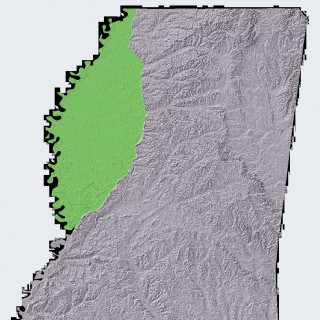
Northwest section of the U.S. state of Mississippi
POPULARITY
Categories

29 episodes with Mississippi Delta

41 episodes with Mississippi Delta

14 episodes with Mississippi Delta

12 episodes with Mississippi Delta

12 episodes with Mississippi Delta

7 episodes with Mississippi Delta

7 episodes with Mississippi Delta

4 episodes with Mississippi Delta

7 episodes with Mississippi Delta

8 episodes with Mississippi Delta

8 episodes with Mississippi Delta

10 episodes with Mississippi Delta

3 episodes with Mississippi Delta

3 episodes with Mississippi Delta

5 episodes with Mississippi Delta

8 episodes with Mississippi Delta

3 episodes with Mississippi Delta

2 episodes with Mississippi Delta

6 episodes with Mississippi Delta

3 episodes with Mississippi Delta

3 episodes with Mississippi Delta

2 episodes with Mississippi Delta

3 episodes with Mississippi Delta

3 episodes with Mississippi Delta

8 episodes with Mississippi Delta

4 episodes with Mississippi Delta

4 episodes with Mississippi Delta

5 episodes with Mississippi Delta

3 episodes with Mississippi Delta

6 episodes with Mississippi Delta

7 episodes with Mississippi Delta

5 episodes with Mississippi Delta

4 episodes with Mississippi Delta

4 episodes with Mississippi Delta

2 episodes with Mississippi Delta

2 episodes with Mississippi Delta
[REPEATD SCHEDULING DELAYS DUE TO TECHNICAL DIFFICULTIES.] On this episode of the Crop Doctors' Podcast, Wayne Dulaney shares the remarkable story of his family's century-long journey in Coahoma County. The Dulaneys arrived in the early 20th century as timber cutters, but as the Delta landscape and agricultural economy changed, so did the family's place in it. Wayne traces that evolution from the family's early days in timber through generations of farming and, ultimately, their emergence as a leading source of registered soybean seed by the close of the 20th century. Along the way, he offers a firsthand look at the people, places, challenges and agricultural changes that shaped his family and the Mississippi Delta.

Air Week: September 7-13, 2026 Ike Turner One of Rhythm & Blues' greatest innovators was also one of its most notorious personalities. Ike Turner was born in the same place that the blues was born, in the heart of the Mississippi Delta in Clarksdale in 1931. He learned boogie woogie piano was the legendary Pinetop Perkins and soon taught himself how to play guitar. His band, The Kings Of Rhythm, recorded what some would come to name as the “first Rock n' Roll Record” with “Rocket 88” in 1951. The Chess label called them “Jackie Brenston & His Delta Cats,” but it didn't matter, Ike Turner's stamp is all over that groundbreaking record, which was based on Jimmy Liggins' 1948 R&B classic, “Cadillac Boogie.” From there, Turner became a talent scout for both Sam Phillips at Sun Records and The Bihari Brothers at RPM Records. He played behind Howlin' Wolf, Little Milton, Elmore James, Otis Rush and many others while also releasing his own important sides. Matt The Cat sorts through the many record labels and incarnations of The Kings Of Rhythm on this week's “Juke In The Back,” as we honor one of music's most tragic, but important figures, the legendary Ike Turner. LISTEN BELOW

Episode 32 Brought to you by Stafford's Market, Drew, MissBreaking Bread with Stafford Shurden Episode 32: John “Driftwood Johnny” Ruskey | Quapaw Canoe CompanyOn this episode of Breaking Bread, Stafford sits down with John “Driftwood Johnny” Ruskey, founder of Quapaw Canoe Company, musician, painter, writer, river guide, educator, and one of the Mississippi River's most passionate advocates.John has spent decades exploring the wild places of America from his home base in Clarksdale, Mississippi. Before founding Quapaw Canoe Company in 1998, he served as the first curator of the Delta Blues Museum from 1992 to 1998 and helped co-found the Delta Blues Education Fund.His work eventually carried him from the blues to the river. John founded the Mighty Quapaws Apprenticeship Program, introducing young people from the Mississippi Delta to canoe building, river skills, outdoor adventure, and the natural world. In 2011, he founded the Lower Mississippi River Foundation, dedicated to river access, education, conservation, and public outdoor recreation.Quapaw Canoe Company celebrated its 25th anniversary in 2023 and has become a gateway to a side of the Mississippi River most people never experience. John and his crew guide paddlers through the islands, back channels, sandbars, forests, and enormous open spaces of the Mississippi from St. Louis all the way to the Gulf of Mexico.And John hasn't limited himself to the Mississippi. His travels and writing have taken him down many of North America's great rivers, including the Colorado, Rio Grande, Arkansas, Platte, Columbia, Missouri, and Atchafalaya.John's philosophy is rooted in a line from Henry David Thoreau:“In wildness is the preservation of the world.”His lifetime of work has been recognized with the Noel Polk Lifetime Achievement Award from the Mississippi Institute of Arts and Letters in 2019 and the St. John's College Award of Merit in 2022 for his contributions to the United States, the Mississippi River, the arts, and exploration.

This Day in Legal History: The Murder of Emmett TillOn August 28, 1955, fourteen-year-old Emmett Till was abducted, tortured, and murdered in the Mississippi Delta by two white men, Roy Bryant and J.W. Milam, after Till—a Black teenager visiting from Chicago—was accused of offending a white woman in a grocery store. His killers beat him, shot him, weighted his body, and threw it in the Tallahatchie River. He was a child, and his murder, and what came after, helped ignite the modern civil rights movement.The legal story is one of justice utterly failing, and then, slowly, refusing to disappear. Bryant and Milam were tried the next month in a segregated Mississippi courtroom. The trial lasted five days; the all-white, all-male jury deliberated for barely an hour before acquitting both men, with one juror later saying it wouldn't have taken that long if they hadn't stopped for a soda. Protected by double jeopardy, the two men then sold their confession to a magazine for a few thousand dollars, describing in detail how they'd killed the boy they had just been acquitted of murdering. It was one of the starkest demonstrations imaginable that the machinery of Southern justice was not built to deliver justice to Black victims.The significance of August 28, 1955 reaches across the decades. Emmett's mother, Mamie Till-Mobley, made the searing decision to hold an open-casket funeral and let the world photograph her son. That act of witness galvanized a generation. And there is a haunting piece of calendar symmetry worth honoring: exactly eight years later, on August 28, 1963, Martin Luther King Jr. stood at the Lincoln Memorial and delivered the “I Have a Dream” speech to the March on Washington. The law eventually, partially, caught up—the Civil Rights Act, the Voting Rights Act, and, only in 2022, a federal anti-lynching law that bears Emmett Till's name. It's a reminder that some of the most important developments in American law began not in a courtroom win, but in a courtroom failure so profound that the country could not look away.The brothers Andrew and Tristan Tate were back in a Miami federal courtroom this week, shackled, asking a judge to release them on bond while they fight extradition to the United Kingdom. The two, who have built a massive and controversial online following, have been held in a federal detention center since their July arrest on U.K. rape and sex-trafficking charges. Their lawyers made a pointed argument: if Romania, where the brothers face a separate sex-crimes case, is willing to let them remain free pending those proceedings, then a U.S. court should free them too—especially since, they argue, two of the most recognizable men on the internet can't exactly disappear. Prosecutors pushed back hard, and here the law is decidedly against the Tates. In ordinary criminal cases, release pending trial is the norm. But international extradition is different: there is a strong, long-standing presumption against bail, rooted in the idea that the United States has a treaty obligation to actually produce the person for the requesting country, and that letting an extradition target go free risks a diplomatic and legal failure if they flee. Courts generally require “special circumstances” to grant bail in an extradition case—a demanding standard—and prosecutors noted the brothers have money and have bragged about holding multiple passports. Legal experts quoted in the coverage thought it unlikely they'd win release. The significance is a useful window into a corner of the law most people never see: that fighting extradition is not like fighting ordinary charges, and the presumption of liberty that normally protects defendants is largely flipped when a foreign government is waiting to prosecute.Tate brothers press for release from US jail during extradition fight | ReutersPBS NewsHour · NPRA federal appeals court has cleared a significant hurdle for Bayer's $7.25 billion settlement of tens of thousands of Roundup cancer claims. The Eighth Circuit dismissed a challenge by a group of objecting plaintiffs who were trying to derail the deal—and the fight was about forum, which sounds dry but matters enormously in mass litigation. Bayer structured this as a class-action settlement in Missouri state court, an unusual move: it's using a single state-court proceeding to try to resolve claims nationwide. The objectors argued that a state court has no business fast-tracking a nationwide resolution, and that the whole thing belongs in front of the federal judge already overseeing the consolidated federal Roundup litigation. A federal judge ruled in June that the case could stay in Missouri state court, and now the Eighth Circuit has agreed, dismissing the appeal. Why does the forum matter so much? Because a settlement that binds a nationwide class of people—including people who haven't actively participated—raises real due-process questions about whether a single state court can bind absent claimants across the country, and because plaintiffs and defendants often have strong strategic preferences about which court, and which rules, govern a mega-settlement. This connects to the Bayer story we covered earlier this summer, when the Supreme Court handed the company a big win on failure-to-warn claims; this settlement is the other half of Bayer's campaign to finally contain a decade of Roundup litigation. A hearing to approve the deal is set for September 14, with roughly 65,000 claims hanging in the balance. The significance is that Bayer is close to buying its way out of a liability that has dogged it for years—and the courts just removed one of the last procedural obstacles.US court dismisses appeal over objections to $7.25 billion Roundup deal | ReutersRTÉ · Maryland Daily RecordAnd finally—though this is anything but a footnote—the biggest story of the week, and arguably the summer: Meta has agreed to pay up to $18 billion and fundamentally change how its apps work for teenagers, settling the landmark case accusing it of designing Facebook and Instagram to addict children. This is the resolution of the very trial we watched begin just ten days ago—the 29-state case in Oakland, with the whistleblower testimony from Arturo Bejar. Rather than let it run to a verdict, Meta settled, and the numbers are staggering: more than $17.6 billion to 48 states, D.C., Puerto Rico, and the territories, plus another $459 million to resolve privacy claims tied to the old Cambridge Analytica scandal. But the money may be the less important part. For the next decade, Meta has agreed to concrete design changes: teens will be capped at two hours a day on the apps, and blocked from using them between midnight and 6 a.m. without a parent's consent. And in a clever pressure mechanism, part of the payout is contingent on whether YouTube and TikTok adopt similar protections—effectively using this settlement to try to move the whole industry. Everything we've tracked all summer led here: the New Mexico verdict, the Tennessee trial, the bellwether cases, the Ninth Circuit clearing these suits past Section 230. This is the reckoning arriving. It still needs approval from Judge Yvonne Gonzalez Rogers, who presided over the trial, but if it holds, it's one of the largest consumer-protection settlements in American history—and, more consequentially, the first time a court-supervised deal will reach inside these platforms and re-engineer them for the safety of kids. The era of treating social media's effect on children as an unregulated externality may have just ended, not with a verdict, but with $18 billion and a clock that shuts the app off at midnight.Meta reaches $18 billion of settlements over children's social media addiction | ReutersCNN · Al Jazeera This is a public episode. If you'd like to discuss this with other subscribers or get access to bonus episodes, visit www.minimumcomp.com/subscribe
Breaking Bread with Stafford Shurden | Episode 31Rory & Marisol Doyle: From Maine and Mexico to the Mississippi DeltaWhat happens when a photographer from Maine and a restaurateur from Sonora, Mexico, somehow find themselves building a life together in Cleveland, Mississippi?In Episode 31 of Breaking Bread with Stafford Shurden, Stafford sits down with Rory and Marisol Doyle, the husband-and-wife team behind Leña Pizza + Bagels in downtown Cleveland.Their story stretches far beyond the walls of their restaurant.Rory is an internationally recognized photographer whose work documenting life in the Mississippi Delta and across the South has appeared in The New York Times, The Washington Post, The Wall Street Journal, Smithsonian Magazine, Reuters, The Guardian, ESPN and many others. His acclaimed Delta Hill Riders project documenting Black cowboy culture in the Mississippi Delta has been exhibited around the world and earned some of photography's top honors.In 2025, Rory won a James Beard Media Award for Narrative Photography for his ongoing work documenting Chuck's Dairy Bar in Rolling Fork, Mississippi.Marisol's path is just as remarkable.Originally from Sonora, Mexico, she spent years working in the restaurant industry before experimenting with homemade bagels at the Cleveland Farmers Market in 2016. That experiment eventually led her and Rory all the way to Naples, Italy, where she studied the craft of Neapolitan pizza making.Today, Marisol is the pizzaiola behind Leña, which has earned national attention and recognition as one of America's standout pizzerias.But this conversation is about more than photography and pizza.It's about two people from very different parts of the world who came to the Mississippi Delta, chose to stay, and built something special there.Stafford talks with Rory and Marisol about their journeys to Mississippi, falling in love with the Delta, building Leña, the creative process, Rory's photography, Marisol's approach to food, and what happens when outsiders begin to see a place differently than the people who have lived there their entire lives.It's a conversation about food, art, place, culture, entrepreneurship and the unexpected roads that sometimes lead us home.

Judge Assma Ali made history by being elected the first Muslim judge in the State. The daughter of Yemeni immigrants to the United States, Ali is now municipal judge for the City of Benoit, a small town in southwest Bolivar County in the Mississippi Delta. Mississippi Sen. Michael McLendon, R-Hernando, called for her removal from office. Mississippi Agriculture Commissioner Andy Gipson, a Republican candidate for governor, vowed to ban Sharia law if elected governor, though he did not mention Assma in his post.
Library of Congress, the NAACP, Rotary International, Pulitzer Prize Nominated“Your will to succeed remains one of your greatest assets.”Clifton TaulbertAccording to Clifton L. Taulbert, noted author and entrepreneur businessman, he could have failed had he not encountered community builders and entrepreneurial thinkers early on in his life. Taulbert was born on the Mississippi Delta during the era of legal segregation where he completed his secondary education. Though opportunities were few and barriers were plentiful, Taulbert managed to dream of being successful, not knowing the shape that success would take. Today Taulbert is the President and CEO of the Freemount Corporation (a human capital development company) serving clients nationally and internationally-Fortune 500 Companies, small businesses, federal agencies, professional organizations, community colleges and K-12 leadership. Additionally, entrepreneur Taulbert is the President and CEO of Roots Java Coffee-an African-American owned national coffee brand, importing coffee from Africa. To pass his life lessons along, Taulbert shares his entrepreneurial journey with others as a Thrive15.com mentor.He is a Generational Bridge of Segregated Times tio Integrated Times Today.In "The Invitation," Clifton Taulbert returns to the themes of "Once Upon a Time When We Were Colored," his award-winning book and the source of a major motion picture. This new memoir chronicles Taulbert's transformative experience of a supper invitation to a former plantation house in Allendale, South Carolina, where the successful adult confronts his childhood memories and wrestles with the legacies of slavery and segregation that demand to be acknowledged in his present circumstances.Transported back to a setting that looks and feels like the cotton fields and shotgun shacks of his childhood, Taulbert finds himself expected to cross racial barriers that no "colored" man could have broached without dire consequences. "The Invitation" is the story of the man and the little boy inside him wrestling with a past they both know so well, and of stepping into a future that is still being determined.Taulbert is a trustee of the University of Tulsa, has been recognized international by the Sales and Marketing Academy of Achievement, the Library of Congress, the NAACP, Rotary International as a Paul Harris Fellow and has been a recipient of the Jewish Humanitarian of the Year Award and the Richard Wright Literary Award. The Freemount Corporation is located in Tulsa, Oklahoma.© 2026 All Rights Reserved© 2026 Building Abundant Success!!Join Me on ~ iHeart Radio @ https://tinyurl.com/iHeartBASSpot Me on Spotify: https://tinyurl.com/yxuy23ba

Paul and Amy head down to the Mississippi Delta with O Brother, Where Art Thou?, the Coen Brothers' Depression-era odyssey that transformed Homer's epic into a bluegrass-fueled American fable. They unpack George Clooney's career-defining comedic turn, the film's groundbreaking digital look, and the skillful way the Coens balance myth, music, and absurdity. You can join the Unspooled conversation on Paul's Discord at https://discord.gg/ZwtygZGTa6 Follow Paul and Amy on Letterboxd for more of their movie hot takes! https://letterboxd.com/paulscheer/ https://letterboxd.com/theamynicholson/ Paul's book Joyful Recollections of Trauma is out now! Find it at https://www.harpercollins.com/products/joyful-recollections-of-trauma-paul-scheer Check out more of Paul's writing on his Substack https://substack.com/@paulscheer Episodic Art by Kim Troxall: https://www.unspooledart.com/ Learn more about the show at Unspooledpod.com, follow us on Twitter @unspooled and on Instagram @unspooledpod, and don't forget to rate, review & subscribe to us on Apple Podcasts, Spotify or where you listen to podcasts. Learn more about your ad choices. Visit megaphone.fm/adchoices
Matty Bengloff moved to the Mississippi Delta after graduating from college in 2007, originally planning to teach for a couple of years. He ended up staying, and has now lived in the Delta longer than anywhere else. He and his wife, Suzette Matthews, own Delta Dairy in Cleveland, a beloved local business and gathering spot. Both are deeply involved in civic organizations and the Cleveland-Bolivar County Chamber of Commerce. In March, Matty took over leadership of the Bologna Performing Arts Center, better known as BPAC, and is excited about the upcoming fall season and the future of live music and performing arts in the Mississippi Delta.

Vince Fakhoury Horn speakswith Rima Vesely-Flad about The Fire Inside: The Dharma of James Baldwin and Audre Lorde—the silence she found in her own Buddhist community when she began writing about Palestine, Baldwin and Lorde's distinction between hatred that corrodes and rage that comes from the examined life, and the question they keep returning to: how to feel it all without causing more harm.Vince Horn: So, Rima, great to see you.I've been really loving getting to know you as a person and also your work. I've been reading your book. Unfortunately, I also spilled water on my copy, so it is a little... If you see me struggling to flip through the pages, that's ‘cause we had a bit of an accident here. But I've really enjoyed reading your work. Can't wait to get into it with you. Thank you so much for your time.Rima Vesely-Flad: Yeah. Thank you, Vince. It's been great to get to know you, too. We're so close. Amazing. Amazing.Vince Horn: Yes, and it's amazing as adults, we can carve out the time to hang out. So that's sometimes the hardest part. I feel like being in middle age is, like, making time to spend with cool people, so appreciate your time.Rima Vesely-Flad: Me too.Vince Horn: So let's talk about your new book. This is The Fire Inside: The Dharma of James Baldwin and Audre Lorde. Of course, before reading this book, I was familiar with you and your work. But it really struck me that you were writing in this book, like from the very beginning, you're writing about Palestine and Israel, which is not something I see many Buddhists really writing about or talking about in America.So it stands out just the fact that you're even talking about this subject. And then on top of that, you're bringing to bear these beautiful Dharma teachings and wisdom teachings from the Black tradition of James Baldwin and Audre Lorde, bringing them to bear on this topic in the first chapter of the book, which I thought was quite courageous.And I really appreciate it, you know, as someone who has Palestinian family members and people in the West Bank I care about. So just on a personal level, really am grateful that you centered this in your writing. And I thought maybe we could start with that first chapter if you're up for it.Rima Vesely-Flad: Absolutely. It was actually the very last chapter I wrote. I wrote this book of course over several years, but as I was concluding in real time, the genocide was taking place, and I just found myself absolutely in a state of grief and rage and was really politically active around it in ways that I hadn't been in quite some time.Like feeling very pushed to speak out and to contact the Biden administration and representatives, people here in North Carolina who might or might not speak in Congress, and just found that I needed ways to speak out, and this is my community. The people who self-identify as Buddhist claim these traditions, these lineages, these practices, these schools of thought, and yet there was so much silence, and I felt really compelled to speak into that silence. And I know that's something that you feel and understand in a deep way. And then also, I'm not by any stretch the first Black activist or academic or thought leader to make the connections between oppression of people of African descent whose ancestors were enslaved and people who are in a state of survival as their land is being taken in real time. So all of those connections were very present, and yet in the Buddhist world, there was so much silence, so much evasion or even erasure of what's taking place. And it felt like it wasn't separate from my practice, and I had to speak.Even though at the time I hadn't even visited the West Bank. I since have, but at the time I was thinking and writing and observing and feeling from afar.Vince Horn: Yeah. Okay. I didn't realize you'd gone to the West Bank. Wow, we'll have to talk about that sometime. Yeah, there's early on in the book, there's a quote here that's really echoing what you just shared.I thought I'd share this ‘cause it really moved me quite a bit. You said, “I, like many Black Americans, like Southwest Asian and North African Buddhists, observe that violent oppression of Palestinians can never bring safety and security to Jewish Israelis. And as a Buddhist practitioner, it's important for me to speak out against the violence sanctioned by my government, my tax dollars.The policies of the US government do not represent my commitments. I'm horrified by the massacres in Gaza day after day, by the constant terrorizing of Palestinians in the West Bank. I think daily of Baldwin's words, ‘You don't know what's happening on the other side of the wall because you don't want to know.'”Rima Vesely-Flad: Wow. Even just hearing Baldwin's words in that context again, it really brings me chills. And so prescient, right? So prescient in terms of just anticipating how much more extensive... At the time actually that Baldwin visited, there wasn't a formal occupation, although there was theft of land. But this— that was 1961, and then the wall— right now the walls, the checkpoints, the just sheer magnitude of aggression and violence. Like Baldwin anticipated that, and then the myopia in Israel and in the United States.Vince Horn: Yeah. I think at the same time though as I read through your writing on this, I was really also struck that you're really trying to hold multiple realities here at once.You know, both holding the suffering of the Palestinians and the apartheid state that you're describing. At the same time, you have a lot of, as I do, Jewish friends and people that you care about who may not be able to hold that reality in the same way or who are struggling to in some cases. Who...and you treat that with real compassion I think in your writing and in your words. As I try to, you know, my best. And it's, of course, important to differentiate between Jewish identity and Israeli identity, which is often, you know, merged intentionally by the State of Israel.And for many people it's the way they're inculturated. It seems like that was kind of an unconscious merger in a lot of folks' identity. At least I've noticed that with close friends and even students in the last few years where we've had conversations around this. There's been real tension.And anyway, I appreciate that you're holding it with compassion, both realities here, not trying to sort of demonize Israelis or Jewish people. And really being aware of the antisemitism that this whole issue is also bringing about. Or it's... I'm not sure if it's bringing about or giving excuse to people to be bigoted.So I think it's cool the way that you're trying to weave those different things. And I guess I'm curious if you could say a bit about how you're taking that approach or why that's important to you.Rima Vesely-Flad: Yes. I start off the book talking about a relationship I had with a, I would say a mama bear, a mother figure who claimed herself, who self-identified as my godmother, and she was born in France to a very well-known filmmaker who had the opportunity for asylum in the United States, and he and his wife were granted this opportunity to flee, but were told they couldn't take their daughter, who was my godmother Via–Vince Horn: Wow.Rima Vesely-Flad: –was sent to a convent in France. So a Jewish girl sent to a Catholic institution, and she was blamed for the war and has suffered horrific antisemitic abuse. And it scarred her indefinitely. When she came to the United States, she took off the first part of her name, just called herself Via.She died of cancer many years later, and the wounds of that period were still quite evident at the time. I just remember, I have such extraordinary memories of her and what she suffered. And so part of my compassion and empathy, which is real, is that this nation state we call Israel was founded as ostensibly a refuge for people like Via and her parents.And this is a nation state founded upon theft of land. And what it meant practically is that 750,000 Palestinians were driven from their ancestral lands, and they and their descendants still to date live in refugee camps, which I was able to visit when I went to the West Bank. These are no longer tents.They're now concrete buildings, but stacked very high, very crowded, very narrow passages for walking, no play space for children. One of the refugee camps I visited in Bethlehem has an entryway that consists of keys welded into an arc, and these are the keys for return. People still possess the keys to their homes they were driven from 75 years ago. So to recognize the terror that took place during the Holocaust in Europe, and then to recognize the consequent suffering that was inflicted upon Palestinians, I think is not simple. Yes, safety, but one thing Baldwin says that stays with me over and over is that Palestinians should not pay for the sins of Europeans.Europeans committed the genocide, the Holocaust, and Palestinians should not have had to pay for that and should not have been driven from their lands to establish what is supposed to be a state of safety. And yet the atrocities being committed by this government and other governments, not saying that this very right-wing government is the only government that has committed atrocities against Palestinians. To say that this is a state of safety for people whose ancestors were exposed to the horrors of the Holocaust is, I think, to be very myopic, very limited. And part of what I'm trying to wrestle with is such deep confusion, like a deep state of confusion of how, if your ancestors have experienced the Holocaust, could you inflict this upon another peoples?So that's some of what I wrestle with in this first chapter is just like—Vince Horn: Yes.Rima Vesely-Flad: —what? And I'm not the only one. Like Ta-Nehisi Coates starts off his book talking about the— the book is called The Message. And he starts off his book saying like, “I just don't get it.” And I feel that too. I just don't get it. But then also, I don't understand this claim to sacred land, and that's part of what's happening with the atrocities in the West Bank in real time. And you know, all of us know it has escalated dramatically in the past few weeks.Vince Horn: Yes.Rima Vesely-Flad: Like even worse than when I was there. And when I was there, that's when the farmers during harvest, the Palestinian farmers during the olive harvest were being terrorized.Vince Horn: Yes.Rima Vesely-Flad: Including many Jewish activists, similarly from the United States and from Israel were being terrorized, all of them. Everyone who was in the fields trying to harvest the olives.Vince Horn: Right.Rima Vesely-Flad: That was happening in October, but now it has escalated dramatically in a city called Nablus and its surrounds.Vince Horn: Yes.Rima Vesely-Flad: I actually went to Nablus. That was one of the places we spent some time.Vince Horn: Yeah. That's where my cousin is based. So yes. Oh, yeah. And I've heard that as well from her. So that's, in recent, like week or two, her house was broken into by the IDF and they destroyed one of the walls and were calling out for someone who they have no idea who it is.Yeah. And just, you know, like that's becoming more just kind of more standard. Like that's just happening all over the place. Yeah.Rima Vesely-Flad: It's becoming normalized.Vince Horn: Normalized, yeah, exactly.Rima Vesely-Flad: That aggression. Yes, so much. And one of the things I just sat with when I went, you know, I was in Jerusalem initially.There is coexistence. It's, you know, people are not separate. They are coexisting in real time. And yet, when I went to the West Bank and, you know, it's like I just don't understand. Jewish refugees were given 51% of the land by initially Britain and the United Nations then in 1948, 1947, 1948.Drove out Palestinians from their ancestral villages into refugee camps. Why do they want more? And one of the things I realized is that the West Bank consists or has many holy sites, both for Palestinians who practice Islam and for Jewish peoples who see these sites also as their holy sites. So I was based in a city called Al-Halil, and there's a mosque there that's called the Tomb of the Patriarchs, and that is one of the holy sites also for Jewish practitioners, people who are adherents.They have built settlements on top of Palestinian buildings, especially in the old village. So I saw all of this actually arrive just as there was an incursion of young people from these settlements into the city of Al-Khalil, which is also called Hebron. In any case, that claim to holy space in the sense, the idea, the narrative that God gave it to a certain peoples who are chosen and therefore all of the land is theirs, something I don't understand. And I have some real hatred— with regards to the atrocities taking place. And I feel that part of my practice is to really own that and feel that in my body, and then to work with it in such a way that it doesn't come out and get directed towards people.But I can feel that. And so part of what it means for me to claim these practices, like you, I'm in the Insight Diaspora, so we likely know many of the same practices. But part of it is working effectively with the body so much so that it's not targeted, it doesn't come out in random ways and cause further harm.But it's a hard practice, and some of what you see in that chapter or read is that muscle being flexed of like, how do I feel without it coming out in a way that causes harm? That is part of the wrestling. That is part of the practice.Vince Horn: Yes. And it's one that I noticed, like in my own training, I didn't get a lot of tools for that in the insight tradition because hatred was sort of like something we're trying to transcend or, you know, like notice and then counteract.That was usually the frame around hatred. It wasn't something like you can actually feel this anger and really feel rage. Like although sometimes people would, I think, give lip service to that, it never felt to me like a culture where people were actually doing that.And so I was just sort of repressing all this rage and sort of like carrying on. And now I realize that the wisdom of what you're saying is like, if you repressed all that rage it goes inward, it goes outward. It is not constructive. It's not generative. It's not healing. It's just kind of like a time bomb ticking.Rima Vesely-Flad: Yeah I think that's so wise. It causes anxiety and depression. It needs a place to land, and part of what I think we're meant to do with this work is cultivate that place to land, but do it in a way that's skillful so that we're not creating more harm. And I don't think that... is harmful, but I think it, when it's not effectively worked with, it does come out sideways, and then it can inadvertently or maybe—Vince Horn: Intentionally even.Rima Vesely-Flad: —intentionally create that. But I think part of it also is recognizing it, giving it space to be named—Vince Horn: Yes.Rima Vesely-Flad: —and legitimizing it. Like, it is a just rage. And hatred— actually Baldwin and Lorde both talk about hatred as corrosive. They talk about how it does actually impact us in ways that are not useful, and it does need to be worked with skillfully.But rage, they both say, comes from the examined life. It comes from legitimate and clear observation of patterns of oppression taking place and experienced in real time. And so that's energy that can be used, that can be directed in fruitful ways. And I think that distinction is really important, and it did inform my own experience of hatred.Of like, “Oh, it's here. How do I work with it in a way that doesn't corrode my spirit or it doesn't corrode relationships that matter to me?”Vince Horn: Yeah. I love what you're saying there. It seems like conflating hatred and rage would be one mistake there, to think like, “Oh, I shouldn't be experiencing this anger or this rage because somehow it's a sign that I'm, like, in this corrosive state of hatred.”But like, oh, it's real, and it's arising in response to something real. Like, I had never seen this quote from James Baldwin about how being a Black American means living with rage all the time everywhere, and that hit me so hard. I'm like, yeah, that's what it feels like as a Palestinian right now. I feel that and have always felt that.I didn't know that's what I was feeling for so many decades. But now that it's out in the open and it's like, oh yeah, like it's just this constant sense of rage at being constantly policed. You know, having your tone of voice policed, your words. Not being able to be a certain kind of emotive or, you know, loud.Like, all these things that are culturally, like what I grew up with. This was like the way that our family was. Like, it's not okay in this larger kind of white culture to display these kinds of things. And so you just like, you gotta tamp it down.Rima Vesely-Flad: And, you know, Foucault would say we learn to police ourselves to discipline ourselves. And I think part of our work then, in terms of recovery, is to name the ways that we self-oppress.Vince Horn: Yes.Rima Vesely-Flad: I would say that's a huge, huge part of my practice, ongoing.Vince Horn: Yes. That makes so much sense because it is, like you're saying, it's internalized.Like, I— yeah, it's like I only need to get a few social signals before I start to realize, ‘cause I'm a socially intelligent being, like we all are. Like, oh, like, this is not okay. And if I continue to do this, there's gonna be kind of repercussions. And I think the bravery and the courage to do it anyway, and to deal with those repercussions, like, that seems to be where your work lives here, and it's a hard place to live.Rima Vesely-Flad: It is hard, yes. I mean, one of the things I also talk about in this book more broadly is that I grew up in a family where I wasn't wanted. My birth was not welcome, and that was something I knew from a very early age. So I learned to adapt. I learned all of these ways of trying to be wanted, trying to be claimed, being exceptional.Vince Horn: Yes.Rima Vesely-Flad: So the idea that I would self-exile is, like, anathema. And that's where I start talking. And part of the way I use Audre Lorde's work in this first chapter in particular is to say, she calls us out, saying, “We must speak remembering we were never meant to survive.” But for me to speak in ways that might be confrontational or perceived as offensive is a very hard edge.But to self-silence is also to betray myself and my people. And that's the edge, right? To speak and to risk exile for someone like me, who has been exiled just because of the way I appeared in the world with dark skin, dark eyes, dark hair, curly hair. And then also to adapt in so many ways that I recognize a level of self-betrayal or a betrayal of the people to whom I'm accountable.And I do consider my people are people of African descent who have been oppressed because of their embodiment in this particular context, which has shunned people of African descent as unworthy, as less intelligent. Has seen a kind of embodiment as inferior. We come up against that. I came up against that in my own family.Vince Horn: Yes.Rima Vesely-Flad: It's a hard edge, and I think part of the work is to actually not be so alone, to find our people, to find people with whom we feel mirrored. That's also hard work, but it has come over time. I have found community, and that matters. And I think part of this work of sangha, which I think in our lineage is not so prioritized—Vince Horn: Right.Rima Vesely-Flad: —but if we take it on intentionally, we can truly honor it as one of the three jewels. Part of our work is really investing in sangha, even when it feels scary or even when it feels like, wow, I have to be held accountable for things that I say that might actually really harm somebody else. But to keep doing that work and to ask for that feedback and that accountability.Vince Horn: Yeah, that strikes me as so true, and I understand why sangha isn't prioritized when you have such an individualistic kind of culture of, you know, meditative achievement and self-work. It's like, oh yeah, well, of course if we're all just focusing on ourselves together, we're not gonna be focused on the bonds that connect us.And yeah, I found that to be a limitation really for many years now in that community. And sort of what drove me to like explore relational practices and other things that felt like they kind of help soften those boundaries and begin to kind of get a felt sense for like what interbeing feels like in real time.It's like this is what it actually is like to be connected to someone or to disconnect or to lose myself in someone else's perspective. I guess I wanted to honor too that like you're talking about all the reasons that one could not speak out even if there's injustice and one wants to speak out on behalf of people they care about and are identified with.That on top of the racial dimension of this, there's also imagine the gendered dimension of this for you as well. Like I see with my wife and other women I know who are raised in a more kind of gendered female way. Like it's just speaking up in general is hard to do. Or it's not something that's encouraged or, you know, people don't have...they're not offered that same level of training often when they're in a female body. So I guess I'm curious like is that also part of what you've had to work with in addition to the racial dimension of this?Rima Vesely-Flad: That's a really good question. I think initially, yes.Like, I was raised to watch and serve and people please. And that's how I got my goods, as my therapist would say. Like, I felt wanted when I—Vince Horn: Right.Rima Vesely-Flad: —gave people what they wanted, and I think that is a very, very gendered experience. I cleaned the house at an early age. I took care of my younger brother.I was with a single mother who worked a lot, so I held things together in the family home. And yes, I think that is a highly gendered experience that I've carried into adulthood. I think I have patterns that I'm still trying to work with around serving and adapting, people pleasing and what have you.I do also feel like there's some corrective, if you will, by becoming an academic. I think in my line of work, having jumped through a thousand hoops, I did three master's degrees, I did a PhD, I learned how to cite research and ask questions and back up and demonstrate. You see it in this book, right?Actually, the book initially was an academic book where I just took on Baldwin and Lorde and tried to show how they illuminate these incredibly important and timeless teachings that we now associate with Buddhism or call Buddhist. And I had a friend and a mentor, Ruth King, say, “Actually, we need your practice in this book.We need this to not just be through the third person, but we actually need your voice in this book,” which was really important and also incredibly hard. But part of why I felt I could take it on is that I was in a world in which I was expected to speak and facilitate, and I think there was a training not necessarily in the broader environment to which you're pointing, but in an academic environment where standing up and giving a talk or a lecture or doing Q&A on the spot was something I learned how to do.So in that way, I think there's more of a sense of, oh, I have this. I can do this. And that feels more, I would say, naturalized, for lack of a better word, just because it's been two decades of doing this so explicitly. And I've loved the academy, you know, being with people who read thick books.And I'm the kind of person, I'll walk into a store and I'll look at the endnotes before I look at the introduction, just ‘cause I wanna know who's cited and, you know, what research are they relying on? And like, who has informed this work? That matters to me even more so than the title or even the introduction.I wanna just know who, what school of thought is this author drawing upon. And I love being with people who also operate in that way. And I have this funny story of being a consultant for a book project for a friend of mine, and we were all taken out to Portland. It was my first time in Portland, and you know, beautiful city.And we hung out and talked and conversed and worked through these chapters, and then we sat in the hot tub and discussed Foucault. And, you know, it's just so, for me, natural to be in an environment where something like that is really fun. And that is, I think, a part of learning how to speak. I think the harder part, and this goes back to the gender question, is having been a Black girl in a white family and trying to figure out how to survive in such hostility.So yes, I do think that's both racialized and gendered kind of experience.Vince Horn: Yeah. Okay. Yeah, makes sense. I hadn't considered the training in academia would be such a sharp training. But it makes sense, yeah, that you'd sort of be expected to be able to receive critique and offer it and speak and debate.Yeah, that... I could see that both being kind of traumatizing and a very good training at the same time.Yeah. I appreciate it so much that you did bring your story into this book as well, because I feel like at least for me as a reader, it gives me something personally to connect with where I can sort of see, like, how the universal becomes personal, you know, in a way. Where it's like all these things that you're describing, and Baldwin and Lorde are describing, like, they make sense to me and I understand it.But then when you describe, you know, your experience of coming up with your grandparents and the specific ways, like not having your picture hanging up with the rest of your cousins, for instance. Like, that specific experience and the way that you shared it just made... It made all of the abstract universal stuff real for me in a way, you know, that I think it sticks with me, and it's like it lands in my heart, you know, in a way that is transformative.So I suspect that's probably true for others as well. So thank you for sharing that.Rima Vesely-Flad: Yeah, I would say that was hard in a way that academic citations and reading for ideas, making arguments is not so hard. Like, it actually comes very naturally. But the harder work of communicating the harm that was done and how I received it, and certainly because I was raised knowing them, my grandparents' rejection of me based on my skin color in particular was, it was deeply traumatizing, and I still work with some of my patterns of adapting, ways that still do not serve me.And then too, and this is something I'm more present with, is my experience of being abandoned by my father. Actually, yesterday was his birthday, August 2nd, also James Baldwin's birthday, and I found myself honoring James Baldwin, and having a really hard time honoring my father, who I had not seen at the time that he passed away for more than 40 years. And I also feel that, and the disconnection not just from him, but also my lineage. And a big part of this book is actually not attempting to reconcile with my grandparents or the members of my family that are still very overtly racist, and there are many, but actually to find my father's people and to cultivate a sense of lineage and belonging through my father's people who came from the Mississippi Delta.My grandmother moved north during the Great Migration, and I am in touch with those family members who descended from her. She's now deceased, but, and my father is also deceased. But to have some sense of connection and being claimed, to have visited the graves of my great-grandparents, in a certain way it's not full circle, but it is a sense of return, and by that I mean return to ancestors, biological ancestors who I now know the names of and have a place to go and now developing relationships with in terms of a broader family system. And those are folks who have claimed me.I, about a month ago, maybe just about three weeks ago, got to talk to the matriarch of my father's family, one of, uh, his youngest... Uh, not my father, I'm sorry. My great-grandparents, their lineage. I was able to speak to one of their youngest daughters, my great-aunt who turned 100 last December.Vince Horn: Wow.Rima Vesely-Flad: Who's now about 100 and a half, and I just think, wow, how amazing to have met her. That she knows my name, that I had some time with her, that she still wants to speak to me on the phone. That she sees me as a way to connect to her sister, my grandmother, who's, as mentioned, deceased. Sometimes I think that healing process is not attempting to reconcile with the people who have denied or rejected your existence, but to find people who claim you and who want to be part of you.I think that also speaks to this broader political environment. It's not about getting accepted by the people who have ideas of your inferiority. It's not about proving that you are, in fact, worthy of X, Y, and Z, but it's actually about claiming and developing and cultivating your own spaces. And I'll say this in a personal way, not so much about being accepted by a dominant white culture community, as much as cultivating the spaces that do feel supportive, in which I am mirrored.And I feel like both Audre Lorde and James Baldwin were oriented that way as well. Like Audre Lorde was part of the second generation women's movement, and they weren't, like, trying to fit into some stereotype of women. They created their own communities, and they had relationships with one another. She was a self-defined lesbian, and was with a community of women who honored their own sexuality and their gender, and who sought a kind of alternative to the broader dominant culture. I think that is so important. And Baldwin, as a gay man too, was oriented towards honoring his own sexuality and creating communities that essentially I don't want to use the word affirmed in, like, a tidy way, but just said, like, all of you, every part of you is welcome here.Vince Horn: Yes.Rima Vesely-Flad: And so I do think that is incumbent upon us as well, not to look for acceptance, not to be claimed, but rather to invest in communities that we want to be part of.Vince Horn: Yeah. So it's like you're getting your belonging needs met by creating or finding the kind of community that you can be yourself there and not have to be constantly seeking external validation from a culture that's not going to validate you, or probably not for the next few decades at least. Rima Vesely-Flad: We could even say that within our insight lineages.Vince Horn: Yeah, absolutely. I guess that's the need for diasporas is rooted there. You know, finding... I remember the early community of people I hung out with were mostly people that were unabashedly interested in, like, mastering the states and stages of the path, which is a weird thing to say now ‘cause that's not where I am at all.But yeah, it was like a subculture of people who were like, “Yeah, we're really interested in hardcore meditation.” And that wasn't the scene in the insight tradition. It was more like healing and kind of long-term retreat. So yeah, I can absolutely relate to what you're saying. I'm curious to go back a little to the part of the book where you talk about karma.Because this is, I think this is an area where I've always struggled with early Buddhist teachings. And I remember the first class I took at Naropa on the first turning with Judith Simmer-Brown. We really explored karma in depth there, and it became clear to me, like the early Buddhist vision of karma was very individualistic.It was like you are the cause of— it was primarily putting everything back onto the individual. So I thought it was interesting when you're trying to bridge that with collective understanding of karma as well, and seemed like you're trying to hold both the individual and collective perspectives together, like not kind of falling into one or the other.But I always found early Buddhism was like collapsed straight into the individual perspective. So I'm curious, like how do you work with... Is that true from your point of view and from, you know, your scholarship? And like how do you then work with a tradition that seems to be, I don't know, hyper individualistic when there are also deep teachings on interdependence and interbeing you can find in the tradition as well, though I haven't found them as prominently in the early Buddhist tradition.Rima Vesely-Flad: I think that's true. I mean, the sutta that I rely on at the beginning of the chapter, which I can put into the chat if that's helpful, is one of the few that explicitly says, oh, and there are other causes and conditions for suffering, and I actually, I'll read that.Vince Horn: That's cool. So it is there.Rima Vesely-Flad: Yeah. It's, so it's an early Buddhist teaching or sutta, the Moliyasivaka Sutta, and it says, “Bile, phlegm, and also wind.” So our bodies, what's around us, “imbalance and climate too—”Vince Horn: Wow.Rima Vesely-Flad: —”carelessness and assault, with karma result as the eighth.”And it's saying these are all reasons for suffering. But it's true. It's one of the few suttas that explicitly acknowledges causes and conditions as sources of suffering. Where I delve into collective karma is, it's true, I found it less in early Buddhism, more in Mahayana Buddhism, the focus on language actually.The fact that we come of age as very small beings and learn language, and our language is collective. We are learning certain meanings along with certain phrases, and that is collectively formed, and that is a part of our thoughts. That is something that a number of scholars within the Mahayana Buddhist lineage talk about in many very complex texts over actually several centuries.So it is to say that we find that less in early Buddhism, but we do find that, and it's with that analysis in mind that I talk about the fact that we are shaped by the collective, and also that we have agency.Some of the gleanings I have towards how we might employ karma in a very constructive way come from postmodern thinkers who claim Buddhism, but who are also broadly read with thinkers such as Marx, thinkers such as Foucault, and, you know, people who are making connections in ways that, of course, are very far removed from early Buddhism.But one of the things that is drawn out by now a wide range of postmodern Buddhist scholars, so people who both practice Buddhism and are scholars of Buddhist teachings, is that we have agency. We're not simply beholden to actions of the past or even the collective, that we actually can practice and cultivate our thoughts, cultivate our words, cultivate our actions in a way that allows us to break free of patterns that are harmful or do not serve us. So that's where I go with that chapter on karma.Vince Horn: Yeah.Rima Vesely-Flad: Wanting to say we inherit so much, and we do. We inherit language. We also inherit culture. We inherit ways of thinking, and it's hard to see that because we swim in the waters even as we are inheriting them, yet there is some capacity for agency.Vince Horn: Yes.Rima Vesely-Flad: And that is what we can do. And maybe that's the emphasis in early Buddhism, is that we can work on our minds. We can free our minds from these oppressive patterns.Vince Horn: Yes. Yeah, and that makes so much sense in the context of, like, Indian caste system and the emergence of this, like, other way of living that's kind of outside of that caste system.I mean, it seems like such a powerful move to claim agency when you're in a culture that's, like, so determined by birth and status.Rima Vesely-Flad: Yes.Vince Horn: And then now, but in 21st century America, it feels like in some ways that view prevents moving forward to me with some of the deep learnings that the postmodern theorists have offered us over the last decades, you know, around the way that power gets calcified and ossified in systems, you know, that we're embedded in, in cultures that we are raised in.You know, having grown up here in the rural South, you know, this is a lot of what I've reflected on when it's come to reading works like yours and looking at racialization. Is like how I can't separate myself out from the place that I came up in. And I can see even with a Palestinian mixed racial household, like I was in a sea of white Southern Baptist Christians mostly.And, like, it had a huge effect on the way I talked and the things I thought were acceptable to say or to think. And, you know, I can even see the ways that I was always... I was trying to bridge the gaps with folks who are different because my grandfather moved into the part of town where the only Black folks in the entire county lived.There were two students in my high school who were Black. They were both... We rode on the bus together. I was quite close friends with one person. And it's like growing up in the small little mini minority space I remember trying to make connections with folks and sometimes just like really messing up and not because of that inculturation.I remember one time I wanted to share this story, which I've never shared before. Which I think it... I want to meet you in your vulnerability here because you shared so much in the book. But I remember a friend of mine had a friend over, young Black girl, and she was, I forget her name, but she came over.We were hanging out and getting to know each other. And I remember this thing that I said to her as a... Really, my intention was to try to connect. And I said, sometimes me and my family, we're also called “sand,” and then I used the N word. And this was my— and I said it totally smiling, you know, like really assuming this would bridge some gap between us, and that she would see, like, I'm like her.But the impact that it had was totally the opposite. You know, it's like, it really bothered her. She was crying later. My friends were like, “What the heck is wrong with you? Why did you say that?” And I was like, oh my gosh. And it was just such a rude awakening to the reality of race, and I could see that even as an older adult, you know, asking people where they're from to try to connect, when I appear as white, has this impact of really causing people to feel paranoid or feel like I'm coming at them in a way that's racially biased.You know, where I'm trying to, like, figure out where they're from ‘cause they're not from around here, you know, and stuff like that. And I could see how even being well-intentioned when you're trying to connect across difference, it's very easy to, because of ignorance, to really harm people. And I can see that in the community of white Buddhist practitioners, you know, where a lot of very smart and well-intentioned people, as they engage with this work, like, we struggle to figure out how to do that in a way that's not perpetuating harm on a racial basis.It seems safer to just not talk about it sometimes. And I can see that this is a real problem. Like, it prevents learning and it prevents people from being able to kind of see their own conditioning and kind of acknowledge like, oh, this is really ugly. You know, it's really ugly that I thought it was okay to just, like, use that language and that it wouldn't have that kind of impact.Like, I thought for some reason it was neutral.Rima Vesely-Flad: Yeah. Yeah, that, I think that does speak to what we were just talking about with regards to karma and language and how we are socialized, how we inherit so much, and how even a word that has been weaponized with such vitriol and hatred over centuries in real time is still like a brick at the body.Like, it can land and it's almost... Yeah, I could even feel, like your reference to it, just how it landed, ‘cause it's still such a powerful word, and it does point to the fact that we do exist in conditions of such hatred and violence, that we are landed upon all the time, and we have to figure out, like, how to acknowledge that in ways that don't take us under or, frankly, if this is wanted on all sides, create rupture so that there can't be a way forward to acknowledge the weight of what's taken place.And I think for people who have had that hatred— and again, I'm thinking of both Baldwin and Lorde speaking to this with such clarity and self-empathy. For that hatred to be received over and over, especially in early years, but not exclusively in early years, and to have ways to acknowledge it and to come out of it, I think is something that we are all called to do.And to maybe to, and I say this with real tenderness, ‘cause I am still learning and asking for feedback all the time. With some tenderness to, if you notice that something has been, that some harm has taken place, that something has caused rupture, or if you're told that by other people to go in, not with some sense of defensiveness or a sense of needing to explain yourself, or even needing to clarify your intention, but to come in and to say with real humility, “I'm sorry, and I want to know what this is for you, and it matters to me that your inner being, that your wellbeing is cared for.”That's what matters. And actually, I had a moment a couple of weeks ago, not even quite that long, where I said something quite offensive to a friend of mine, and I noticed. I just— you know, noticed by reading facial expressions, and this is part of our work too, right? To observe. And so I asked, and was able to receive some feedback and to really hear it.And I think something that I struggle with, and I imagine for you, Vince, this is real as well, is we both are parenting young kiddos. You have an 11-year-old, I have a 10-year-old, about to be 11. We are really busy. We're running households, and I think some of what I come up against in my own work is, where is the time to do that inner work of reflecting, processing, synthesizing how we might have created harm, returning to the relationship?Like, where is the time to really do that? And that is something I'm sitting with, is if I have said something or not said something and it has created harm, where is the space to process that? And so this practice of sitting every day, of taking refuge, creating a kind of consistent place to land every day, I think that is some of the work as well, is to have a place where we can receive ourselves and how we are working with that harm that we have imputed upon someone else.And that's a big part of the practice as well for me, is just to create that level of consistency. And to feel into that remorse, to feel into that regret, to feel how it lands with us, and to hope that we might be able to convey that and to be received. And we don't always know. We can put ourselves out there.We may not be received, but just to have that sincerity of approach and to not make it about us, but to really focus on how it has landed for the other person, and then in our own practice to do our work. I think that, for me anyway, has been a way forward. Not that I could write a rule book or some set of instructions. I would not say that. But, you know, I take real guidance from Audre Lorde who said, like, “It's on me to see my heel print on another woman's face.” I have to do my own work even if I do self-identify as someone who has had that level of systemic and interpersonal harm coming at me.I'm also in a place where I can oppress other people. I'm doing real harm for other people. And it's not one or the other. It's not simplistic, but it involves a level, I think, of spiritual and emotional maturity to really see that for ourselves and to be open to whatever has arisen and whatever harm has been done, and then to be accountable, to put ourselves in a position of being accountable to a group or to another person it is really hard work. Really very hard work.Vince Horn: Yeah. Yeah. At the same time, I mean, I can see that's the only way to gain in wisdom is to be able to do that work and then be like, “Oh, yeah, now I know better. You know, I know a little better how to engage or be with folks in a way that's not gonna cause as much harm.It's going to, you know, support others.” So yeah, thank you for talking to me today and for exploring this with us here in the Insight Diaspora. I wanted to mention, too, that you're very generously offering up sort of in-depth content around this for sanghas and other communities and leaders that are kind of interested in bringing this work into their communities.I don't know if you wanted to mention that for those that are listening and might want to reach out to you and explore that.Rima Vesely-Flad: Oh, yes. And I can put... I have a couple of things I want to put in the chat, but I can put my website in, and the bottom of the page are these offerings. Yeah, so—Vince Horn: Please.Rima Vesely-Flad: I have recorded a number of Dharma talks, eight Dharma talks with two practices based on the book. And the hope is that this is a self-guided course, but the hope is that people can both listen and then practice. And the hope is in community that actually that can happen. And still trying to figure out exactly how to essentially package all of that.But at the moment, people can register for a self-guided course and listen to Dharma talks, some of which come from the book and are somewhat expanded, and some of which come from other work I've done. So there's one called The Dharma of James Baldwin and Audre Lorde, and then there are three that will be offered live with a good friend of mine, Rashid Hughes, who has put together a practice he refers to as rest.He is a lovely human. He's done restorative justice work for a long time. He also has a Master of Divinity degree and leads a sangha in DC. And so Rashid will offer practice spaces live, and I will record Dharma talks. The next one is called Buddhism and Black Liberation. That comes from a book I published in 2022.And then there will be one offered in January called The Discipline of Liberation, and I think that's my next project. I'm just starting to get my head around it, but it's informed and guided by the writings of bell hooks.And then there will be one that actually points to exactly what we were just talking about with regards to harm and conflict and how to work with it internally and how to be in community, and I think a lot of us don't have that training, and I'm still someone, even now, who if I receive something in a hard way, I will go to my cushion before I'll go to another person.And maybe that's okay, except if I don't ever get off the cushion and go to that person, that's not okay. So really trying to, this is in real time, also trying to learn, like, how to have these harder conversations and do repair. That's really what I'm pointing to, how to do repair effectively so that there isn't only rupture, but there's a relationship that's sustained. So there will be one self-guided course. It will open in about a month on Tuesday, September 1st, and then three live classes with my friend Rashid, and starting in October, and then in 2027, two classes. And my hope is that we start to create some spaces that are trainings and also collective spaces where we can be guided, especially by, in my case, I'm thinking of Black thinkers, although always in conversation with other lineages, but really wanting to bring the wisdom of Black thinkers to the center of Dharma practice.Vince Horn: Yeah.Rima Vesely-Flad: Palestinian voices as well. I am really invested in that, too. And a friend, Kareem Gandoor, refers to Palestinian dharma, and I think, yes, that really resonates with me.Vince Horn: So yeah, Kareem. I know Kareem. Good stuff. Yeah, I've recently just connected with Mohsen Mawdawi, who is the president of Buddhist Association at Columbia.I think— didn't you do your grad work at Columbia?Rima Vesely-Flad: I did one of those degrees there. Uh-huh. In the same program he was in, yeah.Vince Horn: Uh-huh. Yeah. And it's been so nice to connect with fellow Palestinian Buddhists. All five of us are now connected. So I feel a lot of solidarity with the work that you're doing, and the way that you're centering the wisdom of Black teachers in the Buddhist lineage, bringing that to bear.So thank you so much for that work. I hope you continue doing it for a long time.Rima Vesely-Flad: Well, thank you. It does feel like the right work, and I feel so grateful to be able to do it long term. I mean, that's I think where I'm going here. Actually, being able to work... I'm gonna put my website into the chat.Being able to organize some of these classes is an attempt to make this work more sustainable, in addition to being like it both informs the next project and is an outgrowth of the current project. Get full access to Buddhist Geeks at www.buddhistgeeks.org/subscribe

Here we are with another 'Summerween' episode. this time we are digging into musicians who supposedly made deals with the devil for their skill and fame. We start with the Mississippi Delta's favorite crossroads legend, Robert Johnson. We tell both the legendary version of his tale and then we dig down to what is likely the truth behind his life. Then we jump back to Europe in the 1700's where we meet a slightly strange man named Niccolo Paganini and hear about his deal with the devil. Then we dispense with the legend and tell the truth of his life, at least as much as we know, Finally, we tell the legend of Petey Wheatstraw, the Devil's Son-In-Law and then again, contrast that with the real life of Blues musician William Bunch, who used the name to perform and leaned into the legend hard. We examine the legacy of these tales and even discuss how their represented on the modern internet where, under their videos, you can read comments of people openly accusing people like Katy Perry and Taylor Swift of having sold their souls for fame and fortune in this don't look now but the devil's watchin' episode of the Family Plot Podcast!Become a supporter of this podcast: https://www.spreaker.com/podcast/family-plot--4670465/support.

When it comes to music curses – and the Devil's Music itself – there is no musician more closely linked to the supernatural than Robert Johnson, the legendary bluesman who allegedly sold his soul to the Devil at a crossroads in the Mississippi Delta for magical playing skills and a handful of tunes. Robert would go on to become the founding member of the sinister “27 Club” but that's not the only curse that's been linked to the young guitar player. There's also the so-called CROSSROADS' BLUES CURSE.The legend of the curse states that Robert, with his deal with the Devil, became the first victim of the song that he wrote and made famous. He died a horrible death after being murdered by a jealous husband – stabbed, shot, or poisoned, depending on the version of the story you hear – and was buried in an unmarked grave for decades. But Robert Johnson was only the first victim of his own curse – he wouldn't be the last.Advertising Inquiries: https://redcircle.com/brandsPrivacy & Opt-Out: https://redcircle.com/privacy

Willy Bearden is a filmmaker, photographer, author, producer, musician and Southern storyteller whose work has helped preserve and interpret the culture, characters and history of Memphis, the Mississippi Delta and the Midsouth. In this episode, Bearden shares how growing up in Rolling Fork, Mississippi, surrounded by natural storytellers, shaped the way he sees the world. He talks about studying education, working as a teacher's aide and substitute teacher, and eventually finding his way into film through Memphis' Motion Picture Laboratory (MPL), where he learned the technical and artistic skills that launched his career. The conversation explores Bearden's decision to leave a comfortable path and start his own production company in 1987, first creating corporate videos and conventions before moving into documentaries, public television and museum storytelling. He discusses projects connected to the blues, cotton, Overton Park, the Elvis Presley Birthplace, the Cotton Museum and other places where Southern history comes alive every day for visitors. Bearden also reflects on his memoir, “Mississippi Hippie: A Life in 49 Pieces,” and the experiences, people and places that inspired him to turn the camera on his own life. It's a conversation about creativity, courage, history, memory, storytelling and the value of taking a leap before you feel completely ready. This episode is sponsored by Thompson CAT Machinery Rentals of Union City, Tennessee.

Summer camp is out of reach for many families, even just day programs. And a big reason is the cost.For the Gulf States Newsroom, Aubri Juhasz looks at how some camps are keeping prices affordable.Louisiana recently updated a state law that criminalizes intentionally exposing others to HIV. In the past, Louisiana had one of the most punitive HIV exposure laws in the country, but advocates have long argued the law was too broad.Reporter for Verite News, Halle Parker, walks us through these updates.Since the onset of his second term, President Donald Trump has carried out a major immigration crackdown. While many communities are now the targets of raids by U.S. Immigration and Customs Enforcement, one group continues to be welcomed into the United States with open arms: white South Africans, particularly those of Dutch descent known as Afrikaners. For years, many of these Afrikaners have been settling in Gulf South.Boyce Upholt covered this for the New Yorker and the Food & Environment Reporting Network. He joins us with the latest.We might be halfway through the summer already, but maybe you're still looking for a creative outlet. Third Lantern Lit is an organization in New Orleans that brings together writers from across the state looking to hone their craft. This summer, they're encouraging writers –and potential writers– of all levels to pick up the pen. Last year we spoke with Daphne Armbruster, director of community outreach at Third Lantern Lit. Today we give that conversation a second listen. —Today's episode of Louisiana Considered was hosted by Adam Vos. Our managing producer is Alana Schreiber. We get production support from Garrett Pittman and our assistant producer Aubry Procell.You can listen to Louisiana Considered Monday through Friday at noon and 7 p.m. It's available on Spotify, the NPR App and wherever you get your podcasts. Louisiana Considered wants to hear from you!Please fill out our pitch line to let us know what kinds of story ideas you have for our show. And while you're at it, fill out our listener survey! We want to keep bringing you the kinds of conversations you'd like to listen to.Louisiana Considered is made possible with support from our listeners. Thank you!

Addie E. Citchens's debut novel, Dominion, received A LOT of award nods. And rightly so: set in the Mississippi Delta, it's a powerful story about powerful men doing powerfully bad things. But Addie puts her focus on what the women who love them have to do to survive them – and how far those women will go to protect them. Mick chats to Addie about how the patriarchy shapes all of us, the violence of male entitlement, the things women do to survive it, what happens when love and morality clash, and how patriarchal religions are an own goal for men. Learn more about your ad choices. Visit megaphone.fm/adchoices

The history of rock and roll is written in more than just ink and vinyl—some say it's written in blood, ritual, and ancient pacts. From the dusty crossroads of the Mississippi Delta to the drug-fueled paranoia of the Hollywood Hills, the connection between the music industry and the occult is deeper than most dare to admit.In this deep-dive exploration, we peel back the velvet curtain to examine 10 of the most chilling and documented conspiracies that bridge the gap between high art and high strangeness. We aren't just talking about rumors; we're looking at the factual intersections of legendary musicians and the "Black Arts."Become a supporter of this podcast: https://www.spreaker.com/podcast/missing-persons-mysteries--5624803/support.

July 17, 2026: 8am — Pennsylvania Gov. Josh Shapiro joins Morning Joe To listen to this show and other MS podcasts without ads, sign up for MS NOW Premium on Apple Podcasts. Hosted by Simplecast, an AdsWizz company. See pcm.adswizz.com for information about our collection and use of personal data for advertising.

This week on Blues From The Ouse, we're taking a musical journey around the world with our special feature Blues Without Borders, proving that great blues music isn't confined to Chicago, Memphis or the Mississippi Delta.We begin with the very latest blues releases from Young Rell, Chris O'Leary, The Bad Day Featuring The Bad Day Horns, Thomas Heppell and The Milk Men before travelling through Denmark, Australia, Canada, France, Belgium, Northern Ireland, South Africa, Finland and Brazil to showcase some of today's finest international blues artists.Hour two features another superb collection of listener favourites including tracks from The Rolling Stones, Eric Clapton, Humble Pie, Christone "Kingfish" Ingram, Albert Castiglia, Abner Jay and The Animals, together with our weekly gig guide and a relaxing wind-down featuring The Cinelli Brothers, GA-20, The Teskey Brothers and The Greyboy Allstars.If you enjoy modern blues, blues rock, British blues and discovering incredible artists from around the world, this episode is for you.Blues From The Ouse #333 Playlist:Blues From The Ouse - Show Introduction - 00:00:00Harrell Davenport - Tomorrow - 00:01:15Chris O'Leary - Bad Decisions - 00:04:58The Bad Day Featuring The Bad Day Horns - I Can't Turn You Loose - 00:09:11Thomas Heppell - Terraplane Blues - 00:13:39The Milk Men - Down In The Hole - 00:16:28Thorbjørn Risager & The Black Tornado - Navigation Blues - 00:19:27Lachy Doley - Give Me Some Lovin' - 00:24:04Layla Zoe - Watch What You're Doing - 00:26:49The Buttshakers - Wicked Woman - 00:31:13The Bluesbones - Find Me A Woman - 00:35:03Chris Chalmers & The Souvenirs - Way Back Home - 00:38:32Dan Patlansky - Soul Parasite - 00:40:58Erja Lyytinen - Bad Seed - 00:44:17Igor Prado Band - Hey Boogie! - 00:49:13The Rolling Stones - Rough And Twisted - 00:54:42Delta Fuse - Hypnotic Woman - 00:59:17Humble Pie - Black Coffee - 01:02:57Eric Clapton - Someday After A While - 01:05:57Lynwood Slim - Found Love - 01:10:36Christone "Kingfish" Ingram - Outside Of This Town - 01:14:54Albert Castaglia - I'm Afraid To Fall Asleep - 01:20:41Abner Jay - I'm So Depressed - 01:25:27The Animals - The House Of The Rising Son - 01:29:06The Cinelli Brothers - Married Woman - 01:33:44GA-20 - Dry Run - 01:37:24The Teskey Brothers - Carry You - 01:40:40The Greyboy Allstars - What Happened to TV? - 01:44:56 Blues Podcast, Blues Radio Show, Modern Blues, British Blues, Blues Rock, International Blues, Blues Without Borders, Contemporary Blues, New Blues Music, Blues Guitar, Blues Harmonica, Soul Blues, Chicago Blues, European Blues, Australian Blues, Canadian Blues, South African Blues, Finnish Blues, Brazilian Blues, Independent Blues PodcastBlues From The Ouse is a weekly UK blues podcast and blues radio show featuring classic blues, modern blues, British blues and blues rock.Discover blues legends, new blues releases and the best emerging British blues artists — available worldwide.Links

In this episode, Clay dives headfirst into the chaos of the day — from battling Big Tech censorship after his major Facebook page (91k followers) was suspended on bogus "prescription drug" claims, to the broader war on cancel culture and the coordinated attacks from professional outrage mobs. Clay breaks down why he's shifting focus heavily to YouTube and other platforms while keeping the mothership — live local radio — as the heart of the operation. Joined by Wednesday co-host **Tommy Tatum** (J6 survivor, pardoned by Trump, and sharp voice from the Mississippi Delta), they discuss: - The Nolan Wells case and the blatant race-baiting narratives pushed by activists and media, including a jaw-dropping NewsNation clip that perfectly illustrates the state of race relations. - Ben Crump's playbook, 2020 election truths, and the need for real accountability over performative outrage. - Black culture rot, overreactions to accusations of racism, and why it's time to push back hard. - Local Delta corruption updates, Trump's upcoming speech, and the spiritual/cultural revival needed to fix what's broken. Clay also shouts out sponsors, reflects on building a real audience vs. anger addicts, and reminds listeners why live local talk radio still matters in the age of podcasts and livestreams. Raw, honest, and unafraid — this is reality radio fighting for the soul of Jackson, Mississippi, and America. Strap in -

Treveles Simmons and his mother Jearlean Simmons are former residents of "Sugar Ditch Alley", a segregated black community in Tunica, Mississippi in the Mississippi Delta region where in 1985 officially the poorest county in the United States with a poverty rate of 56%. Jearlean and her nine children lived in a dilapidated wooden shack that lacked indoor plumbing, running water, and bathrooms. The house was next to an open sewage ditch that ran through the neighborhood where residents were forced to use portable containers for sanitation and dispose of waste in the open sewer. These homes were infested with rats and roaches, Jearlean even placed cotton in her children's ears at night to keep roaches out. Hear the Simmons story of resilience, love, and faith in God.

Steve Groff continues to provide agricultural thought leadership. Sure, he's an author, speaker, farmer and recently claimed himself as a bird nerd. But one of Steve's hallmark accomplishments, is developing and promoting the tillage radish. Hailing from Holtwood, Pennsylvania, Steve's Cedar Meadow farm became Regenified certified in 2023. From initial conservation efforts, through integrating cover crop diversity, to projects like biochar and nutrient-dense crop testing, Steve shares the real-world impact of these practices on the Chesapeake Bay watershed, illustrating how strategic land management can clean polluted estuaries while increasing farm profitability. Monte and Steve discuss the importance of farmer education, public engagement, and bipartisan collaboration to promote sustainable agriculture that benefits us all. Plus, hear about his recent adventures in fiber crop innovation, including custom flax planters and processing opportunities that could revolutionize U.S. fiber industries and reduce reliance on imports. Enjoy a great catch up conversation with Steve Groff by clicking below. Steve's Website: https://www.stevegroff.com/ Regenified and Cedar Meadow Farm: https://regenified.com/farm/cedar-meadows/ Steve's Book: The Future-Proof Farm: https://www.stevegroff.com/book Timestamps: 02:55 - Market shifts: variety packaging and customer preferences 03:37 - Steve's personal farm story and history of no-till since 1982 07:32 - Regenerative agriculture: growing food for health and future generations 08:11 - Challenges of farming on steep, rocky terrain in Lancaster County 09:44 - Land costs, succession, and land transfer strategies 13:43 - Water quality concerns in Chesapeake Bay and conservation efforts 16:37 - Nutrient management, manure regulations, and local innovations 19:33 - Progress in Chesapeake Bay restoration and the role of cover crops 20:58 - Biochar research and its potential benefits and challenges 22:04 - Nutrient runoff issues in the Mississippi Delta and alternative management strategies 23:58 - The potential of Maryland's cover crop payment programs 25:38 - Lessons from regulatory and incentive approaches across states 30:41 - The role of government, incentives, and public awareness in environmental stewardship 32:36 - The personal impact of water clean-up on community life and future opportunities 33:47 - Linking soil health to human health: the food as medicine movement 36:17 - Innovative tools like cover crop roller development and their origin stories 43:39 - Extending cover crop benefits to pumpkins and specialty crops 45:23 - Moving toward nutrient-dense foods and the role of regenerative practices for health 47:26 - Opportunities in fiber crops: hemp, flax, and market potential 50:17 - The influence of high-profile advocacy and policy in advancing regenerative agriculture 54:45 - The importance of diverse viewpoints and bipartisan support for farm sustainability 56:06 - Linking soil health improvements to health costs and chronic disease prevention 58:28 - Hemp industry challenges: regulation, infrastructure, and market development 61:04 - Innovations in fiber crop equipment, including planting systems for hemp and flax 64:08 - Long-term biochar research plans and soil health impacts 65:22 - Future directions: high tunnels, specialty crops, and nutrient density testing 67:22 - Upcoming events and Steve's focus on hands-on farm work and family 70:25 - The divine story behind the farm's historical crops and future crop opportunities 72:43 - Final thoughts: observing nature, curiosity, and the farmer's role in ecosystem health
The Breaking Bread Podcast is proudly sponsored by Stafford's Market in Drew, Mississippi. If you're passing through the Delta, stop by, grab something good to eat, and help us keep these conversations coming.Today's guest is my longtime friend, Chef David Crews, owner of Crews Culinary Investments, culinary instructor at Mississippi Delta Community College, and the driving force behind the Delta Supper Club, a 501(c)(3) nonprofit that's bringing world-class dining experiences to the Mississippi Delta.The Delta Supper Club has become one of the most unique culinary experiences in the South, hosting unforgettable multi-course dinners prepared by acclaimed chefs in some of the Delta's most iconic settings, from historic Dockery Farms to other remarkable locations throughout the region. Their newly reimagined season has just launched, and the first event sold out almost immediately.David and I go way back. In my early years of running restaurants, he was one of the people who taught me what running a kitchen really looked like. We talk about the restaurant business, mentoring the next generation of chefs, building community through food, and why the Mississippi Delta continues to inspire people from all over the country.If you love food, entrepreneurship, and great stories, you're going to enjoy this conversation.
Breaking Bread Podcast with Stafford ShurdenEpisode 26 | Special Guest: Brooks BishopIn this episode of Breaking Bread, Stafford sits down with his friend Brooks Bishop, owner of Southern Summit Roofing in Cleveland, Mississippi.Brooks is a young entrepreneur with an interesting story and a wide range of experiences. He's been a regular supporter of the Success Supper Club, has introduced Stafford at multiple events, and has built a reputation as someone who is always looking for ways to grow, learn, and help others succeed.In this conversation, Brooks shares his journey, talks about the roofing business, discusses entrepreneurship in the Mississippi Delta, and offers insights on leadership, relationships, and building a company from the ground up.Whether you're a business owner, aspiring entrepreneur, or just enjoy hearing the stories of people making things happen in rural America, you'll enjoy this conversation.About Brooks BishopBrooks Bishop is the owner of Southern Summit Roofing, based in Cleveland, Mississippi. Through Southern Summit Roofing, Brooks helps homeowners and businesses protect their investments while building a company focused on service, trust, and long-term relationships.Episode SponsorToday's episode is sponsored by Stafford's Market & Deli.Located in the heart of Drew, Mississippi, Stafford's Market & Deli is open Sunday through Friday from 11:00 a.m. until 1:30 p.m., serving some of Mississippi's favorite home-cooked meals, sandwiches, daily specials, and famous fried chicken.If you're traveling through the Delta, stop by and grab lunch.Learn more at StaffordShurden.com.Connect with StaffordWebsite: StaffordShurden.comThanks for listening to Breaking Bread with Stafford Shurden. If you enjoyed this episode, be sure to subscribe, leave a review, and share it with a friend.

Twins. A juke joint. A blues prodigy. And something very hungry waiting in the Mississippi Delta. Tea, Karen and Lysa are diving deep into Ryan Coogler’s Sinners , the 2025 horror film that took the world by storm. They cover the rich folklore that opens the film, the music that earned every single one of […] The post Dance with the Devil | Earth Station Boo appeared first on The ESO Network.

Musician Steve Azar and actor/comedian Gary Valentine join Jake Coker and Mick Gillispie at the Delta Soul Golf Tournament in Greenville, Mississippi, for a conversation full of comedy, music, Southern culture, and giving back. Gary Valentine shares the hilarious story of how his mother secretly signed him up for his first open mic night, launching a career that eventually led to stand-up success and his memorable role on The King of Queens. He also explains the story behind his stage name and why “Valentine” stuck. Steve Azar discusses the mission behind the Delta Soul Golf Tournament, which raises money to support arts programs for children in the Mississippi Delta, and how returning home to Greenville helped inspire a new creative chapter in his music career. The group also talks about Southern hospitality, the cultural power of the Mississippi Delta, returning home after years in entertainment, upcoming projects, and a special look at Pearl River Resort with Jake Coker and Steve Azar. Like this video, subscribe to The Next Round, and turn on notifications for more conversations with athletes, entertainers, musicians, coaches, and sports personalities. #SteveAzar #GaryValentine #KingOfQueens #JakeCoker #MickGillispie #DeltaSoul #MississippiDelta #GreenvilleMS #TheNextRound #PearlRiverResort SUBSCRIBE: @NextRoundLive - / @nextroundlive FOLLOW TNR ON SPOTIFY: https://open.spotify.com/show/7zlofzLZht7dYxjNcBNpWN FOLLOW TNR ON APPLE PODCASTS: https://podcasts.apple.com/us/podcast/the-next-round/id1797862560 WEBSITE: https://nextroundlive.com/ MOBILE APP: https://apps.apple.com/us/app/the-next-round/id1580807480 SHOP THE NEXT ROUND STORE: https://nextround.store/ Like TNR on Facebook: / nextroundlive Follow TNR on Twitter: / nextroundlive Follow TNR on Instagram: / nextroundlive Follow everyone from the show on Twitter: Jim Dunaway: / jimdunaway Ryan Brown: / ryanbrownlive Lance Taylor: / thelancetaylor Scott Forester: / scottforestertv Tyler Johns: /TylerJohnsTNR Brooks Carter: /BrooksACarter Sponsor the show: sales@nextroundlive.com Learn more about your ad choices. Visit megaphone.fm/adchoices

A perfectly smoked brisket, a lobster roll dripping with butter, a hot tamale simmered in spiced broth. America's food trails are more than great eating—they're a passport to the history, culture, and community behind every iconic dish.In this episode, host Angie Orth welcomes back food and travel expert Kayleigh Ruller for a rapid-fire countdown of her top five food trails in America. From the Mississippi Delta to the coast of Maine, Kayleigh shares the routes she considers essential for any serious food traveler.You'll hear about the cross-cultural origins of a Southern staple, discover why Northern California's dairy country is worth a detour, and hear which barbecue regions inspire the fiercest local pride. Kayleigh also reveals the food trail that surprised her most with its depth and authenticity, and names her single favorite culinary route in the country.What You'll Learn:0:47 The surprising cross-cultural history behind the Mississippi Delta Hot Tamale Trail2:07 Why Marin County's cheese trail is one of America's most scenic food experiences3:21 How BBQ trails from Kansas City to North Carolina create authentic local connection6:51 The food trail that surprised Kayleigh with its depth and regional pride8:18 Kayleigh's number one food trail pick What's your most unmissable food trail? Tell us in the comments! Connect with Kayleigh Ruller:Instagram: https://www.instagram.com/kayleighruller/YouTube: https://www.youtube.com/@kayleighruller3383Connect with AAA:Book travel: https://aaa-text.co/travelingwithaaa Instagram: https://www.instagram.com/AAAAutoClubEnterprisesFacebook: https://www.facebook.com/AAAAutoClubEnterprises

Dr. Stroope is an Assistant Professor in the School of Kinesiology at Louisiana State University. Stroope's research includes three overlapping areas: co-benefits of active transportation, public health approaches to increasing rural physical activity, and access to nature, with an overarching interest in how physical activity contributes to community thriving. Stroope is on the leadership team for the Physical Activity Policy, Research, and Evaluation Network (PAPREN) Rural Hub and serves on the Dissemination and Translation Board for the U Mass Prevention Research Center. Before joining the LSU School of Kinesiology, she spent ten years working for Cooperative Extension, with most of those years serving as the LSU AgCenter's physical activity specialist. In that role, she partnered with Extension agents, small towns, the Louisiana Department of Transportation and Development, rural librarians, schools and other community partners to increase access to physical activity, with a particular focus on helping communities pursue funding for active transportation infrastructure. Description In this episode of the Elevate Yourself podcast, Rob sits down with Dr. Jessica Stroope to discuss how communities can be designed to support healthier, more active lives. Drawing from her experiences in public health, Cooperative Extension, and community-based research, Jessica explores the powerful role that active transportation, access to nature, and the built environment play in shaping physical activity behaviors. She shares lessons learned from working with rural communities, transportation departments, schools, libraries, and local leaders to create environments where movement is a natural part of everyday life. The conversation highlights how seemingly small environmental changes can have a meaningful impact on health outcomes, why partnerships across sectors are essential, and how community design influences far more than physical activity alone. Whether you're interested in public health, community development, or simply creating places where people can thrive, this episode offers practical insights into building more accessible and active communities. Learn More Physical Activity Policy, Research, and Evaluation Network (PAPREN) LSU School of Kinesiology LSU AgCenter Selected Publications: Stroope, J., Ballis, L. E., Seals, K., Garn, A. C., Holston, D. (In press). Rural Physical Activity in the Mississippi Delta: the moderating influence of stray dogs. Journal of Healthy Eating & Active Living. Stroope, J., Umstattd Meyer, M.R., Gabbert, K., John, D.H., Orzech, K., Wende, M.E., and Kellstedt, D. (2025). Physical Activity Policy, Systems, and Environment Change through Extension SNAP-Ed: A Multi-State Perspective. Health Promotion Practice. https://doi.org/10.1177/15248399231221779 Stroope, J., Jones, M., Nunes, B., & Holston, D. (2024). Improving Access to the Transportation Alternatives Program for Rural Communities. Journal of Healthy Eating & Active Living. https://doi.org/10.51250/jheal.v4i3.94 Stroope, J., Garn, A., and Cadmus-Bertram, L. (2022). Active transportation and self-reported change in physical activity. Journal of Transport & Health. https://doi.org/10.1016/j.jth.2022.101528 Seals, K., Stroope, J., Freightman, J., Moles, A., Ainsworth, L, and Holston, D. (2022). Empty houses, loose dogs, and engaged citizens: Lessons learned from community participatory data collection in rural areas. Health Promotion Practice. https://doi.org/10.1177/15248399221111181 Stroope, J. (2021). Active transportation and social capital: The association between walking or biking for transportation and community participation. Preventive Medicine. https://doi.org/10.1016/j.ypmed.2021.106666

In kind of an Epic Month pick we watched the 2025 horror film Sinners. Directed by Ryan Coogler set in 1932 in the Mississippi Delta, it stars Michael B. Jordan in dual roles as criminal twin brothers who return to their hometown where they are confronted by a supernatural evil. The film co-stars Hailee Steinfeld, Miles Caton, Jack O’Connell, Wunmi Mosaku, Jayme Lawson, Omar Benson Miller, and Delroy Lindo. Come join us!! Website : https://tortelliniatnoon.com/ Instagram: https://www.instagram.com/tortelliniatnoonpodcast/ Facebook: https://www.facebook.com/TortelliniAtNoon Twitter: https://twitter.com/PastaMoviePod

What does it actually look like to stop living for a paycheck and start living for yourself? In this episode of Someone Gets Me, Dianne A. Allen shares the mic with Frank McKenna, a man who spent 24 years at a job he hated, followed a quiet pull toward something completely unexpected, and built a life that most people only dream about. Frank shares how curiosity and persistence led him from New York to California to the Mississippi Delta, and why following your own path often looks nothing like what the world expects of you. Frank talks openly about what it took to leave a life that looked successful on the outside but felt empty on the inside, how he built meaningful community in a place he wasn't even from, and why his definition of success has nothing to do with a salary anymore. Watch the Someone Gets Me Podcast - Following Curiosity Out of Convention with Frank McKenna Did you enjoy this episode? Subscribe to the channel, tap the notification bell, and leave a comment! You can also listen to the show on Spotify, Apple Podcasts, and Amazon Music. Frank McKenna is a storyteller, music lover, entrepreneur, and proud ambassador of the rich culture of Clarksdale, Mississippi. Originally from New York and later the San Francisco Bay Area, Frank now calls Clarksdale home, where he lives with his wife and shares his passion for Delta Blues, music, and community. After retiring from a career with UPS, Frank continued doing what he loves—connecting people and creating memorable experiences. He is involved with the iconic Cat Head Delta Blues & Folk Art, a beloved blues-centric record and folk art store, is a minority owner of the legendary Shack Up Inn, and manages Downtown Wine & Liquor. An amateur musician himself, Frank enjoys playing guitar, harmonica, and singing. He loves meeting people from around the world and introducing visitors to the soul, stories, and sounds that make Clarksdale so unforgettable. Facebook: https://www.facebook.com/frank.mckenna.9862/ How to Connect with Dianne A. Allen Dianne A. Allen, MA is an intuitive mentor, speaker, author, ambassador, hope agent, life catalyst, and the CEO and Founder of Visions Applied. She has been involved in personal and professional development and mental health and addiction counseling. She inspires people in personal transformation through thought provoking services from speaking and podcasting to individual intuitive mentoring and more. She uses her years of experience coupled with years of formal education to blend powerful, practical, and effective strategies and tools for success and satisfaction. She has authored several books, which include How to Quit Anything in 5 Simple Steps - Break the Chains that Bind You, The Loneliness Cure, A Guide to Contentment, 7 Simple Steps to Get Back on track and Live the Life You Envision, Daily Meditations for Visionary Leaders, Hope Realized, and Where Do You Fit In? Website: https://msdianneallen.com/ Instagram: https://www.instagram.com/dianne_a_allen/ Facebook: https://www.facebook.com/msdianneallen/ LinkedIn: https://www.linkedin.com/in/dianneallen/# Twitter: https://x.com/msdianneallen Check out Dianne's new book, Care for the Neurodivergent Soul. https://a.co/d/cTBSxQv Visit Dianne's Amazon author page. https://www.amazon.com/stores/author/B0F7N457KS You have a vision inside to create something bigger than you. What you need is a community and a mentor. Personal mentoring will inspire you to grow, transform, and connect in new ways. The Someone Gets Me Experience could be that perfect solution to bringing your heart's desire into reality. You will grow, transform, and connect. https://msdianneallen.com/someone-gets-me-experience/ For a complimentary “Get to Know You” 30-minute call: https://visionsapplied.as.me/schedule.php?appointmentType=4017868 Join our Facebook: https://www.facebook.com/groups/someonegetsme Follow Dianne's Facebook Page: https://www.facebook.com/msdianneallen Email contact: dianne@visionsapplied.com Dianne's Mentoring Services: https://msdianneallen.com/
The history of rock and roll is written in more than just ink and vinyl—some say it's written in blood, ritual, and ancient pacts. From the dusty crossroads of the Mississippi Delta to the drug-fueled paranoia of the Hollywood Hills, the connection between the music industry and the occult is deeper than most dare to admit.In this deep-dive exploration, we peel back the velvet curtain to examine 10 of the most chilling and documented conspiracies that bridge the gap between high art and high strangeness. We aren't just talking about rumors; we're looking at the factual intersections of legendary musicians and the "Black Arts."Become a supporter of this podcast: https://www.spreaker.com/podcast/missing-persons-mysteries--5624803/support.

Kenny and Mike are joined by director Theo Avgerinos and cast / contributor Rev. Dr. Jason Coker for a discussion of Rising Hope, a documentary film about the struggles and hope exerpienced by the residents of several towns in the Mississippi Delta. The film examines the rich history, decline, struggles that depleated the area of it's wealth and many of its residents, but not the hope of those who are determined and build a new narrative for the region and people. The film does not shy away from many of the causes of the regions decline including systematic racism and well as the effects of the NAFTA trade agreement. Faith Issues: Faith and hope are interwoven throughout the film and history of the region. In depicting the deternimation, courage and faith of residents the film can inspire others facing difficulties to not be defined by what is lacking but by what is present and the possibilities that grow out of determination, community and working together. Rising Hope echos the teaching in Hebrews 11 that faith is the assurance of things hoped for, the conviction of things not seen.
**Clay Edwards Show – JPS Anti-White Racism, Redistricting Battle & Trump UFO Disclosure (Ep 1212)** Clay lights up FAFO Friday by torching Jackson Public Schools for sharing a blatantly racist, anti-white propaganda post stereotyping poor Southern white families as lazy MAGA trash clinging to Confederate flags, guns they'll “never need,” unread Bibles, and nonstop Fox News. When called out, JPS blocks him on social media — which Clay declares a clear First Amendment violation by a taxpayer-funded government entity and vows to fight all the way if needed. The main focus turns to redistricting. Hour two features Mississippi Auditor Shad White breaking down why Mississippi must follow Tennessee's lead and redraw congressional maps to remove Bennie Thompson. Shad explains how this ends race-based gerrymandering, helps lift the Mississippi Delta out of poverty, and opens the door for real representation — including black conservatives who actually want to serve their communities. Plus, breaking news: The Trump administration has released the first batch of UFO files, including videos of unresolved UAPs. Clay reacts to the ongoing disclosure push. Unfiltered, no sugar added reality radio at its finest.
The main focus turns to redistricting. Hour two features Mississippi Auditor Shad White breaking down why Mississippi must follow Tennessee's lead and redraw congressional maps to remove Bennie Thompson. Shad explains how this ends race-based gerrymandering, helps lift the Mississippi Delta out of poverty, and opens the door for real representation — including black conservatives who actually want to serve their communities.
The history of rock and roll is written in more than just ink and vinyl—some say it's written in blood, ritual, and ancient pacts. From the dusty crossroads of the Mississippi Delta to the drug-fueled paranoia of the Hollywood Hills, the connection between the music industry and the occult is deeper than most dare to admit.In this deep-dive exploration, we peel back the velvet curtain to examine 10 of the most chilling and documented conspiracies that bridge the gap between high art and high strangeness. We aren't just talking about rumors; we're looking at the factual intersections of legendary musicians and the "Black Arts."Become a supporter of this podcast: https://www.spreaker.com/podcast/missing-persons-mysteries--5624803/support.

In the heat of the 1930s Mississippi Delta, an everyday object meant to preserve life became something far more unsettling. From brutal crimes to unexplained disappearances, the “Icebox Murders” reveal what happens when the line between preservation and concealment begins to blur… and the truth is left to rot just beneath the surface. YouTube - https://www.youtube.com/@HauntedAmericanHistory hauntedamericanhistory.com Patreon- https://www.patreon.com/hauntedamericanhistory LINKS FOR MY DEBUT NOVEL, THE FORGOTTEN BOROUGH Barnes and Noble - https://www.barnesandnoble.com/w/the-forgotten-borough-christopher-feinstein/1148274794?ean=9798319693334 AMAZON: https://www.amazon.com/dp/B0FQPQD68S Ebook GOOGLE: https://play.google.com/store/books/details?id=S5WCEQAAQBAJ&pli=1 KOBO: https://www.kobo.com/us/en/ebook/the-forgotten-borough-2?sId=a10cf8af-5fbd-475e-97c4-76966ec87994&ssId=DX3jihH_5_2bUeP1xoje_ SMASHWORD: https://www.smashwords.com/books/view/1853316 !! DISTURB ME !! APPLE - https://podcasts.apple.com/us/podcast/disturb-me/id1841532090 SPOTIFY - https://open.spotify.com/show/3eFv2CKKGwdQa3X2CkwkZ5?si=faOUZ54fT_KG-BaZOBiTiQ YOUTUBE - https://www.youtube.com/@DisturbMePodcast www.disturbmepodcast.com TikTok- @roadside.chris Hosted by Simplecast, an AdsWizz company. See pcm.adswizz.com for information about our collection and use of personal data for advertising.

Lessons From the Delta continues — this time from the perspective of farmers managing one of the most intensive production systems in U.S. agriculture. In Episode 6 of the Purdue Commercial AgCast mini-series, Chad Fiechter and Todd Kuethe visit with Terry and Trent Dabs of LTD Farms near Stuttgart, Arkansas, to discuss what it takes to operate a rice-based farming system in the Mississippi Delta. What emerges is a detailed look at a production environment shaped by water management, labor demands, and capital intensity—where daily decisions around irrigation, equipment, and timing carry significant economic consequences. The conversation also discusses: • Why rice production requires constant water management and monitoring • How labor constraints shape daily operations and long-term strategy • The impact of intensive field conditions on machinery and capital decisions • How rice is marketed and how payment differs from corn and soybeans • The role of global markets in determining profitability As Delta farmers navigate a system defined by irrigation dependence and production intensity, the discussion raises important questions: What does it take to manage risk in a high-cost production system? How do labor and water constraints shape farm structure? And what lessons apply beyond the Delta? This episode builds on earlier conversations about production systems and farmland economics, and brings the focus directly to the farm level. We'll also continue sharing video clips and behind-the-scenes footage from the Arkansas trip on our YouTube channel throughout the series. Subscribe to the Purdue Commercial AgCast so you don't miss upcoming episodes in the Lessons From the Delta series. For more farm management resources, visit:

Mississippi State environmental historians Jim Giesen and Mark Hersey join the Mississippi Outdoors Podcast to talk about something every hunter and landowner should understand — the history of the land they're on.They walk through how the Mississippi Delta went from dense forest to farmland after the Civil War, how whitetail deer nearly went extinct in Mississippi, and how the shift from cotton to soybeans quietly became one of the biggest factors in the state's deer population explosion. They explain why most federal forests in the South are actually worn-out cotton fields the government reclaimed, why feral hogs were intentionally brought to Mississippi in the 1940s, and what the weedy edges of old cotton fields had to do with bobwhite quail.It's a different kind of outdoor episode — but one that will change the way you look at every piece of land you hunt. Hosted on Acast. See acast.com/privacy for more information.
Jason and Tom sat down with Stafford Shurden of Drew, Mississippi, in the Crop Doctors' Podcast studio in Stoneville for a conversation that bridges generations of Delta agriculture. Stafford reflects on growing up on a family farm in the Mississippi Delta during the 1970s and 80s—sharing stories about the equipment, crops, and community that shaped his early years in agriculture. The discussion explores a shotgun of topics including influences of technology, no-till farming, the 2021 flood, and lots in between. You can find Stafford at https://staffordshurden.com and all social media platforms.
Lessons From the Delta continues — this time focusing on how farmland moves from farmers to investors and back again. In Episode 3 of the Purdue Commercial AgCast mini-series, Chad Fiechter and Todd Kuethe speak with Colson Tester of AcreTrader about how farmland investment platforms identify properties, evaluate land values, and structure investments for accredited investors. While farmland has long attracted institutional capital, platforms like AcreTrader are opening the door for retail investors to participate in agricultural land ownership. But farmland investing works differently than most asset classes — deals are often sourced locally, data can be limited, and success depends heavily on working with the farmers operating the land. The conversation explores: • How farmland investment platforms source and evaluate farms • Why buying land at or below market value is critical for long-term returns • How farms are structured as investment offerings for retail investors • Typical hold periods and expected return targets for farmland investments • Why many farmland acquisitions involve sale-leaseback arrangements with operators During the trip, the group also visited one of the first farms AcreTrader acquired in the Mississippi Delta and discussed how leasing structures, irrigation systems, and local production practices influence farmland values in the region. As previous episodes in the series have shown, Delta agriculture operates within a different production system — one heavily dependent on irrigation infrastructure and specialized crop rotations. Those same factors also influence how farmland is evaluated as an investment asset. While the production systems may differ from the Midwest, the strategic questions remain familiar: How should farmland be valued? What drives long-term land appreciation? And how does capital access shape farm growth and business decisions? This episode builds on the earlier conversations in the series and sets up upcoming discussions on irrigation systems, water management, and how those investments influence farm productivity and land values. We'll also continue sharing video clips and behind-the-scenes footage from the Arkansas trip on our YouTube channel throughout the series. Subscribe to the Purdue Commercial AgCast so you don't miss upcoming episodes in the Lessons From the Delta series. For more farm management resources, visit:

The New Yorker: The Writer's Voice - New Fiction from The New Yorker
Addie Citchens reads her story “The City Is a Graveyard,” from the March 16, 2026, issue of the magazine. Citchens is a Mississippi Delta-born, New Orleans-based writer of fiction and nonfiction. Her first novel, “Dominion,” was published in 2025 and was short-listed for the PEN/Faulkner Award for Fiction, and long-listed for the Center for Fiction's First Novel Prize. Learn about your ad choices: dovetail.prx.org/ad-choices

Episode OverviewIn this Chocklett Factory episode of The Articulate Fly fly fishing podcast, host Marvin Cash sits down with legendary fly designer and guide Blane Chocklett for a wide-ranging conversation covering two central topics: the mechanics and design philosophy behind Chocklett's support disc and spreader dam system, and the upcoming Lefty Kreh's Tie Fest conservation event in Vero Beach, Florida. Blane explains how his support discs — available in round and oval profiles ranging from 6mm to over 20mm — create the water diversion that drives the serpentine, side-to-side swimming action that defines Game Changer articulated flies. Rather than relying solely on fiber tips to generate movement, the supports actively redirect water flow around the body of the fly, producing a realistic fish-like swimming motion that passive designs cannot replicate. Blane also walks through the practical tying advantages: faster construction, easier material distribution, built-in profile tapering and greater fly longevity. The second half of the conversation turns to Lefty Kreh's Tie Fest, a conservation-focused event benefiting the American Saltwater Guides Association (ASGA), set for March 21 in Vero Beach at Carter Andrews's property. Blane shares the vision behind the event — honoring legends like Lefty Kreh and Bob Popovics while cultivating the next generation of anglers — and previews an intimate lineup that includes Andy Mill, Rob Fordyce, Hillary Hutcheson, Carter Andrews, Chase Smith and Fletcher Sams, among others.Key TakeawaysHow water diversion around the body of an articulated fly — not just fiber-tip movement — produces a true serpentine swimming action that triggers more strikes.Why Chocklett support discs in graduated sizes (6mm through 20mm+) allow tiers to build precise, tapered profiles for different baitfish silhouettes without excess material.How to choose between round disc supports (cylindrical/sucker profiles) and oval supports (taller, narrower bunker or shad profiles) to match specific forage.Why the Lefty Kreh's Tie Fest model — small, intimate, conservation-focused — delivers meaningful angler access to fly fishing legends that larger industry shows cannot replicate.How supporting ASGA through events like Tie Fest funds the fisheries science that policymakers need to protect saltwater species populations long term.Techniques & Gear CoveredThe core technical discussion centers on Chocklett's support disc and spreader dam system as a mechanism for achieving active water diversion and realistic swimming action in articulated flies. Blane explains that while Bobby Popovics' reverse-tie bucktail approach relied on fiber tips for passive movement, inserting support discs into the body of a Beast-style or Game Changer fly forces water to divert around the structure, initiating true left-to-right serpentine motion. The system uses two disc geometries — round supports for cylindrical profiles (suckers) and oval supports for taller, narrower silhouettes (bunker, shad) — in graduated sizes from 6mm to over 20mm, allowing tiers to stair-step profile width from tail to shoulder for a natural taper. Practically, the supports eliminate the need to reverse-tie bucktail and guess fiber length, dramatically simplifying the tying process while also extending fly longevity by preventing bucktail collapsing and thinning out over time. Materials referenced include bucktail, synthetic fibers and TFO rods (Blane is a TFO brand ambassador).Locations & SpeciesThe episode's fishing-specific travel content focuses on the Alabama Gulf Coast, which Blane describes as a highly underrated saltwater destination where clear Florida-influenced water meets the nutrient influence of the Mississippi Delta. He fished this area out of FlyWay Charters with guide Sam (based near the Community Fly Supply shop), targeting redfish, black drum, tripletail, jack crevalle and sheepshead. The Lefty Kreh's Tie Fest event at Vero Beach, Florida, adds another saltwater context — the Indian River Lagoon and Treasure Coast area known for tarpon, snook and permit, ecosystems that ASGA's conservation work is specifically designed to protect. The episode's conservation framing extends to the broader health of saltwater species populations across coastal fisheries, with Blane connecting healthy fisheries to the long-term viability of saltwater fly fishing as both a sport and a guiding profession.FAQ / Key Questions AnsweredHow do Chocklett support discs create a serpentine swimming action in articulated flies?When a support disc is placed inside the body of an articulated fly, it forces water to divert around the structure rather than flowing straight through the fibers. That diversion initiates a side-to-side, serpentine movement that mimics the natural swimming motion of a baitfish — something fiber-tip movement alone cannot produce. The key mechanism is active water redirection, not passive fiber flutter.What is the difference between round and oval Chocklett support discs?Round supports create a cylindrical cross-section ideal for sucker or cigar-shaped baitfish profiles. Oval supports produce a taller, narrower shape suited to bunker, shad or other laterally-flattened forage. By selecting the appropriate geometry and stepping up through graduated sizes from tail to shoulder, tiers can build a precise taper that matches the specific baitfish they are trying to imitate.How do support discs improve fly durability and ease of tying?Traditional reverse-tie bucktail construction tends to collapse and thin out over time, degrading fly performance. Support discs maintain the shape and fiber position for the life of the fly. They also eliminate the need to reverse-tie and guess at fiber length, making even distribution around the hook much easier and faster — a meaningful benefit for tiers who don't spend hours at the bench every week.What is Lefty Kreh's Tie Fest and why does it matter for fly fishing conservation?Lefty Kreh's Tie Fest is an annual event — revived after Lefty Kreh's passing — held at Carter Andrews's property in Vero Beach, Florida, that combines a day-long outdoor festival with a benefit dinner. Proceeds support the American Saltwater Guides Association (ASGA), which funds fisheries science and advocacy needed to influence policy protecting saltwater species. Blane frames it as both a celebration of the sport's legends and an investment in its future.What makes the Alabama Gulf Coast a worthwhile saltwater fly fishing destination?The Alabama coastline sits at a confluence of clear, Florida-influenced water and the productive, nutrient-rich influence of the Mississippi Delta, producing diverse species opportunities in a relatively uncrowded setting. Target species include redfish, black drum, tripletail, jack crevalle and sheepshead across multiple seasons. Blane characterizes it as highly overlooked and a strong destination for anglers seeking variety outside of better-known Gulf and Atlantic coastal fisheries.Related ContentS7, Ep 42 – Celebrating Legacy and Conservation with The Chocklett FactoryS7, Ep 61 – The Chocklett Factory Unleashed: New Flies and Other Goodies with Blane ChocklettS7, Ep 73 – The Chocklett Factory: Sneak Peek at New ProductsS6, Ep 144 – The Chocklett Factory: Conservation, New Products and a Legacy RememberedS2, Ep 114 – All Things Game Changer with Blane ChocklettConnect with Our GuestFollow Blane on Facebook...

"Sinners" is an American horror film produced, written, and directed by Ryan Coogler. Set in 1932 in the Mississippi Delta, the film stars Michael B. Jordan in dual roles as identical twin criminal brothers who return to their hometown in the Jim Crow South, where they are confronted by a supernatural evil. It co-stars Hailee Steinfeld, Miles Caton (in his film debut), Jack O'Connell, Wunmi Mosaku, Jayme Lawson, Omar Benson Miller, and Delroy Lindo. The film has received critical acclaim and was a commercial success, grossing $369 million worldwide on a $90–100 million budget. In addition, the National Board of Review and the American Film Institute listed it among the top 10 films of 2025. The film garnered several awards and nominations, including a record 16 nominations at the 98th Academy Awards and 13 at the 79th British Academy Film Awards, with Coogler winning the award for Best Original Screenplay at the latter. The film also earned record-breaking nominations and wins at the 57th NAACP Image Awards, scoring 18 nominations and 13 wins, including the NAACP Image Award for Outstanding Motion Picture. It also earned four wins at the 31st Critics' Choice Awards, two wins at the 83rd Golden Globe Awards (including Cinematic and Box Office Achievement), and two wins at the 32nd Actor Awards (including Outstanding Performance by a Cast in a Motion Picture). Delroy Lindo and the film's visual effects team (VFX Producer James Alexander and VFX Supervisor Michael Ralla) were kind enough to spend some time speaking with Will Mavity, while Nadia Dalimonte got the chance to speak with Wunmi Mosaku, Giovanni Lago spoke with Miles Caton, and Next Best Picture Owner & Editor In Chief Matt Neglia had the opportunity to speak with cinematographer Autumn Durald Arkapaw and the film's sound team (Production Sound Mixer Chris Welcker, Supervising Sound Editor Benny Burtt, and Re-Recording Mixers Brandon Proctor & Steve Boedderker). You can listen to all of the interviews below. Please be sure to check out the film, which is now available to watch at home from Warner Bros. Pictures and is up for your consideration for the 98th Academy Awards for Best Picture, Best Director (Coogler), Best Actor (Michael B. Jordan), Best Supporting Actor (Lindo), Best Supporting Actress (Mosaku), Best Original Screenplay, Best Casting, Best Cinematography, Best Costume Design, Best Film Editing, Best Makeup & Hairstyling, Best Production Design, Best Original Score, Best Original Song ("I Lied To You"), Best Sound and Best Visual Effects. Thank you, and enjoy! Check out more on NextBestPicture.com Please subscribe on... Apple Podcasts - https://itunes.apple.com/us/podcast/negs-best-film-podcast/id1087678387?mt=2 Spotify - https://open.spotify.com/show/7IMIzpYehTqeUa1d9EC4jT YouTube - https://www.youtube.com/channel/UCWA7KiotcWmHiYYy6wJqwOw And be sure to help support us on Patreon for as little as $1 a month at https://www.patreon.com/NextBestPicture and listen to this podcast ad-free Learn more about your ad choices. Visit megaphone.fm/adchoices

When Jason Franklin arrived in Clarksdale, Mississippi, he wasn't aware of the level of hardship facing local farming communities. Once he began to hear their stories, he couldn't help but show up. In this episode, Mike Howell sits down with Jason Franklin, a pastor at Clarksdale Methodist Church, to talk about how one simple idea sparked a movement of encouragement and support across the Mississippi Delta and beyond. What began as a local breakfast for farmers has grown into something much bigger – a community effort to pray over and bless crop fields, place signs of support for farmers, and create space for honest conversations about the pressures they face. This episode explores the realities of farming, the mental health challenges facing rural America, the connection between faith and farming, and the powerful difference it can make when communities stand with their farmers. Looking for the latest in crop nutrition research? Visit nutrien-ekonomics.com Subscribe to our YouTube channel: https://www.youtube.com/@NutrieneKonomics

Emmett TillJump to Ad-Free Safe House EditionEpisode 467 takes us back to the Mississippi Delta in August 1955, where a fourteen-year-old Chicago boy named Emmett Till whistled at a white woman in a country store. What followed—the abduction, the murder, the sham trial, and one mother's radical decision to open the casket—changed America forever.Hear More Stories About MOB JUSTICEBecome a supporter of this podcast: https://www.spreaker.com/podcast/true-crime-historian--2909311/support.You can pay more if you want to, but rent at the Safe House is still just a buck a week, and you can get access to over 400 ad-free episodes from the dusty vault, Safe House Exclusives, direct access to the Boss, and whatever personal services you require.We invite you to our other PULPULAR MEDIA podcasts:If disaster is more your jam, check out CATASTROPHIC CALAMITIES, telling the stories of famous and forgotten tragedies of the 19th and 20th centuries. What could go wrong? Everything!For brand-new tales in the old clothes from the golden era of popular literature, give your ears a treat with PULP MAGAZINES with two new stories every week.This episode includes AI-generated content.

This is a special collaboration between Independent Americans and Open Primaries, featuring two of the most compelling independent Senate candidates in the country. Todd Achilles is a former US tank commander, Idaho state representative, and tech executive now running for US Senate in Idaho. Ty Pinkins served over 20 years in the Army including three combat tours in Iraq where he earned the Bronze Star. After earning his law degree from Georgetown, he returned to the Mississippi Delta to fight for his community—and now he's running for US Senate. Both are running as independents. Both are military veterans who put country over party. And both have a strategy that goes far beyond just winning their own races. The conversation tackles the biggest questions facing independent candidates: How do you counter the "spoiler" narrative? How do you compete against unlimited party money? Why won't the media cover independent campaigns? And most importantly—what happens when you actually win? The answer to that last question is where it gets interesting. With four independent veterans running competitive Senate races in 2026 (Todd in Idaho, Ty in Mississippi, Dan Osborn in Nebraska, and Brian Bengs in South Dakota), they have the potential to create an independent "fulcrum" in the Senate—denying either party a majority and forcing both sides to negotiate with principled independents on issues like campaign finance reform, stock trading bans, and open primaries. Paul Rieckhoff, founder of Independent Veterans of America (IVA) and host of Independent Americans, explains why veterans are uniquely positioned to lead this movement: they're country-first, they understand sacrifice, and when they served, they wore America's jersey—not a red or blue one. This episode also features insights from John Opdycke, founder and president of Open Primaries, who has been fighting for election reform for decades and sees independent veterans as the breakthrough this movement needs. Connect with Independent Americans: Subscribe on YouTube, Spotify, Apple Podcasts, and all podcast platforms Read more at Substack Support ad-free episodes at Patreon Connect: Instagram • X/Twitter • BlueSky • Facebook Follow on social: @PaulRieckhoff on X, Instagram, Threads, and Bluesky -WATCH video of this episode on our YouTube channel. -Read the entire op-ed here and share this episode with someone that needs to hear it. -Learn more about Paul's work to elect a new generation of independent leaders with Independent Veterans of America. -Join the movement. Hook into our exclusive Patreon community of Independent Americans. Get extra content, connect with guests, meet other Independent Americans, attend events, get merch discounts, and support this show that speaks truth to power. -And get cool IA and Righteous hats, t-shirts and other merch now in time for the new year. Independent Americans is powered by veteran-owned and led Righteous Media. And now part of the BLEAV network! Hosted by Simplecast, an AdsWizz company. See pcm.adswizz.com for information about our collection and use of personal data for advertising.
Dow Drops 700. Don't Protest Inside a Church. Oil From Venezuela Ships. Chris Pratt or Lindsey Vonn for MN Gov? Impeach Trump. Indiana an Example for America. Measles Is Back. ICE Crosses Another Line. Independent Americans host Paul Rieckhoff returns with an unfiltered conversation cutting through the turmoil of Trump's America, a Greenland crisis, and a shaken NATO to focus on a pivotal political battle: Mississippi's independent U.S. Senate candidate, Ty Pinkins. From New York to the Mississippi Delta, Rieckhoff explores how this historic campaign could disrupt Washington's balance of power—without a Democrat or Republican label. Pinkins shares what he's heard across all 82 Mississippi counties, where voters are rejecting “the same two parties saying the same things.” A Black combat veteran and Delta native, he's emerging as a serious challenge to an entrenched MAGA incumbent. He shatters the myth of “splitting the vote” in a state where Republicans have dominated for decades and argues that independents now represent the most energized political force in the country. Rieckhoff and Pinkins also connect the global stakes—from Trump's destructive foreign moves on Greenland, NATO, and Venezuela—to local crises like hospital closures, job losses, and political neglect across Mississippi. Drawing from his deployments and three-year grassroots tour, Pinkins outlines an independent message built on courage, accountability, and inclusion, aimed at uniting a multiracial, multigenerational coalition ready to redefine Mississippi—and America's—political future. Because every episode of Independent Americans with Paul Rieckhoff breaks down the most important news stories--and offers light to contrast the heat of other politics and news shows. It's independent content for independent Americans. In these trying times especially, Independent Americans is your trusted place for independent news, politics, inspiration and hope. The podcast that helps you stay ahead of the curve--and stay vigilant. -WATCH video of this episode on YouTube now. -Support Ty Pinkins run for Senate in Mississippi. And check out his last conversation with Paul here. -Learn more about Paul's work to elect a new generation of independent leaders with Independent Veterans of America. -Join the movement. Hook into our exclusive Patreon community of Independent Americans. Get extra content, connect with guests, meet other Independent Americans, attend events, get merch discounts, and support this show that speaks truth to power. -Check the hashtag #LookForTheHelpers. And share yours. -Find us on social media or www.IndependentAmericans.us. -And get cool IA and Righteous hats, t-shirts and other merch now in time for the new year. -Check out other Righteous podcasts like The Firefighters Podcast with Rob Serra, Uncle Montel - The OG of Weed and B Dorm. Independent Americans is powered by veteran-owned and led Righteous Media. And now part of the BLEAV network! Ways to listen: Spotify • Apple Podcasts • Amazon Podcasts Ways to watch: YouTube • Instagram Social channels: X/Twitter • BlueSky • Facebook Hosted by Simplecast, an AdsWizz company. See pcm.adswizz.com for information about our collection and use of personal data for advertising.

Missing Person Case - Bigfoot Cover UpThe day after Christmas, two experienced college student duck hunters launched their jon boat into an oxbow of the Mississippi River to hunt during the final week of their holiday break. They were cautious, well-equipped, and familiar with the dangers of the cold, flooded winter waters, yet they never returned. Their vehicle and trailer remained at the ramp, and by nightfall a search began. The narrator, a second-year Federal Game Warden patrolling a nearby wildlife refuge in the Mississippi Delta, joined the effort that night and continued searching the next day. Deep in a remote, flooded timber area of the refuge, he discovered the boys' boat—severely damaged, folded nearly in half as if crushed by enormous weight. Decoys were still out, but no hunters were present. Large, barefoot tracks surrounded the wreck, leading away into the woods. No drag marks or bodies were visible, suggesting something had carried the men off. The warden photographed the scene, then followed the tracks inland while armed. As a helicopter approached overhead, his memory abruptly ends. He next found himself the following day, December 28, in clean clothes at the sheriff's office, with no recollection of the previous 24 hours. A report bearing his signature described only accidental boat damage—no mention of tracks, crushing, or animal signs. When he returned to the site, the boat had been recovered and appeared merely damaged, not folded. The giant tracks were gone, replaced by ordinary human boot prints. The disposable camera photos he had taken were all blank or blurred. The official search continued for another week but found no trace of the young men—no bodies, no gear beyond a couple of old shotguns unrelated to the case. The boys remain missing decades later. The warden never amended his report or publicly shared what he initially witnessed, confiding only years later in a trusted colleague. He notes that he has never again experienced missing time, but that he and other longtime officers in the lowland delta refuges have accumulated similar unexplained stories that never reach mainstream missing-persons investigators. The narrative strongly implies a cryptid encounter—likely Sasquatch—responsible for both the disappearance and the subsequent alteration of evidence and memory.Join my Supporters Club for $4.99 per month for exclusive stories:https://www.spreaker.com/podcast/what-if-it-s-true-podcast--5445587/support
In this episode, Dr. Jared Henson and Jimbo Robinson welcome OnX Hunt marketing manager and Backwoods University host Lake Pickle. The crew dives into everything from habitat changes in the Mississippi Delta and evolving agricultural pressures to the latest OnX features like LiDAR and collaborative folders. Lake shares his journey from Mississippi kid to Primos videographer to OnX manager, and even unpacks the surprising roots of Santa's flying reindeer. This one blends conservation insight, hunt strategy, mapping tech, family traditions, and plenty of laughs.Listen now: www.ducks.org/DUPodcastSend feedback: DUPodcast@ducks.orgSPONSORS:Purina Pro Plan: The official performance dog food of Ducks UnlimitedWhether you're a seasoned hunter or just getting started, this episode is packed with valuable insights into the world of waterfowl hunting and conservation.Bird Dog Whiskey and Cocktails:Whether you're winding down with your best friend, or celebrating with your favorite crew, Bird Dog brings award-winning flavor to every moment. Enjoy responsibly.

This week we're joined by Jeff Tarsi—a Mississippi Delta native who grew up chasing wildlife and loving the farm. Jeff now serves as the global leader of Nutrien Ag Solutions, the retail arm of Nutrien and the world's largest agricultural products and services provider. He oversees more than 23,000 employees and has spent his career learning farming practices from every corner of the globe. Yet through it all, he's remained the same Jeff: the outdoorsman that's still chasing wildlife and still loving the farm. Jeff shares his story and talks about how lessons learned in the outdoors can shape better leaders. We also dive into how emerging ag practices can help Gamekeepers grow better, more productive food plots. It's a good one. Listen, learn, and enjoy.Send a text message to the show! Support the showStay connected with GameKeepers: Instagram: @mossyoakgamekeepers Facebook: @GameKeepers Twitter: @MOGameKeepers YouTube: @MossyOakGameKeepers Website: https://mossyoakgamekeeper.com/ Enter The Gamekeeper Giveaway: https://bit.ly/GK_Giveaway Subscribe to Gamekeepers Magazine: https://bit.ly/GK_Magazine Buy a Single Issue of Gamekeepers Magazine: https://bit.ly/GK_Single_Issue Join our Newsletters: Field Notes - https://bit.ly/GKField_Notes | The Branch - https://bit.ly/the_branch Have a question for us or a podcast idea? Email us at gamekeepers@mossyoak.com
Steven Rinella talks with author Wright Thompson. Topics discussed: Grab a copy of Wright's book, The Barn: The Secret History of a Murder in Mississippi; the history of a patch of ground; the Mississippi Delta as manmade land; the murder of Emmett Till; cotton; the sharecropper system; always referring to "The War"; what it means to be Southern; the connection between Chicago and Mississippi; learning history to know it; the existential trauma of having so much wilderness erased; and more. Connect with Steve and The MeatEater Podcast Network Steve on Instagram and Twitter MeatEater on Instagram, Facebook, Twitter, and YouTubeSee omnystudio.com/listener for privacy information.
© 2020-2026 Ivy Podcast Discovery LLC
