
American television writer and producer

POPULARITY
Categories

Hosted by Norman Lear

13 episodes with Norman Lear

22 episodes with Norman Lear

12 episodes with Norman Lear

10 episodes with Norman Lear

5 episodes with Norman Lear

5 episodes with Norman Lear

8 episodes with Norman Lear

7 episodes with Norman Lear

7 episodes with Norman Lear

11 episodes with Norman Lear

14 episodes with Norman Lear

7 episodes with Norman Lear

5 episodes with Norman Lear

5 episodes with Norman Lear

4 episodes with Norman Lear
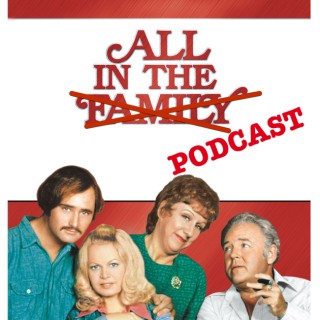
17 episodes with Norman Lear

7 episodes with Norman Lear

5 episodes with Norman Lear

6 episodes with Norman Lear

5 episodes with Norman Lear

6 episodes with Norman Lear

7 episodes with Norman Lear

5 episodes with Norman Lear

4 episodes with Norman Lear

4 episodes with Norman Lear

4 episodes with Norman Lear

4 episodes with Norman Lear

2 episodes with Norman Lear

2 episodes with Norman Lear

2 episodes with Norman Lear

2 episodes with Norman Lear

4 episodes with Norman Lear

5 episodes with Norman Lear

4 episodes with Norman Lear

2 episodes with Norman Lear

"Norman kept saying, 'If you don't trust yourself to know that you're good, trust me because I know you're good. This is what you're meant to be doing.'" — Adrienne Barbeau, on working with Norman Lear on MaudeWelcome to 80s TV Ladies, where we look back in order to leap forward, and where we say everyone has the right to body autonomy and boundless joy! In this episode, hosts Sharon Johnson and Susan Lambert Hatem are joined by six-decade stage and screen icon Ms. Adrienne Barbeau.From her early performing days touring East Asia with the USO to her Broadway roots, Adrienne shares how she went from Fiddler on the Roof alongside Bette Midler to originating the role of Rizzo in Grease. She opens up about being selected by Norman Lear to play Carol, Bea Arthur's independent daughter on Maude, and reflects on the cultural impact of the landmark 1972 "Maude's Dilemma" abortion episodes.Plus, Adrienne takes us behind the scenes of her legendary genre career, her love for voice and audio description work, and her second career as an author!In this episode, we discuss:Broadway Roots to Sitcom Stardom: How playing Rizzo in Grease earned her a Tony nomination and caught the attention of Norman Lear.Working on Maude: What it was like working alongside Bea Arthur and Rue McClanahan, the family culture on set, and learning comedic timing on the job."Maude's Dilemma": The groundbreaking two-part episode about abortion, working in a healthcare clinic during hiatus, and writing her 2022 Guardian op-ed.Cult Horror & Sci-Fi Royalty: Stories from filming The Fog, Swamp Thing, Creepshow, and the secret garage shoot behind her death scene in Escape From New York.Classic 70s & 80s TV Guest Spots: Her memories from Fantasy Island (including full-face prosthetics), Murder, She Wrote, The Love Boat, Quincy, and playing a Romulan on Star Trek: Deep Space Nine.Life as an Author & Voice Artist: Writing her vampire mystery novels, her memoir, and describing films for blind audiences.Next Episode Teaser:Don't miss our next episode, where we begin our deep dive into the classic 1975–1984 Norman Lear sitcom One Day at a Time, starring Bonnie Franklin, Mackenzie Phillips, and Valerie Bertinelli, featuring 25 surprising facts about the show!

Television icon Linda Gray kicks off a new season joining Patrick Evans and Randy Florence in the corner booth at Skip Paige's Little Bar for a candid, funny and revealing conversation about a career built on persistence, curiosity and refusing to accept other people's limitations. Gray recalls her early modeling days, the famous legs behind The Graduate poster, hundreds of commercials and the nerve-racking leap into dramatic acting. She shares how Norman Lear expanded her perspective through a groundbreaking television role before Dallas transformed her into an international star as Sue Ellen Ewing. Gray also opens up about her friendship with Larry Hagman, the chemistry that helped shape their legendary characters, fighting for the opportunity to direct, reinventing herself on the London stage and ultimately returning to the Ewing family. It's an engaging conversation about resilience, reinvention, friendship and continuing to embrace new challenges throughout life with humor and grace.Takeaways:Early theater taught Gray to trust her creative instincts.The Graduate poster unexpectedly made her legs Hollywood history.She pursued acting despite traditional expectations for women.Norman Lear encouraged empathy, curiosity and rejecting judgment.Gray immediately sensed Sue Ellen Ewing was her role.Chemistry with Larry Hagman helped redefine their Dallas characters.Gray fought for opportunities to direct Dallas episodes.Reinvention, resilience and curiosity continue driving her remarkable career.#BigConversationsLittleBarPodcast #PatrickEvans #RandyFlorence #SkipsLittleBar #SkipPaige #CoachellaValley #LindaGray #DallasTVSeries #SueEllenEwing #DesertPodcast #FamousInterviewGuests #InterviewPodcast #MutualBroadcastingSystem #LarryHagman #TheGraduate #TelevisionHistory #HollywoodStories #WomenInTelevision #ClassicTelevision #PalmDesert

Grammy-winning pianist, composer and arranger Roger Kellaway has spent more than six decades making music alongside some of the greatest names in jazz and American popular music. In this wide-ranging conversation, Roger looks back on the musicians who shaped him, what separates the truly great players from the merely accomplished, and why music education and learning to really listen still matter.Roger talks about the fateful gig when he was hired by Norman Lear and his partner to write the closing song for "All in the Family," which became "Remembering You," one of the most recognizable tunes in television.We also bring the story home to Ojai. Roger talks about meeting his wife, Jorjana Kellaway, how the two eventually found their way to the Ojai Valley, and some of the performances and musical moments at the Ojai Music Festival that have stayed with him.Roger Kellaway is no stranger to the pages of Ojai Quarterly. He was featured for his collaboration with Joe Sohm and Clint Eastwood on "Visions of America." He is also a frequent, distinctive and distinguished audience member at the Ojai Music Festival.We did not talk about Red Sox owner Tom Yawkey's friendship with Ted Williams, marlin fishing in the Sea of Cortez, or Gene Lees. It's a conversation about jazz history, improvisation, teaching, creativity, love, place — and what a lifetime devoted to music teaches you about listening.https://rogerkellaway.com/

Opening Weekend: Selling Hollywood with Jim Fredrick continues on the TG&TG feed. A soap marketer who'd never set foot in Los Angeles became the most successful studio head in movie history. Alan Horn ran Warner Brothers and then Disney, greenlighting Harry Potter, The Dark Knight, and the modern Marvel and Star Wars era. He sits down with Jim Fredrick to trace a 60-year career built on serendipity, and to talk honestly about what selling a movie takes now. Takeaways: Hired because he was perfect. A Procter & Gamble marketer working on Ivory soap, Alan got recruited by Jerry Perenchio precisely because he'd never watched much TV and never been to LA. "You're perfect. You're hired." Norman Lear backed him against a mutiny. Writers walked out of his first All in the Family table read. A month later Lear stood up in front of 40 people and told them to accept it or get out. The Blackwing 602 pencil made it official: "You are now qualified to give notes." Green light or nothing. Alan took the Warner Brothers presidency only with final say on what got made, then built the run that led Bob Iger to call him for Disney. You can't buy an opening weekend anymore. Social media broke the old playbook. Audiences text each other 20 minutes into a Friday screening, and marketing keeps getting treated as low-hanging fruit when studios need to cut. Pull quotes (social-ready): "Every problem that I've ever had in business is a people problem." — Alan Horn "Throw a hundred lines in the water, because all you need to do is catch one fish." — Alan Horn "It's not so easy to buy an opening weekend, because people start texting each other 20 minutes into a movie on a Friday." — Alan Horn "It isn't really pre-COVID anymore to me. It's pre-streaming dominance." — Alan Horn Sponsors: Golden Trailer Awards (goldentrailer.com) West One Music and Q Factory by Robert Etoll (westonemusic.com)

Erica Gerard Di Bona generates one thousand letters a year with an impressive speed of 110 words per minute (on a typewriter). She may very well be the United States Postal Service's consumer of the year. A former producer in network news, The Playboy Channel, documentaries, and kids' game shows, she has never let a single opportunity for a professional Thank You slide and has often received letters and messages back from such notables as Connie Chung, Norman Lear, and Henry Winkler. Currently a fundraising consultant for UC Santa Cruz and serving on the Board of Trustees for the Smithsonian Regional Council and formerly the Rhode Island School of Design, her unique letters open doors and attract donors. People frame Erica's snail mail, and she has left her influence on the power of the Thank You with high school and college students, development executives, realtors, dentists, and grateful grandparents. Erica is a proud University of California, Santa Cruz "Banana Slug" and a graduate of the University of California, Los Angeles. She lives in Los Angeles with her television producer husband, artistic daughter, and seven typewriters. Website: https://www.ArtofThankYou.com/ Instagram: @Powerof_ThankYou Facebook: https://www.facebook.com/erica.gerarddibona LinkedIn: Erica Gerard Di Bona YouTube: ArtofThankYou7557 Her book: A Letter is Better: The Art of Thank You (SPARK Publications, Sept. 22, 2025)

Richard Parker has spent his life reading America through two lenses most people keep apart: economics and religion. The throughline is that faith, money, and power did not grow up in separate rooms. They grew up together. An Oxford-trained economist who has taught at Harvard's Kennedy School since 1993, Parker co-founded Mother Jones, helped build Greenpeace USA, and helped Norman Lear start People for the American Way. This conversation runs from an abolitionist ancestor who helped fund John Brown's raid, through the Reformation's long shadow over capitalism and the corporation, to a president reaching into the economy in ways the country has not seen since it had kings. Calls to Action ✅ Leave a rating and review: lovethepodcast.com/politicsandreligion ✅ Subscribe on Substack: coreysnathan.substack.com ✅ Watch and subscribe on YouTube: youtube.com/@politicsandreligion ✅ Share this episode with someone who reads the news and someone who's given up on it Key Takeaways The abolitionist in the family tree. Richard's ancestor, the Rev. Theodore Parker, was one of the Secret Six who bankrolled John Brown's raid. He also coined lines later borrowed by Lincoln ("of the people, by the people, for the people") and Martin Luther King ("the arc of the moral universe bends toward justice"). Not since kings. When a president takes government equity stakes in companies like Nvidia, Parker argues, he folds the state into his own person and pushes presidential power into the economy in a way America has not seen since it had monarchs. Only about six presidents. Borrowing from political scientist Stephen Skowronek, Parker says just a handful of presidents ever reset the country's governing terms. He does not think Trump is one of them. The same fights in new costumes. Most of our arguments recur generation after generation. Parker's aim is not to win them but to help people see the landscape they are arguing from, which is how a divided country starts talking instead of accusing. About Our Guest Richard Parker is an economist, author, and Senior Fellow and Lecturer at Harvard's Kennedy School, where he has taught since 1993. He co-founded Mother Jones, helped build Greenpeace USA, helped Norman Lear launch People for the American Way, and has advised figures including Senator Edward Kennedy. He serves on the boards of The Nation and the Journal of Post Keynesian Economics. Links and Resources Richard Parker and Diane Winston (USC) at Faith Angle West in Park City, Utah (video): https://www.youtube.com/watch?v=OFNCAbZIKjo&t=139s Faith Angle Forum, which helps journalists cover religion in public life: https://faithangle.org/ Connect with us Substack: coreysnathan.substack.com YouTube: youtube.com/@politicsandreligion Instagram, Threads, Bluesky, X, Facebook, TikTok, LinkedIn: @coreysnathan Partners Proud to be part of The Democracy Group, a network of podcasts examining what's broken in our democracy and how we can work together to fix it. More conversation, less accusation. Now go talk some politics and religion with gentleness and respect.

Richard Parker has spent his life reading America through two lenses most people keep apart: economics and religion. The throughline is that faith, money, and power did not grow up in separate rooms. They grew up together. An Oxford-trained economist who has taught at Harvard's Kennedy School since 1993, Parker co-founded Mother Jones, helped build Greenpeace USA, and helped Norman Lear start People for the American Way. This conversation runs from an abolitionist ancestor who helped fund John Brown's raid, through the Reformation's long shadow over capitalism and the corporation, to a president reaching into the economy in ways the country has not seen since it had kings. Calls to Action ✅ Leave a rating and review: lovethepodcast.com/politicsandreligion ✅ Subscribe on Substack: coreysnathan.substack.com ✅ Watch and subscribe on YouTube: youtube.com/@politicsandreligion ✅ Share this episode with someone who reads the news and someone who's given up on it Key Takeaways The abolitionist in the family tree. Richard's ancestor, the Rev. Theodore Parker, was one of the Secret Six who bankrolled John Brown's raid. He also coined lines later borrowed by Lincoln ("of the people, by the people, for the people") and Martin Luther King ("the arc of the moral universe bends toward justice"). Not since kings. When a president takes government equity stakes in companies like Nvidia, Parker argues, he folds the state into his own person and pushes presidential power into the economy in a way America has not seen since it had monarchs. Only about six presidents. Borrowing from political scientist Stephen Skowronek, Parker says just a handful of presidents ever reset the country's governing terms. He does not think Trump is one of them. The same fights in new costumes. Most of our arguments recur generation after generation. Parker's aim is not to win them but to help people see the landscape they are arguing from, which is how a divided country starts talking instead of accusing. About Our Guest Richard Parker is an economist, author, and Senior Fellow and Lecturer at Harvard's Kennedy School, where he has taught since 1993. He co-founded Mother Jones, helped build Greenpeace USA, helped Norman Lear launch People for the American Way, and has advised figures including Senator Edward Kennedy. He serves on the boards of The Nation and the Journal of Post Keynesian Economics. Links and Resources Richard Parker and Diane Winston (USC) at Faith Angle West in Park City, Utah (video): https://www.youtube.com/watch?v=OFNCAbZIKjo&t=139s Faith Angle Forum, which helps journalists cover religion in public life: https://faithangle.org/ Connect with us Substack: coreysnathan.substack.com YouTube: youtube.com/@politicsandreligion Instagram, Threads, Bluesky, X, Facebook, TikTok, LinkedIn: @coreysnathan Partners Proud to be part of The Democracy Group, a network of podcasts examining what's broken in our democracy and how we can work together to fix it. More conversation, less accusation. Now go talk some politics and religion with gentleness and respect.

This edition of The Neil Haley Show opens with a Total Celebrity conversation with actress Kim Fields, beloved for The Facts of Life and Living Single, about her book and career. Fields, a Steelers fan who competed on Dancing with the Stars alongside Antonio Brown, reflected on nine years, from age nine to eighteen, growing up on The Facts of Life, and on the mentors who shaped her, from co-star Nancy McKeon to Norman Lear, Dick Clark, and Ruby Dee. She credited her longevity to learning her craft, doing theater, and deliberately building backup skills in directing, writing, and producing so that if one hat wasn't working she could put on another, rather than fade into a has-been at eighteen. She also named contemporaries like Nicole Ari Parker and Blair Underwood as peers who sharpen one another, iron sharpening iron. Fields lit up about Living Single finally streaming on Hulu and the flood of fan response, saying she loves how much the fans love the show. Reflecting on a journey from a single-parent home in Harlem to a lasting career, she framed the book less as a look-at-me than a look at all God has done, and encouraged listeners that rock bottom is never the end. Find her book and coffee line, including the Blessed Blend and a binge-watching Binge Blend, at KimFields.com.Neil then welcomed retired DC homicide detective turned author and filmmaker Mitch Credle for a Criminally Good with Jen and Sherrie simulcast, presented by Storehouse Media Group. Credle spent 29 years with DC's Metropolitan Police, some 23 of them in homicide, and traced his path to the veteran detectives he idolized, part Miami Vice, part real-life heroes, before turning to writing and film. His novels Stranger in the Streets and Damaged Roots blend real cases and characters into fiction, and his five films, including the documentaries A Detective Story and 12 Years in Hell on Tubi and Informant on Prime, grew from a passion to tell DC's disappearing history through the people who lived it. He described how the leadership of running a homicide scene, where the detective is effectively in charge of everyone present, translated to directing, and recounted difficult cases including the Banita Jacks tragedy and the Colonel Brooks Tavern killing, where a childhood friend was among the victims and he refused to face the family until arrests were made nine months later. He explained why he casts real families and community members and flags graphic content on screen rather than sugarcoat it, wanting to honor victims and preserve a version of DC that is rapidly vanishing, and praised up-and-coming actors like Mark Scheiss and Michael Anderson from Informant. He previewed a serial-killer script and a new film, Brooklyn, promising untold details of the Colonel Brooks investigation. Find him as Mitch Credle across social media.The hour closes with an AI Office Hours simulcast, where Neil and co-host Pat Riley debated where artificial intelligence is really headed. Neil shared an epiphany that he had been pouring too much time into automation loops that produced data he never used, and both argued that AI's true value is as a productivity multiplier and tool that makes a person sharper, not an autonomous replacement for human judgment. Neil described using AI conversationally as a kind of financial assistant to organize revenue, invoices, and time tracking, while stressing that it still needs a human driving it on a tight leash. They voiced skepticism about the hype around fully automated one-person AI businesses, warned against quitting a job to chase it, and predicted a reckoning for those who over-automate at the expense of their own skills, while agreeing the smart move is to use AI to become better than anyone not using it. Find Kim Fields at KimFields.com and Mitch Credle's films on Tubi and Prime.
Art Dielhenn joined me to discuss watching Roy Rogers; having celiac disease and dyslexia; a drama coach turns him onto acting; realizing in college he is not an actor; moving Oppenheimer's possessions as a moving man; spending 7 years directing at KRMA Denver; moving to KQED San Francisco and directing Pauline Kael; Peter Bonerz is a guest and invites Art to L.A.; Norman Lear hires him as an AD on Apple Pie and Hello Larry; does Sanford and says Redd and Jamie Foxx are two funniest people he's ever worked with; working with Jack Shea on Silver Spoons; Insight; getting the job on Punky Brewster; "Perils of Punky" episode; censor problems; 15 minute episodes; going to Webster; everyone hates Susan Clark; being friends with Soleil Moon Frye's mom and they both protect Soleil; going to Head of the Class; Howard Hesseman being miserable; working with Brian Robbins, Dan Schneider, and Elaine Stritch; getting hired to direct Free Spirit, wanting Amy Yasbeck as star, but getting Corrine Bohrer; wanting and getting Allison Hannigan as co-star; directing a Cosby Show and having to give Cosby notes; directing Pacific Station and dealing with a depressed Robert Guillaume; having fun with Ron Liebman; Sister, Sister with Tia & Tamera Mowry; directing Lifetime show Maggie; going into life coaching; getting clients; going to AA; writing Get Out of Your Head and Addiction is a Family Disease; how alcoholism is a progressive disease even if you're not actively drinking

Daar zijn we weer! Moodfellas Monday! De Emmy-nominaties zijn binnen en het regende records. The Pitt is pakt veel nominaties, Hacks breekt het comedyrecord en David Attenborough bewijst op z'n honderdste dat je nooit te oud bent om Norman Lear postuum de deur te wijzen.Verder op het menu:The Invite — Olivia Wilde nodigt zichzelf uit voor haar eigen film en neemt Seth Rogen, Penélope Cruz en Edward Norton mee. Eén etentje, één avond, en een koppel dat elkaar al jaren niet meer aankijkt. Wat kan er misgaan? Alles dus.House of the Dragon S3 ( HBO max) — Westeros doet weer waar het goed in is: familieruzies oplossen met vuurspuwende reptielen. De Dance of the Dragons barst los, inclusief de grootste zeeslag uit de franchise. Evil Dead Burn — Iemand opent wéér de Necronomicon. Je zou denken dat dat boek inmiddels een waarschuwingssticker heeft. Praktische effecten, liters bloed en schoonfamilie die letterlijk je bloed wil, Edo ging erheen en doet uitgebreid verslag.Minions and Monsters — De Minions maken hun eigen monsterfilm in het Hollywood van de jaren 20 en laten daarbij per ongeluk échte monsters los. George Lucas spreekt zichzelf in! Hoe movie magic deze is laat Stef horen.In Moodfellas Monday tippen we Undertone: een thriller waarin een geluidsdesigner opnames ontdekt die de toekomst voorspellen. Een film waarin de audio de hoofdpersoon is, check hem met je koptelefoon op.Nog even een huishoudelijke boodschap. Volg je ons al op Spotify? Geef ons dan even wat liefde in de vorm van bv 5 sterren! Dat helpt ons enorm.Dank voor het luisteren. We hopen dat we kunnen bijdragen aan een mooi begin van de week!

We are thrilled and honored to be joined by Widow's Bay's own Ruth, the incredible K Callan (Widow's Bay just got 19 Emmy nominations!!!). At 90 years old, K Callan is a LEGEND , over 7 decades working in TV, from Norman Lear shows to Bosom Buddies with Tom Hanks, Martha Kent in ABC's Lois & Clark: The New Adventures of Superman, Dawson's Creek, Veep, Great Nana in Knives Out and more. She is INCREDIBLE in the breakout show Widow's Bay, a scene stealing perfomance.In our wide-ranging conversation we talk about the show, working with Katie Dippold, the great female characters on Widow's Bay, working with Matthew Rhys, an alternative ending they filmed, how TV has changed over the decades, roles for women, staying in the Hollywood industry means being persistent, the highs and lows, her fabulous party-planning skills, and much more!Watch or listen on Spotify, YouTube, or wherever you get your podcasts.

Emmy winning comedy writer, Bob Illes, has been in the writers' rooms with some of the biggest names in comedy. From Richard Pryor, Lily Tomlin, Steve Martin, Carol Burnett, Tim Conway, Martin Mull, Fred Willard, Bob Einstein, David Letterman, Lorne Michaels, and Norman Lear – to name a few. Bob is also the author of the new book, Funny Is Money, where he chats about writing for such classic TV shows as The Carol Burnett Show, Fernwood Tonight, Sanford and Son, Silver Spoons, One Day at a Time, and of course, The Captain & Tennille Show. Learn more about your ad choices. Visit podcastchoices.com/adchoices

Stephen Tobolowsky has gifted us with indelible character performances while living an extraordinary life that spans from Texas roots to show biz lore to telepathy and beyond.Stephen reflects on his earliest pull toward Hollywood, when even as a child playing cowboys, he imagined the action as if it were being filmed. That instinct would carry him from Texas to Broadway to Los Angeles, constantly seeking opportunities to create. And his capabilities stretch beyond acting and music to include a Universe connection that has invited intriguing insights, unexplained knowing and“coincidences.” In fact, Stephen's abilities inspired David Byrne to write a song called Radiohead which led the band Radiohead to become exactly that.Best known by many as Groundhog Day's painfully persistent Ned Ryerson, Stephen comes loaded with behind-the-scenes intel on the film's famously complex shoot, during which he and Bill Murray (portraying a weatherman!) were kept on constant standby to shoot the scene in every possible weather condition for director Harold Ramis. The conversation winds from Stephen's participation in Thelma & Louise's iconic final moment to Brad Pitt's instant star quality to a chilling moment, on location for Mississippi Burning, were Stephen, playing a KKK grand wizard, was pulled aside by a Klansman and told, “We will be watching you.” Stephen opens up about his collaborations and creative relationships, including his connection to playwright Beth Henley and how he helped shape her Pulitzer Prize-winning Crimes of the Heart and his enduring love story and best-friendship with his wife, Actress/Director Ann Hearn.From Memento to Silicon Valley, Stephen reflects on the wide range of roles he's brought to life, offering insight into Christopher Nolan's storytelling brilliance, Norman Lear's landmark contributions and the stark terror of performing Live In Front Of A Studio Audience. He also speaks candidly about being entirely recognizable and shares what folks tend to run over and say when they become HIS Ned Ryerson!And Stephen brings his masterful storytelling to IMDB Roulette, covering One Day At A Time, The Goldbergs, Spaceballs, Glee and Nobody Wants This while weaving Hollywood history with personal perspectives and navigating the curious intersection of art and life.In current media--Weezy: Outlast The Jungle on NetflixLisa: Book, The Correspondent by Virginia EvansPath Points of Interest:Stephen Tobolowsky BooksStephen Tobolowsky - WikipediaThe Tobolowsky Files PodcastStephen Tobolowsky on IMDBStephen Tobolowsky on FacebookOutlast The Jungle The Correspondent by Virginia Evans

Fred Sanford runs a Los Angeles junkyard with his son Lamont and isn't prepared for the possibility of his son moving on to a different life. When Lamont reveals plans that could separate them, Fred pulls out every trick in the book to keep his son from leaving. This pilot introduces one of television's most iconic father-son relationships and establishes the humor, heart, and conflict that would define the series. On this episode of Pilot Season, hosts Kinte, Jen, Renée, John, Olaf, and Allen discuss the debut of Sanford and Son, the chemistry between Redd Foxx and Demond Wilson, and why the show remains a television classic. Original Airdate: January 14, 1972 Podcast Airdate: 6/24/26 Episode Scores Kinte: 9 / 10 Jen: 10 / 10 Renée: 9 / 10 John: 9.5 / 10 Olaf: 9 / 10 Allen: 8 / 10 Total: _____ / 60 #PilotSeason #SanfordAndSon #ClassicTV Sanford and Son – Brief Production History Sanford and Son is an American sitcom that aired on NBC from January 14, 1972, to March 25, 1977, running for six seasons and 136 episodes. The series was developed by legendary television producer and writer Norman Lear and was based on the highly successful British sitcom Steptoe and Son. Lear adapted the concept for American audiences by relocating the story to the Watts neighborhood of Los Angeles and centering it around an African American father-and-son junk business. The show starred Redd Foxx as the outspoken and scheming Fred G. Sanford and Demond Wilson as his patient and hardworking son, Lamont Sanford. The series was filmed at NBC Studios in Burbank, California. Its exterior shots featured the Sanford salvage yard, which became one of television's most recognizable locations. Sanford and Son was groundbreaking because it became one of the first highly successful network sitcoms centered around a Black family during the 1970s. The show tackled social issues while maintaining its comedic identity and helped pave the way for future series such as Good Times, The Jeffersons, and What's Happening!!. The iconic theme song, "The Streetbeater," was composed by Quincy Jones and remains one of television's most recognizable opening themes. Even decades after its original run, Sanford and Son continues to be celebrated for its sharp humor, memorable catchphrases, and the legendary performances of Redd Foxx and Demond Wilson, making it one of the most influential sitcoms in American television history. Intro What happens when Fred Sanford and Lamont Sanford find themselves butting heads once again? On this episode of Pilot Season, we'll revisit Sanford and Son "Crossed Swords" and dive into one of television's most iconic father-and-son relationships. From Fred's quick wit and outrageous schemes to Lamont's constant attempts to keep everything together, we'll explore the comedy, chemistry, and unforgettable moments that helped make this series a television classic. Join Kinte, Jen, Renée, John, Olaf, and Allen as they discuss the performances, memorable scenes, and whether this episode still holds up more than fifty years later. Get ready for laughs, classic one-liners, and plenty of spirited debate as Pilot Season Season 2 officially begins.
In memory of the great James Borrows we rebroadcasting this episode of "Dont Be Alone with Jay Kogen". We talk with James Burrows about his reign as Hollywood's greatest sitcom director, being the son of Abe Burrows, the genetics of comedy, his book "Directed by James Burrows", "Cheers", "Will & Grace", "The Mary Tyler Moore Show", "Taxi", "Friends", the scripts that make him want to direct, the ones that don't, his amazing memory, his humble beginnings, the decade it took him to learn how to direct, working with geniuses like James L. Brooks, Chuck Lorre, and Kohan & Mutchnick, and Andy Kaufman. And Jimmy explains how his two best friends are Al Michaels and Bruce Springsteen. BIO: James Burrows was one of television's most respected and honored creative talents. Over his distinguished career, Burrows was the recipient of eleven Emmys, five Directors Guild of America Awards, the 1996 American Comedy Awards' Creative Achievement Award, the Television Critics Association's Career Achievement Award, and in 2006 he was inducted into the Academy of Television Arts and Sciences' Hall of Fame and was honored by the US Comedy Arts Festival with their Career Tribute Award. He was the recipient of 22 nominations for the Directors Guild of America Award, thus bestowing him the honor of being the most nominated director in the history of television at the Guild. He was honored by the DGA with the Inaugural 2014 Lifetime Achievement Award in Television. In November of 2015 he directed his 1,000th episode, which was recognized by a TV Special on NBC in January of 2016. Burrows' success as the director of television pilots was legendary. He directed the first two episodes of the "Frasier" reboot's second season, and wrapped the pilot "Mid-Century Modern" for Fox, which went to series. In January of 2020, he received his fifth DGA Award for directing the Emmy Award-winning show "Live in Front of a Studio Audience #1: Norman Lear's All in the Family and The Jeffersons." He was also asked back to direct "Live in Front of a Studio Audience #3: Diff'rent Strokes and The Facts of Life" in December of 2021. In June of 2022, he published his autobiography, "Directed by James Burrows," which received considerable attention and praise from the industry. Burrows was probably best known as co-creator, executive producer and director of the critically acclaimed series "Cheers." The hit show, which aired for 11 seasons, is tied for the most nominated Comedy series in the Television Academy's history and is in third place for most Emmys received by a Comedy Series. Burrows also received numerous awards for his work on "Will & Grace," "Frasier," "Friends," "Wings," "Night Court," "Taxi," and "Dear John." For the first time in 25 years, he returned to the stage in the spring of 1998 to direct the highly acclaimed "The Man Who Came to Dinner" at the Steppenwolf Theatre in Chicago, starring John Mahoney. Burrows learned his trade from the very best, the legendary writer/director Abe Burrows, whose noted career included such classics as "Guys and Dolls," "How to Succeed in Business Without Really Trying," and "Cactus Flower." Born in Los Angeles and raised in New York, Burrows graduated from Oberlin College and continued his education at Yale, where he earned a Master of Fine Arts degree. Burrows relocated to Hollywood to work as a dialogue coach for "O.K. Crackerby!," a short-lived television series starring Burl Ives. When the show ended, he returned to New York and initially worked as a stage manager before directing several off-Broadway shows, such as "The Castro Complex," and stock productions of "The Odd Couple" and "Never Too Late." In 1974, Burrows moved back to the West Coast when he was invited to visit MTM Productions in Los Angeles and offered a job directing an episode of "The Mary Tyler Moore Show." Mr. Burrows and his wife, Debbie, resided in Los Angeles and between them they had four daughters. He passed away on June 19, 2026. He left an indelible mark on American television. He will be remembered and missed. Learn more about your ad choices. Visit megaphone.fm/adchoices

I'm starting today's show with one word – WOW. Just WOW. This podcast was one of the most thought-provoking I've had in a while. Why? Today's guest, Elizabeth Rosenberg, is willing to have the conversation that no one is having but everyone should be having. Here's the question: How do we seamlessly integrate our spiritual and/or intuitive side with the professional side and not come off as a weirdo?During the show, Elizabeth and I also chatted about:The story behind her company, The Good Advice Company.What a Chief Spiritual Officer is, and why it is in all of us (and is also a growing community).How we can flex our intuition to be an authentic and powerful leader (and PS, Elizabeth thinks it's possible for all of us).What happens when we face resistance from others who reject the idea of integration?How has living and working in this way made Elizabeth way more authentic?Whether your spiritual tradition is formal religion, meditation, prayer, or pulling a tarot card, Elizabeth believes you can integrate these pieces into cohesive leadership that serves others. And I don't know about you, but this sounds like a world view I want to adopt and live in.Here is more about Elizabeth:Elizabeth Rosenberg is the founder of The Good Advice Company. She is a personal branding consultant and strategic communications and marketing advisor. She is passionate about driving authentic change and purposeful impact through her work. She has over 20 years of experience working with some of the most innovative brands (Apple, Nike, NFL, Clorox Company, Diageo, Cadillac) and leaders (Norman Lear, Lee Clow) in the world.Elizabeth loves PR and marketing and throughout her career has worked in almost every industry including entertainment, automotive, music, tech, sports, politics, CPG, food and beverage, health and wellness, and fashion. The key to every industry is the ability to understand people, tell a compelling story, and create, maintain and foster relationships.She is a two-time entrepreneur (not counting the thriving weekend lemonade stand she had as a kid or the Etsy shop she had in her early 30s).Elizabeth takes big leaps. She's comfortable repositioning herself and pivoting her career not only to bring her more joy, but to ensure she's offering services that are needed in the world. She gives people permission and a plan to do the same (if that's their goal!).Today, she works with creative agencies, start-ups and brands as a comms consigliere and strategic advisor — but mostly with executive leaders in all industries who are looking for a sense of purpose, a personal brand architecture, and an honest, transparent partner by their side.Elizabeth has truly never loved her job or her clients more and is grateful every day that she is making an impact and gets to connect and collaborate with such an inspired, creative and powerful community. A curious and voracious learner, she knows each day will bring something new and keep life endlessly interesting.Born, raised and based in Los Angeles (with the vibe of a New Yorker), Elizabeth is not just shaping brands — she's living hers in how she shows up every day, but also in sharing her stories and truths on a podcast or in a blog post. Most of all, she loves speaking about her health and wellness journey and truly believes there is a future where wellness, intuition and the corporate world all collide.If the Brave Women at Work Podcast has helped you personally or professionally, please share it with a friend, colleague, or family member. And your ratings and reviews help the show continue to gain traction and grow. Thank you again!

Political historian Oscar Winberg has a fascinating new book titled Archie Bunker for President: How One Television Show Remade American Politics. This book weaves together quite a few different threads in examining the historical context in which the television show, All In The Family, landed on American television screens. Archie Bunker for President examines why this particular sitcom was a kind of inflection point within U.S. politics, within the media landscape at the time and moving forward, and how television production shifted and changed around this one particular television series. Winberg also lays out the path from the early 1970s, when All in the Family first aired, to our contemporary political moment, when celebrity and politics seem to be inescapably intertwined. As Winberg notes in our conversation, television as an entity is inherently conservative, since the functional model was about appealing to the lowest common denominator so that advertisers would be willing to pay for time during shows. In order to reach the most viewers, at least in the age of network television, the television series needed to appeal to the largest market possible, and not “turn off” viewers. What happens in the late 1960s and early 1970s with the television show All in the Family is that this dynamic shifts, and the case is made that it isn't about reaching the most people, but about reaching the people who have the means and inclination to purchase what the advertisers are selling. This is part of the pitch that Norman Lear makes, that CBS executive Bob Wood finally decides to gamble on by greenlighting All in the Family. The dynamic inside the show itself is to focus on politics: to have the characters within the series discuss different political issues, and engage with the impacts of these issues, from women's rights and reproductive health to homosexuality to racism and the anti-war movement. In designing All in the Family with Archie Bunker (played by Carroll O'Conner) clearly defined as a conservative and as a bigot, and with Archie's daughter, Gloria Stivic (played by Sally Struthers) and son in law, Mike Stivic (played by Rob Reiner), as liberals and politically active, the show embedded politics within the narrative. Edith Bunker, played by Jean Stapleton, was an enthusiastic supporter of the Equal Rights Amendment, which was making its way through the ratification process while the series was airing, providing yet another avenue for political discussion within the show's structure. There were quite a few other shows that were developed at the same time as All in the Family that took up similarly political themes in iconic ways, from the Mary Tyler Moore Show to M*A*S*H to Maude. Political conversations were the fabric of these shows in much the same way as in All in the Family, where characters find themselves experiencing dimensions of politics in their lives and they discuss this with friends and family within the narrative construction. This also translated to Americans discussing these shows with each other at dinner, or at the “water cooler”, or at the beauty parlor or barbershop. Given the structure of television in the 1970s and 1980s, before cable and streaming services, options were more limited options, and many of these shows had great writers, actors, and showrunners. This was “appointment television” because there was no way to record or otherwise go back and watch the episode. Episodes were only available at their regularly scheduled time and day—which also meant that lots and lots of Americans were watching the same show at the same time. In some sense, Archie Bunker for President: How One Television Show Remade American Politics is not only about how one television show remade American politics, but also about how All in the Family remade American television, opening up the networks to developing and airing television shows that integrate politics (of all kinds) into the narratives. There is still quite a lot of television, particularly network television, that is pitched to the broadest possible audience, but the narratives in police procedurals or hospital-centered series or sitcoms integrate different dimensions of politics into their storylines in ways that had not been done before All in the Family. Lilly J. Goren is a professor of political science at Carroll University in Waukesha, WI. Learn more about your ad choices. Visit megaphone.fm/adchoices

Political historian Oscar Winberg has a fascinating new book titled Archie Bunker for President: How One Television Show Remade American Politics. This book weaves together quite a few different threads in examining the historical context in which the television show, All In The Family, landed on American television screens. Archie Bunker for President examines why this particular sitcom was a kind of inflection point within U.S. politics, within the media landscape at the time and moving forward, and how television production shifted and changed around this one particular television series. Winberg also lays out the path from the early 1970s, when All in the Family first aired, to our contemporary political moment, when celebrity and politics seem to be inescapably intertwined. As Winberg notes in our conversation, television as an entity is inherently conservative, since the functional model was about appealing to the lowest common denominator so that advertisers would be willing to pay for time during shows. In order to reach the most viewers, at least in the age of network television, the television series needed to appeal to the largest market possible, and not “turn off” viewers. What happens in the late 1960s and early 1970s with the television show All in the Family is that this dynamic shifts, and the case is made that it isn't about reaching the most people, but about reaching the people who have the means and inclination to purchase what the advertisers are selling. This is part of the pitch that Norman Lear makes, that CBS executive Bob Wood finally decides to gamble on by greenlighting All in the Family. The dynamic inside the show itself is to focus on politics: to have the characters within the series discuss different political issues, and engage with the impacts of these issues, from women's rights and reproductive health to homosexuality to racism and the anti-war movement. In designing All in the Family with Archie Bunker (played by Carroll O'Conner) clearly defined as a conservative and as a bigot, and with Archie's daughter, Gloria Stivic (played by Sally Struthers) and son in law, Mike Stivic (played by Rob Reiner), as liberals and politically active, the show embedded politics within the narrative. Edith Bunker, played by Jean Stapleton, was an enthusiastic supporter of the Equal Rights Amendment, which was making its way through the ratification process while the series was airing, providing yet another avenue for political discussion within the show's structure. There were quite a few other shows that were developed at the same time as All in the Family that took up similarly political themes in iconic ways, from the Mary Tyler Moore Show to M*A*S*H to Maude. Political conversations were the fabric of these shows in much the same way as in All in the Family, where characters find themselves experiencing dimensions of politics in their lives and they discuss this with friends and family within the narrative construction. This also translated to Americans discussing these shows with each other at dinner, or at the “water cooler”, or at the beauty parlor or barbershop. Given the structure of television in the 1970s and 1980s, before cable and streaming services, options were more limited options, and many of these shows had great writers, actors, and showrunners. This was “appointment television” because there was no way to record or otherwise go back and watch the episode. Episodes were only available at their regularly scheduled time and day—which also meant that lots and lots of Americans were watching the same show at the same time. In some sense, Archie Bunker for President: How One Television Show Remade American Politics is not only about how one television show remade American politics, but also about how All in the Family remade American television, opening up the networks to developing and airing television shows that integrate politics (of all kinds) into the narratives. There is still quite a lot of television, particularly network television, that is pitched to the broadest possible audience, but the narratives in police procedurals or hospital-centered series or sitcoms integrate different dimensions of politics into their storylines in ways that had not been done before All in the Family. Lilly J. Goren is a professor of political science at Carroll University in Waukesha, WI. Learn more about your ad choices. Visit megaphone.fm/adchoices Support our show by becoming a premium member! https://newbooksnetwork.supportingcast.fm/new-books-network

Political historian Oscar Winberg has a fascinating new book titled Archie Bunker for President: How One Television Show Remade American Politics. This book weaves together quite a few different threads in examining the historical context in which the television show, All In The Family, landed on American television screens. Archie Bunker for President examines why this particular sitcom was a kind of inflection point within U.S. politics, within the media landscape at the time and moving forward, and how television production shifted and changed around this one particular television series. Winberg also lays out the path from the early 1970s, when All in the Family first aired, to our contemporary political moment, when celebrity and politics seem to be inescapably intertwined. As Winberg notes in our conversation, television as an entity is inherently conservative, since the functional model was about appealing to the lowest common denominator so that advertisers would be willing to pay for time during shows. In order to reach the most viewers, at least in the age of network television, the television series needed to appeal to the largest market possible, and not “turn off” viewers. What happens in the late 1960s and early 1970s with the television show All in the Family is that this dynamic shifts, and the case is made that it isn't about reaching the most people, but about reaching the people who have the means and inclination to purchase what the advertisers are selling. This is part of the pitch that Norman Lear makes, that CBS executive Bob Wood finally decides to gamble on by greenlighting All in the Family. The dynamic inside the show itself is to focus on politics: to have the characters within the series discuss different political issues, and engage with the impacts of these issues, from women's rights and reproductive health to homosexuality to racism and the anti-war movement. In designing All in the Family with Archie Bunker (played by Carroll O'Conner) clearly defined as a conservative and as a bigot, and with Archie's daughter, Gloria Stivic (played by Sally Struthers) and son in law, Mike Stivic (played by Rob Reiner), as liberals and politically active, the show embedded politics within the narrative. Edith Bunker, played by Jean Stapleton, was an enthusiastic supporter of the Equal Rights Amendment, which was making its way through the ratification process while the series was airing, providing yet another avenue for political discussion within the show's structure. There were quite a few other shows that were developed at the same time as All in the Family that took up similarly political themes in iconic ways, from the Mary Tyler Moore Show to M*A*S*H to Maude. Political conversations were the fabric of these shows in much the same way as in All in the Family, where characters find themselves experiencing dimensions of politics in their lives and they discuss this with friends and family within the narrative construction. This also translated to Americans discussing these shows with each other at dinner, or at the “water cooler”, or at the beauty parlor or barbershop. Given the structure of television in the 1970s and 1980s, before cable and streaming services, options were more limited options, and many of these shows had great writers, actors, and showrunners. This was “appointment television” because there was no way to record or otherwise go back and watch the episode. Episodes were only available at their regularly scheduled time and day—which also meant that lots and lots of Americans were watching the same show at the same time. In some sense, Archie Bunker for President: How One Television Show Remade American Politics is not only about how one television show remade American politics, but also about how All in the Family remade American television, opening up the networks to developing and airing television shows that integrate politics (of all kinds) into the narratives. There is still quite a lot of television, particularly network television, that is pitched to the broadest possible audience, but the narratives in police procedurals or hospital-centered series or sitcoms integrate different dimensions of politics into their storylines in ways that had not been done before All in the Family. Lilly J. Goren is a professor of political science at Carroll University in Waukesha, WI. Learn more about your ad choices. Visit megaphone.fm/adchoices Support our show by becoming a premium member! https://newbooksnetwork.supportingcast.fm/political-science

Political historian Oscar Winberg has a fascinating new book titled Archie Bunker for President: How One Television Show Remade American Politics. This book weaves together quite a few different threads in examining the historical context in which the television show, All In The Family, landed on American television screens. Archie Bunker for President examines why this particular sitcom was a kind of inflection point within U.S. politics, within the media landscape at the time and moving forward, and how television production shifted and changed around this one particular television series. Winberg also lays out the path from the early 1970s, when All in the Family first aired, to our contemporary political moment, when celebrity and politics seem to be inescapably intertwined. As Winberg notes in our conversation, television as an entity is inherently conservative, since the functional model was about appealing to the lowest common denominator so that advertisers would be willing to pay for time during shows. In order to reach the most viewers, at least in the age of network television, the television series needed to appeal to the largest market possible, and not “turn off” viewers. What happens in the late 1960s and early 1970s with the television show All in the Family is that this dynamic shifts, and the case is made that it isn't about reaching the most people, but about reaching the people who have the means and inclination to purchase what the advertisers are selling. This is part of the pitch that Norman Lear makes, that CBS executive Bob Wood finally decides to gamble on by greenlighting All in the Family. The dynamic inside the show itself is to focus on politics: to have the characters within the series discuss different political issues, and engage with the impacts of these issues, from women's rights and reproductive health to homosexuality to racism and the anti-war movement. In designing All in the Family with Archie Bunker (played by Carroll O'Conner) clearly defined as a conservative and as a bigot, and with Archie's daughter, Gloria Stivic (played by Sally Struthers) and son in law, Mike Stivic (played by Rob Reiner), as liberals and politically active, the show embedded politics within the narrative. Edith Bunker, played by Jean Stapleton, was an enthusiastic supporter of the Equal Rights Amendment, which was making its way through the ratification process while the series was airing, providing yet another avenue for political discussion within the show's structure. There were quite a few other shows that were developed at the same time as All in the Family that took up similarly political themes in iconic ways, from the Mary Tyler Moore Show to M*A*S*H to Maude. Political conversations were the fabric of these shows in much the same way as in All in the Family, where characters find themselves experiencing dimensions of politics in their lives and they discuss this with friends and family within the narrative construction. This also translated to Americans discussing these shows with each other at dinner, or at the “water cooler”, or at the beauty parlor or barbershop. Given the structure of television in the 1970s and 1980s, before cable and streaming services, options were more limited options, and many of these shows had great writers, actors, and showrunners. This was “appointment television” because there was no way to record or otherwise go back and watch the episode. Episodes were only available at their regularly scheduled time and day—which also meant that lots and lots of Americans were watching the same show at the same time. In some sense, Archie Bunker for President: How One Television Show Remade American Politics is not only about how one television show remade American politics, but also about how All in the Family remade American television, opening up the networks to developing and airing television shows that integrate politics (of all kinds) into the narratives. There is still quite a lot of television, particularly network television, that is pitched to the broadest possible audience, but the narratives in police procedurals or hospital-centered series or sitcoms integrate different dimensions of politics into their storylines in ways that had not been done before All in the Family. Lilly J. Goren is a professor of political science at Carroll University in Waukesha, WI. Learn more about your ad choices. Visit megaphone.fm/adchoices Support our show by becoming a premium member! https://newbooksnetwork.supportingcast.fm/film

Political historian Oscar Winberg has a fascinating new book titled Archie Bunker for President: How One Television Show Remade American Politics. This book weaves together quite a few different threads in examining the historical context in which the television show, All In The Family, landed on American television screens. Archie Bunker for President examines why this particular sitcom was a kind of inflection point within U.S. politics, within the media landscape at the time and moving forward, and how television production shifted and changed around this one particular television series. Winberg also lays out the path from the early 1970s, when All in the Family first aired, to our contemporary political moment, when celebrity and politics seem to be inescapably intertwined. As Winberg notes in our conversation, television as an entity is inherently conservative, since the functional model was about appealing to the lowest common denominator so that advertisers would be willing to pay for time during shows. In order to reach the most viewers, at least in the age of network television, the television series needed to appeal to the largest market possible, and not “turn off” viewers. What happens in the late 1960s and early 1970s with the television show All in the Family is that this dynamic shifts, and the case is made that it isn't about reaching the most people, but about reaching the people who have the means and inclination to purchase what the advertisers are selling. This is part of the pitch that Norman Lear makes, that CBS executive Bob Wood finally decides to gamble on by greenlighting All in the Family. The dynamic inside the show itself is to focus on politics: to have the characters within the series discuss different political issues, and engage with the impacts of these issues, from women's rights and reproductive health to homosexuality to racism and the anti-war movement. In designing All in the Family with Archie Bunker (played by Carroll O'Conner) clearly defined as a conservative and as a bigot, and with Archie's daughter, Gloria Stivic (played by Sally Struthers) and son in law, Mike Stivic (played by Rob Reiner), as liberals and politically active, the show embedded politics within the narrative. Edith Bunker, played by Jean Stapleton, was an enthusiastic supporter of the Equal Rights Amendment, which was making its way through the ratification process while the series was airing, providing yet another avenue for political discussion within the show's structure. There were quite a few other shows that were developed at the same time as All in the Family that took up similarly political themes in iconic ways, from the Mary Tyler Moore Show to M*A*S*H to Maude. Political conversations were the fabric of these shows in much the same way as in All in the Family, where characters find themselves experiencing dimensions of politics in their lives and they discuss this with friends and family within the narrative construction. This also translated to Americans discussing these shows with each other at dinner, or at the “water cooler”, or at the beauty parlor or barbershop. Given the structure of television in the 1970s and 1980s, before cable and streaming services, options were more limited options, and many of these shows had great writers, actors, and showrunners. This was “appointment television” because there was no way to record or otherwise go back and watch the episode. Episodes were only available at their regularly scheduled time and day—which also meant that lots and lots of Americans were watching the same show at the same time. In some sense, Archie Bunker for President: How One Television Show Remade American Politics is not only about how one television show remade American politics, but also about how All in the Family remade American television, opening up the networks to developing and airing television shows that integrate politics (of all kinds) into the narratives. There is still quite a lot of television, particularly network television, that is pitched to the broadest possible audience, but the narratives in police procedurals or hospital-centered series or sitcoms integrate different dimensions of politics into their storylines in ways that had not been done before All in the Family. Lilly J. Goren is a professor of political science at Carroll University in Waukesha, WI. Learn more about your ad choices. Visit megaphone.fm/adchoices Support our show by becoming a premium member! https://newbooksnetwork.supportingcast.fm/communications

Political historian Oscar Winberg has a fascinating new book titled Archie Bunker for President: How One Television Show Remade American Politics. This book weaves together quite a few different threads in examining the historical context in which the television show, All In The Family, landed on American television screens. Archie Bunker for President examines why this particular sitcom was a kind of inflection point within U.S. politics, within the media landscape at the time and moving forward, and how television production shifted and changed around this one particular television series. Winberg also lays out the path from the early 1970s, when All in the Family first aired, to our contemporary political moment, when celebrity and politics seem to be inescapably intertwined. As Winberg notes in our conversation, television as an entity is inherently conservative, since the functional model was about appealing to the lowest common denominator so that advertisers would be willing to pay for time during shows. In order to reach the most viewers, at least in the age of network television, the television series needed to appeal to the largest market possible, and not “turn off” viewers. What happens in the late 1960s and early 1970s with the television show All in the Family is that this dynamic shifts, and the case is made that it isn't about reaching the most people, but about reaching the people who have the means and inclination to purchase what the advertisers are selling. This is part of the pitch that Norman Lear makes, that CBS executive Bob Wood finally decides to gamble on by greenlighting All in the Family. The dynamic inside the show itself is to focus on politics: to have the characters within the series discuss different political issues, and engage with the impacts of these issues, from women's rights and reproductive health to homosexuality to racism and the anti-war movement. In designing All in the Family with Archie Bunker (played by Carroll O'Conner) clearly defined as a conservative and as a bigot, and with Archie's daughter, Gloria Stivic (played by Sally Struthers) and son in law, Mike Stivic (played by Rob Reiner), as liberals and politically active, the show embedded politics within the narrative. Edith Bunker, played by Jean Stapleton, was an enthusiastic supporter of the Equal Rights Amendment, which was making its way through the ratification process while the series was airing, providing yet another avenue for political discussion within the show's structure. There were quite a few other shows that were developed at the same time as All in the Family that took up similarly political themes in iconic ways, from the Mary Tyler Moore Show to M*A*S*H to Maude. Political conversations were the fabric of these shows in much the same way as in All in the Family, where characters find themselves experiencing dimensions of politics in their lives and they discuss this with friends and family within the narrative construction. This also translated to Americans discussing these shows with each other at dinner, or at the “water cooler”, or at the beauty parlor or barbershop. Given the structure of television in the 1970s and 1980s, before cable and streaming services, options were more limited options, and many of these shows had great writers, actors, and showrunners. This was “appointment television” because there was no way to record or otherwise go back and watch the episode. Episodes were only available at their regularly scheduled time and day—which also meant that lots and lots of Americans were watching the same show at the same time. In some sense, Archie Bunker for President: How One Television Show Remade American Politics is not only about how one television show remade American politics, but also about how All in the Family remade American television, opening up the networks to developing and airing television shows that integrate politics (of all kinds) into the narratives. There is still quite a lot of television, particularly network television, that is pitched to the broadest possible audience, but the narratives in police procedurals or hospital-centered series or sitcoms integrate different dimensions of politics into their storylines in ways that had not been done before All in the Family. Lilly J. Goren is a professor of political science at Carroll University in Waukesha, WI.

Political historian Oscar Winberg has a fascinating new book titled Archie Bunker for President: How One Television Show Remade American Politics. This book weaves together quite a few different threads in examining the historical context in which the television show, All In The Family, landed on American television screens. Archie Bunker for President examines why this particular sitcom was a kind of inflection point within U.S. politics, within the media landscape at the time and moving forward, and how television production shifted and changed around this one particular television series. Winberg also lays out the path from the early 1970s, when All in the Family first aired, to our contemporary political moment, when celebrity and politics seem to be inescapably intertwined. As Winberg notes in our conversation, television as an entity is inherently conservative, since the functional model was about appealing to the lowest common denominator so that advertisers would be willing to pay for time during shows. In order to reach the most viewers, at least in the age of network television, the television series needed to appeal to the largest market possible, and not “turn off” viewers. What happens in the late 1960s and early 1970s with the television show All in the Family is that this dynamic shifts, and the case is made that it isn't about reaching the most people, but about reaching the people who have the means and inclination to purchase what the advertisers are selling. This is part of the pitch that Norman Lear makes, that CBS executive Bob Wood finally decides to gamble on by greenlighting All in the Family. The dynamic inside the show itself is to focus on politics: to have the characters within the series discuss different political issues, and engage with the impacts of these issues, from women's rights and reproductive health to homosexuality to racism and the anti-war movement. In designing All in the Family with Archie Bunker (played by Carroll O'Conner) clearly defined as a conservative and as a bigot, and with Archie's daughter, Gloria Stivic (played by Sally Struthers) and son in law, Mike Stivic (played by Rob Reiner), as liberals and politically active, the show embedded politics within the narrative. Edith Bunker, played by Jean Stapleton, was an enthusiastic supporter of the Equal Rights Amendment, which was making its way through the ratification process while the series was airing, providing yet another avenue for political discussion within the show's structure. There were quite a few other shows that were developed at the same time as All in the Family that took up similarly political themes in iconic ways, from the Mary Tyler Moore Show to M*A*S*H to Maude. Political conversations were the fabric of these shows in much the same way as in All in the Family, where characters find themselves experiencing dimensions of politics in their lives and they discuss this with friends and family within the narrative construction. This also translated to Americans discussing these shows with each other at dinner, or at the “water cooler”, or at the beauty parlor or barbershop. Given the structure of television in the 1970s and 1980s, before cable and streaming services, options were more limited options, and many of these shows had great writers, actors, and showrunners. This was “appointment television” because there was no way to record or otherwise go back and watch the episode. Episodes were only available at their regularly scheduled time and day—which also meant that lots and lots of Americans were watching the same show at the same time. In some sense, Archie Bunker for President: How One Television Show Remade American Politics is not only about how one television show remade American politics, but also about how All in the Family remade American television, opening up the networks to developing and airing television shows that integrate politics (of all kinds) into the narratives. There is still quite a lot of television, particularly network television, that is pitched to the broadest possible audience, but the narratives in police procedurals or hospital-centered series or sitcoms integrate different dimensions of politics into their storylines in ways that had not been done before All in the Family. Lilly J. Goren is a professor of political science at Carroll University in Waukesha, WI. Learn more about your ad choices. Visit megaphone.fm/adchoices Support our show by becoming a premium member! https://newbooksnetwork.supportingcast.fm/popular-culture

This week, Donny is firing on all cylinders with a packed lineup of the brands and trends winning, losing, and making noise right now. Fashion takes a hit as data reveals plus-size representation on runways and major retailers like Target and Old Navy is quietly disappearing — and Donny isn't buying the reasons why. Sweden gets high marks for a genius tourism rebrand positioning the country as a doctor-prescribed mental health destination. Taylor Sheridan's Dutton Ranch lands with a bang as the number one show on Paramount, cementing his status as the most dominant force in television since Norman Lear. The guys debate the booming TRT testosterone movement as prescriptions surge past 11 million and the FDA loosens requirements. The restaurant industry hits a consumer sentiment low worse than COVID, driven by rising gas prices, GLP-1 drugs, and shifting spending habits. Eurovision's 70th contest in Vienna is overshadowed by a multi-country boycott that has Donny fired up. Cruise lines are posting record bookings despite health scares. The Beatles are turning their iconic London rooftop into a fan museum. Stephen Colbert signs off after nine straight seasons at number one — and the guys reflect on what it means for the future of late-night TV. Plus: cardiologist-approved morning routines, eggs and Alzheimer's risk, the MBA degree in decline, celebrity book clubs, the Wordle TV show, and which jobs are most likely to end your marriage. We'd like to thank our sponsor Strawberry.me Go to Strawberry.me/DONNY and start with a coaching trial today. For our listeners, tell them it was the On Brand with Donny Deutsch Podcast that sent you and get 50% off your first session. Learn more about your ad choices. Visit megaphone.fm/adchoices

THE G.Y.M. — PILOT, ACTS TWO AND THREE By Dani HanksPick up where Act One left off. Valerie still cannot get her commercial. The film crew is still in her face. The Solstice gym across the street is still winning. And things are about to get considerably worse.Bryan is teaching group fitness despite not knowing what "happy baby" is, and every senior in the building keeps asking when Reggie is coming back. Kayla is supposed to be training her client. Her client is currently turning purple under a barbell. The cameraman looks weirdly familiar to her and she cannot place it. Chris is somewhere in the locker room going through a smoothie situation he did not ask for. Wade the IT guy is crawling through a server closet stuffed with the unpaid invoices Valerie has been hiding in her clipboard. And Valerie, our hero, has just told the cute IT guy that her anaconda doesn't want his real estate funds.It's fine. Everything is fine.By the time we get to the pool, Alexa is jumping off a diving board she has no business being on, Bryan is leading a secret back room of seniors through a yoga pose he learned thirty seconds ago, Wade is sitting next to a soaking wet Valerie holding the worst envelopes she's ever seen in her life, and the truth about who's been filming all day is about to drop in the middle of the room like a brick through a window.Underneath the chaos, this is what the show is actually about: a woman trying to save the only place she ever felt at home, with a crew of misfits who have nowhere else to go either. Norman Lear would recognize this gym. So would anybody who's ever worked at one.Meanwhile, across the street, in a chrome office at the new Solstice, a Southern silver fox in a tall cowboy hat is watching the whole thing through binoculars. He is having the time of his life. He is not done with The G.Y.M. Not even close.Recorded live at Podcast Movement at SXSW in front of a packed house of our peers, and you can hear it in the room. Video version available on YouTube and across our channels.CASTHeather Foster - Narrator Allison Dunbar - Valerie Yasmine Al-Bustami - Kayla and Spin Client Kensington Tallman - Alexa and White Trash Spin Diva Shaan Sharma - Wade, Bored EMT, and Johnny Joe Nemmers - Gary Hughes, Cocky Newscaster, Television, and Gruff Driver Jacob A. Ware - Bryan and Sam Brian Villalobos - Chris, Weak-Armed Client, and Handyman Amy Bailey - Mary, Gem, Peppy Newscaster, First AC, and Phone Scott Hervey - Client Carlin (special guest appearance, our attorney from Weintraub Tobin)Produced by Manifest Media. Created by Jack Levy, Mark Knell, and Shaan Sharma.This live read benefits Best Friends Animal Society, selected by Allison Dunbar, dedicated to bringing no-kill to every shelter in the country. Save Them All. bestfriends.org/donateSee Privacy Policy at https://art19.com/privacy and California Privacy Notice at https://art19.com/privacy#do-not-sell-my-info.

7MS Presents: The Storytelling University returns with a heartfelt and deeply human conversation about storytelling, purpose, creativity, and the moments that quietly shape our lives. This week, Randall Kenneth Jones joins Aaron Calafato for a special dual-release episode shared across both podcast feeds. Randall is the host of On the Knows and the author of books including Show Me and Ruby. Together, Aaron and Randall explore the deeper architecture of story through unforgettable encounters with icons like Pat Benatar, Norman Lear, Erin Brockovich, Stedman Graham, Jenifer Lewis, Suze Orman, and more. You'll hear: The unbelievable story of how Randall met Pat Benatar in 1982 Why a former Ringling Bros. clown performing for 20 people changed Randall's life Aaron's story about nearly canceling a performance for an audience of two Lessons from Olympia Dukakis on reverence, teaching, and receiving knowledge Why the smallest stories often carry the greatest meaning Reflections on aging, reinvention, authenticity, and creative purpose At its heart, this episode is about paying attention. To stories. To people. To moments that could easily pass us by. *The Storytelling University is part of the 7 Minute Stories Universe Team:Created & Hosted by: Aaron Calafato Produced and Edited by Aaron Calafato & Brooks BordenAudio Engineer: Ken Wendt Guest Coordinator: Dania Khalife Love 7MS & TSU? Here's how to support: *Follow the pod wherever you're listening *Tap 5 Stars *Text one person you love a link to your favorite episode. Want to become a sponsor of TSU? Reach out to us!

Call me crazy, but this series was likeable as hell and enjoyed a shockingly successful life in syndication. It gave us the big personalities of Fred "Rerun" Berry, Shirley Hemphill, and Danielle Spencer. It also gave us the charisma blackholes that are Ernest Thomas and Haywood Nelson. Never too broad, nor confrontational like a Norman Lear show, this fun little program lived somewhere in the middle. Real, but not too real. Urban, but not too urban. And good, but not too good. Enjoy the podcast! Hey Hey Hey!!

This podcast is part of the MaxFunDrive! Go to maximumfun.org/jointights to become a MaxFun Member. For as little as $5 a month, you'll earn great gifts and help this show continue. When AEW was in Los Angeles, RJ City was kind enough to stop by MaxFun HQ for his first in person appearance on Tights and Fights! As ever we have a lot to get into, beyond just the wrestling show that he works for. Hal, Danielle and Lindsey get into the necessary updates on the collective works of Bea Arthur and Norman Lear; Plus who behind the scenes is interested in musical theater. Eventually the conversation makes its way to wrestling. What needs to happen to make wrestling more accessible to normies? Does Jon Moxley think about RJ at all? And finally, we'll hear a bit more about RJ's personal relationships with Renee Paquette, Bryan Danielson and Harley Cameron. Keep up with this show all week long on instagram, tiktok and bluesky. This show was produced by Julian Burrell for Maximumfun.org Happy MaxFunDrive! Right now is the best time to start a membership to support your favorite shows. Learn more and join at https://maximumfun.org/jointights
"Chico, don't get discouraged, the Man he ain't so hard to understand." Ah...Chico and the Man. I have to admit, this was a really fun rewatch. Freddie Prinze was full of charm and optimism and Jack Albertson was...well...Jack Albertson. This show isn't talked about as much as it should be as it was cut short for obvious reasons. In a TV Landscape dominated by Norman Lear, this series was "controversy light". It shined a light on urban blight, blue collar struggles, and racial clashes in a very easy to swallow pill. So, sit back and enjoy while I give 'ol Chico the credit he deserves.
TVC 732.5: Actress and novelist Denise Nicholas (Room 222, In the Heat of the Night, Freshwater Road) talks to Ed about working with Sidney Poitier as a director three times (and how she particularly relished the comedic roles she played opposite Poitier and Bill Cosby in Let's Do It Again and A Piece of the Action); how she first met Carroll O'Connor long before they starred together in In the Heat of the Night (and before O'Connor came to mentor Denise as a writer); why she enjoys writing literary fiction among all other genres; and how Denise has "a little Norman Lear in her" as a writer. Denise's memoir, Finding Home, and her novel, Freshwater Road, are available wherever books are sold through Agate Publishing and Amazon.com. Denise Nicholas is also one of the six authors—along with Denise Billings, Otto Stallworth, Jr., GW Williams, Hattie Winston, and Charles Floyd Johnson—whose work is featured in A Gathering of Voices: The Longwood Writers Workshop, an anthology of vibrant, introspective, lyrical, and personal stories that provide a full, rich, and multidimensional look at life in Black America. A Gathering of Voices is available through BookBaby.com, Amazon.com, and LongwoodWritersWorkshop.com

Front Row Classics is thrilled to welcome Leonard and Jessie Maltin to chat about their new book, "Family Movie Night Menus: Receipes & Films for Unforgettable Times Together". The book features 25 unforgettable family films and pairs them with specific receipe for your family to enjoy together with the film. The father/daughter duo discuss the origins of the book and how introducing young people to classic film can inspire them to be life-long aficianados. Family Movie Night Menus: Receipes & Films for Unforgettable Times Together" is available from Turner Classic Movies and Running Press wherever books are sold. Leonard Maltin is one of the world's most recognized and respected film critics and historians. He is also a husband, father, and grandfather who has a long association with family-friendly films, from hosting Our Gang/The Little Rascals on home video to introducing The Walt Disney Treasures collectible DVDs—and reprising that role for four years on Turner Classic Movies. He and his daughter Jessie work together on a variety of projects, including a weekly interview podcast, Maltin on Movies, which has run since 2016. Jessie Maltin was born into the entertainment industry and has been lucky enough to gain experience in many different functions, from wardrobe to publicity. She is proudest of the work she does with her dad, running leonardmaltin.com and sharing the microphone for interviews with everyone from Angela Lansbury to Al Pacino, Norman Lear to Amy Adams and Jordan Peele.

Episode 773 of On Screen & Beyond - actor Stephen Tobolowsky shares many fascinating stories in this never before released video version of our past interview. Stephen talks about Norman Lear, Archer, One Day at a Time, The Goldbergs, Groundhog Day and so much more!
TVC 727.3a: Tony, Donna, and Ed discuss some of the lighter moments between Mike and Archie on All in the Family; why it was notable that many episodes of All in the Family took place on a Sunday; and how Rob Reiner created Norman Lear with recognizing that he could be funny on camera, even before his dad, Carl Reiner, did. Rob Reiner was born Mar. 6, 1947 as part of This Week in TV History.
George Arthur Bloom joined me to talk about watching Beanie and Cecil; wanting to be a pro baseball player; joining the Coast Guard; getting a job in the mail room at MCA; working his way up to Lew Wasserman's assistant; going to Universal with Wasserman; asking to learn how to be a producer; working on late 60's TV shows; optioned what would become Blade Runner after he lost the option; American International; experience like the show The Studio; producing the Abominable Dr. Phibes; Roger Corman; Little Shop of Horrors; writing Knife for the Ladies starring Jack Elam; write after school specials; writing the first 4 episodes of 1984 Transformers cartoon; setting up good guys and bad guys; writing original My Little Pony with a darker tone; writing songs and the movie; creating the after network executives; Potato Head Kids; helping to fix and then write Magic School Bus; creating the character of Digit (voiced by Gilbert Gottfried) for Cyber chase; not liking writers' room, prefers to work one on one with writers; writing on The Nancy Walker Show for Norman Lear; seeing his episode done on another series; playing tennis with Robert Duvall; writing a screenplay, Any Day Now about a homosexual who wants to adopt a kid with Down Syndrome in 1982; having it pass through many leads including Tommy Lee Jones, Dom DeLuise, and Sylvester Stallone; his son is friends with director Travis Fine, who is looking for a script; finally made 30 years later with Alan Cumming in the lead; became a stage play in Japan
From her first job right out of high school on a USO tour through Asia during the Vietnam War to Maude to screen queen classics, Adrienne Barbeau has costarred with snakes, rats, bugs, Swamp Things, a man-eating ape and Batman!Adrienne joins us to talk about iconic roles, larger than life co-stars (like Rodney and Reynolds) and how at 80, she's doing everything BUT riding into the sunset.At 19, she moved to New York City with a clear promise to herself: She would give theater her absolute all and settle for her backup plan, if need be, only at age 25. By then she was starring on Broadway as Hodel in Fiddler On The Roof with costar Bette Midler as Tzeitel.Adrienne shares firsthand stories from the birth of Grease (MUCH edgier at its inception), where she originated the role of Rizzo. She recalls the electric audience response during previews, and how, fueled by that enthusiasm, producers pushed forward despite harsh critical reviews. From there, Adrienne was discovered by Norman Lear and offered the part of Maude's daughter Carol in the first All In The Family Spinoff. She found Bea Arthur to be an artist who exemplified collaborative grace, always putting the show ahead of any individual performance.Adrienne opens up about her curious relationship with Burt Reynolds… in fact, a psychic saw her dating a man who was laying on a bearskin, even before she had met him or he had done that! She then shares stories from the chaotic set of Cannonball Run, where she was trying to take the work seriously while many cast-mates were mostly taking alcohol. We talk about her collaborations with John Carpenter and George A. Romero. We delve into Cannibal Women in the Avocado Jungle of Death (which turns out to have surprising literary roots in Heart of Darkness). We play a sizzling round of IMDB Roulette and hear about Adrienne's latest project, the short film Oddities.The episode closes on a meaningful note as we say goodbye to Fritz in his final episode as co-host, and welcome Lisa Arch, who will be joining Weezy for our next episode.In current media--Weezy: Song Sung Blue, in theaters and streamingFritz: Marty Supreme, in theaters and streamingPath Points of Interest:Adrienne BarbeauThere Are Worse Things I Could Do by Adrienne BarbeauAdrienne Barbeau on WikipediaAdrienne Barbeau on IMDBAdrienne Barbeau on InstagramAdrienne Barbeau on FacebookOdditiesAdrienne Barbeau Amazon Author PageSong Sung BlueMarty Supreme
Bob Illes joined me to talk about his new book Funny is Money with 39 anecdotes; growing up in South Central LA; early TV influences; meeting writing partner James R. Stein at USC; doing the Stein & Illes show; Digby Wolfe; winning a contest to write for Tennessee Ernie Ford; Mike Ovitz; hard to get a radio job; working on Tom Smothers Organic Show; writing monologues for Bill Cosby on The New Bill Cosby Show; friction between Cosby & George Schlatter; meeting Groucho; working with Pat McCormick; Aaron Ruben hiring them on Sanford & Son; the controversial "Lamont, is that You" episode; doing a pilot for Schlatter called Lampoon w/ Alan Katz & Pat Proft; Joe & Sons; One Day at a Time; getting dressed down by Norman Lear and his mea culpa; What's Happening!!; Fernwood Tonight; A New Kind of Family with Rob Lowe & Janet Jackson; Dick Clair; Pat McCormick; working on The Steve Allen Comedy Hour and making a bad impression on Catherine O'Hara; his friendship with Sherman Helmsley; Anthony Geary & Ron Glass; All in the Family on the Nixon tapes;
We're taking a few days off for the holidays, but we'll be back with brand new editions of TV Confidential in the new year. In the meantime, please enjoy this Blast from the Past clip from November 2021 in which Ed and guest co-host Chuck Harter ask comedian and voice artist extraordinaire Harry Shearer about the back story of This is Spinal Tap, including the pivotal role that Norman Lear played in helping the movie get made.
GGACP celebrates the birthday (December 30) of Emmy-winning television director James Burrows with this ENCORE of an interview from 2019. In this episode, James talks about the importance of the “straight man,” the influence of his legendary dad Abe Burrows, the societal impact of “Will & Grace” and the winning formulas behind “Taxi,” “Friends” and “The Mary Tyler Moore Show.” Also, Andy Kaufman comes to dinner, Woody Harrelson changes the game, Norman Lear writes a fan letter and James meets John Steinbeck, Truman Capote and Groucho Marx. PLUS: Sydney Pollack! Remembering Ruth Gordon! The comedy of Patchett and Tarses! The generosity of Jay Sandrich! And James directs an “All in the Family” reboot! Learn more about your ad choices. Visit megaphone.fm/adchoices
#1 ACS #1448 (feat. Norman Lear, Alison Rosen and Bryan Bishop) (2014)#2 ACS #1639 (feat. Rob Huebel, Gina Grad and Bryan Bishop) (2015)#3 ACS #1748 (feat. Michael McKean, Dr. Bruce, Gina Grad & Bryan Bishop) (2016)#4 ACS #1773 (feat. Bill Engvall, Jo Koy, Gina Grad and Bryan Bishop) (2016)#5 ACS #2365 (feat. Rob Reiner, Adam Duritz, Gina Grad and Bryan Bishop) (2018)#6 ACS #3637 (feat. Rob Reiner, Xzibit and Tammy Pettigrew) (2023)Hosted by Superfan GiovanniRequest clips:Classics@adamcarolla.comSubscribe and Watch Clips on YouTube:https://www.youtube.com/@AdamCarollaCornerSee Privacy Policy at https://art19.com/privacy and California Privacy Notice at https://art19.com/privacy#do-not-sell-my-info.
This is The Zone of Disruption! This is the I AM RAPAPORT: STEREO PODCAST! His name is Michael Rapaport aka The Gringo Mandingo aka The Monster of Mucous aka Captain Colitis aka The Disruptive Warrior aka Mr. NY aka The Inflamed Ashkenazi aka The Smiling Sultan of Sniff aka The Flat Footed Phenom aka The Jewish Don King is here with Rob Reiner (Director/Actor/Producer/Podcaster) to discuss: The state of the world, Making a documentary, preparing a This Is Spinal Tap sequel, All In The Family & Archie Bunker, Carole O'Conner & Norman Lear, firing on all cylinders & doing more, directing Jack Nicholson on A Few Good Men, working with James Caan on Misery, being directed by Martin Scorcese & his own acting style, his podcast about the assassination of JFK, the division in The United States, the Robert Kennedy running for President & how it affects DTRUMP running & a whole lotta mo'! Stand Up Comedy Tickets on sale at: MichaelRapaportComedy.com Follow on YouTube at: https://www.youtube.com/@MichaelRapaport If you are interested in NBA, NFL, MLB, NCAA, Soccer, Golf, Tennis & UFC Picks/Parlays/Props & Single Sport! Follow @CaptainPicksWins on Instagram & signup for packages at www.CaptainPicks.com www.dbpodcasts.com Produced by DBPodcasts.comFollow @dbpodcasts, @iamrapaport, @michaelrapaport on TikTok, Twitter & InstagramMusic by Jansport J (Follow @JansportJ)See omnystudio.com/listener for privacy information.

All in the Family is a sitcom created by Norman Lear that aired on CBS from 1971 to 1979. The show centers on Archie Bunker (Carroll O'Connor), a loud, stubborn, working-class man whose beliefs are constantly challenged by his son-in-law and daughter. What set the show apart was its ability to use comedy to put taboo subjects like racism, sexism, politics, and religion front and center. Initially divisive, All in the Family quickly became both a massive ratings hit and a cultural lightning rod. Critics recognized it as bold, as it trusted audiences to laugh while being uncomfortable. The series spent five consecutive seasons as the number-one show on television. Decades later, it remains one of the most influential comedies ever made. Listen as the S1E1 boys deep dive the show's pilot episode, "Meet The Bunkers". Starring: Carroll O'Connor, Jean Stapleton, Sally Struthers, Rob Reiner, & Mike Evans www.S1E1POD.com Instagram & X (Twitter): @S1E1POD

Subscribe now to listen to the entire episode. Rob Reiner was an actor, director, and political activist who left an enduring mark on American culture. Reiner, 78, and his wife, Michele Singer Reiner, were found stabbed to death in their Hollywood home on Dec. 14. Their son has been arrested and charged with murder. In this episode, historian Benjamin Louis Rolsky reflects on Reiner's remarkable show business career, as well as his political activism, which followed in the footsteps of his role model, Norman Lear. Recommended reading: The Rise and Fall of the Religious Left: Politics, Television, and Popular Culture in the 1970s and Beyond by Benjamin Louis Rolsky

Seth takes a moment to address the anti-Semitic mass shooting at a Hanukkah festival in Sydney, Australia.Then, Seth takes a closer look at Donald Trump delivering a thoughtful address about snakes during a White House Christmas reception.Following that, Gwyneth Paltrow talks about having to show restraint while decorating her house for Christmas, helping people find gifts with her Goop Holiday Gift Guide and bringing her son to the premiere of her film Marty Supreme.Finally, Seth celebrates the life of Rob Reiner and his wife Michele by sharing personal stories about Rob at Norman Lear's 100th birthday and watching his shows as a child. See Privacy Policy at https://art19.com/privacy and California Privacy Notice at https://art19.com/privacy#do-not-sell-my-info.

Today on Word Balloon, we're diving into the legacy of Olan Soule — the original animated Batman — and the long, fascinating TV career that made him a cornerstone of early superhero entertainment. And there's no better guide for this conversation than our guest, Dan Pasternack.Dan is one of the great archivists and historians of television comedy and classic broadcast performance. Over the years, he's worked with and documented some of the most influential talents in the medium, including Mel Brooks, Carl Reiner, Norman Lear, Betty White, Bob Newhart, and Jonathan Winters. His work preserving and celebrating these artists has made him a crucial voice in understanding how TV comedy and character performance evolved.Dan is also the producer behind the acclaimed Jonathan Winters Record Store Day release, Jonathan Winters Unearthed, a project built from both classic and newly uncovered recordings — a tribute to one of comedy's purest improvisational geniuses.Beyond his archival work, Dan is shaping the next generation of creators as an educator at NYU's Tisch School of the Arts, where he teaches graduate students the craft of developing television and digital storytelling.Today, he joins us to break down Olan Soule's journey from Chicago radio actor to defining the animated voice of Batman in Filmation's 1960s shows, The Batman/Superman Hour, and the Super Friends era — and how Soule's understated, square-jawed vocal style helped create the template every animated Batman actor followed. It's a deep dive into forgotten history, iconic performances, and the building blocks that shaped superhero animation long before the modern era.
Dennis is joined via Zoom by Greg Cope White to talk about the Netflix series Boots, which is based on Greg's memoir about joining the marines as a young gay man The Pink Marine. Greg talks about the long journey of getting the show on the air, working with his mentor Norman Lear on the project, the thrill of finally having it out in the world and the amazing reactions he's gotten from viewers all over the world. He also talks about working in Hollywood at 65, how wonderful it is to have out gay actors playing the gay characters on Boots, what the show has to say about modern masculinity and how it felt to walk onto the sets, which were painstakingly created to match the real places. Other topics include: ongoing giant poo contests, what his mom thinks of the show and Vera Farmiga's portrayal of her, and the reason he decided to leave the marines after six years and the current status of Season 2.

Over the course of his long and distinguished career, Rob Reiner has directed some of the most beloved and acclaimed films in Hollywood history. But he had never directed a sequel until ‘Spinal Tap 2: The End Continues.' In this episode, Reiner breaks down why he decided to reunite with Christopher Guest, Michael McKean, and Harry Shearer for one last mockumentary 41 years after they invented the genre with ‘This Is Spinal Tap.' He talks about how the comedy of the film has evolved now that they are in their 70s and 80s, and the secret to playing the straight man opposite someone as effortlessly funny as Guest. Reiner also gets into the state of America under Trump 2.0, how Elon Musk drove him away from Twitter, and what he learned about being a politically outspoken celebrity from Norman Lear and Jane Fonda. Finally, he reflects on his relationship with his late father Carl Reiner, recalls the first time he met Mel Brooks, and considers the enduring legacy of classic films like ‘The Princess Bride' and ‘When Harry Met Sally.'Follow Matt Wilstein on Bluesky @mattwilstein Follow The Last Laugh on Instagram @lastlaughpodHighlights from this episode and others at The Daily Beast Hosted on Acast. See acast.com/privacy for more information.
Reiner's 1984 mockumentary This Is Spinal Tap sparked a new genre of satire. Now, more than 40 years later, the band is back in a new sequel, Spinal Tap II: The End Continues. "They have grown neither emotionally or musically," Reiner says. The filmmaker spoke with Terry Gross about When Harry Met Sally, growing up around comedy legends, and starring in Norman Lear's seminal sitcom All in the Family. Also, David Bianculli reviews the new comedy series The Paper. Learn more about sponsor message choices: podcastchoices.com/adchoicesNPR Privacy Policy

Writers Brad Buckner & Eugenie Ross-Leming join the podcast. They have an incredible career that started with the icon Norman Lear, then went to Scarecrow and Mrs. King, to Lois & Clark, and eventually Supernatural. Learn more about your ad choices. Visit megaphone.fm/adchoices
In this hour, stories about places frozen in time, memories preserved, and seemingly interminable moments. A small town, public transportation, an archeological site, and a car with character. This episode is hosted by Moth Producer and Director Jodi Powell. The Moth Radio Hour is produced by The Moth and Jay Allison of Atlantic Public Media. Storytellers: Scott Gravatt and his family become attached to their new car, Buster. Nimisha Ladva meets a fellow professor who makes her question her beliefs. Norman Lear learns the impact of a seemingly small decision years later. Dylon Killian witnesses a spirited debate on public transit. Archeologist Hannah Morris races to complete her work before the effects of climate change destroy the site. This story was produced in collaboration with the World Science Festival. Podcast # 747 To learn more about listener data and our privacy practices visit: https://www.audacyinc.com/privacy-policy Learn more about your ad choices. Visit https://podcastchoices.com/adchoices
#1 ACS #345 (feat. Natasha Leggero, Teresa Strasser and Bryan Bishop) Recorded 06-14-2010 – Release Date 06-16-2010 #2 ACS #2592 (feat. Christopher McDonald, Gina Grad and Bryan Bishop) Recorded 06-11-2019 – Release Date 06-12-2019 #3 ACS #1469 (feat. Greg Fitzsimmons, Cassius Morris, Gina Grad and Bryan Bishop) Recorded 12-07-2015 – Release Date 12-08-2015 #4 ACS #993 (feat. Harley Morenstein, Daymond John, Alison Rosen and Bryan Bishop) Recorded 01-15-2013 – Release Date 01-16-2013 #5 ACS #1448 (feat. Norman Lear, Alison Rosen and Bryan Bishop) Recorded 11-05-2014 – Release Date 11-06-2014 Hosted by Superfan Giovanni Request clips: Classics@adamcarolla.com Subscribe and Watch Clips on YouTube: https://www.youtube.com/@AdamCarollaCorner
© 2020-2026 Ivy Podcast Discovery LLC
